
Dwarkesh Podcast
140 episodes — Page 3 of 3
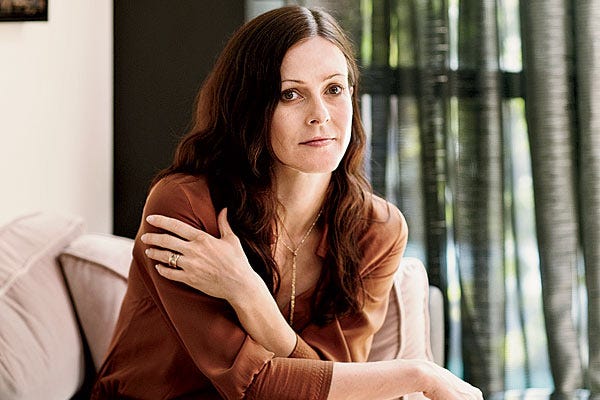
Bethany McLean — Enron, FTX, 2008, Musk, frauds, & visionaries
This was one of my favorite episodes ever.Bethany McLean was the first reporter to question Enron’s earnings, and she has written some of the best finance books out there.We discuss:* The astounding similarities between Enron & FTX,* How visionaries are just frauds who succeed (and which category describes Elon Musk),* What caused 2008, and whether we are headed for a new crisis,* Why there’s too many venture capitalists and not enough short sellers,* And why history keeps repeating itself.McLean is a contributing editor at Vanity Fair (see her articles here) and the author of The Smartest Guys in the Room, All the Devils Are Here, Saudi America, and Shaky Ground.Watch on YouTube. Listen on Spotify, Apple Podcasts, or your favorite podcast platform.Follow McLean on Twitter. Follow me on Twitter for updates on future episodes.Timestamps(0:04:37) - Is Fraud Over?(0:11:22) - Shortage of Shortsellers(0:19:03) - Elon Musk - Fraud or Visionary?(0:23:00) - Intelligence, Fake Deals, & Culture(0:33:40) - Rewarding Leaders for Long Term Thinking(0:37:00) - FTX Mafia?(0:40:17) - Is Finance Too Big?(0:44:09) - 2008 Collapse, Fannie & Freddie(0:49:25) - The Big Picture(1:00:12) - Frackers Vindicated?(1:03:40) - Rating Agencies(1:07:05) - Lawyers Getting Rich Off Fraud(1:15:09) - Are Some People Fundamentally Deceptive?(1:19:25) - Advice for Big Picture Thinkers Get full access to Dwarkesh Podcast at www.dwarkesh.com/subscribe

Nadia Asparouhova — Tech elites, democracy, open source, & philanthropy
Nadia Asparouhova is currently researching what the new tech elite will look like at nadia.xyz. She is also the author of Working in Public: The Making and Maintenance of Open Source Software.We talk about how:* American philanthropy has changed from Rockefeller to Effective Altruism* SBF represented the Davos elite rather than the Silicon Valley elite,* Open source software reveals the limitations of democratic participation,* & much more.Watch on YouTube. Listen on Apple Podcasts, Spotify, or any other podcast platform. Read the full transcript here.Timestamps(0:00:00) - Intro(0:00:26) - SBF was Davos elite(0:09:38) - Gender sociology of philanthropy(0:16:30) - Was Shakespeare an open source project?(0:22:00) - Need for charismatic leaders(0:33:55) - Political reform(0:40:30) - Why didn’t previous wealth booms lead to new philanthropic movements?(0:53:35) - Creating a 10,000 year endowment(0:57:27) - Why do institutions become left wing?(1:02:27) - Impact of billionaire intellectual funding(1:04:12) - Value of intellectuals(1:08:53) - Climate, AI, & Doomerism(1:18:04) - Religious philanthropy Get full access to Dwarkesh Podcast at www.dwarkesh.com/subscribe

Byrne Hobart - FTX, Drugs, Twitter, Taiwan, & Monasticism
Perhaps the most interesting episode so far.Byrne Hobart writes at thediff.co, analyzing inflections in finance and tech.He explains:* What happened at FTX* How drugs have induced past financial bubbles* How to be long AI while hedging Taiwan invasion* Whether Musk’s Twitter takeover will succeed* Where to find the next Napoleon and LBJ* & ultimately how society can deal with those who seek domination and recognitionWatch on YouTube. Listen on Apple Podcasts, Spotify, or any other podcast platform. Read the full transcript here.Follow me on Twitter for updates on future episodes.Timestamps:(0:00:50) - What the hell happened at FTX?(0:07:03) - How SBF Faked Being a Genius: (0:12:23) - Drugs Explain Financial Bubbles(0:17:12) - On Founder Physiognomy(0:21:02) - Indexing Parental Involvement in Raising Talented Kids(0:30:35) - Where are all the Caro-level Biographers?(0:39:03) - Where are today's Great Founders? (0:48:29) - Micro Writing -> Macro Understanding(0:51:48) - Elon's Twitter Takeover(1:00:50) - Does Big Tech & West Have Great People?(1:11:34) - Philosophical Fanatics and Effective Altruism (1:17:17) - What Great Founders Have In Common(1:19:56) - Thinkers vs. Analyzers(1:25:40) - Taiwan Invasion bets & AI Timelines Get full access to Dwarkesh Podcast at www.dwarkesh.com/subscribe
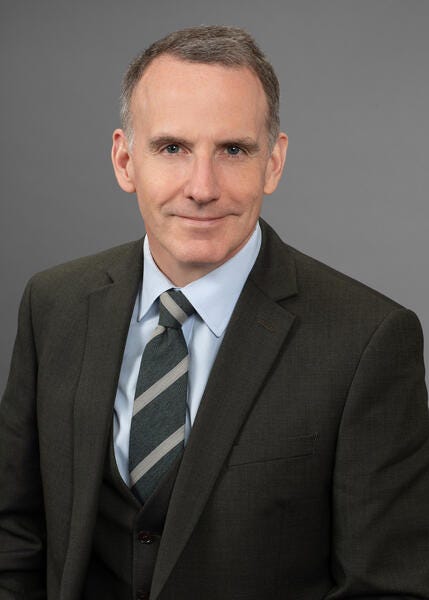
Edward Glaeser - Cities, Terrorism, Housing, & Remote Work
Edward Glaeser is the chair of the Harvard department of economics, and the author of the best books and papers about cities (including Survival of the City and Triumph of the City).He explains why:* Cities are resilient to terrorism, remote work, & pandemics,* Silicon Valley may collapse but the Sunbelt will prosper, * Opioids show UBI is not a solution to AI* & much more!Watch on YouTube. Listen on Apple Podcasts, Spotify, or any other podcast platform. Read the full transcript here.Follow me on Twitter for updates on future episodes.Timestamps(0:00:00) - Mars, Terrorism, & Capitals(0:06:32) - Decline, Population Collapse, & Young Men(0:14:44) - Urban Education(0:18:35) - Georgism, Robert Moses, & Too Much Democracy?(0:25:29) - Opioids, Automation, & UBI(0:29:57) - Remote Work, Taxation, & Metaverse(0:42:29) - Past & Future of Silicon Valley(0:48:56) - Housing Reform(0:52:32) - Europe’s Stagnation, Mumbai’s Safety, & Climate Change Get full access to Dwarkesh Podcast at www.dwarkesh.com/subscribe

Kenneth T. Jackson - Robert Moses, Hero of New York?
I had a fascinating discussion about Robert Moses and The Power Broker with Professor Kenneth T. Jackson.He's the pre-eminent historian on NYC and author of Robert Moses and The Modern City: The Transformation of New York.He answers:* Why are we so much worse at building things today?* Would NYC be like Detroit without the master builder?* Does it take a tyrant to stop NIMBY?Watch on YouTube. Listen on Apple Podcasts, Spotify, or any other podcast platform. Read the full transcript here.Follow me on Twitter for updates on future episodes.Timestamps(0:00:00) Preview + Intro(0:11:13) How Moses Gained Power(0:18:22) Moses Saved NYC?(0:27:31) Moses the Startup Founder?(0:32:34) The Case Against Moses Highways(0:50:30) NIMBYism(1:02:44) Is Progress Cyclical(1:11:13) Friendship with Caro(1:19:50) Moses the Longtermist? Get full access to Dwarkesh Podcast at www.dwarkesh.com/subscribe
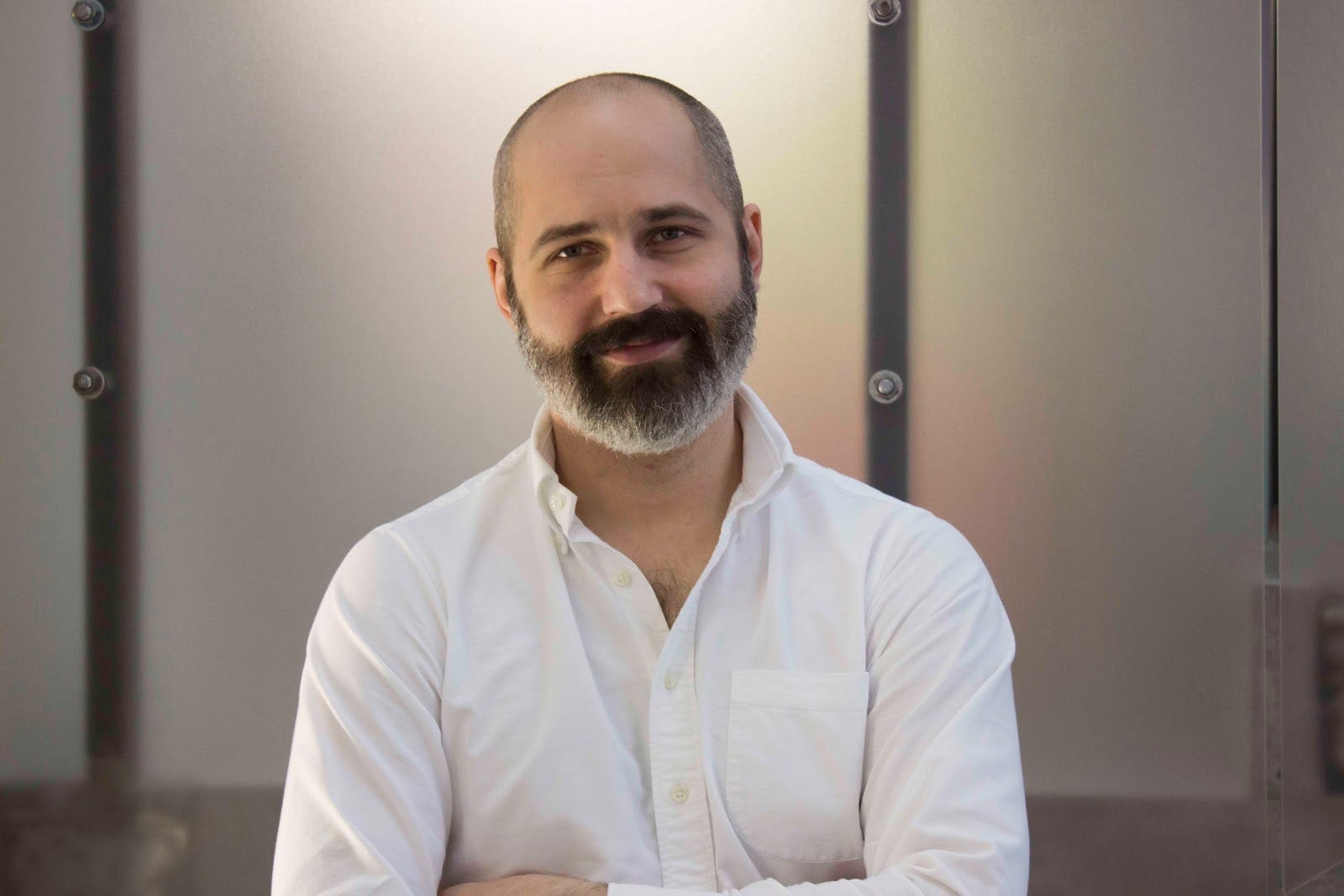
Brian Potter - Future of Construction, Ugly Modernism, & Environmental Review
It was a pleasure to welcome Brian Potter on the podcast! Brian is the author of the excellent Construction Physics blog, where he discusses why the construction industry has been slow to industrialize and innovate.He explains why:Construction isn’t getting cheaper and faster,“Ugly” modern buildings are simply the result of better architecture,China is so great at building things,Saudi Arabia’s Line is a waste of resources,Environmental review makes new construction expensive and delayedand much much more!Watch on YouTube. Listen on Apple Podcasts, Spotify, or any other podcast platform. Read the full transcript here.Follow me on Twitter for updates on future episodes.You may also enjoy my interviews with Tyler Cowen (about talent, collapse, & pessimism of sex). Charles Mann (about the Americas before Columbus & scientific wizardry), and Austin Vernon about (Energy Superabundance, Starship Missiles, & Finding Alpha).Timestamps(0:00) - Why Saudi Arabia’s Line is Insane, Unrealistic, and Never going to Exist (06:54) - Designer Clothes & eBay Arbitrage Adventures (10:10) - Unique Woes of The Construction Industry (19:28) - The Problems of Prefabrication (26:27) - If Building Regulations didn’t exist… (32:20) - China’s Real Estate Bubble, Unbound Technocrats, & Japan(44:45) - Automation and Revolutionary Future Technologies (1:00:51) - 3D Printer Pessimism & The Rising Cost of Labour(1:08:02) - AI’s Impact on Construction Productivity(1:17:53) - Brian Dreams of Building a Mile High Skyscraper(1:23:43) - Deep Dive into Environmentalism and NEPA(1:42:04) - Software is Stealing Talent from Physical Engineering(1:47:13) - Gaps in the Blog Marketplace of Ideas(1:50:56) - Why is Modern Architecture So Ugly?(2:19:58) - Advice for Aspiring Architects and Young Construction Physicists Get full access to Dwarkesh Podcast at www.dwarkesh.com/subscribe
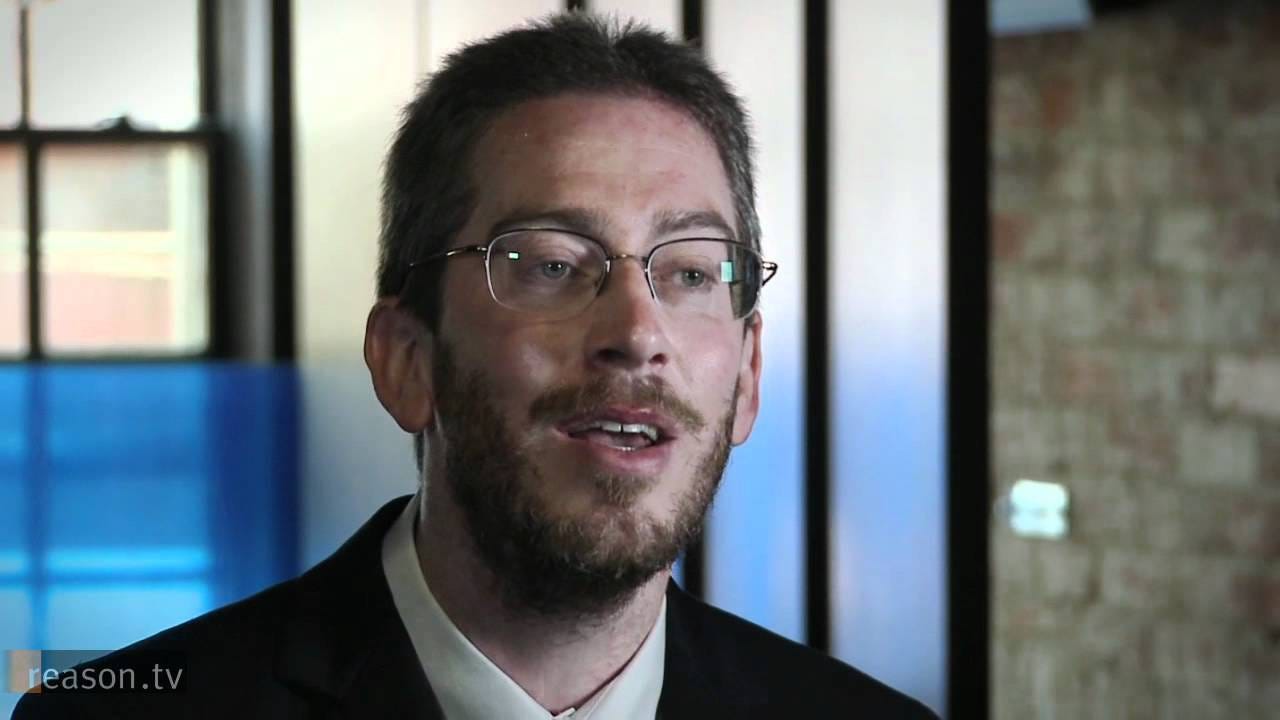
Bryan Caplan - Feminists, Billionaires, and Demagogues
It was a fantastic pleasure to welcome Bryan Caplan back for a third time on the podcast! His most recent book is Don't Be a Feminist: Essays on Genuine Justice.He explains why he thinks:- Feminists are mostly wrong,- We shouldn’t overtax our centi-billionaires,- Decolonization should have emphasized human rights over democracy,- Eastern Europe shows that we could accept millions of refugees.Watch on YouTube. Listen on Apple Podcasts, Spotify, or any other podcast platform. Read the full transcript here.Follow me on Twitter for updates on future episodes.More really cool guests coming up; subscribe to find out about future episodes!You may also enjoy my interviews with Tyler Cowen (about talent, collapse, & pessimism of sex), Charles Mann (about the Americas before Columbus & scientific wizardry), and Steve Hsu (about intelligence and embryo selection).Timestamps(00:12) - Don’t Be a Feminist (16:53) - Western Feminism Ignores Infanticide(19:59) - Why The Universe Hates Women(32:02) - Women's Tears Have Too Much Power(45:40) - Bryan Performs Standup Comedy!(51:02) - Affirmative Action is Philanthropic Propaganda(54:13) - Peer-effects as the Only Real Education(58:24) - The Idiocy of Student Loan Forgiveness(1:07:57) - Why Society is Becoming Mentally Ill(1:10:50) - Open Borders & the Ultra-long Term(1:14:37) - Why Cowen’s Talent Scouting Strategy is Ludicrous(1:22:06) - Surprising Immigration Victories(1:36:06) - The Most Successful Revolutions(1:54:20) - Anarcho-Capitalism is the Ultimate Government(1:55:40) - Billionaires Deserve their Wealth Get full access to Dwarkesh Podcast at www.dwarkesh.com/subscribe

Tyler Cowen - Talent, Collapse, & Pessimism of Sex
It was my great pleasure to speak once again to Tyler Cowen. His most recent book is Talent, How to Find Energizers, Creatives, and Winners Across the World.We discuss:- how sex is more pessimistic than he is,- why he expects society to collapse permanently,- why humility, stimulants, & intelligence are overrated,- how he identifies talent, deceit, & ambition,- & much much much more!Watch on YouTube. Listen on Apple Podcasts, Spotify, or any other podcast platform. Read the full transcript here.Follow me on Twitter for updates on future episodes.You may also enjoy my interviews of Bryan Caplan (about mental illness, discrimination, and poverty), David Deutsch (about AI and the problems with America’s constitution), and Steve Hsu (about intelligence and embryo selection).Timestamps(0:00) -Did Caplan Change On Education?(1:17) - Travel vs. History(3:10) - Do Institutions Become Left Wing Over Time?(6:02) - What Does Talent Correlate With?(13:00) - Humility, Mental Illness, Caffeine, and Suits(19:20) - How does Education affect Talent?(24:34) - Scouting Talent(33:39) - Money, Deceit, and Emergent Ventures(37:16) - Building Writing Stamina(39:41) - When Does Intelligence Start to Matter?(43:51) - Spotting Talent (Counter)signals(53:30) - Will Reading Cowen’s Book Help You Win Emergent Ventures?(1:02:15) - Existential risks and the Longterm(1:10:41) - Cultivating Young Talent(1:16:58) - The Lifespans of Public Intellectuals(1:24:36) - Is Stagnation Inevitable?(1:30:30) - What are Podcasts for? Get full access to Dwarkesh Podcast at www.dwarkesh.com/subscribe
Charles C. Mann - Americas Before Columbus & Scientific Wizardry
Charles C. Mann is the author of three of my favorite history books: 1491. 1493, and The Wizard and the Prophet. We discuss:* why Native American civilizations collapsed and why they failed to make more technological progress* why he disagrees with Will MacAskill about longtermism* why there aren’t any successful slave revolts* how geoengineering can help us solve climate change* why Bitcoin is like the Chinese Silver Trade* and much much more!Timestamps(0:00:00) -Epidemically Alternate Realities(0:00:25) -Weak Points in Empires(0:03:28) -Slave Revolts(0:08:43) -Slavery Ban(0:12:46) - Contingency & The Pyramids(0:18:13) - Teotihuacan(0:20:02) - New Book Thesis(0:25:20) - Gender Ratios and Silicon Valley(0:31:15) - Technological Stupidity in the New World(0:41:24) - Religious Demoralization(0:43:24) - Critiques of Civilization Collapse Theories(0:48:29) - Virginia Company + Hubris(0:52:48) - China’s Silver Trade(1:02:27) - Wizards vs. Prophets(1:07:19) - In Defense of Regulatory Delays(1:11:50) -Geoengineering(1:16:15) -Finding New Wizards(1:18:10) -Agroforestry is Underrated(1:27:00) -Longtermism & Free Markets Get full access to Dwarkesh Podcast at www.dwarkesh.com/subscribe

Austin Vernon - Energy Superabundance, Starship Missiles, & Finding Alpha
Austin Vernon is an engineer working on a new method for carbon capture, and he has one of the most interesting blogs on the internet, where he writes about engineering, software, economics, and investing.We discuss how energy superabundance will change the world, how Starship can be turned into a kinetic weapon, why nuclear is overrated, blockchains, batteries, flying cars, finding alpha, & much more!Watch on YouTube. Listen on Apple Podcasts, Spotify, or any other podcast platform. Read the full transcript here.Follow Austin on Twitter. Follow me on Twitter for updates on future episodes.Timestamps(0:00:00) - Intro(0:01:53) - Starship as a Weapon(0:19:24) - Software Productivity(0:41:40) - Car Manufacturing(0:57:39) - Carbon Capture(1:16:53) - Energy Superabundance(1:25:09) - Storage for Cheap Energy(1:31:25) - Travel in Future(1:33:27) - Future Cities(1:39:58) - Flying Cars(1:43:26) - Carbon Shortage(1:48:03) - Nuclear(2:12:44) - Solar(2:14:44) - Alpha & Efficient Markets(2:22:51) - Conclusion Get full access to Dwarkesh Podcast at www.dwarkesh.com/subscribe

Steve Hsu - Intelligence, Embryo Selection, & The Future of Humanity
Steve Hsu is a Professor of Theoretical Physics at Michigan State University and cofounder of the company Genomic Prediction.We go deep into the weeds on how embryo selection can make babies healthier and smarter.Watch on YouTube. Listen on Apple Podcasts, Spotify, or any other podcast platform.Read the full transcript here.Follow Steve on Twitter. Follow me on Twitter for updates on future episodes.Timestamps(0:00:14) - Feynman’s advice on picking up women(0:11:46) - Embryo selection(0:24:19) - Why hasn't natural selection already optimized humans?(0:34:13) - Aging(0:43:18) - First Mover Advantage(0:53:38) - Genomics in dating(0:59:20) - Ancestral populations(1:07:07) - Is this eugenics?(1:15:08) - Tradeoffs to intelligence(1:24:25) - Consumer preferences(1:29:34) - Gwern(1:33:55) - Will parents matter?(1:44:45) - Wordcels and shape rotators(1:56:45) - Bezos and brilliant physicists(2:09:35) - Elite education Get full access to Dwarkesh Podcast at www.dwarkesh.com/subscribe

Will MacAskill - Longtermism, Altruism, History, & Technology
Will MacAskill is one of the founders of the Effective Altruist movement and the author of the upcoming book, What We Owe The Future.We talk about improving the future, risk of extinction & collapse, technological & moral change, problems of academia, who changes history, and much more.Watch on YouTube. Listen on Apple Podcasts, Spotify, or any other podcast platform.Episode website + Transcript here.Follow Will on Twitter. Follow me on Twitter for updates on future episodes.Subscribe to find out about future episodes!Timestamps(00:23) - Effective Altruism and Western values(07:47) - The contingency of technology(12:02) - Who changes history?(18:00) - Longtermist institutional reform(25:56) - Are companies longtermist?(28:57) - Living in an era of plasticity(34:52) - How good can the future be?(39:18) - Contra Tyler Cowen on what’s most important(45:36) - AI and the centralization of power(51:34) - The problems with academiaPlease share if you enjoyed this episode! Helps out a ton!TranscriptDwarkesh Patel 0:06Okay, today I have the pleasure of interviewing William MacAskill. Will is one of the founders of the Effective Altruism movement, and most recently, the author of the upcoming book, What We Owe The Future. Will, thanks for coming on the podcast.Will MacAskill 0:20Thanks so much for having me on.Effective Altruism and Western valuesDwarkesh Patel 0:23My first question is: What is the high-level explanation for the success of the Effective Altruism movement? Is it itself an example of the contingencies you talk about in the book?Will MacAskill 0:32Yeah, I think it is contingent. Maybe not on the order of, “this would never have happened,” but at least on the order of decades. Evidence that Effective Altruism is somewhat contingent is that similar ideas have been promoted many times during history, and not taken on.We can go back to ancient China, the Mohists defended an impartial view of morality, and took very strategic actions to help all people. In particular, providing defensive assistance to cities under siege. Then, there were early utilitarians. Effective Altruism is broader than utilitarianism, but has some similarities. Even Peter Singer in the 70s had been promoting the idea that we should be giving most of our income to help the very poor — and didn’t get a lot of traction until early 2010 after GiveWell and Giving What We Can launched.What explains the rise of it? I think it was a good idea waiting to happen. At some point, the internet helped to gather together a lot of like-minded people which wasn’t possible otherwise. There were some particularly lucky events like Alex meeting Holden and me meeting Toby that helped catalyze it at the particular time it did.Dwarkesh Patel 1:49If it's true, as you say, in the book, that moral values are very contingent, then shouldn't that make us suspect that modern Western values aren't that good? They're mediocre, or worse, because ex ante, you would expect to end up with a median of all the values we could have had at this point. Obviously, we'd be biased in favor of whatever values we were brought up in.Will MacAskill 2:09Absolutely. Taking history seriously and appreciating the contingency of values, appreciating that if the Nazis had won the World War, we would all be thinking, “wow, I'm so glad that moral progress happened the way it did, and we don't have Jewish people around anymore. What huge moral progress we had then!” That's a terrifying thought. I think it should make us take seriously the fact that we're very far away from the moral truth.One of the lessons I draw in the book is that we should not think we're at the end of moral progress. We should not think, “Oh, we should lock in the Western values we have.” Instead, we should spend a lot of time trying to figure out what's actually morally right, so that the future is guided by the right values, rather than whichever happened to win out.Dwarkesh Patel 2:56So that makes a lot of sense. But I'm asking a slightly separate question—not only are there possible values that could be better than ours, but should we expect our values - we have the sense that we've made moral progress (things are better than they were before or better than most possible other worlds in 2100 or 2200)- should we not expect that to be the case? Should our priors be that these are ‘meh’ values?Will MacAskill 3:19Our priors should be that our values are as good as expected on average. Then you can make an assessment like, “Are other values of today going particularly well?” There are some arguments you could make for saying no. Perhaps if the Industrial Revolution happened in India, rather than in Western Europe, then perhaps we wouldn't have wide-scale factory farming—which I think is a moral atrocity. Having said that, my view is to think that we're doing better than average.If civilization were just a redraw, then things would look worse in terms of our moral beliefs and attitudes. The abolition of slavery, the femi
Joseph Carlsmith - Utopia, AI, & Infinite Ethics
Joseph Carlsmith is a senior research analyst at Open Philanthropy and a doctoral student in philosophy at the University of Oxford.We discuss utopia, artificial intelligence, computational power of the brain, infinite ethics, learning from the fact that you exist, perils of futurism, and blogging.Watch on YouTube. Listen on Spotify, Apple Podcasts, etc.Episode website + Transcript here. Follow Joseph on Twitter. Follow me on Twitter.Subscribe to find out about future episodes!Timestamps(0:00:06) - Introduction(0:02:53) - How to Define a Better Future?(0:09:19) - Utopia(0:25:12) - Robin Hanson’s EMs(0:27:35) - Human Computational Capacity(0:34:15) - FLOPS to Emulate Human Cognition?(0:40:15) - Infinite Ethics(1:00:51) - SIA vs SSA(1:17:53) - Futurism & Unreality(1:23:36) - Blogging & Productivity(1:28:43) - Book Recommendations(1:30:04) - ConclusionPlease share if you enjoyed this episode! Helps out a ton! Get full access to Dwarkesh Podcast at www.dwarkesh.com/subscribe

Fin Moorhouse - Longtermism, Space, & Entrepreneurship
Fin Moorhouse is a Research Scholar and assistant to Toby Ord at Oxford University's Future of Humanity Institute. He co-hosts the Hear This Idea podcast, which showcases new thinking in philosophy, the social sciences, and effective altruism.We discuss for-profit entrepreneurship for altruism, space governance, morality in the multiverse, podcasting, the long reflection, and the Effective Ideas & EA criticism blog prize.Watch on YouTube. Listen on Spotify, Apple Podcasts, etc.Episode website + Transcript here.Follow Fin on Twitter. Follow me on Twitter.Subscribe to find out about future episodes!Timestamps(0:00:10) - Introduction(0:02:45) - EA Prizes & Criticism(0:09:47) - Longtermism(0:12:52) - Improving Mental Models(0:20:50) - EA & Profit vs Nonprofit Entrepreneurship(0:30:46) - Backtesting EA(0:35:54) - EA Billionares(0:38:32) - EA Decisions & Many Worlds Interpretation(0:50:46) - EA Talent Search(0:52:38) - EA & Encouraging Youth(0:59:17) - Long Reflection(1:03:56) - Long Term Coordination(1:21:06) - On Podcasting(1:23:40) - Audiobooks Imitating Conversation(1:27:04) - Underappreciated Podcasting Skills(1:38:08) - Space Governance(1:42:09) - Space Safety & 1st Principles(1:46:44) - Von Neuman Probes(1:50:12) - Space Race & First Strike(1:51:45) - Space Colonization & AI(1:56:36) - Building a Startup(1:59:08) - What is EA Underrating?(2:10:07) - EA Career Steps(2:15:16) - Closing RemarksPlease share if you enjoyed this episode! Helps out a ton! Get full access to Dwarkesh Podcast at www.dwarkesh.com/subscribe

Alexander Mikaberidze - Napoleon, War, Progress, and Global Order
Alexander Mikaberidze is Professor of History at Louisiana State University and the author of The Napoleonic Wars: A Global History.He explains the global ramifications of the Napoleonic Wars - from India to Egypt to America. He also talks about how Napoleon was the last of the enlightened despots, whether he would have made a good startup founder, how the Napoleonic Wars accelerated the industrial revolution, the roots of the war in Ukraine, and much more!Watch on YouTube, or listen on Spotify, Apple Podcasts, or any other podcast platform.Episode website + Transcript here. Follow Professor Mikaberidze on Twitter. Follow me on Twitter for updates on future episodes.Subscribe to find out about future episodes!Timestamps:(0:00:00) Alexander Mikaberidze - Professor of history and author of “The Napoleonic Wars”(0:01:19) - The allure of Napoleon(0:13:48) - The advantages of multiple colonies(0:27:33) - The Continental System and the industrial revolution(0:34:49) - Napoleon’s legacy.(0:50:38) - The impact of Napoleonic Wars(1:01:23) - Napoleon as a startup founder(1:14:02) The advantages of war and how it shaped international government and to some extent, political structures.Please share if you enjoyed this episode! Helps out a ton! Get full access to Dwarkesh Podcast at www.dwarkesh.com/subscribe

Sam Bankman-Fried - Crypto, Altruism, and Leadership
I flew to the Bahamas to interview Sam Bankman-Fried, the CEO of FTX! He talks about FTX’s plan to infiltrate traditional finance, giving $100m this year to AI + pandemic risk, scaling slowly + hiring A-players, and much more.Watch on YouTube. Listen on Apple Podcasts, Spotify, or any other podcast platform.Episode website + Transcript here.Follow me on Twitter for updates on future episodesSubscribe to find out about future episodes!Timestamps(00:18) - How inefficient is the world?(01:11) - Choosing a career(04:15) - The difficulty of being a founder(06:21) - Is effective altruism too narrowminded?(09:57) - Political giving(12:55) - FTX Future Fund(16:41) - Adverse selection in philanthropy(18:06) - Correlation between different causes(22:15) - Great founders do difficult things(25:51) - Pitcher fatigue and the importance of focus(28:30) - How SBF identifies talent(31:09) - Why scaling too fast kills companies(33:51) - The future of crypto(35:46) - Risk, efficiency, and human discretion in derivatives(41:00) - Jane Street vs FTX(41:56) - Conflict of interest between broker and exchange(42:59) - Bahamas and Charter Cities(43:47) - SBF’s RAM-skewed mindUnfortunately, audio quality abruptly drops from 17:50-19:15TranscriptDwarkesh Patel 0:09Today on The Lunar Science Society Podcast, I have the pleasure of interviewing Sam Bankman-Fried, CEO of FTX. Thanks for coming on The Lunar Society.Sam Bankman-Fried 0:17Thanks for having me.How inefficient is the world?Dwarkesh Patel 0:18Alright, first question. Does the consecutive success of FTX and Alameda suggest to you that the world has all kinds of low-hanging opportunities? Or was that a property of the inefficiencies of crypto markets at one particular point in history?Sam Bankman-Fried 0:31I think it's more of the former, there are just a lot of inefficiencies.Dwarkesh Patel 0:35So then another part of the question is: if you had to restart earning to give again, what are the odds you become a billionaire, but you can't do it in crypto?Sam Bankman-Fried 0:42I think they're pretty decent. A lot of it depends on what I ended up choosing and how aggressive I end up deciding to be. There were a lot of safe and secure career paths before me that definitely would not have ended there. But if I dedicated myself to starting up some businesses, there would have been a pretty decent chance of it.Choosing a careerDwarkesh Patel 1:11So that leads to the next question—which is that you've cited Will MacAskill's lunch with you while you were at MIT as being very important in deciding your career. He suggested you earn-to-give by going to a quant firm like Jane Street. In retrospect, given the success you've had as a founder, was that maybe bad advice? And maybe you should’ve been advised to start a startup or nonprofit?Sam Bankman-Fried 1:31I don't think it was literally the best possible advice because this was in 2012. Starting a crypto exchange then would have been…. I think it was definitely helpful advice. Relative to not having gotten advice at all, I think it helps quite a bit.Dwarkesh Patel 1:50Right. But then there's a broader question: are people like you who could become founders advised to take lower variance, lower risk careers that in, expected value, are less valuable?Sam Bankman-Fried 2:02Yeah, I think that's probably true. I think people are advised too strongly to go down safe career paths. But I think it's worth noting that there's a big difference between what makes sense altruistically and personally for this. To the extent you're just thinking of personal criteria, that's going to argue heavily in favor of a safer career path because you have much more quickly declining marginal utility of money than the world does. So, this kind of path is specifically for altruistically-minded people.The other thing is that when you think about advising people, I think people will often try and reference career advice that others got. “What were some of these outward-facing factors of success that you can see?” But often the answer has something to do with them and their family, friends, or something much more personal. When we talk with people about their careers, personal considerations and the advice of people close to them weigh very heavily on the decisions they end up making.Dwarkesh Patel 3:17I didn't realize that the personal considerations were as important in your case as the advice you got.Sam Bankman-Fried 3:24Oh, I don’t think in my case. But, it is true with many people that I talked to.Dwarkesh Patel 3:29Speaking of declining marginal consumption, I'm wondering if you think the implication of this is that over the long term, all the richest people in the world will be utilitarian philanthropists because they don't have diminishing returns of consumption. They’re risk-neutral.Sam Bankman-Fried 3:40I wouldn't say all will, but I think there probably is something in that direction. People who are looking at how they can help the world are going to end up

Agustin Lebron - Trading, Crypto, and Adverse Selection
Agustin Lebron began his career as a trader and researcher at Jane Street Capital, one of the largest market-making firms in the world. He currently runs the consulting firm Essilen Research, where he is dedicated to helping clients integrate modern decision-making approaches in their business. We discuss how AI will change finance, why adverse selection makes trading and hiring so difficult, & what the future of crypto holds.Watch on YouTube, or listen on Spotify, Apple Podcasts, or any other podcast platform.Episode website here.Buy The Laws of Trading.Follow Agustin on Twitter. Follow me on Twitter for updates on future episodes.Subscribe to find out about future episodes!Timestamps:(00:00) - Introduction(04:18) - What happens in adverse selection?(09:22) - Why is having domain expertise in trading not important?(15:09) - How do you deal when you're on the other side of the adverse selection?(21:16) - Why you should invest in training your people?(25:37) - Is finance too big at 9% of GDP?(31:06) - Trading is very labor intensive(36:16) - Overlap of rationality community and trading(48:00) - The age of startup founders(50:43) - The role of market makers in crypto(57:31) - Three books that you recommend(58:47) - Life is long, not short(1:03:01) - Short history of Lunar SocietyPlease share if you enjoyed this episode! Helps out a ton! Get full access to Dwarkesh Podcast at www.dwarkesh.com/subscribe

Ananyo Bhattacharya - John von Neumann, Jewish Genius, and Nuclear War
Ananyo Bhattacharya is the author of The Man from the Future: The Visionary Life of John von Neumann. He is a science writer who has worked at the Economist and Nature. Before journalism, he was a medical researcher at the Burnham Institute in San Diego, California. He holds a degree in physics from the University of Oxford and a PhD in protein crystallography from Imperial College London.Watch on YouTube. Listen on Apple Podcasts, Spotify, or any other podcast platform.Episode website here.Follow Ananyo on Twitter. Follow me on Twitter for updates on future episodes.Timestamps:(0:00:30) - John Von Neumann - The Man From The Future(0:02:29) - The Forgotten Father of Game Theory(0:16:04) - The last representative of the great mathematicians(0:19:45) - Did John Von Neumann have a Miracle year?(0:26:31) - The fundamental theorem of John von Neumann’s game theory(0:29:34) - The strong supporter of "Preventive War”(0:50:51) - We can't all be superhuman Get full access to Dwarkesh Podcast at www.dwarkesh.com/subscribe

Stephen Grugett (Manifold Markets Founder) - Predictions Markets & Revolutionizing Governance
Stephen Grugett is a cofounder of Manifold Markets, where anyone can create a prediction market. We discuss how prediction markets can change how countries and companies make important decisions.Manifold Markets: https://manifold.markets/Watch on YouTube. Listen on Apple Podcasts, Spotify, or any other podcast platform.Episode website here.Follow me on Twitter for updates on future episodes.Timestamps:(0:00:00) - Introduction(0:02:29) - Predicting the future(0:05:16) - Getting Accurate Information(0:06:20) - Potentials(0:09:29) - Not using internal prediction markets(0:11:04) - Doing the painful thing(0:13:31) - Decision Making Process(0:14:52) - Grugett’s opinion about insider trading(0:16:23) - The Role of prediction market(0:18:17) - Dealing with the Speculators(0:20:33) - Criticism of Prediction Markets(0:22:24) - The world when people cared about prediction markets(0:26:10) - Grugett’s Profile Background/Experience(0:28:49) - User Result Market(0:30:17) - The most important mechanism(0:32:59) - The 1000 manifold dollars(0:40:30) - Efficient financial markets(0:46:28) - Manifold Markets Job/Career Openings(0:48:02) - Objectives of Manifold Markets Get full access to Dwarkesh Podcast at www.dwarkesh.com/subscribe
Pradyu Prasad - Imperial Japan, the God Emperor, and Militarization in the Modern World
Today I talk to Pradyu Prasad (blogger and podcaster) about the book "Hirohito and the Making of Modern Japan" by Herbert P. Bix. We also discuss militarization, industrial capacity, current events, and blogging. Watch on YouTube. Listen on Apple Podcasts, Spotify, or any other podcast platform.Podcast website here.Follow Pradyu on Twitter. Follow me on Twitter for updates on future episodes.Follow Pradyu's Blog: https://brettongoods.substack.com/ Timestamps:(0:00:00) - Intro (0:01:59) - Hirohito and Introduction to the Book (0:05:39) - Meiji Restoration and Japan's Rapid Industrialization (0:11:11) - Industrialization and Traditional Military Norms (0:14:50) - Alternate Causes for Japanese Atrocities Richard Hanania's Public Choice Theory in Imperial Japan (0:17:03)(0:21:34) - Hirohito's Relationship with the Military (0:24:33) - Rant of Japanese Strategy (0:33:10) - Modern Parallel to Russia/Ukraine (0:38:22) - Economics of War and Western War Capacity (0:48:14) - Elements of Effective Occupation (0:55:53) - Ideological Fervor in WW2 Japan (0:59:25) - Cynicism on Elites(1:00:29) - The Legend of Godlike Hirohito (1:06:47) - Postwar Japanese Economy(1:13:23) - Blogging and Podcasting (1:20:31) - Spooky (1:38:00) - Outro Please share if you enjoyed this episode! Helps out a ton! Get full access to Dwarkesh Podcast at www.dwarkesh.com/subscribe
Razib Khan - Genomics, Intelligence, and The Church of Science
Razib Khan is a writer, geneticist, and blogger with an interest in history, genetics, culture, and evolutionary psychology.Watch on YouTube. Listen on Apple Podcasts, Spotify, or any other podcast platform.Podcast website here.Follow Razib on Twitter. Follow me on Twitter for updates on future episodesThanks for reading The Lunar Society! Subscribe to find out about future episodes!Time Stamps(0:00:05) Razib's Background(0:01:34) Dysgenics of Intelligence(0:04:23) Endogamy and Genetic traits in India(0:08:58) Similar Examples of Endogamy(0:14:28) Why So Many Brahmin CEOs(0:19:55) Razib the Globe Trotter, Geography Expert(0:25:04) Male/Female Genetic Variance(0:30:04) Agricultural Man and Our Tiny Brains(0:34:40) The Church of Science(0:42:33) Professorship, a family business(0:44:23) Long History(0:52:42) Future of Human-Computer Interfacing(0:56:30) Near Future of Gene Editing(0:59:19) Meta Questions and ClosingPlease share if you enjoyed this episode! Helps out a ton! Get full access to Dwarkesh Podcast at www.dwarkesh.com/subscribe
Jimmy Soni - Peter Thiel, Elon Musk, and the Paypal Mafia
Jimmy Soni is the author of The Founders: The Story of Paypal and the Entrepreneurs Who Shaped Silicon Valley.Watch on YouTube. Listen on Apple Podcasts, Spotify, or any other podcast platform.Episode website here.Follow Jimmy on Twitter. Follow me on Twitter for updates on future episodes! Timestamps:(0:00:00) - Bell Labs vs PayPal(0:05:12) - Scenius in Ancient Rome and America's Founding(0:07:02) - Girard at PayPal(0:15:17) - Thiel almost shorts the Dot com bubble(0:19:49) - Does Zero to One contradict PayPal's story?(0:27:57) - Hilarious Russian hacker story(0:29:06) - Why is Thiel so good at spotting talent?(0:34:50) - Did PayPal make talent or discover it?(0:40:40) - Japanese mafia invests in PayPal?!(0:44:42) - Upcoming TV show on PayPal(0:48:11) - Musk in ancient Rome(0:52:12) - Why didn't Musk keep pursuing finance?(0:56:32) - Why didn't the mafia get back together?(1:00:06) - Jimmy's writing process Get full access to Dwarkesh Podcast at www.dwarkesh.com/subscribe
Bryan Caplan - Discrimination, Poverty, & Mental Illness
I interview the economist Bryan Caplan about his new book, Labor Econ Versus the World, and many other related topics.Bryan Caplan is a Professor of Economics at George Mason University and a New York Times Bestselling author. His most famous works include: The Myth of the Rational Voter, Selfish Reasons to Have More Kids, The Case Against Education, and Open Borders: The Science and Ethics of Immigration.Watch on YouTube. Listen on Apple Podcasts, Spotify, or any other podcast platform.Podcast website here.Follow Bryan on Twitter. Follow me on Twitter for updates on future episodes.Timestamps:(0:00:00) - Intro(0:00:33) - How many workers are useless, and why is labor force participation so low?(0:03:47) - Is getting out of poverty harder than we think?(0:10:43) - Are elites to blame for poverty?(0:14:56) - Is human nature to blame for poverty?(0:19:11) - Remote work and foreign wages(0:24:43) - The future of the education system?(0:29:31) - Do employers care about the difficulty of a curriculum?(0:33:13) - Why do companies and colleges discriminate against Asians?(0:42:01) - Applying Hanania's unitary actor model to mental health(0:50:38) - Why are multinationals so effective?(0:53:37) - Open borders and cultural norms(0:58:13) - Is Tyler Cowen right about automation? Get full access to Dwarkesh Podcast at www.dwarkesh.com/subscribe
Richard Hanania - Foreign Policy, Fertility, and Wokeness
Richard Hanania is the President of the Center for the Study of Partisanship and Ideology and the author of Public Choice Theory and the Illusion of Grand Strategy: How Generals, Weapons Manufacturers, and Foreign Governments Shape American Foreign Policy.Watch on YouTube. Listen on Apple Podcasts, Spotify, or any other podcast platform.Episode website here. Follow Richard on Twitter. Follow me on Twitter for updates on future episodes.Read Richard's Substack: https://richardhanania.substack.com/Timestamps:(0:00:00) - Intro(0:04:35) - Did war prevent sclerosis?(0:06:05) - China vs America's grand strategy(0:10:00) - Does the president have more power over foreign policy?(0:11:30) - How to deter bad actors?(0:15:39) - Do some countries have a coherent foreign policy?(0:16:55) - Why does self-interest matter in foreign but not domestic policy? (0:21:05) - Should we limit money in politics?(0:23:47) - Should we credit expertise for nuclear detante and global prosperity?(0:28:45) - Have international alliances made us safer?(0:31:57) - Why does academic bueracracy work in some fields?(0:36:26) - Did academia suck even before diversity?(0:39:34) - How do we get expertise in social sciences?(0:42:19) - Why are things more liberal?(0:43:55) - Why is big tech so liberal?(0:47:53) - Authoritarian populism vs libertarianism(0:51:40) - Can authoritarian governments increase fertility?(0:54:54) - Will increasing fertility be dysgenic?(0:56:43) - Will not having kids become cool?(0:59:22) -Advice for libertarians? Get full access to Dwarkesh Podcast at www.dwarkesh.com/subscribe
David Deutsch - AI, America, Fun, & Bayes
David Deutsch is the founder of the field of quantum computing and the author The Beginning of Infinity and The Fabric of Reality.Read me contra David on AI.Watch on YouTube. Listen on Apple Podcasts, Spotify, or any other podcast platform.Read the full transcript with helpful links here.Follow David on Twitter. Follow me on Twitter for updates on future podcasts.Timestamps(0:00:00) - Will AIs be smarter than humans? (0:06:34) - Are intelligence differences immutable / heritable?(0:20:13) - IQ correletation of twins seperated at birth(0:27:12) - Do animals have bounded creativity?(0:33:32) - How powerful can narrow AIs be?(0:36:59) - Could you implant thoughts in VR?(0:38:49) - Can you simulate the whole universe?(0:41:23) - Are some interesting problems insoluble?(0:44:59) - Does America fail Popper's Criterion?(0:50:01) - Does finite matter mean there's no beginning of infinity?(0:53:16) - The Great Stagnation(0:55:34) - Changes in epistemic status is Popperianism(0:59:29) - Open ended science vs gain of function(1:02:54) - Contra Tyler Cowen on civilizational lifespan(1:07:20) - Fun criterion(1:14:16) - Does AGI through evolution require suffering?(1:18:01) - Would David enter the Experience Machine?(1:20:09) - (Against) Advice for young people Get full access to Dwarkesh Podcast at www.dwarkesh.com/subscribe
Byrne Hobart - Optionality, Stagnation, and Secret Societies
Byrne Hobart writes The Diff, a newsletter about inflections in finance and technology with 24,000+ subscribers. Watch on YouTube. Listen on Apple Podcasts, Spotify, or any other podcast platform.Episode website here. The Diff newsletter: https://diff.substack.com/Follow Byrne on Twitter. Follow me on Twitter for updates on future episodes!Thanks for reading The Lunar Society! Subscribe for free to receive new posts and support my work.Timestamps: (0:00:00) - Byrne's one big idea: stagnation (0:05:50) -Has regulation caused stagnation? (0:14:00) - FDA retribution (0:15:15) - Embryo selection (0:17:32) - Patient longtermism (0:21:02) - Are there secret societies? (0:26:53) - College, optionality, and conformity(0:34:40) - Differentiated credentiations underrated? (0:39:15) - WIll contientiousness increase in value? (0:44:26) - Why aren't rationalists more into finance? (0:48:04) - Rationalists are bad at changing the world. (0:52:20) - Why read more? (0:57:10) - Does knowledge have increasing returns? (1:01:30) - How to escape the middle career trap? (1:04:48) - Advice for young people (1:08:40) - How to learn about a subject? Get full access to Dwarkesh Podcast at www.dwarkesh.com/subscribe
David Friedman - Dating Markets, Legal Systems, Bitcoin, and Automation
David Friedman is a famous anarcho-capitalist economist and legal scholar. Watch on YouTube. Listen on Apple Podcasts, Spotify, or any other podcast platform.Episode website + transcript here.David Friedman's website: http://www.daviddfriedman.com/Follow me on Twitter for updates on future episodes.Timestamps:(0:00:00) - Dating market (0:12:15) - The future of reputation (0:27:30) - How Friedman predicted bitcoin (0:35:35) - Prediction markets (0:40:00) - Can regulation stop progress globally? (0:45:50) - Lack of diversity in modern legal systems (0:54:20) - Friedman's theory of property rights (1:01:50) - Charles Murray's scheme to fight regulations (1:06:25) -Property rights of the poor (1:09:07) - Automation (1:16:00) - Economics of medieval reenactment (1:19:00) - Advice for futurist young people Get full access to Dwarkesh Podcast at www.dwarkesh.com/subscribe
Sarah Fitz-Claridge - Taking Children Seriously
Sarah Fitz-Claridge is a writer, coach, and speaker with a fallibilist worldview. She started the journal that became Taking Children Seriously in the early 1990s after being surprised by the heated audience reactions she was getting when talking about children. She has spoken all over the world about her educational philosophy, and you can find transcripts of some of her talks on her website.Watch on YouTube. Listen on Apple Podcasts, Spotify, or any other podcast platform.Episode website here. Sarah's Website: https://www.fitz-claridge.com/Follow Sarah on Twitter. Follow me on Twitter for updates. Get full access to Dwarkesh Podcast at www.dwarkesh.com/subscribe
Michael Huemer - Anarchy, Capitalism, and Progress
Michael Huemer is a professor of philosophy at the University of Colorado. He is the author of more than sixty academic articles in epistemology, ethics, metaethics, metaphysics, and political philosophy, as well as eight amazing books. Watch on YouTube. Listen on Apple Podcasts, Spotify, or any other podcast platform.Podcast website here. Buy Knowledge, Reality, and Value and The Problem of Political Authority.Read Michael’s awesome blog and follow me on Twitter for new episodes.Timestamps: (0:00:00) - Intro (0:01:07) - The Problem of Political Authority (0:03:25) - Common sense ethics (0:09:39) - Stockholm syndrome and the charisma of power (0:18:14) - Moral progress (0:26:55) - Growth of libertarian ideas (0:33:37) - Does anarchy increase violence? (0:44:37) - Transitioning to anarchy (0:47:20) - Is Huemer attacking our society?! (0:51:40) - Huemer's writing process (0:53:18) - Is it okay to work for the government (0:56:39) - Burkean argument against anarchy (1:02:07) - The case for tyranny (1:11:58) - Underrated/overrated (1:25:55) - Huemer production function(1:30:41) - Favorite books (1:33:04) - Advice for young people Get full access to Dwarkesh Podcast at www.dwarkesh.com/subscribe
Uncle Bob - The Long Reach of Code
Robert Martin (aka Uncle Bob) is a programming pioneer and bestselling author or Clean Code. We discuss the prospect of automating programming, spotting and developing coding talent, occupational licensing, quotas, and the elusive sense of style. Watch on YouTube. Listen on Apple Podcasts, Spotify, or any other podcast platform.Listen to his fascinating talk on the future of programming: https://youtu.be/ecIWPzGEbFc Read his blog about programming: http://blog.cleancoder.com/ Buy his books on Amazon: https://www.amazon.com/kindle-dbs/ent... Thanks for reading The Lunar Society! Subscribe to find out about future episodes!Timestamps(0:00) - Automating programming (8:40) - Educating programmers (expertise, talent, university) (21:45) - Spotting talent (26:10) - Teaching kids (29:31) - Prose and music sense in coding (32:22) - Occupational licensing for programmers (35:49) - Why is tech political (39:28) - Quotas (42:29) - Advice to 20 yr old Get full access to Dwarkesh Podcast at www.dwarkesh.com/subscribe
Scott Aaronson - Quantum Computing, Complexity, and Creativity
Scott Aaronson is a Professor of Computer Science at The University of Texas at Austin, and director of its Quantum Information Center. He's the author of one of the most interesting blogs on the internet: https://www.scottaaronson.com/blog/ and the book “Quantum Computing since Democritus”.He was also my professor for a class on quantum computing.Watch on YouTube. Listen on Apple Podcasts, Spotify, or any other podcast platform.Episode website here. Follow me on Twitter to get updates on future episodes and guests.Timestamps(0:00) - Intro(0:33) - Journey through high school and college(12:37) - Early work(19:15) - Why quantum computing took so long(33:30) - Contributions from outside academia(38:18) - Busy beaver function(53:50) - New quantum algorithms(1:03:30) - Clusters(1:06:23) - Complexity and economics(1:13:26) - Creativity(1:24:07) - Advice to young people Get full access to Dwarkesh Podcast at www.dwarkesh.com/subscribe
Scott Young - Ultralearning
Scott is the author of Ultralearning and famous for the MIT Challenge, where he taught himself MIT's 4 year Computer Science curriculum in 1 year.I had a blast chatting with Scott Young about aggressive self-directed learning. Scott has some of the best advice out there about learning hard things. It has helped yours truly prepare to interview experts and dig into interesting subjects. Watch on YouTube. Listen on Apple Podcasts, Spotify, or any other podcast platform.Podcast website here.Check out Scott’s website. Follow me on Twitter for updates on future episodes.Buy Scott’s book on Ultralearning: https://amzn.to/3TuPEbfTimestamps(00:00) - Intro (01:00) - Einstein (13:20) - Age (18:00) - Transfer (24:40) - Compounding (34:00) - Depth vs context (40:50) - MIT challenge (1:00:50) - Focus(1:10:00) - Role models (1:20:30) - Progress studies (1:24:25) - Early work and ambition (1:28:18) - Advice for 20 yr old (1:35:00) - Raising a genius baby? Get full access to Dwarkesh Podcast at www.dwarkesh.com/subscribe
Charles Murray - Human Accomplishment and the Future of Liberty
I ask Charles Murray about Human Accomplishment, By The People, and The Curmudgeon's Guide to Getting Ahead. Watch on YouTube. Listen on Apple Podcasts, Spotify, or any other podcast platform.Read the full transcript here.Follow Charles on Twitter. Follow me on Twitter for updates on future episodes.Timestamps(00:00) - Intro (01:00) - Writing Human Accomplishment (06:30) - The Lotka curve, age, and miracle years (10:38) - Habits of the greats (hard work) (15:22) - Focus and explore in your 20s (19:57) - Living in Thailand (23:02) - Peace, wealth, and golden ages (26:02) - East, west, and religion (30:38) - Christianity and the Enlightenment (34:44) - Institutional sclerosis (37:43) - Antonine Rome, decadence, and declining accomplishment (42:13) - Crisis in social science (45:40) - Can secular humanism win? (55:00) - Future of Christianity (1:03:30) - Liberty and accomplishment (1:06:08) - By the People (1:11:17) - American exceptionalism (1:14:49) - Pessimism about reform (1:18:43) - Can libertarianism be resuscitated? (1:25:18) - Trump's deregulation and judicial nominations (1:28:11) - Beating the federal government (1:32:05) - Why don't big companies have a litigation fund? (1:34:05) - Getting around the Halo effect (1:36:07) - What happened to the Madison fund? (1:37:00) - Future of liberty (1:41:00) - Public sector unions (1:43:43) - Andrew Yang and UBI (1:44:36) - Groundhog Day (1:47:05) - Getting noticed as a young person (1:50:48) - Passage from Human Accomplishment Get full access to Dwarkesh Podcast at www.dwarkesh.com/subscribe
Alex Tabarrok - Prizes, Prices, and Public Goods
Alex Tabarrok is a professor of economics at George Mason University and with Tyler Cowen a founder of the online education platform http://MRU.org.I ask Alex Tabarrok about the Grand Innovation Prize, the Baumol effect, and Dominant Assurance Contracts.Watch on YouTube, or listen on Spotify, Apple Podcasts, or any other podcast platform.Episode website here.Follow Alex on Twitter. Follow me on Twitter for updates on future episodes.Alex Tabarrok's and Tyler Cowen's excellent blog: https://marginalrevolution.com/ Thanks for reading The Lunar Society! Subscribe to find out about future episodes!Timestamps:(00:00) - Intro (00:34) - Grand Innovation Prize (08:45) - Prizes vs grants (14:10) -Baumol effect (27:50) - On Bryan Caplan's case against education (31:35) - Scaling education online (48:50) - Declining research productivity (52:15) - Dominant Assurance Contracts (58:40) - Future of governance(1:04:05) - On Robin Hanson's Futarchy(1:06:02) - Beating Adam Smith(1:08:35) - Our Warfare-Welfare State (1:19:30) - The Great Stagnation vs The Innovation Renaissance (1:21:40) - Advice to 20 year oldsShare Get full access to Dwarkesh Podcast at www.dwarkesh.com/subscribe
Caleb Watney - America's Innovation Engine
Caleb Watney is the director of innovation policy at the Progressive Policy Institute.Watch on YouTube. Listen on Apple Podcasts, Spotify, or any other podcast platform.Episode website here.Follow Caleb on Twitter. Follow me on Twitter for updates on future episodes.Caleb's new blog: https://www.agglomerations.tech/Timestamps(00:00) - Intro(00:20) - America's innovation engine is slowing(01:02) - Remote work/ agglomeration effects(08:45) - Chinese vs American innovation (16:23) - Reforming institutions (19:00) - Tom Cotton's critique of high skilled Immigration(22:26) - Eric Weinstein's critique of high skilled Immigration(26:02) - Reforming H1-B(30:30) - Immigration during recession(32:55) - Big tech / AI(38:20) - EU regulation (40:07) - Biden vs Trump (42:30) - Federal R & D (47:20) - Climate megaprojects (49:35) - Falling fertility rates (52:20) - Advice to 20 year olds Get full access to Dwarkesh Podcast at www.dwarkesh.com/subscribe
Robin Hanson - The Long View
Robin Hanson is a professor of economics at George Mason University. He is the author of The Elephant in the Brain and The Age of Em. Robin's Twitter: https://twitter.com/robinhansonRobin's blog: https://www.overcomingbias.com/ Robin's website: http://mason.gmu.edu/~rhanson/home.htmlMy blog: https://dwarkeshpatel.com/My Twitter: https://twitter.com/dwarkesh_sp00:05 The long view 15:07 Subconscious vs conscious intelligence 20:28 Meditators 26:50 Signaling, norms, and motives 36:50 Conversation 42:54 2020 election nominees 49:25 Nerds in startups and social science 54:50 Academia and Robin 58:20 Dominance explains paternalism 1:09:32 Remote work 1:21:26 Advice for 20 yr old 1:28:05 Idea futures 1:32:13 Reforming institutions Get full access to Dwarkesh Podcast at www.dwarkesh.com/subscribe
Jason Crawford - The Roots of Progress
Jason Crawford writes at The Roots of Progress about the history of technology and industry and the philosophy of progress. Watch on YouTube. Listen on Apple Podcasts, Spotify, or any other podcast platform. Podcast website here.Follow Jason on Twitter. Follow me on Twitter for updates on future episodes.Jason's website: https://jasoncrawford.org/ The Roots of Progress: https://rootsofprogress.org/ Get full access to Dwarkesh Podcast at www.dwarkesh.com/subscribe
Matjaž Leonardis - Science, Identity, and Probability
Matjaž Leonardis has co-written a paper with David Deutsch about the Popper-Miller Theorem. In this episode, we talk about that as well as the dangers of the scientific identity, the nature of scientific progress, and advice for young people who want to be polymaths. Watch on YouTube. Listen on Apple Podcasts, Spotify, or any other podcast platform.Podcast website here.Follow Matjaž's excellent Twitter. Follow me on Twitter for updates on future episodes! Get full access to Dwarkesh Podcast at www.dwarkesh.com/subscribe
Tyler Cowen - The Great Reset
Tyler Cowen is Holbert L. Harris Professor of Economics at George Mason University and also Director of the Mercatus Center.Watch on YouTube. Listen on Apple Podcasts, Spotify, or any other podcast platform.Transcript + Podcast website here.Follow Tyler Cowen on Twitter. Follow me on Twitter for updates on future episodes.Timestamps(0:00) - The Great Reset (2:58) - Growth and the cyclical view of history (4:00) - Time horizons, growth, and sustainability (5:30) - Space travel (8:11) - WMDs and end of humanity (10:57) - Common sense morality (12:20) - China and authoritarianism (13:45) - Are big businesses complacent?(17:15) - Online education vs university (20:45) - Aesthetic decline in West Virginia (23:20) - Advice for young people (25:18) - Mentors (27:15) - Identifying talent (29:50) - Can adults change? (31:45) - Capacity to change men vs women (33:10 ) - Are effeminate societies better? (35:15) - Conservatives and progress (36:50) - Biggest mistake in history (39:05) - Nuke in my lifetime (40:35) - Age and learning (42:45) - Pessimistic future (43:50) - Optimistic future (46:28) - Closing Get full access to Dwarkesh Podcast at www.dwarkesh.com/subscribe
Bryan Caplan - Nurturing Orphaned Ideas
Bryan Caplan is a Professor of Economics at George Mason University and a New York Times Bestselling author. His most famous works include: The Myth of the Rational Voter, Selfish Reasons to Have More Kids, The Case Against Education, and Open Borders: The Science and Ethics of Immigration.I talk to Bryan about open borders, the idea trap, UBI, appeasement, China, the education system, and Bryan Caplan's next two books on poverty and housing regulation. Watch on YouTube. Listen on Apple Podcasts, Spotify, or any other podcast platform.Follow Bryan on Twitter. Follow me on Twitter for updates on future episodes. Get full access to Dwarkesh Podcast at www.dwarkesh.com/subscribe