Drilled
268 episodes — Page 3 of 6
S10 Ep 11Seven Years Later: The Dakota Access Pipeline Environmental Impact Statement
The U.S. Army Corps of Engineers closes the comment period on its draft Environmental Impact Statement for the Dakota Access Pipeline, a 1,172-mile pipeline that’s been pumping 500,000 barrels of oil per day since May 2017.The pipeline runs from the Bakken oil fields in North Dakota to southern Illinois, crossing the Missouri and Mississippi Rivers. Over the past six years, every court in the country has ruled that the Army Corps of Engineers did not study the pipeline’s environmental impact closely enough before approving the pipeline’s route. The Standing Rock Sioux Tribe has maintained all along that the project poses a serious threat to its drinking water. From April 2016 to February 2017 thousands of water protectors from all over the country joined them in protests and direct actions. The resistance at Standing Rock is often cited by the fossil fuel industry, police, and politicians as the reason states need new anti-protest laws, while the backlash to that resistance is often cited by water protectors as the reason for PTSD, asthma, and in some cases lost eyes and limbs.Now, the Army Corps of Engineers says that removing the pipeline would be too damaging to the Missouri River and its surrounding ecosystems. The removal actions it describes in its EIS are the same actions taken to install the pipeline in the first place. The Army Corps suggests that removing the pipeline would be more environmentally harmful than allowing the oil to continue pumping under one of Standing Rock's primary drinking water sources. Nonetheless, this report—seven years late—represents one of the few pathways left to stop the pipeline.The Standing Rock Sioux Tribe is advocating to seal the pipeline off, while some water protectors are advocating for the pipeline to be removed entirely. The public comment period closes Dec 13, 2023. See omnystudio.com/listener for privacy information.
S10 Ep 10Modern-Day Bead Trading: How the Fossil Fuel Industry Co-opts Indigenous Protest in Canada
Reporter Martha Troian brings us to Canada, where the Wet'suwet'en people have been fighting for years against a gas pipeline they never authorized on their territory and examines how fossil fuel companies employ "redwashing" to manipulate public perception. See omnystudio.com/listener for privacy information.
Living on the Frontlines of War and Climate Crisis: Abeer Butmeh in Palestine
bonusAbeer Butmeh, coordinator of the Palestinian NGOs Network, one of the most important Palestinian environmental organizations, spoke to senior editor Alleen Brown about battling for short-term and long-term survival when your identity itself is criminalized. See omnystudio.com/listener for privacy information.
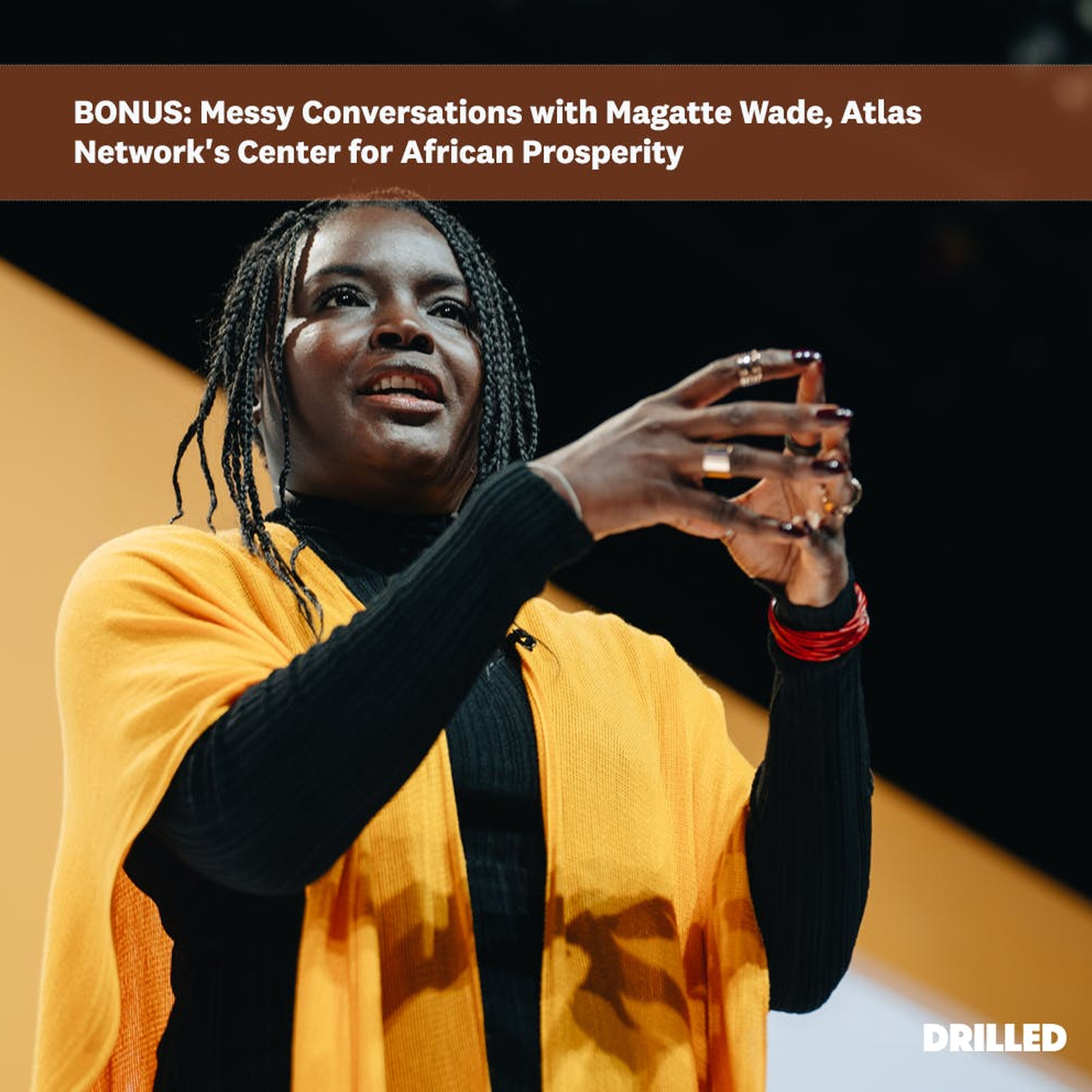
Messy Conversations: Magatte Wade on Africa, Climate, and Free Speech
bonusMagatte Wade of the Atlas Network’s Center for African Prosperity joins us to discuss the intersection of poverty, climate, and property rights. We also dive into the nuances that too often get left out of climate conversation. Additional resources: Alliance for Responsible Citizenship (ARC) DeSmog profile of ARC DeSmog coverage of ARC 2023 forum Narasimha Rao's Decent Living Energy Project Drilled Guyana season Center for African Prosperity See omnystudio.com/listener for privacy information.
S10 Ep 9The Tomato Soup “Controversy”: Do Disruptive Climate Protests Actually Work?
Climate activism has shifted over the past few years—it's more constant now and includes more direct action than ever before. Some of that action has sparked backlash from critics, including climate scientists and advocates, worried that protest will turn the public away from the urgent need to act on the climate crisis. Social science researchers who study structural change and protest say there's no evidence to back up that fear and that the only time social movements have ever affected change is when they've been wildly disruptive. We hear from social scientists on how radical or not climate protests really are, and what factors make direct action work or fail. See omnystudio.com/listener for privacy information.
S10 Ep 8Why Indigenous Land Defenders Face Repression
From Ecuador to North Dakota, British Columbia to New Zealand, the backlash against Indigenous-led environmental protest is always particularly harsh, infused with colonialist entitlement to land, water, and other resources. Historian Nick Estes walks us through what that looks like in the United States, and the great team behind the documentary The Territory brings us a recent example from Brazil. Check out the film here. See omnystudio.com/listener for privacy information.
Guyana Gas-to-Energy Project: Who Really Benefits?
bonusA new report from the Institute for Energy Economics and Financial Analysis (IEEFA) looks at the details of Guyana's planned "Gas to Energy" project and finds mostly benefits for ExxonMobil and more debt for Guyana. Read the full report here. See omnystudio.com/listener for privacy information.
S10 Ep 7Joanna Smith on "Conspiring Against the United States" with Fingerpaint
In April 2023, Joanna Oltman Smith walked into the National Gallery in Washington, D.C. with fellow activist Tim Martin, and smeared water-soluble kids' finger paint on the glass display case containing a Degas statue called "Little Dancer." The two read off a statement about the importance of protecting actual, living children as well as we do sculptures of them. Smith and Martin figured they would be charged with vandalism, but each is now facing two felony charges, including one of "conspiring against the United States government." One thing that makes it easy to criminalize protest is the steady hum of content that paints climate activists as fringe weirdos or out-of-touch elitists. We think it's important to meet these people and bring their stories and voices to you directly. We invited Joanna to share hers. See omnystudio.com/listener for privacy information.
S10 Ep 6Living with Loss: Climate Damage in Nigeria
Climate activists warn about the future—but for many communities, climate loss is already routine. Mo Isu from Inherited looks at the cycle of loss and rebuilding in the rural Niger Delta region of Nigeria as the country weathers extreme seasonal flooding. After meeting a flood survivor in his hometown of Lagos, Mo travels twelve hours to Lokoja—the town where Nigeria’s largest rivers converge—to explore how directly impacted flood survivors endure the region’s relentless cycle of damage and repair. See omnystudio.com/listener for privacy information.
S10 Ep 5How Think Tanks Paved the Way to Criminalize Climate Protest
Climate activists warn about the future—but for many communities, climate loss is already routine. Mo Isu from Inherited looks at the cycle of loss and rebuilding in the rural Niger Delta region of Nigeria as the country weathers extreme seasonal flooding. After meeting a flood survivor in his hometown of Lagos, Mo travels twelve hours to Lokoja—the town where Nigeria’s largest rivers converge—to explore how directly impacted flood survivors endure the region’s relentless cycle of damage and repair. See omnystudio.com/listener for privacy information.
S10 Ep 4Vietnam's Tax Evasion Charges Are Used to Jail Climate Activists
President Biden made his first trip to Vietnam as President this week, with the intention of "upgrading" diplomatic relations between the United States and Vietnam. Not on the agenda? Vietnam's move to use trumped-up tax evasion charges to suppress civil society groups, including five climate activists that have been imprisoned since 2021. Read The 88 Project's report on this practice. See omnystudio.com/listener for privacy information.
S10 Ep 3Australia’s State-by-State Crackdown on Climate Protest
Since Queensland passed the "Dangerous Attachment Devices" law in 2019 in response to anti-coal protests, Australian states have rapidly adopted similar measures targeting climate activism. See omnystudio.com/listener for privacy information.
S10 Ep 2Disha Ravi on Becoming the Face of "Radical" Protest in India
At just 22 years old, climate activist Disha Ravi—co-founder of Fridays for Future India—was arrested, flown across the country, and jailed for her activism. She joins us to explain the night the police showed up at her home, how it's still impacting her two years later, and why she refuses to let it stop her activism or force her out of India. An extended version of this interview will run in partnership with the Heated newsletter next week, as the G20 Summit gets underway in Delhi. See omnystudio.com/listener for privacy information.
S10 Ep 1The Corporate Push to Criminalize Speech
There's a lot of discourse happening about free speech in the context of "cancel culture", but precious little coverage of the global push to criminalize protest, particularly environmental and climate protest. We examine how extractive industries began agitating governments to crack down on protest, what tactics they use, and why they've been effective. See omnystudio.com/listener for privacy information.
How the Media Has Helped to Criminalize Climate Protest with Evlondo Cooper
bonusMedia Matters senior researcher Evlondo Cooper breaks down how the media has covered climate activism, shaping mainstream perception and helping the fossil fuel industry in its quest to criminalize climate protest. Additional resources: National news' scant coverage of climate protests largely overlooked the scientific urgency driving controversial climate actions See omnystudio.com/listener for privacy information.
Coming Soon: The Real Free Speech Threat
trailerAround the world, environmental protesters are facing escalating repression—from harsh laws with life-altering prison sentences to fines to protesters arreseted near "critical infrastructure" to violent attacks. Corporations are suing protestors and NGOs, comparing protest to organized crime. Governments are growing increasingly comfortable branding environmental protestors as “domestic terrorists.” The media is largely participating in the rhetorical “othering” of protestors, opting in most cases to focus on the disruption that protest causes rather than the change it seeks. In our new season, we take an an in-depth look at how climate protest has evolved in recent years, where this backlash is coming from, how it’s grown so quickly, and what it feels like to be someone who’s concerned enough about the future of humanity to join a protest, only to find themselves facing violence and legal ramifications. See omnystudio.com/listener for privacy information.
S9 Ep 3The Next Citizens United Will Be a Climate Case
In more than 30 climate cases making their way through United States courts today, oil companies are using an argument they've been laying the legal groundwork for since the 1970s: that since everything they've ever said about climate change was in the interest of shaping policy or blocking regulation, it's protected speech, even if it was misleading. We explore how those cases are playing out and the likelihood that this new take on "corporate free speech" could make its way all the way to the Supreme Court.See omnystudio.com/listener for privacy information.
S9 Ep 2A Legal Strategy: How Mobil Oil Fought for Corporate Free Speech
Mobil Oil worried that its advertorial campaigns positioning Mobil as a personality in and of itself might be labeled "propaganda" by TV networks and deemed unfit to run. In response, Herb Schmertz, VP of Public Affairs for Mobil Oil, looked to the courts for protection. The "corporate free speech" movement moved through the courts, getting a big assist from tobacco lobbyist-turned-Supreme Court Justice Lewis F. Powell and reshaped legal protections for corporations. See omnystudio.com/listener for privacy information.
S9 Ep 1The Panic: How Mobil Oil Changed Advertising Forever
In the 1970s, Mobil Oil invented the advertorial and was aggressively pursuing an entirely new type of marketing, branding the company as a person itself with a unique personality and opinions that demanded attention. When public backlash threatened to undermine their approach, they launched a campaign that would change the course of United States culture, policy, advertising, and history.See omnystudio.com/listener for privacy information.
"Cancer Alley" Fiights Back
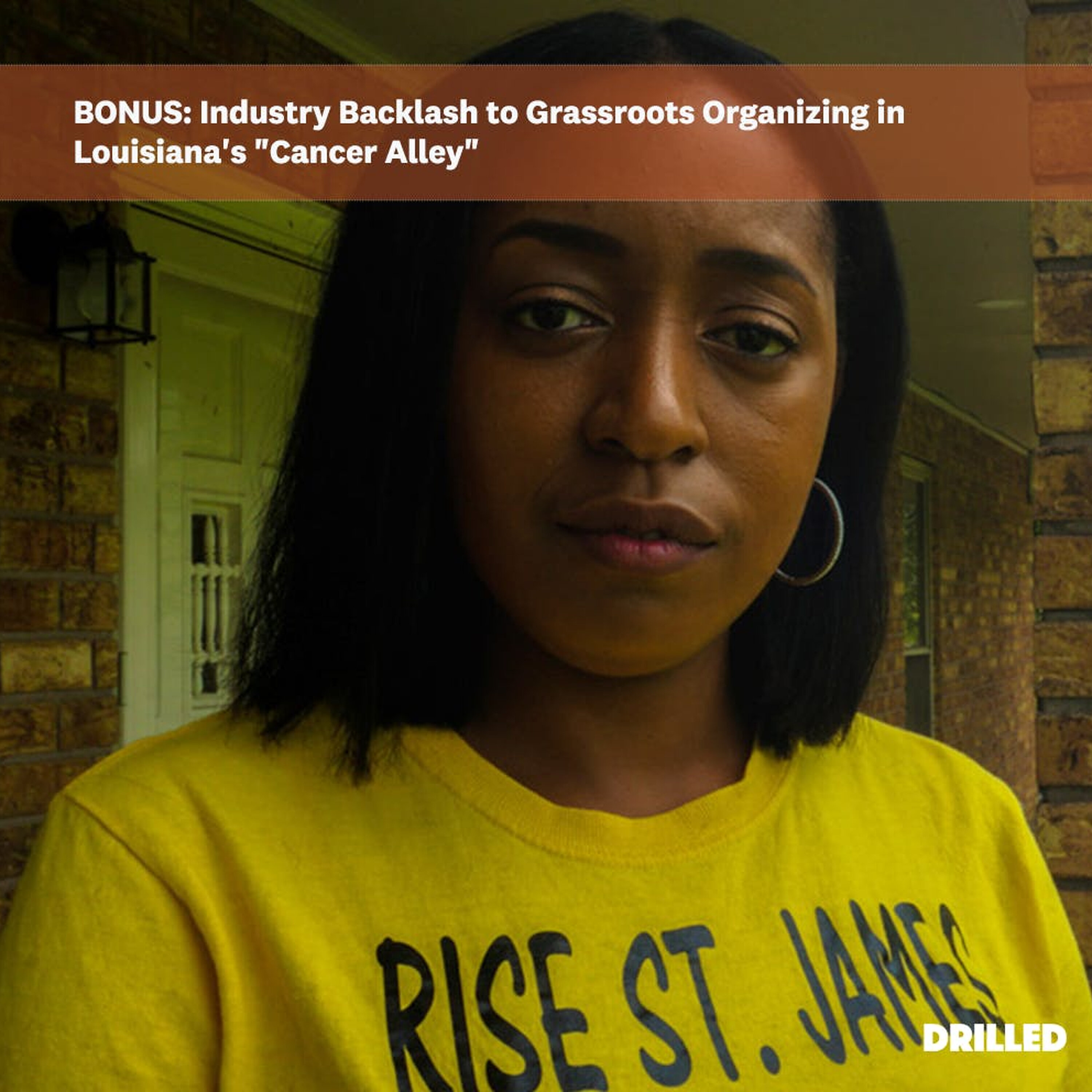
bonusLouisiana's "Cancer Alley"—a stretch along the Mississippi River where petrochemical plants have created some of the worst air and water pollution America—has become a battleground. ExxonMobil, Chevron and other petrochemical giants are increasingly organizing against grassroots environmental justice activism in Louisiana that are part of the Beyond Petrochemicals campaign. The companies have joined with pro-industry politicians and local Chambers of Commerce to form a “sustainability council,” focused not on environmental sustainability but on the longevity of the petrochemical industry on Louisiana's Gulf Coast. Jo Banner of The Descendants Project and Shamyra Lavigne of RISE St. James, two key organizers in the area, join us to talk about why the industry is suddenly organizing against them.Read more in The Guardian and Floodlight News exposé.See omnystudio.com/listener for privacy information.
The Anti-ESG Campaign Gets a Boost from RAGA
bonusEver since the Securities and Exchange Commission announced its intention to make Environmental Social and Governance metrics actually meaningful to investors, polluting industries have suddenly turned on ESG. Now that fight has a legal strategy, being carried out by the Republican Attorneys General Association.See omnystudio.com/listener for privacy information.
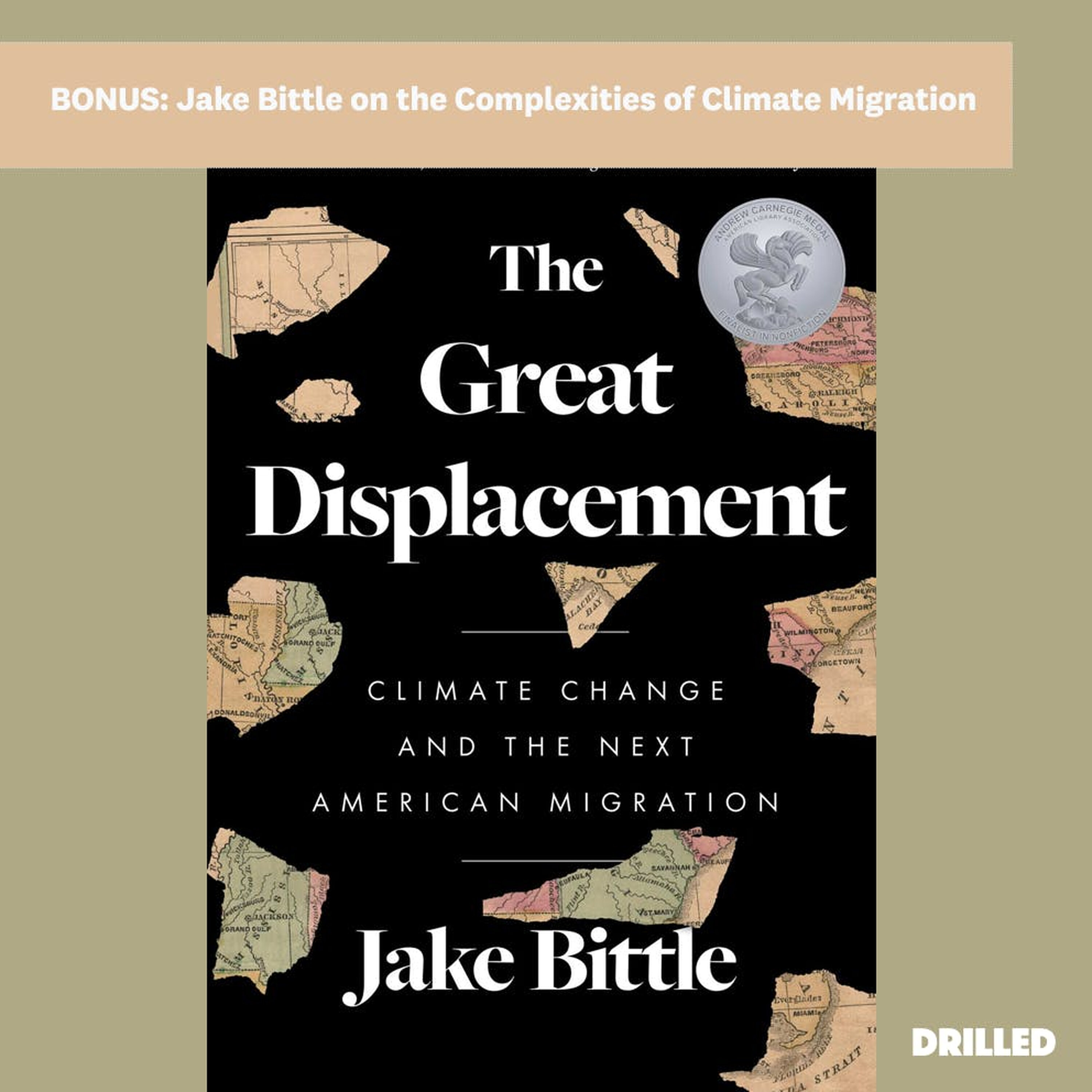
Jake Bittle on the Complexities of Climate Migration
bonusJake Bittle's book The Great Displacement looks at how extreme weather events are likely to drive Americans to move from one part of the country (or their state) to another. He talks through the complex web of factors that drive migration, and how policies might be changed to ease the burden on people and communities.See omnystudio.com/listener for privacy information.
Rethinking Electrification
bonusElectrification offers an opportunity to rethink how we use energy and how we get around. Researcher Thea Riofrancos wants to see the United States seize that opportunity and set the country on a path to a better, more equitable future. Subscribe to our newsletter! See omnystudio.com/listener for privacy information.
S8 Ep 9A Verdict
The day after our season finale last week, we got some incredible news from Guyana: the High Court ruled against the oil company and the government in the big insurance case Melinda Janki filed. We caught up with Janki shortly after the verdict was released for this conversation.See omnystudio.com/listener for privacy information.
S8 Ep 8The Turning Point: What's Next for Guyana?
Will Guyana become the fossil fuel industry's newest profit center or can it chart a different path? In the last episode of our "Light, Sweet Crude" season we look at what's next for Guyana, and for other Global South countries grappling with poverty and climate change at the same time. See omnystudio.com/listener for privacy information.
S8 Ep 7The Global Oil Rush
What's happening in Guyana isn't an isolated case. It's part of a global oil rush, as oil companies race to tap as many remaining fossil fuel reserves as they can. Rolling Stone reporter Jeff Goodell discusses his story about what the global oil rush looks like in another part of the world: Namibia.See omnystudio.com/listener for privacy information.
S8 Ep 6ExxonMobil's Greenwashing Playbook
When we started reporting on Guyana's oil boom, we reached out to local environmental groups to hear their concerns about this new polluting industry. But we discovered something unsettling: every environmental organization we could find had taken money from ExxonMobil or its partners. Several have even made promotional videos praising the project. They argue that oil money is no dirtier than any other funding source, and, if it's there, they may as well take it to use for conservation efforts. See omnystudio.com/listener for privacy information.
S8 Ep 5Global Poverty and Global Warming
The tension between addressing global poverty and acting on the climate crisis is one the fossil fuel industry has been stoking in recent years. We asked Dr. Narasimha Rao to join us this week to get into the details of that conversation, where there are and aren't tradeoffs, and what his Decent Living Energy Project at Yale can tell us about how to solve both global crises at once.See omnystudio.com/listener for privacy information.
S8 Ep 4Constitutional Violation: Guyana's Climate Lawsuit
Melina Janki has filed seven separate legal cases aimed at blocking oil drilling in Guyana, but only one explicitly names climate change as a problem the project is guaranteed to exacerbate. It's a constitutional challenge invoking Guyana's constitutional right to a healthy environment, an amendment Janki herself helped write. Plaintiffs Dr. Troy Thomas and Quedad DeFreitas argue that the government’s choice to fast-track permits and oil production threatens their right to a healthy environment, as well as the rights of future generations. The Guyanese government argues that, ironically, it needs oil money to adapt to climate change.See omnystudio.com/listener for privacy information.
S8 Ep 3Unlimited Liability: The Guyanese Lawyer Taking on ExxonMobil
One person in Guyana understands both the inner workings of Big Oil and the intracacies of Guyanese governmental law better than almost anyone. Melinda Janki was raised in Guyana, but went to Oxford University and then worked as in-house counsel for oil giant BP before making her way back to Guyana. She returned home with a mission to help strengthen the country's environmental laws. In 2018, she began filing suits against the government to block offshore drilling. Her latest suit demands ExxonMobil be held liable for any environmental damages caused to Guyana in the case of an offshore catastrophe.Read more in Antonia Juhaz's Wired story on Guyana. See omnystudio.com/listener for privacy information.
S8 Ep 2The Contract: Inside ExxonMobil's Guyana Oil Deal
After a year of pressure from local press and civil groups, the Guyanese government finally released its oil contract with ExxonMobil to the public. The International Monetary Fund (IMF) calls it an unfair deal for Guyana. Some local leaders implore the government to renegotiate the contract, but others say that's a fool's errand and fighting the contract should be done in court.Additional resources: The Quest to Defuse Guyana’s Carbon BombSee omnystudio.com/listener for privacy information.
S8 Ep 1The Bloom: Finding Oil in Guyana
Five years ago, Kiana Wilburg was a new reporter when ExxonMobil executives and Guyanese government officials announced they had found oil 40 miles offshore. Wilburg and her newsroom had to rapdly learn about the oil industry and this suddenly influential company that was now in their country. They were left with one question: what kind of a deal had their country signed onto? Visit https://brilliant.org/Drilled for 30 days free and 20% off a subscription. Subscribe to our newsletter for curated weekly climate news.See omnystudio.com/listener for privacy information.
New Season Coming Soon: Light, Sweet Crude
trailerOn paper, the small South American country of Guyana is the fastest-growing economy in the world, thanks to its oil boom. The country started shipping barrels of oil in 2019. Hotels are popping up all over its capital city. Historic homes are being turned into condos for visiting oil execs. But average citizens say they aren’t benefiting from the boom like they thought they would. And one lawyer is trying everything she can to stop her homeland from being changed from a carbon sink into a carbon bomb. In this special crossover season of Drilled and Damages, a look at 21st century oil colonialism, amid the climate crisis. Learn more about your ad choices. Visit megaphone.fm/adchoicesSee omnystudio.com/listener for privacy information.
Guyana: Life Inside a Ticking Carbon Bomb
bonusIn this special sneak preview of our next season, we hear from Melinda Janki, a lawyer who's fighting to keep her home country of Guyana from becoming one of the world's largest carbon bombs.See omnystudio.com/listener for privacy information.
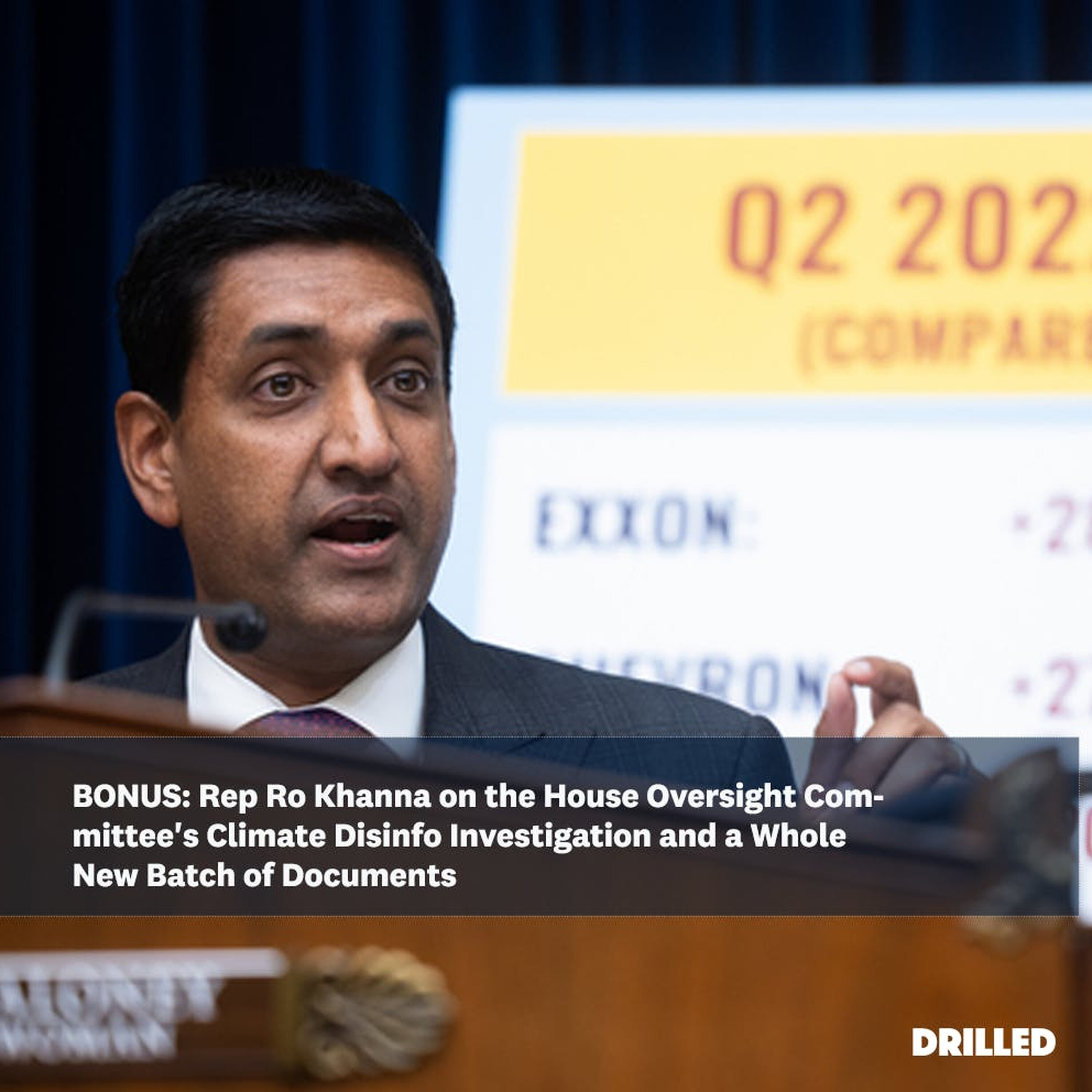
Rep. Ro Khanna: Inside the House Climate Disinformation Investigation
bonusThe House Oversight Committee wrapped its investigation into climate disinformation, publishing a tranche of revealing internal documents on how the world's largest oil companies have misled the public about their committements to energy transition. Representative Ro Khanna, who helped spearhead the investigation, joins us to discuss.Additional resources:The Intercept Learn more about your ad choices. Visit megaphone.fm/adchoicesSee omnystudio.com/listener for privacy information.
S7 Ep 33Climate RICO Lawsuit & James Hansen Sues EPA: Two Groundbreaking Cases
November brought two seismic developments in climiate ligation: the first-ever climate RICO was filed on behalf of 16 Puerto Rican municipalities, plus a cohort of scientists and researches, including NASA scientist James Hansen, sued the EPA to compel them to regulate greenhouse gas emissions under the Toxic Substances Control Act. See omnystudio.com/listener for privacy information.
S7 Ep 32Loss and Damage at COP 27
Loss and damage financing was a big focus at COP 27, and ultimately one of the few things global negotiators could agree on. Wealthy nations finally acknowledged their responsibility to compensate for climate damages. But media coverage of loss and damage has left out crucial context, including how flawed the fossil fuel industry's "fossil fuels = development" myth is. Learn more about your ad choices. Visit megaphone.fm/adchoicesSee omnystudio.com/listener for privacy information.
S7 Ep 31Why Is One of Big Oil's Top Greenwashing PR Firms Handling Media for COP 27?
COP 27 is underway in Egypt and the stakes have never been higher. So why is longtime fossil fuel industry greenwasher Hill + Knowlton handing media for the conference? We look back on the firm's longstanding history crafting science denial and delay strategies for tobacco and fossil fuel companies. Learn more about your ad choices. Visit megaphone.fm/adchoicesSee omnystudio.com/listener for privacy information.
S7 Ep 30COP 27: How to Neutralize Climate Disinformation
In just over a week, heads of state and negotiaters will meet at COP 27, the annual UN Climate Conference, to discuss a path forward on climate action. Historically, these events bring about a wave of climate disinformation. A new report walks journalists and communicators through how they can counter disinformation without amplifying it. See omnystudio.com/listener for privacy information.
S7 Ep 29Universities Are Saying No to Big Oil Money
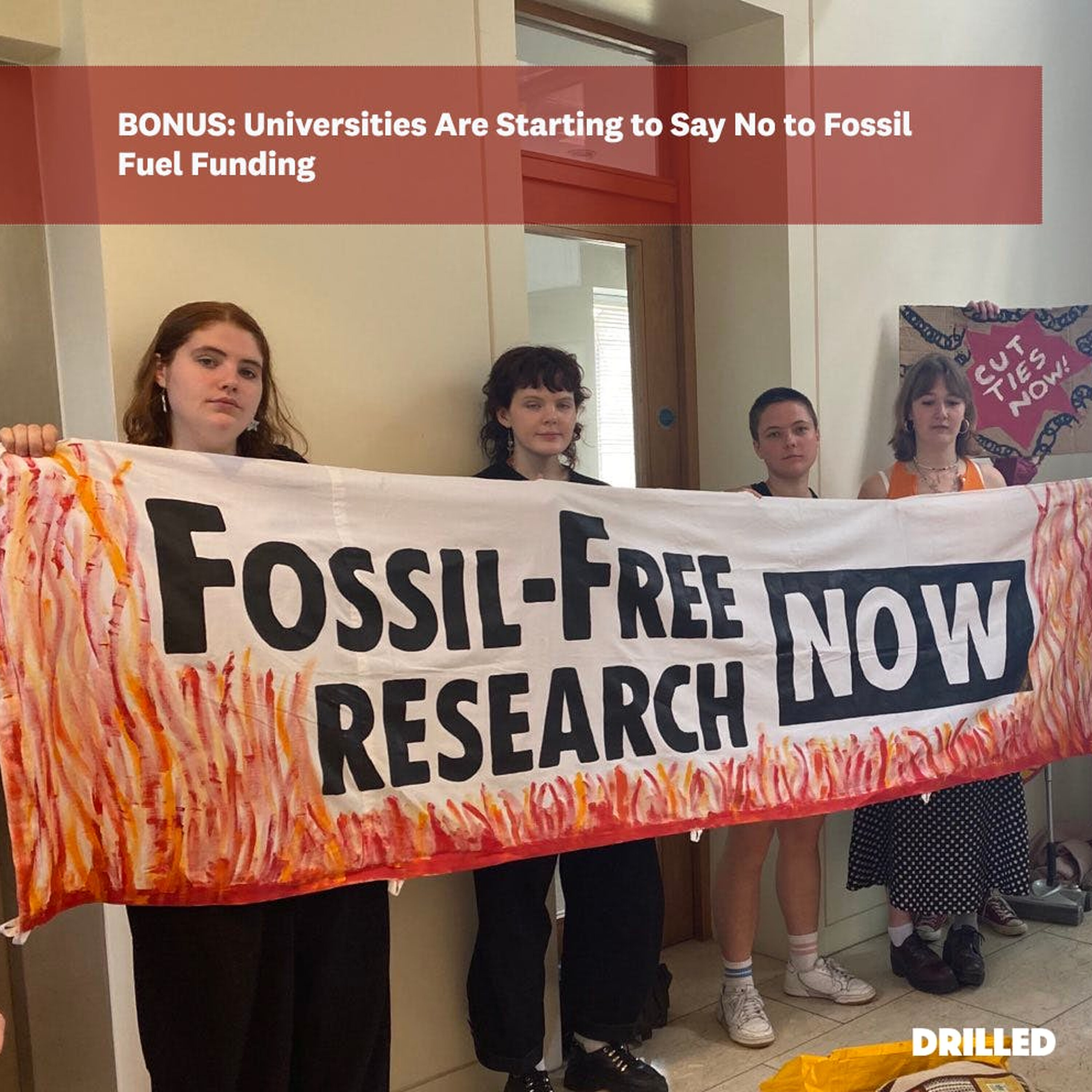
Since Standard Oil of New Jersey (now ExxonMobil) began funding universities in the late 1940s, oil companies have invested heavily in higher education, not just to fund engineering programs climate science, but crucially to fund the public policy centers and economics programs that shape policy solutions. Fossil Free Research, a new group formed by many of the same students who pushed their campuses to divest from fossil fuels, is demanding that the world's top universities break their addiction to fossil fuel money. In late September they logged their first big win: Princeton University.See omnystudio.com/listener for privacy information.
S7 Ep 28Widening the Lens of Accountability: Live with Naomi Oreskes, Jennifer Jacquet, Dr. David Michaels, Geoffry Supran, and Jessica Wentz
Taped live at the Harvard Faculty Club, Naomi Oreskes speaks to her forthcoming book The Big Myth, focused on the origin story behind free-market ideology, followed by a panel discussion on how to widen climate accountability to include not only oil companies but also the other industries and enablers that have obstructed climate action. Additional resources: UCS Science Hub for Climate LitigationClimate Social Science NetworkJennifer Jacquet's The PlaybookMore from Dr. David MichaelsSee omnystudio.com/listener for privacy information.
S7 Ep 27Congressional Hearings on Climate Disinformation Reveal Industry PR Playbook
Three Congressional hearings shed a light on climate disinformation this week, with one looking at oil companies' role, another looking at the role of PR firms, and a third looking at corporate attempts to limit the free speech of environmental activists. See omnystudio.com/listener for privacy information.
S7 Ep 26West Virginia Leads on Climate Obstruction
From its state treasurer to its attorney general to its Senator, West Virginia is leading the charge on climate obstruction and dismantling environmental regulation. See omnystudio.com/listener for privacy information.
S7 Ep 25The Supreme Court's Continued Climate Take
West Virginia vs. EPA was just the beginning of climate cases before the Supreme Court this year. From question the SEC's disclosures to major Clean Water challenges, there's more to come. EarthJustice's Sam Sankar and Kirti Datla join to give us a preview of what's coming up. See omnystudio.com/listener for privacy information.
S7 Ep 24"Woke Capital": A New Front in Climate Obstructionism
Jesse Coleman, senior investigator for Documented, walks us through an eye-opening investigation into the State Financial Officers Federation, an obscure group organizing Republican state treasurers in the fight against "woke capital."See omnystudio.com/listener for privacy information.
S7 Ep 23What the IPCC Really Said About Carbon Dioxide Removal
Carbon dioxide removal (CDR) came up in the latest IPCC report and the summary and report itself tell a different story. The summary is vastly more positive about the potential of this tech (thanks in no small part to influence from Saudi Arabia and the United States), so we're looking at the complete picture of what the report actually says about it. Nikki Reisch and Carroll Muffett from the Center for International Environmental Law join to help.See omnystudio.com/listener for privacy information.
S7 Ep 22West Virginia vs. EPA: Worst-Case Scenario and What Comes Next
The Supreme Court is taking its time in releasing a ruling in the controversial West Virginia vs. EPA case. We explore the roots of the case, its position in rightwing judicial strategy, and what avenues for climate action would remain in a worst-case scenario. See omnystudio.com/listener for privacy information.
S7 Ep 21The "Culture War" Embraces Climate
Jennie King, lead author on a new report on climate disinformation on the Institute for Strategic Dialogue, discusses the reports findings, including how culture warriors—including 16 key superspreaders—have embraced climate denial and disinformation. Learn more about your ad choices. Visit megaphone.fm/adchoicesSee omnystudio.com/listener for privacy information.
S7 Ep 20Regulating Greenhouse Gases Under TSCA
As the Supreme Court weights in on West Virginia vs. EPA, a group of climate scientists and advocates filed a petition demanding that the EPA regulate greenhouse gas emissions, not under the Clean Air Act, but under law no one has yet applied to climatee change: the Toxic Substances Control Act.See omnystudio.com/listener for privacy information.
Why Is a California Air Board Funding Natural Gas Expansion?
bonusFloodlight's Miranda Green returns with a new story about the push for natural gas in southern California: an air board tasked with cleaning up pollution is giving millions of dollars in grant money to gas projects. Read the story here. See omnystudio.com/listener for privacy information.