PLAY PODCASTS
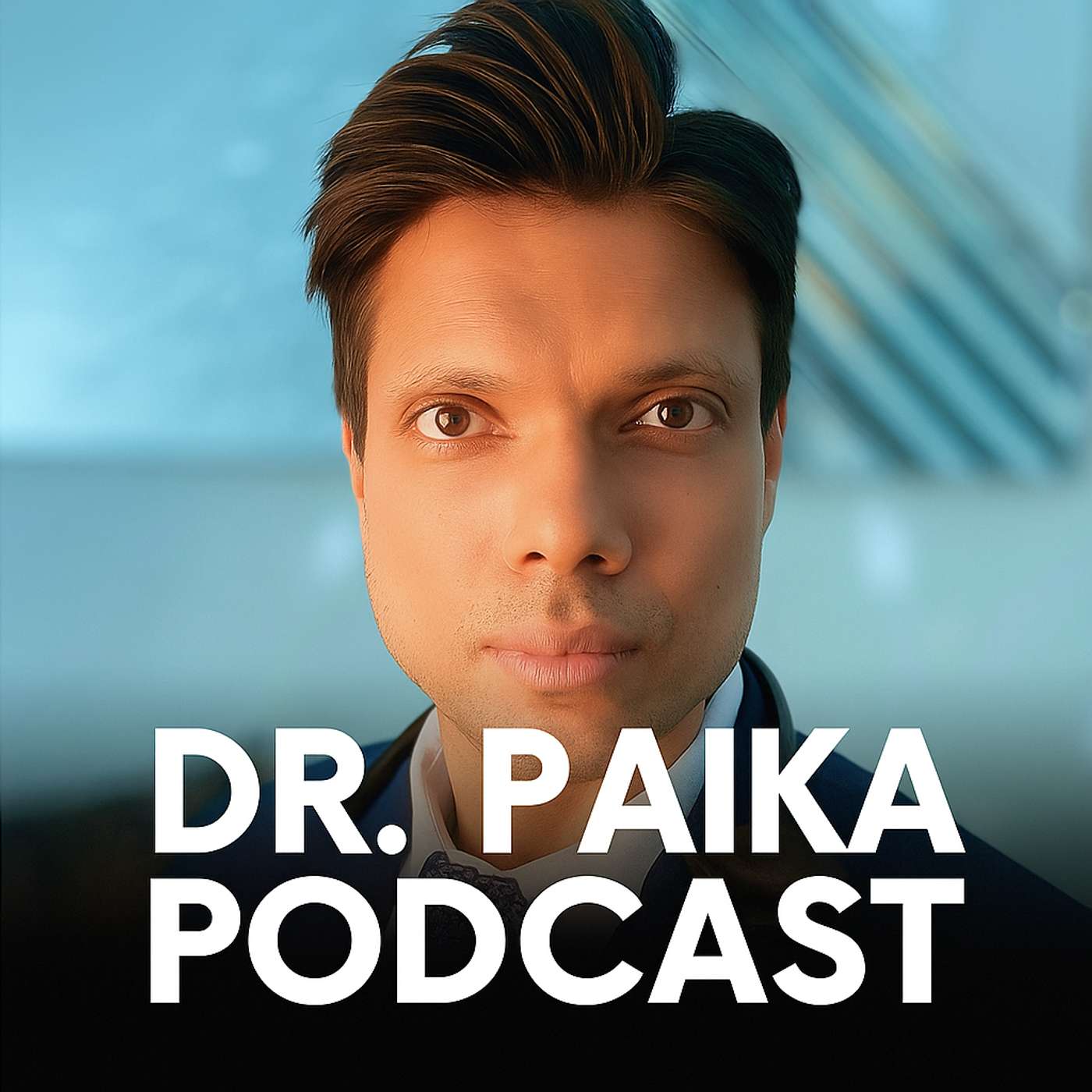
Dr. Paika Podcast

Dr. Paika Podcast

59 episodes — Page 1 of 2

It’s Not Your Fault: The Real Science of Obesity & GLP-1 Weight Loss

May 13, 20269 min

Why Most Workouts Fail: The Science of Strength & Muscle Growth | Dr. Paika Podcast

May 12, 20269 min

Contrave Side Effects Explained | What’s Normal, Dangerous & What To Do

May 9, 202610 min

Can You Lose Belly Fat in One Week? The Honest Truth (Doctor Explains)

May 6, 202610 min

Qsymia Warning: Side Effects You Should Never Ignore

May 5, 20268 min

Is Obesity in Your DNA? The Truth About Genetics & Weight

May 1, 20267 min

Sarcopenia vs. Obesity: Why You’re Losing Weight But Still Feel Weak | Dr. Paika Podcast

Apr 28, 202620 min

The New Cholesterol Guidelines Changed Everything | Why Your LDL of 128 May Be Too High | Dr. Paika Podcast

Apr 26, 202622 min

15 Silent Signs of Insulin Resistance Most People Ignore | Dr. Paika Podcast

Apr 23, 202616 min

Belly Fat = Kidney Damage: The Silent Link Between Obesity and Kidney Disease | Dr. Paika Podcast

Apr 22, 202622 min

Walking Every Day: The Most Underrated Medicine (Doctor Explains)

Apr 17, 20267 min

Polyps Found: What Your Colonoscopy Is Really Telling You

Apr 16, 20267 min

Why Belly Fat Won’t Go Away (Even When You’re Doing Everything Right)

Apr 15, 20268 min

Your Brain Is Being Hijacked by Food — The Science of Cravings

Apr 12, 20267 min

The Hidden Fat Killing Your Health — 10 Foods That Target Visceral Fat

Apr 8, 202611 min

Ep 44Why People Die in Their Sleep — 5 Night Habits You Shouldn’t Ignore

#HeartHealth #SleepHealth #PreventHeartAttack #DoctorExplains #healthtips Most people think heart attacks happen suddenly… and loudly.But in reality, some of the most dangerous events happen quietly — at night, while you’re asleep.In this video, I break down 5 common nighttime habits that can increase your risk of heart attack, stroke, and other serious health issues — and what you can do about them starting tonight.This is not about fear — it’s about awareness.Small habits before bed can have a bigger impact than you think.Watch this before you sleep tonight.⏱️ TIMESTAMPS 00:00 – Why some heart events happen during sleep00:32 – Why nighttime is different for your body01:10 – Habit #1: Late heavy meals02:00 – Habit #2: Medication timing mistakes02:50 – Habit #3: Ignoring sleep apnea03:45 – Habit #4: Going to bed dehydrated04:35 – Habit #5: Bedroom temperature & environment05:20 – The bigger picture: small habits add up05:50 – What to do starting tonight👨‍⚕️ ABOUT DR. MOHAMMED K. PAIKABoard-Certified in Internal Medicine and Obesity MedicineCertified Personal Trainer & Nutrition CoachHelping people understand metabolism, hormones, and sustainable health through evidence-based medicine.👍 Like💬 Comment📌 Share🔔 Subscribe for more honest conversations about obesity, metabolism, hormones, and real-world health solutions⚕️ MEDICAL & EDUCATIONAL DISCLAIMERThis channel and its content are provided by Dr. Mohammed K. Paika, MD for general educational and informational purposes only. The information presented is not intended as medical advice and does not replace consultation with your personal physician or qualified healthcare professional.Viewing this content does not create a doctor-patient relationship between you and Dr. Paika.Health, nutrition, exercise, and medication topics discussed on this channel may not be appropriate for all individuals. Always consult your own healthcare provider before starting or changing any medication, diet, exercise program, or weight-loss plan, including GLP-1 therapies such as Wegovy, Ozempic, Zepbound, Mounjaro, or similar medications.Exercise and lifestyle changes carry inherent risks. By choosing to follow any information from this channel, you accept full responsibility for your health decisions and outcomes.Dr. Paika and affiliated entities disclaim any liability for injuries, adverse effects, or damages resulting from use or application of information presented in this content.

Apr 2, 20266 min

Ep 43Why You Can’t Lose Weight: The Hidden Role of Insulin, Ghrelin, and Leptin

#WeightLoss #FatLoss #HormoneHealth #ObesityMedicine #insulinresistance Why are you eating less… but still not losing weight?In this video, Dr. Mohammed Paika (Internal Medicine & Obesity Medicine) breaks down the 3 key hormones that control your weight — and why weight loss is NOT just about calories.If you’ve ever felt stuck, frustrated, or like your body is working against you… this will finally make sense.We cover:Why insulin keeps you in fat storage modeWhy ghrelin makes you constantly hungryWhy leptin stops you from feeling fullWhy diets fail even when you’re disciplinedAnd how to actually work WITH your bodyThis is the science behind:👉 Weight loss plateaus👉 Constant cravings👉 Feeling hungry all the timeAnd why it’s not your fault.If you’re on (or considering) GLP-1 medications like Ozempic, Wegovy, or Zepbound — this is essential to understand.TIMESTAMPS00:00 – Why You’re Not Losing Weight (Hook)00:32 – It’s Not About Calories01:05 – Why People Feel Stuck01:42 – The 3 Hormones Overview02:10 – Insulin: The Fat Storage Switch03:20 – Why Your Body Stores More Easily04:05 – Ghrelin: Why You’re Always Hungry05:15 – Why Dieting Makes Hunger Worse06:00 – Leptin: Why You Never Feel Full07:00 – The “Perfect Storm” Explained07:40 – What You Can Actually Do08:10 – Final Takeaway + Subscribe👨‍⚕️ ABOUT DR. MOHAMMED K. PAIKABoard-Certified in Internal Medicine and Obesity MedicineCertified Personal Trainer & Nutrition CoachHelping people understand metabolism, hormones, and sustainable health through evidence-based medicine.👍 Like💬 Comment📌 Share🔔 Subscribe for more honest conversations about obesity, metabolism, hormones, and real-world health solutions⚕️ MEDICAL & EDUCATIONAL DISCLAIMERThis channel and its content are provided by Dr. Mohammed K. Paika, MD for general educational and informational purposes only. The information presented is not intended as medical advice and does not replace consultation with your personal physician or qualified healthcare professional.Viewing this content does not create a doctor-patient relationship between you and Dr. Paika.Health, nutrition, exercise, and medication topics discussed on this channel may not be appropriate for all individuals. Always consult your own healthcare provider before starting or changing any medication, diet, exercise program, or weight-loss plan, including GLP-1 therapies such as Wegovy, Ozempic, Zepbound, Mounjaro, or similar medications.Exercise and lifestyle changes carry inherent risks. By choosing to follow any information from this channel, you accept full responsibility for your health decisions and outcomes.Dr. Paika and affiliated entities disclaim any liability for injuries, adverse effects, or damages resulting from use or application of information presented in this content.

Apr 1, 20268 min

Ep 42Losing Weight But Still Look Fat? Here’s Why

#WeightLossTips #FatLoss #ObesityMedicine #HormoneHealth #DrPaikaWhy are you losing weight… but still don’t look lean?In this video, Dr. Mohammed Paika (Board-Certified in Internal Medicine & Obesity Medicine) explains the real reason behind this frustrating problem.👉 It’s not just about weight loss — it’s about what type of weight you’re losing.If you’ve experienced:Losing weight but still looking “soft”No visible body changes despite effortWeight loss plateausFrustration with GLP-1 medications like Ozempic or WegovyThis video breaks it down in a simple, practical way.You’ll learn:The difference between fat loss vs muscle lossWhy losing muscle makes your body look less definedHow GLP-1 medications can affect body compositionThe biggest mistake people make when trying to lose weightHow to fix it with protein, resistance training, and proper strategyThis is not about extreme dieting or quick fixes.👉 This is about understanding your body and getting real results.👨‍⚕️ ABOUT DR. MOHAMMED K. PAIKABoard-Certified in Internal Medicine and Obesity MedicineCertified Personal Trainer & Nutrition CoachHelping people understand metabolism, hormones, and sustainable health through evidence-based medicine.👍 Like💬 Comment📌 Share🔔 Subscribe for more honest conversations about obesity, metabolism, hormones, and real-world health solutionsTIMESTAMPS 0:00 – Stop: Losing Weight… But Still Look Fat?0:20 – The Truth Most People Miss0:50 – Weight Loss vs Fat Loss (Key Difference)1:25 – The 3 Types of Weight You Lose2:05 – Why You Still Look the Same (Skinny Fat Explained)2:45 – Why Muscle Matters for Your Body Shape3:30 – Biggest Mistake: Eating Too Little4:05 – Why You’re Losing Muscle Instead of Fat4:45 – GLP-1 Medications (Ozempic, Wegovy) & Muscle Loss5:25 – Metabolism Slowing Down (What’s Happening)6:00 – How to Fix It (Protein + Training + Strategy)6:50 – Shift Your Focus: Weight vs Body Composition7:40 – Final Takeaway + Subscribe⚕️ MEDICAL & EDUCATIONAL DISCLAIMERThis channel and its content are provided by Dr. Mohammed K. Paika, MD for general educational and informational purposes only. The information presented is not intended as medical advice and does not replace consultation with your personal physician or qualified healthcare professional.Viewing this content does not create a doctor-patient relationship between you and Dr. Paika.Health, nutrition, exercise, and medication topics discussed on this channel may not be appropriate for all individuals. Always consult your own healthcare provider before starting or changing any medication, diet, exercise program, or weight-loss plan, including GLP-1 therapies such as Wegovy, Ozempic, Zepbound, Mounjaro, or similar medications.Exercise and lifestyle changes carry inherent risks. By choosing to follow any information from this channel, you accept full responsibility for your health decisions and outcomes.Dr. Paika and affiliated entities disclaim any liability for injuries, adverse effects, or damages resulting from use or application of information presented in this content.

Mar 29, 20268 min

Ep 41The 9 Foods I Eat Every Week to Prevent Disease (Doctor Explains)

#HealthiestFoods #DoctorExplains #LongevityTips #HealthyEating #metabolichealth What are the healthiest foods you can eat every day for longevity, metabolic health, and disease prevention?In this 40-minute lecture, Dr. Mohammed Paika — double board-certified in Internal Medicine and Obesity Medicine — breaks down the 9 healthiest foods he personally eats every week and explains the science behind why they matter.After years of treating patients with obesity, type 2 diabetes, fatty liver disease, heart disease, and hypertension, one pattern becomes clear:👉 Chronic disease doesn’t happen overnight👉 It develops slowly through daily habits👉 And food plays a central roleIn this video, you’ll learn how simple, whole foods can support:• Metabolic health• Weight management• Heart health• Brain function• LongevityThese are not trends or fad diets — these are evidence-based foods consistently seen in long-living populations.🥗 Foods Covered in This Video• Water (hydration and kidney health)• Eggs (complete protein and muscle preservation)• Cottage cheese (high-protein, metabolic support)• Walnuts (omega-3 and heart health)• Edamame (plant protein + fiber)• Spinach (micronutrients + blood pressure support)• Salmon (anti-inflammatory omega-3 fats)• Blueberries (antioxidants and brain health)• Extra virgin olive oil (Mediterranean longevity staple)Timestamps0:00 – Hook: Why Most Diets Fail (Doctor Explains)0:25 – Intro: What I See in Patients Over 20+ Years1:05 – The Truth About Longevity Diets (It’s Simpler Than You Think)1:50 – #1 Water: The Most Overlooked Health Habit2:45 – #2 Eggs: Protein, Brain Health & Muscle Preservation3:55 – #3 Cottage Cheese: High Protein, Low Calorie Advantage5:00 – #4 Walnuts: Omega-3 & Heart Protection6:05 – #5 Edamame: Plant Protein + Fiber Combo7:05 – #6 Spinach: Blood Pressure & Nitric Oxide Benefits8:05 – #7 Salmon: Anti-Inflammatory Powerhouse9:05 – #8 Blueberries: Brain Health & Antioxidants10:05 – #9 Olive Oil: The Longevity Staple11:05 – Final Takeaway: What Actually Matters Long-Term11:40 – Call to Action: Subscribe + Next Video Tease👨‍⚕️ ABOUT DR. MOHAMMED K. PAIKABoard-Certified in Internal Medicine and Obesity MedicineCertified Personal Trainer & Nutrition CoachHelping people understand metabolism, hormones, and sustainable health through evidence-based medicine.👍 Like💬 Comment📌 Share🔔 Subscribe for more honest conversations about obesity, metabolism, hormones, and real-world health solutions⚕️ MEDICAL & EDUCATIONAL DISCLAIMERThis channel and its content are provided by Dr. Mohammed K. Paika, MD for general educational and informational purposes only. The information presented is not intended as medical advice and does not replace consultation with your personal physician or qualified healthcare professional.Viewing this content does not create a doctor-patient relationship between you and Dr. Paika.Health, nutrition, exercise, and medication topics discussed on this channel may not be appropriate for all individuals. Always consult your own healthcare provider before starting or changing any medication, diet, exercise program, or weight-loss plan, including GLP-1 therapies such as Wegovy, Ozempic, Zepbound, Mounjaro, or similar medications.Exercise and lifestyle changes carry inherent risks. By choosing to follow any information from this channel, you accept full responsibility for your health decisions and outcomes.Dr. Paika and affiliated entities disclaim any liability for injuries, adverse effects, or damages resulting from use or application of information presented in this content.

Mar 25, 202612 min

Ep 40The Salt Myth: Why Blood Pressure Stays High Even With a Healthy Diet

#HighBloodPressure #Hypertension #MetabolicHealth #InsulinResistance #DrPaikaPodcastWhy do some people still have high blood pressure even when they eat healthy, exercise regularly, and avoid salt?In this episode of the Dr. Paika Podcast, Dr. Mohammed Paika, double board-certified in Internal Medicine and Obesity Medicine, explains the hidden metabolic mechanisms that can drive hypertension even in health-conscious individuals.Many people believe that salt is the primary cause of high blood pressure, but the reality is far more complex. Hormones such as insulin, metabolic dysfunction, visceral fat, and modern eating patterns all play major roles in blood pressure regulation.In this video you’ll learn:• Why blood pressure can stay high even on a healthy diet• The relationship between insulin resistance and hypertension• How frequent eating and snacking may affect metabolic health• The role of the kidneys in sodium retention• Why some lean individuals still develop metabolic disease• Simple lifestyle strategies that may support better metabolic balanceUnderstanding the metabolic drivers of hypertension can help people approach cardiovascular health in a more comprehensive way.If you're interested in obesity medicine, metabolic health, GLP-1 therapies, longevity, and evidence-based lifestyle medicine, subscribe to the Dr. Paika Podcast for weekly educational lectures.Timestamps0:00 Introduction – Why Blood Pressure Stays High0:40 The Common Patient Scenario1:35 Is Salt Really the Main Cause?2:30 The Hidden Role of Insulin3:25 How Insulin Affects the Kidneys4:20 Why Healthy People Still Develop Hypertension5:15 The Problem With Constant Eating6:10 Snacking, Insulin, and Blood Pressure7:05 Visceral Fat and Metabolic Health8:05 Late Night Eating and Morning BP9:00 How to Reset Your Metabolic Signals10:05 Key Takeaways for Blood Pressure Control10:40 Final Thoughts👨‍⚕️ ABOUT DR. MOHAMMED K. PAIKABoard-Certified in Internal Medicine and Obesity MedicineCertified Personal Trainer & Nutrition CoachHelping people understand metabolism, hormones, and sustainable health through evidence-based medicine.👍 Like💬 Comment📌 Share🔔 Subscribe for more honest conversations about obesity, metabolism, hormones, and real-world health solutions⚕️ MEDICAL & EDUCATIONAL DISCLAIMERThis channel and its content are provided by Dr. Mohammed K. Paika, MD for general educational and informational purposes only. The information presented is not intended as medical advice and does not replace consultation with your personal physician or qualified healthcare professional.Viewing this content does not create a doctor-patient relationship between you and Dr. Paika.Health, nutrition, exercise, and medication topics discussed on this channel may not be appropriate for all individuals. Always consult your own healthcare provider before starting or changing any medication, diet, exercise program, or weight-loss plan, including GLP-1 therapies such as Wegovy, Ozempic, Zepbound, Mounjaro, or similar medications.Exercise and lifestyle changes carry inherent risks. By choosing to follow any information from this channel, you accept full responsibility for your health decisions and outcomes.Dr. Paika and affiliated entities disclaim any liability for injuries, adverse effects, or damages resulting from use or application of information presented in this content.

Mar 18, 202610 min

Ep 39The 7 Best Foods to Eat on Ozempic & GLP-1 Medications

#OzempicDiet #GLP1WeightLoss #OzempicFoods #ObesityMedicine #DrPaikaIf you're taking GLP-1 medications like Ozempic, Wegovy, or Mounjaro, one of the most important questions patients ask is: what should I actually eat?In this video, Dr. Mohammed Paika — board-certified in Internal Medicine and Obesity Medicine — explains the 7 best foods to eat while taking GLP-1 medications to support healthy weight loss, protect muscle, improve digestion, and maximize metabolic health.GLP-1 medications reduce appetite and slow gastric emptying, which means every bite becomes more important nutritionally. Choosing the right foods can help you avoid common side effects like nausea, fatigue, and muscle loss.In this lecture you'll learn:• The most important nutrient while on GLP-1 therapy• Why protein intake matters during weight loss• The best fiber-rich foods for digestion• Smart carbohydrate choices while using Ozempic• How to structure meals for long-term successThese principles apply to medications such as:• Ozempic (semaglutide)• Wegovy• Mounjaro (tirzepatide)• ZepboundIf you're interested in obesity medicine, metabolic health, nutrition, and sustainable weight loss, this video will help you build a diet that works with your medication instead of against it.Subscribe for more evidence-based videos on GLP-1 medications, obesity medicine, exercise, and metabolic health.Timeline 0:00 Introduction0:40 Why Nutrition Matters on GLP-1 Medications1:35 The Biggest Mistake Patients Make2:20 Food #1 Lean Protein3:45 Food #2 Leafy Green Vegetables5:00 Food #3 Greek Yogurt6:05 Food #4 Eggs7:05 Food #5 Berries8:05 Food #6 Whole Grains9:10 Food #7 Healthy Fats10:05 Foods That Worsen GLP-1 Side Effects10:40 Final Takeaway👨‍⚕️ ABOUT DR. MOHAMMED K. PAIKABoard-Certified in Internal Medicine and Obesity MedicineCertified Personal Trainer & Nutrition CoachHelping people understand metabolism, hormones, and sustainable health through evidence-based medicine.👍 Like💬 Comment📌 Share🔔 Subscribe for more honest conversations about obesity, metabolism, hormones, and real-world health solutions⚕️ MEDICAL & EDUCATIONAL DISCLAIMERThis channel and its content are provided by Dr. Mohammed K. Paika, MD for general educational and informational purposes only. The information presented is not intended as medical advice and does not replace consultation with your personal physician or qualified healthcare professional.Viewing this content does not create a doctor-patient relationship between you and Dr. Paika.Health, nutrition, exercise, and medication topics discussed on this channel may not be appropriate for all individuals. Always consult your own healthcare provider before starting or changing any medication, diet, exercise program, or weight-loss plan, including GLP-1 therapies such as Wegovy, Ozempic, Zepbound, Mounjaro, or similar medications.Exercise and lifestyle changes carry inherent risks. By choosing to follow any information from this channel, you accept full responsibility for your health decisions and outcomes.Dr. Paika and affiliated entities disclaim any liability for injuries, adverse effects, or damages resulting from use or application of information presented in this content.

Mar 15, 202611 min

Ep 38Ozempic Diet Mistakes: 7 Foods That Sabotage Weight Loss

#GLP1 #OzempicDiet #WeightLossScience #ObesityMedicine #fatloss GLP-1 medications like Ozempic, Wegovy, Mounjaro, and Zepbound have transformed modern obesity treatment. But many patients starting these medications notice something unexpected — certain foods suddenly cause nausea, bloating, reflux, or uncomfortable fullness.Why does this happen?GLP-1 medications slow gastric emptying, reduce appetite, and change how your body processes food. Because of this, some foods become much harder to tolerate and may even slow your weight-loss progress.In this video, Dr. Mohammed Paika, board-certified in Internal Medicine and Obesity Medicine, explains the 7 worst foods to eat while taking GLP-1 medications and why avoiding them can reduce side effects and improve long-term results.You’ll learn:• Why fried foods cause nausea on GLP-1 medications• How sugary drinks sabotage weight loss• The role of ultra-processed foods in metabolic health• Why alcohol and carbonation worsen GI symptoms• How to structure meals for better fat loss and muscle preservationUnderstanding how nutrition interacts with GLP-1 therapy can make a major difference in comfort, metabolic health, and sustainable weight loss.Subscribe for more evidence-based content on obesity medicine, metabolic health, exercise, and nutrition.Timestamps 0:00 Introduction0:42 Why GLP-1 medications change digestion1:55 Food #1 – Fried foods3:15 Food #2 – Sugary drinks4:35 Food #3 – Ultra-processed snacks6:00 Food #4 – Large portions of red meat7:30 Food #5 – Cream-based foods9:00 Food #6 – Alcohol10:15 Food #7 – Carbonated beverages11:15 What to eat instead on GLP-1 medications11:55 Key takeaways👨‍⚕️ ABOUT DR. MOHAMMED K. PAIKABoard-Certified in Internal Medicine and Obesity MedicineCertified Personal Trainer & Nutrition CoachHelping people understand metabolism, hormones, and sustainable health through evidence-based medicine.👍 Like💬 Comment📌 Share🔔 Subscribe for more honest conversations about obesity, metabolism, hormones, and real-world health solutions⚕️ MEDICAL & EDUCATIONAL DISCLAIMERThis channel and its content are provided by Dr. Mohammed K. Paika, MD for general educational and informational purposes only. The information presented is not intended as medical advice and does not replace consultation with your personal physician or qualified healthcare professional.Viewing this content does not create a doctor-patient relationship between you and Dr. Paika.Health, nutrition, exercise, and medication topics discussed on this channel may not be appropriate for all individuals. Always consult your own healthcare provider before starting or changing any medication, diet, exercise program, or weight-loss plan, including GLP-1 therapies such as Wegovy, Ozempic, Zepbound, Mounjaro, or similar medications.Exercise and lifestyle changes carry inherent risks. By choosing to follow any information from this channel, you accept full responsibility for your health decisions and outcomes.Dr. Paika and affiliated entities disclaim any liability for injuries, adverse effects, or damages resulting from use or application of information presented in this content.

Mar 10, 202612 min

Ep 37Ozempic Not Working? The 5 Mistakes Slowing Your Weight Loss

#Ozempic #GLP1 #WeightLossScience #ObesityMedicine #MetabolismOzempic, Wegovy, and other GLP-1 medications have transformed the way we treat obesity and weight loss — but many patients unknowingly make mistakes that can slow results, stall fat loss, or even lead to muscle loss.In this video, Dr. Mohammed Paika, board-certified in Internal Medicine and Obesity Medicine, explains the five most common mistakes people make while taking GLP-1 medications and how to avoid them.You’ll learn how protein intake, strength training, realistic weight loss expectations, food quality, and lifestyle habits can dramatically impact results while on medications like Ozempic and Wegovy.Understanding these mistakes can help you protect muscle, maintain metabolism, and achieve healthier long-term weight loss.This evidence-based discussion covers the science behind GLP-1 therapy, metabolism, muscle preservation, and sustainable fat loss.If you're using GLP-1 medications or considering them, this information can help you maximize results while protecting your long-term metabolic health.Subscribe for more videos on obesity medicine, metabolism, nutrition science, and evidence-based weight loss strategies.Timestamps (For 8:35 Video)0:00 Introduction0:18 Why GLP-1 Weight Loss Sometimes Slows0:40 Mistake #1 – Not Eating Enough Protein2:05 Mistake #2 – Skipping Strength Training3:30 Mistake #3 – Expecting Rapid Weight Loss4:55 Mistake #4 – Ignoring Food Quality6:30 Mistake #5 – Relying Only on the Medication7:45 Bonus Tip – Protecting Your Metabolism8:15 Key Takeaways

Mar 6, 20268 min

Ep 36The Silent Muscle Loss After 40 That Slows Your Metabolism

#MuscleLoss #Longevity #HealthyAging #Sarcopenia #MetabolismMuscle loss after age 40 is one of the most overlooked health risks of aging. Most people think aging is about wrinkles or gray hair — but one of the biggest biological changes happening inside the body is the gradual loss of muscle mass and strength.This condition, known as sarcopenia, can slow metabolism, increase fat gain, reduce strength, and raise the risk of diabetes and cardiovascular disease.In this video, Dr. Mohammed Paika (Board-Certified in Internal Medicine & Obesity Medicine) explains why muscle loss accelerates after 40, how it affects metabolism and longevity, and what you can do to preserve muscle and stay strong as you age.Protecting muscle is one of the most important strategies for healthy aging, metabolic health, and long-term independence.

Mar 5, 20265 min

Ep 35Why GLP-1 Weight Loss Stalls — And Why It’s Not Your Fault

#GLP1 #Ozempic #WeightLossStall #ObesityMedicine #FatLossGLP-1 medications like Ozempic, Wegovy, and Zepbound are powerful tools for weight loss — but they don’t work the same for everyone.Some patients lose significant weight… while others plateau, lose slowly, or feel like the medication isn’t working at all.In this video, Dr. Mohammed Paika (board-certified in Internal Medicine & Obesity Medicine) explains the real medical reasons GLP-1 weight loss can stall — including dosing, metabolic adaptation, muscle loss, nutrition, and underlying health factors.If your weight loss has slowed or stopped on GLP-1 therapy, this video will help you understand why — and what actually improves results.⏱️ TIMESTAMPS0:00 Why GLP-1 Doesn’t Work the Same for Everyone0:42 Expectation vs Reality on GLP-11:35 Reason 1 — Dose & Duration2:45 Reason 2 — Metabolic Adaptation4:05 Reason 3 — Muscle Loss5:25 Reason 4 — Ultra-Processed Diet6:40 Reason 5 — Medical Factors7:55 True Non-Responders8:35 What Improves GLP-1 Results⚕️ MEDICAL & EDUCATIONAL DISCLAIMERThis channel and its content are provided by Dr. Mohammed K. Paika, MD for general educational and informational purposes only. The information presented is not intended as medical advice and does not replace consultation with your personal physician or qualified healthcare professional.Viewing this content does not create a doctor-patient relationship between you and Dr. Paika.Health, nutrition, exercise, and medication topics discussed on this channel may not be appropriate for all individuals. Always consult your own healthcare provider before starting or changing any medication, diet, exercise program, or weight-loss plan, including GLP-1 therapies such as Wegovy, Ozempic, Zepbound, Mounjaro, or similar medications.Exercise and lifestyle changes carry inherent risks. By choosing to follow any information from this channel, you accept full responsibility for your health decisions and outcomes.Dr. Paika and affiliated entities disclaim any liability for injuries, adverse effects, or damages resulting from use or application of information presented in this content.

Mar 2, 20269 min

Ep 34Obesity & Cancer: The Link to 13 Deadly Cancers

#ObesityAndCancer #CancerRisk #ObesityMedicine #WeightLossScience #cancerprevention #longevity Obesity is now recognized as a major risk factor for 13 different cancers — including breast, colon, pancreatic, liver, and uterine cancer.In this video, Dr. Mohammed Paika (board-certified in Internal Medicine & Obesity Medicine) explains the science behind how excess body fat increases cancer risk, which cancers are most strongly linked to obesity, and how weight loss may reduce long-term cancer risk.You’ll learn the biological mechanisms connecting obesity and cancer, including inflammation, insulin resistance, hormonal changes, and organ fat deposition — all explained in clear, practical terms.This is not fear-based messaging.It’s evidence-based medicine.Understanding this link can help patients, clinicians, and families view obesity treatment not just as weight management — but as disease and cancer prevention.If you want to understand the real health impact of obesity beyond weight, this is essential knowledge.TIMESTAMPS 0:00 Obesity & Cancer — The Hidden Link0:46 The 13 Cancers Linked to Obesity1:52 Why Obesity-Related Cancers Are Rising2:40 How Body Fat Promotes Cancer4:05 Inflammation & Insulin Mechanisms5:28 Hormones & Estrogen Effects6:22 Strongest Cancer Links Explained7:34 Does Weight Loss Reduce Risk?8:36 Clinical Takeaways & Prevention⚕️ Medical & Educational DisclaimerThe Dr. Paika Podcast and all related content are provided by Dr. Mohammed K. Paika, MD for general educational and informational purposes only. The information shared is not intended as medical advice and should not be used as a substitute for consultation with your personal physician or qualified healthcare professional.Listening to this podcast does not create a doctor-patient relationship between you and Dr. Paika.Health, nutrition, exercise, medication, and weight-management topics discussed may not be appropriate for all individuals. Always consult your own healthcare provider before starting or changing any medication, diet, exercise program, or weight-loss plan, including GLP-1 therapies such as Wegovy, Ozempic, Zepbound, Mounjaro, or similar medications.Exercise and lifestyle changes carry inherent risks. By choosing to apply any information from this podcast, you accept full responsibility for your health decisions and outcomes.Dr. Paika and affiliated entities disclaim any liability for injuries, adverse effects, or damages resulting from the use or application of information presented in this podcast.

Feb 28, 20269 min

Ep 33The Hidden Driver of Obesity: Ultra-Processed Food & Metabolism

#Obesity #ProcessedFood #Metabolism #WeightGain #NutritionScience #longevityUltra-processed foods now make up the majority of calories in modern diets — and they may be one of the biggest hidden drivers of obesity, metabolic disease, and weight gain.In this evidence-based lecture, Dr. Mohammed Paika (double board-certified in Internal Medicine & Obesity Medicine) explains how ultra-processed foods alter metabolism, increase calorie intake, promote visceral fat, and disrupt satiety signals.You’ll learn the science behind why processed foods make it easier to overeat, harder to lose weight, and more likely to develop metabolic disease — even when calories appear similar.If you want to understand obesity beyond “calories in vs calories out,” this lecture connects nutrition science, metabolism, and the modern food environment.⚕️ Medical & Educational DisclaimerThe Dr. Paika Podcast and all related content are provided by Dr. Mohammed K. Paika, MD for general educational and informational purposes only. The information shared is not intended as medical advice and should not be used as a substitute for consultation with your personal physician or qualified healthcare professional.Listening to this podcast does not create a doctor-patient relationship between you and Dr. Paika.Health, nutrition, exercise, medication, and weight-management topics discussed may not be appropriate for all individuals. Always consult your own healthcare provider before starting or changing any medication, diet, exercise program, or weight-loss plan, including GLP-1 therapies such as Wegovy, Ozempic, Zepbound, Mounjaro, or similar medications.Exercise and lifestyle changes carry inherent risks. By choosing to apply any information from this podcast, you accept full responsibility for your health decisions and outcomes.Dr. Paika and affiliated entities disclaim any liability for injuries, adverse effects, or damages resulting from the use or application of information presented in this podcast.

Feb 26, 202614 min

Ep 32The Hidden Muscle Loss Risk on Ozempic, Wegovy & Zepbound

GLP-1 medications like Ozempic, Wegovy, and Zepbound are powerful tools for weight loss — but many patients don’t realize they can also lose muscle if nutrition and training aren’t optimized.In this video, Dr. Mohammed Paika (board-certified in Internal Medicine & Obesity Medicine) explains how to lose fat while protecting metabolism, strength, and long-term results.You’ll learn the most common causes of muscle loss on GLP-1s, ideal protein targets, and why strength training is the key signal your body needs during weight loss.If you want sustainable fat loss — not just weight loss — this is critical.⚕️ Medical & Educational DisclaimerThe Dr. Paika Podcast and all related content are provided by Dr. Mohammed K. Paika, MD for general educational and informational purposes only. The information shared is not intended as medical advice and should not be used as a substitute for consultation with your personal physician or qualified healthcare professional.Listening to this podcast does not create a doctor-patient relationship between you and Dr. Paika.Health, nutrition, exercise, medication, and weight-management topics discussed may not be appropriate for all individuals. Always consult your own healthcare provider before starting or changing any medication, diet, exercise program, or weight-loss plan, including GLP-1 therapies such as Wegovy, Ozempic, Zepbound, Mounjaro, or similar medications.Exercise and lifestyle changes carry inherent risks. By choosing to apply any information from this podcast, you accept full responsibility for your health decisions and outcomes.Dr. Paika and affiliated entities disclaim any liability for injuries, adverse effects, or damages resulting from the use or application of information presented in this podcast.

Feb 21, 20264 min

Ep 31Managing GLP-1 Side Effects Safely

#GLP1SideEffects #OzempicTips #WegovyJourney #WeightLossDoctor #ObesityMedicineStarting GLP-1 medications like Ozempic, Wegovy, or Zepbound can feel life-changing — but side effects often create fear, confusion, and unnecessary discontinuation.In this lesson from the GLP-1 Weight Loss Masterclass, Dr. Mohammed Paika — Board-Certified in Internal Medicine & Obesity Medicine — explains exactly why GLP-1 side effects happen, what’s normal, what’s not, and how to manage them safely without quitting a medication that may be helping you.You’ll learn:• Why nausea, reflux, constipation, and fatigue occur on GLP-1 therapy• Simple nutrition and hydration strategies that reduce symptoms fast• The most common mistakes patients make that worsen side effects• When symptoms are normal adaptation vs when to call your clinician• The truth about thyroid cancer myths and GLP-1 safetyMost GLP-1 side effects are dose-related, temporary, and manageable.Understanding them correctly can be the difference between stopping early and achieving long-term success.This module alone prevents thousands of patients from quitting effective therapy too soon.If you’re currently on Ozempic, Wegovy, Zepbound, Mounjaro, or considering GLP-1 therapy, this is essential medical guidance explained clearly and calmly.⚕️ Medical & Educational DisclaimerThe Dr. Paika Podcast and all related content are provided by Dr. Mohammed K. Paika, MD for general educational and informational purposes only. The information shared is not intended as medical advice and should not be used as a substitute for consultation with your personal physician or qualified healthcare professional.Listening to this podcast does not create a doctor-patient relationship between you and Dr. Paika.Health, nutrition, exercise, medication, and weight-management topics discussed may not be appropriate for all individuals. Always consult your own healthcare provider before starting or changing any medication, diet, exercise program, or weight-loss plan, including GLP-1 therapies such as Wegovy, Ozempic, Zepbound, Mounjaro, or similar medications.Exercise and lifestyle changes carry inherent risks. By choosing to apply any information from this podcast, you accept full responsibility for your health decisions and outcomes.Dr. Paika and affiliated entities disclaim any liability for injuries, adverse effects, or damages resulting from the use or application of information presented in this podcast.

Feb 20, 20264 min

Ep 30👉 “GLP-1 Not Working? Expectations vs Reality”

Most people quit GLP-1 medications even when they’re working — not because the drug failed, but because their expectations were wrong.If your GLP-1 weight loss slowed down, stalled, or looks different than expected, this video will reset what normal progress actually looks like.As a physician board-certified in Internal Medicine and Obesity Medicine, I see this every day:patients panic during normal plateaus and assume the medication stopped working.In reality, GLP-1 fat loss is non-linear, biological, and highly individual.In this short lesson, you’ll learn:• What realistic GLP-1 weight loss looks like• When plateaus are normal vs concerning• Why the scale can mislead early• Why comparing to others is harmful• How to know if your medication is actually workingIf your hunger is quieter, portions are smaller, and behaviors are improving — your GLP-1 is working.This module prevents one of the biggest causes of treatment drop-off: misaligned expectations.⚕️ Medical & Educational DisclaimerThe Dr. Paika Podcast and all related content are provided by Dr. Mohammed K. Paika, MD for general educational and informational purposes only. The information shared is not intended as medical advice and should not be used as a substitute for consultation with your personal physician or qualified healthcare professional.Listening to this podcast does not create a doctor-patient relationship between you and Dr. Paika.Health, nutrition, exercise, medication, and weight-management topics discussed may not be appropriate for all individuals. Always consult your own healthcare provider before starting or changing any medication, diet, exercise program, or weight-loss plan, including GLP-1 therapies such as Wegovy, Ozempic, Zepbound, Mounjaro, or similar medications.Exercise and lifestyle changes carry inherent risks. By choosing to apply any information from this podcast, you accept full responsibility for your health decisions and outcomes.Dr. Paika and affiliated entities disclaim any liability for injuries, adverse effects, or damages resulting from the use or application of information presented in this podcast.

Feb 19, 20263 min

Ep 29The #1 Predictor of Longevity Isn’t Weight — It’s Muscle

Muscle loss is one of the strongest predictors of aging, frailty, and early mortality — yet most people focus only on weight, cholesterol, or BMI.In this evidence-based lecture, Dr. Mohammed Paika — board-certified in Internal Medicine and Obesity Medicine — explains why muscle mass and strength are among the most powerful indicators of longevity, independence, metabolic health, and cognitive function.After more than two decades caring for patients from the emergency room to the ICU, Dr. Paika has seen a consistent clinical pattern: the patients who remain independent, recover from illness, and live longer are almost always the ones who maintain muscle.You’ll learn:• Why muscle predicts lifespan better than weight• How muscle controls blood sugar and diabetes risk• The link between muscle loss and frailty• Why strength prevents falls and disability• How muscle protects brain health and cognition• When muscle loss begins (earlier than most think)• How to build protective muscle at any age• Practical strength strategies for longevityMuscle is not just about appearance — it is a biological reserve organ that determines resilience, recovery, and survival with aging.If you want to maintain independence, metabolic health, and longevity, preserving muscle is essential.00:00 The #1 Predictor of Longevity00:42 Why Muscle Predicts Survival01:40 When Muscle Loss Begins02:35 Sarcopenia and Mortality Risk03:40 Muscle and Blood Sugar Control05:10 Muscle and Metabolic Flexibility06:35 Muscle Loss and Falls07:55 Grip Strength and Longevity09:00 Muscle and Brain Health10:05 Can You Build Muscle at Any Age?10:55 Practical Strength for Longevity11:40 Final Longevity Message⚕️ Medical & Educational DisclaimerThe Dr. Paika Podcast and all related content are provided by Dr. Mohammed K. Paika, MD for general educational and informational purposes only. The information shared is not intended as medical advice and should not be used as a substitute for consultation with your personal physician or qualified healthcare professional.Listening to this podcast does not create a doctor-patient relationship between you and Dr. Paika.Health, nutrition, exercise, medication, and weight-management topics discussed may not be appropriate for all individuals. Always consult your own healthcare provider before starting or changing any medication, diet, exercise program, or weight-loss plan, including GLP-1 therapies such as Wegovy, Ozempic, Zepbound, Mounjaro, or similar medications.Exercise and lifestyle changes carry inherent risks. By choosing to apply any information from this podcast, you accept full responsibility for your health decisions and outcomes.Dr. Paika and affiliated entities disclaim any liability for injuries, adverse effects, or damages resulting from the use or application of information presented in this podcast.

Feb 18, 202612 min

Ep 28👉 GLP-1s Explained: The Brain–Gut Science of Weight Loss

In this evidence-based lesson, Dr. Mohammed Paika — board-certified in Internal Medicine and Obesity Medicine — explains how GLP-1 medications actually work in the brain and body to regulate hunger, fullness, and food decision-making.GLP-1s don’t speed up metabolism.They don’t burn fat directly.And they don’t override biology.They restore disrupted brain–gut signaling that drives chronic hunger in obesity.When patients understand this, everything changes:• Why hunger feels quieter• Why portions feel smaller naturally• Why weight loss feels easier• Why this is treatment — not cheating⚕️ Medical & Educational DisclaimerThe Dr. Paika Podcast and all related content are provided by Dr. Mohammed K. Paika, MD for general educational and informational purposes only. The information shared is not intended as medical advice and should not be used as a substitute for consultation with your personal physician or qualified healthcare professional.Listening to this podcast does not create a doctor-patient relationship between you and Dr. Paika.Health, nutrition, exercise, medication, and weight-management topics discussed may not be appropriate for all individuals. Always consult your own healthcare provider before starting or changing any medication, diet, exercise program, or weight-loss plan, including GLP-1 therapies such as Wegovy, Ozempic, Zepbound, Mounjaro, or similar medications.Exercise and lifestyle changes carry inherent risks. By choosing to apply any information from this podcast, you accept full responsibility for your health decisions and outcomes.Dr. Paika and affiliated entities disclaim any liability for injuries, adverse effects, or damages resulting from the use or application of information presented in this podcast.

Feb 17, 20263 min

Ep 27The Real Cause of High Blood Pressure in Obesity — It’s Not Salt

High blood pressure in obesity is NOT just about salt.As a hospitalist physician, Dr. Mohammed Paika treats patients with severe hypertension every day — from the emergency room to the ICU. And what’s clear is this: many patients with develop dangerous blood pressure levels even while taking multiple medications.So what’s really driving hypertension?In this in-depth evidence-based lecture, Dr. Paika explains the true metabolic causes of high blood pressure — including insulin resistance, visceral fat, RAAS activation, endothelial dysfunction, and processed food exposure.You’ll learn why salt restriction alone often fails in obesity-related hypertension, how visceral fat alters blood pressure physiology, and why metabolic treatment — including lifestyle and GLP-1 therapy — can improve blood pressure beyond medication alone.If you or someone you love struggles with obesity, metabolic syndrome, or hypertension, this video explains the biology clearly — without myths, blame, or stigma.🧠 WHAT YOU’LL LEARN• The real metabolic cause of hypertension • Why salt isn’t the main driver in many patients• How visceral fat raises blood pressure• Insulin resistance and sodium retention explained• Why BP medications don’t fix the root cause• How GLP-1 can improve weight loss improves blood pressure• The obesity-hypertension physiology doctors see clinically• Why processed foods worsen hypertension• How metabolic health lowers BP naturally⚕️ Medical & Educational DisclaimerThe Dr. Paika Podcast and all related content are provided by Dr. Mohammed K. Paika, MD for general educational and informational purposes only. The information shared is not intended as medical advice and should not be used as a substitute for consultation with your personal physician or qualified healthcare professional.Listening to this podcast does not create a doctor-patient relationship between you and Dr. Paika.Health, nutrition, exercise, medication, and weight-management topics discussed may not be appropriate for all individuals. Always consult your own healthcare provider before starting or changing any medication, diet, exercise program, or weight-loss plan, including GLP-1 therapies such as Wegovy, Ozempic, Zepbound, Mounjaro, or similar medications.Exercise and lifestyle changes carry inherent risks. By choosing to apply any information from this podcast, you accept full responsibility for your health decisions and outcomes.Dr. Paika and affiliated entities disclaim any liability for injuries, adverse effects, or damages resulting from the use or application of information presented in this podcast.

Feb 14, 202614 min

Ep 26GLP-1 Side Effects Explained: Wegovy, Zepbound & Saxenda Without Fear or Hype

Are you on Wegovy? Thinking about Zepbound? Used Saxenda before?This episode is a MUST-WATCH.I’m Dr. Mohammed Paika, board-certified in Internal Medicine and Obesity Medicine, and today I break down the real side effects of GLP-1 weight-loss medications — without fear, hype, or misinformation.In this episode, you’ll learn:Why nausea, vomiting, constipation, and diarrhea happen on GLP-1sWhat side effects are normal vs. concerningHow to prevent and manage side effects properlyWhy hair loss happens — and why it’s temporaryThe truth about gallstones & pancreatitisWhat the medullary thyroid cancer warning REALLY meansKey differences between Wegovy, Zepbound, and SaxendaWhy side effects usually mean adjustment — not failureThese medications are powerful. When used correctly, they are life-changing.When rushed or misunderstood, they can feel overwhelming.This episode gives you the clarity every patient deserves.👇 If this helped you, like, share, and subscribe for evidence-based obesity medicine, metabolism, and long-term health strategies.⚕️ Medical & Educational DisclaimerThe Dr. Paika Podcast and all related content are provided by Dr. Mohammed K. Paika, MD for general educational and informational purposes only. The information shared is not intended as medical advice and should not be used as a substitute for consultation with your personal physician or qualified healthcare professional.Listening to this podcast does not create a doctor-patient relationship between you and Dr. Paika.Health, nutrition, exercise, medication, and weight-management topics discussed may not be appropriate for all individuals. Always consult your own healthcare provider before starting or changing any medication, diet, exercise program, or weight-loss plan, including GLP-1 therapies such as Wegovy, Ozempic, Zepbound, Mounjaro, or similar medications.Exercise and lifestyle changes carry inherent risks. By choosing to apply any information from this podcast, you accept full responsibility for your health decisions and outcomes.Dr. Paika and affiliated entities disclaim any liability for injuries, adverse effects, or damages resulting from the use or application of information presented in this podcast.

Feb 11, 20269 min

Ep 25Bariatric Surgery Isn’t Weight Loss — It’s a Biological Reset

Bariatric surgery is one of the most misunderstood treatments in modern medicine.Many people still believe it’s just about “eating less” or taking the easy way out.But the truth is far more powerful — bariatric surgery changes biology, not just the stomach.In this video, Dr. Mohammed Paika, board-certified in Internal Medicine and Obesity Medicine, explains:• What bariatric surgery actually does• How it resets gut hormones and hunger signals• Why diabetes often improves before major weight loss• The health benefits beyond the scale• The real risks, responsibilities, and long-term commitment• Why bariatric surgery is NOT the easy way outThis isn’t about aesthetics.This is about metabolic health, disease reversal, and life expectancy.If you’re considering bariatric surgery — or want to understand obesity medicine at a deeper level — this video will change how you see it.👍 Like📌 Subscribe⚕️ Medical & Educational DisclaimerThe Dr. Paika Podcast and all related content are provided by Dr. Mohammed K. Paika, MD for general educational and informational purposes only. The information shared is not intended as medical advice and should not be used as a substitute for consultation with your personal physician or qualified healthcare professional.Listening to this podcast does not create a doctor-patient relationship between you and Dr. Paika.Health, nutrition, exercise, medication, and weight-management topics discussed may not be appropriate for all individuals. Always consult your own healthcare provider before starting or changing any medication, diet, exercise program, or weight-loss plan, including GLP-1 therapies such as Wegovy, Ozempic, Zepbound, Mounjaro, or similar medications.Exercise and lifestyle changes carry inherent risks. By choosing to apply any information from this podcast, you accept full responsibility for your health decisions and outcomes.Dr. Paika and affiliated entities disclaim any liability for injuries, adverse effects, or damages resulting from the use or application of information presented in this podcast.

Jan 31, 20265 min

Ep 24Why Your Knees Hurt — And Why It’s NOT Aging

Why Your Knees Still Hurt (It’s Not Just “Old Age”) | Dr. Mohammed PaikaDo your knees hurt every time you walk up stairs, stand up, or get out of a chair?Most people are told the same thing:👉 “It’s just aging.”👉 “Your knees are worn out.”👉 “That’s normal as you get older.”But that explanation is wrong — and it’s keeping millions of people stuck in pain.In this video, Dr. Mohammed Paika — double board-certified in Internal Medicine and Obesity Medicine — breaks down the real reason knee pain develops and why weight plays a much bigger role than most people realize.Here’s the shocking truth:📌 For every pound of weight you lose, you take FOUR pounds of pressure off your knees.And that’s just the beginning.In this episode, you’ll learn:• Why knee pain is NOT just “wear and tear”• The shocking physics that multiplies weight inside your knee joint• How “just 10 pounds” turns into massive daily cartilage damage• Why obesity causes arthritis even in the hands (yes — your hands)• The hidden inflammatory chemicals released by belly fat• The exact 5%–10% weight loss range shown in studies to reduce knee pain• Why exercise alone often FAILS when knees already hurt• How to break the vicious cycle of pain → inactivity → weight gain• What actually works first — even if walking hurts right nowAs a hospitalist, Dr. Paika has treated hundreds of patients with knee pain, osteoarthritis, and mobility loss directly linked to excess weight. This video combines real-world clinical experience with simple, easy-to-understand science — no gimmicks, no shame, no unrealistic advice.This is NOT about getting “skinny.”This is about getting your life back.If you or someone you love struggles with chronic knee pain, stiffness, or arthritis — this video could change how you think about your body forever.⚕️ Medical & Educational DisclaimerThe Dr. Paika Podcast and all related content are provided by Dr. Mohammed K. Paika, MD for general educational and informational purposes only. The information shared is not intended as medical advice and should not be used as a substitute for consultation with your personal physician or qualified healthcare professional.Listening to this podcast does not create a doctor-patient relationship between you and Dr. Paika.Health, nutrition, exercise, medication, and weight-management topics discussed may not be appropriate for all individuals. Always consult your own healthcare provider before starting or changing any medication, diet, exercise program, or weight-loss plan, including GLP-1 therapies such as Wegovy, Ozempic, Zepbound, Mounjaro, or similar medications.Exercise and lifestyle changes carry inherent risks. By choosing to apply any information from this podcast, you accept full responsibility for your health decisions and outcomes.Dr. Paika and affiliated entities disclaim any liability for injuries, adverse effects, or damages resulting from the use or application of information presented in this podcast.

Jan 28, 20268 min

Ep 23The Wegovy Pill Is Here — What No One Is Explaining

Oral Wegovy is officially here — and it changes everything.For the first time, Wegovy is available as a pill, not an injection.But is it really the same? Is it safer? Easier? More effective? Or just hype?In this episode of The Dr. Paika Podcast, board-certified Internal Medicine and Obesity Medicine physician Dr. Mohammed Paika breaks down the science behind oral Wegovy — clearly, honestly, and without fear-mongering.You’ll learn:• What oral Wegovy actually is• How it works differently from injections• Oral Wegovy vs Rybelsus — the critical differences• Who should (and should NOT) take it• How effective it really is for weight loss• Side effects, safety, and real-world expectations• Cost, access, and insurance realitiesThis is not about shortcuts or willpower.This is about biology, hormones, and evidence-based obesity care.If you’re considering GLP-1 medications — or already on one — this episode will give you the clarity you’ve been missing.👇 Drop your questions in the comments👍 Like & subscribe for evidence-based health content🔔 Follow The Dr. Paika Podcast for weekly episodes on obesity, metabolism, and longevity⚕️ Medical & Educational DisclaimerThe Dr. Paika Podcast and all related content are provided by Dr. Mohammed K. Paika, MD for general educational and informational purposes only. The information shared is not intended as medical advice and should not be used as a substitute for consultation with your personal physician or qualified healthcare professional.Listening to this podcast does not create a doctor-patient relationship between you and Dr. Paika.Health, nutrition, exercise, medication, and weight-management topics discussed may not be appropriate for all individuals. Always consult your own healthcare provider before starting or changing any medication, diet, exercise program, or weight-loss plan, including GLP-1 therapies such as Wegovy, Ozempic, Zepbound, Mounjaro, or similar medications.Exercise and lifestyle changes carry inherent risks. By choosing to apply any information from this podcast, you accept full responsibility for your health decisions and outcomes.Dr. Paika and affiliated entities disclaim any liability for injuries, adverse effects, or damages resulting from the use or application of information presented in this podcast.

Jan 26, 20267 min

Ep 22Everything You’ve Been Told About Obesity Is Wrong

Most people still believe obesity is just about willpower.“Eat less.”“Move more.”“Try harder.”But after decades of research — and after treating thousands of patients — we now know that narrative is wrong.In this video, Dr. Mohammed K. Paika, board-certified in Internal Medicine and Obesity Medicine, breaks down the 5 biggest myths about obesity that continue to keep millions of people stuck, shamed, and frustrated.You’ll learn:• Why obesity is not a lack of discipline• How genetics, hormones, and brain chemistry drive weight• Why dieting alone fails up to 95% of the time• Why many people with obesity don’t overeat at all• Why obesity medications are treatment — not cheatingObesity is a complex chronic disease, not a moral failure.And once you understand the biology, everything changes — including how you approach weight loss, health, and self-compassion.If you or someone you love struggles with weight, this may be the most important video you watch this year.👇 Watch until the end — Myth #5 changes everything.📲 FOLLOW ME ON SOCIAL MEDIAYouTube: https://www.youtube.com/@DrMohammedPaikaInstagram: https://www.instagram.com/drmohammedpaika/TikTok: https://www.tiktok.com/@drmohammedpaikaFacebook: https://www.facebook.com/drmohammedpaikaLinkedIn: https://www.linkedin.com/in/mohammed-paika-67b950239/Website: https://mohammedpaika.com/dr-mohammed-paika👨‍⚕️ ABOUT DR. MOHAMMED K. PAIKABoard-Certified in Internal Medicine and Obesity MedicineCertified Personal Trainer & Nutrition CoachHelping people understand metabolism, hormones, and sustainable health through evidence-based medicine.⚕️ Medical & Educational DisclaimerThe Dr. Paika Podcast and all related content are provided by Dr. Mohammed K. Paika, MD for general educational and informational purposes only. The information shared is not intended as medical advice and should not be used as a substitute for consultation with your personal physician or qualified healthcare professional.Listening to this podcast does not create a doctor-patient relationship between you and Dr. Paika.Health, nutrition, exercise, medication, and weight-management topics discussed may not be appropriate for all individuals. Always consult your own healthcare provider before starting or changing any medication, diet, exercise program, or weight-loss plan, including GLP-1 therapies such as Wegovy, Ozempic, Zepbound, Mounjaro, or similar medications.Exercise and lifestyle changes carry inherent risks. By choosing to apply any information from this podcast, you accept full responsibility for your health decisions and outcomes.Dr. Paika and affiliated entities disclaim any liability for injuries, adverse effects, or damages resulting from the use or application of information presented in this podcast.

Jan 25, 20268 min

Ep 21Vaping & Obesity: The Metabolic Damage Nobody Talks About

Vaping is not harmless—and it’s not just about your lungs.Most people think vaping is safer than smoking. Many believe it helps with weight control or appetite. But what almost no one talks about is what vaping is doing to your metabolism, hormones, brain, and long-term weight.As a board-certified Internal Medicine and Obesity Medicine physician, and after years working as a hospitalist, I’ve seen patients suffer from the real consequences of vaping—severe lung injury, respiratory failure, ICU admissions, and young otherwise healthy people struggling to breathe. What’s even more concerning is how vaping quietly disrupts insulin, cortisol, sleep, appetite regulation, and fat storage.In this episode, I break down the science behind vaping and obesity, including how nicotine and vaping chemicals drive belly fat, insulin resistance, metabolic slowdown, inflammation, sleep disruption, cravings, and weight cycling. We also talk honestly about why some people gain weight after quitting vaping—and how to quit in a way that protects your metabolism instead of damaging it further.This is not about judgment. This is about understanding the mechanism so you can take back control of your health.If you’ve been struggling with stubborn weight gain, fatigue, cravings, or poor sleep—and you vape—this conversation matters.Watch until the end for practical, evidence-based strategies to protect your metabolism and your future.Subscribe for more honest conversations about obesity, metabolism, hormones, and real-world health solutions.⚕️ Medical & Educational DisclaimerThe Dr. Paika Podcast and all related content are provided by Dr. Mohammed K. Paika, MD for general educational and informational purposes only. The information shared is not intended as medical advice and should not be used as a substitute for consultation with your personal physician or qualified healthcare professional.Listening to this podcast does not create a doctor-patient relationship between you and Dr. Paika.Health, nutrition, exercise, medication, and weight-management topics discussed may not be appropriate for all individuals. Always consult your own healthcare provider before starting or changing any medication, diet, exercise program, or weight-loss plan, including GLP-1 therapies such as Wegovy, Ozempic, Zepbound, Mounjaro, or similar medications.Exercise and lifestyle changes carry inherent risks. By choosing to apply any information from this podcast, you accept full responsibility for your health decisions and outcomes.Dr. Paika and affiliated entities disclaim any liability for injuries, adverse effects, or damages resulting from the use or application of information presented in this podcast.

Jan 25, 20266 min

Ep 20Hookah Is Fueling the Obesity Epidemic — Here’s Why

Most people think hookah is safer than cigarettes.Some even believe it’s harmless.But the science tells a very different story.In this video, Dr. Mohammed Paika — board-certified in Internal Medicine and Obesity Medicine — explains how hookah use is directly linked to weight gain, belly fat, insulin resistance, hormone disruption, and metabolic syndrome.One hookah session can expose you to massive amounts of smoke, nicotine, carbon monoxide, and inflammatory toxins — all of which work against fat loss and metabolic health.You’ll learn:• Why hookah increases visceral belly fat• How nicotine and toxins disrupt insulin and hunger hormones• Why hookah users fatigue faster and burn fewer calories• The hidden connection between hookah, cravings, and obesity• What happens to your body when you quitIf your goals are fat loss, better hormones, heart health, and longevity — this is a must-watch.👉 Watch till the end for the most important takeaway.⚕️ Medical & Educational DisclaimerThe Dr. Paika Podcast and all related content are provided by Dr. Mohammed K. Paika, MD for general educational and informational purposes only. The information shared is not intended as medical advice and should not be used as a substitute for consultation with your personal physician or qualified healthcare professional.Listening to this podcast does not create a doctor-patient relationship between you and Dr. Paika.Health, nutrition, exercise, medication, and weight-management topics discussed may not be appropriate for all individuals. Always consult your own healthcare provider before starting or changing any medication, diet, exercise program, or weight-loss plan, including GLP-1 therapies such as Wegovy, Ozempic, Zepbound, Mounjaro, or similar medications.Exercise and lifestyle changes carry inherent risks. By choosing to apply any information from this podcast, you accept full responsibility for your health decisions and outcomes.Dr. Paika and affiliated entities disclaim any liability for injuries, adverse effects, or damages resulting from the use or application of information presented in this podcast.

Jan 22, 20264 min

Ep 19Smoking Is Making You Fat — Here’s Why

In this powerful episode, Dr. Mohammed K. Paika — board-certified in Internal Medicine and Obesity Medicine — reveals a truth most people never hear: smoking does NOT keep you thin. In fact, nicotine can quietly drive dangerous belly fat, insulin resistance, and metabolic disease even in people who look “skinny.”Drawing on two decades of real hospital experience, Dr. Paika explains how tobacco damages not just the lungs but your hormones, metabolism, brain chemistry, and fat storage system. He breaks down why smokers often develop visceral fat around the liver and organs, why quitting can temporarily cause weight gain, and — most importantly — how to quit in a way that heals your body rather than harms it.This is not a shaming video. It’s a science-based, compassionate wake-up call about nicotine, stress hormones, inflammation, and long-term health. Whether you smoke, vape, use hookah, or know someone who does — this message is for you.If this video helped you, like, share, and subscribe for more evidence-based medicine from Dr. Paika.⚕️ Medical & Educational DisclaimerThe Dr. Paika Podcast and all related content are provided by Dr. Mohammed K. Paika, MD for general educational and informational purposes only. The information shared is not intended as medical advice and should not be used as a substitute for consultation with your personal physician or qualified healthcare professional.Listening to this podcast does not create a doctor-patient relationship between you and Dr. Paika.Health, nutrition, exercise, medication, and weight-management topics discussed may not be appropriate for all individuals. Always consult your own healthcare provider before starting or changing any medication, diet, exercise program, or weight-loss plan, including GLP-1 therapies such as Wegovy, Ozempic, Zepbound, Mounjaro, or similar medications.Exercise and lifestyle changes carry inherent risks. By choosing to apply any information from this podcast, you accept full responsibility for your health decisions and outcomes.Dr. Paika and affiliated entities disclaim any liability for injuries, adverse effects, or damages resulting from the use or application of information presented in this podcast.

Jan 17, 202612 min

Ep 18Sleep and Weight Loss After Breast Cancer: What Survivors Need to Know

Why do so many breast cancer survivors struggle to lose weight — even when they follow diet and exercise programs perfectly?A new 2025 study published in the journal Obesity reveals a powerful and often ignored reason: poor sleep can cut the effectiveness of weight loss in half.In this video, Dr. Mohammed Paika — Board-Certified in Internal Medicine & Obesity Medicine — breaks down groundbreaking data from the POWER-Remote randomized clinical trial, which followed breast cancer survivors enrolled in a structured 12-month behavioral weight loss program.Here’s what the study found:• Nearly 30% of participants had poor sleep at baseline• Women with good sleep lost 6–7.5% of their body weight• Women with poor sleep lost only 2–3% — no better than doing nothing• Poor sleep reduced weight loss success by about 50%, even with coaching, diet, and accountabilityThis means that for many survivors, sleep isn’t just a side issue — it’s a biological gatekeeper to fat loss, hormones, metabolism, and recovery.In this episode you’ll learn:• Why sleep disruption blocks fat loss• How poor sleep alters hunger hormones, cravings, insulin, and motivation• Why chemotherapy and cancer recovery increase long-term sleep problems• Why willpower and calories alone aren’t enough• How addressing sleep first may unlock weight loss successThis is not about blame.This is about understanding the physiology — so you can stop fighting your body and start working with it.If you are a breast cancer survivor, clinician, coach, or someone struggling with weight despite doing “everything right,” this episode will change how you think about fat loss forever.Because weight loss isn’t just about food and exercise.It’s about sleep. Hormones. Recovery. And the systems driving your metabolism.Disclaimer: This content is for educational purposes only and is not a substitute for personalized medical advice. Always consult your healthcare provider before making changes to your treatment or health plan.⚕️ Medical & Educational DisclaimerThe Dr. Paika Podcast and all related content are provided by Dr. Mohammed K. Paika, MD for general educational and informational purposes only. The information shared is not intended as medical advice and should not be used as a substitute for consultation with your personal physician or qualified healthcare professional.Listening to this podcast does not create a doctor-patient relationship between you and Dr. Paika.Health, nutrition, exercise, medication, and weight-management topics discussed may not be appropriate for all individuals. Always consult your own healthcare provider before starting or changing any medication, diet, exercise program, or weight-loss plan, including GLP-1 therapies such as Wegovy, Ozempic, Zepbound, Mounjaro, or similar medications.Exercise and lifestyle changes carry inherent risks. By choosing to apply any information from this podcast, you accept full responsibility for your health decisions and outcomes.Dr. Paika and affiliated entities disclaim any liability for injuries, adverse effects, or damages resulting from the use or application of information presented in this podcast.

Jan 14, 20264 min

Ep 17Why Kids Aren’t Small Adults: How Childhood Training Shapes Health for Life

Most people train children the same way they train adults — and that’s a huge mistake.Children are not just smaller adults. Their bones are still growing, their nervous systems are still developing, and their habits and identity around movement are still forming. The way we introduce exercise in childhood can shape bone strength, coordination, injury risk, confidence, metabolism, and lifelong health.In this video, Dr. Mohammed Paika (Board-Certified in Internal Medicine & Obesity Medicine) explains:• Why kids should NOT train like adults• What growth plates are and why they matter• How movement builds bone strength and prevents osteoporosis later in life• Why early training affects coordination, injury risk, and confidence• How to safely train children with resistance, sports, and play• What parents, coaches, and trainers should focus on insteadThis is not about performance. It’s not about abs, max lifts, or trophies.It’s about building strong, confident, healthy humans for life.If you’re a parent, coach, trainer, or healthcare professional — this matters.👍 Like, subscribe, and share this with someone who trains kids.⚕️ Medical & Educational DisclaimerThe Dr. Paika Podcast and all related content are provided by Dr. Mohammed K. Paika, MD for general educational and informational purposes only. The information shared is not intended as medical advice and should not be used as a substitute for consultation with your personal physician or qualified healthcare professional.Listening to this podcast does not create a doctor-patient relationship between you and Dr. Paika.Health, nutrition, exercise, medication, and weight-management topics discussed may not be appropriate for all individuals. Always consult your own healthcare provider before starting or changing any medication, diet, exercise program, or weight-loss plan, including GLP-1 therapies such as Wegovy, Ozempic, Zepbound, Mounjaro, or similar medications.Exercise and lifestyle changes carry inherent risks. By choosing to apply any information from this podcast, you accept full responsibility for your health decisions and outcomes.Dr. Paika and affiliated entities disclaim any liability for injuries, adverse effects, or damages resulting from the use or application of information presented in this podcast.

Jan 12, 20267 min

Ep 16Protein Confusion: How Much You Actually Need for Fat Loss, Muscle & Aging

How much protein do you actually need to lose fat, build muscle, and stay healthy as you age?In this video, Dr. Mohammed K. Paika — board-certified in Internal Medicine and Obesity Medicine — explains how much protein you really need based on your goals, age, and metabolism.You’ll learn:• Why the standard protein recommendation is often too low• How protein needs change during fat loss, muscle building, and aging• Why older adults need more protein than younger people• How to calculate your personal protein target• The difference between minimum and optimal protein intake• Common myths about protein and kidney health, bulking, and plant proteinThis is a science-based, practical guide to help you stop guessing and start fueling your body properly.If you’re trying to lose fat, gain muscle, improve metabolic health, or age well — this video will clarify exactly how much protein you need.Subscribe for more evidence-based content on health, fitness, metabolism, and longevity.⚕️ Medical & Educational DisclaimerThe Dr. Paika Podcast and all related content are provided by Dr. Mohammed K. Paika, MD for general educational and informational purposes only. The information shared is not intended as medical advice and should not be used as a substitute for consultation with your personal physician or qualified healthcare professional.Listening to this podcast does not create a doctor-patient relationship between you and Dr. Paika.Health, nutrition, exercise, medication, and weight-management topics discussed may not be appropriate for all individuals. Always consult your own healthcare provider before starting or changing any medication, diet, exercise program, or weight-loss plan, including GLP-1 therapies such as Wegovy, Ozempic, Zepbound, Mounjaro, or similar medications.Exercise and lifestyle changes carry inherent risks. By choosing to apply any information from this podcast, you accept full responsibility for your health decisions and outcomes.Dr. Paika and affiliated entities disclaim any liability for injuries, adverse effects, or damages resulting from the use or application of information presented in this podcast.

Jan 9, 202610 min

Ep 15Alcohol, Belly Fat, and the Metabolism Trap

You’re doing everything right — eating clean, exercising, watching calories — and yet the scale won’t move. Why? In this video, Dr. Mohammed Paika explains the hidden biological reasons alcohol makes fat loss harder than you think. It’s not just about calories. Alcohol changes how your liver burns fat, how your hormones regulate hunger, how your brain controls cravings, how your body stores visceral fat, and even how you sleep and recover from exercise. Drawing on 20 years of hospital experience, Dr. Paika shows how alcohol quietly drives insulin resistance, belly fat, fatty liver, and metabolic dysfunction — often before labs even become abnormal. This isn’t about shame or quitting forever. It’s about understanding how alcohol interacts with your biology so you can make better choices and finally see results.⚕️ Medical & Educational DisclaimerThe Dr. Paika Podcast and all related content are provided by Dr. Mohammed K. Paika, MD for general educational and informational purposes only. The information shared is not intended as medical advice and should not be used as a substitute for consultation with your personal physician or qualified healthcare professional.Listening to this podcast does not create a doctor-patient relationship between you and Dr. Paika.Health, nutrition, exercise, medication, and weight-management topics discussed may not be appropriate for all individuals. Always consult your own healthcare provider before starting or changing any medication, diet, exercise program, or weight-loss plan, including GLP-1 therapies such as Wegovy, Ozempic, Zepbound, Mounjaro, or similar medications.Exercise and lifestyle changes carry inherent risks. By choosing to apply any information from this podcast, you accept full responsibility for your health decisions and outcomes.Dr. Paika and affiliated entities disclaim any liability for injuries, adverse effects, or damages resulting from the use or application of information presented in this podcast.

Jan 5, 20267 min

Ep 14Fatty Liver Is Not a Liver Problem — It’s a Metabolic Disease

Fatty liver disease now affects nearly 1 in 3 adults — and most people have no idea they have it. In this short video, Dr. Mohammed Paika explains why fatty liver is not actually a liver problem, but a metabolic and obesity-driven condition rooted in insulin resistance, visceral fat, and modern lifestyle factors.You’ll learn what fatty liver really is, why obesity and belly fat drive fat buildup in the liver, how this increases your risk for diabetes, heart disease, and liver damage, and most importantly how fatty liver can be reversed with the right metabolic approach.This video is for anyone who has been told they have fatty liver, elevated liver enzymes, prediabetes, insulin resistance, belly fat, or metabolic syndrome — or for anyone who wants to prevent these conditions before they start.This is not medical advice. Always discuss your individual situation with your physician.Subscribe for more science-based videos on obesity, metabolism, fitness, and preventive health.⚕️ Medical & Educational DisclaimerThe Dr. Paika Podcast and all related content are provided by Dr. Mohammed K. Paika, MD for general educational and informational purposes only. The information shared is not intended as medical advice and should not be used as a substitute for consultation with your personal physician or qualified healthcare professional.Listening to this podcast does not create a doctor-patient relationship between you and Dr. Paika.Health, nutrition, exercise, medication, and weight-management topics discussed may not be appropriate for all individuals. Always consult your own healthcare provider before starting or changing any medication, diet, exercise program, or weight-loss plan, including GLP-1 therapies such as Wegovy, Ozempic, Zepbound, Mounjaro, or similar medications.Exercise and lifestyle changes carry inherent risks. By choosing to apply any information from this podcast, you accept full responsibility for your health decisions and outcomes.Dr. Paika and affiliated entities disclaim any liability for injuries, adverse effects, or damages resulting from the use or application of information presented in this podcast.

Jan 3, 20266 min

Ep 13The Science of Cardio: How to Train Your Heart for Fat Loss, Health, and Longevity

Cardio is not about punishment or burning calories — it’s about training the most important muscle in your body: your heart.In this long-form masterclass, Dr. Mohammed Paika — board-certified in Internal Medicine and Obesity Medicine — explains how cardiorespiratory training actually works, how heart-rate zones affect fat loss, what VO₂ max really means, how cardio impacts insulin resistance and appetite hormones, and how to train smarter for long-term health and weight control.You’ll learn: – What cardio really is (and what it isn’t) – How heart-rate zones work – Aerobic vs anaerobic training explained – Why the “fat-burning zone” is misunderstood – How cardio improves insulin sensitivity – Why muscle matters for metabolism – How interval training works – How to avoid overtraining and burnout – How to integrate cardio into obesity treatmentThis video is for anyone who wants to improve their health, lose fat sustainably, improve metabolic health, and understand their body better — without fitness myths, shame, or extremes.This content is for education only and not medical advice. Always consult your own physician before making health changes.⚕️ Medical & Educational DisclaimerThe Dr. Paika Podcast and all related content are provided by Dr. Mohammed K. Paika, MD for general educational and informational purposes only. The information shared is not intended as medical advice and should not be used as a substitute for consultation with your personal physician or qualified healthcare professional.Listening to this podcast does not create a doctor-patient relationship between you and Dr. Paika.Health, nutrition, exercise, medication, and weight-management topics discussed may not be appropriate for all individuals. Always consult your own healthcare provider before starting or changing any medication, diet, exercise program, or weight-loss plan, including GLP-1 therapies such as Wegovy, Ozempic, Zepbound, Mounjaro, or similar medications.Exercise and lifestyle changes carry inherent risks. By choosing to apply any information from this podcast, you accept full responsibility for your health decisions and outcomes.Dr. Paika and affiliated entities disclaim any liability for injuries, adverse effects, or damages resulting from the use or application of information presented in this podcast.

Dec 28, 202513 min

Ep 12The Neuroscience of Comfort Eating: Why Stress Hijacks Your Appetite

Why do you reach for comfort food when you’re stressed — even when you know better?In this PODCAST, Dr. Mohammed Paika — board-certified in Internal Medicine and Obesity Medicine — explains the real neuroscience behind emotional eating, stress hormones like cortisol, dopamine reward loops, and why willpower isn’t the problem.You’ll learn: – The difference between physical hunger and emotional hunger – How stress hijacks your brain’s appetite and reward system – Why your rational brain goes offline under stress – How to interrupt the stress-eating cycle and rewire itIf you’ve ever felt frustrated, ashamed, or confused by your eating patterns during stressful times, this video will help you understand what’s really happening — and how to change it with compassion and science.This is for education only and not individual medical advice. Please consult your physician for personalized care.Let me know in the comments — which strategy are you going to try first?⚕️ Medical & Educational DisclaimerThe Dr. Paika Podcast and all related content are provided by Dr. Mohammed K. Paika, MD for general educational and informational purposes only. The information shared is not intended as medical advice and should not be used as a substitute for consultation with your personal physician or qualified healthcare professional.Listening to this podcast does not create a doctor-patient relationship between you and Dr. Paika.Health, nutrition, exercise, medication, and weight-management topics discussed may not be appropriate for all individuals. Always consult your own healthcare provider before starting or changing any medication, diet, exercise program, or weight-loss plan, including GLP-1 therapies such as Wegovy, Ozempic, Zepbound, Mounjaro, or similar medications.Exercise and lifestyle changes carry inherent risks. By choosing to apply any information from this podcast, you accept full responsibility for your health decisions and outcomes.Dr. Paika and affiliated entities disclaim any liability for injuries, adverse effects, or damages resulting from the use or application of information presented in this podcast.

Dec 23, 20256 min

Ep 11Fitness After 45: Training Smarter, Protecting Your Heart & Staying Consistent

Working out after 45 comes with unique challenges—and most people are doing it wrong.Real-world fitness advice for adults 45 and over, straight from a board-certified Internal Medicine & Obesity Medicine physician.We cover:Why going to the gym feels harder after 45 (and how to overcome it)How to work out safely without joint pain or burnoutStretching and mobility What multivitamins actually matter—and which ones are hypeHow exercise prevents heart disease as you ageSimple nutrition principles for energy, fat loss, and longevityThis isn’t about extreme workouts—it’s about training smarter, protecting your heart, and staying consistent for life.If you’re over 45 and want to stay strong, mobile, and healthy—this video is for you.👇 Drop a comment:What’s the hardest part of working out after 45?⚕️ Medical & Educational DisclaimerThe Dr. Paika Podcast and all related content are provided by Dr. Mohammed K. Paika, MD for general educational and informational purposes only. The information shared is not intended as medical advice and should not be used as a substitute for consultation with your personal physician or qualified healthcare professional.Listening to this podcast does not create a doctor-patient relationship between you and Dr. Paika.Health, nutrition, exercise, medication, and weight-management topics discussed may not be appropriate for all individuals. Always consult your own healthcare provider before starting or changing any medication, diet, exercise program, or weight-loss plan, including GLP-1 therapies such as Wegovy, Ozempic, Zepbound, Mounjaro, or similar medications.Exercise and lifestyle changes carry inherent risks. By choosing to apply any information from this podcast, you accept full responsibility for your health decisions and outcomes.Dr. Paika and affiliated entities disclaim any liability for injuries, adverse effects, or damages resulting from the use or application of information presented in this podcast.

Dec 20, 202512 min

Ep 10What to Eat on GLP-1s: A Doctor’s Simple Formula for Fat Loss

If you’re on a GLP-1 medication like Ozempic, Wegovy, Mounjaro, or Zepbound and struggling with what to eat, this podcast is for you.I’m Dr. Mohammed Paika, board-certified in Obesity and Internal Medicine, and in this video I break down a simple, low-calorie, high-protein meal that works with GLP-1 medications — not against them.We’ll cover:• Why protein is critical on GLP-1s• How to avoid nausea, fatigue, and plateaus• The ideal calorie-to-protein ratio for fat loss• Why fiber and volume foods matter• Exact calories and macrosThis isn’t about extreme dieting. It’s about eating strategically to protect muscle, support metabolism, and lose fat sustainably.Always review your nutrition plan with your physician to individualize your care.👍 Like💬 Comment📌 Subscribe for physician-led obesity & metabolism education⚕️ Medical & Educational DisclaimerThe Dr. Paika Podcast and all related content are provided by Dr. Mohammed K. Paika, MD for general educational and informational purposes only. The information shared is not intended as medical advice and should not be used as a substitute for consultation with your personal physician or qualified healthcare professional.Listening to this podcast does not create a doctor-patient relationship between you and Dr. Paika.Health, nutrition, exercise, medication, and weight-management topics discussed may not be appropriate for all individuals. Always consult your own healthcare provider before starting or changing any medication, diet, exercise program, or weight-loss plan, including GLP-1 therapies such as Wegovy, Ozempic, Zepbound, Mounjaro, or similar medications.Exercise and lifestyle changes carry inherent risks. By choosing to apply any information from this podcast, you accept full responsibility for your health decisions and outcomes.Dr. Paika and affiliated entities disclaim any liability for injuries, adverse effects, or damages resulting from the use or application of information presented in this podcast.

Dec 18, 20256 min