
Don’t Call Me Resilient
88 episodes — Page 2 of 2
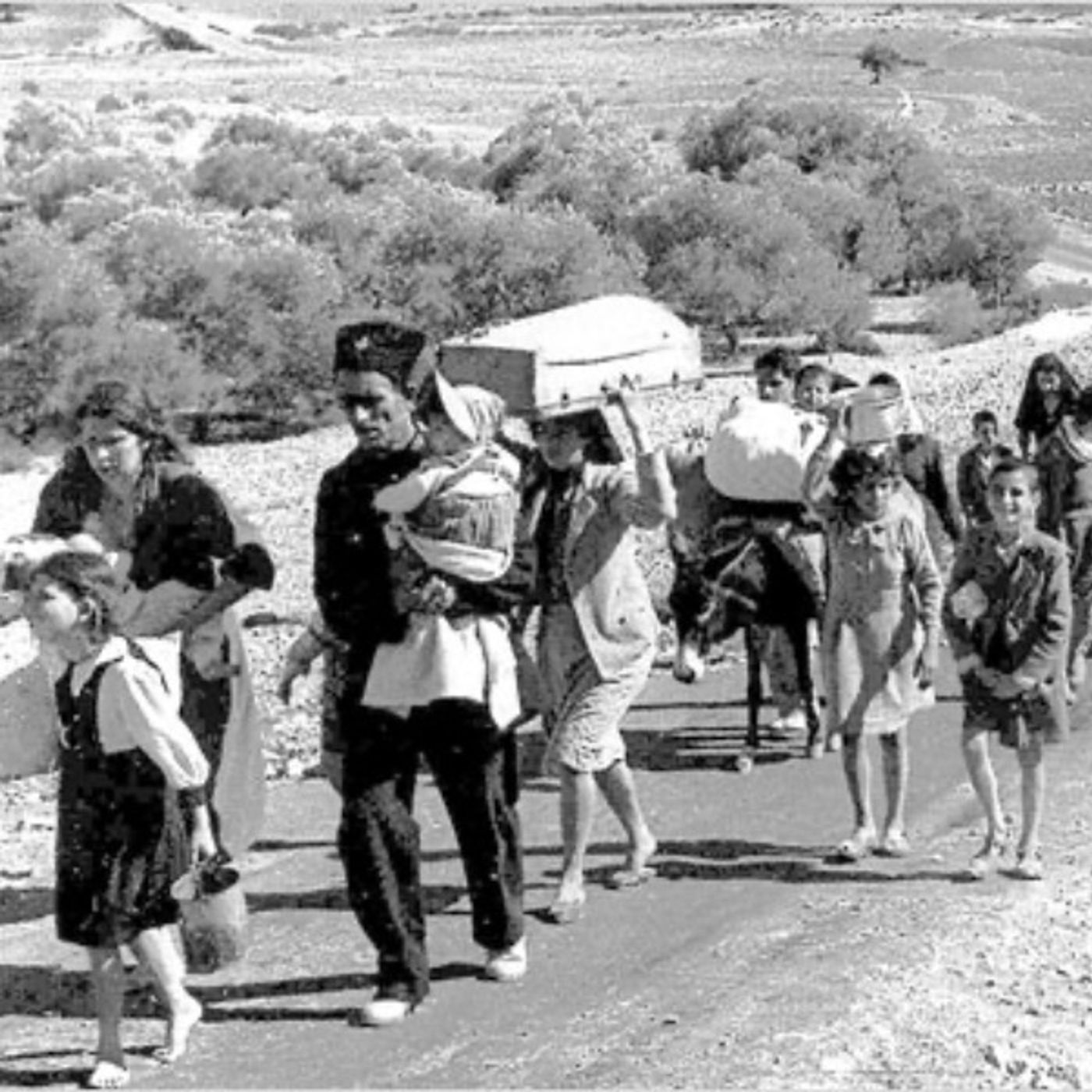
S5 Ep 6Will a UN resolution to commemorate the expulsion of Palestinians from their lands change the narrative?
The UN’s recent resolution to recognize Nakba Day on May 15, to mark the anniversary of the expulsion of Palestinians from their homes in 1948, helps to acknowledge past traumas but does the resolution have other implications?On this week’s episode of Don’t Call Me Resilient, we meet up with M. Muhannad Ayyash, professor of sociology at Mount Royal University in Calgary to help unpack some of the meanings behind this resolution.Palestinians were driven off their landSeventy-five years ago, starting on May 15, Palestinians were driven off their lands. This event is what Palestinians have come to refer to as the Nakba.In Arabic, Nakba means Catastrophe.At that time, approximately 750,000 people were violently forced from their homes. In the decades after, tens of thousands of others were murdered and displaced. And millions of Palestinians became refugees.Recently, the United Nations passed a resolution to finally acknowledge that day of catastrophe.The Palestinian UN envoy, Riyad Mansour, said the significance of the UN resolution lies in the General Assembly’s acknowledgement of the historical “injustice that befell the Palestinian people.”Why has the UN resolved to acknowledge this history now? Could it be tied to the recent surge in violence in the region?Does the recognition impact anything? Does it change how the conflict is viewed by western powers, like Canada and the United States who actually voted against the UN resolution?Listen and FollowYou can listen to or follow Don’t Call Me Resilient on Apple Podcasts, Google Podcasts, Spotify or wherever you listen to your favourite podcasts. We’d love to hear from you, including any ideas for future episodes. Join The Conversation on Twitter, Facebook, Instagram and TikTok and use #DontCallMeResilient. Resources“When will the settler colonial siege of the Gaza Strip end?” by M. Muhannad Ayyash (Al-Jazeera)“Palestinians have no choice but to continue the struggle” by Noura Erakat (The Washington Post)“The Deir Yassin massacre: Why it still matters 75 years later” (Al-Jazeera)“From Turtle Island to Gaza” by David A. Groulx (Athabasca University Press)“A Jewish Case for Palestinian Refugee Return” by Peter Beinart (The Guardian)
S5 Ep 5What the stories of the Crown Jewels tell us about exploitation and the quest for reparations
Although King Charles will have a low-key ceremony on his coronation day this May 6, the Crown Jewels will still figure prominently. An exploration of the story of the jewels tells a tale of brutal exploitation, rape and the original looting. Join us on Don't Call Me Resilient to follow the jewels. Much of what was called the British Empire was built from stolen riches - globally - and also from India.In fact, India was such an abundant contributor to the Crown that at the time of its occupation of South Asia, Britain called India the Jewel in its Crown. India was called this because of its location — easy access to the silk route, but mostly because of its vast human and natural resources: things like cotton, and tea and of course its abundance of jewels.Literally, the brightest jewel in Britain’s Crown is the Koh-i-Noor diamond. It is considered one of the world’s largest and most valued diamonds and it usually sits on top of the Crown of Queen Mary.It has a controversial history — namely that it was “surrendered” to the British by an Indian 10-year-old boy whose mother had been imprisoned and whose father had recently died. It’s likely for that reason, that it won’t be on display at the coronation. But plenty of other jewels will be part of the ceremony. There is the five-pound gold St. Edward’s Crown that Charles will be officially crowned with, the Sovereign's Sceptre, which has the Great Star of Africa diamond in it and the Imperial State Crown, which is set with almost 3,000 diamonds - including another Star of Africa.Joining me to explore the history and meaning behind these jewels is Annie St. John-Stark, assistant professor of British history at Thompson Rivers University. Also here today is: Sharanjit Kaur Sandhra, sessional instructor of history at both the University of the Fraser Valley and the University of British Columbia. Her recently completed PhD reimagines museums as spaces of belonging. Both historians on today's episode believe change is possible with a redress: of how the histories of the Crown Jewels are told and also how wealth is redistributed. And actually, if recent polls are to be believed, although many will be out celebrating (any excuse for a party, right?) the pomp of the coronation along with its display of the Crown Jewels does not reflect the attitudes of modern Britain. The most recent poll available indicates only 32 per cent of Britons believe the Empire is something to be proud of — that is down almost 25 per cent from a 2014 poll. That means, attitudes are changing quickly. Will the Royal Family catch up?
S5 Ep 4Will the brilliance of Netflix's 'Beef' be lost in the shadow of a sexual assault controversy?
Beef premiered on Netflix this month to rave reviews and quickly became the top watched series on Netflix in the U.S. In Canada, it took the No. 2 spot.Beef is a dark comedy series created by Lee Sung Jin. It follows two L.A. strangers, courageously played by Ali Wong and Steven Yeun, who get into a road rage incident — and end up in an escalating feud.The show is a beautiful meditation on life and survival and highlights universal issues of alienation and loneliness as well as class and race and gender. Critics have praised Beef for its performances and also for its revolutionary representation of Asian Americans.But over the weekend, a Twitter storm erupted after a podcast episode featuring supporting actor David Choe resurfaced. In the 2014 podcast, Choe vividly relays a sexual assault story where he is the perpetrator. Choe has apologized since and has also said the story was made up.This week on Don’t Call Me Resilient, we explore the advances Beef has made in television. As the controversy continues to swirl, we also explore the limits of those advancements and ask whether the brilliance of Beef will be overshadowed by Choe’s controversial history.Joining us to discuss this is Michelle Cho, an assistant professor of East Asian Studies at the University of Toronto, specializing in Korean film, media and popular culture. Also with us is Bianca Mabute-Louie, a PhD student in Sociology at Rice University in Houston with a background in Asian American studies and racial justice work.[Beef showcases] “a really compelling portrayal of Asian American women’s experience of female rage and the nuances of living in a world, in a society that expects a certain type of docility and a placid surface” — Michelle Cho, assistant professor of East Asian Studies, University of Toronto
S5 Ep 3Fast Fashion: Why garment workers' lives are still in danger 10 years after Rana Plaza
Fast fashion is that ever-changing need to have the latest beautiful thing at a bargain price - that club-ready piece of clothing, that status symbol shoe, or that must-have top you just found at the mall.But that cheap statement piece comes at a price. The fashion industry is the second most polluting industry in the world, after the oil and gas sector. It’s also famously unfair to its workers, the majority of whom are women. Although there has been a lot of talk about female empowerment, the reality is that most women who toil on the factory floor remain in poverty for most of their lives.Ten years ago this month, much attention turned to the global garment industry when a group of garment factories collapsed at Rana Plaza near Dhaka, Bangladesh. The accident, called a “mass industrial homicide" by unions in Bangladesh, killed 1,124 people and injured at least 2,500 more.Most of the people who went to work that day were young women, almost all were supporting families with their wages and all were at the bottom of the global production chain.This week on _Don't Call Me Resilient_, we look back at the Rana Plaza disaster to explore how much — or how little — has changed for garment worker conditions since.The industry has a "murderous disregard for human life." That’s how this episode's guest, Minh-Ha Pham, puts it. She is an associate professor in media studies at the Pratt Institute in Brooklyn and the author of Why We Can’t Have Nice Things.Also joining us is Dina Siddiqi, a feminist anthropologist and an expert on labour in Bangladeshi garment factories. She is an associate professor at New York University.
S5 Ep 2The Vatican just renounced a 500-year-old doctrine that justified colonial land theft … Now what?
Last week, the Vatican finally distanced itself from the Doctrine of Discovery — a hundreds of years old decree that justified land theft and enslavement of people who were not Christian.In this episode of 'Don't Call Me Resilient,' political and Indigenous studies scholar Veldon Coburn explains why the Vatican's repudiation of the Doctrine is a huge symbolic victory. We also examine what this repudiation may mean for members of Indigenous Nations, what prompted this renouncement, and what still needs to happen.Coburn said:>“For an Indigenous person like myself, it's profound because after four, five hundred years, since the first Papal Bull was issued, I didn't think I’d see it. Even though it may not have great material influence over my relationship with the colonial state, I do know that it's very difficult to get the church to change positions on things because, I mean, you had to twist their arm for a long time to get them to see that the sun was at the centre of the solar system and not the Earth.”Coburn explained how the Doctrine became the ideological justification for settler colonialism and enslavement in the Americas, Africa and much of the former colonies as well as the basis of a legal framework that continues to operate and support land dispossession today.For example, Coburn brings up a 2005 court case involving the Oneida Nation. He said:>“I know people cherished Ruth Bader Ginsburg, but she wrote the decision for the courts in 2005… It was kind of a cruel decision too. It's like, we stole your land. We get it. You're not getting it back. And then she explicitly cites the doctrine of discovery [denying] Indigenous title to the Oneida Nation in New York State.”We also get into the difference between western ideas about land and Indigenous Knowledge. And how ownership and commodification were central to this decree.Coburn explained how the original decree declared Indigenous territories ready to be claimed because, under western Christian philosophies, land was to be used to generate profit. Coburn said:>"They viewed our 'non-usage' of the whole territory as wasting God's gifts. So these were to be exploited … in market exchange for the creation of wealth.”While the Church's role in land theft was quickly taken up by new political entities, the lingering effects of the Doctrine are still evident in current legislative practices.Christian and European supremacist ideas are evident in the decree: Indigenous peoples and their existence on land was not sufficient evidence of proper governance. These ideas continue to function as a rationale for ongoing colonial practices. For followers of the church, Coburn said, the Vatican's official repudiation may work to alleviate the moral stain of colonial plunder. It may also serve as an admittance of culpability.Mostly, Coburn suggests, the repudiation is a symbolic gesture offered alongside many others. >“...as we've seen with Prime Minister Justin Trudeau … the symbolic has moved ahead quite quickly [while] the material aspects of our lived existence still linger in a state that's more resembling of the worst times of colonial assertions of sovereignty over it. So it really hasn't changed. They're still holding onto our land and saying, well, we said we're sorry. What more can we do? There's a lot more… the rightful return, restorative justice means: land back.”
S5 Ep 1Roxham Road: Asylum seekers won't just get turned back, they'll get forced underground
In this episode, migration expert Christina Clark-Kazak explains the devastating consequences of last week's meeting between United States President Joe Biden and Canadian Prime Minister Justin Trudeau. The meeting resulted in significant changes to a cross-border agreement and has already impacted the lives of thousands of asylum seekers attempting to make a life in Canada.We explore what these changes will mean for those people searching for a safe home who are now being turned away from Canada. We also discuss the racialization of Canada's immigration policies.Christina Clark-Kazak, an Associate Professor in the School of Public and International Affairs at the University of Ottawa urges Canadians to think critically about who we accept as refugees, and who we turn away. She said:"It's important for us, as Canadians, to have this discussion and think very carefully about why certain categories of people coming from certain areas are welcomed with open arms and other people, we're effectively just slamming the door in their faces."## Claiming asylum in CanadaWhat the new amendment basically does is close any irregular border crossings for asylum seekers hoping to cross the U.S.-Canada border.One of these irregular border crossings is at Roxham Road. Roxham Road is a rural road in upstate New York that crosses the border with the province of Québec. And last year, around 40,000 people arrived at this unofficial border crossing, hoping to find their way into new lives in Canada.To look at it by numbers, this new amendment to the irregular U.S.-Canada land crossing is in sharp contrast to Canada's limitless welcome to Ukrainian refugees (there is no cap set on the number of migrants from Ukraine to Canada). Last year, 130,000 Ukrainian refugees arrived in Canada by air. In 2015-2016, Canada welcomed 25,000 Syrians. Approximately 40,000 people crossed at Roxham Road in 2022. ## Confusion and devastation at Roxham RoadBefore the Safe Third Country Agreement, which was signed in 2002, shortly after the 9/11 terrorist attacks in the U.S., both countries could reject asylum seekers at official border crossings. But there was a small loophole that provided a slim window for people desperately looking for a way into Canada. People who crossed at unofficial border crossings could still claim asylum.With this new amendment, that slim window gets even smaller. Migrants can now be turned away at unofficial border crossings as well. The change took effect suddenly on Saturday, causing all kinds of confusion and trauma.But issues at play at Roxham Road are larger than any one single border crossing. They are intimately connected to global politics including economic inequities, resource extraction, imperialism, colonialism and exploitation.For many people, turning back is not an option. As Clark-Kazak said:"People will be now crossing at places that are not so visible, that are in the forest, in places that are further from an official border post. And so they'll need to know how to navigate that. So they will be turning to smugglers. We know this because this happens on the southern border between the U.S. and Mexico all the time."Even with changes to the Safe Third Country Agreement, this journey is a risk that thousands will continue to take.
Trailer, Don't Call Me Resilient, Season 5
trailerHost Vinita Srivastava goes deep with academic experts and those with lived experience to bring you your weekly dose of news, from an anti-racist perspective.
S4 Ep 6What’s so funny about race?
A lot of us turn to comedians we know and love to help us laugh at ourselves, our communities or the overwhelm of politics. Just look at the beautiful accolades received by Trevor Noah this month as he bade goodbye to his Daily Show audiences.Noah and other comedians like Roy Wood Jr., Mindy Kaling, Ali Wong, Chris Rock, and Hasan Minhaj put race and other sensitive issues at the centre of their comedy. This gives us - the audience - reason to laugh, whether the jokes are directed towards us or not. It’s a way to release some of the tensions around some serious issues.As comedy evolves, where is the line between a lighthearted joke and deep-rooted racism? And how far is too far?In this episode, we get into it with Faiza Hirji, Associate Professor of Communication Studies and Media Arts at McMaster University and award-winning stand-up comedian Andrea Jin. They look at how comedy can be an easier way to talk about difficult issues, and at how we can find a way to laugh with each other — rather than at each other. The psychology behind laughing at jokes can be traced back many years. While Hobbes and Plato suggested that making fun helps us feel superior, Kant thought about it more as a cognitive shift from a serious situation into playful territory. More recently, psychologist Daniela S. Hugelshofer showed how humour acts as a buffer against hopelessness and depression.According to marketing psychologist Peter McGraw, who runs the Humor Research Lab at the University of Colorado Boulder, the “Benign Violation theory” needs to be satisfied for us to find something funny. That is, for a joke to be funny, there needs to be a social or cultural violation and it must be benign.Follow and ListenYou can listen to or follow Don’t Call Me Resilient on Apple Podcasts, Google Podcasts, Spotify or wherever you listen to your favourite podcasts. We’d love to hear from you, including any ideas for future episodes. Join The Conversation on Twitter, Facebook, Instagram and TikTok and use #DontCallMeResilient.Articles in the ConversationRead more: Goodbye Apu -- here's what you meant to usRead more: Mindy Kaling's 'Never Have I Ever' makes me feel hopeful about representation, gender and raceRead more: Psychology behind the unfunny consequences of jokes that denigrateRead more: Roseanne Barr: saying 'it's a joke' is no defence for racismRead more: 'I wanna be white!' Can we change race?Read more: Stand-up comics should concentrate on being funny: so don't take offence if they areRead more: Deadly Funny -- a new brand of Australian comedyRead more: What's so funny about Aboriginal and Torres Strait Islander humour?Don’t Call Me Resilient is produced in partnership with the Journalism Innovation Lab at the University of British Columbia and with a grant from the Social Sciences and Humanities Research Council of Canada.
S4 Ep 5How can we slow down youth gun violence?
It was 15 years ago: police officers flooded C. W. Jefferys Collegiate in northwest Toronto. Outside, hundreds of anxious parents stood waiting for answers. The news that police delivered – as we now know – was tragic.Fifteen-year-old Jordan Manners had been killed. It was the first time anyone had been fatally shot inside a Toronto school. Jordan’s death stunned his community and the nation. And for many, it punctured the illusion of safety in Canadian schools.Since then, we’ve seen a slew of reports and funds directed at anti-violence projects… But youth violence hasn’t let up in Toronto, Canada’s largest city.In fact, it’s getting worse.In the Toronto District School Board, the number of physical assaults has risen by 174 per cent between 2014 and 2019 and the number of incidents involving the use of a weapon by a student has risen by 60 per cent.This year, on Valentine’s Day, a student was fatally shot inside a Toronto high school and in October, another shooting happened outside a school.Why is gun violence increasing? And can we slow it down?Devon Jones has spent the past 15 years tackling these very questions. He is a teacher and well-recognized youth worker in the Jane and Finch community - where Jordan Manners was killed. It has been described as Toronto’s most dangerous area to be a kid.Devon has seen many students who have lost their lives to violence over the years, including Manners. But he has also saved many lives through programs offered by YAAACE - an organization he founded in 2007 that focuses on basketball and academics. He’s a busy man, who had just rushed from dealing with a youth emergency before talking to us from school.One of the former volunteers of Jones's organization is Ardavan Eizadirad. Eizadirad is now the executive director of YAAACE. He is also an Assistant Professor in the Faculty of Education at Wilfrid Laurier University who has written about the root causes of gun violence.Join us on Don’t Call Me Resilient as we speak to both Jones and Eizadirad about the rising rates of gun violence in Canada and the role community organizations play in the solution.Follow and ListenYou can listen to or follow Don’t Call Me Resilient on Apple Podcasts, Google Podcasts, Spotify or wherever you listen to your favourite podcasts. We’d love to hear from you, including any ideas for future episodes. Join The Conversation on Twitter, Facebook, Instagram and TikTok and use #DontCallMeResilient.SourcesTwo School Shootings, 15 Years Apart by Inori RoyStudent fatally shot inside Toronto high schoolShooting outside Toronto high school leaves 1 dead, 1 teen injuredPrevalence and Impact of Harassment and Violence against Educators in Canada by Darcy A. Santor,Chris Bruckert & Kyle McBrideThe death of Jordan Manners tore apart his school. How C.W. Jefferys was resurrected. the Toronto Star by Andrea GordonHow American gun deaths and gun laws compare to Canada'sYouth Association for Academics, Athletics, and Character Education (YAAACE)Articles in the ConversationRead the companion article to this episode of Don’t Call Me Resilient: To resolve youth violence, Canada must move beyond policing and prison, by Ardavan Eizadirad.Canada shouldn’t be smug about gun violence — it’s a growing problem here, tooGun violence can be reduced with a strategy focused on deterrenceCanada once sold the idea that guns turned boys into menThugs’ is a race-code word that fuels anti-Black racismToronto mass shooting: How the city is coping a month laterCalls for stronger handgun laws in Canada have deep rootsProposed Canadian gun bill will create U.S.-style patchwork of firearms laws
S4 Ep 4Why corporate diversity statements are backfiring
We’ve all heard the buzzwords: Equity, diversity, inclusion.For some, these terms evoke social change but for others, they conjure empty promises on a glossy corporate brochure or a workplace’s ineffective policy statement at the bottom of a job listing.In 2020, when Minneapolis police officer Derek Chauvin murdered George Floyd, worldwide protests against anti-Black police brutality and racism prompted corporations across the world to rush to address anti-Black racism with statements of solidarity and, in many cases, affirmations of their commitment to anti-racism in the workplace.But University of Toronto Professor Sonia Kang says that without action plans to back up those ideas, those statements can actually lead to greater blocks to success for racialized employees and job seekers.Join us and listen to Don't Call Me Resilient as we speak with Prof. Kang to discuss tokenism and how institutions uphold institutional racism. Kang is a Canada Research Chair in Identity, Diversity and Inclusion and host of the podcast For the Love of Work.From performative allyship in the workplace to resume whitening practices in job applications to the grey area between being a diversity hire or the first racialized employee, explore the many facets of tokenism and how we can challenge and reshape the institutional practices that keep racialized employees from succeeding in the workplace.Follow and ListenYou can listen to or follow Don’t Call Me Resilient on Apple Podcasts, Google Podcasts, Spotify or wherever you listen to your favourite podcasts. We’d love to hear from you, including any ideas for future episodes. Join The Conversation on Twitter, Facebook, Instagram and TikTok and use #DontCallMeResilient.TranscriptThe unedited version of the transcript is available here.
S4 Ep 3How to decolonize journalism
Despite the jokes about our egos, many of us journalists got into the business because we felt a need to call out powerful institutions.But journalism itself is one of those powerful institutions, and it has failed time and again to address criticisms around who gets to tell the news and whose perspectives get left out.Some researchers have called this a crisis of journalism, a “digital reckoning.” And they are not talking about economics, with local newsrooms and news budgets on the decline, though that is part of it.When it comes to reporting and covering Indigenous Peoples, journalism’s institutions have failed. For example, a good part of the reason so many Canadians are not familiar with the history of the Indian Residential Schools is because Canadian media failed to tell those stories. We failed to address the ongoing colonialism and that has meant that urgent Indigenous issues have been ignored or sensationalized.And journalism schools only recently began teaching their students how to think critically while covering stories like these.Our guest on this episode of Don’t Call Me Resilient has been working on correcting these issues both in the newsroom and in the classroom.Duncan McCue is an award-winning Anishinaabe journalist.He has worked at the CBC for over 20 years reporting for The National and as the host of Cross Country Checkup.Duncan was part of a CBC investigation into missing and murdered Indigenous women that won the Hillman Award for Investigative Journalism. Most recently, he has produced and hosted Kuper Island, an eight-episode podcast that focuses on four students of a residential school in B.C. — three who survived and one who didn’t.As an educator, Duncan has taught journalism at the University of British Columbia and Toronto Metropolitan University. And he just published a new book, Decolonizing Journalism.Follow and ListenYou can listen to or follow Don’t Call Me Resilient on Apple Podcasts, Google Podcasts, Spotify or wherever you listen to your favourite podcasts. We’d love to hear from you, including any ideas for future episodes. Join The Conversation on Twitter, Facebook, Instagram and TikTok and use #DontCallMeResilient.Also in The ConversationRead more: Four Corners' 'How many more?' reveals the nation's crisis of Indigenous women missing and murderedRead more: The Toronto Star is making the right move by renaming the Lou Marsh trophyRead more: Canada's shameful history of sterilizing Indigenous womenRead more: Thunder Bay: Local news is important for conversations on reconciliationRead more: Stanley trial highlights colonialism of Canadian mediaRead more: Media portrays Indigenous and Muslim youth as 'savages' and 'barbarians'SourcesDecolonizing Journalism by Duncan McCueSeeing Red by Mark Cronlund Anderson and Carmen L. RobertsonOur History is the Future by Nick EstesReckoning: Journalism’s Limits and Possibilities by Candis Callison and Mary Lynn Young.Don’t Call Me Resilient is produced in partnership with the Journalism Innovation Lab at the University of British Columbia and with a grant from the Social Sciences and Humanities Research Council of Canada.TranscriptThe unedited version of the transcript is available here.

S4 Ep 2Why isn’t anyone talking about who gets long COVID?
If you don’t pay close attention to news about COVID, you might think the pandemic is nearly over. But for the millions of people worldwide suffering from long COVID, that couldn’t be further from the truth. And the number of those experiencing long-term symptoms keeps growing: At least one in five of us infected with the virus go on to develop long COVID.The effects of long COVID are staggering. Researchers say it can lead to: blood clots, heart disease, damage to the blood vessels, neurological issues, cognitive impairment, nerve damage, chronic pain and extreme fatigue.And there is no treatment for long COVID.So why don’t we hear more about long COVID? Why haven’t governments warned people about the risks we face with infection? Especially now that most mask mandates have been dumped.It might be that this debilitating disease is largely overlooked because of who gets it:Almost 80 per cent of longhaulers are women. And in the United States, where our guest today is from, many of those suffering from the prevailing conditions of COVID are women of colour, with Black and Latinx people most likely to get the illness.Our guest on this episode is Margot Gage Witvliet, assistant professor at Lamar University in Beaumont, Texas. Margot is a social epidemiologist who studies health disparities, including as they relate to long COVID and has presented her research findings to the United States Health Equity Task Force on COVID-19.Margot is also a Black woman living with long COVID and has created a support and advocacy group for women of colour.Listen and FollowYou can listen to or follow Don’t Call Me Resilient on Apple Podcasts, Google Podcasts, Spotify or wherever you listen to your favourite podcasts. We’d love to hear from you, including any ideas for future episodes. Join The Conversation on Twitter, Facebook, Instagram and TikTok and use #DontCallMeResilient.
S4 Ep 1The unfairness of the climate crisis
Join us on this episode of Don’t Call Me Resilient as we speak with researcher and migration expert Yvonne Su about climate-induced migration and the burden of care that is owed to displaced people.Recently, there have been some troubling images coming out of Pakistan, where devastating floods have taken the lives of more than 1,500 people and displaced close to 8 million. The floods have also submerged farmlands and spread waterborne illnesses. In total, it is estimated that the floods have so far impacted over 33 million people.So the picture is bleak.And a lot of this suffering can be linked to human-induced climate change.In other words, the global climate crisis has been driven by the burning of fossil fuels and deforestation by western states. Meanwhile, some populations continue to bear the brunt of the impact. Given this, do the United Nations and those states who have contributed most to the problem have the moral responsibility to protect and compensate those most harmed by climate change?This month, leaders from over 190 countries gather in Egypt for COP27, the United Nations Climate Change Conference. Previous UN climate change summits have been criticized by Indigenous and environmental activists who say the so-called solutions coming out of them have done more harm than good.Will this year be different? Will leaders be paying attention to real solutions for people in Pakistan that are being displaced right now?Join us as we speak with Yvonne Su, Assistant Professor in the Department of Equity Studies at York University. Yvonne specializes in migration, including climate change-induced displacement both globally and in Canada. She has a PhD in Political Science and International Development from the University of Guelph and a Masters in Refugee and Forced Migration Studies from the University of Oxford.Listen and FollowYou can listen to or follow Don’t Call Me Resilient on Apple Podcasts, Google Podcasts, Spotify or wherever you listen to your favourite podcasts. We’d love to hear from you, including any ideas for future episodes. Join The Conversation on Twitter, Facebook, Instagram and TikTok and use #DontCallMeResilient.Also in The ConversationRead more: Pakistan floods: will rich nations ever pay for climate loss and damage?Read more: Loss and damage: Who is responsible when climate change harms the world's poorest countries?Read more: COP27: Which countries will push to end fossil fuel production? And which won't?Read more: Wildfire and flood disasters are causing 'climate migration' within CanadaRead more: UN ruling could be a game-changer for climate refugees and climate actionRead more: A Canadian senator aims to end the widespread financial backing of fossil fuelsSourcesThe unbearable heaviness of climate coloniality by Farhana SultanaShould we bring back climate refugees? By Yvonne SuClimate change communication and Indigenous publics by Candis CallisonDon’t Call Me Resilient was produced in partnership with the Journalism Innovation Lab at UBC and with a grant from the Social Sciences and Humanities Research Council of Canada.

Trailer, Season 4
trailerWelcome to Don’t Call Me Resilient, where we tackle systemic racism head-on and figure out ways to deal with it. This season, we’ll be delving into everything from tokenism at work to how long COVID is hitting women of colour especially hard. And from how climate change is wreaking havoc on the most vulnerable to how most journalists have a lot to learn about telling Indigenous stories. In each of these upcoming episodes, our guests bring their expertise to challenge us to do better. So we’ll also be looking at solutions – and sharing reasons to be hopeful for our future. Join us for Season 4 of Don’t Call Me Resilient from The Conversation Canada. Follow us and listen, wherever you get your favourite podcasts.

About the Queen, the Crown's crimes and how to talk about the unmourned
bonusAt Don’t Call Me Resilient, we’ve been busy planning season 4 of the podcast, which starts to roll out in November. We’re even starting to think about season 5. But we decided to stop production to talk about something we felt we couldn’t ignore.We’ve watched this incredible spectacle around the Queen’s death and public outpouring of support and love for the British monarchy.Here in Canada, Queen Elizabeth was the official head of state and her funeral this week was made a federal holiday. In Ontario, the Minister of Education directed schools to conduct a moment of silence “to recognize the profound impact of Queen Elizabeth II’s lifelong and unwavering devotion to public service.”And yet next week, those same children will be exploring the history of Indian Residential Schools and the immense ongoing damage of that system — started and long supported by the Crown.In the middle of this outpouring of love and grief for the Queen — and the monarchy she represented — not everyone is feeling it. Not everyone wants to mourn or honour her or what she represents.And there are a lot of reasons why.For example, the head of the Assembly of First Nations, RoseAnne Archibald told CTV News that the Royal Family should apologize for the failures of the Crown …“particularly for the destructiveness of colonization on First Nations people.”Another example came from Uju Anya, professor at Carnegie Mellon University, who posted a tweet in which she identified the Queen as overseeing a “thieving raping genocidal empire.”To explore these ideas further, we reached out to two scholars who are regular contributors to Don’t Call Me Resilient. Both say that the Queen’s death could be a uniting moment of dissent for people from current and former colonies.Veldon Coburn is Assistant Professor at the Institute of Indigenous Research and Studies at the University of Ottawa where he teaches a class called Colonialism, Territory & Treaties. He is Anishinaabe, Algonquin from Pikwàkanagàn First Nation and the co-editor of Capitalism and Dispossession.Cheryl Thompson is Assistant Professor of media and culture at the School of Performance and the Director of the Laboratory for Black Creativity at Toronto Metropolitan University. She is the author of Uncle: Race, Nostalgia, and the Politics of Loyalty.
S3 Ep 7Has the meaning behind the Canadian flag changed?
As we approach Canada Day — and the prospect of the return of "freedom" protests in Ottawa — let's consider the meaning and symbolism of the Canadian flag.After weeks of the so-called "freedom convoy" last winter, many of us took a hard look at the symbolism of the Canadian flag and its recent association with white supremacy. Some felt a new fear or anger at what they feel the flag represents.But other communities have always felt this way about the Canadian flag. After unmarked graves were found at the sites of former residential schools, the Canadian flag was flown at half-mast in many places to show shame for our collective history and solidarity with Indigenous communities. And last year on Canada Day, many people called for people to wear orange instead of red and white.Both of our guests on this episode of Don't Call Me Resilient have studied multiculturalism, citizenship and belonging. Daniel McNeil looks at history and culture and the complexities of global Black communities. He is a professor and national scholar chair in Black studies at Queen's University. Lucy El-Sherif is a PhD candidate at the University of Toronto in ethnic and pluralism studies.The Conversation Canada: Full Show Notes for episode 20You can listen to or follow Don’t Call Me Resilient on Apple Podcasts, Google Podcasts, Spotify or wherever you listen to your favourite podcasts. We’d love to hear from you, including any ideas for future episodes. Join The Conversation on Twitter, Facebook, Instagram and TikTok and use #DontCallMeResilient.
S3 Ep 6How powerful sounds of protest amplify resistance
Today, I speak with two people involved in sound studies who believe sound is an element of resistance. They explain why — in our hyper-visualized age of Instagram-perfect photos, sound is so compelling and why soundscapes can help to amplify voices of resistance.Nimalan Yoganathan is a PhD candidate at Concordia University. He studies protest tactics, and he looks at how different sound practitioners have contributed to anti-racist movements. I also spoke with Norman W. Long, a born-and-raised resident of the south side of Chicago. Norman is a sound artist, designer and composer who works to document and record the everyday reality of his community. He has graduate degrees in landscape architecture (from Cornell University) and in Fine Arts (from the San Francisco Art Institute). Both our guests talk about how important it is to listen to the sounds around us as a way to critically engage with our communities, to help bridge our deep divides and to pay attention to the forces of power in our environment. They say anyone can learn to listen deeply, even children.Show notesYou can listen to or follow Don’t Call Me Resilient on Apple Podcasts, Google Podcasts, Spotify or wherever you listen to your favourite podcasts. We’d love to hear from you, including any ideas for future episodes. Join The Conversation on Twitter, Facebook, Instagram and TikTok and use #DontCallMeResilient.
S3 Ep 5Why you shouldn't be afraid of critical race theory
Today we explore how applying critical race theory in classrooms across Canada helps both students and teachers. Teresa Fowler, assistant professor of Education at Concordia University of Edmonton joins us. So does Dwayne Brown, a PhD student in Education at York University, and a grade seven teacher with the Toronto District School Board. Both Brown and Fowler use critical race theory in their classrooms every day, and say that it helps them to see and evaluate their own biases—while also making students feel truly included in their own education. Go to The Conversation for full shownotes. You can listen to or follow Don’t Call Me Resilient on Apple Podcasts, Google Podcasts, Spotify or wherever you listen to your favourite podcasts. We’d love to hear from you, including any ideas for future episodes. Join The Conversation on Twitter, Facebook, Instagram and TikTok and use #DontCallMeResilient.
S3 Ep 4Diamond mines are not a girl’s best friend
When you think diamonds, you probably think of romance, weddings and Valentine’s Day. And it’s no accident we think this way: A century of marketing has convinced us that diamonds symbolize love.In Canada, magazine ads celebrate the “purity” of Northern Canadian diamonds as an ethical alternative to conflict diamonds.But this marketing strategy actually hides enormous social problems that people living near the mines say they’ve experienced. This includes some of Canada’s highest rates of violence against women.The story our guests tell today is not one of numbers. Instead, they’re sharing narratives gathered and collected through interviews and sharing circles about how lives have changed after the mines opened.Our guests today are: Rebecca Hall, assistant professor of Global Development Studies at Queen's University and the author of Refracted Economies: Diamond Mining and Social Reproduction in the North and Della Green, former Victim Services Coordinator, at The Native Women's Association of the Northwest Territories.Show notes:https://theconversation.com/diamond-mines-are-not-a-girls-best-friend-podcast-183972You can listen to or follow Don’t Call Me Resilient on Apple Podcasts, Google Podcasts, Spotify or wherever you listen to your favourite podcasts. We’d love to hear from you, including any ideas for future episodes. Join The Conversation on Twitter, Facebook, Instagram and TikTok and use #DontCallMeResilient.

S3 Ep 3TikTok is more than just a frivolous app for lip-synching and dancing
TikTok is perceived as a highly addictive video sharing platform with a lot of lively music and dance videos that encourages participation and replication: think macarena times 100 million. For many people it sounds like frivolous waste of time.But the app has revealed itself to have more depth than initially meets the eye.TikTok can be a place to learn, become politically aware and even discover new things about yourself.Scrolling through, you can find a science lesson on climate change from Bill Nye the science guy. You can find lessons on Indigenous languages. How to dress for your body type. Or up to date news and election coverage.While the app definitely has its downsides – its upsides are worth paying attention to. On this week’s episode of Don’t Call Me Resilient, we explore how TikTok is helping its users build strong communities, and also how the app’s algorithm is treating marginalized folks and their stories. Producer Haley Lewis speaks with Jessie Loyer, Indigenous librarian from Mount Royal University and TikTok micro-influencer about TikTok’s potential as a tool for education. And Vinita chats with Crystal Abidin, associate professor in the School of Media, Creative Arts and Social Inquiry at Curtin University in Perth, Australia. She is the founder of TikTok Cultures, a global TikTok research hub. Also joining the conversation is Jas Morgan, assistant professor of English at Toronto Metropolitan University and facilitator of the Digital Wahkohtowin & Cultural Governance Lab.Show notes:https://theconversation.com/tiktok-is-more-than-just-a-frivolous-app-for-lip-syncing-and-dancing-podcast-182264You can listen to or follow Don’t Call Me Resilient on Apple Podcasts, Google Podcasts, Spotify or wherever you listen to your favourite podcasts. We’d love to hear from you, including any ideas for future episodes. Join The Conversation on Twitter, Facebook, Instagram and TikTok and use #DontCallMeResilient.
S3 Ep 2Niqab bans boost hate crimes against Muslims and legalize Islamophobia
Many people have an idealized vision of Canada as a gentle, kind and accepting society. However, last year, as a Muslim Canadian family took their evening stroll during lockdown in London, Ont., a white man rammed his pickup truck into them. Four of the five family members were killed.The incident sparked horror and outrage. But the truth of the matter is anti-Muslim sentiment has been on the steady rise in the 20 years since 9/11.According to a report from July 2021 by the National Council of Canadian Muslims, more Muslims have been killed in Canada in targeted attacks and hate crimes than in any other G7 country.Our guest today says that instead of deterring anti-Muslim hate, Canadian laws are actually making it worse - in essence, legalizing Islamophobia.Natasha Bakht is an award-winning legal scholar who has spent the past five years researching the rise in anti-Muslim attitudes in North America. She is a professor in the faculty of law at the University of Ottawa and the author of In Your Face: Law, Justice, and Niqab Wearing Women in Canada.In her book, Natasha explores the stories of niqab-wearing women who have faced discriminatory laws.Follow and listenListen to this episode — and subscribe to Don’t Call Me Resilient — on Apple Podcasts, Google Podcasts, Spotify or wherever you listen to your favourite podcasts.We’d love to hear from you, including any ideas for future episodes. Join The Conversation on Twitter, Facebook and Instagram and use #DontCallMeResilient.ICYMI - Articles published in The ConversationRead more: Quebec's niqab ban uses women's bodies to bolster right-wing extremismIslamophobia and hate crimes continue to rise in CanadaMuslim family killed in terror attack in London, Ont.: Islamophobic violence surfaces once again in CanadaRemembering the Québec City mosque attack: Islamophobia and Canada’s national amnesiaMedia portrays Indigenous and Muslim youth as ‘savages’ and ‘barbarians’Islamophobia in western media is based on false premisesArt show takes on the misrepresentation of MuslimsMore info: Show Notes

S3 Ep 1Unmarked graves of 215 Indigenous children were found in Kamloops a year ago: What's happened since?
**Warning: This episode contains details that some listeners may find distressing**It's been a year since the unmarked graves of 215 Indigenous children — some of them as young as three years old — were found on the grounds of the former Kamloops Indian Residential School in British Columbia. In this episode, Vinita speaks to Veldon Coburn, assistant professor at the Institute of Indigenous Research and Studies at the University of Ottawa about what happened, the widespread grief and outcry and the immediate political response, but also, how none of that lasted despite communities continuing to find bodies. Joining Vinita on the episode is Haley Lewis, Don't Call Me Resilient producer and culture and society editor at The Conversation Canada. Lewis is mixed Kanyen'keha:ká from Tyendinaga and led our coverage of the findings last year.Show notes:https://theconversation.com/unmarked-graves-of-215-indigenous-children-were-found-in-kamloops-a-year-ago-whats-happened-since-podcast-182728 You can listen or subscribe to Don’t Call Me Resilient on Apple Podcasts, Google Podcasts, Spotify or wherever you listen to your favourite podcasts. We’d love to hear from you, including any ideas for future episodes. Join The Conversation on Twitter, Facebook and Instagram and use #DontCallMeResilient.
Don't Call Me Resilient - Trailer, Season 3
trailerYou can listen to all of the episodes or follow on Apple Podcasts, Google Podcasts, Spotify or wherever you listen to your favourite podcasts.We’d love to hear from you , including any ideas for future episodes. Join The Conversation on Twitter, Facebook and Instagram and use #DontCallMeResilient.Season 3 episodes launch May 18, 2022!
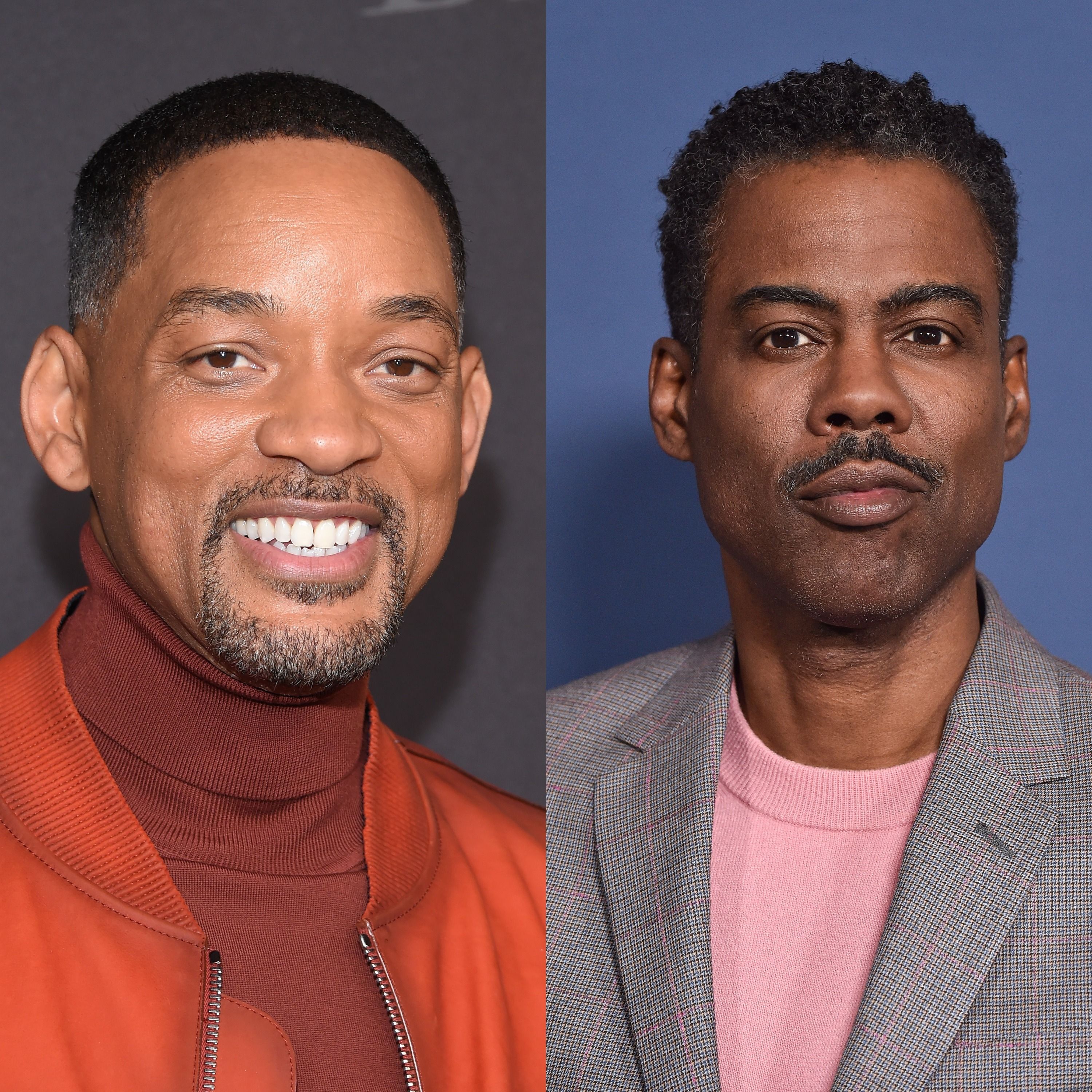
Will Smith's Oscar slap reveals fault lines as he defends Jada Pinkett Smith against Chris Rock
bonusEIt felt like these Oscars were the first ones that weren’t actually so white. The whole event felt different. With attempts to display a more inclusive Hollywood, the showcase seemed to go beyond its usual tokenism.But there was the Will Smith-Chris Rock fiasco taking attention away from all this. In what became one of the most infamous moments in the history of the Oscars, Smith got out of his seat to slap Rock for a bad joke aimed at Jada Pinkett Smith.These flashpoints are always about other things – they are evidence of a layered story. In this case, it’s a story that’s divided people. Is it a story about toxic masculinity? It is a story of intergenerational trauma? Is it about a Black man standing up for Black women?In this special episode of Don’t Call Me Resilient, we discuss this moment as a cultural flash point. We chat about how “the slap heard around the world” is evidence of a layered story of racism, sexism, power and performance. Will Smith’s violent behaviour towards Chris Rock raises questions about toxic masculinity and also reveals the fault lines of a man who is perhaps still wrestling with his traumatic past.Even though we’re not ready to start rolling out our regular season which we plan to do in May, we couldn’t wait to talk about this cultural moment, so we produced this special episode.Our guest is Cheryl Thompson, assistant professor in Performance at the School of Creative Industries, Ryerson University, where she looks at race and representation. Thompson is the author of Beauty in a Box about the politics of Black women and beauty, as well as Uncle: Race, Nostalgia and Loyalty. She’s also the Director of the Media Representation and Archives Lab at Ryerson.Thompson was the guest of our very first episode of Don’t Call Me Resilient, where we had a fascinating conversation about the n-word. If you have not heard that one, please check it out.Read Thompson's new article:Jada Pinkett Smith and Black women’s hair: History of disrespect leads to the CROWN ActShow notes for this episode & unedited transcriptJoin The Conversation about this podcast:Use hashtag #DontCallMeResilient and tag us:Twitter, Instagram, Facebook, LinkedInSign up for our newsletterContact us: [email protected]

S2 Ep 6Making our food fairer
One out of every eight households in Canada is food insecure. For racialized Canadians, that number is higher – two to three times the national average. In this episode, Vinita asks what is happening with our food systems, and what we can do to make them fairer with two women who have been tackling this issue for years. Melana Roberts is Chair of Food Secure Canada and one of the leaders behind Canada’s first Black food sovereignty plan. Also joining the conversation is Tabitha Robin Martens, assistant professor at UBC’s Faculty of Land and Food Systems. Martens researches Indigenous food sovereignty and works with Cree communities to bolster traditional land uses.Show notes:https://theconversation.com/making-our-food-fairer-dont-call-me-resilient-ep-12-171554Transcript:https://theconversation.com/making-our-food-fairer-dont-call-me-resilient-ep-12-transcript-171583Related article: Why are babies going hungry in a food-rich nation like Canada?https://theconversation.com/why-are-babies-going-hungry-in-a-food-rich-nation-like-canada-165789Join The Conversation about this podcast: Use hashtag #DontCallMeResilient and tag us:Twitter: https://twitter.com/ConversationCA Instagram: https://www.instagram.com/theconversationdotcomFacebook: https://www.facebook.com/TheConversationCanadaLinkedIn: https://www.linkedin.com/company/theconversationcanada/Sign up for our newsletter: https://theconversation.com/ca/newsletters/Contact us: [email protected] at beginning of episode:Telling Our Twisted Histories, CBC Podcasts:https://www.cbc.ca/listen/cbc-podcasts/906-telling-our-twisted-historiesPromo at end of episode: The Conversation Weekly:https://theconversation.com/ca/topics/the-conversation-weekly-98901

S2 Ep 5Why pollution is as much about colonialism as chemicals
The state of our environment just keeps getting scarier and scarier, yet it feels like we have yet to find a way forward. Two Indigenous scholars who run labs to address the climate crisis say bringing an Indigenous understanding to environmental justice could help us get unstuck. A big part of that is seeing pollution through a new lens – one that acknowledges it is as much about racism and colonialism as it is toxic chemicals. Vinita talks to Michelle Murphy, Professor and Canada Research Chair in science and technology studies and leader at the University of Toronto’s Environmental Data Justice Lab. Also joining is Max Liboiron, author of Pollution is Colonialism, and associate professor in geography at Memorial University of Newfoundland.Show notes:https://theconversation.com/why-pollution-is-as-much-about-colonialism-as-chemicals-dont-call-me-resilient-ep-11-170696Transcript:https://theconversation.com/why-pollution-is-as-much-about-colonialism-as-chemicals-dont-call-me-resilient-transcript-ep-11-170697Join The Conversation about this podcast: Use hashtag #DontCallMeResilient and tag us:Twitter: https://twitter.com/ConversationCA Instagram: https://www.instagram.com/theconversationdotcomFacebook: https://www.facebook.com/TheConversationCanadaLinkedIn: https://www.linkedin.com/company/theconversationcanada/Sign up for our newsletter: https://theconversation.com/ca/newsletters/Contact us: [email protected] at beginning of episode:Telling Our Twisted Histories, CBC Podcasts:https://www.cbc.ca/listen/cbc-podcasts/906-telling-our-twisted-histories

S2 Ep 4Being Watched: How surveillance amplifies racist policing and threatens the right to protest
Many of us know our personal data is being collected online and used against us – to get us to buy certain things or vote a certain way. But for marginalized communities, the collection of data and photos has much bigger implications. Vinita is joined by two researchers who are calling for new protections for the most vulnerable populations. Yuan Stevens is the Policy Lead in the Technology, Cybersecurity and Democracy Programme at the Ryerson Leadership Lab and Wendy Hui Kyong Chun is professor and Canada 150 Research Chair in new media at Simon Fraser University.Show notes:https://theconversation.com/being-watched-how-surveillance-amplifies-racist-policing-and-threatens-the-right-to-protest-dont-call-me-resilient-ep-10-167522Transcript:https://theconversation.com/being-watched-how-surveillance-amplifies-racist-policing-and-threatens-the-right-to-protest-dont-call-me-resilient-ep-10-transcript-167523Related article: Intense police surveillance for Indigenous land defenders contrasts with a laissez-faire stance for anti-vax protestershttps://theconversation.com/intense-police-surveillance-for-indigenous-land-defenders-contrasts-with-a-laissez-faire-stance-for-anti-vax-protesters-169589Join The Conversation about this podcast: Use hashtag #DontCallMeResilient and tag us:Twitter: https://twitter.com/ConversationCA Instagram: https://www.instagram.com/theconversationdotcomFacebook: https://www.facebook.com/TheConversationCanadaLinkedIn: https://www.linkedin.com/company/theconversationcanada/Sign up for our newsletter: https://theconversation.com/ca/newsletters/Contact us: [email protected] at beginning of episode:Telling Our Twisted Histories, CBC Podcasts:https://www.cbc.ca/listen/cbc-podcasts/906-telling-our-twisted-histories

S2 Ep 3Model minority blues: The mental health consequences of being a model citizen
The pandemic has taken a toll on our collective mental health. But according to a recent Statistics Canada report, South Asians reported a steeper decline than any other diaspora in Canada. Why? The idea of being a model minority – of having to live up to exacting high standards – is a big part of it. Two long-time researchers and activists join Vinita for an intimate conversation about that and other reasons why South Asians are struggling so badly, and what can be done about it. Maneet Chahal is co-founder of SOCH, one of the few mental health organizations specifically for South Asians. Satwinder Bains is the director of the South Asian Studies Institute and professor of social cultural media studies at the University of the Fraser Valley.Show notes:https://theconversation.com/model-minority-blues-the-mental-health-consequences-of-being-a-model-citizen-dont-call-me-resilient-ep-9-166620Transcript:https://theconversation.com/model-minority-blues-the-mental-health-consequences-of-being-a-model-citizen-dont-call-me-resilient-ep-9-transcript-167521Related articles:How mental health issues get stigmatized in South Asian communities: Culturally diverse therapy needed:https://theconversation.com/how-mental-health-issues-get-stigmatized-in-south-asian-communities-culturally-diverse-therapy-needed-164913We still stigmatize mental illness, and that needs to stop:https://theconversation.com/we-still-stigmatize-mental-illness-and-that-needs-to-stop-169518Join The Conversation about this podcast: Use hashtag #DontCallMeResilient and tag us:Twitter: https://twitter.com/ConversationCA Instagram: https://www.instagram.com/theconversationdotcomFacebook: https://www.facebook.com/TheConversationCanadaLinkedIn: https://www.linkedin.com/company/theconversationcanada/Sign up for our newsletter: https://theconversation.com/ca/newsletters/Contact us: [email protected] at beginning of episode:Telling Our Twisted Histories, CBC Podcasts:https://www.cbc.ca/listen/cbc-podcasts/906-telling-our-twisted-histories

S2 Ep 2Stolen identities: What does it mean to be Indigenous?
Over the last few years, we’ve seen a lot of high-profile figures accused of falsely claiming Indigenous identity, of being “Pretendians.” These cases have become big news stories, but they have big real-life consequences, too. Misidentifying as Indigenous can have financial and social consequences, with the misdirection of funds, jobs or grants meant for Indigenous peoples. Vinita delves into it all with two researchers who look at identity and belonging in Indigenous communities: Veldon Coburn from the University of Ottawa and Celeste Pedri-Spade from Queen’s University.Show notes:https://theconversation.com/stolen-identities-what-does-it-mean-to-be-indigenous-dont-call-me-resilient-podcast-ep-8-166248Transcript:https://theconversation.com/stolen-identities-what-does-it-mean-to-be-indigenous-dont-call-me-resilient-podcast-ep-8-transcript-166252Join The Conversation about this podcast: Use hashtag #DontCallMeResilient and tag us:Twitter: https://twitter.com/ConversationCA Instagram: https://www.instagram.com/theconversationdotcomFacebook: https://www.facebook.com/TheConversationCanadaLinkedIn: https://www.linkedin.com/company/theconversationcanada/Sign up for our newsletter: https://theconversation.com/ca/newsletters/Contact us: [email protected] at beginning of episode:Telling Our Twisted Histories, CBC Podcasts:https://www.cbc.ca/listen/cbc-podcasts/906-telling-our-twisted-histories

S2 Ep 1How stories about alternate worlds can help us imagine a better future
Stories are a powerful tool to resist oppressive situations. They give writers from marginalized communities a way to imagine alternate realities, and to critique the one we live in. In this episode, Vinita speaks to two storytellers who offer up wonderous “otherworlds” for Indigenous and Black people. Selwyn Seyfu Hinds is an L.A-based screenwriter who wrote for Jordan Peele’s The Twilight Zone and is currently writing the screenplay for Esi Edugyan’s Washington Black. Daniel Heath Justice is professor and Canada Research Chair in Indigenous literature and expressive culture at the University of British Columbia.Show notes: https://theconversation.com/how-stories-about-alternate-worlds-can-help-us-imagine-a-better-future-dont-call-me-resilient-ep-7-165933Transcript: https://theconversation.com/how-stories-about-alternate-worlds-can-help-us-imagine-a-better-future-dont-call-me-resilient-ep-7-transcript-167520Related article: Afrofuturism and its possibility of elsewhere: The power of political imagination: https://theconversation.com/afrofuturism-and-its-possibility-of-elsewhere-the-power-of-political-imagination-166002Join The Conversation about this podcast: Use hashtag #DontCallMeResilient and tag us:Twitter: https://twitter.com/ConversationCA Instagram: https://www.instagram.com/theconversationdotcomFacebook: https://www.facebook.com/TheConversationCanadaLinkedIn: https://www.linkedin.com/company/theconversationcanada/Sign up for our newsletter: https://theconversation.com/ca/newsletters/Contact us: [email protected] at beginning of episode: Telling Our Twisted Histories, CBC Podcasts: https://www.cbc.ca/listen/cbc-podcasts/906-telling-our-twisted-histories

Trailer: Don’t Call Me Resilient S2
trailerDon’t Call Me Resilient takes on systemic racism and the ways it permeates our everyday lives. In our second season, as we live through what feels like the world falling apart, we’re focusing on imagining a better future together. We’ll tackle everything from how redefining pollution could show us a new way forward in the climate crisis … to why we need to think harder about the impact of data collection on marginalized communities … to the power of storytelling in helping us survive our current world and building a better one.Hosted by Vinita Srivastava, Director of Innovation & Senior Editor: Culture + Society, The Conversation Canada (https://theconversation.com/ca)Show notes: https://theconversation.com/listen-to-our-podcast-dont-call-me-resilient-season-2-168640Join The Conversation about this podcast: Use hashtag #DontCallMeResilient and tag us:Twitter: https://twitter.com/ConversationCA Instagram: https://www.instagram.com/theconversationdotcomFacebook: https://www.facebook.com/TheConversationCanadaLinkedIn: https://www.linkedin.com/company/theconversationcanada/Sign up for our newsletter: https://theconversation.com/ca/newsletters/Contact us: [email protected]

S1 Ep 6Indigenous land defenders
Two Indigenous land defenders join us to explain why they work to protect land against invasive development and why their work is necessary for everyone’s survival. Ellen Gabriel, a human rights activist and artist well known for her role as a spokesperson during the 1990 Oka crisis, and Anne Spice, a professor at Ryerson University, discuss the importance and urgency of defending land.Show notes: https://theconversation.com/how-defending-land-might-save-us-all-dont-call-me-resilient-ep-6-156632Full transcript: https://theconversation.com/how-defending-land-might-save-us-all-dont-call-me-resilient-ep-6-transcript-156633Related articles:Logging company clears Cree Nations ancestral trail without recoursehttps://theconversation.com/logging-company-clears-cree-nations-ancestral-trail-without-recourse-154921‘Blockadia’ helped cancel the Keystone XL pipeline — and could change mainstream environmentalismhttps://theconversation.com/blockadia-helped-cancel-the-keystone-xl-pipeline-and-could-change-mainstream-environmentalism-155276ICYMI: Wet'suwet'en: Why are Indigenous rights being defined by an energy corporation? (February 2020)https://theconversation.com/wetsuweten-why-are-indigenous-rights-being-defined-by-an-energy-corporation-130833Back to the land: How one Indigenous community is beating the odds (August 2017)https://theconversation.com/back-to-the-land-how-one-indigenous-community-is-beating-the-odds-81540‘Clearing the plains’ continues with the acquittal of Gerald Stanley (February 2018)https://theconversation.com/clearing-the-plains-continues-with-the-acquittal-of-gerald-stanley-91628Journalists covering Indigenous Peoples in renewable energy should focus on context and truth, not click-bait (January 2020)https://theconversation.com/journalists-covering-indigenous-peoples-in-renewable-energy-should-focus-on-context-and-truth-not-click-bait-122760Hidden from history: Indigenous women’s activism in Saskatchewan (January 2019)https://theconversation.com/hidden-from-history-indigenous-womens-activism-in-saskatchewan-103279Law professor put on trial for ‘trespassing’ on family’s ancestral lands (March 2019)https://theconversation.com/law-professor-put-on-trial-for-trespassing-on-familys-ancestral-lands-114065Historical lawsuit affirms Indigenous laws on par with Canada's (January 2019)https://theconversation.com/historical-lawsuit-affirms-indigenous-laws-on-par-with-canadas-109711Join The Conversation about this podcast:Twitter: https://twitter.com/ConversationCA #DontCallMeResilientInstagram: https://www.instagram.com/theconversationdotcomFacebook: https://www.facebook.com/TheConversationCanadaNewsletter: https://theconversation.com/ca/newsletters/Contact us: [email protected]

S1 Ep 5Black health matters
When COVID-19 first appeared, some said it was the great equalizer. But the facts quickly revealed a grim reality: COVID-19 disproportionately impacts Black, Indigenous, poor and racialized communities. Roberta K. Timothy, assistant professor at the Dalla Lana School of Public Health at the University of Toronto, joins us to talk about her global research project, Black Health Matters, and why racial justice is a public health matter.Show notes: https://theconversation.com/black-health-matters-dont-call-me-resilient-ep-5-155950Full transcript: https://theconversation.com/black-health-matters-dont-call-me-resilient-ep-5-transcript-156090Black Health Matters survey:https://blackhealthmatterscovid19.caRelated articles:5 ways to address internalized white supremacy and its impact on healthhttps://theconversation.com/5-ways-to-address-internalized-white-supremacy-and-its-impact-on-health-152667Many Black Americans aren’t rushing to get the COVID-19 vaccine – a long history of medical abuse suggests whyhttps://theconversation.com/many-black-americans-arent-rushing-to-get-the-covid-19-vaccine-a-long-history-of-medical-abuse-suggests-why-152368ICYMI:Coronavirus discriminates against Black lives through surveillance, policing and the absence of health data (April 2020)https://theconversation.com/coronavirus-discriminates-against-black-lives-through-surveillance-policing-and-the-absence-of-health-data-135906Coronavirus is not the great equalizer — race matters (April 2020)https://theconversation.com/coronavirus-is-not-the-great-equalizer-race-matters-133867COVID-19 is hitting black and poor communities the hardest, underscoring fault lines in access and care for those on margins (April 2020)https://theconversation.com/covid-19-is-hitting-black-and-poor-communities-the-hardest-underscoring-fault-lines-in-access-and-care-for-those-on-margins-135615Racism impacts your health (February 2018)https://theconversation.com/racism-impacts-your-health-841124 ways to close the COVID-19 racial health gap (December 2020)https://theconversation.com/4-ways-to-close-the-covid-19-racial-health-gap-149426Join The Conversation about this podcast:Twitter: https://twitter.com/ConversationCA #DontCallMeResilientInstagram: https://www.instagram.com/theconversationdotcomFacebook: https://www.facebook.com/TheConversationCanadaNewsletter: https://theconversation.com/ca/newsletters/Contact us: [email protected]

S1 Ep 4How we treat migrant workers who put food on our tables
Documentary filmmaker and OCAD University associate professor Min Sook Lee has been documenting the voices of migrant farm workers in Canada for two decades. What she has to say about how these workers have been treated during COVID-19 shatters any remaining myths about “Canada the Good.” How do we treat the workers that put food on our tables?Show notes: https://theconversation.com/how-we-treat-migrant-workers-who-put-food-on-our-tables-dont-call-me-resilient-ep-4-153275Related articles: COVID-19's impact on migrant workers adds urgency to calls for permanent statushttps://theconversation.com/covid-19s-impact-on-migrant-workers-adds-urgency-to-calls-for-permanent-status-148237Migrant worker segregation doesn't work: COVID-19 lessons from Southeast Asiahttps://theconversation.com/migrant-worker-segregation-doesnt-work-covid-19-lessons-from-southeast-asia-155260Profits trump COVID-19 protections for migrant seafood workers in Atlantic Canadahttps://theconversation.com/profits-trump-covid-19-protections-for-migrant-seafood-workers-in-atlantic-canada-154920Status for all: Pathways to permanent residency in Canada need to include every migranthttps://theconversation.com/status-for-all-pathways-to-permanent-residency-in-canada-need-to-include-every-migrant-157855ICYMI: Migrant workers face further social isolation and mental health challenges during coronavirus pandemichttps://theconversation.com/migrant-workers-face-further-social-isolation-and-mental-health-challenges-during-coronavirus-pandemic-134324 (April 2020)Coronavirus: Canada stigmatizes, jeopardizes essential migrant workershttps://theconversation.com/coronavirus-canada-stigmatizes-jeopardizes-essential-migrant-workers-138879 (June 2020)Canada’s Emergency Response Benefit does nothing for migrant workershttps://theconversation.com/canadas-emergency-response-benefit-does-nothing-for-migrant-workers-136358 (May 2020)Full transcript: https://theconversation.com/how-we-treat-migrant-workers-who-put-food-on-our-tables-dont-call-me-resilient-ep-4-transcript-154630Join The Conversation about this podcast:Twitter: https://twitter.com/ConversationCA #DontCallMeResilientInstagram: https://www.instagram.com/theconversationdotcomFacebook: https://www.facebook.com/TheConversationCanadaNewsletter: https://theconversation.com/ca/newsletters/Contact us: [email protected]

S1 Ep 3How to spark change within our unequal education system
Even before COVID-19, education experts were sounding the alarm about the future of racialized children in our schools. And the COVID-19 pandemic has only underscored – even deepened – the divide. Carl James, professor of education at York University and Kulsoom Anwer, a high school teacher who works out of one of Toronto's most marginalized neighborhoods, Jane and Finch, join us to discuss the injustices and inequalities in the education system – and the way forward.Show notes: https://theconversation.com/how-to-spark-change-within-our-unequal-education-system-dont-call-me-resilient-ep-3-152355Related articles:Short-term anti-racist training is not enough to counter systemic racism in Canadian educationhttps://theconversation.com/short-term-anti-racist-training-is-not-enough-to-counter-systemic-racism-in-canadian-education-152725How to curb anti-Black racism in Canadian schoolshttps://theconversation.com/how-to-curb-anti-black-racism-in-canadian-schools-150489Black History: How racism in Ontario schools today is connected to a history of segregationhttps://theconversation.com/black-history-how-racism-in-ontario-schools-today-is-connected-to-a-history-of-segregation-147633Canadian universities: 10 years of anti-racist reports but little actionhttps://theconversation.com/canadian-universities-10-years-of-anti-racist-reports-but-little-action-153033Full transcript:https://theconversation.com/how-to-spark-change-within-our-unequal-education-system-dont-call-me-resilient-ep-3-transcript-155092Join The Conversation about this podcast:Twitter: https://twitter.com/ConversationCA #DontCallMeResilientInstagram: https://www.instagram.com/theconversationdotcomFacebook: https://www.facebook.com/TheConversationCanadaNewsletter: https://theconversation.com/ca/newsletters/Contact us: [email protected]

S1 Ep 2How to deal with the pain of racism – and become a better advocate
A global protest movement calling for an end to racism and police brutality sparked new conversations about race. But it also surfaced a lot of pain for those who deal daily with racism. Where do we go from here? The writer, activist and Zen priest Reverend angel Kyodo williams speaks about the pain of racism, and how she uses meditation to combat it – and become a stronger anti-racist activist in America today.Show notes: https://theconversation.com/how-to-deal-with-the-pain-of-racism-and-become-a-better-advocate-dont-call-me-resilient-ep-2-154631Related article: How to be a mindful anti-racist: https://theconversation.com/how-to-be-a-mindful-anti-racist-147551Full transcript:https://theconversation.com/how-to-deal-with-the-pain-of-racism-and-become-a-better-advocate-dont-call-me-resilient-ep-2-transcript-151652Join The Conversation about this podcast:Twitter: https://twitter.com/ConversationCA #DontCallMeResilientInstagram: https://www.instagram.com/theconversationdotcomFacebook: https://www.facebook.com/TheConversationCanadaNewsletter: https://theconversation.com/ca/newsletters/Contact us: [email protected]

S1 Ep 1What’s in a word? How to confront 150 years of racial stereotypes
We keep hearing stories about white and non-Black people – including academics – somehow thinking it's ok to use the n-word. Ryerson University Professor Cheryl Thompson, author of ‘Uncle: Race, Nostalgia and the Politics of Loyalty,’ joins us to discuss how North American society spent the last 150 years creating racist stereotypes and language, how they continue to persist today – and what we might do to help stop it.Show notes:https://theconversation.com/whats-in-a-word-how-to-confront-150-years-of-racial-stereotypes-dont-call-me-resilient-ep-1-153790Cheryl’s related article: How ‘Uncle Tom’ still impacts racial politicshttps://theconversation.com/how-uncle-tom-still-impacts-racial-politics-152201Full transcript:https://theconversation.com/whats-in-a-word-how-to-confront-150-years-of-racial-stereotypes-dont-call-me-resilient-ep-1-transcript-154541Join The Conversation about this podcast:Twitter: https://twitter.com/ConversationCA #DontCallMeResilientInstagram: https://www.instagram.com/theconversationdotcomFacebook: https://www.facebook.com/TheConversationCanadaNewsletter: https://theconversation.com/ca/newsletters/Contact us: [email protected]

Trailer: Don’t Call Me Resilient S1
trailerDon’t Call Me Resilient is a provocative new podcast about race from The Conversation. Host Vinita Srivastava takes you deep into conversations with scholars and activists who view the world, its problems, and the way forward through an anti-racist lens. Instead of calling those who have survived the pain of systemic racism "resilient," this podcast goes in search of solutions for the things no one should have to be resilient for.Learn more about this podcast:https://theconversation.com/dont-call-me-resilient-a-new-podcast-from-the-conversation-149692Join The Conversation about this podcast:Twitter: https://twitter.com/ConversationCA #DontCallMeResilientInstagram: https://www.instagram.com/theconversationdotcom Facebook: https://www.facebook.com/TheConversationCanadaNewsletter: https://theconversation.com/ca/newsletters/Contact us: [email protected]