DNA Today: A Genetics Podcast
409 episodes — Page 3 of 9
Ep 308#308 Congenital Myasthenic Syndromes with Dr. Hanns Lochmüller
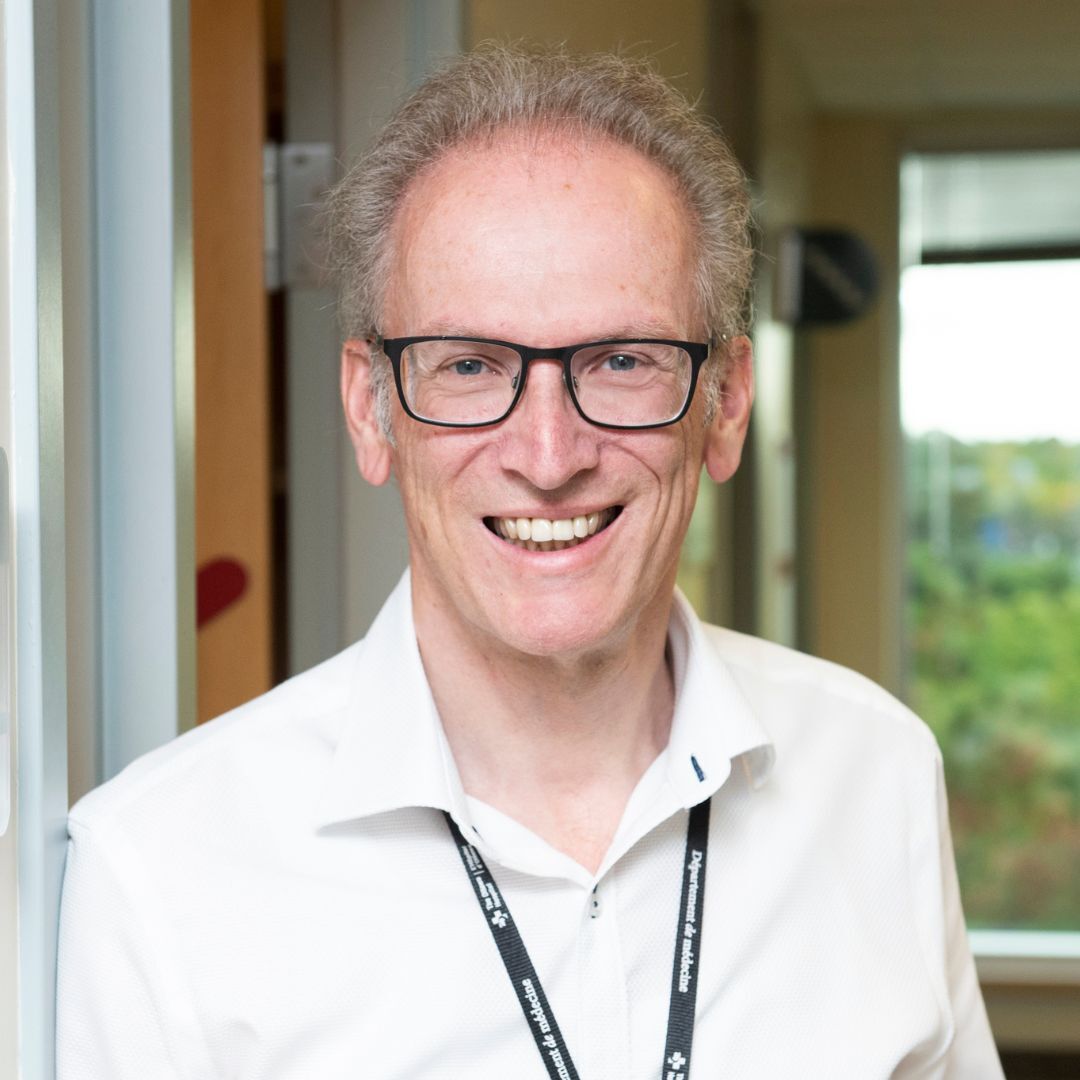
After discovering she’s a carrier for Congenital Myasthenic Syndromes, host Kira Dineen sought out to learn more. She met a leading expert in CMS, Dr. Hanns Lochmüller. Dr. Lochmüller is a neurologist and clinical academic specializing in genetic neuromuscular disorders and rare diseases. He is a Senior Scientist at CHEO Research Institute. He is also a Professor of Neurology at the University of Ottawa Faculty of Medicine and The Ottawa Hospital Department of Medicine. CMS is a group of rare inherited neuromuscular conditions caused by defects at the neuromuscular junction. While CMS shares similarities with Myasthenia Gravis (MG), it has distinct genetic causes and onset patterns that make diagnosis and treatment challenging. Dr. Lochmüller walks us through the evolution of CMS research, highlighting the advances made possible by new sequencing technologies. Thirty years ago, only two genes were known to cause CMS; now, there are 35 identified genetic causes. This episode offers a comprehensive look at CMS symptoms, diagnostic approaches, and treatment strategies, as well as the important role genetic testing plays in accurately diagnosing and managing CMS. Topics Covered in This Episode: Dr. Lochmüller’s Background and Expertise: How his work in CMS has evolved over the past 30 years. Key Differences Between CMS and Myasthenia Gravis (MG): The autoimmune vs. genetic origins, age of onset, and differences in symptoms between the two conditions. Genetic Testing for CMS: How advancements in genetic testing have transformed the diagnosis of CMS and allowed clinicians to better differentiate it from other neuromuscular disorders. Challenges in Diagnosing CMS: Why some patients are misdiagnosed with muscular dystrophies or unspecific myopathies, and how larger neuromuscular panels and exome sequencing are improving diagnosis. Common Symptoms of CMS: Ptosis, muscle weakness, and fatigue are key indicators, often seen in the absence of muscle degeneration. Treatment Approaches for CMS: How treatment depends on the genetic mutation, with drugs like Mestinon benefiting some patients but worsening symptoms in others, such as those with DOK7-related CMS. The Role of Repetitive Nerve Stimulation Tests: How this diagnostic tool helps identify neuromuscular transmission defects. Importance of Genetic Diagnosis: How a full genetic diagnosis can provide clarity for patients and improve quality of life by guiding targeted treatment options. Treatabolome Database: A resource that links specific genetic mutations to the most effective treatments for CMS. Dr. Lochmüller also shares insights into the variability of CMS symptoms and the resilience of patients living with the condition. He highlights the importance of a genetic diagnosis, as it often brings relief and provides a roadmap for effective management of the disease. Learn more about ongoing research in CMS here and specifically for the CMS Natural History Study here. Stay tuned for the next new episode of DNA Today next Friday! New episodes are released every Friday. In the meantime, you can binge over 300 other episodes on Apple Podcasts, Spotify, streaming on the website, or any other podcast player by searching, “DNA Today”. Episodes since 2021 are also recorded with video which you can watch on our YouTube channel, this includes some episodes recorded at NBC Universal Stamford Studios. DNA Today is hosted and produced by Kira Dineen. Our video lead is Amanda Andreoli. Our social media lead is Kajal Patel. Our Outreach Intern is Liv Davidson. And our logo Graphic Designer is Ashlyn Enokian, MS, CGC. See what else we are up to on Instagram, X (Twitter), Threads, LinkedIn, Facebook, YouTube and our website, DNAToday.com. Questions/inquiries can be sent to [email protected].
Ep 307#307 NSGC 2024 Recap
We’re recapping and reflecting on the 43rd National Society of Genetic Counselors (NSGC) Annual Conference that took place in vibrant New Orleans. As always, the sense of community was incredible, and this year was no exception. I had the privilege of reconnecting with past guests, sponsors of the show, classmates, and meeting new people. It’s always surreal to meet so many listeners in person—thank you for all your kind words and support! Producing a weekly episode since 2022 has been a labor of love, and this conference gave me the extra boost of motivation to keep going strong. In this recap episode, I had the chance to chat with attendees about their favorite moments from the conference. All these mini interviews were with genetic counseling students who shared what they learned at the conference. Students were from three programs: University of Pittsburgh, Baylor College of Medicine, and Sarah Lawrence College. We also took a deeper dive into one of the standout sessions, “Just Because We Can, Should We? Examining PGT Through the Lens of Ableism, Access, and Clinical Actionability” which was moderated by Courtney Studwell, MS, CGC. I caught up with another friend, Jovanni Cuevas, MS, CGC, to debrief on what we learned from the session. All these interviews were recorded in person at the conference, so you might hear a little background noise, but it adds to the ambiance of the lively event! Sessions References During The Episode: - “NSGC 2024 State of the Society Address” - Breakfast with Biomarin “A Deeper Look Into Achondroplasia” - “Just Because We Can, Should We? Examining PGT Through the Lens of Ableism, Access, and Clinical Actionability” - Professional Issues Panel “Genetic Counseling around the Globe” Insights, Lessons, and Collaboration for a Future-Proof Profession” - “Take it at Faith Value: A Look at the Needs of Genetic Counseling in the Hindu, Pakistani Muslim, Church of Jesus Christ of Latter-day Saints (Mormon), and Orthodox Jewish Communities” - “Beverly Rollnick Memorial Lecture: Ordering “The Cure” with a Side of Trepidation: The Challenges of Gene Therapy for Sickle Gene Disease” DNA Today Podcast Episodes Mentioned: #110 Gattaca, 22 Years Later #288 CRISPR Cured Victoria Gray’s Sickle Cell: Part 1 #289 CRISPR Cured Victoria Gray’s Sickle Cell: Part 2 #301 Dwarfism with Colleen Gioffreda #302 DNA Dialogues: Gender-Affirming Terminology and Hereditary Cancer Care #305 Transformative Therapies for Sickle Cell Disease with “Through The Genes” #306 NIH’s Dr. Francis Collins’ Leadership in the Human Genome Project and COVID-19 Curious about other NSGC conferences? We have recapped the last six years of conferences including 2019, 2020, 2021, 2022, and 2023. Other References During The Episode: - Little People of America (LPA) - Metabolic NSGC Special Interest Group (SIG) - DNA Dialogues, Journal of Genetic Counseling’s Podcast - The Road to Wisdom By Dr. Francis Collins It was such a meaningful experience to be part of the NSGC 43rd Annual Conference. Whether you joined us in New Orleans or attended virtually, I hope you found the sessions, panels, and networking just as inspiring as we did. Don't forget to mark your calendars! The 44th NSGC Annual Conference is happening next year in Seattle, WA from November 7-10, 2025. We are already excited to drink lots of Seattle coffee with fellow genetic counselors. Are you going to the American Society of Human Genetics (ASHG) Annual Conference in Denver, CO in November? Keep your eye out for our host Kira Dineen, who will mostly be in the exhibit hall. Just like this episode, she would be excited to record with you about what you learned at the conference. She also might give you DNA Today merch! Stay tuned for the next new episode of DNA Today on Friday! New episodes are released every Friday. In the meantime, you can binge over 300 other episodes on Apple Podcasts, Spotify, streaming on the website, or any other podcast player by searching, “DNA Today”. Episodes since 2021 are also recorded with video which you can watch on our YouTube channel, this includes some episodes recorded at NBC Universal Stamford Studios. DNA Today is hosted and produced by Kira Dineen. Our video lead is Amanda Andreoli. Our social media lead is Kajal Patel. Our Outreach Intern is Liv Davidson. And our logo Graphic Designer is Ashlyn Enokian, MS, CGC. See what else we are up to on Instagram, X (Twitter), Threads, LinkedIn, Facebook, YouTube and our website, DNAToday.com. Questions/inquiries can be sent to [email protected].
Ep 306#306 NIH’s Dr. Francis Collins’ Leadership in the Human Genome Project and COVID-19
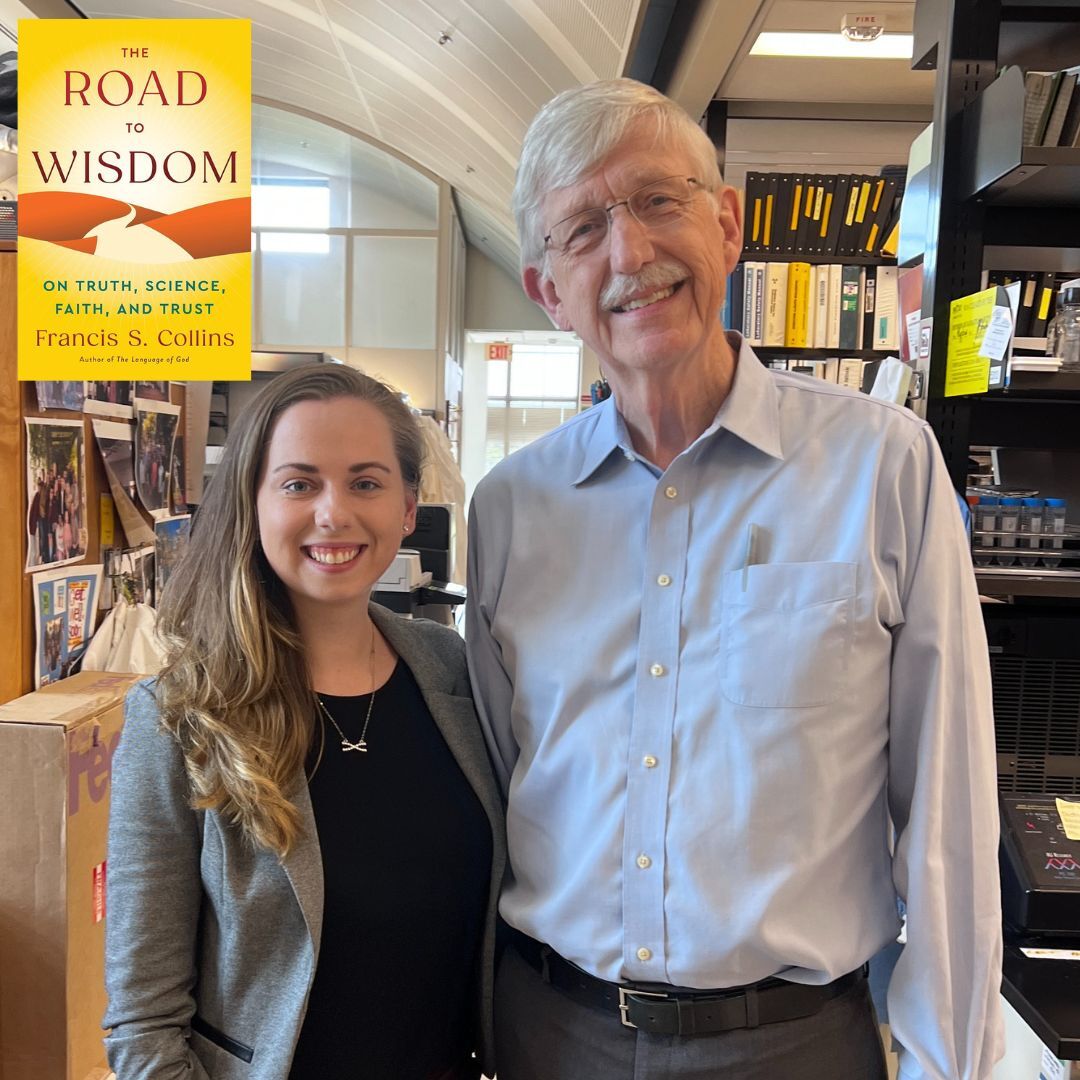
In this special episode of DNA Today, we are honored to be joined by one of the most influential figures in modern science, Dr. Francis Collins. Dr. Collins served as the Director of the National Institutes of Health (NIH) during one of the most critical periods in modern history, including the height of the COVID-19 pandemic. He is also renowned for leading the monumental Human Genome Project, a landmark achievement that revolutionized genetics. Dr. Collins's groundbreaking work includes the discovery of the CFTR gene, which has been crucial in advancing treatments for cystic fibrosis. He is the author of several books, including his brand new book, The Road to Wisdom. Don't forget to enter our giveaway for a copy, links further down. In this episode, we dive into this new book, which releases on September 17th, 2024. We discuss the insights he has gained throughout his remarkable career, the challenges of bridging science and spirituality, and his reflections on moments of triumph and failure. Dr. Collins also shares personal stories, including his discovery of faith, the difficulties faced during the Human Genome Project, and the challenges of transitioning between political administrations as NIH Director. Key topics discussed include: Dr. Collins's experience discovering the CFTR gene and its impact on cystic fibrosis research The most critical moments of the Human Genome Project and how it reshaped our understanding of genetics Reflections on his tenure as NIH Director, serving under three U.S. presidents His response to the COVID-19 pandemic and lessons learned for future public health crises The role of trust between scientists and the public, and how we can combat misinformation His thoughts on the intersection of faith and science, and how his beliefs have shaped his career A special call to action from Dr. Collins’s book: a pledge to reduce animosity, be generous in spirit, and commit to sharing objective truths Stay tuned until the end for details on our exciting giveaway! We’re offering listeners the chance to win copies of Dr. Collins’s new book, The Road to Wisdom. Links Mentioned in the Episode: Enter our giveaway for a chance to win The Road to Wisdom on Instagram, LinkedIn and Twitter/X. Sign Dr. Collins's Pledge hosted on Braver Angels for a kinder, more understanding world Check out the organization Dr. Collins’ mentioned: Biologos Our episode next week will be a tad delayed; it will be a recap of the National Society of Genetic Counselors Annual Conference, which doesn’t wrap up until Saturday, September 21st. But don’t worry we are quick with edits and will have the episode to you after the conference ends. In the meantime, you can binge over 300 other episodes on Apple Podcasts, Spotify, streaming on the website, or any other podcast player by searching, “DNA Today”. Episodes since 2021 are also recorded with video which you can watch on our YouTube channel, this includes some episodes recorded at NBC Universal Stamford Studios. DNA Today is hosted and produced by Kira Dineen. Our Video Lead is Amanda Andreoli. Our Social Media Lead is Kajal Patel. Our Outreach Intern is Liv Davidson. And our logo Graphic Designer is Ashlyn Enokian, MS, CGC. See what else we are up to on Instagram, X (Twitter), Threads, LinkedIn, Facebook, YouTube and our website, DNAToday.com. Questions/inquiries can be sent to [email protected].
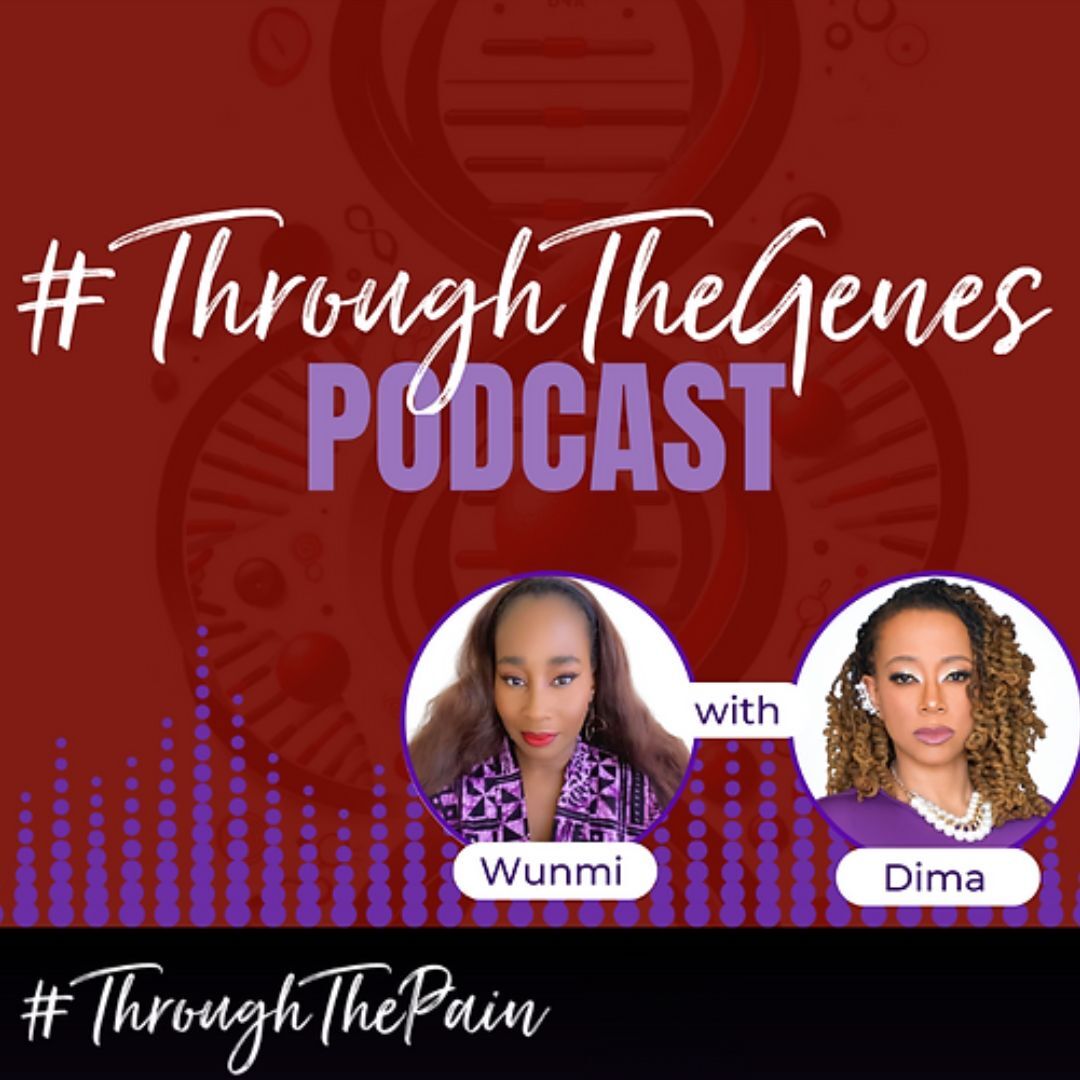
Ep 305#305 Transformative Therapies for Sickle Cell Disease with “Through The Genes”
On Episodes #288 and #289 of DNA Today, I spoke with Victoria Gray, the first person treated with CRISPR for her Sickle Cell Disease (SCD) symptoms. Since then, I’ve met two amazing patient advocates—Wunmi Bakare and Dima Hendricks—who also have Sickle Cell Disease. They've expanded my understanding of gene therapy and other emerging treatments for SCD, and perfect timing to kick off Sickle Cell Disease Awareness month this September. In this episode, Wunmi Bakare and Dima Hendricks share their personal journeys with SCD and delve into their experiences exploring curative therapies. They also discuss their new podcast, Through The Genes, launched on World Sickle Cell Day (June 19th, 2024). Their show offers an insightful look into the risks, benefits, and limitations of gene- and cell-based therapies for Sickle Cell Disease. Topics Covered in This Episode: Wunmi and Dima’s personal experiences living with Sickle Cell Disease and their exploration of curative therapies Available curative therapies for Sickle Cell Disease, including stem cell transplants and gene therapy The obstacles that prevented Dima from qualifying for gene therapy Wunmi’s stem cell transplant experience, including the procedure, recovery process, and symptom changes post-transplant The use of the term “cure” in the context of gene therapy for Sickle Cell Disease—how it may create misconceptions The importance of managing expectations around gene therapy and its long-term effects How mental health has played a significant role in their SCD journeys, including the emotional aspects of undergoing transformative therapy The crucial role of support systems—family, friends, and healthcare providers—during and after treatment Wunmi’s post-stem cell transplant follow-up care and the importance of continuity in care after gene therapy The harsh reality of medical racism faced by those living with Sickle Cell Disease, and how Wunmi and Dima navigate and advocate within the healthcare system Their hopes for the future of Sickle Cell Disease treatment and advice for others considering gene therapy Our Guests: Wunmi Bakare is a multicultural citizen and advocacy trailblazer in the sickle cell and rare disease communities. Fueled by purpose and the pursuit of social inclusion, her advocacy efforts focus on erasing the stigma of sickle cell disease through proactive and reactive engagement with the media. She sits on the curative therapy advisory board for Beam Therapeutics, Vertex Pharmaceuticals, Pfizer, and Healthful Data and is a patient ambassador for Health Union and AllStripes. She was diagnosed with the most severe type of sickle cell disease (HbSS) at 18 months then participated in a clinical trial at the National Heart, Lung and Blood Institute (NIH-NHLBI) where she received an allogeneic stem cell transplant in 2019. Bakare thrives as the Founder of WBPR Agency working across diverse corporate disciplines and providing strategic media counsel to top brands. In 2020, she launched #SickleCellProdigy, a platform that celebrates the lived experience of sickle cell patients globally. Dima Hendricks, a resilient sickle cell advocate and co-founder of #ThroughThePain Inc., has dedicated over two decades to championing health awareness. Her journey includes conducting health workshops and contributing to various panel discussions. Collaborating with esteemed organizations like the American Red Cross and the American Heart and Stroke Association, Dima has extended her impact in the health community. In addition to her advocacy, Dima has an impressive history in pageantry. She has earned titles such as Miss Black Dorchester USA, Miss Black Massachusetts USA, Mrs. Massachusetts International, and the 2024 International Mrs New England. Her experience in the pageant world spans over ten years, during which she has taken on roles as a director, coach, and judge. Dima's inspiring story of overcoming obstacles is captured in her book "Unleashing Royalty," where readers can discover her journey to triumph. During the episode we also mentioned #BoldLipsForSickleCell (Now Bold Plus+). Wunmi Bakare and Dima Hendricks are passionate patient advocates and hosts of Through The Genes, a podcast dedicated to educating and empowering those affected by Sickle Cell Disease. Both Wunmi and Dima use their personal experiences with SCD to raise awareness and spark change within the medical community, focusing particularly on the potential of gene therapies. Stay tuned for part two of our conversation, where I’ll be a guest on their show, Through The Genes, to continue this important dialogue! You can listen by searching “Through The Genes” in your podcast app or on their website ThroughTheGenes.com and follow the show on Instagram, LinkedIn, and Facebook. You can personally follow Wunmi Bakare and Dima Hendricks as well. Not only is it an audio podcast, but like us, they also produce it as a video podcast and you can watch all episodes here. Stay tuned for the next new
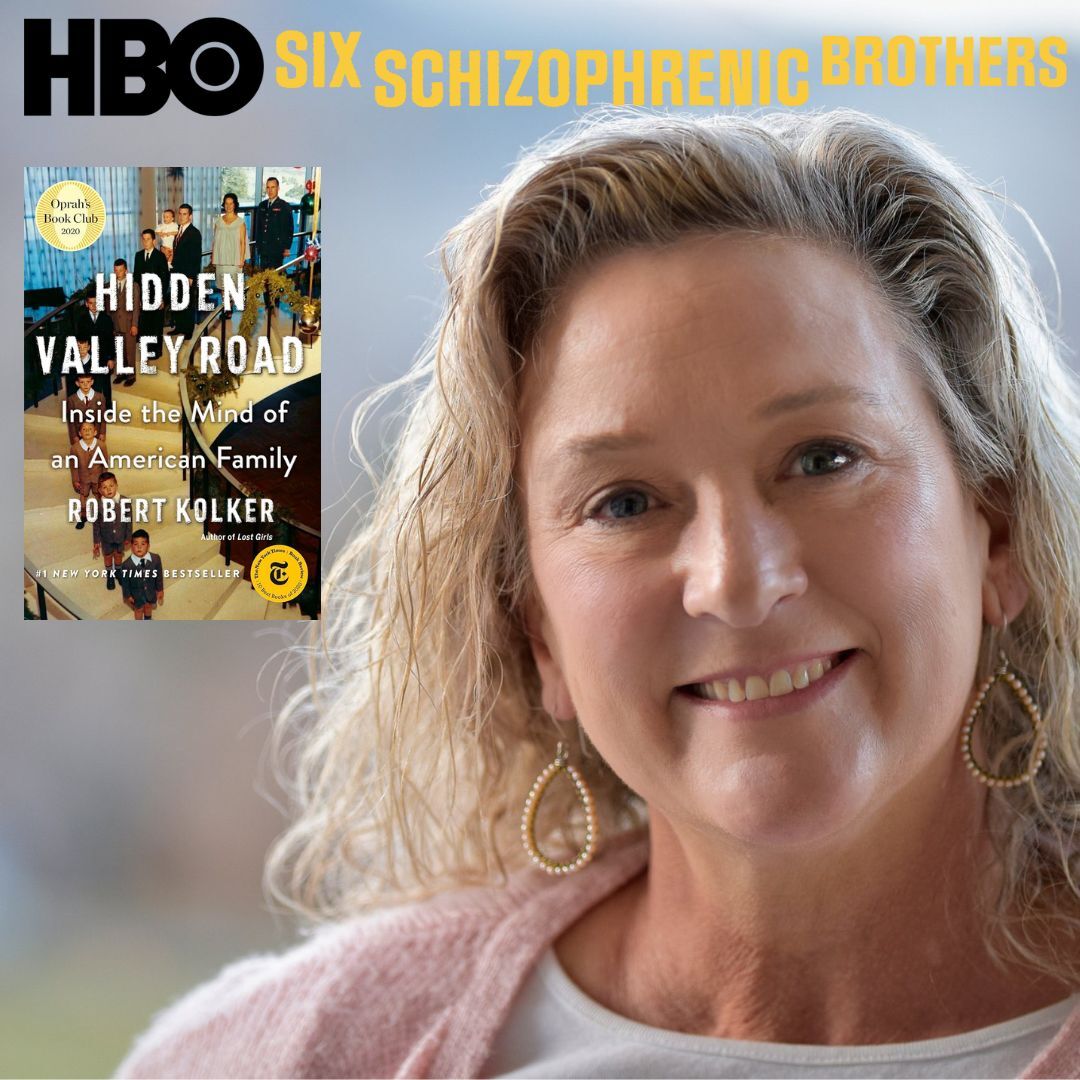
Ep 304#304 HBO’s “Six Schizophrenic Brothers” Sister and Advocate Lindsay Mary Galvin Rauch
Content/Trigger Warning: This conversation includes sensitive topics of sexual abuse, violence, suicide, and homicide. It is not suitable for younger audiences. We delve into the complex and deeply personal story of the Galvin family, which has played a significant role in the history of schizophrenia research. Our guest, Lindsay Mary Galvin Rauch, is the youngest of twelve siblings in the Galvin family, six of whom were diagnosed with schizophrenia. Their family's genetic material has been a cornerstone of nearly every major genetic study on the disorder since the 1980s, contributing invaluable insights into the genetic underpinnings of schizophrenia. Lindsay shares her unique perspective growing up in a large family profoundly affected by mental illness, as chronicled in Robert Kolker's award winning book Hidden Valley Road and the HBO 2024 documentary Six Schizophrenic Brothers. Hidden Valley Road has achieved a long list of accolades… Instant #1 NEW YORK TIMES best-seller Official selection of OPRAH’S BOOK CLUB A NEW YORK TIMES, WALL STREET JOURNAL, and WASHINGTON POST Top Ten Book of the Year PEOPLE ’s #1 Best Book of the Year Named a Best Book of the Year by NPR, Time, Slate, Smithsonian, Forbes, Audiophile, Parade, Kirkus, Library Journal, Publisher’s Weekly, the Evening Standard (UK), the Sunday Times (UK), The New York Post, and Amazon Finalist, PEN/John Kenneth Galbraith Award for Nonfiction Featured in PRESIDENT BARACK OBAMA’s list of favorite books of the year Lindsay's life's journey inspired her evolution from victim and survivor to advocate and thriver. She enjoys sharing her story of the courage to heal and fortitude in adversity. The hope for greater compassion for those affected and their families is her north star. Lindsay is a board member of The Henry Amador Center on Anosognosia and Well Power (formally the Mental Health Center of Denver). Beyond discussing the scientific impact of her family's contributions, Lindsay opens up about her personal experiences, including the challenges of living with so many siblings diagnosed with schizophrenia, the role of trauma in mental health, and her decision to take on the responsibility of caring for her brothers later in life. Listeners will gain insights into the following topics: The Galvin family's pivotal role in schizophrenia research and the discovery of a SHANK2 gene mutation linked to the disorder. The varied symptoms of schizophrenia among her brothers and what this diversity reveals about the condition. The impact of trauma on the onset of schizophrenia symptoms, and how this played out in her family. The challenges and responsibilities of managing care for siblings with schizophrenia, including the effects of medications, electroshock therapy, and the issue of anosognosia (lack of insight into one's illness). The ongoing stigma surrounding schizophrenia and the need for societal change to better support those with mental health disorders. The process of genetic testing for the SHANK2 familial mutation and the decisions made regarding her own children. Lindsay’s reflections on personal resilience, mental health, and her hopes for the future of schizophrenia research. During the interview we mentioned a couple content/resources to check out including… “The Immortal Life of Henrietta Lacks” by Rebecca Skloot (Check out Episode #34 of DNA Today where descendents of Henrietta Lacks were interviewed) “The Collected Schizophrenias: Essays” by Esmé Weijun Wang Spotlight Documentary Directed by Tom McCarthy National Alliance on Mental Illness (NAMI) Patrick J. Kennedy’s Books, “Profiles in Mental Health Courage” and “A Common Struggle” LEAP Institute Also during the episode Kira and Lindsay Mary weren’t confident about the name of the therapy that Peter was receiving. They should have been, as they got it right, electroconvulsive therapy (ECT). Lindsay has been launched onto the international stage due to her family's story. She has spoken for the Psych Congress, The NEI Conference, and many other prestigious programs. Speaker Inquiries are accepted at lindsaymarygalvinracuh.com. and donations to assist with her brother's care can be made at GalvinFamilyTrust.org. Stay tuned for the next new episode of DNA Today next Friday! New episodes are released every Friday. In the meantime, you can binge over 300 other episodes on Apple Podcasts, Spotify, streaming on the website, or any other podcast player by searching, “DNA Today”. Episodes since 2021 are also recorded with video which you can watch on our YouTube channel, this includes some episodes recorded at NBC Universal Stamford Studios. DNA Today is hosted and produced by Kira Dineen. Our video lead is Amanda Andreoli. Our social media lead is Kajal Patel. Our Outreach Intern is Liv Davidson. And our logo Graphic Designer is Ashlyn Enokian, MS, CGC. See what else we are up to on Instagram, X (Twitter), Threads, LinkedIn, Facebook, YouTube and our website, DNAToday.com. Questions/inquiries can b
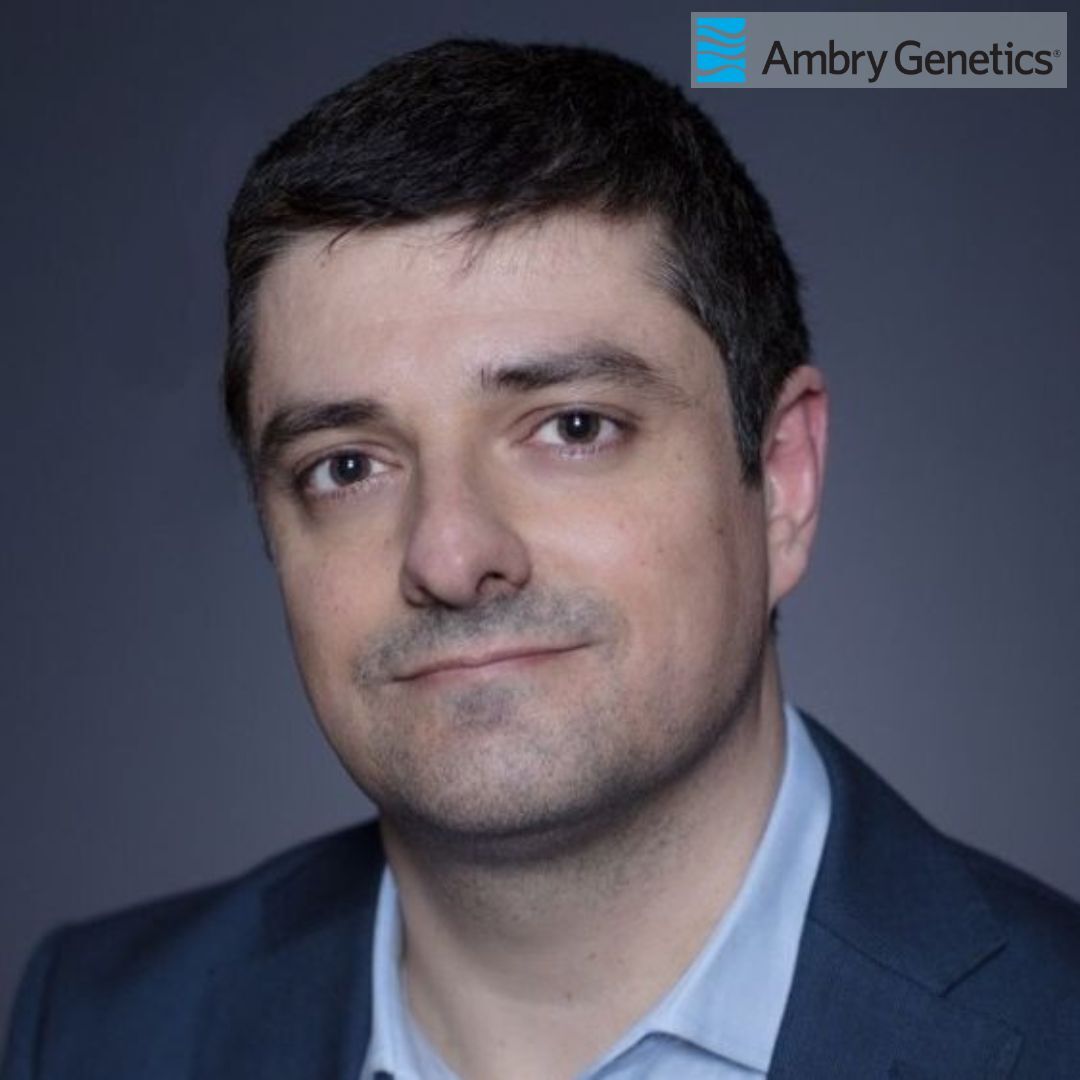
Ep 303#303 RNA Analysis with Ambry Genetics
We have wanted to explore the role of RNA analysis in genetic testing for a long time on DNA Today, but waited until we could get THE leader in the space, Ambry Genetics. The Vice President of Research and Development and head of their Translational Genomics lab, Dr. Rachid Karam, was kind enough to come on to have this long awaited conversation. We'll discuss Ambry Genetics' history of innovation in RNA testing, how it has increased diagnostic yield and reduced Variants of Uncertain Significance in hereditary cancer testing, and its role in closing health disparity gaps. We'll also introduce ExomeReveal, Ambry’s new exome testing product that includes RNA analysis, extending our expertise to rare diseases. Dr. Rachid Karam obtained his M.D. in 2003 at UFCSPA in Brazil, and his Ph.D. in Oncogenetics in 2008 at the University of Porto, Portugal. During his Ph.D. he studied the role of the tumor suppressor gene CDH1 in cancer predisposition. He did his postdoctoral fellowship at the University of California San Diego (UCSD) from 2009 to 2014 where he studied the role of the NMD mRNA surveillance pathway in cancer. He joined Ambry Genetics in 2014 and is now Ambry’s Vice President of Research & Development. His work focuses on strategies to improve the positive yield of clinical genetic testing, including the clinical implementation of new technologies such as RNA-seq and Long-Read sequencing. He also actively participates in several ClinGen committees dedicated to creating guidelines for the interpretation of genetic testing results, such as the BRCA1 and BRCA2 Variant Curation Expert Panel (VCEP) and is currently the co-chair of the ClinGen CDH1 VCEP. Discussion Topics: Ambry Genetics' Leadership in RNA Analysis:The journey of Ambry Genetics in becoming a pioneer in RNA testing. Initial challenges and breakthroughs in RNA analysis. Mechanics and Benefits of RNA Testing:How RNA testing works and its role in accurately classifying genetic variants. The impact of RNA testing on increasing diagnostic yield and reducing VUS in hereditary cancer testing. The process of reclassifying variants from VUS to likely pathogenic or benign using RNA analysis. Concurrent DNA/RNA Analysis:The rationale behind Ambry's preference for concurrent DNA/RNA analysis. Potential future shifts in the necessity of concurrent analysis as RNA evidence accumulates. Addressing Health Disparities:Benefits of RNA testing for non-white patients in hereditary cancer testing. Introducing ExomeReveal:Integration of RNA analysis into Ambry's new exome testing product, ExomeReveal. Importance of RNA analysis for splice site variants identified during exome testing. Comparison of ExomeReveal to standard exome tests in terms of diagnostic yield. Case Studies and Future Directions:Example case demonstrating the clarity and diagnosis provided by RNA analysis. Expectations and anticipated outcomes for extending RNA expertise to rare diseases. Implications for Genetic Counseling and Patient Management:Integration of RNA testing into exome and hereditary cancer testing and its impact on genetic counseling. Evolution of patient management as RNA testing integration improves. During the episode we referenced three other episodes of DNA Today… #95 Kieger Family on Familial Adenomatous Polyposis #297 Exome Reanalysis with Ambry Genetics #299 Genetic Causes of Epilepsy with Dr. Mattison, Dr. Oliveira and Ana Rita Thanks again to Dr. Rachid Karam for helping us uncover the transformative potential of RNA analysis in genetic testing and its far-reaching implications for patient care. Stay tuned for the next new episode of DNA Today next Friday! New episodes are released every Friday. In the meantime, you can binge over 300 other episodes on Apple Podcasts, Spotify, streaming on the website, or any other podcast player by searching, “DNA Today”. Episodes since 2021 are also recorded with video which you can watch on our YouTube channel, this includes some episodes recorded at NBC Universal Stamford Studios. DNA Today is hosted and produced by Kira Dineen. Our video lead is Amanda Andreoli. Our Social Media Intern is Kajal Patel. And our logo Graphic Designer is Ashlyn Enokian. See what else we are up to on Instagram, X (Twitter), Threads, LinkedIn, Facebook, YouTube and our website, DNAToday.com. Questions/inquiries can be sent to [email protected].
Ep 302#302 DNA Dialogues: Gender-Affirming Terminology and Hereditary Cancer Care
As many of our listeners know, our host Kira Dineen is a member of the LGBQTIA+ community and thought this was an important episode to share with listeners. She is also on the DNA Dialogues team and is always excited to share episodes. In this episode of DNA Dialogues we delve into the importance of gender-inclusive language in genetic counseling and the specific challenges transgender and gender-diverse (TGD) individuals face in accessing hereditary cancer care. You can find these articles in a special virtual issue of the Journal of Genetic Counseling which is free and open access for the month of June. You can find the Journal of Genetic Counseling webpage via onlinelibrary.wiley.com or via the National Society of Genetic Counselors website. Segment 1 “Use of gender-inclusive language in genetic counseling to optimize patient care” Heather Motiff graduated with a B.S. in Psychology from the University of Wisconsin-Whitewater in 2006. She has extensive experience working as a crisis response advocate and co-facilitating support groups for survivors of intimate partner violence. Heather discovered her interest in genetic counseling during her first pregnancy in 2010. She has served as a Community Resource Specialist and contributed significantly to gender-affirming care initiatives during her graduate studies at UW-Madison. Heather is now an oncology genetic counselor at SSM Health Cancer Care in Madison, WI, and is dedicated to providing inclusive, quality healthcare and genetic services. In this segment we discuss: Specific examples and terms used in gender-inclusive language. Comfort levels of genetic counselors with using gender-inclusive language. Findings from thematic analyses on the use of gendered language and its impact on patient care. Suggestions for additional training resources for healthcare professionals. Segment 2 “Experiences of hereditary cancer care among transgender and gender diverse people: “It's gender. It's cancer risk…it's everything” Sarah Roth is a genetic counselor and a PhD candidate in Anthropology at Johns Hopkins University. She is a BRCA1 carrier whose research focuses on the experiences of patients, communities, and providers in cancer care and genomic medicine. Sarah has been a founding editor of Tendon at JHU’s Center for Medical Humanities & Social Medicine, a contributing writer at Synapsis: A Health Humanities Journal, and a recent predoctoral fellow in Bioethics at the National Institutes of Health. In this segment, we discuss: Challenges faced by TGD individuals in accessing hereditary cancer care. Participants' perspectives on gendered language in healthcare. Actionable recommendations for healthcare providers to support TGD individuals with hereditary cancer syndromes. Would you like to nominate a JoGC article to be featured in the show? If so, please fill out this nomination submission form here. Multiple entries are encouraged including articles where you, your colleagues, or your friends are authors. Be sure to check out other episodes of DNA Dialogues by searching “DNA Dialogues” in your favorite podcast app or here. Check out the Journal of Genetic Counseling here for articles featured in this episode and others. Any questions, episode ideas, guest pitches, or comments can be sent into [email protected]. DNA Dialogues’ team includes Jehannine Austin, Naomi Wagner, Khalida Liaquat, Kate Wilson and our own, Kira Dineen. Our logo was designed by Ashlyn Enokian. Stay tuned for the next new episode of DNA Today next Friday! New episodes are released every Friday. In the meantime, you can binge over 300 other episodes on Apple Podcasts, Spotify, streaming on the website, or any other podcast player by searching, “DNA Today”. Episodes since 2021 are also recorded with video which you can watch on our YouTube channel, this includes some episodes recorded at NBC Universal Stamford Studios. DNA Today is hosted and produced by Kira Dineen. Our video lead is Amanda Andreoli. Our social media lead is Kajal Patel. Our Outreach Intern is Liv Davidson. And our logo Graphic Designer is Ashlyn Enokian, MS, CGC. See what else we are up to on Instagram, X (Twitter), Threads, LinkedIn, Facebook, YouTube and our website, DNAToday.com. Questions/inquiries can be sent to [email protected].
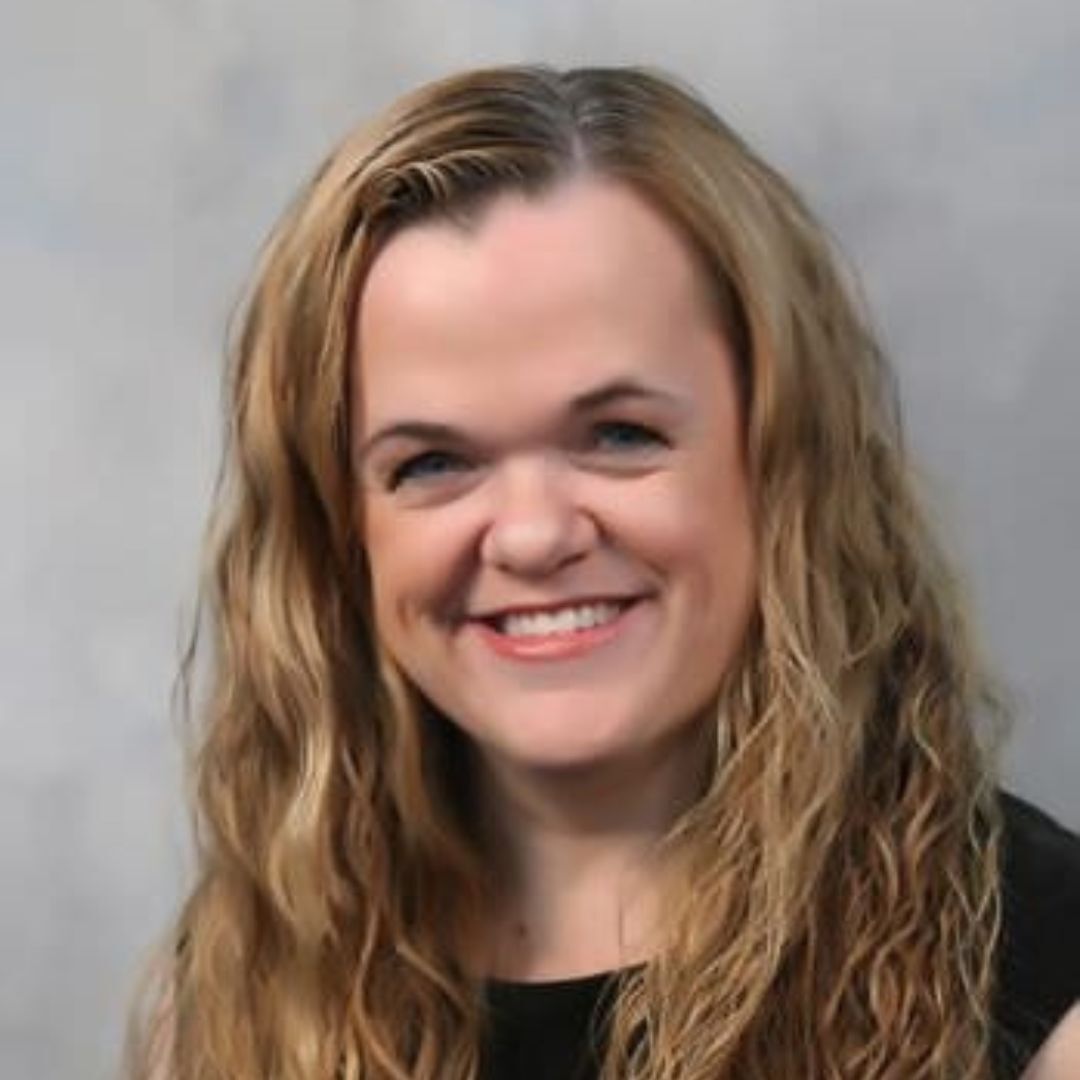
Ep 301#301 Dwarfism with Colleen Gioffreda
Colleen Gioffreda was such a dynamic and charismatic guest in this episode of “It Happened To Me” we had to share it on DNA Today! Our host Kira Dineen is the Executive Producer on this podcast and joins as a guest host in this episode. Colleen is the Clinical Operations Program Administrator for the Greenberg Center for Skeletal Dysplasias in the Department of Genetic Medicine at the Johns Hopkins University School of Medicine. She handles patient inquiries, coordinates the Little People of America (LPA) Medical Advisory Board clinics at the national conferences and regionals, provides school/social resources to patients and parents, and also manages budgets and databases. In her volunteer life, Colleen is LPA’s Adoption Coordinator, and has helped facilitate the adoptions of over 400 children with dwarfism for the past seventeen years. She is also the Chair of the LPA Conference Management Committee and is a member of LPA’s Medical Advisory Board. Colleen is lucky enough to answer to the name of ‘Mom’ to her four children, who also all happen to have achondroplasia, the most common form of dwarfism. She views having achondroplasia as an opportunity, and feels fortunate to have experienced such a unique and rich adventure in life. Episode Highlights: Understanding Terminology and Accommodations: Appropriate terms for individuals with achondroplasia and skeletal dysplasias. Vital accommodations for people with dwarfism in various aspects of life. Home Modifications and Misconceptions: Recommended home alterations for individuals affected by dwarfism. Addressing misconceptions and stereotypes about dwarfism in her work. Employment and Workplace Challenges: Employment roadblocks faced by little people and necessary workplace accommodations. Career Path and Key Responsibilities: Colleen’s journey towards helping the skeletal dysplasia community. Key responsibilities in her role, including patient inquiries and coordinating medical advisory board clinics. School and Social Resources: Providing school and social resources to patients and parents. Importance of this support in managing skeletal dysplasias. Adoption Advocacy: Motivations for becoming involved in adoption advocacy. Experiences and insights from facilitating adoptions of children with dwarfism. Countries with higher frequencies of children with dwarfism waiting to be adopted. LPA Conference Management: Involvement in the LPA Conference Management Committee and the significance of organizing conferences. Memorable and rewarding experiences supporting individuals and families. Parental Support: Approaching support and resources for parents raising children with achondroplasia. Community Advocacy and Medical Collaboration: Pressing issues within the dwarfism community and advocacy efforts. Response to FDA-approved treatment for achondroplasia (VOXZOGO® (vosoritide)) and differing viewpoints. Collaborating with medical professionals and researchers to advance understanding and treatment. Personal and Professional Perspective: Influence of personal experience with achondroplasia on professional approach. Current initiatives and projects to support individuals with skeletal dysplasias. Future Hopes and Advice: Hopes for the future of care and support for individuals with dwarfism. Advice for professionals and volunteers supporting individuals with rare genetic conditions. Colleen Gioffreda shares invaluable insights into the world of dwarfism, from personal experiences to professional advocacy. Her work with the Greenberg Center and LPA highlights the importance of community, support, and dedicated advocacy for individuals with skeletal dysplasias. Be sure to check out more episodes of “It Happened To Me”. Stay tuned for the next new episode of DNA Today next Friday! New episodes are released every Friday. In the meantime, you can binge over 300 other episodes on Apple Podcasts, Spotify, streaming on the website, or any other podcast player by searching, “DNA Today”. Episodes since 2021 are also recorded with video which you can watch on our YouTube channel, this includes some episodes recorded at NBC Universal Stamford Studios. DNA Today is hosted and produced by Kira Dineen. Our social media lead is Corinne Merlino. Our video lead is Amanda Andreoli. Our Outreach Intern is Sanya Tinaikar. Our Social Media Intern is Kajal Patel. And our logo Graphic Designer Ashlyn Enokian. See what else we are up to on Instagram, X (Twitter), Threads, LinkedIn, Facebook, YouTube and our website, DNAToday.com. Questions/inquiries can be sent to [email protected].
TRAILER
trailerDiscover New Advances in the world of genetics. From genetic technology like CRISPR to rare diseases to new research. For over a decade host Kira Dineen has chatted with leaders in genetics like NBC’s Maury Povich, BBC’s Dr. Adam Rutherford, NIH’s Dr. Eric Green, NYT’s Carl Zimmer, NYU’s Dr. Arthur Caplan, NYer’s Dani Shapiro, and descendents of Henrietta Lacks. The show has consistently been ranked in the top 1% of podcasts worldwide, has won the Best Science and Medicine Podcast Award for three consecutive years (2020-2022), and is backed up over 70 sponsors. Who is featured as a guest in this teaser trailer? It's Victoria Gray! Hear the full interview on Episode 288 and 289.

Ep 300#300 Netflix’s “The Man With 1,000 Kids” Fertility Fraud Expert Eve Wiley and Advocate Laura
How many biological children can one sperm donor create? What are the regulations surrounding donor sperm? How can prospective parents verify the sperm donor they selected is in fact the sperm they used to conceive? The answers are shocking. For two weeks “The Man With 1,000 Kids” was #1 on Netflix. As of this recording in late July 2024, it has amassed 5.5 million views. It is a documentary series that captures the impact one sperm donor has had on hundreds, or more likely thousands, of families around the world. We're diving into this shocking story of fertility fraud with two people featured in this top streamed documentary. Eve Wiley is a leading advocate against fertility fraud after discovering that she was conceived with a different sperm donor than her parents were told. Laura is an Australian parent who discovered her two children’s sperm donor was a serial sperm donor Jonathan Jacob Meijer, whose impact is explored in this Netflix documentary series. Episode Topics: How Eve, who was donor conceived, connected with Laura, who’s kids are donor conceived Eve’s motivation to become an advocate against fertility fraud, including her discoveries about her sperm donor and the impact on her family. Laura and her partner, Kate’s reactions to discovering the notoriety of their sperm donor, Jonathan Jacob Meijer, and the mysterious message about his actions. The emotional and psychological journey Laura and her partner have undergone since discovering the truth about their child’s biological origins. The implications of Jonathan’s refusal to share a list of his biological children, and the potential benefits such a list could offer to society and affected families. Genetic and psychological risks associated with widespread and unregulated sperm donation. Long-term concerns about inbreeding and the role of genetic sexual attraction in these situations. Current regulations and oversight of sperm donation, including the trial in the Netherlands and its significance in controlling male body autonomy. Comparison of sperm donation regulation to other areas of reproductive health. Current legislation in the United States regarding sperm donation and Eve’s efforts to change laws in Texas and other states. Challenges in advocating for fertility fraud legislation and ways people can support these efforts. Eve and Laura’s experience of having their stories featured on Netflix and the documentary’s impact. Jonathan’s actions post-trial, including his media appearances and any updates or public statements from him. Advice for individuals considering using sperm donation to start their families, with a focus on the importance of transparency and honesty in fertility treatments. Supporting children as they grow older and learn about their biological origins. The significance of making the New York Times front page with Jonathan’s story. The most challenging aspects of dealing with the situation. Messages for other families who might find themselves in similar situations. How society should address the issue of fertility fraud and ways people can get involved in advocating for stronger laws. Takeaways Fertility fraud is a significant issue that affects families worldwide, and there is a need for legislation to address it. Genetic identity is crucial, and individuals have the right to know their biological origins. The fertility industry lacks proper regulations, leading to cases of fraud and potential risks of inbreeding. Support and advocacy are essential for donor-conceived individuals and their families. The lack of transparency and regulation in the sperm donation industry has led to cases of fraud and deception, with donors having more offspring than initially disclosed. There is a need for standardized guidelines and monitoring in the industry to ensure transparency and informed consent for all parties involved. Donor-conceived individuals and their families require mental health support and specialized counseling services to navigate the complexities and emotions associated with their unique situations. Advocacy efforts and legal action are necessary to bring about change and protect the rights and well-being of donor-conceived individuals and their families. Documentaries and media coverage play a crucial role in raising awareness and sparking conversations about the challenges and ethical considerations surrounding sperm donation. During the episode we also mentioned H.R.451 - Protecting Families from Fertility Fraud Act of 2023 in the US. At the end of the show Laura recommended Donor Conceived Australia, an organization who has been working hard on legislation about importing donors which you can learn more about here. You can learn more on Eve Wiley’s website here, particularly her pages about passed legislation and pending legislation. Stay tuned for the next new episode of DNA Today next Friday! New episodes are released every Friday. In the meantime, you can binge over 300 other episodes on Apple Podcasts, Sp

Ep 299#299 Genetic Causes of Epilepsy with Dr. Mattison, Dr. Oliveira and Ana Rita
We are delving into the genetic causes of epilepsy in this episode, specifically the role of ATP6V0C in epilepsy. To do so we are joined by Dr. Kari Mattison, Dr. Luis Miguel Oliveira, and Ana Rita. Kari Mattison, PhD is a research scientist at the University of Minnesota - Twin Cities. She earned her PhD in Genetics and Molecular Biology from Emory University where her dissertation work was on functional evaluation of novel variants identified in early-onset epilepsy. Kari enjoys science communication having earned an ARCS scholar award while in grad school and working as Editor-in-Chief for the Journal of Emerging Investigators, a journal aimed at helping middle and high-school aged students learn the ins and outs of scientific publishing. Luis Miguel Oliveira, PhD, is Founder and Executive Director of the v-ATPase Alliance, a non-profit dedicated to finding a cure for rare disorders caused by v-ATPase genetic mutations. He is also a Senior Associate Director of Research Programs at The Michael J. Fox Foundation, leading several research initiatives in translational research and biomarker development for Parkinson's disease. Ana Rita faced the challenge of her firstborn being diagnosed with this ultra-rare genetic disease in the ATP6V0c gene, prompting her to utilize her expertise in economics, branding, communication and her entrepreneur spirit to make a difference. Despite being told there was no answer or treatment for her son, she began a mission to bring affected families together, learn from them, also questioning experts, doctors and researchers and surrounding herself with a team eager for change, committed to push boundaries and reshaping the future of all v-ATPase affected children and families. She is now a fierce Rare Disease Advocate utilizing mainly social media @anaritararemom. Episode Topics: Overview of Dr. Mattison’s research on ATP6V0C and its connection to epilepsy. Dr. Mattison’s journey to studying the V-ATPase complex and its role in neurological disorders. Initial findings linking ATP6V0C to epilepsy. The impact of ATP6V0C variants on the function of the V-ATPase and genotype-phenotype correlations. How Dr. Oliveira discovered Dr. Mattison’s paper and their subsequent collaboration. Daniel’s symptoms and the diagnostic odyssey leading to the identification of the pathogenic variant in ATP6V0C. The inception of the v-ATPase Alliance, its mission, and goals. Resources and support offered by the v-ATPase Alliance to patients and their families. The importance of a patient-centric research agenda in the v-ATPase Alliance. Contributions of patients and families to research efforts, particularly through the Data Collection Program. Collaboration between researchers and patient advocacy groups like the v-ATPase Alliance. Future goals and initiatives planned for the v-ATPase Alliance. The evolution of the field of genetics, especially concerning neurological disorders. Advice for new patient advocates in the rare disease community. You can read Dr. Mattison’s paper that we refer to throughout the interview here. Be sure to check out the v-ATPase Alliance including on Facebook, Instagram, LinkedIn, and X. If you are a scientist working on v-ATPases please reach out! Stay tuned for the next new episode of DNA Today next Friday! New episodes are released every Friday. In the meantime, you can binge over 290 other episodes on Apple Podcasts, Spotify, streaming on the website, or any other podcast player by searching, “DNA Today”. Episodes since 2021 are also recorded with video which you can watch on our YouTube channel, this includes some episodes recorded at NBC Universal Stamford Studios. DNA Today is hosted and produced by Kira Dineen. Our social media lead is Corinne Merlino. Our video lead is Amanda Andreoli. Our Outreach Intern is Sanya Tinaikar. Our Social Media Intern is Kajal Patel. And our logo Graphic Designer Ashlyn Enokian. See what else we are up to on Instagram, X (Twitter), Threads, LinkedIn, Facebook, YouTube and our website, DNAToday.com. Questions/inquiries can be sent to [email protected].

Ep 298#298 Genetic Counselors Role in Insurance with Stephanie Gandomi
Did you know genetic counselors can work for medical insurance companies? Stephanie Gandomi was one of the first! She is a licensed and board-certified genetic counselor with over 20 years of experience in medical genomics including patient care, research, industry, insurance, education, and more. Currently, she serves as the Program Director of the Master of Science in Genetic Counseling at Southern California University of Health Sciences. Her previous roles in insurance include being the first genetic counselor at Blue Shield of California and the Director of Genetics at UnitedHealthcare. In this conversation, we'll explore how genetic counselors can have a huge impact working for medical insurance companies. Also shout out to Rebecca C for recommending this topic as Stephanie the perfect guest! She saw Stephanie present on a GC Prep webinar. GC Prep does fantastic work helping students with the genetic counseling graduate program application process. GC Prep is a past sponsor and you can check out appearances by their team members in Episodes #193, #194 and others. Stephanie Gandomi is a board certified, licensed genetic counselor. She earned her Master of Science in genetic counseling at Brandeis University in 2006 and her MBA from Boise State University in 2019. She started her clinical career at Lucile Packard Children's Hospital at Stanford, and has been in the molecular genetics space now for over 20 years. In 2016, Stephanie became the first genetic counselor in the Blue Cross Blue Shield System of payers as the Principal Program Manager for precision medicine at Blue Shield of California. In 2016, Stephanie became the Director of Genetics at UnitedHealthcare supporting prior authorization and medical policy creation for genetics, and has served as the Director of Market Access at both Ambry Genetics and GeneDx. She is currently the Program Director for the new Master of Science in Genetic Counseling Program at Southern California University of Health Sciences. Stephanie is an AAPC Certified Professional CPT Coder and an AAPC Certified Professional Compliance Officer. She is currently pursuing her Juris Doctor degree with an emphasis in healthcare law and regulatory compliance. On This Episode We Discuss: Transition to the Insurance Industry Motivation behind moving from clinical genetic counseling to the medical insurance sector. The unique perspective and skills that genetic counselors bring to insurance companies. Role of Genetic Counselors in Insurance Importance of genetic counselors in developing and implementing medical policies within insurance firms. Strategies for effectively educating insurance companies about the value and necessity of genetic testing. Achievements and Challenges at Blue Cross Significant changes and innovations implemented at Blue Cross that led to cost savings and improved patient outcomes. Major challenges faced when advocating for genome sequencing coverage by insurance companies. Balancing Cost and Access Strategies for balancing cost containment with ensuring patient access to essential genetic testing and services. Addressing common misconceptions insurance companies have about genetic testing and how these were tackled. Future of Genetic Counselors in Insurance The evolving role of genetic counselors in the insurance industry over the next decade. Key skills and knowledge areas for genetic counselors interested in transitioning to the insurance sector. Building Relationships with Payors Approaching the building of relationships and trust with major payors during industry tenure. Advice for genetic counselors on successfully advocating for patients in navigating insurance coverage for genetic tests. Evolution of Counselor-Insurance Relationships Future relationship dynamics between genetic counselors and insurance companies aimed at better serving patients. Hopes for the future of genetic counseling and insurance coverage for genetic testing, and ways professionals can contribute to these goals. Advice for Genetic Counselors and Students Guidance for genetic counselors interested in transitioning to roles within the insurance industry. Advice for prospective genetic counseling students applying to programs, highlighting the importance of the Boise GC program and the upcoming program at Southern California University of Health Science. If you are a prospective genetic counseling student, the application for the SCU MSGC program opened this week here. Stay tuned for the next new episode of DNA Today next Friday! New episodes are released every Friday. In the meantime, you can binge over 290 other episodes on Apple Podcasts, Spotify, streaming on the website, or any other podcast player by searching, “DNA Today”. Episodes since 2021 are also recorded with video which you can watch on our YouTube channel, this includes some episodes recorded at NBC Universal Stamford Studios. DNA Today is hosted and produced by Kira Dineen. Our social media lead is Corinne Merlino.

Ep 297#297 Exome Reanalysis with Ambry Genetics
In this episode, we are exploring Ambry Genetics' groundbreaking “Patient for Life” proactive exome reanalysis program. This unique initiative offers lifetime support to patients with rare and undiagnosed conditions, continuously updating their exome testing findings as new scientific discoveries are made. Joining us are two distinguished experts from Ambry Genetics who will shed light on this innovative program and its impact on patient care. Dr. Elizabeth Chao is a board-certified geneticist and the Chief Medical Officer at Ambry Genetics and alongside her is Kelly Hagman, the Vice President of Medical Affairs and a seasoned Genetic Counselor. On This Episode We Discuss: Ambry Genetics' Patient for Life program offers lifetime support to patients with rare and undiagnosed conditions, continuously updating exome testing findings to improve patient care. The program addresses disparities in genetic testing by reducing the impact of underrepresentation of non-European ancestries in variant classification and lowering the dependency on provider-initiated requests Provider-initiated reanalysis and the potential impact on therapeutics are important considerations in the context of genetic testing and patient care. Resources about Patient for Life: Webpage White paper Interview with a GC customer who has had patients impacted by the program (blog) Stay tuned for the next new episode of DNA Today next Friday! New episodes are released every Friday. In the meantime, you can binge over 295 other episodes on Apple Podcasts, Spotify, streaming on the website, or any other podcast player by searching, “DNA Today”. Episodes since 2021 are also recorded with video which you can watch on our YouTube channel, this includes some episodes recorded at NBC Universal Stamford Studios. DNA Today is hosted and produced by Kira Dineen. Our social media lead is Corinne Merlino. Our video lead is Amanda Andreoli. Our Outreach Intern is Sanya Tinaikar. Our Social Media Intern is Kajal Patel. And our logo Graphic Designer Ashlyn Enokian. See what else we are up to on Instagram, X (Twitter), Threads, LinkedIn, Facebook, YouTube and our website, DNAToday.com. Questions/inquiries can be sent to [email protected].

Ep 296#296 Epigenetics and Beyond: Dr. John Greally's Journey
In this special episode, Kristina Inman, a recent graduate of Sarah Lawrence College's genetic counseling program, interviews Dr. John Greally, a leading figure in the field of genetics and pediatrics. Kristina Inman delves into Dr. Greally’s groundbreaking work and personal journey. Dr. John Greally, is the director of the Center for Epigenomics, Professor of Genetics and Pediatrics, and Chief of Division of Computational Genetics at the Albert Einstein College of Medicine and the Children's Hospital at Montefiore in the Bronx.. He is also co-directing the new NORD Center of Excellence, the NY Center for Rare Diseases, with Dr. Melissa Wasserstein. Episode Highlights: Introductions: Overview of Dr. Greally’s professional background and the new initiatives he's leading, including the NY Center for Rare Diseases. The connection through guest host Kristina Inman’s graduate thesis work and the relevance of genetic counseling in their lives. Professional Work: An in-depth look at the NY Center for Rare Diseases and its mission. Discussing the critical issues of genomic privacy and health equity in genomics. Exploring Genomic Tech/GenomeDiver and their impact on the field. Personal Journey: Dr. Greally shares his research background and the inspiration behind his upcoming book on epigenetics. His thoughts on the portrayal of epigenetics in the media and the focus on functional non-coding variants (fNCVs) in his current research. Explanation of terms like “regulatory landscape” and “molecular quantitative trait loci (molQTL)” at an accessible level. Exciting collaboration with Google Research and Deep Mind to develop a machine learning model for identifying fNCVs. Dr. Greally's personal experience with his diagnosis, the emotions involved, and how it influenced his professional perspective. Patient Care: The impact of Dr. Greally’s personal experience on his approach to patient care and his connection to families with congenital conditions. The implications of receiving a variant of uncertain significance (VUS) in genetic testing and its potential impact on patients. Reflection & Advice: Dr. Greally reflects on his journey, lessons on resilience, the importance of genetic testing, and the potential benefits of universal genetic screening. Advice for patients dealing with similar conditions and for young professionals entering the field of genetics and genetic counseling. Future Work: Insights into Dr. Greally’s future plans, upcoming projects, and areas of excitement in his work. Resources for listeners who want to learn more about Dr. Greally’s research and initiatives. Check out Dr. Greally’s lab and follow Dr. Greally on LinkedIn. You can also check out our guest host Kristina Inman on LinkedIn. Stay tuned for the next new episode of DNA Today next Friday! New episodes are released every Friday. In the meantime, you can binge over 290 other episodes on Apple Podcasts, Spotify, streaming on the website, or any other podcast player by searching, “DNA Today”. Episodes since 2021 are also recorded with video which you can watch on our YouTube channel, this includes some episodes recorded at NBC Universal Stamford Studios. DNA Today is hosted and produced by Kira Dineen. Our social media lead is Corinne Merlino. Our video lead is Amanda Andreoli. Our Outreach Intern is Sanya Tinaikar. Our Social Media Intern is Kajal Patel. And our logo Graphic Designer Ashlyn Enokian. See what else we are up to on Instagram, X (Twitter), Threads, LinkedIn, Facebook, YouTube and our website, DNAToday.com. Questions/inquiries can be sent to [email protected].

Ep 295#295 Genetic Counseling Board Exam Updates with ABGC
We explore the genetic counseling board exam, its development, delivery, and resources available to test takers by the American Board of Genetic Counseling (ABGC) directly! There is so much to cover so this is a DOUBLE EPISODE of DNA Today. Joining us in this episode is ABGC’s current President, Angela Trepanier, and the Executive Director, Heather Rich. They provide an insider look at the exam and discuss the process of exam development, addressing issues, and adapting the exam to be more inclusive and equitable. The conversation covers various aspects of the genetic counseling board exam, including the content, passing point determination, exam administration, and recent changes. It also delves into the cost of the exam, financial assistance, and the impact on genetic counselors. The two ABGC speakers provide insights and transparency to ease anxiety for test takers and offer valuable information for program directors and supervisors. Takeaways Insight into the development and delivery of the genetic counseling board exam. Understanding the multi-pronged process of exam development and the involvement of diverse experts. Adaptation of the exam to address biases and promote inclusivity and equity. The importance of transparency and communication in addressing exam issues and implementing changes. The passing point for the genetic counseling board exam is determined through a rigorous process involving a passing point committee and psychometricians. The cost of the exam is attributed to various factors, including test vendor collaboration, committee meetings, and innovation costs. Financial assistance and reduced exam fees aim to increase equity and access for individuals taking the exam, with a focus on supporting those facing financial hardship. The exam administration process has evolved to provide immediate scoring and diagnostic score reports, enhancing the candidate experience. Insights from the conversation provide valuable information for test takers, program directors, and supervisors, offering transparency and easing anxiety around the exam process. The National Society of Genetic Counselors' (NSGC) Professional Status Survey (PSS) of 2024 reported that 25% of respondents (full time genetic counselors) had their board exam fees covered by their employer. Nineteen percent had their employer cover their board exam review course. Most genetic counselors who sat for exams in 2023 did not receive compensation from their employer upon board certification (83%). Thirteen percent of genetic counselors received a raise in salary upon board certification in 2023. Want to learn more about boards? We have a couple other episodes to listen to, some of which we mentioned in the interview. #126 Adam Buchanan on ABGC Boards Exam - Answering listener submitted questions about the board exam is Adam Buchanan, who was the ABGC president at the time. #138 Genetic Counseling Boards Advice - In this episode our host Kira Dineen (who practices in prenatal) is joined by a cancer and a pediatric genetic counselor for insight from the three major specialties to provide insight #235 Genetic Counseling History: ABGC Formation - Seasoned genetic counselors Ann Walker and Ed Kloza reminisce and share about the formation of the American Board of Genetic Counseling (ABGC). During the episode we also mentioned some other resources…. GC Genius Flashcards - 150 Flashcards: Top 100 Conditions to Know + Expansion Pack (150 conditions) ABGC Official Content Outline ABGC Frequently Asked Questions (FAQs) ABGC Practice Exam ABGC Certified Genetic Counselor (CGC®) Candidate Guide Stay tuned for the next new episode of DNA Today next Friday! New episodes are released every Friday. In the meantime, you can binge over 295 other episodes on Apple Podcasts, Spotify, streaming on the website, or any other podcast player by searching, “DNA Today”. Episodes since 2021 are also recorded with video which you can watch on our YouTube channel, this includes some episodes recorded at NBC Universal Stamford Studios. DNA Today is hosted and produced by Kira Dineen. Our social media lead is Corinne Merlino. Our video lead is Amanda Andreoli. Our Outreach Intern is Sanya Tinaikar. Our Social Media Intern is Kajal Patel. And our logo Graphic Designer Ashlyn Enokian. See what else we are up to on Instagram, X (Twitter), Threads, LinkedIn, Facebook, YouTube and our website, DNAToday.com. Questions/inquiries can be sent to [email protected].

Ep 294#294 Newborn Screening for Cancer Disposition with Dr. Lisa Diller
In this episode we explore the emerging field of newborn screening for cancer predisposition with Dr. Lisa Diller from Dana-Farber/Boston Children’s. What’s special about this podcast episode? Two Sarah Lawrence Genetic Counseling students took over! Great job to Jessica Fernandes and Yalda Safaei on this interview. Dr. Lisa Diller is the Vice Chair of the Department of Pediatric Oncology and the Director of the Perini Family Survivors Center and the David B. Perini Jr. Quality of Life Clinic at the Dana-Farber Cancer Institute. Additionally, she is a co-director of the Pediatric Cancer Genetic Risk Program at the Dana-Farber/Boston Children’s Cancer and Blood Disorders Center. Dr. Diller's research focuses on the late effects of treatment for childhood cancer and genetic cancer predisposition syndromes in childhood. Newborn screening (NBS) is a vital public health service that detects genetic, metabolic, and congenital disorders early, allowing for timely intervention and better health outcomes. While traditional screening focuses on metabolic and genetic disorders, screening for cancer predisposition is still in its early stages, with ongoing research and pilot programs evaluating its feasibility and benefits. NBS is currently done using a biochemical blood test, but Dr. Diller explains the advantages of using a gene-first approach, which has been documented in a study published in the Journal of the American Medical Association which recruited roughly 30,000 Chinese newborns. The study’s findings state that using genetic testing as a first-tier approach improved detection capability as opposed to traditional methods (Chen et al. 2023). Gene-first sequencing, also known as "phenotype-first" or "candidate-gene" sequencing, is an approach in genetic testing where specific genes that are suspected to be associated with a particular phenotype (observable traits or symptoms) are sequenced first. This method contrasts with more comprehensive sequencing techniques such as whole-exome sequencing (WES) or whole-genome sequencing (WGS), where all protein-coding regions or the entire genome, respectively, are sequenced. Nevertheless, implementing widespread newborn screening for cancer predisposition faces several challenges. Technological limitations need addressing to ensure accurate and reliable results, healthcare infrastructure must adapt, and the costs associated with additional genetic tests and follow-up care can be high. Additionally, the psychological impact on families knowing their child has a predisposition to cancer and what it might mean for them must be considered. Ethical considerations are also crucial in this context. Informed consent, privacy, classification of variants, and the potential for discrimination based on genetic information are key concerns. Dr Diller highlights potential stigma that comes with the “label” of being positive and also how many conditions lack complete penetrance; meaning it is difficult to say when or even if these children will develop cancer. The importance of early detection is underscored by hereditary conditions like retinoblastoma and Li-Fraumeni syndrome (LFS). Retinoblastoma, a rare eye cancer, can be life-threatening if not detected early, but early screening and intervention can significantly improve outcomes. While screening for adult onset cancers like BRCA1/2 in newborns is not recommended, LFS is also associated with various childhood cancers, thus detecting such predispositions early allows for surveillance and preventive measures, potentially saving lives. Following a positive result, parents have the ability to make informed decisions for their children’s health management, whether that requires immediate intervention/therapies, or close monitoring. Dr. Diller emphasizes the importance of the gene-first approach and its role in the trajectory of newborn screening. She highlights the potential of early detection and intervention to significantly reduce cancer morbidity and mortality, and she is encouraged by continued research and support for these promising initiatives. Stay tuned for the next new episode of DNA Today next Friday! New episodes are released every Friday. In the meantime, you can binge over 290 other episodes on Apple Podcasts, Spotify, streaming on the website, or any other podcast player by searching, “DNA Today”. Episodes since 2021 are also recorded with video which you can watch on our YouTube channel, this includes some episodes recorded at NBC Universal Stamford Studios. DNA Today is hosted and produced by Kira Dineen. Our social media lead is Corinne Merlino. Our video lead is Amanda Andreoli. Our Outreach Intern is Sanya Tinaikar. Our Social Media Intern is Kajal Patel. And our logo Graphic Designer Ashlyn Enokian. See what else we are up to on Instagram, X (Twitter), Threads, LinkedIn, Facebook, YouTube and our website, DNAToday.com. Questions/inquiries can be sent to [email protected].

Ep 293#293 Smith-Magenis Syndrome with Parent Scotti Taylor
In this episode, we explore the rare genetic disorder Smith-Magenis Syndrome (SMS) with our guest, Scotti Taylor. Scotti shares her personal journey and insights about her oldest daughter, Drew, who was diagnosed with SMS. Join us as we learn about the challenges and triumphs faced by individuals with SMS and their families. Scotti Taylor (she/her) is a fine artist based in Oceanside, California, and a mother to four teenagers and young adults. She divides her time between painting and advocacy work. Her art reflects her experiences as a trauma and substance abuse survivor, her roles as a wife and mother, and her responsibilities as a devoted caregiver to her adult daughter with disabilities. Taylor’s work also explores the challenges of navigating physical and social barriers in contemporary society, aiming to evoke empathy and compassion. Her primary artistic themes focus on raising awareness for perimenopausal women and illuminating the rare genetic disorder Smith-Magenis Syndrome, with which her oldest daughter was diagnosed at the age of 20. Discussion Topics: Introduction to Drew: Scotti shares about her daughter Drew, her personality, and what brings her joy. Understanding Smith-Magenis Syndrome (SMS): Explanation of what SMS is and how it affects individuals. Daily challenges faced by Drew and her family due to SMS. Diagnostic Journey: When Drew started showing symptoms and the beginning of their diagnostic odyssey. Early involvement of healthcare providers in Drew’s diagnosis. Physical Characteristics and Diagnosis: Discussion on the subtle facial features of SMS and their presence in Drew. The pivotal moment involving a fellow parent in a Special Needs Moms online group. Scotti’s initial reaction to learning about SMS through online research. Genetic Testing: The process and challenges of getting genetic testing for Drew. The insurance approval process for the genetic test. Explanation of the inheritance patterns of SMS and if Scotti and Drew’s father were tested. Symptoms and Precautions: Managing decreased pain sensitivity and self-injurious behaviors in people with SMS. Extra precautions parents and caregivers need to take to keep those with SMS safe. Impact of sleep disturbances on Drew and the family. Other hallmark features of SMS and their effects on Drew. Family Dynamics: Impact of raising a child with SMS on family dynamics and relationships with Drew’s siblings. Awareness and Advocacy: Importance of spreading awareness about Smith-Magenis Syndrome. Scotti’s art and its role in her advocacy and personal coping. Advice and Resources: Advice for other parents or caregivers of individuals with SMS or similar conditions. Valuable resources and support networks for families affected by SMS. Closing Thoughts: Scotti’s hopes for others to gain an understanding and appreciation of SMS through her experiences and advocacy. Check out Scotti’s art here and her Instagram (@heyscottitaylor). Be sure to also check out PRISMS that Scotti recommends during the interview. Stay tuned for the next new episode of DNA Today next Friday! New episodes are released every Friday. In the meantime, you can binge over 290 other episodes on Apple Podcasts, Spotify, streaming on the website, or any other podcast player by searching, “DNA Today”. Episodes since 2021 are also recorded with video which you can watch on our YouTube channel, this includes some episodes recorded at NBC Universal Stamford Studios. DNA Today is hosted and produced by Kira Dineen. Our social media lead is Corinne Merlino. Our video lead is Amanda Andreoli. Our Outreach Intern is Sanya Tinaikar. Our Social Media Intern is Kajal Patel. And our logo Graphic Designer Ashlyn Enokian. See what else we are up to on Instagram, X (Twitter), Threads, LinkedIn, Facebook, YouTube and our website, DNAToday.com. Questions/inquiries can be sent to [email protected].

Ep 292#292 TALEN® Gene Editing Technology with Cellectis
The real power of gene editing is being able to choose exactly where to edit a genetic disorder, as easily as correcting a tiny typo in a text. With its 25 years of expertise, Cellectis was the first company to translate gene editing tools into potentially life-saving therapies. They invented the allogeneic approach (which is the transfer of cells from one individual to another). Cellectis’ technology, TALEN®, can make very precise edits, with limited to no off-target effects and we are learning more about it in this episode. To do so, we are joined by Dr. Julien Valton, Vice President Gene Therapy at Cellectis. On This Episode We Discuss: Overview of Cellectis: Celebrating 25 years of innovation in gene editing. Overview of Cellectis’ journey and contributions to the field. Understanding TALEN Technology: Explanation of what TALEN stands for and how it works. Comparison of TALEN with other gene editing technologies like CRISPR. Advantages and disadvantages of using TALEN over CRISPR. TALEN's intellectual property status and whether other companies are working on this technology. Chimeric Antigen Receptor (CAR) T-cells: Introduction to CAR T-cells and their role in gene editing with TALEN technology. Recent Research and Innovations: Discussion on the new paper co-authored by Dr. Valton on using TALEN technology to edit hematopoietic stem and progenitor cells. Explanation of the “promoterless intronic gene editing approach” and how it differs from usual methods. Reasons for choosing Mucopolysaccharidosis MPS type I for the study. Insights into the decision to trigger gene expression only after cells have turned into the myeloid lineage. Remarkable findings of “corrected cells” in the brains of mice and the implications for treating metabolic and neurological disorders. Implications and Future Directions: Potential therapeutic applications in the treatment of metabolic and neurological diseases. Discussion on the recent partnership agreement with AstraZeneca. Specific diseases targeted with TALEN in the near future and the goals of the collaboration with AstraZeneca. Conclusion: Final thoughts from Dr. Valton on the future of gene editing and Cellectis’ role in advancing this field. Stay tuned for the next new episode of DNA Today next Friday! New episodes are released every Friday. In the meantime, you can binge over 290 other episodes on Apple Podcasts, Spotify, streaming on the website, or any other podcast player by searching, “DNA Today”. Episodes since 2021 are also recorded with video which you can watch on our YouTube channel, this includes some episodes recorded at NBC Universal Stamford Studios. DNA Today is hosted and produced by Kira Dineen. Our social media lead is Corinne Merlino. Our video lead is Amanda Andreoli. Our Outreach Intern is Sanya Tinaikar. Our Social Media Intern is Kajal Patel. And our logo Graphic Designer Ashlyn Enokian. See what else we are up to on Instagram, X (Twitter), Threads, LinkedIn, Facebook, YouTube and our website, DNAToday.com. Questions/inquiries can be sent to [email protected].

Ep 291#291 AFAP with Advocate Dan Dry Dock Shockley
In this episode, we are joined by Dan Dry Dock Shockley, a retired Navy veteran and advocate living with a hereditary colon cancer syndrome. Dan’s journey from military service to becoming a passionate advocate for hereditary cancer awareness is both inspiring and educational. Tune in as we delve into his personal experiences, the importance of early detection, and his ongoing mission to educate others. Discussion Topics Dan's Diagnosis and Perspective: Diagnosed at age 51 with no symptoms and no family history of colon cancer. He shares how this diagnosis shaped his perspective on health and life. Genetic Testing Journey: Details about who ordered Dan's genetic testing and the education and counseling he received and the information about his specific genetic variant. Understanding Attenuated FAP: Explanation of attenuated familial adenomatous polyposis (AFAP) and its impact on Dan’s life. Advocacy and Inspiration:What inspired Dan to become an advocate for hereditary colon cancer syndrome and pancreatic cancer awareness. Importance of Early Detection: The crucial role of colonoscopies in early cancer detection and treatment, especially in the context of hereditary cancer syndromes like AFAP. Meeting Dr. Henry Lynch: Dan’s experience meeting Dr. Henry Lynch, a pioneer in cancer genetics and the significance of Dr. Lynch's groundbreaking work. Continuing Dr. Lynch's Legacy: Dan's motivation to continue Dr. Henry T. Lynch's legacy of educating medical students and professionals about AFAP. Navigating with a Positive Attitude: How Dan’s mantra, "Always Forge Ahead with a Purpose," and its significance in guiding him. Myth-busting Hereditary Cancer Syndromes: Common misconceptions about hereditary cancer syndromes and how Dan addresses them. Advice for Others: Dan’s advice for individuals diagnosed with hereditary cancer syndromes or undergoing cancer treatment. Stay tuned for the next new episode of DNA Today next Friday! New episodes are released every Friday. In the meantime, you can binge over 290 other episodes on Apple Podcasts, Spotify, streaming on the website, or any other podcast player by searching, “DNA Today”. Episodes since 2021 are also recorded with video which you can watch on our YouTube channel, this includes some episodes recorded at NBC Universal Stamford Studios. DNA Today is hosted and produced by Kira Dineen. Our social media lead is Corinne Merlino. Our video lead is Amanda Andreoli. Our Outreach Intern is Sanya Tinaikar. Our Social Media Intern is Kajal Patel. And our logo Graphic Designer Ashlyn Enokian. See what else we are up to on Instagram, X (Twitter), Threads, LinkedIn, Facebook, YouTube and our website, DNAToday.com. Questions/inquiries can be sent to [email protected].

Ep 290#290 Genetic Ethics with Dr. Arthur Caplan
To discuss ethics in genetics, we are honored to host Dr. Arthur Caplan (he/him), a renowned bioethicist and a pivotal figure in the field of medical ethics. He is currently the Drs. William F and Virginia Connolly Mitty Professor and founding head of the Division of Medical Ethics at NYU School of Medicine in New York City. Topics Covered: Evolution of Bioethics in Genetics: Insights into how the landscape of bioethics within genetics has evolved over the years. CRISPR Technology: Ethical concerns surrounding the use of CRISPR technology for editing the human germ line. Discussion of Dr. Caplan's influential 2015 paper on CRISPR, cited over 200 times. Examination of international treaties and policies governing CRISPR use, and their effectiveness, especially in the context of the controversial case of the Chinese scientist who edited embryos. Ethical Concerns with CRISPR: Issues of accessibility, cost, and informed consent for CRISPR-based therapies. Risks associated with the misuse of CRISPR for bioterrorism or biowarfare, and mitigation strategies through regulation and oversight. AI in Genetics: Potential impact of rapidly advancing AI technology in genetics. Concerns about privacy and confidentiality related to AI applications in genetic data. IVF and Legal Rulings: Discussion of the February 2024 Alabama Supreme Court ruling that embryos created through IVF should be considered children. Implications for IVF clinics in Alabama and potential repercussions if other states follow suit. Impact on individuals using IVF with preimplantation genetic screening (PGS) to prevent genetic conditions. Dr. Caplan was the Sidney D. Caplan Professor of Bioethics at the University of Pennsylvania Perelman School of Medicine in Philadelphia, where he created the Center for Bioethics and the Department of Medical Ethics. Caplan has also taught at the University of Minnesota, where he founded the Center for Biomedical Ethics, the University of Pittsburgh, and Columbia University. He received his PhD from Columbia University. Dr. Caplan is the author or editor of thirty-five books and over 860 papers in peer reviewed journals. His most recent books are Vaccination Ethics and Policy, with Jason Schwartz and, Getting to Good: Research Integrity in Biomedicine with Barbara Redman. He has served on a number of national and international committees including as the chair of the National Cancer Institute Biobanking Ethics Working Group, chair of the Advisory Committee to the United Nations on Human Cloning; chair of the Advisory Committee to the Department of Health and Human Services on Blood Safety and Availability. He has also served on the Presidential Advisory Committee on Gulf War Illnesses, the special advisory committee to the International Olympic Committee on genetics and gene therapy, the Special Advisory Panel to the National Institutes of Mental Health on Human Experimentation on Vulnerable Subjects, the Wellcome Trust Advisory Panel on Research in Humanitarian Crises, and the co-director of the Joint Council of Europe/United Nations Study on Trafficking in Organs and Body Parts. Caplan has served since 2015 as the chairperson of the Compassionate Use Advisory Committee (CompAC), an independent group of internationally recognized medical experts, bioethicists and patient representatives which advises Johnson & Johnson’s Janssen Pharmaceuticals about requests for compassionate use of some of its investigational medicines. Dr. Caplan is a regular commentator on bioethics and health care issues for WebMD/Medscape, WGBH radio in Boston, WOR radio in New York City and KNX-CBS radio, Los Angeles. He appears frequently as a guest and commentator on various other national and international media outlets. Dr. Caplan is the recipient of many awards and honors including the McGovern Medal of the American Medical Writers Association and the Franklin Award from the City of Philadelphia. He was a USA Today 2001 “Person of the Year and was described as one of the ten most influential people in science by Discover magazine in 2008. He has also been honored as one of the fifty most influential people in American health care by Modern Health Care magazine, one of the ten most influential people in America in biotechnology by the National Journal, one of the ten most influential people in the ethics of biotechnology by the editors of Nature Biotechnology, and, one of the 100 most influential people in biotechnology by Scientific American magazine. During the Covid-19 pandemic, he co-directed an advisory group on sports and recreation for the US Conference of Mayors, created a national working group on coronavirus vaccine challenge studies, developed an ethical framework for distributing drugs and vaccines for J&J, helped develop rationing policies for NYU LMC and many other health systems, was a member of the WHO advisory committee on Covid, ethics and experimental drugs/vaccines, and helped set policy for WIRB/WCG for resear

Ep 289#289 CRISPR Cured Victoria Gray’s Sickle Cell: Part 2
Victoria is a patient advocate and international speaker from Mississippi. She is also a wife and mother of four children. Since being treated with CRISPR she has been featured in nearly every major publication including PBS, NPR, Forbes, Good Morning America, New York Times, and more. In the first part of our conversation she shared about her experiences prior to being cured including her sickle cell pain crisis and the medical racism she faced. If you haven’t heard this episode yet, we very much encourage you to go back to Episode #288 and listen, this is one of the most raw interviews we have had on the show over the last decade. In the second part of our interview in this episode, Victoria talks about inspiring others to pursue the CRISPR treatment and dives into her own CRISPR experience including the decision making process to go for it, the treatment regime itself, and her quality of life today after being cured. Victoria is a patient advocate and international speaker from Mississippi. She is also a wife and mother of four children. Since being treated with CRISPR she has been featured in nearly every major publication including PBS, NPR, Forbes, New York Times, and more. Victoria Gray, the first person in the world to be cured of a genetic condition using CRISPR, shares her experience with sickle cell disease and the challenges she faced in receiving proper care. She describes the frequent pain crises she experienced, the lack of understanding and empathy from healthcare providers, and the stigma associated with sickle cell patients. Victoria highlights the disparities in research funding and support for sickle cell compared to other genetic conditions. She also discusses the importance of mental health care and the need for better education and communication from healthcare providers. Victoria Gray shares her experience as the first person to be treated with CRISPR for sickle cell disease. She discusses the mistreatment and lack of options she faced as a patient, highlighting the ongoing issue of healthcare disparities. Victoria also talks about the impact of her story on others, including a fan who was inspired to pursue CRISPR treatment. She emphasizes the importance of mental health and the role of faith in her journey. The conversation explores the CRISPR procedure, the timeline of the treatment, and the transformation it has brought to Victoria's life. During the interview we mentioned a couple other episodes of DNA Today that also explore sickle cell disease. #197 CRISPR Quality Control with Kiana Aran #201 Sickle Cell Disease with Lifting the Veil #214 2022 Genetics Wrapped with Eric Green #251 Diversifying Genetic Research with 23andMe #266 Genetics Wrapped 2023 You can also binge over 280 other episodes on Apple Podcasts, Spotify, streaming on the website, or any other podcast player by searching, “DNA Today”. Episodes since 2021 are also recorded with video which you can watch on our YouTube channel, this includes some episodes recorded at NBC Universal Stamford Studios. DNA Today is hosted and produced by Kira Dineen. Our social media lead is Corinne Merlino. Our video lead is Amanda Andreoli. Our Outreach Intern is Sanya Tinaikar. Our Social Media Intern is Kajal Patel. And our logo Graphic Designer Ashlyn Enokian. See what else we are up to on Instagram, X (Twitter), Threads, LinkedIn, Facebook, YouTube and our website, DNAToday.com. Questions/inquiries can be sent to [email protected].
Ep 288#288 CRISPR Cured Victoria Gray’s Sickle Cell: Part 1
It has happened. CRISPR has been successfully used to treat sickle cell, we’d even venture to use the term cure. And today we are talking with the first person in the world who was cured from a genetic condition using CRISPR, Victoria Gray! Victoria is a patient advocate and international speaker from Mississippi. She is also a wife and mother of four children. Since being treated with CRISPR she has been featured in nearly every major publication including PBS, NPR, Forbes, New York Times, and more. Victoria Gray, the first person in the world to be cured of a genetic condition using CRISPR, shares her experience with sickle cell disease and the challenges she faced in receiving proper care. She describes the frequent pain crises she experienced, the lack of understanding and empathy from healthcare providers, and the stigma associated with sickle cell patients. Victoria highlights the disparities in research funding and support for sickle cell compared to other genetic conditions. She also discusses the importance of mental health care and the need for better education and communication from healthcare providers. Victoria Gray shares her experience as the first person to be treated with CRISPR for sickle cell disease. She discusses the mistreatment and lack of options she faced as a patient, highlighting the ongoing issue of healthcare disparities. Victoria also talks about the impact of her story on others, including a fan who was inspired to pursue CRISPR treatment. She emphasizes the importance of mental health and the role of faith in her journey. The conversation explores the CRISPR procedure, the timeline of the treatment, and the transformation it has brought to Victoria's life. Key Takeaways Sickle cell disease causes frequent and severe pain crises, which can be debilitating and unpredictable. Healthcare providers often lack understanding and empathy towards sickle cell patients, leading to mistreatment and stigma. There is a significant disparity in research funding and support for sickle cell compared to other genetic conditions. Mental health care is crucial for individuals with sickle cell disease, but it is often overlooked. Better education and communication from healthcare providers are needed to improve the care and support for sickle cell patients. Healthcare disparities and mistreatment of patients with genetic conditions are ongoing issues that need to be addressed. The impact of Victoria Gray's story extends beyond her own experience and has inspired others to pursue CRISPR treatment. Mental health and faith played a significant role in Victoria's journey. The CRISPR procedure involved bone marrow collection, editing the cells with CRISPR, and reintroducing them into Victoria's body. The treatment has transformed Victoria's life, allowing her to regain independence and participate in activities she couldn't before. During the interview we mentioned a couple other episodes of DNA Today that also explore sickle cell disease. #197 CRISPR Quality Control with Kiana Aran #201 Sickle Cell Disease with Lifting the Veil #214 2022 Genetics Wrapped with Eric Green #251 Diversifying Genetic Research with 23andMe #266 Genetics Wrapped 2023 Hear the second half of Victoria’s interview on the next episode (Episode #289) of DNA Today releasing on Friday May 17th. But you don’t have to wait, you can stream the entire conversation (part 1 and 2) in this YouTube video. You can also binge over 280 other episodes on Apple Podcasts, Spotify, streaming on the website, or any other podcast player by searching, “DNA Today”. Episodes since 2021 are also recorded with video which you can watch on our YouTube channel, this includes some episodes recorded at NBC Universal Stamford Studios. DNA Today is hosted and produced by Kira Dineen. Our social media lead is Corinne Merlino. Our video lead is Amanda Andreoli. Our Outreach Intern is Sanya Tinaikar. Our Social Media Intern is Kajal Patel. And our logo Graphic Designer Ashlyn Enokian. See what else we are up to on Instagram, X (Twitter), Threads, LinkedIn, Facebook, YouTube and our website, DNAToday.com. Questions/inquiries can be sent to [email protected].

Ep 287#287 Familial Hypercholesterolemia with Jess and Julie
We dive into the journey of a family who unexpectedly discovered a genetic condition and the pivotal role that research at the National Institutes of Health (NIH) played in their understanding and treatment. Joining us are Jess, a patient with a secondary genetic finding, and her genetic counselor, Julie Sapp, from the National Human Genome Research Institute. Secondary genetic findings, often termed as incidental or unexpected results, can have profound implications for individuals and their families. Today, we explore Jess's experience with receiving such a result and the collaborative efforts between patients, genetic counselors, and researchers in navigating this journey. Meet Our Guests: Jess: A patient who received a secondary genetic finding and embarked on a journey of understanding and treatment. Julie Sapp: A genetic counselor at the National Human Genome Research Institute, leading research efforts in the Genomic Services Research Program (GSRP), focusing on individuals with secondary findings. Julie Chevalier Sapp, PhD, ScM, CGC is a genetic counselor at the Center for Precision Health Research at the National Human Genome Research Institute where she studies social and behavioral questions related to the practice of clinical genomics and genetic counseling. Her research interests include how people and systems make use of genomic data, the implementation of genomic screening, and the clinical utility of genomic techniques. Julie received her genetic counseling degree from the Johns Hopkins/NHGRI genetic counseling training program in 2005 and her PhD in Translational Health Science from the George Washington University in 2024. Interview Highlights: Understanding Secondary Findings: Julie provides insights into what constitutes a secondary finding in genetic testing and the importance of comprehending associated health risks and outcomes. Patient Perspective: Jess shares her personal experience of receiving a secondary finding and discusses her journey to the Genomic Service Research Program (GSRP) at the NIH. Role of Genomic Testing in Diagnosis: Julie elaborates on how molecular diagnosis obtained through genomic testing contributed to Jess's clinical diagnosis and subsequent healthcare management. Importance of Interventions: Julie emphasizes the significance of interventions and preventive measures in managing genetic conditions like Familial Hypercholesterolemia (FH). Challenges and Barriers: Both Jess and Julie shed light on the challenges patients face in accessing appropriate care and how genetic counselors can support them in navigating these barriers. Research Insights and Future Directions: Julie discusses the insights gained from Jess's case and the broader implications for research and clinical practice in the realm of genomic medicine. Jess's journey exemplifies the transformative potential of collaborative research efforts in elucidating the complexities of genetic conditions and guiding personalized healthcare interventions. As we continue to advance in genomic research and testing, the experiences shared in this episode underscore the importance of patient-centered care and the invaluable contributions of genetic counselors and researchers alike. Be sure to check out the National Human Genome Research Institute including their Genomic Services Research Program (GSRP). Stay tuned for the next new episode of DNA Today next Friday since new episodes are released every Friday! In the meantime, you can binge over 285 other episodes on Apple Podcasts, Spotify, streaming on the website, or any other podcast player by searching, “DNA Today”. Episodes since 2021 are also recorded with video which you can watch on our YouTube channel. DNA Today is hosted and produced by Kira Dineen. Our social media lead is Corinne Merlino. Our video lead is Amanda Andreoli. Our Outreach Intern is Sanya Tinaikar. Our Social Media Intern is Kajal Patel. And our Graphic Designer Ashlyn Enokian. See what else we are up to on Twitter, Instagram, Facebook, YouTube and our website, DNAToday.com. Questions/inquiries can be sent to [email protected].

Ep 286#286 Qatar Genome Program with Dr. Said Ismail
We have an international perspective in this episode who is a leader in genetics in Qatar. We previously talked to the first certified genetic counselor in Qatar, Shenela Lakhani, in Episode #109. If you haven’t yet we encourage you to check that interview out. In this episode, We learn about the Qatar Genome Program (QGP), which is part of the Qatar Foundation, from the Director himself, Dr. Said Ismail. Dr. Ismail was pivotal to the establishment of the Qatar Genome Program -- a groundbreaking genome sequencing initiative that started in 2015 and is the largest project of its kind in the Middle East. QGP was the first whole-genome sequencing operation in the region to study Qatari and Arab genomes. Dr. Said Ismail expertise and research lie in the fields of molecular biology and genetics, with a focus on cancer genetics, precision medicine, and the screening and characterization of disease-related mutations in the Arab population. Dr. Ismail has work experience across various fields, including research, education, and consultancy. He served as a consultant to several regional and international pharma and biotech companies. He headed the Jordan University Hospital molecular diagnostics reference laboratory, and was a board member of the local advisory board of the International Consortium for the American Society for Clinical Pathology International (ASCPI). He is the first president and co-founder of the International Society on Aptamers and is also an editorial board member of multiple international journals. Dr. Ismail has a special interest in promoting research among young students. He launched one of the largest efforts to enhance the Arabic medical content on the internet, The “Bel-Arabi” or “In-Arabic” initiative: "بالعربي". He is also a board member of the Phi Science Institute aiming to encourage young students to pursue careers in research. Dr. Ismail won the Said Foundation prize for young Arab researchers in the UK, and the Shoman award for Arab researchers in biomedical sciences in 2013. Dr Ismail holds a Ph.D. from the University of Oxford. Key Insights from the Interview: Inspiration behind QGP: Dr. Ismail shares his motivations for spearheading such a groundbreaking initiative, emphasizing the importance of advancing genomic research to enhance healthcare outcomes and address the unique genetic characteristics of the Arab population. Significance of Diversity: We explore the importance of accessing diverse genomic information, particularly concerning the Arab population, in advancing precision medicine. Dr. Ismail highlights the role of QGP in uncovering genetic variations specific to the Qatari population and their implications for disease susceptibility and treatment outcomes. Collaborative Efforts: Dr. Ismail discusses QGP's collaborations with other institutions and researchers to advance genomic research globally. Through partnerships and knowledge exchange, QGP aims to contribute to the broader understanding of genomics and precision medicine. Challenges and Future Prospects: We delve into the challenges encountered in implementing precision medicine approaches and the future prospects of genomic research in Qatar and the wider region. Dr. Ismail provides insights into the evolving landscape of precision healthcare and the potential challenges that lie ahead. Relevant Links: Qatar Genome Program: https://www.qatargenome.org.qa/ News Story on QGP: https://www.eurekalert.org/news-releases/907772 Perception of consanguineous marriage among the qatari population: https://www.ncbi.nlm.nih.gov/pmc/articles/PMC10436573/ Qatar completes genome sequencing of 30,000 citizens: https://www.gulf-times.com/article/668469/qatar/qatar-completes-genome-sequencing-of-30000-citizens Mappin The Arab Genome: https://www.nature.com/articles/s41588-022-01239-0 GWAS paper: https://www.nature.com/articles/s41467-021-21381-3 PGx paper: https://www.nature.com/articles/s41525-022-00281-5 Familial Cancer paper: https://www.thelancet.com/journals/lanonc/article/PIIS1470-2045(21)00752-X/abstract ACMG paper: https://onlinelibrary.wiley.com/doi/pdf/10.1002/humu.24278 Population Structure paper: https://www.nature.com/articles/s41467-021-25287-y Stay tuned for the next new episode of DNA Today next Friday! New episodes are released every Friday. In the meantime, you can binge over 280 other episodes on Apple Podcasts, Spotify, streaming on the website, or any other podcast player by searching, “DNA Today”. Episodes since 2021 are also recorded with video which you can watch on our YouTube channel, this includes some episodes recorded at NBC Universal Stamford Studios. DNA Today is hosted and produced by Kira Dineen. Our social media lead is Corinne Merlino. Our video lead is Amanda Andreoli. Our Outreach Intern is Sanya Tinaikar. Our Social Media Intern is Kajal Patel. And our logo Graphic Designer Ashlyn Enokian. See what else we are up to on Instagram, X (Twitter), Threads, LinkedIn, Facebook, YouTube and our websi

Ep 285#285 AI To Enhance Variant Curation with Daniel Uribe
In our most streamed episode of 2023, we delved into the fascinating world of Artificial Intelligence (AI) and its impact on genetics with Daniel Uribe, the founder and CEO of GenoBank.io. Now, Daniel returns to the show to provide us with insights into the latest advancements in AI technology and its applications in genetics. In Episode #231, Daniel Uribe and our host Kira Dineen discussed the transformative potential of AI in genetics, focusing on its role in variant curation and diagnostic processes. Since then, AI has continued to evolve rapidly, revolutionizing the field of genetics and offering new possibilities for understanding health and DNA. Danie Uribe, MBA, founder and CEO of GenoBank.io, is at the forefront of integrating AI with genomics to empower individuals and families in understanding their health and DNA. With a deep background in data science, artificial intelligence, and bioinformatics, Danie’s leadership has steered GenoBank.io to develop groundbreaking protocols that utilize BioNFTs for secure genomic data governance. His work champions the cause of data privacy and sovereignty in personal genomics, leveraging AI to demystify complex genetic information for personal health empowerment. An alumnus of IPADE Business School, Danie holds additional certifications in Ethereum Solidity Dapp, eQTL Functional Genetics, and RNA-seq Workshop. A pioneer in the DeSci movement, he is dedicated to making GenoBank.io a beacon for individuals seeking to navigate their health journey with confidence, supported by accessible and secure genomic insights. Interview Highlights: Advancements in AI Technology: Daniel provides an overview of the remarkable progress AI has made since our last conversation on Episode #231 in early 2023, highlighting its growing influence and expanding applications in genetics. From variant curation to diagnostic workflows, AI is transforming the way we understand and interpret genomic data. Current Uses of AI in Genetics: Daniel explores the diverse ways in which AI is already being utilized in genetics, from prioritizing workflow for variant curation to filtering through large volumes of genomic data. He shares real-world examples of AI-driven solutions that have enhanced efficiency and accuracy in genomic analysis. Impact on Genetic Jobs: We discuss the potential implications of AI on genetic jobs and whether AI will replace certain roles in the field. Daniel offers insights into how AI can augment the capabilities of genetic counselors and other experts, emphasizing the importance of embracing AI as a valuable tool rather than a replacement. Enhancing Variant Curation with AI: Daniel explains the role of AI in prioritizing variants for further investigation in the curation workflow and how it accelerates the diagnostic odyssey, particularly for individuals with rare diseases. He addresses concerns about costs and disparities in variant curation and discusses the potential of AI to close these gaps. Addressing Challenges and Security Concerns: We delve into the challenges genetic counselors face in adopting AI tools and discuss strategies for overcoming these obstacles. Daniel also highlights the importance of data security and the need for robust measures to protect individuals' data while utilizing AI tools in genetic analysis. Regulatory Landscape and Future Outlook: Daniel provides updates on regulations and policies affecting the use of AI in genetics, particularly in the US. He shares insights into the integration of AI as a co-pilot in the profession of genetic counseling and discusses the future trajectory of AI-driven advancements in genetics. As we navigate the dynamic landscape of AI and genetics, Daniel's expertise offers invaluable insights into the transformative potential of this technology. From improving diagnostic accuracy to addressing disparities in variant curation, AI holds immense promise for revolutionizing the field of genetics and enhancing patient care. Be sure to check out GenoBank.io. Stay tuned for the next new episode of DNA Today next Friday! New episodes are released every Friday. In the meantime, you can binge over 285 other episodes on Apple Podcasts, Spotify, streaming on the website, or any other podcast player by searching, “DNA Today”. Episodes since 2021 are also recorded with video which you can watch on our YouTube channel, this includes some episodes recorded at NBC Universal Stamford Studios. DNA Today is hosted and produced by Kira Dineen. Our social media lead is Corinne Merlino. Our video lead is Amanda Andreoli. Our Outreach Intern is Sanya Tinaikar. Our Social Media Intern is Kajal Patel. And our logo Graphic Designer Ashlyn Enokian. See what else we are up to on Instagram, X (Twitter), Threads, LinkedIn, Facebook, YouTube and our website, DNAToday.com. Questions/inquiries can be sent to [email protected].

Ep 284#284 IVF Implications of Alabama's Frozen Embryo Ruling with Laura Hercher
Trigger warning: In this episode sensitive topics are discussed including, but not limited to, miscarriage, sexual abuse, manslaughter, and child abuse. On February 16th, 2024 the Alabama Supreme Court brought fertility care in that state to a screeching halt—and started a national conversation—by declaring that frozen embryos were people in the eyes of the law. This is the first line of Laura Hercher’s Scientific American article, “How Arguments that Embryos Are People Pose a Threat to IVF''. And we are lucky enough to have Laura joining us to discuss this! For those that somehow don’t know Laura Hercher, you haven’t listened to enough episodes of DNA Today she has become our correspondent when major legislation happens that affects reproductive medicine, check those episodes out below. #157 NSGC 2021 Recap (Texas Abortion Ban) #191 Overturning Roe v. Wade with Laura Hercher Laura Hercher (she/her) is a genetic counselor and the Director of Student Research at Sarah Lawrence College’s Joan H. Marks Graduate Program in Human Genetics, where her research focuses on ethical, legal and social issues in genomic medicine. Her work as a commentator and journalist has been published in a wide variety of media outlets, including Scientific American, the MIT Technology Review, the Nation Magazine and the New York Times. At present, she is working on a book examining the societal implications of reproductive genomic medicine in the United States, tentatively entitled “The Ghettoization of Genetic Disease.” On This Episode We Discuss: Overview of the Alabama Supreme Court case and its ruling on the legal status of frozen embryos Definition of personhood and its implications for IVF and Republican politicians Implications of the ruling for couples seeking fertility treatment involving frozen embryos Impact of the ruling on the use of IVF for preventing hereditary conditions Considerations regarding legal liabilities and responsibilities for abandoned embryos Historical exemptions of IVF from abortion restrictions and its future under personhood laws Tensions between embryo recognition as individuals and practical IVF procedures Potential changes in availability and affordability of IVF due to legal implications Precedents from other countries and legal systems regarding IVF and embryo personhood Role of the U.S. Supreme Court in adjudicating similar reproductive rights cases Teaser for Laura Hercher’s upcoming book on the societal implications of reproductive genomic medicine If you listened until the end of the episode, you heard Laura Hercher’s breaking news. No spoilers, but now you have to listen to our episode about how accurate the genetics in the 1997 movie Gattaca is today, that’s Episode #110. Stay tuned for the next new episode of DNA Today next Friday! New episodes are released every Friday. In the meantime, you can binge over 280 other episodes on Apple Podcasts, Spotify, streaming on the website, or any other podcast player by searching, “DNA Today”. Episodes since 2021 are also recorded with video which you can watch on our YouTube channel, this includes some episodes recorded at NBC Universal Stamford Studios. DNA Today is hosted and produced by Kira Dineen. Our social media lead is Corinne Merlino. Our video lead is Amanda Andreoli. Our Outreach Intern is Sanya Tinaikar. Our Social Media Intern is Kajal Patel. And our logo Graphic Designer Ashlyn Enokian. See what else we are up to on Instagram, X (Twitter), Threads, LinkedIn, Facebook, YouTube and our website, DNAToday.com. Questions/inquiries can be sent to [email protected].

Ep 283#283 Cardiogenetics with Blueprint Genetics
We delve into the intricate intersection of genetics and cardiac health, exploring the profound impact of genetic insights on patient care and treatment decisions. Joining us are two distinguished guests from Blueprint Genetics, Julie Hathaway and Susan Christian, both seasoned genetic counselors specializing in cardiovascular health. Their expertise promises to illuminate the complexities of genetic testing in cardiac conditions, offering valuable insights into familial risk assessment, intervention strategies, and emerging trends in personalized medicine. Susan Christian is a certified genetic counsellor with Genetics & Genomics with Alberta Precision Labs and is cross appointed to the Medical Genetics Clinics with Alberta Health Services. She completed a MSc in Genetic Counselling from the University of British Columbia in 1999 and a PhD in Medical Genetics from the University of Alberta in 2019. Her research focus is on genetic counselling and inherited heart disease. Julie Hathaway is an American and Canadian Board certified genetic counselor. She was introduced to cardiac genetics early on in her career and this remains her main area of interest in the field. As a Clinical Liaison at Blueprint Genetics, Julie provides both internal and external clinical support and education. In addition, she contributes to research and creating scientific content. Exploring Genetic Cardiac Conditions: - Deciphering the two main types of cardiac conditions: structural differences and rhythm abnormalities, providing clarity on their distinctions and clinical implications. Identifying Familial Risk: - Key clues in family histories that may indicate inherited cardiac conditions, emphasizing the importance of early detection and intervention. Challenges in Testing Deceased Patients: - The challenges laboratories face in testing deceased patients, highlighting the complexities of obtaining samples and interpreting limited phenotypic data. Family Testing and Intervention: - The significance of testing family members after identifying a familial variant, discussing intervention strategies and clinical trial eligibility. Patient Impact of Genetic Test Results: - How genetic test results impact patient management, including decisions regarding clinical trial eligibility and implantable cardioverter-defibrillator (ICD) implantation. Genetic Testing Panels and Exome Sequencing: - The selection of genetic testing panels, discussing the considerations for panel size and the circumstances warranting exome sequencing. Addressing Emotional and Psychological Aspects: - The vital role of genetic counselors in supporting patients and families through the emotional and psychological aspects of genetic testing for cardiac conditions. Ethical Considerations and Future Trends: - The ethical considerations of genetic testing in pediatric cases and explores the future of genetic testing and personalized medicine in cardiology. Be sure to check out Blueprint Genetics’ cardiac genetic testing options including over 20 panels. Stay tuned for the next new episode of DNA Today next Friday! New episodes are released every Friday. In the meantime, you can binge over 280 other episodes on Apple Podcasts, Spotify, streaming on the website, or any other podcast player by searching, “DNA Today”. Episodes since 2021 are also recorded with video which you can watch on our YouTube channel, this includes some episodes recorded at NBC Universal Stamford Studios. DNA Today is hosted and produced by Kira Dineen. Our social media lead is Corinne Merlino. Our video lead is Amanda Andreoli. Our Outreach Intern is Sanya Tinaikar. Our Social Media Intern is Kajal Patel. And our logo Graphic Designer Ashlyn Enokian. See what else we are up to on Instagram, X (Twitter), Threads, LinkedIn, Facebook, YouTube and our website, DNAToday.com. Questions/inquiries can be sent to [email protected].

Ep 282#282 The Evolution of Caring for Females With OTC Deficiency
Ornithine transcarbamylase deficiency (OTC-D) is the most common urea cycle disorder (UCD) and is inherited in an X-linked manner. Females with OTC-D are affected to varying degrees. Some female patients will develop chronic and nonspecific symptoms, such as headaches, and all women with OTC-D are at risk of experiencing hyperammonemic crises. Additionally, recent studies suggest these women can experience neurocognitive changes even though they may appear to be “asymptomatic” or have mild symptoms. As our understanding of the disease has evolved, so too have the ways in which we refer to these women and approach their care. In this episode, we’re delving into the evolution of caring for heterozygous females with OTC-D, including the unique challenges to diagnosis and management of these patients with variable and nonspecific symptoms. Joining us are two esteemed guests well-versed in the unique needs of females with OTC-D. Annette Feigenbaum, MBChB, FRCPC, DABMG (Rady Children’s Hospital and University of California San Diego), is a metabolic geneticist with over 30 years of experience in the field. She recently retired from her clinic role at Rady Children’s Hospital, where she served as an associate physician for the past 12 years. She and her team recently published a case report on the prenatal and postpartum management of a female with OTC-D. She has also published an overview of the challenges of managing female heterozygotes with OTC-D. Joshua Baker, DO (Ann & Robert H. Lurie Children’s Hospital of Chicago), is a metabolic geneticist and the director of the Inborn Errors of Metabolism Program in the Division of Genetics, Genomics, and Metabolism. He and his team recently published a case report on a family with variable manifestations of OTC-D. On This Episode, We Discuss: How our understanding and approaches to managing heterozygous females with OTC-D have changed over time Management challenges unique to females with OTC-D and best practices for encouraging continued engagement in their care Opportunities to support the care of females with OTC-D Stay tuned for the next new episode of DNA Today next Friday! New episodes are released every Friday. In the meantime, you can binge over 270 other episodes on Apple Podcasts, Spotify, streaming on the website, or any other podcast player by searching “DNA Today.” Episodes since 2021 are also recorded with video, which you can watch on our YouTube channel; this includes some episodes recorded at NBC Universal Stamford Studios. DNA Today is hosted and produced by Kira Dineen. Our social media lead is Corinne Merlino. Our video lead is Amanda Andreoli. Our outreach intern is Sanya Tinaikar. Our social media intern is Kajal Patel, and our logo graphic designer is Ashlyn Enokian. See what else we are up to on Instagram, X (Twitter), Threads, LinkedIn, Facebook, YouTube, and our website, DNAToday.com. Questions/inquiries can be sent to [email protected].
Ep 281#281 Tay-Sachs with Dr. Matthew Goldstein
A physician-scientist father shares his heartbreaking story of the death of his daughter who was diagnosed with Tay-Sachs disease and how it motivated him to become the CEO of JScreen to prevent this experience in other families. This episode was originally recorded for another podcast Kira Dineen produces, It Happened To Me, and which is hosted by Cathy Gildenhorn and Beth Glassman. Matt Goldstein is a physician-scientist and entrepreneur. He has founded companies, built R&D teams, and led strategy and execution of both pre-clinical research and clinical development. Prior to joining JScreen and Emory University, Matt was a Partner at Related Sciences, a venture creation firm. As an entrepreneur at Third Rock Ventures he spent a decade building and operating Third Rock portfolio companies. He was responsible for building and leading the Immunology program at Tango Therapeutics, the centerpiece of Tango’s strategic multi-billion dollar partnership with Gilead Sciences, Inc. He also served as the development head for Tango’s lead program which entered the clinic in 1H 2022. Matt was a co-founder of Neon Therapeutics leading Translational Medicine and Early Development through completion of their first clinical study and initial public offering. He is a graduate of Swarthmore College and the MD/PhD program at Stanford University, where he pioneered novel cancer immunotherapies in the lab of Ron Levy, MD. He completed his clinical training in Internal Medicine at Harvard Medical School, Brigham & Women’s Hospital. He lives in Boston with his wife, Myra, their second daughter Kaia and son Ezra. His oldest daughter Havi died on January 20th, 2021 of Tay-Sachs disease. A quick update that during the episode Matthew mentioned there are 4,000 genetic counselors in the USA, this number has now surpassed 5,000. During the episode, Matthew recommends the book Bearing the Unbearable: Love, Loss, and the Heartbreaking Path of Grief by Dr. Joanne Cacciatore. Check out his wife, Myra Sack’s organization, Emotion, which is for grieving individuals to find community and cope with loss. In the next episode of It Happened To Me Myra Sack will come on the show to share about Emotion and her upcoming book, Fifty-Seven Fridays, which consists of memoirs from Matt and Myra, Havi’s diagnosis, and how they celebrated her life. Stay tuned for the next new episode of DNA Today next Friday! New episodes are released every Friday. In the meantime, you can binge over 280 other episodes on Apple Podcasts, Spotify, streaming on the website, or any other podcast player by searching, “DNA Today”. Episodes since 2021 are also recorded with video which you can watch on our YouTube channel, this includes some episodes recorded at NBC Universal Stamford Studios. DNA Today is hosted and produced by Kira Dineen. Our social media lead is Corinne Merlino. Our video lead is Amanda Andreoli. Our Outreach Intern is Sanya Tinaikar. Our Social Media Intern is Kajal Patel. And our logo Graphic Designer Ashlyn Enokian. See what else we are up to on Instagram, X (Twitter), Threads, LinkedIn, Facebook, YouTube and our website, DNAToday.com. Questions/inquiries can be sent to [email protected].

Ep 280#280 Celebrating Down Syndrome with Parent & Nurse Jenness Stock
National Down Syndrome Awareness day is just around the corner on March 21st, since it’s the 21st day of the third month (a reference to the three copies of chromosome 21). To learn more about the condition and community we are joined by patient advocate, parent and Nurse, Jenness Stock. Jenness Stock (she/her) is a Nationally Certified School Nurse with a Masters Degree in Nursing Education. She is also a mother of five, and her youngest child had a prenatal diagnosis of Down syndrome. She is an active parent in the Down syndrome advocacy community, notably as a member of the Down Syndrome Diagnosis Network Medical Outreach Team. This team provides medical professionals with the tools and resources needed to discuss Down syndrome in a way that is supportive and educational at every stage. They share the most up-to-date evidence available to guide practitioners in delivering and discussing a diagnosis or screen result. Exploring Down Syndrome Advocacy: Jenness shares her journey into the Down syndrome advocacy community and highlights the rewarding moments she has experienced as a parent and advocate. Challenges and Support: We delve into the challenges faced by individuals with Down syndrome and their families, discussing ways in which communities can offer support and foster inclusivity. Navigating Healthcare Conversations: Jenness reflects on her own experiences with healthcare providers during the prenatal diagnosis of Down syndrome, offering insights into effective communication and support. Educating Medical Professionals: As a trained nurse, Jenness discusses the intersection of her nursing background with her advocacy work, emphasizing the importance of education and awareness among medical professionals. Down Syndrome Diagnosis Network: Jenness provides valuable insights into the work of the Down Syndrome Diagnosis Network Medical Outreach Team, highlighting key resources and tools provided to medical professionals. Empowering Parents: Jenness offers advice and guidance to parents navigating a prenatal diagnosis of Down syndrome, drawing from her own experiences and journey. Creating Inclusive Environments: We explore the role of schools in creating inclusive environments for students with Down syndrome and other disabilities, discussing strategies for fostering acceptance and support. Celebrating Down Syndrome Awareness Day: As we approach National Down Syndrome Awareness Day, Jenness shares a heartfelt message about the importance of celebrating and supporting individuals with Down syndrome. As we conclude our conversation with Jenness Stock, we are reminded of the power of advocacy, compassion, and community in embracing and celebrating individuals with Down syndrome. Join us in honoring their unique abilities, contributions, and the joy they bring to our lives. During the interview Jenness provided resources, check them out below… Down Syndrome Diagnosis Network's (DSDN) Resource for Medical Professionals Form to request materials from DSDN for providers and patients GiGi’s PlayHouse We recommend you also check out Glee Actress Lauren Potter on Episode #176. She shares her experience of having Down Syndrome including her advocacy and acting career. Stay tuned for the next new episode of DNA Today next Friday! New episodes are released every Friday. In the meantime, you can binge over 280 other episodes on Apple Podcasts, Spotify, streaming on the website, or any other podcast player by searching, “DNA Today”. Episodes since 2021 are also recorded with video which you can watch on our YouTube channel, this includes some episodes recorded at NBC Universal Stamford Studios. DNA Today is hosted and produced by Kira Dineen. Our social media lead is Corinne Merlino. Our video lead is Amanda Andreoli. Our Outreach Intern is Sanya Tinaikar. Our Social Media Intern is Kajal Patel. And our logo Graphic Designer Ashlyn Enokian. See what else we are up to on Instagram, X (Twitter), Threads, LinkedIn, Facebook, YouTube and our website, DNAToday.com. Questions/inquiries can be sent to [email protected].

Ep 279#279 Reflecting on 50 Years of Greenwood Genetic Center
We are excited to welcome on the show Lori Bassett, a board-certified genetic counselor and the Director of Communications at the Greenwood Genetic Center (GGC). As GGC commemorates its 50th anniversary this year, Lori joins us to shed light on the center's remarkable journey, achievements, and contributions to the field of genetics. Lori Bassett brings a wealth of knowledge and experience to our conversation as she shares insights into the Greenwood Genetic Center's mission, structure, and impact. Since 2010, Lori has played a pivotal role in GGC's communication efforts, ensuring that the center's groundbreaking work reaches a wide audience. Exploring the Greenwood Genetic Center: - Lori provides an overview of the Greenwood Genetic Center, highlighting its patient-centric approach to clinical genetic services, diagnostic testing, research initiatives, and education programs. Situated in Greenwood, SC, GGC serves as a beacon of hope and innovation in the field of genetics. Founding and Motivation: - Delving into the center's origins, Lori shares the motivation behind the establishment of GGC and sheds light on why it found its home in Greenwood, SC. Founded in 1974 by Dr. Roger Stevenson and Dr. Hal Taylor, GGC's journey began with a vision to provide comprehensive genetic services to individuals and families. Unique Collaborative Divisions: - Lori discusses GGC's unique structure, comprising four collaborative divisions: clinics, diagnostic labs, research, and education. Through partnerships, funding initiatives, and collaborations with institutions like MUSC, GGC continues to push the boundaries of genetic research and clinical care. Milestones and Achievements: - Reflecting on the center's 50-year legacy, Lori highlights key achievements and contributions, including groundbreaking discoveries in genetic mechanisms, advancements in diagnostic testing, and pioneering initiatives such as the Birth Defects Prevention Program and the Carroll A. Campbell Alzheimer's Initiative. Current Initiatives and Future Outlook: - Lori shares insights into GGC's current initiatives, including the Precision Medicine Initiative and the Carroll A. Campbell Alzheimer's Initiative - MitoSense, offering a glimpse into the center's ongoing commitment to innovation and excellence. Engaging with GGC: - For those eager to learn more about GGC and its groundbreaking work, Lori invites listeners to explore past podcast episodes and visit GGC's booth (#1201) at the upcoming ACMG conference. Don't miss this opportunity to connect with the GGC team and learn about the latest advancements in genetics. In the episode we mentioned EpiSign, you can check out the newest version 5 that includes over 90 signatures. In Episode #145 of DNA Today we talked about this genome-wide methylation analysis. During the episode we also chatted about mitochondrial disorders, check out Episodes #170 and #196 to learn more. Stay tuned for the next new episode of DNA Today next Friday! New episodes are released every Friday. In the meantime, you can binge over 275 other episodes on Apple Podcasts, Spotify, streaming on the website, or any other podcast player by searching, “DNA Today”. Episodes since 2021 are also recorded with video which you can watch on our YouTube channel, this includes some episodes recorded at NBC Universal Stamford Studios. DNA Today is hosted and produced by Kira Dineen. Our social media lead is Corinne Merlino. Our video lead is Amanda Andreoli. Our Outreach Intern is Sanya Tinaikar. Our Social Media Intern is Kajal Patel. And our logo Graphic Designer Ashlyn Enokian. See what else we are up to on Instagram, X (Twitter), Threads, LinkedIn, Facebook, YouTube and our website, DNAToday.com. Questions/inquiries can be sent to [email protected].

Ep 278#278 DNA Dialogues: Rare Disease Family Experience
Welcome to the first episode of DNA Dialogues, the official podcast of the Journal of Genetic Counseling. DNA Today’s Host/Producer Kira Dineen is on the production team of DNA Dialogues and is excited to share the first episode of the podcast! Rare diseases can impact so many people - from patients themselves, to families, to broader communities. To celebrate rare disease day, we are going to dive into two recent articles from the Journal of Genetic Counseling that showcase the rare disease experience. The following interviews provide insight into the wider impact of rare disease, with a special focus on families. Segment 1: “Understanding type and quality of relationships between individuals with chromosome 18 syndromes and their siblings” Dr. Catherine Larson joins us in the first segment to talk about her recent article titled, “Understanding type and quality of relationships between individuals with chromosome 18 syndromes and their siblings”. Dr. Catherine Larson is a Child and Adolescent Psychiatrist and a sibling to Elizabeth, who has a Chromosome 18 deletion. After earning her undergraduate degree, she worked as a research assistant at the Chromosome 18 Research Center, where she began her research on Sibling relationships. Dr. Larson earned her Medical Degree from the University of Texas School of Medicine at San Antonio. She then went on to complete a General Psychiatry Residency Program, followed by a Fellowship in Child and Adolescent Psychiatry at The University of Texas at Austin, Dell Medical School. As a practicing psychiatrist, she opened her private practice in Austin, Texas, and she also returned to join the research team at the Chromosome 18 Research Center. Dr. Catherine Larson is double Board Certified by the American Board of Psychiatry and Neurology in General Psychiatry and Child and Adolescent Psychiatry. Dr. Larson earned her Medical Degree from the University of Texas School of Medicine at San Antonio. She then went on to complete a General Psychiatry Residency Program, followed by a Fellowship in Child and Adolescent Psychiatry at The University of Texas at Austin, Dell Medical School. In addition to her private practice, she is currently an Adjunct Assistant Professor at The University of Texas Health School of Medicine at San Antonio. Segment 2 “Families' experiences accessing care after genomic sequencing in the pediatric cancer context: ‘It's just been a big juggle’” Authors Sarah Scollon and Blake Vuocolo talk about their recent Journal of Genetic Counseling paper in the pediatric cancer space. Sarah Scollon is an Assistant Professor in the Department of Pediatrics at Baylor College of Medicine and certified genetic counselor for the Texas Children’s Hospital Cancer Genetics and Genomics Program. She has served in dual clinical and research roles across the course of her career. Her research interests engage the overarching themes of (1) adaptation of genetic counseling practice to implement evolving technologies (2) optimization of patient-provider communication and education and (3) equity and inclusion for diverse populations in genetic medicine and research. Ms. Scollon has had a longstanding dedication to the care of children and families affected by cancer. She is an advocate for including genetic counseling into pediatric cancer care. She works to educate others on the role genetics and genomics can play in the care of patients with pediatric cancer and their families both from a clinical and psychosocial standpoint. Blake Vuocolo is a certified research genetic counselor in the Department of Molecular and Human Genetics at Baylor College of Medicine. She graduated from the Baylor College of Medicine Genetic Counseling Program in 2022, and her thesis work focused on access to follow-up hereditary cancer care in underserved pediatric populations through the KidsCanSeq study. Currently, her work focuses on exome and genome sequencing of medically underserved populations with undiagnosed diseases throughout Texas. Ms. Vuocolo is passionate about finding sustainable ways to improve genomic health equity worldwide. Her interests include exploring access barriers to receiving genomic care in different healthcare contexts and improving genetics education for non-genetics healthcare providers in under-resourced regions of the country and beyond. Stay tuned for the next new episode of DNA Dialogues! In the meantime, listen to all our episodes Apple Podcasts, Spotify, streaming on the website, or any other podcast player by searching, “DNA Dialogues”. For more information about this episode visit dnadialogues.podbean.com, where you can also stream all episodes of the show. Check out the Journal of Genetic Counseling here for articles featured in this episode and others. Any questions, episode ideas, guest pitches, or comments can be sent into [email protected]. DNA Dialogues’ team includes Jehannine Austin, Naomi Wagner, Khalida Liaquat, Kate Wilson and DNA Today’

Ep 277#277 Trisomy 18 with Parent Sarita Edwards
To continue our rare disease month celebrations (leading up to rare disease day on Feb 29th, the rarest day in the year), in this episode we chat with Sarita Edwards who’s son Elijah has Trisomy 18. Sarita Edwards (she/her) is the CEO & President at the E.WE Foundation, a global healthcare advocacy organization for families living with Trisomy 18 (Edwards Syndrome) and other rare diseases. Sarita's son Elijah was diagnosed in utero with Full Trisomy 18 which began her efforts of advocacy and public policy. Sarita is a 2021 world's top patient expert and social health ambassador. She is an award winning advocate, global speaker, and host of the Being Rare Podcast. Sarita is a legislative advocate providing insight on policy initiatives within her home state and across the country. Sarita has a Bachelor of Science in Health Science, a Masters in Healthcare Administration, and is a certified Mental Health Instructor. Sarita lives in North Alabama with her husband Kareem and their five children. Exploring Trisomy 18: - Sarita shares her personal journey and experiences upon learning that her son, Elijah, may have Trisomy 18, offering insights into her pregnancy and interactions with healthcare providers. Challenging Misconceptions: - Dispelling common misconceptions about Trisomy 18, Sarita sheds light on the realities and complexities of living with this condition. Supporting Families: - We delve into the challenges families face when caring for a child with Trisomy 18, exploring the vital role of organizations like the E.WE Foundation in providing support and resources. Empowering Advocacy: - Sarita discusses her introduction to the Trisomy 18 community, the inspiration behind founding the E.WE Foundation, and its evolution in supporting families worldwide. Mission of the E.WE Foundation: - Gain insights into the mission and goals of the E.WE Foundation, its commitment to supporting families living with Trisomy 18 and rare diseases, and the importance of raising awareness. Advice and Guidance: - Sarita offers heartfelt advice to parents navigating a diagnosis of Trisomy 18, drawing from her own experiences and journey with her son, Elijah. Collaboration and Impact: - Learn how the E.WE Foundation collaborates with healthcare professionals and organizations to enhance care and resources for individuals with Trisomy 18. Future Hopes and Aspirations: - Sarita shares her hopes for the future, envisioning advancements in awareness, research, and care for individuals with Trisomy 18. We recommend listening to Episode #228 of DNA Today, highlighting the importance of continued education and awareness around Trisomy 18 and other rare diseases.Be sure to check out E.WE Foundation’s website for more info and resources. Keep your eye out for Kira’s guest appearance on Sarita Edwards’ podcast, Being Rare. The next episode of DNA Today will be an exciting announcement about a collaboration for a brand new podcast in the genetics research space, stay tuned for March 1st… New episodes are released every Friday. In the meantime, you can binge over 275 other episodes on Apple Podcasts, Spotify, streaming on the website, or any other podcast player by searching, “DNA Today”. Episodes since 2021 are also recorded with video which you can watch on our YouTube channel, this includes some episodes recorded at NBC Universal Stamford Studios. DNA Today is hosted and produced by Kira Dineen. Our social media lead is Corinne Merlino. Our video lead is Amanda Andreoli. Our Outreach Intern is Sanya Tinaikar. Our Social Media Intern is Kajal Patel. And our logo Graphic Designer Ashlyn Enokian. See what else we are up to on Instagram, X (Twitter), Threads, LinkedIn, Facebook, YouTube and our website, DNAToday.com. Questions/inquiries can be sent to [email protected].

Ep 276#276 Targeted DNA Methylation Sequencing with Wasatch BioLabs
In this episode, we're diving deep into the realm of targeted DNA methylation sequencing, a cutting-edge technology with vast implications for clinical diagnostics and research. Joining us are Chad Pollard, CEO and Co-Founder of Wasatch BioLabs, and Dr. Jonathon Hill, an expert in genomic and bioinformatic methods. Together, they shed light on the importance of DNA methylation, the intricacies of targeted sequencing, and the future of epigenetic analysis. Chad Pollard, BS CEO | Co-Founder Chad, a PhD candidate of Cell Biology and Physiology at BYU, graduated with his bachelor's degree in Genetics, Genomics, and Biotechnology and is currently furthering his pioneering work on pre-symptomatic diagnostics for neurodegenerative disease. He focuses on implementing groundbreaking technology through Wasatch BioLabs to impact clinical care. Dr. Jonathon Hill, PhD VP of Science and Technology | Board Member | Co-Founder Jonathon, an Associate Professor of Cell Biology and Physiology at BYU, develops innovative genomic and bioinformatic methods for gene expression analysis and variant detection. He studies the molecular genetics of congenital heart defects in his lab. He is a Fulbright Scholar and a BYU Early-Career Teaching Award recipient, having received his MS in Molecular Biology from the University of Colorado Health Science Center and a PhD in Genetics and Developmental Biology from Columbia University. Understanding DNA Methylation Sequencing: - An overview of DNA methylation and its significance in regulating gene expression and cellular function. - Insights into how targeted DNA methylation sequencing works and the conditions that prompt its use in clinical and research settings. - Chad discusses Wasatch BioLabs' motivation for incorporating targeted methylation assays into its sequencing services and how this capability addresses unmet needs in various settings. Advantages of Oxford Nanopore Technologies' PromethION Platform: - An exploration of the advantages of using the PromethION platform for targeted methylation analysis, including accuracy, coverage, sensitivity, scalability, and cost-effectiveness. - Dr. Hill delves into the development process behind targeted sequencing technology for methylation analysis and considerations for panel design to ensure relevance and specificity. - Measures taken by Wasatch BioLabs to ensure the accuracy and reliability of methylation data obtained through its targeted sequencing service, including quality control protocols. - Challenges encountered in implementing targeted methylation assays on the PromethION platform and how Wasatch BioLabs has addressed these challenges. Clinical Applications and Future Implications: - Potential clinical applications of targeted methylation analysis for early diagnostics and personalized medicine, along with insights into disease mechanisms and therapeutic strategies. - Walkthrough of the sample submission process and receiving results for the Targeted DNA Methylation Sequencing service, along with customization options available to researchers. - Ongoing collaborations and partnerships involving Wasatch BioLabs to explore the utility of targeted methylation assays for various diseases and conditions. - Chad and Dr. Hill share their excitement about the future of targeted methylation analysis and its potential contributions to advancements in research and healthcare. Learn more on Wasatch BioLab’s website. Stay tuned for the next new episode of DNA Today next Friday! New episodes are released every Friday. In the meantime, you can binge over 275 other episodes on Apple Podcasts, Spotify, streaming on the website, or any other podcast player by searching, “DNA Today”. Episodes since 2021 are also recorded with video which you can watch on our YouTube channel, this includes some episodes recorded at NBC Universal Stamford Studios. DNA Today is hosted and produced by Kira Dineen. Our social media lead is Corinne Merlino. Our video lead is Amanda Andreoli. Our Outreach Intern is Sanya Tinaikar. Our Social Media Intern is Kajal Patel. And our logo Graphic Designer Ashlyn Enokian. See what else we are up to on Instagram, X (Twitter), Threads, LinkedIn, Facebook, YouTube and our website, DNAToday.com. Questions/inquiries can be sent to [email protected].
Ep 275#275 ALS Genetics with Dr. Patrick Short
In this episode we're delving into the intricate landscape of ALS (Amyotrophic Lateral Sclerosis), commonly known as Lou Gehrig's disease. Returning to the show is Dr. Patrick Short, CEO and Co-Founder of the healthtech platform Sano Genetics. With his expertise in researching large-scale genome sequencing and rare disorders, Dr. Short provides invaluable insights into the genetics of ALS. Dr. Patrick Short is a Cambridge-trained PhD geneticist with experience researching large-scale genome sequencing and rare disorders. He is CEO and co-founder of healthtech platform Sano Genetics, which is accelerating the world’s transition to precision medicine. Sano simplifies studies, working with pharmaceutical companies and biotechs to find, screen, and engage participants faster and more cost effectively; with researchers to increase efficiency and impact; and with patient advocacy groups to drive research with and for their communities. Understanding the Role of Genetics in ALS - Dr. Short sheds light on the role genetics plays in ALS and discusses potential non-genetic factors that contribute to the disease. Genetic Factors and Risk for ALS - Exploration of genes associated with a higher risk for ALS and whether they contribute to diagnosis or merely increase susceptibility. Evolution of Understanding in ALS Genetics - Dr. Short discusses how our understanding of ALS genetics has evolved in recent years and offers insights into future advancements. Comparing ALS with Other Neurodegenerative Disorders - Insights into how the genetic landscape of ALS differs from conditions like Alzheimer's and Parkinson's disease. The "Light The Way" Program by Sano Genetics - An introduction to Sano Genetics' free program, "Light The Way," designed for families affected by ALS. - Eligibility criteria and the enrollment process for families interested in participating in the "Light The Way" program. - Key objectives and expected outcomes of the "Light The Way" program, focusing on uncovering genetic risks for ALS. Challenges in Large-Scale Genetic Studies - Dr. Short discusses the complexities and challenges involved in conducting large-scale genetic studies focused on ALS. Contributions to ALS Research and Therapy Development - Envisioning how data collected can contribute to our understanding of ALS and the development of potential therapies. Importance of International Collaboration - Insights into the crucial role of international collaboration and data sharing in advancing genetic research and therapy development for ALS. As we navigate the intricate genetics of ALS, Dr. Patrick Short provides a wealth of knowledge and perspective, offering hope for advancements in diagnosis, treatment, and ultimately, a cure for this devastating disease. Join us in this enlightening conversation as we strive to unravel the mysteries of ALS and pave the way for a brighter future. If you enjoyed hearing from Dr. Short, listen to Episode #106 of DNA Today where he shared about the genetics of autism. Dr. Short also hosts Sano Genetics’ show, The Genetics Podcast; you can hear our host Kira Dineen on Episode #15. She will also be a panelist on Sano Genetics’ upcoming webinar exploring newborn screening, stay tuned! A few years ago, Kira was the writer of a Sano Genetics blog series, “Explained By A Genetic Counselor”. If you want to hear from a patient perspective we highly recommend Episode #16 of It Happened To Me with Brooke Eby. It’s the most popular episode of the podcast by far (nearly 10,000 views on YouTube)! Kira Dineen is also the Executive Producer of the show. Stay tuned for the next new episode of DNA Today next Friday! New episodes are released every Friday. In the meantime, you can binge over 275 other episodes on Apple Podcasts, Spotify, streaming on the website, or any other podcast player by searching, “DNA Today”. Episodes since 2021 are also recorded with video which you can watch on our YouTube channel, this includes some episodes recorded at NBC Universal Stamford Studios. DNA Today is hosted and produced by Kira Dineen. Our social media lead is Corinne Merlino. Our video lead is Amanda Andreoli. Our Outreach Intern is Sanya Tinaikar. Our Social Media Intern is Kajal Patel. And our logo Graphic Designer Ashlyn Enokian. See what else we are up to on Instagram, X (Twitter), Threads, LinkedIn, Facebook, YouTube and our website, DNAToday.com. Questions/inquiries can be sent to [email protected].

Ep 274#274 Wolfram Syndrome with Stephanie Snow Gebel
Happy Rare Disease Month! Did you know why February was chosen? It's because it harbors the rarest day of the year, February 29th, which coincides with Rare Disease Day. To kick off this special month, we're thrilled to share a poignant episode of the "It Happened To Me Podcast," where rare diseases take center stage. Our host, Kira Dineen, is the Executive Producer of the "It Happened To Me" podcast and had the privilege of co-hosting this episode, delving into the complexities of Wolfram Syndrome. Our guest is a parent of a child with Wolfram Syndrome, while one of the hosts of the show (Cathy) also grapples with this condition. This unique dynamic led to a deeply insightful conversation, filled with personal experiences and valuable insights. We hope you'll enjoy and learn from this discussion as much as we did. Wolfram Syndrome is a rare recessive genetic condition with profound implications. Our guest on this episode is Stephanie Snow Gebel, a parent and advocate who has dedicated herself to raising awareness and advancing research through the Snow Foundation for Wolfram Syndrome. Stephanie shares her journey as a parent of a child diagnosed with Wolfram Syndrome, offering insights into diagnosis, management, advocacy, and hope. Understanding Wolfram Syndrome: Stephanie describes Wolfram Syndrome, outlining its complex array of symptoms, including diabetes, optic nerve atrophy, vision loss, deafness, loss of taste and smell, and urinary and bladder dysfunction. The Wolfram Journey: Stephanie recounts her journey as a parent of a child with Wolfram Syndrome, from the initial noticing of symptoms to diagnosis and beyond. Diagnosis and Symptoms: Stephanie shares about her daughter’s symptoms and experiences with Wolfram Syndrome, shedding light on the challenges faced. The Role of the Snow Foundation: Stephanie discusses the creation and mission of the Snow Foundation, highlighting its impact in filling a void and driving research efforts forward. Treatment and Management: Insights into managing Wolfram Syndrome, including treatment of individual symptoms such as diabetes and vision loss. Current Trials and Hope for the Future: Stephanie provides updates on current trials, discussing the goals and implications for patients with Wolfram Syndrome. Exploring the potential of trials to slow progression or offer hope for a cure. Advocacy and Awareness: The role of advocacy and organizations like The Organization for Rare Disorders in raising awareness and supporting patients with Wolfram Syndrome. Life with Wolfram: An update on Stephanie’s daughter’s current status, prognosis, and how she is managing with Wolfram Syndrome. Closing Thoughts and Advice: Stephanie shares her insights and advice for listeners, emphasizing the importance of advocacy, awareness, and hope in the face of rare diseases like Wolfram Syndrome. As we conclude this insightful conversation with Stephanie Snow Gebel, we are reminded of the resilience, courage, and hope that shine through in the face of challenges posed by Wolfram Syndrome. Join us in raising awareness, supporting research, and fostering hope for a brighter future for individuals and families affected by this rare condition. The Snow Foundation is a collective voice for Wolfram syndrome patients, working towards a cure for Wolfram syndrome and developing novel therapies for diabetes, vision loss, hearing loss and neurodegeneration. Please be sure to check out more episodes of It Happened To Me, just search the title in whatever podcast player you use to listen to DNA Today! Stay tuned for the next new episode of DNA Today next Friday! New episodes are released every Friday. In the meantime, you can binge over 270 other episodes on Apple Podcasts, Spotify, streaming on the website, or any other podcast player by searching, “DNA Today”. Episodes since 2021 are also recorded with video which you can watch on our YouTube channel, this includes some episodes recorded at NBC Universal Stamford Studios. DNA Today is hosted and produced by Kira Dineen. Our social media lead is Corinne Merlino. Our video lead is Amanda Andreoli. Our Outreach Intern is Sanya Tinaikar. Our Social Media Intern is Kajal Patel. And our logo Graphic Designer Ashlyn Enokian. See what else we are up to on Instagram, X (Twitter), Threads, LinkedIn, Facebook, YouTube and our website, DNAToday.com. Questions/inquiries can be sent to [email protected].

Ep 273#273 ENPP1 Deficiency Disorders with Inozyme
As we delve into the intricacies of ENPP1 Deficiency Disorders, Dr. Yves Sabbagh and Christine O’Brien provide invaluable insights into genetics, diagnostics, treatment, and collaborative efforts between the patient community and pharmaceutical companies. Join us in this illuminating conversation, as we navigate the complexities of GACI and explore avenues for a brighter future in managing these conditions. Yves Sabbagh, PhD, is senior vice president and chief scientific officer, joining Inozyme in October 2020. Dr. Sabbagh brings to Inozyme more than 20 years of experience in rare genetic disorders and mineral metabolism with responsibilities leading to the identification and evaluation of novel therapeutic approaches and translating them into clinical candidates. Prior to joining Inozyme, Dr. Sabbagh served as the head of Rare Renal and Musculoskeletal Diseases research at Sanofi. Prior to that executive role, he held scientific roles of increasing responsibility at Sanofi and Genzyme Corporation spanning endocrine, renal and rare bone diseases including driving the strategy for bone indications. Prior to his corporate experience, he was an instructor at the Harvard Medical School in the Endocrine unit. Dr. Sabbagh has co-authored more than 40 peer-reviewed publications and book chapters and is a member of several scientific societies. Dr. Sabbagh received a BSc in biochemistry from McGill University, an MSc in microbiology from Université Laval and a PhD in biology from McGill University. Christine O’Brien lives outside of Boston, Massachusetts with her husband Michael and their 3 children. Her two oldest children are both living with ENPP1 Deficiency. Her husband and son also have Loeys-Dietz Syndrome. She is a founding member and co-president of GACI Global, the only patient advocacy group that exists for patients with GACI / ARHR2 caused by ENPP1 Deficiency or ABCC6 Deficiency. Prior to joining the ranks of medical mamas everywhere who manage therapies, appointments, and medications, she was an elementary school guidance counselor. Today, in addition to her work with GACI Global, Christine currently juggles raising children with part time jobs as a photographer and the director of customer service at British Swim School of Greater Boston. Episode Discussion Outline Exploring the Genetic Causes: - Dr. Sabbagh explains the genetic causes of GACI, shedding light on the involvement of genes such as ABCC6 and ENPP1. - Does the gene involved determine the type of GACI? Diagnostic Challenges and Genetic Testing: - The necessity of genetic testing for diagnosis and potential programs to offset the cost to patients. - Christine discusses the challenges patients face in obtaining an accurate diagnosis and the impact of the diagnostic odyssey on families. Symptoms and Challenges Across Lifespan: - Understanding the symptoms of ENPP1 Deficiency Disorders throughout the lifespan and the challenges they pose in disease comprehension. - What signs should healthcare providers be aware of across different specialties? Understanding PPi and Its Role: - Dr. Sabbagh elaborates on the role of PPi in the body, highlighting differences in individuals with GACI and its implications. Current Treatment Options and Unmet Needs: - Insights from Dr. Sabbagh on existing treatment options and unmet medical needs in ENPP1 Deficiency disorders. Partnerships and Collaboration: - Christine provides insights into the partnership approach between patient communities and Inozyme Pharmaceuticals. - How does Inozyme collaborate with the patient community to address challenges? Hope for the Future: - Dr. Sabbagh discusses INZ-701 and its potential in addressing the challenges associated with GACI. - An overview of the clinical trial program underway for ENPP1 Deficiency treatment. Future Hopes and Advancements: - Christine shares her hopes for advancements in GACI research, diagnosis, and treatment, emphasizing the importance of continued progress. Links Mentioned In Episode: Prevention Genetics Genetic Testing Program for ENPP1 and ABCC6 Inozyme Pharma and Rady Children’s Institute for Genome Medicine’s Sponsored Ultra-rapid Whole Genome Sequencing Offered for Select Critically Ill Infant (Including Suspected GACI) GACI Global Organization Inozyme Stay tuned for the next new episode of DNA Today next Friday! New episodes are released every Friday. In the meantime, you can binge over 270 other episodes on Apple Podcasts, Spotify, streaming on the website, or any other podcast player by searching, “DNA Today”. Episodes since 2021 are also recorded with video which you can watch on our YouTube channel, this includes some episodes recorded at NBC Universal Stamford Studios. DNA Today is hosted and produced by Kira Dineen. Our social media lead is Corinne Merlino. Our video lead is Amanda Andreoli. Our Outreach Intern is Sanya Tinaikar. Our Social Media Intern is Kajal Patel. And our logo Graphic Designer Ashlyn Enokian. See what else we are up
Ep 272#272 Clinical Trials for One Patient with Dr. Joe Gleeson
This episode was originally released on the Patient Empowerment Program podcast, where our host Kira Dineen serves as a Producer. Sometimes you might even hear Kira’s voice in promos and ads. In this podcast, Dr. Stan Crooke and Dr. Gleeson discuss the importance of genomics for neurology and how genetic information is changing how the medical community approaches neurological diseases. Dr. Joseph Gleeson is n-Lorem’s Chief Medical Officer and holds a Rady Children’s Hospital Auxiliary Endowed Professorship of Neuroscience. He is an Investigator with the Simons Foundation for Autism Research Initiative, and an Elected Member of the National Academy of Medicine. Diagnosing a rare disease can be incredibly difficult. Over the past 10 years, advances in genomic sequencing coupled with an explosion of research on the functional consequences of mutations in genes are reshaping how the medical community thinks about rare diseases. Being able to evaluate a patient’s entire genetic makeup often allows physicians to identify mutations in genes that are causal for disease. These mutations can be common, meaning that they are found in many patients with a particular disease. These mutations can be incredibly rare (often one patient in the world; n-Lorem refers to them as nano-rare). For a patient that has a gene mutation that is rare, they often have no therapeutic options. How many patients have mutations that have never been identified? Dr. Gleeson estimates that 90% of all gene mutations that have been identified in recent years have never been identified before. Access to genome sequencing is becoming more and more available and as such, the rare-research community is finding it easier to diagnose patients properly with information from databases, leading to an influx of newly discovered gene mutations and n-of-1 individuals. Gleeson and his team at UCSD have identified that out of the over 2 million known human mutations, there is a viable path for ASO or gene therapy treatment for half of them. On This Episode We Discuss: The impact of genomic sequencing in medicine The difference between a genotype and phenotype How often a patient is identified with a genetic mutation unique to them Focusing on the underlying cause of disease and not just treating symptoms A viable path for treatment for how many gene mutations? Why he chose to become n-Lorem’s Chief Medical Officer Dr. Joe Gleeson studied chemistry as an undergraduate at UC San Diego. While in college, he frequently volunteered at a hospital and decided that practicing medicine would be a great way to apply his understanding of chemistry. Particularly, he wanted to figure out how the brain works while focusing on brain disease. Dr. Gleeson continued his education by attending the Pritzker Medical School at the University of Chicago, and then completed his residency and fellowship at Harvard. While in medical school, his eyes were opened to child neurology – understanding how the brain forms and how humans mature. Immediately upon practicing pediatrics, Dr. Gleeson noticed that most patients suffering from rare diseases didn’t have or would never receive a diagnosis. It was obvious to him that to change the lives of these patients, researchers must learn more about the diseases to allow physicians to not just treat the symptoms, but to combat the gene to reduce the severity of the phenotypes. Diagnosing a rare disease can be incredibly difficult. Genomics has made a massive difference in the medical field over the past 10 years by allowing doctors to see a patient’s entire genetic makeup. Finding a patient who is the only person in the world affected by a specific disease, or an n-of-1 patient, is surprisingly common. Gleeson estimates that 90% of all mutations identified are unique. As technology advances, the rare-research community is finding it easier to diagnose patients properly with information from databases, leading to an influx of newly discovered gene mutations and n-of-1 individuals. Gleeson and his team at UCSD have identified that out of the over 2 million known human mutations, there is a viable path for ASO or gene therapy treatment for half of them. Dr. Gleeson also serves as the Chief Medical Officer of n-Lorem, aiming to address unique genetic mutations with ASO technology – the ultimate in personalized medicine. Excited and completely bought in, Dr. Gleeson is hopeful that n-Lorem will be able to successfully discover and develop personalized experimental ASO medicines for thousands of patients over the next decade – for free, for life. Please be sure to check out more episodes of the Patient Empowerment Program podcast, just search the title in whatever podcast player you use to listen to DNA Today! Or head over to the podcast’s listing on here n-Lorem’s website. Stay tuned for the next new episode of “DNA Today” next Friday! New episodes are released every Friday. In the meantime, you can binge over 270 other episodes on Apple Podcasts, S
Ep 271#271 Genetic Optic Neuropathies with Dr. Andrew Carey
This episode was originally released on It Happened To Me: A Rare Disease podcast, where our host Kira Dineen is the Executive Producer. Sometimes you might even hear Kira join as a guest host especially when there will be genetic topics. It Happened To Me is a rare disease and medical challenges podcast. The mission of the show is to create community as listeners confront the toughest challenges in life. All of us will experience health hardships. The real question is, how do we adapt? That’s the focus of It Happened To Me. The podcast explores how to overcome limitations and live a full and satisfying life. Drawing on their own health challenges, hosts Cathy Gildenhorn and Beth Glassman interview guests who share stories and research to help others succeed in the face of difficult health obstacles. In this episode, we were honored to have Dr. Andrew Carey as a guest. As a disclosure, Dr. Carey is the co-host Cathy Gildenhorn’s doctor who diagnosed her rare disease, Wolfram Syndrome. Andrew R. Carey, MD (he/him) is an Assistant Professor of Ophthalmology in the division of Neuro-Ophthalmology at the Wilmer Eye Institute. He specializes in neuro-ophthalmic disorders such as optic neuritis, uveitis related papillitis, ischemic & hereditary optic neuropathies as well as diseases of the retina, including age-related macular degeneration, diabetic retinopathy, toxic retinopathies and inherited disorders of the retina such as retinitis pigmentosa. As we unravel the complexities of neuro-ophthalmic disorders and rare diseases, Dr. Andrew Carey provides a wealth of knowledge and guidance. Join us in this enlightening conversation, gaining insights into the diagnostic journey, the detective work of a neuro-ophthalmologist, and the promising future of research in this field. Defining Neuro-Ophthalmology: - An exploration of what neuro-ophthalmology entails and indications of when individuals should seek the expertise of a neuro-ophthalmologist. Eyes as Windows to Rare Diseases: - Discussion on the potential for diagnosing rare diseases through eye examinations. - Identifying the type of eye doctor suitable for evaluating and diagnosing rare diseases. Diagnostic Journey and Recognizing Symptoms: - Dr. Carey shares insights into a typical diagnostic journey, illustrated by Cathy's experience with Wolfram syndrome. - The significance of recognizing atypical symptoms and the role it played in Cathy's diagnosis. Referral Process and Timely Treatment: - Understanding the referral process to a neuro-ophthalmologist. - Strategies to help patients find treatment in a timely manner. Dr. Carey as a Medical Detective: - Dr. Carey's role as a detective in diagnosing various health conditions through eye examinations. - An exploration of different types of optic neuropathies and their distinctions. Communication with Eye Doctors: - Emphasizing the importance of open, detailed, and comprehensive communication about symptoms with eye doctors. Wolfram Syndrome and Rare Diseases: - Dr. Carey's journey of learning about Wolfram syndrome, whether in school or through practical experience. - Insights into diagnosing rare diseases and their genetic components. Demographics of Rare Disease Patients: - Understanding the age demographics of patients with rare diseases – pediatric, adult, or both. Wolfram Research and Future Outlook: - Dr. Carey shares details about his research on Wolfram syndrome and its goals. - How listeners can get involved, learn more, or contribute to support research efforts. The Future of Rare Diseases and Genetic Optic Neuropathies: - Dr. Carey provides a glimpse into the future of rare diseases and genetic optic neuropathies. Closing Advice: - Dr. Carey shares valuable advice for listeners as they navigate potential neuro-ophthalmic concerns or rare diseases. Please be sure to check out more episodes of It Happened To Me, just search the title in whatever podcast player you use to listen to DNA Today! Stay tuned for the next new episode of DNA Today next Friday! New episodes are released every Friday. In the meantime, you can binge over 270 other episodes on Apple Podcasts, Spotify, streaming on the website, or any other podcast player by searching, “DNA Today”. Episodes since 2021 are also recorded with video which you can watch on our YouTube channel, this includes some episodes recorded at NBC Universal Stamford Studios. DNA Today is hosted and produced by Kira Dineen. Our social media lead is Corinne Merlino. Our video lead is Amanda Andreoli. Our Outreach Intern is Sanya Tinaikar. Our Social Media Intern is Kajal Patel. And our logo Graphic Designer Ashlyn Enokian. See what else we are up to on Instagram, X (Twitter), Threads, LinkedIn, Facebook, YouTube and our website, DNAToday.com. Questions/inquiries can be sent to [email protected].

Ep 270#270 Embryo and Miscarriage Genetic Testing with Kelly Loggenberg
In this episode we dive deep into two crucial reproductive genetic topics with the knowledgeable and experienced genetic counselor, Kelly Loggenberg. Joining us from Next Biosciences, a Female-led South African Biotechnology company specializing in Reproductive Genetic Testing, Kelly sheds light on Preimplantation Genetic Testing for Aneuploidy (PGT-A) and Genetic Testing of Miscarriage, also known as Products of Conception (POC). Overview of PGT-A: - Kelly provides an overview of Preimplantation Genetic Testing for Aneuploidy (PGT-A) and its role in reproductive genetic testing. - Reasons why patients or couples opt for PGT-A and the decision-making information it provides. NIPS vs. PGT-A: - The distinctions between Non-Invasive Prenatal Screening (NIPS) and PGT-A, exploring conditions that NIPS can screen for that PGT-A may not cover. - The necessity of NIPS when a couple has opted for PGT-A for their embryos. Challenges and Ethical Considerations: - Discussion on the challenges and ethical considerations associated with PGT-A. - How genetic counselors navigate these discussions with patients. Products of Conception (POC) Testing: - Insight into Products of Conception (POC) testing and the situations prompting individuals or couples to choose this genetic testing. - Contribution of POC testing to understanding miscarriages and its role in future reproductive planning. Practical Aspects of POC Testing: - Clarification on whether individuals can bring in tissue for POC testing after a miscarriage at home or if a follow-up procedure is required. Regional Variations and International Experience: - Kelly's international experience in the UK and the potential variations in acceptance or utilization of PGT-A and POC testing in different regions/countries. Technological Advancements: - How technology and advancements in genetic testing have influenced the landscape of reproductive genetic testing during Kelly's career. The Future of Reproductive Genetic Testing: - Kelly's insights into the future of reproductive genetic testing and potential breakthroughs or improvements on the horizon. - Exciting emerging technologies or research areas within reproductive genetics. About Kelly Loggenberg: Kelly holds an MSc (Med) in Genetic Counselling from the University of Cape Town, South Africa, with over 15 years of experience in clinical and research settings. After a decade as a genetic counselor in the UK, she returned to South Africa in 2018. Currently, Kelly serves as the in-house genetic counselor at Next Biosciences, offering valuable advice on preimplantation genetic testing, non-invasive prenatal testing, and products of conception testing to clinicians and patients alike. As we explore the complexities and advancements in reproductive genetic testing, Kelly Loggenberg provides invaluable insights into the present and future of this rapidly evolving field. Tune in to the podcast to gain a deeper understanding of these essential topics and their impact on reproductive health. Be sure to check out Episode 221 of DNA Today that Kelly recommended during the episode. In this episode we interview a couple of her fellow South African Genetic Counseling colleagues, Samantha Bayley and Tina-Marié Wessels. Stay tuned for the next new episode of DNA Today on January 12th! New episodes are released every Friday. In the meantime, you can binge over 270 other episodes on Apple Podcasts, Spotify, streaming on the website, or any other podcast player by searching, “DNA Today”. Episodes since 2021 are also recorded with video which you can watch on our YouTube channel, this includes some episodes recorded at NBC Universal Stamford Studios. DNA Today is hosted and produced by Kira Dineen. Our social media lead is Corinne Merlino. Our video lead is Amanda Andreoli. Our Outreach Intern is Sanya Tinaikar. Our Social Media Intern is Kajal Patel. And our logo Graphic Designer Ashlyn Enokian. See what else we are up to on Twitter, Instagram, Facebook, YouTube and our website, DNAToday.com. Questions/inquiries can be sent to [email protected].

Ep 269#269 Computer Vision Diagnosing Genetic Disorders with Robert Boscacci
Can computers diagnose genetic conditions? Could we train computers to analyze photos of people to help geneticists and other healthcare providers diagnose conditions based on physical features? Join the visionary journey as our host Kira Dineen sits across from the insightful Robert Boscacci, the mind behind "The Spring of Sight," and unravels the intertwining of computer vision and genetic diagnosis. Plunge into a dialogue that traverses Rob's transition from the digital effects of television to the cutting-edge of AI, illuminating the intricate process of equipping computers to decode our visual world and its transformative impact on medical science. Our discussion explores the precise identification of genetic disorders, offering a glimpse into a future where technology and genetics coalesce with astonishing clarity. The episode ascends further as we scrutinize the nuanced realm of data and bias in teaching machines to see. We dissect the transition from traditional rule-based algorithms to the nuanced world of data-driven AI learning, recognizing the significance of diverse datasets in averting biases—a fundamental aspect when addressing diagnoses across a spectrum of conditions, like the distinctive features of Treacher Collins syndrome. Our conversation turns to the challenges healthcare faces in adopting AI, from stringent validations to the delicate dance of applying AI without overshadowing human expertise. Dive with us into the profound implications of AI in healthcare, where the fusion of human and machine intelligence could redefine the horizons of disease diagnosis and treatment. In The Spring of Sight, Robert Boscacci draws from his double background in digital film production and machine learning to explore the utility of computer vision with industry experts. In the burgeoning field of computer vision, researchers and entrepreneurs build systems to extract meaning from digital images in unprecedented new ways, and even generate convincing new synthetic images. As advancements in the field carry in a tidal wave of promising use cases, it becomes increasingly clear that we'll have to implement nuanced policies to contend with their double-edged nature. Robert Boscacci is the former Data Science Lead at Butter Works, a startup that used computer vision to analyze hundreds of thousands of social media videos for clients like Disney+, Netflix, Spotify, and ViacomCBS. He comes from a background in New York City’s film post-production industry, with IMdB credits as a film colorist and dailies technician on Netflix features and episodic productions. Boscacci is curious about how tech policy can become more proactive, so that communities and organizations can maximize the utility and minimize the harm of the cutting edge. He hopes to encourage readers from all walks of life to join the conversation around tech and policy—so that the folks who normally get steamrolled in the name of progress are more empowered to make their voices heard, and those driving the steamrollers become more aware of themselves. Boscacci is the caricature of a millennial Brooklyn hipster: Picture him wearing his nearly non-prescription glasses, dismounting his fixie, and tapping to pay to slurp a single-origin espresso on his way to the nonprofit repertory cinema. He un-ironically holds a fishing license from the state of New York and uses it to catch Bluegill in the lake at Prospect Park. Episode Segments 0:00:43 - Computer Vision for Diagnosing Genetic Conditions 0:04:25 - Exploring the Concept of Computer Vision 0:09:55 - Diagnosing Genetic Conditions With Computer Vision 0:12:07 - Transfer Learning for Vision Models 0:20:40 - Computer Vision in Diagnosing Rare Diseases 0:26:51 - The Importance of Embracing Medical Technologies Be sure to enter our giveaway to win a signed copy of Rob’s book, “The Spring of Sight” via our X (Twitter), Instagram, Threads, and LinkedIn. Look for the post of me and Rob with the book! Can’t wait to see if you win? Buy the book here on Amazon. If you speed read the book in one sitting like our host Kira did, continue reading more from Rob on Medium. You can also watch the shows and films that Rob was on the post-production teams via his IMDb page. And of course he’s on LinkedIn. Stay tuned for the next new episode of DNA Today in 2024! We will be continuing our release schedule of new episodes every Friday. In the meantime, you can binge over 260 other episodes on Apple Podcasts, Spotify, streaming on the website, or any other podcast player by searching, “DNA Today”. Episodes since 2021 are also recorded with video which you can watch on our YouTube channel. DNA Today is hosted and produced by Kira Dineen. Our social media lead is Corinne Merlino. Our video lead is Amanda Andreoli. Our Outreach Intern is Sanya Tinaikar. Our Social Media Intern is Kajal Patel. And our Graphic Designer Ashlyn Enokian. See what else we are up to on Instagram, X (Twitter), Threads, LinkedIn, Facebook, YouTube and
Ep 268#268 Optical Genome Mapping and Transcriptome Analysis with Peter Nagy
We are diving deep into genetic technology, specifically optical genome mapping and transcriptome analysis. Joining us to explore these technologies is Dr. Peter Nagy. Dr. Nagy graduated from Pécs Medical University, Hungary, in 1989. He received his PhD in biochemistry in 1995 from Purdue University. He completed his AP/Molecular genetic pathology residency and postdoctoral fellowship training at Stanford University Medical Center. Dr. Nagy is a member of ASCP and CAP and serves as a CAP laboratory inspector. He is board certified in Anatomic and Molecular Genetic Pathology and has worked as molecular laboratory director since 2004 at the University of Iowa, Columbia University and Medical Neurogenetics Laboratories. Dr. Nagy’s research interest is the development and application of next generation sequencing and other genomic technologies for molecular diagnostics. He has authored more than 30 articles published in such journals as Cell, Molecular Cell, and Proceedings of the National Academy of Sciences. On This Episode We Discuss: Challenges associated with diagnosing rare genetic diseases How various tiers of genetic testing (panels, exome, whole genome) cater to different clinical needs Advantage of optical genome mapping compared to traditional cytogenetic analyses like FISH, chromosomal microarray (CMA), and whole exome sequencing (WES) Power and accuracy of combining whole genome sequencing and optical genome mapping Advantages of transcriptome analysis Navigating discussions with healthcare providers and patients to ensure they understand the implications and benefits of various genetic testing technologies Impact of optimal genome mapping and transcriptome analysis on precision medicine Learn more about Praxis Genomics on their website. Dr. Nagy has done research on the phylogenetic origins of the Árpád Dynasty, check out this paper in which he is the first author and this paper. In this interview we also referenced DNA Today Episode 247 about DMD Exon Skipping. Stay tuned for the last 2023 episode of DNA Today on Friday, December 21st! This is a special interview as I sat down with author Robert Boscacci in NBC Universal Studios to pick his brain about how computer vision can be used as a tool to diagnose genetic conditions. New episodes are released every Friday. In the meantime, you can binge over 265 other episodes on Apple Podcasts, Spotify, streaming on the website, or any other podcast player by searching, “DNA Today”. Episodes since 2021 are also recorded with video which you can watch on our YouTube channel, this includes some episodes recorded at NBC Universal Stamford Studios. DNA Today is hosted and produced by Kira Dineen. Our social media lead is Corinne Merlino. Our video lead is Amanda Andreoli. Our Outreach Intern is Sanya Tinaikar. Our Social Media Intern is Kajal Patel. And our logo Graphic Designer Ashlyn Enokian. See what else we are up to on Twitter, Instagram, Facebook, YouTube and our website, DNAToday.com. Questions/inquiries can be sent to [email protected].

Ep 267#267 Is Genetic Ancestry Useful for Carrier Screening?
We are thrilled to welcome guest Blair Stevens, a certified genetic counselor and Director of Prenatal Genetic Counseling Services at McGovern Medical School at UTHealth Houston and Prenatal Genetics media expert for the National Society of Genetic Counselors. Blair joins this discussion to shed light on the clinical utility of ancestry and its use in reproductive genetic counseling spaces. Joining as a co-host today is Dessiah Phillips, a genetic counseling student at Sarah Lawrence College. Together, we will explore ancestry data from both a clinical and educational perspective. Tune in as we delve into how this data is used in personalized medicine and tailoring healthcare solutions. Blair Stevens is a prenatal genetic counselor with over 15 years experience in direct patient care. She is an Associate Professor and serves as the Director of Prenatal Genetic Counseling Services at McGovern Medical School at UTHealth Houston. Blair specializes in helping families understand and adjust to unexpected prenatal diagnoses and counseling families with fetal anomalies identified on ultrasound. She has also served in various leadership positions within the National Society of Genetic Counselors. On This Episode We Discuss: Historical and current use of genetic ancestry in healthcare Approaches and techniques of using ancestry data Challenges of using ancestry data How unknown ancestry impacts healthcare Assessing carrier status of conditions based on ancestry data Ethical considerations and the future for ancestry data Stay tuned for the next new episode of DNA Today on Friday, December 22nd! New episodes are released every Friday. In the meantime, you can binge over 260 other episodes on Apple Podcasts, Spotify, streaming on the website, or any other podcast player by searching, “DNA Today”. Episodes since 2021 are also recorded with video which you can watch on our YouTube channel, this includes some episodes recorded at NBC Universal Stamford Studios. DNA Today is hosted and produced by Kira Dineen. Our social media lead is Corinne Merlino. Our video lead is Amanda Andreoli. Our Outreach Intern is Sanya Tinaikar. Our Social Media Intern is Kajal Patel. And our logo Graphic Designer Ashlyn Enokian. See what else we are up to on Twitter, Instagram, Facebook, YouTube and our website, DNAToday.com. Questions/inquiries can be sent to [email protected].
Ep 266#266 Genetics Wrapped 2023
To celebrate the year coming to an end, we are reflecting back on the top genetics and genomics news stories during 2023. It’s hard to fit a year’s worth of genetics in one episode, let alone a half hour so we bring you this special double episode of DNA Today. Our host Kira Dineen is joined by two leaders in genetics, Dr. Eric Green and Dr. Brendan Lee. Dr. Eric Green Dr. Eric Green is the director of the National Human Genome Research Institute (NHGRI) at the U.S. National Institutes of Health (NIH). As NHGRI director, Dr. Green leads the Institute's research programs and other initiatives. He has played an instrumental leadership role in developing many high-profile efforts relevant to genomics. Dr. Green received his B.S. degree in bacteriology from the University of Wisconsin - Madison in 1981, and his M.D. and Ph.D. degrees from Washington University in 1987. Coincidentally, 1987 was the same year that the word “genomics” was coined. Dr. Green’s relationship with the Institute began long before his appointment as director. He served as the Institute’s scientific director (2002 - 2009), chief of the NHGRI Genome Technology Branch (1996 - 2009) and founding director of the NIH Intramural Sequencing Center (1997 - 2009). Prior to that, he played an integral role in the Human Genome Project. Dr. Green is a founding editor of the journal Genome Research (1995 - present) and a series editor of Genome Analysis: A Laboratory Manual (1994 - 1998), both published by Cold Spring Harbor Laboratory Press. He is also co-editor of Annual Review of Genomics and Human Genetics (since 2005). Throughout his career, he has authored and co-authored over 385 scientific publications. Dr. Green is a recurring guest on DNA Today, and he might hold the title as the guest who has been on the show the most times! He was featured on Episode #182 when we chatted about the Human Genome Project and the recent completion of the human genome sequence -- from telomere to telomere. Dr. Green was a panelist on the PhenoTips Speaker Series installment that our host Kira Dineen moderated about population genomics in clinical practice, this was also released on the DNA Today podcast feed as Episode #260. He was also on last year’s Genetic Wrapped episode (#214). Dr. Brendan Lee As a pediatrician and geneticist, the overall mission of Dr. Brendan Lee’s research program is to translate the study of structural birth defects and inborn errors of metabolism into a basic understanding of development, disease and novel therapeutic approaches. In the area of metabolism, we have applied genetic approaches to the study of biochemical genetic disorders (specifically urea cycle disorders) as models of complex diseases (those involving nitric oxide dysregulation). This has led us to study the consequences of metabolic derangements broadly in the endocrine, cardiovascular, skeletal, renal and neurological systems. In the area of structural birth defects, we have studied paracrine and endocrine signaling pathways that regulate skeletal development including morphogens (TGF, Wnt and Notch), and extracellular matrix proteins and their modifications (e.g., collagen prolyl-hydroxylation) that contribute to the human skeletal dysplasias including brittle bone diseases and connective tissue diseases like Ehlers-Danlos syndrome. These developmental pathways have led us to ask how their dysregulation contributes to common diseases such as osteoporosis, osteoarthritis and bone cancer. The mechanistic discoveries of my laboratory research program are translated into the clinical arena via clinical research that is performed as part of the Skeletal Dysplasia Clinic and the Metabolic Disorders Clinic at Texas Children’s Hospital, respectively, and as part of two NIH rare diseases clinical research consortia (the Brittle Bone Disorders Consortium and the Urea Cycle Disorders Consortium). My clinical research program began with stable isotopic measurements in humans and urea cycle disorder patients to better diagnose and assess new treatments. These human studies evolved into the assessment of nitric oxide flux in patients with UCDs and specifically in those with argininosuccinic aciduria. I have participated in and led both investigator-initiated and industry-sponsored interventional studies including the design and implementation of Phase II and III studies of a novel ammonia scavenger glyceryl-triphenylbutyrate in urea cycle patients; combinatorial phenylbutyrate/arginine treatment and nitric oxide supplementation in patients with argininosuccinic aciduria; and phenylbutyrate in maple syrup urine disease. In the area of skeletal dysplasias, I have studied the utility of zoledronic acid, teriparatide and anti-TGF treatments in pediatric and adult osteogenesis imperfecta. Our preclinical gene therapy studies have led to a clinical trial of helper-dependent adenoviral gene therapy in osteoarthritis. Finally, I have focused on advancing the diagnosis of genetic diseases
Ep 265#265 Whole Genome Sequence Analysis with Nebula Genomics
Nebula Co-Founder Kamal Obbad analyzes our host Kira Dineen’s genome! Whole genome sequencing, once a futuristic concept, has now become an integral part of the genetic landscape. When this groundbreaking technology first emerged, it came with a staggering price tag. Picture this: It's 2003, and the Human Genome Project has just been completed, costing nearly $3 billion to sequence a single human genome. Fast forward 20 years to today, this looks radically different. Thanks to remarkable advancements in technology, the price of whole genome sequencing has plummeted to a fraction of what it once was. Nebula Genomics offers consumers whole genome sequencing and lifetime memberships for only $300. Yeah, that’s it; $300. So our host Kira Dineen couldn’t resist and sent off her cheek swab to Nebula to have her whole genome sequenced for the first time. To explore the results we are joined by Kamal Obbad, who is the co-founder of Nebula Genomics. Previously, he was a product manager at Google working within Google Research and ChromeOS. Kamal was a Gates-Cambridge Scholar at the University of Cambridge and is a graduate of Harvard University. Additionally, he is a Forbes 30 under 30 honoree. On This Episode We Discuss: Pioneering Geneticist Dr. George Church’s role with Nebula Genomics Inspiration to start Nebula Genomics Key benefits of having access to one's entire genome compared to limited genetic testing (like gene panels or even exomes) How Nebula helps consumers understand the 100 GBs of data produced from their whole genome sequence What whole genome results provide and how scientifically accurate results are for each trait The process to decide what categories to include in Nebula’s WGS kit including autoimmunity, behavior, cancer, cardio, metabolism, and pregnancy. Requirements for how much data needs to be able to back up the information in the reports How Nebula comes up with the likelihood for behavioral traits Exploring how people should or should not use the health related information How often people should check back with their whole genome sequencing lab for updates Additional traits Nebula is considering adding in the future If you too want to have your whole genome sequenced by Nebula Genomics use code “DNATODAY” for 15% off here! We also are giving away a kit, so head over to our social media @DNATodayPodcast on Instagram, LinkedIn, X and Threads to enter. Keep up with Kamal on X (formerly Twitter) and LinkedIn. Also check out this cool article featuring Kamal. Stay tuned for the next new episode of DNA Today on December 8th! New episodes are released every Friday. In the meantime, you can binge over 260 other episodes on Apple Podcasts, Spotify, streaming on the website, or any other podcast player by searching, “DNA Today”. Episodes since 2021 are also recorded with video which you can watch on our YouTube channel. DNA Today is hosted and produced by Kira Dineen. Our social media lead is Corinne Merlino. Our video lead is Amanda Andreoli. Our Outreach Intern is Sanya Tinaikar. Our Social Media Intern is Kajal Patel. And our Graphic Designer Ashlyn Enokian. See what else we are up to on Twitter, Instagram, Facebook, YouTube and our website, DNAToday.com. Questions/inquiries can be sent to [email protected].
Ep 264#264 XXY (Klinefelter Syndrome) with Ryan Bregante
Ryan is the president and founder of California based non-profit, Living with XXY. Ryan is a 37 year-old with Klinefelter syndrome or 47,XXY. Klinefelter syndrome is the result of an extra X chromosome, affecting roughly 1 in 500 males. Ryan’s parents learned about his XXY diagnosis during his mother’s pregnancy. His experiences navigating XXY and those of the over 600 families he’s met along the way help guide and inspire the work Ryan does today. While Ryan’s background includes work as a fine dining chef and action sports photographer, he currently spends most of his time advocating for his community through his non-profit. Living with XXY was officially established in 2019 and focuses on creating a community, spreading awareness and sharing positive traits for those with an XXY diagnosis. Living with XXY is growing everyday and has a reach of over 40 countries. Ryan is currently traveling around the US, meeting with clinics, professors/students, other professionals and families to share the work of Living with XXY and create opportunities for connection for those with XXY. On This Episode We Discuss: Basics of Klinefelter Syndrome aka XXY Processing his diagnosis at the age of 9 years old Symptoms and challenges that people with XXY experience How symptoms can differ for people who are mosaic with XXY Taking testosterone Typical way of learning of the XXY diagnosis XXY affecting about 1 in 500 babies assigned male at birth, but historically, it’s been underdiagnosed (only 25% diagnosed in their life) The effect of NIPS changing how many people are diagnosed with XXY Debunking myths about XXY Positive traits many people with XXY have in common such as being “right brained” Support and resources “Living with XXY” offers to families and individuals affected by Klinefelter syndrome How “Living with XXY” engages with the medical community to promote more accurate understanding and care for individuals with XXY The global reach of “Living with XXY” with a presence in over 40 countries Links mentioned during the episode: Living with XXY Resource Sheets (Kira’s Fav she gives to patients) Living with XXY Podcast Strategies and advantages of early diagnosis in Klinefelter's syndrome Facebook Support Group Stay tuned for the next new episode of DNA Today on December 1st! New episodes are released every Friday. In the meantime, you can binge over 260 other episodes on Apple Podcasts, Spotify, streaming on the website, or any other podcast player by searching, “DNA Today”. Episodes since 2021 are also recorded with video which you can watch on our YouTube channel, this includes some episodes recorded at NBC Universal Stamford Studios. DNA Today is hosted and produced by Kira Dineen. Our social media lead is Corinne Merlino. Our video lead is Amanda Andreoli. Our Outreach Intern is Sanya Tinaikar. Our Social Media Intern is Kajal Patel. And our logo Graphic Designer Ashlyn Enokian. See what else we are up to on Twitter, Instagram, Facebook, YouTube and our website, DNAToday.com. Questions/inquiries can be sent to [email protected].

Ep 263#263 Ehlers-Danlos Syndromes with Izzy Kornblau
We return in person to record at NBC Stamford Studios to learn about Ehlers-Danlos syndromes, we are joined by cardiovascular genetic counselor, patient advocate, and YouTuber Izzy Kornblau. Izzy Kornblau, MS, CGC, is a cardiovascular genetic counselor at the Mount Sinai Medical Center in New York. Izzy has over 3 years of research experience in the Ehlers-Danlos syndromes (EDS). Her current research focus is investigating the genetic etiology of hypermobile Ehlers-Danlos syndrome using a candidate gene first identified by the medical university of South Carolina. Izzy began making YouTube videos in 2018. content includes educational videos about genetics, genetic counseling, EDS, and navigating the healthcare system and social situations with a chronic illness. She graduated with a master’s of genetic counseling from the Icahn School of Medicine at Mount Sinai in 2023 and completed her undergraduate degree at Washington University in St. Louis in 2019. She has over 45,000 YouTube subscribers with over 100 published videos. On This Episode We Discuss: Izzy’s Youtube channel success covering genetics, genetic counseling, EDS, and navigating healthcare with a chronic illness. Insights into Ehlers-Danlos syndromes: Understanding different types under the EDS umbrella and their impact on individuals and families. Personal journey: A genetic counselor and individual with EDS – how personal experience shapes genetic counseling approach. Personal insights in supporting patients and families dealing with EDS: Leveraging firsthand knowledge to provide effective support. Signs and referrals for EDS evaluation: Addressing the often-overlooked condition and signs that may prompt a genetics referral. Challenges and opportunities in career as a genetic counselor with EDS: Shaping perspective and influencing genetic counseling approach. Advice for those newly diagnosed with EDS: Providing guidance, especially on self-advocacy. Fostering community and support: Building connections for patients and peers dealing with genetic conditions. Research on hypermobile EDS genetic etiology: Investigating candidate genes and contributing to the understanding of the condition. Research background informing genetic counseling: How a research background shapes the approach to genetic counseling, particularly in EDS. Tips for navigating genetic conditions and healthcare: Advice for individuals and families facing challenges in these areas. Key issues in genetics and healthcare accessibility: Discussing important challenges that need more attention. Importance of raising awareness about genetic conditions: The impact on early diagnosis and treatment. Legacy in the field of genetics: As a counselor and content creator, the desired impact on the field and community. Check out Izzy’s YouTube channel. We recommend this video where Kira and Izzy react to genetic scenes in TV shows like Glee, Grey’s Anatomy, and Broad City. Stay tuned for the next new episode of DNA Today on Friday November 24th, 2023! New episodes are released every Friday. In the meantime, you can binge over 260 other episodes on Apple Podcasts, Spotify, streaming on the website, or any other podcast player by searching, “DNA Today”. Episodes since 2021 are also recorded with video which you can watch on our YouTube channel. DNA Today is hosted and produced by Kira Dineen. Our social media lead is Corinne Merlino. Our video lead is Amanda Andreoli. Our Outreach Intern is Sanya Tinaikar. Our Social Media Intern is Kajal Patel. And our Graphic Designer Ashlyn Enokian. See what else we are up to on Twitter, Instagram, Facebook, YouTube and our website, DNAToday.com. Questions/inquiries can be sent to [email protected].
Ep 262#262 Genetic Counseling in the Digital Age with Doron Behar
On DNA Today we are often exploring how genomic data is altering healthcare. We will continue to do so in this episode with the CEO of Igentify, Dr. Doron Behar. He holds MD and PhD degrees from the Technion - Israel Institute of Technology. We are going to dive into the genetic counseling bottleneck and how companies like Igentify, are working to alleviate it. Dr. Doron M. Behar, CEO, Igentify holds an MD and PhD degrees from the Technion - Israel Institute of Technology. At his capacity as an MD he graduated two specialization programs in Internal Medicine and Critical Care Medicine in Rambam Medical Center, Haifa Israel and a third specialization program in Medical Genetics at the Raphael Recanati Genetics Institute, Rabin Medical Center, Beilinson Campus. In parallel, his PhD thesis was in the field of Population Genetics. Dr. Behar's research area of interest is across the broad range of evolutionary genomics, ancestry, phylogenetics and translational genomics. Dr. Behar has multi-year background experience in the development of genetic testing for the public, using a direct internet based customer approach, at his capacity as the chief medical officer of Gene by Gene Ltd. During the course of his work he gained expertise in the various aspects of mass genotyping, including regulation, privacy, database creations and mining, website designs, automation, machinery, genetic analysis, quality reassurance, and more. His primary interest is in developing robust, low-priced genetic testing to the general public that will allow the hope of responsible and personalized genetic medicine to any individual, worldwide. On This Episode We Discuss: Leveraging technology to alleviate the pressure and effects of burnout How to ensure we don’t lose a personal connection in the age of digital age The role of precision medicine in the genomics revolution Challenges of implementing technology in the healthcare system presents challenges The “Genomic Wallet” allowing our genetic information to be accessible Advances in genomics on the horizon Learn more at igentify.com. Stay tuned for the next new episode of DNA Today on Friday, November 17th! New episodes are released every Friday. In the meantime, you can binge over 260 other episodes on Apple Podcasts, Spotify, streaming on the website, or any other podcast player by searching, “DNA Today”. Episodes since 2021 are also recorded with video which you can watch on our YouTube channel, this includes some episodes recorded at NBC Universal Stamford Studios. DNA Today is hosted and produced by Kira Dineen. Our social media lead is Corinne Merlino. Our video lead is Amanda Andreoli. Our Outreach Intern is Sanya Tinaikar. Our Social Media Intern is Kajal Patel. And our logo Graphic Designer Ashlyn Enokian. See what else we are up to on Twitter, Instagram, Facebook, YouTube and our website, DNAToday.com. Questions/inquiries can be sent to [email protected].
Ep 261#261 Tuberous Sclerosis Complex with Dr. Ian Miller
In this episode we are learning about tuberous sclerosis complex (TSC) and are joined by guest Dr. Ian Miller. Dr. Ian Miller is a pediatric epileptologist who specializes in pediatric epilepsy, including genetic epilepsy. He is an advocate for genetic testing in every individual with epilepsy, even if they already have a "syndrome". He serves as Vice President in Clinical Development at Marinus Pharmaceuticals. Dr. Miller has 14 years of experience at Nicklaus Children's Hospital in Miami, where he most recently served as the Chair of the Neurology Department, and on the Board of Directors for First Choice Neurology (a private practice of over 80 neurologists). Within the hospital he was the founding Medical Director of the Ion Channel Epilepsy Program, co-Director of the Tuberous Sclerosis Program, and the Director of Neuroinformatics. Dr. Miller’s research experience includes participation in all five of the pivotal trials for cannabidiol, including one as a first author. He was also a primary investigator for fenfluramine, nasal diazepam, and neuropace, among others, and has provided input regarding trial design and endpoints for three early gene therapy candidates in SCN1A, and enrolled patients in one of them as PI. He is a member of the Medical Advisory Board for the Dravet Syndrome Foundation (DSF), and a member of the American Epilepsy Society. He is board certified in Neurology with a special qualification in Child Neurology, as well as Clinical Neurophysiology, Epilepsy, and Neuroimaging. Dr. Miller testified with the DSF at the FDA in 2018 regarding the need for an ICD10 code for Dravet syndrome, leading to the approval of the G40.83 and its subgroups in October of 2020. Dr. Miller received his M.D. degree from the University of Iowa, in Iowa City, where he grew up. He completed residency and fellowship training at the University of Utah and the University of Washington before completing Clinical Neurophysiology fellowship at Miami Children’s Hospital. On This Episode We Discuss: Overview of TSC Methods to diagnose TSC The genetics and potentially inheritance behind TSC Common early signs of TSC include skin abnormalities, seizures, and developmental delays Early intervention including medications and surgical procedures Challenges faced by individuals with TSC include managing seizures and cognitive difficulties The Marinus TSC clinical trial, currently in phase III To learn more about participating in clinical studies for TSC, you can visit knowrare.com/tsc or trusttsctrial.com. You can also visit TSC Alliance, the organization that Dr. Miller recommended during the episode. Stay tuned for the next new episode of DNA Today on November 10th! New episodes are released every Friday. In the meantime, you can binge over 250 other episodes on Apple Podcasts, Spotify, streaming on the website, or any other podcast player by searching, “DNA Today”. Episodes since 2021 are also recorded with video which you can watch on our YouTube channel, this includes some episodes recorded at NBC Universal Stamford Studios. DNA Today is hosted and produced by Kira Dineen. Our social media lead is Corinne Merlino. Our video lead is Amanda Andreoli. Our Outreach Intern is Sanya Tinaikar. Our Social Media Intern is Kajal Patel. And our logo Graphic Designer Ashlyn Enokian. See what else we are up to on Twitter, Instagram, Facebook, YouTube and our website, DNAToday.com. Questions/inquiries can be sent to [email protected].
Ep 260#260 PhenoTips: Population Genomics in Clinical Practice
We are sharing the twenty-fifth installment of the PhenoTips Speaker Series, which was hosted by our own, Kira Dineen. She interviewed a panel of international industry leaders in clinical genomics, Dr. Eric Green, Dr. Julian Barwell, and Dr. Fiona Brinkman, discuss the benefits, roadblocks, and practical implications of applying population genomics in clinical practice. Applying population genomics in clinical practice has the potential to revolutionize healthcare by enhancing disease prediction, enabling personalized medicine, and advancing medical research. By leveraging the wealth of genomic information available, clinicians can provide more targeted and effective treatments, ultimately improving patient care and outcomes. However, essential concerns such as ethical considerations, data privacy, and the responsible use of genetic information, must be addressed as population genomics becomes an increasingly integral part of modern medicine. Dr. Eric Green is the third appointed director of the National Human Genome Research Institute (NHGRI) at the U.S. National Institutes of Health (NIH). Appointed director by Dr. Francis Collins in 2009, Dr. Green has been at the Institute for more than 25 years, during which he has held multiple key leadership roles. He served as the Institute’s scientific director for 7 years, chief of the NHGRI Genome Technology Branch for 13 years, and founding director of the NIH Intramural Sequencing Center for 12 years. For just over two decades, Dr. Green directed an independent research program that included integral start-to-finish roles in the Human Genome Project and groundbreaking work on mapping, sequencing, and characterizing mammalian genomes. During his career, Dr. Green has authored and co-authored over 385 scientific publications. Dr. Julian Barwell is a consultant in clinical genetics at the University Hospitals of Leicester with a particular interest in public engagement, stakeholder group co-creation, and the implementation of genomic medicine projects. His outreach work includes launching the cancer genomics branch of the 100,000 genome project on the BBC Breakfast sofa, co-authoring the children's book, “What is DNA?”, as well as answering clinical queries for the National Hereditary Breast Cancer Helpline. In addition to his over 70 academic publications and chapters in four other books, he has helped establish prostate cancer tumour sequencing for BRCA pathogenic variants and led an awareness and outreach campaign for men at high risk of aggressive disease. Currently, Dr. Barwell is developing a digital genomic strategy including patient self-navigation guides for patients with Lynch syndrome, aiming to expand this to other patient groups. He is also developing an interventional research strategy and holistic care clinic for Fragile X syndrome in partnership with the Fragile X Society and Research Space, a clinical research facility he co-established. As a Professor at the University of Leicester, Dr. Barwell lectures on inherited cancer susceptibility, cancer genomics, bioethics, 21st-century healthcare, and working with different types of media. Dr. Fiona Brinkman is a Distinguished Professor in Bioinformatics and Genomics at Simon Fraser University, most known for R&D of widely used software that aids more integrative, systems-based analyses of microbe and human genomics/transcriptomics data. She leads CHILDdb data integration, enabling more integrative analysis of diverse CHILD Cohort Study data, as well as co-leading development of the IRIDA platform, which is now used as the primary platform for Canada’s Public Health Agency to track infectious disease outbreaks using combined epidemiological, lab and genomics/metagenomics data. Dr. Brinkman enables better genomic data sharing in an ethical framework by co-coordinating two large consortiums consisting of researchers from 15 countries. Dr. Brinkman serves on several committees and Boards, including the Scientific Advisory Board for the European Nucleotide Archive, and has recently Co-Chaired a Pan-Canadian Cohorts Working Group. A fellow of the Royal Society of Canada, her awards include a TR100 award from MIT, Thompson Reuters “World’s Most Influential Scientific Minds”, and recently a Distinguished Alumni Award from the University of Waterloo and SFU Distinguished Professorship. Her interests include developing more preventative, sustainable approaches for disease control, using microbiome data as a sentinel for animal or ecosystem health, and factoring in Indigenous Science approaches. Kira Dineen, MS, LCGC, CG(ASCP)CM (she/her) has over a decade of podcast experience fueled by a passion for science communication. She has hosted and/or produced 7 podcasts including four rare disease/genetics shows. Her main genetics podcast, DNA Today, is in the top 1% of podcasts globally. The show has won the Best Science and Medicine Podcast Award for three years running, among others. DNA Today has produced 250