DNA Today: A Genetics Podcast
409 episodes — Page 2 of 9

Ep 358#358 AGBT Precision Health 2025 Meeting Recaps and Reflections
The AGBT Precision Health 2025 Meeting took place this week at the sunny and gorgeous Loews Coronado Bay Resort in the San Diego, California area. This conference brings together leading genomics researchers, healthcare professionals, and healthcare industry stakeholders to usher in a new era of precision medicine. Precision Health remains at the forefront of cutting-edge technologies, real-world implementation, and groundbreaking research in genomic medicine. Since its launch in 2016, this meeting has showcased the most impactful discoveries and large-scale initiatives shaping the future of healthcare—from national genomics strategies and international biobank efforts to hospital-driven diagnostic innovation and reimbursement models. Building on AGBT’s legacy of spotlighting transformative technologies and fostering public-private collaboration, the Precision Health Meeting emphasizes advances in clinical diagnostics, therapeutic development, and our growing understanding of genotype-phenotype relationships. Some of the biggest names in genomics presented and we caught up with a few of them to capture their insights on the show to share with all of you. The Guests Dr. Eric Green is the former director of the National Human Genome Research Institute (NHGRI) at the U.S. National Institutes of Health (NIH). As NHGRI director, Dr. Green leads the Institute's research programs and other initiatives. He has played an instrumental leadership role in developing many high-profile efforts relevant to genomics. Dr. Green received his B.S. degree in bacteriology from the University of Wisconsin - Madison in 1981, and his M.D. and Ph.D. degrees from Washington University in 1987. Coincidentally, 1987 was the same year that the word “genomics” was coined. Dr. Green’s relationship with the Institute began long before his appointment as director. He served as the Institute’s scientific director (2002 - 2009), chief of the NHGRI Genome Technology Branch (1996 - 2009) and founding director of the NIH Intramural Sequencing Center (1997 - 2009). Prior to that, he played an integral role in the Human Genome Project. Dr. Green is a founding editor of the journal Genome Research (1995 - present) and a series editor of Genome Analysis: A Laboratory Manual (1994 - 1998), both published by Cold Spring Harbor Laboratory Press. He is also co-editor of Annual Review of Genomics and Human Genetics (since 2005). Throughout his career, he has authored and co-authored over 385 scientific publications. Dr. Green is a recurring guest on DNA Today, and he might hold the title as the guest who has been on the show the most times! Dr. Christine Eng is the Chief Medical Officer and Chief Quality Officer at Baylor Genetics, where she leads their clinical strategy and ensures the highest standards in genetic testing for patients across all ages, especially children with rare, undiagnosed genetic disorders. She is also the Vice Chair for Diagnostic Laboratory Affairs at Baylor College of Medicine. As a board-certified pediatrician and clinical geneticist, she has spent her career at the intersection of improving patient care, scientific innovation, and genomic medicine. Dr. Eng has been a pioneer in implementing genomics into clinical practice, and her work is shining a light on how RNAseq and multi-omic approaches are transforming the way we diagnose and care for patients. Stay tuned for a future episode where we dive deeper about RNAseq and other multi-omic approaches with Dr. Eng. Marina Sirota is currently a Professor and the Acting Director at the Bakar Computational Health Sciences Institute at UCSF. Prior to that she has worked as a Senior Research Scientist at Pfizer where she focused on developing Precision Medicine strategies in drug discovery. She completed her PhD in Biomedical Informatics at Stanford University. Dr. Sirota’s research experience in translational bioinformatics spans nearly 20 years during which she has co-authored over 170 scientific publications. Her research interests lie in developing computational integrative methods and applying these approaches in the context of disease diagnostics and therapeutics with a special focus on women’s health. The Sirota laboratory is funded by NIA, NLM, NIAMS, Pfizer, March of Dimes and the Burroughs Wellcome Fund. As a young leader in the field, she has been awarded the AMIA Young Investigator Award in 2017. She leads the UCSF March of Dimes Prematurity Research Center at UCSF as well as co-directs ENACT, a center to study precision medicine for endometriosis. Dr. Sirota also is the founding director of the AI4ALL program at UCSF, with the goal of introducing high school girls to applications of AI and machine learning in biomedicine. Resources: The Advances in Genome Biology and Technology (AGBT) website AGBT Precision Health Conference website Baylor Genetics website Baylor Genetics to Showcase RNA Sequencing Breakthroughs for Rare Disease Diagnosis at 2025 AGBT Precision Health Me

Ep 357#357 Advice for Science Grad School Applications
Happy September and back-to-school season, going with this theme we are sharing an episode from a show in our Science Podcast Network, Gene Pool Media. The podcast is called Beyond The Thesis with Papa PhD. It’s hosted by the wonderful Dr. David Mendes and in this episode that you are about to hear he interviews me. We recorded this three years ago, but as I was listening back to our conversation, I realized it was still relevant and timely with most, if not all, applications for genetic counseling and other graduate schools now open. We also chat about science communications and networking and other important aspects of a science career. Over the years I’ve mentored dozens of applicants through this application process and enjoy being a part of their journeys where I can offer advice along the way. I thought it would be helpful to adapt this into a formal group so a couple years ago we launched a Patreon geared specifically towards DNA Today listeners who are going through the GC application process. So I’ll throw that in the show notes or you can go to Patreon.com/DNATodayPodcast if you want to join, especially for our monthly Zoom chats about applications. As we mentioned above, this episode originally aired on Beyond The Thesis with Papa PhD, which is one of 10 shows in our new science podcast network, Gene Pool Media. Thanks to everyone who has supported the network by following us @GenePoolMedia on social. Shoutout to the podcasts in our network, you should check them out! RealPharma Beyond The Thesis with Papa PhD DNA Dialogues It Happened To Me All Access DNA #ThroughTheGenes Demystifying Genetics PhenoTips Speaker Series Parálisis Cerebral Respuestas Two brand new shows debuting later this year If you have a science podcast and are interested in joining the network, go to GenePoolMedia.com and click the “Apply” tab at the top right. Or just email me directly at [email protected]. I’d love to chat with you about the benefits of joining the network. Here and there we have been sharing episodes from other podcasts in the Gene Pool Media network. Episode Topics: Grad School Application Best Practices: Insights into personal branding, networking, and navigating the application process for grad school. Science Communication's Role: How podcasting and other forms of science communication have influenced Kira Dineen's career as a genetic counselor. Networking and Personal Branding: The importance of networking and personal branding in building a career, especially when academic grades aren't stellar. Genetic Counseling Career Path: The educational requirements and career path for becoming a genetic counselor in the US and Canada. Communication Skills: The critical role of communication skills in both academic and professional settings, particularly in science-related fields. Informational Interviews: The value of conducting informational interviews to build connections and gain insights into potential career paths. Personal Statement Writing: Tips for crafting a compelling personal statement for grad school applications. DNA Today Relevant Episodes: #87 Genetic Counseling Grad School Apps (Part 1) #97 Genetic Counseling Grad School Interviews, Ranking, Matching (Part 2) #101 Genetic Counseling Match Day #193 Genetic Counseling Application Advice with GC Prep: Part 1 #194 Genetic Counseling Application Advice with GC Prep: Part 2 #245 Genetic Counseling Program Applications: Part 1 #246 Genetic Counseling Program Applications: Part 2 Get ready, genetic nerds—another brand-new episode of DNA Today drops this Friday! You can always count on us to deliver fresh content every Friday. While you wait, why not dive into our library of over 350 episodes? Binge them all on Apple Podcasts, Spotify, our website, or wherever you love to listen, just search “DNA Today.” Prefer watching? We’ve got you covered! For the past four years, we’ve been recording episodes with video, including some filmed at the iconic NBC Universal Stamford Studios. Check them out on our YouTube channel! DNA Today is hosted and produced by Kira Dineen, MS, LCGC, CG(ASCP)CM . Our Video Lead is Amanda Andreoli. Our Social Media Lead Liv Davidson. And our logo Graphic Designer is Ashlyn Enokian, MS, CGC. See what else we are up to on Instagram, X (Twitter), BluSky, Threads, LinkedIn, Facebook, YouTube and our website, DNAToday.com. Questions/inquiries can be sent to [email protected].

Ep 356#356 From Statehouse to Capitol Hill: A Guide to Effective Advocacy for Rare Diseases
What does it really take to move the needle on health equity for rare diseases, especially on Capitol Hill? In this episode, we are joined by Jenifer Waldrop, Executive Director of the Rare Disease Diversity Coalition (RDDC). Under her leadership, the coalition is tackling systemic inequities across the rare disease journey, from timely diagnosis to clinical trial access, treatment development, and sustained care. With partnerships across biotech, government, and patient advocacy groups, RDDC is reshaping the policy landscape to ensure historically underrepresented communities are not left behind. Right now we are capturing Jenifer’s insider perspective on advocacy strategies, legislative progress, and how every member of the rare disease community can engage in meaningful change. Topics Covered in This Episode: Why the Rare Disease Diversity Coalition (RDDC) was created Unique health disparities impacting rare disease patients Barriers faced by black, brown, and LGBTQ+ communities in rare disease care Collaborations between advocacy organizations and biotech leaders like Amgen Legislative efforts, including RDDC’s HEARD (H.R.1750) health equity bill with Rep. Marilyn Strickland Strategies for engaging Congress and policymakers effectively How patients and families can prepare for Capitol Hill advocacy meetings Practical advice for advocates who feel powerless but want to get involved Long-term vision for advancing equity in rare disease research, care, and policy Resources: Rare Disease Diversity Coalition (RDDC) Website The Orphan Drug Act 1983 strongly influenced by The National Organization for Rare Disorders (NORD) H.R.1750 - HEARD Act of 2025 (Health Equity and Rare Disease Act of 2025) The Tuskegee Syphilis Study We Work For Health Relevant DNA Today Episodes : Amgen's Urea Cycle Disorder Series Part 1: #282 The Evolution of Caring for Females With OTC Deficiency Amgen's Urea Cycle Disorder Series Part 2: #323 Supporting Ongoing Urea Cycle Disorder (UCD) Care Amgen's Urea Cycle Disorder Series Part 2: #338 Social Determinants of Health and Mental Health in Urea Cycle Disorders Connect with DNA Today: Shoutout to listener Grace Dougherty for recommending Jenifer Waldrop to be a guest on the show! Do you have someone you want to hear on DNA Today? Send a pitch to [email protected]. Get ready, genetic nerds—another brand-new episode of DNA Today drops next Friday! You can always count on us to deliver fresh content every Friday. While you wait, why not dive into our library of over 350 episodes? Binge them all on Apple Podcasts, Spotify, our website, or wherever you love to listen—just search “DNA Today.” Prefer watching? We’ve got you covered! For the past four years, we’ve been recording episodes with video, including some filmed at the iconic NBC Universal Stamford Studios. Check them out on our YouTube channel! DNA Today is hosted and produced by Kira Dineen, MS, LCGC, CG(ASCP)CM . Our Video Lead is Amanda Andreoli. Our Social Media Lead Liv Davidson. And our logo Graphic Designer is Ashlyn Enokian, MS, CGC. See what else we are up to on Instagram, X (Twitter), BluSky, Threads, LinkedIn, Facebook, YouTube and our website, DNAToday.com. Questions/inquiries can be sent to [email protected].

Ep 355#355 How Genomics Is Transforming Rare Disease Diagnosis in Turkey
What if we could ease the suffering of patients with undiagnosed or rare diseases? In this episode, we explore how genomics is reshaping care for some of the most medically complex patients, focusing on the rare disease landscape in Turkey. Our guests are Professor Serdar Ceylaner, a leading medical geneticist and founder of the Intergen Center for Genetics and Rare Disease Diagnosis and Research, and Alice Peng from MGI Tech, a global leader in gene sequencing innovation. Together, they offer a powerful global perspective on the challenges and solutions in rare disease diagnostics, from rapid whole genome sequencing in the NICU to affordable access in developing regions. Alice (Yao) Peng, Sales Manager of MGI, is responsible for the Turkish Market. She has been working in the genomics field for eight years, the last five have been with MGI. Her background is in preventive medicine, and she is passionate about bringing innovative genetic solutions to customers in Turkey. Professor Dr. Serdar Ceylaner is a medical doctor - medical geneticist who focuses on rare and undiagnosed diseases for both diagnosis and scientific studies. He is the director, partner and founder of Intergen Genetics and Rare Diseases Diagnostic and Research Center and Lokman Hekim University, Department of Medical Genetics. He holds various leadership positions including being the Vice President of the Rare and Undiagnosed Diseases Committee, of the European Union of Medical Specialists (UEMS). Dr. Ceylaner is the former president of the Turkish Medical Genetics Association. He was the founder of the Genetics Department of Zekai Tahir Burak Women's Health and Training Hospital between 1997 and 2017. He has focused on genetics and rare diseases and studies in this field for 30 years. He established a center for diagnosis, research and educational work in this field. Undiagnosed diseases, medical complications, and intensive care unit patients are the main research areas in recent years. He has experience in more than 250 international publications, 10 book chapters, more than 500 conferences, and more than 50 scientific projects. Topics include: The rare disease burden in Turkey and the impact of consanguinity Prevalence of dual or triple diagnoses in Turkey and the impact of tailoring treatment Why exome and genome sequencing are replacing panel testing The diagnostic power of rapid WGS in NICUs Tools MGI offers to accelerate analysis and interpretation Making sequencing more accessible in low-resource settings The role of genomics in precision prescribing Opportunities to improve patient quality of life post-diagnosis What’s next for sequencing innovation and rare disease care Relevant Resources: DNA Today Episode #109 Shenela Lakhani on Genetic Counseling in Qatar The Undiagnosed Diseases Network (UDN) MGI’s Sequencing Platforms Dr. Serdar Ceylander’s INTERGEN Genetics and Rare Diseases Diagnosis Research & Application Center Connect With Us Get ready, genetic nerds—another brand-new episode of DNA Today drops this Friday! You can always count on us to deliver fresh content every Friday. While you wait, why not dive into our library of over 350 episodes? Binge them all on Apple Podcasts, Spotify, our website, or wherever you love to listen—just search “DNA Today.” Prefer watching? We’ve got you covered! For the past four years, we’ve been recording episodes with video, including some filmed at the iconic NBC Universal Stamford Studios. Check them out on our YouTube channel! DNA Today is hosted and produced by Kira Dineen, MS, LCGC, CG(ASCP)CM. Our Video Lead is Amanda Andreoli. Our Social Media Lead is Liv Davidson. And our logo Graphic Designer is Ashlyn Enokian, MS, CGC. See what else we are up to on Instagram, X (Twitter), BluSky, Threads, LinkedIn, Facebook, YouTube and our website, DNAToday.com. Questions/inquiries can be sent to [email protected].

Ep 354#354 How Pharmacogenomics is Revolutionizing Drug Prescriptions
Why do some medications work perfectly for one person but cause side effects—or fail completely—for another? The answer often lies in our genes. Pharmacogenomic (PGx) testing analyzes how our DNA affects our response to medications, helping doctors personalize treatment, reduce adverse reactions, and improve outcomes. Joining us today are Kristy Bouvier and Kathleen O’Brien from Quest Diagnostics, both of whom have decades of experience in the field. Kristy, a product manager, brings deep expertise in pharmaceuticals, while Kathleen, a board-certified genetic counselor, specializes in pharmacogenomics and hereditary oncology. In this episode, we’ll explore: ✅ How pharmacogenomics (PGx) works and what results the test provides ✅ How PGx testing prevents adverse drug reactions and improves treatment ✅ Real-world examples of PGx in action ✅ Challenges and future trends in integrating pharmacogenomics into healthcare ✅ What patients should know before getting tested The Panel: Kristy Bouvier started her career with Quest Diagnostics in 2014 as a Neurology Account Executive for the Boston North territory. In this role she has over 8 years of experience in laboratory sales specializing in neurology and genetics. Currently Kristy serves as a product manager for U.S. Specialty genetics where she is responsible for the Quest genetics portfolio in rare diseases. She currently manages the biochemical genetics, cytogenetics, pharmacogenomics, and whole exome product lines. Kathleen O’Brien, MS, DABMG, CGC is a board-certified genetic counselor who has been with Quest Diagnostics since 2005. She previously worked in clinical genetic counseling at Stony Brook University Hospital, Winthrop University Hospital (now NYU), and the NYS Institute for Basic Research. She earned her Master of Science in Genetic Counseling from the University of Colorado Health Sciences Center and has a special interest in hereditary oncology and pharmacogenomics, actively contributing to CPIC, NSGC, and the NSGC pharmacogenetics working group. Resources: Quest’s New Pharmacogenomics Panel GeneReviews ClinPGx Sequence2Script The PREPARE Study Table of Pharmacogenomic Biomarkers in Drug Labeling The Clinical Pharmacogenetics Implementation Consortium (CPIC®) DNA Today Episode #324 Genetic Contraindications for Ozempic and Wegovy (GLP-1 Agonists) with Dr. Josiah Allen Get ready, genetic nerds—another brand-new episode of DNA Today drops this Friday! You can always count on us to deliver fresh content every Friday. While you wait, why not dive into our library of over 350 episodes? Binge them all on Apple Podcasts, Spotify, our website, or wherever you love to listen—just search “DNA Today.” Prefer watching? We’ve got you covered! For the past four years, we’ve been recording episodes with video, including some filmed at the iconic NBC Universal Stamford Studios. Check them out on our YouTube channel! DNA Today is hosted and produced by Kira Dineen, MS, LCGC, CG(ASCP)CM . Our Video Lead is Amanda Andreoli. Our Social Media Lead is Liv Davidson. And our logo Graphic Designer is Ashlyn Enokian, MS, CGC. See what else we are up to on Instagram, X (Twitter), BluSky, Threads, LinkedIn, Facebook, YouTube and our website, DNAToday.com. Questions/inquiries can be sent to [email protected].

Ep 353#353 Advancing Telomere Research: A Breakthrough Leads to Clinical Trial
This special episode of DNA Today was recorded live during Cocktails & Chromosomes, a celebration hosted by Team Telomere in New York City. Held at the stunning venue donated by Hogan Lovells (390 Madison Ave), the evening brought together the telomere biology disorder (TBD) community, including patients, families, clinicians, and researchers, for cocktails, connection, and powerful conversations. Two inspiring and informative guests join the episode: Jena Robertson is the Program Administrator at Team Telomere, a patient advocate, and mother to Lorelei (“Rori”), a young girl living with a telomere biology disorder. Will Mannherz is a MD-PhD Harvard Medical School student and co-author of multiple research papers exploring TBDs and emerging therapeutic strategies. Together, Jena and Will help us understand both the personal and scientific sides of TBDs, from diagnosis to discovery. Topics Covered in This Episode Jena shares the emotional and complex diagnostic odyssey for her daughter Rori that included multiple misdiagnoses. Rori’s final correct diagnosis of Dyskeratosis Congenita, which is a telomere biology disorder. What it’s like parenting a child with a rare, poorly understood condition. The role of Team Telomere in providing support, resources, and hope to families worldwide. Will explains the biology of telomeres, what goes wrong in TBDs, and how thymidine may help elongate telomeres. Importance of family health history in understanding TBD disorders Insights from recent research and what early findings suggest about future treatment potential. How researchers and families are coming together to accelerate progress in this ultra-rare disease space. The upcoming clinical trial starting Fall 2025 at Boston Children’s Hospital Slight correction: In the interview Kira indicates that Team Telomere exclusively raised $1 million for the disorder, this is incorrect, there were other donors involved that all added up to $1 million including Boston’s Children’s Hospital and the Martin family. Memorable Quotes 🗨️ “We kept getting misdiagnoses... it was frustrating, but it also pushed us to keep looking until we found someone who understood telomere biology.” – Jena Robertson 🗨️ “It’s rare, but the impact is massive. Understanding telomere biology isn’t just about rare disorders—it’s about aging, cancer, and regenerative medicine.” – Will Mannherz, MD, PhD About Team Telomere Team Telomere is a New York–based nonprofit dedicated to supporting families impacted by telomere biology disorders. Through advocacy, community-building events like Cocktails & Chromosomes, and support of cutting-edge research, Team Telomere is lighting the path forward for TBD patients and their families. Learn more and get involved here. Relevant Resources DNA Today Episode #93 Team Telomere featuring Dr. Suneet Argwal, Katie Stevens, and Dr. Sharen Savage A Race for Rori: The Work of Dr. Suneet Agarwal (Video played at event) Team Telomere Team Telomere’s Profile on Rori Agarwal Lab (Drs. Suneet Agarwal, Will Mannherz, et. al. TBD research) Fall 2025 Clinical Trial: Nucleoside Therapy in Patients With Telomere Biology Disorders Dyskeratosis Congenita Information via Boston Children’s Hospital “Playing the long game: An exciting discovery in telomere disease” Boston Children’s Hospital Article Referenced Research Articles Check out these key papers Will Mannherz brought up during the episode related to telomere biology disorders and thymidine research. Many of which he is a co-author on! Domínguez-González, C., Madruga-Garrido, M., Mavillard, F., Garone, C., Aguirre-Rodríguez, F. J., Donati, M. A., Kleinsteuber, K., Martí, I., Martín-Hernández, E., Morealejo-Aycinena, J. P., Munell, F., Nascimento, A., Kalko, S. G., Sardina, M. D., Álvarez Del Vayo, C., Serrano, O., Long, Y., Tu, Y., Levin, B., Thompson, J. L. P., … Hirano, M. (2019). Deoxynucleoside Therapy for Thymidine Kinase 2-Deficient Myopathy. Annals of neurology, 86(2), 293–303. https://doi.org/10.1002/ana.25506 Mannherz, W., Agarwal, S. Thymidine nucleotide metabolism controls human telomere length. Nat Genet 55, 568–580 (2023). https://doi.org/10.1038/s41588-023-01339-5 Mannherz, W., Crompton, A., Lampl, N. et al. Metabolic constraint of human telomere length by nucleotide salvage efficiency. Nat Commun 16, 3000 (2025). https://doi.org/10.1038/s41467-025-58221-7 van der Vis, J. J., van der Smagt, J. J., Hennekam, F. A. M., Grutters, J. C., & van Moorsel, C. H. M. (2020). Pulmonary Fibrosis and a TERT Founder Mutation With a Latency Period of 300 Years. Chest, 158(2), 612–619. https://doi.org/10.1016/j.chest.2020.03.069 Vulliamy, T., Marrone, A., Szydlo, R. et al. Disease anticipation is associated with progressive telomere shortening in families with dyskeratosis congenita due to mutations in TERC. Nat Genet 36, 447–449 (2004). https://doi.org/10.1038/ng1346 Connect With DNA Today Get ready, genetic nerds—another brand-new episode of DNA Today drops this Friday!

Ep 352#352 Why Biotech Will Define the 21st Century
In this bold and wide-ranging conversation, Ian Wendt and Na-Ri Oh sit down with Andrew Craig—British investor, entrepreneur, and author—to explore how biotechnology is poised to shape the next century in the same way physics and computing shaped the last. Craig draws on his decades of experience as a London and New York investment banker and as a former partner at WG Partners, where he advised more than 60 biotech companies and worked on marquee deals like the $7.6B sale of Nordia Bank and IPOs for brands like EasyJet and Burberry. But his latest passion lies at the intersection of finance and innovation: making the case that our future is biotech, without a question mark. This episode originally aired on RealPharma, which is one of 10 shows in our new science podcast network, Gene Pool Media. Thanks to everyone who has supported the network by following us @GenePoolMedia on social. Shoutout to the podcasts in our network, you should check them out! RealPharma Beyond The Thesis with Papa PhD DNA Dialogues It Happened To Me #ThroughTheGenes Demystifying Genetics PhenoTips Speaker Series All Access DNA Parálisis Cerebral Respuestas Two brand new shows debuting later this year If you have a science podcast and are interested in joining the network, go to GenePoolMedia.com and click the “Apply” tab at the top right. Or just email me directly at [email protected]. I’d love to chat with you about the benefits of joining the network. Here and there we have been sharing episodes from other podcasts in the Gene Pool Media network. Topics Covered Why biology will define the 21st century: Andrew outlines the structural and technological reasons biotech is primed for exponential impact. CRISPR, AI, and the "exponential stack": How data storage, ML, and sequencing speed make today's breakthroughs possible. Fixing Europe's biotech lag: The cultural, capital, and regulatory headwinds slowing biotech innovation in the UK and EU. Rebuilding trust in pharma: Why good actors in drug development don’t get headlines—and how that hurts innovation. From Oxford Biomedica to DNA-based storage: Vivid examples of tech cost reductions and where we're headed next. The case for optimism: How to resist the press's negative bias and invest in human progress—literally. Resources & Links 📘 Andrew’s latest book: Our Future is Biotech on Amazon 📕 His first bestseller: How to Own the World on Amazon 🌐 Plain English Finance: www.plainenglishfinance.com 🔗 Connect with Andrew on LinkedIn: linkedin.com/in/andrewcraigpef Memorable Quotes “The last century was about physics and tech. The next one will be about biology—and by extension, biotech.” “If success begets success, then a crop of billion-dollar biotech companies in Europe can kickstart a self-sustaining cycle of innovation and investment.” “People forget that the smartphone they hold was a $100 million science project in the 1990s. Biotech is heading the same direction.” “We need to fight the narrative that pharma is inherently bad. There are good actors, and we must do a better job telling those stories.” Key Takeaway Biotech isn't just a sector—it's a structural solution to some of humanity’s greatest problems. From disease treatment to environmental restoration, the converging forces of AI, genetics, and biological engineering make this the most consequential time in science since the industrial revolution. Connect With Us Get ready, genetic nerds—another brand-new episode of DNA Today drops this Friday! You can always count on us to deliver fresh content every Friday. While you wait, why not dive into our library of over 350 episodes? Binge them all on Apple Podcasts, Spotify, our website, or wherever you love to listen—just search “DNA Today.” Prefer watching? We’ve got you covered! For the past four years, we’ve been recording episodes with video, including some filmed at the iconic NBC Universal Stamford Studios. Check them out on our YouTube channel! DNA Today is hosted and produced by Kira Dineen, MS, LCGC, CG(ASCP)CM . Our Video Lead is Amanda Andreoli. Our Social Media Lead is Liv Davidson. And our logo Graphic Designer is Ashlyn Enokian, MS, CGC. See what else we are up to on Instagram, X (Twitter), BluSky, Threads, LinkedIn, Facebook, YouTube and our website, DNAToday.com. Questions/inquiries can be sent to [email protected].

Ep 351#351 Mock Cardiac Genetic Counseling Session
This is our fourth installment in our new Mock Genetic Counseling Session Series! In this episode, cardiac and pediatric genetic counselor Monisha Sebastin and student Avital Habshush perform a mock genetic counseling session. The session indication is a family history of sudden death. This session was recorded in-person, providing a more dynamic and engaging learning experience therefore, we highly recommend watching it on YouTube to fully immerse yourself in the interaction. We hope this series is helpful for prospective and current genetic counseling students, as well as the general public, by demystifying the genetic counseling process. Understanding how these sessions work can empower individuals and provide valuable educational insights into this critical healthcare service. Survey for Monisha Sebastin's Global Genomics Services Directory We want to take this opportunity to announce a project of Monisha Sebastin’s aimed at improving global access to genetics and genomics services, and they need your help! Monisha Sebastin and her team have been working on the Global Directory of Genetics Professionals, a centralized platform to connect providers across the globe and streamline care for patients, especially those requiring cross-border genetics services. We’re reaching out to genetics providers like YOU to gather data and contact information for this invaluable resource. If you’re a genetics professional, please take a few moments to fill out the survey and ensure your inclusion in the directory. It took our host Kira Dineen 6 minutes to fill out the survey. Your participation will help foster better connections in genomics care worldwide, benefiting both providers and patients alike. So please, take the 6-minute survey here. The Actors: Monisha Sebastin, MS, CGC, (she/her) is Senior Genetic Counselor, Pediatrics at the Children's Hospital at Montefiore Einstein. In addition to providing genetic counseling services in genetics clinics, Sebastin specializes in rare diseases, cardiovascular genetics and immunogenetics. In 2018, she earned her Master of Science from Sarah Lawrence College. Sebastian has won multiple prestigious awards including the National Society of Genetic Counselors’ (NSGC) 2024 Audrey Heimler Special Projects Award and the 2022 Heart of Genetic Counseling Award in 2022. We caught up with her right after her win on Episode #212 of DNA Today. Sebastin has been principal investigator and contributor to several research projects, and her work has been published in numerous peer-reviewed journals. Her leadership roles include serving as the 2024 President of the New York State (NYS) Genetics Task Force, co-chairing the International Special Interest Group (ISIG) at the NSGC, among many other roles. Avital Habshush (she/her) is currently in her second and final year in the Human Genetics Program at Sarah Lawrence College training to be a genetic counselor. Habshuch is a graduate of Yeshiva University with a B.S. in Biology. She previously served as a genetic testing coordinate at Dana-Farber cancer Institute. The premise of this mock case was Habshush’s work as part of her internship with DNA Today. Mock Cardiac Genetic Counseling Session Outline Indication: 30y AFAB referred to genetics by cardiologist for suspected hereditary LQT syndrome. The patient recently fainted during an exercise class and has a family history of fainting and sudden cardiac death. See cardiology evaluation summary attached. Patient’s Name: Lev Loveheart Cardiac Evaluation: Resting ECG obtained today shows sinus bradycardia (59 bpm) with prolonged QTc of 495 ms (Bazett). T-wave morphology is broad-based without ischemic changes. Electrolytes and TSH are within normal limits. A 14-day ambulatory ECG monitor (Zio patch) is pending. Given the syncopal event, prolonged QTc, and strong family history—including emotion-triggered syncope—the presentation raises concern for congenital Long QT Syndrome, likely type 2 (LQT2). Contracting Introduction Understanding the referral: personal history of fainting and family history of fainting and sudden cardiac death Overview of the session Setting expectations and goals Questions Medical History Fainted “only a handful of times” estimates about 4 times in her lifetime First time fainting was in second grade due to startling Family History Brother: died at age 25 while running Maternal: family history not significant Paternal Aunt 55 who faints a lot, very emotional Grandfather died at 45 due to heart attack Grandmother died of old age 90 Ancestry: Ashkenazi Jewish and Yemen Patient education Overview of genetics Explaining Long QT Syndrome and how this might explain family history Risk assessment Explain how family history factors in to your calculation Which genes/syndrome would you test for? Who is the best person to be tested? Shared Decision Making Explain the type of testing Explain the 3 types of results Asking the patient if they are interested in testing? GINA Recommendat

Ep 350#350 How To Talk About DNA Without Losing People: Strategies Part 2
THIS IS PART TWO, go back and listen to Episode #345 for the first half of this conversation. The co-founders of The Science Underground rejoin our host Kira Dineen for the second part of their conversation continued from Episode #345. This episode was also recorded in-person and discusses the importance of effective science communication in genetics and approaches to achieve this. The Science Underground was founded by former NIH’s National Human Genome Research Institute communicators Jenny Montooth, Sarah Alex Bates, and Britny Kish. Topics Discussed: The Importance of Effective Science Communication The Role of Humor and Pop Culture in Science Creativity in Science Communication Navigating Timeliness vs. Depth in Storytelling The Y Chromosome: Myths and Misconceptions Communicating Complex Genetics to Diverse Audiences Celebrating Scientific Achievements: The T2T Project The Importance of Teamwork in Big Science Learning from Communication Failures Effective Strategies for Science Communication Advice for Scientists on Public Engagement Engagement and Community Building The Panel: Alex Bates is a science communications expert with 20 years of experience leading national, metric-driven campaigns across government, nonprofit, and startup sectors. She is co-founder of The Science Underground, LLC, which crafts culturally competent, science-backed communications for early-stage startups and major consortia. Most recently, she served as Communications Director at the National Human Genome Research Institute (NHGRI), where she led award-winning outreach on topics like the history of eugenics and helped establish NHGRI’s global reputation for innovative public engagement—work that ended with the April 1 HHS layoffs. Alex previously led communications for the National Science Foundation’s Engineering Directorate and BRAIN Initiative, earning Director’s Awards for both Excellence Pioneer and Diversity and Inclusion, and managed BrainFacts.org, a $1.2M science education initiative. She holds master’s degrees in journalism and astronomy, and a bachelor’s degree in physics and English. Jenny Montooth is a science communications professional with a decade of experience making complex research engaging and accessible through innovative, culturally relevant strategies. She holds a master’s degree in public history from the University of Maryland, Baltimore County, where she developed a passion for translating scholarship for broader audiences. As co-founder of The Science Underground, LLC, and former Lead Public Affairs Specialist at the National Human Genome Research Institute, Jenny has led nationally recognized outreach campaigns—including on the first complete human genome sequence- and earned multiple awards for her dynamic use of social media to bring science into the public conversation. Britny Kish is co-founder of The Science Underground, leading administrative and financial operations to support the development of culturally aware, results-driven communications strategies for scientific organizations. Most recently, she served as Deputy Director of Communications at the National Human Genome Research Institute (NHGRI), where she oversaw operations, budgeting, and campaign implementation, and played a key role in advancing equitable science communication and digital outreach. With over 15 years of experience in healthcare administration and communications, Britny specializes in program management, team leadership, and strategic communications, with additional expertise in virtual and exhibit event planning and management within the biomedical research space. Resources/Links Mentioned: Kira Dineen’s Invited NIH Talk: “Mastering the Mic: Interview Strategies for Science Communicators” NHGRI’s Telomere-to-Telomere (T2T) NHGRI’s Pangenome Project NHGRI’s “How to Sequence a Human Genome in 7 'Easy' Steps!” Full Video TIME100: The Most Influential People of 2025 “The Complete Sequence of a Human Y Chromosome” Nature Paper 2023 DNA Today Referenced/Relevant Episodes: #34 Henrietta Lacks Relatives Interviewed About Their Grandmother’s Cells’ Impact #182 Eric Green on the Complete Human Genome Project #183 Dr. Miga and Dr. Phillippy on the Telomere to Telomere (T2T) Consortium #100 Carl Zimmer on Human Heredity #214 2022 Genetics Wrapped with Eric Green #260 PhenoTips: Population Genomics in Clinical Practice (with Dr. Eric Green) #266 Genetics Wrapped 2023 with Dr. Eric Green #287 Familial Hypercholesterolemia with Jess and NIH’s Julie Sapp #306 NIH’s Dr. Francis Collins’ Leadership in the Human Genome Project and COVID-19 #318 Genetics Wrapped 2024: Top Advances in Genomic Medicine (with Dr. Eric Green) Most importantly check out The Science Underground! If you have genetics research or a project you are trying to inform people about Britny, Jenny and Alex are THE people to work with. They have already been helping us out at DNA Today and our new podcast network, Gene Pool Media. You can follow them on social media

Ep 349#349 Ethical Dilemmas in Genetic Testing: Dr. Madison Kilbride Weighs In
Bioethicist Dr. Madison Kilbride is interviewed by Sarah Lawrence College genetic counseling student Shaun Miller. This is part of Shaun’s internship with DNA Today. At the University of Utah, Madison Kilbride is Assistant Professor of Philosophy specializing in bioethics. Her research focuses on ethical implications of genetic testing, particularly direct-to-consumer (DTC) genetic testing, genetic privacy, and family obligations around genetic information. Her work has been published in top journals, including Journal of American Medical Association, Journal of Clinical Oncology, Hastings Center Report, the American Journal of Bioethics, and the Journal of Medical Ethics. From the ethical limits of DTC genetic testing to the complexities of breaching confidentiality to warn at-risk relatives, in this episode Dr. Kilbride dives into some of the most pressing debates in modern medical ethics. In this conversation, we explore: Why Dr. Kilbride, a philosopher by training, was drawn to ethical issues in genetics How direct-to-consumer (DTC) genetic testing has evolved, and the “Goldilocks problem” of too-narrow vs. too-broad test panels What consumers misunderstand about the limitations of tests like 23andMe’s 3-variant BRCA screen Dr. Kilbride’s personal experience with a variant reclassification and the ethical duty of testing companies in communicating critical updates The “principle of rescue” as an ethical framework for when patients should share genetic results with family members Whether patients have a moral duty to get tested in the first place — particularly if family members might benefit Ethical implications of sharing information about non-Mendelian or multifactorial traits like autism or diabetes Pushback against the idea that genetic data is “inherently familial,” and why this philosophical distinction matters When (if ever) healthcare providers should breach patient confidentiality to warn relatives at risk of a genetic condition Ethical criteria for deciding whether breaching confidentiality is justified Why insurance companies should treat IVF with preimplantation genetic testing (PGT) as medically necessary How IVF-with-PGT compares to preventive care models like cancer screening Advice for genetic counselors navigating family disclosure and autonomy tensions Predictions for the future of genetic testing and what ethical frameworks need to evolve now Mentioned Articles by Dr. Kilbride: Dr. Kilbride shares insights from her recent peer-reviewed publications, highlighting the importance of balancing patient autonomy with broader familial and societal responsibilities in genetics. On the limits and need to improve DTC testing: "The Need to Improve the Clinical Utility of Direct-to-Consumer Genetic Tests: Either Too Narrow or Too Broad" JAMA 2020 "Ethical Implications of Direct-to-Consumer Hereditary Cancer Tests" JAMA Oncol 2018 "Evaluating Web-Based Direct-to-Consumer Genetic Tests for Cancer Susceptibility" ASCO 2020 On the principle of rescue and duty to warn family members: "Genetic Privacy, Disease Prevention, and the Principle of Rescue" Hasting Cent Rep 2018 On breaching patient confidentiality under ethical conditions: "Breaching Confidentiality in Genetic and Non-Genetic Cases: Two Problematic Distinctions" AJOB 2024 On expanding insurance coverage for IVF with PGT: “In vitro fertilisation with preimplantation genetic testing: the need for expanded insurance coverage" J Med Ethics 2020 Want to read even more from Dr. Kilbride? Search her full list of publications on PubMed here. Get ready, genetic nerds—another brand-new episode of DNA Today drops this Friday! You can always count on us to deliver fresh content every Friday. While you wait, why not dive into our library of over 340 episodes? Binge them all on Apple Podcasts, Spotify, our website, or wherever you love to listen—just search “DNA Today.” Prefer watching? We’ve got you covered! For the past four years, we’ve been recording episodes with video, including some filmed at the iconic NBC Universal Stamford Studios. Check them out on our YouTube channel! DNA Today is hosted and produced by Kira Dineen, MS, LCGC, CG(ASCP)CM . Our Video Lead is Amanda Andreoli. Our Social Media Lead and Outreach Intern is Liv Davidson. And our logo Graphic Designer is Ashlyn Enokian, MS, CGC. See what else we are up to on Instagram, X (Twitter), BluSky, Threads, LinkedIn, Facebook, YouTube and our website, DNAToday.com. Questions/inquiries can be sent to [email protected].

Ep 347#348: NIPT Beyond the Basics: Screening for Single-Gene Conditions
Prenatal screening has transformed over the past decade, with Non-Invasive Prenatal Testing, or NIPT, becoming a go-to tool for early risk assessment. But even as adoption increases globally, we’re still facing real gaps, from limited condition coverage to a lack of support in interpreting results. On this episode, I’m joined by Dr. Fred Ushakov, a renowned fetal medicine expert based in London. We are going to explore how NIPT is evolving and how a next-generation screening tool like Fulgent’s KNOVA is pushing the boundaries of early detection. We’ll also dive into how structural scans and single-gene conditions factor into smarter screening strategies, and what patients and providers alike need to know when choosing the right test. What We Cover in This Episode: The current state of NIPT access and adoption in the UK (public vs. private healthcare) Clinical blind spots in traditional NIPT; and how they impact patients How KNOVA is expanding prenatal screening with 56 genes, associated with 30+ monogenic conditions Why structural ultrasound and NIPT are complementary tools, not replacements How the SMART Test® NIPT algorithm enhances precision and timing of risk detection Early detectable conditions on KNOVA (e.g., Noonan syndrome, skeletal dysplasias) Conditions not typically visible on ultrasound (e.g., Rett syndrome, CHARGE) What providers and patients should know when considering an expanded NIPT Dr. Ushakov’s insights on the future of prenatal screening innovation We want to thank Fulgent for sponsoring this episode. All of our episodes, including this one, are for informational purposes only and do not constitute medical advice. Please consult a healthcare provider for personalized guidance. KNOVA is a screening test and not diagnostic. All results should be confirmed with diagnostic testing and interpreted with the support of a healthcare provider like a genetic counselor. More on Our Guest: Dr. Fred Ushakov is the Founder and Managing Director of London Pregnancy Clinic (formerly City Ultrasound.) He has more than 35 years’ medical professional experience and was working in obstetrics and gynaecology, fetal medicine and ultrasound. In the UK Fred is working in Fetal Medicine and specialising in Fetal Anomalies. He also works at the UCLH Fetal Medicine Unit, having gained recognition as the most skilled ultrasound operator. Dr. Ushakov founded the London School of Ultrasound, where he has lectured doctors and sonographers from more than 100 countries. He founded the Early Fetal Scan Conference, a scientific event that seeks to raise awareness among professionals to recognise and manage different fetal abnormalities at earliest stages of gestation. Furthermore, Dr. Ushakov served as an Ambassador of the International Society of Ultrasound in Obstetrics and Gynaecology (ISUOG) in 2014-2020. He has a particular interest in the training and support of doctors and sonographers in other countries to help them to protect and preserve the health of mothers and unborn babies. Dr. Fred Ushakov is graciously donating his time to be a guest on the show to share his authentic experience with KNOVA and is not a paid consultant by Fulgent. Relevant or Referenced Links: Dr. Fred Ushakov’s London Pregnancy Clinic Fulgent’s KNOVA NIPT The SMART Test® NIPT DNA Today Episode #317 Prenatal Mock Genetic Counseling Session Get ready, genetic nerds—another brand-new episode of DNA Today drops on Friday! You can always count on us to deliver fresh content every Friday. While you wait, why not dive into our library of over 340 episodes? Binge them all on Apple Podcasts, Spotify, our website, or wherever you love to listen—just search “DNA Today.” Prefer watching? We’ve got you covered! For the past four years, we’ve been recording episodes with video, including some filmed at the iconic NBC Universal Stamford Studios. Check them out on our YouTube channel! DNA Today is hosted and produced by Kira Dineen, MS, LCGC, CG(ASCP)CM . Our Video Lead is Amanda Andreoli. Our Outreach Intern is Liv Davidson. And our logo Graphic Designer is Ashlyn Enokian, MS, CGC. See what else we are up to on Instagram, X (Twitter), BluSky, Threads, LinkedIn, Facebook, YouTube and our website, DNAToday.com. Questions/inquiries can be sent to [email protected].

Ep 348#347 Gender Affirming Cancer Genetic Counseling
To celebrate the end of Pride month, we are sharing this episode of the PhenoTips Speaker Series, which was hosted by our own, Kira Dineen. The current rise in structural hostility towards transgender and gender diverse individuals highlights the importance of appropriate and affirming care for this medically marginalized community. In cancer genetics, specific factors such as medical transition and psychosocial impacts alter the approach to, and requirements of, genetic counseling for trans patients. To support the unique needs of trans and gender diverse patients in hereditary cancer genetic counseling, this episode of the PhenoTips Speakers series features an international panel of cancer genetic counselors with advocacy and research specialties in inclusive genetic counseling practices for LGBTQ+ patients. The PhenoTips Speaker Series is one of many podcasts in our brand new science podcast network called Gene Pool Media. Thanks to everyone who has supported the network by following us @GenePoolMedia on social. Shoutout to the podcasts in our network, you should check them out! RealPharma Beyond The Thesis with Papa PhD DNA Dialogues It Happened To Me All Access DNA #ThroughTheGenes Demystifying Genetics PhenoTips Speaker Series Two brand new shows debuting later this year If you have a science podcast and are interested in joining the network, go to GenePoolMedia.com and click the “Apply” tab at the top right. Or just email me directly at [email protected]. I’d love to chat with you about the benefits of joining the network. On This Episode We Discuss: Risk considerations for trans and gender diverse cancer genetic counseling patients Creating safe and inclusive environments in cancer genetic counseling Protecting patients during times of unprecedented legislation Resources and methods to support trans and gender diverse patients The Panel: Kimberly Zayhowski, MS, CGC (she/her), is a genetic counselor, researcher, and assistant professor at Boston University Chobanian & Avedisian School of Medicine. She earned her Master’s in Human Genetics and Genetic Counseling from Stanford University School of Medicine and was one of the inaugural research fellows in the GC-FIRST program at the University of Minnesota. Her research focuses on LGBTQIA+ care, and specifically, the intersection of gender-affirming care and cancer genetics, with an emphasis on community-engaged research to improve clinical practices. Kim was awarded the Jane Engelberg Memorial Fellowship for her work in this area. She also serves on the Editorial Board for the Journal of Genetic Counseling as a Deputy Editor and a Director of Diversity, Equity, and Inclusion Integration. In recognition of her contributions to the field, she received the AGCPD Outstanding Clinical Supervisor Award in 2021 and the NSGC Leader in Cultural Advocacy Award in 2022. Josephine Giblin (she/her/hers) is an NHS genetic counsellor working in Bristol, in the South West of England with an interest in barriers that LGBTQIA+ patients face in accessing genetics care. In the last few years, she has been particularly focused on trans and gender diverse patients with inherited cancer predisposition, leading a project to better equip genetics services to meet the needs of these patients. Recently Josephine worked with the UK Cancer Genetics Group to develop the first UK recommendations for the management of trans and gender diverse patients with inherited cancer risks. Diane Koeller (she/her/hers) is a senior genetic counselor in the Division of Cancer Genetics and Prevention at Dana-Farber Cancer Institute in Boston, MA. She completed her MS in Genetic Counseling and MPH in Health Behavior and Health Education at the University of Michigan in Ann Arbor in 2016. She provides clinical genetic counseling for individuals and families with hereditary cancer risks. Diane collaborates on research studies in a variety of areas including hereditary lung cancer, LGBTQIA+ inclusive care, and genetic counseling and testing implementation in low resource settings. She is involved in education and advocacy focused on healthcare equity for transgender and gender diverse individuals. She is a co-founder and former co-chair of the Gender-Inclusive Subcommittee of the National Society of Genetic Counselors Cancer Special Interest Group. Resources and further reading: Navigating sexual orientation and gender identity data privacy concerns in United States genetics practices NSGC Policy Statement: Distinguishing Sex and Gender to Reduce Harm TGD CanScreen Project Canadian Resource: Queering Cancer CoppaFeel: UK patient resource with gender based language selection PhenoTips for Cancer Genetics Tools: LGBTQIA+ inclusive tools for cancer genetics and genetic counseling Book a PhenoTips One-on-One Meeting Relevant DNA Today Episodes: #190 PhenoTips: Gender Affirming Care in Genetic Counseling #212 NSGC Recap 2022 (Amplify Sprouted for Gender Inclusive Cancer Genetic Counseling) #213 Co
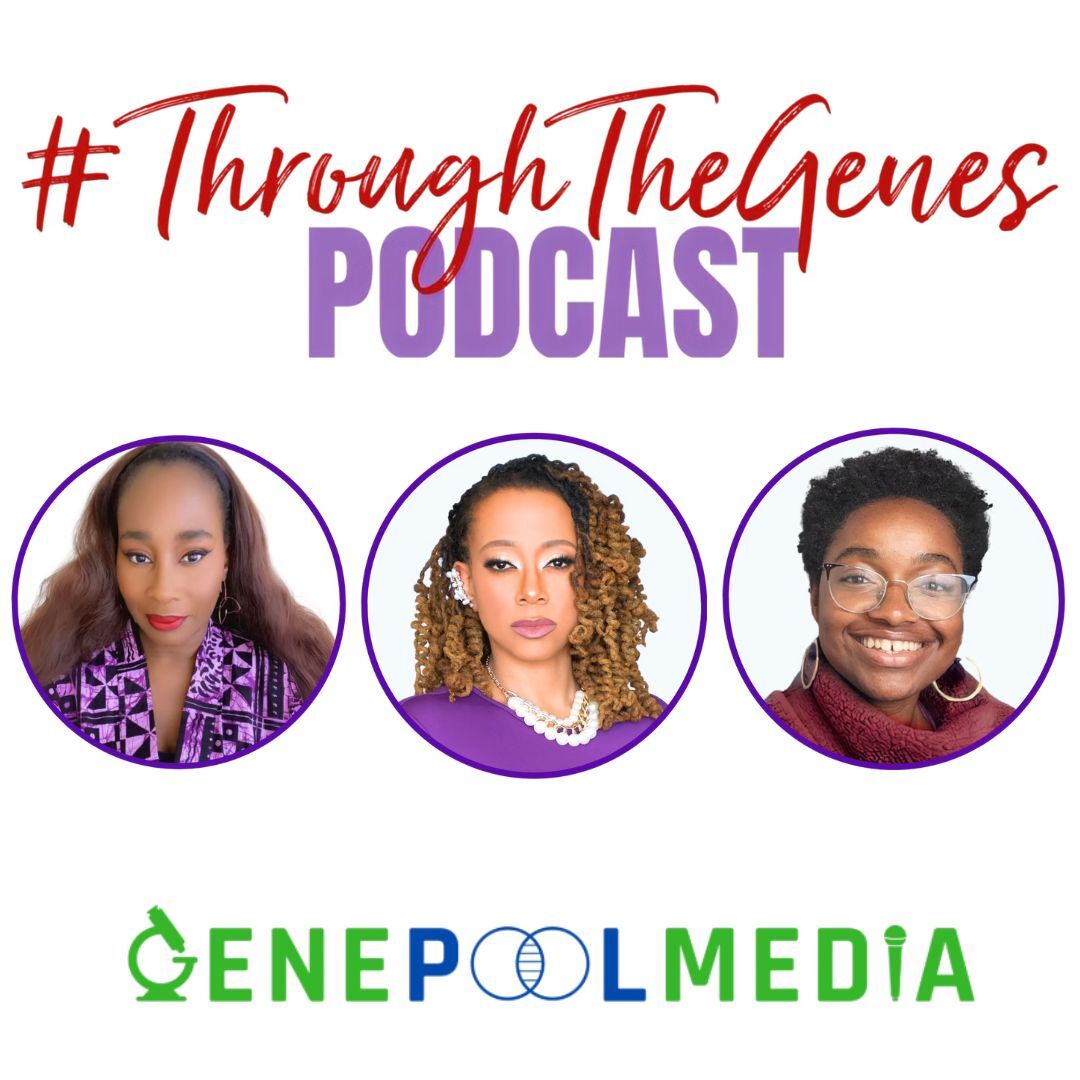
Ep 346#346 Patient Experiences with Sickle Cell Experimental Treatments: The Triumphs & Trials
We’re kicking off Season 2 of #ThroughTheGenes with a powerful and personal episode in honor of World Sickle Cell Day, which was commemorated yesterday on June 19th. This podcast isn’t just about science, it’s about storytelling through the lens of lived experience. Hosted by three uniquely different women who have experience with transformative therapies for sickle cell disease, this season celebrates the sisterhood they’ve built through vulnerability, advocacy, and the desire to push the conversation forward. If you’ve been following along, you’ll remember Episodes #288 and #289 of DNA Today, where our host Kira Dineen sat down with Victoria Gray, the first person treated with CRISPR for her Sickle Cell Disease symptoms. Her story is one of remarkable resilience and groundbreaking science. Then on Episode #305, she also spoke with the original co-hosts of #ThroughTheGenes, Wunmi Bakare and Dima Hendricks, two powerful patient advocates whose insight, honesty, and unwavering commitment have helped shape how we understand cell and gene-based therapies for sickle cell today. This Season 2 opener sets the tone for what’s ahead. It’s a raw and reflective conversation that unpacks the triumphs and trials of transformative care, while shining a light on the emotional weight of medical decision-making. Through three distinct journeys, we find one undeniable truth: the power of shared experience can create bonds that feel like family, and fuel advocacy that moves scientific storytelling forward. We’re also thrilled to share that #ThroughTheGenes is part of our new science podcast network: Gene Pool Media! We're building a home for engaging, credible, and diverse science storytelling. Check out our growing lineup of shows: DNA Dialogues Demystifying Genetics RealPharma Beyond The Thesis with Papa PhD It Happened To Me All Access DNA PhenoTips Speaker Series ...and two brand-new shows launching later this year! If you host a science podcast and want to be part of a collaborative network that amplifies your voice, go to GenePoolMedia.com and click the “Apply” tab, or just shoot me an email at [email protected]. We’d love to chat with you about what we’re building. In this season 2 premiere of #ThroughTheGenes, hosts Wunmi Bakare, Dima Hendricks, and Christelle Salomon engage in a heartfelt discussion about their personal journeys with sickle cell disease and the transformative therapies they have explored. They share their motivations for seeking experimental treatments, the emotional and physical challenges they faced, and the importance of mental health and self-care. The conversation highlights the resilience of sickle cell warriors and the impact of their experiences on their identities. The episode concludes with a light-hearted quickfire round, reinforcing the bond among the speakers and their commitment to patient advocacy. Takeaways Conversation kicks off with an authentic conversation about cell and gene-based therapies. Dima shares her journey with sickle cell and the challenges faced during her treatment. Christelle discusses her motivations for exploring gene therapy and the impact on her life. The importance of mental health and self-care is emphasized throughout the conversation. Each speaker shares their unique experiences with transformative therapies, highlighting both triumphs and trials. The discussion reveals the emotional and physical challenges faced during treatment processes. The concept of freedom is explored as a central theme in navigating life with sickle cell disease. The speakers reflect on their identities as sickle cell warriors and the ongoing journey of living with the condition. The conversation addresses misconceptions about gene therapy and the realities of patient experiences. The podcast concludes with a light-hearted quickfire round, reinforcing the bond among the speakers. Subscribe to #ThroughTheGenes on Apple, Spotify, YouTube or wherever you listen to podcasts. Next episode of season 2 drops on July 3rd, 2025. Get ready, genetic nerds—another brand-new episode of DNA Today drops this Friday! You can always count on us to deliver fresh content every Friday. While you wait, why not dive into our library of over 300 episodes? Binge them all on Apple Podcasts, Spotify, our website, or wherever you love to listen—just search “DNA Today.” Prefer watching? We’ve got you covered! For the past four years, we’ve been recording episodes with video, including some filmed at the iconic NBC Universal Stamford Studios. Check them out on our YouTube channel! DNA Today is hosted and produced by Kira Dineen, MS, LCGC, CG(ASCP)CM . Our Video Lead is Amanda Andreoli. Our Social Media Lead is Kajal Patel. Our Outreach Intern is Liv Davidson. And our logo Graphic Designer is Ashlyn Enokian, MS, CGC. See what else we are up to on Instagram, X (Twitter), BluSky, Threads, LinkedIn, Facebook, YouTube and our website, DNAToday.com. Questions/inquiries can be sent to [email protected].

Ep 345#345 How To Talk About DNA Without Losing People: Strategies Part 1
The co-founders of The Science Underground join our host Kira Dineen for an in-person episode to discuss the importance of effective science communication in genetics and approaches to achieve this. The Science Underground was founded by former NIH’s National Human Genome Research Institute communicators Jenny Montooth, Sarah Alex Bates, and Britny Kish. Topics Discussed: Strategies for making complex genetics concepts accessible to the public The role of humor, memes, and social media in building engagement and trust Challenges of communicating abstract genetic topics and foundational genomics knowledge Reflections on progress in public genomic literacy since the Human Genome Project Disparities in genetics understanding across different socioeconomic and educational backgrounds The critical role of storytelling in science communication Using creative media to preemptively address misconceptions Building public trust in genetics by acknowledging historical injustices and systemic biases Importance of transparency, community collaboration, and ethical considerations in genomic research Engaging underrepresented and Indigenous communities in genetic research conversations Evolving role of research participants: from subjects to true partners in science Cultural sensitivity around ancestral DNA and the emotional weight it carries The misconception that complex science can't be simplified for broader audiences Practical advice for scientists: use analogies, creativity, and empathy to communicate effectively The Panel: Alex Bates is a science communications expert with 20 years of experience leading national, metric-driven campaigns across government, nonprofit, and startup sectors. She is co-founder of The Science Underground, LLC, which crafts culturally competent, science-backed communications for early-stage startups and major consortia. Most recently, she served as Communications Director at the National Human Genome Research Institute (NHGRI), where she led award-winning outreach on topics like the history of eugenics and helped establish NHGRI’s global reputation for innovative public engagement—work that ended with the April 1 HHS layoffs. Alex previously led communications for the National Science Foundation’s Engineering Directorate and BRAIN Initiative, earning Director’s Awards for both Excellence Pioneer and Diversity and Inclusion, and managed BrainFacts.org, a $1.2M science education initiative. She holds master’s degrees in journalism and astronomy, and a bachelor’s degree in physics and English. Jenny Montooth is a science communications professional with a decade of experience making complex research engaging and accessible through innovative, culturally relevant strategies. She holds a master’s degree in public history from the University of Maryland, Baltimore County, where she developed a passion for translating scholarship for broader audiences. As co-founder of The Science Underground, LLC, and former Lead Public Affairs Specialist at the National Human Genome Research Institute, Jenny has led nationally recognized outreach campaigns—including on the first complete human genome sequence- and earned multiple awards for her dynamic use of social media to bring science into the public conversation. Britny Kish is co-founder of The Science Underground, leading administrative and financial operations to support the development of culturally aware, results-driven communications strategies for scientific organizations. Most recently, she served as Deputy Director of Communications at the National Human Genome Research Institute (NHGRI), where she oversaw operations, budgeting, and campaign implementation, and played a key role in advancing equitable science communication and digital outreach. With over 15 years of experience in healthcare administration and communications, Britny specializes in program management, team leadership, and strategic communications, with additional expertise in virtual and exhibit event planning and management within the biomedical research space. Resources/Links Mentioned: Kira Dineen’s Invited NIH Talk: “Mastering the Mic: Interview Strategies for Science Communicators” “Public Knowledge of and Attitudes Toward Genetics and Genetic Testing” in Genetic Testing and Molecular Biomarkers Telomere-to-Telomere (T2T) The Star Wars meme that started it about clarifying T2T NHGRI symposium confronts difficult pasts of eugenics and scientific racism Dorothy Roberts’ Books Informing the Navajo Public about Genetic Research and Policy “Weaving the Strands of Life (Iiná Bitł’ool): History of Genetic Research Involving Navajo People” in Human Biology NHGRI’s Human Genome Fact Sheet “Haunting the Human Genome Project: A Question of Consent” in Undark Magazine “The Immortal Life of Henrietta Lacks” By Rebecca Skloot The Tuskegee Syphilis Study NIH’s Tribal Health Research Office BRAT Summer Meme aka Bring RNA Attention Today DNA Today Referenced/Relevant Episodes: #34 Henrietta Lac

Ep 344#344 Trans and Gender Diverse Patients' Experiences with Reproductive Healthcare
We wanted to let you know of a live podcast episode of the PhenoTips Speakers Series happening soon on June 18th, 2025 at 12pmEST. We do an annual pride installment, this year we are exploring Gender Affirming Cancer Genetic Counseling. Sign up here so you can tune in and ask your questions live to host Kira Dineen and the impressive panel we have lined up. Have you heard? I launched a brand new science podcast network called Gene Pool Media. Thanks to everyone who has supported the network by following us @GenePoolMedia on social. Shoutout to the podcasts in our network, you should check them out! RealPharma Beyond The Thesis with Papa PhD DNA Dialogues It Happened To Me All Access DNA #ThroughTheGenes Demystifying Genetics PhenoTips Speaker Series Two brand new shows debuting this year If you have a science podcast and are interested in joining the network, go to GenePoolMedia.com and click the “Apply” tab at the top right. Or just email me directly at [email protected]. I’d love to chat with you about the benefits of joining the network. Here and there we have been sharing episodes from other podcasts in the Gene Pool Media network. This week we are sharing a segment from a recent episode (#15) of DNA Dialogues, which is the official podcast of the Journal of Genetic Counseling. Our host Kira Dineen, was lucky enough to be on the team that launched the show last year. Here’s what is unique about this show, each episode of this podcast two papers from the journal are highlighted through interviews with the authors themselves. We picked this segment to share in honor of Pride month as it explores the paper “Transgender and gender diverse patients' experiences with pregnancy-related genetics discussions: A qualitative study”. The two authors of the study join for this interview: Jaime Schechner and Darius Haghighat. Jaime Schechner (she/her) works as a neurology genetic counselor at Boston Children’s Hospital. She completed her Master of Science in Genetic Counseling at Boston University, and previously worked as a genetic counseling assistant at Beth Israel’s Maternal Fetal Medicine Center. Darius Haghighat (he/him) is a reproductive genetic counselor at Boston Medical Center and an Assistant Professor of Obstetrics and Gynecology at Boston University Chobanian & Avedisian School of Medicine. He has prior experience as a cancer genetic counselor as well. He completed his Master's in Genetic Counseling at Boston University. As a queer genetic counselor he is especially passionate about LGBTQIA+ health equity. In this segment Kate, Darius, and Jaime discuss: - The inspiration behind focusing the study on pregnancy-related genetic counseling experiences among trans and gender diverse (TGD) individuals. - Major gaps in reproductive healthcare for TGD patients, including misgendering, binary language, and lack of provider knowledge. - Participant stories about feeling unseen or misgendered, and discussed the emotional impact of these encounters. - Frustrations with terms like "maternal" and "advanced maternal age," and suggested inclusive alternatives for clinical language. - Moments of affirming care, showing how small gestures can have a powerful impact across the healthcare journey. - The need for systemic change, including inclusive policies, provider education, and future research that centers TGD voices. Would you like to nominate a JoGC article to be featured in the show? If so, please fill out this nomination submission form here. Multiple entries are encouraged including articles where you, your colleagues, or your friends are authors. Be sure to check out other episodes of DNA Dialogues by searching “DNA Dialogues” in your favorite podcast app or here. Check out the Journal of Genetic Counseling here for articles featured in this episode and others. Any questions, episode ideas, guest pitches, or comments can be sent into [email protected]. DNA Dialogues’ team includes Jehannine Austin, Naomi Wagner, Khalida Liaquat, Kate Wilson and our own, Kira Dineen. Our logo was designed by Ashlyn Enokian. Get ready, genetic nerds—another brand-new episode of DNA Today drops this Friday! You can always count on us to deliver fresh content every Friday. While you wait, why not dive into our library of over 300 episodes? Binge them all on Apple Podcasts, Spotify, our website, or wherever you love to listen—just search “DNA Today.” Prefer watching? We’ve got you covered! For the past four years, we’ve been recording episodes with video, including some filmed at the iconic NBC Universal Stamford Studios. Check them out on our YouTube channel! DNA Today is hosted and produced by Kira Dineen, MS, LCGC, CG(ASCP)CM . Our Video Lead is Amanda Andreoli. Our Social Media Lead is Kajal Patel. Our Outreach Intern is Liv Davidson. And our logo Graphic Designer is Ashlyn Enokian, MS, CGC. See what else we are up to on Instagram, X (Twitter), BluSky, Threads, LinkedIn, Facebook, YouTube and our website, DNAT

Ep 343#343 The First Child to Receive CRISPR for Duchenne? A Father’s Fight for a Cure
What would you do if your child was diagnosed with a terminal genetic condition, and the only hope for survival required raising $2.2 million? In this deeply moving episode of DNA Today, we’re joined by Joe Jackson, a rare disease advocate and father of 7-year-old William, who lives with Duchenne Muscular Dystrophy (DMD), a rare, progressive genetic disorder that leads to muscle degeneration and shortened life expectancy. But William’s story stands apart. Due to a rare duplication mutation in the DMD gene, existing treatments aren’t an option. So Joe and his wife Kati are doing something extraordinary: working with Cure Rare Disease to develop a personalized CRISPR gene-editing therapy that could become the first of its kind in the United States; and possibly save William’s life. In this conversation, Joe opens up about the emotional toll of a devastating diagnosis, the scientific promise of genome editing, and the urgent, grassroots efforts it takes to fund a first-in-human therapy when time is running out. Episode Topics Include: What it’s like to receive a diagnosis of Duchenne Muscular Dystrophy How William’s rare mutation excludes him from all existing treatments The role of Cure Rare Disease in accelerating gene therapy development How CRISPR could eliminate William’s genetic duplication The emotional moment Joe saw rodent models with William’s mutation fully recover after CRISPR Why personalized gene therapies like this one can cost $2.2 million+ What comes next once the fundraising goal is met The ripple effect: how William’s treatment could pave the way for other forms of DMD How Joe raised awareness by rowing 157 miles of the Rogue River in just 24 hours What the recent breakthroughs in personalized CRISPR therapies mean for the future of rare disease Resources: At the beginning of the episode, the Host Kira Dineen couldn’t remember what percentage of cases of DMD are random/de novo, it’s 33% according to this study. Two DNA Today episodes were referenced: #156 Rich Horgan on Duchenne Muscular Dystrophy (Cure Rare Diseases Founder) #342 $10 Million for a Cure: Donating Mr. Beast’s “Beast Games” Winnings For Son’s Creatine Transporter Deficiency Towards the end of the interview Joe mentioned a brand new 8-minute video sharing about the “We Row For William” adventure, watch it here. About the Guest: Joe Jackson is a father, rare disease advocate, and fundraiser whose youngest son, William, is battling Duchenne Muscular Dystrophy. With support from Cure Rare Disease, Joe and his wife are working to develop a custom CRISPR-based gene editing therapy tailored to William’s exact mutation. His story was recently featured on CNN’s website and Instagram here. Joe continues to inspire families around the world with his passion, creativity, and determination to save his son’s life. How You Can Help: To support William’s custom gene therapy and learn more about Duchenne visit WeWillForWilliam.org. Every donation brings William one step closer to a groundbreaking treatment, and helps advance the future of genetic medicine. Connect With Us: Get ready, genetic nerds—another brand-new episode of DNA Today drops this Friday! You can always count on us to deliver fresh content every Friday. While you wait, why not dive into our library of over 300 episodes? Binge them all on Apple Podcasts, Spotify, our website, or wherever you love to listen—just search “DNA Today.” Prefer watching? We’ve got you covered! For the past four years, we’ve been recording episodes with video, including some filmed at the iconic NBC Universal Stamford Studios. Check them out on our YouTube channel! DNA Today is hosted and produced by Kira Dineen, MS, LCGC, CG(ASCP)CM . Our Video Lead is Amanda Andreoli. Our Social Media Lead is Kajal Patel. Our Outreach Intern is Liv Davidson. And our logo Graphic Designer is Ashlyn Enokian, MS, CGC. See what else we are up to on Instagram, X (Twitter), BluSky, Threads, LinkedIn, Facebook, YouTube and our website, DNAToday.com. Questions/inquiries can be sent to [email protected].
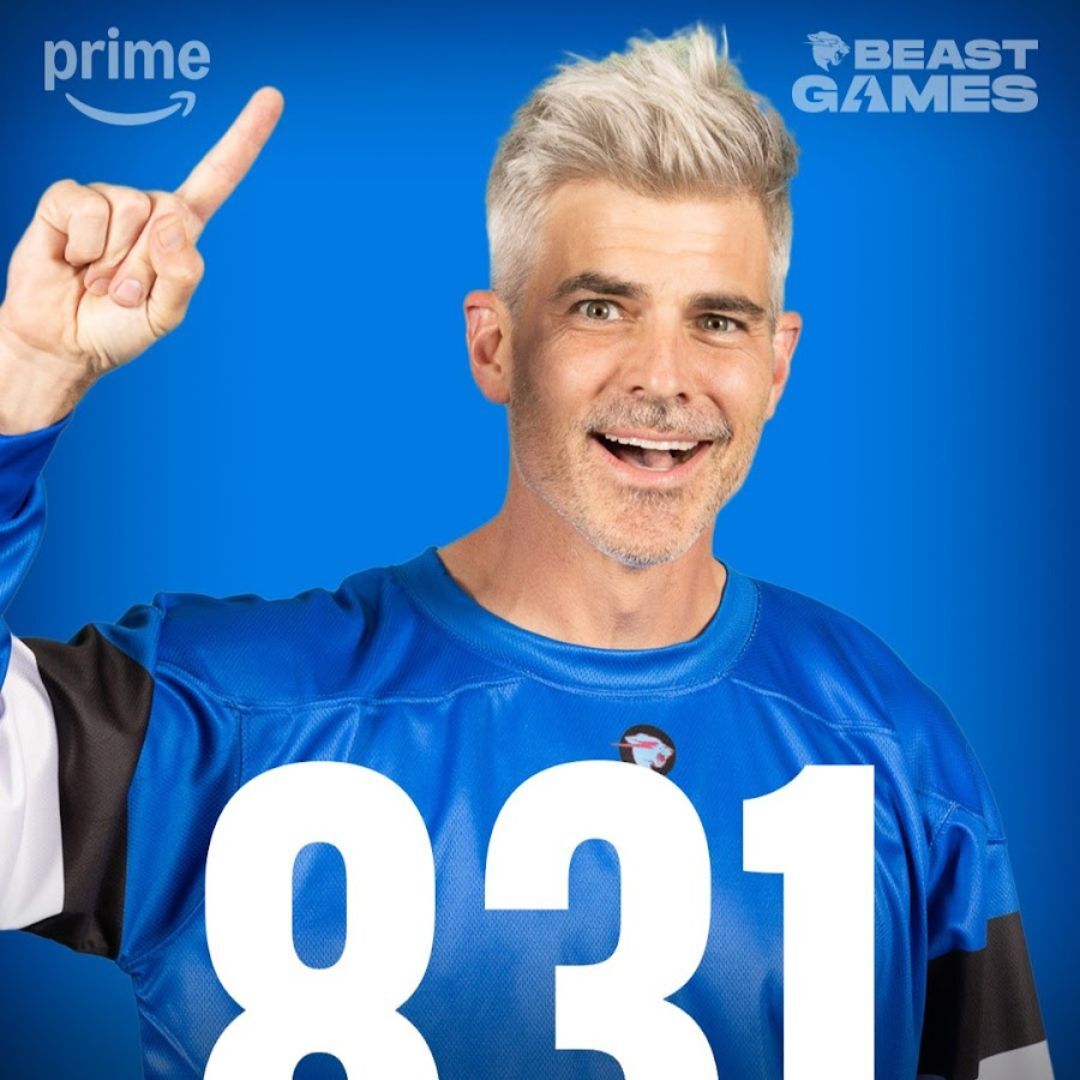
Ep 342#342 $10 Million for a Cure: Donating Mr. Beast’s “Beast Games” Winnings For Son’s Creatine Transporter Deficiency
What would you do if you won $10 million? For Jeff and Jennifer Allen, the answer was simple: fund research to find a cure for their son’s rare genetic condition. In this episode of DNA Today, we’re joined by Jeff and Jen Allen; Jeff is known to over 100 million YouTube viewers as Player 831, the winner of MrBeast’s high-stakes reality series Beast Games—and the recipient of the largest game show prize in history: $10 MILLION. Alongside him is his wife, Jennifer Allen, who has been an equal partner in their advocacy journey every step of the way. But the Allens aren’t spending that money on luxury vacations or dream homes. Their mission is far bigger—and far more urgent. Their youngest son, Lucas, lives with Creatine Transporter Deficiency (CTD), a rare and devastating genetic disorder that impairs brain and muscle function. With fewer than 400 known cases worldwide and no approved treatments, CTD is under-recognized and underfunded. Jeff applied to Beast Games with one goal: raise awareness and secure funding to accelerate research. Against all odds, he won—and now, he and Jen are investing in the future of CTD research and other families like theirs. In this episode, Jeff and Jen share their incredible journey—from the intensity of Beast Games to the emotional impact of Lucas’s diagnosis, and how they’re using their platform and prize money to drive life-changing research. Episode Topics Include: Behind-the-scenes stories from Jeff’s experience on Beast Games Jen’s perspective watching Jeff compete and staying grounded in their family’s mission What it was like for their son Jack to visit Jeff during filming and serve as his “coach” Why Jeff turned down offers of $1 million+ to stay in the game The emotional moment Jeff dedicated his final win to Lucas What Creatine Transporter Deficiency (CTD) is and how it affects Lucas The current research status and the massive funding gap for CTD How the Allens plan to use the $10 million prize to support research and gene therapy development Hope on the horizon: breaking news of the personalized CRISPR therapy and what this could mean for CTD The couple’s involvement with the Association for Creatine Deficiencies and broader advocacy work Advice for newly diagnosed families navigating rare diseases like CTD About the Guests: Jeffrey Randall Allen, known as Player 831, made history as the winner of the inaugural season of Beast Games, the high-stakes reality competition series created by YouTube sensation MrBeast (Jimmy Donaldson). In the show's dramatic finale, Allen secured a record-breaking $10 million prize—the largest in game show history—by correctly selecting the winning briefcase in a tense final game of chance . His advocacy efforts are deeply personal. Allen's youngest son, Lucas, was diagnosed with Creatine Transporter Deficiency (CTD), a rare genetic disorder affecting brain and muscle function. With less than 400 cases diagnosed world wide, CTD has no known treatment, prompting Allen to raise awareness and fund research through his involvement with the Association for Creatine Deficiencies. Allen applied to Beast Games with the primary goal of using the platform to raise awareness for CTD. Despite offers of up to $1 million to leave the competition early, he remained steadfast, ultimately winning the $10 million prize. He plans to use the funds to support clinical trials and research aimed at finding a treatment for CTD, which is estimated to require between $30 million and $40 million to develop. Allen resides in the Bay Area with his wife, Jennifer, and their two sons, Jack and Lucas. Through his historic win on Beast Games, Jeffrey Randall Allen has not only changed his family’s life but also brought global attention to the fight against rare diseases—turning a personal struggle into a powerful mission for change. Resources: Andrew Huberman on Creatine “Single dose creatine improves cognitive performance and induces changes in cerebral high energy phosphates during sleep deprivation.” Article that Jeff references from Scientific Reports. Breaking news of the personalized CRISPR therapy in the New York Times. “A programmable dual-RNA-guided DNA endonuclease in adaptive bacterial immunity”. Landmark 2012 paper in Science about CRISPR that Kira references. FDA Approves First Gene Therapies to Treat Patients with Sickle Cell Disease Association for Creatine Deficiencies Watch the Beast Games on Amazon Prime Connect: Follow Jeff on TikTok @legacy.831, Instagram @legacy.831, YouTube @legacy831official, and LinkedIn here. Contact the Allen’s public relation agent Natalie Beita at Element 23, her email is natalie (at) element23.co. Get ready, genetic nerds—another brand-new episode of DNA Today drops this Friday! You can always count on us to deliver fresh content every Friday. While you wait, why not dive into our library of over 300 episodes? Binge them all on Apple Podcasts, Spotify, our website, or wherever you love to listen—just search “DNA Today.” Pref

Ep 341#341 How One Family Faced Seven ALS Diagnoses and Chose Advocacy
In honor of ALS awareness month, we are joined by Debbie Lower. She is a remarkable advocate, educator, and caregiver whose family has been deeply impacted by ALS. Over the last three decades, Debbie has lost seven family members to ALS and frontotemporal dementia (FTD), many of whom carried the C9orf72 gene mutation. From caregiving for her mother to mentoring other families and advocating for research funding, Debbie has turned unimaginable loss into powerful action. Today we’ll dive into the genetics of ALS, the current landscape of research and drug development, and how Debbie continues to support families navigating the emotional and genetic complexities of this disease. Episode Topics Include: How ALS and FTD unfolded in Debbie’s family over multiple generations The impact of receiving a negative genetic test result for C9orf72 What the C9orf72 repeat expansion means for familial ALS and FTD Other genes linked to ALS and how genetic testing is evolving The emotional and psychological complexities of genetic diagnoses The difference between familial and sporadic ALS Promising clinical trials and research efforts in genetic ALS How advocacy and mentorship empower families facing these rare diseases Debbie’s advice for newly diagnosed families navigating ALS or FTD Resources Mentioned in Episode: I Am ALS Organization The ALL ALS PREVENT Study The ALL ALS ASSESS Study HEALEY ALS Platform Trial End The Legacy Organization Team Gleason Foundation (specifically their tech like controlling wheelchairs with eye gaze) I'm Dying To Tell You Podcast Go On, Be Brave Documentary Tofersen drug reversing some people’s symptoms (In 2023 the FDA approved it to treat SOD1-ALS) “Artificial intelligence empowered voice generation for amyotrophic lateral sclerosis patients” Regondi et. al 2025 Nature Paper “Evidence-based consensus guidelines for ALS genetic testing and counseling” Roggenbuck et. al 2023, Annals of Clinical and Translational Neurology Paper “Guidance for clinical management of pathogenic variant carriers at elevated genetic risk for ALS/FTD” Benatar et. al. 2025, J Neurol Neurosurg Psychiatry Paper At the end of the episode, host Kira Dineen has a heartfelt thank you to one of her mentors who has ALS, Doug Campbell. He has been and continues to be instrumental in the development of the DNA Today brand and business. Get ready, genetic nerds—another brand-new episode of DNA Today drops this Friday! You can always count on us to deliver fresh content every Friday. While you wait, why not dive into our library of over 300 episodes? Binge them all on Apple Podcasts, Spotify, our website, or wherever you love to listen—just search “DNA Today.” Prefer watching? We’ve got you covered! For the past four years, we’ve been recording episodes with video, including some filmed at the iconic NBC Universal Stamford Studios. Check them out on our YouTube channel! DNA Today is hosted and produced by Kira Dineen, MS, LCGC, CG(ASCP)CM . Our Video Lead is Amanda Andreoli. Our Social Media Lead is Kajal Patel. Our Outreach Intern is Liv Davidson. And our logo Graphic Designer is Ashlyn Enokian, MS, CGC. See what else we are up to on Instagram, X (Twitter), BluSky, Threads, LinkedIn, Facebook, YouTube and our website, DNAToday.com. Questions/inquiries can be sent to [email protected].

Ep 340#340 How Podcasting Shaped A Genetics Career: Dr. Matt Burgess Interviews Kira Dineen
I launched a brand new science podcast network called Gene Pool Media, two weeks ago on DNA Day, April 25th. The response has been amazing, so thank you to everyone who has been supportive, especially the podcasts that have joined the network including… RealPharma Beyond The Thesis with Papa PhD DNA Dialogues It Happened To Me #ThroughTheGenes Demystifying Genetics PhenoTips Speaker Series All Access DNA Two brand new shows debuting this year: one in the rare disease space and another exploring the intersection of health science, religion, and spirituality. Over the years we have shared episodes of DNA Dialogues, It Happened To Me and PhenoTips Speaker Series. And we had the hosts of #ThroughTheGenes and Demystifying Genetics on the show. And I’ve been a guest on RealPharma. So these are all podcasts that were already in our circle, it’s just more official now! If you have a science podcast and are interested in joining the network, go to GenePoolMedia.com and click the “Apply” tab at the top right. Or just email me directly at [email protected]. In this episode drop of Demystifying Genetics where I was actually a guest. This podcast is hosted by an Australian genetic counselor Dr. Matt Burgess. Matt interviews me about my journey as a high school starting this genetics podcast from my childhood bedroom to becoming a genetic counselor and now multi-award winning podcast. The conversation explores the nuances of genetic counseling, the impact of technology like CRISPR, and the unexpected connections that shape careers in genetics. Matt was also a guest way back in 2020 on Episode #114 on DNA Today when I was still a grad student. Episode Topics: Kira discusses her personal journey into genetic counseling Emphasises the balance between technical skills and patient care Addresses common misconceptions about the emotional weight of the profession Shares insights into the groundbreaking use of CRISPR technology Highlights the importance of podcasting in enhancing professional growth Explores the unexpected recognition from Kourtney Kardashian’s blog Any inquiries for Demystifying Genetics podcast can be through Matt’s LinkedIn. Get ready, genetic nerds—another brand-new episode of DNA Today drops this Friday! You can always count on us to deliver fresh content every Friday. While you wait, why not dive into our library of over 300 episodes? Binge them all on Apple Podcasts, Spotify, our website, or wherever you love to listen—just search “DNA Today.” Prefer watching? We’ve got you covered! For the past four years, we’ve been recording episodes with video, including some filmed at the iconic NBC Universal Stamford Studios. Check them out on our YouTube channel! DNA Today is hosted and produced by Kira Dineen, MS, LCGC, CG(ASCP)CM . Our Video Lead is Amanda Andreoli. Our Social Media Lead is Kajal Patel. Our Outreach Intern is Liv Davidson. And our logo Graphic Designer is Ashlyn Enokian, MS, CGC. See what else we are up to on Instagram, X (Twitter), BluSky, Threads, LinkedIn, Facebook, YouTube and our website, DNAToday.com. Questions/inquiries can be sent to [email protected].

Ep 339#339 Inherited Leukemia: Exploring Genetic Risk and Early Detection
A week ago on DNA Day, April 25th, I launched a brand new science podcast network called Gene Pool Media. The response has been amazing, so thank you to everyone who has been supportive, especially the podcasts that have joined the network including… RealPharma Beyond The Thesis with Papa PhD DNA Dialogues It Happened To Me #ThroughTheGenes Demystifying Genetics PhenoTips Speaker Series All Access DNA Two brand new shows debuting this year: one in the rare disease space and another exploring the intersection of health science, religion, and spirituality. And All Access DNA, which you are about to hear one of their recent episodes. I figured that would be a perfect way to celebrate the launch of Gene Pool Media. Over the years we have shared episodes of DNA Dialogues, It Happened To Me and PhenoTips Speaker Series. And we had the hosts of #ThroughTheGenes and Demystifying Genetics on the show. And I’ve been a guest on RealPharma. So these are all podcasts that were already in our circle, it’s just more official now! If you have a science podcast and are interested in joining the network, go to GenePoolMedia.com and click the “Apply” tab at the top right. Or just email me directly at [email protected]. In this episode drop of All Access DNA you will hear from genetic counselor Sarah Bannon, who discusses the complexities of inherited blood cancers, particularly leukemia. The host of All Access DNA is Kate Wilson; who will sound familiar as she is a co-host on the journal of genetic counseling’s podcast, DNA Dialogues and a podcast from the National Society of Genetic Counselors. In this conversation, Sarah Bannon discusses the complexities of inherited blood cancers, particularly leukemia, and the evolving role of genetic counseling in understanding and managing these conditions. She highlights the historical context of genetic research in blood cancers, the importance of family history in assessing risk, and the advancements in genetic testing that have led to better identification of hereditary cancer syndromes. The conversation also covers the implications of genetic testing results for patients and their families, the challenges faced in the field, and the rewarding aspects of working in this emerging area of genetic counseling. On This Episode We Discuss: What inherited blood cancers are and how they may run in families There are many known genes linked to hereditary blood cancers How genetic testing can help monitor family members for early signs of cancer. The role of clinical trials to explore preventative treatments for those at risk. Sarah is a genetic counselor with over 14 years of experience in cancer genetics, specifically leukemia and lymphoma. She is a widely sought expert on hereditary predispositions to hematologic malignancy, which has been the focus of her clinical care and research. Sarah works as a genetic counselor at the National Institute of Allergy and Infectious Diseases (NIAID). Here are more resources related to today’s topic, blood and bone marrow cancers: National Marrow Donor Program and Be The Match Leukemia and Lymphoma Society Clinicaltrials.gov tracks all clinical trials available in the US Team Telomere - A Community for Telomere Biology Disorders RUNX1 Research Program Findageneticcounselor.org to find a genetic counselor near you Any inquiries for All Access DNA podcast can be sent to [email protected]. Note that this podcast is for entertainment and education and is not intended to be a substitute for professional medical advice. Please consult your physician with any questions you may have regarding your health. The All Access DNA team includes: host, producer and editor Kate Wilson. The logo is designed by Designs by NKJ. Get ready, genetic nerds—another brand-new episode of DNA Today drops this Friday! You can always count on us to deliver fresh content every Friday. While you wait, why not dive into our library of over 300 episodes? Binge them all on Apple Podcasts, Spotify, our website, or wherever you love to listen—just search “DNA Today.” Prefer watching? We’ve got you covered! For the past four years, we’ve been recording episodes with video, including some filmed at the iconic NBC Universal Stamford Studios. Check them out on our YouTube channel! DNA Today is hosted and produced by Kira Dineen, MS, LCGC, CG(ASCP)CM . Our Video Lead is Amanda Andreoli. Our Social Media Lead is Kajal Patel. Our Outreach Intern is Liv Davidson. And our logo Graphic Designer is Ashlyn Enokian, MS, CGC. See what else we are up to on Instagram, X (Twitter), BluSky, Threads, LinkedIn, Facebook, YouTube and our website, DNAToday.com. Questions/inquiries can be sent to [email protected].

Ep 338#338 Social Determinants of Health and Mental Health in Urea Cycle Disorders
Urea cycle disorders (UCDs) are rare inborn errors of metabolism (IEMs) caused by enzyme or transporter deficiencies in the urea cycle, which is responsible for protein metabolism. These conditions can present at any age with acute, chronic, and intermittent symptoms of hyperammonemia. The first UCD was described over 50 years ago and while many “unknowns” about UCDs still remain, the way we think about and treat these conditions today is evolving. In this second episode of a series focused on the evolution of UCD management, we discuss social determinants of health (SDOH) and how they impact patients with UCDs, examine the psychosocial burden of living with a chronic condition, and highlight how the multidisciplinary metabolic team can help patients and families overcome barriers to UCD management. Kendra J. Bjoraker, PhD, LP, is a pediatric neuropsychologist who specializes in rare genetic conditions. She served as faculty at the University of Minnesota and Children’s Hospital Colorado/University of Colorado and operates a dedicated practice, Bjoraker Neuropsychology Consultants, PLLC. Dr Bjoraker’s mission is to help identify and address psychosocial issues in patients with rare disorders in order to alleviate stressors associated with living with chronic conditions. Erika R. Vucko, APRN-NP, FNP, is a metabolic nurse practitioner at Ann & Robert H. Lurie Children’s Hospital of Chicago and faculty at the Northwestern University Feinberg School of Medicine. She is also the PKU Clinic Director at Lurie Children’s, co-created APRN metabolic follow-up clinic for patients with IEMs, and acts as a principal investigator for multiple clinical trials. She has provided clinical care for many patients with UCDs, among other genetic conditions. Her clinical interests include metabolic research, newborn screening, and lysosomal storage disorders. On This Episode, We Discuss: How socioeconomic and psychosocial factors impact a patient’s ability to engage in their UCD management Best practices and opportunities for multidisciplinary metabolic clinicians to support the care of patients with UCDs and their families Available resources to help patients navigate SDOH and mental health barriers to UCD management Related Episodes: Episode #323: Supporting Ongoing Urea Cycle Disorder (UCD) Care A discussion about how clinicians can better engage patients in their own care to help them sustain their daily UCD management needs Episode #282: The Evolution of Caring for Females With OTC Deficiency A conversation about ornithine transcarbamylase (OTC) deficiency, the most common UCD, and how care for symptomatic heterozygous females has evolved over time Get ready, genetic nerds—another brand-new episode of DNA Today drops this Friday! You can always count on us to deliver fresh content every Friday. While you wait, why not dive into our library of over 300 episodes? Binge them all on Apple Podcasts, Spotify, our website, or wherever you love to listen—just search “DNA Today.” Prefer watching? We’ve got you covered! For the past four years, we’ve been recording episodes with video, including some filmed at the iconic NBC Universal Stamford Studios. Check them out on our YouTube channel! DNA Today is hosted and produced by Kira Dineen, MS, LCGC, CG(ASCP)CM . Our Video Lead is Amanda Andreoli. Our Social Media Lead is Kajal Patel. Our Outreach Intern is Liv Davidson. And our logo Graphic Designer is Ashlyn Enokian, MS, CGC. This episode is sponsored by AMGEN. See what else we are up to on Instagram, X (Twitter), BluSky, Threads, LinkedIn, Facebook, YouTube and our website, DNAToday.com. Questions/inquiries can be sent to [email protected]. USA-RABU-80050 04/25

Ep 337#337 How to Get Your Research Published: Insight from Wiley’s Advanced Portfolio Journal Editors
Submitting a research paper for publication can be an overwhelming process, especially for early-career researchers. How do you choose the right journal? What are editors really looking for? And how can you improve your chances of acceptance? To answer these questions and more we are joined by two editors from Wiley’s Advanced Portfolio. Dr. Lei Lei is a Senior Manager of Wiley’s Advanced Portfolio and Deputy Editor of Advanced Science. Dr. Alanna Gannon is Deputy Editor of Advanced Science and Advanced Healthcare Materials. They both share insider tips on navigating the peer review process, selecting the best journal for your work, and setting yourself up for publishing success, whether you’re submitting your first paper or your tenth. On This Episode We Discuss: How to choose the right journal for your research What editors look for when screening submissions Red flags that can lead to rejection Tips for writing effective cover letters and response letters to reviewers The benefits (and challenges) of open-access publishing How AI tools like ChatGPT are already influencing the writing and reviewing process Current trends in genetics publishing and where the field is headed Resources: Wiley Advanced Portfolio Wiley’s Journal Finder Genetics and Genomics: Advanced Science Collection Precision medicine: From new tools to innovative applications: Advanced Portfolio Cross-journal Collections Wiley's AI guidelines for Authors What Makes a Successful Submission Wiley Blog Post Eligibility for access to Research4Life Wiley Announce Team of Editors to Lead Advanced Portfolio Journals Expansion into Life Health Sciences Wiley Expands Advanced Journal Portfolio into Life and Health Sciences Deepens Physical Science Offering Get ready, genetic nerds—another brand-new episode of DNA Today drops this Friday! You can always count on us to deliver fresh content every Friday. While you wait, why not dive into our library of over 300 episodes? Binge them all on Apple Podcasts, Spotify, our website, or wherever you love to listen—just search “DNA Today.” Prefer watching? We’ve got you covered! For the past four years, we’ve been recording episodes with video, including some filmed at the iconic NBC Universal Stamford Studios. Check them out on our YouTube channel! DNA Today is hosted and produced by Kira Dineen, MS, LCGC, CG(ASCP)CM . Our Video Lead is Amanda Andreoli. Our Social Media Lead is Kajal Patel. Our Outreach Intern is Liv Davidson. And our logo Graphic Designer is Ashlyn Enokian, MS, CGC. See what else we are up to on Instagram, X (Twitter), BluSky, Threads, LinkedIn, Facebook, YouTube and our website, DNAToday.com. Questions/inquiries can be sent to [email protected].

Ep 336#336 Sharpening Genetic Counseling Skills with GC+ Academy
It’s an in-person episode! On Sarah Lawrence College’s campus, host Kira Dineen interviews former classmate Carli Andrews, MS, CGC. We explore the evolving landscape of continuing education for genetic counselors. Carli joins us to discuss GC+ Academy, an innovative educational initiative designed to enhance professional skills and provide continuing education units (CEUs) for genetic counselors. She shares insights into the academy’s unique learning model, which integrates real-world applications, case-based learning, and flexible course structures to accommodate busy professionals. We also explore how GC+ Academy is addressing crucial gaps in genomic education by offering courses in personalized healthcare, business mindsets, systems theory, and communication strategies. Tune in to gain valuable insights into how genetic counselors can apply systems thinking to healthcare, understand the business side of their profession, and prepare for the future of precision medicine. Carli also highlights the importance of communication training in bridging the gap between genetic counseling and the broader healthcare community. Learn how GC+ Academy is transforming continuing education for genetic counselors and how you can take advantage of this cutting-edge learning platform! The Institute for Genomics Education, Workforce & Leadership has generously provided a discount to all DNA Today listeners! Use our code “DNATODAY” for a 20% discount on all GC+ Academy courses and learning paths. In truly generosity, the code doesn’t expire, because we should always be learning! Topics Covered in This Episode: The inspiration behind GC+ Academy and the need it fills in genetic counseling education How GC+ Academy differs from traditional CEU programs The benefits of flexible, self-paced learning paths Why understanding healthcare systems is crucial for genetic counselors The growing importance of business and financial knowledge in genetic counseling The role of communication training in genomic medicine The future of continuing education in genetic counseling The Guest Carli Andrews, MS, CGC. is a board-certified genetic counselor and an alumna of Sarah Lawrence College (MS ‘19). She has a rich background in both clinical and industry settings. Andrews is dedicated to making genomic information accessible and impactful for diverse populations in her role as Head of Program Development for the Institute for Genomics Education, Workforce & Leadership. Carli's most recent role prior to joining the Institute was as a medical science liaison where she excelled in providing scientific and clinical expertise, supporting multiple teams including commercial operations and medical affairs, and engaging with the genetics community at national conferences. Carli views her role at the Institute as a pivotal opportunity to drive forward the mission of advancing precision medicine through genomics education and workforce development. Coming into this role at a crucial time, she is actively involved in creating innovative educational programs designed to equip the current and next generation of genomic professionals with the skills and knowledge needed to excel in the evolving landscape of healthcare. Carli earned her MS in Human Genetics from the Joan H. Marks Graduate Program in Human Genetics at Sarah Lawrence College and her BS in Molecular Biology, Biochemistry, and Bioinformatics from Towson University. Resources 20% discount on all GC+ Academy courses and learning paths by using code “DNATODAY” Institute for Genomics Education, Workforce & Leadership GC+ Academy Personalized Healthcare Learning Path JOGC Article: Authentic professional learning between genetic counselor educators Contact: [email protected] Get ready, genetic nerds—another brand-new episode of DNA Today drops this Friday! You can always count on us to deliver fresh content every Friday. While you wait, why not dive into our library of over 300 episodes? Binge them all on Apple Podcasts, Spotify, our website, or wherever you love to listen—just search “DNA Today.” Prefer watching? We’ve got you covered! For the past four years, we’ve been recording episodes with video, including some filmed at the iconic NBC Universal Stamford Studios. Check them out on our YouTube channel! DNA Today is hosted and produced by Kira Dineen, MS, LCGC, CG(ASCP)CM . Our Video Lead is Amanda Andreoli. Our Social Media Lead is Kajal Patel. Our Outreach Intern is Liv Davidson. And our logo Graphic Designer is Ashlyn Enokian, MS, CGC. See what else we are up to on Instagram, X (Twitter), BluSky, Threads, LinkedIn, Facebook, YouTube and our website, DNAToday.com. Questions/inquiries can be sent to [email protected].

Ep 335#335 Neanderthals, Denisovans, and Us: How DNA Reveals Evolution
This conversation is a follow-up to Episode #326: How DNA Solves Crimes – The Forensic Science Behind True Crime, where we explored the role of DNA in forensic investigations including the infamous O.J. Simpson case. Dr. Henry Erlich returns to the show to talk about human ancestry and evolution. Dr. Henry Erlich has authored over 450 publications and spent decades applying DNA analysis to criminal investigations, missing persons cases, and ancestry research. His work has helped us trace human origins, understand genetic diversity, and uncover how DNA links us to Neanderthals and Denisovans. His lab performed the first DNA case in the US and, in 1988, the first DNA exoneration. Erlich was the Director of the Department of Human Genetics and Vice-President of Discovery Research for Roche Molecular Systems, Inc until 2013. He is currently a Senior Scientist at Benioff Children’s Hospital Oakland Research Institute. Topics Covered in This Episode: How PCR revolutionized genetic research and our understanding of evolution What genetic diversity within African populations tells us about human origins Debunking myths about Mitochondrial Eve and human ancestry The genetic connections between humans, Neanderthals, and Denisovans How ancient DNA from medieval bones reshapes what we know about genetic bottlenecks Insights from the Pangenome Project and its potential to improve our understanding of genetic variation Relevant Episodes: #326: How DNA Solves Crimes – The Forensic Science Behind True Crime (First Episode with Dr. Henry Erlich) #216 African American Ancestry with Nicka Smith #117 Dr. Janina Jeff on African Genomes #251 Diversifying Genetic Research with 23andMe (Explores African American Sequencing Project) #182 Dr. Eric Green on the Complete Human Genome Project and Pan Genome Project Resources and Links: Read Genetic Reconstruction of the Past by Dr. Henry Erlich Explore the National DNA Index System (NDIS) and CODIS The Innocence Project: Fighting wrongful convictions with DNA evidence GEDmatch and its role in forensic investigations Get ready, genetic nerds—another brand-new episode of DNA Today drops next Friday! You can always count on us to deliver fresh content every Friday. While you wait, why not dive into our library of over 300 episodes? Binge them all on Apple Podcasts, Spotify, our website, or wherever you love to listen—just search “DNA Today.” Prefer watching? We’ve got you covered! For the past four years, we’ve been recording episodes with video, including some filmed at the iconic NBC Universal Stamford Studios. Check them out on our YouTube channel! DNA Today is hosted and produced by Kira Dineen, MS, LCGC, CG(ASCP)CM . Our Video Lead is Amanda Andreoli. Our Social Media Lead is Kajal Patel. Our Outreach Intern is Liv Davidson. And our logo Graphic Designer is Ashlyn Enokian, MS, CGC.
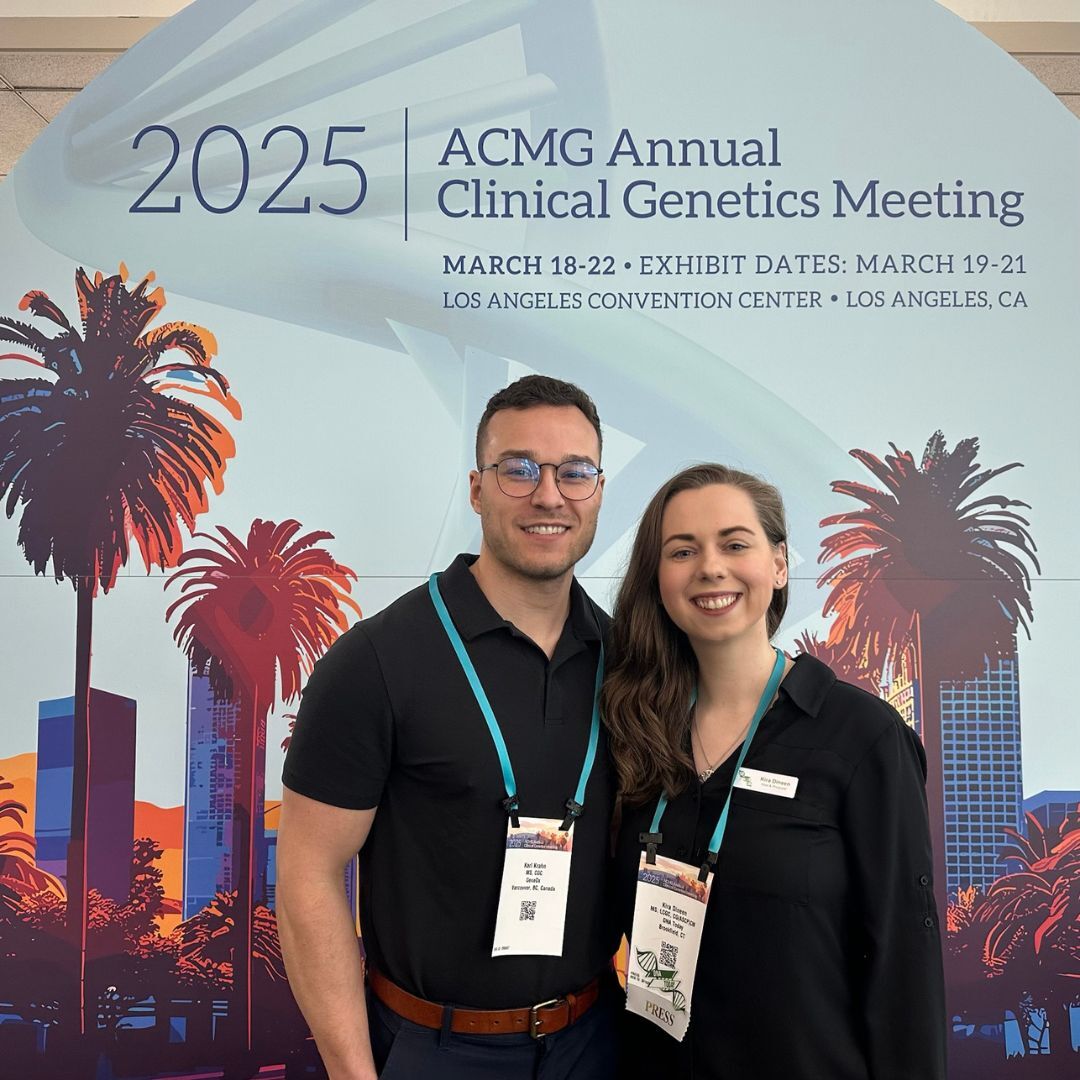
Ep 334#334 ACMG 2025 Recap
To recap the American College of Medical Genetics (ACMG) held in Los Angeles, host Kira Dineen is joined by Karl Krahn. The conference ended Saturday so instead of waiting until Friday to share this episode we released it early. Through this conversation, Kira and Karl reflect on their first attendance at the ACMG conference. They share insights on the sessions and events they attended, highlighting the engaging discussions and expert panels that made the conference memorable. Kira gives shout outs to a bunch of listeners she met during the conference, so tune in to see if she mentioned your name! Karl Krahn is a genetic counselor who serves as a Clinical Analyst doing variant curations for exams and genomes at a genetic testing lab. Karl and Kira met as classmates at Sarah Lawrence College and graduated together in 2020. This is Karl Krahn’s return appearance on DNA Today, his first episode was six years ago on Episode #101 where we celebrated Match Day by providing advice on starting genetic counseling grad school. Sessions Highlighted: 2025 ACMG Foundation Awards and Presidential Plenary Session - Genetics in the Media - Entertainment, Public Entertainment, Public Education, Controversies and Ethical Dilemmas Challenge The Experts - Pediatric and Prenatal Diagnostic Dilemmas (Rare Knowns and Unknowns) Diagnostic Dilemmas from the Undiagnosed Diseases Network Genetic Counseling Forum: Sexual and Reproductive Health Counseling for Individuals with Intellectual Disability The ACMG/AMP/CAP/ClinGen Standards for Sequence Variant Classification Navigating the Current Landscape in Prenatal Genetics - Coverage, Politics and Laboratory Practice Latest Updates in Infertility Care IVF, PGT, and Alabama Advocacy Takeaways The ACMG conference provided valuable insights for various genetic professionals including genetic counselors The opening session set a positive tone for the conference Networking with peers and listeners was a rewarding experience Healthy snacks and beverages contributed to a welcoming atmosphere. The 'Challenge the Experts' session was particularly engaging and humorous where geneticists showcased the thought processes of leading professionals in genetics. The importance of addressing current political issues in genetics Sexual health education is essential for individuals with intellectual disabilities and genetic counselors are well positioned to introduce these topics and resources. Updates to ACMG criteria aim to clarify variant classifications Legislation can significantly impact infertility care and patient access Stigma surrounding infertility remains a challenge in healthcare Resources Mentioned Laura Hercher’s DNA Today episodes #284 IVF in Alabama #191 Overturn of Roe #157 Texas’ SB8 Recent national genetic conference recaps: NSGC 2024 and ASHG 2024 Sexual and reproductive health resources for people with intellectual disabilities We are already looking forward to ACMG 2026 in Baltimore, and coincidentally the 2026 National Society of Genetic Counselors (NSGC) annual conference will also take place in Baltimore. It’s worth pointing out that the next NSGC conference is November 2025 in Seattle. And Kira misspoke, the next national genetics conference she will attend will be the American Society of Human Genetics (ASHG) which will be in Boston this Fall. See you all there! Get ready, genetic nerds—another brand-new episode of DNA Today drops this Friday! You can always count on us to deliver fresh content every Friday. While you wait, why not dive into our library of over 300 episodes? Binge them all on Apple Podcasts, Spotify, our website, or wherever you love to listen—just search “DNA Today.” Prefer watching? We’ve got you covered! For the past four years, we’ve been recording episodes with video, including some filmed at the iconic NBC Universal Stamford Studios. Check them out on our YouTube channel! DNA Today is hosted and produced by Kira Dineen, MS, LCGC, CG(ASCP)CM . Our Video Lead is Amanda Andreoli. Our Social Media Lead is Kajal Patel. Our Outreach Intern is Liv Davidson. And our logo Graphic Designer is Ashlyn Enokian, MS, CGC. See what else we are up to on Instagram, X (Twitter), BluSky, Threads, LinkedIn, Facebook, YouTube and our website, DNAToday.com. Questions/inquiries can be sent to [email protected].
Ep 333#333 Approaching a Down Syndrome Diagnosis with Care
To celebrate World Down Syndrome Day (which is today March 21st, 2025) our host Kira Dineen sits down with Carissa Carroll, the founder of Jack’s Basket, a nonprofit dedicated to celebrating babies with Down syndrome and supporting their families. Inspired by her son Jack, Carissa launched Jack’s Basket to provide new parents with resources, encouragement, and community connections. In this heartfelt conversation, we explore: The power of celebrating every baby with Down syndrome How healthcare providers can deliver a diagnosis with compassion The essential resources and support networks available for families The profound impact of Jack’s Basket worldwide The role of education and awareness in fostering inclusion Whether you’re a healthcare professional, a parent, or an advocate, this episode sheds light on the importance of positive, informed communication and the life-changing support of community organizations like Jack’s Basket. About Our Guest: Carissa Carroll is an alumna of Bethel University and the University of Minnesota. She taught at elementary and collegiate levels before a sweet baby boy named Jack changed her heart and passion. After an abrupt and assumptive diagnosis experience, Carissa felt led to start Jack’s Basket. She wanted to make a change for future parents, ensuring that they felt their child was a reason to celebrate and have opportunities to connect within the community. Carissa presents to medical professionals about how to deliver the diagnosis without bias, works with the Jack’s Basket board to further the mission, and connects with volunteers who deliver baskets. Jack’s Basket Resources: Request a Basket Genetic Counseling Webinar: "Communicating Unexpected News" Other DNA Today Episodes About Down Syndrome: #176 Glee's Lauren Potter on Down Syndrome Awareness #280 Celebrating Down Syndrome with Parent & Nurse Jenness Stock Get ready, genetic nerds—another brand-new episode of DNA Today drops this Friday! You can always count on us to deliver fresh content every Friday. While you wait, why not dive into our library of over 300 episodes? Binge them all on Apple Podcasts, Spotify, our website, or wherever you love to listen—just search “DNA Today.” Prefer watching? We’ve got you covered! For the past four years, we’ve been recording episodes with video, including some filmed at the iconic NBC Universal Stamford Studios. Check them out on our YouTube channel! DNA Today is hosted and produced by Kira Dineen, MS, LCGC, CG(ASCP)CM . Our Video Lead is Amanda Andreoli. Our Social Media Lead is Kajal Patel. Our Outreach Intern is Liv Davidson. And our logo Graphic Designer is Ashlyn Enokian, MS, CGC. See what else we are up to on Instagram, X (Twitter), BluSky, Threads, LinkedIn, Facebook, YouTube and our website, DNAToday.com. Questions/inquiries can be sent to [email protected].

Ep 332#332 Building Stronger Rare Disease Organizations: NORD CEO’s Insight
This week we attended the 2025 Connecticut Rare Disease Forum organized by BioCT and held at the beautiful Jackson Laboratory. This afternoon was filled with industry-led discussions on innovation in rare disease diagnostics and treatments, along with the promising impact of these advancements on patient outcomes. After the events wrapped, I caught up with Pamela Gavin, who serves as the President and CEO of the National Organization for Rare Disorders (NORD). She was on the panel, “Bringing Science to the Patient: Moving Upstream Toward Durable Response and Cures.” This in-person conversation explores the vital role of patient advocacy organizations, particularly NORD, in supporting individuals with rare diseases. It discusses the evolution of patient advocacy, the importance of genetic testing, and the need for a robust workforce in genetic counseling. We emphasize the significance of building effective organizations and learning from successful models to enhance the impact on rare disease communities. Takeaways NORD serves as a safe, trusted place for people to connect regarding rare diseases. Patient advocacy organizations play a crucial role in drug development and research. The landscape of patient advocacy has evolved significantly in recent years. Building effective rare disease organizations requires understanding best practices and community needs. Learning from successful organizations can help new groups avoid common pitfalls. Genetic testing is becoming increasingly important in diagnosing rare diseases. The future of genetic counseling faces challenges due to increasing diagnoses and limited workforce. Engaging the next generation in genetics is essential for the future of healthcare. Collaboration and communication within the rare disease community can lead to better outcomes. Advocacy organizations must adapt to the rapid advancements in genetic technology and testing. Our Guest Pamela Gavin was appointed chief executive officer of the National Organization for Rare Disorders (NORD®) in May 2024, becoming the third CEO in the organization’s 42-year history. Gavin’s deep connection to the rare disease community and extensive professional experience make her uniquely suited to lead NORD into its next chapter of innovation, advocacy and impact. Before joining NORD, she held several influential roles in healthcare innovation and safety, including as senior director, Strategic Business Initiatives at the University of Pittsburgh Medical Center, where she launched emerging technologies to improve healthcare delivery; government consultant responsible for developing the Federal Safety Reporting Portal for the NIH, FDA and other organizations; founder and executive of SafeCare Systems, a pioneer in safety management information systems; and division director at the Harvard Risk Management Foundation. Gavin holds a Master of Business Administration in Healthcare Management from Northeastern University and a bachelor’s degree from Smith College. DNA Today Episodes Referenced #147 CF Series: Bijal Trivedi on "Breath From Salt" #149 CF Series: Gunnar Esiason on Patient Advocacy #293 Smith-Magenis Syndrome with Parent Scotti Taylor There are countless episodes about rare diseases, many of which are captured in this YouTube playlist. Get involved with a rare disease organization here on NORD’s website. We’re honored to share that "DNA Today" has once again been recognized by Feedspot as one of the Top 10 DNA Podcasts, Top 25 Genetics Podcasts, and Top 70 Award-Winning Podcasts! Even more exciting? We continue to hold the Number 1 spot as the leading podcast about DNA! This achievement is thanks to our incredible guests, engaged listeners, and amazing supporters. Your enthusiasm for genetics and genomics keeps us inspired to bring you the latest discoveries, expert interviews, and meaningful stories. Thanks to Anuj Agarwal for continuing to recognize our podcast every year! Get ready, genetic nerds—another brand-new episode of DNA Today drops this Friday! You can always count on us to deliver fresh content every Friday. While you wait, why not dive into our library of over 300 episodes? Binge them all on Apple Podcasts, Spotify, our website, or wherever you love to listen—just search “DNA Today.” Prefer watching? We’ve got you covered! For the past four years, we’ve been recording episodes with video, including some filmed at the iconic NBC Universal Stamford Studios. Check them out on our YouTube channel! DNA Today is hosted and produced by Kira Dineen, MS, LCGC, CG(ASCP)CM . Our Video Lead is Amanda Andreoli. Our Social Media Lead is Kajal Patel. Our Outreach Intern is Liv Davidson. And our logo Graphic Designer is Ashlyn Enokian, MS, CGC. See what else we are up to on Instagram, X (Twitter), BluSky, Threads, LinkedIn, Facebook, YouTube and our website, DNAToday.com. Questions/inquiries can be sent to [email protected].

Ep 331#331 Pediatric Mock Genetic Counseling Session: Autism and Developmental Delay
This is our third installment in our new Mock Genetic Counseling Session Series! In this episode, pediatric genetic counselor Miranda Di Biase and students Claire Zimlinghaus and Joy Lin perform a mock pediatric genetic counseling session. This session’s indication is one of the most common in pediatric genetics: autism. This session was recorded in person, providing a more dynamic and engaging learning experience therefore, we highly recommend watching it on YouTube to fully immerse yourself in the interaction. We hope this series is helpful for prospective and current genetic counseling students, as well as the general public, by demystifying the genetic counseling process. Understanding how these sessions work can empower individuals and provide valuable educational insights into this critical healthcare service. The Actors: Miranda Di Biase, MS, CGC, is a Pediatric Genetic Counselor at the Children's Hospital at Montefiore Einstein. Her clinical focus centers on counseling families on genetic testing options to find a potential genetic etiology for their child's medical concerns. Di Biase also specializes in pediatric cancer predisposition syndromes and Williams syndrome. Di Biase's research focuses on genome sequencing. She participated in the NYCKidSeq research study, which performed whole genome sequencing for patients with neurological, immune and/or cardiac health problems. Her work has been shared through numerous scientific publications and abstracts. After obtaining her Bachelor of Science from York University in Toronto, Canada, Di Biase moved to New York to earn her Master of Human Genetics at Sarah Lawrence College. Di Biase is certified by the American Board of Genetic Counseling and was nominated for the prestigious Heart of Genetic Counseling award in 2021 presented by the National Society of Genetic Counselors and Invitae. This award honors genetic counselors who have made a difference in the lives of their patients by using the combination of human excellence and human compassion that defines the profession. Claire Zimlinghaus is a second year graduate student at the Sarah Lawrence College Joan H. Marks Human Genetics program. She received a Bachelor's degree in Biological Sciences from the University of Pittsburgh in 2023. Claire has had a passion for the science of genetics since her youth, and hopes to be a source of information and empathy for her patients as a genetic counselor. Joy Lin is currently a second year genetic counseling student in the Joan H. Marks Graduate Program in Human Genetics at Sarah Lawrence College. She received her Bachelor of Science in Biochemistry and Psychology from Stony Brook University. She is passionate about genetics and hopes to provide meaningful care to individuals and families as a genetic counselor. Pediatric Mock Session Case Information Case Details: The patient is a 4 year old male with autism and global developmental delay who presented to genetics with his mother and sister-in-law. Patient Name: John Parent Name: Claire Sister-in-law Name: Joy Medical History: Pregnancy: Uncomplicated Non-invasive prenatal screening: low risk for trisomies Ultrasounds were normal Full term via NSVD Exposures: none Developmental milestones: delayed Sitting: 10 months Walking: 2 years Talking: 3 years Can speak in 2-3 word sentences Education Preschool Therapies OT (2x weekly, 30 min) ST (2x weekly, 30 min) PT (2x weekly, 30 min) Review of Systems ENT - ear infections (3x) Normal physical exam Specialists seen: Neurologist, Audiologist, Developmental Pediatrician Family History: Ancestry: Irish and German No consanguinity, birth defects, genetic conditions, multiple miscarriages or infant deaths Cousin with autism Pediatric Mock Session Outline Contracting: Greetings and introductions Reason for referral to genetic counseling Overview of session Address patient questions or concerns Medical Intake: Pregnancy history, developmental milestones, review of systems, and other relevant medical history Family History: Construct a pedigree Consanguinity, ID/DD/autism, birth defects, genetic conditions, multiple miscarriages, infant deaths, etc. Physical Examination Done by the geneticist Patient Education Overview of genetics Causes of autism spectrum disorder Discussion of multifactorial causes, chromosomal abnormalities, single-gene disorders Discuss appropriate testing options: Chromosomal microarray + Fragile X syndrome testing Whole exome sequencing (WES) Whole genome sequencing if indicated Sample collections blood versus saliva Possible results Negative, Positive, Variant of Uncertain Significance Incidental findings Secondary findings can be reported for ES and GS Turnaround time Cost and insurance coverage Shared decision-making Informed consent Recommendations and next steps Summary of the session Follow up with genetic counseling to discuss test results Final questions and conclusion of session Stay tuned for the continuation of our mock genetic counseling

Ep 330#330 Rare Disease Parenting: A 7-Year Diagnostic Odyssey to Wiedemann-Steiner Syndrome
Happy Rare Disease Day! We are celebrating by shining a light on Wiedemann-Steiner Syndrome (WSS), which is a rare genetic condition that affects development, growth, and overall health. Joining us are Caleb and Abbi Wahl, parents to two daughters, one of whom, Jenni Anne, was diagnosed with WSS after a seven-year diagnostic odyssey. They share: 🧬 Early signs & the long road to diagnosis 💡 How they processed & adapted to the diagnosis 🤝 Resources & the support that made a difference 📢 Their advocacy work & the power of the WSS community Resources: Team IMPACT Uplifting Athletes WSS Foundation National Organization for Rare Disorders Get ready, genetic nerds—another brand-new episode of DNA Today drops this Friday! You can always count on us to deliver fresh content every Friday. While you wait, why not dive into our library of over 300 episodes? Binge them all on Apple Podcasts, Spotify, our website, or wherever you love to listen—just search “DNA Today.” Prefer watching? We’ve got you covered! For the past four years, we’ve been recording episodes with video, including some filmed at the iconic NBC Universal Stamford Studios. Check them out on our YouTube channel! DNA Today is hosted and produced by Kira Dineen, MS, LCGC, CG(ASCP)CM . Our Video Lead is Amanda Andreoli. Our Social Media Lead is Kajal Patel. Our Outreach Intern is Liv Davidson. And our logo Graphic Designer is Ashlyn Enokian, MS, CGC. See what else we are up to on Instagram, X (Twitter), BluSky, Threads, LinkedIn, Facebook, YouTube and our website, DNAToday.com. Questions/inquiries can be sent to [email protected].

Ep 328#329 Preventive Genomic Medicine: Saving Lives and Healthcare Costs with MyOme
How can preventive genomic medicine save $200 billion annually in healthcare costs? Dr. Matthew Rabinowitz breaks it down in this episode. Dr. Rabinowitz—a true pioneer in genetics, diagnostics, and AI—who’s been at the forefront of transforming how we approach health and medicine. Dr. Rabinowitz isn’t just a scientist; he’s a visionary who’s helped create groundbreaking technologies, from revolutionizing pregnancy care to tracking cancer through blood tests. In 2024, he was named R&D Leader of the Year by R&D World. Now, he’s tackling preventative genomic medicine, showing us how tools like whole genome sequencing (WGS) and polygenic risk scores (PRS) are turning healthcare from reactive to proactive. Dr. Rabinowitz is the co-founder and Executive Chairman of MyOme and has played a key role in developing cutting-edge genomic technologies. His work has shaped the fields of reproductive genetics, cancer diagnostics, and precision medicine. With over 100 patents and publications, including papers in Science and Nature, his impact on healthcare is undeniable. Topics Covered: How whole genome sequencing (WGS) is reshaping healthcare and risk assessment The power of polygenic risk scores (PRS) in cancer prevention and early detection MyOme’s Breast Cancer Polygenic Risk Score (PRS) and its implications for proactive medicine The economic benefits of genomic medicine in early intervention and disease prevention include potentially saving $200 billion annually in healthcare costs Ethical considerations and the importance of inclusivity in genomic research The future of preventive genomic medicine—will WGS become standard care? Will it start with newborns? Resources and Links: Learn more about MyOme and its work in preventive genomic medicine: myome.com Get ready, genetic nerds—another brand-new episode of DNA Today drops this Friday! You can always count on us to deliver fresh content every Friday. While you wait, why not dive into our library of over 300 episodes? Binge them all on Apple Podcasts, Spotify, our website, or wherever you love to listen—just search “DNA Today.” Prefer watching? We’ve got you covered! For the past four years, we’ve been recording episodes with video, including some filmed at the iconic NBC Universal Stamford Studios. Check them out on our YouTube channel! DNA Today is hosted and produced by Kira Dineen, MS, LCGC, CG(ASCP)CM . Our Video Lead is Amanda Andreoli. Our Social Media Lead is Kajal Patel. Our Outreach Intern is Liv Davidson. And our logo Graphic Designer is Ashlyn Enokian, MS, CGC. See what else we are up to on Instagram, X (Twitter), BluSky, Threads, LinkedIn, Facebook, YouTube and our website, DNAToday.com. Questions/inquiries can be sent to [email protected].

Ep 329#328 Breakthrough Biotech: CAR-Ts for Solid Tumors & Engineered Bacteria for Rare Diseases
This week, I attended BIO’s CEO and Investor Conference in New York City—one of the largest investor gatherings in the biotech industry. The conference, organized by BIO (Biotechnology Innovation Organization), brings together institutional investors, industry analysts, and senior executives to discuss the latest biotech advancements and investment opportunities. At the conference, I attended insightful panel discussions and company presentations where biotech CEOs shared their latest breakthroughs, research progress, and investment potential. After their presentations, I had the chance to sit down with two biotech leaders to dive deeper into their work: Dr. Premal Patel of Cellinfinity Bio and Dr. Travis Whitfill of Azitra. Guest Bios: Dr. Premal Patel A physician-scientist with 15 years of experience in medical oncology drug development, Dr. Patel has worked with major biotech companies like Genentech, Pfizer, and Juno Therapeutics. He specializes in CAR-T therapy, a groundbreaking approach to engineering immune cells to fight cancer. Now, as CEO of Cellinfinity Bio, he’s focused on tackling one of cancer treatment’s biggest challenges: using CAR-T to treat solid tumors. Dr. Travis Whitfill A serial biotech entrepreneur and venture capitalist, Dr. Whitfill co-founded Azitra, a company pioneering the use of synthetic biology to engineer skin bacteria for treating rare genetic skin diseases. He has led multiple biotech startups, served on the boards of several healthcare companies, and was named to Forbes’ 30 Under 30 (Healthcare) list in 2018. Interview Highlights: Dr. Premal Patel – CAR-T Therapy for Solid Tumors CAR-T cell therapy has revolutionized blood cancer treatment, but treating solid tumors remains a major challenge. Dr. Patel explains how Cellinfinity Bio is re-engineering T cells to overcome the barriers posed by solid tumors, making them more effective at infiltrating and attacking cancer cells. His team’s gene engineering approach aims to make CAR-T therapy more accessible and affordable, potentially bringing costs down to the range of antibody-based treatments. The ultimate goal: a game-changing, in-body T-cell reprogramming approach that could expand access to CAR-T therapies globally. Dr. Travis Whitfill – Engineering Skin Bacteria for Rare Diseases Azitra is developing synthetic biology solutions for rare genetic skin diseases, like Netherton syndrome, which currently has no FDA-approved treatments. Their novel therapy aims to treat skin rashes in cancer patients taking EGFR inhibitor drugs, reducing the need for high-dose antibiotics and steroids. Genetically modified bacteria (Staphylococcus epidermidis) are used to deliver missing proteins directly to the skin, a groundbreaking approach in dermatology and rare disease treatment. By integrating precision genetic engineering with synthetic amino acid control, Azitra ensures the therapy is both effective and safe. Resources & Links: Learn more about BIO’s CEO & Investor Conference here Explore Cellinfinity Bio’s CAR-T research here Discover Azitra’s work in synthetic biology here Get ready, genetic nerds—another brand-new episode of DNA Today drops this Friday! You can always count on us to deliver fresh content every Friday. While you wait, why not dive into our library of over 300 episodes? Binge them all on Apple Podcasts, Spotify, our website, or wherever you love to listen—just search “DNA Today.” Prefer watching? We’ve got you covered! For the past four years, we’ve been recording episodes with video, including some filmed at the iconic NBC Universal Stamford Studios. Check them out on our YouTube channel! DNA Today is hosted and produced by Kira Dineen, MS, LCGC, CG(ASCP)CM . Our Video Lead is Amanda Andreoli. Our Social Media Lead is Kajal Patel. Our Outreach Intern is Liv Davidson. And our logo Graphic Designer is Ashlyn Enokian, MS, CGC. See what else we are up to on Instagram, X (Twitter), BluSky, Threads, LinkedIn, Facebook, YouTube and our website, DNAToday.com. Questions/inquiries can be sent to [email protected].
Ep 327#327 How Patient Advocacy is Changing Rare Disease Research
February marks Rare Disease Month, and we’re kicking it off with an incredible advocate in the rare disease community—Gay Grossman! Gay is the co-founder of ADCY5.org, a foundation dedicated to supporting individuals with ADCY5-related movement disorder. Her advocacy journey began with her daughter, Lilly, who went undiagnosed for 15 years before becoming the first known patient with a full-body presentation of ADCY5-related movement disorder. Since then, Gay has transformed her personal experience into global action, building a rare disease community that has directly influenced research and treatment options. Her efforts have bridged the gap between patients, families, researchers, and industry stakeholders, leading to groundbreaking advancements in genetic testing, patient data sharing, and treatment development. Gay now works at GeneDx, where she continues to empower families through genetic testing and data-driven research. On This Episode We Discuss: - Raising a child with an undiagnosed rare disease – The emotional and practical challenges of a 15-year diagnostic journey - The power of community in rare disease research – How ADCY5.org changed the research landscape - Genetic testing and patient data – Why it’s crucial for rare disease families and how to leverage it - Life after diagnosis – How Lilly manages symptoms and what treatments have been most effective - How YOU can support the rare disease community – Advocacy, awareness, and action If you are in the San Diego area, join Gay Grossman, Effie Parks and other rare disease advocates at their event downtown on Feb 28th (aka Rare Disease Day), more info here. If you are not in San Diego, find an event more local to you here. Speaking of Effie Parks, be sure to check out her podcast Once Upon A Gene, and stick around until the end to hear her son Ford’s adorable laugh. Effie was on Episode #203 of DNA Today and our host Kira Dineen was a guest on her podcast in Episode #143. During this episode we also mentioned another parent of a kid with a rare disease that includes sleep disturbances. Scotti Taylor shared about her daughter’s Smith Magenis Syndrome on Episode #293. Get ready, genetic nerds—another brand-new episode of DNA Today drops this Friday! You can always count on us to deliver fresh content every Friday. While you wait, why not dive into our library of over 300 episodes? Binge them all on Apple Podcasts, Spotify, our website, or wherever you love to listen—just search “DNA Today.” Prefer watching? We’ve got you covered! For the past four years, we’ve been recording episodes with video, including some filmed at the iconic NBC Universal Stamford Studios. Check them out on our YouTube channel! DNA Today is hosted and produced by Kira Dineen, MS, LCGC, CG(ASCP)CM . Our Video Lead is Amanda Andreoli. Our Social Media Lead is Kajal Patel. Our Outreach Intern is Liv Davidson. And our logo Graphic Designer is Ashlyn Enokian, MS, CGC. See what else we are up to on Instagram, X (Twitter), BluSky, Threads, LinkedIn, Facebook, YouTube and our website, DNAToday.com. Questions/inquiries can be sent to [email protected].

Ep 326#326 How DNA Solves Crimes: The Forensic Science Behind True Crime
True crime dominates the podcasting world, but what about the genetic aspects behind these cases? In this episode of DNA Today, we dive into the pivotal role of DNA in forensic science with Dr. Henry Erlich, a pioneer in DNA analysis and a key figure in developing polymerase chain reaction (PCR) technology. His work has transformed the criminal justice system, from solving cases to overturning wrongful convictions. Dr. Henry Erlich has authored over 450 publications and spent decades applying DNA analysis to criminal investigations, missing persons cases, and ancestry research. His lab performed the first DNA case in the US and, in 1988, the first DNA exoneration. Erlich was the Director of the Department of Human Genetics and Vice-President of Discovery Research for Roche Molecular Systems, Inc until 2013. He is currently a Senior Scientist at Benioff Children’s Hospital Oakland Research Institute. He has published > 450 articles and is the recipient of numerous awards. After reading his book Genetic Reconstruction of the Past, I had countless questions about how PCR reshaped the justice system, its impact on exonerations, and the ethical implications of forensic DNA databases. Trigger Warning: This episode contains discussions of murder and sexual assault, which may not be suitable for young listeners. Topics Covered: The development of PCR technology and its revolutionary impact on forensic genetics How PCR outperformed older methods like RFLP in criminal case investigations Pennsylvania vs. Pestinikas (1986), the first criminal case using DNA analysis Key forensic DNA terms explained: inclusion, match, exclusion, and random match probability The role of DNA evidence in exonerations and wrongful convictions How forensic labs analyze DNA from multiple individuals at crime scenes The establishment of the FBI’s National DNA Index System (NDIS) and who is included The ethical concerns surrounding partial DNA matches and familial searching How public DNA databases like GEDmatch helped identify the Golden State Killer Dr. Erlich’s insights into the O.J. Simpson case and its impact on public perception of forensic DNA Resources and Links: Read Genetic Reconstruction of the Past by Dr. Henry Erlich Explore the National DNA Index System (NDIS) and CODIS The Innocence Project: Fighting wrongful convictions with DNA evidence GEDmatch and its role in forensic investigations Get ready, genetic nerds—another brand-new episode of DNA Today drops this Friday! You can always count on us to deliver fresh content every Friday. While you wait, why not dive into our library of over 300 episodes? Binge them all on Apple Podcasts, Spotify, our website, or wherever you love to listen—just search “DNA Today.” Prefer watching? We’ve got you covered! For the past four years, we’ve been recording episodes with video, including some filmed at the iconic NBC Universal Stamford Studios. Check them out on our YouTube channel! DNA Today is hosted and produced by Kira Dineen, MS, LCGC, CG(ASCP)CM . Our Video Lead is Amanda Andreoli. Our Social Media Lead is Kajal Patel. Our Outreach Intern is Liv Davidson. And our logo Graphic Designer is Ashlyn Enokian, MS, CGC. See what else we are up to on Instagram, X (Twitter), BluSky, Threads, LinkedIn, Facebook, YouTube and our website, DNAToday.com. Questions/inquiries can be sent to [email protected].

Ep 325#325 Revolutionizing Variant Curation with MAVEs
We explore cutting-edge technologies transforming genetic variant curation: multiplexed assays of variant effect (MAVEs). Joining us are two leading experts in the field: Dr. Lea Starita, Associate Professor at the University of Washington and Co-Director of the Brotman Baty Advanced Technology Lab. Dr. Douglas Fowler, Professor of Genome Sciences and Co-Director of the Center for the Multiplexed Assessment of Phenotype. Together, they break down how these groundbreaking methods work, their advantages over traditional approaches, and their potential to advance precision medicine. From the challenges of interpreting MAVEs data to their role in reducing health disparities and resolving variants of uncertain significance (VUS), this episode offers a comprehensive look at the future of genomics. Dr. Lea Starita is an Associate Professor in the Department of Genome Sciences at the University of Washington and the Co-director of Brotman Baty Advanced Technology Lab. She earned her Ph.D. from Harvard Medical School before coming to the University of Washington to train in functional genomics with Stan Fields and Jay Shendure. Dr. Douglas Fowler is a Professor of Genome Sciences and an Adjunct Professor of Bioengineering at the University of Washington. Dr. Fowler is co-Director of the Center for the Multiplexed Assessment of Phenotype, an NHGRI Center of Excellence in Genome Sciences. He is also a founder and current co-chair of the Atlas of Variant Effect Alliance executive committee. Key Topics Covered: What are MAVEs, and why are they revolutionary for variant curation? How MAVEs allow for simultaneous testing of thousands of genetic variants. Real-world applications of MAVEs in understanding specific genes and conditions. How MAVEs resolve VUS and accelerate precision medicine. Ethical and practical considerations in moving MAVEs from research to clinical practice. The role of collaboration and initiatives like the Atlas of Variant Effect Alliance in advancing the field. Resources: Atlas of Variant Effects Alliance: Precision medicine at nucleotide resolution Variants and Us (VUS) Podcast Introduction to Deep Mutational Scanning (Animation) An Atlas of Variant Effects to understand the genome at nucleotide resolution Understanding haemophilia, one amino acid at a time Will variants of uncertain significance still exist in 2030? Mutational Scanning Symposium 2025 in Barcelona in May 2025 Impact of Genomic Variation on Function (IGVF) Consortium N-Lorem developing ASOs for nano-rare diseases NIH’s ClinVar Database Get ready, genetic nerds—another brand-new episode of DNA Today drops this Friday! You can always count on us to deliver fresh content every Friday. While you wait, why not dive into our library of over 300 episodes? Binge them all on Apple Podcasts, Spotify, our website, or wherever you love to listen—just search “DNA Today.” Prefer watching? We’ve got you covered! For the past four years, we’ve been recording episodes with video, including some filmed at the iconic NBC Universal Stamford Studios. Check them out on our YouTube channel! DNA Today is hosted and produced by Kira Dineen, MS, LCGC, CG(ASCP)CM . Our Video Lead is Amanda Andreoli. Our Social Media Lead is Kajal Patel. Our Outreach Intern is Liv Davidson. And our logo Graphic Designer is Ashlyn Enokian, MS, CGC. See what else we are up to on Instagram, X (Twitter), BluSky, Threads, LinkedIn, Facebook, YouTube and our website, DNAToday.com. Questions/inquiries can be sent to [email protected].
Ep 324#324 Genetic Contraindications for Ozempic and Wegovy (GLP-1 Agonists)
With millions of people now taking GLP-1 agonists like Ozempic and Wegovy, I was curious to learn if there are known genetic mutations that predispose people to have serious side effects from these medications. So exploring the pharmacogenomic aspects of Ozempic and Wegovy. To answer these questions Dr. Josiah Allen is joining the show. Josiah Allen, PharmD, has spent over 15 years in the field of pharmacogenomics, beginning at the Mayo Clinic where he helped develop the GeneSight test. As a founding employee and the first medical science liaison at Assurex Health, he helped GeneSight become one of the fastest growing molecular diagnostic tests in history. He later served as director of medical affairs at OneOme and now works at St. Elizabeth Healthcare in Edgewood, KY, as a precision medicine pharmacist and PGY2 Clinical Pharmacogenomics pharmacy residency program director. He earned his bachelor's degree in psychology from Wheaton College and his Doctor of Pharmacy degree from the University of Minnesota. In the recording, Dr. Allen teases that the Board of Pharmacy Specialties (BPS), the post-licensure certification organization serving the pharmacy profession, will issue a call for petition in pharmacogenomics. The board will be reviewing the petition and evaluating pharmacogenomics as a pharmacy specialty. In the days after we recorded this was released and you can find the full press release here. Topics Covered: The basics of pharmacogenomics and its role in personalized medicine. How genetic mutations, like those in the RET gene, influence medication risks. The pharmacogenomics of GLP-1 agonists (like Ozempic and Wegovy), including their contraindications for patients with RET mutations. Insights into the overlap between ACMG secondary findings and pharmacogenomic implications. Case studies illustrating the real-world impact of pharmacogenomics. Key Takeaways: GLP-1 agonists, such as Ozempic and Wegovy, carry a black box warning due to an association with thyroid cancer, particularly in individuals with RET gene mutations. Over one-third of the ACMG secondary findings genes have pharmacogenomic implications, emphasizing the need for clinicians to integrate genetic insights into prescribing practices. Pharmacists and geneticists need closer collaboration to bridge the gap between clinical genomics and pharmacogenomics for safer medication use. Resources: GeneReviews PharmGKB Table of Pharmacogenomic Biomarkers in Drug Labeling FDA Black Box Warning on GLP-1 Agonists Get ready, genetic nerds—another brand-new episode of DNA Today drops next Friday! You can always count on us to deliver fresh content every Friday. While you wait, why not dive into our library of over 300 episodes? Binge them all on Apple Podcasts, Spotify, our website, or wherever you love to listen—just search “DNA Today.” Prefer watching? We’ve got you covered! For the past four years, we’ve been recording episodes with video, including some filmed at the iconic NBC Universal Stamford Studios. Check them out on our YouTube channel! DNA Today is hosted and produced by Kira Dineen, MS, LCGC, CG(ASCP)CM . Our Video Lead is Amanda Andreoli. Our Social Media Lead is Kajal Patel. Our Outreach Intern is Liv Davidson. And our logo Graphic Designer is Ashlyn Enokian, MS, CGC. See what else we are up to on Instagram, X (Twitter), BluSky, Threads, LinkedIn, Facebook, YouTube and our website, DNAToday.com. Questions/inquiries can be sent to [email protected].

Ep 323#323 Supporting Ongoing Urea Cycle Disorder (UCD) Care
Urea cycle disorders (UCDs) are rare inborn errors of metabolism (IEMs) caused by enzyme or transporter deficiencies in the urea cycle, which is responsible for protein metabolism. These conditions can present at any age with acute, chronic, and intermittent symptoms of hyperammonemia. The first UCD was described over 50 years ago and while many “unknowns” about UCDs still remain, the way we think about and treat these conditions today is evolving. In this first episode of a series focused on the evolution of UCD management, we discuss the current state and importance of UCD management, and how clinicians can support their patients to sustain their daily UCD care. Joining us for the discussion are two renowned biochemical genetics experts with direct UCD patient care experience. Holly Bernal, RN, MSN, FNPc is the nurse practitioner with Stanford Biochemical Genetics and has been in that role for the last 8 years. She originally earned her bachelor’s degree at San Francisco State University in 1991 followed by her master’s degree at UCSF in 1999. In 2016 she returned to San Francisco State and earned her FNP certificate and started her role in biochemical genetics. She has a passion for metabolic genetics and also coordinates Stanford’s newborn screening program. Laurie Bernstein, MS, RD, FADA, FAND is a metabolic dietitian and Professor Emerita of the University of Colorado School of Medicine. Her significant contributions to the field of biochemical genetics include helping to found the professional organization Genetic Metabolic Dietitians International (GMDI) and co-founding Metabolic University, a training forum for new metabolic genetics clinicians. She is a co-editor and author of the textbook, Nutrition Management of Inherited Metabolic Diseases: Lessons from Metabolic University, and has also co-authored various other educational modules for families with IEMs. On This Episode, We Discuss: The importance of tailoring UCD management plans based on the emerging and evolving needs of today’s patient population How clinicians can support patients with sustaining daily UCD management Strategies clinicians can use to better engage patients in their own UCD care Stay tuned for the next new episode of DNA Today next Friday! New episodes are released every Friday. In the meantime, you can binge over 300 other episodes on Apple Podcasts, Spotify, streaming on the website, or any other podcast player by searching “DNA Today.” Episodes since 2021 are also recorded with video, which you can watch on our YouTube channel; this includes some episodes recorded at NBC Universal Stamford Studios. DNA Today is hosted and produced by Kira Dineen. Our social media lead is Corinne Merlino. Our video lead is Amanda Andreoli. Our Outreach Intern is Sanya Tinaikar. Our Social Media Intern is Kajal Patel, and our Logo Graphic Designer is Ashlyn Enokian. This episode is sponsored by AMGEN. See what else we are up to on Instagram, X (Twitter), Threads, LinkedIn, Facebook, YouTube, and our website, DNAToday.com. Questions/inquiries can be sent to [email protected]. USA-RABU-80013 01/25
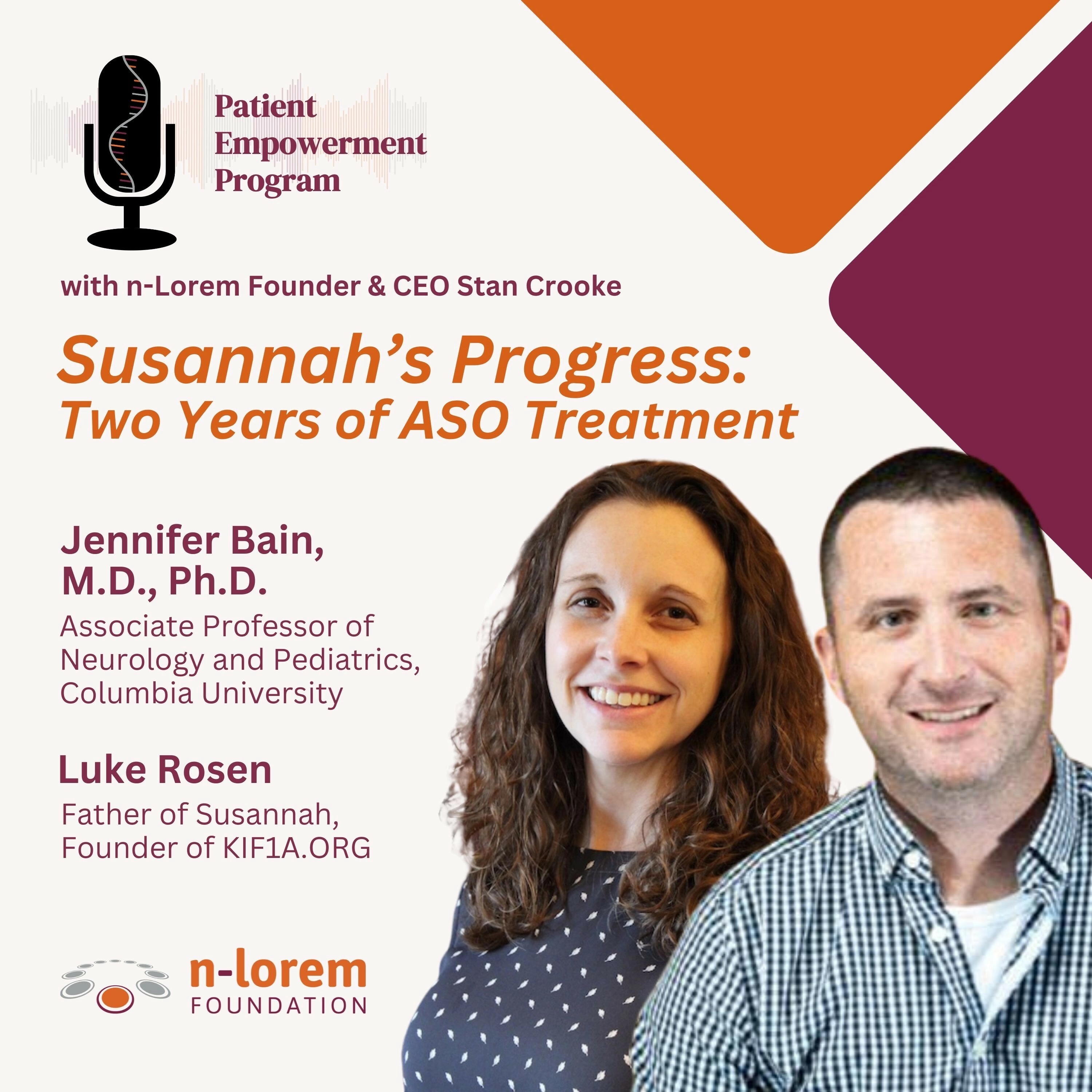
Ep 323#322 Susannah’s Nano-Rare Journey: 2 Years of Treatment and Triumph
Two years of treatment—two years of strength, courage, and blazing a trail for other nano-rare patients! In this special episode drop, we’re revisiting the inspiring journey of Susannah, whose story was the first ever shared on the Patient Empowerment Program podcast. Now, two years later, Susannah’s father, Luke Rosen, and her physician, Dr. Jennifer Bain, join us to share her remarkable progress since beginning regular treatments. They highlight incredible improvements in Susannah’s motor skills, cognition, energy, and overall quality of life. This episode originally aired on the Patient Empowerment Program podcast, where our host, Kira Dineen, serves as a producer. You might even recognize her voice in some of the promos and ads for the show! For long-time listeners of DNA Today, you might recall that we shared the pilot episode of the Patient Empowerment Program podcast featuring Susannah’s story back in Episode 186. Now, we’re thrilled to bring you this heartwarming update to see how far Susannah has come and to celebrate her incredible resilience. Be sure to check out more episodes of the Patient Empowerment Program podcast, which focuses on empowering nano-rare patients and their families. Search for the podcast in your favorite podcast app or visit its listing on n-Lorem’s website. Get ready, genetic nerds—another brand-new episode of DNA Today drops this Friday! You can always count on us to deliver fresh content every Friday. While you wait, why not dive into our library of over 300 episodes? Binge them all on Apple Podcasts, Spotify, our website, or wherever you love to listen—just search “DNA Today.” Prefer watching? We’ve got you covered! For the past four years, we’ve been recording episodes with video, including some filmed at the iconic NBC Universal Stamford Studios. Check them out on our YouTube channel! DNA Today is hosted and produced by Kira Dineen, MS, LCGC, CG(ASCP)CM . Our Video Lead is Amanda Andreoli. Our Social Media Lead is Kajal Patel. Our Outreach Intern is Liv Davidson. And our logo Graphic Designer is Ashlyn Enokian, MS, CGC. See what else we are up to on Instagram, X (Twitter), BluSky, Threads, LinkedIn, Facebook, YouTube and our website, DNAToday.com. Questions/inquiries can be sent to [email protected].

Ep 322#321 Reuniting Amerasian Families: John Haines' Story & Father Founded's Mission
On Episode 310, we explored the powerful work of Father Founded, an organization dedicated to reuniting Amerasian families separated by war. We shared the heartwarming story of Scott McMullen, a retired firefighter and veteran, who discovered his long-lost daughter through the group's efforts. With how popular this episode was, we wanted to share another story from Father Founded. So we are going to hear from John Haines about his family’s story and volunteer Angela Simmons-Jones’s role. John’s journey began in 2012 when he received a life-changing message from a woman claiming to be his daughter, sparking his mission to reconnect families and advocate for Amerasians in the Philippines. Angela, a U.S. Air Force veteran and genealogist, has been volunteering with Father Founded since 2020, using her skills to help families reunite through DNA and genealogy. Angela Simmons-Jones was born and raised in Illinois and after retiring from the United States Air Force, she settled in Georgia. She works for a public library system and has been volunteering her graphic design, genealogy and organization skills for Father Founded since 2020. Angela has been working on her own family tree since 2012 and has taken Advanced Genetic Genealogy for Librarians with the American Library Association. Angela has a Bachelor’s degree in Organizational Management with an emphasis on Logistics from Ashford University. She is married to another USAF retiree, has a teenage son, too many pets, and raises monarchs. Together, they’ll share John’s personal story, the challenges Amerasians face, and how their work is making a difference for families around the world. Takeaways: John Haines was diagnosed with stage four lymphoma, which changed his perspective on life. He received a message on Facebook from a woman claiming to be his daughter, leading to a DNA test. The Amerasian Homecoming Act allowed some children to reunite with their American fathers, but many were left out. There are an estimated 50,000 Amerasian children in the Philippines who are seeking connection with their American fathers. Legislative advocacy is crucial for including the Philippines in the Amerasian Homecoming Act. Father Founded provides DNA kits to help families connect and navigate legal hurdles. Many veterans are unaware of their biological children due to the complexities of relationships during wartime. The process of reuniting families often involves significant legal challenges and emotional struggles. John emphasizes the importance of love and connection in pursuing family reunification. Advocacy efforts continue to push for legislative changes to support Amerasian families. You can learn more about Father Founded here including donating to their amazing cause. This is the closed Facebook group that Father Founded uses to connect people. Stay tuned for the next new episode of DNA Today next Friday! New episodes are released every Friday. In the meantime, you can binge over 320 other episodes on Apple Podcasts, Spotify, streaming on the website, or any other podcast player by searching, “DNA Today”. Episodes since 2021 are also recorded with video which you can watch on our YouTube channel, this includes some episodes recorded at NBC Universal Stamford Studios. DNA Today is hosted and produced by Kira Dineen. Our video lead is Amanda Andreoli. Our social media lead is Kajal Patel. Our Outreach Intern is Liv Davidson. And our logo Graphic Designer is Ashlyn Enokian, MS, CGC. See what else we are up to on Instagram, X (Twitter), Threads, LinkedIn, Facebook, YouTube and our website, DNAToday.com. Questions/inquiries can be sent to [email protected].
Ep 321#320 Genetics in Neuromuscular Disorders: Diagnosis and Treatment with Dr. Robert Bucelli
“DNA Today” isn’t the only podcast that Kira Dineen produces. She also is involved on the production of other genetics shows like the Journal of Genetic Counseling’s new podcast “DNA Dialogues”, n-Lorem’s “Patient Empowerment Program”, Know Rare’s “Rare Insights”, The PhenoTips’ Speaker Series, and relevant to this episode, she is the Executive Producer of “It Happened To Me” explores rare diseases and medical challenges. One of the other shows is called “It Happened To Me” which explores rare diseases and medical challenges. This week the show released its 50th episode and wrapped its second year of episodes; to celebrate we are releasing this special interview on DNA Today’s feed! This milestone episode of “It Happened To Me” features Dr. Robert Bucelli who explores neuromuscular neurology including the role of genetics in diagnosing and treating neuromuscular disorders. Over the last two years and 50 episodes, “It Happened To Me” co-hosts Cathy Gildenhorn and Beth Glassman draw on their own health challenges as they interview patient advocates and experts who share stories and knowledge to help listeners succeed in the face of difficult health obstacles. In this episode, Dr. Bucelli shares his wealth of knowledge on neuromuscular neurology, exploring topics such as: What neuromuscular neurology entails and who is affected. The role of genetics in diagnosing and treating neuromuscular disorders. Common symptoms, risk factors, and diagnostic approaches. How therapies like physical and occupational therapy play a role in management. Lifestyle modifications, including diet and exercise, to minimize risk. The latest advancements in research and treatment, including ASO therapy. Strategies for coping with the challenges of living with neuromuscular conditions. Dr. Bucelli has been a practicing neurologist at the ALS Clinic since 2011. He is an Associate Professor of Neurology at the Washington University School of Medicine in St. Louis where he serves as the Site Principal Investigator on several clinical studies relating to ALS. After graduating summa cum laude from Canisius College in Buffalo, New York with a degree in biology, Dr. Bucelli went on to receive his medical degree and PhD from the State University of New York at Buffalo as part of the Medical Scientist Training Program. He then completed an internship in internal medicine and postgraduate residency in neurology at Barnes-Jewish Hospital and the Washington University School of Medicine, followed by a postgraduate Clinical Fellowship Training Program in the Department of Neurology’s Neuromuscular Section, also at Barnes-Jewish and Washington University. He is also a graduate of the Washington University and Barnes-Jewish Hospital Academic Medical Leadership Program for Physicians and Scientists. Dr. Bucelli is expert in diagnosing and treating neuromuscular disorders including amyotrophic lateral sclerosis. He also reads and interprets muscle and nerve biopsies to aid in the diagnostic evaluations of patients seen at Washington University and many additional outside institutions. Dr. Bucelli’s clinical expertise guides exemplary multidisciplinary ALS care in the neuromuscular clinic. His skill in delivering drugs to the fluid surrounding the spinal cord has enabled Dr. Bucelli’s and Washington University’s leadership in trials using to turn off the production of harmful genes that cause ALS. Dr. Bucelli has received numerous awards for excellence in teaching and clinical work at Washington University. He is a five-time recipient of the Eliasson Award for Teaching Excellence and has authored over 40 peer-reviewed manuscripts. He is a frequently invited guest lecturer and presenter at regional and national conferences. Loved this episode? Make sure you follow this show on Apple Podcasts, Spotify, streaming on their website, or any other podcast player by searching, “It Happened To Me”. The next new episode will drop on January 6th, 2025, but don’t wait, you can listen to 50 other episodes in the meantime. “It Happened To Me” is created and hosted by Cathy Gildenhorn and Beth Glassman. DNA Today’s Kira Dineen is our executive producer and marketing lead. Amanda Andreoli is our associate producer. Ashlyn Enokian is our graphic designer. Questions/inquiries can be sent to [email protected]. Stay tuned for the next new episode of DNA Today on December 27th! New episodes are released every Friday. In the meantime, you can binge over 320 other episodes on Apple Podcasts, Spotify, streaming on the website, or any other podcast player by searching, “DNA Today”. Episodes since 2021 are also recorded with video which you can watch on our YouTube channel, this includes some episodes recorded at NBC Universal Stamford Studios. DNA Today is hosted and produced by Kira Dineen. Our video lead is Amanda Andreoli. Our social media lead is Kajal Patel. Our Outreach Intern is Liv Davidson. And our logo Graphic Designer is Ashlyn Enokian, MS, CGC. See what el
Ep 320#319 New CPT Code 96041 Explained: 2025 Billing for Genetic Counselors
With 2025 right around the corner, we are discussing the brand new CPT Code 96041 that will be effective January 1st, 2025. This is a game-changer for the genetic counseling profession, and we have two experts to break it down for us. Dr. Colleen Campbell is in the last weeks of her NSGC presidency. She also serves as the Director of Genetic Counseling Operations for University of Iowa Health Care. We’re also joined by Brian Reys, a cancer genetic counselor and manager at UT Southwestern’s Cancer Genetics Program. He also serves as a CPT Coding Advisor to NSGC. Colleen and Brian will explain how this new code affects billing and what genetic counselors need to know for 2025! On This Episode We Discuss: Key Differences: Explained the shift from "face-to-face" to "total time" billing between codes. Why the Change? Discussed the reasons behind the update and its necessity for the field. Total Time Billing: Detailed how this impacts documentation and billing. Billable Activities: Highlighted activities now eligible for billing under 96041. Expanded Access: Explored how telehealth eligibility broadens access to genetic counseling. Best Practices: Provided tips for accurate time documentation. The 50% Rule: Explained the significance and implications. Payer Reimbursement: Discussed potential hurdles and advocacy strategies. Medicare and Medicaid: Analyzed coverage limitations and the path to Medicare recognition. State-Specific Medicaid Policies: Emphasized the importance of understanding local regulations. Multiple Provider Encounters: Explained how the new code applies in complex scenarios. Student Involvement: Discussed billing practices during supervised encounters. Institutional Adoption: Provided guidance for clinics and institutions. Collaboration: Highlighted the importance of working with billing and compliance departments. NSGC's Role: Discussed the organization's efforts to educate stakeholders. Individual Advocacy: Encouraged listeners to actively advocate for the new code. Real-World Application: Walked through a hypothetical patient interaction to illustrate time documentation and billing. GCA Value: Discussed the potential impact of 96041 on GCA roles. Independent Provider Status: Explored the potential implications for genetic counselors' recognition. Integration into Healthcare: Discussed the role of 96041 in mainstream healthcare. Final Advice: Offered concluding advice for genetic counselors and billing departments. Colleen A. Campbell, PhD, MS, LGC, serves as the 2024 President of the National Society of Genetic Counselors. She also serves as the Director of Genetic Counseling Operations for University of Iowa Health Care where she oversees the administration, standardization and continuous improvement of genetic counseling operations across the health system. In addition, she is a Clinical Associate Professor in the university’s Department of Internal Medicine. Dr. Campbell is an experienced clinician, researcher and educator in clinical genetics, and a recognized leader in the genetic counseling community for her passionate work growing the genetic counseling workforce in underserved areas and advocacy work. She led the successful Iowa legislative effort to license genetic counselors and is actively involved with H.R. 3876/ S.2323 the Access to Genetic Counselor Services Act, to improve patient access to genetic counseling services. Some highlights of her presidential term include leading the development of the 2025-2027 NSGC Strategic Plan, convening the global genetic counseling community in conversations about the global genetic counselor workforce, and leading the development of a four-prong approach to improve reimbursement for genetic counselor services. As a result of her work, she was awarded the 2018 National Society of Genetic Counselors Strategic Leader Award, 2020 Sarah Lawrence College Joan H. Marks Graduate Program in Human Genetics Distinguished Alumna Award, and 2024 Saint Mary’s College Distinguished Alumnae Award. Brian Reys, M.S., CGC, joined UT Southwestern Medical Center’s Cancer Genetics Program in 2015. He sees patients at multiple UT Southwestern clinics. He completed his Master of Science degree in medical genetics and genetic counseling at the University of Cincinnati Genetic Counseling Program in 2013. During his training, he completed a specialized internship in cancer genetics with the Cedars Sinai, GenRISK program in Los Angeles. Prior to moving to Texas, he worked as a genetic counselor in Southern California in the areas of prenatal, pediatric, and cancer genetic counseling. In addition to being a manager with the UT Southwestern Cancer Genetics Program, Reys is a panel member of the National Comprehensive Cancer Network (NCCN) Prostate Cancer Early Detection panel and a CPT Coding Advisor to the National Society of Genetic Counselors (NSGC). He is committed to bridging patient and provider understanding of somatic and germline genetic testing. He has a partic
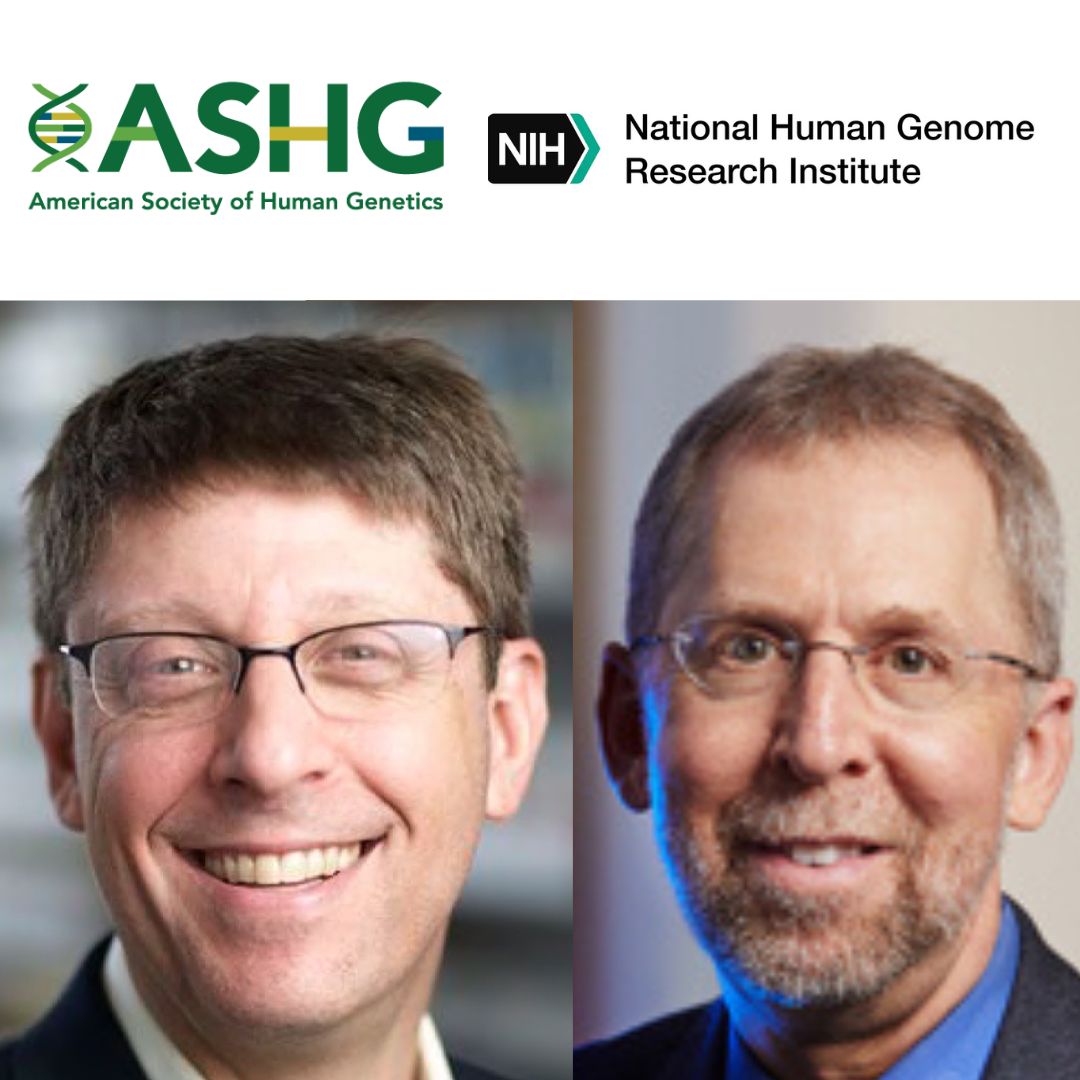
Ep 319#318 Genetics Wrapped 2024: Top Advances in Genomic Medicine
To celebrate the year coming to an end, we are reflecting back on the top genetics and genomics Bruce D. Gelb, M.D. is the outgoing President of the American Society of Human Genetics (ASHG). He is also the Director and Gogel Family Professor of the Mindich Child Health and Development Institute at the Icahn School of Medicine at Mount Sinai. He is Professor of Pediatrics and of Genetics and Genomic Sciences. Dr. Gelb completed a pediatric residency and pediatric cardiology fellowship at Babies Hospital of Columbia-Presbyterian Medical Center and Texas Children’s Hospital at the Baylor College of Medicine, respectively. He joined the faculty at Mount Sinai in 1991 after fellowship and has remained there since. He developed and now oversees an extensive program in genomics/gene discovery for congenital heart disease. Dr. Gelb has received the E. Mead Johnson Award from the Society for Pediatric Research and the Norman J. Siegel New Member Outstanding Science Award from the American Pediatric Society. He was elected to the American Society of Clinical Investigation and the National Academy of Medicine (formerly, the Institute of Medicine). Dr. Gelb is the President for the American Pediatric Society, Immediate Past President for the International Pediatric Research Foundation and Treasurer-Elect for the American Society of Human Genetics. In addition to his research, he co-directs the Cardiovascular Genetics Program at Mount Sinai. Dr. Eric Green is the director of the National Human Genome Research Institute (NHGRI) at the U.S. National Institutes of Health (NIH). As NHGRI director, Dr. Green leads the Institute's research programs and other initiatives. He has played an instrumental leadership role in developing many high-profile efforts relevant to genomics. Dr. Green received his B.S. degree in bacteriology from the University of Wisconsin - Madison in 1981, and his M.D. and Ph.D. degrees from Washington University in 1987. Coincidentally, 1987 was the same year that the word “genomics” was coined. Dr. Green’s relationship with the Institute began long before his appointment as director. He served as the Institute’s scientific director (2002 - 2009), chief of the NHGRI Genome Technology Branch (1996 - 2009) and founding director of the NIH Intramural Sequencing Center (1997 - 2009). Prior to that, he played an integral role in the Human Genome Project. Dr. Green is a founding editor of the journal Genome Research (1995 - present) and a series editor of Genome Analysis: A Laboratory Manual (1994 - 1998), both published by Cold Spring Harbor Laboratory Press. He is also co-editor of Annual Review of Genomics and Human Genetics (since 2005). Throughout his career, he has authored and co-authored over 385 scientific publications. Dr. Green is a recurring guest on DNA Today, and he might hold the title as the guest who has been on the show the most times! He was featured on Episode #182 when we chatted about the Human Genome Project and the recent completion of the human genome sequence -- from telomere to telomere. Dr. Green was a panelist on the PhenoTips Speaker Series installment that our host Kira Dineen moderated about population genomics in clinical practice, this was also released on the DNA Today podcast feed as Episode #260. He was also on the last couple years for our genetics wrapped 2022 (#214) and 2023 (#263). Stay tuned for the next new episode of DNA Today next Friday! New episodes are released every Friday. In the meantime, you can binge over 300 other episodes on Apple Podcasts, Spotify, streaming on the website, or any other podcast player by searching, “DNA Today”. Episodes since 2021 are also recorded with video which you can watch on our YouTube channel, this includes some episodes recorded at NBC Universal Stamford Studios. DNA Today is hosted and produced by Kira Dineen. Our video lead is Amanda Andreoli. Our social media lead is Kajal Patel. Our Outreach Intern is Liv Davidson. And our logo Graphic Designer is Ashlyn Enokian, MS, CGC. See what else we are up to on Instagram, X (Twitter), Threads, LinkedIn, Facebook, YouTube and our website, DNAToday.com. Questions/inquiries can be sent to [email protected].

Ep 317#317 Prenatal Mock Genetic Counseling Session
We're excited to release our second installment in our new Mock Genetic Counseling Session series! In this installment, our host Genetic Counselor Kira Dineen and student Annette Grynspan perform a mock prenatal genetic counseling session. This prenatal session’s indication is one of the most common: advanced maternal age (AMA). This session was recorded in person, providing a more dynamic and engaging learning experience therefore, we highly recommend watching it on YouTube to fully immerse yourself in the interaction. We hope this series is helpful for prospective and current genetic counseling students, as well as the general public, by demystifying the genetic counseling process. Understanding how these sessions work can empower individuals and provide valuable educational insights into this critical healthcare service. Kira Dineen, MS, LCGC, CG(ASCP)CM (she/her) has over a decade of podcast experience fueled by a passion for science communication. She has hosted and/or produced 10 podcasts most notably DNA Today, Journal of Genetic Counseling's DNA Dialogues, N-Lorem's Patient Empowerment Program, Phenotips Speaker Series: A Genetic Podcast, It Happened To Me: A Rare Disease and Medical Challenges Podcast and others. For the past 4.5 years she has also served as the prenatal genetic counselor at a high risk pregnancy private practice in Connecticut for over four years. She was accepted into The Podcast Academy and previously served on the National Society of Genetic Counselor’s Digital Ambassador program. Kira received her Diagnostic Genetic Bachelor’s of Science degree at the University of Connecticut and is a certified Cytogenetic Technologist. She received her Master’s of Science at Sarah Lawrence College. Dr. Annette Grynspan (she/her) is an international medical graduate from Costa Rica with 14 years of experience in clinical care, research, and healthcare administration. She earned her Bachelor of Science in Neuroscience from the University of Michigan, Ann Arbor, and her Doctor of Medicine from the Universidad Autónoma de Guadalajara. Currently, she is a second-year student in the Joan H. Marks Graduate Program in Human Genetics at Sarah Lawrence College. Fully bilingual in English and Spanish, Dr. Grynspan excels at communicating complex medical concepts and building relationships within diverse communities. Passionate about genetics, Dr. Grynspan focuses on personalized medicine and public health initiatives. Her upbringing in Costa Rica has fueled her commitment to health equity and empowering individuals with genetic knowledge for informed decision-making. With strong analytical skills and a detail-oriented approach, she aims to advance patient outcomes and advocate for underserved populations making a meaningful impact in the field of genetic counseling. The premise of this mock case was Dr. Grynspan’s work as part of her internship with DNA Today. Mock Prenatal Genetic Counseling Session Outline Contracting Greetings and introductions. Overview of the session: pregnancy history, symptoms, family history, genetic screening options, ultrasound preview, and addressing questions. Burning Questions Concerns about age-related risks for chromosomal conditions. Explanation of egg retrieval age vs. delivery age for risk assessment. Pregnancy Information Confirm due date, conception method, LMP and/or transfer date, etc. Pregnancy symptoms, exposures, and medical history review. Family History Maternal/paternal conditions and relatives' health details. Screening Options NIPS: Non-invasive blood screening to detect chromosomal conditions. CVS/Amnio: Diagnostic procedures, risks, timing, and testing options. NT Ultrasound Schedule around 13 weeks to measure the nuchal translucency (NT) and presence or absence of the nasal bone for indicators of chromosomal conditions. Session Wrap-Up Review next steps: NIPS consent, blood draw, and future appointments. Results will be provided in person at the next ultrasound. Invitation for partner involvement if desired. Stay tuned for the continuation of our mock genetic counseling session series! In 2025 we will bring you more mock sessions inspired by a cumulation of cases. Please note that the information provided in this mock genetic counseling session is intended strictly for educational purposes and should not be used for personal medical decision-making. If you have questions or concerns about your health, we encourage you to consult directly with a certified genetic counselor who can provide tailored medical recommendations. If you are in the United States, you can find a genetic counselor near you by visiting FindAGeneticCounselor.com. Stay tuned for the next new episode of DNA Today next Friday! New episodes are released every Friday. In the meantime, you can binge over 300 other episodes on Apple Podcasts, Spotify, streaming on the website, or any other podcast player by searching, “DNA Today”. Episodes since 2021 are also recorded with video which you c
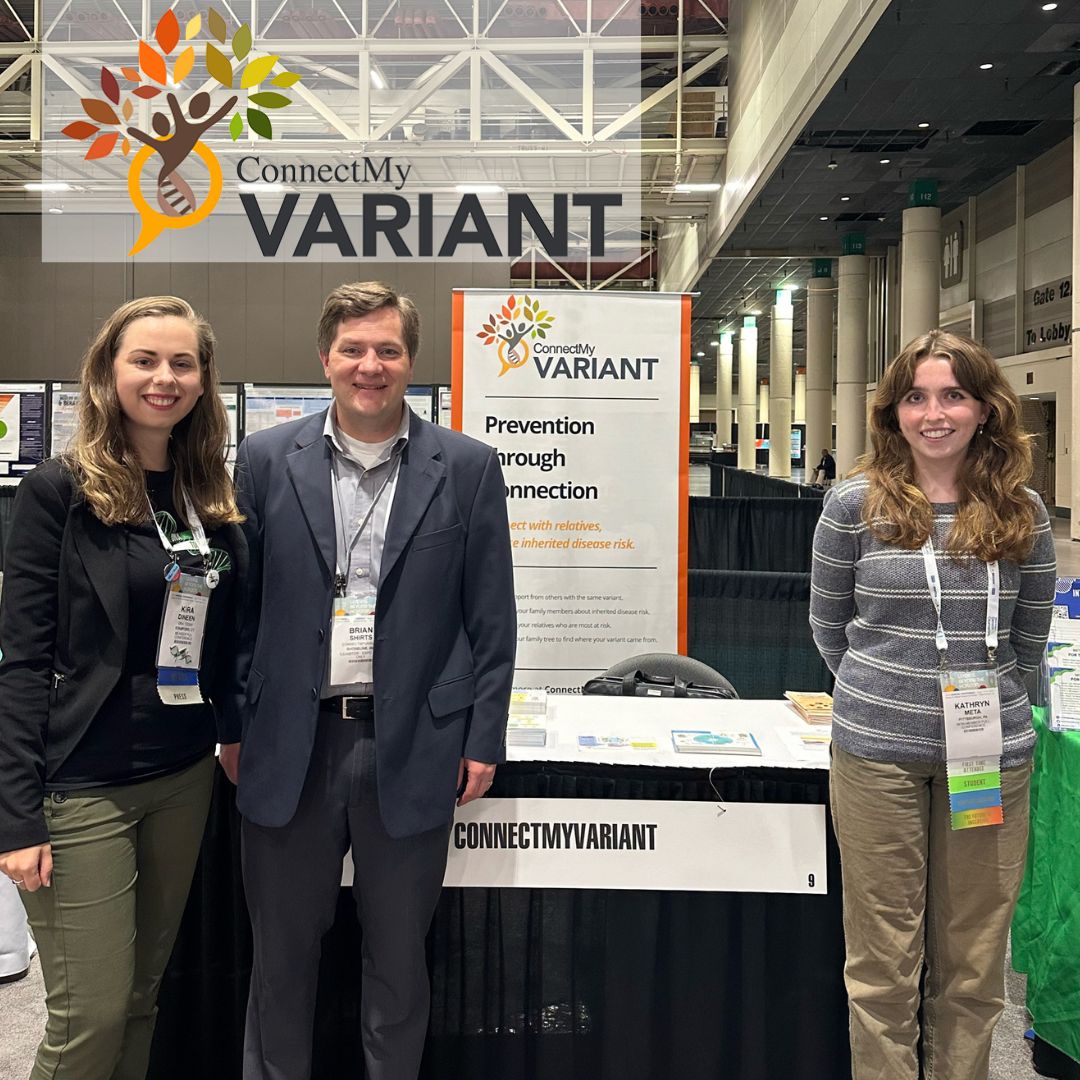
Ep 316#316 Cascade Genetic Testing: How “Connect My Variant” Empowers Families
Discover how Connect My Variant, a groundbreaking nonprofit, is revolutionizing the way families share crucial genetic information. Dr. Brian Shirts and Katy Meta reveal how their organization bridges the gap between genetic testing and family communication, potentially saving lives through early detection and prevention. Brian Shirts, M.D. is ConnectMyVariant’s President, Associate Professor of Laboratory Medicine and Pathology, and Director of the Institute for Public Health Genetics at the University of Washington. His professional goal is to help prevent all hereditary cancer. In his clinical role, he supports a large range of clinical genetic testing from cell-free testing for prenatal screening to exome testing to hereditary cancer testing. Dr. Shirts earned his M.D. and Ph.D. at the University of Pittsburgh. He is board certified in both Clinical Pathology and Molecular Genetic Pathology. His clinical and research interests include improving strategies for detection and classification of rare mutations, clinical classification of rare genetic variants of uncertain significance, particularly variants in familial cancer genes; improving the use of complex and multifactorial clinical information, with special interest in personalized healthcare using genetic information and research on the storage and communication of genetic information in the healthcare setting. Kathryn (Katy) Meta volunteers as a Family Outreach Navigator at ConnectMyVariant. Katy has volunteered with a long list of organizations including the Cystic Fibrosis Foundation, the National Eating Disorders Association (NEDA), ArtStream, CureMSD and others. She was interviewed on NPR’s Morning Edition about the importance of human connection on the NEDA Helpline, as well as the consequences of their decision to replace Helpline volunteers with an AI chatbot. She is in her Senior year at Dickson College earning her BS in Biology and minor in Psychology with a Health Studies certificate. She is interested in furthering her education with a Master's degree in Genetic Counseling. Key Highlights: - Cascade genetic testing enables families to proactively manage hereditary conditions - Trained navigators help individuals share sensitive genetic information with relatives - Connecting people with the same genetic variants creates supportive communities - Focus on cardiogenetics demonstrates the life-saving potential of early awareness - Family Outreach Navigators provide crucial follow-up support We spotlight the emotional and practical benefits of genetic information sharing, from preventing inherited diseases to fostering understanding among family members. Whether you're curious about genetic testing or looking to better understand your family's health history, this conversation offers invaluable insights into the future of personalized medicine. During the interview the resource FindAGeneticCounselor.com was recommended, and excitingly it is newly available in Spanish. Stay tuned for the next new episode of DNA Today next Friday! New episodes are released every Friday. In the meantime, you can binge over 300 other episodes on Apple Podcasts, Spotify, streaming on the website, or any other podcast player by searching, “DNA Today”. Episodes since 2021 are also recorded with video which you can watch on our YouTube channel, this includes some episodes recorded at NBC Universal Stamford Studios. DNA Today is hosted and produced by Kira Dineen. Our video lead is Amanda Andreoli. Our social media lead is Kajal Patel. Our Outreach Intern is Liv Davidson. And our logo Graphic Designer is Ashlyn Enokian, MS, CGC. See what else we are up to on Instagram, X (Twitter), Threads, LinkedIn, Facebook, YouTube and our website, DNAToday.com. Questions/inquiries can be sent to [email protected].
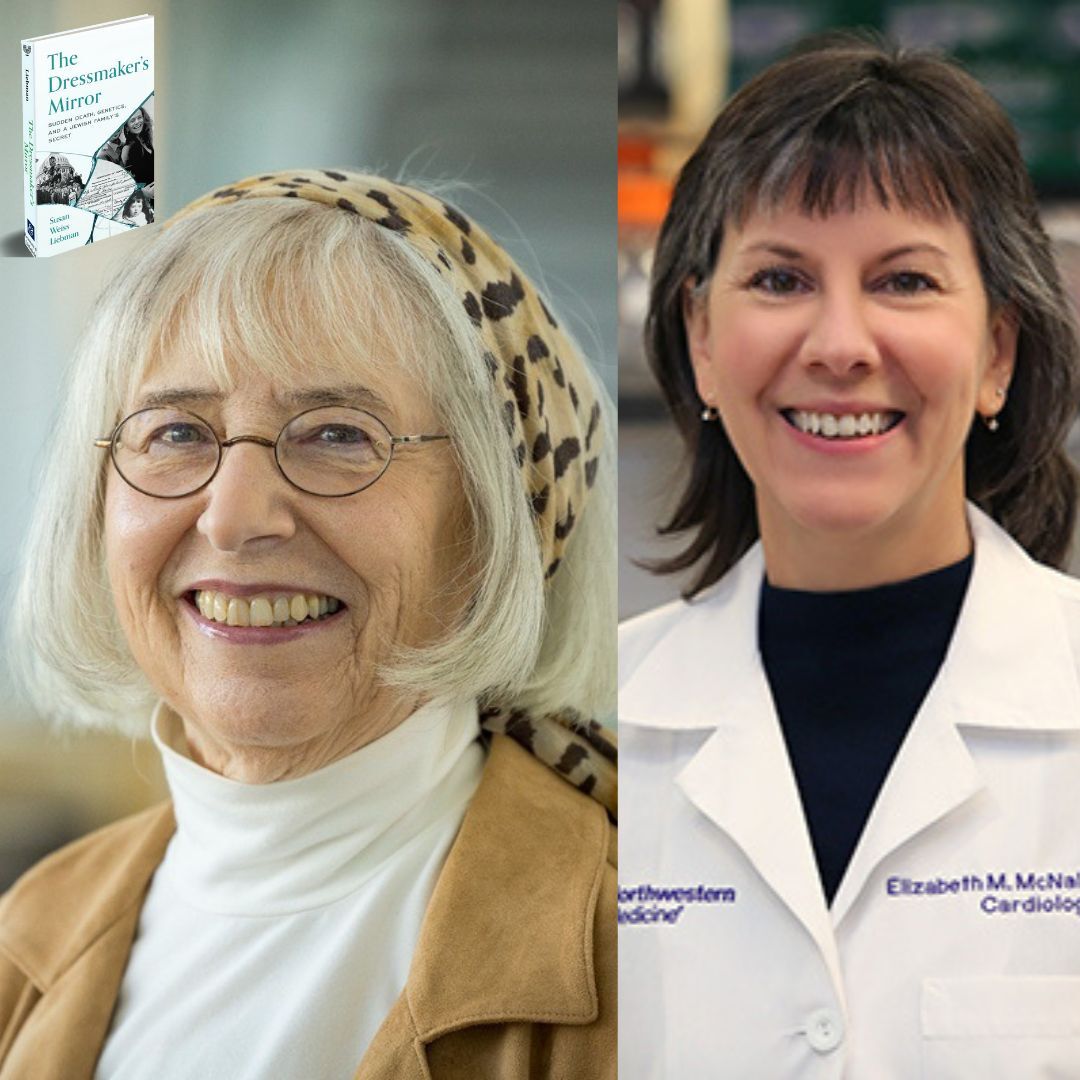
Ep 315#315 Preventing Sudden Cardiac Death via Genetics with Drs. Liebman & McNally
We explore a remarkable story of genetics, family history, and groundbreaking research with Dr. Susan Liebman and Dr. Elizabeth McNally. Together, they’ve identified a genetic mutation with life-saving implications for families affected by inherited heart conditions, like Dr. Liebman’s own. Meet Our Guests: Dr. Susan Liebman is a trailblazing molecular geneticist who uses yeast as a model organism to study prions and human protein misfolding diseases such as ALS and Alzheimer’s. Her research also extends to the prion form of the cancer gene p53. With over 100 publications in leading journals, including Nature, Science, and Cell, and more than $13 million in research funding, her contributions to the field are substantial. Susan began her scientific journey as one of MIT’s early female undergraduates (B.S. 1968) and went on to earn advanced degrees from Harvard (M.S. 1969) and the University of Rochester (Ph.D. 1974) medical schools. In addition to her research, she taught genetics to undergraduate and graduate students for more than 35 years. Dr. Elizabeth McNally directs the Center for Genetic Medicine at Northwestern University’s Feinberg School of Medicine in Chicago and is the Elizabeth J. Ward Professor of Genetic Medicine. She is a practicing cardiologist with expertise in cardiovascular genetics. As a clinician, she developed practices for integrating genetic information into cardiovascular care. She has a special interest in neuromuscular diseases like muscular dystrophy and their accompanying cardiovascular complications. Episode Highlights: - Family Medical History: Dr. Liebman shares the powerful backstory behind “The Dressmaker’s Mirror” and how a century-old family secret shaped her journey in genetic research and advocacy. - Discovering the FLNC Mutation: Dr. McNally discusses the process of uncovering this mutation in Dr. Liebman’s family, highlighting the challenges and breakthroughs in genetic testing and the importance of tracking family medical history. - Genetic Screening and Personalized Medicine: The guests examine the future of genetic testing, including the ethical complexities and benefits of population screening for high-risk groups, like Ashkenazi Jews, who have a higher frequency of the FLNC mutation. - Preventive Care in Cardiology: Dr. McNally shares insights on integrating genetic data into cardiology, from identifying cardiomyopathy risks to offering personalized care for patients. - Barriers to Genetic Testing: They address why only a small percentage of cardiomyopathy cases are referred for genetic testing and discuss ways to increase access and education around genetic testing’s role in heart health. - The Future of Gene Therapy: Hear Dr. McNally’s outlook on gene therapy advancements for actionable genes, including the latest on FLNC’s addition to the ACMG list of actionable genes. Enter Book Giveaway! You can win a free copy of “The Dressmaker’s Mirror”! Head over to DNA Today’s social media to enter the giveaway. You can also enter the Goodreads giveaway for additional opportunities. Can’t wait to see if you won? Buy a copy of the book through the publisher (with code RLFANDF30) or on Amazon. More Info You can learn more about the author Dr. Susan Liebman, on her website here. If you are interested in booking her as a speaker check out her Media Kit here, you can reach out to our host Kira Dineen ([email protected]) as she is also her Book Launch Agent! Keep up with Dr. Elizabeth McNally on X @EMMcNally. References Golbus JR, Puckelwartz MJ, Dellefave-Castillo L, Fahrenbach JP, Nelakuditi V, Pesce LL, Pytel P, McNally EM. Targeted analysis of whole genome sequence data to diagnose genetic cardiomyopathy. Circ Cardiovasc Genet. 2014 Dec;7(6):751-759. doi: 10.1161/CIRCGENETICS.113.000578. Epub 2014 Sep 1. PMID: 25179549; PMCID: PMC4270910. Dellefave-Castillo LM, Cirino AL, Callis TE, Esplin ED, Garcia J, Hatchell KE, Johnson B, Morales A, Regalado E, Rojahn S, Vatta M, Nussbaum RL, McNally EM. Assessment of the Diagnostic Yield of Combined Cardiomyopathy and Arrhythmia Genetic Testing. JAMA Cardiol. 2022 Sep 1;7(9):966-974. doi: 10.1001/jamacardio.2022.2455. PMID: 35947370; PMCID: PMC9366660. DNA Today Episode #175 Hereditary Cancer Variant Network with Brian Shirts. And our next episode will be featuring Connect My Variant’s founder Dr. Brian Shirts again! DNA Today Episode #288 CRISPR Cured Victoria Gray’s Sickle Cell: Part 1 DNA Today Episode #289 CRISPR Cured Victoria Gray’s Sickle Cell: Part 2 SecuriGene - a company that will bank your DNA. Jackson Laboratories and Northwestern Medicine’s Course “Implementing Cardiogenomics in Clinical Practice” American Heart Association Stay tuned for the next new episode of DNA Today next Friday! New episodes are released every Friday. In the meantime, you can binge over 300 other episodes on Apple Podcasts, Spotify, streaming on the website, or any other podcast player by searching, “DNA Today”. Episodes since 2021 are also recor
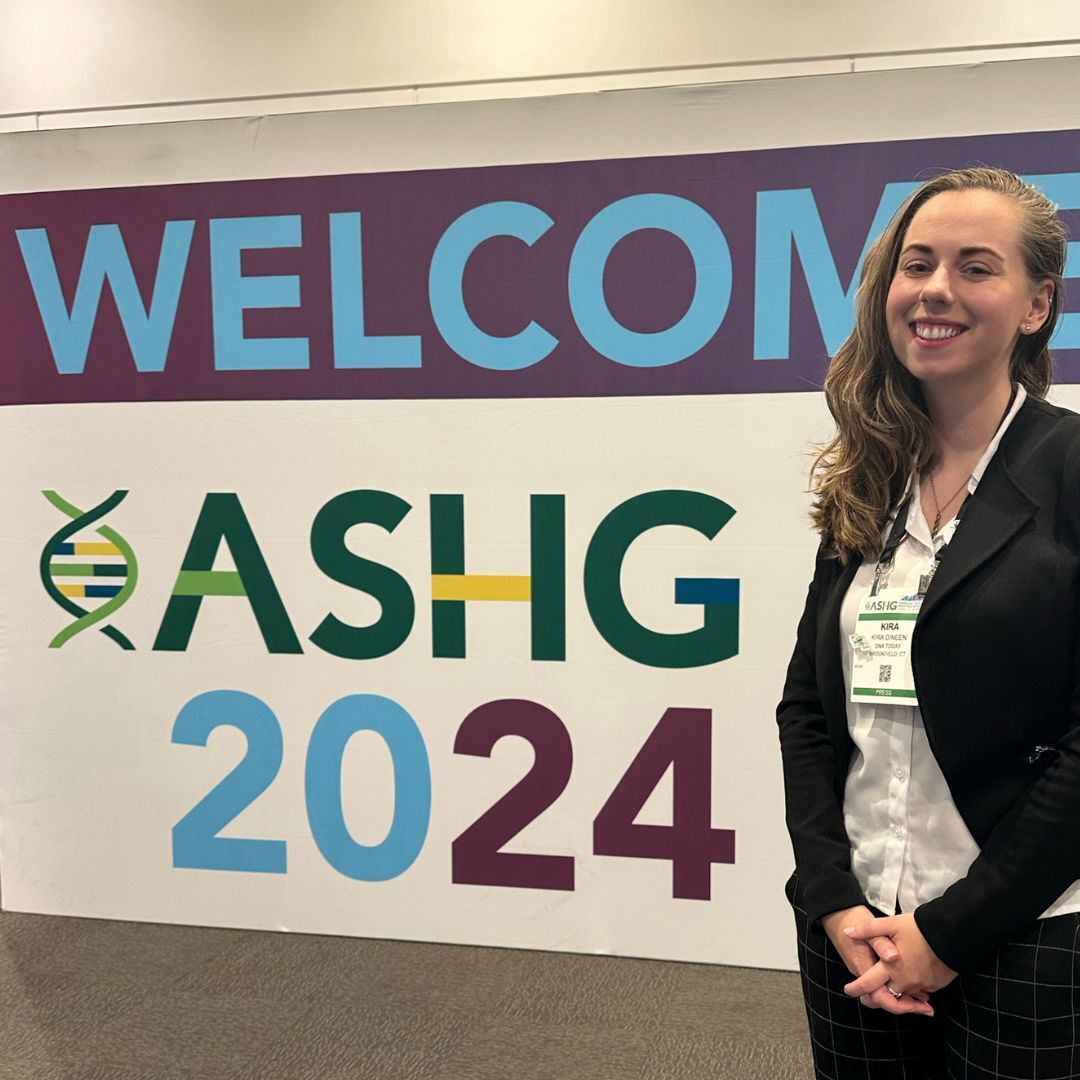
Ep 314#314 ASHG 2024 Recap
We’re back from the American Society of Human Genetics (ASHG) 2024 Annual Meeting in beautiful Denver, Colorado! This episode recaps the highlights, discussions, and discoveries from five packed days of cutting-edge genetics and genomics science. Every year, ASHG brings together researchers, clinicians, students, and industry leaders to share advancements, and this year was no exception. In this recap, our Kira Dineen reflects on the vibrant atmosphere at ASHG and shares conversations with conference attendees, each offering unique perspectives on the sessions and workshops they found most impactful. We had the chance to connect with some familiar faces, including previous podcast guests and sponsors, as well as meet new colleagues who shared inspiring insights into the future of genetics. You might notice some background chatter—it captures the energy and dynamism of ASHG’s bustling exhibit hall and session rooms! Presentations Recapped “Mendel’s Peas as Exemplar or Exception” by Dr. Gregory Radick “Sickle Cell Disease: A Journey Through the Complexitites of Genetics” by Dr. Athena Starland-Davenport Resources Disputed Inheritance: The Battle over Mendel and the Future of Biology By Dr. Gregory Radick “The Genetics Podcast” By Sano Genetics (Hear Kira’s most recent appearance on Ep 134) Science Geek Games’ Variation – A DNA Matching Card Game NIH Small Business Funding/Grants Episode Referrenced #157 NSGC 2021 Recap #191 Overturning Roe v. Wade with Laura Hercher #284 IVF Implications of Alabama's Frozen Embryo Ruling with Laura Hercher #288 CRISPR Cured Victoria Gray’s Sickle Cell: Part 1 #289 CRISPR Cured Victoria Gray’s Sickle Cell: Part 2 #305 Transformative Therapies for Sickle Cell Disease with “Through The Genes” #307 NSGC 2024 Recap Fact Check Kira estimated that Mendel was studying genetics through peas in the 1800s, and she was right. For eight years, starting in 1857, Medel studied the peas he grew in the garden of his monastery. Stay tuned for the next new episode of DNA Today next Friday! New episodes are released every Friday. In the meantime, you can binge over 300 other episodes on Apple Podcasts, Spotify, streaming on the website, or any other podcast player by searching, “DNA Today”. Episodes since 2021 are also recorded with video which you can watch on our YouTube channel, this includes some episodes recorded at NBC Universal Stamford Studios. DNA Today is hosted and produced by Kira Dineen. Our video lead is Amanda Andreoli. Our social media lead is Kajal Patel. Our Outreach Intern is Liv Davidson. And our logo Graphic Designer is Ashlyn Enokian, MS, CGC. See what else we are up to on Instagram, X (Twitter), Threads, LinkedIn, Facebook, YouTube and our website, DNAToday.com. Questions/inquiries can be sent to [email protected].
Ep 313#313 Becker Muscular Dystrophy Clinical Trials with Edgewise Therapeutics
Dr. Joanne Donovan, Chief Medical Officer at Edgewise Therapeutics, join the show to discuss Becker Muscular Dystrophy (Becker) and emerging treatments. We dive into Dr. Donovan’s role at Edgewise and the company’s research into treatments for Becker and Duchenne Muscular Dystrophy. At the forefront of this research is sevasemten, an investigational fast myosin inhibitor designed to combat contraction-induced muscle injury, which plays a significant role in muscle deterioration for those living with Becker. Please note that sevasemten is an investigational agent that is not approved for use by any regulatory authority in any territory. All information shared in this podcast episode is intended for healthcare providers only. This episode is for informational purposes only and should not be considered professional medical advice. Always consult your doctor or qualified medical professional for any questions that you may have regarding a medical condition, procedure, treatment or trial. Joanne M. Donovan, M.D., Ph.D., has served as Chief Medical Officer at Edgewise Therapeutics since 2021. Most recently, Dr. Donovan served as Chief Medical Officer and Senior Vice President, Clinical Development at Catabasis Pharmaceuticals. Since 1989, she has been a staff physician at the VA Boston Healthcare System, where she was formerly Chief of Gastroenterology. Dr. Donovan has held an appointment at Harvard Medical School since 1990, most recently as associate clinical professor of medicine. From 1998 to 2011, Dr. Donovan served in positions of increasing responsibility, ultimately as vice president of clinical development, at Genzyme, a biotechnology company, which she joined through its acquisition of GelTex Pharmaceuticals. Dr. Donovan holds a Ph.D. in medical engineering and medical physics from the Massachusetts Institute of Technology, an M.D. from Harvard Medical School and an S.B. from the Massachusetts Institute of Technology. She completed residency training in internal medicine and a fellowship in gastroenterology at the Brigham and Women's Hospital.' Key Discussion Points: Becker Muscular Dystrophy Overview: Becker is a genetic, progressive disease that leads to muscle degeneration and weakness. Symptom onset varies and can be debilitating, with patients losing muscle function over time. The Science Behind Becker: Muscle breakdown in Becker is driven by dysfunctional dystrophin, a protein that supports muscle fibers during contraction. Without proper dystrophin function, repeated contraction-induced injury leads to muscle fiber loss and replacement by fibrosis and fat. Edgewise Therapeutics’ Research: The investigational therapy sevasemten has shown promising results in recent trials, including stabilization of functional assessments and reductions in muscle damage biomarkers. Dr. Donovan shares how Edgewise is progressing to the pivotal Phase 2 GRAND CANYON study, which is now enrolling ambulatory adults with Becker. If you are a healthcare provider with patients who may benefit from this research, you can refer them to the study through the information below. 1) Contact our Edgewise team by email at [email protected]. 2) Have your patient go to beckergcstudy.com, where they can contact someone from patient support. 3) Or submit your contact information via beckergcstudy.com/hcp and someone will reach out to you. More DNA Today Episodes on Muscular Dystrophies: #156 Rich Horgan on Duchenne Muscular Dystrophy (DMD) #202 Duchenne Muscular Dystrophy with Ann Martin and Madhuri Hegde Stay tuned for the next new episode of DNA Today on Friday! New episodes are released every Friday. In the meantime, you can binge over 300 other episodes on Apple Podcasts, Spotify, streaming on the website, or any other podcast player by searching, “DNA Today”. Episodes since 2021 are also recorded with video which you can watch on our YouTube channel, this includes some episodes recorded at NBC Universal Stamford Studios. DNA Today is hosted and produced by Kira Dineen. Our video lead is Amanda Andreoli. Our social media lead is Kajal Patel. Our Outreach Intern is Liv Davidson. And our logo Graphic Designer is Ashlyn Enokian, MS, CGC. See what else we are up to on Instagram, X (Twitter), Threads, LinkedIn, Facebook, YouTube and our website, DNAToday.com. Questions/inquiries can be sent to [email protected].
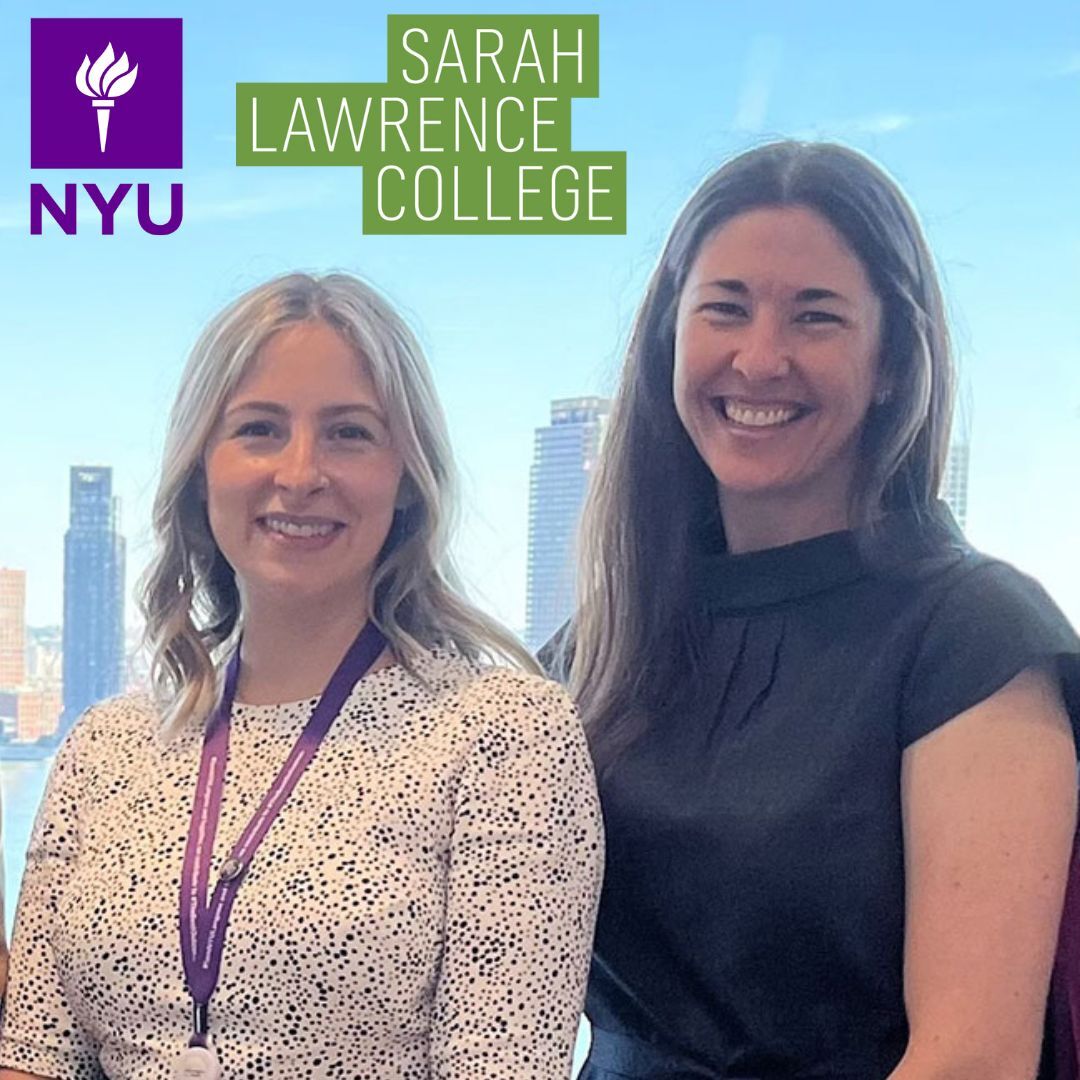
Ep 312#312 What is a Genome Health Analyst? Exploring NYU and Sarah Lawrence's New Master’s Program
We are learning about an exciting, newer career in the genomics field: genome health analyst. This role is rapidly gaining importance as the demand for interpreting personal genomic data continues to grow, and healthcare systems need more professionals trained to make this data clinically actionable. Joining us are Dr. Claire Davis and Anna Cantor, Co-Directors of the new Master's of Science in Genome Health Analysis program, which is a collaboration between NYU Grossman School of Medicine and Sarah Lawrence College. Claire Davis has worked with the Joan H. Marks Graduate Program in Human Genetics at Sarah Lawrence College for nine years in various capacities. She is now Director of Curriculum for the genetic counseling program and the Institute for Genomics, as well as co-director of the Genome Health Analysis master's program created in collaboration with NYU Langone's School of Medicine. Claire previously worked as a cancer counselor and assistant director of the genetic counseling training program at Mount Sinai. She earned her doctorate in adult education and leadership from Teachers College, Columbia University, completing a dissertation on the professional learning of genetic counselors. She continues to volunteer for initiatives related to genetic counselors' learning and development. Anna Cantor is the Program Director of Genetics Education at the Center for Human Genetics and Genomics at NYU Grossman School of Medicine and co-director of the Genome Health Analysis Master’s program.. She is a board-certified genetic counselor with clinical experience in cancer and autoinflammatory genetics. . Throughout her career, Anna has trained genetic counseling students and is now creating education initiatives for graduate and medical students, as well as healthcare professionals that aim to increase access to accurate genetics information throughout NYU Langone Health. Anna received her MS in Human Genetics from Sarah Lawrence College and her MA in Behavioral Neuroscience from the University of British Columbia in Vancouver, Canada. She completed her BA Hons in Psychology from Concordia University in Montreal, Canada. In This Episode, We Discuss: What motivated the creation of the MS in Genome Health Analysis program Career opportunities for graduates in healthcare and genomics The integration of bioinformatics, data science, and patient care in the role of a genome health analyst How the collaboration between NYU and Sarah Lawrence College shapes the curriculum Key courses that prepare students for real-world applications Handling and interpreting vast amounts of genomic data The significance of emerging ‘omics technologies and genome variant interpretation Application tips for prospective students, including types of experiences to prepare them Going to be at ASHG 2024? Come find Anna Cantor on November 7th with her poster from 2:30-4:30pmMT! Our host Kira Dineen will also be at the conference. So be sure to say hi if you see her. And she is recording sound bites on what you learned at the conference. You can learn more about the Master's of Science in Genome Health Analysis program here. You can contact Anna Cantor directly at [email protected] and Dr. Claire Davis at [email protected]. Stay tuned for the next new episode of DNA Today next Friday! New episodes are released every Friday. In the meantime, you can binge over 300 other episodes on Apple Podcasts, Spotify, streaming on the website, or any other podcast player by searching, “DNA Today”. Episodes since 2021 are also recorded with video which you can watch on our YouTube channel, this includes some episodes recorded at NBC Universal Stamford Studios. DNA Today is hosted and produced by Kira Dineen. Our video lead is Amanda Andreoli. Our social media lead is Kajal Patel. Our Outreach Intern is Liv Davidson. And our logo Graphic Designer is Ashlyn Enokian, MS, CGC. See what else we are up to on Instagram, X (Twitter), Threads, LinkedIn, Facebook, YouTube and our website, DNAToday.com. Questions/inquiries can be sent to [email protected].

Ep 311#311 Cancer Mock Genetic Counseling Session
We're excited to announce the launch of our new Mock Genetic Counseling Session series! In our first installment, genetic counselor Catherine Mayo and student Ariel Modeste perform a mock cancer genetic counseling session, offering insight into how genetic testing for cancer risks is discussed with patients. This session was recorded in person, providing a more dynamic and engaging learning experience therefore, we highly recommend watching it on YouTube to fully immerse yourself in the interaction. We hope this series is helpful for prospective and current genetic counseling students, as well as the general public, by demystifying the genetic counseling process. Understanding how these sessions work can empower individuals and provide valuable educational insights into this critical healthcare service. Catherine Mayo (she/her), is a Genomic Science Liaison at a genetic testing company. She is a board-certified genetic counselor interested in rare diseases, increased access to genetics services, and social justice in healthcare. She has previous experience in biotechnology and drug development in the Bay Area. Check out Catherine’s two other appearances on DNA Today. In Episode #110 we chatted about the film Gattaca, mostly how much technology in the film is no longer fiction. We recorded this when we were roommates in grad school together and are members of Sarah Lawrence’s Class of 2020. Catherine more recently shared insight in Episode #259, which was a recap and reflection on the 2023 National Society of Genetic Counselors’ (NSGC) Annual Conference. Ariel Modeste (she/her) is currently in her second and final year in the Human Genetics Program at Sarah Lawrence College training to be a genetic counselor. Ariel is a graduate of LaGrange College with a B.S. in Biology and a double minor in psychological science and chemistry. The premise of this mock case was Ariel’s work as part of her internship with DNA Today. Specialty: Cancer Indication: A 26-year-old unaffected female is seen due to a family history of cancer. Patient Name: Estelle Woods Outline: Contracting Introduction to each other Why were they referred to genetic counseling? Explain what the session will entail Ask if patient has any questions Medical Intake Family History Take a pedigree Patient Education The purpose of all the questions that were asked Genetics overview Hereditary cancer risk factors and signs Risk Assessment Review the patient’s pedigree and explain what is suspicious and what isn’t and why. What you would test for in the patient Who the best person in the family is to be tested Decision Making Explain genetic testing Explain the 3 possible results Explain what each result would mean for the individual and their family members Ask patient if they would like to pursue the genetic testing Insurance and cost NCCN criteria Potential insurance coverage Cash option without insurance GINA Consenting Signing consent forms Results Turn around time How results are provided Recap information and final questions Stay tuned for the continuation of our mock genetic counseling session series! Over the next year we will be bringing you more mock sessions inspired by a cumulation of cases. Please note that the information provided in this mock genetic counseling session is intended strictly for educational purposes and should not be used for personal medical decision-making. If you have questions or concerns about your health, we encourage you to consult directly with a certified genetic counselor who can provide tailored medical recommendations. If you are in the United States, you can find a genetic counselor near you by visiting FindAGeneticCounselor.com. The next new episode of DNA Today will drop on Friday! New episodes are released every Friday. In the meantime, you can binge over 300 other episodes on Apple Podcasts, Spotify, streaming on the website, or any other podcast player by searching, “DNA Today”. Episodes since 2021 are also recorded with video which you can watch on our YouTube channel, this includes some episodes recorded at NBC Universal Stamford Studios. DNA Today is hosted and produced by Kira Dineen. Our video lead is Amanda Andreoli. Our social media lead is Kajal Patel. Our Outreach Intern is Liv Davidson. And our logo Graphic Designer is Ashlyn Enokian, MS, CGC. See what else we are up to on Instagram, X (Twitter), Threads, LinkedIn, Facebook, YouTube and our website, DNAToday.com. Questions/inquiries can be sent to [email protected].

Ep 311#310 Father Founded: DNA Reuniting Amerasians with Their American Bio Fathers
We explore the powerful work of Father Founded, an organization dedicated to reuniting Amerasian families separated by war. It shares the heartwarming story of Scott McMullen, a retired firefighter and veteran, who discovered his long-lost daughter through the group's efforts. Marny Klump, a dedicated volunteer, uses her skills in genetic genealogy to help Amerasians locate their biological fathers across continents. I do want to offer a warning that our conversation includes sensitive topics like young adult death, sexual assault, and childhood abuse. These topics may not be suitable for children or people who have had these experiences themselves. Scott's journey involves fathering a son in the Philippines, marrying the mother to bring him to the U.S., and later learning he had another child in the Philippines and connecting with his daughter Sherlyn, who was adopted and raised in another country. Despite challenges, Scott and Sherilyn have formed a close bond, united by their shared Amerasian experience. Scott Mcmullen is a father of 6, who retired in 2020 after 40 years as a Firefighter/EMT. He served 26 years in The Air Force Reserves as a Firefighter. He was elected to and served eight years on the Mount Vernon Washington city Council. He then recruited and helped the first three Hispanic people get elected to the Mount Vernon, Washington City Council. I thought it was unfair to have no Hispanic representation when his city’s population was 36% Hispanic. He and his brother flew to the Philippines to meet his biological daughter and her family. He lives part time in Angeles city, Philippines and was honored to have attended his grandchild's wedding! Marny Klump, a Father Founded volunteer, shares how she became involved in reuniting families through genealogy and DNA testing, driven by the belief that everyone has the right to know their origins. The discussion emphasizes the importance of accessing biological family history and the challenges faced in the process. Marny was born in Toronto, Canada and moved to the United States when she was 16. She and her family currently live outside of Richmond, Virginia. Marny started doing her husband’s family tree in 2014. In early 2016, she started working with a group to help people put the pieces of their puzzles together. In August 2016, she learned how to use DNA to help those with misattributed parentage locate their biological family members. In April 2020, one of those cases led her to Father Founded, where she has been volunteering to help Amerasians with their quest to know their birth fathers. You can learn more about Father Founded on their website here and donate here. Stay tuned for the next new episode of DNA Today next Friday! New episodes are released every Friday. In the meantime, you can binge over 300 other episodes on Apple Podcasts, Spotify, streaming on the website, or any other podcast player by searching, “DNA Today”. Episodes since 2021 are also recorded with video which you can watch on our YouTube channel, this includes some episodes recorded at NBC Universal Stamford Studios. DNA Today is hosted and produced by Kira Dineen. Our video lead is Amanda Andreoli. Our social media lead is Kajal Patel. Our Outreach Intern is Liv Davidson. And our logo Graphic Designer is Ashlyn Enokian, MS, CGC. See what else we are up to on Instagram, X (Twitter), Threads, LinkedIn, Facebook, YouTube and our website, DNAToday.com. Questions/inquiries can be sent to [email protected].
Ep 309#309 Netflix’s Sandra Lee on her Breast Cancer and “Blue Ribbon Baking Championship”
Two-time Emmy-winning celebrity chef Sandra Lee joins the show. Known for her innovative “Semi-Homemade” cooking style that revolutionized how millions approach the kitchen, Sandra is not just a culinary icon but also a dedicated advocate for health and wellness. In honor or breast cancer awareness month, we chat about her courage and openness in sharing her personal battle with breast cancer, most notably through her raw and impactful HBO documentary “RX: Early Detection – A Cancer Journey with Sandra Lee,” have made her a powerful voice in the fight for early detection and cancer awareness. As if that wasn’t enough, Sandra is the creator and co-host of the new hit Netflix show, “Blue Ribbon Baking Championship”. The show has already cracked a “Top 10” list on Netflix. In this conversation, we’re diving into Sandra’s incredible journey—from her rise to fame as a beloved television personality to her deeply personal fight against cancer and her ongoing efforts to champion health causes. A note on the audio quality: As Sandra Lee mentions during the show, she was on vacation when we recorded this and her only option was to call in for the interview. So we did our best to improve her audio file, but it’s not our typical sound. During the episode we couldn’t recall the name of the dog show on Thanksgiving, it’s The National Dog Show. We also mentioned Sandra Lee’s first podcast appearance was on this episode of The Kim Gravel Show. And Sandra Lee was close, it was a 7 year old who won a blue ribbon at a county fair this summer, here’s the story. Stay tuned for the next new episode of DNA Today next Friday! New episodes are released every Friday. In the meantime, you can binge over 300 other episodes on Apple Podcasts, Spotify, streaming on the website, or any other podcast player by searching, “DNA Today”. Episodes since 2021 are also recorded with video which you can watch on our YouTube channel, this includes some episodes recorded at NBC Universal Stamford Studios. DNA Today is hosted and produced by Kira Dineen. Our video lead is Amanda Andreoli. Our social media lead is Kajal Patel. Our Outreach Intern is Liv Davidson. And our logo Graphic Designer is Ashlyn Enokian, MS, CGC. See what else we are up to on Instagram, X (Twitter), Threads, LinkedIn, Facebook, YouTube and our website, DNAToday.com. Questions/inquiries can be sent to [email protected].