
Dive Club 🤿
216 episodes — Page 3 of 5

Ep 97Christophe Tauziet - Plaid’s culture of craft, tips for CRIT, and lessons from early Facebook
This week’s episode is with Christophe Tauziet who is the Head of Design at Plaid—one of today’s leading fintech companies.We go deep into the ways he’s building a culture of craft and the rituals they’ve evolved to consistently sweat the details. There are a lot of practical processes and ideas in this episode.Some highlights:Keys to a great async video share outHow to foster a winning CRIT environmentWhy Christophe implemented “polish reviews”Ways to foster collaboration within a design orgPractical advice for giving better design feedbackHow Christophe changed what he looks for in design candidatesa lot moreBrian Lovin’s article “Teams should work with the garage door up”
2 ways to make your design ideas compelling💡
You can have the greatest design concepts in the world, but none of that matters if they don't make it into production.So this episode is all about how to create an aura of inevitability around your ideas.It features stories from early Facebook, Webflow, and Figma 👇Vincent van der Meulen (Design engineer at Figma)Soleio pt. 1 / pt. 2 (second designer at Facebook)Kevin Wong (Head of product at Webflow)
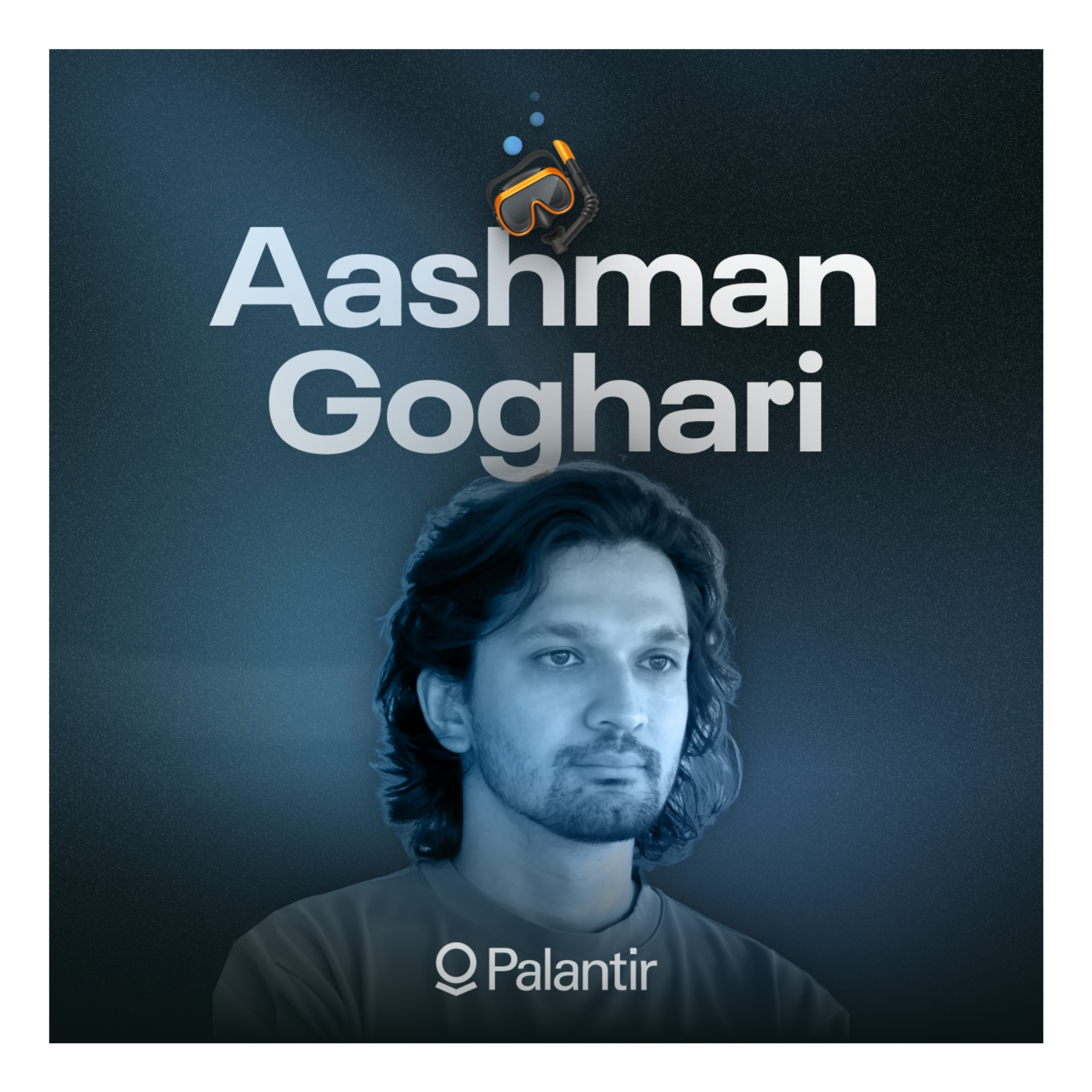
Ep 96Aashman Goghari - Tackling complex design challenges at Palantir
Palantir is one of the most powerful products in existence today.It provides critical government and enterprise infrastructure from the factory floors to the front lines. You can literally build your own Airbnb on top of their development platform.But with great power comes lots of complexity… So in this week’s episode, Design Lead Aashman Goghari gives us a behind-the-scenes of what it’s like designing products at Palantir.Becoming better at “problem decomposition”Two patterns for handling complex interfacesHow to think through systems like a developerHow data models can impact your design processDesigning new user experiences for “Ferrari products”How to collaborate more effectively with backend engineersFinding the balance between edge cases and the golden patha lot moreAashman mentions the Concepts app for sketching on iPadPalantir is currently hiring designersYou can follow Aashman on Twitter
4 brand strategy tips from Smith & Diction 💡
When comes to brand design, Mike and Cara from Smith & Diction are pretty much top of the game (you might recognize them as the ones who did the brand identity for Perplexity).During our interview, it didn't take me long to realize that these two have more hacks and mental models for creativity than just about anyone I’ve met.So here are a few of my favorites.Watch the full episode with Smith & Diction here: https://www.dive.club/deep-dives/smith-diction
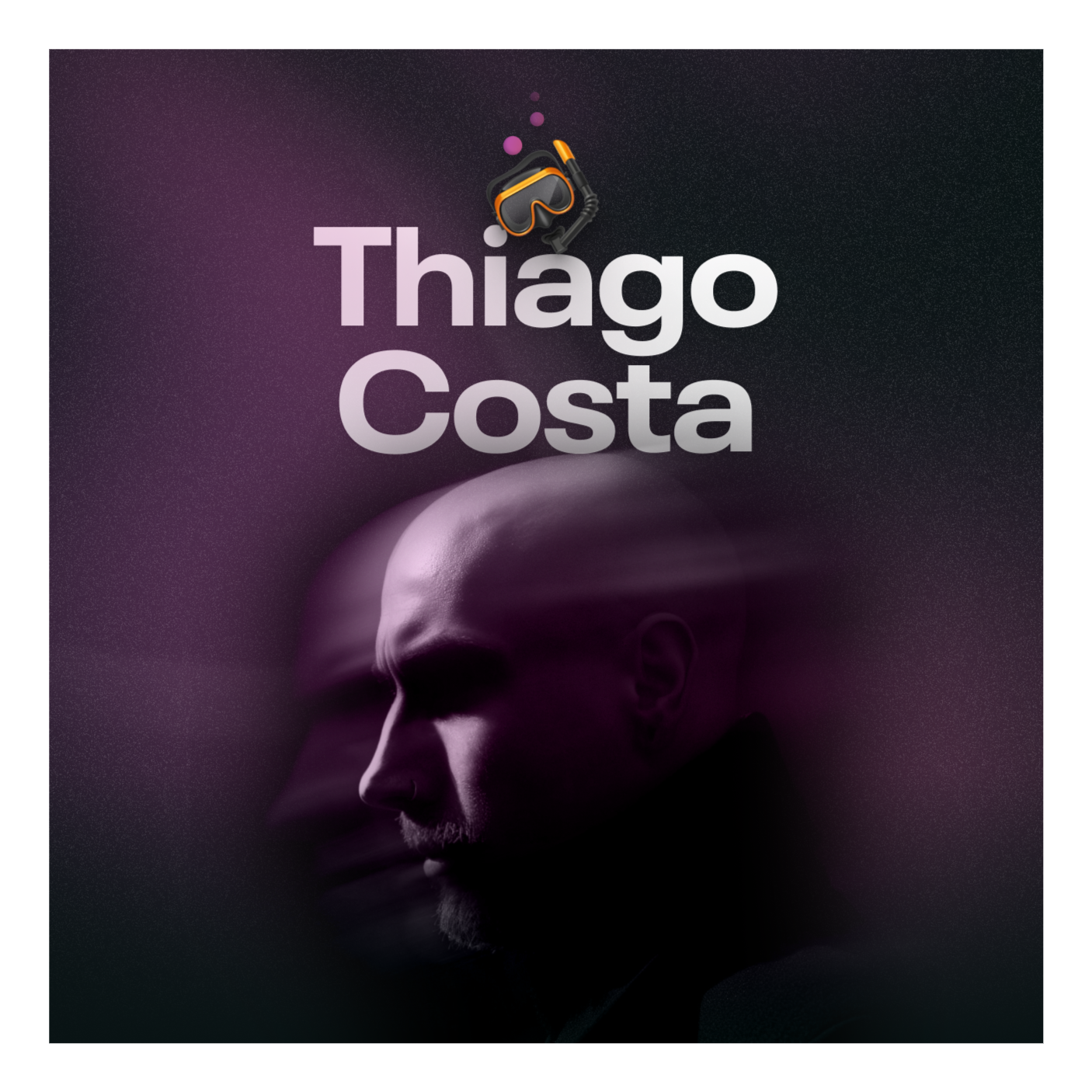
Ep 95Thiago Costa - Cultivating taste as a designer
If you asked me “who has the best taste in design right now?” one of the first people I’d mention is Thiago Costa.His product Fey is in the S-tier of design and I’ve studied his visual techniques for many years.Finally, after over a 12 months of pestering he agreed to share his secrets in a interview 🙌We go deep into:Mastering the finer details of craftPutting AI at the heart of the new Fey 2.0Where Thiago draws inspiration outside of UIWhat it looks like to have a “heightened awareness”How Thiago evolved the Fey aesthetic from 1.0 to 2.0Specific visual techniques for making your UI more lifelikea lot moreCaravaggio is the painter who Thiago calls the “master of light”The Local Project interior design channel on YouTube

Ep 94Ammaar Reshi - Unlocking AI’s creative potential
Today we get to hear from Ammaar Reshi who is the Head of Design at ElevenLabs—the AI audio platform that has come up multiple times in past episodes.So a big focus of this conversation is learning what it's like designing an AI-native product. We go deep into topics like:The backstory of Ammaar’s viral AI experimentsPredictions for the future of voice as an interfaceWhat it’s like collaborating with an research teamHow he’s designing novel interaction patterns for AIWhat Ammaar looks for when hiring startup designersWhat it’s like designing at multiple hyper growth startupsa lot moreThread of all Ammaar’s AI experiments (including the viral book and podcast app)Ammaar mentioned chatting with Nate Parrott from the Browser CompanyAmmaar mentions the Rabbit hardware productAmmaar mentions collaborating with his friend Pietro
Design “handoff” is changing forever 💡
How do designers from today’s top teams collaborate with engineers?After many interviews I'm starting to notice a trend…The highest functioning product teams throw away a lot of code and it’s a good model for what the new “handoff” process will look like. So this video highlights how it works at teams like Figma, Vercel, Perplexity, Airbnb, and more.Jenny Wen (OG designer of Figjam now at Anthropic)Teo Connor (VP of Design at Airbnb)John Pham (former design engineer at Vercel)Vincent van der Meulen (design engineer at Figma)Balint Orosz (cofounder of Craft Docs)Derek Briggs (Design + Code at Hypermode)Anthony Menecola (Staff designer at Shopify)Ammaar Reshi (Head of Design at ElevenLabs — episode coming soon)

Ep 93Chris Abad - Storytelling tactics for senior designers
This week's episode is with Chris Abad who has led design teams at companies like Google, Square and Dropbox so needless to say he's given a lot of design presentations over his 20+ year career.So this conversation is a deep dive into storytelling and everything you can do as a designer to effectively share your vision and persuade stakeholders.He shares every step of his process including a ton of practical tactics like:Strategies for designing a great deckHow to set up Q&A for success with executivesHis new secret weapon software tool for storytellingStrategies for navigating pushback from stakeholdersHow to frame the “Peak Moment” of your presentationHow he coaches designers to leverage storytelling in their portfolioa lot more⭐ Don’t forget you can also save $100 on Chris’s Design Storytelling course using the code DIVECLUBChris mentions the importance of the Story10x bookIA Presenter is the new tool Chris uses for presentationsRidd uses SuperWhisper for transcriptions
How to be great at systems thinking 💡
Systems thinking is often mentioned as the #1 trait teams are looking for in designers.But what does it look like to be great at it?This episode answers that question by highlighting stories from Notion, Anthropic, and more 👇
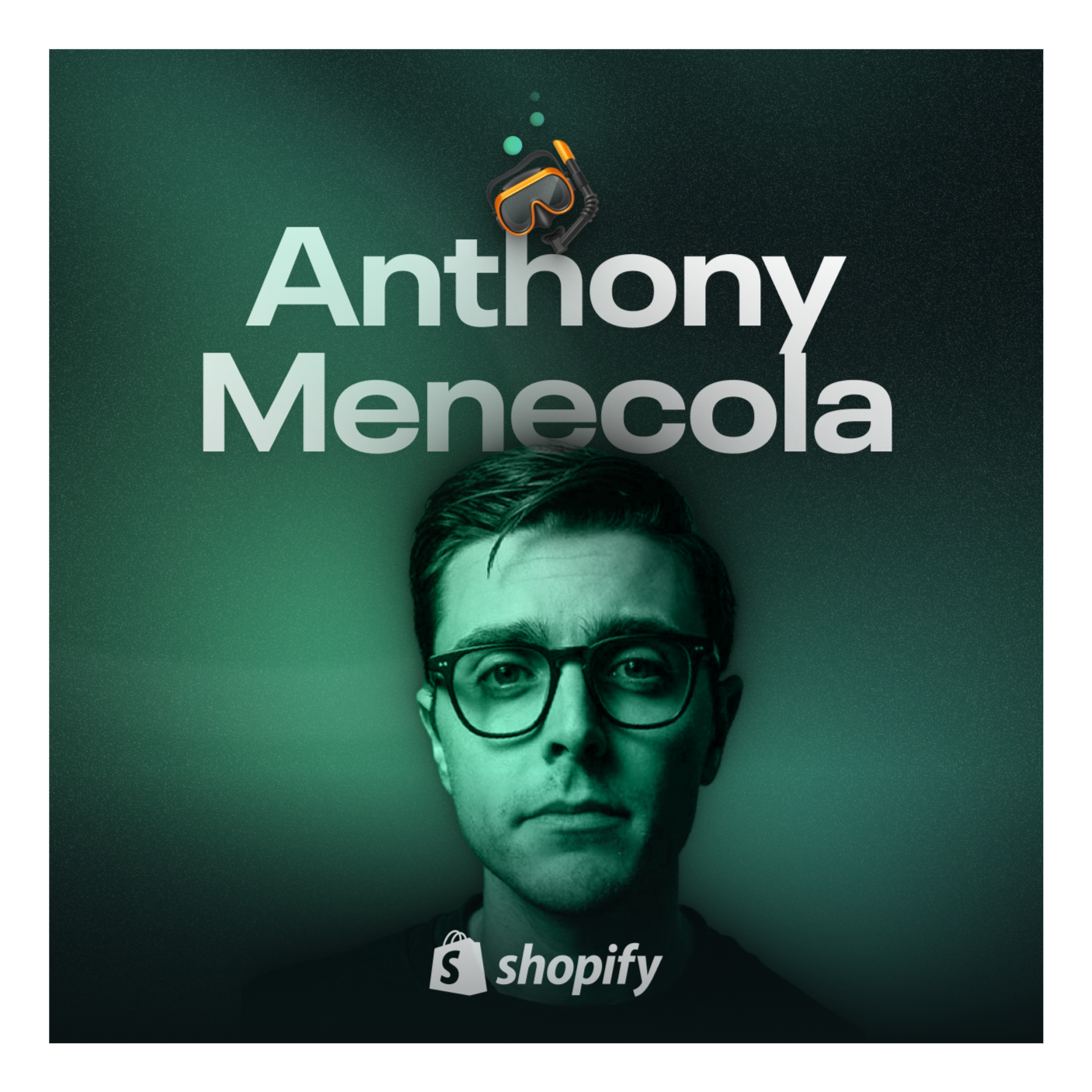
Ep 92Anthony Menecola - Insights from a staff designer at Shopify
This week's episode is with Anthony Menecola who is a longtime staff product designer at Shopify so we’re going to do a deep dive into ways you can make a bigger impact at your company as an IC.One of the big themes of this episode is Anthony’s journey becoming more technical and contributing to the Shopify code base so if you’re interested in building your ideas I think you’ll get a lot out of this one.We also talk about:The archetypes of staff designers at ShopifyWhat it takes to create an impactful proposalWays to build strategic relationships at ShopifyHow to strategically circulate your design ideasThe art of sharing effective async video updatesHow Anthony identifies future-facing ideas to explorea lot moreAnthony’s website and TwitterThe Shop app
Making big ideas happen with design 💡
When I say high stakes design project, what comes to mind?How about Ryan Scott redesigning the Airbnb checkout flow right before a $3.5 billion IPO? Now THAT is a big time project…So this episode is all about tactics you can use to make big ideas happen at your company (even as an IC).And if you want to go even deeper you can use these links to get $100 off Ryan Scott’s top rated Maven courses 👇1️⃣ Describing the ROI of Design (https://join.dive.club/ryan-scott-roi-course)2️⃣ PM Masterclass for Designers (https://join.dive.club/ryan-pm-masterclass-course)Ryan Scott (design lead at Airbnb + DoorDash)Tyler Angert (1st designer at Replit and founder of Patina Systems)
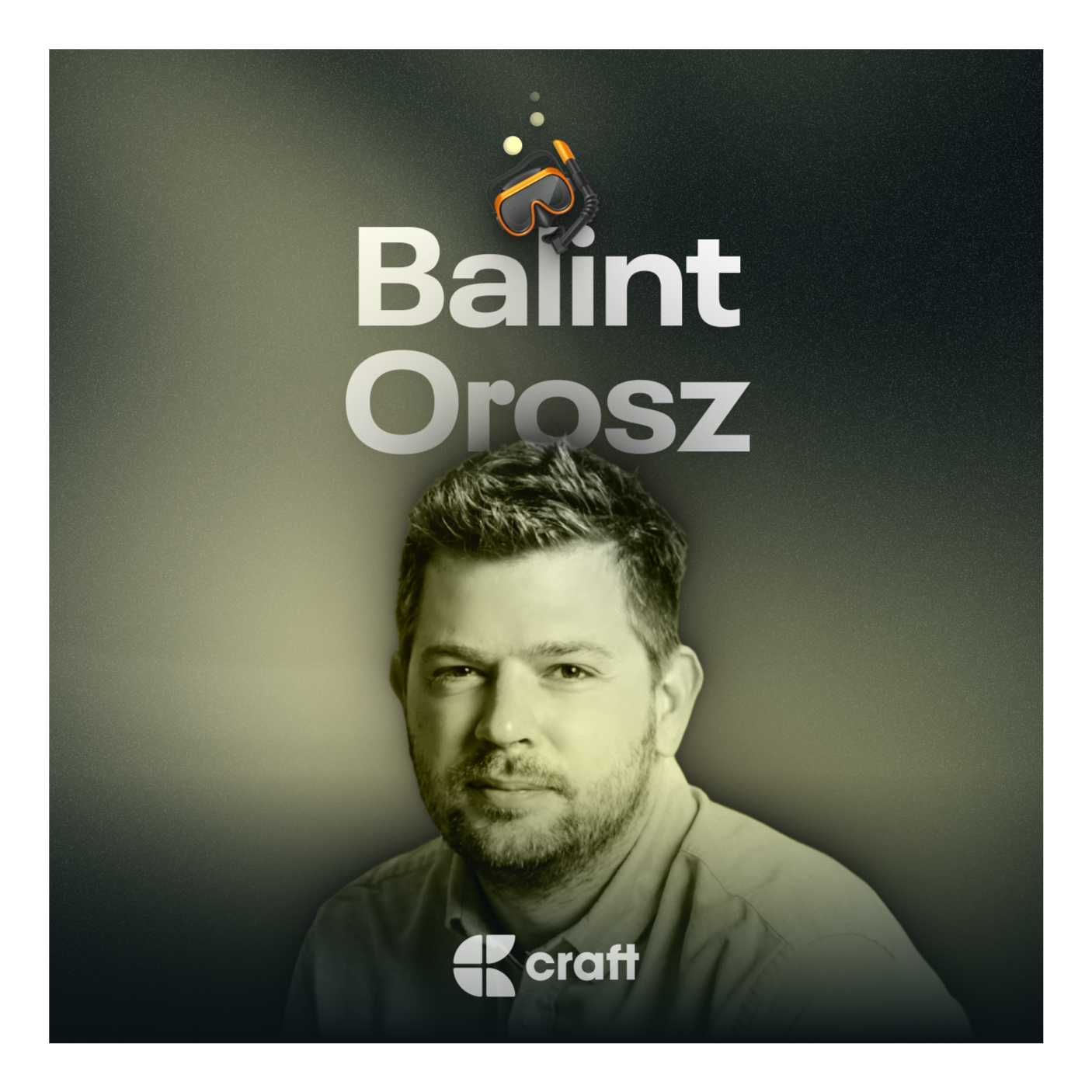
Ep 91Balint Orosz - What it takes to design an award-winning product
What does it take to create a product worthy of winning Mac app of the year?I interviewed the founder of Craft Docs, Balint Orosz, to find out…So this episode is a deep dive into how they work and what it takes to achieve this level of design excellence, including:What Balint looks for in systems thinkersCraft’s plan to differentiate with personalizationWhat it looks like for designers to take ownershipHow designers experiment with LLMs and shadersBehind-the-scenes of their viral “quick add” featureWhat makes Craft’s approach to product planning so uniqueThe challenges of designing a user-generated content producta lot moreIntroducing Craft 3
How to increase your influence as a designer 💡
I’ve interviewed a lot of staff designers to figure out what it takes to have real influence at companies like Shopify, Github, Airbnb, etc.One thing is clear… if you want to make strategic impact as a designer then you have to get to a place of altitude that allows you to see the bigger picture.This episode is designed to help you do just that.Catt Small (Staff Product Designer at Dropbox)Mia Blume (Early design leader at Square, Pinterest + more)Soren Iverson (Founder of Iverson)Kathy Zheng (Head of Design at Optimism)
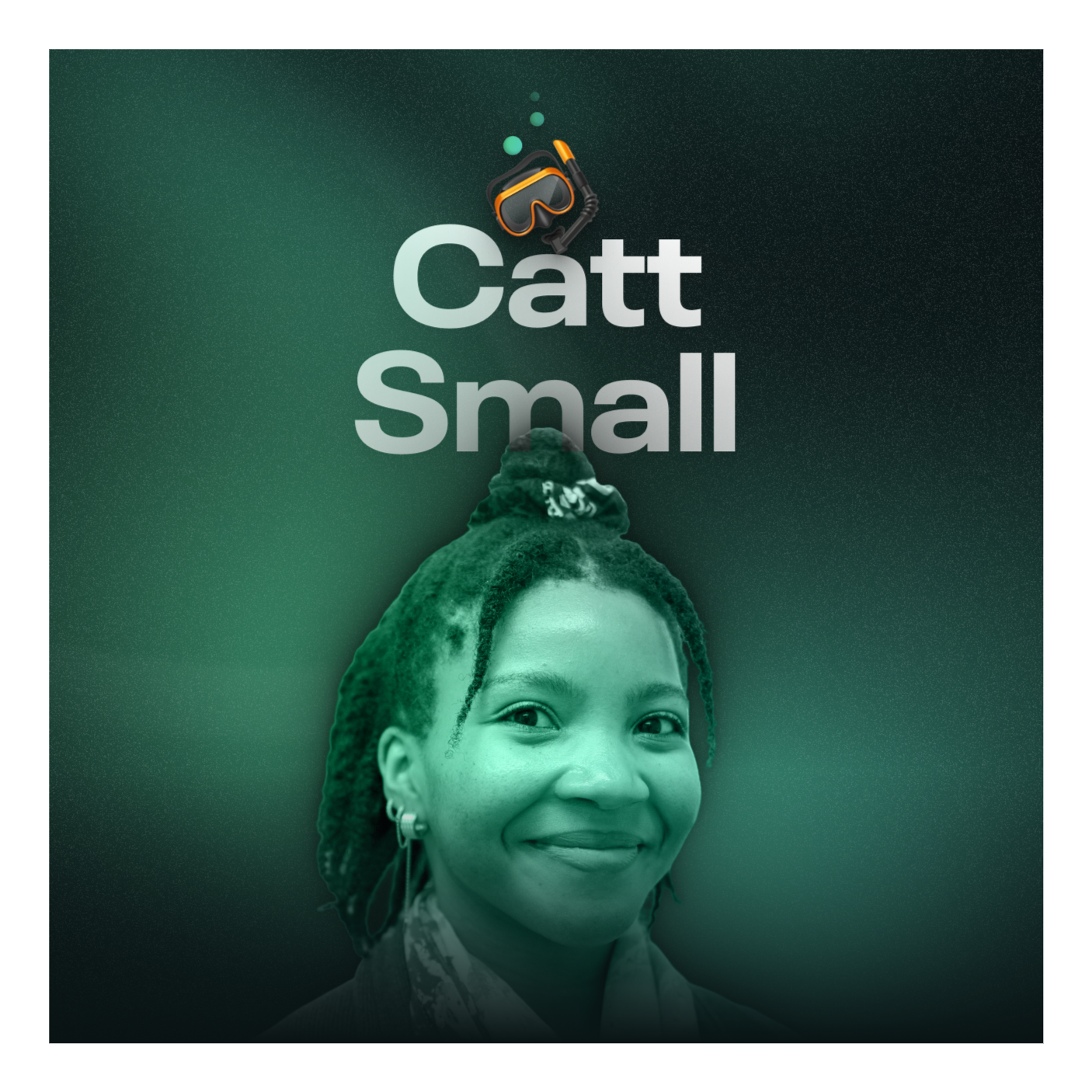
Ep 90Catt Small - How to influence and lead as a staff designer
How do the best staff designers influence and lead as individual contributors?I interviewed Catt Small to answer that question and it turned into one of the most practical episodes yet. She pulls from her 14+ years of experience designing products like Etsy, Asana, and Soundcloud to share techniques you can use to level up your influence and scale your impact as an IC.Some highlights:Ways to get out of the execution trapThe key to having “executive presence”Catt’s advice for better time managementHow designers can encourage people to think biggerHow Catt has evolved the way she does async videosUnderstanding the different archetypes of staff designersBehind-the-scenes of the massive “Goals” project at Asanaa lot moreCheck out Catt’s course Staff Designer: Influence & Lead as an Individual Contributor (Dive Club listeners get $100 off)Catt mentions the books Radical Candor & 15 Commitments of Conscious LeadershipMicah Bennett was the designer she learned so much from
How to get hired by the best teams 💡
What are the best teams looking for in design candidates?That’s become one of my favorite questions to ask so this episode shines a light on some of those traits and what you can do to stand out.It includes insights from:Diego Zaks (VP of Design at Ramp)Soleio (2nd designer at Facebook)Pranathi Peri (designing v0 at Vercel)Maheen Sohail (Gen AI at Meta)Mariana Castilho (Designer at Poolside)
Ep 89Tyler Angert - The rise of spontaneous software
This week’s episode is with Tyler Angert who was the first design hire at Replit. So we get a behind-the-scenes look at what it’s like designing for a hyper growth startup. However in early 2024, Tyler left to pursue a startup of his own, so a good chunk of this discussion focuses on his vision for Patina and the future of “spontaneous software”.Some highlights:Why the camera roll is pivotal for AITyler’s advice to his 23 year old selfTactics for learning to code with ClaudeWhat it takes to design complex systemsThe skills that will be most valuable in 2025The biggest design challenges for AI productsStrategies for learning more technical skillsetsHow to succeed as a young designer at a startupTyler’s Freezeframe app with Jason YuanGenesis physics announcementGranola meeting recordingsDaylight computer
You’re an AI product designer now 💡
I’m designing a new product and a few months ago I would’ve confidently said it’s not an AI product. But I was wrong.This new technology creates endless opportunities… we just have to be able to see what AI makes possible. And that’s what this episode is all about.Maggie Appleton (former design lead at Elicit)Joel Lewenstein (head of product design at Anthropic)George Kedenburg III (designer at Humane)Michael Wandelmaier (designer at Dropbox)

Ep 87Mike and Chara Smith - Designing for the love of the game
I’ve followed Mike Smith ever since he designed the Perplexity brand identity and quickly realized he’s one of the most creative designers I’ve ever seen. Turns out his wife Chara is a positioning mastermind too so it makes sense why Smith & Diction is one of the hottest agencies in the game today.So this week’s episode is a deep dive into brand strategy and what it takes to stand out in 2025 and beyond. We get into:What it takes to stand out in an AI worldTheir hacks for cracking a brand strategyWhy the best brands have lots of “moves”Mike’s #1 piece of advice for younger designersWhat people really mean when they say “timeless”Their experience using Visual Electric in brand designPositioning Smith & Diction in today’s agency landscapea lot moreWe talk about how they used Visual Electric for their latest project (Alma Food). ⭐ Don’t forget you can use the code DIVECLUB to get your first month free.You can also check out the episode with Colin Dunn (CEO of Visual Electric)Mike says to make sure you watch the episode with Phi from PerplexityWe talk about Topo, Cotopaxi and Steady bags
Thinking like an engineer is a super power for designers 💡
Being able to think like an engineer helps you collaborate with developers more effectively, design UIs that make sense, and empowers you to build your ideas with AI tools like v0, Claude, etc.So this video is going to break down a few traits of designers who I believe are already doing this at a high level.It includes insights from:Mariana Castilho (designer at Vercel/Pierre)Julius Tarng (prev engineering at Linear)Meng To (Founder of Design+Code)
Ep 86Pranathi Peri - Designing v0 from Vercel
We've heard a lot on this show about designers becoming builders using tools like v0 and today we get to do a deep dive with Pranathi Peri who is leading the design of v0 at Vercel. We discuss:Growing your taste and intuition quicklyHow Pran thinks about the design language of v0Pran’s personal experiments using 3D and physicsWhy Pran wants to bring “onboarding roulette” to v0How Pran showed potential without having extensive experienceWhat it’s like collaborating with engineers like ShadCN and Raunoa lot moreManuel is the VP of Design at VercelWe discuss what it’s like collaborating with Shadcn
What true obsession with craft looks like 💡
Craft is so much more than a shimmering landing page or micro animation…It’s sweating all of the tiny details and having a thorough understanding of the edge cases in your product.But there’s one detail most designers miss… 👀So this episode highlights one of my favorite ideas ever shared on the show from Raphael Schaad (founder of Cron and now the Head of Calendar at Notion).It’s a fantastic example of what it looks like to obsess over the craft of your productYou can find his full episode here — https://www.dive.club/deep-dives/raphael-schaadAnd this episode also pulls in part of my conversation with Julius Tarng about his time at Linear — https://www.dive.club/deep-dives/julius-tarng

Ep 85Sam Peitz - The intersection of art and product
This week's episode is with Sam Peitz who quickly became one of my favorite designers to follow in 2024.He regularly shares experiments like TextOS, his scribble running app, and assorted letter prototypes. So this conversation is a deep dive into his creative process and how he’s redefined his career path over the past ~10 months. We go deep into:Sam’s go-to source of design inspirationThe power of setting the right constraintsWhat Sam has learned about building with v0How to think creatively and design out of the boxHow to position yourself for the type of work you want to doa lot moreKoto branding studio is where Sam worked previouslySam likes Arena for design inspirationWe talked about the episode with Dennis from Amie
Don’t trust the design process 💡
Designers have become servants of “the process” so this episode features stories of people who are breaking the mold in the way they explore and prototype ideas.It includes insights from:Gabe Valdivia (Fractional design leader): https://www.dive.club/deep-dives/gabe-valdiviaDennis Muller (Designer + founder of Amie):https://www.dive.club/deep-dives/dennis-mullerGavin Nelson (Designing Linear mobile app):https://www.dive.club/deep-dives/gavin-nelsonNikolas Klein (Designing Prototyping at Figma):https://www.dive.club/deep-dives/figma-prototypingMichael Wandelmaier (Former Head of Design at Metalab): https://www.dive.club/deep-dives/michael-wandelmaierAnd lastly it features insights from Jenny Wen including her original blog post that inspired this episode (definitely bookmark this it’s awesome)👇https://jennywen.substack.com/p/dont-trust-the-design-process

Ep 84Andrei Herasimchuk - The 1st designer at Adobe
Did you know that the very first interface designer at Adobe was also the first designer to work on Figma? 🤯His name is Andrei Herasimchuk and he knows a lot about design tooling…So this week’s episode is jam-packed with stories about designing the earliest interfaces for Illustrator and Photoshop, as well as what it was like seeing the original seed of an idea that became Figma.Not only that… Andrei gives us a behind-the-scenes of his new design tooling startup and shares his vision for where software creation is headed next 👀Some highlights to expect:How AI fits into his new product strategyThe bizarre story of Andrei’s first day at AdobeThe 3 types of designers that will exist in the futureWhat it was like joining Figma as the first designer in 2012How Andrei defined the initial keyboard shortcuts in design toolsThe #1 trait of designers he’s worked with over the last 3 decadesWhen to break out of the familiar interaction patterns for design toolinga lot moreBryan Lamkin was Andrei’s first manager at AdobeMark Hamburg was who he collaborated with on the original keyboard shortcuts
Become a 10x startup designer 💡
Many of my favorite episodes are when we get to hear from the earliest designers at companies like Linear, Perplexity, Ramp, Facebook, etc.So this episode pulls out the key insights so you can learn what it takes to thrive as a startup designer:Nate Parrott (Founding designer of Arc): https://www.dive.club/deep-dives/nate-parrottAdrien Griveau (Founding designer of Linear): https://www.dive.club/deep-dives/adrien-griveauSoleio (2nd designer at Facebook): https://www.dive.club/deep-dives/soleio-2Marco Cornacchia (Founding designer at Diagram): https://www.dive.club/deep-dives/marco-cornacchiaHenry Modisett (Founding designer at Perplexity): https://www.dive.club/deep-dives/henry-modisettHelen Tran(Design leader at AngelList): https://www.dive.club/deep-dives/helen-tranDiego Zaks (2nd designer at Ramp): https://www.dive.club/deep-dives/diego-zaks

Ep 83Diego Zaks - Designing the fastest growing startup ever
Imagine joining an early stage startup as the first senior designer and within a few years, it becomes the fastest growing company ever.Well… that's the story of Diego Zaks who is now the VP of design at Ramp.This week’s episode is all about how they were able to win with design and what makes their culture so special. We go deep into:Why velocity is the key to qualityThe impact of “truth seeking pods”How Diego creates a culture of collaborationWhat it takes to be a great founding designerThe #1 trait Diego looks for in design candidatesHow Diego has changed the way he gives feedbackHow designers are empowered to make strategic callsa lot more…Want to work with Diego at Ramp? They’re hiring ✌️

Attacking ambiguity with design💡
Imagine you’re asked to lead the design of a new project. It’s complex, open-ended, and full of interconnected problems…How do you attack that ambiguity and get momentum quickly?This episode is an attempt to answer that question by unpacking tactics used by designers like:Jenny Wen (Original designer of Figjam): https://www.dive.club/deep-dives/jenny-wenMichael Wandelmaier (Former head of design at Metalab): https://www.dive.club/deep-dives/michael-wandelmaierAlex Cornell (Director of Design at Meta AI): https://www.dive.club/deep-dives/alex-cornellRich Arnold (Design leader at Vine, IG, and Coinbase): https://www.dive.club/deep-dives/rich-arnoldAndrei Herasimchuk (first designer at Adobe and Figma): Episode coming soonJenny Wen’s Eigenquestions Figjam template

Ep 82Phi Hoang - Creativity, Midjourney, and the future of brand design
2024 was the year the Perplexity brand took over the design community. And a big reason why is because of Phi Hoang.So this week’s episode is a deep dive into brand experience design and creativity with AI tools. We get an inside look at:Phi’s creative process with MidjourneyWhy Perplexity thinks of the brand in “seasons”Phi’s tool stack for creating marketing videos with AIBehind-the-scenes of how Phi stumped the founder of MidjourneyWhy Perplexity cares about creative consistency > visual consistencya lot morePhi referenced the episode with Henry Modisett the Head of Design at PerplexityMike Smith from Smith & Diction is who Phi collaborated with on the initial brand identityPhi uses Midjourney for image creationHe also mentioned Runway, Luma, and Krea for video work.

Storytelling masterclass for designers 💡
It doesn’t matter how good your designs are if they never get built. So this episode breaks down specific tactics you can use to become a better storyteller and get people excited to build your ideas. Michael Wandelmaier (former Head of Design at Metalab): https://www.dive.club/deep-dives/michael-wandelmaier Gavin Nelson (designing the Linear mobile app): https://www.dive.club/deep-dives/gavin-nelson Ian Wharton (storytelling coach): https://www.dive.club/deep-dives/ian-wharton Kathy Zheng (head of design at Optimism): https://www.dive.club/deep-dives/kathy-zheng Yuan Wang (head of design at Maven): https://www.dive.club/deep-dives/yuan-wang Alex Cornell (design lead for Gen AI at Meta): https://www.dive.club/deep-dives/alex-cornell Noam Segal (senior research leader): https://www.dive.club/deep-dives/noam-segal Femke (design lead at Gusto): https://www.dive.club/deep-dives/femke Gabe Valdivia (independent designer): https://www.dive.club/deep-dives/gabe-valdivia Dive is where the best designers never stop learning 🤿 🌐 dive.club 🐦 twitter.com/joindiveclub

Ep 81Joey Banks - Designing your career path
A little over a year ago, Joey Banks and I were DM’ing each other in Slack about leaving our W-2 jobs and going independent.So this week’s episode is a reflection on his journey working for himself and it’s as human and relatable as any conversation I’ve ever had on this show. We go deep into:Managing your pipeline of clientsCreating a personal knowledge system in NotionFinding companionship as an independent designerStructuring your schedule and maintaining momentumCommunicating your services and pricing yourself effectivelyDealing with uncertainty and all of the unknowns in your first yeara lot moreGet a special offer on Joey’s “Level Up with Figma” courseJoey’s Baseline website and newsletterPaul Millerd’s “Pathless Path” book and his episode on Lenny’s podcastJoey mentioned Oliur’s episode as one of his favorite YouTube creatorsHe also mentioned Stephen Robles YouTube channel

Time to rethink design systems 💡
The pendulum has swung too far with design systems. Somehow they’ve become synonymous with scale. But I believe they’re the perfect first step for startups. So this episode looks at stories from Perplexity and Cron to reframe design systems as the key to speed in the early days.Henry Modisett (Head of Design at Perplexity): https://www.dive.club/deep-dives/henry-modisettRaphael Schaad (founder of Cron / Notion Calendar): https://www.dive.club/deep-dives/raphael-schaadBrad Frost (author of Atomic Design): https://www.dive.club/deep-dives/brad-frost

Ep 80Dessn - The missing tool for product designers
EAfter writing a viral article called “The Missing Tool” I was fortunate to meet Gab and Nim who are the co-founders of a startup called Dessn.Dessn is a new way to ship design changes without having to write code. Their extension overlays a Figma-like interface on your live web app so designers can easily make changes. Their AI then writes the code and pushes it to your Github. That means designers can now contribute directly to production.Over the last few months we’ve had regular jam sessions about the future of design tooling, how AI impacts software creation, and everything in between…These jam sessions have been some of the most inspiring conversations I’ve had this year. So this week’s episode is a way to loop you in on some of those conversations. We go deep into:The future of design systems with AICrafting a product strategy in today’s landscapeNavigating the idea maze as an early stage founderWhat it means to have an “AI native” product strategyHow the flattening of the talent stack impacts designersWhy Nim was so inspired by the head of design at UnsplashWhat “taste” looks like when operating as a creative directora lot moreCheck out the Dessn websiteNim mentioned V0.dev as a way to create software (also might like Meng To’s recent episode)The short story Library of BabelStudio Ghibli animation studiosGraza olive oil as an example of what a strong brand looks like in a commoditized product line

7 mental models for designing AI products💡
Over the last few months, I’ve interviewed the people designing cutting edge AI products like Perplexity, Claude, Dot, Humane, Visual Electric, and more…During that time I’ve created a running list of all the metaphors and mental models they’ve used to explain what it’s like.So this episode breaks down 7 mental models for designing AI products.Maggie Appleton (Design engineer at Normally): https://www.dive.club/deep-dives/maggie-appletonHenry Modisett (Head of Design at Perplexity): https://www.dive.club/deep-dives/henry-modisett Joel Lewenstein (Head of Product Design at Anthropic): https://www.dive.club/deep-dives/joel-lewenstein George Kedenburg III (Designer at Humane): https://www.dive.club/deep-dives/george-kedenburg-iii Colin Dunn (Co-founder of Visual Electric): https://www.dive.club/deep-dives/colin-dunn Jason Yuan (Co-founder of Dot): https://www.dive.club/deep-dives/jason-yuanChapters 0:00 AI as an organism we grew 1:49 AI as the middle of a field 6:24 AI as a chef in a kitchen 7:37 AI as a new child 8:42 AI as a new material 10:20 AI as the meat of our design deliverable 12:11 AI as electricity

Ep 79Meng To - How to build your ideas with AI
One of the most impressive things I’ve seen a designer make all year is Meng To’s Dreamcut.It’s the perfect example of what it looks like to transition from traditional designer to builder 💪 So if you’re interested in becoming a designer who ships then this is the episode for you.Meng gives a highly practical breakdown of what it looks like to go from 0 to 50,000+ lines of code as a designer. And Meng is the perfect person to onboard you into tools like Claude and Cursor because he’s spent 10+ years teaching designers how to code through Design+Code. So in this episode we go deep into:Meng’s tech stack and go-to AI toolsHow to fine-tune visual details in codeThe secret to an effective first 10 promptsHow to find the perfect first project to buildHow much code you need to know to build with AIWhat parts were easier/harder than Meng expectedWhy Meng considers Claude the newest design toola lot more…Meng uses Claude + Cursor to build his ideasMeng’s original .svg pattern product that he build to get startedMeng’s new Dream Cut editorMeng previously used Screen Studio (which is awesome), CapCut, and Eleven Labs for videosAI typically uses TailwindCSS (Meng also mentioned the Shadcn component library)Meng also mentioned V0 and Bolt as alternatives to ClaudeScratch is visual programming for kids

How Airbnb is bringing soul back to their design 💡
Airbnb is making 3 big design investments to bring soul back to the app. So this episode pulls from interviews with their VP of Design, Teo Connor, and prototyping specialist Janum Trivedi. Learn why Airbnb is investing in 3D, motion design, and leaders who still have their hands in the clay.Teo Connor (VP of Design at Airbnb): https://www.dive.club/deep-dives/air-bnbAlex Schleifer (former Chief Design Offer at Airbnb): https://www.dive.club/deep-dives/alex-schleiferJanum Trivedi (prototyping specialist at Airbnb): https://www.dive.club/deep-dives/janum-trivedi

Ep 78Soleio - The rise of designers who ship
As soon as I finished our original interview, I knew I had to have Soleio on as the first repeat guest. He led early design efforts at Facebook and Dropbox. Now he invests in design-driven startups like Figma, Framer, Vercel, etc.So this week’s episode is all about how designers and startups can succeed in a world where everything is changing. We go deep into:Ideal traits for a founding designerHow startups can strategically attack incumbentsWhy the future belongs to designers who can shipThe backstory behind Soleio’s investment in PerplexityA potential future where one designer can service 5+ startupsWhat you can do to invest in your future founder journey todayHow Soleio approaches the design tooling space as an investorWhy we won’t use smartphones the same way 5 years from nowa lot moreSoleio’s first episodeMeng To’s video editing product (episode coming soon)Granola (Sam and Chris are the founders)Interview with Perplexity’s head of design (Henry Modisett)Pattern Breakers by Mike Maples, JrChapters 0:00 Intro 1:32 Designers who can ship 11:18 Dealing with the velocity of tech as an investor 13:27 The importance of brand for startups 18:00 Why Soleio beleives we won't be using smartphones the same way in 5 years 34:23 Qualities that Soleio looks for in first-time founders 36:58 How to succeed as a founding designer 44:53 Founders living in the future 55:05 How to invest in your future founder journey today

Ep 77Joel Lewenstein - Pursuing ambitious design ideas
This week’s episode is with Joel Lewenstein who is the Head of Product Design at Anthropic where he works on cutting edge AI products like Claude. After 80+ episodes, I can honestly say this one’s “juice per minute” score is off the charts.Some of my favorite highlights:How the team prototyped Claude ArtifactsNew mental models for designing AI productsThe way designers shape strategy at AnthropicHow to master the dark art of prompting as a designerThe future of language as the dominant interface for AIDesigning for infinite degrees of freedom vs. user journeysHow Joel designed his interview process at Airtable/Anthropica lot more…The CEO of Anthropic (Dario Amodei)’s essay: Machines of Loving GraceA new 3 minute video showing how the team built Claude ArtifactsChad Thornton was the Head of Design at AirtableEverett Katigbak is the Brand Creative Director at AnthropicKim Bost is the design leader Joel collaborates with a lotJoel mentioned Jason Yuan’s interview about designing AI products with soul

Ep 76Teo Connor - How Airbnb innovates with design
Airbnb is one of the truly iconic design-driven companies. They set the bar for design innovation in so many ways. So this week’s episode is a deep dive with their VP of Design, Teo Connor.She gives us a behind-the-scenes look at how design operates at Airbnb including:How Airbnb is bringing vitality to the visual languageHow Airbnb is empowering designers to be designersHow to succeed in a design review with Brian CheskyWhy it’s not enough to think in terms of flows and screensWhy Airbnb is updating their design system to use more 3DHow they redesigned the checkout and welcome experienceWhy Airbnb has prioritized prototyping in code earlier in the processa lot more

Ep 75Dan Moreno - Challenging the status quo as a designer
Imagine your first traditional “product design” job is designing the Snapchat messaging UX for millions of people across the globe…Well that’s what Dan Moreno’s journey looked like as an engineer turned designer.So this week’s episode is a deep dive into his 5+ years designing Snapchat as well as his new role at a rocket ship startup called Captions.Some highlights:Dan’s formula for presenting design ideasHow Dan grew his visual skills as an engineerInside look at the AR exploration team at SnapchatHow to get the CEO of Snap excited about your ideaWhy designing at a startup brings more responsibilityHow Dan rethought what Snapchat messaging could bea lot moreSnap’s Lens StudioAndrew McPhee (Dan’s first manager at Snap)Gaurav Misra (founder of Captions)Pop a component plugin for Figma

Ep 74Jason Yuan - Going beyond craft to design with soul
EI remember the exact moment where I first explored MercuryOS. It was clear Jason Yuan was one of the most skilled design thinkers I'd ever encountered. No wonder he landed a role designing AI products at Apple shortly after.But the main reason I wanted to interview him was to learn more about his new product called Dot. It's by far my favorite personal AI and a beautifully designed experience. So this conversation is a behind-the-scenes of his latest journey and a fun glimpse at what the future might hold for software products. We go deep into:What it looks like to design with soulWhat makes Jason’s design process uniqueWhy Jason left Apple to build New ComputerHow Dot is the spiritual successor to MercuryOSHow more designers need to become AI engineersWhy Jason thinks dynamic interfaces are over-hypedHow to design a product based on one magical interactionWhat Jason learned about storytelling from his background in theatrea lot moreDownload Dot or check out the websiteJason's original MercuryOS projectThe original Dot website featuring Mei’s story (from the Wayback machine so give it a minute to load)Jason references Shigeru Miyamoto (the creator of Super Mario Bros)

Ep 73Mariana Castilho - Evolving from designer to builder
Mariana Castilho has one of the most impressive career trajectories of any designer I’ve ever met.I first saw her while mentoring through Shift Nudge and within a few years she’s landed roles at Universe, Vercel, and most recently as the first designer at Pierre.One of the keys to her growth has been investing in her skills as an engineer. So a big part of this interview is learning what it takes to transition from designer to builder.Some highlights:The future of design engineeringWhat makes designing dev tools uniqueHow Mariana has grown as a visual designerWhat it’s like working with design celebritiesWhat it means to care deeply about implementationHow she finally succeeded her 3rd time learning to codeHow teams like Vercel consistently hit a high bar for crafta lot moreSave $200 and join me in enrolling for UI Engineering 101 for designersMariana’s component library UI LabsMariana led the original design for v0 by VercelVercel’s Geist Design System

Ep 72Janum Trivedi - What makes a software product feel great
This week’s episode is with Janum Trivedi who makes some of the most stunning prototypes in all of design. So the main goal of this conversation is to answer the question “what makes a piece of software feel great?”Some of the key talking points:The 3 levels of animationShipping a major refresh of the Netflix iOS appWhy shaders are a big deal (and how they work)How Janum built the download animation for ArcWhy Janum built his own animation engine (Wave)Learning the principles of fluid design working on the iPad pointera lot moreCheck out Janum’s demos on his website2018 WWDC talk “Designing fluid interfaces”The Book of Shaders websiteDisney’s 12 principles of animation

Ep 71Ben Blumenrose - Investing in the next wave of design founders
Ben Blumenrose was one of the earliest designers at Facebook and has spent the last 12 years as a co-founder and Managing Partner of Designer Fund. That’s allowed him to invest in many of the design founders that you’ve heard from on this shown (like Jorn from Framer or Colin from Visual Electric).So the goal of this conversation is to tap into Ben’s perspective as a designer turned investor. This episode creates a blueprint for people interested in designing for startups or maybe even building a company of your own.Some highlights:The story of investing in FramerHow second-time founders think differentlyUnderstanding your gaps as a design founderWhat it looks like to truly act as an owner at a startupWhat Ben looks for when investing in design foundersWhat types of market opportunities Ben is most excited aboutHow Ben transformed customer support in his first month at FBThe things you should be learning on the job before launching a startupa lot moreApply for the Designer Fund Partnership program

Ep 70Henry Modisett - Designing a unicorn AI startup from nothing
Imagine leading the design of an AI product that skyrockets to a billion+ dollar valuation in under two years…That’s the story of Perplexity and today we get to hear from their founding designer and current Head of Design, Henry Modisett. Some of the highlights from this conversation:What it takes to thrive as a founding designerWhy Henry likes hiring designers who can codeThe challenges of designing dynamic interfacesWhy Henry didn’t want to anthropomorphize the AIThe initial creative direction for the Perplexity brandThe keys to making a consumer product cognitively fastWhy Henry built a mini design system as his very first stepa lot moreSHOW NOTESIvan (CEO of Notion)’s tweet about not having a design systemPerplexity’s incredible brand designer named PhiWe talked about how booking.com is a masterclass in optimizing UIKEY TAKEAWAYSStarting with a design systemBefore Henry had any idea what the Perplexity product would become, he built a component system in React as the first step. The goal was to give himself a toolbox to make it easy to assemble new features. Many components are obvious (ex: you know you’ll need a grid, type system, color system, buttons, etc.). We don’t have to overcomplicate design systems. They’re the thing you invest in to move fast… not the thing you invest in once you have most of the interface figured out.Empowerment through codeWhen you write code, you develop a stronger emotional attachment to the product. You’re also empowered to continually make improvements without having to go through engineers. The more removed you are from what ships, the easier it is to dish blame on someone else for an experience being janky.“Having designers that can code is a hack…quality just happens”Velocity is everythingHenry makes a point to prioritize velocity over exploration, debate, visual design, etc. And a big part of what makes that possible is empowering designers to make decisions. If it’s a UX question, the designer needs to make a call (”go with your gut and if you want to change it later you can”). This is also why having designers who can code is key. Nothing is cemented. You don’t need permission to iterate after something ships.Dynamic UI systemsAt the root of Perplexity are UI systems that display dynamic content based on what the user searches. That means as a designer you can’t possibly mock up all use cases. You have to think about interfaces as slightly abstracted (ex: “entity comparison” which can work for comparing dog breeds, restaurants, etc.). Part of designing a dynamic system is you have to be ok with percentage outcomes. Sometimes the formatting isn’t going to be perfect.You’re designing the system, giving AI the tools to use, and hoping that it works most of the time.

Ep 69Ryan Scott - Making strategic impact as a designer
This week's episode is with Ryan Scott who was an early designer at Doordash and then spent years as a design lead at Airbnb. Nowadays Ryan teaches hundreds of designers ranging from seniors to VPs how to make a bigger impact at your company.This episode is jam-packed with insights about:What it’s like presenting at Airbnb CRITWays to unlock your credibility as a designerHow to mitigate risk when presenting your ideasWhat it takes to speak the language of the businessTypes of “PM-y” questions that designers should be askingHow Ryan led a massive redesign of the Airbnb booking flowThe right (and wrong) way to make a case for investing in UX debtHow to talk about your work in a way that resonates with non-designersa lot moreGet $100 off of Ryan’s course “Describing the ROI of design”Ryan’s case study on redesigning the Airbnb checkout flowPast interview with Alex Schleifer (Chief Design Officer at Airbnb)
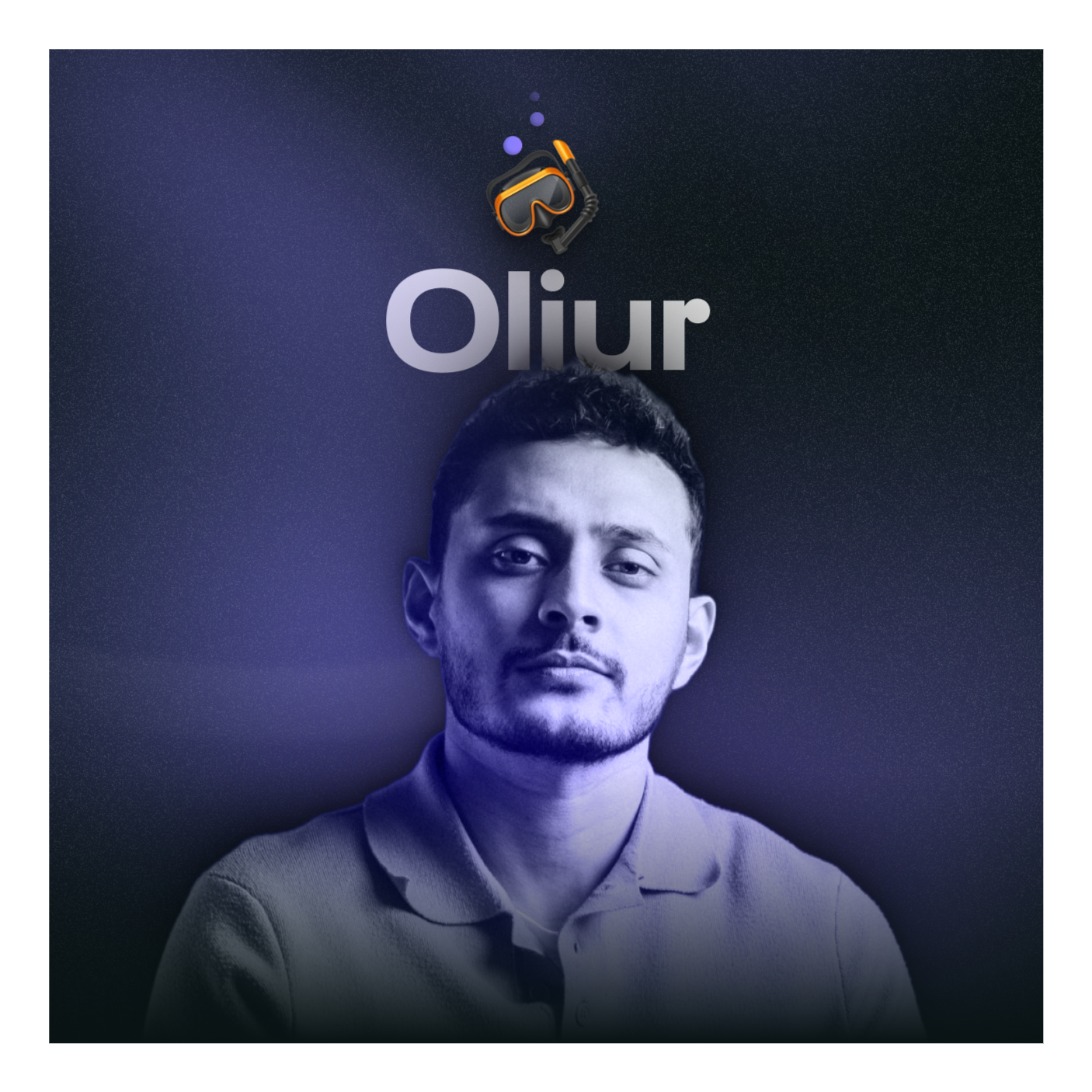
Ep 68Oliur - Grow your personal brand and get noticed as a designer
Investing in my personal brand has been the best investment I’ve ever made in my career. So I wanted to find the perfect designer to give a personal branding masterclass and I think it’s Oliur.He’s built a massive audience across YouTube, Instagram, Twitter, etc. and he shares his hard-earned knowledge in this episode:Oliur’s keys to growing on social mediaDifferent ways to create leverage in your careerHow he (accidentally) landed a billion-dollar clientHow you can get more confident putting yourself out thereSpecific ways to build meaningful connections with other designersWhat designers need to know to get better at marketing themselvesa lot moreOliur cites James McDonald as an example of someone sharing their workOliur’s iPhone presets and high income streams videosWe talk about his friend Ali Abdaal (YouTuber, Podcaster, NYT bestseller)Jason Levin’s iMessage screenshot of Travis Scott performingI referenced Jack Butcher’s “this is pointless” graphDan Petty’s “That Marker Pack”The old Audience Building course on Maven (RIP)Turkish designer Oguz (Oliur talked about the power of his aesthetic)Gabe Valdivia’s new app Almanac that he built with Cursor

Ep 67Maheen Sohail - Navigating ambiguity in AI design
This week’s episode is with Maheen Sohail who is a senior staff designer working on generative at Meta. She joined as one of the earliest designers on both the VR and AI teams, so a big part of this discussion is about navigating ambiguity when there’s no clear playbook to follow.We go deep into:New types of interface patterns for AIThe unique ways she thinks about prototypingEthical considerations when designing AI produdctsHow Maheen explores AI models through side projectsWhy the goal posts for what it means to be a designer are shiftinga lot more⭐ KEY TAKEAWAYSNobody knows what they’re doingThis is especially true when you’re designing products for emerging technologies like AI. It’s easy to look at people working on these AI-native products and assume they have it all figured out… but we’re all still learning and exploring what’s possible. This came up in George Kedenburg’s episode too.Curiosity > everythingI asked Maheen what traits are more important than curiosity for people interested in designing AI products. Her answer? Nothing.The importance of passion projectsThere’s a trend I’m noticing in these interviews… the designers who are creating cutting edge use cases for AI are the ones actively exploring the technology with side projects. Reading essays isn’t the way to learn. You have to want something to exist in the world and use that as a reason to figure out what’s possible. For Maheen it was using AI models to colorize images of Pakistan. For Nate Parrott it was using AI to hallucinate in HTML.Maheen references Alex Cornell’s storytelling abilitiesMaheen’s demo for animating drawings (it’s very fun)We referenced Colin Dunn’s episode about the importance of naming in AI productsMaheen’s colorized photos of PakistanMaheen’s FakeID podcastMeta’s AI releaseMaheen raved about the Rosebud journalling app

Ep 66George Kedenburg - Pushing past the pixels
After 8 years designing at Meta, George Kedenburg III pulled a 180 and joined Humane as a design lead. So this conversation is a deep dive into designing AI products and how the role of product designer evolves in an AI-native company:How to become a creative problem solverHow George navigates ambiguity at HumaneWhy there’s no such thing as an edge case with AIWhat George learned while using AI to learn PythonHow AI is reshaping the landscape for software designWhy George created a Slackbot to prototype his ideasWhy designing AI products is a bit like designing a kitchena lot morePushing past the pixelsThe real value of design is being able to look at an ambiguous situation and understand what you should explore.Rectangles so happen to be the most common way to express that value. But the real skill is creative problem solving.Working at a company like Humane forces designers to contribute design thinking beyond the pixels.Prompt design > prompt engineeringIf the AI model is a chef, then you’re responsible for designing the kitchen.You don’t know what the user will order, so it’s a lot of trial and error to ensure you have the right data on hand at the right moments.It’s no different than thinking through drop-off in an onboarding flow. Which is why George views working with these models as “prompt design” rather than “prompt engineering”There are no AI edge casesWhen you’re prototyping AI products, your prototypes don’t “break” or “fall over” like they do in Figma. That’s because the boundaries of what exists in the prototype become much blurrier.Instead of designing contained flows, you’re laying a foundation and allowing the model to extrapolate out from there. There are no more hard edges.George mentions Claude Artifacts as an example of someone putting the pieces together in the right order
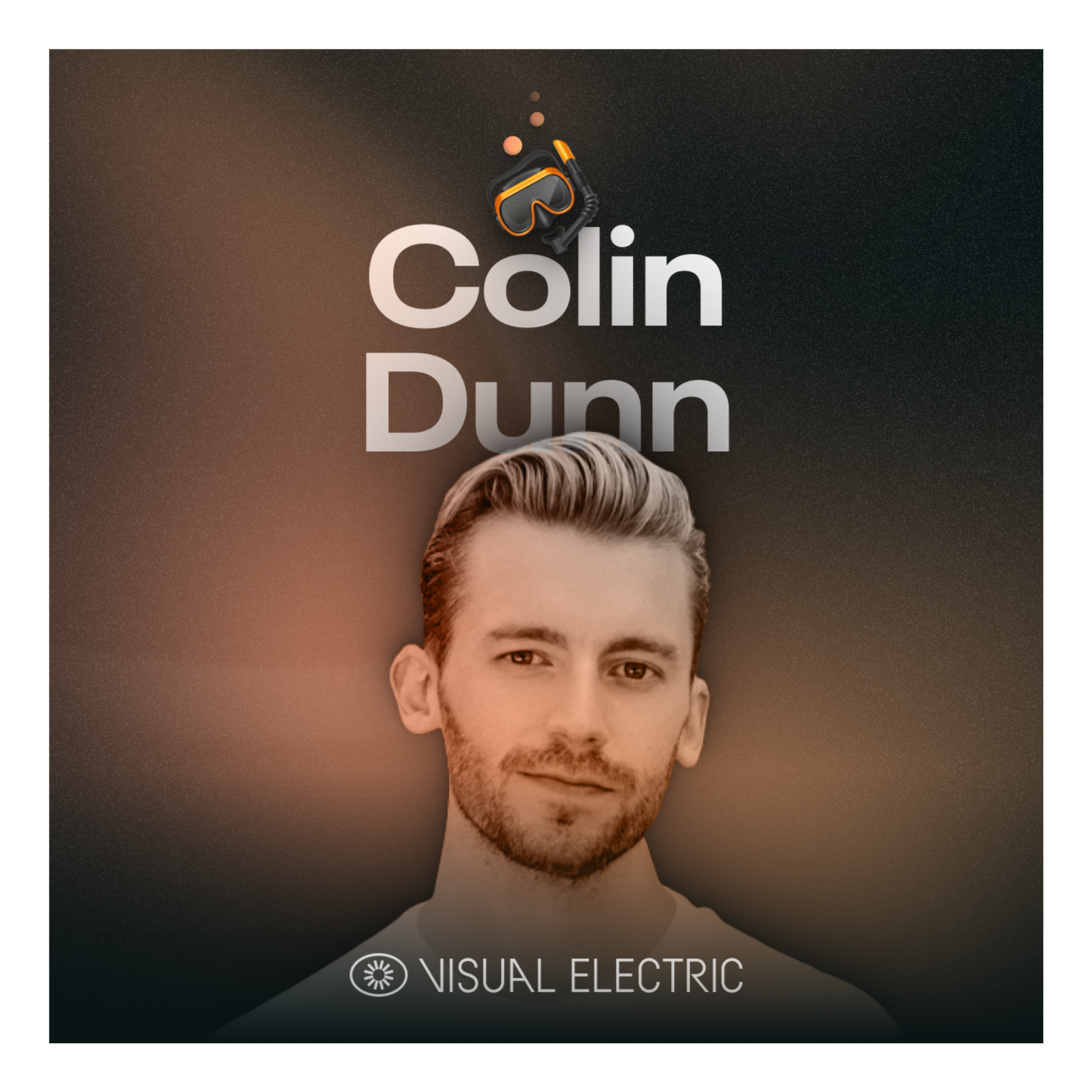
Ep 65Colin Dunn - What it takes to design a breakthrough AI product
Visual Electric has quickly become my go-to product for image generation and in this week’s episode we get to learn from the founder and designer, Colin Dunn. The whole discussion is an excellent look at the design founder journey as well as a deep dive into AI-native creative tools. We get into the weeds about:Visual Electric’s big bet to take on CanvaThe hidden challenges with designing AI productsColin's approach to early user and market researchThe art and science of raising funds for your startupWhere the value will accrue in the landscape for creative toolsWhere Colin draws the line between abstraction and power in UXThe wild backstory of how the company was named “Visual Electric”Lessons learned learned from early startup ideas that were shot downKey takeaways:AI is like electricity. Once we gained access to this new form of power, we immediately replaced candles with outlets. But it took 50+ years before the microwave and other staple household appliances were invented. When electricity came on the scene in the late 19th century it would’ve been impossible to imagine these types of products. Colin believes the electricity layer will quickly become commoditized, and instead is solely focused on building “appliances” for AI. Because someone is going to build the oven, the sewing machine, the coffee percolator, the electric can opener, etc. It might even be you 😉Choosing the level of abstraction is one of the core challenges with designing AI products. Most users don’t want to be burdened by all of the knobs and levers of the AI model. That’s why it’s essential that we define new patterns and mental models that make AI easy to understand. But you have to be careful, because “the more you abstract something, the less control users have over it”. One example Colin shares is why they’re considering combining the “reference slider” and “creativity slider”. It simplifies the UX but at the cost of control. And striking that balance is one of the challenging parts about designing Visual Electric.Language is an awkward medium for visual ideas. We need more effective ways to provide visual inputs if we want to generate high quality visual outputs.Want to get early access to Visual Electric’s new product? 👉 Click hereColin talks about his great his experience with User InterviewsGreg Rosen was the investor who helped Colin in the early daysJess Lee is the Sequoia partner they met withTom from Manual led the branding and chose the name “Visual Electric”Here’s Manual’s case study on designing the Visual Electric brandVisual Electric’s brand story page (which Ellis Hamburger helped with)

Ep 64Nate Parrott - Going from engineer to founding designer of Arc
EThe Arc browser is one of the best products I’ve downloaded in the last few years which is why I’m so excited about this interview with their founding designer, Nate Parrott.This conversation, we get an inside look at what makes design at the Browser Company so unique. We discuss:How Nate went from engineer at Snap to the Browser Co.Why design at Arc prioritizes fingerprints > consistencyHow Nate collaborates with engineers on ArcThe story behind Arc Search’s hook featureThe Browser Co’s culture of prototypingHow Nate balances intuition and dataa lot more…Nate’s gamified personal websiteA24 film studioNate references the Co-Star astrology app and the old Zenly appPatrick Moberg (the designer on Boosts)Karla Cole (the designer who pulls inspiration outside of tech)Nate’s feeeed RSS app