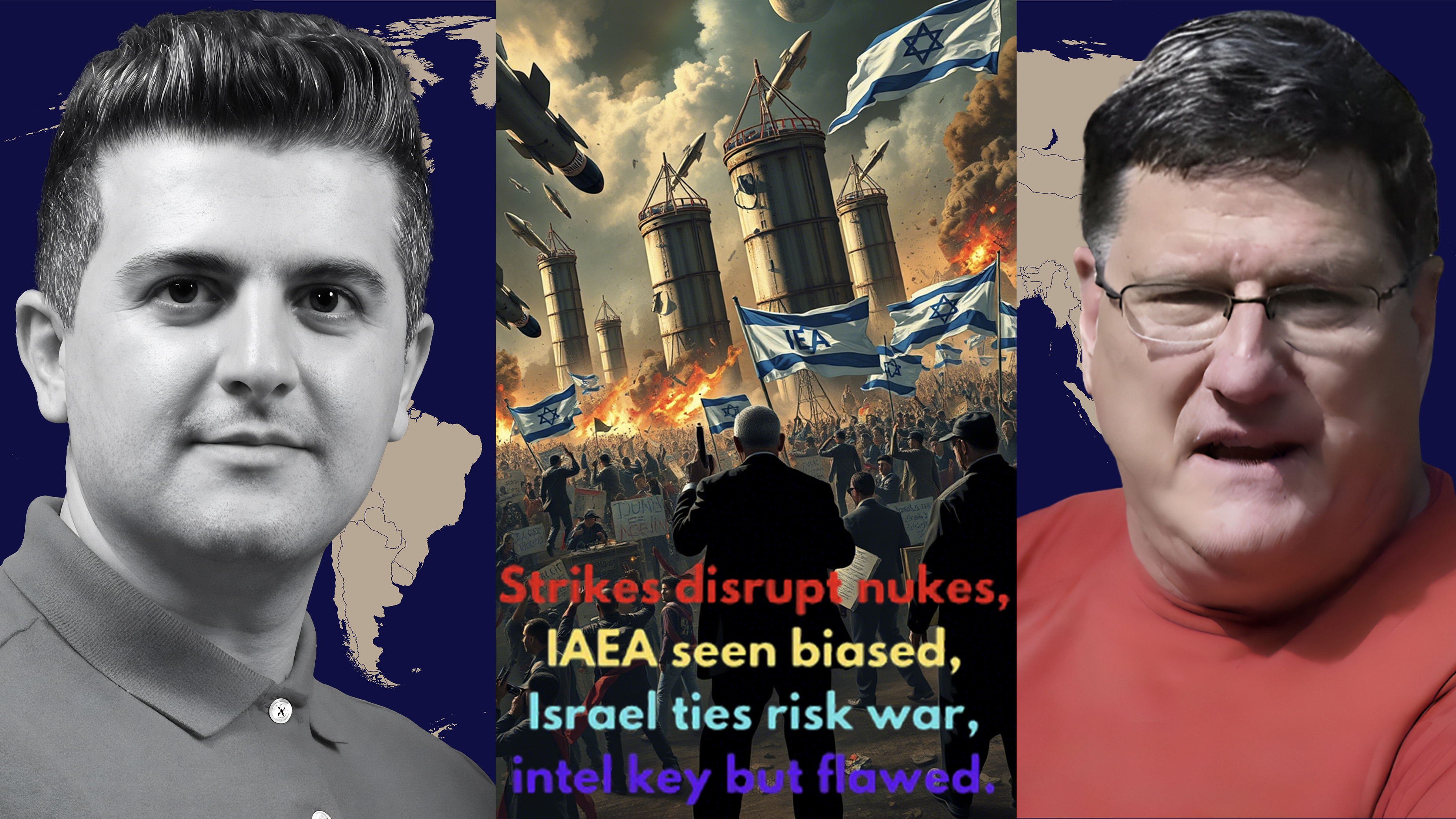
Scott Ritter: Strikes disrupt nukes, IAEA seen biased, Israel ties risk war, intel key but flawed.
Dialogue Works · Nima Rostami Alkhorshid
June 18, 202535m 27s
Audio is streamed directly from the publisher (sphinx.acast.com) as published in their RSS feed. Play Podcasts does not host this file. Rights-holders can request removal through the copyright & takedown page.
Show Notes
Strikes disrupt nukes, IAEA seen biased, Israel ties risk war, intel key but flawed.
Nima Rostami Alkhorshid:
- What is your assessment of the capability of conventional weapons to destroy deeply buried nuclear facilities in Iran?
- How effective do you think targeted military actions are in halting a country's nuclear program, especially considering dispersed equipment and expertise?
- Do you believe that the IAEA maintains impartiality in its monitoring of nuclear programs globally?
- What risks do you see in aligning U.S. foreign policy closely with Israel’s security concerns?
- How significant is the role of intelligence accuracy in shaping decisions about military action against Iran?
Scott Ritter:
- Conventional weapons may not be sufficient to destroy deeply buried facilities; even nuclear weapons might fail without precise targeting.
- Military strikes can disrupt but not eliminate nuclear programs, as knowledge and infrastructure can be relocated or hidden.
- The IAEA is seen as biased, especially when comparing how it handles different countries like Iran and Japan.
- Aligning too closely with Israel could lead to dangerous escalations, including potential nuclear conflict involving Pakistan or others.
- Intelligence accuracy is crucial, but there are concerns about politicization, especially if the U.S. president relies on unofficial or foreign sources.
Hosted on Acast. See acast.com/privacy for more information.