
Design Better
262 episodes — Page 5 of 6
S5 Ep 46Brian Chesky: Airbnb’s co-founder on designing for trust
Show notes: https://designbetterpodcast.com/p/brian-chesky It all started with a box of cereal. Well, that’s not exactly the beginning, but when Brian Chesky and his roommates had maxed out their credit cards while starting up what would become Airbnb, they had a crazy idea to continue funding the company by designing and selling limited-edition cereal boxes during the 2008 presidential election, and call them Obama O’s & Captain McCain. Now, 12 years later Airbnb just made its initial public offering—IPO—on the Nasdaq on December 10th, and what a ride it’s been. In this interview we speak with Airbnb co-founder and CEO Brian Chesky, and learn how being a designer has influenced the arc of his journey, leading a company from a 3-person startup to a public company. We talk about what it’s like to design for trust during a pandemic, and the power of having a clear company mission that all can align to. If— like some of our colleagues— you’re living in or working from an Airbnb right now, or have taken your family on a holiday made possible by them, we hope Brian’s story will be especially inspirational. As always, thanks for listening, and enjoy the show. Takeaways: Learn how Airbnb designs with a mission of belonging, to counteract the loneliness so common in our digital-first era. Hear why Airbnb organizes their teams by customer journey Learn about Project Lighthouse, Airbnb’s effort to combat discrimination.

S5 Ep 45Annie Jean Baptiste: Google's approach to inclusive design
Show notes: https://designbetterpodcast.com/p/annie-jean-baptiste As designers and design leaders, most of us understand the ethical importance of making our products accessible and inclusive for all the people who use them. But we don’t always understand the best way to go about doing this, or the business case for making it a priority. That’s why we were excited to speak with Annie Jean Baptiste, Head of Product Inclusion at Google. Our recent guest John Maeda said, "If there is one voice in tech to listen to right now, it is Annie's on the material impact of inclusion in business today and in the future." Annie recently wrote a book called Building For Everyone: Expand Your Market With Design Practices From Google's Product Inclusion Team. We ask her about what spurred her to write the book, along with some of the strategies she uses for researching, designing, and shipping inclusive products. We hope you come away from this conversation with some ideas you can bring back to your own team, to make better products for everyone. Thanks for listening. Takeaways: Learn about the "ABCs of Product Inclusion" which Annie writes about in her book Hear about hiring practices to build inclusive teams Get guidance on how to build this role into your own team.

S5 Ep 44Bill Burnett: Designing your work fife
Show notes: https://designbetterpodcast.com/p/bill-burnett In the wake of a pandemic and economic catastrophe, many of our friends and colleagues in the world of digital product design are fortunate to have kept their jobs, but there have also been many who were not so lucky. We thought it would be timely to bring in an expert who has been using a designer’s mindset to help people reframe their approach to their careers. Bill Burnett, co-author of the bestselling book Designing Your Life, has written a new book called Designing Your Work Life. Bill has been the executive director of the design program at Stanford for 13 years and has also taught one of the most popular elective classes there (which his first book was named from). He and his co-author Dave Evans have taken what they have learned from teaching and running workshops for adults in the midst of a career or life transition to come up with a framework for using tools like curiosity, reframing, radical collaboration, and a bias to action to transform your work life and find the best job for you. In this interview, we speak with Bill about how adopting a designer’s mindset can help you through your current challenges if you’re searching for work. We also chat about how grit and perseverance maps to happiness at work, and how setting aside time for reflection can help you understand what changes you need to make to find a better job (which may even be in your current company). Takeaways: How setting micro-goals can help you achieve positive change at work. Why you might think about redesigning and iterating on your role at your current company if you’re unhappy. What the idea of “generative quitting” is, and why asking the question “What am I doing wrong?” might be a good idea before you decide to quit. Bio Bill Burnett is the co-author of the NYT Best-seller Designing Your Life. He’s also co-director of the Life Design Lab at Stanford University. He’s a designer, educator, and an Adjunct Professor at Stanford University. He’s also the Executive Director of the Design Program where he manages the undergraduate and graduate degree-granting programs and advises 70 -100 students annually.

S5 Ep 43Debbie Millman: Revealing what matters the most to designers and creatives
Show notes: https://designbetterpodcast.com/p/debbie-millman We’re not ashamed to admit that, when we booked Debbie Millman for our show, we were a little intimidated. Not by Debbie herself, who always comes across as kind, smart, and thoughtful in the interviews she does for her own show, Design Matters. But just knowing that we were interviewing a pioneer in the podcasting space, someone who has been interviewing designers and creatives for over 15 years, and who spends a huge amount of time and effort researching each of her guests… that had us a little nervous. That fretting turned out to be completely unwarranted, as Debbie is as gracious and entertaining a guest as she is an interviewer. In addition to her long-running podcast, Debbie is the President Emeritus of AIGA and chair and co-founder of the Masters in Branding Program at the School of Visual Arts in New York City. We spoke with her about the role that teaching plays in her learning process, and covered a range of topics from ethics in design to the differences between being a designer and an artist. Takeaways: Learn why it’s important for design to be personal, even when you’re designing for other people. Hear how digital product designers can learn from other creative disciplines that have a long history. Find out how to stay in better “career shape,” whether you are a recent graduate or further in your career.

S5 Ep 42John Maeda: Design in Tech Report
Show notes: https://designbetterpodcast.com/p/john-maeda Over the arc of his career, John Maeda has been many things: a professor at MIT, president at the Rhode Island School of Design, a Design Partner at Kleiner Perkins, head of Computational Design and Inclusion at Automattic, and now Chief Experience Officer at Publicis Sapient. In our interview with John, we learn how curiosity and humility have driven his wide-ranging and accomplished career. We also dive deep into his recent CX Report, which was formerly called the Design in Tech Report (we ask him about the name change). We discuss why algorithms have the potential to narrow our point of view, and why digital transformation is so hard for companies that are lower on what he refers to as the “Kardashev Scale.” Takeaways: Why “shipping your org chart” may not be a bad thing. What “L.E.A.D.” products are (Light, Ethical, Accessible, Dataful). How design becomes more important as the frequency of interactions with digital products increase Bio John Maeda is an American technologist, designer, engineer, artist, investor, author, and teacher. He is Chief Experience Officer at Publicis Sapient, the technology consulting and delivery arm of communications and marketing conglomerate Publicis. Maeda serves on the Board of Sonos and the Cooper Hewitt Smithsonian Design Museum. He has held positions with Automattic, the parent company of WordPress.com; the venture capital firm Kleiner Perkins; served as president of the Rhode Island School of Design; and began his early career at the MIT Media Lab at the intersection of computer science and visual art. Named as one of the “75 Most Influential People of the 21st Century” by Esquire, Maeda draws on his diverse background as an MIT-trained engineer, award-winning designer, and MBA-community translator to bring people and ideas together at scale. He is the author of several celebrated books, including The Laws of Simplicity and Redesigning Leadership. He has appeared as a speaker all over the world, from Davos to Beijing to São Paulo to New York, and his talks for TED have received millions of views.
S5 Ep 1Seth Godin: Learning to take risks, be generous, and make a ruckus
Show notes: https://designbetterpodcast.com/p/seth-godin If you don’t know who Seth Godin is, just type “Seth” into Google or DuckDuckGo. The first entry will lead you to his blog, where he writes—every day—about marketing, design, writing, how being a better human will make you better at your job. Once you’ve started to read his blog, you’ll probably be hungry for more of his wisdom. He’s written over eighteen bestselling books on business and marketing, including Linchpin, Purple Cow, and The Dip. We’ve been following Seth for a long time, and his writing and speaking have influenced how we think about creating and marketing products. So it was a huge honor to have him on our show, where we spoke about subjects ranging from how to take risks in your career, to why being creative is an act of generosity, to the idea of “creative destruction.” We hope you enjoy our conversation with Seth as much as we did, and after you finish, we encourage you to go make a ruckus. Takeaways: Why the counterintuitive idea of “surplus” means that, despite everything going on in the world, we all have access to more resources than the last King of France did. Why writing is often the best starting point for almost any type of creative work. Why a company is more like an organism than an organization Bio Seth is an entrepreneur, best-selling author, speaker and teacher. In addition to launching one of the most popular blogs in the world, he has written 19 best-selling books, including The Dip, Linchpin, Purple Cow, Tribes, and What To Do When It's Your Turn (And It's Always Your Turn). His most recent book, This is Marketing, was an instant bestseller in countries around the world. Though renowned for his writing and speaking, Seth also founded two companies, Squidoo and Yoyodyne (acquired by Yahoo!). By focusing on everything from effective marketing and leadership, to the spread of ideas and changing everything, Seth has been able to motivate and inspire countless people around the world. In 2013, Seth was one of just three professionals inducted into the Direct Marketing Hall of Fame. In an astonishing turn of events, in May 2018, he was inducted into the Marketing Hall of Fame as well. He might be the only person in both. Seth created the altMBA and Marketing Seminar to transform online education and help people connect with their audience.

Jina Anne: How design systems affect company culture
bonusShow notes: https://designbetterpodcast.com/p/jina-anne To celebrate the new InVision DSM, we're sharing one of our favorite episodes in conversation with Design Systems Advocate, Jina Anne. If you’re engaged in any sort of community surrounding Design Systems, whether it’s the Design Systems Slack, or the Clarity Conference, then you have likely benefited from Jina Anne’s work. A self-styled Design Systems Advocate, Jina has been passionate about creating events, content and resources that bring together communities of people who care about design systems and how they impact product design. In this bonus episode of the Design Better Podcast, we chat with Jina about how she got into Design Systems, what she has learned from building these communities, and how being a hybrid designer-developer influences her understanding of Design Systems. Takeaways: How having a Design System affects company culture. What to consider when deciding to go public with your Design System, or keeping it private. How Design Systems can be effectively maintained.

Jahan Mantin and Boyuan Gao: Designing for diversity
Show notes: https://designbetterpodcast.com/p/designing-for-diversity In today’s episode, we talk with Boyuan Gao and Jahan Mantin—the founders of Project Inkblot—who have built a practical framework that can help everyone design for diversity, and can also be a guide for challenging conversations. We discuss how they see design as an opportunity to bridge the divide and bring people into the conversation about designing products and services that address everyone’s needs, regardless of race, ethnicity, gender, or religion. We also talk to them about their definition of intent vs. impact, and how to close the loop on making sure your impact is what you intended. We hope you can use some of their ideas as a way to open the door to difficult conversations, and better understand your colleagues and customers. Takeaways: Understanding why the impact of a product can vary greatly from its intent. How design can act as an invitation to participate in difficult conversations. Learn about Project Inkblot’s D4D framework to start building more equitable products, services, and content.

S4 Ep 10Marty Cagan: Understanding product management and Agile
Show notes: https://designbetterpodcast.com/p/marty-cagan Are you on a product team or a feature team? After you listen to our interview with Marty Cagan, legendary product management guru, author, and partner at Silicon Valley Product Group, you’ll know just where you stand, and how to become a product team leader if you aren’t already one. We also discuss why product management is misunderstood, the dual track agile process, discovery sprints, and the four types of prototypes that Marty has classified, including user, feasibility, live data, and hybrid prototypes. Takeaways: How dual track agile can help to validate ideas in the fastest, cheapest way possible The four risks for every product launch Why good product teams all have the same qualities

S4 Ep 9Naveen Gavini: Uniting design and engineering at Pinterest
Show notes: https://designbetterpodcast.com/p/podcast We’ve spoken to a lot of design leaders over the course of the Design Better Podcast, but this episode is the first chance we’ve had to speak with someone who has made the move from being an engineering leader to a design leader. Naveen Gavini, Head of Design and User Experience at Pinterest, spent time as an engineering manager and then as head of product engineering before taking on his current role, and he brings a unique perspective on leading design teams with him from his journey. Naveen shares how they “knit” different disciplines together at Pinterest, and we explore what he’s learned from scaling a team in hypergrowth. We also ask about the strategic advantage that co-founder Evan Sharp’s design background has brought to the company from day one. Takeaways: How product magic can happen when the boundaries blur between designers and engineers. Why scaling a team in hypergrowth is a lot like making soup. How design ops serves as the connective tissue at Pinterest.

S4 Ep 8Stephen Deasy: How designers and engineers can work together better
Show notes: https://designbetterpodcast.com/p/stephen-deasy “Designers are about possibilities. Engineers are about probabilities.” This quote, from Stephen Deasy, Head of Cloud Engineering at Atlassian, is just one example of how concisely he can describe the relationship between designers and engineers. Our interview with him was our first chance to learn from a leader on the engineering side, and he shared a wealth of knowledge that will help designers work more effectively with their engineering counterparts. Stephen gave us insights about running regular retrospectives and health monitors with your team, and “plays” like Roles and Responsibilities. He also spoke to the mindset and process shift that occurs when teams scale from 15, to 50, to 150 people. Stephen also relayed some great insights on design and agile. Takeaways: How to look across a company to get a pulse on the health of teams Understanding the mindset shift as teams scale What it looks like when teams are efficient and productive in an agile environment

S4 Ep 7Joshua Seiden: Agile, Lean UX, and measuring your work
Show notes: https://designbetterpodcast.com/p/joshua-seiden Love it or hate it, the agile approach to software development seems to be here to stay. Often, it’s hard to get good design practice to fit within an Agile framework, so our next guest, Joshua Seiden—co-author of Lean UX and Outcomes Over Output—may be particularly helpful to those of you who are struggling. We chat with Joshua about how to fit user research into a sprint, and how he advocates for setting outcomes to guide the work of your team. We also talk about how design teams should think about measuring their work. You’ll hear: Why it’s important to set goals as outcomes, and not focus on output. How design leaders are uniquely well-equipped to lead the conversation about measuring impact, because of their close relationship with the customer. What mistakes designers make when working in an agile environment, and why going faster isn’t always better.

S4 Ep 6Steve Rader: NASA's approach to problem-solving and leading people
Show notes: https://designbetterpodcast.com/p/steve-rader There’s a lot of talk in the tech world about moonshots, and what it takes to build a team capable of achieving them. We thought it might be helpful to speak with someone at an organization that has achieved actual moonshots, and so we were thrilled to get a chance to speak with Steve Rader, who is Deputy Director for the Center of Excellence for Collaborative Innovation at NASA. We chat with Steve about how he communicates across teams where expertise and vernacular might be very different, and the importance of having teams that are diverse on an array of different levels, from personal background to expertise. We also learn how vision gets communicated by leadership at NASA, and the lessons he’s learned in his career about leading people. You’ll hear: How to counteract fear of change in an organization by setting the right vision. How an innovative solution for potato chip manufacturers (delicious!) was brought about by crowdsourcing input from a diverse set of skilled people. Why it’s important to define the problem before jumping to a solution, to lead people effectively.
Ryan Rumsey: Designers need to understand the language of business
Show notes: https://designbetterpodcast.com/p/business-thinking We’ve just published a new book on DesignBetter.com called Business Thinking for Designers by Ryan Rumsey, formerly of Apple, USAA, EA, and Nestlé. It’s a challenging time out there, and we know many of you are facing uncertainty in your work, whether you’re in an industry that’s been heavily hit by the current crisis, or even if you’re lucky enough to be with a company that is navigating the current storm more or less intact. Now more than ever, designers need to be able to demonstrate an understanding of the business they work within, and show a return on investment for the work that they do. This is why we’ve released this book now, and in this bonus episode with author Ryan Rumsey you’ll learn: Why an analytical approach to storytelling is crucial to conveying your vision How to prepare for negotiations after you pitch to stakeholders Ways business thinking can help individual contributors in addition to managers In the new book Business Thinking for Designers, you’ll get to know how to speak design in the language of business, learn essential strategies to effectively communicate with your business partners, and tools, tips, and frameworks that you can put right to work. If you’re eager to download the book now, for free, just head over to https://www.designbetter.co/business-thinking-for-designers.

Remote Work for Design Teams: Lessons in leadership, collaboration, and culture
Show notes: https://designbetterpodcast.com/p/remoteworkbook We’ve just published a new book on DesignBetter.com called Remote Work for Design Teams, to help you make a graceful transition from the office to a remote work environment. In this bonus episode, we speak with the authors of the book (all from InVision): Abby Sinnott, Managing Editor, Greg Storey, Senior Director of Executive Programs, and Ben Goldman, Director of InVision Films. We chat with Abby, Greg and Ben about their own remote collaboration and teamwork while writing this book, which the team turned around in record time. We also review some tips for leaders during this crisis, and discuss why being productive at work shouldn’t necessarily be top priority for everyone on the team. If your team needs a little helping hand during these challenging times, you can head over to designbetter.com/remotework, and download the book for free. In this episode, you’ll learn: The non-obvious advantages of being a distributed team when creating this book How remote work lends itself to both divergent and convergent modes of creativity Why remote collaboration can build trust through vulnerability

Richard Banfield and Alison Rand: Remote design sprints and design reviews
bonusShow notes: https://designbetterpodcast.com/p/richard-banfield-alison-rand In this bonus episode, we’re once more focused on remote teams, and more specifically on best practices for facilitating remote design sprints, building trust between teams in a remote environment, and running effective critiques and design reviews remotely. In the first half of the episode, we chat with Richard Banfield, VP of Design Transformation at InVision, and author of the book Enterprise Design Sprints, who gives us practical guidance on how to run a remote design sprint effectively. In the second half, Alison Rand, our Senior Director of Design Operations, will reveal the inner workings of how our own design teams perform design reviews remotely, and make sure that work is visible across teams. You’ll learn: How to facilitate a remote design sprints and run effective design reviews The virtuous cycle that you need to put in place to build trust with your remote teams Why preparation is the most critical part of running a design sprint remotely How our veteran distributed team at InVision runs remote design reviews To discover more remote work resources from InVision, check out www.invisionapp.com/remote.

Making remote teams work
bonusShow notes: https://designbetterpodcast.com/p/stephen-gates-jennifer-aldrich In this bonus episode, we chat about balancing personal and professional demands in a remote environment, especially during these challenging times. Join special guests Jennifer Aldrich, Senior Manager of Design Community Partnerships, and Stephen Gates, Head Design Evangelist, at InVision, as we discuss best practices for remote communication and how to build trust within your remote teams. We hope this episode helps you and your teams as you transition to remote work during this time of change in the face of our current health crisis. You’ll learn: How to set expectations for remote communication Tips for creating boundaries between work and life Establishing documentation and processes for team collaboration The value of soft skills in remote leadership Benefits of working from home in building trust and connection for teams
S4 Ep 5Jehad Affoneh: VMWare’s head of design on being a business leader, not a design leader
Show notes: https://designbetterpodcast.com/p/jehad-affoneh In this episode, we speak with VMWare’s Head of Design Jehad Affoneh about how he measures the business impact of design, and aligns design goals with engineering goals. We learn why he thinks it’s important to lead with context, and how he goes about ensuring that the diverse voices on his team are heard. You’ll hear: How OKRs can align goals across design and engineering Lessons from running an internal conference for designers and executives Tactics for ensuring diverse voices on your team are heard
S4 Ep 4Joanna Peña-Bickley: Amazon Alexa's design leader on collaboration and diverse teams
Show notes: https://designbetterpodcast.com/p/joanna-pena-bickley Joanna Peña-Bickley has had an amazing arc to her design leadership career: from Chief Creative Officer at Matter Worldwide and IBM, to her current role as Head of Research and Design for Alexa Devices at Amazon, Joanna has always sought to design things that are “useful, usable, and magical.” In this interview, we talk with Joanna about working cross functionally with both software and hardware teams, and what she’s learned about building a more connected workflow. We also get Joanna’s take on speaking design in the language of business, and how she works to bring more diversity into leadership at the companies where she's worked. Takeaways: How Joanna approaches building high-functioning teams. What the opportunities and challenges are when designing for invisible interfaces. How to create partnerships that will make your team successful.

S4 Ep 3Natalya Shelburne: How designers and developers work together at The New York Times
Show notes: https://designbetterpodcast.com/p/natalya-shelburne Natalya Shelburne, Tech Lead for Design Engineering at The New York Times, sits at a fascinating crossroad of design and development. She leads a team of front-end developers and brings her own experience as a designer and art director to her current role. We chat with Natalya about her move from design to front-end dev, and some of the fears she faced along the way. We also talk about her approach to bridging design and dev, and what she brings from her prior career as a teacher into product design. Takeaways: Ways to approach the unnecessary dichotomy between designers and engineers Why respect is key to developing good cross-functional partnerships How to overcome fear of moving into a technical role as a designer

S4 Ep 2Kristin Wisnewski: More women in tech leadership roles
Show notes: https://designbetterpodcast.com/p/kristin-wisnewski In the tech world, it's rare these days to spend more than a few years at one company. So we were curious to learn more about Kristin Wisnewski after hearing she’d been at IBM for 18 years. In her words, she “basically grew up at IBM,” and made a rapid transition from an individual contributor role to a leadership position in 2016, where she now leads an award-winning design team. We got to know the story of that career transformation, and what it took to get there. We also spoke with Kristin about clearing roadblocks for better work, and how to bring women into more leadership roles at technology companies. Takeaways: How to remain authentic to yourself as a leader The keys to peak team performance The way DesignOps works at IBM

S4 Ep 1Nancy Douyon: Ethical and inclusive design
Show notes: https://designbetterpodcast.com/p/nancy-douyon Nancy Douyon has a remarkable story that lead her into a career in technology. From her childhood in Haiti, to moving to Boston and taking part in an MIT program as a kid, to running away from home and then teaching as a teenager, and on to design roles at Google and Uber, Nancy’s unconventional path gives her a unique perspective on how to approach product design for an audience that includes everyone. We chat with Nancy about her initial reluctance to enter a technical field despite her talent, how she thinks about making sure research represents a diverse set of users, and understanding global perspectives in product design. Takeaways: Approach hiring by looking at someone’s story Tips for making user research more representative How to tackle ethical product design Quick episode summary: 2:03 Roundtable discussion 35:39 Interview with Nancy Douyon

Season 4 Preview Episode
trailerhttps://www.designbetterpodcast.com Next week we'll be launching our fourth season of the Design Better Podcast by InVision. Listen now for a special preview of the new season and get ready for new episodes coming to you weekly starting February 18th. In this new season we’re taking a closer look at how teams can work better together for greater impact across design, engineering, business, and product. We speak with Joanna Peña-Bickley about bringing more diversity into leadership, the head of cloud engineering at Atlassian, Steve Deasy, about psychological safety and the keys to high velocity teams, and Kristin Wisnewski of IBM discusses how to inspire teams to go farther and empower managers to build trust and vulnerability. Jehad Affoneh from VMWare shares his philosophy on how empathy for his colleagues and assuming good intention helps him create the best experiences possible for customers. And Marty Cagan from Silicon Valley Product Group shares his behind-the-scenes lessons on the differences between product teams and feature teams, and why product management is often misunderstood. Hear from the people shaping design and engineering transformation at The New York Times, Uber, Amazon, Pinterest, IBM, and even NASA. And you'll learn more about how to communicate the business impact of design at your company and how teams are leveling up their design maturity for even greater influence at work.

Ep 39Rewind: David Kelley, Founder of IDEO and the Stanford d.school, on Creative Confidence and Aligning Teams
Show notes: https://designbetterpodcast.com/p/david-kelley-creative-confidence To celebrate 1 million listens to the Design Better Podcast, we're rewinding to our episode with David Kelley, Founder of IDEO and the Stanford d.school, in honor of David just receiving the Edison Award for Innovation. And we're sending a special thanks to YOU for listening and helping us reach this 1 million milestone. We're tremendously grateful to you, your friends, and colleagues for tuning in and joining the journey with us. David Kelley doesn’t like to claim to have come up with the term design thinking, even though most people would say he did. But regardless of who coined it, as founder of IDEO and the Stanford d.school he has been one of the most influential proponents of design thinking, and human-centered design in general. When it comes to bringing together engineering, product, and design teams early in the design process, and aligning those teams towards a common goal, design thinking has few equals, and should be part of the toolkit for every product driven company. In this episode, Eli and Aarron speak with David about what it takes to bring designers and engineers together, how our workspace influences our work, and how we can encourage creative confidence in our companies. Enjoy the chat and cheers to 1 million listens to the Design Better Podcast. Thank you so much for listening.
Ep 38Stephen Gates: Hiring and retaining the best design talent
bonusShow notes: https://designbetterpodcast.com/p/stephen-gates InVision is starting a new series of quarterly reports on design trends. The first in the series, a Design Trends Report on Talent, was created to help you learn proactive new ways to recruit, develop, and retain creative talent. In this bonus episode, we chat with Stephen Gates, Head Design Evangelist at InVision, about some of the things he learned while researching and producing the report as its co-author, and how the report can best be used by design leaders looking to hire, and individual contributors looking to get hired. Also, we’re trying out something new: a roundtable discussion about some current topics in the design world. Aarron and Eli chat with some of their colleagues from InVision (in this episode, Design Specialist Emily Campbell and Stephen Gates). So get ready for our first roundtable, to be followed by an exploration of the Design Trends Report on Talent, with co-author Stephen Gates. Articles discussed in the roundtable: How to run inclusive meetings Bob Baxley on design reviews at Apple You don’t have to be a manager to be a leader with Julie Zhuo

Lessons from Season 3
Show notes: https://designbetterpodcast.com/p/season3recap The third season of the Design Better Podcast recently wrapped up, where we explored the connected workflow: how designers can work more effectively and efficiently with their engineering and product counterparts to create incredible customer experiences. We interviewed guests ranging from Julie Zhuo, VP of Product Design at Facebook and author of The Making of a Manager, to Diego Rodriguez, Chief Product and Design Officer at Intuit. In this episode, Aarron and Eli share what they learned from some of the brightest minds in digital product design. Here are a few of the top takeaways: Learn how Google’s Abigail Hart Gray approaches measuring the value of design. Hear how Lori Kaplan from Atlassian explains “designing across the seams” to create a unified customer experience. Listen to Benjamin Evans discuss how practicing inclusivity can create a framework for inviting roles outside design into the design process. So while we’re hard at work producing Season 4 of the podcast, enjoy this look back at some of the best moments in Season 3. And for more free articles, videos, books, and stories to level up your design practice, visit https://www.designbetter.com.
Jina Anne: Getting clarity on the components and maintenance of design systems
Show notes: https://designbetterpodcast.com/p/jina-anne If you’re engaged in any sort of community surrounding Design Systems, whether it’s the Design Systems Slack, or the Clarity Conference, then you have likely benefited from Jina Anne’s work. A self-styled Design Systems Advocate, Jina has been passionate about creating events, content and resources that bring together communities of people who care about design systems and how they impact product design. In this bonus episode of the Design Better Podcast, we chat with Jina about how she got into Design Systems, what she has learned from building these communities, and how being a hybrid designer-developer influences her understanding of Design Systems. Takeaways: How having a Design System affects company culture. What to consider when deciding to go public with your Design System, or keeping it private. How Design Systems can be effectively maintained.
S3 Ep 30Diego Rodriguez: How Intuit built design culture into the business
Show notes: https://designbetterpodcast.com/p/diego-rodriguez Diego Rodriguez has had a remarkable career at the intersection of design, business, and education. He has served as Global Managing Director of design firm IDEO, founding faculty member of Stanford’s d.school, and is currently Executive Vice President, Chief Product and Design Officer at Intuit. In this episode, we discuss how design can influence broader business goals. Diego shares Intuit’s unique approach to product design, and the need to build a certain level of trust and empathy with customers when designing financial products. Takeaways: How to build design into the culture of an organization How Intuit acts on its mission to Design for Delight How design thinking brings a diversity of perspectives to the design process
Journey into the connected workflow
bonusAs we prepare for the last episode of Season 3, take a look back at some of the stories that have inspired us. In this short update episode, hear from hosts Aarron Walter and Eli Woolery about what they've enjoyed about this season of the Design Better Podcast so far and preview our upcoming episode with Diego Rodriguez, Executive Vice President, Chief Product and Design Officer at Intuit. There's lots more to come, so be sure to subscribe for updates at www.designbetterpodcast.com.
S3 Ep 29Che Douglas: Transforming design at The Wall Street Journal and Booking.com
Show notes: https://designbetterpodcast.com/p/che-douglas Che Douglas led the transformation of the design team at The Wall Street Journal, from a service-based organization to a strategic component of an embedded Engineering, Product and Design (EPD) structure. We chat with Che, who is now VP of Design at Booking.com, about how he got the right people involved to transform their design organization and spread design throughout the company. Che discusses the use of design sprints and how he showed the value of design to the organization through some of the team's key initiatives. Takeaways: How the design team can best collaborate with key partners Showing the value of design with a direct impact on the bottom line Going beyond defensiveness and being open to critique

S3 Ep 28Lori Kaplan: Atlassian's playbook for team collaboration
Show notes: https://designbetterpodcast.com/p/lori-kaplan Lori Kaplan is a veteran design leader, whose pioneering work includes authorship of the original Macintosh Human Interface Guidelines in the 1980s. In this episode we speak with Lori about how the Atlassian playbook helps both internal and external teams address design challenges, the deep roots of cross-functional collaboration at the company, as well as Lori’s perspective on how attitudes towards design have shifted in recent years across industries. Takeaways: How Atlassian “designs across the seams” with a broad view of the customer The habits and rituals of teams within Atlassian that help create better cross-functional collaboration How quantitative and qualitative metrics work together to measure the impact of design.
S3 Ep 27Quinton Larson: How Indeed kicks off projects the right way
Show notes: https://designbetterpodcast.com/p/quinton-larson Quinton Larson is a design leader who has consistently brought thoughtful leadership into the companies where he works. In this episode we speak with Quinton about his prior work at IDEO and eBay, his involvement with Indeed’s Job Seeker Journey team, how he makes sure the right people are involved in project kickoffs, and how design systems help create a more connected workflow between designers and developers. Takeaways: Getting the right people involved in project kickoffs Being adaptable as a design leader Working efficiently and thoughtfully with key partners
S3 Ep 26Bob Baxley: How Apple ran design like the Saturday Night Live writer's room
Show notes: https://designbetterpodcast.com/p/bob-baxley What do Yahoo, Apple, and Pinterest have in common? Silicon Valley design vet Bob Baxley. With extensive design leadership experience under his belt, Bob knows a thing or two about bridging the gaps between teams to help champion a connected workflow. In this episode, Aarron and Eli tap Bob’s insights on productive design reviews, getting in sync with engineers, and what it takes to build key relationships with executives—all in the name of making products people can’t imagine living without.
S3 Ep 25Josh Ulm: Wells Fargo’s VP of Design on how design should be influencing business
Show notes: https://designbetterpodcast.com/p/josh-ulm Josh Ulm has quite the CV—Adobe Design Lead, Vodafone Head of UX, Oracle VP of Design, and now Wells Fargo SVP of Strategic Design and Insights. One thing he’s learned along the way is that “the most valuable role for design to play is influencing the business—not just the product." In this episode of the Design Better Podcast, Aarron and Eli covered subjects ranging from where the connected workflow is most broken, to the one critical question to ask executive sponsors when starting a project.
S3 Ep 24Brad Frost and Dan Mall: Rethinking Agile and how designers collaborate with developers
Show notes: https://designbetterpodcast.com/p/brad-frost-dan-mall Enter design system pros Brad Frost and Dan Mall, long-time collaborators known for their expertise in bridging the gap between designers and developers. In this episode of the Design Better Podcast, Aarron and Eli talk with Dan and Brad about reducing friction between these two very different disciplines. They explore a few misconceptions around agile methodology, the risks of the creative technologist role, and breaking the design process to fix it. This is a conversation you don’t want to miss.
S3 Ep 23Benjamin Evans: How Airbnb uses inclusive design to create a successful business
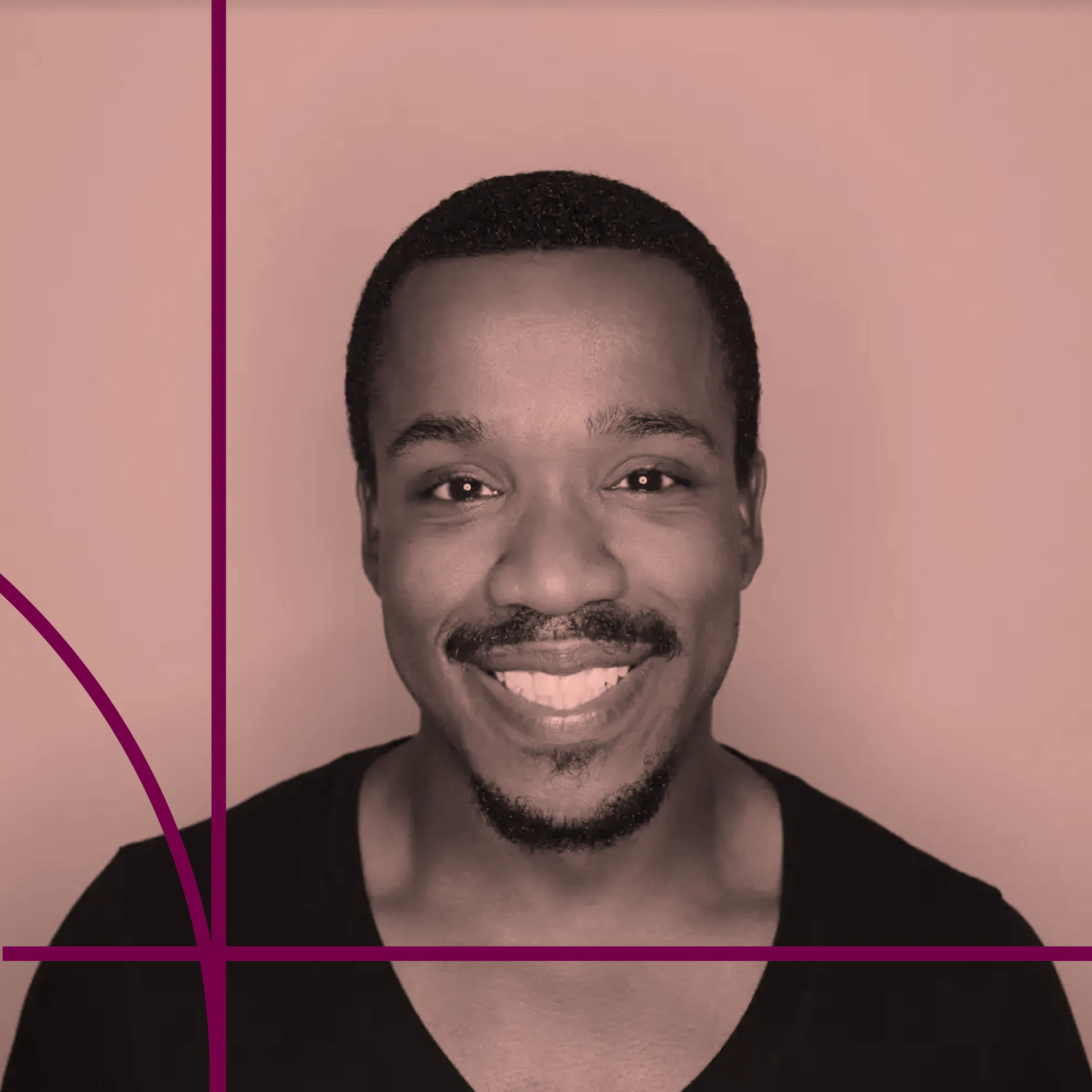
Show notes: https://designbetterpodcast.com/p/benjamin-evans Benjamin Evans, Inclusive Design Lead for Airbnb, is part of a new kind of problem solvers tackling issues like racism, sexism, and bias in digital product design. In this episode of the Design Better Podcast, Eli and Aarron chat with Benjamin about using techniques like design thinking, research, and storytelling to ensure a more inclusive experience for all your users.

S3 Ep 22Abigail Hart Gray: Google's Director of UX explains design to non-designers with numbers
Show notes: https://designbetterpodcast.com/p/abigail-gray Abigail Hart Gray, Director of UX at Google, is one of the most inspiring design leaders we know. A self-proclaimed analytics nerd, Abigail uses numbers to deftly communicate the value of design to her colleagues, giving her team the runway to do great work. In this episode of the Design Better Podcast, Eli and Aarron get Abigail’s take on measuring design’s impact on business, how parenthood has changed her approach to problem solving, and more.

S3 Ep 21Julie Zhuo: Facebook's former VP of Product Design on what she got right and wrong as a leader
Show notes: https://designbetterpodcast.com/p/julie-zhuo Listen as Julie Zhuo, VP of Product Design at Facebook and author of The Making of a Manager, recalls some of her earliest professional experiences at one of the fastest growing companies on the planet. She reveals how she got her start and grew to be a highly influential design leader renowned for building top-notch teams. Julie talks about the difference between leading and managing, and shares personal examples that can help you advance your career. Bio Julie Zhuo is one of Silicon Valley’s top product design executives and author of The Making of a Manager. Aside from her day job as VP of Product Design at Facebook, Julie writes about technology, design, and leadership on her popular blog The Year of the Looking Glass and in The New York Times and Fast Company.

Bonus Episode: Leah Buley and the New Frontier of Design Maturity
What if you could unlock the full potential for business impact in design? On today's episode we are joined by Leah Buley, InVision's Director of Design Education and author of the new report on design in business, The New Design Frontier. Leah shares the insights she's learned from surveying thousands of companies to explore the relationship between design practices and business performance. We chat with Leah about how teams are measuring success in design, the dimensions of design maturity, and debunk myths around team size and designer to engineer ratios. Check out the full report at http://invisionapp.com/designmaturity.
Season 3 Special Preview
The next season of the Design Better podcast is nearly here. Listen to a special preview of the upcoming season which focuses on the impact and challenges of the connected workflow. We sat down with some incredible design leaders from Facebook, Airbnb, Google, Wall Street Journal, Atlassian, and Intuit for honest conversations that will give you a fresh perspective on the way you work. Be sure to subscribe for the new season coming soon.
Jake Knapp: The guy who brought us the design sprint wants us to rethink time management
Show notes: https://designbetterpodcast.com/p/jake-knapp-make-time What if you could set aside a distraction-free space to accomplish one meaningful thing in your life each day? How might that change your relationships, hobbies, work, or mental wellbeing? In a special episode of the Design Better Podcast, we talk to Jake Knapp, co-author of the New York Times bestseller Sprint, about his new book, Make Time. The book advocates for forgetting about being productive and focusing instead on being purposeful by using design sprints thinking to define a “highlight” for each day. If you enjoy this episode, we hope you’ll leave a review on iTunes or Google Play to help others members of the design community discover the podcast. Bio Jake Knapp is the author of Make Time and the New York Times bestseller Sprint. Jake spent 10 years at Google and Google Ventures, where he created the Design Sprint. He has since coached teams like Slack, Uber, 23andMe, LEGO, and The New York Times on the method. Previously, Jake helped build products like Gmail, Google Hangouts, and Microsoft Encarta. He is currently among the world’s tallest designers.
Margaret Stewart: Facebook's VP of Product Design on what unifies big teams
Show notes: https://designbetterpodcast.com/p/margaret-gould-stewart As organizations grow, they tend to think in terms of processes and data, and although those elements are vital to scale, teams sometimes lose sight of the why. Key to scaling is building an infrastructure that supports a company’s core mission. In our final Season 2 episode of the Design Better Podcast, Facebook Vice President of Product Design Margaret Gould Stewart talks with Aarron and Eli about how storytelling, open communication, and keeping the focus on the customer help the company's design team scale. “The most important thing you can do is have a story around what you're doing, for whom, and why.” If you enjoy this episode, we hope you’ll leave a review on iTunes or Google Play to help others members of the design community discover the podcast. Bio Margaret is a seasoned UX executive with over 15 years experience leading design and research teams, including in her current role as Vice President of Product Design at Facebook. Over the course of her career, she's led user experience for six of the top 10 websites (Facebook, Tripod, Angelfire, Lycos, Google Search, YouTube). She has a proven track record of leadership in a variety of contexts, from startups to Fortune 500.
Kim Williams: How Indeed's design system inspires collaboration
Show notes: https://designbetterpodcast.com/p/kim-williams A design system helps deliver a unified experience for the end user, no matter what the medium. But it also means a cohesive internal experience as well. Design systems unite teams across time and space, bring designers and engineers together through a shared language, and help designers focus on experience over style. In our newest episode of the DesignBetter.Co Podcast, Indeed’s director of design experience, Kim Williams, talks with Aarron and Eli about the evolution of Indeed’s design system, and how collaboration across the company is key to any design system’s success. “I think for us, the design system is one part of how people feel about the brand and the product itself. The design system is really this tool that can help you tell your best story.” If you enjoy this episode, head over to iTunes to leave a review so other members of the design community can learn from Kim too. Bio Kim is the design director for Indeed’s Design Platform Studio, leading a team of copywriters, brand strategists, technologists, user researchers, interaction and visual designers, and illustrators defining Indeed’s product experiences. Before joining Indeed, Kim was head of brand systems at eBay and associate creative director at agency Ogilvy & Mather.

Rewind: Irene Au explains the secrets to scaling design teams at Google
Show notes: https://designbetterpodcast.com/p/irene-au For many years, Google’s engineering-led culture cherished efficiency over user experience. Irene Au arrived at a pivotal moment in the company’s history and helped shape the way Google’s products clearly value design today. In this Rewind episode of the Design Better Podcast, Khosla Venture’s Irene Au talks about how she helped scale design at Google, shaped the design philosophy that carries into today, and now, as design partner at Khosla Ventures, helps startups build their own teams and processes to create the best design experiences. If you like the episode, I hope you’ll post a review on iTunes, Google Play, or your favorite podcast source. It helps other discover the podcast.

Vas Natarajan: Hallmarks of a healthy team and better designer/developer partnerships
Show notes: https://designbetterpodcast.com/p/vas-natarajan There isn’t a one-size-fits-all approach to scaling design, but there are similarities between fast-growing companies that prime them for lasting success. In this episode, Accel Partners’ Vas Natarajan talks about effective ways design leaders can operationalize hiring and scaling. He also discusses the hallmarks of a healthy team at any growth stage, what designers and developers can to do collaborate better, and why storytelling is key to growing a company. “Storytelling capability—especially at the founding stages—can really make the difference between something that gets up and off the ground and something that doesn’t.” Listen as Eli and Aarron chat with Vas about design’s role in making companies successful, the importance of balancing data with customer insights, and more.
Maria Giudice: The origin of DesignOps and how to make Agile not suck for designers
EShow notes: https://designbetterpodcast.com/p/maria-giudice Rallying around a shared vision is one of the biggest challenges for design teams operating at scale. So how can you foster that vision and bring people together to execute it? In this episode, Hot Studio Founder and former Autodesk VP of Experience Design Maria Giudice talks about overcoming team silos and learning to lead with influence instead of authority. She also discusses why diversity is one of the keys to great product design, along with lessons she learned while working with fast-moving companies like Facebook. “Agile was not developed with design in mind—but we as designers can impact that process and bring our own processes in. I call it human-centered Agile...At the end of the day, it doesn't matter about being a designer, or an engineer, or a data scientist—it's more about ‘Did we ship a great product together?’” Listen as Eli and Aarron chat with Maria about everything from Hot Studio’s role in establishing the practice of DesignOps to how companies can reinforce their design culture foundation.
Megan Quinn: A venture capitalist's views on how to scale a team
Show notes: https://designbetterpodcast.com/p/megan-quinn Do you ever wonder what it’s like to be part of fast-growing, design-led companies like Slack or Medium? Every team has challenges with scaling—and it turns out those challenges share many common traits when you peek behind the curtain. In this episode, Spark Capital’s Megan Quinn talks about the common hurdles she sees across companies as they scale. She also discusses her own experiences going from the engineering-driven culture at Google to the design-driven culture at Square, and more. “At the end of the day, design is not how something looks or feels. Design is the abstraction of the technology to the end experience for the consumer.” –Megan Quinn Listen as Eli and Aarron chat with Megan about scaling with purpose and overcoming widespread hurdles—like how to incorporate the “why” into your product roadmap along with the “what” and “when.” If you enjoy this episode, head over to iTunes to leave a review so other members of the design community can hear Megan’s perspective too.
Meriah Garrett: Secrets to leading big design teams
Show notes: https://designbetterpodcast.com/p/meriah-garrett When companies start scaling design, the emphasis is sometimes on getting more shipped—but what if the first deliverable was a balanced team instead of a new feature? USAA’s Chief Design Officer Meriah Garrett has a unique approach to creating balanced design teams. In this new episode, she also discusses her role in the C-suite and how being mission-driven affects product development across multiple offices. “We have this power to synthesize the world into something that feels actionable, and that is both a burden and a gift...Your job is not to just put your headphones on and make a beautiful object. Your job is to listen to the world around you and drive a new perspective on it.” –Meriah Garrett

TS Balaji: Thinking and acting like a business leader
Show notes: https://designbetterpodcast.com/p/ts-balaji Design leaders spend a lot of energy trying to get a seat at the table. It’s an ongoing process—and it’s tough to keep design involved over time. What questions should be asked along the way, and what business language can design leaders use? In this episode, LogMeIn’s Vice President Product Design & Customer Experience TS Balaji talks about helping big corporations use design to be competitive in new ways. He covers everything from maturity models and setting up team playbooks to how LogMeIn measures the business impact of design. Listen as Eli and Aarron chat with TS about design’s place in business—and hear why a multidisciplinary background could be the ultimate career boon, even if it does require a bit of statistics. TS Balaji's Bio TS is a user experience and product development executive, currently leading product design, internationalization, and insights and analytics functions for LogMeIn. As a former designer turned strategist, TS specializes in identifying new technologies, spotting trends, introducing business models, and combining all of the above with design to advocate for customers. Prior to his current role, TS established and led digital experience practices at Cox Communications and Sprint.
Diana Mounter: Building efficient design systems at Github
Show notes: https://designbetterpodcast.com/p/diana-mounter Design systems give product designers and developers reusable, interchangeable components to make the design process efficient and repeatable. They’re a critical part of scaling—so why build everything from scratch when you can plug in pre-built elements? In this episode, GitHub’s Design Systems Manager Diana Mounter talks about navigating the path from style guide contributor to full-time design systems manager. She covers everything from getting buy-in beyond the design team to deciding whether or not to make a system open source. Listen as Eli and Aarron chat with Diana about refining and growing GitHub’s design system, Primer—and learn how a little-known vegetable became part of her personal brand. Diana's bio Diana Mounter is a designer based in Brooklyn, NY. She specializes in design systems and has a background in user-centered design. Diana currently leads the Design Systems team at GitHub, where she helps manage their design system, Primer. In her spare time, she organizes the NYC Design Systems Coalition, writes, and speaks about design, code, and working with people. Diana is also a co-author of the DesignBetter.Co Design Systems Handbook