
Dementia Researcher Blogs
728 episodes — Page 12 of 15
Ep 178Dr Clarissa Giebel - Running a Journal Club and how to be Reviewer 2 in a safe environment
Dr Clarissa Giebel narrates her blog written for Dementia Researcher. Is your inbox getting regular email requests to peer review a paper in your field? Has it increased since the pandemic? It certainly has for Clarissa. Peer reviewing manuscripts is a key part of our work, and when reviews don't happen authors may wait around for longer to get their decision. But what about peer reviewing a paper when it’s already published? Also known as the good old Journal Club... In this blog Clarissa discusses her experiences of starting a journal club, what it involves and provides tips for anyone who may be attending their first, making the case that its great prep for going on to peer review pre-publication. Find the original text, and narration here on our website. https://www.dementiaresearcher.nihr.ac.uk/guest-blog-running-a-journal-club-and-how-to-be-reviewer-2-in-a-safe-environment/ -- Dr Clarissa Giebel is a Research Fellow at the University of Liverpool and NIHR ARC North West Coast. Clarissa has been working in dementia care research for over 10 years focusing her research on helping people with dementia to live at home independently and well for longer, addressing inequalities that people with dementia and carers can face. Outside of her day work, Clarissa has also organised a local dementia network - the Liverpool Dementia & Ageing Research Forum, and has recently started her own podcast called the Ageing Scientist. -- If you would like to write your own blog drop us a line, we're always on the look out for new contributors to write about their research, careers + more [email protected]
Ep 177Felicity Slocombe and Chloe Waterman - Dementia and stigma through the lenses of neuro-culture and neoliberalism
Felicity Slocombe, narrates her blog co-authored with Chloe Waterman written for the Dementia Researcher website. This blog has been written after myself and my colleague Chloe realised the similarity and overlap of two theories we use respectively in our PhD research. We hope to show how neuro-culture (Chloe) and neoliberalism (Felicity) are negatively impacting people with dementia. If we can understand and accept that we live within these cultures in society, we may better understand the continued stigmatisation of dementia? Listen and we will explain. Find the original text, and narration here on our website. https://www.dementiaresearcher.nihr.ac.uk/guest-blog-dementia-and-stigma-through-the-lenses-of-neuro-culture-and-neoliberalism/ -- Felicity Slocombe is a first year PhD Student from Loughborough University. Felicity's research focuses on identity and dementia and how identity can be managed interactionally – how we can help support identity of people living with dementia through our conversations. Driven by a family connection to dementia, and writing each month on a range of topics from her work, and that of her wider group ACTInG (Applied Cognition Technology and Interaction Group), and sharing news from her training and events. Chloe Waterman is a PhD Student at University of Birmingham and Research Associate at Kings College London. Her research investigates how people with dementia are affected by mental capacity law in England and Wales. Chloe uses discourse and conversation analysis to conduct this socio-legal research, and work at King's, Chloe is involved with projects investigating how community led support programmes work, and how digital tech innovations can be used to improve social wellbeing for older community dwelling adults. _____________________________________________________ Enjoy listening? We're always looking for new bloggers, drop us a line. http://www.dementiaresearcher.nihr.ac.uk
Ep 176Adam Smith - Dementia Champions - Inspiring or a false narrative?
Adam Smith narrates his blog written for Dementia Researcher. Every now and again a little twitter storm blows-up, it probably isn’t big enough to be given a name yet, however its underlying cause is worth talking about… In this blog Adam walking out into the storm and discusses Dementia Champions, their work, living well with dementia and the overall narrative and how dementia is perceived as a result of their great work - do they present a true picture of life with dementia? Find the original text, and narration here on our website. https://www.dementiaresearcher.nihr.ac.uk/guest-blog-dementia-champions-inspiring-or-a-false-narrative/ -- Adam Smith was born in the north, a long time ago. He wanted to write books, but ended up working in the NHS, and at the Department of Health. He is now Programme Director in the Office of the NIHR National Director for Dementia Research (which probably sounds more important than it is) at University College London. He has led a number of initiatives to improve dementia research (including this website, Join Dementia Research & ENRICH), as well as pursuing his own research interests. In his spare time, he grows vegetables, builds Lego & spends most of his time drinking too much coffee and squeezing technology into his house. _____________________________________________________ Enjoy listening? We're always looking for new bloggers, drop us a line. http://www.dementiaresearcher.nihr.ac.uk Note: The author of this blog uses the term 'Dementia Champion' to describe a person with lived experience of dementia, who shares their experience - in Scotland a 'Dementia Champion' is a health and social care professional that has completed an intensive eight-month programme, to see, hear and feel the experiences of people living with dementia through working closely with them, their carers and their families. It enables the professionals to take the practical knowledge they have learned and share it to make a real difference in their everyday work, whether that is in hospital wards or in community care settings. In Scotland the current term for people with dementia participating in research and education is active voices.
Ep 175Masha Burelo - Cannabinoids and Anxiety
Masha Burelo narrates her blog written for the Dementia Researcher website. Masha Burelo, PhD Student from University of Aberdeen is back with her second blog in the 'from the plant to the lab series'. Masha is now focussed on dementia research, but her pervious work on cannabinoids, is shared through this series and today she writes about their use in the treatment of anxiety. Cannabis has been used for many years as an alternative therapy for anxiety, but some research has provided evidence of its anxiogenic effect. Anxiogenesis means that it can cause anxiety as well. Therefore, are cannabinoids good for treating anxiety? This blog explores the research. Find the original text, and narration here on our website. https://www.dementiaresearcher.nihr.ac.uk/guest-blog-cannabinoids-and-anxiety/ -- Masha Burelo is a PhD Student at the University of Aberdeen. Her research explores Electrophysiology and behavioural evaluation in preclinical models of Alzheimer’s disease. Masha started her studies in veterinary medicine in Mexico and first became interested in cannabinoids when her dog developed epilepsy, then with close family members struck by Alzheimer's Disease her interest in neuroscience, plants and the brain developed. _____________________________________________________ Enjoy listening? We're always looking for new bloggers, drop us a line. http://www.dementiaresearcher.nihr.ac.uk
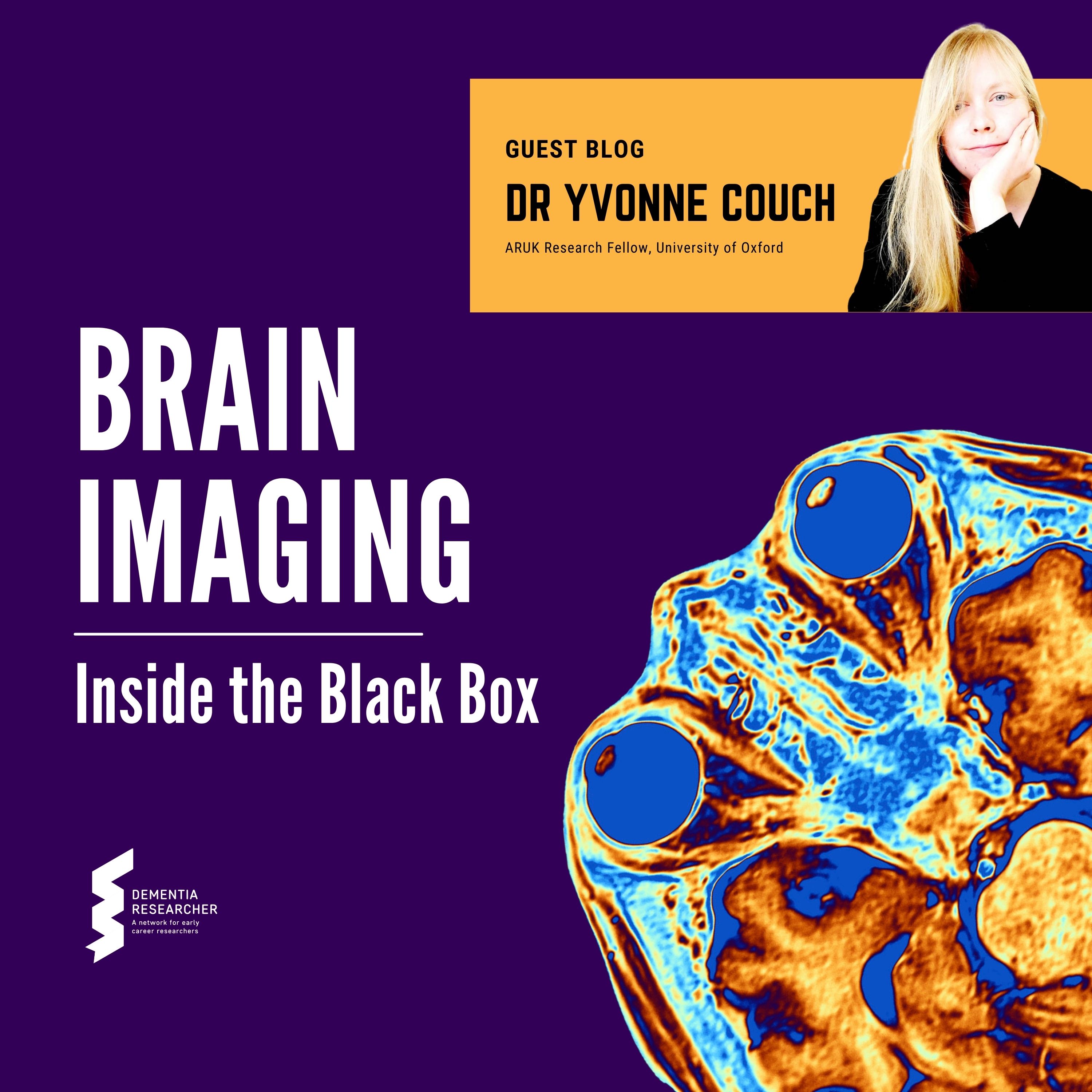
Ep 174Dr Yvonne Couch - Brain Imaging, Inside The Black Box
Dr Yvonne Couch, narrates her blog written for the Dementia Researcher website. Yvonne brings her usual fun to exploring different types of brain imaging and how they’re applied. Neuroimaging, or brain scanning, includes the use of various techniques to either directly or indirectly image the structure, function, or pharmacology of the brain. Neuroimaging falls into two broad categories: structural imaging and functional imaging. - Electroencephalography (EEG) is used to show brain activity under certain psychological states, such as alertness or drowsiness. - Positron emission tomography (PET) scans show brain processes by using the sugar glucose in the brain to illustrate where neurons are firing. - Magnetic resonance imaging (MRI) scans use echo waves to discriminate among grey matter, white matter, and cerebrospinal fluid. - Functional magnetic resonance imaging (fMRI) scans are a series of MRIs measuring brain function via a computer’s combination of multiple images taken less than a second apart. Find the original text, and narration here on our website. https://www.dementiaresearcher.nihr.ac.uk/guest-blog-brain-imaging-inside-the-black-box/ -- Dr Yvonne Couch is an Alzheimer's Research UK Fellow at the University of Oxford. Yvonne studies the role of extracellular vesicles and their role in changing the function of the vasculature after stroke, aiming to discover why the prevalence of dementia after stroke is three times higher than the average. It is her passion for problem solving and love of science that drives her, in advancing our knowledge of disease. Yvonne has joined the team of staff bloggers at Dementia Researcher, and will be writing about her work and life as she takes a new road into independent research. _____________________________________________________ Enjoy listening? We're always looking for new bloggers, drop us a line. http://www.dementiaresearcher.nihr.ac.uk
Ep 173Dr Clarissa Giebel - Overseas Collaborations
Dr Clarissa Giebel narrates her blog written for Dementia Researcher. Anyone who knows Clarissa know's that she is a big believer in collabroations, the pandemic may have changed how we work but its hasn't dampened her enthusiam. In this blog Clarissa explores how these come about, how they have changed and some of the challenges to working with researcher in other countries when travel is difficult. Find the original text, and narration here on our website. https://www.dementiaresearcher.nihr.ac.uk/guest-blog-overseas-collaborations/ -- Dr Clarissa Giebel is a Research Fellow at the University of Liverpool and NIHR ARC North West Coast. Clarissa has been working in dementia care research for over 10 years focusing her research on helping people with dementia to live at home independently and well for longer, addressing inequalities that people with dementia and carers can face. Outside of her day work, Clarissa has also organised a local dementia network - the Liverpool Dementia & Ageing Research Forum, and has recently started her own podcast called the Ageing Scientist. -- If you would like to write your own blog drop us a line, we're always on the look out for new contributors to write about their research, careers + more [email protected]

Ep 172Hannah Hussain - Women and Girls in Science: Agents of Change
Hannah Hussain narrates her blog written for Dementia Researcher. Happy International Day of Women and Girls in Science! This day annually marks the resolution set by the United Nations in 2015 to celebrate women and girls in science and raises awareness of the gender gap in the field of Science and Technology. The gender gap in science still holds women back. According to UNESCO’s Science Report, only 1/3 of science-based researchers are female. While >70% of health and social care workers are women, they are paid ~11% less than their male counterparts. But the world needs science, and science needs women and girls! And what better way to honour this day than reflecting on some of the ground-breaking contributions made to the field by female scientists… Find the original text, and narration here on our website. https://www.dementiaresearcher.nihr.ac.uk/guest-blog-women-and-girls-in-science-agents-of-change/ -- Hannah Hussain is a PhD Student in Health Economics at The University of Sheffield. As a proud third generation migrant and British-Asian, her career path has been linear and ever evolving, originally qualifying as a Pharmacist in Nottingham, then Health Economics in Birmingham. Her studies have opened a world into Psychology, Mental Health and other areas of health, and with that and personal influences she found her passion for dementia. -- Enjoy listening? We're always looking for new bloggers, drop us a line. http://www.dementiaresearcher.nihr.ac.uk This podcast is brought to you in association with Alzheimer's Research UK and Alzheimer's Society, who we thank for their ongoing support. Enjoy listening? We're always looking for new bloggers, drop us a line. http://www.dementiaresearcher.nihr.ac.uk

Ep 171Beth Eyre - The Perils of ’what next...?’
Beth Eyre, narrates her blog written for Dementia Researcher. The last year of your PhD can be difficult, lots of writing, experiments and research to finish, the viva... and then the big challenge... what comes next? A PhD is a door to your future, but what future will you choose? Stay in Research? Academia? A clinical career? Industry? In this blog Beth Eyre discusses this tricky topic and shares thoughts on her future, and her plans. Find the original text, and narration here on our website. https://www.dementiaresearcher.nihr.ac.uk/guest-blog-the-perils-of-what-next/ We're always on the look out for new contributors, if you would like to write and narrate your own blog - drop us a line to [email protected] Don't forget to also listen to our fortnightly - published fortnightly, just look for Dementia Researcher in your podcast app. -- Author Beth Eyre is a PhD Student at The University of Sheffield, researching Neurovascular and cognitive function in preclinical models of Alzheimer’s disease. Beth has a background in psychology, where she gained her degree from the University of Leeds. Inside and outside the lab, Beth loves sharing her science and we are delighted to have her contributing as a regular blogger with Dementia Researcher, sharing her work and discussing her career. -- This podcast is brought to you from University College London in association with the National Institute for Health Research, Alzheimer's Research UK and Alzheimer's Society, who we thank for their ongoing support.

Ep 170Jodi Parslow - Research ’Flies’ When You’re Having Fun
Jodi Parslow, narrates her blog written for Dementia Researcher. Fruit flies are often thought of as an annoying pest but in this blog Jodi explains why they are one of science’s most useful model organisms and give you an insight into the kind of research these little beasties contribute to. Find the original text, and narration here on our website. https://www.dementiaresearcher.nihr.ac.uk/guest-blog-research-flies-when-youre-having-fun/ -- Jodi Parslow is a MRC-DTP Doctoral Researcher at King's College London researching Neuron-glia signalling and neuroinflammation in neurodegenerative disease. Jodi started her career as a Nursing Assistant, that led her to Neuroscience at University of Sussex, then on to a Masters and into industry working for a wearables technology company. Finally Jodi brought her skills and passion together to work in dementia research, first as a Research Technician and now as a PhD Student. Jodi loves talking about her work and science, and also has her own podcast 'The Academinist'. If you would like to write for us, or join out team of regular contributors, drop us a line - [email protected]
Ep 169Dr Anna Volkmer - The Interview
Dr Anna Volkmer, narrates her blog written for Dementia Researcher. In September Dr Anna Volkmer described the trials and tribulations of going for gold, in other words open access publication. Well, she promised to update us, and in this blog she does (spoiler alert - the paper is now in the public domain). Find the original text, and narration here on our website. https://www.dementiaresearcher.nihr.ac.uk/guest-blog-the-interview/ -- Dr Anna Volkmer is a Speech and Language Therapist and researcher in Language and Cognition, Department of Psychology and Language Sciences, University College London. Anna is researching Speech and language therapy interventions in language led dementia and was once voted scariest speech and language therapist (even her children agree). If you would like to write for us, or join out team of regular contributors, drop us a line - [email protected]

Ep 168Dr Sam Moxon - Hospital in a Time of Covid (from my own experience)
Dr Sam Moxon, narrates his blog written for Dementia Researcher. Sam has previously shared his challenges of living with ulcerative pancolitis, sadly this recently landed him in hospital as an inpatient, and in this blog he shares experiences from his stay - we are sure you join us in wishing him a speedy recovery. Find the original text, and narration here on our website. https://www.dementiaresearcher.nihr.ac.uk/guest-blog-hospital-in-a-time-of-covid-from-my-own-experience/ -- Dr Sam Moxon is a biomaterials scientist at the University of Manchester. His expertise falls on the interface between biology and engineering. His PhD focussed on regenerative medicine and he now works on trying to develop 3D bioprinting techniques with human stem cells, so that we better understand and treat degenerative diseases. Outside of the lab he hikes through the Lake District and is an expert on all things Disney. Enjoy listening and reading our blogs? We're always on the look out for new contributors, drop us a line and share your own research and careers advice [email protected]

Ep 167Hannah Hussain - Beating the Winter Blues
Hannah Hussain narrates her blog written for NIHR Dementia Researcher. You had big plans for 2022! Resolutions were written, productivity was projected, research was to be researched. But now January has flown right by, dry-Jan has gone down the drain and you haven’t quite managed to stick to all of those resolutions… Well, don’t despair! In this blog Hannah Hussain shares her tips for turning it at all around. The year is still very young and the goals that you have set are meant for you to achieve. Here are top 5 tips for boosting your productivity, which will in turn hopefully help you to get back on track and smash out those research goals. Find the original text, and narration here on our website. https://www.dementiaresearcher.nihr.ac.uk/guest-blog-beating-the-winter-blues/ -- Hannah Hussain is a PhD Student in Health Economics at The University of Sheffield. As a proud third generation migrant and British-Asian, her career path has been linear and ever evolving, originally qualifying as a Pharmacist in Nottingham, then Health Economics in Birmingham. Her studies have opened a world into Psychology, Mental Health and other areas of health, and with that and personal influences she found her passion for dementia. -- Enjoy listening? We're always looking for new bloggers, drop us a line. http://www.dementiaresearcher.nihr.ac.uk This podcast is brought to you in association with Alzheimer's Research UK and Alzheimer's Society, who we thank for their ongoing support. Enjoy listening? We're always looking for new bloggers, drop us a line. http://www.dementiaresearcher.nihr.ac.uk

Ep 164Dr James Quinn - The Trials and Tribulations of Doing an Academic Postdoc Abroad
Dr James Quinn, narrates her blog written for the ISTAART PIA to Elevate Early Career Researchers, shared by Dementia Researcher. In the first of our regular blogs from the ISTAART PIA to Elevate Early Career Researchers, Dr James Quinn reflects on his move from the UK to the USA and his time as a postdoc. Find the original text, and narration here on our website. https://www.dementiaresearcher.nihr.ac.uk/istaart-blog-the-trials-and-tribulations-of-doing-an-academic-postdoc-abroad We're always on the look out for new contributors, if you would like to write and narrate your own blog - drop us a line to [email protected] Don't forget to also listen to our fortnightly - published fortnightly, just look for Dementia Researcher in your podcast app. -- Author Dr James Quinn is a Research Fellow at Massachusetts General Hospital Department of Neurology and Programme Chair of the ISTAART PIA to Elevate Early Career Researchers. Working on trying to improve the understanding the molecular and cellular mechanisms that lead to the different forms of dementia, researching the role of neuropeptides which are extremely important in neuronal signalling, contributing to synapse maintenance, energy balance and neurogenesis. For ISTAART he is responsible for organising events and support activities for early career researchers.
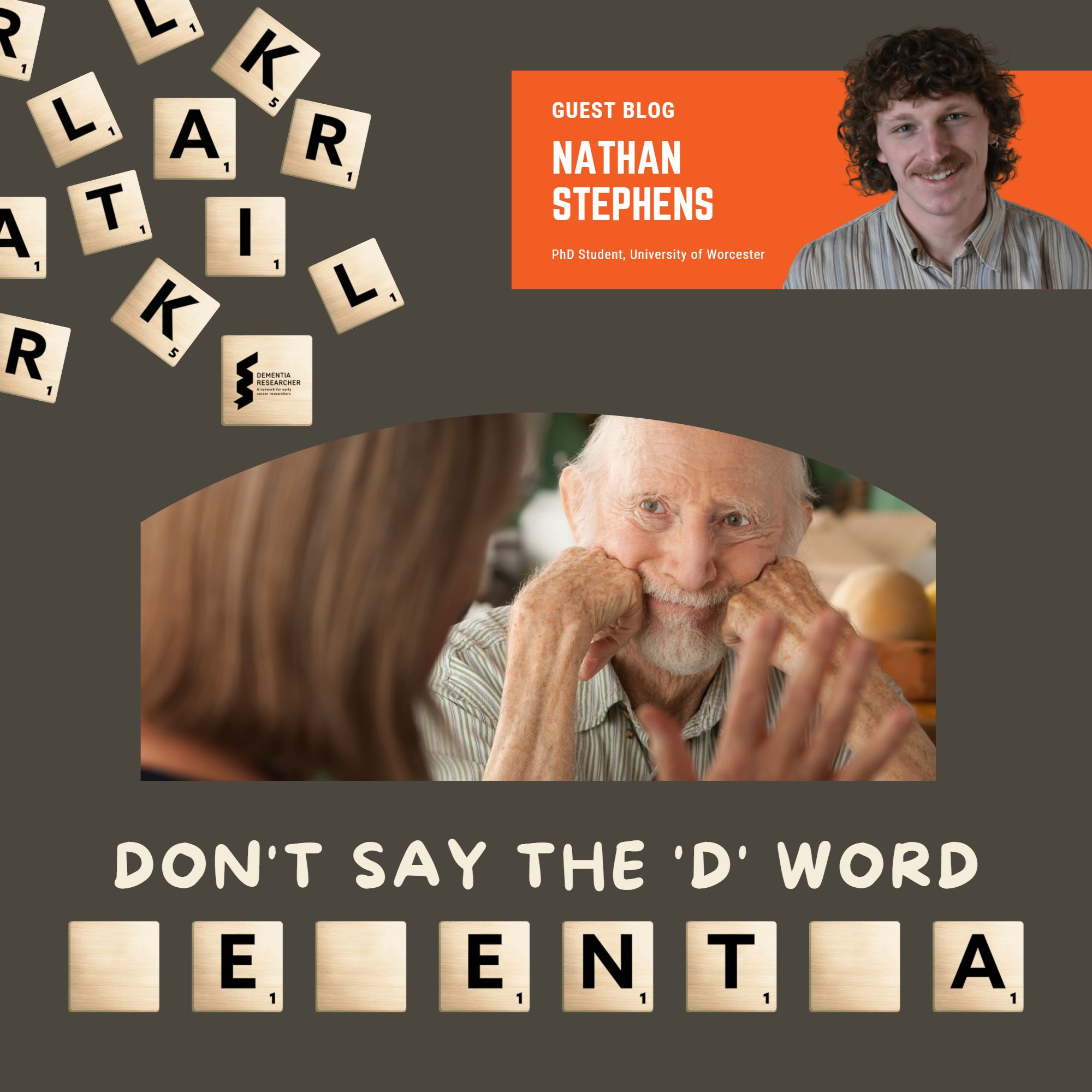
Ep 166Nathan Stephens - Don’t Say the ’D’ Word
Nathan Stephens narrates his blog written for Dementia Researcher. In this blog Nathan explores a topic that he has been thinking a lot about, the narrative and public perception of dementia. Dementia awareness has excelled through the direction of successive national strategies which has undoubtable influenced public opinion, and political appetite for positive social change. However, Nathan argues there is much to be done to improve the dementia narrative which can sometimes be inadvertently misleading from those ‘inside’ the dementia arena. Find the original text, and narration here on our website. https://www.dementiaresearcher.nihr.ac.uk/guest-blog-dont-say-the-d-word -- Nathan Stephens is a PhD Student and unpaid carer, working on his PhD at University of Worcester, studying the Worcestershire Meeting Centres Community Support Programme. Inspired by caring for both grandparents and personal experience of dementia, Nathan has gone from a BSc in Sports & Physical Education, an MSc in Public Health, and now working on his PhD. -- Enjoy listening? We're always looking for new bloggers, drop us a line. http://www.dementiaresearcher.nihr.ac.uk This podcast is brought to you in association with Alzheimer's Research UK and Alzheimer's Society, who we thank for their ongoing support.
Ep 165Dr Yvonne Couch - The Blood Brain Barrier
Dr Yvonne Couch, narrates her blog written for the Dementia Researcher website. The blood-brain barrier (BBB) is the specialised system of brain microvascular endothelial cells (BMVEC) that shields the brain from toxic substances in the blood, supplies brain tissues with nutrients, and filters harmful compounds from the brain back to the bloodstream - mostly you want that barrier closed, but what about when you want therapies to pass through, because they NEED to be in the brain? Yvonne explains how the blood brain barrier works, starting with Paul Ehrlich in the late 1800s and some notes on why we should stop talking about Paul Ehrlich and the blood brain barrier - and why all of this is important in dementia and stroke. Find the original text, and narration here on our website. https://www.dementiaresearcher.nihr.ac.uk/guest-blog-the-blood-brain-barrier -- Dr Yvonne Couch is an Alzheimer's Research UK Fellow at the University of Oxford. Yvonne studies the role of extracellular vesicles and their role in changing the function of the vasculature after stroke, aiming to discover why the prevalence of dementia after stroke is three times higher than the average. It is her passion for problem solving and love of science that drives her, in advancing our knowledge of disease. Yvonne has joined the team of staff bloggers at Dementia Researcher, and will be writing about her work and life as she takes a new road into independent research. -- Enjoy listening? We're always looking for new bloggers, drop us a line. http://www.dementiaresearcher.nihr.ac.uk This podcast is brought to you in association with Alzheimer's Research UK and Alzheimer's Society, who we thank for their ongoing support.

Ep 163Dr Kamar Ameen-Ali - What neuropathology can tell us about the brain diseases which lead to dementia
Dr Kamar Ameen-Ali narrates her blog written for Dementia Researcher. In this blog Kamar describes what neuropathology can tell us about the brain diseases which lead to dementia, and what this means for dementia diagnosis in life. Find the original text, and narration here on our website. https://www.dementiaresearcher.nihr.ac.uk/guest-blog-what-neuropathology-can-tell-us-about-the-brain-diseases-which-lead-to-dementia/ If you would like to write your own blog drop us a line, we're always on the look out for new contributors to write about their research, careers + more [email protected] -- Author Dr Kamar Ameen-Ali is a Research Associate at University of Glasgow, exploring how neuroinflammation following traumatic brain injury contributes to the progression of neurodegenerative diseases that lead to dementia. Having first pursued a career as an NHS Psychologist, Kamar went back to University in Durham to look at rodent behavioural tasks to completed her PhD, and then worked as a regional Programme Manager for NC3Rs. Kamar brings a wealth of experience and writes on a range of topics from her time in the NHS, working for a Research Funder and from her work and life in the lab. -- This podcast is brought to you from University College London in association with Alzheimer's Research UK and Alzheimer's Society, who we thank for their ongoing support.
Ep 162Beth Eyre - The highs and lows of scientific research
Beth Eyre, narrates her blog written for NIHR Dementia Researcher. PhDs are hard. And the last couple of months of Beths PhD have been exceptionally challenging. A few months ago, she was in the final stages of checking her manuscript that she had been working on for almost a year. Checking through the code to ensure that everything was working correctly and her stomach sank. When she realised she'd forgotten to run a piece of important code – which now meant that she would need to re run all her analysis, create new figures and redo the statistics – a mammoth job on top of all her scheduled experiments. So, in today’s blog Beth gives you an insight into the highs and lows of scientific research – from her perspective as a third year PhD student. Find the original text, and narration here on our website. https://www.dementiaresearcher.nihr.ac.uk/guest-blog-the-highs-and-lows-of-scientific-research/ We're always on the look out for new contributors, if you would like to write and narrate your own blog - drop us a line to [email protected] Don't forget to also listen to our fortnightly - published fortnightly, just look for Dementia Researcher in your podcast app. -- Author Beth Eyre is a PhD Student at The University of Sheffield, researching Neurovascular and cognitive function in preclinical models of Alzheimer’s disease. Beth has a background in psychology, where she gained her degree from the University of Leeds. Inside and outside the lab, Beth loves sharing her science and we are delighted to have her contributing as a regular blogger with Dementia Researcher, sharing her work and discussing her career. -- This podcast is brought to you from University College London in association with Alzheimer's Research UK and Alzheimer's Society, who we thank for their ongoing support.

Ep 161Masha Burelo - From the plant to the lab
Masha Burelo narrates her blog written for NIHR Dementia Researcher. Masha Burelo, PhD Student from University of Aberdeen first blog on the topic of cannabinoids. Cannabinoids are gaining fame for recreative and medicinal purposes. Although their popularity varies from a user, non-user, scientific, psychological, comprehensive, or holistic perspectives, everybody has an opinion about them. Here I will try to give you scientific-based information to build up your own opinion about these compounds and the upcoming cannabis culture. Find the original text, and narration here on our website. https://www.dementiaresearcher.nihr.ac.uk/guest-blog-from-the-plant-to-the-lab/ If you would like to write your own blog drop us a line, we're always on the look out for new contributors to write about their research, careers + more [email protected] -- Masha Burelo is a PhD Student at the University of Aberdeen. Her research explores Electrophysiology and behavioural evaluation in preclinical models of Alzheimer’s disease. Masha started her studies in veterinary medicine in Mexico and first became interested in cannabinoids when her dog developed epilepsy, then with close family members struck by Alzheimer's Disease her interest in neuroscience, plants and the brain developed.

Ep 160Dr Clarissa Giebel - From costings to successfully managing a research budget
Dr Clarissa Giebel narrates her blog written for Dementia Researcher. Essential reading for any early career researcher writing their first grant application - because getting your costings right, and managing the budget are a key skill, and can mean the difference between grant acceptance or rejection. Find the original text, and narration here on our website. https://www.dementiaresearcher.nihr.ac.uk/guest-blog-from-costings-to-successfully-managing-a-research-budget/ -- Dr Clarissa Giebel is a Research Fellow at the University of Liverpool and NIHR ARC North West Coast. Clarissa has been working in dementia care research for over 10 years focusing her research on helping people with dementia to live at home independently and well for longer, addressing inequalities that people with dementia and carers can face. Outside of her day work, Clarissa has also organised a local dementia network - the Liverpool Dementia & Ageing Research Forum, and has recently started her own podcast called the Ageing Scientist. -- If you would like to write your own blog drop us a line, we're always on the look out for new contributors to write about their research, careers + more [email protected]
Ep 159Dr Yvonne Couch - Inflammation and the Brain, thinking outside the box
Dr Yvonne Couch, narrates her blog written for the Dementia Researcher website. Yvonne comes at dementia from a different perspective, not the brain... but the rest of your body, and inflammation, and how to think differently. Find the original text, and narration here on our website. https://www.dementiaresearcher.nihr.ac.uk/guest-blog-inflammation-and-the-brain-thinking-outside-the-box/ -- Dr Yvonne Couch is an Alzheimer's Research UK Fellow at the University of Oxford. Yvonne studies the role of extracellular vesicles and their role in changing the function of the vasculature after stroke, aiming to discover why the prevalence of dementia after stroke is three times higher than the average. It is her passion for problem solving and love of science that drives her, in advancing our knowledge of disease. Yvonne has joined the team of staff bloggers at Dementia Researcher, and will be writing about her work and life as she takes a new road into independent research. _____________________________________________________ Enjoy listening? We're always looking for new bloggers, drop us a line. http://www.dementiaresearcher.nihr.ac.uk
Ep 158Nathan Stephens - The Imperfection in Reflection (A Day in the Life of Nathan)
Nathan Stephens narrates his blog written for NIHR Dementia Researcher. In this blog Nathan shares a day in his life, have a read and have a walk in his shoes as he reflects on his day, life and studies in a very unique way Find the original text, and narration here on our website. https://www.dementiaresearcher.nihr.ac.uk/guest-blog-the-imperfection-in-reflection/ Enjoy listening? We're always looking for new bloggers, drop us a line. http://www.dementiaresearcher.nihr.ac.uk -- Nathan Stephens is a PhD Student and unpaid carer, working on his PhD at University of Worcester, studying the Worcestershire Meeting Centres Community Support Programme. Inspired by caring for both grandparents and personal experience of dementia, Nathan has gone from a BSc in Sports & Physical Education, an MSc in Public Health, and now working on his PhD.

Ep 157Dr Kamar Ameen-Ali - Surviving a bad viva
Dr Kamar Ameen-Ali narrates her blog written for NIHR Dementia Researcher. In this blog Kam discusses what to expect from your viva and sharing experience of how she survived hers - with top tips for PhD Students. Find the original text, and narration here on our website. https://www.dementiaresearcher.nihr.ac.uk/guest-blog-surviving-a-bad-viva/ If you would like to write your own blog drop us a line, we're always on the look out for new contributors to write about their research, careers + more [email protected]

Ep 156Felicity Slocombe - Couplehood & co-remembering, the bond of a lifetime together
Felicity Slocombe, narrates her blog written for the Dementia Researcher website. Subject Pronouns in English - I, We, You, He, She, They, and It - small words that take on a whole new meaning when listening back to conversations between loved ones living with dementia. Felicity explores the topic. Find the original text, and narration here on our website. https://www.dementiaresearcher.nihr.ac.uk/guest-blog-couplehood-co-remembering-the-bond-of-a-lifetime-together/ If you would like to write for us, or join out team of regular contributors, drop us a line - [email protected]

Ep 155Hannah Hussain - 10 Christmas Ideas For The Researcher In Your Life
Hannah Hussain narrates her blog written for NIHR Dementia Researcher. There’s no question that the academic in your life deserves the best – no matter the occasion! Be that your supervisor, student, mentor, partner or even just a colleague secret Santa. It’s been a tough year – and we’re all trying to end it on a high. I know how hard shopping can be during the festive season, so many choices yet no clue what to buy?! With 7 shopping days to go, in this blog Hannah is going to cover her top 10 festive gift recommendations (with varied price points) for the academic or scientist in your life! Find the original text, and narration here on our website. https://www.dementiaresearcher.nihr.ac.uk/guest-blog-player-001 Enjoy listening? We're always looking for new bloggers, drop us a line. http://www.dementiaresearcher.nihr.ac.uk

Ep 154Dr Clarissa Giebel - What is mixed-methods research and how do you go about it?
Dr Clarissa Giebel narrates her blog written for NIHR Dementia Researcher. In health and social care, we often think about research methodology in one of two ways – qualitative or quantitative. But what if we use both? Dr Clarissa Giebel discusses mixed methods research and how she uses this method in her own work. Find the original text, and narration here on our website. https://www.dementiaresearcher.nihr.ac.uk/guest-blog-what-is-mixed-methods-research-and-how-do-you-go-about-it/ If you would like to write your own blog drop us a line, we're always on the look out for new contributors to write about their research, careers + more [email protected]
Ep 153Dr Anna Volkmer - Open access and dissemination, the story continues
Dr Anna Volkmer, narrates her blog written for Dementia Researcher. In September Dr Anna Volkmer described the trials and tribulations of going for gold, in other words open access publication. Well, she promised to update us, and in this blog she does (spoiler alert - the paper is now in the public domain). Find the original text, and narration here on our website. https://www.dementiaresearcher.nihr.ac.uk/green-and-gold-the-highs-and-the-lows-of-open-access-publications/ -- Dr Anna Volkmer is a Speech and Language Therapist and researcher in Language and Cognition, Department of Psychology and Language Sciences, University College London. Anna is researching Speech and language therapy interventions in language led dementia and was once voted scariest speech and language therapist (even her children agree). If you would like to write for us, or join out team of regular contributors, drop us a line - [email protected]

Ep 152Nathan Stephens - An introduction to Social Return on Investment
Nathan Stephens narrates his blog written for NIHR Dementia Researcher. In last month’s blog Nathan spoke about a shift in the way we think about our economies, geared towards ‘social value’. This holistic concept of value reflects the complexity of the modern world and the challenges that face society today and tomorrow. Nathan is using a social value framework – Social Return on Investment – to capture and measure the impact of the Worcestershire Meeting Centres project, which to recap, is the scaling up of a community-based intervention (Meeting Centres) across a county in England. SROI is a mixed methods framework for measuring and accounting the social value developed by Social Value International. In this blog Nathan talks us through the stages and principles, Find the original text, and narration here on our website. https://www.dementiaresearcher.nihr.ac.uk/guest-blog-an-introduction-to-social-return-on-investment Enjoy listening? We're always looking for new bloggers, drop us a line. http://www.dementiaresearcher.nihr.ac.uk
Ep 151Dr Kamar Ameen-Ali - When to leave academia, and how to return if you change your mind
Dr Kamar Ameen-Ali narrates her blog written for NIHR Dementia Researcher. The traditional academic career track is no-longer the norm, so now you need to find your own path, which can include leaving and returning - Kamar discusses in this blog Find the original text, and narration here on our website. https://www.dementiaresearcher.nihr.ac.uk/guest-blog-when-to-leave-academia-and-how-to-return-if-you-change-your-mind If you would like to write your own blog drop us a line, we're always on the look out for new contributors to write about their research, careers + more [email protected]
Ep 149Dr Sam Moxon - How to Develop Research Independence
Dr Sam Moxon, narrates his blog written for Dementia Researcher. As part of our week of focussing on post-doc challenges, Dr Sam Moxon considers how to breakfree of doing other peoples research, and progress to being a PI and following your own research path (something he hopes to do himself very soon). Find the original text, and narration here on our website. https://www.dementiaresearcher.nihr.ac.uk/guest-blog-how-to-develop-research-independence/ -- Dr Sam Moxon is a biomaterials scientist at the University of Manchester. His expertise falls on the interface between biology and engineering. His PhD focussed on regenerative medicine and he now works on trying to develop 3D bioprinting techniques with human stem cells, so that we better understand and treat degenerative diseases. Outside of the lab he hikes through the Lake District and is an expert on all things Disney. Enjoy listening and reading our blogs? We're always on the look out for new contributors, drop us a line and share your own research and careers advice [email protected]

Ep 148Dr Yvonne Couch - Academic Life and the Problems of Perpetual Post-Docing
Dr Yvonne Couch, narrates her blog written for the Dementia Researcher website. A thoughful blog from Dr Yvonne Couch, discussing some of the challenges faced by postdocs, exploring some of the problems faced in science careers and nicely prepairing you for next weeks perpetual postdoc podcasts and support articles. Find the original text, and narration here on our website. https://www.dementiaresearcher.nihr.ac.uk/guest-blog-academic-life-and-the-problems-of-perpetual-post-docing/ _____________________________________________________ Enjoy listening? We're always looking for new bloggers, drop us a line. http://www.dementiaresearcher.nihr.ac.uk Don't forget to hit like and subscribe.
Ep 150Beth Eyre - Three important things to remember when preparing for a PhD interview
Beth Eyre, narrates her blog written for NIHR Dementia Researcher. With many doctoral training programme deadlines approaching, this blog from Beth Eyre might just help you ace the interview. Find the original text, and narration here on our website. https://www.dementiaresearcher.nihr.ac.uk/guest-blog-three-important-things-to-remember-when-preparing-for-a-phd-interview We're always on the look out for new contributors, if you would like to write and narrate your own blog - drop us a line to [email protected] Don't forget to also listen to our fortnightly - published fortnightly, just look for Dementia Researcher in your podcast app.
Ep 147Hannah Hussain - Player 001
Hannah Hussain narrates her blog written for NIHR Dementia Researcher. Did you watch Squid Game? Warning this blog contains spoilers! Hannah Hussain explores the image of dementia portrayed on television. Find the original text, and narration here on our website. https://www.dementiaresearcher.nihr.ac.uk/guest-blog-player-001 Enjoy listening? We're always looking for new bloggers, drop us a line. http://www.dementiaresearcher.nihr.ac.uk
Ep 146Felicity Slocombe - Conversation analysis beginnings, tips and lessons learned
Felicity Slocombe, narrates her blog written for the Dementia Researcher website. Felicity shares the progress she is making in her research, and the lessons she has learned so far from analysing conversations, and pouring data aka video recordings. Find the original text, and narration here on our website. https://www.dementiaresearcher.nihr.ac.uk/guest-blog-conversation-analysis-beginnings-tips-and-lessons-learned If you would like to write for us, or join out team of regular contributors, drop us a line - [email protected]

Ep 145Morgan Daniel - Job Hunting
Morgan Daniel, narrates her blog written for NIHR Dementia Researcher. Morgan discusses her MSc dissertation, how to choose a project, supervision and tips getting through the writing. Find the original text, and narration here on our website. https://www.dementiaresearcher.nihr.ac.uk/guest-blog-job-hunting We hope you have enjoyed out monthly updates from Morgan, if you have been inspired to follow her path into a Dementia MSc or are just starting out, drop us a line. We are always on the look out for new bloggers and vloggers http://www.dementiaresearcher.nihr.ac.uk
Ep 144Dr Clarissa Giebel - Another year, another Liverpool Dementia Conference!
Dr Clarissa Giebel narrates her blog written for NIHR Dementia Researcher. Clarissa reflects and updates on the recent Liverpool Dementia & Ageing Research Conference, available to watch back now on the NIHR ARC MWC YouTube Channel. Find the original text, and narration here on our website. https://www.dementiaresearcher.nihr.ac.uk/guest-blog-another-year-another-liverpool-dementia-conference/ If you would like to write your own blog drop us a line, we're always on the look out for new contributors to write about their research, careers + more [email protected]

Ep 143Dr Yvonne Couch - Err On the Side of Patronising: Writing Tips
Dr Yvonne Couch, narrates her blog written for the Dementia Researcher website. Yvonne provides a series of writing exercises, hints and tips for everyone starting out on their first paper, grant or project report. Taking her own advice and assuming you're new to the process, essential tips for new academics and students. Find the original text, and narration here on our website. https://www.dementiaresearcher.nihr.ac.uk/guest-blog-err-on-the-side-of-patronising-writing-tips -- Enjoy listening? We're always looking for new bloggers, drop us a line. http://www.dementiaresearcher.nihr.ac.uk -- Don't forget to hit like and subscribe.
Ep 142Beth Eyre - How does the brain clean itself? And is this linked to Alzheimer’s?
Beth Eyre, narrates her blog written for NIHR Dementia Researcher. In this month’s blog Beth provides insights into the brains waste system – and how it may be important in Alzheimer’s disease. So, saddle up for some fascinating science! Find the original text, and narration here on our website. https://www.dementiaresearcher.nihr.ac.uk/guest-blog-how-does-the-brain-clean-itself-and-is-this-linked-to-alzheimers/ We're always on the look out for new contributors, if you would like to write and narrate your own blog - drop us a line to [email protected] Don't forget to also listen to our fortnightly - published fortnightly, just look for Dementia Researcher in your podcast app.

Ep 140Dr Anna Volkmer – Intervention planning in dementia: knowing people well
Dr Anna Volkmer, narrates her blog written for NIHR Dementia Researcher. You'd think if your research discovers something that could help thousands of people it would get commissioned, right? Anna explores the challenges of translating research findings into every-day clinical services. Find the original text, and narration here on our website. https://www.dementiaresearcher.nihr.ac.uk/guest-blog-open-access-and-dissemination-the-story-continues/ If you would like to write for us, or join out team of regular contributors, drop us a line - [email protected]
Ep 141Adam Smith - Disrupting Dementia Research Careers
Adam Smith narrates his blog written for NIHR Dementia Researcher. Today Adam will be speaking at the World Dementia Council global dialogue on early career scientists. In this blog he talks to the issues he hopes to raise, asking how we can rebalance and improve careers, change funding and culture and provide more support - because researchers are already achieving so much, imagine how much more they could do without the career stresses. Find the original text, and narration here on our website. https://www.dementiaresearcher.nihr.ac.uk/guest-blog-disrupting-dementia-research-careers/ Enjoy listening? We're always looking for new bloggers, drop us a line. http://www.dementiaresearcher.nihr.ac.uk
Ep 139Hannah Hussain - Finalising the 1st year of your PhD! Preparing for your confirmation review
Hannah Hussain narrates her blog written for NIHR Dementia Researcher. In this blog Hannah discusses how to prepare for the exam that comes at the end of the first year of your PhD, the dreaded confirmation review. Find the original text, and narration here on our website. https://www.dementiaresearcher.nihr.ac.uk/finalising-the-1st-year-of-your-phd-preparing-for-your-confirmation-review Enjoy listening? We're always looking for new bloggers, drop us a line. http://www.dementiaresearcher.nihr.ac.uk

Ep 138Dr Sam Moxon - Can we 3D print revolutionary dementia research?
Dr Sam Moxon, narrates his blog written for NIHR Dementia Researcher. Sam introduces us to 3D Bioprinting, and work to print human tissue-like structures in the lab. But could this revolutionise dementia research? And has this revolution already quietly happening in Manchester. Find the original text, and narration here on our website. https://www.dementiaresearcher.nihr.ac.uk/guest-blog-can-we-3d-print-revolutionary-dementia-research Enjoy listening and reading our blogs? We're always on the look out for new contributors, drop us a line and share your own research and careers advice [email protected]
Ep 137Nathan Stephens - Social Value: a vehicle for social change
Nathan Stephens narrates his blog written for NIHR Dementia Researcher. In this blog Nathan discusses the progressive shift towards more equitable health systems and why now is a good time for change, arguing that research needs to align with what is known as, the shifting ‘political economy’’, to support wider cultural change that is essential to tackle the big issues that plague society, such as inequalities and environmental degradation. Find the original text, and narration here on our website. https://www.dementiaresearcher.nihr.ac.uk/guest-blog-social-value-a-vehicle-for-social-change Enjoy listening? We're always looking for new bloggers, drop us a line. http://www.dementiaresearcher.nihr.ac.uk

Ep 136Dr Clarissa Giebel - Grant Rejections, the norm in academia
Dr Clarissa Giebel narrates her blog written for NIHR Dementia Researcher. New blog from Dr Clarissa Giebel - there is an unofficial statistic that only about 1 or 2 in 10 grant applications get funded, some funders proudly claims 1 in 4, Clarissa discusses. Find the original text, and narration here on our website. https://www.dementiaresearcher.nihr.ac.uk/guest-blog-grant-rejections-the-norm-in-academia/ If you would like to write your own blog drop us a line, we're always on the look out for new contributors to write about their research, careers + more [email protected] ____________________________ We have a small favour to ask, if you're an early career dementia researcher or left the field within the past two years, ISTAART and UCL are seeking your views, please complete their survey at https://www.dementiaresearcher.nihr.ac.uk/survey
Ep 135Dr Yvonne Couch - The edge of anxiety
Dr Yvonne Couch, narrates her blog written for the Dementia Researcher website. In this blog Yvonne writes about the scientific history of stressors and how they affect performance (because it’s interesting and you know by now she likes a history lesson), and more importantly how this fits into the context of academic life and mental health and what we can do about it. Find the original text, and narration here on our website. https://www.dementiaresearcher.nihr.ac.uk/the-edge-of-anxiety _____________________________________________________ Enjoy listening? We're always looking for new bloggers, drop us a line. http://www.dementiaresearcher.nihr.ac.uk Don't forget to hit like and subscribe.

Ep 134Felicity Slocombe - “Do you remember…”: Studying remembering together using conversation analysis
Felicity Slocombe, narrates her blog written for the Dementia Researcher website. Felicity discusses the start of her work on collective remembering or co-remembering and how it can be used in interactions with people living with dementia to help support identify. Find the original text, and narration here on our website. https://www.dementiaresearcher.nihr.ac.uk/do-you-remember-studying-remembering-together-using-conversation-analysis/ If you would like to write for us, or join out team of regular contributors, drop us a line - [email protected]
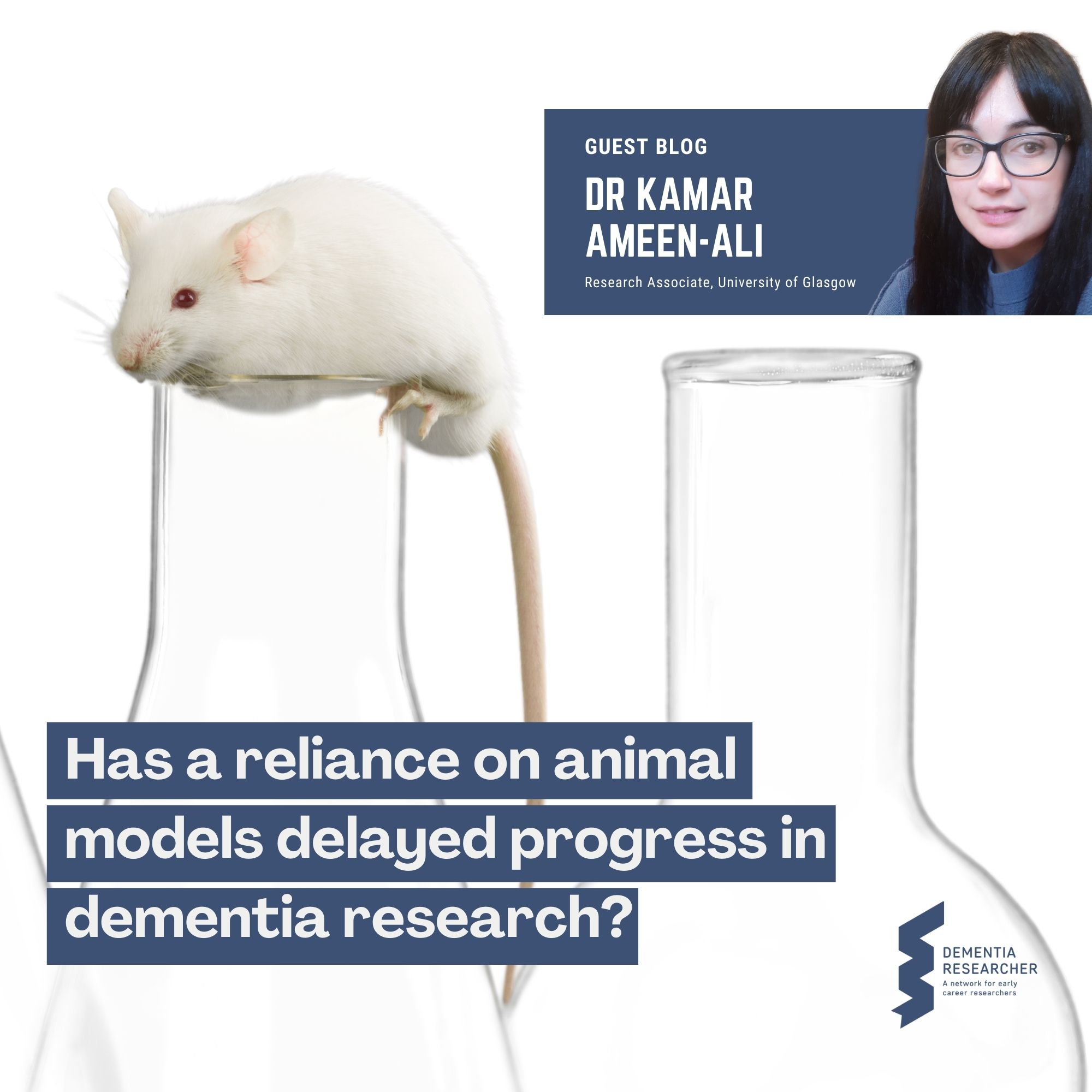
Ep 133Dr Kamar Ameen-Ali - Has a reliance on animal models delayed progress in dementia research?
Dr Kamar Ameen-Ali narrates her blog written for NIHR Dementia Researcher. Why have preclinical studies using Alzheimer’s disease mouse models failed to translate into successful clinical trials? Kamar explores the topic, and how the system could be improved. Find the original text, and narration here on our website. https://www.dementiaresearcher.nihr.ac.uk/has-a-reliance-on-animal-models-delayed-progress-in-dementia-research/ If you would like to write your own blog drop us a line, we're always on the look out for new contributors to write about their research, careers + more [email protected]

Ep 132Dr Yvonne Couch - Dear Scientist... Celebrating Ada Lovelace Day
Dr Yvonne Couch, narrates her blog written for the Dementia Researcher website. It's Ada Lovelace Day and to mark the occasion Yvonne writes of some of the women that have inspired her, challenges of gender diversity and what she hopes might change. Find the original text, and narration here on our website. https://www.dementiaresearcher.nihr.ac.uk/dear-scientist-celebrating-ada-lovelace-day-2021/ _____________________________________________________ Enjoy listening? We're always looking for new bloggers, drop us a line. http://www.dementiaresearcher.nihr.ac.uk Don't forget to hit like and subscribe.

Ep 131Dr Sam Moxon - The way we think about dementia has changed for the better
Dr Sam Moxon, narrates his blog written for NIHR Dementia Researcher. Sam discusses how our approach to dementia has changed with our constantly increasing knowledge - pick and organ and you can probably find studies showing their potential roles in dementia pathogenesis. Find the original text, and narration here on our website. https://www.dementiaresearcher.nihr.ac.uk/the-way-we-think-about-dementia-has-changed-for-the-better/ Enjoy listening and reading our blogs? We're always on the look out for new contributors, drop us a line and share your own research and careers advice [email protected]
Ep 130Beth Eyre - Five transferable skills you can gain from a PhD
Beth Eyre, narrates her blog written for NIHR Dementia Researcher. Beth reflects on the skills she has gained through her PhD, and how they could be transferred into the job market (over and above awesome lab skills). Find the original text, and narration here on our website. https://www.dementiaresearcher.nihr.ac.uk/five-transferable-skills-you-can-gain-from-a-phd/ We're always on the look out for new contributors, if you would like to write and narrate your own blog - drop us a line to [email protected] Don't forget to also listen to our fortnightly - published fortnightly, just look for Dementia Researcher in your podcast app.
Ep 129Adam Smith adds to the World Dementia Council Global Voices
Adam Smith, Programme Director for Dementia Researcher has written a new article for the World Dementia Council, Global Voices Blog. In this post Adam discusses the challenges faced by Early Career Researchers, what he hopes will change and how the values from the Space X Inspiration 4 Project can be aligned to what he hopes can be done to improve Dementia Research - leadership, hope, generosity, prosperity. Read the full blog, and more from Global Voices on the World Dementia Council Website. https://worlddementiacouncil.org/global-voices/adam-smith/supporting-early-career *Music Credit Gunner Olson, YouTube Audio Library