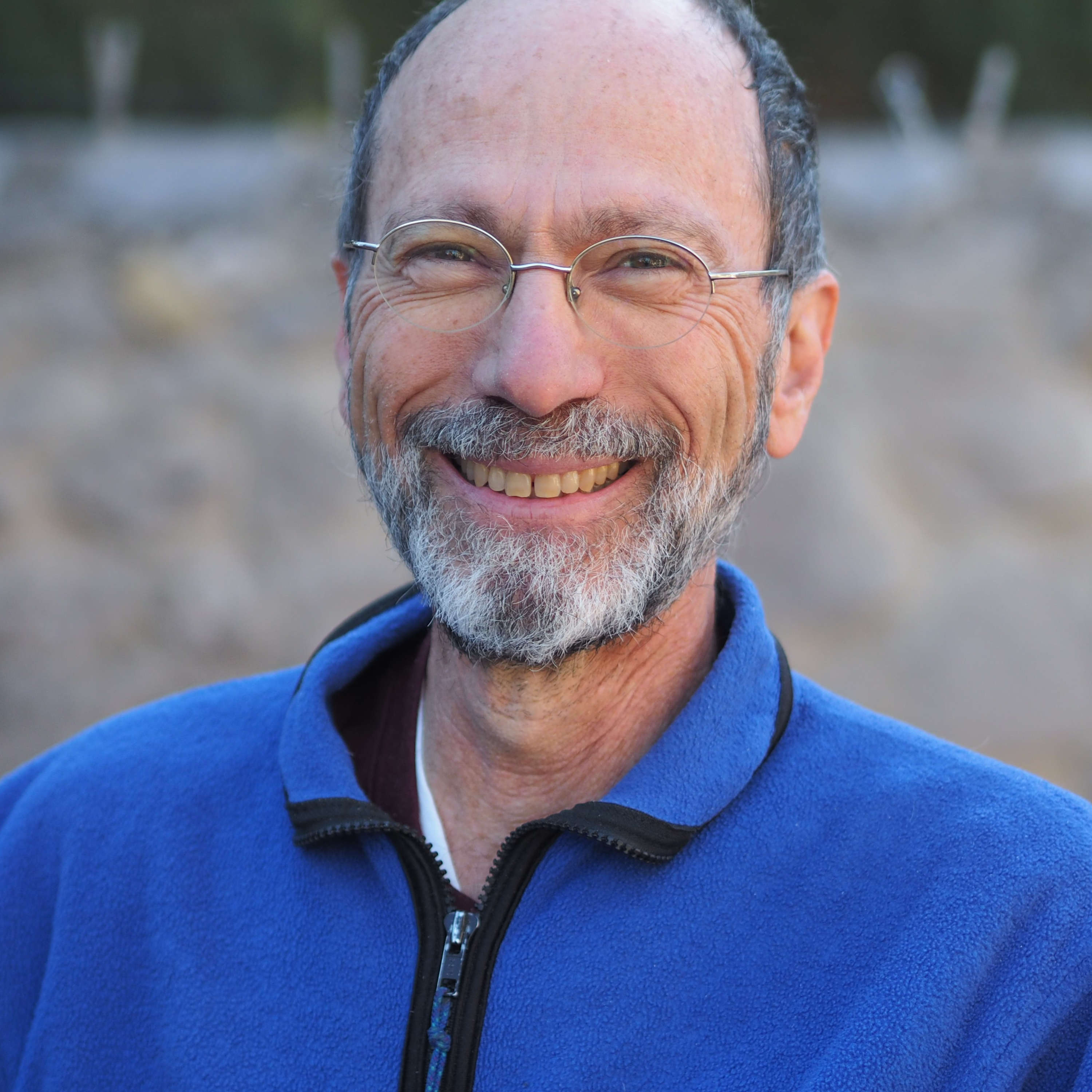
Delving In with Stuart Kelter
Stuart Kelter
Show overview
Delving In with Stuart Kelter has been publishing since 2022, and across the 4 years since has built a catalogue of 187 episodes. That works out to roughly 170 hours of audio in total. Releases follow a weekly cadence.
Episodes typically run thirty-five to sixty minutes — most land between 55 min and 57 min — and the run-time is fairly consistent across the catalogue. None of the episodes are flagged explicit by the publisher. It is catalogued as a EN-language Science show.
The show is actively publishing — the most recent episode landed 3 weeks ago, with 12 episodes already out so far this year. The busiest year was 2024, with 66 episodes published. Published by Stuart Kelter.
From the publisher
Knowledge-seeker and psychologist Stuart Kelter shares his joy of learning and “delving in.” Ready? Let’s delve... Join Chris Churchill on the possible reasons why the search for intelligent life in the universe is coming up empty. Let’s hear from Israeli psychiatrist Pesach Lichtenberg about a promising approach to schizophrenia—going mainstream in Israel—that uses minimal drugs and maximal support through the crisis, rejecting the presumption of life-long disability. Find out what Pulitzer Prize winning historian, David Kertzer learned from recently opened Vatican records about Pius XII, the Pope During WWII. We explore the fascinating and intriguing... What did journalist Eve Fairbanks learn about race relations in post-Apartheid South Africa? Did you realize there were dozens and dozens of early women scientists? Let’s find out about them through a sampling of poems with poet Jessy Randall. How shall we grapple with the complexities of the placebo effect in drug development and medical practice? Harvard researcher Kathryn Hall confirms just how complicated it really is! But beware: increasing one’s knowledge leads to more and more questions. If that appeals to you, join us on “Delving In”! The interviews of the Delving In podcast were first broadcast on KTAL-LP, the community radio station of Las Cruces, New Mexico. The full archive of well over 100 interviews can be found at https://www.lccommunityradio.org/archives/category/delving-in. Please send questions and comments to [email protected].
Latest Episodes
View all 187 episodes#186. The Death of Her Parents at Fourteen Years Old
#185. A Humane and Effective Method for Helping Disruptive Students

S1 Ep 184#184. The Conditions and Challenges of Post-War Europe
Richard Bessel is a professor emeritus of twentieth century history at the University of York and a former member of the editorial boards of German History and History Today. He is a specialist in the social and political history of modern Germany, the aftermath of the two world wars, and the history of policing. He is the author of several books, published between 1984 and 2004, about the Nazi and post-Nazi eras of German history. His book, Violence: A Modern Obsession, published in 2015, explores how Western perceptions of violence have evolved over the last 150 years. This interview will focus on his recently published, Postwar Europe: A Very Short Introduction, part of The Oxford Very Short Introduction series.Recorded 3/17/26.

S1 Ep 183#183. A Neuroscientist Tells the Story of his Remarkable Overcoming of Profound Childhood Adversity
David Sussillo is an internationally recognized neuroscientist, currently working as a senior research manager at Meta Reality Labs, leading a team that is developing brain-machine interfaces for next-generation computer technologies. He is also an adjunct professor in the electrical engineering department at Stanford University, where he conducts research in computational neuroscience and neural dynamics. This interview will focus on his soon-to-be published book, Emergence: A Memoir of Boyhood, Computation, and the Mysteries of Mind, about his remarkable overcoming of profound childhood adversity, including his earliest years growing up with drug-addicted parents, followed by nearly a decade in orphanages. In this interview we will try to imagine what it was like for David during his childhood, including the hardships, the sources of engagement and hope, and what it took to achieve the improbable: a highly successful life, both professionally and personally.Recorded 3/10/26.

S1 Ep 182#182. Alternative Approaches to the Philosophy of Ethics
Michael Boylan is a philosophy professor at Marymount University and a prolific writer who focuses on a wide range of ethical domains, including public health, the environment, medical advances, business practices, technological innovation, foundational philosophical texts from Ancient Greece, and the practice of teaching. He is also a poet and a fiction writer, exploring philosophical issues through his own writing of poetry, short stories, and novels. This interview will explore the major approaches to ethics, both in general terms and as applied to hypothetical, fictional, and real situations.Recorded 3/3/26.

S1 Ep 181#181. Decisive Breakthroughs in Renewable Energy
Nicholas — or Nick — Jelley, is an Emeritus Professor in the Department of Physics and a Fellow of Lincoln College at the University of Oxford, known for his expertise in renewable energy and energy science. He was the UK group leader for the Nobel Prize-winning Sudbury Neutrino Observatory (SNO) experiment, a major achievement in particle physics. More recently, he has conducted research on solar energy for use in the developing world. He has authored several books on energy topics, including the textbook, Energy Science: Principles, Technologies, and Impacts, co-written with John Andrews, and Renewable Energy: A Very Short Introduction, the second edition of which was recently published and which is the subject of today's interview.Recorded 2/17/26.

S1 Ep 180#180. The Power and Dangers of Digital Self-Surveillance
Andrew Guthrie Ferguson is a Professor of Law at the George Washington University Law School, where he teaches Criminal Law, Criminal Procedure, Evidence, and a seminar examining police surveillance technologies, privacy, and civil rights. Before becoming a professor, Professor Ferguson worked as a public defender for seven years, representing adults and juveniles, and was also lead counsel in numerous jury and bench trials, arguing cases before the District of Columbia Court of Appeals. Ferguson has written over 35 law review articles and book chapters and provided legal commentary for the New York Times, the Economist, CNN, NPR, among other media. He is also the author of four books, including, Why Jury Duty Matters: A Citizen’s Guide to Constitutional Action, published in 2012, which was the first book written for jurors on jury duty. His award-winning second book, The Rise of Big Data Policing: Surveillance, Race, and the Future of Law Enforcement, was published in 2017. We’ll be discussing his recently published latest book, Your Data Will Be Used Against You: Policing in the Age of Self-Surveillance (2026), which reveals how smart devices dramatically enhance the scope of potential evidence for criminal prosecution. Unfortunately, in the process, we’re giving away our privacy and rendering ourselves vulnerable to harassment or worse by an authoritarian government.Recorded 2/10/26.

S1 Ep 179#179. U.S. Efforts to Influence Values and Allegiances in the Middle East
Nathaniel Greenberg is an Associate Professor of Arabic in the Department of Modern and Classical Languages at George Mason University, focusing on the intersection of technology, politics, and culture in the modern Middle East and North Africa. A Comparative Literature scholar by training, he also worked as a freelance journalist and was one of the few Americans to report on the first days of the 2011 Arab Spring uprising in Egypt. He is the author of four books, including How Information Warfare Shaped the Arab Spring: The Politics of Narrative in Tunisia and Egypt, published in 2019, and The Long War of Ideas: American Diplomacy in Arabic After 911, to published this March.Recorded 1/27/26.

S1 Ep 178#178. An Expedition into the Brazilian Amazon to Establish the Boundaries of a Totally Isolated, Uncontacted tribe.
Scott Wallace is an award-winning writer, television producer, and photojournalist, who for over 40 years, has focused on the environment, vanishing cultures, and conflict over land and resources around the world. He has written feature stories for the New York Times and The Smithsonian, among other major publications, and has been a frequent contributor to National Geographic. He is the author of the bestselling book, The Unconquered: In Search of the Amazon’s Last Uncontacted Tribes, published in 2011, a firsthand account of an expedition through the land of a mysterious tribe living in extreme isolation deep in the Amazon rain forest. As a reporter for CBS News, the Atlanta Journal-Constitution, Newsweek, the Independent, and the Guardian, Wallace covered the civil wars in Central America throughout the 1980s, and is the author of and photographer for Central America in the Crosshairs of War: On the Road from Vietnam to Iraq, published in 2024. In 2017 he joined the faculty of the Journalism Department of the University of Connecticut. Today’s interview will focus on his earlier book, The Unconquered.Recorded 1/22/26.

S1 Ep 177#177. What African-Americans Endured Throughout the History of the Mississippi Delta
Ralph Eubanks is the former Director of Publishing for the Library of Congress, former editor of the Virginia Quarterly Review at the University of Virginia, and currently faculty fellow and writer-in-residence at the Center for the Study of Southern Culture at the University of Mississippi. Awarded the Mississippi Governor’s Arts Award for excellence in literature and appointed cultural ambassador for Mississippi, he is the author of numerous articles in major newspapers and magazines, as well as four books, Ever Is a Long Time: A Journey Into Mississippi's Dark Past, published in 2003, The House at the End of the Road: The Story of Three Generations of an Interracial Family in the American South, published in 2009, A Place Like Mississippi: A Journey Through A Real and Imagined Literary Landscape, published in 2021, and most recently, When It’s Darkness on the Delta: How America’s Richest Soil Became Its Poorest Land, published in 2026. Our interview will focus on his latest book, which brings out the rich and painful history of the region, its enduring consequences, and possible springboards for hope.Recorded 1/12/26.

S1 Ep 176#176. Exposing How Financial Corruption is Tied to Environmental Destruction, Human-Rights Abuses, and War
Patrick Alley is the former executive director and co-founder – along with Simon Taylor and Charmian Gooch – of Global Witness, an award-winning nonprofit organization, established in 1993, dedicated to exposing the links between corruption, environmental destruction, human-rights abuses and war. Since stepping down as executive director in 2023, he has continued his involvement as a board member and has also turned his focus to writing. His first book, Very Bad People: The Inside Story of the Fight Against the World’s Network of Corruption, was published in 2022, and his second, Terrible Humans: The World's Most Corrupt Super-Villains And The Fight to Bring Them Down, was published in 2024. Both books present gripping stories of high stakes challenges taken on by Global Witness and affiliated organizations, such as Citizen Lab, Sea Shepard, and the Wildlife Justice Commission in exposing evil and, in many cases, making a major contribution to eradicating it.Recorded 1/5/26.

S1 Ep 175#175. Maintaining Love Throughout Her Husband's Dementia
Anne-Marie Erickson is the author of the memoir, In the Evening, We’ll Dance: A Memoir in Essays on Love and Dementia, which bears witness to the demise of her beloved husband, Dick Cain. As might be expected, this is a sad story, but not only. Right up until the very end, about ten years ago, the couple was able to express their love of one another and, thanks to their mutual love of language, Ann-Marie was, much of the time, able to decipher Dick’s not-necessarily-intentional use of metaphor to convey deep insights into their relationship, the world, and mortality. It’s an inspirational book that assiduously avoids clichés and platitudes, deeply honest about what it’s like to stay committed to the love of one’s life. She acknowledges the heartbreak, the exasperation, and the rage that goes with this territory, but she also doesn’t allow herself to become mired in negativity, and manages to gather sacred moments as they come, of meaning and closeness, as jewels on a strand that ultimately must end.Recorded 12/30/25.

S1 Ep 174#174. Conundrums of the Mind-Body Problem and the Ethical Dilemmas of Possibly Conscious A.I.
Eric Schwitzgebel is a professor of philosophy at the University of California, Riverside, whose main interests include philosophy of mind, metaphysics, the nature of belief, the impact or lack thereof of ethical thinking on behavior, and classical Chinese philosophy. He is the author of four books: Perplexities of Consciousness, published in 2011, Describing Inner Experience?: Proponent Meets Skeptic co-written with Russell Hurlburt, also published in 2011, A Theory of Jerks and Other Philosophical Misadventures, published in 2019, and The Weirdness of the World, published in 2024. He is also a science fiction writer and was a contributor to Philosophy through Science Fiction Stories: Exploring the Boundaries of the Possible. Starting in 2006, Eric has written a blog called, “The Splintered Mind.”Recorded 12/9/25.

S1 Ep 173#173. Scenarios for Another Civil War in the U.S.
Stephen Marche is a Canadian novelist, essayist, and journalist, a scholar of philosophy and literature, and a former teacher of Renaissance drama at the City University of New York, resigning in 2007 to pursue a full-time writing career ever since. He has written five novels, numerous essays for The New York Times, The New Yorker, The Atlantic, and The Guardian, and four works of non-fiction: How Shakespeare Changed Everything published in 2011, The Unmade Bed: The Messy Truth About Men and Women in the Twenty-First Century published in 2017, The Next Civil War: Dispatches from the American Future, published in 2022, and On Writing and Failure: Or, On the Peculiar Perseverance Required to Endure the Life of a Writer, published in 2023.Recorded 12/3/25.

S1 Ep 172#172. Positive Masculine Identity, As Nurtured by the Mother of a Boy Soprano
Rebekah Peeples is the Deputy Dean of the College at Princeton University with oversight of the undergraduate curriculum. Previously at Princeton, she taught sociology and writing. She is also the author of two books: Wal-Mart Wars: Moral Populism in the Twenty-First Century, published in 2014, and Unchanged Trebles: What Boy Choirs Teach Us About Motherhood and Masculinity, published four weeks ago, and which is the subject of today’s interview.Recorded 11/12/25.

S1 Ep 171#171. The Remarkable Contributions of Unwed, Childless Women Throughout History
Emma Duval is a self-described member of the “millennial generation,” who include the growing number of women who are childless and as, Emma puts it, “childfree” by choice. Although now married, Duval’s early inspirations were independent, unmarried women, and as a teenager she contemplated becoming a nun in rejection of societal norms surrounding marriage. She is the author-illustrator of the recently published book, Unwed & Unbothered: The Defiant Lives of Single Women, which celebrates the courageous lives and remarkable contributions of such women throughout history, going back thousands of years.Recorded 11/5/25.

S1 Ep 170#170. The Origins and Remedies for the Rural-Urban Political Divide
Suzanne Mettler is a senior professor of American Institutions in the Government Department at Cornell University. She is the author of several books, including The Submerged State and Degrees of Inequality: How the Politics of Higher Education Sabotaged the American Dream, published in 2014, The Government-Citizen Disconnect, published in 2018, Four Threats: The Recurring Crises of American Democracy, co-written with Robert C. Lieberman and published in 2024, and most recently, Rural vs. Urban: The Growing Divide that Threatens Democracy, co-written with Trevor E. Brown and published just a few weeks ago.Recorded 10/16/25.

S1 Ep 169#169. On Being a Wilderness Fire Watcher
Philip Connors is a National Parks Service fire watcher in New Mexico’s Gila Wilderness since 2002. In addition to essays in the New York Times and Los Angeles Times, Connors is the author of Fire Season: Field Notes from a Wilderness Lookout, published in 2011; All the Wrong Places: A Life Lost and Found, published in 2015; and A Song for the River -- about the threat to the Gila River, one of the last wild rivers in the western U.S., threatened by a proposed dam -- published in 2018. His work has won the National Outdoor Book Award, the Sigurd Olson Nature Writing Award, the Reading the West Award for Nonfiction, the Grand Prize at the Banff Mountain Book Competition, a Southwest Book Award, and an n+1 Writer's Fellowship. His fourth book, The Mountain Knows the Mountain: A Fire Watch Diary, published just a few weeks ago, blends haiku and diary entries that beautifully convey his experience of solitude, his reverence for nature, and his witnessing of devastating forest megafires on an unprecedented scale. He also speaks to our longstanding foolish overconfidence in the ability to indefinitely prevent forest fires.Recorded 8/8/25.

S1 Ep 168#168. The Power of Followers to Restrain Toxic Leaders
Ira Chaleff is past President of Executive Coaching & Consulting Associates and award-winning author of several books, including The Courageous Follower: Standing Up to and for Our Leaders, published in 2009; Intelligent Disobedience: Doing Right When What You're Told to Do Is Wrong, published in 2015; Intelligent Disobedience for Children: A Handbook for Parents and Other Caregivers, published in 2018; To Stop a Tyrant: The Power of Political Followers to Make or Brake a Toxic Leader, published in 2024, and in a completely different genre, a collection of original poems about aging, Falling Apart Into Wholeness, published in 2020. Ira has conducted workshops on Leader-Follower relations for a wide range of organizations, including multinational corporations and governmental agencies. He served as Executive Director, as well as Chair of the Board, of The Congressional Management Foundation, a non-partisan, non-profit group that provides management research, training and consulting for the U.S. Congress.Recorded 9/16/25.

S1 Ep 167#167. A BBC Journalist and News Anchor on How His Two Identities, as Journalist and Jew, Inform One Another
Tim Franks has been a journalist with the BBC since 1990, as a producer, reporter, and presenter. He has covered British politics, including the conflict Northern Ireland in the years leading up to the Good Friday Agreement, as well as international issues, as a foreign correspondent on the scene in Jerusalem and the Palestinian territories, and in war zones, such as Iraq during the war of 2003, and in Gaza during the current war there. Since 2013 he has been a presenter – or in American parlance, an anchor – for Newshour, the BBC World Service flagship radio news program. This interview will focus primarily on his recently published book, The Lines We Draw: The Journalist, the Jew, and an Argument About Identity.Recorded 9/9/25.