
Deep Dive from The Japan Times
214 episodes — Page 3 of 5
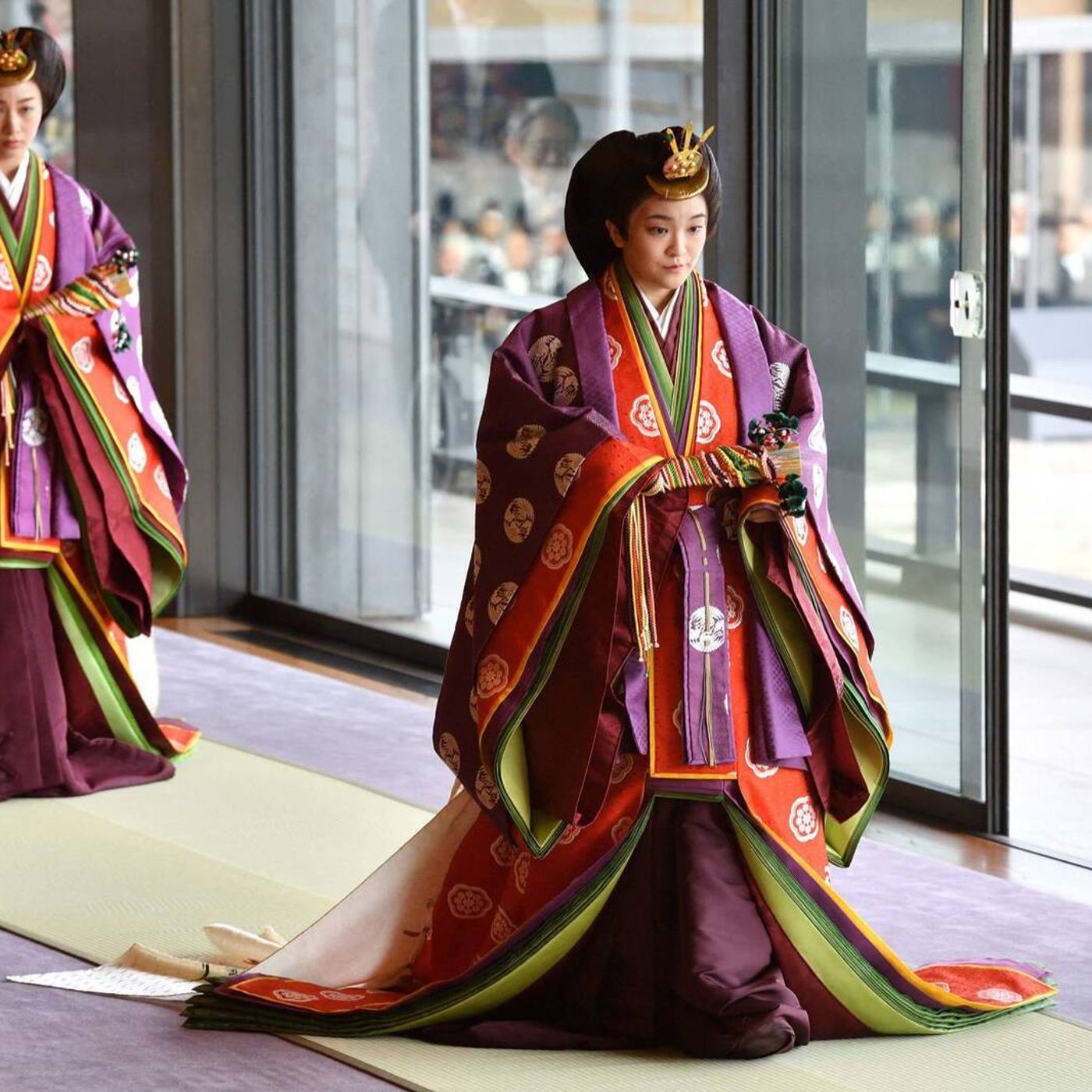
Ep 103103: Princess Mako's not-so fairytale wedding w/ Natsuko Fukue
A royal wedding usually involves celebration and pageantry, a ceremony steeped in tradition at an ancient and palatial building, and flag-waving in the streets by a public eager to see the newlywed couple. But for Princess Mako, who married Kei Komuro on Tuesday this week, there was none of that. There was only the perfunctory stamping of documents, followed by a muted press conference. Read more: What you need to know about the not-so-fairy tale of Princess Mako (Magdalena Osumi, The Japan Times) Imperial Household Agency criticized for media strategy — or lack thereof (Magdalena Osumi, The Japan Times) Princess Mako's marriage a 'warning sign' for Japan's imperial system (Ami Takahashi via The Japan Times) The world’s oldest monarchy is running out of royals (Marika Katanuma via The Japan Times ) On this episode: Natsuko Fukue: Twitter Oscar Boyd: Twitter | Articles | Instagram Announcements: Subscribe to the show and sign up to the Deep Dive mailing list to be notified when new episodes come out. Get in touch with us at [email protected]. Support the show! Rate us, review us and share this episode with a friend if you’ve enjoyed it. Follow us on Twitter, and give us feedback. This episode of Deep Dive may be supported by advertising based on your location. Advertising is sourced by Audioboom and is not affiliated with The Japan Times. Photo: Princess Mako (right) and her sister Princess Kako attend the enthronement ceremony for Emperor Naruhito at the Imperial Palace in Tokyo in October 2019. | POOL / AFP-JIJI
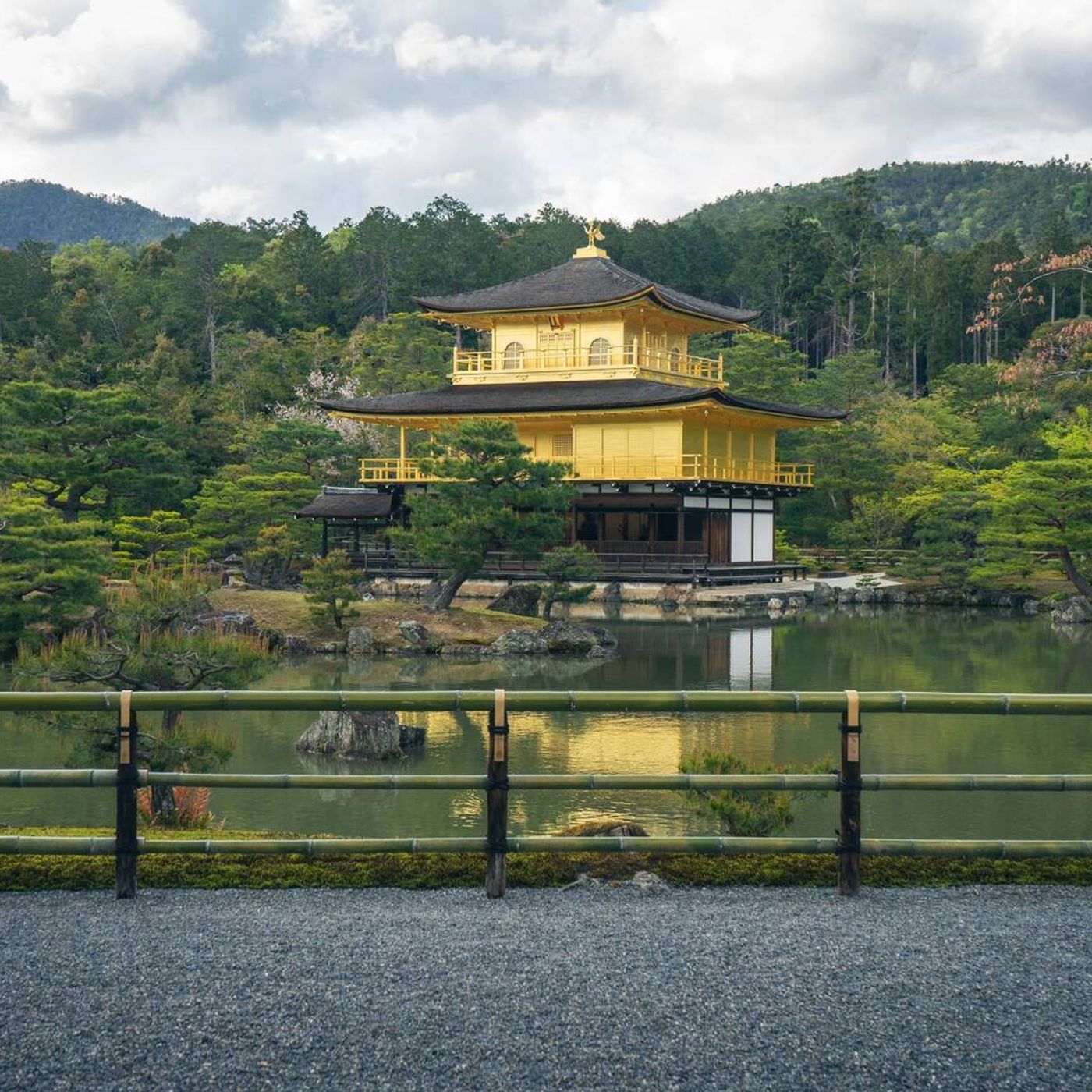
Ep 102102: Why is Kyoto going bankrupt? w/ Eric Johnston
Over the past few years a combination of overspending and lack of tax revenue has put the city of Kyoto in a precarious financial situation, made worse by the lack of domestic and international tourism to the city during the pandemic. The Japan Times' senior national correspondent, Eric Johnston, joins us from Osaka to explain Kyoto's problems, and what the city needs to do to get itself out its predicament. Read more: Kyoto is facing bankruptcy. What happens now? (Eric Johnston, The Japan Times) Kyoto's reconstruction plan calls for big spending cuts (Eric Johnston, The Japan Times) Kyoto without tourists: How the ancient capital looks without its crowds (Oscar Boyd, The Japan Times) On this episode: Eric Johnston: Articles Oscar Boyd: Twitter | Articles | Instagram Announcements: Subscribe to the show and sign up to the Deep Dive mailing list to be notified when new episodes come out. Get in touch with us at [email protected]. Support the show! Rate us, review us and share this episode with a friend if you’ve enjoyed it. Follow us on Twitter, and give us feedback. This episode of Deep Dive may be supported by advertising based on your location. Advertising is sourced by Audioboom and is not affiliated with The Japan Times. Photo: Kinkakuji, otherwise known as the Golden Pavilion, was made a UNESCO World Heritage site in 1994 and usually attracts over 5 million visitors per year. During the pandemic it has received a fraction of that number. | Oscar Boyd
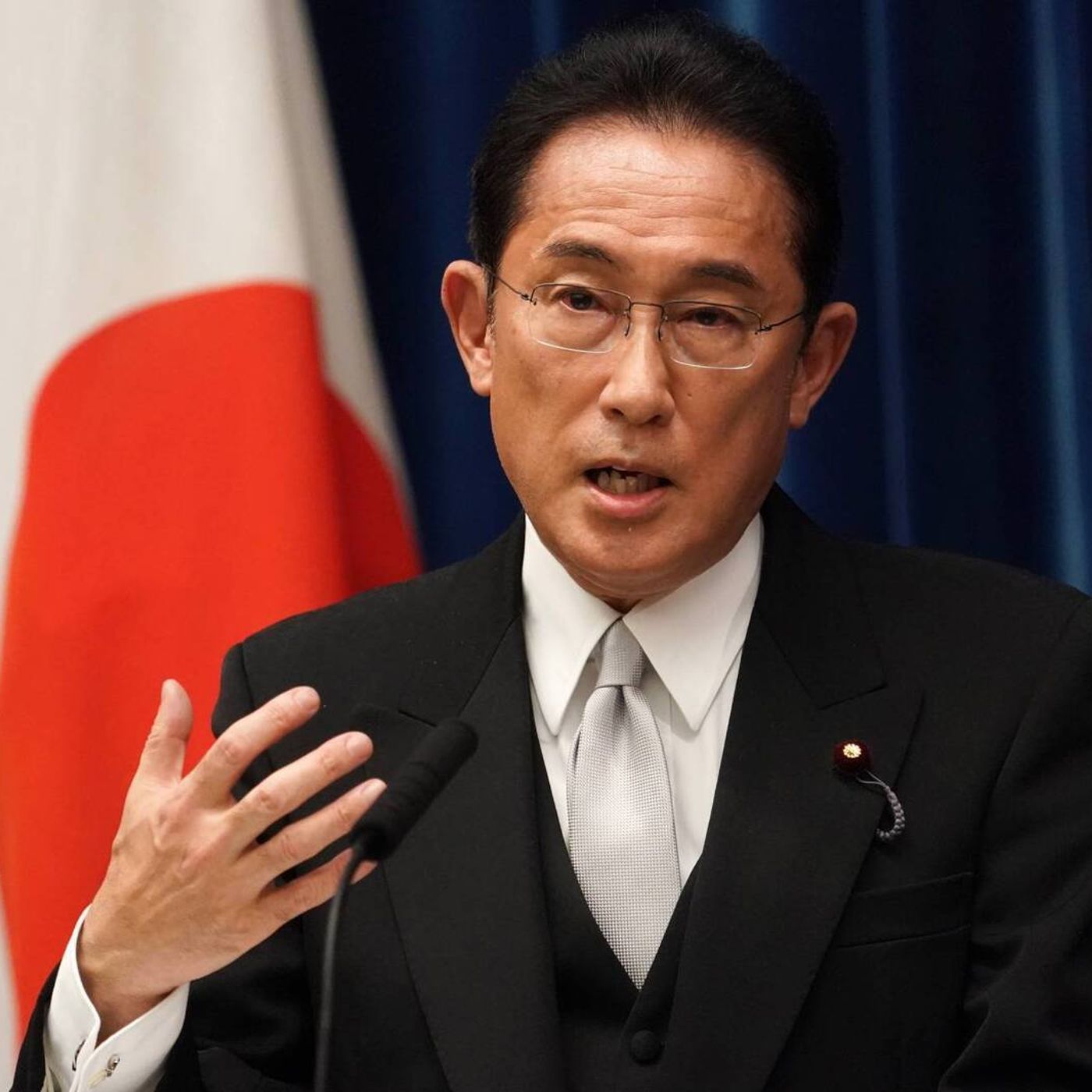
Ep 101101: Who is Fumio Kishida, Japan's new prime minister? w/ Satoshi Sugiyama
Fumio Kishida replaces Yoshihide Suga as the leader of the ruling Liberal Democratic Party and as Prime Minister of Japan, and will face a general election at the end of this month where he will hope to cement his position in power. But who is Kishida and how did he rise to become the country’s newest Prime Minister? The Japan Times’ political correspondent Satoshi Sugiyama joins from his desk at the prime minister's office to answer those very questions.Read more: Challenges await as Kishida takes reins as Japan's prime minister (Satoshi Sugiyama, The Japan Times) What Kishida's Cabinet picks tell us (Michael MacArthur Bosack, The Japan Times) Kishida off to rocky start in approval polls (The Japan Times) Japan's general election to be held Oct. 31, new PM Kishida says (The Japan Times) On this episode:Satoshi Sugiyama: Twitter | ArticlesOscar Boyd: Twitter | Articles | InstagramAnnouncements: Subscribe to the show and sign up to the Deep Dive mailing list to be notified when new episodes come out. Get in touch with us at [email protected] the show! Rate us, review us and share this episode with a friend if you’ve enjoyed it. Follow us on Twitter, and give us feedback.This episode of Deep Dive may be supported by advertising based on your location. Advertising is sourced by Audioboom and is not affiliated with The Japan Times. Photo: Prime Minister Fumio Kishida speaks at a news conference at the Prime Minister's Office in Tokyo on Monday. | Bloomberg
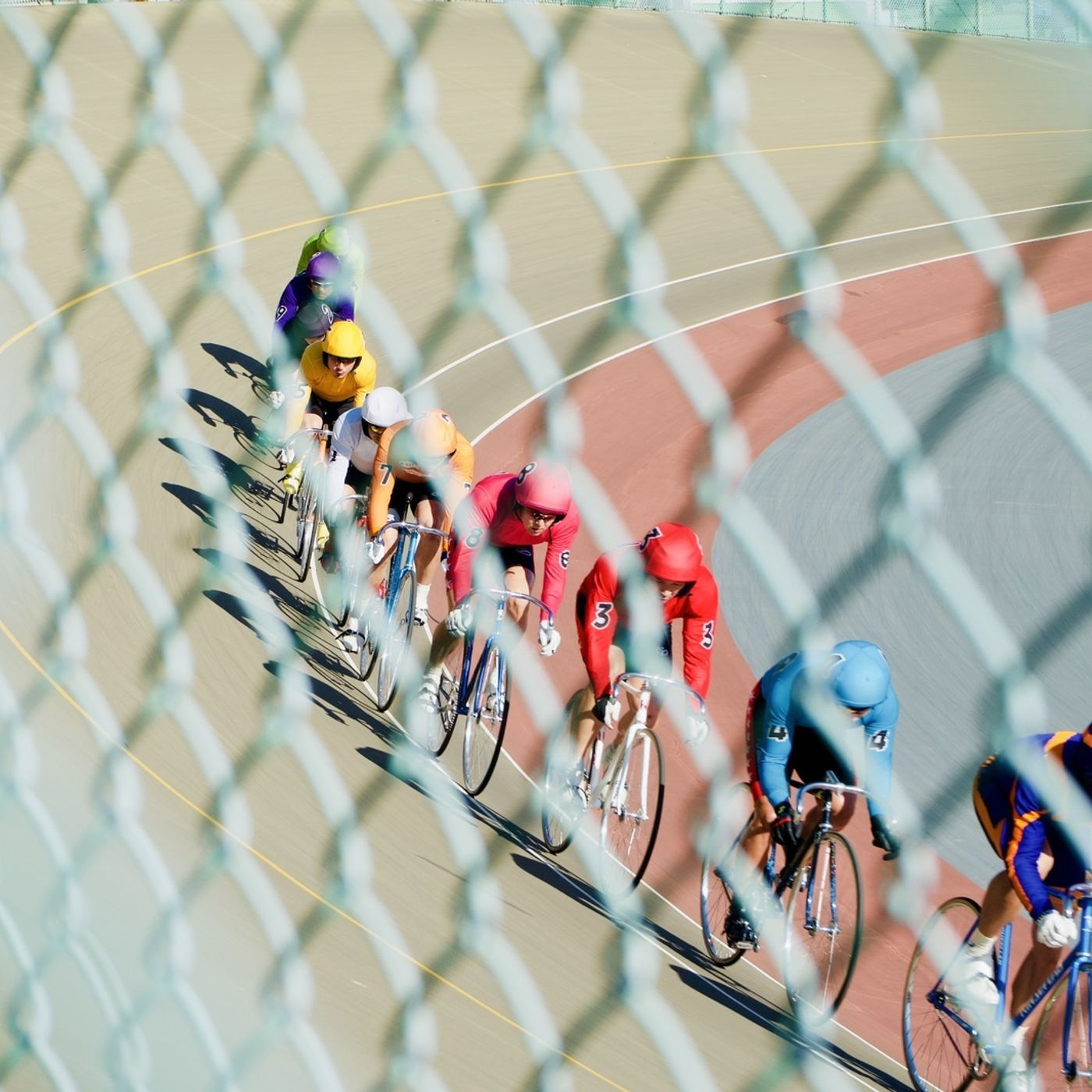
Ep 100100: Keirin: The war on wheels w/ Justin McCurry
At every Olympics there is one cycling event that stands out above all the rest: keirin. It’s been in the Olympics since Sydney 2000, but it’s actually based on a form of track cycling that originated in post-war Japan. Keirin is a gambling sport in Japan, and though it’s nowhere near as popular as the national pastime baseball, or held in the same regard as sumo, it is still a multi-billion dollar industry, with races taking place up and down the country on an almost daily basis.The War on WheelsJustin's book "The War on Wheels: Inside the Keirin and Japan's Cycling Subculture" is out now via all major book retailers. Get your hands on a copy here, or read The Japan Times' review. Find out more about keirin and where to watch it at keirin.jpOn this episode:Justin McCurry: Twitter | ArticlesOscar Boyd: Twitter | Articles | InstagramAnnouncements:Subscribe to the show and sign up to the Deep Dive mailing list to be notified when new episodes come out. Get in touch with us at [email protected] the show! Rate us, review us and share this episode with a friend if you’ve enjoyed it. Follow us on Twitter, and give us feedback.This episode of Deep Dive may be supported by advertising based on your location. Advertising is sourced by Audioboom and is not affiliated with The Japan Times. Photo: Keirin riders race around the Omiya velodrome in the outskirts of Tokyo. | Oscar Boyd
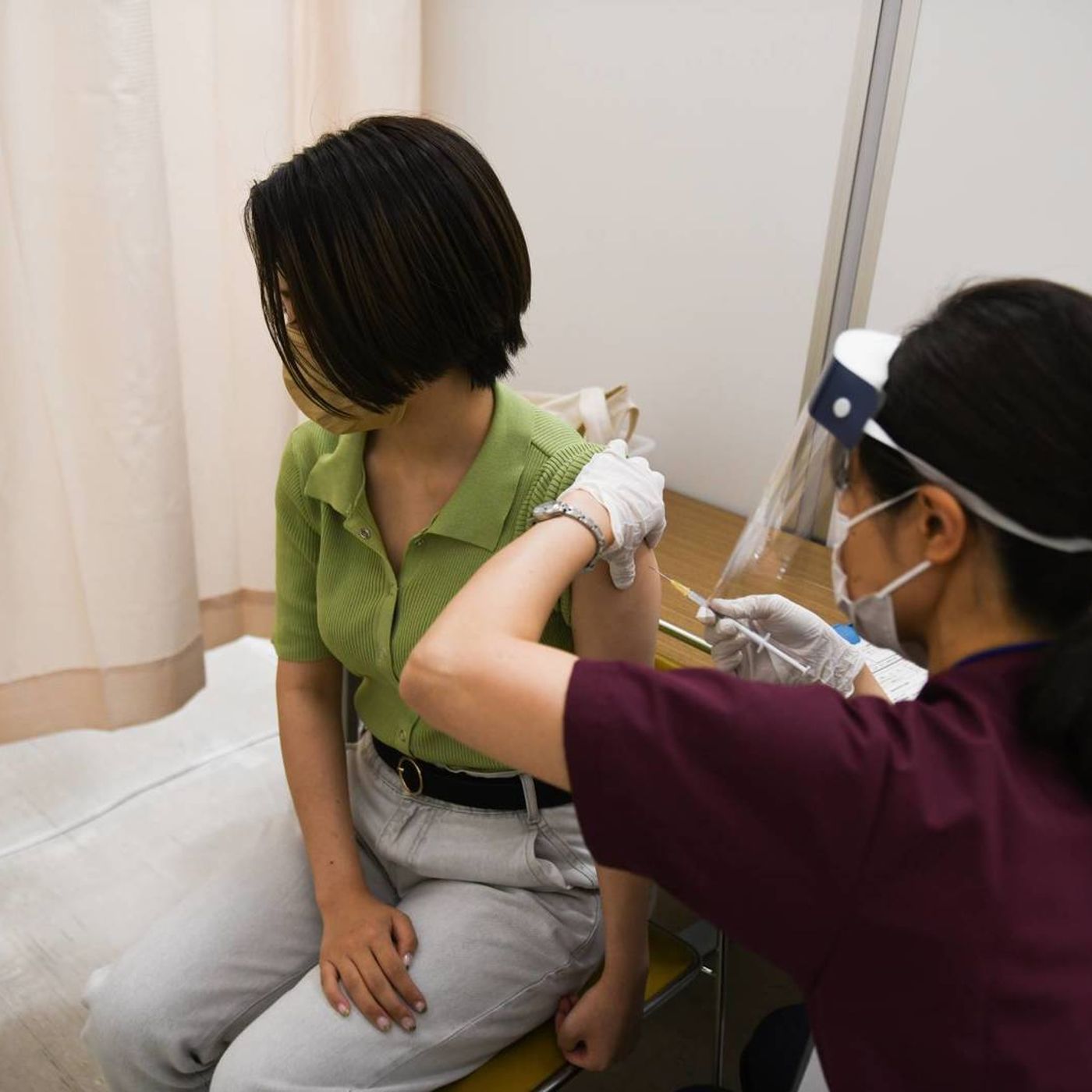
Ep 9999: With half of Japan vaccinated, what's next for the vaccine rollout? w/ Lisa Du
If you were in Japan back in February, when the Pfizer vaccine was first approved, you’ll remember the frustratingly slow pace of the vaccine rollout, as many other countries around the world ramped up their vaccine programs at speed. The slow pace continued through to the start of summer, but in August Japan distributed its 100 millionth dose of vaccine, and almost 50% of the country is now fully vaccinated against COVID-19. Later this month, Japan is set to pass the U.S. when it comes to the percentage of its citizens fully vaccinated. Of course there are still many people who have yet to receive a vaccine and it is vital that they do, but with around 1 million shots being given each day, Japan will soon be in the position where everyone who wants a vaccine will be able to receive one.Read more: Youth clobbered, elderly spared in Japan’s worst-ever COVID-19 wave (Lisa Du, The Japan Times) Japan reaches 100 million vaccine doses as focus shifts to youth (Sophie Jackman and Lisa Du, The Japan Times) With new leader to take reins, Japan eyes extending COVID-19 emergency in hot spots (The Japan Times) Moderna to recall COVID-19 doses in Japan over stainless steel contaminants (The Japan Times) Third man in Japan died after receiving recalled Moderna vaccine (The Japan Times) Canada, France and Singapore begin to recognize Japan’s vaccine passports (Magdalena Osumi, The Japan Times) Japan to issue digital COVID-19 vaccination certificates in December, report says (The Japan Times) On this episode:Lisa Du: Twitter | ArticlesOscar Boyd: Twitter | Articles | InstagramAnnouncements:Subscribe to the show and sign up to the Deep Dive mailing list to be notified when new episodes come out. Get in touch with us at [email protected] the show! Rate us, review us and share this episode with a friend if you’ve enjoyed it. Follow us on Twitter, and give us feedback.This episode of Deep Dive may be supported by advertising based on your location. Advertising is sourced by Audioboom and is not affiliated with The Japan Times. Photo: A health care worker administers a dose of the Moderna Inc. Covid-19 vaccine in the city of Saitama last month. | BLOOMBERG
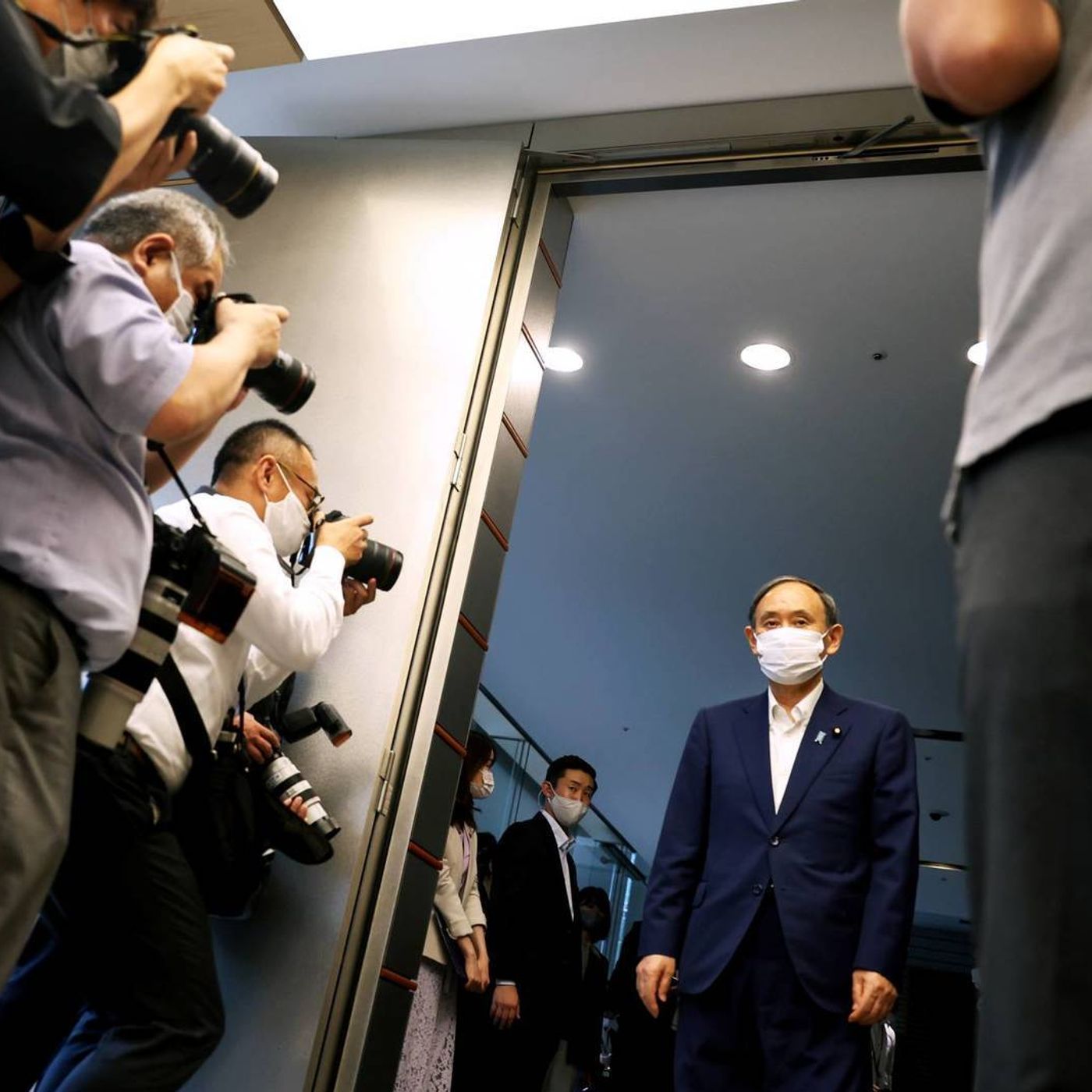
Ep 9898: Prime Minister Suga's shock resignation w/ Satoshi Sugiyama
The Japan Times’ political correspondent, Satoshi Sugiyama, discusses Suga’s sudden resignation and who might replace him as prime minister. Read more: A behind-the-scenes look at Suga’s shocking decision to quit the LDP race (Satoshi Sugiyama, The Japan Times) Suga's abrupt exit throws LDP race wide open (Satoshi Sugiyama, The Japan Times) Vaccine czar Taro Kono tops opinion poll to be Japan's next leader (The Japan Times) Could Japan soon have a female leader? Sanae Takaichi emerges as a contender (Tomohiro Osaki, The Japan Times) For Suga, the pandemic proved to be his undoing (Osamu Tsukimori, The Japan Times) On this episode:Satoshi Sugiyama: Twitter | ArticlesOscar Boyd: Twitter | Articles | InstagramAnnouncements: Subscribe to the show and sign up to the Deep Dive mailing list to be notified when new episodes come out. Get in touch with us at [email protected] the show! Rate us, review us and share this episode with a friend if you’ve enjoyed it. Follow us on Twitter, and give us feedback.This episode of Deep Dive may be supported by advertising based on your location. Advertising is sourced by Audioboom and is not affiliated with The Japan Times.Photo: Prime Minister Yoshihide Suga arrives to meet with Andrew Parsons, president of the International Paralympic Committee, in Tokyo on Friday. | POOL / VIA REUTERS
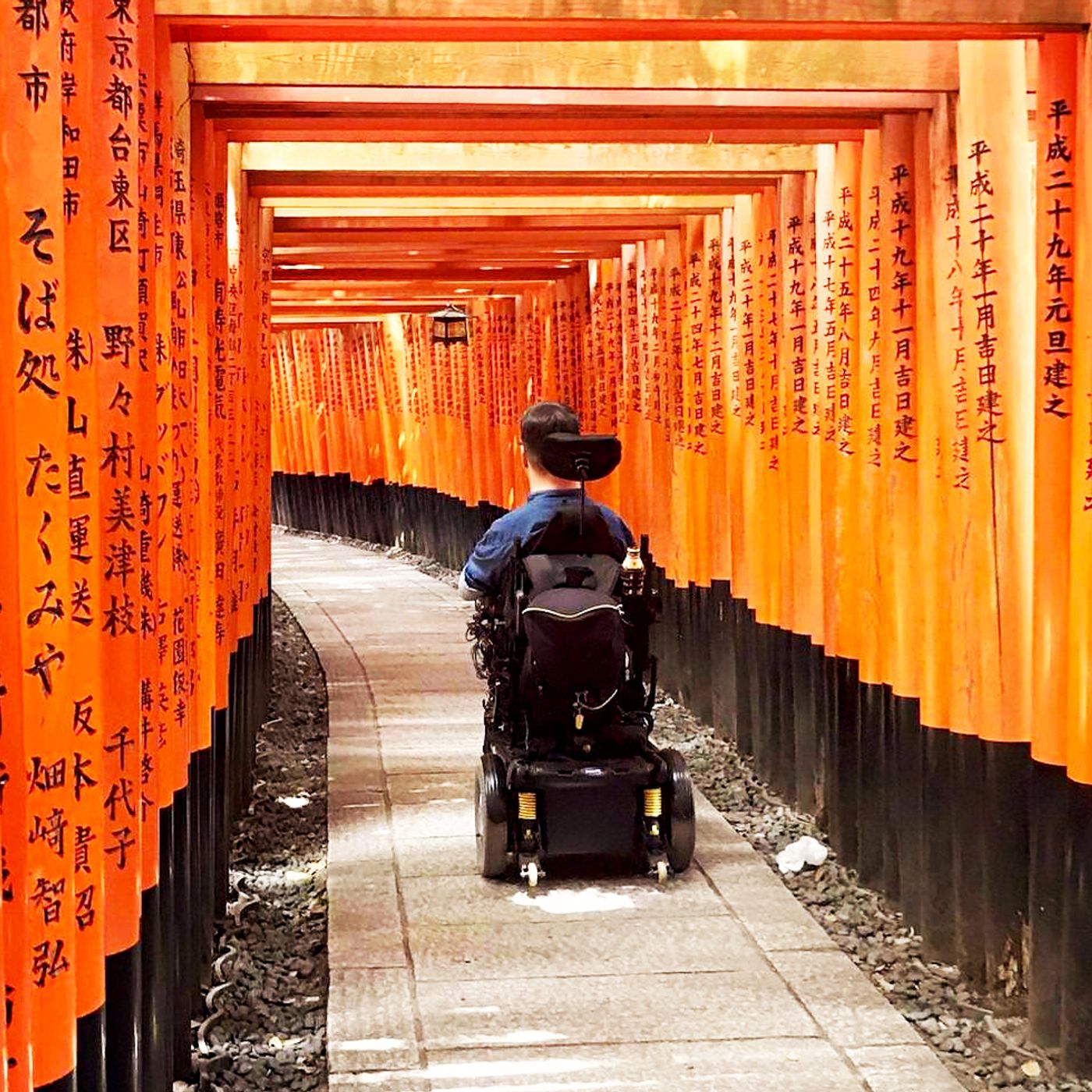
Ep 9797: Why a more accessible Japan is better for everyone w/ Josh Grisdale
Today we're joined by Josh Grisdale, who has cerebral palsy and uses an electric wheelchair in his daily life. He moved to Japan in 2007 and became a Japanese citizen in 2016. Josh has used his intimate knowledge of getting around Japan in a wheelchair to set up and run the website Accessible Japan, which provides the latest accessible travel information for people coming to, staying and living in Japan. Josh argues that creating a more accessible Japan is better for society as a whole, and that despite Japan being a world leader in physical mobility infrastructure, there's still plenty to improve across the country when it comes to inclusivity. Read more: Accessible Japan Behind the push to improve universal access in Japan (Mara Budgen, The Japan Times) What will be the legacy of the Tokyo 2020 Paralympics? (Deep Dive) Tokyo robot cafe offers new spin on disability inclusion (The Japan Times) The Japan Times coverage of the Paralympics On this episode:Josh Grisdale: Twitter | Accessible JapanOscar Boyd: Twitter | Articles | InstagramAnnouncements: Subscribe to the show and sign up to the Deep Dive mailing list to be notified when new episodes come out. Get in touch with us at [email protected] the show! Rate us, review us and share this episode with a friend if you’ve enjoyed it. Follow us on Twitter, and give us feedback.This episode of Deep Dive may be supported by advertising based on your location. Advertising is sourced by Audioboom and is not affiliated with The Japan Times.Photo: Accessible Japan founder Josh Grisdale visits Kyoto's Fushimi Inari Taisha shrine, one of the country's most popular tourist sites. | Josh Grisdale/Accessible Japan

Ep 9696: What will be the legacy of the Tokyo 2020 Paralympics? w/ Anoma van der Veere
Amid the COVID-19 pandemic and with no fans to watch them, will the Paralympics lead to a more inclusive society in Japan or will they fail to make a lasting impression? Anoma van der Veere and Oscar Boyd discuss.Read more: A study of the Tokyo 2020 ‘Game Changer Project’ between the Netherlands and Japan: leveraging disability sports in local communities in Japan (Anoma van der Veere) The Tokyo Paralympic Superhero: Manga and Narratives of Disability in Japan (Anoma van der Veere) Disability in Japan (Carolyn Stevens) 'Most important' Paralympics arrive at starting line in Tokyo (Jason Coskrey, The Japan Times) The Japan Times coverage of the Paralympics On this episode:Anoma van der Veere: Twitter | PapersOscar Boyd: Twitter | Articles | InstagramAnnouncements: Subscribe to the show and sign up to the Deep Dive mailing list to be notified when we return. Get in touch with us at [email protected] the show! Rate us, review us and share this episode with a friend if you’ve enjoyed it. Follow us on Twitter, and give us feedback.This episode of Deep Dive may be supported by advertising based on your location. Advertising is sourced by Audioboom and is not affiliated with The Japan Times. Photo: Japan's Katsuya Hashimoto fights off Britain's Aaron Phipps during the fourth period of the wheelchair rugby semifinals on Saturday. | KYODO
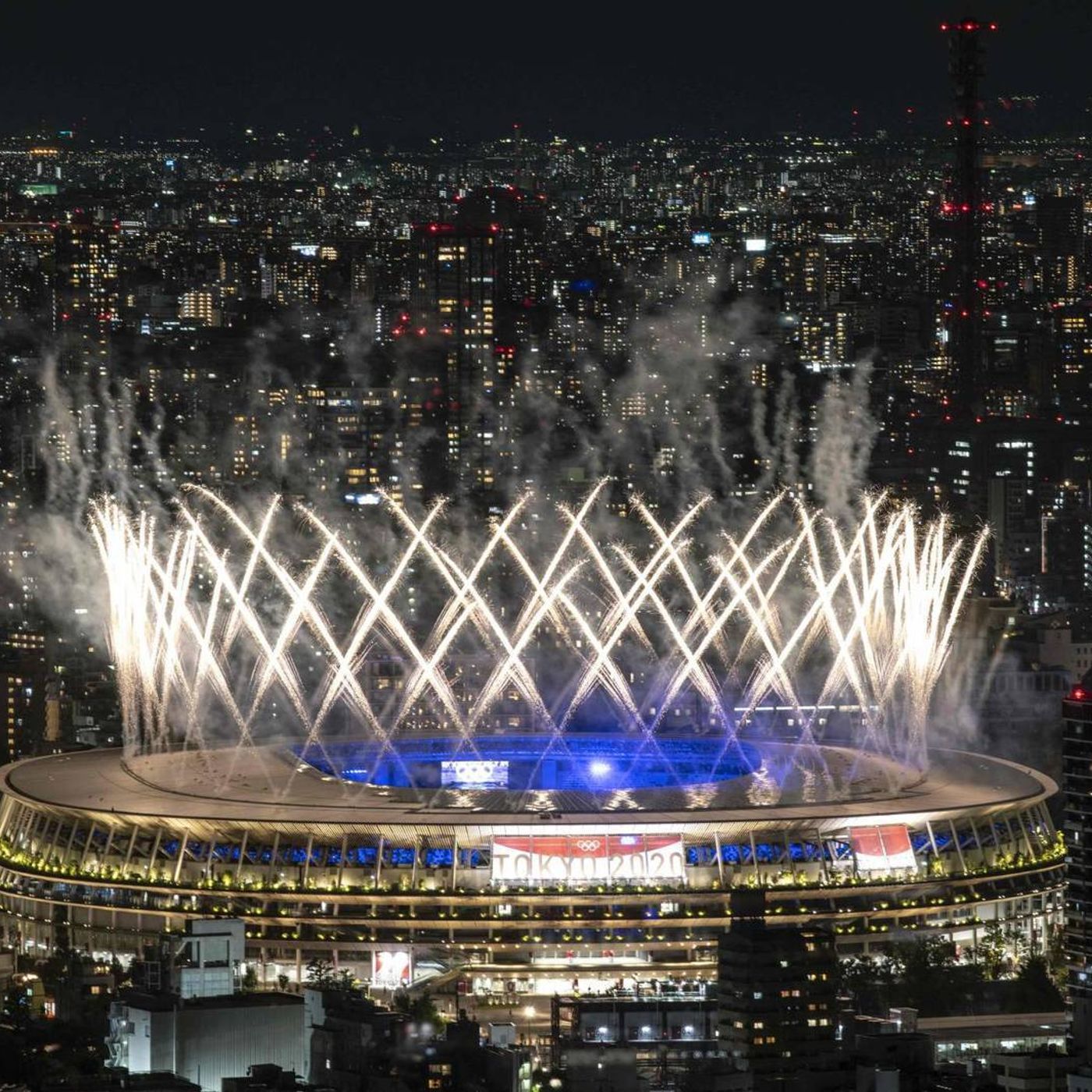
Ep 9595: Farewell to the 2020 Tokyo Olympics
Ten years in the making, the Tokyo Olympics ended with a grand closing ceremony at the National Stadium on Sunday, Aug. 8. Patrick and Oscar look back at the closing moments of the Games, the last few sporting achievements, the handover to Paris, and what to make of these tumultuous Olympics now that they're all over. Read more: The Japan Times' coverage of the Olympic Games Curtain falls on a tumultuous Tokyo Games (Jason Coskrey, The Japan Times) Japan ends Tokyo 2020 with record medal haul (The Japan Times) How we saw it: The Athletes’ Olympics (Dan Orlowitz, The Japan Times) How we saw it: The Mental Health Olympics (Jason Coskrey, The Japan Times) How we saw it: The Japanese Women's Olympics (Kaz Nagatsuka, The Japan Times) How we saw it: The Silent Olympics (Oscar Boyd, The Japan Times) Tokyo Paralympics likely to be held with no spectators (The Japan Times) On this episode:Patrick St. Michel: Twitter | ArticlesOscar Boyd: Twitter | Articles | InstagramAnnouncements: Subscribe to the show and sign up to the Deep Dive mailing list to be notified when we return. Get in touch with us at [email protected] the show! Rate us, review us and share this episode with a friend if you’ve enjoyed it. Follow us on Twitter, and give us feedback.This episode of Deep Dive may be supported by advertising based on your location. Advertising is sourced by Audioboom and is not affiliated with The Japan Times.Photo: Fireworks light up the sky over National Stadium during the closing ceremony. | AFP-JIJI
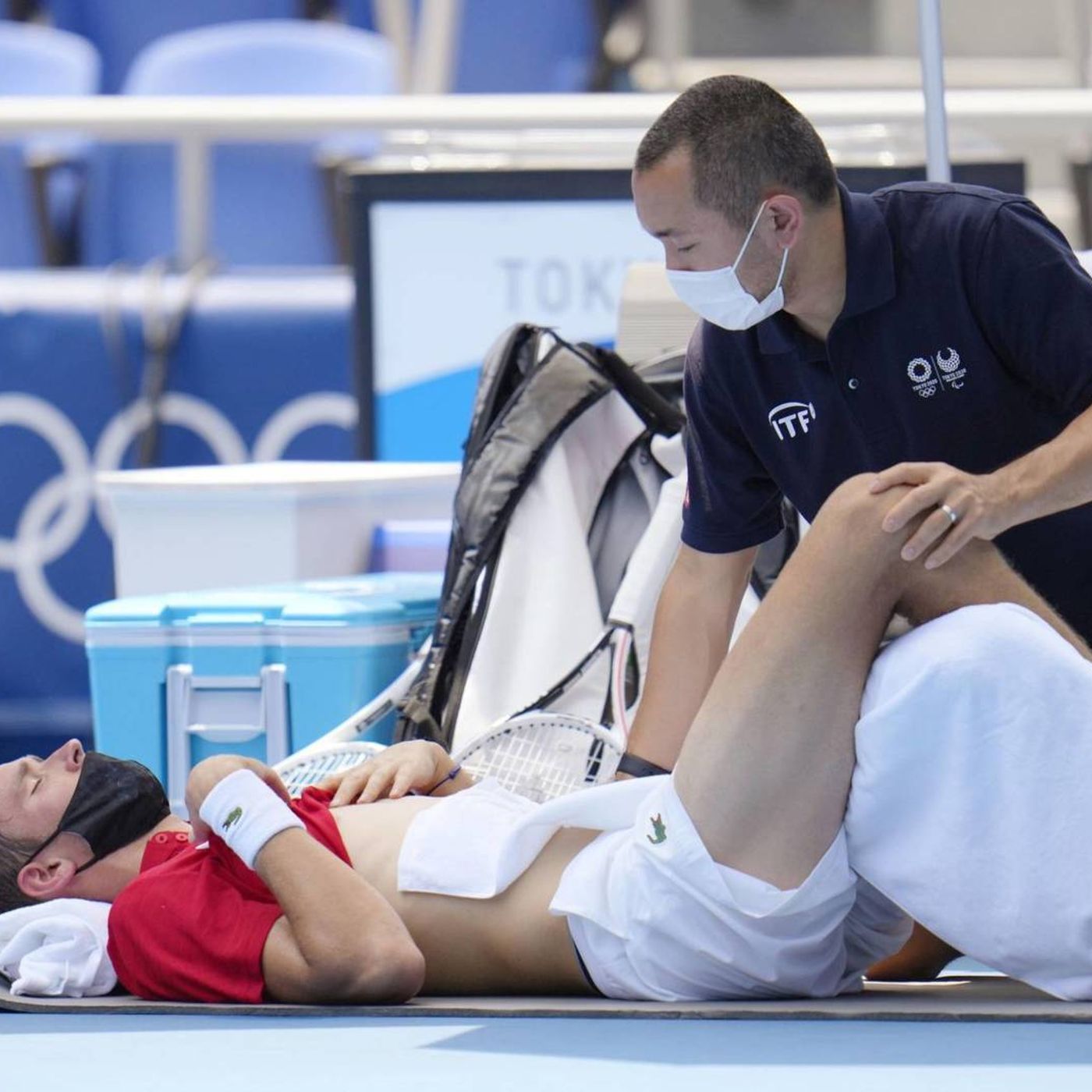
Ep 9494: Week 2 at the Tokyo Olympics: A marathon in the heat
Gianmarco Tamberi and Mutaz Barshim share a gold medal in the high jump, skateboarding is dominated by more incredible Japanese teenagers, and it continues to be incredibly hot at these Olympic Games. Read more: The Japan Times' coverage of the Olympic Games Japan's summer heat an Olympic challenge for competing athletes (The Japan Times) The man behind the Olympic 'anti-sex' beds speaks out (Dan Orlowitz, The Japan Times) Japan wins two more medals in skateboarding as Sakura Yosozumi takes gold (Oscar Boyd, The Japan Times) Shot-putter’s gesture renews controversy over podium protests at Tokyo Games (The Japan Times) Belarusian Olympic sprinter receives humanitarian visa from Poland (Magdalena Osumi, The Japan Times) On this episode: Patrick St. Michel: Twitter | Articles Oscar Boyd: Twitter | Articles | Instagram Announcements: Subscribe to the show and sign up to the Deep Dive mailing list to be notified when we return. Get in touch with us at [email protected]. Support the show! Rate us, review us and share this episode with a friend if you’ve enjoyed it. Follow us on Twitter, and give us feedback. This episode of Deep Dive may be supported by advertising based on your location. Advertising is sourced by Audioboom and is not affiliated with The Japan Times. Photo: Daniil Medvedev takes a medical timeout for heat fatigue during an Olympic tennis match on July 28. | KYODO

Ep 9393: Week 1 at the Tokyo Olympics: Gold, Covid and Naomi Osaka
From the opening ceremony to Naomi Osaka and Simon Biles' shock exits, it's been a busy week at the 2020 Tokyo Olympics. Read more: Biracial representation, game soundtracks and shiny pecs: bright moments at a somber Olympic opening (Patrick St. Michel, The Japan Times) The Japan Times' coverage of the Olympic Games Osaka exits Games as Tokyo hits record coronavirus cases (The Japan Times) U.S. gymnast Simone Biles out of next Tokyo event, sharpening focus on mental health at Games (The Japan Times) Japanese surfer Kanoa Igarashi earns silver as Amuro Tsuzuki takes bronze on stormy day in Chiba (Oscar Boyd, The Japan Times) On this episode: Patrick St. Michel: Twitter | Articles Oscar Boyd: Twitter | Articles | Instagram Announcements: Subscribe to the show and sign up to the Deep Dive mailing list to be notified when we return. Get in touch with us at [email protected]. Support the show! Rate us, review us and share this episode with a friend if you’ve enjoyed it. Follow us on Twitter, and give us feedback. This episode of Deep Dive may be supported by advertising based on your location. Advertising is sourced by Audioboom and is not affiliated with The Japan Times.

Ep 9292: The long road to the Tokyo Olympics - Part 2 (w/ Patrick St. Michel)
In Part 2 of this two-part look at the long and tumultuous road to the Olympics, we discuss heat, corruption and the endless run of scandals that followed when the COVID-19 pandemic forced a one-year postponement of the Games. Read/see more: Twists and turns: Retracing Tokyo’s tumultuous path to the Olympics (Alex K.T. Martin, The Japan Times) Heat risks add to challenges for Tokyo's pandemic-hit Olympics (Oscar Boyd, The Japan Times) The Olympic opening ceremony that wasn’t (Patrick St. Michel, The Japan Times) The sexism scandal engulfing the Tokyo 2020 Olympics (Deep Dive) Keigo Oyamada quits Olympic opening ceremony role over past bullying (The Japan Times) Director of Olympics opening ceremony ousted over past comments on Holocaust (The Japan Times) More companies pull out of Tokyo Olympics opening ceremony (The Japan Times) The Japan Times' coverage of the Tokyo 2020 Olympics (The Japan Times) On this episode:Patrick St. Michel: Twitter | ArticlesOscar Boyd: Twitter | Articles | InstagramAnnouncements: Subscribe to the show and sign up to the Deep Dive mailing list to be notified when we return. Get in touch with us at [email protected] the show! Rate us, review us and share this episode with a friend if you’ve enjoyed it. Follow us on Twitter, and give us feedback.This episode of Deep Dive may be supported by advertising based on your location. Advertising is sourced by Audioboom and is not affiliated with The Japan Times.Photo: People protest against the Tokyo Olympic Games outside the Akasaka State Guest House, where International Olympic Committee President Thomas Bach attended a welcome ceremony on Sunday. | REUTERS
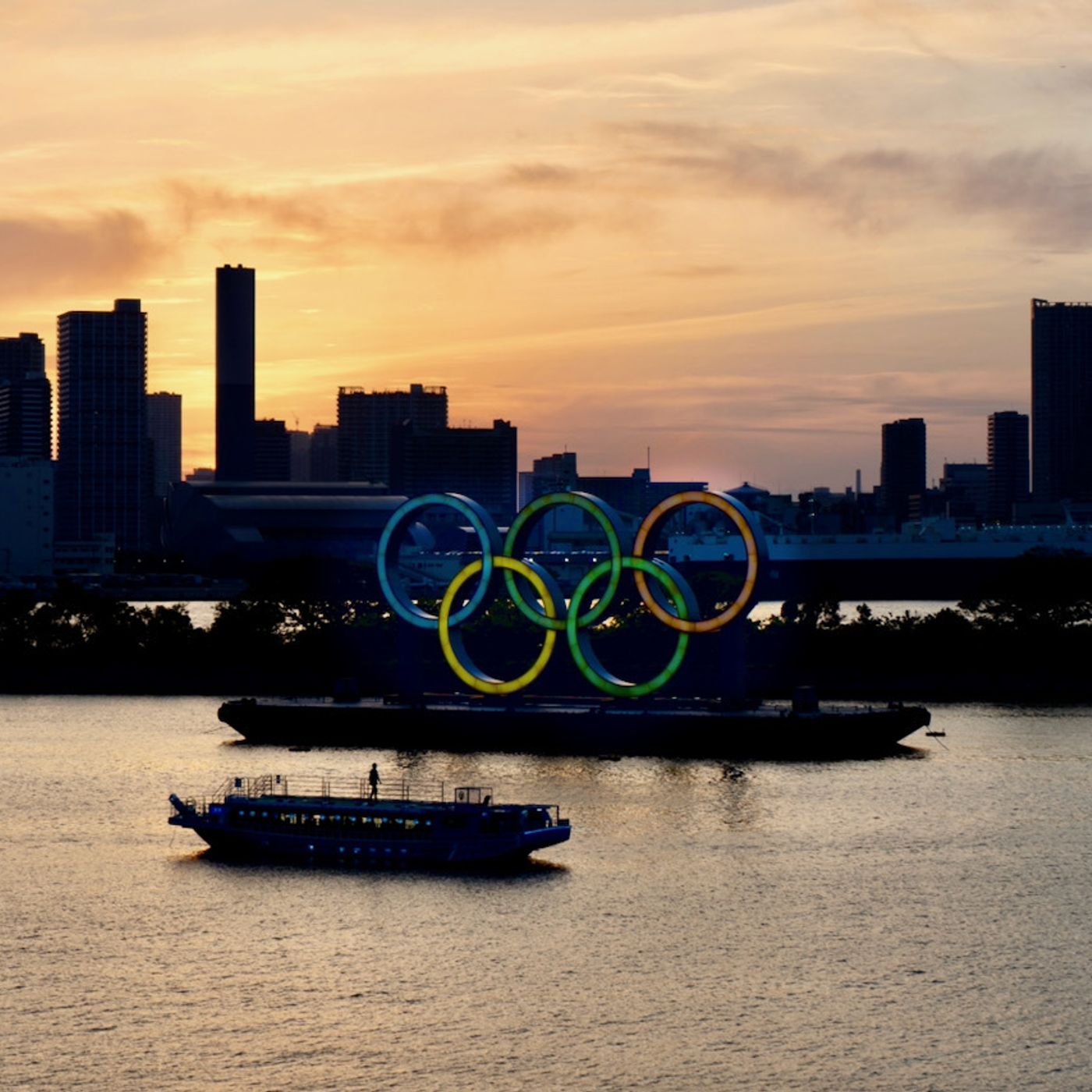
Ep 9191: The long road to the Tokyo Olympics - Part 1 w/ Patrick St. Michel
This week, the delayed 2020 Tokyo Olympics will begin, with the opening ceremony planned for Friday, July 23. It will be a Games like none before it, with its host city, Tokyo, under a state of emergency and COVID-19 still very much a threat to the public. In Part 1 of a two-part look at the long and tumultuous road to the Olympics, we look at Tokyo's initial bid for the Olympics in 2011, how the city won that bid in 2013, and the ups and downs that accompanied the Games until the famous handover ceremony at the Rio Olympics in 2016.Part 2 will follow on Friday, ahead of the opening ceremony.Read/see more: Twists and turns: Retracing Tokyo’s tumultuous path to the Olympics (Alex K.T. Martin, The Japan Times) Tokyo wins bid to host 2020 Olympics (The Japan Times) Tokyo awarded 2020 Summer Games (The Telegraph via YouTube) The Complete Tokyo 1964 Olympics Film (Olympics via YouTube) The handover ceremony at the Rio 2016 Closing Ceremony (Olympics via YouTube) The troubled history of Zaha Hadid's Tokyo Olympic stadium project (Oliver Wainwright, The Guardian) Contested Tokyo 2020 Olympic logo scrapped amid plagiarism claim (Shusuke Murai, The Japan Times) The Japan Times' coverage of the Tokyo 2020 Olympics (The Japan Times) On this episode:Patrick St. Michel: Twitter | ArticlesOscar Boyd: Twitter | Articles | InstagramAnnouncements: Subscribe to the show and sign up to the Deep Dive mailing list to be notified when we return. Get in touch with us at [email protected] the show! Rate us, review us and share this episode with a friend if you’ve enjoyed it. Follow us on Twitter, and give us feedback.This episode of Deep Dive may be supported by advertising based on your location. Advertising is sourced by Audioboom and is not affiliated with The Japan Times. Photo: The Olympic rings in Tokyo Bay, Odaiba | Oscar Boyd

Ep 9090: Deep Dive is on a break
Host Oscar Boyd is heading to language school for three months and so Deep Dive will be on hiatus. Make sure you subscribe on whichever podcasting platform you use to be notified when we return. For all the latest news from Japan, please subscribe to The Japan Times and help support our journalism: the latest on the pandemic, vaccinations, the Olympics, and sports, culture and lifestyle features.Thank you to all our listeners, guests and supporters of the show. Until next time, stay well, and a three-month-long podsukaresama. Oscar's favorite Japan pods: Japan By River Cruise - A comedy podcast by Bobby Judo and Ollie Horn Uncanny Japan - Tales from the spooky side of Japan by Thersa Matsuura Japan Eats - A podcast all about Japanese food and the people behind it by Akiko Katayama Even more podcasts from Japan

Ep 8989: Why are the Tokyo Olympics still going ahead in a pandemic? w/ Motoko Rich
With medical experts worried that the Olympics will turn into a superspreader event, polls show that the Japanese public is overwhelmingly not on board with the Games. Yet things are going full steam ahead, with test events taking place, athletes arriving and the torch relay beginning last week. Joining Deep Dive is the New York Times Tokyo bureau chief Motoko Rich, here to discuss why the government seems so intent on holding the Games this summer, and the risks associated with them going ahead as planned. Read more: Why ‘cursed’ Olympics are pressing ahead amid a pandemic (Motoko Rich and Hikari Hida, The New York Times) Experts fear the Olympics could trigger a global superspreader event (The Japan Times) Tokyo Olympic torch relay begins amid COVID-19 fears (The Japan Times) Japanese stars have no burning desire to be involved in torch relay (The Japan Times) 'Unavoidable': Overseas fans barred from Tokyo Olympics over virus (The Japan Times) On this episode: Motoko Rich: Twitter | Articles Oscar Boyd: Twitter | Articles | Instagram Announcements: Deep Dive will be going on hiatus for three months until July 2021. Subscribe to the show and sign up to the Deep Dive mailing list to be notified when we return. Get in touch with us at [email protected]. Support the show! Rate us, review us and share this episode with a friend if you’ve enjoyed it. Follow us on Twitter, and give us feedback. This episode of Deep Dive may be supported by advertising based on your location. Advertising is sourced by Audioboom and is not affiliated with The Japan Times. Photo: The Olympic rings are reinstalled at Odaiba Marine Park in Tokyo on Dec. 1, 2020. | REUTERS
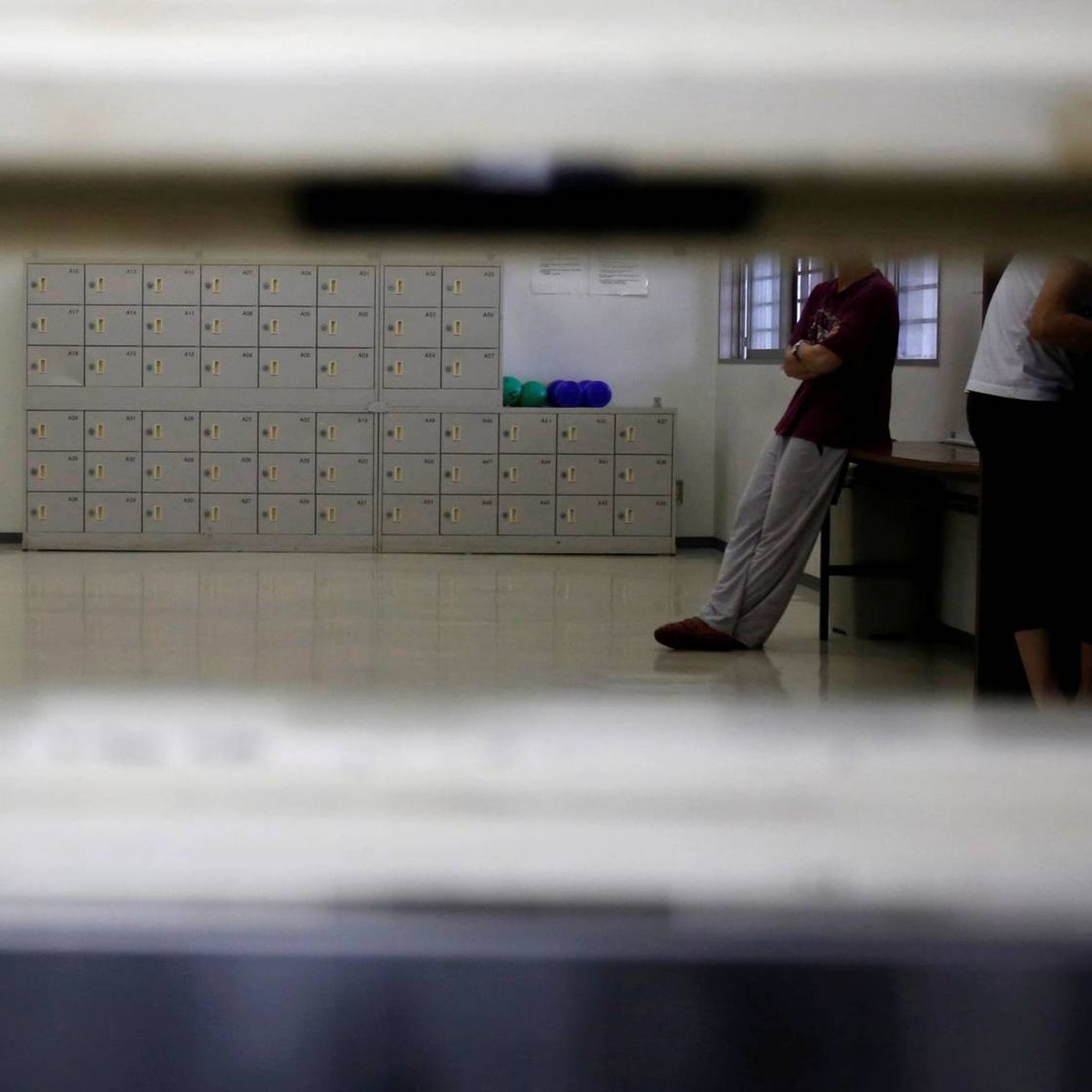
Ep 8888: A clampdown on Japan's asylum seekers w/ Jesse Chase-Lubitz
Japan is a country that is good at many things, but accepting refugees is not one of them. In 2019, just 44 refugees were accepted here. Now, the government has proposed a series of amendments to the Immigration Control and Refugee Recognition Act that will make it even harder for asylum seekers in Japan. Freelance journalist Jesse Chase-Lubitz joins Deep Dive to discuss. Read more: Japan mulls closing another door to refugees (Jesse Chase-Lubitz, Foreign Policy) Immigration reform fails to resolve asylum contradictions (Philip Brasor, The Japan Times) Government approves bill to bail asylum-seekers from long-term detention (The Japan Times) Japanese society warms to asylum-seekers despite the government's cold shoulder (Jesse Chase-Lubitz, The Japan Times) Deep Dive Episode 40: An 11-year-long fight for asylum in Japan (Deep Dive podcast) On this episode: Jesse Chase-Lubitz: Twitter | Articles Oscar Boyd: Twitter | Articles | InstagramAnnouncements:Sign up to the Deep Dive mailing list and be notified every time a new episode comes out. Get in touch with us at [email protected] the show! Rate us, review us and share this episode with a friend if you've enjoyed it. Follow us on Twitter, and give us feedback.This episode of Deep Dive may be supported by advertising based on your location. Advertising is sourced by Audioboom and is not affiliated with The Japan Times.Photo: Detainees are seen through a hatch at the Tokyo Detention House in December 2015. | REUTERS
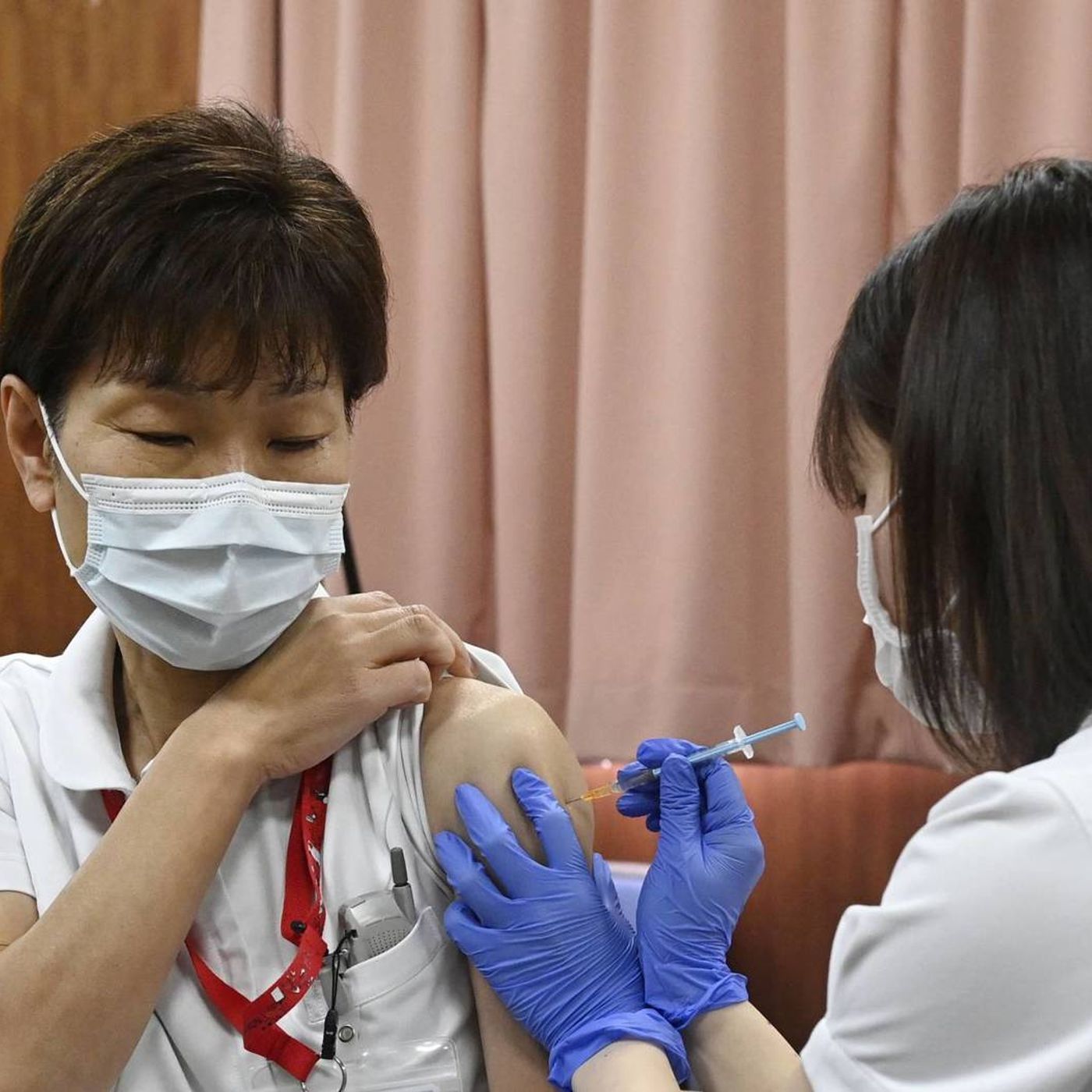
Ep 8787: Half a million and counting: Japan's rollout of the COVID-19 vaccine w/ Lisa Du
Bloomberg reporter Lisa Du joins Deep Dive to discuss how Japan's vaccine rollout has gone so far, and the challenges the program may face going forward.Read more: 65% see Japan's vaccine rollout as slow, poll finds (The Japan Times) 62.1% of Japanese willing to have COVID-19 vaccination, survey says (The Japan Times) Japan may approve second COVID-19 vaccine in May, health minister says (The Japan Times) Trials and transparency stand in way of Japan's acquisition of non-Western shots (Osamu Tsukimori, The Japan Times) 'Vaccine passports' could help global travel resume. But is Japan on board? (Magdalena Osumi, The Japan Times) EU set to tighten vaccine export rules amid U.K. tensions (Bloomberg) Astra’s pain grows as U.S. questions beleaguered vaccine (Bloomberg) Episode 77: When will Japan get a vaccine for COVID-19? (Deep Dive podcast) On this episode: Lisa Du: Twitter | Articles Oscar Boyd: Twitter | Articles | InstagramAnnouncements:Sign up to the Deep Dive mailing list and be notified every time a new episode comes out. Get in touch with us at [email protected] the show! Rate us, review us and share this episode with a friend if you've enjoyed it. Follow us on Twitter, and give us feedback.This episode of Deep Dive may be supported by advertising based on your location. Advertising is sourced by Audioboom and is not affiliated with The Japan Times. Photo: A medical worker gets a second dose of COVID-19 vaccine at a Tokyo hospital on March 10. | KYODO

Ep 8686: Twenty-five years of Pokemon w/ Tom Bateman
Pokemon is thought to be the most valuable media franchise in the world, with an empire that straddles video games, television, cinema, trading cards, Pokemon Go and much, much more. This week on Deep Dive, journalist Tom Bateman takes us through the 25 year history of Pokemon, and how it has become one of Japan’s most successful and recognizable exports. Read more: Monsters, mania and the unstoppable march of Pokemon (Tom Bateman, BBC) Beware of the Pokemania (Time Magazine, 1999) Pokemon still catching hearts as game franchise celebrates 25th anniversary (The Japan Times) On this episode: Tom Bateman: Twitter | Website Oscar Boyd: Twitter | Articles | Instagram Announcements: Sign up to the Deep Dive mailing list and be notified every time a new episode comes out. Get in touch with us at [email protected]. Support the show! Rate us, review us and share this episode with a friend if you've enjoyed it. Follow us on Twitter, and give us feedback. This episode of Deep Dive may be supported by advertising based on your location. Advertising is sourced by Audioboom and is not affiliated with The Japan Times. Photo: The Pokemon Company
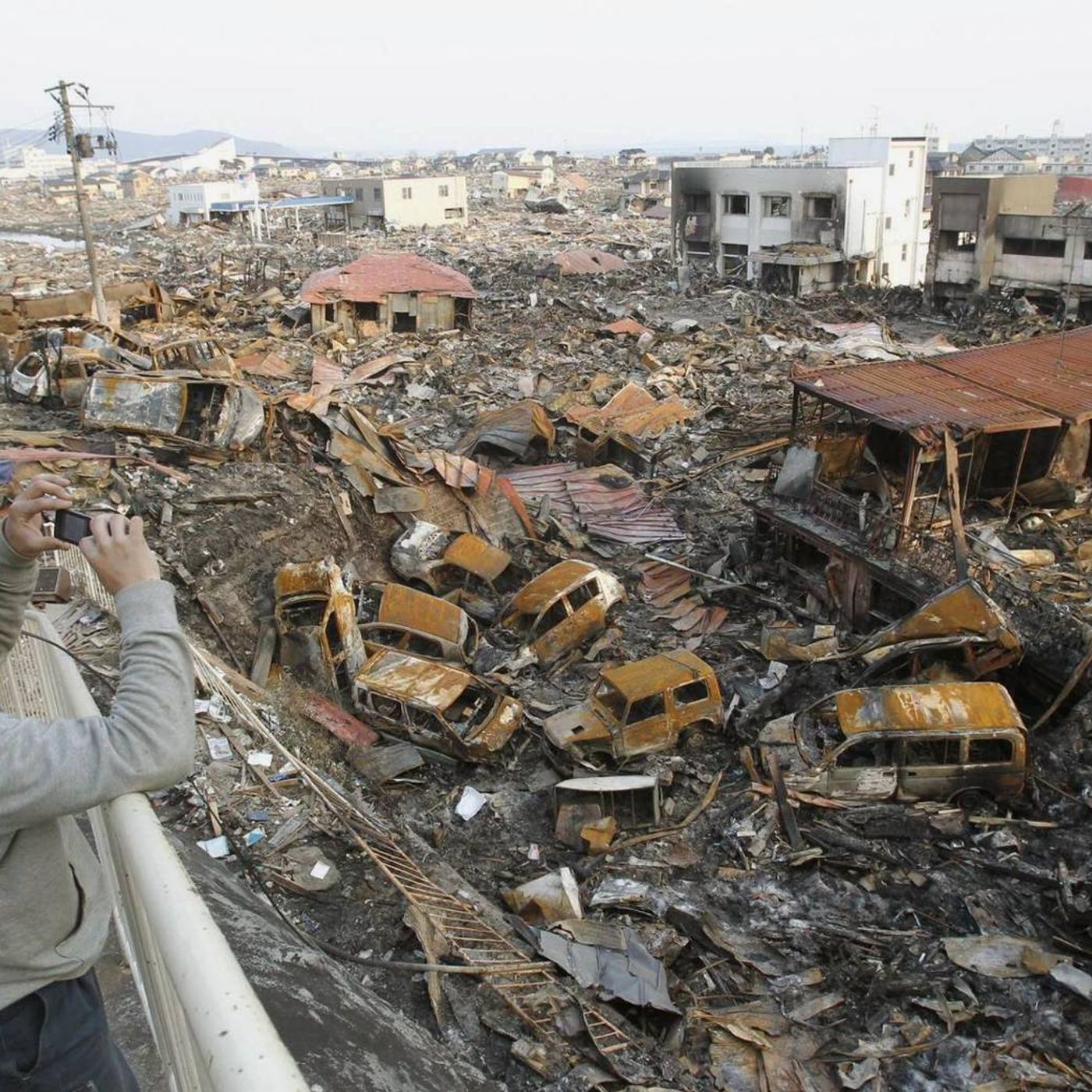
Ep 8585: Ishinomaki: A tsunami-ravaged city, 10 years on w/ Alex Martin & Mari Saito
On this week's episode, The Japan Times' Alex Martin visits Ishinomaki, 10 years after he first went there, to reconnect with residents he spoke with in the aftermath of the earthquake and to find out how the city is recovering from the tsunami. Also, Reuters' Mari Saito tells us about the "phone of the wind," where tsunami survivors can grieve for the people they lost. Read more: A decade on, real challenges lie ahead for communities devastated by March 2011 disaster (Alex K.T. Martin, The Japan Times) Photo essay: Tsunami survivors call lost loves on the ‘phone of the wind’ (Mari Saito via The Japan Times) Photo essay: The seawalls of Tohoku (Oscar Boyd, The Japan Times) The Japan Times' coverage of the 10th anniversary of 3/11 On this episode:Alex K.T. Martin: Twitter | Articles Mari Saito: Twitter | Articles Oscar Boyd: Twitter | Articles | Instagram Announcements:Sign up to the Deep Dive mailing list and be notified every time a new episode comes out. Get in touch with us at [email protected] the show! Rate us, review us and share this episode with a friend if you've enjoyed it. Follow us on Twitter, and give us feedback.This episode of Deep Dive may be supported by advertising based on your location. Advertising is sourced by Audioboom and is not affiliated with The Japan Times.Photo: A man surveys the damage in Ishinomaki, Miyagi Prefecture, a few days after the city was struck by a deadly tsunami in March 2011. | KYODO

Ep 8484: Ghosts of the Tsunami: The tragedy at Okawa Elementary School w/ Richard Lloyd Parry
Richard Lloyd Parry is the author of "Ghosts of the Tsunami," which focuses on the story of a small elementary school in the town of Okawa, around 200 miles north of Tokyo. 74 pupils and 10 teachers at the school that day lost their lives to the tsunami that followed the Great East Japan Earthquake. "Ghosts of the Tsunami" is a must-read for anyone interested in learning about the disaster: a beautifully written, harrowing account of what happened on 3/11 and the events that unfolded afterward, as it became clear to survivors that the deaths of those children were entirely avoidable. Read more: Ghosts of the Tsunami book (Richard Lloyd Parry, Macmillan) Ghosts of the Tsunami essay (Richard Lloyd Parry, London Review of Books) The school beneath the wave: the unimaginable tragedy of Japan’s tsunami (Richard Lloyd Parry, The Guardian) Tsunami-hit Miyagi school building to reopen as memorial in April (The Japan Times) Japan's top court finalizes ¥1.44 billion in damages for 84 deaths at school in 3/11 tsunami (The Japan Times) On this episode: Richard Lloyd Parry: Twitter | Articles Oscar Boyd: Twitter | Articles | Instagram Announcements: Sign up to the Deep Dive mailing list and be notified every time a new episode comes out. Get in touch with us at [email protected]. Support the show! Rate us, review us and share this episode with a friend if you've enjoyed it. Follow us on Twitter, and give us feedback. This episode of Deep Dive may be supported by advertising based on your location. Advertising is sourced by Audioboom and is not affiliated with The Japan Times. Photo: A mural at the Okawa Elementary School, where 74 children died on March 11, 2011. | Oscar Boyd

Ep 8383: What is Clubhouse and why is it so popular in Japan? w/ Yuzuha Oka & Austin Freeman
On this week's episode we look at why Clubhouse, an invite-only social media platform, has become all the rage in Japan. Here to discuss is Yuzuha Oka, a tech journalist at NewsPicks Japan, and also Austin Freeman, a Japan Times contributor and founder of the 13,000 member strong clubhouse group Tokyo Unearthed. Read more: Why is Japan so intrigued by the audio app Clubhouse? (Patrick St. Michel, The Japan Times) Clubhouse tops Japan chart as CEOs and celebrities embrace chat app (Bloomberg via The Japan Times) Clubhouse app offers Chinese rare glimpse of censor-free debate (The Japan Times) Facebook said to be building a product to compete with Clubhouse (The Japan Times) You’ve been invited to Clubhouse. Your privacy hasn’t (Sara Morrison, Vox) On this episode: Yuzuha Oka (Clubhouse: @yuzu): Twitter | Website Austin Freeman (Clubhouse: @anxiety): Articles Oscar Boyd (Clubhouse: @omhboyd): Twitter | Articles | Instagram Announcements: Sign up to the Deep Dive mailing list and be notified every time a new episode comes out. Get in touch with us at [email protected]. Support the show! Rate us, review us and share this episode with a friend if you've enjoyed it. Follow us on Twitter, and give us feedback. This episode of Deep Dive may be supported by advertising based on your location. Advertising is sourced by Audioboom and is not affiliated with The Japan Times. Photo: Clubhouse as it appears on the App Store.

Ep 8282: The sexism scandal engulfing the Tokyo 2020 Olympics w/ Motoko Rich
With just five months and six days to go until the Olympic opening ceremony, large parts of Japan are still under a state of emergency, and the first vaccine has only just been approved for use here. As if those weren’t big enough challenges to overcome, the Tokyo Olympic Organizing Committee was plunged into scandal earlier this month after its president, Yoshiro Mori, suggested that women talk too much in board meetings, leading to his eventual resignation. Read more: Tokyo Olympics Chief Apologizes for Remarks Demeaning Women (Motoko Rich, The New York Times) Tokyo Olympics Chief Resigns Over Sexist Comments (Motoko Rich, The New York Times) Olympics minister Seiko Hashimoto eyed as next Tokyo Games chief (Ryusei Takahashi, The Japan Times) Activists demand reform after Tokyo Olympic sexism furor (AFP-Jiji via The Japan Times) How 'indispensable' Mori came to enjoy huge influence in politics and sport (Eric Johnston, The Japan Times) On this episode:Motoko Rich: Twitter | Articles Oscar Boyd: Twitter | Articles | Instagram Motoko at the Gender Symposium Japan 2021Motoko Rich will be joining panelists from the Asahi Shimbun and New York Times on March 3, 2021, at 3 p.m to discuss gender inequality in Japan and around the world, sharing stories to highlight challenges and progress. For more information and to register visit bit.ly/gender2021.Announcements:Sign up to the Deep Dive mailing list and be notified every time a new episode comes out. Get in touch with us at [email protected] the show! Rate us, review us and share this episode with a friend if you've enjoyed it. Follow us on Twitter, and give us feedback.This episode of Deep Dive may be supported by advertising based on your location. Advertising is sourced by Audioboom and is not affiliated with The Japan Times.Photo: A protester takes part in a rally against Tokyo 2020 President Yoshiro Mori outside the Olympic museum in Tokyo on Thursday. | AFP-JIJI

Ep 8181: Chocolate in Japan: From Paris to the Ogasawara Islands w/ Jeana Cadby
With Valentine’s Day fast approaching, Jeana Cadby, PhD in specialty cacao and craft chocolate, takes us on a tour through the history of chocolate in Japan. We also look at the the recent growth of the country’s craft chocolate scene, as well as the pioneering chocolatiers who have managed to grow cacao on Tokyo’s Ogasawara Islands for the first time. Read more: Tokyo Cacao: Japan’s first 'soil-to-bar' chocolate (Jeana Cadby, The Japan Times Akihiro Kakimoto: The man behind Japan's most elaborate chocolate desserts (J.J. O'Donoghue, The Japan Times) Little Chocolate’s Big Moment (Deena Shanker, Bloomberg) Inside Japan’s Craft Chocolate Craze (Craft Sense) Craft Chocolate Experience Tokyo (Annual Event) On this episode:Jeana Cadby: LinkedIn | Articles Oscar Boyd: Twitter | Articles | Instagram Announcements:Sign up to the Deep Dive mailing list and be notified every time a new episode comes out. Get in touch with us at [email protected] the show! Rate us, review us and share this episode with a friend if you've enjoyed it. Follow us on Twitter, and give us feedback.This episode of Deep Dive may be supported by advertising based on your location. Advertising is sourced by Audioboom and is not affiliated with The Japan Times.Photo: Chocolate by Tokyo Cacao, who grow cacao trees on the Ogasawara Islands. | COURTESY OF TOKYO CACAO

Ep 8080: A shift in Japan's climate policy w/ Ryusei Takahashi & Eric Margolis
Japan Times staff writer Ryusei Takahashi joins Deep Dive to discuss Prime Minister Suga's pledge to make Japan carbon neutral by 2050. Also, contributor Eric Margolis tells us how Japan is already being affected by climate change. Hosted by Oscar Boyd. Read more: Suga aims for greener Japan with carbon pledge, but details lacking (Ryusei Takahashi, The Japan Times) The true cost of the climate crisis on Japan (Eric Margolis, The Japan Times) Japan's climate plan: Big on ambition but small in scope (Ryusei Takahashi, The Japan Times) Japan lays out plan to steer economy away from carbon by 2050 (Ryusei Takahashi, The Japan Times) On this episode: Ryusei Takahashi: Twitter | Articles Eric Margolis: Twitter | Website Oscar Boyd: Twitter | Articles | Instagram Announcements: Sign up to the Deep Dive mailing list and be notified every time a new episode comes out. Get in touch with us at [email protected]. Support the show! Rate us, review us and share this episode with a friend if you've enjoyed it. Follow us on Twitter, and give us feedback. This episode of Deep Dive may be supported by advertising based on your location. Advertising is sourced by Audioboom and is not affiliated with The Japan Times. Photo: Damaged areas of Nagano Prefecture following Typhoon Hagibis in October 2019. | KYODO

Ep 7979: What does QAnon mean for Japan? w/ Max Zimmerman
On Jan. 6, the U.S. Capitol came under siege from a mob of Trump supporters, incited by the former president. The attack was condemned around the world and shone a spotlight onto the dangerous misinformation and conspiracies that fueled the riots. One that has come under particular scrutiny is QAnon, a conspiracy that dates to 2017 and that has picked up a significant following in the U.S. But, says Bloomberg’s Max Zimmerman, the U.S. is not the only country to have supporters of the QAnon conspiracy, and a fringe group of followers has also developed here in Japan. Sponsor:This episode is brought to you by Oizumi Kojo, Japan's first commercial brewer of kombucha. They’ve just launched their new online store, where you can buy KOMBUCHA_SHIP, bottled kombucha that's delivered straight to your door. KOMBUCHA_SHIP comes in four flavors: Original, Yuzu, Shiso and Kuwa. Visit www.kombuchaship.shop for more information.Read/see more: QAnon’s Rise in Japan Shows Conspiracy Theory’s Global Spread (Max Zimmerman, Bloomberg) What drives ‘J-Anon,’ QAnon's Japanese counterpart? (Nevin Thompson, Global Voices) Pro-Trump rallies in Tokyo (Jeffrey J. Hall via Twitter) Trump supporters rally in Tokyo against Biden's inauguration (Reuters via The Japan Times) QAnon's 'Great Awakening' failed to materialize. What's next could be worse (Julia Carrie Wong, The Guardian) On this episode:Max Zimmerman: Twitter | Articles Oscar Boyd: Twitter | Articles | Instagram Announcements:Sign up to the Deep Dive mailing list and be notified every time a new episode comes out. Get in touch with us at [email protected] the show! Rate us, review us and share this episode with a friend if you've enjoyed it. Follow us on Twitter, and give us feedback.This episode of Deep Dive may be supported by advertising based on your location. Advertising is sourced by Audioboom and is not affiliated with The Japan Times. Photo: Supporters of U.S. President Donald Trump hold a rally in Tokyo ahead of the inauguration of President-elect Joe Biden in Washington. | REUTERS
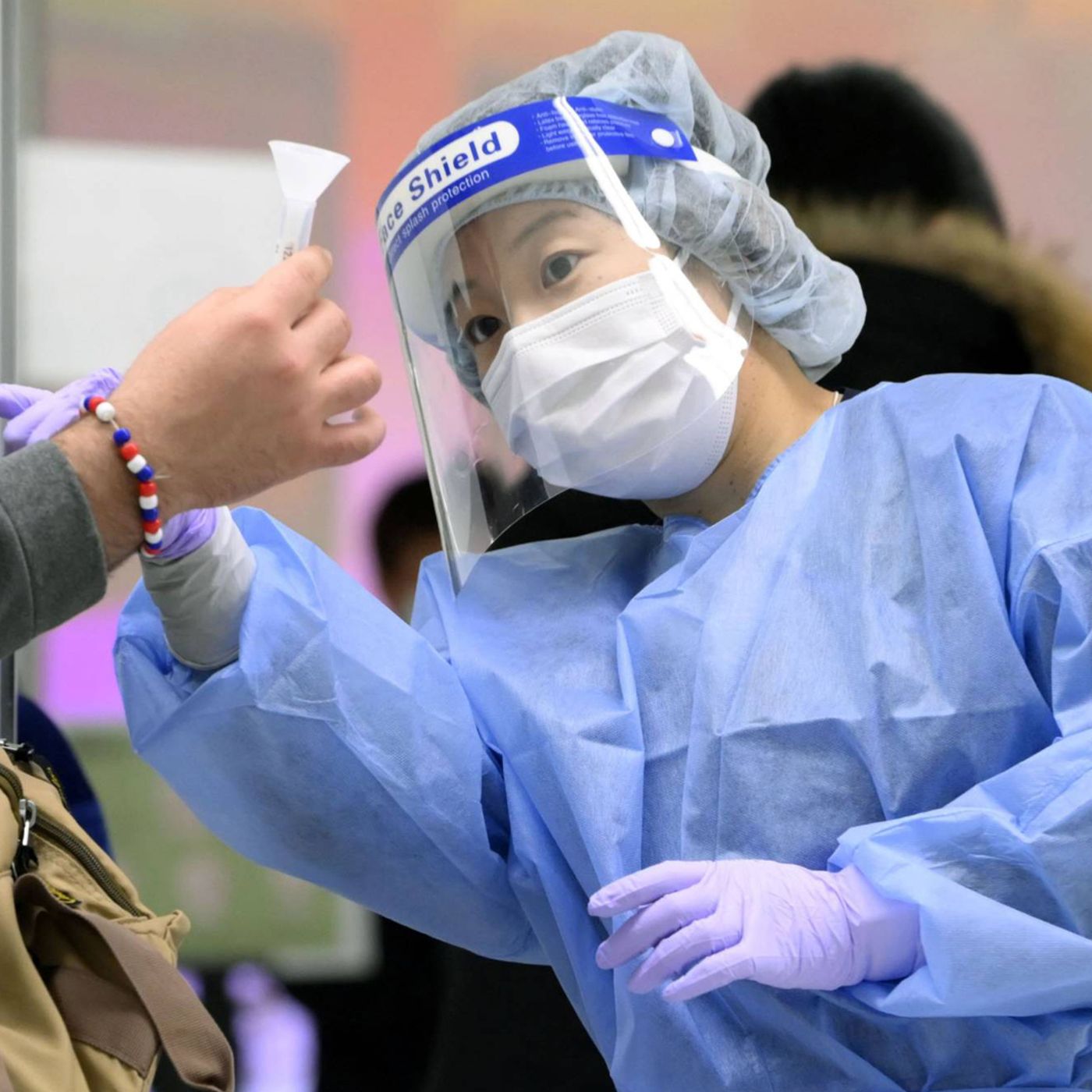
Ep 7878: Japan's foreign residents are trapped — Part 3 w/ Magdalena Osumi
Since the end of December, worries about new strains of COVID-19 have prompted Japan to reimpose border restrictions, including stopping the issuance of new visas to people hoping to move to Japan. We look at how these new border restrictions are affecting foreign residents. Also, Sam Seghers recounts her experience being left in limbo by the new restrictions, and Aska Ross walks us through his three-day quarantine in a government-run facility after returning to Japan from the U.K.Read more: Japan bars entry for new arrivals and business travelers due to new COVID-19 strains (Magdalena Osumi, The Japan Times) Japan to tighten border measures with new rules for returning citizens (Magdalena Osumi, The Japan Times) Travelers from Japan face more restrictions amid new virus strain fears (Magdalena Osumi, The Japan Times) Tokyo’s pandemic border policy highlights insecure status of foreign residents (Magdalena Osumi, The Japan Times) On this episode: Magdalena Osumi: Twitter | Articles Oscar Boyd: Twitter | Articles | Instagram Announcements:Sign up to the Deep Dive mailing list and be notified every time a new episode comes out. Get in touch with us at [email protected] the show! Rate us, review us and share this episode with a friend if you've enjoyed it. Follow us on Twitter, and give us feedback.This episode of Deep Dive may be supported by advertising based on your location. Advertising is sourced by Audioboom and is not affiliated with The Japan Times. Photo: A quarantine official looks at a saliva sample from a passenger who arrived from overseas at Tokyo's Narita Airport on Dec. 27.

Ep 7777: When will Japan get a vaccine for COVID-19? w/ Lisa Du
Bloomberg reporter Lisa Du joins Deep Dive to discuss when Japan will start to distribute a vaccine for COVID-19, and why it has fallen so far behind other countries. Also, Oscar's Grandma Elizabeth recounts her experience being vaccinated in the U.K. Read more: Japan's bitter vaccine history creates hurdle in COVID-19 fight (Lisa Du via The Japan Times) Japanese approval of Moderna COVID-19 vaccine unlikely before May (Reuters, The Japan Times) Why Japan is largely a spectator in the coronavirus vaccine race (Osamu Tsukimori, The Japan Times) Japan OKs free COVID-19 vaccines for nation (The Japan Times) Study: Japan among countries with lowest trust levels in vaccines (The Asahi Shimbun) Japan's COVID-19 vaccine plan prioritizes health care workers and older residents (Jiji, The Japan Times) On this episode: Lisa Du: Twitter | Articles Oscar Boyd: Twitter | Articles | Instagram Announcements: Sign up to the Deep Dive mailing list and be notified every time a new episode comes out. Get in touch with us at [email protected]. Support the show! Rate us, review us and share this episode with a friend if you've enjoyed it. Follow us on Twitter, and give us feedback. This episode of Deep Dive may be supported by advertising based on your location. Advertising is sourced by Audioboom and is not affiliated with The Japan Times. Photo: Getty Images
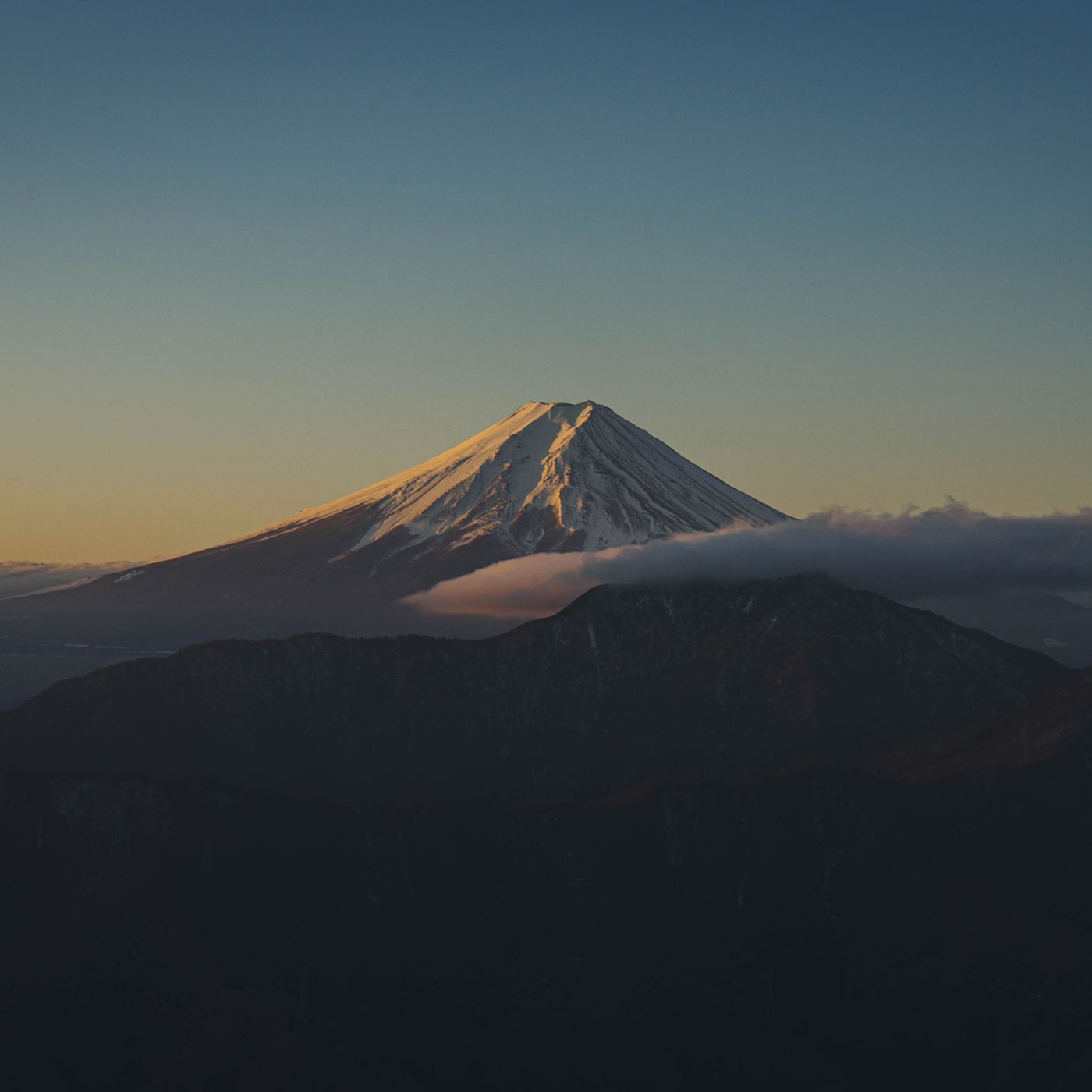
Ep 7676: So long, 2020
bonusThank you to everyone who submitted their stories, it was lovely hearing from you all. We received stories from around the world, from as far away as India, Australia and Brazil, to name but a few places.A very Happy New Year to all of our listeners, take care in 2021. Regular episodes of Deep Dive will return in January. Until then, podtsukaresama!On this episode:Deep Dive listeners: Thank you!Shaun McKenna: Twitter | ArticlesOscar Boyd: Twitter | Articles | InstagramAnnouncements:Sign up to the Deep Dive mailing list and be notified every time a new episode comes out. Get in touch with us at [email protected] the show! Rate us, review us and share this episode with a friend if you've enjoyed it. Follow us on Twitter, and give us feedback.This episode of Deep Dive may be supported by advertising based on your location. Advertising is sourced by Audioboom and is not affiliated with The Japan Times. Photo: Sunrise above Yamanashi Prefecture, Jan. 1, 2020. | Oscar Boyd

Recultured #1: Collapse — How Covid-19 changed Japan's pop culture
In Episode 1 of Recultured, we look at how 2020 ground to a halt through the lens of "Terrace House," and hear from stars of the show about its dramatic ending amid the arrival of COVID-19.Guests on this episode: Aya Nogami, international music consultant Eric Margolis, Japan Times contributor Farrah Hasnain, Japan Times contributor Kai Kobayashi, Terrace House member Lauren Rose Kocher, co-founder Zaiko PTE Patrick St. Michel, Japan Times contributor Tom Hanaway, Japan Times social editor Violetta “Vivi” Polt, Terrace House member Sponsor:Recultured is brought to you by Food-e, Tokyo's first gourmet restaurant delivery service. Food-e delivers from some of Tokyo's finest restaurants, such as Nobu Tokyo and The Oak Door Steakhouse, to homes, offices and parties. Premium dining — now at your fingertips and available exclusively at www.food-e.jp. TELL:If you or someone you know is in crisis and needs help, resources are available. In case of an emergency in Japan, please call 119 for immediate assistance. The TELL Lifeline is available for those who need free and anonymous counseling at 03-5774-0992. For those outside Japan, visit https://bit.ly/Suicide-Hotlines for a detailed list of resources and assistance. Credits:This episode was hosted by Shaun McKenna and Alyssa I. Smith. It was written by Patrick St. Michel and Oscar Boyd, with extra help from our intern Tadasu Takahashi. It was produced by Oscar Boyd. Our theme music was by LLLL, the sound of Tokyo, and this episode was recorded at the Temple University Japan Campus in Sangenjaya, Tokyo. Illustrations by Ming Ong.Announcements:Sign up to the Deep Dive mailing list and be notified every time a new episode comes out. Get in touch with us at [email protected] the show! Rate us, review us and share this episode with a friend if you've enjoyed it. Follow us on Twitter, and give us feedback.This episode of Deep Dive may be supported by advertising based on your location. Advertising is sourced by Audioboom and is not affiliated with The Japan Times.

Recultured #2: Isolate — How Covid-19 changed Japan's pop culture
In Episode 2 of Recultured, we look at what happened when the world was made to stay at home, and how one game from Nintendo provided us an escape into a fantasy land full of fishing, decorating and bug collecting. Guests on this episode: Chris Broad, YouTuber and podcaster, Abroad in Japan Claire Williamson, Japan Times food and lifestyle editor Farrah Hasnain, Japan Times contributor Imad Khan, New York Times contributing writer Jay Kogami, writer for All Digital Music and Music Ally Japan Ronald Taylor, writer for Arama Japan and Japan Times contributor Tom Hanaway, Japan Times social editor Tomohiro Osaki, Japan Times features writer Sponsors: Recultured is brought to you by Food-e, Tokyo's first gourmet restaurant delivery service. Food-e delivers from some of Tokyo's finest restaurants, such as Nobu Tokyo and The Oak Door Steakhouse, to homes, offices and parties. Premium dining — now at your fingertips and available exclusively at www.food-e.jp. This episode is sponsored by Kokoro Care Packages, delivering curated care packages from Japan, filled with locally made, premium-quality, artisanal Japanese foods. For Deep Dive listeners, use the code "DEEPDIVE" to get a 10% discount off your first order of a subscription purchase at kokorocares.com. Credits: This episode was hosted by Shaun McKenna and Alyssa I. Smith. It was written by Patrick St. Michel and Oscar Boyd, with extra help from our intern Tadasu Takahashi. It was produced by Oscar Boyd. Our theme music was by LLLL, and this episode was recorded at the Temple University Japan Campus in Sangenjaya, Tokyo. Illustrations by Ming Ong. Announcements: Sign up to the Deep Dive mailing list and be notified every time a new episode comes out. Get in touch with us at [email protected]. Support the show! Rate us, review us and share this episode with a friend if you've enjoyed it. Follow us on Twitter, and give us feedback. This episode of Deep Dive may be supported by advertising based on your location. Advertising is sourced by Audioboom and is not affiliated with The Japan Times.
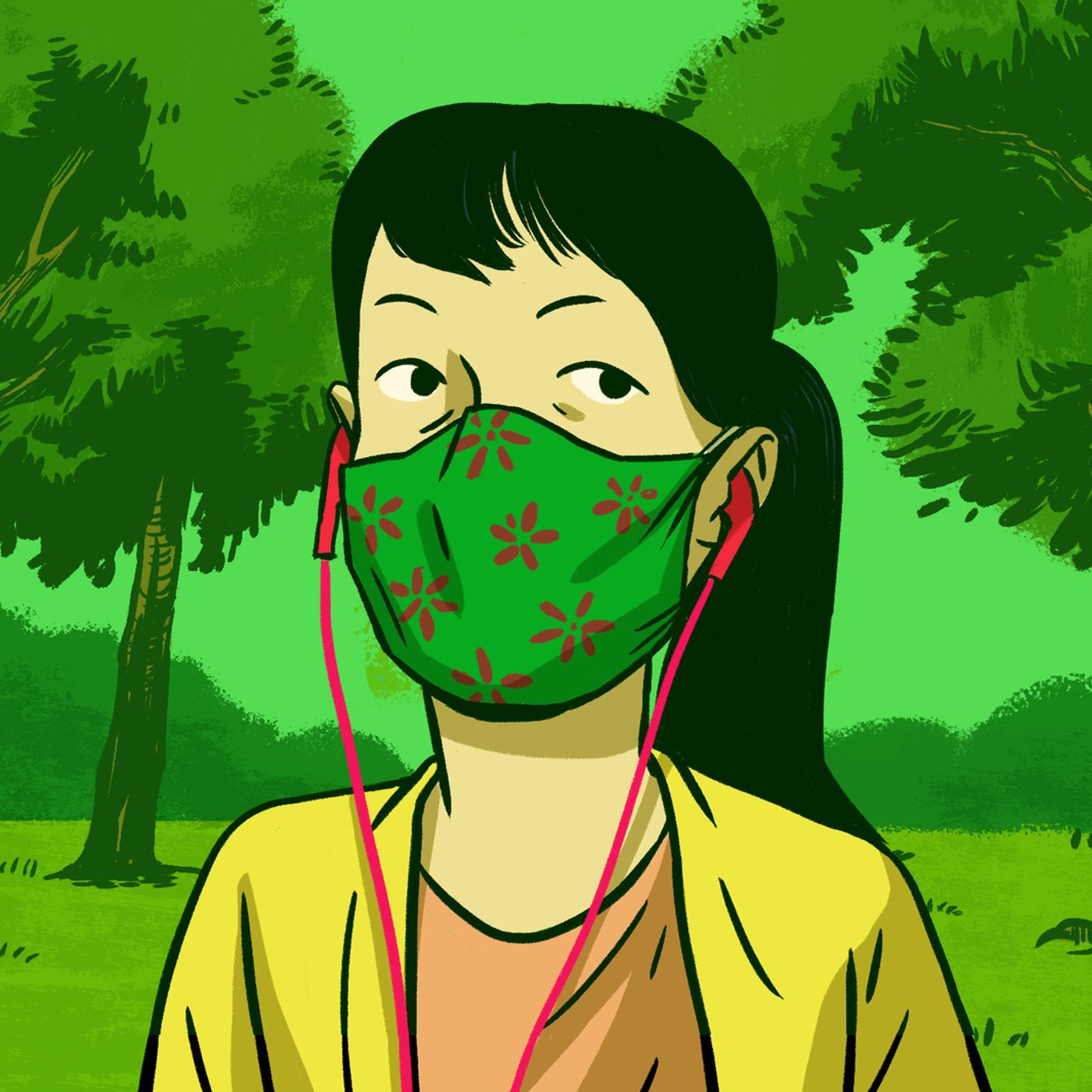
Recultured #3: Adapt — How Covid-19 changed Japan's pop culture
In Episode 3 of Recultured, we discuss what happens when the government lifts Japan's state of emergency, and the country attempts to adjust to a "new normal." Pop group NiziU’s song “Make You Happy” provides an upbeat soundtrack for the summer, and hints at bigger changes underway.Guests on this episode: Aya Nogami, international music consultant Chris Broad, YouTuber and podcaster, Abroad in Japan Hannah Lee, writer for Arama Japan James Hadfield, Japan Times culture writer Jay Kogami, writer for All Digital Music and Music Ally Japan Seimei Kawai, co-founder of Trekkie Trax Ronald Taylor, writer for Arama Japan and Japan Times contributor Music discussed in this episode: "Make You Happy" by NiziU — Japan's summer anthem "Racing into the Night" by Yoasobi — Japan's stay-at-home song "I'm Good" by Hilltop Hoods — Shaun's pick of the pandemic "Savage" by Megan Thee Stallion — Alyssa's pent-up energy release Sponsor:Recultured is brought to you by Food-e, Tokyo's first gourmet restaurant delivery service. Food-e delivers from some of Tokyo's finest restaurants, such as Nobu Tokyo and The Oak Door Steakhouse, to homes, offices and parties. Premium dining — now at your fingertips and available exclusively at www.food-e.jp. Credits:This episode was hosted by Shaun McKenna and Alyssa I. Smith. It was written by Patrick St. Michel and Oscar Boyd, with extra help from our intern Tadasu Takahashi. It was produced by Oscar Boyd. Our theme music was by LLLL, and this episode was recorded at the Temple University Japan Campus in Sangenjaya, Tokyo. Illustrations by Ming Ong.Announcements:Sign up to the Deep Dive mailing list and be notified every time a new episode comes out. Get in touch with us at [email protected] the show! Rate us, review us and share this episode with a friend if you've enjoyed it. Follow us on Twitter, and give us feedback.This episode of Deep Dive may be supported by advertising based on your location. Advertising is sourced by Audioboom and is not affiliated with The Japan Times.

Recultured #4: Rebuild — How Covid-19 changed Japan's pop culture
In Episode 4 of Recultured, we look to the movie releases of Ufotable's "Demon Slayer" and Kyoto Animation's "Violet Evergarden" for hope, as we wait out the long winter for a vaccine and brighter days in 2021. Guests on this episode: Hannah Lee, writer for Arama Japan Kim Morrissy, Anime News Network Tokyo correspondent Lauren Rose Kocher, co-founder Zaiko PTE Matt Schley, Japan Times anime writer Sponsor: Recultured is brought to you by Food-e, Tokyo's first gourmet restaurant delivery service. Food-e delivers from some of Tokyo's finest restaurants, such as Nobu Tokyo and The Oak Door Steakhouse, to homes, offices and parties. Premium dining — now at your fingertips and available exclusively at www.food-e.jp. Credits: This episode was hosted by Shaun McKenna and Alyssa I. Smith. It was written by Patrick St. Michel and Oscar Boyd, with extra help from our intern Tadasu Takahashi. It was produced by Oscar Boyd. Our theme music was by LLLL, the sound of Tokyo, and this episode was recorded at the Temple University Japan Campus in Sangenjaya, Tokyo. Illustrations by Ming Ong. Announcements: Sign up to the Deep Dive mailing list and be notified every time a new episode comes out. Get in touch with us at [email protected]. Support the show! Rate us, review us and share this episode with a friend if you've enjoyed it. Follow us on Twitter, and give us feedback. This episode of Deep Dive may be supported by advertising based on your location. Advertising is sourced by Audioboom and is not affiliated with The Japan Times.
What got you through 2020?
bonusSend us your stories about what got you through the challenges of 2020. It could be new hobbies you started, different things you discovered online, unexpected moments that brought you happiness, or things you did for other people.Record a voice memo on your phone — the inbuilt app is totally fine — and tell us your story along with your name and where you're recording from. Once you're done, just email your recording to [email protected] with the subject line “So long, 2020.” We’d love to get those by Wednesday, December 23 to play around the New Year.
Ep 7575: What will a Joe Biden presidency mean for Japan? w/ Sheila A. Smith
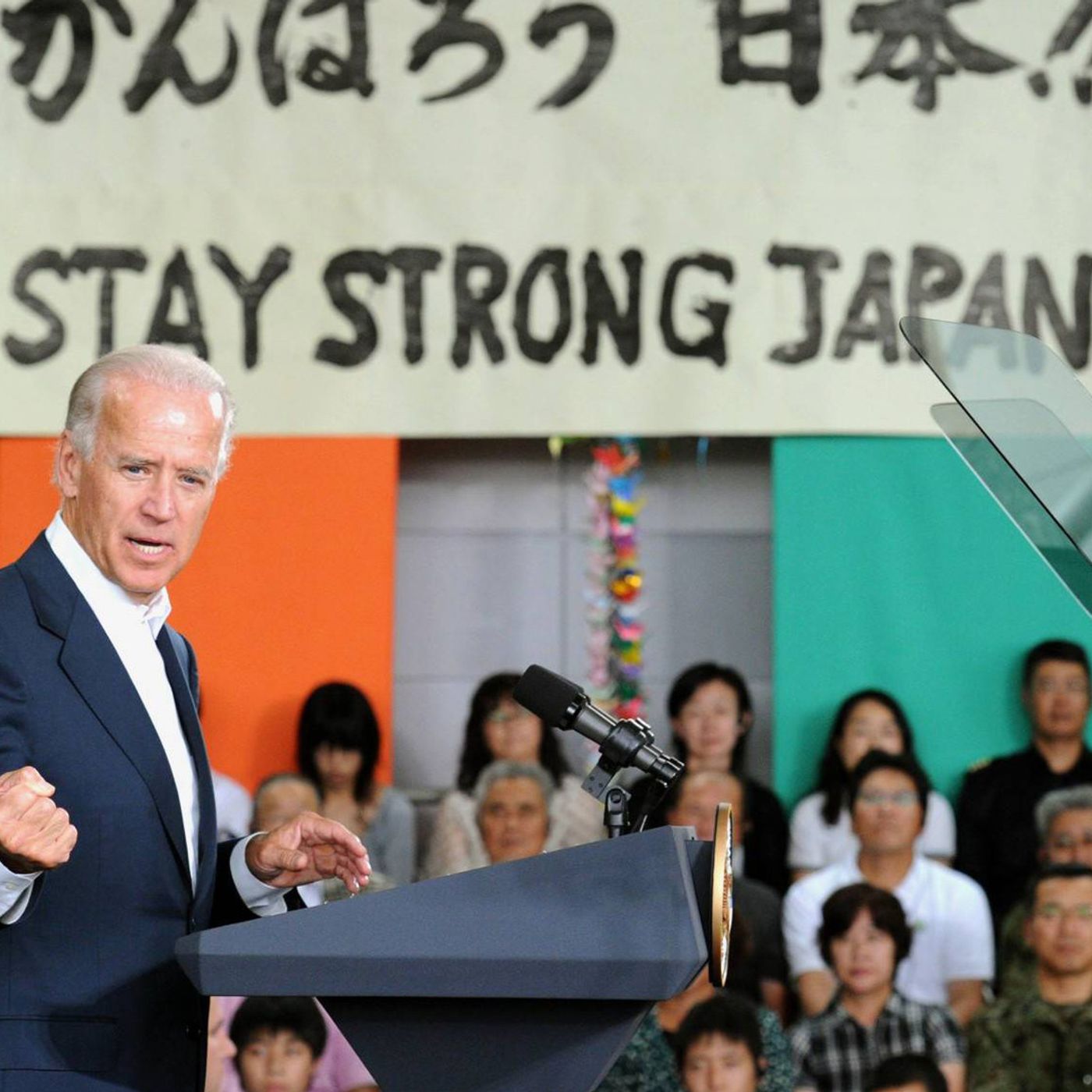
Our guest is Sheila A. Smith, a senior fellow for Japan studies at the Council on Foreign Relations, and the author of books including “Japan Rearmed: The Politics of Military Power” and “Japan's New Politics and the U.S.-Japan Alliance.” Sheila joined us from Washington earlier this week to give her take on what a Biden presidency might mean for Japan going forward, where the U.S. and Japan might find new areas for cooperation, and the growing pressure on the alliance from an increasingly demanding China. Read more: After sending congratulatory note, Suga ponders his approach to Biden (Satoshi Sugiyama and Jesse Johnson, The Japan Times) Suga says he got Biden's backing on Senkakus in first phone talks (Satoshi Sugiyama, The Japan Times) Blunt claim on Senkakus overshadows progress in China-Japan meeting (Satoshi Sugiyama, The Japan Times) Japan’s ‘misunderstanding’ about a Biden administration (Shin Kawashima, The Japan Times) Japan looks to past ties with Trump and Biden for glimpses of the future (Eric Johnston, The Japan Times) After unpredictable Trump, Biden may keep Japan in trade quagmire (Kyodo via The Japan Times) On this episode: Sheila A. Smith: Twitter | Website Oscar Boyd: Twitter | Articles | Instagram Announcements: Sign up to the Deep Dive mailing list and be notified every time a new episode comes out. Get in touch with us at [email protected]. Support the show! Rate us, review us and share this episode with a friend if you've enjoyed it. Follow us on Twitter, and give us feedback. This episode of Deep Dive may be supported by advertising based on your location. Advertising is sourced by Audioboom and is not affiliated with The Japan Times. Photo: Then U.S. Vice President Joe Biden delivers a speech in front of people affected by the March 11 earthquake and tsunami, at Sendai Airport on Aug. 23, 2011. | KYODO
Ep 7474: Reimagining Japan’s post-pandemic tourism industry w/ Alex Kerr
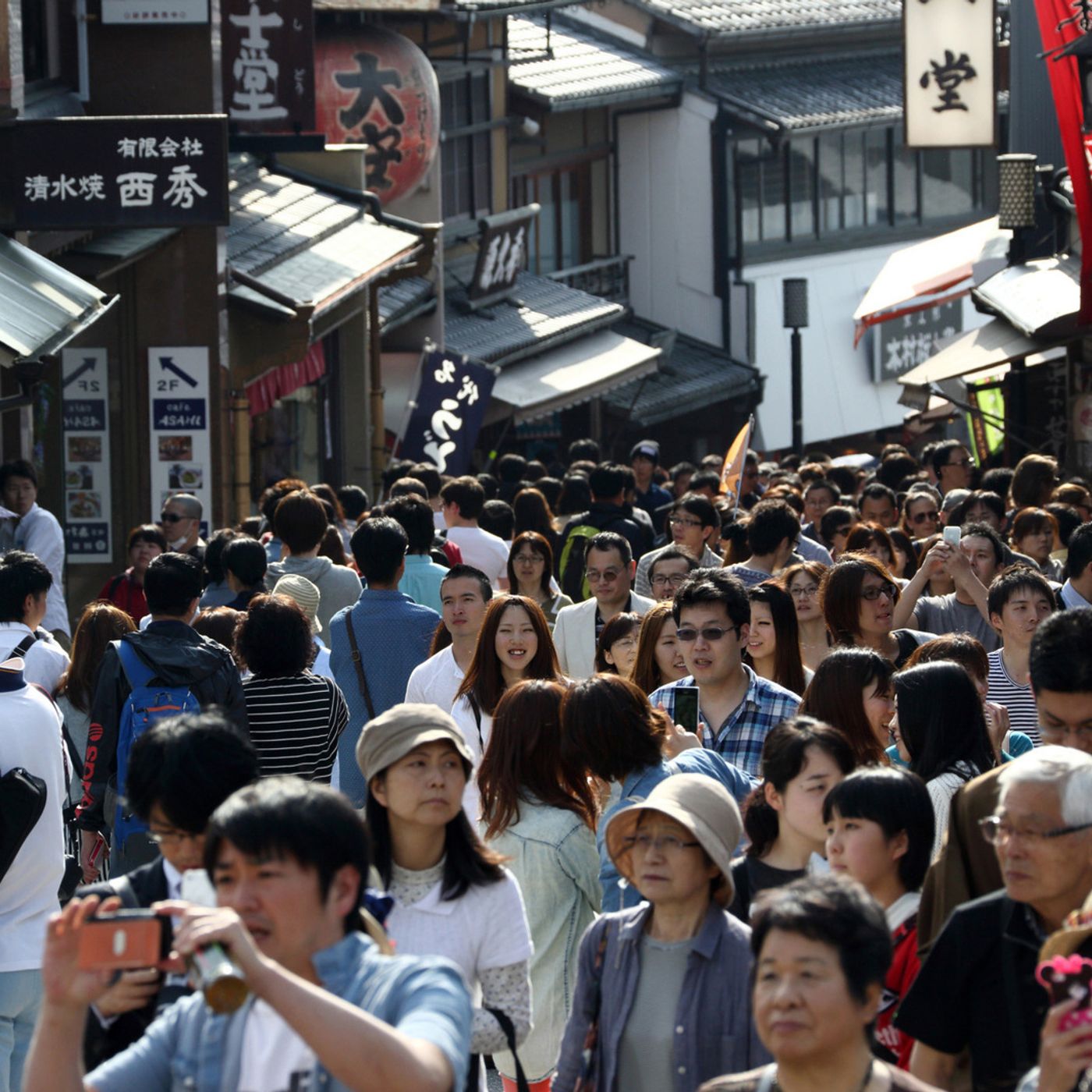
Our guest today is Alex Kerr, best known for his books “Lost Japan” and “Dogs and Demons.” Through his work in Shikoku’s Iya Valley and Kyoto’s teahouse districts, Alex has become one of the country’s pioneers of new models of heritage-based and sustainable tourism. On this episode we’ll be discussing what a sustainable future for Japan’s tourism could look like, and whether Covid-19 offers a space to reflect and reimagine the industry, or whether the country will regress to old habits and unsustainable practices as soon as it’s over. Read more: Foreign visitors drop 99% from year earlier for sixth straight month (The Japan Times) Getting the wheels back on Japan's travel industry (Alex Martin, The Japan Times) Tourism's effect on historic cities and sites in focus as global conference kicks off in Kyoto (Eric Johnston, The Japan Times) Japan is struggling to deal with the foreign tourism boom (Philip Brasor, The Japan Times) Photo Essay: Tokyo without tourists (Oscar Boyd, The Japan Times) Pandemic derails Abe's strategy to revive regional Japan with tourism (Reuters) On this episode: Alex Kerr: Chiiori Trust | Website Oscar Boyd: Twitter | Articles | InstagramFinding the Heart SutraAlex Kerr's new book "Finding the Heart Sutra" will be published Nov. 26, 2020, by Penguin. This book brings together Buddhist teaching, talks with friends and mentors, and acute cultural insights to probe the universe of thought contained within the "Heart Sutra." Announcements:Sign up to the Deep Dive mailing list and be notified every time a new episode comes out. Get in touch with us at [email protected] the show! Rate us, review us and share this episode with a friend if you've enjoyed it. Follow us on Twitter, and give us feedback.This episode of Deep Dive may be supported by advertising based on your location. Advertising is sourced by Audioboom and is not affiliated with The Japan Times. Photo: Pre-pandemic, tourists walk along Matsubara-dori street approaching Kiyomizu Temple in Kyoto. | BLOOMBERG
Ep 7373: Japan's third wave of COVID-19 w/ Gearoid Reidy
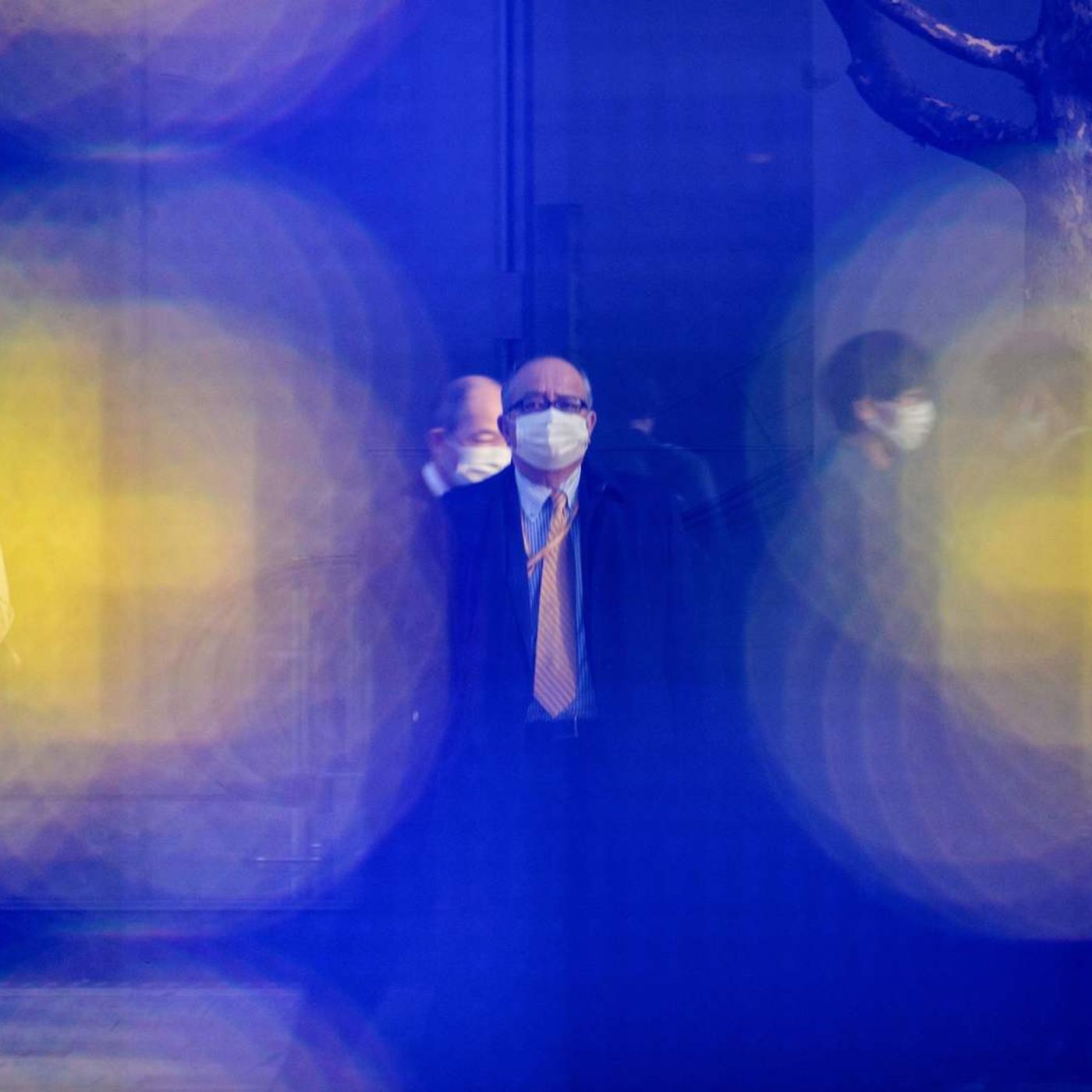
Gearoid Reidy, a senior editor at Bloomberg, joins us to discuss whether we might see a new state of emergency and the hope provided by the recent news about vaccines.Read more: Tokyo reports record-breaking daily cases as capital prepares for highest alert level (Ryusei Takahashi, The Japan Times) COVID-19 updates (The Japan Times) Hokkaido raises alert level for Sapporo as virus surge continues (The Japan Times) 84% concerned about record coronavirus cases in Japan, poll finds (The Japan Times) How the Moderna and Pfizer coronavirus vaccines stack up (The Japan Times) Japan approves bill to offer all residents free COVID-19 vaccines (The Japan Times) Japan was expecting a coronavirus explosion. Where is it? (Gearoid Reidy) On this episode:Gearoid Reidy: Twitter | ArticlesOscar Boyd: Twitter | Articles | InstagramAnnouncements:Sign up to the Deep Dive mailing list and be notified every time a new episode comes out. Get in touch with us at [email protected] the show! Rate us, review us and share this episode with a friend if you've enjoyed it. Follow us on Twitter, and give us feedback.This episode of Deep Dive may be supported by advertising based on your location. Advertising is sourced by Audioboom and is not affiliated with The Japan Times.Photo: Mask-wearing pedestrians are reflected in a board in Tokyo. | AFP-JIJI
Ep 7272: Preserving the endangered Ainu language w/ Mara Budgen
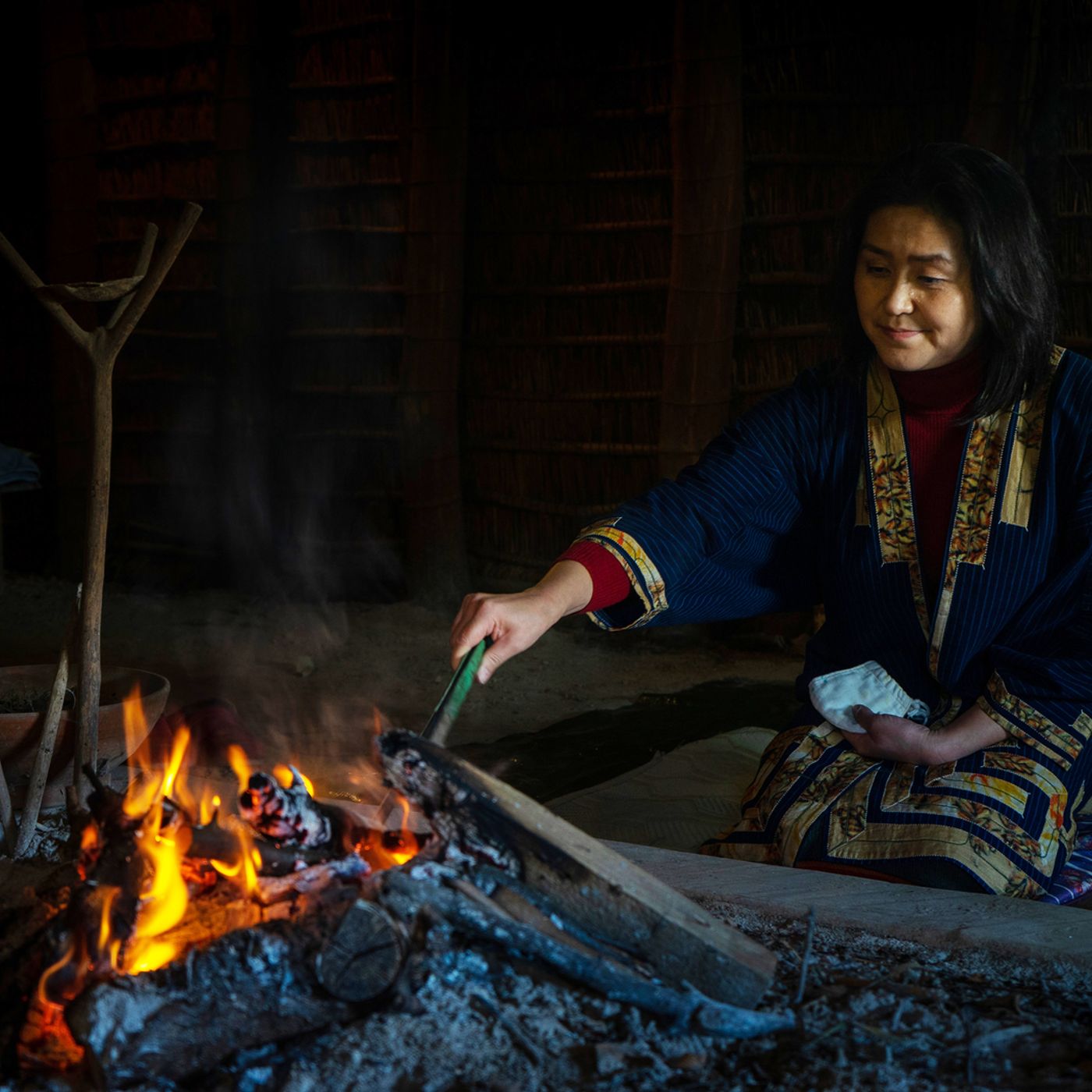
The Ainu are Japan's indigenous population and Japan Times contributor Mara Budgen has been meeting with them to better understand their remaining culture, the difficulties they face, and to learn about the ongoing efforts to preserve their language.Sponsor:This episode is sponsored by Kokoro Care Packages, delivering curated care packages from Japan, filled with locally made, premium-quality, artisanal Japanese foods. It's the perfect thing to give for Christmas, to treat yourself if you're missing Japan, or to discover something new if you’re living here. For Deep Dive listeners, use the code "DEEPDIVE" to get a 10% discount off your first order of a subscription purchase at kokorocares.com. Read more: The Ainu language and the global movement for indigenous rights (Mara Budgen and Francesco Bassetti, The Japan Times) Japan's Ainu recognition bill: What does it mean for Hokkaido's indigenous people? (Sakura Murakami, The Japan Times) Japan enacts law recognizing Ainu as indigenous, but activists say it falls short of U.N. declaration (The Japan Times) Kaneto Kawamura Ainu Museum (Lonely Planet) New Ainu culture complex generating little buzz outside Hokkaido (The Japan Times) On this episode:Mara Budgen: Twitter | WebsiteOscar Boyd: Twitter | Articles | InstagramAnnouncements:Sign up to the Deep Dive mailing list and be notified every time a new episode comes out. Get in touch with us at [email protected] the show! Rate us, review us and share this episode with a friend if you've enjoyed it. Follow us on Twitter, and give us feedback.This episode of Deep Dive may be supported by advertising based on your location. Advertising is sourced by Audioboom and is not affiliated with The Japan Times.Photo: Hisae Kawamura sings an Ainu folktale at the Kaneto Kawamura Ainu Museum in Asahikawa, Hokkaido. | Oscar Boyd
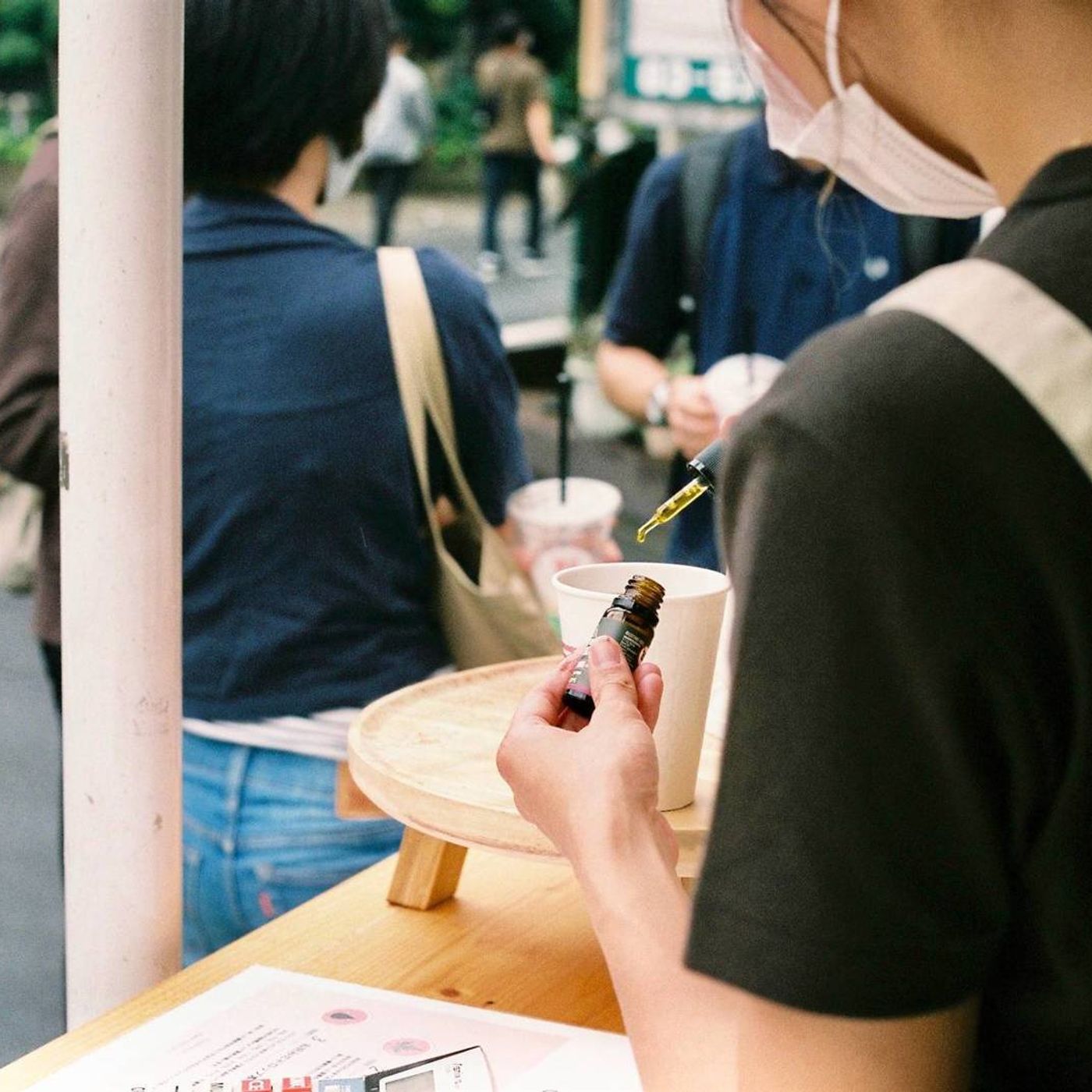
Ep 7171: CBD — Japan's path to medical marijuana? w/ Dan Buyanovsky
In his research, Dan discovers the long history of cannabis in Japan, talks to groups campaigning for the legalization of medical marijuana and the people selling CBD as a relaxation agent during these ever so slightly stressful times. Read/hear more: Is Japan ready to embrace CBD? (Dan Buyanovsky, The Japan Times) Cannabis — The fabric of Japan (Jon Mitchell, The Japan Times) Japan’s First Lady Touts Revival of Hemp Culture (The Wall Street Journal) Green Zone Japan Japanese Magenese — "Real Stoner" (YouTube) Mega-G and Dogma — "High Brand" (YouTube) Man in battle against cancer leads Japanese fight for medical use of marijuana (Tomoko Otake, The Japan Times) Japan sees record 4,300 cannabis offenders in 2019 (The Japan Times) Five U.S. states pass legal marijuana measures (Bloomberg via The Japan Times) On this episode:Dan Buyanovsky: Website | InstagramOscar Boyd: Twitter | Articles | InstagramAnnouncements:Sign up to the Deep Dive mailing list and be notified every time a new episode comes out. Get in touch with us at [email protected] the show! Rate us, review us and share this episode with a friend if you've enjoyed it. Follow us on Twitter, and give us feedback.This episode of Deep Dive may be supported by advertising based on your location. Advertising is sourced by Audioboom and is not affiliated with The Japan Times.Photo: CBD is added to coffee at Tokyo's CBD Coffee | Dan Buyanovsky

Ep 7070: Japan's got ghosts w/ Thersa Matsuura
As Halloween approaches, author, Bram Stoker Award nominee and host of the podcast "Uncanny Japan," Thersa Matsuura joins us to share her fascination with the Japanese supernatural, and reads us her version of one of Japan's most famous ghost stories, "Okiku and the Nine Plates."Sponsor:This episode is sponsored by Democrats Abroad Japan, a volunteer organization that helps Americans overseas register to vote. If you're a U.S. voter living abroad and haven't received your absentee ballot, or are afraid the one you've sent won't arrive in time, you're still in luck. An emergency backup ballot is your second chance! Head to VoteFromAbroad.org/fwab to learn how you can fill out and send in your backup ballot per your state's guidelines. Read/hear more: Yuurei: Japanese Ghosts from Protective to Wrathful (Uncanny Japan) 10 days of J-horror: Films to get your fill of screams and scares (Mark Schilling, The Japan Times) 'Japanese Ghost Stories': The ghostly ascent of Lafcadio Hearn's tales of the supernatural (Damian Flanagan, The Japan Times) Unsolved mysteries: Japanese fans of the occult are engaged in a never-ending search for the truth (Alex Martin, The Japan Times) The story of Yotsuya Kaidan — The Ghost of Oiwa (Uncanny Japan) On this episode:Thersa Matsuura: Twitter | Podcast & WebsiteOscar Boyd: Twitter | Articles | InstagramAnnouncements:Sign up to the Deep Dive mailing list and be notified every time a new episode comes out. Get in touch with us at [email protected] the show! Rate us, review us and share this episode with a friend if you've enjoyed it. Follow us on Twitter, and give us feedback.This episode of Deep Dive may be supported by advertising based on your location. Advertising is sourced by Audioboom and is not affiliated with The Japan Times.Photo: Utagawa Kuniyoshi's "Haunted Old Palace at Soma" (ca. 1845-46), in which a sorceress draws forth a giant skeleton to attack a warrior. | Private Collection

Ep 6969: Why we should be celebrating Japan's tattoo culture w/ Alice Gordenker
Japan has an uncomfortable relationship with tattoos, which are associated with the yakuza and the criminal underworld of Japan. We’re joined by Japan Times contributor and former columnist Alice Gordenker, who hopes to challenge that stereotype, through a new documentary she’s produced called “Horimono: Japan’s Tattoo Pilgrimage,” which follows the annual pilgrimage of the Choyukai, a group united by their full-body tattoos. We discuss Alice’s film, misconceptions about tattoos in Japan, and how tattoos turned from celebrated body art of the Edo Period to something thought of as a criminal accessory. Sponsor: This episode is sponsored by Democrats Abroad Japan, a volunteer organization that helps Americans overseas register to vote. If you're a U.S. voter living abroad and haven't received your absentee ballot, or are afraid the one you've sent won't arrive in time, you're still in luck. An emergency backup ballot is your second chance! Head to VoteFromAbroad.org/fwab to learn how you can fill out and send in your backup ballot per your state's guidelines. Watch the film: “Horimono: Japan’s Tattoo Pilgrimage,” can be watched on Vice News' YouTube Channel. Read more: Japan's top court rules tattoo artists don't need medical license (The Japan Times) Find tattoo friendly establishments in Japan (Tattoo Friendly) Tokyo man fired by sushi restaurant over tattoo rumor seeks damages (The Japan Times) Loved abroad, hated at home: The art of Japanese tattooing (Jon Mitchell, The Japan Times) Jomon revival: Interest in Japan’s indigenous hunter-gatherers grows (Alex Martin, The Japan Times) On this episode: Alice Gordenker: Twitter | Articles | Website Oscar Boyd: Twitter | Articles | Instagram Announcements: Sign up to the Deep Dive mailing list and be notified every time a new episode comes out. Get in touch with us at [email protected]. Support the show! Rate us, review us and share this episode with a friend if you've enjoyed it. Follow us on Twitter, and give us feedback. This episode of Deep Dive may be supported by advertising based on your location. Advertising is sourced by Audioboom and is not affiliated with The Japan Times. Photo: “Praying for Hits in the Waterfall of Answered Prayers” (1863) Utagawa Kunisada I (Toyokuni III). Courtesy of Isehara

Ep 6868: Seven matches, seven masks, seven names w/ Joel Tansey
News editor Joel Tansey discusses the impact of Naomi Osaka’s support for the Black Lives Matter movement both in the U.S. and Japan, and what a new wave of activism in sports might mean for next summer's Tokyo Olympics.Sponsor:This episode is sponsored by Democrats Abroad Japan, a volunteer organization that helps Americans overseas register to vote. VoteFromAbroad.org makes the ballot request process simple and easy, so if you need to vote from overseas, visit VoteFromAbroad.org. Many states have their deadlines on Saturday Oct. 17, so request your ballot now.Read/see/hear more: Outstanding Osaka: Japanese star captures second U.S. Open title (Joel Tansey, The Japan Times) Naomi Osaka is the role model that Japan needs right now (Baye McNeil, The Japan Times) Black Lives Matter prompts important conversations in Japanese sports (Kaz Nagatsuka, The Japan Times) Naomi Osaka's Japanese sponsors hesitant to comment on activism (AP via The Japan Times) Naomi Osaka gives voice to victims of racial injustice at U.S. Open (Kyodo) Episode 6: What a week for Naomi Osaka (Deep Dive) U.S. Open 2020 Winner's Speech (U.S. Open via YouTube) Naomi Osaka on leading tennis to protest the police shooting of Jacob Blake (ESPN via YouTube) Sebastian Coe says athletes should be allowed to protest at Tokyo Olympics (AP via The Japan Times) I used the podium to protest. The Olympic Committee punished me. (NYT via The Japan Times) On this episode:Joel Tansey: Twitter | Articles Oscar Boyd: Twitter | Articles | InstagramAnnouncements:Sign up to the Deep Dive mailing list and be notified every time a new episode comes out. Get in touch with us at [email protected] the show! Rate us, review us and share this episode with a friend if you've enjoyed it. Follow us on Twitter, and give us feedback.This episode of Deep Dive may be supported by advertising based on your location. Advertising is sourced by Audioboom and is not affiliated with The Japan Times. Photo: Naomi Osaka adjusts her mask after defeating Jennifer Brady in their U.S. Open semifinal in New York. | AP

Ep 6767: 'Convenience Store Woman' and the art of translation w/ Ginny Tapley Takemori
Ginny Tapley Takemori is probably best known for her 2018 translation of "Convenience Store Woman," the bestselling novel by Sayaka Murata, which won the prestigious Akutagawa Prize when it was first published in Japanese in 2016. Like the original, the English translation was a bestseller, and the author and translator have collaborated again to translate Murata’s 11th novel, "Earthlings," which was published at the beginning of October. We hear from Ginny about the art of translation and why she thinks we should all be reading more books from other cultures.SponsorThis episode is sponsored by Elite Havens. This ski season, enjoy a 15% discount on Elite Havens' Niseko accommodations for bookings confirmed from now until Nov. 30, 2020, for stays between Dec. 24 and March 31, 2021. Enjoy an additional 5% off your next booking when you book now. Just mention the promo code JAPANTIMES to your reservation specialist. Terms and conditions apply.Read more: Reviews of new and classic books in The Japan Times Books section In "Convenience Store Woman," Sayaka Murata questions normality in modern Japan (Nicolas Gating, The Japan Times) Sayaka Murata's 'Earthlings': Alienated misfits fight against the ties that bind (Kris Kosaka, The Japan Times) Strong woman, soft power (David Jacobson, GLLI) Order a copy of 'Earthlings' (Granta) On this episode:Ginny Tapley Takemori: Author profile Oscar Boyd: Twitter | Articles | InstagramAnnouncements:Sign up to the Deep Dive mailing list and be notified every time a new episode comes out. Get in touch with us at [email protected] the show! Rate us, review us and share this episode with a friend if you've enjoyed it. Follow us on Twitter, and give us feedback.This episode of Deep Dive may be supported by advertising based on your location. Advertising is sourced by Audioboom and is not affiliated with The Japan Times.Photo: Sayaka Murata's "Convenience Store Women"

Ep 6666: Kōji — the magical mold of Japan w/ Claire Williamson
Japan Times food editor Claire Williamson joins Deep Dive to discuss her new found passion for Aspergillus oryzae, the mold better known in Japan as kōji. Jeremy Umansky and Rich Shih, authors of "Koji Alchemy: Rediscovering the Magic of Mold-based Fermentation," also give us the lowdown on what makes the mold so exciting for them. Hosted by Oscar BoydRead more: ‘Koji Alchemy’: Fermentation enthusiasts are making mold magic (Claire Williamson, The Japan Times) Recipe: Kōji — Japan's vital hidden ingredient (Makiko Itoh, The Japan Times) The fermentation power of kōji, Japanese food's secret ingredient (Momoko Nakamura, The Japan Times) Claire's favorite brand of shio kōji (Uminosei) Order some kōji spores (Higuchi Moyashi) On this episode:Claire Williamson: Articles | InstagramSpecial Guests: Jeremy Umansky, Rich Shih and Thomas FrebelOscar Boyd: Twitter | Articles | InstagramKoji Alchemy:Get your hands on a copy of Jeremy Umansky and Rich Shih's book "Koji Alchemy: Rediscovering the Magic of Mold-based Fermentation" now. Order online via Wordery or Amazon.Announcements:This episode of Deep Dive may be supported by advertising based on your location. Advertising is sourced by Audioboom and is not affiliated with The Japan Times.Sign up to the Deep Dive mailing list and be notified every time a new episode comes out. Get in touch with us at [email protected] the show! Rate us, review us and share this episode with a friend if you've enjoyed it. Follow us on Twitter, and give us feedback.Photo: A bowl of kōji-infused rice, Getty Images
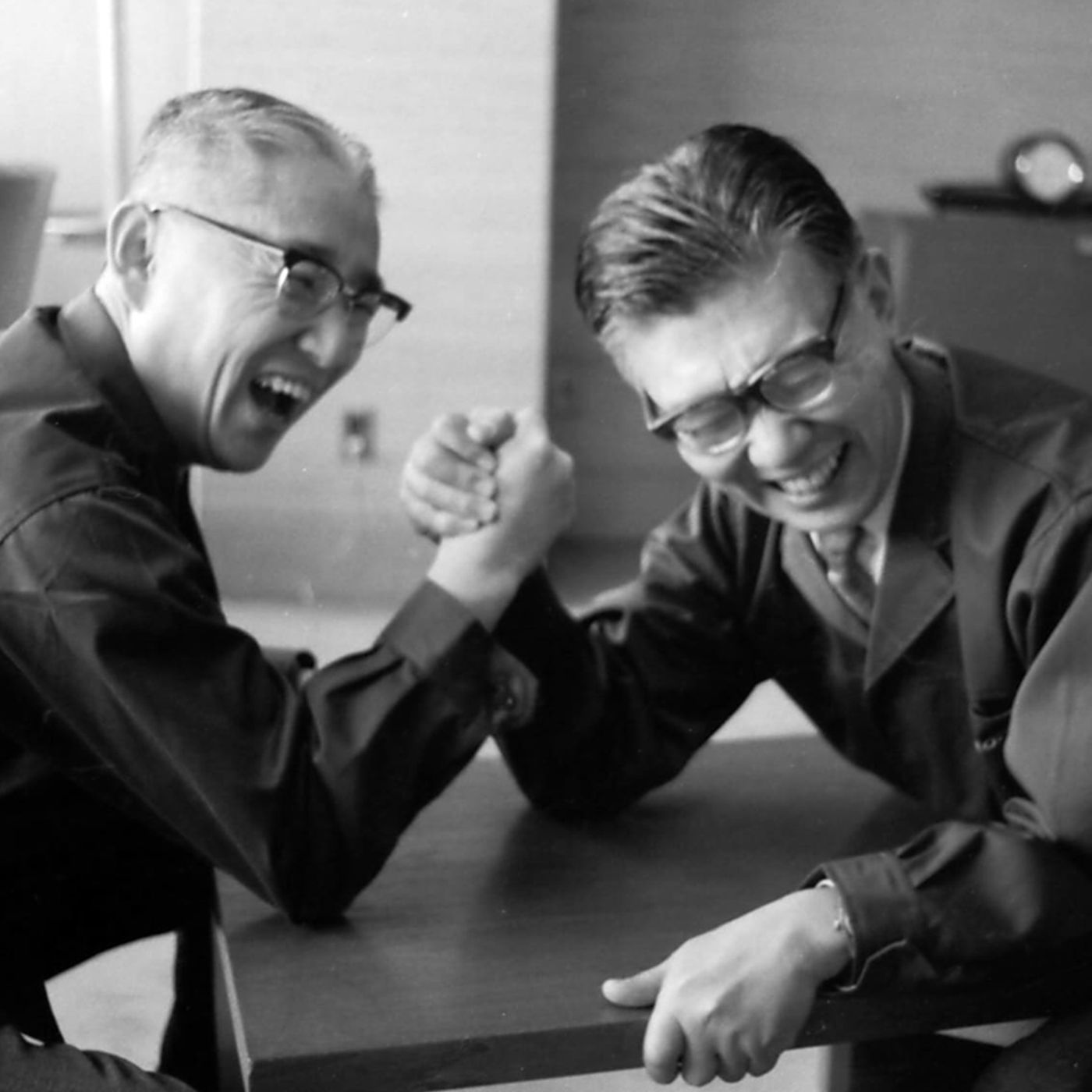
(Bonus) The making of the Walkman w/ Matt Alt
bonusThis episode is based around an extract from the audiobook of "Pure Invention." We join in the middle of chapter 5, which is all about the invention of the Walkman. We hear from Matt as he describes a conversation between the two co-founders of Sony, Akio Morita and Masaru Ibuka — a conversation that would lead to the creation of the iconic portable music player that completely redefined how we listen to music today. Read more: Episode 57 — Has Japan's pop culture conquered the world? 'Pure Invention': How Japan's pop culture became the 'lingua franca' of the internet On this episode:Matt Alt: Website | Twitter Oscar Boyd: Twitter | Articles | InstagramAnnouncements:This episode of Deep Dive may be supported by advertising based on your location. Advertising is sourced by Audioboom and is not affiliated with The Japan Times. Sign up to the Deep Dive mailing list and be notified every time a new episode comes out. Get in touch with us at [email protected] the show! Rate us, review us and share this episode with a friend if you've enjoyed it. Follow us on Twitter, and give us feedback. Credit:Audiobook excerpt courtesy Penguin Random House Audio from "Pure Invention: How Japan’s pop culture conquered the world" by Matt Alt, read by the author. Photo: Akio Morita and Masaru Ibuka, Sony Press Centre.
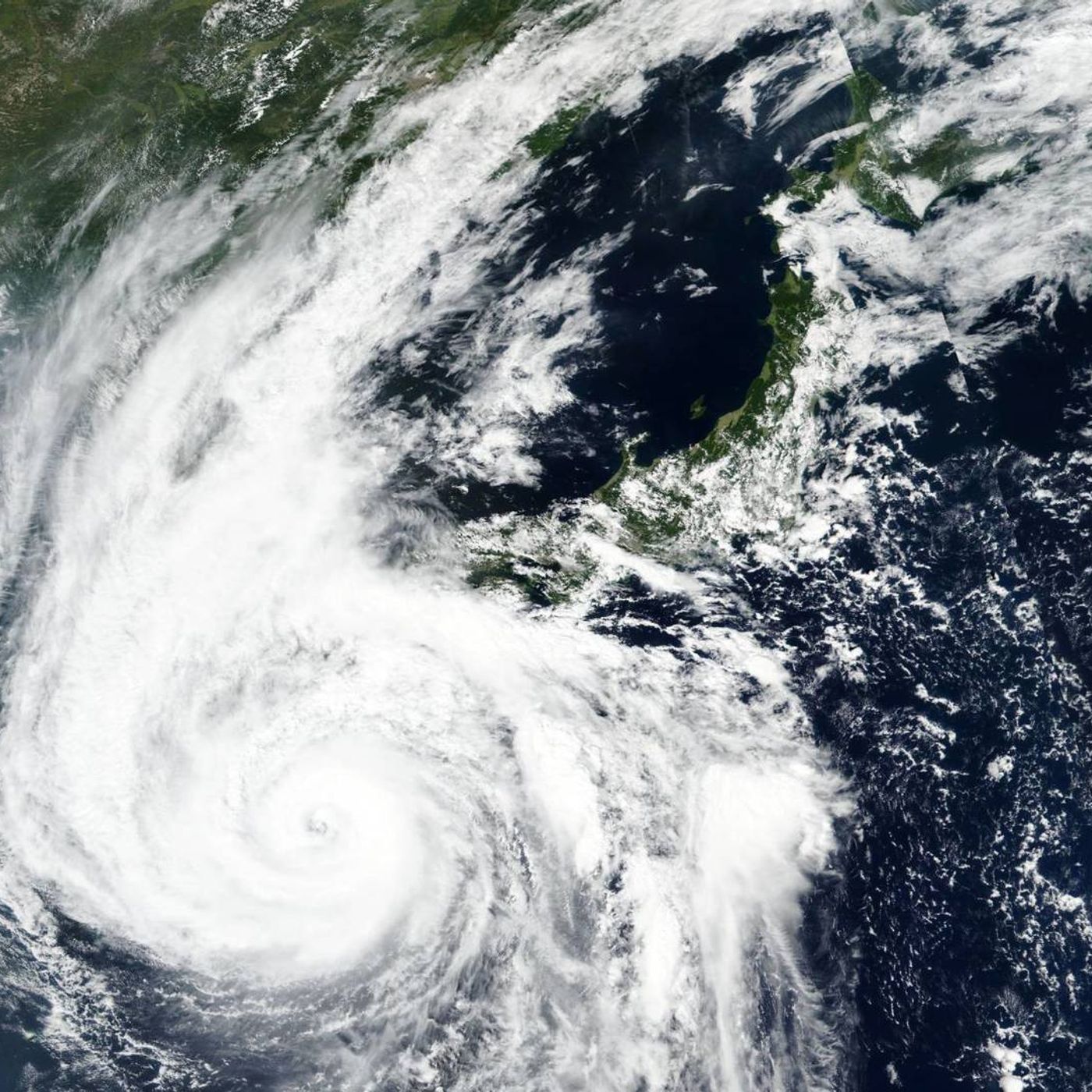
Ep 6565: Where is Japan's green recovery? w/ Ryusei Takahashi
Staff reporter Ryusei Takahashi joins Oscar Boyd to discuss the idea, opportunities and difficulties of a green recovery in Japan. Sponsor:This episode is sponsored by Democrats Abroad Japan, a volunteer organization that helps Americans overseas register to vote. VoteFromAbroad.org makes the ballot request process simple and easy, so if you need to vote from overseas, visit VoteFromAbroad.org. Ballots for the U.S. election will be sent out Sept. 19, so request yours now!Read more: 'Green recovery' offers Japan a chance to slash carbon emissions (Ryusei Takahashi, The Japan Times) Separating environmental issues from business matters in Japan (Philip Brasor, The Japan Times) Japan urged to boost green power to achieve Paris climate goals (Bloomberg via The Japan Times) Japan's climate change efforts hindered by Keidanren bias, study says (Reuters via The Japan Times) Think 2020's disasters are wild? 'It’s going to get a lot worse' (AP via The Japan Times) On this episode:Ryusei Takahashi: Twitter | Articles | InstagramOscar Boyd: Twitter | Articles | InstagramAnnouncements:This episode of Deep Dive may be supported by advertising based on your location. Advertising is sourced by Audioboom and is not affiliated with The Japan Times. Sign up to the Deep Dive mailing list and be notified every time a new episode comes out. Get in touch with us at [email protected] the show! Rate us, review us and share this episode with a friend if you've enjoyed it. Follow us on Twitter, and give us feedback. Photo: A satellite image shows Typhoon Haishen barreling toward Kyushu in September 2020. NASA VIA AP
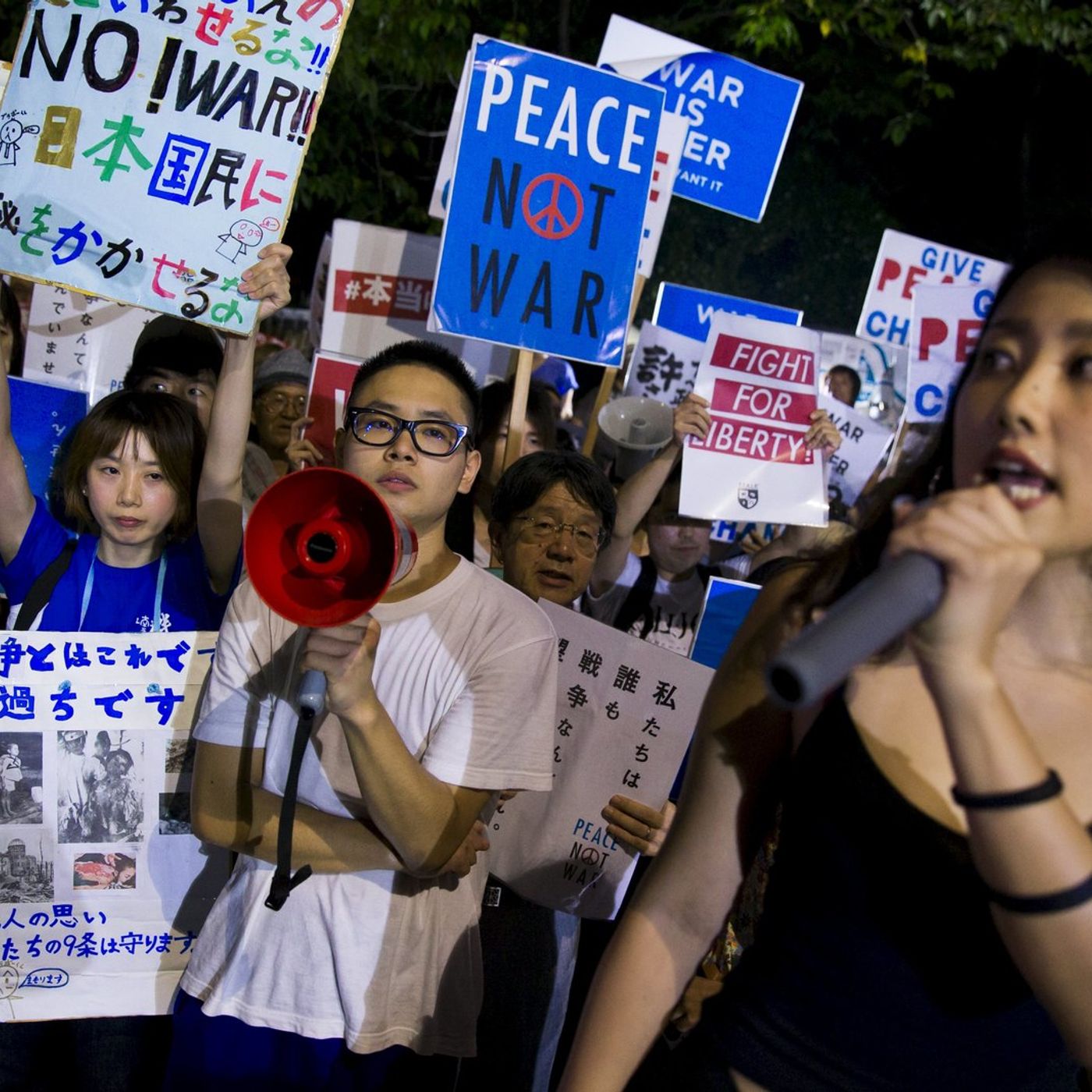
Ep 6464: The end of Shinzo Abe: What will Abe's legacy be? w/ Tobias Harris & Wakako Fukuda
We’re joined by Tobias Harris, author of “The Iconoclast,” a biography of Shinzo Abe. Harris gives his take on Abe’s legacy, examining everything from his foreign policy to the missed opportunities.Also on the show is Wakako Fukuda, one of the cofounders of the activist group SEALDs, who led some of Japan's biggest protests since the 1960s against Abe’s proposed changes to security laws in 2015. She’ll be talking about why so many people joined SEALDs and what she hopes a future PM will do to support women.Sponsor:This episode is sponsored by Democrats Abroad Japan, a volunteer organization that helps Americans overseas register to vote. VoteFromAbroad.org makes the ballot request process simple and easy, so if you need to vote from overseas, find out more at VoteFromAbroad.org. Ballots for the U.S. election will be sent out Sept. 19, so request yours now!Read more: Episode 63: The end of Shinzo Abe: What happened and who's next? (Deep Dive) What will be Abe's legacy as the longest-serving prime minister? (Editorial, The Japan Times) For Abe, latest milestone is a moment of trepidation (Tobias Harris, The Japan Times) What Abe leaves behind for Japan and the world (Brad Glosserman, The Japan Times) Abenomics here to stay despite Japan PM's looming departure (Kazuaki Nagata, The Japan Times) Suga, favored to succeed Abe, says won't lead 'interim' government (Kyodo) On this episode:Tobias Harris: Twitter | Articles | BookWakako Fukuda: Twitter | ArticlesOscar Boyd: Twitter | Articles | InstagramThe Iconoclast:Tobias Harris' biography of Shinzo Abe, "The Iconoclast" is out now. Deep Dive listeners can get a 25 percent discount by using the promo code ICONOCLAST25 if you order the book through the Hurst website.Announcements:This episode of Deep Dive may be supported by advertising based on your location. Advertising is sourced by Audioboom and is not affiliated with The Japan Times. Sign up to the Deep Dive mailing list and be notified every time a new episode comes out. Get in touch with us at [email protected] the show! Rate us, review us and share this episode with a friend if you've enjoyed it. Follow us on Twitter, and give us feedback. Photo by Reuters
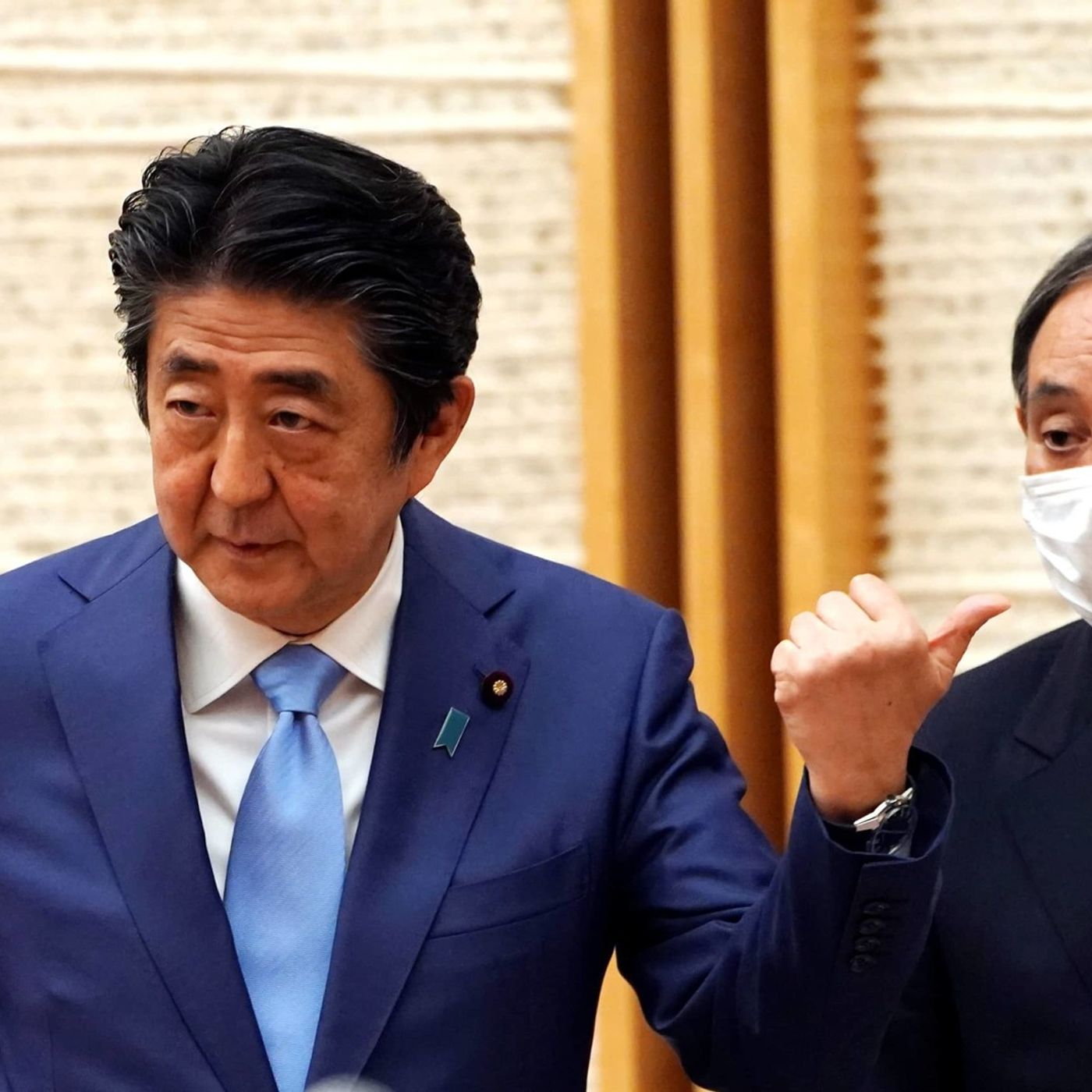
Ep 6363: The end of Shinzo Abe: What happened and who's next? w/ Satoshi Sugiyama & Tobias Harris
We're joined by Tobias Harris, author of "The Iconoclast," a biography of Shinzo Abe that was published the day before Abe resigned. Harris talks about Abe's last few months in office, and who might be the next prime minister of Japan.Also, Japan Times politics reporter Satoshi Sugiyama describes his day reporting on Abe's historic resignation announcement. Read more: Suga, Abe’s right-hand man, declares candidacy for LDP leadership vote (Satoshi Sugiyama, The Japan Times) Abe right-hand man Yoshihide Suga emerges as a top pick to replace him (Satoshi Sugiyama, The Japan Times) Former Japan defense chief Shigeru Ishiba to run in LDP leadership race, report says (Reuters, The Japan Times) How possible successors stack up if Abe resigns (Reuters, The Japan Times) Ruling LDP to skip rank-and-file votes in party election for Abe's successor (Satoshi Sugiyama, The Japan Times) Abe to resign over health, ending era of political stability (Satoshi Sugiyama, The Japan Times) Abe's resignation catches even Japan's political insiders off guard (Satoshi Sugiyama, The Japan Times) On this episode:Tobias Harris: Twitter | Articles | BookSatoshi Sugiyama: Twitter | ArticlesOscar Boyd: Twitter | Articles | InstagramThe IconoclastTobias Harris' biography of Shinzo Abe, "The Iconoclast" is out now. Deep Dive listeners can get a 25 percent discount by using the promo code ICONOCLAST25 if you order the book through the Hurst website.AnnouncementsThis episode of Deep Dive may be supported by advertising based on your location. Advertising is sourced by Audioboom and is not affiliated with The Japan Times. Sign up to the Deep Dive mailing list and be notified every time a new episode comes out. Get in touch with us at [email protected] the show! Rate us, review us and share this episode with a friend if you've enjoyed it. Follow us on Twitter, and give us feedback. Photo via Reuters
[Rebroadcast] What's the secret to Shinzo Abe's longevity? w/ Sakura Murakami
In next week’s episode we’ll be looking at the latest news in much more depth, but for now we’re bringing you an episode from the archives, episode 32, somewhat ironically titled "What’s the secret to Shinzo Abe’s longevity?"This episode was originally recorded in December 2019, in a world that had not yet gone through the trials of the coronavirus, and when Japan was looking ahead to hosting the Olympics this summer. Much has changed since we recorded the episode, but it still paints a really good picture of who Abe is, and how he rose to become Japan’s prime minister, not once, but twice. Read more: Abe to resign as prime minister due to health condition (Satoshi Sugiyama, Eric Johnston The Japan Times) The Japan Times' latest reporting on Shinzo Abe On this episode:Sakura Murakami: Twitter | ArticlesOscar Boyd: Twitter | Articles | InstagramAnnouncementsThis episode of Deep Dive may be supported by advertising based on your location. Advertising is sourced by Audioboom and is not affiliated with The Japan Times. Sign up to the Deep Dive mailing list and be notified every time a new episode comes out. Get in touch with us at [email protected] the show! Rate us, review us and share this episode with a friend if you've enjoyed it. Follow us on Twitter, and give us feedback. Photo by Getty Images

Ep 6262: How Japan's border closures have affected international students w/ Rochelle Kopp
On this episode we’re taking a look at how Japan’s international students and academics have been affected by the entry bans. Though the government is expected to change its policy imminently, to date the border closures have had an overwhelmingly negative impact on Japan’s universities, even as the country tries to position itself on the international stage as a more attractive place to study. We hear from regular Japan Times contributor and consultant Rochelle Kopp about how the border closures have impacted international students in Japan, and also from masters student Angus Watson about his experiences coming back to Japan after being stuck outside for six months. Read more: Japan may allow in all stranded foreign residents from September (Magdalena Osumi, The Japan Times) Japan's re-entry ban threatens scholarships, admission and graduation for foreign students (Magdalena Osumi, The Japan Times) Travel bans throttle Japanese universities’ global ambitions (Rochelle Kopp, The Japan Times) I'm happy to be in Japan, but it shouldn't have taken this long to get back (Angus Watson, The Japan Times) Episode 60: Japan's foreign residents are trapped — Part 2 (Deep Dive) Episode 51: Japan's foreign residents are trapped - Part 1 (Deep Dive) On this episode:Rochelle Kopp: Twitter | Articles | ConsultancyAngus Watson: ArticlesOscar Boyd: Twitter | Articles | InstagramAnnouncementsThis episode of Deep Dive may be supported by advertising based on your location. Advertising is sourced by Audioboom and is not affiliated with The Japan Times. Sign up to the Deep Dive mailing list and be notified every time a new episode comes out. Get in touch with us at [email protected] the show! Rate us, review us and share this episode with a friend if you've enjoyed it. Follow us on Twitter, and give us feedback.

Ep 6161: Tough times for Tokyo, the world’s dining capital w/ Robbie Swinnerton & Melinda Joe
This episode, our guests are Robbie Swinnerton and Melinda Joe. Robbie has been writing Tokyo Food File, his restaurant review column for The Japan Times, since 1998 and Melinda has been writing her column Kanpai Culture, all about Japan’s drinking culture, since 2011. With well over 30 years experience of eating, drinking and writing about the capital's food scene between them, we hear from Robbie and Melinda about what makes Tokyo the gastronomic phenomenon it is, how coronavirus has impacted upon the restaurant business and where Japan's hospitality industry goes from here.Read/hear more: Tokyo Food File (Robbie Swinnerton, The Japan Times) Kanpai Culture (Melinda Joe, The Japan Times) How COVID-19 has reshaped Japan's drinking culture (Alex Martin, The Japan Times) Tokyo’s restaurants stare down COVID-19: ‘We have to stay open’ (Dan Buyanovsky, The Japan Times) Tokyo's restaurants again boast world's most Michelin stars in 2020 guide (Magdalena Osumi, The Japan Times) Japanese Kitchen (Makiko Itoh, The Japan Times) Welcome aboard SG Airways, Shingo Gokan’s cocktail-pairing pop-up (Melinda Joe, The Japan Times) Episode 11: Thomas Frebel — a top chef in a city of stars (Deep Dive) Still eating, still writing: Robbie Swinnerton reflects on 20 years of Tokyo Food File (Oscar Boyd, The Japan Times) On this episode:Melinda Joe: Twitter | Articles | InstagramRobbie Swinnerton: Twitter | Articles | InstagramOscar Boyd: Twitter | Articles | Instagram Announcements:Want to learn Japanese cooking? Follow Makiko Itoh's monthly Japanese Kitchen column for easy to make, seasonal recipes. Free for all readers of The Japan TimesSign up to the Deep Dive mailing list and be notified every time a new episode comes out. Get in touch with us at [email protected] by Dan Buyanovsky