
Deep Dive from The Japan Times
214 episodes — Page 2 of 5

Ep 153153: The Japanese parliament expels some GaaSyy
He launched a career on YouTube running his mouth on celebs, but in less than a year Yoshikazu “GaaSyy” Higashitani has gone from that to running successfully for office to running from the law. Politics reporter Gabriele Ninivaggi joins the show this week to discuss what this parliamentary upstart’s rise and fall says about how politics is done in Japan. And, who exactly are the Party Politician Girls who replaced him?Hosted by Shaun McKenna and produced by Dave Cortez.On this episode: Shaun McKenna: Twitter | InstagramGabriele Ninivaggi: Articles | Twitter Read more: YouTuber turned politician GaaSyy likely to be expelled from parliament (Gabriele Ninivaggi, The Japan Times) Upper House committee votes to expel GaaSyy from Japan’s parliament (Gabriele Ninivaggi and Kanako Takahara, The Japan Times) YouTube and Japan’s new political underground: The rise and decline of the Party to Protect People from NHK (Max Guerrera-Sapone, Asia-Pacific Journal: Japan Focus) Get in touch: Send us feedback at [email protected]. Support the show by rating, reviewing and sharing the episode with a friend if you’ve enjoyed it. For a transcript of the show, visit japantimes.co.jp, and don’t forget to follow us on Twitter! Photo: Former Upper House member GaaSyy is seen via video from his base of operations in Dubai during a press conference with NHK Party head Takashi Tachibana. | KYODO
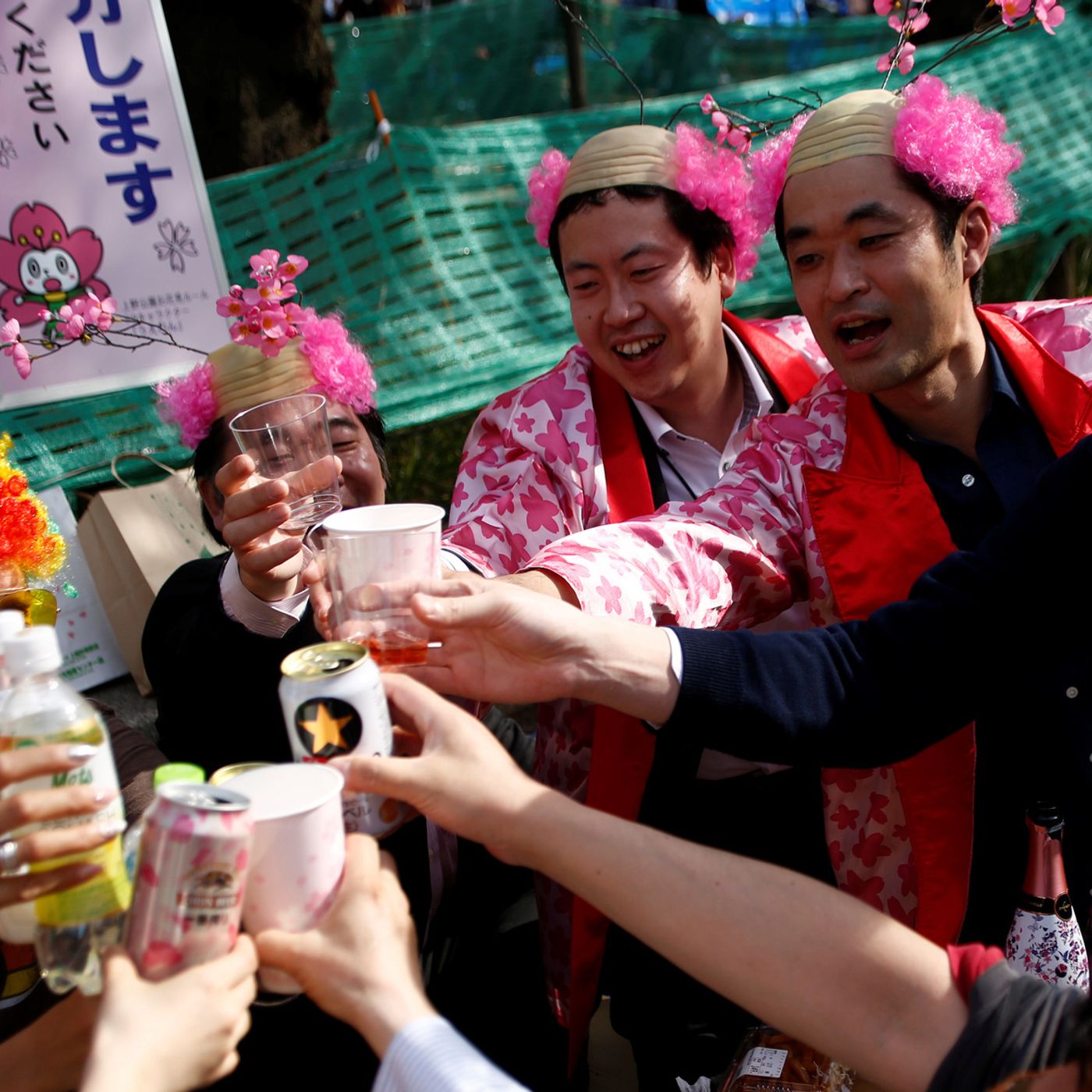
Ep 152152: The cherry blossoms are here and business is blooming
It’s been three years since people in Japan could welcome spring with traditional picnics under the country’s millions of cherry trees. This week Kathleen Benoza explains how much money is at stake during the season, while Thu-Huong Ha and Alyssa I. Smith discuss the science, symbolism and culture surrounding the cherry blossoms in Japan. On this episode: Kathleen Benoza: Articles | Twitter Alyssa I. Smith: Articles Thu-Huong Ha: Articles | Twitter Jason Jenkins: Articles | Twitter | InstagramRead more/Watch more: Japan's economy to bloom as hanami season kicks off (Kathleen Benoza, The Japan Times) In Japan, cherry blossom forecasting is big business. Warming is making it harder (Thu-Huong Ha, The Japan Times) The Best Places to See Cherry Blossoms in Tokyo (Aimee Gardner, Tokyo Cheapo) Our guide to family hanami hot spots (Jason Jenkins, The Japan Times) Go west to enjoy a family hanami party (Jason Jenkins, The Japan Times) Get in touch: Send us feedback at [email protected]. Support the show by rating, reviewing and sharing the episode with a friend if you’ve enjoyed it. For a transcript of the show, visit japantimes.co.jp, and don’t forget to follow us on Twitter! Photo: People wearing wigs that represent cherry blossoms drink in Tokyo’s Ueno Park in 2017. | JASON JENKINS
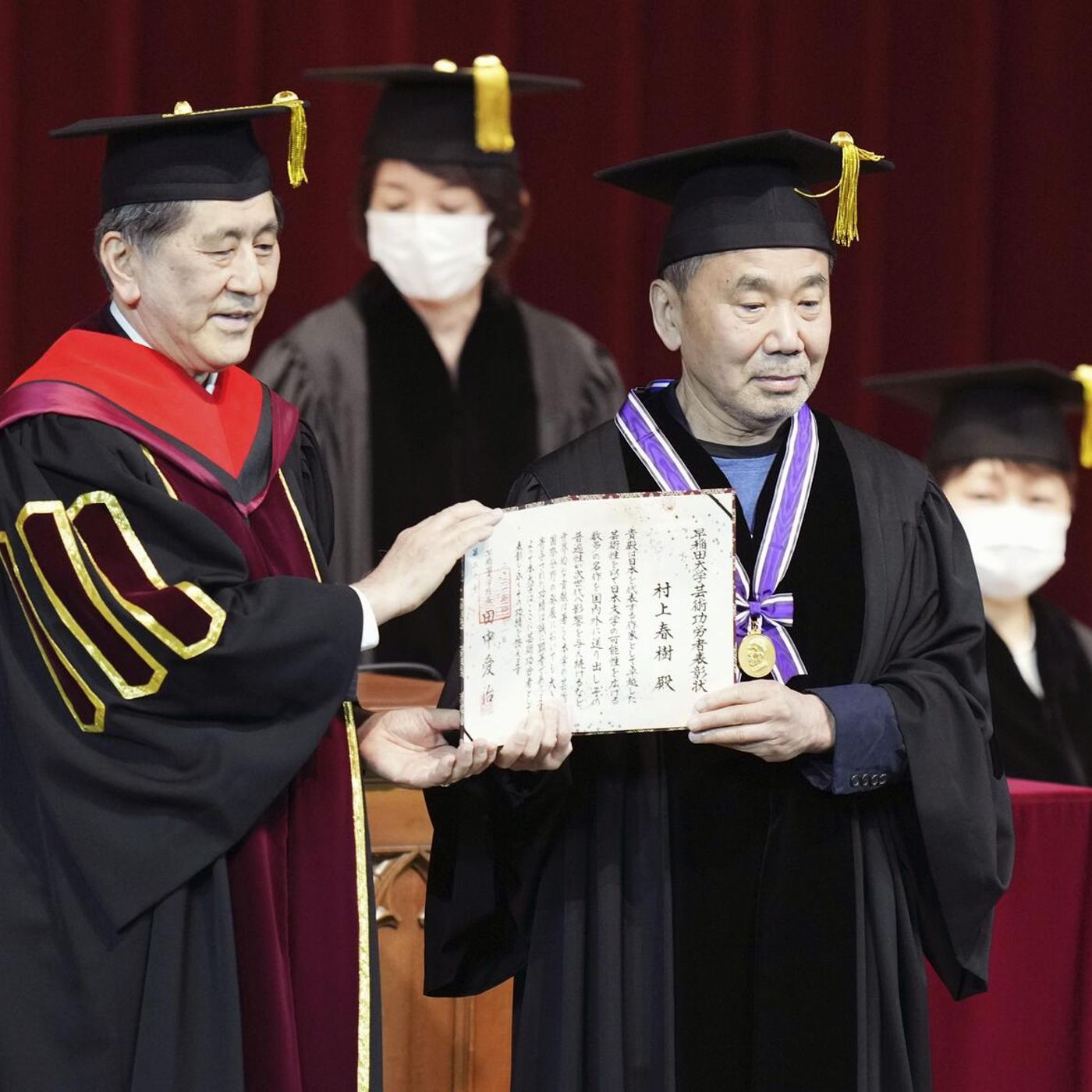
Ep 151151: Haruki Murakami’s new novel. Plus, allegations resurface in J-pop.
Last month, it was announced that Haruki Murakami would release a new full-length novel. True fans, also known as “Harukists” may note that the title for the upcoming work is the same as one of the author’s past “failures.” Harukist Daniel Morales joins the show to decipher clues as to what is going on. Later, Patrick St. Michel and Shaun McKenna discuss their thoughts on a BBC documentary on controversial J-pop titan Johnny Kitagawa. Hosted by Shaun McKenna and produced by Dave Cortez. On this episode: Shaun McKenna: Twitter | Instagram Daniel Morales: Articles | Twitter | TikTok Patrick St. Michel: Articles | Twitter | Substack Read more/Hear more: What to prepare for when you’re expecting one of Murakami’s mammoths (Daniel Morales, The Japan Times) Conquering ‘Commendatore’: Murakami brandishes familiar lexicon in latest novel (Daniel Morales, The Japan Times) The guilt of fatherhood helped shape Kenzaburo Oe’s literary vision (Thu-Huong Ha, The Japan Times) How To Japanese podcast (Daniel Morales) Johnny Kitagawa: The mogul who defined and controlled Japan’s entertainment industry (Patrick St. Michel, The Japan Times) Deep Dive: The Death of Johnny Kitagawa, J-pop’s puppet master (Oscar Boyd, Patrick St. Michel, W. David Marx) Get in touch: Send us feedback at [email protected]. Support the show by rating, reviewing and sharing the episode with a friend if you’ve enjoyed it. For a transcript of the show, visit japantimes.co.jp, and don’t forget to follow us on Twitter! Photo: Novelist Haruki Murakami (right) receives an award for artistic contribution at Waseda University in 2021. | KYODO

Ep 150150: Moving to Fukushima? You’ll have to kick out the boars first
This week marks the 12th anniversary of the Great East Japan Earthquake and the nuclear meltdowns that took place in its wake. Alex K.T. Martin joins us to discuss where Fukushima is in terms of its recovery and drive to repopulate. Of course, before they bring people back, they’ll need to deal with the wild animals that have moved in. Hosted by Shaun McKenna and produced by Dave Cortez.On this episode: Alex K.T. Martin: Articles | Twitter | InstagramShaun McKenna: Twitter | InstagramRead more: Abandoned after 3/11, Fukushima starts attracting new residents (Alex K.T. Martin, The Japan Times) In the shadow of the Fukushima disaster, an unusual experiment in rewilding (Alex K.T. Martin, The Japan Times) With wildlife pests on the rise, Japan turns to novel countermeasures (Alex K.T. Martin, The Japan Times) Get in touch: Send us feedback at [email protected]. Support the show by rating, reviewing and sharing the episode with a friend if you’ve enjoyed it. For a transcript of the show, visit japantimes.co.jp, and don’t forget to follow us on Twitter! Photo: A wild boar crosses a railway line in Futaba, Fukushima Prefecture. | KYODO

Ep 149149: Infinity and beyond: Yayoi Kusama’s next evolution
You may know Yayoi Kusama for her polka-dotted pumpkins or Insta-ready exhibitions, but this artist from Matsumoto has a long history of radical forms of expression. This week, culture critic Thu-Huong Ha joins the podcast to explore Kusama’s past and the latest stage in her evolution. Hosted by Jason Jenkins and produced by Dave Cortez.On this episode: Thu-Huong Ha: Articles | Twitter | InstagramRead more: Is this Yayoi Kusama's final evolution? (Thu-Huong Ha, The Japan Times) Get in touch: Send us feedback at [email protected]. Support the show by rating, reviewing and sharing the episode with a friend if you’ve enjoyed it. For a transcript of the show, visit japantimes.co.jp, and don’t forget to follow us on Twitter! Photo: People watch as a lifelike robot of Yayoi Kusama paints polka dots on the window of the luxury retailer Louis Vuitton store in Paris. | REUTERS

Ep 148148: A Japanese photographer heads to Ukraine; a student flees to Tokyo
On the anniversary of Russia’s invasion of Ukraine, Gabriel Dominguez joins the podcast to talk about the effects this war in Europe has had on Japan. We then speak to Japanese photojournalist Saphryn Shikaze, who is on the front lines of the conflict. Then, we ask Ukrainian student Natalia Makohon about her experience as an evacuee here in Tokyo. Hosted by Shaun McKenna and produced by Dave Cortez.On this episode:Gabriel Dominguez: Articles | Twitter Saphryn Shikaze: Homepage | Twitter | InstagramRead more/Learn more: One year on, Ukraine war accelerating changes in Japan’s defense posture (Gabriel Dominguez, The Japan Times) “We’re all different”: Russians in Japan reflect on year since Ukraine invasion (Anika Exum Osaki, The Japan Times) Japan accepted over 2,300 Ukrainians last year. Is its refugee policy finally changing? (Kanako Takahara, The Japan Times) Sakura to Himawari Get in touch: Send us feedback at [email protected]. Support the show by rating, reviewing and sharing the episode with a friend if you’ve enjoyed it. For a transcript of the show, visit japantimes.co.jp, and don’t forget to follow us on Twitter! Photo: Volunteer forces fighting for Ukraine pose for a picture on an abandoned Russian tank. | SAPHRYN SHIKAZE

Ep 147147: Living with disaster: Building the cities of the future
After a large earthquake struck Turkey and Syria last week, those of us living in Japan can’t help but worry about something similar happening here. This week, we speak to Prof. Hitoshi Abe, an architect who has some ideas on how to start designing our cities to better deal with such inevitable disasters.Hosted by: Shaun McKenna and Jason Jenkins, and produced by Dave Cortez.On this episode:Hitoshi Abe: Website Read more/Watch more: How researchers in disaster-prone Japan and the Pacific are rethinking city design (Will Fee, The Japan Times) Battle to stop Kagoshima seawall highlights divide over coastal engineering (Mara Budgen, The Japan Times) Ten years on from 3/11, do you think you're ready for the 'Big One'? (Eric Margolis, The Japan Times) New Vision for Regenerative Urbanism (Small Table) (UCLA Architecture and Urban Design) From lessons of 3/11, Japan scientists share knowledge of disaster resilience across Pacific (Will Fee, The Japan Times) Donate: Association for Aid and Relief, Japan Tokyo Camii and Diyanet Turkish Culture Center Get in touch: Send us feedback at [email protected]. Support the show by rating, reviewing and sharing the episode with a friend if you’ve enjoyed it. For a transcript of the show, visit japantimes.co.jp, and don’t forget to follow us on Twitter! Photo: A man walks along the seawall near Watanoha, Miyagi Prefecture. | OSCAR BOYD
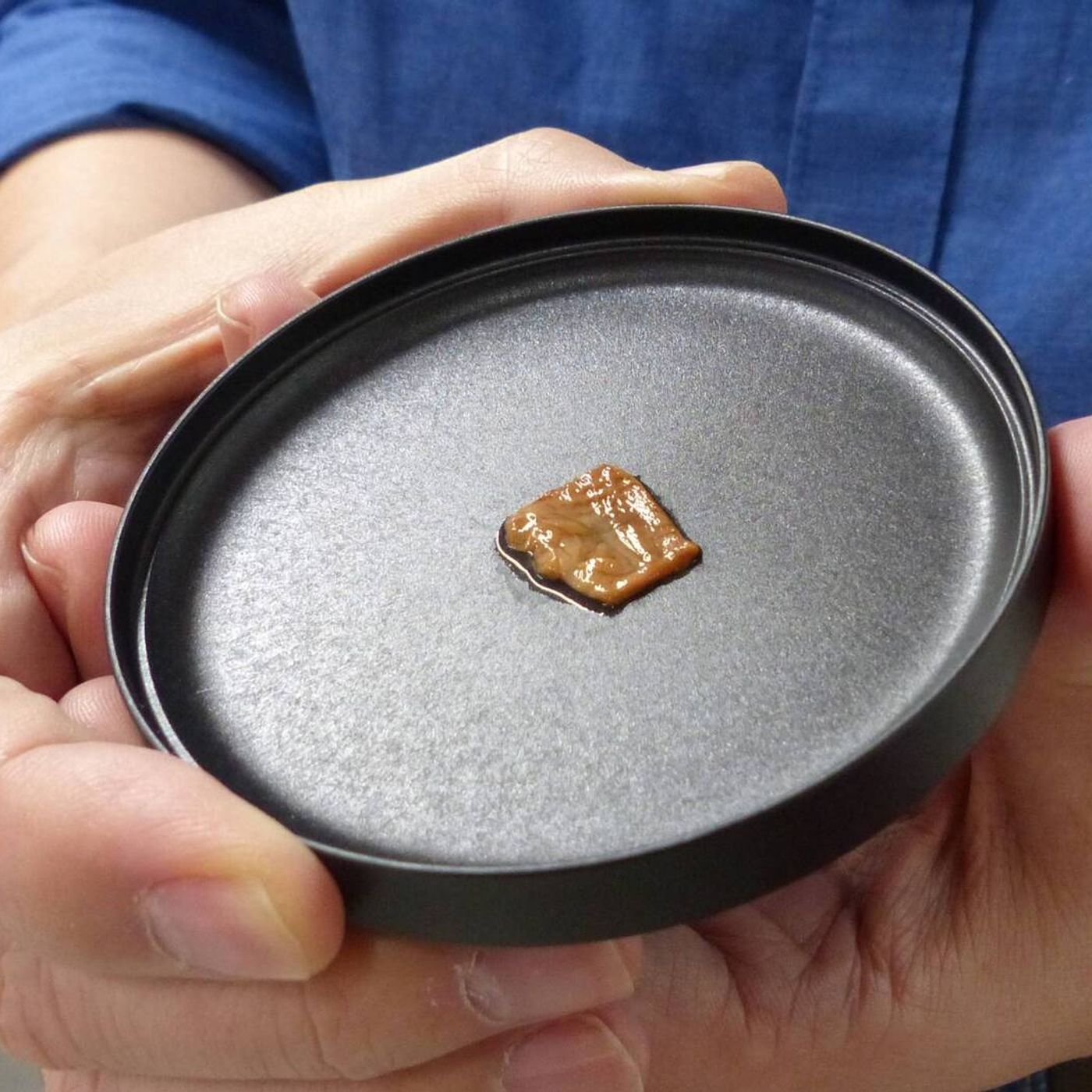
Ep 146146: I can’t believe it’s not meat! Is lab-grown beef on Japanese menus?
The reviews are in, lab-grown meat is … good? This week, Oscar Boyd gives us a review of his cultured chicken meal and runs down the environmental implications of such an endeavor, while Tomoko Otake gets us caught up on where Japan stands in the great race to replicate beef. Hosted by Shaun McKenna and produced by Dave Cortez. On this episode: Tomoko Otake: Articles | Twitter Oscar Boyd: Articles | Twitter Read more/Watch more: Japanese researchers pushes the boundaries of lab-grown “real” meat (Tomoko Otake, The Japan Times) What you need to know about cultivated meat (Coco Liu, Bloomberg) Japanese scientists work up an appetite for lab-grown wagyu beef (Rikako Murayama, Reuters) Get in touch: Send us feedback at [email protected]. 30Support the show by rating, reviewing and sharing the episode with a friend if you’ve enjoyed it. For a transcript of the show, head to japantimes.co.jp. And don’t forget to follow us on Twitter!

Ep 145145: The sword, the shield and the new face of Japan's military
As 2022 wrapped up, the Japanese government let forth a flurry of defense policy announcements. Those were followed by a five-nation tour by Prime Minister Fumio Kishida, and talk of a tax hike to pay for it all. Gabriel Dominguez joins the podcast this week to try to help us make sense of it all. Hosted by Jason Jenkins and produced by Dave Cortez. On this episode: Gabriel Dominguez: Articles | TwitterRead more/Watch more: Kishida and Biden meeting heralds an alliance in lock-step — but challenges remain (Gabriel Dominguez, The Japan Times)Crucial role: Defense of Taiwan hinges on Japan support (Gabriel Dominguez, The Japan Times)Japan and NATO agree to deepen partnership, saying rules-based order ‘at stake’ (Gabriel Dominquez, The Japan Times)Get in touch: Send us feedback at [email protected]. Support the show by rating, reviewing and sharing the episode with a friend if you’ve enjoyed it. For a transcript of the show, head to japantimes.co.jp. And don’t forget to follow us on Twitter!

Ep 144144: Japan on a plate: Our food critic reveals his favorite spots
From noodle stands to Michelin-starred restaurants, Japan has some of the most amazing food in the world. Food writer Robbie Swinnerton has been covering Tokyo’s culinary scene for decades, so for this week’s episode we asked him to pick out a few standout meals from last year. Hosted by Jason Jenkins and produced by Dave Cortez.On this episode:Robbie Swinnerton: Articles | Twitter | InstagramRead more/Watch more: Tokyo Food File (Robbie Swinnerton, The Japan Times)The Japan Times Destination Restaurant Series (Robbie Swinnerton, The Japan Times)When Rene Redzepi brought Noma to Japan (Robbie Swinnerton, The Japan Times)Get in touch: Send us feedback at [email protected]. Support the show by rating, reviewing and sharing the episode with a friend if you’ve enjoyed it. For a transcript of the show, head to japantimes.co.jp. And don’t forget to follow us on Twitter!
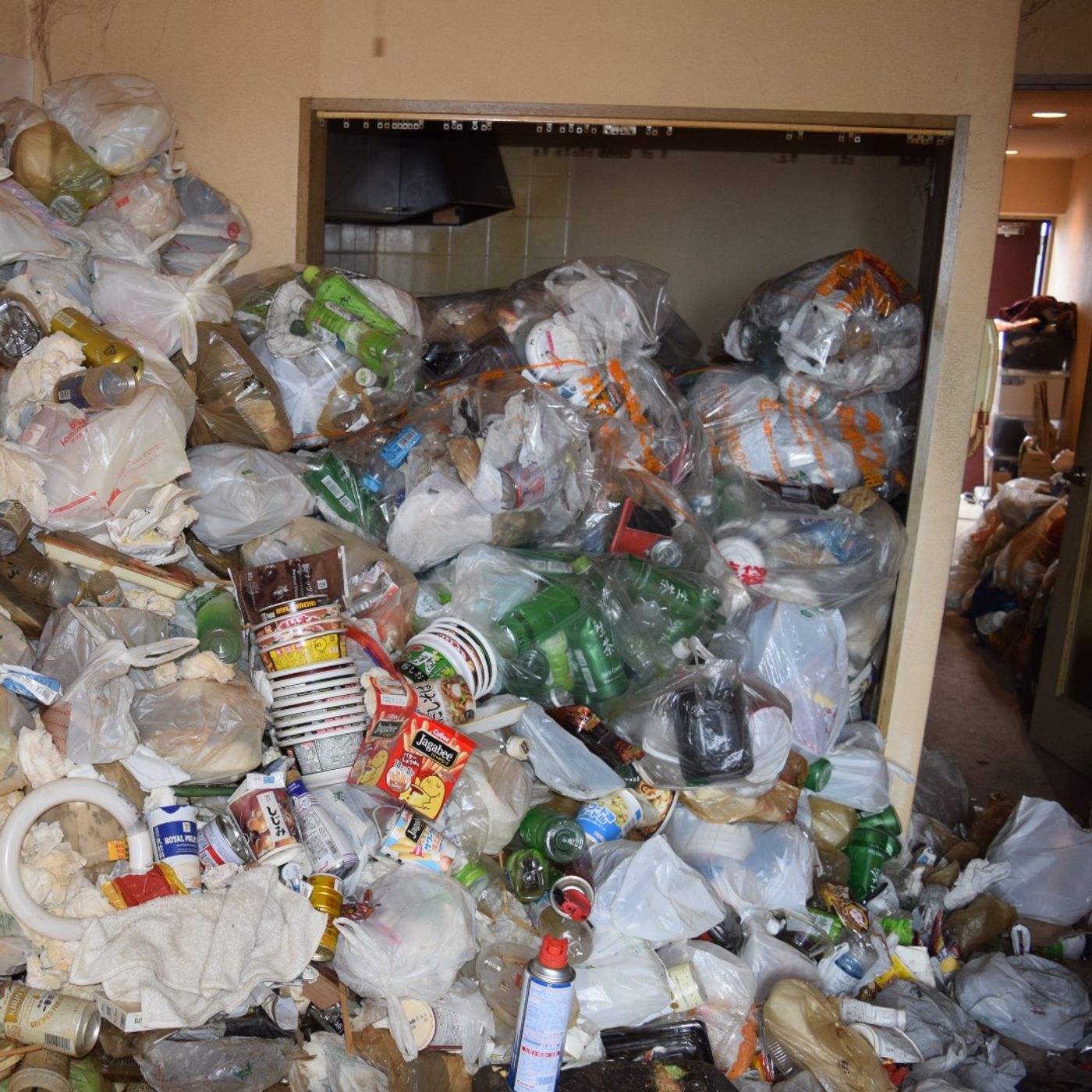
Ep 143143: Clutter, trash and hoarding disorder in Japan
With Marie Kondo and those tidy soccer fans representing Japan overseas, you’d be forgiven for thinking that everything is spick and span at home. This week, Alex K.T. Martin looks at what form compulsive hoarding disorder takes in Japan and how it manifests when combined with other aspects of life here. Hosted by Shaun McKenna and produced by Dave Cortez. On this episode: Alex K.T. Martin: Articles | TwitterRead more/Watch more: Deal with clutter while the choice to toss is still yours (Louise George Kittaka, The Japan Times)In graying Japan, pet hoarding proving to be a pesky problem (Kyodo)RiskBenefitGet in touch: Send us feedback at [email protected]. Support the show by rating, reviewing and sharing the episode with a friend if you’ve enjoyed it. For a transcript of the show, head to japantimes.co.jp. And don’t forget to follow us on Twitter!

Ep 142142: Culture in 2022: Good books, outdoor art and ‘Tokyo Vice’
For the final Deep Dive of the year, culture editor Alyssa I. Smith talks to culture critic Thu-Huong Ha about the books they read, the festivals they went to and how Japanese stories are currently capturing Hollywood’s attention. Hosted by Alyssa I. Smith and produced by Dave Cortez. On this episode: Thu-Huong Ha: Articles | TwitterRead more/Watch more: Art came alive in the great outdoors in 2022 (Thu-Huong Ha, The Japan Times)Junko Takase’s Akutagawa Prize-winning novel is a feminist’s nightmare (Thu-Huong Ha, The Japan Times)Is the new Ghibli Park worth all the hype? (Thu-Huong Ha, The Japan Times)Do you have what it takes to become a novelist? Let Haruki Murakami decide. (Thu-Huong Ha, The Japan Times)Get in touch: Send us feedback at [email protected]. Support the show by rating, reviewing and sharing the episode with a friend if you’ve enjoyed it. For a transcript of the show, head to japantimes.co.jp. And don’t forget to follow us on Twitter! Photo: Looking for some books to read during the year-end holidays? The Japan Times culture section has you covered. | GETTY IMAGES
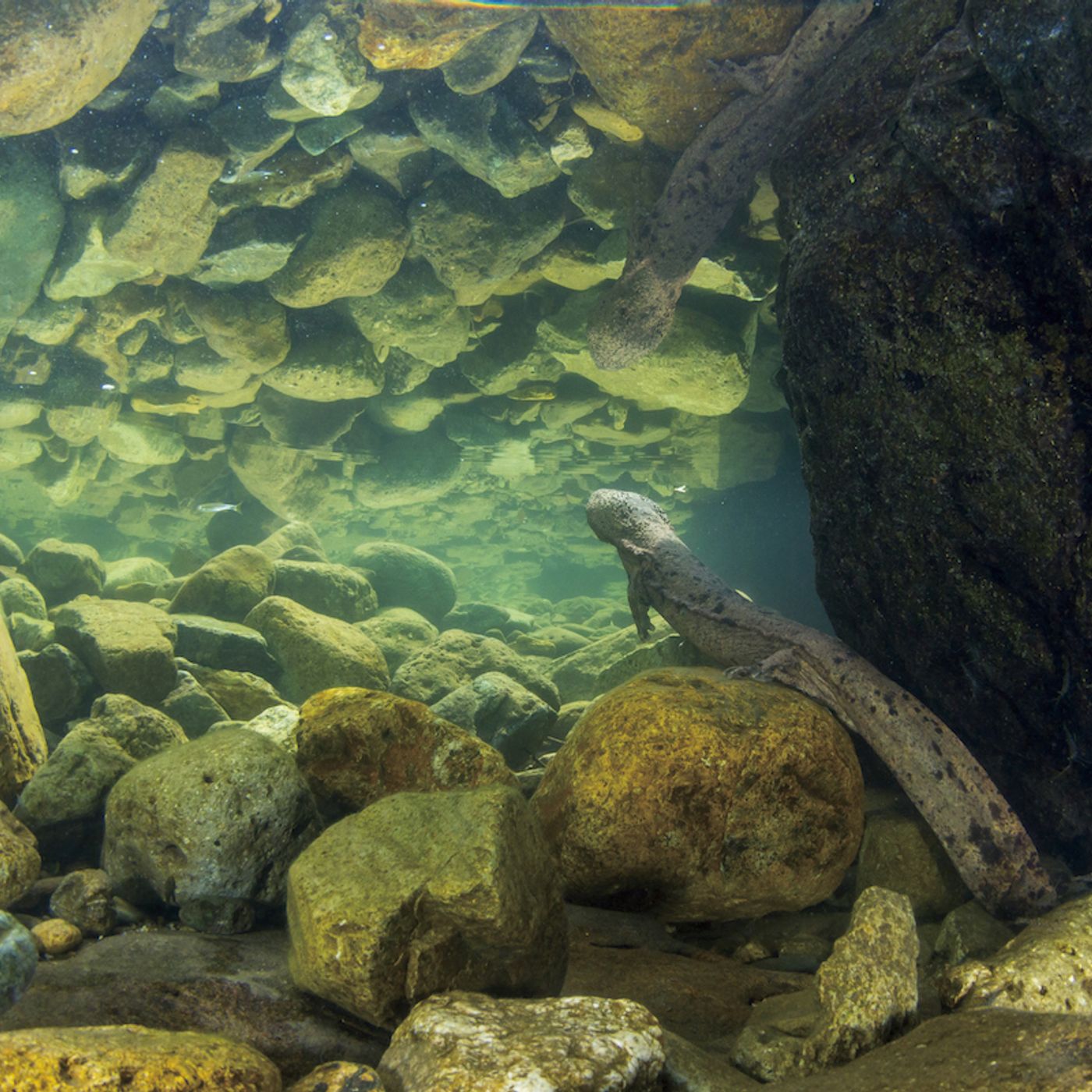
Ep 141141: Is it too late to save the Japanese giant salamander?
With the United Nations Biodiversity Conference taking place in Montreal this week, we thought it would be a good opportunity to look at how Japan is handling issues involving biodiversity here. Environmental journalist Mara Budgen comes on the show to talk about the Japanese giant salamander, which has been designated a "special natural monument" under Japanese law but is still vulnerable to extinction. If you have pitches for our new section Our Planet, feel free to email us at [email protected]. Hosted by Shaun McKenna and produced by Dave Cortez. On this episode: Mara Budgen: Articles | TwitterRead more/Watch more: Battle to stop Kagoshima seawall highlights divide over coastal engineering (Mara Budgen, The Japan Times) Save the Japanese giant salamander campaign (The Japan Channel, YouTube) Sustainable Daisen Get in touch: Send us feedback at [email protected]. Support the show by rating, reviewing and sharing the episode with a friend if you’ve enjoyed it. For a transcript of the show, head to japantimes.co.jp. And don’t forget to follow us on Twitter! Photo: The Japanese giant salamander’s biology has changed little over the past 23 million years, so when you see one it’s like looking at a dinosaur. | TOPOUTIMAGES/ YUKIHIRO FUKUDA
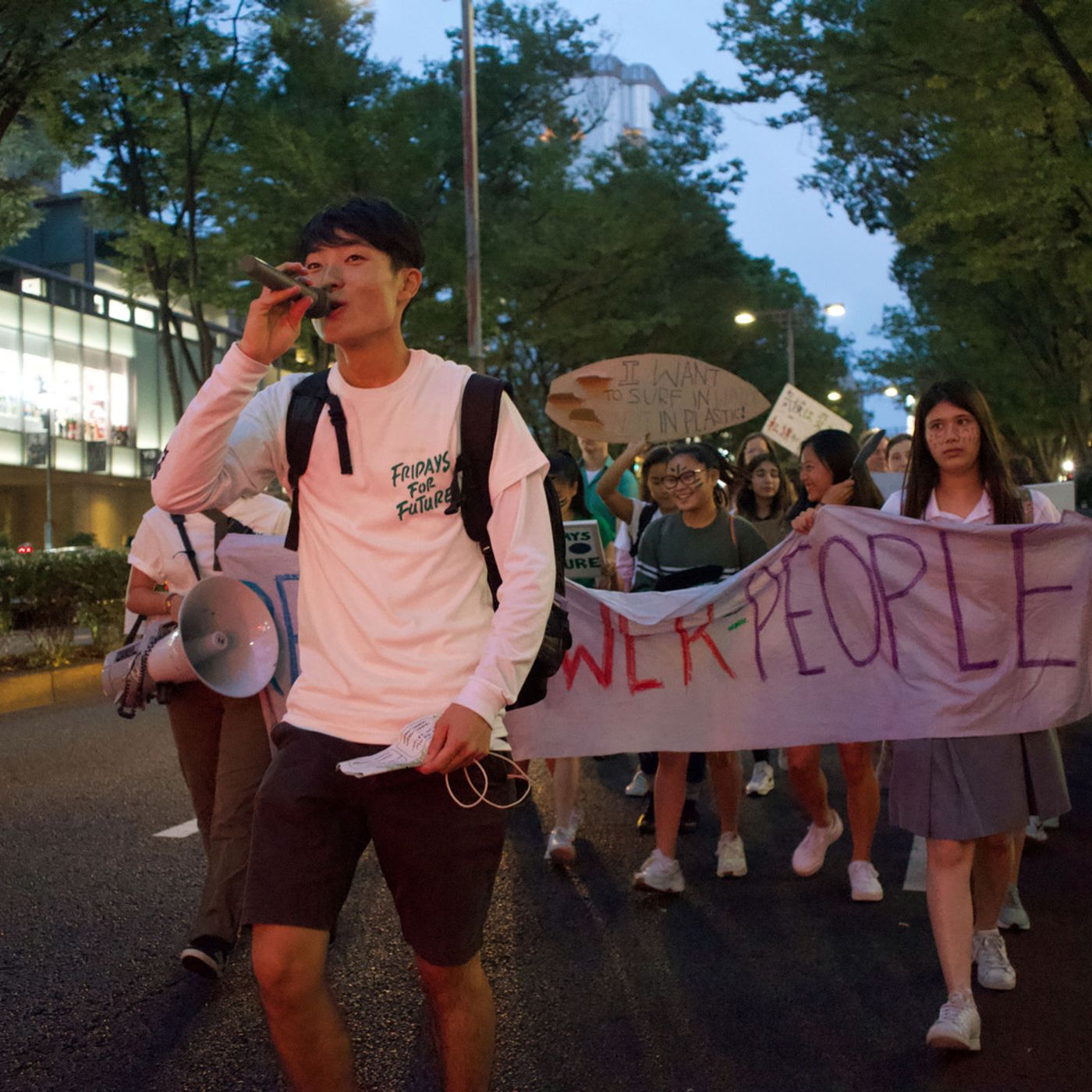
Ep 140140: 25 years on from the protocol’s signing, did we ever 'Kyoto'?
Dec. 11 marked the 25th anniversary of the Kyoto Protocol, a landmark treaty that put the idea of global effort to save the planet on many national radars. To mark the event, The Japan Times has launched a new section, Our Planet, that will look at the climate crisis, Earth science and disaster management from a Japanese perspective. Two of the section’s editors, Joel Tansey and Chris Russell, join me on the show to discuss how the Kyoto Protocol is viewed now and how the city it’s named for has taken to its green mantle. If you have pitches for Our Planet, feel free to email us at [email protected]. Hosted by Shaun McKenna and produced by Dave Cortez. On this episode: Chris Russell: Articles | TwitterJoel Tansey: Articles | TwitterRead more/Watch more: From Kyoto Protocol to ‘fossil’ awards: Japan’s climate image stained by inaction (Joel Tansey, Dan Traylor and Tomoko Otake, The Japan Times)25 years after Kyoto Protocol, U.N. climate process stumbles on (Chris Russell, The Japan Times)“Do You Kyoto?” (City of Kyoto, YouTube)Should I stay or should I go, now? (Linda Gould, The Japan Times)Get in touch: Send us feedback at [email protected]. Support the show by rating, reviewing and sharing the episode with a friend if you’ve enjoyed it. For a transcript of the show, head to japantimes.co.jp, and don’t forget to follow us on Twitter! Photo: Fridays for Future leader Takuro Kajiwara heads a march through Tokyo's Omotesando neighborhood. | OSCAR BOYD

Ep 139139: The Church, the State and Kishida's headache
When former Prime Minister Shinzo Abe was shot earlier this year, the incident shone a spotlight on the links his fellow Liberal Democratic Party members had with the controversial Unification Church. Kanako Takahara joins this week’s Deep Dive to discuss what’s behind a new bill regulating faith-driven donations, investigations into the church and whether these actions will be enough to save Prime Minister Fumio Kishida’s job. Hosted by Shaun McKenna and produced by Dave Cortez. On this episode: Kanako Takahara: Articles | TwitterRead more/Watch more: In Japan, ties between politics and religion run deep (Will Fee, The Japan Times)Faith or manipulation? Debate grows over regulating Unification Church tactics (Tomoko Otake, The Japan Times)Escaping the clutches of a cult (The Foreign Correspondents’ Club of Japan)Get in touch: Send us feedback at [email protected]. Support the show by rating, reviewing and sharing the episode with a friend if you’ve enjoyed it. And don’t forget to follow us on Twitter! For a transcript of the show, head to japantimes.co.jp.Photo: A former follower of the Unification Church who goes by the pseudonym Sayuri Ogawa speaks to reporters at the Foreign Correspondents' Club of Japan. | TOMOKO OTAKE
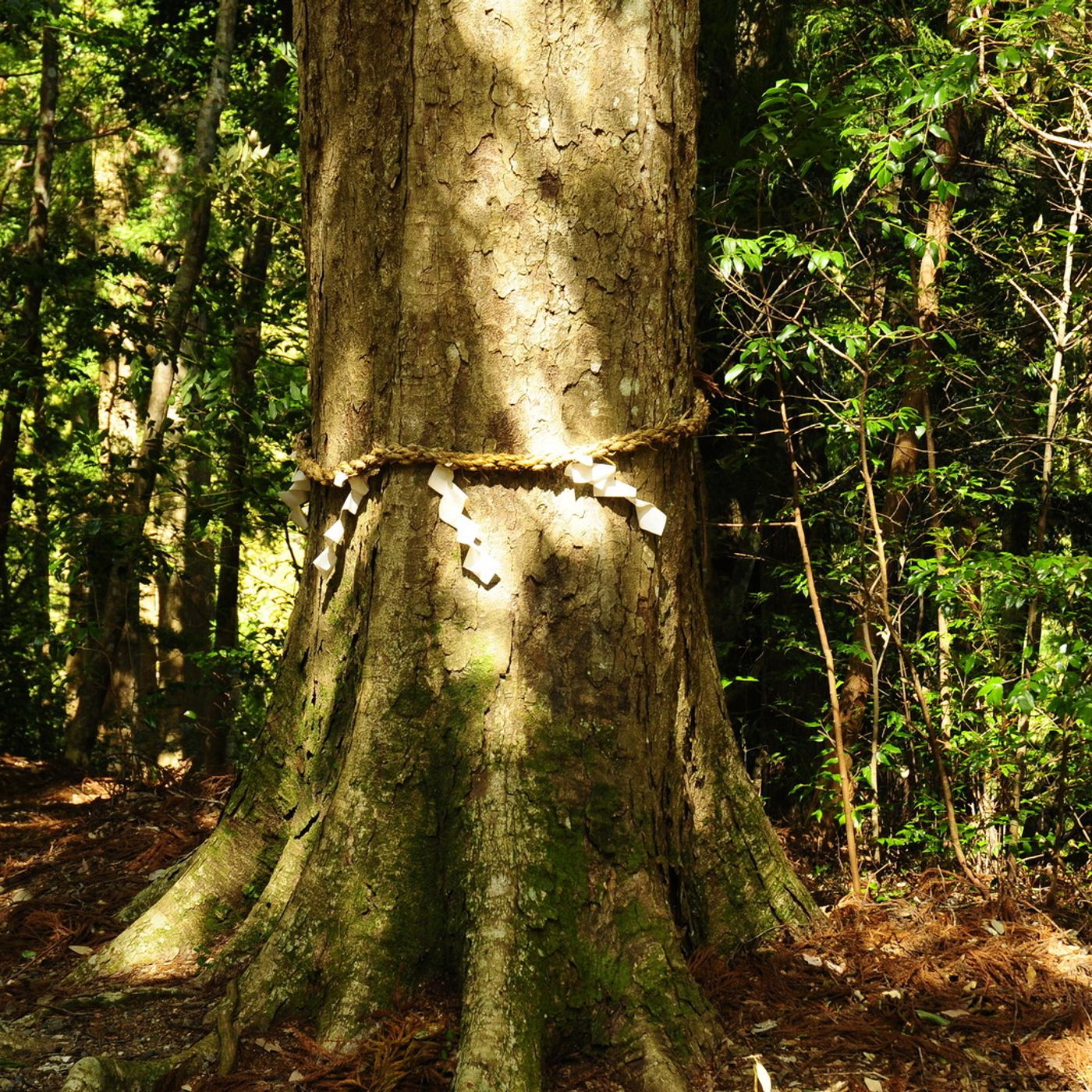
Ep 138138: How making alcohol from trees could give rural Japan a buzz
Could drinking help the environment and rural communities? You might be surprised. Researchers in Japan have figured out how to make drinkable alcohol from wood, and the knock-on effects are much bigger than a hangover. This week, Alex K.T. Martin joins us to talk about the science — and sustainable process — behind the process that may bring cedar, oak and sakura to your next cocktail session. Hosted by Jason Jenkins and produced by Dave Cortez. On this episode: Alex K.T. Martin: Articles | TwitterRead more: Wood spirits: How Japan made the world’s first liquor from trees (Alex K.T. Martin, The Japan Times)Get in touch: Send us feedback at [email protected]. Support the show by rating, reviewing and sharing the episode with a friend if you’ve enjoyed it. And don’t forget to follow us on Twitter! For a transcript of the show, head to japantimes.co.jp.Photo: The huge trees that dot the Japanese countryside may be where you get your next cocktail. | JASON JENKINS

Ep 137137: Is Japan the model for Elon Musk’s Twitter?
As news about Elon Musk’s purchase of Twitter continues to emerge, we’ll talk to Elizabeth Beattie about how the social media platform’s Japan team has been affected. Are you thinking of jumping the Twitter ship? Well, tech reporter Daisuke Kikuchi later joins us to discuss what social media services are doing well in Japan before recapping some of the year’s big tech and tech-related stories. Hosted by Shaun McKenna and produced by Dave Cortez. On this episode: Elizabeth Beattie: Articles | TwitterDaisuke Kikuchi: Articles | TwitterRead more: Following mass Twitter Japan firings, some call for legal action (Elizabeth Beattie, The Japan Times)Elon Musk says Twitter is done with layoffs and ready to hire again (Alex Heath, The Verge)The Zenly implosion: Inside 6 months of tension, culture clash, and conflict (Andrew Deck, Rest of World)AI-generated art sparks furious backlash from Japan’s anime community (Andrew Deck, Rest of World) Get in touch: Send us feedback at [email protected]. Support the show by rating, reviewing and sharing the episode with a friend if you’ve enjoyed it. And don’t forget to follow us on Twitter! For a transcript of the show, head to japantimes.co.jp.Photo: Elon Musk’s Twitter profile is seen on a smartphone placed against printed Twitter logos. | REUTERS

Ep 136136: Samurai Blues: The J. League, the World Cup and Japan’s place in global soccer
The Samurai Blue are headed for Qatar to play in this year’s World Cup. This year also marks 20 years since Japan co-hosted the event with South Korea and a lot has happened in this country’s soccer scene since then. Sports writer Dan Orlowitz joins the show to catch us up on where Japan stands in the global soccer landscape, the controversies swirling around the host nation of Qatar, and how fandoms here interact with “the beautiful game.” Read More: Hajime Moriyasu announces Japan squad for World Cup (Dan Orlowitz, The Japan Times) All Japan Times 2022 FIFA World Cup coverage On this episode: Dan Orlowitz: Articles | Twitter Jason Jenkins: Articles | Twitter Transcript: We have recently begun experimenting with transcripts for episodes of Deep Dive. A full transcript of this episode is available on The Japan Times website. Find transcripts useful? Tips for improvement? Contact us to let us know. Announcements: Get in touch with Jason and the show at [email protected]. If you like what you’ve heard, then please support the show by rating, reviewing and sharing this episode with someone you know. Follow us on Twitter! Photo: Japanese fans sing the national anthem before the start of a World Cup soccer match against Ivory Coast in 2014. | REUTERS/STEFANO RELLANDINI

Ep 135135: ‘High waves and dangerous storms’: How China’s moves are affecting Japan
Despite a recent spate of North Korean missile tests, Japan’s larger concerns have mainly focused on activities taking place to the south of the country — specifically, those involving China and Taiwan. This week on Deep Dive from The Japan Times we speak with senior staff writer Jesse Johnson about Japan’s new alliance with Australia, the recent increase in defense spending and, of course, North Korea. Afterward, staff writer Gabriel Dominguez discusses in more detail the recent Communist Party congress and how it is likely to affect Asia as a whole. Read More:Spate of launches raises prospect of North Korean missile with multiple nuclear warheads (Jesse Johnson, The Japan Times)Taiwan and looming security crises bring Japan and Australia closer together (Jesse Johnson, The Japan Times)More ‘red,’ more capable and focused on Taiwan: Xi cements his grip on PLA (Gabriel Dominguez, The Japan Times)Concerns over China bringing Japan and Australia’s relations ever closer (Gabriel Dominguez, The Japan Times)What would be the signs China is preparing to invade Taiwan? (Gabriel Dominguez, The Japan Times)On this episode: Jesse Johnson: Articles | TwitterGabriel Dominguez: Articles | TwitterShaun McKenna: Articles | Twitter | InstagramAnnouncements: Get in touch with Shaun and the show at [email protected]. If you like what you’ve heard, then please support the show by rating, reviewing and sharing this episode with someone you know. Follow us on Twitter!Photo: In his congress address, Chinese President Xi Jinping warned China to be prepared for “strong waters, high waves and dangerous storms.” Japanese Defense Minister Yasukazu Hamada said something similar in an interview this summer. | GETTY IMAGES

Ep 134134: Hey Japan, are you happy?
If you’ve ever had to endure a Tokyo commute at rush hour, you may not get the sense that the Japanese are very happy. However, Japan Times senior staff writer Alex K.T. Martin has been keeping track of the mood of the nation, and he thinks the country could be a lot happier than we are usually led to believe. On this week’s Deep Dive he talks about his visit in the summer to Japan’s “happiest town,” and why exercise and a strong sense of community may have them living an extra 10 years healthier. Read More: Inside Japan’s happiest town (Alex K.T. Martin, The Japan Times) Is Japan happy? (Alex K.T. Martin, The Japan Times) Kodoku: The fine line between solitude and loneliness in Japan (Alex K.T. Martin, The Japan Times) On this episode: Alex K.T. Martin: Articles | TwitterShaun McKenna: Articles | TwitterTranscript: We have recently begun experimenting with transcripts for episodes of Deep Dive. A full transcript of this episode is available on The Japan Times website. Find transcripts useful? Tips for improvement? Contact us to let us know.Announcements: Get in touch with Oscar and the show at [email protected]. Support the show. Rate, review and share this episode with a friend if you've enjoyed it. Follow us on Twitter, and give us feedback.This episode of Deep Dive may be supported by advertising based on your location. Advertising is sourced by Audioboom and is not affiliated with The Japan Times.Photo: Is Japan happy? Western surveys say not really, but is that because the definition of happiness is different here? | GETTY IMAGES

Ep 133133: Japanese pop culture in China: It's complicated.
Despite having played a major role entertaining Chinese citizens following the Cultural Revolution, Japanese musicians are finding it increasingly difficult to grab a toehold in the region thanks to government censors and somewhat militant netizens. This week, Japan Times contributing writer Patrick St. Michel joins the podcast to discuss notable moments in the two countries’ cultural exchanges, the intricacies of doing business in China and why Japanese music is having as tough of a time in the broader international market.Read more: Big in China, but can the party last for Japan’s artists? (Patrick St. Michel, The Japan Times) China’s box office becomes a giant headache for Hollywood (Shirley Zhao and Christopher Palmeri, Bloomberg) How TikTok resurrected a Japanese pop star’s defining hit (Patrick St. Michel, The Japan Times) On this episode:Patrick St. Michel: Articles | TwitterJason Jenkins: Articles | TwitterTranscript: We have recently begun experimenting with transcripts for episodes of Deep Dive. A full transcript of this episode is available on The Japan Times website. Find transcripts useful? Tips for improvement? Contact us to let us know.Announcements: Get in touch with the Deep Dive team at [email protected]. If you like what you’ve heard, then please support the show by rating, reviewing and sharing this episode with someone you know. Follow us on Twitter!Photo: Eclectic Japanese rock band Chai has made some inroads into China's lucrative entertainment industry. | TERAO BUDHA

Ep 132132: Japan reopens its borders. Are tourists ready to return?
Not since 1853, when U.S. Commodore Matthew Perry forced Japan to open its borders to trade, has a reopening been so newsworthy. This time, instead of Black Ships, the country faced a trickle of tourists looking to hit up Kyoto and indulge in their pop culture obsessions. Ahead of the reopening on Oct. 11, the Japanese people asked themselves what to do if the new arrivals didn’t wear masks, would this event precede a new wave of COVID-19, and will long-dormant sectors of the economy finally get a boost? Kanako Takahara joins us on this episode to explain the new guidelines for coming to Japan, and Will Fee talks about what he saw at Haneda Airport on opening day and what the legacy of the closed-border policy might be for foreign residents.Read more:Why Japan has been taking incremental steps to open its borders (Kanako Takahara, The Japan Times)Confusing mix of policies sours start of domestic travel discount campaign (Kanako Takahara)Even as Japan’s border creaks open, unmarried couples still struggle to reunite (Will Fee and Kanako Takahara, The Japan Times)What to expect as Japan opens back up to the world (Will Fee, The Japan Times)Japan’s eagerly anticipated reopening gets off to a slow start (Will Fee, The Japan Times)‘Undesirable consequences’ may await Japan’s well-meaning tourists (Owen Zeigler, The Japan Times)Japan has reopened. Instagrammers of the world, rejoice! (Spencer Cohen, The Japan Times)On this episode: Kanako Takahara: Articles | Twitter Will Fee: Articles | TwitterShaun McKenna: Articles | TwitterTranscript:We have recently begun experimenting with transcripts for episodes of Deep Dive. A full transcript of this episode is available on The Japan Times website. Find transcripts useful? Tips for improvement? Contact us to let us know.Announcements:Get in touch with the Deep Dive team at [email protected]. Support the show. Rate, review and share this episode with a friend if you’ve enjoyed it. Follow us on Twitter, and give us feedback.This episode of Deep Dive may be supported by advertising based on your location. Advertising is sourced by Audioboom and is not affiliated with The Japan Times.Photo: Tokyo's Harajuku neighborhood saw the return of tourists from last week after a significant easing of border controls that had been in place to protect against COVID-19. | Kyodo

Ep 131131: It's Shotime!: Shohei Ohtani and the future of baseball
Sports writers often dabble in hyperbole when describing athletes at the top of their game, but when it comes to Shohei Ohtani, the player they call “Shotime,” phrases like “once in a generation” and “the best baseball player ever” are written in earnest. Why all the hype? Because almost nobody has come close to achieving what he has since the 1920s. This week on Deep Dive, Jason Coskrey and Dave Cortez speak with host Jason Jenkins about what makes Ohtani both an exceptional athlete and likable person, and they discuss what his success could mean for the game of baseball as a whole.Read/ see more: Jason Coskrey's baseball column for The Japan Times 10 Things Shohei Ohtani Can't Live Without (GQ Sports) On this episode:Jason Coskrey: Articles | TwitterDave Cortez: Articles | TwitterJason Jenkins: Articles | TwitterTranscript:We have recently begun experimenting with transcripts for episodes of Deep Dive. A full transcript of this episode is available on The Japan Times website. Find transcripts useful? Tips for improvement? Contact us to let us know.Announcements:Get in touch with the Deep Dive team at [email protected]. Support the show. Rate, review and share this episode with a friend if you’ve enjoyed it. Follow us on Twitter, and give us feedback.This episode of Deep Dive may be supported by advertising based on your location. Advertising is sourced by Audioboom and is not affiliated with The Japan Times.Photo: Los Angeles Angels starting pitcher Shohei Ohtani throws to the plate in the fourth inning against the Oakland Athletics at Angel Stadium last month. | JAYNE KAMIN-ONCEA USA TODAY SPORTS / VIA REUTERS
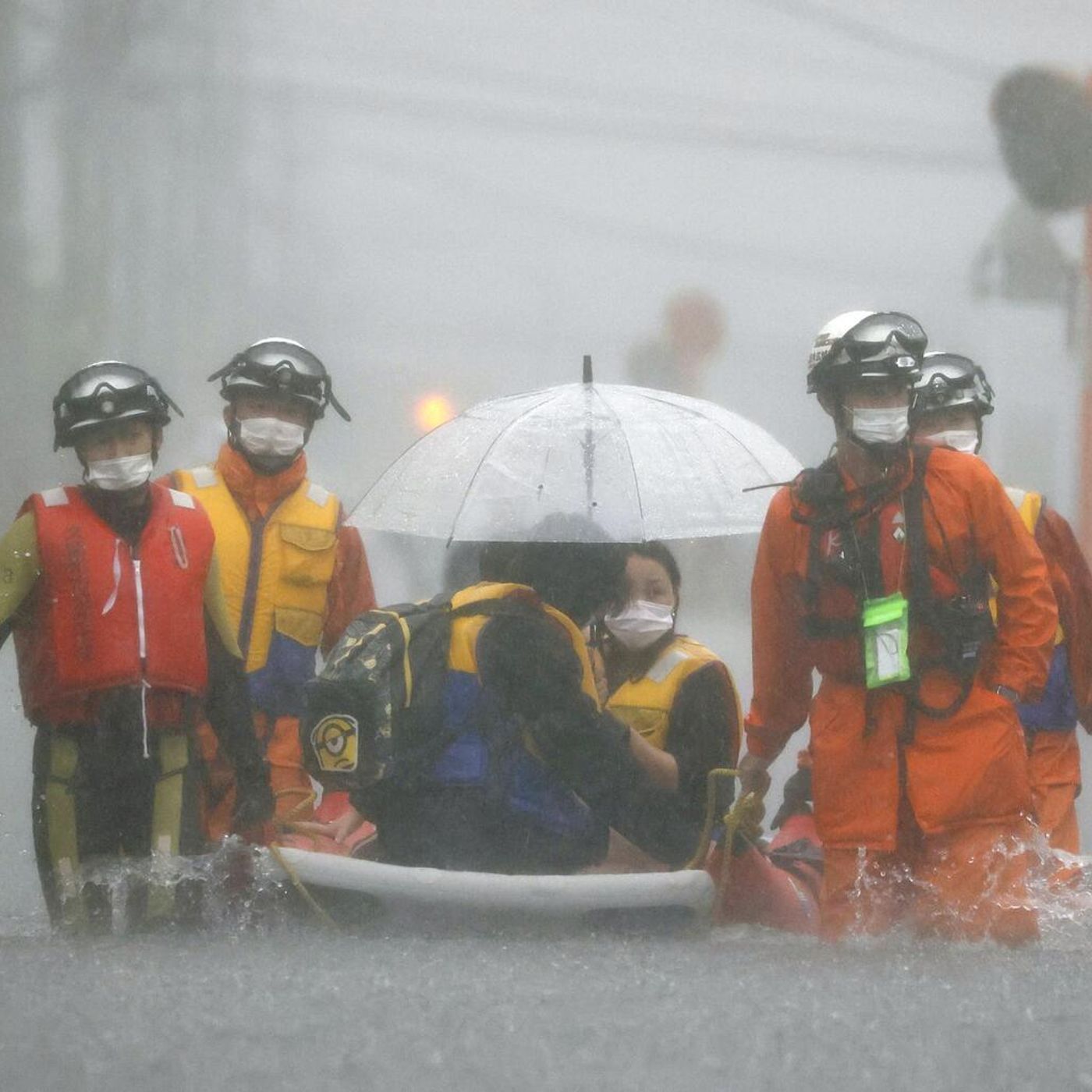
Ep 130130: Deep Dive is back! And the climate crisis is still a problem.
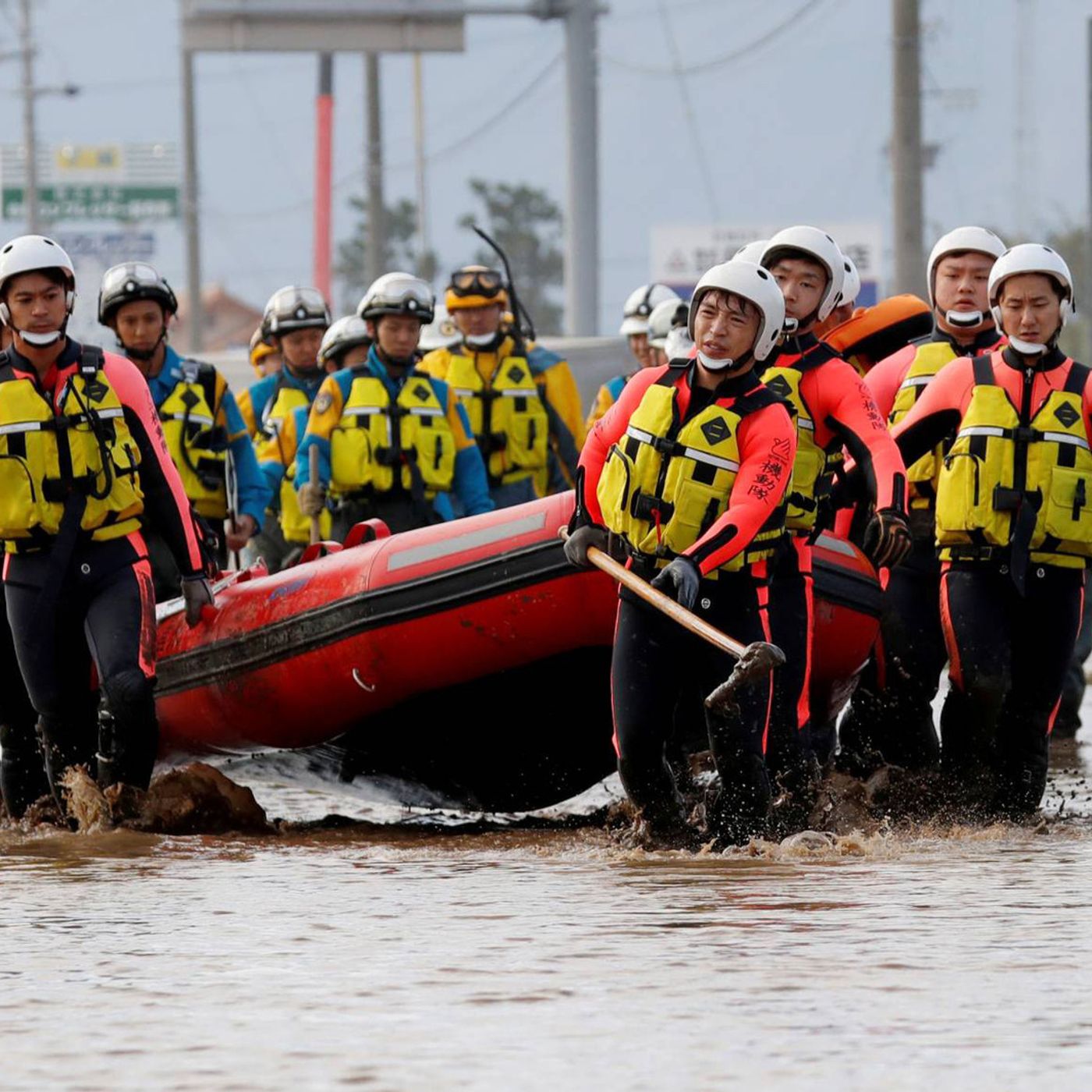
Our minds have been largely preoccupied with the COVID-19 pandemic the past couple of years, but that doesn’t mean the threats caused by the climate crisis have gone away. Still, sometimes it feels like environmental issues don’t loom as large in Japan as they do in other countries. Two of our guests on this episode of Deep Dive, Hanae Takahashi and Eric Margolis, currently cover climate issues for The Japan Times. They have spoken to Japan-based environmentalists about how the media in this country could do a better job at informing the Japanese public on these issues, so they can make better decisions when voting. First, however, we are joined by former Deep Dive host and climate journalist Oscar Boyd who takes part in a conversation on the larger picture when it comes to the environment and how we can better equip ourselves with knowledge when it comes to this rather overwhelming issue. Read/ hear more: Bloomberg Green’s “Zero” podcast Yuka Natori: Starting a climate initiative in your own community would be great (Hanae Takahashi, The Japan Times) The true cost of the climate crisis on Japan (Eric Margolis, The Japan Times) What can we do to fight the climate crisis from Japan? (Eric Margolis, The Japan Times) How can you fight climate change in Japan? Learn how to talk about it. (Eric Margolis, The Japan Times) On this episode:Oscar Boyd: Articles | Twitter Hanae Takahashi: Articles | TwitterEric Margolis: Articles | Twitter Shaun McKenna: Articles | Twitter Transcript:We have recently begun experimenting with transcripts for episodes of Deep Dive. A full transcript of this episode is available on The Japan Times website. Find transcripts useful? Tips for improvement? Contact us to let us know.Announcements:Get in touch with the Deep Dive team at [email protected]. Support the show. Rate, review and share this episode with a friend if you’ve enjoyed it. Follow us on Twitter, and give us feedback.This episode of Deep Dive may be supported by advertising based on your location. Advertising is sourced by Audioboom and is not affiliated with The Japan Times.Photo: Firefighters rescue people with a raft in a flooded area of Kurume, Fukuoka Pref., following torrential rain last summer. | Kyodo
Ep 129129: Deep Dive is on a break
The podcast is on hiatus for the next few months.For all the latest news from Japan, please subscribe to The Japan Times and help support its journalism.Thank you to all our listeners, guests and supporters of the show. ポッド疲れ様
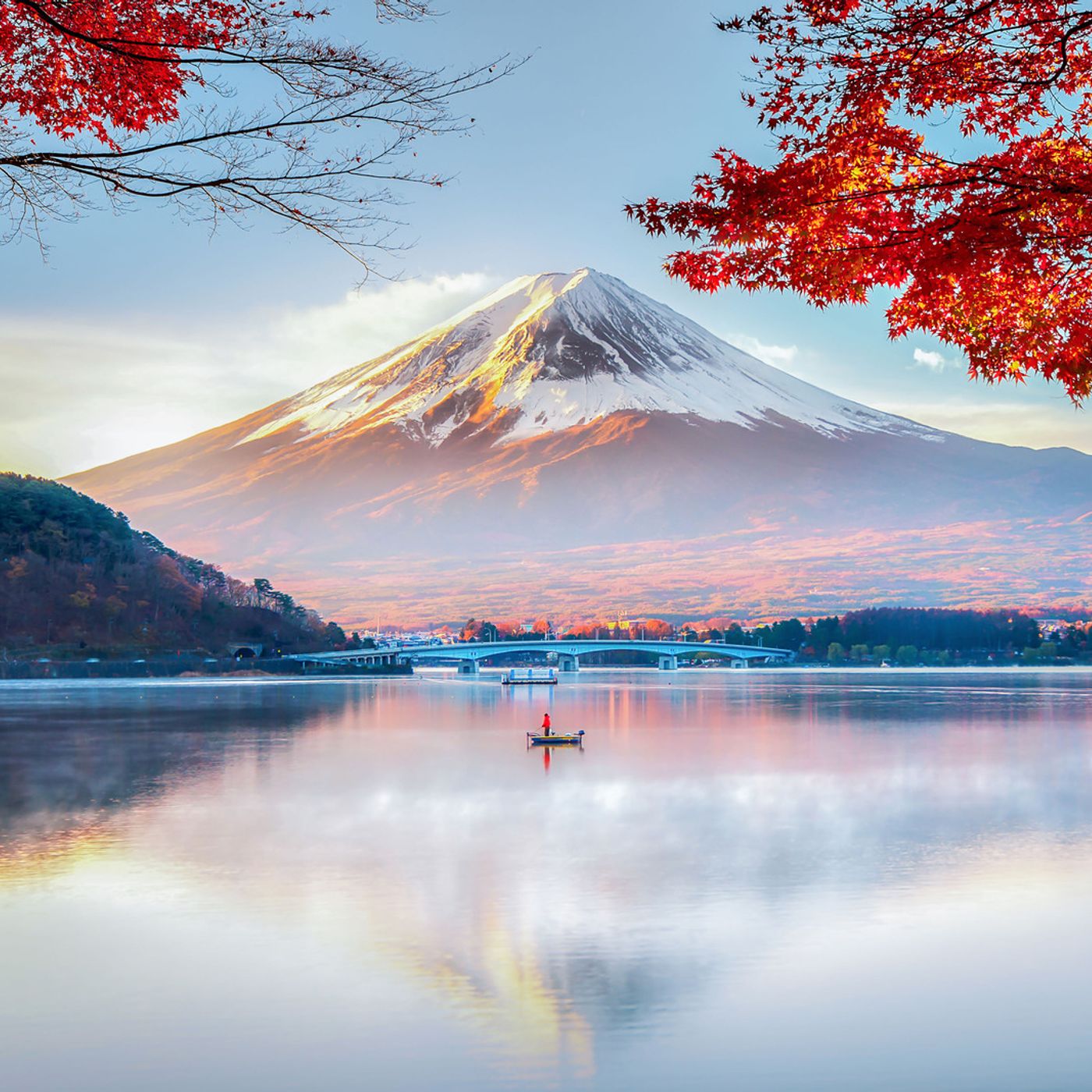
Ep 128128: When will Japan open to tourists? w/ Kanako Takahara
Over the past few months, Japan has been slowly easing its COVID-19 related border restrictions. In March, after almost two years, it started allowing in students, academics and business people. Then in April, parents and immediate relatives of foreign residents were allowed to enter the country. But the borders are still closed to tourists, a broad category of people that includes everyone from leisure travelers to the unmarried partners of residents of Japan. This week on Deep Dive, Kanako Takahara joins to discuss when Japan might reopen to international tourism, and what form that reopening might take. Read more: The ¥22 trillion question: When will Japan reopen to foreign tourists? (Kanako Takahara, The Japan Times) Japan plans to double entry cap to allow 20,000 daily arrivals starting in June Japan should end cap on overseas visitors, senior LDP lawmaker says On this episode:Kanako Takahara: Articles | TwitterOscar Boyd: Twitter | Articles | Instagram TranscriptWe have recently begun experimenting with transcripts for episodes of Deep Dive. A full transcript of this episode is available on The Japan Times website. Find transcripts useful? Tips for improvement? Contact us to let us know.Announcements:Get in touch with Oscar and the show at [email protected]. Support the show. Rate, review and share this episode with a friend if you've enjoyed it. Follow us on Twitter, and give us feedback.This episode of Deep Dive may be supported by advertising based on your location. Advertising is sourced by Audioboom and is not affiliated with The Japan Times.Photo: Mount Fuji, one of Japan's most popular tourist attractions, in fall. | Getty Images
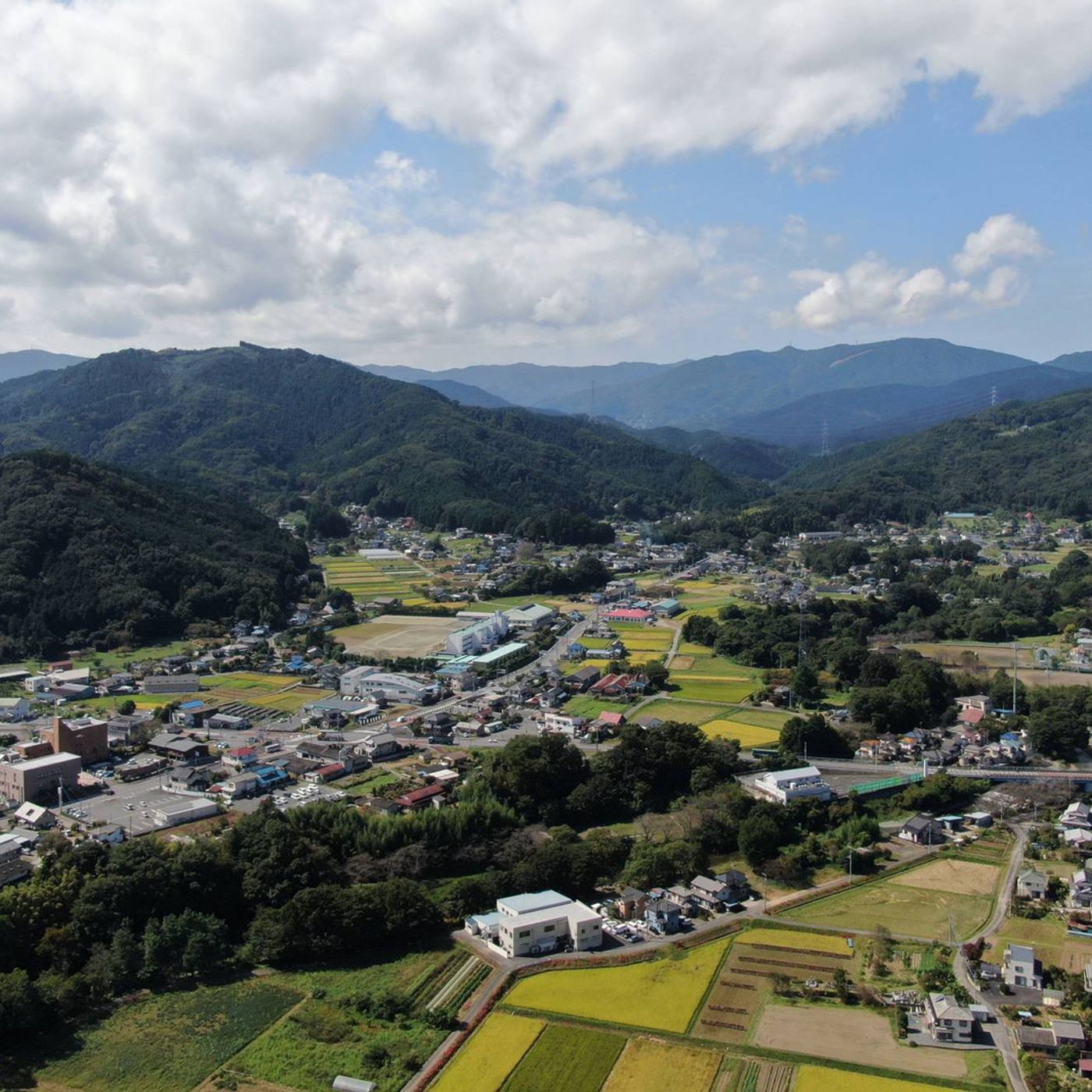
Ep 127127: Japan is losing people, but is it all bad? w/ Alex Martin
Since 2008, Japan’s population has been falling, and each year the amount it falls by grows larger and larger. In 2008, the country lost around 20,000 people. In 2010, 100,000, and by 2019, the figure stood at over half a million. The most recent data, released earlier this month, shows that in 2021, Japan lost more than 640,000 people. This week on Deep Dive Japan Times staff writer Alex Martin joins to discuss Japan’s declining population, and why one town in Saitama thinks it’s not all bad news. Read more: For some shrinking towns in Japan, depopulation isn't all bad news Japan's population plummeted by 640,000 in 2021 for biggest drop on record Japan, in need of more babies, is helping pay for costly IVF What is Golden Week and why does it matter? Archival clip from Tokyo Today 1948 On this episode:Alex K.T. Martin: Articles | Twitter Oscar Boyd: Twitter | Articles | Instagram Transcript:We now have transcripts for episodes of Deep Dive. A full transcript of this episode is available on The Japan Times website. Find transcripts useful? Tips for improvement? Contact us to let us know.Announcements:Get in touch with Oscar and the show at [email protected]. Support the show. Rate, review and share this episode with a friend if you've enjoyed it. Follow us on Twitter, and give us feedback.This episode of Deep Dive may be supported by advertising based on your location. Advertising is sourced by Audioboom and is not affiliated with The Japan Times.Photo: Nestled along its namesake river and set against lush forests and mountains, the town of Tokigawa, is fighting against its declining population. | COURTESY OF TOKIGAWA TOWN
Ep 126126: Why the yen has fallen to a 20-year low w/ Yuko Takeo
Since the beginning of March, the value of the yen has plummeted against the dollar, the euro and the British pound. Bloomberg economy reporter Yuko Takeo joins Deep Dive to explain why. Read more: Yen falls to ¥129 against U.S. dollar, refreshing a 20-year low Amid deepening yen weakness, a mixed blessing sours for Japan Japan’s trade shifts mean a weak yen is likely here to stay Bank of Japan poised to predict strongest inflation in 30 years On this episode:Yuko Takeo: Twitter | ArticlesOscar Boyd: Twitter | Articles | Instagram Transcript:We now have transcripts for episodes of Deep Dive. A full transcript of this episode is available on The Japan Times website. Find transcripts useful? Tips for improvement? Contact us to let us know.Announcements:Get in touch with Oscar and the show at [email protected]. Support the show. Rate, review and share this episode with a friend if you've enjoyed it. Follow us on Twitter, and give us feedback.This episode of Deep Dive may be supported by advertising based on your location. Advertising is sourced by Audioboom and is not affiliated with The Japan Times.Photo: The yen's value has plummeted against the dollar over the past few weeks. | Getty Images
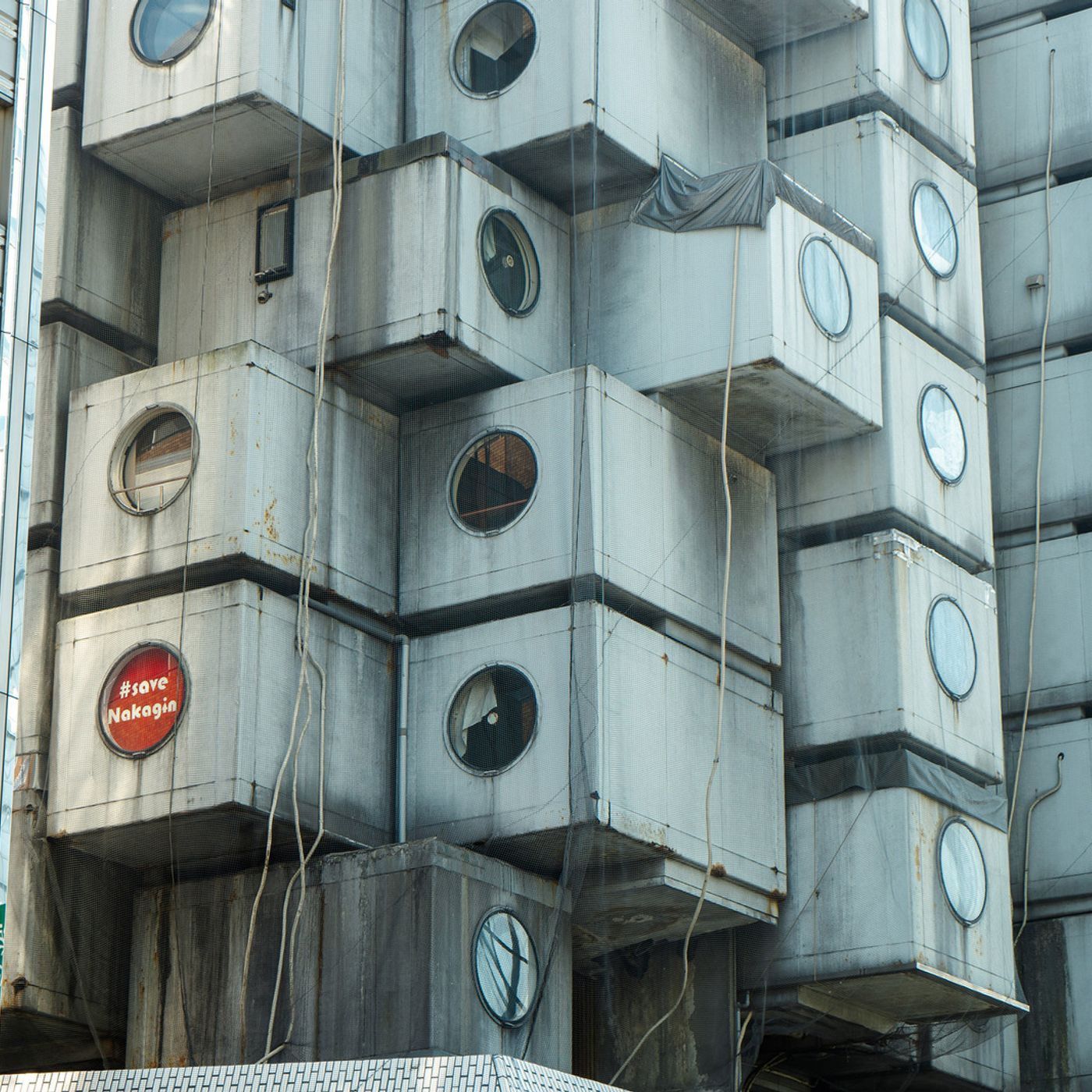
Ep 125125: Nakagin, Nakagone: Demolishing an architectural dream w/ Chris Russell
Demolition of the Nakagin Capsule Tower — an iconic representation of Japan’s metabolist architectural movement — officially kicked off on Tuesday, with fans of the building showing up to take a last glimpse before it is torn down. On this week's Deep Dive, Japan Times editor Chris Russell joins to discuss the story of Nakagin and why he thinks it has captivated so many people over the years.Read more: Demolition of Tokyo’s iconic Nakagin Capsule Tower officially begins Nakagin Capsule Tower: Saving an urban dream from the ravages of time Tokyo’s Tearing Down an Iconic Building. That’s a Good Thing. On this episode:Chris Russell: Twitter | ArticlesOscar Boyd: Twitter | Articles | Instagram Transcript:We have recently begun experimenting with transcripts for episodes of Deep Dive. A full transcript of this episode is available on The Japan Times website. Find transcripts useful? Tips for improvement? Contact us to let us know.Announcements:Get in touch with Oscar and the show at [email protected]. Support the show. Rate, review and share this episode with a friend if you've enjoyed it. Follow us on Twitter, and give us feedback.This episode of Deep Dive may be supported by advertising based on your location. Advertising is sourced by Audioboom and is not affiliated with The Japan Times.Photo: Nakagin Capsule Tower on April 12, 2022, the first day of its scheduled demolition. | Oscar Boyd
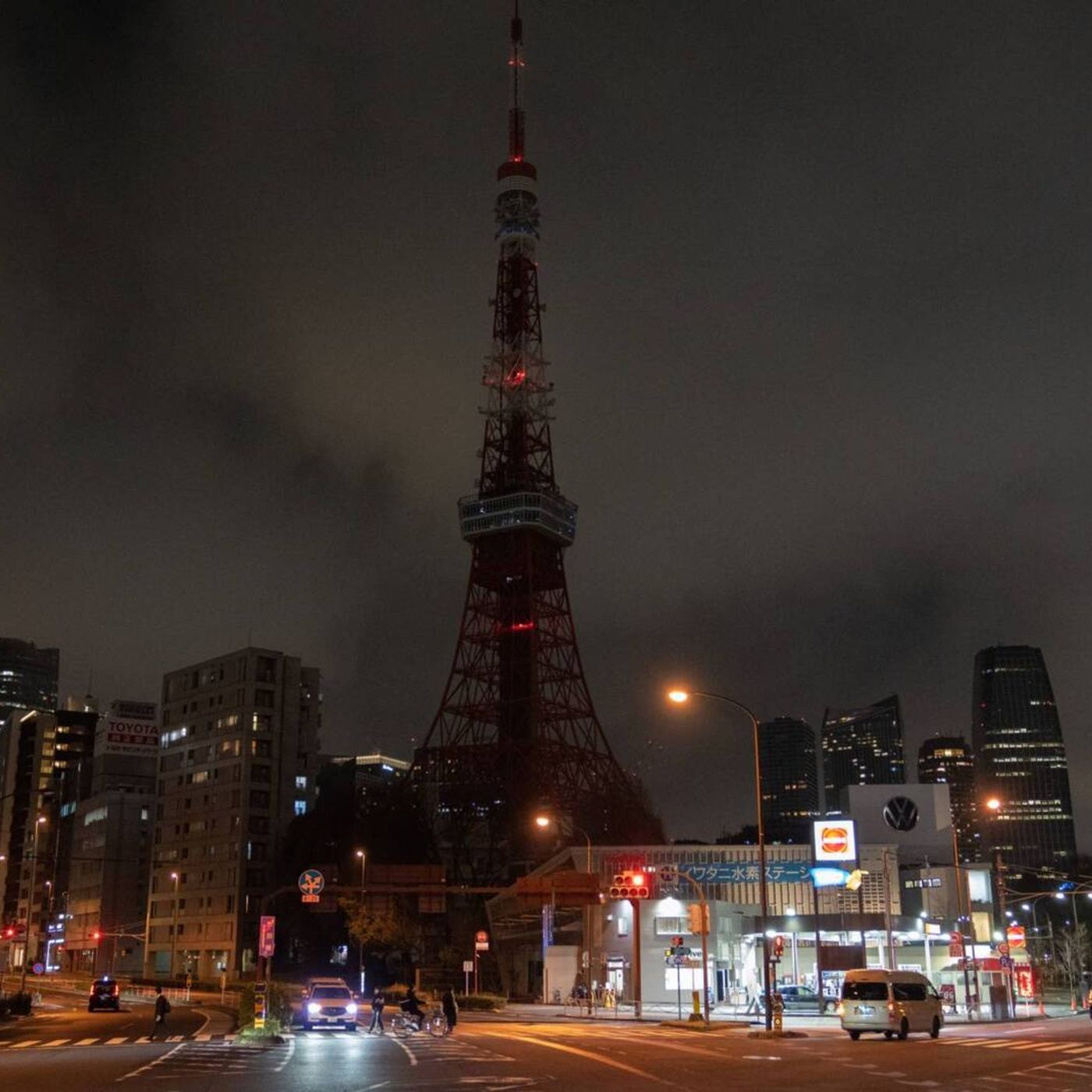
Ep 124124: Tokyo's energy crisis — a decade in the making w/ Shoko Oda
Two weeks ago, Japan's government issued its first ever electricity supply warning for Tokyo and its surrounding prefectures, calling on citizens to conserve power to avoid blackouts. Bloomberg energy reporter Shoko Oda joins Deep Dive to explain why that crisis was a decade in the making. Read more: Japan’s power crisis was a decade in making and won’t go away Japanese turn down heat and lights to avoid power cut after quake The future of energy will require citizens to make sacrifices. Just ask Tokyo residents. Japan’s energy buyers warn that the weak yen threatens their business On this episode:Shoko Oda: Twitter | ArticlesOscar Boyd: Twitter | Articles | Instagram Sponsor: Today’s episode is sponsored by RGF Professional Recruitment Japan, the bilingual arm of Recruit, Japan and Asia's largest recruiting and information service company. Visit RGF Professional Recruitment Japan to register your resume and unleash your potential today.Transcript:We have recently begun experimenting with transcripts for episodes of Deep Dive. A full transcript of this episode is available on The Japan Times website. Find transcripts useful? Tips for improvement? Contact us to let us know.Announcements:Get in touch with Oscar and the show at [email protected]. Support the show. Rate, review and share this episode with a friend if you've enjoyed it. Follow us on Twitter, and give us feedback.This episode of Deep Dive may be supported by advertising based on your location. Advertising is sourced by Audioboom and is not affiliated with The Japan Times.Photo: Tokyo Tower turned off its lights on Tuesday, March 22, after the government requested the Tokyo area conserve energy. | BLOOMBERG

Ep 123123: How the pandemic exacerbated Japan's gender inequality w/ Hanako Montgomery
During the pandemic, women in Japan have been more likely to lose their jobs, face increased pressure at home and be victims of domestic violence. And data released earlier this month showed that in 2021 suicides increased among women for the second year running, whilst declining for men. Hanako Montgomery, a reporter for Vice World News in Japan, discusses Japan’s poor record on gender equality, why the pandemic has impacted women in particular, and what the country is trying to do about the rise in suicides among women. Read/see more: Japan Is Facing an Alarming Spike in Female Suicides (Hanako Montgomery, Vice) Suicides by women rose in Japan for second straight year in 2021 (The Japan Times) COVID scared her. But it was loneliness that nearly killed her. (Hanako Montgomery, Vice) Japanese schools are still banning ponytails because they could ‘sexually excite’ men (Hanako Montgomery, Vice) Bloste counseling app The Japan Times 125th anniversary discount: To celebrate our 125th anniversary, The Japan Times is offering a lifetime discount to its premium digital plan. You’ll have unlimited access to The Japan Times’ content, no ads on the website, and a digital copy of the printed paper. All for just ¥1,600 a month. This offer expires on March 31. For more details on how to sign up, head to jtimes.jp/jt125dd. Sponsor: Today’s episode is sponsored by RGF Professional Recruitment Japan, the bilingual arm of Recruit, Japan and Asia's largest recruiting and information service company. Visit RGF Professional Recruitment Japan to register your resume and unleash your potential today. On this episode: Hanako Montgomery: Twitter | Articles | Instagram Oscar Boyd: Twitter | Articles | Instagram Transcript: We have recently begun experimenting with transcripts for episodes of Deep Dive. A full transcript of this episode is available on The Japan Times website. Find transcripts useful? Tips for improvement? Contact us to let us know. Crisis lines: If you or someone you know is in crisis and needs help, resources are available. In case of an emergency, please call 119 in Japan for immediate assistance. The TELL Lifeline is available for those who need free and anonymous counseling at 03-5774-0992. You can also visit them at telljp.com. For those in other countries, visit www.suicide.org for a detailed list of resources and assistance. Announcements: Get in touch with Oscar and the show at [email protected]. Support the show. Rate, review and share this episode with a friend if you've enjoyed it. Follow us on Twitter, and give us feedback. This episode of Deep Dive may be supported by advertising based on your location. Advertising is sourced by Audioboom and is not affiliated with The Japan Times. Photo: In 2021, Japan placed 120th out of 156 countries in the World Economic Forum's gender equality list. | Getty Images

Ep 122122: One month into war, a Ukrainian family reunites in Japan w/ Kanako Takahara
March 24th marks one month since Russia began its invasion of Ukraine, starting a war that has forced millions of Ukrainians to flee their country. Kanako Takahara explains Japan's efforts to help these refugees, and why the government here isn't calling them by that name. Later in the episode, we hear the story of Maria, a 71-year-old Ukrainian woman who was reunited with her daughter Nataliia last Friday, after a six-day ordeal escaping from Ukraine to Japan. Read more: Tears, relief and the 'smell of Ukraine': A daughter's reunion with her mother in Japan Japan looks to offer enhanced support to help Ukrainian refugees settle Are Ukrainians who flee 'refugees' or 'evacuees'? For Japan, it's complicated. Ukrainian support groups in Japan: The Japan-Ukraine friendship association Japan Association for Refugees Ukrainians in Japan Facebook group Facebook group for Ukrainians hoping to bring relatives to Japan Sponsor: Today’s episode is sponsored by RGF Professional Recruitment Japan, the bilingual arm of Recruit, Japan and Asia's largest recruiting and information service company. Visit RGF Professional Recruitment Japan to register your resume and unleash your potential today.On this episode:Kanako Takahara: Articles | Twitter Oscar Boyd: Twitter | Articles | Instagram Transcript:We have recently begun experimenting with transcripts for episodes of Deep Dive. A full transcript of this episode is available on The Japan Times website. Find transcripts useful? Tips for improvement? Contact us to let us know.Announcements:Get in touch with Oscar and the show at [email protected]. Support the show. Rate, review and share this episode with a friend if you've enjoyed it. Follow us on Twitter, and give us feedback.This episode of Deep Dive may be supported by advertising based on your location. Advertising is sourced by Audioboom and is not affiliated with The Japan Times.Photo: Ukrainian Maria Dovbash hugs her family in an emotional reunion Friday at Narita Airport after she traveled six days from her home in Zaporizhzhia in southern Ukraine to Japan. | Oscar Boyd

Ep 121121: Where is Japan's Great Resignation? w/ Alex K.T. Martin
From India to the U.S., the pandemic has spurred millions of people to leave their jobs in search of more fulfilling, flexible roles, in what has been dubbed the Great Resignation.But so far at least, Japan’s workforce is charting a very different course, with fewer people than ever moving jobs. This week, senior staff writer Alex Martin joins to discuss the changing face of work in Japan, and why so few people seem inclined to switch roles. Read more: Is Japan on the brink of its own ‘Great Resignation’? (Alex Martin) Japan to review top obstacle to telework — the personal seal Even after pandemic, Japan's labor market faces shortages and mismatches (Kazuaki Nagata) Tokyo loses population for first time in 26 years amid pandemic Yahoo tells Japan employees they can work anywhere and commute by plane when necessary Sponsor: Today’s episode is sponsored by RGF Professional Recruitment Japan, the bilingual arm of Recruit, Japan and Asia's largest recruiting and information service company. Visit RGF Professional Recruitment Japan to register your resume and unleash your potential today.On this episode:Alex K.T. Martin: Articles | Twitter Oscar Boyd: Twitter | Articles | Instagram Transcript:We have recently begun experimenting with transcripts for episodes of Deep Dive. A full transcript of this episode is available on The Japan Times website. Find transcripts useful? Tips for improvement? Contact us to let us know.Announcements:Get in touch with Oscar and the show at [email protected]. Support the show. Rate, review and share this episode with a friend if you've enjoyed it. Follow us on Twitter, and give us feedback.This episode of Deep Dive may be supported by advertising based on your location. Advertising is sourced by Audioboom and is not affiliated with The Japan Times.Photo: There may not yet be a 'Great Resignation' in Japan, but the pandemic has transformed work culture in many other ways. | Getty Images

Ep 120120: Sanctions and sanctuary: Japan responds to Russia's war in Ukraine w/ Noah Sneider
As Vladimir Putin's grim war in Ukraine escalates, The Economist's Tokyo bureau chief, Noah Sneider, joins to discuss the reasons for the conflict, the lengths to which Japan is supporting Ukraine, and how the war will redefine relationships between Japan and its northern neighbor, Russia. Read more: Noah's War in Translation project Japan resists pressure to follow Big Oil’s exit from Russia Japan accepts eight people displaced by Russian invasion of Ukraine Top Japanese and U.S. officials to meet this week to discuss Ukraine war The Japan Times' full coverage of the Russia-Ukraine conflict Sponsor: Today’s episode is sponsored by RGF Professional Recruitment Japan, the bilingual arm of Recruit, Japan and Asia's largest recruiting and information service company. Visit RGF Professional Recruitment Japan to register your resume and unleash your potential today. On this episode: Noah Sneider: Website | Twitter | War in Translation Oscar Boyd: Twitter | Articles | Instagram Transcript We have recently begun experimenting with transcripts for episodes of Deep Dive. A full transcript of this episode is available on The Japan Times website. Find transcripts useful? Tips for improvement? Contact us to let us know. Announcements: Get in touch with Oscar and the show at [email protected]. Support the show. Rate, review and share this episode with a friend if you've enjoyed it. Follow us on Twitter, and give us feedback. This episode of Deep Dive may be supported by advertising based on your location. Advertising is sourced by Audioboom and is not affiliated with The Japan Times. Photo: A march through to protest the Russia-Ukraine war on March 5, 2022 | Reuters

Ep 119119: The sublime boredom of walking Japan w/ Craig Mod
Craig has spent large chunks of the past several years walking across Japan, completing months-long journeys along the country's historical walking routes, like the Tokaido, the Nakasendo and the Kumano Kodo. As he goes, he documents his experiences, sharing essays and photographs through his member-supported newsletters, and his books, Koya Bound and Kissa by Kissa. "Walking is everything." he says. And if you've got the time and the inclination to do it, it is the best way to come to know the country, from beautifully preserved shrines and forests to the messier parts of suburban reality — pachinko parlors and all.Read more: Paying pilgrimage to the last kissaten on the Kumano Kodo (Craig Mod, The Japan Times) Craig's website, where you can sign up to his walking newsletters I walked 600 miles across Japan for pizza toast (Craig Mod, Eater) Sponsor: Today’s episode is sponsored by RGF Professional Recruitment Japan, the bilingual arm of Recruit, Japan and Asia's largest recruiting and information service company. Visit RGF Professional Recruitment Japan to register your resume and unleash your potential today.On this episode:Craig Mod: Articles | Twitter | InstagramOscar Boyd: Twitter | Articles | Instagram TranscriptWe have recently begun experimenting with transcripts for episodes of Deep Dive. A full transcript of this episode is available on The Japan Times website. Find transcripts useful? Tips for improvement? Contact us to let us know.Announcements:Get in touch with Oscar and the show at [email protected]. Support the show. Rate, review and share this episode with a friend if you've enjoyed it. Follow us on Twitter, and give us feedback.This episode of Deep Dive may be supported by advertising based on your location. Advertising is sourced by Audioboom and is not affiliated with The Japan Times.Photo: Craig Mod has spent the past several years completing monthslong walks along some of Japan's historical walking routes. | Craig Mod
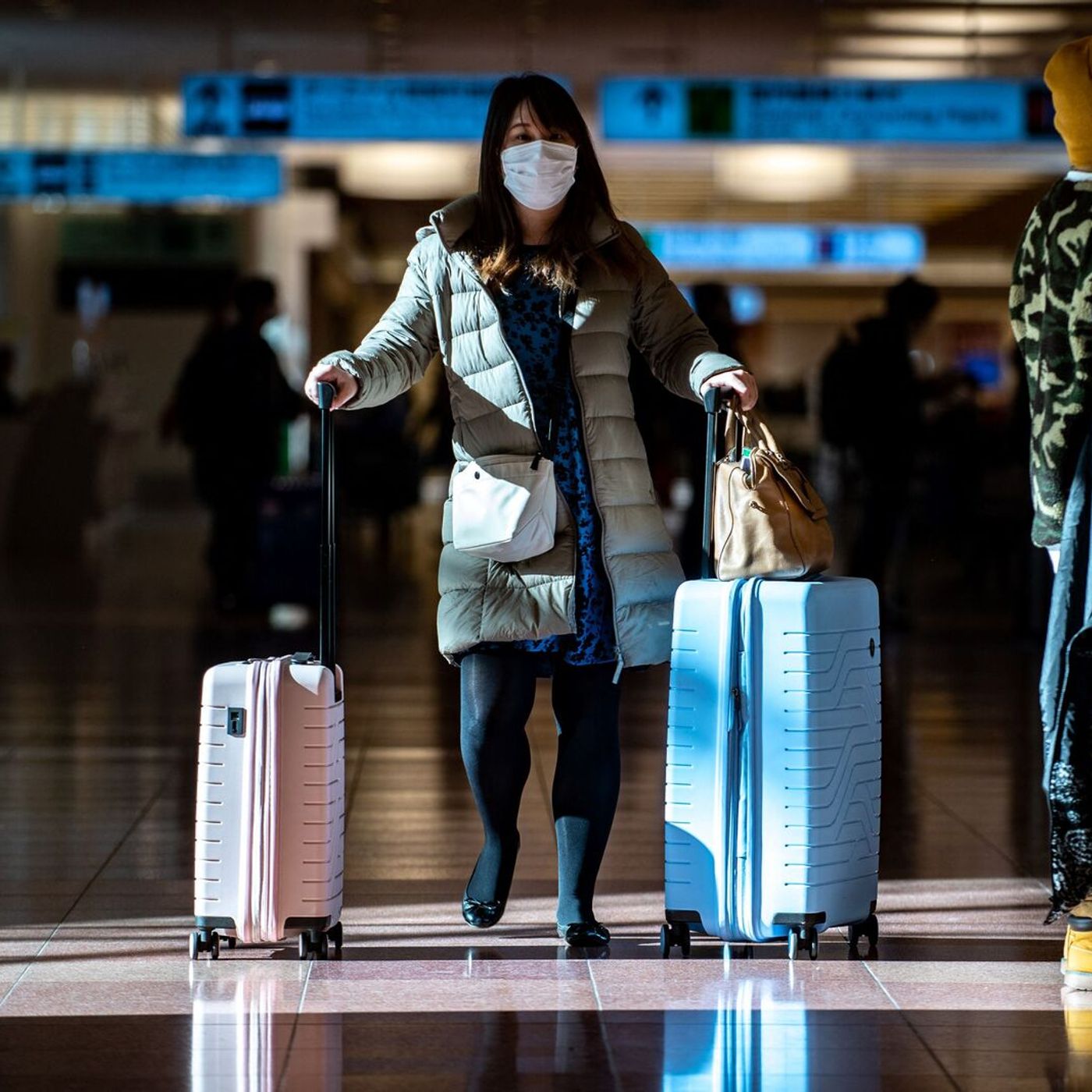
Ep 118118: Japan relaxes its border restrictions w/ Kanako Takahara
Kanako Takahara, head of The Japan Times' domestic news team, joins Deep Dive to give us the details.Read more: It's official: Japan eases entry restrictions for foreign students, business travelers and other nontourists What you need to know about Japan's upcoming eased border restrictions Japan to shorten or drop quarantine requirements for most arrivals from March Japan’s entry ban leaves students and universities counting the cost Survey on how the travel ban has affected students Sponsor: Today’s episode is sponsored by RGF Professional Recruitment Japan, the bilingual arm of Recruit, Japan and Asia's largest recruiting and information service company. Visit RGF Professional Recruitment Japan to register your resume and unleash your potential today.On this episode:Kanako Takahara: Articles | TwitterOscar Boyd: Twitter | Articles | Instagram TranscriptWe have recently begun experimenting with transcripts for episodes of Deep Dive. A full transcript of this episode is available on The Japan Times website. Find transcripts useful? Tips for improvement? Contact us to let us know.Announcements:Get in touch with Oscar and the show at [email protected]. Support the show. Rate, review and share this episode with a friend if you've enjoyed it. Follow us on Twitter, and give us feedback.This episode of Deep Dive may be supported by advertising based on your location. Advertising is sourced by Audioboom and is not affiliated with The Japan Times.Photo: A passenger walks the arrival hall at Tokyo's Haneda Airport | AFP
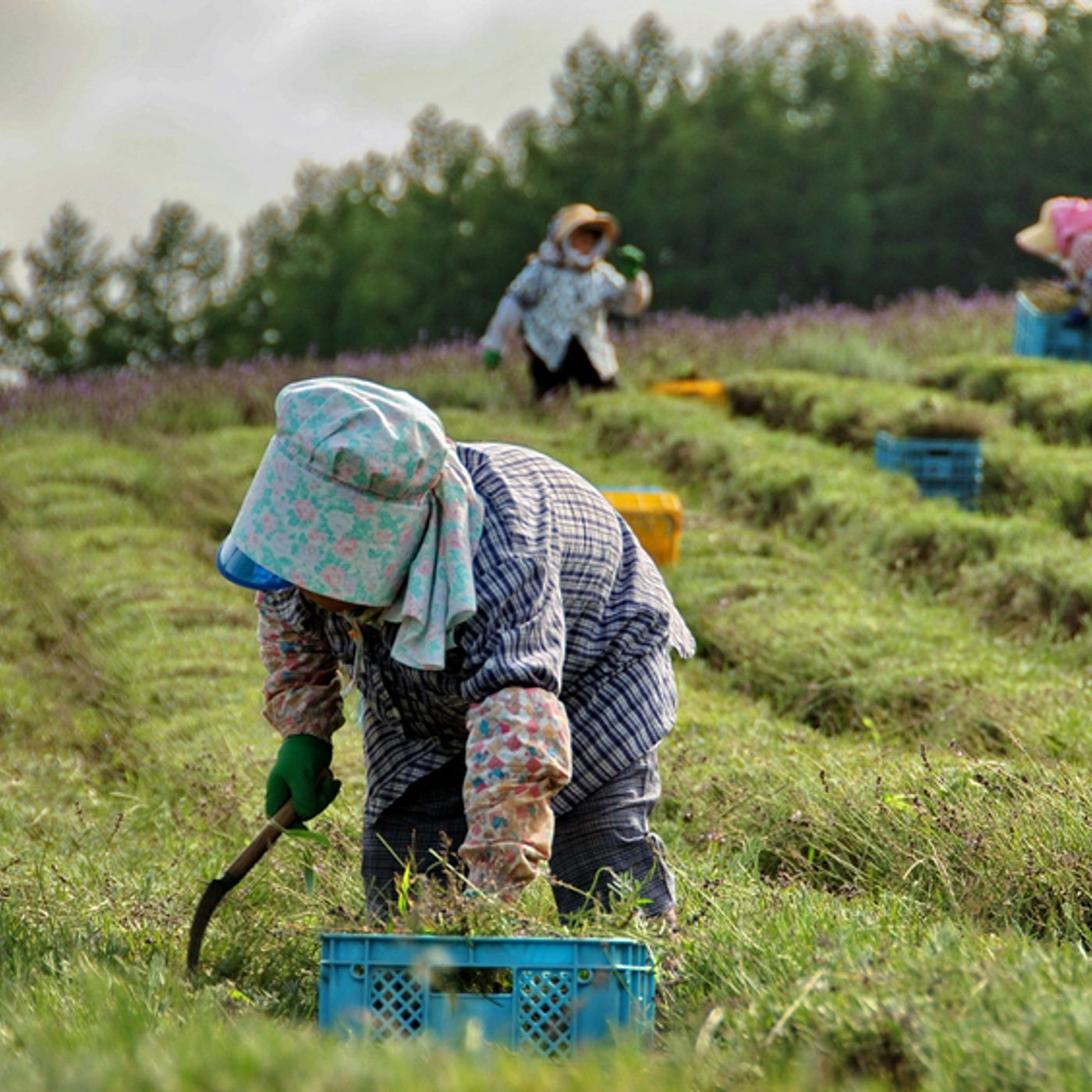
Ep 117117: Where the wild things grow — foraging in Japan w/ Winifred Bird
Winifred Bird is the author of "Eating Wild Japan," a book that goes deep into the foraging culture of Japan and contains essays on foraging, a selection of recipes and a guide to forageable plants. In her essays, Winifred touches on rural culture and decline, the state of Japan's forests and coastal areas, and the food of the indigenous Ainu people. Winifred joins Deep Dive to discuss Japan's foraging culture, and the role wild foods play in modern society.Read more: Winifred's book, Eating Wild Japan (Winifred Bird, Stone Bridge Press) Kris Kosaka's review, Foraging in Japan: What to eat and where to find it J.J. O Donoghue's article, "Is farming in Japan on its last legs?" Japan's farming population falls below 2 million for first time: survey Sponsor: Today’s episode is sponsored by RGF Professional Recruitment Japan, the bilingual arm of Recruit, Japan and Asia's largest recruiting and information service company. Visit RGF Professional Recruitment Japan to register your resume and unleash your potential today.On this episode:Winifred Bird: WebsiteOscar Boyd: Twitter | Articles | Instagram TranscriptWe have recently begun experimenting with transcripts for episodes of Deep Dive. A full transcript of this episode is available on The Japan Times website. Find transcripts useful? Tips for improvement? Contact us to let us know.Announcements:Get in touch with Oscar and the show at [email protected]. Support the show. Rate, review and share this episode with a friend if you've enjoyed it. Follow us on Twitter, and give us feedback.This episode of Deep Dive may be supported by advertising based on your location. Advertising is sourced by Audioboom and is not affiliated with The Japan Times.Photo: Japan's rural populations are in decline, threatening the future of foraging culture. | iStock
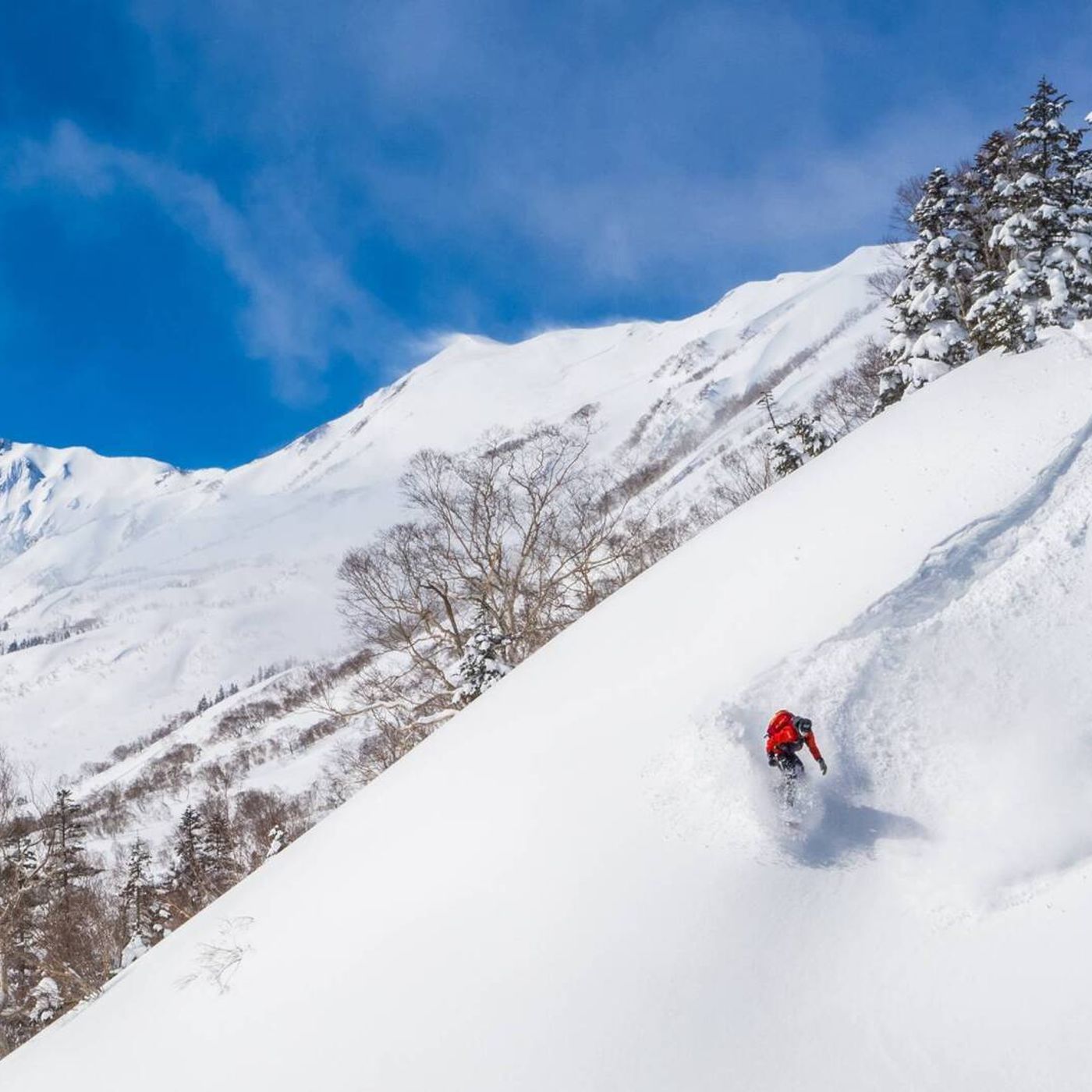
Ep 116116: The rise and fall of Japan's ski industry w/ Francesco Bassetti
Over the past 20 years, Japan has become known around the world as a dream destination for skiers and snowboarders. Yet the country has had an on-and-off love affair with snow sports. As domestic interest in skiing and snowboarding has waned, resorts have become increasingly reliant on international visitors. So when the pandemic hit, and Japan's borders were shut, many of them were plunged into crisis. Japan Times contributor Francesco Basetti joins Deep Dive to discuss the rise and fall of the Japanese ski industry, and how resorts are faring with so few people able to enjoy them. Read more: With international tourists still absent, Japan’s ski resorts dig deep (Francesco Bassetti and Oscar Boyd) Wipe out: Japan's ski slopes suffering worst winter in decades The Japan Times' full coverage of the Winter Olympics Sponsor: Today’s episode is sponsored by RGF Professional Recruitment Japan, the bilingual arm of Recruit, Japan and Asia's largest recruiting and information service company. Visit RGF Professional Recruitment Japan to register your resume and unleash your potential today.On this episode:Francesco Bassetti: Articles | TwitterOscar Boyd: Twitter | Articles | Instagram TranscriptWe have recently begun experimenting with transcripts for episodes of Deep Dive. A full transcript of this episode is available on The Japan Times website. Find transcripts useful? Tips for improvement? Contact us to let us know.Announcements:Get in touch with Oscar and the show at [email protected]. Support the show. Rate, review and share this episode with a friend if you've enjoyed it. Follow us on Twitter, and give us feedback.This episode of Deep Dive may be supported by advertising based on your location. Advertising is sourced by Audioboom and is not affiliated with The Japan Times.Photo: Hakuba Valley received fewer than half its usual number of visitors in the 2020-21 season. | Courtesy of Evergreen Outdoor Center
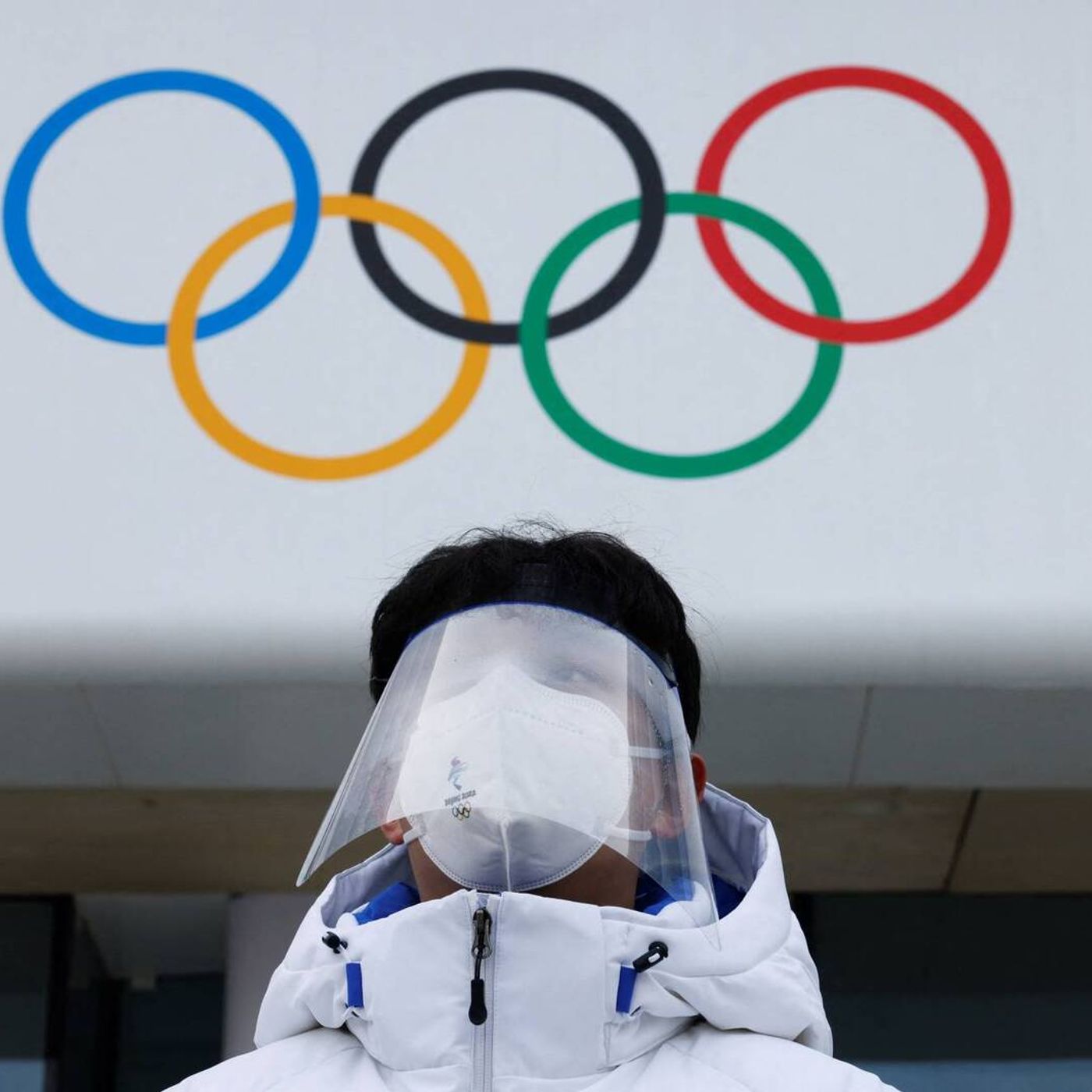
Ep 115115: Beijing 2022: A second pandemic Olympics w/ Dan Orlowitz & Madeleine Orr
With omicron surging around the world, Japan Times sports reporter Dan Orlowitz tells us about the stringent measures put in place to allow these Games to take place, and how Japan is responding to the U.S. call for a diplomatic boycott of these Olympics. Later in the show, Dr. Madeleine Orr joins us to talk about how climate change is threatening the Winter Olympics, and why Beijing is so uniquely reliant on artificial snow. Read more: Absence of Yuzuru Hanyu fans at Beijing 2022 a relief for Xi’s Pooh-paranoid censors (Dan Orlowitz, The Japan Times) Slippery Slopes: How climate change is threatening the Winter Olympics (The Sport Ecology Group) China’s fake snow frenzy for Beijing Olympics strains water supplies China reports 34 new COVID-19 cases among personnel connected to Olympics Ahead of Olympics, Lower House issues toned-down resolution on 'rights situation' in China The Japan Times' full coverage of the Winter Olympics Sponsor: Today’s episode is sponsored by RGF Professional Recruitment Japan, the bilingual arm of Recruit, Japan and Asia's largest recruiting and information service company. Visit RGF Professional Recruitment Japan to register your resume and unleash your potential today. Livestream Dan will join Oscar for a livestream about his experiences in Beijing on Twitter on Monday, Feb. 7 at 8 p.m. Japan time. Follow @japantimes to join the conversation when they go live. On this episode: Dan Orlowitz: Articles | Twitter Madeleine Orr: Twitter | The Sport Ecology Group Oscar Boyd: Twitter | Articles | Instagram Transcript We have recently begun experimenting with transcripts for episodes of Deep Dive. A full transcript of this episode is available on The Japan Times website. Find transcripts useful? Tips for improvement? Contact us to let us know. Announcements: Get in touch with Oscar and the show at [email protected]. Support the show. Rate, review and share this episode with a friend if you've enjoyed it. Follow us on Twitter, and give us feedback. This episode of Deep Dive may be supported by advertising based on your location. Advertising is sourced by Audioboom and is not affiliated with The Japan Times. Photo: A volunteer wearing a face mask and shield is seen at the National Aquatics Center in Beijing on Sunday. | REUTERS

Ep 114114: The meteoric rise of anime w/ Matt Schley
At the start of the year, AMC Networks — the U.S. company behind shows like “The Walking Dead” and “Breaking Bad” — acquired anime distributor Sentai, and with it the anime-streaming service Hidive. In August 2021, Sony bought the anime-streaming service Crunchyroll for almost $1.2 billion. And streaming giants such as Netflix and Disney have been pouring money into original anime programming over the past few years. Interest in anime around the world has never been higher. Behind the scenes, though, animators struggle to make a living and many insiders are calling the industry unsustainable as studios struggle to keep up with demand and the pandemic slows production. The Japan Times' culture editor Alyssa I. Smith talks with contributor Matt Schley about why Japan’s anime industry is booming and the challenges it faces in 2022. Read more: The push to go digital opens new doors for anime (Matt Schley, The Japan Times) Streaming heavyweights made big moves into the world of anime in 2021 (Matt Schley, The Japan Times) Younger animators still struggling amid anime boom (Matt Schley, The Japan Times) ‘Akira’: Looking back at the future (Matt Schley, The Japan Times) Kyoto Animation: A unique force in Japan's anime industry (Matt Schley, The Japan Times) Sponsor: Today’s episode is sponsored by RGF Professional Recruitment Japan, the bilingual arm of Recruit, Japan and Asia's largest recruiting and information service company. Visit RGF Professional Recruitment Japan to register your resume and unleash your potential today.On this episode:Matt Schley: Articles | TwitterAlyssa I. Smith: Articles Oscar Boyd: Twitter | Articles | Instagram Announcements:Get in touch with Oscar and the show at [email protected]. Support the show! Rate us, review us and share this episode with a friend if you've enjoyed it. Follow us on Twitter, and give us feedback.This episode of Deep Dive may be supported by advertising based on your location. Advertising is sourced by Audioboom and is not affiliated with The Japan Times.Photo: A still from 'Spirited Away,' which remains the only Japanese anime to win an Academy Award. © 2001 Studio Ghibli
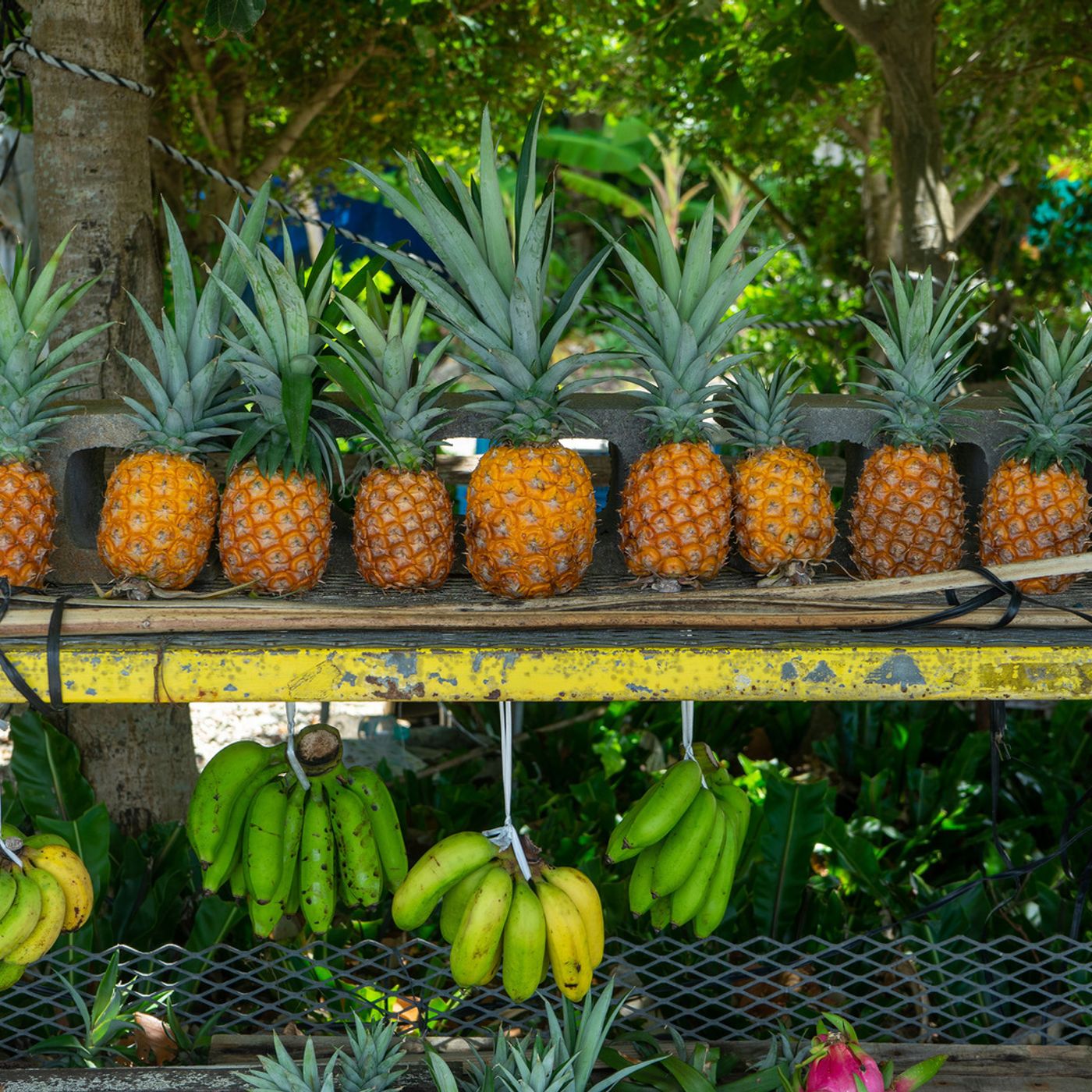
Ep 113113: Trouble in paradise: Why is Ishigaki building a missile base? w/ Ben Dooley
The New York Times' Ben Dooley joins Deep Dive to discuss his recent reporting trip to Ishigaki, and why the island is currently building a missile base. Read more: The island paradise near the front line of tensions over Taiwan (Ben Dooley, The New York Times) To China's chagrin, Japan-Taiwan talks could pave the way for closer ties (Jesse Johnson, The Japan Times) What's behind surging tensions in the Taiwan Strait? (Jesse Johnson, The Japan Times) What can Japan do in a Taiwan-China clash? (Michael MacArthur Bosack, The Japan Times) Invasion of Taiwan by China would be ‘economic suicide,’ former PM Abe warns Japan brings back COVID-19 restrictions over omicron surge Tsunami caused by Tonga volcano eruption stumps Japan weather experts Sponsor: Today’s episode is sponsored by RGF Professional Recruitment Japan, the bilingual arm of Recruit, Japan and Asia's largest recruiting and information service company. Visit www.rgf-professional.jp, to register your resume and unleash your potential today.On this episode:Ben Dooley: Articles | TwitterOscar Boyd: Twitter | Articles | Instagram Announcements:Get in touch with Oscar and the show at [email protected]. Support the show! Rate us, review us and share this episode with a friend if you've enjoyed it. Follow us on Twitter, and give us feedback.This episode of Deep Dive may be supported by advertising based on your location. Advertising is sourced by Audioboom and is not affiliated with The Japan Times.Photo: Ishigaki, best known for sun, sand and pineapples, is at the frontline of regional tensions between Taiwan, China and Japan. | Oscar Boyd
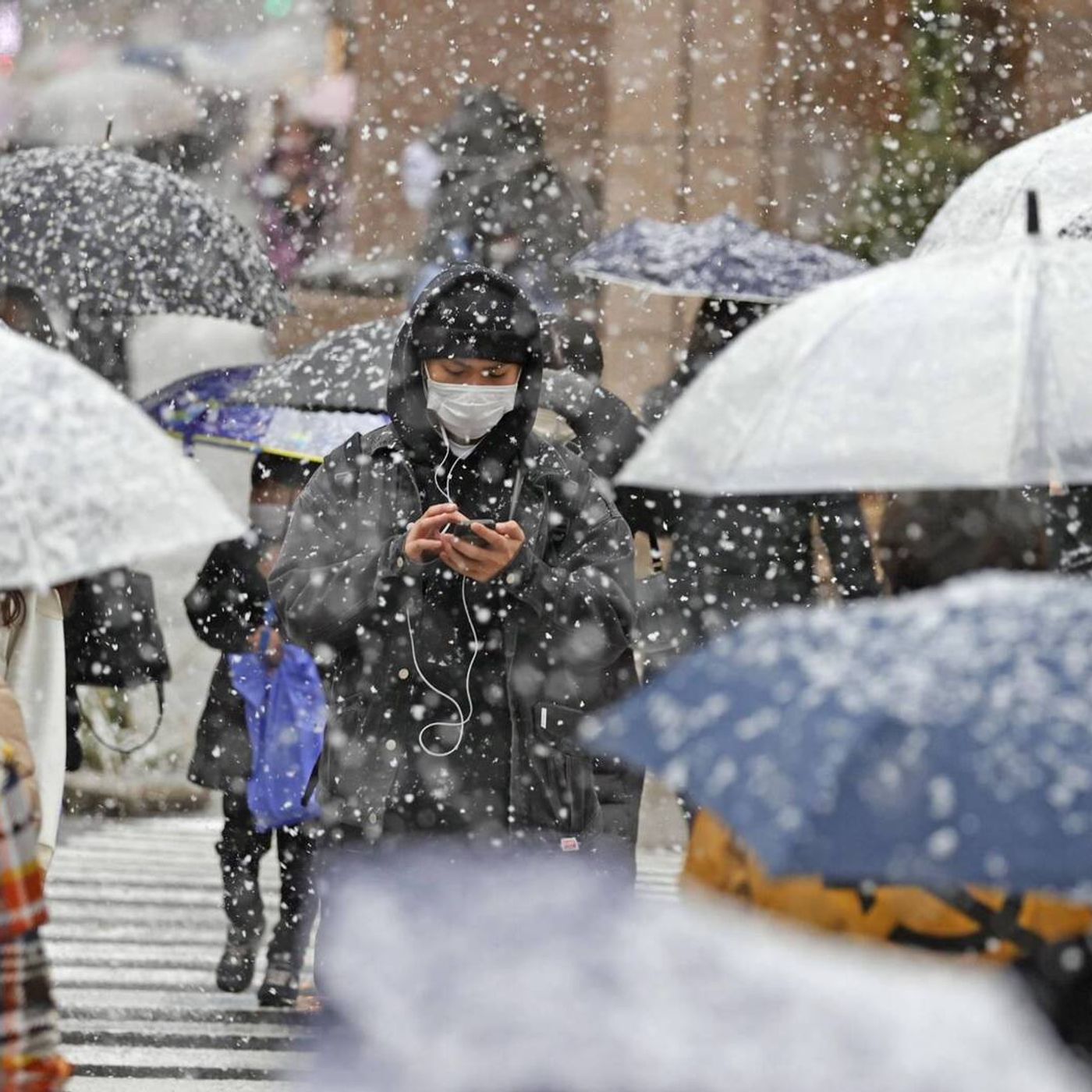
Ep 112112: A surge in omicron across Japan w/ Gearoid Reidy
Gearoid Reidy, senior editor at Bloomberg's Tokyo bureau, joins to discuss what the rapid spread of omicron means for Japan. Read more: Japan's daily COVID-19 cases top 10,000 for first time in four months Why you should still try to avoid catching omicron Japan eyes relaxed rules on COVID close contacts and hospitalization 90% of omicron cases in Okinawa show mild to no symptoms Japan seeks restrictions on U.S. troop movements as Okinawa reports record cases Japan to maintain strict border restrictions until end of February On this episode: Gearoid Reidy: Articles | Twitter Oscar Boyd: Twitter | Articles | Instagram Announcements: Get in touch with Oscar and the show at [email protected]. Support the show! Rate us, review us and share this episode with a friend if you've enjoyed it. Follow us on Twitter, and give us feedback. This episode of Deep Dive may be supported by advertising based on your location. Advertising is sourced by Audioboom and is not affiliated with The Japan Times. Photo: Cases of COVID-19 have surged across the nation since the start of 2022. | Kyodo

Ep 111111: So long, 2021
Happy New Year! Thank you to everyone who submitted their stories for this episode, it was lovely hearing from you all. Regular episodes of Deep Dive will return in January. Until then, podtsukaresama! More bits and bobs: On breaking my arms and climbing the Matterhorn 'How Do You Live?' — Alyssa's book recommendation The Japan Times' tribute to the lifework of actor Sonny Chiba 'Bullet Train' — Shaun's Sonny Chiba recommendation 'Jojo Rabbit' — Oscar's film recommendation Penguin Cafe — Shaun's recommendation in Matsumoto Zoria's interview with Kengo Kuma for Tokyo Weekender 'I Need To Be In Love' by The Carpenters — Yukiko's singing debut Peter's suggestion for bicycle rental for cycle excursions around Shikoku Rina's podcast On this episode: Deep Dive listeners: Thank you! Alyssa I. Smith: Articles Shaun McKenna: Twitter | Articles Oscar Boyd: Twitter | Articles | Instagram Announcements: The Japan Times is currently hiring news reports and a features editor. Find out more at bit.ly/JTworkwithus. Get in touch with Oscar and the show at [email protected]. Support the show! Rate us, review us and share this episode with a friend if you've enjoyed it. Follow us on Twitter, and give us feedback. This episode of Deep Dive may be supported by advertising based on your location. Advertising is sourced by Audioboom and is not affiliated with The Japan Times. Photo: Atop the Matterhorn, September 2021 | Oscar Boyd

Ep 110110: Chris Broad's Blade Runner fantasy comes to life
Chris Broad has been making videos for YouTube for almost 10 years now, publishing them on his channel Abroad in Japan. The last time he joined us on Deep Dive was back in 2019, after his channel crossed the 1 million subscriber mark. But over the course of the pandemic, that number has swelled, and now stands at over 2.5 million.Earlier this month, Chris invited us up to visit his new Blade Runner-inspired studio in Sendai, where we recorded this episode of Deep Dive, in which Chris talks about the evolution of his channel, his new studio setup, and what’s left for him to explore in Japan. Read more: Inside his new studio, YouTuber Chris Broad finally has space to create (Oscar Boyd, The Japan Times) Abroad in Japan (YouTube) Episode 28: Chris Broad and Sharla — living the YouTube life in Japan (Deep Dive) So long, 2021:We want to hear stories from our listeners, wherever you are! Send us your stories about your favorite experiences this year, and what got you through the challenges of 2021. It could be a new hobby you started, a trip you took after getting vaccinated, anything that helped make 2021 a memorable year. Record a voice memo on your phone — the inbuilt app is totally fine — and tell us your story along with your name and where you're recording from. Try and keep the recording to a minute or two. Once you're done, email your recording to [email protected] with the subject line “So long, 2021.” Please send your entries in by Monday, December 27, to be played around the New Year. Listen to last year's episode, here. On this episode:Chris Broad: Twitter | Website | InstagramOscar Boyd: Twitter | Articles | InstagramAnnouncements:The Japan Times is currently hiring news reports and a features editor. Find out more at bit.ly/JTworkwithus. Get in touch with Oscar and the show at [email protected]. Support the show! Rate us, review us and share this episode with a friend if you've enjoyed it. Follow us on Twitter, and give us feedback.This episode of Deep Dive may be supported by advertising based on your location. Advertising is sourced by Audioboom and is not affiliated with The Japan Times. Photo: Chris Broad in his studio in Sendai | Oscar Boyd

Ep 109109: Are Japan's onsen sustainable? w/ Mara Budgen
On this week’s show, Japan Times contributor Mara Budgen takes a look at the history of onsen in Japan and asks whether Japan's iconic hot-spring resources are sustainable. Read more: Unlocking Japan's geothermal energy potential Kurokawa Onsen: Eat, sleep, bathe, repeat Private equity sees hot opportunity in Japan's traditional onsen inns So long, 2021:We want to hear stories from our listeners, wherever you are! Send us your stories about your favorite experiences this year, and what got you through the challenges of 2021. It could be a new hobby you started, a trip you took after getting vaccinated, anything that helped make 2021 a memorable year. Record a voice memo on your phone — the inbuilt app is totally fine — and tell us your story along with your name and where you're recording from. Try and keep the recording to a minute or two. Once you're done, email your recording to [email protected] with the subject line “So long, 2021.” Please send your entries in by Friday, December 24, to be played around the New Year. Listen to last year's episode, here. On this episode:Mara Budgen: Twitter | WebsiteOscar Boyd: Twitter | Articles | InstagramAnnouncements:The Japan Times is currently hiring news reports and a features editor. Find out more at bit.ly/JTworkwithus. Get in touch with Oscar and the show at [email protected]. Support the show! Rate us, review us and share this episode with a friend if you've enjoyed it. Follow us on Twitter, and give us feedback.This episode of Deep Dive may be supported by advertising based on your location. Advertising is sourced by Audioboom and is not affiliated with The Japan Times. Photo: An onsen in Beppu, Oita Prefecture | Getty Images
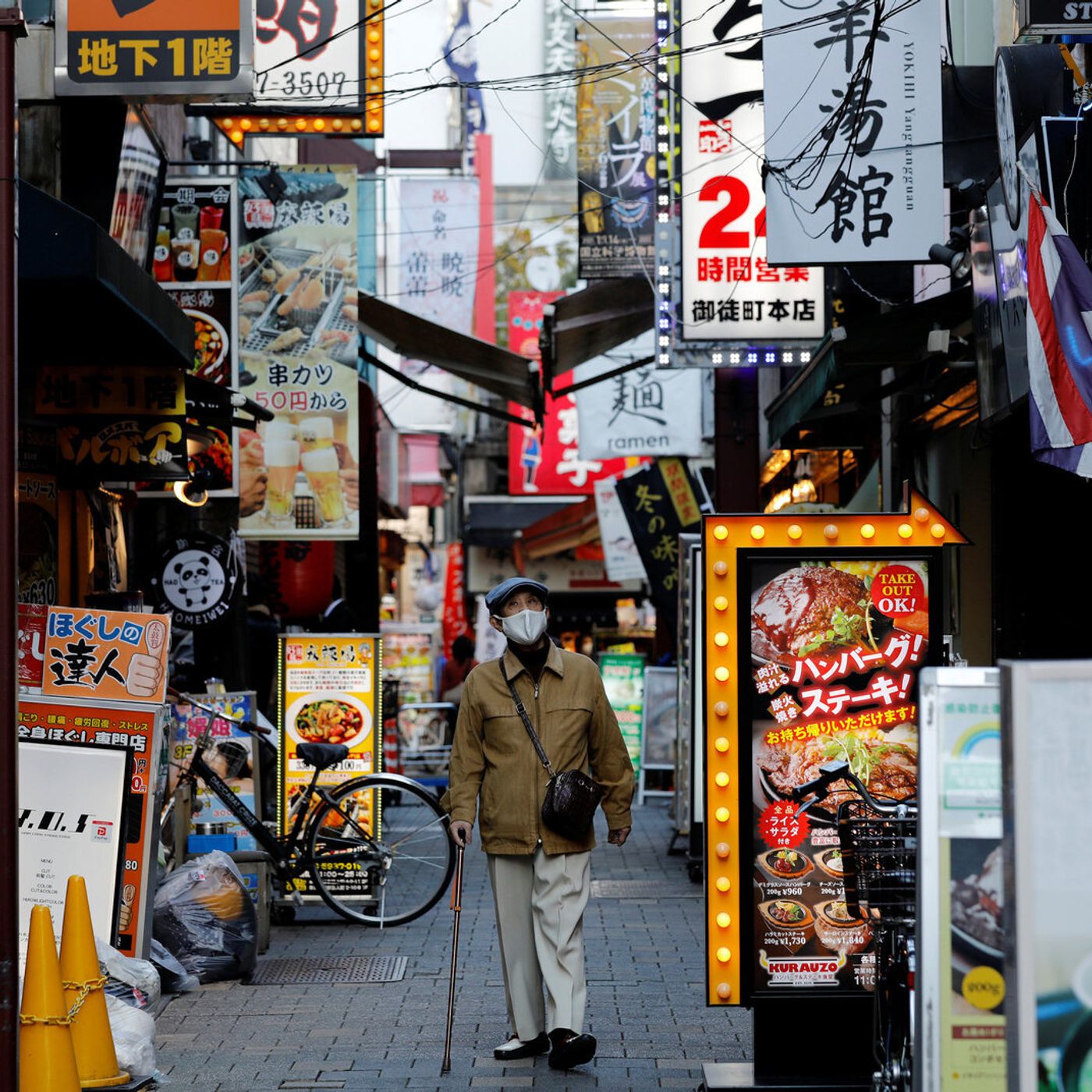
Ep 108108: What explains Japan's low COVID-19 case count? And can we expect another wave? w/Gearoid Reidy
Gearoid Reidy, senior editor at Bloomberg Japan, joins to discuss Japan's low COVID-19 case count, and if the country can expect another wave. Read more: Japan’s COVID-19 deaths lowest in 16 months as cases plummet First case of Japanese national infected with omicron variant confirmed What's behind the rapid disappearance of the delta variant in Japan? It could be self-extinction. Japan boosts medical system to admit 37,000 COVID patients South Korea's new COVID-19 cases top 7,000 for first time Japan's COVID-19 booster shot drive kicks off with health care workers Poll finds 89% in Japan back Kishida’s ban on new foreign arrivals Japan Times Covid Tracker On this episode:Gearoid Reidy: Articles | TwitterOscar Boyd: Twitter | Articles | Instagram Announcements:The Japan Times is currently hiring news reports and a features editor. Find out more at bit.ly/JTworkwithus. Get in touch with Oscar and the show at [email protected]. Support the show! Rate us, review us and share this episode with a friend if you've enjoyed it. Follow us on Twitter, and give us feedback.This episode of Deep Dive may be supported by advertising based on your location. Advertising is sourced by Audioboom and is not affiliated with The Japan Times.Photo: Though cases are low and almost all emergency measures have been lifted in Japan, the public is still taking a cautious approach to the pandemic, and mask wearing is ubiquitous. | REUTERS

Ep 107107: Chaos at Japan's borders w/ Rochelle Kopp
Japan Times contributor and cross-cultural communications consultant Rochelle Kopp joins to discuss the changes at Japan's border and how they are affecting the people who hope to call Japan home. Read more: Japan to bar all new foreign visitors as omicron fears grow (Ryusei Takahashi) Scores hoping to enter Japan in limbo — again — after latest entry ban (Jesse Johnson and Ryusei Takahashi) Omicron is the price we pay for vaccine inequality (Brad Glosserman) Japan confirms first case of omicron coronavirus variant (Ryusei Takahashi) Japan to ban all foreign travelers from 10 African countries amid omicron outbreak (Ryusei Takahashi) Japan tells airlines to halt inbound flight bookings over omicron fears (Ryusei Takahashi) On this episode:Rochelle Kopp: Website | TwitterOscar Boyd: Twitter | Articles | Instagram Announcements:Sign up to the Deep Dive mailing list and be notified when new episodes comes out. Get in touch with us at [email protected] the show! Rate us, review us and share this episode with a friend if you've enjoyed it. Follow us on Twitter, and give us feedback.This episode of Deep Dive may be supported by advertising based on your location. Advertising is sourced by Audioboom and is not affiliated with The Japan Times.Photo: A notice about COVID-19 safety measures pictured next to closed doors at a departure hall of Narita International Airport in Chiba Prefecture on Tuesday. | REUTERS

Ep 106106: What did Japan bring to COP26? w/ Masako Konishi
On Nov. 12, COP26 wrapped up in Glasgow, Scotland, after two weeks of tense negotiations attended by heads of state from across the world. The outcome? The Glasgow Climate Pact, an agreement that aims to hold the world to no more than 1.5 degrees Celsius of global heating above pre-industrial levels. Masako Konishi, Expert Director for Conservation and Energy at WWF Japan, was in Glasgow for the two-week conference and joins Deep Dive to give her insights into what was agreed at COP26, and the role Japan played at this crucial climate summit. Subscribe to The Japan TimesOne of the best ways that you can support Deep Dive is by subscribing to The Japan Times, and we are currently offering a 30% discount on the first six months of a digital premium subscription. Head to jtimes.jp/deepdive30 and enter the promo code "DEEPDIVE30" to claim the discount, and get unlimited access to The Japan Times' journalism. Thank you as always for your support.Read more: COP26 seals breakthrough climate deal after major compromises (The Japan Times) Japan, once a leader on climate, under fire at COP26 over coal use (The Japan Times) Kishida places Japan’s business interests at the forefront of climate policy (The Japan Times) Japan gets Fossil of the Day Award at COP26 after Kishida speech (The Japan Times) Toyota defends skipping COP26 emissions pledge (The Japan Times) On this episode:Masako Konishi: Twitter | WWF JapanOscar Boyd: Twitter | Articles | Instagram Announcements:Sign up to the Deep Dive mailing list and be notified when new episodes comes out. Get in touch with us at [email protected] the show! Rate us, review us and share this episode with a friend if you've enjoyed it. Follow us on Twitter, and give us feedback.This episode of Deep Dive may be supported by advertising based on your location. Advertising is sourced by Audioboom and is not affiliated with The Japan Times. Photo: People dressed as Pikachu protest against the funding of coal by Japan, near the U.N. Climate Change Conference (COP26) venue in Glasgow, Scotland, on Nov. 4. | REUTERS

Ep 105105: Japan's loneliness epidemic w/ Alex K.T. Martin
In February this year the government created a new cabinet position to try to address the problem of loneliness, the so-called "minister for loneliness." But loneliness did not begin with COVID-19, and has been a growing problem in Japan for decades. Alex K.T. Martin, a senior writer at the Japan Times, recently wrote an article on kodoku, and the fine line between solitude and loneliness that many of us have experienced throughout the pandemic. Subscribe to The Japan TimesOne of the best ways that you can support Deep Dive is by subscribing to The Japan Times, and we are currently offering a 30% discount on the first six months of a digital premium subscription. Head to jtimes.jp/deepdive30 and enter the promo code "DEEPDIVE30" to claim the discount, and get unlimited access to The Japan Times' journalism. Thank you as always for your support.TELL JapanIf you or someone you know is in crisis and needs help, resources are available. In case of an emergency, please call 119 in Japan for immediate assistance. The TELL Lifeline is available for those who need free and anonymous counseling at 03-5774-0992. You can also visit them at telljp.com. For those outside of Japan, visit www.suicide.org/international-suicide-hotlines.html for a detailed list of resources and assistance.Read more: Kodoku: The fine line between solitude and loneliness in Japan (Alex Martin, The Japan Times) As suicides rise amid the pandemic, Japan takes steps to tackle loneliness (Tomohiro Osaki, The Japan Times) Escaping COVID-19: When you can’t see the virus for the trees (Alex Martin, The Japan Times) On this episode:Alex K.T. Martin: Twitter | ArticlesOscar Boyd: Twitter | Articles | Instagram Announcements:Sign up to the Deep Dive mailing list and be notified when new episodes comes out. Get in touch with us at [email protected] the show! Rate us, review us and share this episode with a friend if you've enjoyed it. Follow us on Twitter, and give us feedback.This episode of Deep Dive may be supported by advertising based on your location. Advertising is sourced by Audioboom and is not affiliated with The Japan Times.Photo: Japan is facing a problem of chronic loneliness | GETTY IMAGES
Ep 104104: How Japan is already being impacted by climate change w/ Eric Margolis
This week, world leaders are gathered in Glasgow, Scotland, for COP26, a meeting of nations that has been billed by British Prime Minister Boris Johnson as the world's last chance to avert catastrophic climate change.At this point, the science behind climate change could not be clearer. In August, the IPCC released its most comprehensive report to date on the state of the global climate, and concluded it is unequivocal that human influence has warmed the atmosphere, ocean and land. Japan is an important part of this in two ways. First, it is a significant emitter of CO2, the fifth largest globally by total annual emissions. And second, it is a country that is exceptionally vulnerable to climate change. The climate crisis is here and it is affecting everything from the strength of typhoons and flooding, to the timing of the annual cherry blossoms and autumn leaves. Read more: The true cost of the climate crisis on Japan (Eric Margolis, The Japan Times) A crucial U.N. climate summit kicks off Oct. 31. Here's what you need to know. (Eric Johnston, The Japan Times) As Japan looks to expand renewable energy, nuclear power's role remains unclear (The Japan Times) On this episode:Eric Margolis: Twitter | Website Oscar Boyd: Twitter | Articles | Instagram Announcements:Sign up to the Deep Dive mailing list and be notified every time a new episode comes out. Get in touch with us at [email protected] the show! Rate us, review us and share this episode with a friend if you've enjoyed it. Follow us on Twitter, and give us feedback.This episode of Deep Dive may be supported by advertising based on your location. Advertising is sourced by Audioboom and is not affiliated with The Japan Times.Photo: Rescue workers search a flooded area in the aftermath of Typhoon Hagibis, which caused severe floods at the Chikuma River in Nagano Prefecture in October 2019. | REUTERS