
Curious Minnesota
146 episodes — Page 2 of 3

Fairgoers tell us their questions about Minnesota
We had a blast chatting with fairgoers on Curious Minnesota Day at the Minnesota Star Tribune's State Fair building. Today's episode is a roundup of the questions we recorded. LINKS: Why Wisconsin claims — incorrectly — to have more lakes than the Land of 10,000 Lakes Why is Minnesota's Democratic Party called the DFL? How Mayo Clinic became one of the world's most famous medical centers

Why Wisconsin claims — incorrectly — to have more lakes than the Land of 10,000 Lakes
Minnesota takes great pride in its lakes. "10,000 Lakes" is even emblazoned on the state's license plates. But at least some people in Wisconsin think their state has more lakes than Minnesota. It's because there's not one standard for what defines a lake. A reader wanted to know more about why the states are measuring their lakes differently. Erica Pearson, who wrote a story on this topic for Curious Minnesota, digs into the details with host Eric Roper. LINKS: Why Wisconsin claims — incorrectly — to have more lakes than the Land of 10,000 Lakes Why does Minnesota have so many lakes?

Curious Minnesota at the State Fair! 8/24 (Saturday) and 8/28 (Wednesday)
Curious Minnesota will be hosting events at the Minnesota Star Tribune's State Fair building on Saturday, August 24th and Wednesday, August 28th.

Why did Minneapolis close Nicollet Avenue for a Kmart?
Anyone who has spent time in south Minneapolis over the last 50 years has likely run across the unusual intersection at Lake Street and Nicollet Avenue. These are two of the city's most important thoroughfares. But the city decided in the 1970s to close Nicollet at Lake Street so a Kmart store could extend over a portion of two blocks. Adelie Bergström joins host Eric Roper to discuss what led to this controversial decision. LINKS: Why did Minneapolis close Nicollet Avenue for a Kmart?

Why did Minnesota erase much of its German culture?
Minnesota is known for its Scandinavian roots, which are apparent in everything from the Vikings football team to the Norwegian bachelor farmers of Lake Wobegon. But more residents report having German ancestry than Scandinavian. So why isn't that German heritage more reflected more in the state's culture? Reporter Greta Kaul joins host Eric Roper to discuss the effort to erase German culture in the state around World War I. LINKS: Why did Minnesota erase much of its German culture? Is Minnesota actually more German than Scandinavian?

What is the oldest tree in Minnesota?
We've talked about some old things on the podcast, including the state's oldest building and one of the world's oldest rocks. Today's episode is about a journey to visit another Minnesota artifact: the state's oldest known tree. Star Tribune cartographer Jake Steinberg and photographer Anthony Soufflé join host Eric Roper to discuss their winter trip to the Boundary Waters to report on this topic. LINKS: This ancient tree is one of the oldest in Minnesota. The warming climate might kill it.
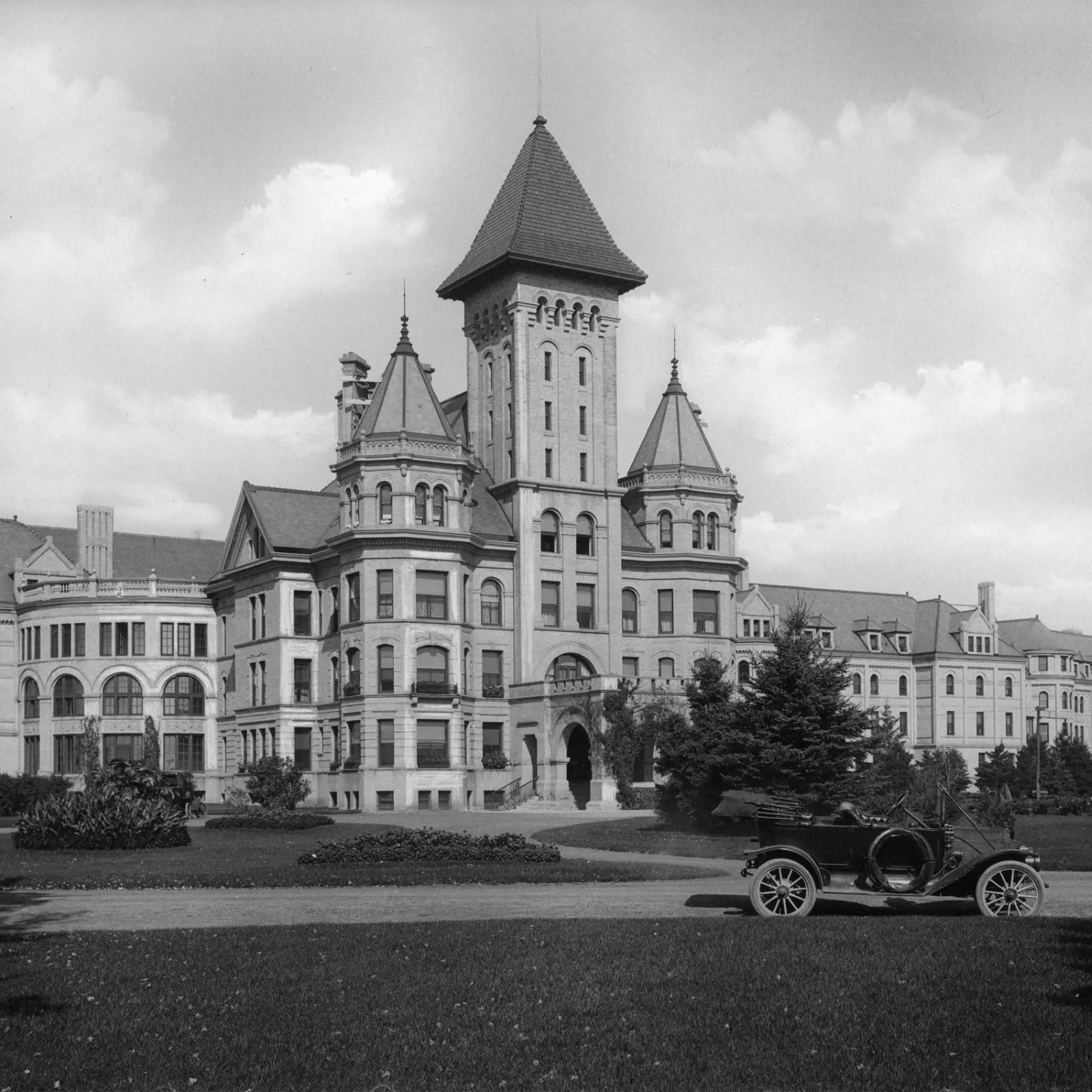
Emptying state institutions was supposed to help fix mental health care. What happened?
Like many states, Minnesota shuttered the controversial institutions that once housed mentally ill people. But the plan to replace these facilities with new types of treatment options remains incomplete. Reporter Chris Snowbeck joins host Eric Roper to discuss the important and complex history of mental health care in Minnesota. LINKS: Emptying state institutions was supposed to help fix mental health care. What happened? Chris Snowbeck's 2023 series on mental health care: Part 1, Part 2, Part 3.

How did gambling develop into a major industry in Minnesota?
Minnesotans wanting to gamble have many options these days. They can visit a Native American casino, buy scratch-off games at a gas station, yank open pull-tabs at a bar or even play bingo at a church fish fry. But this is a fairly recent phenomenon. Reporter Alex Chhith joins host Eric Roper to discuss the history of gambling in Minnesota. LINKS: How did gambling develop into a major industry in Minnesota?

Searching for Snoopy: What happened to all the 'Peanuts' statues in St. Paul?
It was difficult to walk around downtown St. Paul in the early 2000s without running into Snoopy, Linus, Lucy and Charlie Brown. Over five summers, the "Peanuts on Parade" public art campaign peppered the beloved comic strip characters throughout creator Charles Schulz's hometown. Reporter Katie Galioto joins host Eric Roper to discuss the background of this project, and where some of these statues can be found today. LINKS: Searching for Snoopy: What happened to all the 'Peanuts' statues in St. Paul?

What Minnesota inventions have shaped modern life?
Pacemakers, Post-it notes and Spam rank among the state's best-known inventions. But creative Minnesotans devised hundreds of other products we take for granted. Reporter Brooks Johnson dug into this issue for Curious Minnesota and found so many interesting Minnesota inventions that he wrote two stories. LINKS: What Minnesota inventions have shaped modern life? Skid-steers, Softsoap and Nerf: 8 more Minnesota inventions that changed the world

What roles did Minnesota's Native American chiefs play? And who were some notable ones?
The familiar image of a stoic Native American chief wearing a headdress is in many ways a core American cultural stereotype. It has been memorialized in films and statutes, as well as exploited to sell cigarettes and motorcycles. But who are these celebrated figures of the past? Mark Boswell joins host Eric Roper to discuss the roles that Native American chiefs played and introduce some of the state's most prominent chiefs. LINKS: Garbage graphic / River wall graphic What roles did Minnesota's Native American chiefs play? And who were some notable ones? (February 2024 Curious Minnesota story) In the Footsteps of Little Crow (eBook)
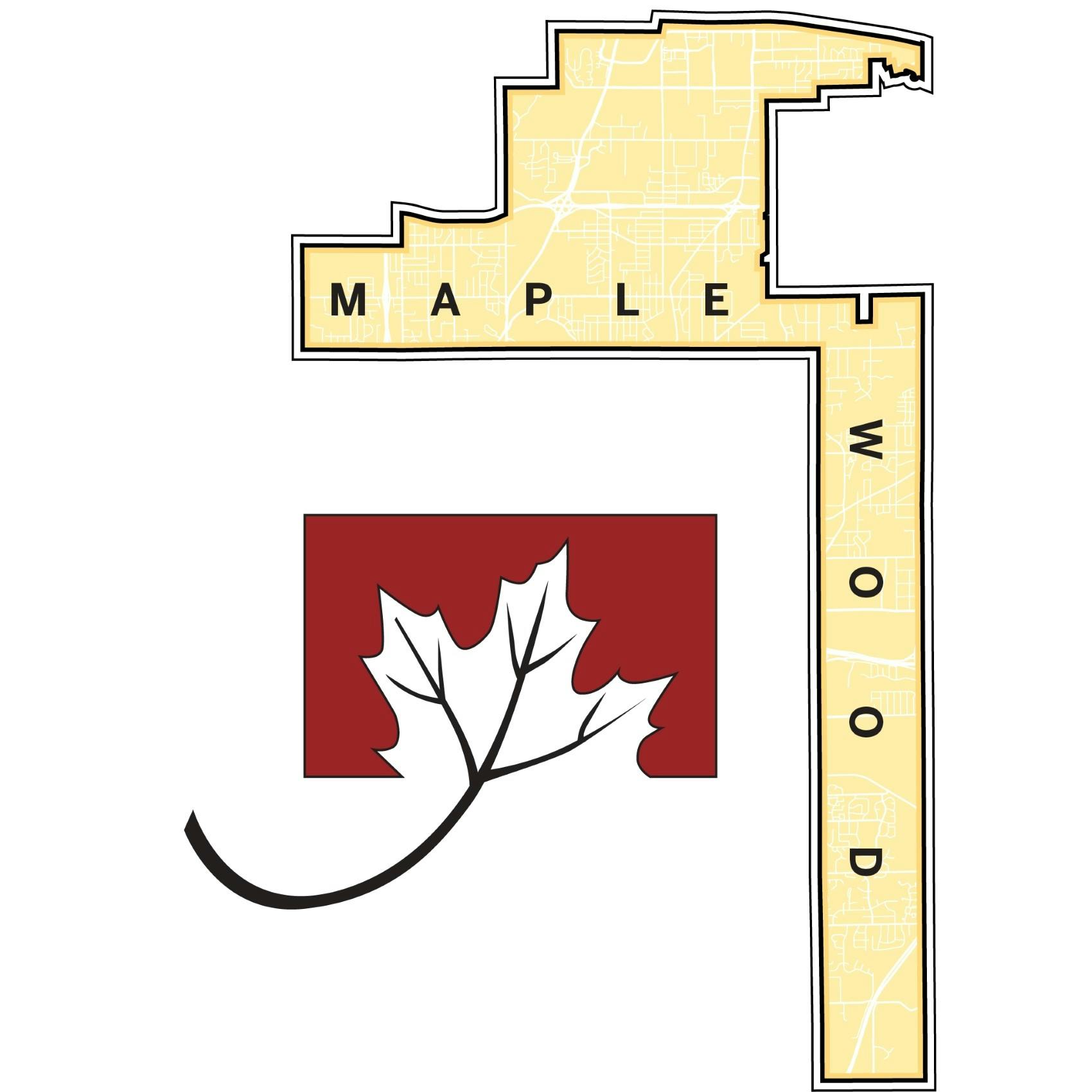
Why does Maplewood have such an odd shape?
Maplewood arguably has the strangest border of any city in the Twin Cities metro area. Its L shape wraps around the northern and eastern edges of St. Paul. The origins of that border reveals an interesting history of development patterns in the east metro. Reporter Greta Kaul joins host Eric Roper to discuss how Maplewood was born out of leftover land -- and became home to a signature Minnesota company. LINKS: Why does Maplewood have such an odd shape? Why didn't Minneapolis gobble up its suburbs? (Podcast, May 2023) Why didn't Minneapolis gobble up its suburbs? (Story, March 2023)

How did Northfield become home to St. Olaf and Carleton colleges?
St. Olaf and Carleton colleges have left a big mark on the world. Their alumni have reached the highest levels of entertainment, the arts, politics and the legal system. A reader wanted to know how these two prominent private colleges ended up in Northfield, a small city just south of the Twin Cities metro area. Reporter Trey Mewes, who wrote a story on this topic for Curious Minnesota, discusses the interesting tale behind these institutions with host Eric Roper. LINKS: How did Northfield become home to St. Olaf and Carleton colleges? (February 2024 Curious Minnesota article)

Did union rules prevent Leonard Bernstein from joining the Minnesota Orchestra?
Sometimes rejection is the beginning of an exciting new path in life. That's one takeaway from today's episode about Leonard Bernstein, who once planned to work at the Minneapolis Symphony Orchestra (now the Minnesota Orchestra). Reporter Jenna Ross joins host Eric Roper to discuss how Bernstein's complex relationship with his mentor nearly landed him in Minnesota. LINKS: Did union rules prevent Leonard Bernstein from joining the Minnesota Orchestra? (January 2024 Curious Minnesota story) The Curious Minnesota Collection

What does it mean when Minnesota courts sentence offenders to 'the workhouse'?
It's not uncommon in Minnesota to see a news story about someone being sentenced to "the workhouse." But what is a workhouse? It turns out Minnesota is one of the only states still using this term, which describes unique facilities that are neither jails nor prisons. Reporter Kim Hyatt joins host Eric Roper to talk about what happens in a workhouse, who is sentenced there and the long history behind these correctional facilities. LINKS: What does it mean when Minnesota courts sentence offenders to 'the workhouse'? (February 2023 Curious Minnesota article)
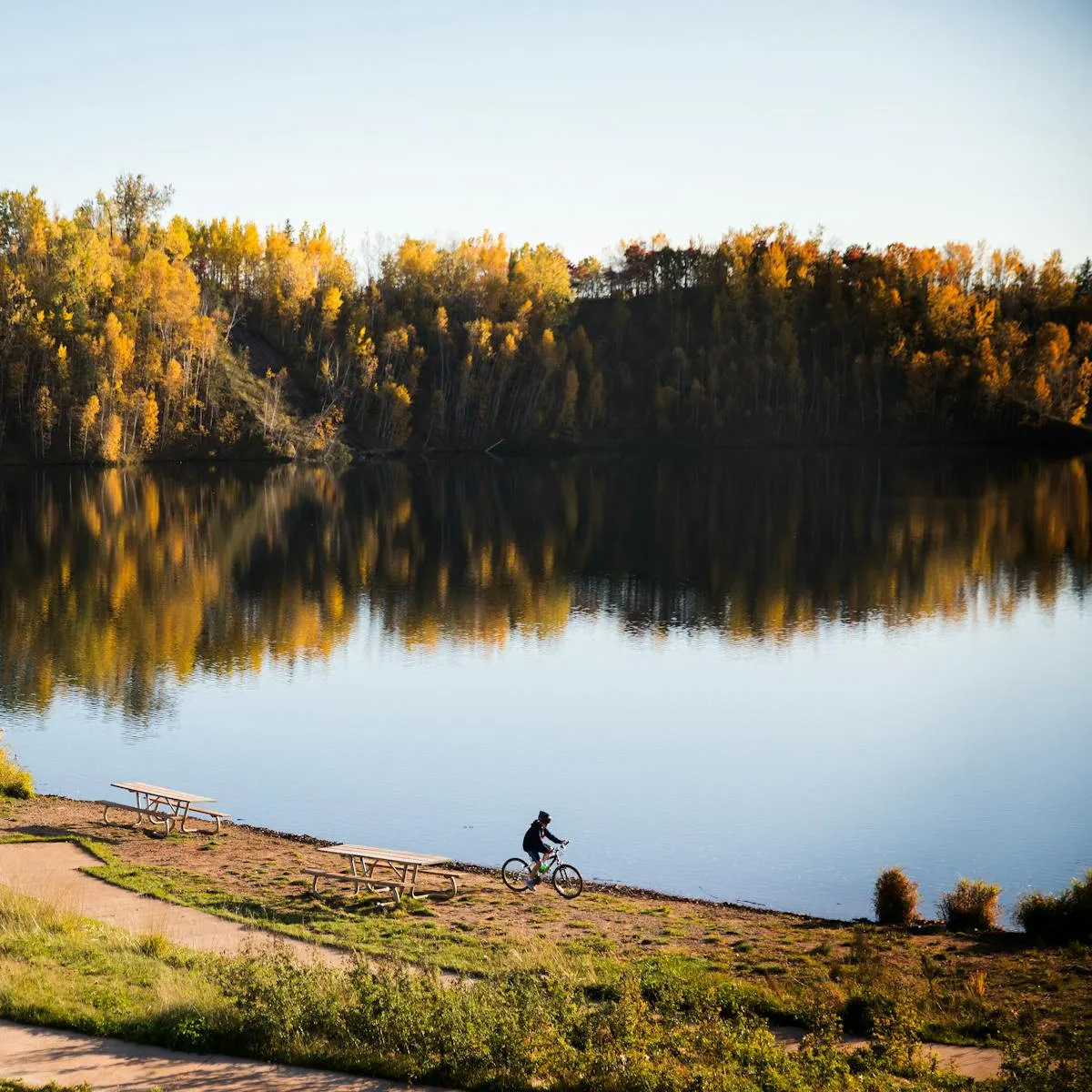
What is Minnesota's deepest lake?
Sometimes, what seems like a simple question unravels into something much more complex and surprising than we expected. That was the case with the question behind today's episode, regarding the deepest lake in Minnesota. Reporter Chloe Johnson and graphics artist Jake Steinberg join host Eric Roper to discuss their reporting journey to find which lake dips the lowest. LINKS: What is Minnesota's deepest lake? (November 2023 Curious Minnesota story)
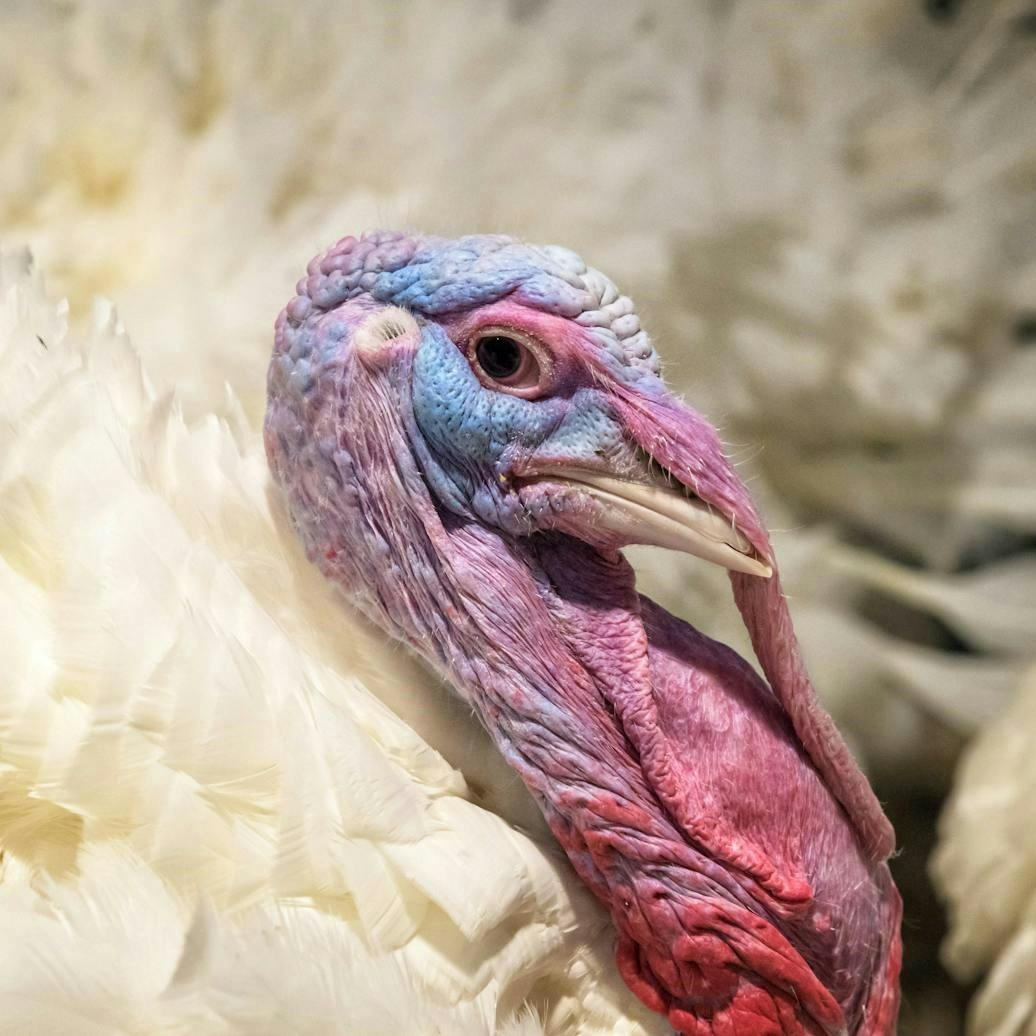
How did Minnesota become the nation's top turkey state?
Minnesota has been a national leader in turkey production since the 1950s, and No. 1 for the last two decades. That wouldn't have been possible without collaboration between farmers and researchers at the University of Minnesota. Christopher Vondracek joins host Eric Roper to discuss how Minnesota became such a turkey powerhouse. LINKS: How did Minnesota become the nation's top turkey state? (November 2023 Curious Minnesota article)

How much flour would it take to turn Lake Superior into bread?
Our winning question from the State Fair required some serious mathematics to answer. But the bakers at Duluth's Best Bread were up to the challenge. Reporter Christa Lawler joined host Eric Roper to discuss the logistics behind the Lake Superior Loaf. LINKS: How much flour would it take to turn Lake Superior into bread? (October 2023 Curious Minnesota article) MetaFilter thread about the article

Did teenagers 'riot' when the Beatles stayed in downtown Minneapolis in 1965?
The Beatles' 1965 concert in Bloomington was a memorable evening for many young fans. But that event was just the beginning of a long night for some ardent followers of the Fab Four. Reporter Zoë Jackson joins host Eric Roper to discuss what happened in downtown Minneapolis after the show. LINKS: Did teenagers 'riot' when the Beatles stayed in downtown Minneapolis in 1965? (June 2023 Curious Minnesota article) Minneapolis police press conference about the Beatles
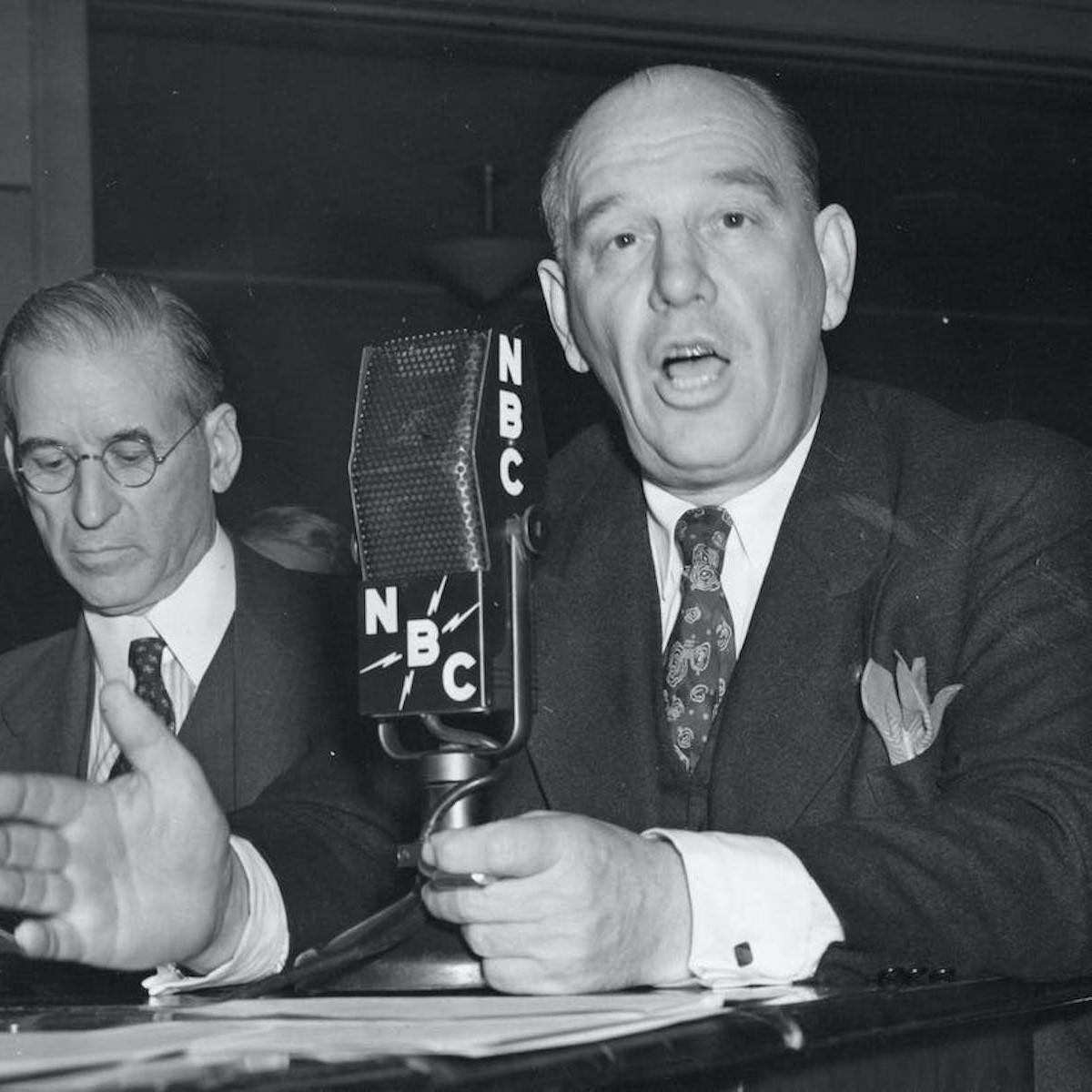
Did a Nazi sympathizer once represent Minnesota in the U.S. Senate?
Ernest Lundeen spent three decades trying to succeed in Minnesota politics. But it was his final years as a U.S. Senator representing the state that have defined his legacy, since Lundeen was spreading Nazi propaganda in the runup to America's intervention in World War II. Kevin Duchschere discusses his Curious Minnesota article on Lundeen with host Eric Roper. LINKS: Did a Nazi sympathizer once represent Minnesota in the U.S. Senate? (February 2023 Curious Minnesota story)
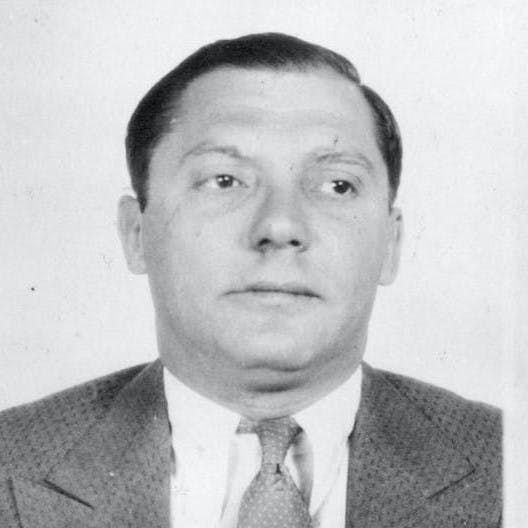
How did Kid Cann become Minneapolis' most infamous gangster?
Isadore Blumenfeld, a.k.a. Kid Cann, is the arguably biggest name in the criminal history of Minneapolis. He earned millions as a bootlegger during Prohibition and soon became a powerbroker in the city's corrupt political system. He was accused of many crimes -- which garnered big headlines in local papers -- but almost always beat the charges. Reporter Andy Mannix joins host Eric Roper to discuss his Curious Minnesota profile of Blumenfeld. How did Kid Cann become Minneapolis' most infamous gangster? (September 2023 Curious Minnesota article) Was organized crime behind the demise of streetcars in the Twin Cities? (December 2021 Curious Minnesota podcast)
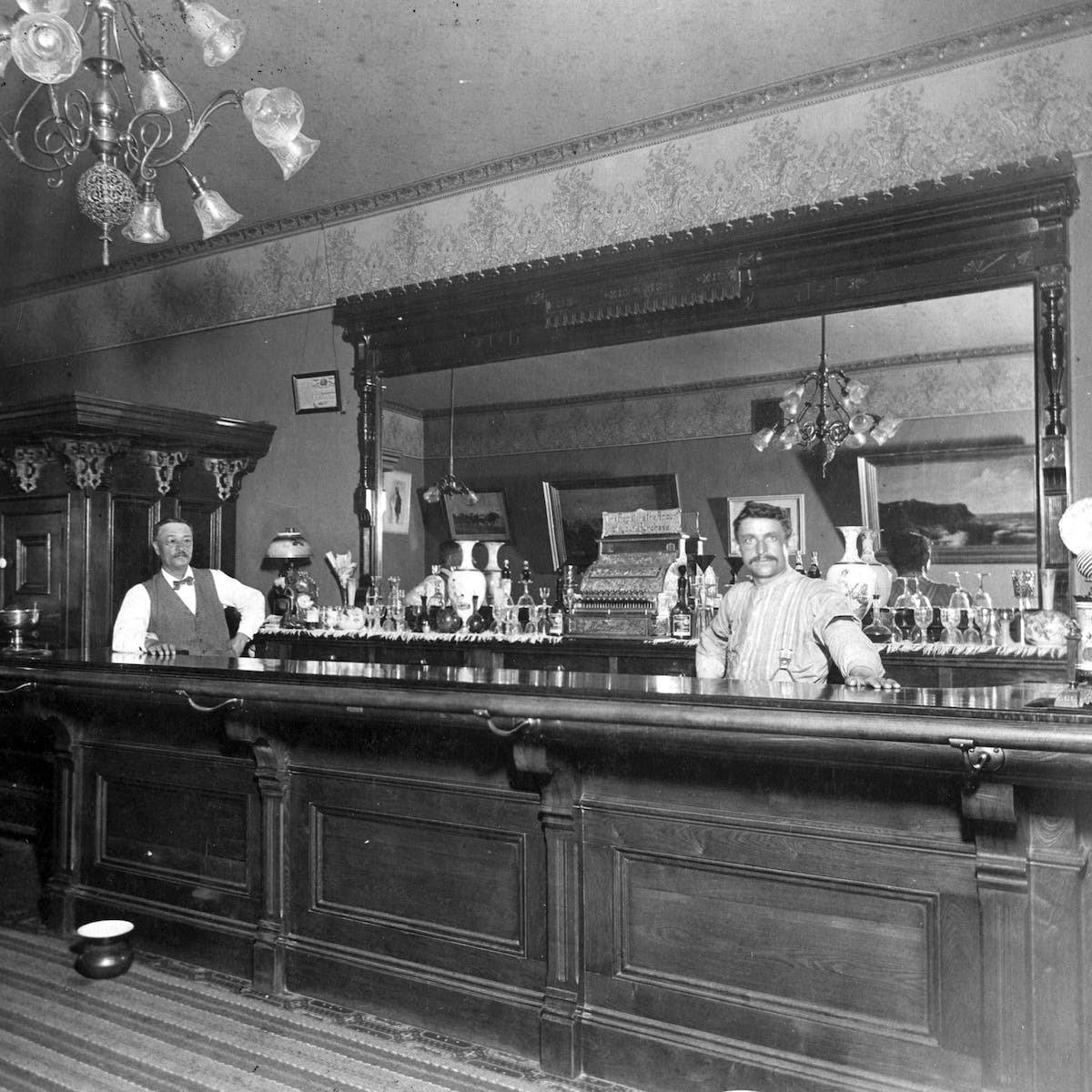
Was Moorhead once a drinking destination?
Different laws -- and cultures -- sometimes collide at the borders between states. An example of this occurred in the late 1800s in the twin cities of Fargo and Moorhead, at the North Dakota-Minnesota border. North Dakota's prohibition on alcohol sent many people across the river seeking booze in Moorhead. Reporter Reid Forgrave joins host Eric Roper to discuss this interesting slice of Moorhead's history. LINKS: Forgrave's Curious Minnesota article (September 2023)

Why did Spam become an international sensation?
Nearly 90 years since its invention in Minnesota, Spam's legacy extends far beyond the state. The pork product's importance during World War II gave it a large fanbase and spawned new international cuisine. Reporter Brooks Johnson joins host Eric Roper to discuss Spam's unique history. LINKS: Why did Spam become an international sensation? (August 2023 Curious Minnesota story)
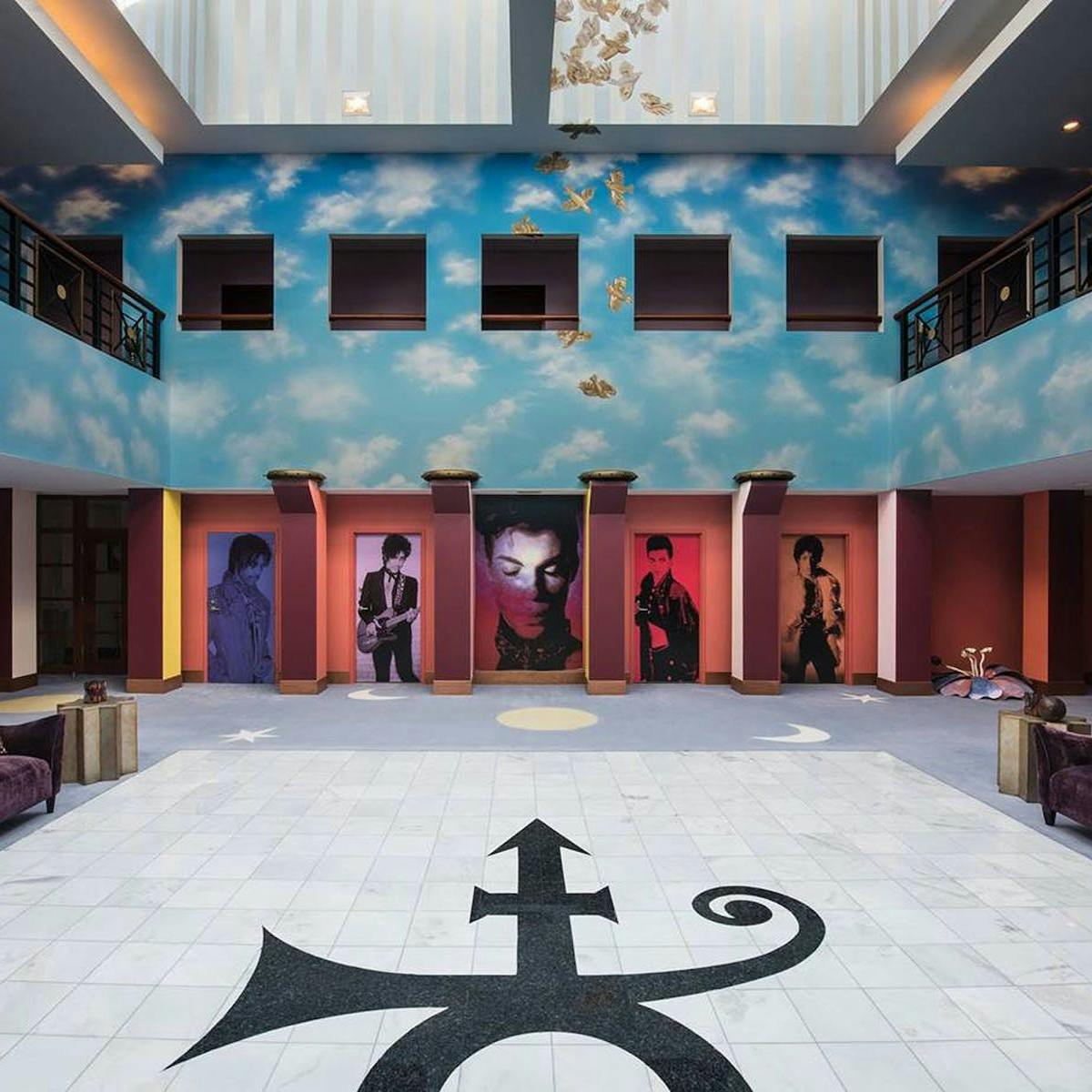
Why did Prince decide to live in Chanhassen?
Prince was raised in Minneapolis, but settled in Chanhassen as his career blossomed. Why Chanhassen? Star Tribune music critic Jon Bream, who has been covering Prince since the 1970s, explains the backstory behind the musician's decision to live in the western Twin Cities suburbs. LINKS: Why did Prince decide to live in Chanhassen? (June 2023 Curious Minnesota story) Tell us your favorite State Fair question

State Fair attendees tell us their Minnesota questions
No event is more quintessentially Minnesotan than the State Fair. So it was important that Curious Minnesota be there to hear what was on fairgoers' minds. We set up shop at the Star Tribune's State Fair building on September 2. In the morning, we solicited questions from fairgoers. We put many of these questions on a large board. In the afternoon, we asked people to vote on their favorite question. Let us know which question is your favorite in this poll.
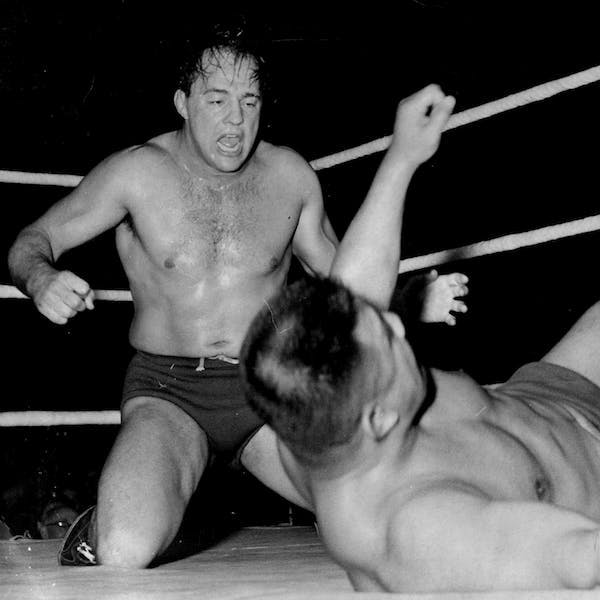
Why is Minnesota such a hotbed of professional wrestling?
Minnesota features prominently in the history of professional wrestling. Minneapolis was a prominent "hub" for the sport before promotions like the WWE made it a worldwide sensation. Reporter Stephen Montemayor joins host Eric Roper to discuss pro wrestling's background in the state. LINKS: Why is Minnesota such a hotbed of professional wrestling? (June 2023 Curious Minnesota story)

Curious Minnesota at the State Fair this Saturday
Saturday, September 2 is Curious Minnesota Day at the Star Tribune's State Fair building! Stop by anytime between 9 a.m. to 5 p.m. We will be soliciting questions from fairgoers in the morning and asking people to vote on their favorite questions in the afternoon.

Why did Minnesota once require margarine to be dyed pink?
The introduction of margarine in the United States in the late 1800s was very controversial in butter-producing states like Minnesota. Prompted by fears that margarine would undercut butter in the marketplace, lawmakers in Minnesota and elsewhere imposed taxes and regulations to tamp down margarine's success -- including a requirement that it be dyed pink. Reporter Brooks Johnson joins host Eric Roper to discuss this surprising tale from Minnesota history. LINKS: Why did Minnesota once require margarine to be dyed pink? (June 2023 Curious Minnesota story)
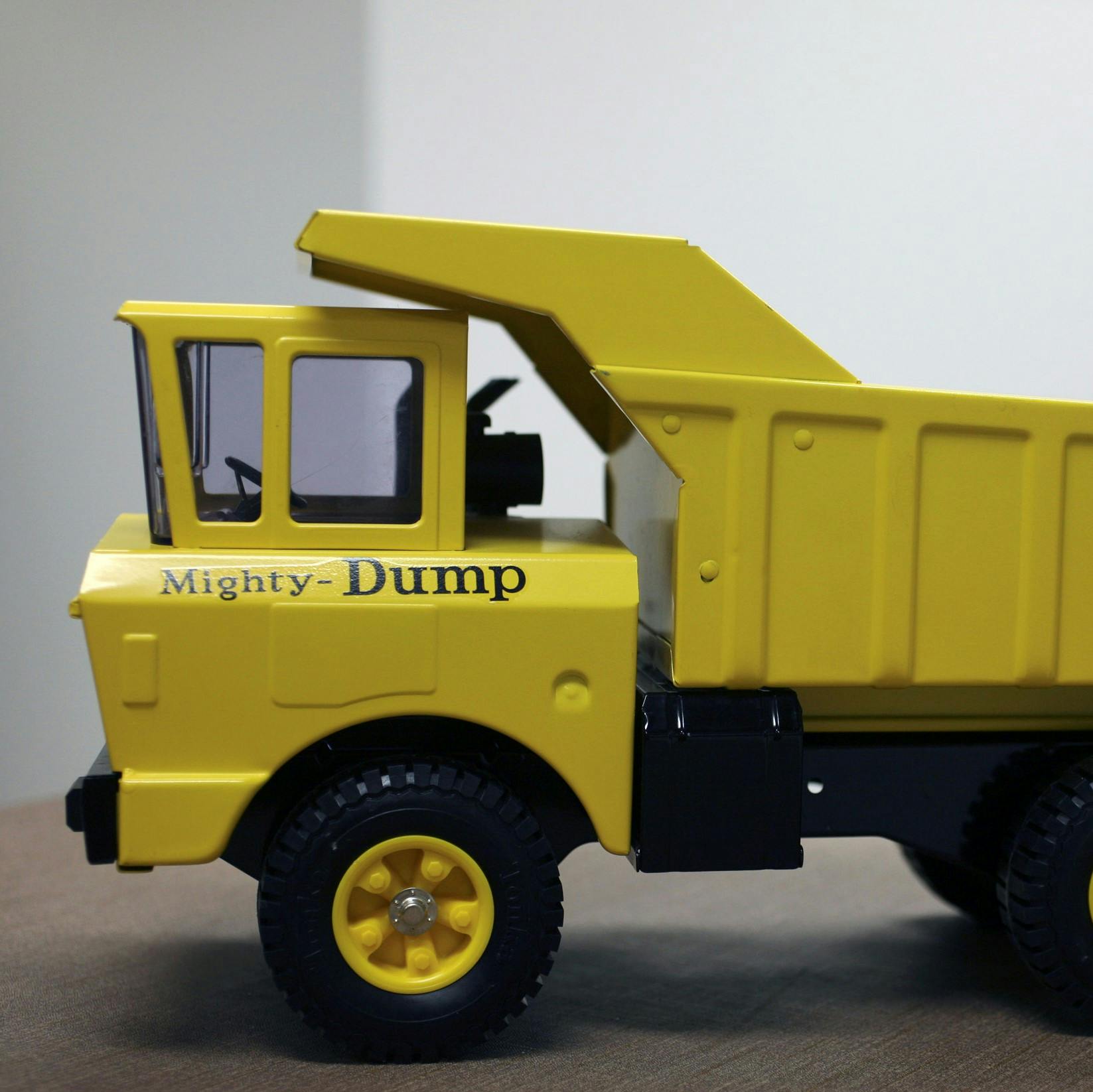
How did Tonka trucks get their start in Minnesota?
Many people alive today have memories of Tonka trucks, which have been an enduring element of the children's toy market for more than 70 years. Now owned by Hasbro, these realistic metal toys were invented and once manufactured in the western Twin Cities suburb of Mound. Reporter Nick Williams joins host Eric Roper to discuss how Tonka got its start in Minnesota. LINKS: How did Tonka trucks get their start in Minnesota? (April 2023 Curious Minnesota story)

Inside the mines and megamachines of the Iron Range
Minnesota's Iron Range essentially fueled America's success story as the country's largest source of iron ore. Curious Minnesota journeyed north to U.S. Steel's Keetac taconite mine to see how some of the state's largest machines make the raw ingredients for American steel. The trip was inspired by the Munson family's quest to find the state's largest machine, which was the subject of a January Curious Minnesota column. LINKS: What is the largest machine in Minnesota? (January 2023 Curious Minnesota story) Inside the mines and megamachines of the Iron Range (May 2023 Curious Minnesota story)

Why didn't Minneapolis and St. Paul ever merge?
It was once considered "manifest destiny" that Minneapolis and St. Paul would become one city. A conjoined municipality would have a population similar to Seattle and Denver. But this idea never took off, despite simmering in the public discourse for many decades. The Star Tribune's Kevin Duchschere joins host Eric Roper to discuss why the central cities of the Twin Cities region remained separate. LINKS: Why didn't Minneapolis and St. Paul ever merge? (March 2023 Curious Minnesota article)

Why does Minnesota have municipal liquor stores?
In some parts of Minnesota, buying a case of beer or a bottle of wine means visiting a city-owned liquor store -- or "muni." Minnesota's law allowing cities to have a monopoly over liquor sales within their boundaries is unlike most other states. Host Eric Roper talks with Maya Marchel Hoff about the Prohibition-era history behind Minnesota's municipal liquor stores. LINKS: Why does Minnesota have municipal liquor stores? (March 2023 Curious Minnesota article) Detailed information about how each "control state" regulates alcohol (National Alcohol Beverage Control Association)

Why didn't Minneapolis gobble up its suburbs?
Minnesota's largest city, Minneapolis, is much smaller than cities elsewhere in the country that it considers peers -- like Seattle and Denver. This is partly because the city did not annex its surrounding suburbs. (It is also because Minneapolis and St. Paul never merged, a topic for a future episode.) Eric Roper joins host Ash Miller to discuss why the greater Minneapolis area fragmented into a web of small cities -- instead of consolidating into a larger municipality. LINKS: Why didn't Minneapolis gobble up its suburbs? (March 2023 Curious Minnesota article)

Did a famed parks leader import gray squirrels to Minneapolis — and have the red ones killed?
Gray squirrels are so plentiful in cities today that it is difficult to imagine urban life without them. But their introduction to Minneapolis parks in the early 1900s was carefully orchestrated by park superintendent Theodore Wirth. Reporter Susan Du joins host Eric Roper to discuss how Wirth supplanted red squirrels with gray ones -- and the pitfalls of attempting to control nature. LINKS: Did a famed parks leader import gray squirrels to Minneapolis — and have the red ones killed? (January 2023 Curious Minnesota story)

Why was the utopian plan for Minneapolis' Cedar-Riverside area never built?
The towers now known as Riverside Plaza are among the most recognizable buildings in Minneapolis. Their colorful panels make them easy to spot from the busy freeways that surround the Cedar-Riverside neighborhood. But these buildings were supposed to be just the first phase an ambitious, utopian plan to transform this area. What happened? Adelie Bergström joins host Eric Roper to discuss why this controversial vision fell apart in the 1970s. LINKS: Why was the utopian plan for Minneapolis' Cedar-Riverside area never built? (February 2023 Curious Minnesota story) How did the Twin Cities become a hub for Somali immigrants? (January 2020 Curious Minnesota podcast) A photo of the Cedar-Riverside area in 1966.

What happened to Minneapolis' famous Weatherball?
Many Minnesotans today grew up when the Weatherball was one of the most prominent landmarks of Minneapolis' skyline. The massive sign stood atop the Northwestern National Bank building between 1949 and 1983. John Reinan joins host Eric Roper to discuss where this well-known Twin Cities artifact ended up, and its history in downtown. LINKS: What happened to Minneapolis' famous Weatherball? (February 2023 Curious Minnesota story)

How a Twin Cities ammunition factory dominated by women helped U.S. win WWII
Billions of bullets flowed from the Twin Cities Army Ammunition Plant in Arden Hills in its heyday during World War II. The campus was home to about 25,000 employees during the war, about half of them women. Today it is one of the largest shovel-ready development sites in the metro area. Shannon Prather joins host Eric Roper to discuss the unique history of the plant. LINKS: How a Twin Cities ammunition factory dominated by women helped U.S. win WWII (January 2023 Curious Minnesota article)

Why was the Mall of America built in Minnesota?
The Mall of America is one of Minnesota's most well-known landmarks, three decades after it was built in Bloomington. But why was the country's largest indoor shopping center constructed in Minnesota? Nadine Manske joins host Eric Roper to discuss the history of this unique place. LINKS: Why was the Mall of America built in Minnesota? (December 2022 Curious Minnesota article)

Why does Minnesota sometimes get colder than the North Pole?
Let's talk about Minnesota's favorite topic: The weather. Minnesota's bitter winters are part of the state's national identity. But how cold is it, really? Is it really colder than the North Pole? Ash Miller talks to Eric Roper about why the answer isn't as simple as it may seem. Why does Minnesota sometimes get colder than the North Pole? (December 2021 Curious Minnesota story) Read about the coldest day in Minnesota history (Minnesota Department of Natural Resources)

How did Minnesota become a window manufacturing hub?
Minnesota's largest window companies, Marvin and Andersen Windows & Doors, are well known across the nation. The state actually has the second-highest concentration of window and door manufacturing jobs in the country. So how did Minnesota become a window hub? Reporter Nick Williams joins host Eric Roper to discuss the industry's history in the state. LINKS: SURVEY: Help us improve the Curious Minnesota podcast How did Minnesota become a window manufacturing hub? (August 2022 Curious Minnesota story)

Why are there so many stucco homes in the Twin Cities?
About 45% of single-family homes in Minneapolis have stucco siding, along with nearly a third of the homes in St. Paul. What's behind this trend among older homes in the Twin Cities? Reporter Nancy Ngo joins host Eric Roper to discuss the reasons the region has so many stucco homes. LINKS: SURVEY: Help us improve the Curious Minnesota podcast Why are there so many stucco homes in the Twin Cities? (April 2022 Curious Minnesota story)

Minnesota companies once dominated the supercomputer industry. What happened?
Like in flour and lumber milling, Minnesota companies once dominated the field of supercomputing. Firms like Univac, Control Data and Cray Research built some of the fastest computers in the world. But their success didn't last, despite the growth of the computer industry overall. Evan Ramstad joins host Eric Roper to discuss the origins of these companies, and why they faded from the spotlight. LINKS: Minnesota companies once dominated the supercomputer industry. What happened? (November 2022 Curious Minnesota story)

Why did Finnish immigrants come to Minnesota? (And no, they're not Scandinavian)
Minnesota has more residents of Finnish ancestry than any other state. That's the result of mass immigration from Finland that occurred in the late 1800s and early 1900s. The story of Finns immigrating to Minnesota is distinct from the Swedes and Norwegians. Eric Roper, who wrote a story on this topic, discusses the reasons why with Ash Miller. LINKS: Why did Finnish immigrants come to Minnesota? (And no, they're not Scandinavian)

Did a TV debate decide one of Minnesota's most scandalous elections?
It has been more than 30 years since one of the most bizarre elections in recent Minnesota history. The Republican-endorsed candidate for governor, Jon Grunseth, withdrew from the race just days before Election Day amid a cloud of allegations. His last-minute replacement on the ballot, Arne Carlson, went on to defeat DFL incumbent Rudy Perpich -- the state's longest-serving governor. Reporter Randy Furst joins Eric Roper to discuss the campaign and a television debate that may have impacted the outcome of the election. Debate clip used with permission by Twin Cities Public Television. LINKS: Did a TV debate decide one of Minnesota's most scandalous elections? (September 2022 Curious Minnesota story)

Who was Hennepin and why did Minnesota name so many things after him?
Father Louis Hennepin's name is prevalent around the Twin Cities. The state's most populous county is named after this 17th century Catholic priest, as are a prominent Minneapolis avenue and countless public facilities. So who was Father Hennepin? Kevin Duchschere joins Ash Miller to discuss Hennepin's travels in Minnesota, and why his name became so closely affiliated with the area. LINKS: Who was Hennepin and why did Minnesota name so many things after him? (October 2022 Curious Minnesota story)

Does Minnesota really have the 'World's Oldest Rock'?
Historical markers peppered around Minnesota help keep the state’s rich history alive. But few are as intriguing — and controversial — as the landmark for Minnesota’s most ancient artifact: the “World’s Oldest Rock.” Eric Roper and Ash Miller discuss the 3.5-billion-year-old history behind this claim on a historical marker in Granite Falls. And they delve into the reasons why Minnesota boasts some very unique geology. LINKS: Does Minnesota really have the 'World's Oldest Rock'? (August 2022 Curious Minnesota story)

How lumberjacks harnessed an 'ocean of pine' to build Minnesota
Minnesota's flour milling prowess is a well-known part of the state's history. But the area's milling legacy began with sawmills that turned the state's white pine trees into lumber. By 1905, Minneapolis was the top lumber market in the world. Transporting these logs to mills was no easy task. The Star Tribune's Christa Lawler joins host Eric Roper to discuss the logistics of how this booming industry worked. LINKS: How lumberjacks harnessed an 'ocean of pine' to build Minnesota
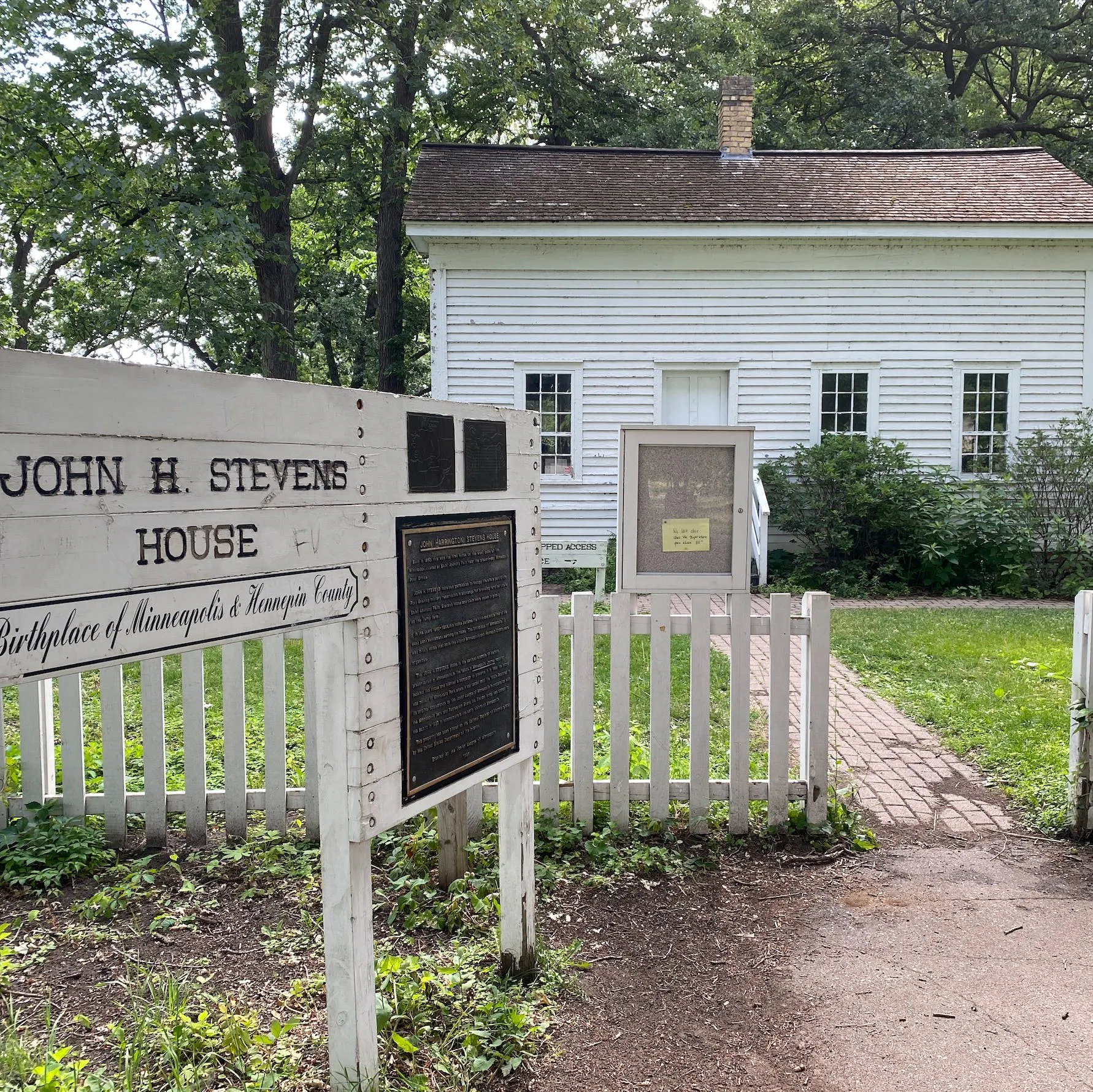
Why has the Park Board allowed the 'birthplace of Minneapolis' to deteriorate?
The John H. Stevens House in Minnehaha Park is arguably the most important structure relating to Minneapolis' origin story. But the exterior of the property is in rough shape after years of deferred maintenance. Eric Roper and Ash Miller discuss the unique history of the house, and why it has been allowed to deteriorate. LINKS: Why has the Park Board allowed the 'birthplace of Minneapolis' to deteriorate? (July 2022 Curious Minnesota story) Discover the hidden house in Minnehaha Park where Minneapolis was born (June 2021 Star Tribune magazine story)

Why did Scandinavian immigrants choose Minnesota?
Minnesota has more residents of Norwegian and Swedish ancestry than any other state, due to a wave of immigration from those countries in the 19th Century. But why did those immigrants choose Minnesota? Eric Roper and Ash Miller discuss the factors that caused people to leave Scandinavian countries in the 1800s, and how Minnesota became a major destination. LINKS: Why did Scandinavian immigrants choose Minnesota? (May 2022 Curious Minnesota story) Is Minnesota actually more German than Scandinavian? (January 2020 Curious Minnesota story)
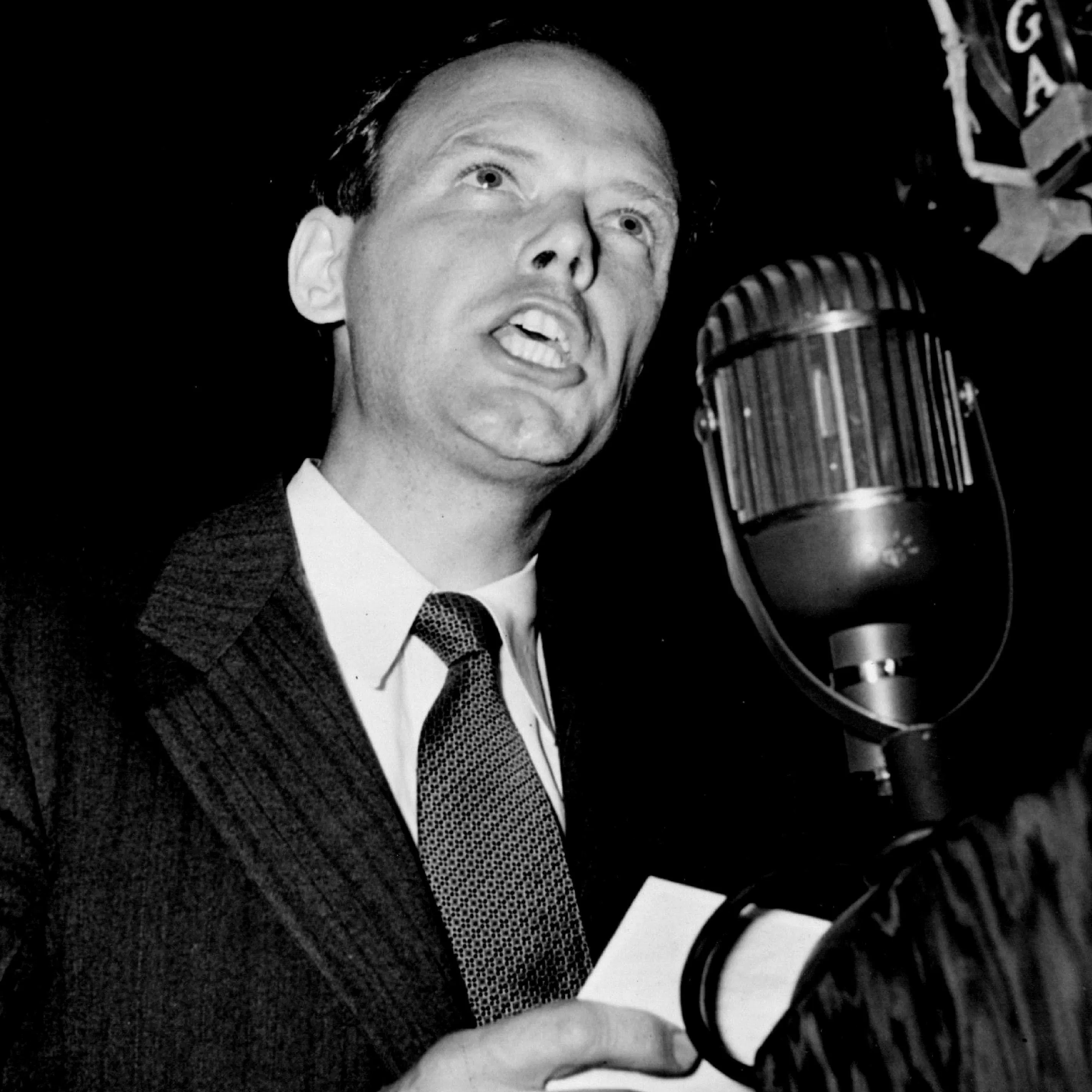
Was Charles Lindbergh a Nazi sympathizer?
Any list of the most famous Minnesotans who ever lived should include Charles Lindbergh, who became a worldwide celebrity when he completed the first nonstop flight from New York to Paris in 1927. But Lindbergh's controversial statements and actions in the years preceding Pearl Harbor have become an enduring aspect of his legacy. The Star Tribune's Kevin Duchschere joins the show to discuss Lindbergh's life and whether the famous aviator was a Nazi sympathizer. LINKS: Was Charles Lindbergh a Nazi sympathizer? (June 2022 Curious Minnesota story)