Creative Mind Audio
136 episodes — Page 2 of 3

Thriving as a highly sensitive person, or autistic, or both - especially as a woman
This is a free preview of a paid episode. To hear more, visit thecreativemind.substack.com"I didn’t like to be touched, I laughed at inappropriate times, ate the same foods every day, and was frequently overstimulated by smells, textures and sounds.” || “There are huge crossovers between non-binary, transgender, and gender and sexual non-conforming people who are autistic. Huge crossovers." Zhara Astra"Although there may be some similarities between the sensory processing challenges experienced by highly sensitive individuals and those with autism, there are some key differences..." Jules De VittoTherapist and author Julie Bjelland, LMFT comments about her podcast Episode 189: Highly Sensitive, Autistic, or both? Understanding the Differences. See page on her site for the HSP and Neurodivergent Podcast. "I discuss the differences that set autism apart from high sensitivity, particularly in women. I highlight the outdated diagnostic criteria for autism and the misdiagnosis or lack of diagnosis in many women. "We'll explore the unique characteristics of autistic women, such as the challenges of masking, the need for solitude, and the intense sensitivity across multiple senses. I also emphasize the importance of self-compassion and acceptance for autistic individuals and the need for a neurodiverse society."Understanding Autism in Women - An Online Guide - Author Julie Bjelland, LMFT, summarizes: "This guide is important for individuals and practitioners and contains the most recent research and information we know about autism in adult women. Many sensitive women are discovering that they are also autistic because past diagnostic criteria has been inaccurate."Also see her list of Courses for the Sensitive and Neurodiverse including "Brain-Training for the Highly Sensitive Person - Techniques to Reduce Anxiety & Overwhelming Emotions." ~~~> See longer quotes, videos, plus links to other resources below.
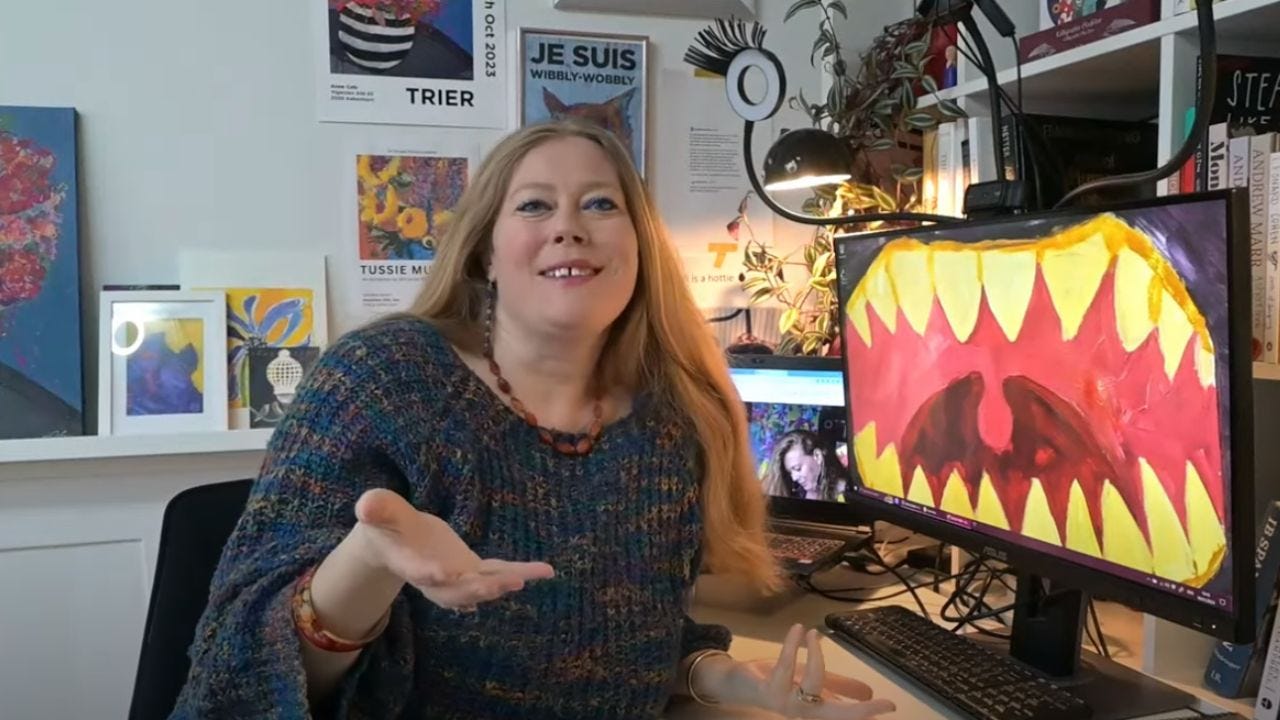
How to Grow Your Creative Business as a Sensitive and Neurodivergent Person
"In my late 20s, I realized that I just couldn't work for somebody else anymore. It was becoming increasingly difficult to meet the demands of a workplace of having to go and be in a certain place every day, and having to sort of mask all the time and hide the needs that I had. “And I know this will be familiar to a lot of the people listening to this today."This Creative Mind Audio is an excerpt from a much longer Highly Sensitive and Neurodivergent Podcast by Julie Bjelland, LMFT (link below).Learn about her ongoing free class: Growing a Heart-Centered Online Business You Love in List of Free webinars for Highly Sensitive People.Also learn about her course How to Grow a Heart-Centered Online Business - see List of Courses.~~~~From the original Summary of the podcast episode:"Ellie Trier, a contemporary artist and illustrator, shares her journey of starting and growing a business to support her artistic talents. She discusses her experience as a neurodivergent person and how it influences her business. "Ellie emphasizes the importance of self-awareness and self-care in managing her energy levels and avoiding burnout. "She also provides tips for managing sensory sensitivities and finding alternative mediums for artistic expression. "Additionally, Ellie shares her insights on being comfortable in front of a camera and the importance of practice and setting boundaries.”Continued below with a summary of topics, video of Trier in her studio in Copenhagen, plus links to the full episode, and resources on developing a business.More from the notes for the full podcast Episode 188: Growing a Business to Support Our Creativity with Neurodivergent Artist, Eli Trier, hosted by Andrea Weber, from The Highly Sensitive and Neurodivergent Podcast by Julie Bjelland, LMFT. Takeaways“Self-awareness and self-care are crucial for managing energy levels and avoiding burnout in a business.Exploring alternative mediums can help artists with sensory sensitivities find ways to express their creativity without discomfort.Practice and setting boundaries are key to becoming comfortable in front of a camera and sharing one's artistic journey with others.Being neurodivergent can provide unique strengths and perspectives that can be leveraged in business.” ...Learn more about Elinor Trier at her website. Tour of her studioPodcast host Andrea Weber is "the Business Group and Events Co-ordinator for the Sensitive Empowerment Community and founder of Expansive Happiness®. Andrea provides encouragement and practical strategies for environmental sensitivity management through her self-paced program, articles and posts, helping people navigate the day to day challenges of emf, chemical and mold sensitivity."Sensitive Empowerment Community by Julie Bjelland - members have access to the Heart-Centered Business Group and many other resources. The Sensitive Empowerment site of Julie Bjelland includes a page of Online Courses:* Your Self-Discovery Journey* The HSP Toolbox* Brain Training For the Highly Sensitive Person* Blooming Brilliantly Course* How to Grow a Heart-Centered Online BusinessExpansive Happiness site of Andrea Weber - "Creative writing and courses for highly sensitive and environmentally sensitive people." ~~~Related podcast episodes:Nicola Newman says "what I’ve found after years of making things, whether it’s been producing documentaries, renovating a house, making a website, writing a book, building a heart-led business, or making a painting is this, you’ve got to trust the process. But what does that mean – trust the process?"~~~~~~ This is a public episode. If you'd like to discuss this with other subscribers or get access to bonus episodes, visit thecreativemind.substack.com/subscribe
How to Help Recover From Trauma - A Blueprint for Healing
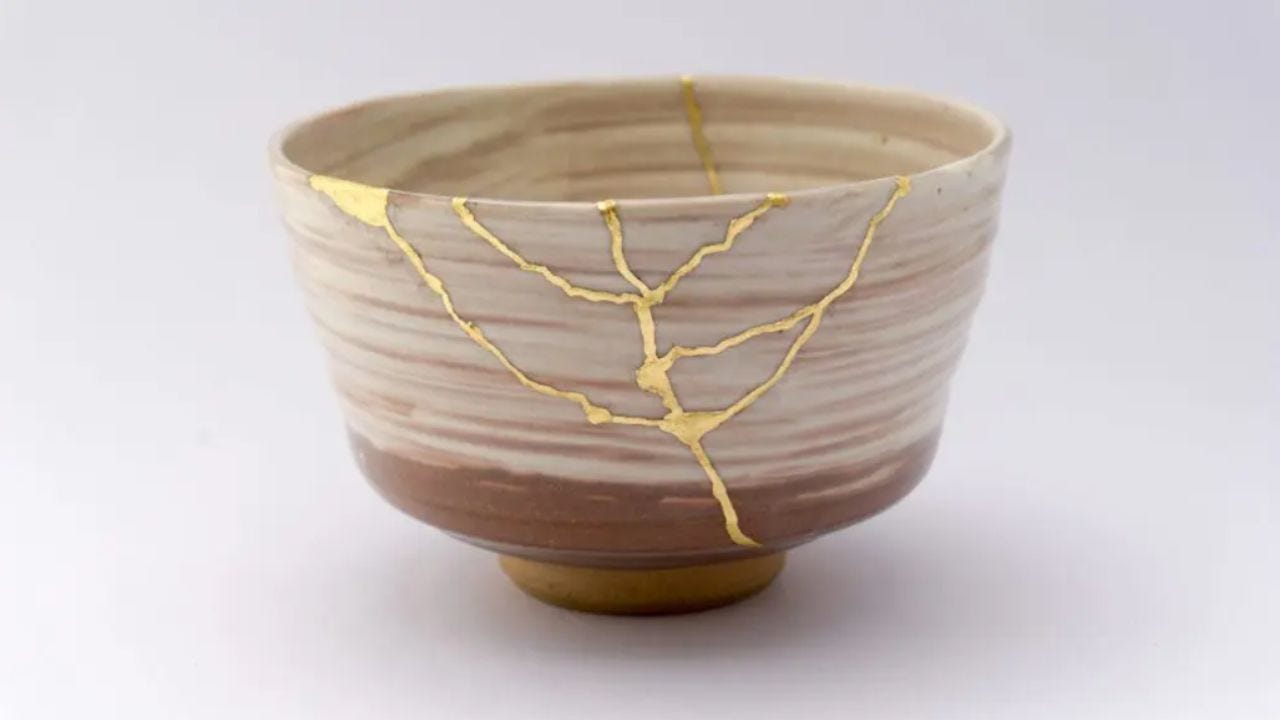
"You're not just getting by anymore. The work that you've done on your healing journey has created the possibility of transformation beyond what levels of health you've had in the past. “And this is your physical health, your mental health, emotional health. You are a better person than you've ever been before." Aimie Apigian"We now call this post traumatic growth, this possibility of transformation..." James GordonDr. Aimie Apigian, MD, MS, MPH is a Preventive Medicine physician and founder of Trauma Healing Accelerated. James Gordon, MD is founder and CEO of the Center for Mind-Body Medicine.This Creative Mind Audio is most of a previous Biology of Trauma Podcast episode: “A Blueprint for Healing: Lessons From A Pioneer in Mind-Body Medicine” by Dr. Apigian, interviewing Dr. Gordon.From her page for the episode:"What you’ll learn in this episode: What are the Three P's of for an effective approach to trauma The most serious biological consequence of trauma How realizing trauma is a Universal Experience helps us with our healing How do we create the possibility of transformation and Post-Traumatic Growth Why we need to be intentional in our own healingDr. Gordon: “People who are dealing with stored trauma are often so shut down. I think long term the consequences of the freeze response and the consequences of being in situations that are overwhelming and inescapable are often enough repeated. "Or they’re prolonged over a period of time that causes a freeze response which can have the most serious biological consequence. Partly, because it's so disabling, and it removes us from the capacity to feel. "When it's prolonged over time it shuts us off from life, our own life, and the life all around us.”~~~~~ {Image for this page is from article: Are We Really Stronger in the Broken Places? By Jen - "Kintsugi is an ancient Japanese tradition of repairing broken pottery with a strong, sealing bond that is mixed with gold, silver, or platinum...It exemplifies the way that healing our broken places allows us to emerge from darkness stronger and more beautiful."} See video and more resources by Dr. Aimie Apigian below:***⏺ See more videos in Playlist: Trauma Healing Resources for trauma recovery by Aimie Apigian, MD:▶️ The 21 Day Journey for addressing stored trauma in the body and making your body feel safe. 📖 The Essential Sequence free guide - How to Release Stored Trauma 📖 Attachment Guide free ebook - Transform Your Trauma Response To Secure Attachment.~~~Related:~~~~~ This is a public episode. If you'd like to discuss this with other subscribers or get access to bonus episodes, visit thecreativemind.substack.com/subscribe
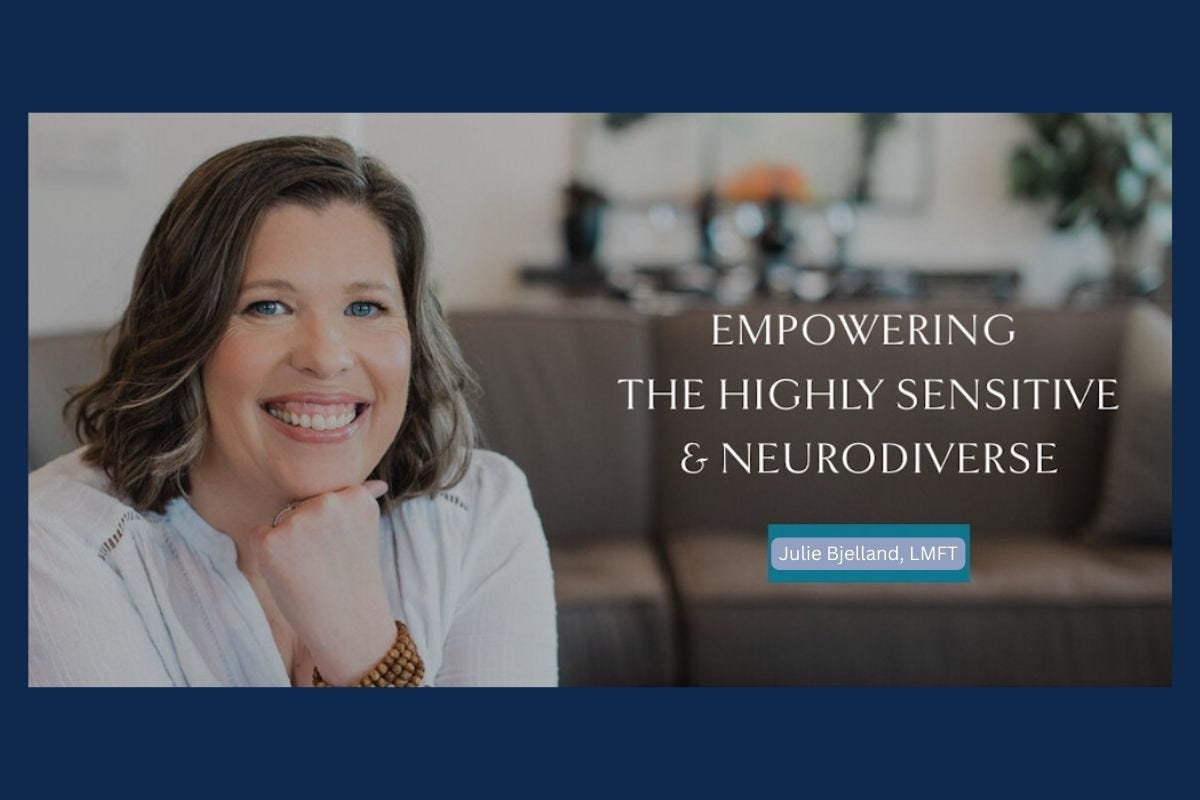
Empty Nest, Menopause, Autism - Challenges and growth, with psychotherapist Julie Bjelland
This is a free preview of a paid episode. To hear more, visit thecreativemind.substack.com"In this episode, I take you on a deeply personal journey through some of the most challenging phases of my life. Julie Bjelland continues, "I open up about the experience of facing an empty nest, the physical and emotional upheaval brought on by menopause, and the profound insights I gained from understanding how autism impacts me and others who are sensitive. "These challenges led me through some dark times, prompting a pivotal moment of self-reflection and a strong commitment to prioritizing my health."She adds, "This wasn't just about my physical well-being but about embarking on a path of self-discovery and acceptance. "By embracing changes and committing to learning more about my internal world, I discovered the nuances of autism and how it resonates with the experiences of sensitive individuals like myself."Bjelland says this episode is "more than a story of personal struggle; it's a testament to the power of resilience, the importance of health, and the journey toward understanding myself on a deeper level."Psychotherapist and author Julie Bjelland, LMFT, specializes in helping Highly Sensitive and Neurodiverse people.This audio is most of her HSP Podcast episode 187: Empty Nest, Menopause, and Autism.See her page: Resources Supporting Highly Sensitive People & The Neurodiverse - "Helping you lower sensitivity challenges so you can thrive to your fullest potential" - with free classes, Sensitivity Quiz, posts, HSP Podcast episodes, paid courses, The HSP community, Autism Resources, and more. Continued below: a video with Mayim Bialik and Julie Bjelland (“Positives and Strengths of Being a Highly Sensitive Person”), some comments by psychologist Scott Barry Kaufman on painful emotions and personal growth, plus a few related Creative Mind Audio episodes on autism and high sensitivity.

Healthy relationships and attachment styles with Aimie Apigian, MD
"Attachment is not just one’s relationship style, it was one’s survival style for the first few years of life.“These experiences influence our attachment styles—secure, anxious, avoidant, or disorganized—and shape our ability to form healthy relationships."Dr. Aimie Apigian says "everything that we know from attachment is that you need one primary caregiver, which is why it’s the mother first. “The biological mother is your secure base. Usually, that’s for the first two years of life that you are developing that security with her. From that relationship, then you grow into other relationships."But what if that initial relationship with our mother was not so healthy?This audio is an excerpt from from the Biology of Trauma® Podcast Episode 69: "How Attachment Shapes Our Biology and Behavior" with Dr Apigian.Dr. Aimie Apigian MD, MS, MPH "bridges the worlds of functional medicine, addiction medicine, neuroscience, attachment, and trauma therapy. “Through her online courses, she leads self-help seekers and parents through the essential sequence for safely addressing stored trauma in the body. “Best known for introducing the Biology of Trauma® lens, she integrates somatic work, parts work and biology work for accelerating the healing journey for lasting results, and teaches professionals to do the same..." [From profile on her YouTube channel.]Resources:▶️ The Biology of Attachment Pains Roadmap [free eBook] ▶️ Learn about Dr Apigian's program TheFoundational Journey for addressing stored trauma in the body.▶️ See more videos in Playlist: Trauma Healing Related video with Dr Apigian:~~Related podcast post:~~~~ This is a public episode. If you'd like to discuss this with other subscribers or get access to bonus episodes, visit thecreativemind.substack.com/subscribe

Creative and Gifted, With a Rainforest Mind - Insights of Psychotherapist Paula Prober
This is a free preview of a paid episode. To hear more, visit thecreativemind.substack.com"I developed the analogy of the rainforest mind because I needed a way to explain giftedness to teachers and really anybody who wasn’t sure what does it mean. There are so many different definitions...some people think it’s achievement. Some people think it’s personality or brain."Paula Prober is a psychotherapist and consultant specializing in gifted adults and families. This episode includes excerpts from a couple of interviews.She continues in one interview:"So some people are like meadows, some are like deserts, or oceans, and some people are like the rainforest and all those ecosystems are beautiful and valuable and important. "And the rainforest ecosystem is just the most complex. And that’s like our gifted people. They’re full of ideas and many layers, and there’s so much going on...colorful and intense and highly sensitive."Continue below to see links to source interviews, some of her sites and books, links to articles, short video and more. Plus some related resources for gifted adults.***

Can EMDR therapy help us deal with PTSD and other emotional health issues?
How does EMDR work? Can it help people recover from trauma, PTSD, addiction and other kinds of emotional health challenges?The audio in the first segment is from a video conversation between Russell Brand and actor Jameela Jamil ('The Good Place' series).Psychologist Cheryl Arutt finds EMDR is a "psychotherapy method proven to help people recover from distressing life experiences, including PTSD, anxiety, depression, and panic disorders." The second segment is an excerpt from her TED Talk "That Good Feeling of Control".See videos and more in article:Can EMDR Therapy Relieve Depression, Anxiety, PTSD, Addiction and more?~~~~Support the showView selected episodes and articles with more resources: The Creative Mind Audio Podcast page on the main site. This is a public episode. If you'd like to discuss this with other subscribers or get access to bonus episodes, visit thecreativemind.substack.com/subscribe

Getting out of our heads, working with emotional intensity, and more with Christine Fonseca
This is a free preview of a paid episode. To hear more, visit thecreativemind.substack.com"To get out of our heads and into our bodies a little more...I think gifted humans, neurodivergent humans and humans impacted by trauma...really have a hard time doing that."In a post of hers (Understanding Emotional Intensity), Christine Fonseca summarizes that "Intensity refers to how an individual approaches life. At its best, it is the driving passion that enables some people to achieve amazing things – in any domain. "But at its worst, it is the turmoil that has the power to consume these same individuals from time to time as they learn how to manage that aspect of their personality."This audio is from a much longer Embracing Intensit interview by Aurora Remember. Follow link to page on her site with details about her Free Resource Library, podcasts, videos, membership, and more resources for neurodiverse, gifted, and creative people..

How To Connect to Our Creativity with Tye Glover, an excerpt from The Perception Podcast
Tye Glover is an Ideation Coach, and Founder and President of Think Different Nation.This is an excerpt from his conversation with Caroline Partridge for her Perception Podcast. He comments: "We can't really recognize what else someone else is not seeing or seeing...I started recognizing that I have a particular way in which I'm experiencing that I'm looking at things, that I'm taking note of particular operations of forms and functions."And I started to recognize how these things are becoming the key pieces of information or what Steve Jobs would refer to as dots - he used to use the expression ‘You can't connect the dots by looking forward, you've got to look backwards.’"The description for the full Perception Podcast episode includes:"After being labelled as learning disabled and consigned to a future of manual work Tye describes how the spectre of imposer syndrome haunted him for years, until he finally found the belief to create his own business teaching people how to connect to their ideas and creativity. Tye also explains the theory behind NCP or Neuro Creative Programming and how Star Trek really does influence science. Key TakeawaysImposter syndrome labels us "less intelligent" but we have hidden strengths and perceptive abilities valuable elsewhere, so embrace your distinct way of thinking and operating.Noticing life's anomalies then drilling down for deeper understanding builds a library of novel inputs to spark new ideas and connections á la Steve Jobs' "connecting the dots."Science and imagination are intertwined - science fiction writers imagine what scientists verify, like Star Trek influencing NASA, so perceive creativity as foundational to science.We're distinct individuals experiencing emotion at different polarities and paces, so make space for your own nonlinear neurological and emotional processing free of judgment.The mind directs energy so carefully choose where to place your mental focus, limiting attention on unchangeable, distracting, lower vibrational drama unrelated to progress."To thine own self be true" - create by knowing your native talents and processes then expand by applying them more widely, living and working aligned with your authentic strengths."SitesHow We Create Ideas with Tye Glover - The Perception Podcast. The graphic in the image above comes from his site Think Different Nation. ~~~~Related : This is a public episode. If you'd like to discuss this with other subscribers or get access to bonus episodes, visit thecreativemind.substack.com/subscribe

Autism and Women - "I operated on a different wavelength." - Zhara Astra
"Growing up in the 1990s, I was different from other girls, but I certainly never considered I had autism."Zhara Astra continues, "Sure, I operated on a different wavelength: I gravitated towards philosophy and books that dissected the meaning of life. I was extremely literal, and had a fascination with math and numbers, as is common in autism.But, less commonly, I didn’t like to be touched, I laughed at inappropriate times, ate the same foods every day, and was frequently overstimulated by smells, textures and sounds. We are starting to discover that these traits are more likely to occur in women and girls with autism."From her Scientific American article: “We Need Better Diagnostic Tests for Autism in Women” - Diagnostic criteria are developed using white boys and men, failing to serve many neurodivergent girls and women. Zhara Astra is a screenwriter and producer, and also a professor at Arizona State University where she teaches a course she developed on “Understanding Neurodivergent Women” with an emphasis on autism in women and girls.This audio is an excerpt from the podcast interview: “The Vital Importance of Diagnosis of Autism in Girls and Women: A Discussion with Zhara Astra” - an episode of Uniquely Human: The Podcast with Barry M. Prizant, PhD, and Dave Finch.Barry M. Prizant book: Uniquely Human: A Different Way of Seeing Autism In the syllabus for her university course, Astra lists Textbooks, Required Readings and Materials - including:* Divergent Minds, by Jenara Nerenberg* Neurodiversity: The Birth of an Idea, by Judy Singer* Women and Girls with Autism Spectrum Disorder, by Sarah Hendrickx* The Highly Sensitive Person, by Elaine Aron* The Empowered Highly Sensitive Person: A Workbook to Harness Your Strengths in Every Part of Life, by Amanda Cassil (recommended for my neurodivergent students)> View these titles and more in my Amazon list Highly Sensitive / Neurodivergent People ~~~Julie Bjelland, LMFT is a "proud Autistic, HSP, Licensed Psychotherapist specializing in highly sensitive people and adult-diagnosed Autism in females. “I founded Sensitive Empowerment to raise awareness about the extraordinary value inherent in Sensitivity and Autism." (From profile on her site.)Articles in the Blog section of her site include:* Unmasking Autistic Traits in Women: Could You Be Autistic?* Neurodivergent Women: HSPs and Autism* Autistic Women: A Support Group Empowering the Adult-Diagnosed or Self-Diagnosed * Navigating the Challenges of Autism Diagnosis as an Adult Woman - "…can be a daunting journey. This exploration aims to illuminate the inherent challenges and propose actionable solutions to make this path less difficult.The Diagnostic Obstacles for WomenMasking and Compensation: Many autistic women master the art of camouflaging their autism traits through coping mechanisms and masking strategies, rendering their symptoms less noticeable to others.Evolving Diagnostic Criteria: As our understanding of the autism spectrum widens, the diagnostic criteria evolve accordingly. Unfortunately, this evolution often fails to capture the unique manifestations of autism in women.Limited Professional Awareness: A significant barrier to diagnosis is the lack of training and awareness among healthcare providers regarding autism in adult women, leading to a high rate of underdiagnosis or misdiagnosis. ..."See the full articles in the HSP Blog section of The Sensitive Empowerment site of Julie Bjelland - follow link to also find her podcast, books, free webinars, courses, Sensitive Empowerment Community and other resources. ~~~~~ This is a public episode. If you'd like to discuss this with other subscribers or get access to bonus episodes, visit thecreativemind.substack.com/subscribe

Thriving more as gifted or BIPOC - navigating cultural dynamics and conformity pressures
This is a free preview of a paid episode. To hear more, visit thecreativemind.substack.com"I was also aware that I was not really allowed to be so gifted, that I threatened their self concepts. “Which is to say that I wasn’t really encouraged or allowed to be my full self, but I was rather being asked to act as a kind of instrument or one dimensional trophy for other people. “And I found that it’s really hard to live inside such suffocating and dehumanizing expectations."But in adulthood, I have come to understand that I don’t actually need to be beholden to such expectations." - Kaitlin SmithIn this excerpt from an episode of the Embracing Intensity Podcast, host Aurora Remember interviews Kaitlin Smith, a scholar, facilitator, and founder of Our Wild Minds.Topics in the full interview, as listed on the Embracing Intensity page, include*Kaitlin’s journey as a scholar, facilitator, and founder of Our Wild Minds.*The intersections between the history of mind sciences and African American studies in Kaitlin’s research.*The challenges Kaitlin faced growing up in a predominantly white suburb and the conflicting expectations placed upon her as a gifted Black individual.*The impact of cultural dynamics on expression and the pressure to conform to societal expectations.Listen to the full podcast episode 266-Navigating Intensity Through a Cultural Lens with Kaitlin Smith, MSW, and learn about the Embracing Intensity Free Resource Library - includes links to blog posts, podcasts, videos, Course Membership, and more: thecreativemind.info/EI-free-resourcesThe photo of Kaitlin Smith and the drawing are from her site ourwildminds.com~~~~~~

How to understand and heal from trauma - What is the freeze response?
"Have you ever frozen up in the face of what should otherwise be a nonthreatening situation?" That is one way to define the trauma response of freeze.In the first section of this podcast episode, Dr. Aimie Apigian, MD comments "when we bring in the right kinds of support, the right kinds of energy, I have seen the time needed for the freeze response to become less."And yet every person, every body, every nervous system, seems to have its own rough time schedule for the freeze response..."This is an excerpt from her video What To Do When You Are In The Freeze.Dr. Aimie Apigian, MD, MS, MPH, is an author, speaker and founder of Trauma Healing Accelerated. Learn about Dr Apigian's program the Foundational Journey “for addressing stored trauma in the body.”~~~In the second section, Dr. Jeffrey Rutstein, PsyD, a clinical psychologist and expert in the treatment of trauma, talks about freeze as one of five defensive states in response to trauma.This is an excerpt from his video 3 on freeze from a Sounds True free series. The description on the registration page asks:"Have you ever frozen up in the face of what should otherwise be a nonthreatening situation? It can be confusing to say the least. “Video #3 addresses what we can do to begin the path to self-regulation."Register free for "Take Back Your Nervous System with Dr. Jeffrey Rutstein" - A 5-Video Series with "Practical ways to calm yourself and others throughout each of our five defensive states." Also on that page you can learn more about his new Healing Trauma Program, with 12 other trauma experts.~~~ Video version of these interviews:~~~~ShutdownAt the end of his comments, Dr. Rutstein refers to shutdown, and "in those moments the body is much more quiet and the mind is almost basically off - that's an even more extreme State than freeze."That reminded me of quotes by actor Idris Elba noted how his father’s death affected his acting: “I got to a place where I wasn’t even living anymore. I was becoming a robot with my work.“I have no fear of jumping out of burning cars or out of buildings on set, but in reality, I couldn’t run one hundred meters. I just felt out of touch with reality.” (ABC News Jul 6, 2017)More explanation by Dr. Rutstein:"When we’re in a defensive state, we’re being ruled by our older sections of brain, the mammalian brain or the reptilian brain. And those brains are before our thinking neocortex, the white cauliflower of the top level of our brain..."Now, anyone who’s had themselves stuck in a state with or without trauma knows it’s really unpleasant, whether you’re angry for three days over a fight, or you’re anxious for two or three days over a confrontation, or you’re shut down for one or two days because you got so blown out of the water by something."From this podcast episode "Trauma Healing and Not Being a Prisoner to Our Nervous System." This is a public episode. If you'd like to discuss this with other subscribers or get access to bonus episodes, visit thecreativemind.substack.com/subscribe

How trauma impacts our lives, with therapist Britt Frank
Britt Frank notes "the definition of trauma that I use comes from Dr Peter Levine, who founded Somatic Experiencing, that trauma is anything that's too much, too fast, too soon. "And my little addition to that is: or not enough. Trauma is anything you got that you didn't need or anything that you didn't get that you did need.”She adds that "trauma is an internal process. It's a brain indigestion process. “A trauma response is when our brain either throws up or goes into freeze. So you can eat bad food and not necessarily get sick. "Same thing with trauma. You can experience a traumatic event and not necessarily have a trauma response. “But the things that we call panic, anxiety, things like that, are often trauma responses, which is the symptom or the behavior or the manifestation of the trauma that we experienced or witnessed."Britt Frank, LSCSW, SEP is a licensed neuropsychotherapist and author of book The Science of Stuck.(This audio is from her video interview from a past edition of the Trauma Super Conference.)» Register free to hear her presentation at the Attachment, Trauma & Toxic Relationships Super Conference, April 28 - May 4, 2025:Self Parenting Beyond Narcissism and Codependency*What emotionally unskilled behaviors feel like in relationships*How to identify your boundaries and rules of engagement*What to understand about estrangement~~~~~~~~» Reset Super Conference - ongoing free Conference includes "60+ health and wellness experts" - including: How to Get Unstuck - Britt Frank*Why anxiety is not an emotion but a physical signal*Why coping skills won't work with a dysregulated nervous system*What grief has to do with becoming an emotional adult~~~~Related:Dr Peter Levine is also a presenter at the ongoing Reset Conference, on "Self-regulating for trauma healing."Peter A. Levine Collection of programs from Sounds True (includes 11 titles).~~~~~Related Creative Mind posts:…~~~ This is a public episode. If you'd like to discuss this with other subscribers or get access to bonus episodes, visit thecreativemind.substack.com/subscribe

Drugs, the genius myth, and being creative – James C. Kaufman on the research
This is a free preview of a paid episode. To hear more, visit thecreativemind.substack.comJames C. Kaufman, PhD is a Professor of Educational Psychology at the University of Connecticut, and teaches classes on creativity.Topics in our interview include* the use of mood-altering substances by writers and other artists* the genius myth stereotype* how the idea of a creative muse impacts creative self-direction* how positive and negative moods …

Issa Rae: creating compelling stories from being introverted and awkward
Writer, actor and producer Issa Rae commented to Terry Gross, host of the NPR show Fresh Air, that she was socially uncomfortable and introverted growing up, and one day wrote the phrase "I'm awkward. And black." in her journal. Rae says it was a revelation."I knew I was black, obviously, but the 'awkward' part really just defined me in a sense," Rae noted. "That felt like an identity that I had not seen reflected in television or film before, or at least in a very long time."Terry Gross: "So what made you think that the parts of your life that made you feel awkward and insecure you could claim as an identity and then use that to your advantage and create a character who would be kind of like funny and relatable and everything."And that so you could turn what you perceived as like your weakness into a strength."Issa Rae: "Well, for me, it came from watching shows like Seinfeld and Curb Your Enthusiasm, and even 30 Rock, and just identifying with the very specific sense of humor that those shows had, but also being like, wow, there are no people of color in these shows that have the same sense of humor, you know?"Wondering like why is there this segregated humor? There seems to be like black humor and there seems to be white humor and you know a lot of my friends...we like both, but we don't get to see ourselves reflected on the quote-unquote white humor side."And so I wanted to take these traits in the same way that, you know, a lot of my favorite comedians have done it, and Ellen included. Ellen takes so many relatable, embarrassing moments and amplifies them and makes it like, Oh my god, I've been through that too, and that's so funny."And have a black character go through those things and make it very racially specific but universal at the same time."(See the transcript for more.)~~~Show notes for the Fresh Air podcast interview summarizes: "Her Web comedy series The Misadventures of Awkward Black Girl [based on her memoir] ran for two seasons, and Rae continued to explore themes of race, identity and belonging as the creator and star of the HBO series Insecure."This audio in an excerpt from that interview.Fresh Air episode with Terry Gross (on NPR): 'Awkward' And 'Insecure' Get To The Root Of Writer Issa Rae's Humor. video: Issa Rae Teaches How to Get Out of Our Own Way and Create Content SuccessfullyLearn about MasterClass "Issa Rae Teaches Creating Outside the Lines" Related Substack/Creative Mind posts/podcast episodes: ~~~~ This is a public episode. If you'd like to discuss this with other subscribers or get access to bonus episodes, visit thecreativemind.substack.com/subscribe

Creating to channel emotional intensity - an interview with psychologist Cheryl Arutt
This is a free preview of a paid episode. To hear more, visit thecreativemind.substack.com“Creating art has always been a way to channel emotional intensity.” Psychologist Cheryl Arutt adds, “You don’t have to be in pain to do great work as an artist.”Pain and sensitivityIn our conversation, Dr. Arutt notes "Creative people do tend to be highly sensitive and an exquisite sensitivity is an asset when it comes to creating art...But that same sensitivity can often make the painful experiences that they have even more so."I asked her about how creative people can work with their sensitivity:"I think respecting the sensitivity, regarding oneself as a creative artist, as someone who uses that sensitivity to communicate something back about the world, allows that sensitivity to be framed as an asset."Dr. Arutt thinks that actors and other artists who are willing, in their creative work, to delve into the really “messy” feelings of being human (shame, devastations, disappointments, betrayals, traumas and more), probably have a relationship with those feelings.That may be one of the key reasons artists can create such compelling and authentic performances, novels, music and other work.Dr. Arutt is a licensed clinical and forensic psychologist in private practice specializing in trauma recovery and creative artist issues.She is also a "nationally recognized expert on PTSD, a sought-after mental health commentator on national TV programs & podcasts, a high profile speaker and forensic consultant." Site: drcherylarutt.com.Video of a broadcast TV program with some of her perspectives on mental health:Topics in our audio interview include * high sensitivity, * regulating disruptive feelings, * destructiveness vs creativity, * pain and creativity, * being unconventional vs rebellion against the self, * the fight-or-flight response, and other issues which can impact creative artists and other people as well.

How Our Mental Wellness and Mental Health Are Affected by Creativity
"A lot of times when we're working on our mental health, being that so much of it is cognitive, we think we have to speak things through and that's the only way... “But creativity is the conduit for another way of communication."This is a brief excerpt from The Mental Wellness Practice Podcast episode 027: How Your Creativity Affects Your Mental Health with Dr. LA Stretch.In the episode, Dr. Shainna Ali talks with Dr. LoriAnn 'LA' Stretch, about the link between creativity and mental wellness.Dr. Stretch is the President and conference co-chair for the Association for Creativity in Counseling. More info on her LinkedIn page.Dr. Ali is a mental health counselor, educator, and host of the Mental Wellness Practice Podcast.One of her books: Designing Healthy Boundaries by Shainna Ali PhD. Her site: shainnaali.comDr Ali is a speaker at the Healing Toxic Relationships Super Conference Nov. 2023 on the topic "How to Repair Your Self Image and Self Love." ~~~~~See episodes and links to Apple Podcasts, Spotify and more, on the main podcast page at creativemindaudio.buzzsprout.com~~~~This very broad topic of mental/emotional health and creative people is of deep personal interest, and over the years I have created a number of articles, videos [see my playlist Emotional Health with 240+ titles] and more.Here are two related articles, followed by podcast episodes:Being Creative Can Be Healing And A RefugeActor Kristin Bauer portrayed the deliciously imperious and sarcastic vampire Pam on the HBO series “True Blood.”In addition to acting, she has been drawing and painting since around age twelve. (Photo: Kristin Bauer van Straten with her portrait of 'True Blood' castmate Stephen Moyer; Bauer as vampire Pam.)Bauer says one of the inspirations for her art is a “need to unwind and sort of recuperate and do something because acting is this huge group production...But painting is just ME. “It’s just the polar opposite and somehow it balances the craziness of acting.”~~~Mental Health and Creative People – selected articles. “The work talks about what people don’t talk about – what people are afraid to say.”Clara Lieu, a visual artist and professor at the Rhode Island School of Design, is referring to her projects, especially “Falling” – a series of fifty self-portrait drawings that visually represent her personal experience with depression and anxiety.Lieu said about her work: “Being diagnosed and treated just a few years ago… It was startling to see myself clearly for the first time, free from the disease. “Only at that point did I have the emotional distance that allowed me to to be in position to address this subject artistically. “I knew at that point that I felt an uncontrollable drive and compulsion to make the work.”~~~Podcast episodes:… This is a public episode. If you'd like to discuss this with other subscribers or get access to bonus episodes, visit thecreativemind.substack.com/subscribe

Redeeming Our Inner Demons - an Interview with Psychologist Stephen Diamond
This is a free preview of a paid episode. To hear more, visit thecreativemind.substack.comDr. Diamond says the idea of possession has been around a long time, and “it used to be believed — and still is by many people — that it is caused by entities of some kind, demons, devils and so forth.“Jung is the one who talked about it most. He said the shadow, and the unconscious in general, has the power to possess the individual due to its unconsciousness; the more unconsciousness there is, the more vulnerability there is for that kind of possession in the negative sense.“And he talked about complexes in particular, having the ability to take possession of one in a destructive way.”Dr. Diamond notes that one illustration of this is the Robert Louis Stevenson story in which an unconscious personality, the shadow, has the power to take over, “because of its very dissociation: that’s what gives it its power.“When Rollo May talked about the daimonic, part of the definition is the potentiality to be possessed, to be driven by it unconsciously, for it to take over and usurp the whole personality.”[Photo is from movie ‘Dr. Jekyll and Mr. Hyde’ 1941 with Spencer Tracy, based on the Robert Louis Stevenson novella "Strange Case of Dr Jekyll and Mr Hyde" (1886).]Here is more material from a related article of mine; this is not a transcript, but does include many quotes by Dr. Diamond from our interview.A clinical and forensic psychologist, Stephen Diamond works with many talented individuals committed to becoming more creative. He says:“Creativity is one of humankind’s healthiest inclinations, one of our greatest attributes.”As he explains in his book, “Anger, Madness, and the Daimonic,” our impulse to be creative “can be understood to some degree as the subjective struggle to give form, structure and constructive expression to inner and outer chaos and conflict.“It can also be one of the most dynamic methods of meeting and redeeming one’s devils and demons.”One artist Dr. Diamond mentions is painter and sculptor Niki de St. Phalle (1930-2002), who was able to find “a fertile outlet for her ferocious rage in her work, such as her ‘shooting paintings’ - see more of his comments below.

Why Relationships Can Be Challenging, Especially as a Highly Sensitive Person
Probably all of us experience challenges at times in our personal, family, business and other relationships.Psychologist Matt Zakreski points out "No one is good in ALL social situations, or in all aspects of a particular social situation."Being a highly sensitive person can add more challenges to healthy relationships, as therapist and author Julie Bjelland, LMFT explains in this excerpt from a longer HSP Podcast episode. And, of course, many of her perspectives about healthy friendships and other relationships can apply even if you are not among the 20-30% of us who are highly sensitive.Notes for the episode from her site include:"Highly sensitive people (HSPs) may encounter specific challenges when making friends due to their unique traits and sensitivities. Learn some reasons why HSPs might find it more challenging to make friends."HSPs can make friends by leveraging their unique traits and sensitivities. Learn some specific tips to help build meaningful friendships."Remember that making friends is not about changing who you are but finding individuals who appreciate you for your authentic self. "It's perfectly okay to be selective about the people you allow into your life, as quality friendships can significantly impact your well-being as an HSP."Listen to the full Episode 176: 10 Reasons Highly Sensitive People Feel Challenged Making Friends by Julie Bjelland, LMFT in the HSP Podcast section of her site, where you will also find her books, free webinars, courses, Sensitive Empowerment Community and other resources. ~~~Over the years, I have posted a number of articles about relationships. It is an area I have felt challenged in most of my life. Here are some of those related articles:Matt Zakreski, PsyD is a clinical psychologist who helps neurodiverse clients. His quotes are from my post Expert Guidance For Navigating Relationships as a 2e Person. The image for this podcast episode is from article How do trauma and attachment wounds affect our relationships? Image is also used for another podcast episode of mine: "How attachment styles and trauma impact our relationships - with Dr Diane Poole Heller" - included in article How attachment styles and trauma impact our lives and relationships.In that article, Dr Aimie Apigian, MD, MS, MPH notes “Trauma results in this belief that we are different, that we’re not enough, that there’s something about us that pushes people away or that we’re too much for other people.“And so if they were to truly know us – all parts of us – then they would leave us, then they would kick us out, then they would reject us, abandon us. "And those feelings of being abandoned and being different are so painful that our system responds in a self-protective way…”Learn about her 21-Day Journey to Calm Aliveness Course. More related articles: How Can Highly Sensitive People enjoy healthier relationships and deal with toxic people? Elaine N. Aron, PhD is one of the leading writers and researchers on the personality trait of high sensitivity (sensory processing sensitivity) and how it affects us as highly sensitive people or HSPs.She said in an interview about her book The Highly Sensitive Person In Love that people with more sensitive and excitable constitutions and personalities “need help with intimacy.”She explains: “Maybe we are afraid, have been hurt, and can’t forget it.“Or we have trouble being known and appreciated for who we really are. Or we have trouble in relationships because of our different needs, so that we always feel ‘too much’ or ‘overly sensitive.’”She also says highly sensitive people are “more likely to find sex to be mysterious and powerful, to be turned on by subtle rather than explicit sexual cues, to be easily distracted or physically hurt during sex, and to find it difficult to go right back to normal life afterwards.”~~~Relationships can be a challenge for exceptional peopleTrue peer relationships may be rare and demanding, perhaps especially for people who are exceptionally talented, creative, intense, sensitive, gifted. For some people, high sensitivity to others may demand protective isolation from hurtful relationships, even family members. ~~~ This is a public episode. If you'd like to discuss this with other subscribers or get access to bonus episodes, visit thecreativemind.substack.com/subscribe

How meditation and mindfulness support creativity - excerpt of interview with musician David Nichtern
This excerpt is from a much longer interview podcast for Meditation Studio, about perspectives in his book Creativity, Spirituality, and Making a Buck.The description for the full episode notes David Nichtern is "a senior Buddhist teacher who has been practicing and teaching meditation for over 40 years."He is also a highly regarded, award winning composer, producer and guitarist, as well as the founder of two record companies. David has recorded and played with Stevie Wonder, Jerry Garcia, Paul Simon and many others..."David’s grasp of spirituality, mindfulness, music and entrepreneurship make him a unique animal, so to speak. The underlying principle of his book is that it’s possible to move toward balance, prosperity, happiness, and basic sanity in our lives as human beings."Also, find interview and articles with Nichtern on sites including wisdomexperience.org, dharmamoon.com and davidnichtern.com.Hear full podcast episodes, including this interview, with a free 30-day registration for Meditation Studio by Muse.About the podcast: "Hosts Patricia Karpas and Ariel Garten interview authors, experts and thought-leaders in areas related to mindfulness, brain health practices, leadership, life and so much more! You’ll hear from psychologists, neuroscientists, nutritionists, storytellers, buddhists, MDs, Sleep experts etc."It’s a wide collection of interviews with thoughtful, provocative, inspirational and sometimes funny guests who share their true and heartfelt experiences."~~~Learn more about Muse in my Creative Mind article How Muse EEG tech enhances meditation to support focus, productivity, emotional health. ~~~Related podcast episode:She comments, “my actors will say to me, ‘Emily, I need my stress…this is where my art comes from.’ But here’s the news – stress is not helping you in the performance department.“As a matter of fact, stress makes you stupid.”She adds, Meditation is "a tool to help de-excite your nervous system & get rid of stress, which is going to help you perform at the top of your game...I found meditation during my 10-year career on Broadway.”~~~~Support the showView selected episodes and articles with more resources: The Creative Mind Audio Podcast page on the main site. This is a public episode. If you'd like to discuss this with other subscribers or get access to bonus episodes, visit thecreativemind.substack.com/subscribe

Neurodivergence, giftedness, sensitivities - excerpt from interview with Nicole A. Tetreault by Imi Lo
Imi Lo is a consultant, psychotherapist, author on mental health, an art therapist, and trainer to therapists and coaches.This is an excerpt from her interview with Nicole A. Tetreault, PhD, a neuroscientist, psychologist and researcher specializing in the fields of neurodiversity, giftedness, and the brain differences associated with these conditions.See the full podcast interview on Imi Lo's site Eggshell Therapy and Coaching: Neurodivergent traits, giftedness, sensory sensitivities, sharing our personal experiences - Dr. Nicole A. Tetreault and Imi Lo.Note - the transcript excerpt below, and the image (AI-generated in DALL-E) is from that page.Books:Insight Into a Bright Mind: A Neuroscientist's Personal Stories of Unique Thinking by Nicole A. Tetreault.Emotional Sensitivity and Intensity: How to Manage Intense Emotions as a Highly Sensitive Person by Imi Lo.The Gift of Intensity: How to Win at Life and Love as a Highly Sensitive and Emotionally Intense Person by Imi Lo.Understanding Twice-Exceptional Learners: Connecting Research to Practice by C. Matthew Fugate, Wendy Behrens, Cecelia Boswell.Website: nicoletetreault.com. ~~~~Related:See more of my Substack posts in these categories:gifted/high ability adultshighly sensitive personneurodivergent~~~Support the showView selected episodes and articles with more resources: The Creative Mind Audio Podcast page on the main site.~~~TRANSCRIPT:Imi Lo: Thank you for being here. You have one of the most thorough books on giftedness that I’ve ever seen. I love that you touch on … I mean there are not a lot of book out out there for gifted adults anyway, but they don’t usually touch on things in such a thorough and whole-body way. We’ll get into it later, but it actually covers things that I’m personally a geek on, things like microbiota, holistic health. We can get into all of that later, but thank you for being here.Nicole: Thank you so much for having me and the work that you do.Imi Lo: I have your hard copy in the other room. I might grab it later. But in any case, let’s begin. How would you define neurodiversity? I know people have all sorts of debates about the terms and what it should and shouldn’t include. What are some of your thoughts on that?Nicole: Well, neurodiversity is a wide umbrella of basically individuals that have unique brain wiring and unique behaviors, and also unique ways of processing and experiencing in the world. And so, when I think about neurodiversity, it really encompasses usually about one in five people, which is people that are on the autism spectrum, attention hyperactivity giftedness is the way that C. Matthew Fugate likes to talk about it. I would also include giftedness in that as well, people with sensory processing and also alternative forms of speech and communication, so people on the autism spectrum as well.When you think about that … And then in my book, I also added in mental health considerations as well because there’s often co-occurrences that happen where people with anxiety and depression actually are going to be communicating and responding to the world differently as well.Imi Lo: One in five? That statistic shocks me. It shocks me a bit. I guess I thought it would be less. Although I mean, Elaine Aron, if you include the highly sensitive people as a part of being neurodivergent there’s one in five. Yeah. I guess because people who are usually feel like they’re such a minority.Nicole: Well, I think that there’s different degrees. A lot of people who are gifted tend to have hypersensitivity intensities, and as well when you think about people who are on the autism spectrum or have ADHD as well, there are going to be sensory sensitivities that come along with that. And so, there’s going to be different ways that they process the world in a heightened way.Imi Lo: I mean your book explores the experiences of people with different neurological differences. I think that’s what makes it so unique, because people don’t usually go that deep into the neurological stuff. So you’ve touched on things like ADHD, autism, and even synesthesia. I can never pronounce it right.So I’m interested … I should probably ask that as a first question, but I know you also identify yourself as neurodivergent. Can you tell us a bit more about your own story, how you’ve come to this, and what labels, let’s say, would you categorize yourself as?Nicole: Yeah, that’s a great question. So for me, I was really late to my identification. Actually I didn’t include dyslexia and dysgraphia in the umbrella I was talking about earlier.Imi Lo: What is dysgraphia?Nicole: Dysgraphia is people who have challenge with writing, or production of writing. So it may not just be a motor function, but it could be a processing function in their brain where getting words onto paper becomes challenging. So similar to somebody who has trouble speaking. And so, there could be varying degrees.Dyslexia is really … It’s a wide range that involves differences in reading and

"Attached to my mental health diagnosis" - excerpt of interview with author Sarah Fay
Journalist Robert Whitaker, author of books including Mad in America, interviews Sarah Fay about her mental health experiences and her memoir.This is a brief excerpt from the much longer conversation podcast. My title comes from a comment by Sarah Fay: "I have to admit that I was so attached to my diagnosis, I had defined myself by it."Source podcast:The Impact the DSM Has Had On All of Us: An interview with Sarah Fay and Allan Horwitz By Robert Whitaker, Mad in America, April 6, 2022Sarah Fay, PhD is an author of essays and articles published in the New York Times, the Atlantic and numerous other national publications. Her related memoir is Pathological: The True Story of Six Misdiagnoses. Links below.In her newsletter, Fay summarized: "Simply put, Pathological is both a memoir and a work of investigative journalism that...explores the ways we pathologize human experiences and emotions."She quotes a review:"Over thirty years, doctors diagnosed Sarah Fay with six different mental illnesses—anorexia, major depressive disorder (MDD), anxiety disorder, attention deficit hyperactivity disorder (ADHD), obsessive-compulsive disorder (OCD), and bipolar disorder."Pathological is the gripping story of what it was like to live with those diagnoses, and the crippling impact each had on her life. It is also a rigorous investigation into the Diagnostic and Statistical Manual of Mental Disorders (DSM)—psychiatry’s “bible,” the manual from which all mental illness diagnoses come."Yet as Fay found out, some of our most prominent psychiatrists have been trying to warn us that the DSM is fiction sold to the public as fact."In Pathological, former advisory editor at The Paris Review and award-winning writer Fay calls for a new conversation about mental health diagnosis, one based on rigorous transparency."With exquisite detail and a precise presentation of fact, she digs up her own life at the root to finally ask, Is a diagnosis a lifeline or a self-fulfilling prophecy?"Pathological: The True Story of Six Misdiagnoses [Amzon] [Bookshop]Her Substack site & book Cured: The Memoir: curedthememoir~~~Also see her video interview “Creativity, Mental Health, and Recovery” at the Anxiety Super Conference Sept 28-30 (2024). Register free ~~~See related posts below.Transcript for this podcast excerpt - copied from page for the source podcast: The Impact the DSM Has Had On All of Us: An interview with Sarah Fay and Allan Horwitz By Robert Whitaker.Whitaker: So instead of being understood that you have these things going on in your life that can be very problematic for a child, you were told the problem was within you. And it seems that you began adopting behaviors to prove to yourself that you had anorexia.Fay: No, no, it wasn’t that I was faking. It was absolutely in keeping with what I was experiencing in my body, with a stomachache and not wanting to eat. And it was very much in keeping with the weight I was losing. I mean, my weight was dangerously low, but it really became extreme once I started being an anorexic and thinking of myself that way. And because I was so young, that’s when you are figuring out your identity, that’s when you are trying on different identities. That’s what worries me and one of the reasons I wrote the book. I teach at Northwestern and I see it in my students all the time, that they are identifying so strongly with the diagnoses they’ve been given, and it’s at that time when you’re just trying things on and you’re so vulnerable.Whitaker: This goes back to what Allan said. When I was growing up in the 1960s, you just didn’t have people being presented with this possible identity. There were bullies, goof offs, screw ups, that sort of thing, but you weren’t presented with the opportunity to become a mental patient at age 12. But you are now introduced into an identity that’s going to carry forward with you for decades.Fay: Exactly, and I think it’s really important to note that my primary care physician gave me the diagnosis. We often talk about psychiatrists, but five of my six diagnoses came from primary care physicians whom I saw for about 15 minutes once a year. If you have a man in a white coat with a stethoscope giving you a diagnosis, why would you ever question its scientific validity, its medical soundness or its reliability?Whitaker: As this happens, what are you saying to yourself? First, you have anorexia, but now you have depression. Are you saying that the depression was undiagnosed before?Fay: This is the late 90s. Diagnoses were not talked about in the public discourse the way they are now. When I was receiving these diagnoses, they were pretty new to me. I didn’t have people I could talk to about it, but what had happened was with the anorexia diagnosis, I already saw life through a lens of diagnosis.When there’s a problem, you look for the solution and the solution is a diagnosis, right? When I was told that I had major depressive disorder, I was grieving very seriously. It just happened to

How Online Improv Helps Gifted/2e People - Julie Skolnick interviews Gordon Smith
"Improv games cultivate openness and playfulness, relaxation and self-care."Julie Skolnick, M.A., J.D. is Founder of With Understanding Comes Calm, with programs including the Let’s Talk 2e! Conference and The Haystack, a community for 2e Adults.2E or twice exceptional people are gifted as well as experiencing learning differences or neurodivergent qualities such as dyslexia, ADHD, or autism.Gordon Smith is a Licensed Clinical Mental Health Counselor, Coach, and Improv Instructor. His practice focuses on neurodivergent adolescents, adults, and families.His site Gifted and Growing notes Improv can be defined “as the form of theatre, often comedy, in which most or all of what is performed is unplanned or unscripted: created spontaneously by the performers.”Learn about Online Improv for Gifted Adults (also online improv classes for 2E+ Teens, and for Families). "The class offers a six-week experience in which we come together (on zoom) with 2e+ peers to explore, experiment, and play. "Through Improv games and exercises we cultivate openness & playfulness, relaxation & self-care, emotional intelligence & empathy, and creative storytelling & expression."source video:~~~~TranscriptJulie Skolnick 0:00 I'm so glad that you're here listening. Because this is a rare opportunity, I have to sit down with my good friend and colleague, Gordon Smith, who is from gifted and growing, which is a service where he really the center of his practice is to do counseling and therapy for gifted adolescents, adults and families. And you know, you can't just go to anybody, for your stuff, gifted and 2E people. So how great it is to know about Gordon that he specializes in our people. But the other cool thing and actually what I want to talk to Gordon about today is his really cool improv groups that he runs for adults gifted adults and teams. So again, how niche can you get?Julie Skolnick 0:55 By Oh, my goodness. So we've known each other a while and I've even had Gordon attend groups of mine and do stuff with parents and adults. I want to know, Gordon, why, why improv? Why is improv particularly? Why does it lend itself to the gifted folks? Why should gifted folks do improv? Talk to me. Gordon Smith 1:21 So like you said, I've been doing counseling and therapy with folks for years, and people come to me with really big challenges that they're facing from day to day, and we do all that therapeutic work. And the best part of this whole improv complements a therapy. And what it does is it provides an entirely different experience for people to kind of arrive at some of the same places, that when people come to improv in a group of other gifted and 2E adults, first of all, they're feeling mirrored, and met and can get that like felt sense of being in a group together. And that sense of safety that comes with that, though, that we just don't have a lot of practice with that in the world.Gordon Smith 2:04 And then the whole practice of improv is a reverend, really practicing spontaneity, and practicing trusting yourself and trusting other people to have your back. And to be able to do this in a in a in an environment, you know, is supportive. And that is really just about playing laughter. It kind of takes the other it doesn't have that same sort of therapy vibe that we're going to be talking about some big heavy things, what we're going to do is practice living in the non heavy places, and to be in those spaces where we get to practice trusting ourselves and other people. And we get to do so from that plays a play. And so especially for gifted folks who go through the world, feeling misunderstood and feeling not meant to be able to come together and have this space to practice this is so helpful, because then we get to carry it out into the world and begin to practice some of these improv ideas, ways of being out in the world, and you begin to see your relationships change, and anxiety levels drop and perfectionism gets shoved out the window. And a greater like, tolerance or even acceptance or even invitation to uncertainty. Knowing that this is going to be okay. Julie Skolnick 3:22 I love safety, trust, play, laughter - I love all those words. And you know what? It's so funny because I'm always saying to people, like people, people, we are point oh, 1% of the population. But guess what? You're 100% of the people I see all day long. So how fun to have a place where you know, you're gonna be with your people. And like you said, that's just that in and of itself is unique and incredible. And I also think Gordon totally think about this.Julie Skolnick 3:57 The mission with understanding comms comm is to bring out the best and resell competence. My theory in life is self confidence man is where it's at. And it's what's etched away at bit by bit for our 2E youth starting very, very early, all the way up. We don't outgrow it, we might start to understand it. But once you can feel okay in your skin. You know, I think I posted today in response

Strategies to Reduce Anxiety for Highly Sensitive People
Why are we more vulnerable to anxiety as a highly sensitive person? Sensitivity expert Julie Bjelland explains, “Anxiety or high stress is actually pretty common for highly sensitive people.“Much of it has to do with an overloaded sensitive nervous system.” “When the nervous system doesn’t get time to turn off, even away from someone’s energy in the room, this nervous system ‘engine’ gets overwhelmed…“It’s common for highly sensitive people to have a busy mind and have a hard time turning it off to relax.”This audio is a brief clip from a free Masterclass by Julie Bjelland: High Sensitivity and Anxiety.Or learn more in article How Highly Sensitive People can deal with anxiety – a free Masterclass...Support the showView selected episodes and articles with more resources: The Creative Mind Audio Podcast page on the main site. This is a public episode. If you'd like to discuss this with other subscribers or get access to bonus episodes, visit thecreativemind.substack.com/subscribe

Trusting your author voice - Christine Kloser interviews Ulcca Joshi Hansen
"When I made that choice to write the book, I wanted it on my terms as opposed to somebody else's."Author Ulcca Joshi Hansen adds,"That felt like a really important moment for me as an author because it was saying, you know, my gift, my voice, my ideas are important, and I need to trust them enough to put them out in the world in the ways that I think are right."In this excerpt from their much longer podcast episode, Transformational Author mentor Christine Kloser talks with author Ulcca Joshi Hansen - a "mother, educator, researcher and advocate working to change the way we think about and do education. "She believes each young person deserves the chance to discover their unique potential, and to explore what that means for how they contribute to the world. “An internationally-recognized expert on educational transformation at the level of instruction, assessment, organizational design and policy systems, Ulcca has a BA in philosophy from Drew University, a PhD from the University of Oxford, and a JD from Harvard Law School."Her book: The Future of Smart: How Our Education System Needs to Change to Help All Young People Thrive by Ulcca Joshi Hansen. Hear the full episode "091: Ulcca Joshi Hansen – How to Succeed on Your Author Journey" in the Podcast section of the Get Your Book Done site by Christine Kloser.~~~~ This is a public episode. If you'd like to discuss this with other subscribers or get access to bonus episodes, visit thecreativemind.substack.com/subscribe
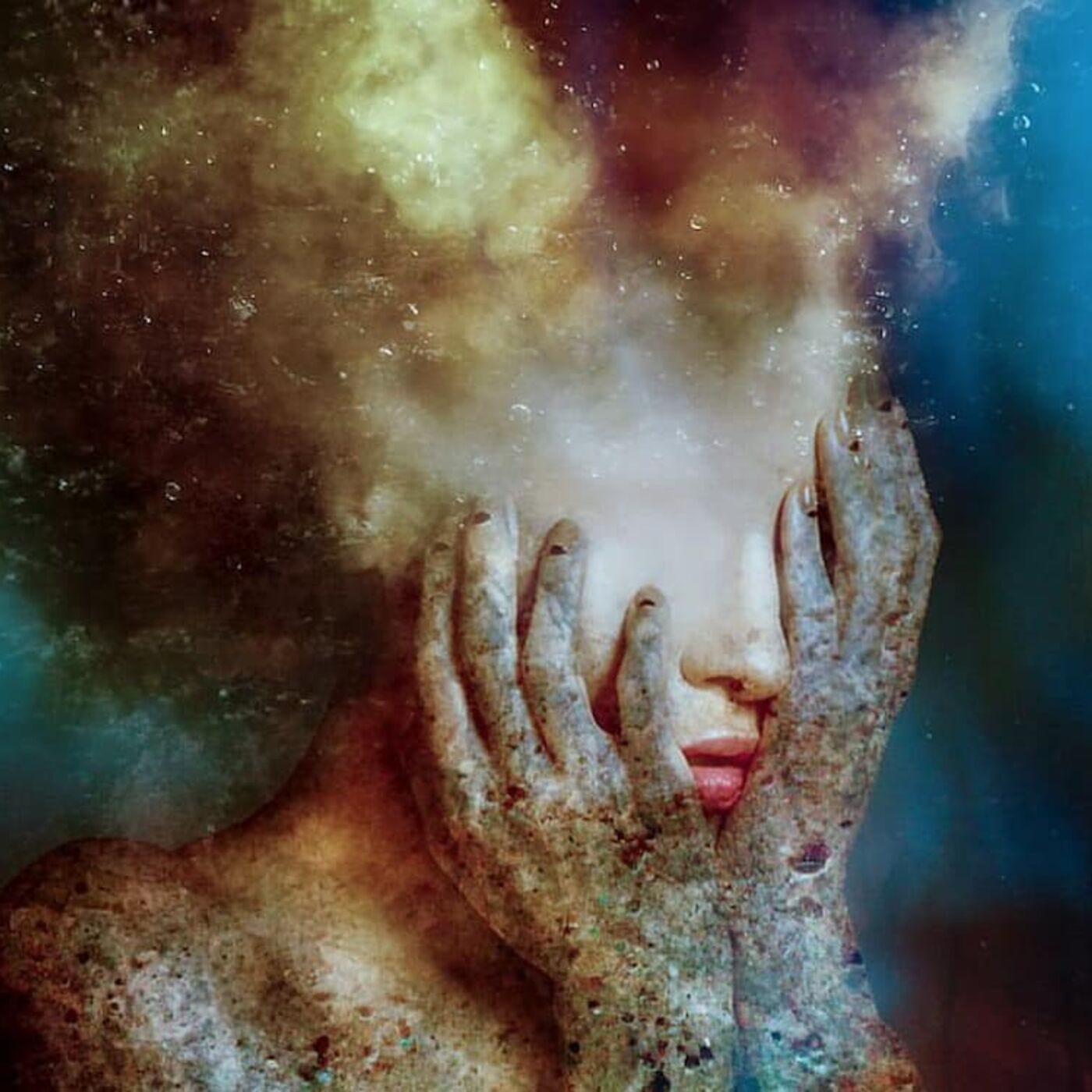
How to Lower Your Anxiety With High Sensitivity Therapist Julie Bjelland
This audio is part of a conversation between Julie Bjelland, LMFT, and host Bevin Niemann at the 2022 Empaths, Sensitives & Intuitives Summit.From notes by Julie Bjelland for the original webinar:"I'll discuss the three steps to conscious wellness for Highly Sensitive People and Empaths. Learn about high sensitivity, understand brain differences making you more susceptible to anxiety, and how to regulate your sensitive nervous system. "Live consciously, guided by your body cues and intuition, doing what's right for you, and self-care the HSP way."Julie Bjelland, LMFT, is a psychotherapist specializing in high sensitivity, host of The HSP Podcast and the Sensitive Empowerment Community, author of books, online courses, articles, and free webinars.To listen to the original, full length Shift Network audio, see Episode 160: Lower Anxiety, Improve Wellness and Discover Your Sensitive Gifts of The HSP Podcast.Follow link to Julie Bjelland's Sensitive Empowerment site to find many more of her articles, books, courses, Sensitive Community and other resources.Related Creative Mind Audio episode: How Can Highly Sensitive People Manage Anxiety?[The image above for this episode is "Silence the Sun - Faceless" by Mario S. Nevado on his Facebook page.] Support the showView selected episodes and articles with more resources: The Creative Mind Audio Podcast page on the main site. This is a public episode. If you'd like to discuss this with other subscribers or get access to bonus episodes, visit thecreativemind.substack.com/subscribe

How our high sensitivity may be our biggest professional strength
Author and executive coach Melody Wilding, LMSW "help sensitive high-achievers overcome the emotional challenges of success in the workplace."She comments in a post that the traits of highly sensitive people “are often seen as weaknesses, but they may actually be your biggest professional strengths.“A Sensitive Striver is a high-achiever who is also more sensitive to their emotions, the world, and the behavior of those around them.”This audio is a brief excerpt from her 2023 Trauma Super Conference presentation "Navigating high sensitivity in the workplace."See more details in article How our high sensitivity may be our biggest professional strength.~~~~Support the showView selected episodes and articles with more resources: The Creative Mind Audio Podcast page on the main site. This is a public episode. If you'd like to discuss this with other subscribers or get access to bonus episodes, visit thecreativemind.substack.com/subscribe

Inner Child Work for personal growth and transformation with Julie Aird
As psychotherapist Stephen A. Diamond Ph.D notes, "We were all once children, and still have that child dwelling within us. But most adults are quite unaware of this. “And this lack of conscious relatedness to our own inner child is precisely where so many behavioral, emotional and relationship difficulties stem from."From his Psychology Today post Essential Secrets of Psychotherapy: The Inner Child. This audio is a brief excerpt from an episode of The HSP Podcast hosted by high sensitivity therapist and author Julie Bjelland.From the original Show Notes:Julie Aird has seen firsthand how powerful and profound Inner Child Work can be for personal growth and transformation through her own experiences as well as her clients.Julie is excited to share with you a specific inner child practice that she has found to be one of the most powerful tools used in her 30+ years of personal and spiritual work. Working with the inner child is one of the tools Julie uses to help us nurture and release parts of us that are stuck in our past so that we can be totally present in our adult lives. It’s like learning to re-parent our inner child so we are free to move forward.Julie Aird is an inspirational speaker, ICF-credentialed coach, spiritual director, and the Founder of Julie Aird Life Coaching. You can learn more about Julie and her work by visiting: https://julieaird.com.Please Note: This inner child practice is one of the tools Julie Aird uses for personal growth and transformation within her capacity as a certified coach. It is not intended to diagnose or treat any illness or medical condition.Julie Bjelland, LMFT, is an HSP psychotherapist specializing in high sensitivity, the author of The Empowered Highly Sensitive Person, and founder of the Sensitive Empowerment Community. Her HSP Podcast ranks among the top 5% of the most shared and followed podcasts worldwide. ~~~Listen to the full episode 172 Inner Child Healing-A Powerful Tool for Growing Self-Love with Julie Aird in The HSP Podcast section of Julie Bjelland's Sensitive Empowerment site, where you can find many more of her articles, books, courses, Sensitive Community and other resources.~~~~ This is a public episode. If you'd like to discuss this with other subscribers or get access to bonus episodes, visit thecreativemind.substack.com/subscribe

How attachment styles and trauma impact our relationships - with Dr Diane Poole Heller
Diane Poole Heller Ph.D. is "an internationally recognized speaker, author, and expert in the field of child and adult attachment theory as well as trauma resolution."The first part (about 2 min) of this audio is an intro for her online course Healing Your Attachment Wounds.Publisher Sounds True summarizes her audio course:"Why do we experience recurring struggles in our relationships? And why do traumatic events, such as a physical injury, emotional threat, loss of a loved one, or other life crisis, so often awaken or amplify our sense of fear, anger, isolation, or helplessness?"From our earliest years, teaches Diane Poole Heller, we develop an attachment style that follows us through life, replaying in our intimate relationships, with our children, and at work. And traumatic events can deeply affect that core relational blueprint."The second part of this podcast episode is from her talk titled "Discover your attachment style to calm your nervous system" at the 2022 Anxiety Super Conference.See her new presentation "How trauma shapes our attachment style" at Trauma Super Conference 2023.Also see multiple programs on the page Healing Trauma Resources – How To Understand And Recover.~~~Support the showView selected episodes and articles with more resources: The Creative Mind Audio Podcast page on the main site. This is a public episode. If you'd like to discuss this with other subscribers or get access to bonus episodes, visit thecreativemind.substack.com/subscribe

ADHD Productivity - from an Embracing Intensity podcast with Arianna Bradford
Aurora Remember of Embracing Intensity introduces her guest in this excerpt from the original podcast episode. From the Show Notes:"This week, we talk with Arianna Bradford, an ADHD productivity coach, about the best ways for adults with attention deficit hyperactivity disorder to boost productivity in their daily lives. We cover a range of topics, from common symptoms of ADHD and organizational strategies to productivity hacks and the Pomodoro technique. Arianna shares her expertise on how to set specific goals and prioritize tasks, as well as how to use the right tools and resources to get the most out of your work mode. We also discuss the importance of taking breaks and transitioning between tasks, as well as how to manage ADHD symptoms in the workplace or in your personal life. Whether you’re a project manager, creative professional, or simply looking to be more productive, this episode has something for everyone. Arianna Bradford, an ADHD productivity coach, shares her tips for building productivity processes that work for neurodivergent brains.Productivity for people with ADHD is not an arbitrary number or percentage, and should be set by the individual in regards to upcoming external deadlines.Keeping all tasks and deadlines in one central place is important for feeling in control, and regularly reevaluating task priorities is crucial.The ICNU method (Interest, Challenge, Novelty, Urgency) can help hack an ADHD brain and increase productivity, as can adding challenge and urgency, trying new approaches, and allowing for downtime."~~~~Hear the full episode, and see transcript and Show Notes for episode 261 ADHD Productivity with Arianna Bradford in the Podcast section of Embracing Intensity. [Photo of Bradford is from her site - find link in the Show Notes.]~~~~~See more neurodivergence-related posts and podcasts.~~~~Transcript ['Rough Transcript' from the Embracing Intensity episode page]Aurora Remember: Hello. This week, I get to share a talk with Ariana Bradford on ADHD productivity. The irony is not lost on me, that we recorded an episode on ADHD productivity during my least productive month in a long time. Between burnout, extra work and lots of life changes both personally and professionally. I had to take the time to rest. The good news is my summer is almost here and I have a lot of positive changes ahead. Outside of rest and recovery. My goal this summer is to hyper-focus on planner club and course content. So I have it ready to go for the rest of the year. You can find my executive functioning planner, prioritization tools and other printable planner content in my monthly planner club. And I’m building up the resource library for the full course membership. You can find them on my website. In addition to finding Arianna on Instagram and YouTube, she’s also hosting a chase, the chaos summit in September. You can find the details in the show notes. Enjoy. WelcomeAurora: So excited to have Arianna Bradford here with us today to talk about ADHD productivity. Arianna, why don’t you go ahead and introduce yourself. Arianna Bradford: So, there’s a whole thing in my presentation here about who I am, so we’ll get into that a little bit more. But for right now, my name is Arianna Bradford. I am an ADHD coach and I myself have ADHD, so I’m amongst good company.Aurora: Awesome. And a little background with Arianna. We actually met in real life in a networking group of moms, and she was doing photography and this project, the not your average mom project and a bunch of around that, which was great. And when I interviewed her and I made a bunch of shorts for stories, Of growing up basically neurodivergent.And her story was one of the most relatable to me as a person with ADHD, but she didn’t actually have ADHD at the time. So, when she announced that she had gotten that diagnosis, I was not surprised. And I’ve loved seeing everything that you’ve done ever since. So, Arianna: yeah, I don’t think anybody who knows me is surprised that I also have ADHD, Aurora: But you do manage to do quite a lot. So, I’m excited to hear from you. So Arianna: Thank you. Aurora: Awesome. So, I’m gonna go ahead and mute everyone and let Arianna dive in. Introducing AriannaArianna: Cool. Before I get started, just a couple of things that I wanted to make sure that we all knew.The first is a personal thing. I took a pretty rough hit to the head about a week ago, and I am still recovering from a minor concussion. So, if it sounds like I’m searching for words, if it sounds like I’m kind of to think. I promised you that I actually know this stuff. I’m telling you. It’s just, it’s taking me a minute.The other thing is, just as a reminder for everybody here, for anybody who’s listening, nothing that I say is meant to apply to all ADHD people. One of my favorite things ever said to me was said by a therapist friend of mine. He said, if you meet one person with ADHD, you’ve met one person with ADHD.Take what is usefulArianna: So, if y

Interview excerpt: Jenn Granneman of "Introvert, Dear"
This audio is an excerpt from a much longer episode of The HSP Podcast. Gracie King, a Positive Psychology Wellness Coach, talks with Jenn Granneman, the founder of "Introvert, Dear," and co-author of 'Sensitive -The Hidden Power of the Highly Sensitive Person in a Loud, Fast, Too-Much World.'From Show Notes on the original episode page:Topics covered included:* How Jenn, as an introverted HSP, balances demanding entrepreneurship with meeting her own sensitive needs* Why Jenn feels passionate about educating the public about high sensitivity and advocating for HSPs and everyone to embrace the gifts of sensitivity* What HSPs should carefully consider before deciding whether to have children* How HSP parents can balance meeting their family's needs as well as their own* How HSPs who want to change the world can do so without burning out* Why the Sensitive Boost Effect gives hope to HSPs who struggle to appreciate their sensitive nature* Ways to transition from Threat mode into Soothe mode* What the world might look like after a Sensitive RevolutionHear the full length episode "170-Interview with Jenn Granneman" at The HSP Podcast page on the site of therapist and author Julie Bjelland, LMFT, where you can find many more of her articles, books, courses, Sensitive Community and other resources. This is a public episode. If you'd like to discuss this with other subscribers or get access to bonus episodes, visit thecreativemind.substack.com/subscribe

How to deal with toxic relationships, especially as a highly sensitive person
Show Notes for the original podcast episode with Julie Bjelland, the founder of Sensitive Empowerment, and Willow McIntosh, founder of Inluminance. (This audio is a brief excerpt.)HSPs [highly sensitive people] tend to be over-givers and toxic people tend to be over-takers. This dynamic has been played out for many of us either in our families, friendships, romantic relationships, or even with work colleagues.In healthy relationships, we should feel comfortable to be ourselves and feel good around them, you feel accepted for who you are, they can compromise and be understanding, and you can work through conflicts in healthy ways.Recognizing Red Flags in Toxic RelationshipsThey might be very self-absorbed, not attentive, and have a sense of entitlement, and require excessive admirationThey put you down, you don’t feel good about yourself when with themMonopolize conversations or look down on people.Ignore your needsTake advantage of others to get what they wantNot willing to compromise or recognize the needs and feelings of othersBecome impatient or angry when they don't get what they want or receive special treatmentHave significant problems in their relationships and easily feel slightedReact with rage or contempt and try to belittle the other person to make themselves appear superiorHave difficulty regulating emotions and behavior... (continued on page for the original episode)If you are experiencing abuse in your relationship, please reach out for support and visit the national domestic violence hotline that offers free, confidential support and many resources to help too at https://www.thehotline.org/ or Call 1.800.799.SAFE (7233).~~~~Enjoy the full length original episode "Episode 104: How to Avoid and Heal From Toxic Relationships, with Julie and Willow" - see link on the The HSP Podcast page on Julie Bjelland's Sensitive Empowerment site, where you can find her many articles, books, courses, Sensitive Community and other resources.~~~~Also register for free webinar by Julie Bjelland, LMFT: How to Set Healthy Boundaries and Why it’s Essential for Wellness as an HSP.~~~~This episode is included in article How Can Highly Sensitive People enjoy healthier relationships and deal with toxic people?Some excerpts of the content:People with more sensitive personalities “need help with intimacy.” Elaine Aron, PhD“Highly sensitive people tend to be over-givers and toxic people tend to be over-takers.” Julie Bjelland, LMFT“You can actually transform your relationship with a narcissist and feel valued, honored and respected.” Rebecca Zung“Energy vampires are people who suck our energy dry.” Judith Orloff M.D.“Why do some of the nicest, kindest and most thoughtful of us find ourselves painfully connected to narcissists?” Dr. Debi SilberThe image is from the movie ‘Twilight‘ - an example of toxic relationships, according to writer Melissa Girimonte, who describes the romance between vampire Edward (Robert Pattinson) and Bella (Kristen Stewart).~~~~Support the showView selected episodes and articles with more resources: The Creative Mind Audio Podcast page on the main site. This is a public episode. If you'd like to discuss this with other subscribers or get access to bonus episodes, visit thecreativemind.substack.com/subscribe

How to understand ourselves as a Highly Sensitive Person with counselor Jacquelyn Strickland
This is a free preview of a paid episode. To hear more, visit thecreativemind.substack.comCounselor Jacquelyn Strickland on highly sensitive people. Topics include:* Self esteem and self worth "influenced by so many variables..."* The "idea of acting versus reacting is so important..."* "When we focus on our needs, we're much more able to set healthy boundaries."* Overwhelm for HSPs versus Dabrowski overexcitabilities .

How does confidence affect our lives and how can we feel it more?
This is a short excerpt from a podcast episode with Julie Bjelland and Willow McIntosh on the topic of confidence. They are addressing highly sensitive people, but confidence is an issue for so many - even most - creative people.From the Show Notes for the original episode:I’ve noticed that so often something gets in the way of HSPs believing and accessing Confidence. Many of us have received messages our whole life that something is wrong with us for being so sensitive. Or maybe we have been so overwhelmed by the challenges of our sensitive nervous system that we are in survival mode, instead of truly living our life with purpose.Not having confidence can show up in the following ways:not exploring your needsnot advocating for your needssaying yes when you want to say nonot moving forward if something isn’t perfect or being stuck in fear of failurenot doing something you want because you are pleasing others insteadnot believing you are worthy or good enoughnot living a life that honors and aligns with your values ...What is stopping you from what you want?I’ve been hearing a lot of HSPs be held back from the worry of judgment from others or being different or listening to others' expectations of you, or even self-judgment and fear of failure. Why is that? What would it take for you to let go of that?Worrying about what people think of us can zap our energy, taking away precious energy that could be used for creativity, growing, and embracing our life.Can we instead live in a space that honors our needs in the world?Can we stop thinking we need to fit in and be perfect and embrace our uniqueness?Can we commit to a more conscious way of living?Can we stay aware of which tools we need to use and develop to get out of survival mode and thrive?Can we practice self-compassion when we don’t get it all right?~~~Julie Bjelland is "the founder of Sensitive Empowerment. As a sensitivity expert and psychotherapist, her books, online courses, and Sensitive Empowerment Community have helped highly sensitive people (HSPs) worldwide reduce their challenges, access their gifts, and discover their significant value to thrive to their fullest potential. Willow McIntosh is the founder of Inluminance and leader of the High Sensory Intelligence movement.Hear the full Episode 117: Confidence: Let’s Explore Where it Comes From and How to Get it, with Julie & Willow at The HSP Podcast.Also see article with videos and resources by other psychologists and coaches:How We Can Develop Healthier Self Esteem, Self-Acceptance and Confidence.Thumbnail image: actor Bill Nighy once commented: “You come to realize there is this huge disparity between what you think about yourself and your work and what other people think about you and your work, at first you either think they’re insane or that it’s a conspiracy to make you look stupid. Or maybe, just maybe, they’re right, and you’re sometimes quite good at what you do.”From my article Nurture your healthy self-esteem to thrive as an actor and artist. ~~~~Support the showView selected episodes and articles with more resources: The Creative Mind Audio Podcast page on the main site. This is a public episode. If you'd like to discuss this with other subscribers or get access to bonus episodes, visit thecreativemind.substack.com/subscribe

How to Overcome Creative Blocks and Reignite Your Creative Spark with Nicola Newman
Artist, mentor and business coach Nicola Newman notes:"Whether you're an artist, writer, or entrepreneur, it's natural to encounter obstacles in your creative journey."This audio is from her longer podcast episode, in which she explores "gentle techniques for moving through these barriers and reigniting your creative spark."Hear her full podcast episode, see transcript, and learn more about her resources, in article How to Overcome Creative Blocks and Reignite Your Creative Spark with Nicola Newman.~~~~Support the showView selected episodes and articles with more resources: The Creative Mind Audio Podcast page on the main site. This is a public episode. If you'd like to discuss this with other subscribers or get access to bonus episodes, visit thecreativemind.substack.com/subscribe

How mental health symptoms can be reframed as positive - Chris Wells on Overexcitability
“His take was like, you don’t have ADHD – that’s crazy of you to think that. You’re just gifted.” Chris WellsThis audio is a brief excerpt from “Overexcitability with Chris Wells” (founder of The Dąbrowski Center) - a guest interview available to members of the Embracing Intensity Community by Aurora Remember.“The work of Kazimierz Dabrowski provides an excellent framework in which to understand the supersensitivity or overexcitability frequently found in the intellectually or creatively gifted.” Sharon LindSee much more, including this audio, the transcript, and link to free resources from Embracing Intensity, in article:How mental health symptoms can be reframed as positive - Chris Wells on Overexcitability ~~~~Support the showView selected episodes and articles with more resources: The Creative Mind Audio Podcast page on the main site. This is a public episode. If you'd like to discuss this with other subscribers or get access to bonus episodes, visit thecreativemind.substack.com/subscribe
"Sensitivity is a beautiful thing." Alanis Morissette on being a highly sensitive person
“Being a sensitive empath is a beautiful thing as an artist, and it fosters a deep burning curiosity about why we do the things we do.” - Musician Alanis MorissetteShe is featured in the documentary “Sensitive – The Untold Story” - based on the work of Dr. Elaine Aron and her research on the innate trait of high sensitivity, or sensory processing sensitivity.The first part of this episode is from the conversation between Morissette and Dr. Aron in the movie.The second part is an excerpt from an interview by author Cheryl Richardson.See videos about the documentary and the trait, plus resources, in article On Being a Highly Sensitive Person – a Trait With Strong Gifts and Challenges. ~~~~Support the showView selected episodes and articles with more resources: The Creative Mind Audio Podcast page on the main site. This is a public episode. If you'd like to discuss this with other subscribers or get access to bonus episodes, visit thecreativemind.substack.com/subscribe

How Understanding Our Self-Value as a Highly Sensitive Person Helps Us Live More Fully
In their podcast episode "The Importance of Understanding Our Value as HSPs," Willow McIntosh and Julie Bjelland talk about how we can value ourselves more as a highly sensitive person.From their podcast Show Notes:"The notion of value can mean different things. Yet in the context of personal value, it can mean the difference between a life of struggle and one of meaning and abundance. As HSPs, the value we bring to the world is often connected to our ability to process more deeply."This audio is from the much longer podcast episode - see the video version, and find links to resources, in the article:How Understanding Our Self-Value as a Highly Sensitive Person Helps Us Live More Fully.~~~~Support the showView selected episodes and articles with more resources: The Creative Mind Audio Podcast page on the main site. This is a public episode. If you'd like to discuss this with other subscribers or get access to bonus episodes, visit thecreativemind.substack.com/subscribe

How to manage emotional exhaustion and burnout with Zarya Rubin MD
"But it’s not just work-related stress that can contribute to feelings of burnout. The household chores, long shifts, and a lack of much free time can also play a role."From the Embracing Intensity podcast episode show notes:Overcome BurnoutWelcome to From Burnout to Brilliance, a talk that explores the best ways to manage work-related stress and overcome burnout. In this episode, we have the privilege of speaking with Dr. Zarya Rubin, a Harvard trained MD turned functional medicine health coach, who will be sharing her insights and expertise on this important topic. With the World Health Organization recognizing job burnout as a medical diagnosis, it’s more important than ever to pay attention to the signs of burnout, particularly for those in stressful jobs such as health care workers and first responders. With long hours, heavy workloads, unreasonable time pressures, and a lack of self-care, it’s not surprising that many people experience burnout. But it’s not just work-related stress that can contribute to feelings of burnout. The household chores, long shifts, and a lack of much free time can also play a role.How to Deal With BurnoutWe will take a closer look at the effects of burnout, including physical symptoms, mental exhaustion, and emotional exhaustion. We will also discuss the early signs of burnout and what you can do if you feel like you’re experiencing burnout. From the importance of self-care habits, such as a healthy diet, spending time with family members, and deep breathing, to seeking professional help, Dr. Rubin will provide guidance on how to address burnout and begin the recovery process.Dr. Zarya Rubin talks about the period of her life when she was doing a subspecialty neurologic fellowship at Columbia."Every day I just felt pretty miserable. I was exhausted and it was like a deep bone tiredness that I just couldn’t get out of bed.""From all external measures, I was at the top of my game and I was outwardly very, very, very successful. But success does not always feel good on the inside."You can find the full discussion and video presentation in the Embracing Intensity Guest Call Library.~~~~This audio is an excerpt of Embracing Intensity podcast 258: Overcome Burnout w/ Dr. Zarya Rubin, which is a shorter audio version of the video presentation Burnout to Brilliance.See page for The Embracing Intensity Free Resource Library - a collection of resources from the Embracing Intensity Course Membership & Planner Club. The signup page includes links to podcasts, videos and information about the Membership, which includes the Guest Call Library. ~~~~~Support the showView selected episodes and articles with more resources: The Creative Mind Audio Podcast page on the main site. This is a public episode. If you'd like to discuss this with other subscribers or get access to bonus episodes, visit thecreativemind.substack.com/subscribe

You were an exceptional kid. Are you still gifted as an adult?
"We often confuse giftedness with achievement, or executive functioning skills."In one of her Embracing Intensity Podcast episodes, Aurora Remember talks about why so many of us as adults may think we've "lost" our giftedness.Here are some of her notes for the video and related podcast episode.I wasn’t sure what to talk about for today’s podcast when I happened upon Paula Prober’s blog post, Can Gifted Kids Become Ungifted Adults? Hint: No. But read the full post for her take. This got me thinking how I’ve observed as I’ve followed more neurodiverse folks on social media that people will often refer to their own giftedness in past tense and in quotes like “I was a ‘gifted’ kid,” as if giftedness was not something that still affected them now as an adult. I got to speak with Nadja Cereghetti, host of a podcast for gifted adults called Unleash Monday, and we talked a lot about how a lot of gifted adults either don’t know they are gifted or no longer think they are.In this episode:We often confuse giftedness with achievement, or executive functioning skills.Highly gifted folks don’t always fit the standard achievement picture because their thinking is outside the typical box.Acknowledging our giftedness allows us to connect with our strengths and values to figure out what achievement really looks like for us.Finding ways to support us in our executive functioning and self regulation skills can help us harness our energy in a positive direction.~~~See video and more in article on my High Ability site: You were an exceptional kid. Are you still gifted as an adult? ~~~Support the showView selected episodes and articles with more resources: The Creative Mind Audio Podcast page on the main site. This is a public episode. If you'd like to discuss this with other subscribers or get access to bonus episodes, visit thecreativemind.substack.com/subscribe

A growing mental health crisis for girls, with Donna Jackson Nakazawa
In her presentation “Antidotes for trauma in girls,” journalist and author Donna Jackson Nakazawa "outlines today’s growing female adolescent mental health crisis, examines how trauma affects the female brain and body uniquely, and offers hope for combating this adversity."For example, she notes that estrogen "is the source of the reason why the female adolescent brain is a freaking superpower...But in unhealthy or overly stressful environments - which I argue our kids are living in and especially girls - it can flip to an evolutionary disadvantage where it amps up the stress response."This audio is from her much longer presentation (recording available) at the Trauma Super Conference 2023.Learn about multiple programs by Donna Jackson Nakazawa, including "Your Healing Narrative: Write-to-Heal With Neural Re-Narrating™" and "Breaking Free From Trauma."One of her books: Girls on the Brink: Helping Our Daughters Thrive in an Era of Increased Anxiety, Depression, and Social Media. ~~~~Support the showView selected episodes and articles with more resources: The Creative Mind Audio Podcast page on the main site. This is a public episode. If you'd like to discuss this with other subscribers or get access to bonus episodes, visit thecreativemind.substack.com/subscribe

Perfectionism can get in our way as gifted, creative and highly sensitive people
In the first part of this episode, therapist and a life coach Aileen Kelleher (photo) expands on how people with a "high intensity, sensitive type of personality" may experience perfectionism.She notes it can be associated with depression, anxiety, eating disorders, and other mental health problems.She adds "there are certain overlaps of characteristics of gifted people that also relate to perfectionism. There's the high expectations of yourself and others, there's this sensitivity, which will leave us easily wounded, and have a need for emotional support, high levels of frustration."(See more in the transcript.)The second part of this episode is an excerpt from a podcast: "Perfectionism & Procrastination: Two sides of the same coin?" by Aurora Remember.She notes "There's an intersection between perfectionism and giftedness that a lot of people experience."For me perfectionism and procrastination have been two areas where my own brain has been in conflict over the years. Instead of fighting against these tendencies, I’ve found ways to flow with them more effectively."Aurora Remember is a school psychologist, neurodiverse coach and founder of Embracing Intensity, with resources and programs which help you "identify and use your neurodivergent strengths, while supporting your challenges.” The audio with Aileen Kelleher is a brief excerpt of a 45 minute video conversation in the Guest Call library available to Embracing Intensity members.The Embracing Intensity Free Resource Library includes links to podcasts, videos, Course Membership and more. ~~~~~Support the showView selected episodes and articles with more resources: The Creative Mind Audio Podcast page on the main site. This is a public episode. If you'd like to discuss this with other subscribers or get access to bonus episodes, visit thecreativemind.substack.com/subscribe

Improving Mental Health and Saving Lives of Highly Sensitive People
This audio is a brief excerpt from HSP Podcast Episode 164: Saving HSP Lives and Improving Mental Health by therapist Julie Bjelland.Show Notes include:In a recent survey of 326 HSPs collected over five days between December 17-22, 2022:over 90% of HSPs have had thoughts of suicide. over 18% have attempted suicidealmost 33% use alcohol or drugs to numb emotional pain.We can learn a lot from this survey on how to support and save HSP lives. Things that were named that make it hard to cope:Overwhelming and intense emotionsSensory overload Absorbing the suffering of others and the worldFeeling different and misunderstoodNot understanding how to support their sensitivityIn the survey, HSPs also identified three main areas that helped them cope, which we can use to help others. Within each of the three areas, I have resources.Learning About the Trait of High SensitivitySelf-Care the HSP WaySupportive People Visit The HSP Podcast page for links to resources, and listen to full Episode 164: Saving HSP Lives and Improving Mental Health (46 min).You will also find links to her articles, books, courses, The Sensitive Empowerment Community and other resources.See more in related article How to Improve Mental Health and Save Lives of Highly Sensitive People.~~~~~Support the showView selected episodes and articles with more resources: The Creative Mind Audio Podcast page on the main site. This is a public episode. If you'd like to discuss this with other subscribers or get access to bonus episodes, visit thecreativemind.substack.com/subscribe

How decluttering Marie Kondo style can help our intense mind with Nadja Cereghetti
"Marie Kondo’s method of tidying can be applied to your mind as well as your stuff."Aurora Remember is founder of Embracing Intensity, with resources and programs which help you "identify and use your neurodivergent strengths, while supporting your challenges.” Her site includes podcasts, videos, a membership community with interviews and more.In the introduction to her podcast episode 255: Tidying Up Your Brain, Marie Kondo Style, Aurora notes:"As neurodivergent creatives, we often find ourselves overwhelmed with too much stuff both in our environment and in our minds. We may be overrun with office supplies, craft supplies, and/or miscellaneous things that support our hyperfixations or latest hyperfocus. "The ADHD brain is especially prone to mental clutter, and when our environment is a mess it’s even harder to quiet our thoughts. On our last guest call, Nadja Cereghetti shared how you can use the Marie Kondo approach to tidy your brain!"See more - including transcript, and link to The Embracing Intensity Free Resource Library - in article How decluttering Marie Kondo style can help our intense mind with Nadja Cereghetti.~~~~Support the showView selected episodes and articles with more resources: The Creative Mind Audio Podcast page on the main site. This is a public episode. If you'd like to discuss this with other subscribers or get access to bonus episodes, visit thecreativemind.substack.com/subscribe

Benefits and Limitations for Being Evaluated as a Gifted or Twice Exceptional Adult
"If you think you are gifted, you probably are."This is an excerpt from the podcast episode "Gifted and 2E Assessment" by Aurora Remember, founder of Embracing Intensity, with programs which help you "identify and use your neurodivergent strengths, while supporting your challenges.”From her Show Highlights:Considerations that are universal to all assessment types:If you think you are gifted, you probably are.Make sure the person doing the evaluation has experience with giftedness and twice-exceptionality.Realize that every assessment will have limitations and strengths, and every evaluator will have personal biases.~~~~Listen to full Embracing Intensity podcast episode and see links to her free resources, and more, in article Benefits and Limitations for Being Evaluated as a Gifted or Twice Exceptional Adult.https://highability.org/7752/~~~~Support the showView selected episodes and articles with more resources: The Creative Mind Audio Podcast page on the main site. This is a public episode. If you'd like to discuss this with other subscribers or get access to bonus episodes, visit thecreativemind.substack.com/subscribe

How artists thrive with challenges of a career - Zoe Kazan on acting
"The work is like when the word and your impulse and your emotional life all connect up and it's really like nothing else in the world. It's like, your whole body is electric. And you chase that."But I think the profession is cruel, and particularly to women..."Like many artists, Zoe Kazan was drawn to acting at an early age:"I saved all of my money from babysitting and being a camp counselor, and paid for my own acting classes and took the bus before I could drive to acting class. "I was bound and determined to show my parents that I was serious about becoming an actor."Zoe Swicord Kazan was born in Los Angeles, California, to screenwriters Nicholas Kazan and Robin Swicord. She received her BA in Theater from Yale University.(From her imdb profile; photo from her movie 'She Said.') This audio content comes from three short videos See links and transcript in article:How artists thrive with challenges of a career - Zoe Kazan on actinghttps://thecreativemind.net/8471/~~~~Support the showView selected episodes and articles with more resources: The Creative Mind Audio Podcast page on the main site. This is a public episode. If you'd like to discuss this with other subscribers or get access to bonus episodes, visit thecreativemind.substack.com/subscribe

The complex life of being 2e gifted, neurodivergent, ADHD with Aurora Remember
Aurora Remember is founder of the Embracing Intensity, with programs which help you "identify and use your neurodivergent strengths, while supporting your challenges.”This audio is from a video version of her Podcast 205: Twice Exceptionality - When Giftedness Meets ADHD.Topics:~ Why the topic of twice exceptionality, or 2E, is important to me.~ Why it’s important to talk about twice exceptionality.~ Why it often goes overlooked.~ How to recognize when you might be both gifted and ADHD.~ Common themes from assessing 2E ADHD students.~ Strategies that might help if you fit this profile.See the video, plus links to Embracing Intensity Membership and other resources, in article:Living better the complex life of being 2e gifted, neurodivergent, with ADHD.https://thecreativemind.net/8410/~~~~Support the showView selected episodes and articles with more resources: The Creative Mind Audio Podcast page on the main site. This is a public episode. If you'd like to discuss this with other subscribers or get access to bonus episodes, visit thecreativemind.substack.com/subscribe

Do you suffer from Impostor Syndrome? Kate Arms from Embracing Intensity interview.
This audio is a brief excerpt from the over 1 hour conversation "Imposter Syndrome with Kate Arms" with host Aurora Remember of Embracing Intensity.Kate Arms is "a personal and business coach at Signal Fire Coaching. She loves helping smart, sensitive, and creative people harness their many passions, skills, and sensitivities and use that energy to thrive."Notes for a related Embracing Intensity podcast with Arms:Impostor syndrome is something that most people have felt at some point or another. Intense people may feel this in magnified ways, as the world tells them they are not welcome as they are.Impostor Syndrome, also known as impostor phenomenon, is a term used to describe feelings of inadequacy and self-doubt. It is often associated with being a member of an underrepresented group. It is common among high achievers, especially when they lack positive feedback from others. This can lead to reduced job satisfaction. High-achieving women are especially prone to impostor feelings when their personality traits don’t conform to gender expectations. People with neurodivergences and/or mental health conditions may also experience negative thoughts around not fitting in.~~~~The full length interview is one of many guest calls available to subscribers of the Embracing Intensity Membership.Learn about the Ignite Your Power Course and Membership.Use coupon code for 75% off bundles and first month of membership: CREATIVEMIND~~~~Support the showView selected episodes and articles with more resources: The Creative Mind Audio Podcast page on the main site. This is a public episode. If you'd like to discuss this with other subscribers or get access to bonus episodes, visit thecreativemind.substack.com/subscribe

Healing our trauma and addiction wounds with author Gabby Bernstein
“My ability to be this vulnerable is my true strength.” "We’ve all had these moments of trauma. Those exiled parts of ourselves immediately go under lock and key and we say, Nope, I never want to feel that again.”"But what’s beautiful and what’s most hopeful and heart opening is that we also have this part of us, this ever-present energy within us, known as Self, with a capital S... the undamaged, resourced, adult part of who we are, the energy of love."Gabby Bernstein is a number one New York Times bestselling author with nine books, including "Happy Days: The Guided Path from Trauma to Profound Freedom and Inner Peace."This audio is from a video conversation between Sounds True founder Tami Simon and Gabby Bernstein. See the video and links to her book, to Sounds True, and more in article How we heal our trauma and addiction wounds with author Gabby Bernstein.~~~Support the showView selected episodes and articles with more resources: The Creative Mind Audio Podcast page on the main site. This is a public episode. If you'd like to discuss this with other subscribers or get access to bonus episodes, visit thecreativemind.substack.com/subscribe

2E Adult, Gifted, Neurodivergence - Do labels help? With Aurora Remember
A profile on her site notes, "After years of feeling 'too much,' Aurora Remember finally realized that intensity is the source of her greatest power. "Now instead of beating herself up about not measuring up to her own self-imposed standards, she is on a mission to help gifted and outside-the-box thinkers befriend their brains and use their fire without getting burned through her Embracing Intensity Podcast and community, coaching, and strengths-based educational assessment."Her site Embracing Intensity "helps you identify and use your neurodivergent strengths, while supporting your challenges."This audio is an excerpt from one of her videos.Watch the video - and learn about her Embracing Intensity Membership program - in article: 2E Adult, Gifted, Neurodivergence - Do labels help? With Aurora Remember.~~~Support the showView selected episodes and articles with more resources: The Creative Mind Audio Podcast page on the main site. This is a public episode. If you'd like to discuss this with other subscribers or get access to bonus episodes, visit thecreativemind.substack.com/subscribe