Conservation and Science
257 episodes — Page 3 of 6

153: Do You Believe in Climate Change?
This episode is slightly different from the usual format. It is a solo episode, so no guest today. I decided to record it because of a few bothersome messages I have received recently regarding climate change. But don’t worry, I will not repeat all the same information you get bombarded with on social media. And I will not reference any research or peer-reviewed papers. Besides, we know that facts don’t change minds. Instead, I will give you my personal view on the issue of climate change. I thought that an episode like this wouldn’t be necessary, given that my listeners are people attuned to nature. But my recent interactions online and otherwise made me question that assumption. So there you have it. You really should listen to this one.We’ll be back to the regular format in the next episode.Subscribe to Tommy's Outdoors: Conservation and Science NewsletterSupport the Podcast and Buy Me a Coffee.Follow Tommy's Outdoors on Bluesky, Instagram or YouTube
152: From Anti-hunter to Advocate with Philippe Jaeger
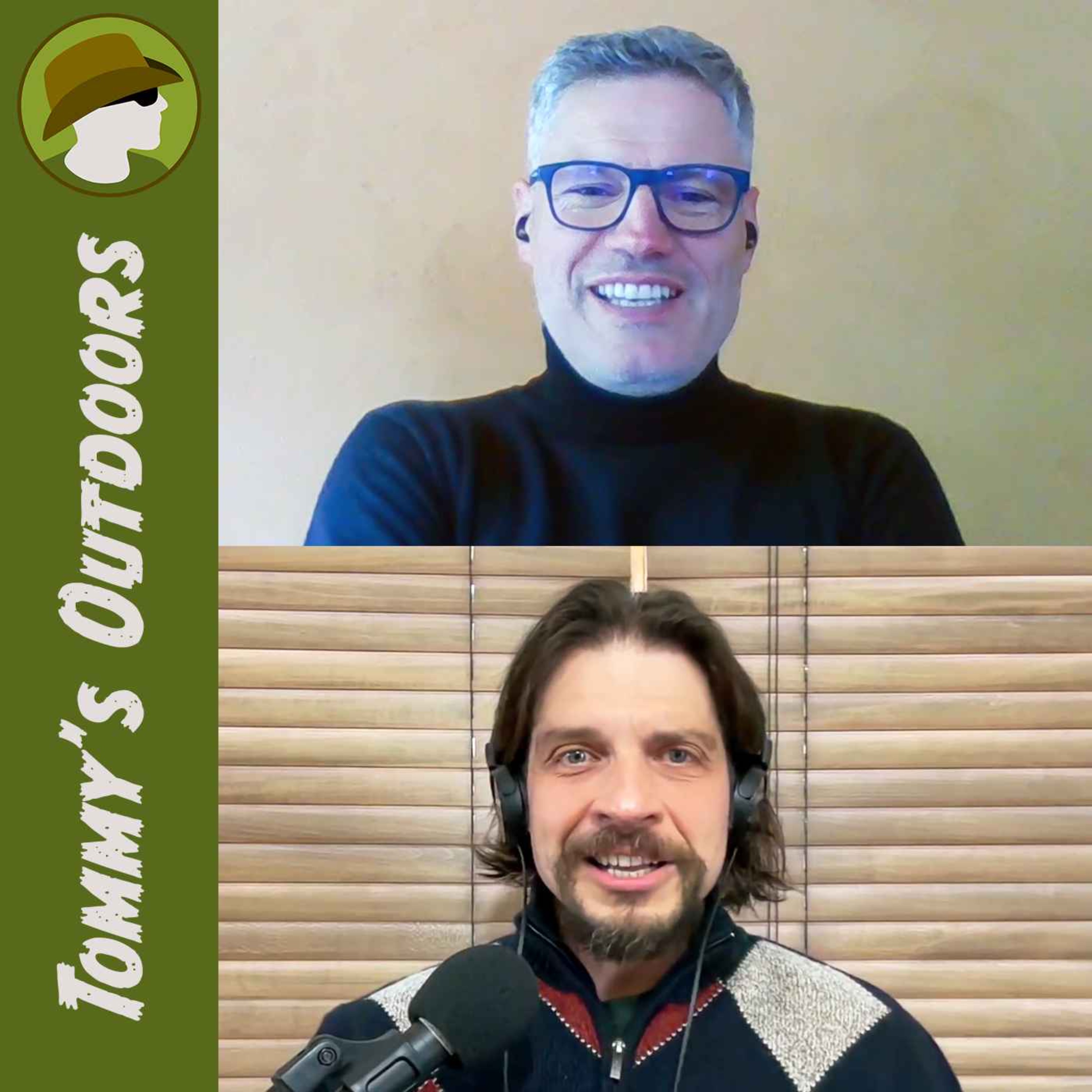
Hunting is a frequent topic on my podcast. It lies in the epicentre of the unnecessary divide in wildlife conservation space. It evokes strong emotions and is often the source of fierce debate and conflict. So today I’m bringing you my conversation with a man who has been on both sides of that argument. Philippe Jaeger is a hunting journalist who in his youth was a member of a radical anti-hunting group. I met with Philippe during the International Journalism Symposium in Paris where we, together with journalists from all over the world, had an opportunity to discuss issues around hunting and the sustainable use of wildlife resources.It was abundantly clear to me that Philippe has an interesting and complex take on hunting and its current status in wider society. It is not all rosy as you might expect. And so we dive into a discussion about the ethics of hunting, hunting photos on social media, trophy hunting, social licenses to hunt, the connection between hunting and conservation and many other hotly debated subjects. Of course, I didn’t miss the opportunity to ask Philippe how he got involved in the anti-hunting movement and what made him change his mind. This is an important episode no matter which side of the hunting debate you are on.Subscribe to Tommy's Outdoors: Conservation and Science NewsletterSupport the Podcast and Buy Me a Coffee.Follow Tommy's Outdoors on Bluesky, Instagram or YouTubeMentioned in this episode:DOWNLOAD:How to Get Started in Deer Hunting in Ireland
151: Irish Sturgeon with Declan Quigley
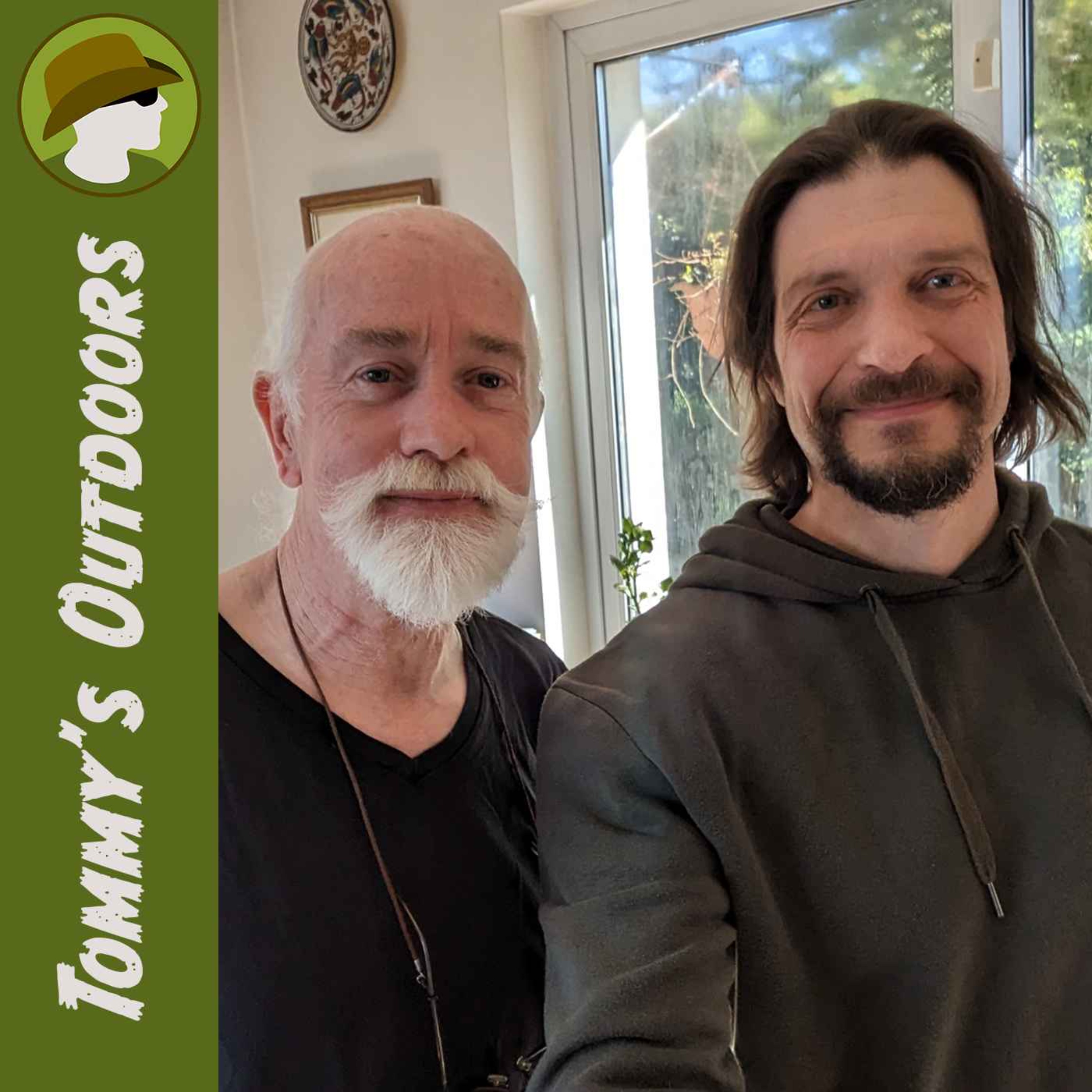
One of the three pillars of my podcast is to preserve knowledge about how the natural environment was in the past and to record stories and experiences from many decades ago. One such story, that I have a feeling is slipping away, is the story of the Irish sturgeon. Or to be more precise the story of sturgeon in Irish waters, as it wasn’t a separate species but likely one of two recorded in the north-west European waters: the Atlantic sturgeon (Acipenser oxyrinchus) or the European sturgeon (Acipenser sturio).My feeling that the story is not well known and is fading into history was only reinforced by the difficulty to find anyone to talk about it. Nevertheless, I persisted in my search, time after time encouraged by one of my regular listeners, you know who you are! Finally, during one of those scientific “fish” conferences I got in touch with a man who knows the man! Shoutout to Robert Rosell from Agri-Food and Biosciences Institute in Belfast. Without his help, this episode wouldn't happen.Declan Quigley is an independent researcher and a man with a great passion for marine biology. He has written over 460 articles and papers that have been published in The Irish Naturalists' Journal, Marine Times, The Skipper and many others. In his home in Wicklow, he has an impressive-looking office filled with cabinets with research materials and samples. So it was my great pleasure and a unique opportunity to meet him there and sit down at his kitchen table and talk about the past, present and potential future of sturgeon in Irish waters.Subscribe to Tommy's Outdoors: Conservation and Science NewsletterSupport the Podcast and Buy Me a Coffee.Follow Tommy's Outdoors on Bluesky, Instagram or YouTube

150: Predator Control with Barry McMahon
The topic of lethal predator control has proven to be highly contentious. On one end of the spectrum, there are people who are inherently opposed to killing animals no matter the circumstances. On the other end are people who are eager to get on with reducing numbers, too eager perhaps. However, there are many reasons and scenarios where it might be needed. Today we focus on predator control in relation to ground-nesting birds and their precarious conservation status. When dealing with a controversial subject like this it is important to be factual and follow the evidence. So I was delighted for the opportunity to talk about it with Barry McMahon, an Associate Professor of Wildlife Conservation & Zoonotic Epidemiology at the University College Dublin and Lecturer at the UCD School of Agriculture and Food Science. At this point, I would like to thank Susan Doyle for putting me in touch with Barry after I had the pleasure to listen to her excellent presentation at the 8th Irish Ornithological Research Conference. There she discussed the need to revise approaches to the management of abundant generalist predators.During our conversation, we not only talk about predator control but also about other human impacts on ground-nesting birds such as off-lead dogs or nest trampling by livestock. Of course, there are larger, systemic issues underneath and we didn’t shy away from discussing those as well.Paper: European bird declines: Do we need to rethink approaches to the management of abundant generalist predators?Title survey: https://www.surveymonkey.com/r/DL56R59Subscribe to Tommy's Outdoors: Conservation and Science NewsletterSupport the Podcast and Buy Me a Coffee.Follow Tommy's Outdoors on Bluesky, Instagram or YouTube

149: Changes to Deer Hunting and Firearms Licensing in Ireland with Liam M. Nolan
There is a lot going on for Irish deer hunters at the moment. First, the Department of Agriculture, Food and the Marine launched a Public Consultation on the Management of Deer in Ireland. There are a lot of questions and worries about the potential outcomes of this consultation. The online survey published as a part of it only confirmed these concerns. There is a common perception that it was constructed to lead to a preconceived outcome rather than to solicit an honest view of the situation.Second, the Department of Justice formed The Firearms Expert Committee to review the firearms licensing regulations. This is further raising concerns among hunters because the committee refuses to consult with the Firearms Users Representative Group and the report published by the committee indicates that it is venturing outside of the scope of its original remit. It is important to remember that Ireland already has one of the most restrictive firearm control laws in the world.To discuss these pressing topics I invited Liam Nolan, the Course Director of the Deer Alliance HCAP. Liam has been involved in deer hunting and more generally, game shooting in Ireland for the past 45 years. He is one of the most prominent figures in the Irish deer hunting space. He is also a practising Barrister, all of which makes him expertly positioned to discuss issues on the border between law and hunting.Don’t forget to subscribe to my newsletter to find more information and useful links about the topics discussed in each episode of the podcast.Subscribe to Tommy's Outdoors: Conservation and Science NewsletterSupport the Podcast and Buy Me a Coffee.Follow Tommy's Outdoors on Bluesky, Instagram or YouTubeMentioned in this episode:DOWNLOAD:How to Get Started in Deer Hunting in Ireland

148: Environmental Dialogue with Rob Yorke
Those of you who follow me on social media already know that last week I gave a presentation about the use of podcasting for communicating complex and nuanced ideas to non-experts. The presentation was part of the 7th International Journalism Symposium on Conservation and Sustainable Use of Wildlife Resources. The symposium was moderated by a well-known environmental dialogue broker, Rob Yorke. Having Rob right then and there I couldn’t miss the opportunity to sit down with him for a quick podcast about communication in the environmental space. It was one of those crazy episodes recorded in a hotel lobby with crowds of people walking by and the sun shining right into the camera lens. Those of you who know Rob and his work can probably guess that it would be difficult to summarise in just a few sentences what we were talking about. So, you need to push that play button and listen to our conversation.Subscribe to Tommy's Outdoors: Conservation and Science NewsletterSupport the Podcast and Buy Me a Coffee.Follow Tommy's Outdoors on Bluesky, Instagram or YouTube

147: Woodcock Research and Hunting with James O'Neill
The woodcock is one of the most interesting birds. It is a wader that adapted to the woodland habitat. It has a range of unique characteristics like 360-degree vision, a flexible bill and white tail feathers that reflect up to 30% more light than the feathers of any other bird. It is also a valued game bird, meaning it is a sought-after quarry for bird hunters. So much so that an entire breed of gun dogs, cocker spaniels, was created for hunting woodcock. Their name ‘cocker’ is thought to have come from the bird’s name.To talk about this fascinating bird I could invite only one person. Our guest today is none other than James O’Neill who some people refer to as Mr Woodcock. James is a PhD student at University College Cork who focuses his research on this species of woodland bird. James not only rings these birds but also conducts surveys and examines all kinds of parameters of woodcock biology and ecology.As you would expect, one hour is not nearly enough to cover all aspects of James’ research and to even scratch the surface of his deep knowledge of this species. So we agreed that we’ll get together again soon to record part two of our conversation. Subscribe to my newsletter to not miss it. Finally, I want to give a shoutout to NARGC who was a driving force and huge supporter of this project. Once again a hunting organisation is playing a key role in research and conservation.Environmental Debate Live & Unscripted: tickets hereSubscribe to Tommy's Outdoors: Conservation and Science NewsletterSupport the Podcast and Buy Me a Coffee.Follow Tommy's Outdoors on Bluesky, Instagram or YouTubeMentioned in this episode:DOWNLOAD:How to Get Started in Deer Hunting in Ireland

146: Multi-Generational Outdoors Teaching with Emanuel Rose
Once again we are coming back to the subject of getting the young generation educated about nature and involved in experiences they might otherwise miss. It’s a theme that has been discussed on my podcast several times. It also comes back time and time again during my conversations about the state of nature and outdoor pursuits. Young people are just not getting outside that much anymore. There is a multitude of reasons for this. Today we touch on almost all of them.Our guest today is Emanuel Rose, a passionate outdoorsman, experienced fly angler, and accomplished hunter. In addition to his love for the outdoors, Emanuel is also a talented author who has written a series of children's books. Originally intended for his grandchildren, these books have since become widely popular among children and institutions alike. Join me for my conversation with Emanuel, where we delve into his experiences and insights on hunting, fishing, and the beauty of nature. We also talk about his mission to educate and inspire the next generation about the importance of the natural world.A Children's Book About Nature Wenaha Henry-Seeds to a TreeEnvironmental Debate Live & Unscripted: tickets hereSubscribe to Tommy's Outdoors: Conservation and Science NewsletterSupport the Podcast and Buy Me a Coffee.Follow Tommy's Outdoors on Bluesky, Instagram or YouTubeMentioned in this episode:DOWNLOAD:How to Get Started in Deer Hunting in Ireland

145: The Future of Hunting with Richard Prideaux
With declining wildlife populations, expanding urbanisation and dwindling social acceptance of hunting I often question whether this activity has a future. Add to the list the ageing population of hunters and the minimal recruitment of new hunters from young generations and the picture doesn’t look pretty. So is hunting fading into the history books together with the abundance of wild game and fish?To discuss this topic I sat down with Richard Prideaux, a wilderness skills and survival instructor, writer, photographer and host of the Modern Outdoor Survival podcast. I heard Richard talking indirectly about hunting and its future and I thought he had an interesting perspective on it. Of course, I have my own views on this subject and so I was eager for this conversation.And so we discussed various environmental and socio-economic issues that are impacting hunting and its perception among wider society. I must admit that some of Richard’s views were not what I thought they would be. So that made for an interesting conversation. I am sure that regardless of whether you’re for or against hunting, you will find this discussion valuable.Environmental Debate Live & Unscripted: tickets hereSubscribe to Tommy's Outdoors: Conservation and Science NewsletterSupport the Podcast and Buy Me a Coffee.Follow Tommy's Outdoors on Bluesky, Instagram or YouTubeMentioned in this episode:DOWNLOAD:How to Get Started in Deer Hunting in Ireland

144: How to Cut All Chemical Nitrogen on a Farm with James Foley
Today we discuss a wide range of important farming-related topics like getting rid of nitrogen inputs, multispecies pasture, soil health, organic farming and how to convert a conventional farm to a low input operation. James describes his journey to regenerative farming and how it helped both biodiversity and his pocket. Of course, we don’t shy away from important subjects like the perception of farming by the wider public.It was a massive pleasure to spend time at the Coolydoody Farm and to hang out with James. At the end of the day, we swapped our logo hats and book recommendations. Of course, just like every farmer, James couldn’t let me go empty-handed so I left his farm not only with the recorded material for this podcast but also with a pack of organic pork sausages from outdoor-raised pigs.Newsletter subscribers can enjoy additional material related to subjects we discuss on these podcasts. Subscribe to my newsletter now!Environmental Debate Live & Unscripted: tickets hereSubscribe to Tommy's Outdoors: Conservation and Science NewsletterSupport the Podcast and Buy Me a Coffee.Follow Tommy's Outdoors on Bluesky, Instagram or YouTube

143: Emergent with Miriam Kate McDonald
We often ask the question of whether farming and rewilding can coexist. Today we are going a step further and asking if farming and rewilding can support each other. To answer this question I talk with Miriam Kate McDonald, an ecologist and farmer, who recently published her book titled “Emergent: Rewilding Nature, Regenerating Food and Healing the World by Restoring the Connection Between People and the Wild”.In the course of our conversation, we talk about Miriam’s internal struggle between viewing the landscape as a farmer and as an ecologist. She was initially torn between the two perspectives but ultimately came to illuminating conclusions, which we discuss in detail. Other topics we touch on are soil health, regenerative farming, agroforestry and more.As always you can purchase Miriam’s book using the provided links. This is also a great way to support my work as I get a small commission from every purchase.Buy Emergent by Miriam Kate McDonald: https://amzn.to/3I4u2xJEnvironmental Debate Live & Unscripted: tickets hereSubscribe to Tommy's Outdoors: Conservation and Science NewsletterSupport the Podcast and Buy Me a Coffee.Follow Tommy's Outdoors on Bluesky, Instagram or YouTubeTommy’s Outdoors is a participant in the Amazon Services LLC Associates Program, an affiliate advertising program designed to provide a means for sites to earn advertising fees by advertising and linking to Amazon.co.uk

142: Treated Like Animals with Alick Simmons
The subject of the humane treatment of animals is not an easy one. As hunters, anglers, conservationists, farmers and pet owners we like to think that we instinctively know which interactions with animals are humane and okay, and which are not. And when someone questions our actions or intentions we often tend to get irritated and defensive. The epithets like “bunny hugger” or “animal rights brigade” get thrown.The subject, however, is neither simple nor intuitive if you examine it more closely. In his book “Treated Like Animals - Improving The Lives of The Creatures We Own, Eat and Use”, Alick Simmons, a veterinarian and naturalist, employs his lifetime experience in public service to get us deep into ethical and practical aspects of animal exploitation.If you enjoy this conversation and are interested in animal welfare you should definitely buy Alick’s book using the link provided below. That way you also support my podcast as I get a small commission from each purchase.Buy Treated Like Animals by Alick Simmons: https://amzn.to/3DufjuhSubscribe to Tommy's Outdoors: Conservation and Science NewsletterSupport the Podcast and Buy Me a Coffee.Follow Tommy's Outdoors on Bluesky, Instagram or YouTubeTommy’s Outdoors is a participant in the Amazon Services LLC Associates Program, an affiliate advertising program designed to provide a means for sites to earn advertising fees by advertising and linking to Amazon.co.uk

141: Atlantic Bluefin Tuna with William Roche
Join me for the conversation with Dr William Roche, a senior research officer at Inland Fisheries Ireland, about angler-driven fish tagging programmes. We put a particular focus on the Tuna CHART programme but we also talk about the Marine Sportfish Tagging Programme which is aimed at elasmobranch species of fish like sharks, skates and rays. And as you might expect I did not forget to enquire, albeit briefly, about the bass tagging program too.During our chat, we discuss the conservation status of the Atlantic bluefin tuna, the fishing gear required to catch one of these iconic fish and we talk you through the typical tuna fishing day. We also talk about the importance of recreational anglers taking part in citizen science initiatives, and we discuss comparing anglers’ data about catches with commercial fishing data. Finally, we encourage all anglers to take part in the IMREC Project and to record their catches, and indeed blanks, in the IMREC app. The app provides anglers with a personal angling diary while anonymised data is collected to help make better management decisions to sustain the sport of angling.Feature story: The Demise and Recovery of The Atlantic Bluefin TunaSubscribe to Tommy's Outdoors: Conservation and Science NewsletterSupport the Podcast and Buy Me a Coffee.Follow Tommy's Outdoors on Bluesky, Instagram or YouTube

140: Salmon Aquaculture and Coastal Communities with John Aitchison
Listen to my conversation with John Aitchison from the Coastal Communities Network Scotland to learn about the devastating effects of salmon farming on the marine environment and coastal communities. Toxic waste, pesticides, diseases and parasites are just the tip of the iceberg.I knew that salmon farming was bad but I didn’t realise quite how bad it really is. Salmon aquaculture creates massive ecological and welfare issues for the fish. Both farmed fish as well as wild fish populations are negatively affected by open-net aquaculture. And that is even before I mention the impacts the industry has on coastal communities. The massive amounts of toxic waste, misuse of pesticides, diseases and spread of parasites that negatively affect wild salmon are just the tip of the iceberg.To better understand the issues examined in this episode, I talk with John Aitchison. John is an acclaimed wildlife filmmaker but he is also an environmental activist at the Coastal Communities Network Scotland NGO. During our conversation, we take a closer look at the Scottish salmon farming industry. However, the issues we discuss apply equally to Ireland, Norway or anywhere salmon aquaculture is present.I am pretty sure that after listening to this episode you won’t buy farmed salmon again, which you shouldn’t, or you will at least take a pause and consider your choices.Subscribe to Tommy's Outdoors: Conservation and Science NewsletterSupport the Podcast and Buy Me a Coffee.Follow Tommy's Outdoors on Bluesky, Instagram or YouTube

139: Tommy’s Outdoors Year End Show
This is the final show of the year 2022. So, instead of examining another complex subject from the realm of conservation or ecology, I decided to record a solo episode and summarise what this year has been like for the podcast. I will also reveal some of the changes that are coming to the show.I look forward to bringing you more wildlife, conservation, hunting and fishing, rewilding and ecology content in the coming year. All the very best and a happy 2023!Subscribe to Tommy's Outdoors: Conservation and Science NewsletterSupport the Podcast and Buy Me a Coffee.Follow Tommy's Outdoors on Bluesky, Instagram or YouTube

138: Marine Mammals and Aquatic Soundscapes with Denise Risch
Marine acoustic ecology is a discipline that is important for our understanding of marine ecosystems. To learn more about it, tune in to my conversation with Denise Risch from the COMPASS project, and discover the acoustic behaviour of marine mammals.There is an entire world hidden under the surface of the ocean and, as the common saying goes, we know more about space than we do about the deep ocean. We are even less aware that there is a rich and diverse underwater landscape of sounds. With modern technology and data analysis methods we can now record those sounds and use them to learn about the creatures living in the ocean.To introduce this topic, in this episode I am joined by Dr Denise Risch, who specialises in marine acoustic ecology with a focus on the acoustic behaviour of marine mammals. After a general discussion about marine soundscapes and ecology, we dive deeper (pun intended) into the Marine Mammals work package in the COMPASS project. Denise and her colleagues develop and implement a passive acoustic monitoring (PAM) program for marine mammals, cetaceans and pinnipeds, for a cross-border network of Marine Protected Areas.https://www.researchgate.net/profile/Denise-RischSubscribe to Tommy's Outdoors: Conservation and Science NewsletterSupport the Podcast and Buy Me a Coffee.Follow Tommy's Outdoors on Bluesky, Instagram or YouTube

137: Salmonid Studies with Richard Kennedy
What are the differences between salmon and sea trout? What are their migration patterns when they get to the ocean? Find out what scientists from the Compass Project have learned about these fascinating fish from my conversation with Dr Richard Kennedy.Salmonids are fascinating fish and that’s not only because of their life history strategy. They also have huge importance for the health of ecosystems. And, albeit to their detriment, they are also important for the economy. Of course, I cannot omit the fact that they are prized by anglers as sport fish. Even though we already had a general discussion about salmon in episode 63 and a talk with men facing the dangers of fighting with salmon poachers in episode 51, today we offer a different perspective with more of a focus on sea trout.This is another episode dedicated to research conducted during the COMPASS project and as the title suggests we focus on salmonid studies. Our guest today is Dr Richard Kennedy who is a Senior Science Officer at AFBI (Agri Food and Bioscience Institute). During our conversation, we talk about the differences between salmon and sea trout, and their conservation status as well as dedicate a significant chunk of our discussion to the aims and achievements of the COMPASS project study.And if after listening to this episode you still want a deeper dive you can check the scientific papers on Richard’s Research Gate profile.https://www.researchgate.net/profile/Richard-Kennedy-7Subscribe to Tommy's Outdoors: Conservation and Science NewsletterSupport the Podcast and Buy Me a Coffee.Follow Tommy's Outdoors on Bluesky, Instagram or YouTube

136: The Politics of Nature Restoration with Ariel Brunner
In this episode, our guest is Ariel Brunner, Head of EU Policy at the environmental NGO BirdLife International. During our conversation, we hit on three areas that are most interesting from the perspective of nature restoration: farming, hunting and the marine.Successful nature restoration, species conservation and even access to hunting grounds depends on land management policies. They are the foundation of everything we do in nature and to nature. Unfortunately, this means politics. No matter how much time conservationists spend in the field, planting trees, rewetting bogs or rewiggling rivers and streams, without solid backing from policymakers the effects of these efforts will not be long-lasting. In this episode, our guest is Ariel Brunner, Head of EU Policy at the environmental NGO BirdLife International, who walks the corridors in Brussels lobbying for nature restoration and biodiversity. During our conversation, we hit on three areas that are most interesting from the perspective of conservation and stopping biodiversity loss: farming, hunting and the marine.Subscribe to Tommy's Outdoors: Conservation and Science NewsletterSupport the Podcast and Buy Me a Coffee.Follow Tommy's Outdoors on Bluesky, Instagram or YouTube

135: Wilder Bison with Paul Whitfield
Let's talk about bison in the UK, shall we? In this episode, I chat with Paul Whitfield, the Director General of Wildwood Trust, about the Wilder Blean project. We discuss the aims, the criticism, the current status and the future of the project.The Wilder Bleen project is a cooperation between Wildwood Trust and Kent Wildlife Trust. It received an immense amount of coverage in the press worldwide, not only in nature magazines like National Geographic and Mongabay but also in the mainstream media. The goal of the project is to promote natural habitat recovery by restoring the natural processes that sustain it. The crown jewel of the project is the introduction of European bison in the UK in place of the now-extinct steppe bison. Enter the controversy!Along with a very positive reception, the project also received a fair amount of criticism. Most of it hinged around the fact that the European bison was never native to the British Isles. Also, out of necessity, the animals are in a 200-hectare enclosure. This was not overlooked by the critics who called it a zoo and a vanity project. What you think about such an initiative is often determined by the opinion of people who you hang out with and from whom you first heard about it. So my first impressions were not too positive. However, it’s important to read, listen and hear from people directly involved and develop our own opinions. And that’s exactly what I did. The more I learned the more I saw the project in a positive light.Subscribe to Tommy's Outdoors: Conservation and Science NewsletterSupport the Podcast and Buy Me a Coffee.Follow Tommy's Outdoors on Bluesky, Instagram or YouTube

134: Ocean Science with Adam Mellor
Oceans have a profound impact on weather patterns and the planetary climate. Therefore it is essential to understand the processes that drive the ocean climate and the behaviour patterns of ocean creatures. To discuss these topics our guest today is Dr Adam Mellor who is the Principal Scientific Officer at Agri Food and Bioscience Institute and the Science Lead on the COMPASS project.This is also the first of a series of episodes where I talk with scientists from COMPASS. It is a cross-border project that aims to integrate the longest continuously maintained oceanographic monitoring stations in Europe. They are fitted with equipment including oceanographic sensors, acoustic recorders and fish tracking technology.In the course of our conversation, we discuss extreme ocean climate events like ocean heatwaves, technical details of running oceanic buoys, ocean plankton and some details about project COMPASS itself.Subscribe to Tommy's Outdoors: Conservation and Science NewsletterSupport the Podcast and Buy Me a Coffee.Follow Tommy's Outdoors on Bluesky, Instagram or YouTube

133: Blanket Bog with Roisin Grimes and Paul Sherlock
Welcome to the final CANN project episode. Today I’m going to talk with Roisin Grimes, a Peatlands Senior Technical Officer at Ulster Wildlife and Paul Sherlock, a Conservation Officer with the CANN project. As you might infer from the title we discuss restoration and conservation work on upland blanket bogs by the CANN project.As usual, we start with an introductory discussion about upland blanket bogs, explaining what they are and what differentiates them from other types of bogs. Then we discuss in more detail the work they’re doing and the importance of engagement with stakeholders. We also talk about the species of wildlife inhabiting blanket bogs as well as the new and innovative technologies used in the CANN project. For me, the highlight was our discussion about the use of the autonomous robo-cutter, instead of burning, to control vegetation.Subscribe to Tommy's Outdoors: Conservation and Science NewsletterSupport the Podcast and Buy Me a Coffee.Follow Tommy's Outdoors on Bluesky, Instagram or YouTube

132: Freshwater Lakes with Frances Lucy and Joerg Arnscheidt
This is the third episode in our series dedicated to the CANN project. Our guests are Professor Frances Lucy who is Head of Department of Environmental Science and a long-term researcher at the Atlantic Technological University in Sligo and Dr Joerg Arnscheidt from the School of Geography & Environmental Sciences at Ulster University.During our conversation, we talk about the importance of biodiversity and ecology of the freshwater sites that are part of the CANN project. They include Lough Arrow in Counties Sligo and Roscommon in the Republic of Ireland and Magheraveely–Kilroosky Lake Cluster, a group of seven freshwater lakes and one wetland area in Counties Fermanagh and Monaghan, straddling the border between Northern Ireland and the Republic of Ireland.Enjoy our conversation and don’t forget to tune in to the next and final episode dedicated to the CANN project in which we talk about blanked bogs.Subscribe to Tommy's Outdoors: Conservation and Science NewsletterSupport the Podcast and Buy Me a Coffee.Follow Tommy's Outdoors on Bluesky, Instagram or YouTube

131: Lowland Raised Bogs with Simon Gray
Today we talk all things lowland raised bog! Our guest is Simon Gray, Senior Technical Officer at Ulster Wildlife, who works on the CANN project. Simon is also a regular listener of the podcast so it was my pleasure to welcome him to the other side of the production set.At the beginning of the show, we discuss the differences between various types of bogs and how they are formed. Then we move on to bog ecology and explain why they are so important for the environment. We discuss present threats to bogs and what can be done, and indeed what is being done, to preserve and protect them for the future.During our conversation we talk about many related issues such as predator control, trampling of ground-nesting bird’s nests by livestock, rewetting of bogs and the impacts of invasive rhododendron. You will also learn how not to drown a massive digger in a bog. It was a hugely educational and fun conversation.Subscribe to Tommy's Outdoors: Conservation and Science NewsletterSupport the Podcast and Buy Me a Coffee.Follow Tommy's Outdoors on Bluesky, Instagram or YouTube

130: The CANN Project with Abby McSherry
It is my pleasure to present another series of podcasts discussing yet another cross-border environmental project. In this series, we’re going to talk with scientists and leaders from the CANN project. CANN stands for Collaborative Action for the Natura Network. It is supported by the European Union’s INTERREG VA Programme and managed by the Special EU Programmes Body (SEUPB). CANN aims to produce 27 Conservation Action Plans (CAPs) for a range of sites across the Special Areas of Conservation (SACs) across Northern Ireland, the Republic of Ireland and Scotland. These plans will help meet key EU biodiversity targets and ensure the future of these internationally important habitats. Also, a direct conservation action will be carried out on 3,650 hectares of SACs.In this episode, Abby McSherry, the Communications and Outreach Officer for CANN, introduces the project. We discuss how CANN is working with stakeholders, landowners, farmers and local communities to bring about positive environmental change, to raise awareness of the value of these habitats and species, and the importance of protecting them. We also talk about how Conservation Action Plans will be used in strategic planning to ensure that SACs sites are guided towards favourable conservation status after the CANN project is finished.Check out our conversation and make sure you subscribe to the podcast to not miss the upcoming episodes where we’ll discuss work on specific habitats in greater detail.Subscribe to Tommy's Outdoors: Conservation and Science NewsletterSupport the Podcast and Buy Me a Coffee.Follow Tommy's Outdoors on Bluesky, Instagram or YouTube

129: In Search of One Last Song with Patrick Galbraith
Anyone who has any level of interest in wildlife is aware of the massive biodiversity crisis we are facing right now. Sometimes it is called a sixth mass extinction. Its symptoms can be seen not only in world-famous ecosystems like the Great Barrier Reef or the Amazon rainforest but also in our woods and gardens. As sad as it sounds, we should not only help protect species in decline but also enjoy them while they are still around. And with how things are at the moment it’s anything but certain that they’ll survive to be enjoyed by future generations. Patrick Galbraith in his latest book In Search of One Last Song documents his quest to experience the rare and disappearing birds of Britain. Because, as he said, if he waited for a few more years, he might not have a chance to see them or hear their song. On his journey, he visited people who work to protect them. The record of his conversations reveals a cultural divide between rural and urban, and between old and new, ways of life and the impact it has on ecosystems. As a result, along with the ecological picture, the book paints a diverse and complex cultural landscape.As usual, during our conversation, I asked some questions about the process of writing the book. We also talked about people and events that didn’t make it into the pages. It is really well-written and, at times, beautifully poetic. After listening to our discussion, go ahead and buy the book using the provided links below. That way you will get a great book while supporting my podcast.Subscribe to Tommy's Outdoors: Conservation and Science NewsletterSupport the Podcast and Buy Me a Coffee.Follow Tommy's Outdoors on Bluesky, Instagram or YouTubeMentioned in this episode:DOWNLOAD:How to Get Started in Deer Hunting in Ireland

128: Rhythms of Nature with Ian Carter
This week, Ian Carter, naturalist, ornithologist and author, is back on the show with his new book titled Rhythms of Nature. (Previously, Ian was our guest on episode 105.) I really enjoyed his last book so I was eagerly awaiting his next publication. Rhythms of Nature delivers a great, engaging read and, like Ian’s previous book, provides food for thought. As usual, you can expect a review on this blog in the coming weeks. For now though, I invite you to listen to my conversation with Ian.The book discusses a wide range of topics related to the natural world and our relationship to it. Which, as you know, aligns almost perfectly with my show’s tagline. There are too many interesting subjects in the book to discuss in one episode. Although the book is not dedicated to hot-button topics, I decided to pick a few of the most interesting and currently debated. Namely, land access and the conflict surrounding field sports in the UKRhythms of Nature is dedicated to the author’s observations and experiences in nature and is a very pleasant read. Even if you’re a seasoned outdoorsman or naturalist I am sure you will learn something new.Subscribe to Tommy's Outdoors: Conservation and Science NewsletterSupport the Podcast and Buy Me a Coffee.Follow Tommy's Outdoors on Bluesky, Instagram or YouTube

127: Seabird Monitoring and Tracking with Katherine Booth Jones, Daniel Johnston, Jacob Davies and Kendrew Colhoun
This is the second episode dedicated to the Seabird Monitoring work package at the MarPAMM Interreg project. It also concludes a six-part series in which we delved into the project’s work packages. Our guests are Katherine Booth Jones, Daniel Johnston, Jacob Davies and Kendrew Colhoun who you might remember from episode 125.Continuing the topic from our previous episode, today we’ll talk more about the research conducted as a part of the Seabird Monitoring work package. Listen and learn many fascinating facts about seabirds and their biology. Unlike in previous episodes which focused on methods, today my guests also share some of the preliminary results of their research. Over an hour of delicious seabird nerdiness! It is always a pleasure to talk and listen to scientists who are not only knowledgeable but also passionate about the subject of their research. Enjoy!Subscribe to Tommy's Outdoors: Conservation and Science NewsletterSupport the Podcast and Buy Me a Coffee.Follow Tommy's Outdoors on Bluesky, Instagram or YouTube

126: The Saviour Fish with Mark Weston
In this episode, our guest is Mark Weston, the author of “The Saviour Fish: Life and Death on Africa's Greatest Lake”. It is always fun talking with authors and exploring details of events described in their books that didn’t make the cut to the final version. And so, I had the pleasure to talk with Mark about his stay on Ukerewe, the biggest island on Lake Victoria. The lake that is shared between Kenya, Tanzania and Uganda. In the first part of the podcast, we discuss general living conditions and the socio-economic situation on the island. About 20 minutes into our conversation we switch gears and delve into the lake’s ecological issues.It is a fascinating and deeply worrying story of the ebbs and flows of the local community's fortunes connected to the lake's ecological situation. During our conversation, we discuss issues such as overfishing, the introduction of non-native species, illegal fishing methods, ecological changes in the lake and how the poverty of the local community accelerates environmental degradation. And even though the events described in the book are unfolding in equatorial Africa, a careful reader will quickly identify striking parallels with the situation in other parts of the world. Including our own.I’m sure you will enjoy our conversation and I would encourage you to buy the book using the link below.The Saviour Fish: Life and Death on Africa's Greatest LakeCheck out Saltwater Angler's NewsletterSubscribe to Tommy's Outdoors: Conservation and Science NewsletterSupport the Podcast and Buy Me a Coffee.Follow Tommy's Outdoors on Bluesky, Instagram or YouTube

125: Seabird Survey with Stu Bearhop and Kendrew Colhoun
This is the first of two episodes dedicated to the Seabird Monitoring work package at the MarPAMM Interreg project. Today we talk about seabird surveys on remote Scottish locations. Our guests are Stuart Bearhop, Professor of Animal Ecology at the University of Exeter's Centre for Ecology & Conservation and Dr Kendrew Colhoun who is responsible for managing BirdWatch Ireland's work package for MarPAMM.Regular listeners know, from previous episodes, that researchers at MarPAMM often use innovative techniques and cutting-edge technologies in their research. The work package we talk about today is an example of this. We discuss the old and new ways of surveying seabirds and the pros and cons of each. We talk about the main threats to seabirds and the impact of climate change on their habitat. My guests’ descriptions of the isolated and rugged location where their research took place give our conversation a taste of a great outdoor adventure.Subscribe to Tommy's Outdoors: Conservation and Science NewsletterSupport the Podcast and Buy Me a Coffee.Follow Tommy's Outdoors on Bluesky, Instagram or YouTube

124: African Wildlife Conservation with Lilian Mremi
Those of you who either read the excellent book “Cries of the Savanna” by Sue Tidwell or listened to the podcast episode with her are familiar with Lilian Mremi, a Game Scout and Tanzanian Wildlife Ranger. Shortly after the episode was published many of you expressed great interest in hearing directly from Lilian. I thought it would be an excellent idea and so today I am pleased to publish my conversation with her.During our conversation, we touched on all the usual topics such as human-wildlife conflict, national parks, game reserves, poaching, and law and regulations as they pertain to hunting. Of course, I did not forget to ask Lilian about her views on the deteriorating public opinion of hunting and on the attempts in the USA, UK and EU to pass legislation banning imports of hunting trophies. Finally, we discussed the differences between hunting tourism and non-extractive tourism. And her answers might not be exactly what some of you would expect.Of course, we have discussed these topics many times on my podcast. But in this episode, we have an opportunity to hear directly from a local Tanzanian ranger who lives and breathes these issues every day.Subscribe to Tommy's Outdoors: Conservation and Science NewsletterSupport the Podcast and Buy Me a Coffee.Follow Tommy's Outdoors on Bluesky, Instagram or YouTubeMentioned in this episode:DOWNLOAD:How to Get Started in Deer Hunting in Ireland

123: MPA Management Plans with Amie Williams, David Stevenson and PJ Maguire
A Marine Protected Area (MPA) designation is one of the most potent tools for protecting a wide range of marine habitats. A layman interested in marine conservation might think that an MPA would be completely excluded from any activities, either commercial or recreational. The reality is much more complex and, depending on what any given MPA is set to protect, a variety of activities can take place inside its boundaries. That’s why developing MPA management plans based on scientific evidence, as well as feedback from local communities, is critically important.To discuss this important part of the MarPAMM project our guests today are Amie Williams, Project Officer at Argyll MPA Planning & Data at Scottish Natural Heritage, Dr David Stevenson, MPA Management Policy Officer for Northern Ireland and PJ Maguire, MPA Management Policy Officer for Ireland.If you’re interested in this topic I would encourage you to check out other episodes of my podcast where we discuss various work packages of the MarPAMM project which is supported by the European Union’s INTERREG VA Programme.Subscribe to Tommy's Outdoors: Conservation and Science NewsletterSupport the Podcast and Buy Me a Coffee.Follow Tommy's Outdoors on Bluesky, Instagram or YouTube

122: Eco Defense Group with Nathan Edmondson
Once again I had the pleasure to talk with Nathan Edmondson, co-founder and President of Eco Defense Group, an organization that supports frontline wildlife rangers who face danger from direct conflict with poachers. In the episode, we get an update from Nathan about the latest situation in Africa and the state of affairs in wildlife conservation and poaching prevention.Eco Defense Group doesn’t engage poachers directly but rather acts as a support, training and consultancy organization for anti-poaching operations. Its focus is on developing solutions to the problems identified while working in close cooperation with local communities.For funding and logistical help they rely on the support of their partners as well as donations. It is important to note that, unlike some environmental organizations, Eco Defense Group, to use Nathan’s words, “is fundraising for solutions, not for problems”.If you’re interested in the ongoing battle against poachers and wildlife traffickers I’m sure you will enjoy our conversation. And if you want to donate to the cause you can do it by clicking here.Eco Defense Group on InstagramSubscribe to Tommy's Outdoors: Conservation and Science NewsletterSupport the Podcast and Buy Me a Coffee.Follow Tommy's Outdoors on Bluesky, Instagram or YouTubeMentioned in this episode:The Hunter Conservationist Podcast brings you nuanced content about conservation, science and responsible hunting in Canada, so you can stay topped up on issues concerning your outdoor, hunting and fishing lifestyle, stay current on the latest in wildlife conservation, science and responsible hunting and be entertained by conversations with intellectual thinkers.The Hunter Conservationist PodcastDOWNLOAD:How to Get Started in Deer Hunting in Ireland

121: Cries of the Savanna with Sue Tidwell
In this episode, once again, we’re going to take on the subject of hunting in Africa. Our guest is Sue Tidwell, the author of a wonderful book titled “Cries of the Savanna” that I reviewed in last week’s blog post. And since I really liked the book I was itching for the opportunity to talk with Sue.We chat about a number of things. Why Sue decided to write and publish her first book. (Yes, as impressive as it is, it was Sue’s first publication even though she had always been, in her own words, a hobby writer.) We also discuss how she researched and marketed the book. Something that, as you can imagine, was a completely new experience for a hobby writer.However, the bulk of our conversation focuses on stories from the book and the experience of a remote encampment deep in the Tanzanian bush. Sue shares how these events changed her perception of many important issues such as poaching and land management.Do yourself a favour and buy “Cries of the Savanna” using the link below. And remember, buying books (or any other items) through the links provided here is the best way to support my work on Tommy’s Outdoors podcast.Buy Sue's Book: https://tommysoutdoors.com/books/#savannaSubscribe to Tommy's Outdoors: Conservation and Science NewsletterSupport the Podcast and Buy Me a Coffee.Follow Tommy's Outdoors on Bluesky, Instagram or YouTubeMentioned in this episode:DOWNLOAD:How to Get Started in Deer Hunting in Ireland

120: Seabed Habitat Mapping with Alex Callaway, Chris McGonigle, Andy Wheeler and Ger Summers
Once again I have the pleasure to host scientists from the MarPAMM project. This time we discuss the Seabed Habitat Mapping and Modelling work package. Our guests are Dr Alex Callaway from the Agri-Food and Biosciences Institute (who was our guest on episode 104), Dr Chris McGonigle from the School of Geography and Environmental Sciences, Professor Andy Wheeler, Chair of Geology, from the School of Biological, Earth & Environmental Sciences at University College Cork and Ger Summers also from the from University College Cork who is a PhD researcher in the MarPAMM project.In our conversation, we discuss the importance of seabed mapping with a particular focus on so-called “species of interest”. We explore novel technologies and techniques that are being applied, such as autonomous underwater robots used for gathering data and the artificial intelligence models used for analysing it. We finish with my guests expressing their general views about the future of the oceans and our planet.To learn more about the MarPAMM project visit their website or follow their Twitter feed.MarPAMM is an INTERREG VA funded project.Subscribe to Tommy's Outdoors: Conservation and Science NewsletterSupport the Podcast and Buy Me a Coffee.Follow Tommy's Outdoors on Bluesky, Instagram or YouTube

119: Land and Deer Management in Scotland with Megan Rowland
For many of you, Megan Rowland needs no introduction. She is a Deer Management Officer for NatureScot, Scotland’s nature agency. Before that, she worked as a surveyor for RSPB Scotland where she surveyed the entire suite of Highland bird species. She has also been a volunteer for the Scottish Wildlife Trust, a local Raptor Study Group, the Scottish Mink Initiative, and the British Red Cross. Megan is a founding member of the Scottish Crofting Federations’ Young Crofters. Moreover, she’s The Youth Ambassador for the Highland branch of the British Deer Society and a Lantra Scotland Game & Wildlife Industry Champion.That is a really impressive resume and I am excited to bring you my conversation with Megan. We started our chat with a general discussion about the red deer situation in Scotland and related land use and land management issues. From there I asked a few questions related to deer stalking in the Highlands. So, those of you who dream about a Highland stag might pick up some useful tips. Finally, we ended up talking about rewilding since no podcast about land management in Scotland would be complete without this topic.You can find more from Megan by visiting her website Wayfaring and Wandering or by following her on one of the social media platforms: Twitter, Instagram or LinkedIn.Subscribe to Tommy's Outdoors: Conservation and Science NewsletterSupport the Podcast and Buy Me a Coffee.Follow Tommy's Outdoors on Bluesky, Instagram or YouTubeMentioned in this episode:DOWNLOAD:How to Get Started in Deer Hunting in Ireland

118: The Tick Terminator with Brian Anderson
Tick bite season is about to start both in Europe and in the US. Since we haven’t spoken about this important subject for quite a while (we discussed ticks and Lyme disease back in 2019 in episode 55), I thought it was high time to talk about ticks and tick bite prevention once again.Our guest, Brian Anderson, is a Lyme disease prevention specialist, top speaker and educator who is known as "The Tick Terminator". We had a fun and educational conversation about ticks, tick bite prevention, and Lyme disease. And yes, it turns out you can have a fun conversation about those subjects! During our chat, we share our first-hand experiences with ticks and proven methods to protect yourself from tick bites. I also ask Brian all the important “what-ifs” and “how-tos” that any outdoor worker or enthusiast, or hunter and camper wants answered.After listening to this episode you should check Brian’s website where you can find a huge library of articles, videos, tick prevention guides, product recommendations and more.Subscribe to Tommy's Outdoors: Conservation and Science NewsletterSupport the Podcast and Buy Me a Coffee.Follow Tommy's Outdoors on Bluesky, Instagram or YouTube

117: Commercial Fishing in Alaska with Sena and Rich Wheeler
This week we continue with our Alaskan theme by taking a closer look at commercial fishing practices, fisheries management and the life of fishermen in Alaska. So, today I talk with Sena and Rich Wheeler, a third-generation fishing family. Sena and Rich run a family business, Sena Sea, whose goal is to consistently deliver premium quality seafood. They also operate a fisherman-owned custom processing facility to ensure that they have complete control of the entire process, from the sea to the client’s doors. The Wheelers see fishermen as custodians of the pristine waters of Alaska and they make sure that their seafood is produced in the most sustainable and ethical way possible.In the first part of this podcast, we discussed in detail fisheries management practices in Alaska. We also delved into the subject of human-wildlife conflict, a very interesting segment, not only because of the differences but also because of the similarities to the situation in our neck of the woods. In the second part, we discussed fish handling techniques and how to ensure that the fish you catch (I’m looking at you recreational anglers) is of the best quality and taste possible. It’s a fascinating episode that will give you a look at how some familiar issues are dealt with in another part of the world.Subscribe to Tommy's Outdoors: Conservation and Science NewsletterSupport the Podcast and Buy Me a Coffee.Follow Tommy's Outdoors on Bluesky, Instagram or YouTube

116: Subsistence Living in Alaska with Zephyr Sincerny
Alaska is considered by many to be the last frontier. One of the few remaining places where true pristine wilderness still exists. Without a doubt, this largest state in the United States is a fantastic place for outdoorsmen or anyone who wants to live close to nature and away from the crowds. This is because, although Alaska is huge, it has a tiny population located in just a few urban areas.As you can imagine, hunting and fishing are in the blood of most Alaskans and ready access to the abundant and well managed natural resources makes it a perfect place for subsistence living. I’m using this term as defined in Alaska state law as the non-commercial, customary and traditional uses of fish and wildlife.To discuss this topic I’m joined today by Zephyr Sincerny who is an outdoor guide, instructor and educator with long years of experience gained while working for Outward Bound USA and NatureBridge. He spends a lot of time growing food in his garden as well as hunting and fishing.During our conversation, we discussed how Zephyr provides food for his family, year-round without the aid of a grocery store! We also got into discussing the effects of climate change, techniques of food preparation and the ethical and spiritual aspects of bowhunting. This is one special episode and I’m sure you’ll love every minute of it!Subscribe to Tommy's Outdoors: Conservation and Science NewsletterSupport the Podcast and Buy Me a Coffee.Follow Tommy's Outdoors on Bluesky, Instagram or YouTubeMentioned in this episode:DOWNLOAD:How to Get Started in Deer Hunting in IrelandThe Hunter Conservationist Podcast brings you nuanced content about conservation, science and responsible hunting in Canada, so you can stay topped up on issues concerning your outdoor, hunting and fishing lifestyle, stay current on the latest in wildlife conservation, science and responsible hunting and be entertained by conversations with intellectual thinkers.The Hunter Conservationist Podcast

115: Coexisting with Large Carnivores with John Linnell
Large terrestrial carnivores, like wolves, bears and lynx, are the poster children for conservation and rewilding efforts. Also, they are usually right in the epicentre of the human-wildlife conflict which always sparks emotions. That makes it easy to use them to politicize conservation.In many previous podcasts, our discussions about rewilding inevitably led us to talk about the issues surrounding large carnivores. But this episode is solely dedicated to our coexistence with these predators. And that’s because today’s guest is Dr John Linnell, who conducts interdisciplinary research on the interactions between humans and wildlife to mitigate conflict.John works as a senior scientist at the Department of Terrestrial Ecology at the Norwegian Institute for Nature Research and as a professor at the Department of Forestry and Wildlife Management at the Inland Norway University of Applied Science.Subscribe to Tommy's Outdoors: Conservation and Science NewsletterSupport the Podcast and Buy Me a Coffee.Follow Tommy's Outdoors on Bluesky, Instagram or YouTube

114: The Implausible Rewilding with Steve Cracknell
It’s no exaggeration to say that this was the most anticipated book of the year for me. This shouldn’t come as a surprise since, as regular listeners know, I’m keenly interested in rewilding and the conflict surrounding it. Therefore, it was my pleasure to chat with the author, Steve Cracknell, about the book, how it came to be and some particular situations portrayed in it.In his book “The Implausible Rewilding of the Pyrenees” Steve takes the reader into the middle of the conflict surrounding the reintroduction of bears in the French Pyrenees. He travels across the Ariège in southwestern France and beyond to interview people on both sides of the conflict. The shepherds, who are suffering livestock losses, argue that bears are a threat to their way of life. The environmentalists point to the need to protect the environment.That immensely interesting and complex story is painted against the backdrop of the beautiful mountain landscapes and culture-rich scenery of rural France. It turned out to be not only the most anticipated book but also the best I’ve read on the subject. And I haven’t even mentioned how beautiful it is, with stunning photos and high-quality paper.Subscribe to Tommy's Outdoors: Conservation and Science NewsletterSupport the Podcast and Buy Me a Coffee.Follow Tommy's Outdoors on Bluesky, Instagram or YouTube

113: Coastal Processes with Melanie Biausque and Edoardo Grottoli
If you are a sea angler or just like to walk your dog on the beach, you might have noticed how the coastline changes from year to year. Some of us who have frequented the same spots for years might even have noticed changes that have occurred over a greater time span. Sometimes up to decades.Whether it is a channel in the sand that deepens each year after the winter storms or a soft sandy beach that becomes increasingly stony, these changes are driven by coastal processes. Understanding these might be important for angling and recreation. But it’s even more important for understanding the economic impact on, or even the very survival of, coastal communities.To discuss this interesting and important topic I have welcomed two scientists from project MarPAMM which we introduced in episode 104. We had a fun and thought-provoking conversation from which you will learn about their work and the importance of coastal processes.Subscribe to Tommy's Outdoors: Conservation and Science NewsletterSupport the Podcast and Buy Me a Coffee.Follow Tommy's Outdoors on Bluesky, Instagram or YouTube

112: Sizzlin Arrow with Paul Rhoades
This episode is like a Christmas Special. Not only because of the publication date but also because we talk about a subject I have wanted to discuss for a long time. Bowhunting. And, it is always a great pleasure to talk with a fellow hunter and, in this case, also a fellow podcaster.Our guest, Paul Rhoades, is the founder of Sizzlin Arrow Outdoors, a community website that is the gateway to eating clean, organic food. Their primary focus is on helping individuals gather and prepare their own meat, vegetables, and other natural food. Paul is also a passionate bowhunter, so I took the opportunity to ask him about all things bowhunting.During our chat, we not only discuss in great detail bowhunting equipment and techniques but we also deal with a fiercely debated question, “Is bowhunting less or more humane than hunting with a rifle?”Subscribe to Tommy's Outdoors: Conservation and Science NewsletterSupport the Podcast and Buy Me a Coffee.Follow Tommy's Outdoors on Bluesky, Instagram or YouTubeMentioned in this episode:DOWNLOAD:How to Get Started in Deer Hunting in Ireland

111: Shepherds of Wildlife with Tom Opre
Recently I’ve noticed, and sometimes participated, in discussions about the fact that wildlife conservation can never be successful if the needs of local, indigenous peoples are not taken care of first. It becomes especially apparent when Western environmental NGOs move into Africa with poorly designed conservation programs. On my podcast we’ve also pointed out that hunting can provide an excellent alternative conservation approach that equally benefits both locals and wildlife.Today, I am absolutely delighted to bring you my conversation with Tom (TA) Opre, a film director, cinematographer, television producer, conservationist and the founder of “Shepherds of Wildlife Society.” We discuss his latest critically acclaimed (20 major film festival awards) feature film “Killing the Shepherd.” In it, Tom presents the incredible story of the Soli people living in Shikabeta in Zambia. The film paints a breathtaking and deeply moving story of the fight against poverty and how rebuilding the wildlife population plays a key role.In our conversation, you will not only hear some backstories about the film but also how making it triggered a chain of positive events that further supports the cause. I highly recommend listening to this podcast. And of course go buy a ticket and watch the film!Subscribe to Tommy's Outdoors: Conservation and Science NewsletterSupport the Podcast and Buy Me a Coffee.Follow Tommy's Outdoors on Bluesky, Instagram or YouTubeMentioned in this episode:DOWNLOAD:How to Get Started in Deer Hunting in Ireland

110: StreamScapes with Mark Boyden
In this episode, once again, we’re going to talk about environmental education. Our guest is Mark Boyden, one of the founders of the Coomhola Salmon Trust. Mark was involved in producing native salmon stocking projects for rivers in the Irish South-West and in the efforts to reintroduce salmon to the great River Rhine. He also participated in successful captive freshwater pearl mussel breeding research. Out of these programs, a biodiversity community engagement project called StreamScapes was born.My conversation with Mark made me rethink some of my opinions on community engagement and the patterns of communication so often seen among environmentalists. Mark presented a really fresh approach and if you are in any way interested in conservation you should definitely listen to our conversation. I appreciate that you might not agree with everything we say but it is important to recognize that we need a variety of approaches to reach our goal of educating people about the importance of the natural environment and the need to protect it.Subscribe to Tommy's Outdoors: Conservation and Science NewsletterSupport the Podcast and Buy Me a Coffee.Follow Tommy's Outdoors on Bluesky, Instagram or YouTube

109: When Accidents Happen with Moose Mutlow
More than three years ago, I wrote a blog about safety in the outdoors. It is a very important topic for us outdoors people and I feel like I haven’t talked about it nearly often enough. Therefore I welcomed the opportunity to talk with Moose Mutlow who is a senior trainer for Yosemite Search and Rescue. As it happens, Moose just published his new book “When Accidents Happen: Managing Crisis Communication as a Family Liaison Officer.”Moose has an impressive resume of outdoor experiences and has been involved in traditional and alternative education for over 30 years. He was born and grew up in England, started teaching outdoor education in the Lake District and the South of France and spent time in the Arctic, Australia, Africa and the USA guiding and working for Outward Bound. Among other things, he has been a fishery officer, bar manager, social worker, principal at an elite sporting academy and a teacher in the Kalahari.Subscribe to Tommy's Outdoors: Conservation and Science NewsletterSupport the Podcast and Buy Me a Coffee.Follow Tommy's Outdoors on Bluesky, Instagram or YouTube
108: Communicating about Nature with Lucy McRobert
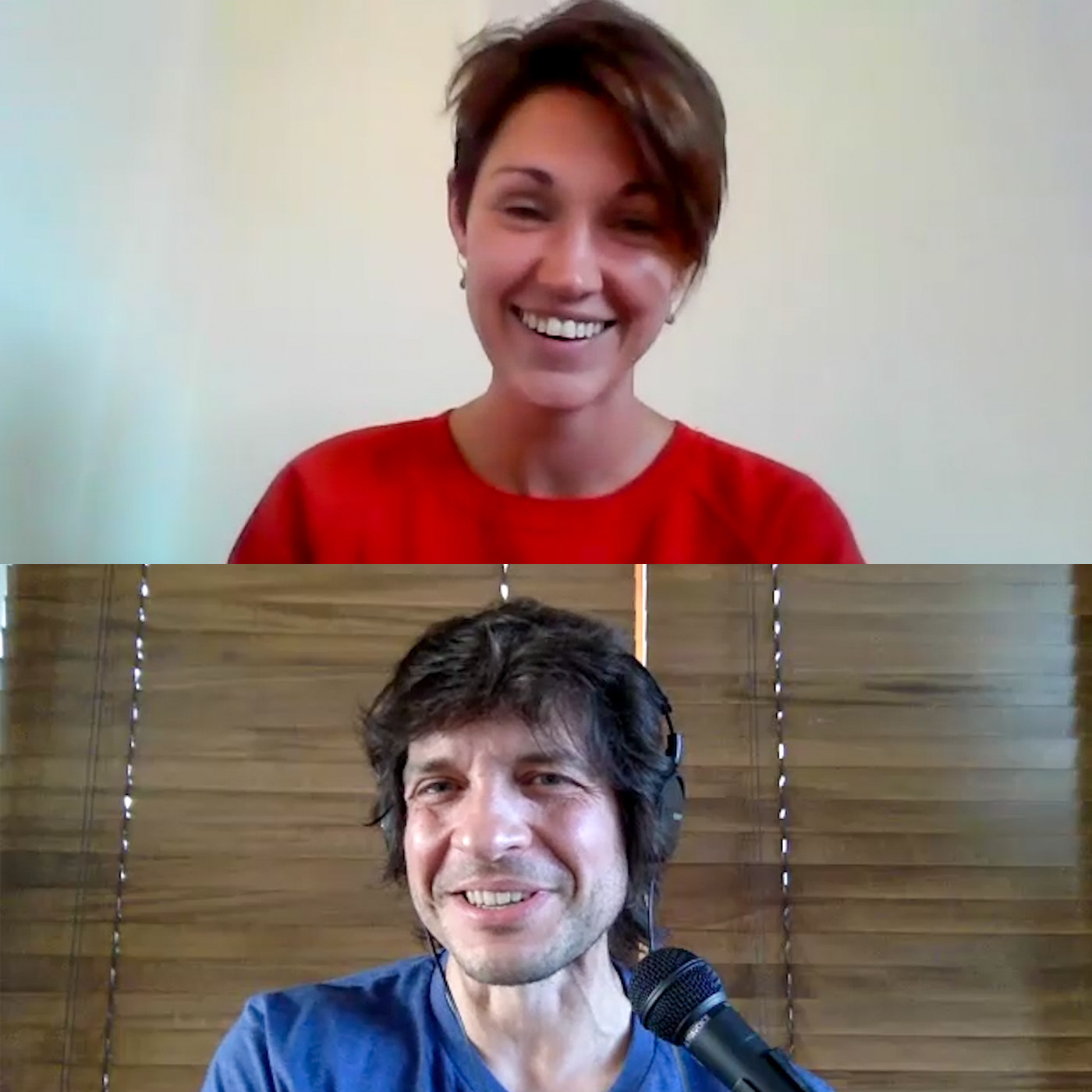
Communication is by far the most important, yet most difficult, factor in any undertaking. Whether managing a business project with many stakeholders or leading a team to accomplish a goal, excellent communication is the key to success. It is no different in the world of conservation and nature-related endeavours. Anyone who has tried to communicate the benefits of hunting for conservation to uninformed people, with a distaste for killing animals, knows what I’m talking about! The complex and highly emotional world of social media doesn’t make communication any easier. But one thing is certain, if we want to find solutions to the problems faced by the natural world we need to communicate with each other to understand our visions, needs and concerns.It is therefore my pleasure to bring you my conversation with a communications professional and wildlife storyteller Lucy McRobert. Lucy has worked on many campaigns for various environmental organizations and has a deep understanding of issues we might come across while discussing wildlife projects or the natural environment. Along with those topics, in our chat, she also shares with us some secrets of how social media works, including how to use it most effectively for communication while maintaining our own mental health and not playing into the hands of Internet trolls. You will also learn that you might be rejected for a job you wanted because of who followed you on social media! Yes, I know, it’s crazy!I am sure that you will learn a lot from this episode and that you will improve the quality of your communication as well as gain new social media skills.Subscribe to Tommy's Outdoors: Conservation and Science NewsletterSupport the Podcast and Buy Me a Coffee.Follow Tommy's Outdoors on Bluesky, Instagram or YouTube

107: Remarkable Creatures with Aga Grandowicz
In many conversations on my podcast, we have observed that long-term success in nature conservation will be impossible without engaging and educating future generations.Today kids, like their parents, are more and more disconnected from the natural world. Even the children’s dictionary has replaced words about nature with newer words. And so acorn has been replaced with analogue, buttercup with broadband, clover with chatroom, and so on.That’s why, if you are a conservation-minded parent who cares about the future of the natural environment and preserving it for your children, you need to take their education about the natural world into your own hands. As you should with any other topic.To help you with this, I would like to wholeheartedly recommend a wonderful book for children, ages 10 to 15, titled “Remarkable Creatures: A Guide to Some of Ireland’s Disappearing Animals” written by Aga Grandowicz. Aga is a wildlife artist, illustrator, graphic designer and author.On this podcast, I had a wonderful conversation with Aga about her book, her motivation to write it and her life close to nature. After listening to the podcast, visit Aga’s online store and buy the book. You might also be tempted to buy some of her artwork!Subscribe to Tommy's Outdoors: Conservation and Science NewsletterSupport the Podcast and Buy Me a Coffee.Follow Tommy's Outdoors on Bluesky, Instagram or YouTube

106: Irish Cave Bones with Ruth Carden
Regular listeners have already heard that this episode was coming. And we’ve been planning it for a long time. Conflicting schedules, travel plans and life, in general, were always getting in the way. But boy, was it worth waiting for! And so, we sat down for a chat with Dr Ruth Carden, a zoologist, who specialises in the zooarchaeological analysis of faunal assemblages. To the casual reader, Ruth is probably best known for her groundbreaking discovery of butchering marks on a reindeer bone found in the Castlepook Cave in north Cork. This discovery dramatically changed our understanding of Irish human history, pushing back the earliest signs of human activity by 20,000 years. We discussed this discovery as well as other topics related to Ruth’s research, including Irish glacial fauna with a particular focus on the Giant Irish Deer which is sometimes, incorrectly, called Irish elk. I wouldn’t be myself if I hadn’t asked Ruth about wild boar in Ireland. Were they native to Ireland at one point in time? You need to listen to this episode to find out.And here is the craziest thing. All that research work is self-funded by Ruth and done largely in her spare time. Please, keep an eye on Tommy’s Outdoors website as we will shortly let you know how you can financially support Ruth’s efforts. For now, I want to give a massive shout out to the car company that co-sponsored one of those projects: K&N Motors, Dublin 22. A big round of applause for these folks, please!Subscribe to Tommy's Outdoors: Conservation and Science NewsletterSupport the Podcast and Buy Me a Coffee.Follow Tommy's Outdoors on Bluesky, Instagram or YouTube

105: Human, Nature with Ian Carter
Keeping a diary can be a useful thing. Especially if the diarist focuses on events and experiences pertaining to their area of expertise. Ian Carter, naturalist, ornithologist and author, has kept his wildlife diary for over three decades. Ian worked for Natural England, a governmental advisory body, for twenty-five years. He has written articles for respected wildlife magazines and has co-authored papers in scientific journals. Ian was also involved with the Red Kite reintroduction programme and other bird reintroductions and wildlife management programs.It was therefore my pleasure to chat with Ian on my podcast about his latest book titled “Human, Nature - A Naturalist’s Thoughts on Wildlife and Wild Places” published by Pelagic Publishing. The book is an elaboration on Ian’s diary. It discusses his observations and extends them to wider philosophical questions related to our interactions with wildlife. Many of those questions and observations are quite similar to the ones I myself have accumulated over time. So I really enjoyed the opportunity to discuss them with Ian.I would definitely recommend Ian’s book to all wildlife enthusiasts. It comprehensively discusses most, if not all, topics related to nature conservation and our relationship with wildlife. A special shoutout to Pelagic Publishing, an independent academic publisher of books on wildlife, science and conservation. The Book: pelagicpublishing.com/products/human-natureSubscribe to Tommy's Outdoors: Conservation and Science NewsletterSupport the Podcast and Buy Me a Coffee.Follow Tommy's Outdoors on Bluesky, Instagram or YouTube

104: Project MarPAMM with Naomi Wilson, Anuschka Miller and Alex Callaway
Conservation of the marine environment is prominently featured in many episodes of my podcast. Regular listeners have heard on many occasions the opinion that marine protected areas, or MPAs for short, is where it’s at. But as always in these cases, if you start digging and asking questions everything is more difficult than it looks at first glance.To start the discussion about MPAs, today I bring you an introduction to an environmental project called MarPAMM. Our guests are Dr Naomi Wilson from Agri-Food and Biosciences Institute, Dr Anuschka Miller from the Scottish Association of Marine Science, and Dr Alex Callaway from Agri-Food and Biosciences Institute. The goal of MarPAMM is to develop tools for monitoring and managing a number of protected coastal marine environments in Ireland, Northern Ireland and Western Scotland.Subscribe to Tommy's Outdoors: Conservation and Science NewsletterSupport the Podcast and Buy Me a Coffee.Follow Tommy's Outdoors on Bluesky, Instagram or YouTube