Conservation and Science
257 episodes — Page 2 of 6

194: Pink Salmon Invasion on Norwegian Rivers with Jude Isabella
What happens when Pacific salmon invade Atlantic waters? How does a Soviet-era experiment from the 1950s continue to impact Norwegian rivers today? We’re answering these questions in conversation with Jude Isabella, founder and editor-in-chief of Hakai Magazine. This episode was inspired by her three-week journey along Norway's border with Russia, documented in her article ‘Where the Rivers Run Pink’. The article tells the complex story of pink salmon that have established themselves in Norwegian rivers after straying from Russian waters. Our conversation, however, goes beyond the article itself and reveals the details and stories that didn't make it into the article.In our discussion, we explore Norway's evolving approach to managing this invasive species. While initial reactions focused on eradication, the situation has developed into a more nuanced strategy of population control. Jude shares insights about local initiatives to handle the influx of pink salmon, from volunteer-run fish traps to commercial processing operations, and how these invasive fish are becoming part of the local food chain.We also examine the broader ecological implications of this invasion. While pink salmon are often viewed as a threat to native Atlantic salmon, Jude reveals surprising findings about their potential benefits to river ecosystems. The episode concludes with thought-provoking reflections on novel ecosystems and how we adapt to inevitable environmental changes in our rapidly transforming world.Further reading:Hakai Magazine - bioGraphicWhere the Rivers Run Pink | Hakai MagazineSubscribe to Tommy's Outdoors: Conservation and Science NewsletterSupport the Podcast and Buy Me a Coffee.Follow Tommy's Outdoors on Bluesky, Instagram or YouTube

193: Human-Wildlife Conflict - Romanian Bears and African Elephants with Jens Ulrik Høgh
Can hunting be an effective way to manage human-wildlife conflict? What happens when well-intentioned wildlife protection measures backfire? I spoke with Jens Ulrik Høgh, a Scandinavian hunting journalist, to find answers to these questions through the lens of Romania's bear management crisis. When hunting was banned in 2016 under pressure from animal rights groups, it led to an unexpected surge in human-wildlife conflict, with 300 people being mauled and 26 killed by bears that had lost their fear of humans.Through many examples from Romania, Africa and Scandinavia, Jens explores how regulated hunting can serve as a vital conservation tool. He challenges common misconceptions about trophy hunting and explains how hunting tourism provides critical financial incentives for protecting wildlife habitats. We discuss how local communities in various parts of the world depend on hunting not just for wildlife management but also for economic sustainability. This highlights the complex relationship between wildlife conservation and local people's livelihoods.The conversation concludes with an optimistic outlook on the future of hunting, supported by growing public acceptance. Jens also provides valuable insights into how hunters can better communicate about their activities, emphasising the importance of honesty, factual accuracy and sensitivity to others' feelings. His practical advice focuses on building bridges between hunters and non-hunters rather than creating further divisions.Subscribe to Tommy's Outdoors: Conservation and Science NewsletterSupport the Podcast and Buy Me a Coffee.Follow Tommy's Outdoors on Bluesky, Instagram or YouTube

Conservation and Science 2024 Recap
The calendar year is coming to an end. Since the episode's scheduled date falls on the last day of the year, I feel it's fitting to publish a 2024 recap episode featuring the most interesting clips from all the episodes published this year - or rather, last year (2024).Subscribe to Tommy's Outdoors: Conservation and Science NewsletterSupport the Podcast and Buy Me a Coffee.Follow Tommy's Outdoors on Bluesky, Instagram or YouTube

Christmas Wishes and a Peek into 2025
Unlike many podcasters who take a break over Christmas, I'm not taking breaks. Instead, as I do every year, I'm publishing a special episode with seasonal wishes and, most importantly, with a big thank you to all of you for being here with me, subscribing to the podcast whether on a podcast app or YouTube and particularly for signing up to my newsletter. I would also like to welcome new subscribers as well as give big shout-outs to those of you who have been with me for many years. Thank you!In the episode, I give you a rundown of what's coming in the new year, starting with episodes that have already been recorded and are scheduled for release in early 2025, and finishing with changes to my social media presence and publishing schedule. This type of update is normally reserved for my supporting members on Buy Me a Coffee. But it's Christmas time, so there you go!Speaking of support, if the approach of Christmas has made you feel generous, you can always channel your generosity by supporting my work on Buy Me a Coffee. The only way I'm finding time for all the editing and content production is in the early mornings - we're talking 5 am early mornings. So extra caffeine comes in really handy, especially at this time of year when we have to wait unusually long for the first rays of daylight.Finally, I wish you and your loved ones a merry and peaceful Christmas filled with good conversations and cheerful moments. May the new year bring you closer to nature and much-needed good news for conservation. Thank you for being part of this journey and stay tuned for 2025!Subscribe to Tommy's Outdoors: Conservation and Science NewsletterSupport the Podcast and Buy Me a Coffee.Follow Tommy's Outdoors on Bluesky, Instagram or YouTube

Expert Talk: Bowhunting Ethics and Practice
This episode is a real treat for all those who are interested in bowhunting, bowhunting culture and the ethics of bowhunting compared to rifle hunting. Everything sprinkled with a healthy dose of hunting stories.It feels like I’m one of the only very few who talks about bowhunting with European listeners in mind. Indeed, I would like to see hunting with archery tackle being legalised and popularised on the old continent. In my view, the notions that it’s inhumane or somehow unethical are ill-advised and plain wrong. It is especially disturbing when such unwise opinions are expressed with confidence by hunters or veterinary practitioners who have no experience or previous exposure to bowhunting.To talk about these matters I’m joined by expert bowhunter Jim Clark. In our conversation, Jim shares a wealth of knowledge about bowhunting as well as some of his personal stories. As always I didn’t shy away from asking him hard questions to tease out the potential downsides of using archery tackle over firearms.It was a thoroughly enjoyable conversation and it only made me want to try my hand at bowhunting even more. I will keep talking about hunting with archery tackle to at least provoke a constructive discussion among European hunters and hunting organisations alike. If you would like to see bowhunting legalised, please leave a comment. What are your thoughts?Subscribe to Tommy's Outdoors: Conservation and Science NewsletterSupport the Podcast and Buy Me a Coffee.Follow Tommy's Outdoors on Bluesky, Instagram or YouTubeMentioned in this episode:This is the Conservation and Science podcast Replay series, a curated collection of best episodes from last year. If you are new to the show, this is an excellent opportunity to catch up with the most popular episodes from the back catalogue. And if you’re a regular listener, maybe you missed one of those or want to listen to one of them again. Don’t worry! The new episodes are being published on the regular fortnightly schedule, so keep tuning in for the new content every other Tuesday.

192: EU Green Policy - The Science-Politics Divide with Faustine Bas-Defossez
How much influence do personal experiences of high-ranking officials have on EU environmental policies? What happens when science-based conservation collides with political interests? Can farmers and environmentalists find common ground in nature restoration? In this episode, I talk to Faustine Bas-Defossez, Director for Nature, Health and Environment at the European Environmental Bureau (EEB), who provides insights into the complex world of EU environmental policymaking.In our conversation, we discuss several pressing environmental issues, including the recent changes to the Common Agricultural Policy (CAP), the controversial recommendation to lower wolves’ protection status in Europe and the implementation challenges of the Nature Restoration Law. Faustine explains how scientific evidence sometimes takes a back seat to political motivations, using the example of how a single incident involving the European Commission President's pony influenced wolf protection policy. She also discusses the challenges of balancing agricultural practices with environmental protection, highlighting the systemic changes needed in our food production and consumption patterns.The discussion ends on an optimistic note with Faustine sharing a success story from the Strategic Dialogue on the Future of Agriculture. She describes how representatives from seemingly opposing interests - from environmental NGOs to industrial farming organisations - reached a meaningful consensus on future agricultural policies. This achievement demonstrates that despite the challenges and polarization in environmental politics, collaborative solutions are possible when stakeholders commit to constructive dialogue.Subscribe to Tommy's Outdoors: Conservation and Science NewsletterSupport the Podcast and Buy Me a Coffee.Follow Tommy's Outdoors on Bluesky, Instagram or YouTube

The Return of the Irish Sturgeon
In this episode I'm joined by Declan Quigley to explore the history of sturgeon in Irish waters. We talk about the recent campaign by the Irish Wildlife Trust to reintroduce this ancient fish. The conversation dives into the history of sturgeon in Ireland, discussing their critical endangerment and the factors that led to their decline, including overfishing and habitat loss. Declan shares his extensive research findings, revealing that while sturgeon haven’t been confirmed to spawn in Irish rivers, they have a historical presence in coastal waters. The episode highlights the challenges and potential for sturgeon farming as a conservation tool, as well as the importance of preserving knowledge about these remarkable creatures. Listeners will also discover the cultural significance of sturgeon in Ireland and the ongoing efforts to ensure the survival of this iconic species.Takeaways: The Irish Wildlife Trust advocates for a feasibility study to reintroduce sturgeon into Irish waters. Despite historical presence, evidence suggests sturgeon may have never spawned in Irish rivers. Sturgeons are ancient fish, often referred to as living fossils due to their long evolutionary history. Declan Quigley highlights the critical decline of sturgeon populations due to overfishing and habitat loss. Efforts in France aim to breed sturgeon, potentially leading to increased sightings in Irish waters. Sturgeon farming may contribute positively to conservation by supplying caviar and reducing poaching. Subscribe to Tommy's Outdoors: Conservation and Science NewsletterSupport the Podcast and Buy Me a Coffee.Follow Tommy's Outdoors on Bluesky, Instagram or YouTubeMentioned in this episode:This is the Conservation and Science podcast Replay series, a curated collection of best episodes from last year. If you are new to the show, this is an excellent opportunity to catch up with the most popular episodes from the back catalogue. And if you’re a regular listener, maybe you missed one of those or want to listen to one of them again. Don’t worry! The new episodes are being published on the regular fortnightly schedule, so keep tuning in for the new content every other Tuesday.

191: Rewilding Myths and Misconceptions with Ian Parsons
What exactly is rewilding? Does it simply mean bringing back wolves, lynx and bears, or is there more to it? Can we balance food production and rural community needs with land left to natural processes and wildlife conservation? To answer these questions, I talk with Ian Parsons, editor of "Great Misconceptions: Rewilding Myths and Misunderstandings", a new book that explores common assumptions and misconceptions about rewilding.In our discussion, we address aspects of rewilding that are often misunderstood or misinterpreted, sometimes innocently and at other times deliberately or even maliciously. We explore three topics commonly associated with rewilding that often spark heated debate: species reintroductions, community engagement, and the choice between tree planting and natural regeneration. This discussion draws on the collective wisdom of renowned authors who contributed distinct chapters to the book.In the end, Ian emphasises that rewilding shouldn't remain just another niche concept but needs to be integrated into how we live our lives, from urban planning to politics or even business practices. He challenges the notion that rewilding is anti-rural, arguing instead that it can revitalise rural economies and provide new opportunities for communities. The episode provides valuable insights for anyone interested in conservation, land management and the future of our relationship with nature.Buy Great Misconceptions: Rewilding Myths and MisunderstandingsSubscribe to Tommy's Outdoors: Conservation and Science NewsletterSupport the Podcast and Buy Me a Coffee.Follow Tommy's Outdoors on Bluesky, Instagram or YouTubeTommy’s Outdoors is a participant in the Amazon Services LLC Associates Program, an affiliate advertising program designed to provide a means for sites to earn advertising fees by advertising and linking to Amazon.co.uk

Ireland on the Fly with Daire and Tom
bonusWhat drives two friends to create a weekly podcast about fly fishing? How do they manage to keep it fresh and engaging week after week? Ireland on the Fly started as Daire's passion project about four years ago, combining his media background with his newfound love for fly fishing. The podcast took on new life when Tom, an experienced angling guide and former Hardy and Grays sales manager, joined the team two and a half years ago.The show explores the rich culture and history of fly fishing in Ireland, featuring diverse topics from technical fishing advice to environmental issues. Each episode brings unique perspectives through interviews with historians, scientists, and fellow anglers. The hosts maintain a careful balance between practical fishing content and broader environmental concerns, often addressing current issues like the recent Killery Harbour salmon farm escapees, while staying true to their role as custodians of rivers and lakes.As media veterans, Daire and Tom understand the challenge of keeping environmental content engaging for their audience. They work to find fresh angles on recurring issues like fish kills and salmon farming, while still delivering the practical fishing content their listeners desire. Their approach combines awareness-raising with entertainment, proving that educational content can coexist with engaging storytelling.Ireland on the Fly

190: The Geopolitics of Whale Conservation with Peter Corkeron
Is the resumption of commercial whaling inevitable? What hidden geopolitical forces are shaping international whale conservation efforts? Let's dive (pun not intended) into the complex world of whale conservation with marine scientist Dr Peter Corkeron. In our conversation, Peter uncovers the surprising connections between military bases, national security, and the fate of the world's largest mammals.From the history of industrial whaling to the current state of whale populations, our guest provides a comprehensive overview of the challenges facing whale conservation today. He explains how some whale species are making an impressive comeback while others teeter on the brink of extinction. But the real story goes beyond biology! Learn how US military interests in Japan may be influencing whaling policies, and why anti-whaling efforts that seemed successful for decades may now be faltering.As commercial whaling threatens to resume, we argue for a new approach to whale protection. We discuss the limitations of current conservation strategies, the complex motivations behind pro-whaling interests and why simply allowing whaling to "fizzle out" is no longer a viable option. Finally, Peter offers his perspective on potential solutions, addressing underlying geopolitical factors and advocating for policy changes to protect whale populations more effectively.Further reading:Losing the Whales: How the Anti-Whaling Narrative Has FailedThe Return of WhalingWhat US Militarism Has to Do With Japan's Quest to Slaughter More WhalesSubscribe to Tommy's Outdoors: Conservation and Science NewsletterSupport the Podcast and Buy Me a Coffee.Follow Tommy's Outdoors on Bluesky, Instagram or YouTube

Salmon Farming Exposed: Environmental Catastrophe and Community Impact
Listen to my conversation with John Aitchison from the Coastal Communities Network Scotland to learn about the devastating effects of salmon farming on the marine environment and coastal communities. Toxic waste, pesticides, diseases and parasites are just the tip of the iceberg.I knew that salmon farming was bad but I didn’t realise quite how bad it really is. Salmon aquaculture creates massive ecological and welfare issues for the fish. Both farmed fish as well as wild fish populations are negatively affected by open-net aquaculture. And that is even before I mention the impacts the industry has on coastal communities. The massive amounts of toxic waste, misuse of pesticides, diseases and spread of parasites that negatively affect wild salmon are just the tip of the iceberg.To better understand the issues examined in this episode, I talk with John Aitchison. John is an acclaimed wildlife filmmaker but he is also an environmental activist at the Coastal Communities Network Scotland NGO. During our conversation, we take a closer look at the Scottish salmon farming industry. However, the issues we discuss apply equally to Ireland, Norway or anywhere salmon aquaculture is present.I am pretty sure that after listening to this episode you won’t buy farmed salmon again, which you shouldn’t, or you will at least take a pause and consider your choices.Cover image courtesy of Corin Smith - Copyright Corin Smith.Special guests in this episode: Ireland on the Fly Subscribe to Tommy's Outdoors: Conservation and Science NewsletterSupport the Podcast and Buy Me a Coffee.Follow Tommy's Outdoors on Bluesky, Instagram or YouTubeMentioned in this episode:This is the Conservation and Science podcast Replay series, a curated collection of best episodes from last year. If you are new to the show, this is an excellent opportunity to catch up with the most popular episodes from the back catalogue. And if you’re a regular listener, maybe you missed one of those or want to listen to one of them again. Don’t worry! The new episodes are being published on the regular fortnightly schedule, so keep tuning in for the new content every other Tuesday.Ireland on The FlyI sit down with Tom and Daire from Ireland on the Fly podcast to explore the intersection of angling, conservation, and environmental storytelling. As fellow podcasters focused on outdoor pursuits and environmental issues, we discuss the challenges of balancing technical fishing content with crucial environmental coverage. The conversation delves into how both our shows strive to bridge divides and foster understanding between different stakeholder groups in environmental debates. From salmon farm escapees to the future of recreational fishing, we examine how podcasting can help tackle complex environmental topics while maintaining audience engagement.Ireland on the Fly

189: Climate Anxiety and Presence Activism with Lynne Sedgmore
Do you feel climate anxiety? Is it overwhelming you? How do we find peace while being bombarded with dire environmental predictions? In an attempt to answer these questions, I talk with Lynne Sedgmore, a well-known educator, leadership coach, activist and the author of the book "Presence Activism: A Profound Antidote to Climate Anxiety".To set the scene, we start with a discussion about peaceful but disruptive climate protests. We discuss their effectiveness, the reception by the wider public, and the recent governmental clampdown resulting in excessively long prison sentences for protesters. I also asked Lynne about ways to communicate with older generations about environmental issues. From my observations, it's usually more difficult than with younger people.During our discussion, Lynne talks about the challenges of immersing herself in climate change literature and the importance of finding a balanced perspective. As in the book, in the podcast we explore the concept of "presence" as a tool for managing anxiety, and how practices like meditation have a calming effect on our nervous systems. Lynne emphasises the need for empathy in climate discussions, even with those holding opposing views.We finish with a reminder about the value of staying present, rather than getting lost and upset by predictions for the future. This episode offers a unique mix of practical advice and philosophical wisdom for anyone grappling with climate concerns. And if all this sounds interesting to you, buy Lynne's book using the link below. That way, you will also support my work on the podcast.Buy "Presence Activism: A Profound Antidote to Climate Anxiety"Subscribe to Tommy's Outdoors: Conservation and Science NewsletterSupport the Podcast and Buy Me a Coffee.Follow Tommy's Outdoors on Bluesky, Instagram or YouTubeThe guest featured in this episode paid a nominal guesting fee. This fee did not directly influence the content of the episode. The guest had no editorial control, did not review the episode before publication, and did not influence the questions asked during the interview. Tommy’s Outdoors is a participant in the Amazon Services LLC Associates Program, an affiliate advertising program designed to provide a means for sites to earn advertising fees by advertising and linking to Amazon.co.uk

Polar Bears in a Warming World with Andrew Derocher
Last week I published a blog post where I set out to answer the question of whether polar bears are facing impending extinction due to climate change or are they, in fact, doing better than ever. Around the time when I was investigating this question, I got in touch with Professor Andrew Derocher from the Department of Biological Sciences at the University of Alberta, who has studied polar bears for over 40 years. He specialises in ecology, conservation, and management of large Arctic mammals with a particular focus on polar bears. So, of course, I couldn’t miss the opportunity to sit down with him for a comprehensive chat about all things polar bears.During our conversation, we talk about the limiting and regulating factors of polar bear populations. Those include habitat use, predator-prey relationships, the effects of climate change as well as the accumulation of toxic chemicals in the bears' bodies. We also explore the issue of polar bear hybridisation with brown bears and how this might impact their population. We ended our conversation with an attempt to predict the future of polar bears in the rapidly warming world.You may also be interested in checking out my blog: “Are Polar Bears Going Extinct or Are Their Populations Doing Better Than Ever?”Finally, you might want to check Andrew’s book: “Polar Bears: A Complete Guide to Their Biology and Behavior”. And, by purchasing it using the link provided, you will help support my work since I receive a tiny commission on each sale made.Subscribe to Tommy's Outdoors: Conservation and Science NewsletterSupport the Podcast and Buy Me a Coffee.Follow Tommy's Outdoors on Bluesky, Instagram or YouTubeTommy’s Outdoors is a participant in the Amazon Services LLC Associates Program, an affiliate advertising program designed to provide a means for sites to earn advertising fees by advertising and linking to Amazon.co.uk Mentioned in this episode:This is the Conservation and Science podcast Replay series, a curated collection of best episodes from last year. If you are new to the show, this is an excellent opportunity to catch up with the most popular episodes from the back catalogue. And if you’re a regular listener, maybe you missed one of those or want to listen to one of them again. Don’t worry! The new episodes are being published on the regular fortnightly schedule, so keep tuning in for the new content every other Tuesday.

188: Peer Review Reimagined - How Stacks Journal is Transforming Scientific Publishing
Is scientific publishing broken? How can we make it more accessible and inclusive? And what if peer review could be collaborative and efficient instead of opaque and burdensome? In this episode, we dive into the world of academic publishing with Dr David Green, founder of Stacks Journal. We talk about how the current system is failing researchers and science enthusiasts alike, with over half of all research never getting published and exorbitant costs imposed by a handful of publishers who monopolise the industry.David describes how Stacks Journal is revolutionising peer review through a community-based, transparent approach that empowers scientists by eliminating gatekeepers, reducing bias, and making publishing affordable. We also explore known issues like the publish or perish culture, resistance to paradigm-shifting ideas, and the impact of AI on academic writing. Finally, we try to answer the question of whether science really progresses one funeral at a time.This episode offers valuable insights into the changing landscape of scientific publishing. David shares his vision for the future of open access and provides inspiring advice for early-career researchers feeling discouraged by the system. Whether you're a seasoned academic or simply curious about how scientific knowledge advances, this episode is a must-listen.Subscribe to Tommy's Outdoors: Conservation and Science NewsletterSupport the Podcast and Buy Me a Coffee.Follow Tommy's Outdoors on Bluesky, Instagram or YouTube
The EU Review of Wolf Protection Status
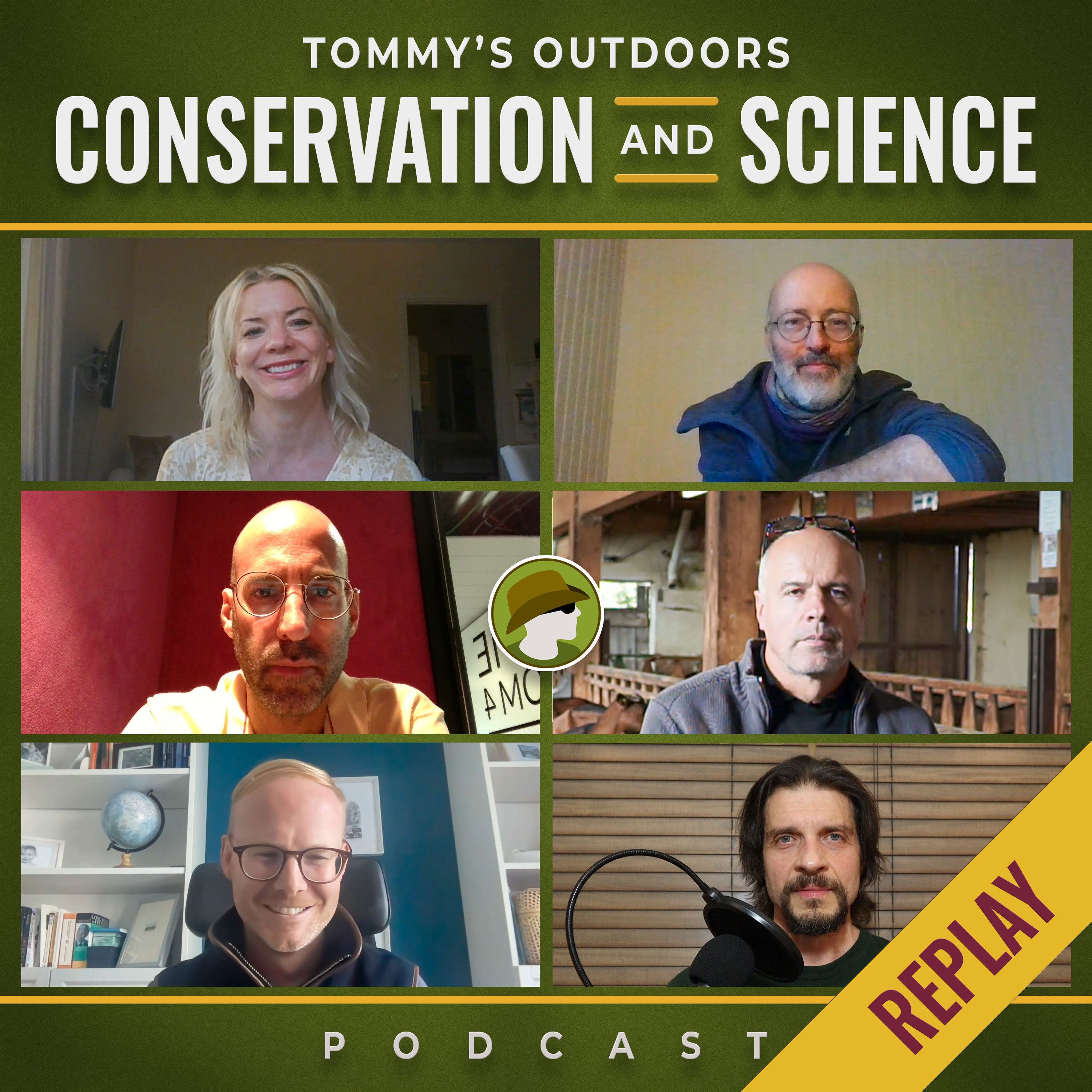
The European Commission is deliberating on lowering the protection status of wolves in the EU. It seems like this decision has been taken after the European Commission president, Ursula von der Leyen’s pony was killed by wolves. Is this really the reason for what many have dubbed “a new European wolf hunt”? To unpack this issue I talked to environmentalists, farmers, top-tier scientists and last but not least, hunters.Our guests are a wildlife biologist, Professor John Linnell, a goat breeder, Bruno Lecomte, a social scientist, Professor Erica von Essen, an environmentalist, the Head of EU Policy at BirdLife International, Ariel Brunner and, last but not least, the Secretary General of the European Federation for Hunting and Conservation, Dr David Scallan. Special thanks to hunting journalist and blogger Denis Plat for his help in ensuring that opinions from rural France were voiced.While making this episode I recorded many hours of material and understandably not all of it made it into the episode. If you would be interested in listening to the individual interviews with the guests in this podcast, please click here.The views and opinions expressed in this podcast are those of the individual participants and do not necessarily reflect the official policy or position of any organisation. The participants are expressing their personal opinions and perspectives.Subscribe to Tommy's Outdoors: Conservation and Science NewsletterSupport the Podcast and Buy Me a Coffee.Follow Tommy's Outdoors on Bluesky, Instagram or YouTubeMentioned in this episode:This is the Conservation and Science podcast Replay series, a curated collection of best episodes from last year. If you are new to the show, this is an excellent opportunity to catch up with the most popular episodes from the back catalogue. And if you’re a regular listener, maybe you missed one of those or want to listen to one of them again. Don’t worry! The new episodes are being published on the regular fortnightly schedule, so keep tuning in for the new content every other Tuesday.
187: Soil, Dung Beetles, and Longhorn Beef with Elise Sutton
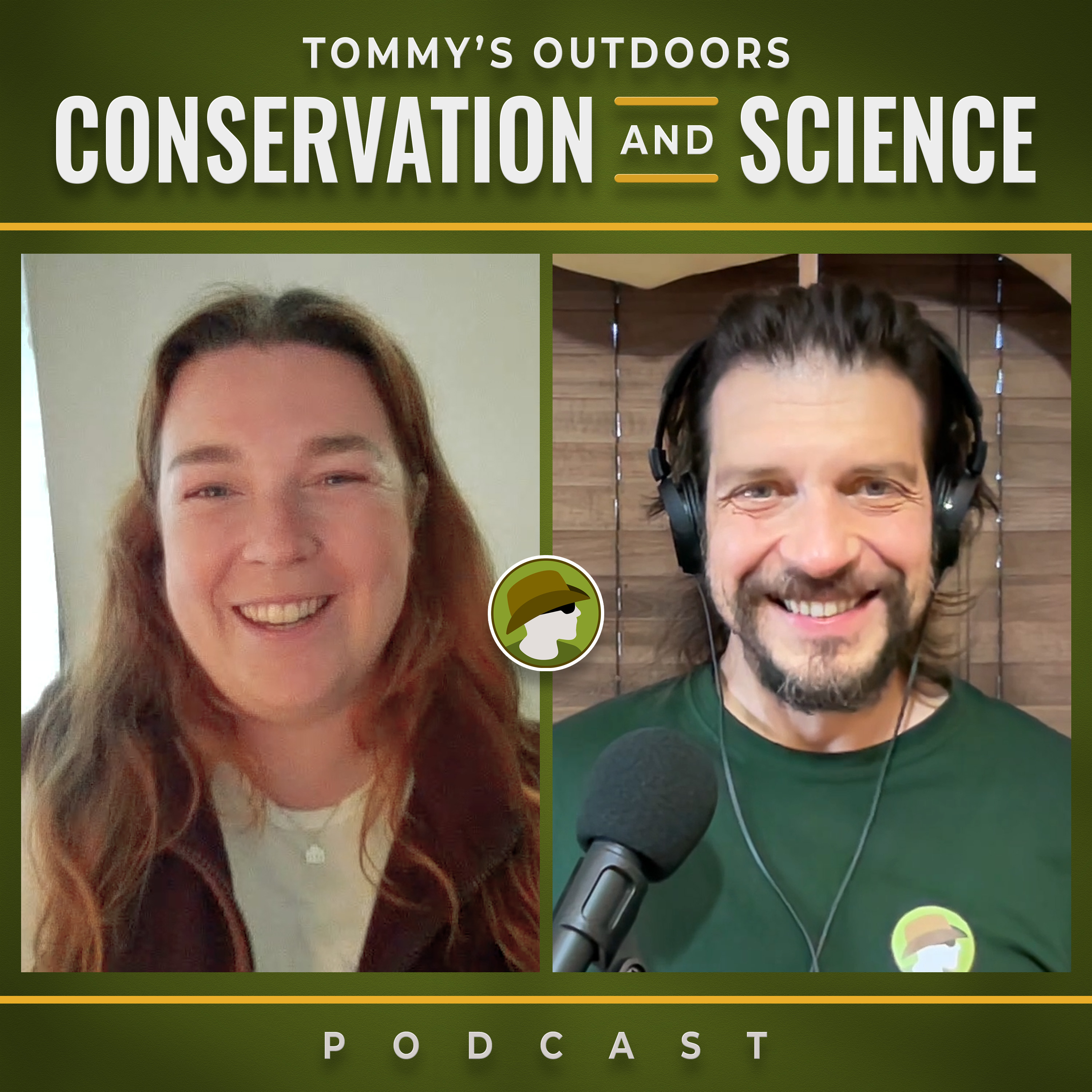
Can farming and conservation coexist harmoniously? How can farmers produce high-quality food while protecting biodiversity? Elise Sutton, a passionate conservationist and livestock manager at Cherry Lodge Farm, shares her experience in balancing food production with nature conservation. Elise talks about conservation grazing using English Longhorn cattle on a 650-acre farm that includes a Site of Special Scientific Interest. She explains how this method maintains biodiversity and produces top-quality, grass-fed beef.We talk about the intricacies of managing a nature-friendly farm, focusing on the importance of soil health, dung beetles, and adaptive grazing techniques. Elise describes how the farm has transitioned from intensive practices to a more holistic approach, integrating livestock with conservation objectives. I also asked about the challenges faced by farmers attempting to adopt more sustainable methods.Further, our conversation extends to broader topics such as the future of farming, the potential of rewilding, and the importance of connecting habitats across landscapes. Elise offers insights into making nature-friendly farming economically viable through diversification and direct-to-consumer sales. She expresses optimism about the next generation of farmers embracing more environmentally conscious practices while acknowledging the hurdles that still need to be overcome in balancing food production with conservation efforts.Subscribe to Tommy's Outdoors: Conservation and Science NewsletterSupport the Podcast and Buy Me a Coffee.Follow Tommy's Outdoors on Bluesky, Instagram or YouTube

186: Climate-Resilient Crops - Gene Editing with BetterSeeds and Ido Margalit
What are the latest advancements in gene editing for crops? How can genetic engineering help plants withstand climate change? Is genetically modified food safe for consumption? To answer these questions, I talk with Ido Margalit, a co-founder and the CEO of BetterSeeds, a plant genetics company focused exclusively on using genome editing/CRISPR technology for their breeding activities. Ido explains the differences between GMOs and gene editing, highlighting how CRISPR allows for precise modifications without introducing foreign genetic material. He discusses the potential of gene editing to create drought and heat-resistant crops, addressing the urgent challenges posed by climate change.Ido talks about the specific traits his company is developing, such as plants that can reduce water usage by 70% without compromising yield. He explains how these advancements can contribute to sustainable agriculture by reducing energy consumption in irrigation and greenhouse temperature regulation. Our conversation also touches on the regulatory landscape for gene-edited crops. Ido notes that many countries treat gene-edited plants similarly to conventionally bred varieties due to their low-risk profile.We finish discussing the broader implications of climate change for agriculture and the role gene editing can play in ensuring food security. Ido emphasises the safety of gene-edited crops and encourages farmers to embrace this technology as a solution for the future. He also mentions ongoing work to develop an enabling technology that would make CRISPR more accessible and applicable across a wider range of crops, potentially revolutionising plant breeding and agricultural practices.Subscribe to Tommy's Outdoors: Conservation and Science NewsletterSupport the Podcast and Buy Me a Coffee.Follow Tommy's Outdoors on Bluesky, Instagram or YouTubeThe guest featured in this episode paid a nominal guesting fee. This fee did not directly influence the content of the episode. The guest had no editorial control, did not review the episode before publication, and did not influence the questions asked during the interview.
185: Farmers' Perspective on Carnivore Reintroductions with Jonny Hanson
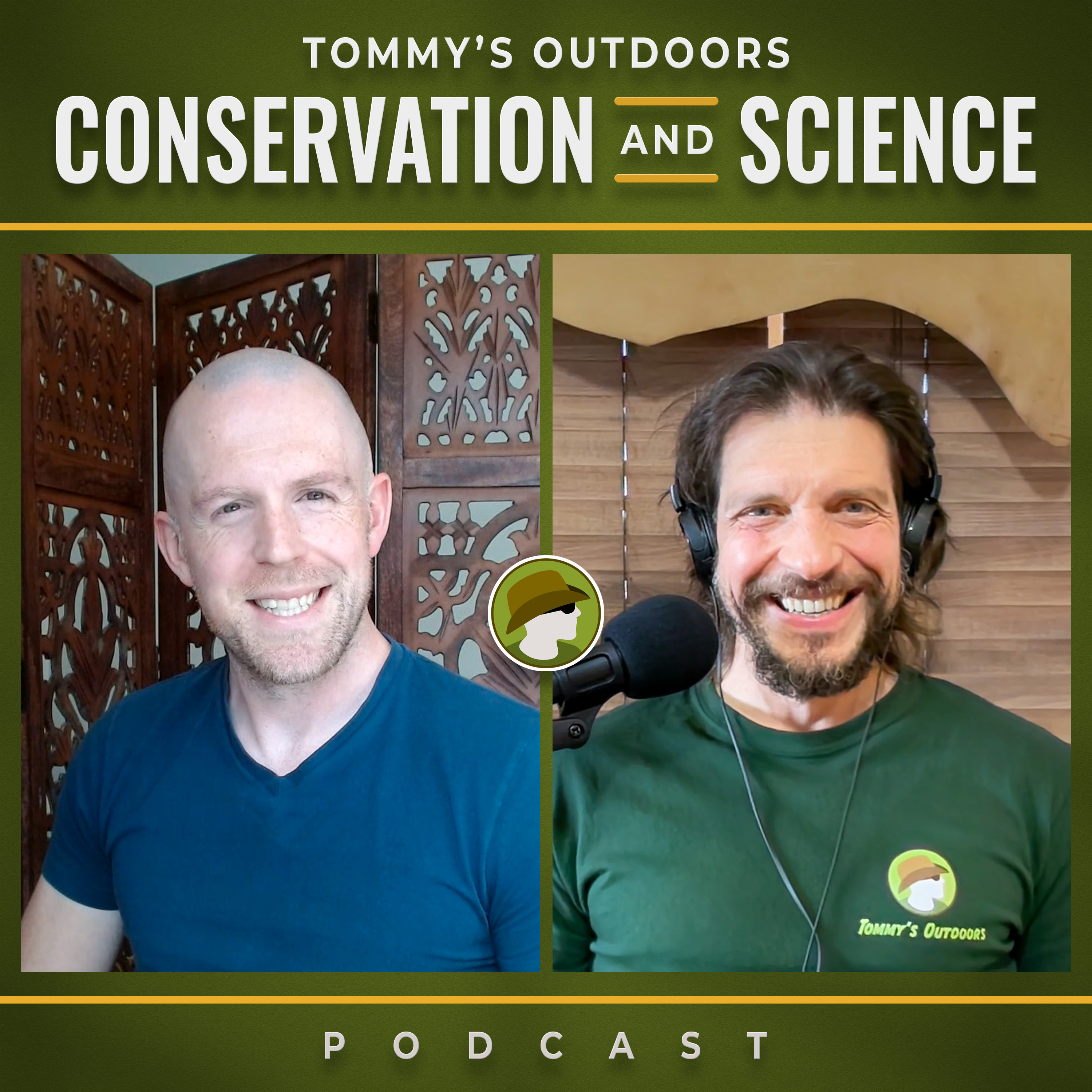
Can large carnivore conservation coexist with livestock farming? In this episode, environmental social scientist Jonny Hanson and I discuss the complex issue of large carnivore reintroductions in Britain and Ireland. What are farmers' perspectives on sharing landscapes with predators like wolves and lynx? How can we balance conservation goals with the realities of modern agriculture? We explore these pressing questions, drawing from Jonny’s extensive research and firsthand experience as both a researcher and small-scale farmer.Interested in the potential reintroduction of large carnivores to Britain and Ireland? Read Jonny's informative report, "Large Carnivore Reintroductions: Farmers' Perspectives and Management Options," along with other relevant resources in the public edition of my newsletter. To receive future issues containing additional reading materials that expand on podcast discussions, consider subscribing to my newsletter.In the episode, we discuss the challenges of large carnivore restoration to landscapes where they've been absent for centuries. Jonny highlights the importance of governance and stakeholder engagement in managing potential conflicts between wildlife and livestock. Our conversation covers various management tools, from livestock guardian dogs to compensation schemes, and examines their practical implications for farmers. Jonny also talks about the need for more social science research to understand the cultural and psychological aspects of reintroductions.The episode concludes with a thought-provoking discussion on innovative approaches to wildlife management, including the potential use of technology to create "virtual fences" for large carnivores. We also explore the ethical implications of such interventions and question whether they diminish the wildness of reintroduced animals. This episode offers valuable insights into the complexities of rewilding and the delicate balance between conservation and agriculture. Listen to learn how human perspectives shape our future landscapes.Subscribe to Tommy's Outdoors: Conservation and Science NewsletterSupport the Podcast and Buy Me a Coffee.Follow Tommy's Outdoors on Bluesky, Instagram or YouTube
Wildlife In The Balance with Simon Mustoe
This is one of the most thought-provoking books I have read. Although I don’t agree with everything in the book, I can overlook my disagreements because of how brilliant some parts that I do agree with are. So I couldn’t wait to sit down with the author, expert ecologist, Simon Mustoe for a chat about his views and, of course, about the book.In his book, “Wildlife in The Balance”, Simon lays out the case for animals being the most important ingredient of the ecosystem. He outlines the critical importance of keeping the planet’s energy inputs and outputs in balance and the role animals play in ensuring this balance. This connection of ecology with physics is one of the most unique and forward-thinking aspects of this book. To extend this thought, it contains one of the most comprehensive and compelling explanations of why the climate crisis and biodiversity crisis are in fact one and the same — neither can be solved separately.After reading this book, I started to question many things that I had thought to be unequivocally true. For example, the removal of overabundant species, like deer, that are thought to be having a negative effect on the local ecosystem. I’m not saying that I think it’s not true anymore, but it made me question whether it is really true.Buy "Wildlife in the Balance" here.Subscribe to Tommy's Outdoors: Conservation and Science NewsletterSupport the Podcast and Buy Me a Coffee.Follow Tommy's Outdoors on Bluesky, Instagram or YouTubeTommy’s Outdoors is a participant in the Amazon Services LLC Associates Program, an affiliate advertising program designed to provide a means for sites to earn advertising fees by advertising and linking to Amazon.co.uk Mentioned in this episode:This is the Conservation and Science podcast Replay series, a curated collection of best episodes from last year. If you are new to the show, this is an excellent opportunity to catch up with the most popular episodes from the back catalogue. And if you’re a regular listener, maybe you missed one of those or want to listen to one of them again. Don’t worry! The new episodes are being published on the regular fortnightly schedule, so keep tuning in for the new content every other Tuesday.
184: Novel Ecosystems and Nature-Based Solutions with Marcus Collier
Are humans part of nature or separate from it? How do we define native species, and should we always strive to eradicate invasive ones? Can urban green spaces play a role in addressing climate change and biodiversity loss? And what is the Anthropocene anyway? These are only some of the questions I discussed with Dr. Marcus Collier, an Associate Professor of Sustainability Science at Trinity College Dublin. His expertise in nature-based solutions gives us a new perspective on answering these complex questions and a fresh approach to environmental issues.In this episode, we talk about the fascinating world of novel ecosystems. We explore the complex relationship between humans and nature while challenging traditional notions of ecosystem restoration and conservation. I asked Marcus to clarify the concept of the Anthropocene and its implications for our understanding of the human impact on the environment. We also didn’t shy away from the controversies surrounding invasive species and ecological restoration practices. Marcus shares his insights on how our perception of time and history influences our approach to ecosystem management and highlights the challenges of defining a "natural" state in an ever-changing world.Then our conversation shifts to cultural landscapes and urban environments, highlighting the importance of nature-based solutions in cities. Marcus emphasises the benefits of urban greening initiatives, from improved air quality to enhanced mental health, while acknowledging potential drawbacks like gentrification. He advocates for a multifaceted approach to environmental challenges, emphasising the need for both technological and nature-based solutions for issues such as water quality and climate change.Subscribe to Tommy's Outdoors: Conservation and Science NewsletterSupport the Podcast and Buy Me a Coffee.Follow Tommy's Outdoors on Bluesky, Instagram or YouTube
183: Nature Restoration Law - an Irish Farmer’s Perspective with Bill O’Keeffe
Why was the farming community so opposed to the EU’s Nature Restoration Law? Doesn’t a healthy ecosystem benefit agriculture? Isn’t the availability of additional payments for alternative use of unproductive land a good thing? Aren’t the measures built into the law sufficient to protect the actively used agricultural land? To find answers to those and other questions related to farming and biodiversity I sat down (in his kitchen) with Bill O’Keeffe a dairy farmer from Co. Kilkenny.In case you are wondering, Bill is involved with the Irish Farmers’ Association but he spoke with me very much from his personal perspective. His family has been farming in the area for the past 400 years, so without a doubt, his perspectives on farming are different from those of people who don’t have such a sense of belonging to a place. And so we talk about farming practices and their impacts on the environment, farming communities and the looming changes. We also discuss the important difference between a farmer and a landowner. Besides this podcast episode, I made a video where Bill shows us around his farm and talks about it and how he farms. The video is available on my Conservation and Science YouTube channel, so head over there to watch it.Subscribe to Tommy's Outdoors: Conservation and Science NewsletterSupport the Podcast and Buy Me a Coffee.Follow Tommy's Outdoors on Bluesky, Instagram or YouTubeThe views and opinions expressed in this podcast are those of the individual participants and do not necessarily reflect any organisation's official policy or position. The participants are expressing their personal opinions and perspectives. Mentioned in this episode:DisclaimerThe views and opinions expressed in this podcast are those of the individual participants and do not necessarily reflect the official policy or position of any organisation. The participants are expressing their personal opinions and perspectives.

182: Lead Ammunition and Health with Fredrik Widemo
Should we worry about consuming venison from an animal harvested with lead ammunition? Will cutting out and discarding meat around the impact area solve the problem? And what are the best practices to keep us safe?Most of us have heard about the negative effects of lead on health. Not only on our health but also on the health of the ecosystems. In this episode, we are answering questions about the scale and severity of these effects from the perspective of lead used in hunting ammunition. To get a full picture I talk with Prof. Fredrik Widemo, a senior researcher at the Swedish University of Agricultural Sciences in the Department of Wildlife, Fish and Environmental Studies. Fredrik is also a hunter so he approaches this topic from a personal perspective.Subscribe to Tommy's Outdoors: Conservation and Science NewsletterSupport the Podcast and Buy Me a Coffee.Follow Tommy's Outdoors on Bluesky, Instagram or YouTubeMentioned in this episode:DOWNLOAD:How to Get Started in Deer Hunting in Ireland
181: Farming and Soil Biodiversity with Stuart Meikle
What is sustainable agriculture? Does regenerative farming mean focusing primarily on the soil biome? Is farming a leading cause of biodiversity loss? …and do we really have only 60 harvests left? To get the answers to those and other questions about farming and biodiversity, join me for a conversation with an agricultural management and policy specialist, an economist, a writer and an advisor, Stuart Meikle.In this episode, Stuart shares with us the history of his education in farming and later his work in different farming environments across the world. Then we switch gears and talk about issues specific to Irish agriculture, which also has some relevance in the UK context. And so, we discuss the use of nitrogen fertilisers, soil health and whether the cuts to the size of the national cattle herd are inevitable. I also ask Stuart about his thoughts on the recently passed Nature Restoration Law.After you listen to this episode, don’t forget to subscribe to my newsletter so as not to miss more farming episodes that are due in the coming weeks. Being a subscriber also gives you an excellent opportunity to send me your feedback and suggestions about past and future episodes. It’s as easy as replying to an email! Finally, newsletter subscribers are first to be informed about live events and can avail themselves of substantial discounts on exclusive content.Subscribe to Tommy's Outdoors: Conservation and Science NewsletterSupport the Podcast and Buy Me a Coffee.Follow Tommy's Outdoors on Bluesky, Instagram or YouTube

180: Hunters Just Are
Not long ago I posted a tweet: “Hunters are not good or bad, they just are. Therefore, they must be managed just like, and as a part of, the wildlife they hunt.” It was an attempt to condense my thoughts about our relationship with wildlife and nature. I purposefully used the word “our” because I believe that we are all hunters; it's just that this instinct is dormant in most of us.The reactions ranged from incredulity to accusations of being anti-hunting. There was also a substantial portion of those who agreed with the sentiment. Most importantly though, the tweet sparked an interesting conversation and led to some interesting points being raised. Since I don’t think that Twitter (X) is a good platform for deeper conversations, I decided to respond to some of the comments in this podcast episode.It is also a great opportunity to verbalise a substantial amount of thoughts about hunting and nature conservation that I’ve accumulated over the years of both hunting and making this podcast. If you want to respond to my remarks, the best way to do it is in the comments under the YouTube video (for those who are watching this on YouTube). If you’d prefer not to comment in public, you can reply to my newsletter to send an email straight to my inbox. And if you’re not subscribed to the newsletter yet, the link is below.It is another in the series of solo episodes that I’m going to publish this year. In those I present the views that I have developed after many years of making this podcast which include not only conversations with experts but also attendance at conferences and reading countless books on these subjects. You can treat those as bonus episodes. The episodes where I interview scientists, conservationists and people with a love for nature and the outdoors are still coming on a fortnightly schedule.If you’re interested in hearing more from me, have a suggestion for future episodes or want to leave feedback, please contact me through the contact form. If you’re an event organiser and would like me to speak at your event, go and check out the following link.Subscribe to Tommy's Outdoors: Conservation and Science NewsletterSupport the Podcast and Buy Me a Coffee.Follow Tommy's Outdoors on Bluesky, Instagram or YouTube
179: Sika Deer: Pest or Precious?
Sika (cervus nippon) is a mid-sized deer that was introduced to Ireland in the 1860s to the Powerscourt Estate. Soon after that, it started spreading across Ireland. Today, the main concentrations of sika are in Kerry, Wicklow, Tyrone and Fermanagh. More recently, it has also been found in Waterford, Galway, Limerick, and Wexford. The National Biodiversity Data Centre in Ireland lists sika as an invasive species. Despite that, it’s afforded protection under the Wildlife Act. It is prized by hunters as a game species and a source of excellent quality venison on the one hand, and hated by foresters and environmentalists for the damage to forestry and biodiversity on the other.Sika is present on the entire European continent and, although not as widespread as in Ireland, it is also causing similar problems. This is reflected in the recent move by the European Commission to launch consultations to put sika on the Invasive Alien Species (IAS) list across the Union. This poses the obvious question: what does it mean for the Irish population of sika if the EC makes such a decision? Will or should it be allowed continuous protection with open and closed hunting seasons? Or should it be reduced to the status of vermin and be eradicated across the country? To discuss the potential future of sika deer in Ireland and present a whole spectrum of views about this species, and invasive species more generally, I spoke with four expert guests presenting different views on the subject. By listening to this episode you will hear from Professor Jaimie T.A. Dick who specialises in Invasion Ecology, Eoghan Daltun an award-winning author who has spent last 15 years regenerating an Irish Atlantic rainforest, Damien Hannigan a Government Appointee to the Irish Deer Management Forum and Public Relations Officer at the Irish Deer Commission, and Professor of Wildlife Restoration Ecology, Adam T. Ford.Sika Deer in Ireland: Invasive Status and Its Impact - A Three-Episode ExclusiveAccess here: https://conservationlens.com/products/sika-deer-ias---Subscribe to Tommy's Outdoors: Conservation and Science NewsletterSupport the Podcast and Buy Me a Coffee.Follow Tommy's Outdoors on Bluesky, Instagram or YouTube

178: Why Biodiversity Matters with Nigel Dudley
“Why Biodiversity Matters” is fundamentally a philosophy book. However, the author and our guest, Nigel Dudley, is not a philosopher but an accomplished conservation biologist who has accumulated an incredible wealth of knowledge and experience working on conservation projects across the world. He has worked as a consultant ecologist with international organisations like WWF International, IUCN and UNESCO. He is a co-founder of Equilibrium Research and Industry Fellow in the School of Earth and Environmental Sciences at the University of Queensland, Australia. He is the author and editor of numerous titles, including being a co-author of Leaving Space for Nature (Routledge, 2020), Arguments for Protected Areas (Routledge, 2010) and Authenticity in Nature (Routledge, 2011).The book is an interesting and thoughtful discussion on the subject of “rights” applied to different entities. The author analyses the overlaps, synergies and also contradictions between concepts like ecosystem rights, biodiversity rights, animal rights and, last but not least, human rights. While reading the book I was impressed by the deep analysis which at the same time was presented in simple and easy to understand language. Everything is illustrated with stories and examples taken from the author's vast experience in places like Vietnam, Bhutan, Africa, Tanzania, the UK, and South America.I found this book to be insightful, balanced and thought-provoking. Especially since it deals head-on with widely discussed hot-button topics like human-made ecosystems, invasive species, predator control, trophy hunting and the disproportionate attention given to charismatic megafauna at the expense of wildlife that is “more important” from the ecological point of view. Whoever tried their hand at discussing these topics at any length is well aware of how nuanced and difficult such discussions can be. So, more kudos to the author for concisely and competently dealing with them in his book.I would recommend it to anyone who wants to understand the different concepts of rights as they relate to the environment as well as the wildlife and humans inhabiting it. As always, you can purchase the book using the link below and by doing so, you will support my work as I’ll get a small commission from each sale.Get "Why Biodiversity Matters": https://amzn.to/4bF4MLWSubscribe to Tommy's Outdoors: Conservation and Science NewsletterSupport the Podcast and Buy Me a Coffee.Follow Tommy's Outdoors on Bluesky, Instagram or YouTubeTommy’s Outdoors is a participant in the Amazon Services LLC Associates Program, an affiliate advertising program designed to provide a means for sites to earn advertising fees by advertising and linking to Amazon.co.uk --
177: Nature, Farming and Politics with Saoirse McHugh
Join me for a conversation with Saoirse McHugh who is running as an independent candidate for the European Parliament to represent the Midlands-North-West constituency. During our discussion, we delve into a wide array of topics such as the connection between agriculture and environmentalism, sustainable land management practices and agricultural subsidies within the EU. We also talk about politics in general and why being politically active is important if you care about nature and the environment. Saoirse talks about her experiences in politics and her decision to re-enter the political arena. She speaks about the complexities of political landscapes and discusses the different motivations that drive individuals towards or away from politics.Another big issue we dedicated a substantial portion of the podcast to is the EU’s Nature Restoration Law. It looked like it was approved by the majority of votes in the European Parliament, when unexpectedly the final vote that was meant to be a mere formality was postponed. So we talked about the current situation of this landmark law and whether there are still any hopes for it to pass. That led us to discuss changing political norms and the threats to democracy it brings. We finish by chatting about Saoirse’s hopes and plans for when she gets elected. Remember to confirm that you’ve registered to vote by the 22nd of May and go ahead and exercise your democratic powers on the 7th of June.Subscribe to Tommy's Outdoors: Conservation and Science NewsletterSupport the Podcast and Buy Me a Coffee.Follow Tommy's Outdoors on Bluesky, Instagram or YouTube

176: Invasive Ants Impact Lion Predation on Zebras, with Adam T. Ford
The paper that we discuss in this episode describes how an invasive species of ants disrupts lion hunting behaviour. There are also acacia trees, elephants, zebras and buffalos involved in the whole chain of interactions between species. To talk about this incredibly interesting research I invited an Associate Professor, Adam Ford, Canada Research Chair in Wildlife Restoration Ecology at the University of British Columbia in Kelowna, Canada who has a lab of graduate and undergraduate students who work on large mammal ecology. As for the paper that we will discuss today, it was led by Douglas N. Kamaru, a PhD student at the University of Wyoming, in the Goheen lab (Professor Jake Goheen). The other leads are Todd M. Palmer, University of Florida and Corinna Riginos, University of Wyoming. To see the full list of contributors (a total of 20 scientists) I refer you to the paper, which is linked below.As always, you will get more links and articles to dive even deeper into topics we discuss on the podcast in my newsletter. So make sure you subscribe to not miss out on any nerdy, ecological goodness.Further reading:Invasive ants leave lions scrambling for prey on the savannah in an ecological chain reaction | Popular ScienceDisruption of an ant-plant mutualism shapes interactions between lions and their primary prey | ScienceTiny ant species disrupts lion's hunting behavior | ScienceDailySubscribe to Tommy's Outdoors: Conservation and Science NewsletterSupport the Podcast and Buy Me a Coffee.Follow Tommy's Outdoors on Bluesky, Instagram or YouTube

175: SOTKA Wetlands with Veli-Matti Pekkarinen and Heikki Helle
Finnish SOTKA is a large-scale habitat restoration project and a part of a larger Helmi Habitats Programme aimed at restoring Finland’s biodiversity. It is run by the Ministry of Agriculture and Forestry and the Ministry of the Environment. SOTKA’s objective is large-scale habitat restoration through wetlands rehabilitation, restoration of mires and catchments, non-native (i.e. invasive) predator control and building a network of resting areas for waterfowl. It is also a great example of cooperation between hunting and non-hunting organisations for the benefit of nature. This type of cooperation is something I’ve always been a strong advocate of. So it was my great pleasure to invite to the podcast: Veli-Matti Pekkarinen, the Waterfowl Habitat Specialist from the Finnish Hunters’ Association and Heikki Helle, the Wetland Specialist at BirdLife Finland.Listen to our conversation to learn more about SOTKA and Helmi projects. We also discuss the details of cooperation and specific actions that are undertaken to meet project objectives. I also enquired about the social perception in Finland of actions like predator control. Overall it was interesting to compare mindsets and attitudes in Finland with those in Ireland or the UK. Also, big shoutouts to Padraig Breen from NARGC who was instrumental in making this podcast episode happen. Subscribe to Tommy's Outdoors: Conservation and Science NewsletterSupport the Podcast and Buy Me a Coffee.Follow Tommy's Outdoors on Bluesky, Instagram or YouTube
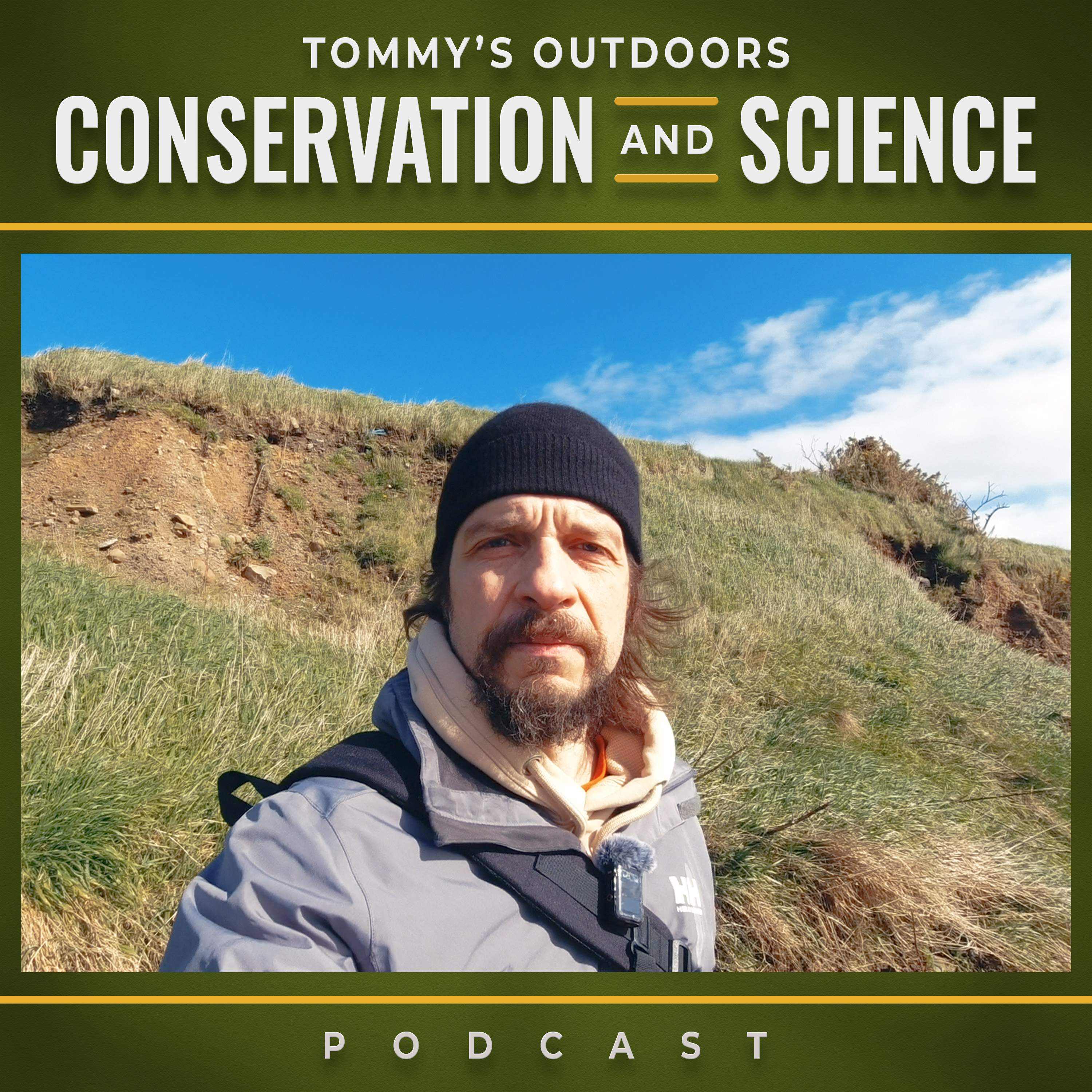
174: Not A Conservationist
Many people claim they are conservationists. But are they really? Inspired by your comments and some discussions that I had in the past, I decided to talk about this subject.This episode was recorded outdoors, on the beautiful Irish coast of county Kerry. So, don’t be surprised to hear chough calling in the background or some occasional gusts of wind.It is another in the series of solo episodes that I’m going to publish this year. In those I present the views that I have developed after many years of making this podcast which include not only conversations with experts but also attendance at conferences and reading countless books on these subjects. You can treat those as bonus episodes. The episodes where I interview scientists, conservationists and people with a love for nature and the outdoors are still coming on a fortnightly schedule.If you’re interested in hearing more from me, have a suggestion for future episodes or want to leave feedback, please contact me through the contact form. If you’re an event organiser and would like me to speak at your event, go and check out the following link.Subscribe to Tommy's Outdoors: Conservation and Science NewsletterSupport the Podcast and Buy Me a Coffee.Follow Tommy's Outdoors on Bluesky, Instagram or YouTube

173: The Last Keeper with Tom Opre
I have been waiting for Tom Opre’s new film “The Last Keeper” since I learned in July 2022 that he and his team are working on it. Well, the wait was over for me at the beginning of February 2024, as I was the only person in Ireland to screen the film. The wait will soon be over for you as well since the film premieres in mid-April in Edinburgh. While you are still waiting, you can listen to my conversation with Tom about the film and wider aspects of Tom’s mission of talking about conservation and indigenous communities.The Last Keeper is a documentary film that takes on the difficult subject of conflict surrounding land use in Scotland. It does a great job of presenting the views from all sides of the struggle. From estate owners, keepers and members of local communities to environmental NGOs, politicians and proponents of rewilding. On top of that, the conversations presented are not just dry statements of opinion. Tom is not shying away from asking difficult questions and pushing his interviewees outside their comfort zone. All that is complemented by brilliant cinematography showcasing stunning views of Scottish landscapes.As this episode drops before the premiere of the film, we are careful to not spill the beans too much during our conversation. Instead, Tom gives you an insight into what drives him to do all his work and how it connects to the topic of his latest film. I fully expect a full range of opinions about the film and the views it presents. It will likely justify a follow-up episode with reactions to the film from those who are facing the issues presented or are just interested in them. For now, enjoy our conversation and don’t forget to subscribe to The Last Keeper newsletter to see the film’s trailer and stay updated about the film’s screening dates and the latest news about it.Subscribe to Tommy's Outdoors: Conservation and Science NewsletterSupport the Podcast and Buy Me a Coffee.Follow Tommy's Outdoors on Bluesky, Instagram or YouTube

172: Antidote to Screen Addiction with Emanuel Rose
This episode is slightly different than usual when it comes to its subject. However, working with technology by day and creating digital content by night, I spend substantial time thinking about and grappling with this subject. So when I learned that a long-term supporter and a friend of the podcast, Emanuel Rose, wrote a book about it, I decided to have him on for a chat.The subject in question is our unhealthy addiction to our phones (mostly) and other devices. Which in the not-so-long term results in a shortened attention span, inability to focus and all-around decrease in happiness and increase in anxiety. And that is not a good state of mind.In his book, “The 7 Principles of the Magic Rock: How Solitude in Nature Anchors Your Mental Health” Emanuel Rose suggests that unplugging and spending more time in nature is a perfect antidote to the aforementioned predicaments. In his succinct book, the author provides plenty of practical advice. It is rounded out with plentiful references to articles and peer-reviewed papers.Get "The 7 Principles of the Magic Rock": https://amzn.to/49ESu59Subscribe to Tommy's Outdoors: Conservation and Science NewsletterSupport the Podcast and Buy Me a Coffee.Follow Tommy's Outdoors on Bluesky, Instagram or YouTubeTommy’s Outdoors is a participant in the Amazon Services LLC Associates Program, an affiliate advertising program designed to provide a means for sites to earn advertising fees by advertising and linking to Amazon.co.uk

171: Rewilding with Steve Carver
It has been a considerable time since the last time we spoke about rewilding on the podcast. I feel that the discussion around the practice as well as understanding of the term has moved on in the last three to four years. So, I decided to get an update on the state of rewilding. To do so, I invited the Director of the Wildland Research Institute at the School of Geography, University of Leeds, Dr Steve Carver who is also a Professor of Rewilding and Wilderness Science. Nothing like getting an update about rewilding from the professor of rewilding!I was curious whether the meaning and understanding of the term rewilding is any more clear than it used to be. We also revisited some of the classic discussion points around rewilding like: “You want to take us back in time” or “It’s an anti-rural movement” to see if the discourse has developed in any way. And if you’re expecting blindly pro-rewilding answers you might be in for a surprise!Further reading:Guiding principles for rewildingSubscribe to Tommy's Outdoors: Conservation and Science NewsletterSupport the Podcast and Buy Me a Coffee.Follow Tommy's Outdoors on Bluesky, Instagram or YouTube

170: EU Biodiversity Strategy 2030 with Frank Vassen
Currently, a lot is going on in the European Union concerning regulations that can impact nature and nature restoration. To get a better understanding of the current state of nature in the European Union and the future of nature conservation and restoration I talk with Frank Vassen. Frank works in the Nature Unit in the General Directorate for the Environment at the European Commission. That might sound a little dry but worry not. The conversation was joyful and funny at times. Frank has a good sense of humour and deep understanding of nature conservation and you can see his passion for it.After listening to this episode you will have a comprehensive view of the current state of affairs when it comes to nature conservation in the European context. I asked Frank to explain terms like Natura 2000, 30 by 30, OECMs, etc. These are the terms that we often hear but it’s not always clear what they are and what level of nature protection they offer. We also discuss the challenges faced by nature conservation and restoration initiatives and the possible solutions. We finish with the outlook for the future of nature conservation and restoration in the EU.Last but not least, we discuss what citizens and voters in the European Union can do to help nature and nature conservation efforts. Spoiler alert: we’re not going to tell you who to vote for and it turns out there are more ways to get involved than only through casting votes. That is not to say, of course, that your democratic privileges (duties?) are not important.The views and opinions expressed in this podcast are those of the individual participants and do not necessarily reflect the official policy or position of any organisation. The participants are expressing their personal opinions and perspectives.Subscribe to Tommy's Outdoors: Conservation and Science NewsletterSupport the Podcast and Buy Me a Coffee.Follow Tommy's Outdoors on Bluesky, Instagram or YouTubeMentioned in this episode:DisclaimerThe views and opinions expressed in this podcast are those of the individual participants and do not necessarily reflect the official policy or position of any organisation. The participants are expressing their personal opinions and perspectives.

169: Species Reintroductions
Species reintroductions, often in the context of rewilding, is a topic that we frequently discuss on this podcast. It is also fiercely debated on social media. I have been asked more than once about my views and opinions on this topic. Do I support species reintroductions? Well, it depends. In this episode, I’m going to break down my take on species reintroductions, the good, the bad and the ugly - as the saying goes. It is another in the series of solo episodes that I’m going to publish this year. In those I present the views that I have developed after many years of making this podcast which include not only conversations with experts but also attendance at conferences and reading countless books on these subjects. You can treat those as bonus episodes. The episodes where I interview scientists, conservationists and people with a love for nature and the outdoors are still coming on a fortnightly schedule.If you’re interested in hearing more from me, have a suggestion for future episodes or want to leave feedback, please contact me through the contact form. If you’re an event organiser and would like me to speak at your event, go and check out the following link.Further reading:Nourishment: What Animals Can Teach Us about Rediscovering Our Nutritional WisdomRestoring the Wild: True Stories of Rewilding Britain’s Skies, Woods and WaterwaysAnthropogenic food subsidies hinder the ecological role of wolves: Insights for conservation of apex predators in human-modified landscapes - ScienceDirectGolden jackal expansion in northernmost Europe: records in Finland | Mammalian BiologySubscribe to Tommy's Outdoors: Conservation and Science NewsletterSupport the Podcast and Buy Me a Coffee.Follow Tommy's Outdoors on Bluesky, Instagram or YouTubeTommy’s Outdoors is a participant in the Amazon Services LLC Associates Program, an affiliate advertising program designed to provide a means for sites to earn advertising fees by advertising and linking to Amazon.co.uk
168: Coexistence with Wolves in Estonia with Helen Arusoo
On my podcast, we talk a lot about coexistence with large carnivores and the challenges it poses. Some of those challenges might seem insurmountable to some. To shed some light on overcoming these hurdles, I contacted Helen Arusoo, an Estonian nature journalist and the leader of the National Animal Working Group. In this conversation, we talk about how Estonia overcame these hurdles and created something that I would consider the gold standard of coexistence with large carnivores.Unsurprisingly, the majority of our time was spent discussing wolves as they seem to be the most difficult carnivore species to coexist with, at least in the northern hemisphere. However, we did discuss other large carnivores like bears too. Our conversation focused mostly on social and cultural factors. We also touched on the European Commission's proposal to lower the protection status of wolves, something we’ve discussed extensively in one of the previous episodes.It was a wonderful conversation and I enjoyed speaking with Helen. Her profound understanding of the challenges of coexistence is impressive. She presented a deeply thought-out perspective and I can only wish that more people who care about wolves could learn from her experience and the Estonian model of coexistence with large carnivores.Subscribe to Tommy's Outdoors: Conservation and Science NewsletterSupport the Podcast and Buy Me a Coffee.Follow Tommy's Outdoors on Bluesky, Instagram or YouTube

167: Conservation Detection Dogs with Caroline Finlay
When we talk about dogs and conservation, it is usually in the context of wildlife disturbances caused by pet dogs and their inconsiderate owners. However, a specially trained dog can be an invaluable asset in conservation projects that require searches or detection. The subjects can vary from searching and finding carcasses to detecting nests and chicks of birds nesting in burrows. That includes a dog indicating what species was found!To explore the use of dogs in research and conservation projects I talk with Dr Caroline Finlay, the founder of Conservation Detection Dogs Northern Ireland. By listening to this episode, you will learn how it is possible to train a dog for this work. What a typical day of searching looks like. Are there any downsides to using dogs in sensitive habitats? And many more interesting facts.You will also learn about some specific projects and common activities like searching for carcasses around wind turbines or research projects on Eurasian Curlew or Manx Shearwater. Finally, if you’re a researcher, you will learn when and how to engage with the CDDNI and see if they can be of help to your project.Subscribe to Tommy's Outdoors: Conservation and Science NewsletterSupport the Podcast and Buy Me a Coffee.Follow Tommy's Outdoors on Bluesky, Instagram or YouTube
166: Conservation and Science in 2024 - Housekeeping
The new year has just started and I’m quick to treat you to yet another episode of the Conservation and Science podcast. Since it is this early in the year, it’s a good opportunity to give you an update about my plans for 2024 and what you can expect from the podcast. Listen to find out about changes to the episode release schedule, my writing and speaking efforts, and my future social media presence.In the second part of this episode, I take a look back at the 2023 releases and share with you my reflections on them. It was an interesting exercise for me and by listening to it, you might find episodes you want to revisit or listen to for the first time if you missed them. And in case, you’ve joined us recently, it’s a useful review of the last year’s back catalogue.Finally, I encourage you to subscribe to my newsletter. I will be putting more focus on it in the coming year, and the scope of its content will be expanding. My goal is to make it a primary method of communicating with you, my audience, and gradually move away from social media.Subscribe to Tommy's Outdoors: Conservation and Science NewsletterSupport the Podcast and Buy Me a Coffee.Follow Tommy's Outdoors on Bluesky, Instagram or YouTube

165: Flicker in the Water with Bob Gonzalez
A Flicker in the Water is a book about fishing I wish someone had written a long time ago. I gotta admit that due to its small size, I initially underestimated it. However, as I started reading it, I was immediately drawn to the series of fishing stories and captivated by original, real-life photos. In fact, reading this book was so pleasurable that I ended up reading it twice over, back to back. I’m not kidding you!During my conversation with the author and expert angler, Bob Gonzalez, we delved into the specifics of fishing in tropical waters. For example, you will learn how to use a second rod to keep fighting a big fish when it’s about to spool you! This episode and book are a delight for all anglers. Especially, since most of us are now in the depths of winter, so hearing fishing stories from the tropics will surely warm you up!Get "A Flicker in the Water": https://amzn.to/3RNV0jmSubscribe to Tommy's Outdoors: Conservation and Science NewsletterSupport the Podcast and Buy Me a Coffee.Follow Tommy's Outdoors on Bluesky, Instagram or YouTubeTommy’s Outdoors is a participant in the Amazon Services LLC Associates Program, an affiliate advertising program designed to provide a means for sites to earn advertising fees by advertising and linking to Amazon.co.uk

164: Shotgun Conservationist with Brant MacDuff
The story of Brant MacDuff, the author of the book under the title “The Shotgun Conservationist: Why Environmentalists Should Love Hunting” is in many ways similar to mine. We were both born and raised in the city without any contact or access to hunting. We overcame not insignificant obstacles to get into hunting later in life and both of us decided to share this experience with others who might want to do the same but don’t know where to start. Both Brant and I also understood how important but counterintuitive the connection between hunting and wildlife conservation is.As you know, I’ve created a downloadable guide on how to get started with deer hunting in Ireland and the topic of the science of wildlife conservation is literally in the title of this podcast. Brant, achieved both of those goals in one go by writing his book. There are, of course, differences between us. For one, Brant lives in the USA where the connection between hunting and conservation is more direct than in Europe. He also started in his youth as an anti-hunter, something which I never was. Nevertheless, while reading Brant’s book and then chatting with him on this podcast, I undeniably felt that we have a lot in common.The Shotgun Conservationist is one of those books that I would definitely recommend, not only to those who want to try hunting, but also to those who are open-minded enough to explore why so many counterintuitively repeat the mantra of “hunting is conservation”. Finally, despite the realities of hunting, conservation and the public perception of hunting being different in the US compared to Europe, it fascinates me how many of those themes are shared across the globe.Enjoy our conversation and after you’ve listened to it, go ahead and buy the book using the provided link. This way you’ll not only treat yourself to a fun and thoughtful book, but you’ll also support my podcast as I will get a small commission from every sale. Of course, the price you pay won’t be affected.The Shotgun Conservationist: Why Environmentalists Should Love HuntingSubscribe to Tommy's Outdoors: Conservation and Science NewsletterSupport the Podcast and Buy Me a Coffee.Follow Tommy's Outdoors on Bluesky, Instagram or YouTubeTommy’s Outdoors is a participant in the Amazon Services LLC Associates Program, an affiliate advertising program designed to provide a means for sites to earn advertising fees by advertising and linking to Amazon.co.uk Mentioned in this episode:DOWNLOAD:How to Get Started in Deer Hunting in Ireland

163: The EU Review of Wolf Protection Status
The European Commission is deliberating on lowering the protection status of wolves in the EU. It seems like this decision has been taken after the European Commission president, Ursula von der Leyen’s pony was killed by wolves. Is this really the reason for what many have dubbed “a new European wolf hunt”? To unpack this issue I talked to environmentalists, farmers, top-tier scientists and last but not least, hunters.Our guests are a wildlife biologist, Professor John Linnell, a goat breeder, Bruno Lecomte, a social scientist, Professor Erica von Essen, an environmentalist, the Head of EU Policy at BirdLife International, Ariel Brunner and, last but not least, the Secretary General of the European Federation for Hunting and Conservation, Dr David Scallan. Special thanks to hunting journalist and blogger Denis Plat for his help in ensuring that opinions from rural France were voiced.While making this episode I recorded many hours of material and understandably not all of it made it into the episode. If you would be interested in listening to the individual interviews with the guests in this podcast, please click here.The views and opinions expressed in this podcast are those of the individual participants and do not necessarily reflect the official policy or position of any organisation. The participants are expressing their personal opinions and perspectives.European Predation MapThe Commission's InvitationAttitudes towards returning wolves (Canis lupus) in Germany: Exposure, information sources and trust matter - ScienceDirectFACE | Changes to the protection status of wolves? European Commission launches new phaseSubscribe to Tommy's Outdoors: Conservation and Science NewsletterSupport the Podcast and Buy Me a Coffee.Follow Tommy's Outdoors on Bluesky, Instagram or YouTube
162: Sheep, Soil and Biodiversity with Suzanna Crampton
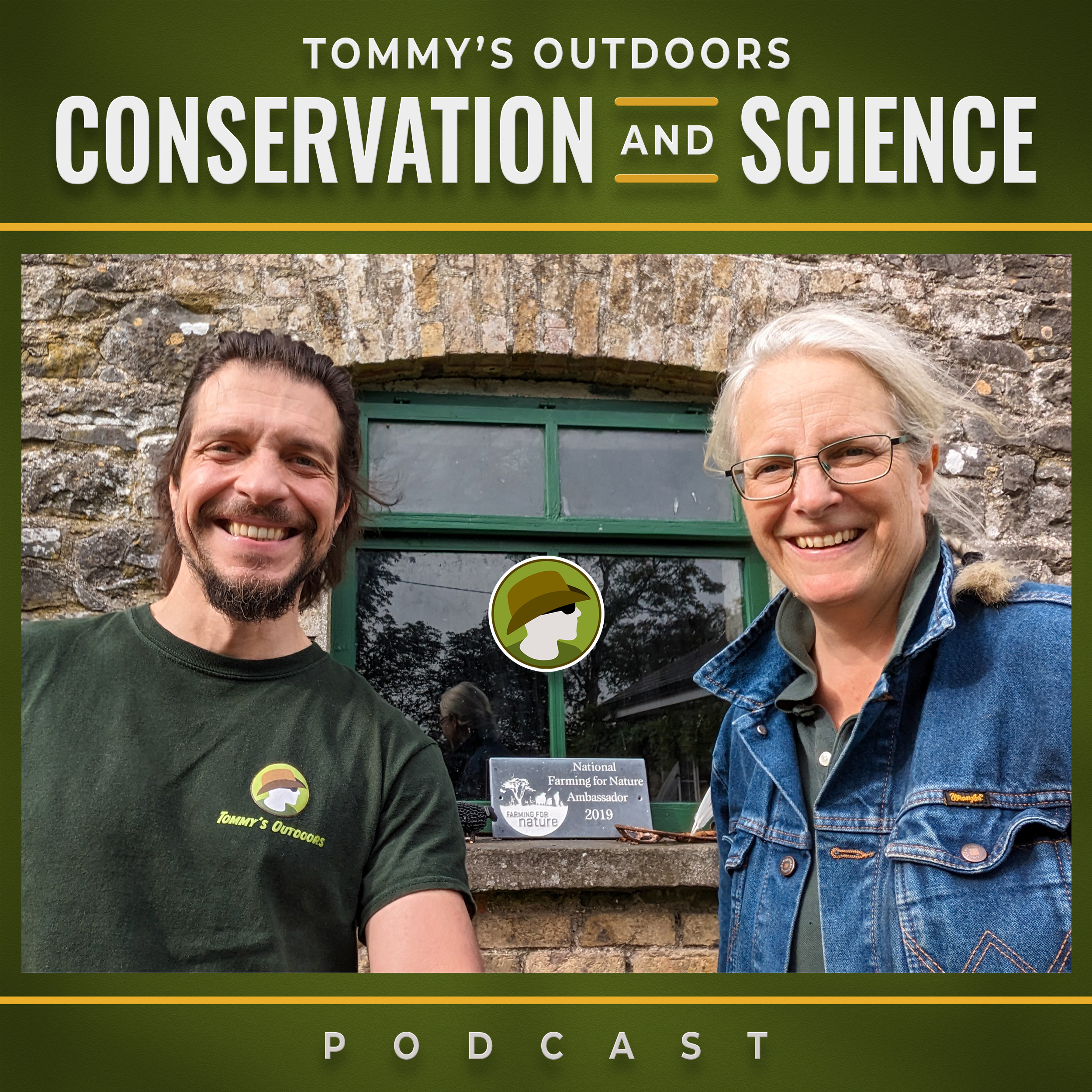
The impact of farming on nature is one of the most contested subjects. The negative impact on biodiversity and soil health is juxtaposed with food security and benefits to certain species of wildlife. But does it have to be one or the other? Join me for the conversation with Suzanna Crampton who is one of the most recognisable figures in Irish agriculture. She graduated from Sterling College in Vermont, where she studied agricultural and environmental sciences and learned about farming that works with nature, not against it.I was delighted to accept Suzanna’s invitation to her farm to record this episode in person rather than online like most of the episodes. We started the day with a walk around the farm where she shared her encyclopedic knowledge of nature, explaining how the lifecycles of different species of plants and animals create complex natural processes. I also had the opportunity to meet the 'girls,' as Suzanna fondly refers to her famous flock of dark brown Zwartbles sheep.It would likely take a substantial blog post to describe all the wonderful and interesting things that Suzanna showed me on her farm before we sat down in her office to record the podcast. It would take another blog post to talk about Suzanna’s many other talents, as she’s also an accomplished writer, photographer and woollen blanket designer, among other things. After listening to this episode I encourage you to visit the Zwartbles Ireland website where you can learn more about Suzanna’s farm and her work.Subscribe to Tommy's Outdoors: Conservation and Science NewsletterSupport the Podcast and Buy Me a Coffee.Follow Tommy's Outdoors on Bluesky, Instagram or YouTube

161: Archery Insights with Jim Clark
This episode is a real treat for all those who are interested in bowhunting, bowhunting culture and the ethics of bowhunting compared to rifle hunting. Everything sprinkled with a healthy dose of hunting stories.—It feels like I’m one of the only very few who talks about bowhunting with European listeners in mind. Indeed, I would like to see hunting with archery tackle being legalised and popularised on the old continent. In my view, the notions that it’s inhumane or somehow unethical are ill-advised and plain wrong. It is especially disturbing when such unwise opinions are expressed with confidence by hunters or veterinary practitioners who have no experience or previous exposure to bowhunting.To talk about these matters I’m joined by expert bowhunter Jim Clark. In our conversation, Jim shares a wealth of knowledge about bowhunting as well as some of his personal stories. As always I didn’t shy away from asking him hard questions to tease out the potential downsides of using archery tackle over firearms.It was a thoroughly enjoyable conversation and it only made me want to try my hand at bowhunting even more. I will keep talking about hunting with archery tackle to at least provoke a constructive discussion among European hunters and hunting organisations alike. If you would like to see bowhunting legalised, please leave a comment. What are your thoughts?Subscribe to Tommy's Outdoors: Conservation and Science NewsletterSupport the Podcast and Buy Me a Coffee.Follow Tommy's Outdoors on Bluesky, Instagram or YouTubeMentioned in this episode:The Hunter Conservationist Podcast brings you nuanced content about conservation, science and responsible hunting in Canada, so you can stay topped up on issues concerning your outdoor, hunting and fishing lifestyle, stay current on the latest in wildlife conservation, science and responsible hunting and be entertained by conversations with intellectual thinkers.The Hunter Conservationist PodcastDOWNLOAD:How to Get Started in Deer Hunting in Ireland

160: Safari Club International with Ben Cassidy
Today, we continue the exploration of the public perception of hunting, the issue of social license to hunt and some current topics related to hunting. Certain issues such as the use of lead in hunting ammunition or the attempts to ban the import of certain animal parts, aka trophy import ban, often hit the headlines. And there is no better person to talk about it than Ben Cassidy who is the Executive Vice President for International Government and Public Affairs at Safari Club International.This episode also serves as a great introduction to the SCI for those who might not be that familiar with this organisation. That could be particularly relevant to my European listeners who might have heard about SCI but don’t know much about the organisation and their work. One thing is for sure, whether it’s North America, Europe or anywhere else in the world, hunting is facing the same challenges and learning how hunters in different parts of the world are dealing with them is beneficial to all.Subscribe to Tommy's Outdoors: Conservation and Science NewsletterSupport the Podcast and Buy Me a Coffee.Follow Tommy's Outdoors on Bluesky, Instagram or YouTubeMentioned in this episode:DOWNLOAD:How to Get Started in Deer Hunting in IrelandThe Hunter Conservationist Podcast brings you nuanced content about conservation, science and responsible hunting in Canada, so you can stay topped up on issues concerning your outdoor, hunting and fishing lifestyle, stay current on the latest in wildlife conservation, science and responsible hunting and be entertained by conversations with intellectual thinkers.The Hunter Conservationist Podcast

159: Polar Bears in a Warming World with Andrew Derocher
This episode will answer all your questions about polar bears — including those you didn’t know you had. Our guest is Professor Andrew Derocher from the Department of Biological Sciences at the University of Alberta who specialises in ecology, conservation, and management of large Arctic mammals with a particular focus on polar bears. The subjects discussed include the limiting and regulating factors of polar bear populations, habitat use, predator-prey relationships, the effects of climate change as well as the accumulation of toxic chemicals in bears' bodies. We also explore the issue of polar bear hybridisation with brown bears and how this might impact their population. We ended our conversation with an attempt to predict the future of polar bears in the rapidly warming world.You may also be interested in checking out my blog: “Are Polar Bears Going Extinct or Are Their Populations Doing Better Than Ever?”Subscribe to Tommy's Outdoors: Conservation and Science NewsletterSupport the Podcast and Buy Me a Coffee.Follow Tommy's Outdoors on Bluesky, Instagram or YouTubeMentioned in this episode:The Hunter Conservationist Podcast brings you nuanced content about conservation, science and responsible hunting in Canada, so you can stay topped up on issues concerning your outdoor, hunting and fishing lifestyle, stay current on the latest in wildlife conservation, science and responsible hunting and be entertained by conversations with intellectual thinkers.The Hunter Conservationist Podcast
158: Wildlife In The Balance with Simon Mustoe
In his book, “Wildlife in The Balance”, expert ecologist Simon Mustoe lays out the case for animals being the most important ingredient of the ecosystem. He outlines the critical importance of keeping the planet’s energy inputs and outputs in balance and the role animals play in ensuring this balance. This connection of ecology with physics is one of the most unique and forward-thinking aspects of this book. To extend this thought, the book contains one of the most comprehensive and compelling explanations of why the climate crisis and biodiversity crisis are in fact one and the same — neither can be solved separately.This is one of the most thought-provoking books I have read. Although I don’t agree with everything in the book, I can overlook my disagreements because of how brilliant some parts that I do agree with are. So I couldn’t wait to sit down with the author, expert ecologist, Simon Mustoe for a chat about his views and, of course, about the book.Buy "Wildlife in the Balance" here.Subscribe to Tommy's Outdoors: Conservation and Science NewsletterSupport the Podcast and Buy Me a Coffee.Follow Tommy's Outdoors on Bluesky, Instagram or YouTubeTommy’s Outdoors is a participant in the Amazon Services LLC Associates Program, an affiliate advertising program designed to provide a means for sites to earn advertising fees by advertising and linking to Amazon.co.uk

157: Is The Red Wolf a Real Species? Conversation with Peter Brewitt
In our conversation with Peter Brewitt from the University of California, Santa Cruz (currently the University of Cumbria) we dive into the history of the species as we know it, and their current conservation status and distribution. We discuss the genetic diversity of canids on the American continent, and why attempts to recover red wolves might be an endeavour that goes against nature and as such could be pointless, as it would amount to working against the natural processes.In the second half of the show, we switch gears and talk about Peter’s fascinating research into different storylines related to the red wolf species identity presented in online discussions. This is an especially interesting piece of research for conservation-minded folks who spend long hours discussing species’ conservation on social media. The paper that Peter co-authored is titled “Red Wolf Science and Identity Storylines in an Online Discursive Community” and you can request it from the author, here.Subscribe to Tommy's Outdoors: Conservation and Science NewsletterSupport the Podcast and Buy Me a Coffee.Follow Tommy's Outdoors on Bluesky, Instagram or YouTubeMentioned in this episode:The Hunter Conservationist Podcast brings you nuanced content about conservation, science and responsible hunting in Canada, so you can stay topped up on issues concerning your outdoor, hunting and fishing lifestyle, stay current on the latest in wildlife conservation, science and responsible hunting and be entertained by conversations with intellectual thinkers.The Hunter Conservationist Podcast
156: Save Blackswarth Road Wood with Phil Sturgeon
Some things are so tiny yet so central that they matter more than giant things elsewhere. This is a paraphrased message I got from Phil Sturgeon, an ex-techie and founder of Protect Earth charity, who dedicated his life to woodland creation and restoration. As it turns out, Phil is running a fundraiser to buy five acres of mature woodland in Crew's Hole, Bristol, for the long-term benefit of the community, wildlife and, of course, the climate. I have been following Phil’s work for some time now and he strikes me as a cool dude who does a lot of good work. So, without hesitation from either side, we decided to sit down and have a chat about the fundraiser and Phil’s work in a broader context.While listening to our conversation, you will learn why Phil decided to start his charity, how he goes about identifying suitable sites for woodland creation, and what work he and his volunteers conduct while restoring or creating woodland. We also discuss common misconceptions about woodland creation or, as some call it, “planting trees”. There are a few things that can be done incorrectly, so it is interesting to hear what exactly those things are, as well as discuss what Phil and his crew do to avoid those mistakes. I’m sure, that in the end, you’ll be convinced of the value of his work and you’ll break out a few quid to save the Blackswarth Road Wood. To find out more about the fundraiser, click here.Subscribe to Tommy's Outdoors: Conservation and Science NewsletterSupport the Podcast and Buy Me a Coffee.Follow Tommy's Outdoors on Bluesky, Instagram or YouTube
155: Sixgill Sharks and Flapper Skates with Patrick Collins
The sixgill shark (Hexanchus griseus) is the largest of the Hexanchiformes order of sharks, the most primitive living sharks, sometimes called “fossil sharks”. The sixgill, sometimes known as the blunt nose sixgill or cow shark, can grow to over 6 metres (20 feet) in length and weigh over a tonne. What’s interesting is that in Ireland one can catch one of these beasts with rod and line, most famously with the help of master skipper Luke Aston, who is not only a great friend of the podcast but was also our guest in episode 41.There is very little known about these sharks and what they are doing in (relatively) shallow waters off the coast of Ireland. To explore this subject I was pleased to welcome back to the show Dr Patrick Collins, a marine biologist at Queen’s University Belfast, who was previously our guest in episode 81. During our conversation, we discussed our knowledge and understanding of these species of sharks.In the second part of the show, we switched to Patrick’s main subject of research: the common skate complex. It was great to hear an update on the progress of research and conservation action since the last time we spoke in late 2020. You are going to hear about some of the findings for the first time here. Unfortunately, the news turns out not to be good.Subscribe to Tommy's Outdoors: Conservation and Science NewsletterSupport the Podcast and Buy Me a Coffee.Follow Tommy's Outdoors on Bluesky, Instagram or YouTube
154: Hunting Europe: The Present and Future with David Scallan
It was my great pleasure to once again welcome to my show Dr David Scallan, the Secretary General of the European Federation for Hunting and Conservation (FACE). It has been over three years since the last time we spoke on the podcast. So I felt that it was high time to talk with David again as there is a lot going on for hunters and hunting organisations at the moment. We discuss a range of topics that are important to hunters: the inevitable ban on ammunition containing lead, the public perception of hunting in Europe, the need for change in hunting organisations and the proposed EU Nature Restoration Law. It was a great conversation and if you are a hunter or just interested in nature conservation you should definitely listen to this one.Subscribe to Tommy's Outdoors: Conservation and Science NewsletterSupport the Podcast and Buy Me a Coffee.Follow Tommy's Outdoors on Bluesky, Instagram or YouTubeMentioned in this episode:DOWNLOAD:How to Get Started in Deer Hunting in Ireland