
Connecting Citizens to Science
A Global Health and Development Podcast
The SCL Agency
Show overview
Connecting Citizens to Science has been publishing since 2022, and across the 4 years since has built a catalogue of 91 episodes. That works out to roughly 45 hours of audio in total. Releases follow a monthly cadence, with the show now in its 10th season.
Episodes typically run twenty to thirty-five minutes — most land between 22 min and 36 min — though episode length varies meaningfully from one episode to the next. None of the episodes are flagged explicit by the publisher. It is catalogued as a EN-language Science show.
The show is actively publishing — the most recent episode landed 3 months ago, with 3 episodes already out so far this year. The busiest year was 2022, with 50 episodes published. Published by The SCL Agency.
From the publisher
Connecting Citizens to Science (CCS) is a global health and development podcast that brings together research, practice and lived experience to examine complex health challenges and inequities. Through open conversation, the podcast amplifies the voices of those most affected and explores how global health issues are understood and addressed in real-world settings. Each episode is led by an expert guest co-host who brings subject expertise and practical insight to ground the discussion in current realities. Conversations feature people working on the front lines of global health, including community members, health workers, researchers, and implementers driving change. Since launching in 2022, host Dr Kim Ozano and guest co-hosts from across the globe have published more than 80 episodes, reaching listeners in 128 countries. Search “Connecting Citizens to Science” on YouTube or your preferred podcast platform to subscribe and hear new episodes as they are released. We welcome conversations with researchers, practitioners and organisations whose work aligns with the podcast’s focus on equity, participation and global health. To explore collaboration, contact The Stop, Collaborate and Listen Agency e: [email protected] Intro music: Mike Donnelly
Latest Episodes
View all 91 episodesEquity in Global Oncology
The Global Debate on Obesity Management Medicines
Ep 89Understanding Gender as a System Part 2
In this second part of our two-part finale on gender justice, the focus shifts from understanding gender as a system to what it means to act on that understanding in practice.Building on Part 1, the conversation explores how to move beyond gender awareness towards more gender-responsive and gender-transformative approaches. Our guests reflect on the role of power, intersectionality and context, and why frameworks, participation and reflexivity matter for ethical and effective work.The episode reflects on the practical challenges of applying gender frameworks in real-world settings, including how language, framing and collaboration shape what is possible in different contexts. We close by emphasising the importance of connecting gender across research agendas and movements, particularly in a world shaped by overlapping crises.In this episode: Ishrat Jahan - Research Fellow at the Centre for Gender and Sexual and Reproductive Health at BRAC James P. Grant School of Public Health in Dhaka, Bangladesh. Ishrat’s research focuses on the intersection of gender, health, and environmental issues. Ishrat is involved in national and international projects exploring the impact of climate change on women’s health, adaptive practices in marginalised communities, and Global South-led curricula in higher education.Dr Rosemary Morgan - Associate Professor, Department of International Health, Johns Hopkins Bloomberg School of Public Health Dr. Morgan is recognised as a specialist in gender analysis in health and health systems research, interventions, and programs and has published 90 peer-reviewed journal articles. With a focus on women’s health and wellbeing, her research explores methods for gender analysis and examines how gender inequities influence health outcomes and health systems, using qualitative approaches to center lived experiences and challenge structural inequalities. Dr. Morgan co-directs the Gender and Health Summer Institute and coordinates the Gender and Health Certificate at the Johns Hopkins Bloomberg School of Public Health.Selima Sara Kabir - Sr Research Associate, BRAC James P Grant School of Public HealthSelima is a transdisciplinary, mixed-methods researcher and educator. She holds an MPH from the Liverpool School of Tropical Medicine, and her research lies at the intersections of gender, health systems and policy, digital cultures, and social justice. Since 2019, she has led and contributed to interdisciplinary projects exploring relationships, care, and health equity in low- and middle-income country contexts to Global South-led scholarship on gender and transformation.Useful links:Understanding Gender as a System Part 1Art and Activism for Gender JusticeDisability and Gender JusticeAllyship in Gender JusticeGender Backlash and the Erosion of Everyday RightsTackling Gender Backlash During CrisesGender and Equity ensuring women, and children survive.Countering Backlash - Reclaiming Gender JusticeWant to hear more podcasts like this?Follow Connecting Citizens to Science on your usual podcast platform or YouTube to hear more about current research and debates within global health and development.The podcast cuts across disciplines, including health systems strengthening, gender and intersectionality, tropical diseases (NTDs, TB, Malaria), maternal and child healthcare (antenatal and postnatal care), mental health and...
Ep 88Understanding Gender as a System Part 1
In this first instalment of our two-part finale on gender justice, we explore the foundations needed to understand gender as a social system, one that shapes power, roles, resources and everyday experiences across different contexts.Together with our guests, we look at how gender is embedded within social, economic and institutional structures. The episode examines what gets lost when gender is treated as a separate category, and why complexity, context and lived experience matter for anyone working across health, development or rights.This conversation lays the groundwork for Part 2, where we look at how these insights translate into practiceIn this episode: Ishrat Jahan - Research Fellow at the Centre for Gender and Sexual and Reproductive Health at BRAC James P. Grant School of Public Health in Dhaka, Bangladesh.Ishrat’s research focuses on the intersection of gender, health, and environmental issues. She is involved in national and international projects exploring the impact of climate change on women’s health, adaptive practices in marginalised communities, and Global South-led curricula in higher education.Dr Rosemary Morgan - Associate Professor, Department of International Health, Johns Hopkins Bloomberg School of Public Health Dr. Morgan is recognised as a specialist in gender analysis in health and health systems research, interventions, and programmes and has published 90 peer-reviewed journal articles. With a focus on women’s health and wellbeing, her research explores methods for gender analysis and examines how gender inequities influence health outcomes and health systems, using qualitative approaches to centre lived experiences and challenge structural inequalities. Dr. Morgan co-directs the Gender and Health Summer Institute and coordinates the Gender and Health Certificate at the Johns Hopkins Bloomberg School of Public Health.Selima Sara Kabir - Senior Research Associate, BRAC James P Grant School of Public HealthSelima is a transdisciplinary, mixed-methods researcher and educator. She holds an MPH from the Liverpool School of Tropical Medicine, and her research lies at the intersections of gender, health systems and policy, digital cultures, and social justice. Since 2019, she has led and contributed to interdisciplinary projects exploring relationships, care, and health equity in low- and middle-income country contexts to Global South-led scholarship on gender and transformation.Useful links:Gender and Equity ensuring women, and children survive.Tackling Gender Backlash During CrisesGender Backlash and the Erosion of Everyday RightsAllyship in Gender JusticeDisability and Gender JusticeArt and Activism for Gender Justice Countering Backlash - Reclaiming Gender JusticeWant to hear more podcasts like this?Follow Connecting Citizens to Science on your usual podcast platform or YouTube to hear more about current research and debates within global health and development.The podcast cuts across disciplines, including health systems strengthening, gender and intersectionality, tropical diseases (NTDs, TB, Malaria), maternal and child healthcare (antenatal and postnatal care), mental health and wellbeing, vector-borne diseases, climate change and co-production approaches.If you would like your project or programme to feature in an episode or miniseries, get in touch with the producers of Connecting Citizens to Science, <a href="https://www.thesclagency.co.uk/" rel="noopener...
Ep 87TB Realities in the UK and Globally
Tuberculosis (TB) is the world’s biggest killer among infectious diseases — and yet it’s curable. While global efforts continue to eliminate TB, the UK’s low incidence rate brings its own set of challenges: delayed diagnoses, persistent stigma, and low public awareness. This episode of Connecting Citizens to Science explores how these factors shape TB care and prevention in the UK, and what it will take to ensure no one is left behind in the global push to end TB.In this episode: Kate Bradfield - Community TB Nursing Team Leader, North Merseyside, University Hospitals of Liverpool GroupKate has been a TB specialist nurse since 2020 and now leads the North Merseyside service, driving quality improvement and community-based support for patients. Her work focuses on ensuring people can complete treatment successfully while managing both clinical and social challenges.Amina Farah - Programme Manager, Latent Tuberculosis Infection Screening Programme, LiverpoolAmina has worked in TB since 2016 and brings both professional insight and personal experience, having supported a family member through TB treatment. She leads efforts to identify and treat latent TB infections in at-risk groups, addressing stigma and promoting early diagnosis and awareness.Useful links:LSTM Centre for Tuberculosis ResearchTuberculosis Community Team :: NHS University Hospitals of Liverpool GroupThe Union World Conference on Lung Health 2025Want to hear more podcasts like this?Follow Connecting Citizens to Science on your usual podcast platform or YouTube to hear more about current research and debates within global health and development.The podcast cuts across disciplines, including health systems strengthening, gender and intersectionality, tropical diseases (NTDs, TB, Malaria), maternal and child healthcare (antenatal and postnatal care), mental health and wellbeing, vector-borne diseases, climate change and co-production approaches. If you would like your project or programme to feature in an episode or miniseries, get in touch with the producers of Connecting Citizens to Science, the SCL Agency.
Ep 86Art and Activism for Gender Justice
In this fifth episode of Backlash, Resistance and the Path to Gender Justice, we explore how art and creativity can act as powerful tools for resistance, solidarity, and joy in activism. Moving beyond health into global development, this conversation looks at how artivism resists repression, engages young people, and connects struggles across borders — showing that gender justice is also imagined and sustained through culture and creativity.In this episode: Ishrat Jahan - Research Fellow at the Centre for Gender and Sexual and Reproductive Health at BRAC James P. Grant School of Public Health in Dhaka, Bangladesh. Ishrat’s research focuses on the intersection of gender, health, and environmental issues. She is involved in national and international projects exploring the impact of climate change on women’s health, adaptive practices in marginalised communities, and Global South-led curricula in higher education.Trishia Nashtaran - President, OGNIE Foundation, Bangladesh Trishia is a Human-centred Design Specialist and feminist organiser with over a decade of experience in grassroots activism, community building, and futures practice. She is the founder of Meye Network, President of OGNIE Foundation Bangladesh, and coordinates the Feminist Alliance of Bangladesh, amplifying progressive and decolonial feminist voices across local and global spaces.Nusaiba Sultana - Team Leader, Oroddho Foundation, BangladeshOroddho Foundation is a youth feminist organisation in Bangladesh that uses art, education, and advocacy to challenge social injustice. Nusaiba oversees initiatives addressing gender discrimination, sexual harassment, sexual violence, and religious and ethnic discrimination, working to tackle these issues at their roots through education and cultural awareness.Useful linksCREA - Feminist Human Rights - Our Voices Our FuturesCountering Backlash - Reclaiming Gender JusticeDisability and Gender Justice Allyship in Gender Justice Gender Backlash and the Erosion of Everyday Rights Tackling Gender Backlash During Crises Want to hear more podcasts like this?Follow Connecting Citizens to Science on your usual podcast platform or YouTube to hear more about current research and debates within global health and development.This podcast cuts across disciplines, including health systems strengthening, gender and intersectionality, tropical diseases (NTDs, TB, Malaria), maternal and child healthcare (antenatal and postnatal care), mental health and wellbeing, vector-borne diseases, climate change and co-production approaches. If you would like your project or programme to feature in an episode or miniseries, get in touch with the producers of Connecting Citizens to Science, the SCL Agency.
Ep 85Disability and Gender Justice
In this episode of Backlash, Resistance and the Path to Gender Justice, we explore how gender and disability rights intersect in Bangladesh. As civic and digital spaces shrink, women and gender-diverse persons with disabilities face systemic barriers that silence their voices and limit access to rights, services, and representation. We hear from two leading advocates about the structural inequalities that persist, and the ways in which disability-led organisations are resisting exclusion and demanding justice. Advisory note: This episode includes discussion of sensitive topics, including sexual violence.In this episode: Ishrat Jahan - Research Fellow at the Centre for Gender and Sexual and Reproductive Health at BRAC James P. Grant School of Public Health in Dhaka, Bangladesh. Ishrat’s research focuses on the intersection of gender, health, and environmental issues. Ishrat is involved in national and international projects exploring the impact of climate change on women’s health, adaptive practices in marginalised communities, and Global South-led curricula in higher education.Salma Mahbub - General Secretary, Bangladesh Society for the Change and Advocacy Nexus (B-SCAN)Salma is the Founder General Secretary of B-SCAN, a women-led DPO in Bangladesh advocating for accessibility, inclusive education, employment, and women’s rights. She also serves as General Secretary of PNSP, a national OPD network. Her work centres on policy advocacy, accessibility, and the empowerment of persons with disabilities.Ayon Debnath - Campaign Adviser, SightsaversAyon is a disability rights advocate and Campaign Adviser at Sightsavers, leading the Equal Bangladesh campaign. He works with over 30 organisations to promote inclusive governance, policy reform, and public awareness. Ayon brings over 15 years of national and international experience in advocacy for disability justice.Useful Links (including other episodes in this series)Sightsavers - Equal BangladeshB-Scan - Bangladesh Society for the Change and Advocacy NexusCREA - Feminist Human Rights - Our Voices Our FuturesCountering Backlash - Reclaiming Gender JusticeAllyship in Gender Justice Gender Backlash and the Erosion of Everyday RightsTackling Gender Backlash During Crises Want to hear more podcasts like this?Follow Connecting Citizens to Science on your usual podcast platform or YouTube to hear more about current research and debates within global health and development.The podcast cuts across disciplines, including health systems strengthening, gender and intersectionality, tropical diseases (NTDs, TB, Malaria), maternal and child healthcare (antenatal and postnatal care), mental health and wellbeing, vector-borne diseases, climate change and co-production approaches. If you would like your project or programme to feature in an episode or miniseries, get in touch with the producers of Connecting Citizens to Science, the SCL Agency.
Ep 84Allyship in Gender Justice
We explore what allyship really means in the fight for gender justice. Co-hosted by Ishrat Jahan from the Countering Backlash, Reclaiming Gender Justice programme, the conversation unpacks how power, privilege, and positionality shape allyship, and how solidarity must move beyond tokenism to be truly transformative. Our guests reflect on allyship within health systems, across movements, and in the face of patriarchal and political backlash in Brazil and India. Part of our mini-series Backlash, Resistance and the Path to Gender Justice, this episode highlights lived experiences and fresh perspectives from long-standing gender justice advocates.In this episode: Ishrat Jahan - Research Fellow at the Centre for Gender and Sexual and Reproductive Health at BRAC James P. Grant School of Public Health in Dhaka, Bangladesh. Ishrat’s research focuses on the intersection of gender, health, and environmental issues. Ishrat is involved in national and international projects exploring the impact of climate change on women’s health, adaptive practices in marginalised communities, and Global South-led curricula in higher education.Dr. Abhijit Das - Consultant, SAHAYOG, IndiaDr. Abhijit Das is a public health physician with over 35 years of work on gender equality and understanding harmful masculinities. He is a co-founder of the MenEngage Global Alliance and COPASAH, and has worked extensively on building bottom-up knowledge for health systems reform. He is currently an Independent Researcher and Clinical Associate Professor at the University of Washington in Seattle.Professor Cecilia Sardenberg - Professor of Anthropology and Feminist Studies, NEIM, Federal University of Bahia, BrazilProfessor Cecilia Sardenberg is a Brazilian feminist scholar and activist who has worked at the intersection of academia and grassroots organising for more than five decades. She is one of the founders of NEIM, the Women’s Studies Research Centre at the Federal University of Bahia, and currently co-coordinates the Countering Backlash, Reclaiming Justice programme in Brazil.Useful links:Nucleus of Interdisciplinary Women's Studies of the Federal University of Bahia (NEIM) MenEngage Alliance - MenEngageCREA - Feminist Human Rights - Our Voices Our FuturesCountering Backlash - Reclaiming Gender JusticeWant to hear more podcasts like this?Follow Connecting Citizens to Science on your usual podcast platform or YouTube to hear more about current research and debates within global health and development.The podcast cuts across disciplines, including health systems strengthening, gender and intersectionality, tropical diseases (NTDs, TB, Malaria), maternal and child healthcare (antenatal and postnatal care), mental health and wellbeing, vector-borne diseases, climate change and co-production approaches. If you would like your project or programme to feature in an episode or miniseries, get in touch with the producers of Connecting Citizens to Science, the SCL Agency.
Ep 83Gender Backlash and the Erosion of Everyday Rights
We explore how gender backlash deepens the marginalisation of sex workers in Bangladesh, affecting their access to health, justice, and basic rights. Featuring the voice of a sex worker and insights from gender justice advocates, we examine how shrinking civic space and growing stigma are putting lives at risk, and what can be done to resist. Part of our mini-series Backlash, Resistance, and the Path to Gender Justice.In this episode:Afsana - Committee Member, Kallanmoyee Nari Shongho‘Afsana’ has been an executive committee member of Kallanmoyee Nari Shongho since 2021. She has been actively engaging with sex workers’ health and rights through HIV prevention work since 2012. Nazia Zebin - Communications Manager, BRAC James P Grant School of Public HealthNazia is an advocate for gender justice and inclusion. She brings over a decade of experience in social justice initiatives, specialising in strategic communication, digital safety, and feminist leadership.Kamrun Nahar – Director, NaripokkhoKamrun is a human rights lawyer and Director at Naripokkho, with over 30 years of experience advancing legal reform and justice for women in Bangladesh. Her work spans legal aid, policy advocacy, and capacity strengthening to challenge structural discrimination and promote gender equality.Useful linksCREA - Feminist Human Rights - Our Voices Our FuturesCountering Backlash - Reclaiming Gender JusticeTakeaways: The podcast elucidates the alarming rise of backlash against gender equality efforts that negatively impacts health outcomes worldwide, particularly for marginalised groups. Afsana's narrative underscores the urgent necessity for recognising the rights of sex workers, highlighting the dire consequences of systemic support withdrawal. The conversation emphasises the importance of amplifying the voices of silenced women, as seen in the initiatives aimed at empowering sex workers in various countries. The discourse reveals a growing trend of societal and legal exclusion faced by sex workers, drawing attention to the interplay between stigmatisation and access to essential services. The episode advocates for collaborative efforts among marginalised communities to combat patriarchal backlash and to promote equitable access to justice and health services. The importance of a paradigm shift in societal perceptions towards sex work is highlighted, advocating for dignity, legal protection, and the elimination of stigma surrounding sex workers. Want to hear more podcasts like this?Follow Connecting Citizens to Science on your usual podcast platform or YouTube to hear more about current research and debates within global health and development.The podcast cuts across disciplines, including health systems strengthening, gender and intersectionality, tropical diseases (NTDs, TB, Malaria), maternal and child healthcare (antenatal and postnatal care), mental health and wellbeing, vector-borne diseases, climate change and co-production approaches. If you would like your project or programme to feature in an episode or miniseries, get in touch with the producers of Connecting Citizens to Science, the SCL Agency.
Ep 82Tackling Gender Backlash During Crises
*Show correction - Nay El Rahi is introduced in the episode as a journalist. While she previously worked in journalism, her current role is more accurately described as a Lebanese researcher and activist.*In this opening episode of the mini-series, we explore how moments of crisis—from economic collapse to political instability—create fertile ground for anti-feminist backlash. We hear how patriarchal power is mobilised across contexts and how resisting it requires collective action that cuts across sectors, including health. Co-host Ishrat Jahan is joined by Lebanese researcher and activist Nay El Rahi and Kenyan programme officer Alfred Makabira, who share personal reflections and strategies for countering gender backlash in their own work.In this episode:Ishrat Jahan - Research Fellow at the Centre for Gender and Sexual and Reproductive Health at BRAC James P. Grant School of Public Health in Dhaka, Bangladesh. Ishrat’s research focuses on the intersection of gender, health, and environmental issues. Ishrat is involved in national and international projects exploring the impact of climate change on women’s health, adaptive practices in marginalised communities, and Global South-led curricula in higher education.Nay El Rahi – Researcher, Lebanese American University, Arab Institute for Women (AiW) Nay is an intersectional feminist writer, researcher, and political activist with over a decade of experience in journalism, research, and programming. Based at the Arab Institute for Women at the Lebanese American University, Nay’s work focuses on anti-feminist backlash, gender-based violence, and kinship in Lebanon. She co-founded HarassTracker, a pioneering tool for reporting sexual harassment in Lebanon, and was named one of the BBC’s 100 Women in 2016.Alfred Makabira - Programme Officer, Advocates for Social Change-Kenya (ADSOCK). Alfred is a human rights advocate working as part of the Countering Backlash: Reclaiming Justice project, developing and implementing practical strategies to help individuals and communities identify, resist, and challenge patriarchal backlash both online and in their local contexts.Useful links:CREA - Feminist Human Rights - Our Voices Our FuturesCountering Backlash - Reclaiming Gender JusticeWant to hear more podcasts like this?Follow Connecting Citizens to Science on your usual podcast platform or YouTube to hear more about current research and debates within global health.The podcast cuts across disciplines, including health systems strengthening, gender and intersectionality, tropical diseases (NTDs, TB, Malaria), maternal and child healthcare (antenatal and postnatal care), mental health and wellbeing, vector-borne diseases, climate change and co-production approaches. If you would like your project or programme to feature in an episode or miniseries, get in touch with the producers of Connecting Citizens to Science, the SCL Agency.
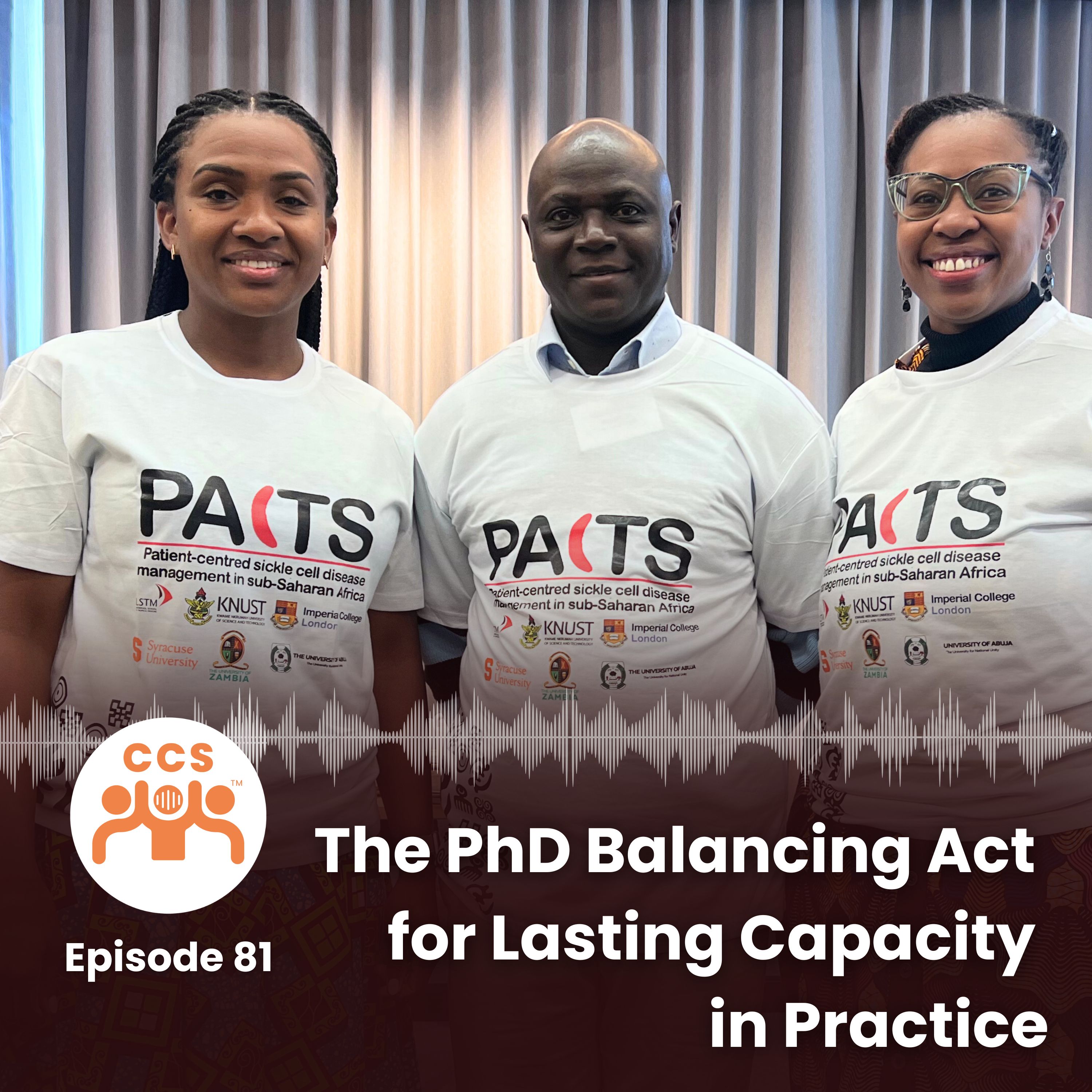
Ep 81The PhD Balancing Act for Lasting Capacity in Practice
In this final episode of our mini-series on research capacity strengthening, we explore how pursuing a PhD, using the PACTS programme (Patient-centred Sickle Cell Disease Management in sub-Saharan Africa), as a real-world example—can enhance, rather than compete with, clinical practice.Our guests reflect on what it means to balance research with clinical care, teaching, community outreach, and academic responsibilities, and share honest insights about the challenges and opportunities that come with embedding a PhD within a larger programme. From learning by doing to mentoring the next generation, this episode looks at how research can be a powerful tool for real-world impact in health systems.In this episode:Dr. Mmamulatelo Siame Mumba - PhD Student, SBA lead, Project coordinator, ZambiaDr. Mmamulatelo Siame Mumba is a paediatrician and implementation researcher based in Zambia. She is undertaking a PhD with the Liverpool School of Tropical Medicine and leads the Standards-Based Audit teams across PACTS sites while coordinating research activities on the ground.Dr. Hezekiah Isa Albarka - Lecturer at University of Abuja, NigeriaDr. Hezekiah Isa Albarka is a senior lecturer at the University of Abuja and a haematologist with a long-standing interest in sickle cell disease. He is currently pursuing a PhD through the PACTS project, building on years of experience in clinical care and academic teaching.Dr. Eunice Agyeman Ahmed - PhD Student Liverpool School of Tropical Medicine, Ghana Dr. Eunice Agyeman Ahmed is a haematologist at Komfo Anokye Teaching Hospital in Ghana and a PhD student at the Liverpool School of Tropical Medicine. Her research supports adolescents with sickle cell disease transitioning into adult care, alongside her wider advocacy and training work across Ghana and Africa. Patient-Centered Sickle Cell Disease Management in Sub-Saharan AfricaPatient-centred sickle cell disease management in sub-Saharan Africa (PACTS) | LSTMWant to hear more podcasts like this?Follow Connecting Citizens to Science on your usual podcast platform or YouTube to hear more about current research and debates within global health.The podcast cuts across disciplines, including health systems strengthening, gender and intersectionality, tropical diseases (NTDs, TB, Malaria), maternal and child healthcare (antenatal and postnatal care), mental health and wellbeing, vector-borne diseases, climate change and co-production approaches. If you would like your project or programme to feature in an episode or miniseries, get in touch with the producers of Connecting Citizens to Science, the SCL Agency.
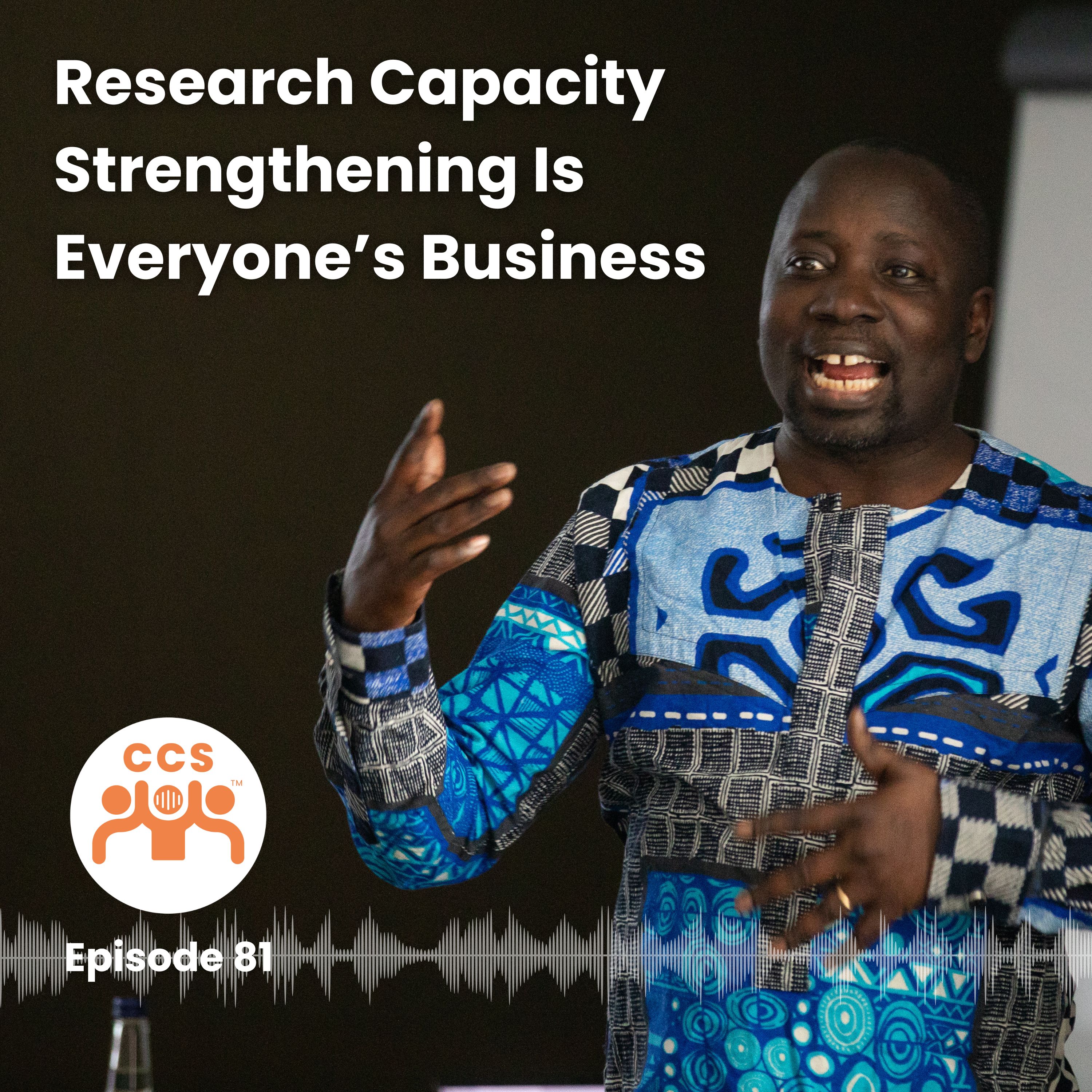
Ep 80Research Capacity Strengthening Is Everyone’s Business
In this second episode of our mini-series on Research Capacity Strengthening (RCS), we explore what it means to widen the focus of capacity strengthening, beyond researchers and clinicians, to include media, programme managers, community leaders, teachers, caregivers, and more.Hosted on location at the PACTS Year 3 Partners Meeting, this episode shows how the PACTS programme (Patient-centred Sickle Cell Disease Management in sub-Saharan Africa) has embedded a more inclusive and cyclical approach to RCS. You’ll hear how strengthening media capacity, using content analysis, and co-developing strategies with non-clinical stakeholders can make health systems more responsive and sustainable. We also look at how information itself, when shared in the right way with patients and communities, can be a powerful form of capacity strengthening.In this episode:Dr. Motto Nganda – Global Health Researcher: Collaborative Implementation Research for Health Systems Strengthening, Liverpool School of Tropical MedicineMotto is a medical and public health professional from the University of Douala and the Liverpool School of Tropical Medicine. He brings over six years’ experience in participatory implementation research, focusing on person-centred care and health system strengthening in the Global South. In PACTS, Motto supports implementation research across all three countries, coordinating participatory action cycles, standards-based audits, and realist evaluation.Bernard Appiah - Assistant Professor, Department of Public Health, Falk College, Syracuse UniversityBernard is a pharmacist, journalist, and Assistant Professor at the Department of Public Health, Syracuse University, USA. He is also Director of the Centre for Science and Health Communication in Ghana. With expertise in media, health communication, and public engagement, Bernard leads the media content analysis and communication work for PACTS. His work connects journalists and researchers, builds capacity through joint training, and strengthens how sickle cell disease is communicated across public platforms and policy.Reuben Chianumba - Programme Manager for the PACTS Project, Centre of Excellence for Sickle Cell Research and Training (CESRTA), University of AbujaReuben is the Programme Manager for PACTS in Nigeria, with a background in Medical Biochemistry and extensive experience in research coordination, stakeholder engagement, and community mobilisation. He supports the delivery of PACTS objectives at CESRTA and plays a key role in integrating newborn screening, capacity-building workshops, and local advocacy efforts.Useful Links:Patient-Centered Sickle Cell Disease Management in Sub-Saharan AfricaPatient-centred sickle cell disease management in sub-Saharan Africa (PACTS) | LSTMWant to hear more podcasts like this?Follow Connecting Citizens to Science on your usual podcast platform or YouTube to hear more about current research and debates within global health.The podcast cuts across disciplines, including health systems strengthening, gender and intersectionality, tropical diseases (NTDs, TB, Malaria), maternal and child healthcare (antenatal and postnatal care), mental health and wellbeing, vector-borne diseases, climate change and co-production approaches. If you would like your project or programme to feature in an episode or miniseries, get in touch with the producers of Connecting Citizens to Science, the SCL Agency.
Ep 79Strengthening Research Capacity for Global Health Equity
Welcome to our new mini-series on research capacity strengthening, produced in partnership with the Centre for Capacity Research at the Liverpool School of Tropical Medicine. In this first episode, we explore the design of a Research Capacity Strengthening (RCS) component within an implementation research project, and why it is crucial for sustainable, patient-centred healthcare. Our conversation draws insights from those actively embedding RCS into their work, demonstrating how improving research skills and systems drives real impact in global health.In this episode:Dr. Justin Pulford - Reader at the Centre for Capacity Research, Liverpool School of Tropical Medicine.Dr. Justin Pulford is Deputy Head of the Centre for Capacity Research (CCR) at the Liverpool School of Tropical Medicine (LSTM). A behavioural scientist by training, he has extensive experience developing, implementing, and evaluating research and health systems strengthening initiatives across sub-Saharan Africa and the South Pacific. Dr Pulford also convenes the ‘TROP 703: Public Health Programmes, Policies and Strategies’ module for LSTM’s MPH programme. Professor Obiageli Nnodu - Co-lead of the PACTS programme, University of Abuja.Professor Obiageli Nnodu is Professor of Haematology and Blood Transfusion at the University of Abuja, Nigeria, and Director of its Centre of Excellence for Sickle Cell Disease Research and Training. She leads multiple NIH-funded sickle cell projects and chairs Africa’s largest SCD network. Professor Nnodu also advises the Nigerian government on non-communicable diseases and serves on WHO AFRO committees dedicated to improving sickle cell care.Professor Alex Osei-Akoto - Kwame Nkrumah University of Science and Technology, GhanaProfessor Alex Osei-Akoto is Principal Investigator for PACTS in Ghana. A Professor of Child Health at Kwame Nkrumah University of Science and Technology (KNUST) and Consultant Paediatrician at Komfo Anokye Teaching Hospital, he has focused on sickle cell disease for over two decades. Professor Osei-Akoto led key newborn screening initiatives, advised Ghana’s Ministry of Health on SCD, and co-authored numerous publications. He now spearheads PACTS implementation in Ghana, building on his extensive clinical and research leadership in paediatric haematology.Dr. Catherine Chunda-Liyoka - University of ZambiaDr. Catherine Chunda-Liyoka is Head of the Paediatric Haematology Department at Zambia’s University Teaching Hospitals–Children’s Hospital. She provides specialised care in sickle cell disease, haemophilia, aplastic anaemia, HIV, and TB, while leading multiple research initiatives. As an Honorary Lecturer at the University of Zambia and an Honorary Fellow at LSTM, she mentors health workers nationwide. Dr. Chunda-Liyoka also advises the Zambian Ministry of Health on paediatric haematology and infectious diseases, and plays a key role in major SCD networks—including SPARCO and PACTS—to strengthen national guidelines and clinical practices.Useful linksCentre for Capacity Research | LSTMPatient-centred sickle cell disease management in sub-Saharan Africa (PACTS) | LSTMWant to hear more podcasts like this?Follow Connecting Citizens to Science on your usual podcast platform or YouTube to hear more about current research and debates within global health.The podcast cuts across disciplines, including health systems strengthening, gender and intersectionality, tropical diseases (NTDs, TB, Malaria), maternal and child healthcare (antenatal and postnatal care), mental...
Ep 78Why Indigenous Knowledge is Essential for Health Justice
Global health systems have long been shaped by Western frameworks that separate health from land, environment, and community. But for Indigenous communities worldwide, health is holistic—deeply rooted in ancestral knowledge, cultural traditions, and reciprocal relationships with nature.Yet, Indigenous ways of knowing have been overlooked and undervalued within research, policymaking, and health interventions. How can we shift this paradigm and centre Indigenous-led approaches in global health?In this episode, we speak with Dr. Walter Flores, Dr. Rebecca Rae, and Dr. Lorenda Belone about Indigenous communities in health research, examining systemic barriers, the importance of Indigenous knowledge in health equity, navigating differences between Indigenous and Western research approaches, and how policy shifts impact Indigenous communities. We also discuss the connection between research, activism, and advocacy.Our guests:Dr. Walter Flores - Research Professor, Accountability Research Center, American University, Washington DC, USADr. Walter Flores is a social scientist and human rights advocate with over 25 years of professional experience. He holds a PhD and a Masters of Community Health from the Liverpool School of Tropical Medicine, UK. Dr Flores’ professional work has been carried out in more than 30 countries from Latin America, Africa, Asia and Europe. His areas of expertise are health systems and policy, right to health and indigenous populations, democratic governance, social accountability, legal empowerment and community participation. Currently, Dr Flores is research professor at the Accountability Research Center, American University, Washington DC and a research associate at the Center for the Study of Equity and Governance in Health Systems.Dr. Lorenda Belone – Professor, University of New Mexico College of Population Health / Center for Participatory ResearchDr. Belone (Diné/Navajo) is from Naakaii Bito’ located on the Navajo Nation and has been engaged in community-based participatory research (CBPR) with an Indigenous paradigm focused on health disparities with southwest tribal nations. Her research includes partnerships with Tribal Research Teams (Apache, Navajo & Pueblo) on an Indigenous family prevention program called the Family Listening Program (FLP). As an Indigenous CBPR researcher, Dr. Belone integrates her own cultural and tribal knowledge to overcome historical negative research experiences and tribal community members’ perceptions of research exploitation.Rebecca Rae, MCRP, MWR - Research Lecturer III, University of New Mexico College of Population HealthRebecca Rae (Jicarilla Apache), MCRP, MWR, is a Research Lecturer III at the University of New Mexico’s College of Population Health. She is an Indigenous scholar, with eighteen years of implementing community-based participatory research (CBPR) projects and Indigenous participatory evaluation in partnership with Tribal communities. She works closely with multiple tribal community partners to mentor, strengthen, and enhance community members’ skills in program development, implementation, data collection, data analysis, grant writing, research, and evaluation. Useful links:Inicio CEGSS Guatemala - CEGSSHome - Accountability Research CenterWant to hear more podcasts like this?Follow Connecting Citizens to Science on your usual podcast platform or YouTube to hear more about current research and debates within global health.The podcast cuts across disciplines, including health systems strengthening, gender and intersectionality, tropical diseases (NTDs, TB, Malaria), maternal and child healthcare (antenatal and postnatal care), mental...
Ep 77Shifting Power in Global Health: Equity, Leadership and Change
Global health systems are built on power structures that often exclude the very voices that should be leading the conversation. Funding, publishing, and policymaking have long been dominated by high-income countries, creating systemic barriers to equity.In this episode, Dr. Shashika Bandara (McGill School of Population and Global Health), Dr. Moses Tetui (Umeå University & University of Waterloo), and Dr. Joseph Mumba Zulu (University of Zambia) discuss two major initiatives that challenge these structures:The Lancet article: Shifting Power in Global Health Will Require Leadership by the Global South and Allyship by the Global North and The launch of the Journal of Community Systems for Health, a new platform breaking barriers in global publishing and knowledge sharing.In this episode:Dr. Shashika Bandara - Post-Doctoral Fellow, Department of Global and Public Health, School of Population and Global Health, McGill University.Shashika Bandara is a Sri Lankan post-doctoral fellow at the Department of Global Public Health in the School of Population and Global Health at McGill University. He co-leads McGill University’s research examining policy exemplars successfully addressing structural discrimination with O’Neill-Lancet Commission on Racism, Structural Discrimination and Global Health. Dr. Joseph Mumba Zulu - Associate Professor of Community, School of Public Health, University of Zambia Joseph M Zulu is a co-founder and Editorial Board Member of the Journal of Community Systems for Health, a platform dedicated to promoting inclusive, socially accountable, and community-driven health systems research. He is an Associate Professor of Community Health at the School of Public Health and has been involved in community-based implementation research projects in different countries across Africa.Dr. Moses Tetui - Assistant professor, University of Waterloo, Canada and Umeå University, SwedenDr. Moses Tetui is a Health Systems Researcher who specialises in using participatory methods to collaborate with diverse communities and stakeholders to address health system challenges. He serves as a founding board member of the Journal of Community Systems for Health. Moses collaborates with researchers, communities, and decision-makers to explore climate change adaptation strategies for communities living in informal settlements across Africa. Useful links:How to prevent equity efforts from losing steam in global health academiaImagining a future in global health without visa and passport inequitiesShifting power in global health will require leadership by the Global South and allyship by the Global NorthThe Journal of Community Systems for Health (JCSH)Want to hear more podcasts like this?Follow Connecting Citizens to Science on your usual podcast platform or YouTube to hear more about current research and debates within global health.The podcast cuts across disciplines, including health systems strengthening, gender and intersectionality, tropical diseases (NTDs, TB, Malaria), maternal and child healthcare (antenatal and postnatal care), mental health and wellbeing, vector-borne diseases, climate change and co-production approaches. If you would like your project or programme to feature in an episode or miniseries, get in touch with the producers of Connecting Citizens to Science, <a href="https://www.thesclagency.co.uk/"...
Ep 763rd ‘From the Halls’ of the Health Systems Research Symposium
Our final episode from the Health Systems Research Symposium in Nagasaki showcases transformative ideas in global health systems research and policy. This episode features discussions on interdisciplinary capacity building, decolonising health policy research, One Health approaches, and advancing gender equity in health systems.Dr. Hanna-Tina Fischer explores innovative capacity-building models and interdisciplinary research frameworks. Dr. Ayat Abu-Agla discusses the importance of decolonisation in health policy and systems research. Dr. Rosie Steege highlights the interconnectedness of humans, animals, and ecosystems through One Health and its implications for antimicrobial resistance. Finally, Dr. Zahra Zeinali reflects on her work advancing gender mainstreaming and intersectionality in health systems research.This episode offers fresh perspectives for researchers, practitioners, and policymakers dedicated to creating equitable and resilient health systems.In this episode:From ReBUILD for Resilience: Abriti Arjyal -Research Manager, HERD InternationalThazin La - Research manager for the health systems research programme, Burnet Institute MyanmarOur Guests:Hanna-Tina Fischer – Postdoctoral Research Scientist, Charité Universitätsmedizin BerlinDr. Ayat Abu-Agla - Health Services Management Centre Lead, University of Birmingham, Dubai Dr. Rosie Steege – Lecturer, Liverpool School of Tropical MedicineZahra Zeinali – Doctoral Candidate, Department of Global Health, University of Washington. Useful links:One healthHSR Global Symposium on Health Systems Research | HSR 2024Introducing ReBUILD for Resilience - health systems researchRebuild ConsortiumWant to hear more podcasts like this?Follow Connecting Citizens to Science on your usual podcast platform or YouTube to hear more about current research and debates within global health.The podcast covers topics like health systems strengthening, gender and intersectionality, tropical diseases (NTDs, TB, Malaria), maternal and child healthcare, mental health, vector-borne diseases, climate change, and co-production approaches.If you would like your project or programme to feature in an episode or mini-series, get in touch with the producers of Connecting Citizens to Science, the SCL Agency.
Ep 752nd 'From the Halls' of the Health Systems Research Symposium
Recorded live at the Eighth Global Symposium on Health Systems Research, the episode focuses on the challenges and opportunities of delivering health care in fragile and conflict-affected settings. Collaborating with researchers from the ReBUILD for Resilience consortium, we hear from three inspiring voices tackling displacement, migration, and exclusion in health care.Dr. Cynthia Maung shares insights on creating governance structures for health care delivery to displaced populations along the Thai-Myanmar border. Dr. Roshan Pokhrel from Nepal reflects on using research to address workforce challenges amid migration and climate change. Finally, Lydia DiStefano highlights the critical role of community health workers in providing equitable care to vulnerable populations and shares exciting plans for the upcoming Community Health Workers Symposium in Bangkok.This episode offers vital lessons for policymakers, practitioners, and researchers committed to building resilient health systems in fragile settings.In this episode:From ReBUILD for Resilience: Karen Miller – Communications Officer, Liverpool School Tropical Medicine Shophika Regmi - Senior Manager: Health System Research, Evaluation and Learning, HERD International, NepalThazin La - Research manager for the health systems research programme, Burnet Institute MyanmarOur Guests:Dr. Cynthia Maung – Mae Tae ClinicDr. Roshan Pokhrel – Secretary Ministry of Health Population, Nepal Lydia DiStefano – Senior Research and Advocacy Manager, Community Partners International Useful links:The 4th International CHW SymposiumHSR Global Symposium on Health Systems Research | HSR 2024Introducing ReBUILD for ResilienceWant to hear more podcasts like this?Follow Connecting Citizens to Science on your usual podcast platform or YouTube to hear more about current research and debates within global health.The podcast covers topics like health systems strengthening, gender and intersectionality, tropical diseases (NTDs, TB, Malaria), maternal and child healthcare, mental health, vector-borne diseases, climate change, and co-production approaches.If you would like your project or programme to feature in an episode or mini-series, get in touch with the producers of Connecting Citizens to Science, the SCL Agency.
Ep 741st 'From the Halls' of the Health Systems Research Symposium
In this special episode, recorded live at the 8th Global Symposium on Health Systems Research (HSR2024) in Nagasaki, we explore key themes shaping the global health landscape. This episode brings together voices from the halls of HSR2024, where our host and researchers from the ReBUILD for Resilience programme have been capturing insightful conversations with experts on resilience, climate, and just health systems.Hosted by Dr. Kim Ozano, this episode includes interviews with inspiring speakers tackling complex global health challenges, from conflict-affected settings to ethical health financing.Join us as we share dynamic discussions and explore what they mean for the future of health systems.In this episodeFrom ReBUILD for Resilience: Rouham Yamout – Programme Coordinator, American University of BeruitKaren Miller – Communications Officer, Liverpool School Tropical Medicine Our Guests:Ana Amaya – Board Member, Health Systems GlobalDr. Ali Ardalan - Regional Advisor and Head of Health Systems Resilience Unit, WHO Eastern Mediterranean Region.Dr. Usman Gwarzo – LAFIYA programme, Nigeria Useful links:Introducing ReBUILD for Resilience - health systems research8th Global Symposium on Health Systems Research (HSR2024)Want to hear more podcasts like this?Follow Connecting Citizens to Science on your usual podcast platform or YouTube to hear more about current research and debates within global health.The podcast covers topics like health systems strengthening, gender and intersectionality, tropical diseases (NTDs, TB, Malaria), maternal and child healthcare, mental health, vector-borne diseases, climate change, and co-production approaches.If you would like your project or programme to feature in an episode or mini-series, get in touch with the producers of Connecting Citizens to Science, the SCL Agency.
Ep 73Health systems in times of peace and conflict
In this special “warm-up” episode for the Global Symposium on Health Systems Research (HSR2024) in Nagasaki, Japan, we explore the conference themes, their relevance to global health, and the critical role of resilient health systems in fragile settings. This episode offers insights for attendees and those interested in health systems worldwide, examining the intersection of conflict and crisis, climate resilience, justice, and governance in building sustainable, people-centered health systems. ReBUILD for Resilience team members share how their work aligns with the conference themes, highlighting the importance of supporting vulnerable communities in challenging contexts. See 'useful links' for previous health systems strengthening episodes. In this episode:Kate Hawkins - Managing Director, Pamoja CommunicationsKate has extensive experience working with research partners to develop strategies, engage stakeholders, and create impactful communication products. Skilled at translating academic research for diverse audiences, she has years of experience across NGOs, academia, and the private sector. Kate has managed numerous websites and platforms to promote research and foster partnerships, enhancing demand for research communications by engaging policymakers, brokering academia-government partnerships, and building capacity for evidence use.Joanna Khalil – Research Fellow, American University of Beirut and ReBUILD for ResilienceJoanna is a research fellow and a public health practitioner working with various communities around Lebanon, including refugees, in formal and informal settlements. Her key strength is qualitative research methodology. She has been involved in a multinational research study, exploring tobacco and waterpipe smoking, as well as health warnings, translating findings to policies. She carried out baseline assessments and evaluations of health and social centres in underprivileged areas and refugee camps, aiming at strengthening the health response in emergencies on topics related to reproductive health, mental health, education, WASH, cash assistance, emergency relief, resilience and child labour.Shophika Regmi - Senior Manager: Health System Research, Evaluation and Learning, HERD International, NepalShophika Regmi is a health systems researcher at HERD International, Nepal, leading learning site research for the ReBUILD for Resilience consortium. With over a decade of experience, her work focuses on enhancing local health system resilience through improved governance and evidence-based planning. Shophika has led numerous projects to strengthen health outcomes for marginalised groups across areas like maternal health, nutrition, climate change, and health information systems. Useful links:Health Systems Financing in Fragile Settings Migration, Displacement and Health Systems Non-state and informal actors in fragile settings The Health Workforce in Times of Crisis Gender, health systems resilience and equityRevisiting Resilience in Health Systems Research HSR Global Symposium on Health Systems Research | HSR 2024Introducing ReBUILD for Resilience - health systems researchRebuild ConsortiumWant to hear more podcasts like this?Follow Connecting Citizens to Science on your usual podcast platform or YouTube to hear more about current research and debates within global health.The podcast covers topics like...
Ep 72Sustaining Maternal Health Gains
In this episode of Connecting Citizens to Science, we conclude our three-part miniseries on improving maternal and newborn healthcare. Host Dr. Kim Ozano and her guests explore how to sustain quality improvements in health systems and progress toward maternal and newborn Sustainable Development Goals (SDGs) by 2030. Dr. Rael Mutai, Regional Technical Advisor for Maternal and Newborn Health at the Liverpool School of Tropical Medicine Kenya, and Dr. Nicholas Furtado, Senior Medical Advisor at Global Fund, share their insights on the successes and challenges of embedding sustainable practices in maternal and newborn healthcare systems across Kenya, Tanzania, and Nigeria. (see 'useful links' for the other episodes from the series).Chapter List:00:00:00 – Introduction to Sustainability and SDG Goals00:01:52 – Progress Towards Maternal and Newborn Health indicators00:04:50 – Global Landscape: The Impact of the Pandemic00:06:37 – Addressing Inequities within Countries00:09:26 – Healthcare Workers and Sustainable Outcomes00:12:22 – Intersectionality and Broader Determinants of Maternal Health00:17:38 – Advice and Call to Action for Sustainable SolutionsIn this episode:Dr. Rael Mutai - Regional Technical Advisor (MNH), Liverpool School of Tropical Medicine Tropical KenyaRael is a public health specialist with over 21 years’ of experience in health and development. She is passionate about health systems strengthening, Sexual Reproductive Health and Rights and Quality Maternal and Newborn Health. Rael has been involved with the quality improvement programme in the last 3 years, as the Regional Technical Adviser for Kenya and Tanzania. The Programme uses global evidence customised to country context for improved maternal and newborn outcomes. The programme has addressed gaps in ANC-PNC service delivery through capacity building of healthcare workers and integrated approaches to care.Dr. Nicolas Furtado - Senior Medical Advisor, Global FundNicolas is a Senior Medical Advisor with the Health System Strengthening Technical Advice and Partnerships team at the Global Fund. He is deeply engaged in efforts to strengthen primary healthcare systems globally, particularly focusing on improving maternal and newborn health outcomes and now focusing on improving access to medical oxygen and respiratory care. Throughout his work, Nicolas has been instrumental in addressing key challenges such as the impact of the COVID-19 pandemic, healthcare inequities, and the need for sustainable, locally adapted solutions. He advocates for simple, effective, and culturally appropriate interventions to ensure quality care at the point of service delivery.Useful links:Strengthening the Health Workforce for Maternal and Newborn Care - Connecting Citizens to Science - In the second episode of our three-part miniseries, " Transforming Maternal and Newborn Health", we focus on how capacity strengthening in healthcare can transform maternal and newborn care outcomes. The discussion highlights the critical role of health workers, from nurses to doctors, and the importance of building skills, teamwork, and communication to improve early diagnosis and reduce complications. Experts share insights on training approaches, challenges faced, and the transformative impact of mentorship and continuous professional development in Kenya, Tanzania, and beyond. This episode offers valuable lessons for health systems strengthening and sets the stage for our next conversation on sustainability. Quality Innovations in Maternal and Newborn Health - Connecting Citizens to Science - In this first episode of our three-part miniseries, "Transforming Maternal and Newborn Health," we dive into a groundbreaking...