Show overview
Connected and Capable launched in 2025 and has put out 30 episodes in the time since. That works out to roughly 15 hours of audio in total. Releases follow a weekly cadence.
Episodes typically run twenty to thirty-five minutes — most land between 25 min and 32 min — and the run-time is fairly consistent across the catalogue. None of the episodes are flagged explicit by the publisher. It is catalogued as a EN-language Kids & Family show.
The show is actively publishing — the most recent episode landed 1 months ago, with 29 episodes already out so far this year. The busiest year was 2026, with 29 episodes published. Published by Alisha Grogan.
From the publisher
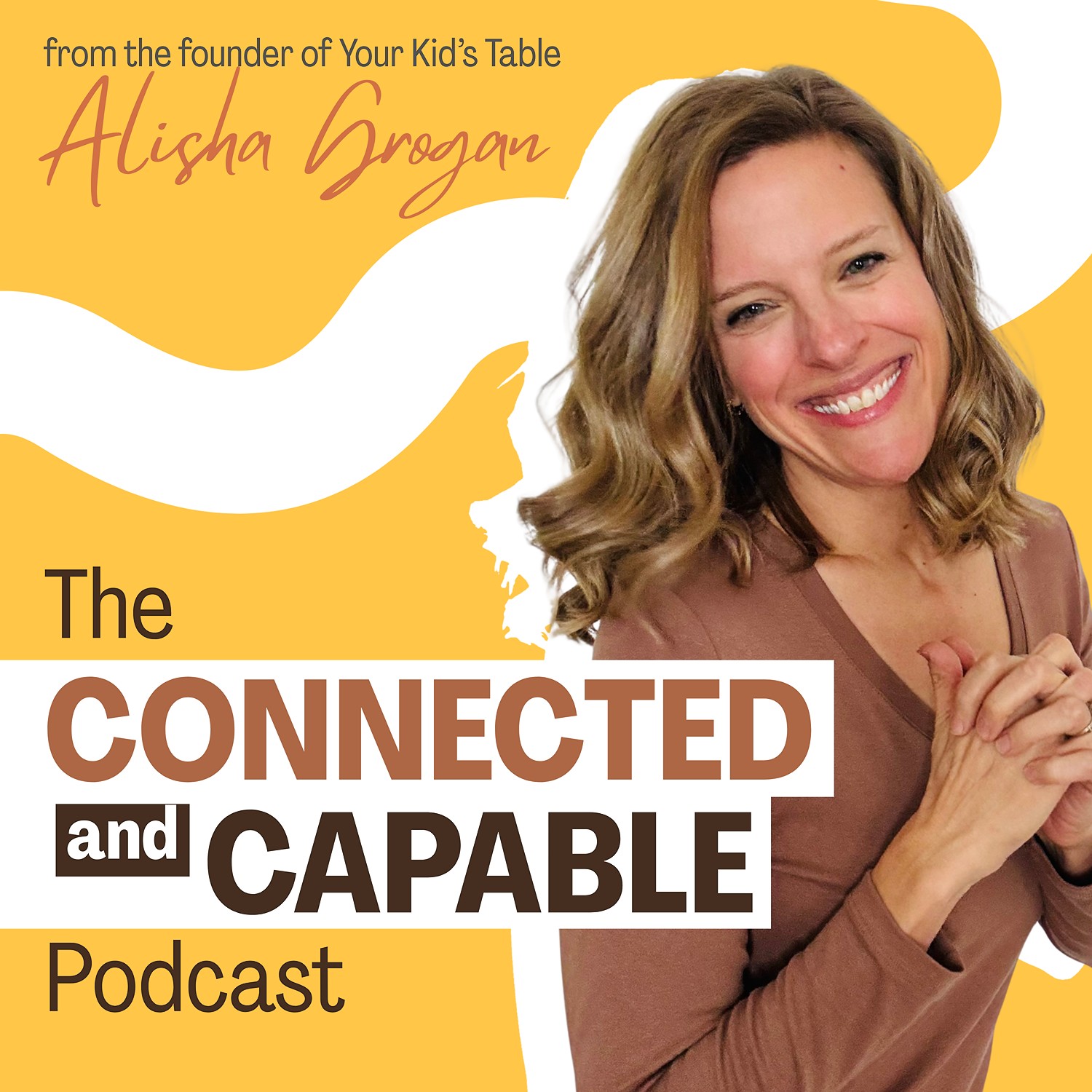
A podcast for parents of uniquely wired kids—kids with sensory needs, ADHD, big emotions, anxiety, or executive functioning challenges.Hosted by pediatric occupational therapist and mom Alisha Grogan, this podcast goes beyond behavior and quick fixes to uncover what’s really pulling the strings beneath the surface. You’ll learn how sensory processing, emotional regulation, executive functioning, and retained primitive reflexes are deeply connected—and how understanding these connections changes the way you support your child.Because your child is capable. And so are you.
Latest Episodes
View all 30 episodes29. How to Help Your ADHD Teen Succeed in School--Without Nagging!
28. Are Big Meltdowns Causing Trauma for Kids with Autism? What we know…
27. How to decide if you should accept or treat autistic challenges?
26. What I learned about Autism + Behavior (at Sensory Summer Camp)
25. The Picky Eater Approved Chicken Recipe You Need to Know!
24. Five Reasons Kids Refuse to Eat
23. How My Kid Went From Super Picky Eater to Foodie: My 5 Step Plan
22. 7 Quick Sensory Activities to Habit Stack for Regulating Kids
21. ADHD + Nutrition: What the Research Actually Says
20. The surprising reasons kids bite and what you can do about it
19. 5 Tricks for Kids that Hate Getting Their Hair Washed
18. Kid Stuck in Negative Thinking? Do this Today.
17. 3 Steps for When Your Too Dysregulated to Help Your Kid
16. The Truth about Sensory Processing Disorder
15. How to Help Toe Walkers Walk on Their Whole Foot👣
14. 5 (More) Executive Functioning Skills Uniquely Wired Kids Struggle With
So often we see gaps in executive functioning skills as personality traits. Or, they frustrate the heck out of us. In my own parenting journey understanding my kid was struggling with executive functioning AND wasn't just a difficult kid, changed everything. That's why it's important to understand more of these executive functioning skills in this part 2 edition of our episodes dedicated to executive functioning skills (see episode 5 for part 1.You'll also learn how to start helping your kid strengthen these skills, because yes that is very possible! The brain is amazing like that. Join me for this surprising episode and then let us know if anything you surprised you about your own kid! Get detailed strategies in our new free event, Executive Functionings week (starts April 13): https://yourkidstable.com/efweekKey Timestamps:01:49 Executive Functioning in Adults03:44 Self-Control Explained06:56 Understanding Impulsivity11:58 Organization as a Skill14:14 Planning and Sequencing20:11 Time Management Challenges26:15 Importance of Self-Awareness28:42 Structure and Routine BenefitsGrab your free printable copy of our 5 Big Calming Techniques for Big Emotions + Dysregulation-- https://yourkidstable.com/emotions-printable/ MORE RESOURCES FOR YOUReady for a simple plan to overcome the attention, sleep, sensory, and big emotion challenges? I'll show you how for uniquely wired kids 1-18 years old in just 2-5 minutes a day. Join me in The Connection Hive-- https://YourKidsTable.com/TCHLET'S CONNECT:Instagram: https://Instagram.com/YourkidstableFacebook: https://Facebook.com/YourkidstablePinterest: https://Pinterest.com/YourkidstableIf you enjoyed this episode, we'd be so grateful if you left us a review! It's a huge help in encouraging us and letting us know what parents with uniquely wired kids need the most.
13. Stop Using Timeouts and Lecturing with Neurodivergent Kids: Do this Instead!
Neurodivergent kids often struggle with following directions, listening, and self-control. What are we to do? We worry they aren't learning and want them to understand consequences. Both are very valid. In this episode learn why these popular parenting techniques we sometimes use intentionally and often out of desperation backfire with kids that have ADHD, Autism, or sensory needs. Full disclosure lecturing is something I struggle with using with my ADHD kid. But, there's something going on under the difficult behaviors, and if it's not addressed the behaviors will likely only happen more often. Come learn what powerful shift can change how your kid acts, how they feel about themselves, and even grow skills with examples for preschoolers to teens. Get a seat in our new free Executive Functioning Week with daily specific strategies that help kids listen, regulate, and follow directions here: YourKidsTable.com/efweekKey Timestamps:00:25 – Why timeouts don’t work the way we think03:10 – What’s actually happening in your child’s brain06:45 – The mistake most parents don’t realize they’re making10:20 – Why lecturing backfires (even when it feels right)14:05 – The shift that changes everything18:40 – What your child actually needs in that moment23:15 – A better way to respond (that actually works)Grab your free printable copy of our 5 Big Calming Techniques for Big Emotions + Dysregulation-- https://yourkidstable.com/emotions-printable/MORE RESOURCES FOR YOUReady for a simple plan to overcome the attention, sleep, sensory, and big emotion challenges? I'll show you how for uniquely wired kids 1-18 years old in just 2-5 minutes a day. Join me in The Connection Hive-- https://YourKidsTable.com/TCHLET'S CONNECT:Instagram: https://Instagram.com/YourkidstableFacebook: https://Facebook.com/YourkidstablePinterest: https://Pinterest.com/YourkidstableIf you enjoyed this episode, we'd be so grateful if you left us a review! It's a huge help in encouraging us and letting us know what parents with uniquely wired kids need the most.
12. 4 Ways to Improve ADHD Symptoms (That No One Talks About!)
Most parents are told that ADHD treatment begins and ends with medication, which can be helpful for some kids. But there’s so much more to the story. (Grab a spot in the free Executive Functioning Week for parents below).In this episode we talk about four powerful — and often overlooked — ways to improve ADHD symptoms in kids.You’ll learn why ADHD is actually more than just poor attention, so much so that "ADHD" isn't really the best name for this diagnosis, how sensory needs and hyperactivity are closely connected, ADHD super-powers, and 4 ways we can support kids with ADHD so they can regulate, focus, and thrive.If you’re parenting a child with ADHD (or suspect your child may have it), this episode is for you! Links Mentioned in the Show:Free Executive Functioning Week: 5 Days to Calming Big Emotions, Improving Focus, and Building Self-Control for Uniquely Wired Kids. SIGN UP HERE: https://YourKidsTable.com/efweekUnlocking ADHD Workshop (Included in memberships below): The Connection Hive Membership: https://YourKidsTable.com/tchTherapist Membership / Therapist All-Access: https://YourKidsTable.com/taamKey Timestamps:03:51 – The three ADHD subtypes explained06:48 – Is hyperactivity ADHD or sensory?09:21 – ADHD is so much more than attention...17:26 – Why medication isn’t the only support19:47 – Executive functioning are skills that can be strengthened22:58 – What the research says27:46 – The nutrition connectionGrab your free printable copy of our 5 Big Calming Techniques for Big Emotions + Dysregulation-- https://yourkidstable.com/emotions-printable/ MORE RESOURCES FOR YOUReady for a simple plan to overcome the attention, sleep, sensory, and big emotion challenges? I'll show you how for uniquely wired kids 1-18 years old in just 2-5 minutes a day. Join me in The Connection Hive-- https://YourKidsTable.com/TCHLET'S CONNECT:Instagram: https://Instagram.com/YourkidstableFacebook: https://Facebook.com/YourkidstablePinterest: https://Pinterest.com/YourkidstableIf you enjoyed this episode, we'd be so grateful if you left us a review! It's a huge help in encouraging us and letting us know what parents with uniquely wired kids need the most.
11. Vestibular Sensitivities: The Overlooked Issue Affecting Reading, Balance, and Anxiety
If your child avoids swings, hates being tipped back to wash their hair, or panics when their feet leave the ground… there may be more going on than simple fear.In this episode, I’m diving into vestibular sensitivities — one of the most overlooked sensory challenges that can quietly affect everything from balance and coordination to reading, attention, and anxiety.You’ll learn what the vestibular system actually does, the subtle signs of gravitational insecurity, and why some kids feel completely unsafe when their body moves in space.I’ll also share a powerful real-life story of a child who went from avoiding movement completely to sledding down a hill, and what made that change possible.If your child seems fearful of movement or struggles with balance, this episode may connect a lot of dots.Episodes mentioned in the show:2. Retained Primitive Reflexes: What Every Parent of A Uniquely Wired Kid Needs to Know3. If Your Kid Has Sensory "Issues," You Need to Hear This. Get more help in The Connection Hive for ParentsTherapists, learn reflexes + sensory in the Therapist All Access MembershipKey Timestamps:02:57 – What the vestibular sense actually does08:06 – When kids don’t feel safe moving11:09 – Signs parents often miss17:28 – The reflex that may be causing it21:10 – Should we just avoid movement?30:29 – A real-life breakthrough storyGrab your free printable copy of our 5 Big Calming Techniques for Big Emotions + Dysregulation-- https://yourkidstable.com/emotions-printable/ MORE RESOURCES FOR YOUReady for a simple plan to overcome the attention, sleep, sensory, and big emotion challenges? I'll show you how for uniquely wired kids 1-18 years old in just 2-5 minutes a day. Join me in The Connection Hive-- https://YourKidsTable.com/TCHLET'S CONNECT:Instagram: https://Instagram.com/YourkidstableFacebook: https://Facebook.com/YourkidstablePinterest: https://Pinterest.com/YourkidstableIf you enjoyed this episode, we'd be so grateful if you left us a review! It's a huge help in encouraging us and letting us know what parents with uniquely wired kids need the most.
10. How to Avoid After School Meltdowns (Restraint Collapse!)
After-school meltdowns are so common there’s actually a name for it: after-school restraint collapse.If your child comes home and completely falls apart — big emotions, aggression, withdrawal, nonstop chaos — you are not alone.Yes, masking all day is part of the story. But it’s not the whole story.In this episode, I walk you through two other big reasons uniquely wired kids struggle during that after-school window — and why understanding what’s really happening changes everything.When you see the root, you parent differently.And when you parent differently, the whole tone of your home can shift.I’ll also share three simple ways to ease that transition — things you can start today — so after school doesn’t have to feel like you’re bracing for impact every afternoon.If this time of day feels heavy in your house, this one’s for you.Links mentioned in this episode:Episode 9: Why Screens Feel Regulating (But, Might Not Be)Get the visual supports, Meltdown Rescue Kit, and regulating activities in The Connection Hive: yourkidstable.com/tchKey Timestamps:00:30 – What “after-school restraint collapse” really means04:30 – The reason everyone talks about (but it’s not the whole story)08:39 – The transition most parents miss10:30 – The simplest way to prevent the spiral19:06 – Why movement changes everything23:58 – When space works better than talkingGrab your free printable copy of our 5 Big Calming Techniques for Big Emotions + Dysregulation-- https://yourkidstable.com/emotions-printable/ MORE RESOURCES FOR YOUReady for a simple plan to overcome the attention, sleep, sensory, and big emotion challenges? I'll show you how for uniquely wired kids 1-18 years old in just 2-5 minutes a day. Join me in The Connection Hive-- https://YourKidsTable.com/TCHLET'S CONNECT:Instagram: https://Instagram.com/YourkidstableFacebook: https://Facebook.com/YourkidstablePinterest: https://Pinterest.com/YourkidstableIf you enjoyed this episode, we'd be so grateful if you left us a review! It's a huge help in encouraging us and letting us know what parents with uniquely wired kids need the most.