Commonwealth Club of California Podcast
2,516 episodes — Page 31 of 51
What Do Otto Warburg, Nazis, Cancer and Diet Have in Common?
The Nobel laureate Otto Warburg was widely regarded in his day as one of the most important biochemists of the 20th century. As a Jewish homosexual living openly with his male partner, Warburg represented all that the Third Reich abhorred. Yet Hitler and his top advisors dreaded cancer, and protected Warburg in the hope that he could cure it. Apple demonstrates how Warburg's midcentury work may well hold the secret to why cancer became so common in the modern world and how we can reverse the trend. A tale of scientific discovery, personal peril, and the race to end a disastrous disease, Ravenous would be the stuff of the most inventive fiction were it not, in fact, true. MLF ORGANIZER Patty James NOTES MLF: Health & Medicine SPEAKERS Sam Apple Faculty Member, Johns Hopkins University; Writer; Author, Ravenous: Otto Warburg, The Nazis, and the Search for the Cancer-Diet Connection Patty James M.S., N.C. Nutritionist; Chef; Author—Moderator In response to the COVID-19 pandemic, we are currently hosting all of our live programming via YouTube live stream. This program was recorded via video conference on June 1st, 2021 by the Commonwealth Club of California. Learn more about your ad choices. Visit megaphone.fm/adchoices

Gary Kamiya, Kimberly Reyes and Daniel Handler: Reflections of San Francisco
Over the last few decades, San Francisco has experienced radical changes with the influence of Silicon Valley, tech companies and more. Countless articles, blogs and even movies have tried to capture the complex nature of what San Francisco has become, a place millions of people have loved to call home, and yet are compelled to consider leaving. In the new book The End of the Golden Gate, 25 acclaimed writers take on the eternal question: "Should I stay or should I go?" Subjects include: the tech-industry invasion and the evolution, gentrification, and radical cost of living that has transformed San Francisco's most beloved neighborhoods; the lasting imprint of the 1960s counterculture movement; and the fight to preserve the art, music and other creative movements that make San Francisco forever the city of love. Come hear the compelling thoughts of three of the book's contributors: journalist and historian Gary Kamiya; poet, essayist and cultural critic Kimberly Reyes; and writer and musician Daniel Handler, also well known as Lemony Snicket. A percentage of the book proceeds will be given to charities that help those in the bay experiencing homelessness. SPEAKERS Gary Kamiya Journalist; Historian; Contributor, The End of the Golden Gate Kimberly Reyes Poet; Essayist; Cultural Critic; Contributor, The End of the Golden Gate Daniel Handler Writer; Musician; A.K.A. Lemony Snicket: Contributor, The End of the Golden Gate In Conversation with Heather Knight Columnist, San Francisco Chronicle In response to the COVID-19 pandemic, we are currently hosting all of our live programming via YouTube live stream. This program was recorded via video conference on May 27th, 2021 by the Commonwealth Club of California. Learn more about your ad choices. Visit megaphone.fm/adchoices
Heino Falcke: Black Holes, the Universe, and Us
Join us for a virtual discussion, live-streamed direct from Berlin, Germany, with Heino Falcke, the German astrophysicist, about his research into the nature of black holes. His new book A Light in the Darkness is the story of how the first photographic evidence of black holes was achieved by Falcke in April 2019, and what its significance for humanity might be. Falcke wrestles with the ways in which black holes force us to confront the boundary where human life ends and the celestial begins. He also ponders why black holes are so difficult for most of us to understand, comparing that to our inability to envisage our own inevitable death. Black holes develop when a massive star dies, and its matter is condensed. That extreme amount of mass contained in a small space generates a gigantic amount of gravitational force, allowing the black hole to suck up everything that comes near, including light. These astronomical wonders are the subject of intense scientific and philosophical theorizing—the journey to a black hole might even be a journey to the end of time itself. Which is why Falcke regards black holes as exquisite representations of fear, death—and, surprisingly, the divine. Empirical and profound, Falcke examines both the physical nature and the spiritual meaning of black holes, which he calls “the epitome of merciless destruction.” MLF ORGANIZER George Hammond NOTES MLF: Humanities SPEAKERS Heino Falcke Professor, Radio Astronomy and Astroparticle Physics, Radboud University Nijmegen; Winner, 2011 Spinoza Prize; Author, A Light in the Darkness: Black Holes, the Universe, and Us In Conversation with George Hammond Author, Conversations With Socrates In response to the COVID-19 pandemic, we are currently hosting all of our live programming via YouTube live stream. This program was recorded via video conference on May 27th, 2021 by the Commonwealth Club of California. Learn more about your ad choices. Visit megaphone.fm/adchoices
The History and Relevance of Ethnic Studies in a Diverse America
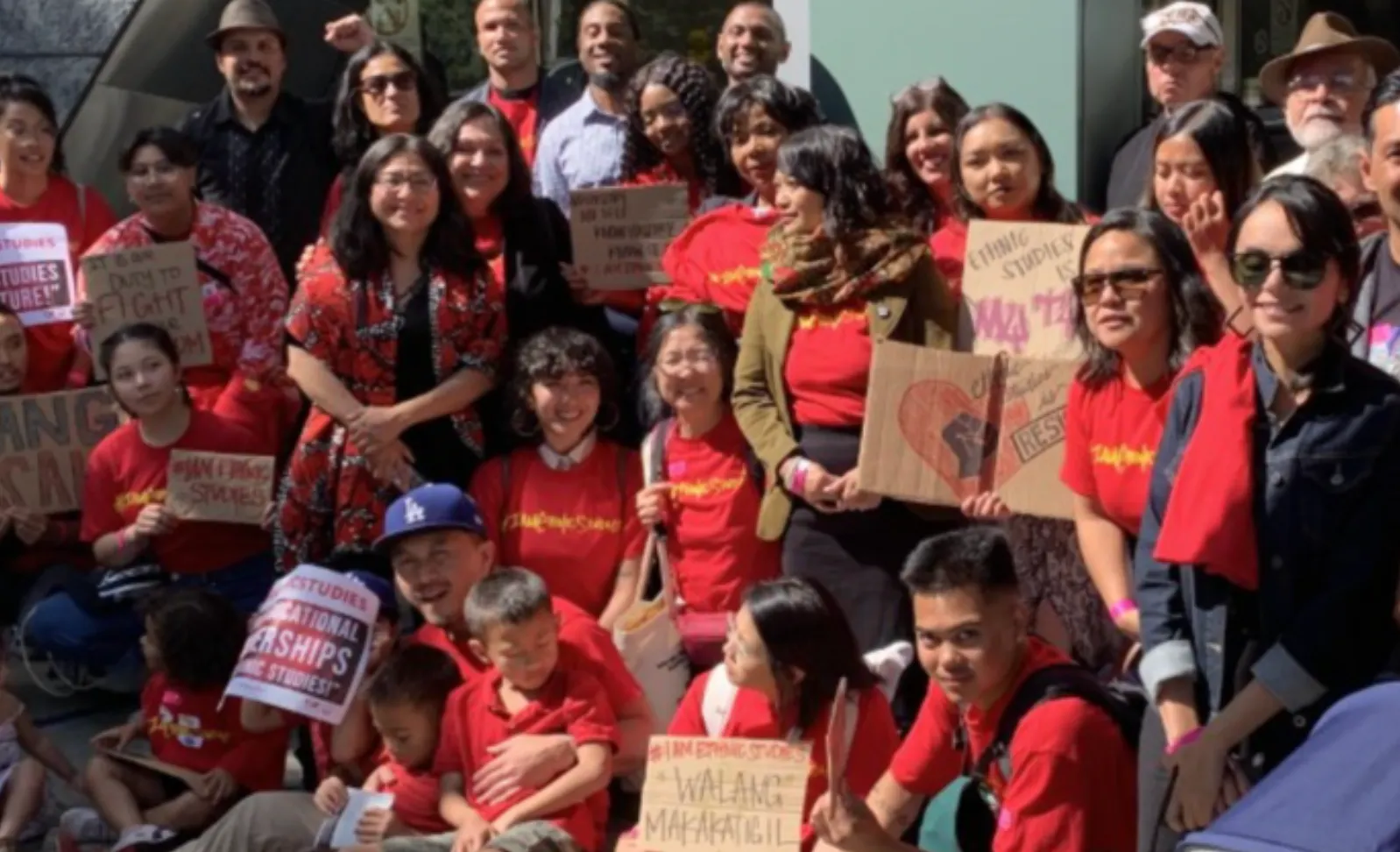
In 1968, San Francisco made history when, as a result of the student strike at San Francisco State University, the country’s first ethnic studies department was born. Over the years, community advocates have continued to find inadequacies in educational programs for students, citing a lack of inclusion of instructional materials for the teaching of history and culture regarding diverse population demographics. They also believe the learning and understanding of diverse cultures will help foster understanding and mutual respect between and among people from different ethnic backgrounds. Join us for an in-depth discussion with panelists who will discuss their personal stories about the origins of ethnic studies and their individual advocacy within the movement. Learn how and why they have devoted their efforts to advocate for the programs and hear their visions about how ethnic studies can shape our society’s future. This is one of an occasional series sharing perspectives on the subject of ethnic studies. NOTES Presented in association with the APA Heritage Foundation. This program is made free thanks to the generous support of Gilead Sciences, Inc.. SPEAKERS Ana De Almeida Amaral Student Activist, Stanford University; Advocate, National Equity Project Artnelson Concordia Educator; Coordinator, Santa Barbara Unified School District Ethnic Studies Program; Founding Teacher, San Francisco Unified School District Ethic Studies Program Dr. Taunya Jaco 6th Grade ELA/Social Studies Teacher, San Jose; Board of Directors Member, National Education Association; Secretary, NEA Black Caucus; Chair, Civil Rights in Education Committee, California Teachers Association's State Council Dr. Theresa Montaño Teacher, CSUN; Former Board Director and President, National Council for Higher Education Dr. Samia Shoman Advocate, Liberated Ethnic Studies Model Curriculum Coalition; Manager of English Learner and Adacemic Support Programs, San Mateo Union High School District; Co-Coordinator, Teach Palestine, Middle East Children Alliance Iza McGawley Student Activist, UC Santa Cruz; Co-Founder, Ethnic Studies Program, High Tech High Dr. Allyson Tintiangco-Cubales Professor, College of Ethnic Studies, San Francisco State University—Moderator In response to the COVID-19 pandemic, we are currently hosting all of our live programming via YouTube live stream. This program was recorded via video conference on April 29th, 2021 by the Commonwealth Club of California. Learn more about your ad choices. Visit megaphone.fm/adchoices
Niall Ferguson: The Politics of Catastrophe
Disasters are inherently inevitable in life. We cannot predict the next earthquake, wildfire, financial crisis, war or pandemic, but we can predict how to handle each situation better. Unexpected calamities have happened all throughout human history, yet even in the 21st century we are ill-prepared to recover from them. In the new book Doom: The Politics of Catastrophe, popular historian Niall Ferguson explores the reasoning behind this phenomena and offers solutions on how to handle unforeseen circumstances of mass misfortune. Ferguson has spent his academic career lecturing on the international, financial, and economic history of British and American imperialism. In his new book, Ferguson uses centuries of knowledge to understand the complex pathologies at work that make societies fail in the face of disaster. He offers the lesson he says the West urgently needs to learn if we want to handle the next crisis better and avoid the ultimate doom of irreversible decline. Join us as Niall Ferguson offers an explanation of disaster response and strategies to make us better at handling the next catastrophe we will inevitably face. SPEAKERS Niall Ferguson Milbank Family Senior Fellow, Hoover Institution; Author, Doom: The Politics of Catastrophe; Twitter @nfergus In Conversation with Maya Jasanoff Coolidge Professor of History, Harvard University In response to the COVID-19 pandemic, we are currently hosting all of our live programming via YouTube live stream. This program was recorded via video conference on June 1st, 2021 by the Commonwealth Club of California. Learn more about your ad choices. Visit megaphone.fm/adchoices

CLIMATE ONE: Finding the Heart to Talk About Climate
Ever have a difficult conversation about climate? Pretty much everyone has. Knowing all the facts and figures only goes so far when talking to someone who just doesn’t agree. So how do we break through the barriers? Scientists trained to present information in a one-way lecture format face a particular challenge: they first need to unlearn old habits. “Everybody's trying to figure out ‘how do we move past this idea that just arming people with facts will lead to a better world,’ right, because we’ve just seen that that’s absolutely not true,” says Faith Kearns, author of Getting to the Heart of Science Communication. Kearns argues that we all need to move from an “information deficit” model of communication – where it’s assumed that the audience simply needs more information – to a relational model, where the science communicator does as much listening as talking in order to first find empathy and common ground. Learn more about your ad choices. Visit megaphone.fm/adchoices
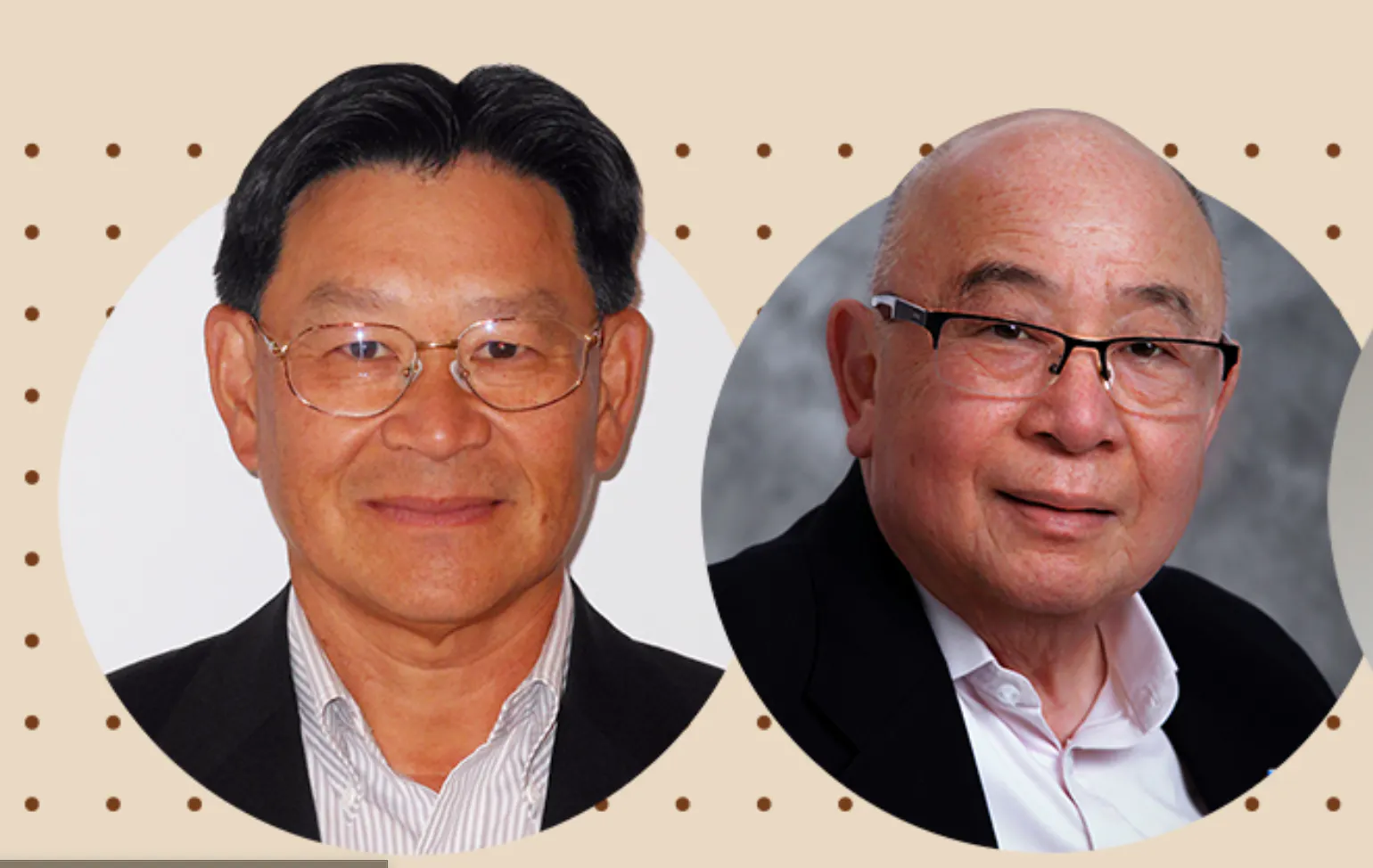
Asian Americans: Learning from the Past to Change the Future
As attacks on Asian Americans repeatedly make the news, there is also a bigger story to tell: What the challenges of the future are, and how Asian Americans will help America be more competitive in this brave new world. Join this insightful discussion with prominent Asian American leaders not only about the history of Asian Americans in the United States, but about what Asian Americans are contributing today, and what all Americans should think about doing as we fight together against modern stereotypes and broken systems, and face current and future challenges. In association with The Committee of 100, Northern California. SPEAKERS Daniel Chao Ph.D., Board Chair, 1990 Institute; Member, Committee of 100; Former Senior Vice President, TerraPower, LLC; Former Chairman, Bechtel, China Dennis Wu Chair, Asia Pacific Islander American Public Affairs, San Francisco; Managing Partner, WuHoover & Co., CPA Advisory Firm; Retired Partner, Deloitte; Past Chair, Commonwealth Club's Board of Governors In Conversation with Evelyn Dilsaver Chair, Commonwealth Club Board of Governors In response to the COVID-19 pandemic, we are currently hosting all of our live programming via YouTube live stream. This program was recorded via video conference on May 26th, 2021 by the Commonwealth Club of California. Learn more about your ad choices. Visit megaphone.fm/adchoices
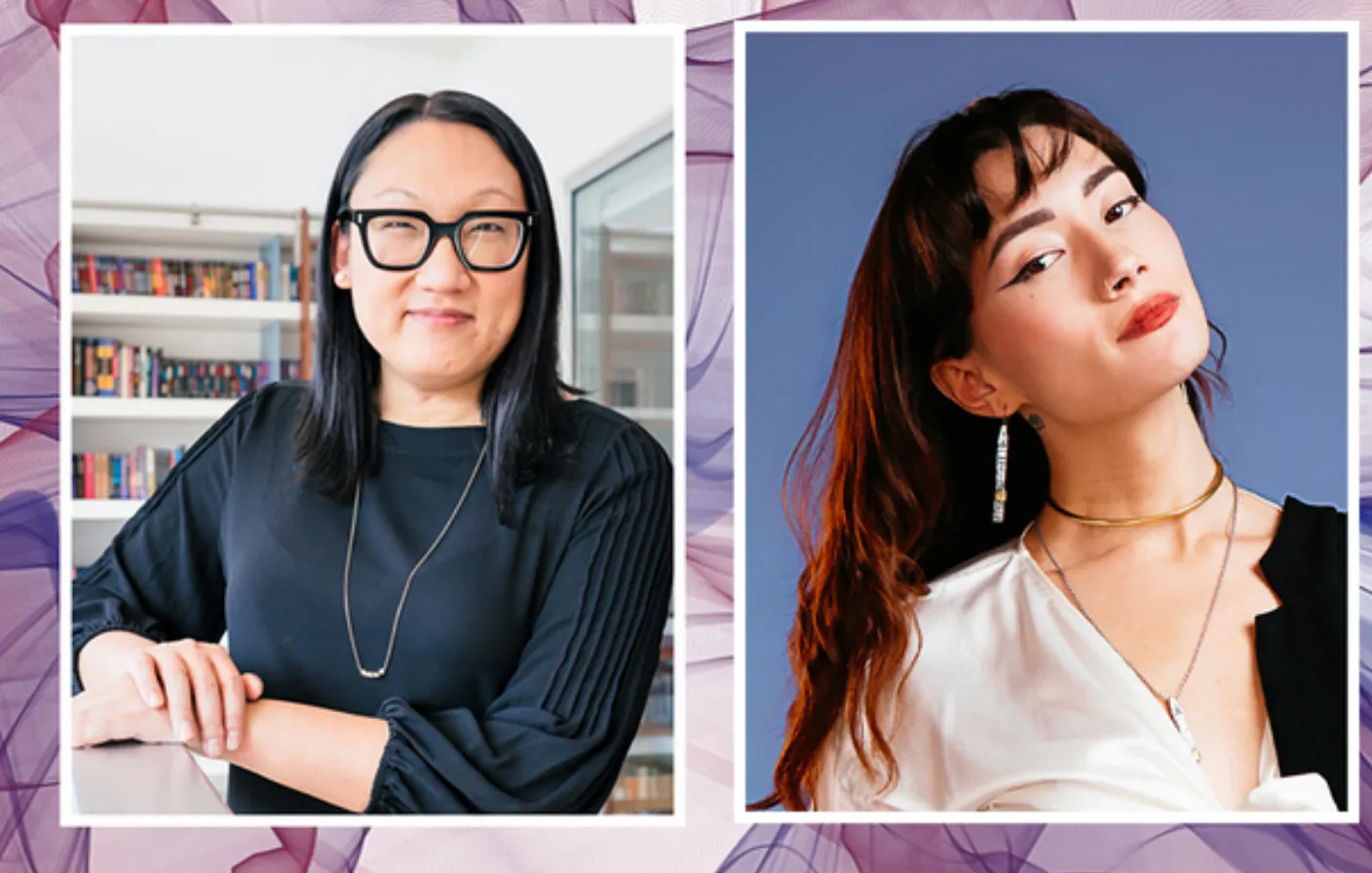
Black, API and Trans Solidarity Roundtable
In 2021, as we begin to emerge from the global COVID-19 pandemic, the country continues to grapple with well-publicized incidents of police violence against Black Americans, a wave of anti-API discrimination and violence, and spreading political and other attacks on the transgender, gender nonconforming and intersex communities. In response to these harrowing realities, The Commonwealth Club and The Transgender District of San Francisco bring together a roundtable of thought leaders from across the nation to speak openly about their unique experiences regarding race and gender identity, in hopes that this summit can provide context, connection and solidarity between three communities that are far too often pitted against each other. Note: This program contains EXPLICIT language SPEAKERS Andy Marra Korean American Trans Woman Activist; Executive Director, Transgender Legal Defense Fund Oluchi Omeoga Transmasculine Advocate and Co-Director of BLMP (Black LGBT Migrants Project) Diamond Stylz Transgender Activist; Host, "Marsha's Plate" Podcast; Executive Director, Black Trans Women Inc. (Houston, Texas) Juniper Yun Korean-American Artist; Program Associate, The Transgender District Michelle Meow Producer and Host, "The Michelle Meow Show" on KBCW/KPIX and Podcast; Member, Commonwealth Club Board of Governors—Host In response to the COVID-19 pandemic, we are currently hosting all of our live programming via YouTube live stream. This program was recorded via video conference on May 25th, 2021 by the Commonwealth Club of California. Learn more about your ad choices. Visit megaphone.fm/adchoices
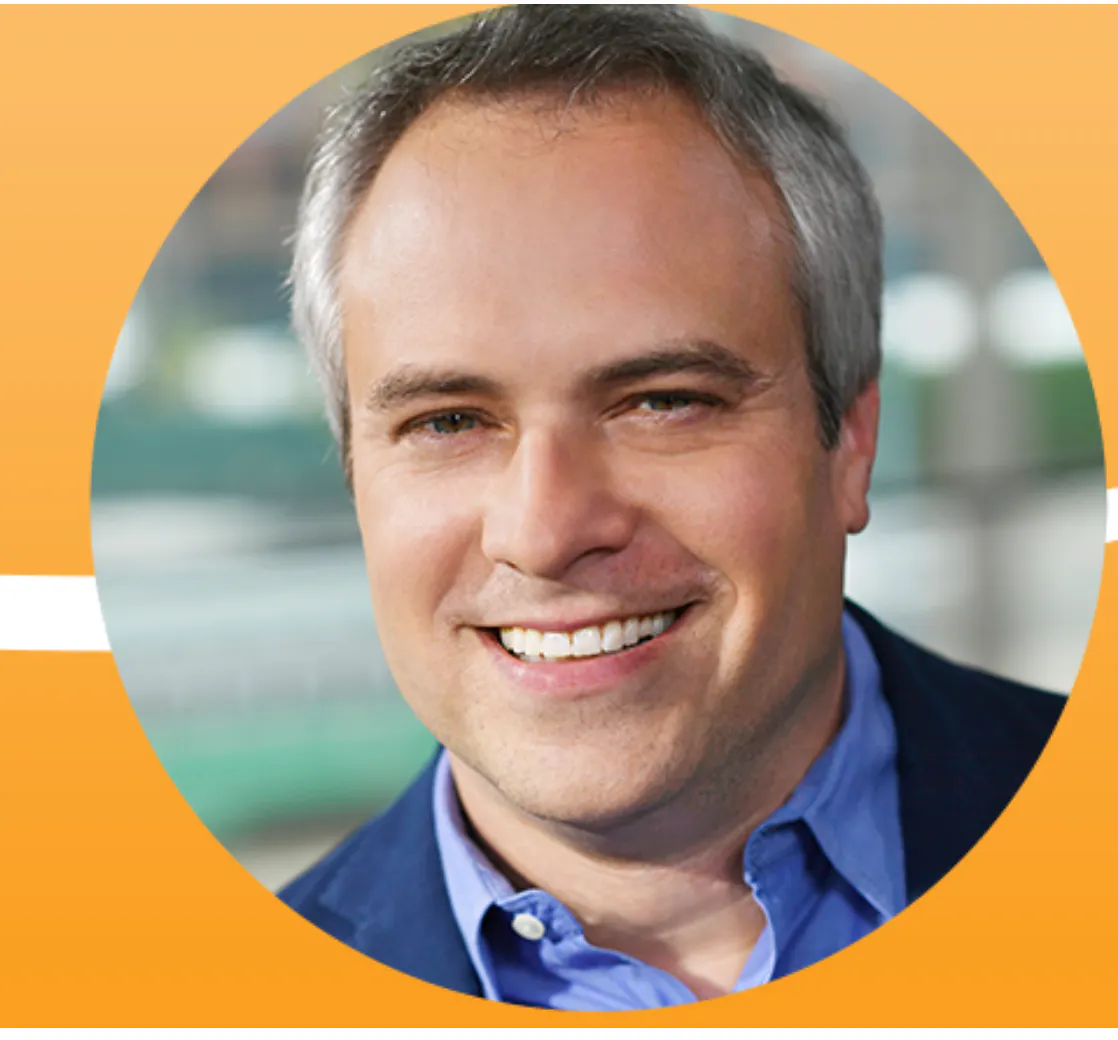
Brad Stone: How Jeff Bezos Built the Amazon Empire
Bloomberg's Brad Stone is one of the country's leading experts on the global commerce company Amazon. His bestselling book from a decade ago, The Everything Store, gave one of the most detailed pictures of Amazon’s unprecedented growth and its billionaire founder, Jeff Bezos. His coverage in Bloomberg Businessweek has helped shaped our understanding of the internet giant. Since Stone's first book on Amazon was published, the company has expanded to become the most valuable internet company and one of the globe's largest retailers. Its workforce has quintupled in size and its valuation has soared to well over $1 trillion dollars. The company's holdings also include Whole Foods, Prime Video, and Amazon’s cloud computing unit, AWS, which powers many of the country's largest websites. Throughout the pandemic, Amazon became a lifeline for many people and small businesses around the world for home supplies, cleaning products and PPE. Bezos also has a personal ownership of The Washington Post, expanding the Amazon owner's impact. In Stone's new book, Amazon Unbound, the author presents another deeply reported narrative of how a retail upstart became one of the most powerful and feared entities in the global economy. Stone also looks at the evolution of Bezos himself from a geeky start-up guy to leading one of the globe's most influential companies. Please join us for this important event to better understand one of the private sector giants that is shaping modern life, and the company's enigmatic leader who is shaping that vision. SPEAKERS Brad Stone Senior Executive Editor, Global Technology, Bloomberg News; Author, Amazon Unbound: Jeff Bezos and the Invention of a Global Empire In Conversation with Sarah Frier Technology Reporter, Bloomberg; Author, No Filter: The Inside Story of Instagram In response to the COVID-19 pandemic, we are currently hosting all of our live programming via YouTube live stream. This program was recorded via video conference on May 25th, 2021 by the Commonwealth Club of California. Learn more about your ad choices. Visit megaphone.fm/adchoices
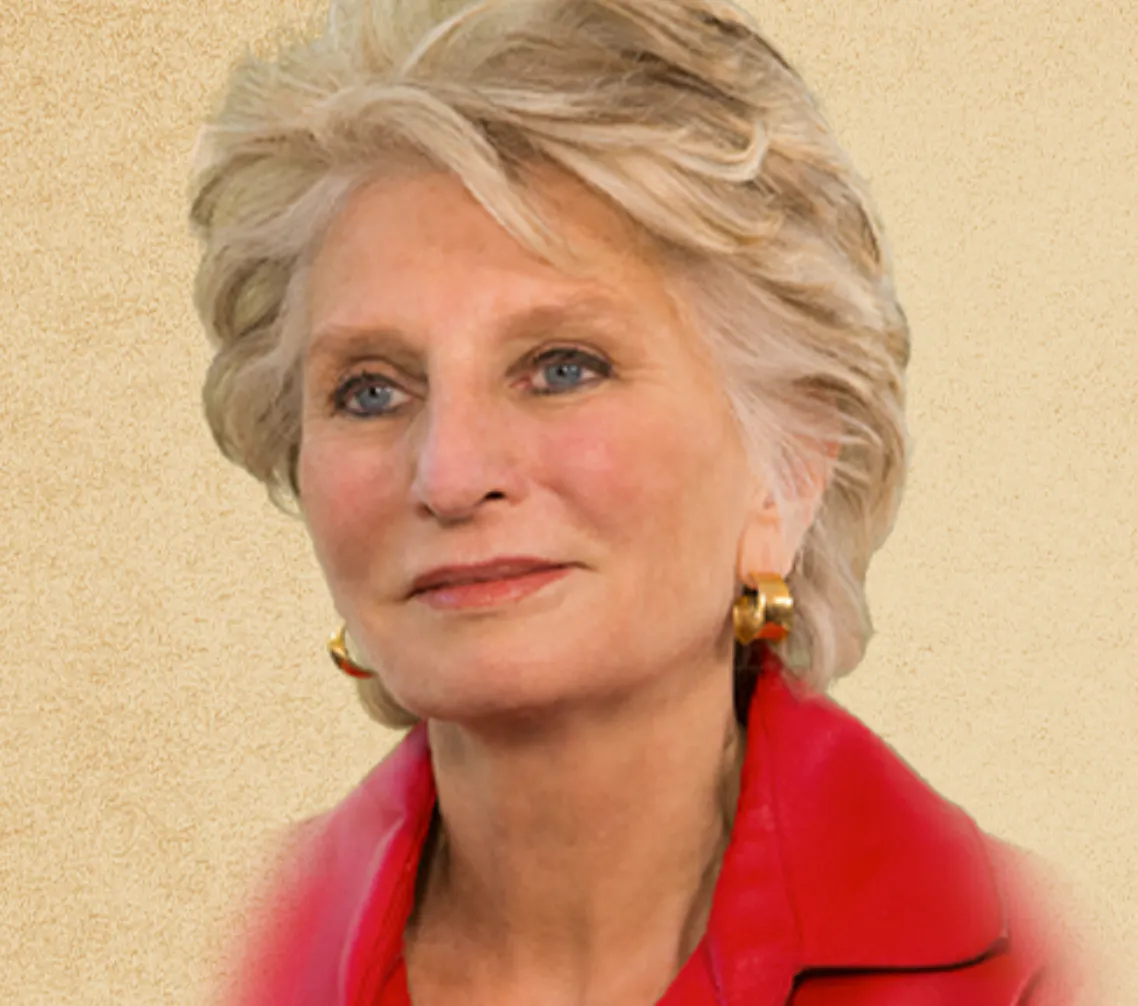
Jane Harman: Confronting Our National Security Problems
Former congresswoman Jane Harman says America has used the same tactics to solve defense and intelligence issues since the end of the Cold War. She says many of these strategies haven't worked and that the United States has become too self-satisfied as the lone superpower of global politics. Harman further says that many nations no longer defer to America as they once did. In her new book Insanity Defense, Harman chronicles how the United States has failed to confront some of the toughest national security policy issues and discusses what that bodes for our national security. Harman has gained the expertise to discuss security and public policy issues. During her nine terms in Congress, she served on all major security committees, including six years on Armed Services and eight years on Intelligence. She is currently a distinguished fellow and president emerita of the Wilson Center, the nation’s key nonpartisan policy forum for independent research to tackle global issues. Through her work, Harman says she witnessed the unravelling of American politics in her various roles as legislator, exhorter, enabler, dissident and, eventually, outside advisor and commentator. Hear Jane Harman's unabashed thoughts on achievable solutions to bring us to a safer future. SPEAKERS Jane Harman Distinguished Fellow and President Emerita, Wilson Center; Author, Insanity Defense: Why Our Failure to Confront Hard National Security Problems Makes Us Less Safe Melissa Caen Moderator - Political and legal analyst for CBS San Francisco KPIX In response to the COVID-19 pandemic, we are currently hosting all of our live programming via YouTube live stream. This program was recorded via video conference on May 25th, 2021 by the Commonwealth Club of California. Learn more about your ad choices. Visit megaphone.fm/adchoices
Stanford's Robert Pearl: The Toxic Culture of Medicine
The COVID-19 global pandemic has shined a bright light on our medical system unlike perhaps any other time in this country's history. For more than a year now, we have seen how the daily work of making important, even life-and-death decisions is frequently made harder by factors and variables outside the control of an individual doctor and patient. Meanwhile, even before the pandemic, hospitals and medical offices faced tremendous budget problems, and big pharmaceutical and insurance companies continued to shape the delivery of medical care in all corners of the country; the pandemic only exacerbated these trends. In a new book, Uncaring, Dr. Robert Pearl—former CEO of The Permanente Medical Group and a Stanford professor—shows how all these stresses have led to a toxic culture in medicine, particularly for physicians. He says doctors resist change, leading to important clerical mistakes. They don't offer equal treatment to all patients. Their competitive work ethic leads to burnout and bad decisions. All these mistakes, he warns, can be and frequently are matters of life and death. As we emerge from the pandemic and engage in a public debate about the appropriate role of government, technology, big pharmaceutical and insurance companies in our health-care system, Pearl believes we have paid little attention to what it actually feels like to be a doctor. If we want to improve medical outcomes for doctors and patients alike, Pearl believes we need to start seeing health-care professionals as the real and flawed human beings they actually are, and real issues they face every day in their professional lives. We look forward to welcoming Dr. Pearl back to The Commonwealth Club for an important conversation on how we can have a safer and healthier health-care system. Moderator Julie Kliger is the digital health transformation leader of the Health Solutions practice at FTI Consulting. She has expertise working with health-care delivery systems, platform-telehealth and bio/med-tech companies to design, optimize and implement new approaches to care delivery, with the goal of improving quality, value and experience of care. Kliger currently serves as a member of the board of directors for a $3 billion health system and chairs the Enterprise-Wide Committee on Quality, Safety and Patient Experience, and is vice chair of the Executive Compensation Committee. The views expressed by the moderator are not necessarily the views of FTI Consulting, Inc., its management, its subsidiaries, its affiliates or its other professionals. SPEAKERS Dr. Robert Pearl M.D., Clinical Professor of Plastic Surgery, Stanford University School of Medicine; Author, Uncaring: How the Culture of Medicine Kills Doctors and Patients Julie Kliger MPA, BSN, Senior Managing Director, Health Solutions, FTI Consulting—Moderator In response to the COVID-19 pandemic, we are currently hosting all of our live programming via YouTube live stream. This program was recorded via video conference on May 26th, 2021 by the Commonwealth Club of California. Learn more about your ad choices. Visit megaphone.fm/adchoices
Building an Inclusive Recovery Across the Bay Area
In the Bay Area, as elsewhere, the coronavirus and its economic fallout have hit hardest the very same people who were on the economic margins before the pandemic, including Black, Latinx, low-wage workers, and immigrant communities (especially undocumented workers). For our region to recover, and thrive, racial equity must be at the forefront of our recovery efforts. In this program, San Francisco Foundation CEO Fred Blackwell will lead a conversation on the central role that racial equity must play in the Bay Area's recovery from COVID-19 for our region to recover and thrive. We'll review key data findings from the Bay Area Equity Atlas on how COVID-19 has impacted different racial and ethnic communities in our region, presented by Senior Associate Jamila Henderson of PolicyLink. Experts and advocates Chris Iglesias of Unity Council and Tomiquia Moss of All Home will help us make meaning of the data and share their perspectives on what is needed to ensure an equitable recovery for all people in the Bay Area, regardless of their race or where they live. NOTES This program is made possible by San Francisco Foundation's Bay Area Leads donors. SPEAKERS Jamila Henderson Senior Associate, PolicyLink Chris Iglesias CEO, The Unity Council Tomiquia Moss Founder and CEO, All Home Fred Blackwell CEO, The San Francisco Foundation—Moderator In response to the COVID-19 pandemic, we are currently hosting all of our live programming via YouTube live stream. This program was recorded via video conference on May 18th th, 2021 by the Commonwealth Club of California. Learn more about your ad choices. Visit megaphone.fm/adchoices

Powerful Civics Education: It's Everyone's Responsibility
Over the past several years, questions about the stability of America's democratic system have been raised by experts in many fields, from across the political spectrum. After years of polarization, the United States has become highly divided, and there is a widespread loss of confidence in our very form of government and civic order. A movement for a renewed focus on civics and history education has arisen to address these concerns. Earlier this year, with the launch of the Educating for American Democracy (EAD) initiative, the country has its first significant comprehensive roadmap that states, local school districts, educators and organizations such as the Club can use to transform the teaching of history and civics to meet the needs of America in the 21st century. One of EAD's most significant features is that it recognizes that powerful and effective civics education is everyone's responsibility, not just civics and social studies teachers, and not just schools themselves. It asserts that we need all sectors of society working to together to educate students about American civics and history. This program will speak with several leaders who specifically do not represent traditional social studies, civics or American history teachers about why they believe it is their responsibility to be part of the comprehensive civics education solution. Each has played a role in the development of the important EAD effort. We'll hear from the head of the organization that represents English teachers, the head of an organization that represents all rural schools, and a civics education specialist at a presidential library. This program will also help the Club commemorate the one-year anniversary of the launch of its own civics education effort. In response to the same concerns that drove the development of EAD, The Commonwealth Club recognized that it, as a major civic forum, could play a more significant role in having a citizenry and electorate better appreciate the U.S. form of government and its civic ideals. Our timing could not have been better, as 2020 served as a siren call for the need for improved civics education. The Club launched its civics education efforts on May 11, 2020, when we thought the global pandemic would be the biggest challenge facing our country. Then, after the killings of George Floyd in Minneapolis and Ahmaud Arbery in Georgia, the country faced massive social protests focused on policing and America's long history of racial discrimination. The year ended with a disputed presidential election that culminated in a violent storming of the U.S. Capitol on the day Congress convened to certify the presidential vote. (The Club hosted a program on American history education that ended just as the crowd broke into the U.S. Capitol). We then reflected on the siege of the U.S. Capitol and its implications for civics education in a program days after the presidential inauguration. As the Club commemorates the first anniversary of its civics education efforts, please join us in an important conversation that urges all of us to be part of addressing America's civics crisis. SPEAKERS Allen Pratt Ed.D., Executive Director, National Rural Education Association Emily Kirkpatrick Executive Director, National Council of Teachers of English Janet Tran Director of The Center for Civics, Education, and Opportunity; Ronald Reagan Presidential Foundation and Institute Emma Humphries Chief Education Officer, iCivics—Moderator In response to the COVID-19 pandemic, we are currently hosting all of our live programming via YouTube live stream. This program was recorded via video conference on May 14th, 2021 by the Commonwealth Club of California. Learn more about your ad choices. Visit megaphone.fm/adchoices
Anti-Asian Hate: What You Need to Know
The stories are horrifying and heart-breaking. An 84-year-old Thai immigrant in San Francisco died after being violently shoved to the ground during his morning walk. In Oakland, a 91-year-old senior was shoved to the pavement from behind. An 89-year-old Chinese woman was slapped and set on fire by two people in Brooklyn, New York. A stranger on the New York subway slashed a 61-year-old Filipino American passenger's face with a box cutter. The only Asian American lawmaker in the Kansas legislature says he was physically threatened in a bar by a patron who accused him of carrying the coronavirus. The advocacy group Stop AAPI Hate says it has received more than 2,800 nationwide reports of hate incidents directed at Asian Americans since the pandemic began. More than 6 million Asian Americans live in California, by far the most in any U.S. state. Of those reports, 1,226 incidents took place in California, and 708 in the Bay Area alone. The majority of incidents in the Bay Area—292—took place in San Francisco, followed by San Jose (58) and Oakland (55). Last week, the U.S. Senate overwhelmingly (94 to 1) approved bipartisan legislation aimed at strengthening federal efforts to address hate crimes directed at Asian Americans. What should all of us know about these hate crimes and the steps we each can take to prevent them? Join KQED's Mina Kim; David Mineta, noted mental health advocate and son of former congressman and Transportation Secretary Norman Mineta (who was in a Japanese-American internment camp during World War II); business leader Anna Mok; Muhammed Chaudhry, president of Ahmadiyya Muslim Community, Silicon Valley; and moderator Michelle Meow for a compelling discussion of next steps, based on their personal and professional perspectives. Muhammed Chaudhry Managing Partner, MAC Capital Partners; President, Ahmadiyya Muslim Community, Silicon Valley Mina Kim Host, "Forum," KQED David Mineta President and CEO, Momentum for Mental Health Anna Mok President and Co-Founder, Ascend; Partner, Deloitte and Touche, LLP; Board Member and Former Board Chair, The Commonwealth Club of California Michelle Meow Producer and Host, "The Michelle Meow Show" on KBCW/KPIX and Podcast; Member, Commonwealth Club Board of Governors—Moderator In response to the COVID-19 pandemic, we are currently hosting all of our live programming via YouTube live stream. This program was recorded via video conference on May 19th, 2021 by the Commonwealth Club of California. Learn more about your ad choices. Visit megaphone.fm/adchoices

Deadly Legacy: The Vietnam War's Unexploded Ordnances
Join us for an exploration of a side of the Vietnam War that is little known in the United States. Learn about the unexploded ordnances left behind after the United States withdrew from the war, and hear about the "Secret War" in which people from Laos, Cambodia and Vietnam fought alongside American troops. Meet the Speakers Sera Koulabdara serves as executive director of Legacies of War, the only international educational and advocacy organization based in Washington, D.C. Legacies of War is working to address the impact of conflict in Laos during the Vietnam War-era, including removal of unexploded ordnance (UXO) and survivor assistance. Prior to this role, Sera was a long-time volunteer and served on Legacies’ board for four years in multiple leadership positions, including vice chair. Under Sera’s leadership, U.S. funding for UXO clearance in Laos reached $40 million for 2021—the highest level in history—and the Legacies of War Recognition and UXO Removal Act was introduced by Senator Tammy Baldwin. If approved, this historic bill will recognize the people of Laos, Cambodia, and Vietnam who fought alongside American troops during the Vietnam War and authorizes landmark funding of $100 million for five years divided among the three countries of Laos, Cambodia, and Vietnam. Khao Insixiengmay is a former Royal Lao Army Colonel who received military training in Laos, France and in the United States. He was recruited by the CIA and fought in Military Region 3 for six years, and fought all over Laos. David Phommavong is a father, husband and son of a Secret War veteran, the late Keosond Phommavong of SGU Scorpion Unit. He is the co founder of Laotian American National Voice (LAN-V), co-chair of LAN-V Secret War Veteran’s Benefit, and Lao Global Heritage Alliance Board of Director. Phommavong is an advocate and a community activist. He and his wife have a private charity, Nourish Lao Children, through which they provide financial and educational support to impoverished children in Lao PDR. Thomas Leo Briggs is retired from the U.S. federal government after 32 years of service. He spent three years in the U.S. Army with one year in Vietnam as a military police platoon leader, three years in the Drug Enforcement Administration as a special agent, and 26 years in the CIA as an operations officer. He entered duty with the CIA in 1969. His first assignment was as a special operations case officer in Laos from 1970 to 1972. During that assignment, he directed all small team special operations in Military Region IV in southern Laos. He published a book in 2009, Cash on Delivery: CIA Special Operations During the Secret War in Laos, which describes his experiences fighting the Secret War in cooperation with the Royal Lao Government against the North Vietnamese Army invaders of the Kingdom of Laos. SPEAKERS Sera Koulabdara Executive Director, Legacies of War Khao Insixiengmay Former Royal Lao Army Colonel David Phommavong Co-Founder, Laotian American National Voice (LAN-V); Co-Chair, LAN-V Secret War Veteran's Benefit; Member, Lao Global Heritage Alliance Board of Directors Thomas Leo Briggs Former Operations Officer, CIA; Former Special Agent, Drug Enforcement Administration; Former Military Police Platoon Leader, U.S. Army Michelle Meow Producer and Host, "The Michelle Meow Show," KBCW/KPIX and Podcast; Member, The Commonwealth Club Board of Governors—Host In response to the COVID-19 pandemic, we are currently hosting all of our live programming via YouTube live stream. This program was recorded via video conference on May 20th, 2021 by the Commonwealth Club of California. Learn more about your ad choices. Visit megaphone.fm/adchoices

Celebrate Lao/Thai/Cambodian New Year 2021
We'll begin our program sharing war stories from Lao veterans who fought in the secret war. We'll also discuss AB1393, an effort to include Lao history and cultural studies in CA's K-12 curriculum, starting a fish sauce business, and "nung pee"—Lao horror films with the only female film director in Laos. The evening will end with a special performance by Lookthung/Morlam Esan singer Tookta. Meet the Speakers Lao Secret War Veterans: David Phommavong is a father, husband and the son of a Secret War veteran, the late Keoson Phommavong of SGU Scorpion Unit. Co Founder of Laotian American National Voice (LAN-V), Co Chair of LAN-V Secret War Veteran’s Benefit, and Lao Global Heritage Alliance Board of Director. David is an advocate and a community activist. David and his wife have a private charity Nourish Lao Children where they provide financial / educational support to impoverished children in Lao PDR. Chantho Vorasarn, former Royal LAO Armed Forces Major (1972), 11 year POW (1975-1986) after US pull out from VN and communist took over Laos. Fled to to Thailand in 1986 and resettled in the USA in August 1987 (St.Petersburg, FL). Retired High School Teacher in 2013 and presently residing in Pinellas Park Florida as Chairman of the Board of Director of the LAO Arts and Cultural Foundation of Florida, Inc. and Associate Director of the United Royal LAO Armed Forces & Special Guerrillas Units Veterans, Inc. (URLAF&SGU). Vice Chair of Laotian American National Voice, Secret War Veteran’s Benefits Subcommittee. Medd Rattana married two children, three grand children. Residence,Dallas Texas. Retired from Insurance & Financial services. Graduated, Saint-Cyr (French Military Academy). Ex Royal Lao Army Major. Infantry battalion and GM(brigade) commander. Liaison Officer @ US Allied Officer’s Training School. Graduate: Us Army Airborne-Ranger Course. Advanced Artillery’s Officers School. Current Chairman,BD Lao American Senior Mutual Assistance,Inc. Past chairman BD Wat Lao Siri Buddhavas of Dallas. Vice Chair of Laotian American National Voice, Secret War Veteran’s Benefits Subcommittee. Khambang Sibounheaung joined the Royal Army in 1960. In 1961 he was recruited into the Secret War, where he was wounded twice, captured and spent 8 months in hard prison 1964. He immigrated to USA in December 1975, where he spent 4 years teaching World Cultural, worked 15 Years worked for Metro Government in Nashville as Court Officer, spent 11 Years With Tennessee Military Department as LTC TNSG As a Battalions Commander, and 5 years with NUSC as Major General. He was promoted to Lieutenant General in 2013 By Admiral Carlos Martinez. He is a member of the RLA Committees since 2006. Additional Speakers Alex Sirivath - Founder & CEO of Sirivath Corporation (Ninja Foods) Bobbie Oudinarath - Founding member and the Communications Director for Lao Advocacy Organization of San Diego (LAOSD) Tookta - Musician In response to the COVID-19 pandemic, we are currently hosting all of our live programming via YouTube live stream. This program was recorded via video conference on April 16th, 2021 by the Commonwealth Club of California. Learn more about your ad choices. Visit megaphone.fm/adchoices
Promising Immunotherapies for Cancer: From the Blacklist to the Nobel Prize
Dr. Ralph Moss details the origin of cancer immunotherapy and how it disappeared for almost 100 years. Recently, it has been rediscovered and has become one of the most widely used cancer treatments. Inducing fever with compounds of killed viruses, immunotherapy triggers the human immune system to identify and destroy cancer cells. Immunotherapy generally provides a higher quality of life during treatment, while being less harmful than most conventional cancer treatments available today. Ralph Moss, Ph.D., has been writing about alternative and complementary cancer treatments since the 1970s. At the National Institutes of Health, he co-founded what became the National Center for Complementary and Integrative Health. He has produced 4 films, 12 books, a podcast, and 38 diagnosis-based "Moss Reports" for cancer. MLF ORGANIZER Adrea Brier NOTES MLF: Health & Medicine SPEAKERS Ralph Moss Ph.D., Co-founder, National Center for Complementary and Integrative Health; Author; Filmmaker Adrea Brier CHNP, CLC, Vice Chair, Health and Medicine Member-Led Forum; International Integrative Epigenetic Cancer Consultant and Life Coach—Moderator In response to the COVID-19 pandemic, we are currently hosting all of our live programming via YouTube live stream. This program was recorded via video conference on May 25th, 2021 by the Commonwealth Club of California. Learn more about your ad choices. Visit megaphone.fm/adchoices
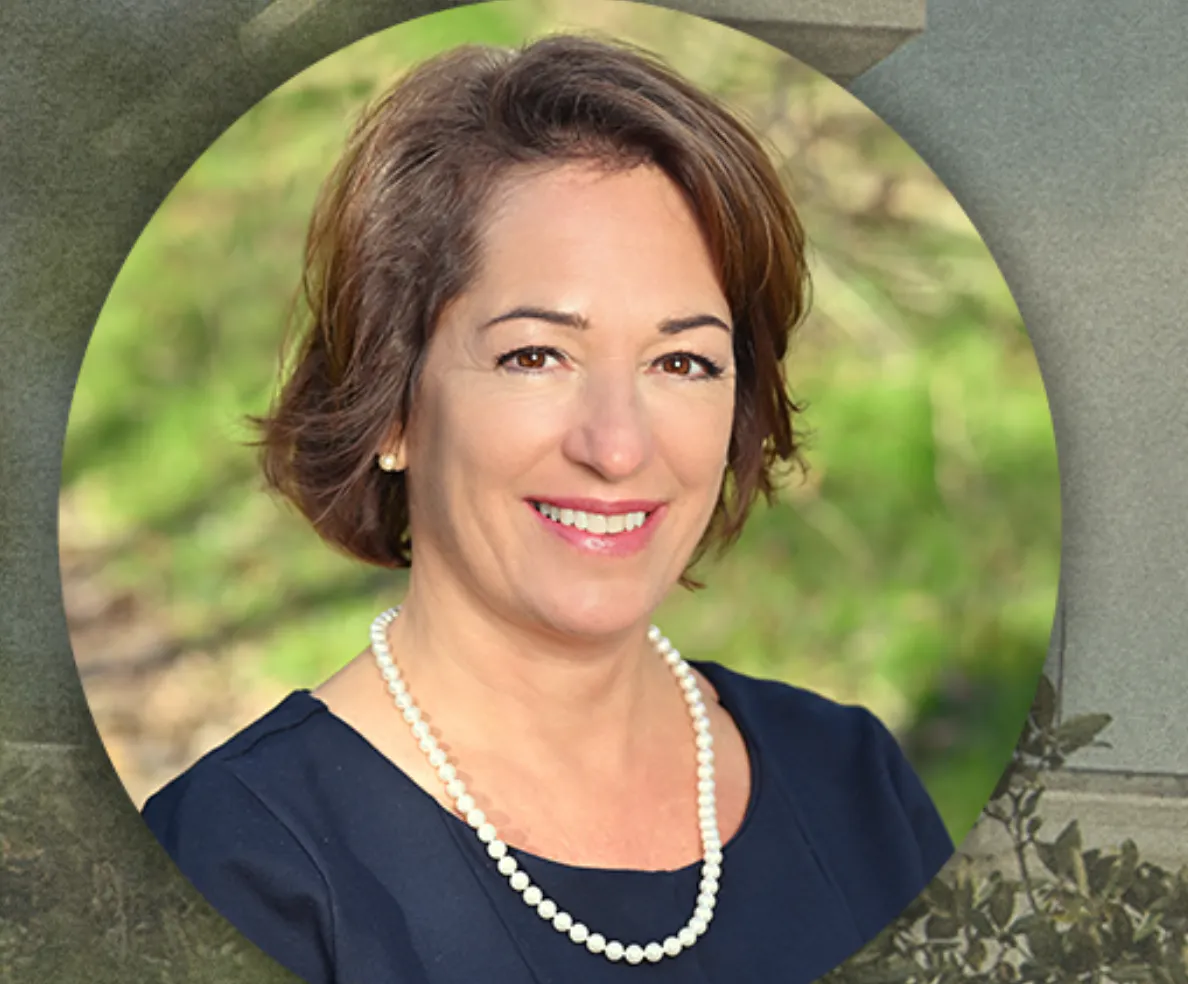
Carol Leonnig: The Rise and Fall of the Secret Service
One of the final things Abraham Lincoln did on the day of his death was approve legislation that created what would become the Secret Service. Originally created to suppress counterfeit currency, the Secret Service has since become the primary agency to protect prominent politicians and their families. Following the assassination of President John F. Kennedy in 1963, the Secret Service was whipped into shape. The agency transformed into a proud, elite unit that would redeem themselves again two decades later by successfully thwarting an assassination attempt against President Ronald Reagan. Now, in the 21st century, the Secret Service is better defined by its failure to avert break-ins at the White House, armed gunmen firing at government buildings, a massive prostitution scandal in Cartagena, and many other instances of negligence. Pulitzer Prize-winning journalist Carol Leonnig has been covering the Secret Service since 2000, and her new book, Zero Fail: The Rise and Fall of the Secret Service, exposes the triumphs and failures of the Secret Service, documenting a broken agency in desperate need of reform. Through interviews with whistleblowers, current agents and former agents, Leonnig reveals what she says is the Secret Service’s toxic work culture, outdated training techniques and deep resentment among the ranks with the agency's leadership. Join us as Carol Leonnig unmasks the rise and fall of the Secret Service, and puts out a much-needed call for the agency’s improvement and action. SPEAKERS Carol Leonnig Investigative Reporter, The Washington Post; Author, Zero Fail: The Rise and Fall of the Secret Service In Conversation with Marisa Lagos Correspondent for California Politics and Government, KQED; Twitter @mlagos In response to the COVID-19 pandemic, we are currently hosting all of our live programming via YouTube live stream. This program was recorded via video conference on May 20th, 2021 by the Commonwealth Club of California. Learn more about your ad choices. Visit megaphone.fm/adchoices

CLIMATE ONE: Should Nature Have Rights?
If corporations can be legal persons, why can’t Mother Earth? In 2017, New Zealand granted the Whanganui River the full legal rights of a person. India also recently granted full legal rights to the Ganges and Yamuna rivers, and recognized that the Himalayan Glaciers have a right to exist. In 2019, the city of Toledo passed the Lake Erie Bill of Rights with 61 percent of the vote, but then a year later, a federal judge struck it down. As Lindsey Schromen-Wawrin, an attorney who represented Lake Erie, explains, the problem stems from a 500-year history of Western property law. Our legal system grants rights to property owners, but not to property itself. “If we’re treating ecosystems as property, then ultimately, we as property owners have the right to destroy our property and that fundamentally has to change,” Schromen-Wawrin says. Rebecca Tsosie, a law professor focused on Federal Indian law and Indigenous peoples’ human rights, says there are other rights frameworks to consider. “If we go into Indigenous epistemology, many times it’s a relational universe that comes with mutual responsibility.” Guests: Lindsey Schromen-Wawrin, attorney at Shearwater Law, Community Environmental Legal Defense Fund Rebecca Tsosie, Regents Professor of Law at the University of Arizona, Indigenous Peoples’ Law and Policy Program Carol Van Strum, author of A Bitter Fog, activist Learn more about your ad choices. Visit megaphone.fm/adchoices

Framers: Human Advantage in an Age of Technology and Turmoil Play
Join us for a virtual discussion with the three co-authors of Framers, which focuses on the essential tool that can enable humanity to find its way through the challenges of pandemics, populism, AI, ISIS, wealth inequity, climate change, and other worldwide problems that threaten our current civilizations. To frame is to make a mental model that enables us to see patterns, predict how things will unfold, and make sense of new situations. Frames guide the decisions we make and the results we obtain. Science has long focused on traits like memory and reasoning, but has often ignored framing. But with computers becoming better and better at those cognitive tasks, framing stands out as a critical function—and one only humans can do. Illustrating their case with compelling examples and the latest research, Cukier, Mayer-Schönberger and de Véricourt examine: why advice to “think outside the box” is useless; why the Wright brothers, with no formal physics training, were the first to fly; what enabled the 1976 Israeli hostage rescue at Entebbe to succeed; and how the #MeToo twitter hashtag reframed the perception of sexual assault. They also show why framing Covid-19 as equivalent to a seasonal flu failed, and how modeling it on SARS succeeded in New Zealand. Framers shows how framing is not just a way to improve how we make decisions in an era of algorithms, but is also an ever more crucial tool in a time of societal upheaval and machine prosperity. MLF ORGANIZER George Hammond NOTES MLF: Humanities SPEAKERS Kenneth Cukier Journalist, The Economist; Host, "Babbage" Tech Podcast; Co-Author, Framers Viktor Mayer-Schönberger Professor, Internet Governance and Regulation, Oxford Internet Institute, University of Oxford; Member, Digital Council, Tech Advisors to German Government; Co-Author, Framers Francis de Véricourt Professor, Management Science, and Director, Center for Decisions, Models and Data, ESMT Berlin; Co-Author, Framers In Conversation with George Hammond Author, Conversations With Socrates In response to the COVID-19 pandemic, we are currently hosting all of our live programming via YouTube live stream. This program was recorded via video conference on May 20th, 2021 by the Commonwealth Club of California. Learn more about your ad choices. Visit megaphone.fm/adchoices

Michael Smith: The East Bay Sanctuary Covenant
The East Bay Sanctuary was organized in 1982 to assist refugees fleeing the terrible violence in the Northern Triangle of Central America. While refugees from El Salvador and Honduras were fleeing, mainly political persecution, the vast majority of Guatemalan refugees were Maya, fleeing persecution on account of their race. More than 200,000 Maya fled into Mexico at the height of the violence, and many eventually made their way to the United States, crossing the southern border without papers. Currently there are around 5,000 Mam Maya living in the East Bay, and thousands more working in the fields of the Central Valley of California, the forests in Washington, the meat packing plants in Iowa and Nebraska, the blueberry fields in Michigan, and the fields in many states in the Deep South. Through the years the sanctuary has assisted thousands of indigenous Guatemalans and currently has 5 attorneys and 9 paralegals on staff, as well as numerous volunteer attorneys, law students and undergrads. This summer, sanctuary is predicted to win its 4,000th asylum case. Michael Smith is the director of the Refugee Rights Program at the East Bay Sanctuary Covenant in Berkeley, CA. His background is in anthropology and archaeology, and he worked for many years on a project in Nicaragua for the National Museum. In 1984, he began work at East Bay Sanctuary and has been at sanctuary ever since. He has received awards from Helen Bamber and the Dalai Lama for his work in refugees and from Berkeley Law for his work with law students. MLF ORGANIZER Patrick O'Reilly SPEAKERS Michael Smith Director, Refugee Rights Program, East Bay Sanctuary Covenant In response to the COVID-19 pandemic, we are currently hosting all of our live programming via YouTube live stream. This program was recorded via video conference on May 19th, 2021 by the Commonwealth Club of California. Learn more about your ad choices. Visit megaphone.fm/adchoices

Healthy Society Series: The Science of Wellness—and You
Many critics and patients agree: The American health-care system is broken. They say the quality is poor, the cost is high and the system has a dominant disease-care orientation. "I would like to tell you that 21st century medicine should be about wellness and how we can get there," says Dr. Leroy Hood. "I have a vision of a data-driven health-care system where we can follow the health trajectory of each individual throughout their lifetime to optimize their wellness and healthy aging, while avoiding transitions to chronic diseases. Leroy Hood, M.D., Ph.D., is a recipient of the National Medal of Science, co-founder of the Institute for Systems Biology (ISB), and senior vice president and and chief science officer at Providence St. Joseph Health. Dr. Hood has played a role in founding 15 biotech companies, including Amgen, Applied Biosystems, Arrivale and Nanostring. In addition to having received 18 honorary degrees from prestigious universities in the United States and abroad, Dr. Hood has published more than 850 peer-reviewed articles and currently holds 36 patents. Join us for a conversation about what you can do to begin practicing a new vision of 21st century medicine with a wellness orientation. MLF ORGANIZER: Robert Lee Kilpatrick SPEAKERS Leroy Hood M.D., Ph.D., Co-Founder, Institute for Systems Biology; Senior Vice President and and Chief Science Officer, Providence St. Joseph Health Robert Lee Kilpatrick Ph.D., Chair, Health and Medicine Member-Led Forum, The Commonwealth Club of California—Moderator In response to the COVID-19 pandemic, we are currently hosting all of our live programming via YouTube live stream. This program was recorded via video conference on May 19th, 2021 by the Commonwealth Club of California. Learn more about your ad choices. Visit megaphone.fm/adchoices
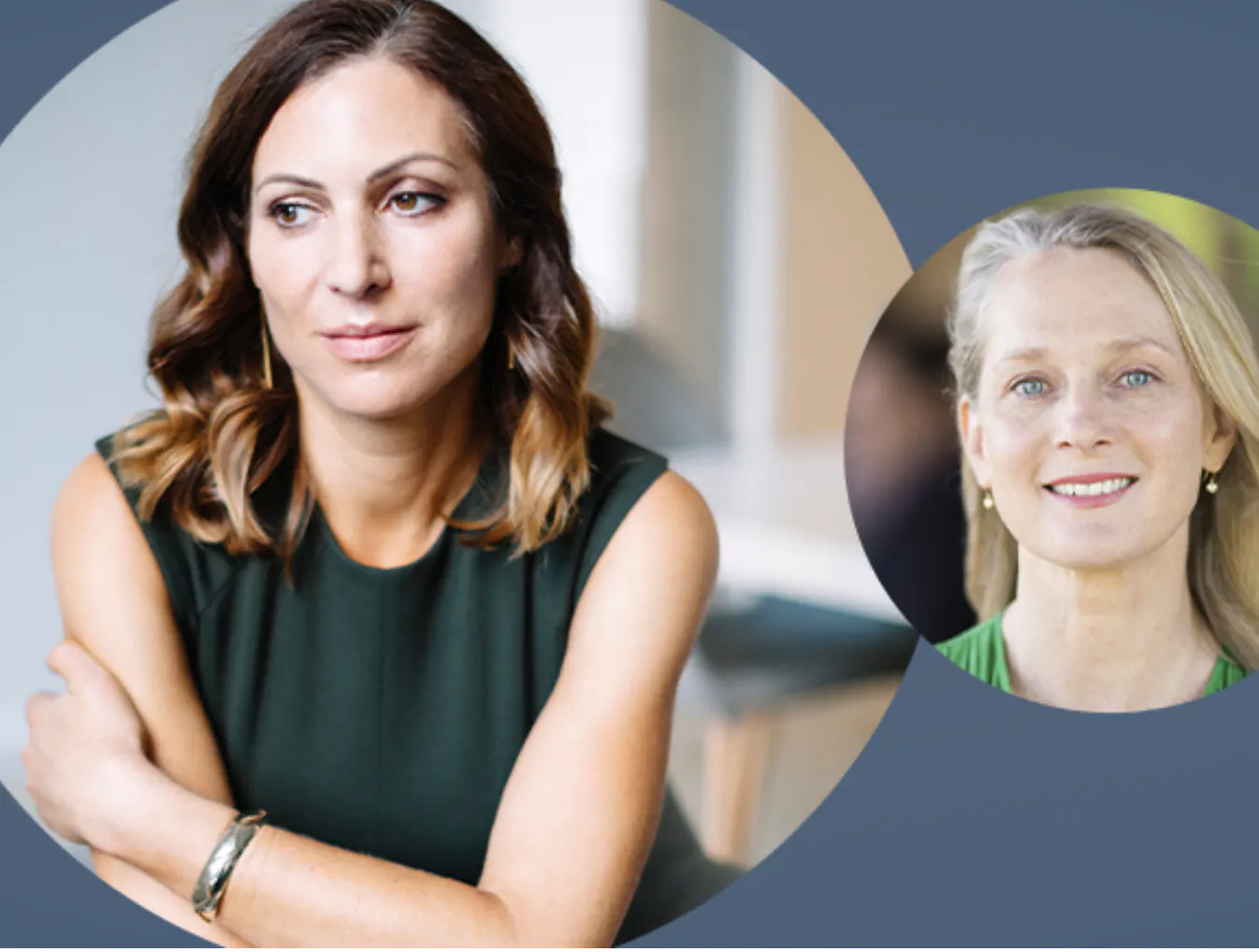
Lara Bazelon with Piper Kerman: A Good Mother
Two new mothers, a murder, and a question about crime: in her new thrilling debut novel A Good Mother, law professor Lara Bazelon examines the intricacies of motherhood, the legal system, and moral obligation. As a writer, attorney and mother herself, Lara Bazelon writes about crime, love, work and family with a voice that wonders what is right and fair for all. When a soldier is found dead at a U.S. Army base, there is no doubt that his wife, Luz, is to blame. But was it an act of self-defense? An attempt to save her infant daughter? Or the cold-blooded murder of an innocent man? Public defender and new mother Abby strives to keep Luz out of prison, sympathizing with the struggles of parenthood. When new evidence emerges and the trial turns toward an outcome no one expects, Abby and Luz must answer the riveting question: What does it mean to be a good mother? Join us as Lara Bazelon illustrates the answers to motherhood through a discussion of A Good Mother. She'll be joined in conversation by Piper Kerman, author of the hit bestseller Orange Is the New Black. Kerman's book served as the source material for the eponymous hit Netflix series. NOTES This program is part of our Good Lit series, underwritten by the Bernard Osher Foundation. SPEAKERS Lara Bazelon Professor of Law and Director of Criminal Juvenile Justice and Racial Justice Clinical Programs, University of San Francisco; Author, A Good Mother: A Novel In Conversation with Piper Kerman Author, Orange Is the New Black: My Year in a Women's Prison In response to the COVID-19 pandemic, we are currently hosting all of our live programming via YouTube live stream. This program was recorded via video conference on May 18th, 2021 by the Commonwealth Club of California. Learn more about your ad choices. Visit megaphone.fm/adchoices
Commonwealth Club Week in Review for May 21, 2021
trailerThis is a condensed Commonwealth Club week in review. Hear what you missed this week, and what we’ve got lined up for you next week. We’re always adding new programs - check out commonwealthclub.org/online for all of our upcoming events. If you haven’t already - please consider becoming a member of the Club. Enjoy exclusive discounts and access to special programs all while knowing your contributions directly support our many public programs and civic initiatives. Visit commonwealthclub.org/special, for special rates on memberships. Thanks for your support and as always - thanks for listening! Learn more about your ad choices. Visit megaphone.fm/adchoices
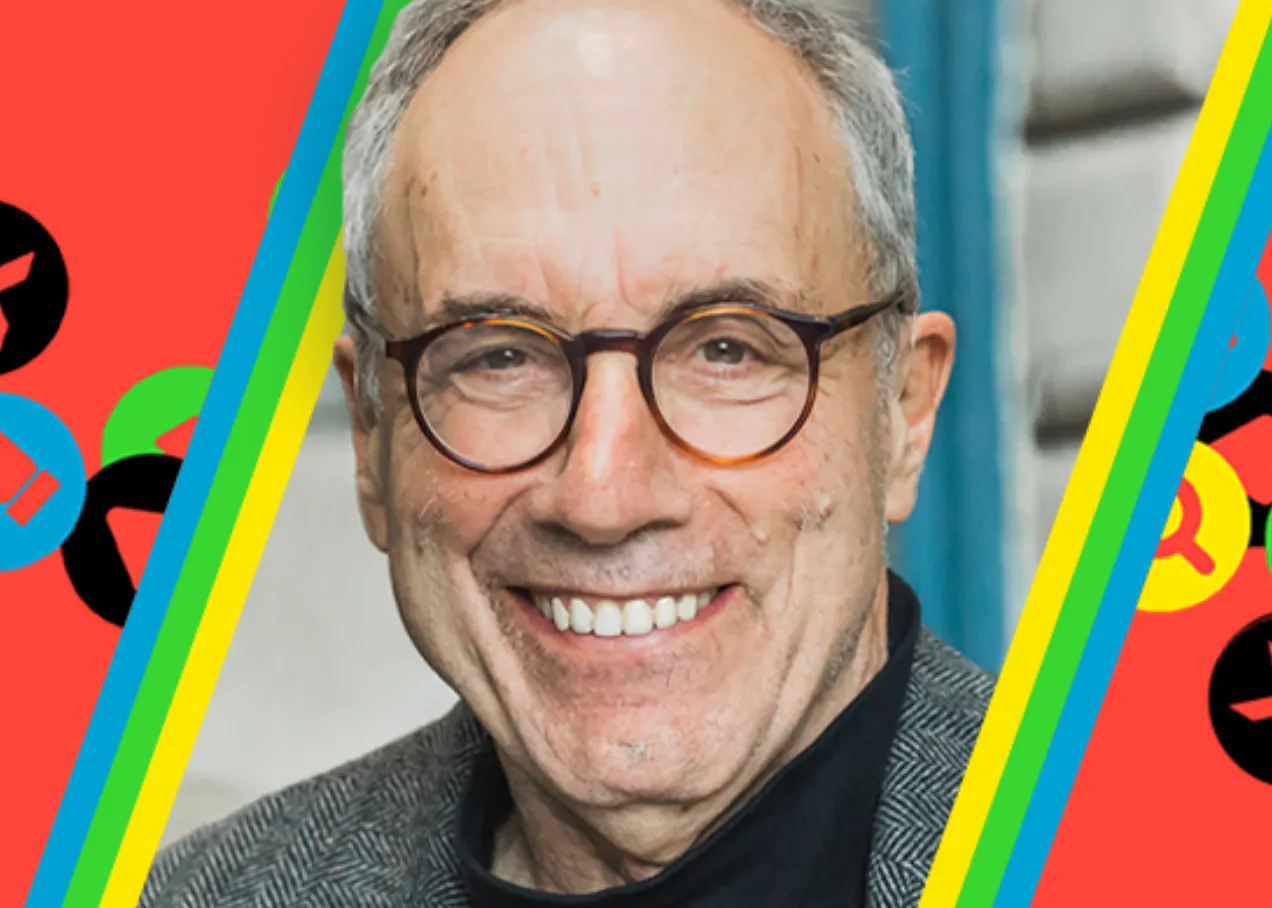
John Judis: The Politics of Our Time
Distinguished political analyst John Judis returns to The Commonwealth Club for a timely discussion on the major political issues that have shaped America's tumultuous last decade and can be seen around the world. Over the past five years, Judis has written three books—The Populist Explosion in 2016, The Nationalist Revival in 2018, and The Socialist Awakening in 2020—that have charted the rise of unexpected political movements in the United States and Europe that have grown in impact in the wake of the Great Recession, the conflict with al-Qaeda and ISIS, and encroaching climate change. These three books have all been updated and combined into a new volume that expands Judis's focus to include the Trump presidency and the response to the COVID-19 global pandemic. This new book, The Politics of Our Times, is an important guide to understanding the significant currents and emotions that have transformed the world and influenced political parties and politicians on both the Right and Left. As the United States and Europe look to emerge from the global pandemic, understanding the major political trends that help guide our civic discussion are critical. Please join us for this important conversation. SPEAKERS John Judis Editor-at-Large, Talking Points Memo; Author, The Politics of Our Time George Hammond Author, Conversations With Socrates—Moderator In response to the COVID-19 pandemic, we are currently hosting all of our live programming via YouTube live stream. This program was recorded via video conference on May 18th, 2021 by the Commonwealth Club of California. Learn more about your ad choices. Visit megaphone.fm/adchoices

Music: Comfort and Joy
Scott Foglesong says this program will be coverage of a potpourri (talk and music) of "pieces that have a particular gift of providing comfort and making us happy. Of course that’s quite subjective, and I’ll be selecting stuff that makes me happy. But my tastes aren’t particularly esoteric, and with any luck there will be something in here for everybody. What can make a piece of music a source of comfort? And maybe a bit about what doesn’t do that as a rule." Foglesong is a pianist, musician, teacher, writer, cat-lover, music history devotée, occasional computer geek and sometime programmer. He is the chair of the Department of Musicianship and Music Theory at San Francisco Conservatory of Music; a member of the faculty at the University of California, Berkeley, and The Fromm Institute of the University of San Francisco; a contributing writer and lecturer at the San Francisco Symphony. Professor Foglesong was formally educated at the Peabody Conservatory in Baltimore and the San Francisco Conservatory, but he says his "informal education continues everywhere, without cease." NOTES MLF: Arts SPEAKERS Scott Foglesong Chair, Department of Musicianship and Music Theory, San Francisco Conservatory of Music; Faculty, UC Berkeley, The Fromm Institute, USF; Contributing Writer and Lecturer, San Francisco Symphony Carol Fleming Member, Commonwealth Club Board of Governors; Chair, Commonwealth Club Member-Led Forums In response to the COVID-19 pandemic, we are currently hosting all of our live programming via YouTube live stream. This program was recorded via video conference on May 18th, 2021 by the Commonwealth Club of California. Learn more about your ad choices. Visit megaphone.fm/adchoices

CLIMATE ONE: Hot Cities, Methane Leakers and the Catholic Church
Mapping has emerged as a powerful tool for helping humans combat climate disruption. Technology for measuring the totality of global carbon emissions, for example, is highly refined: we know that half of all the carbon pollution humans have dumped into the sky has happened in just the last three decades. But understanding the specific sources of those emissions at the scale of factories or communities has been more elusive. Riley Duren, CEO of Carbon Mapper, has said, “you can’t manage what you can’t measure.” Carbon Mapper, a public-private partnership that includes universities and NASA’s Jet Propulsion Lab and is backed by philanthropists, uses satellites to pinpoint super emitters of both CO2 and methane in real time with the goal of reducing emissions. But this isn’t the only technology that may point the way toward a better understanding of climate threats and potential solutions. The Catholic Church, for example, holds vast tracts of land across the globe. But until Molly Burhans came on the scene, the Vatican had no real understanding of what they own. Burhans founded her nonprofit mapping organization Goodlands to provide the Church with the tools to use their landholdings to address issues ranging from erosion and biodiversity loss to climate migration. On the local level, Ariane Middel’s research uses a human-sized mobile weather station to look at variations in actual heat on the ground, chronicling how small differences in landscape and urban design can add up to major differences in heat impacts experienced by those who live and work in various built environments. Guests: Molly Burhans, Founder / Executive Director, GoodLands Riley Duren, CEO, Carbon Mapper Ariane Middel, Senior Sustainability Scientist, Global Institute of Sustainability and Innovation Learn more about your ad choices. Visit megaphone.fm/adchoices
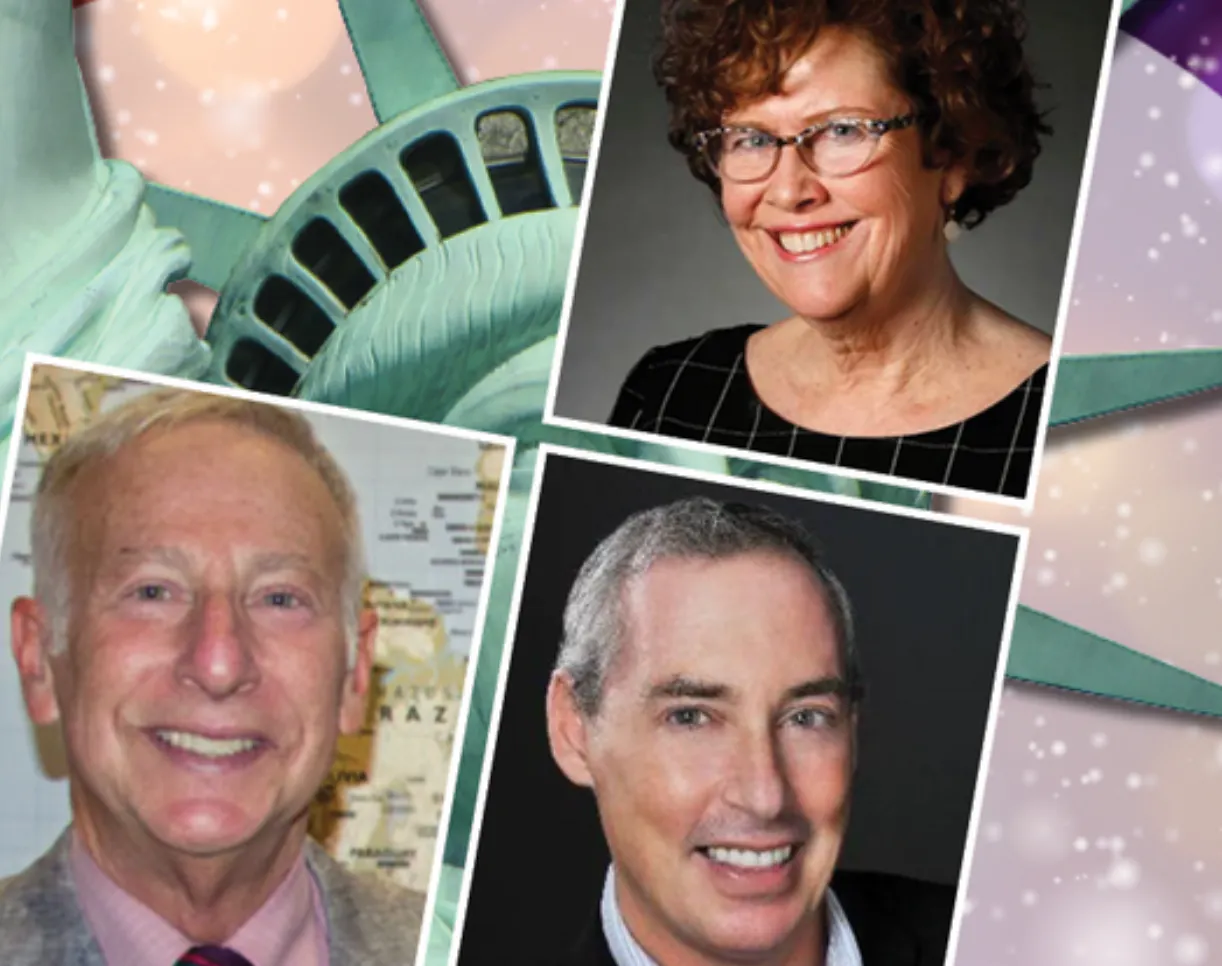
Gerston, Saunders and Schnur: The Week to Week Political Roundtable
After the rollercoaster eyes-glued-to-Twitter ride of the Trump years, the nation is now in the Biden-Harris era. Joe Biden came to office promising a return to normalcy as he tackled the country's problems, even as he offered up something in dramatic contrast to his predecessor: He would make policy while being boring. Has he delivered? Is it an improvement, or does the job of the presidency require a bigger-than-normal personality? Join us for a five-month check-in on the Biden presidency, as well as a look at other big political issues, such as the reopening of cities and states from the pandemic, the recall effort against Governor Gavin Newsom, and more. SPEAKERS Larry Gerston Ph.D., Political Analyst, NBC Bay Area; Professor Emeritus of Political Science, San Jose State University; Twitter @lgerston Debra J. Saunders Fellow, Discovery Institute; Weekly Columnist, Distributed by Creators Syndicate; Twitter @debrajsaunders Dan Schnur Professor, University of Southern California's Annenberg School of Communications; Professor, University of California Berkeley's Institute of Governmental Studies; Host, "Politics in the Time of Coronavirus" Webinar; Twitter @danschnur John Zipperer Producer and Host, Week to Week Political Roundtable; Vice President of Media & Editorial, The Commonwealth Club—Co-host In response to the COVID-19 pandemic, we are currently hosting all of our live programming via YouTube live stream. This program was recorded via video conference on May 19th, 2021 by the Commonwealth Club of California. Learn more about your ad choices. Visit megaphone.fm/adchoices
U.S. Native History and Building Relationships for Effective Climate Work
In a special program co-presented with the Climate Reality Project Bay Area Chapter, join us for an up-close and personal talk with Jim Warne of the Oglala Lakota (Sioux) Nation about the history of Native Americans and the work of building relationships with native communities to produce effective climate progress. The multitalented Warne is a motivational speaker, president of Warrior Society Development, WSD Productions; the community engagement & diversity director for the USD Center for Disabilities Oyata' Circle; and creator of the award-winning documentary "7th Generation" and the NFL Social Justice Series' "Oyate' un Ito'wapi–Pictures of My People," which was featured on Fox. In Warne's own words: "In talking to people from other countries, I have found that Asians and Europeans know more about our Indian history than Americans do. . . . In America, we get one narrow and uniform tribal perspective when there are over 550 tribes here that are recognized and 200 languages still today. "It's important to have an understanding that some of the history that has been taught may not be correct, and in many cases it's not even addressed. . . . It's an ignorance by design, but how could we expect our non-Indian brothers to know when they're not being taught? If we taught the truth from the beginning we wouldn't be dealing with the ignorance and intolerance we're dealing with today." NOTES Co-presented by the Climate Reality Project Bay Area Chapter. SPEAKERS Jim Warne President, Warrior Society Development, WSD Productions; Community Engagement & Diversity Director, USD Center for Disabilities, Oyata' Circle; Creator, "7th Generation" and "Oyate' un Ito'wapi–Pictures of My People" Jill Sherman-Warne Director, Native American Environmental Protection Coalition Alma Soongi Beck Climate Justice Co-Chair, Climate Reality Project Bay Area Chapter—Introduction Sarah Diefendorf Director, Environmental Finance Center West, Earth Island Institute—Moderator In response to the COVID-19 pandemic, we are currently hosting all of our live programming via YouTube live stream. This program was recorded via video conference on May 17th, 2021 by the Commonwealth Club of California. Learn more about your ad choices. Visit megaphone.fm/adchoices
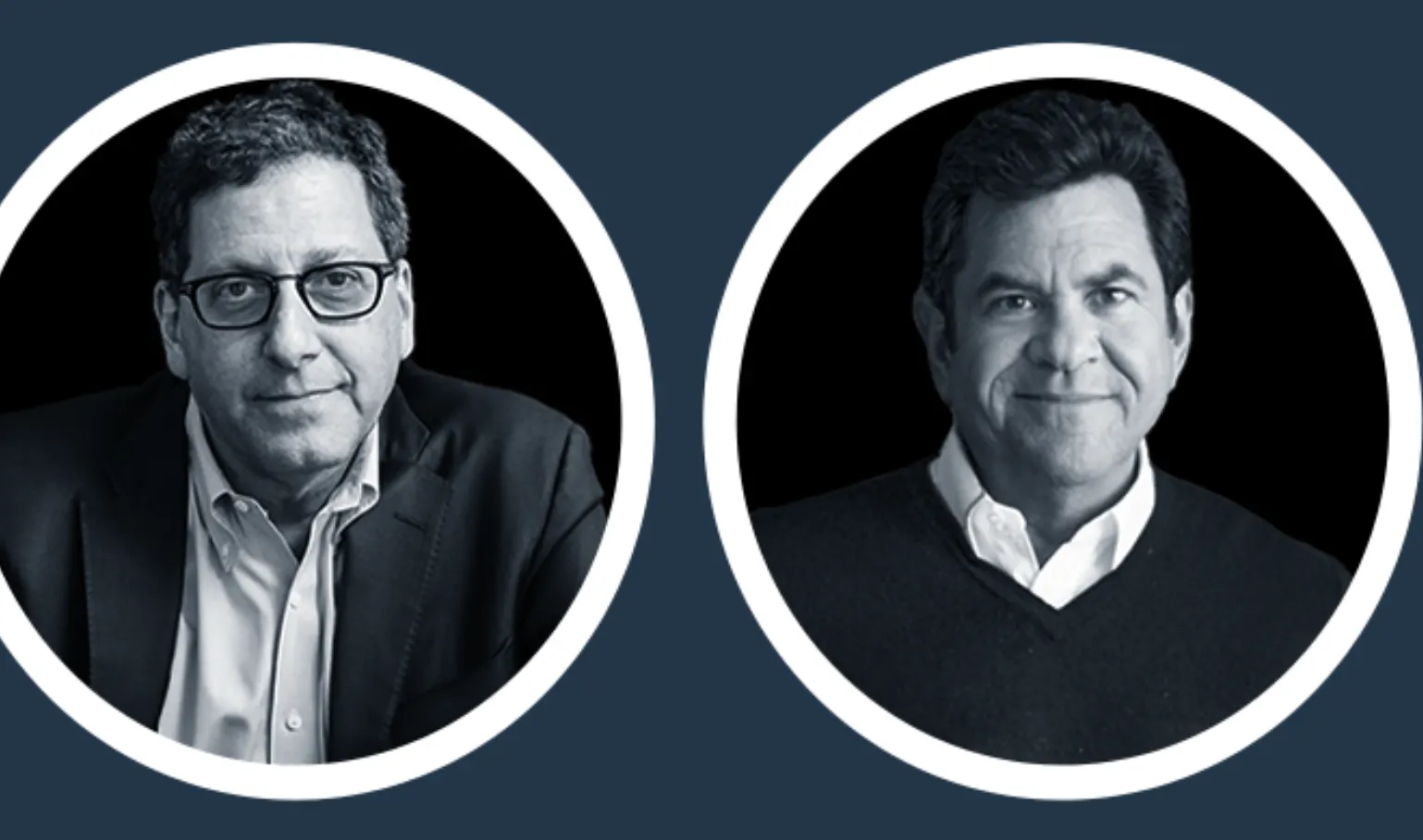
Conversations with Distinguished Citizens: Honoring UCSF's Mental Health Innovations
Join us for this special program in The Commonwealth Club's series recognizing recipients of The Club's Distinguished Citizen Award. Tonight's honorees are committed to the improvement of mental health in the Bay Area and the nation. This program will particularly honor the work of the University of California, San Francisco (UCSF), for its innovation in mental health, and will salute UCSF Health Executive Council Member John Pritzker; Psychiatry and Behavioral Sciences Department Chair Dr. Matthew State; Neurological Surgery Chair Dr. Edward Chang; and Dr. Lisa Fortuna, chief of psychiatry and vice-chair at Zuckerberg San Francisco General Hospital/UCSF. John Pritzker is chairman of the John Pritzker Family Fund and is well known for his commitment to mental health, serving on the Executive Council of UCSF Health and supporting The Commonwealth Club’s speaker series on mental health, dedicated in memory of his sister, Nancy Friend Pritzker. Mr. Pritzker is also a significant supporter of UCSF's Department of Psychiatry and Behavioral Sciences, in particular the department's research, faculty, clinical care and training. He is passionate about reducing stigma, and to ensuring the availability and accessibility of mental health care. His charitable work on this issue has been aimed at supporting efforts to reduce mental health stigma at the individual, community and systems levels. Come for this tribute to the renowned UCSF Medical Center and its groundbreaking work in advancing mental health for all. SPEAKERS John Pritzker Chairman, John Pritzker Family Fund; Member, UCSF Health Executive Council Matthew W. State M.D., Ph.D., Oberndorf Family Distinguished Professor of Psychiatry; Chair, Department of Psychiatry and Behavioral Sciences, UCSF; President, Langley Porter Psychiatric Hospital and Clinics; Executive Director, UCSF Child, Teen and Family Center Edward Chang M.D., Joan and Sanford I. Weill Chair, Department of Neurological Surgery, Jeanne Robertson Distinguished Professor, Weill Institute for Neurosciences, University of California, San Francisco Lisa Fortuna M.D., MPH, Chief of Psychiatry and Vice-Chair, Zuckerberg San Francisco General Hospital/UCSF Michael Krasny Retired Host, KQED "Forum"—Moderator In response to the COVID-19 pandemic, we are currently hosting all of our live programming via YouTube live stream. This program was recorded via video conference on May 13th, 2021 by the Commonwealth Club of California. Learn more about your ad choices. Visit megaphone.fm/adchoices
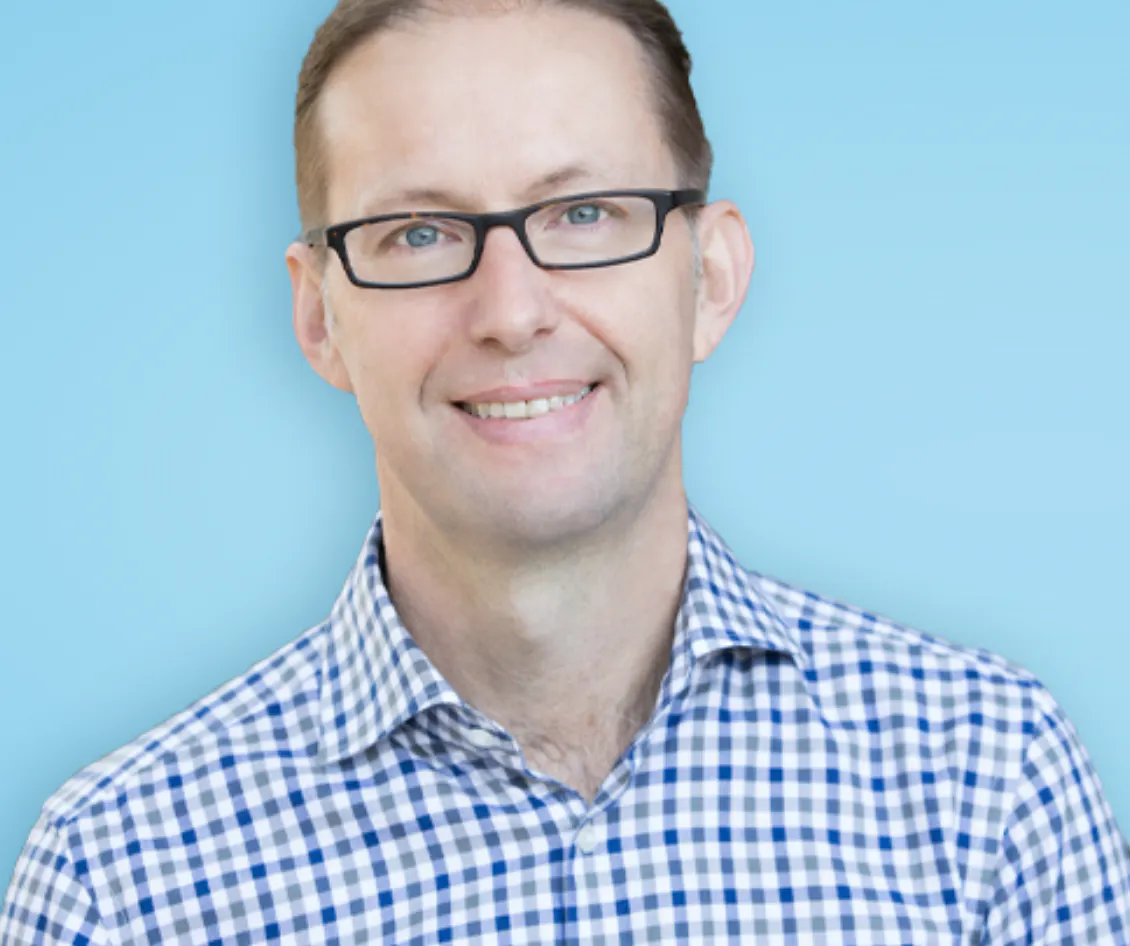
Russell Poldrack: Why Our Brains Make Habits Stick
Irregular sleep schedules, smoking cigarettes, skipping meals, procrastination: common bad habits and vices can seem nearly impossible to break. “Quick fixes” to ending unhealthy cycles are rarely backed by scientific evidence, making the process of retraining your brain more difficult and frustrating. Neuroscientist Russell Poldrack, however, conjectures that the brain is a habit-building machine, and to curb unwanted behaviors, we must use evidence-based strategies to build healthy habits. In his new book Hard to Break, Poldrack offers an explanation of how habits are built in the brain, why they are so hard to break, and how evidence-based strategies might help us curb bad behaviors. Russell Poldrack is a professor of psychology at Stanford University whose research has focused on learning and memory, neuroinformatics and data sharing, and decision-making processes. He has gained recognition from the American Psychological Association and the Organization for Human Brain Mapping for his stellar research in the field. In his new book, Poldrack reveals how we can make the changes we desire, and why we should have greater empathy with ourselves and others who struggle to do so. Join us as Russell Poldrack gives us scientific tools for curbing bad habits and living a healthier lifestyle SPEAKERS Dr. Russell Poldrack Ph.D., Albert Ray Lang Professor of Psychology, Stanford University; Author, Hard to Break: Why Our Brains Make Habits Stick In Conversation with Dr. Daniel Levitin Founding Dean of Arts and Humanities, Minerva Schools at the Keck Graduate Institute; Author, Successful Aging: A Neuroscientist Explores the Power and Potential of Our Lives In response to the COVID-19 pandemic, we are currently hosting all of our live programming via YouTube live stream. This program was recorded via video conference on May 13th, 2021 by the Commonwealth Club of California. Learn more about your ad choices. Visit megaphone.fm/adchoices
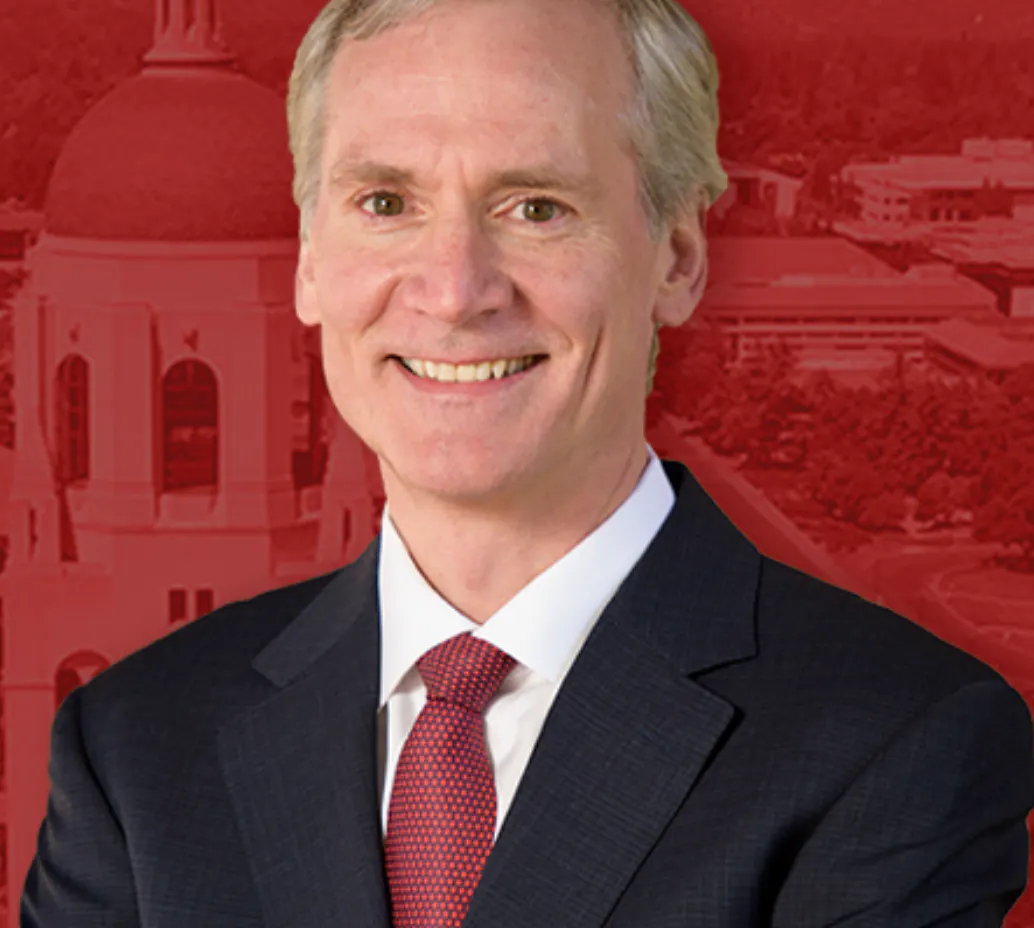
Stanford President Marc Tessier-Lavigne: Universities in the Post-COVID World
Join us for a timely conversation with Stanford University President Marc Tessier-Lavigne on how the pandemic has catalyzed change in higher education and how universities can help define new ways of working together to solve our great challenges. The pandemic has magnified our social and economic challenges. As we move into a post-COVID world, President Tessier-Lavigne believes that universities can further apply the foundational knowledge within their walls to make greater and more effective contributions beyond them. He contends that higher education can amplify its contributions across many fields, at the same time as universities champion fundamental research, increase access for students from all backgrounds, and reinforce the importance of a broad liberal education. Pioneering neuroscientist, biotechnology entrepreneur and academic leader, Marc Tessier-Lavigne became Stanford University’s 11th president in 2016. At Stanford, he has championed a model for a purposeful university that accelerates the application of knowledge to tackle the world’s great problems, and anchors research and education in ethics and civic responsibility. SPEAKERS Marc Tessier-Lavigne Ph.D., President, Stanford University In Conversation with Mary Cranston Retired Partner and Former Chair, Pillsbury Law Firm; Past Trustee, Stanford University; Past Chair, Commonwealth Club Board of Governors In response to the COVID-19 pandemic, we are currently hosting all of our live programming via YouTube live stream. This program was recorded via video conference on May 12th, 2021 by the Commonwealth Club of California. Learn more about your ad choices. Visit megaphone.fm/adchoices

America's Rural Opportunity
The economic opportunities available to citizens in rural America have become an issue of increasing national interest and focus. Since the 2016 presidential election, policymakers and politicians from across the political spectrum have tried to understand the unique economic and workforce needs of rural communities and workers at this critical time in American history. Throughout the pandemic, many rural areas have seen an influx of urban residents in search of cheaper real estate and new ways of remote working. Recent federal legislation to address the economic fallout from the pandemic has also focused on directing new resources to rural areas. In short, there is, perhaps, a once-in--a-generation opportunity to address some of the gaps that exist between rural America and metropolitan areas. How will rural America seize this moment, and what do leaders and policymakers need to understand about rural America at this important time? This discussion will focus on what policymakers, philanthropists and politicians must get right at this moment to aggressively implement innovative solutions to help build geographically inclusive growth that includes rural areas. This includes addressing key issues around high-speed internet access and other digital solutions, identifying emerging growth industries in rural areas, and training the workforce of tomorrow for these opportunities. We will hear directly from the head of a foundation committed to this work, the leader of a national nonprofit that has received major media attention for focusing on closing the rural opportunity gap, and a California congressman who, despite representing Silicon Valley in Washington, is dedicated to addressing rural economic issues. Please join us for a critical conversation about how rural areas can grow innovation economies for the 21st Century. SPEAKERS Matt Dunne Founder and Executive Director, Center on Rural Innovation Katy Knight President and Executive Director, Siegel Family Endowment Ro Khanna U.S. Representative (D-CA 17) Ray Suarez Co-host, “WorldAffairs” Radio Program and Podcast; Washington Reporter, Euronews In response to the COVID-19 pandemic, we are currently hosting all of our live programming via YouTube live stream. This program was recorded via video conference on May 14th, 2021 by the Commonwealth Club of California. Learn more about your ad choices. Visit megaphone.fm/adchoices

Iran's Regional Dynamics in the Near East: A Piecemeal Approach
Dr. Keynoush, who earned her Ph.D. from Tufts University, has conducted research in the Near East for 2 decades. She has contributed to the Commonwealth Club's Member-led Middle East Forum, as has Jonathan Curiel, today's moderator, a journalist and author. They will talk about about her latest book, Iran's Interregional Dynamics in the Near East, about how Iran was less successful in expanding regional influence than assumed, why opportunities to engage with Iran have been squandered, Pope Francis' recent visit to Iraq and his meeting with Iranian-born cleric Ayatollah Ali al-Sistani, and the complex relations between Iran and other states in the Near East, including Israel, Saudi Arabia, Turkey, Iraq, Syria, the United Arab Emirates, and others. MLF ORGANIZER: Celia Menczel SPEAKERS Banafsheh Keynoush Ph.D., International Law and Diplomacy; Author, Saudi Arabia and Iran: Friends or Foes Jonathan Curiel Journalist; Author—Moderator In response to the COVID-19 pandemic, we are currently hosting all of our live programming via YouTube live stream. This program was recorded via video conference on May 6th, 2021 by the Commonwealth Club of California. Learn more about your ad choices. Visit megaphone.fm/adchoices
Commonwealth Club Week in Review for May 14, 2021
trailerThis is your Commonwealth Club week in review. Hear what you missed this week, and what we’ve got lined up for you next week. We’re always adding new programs - check out commonwealthclub.org/online for all of our upcoming events. If you haven’t already - please consider becoming a member of the Club. Enjoy exclusive discounts and access to special programs all while knowing your contributions directly support our many public programs and civic initiatives. Visit commonwealthclub.org/special, for special rates on memberships. Thanks for your support and as always - thanks for listening! Learn more about your ad choices. Visit megaphone.fm/adchoices
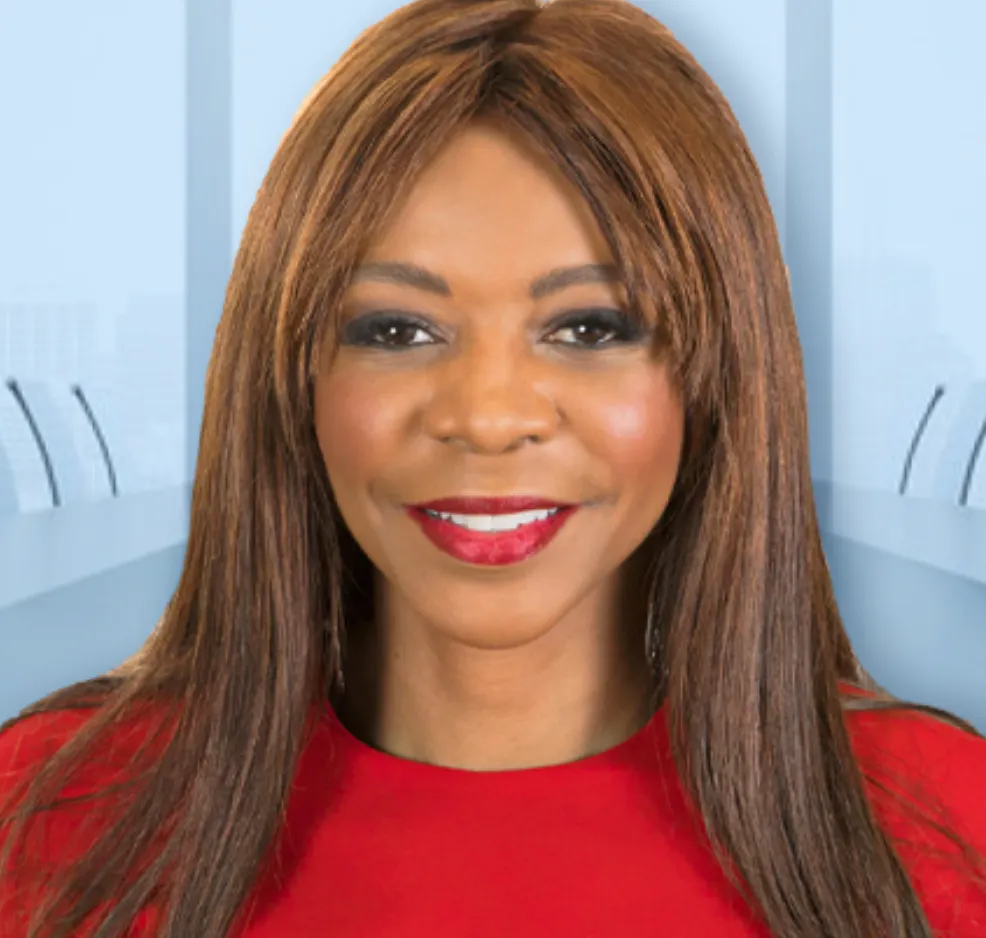
Economist Dambisa Moyo: Improving Corporate Accountability
Corporations and their boards are under great pressure these days. Scandals and malpractice at companies like Theranos, WeWork, and Uber have raised questions among regulators, shareholders and the public about the quality of corporate governance. Renowned global economist and veteran board director Dambisa Moyo argues that corporations need boards that are more transparent, more knowledgeable, more diverse and more deeply involved in setting the strategic course of the companies they lead. Come hear Dr. Moyo's insights on corporate ethics and necessary steps to insure that companies benefit employees, shareholders, and society at large. SPEAKERS Dambisa Moyo Global Economist; Contributor, The Wall Street Journal and Financial Times; One of Time Magazine's 100 Most Influential People in the World; Author, How Boards Work: And How They Can Work Better in a Chaotic World In Conversation with Jonathan Rosenberg Former Senior Vice President, Google; Manager Adviser, Alphabet; Twitter @jjrosenberg In response to the COVID-19 pandemic, we are currently hosting all of our live programming via YouTube live stream. This program was recorded via video conference on May 12th, 2021 by the Commonwealth Club of California. Learn more about your ad choices. Visit megaphone.fm/adchoices
Metabolical: The Lure and the Lies of Processed Food, Nutrition and Modern Medicine
Food processing isn’t listed on the nutrition facts food label. The label tells you what’s in the food. Critics say this is mostly irrelevant—what you really need to know is what’s been done to the food, and no label tells you that. In this program, Dr. Robert Lustig will expllain nutrition and food science. He says that essentially, all you need to know are two precepts, six words total: 1) protect the liver, 2) feed the gut. Those foods that satisfy both precepts he deems to be healthy; those that do neither are poison, and those that do one or the other are bad (but less bad)—no matter what the USDA and FDA allow to be stated on the package. Only items that meet both of Lustig's criteria qualify as real food—i.e., that hasn’t been stripped of its beneficial properties and sprinkled with toxins that will hasten our demise. Dr. Robert H. Lustig is professor emeritus of pediatrics in the Division of Endocrinology at the University of California, San Francisco. He specializes in the field of neuroendocrinology, with an emphasis on the regulation of energy balance by the central nervous system. His research and clinical practice has focused on childhood obesity and diabetes. Lustig holds a Bachelor’s in Science from MIT, a Doctorate in Medicine from Cornell University Medical College, and a Master’s of Studies in Law from U.C. Hastings College of the Law. Lustig has fostered a global discussion of metabolic health and nutrition, exposing some of the leading myths that underlie the current pandemic of diet-related disease. He believes the food business, by pushing processed food loaded with sugar, has hacked our bodies and minds to pursue pleasure instead of happiness; fostering today’s epidemics of addiction and depression. Yet by focusing on real food, he says we can beat the odds against sugar, processed food, obesity and disease. MLF ORGANIZER Patty James NOTES MLF: Health & Medicine SPEAKERS Robert H. Lustig M.D., M.S.L., Professor Emeritus of Pediatrics, Division of Endocrinology, University of California, San Francisco; Author, Metabolical Patty James M.S., N.C. Nutritionist; Chef; Author—Moderator In response to the COVID-19 pandemic, we are currently hosting all of our live programming via YouTube live stream. This program was recorded via video conference on May 11th, 2021 by the Commonwealth Club of California. Learn more about your ad choices. Visit megaphone.fm/adchoices

CLIMATE ONE: Journey of a Former Coal Miner
What motivates the activists? Grassroots activism can take many forms, from protests to letter-writing to citizen science to community organizing. But these often more local forms of activism can get short shrift compared to the more powerful, national players in climate and environmental movements. Nick Mullins, a former fifth-generation coal miner, grew up seeing multiple generations of his family endure hardships created by our nation’s demand for cheap coal. In search of decent pay, he became a miner himself – but he eventually left the industry in search of justice for his mountain communities. James Coleman started his career as a teenage climate activist before becoming the youngest elected public official in California in over 100 years. San Francisco activist Marie Harrison fought against environmental contamination of her community by the U.S. Navy and a fossil-fuel-burning power plant – and now her daughter, Arieann Harrison, has picked up her mantle to continue pushing for environmental justice. Mullins, Coleman, and dozens of activists featured in Audrea Lim’s book The World We Need, Stories and Lessons from America’s Unsung Environmental Movement represent just a fraction of those motivated to take action on climate. “The thing about grassroots activism, actually, apart from the stereotype is that it’s really just people in a community who see a problem and then they get together on their own and try to find a solution to it,” says Audrea Lim. What can grassroots activists do that national organizations can’t? And what can their stories and experiences teach us? Guests: Nick Mullins, former fifth-generation coal miner, blogger, Thoughts of a Coal Miner Audrea Lim, Journalist & Editor, The World We Need, Stories and Lessons from America’s Unsung Environmental Movement James Coleman, City Councilor, South San Francisco Learn more about your ad choices. Visit megaphone.fm/adchoices
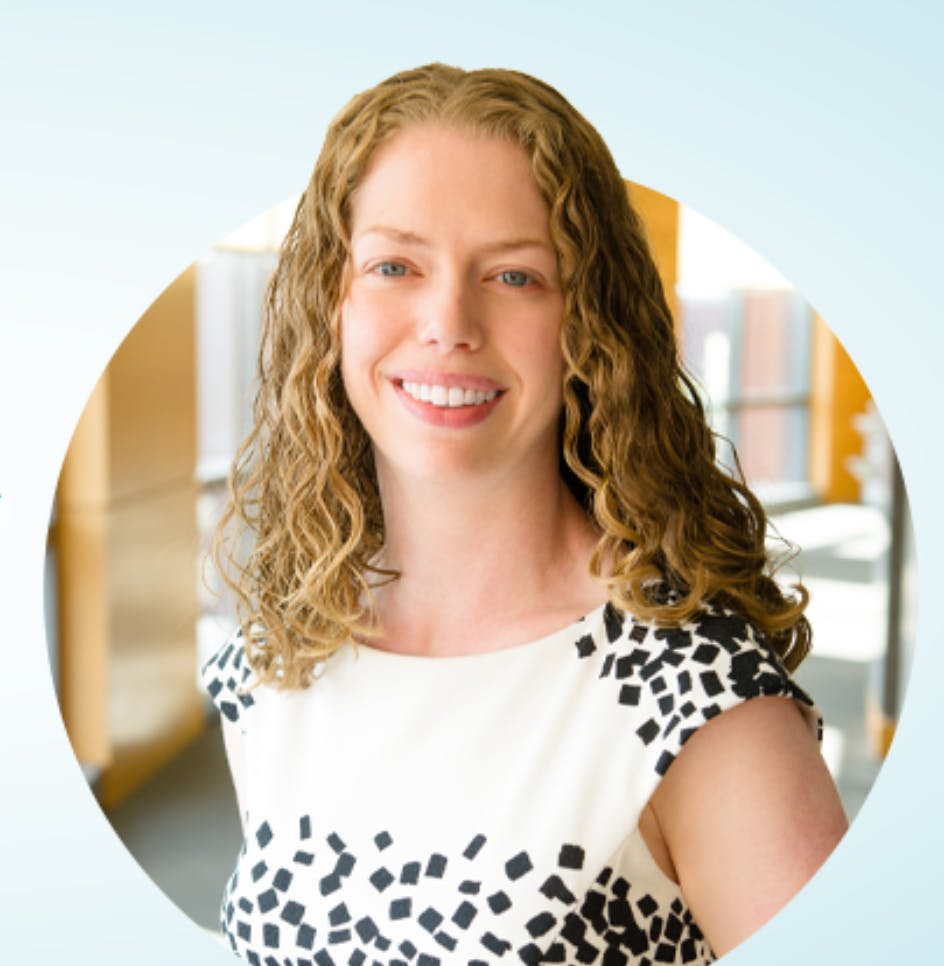
Katy Milkman with Charles Duhigg: The Science of Change
Cycles are hard to break. Once you get into the habit of eating badly, not exercising, or procrastinating, finding purpose and success can seem like an insurmountable goal. No matter how many books you read, podcasts you listen to, or YouTube how-to videos you watch, you're still not where you want to be. But maybe there’s still hope. Award-winning Wharton professor and "Choiceology" podcast host Katy Milkman understands the blockages she says are preventing you from making change. She has spent her career studying behavior change, and she offers a new strategy for breaking bad habits to make personal change. In her new book How to Change, Milkman suggests new solutions for getting where you want to be. Backed by case studies, personal narratives and innovative research, Milkman encourages readers to focus on timing, turn temptation into assets, and give others advice to help people achieve more and meet success. Turning an uphill battle into a downhill one is the key to success, and Katy Milkman is here to show how it can be done. Join us as Katy Milkman offers an indispensable, research-based approach for designing your life and achieving your goals, once and for all. SPEAKERS Katy Milkman James G. Dinan Professor, The Wharton School; Author, How to Change: The Science of Getting from Where You Are to Where You Want to Be In Conversation with Charles Duhigg Contributor, The New Yorker; Author, Smarter Faster Better: The Transformative Power of Real Productivity In response to the COVID-19 pandemic, we are currently hosting all of our live programming via YouTube live stream. This program was recorded via video conference on May 11th, 2021 by the Commonwealth Club of California. Learn more about your ad choices. Visit megaphone.fm/adchoices
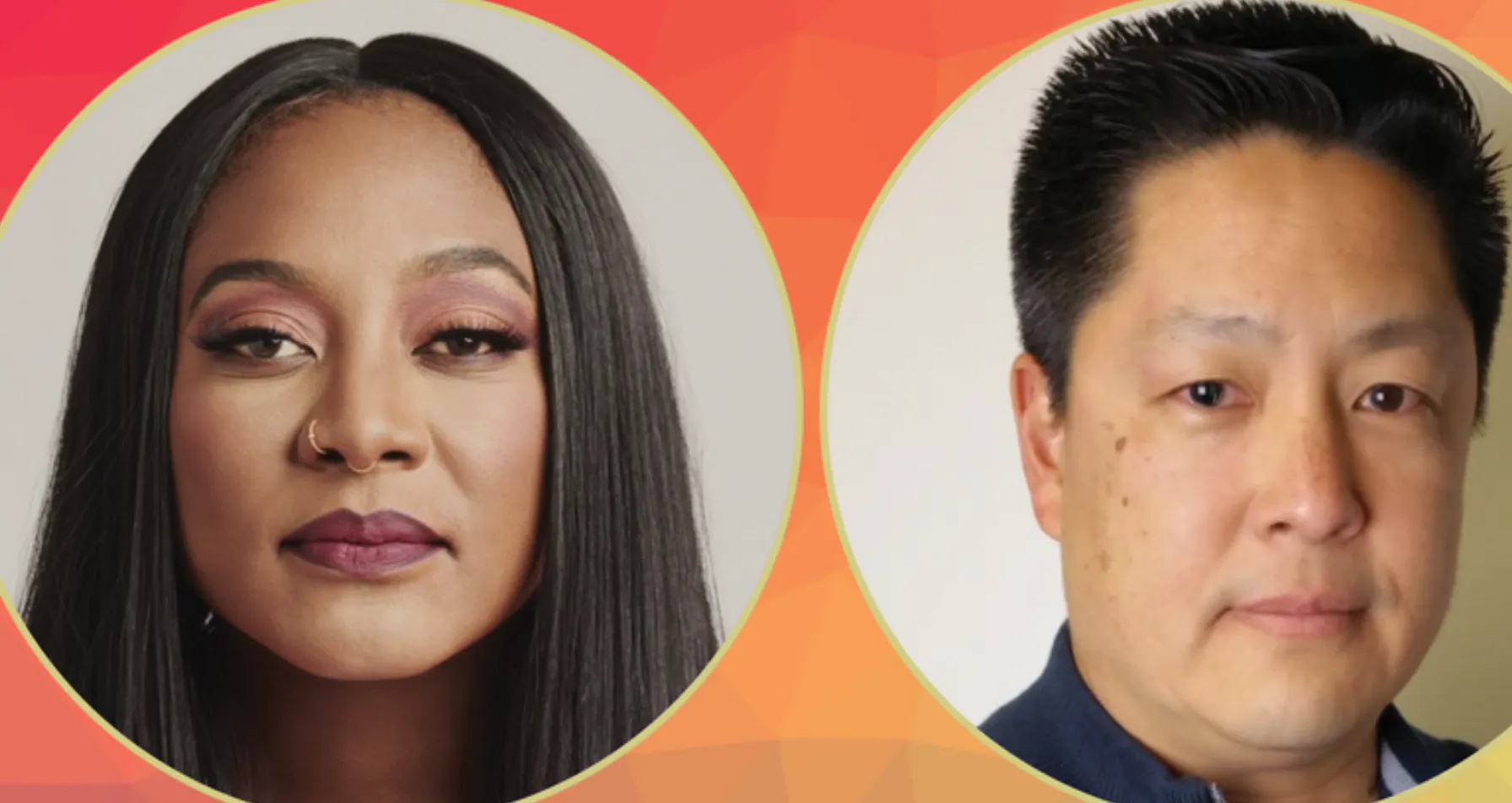
Walk the Walk and Talk the Talk: A Deep Dive into Race Relations
Join us for an in-depth dialogue about race relations and turning words into action. Our panelists will explore changing the narratives about critical issues in the deeper layers of race relations. What does "stand together” mean and what are some of the roadblocks? How can communities preach beyond the choir and impact interactions in our daily lives? This timely deep-dive discussion promises to be thought provoking—don’t miss it. NOTES Presented in association with the APA Heritage Foundation. SPEAKERS Alicia Garza Principal, Black Futures Lab; Strategy & Partnerships Director, National Domestic Workers Alliance; Co-creator, #BlackLivesMatter and the Black Lives Matter Global Network; Co-founder, Supermajority; Twitter @AliciaGarza Hala Hijazi Commissioner, San Francisco Human Rights Commission; Member, Board of Directors, San Francisco Interfaith Council; Co-director, Truman National Security Project San Francisco Chapter Jon Osaki Executive Director, Japanese Community Youth Council; Filmmaker, Alternative Facts: The Lies of Executive Order 9066 Dr. Jennifer Kim-Anh Tran Assistant Professor of Ethnic Studies, CSU East Bay; Executive Director, Oakland Vietnamese Chamber of Commerce In response to the COVID-19 pandemic, we are currently hosting all of our live programming via YouTube live stream. This program was recorded via video conference on May 6th, 2021 by the Commonwealth Club of California. Learn more about your ad choices. Visit megaphone.fm/adchoices
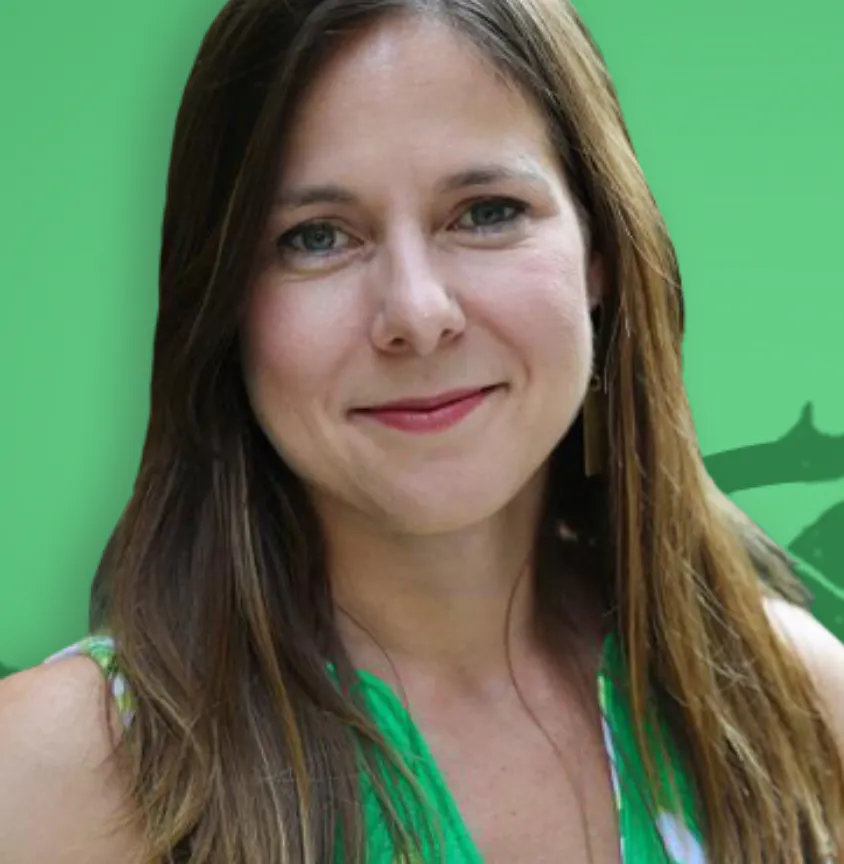
Let's Talk About Hard Things with Anna Sale
There’s always a conversation no one wants to have, whether it's about a tricky financial situation, failing relationships or the often-avoided topic of aging. As the host of the WNYC podcast "Death, Sex and Money," Anna Sale invites people to talk precisely and openly about these uncomfortable topics in a larger effort to foster solidarity and connection with one another. In her new book Let’s Talk About Hard Things, Sale highlights five themes to explain how and why we should conduct these fraught conversations: death, sex, money, family and identity. When we shed the expectations of “polite conversation,” she argues, we can have important and life-changing dialogues. At INFORUM, Sale will elaborate on the complexities and advantages of talking, as her book title suggests, about hard things. This conversation will be moderated by Lori Gottlieb, author of the New York Times best-seller Maybe You Should Talk to Someone. SPEAKERS Anna Sale Podcast Host, "Death, Sex & Money"; Author, Let's Talk About Hard Things Lori Gottlieb Writer; Psychotherapist; Author, Maybe You Should Talk to Someone In response to the COVID-19 pandemic, we are currently hosting all of our live programming via YouTube live stream. This program was recorded via video conference on May 5th, 2021 by the Commonwealth Club of California. Learn more about your ad choices. Visit megaphone.fm/adchoices

Roadmap Home 2030: Affordable Housing Solutions for California
This month, Governor Gavin Newsom’s administration reported a quarter of a million Californians experiencing homelessness requested help in 2020—numbers that skyrocketed from previous estimates in some Bay Area counties. The Golden State is lauded for its job opportunities and diverse population, but it’s also the state with some of the highest housing and transportation costs in the nation. Now, Californians are demanding change, and a cross-sectional group of affordable housing and homelessness advocates created Roadmap Home 2030, a definitive plan to end homelessness and create affordable homes for all over the next 10 years. Housing California, the California Housing Partnership, and dozens of experts and advocates identified 57 policy solutions to create affordable homes, protect low-income renters, end homelessness and ensure racial equity. With their detailed plan of creative solutions, coupled with dedicated leadership, this ambitious group believes a better California is doable. The wealth gap and a shortage of affordable homes in the state prohibits Californians from building healthy and fulfilling lives. With considerable energy and influence, this coalition of housing advocates are seeking to make bold, structural change to create an equitable future where everyone has a safe place to live. Join our expert panel for a conversation about equity, change and the fight to dramatically shift the landscape on affordable housing and homelessness in the Golden State. About the Speakers Ruby Bolaria-Shifrin is director of housing affordability for the Chan Zuckerberg Initiative (CZI). As part of CZI’s commitment to ensuring access to safe, stable and affordable housing, she works with community leaders, advocates, researchers, policymakers and investors to help more people find housing that meets their needs. As one of San Francisco’s voices in Sacramento, Assemblymember David Chiu is an outspoken advocate for housing reform and equity. He currently chairs the California State Assembly’s Committee on Housing and Community Development. With more than 20 years of leadership and work in the field, Tomiquia Moss brings expertise in the issues of housing, public policy and community development. She is the founder and chief executive of All Home, a Bay Area-focused nonprofit. Prior to All Home, Tomiquia served as chief of staff for Oakland Mayor Libby Schaaf and as executive director for the HOPE SF initiative under the late San Francisco Mayor Ed Lee. A native Angeleno, Tunua Thrash-Ntuk is the executive director of Los Angeles Local Initiatives Support Corporation (LA LISC). She is a seasoned community and economic development practitioner of more than 15 years, with both nonprofit and private sector experiences. Her strengths range from community advocacy to asset and real estate development around neighborhood revitalization. SPEAKERS Ruby Bolaria-Shifrin Director of Housing Affordability, Chan Zuckerberg Initiative David Chiu California State Assemblymember, 17th District Tomiquia Moss Founder and Chief Executive, All Home Tunua Thrash-Ntuk Executive Director, Los Angeles Local Initiatives Support Corporation (LA LISC) Molly Solomon Reporter for Housing Affordability, KQED Public Media—Moderator In response to the COVID-19 pandemic, we are currently hosting all of our live programming via YouTube live stream. This program was recorded via video conference on April 27th, 2021 by the Commonwealth Club of California. Learn more about your ad choices. Visit megaphone.fm/adchoices

AAPI Women Leaders Building Coalition and Community
Join us for a special Zoom discussion featuring AAPI women leaders exploring the topic of building coalition and community. About the Speakers Bo Thao-Urabe is a practice-based possibilian who focuses on creating community-centered, asset-based solutions and transforming practices so that there is meaningful change for those most impacted by systemic inequities. Having immigrated to the United States as a refugee child after the Secret War in Laos, Bo’s lived experiences have continuously shaped how she creates to ensure communities can fully participate in, contribute to, and shape our democracy. Her extensive leadership experiences include building and leading local, national, and global efforts. Leanna Louie is born in Toisan China, in February 1972, Immigrated to SF USA in 1979 with family at age 7. Grew up and educated in SFUSD public schools, Spring Valley ES, Marine MS, Mission HS. Joined the US Army at 18 upon graduation from high school. Served 5 years active duty enlisted, trained in general medical and pharmacology at Fort Sam Houston, Texas. Stationed in Germany 1991-1993 at the 97th General Hospital. Next duty station was Fort Lewis, Washington at the Madigan Army Medical Center Outpatient Pharmacy 1993-1995. Completed an AA in Technology at Pierce College, Washington. Was recommended by Company Commander for Officer School. Attended Pacific Lutheran University, majored in Chinese Studies, minored in History, and trained in ROTC. Upon graduation in 1998, was commissioned 2LT and received further Officer Training at Fort Huachuca, Arizona. Then was stationed at Seoul, Korea 1999-2000. Returned to U.S. and was stationed at Fort Lewis, Washington at the 29th Signal Battalion where I ended my military service in January 2001. Did a short stint at SF City Hall as a Legislative Aide. Then proceeded to work for the City of Sacramento in 2002-2012 in a few different Departments including the Neighborhood Services Department as Resource Coordinator, Solid Waste Department as Administrative Analyst, and Fire Department as Administrative Analyst. Moved to San Francisco and became a business partner at Melody Café Organic Mediterranean Cuisine 2013-2018. Started in Glim Super Alkaline High pH Water Cleaner business in January 2018. Glim is now available in over 25 locations in the greater SF Bay Area, Sacramento, and Los Angeles. Nikki Calma aka Tita Aida, is a familiar name to the Bay Area communities for the past twenty years. She is a tireless and proud transgender community leader in the Asian & Pacific islander LGBTQI community and also in the greater LGBTQI of the Bay Area. Her grassroots activism and community advocacy started in the 90’s. Nikki has been recognized by many communities and organizations including the GAPA George Choy Community Award, KQED’s Pride Unsung Hero Award, Transgender Law Center Vanguard Award, Asian & Pacific Islander Wellness Center’s Grassroots Award, Harvey Milk LGBT Democratic Club/Bill Krauss HIV/AIDS Activism Award, SF Pride’s Teddy Witherington Pride Award and the most recently, the Cheryl Courtney- Evans Award at the 1st Torch Awards during the 1st National Trans March in Washington, DC. This recognition comes at a perfect time to commemorate her twenty-five years of activism and advocacy. SPEAKERS Tita Aida Director, San Francisco Community Health Center Leanna Louie Founder, United Peace Collective Bo Thao-Urabe Executive Director, Coalition of Asian American Leaders Michelle Meow Producer and Host, "The Michelle Meow Show" on KBCW/KPIX and Podcast; Member, Commonwealth Club Board of Governors—Moderator In response to the COVID-19 pandemic, we are currently hosting all of our live programming via YouTube live stream. This program was recorded via video conference on March 26th, 2021 by the Commonwealth Club of California. Learn more about your ad choices. Visit megaphone.fm/adchoices
Beyond the Screen: Race and Diversity in Hollywood
People from BIPOC communities face a myriad of challenges in the entertainment industry, both in front of the camera and behind the scenes. From on-screen talent and actors to production crews, publicity teams, talent management, writing and film criticism, marginalized groups often remain underrepresented in all aspects of an industry that has major influence on American culture. Despite evidence that shows addressing these racial inequities could reap an additional $10 billion in annual revenue, efforts by the industry to create parity continue to be inadequate. Join a panel of experts on race in Hollywood at INFORUM, where they will discuss the harsh realities that most people of color face in entertainment, as well as steps toward industry-wide changes meant to increase representation and provide space for a new and diverse generation of creatives. NOTES This program contains EXPLICIT language. This important community program is made free to the public thanks to McKinsey & Co. SPEAKERS Linda Yvette Chávez Filmmaker; Film and Television Writer; Co-creator, Co-showrunner, Executive Producer, Netflix’s "Gentefied" Franklin Leonard Founder, The Black List Sheldon Lyn Partner, McKinsey & Co.; Co-Author, Black Representation in Film and TV: The Challenges and Impact of Increasing Diversity Rebecca Sun Senior Editor, Diversity and Inclusion, The Hollywood Reporter—Moderator In response to the COVID-19 pandemic, we are currently hosting all of our live programming via YouTube live stream. This program was recorded via video conference on May 4th, 2021 by the Commonwealth Club of California. Learn more about your ad choices. Visit megaphone.fm/adchoices
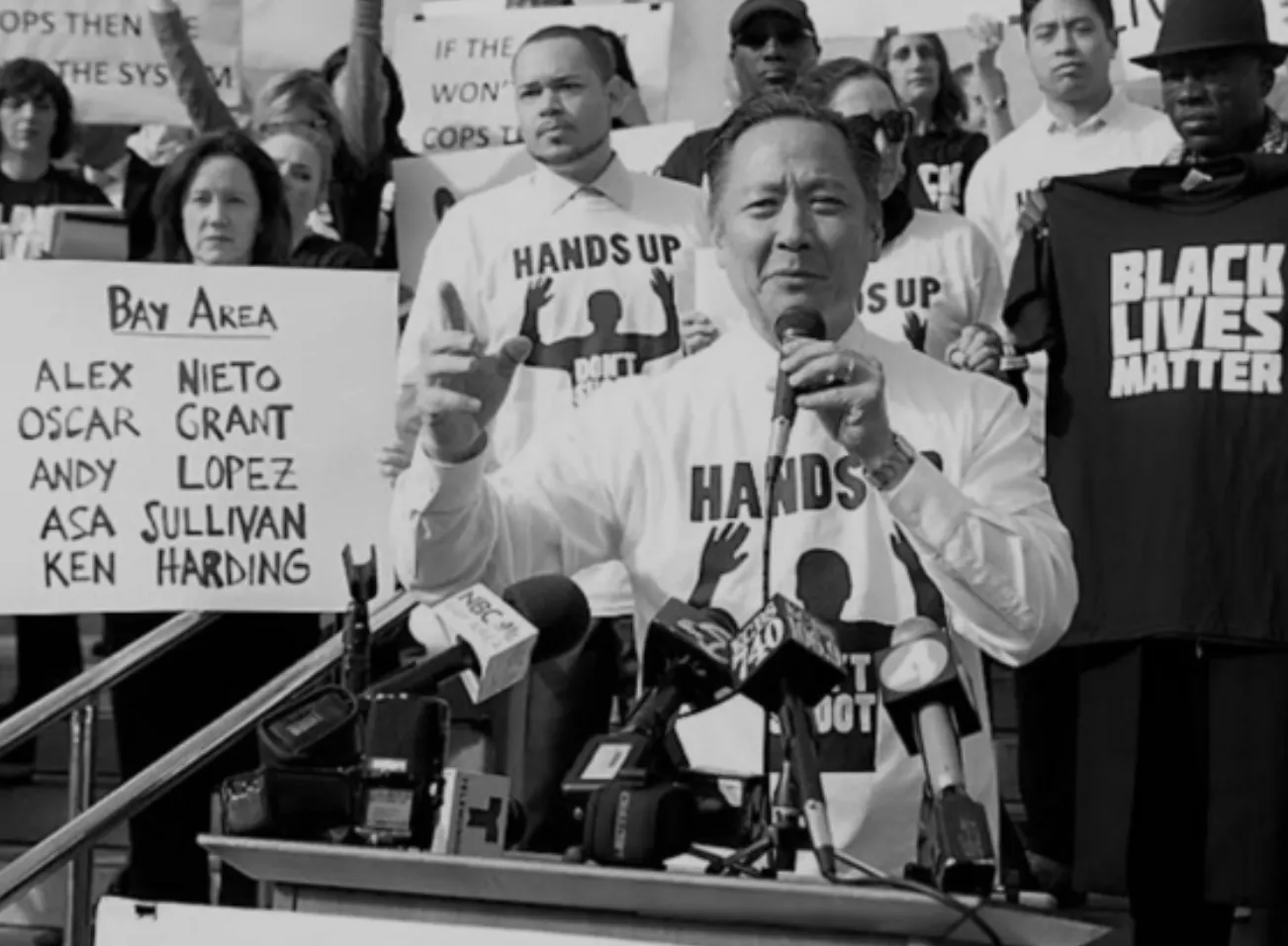
Inside the Adachi Project
Join us for an inside look at The Adachi Project, a first-of-its-kind storytelling initiative that spotlights powerful stories and unseen perspectives of the U.S. criminal legal system via compelling documentary film, video and photojournalism. Following an introduction to The Adachi Project by Mano Raju and Santhosh Daniel, we'll view one of the films from the project and feature a discussion with the people involved. SPEAKERS Santhosh Daniel Founding Partner, The Adachi Project; Founder, Compound; Co-Founder, First Kitchen Media Mohammad Gorjestani Founding Partner, The Adachi Project; Filmmaker and Creative Director Carolyn Ji Jong Goossen San Francisco Policy Director, San Francisco Public Defender’s Office; Leading Member, The Adachi Project William M. Palmer II (Tariq) Criminal Justice Advocate; Committee Member, San Francisco Reentry Sentencing Commission, Direct Services; Co-Leader, Subcommittee on Legislation, Policy & Practices; Communications Fellow, Legal Services for Prisoners with Children; CEO, Life After Next Hadi Razzaq Managing Attorney, San Francisco Public Defender’s Office; Core Member, The Adachi Project Mano Raju Public Defender, City and County of San Francisco Michelle Meow Producer and Host, "The Michelle Meow Show," KBCW/KPIX and Podcast; Member, Commonwealth Club Board of Governors—Host In response to the COVID-19 pandemic, we are currently hosting all of our live programming via YouTube live stream. This program was recorded via video conference on April 23rd, 2021 by the Commonwealth Club of California. Learn more about your ad choices. Visit megaphone.fm/adchoices
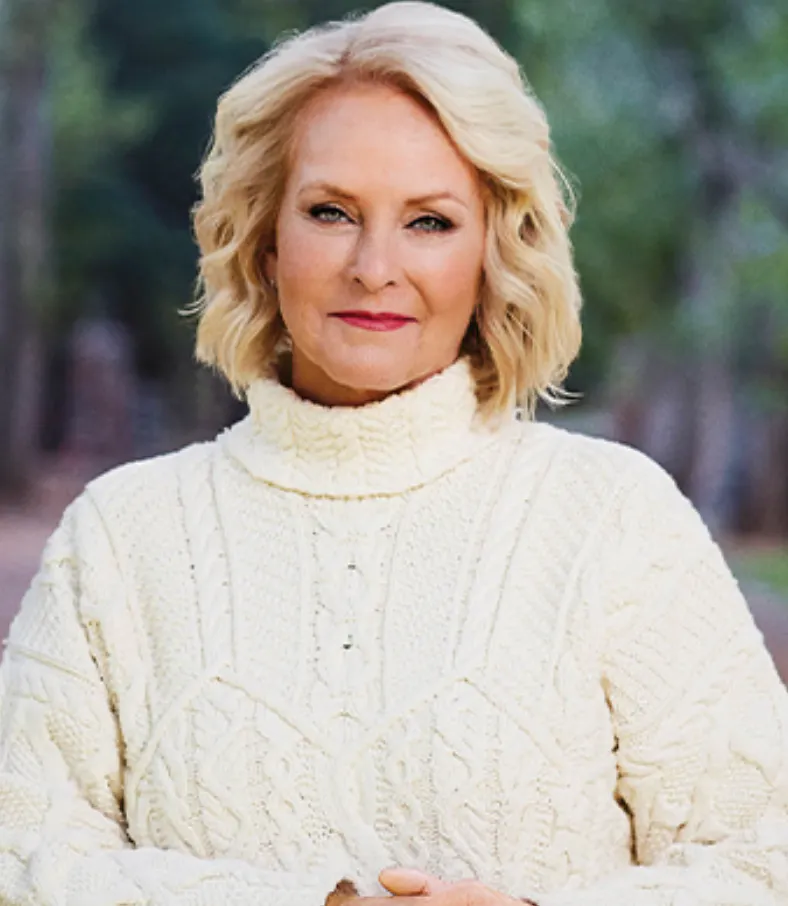
A Conversation with Cindy McCain
"My husband, John McCain, never viewed himself as larger than life—but he was. He had more tenacity and resolve than anybody I ever met. Being with him didn’t hold me back—it gave me flight, a courage I never would have felt on my own." —Cindy McCain John McCain was a respected six-term senator from Arizona, Navy hero, and dedicated family man. No one knew him better than his wife of 38 years, Cindy McCain. She said, “My husband John lived by a code: country first. We are Republicans, yes, but Americans foremost. . . ." Last year she made the bold decision to cross party lines and endorse Joe Biden for president. In her new book Stronger, she reveals her own successes and challenges and how Sen. McCain inspired her to fight for family, honor and country. Join an inspirational conversation with Cindy McCain about her life and her husband's lasting legacy. NOTES This program is part of The Commonwealth Club’s Series on Ethics and Accountability, generously underwritten by The Travers Family Foundation. Thanks to the support of the Bernard Osher Foundation, this program is also part of our Good Lit series SPEAKERS Cindy McCain Author, Stronger: Courage, Hope, and Humor in My Life with John McCain; Twitter @cindymccain In Conversation with Dan Ashley Anchor, ABC7 KGO-TV and Member, Commonwealth Club Board of Governors; Twitter: @DanAshleyABC7 In response to the COVID-19 pandemic, we are currently hosting all of our live programming via YouTube live stream. This program was recorded via video conference on May 5th, 2021 by the Commonwealth Club of California. Learn more about your ad choices. Visit megaphone.fm/adchoices
Commonwealth Club Week in Review for May 7, 2021
trailerThis is your Commonwealth Club week in review. Hear what you missed this week, and what we’ve got lined up for you next week. We’re always adding new programs - check out commonwealthclub.org/online for all of our upcoming events. If you haven’t already - please consider becoming a member of the Club. Enjoy exclusive discounts and access to special programs all while knowing your contributions directly support our many public programs and civic initiatives. Visit commonwealthclub.org/special, for special rates on memberships. Thanks for your support and as always - thanks for listening! Learn more about your ad choices. Visit megaphone.fm/adchoices

The Illusion of Evidence-Based Medicine: Distorted Science in the Age of Big Pharma
Financial interests distort the truths of evidence-based medicine, says Dr. Leemon B. McHenry. By revealing previously confidential documents released in litigation, Dr. McHenry exposes the role that pharmaceutical marketing has in the construction of medical literature, conference presentations and continuing medical education. The marketing spin is designed to be indistinguishable from the genuine science, he says, thus seriously misleading our medical professionals and the public. Leemon B. McHenry, Ph.D. specializes in medical ethics and philosophy of science. He is a legal research consultant, and is a professor emeritus at California State University in Northridge. He is the co-author of The Illusion of Evidence-Based Medicine: Exposing the Crisis of Credibility in Clinical Research. MLF ORGANIZER Adrea Brier NOTES MLF: Health & Medicine SPEAKERS Leemon B. McHenry Ph.D., Professor Emeritus, California State University, Northridge; Co-Author, The Illusion of Evidence-Based Medicine: Exposing the Crisis of Credibility in Clinical Research Adrea Brier CHNP, CLC, Vice Chair, Health and Medicine Member-Led Forum; International Integrative Epigenetic Cancer Consultant; Life Coach—Moderator In response to the COVID-19 pandemic, we are currently hosting all of our live programming via YouTube live stream. This program was recorded via video conference on May 4th, 2021 by the Commonwealth Club of California. Learn more about your ad choices. Visit megaphone.fm/adchoices
CLIMATE ONE: Climate Stories We Tell Ourselves
How do our identities and values shape the way we listen to others’ climate experience? Author Nathaniel Rich and journalist Meera Subramanian cover the hopes, fears, and middle-of-the-night concerns affecting the people living closest to climate change. In Georgia, farmers were convinced that climate is a political issue — until too-warm winters began upending the Peach State’s prized crop. In a wealthy Los Angeles suburb, an invisible methane gas leak caused outrage and hysteria for local residents concerned about personal health and property values — but not the climate. “I think we've all gotten really used to telling our stories, putting them out there in the world, and it sometimes feels like maybe not so many people are actually listening to them,” Subramanian says. “And so I think sometimes showing up as a journalist and just being all ears can feel kind of profound.” Guests: Nathaniel Rich, Author, Losing Earth; Second Nature Meera Subramanian, Environmental Journalist Have you ever had a difficult conversation about climate? A disagreement, perhaps, or coming to terms with a new reality? We’d like to hear your stories. Please call (650) 382-3869 and leave us a voicemail about your toughest climate conversation. Or drop us a line at [email protected]. We may use your story in an upcoming episode. Learn more about your ad choices. Visit megaphone.fm/adchoices

Making Waves: Protecting Nature and Culture in Micronesia
Climate change threatens the very existence of many small island nations. Sea-level rise, weather extremes and coral reef destruction caused by warming waters have driven untold destruction and outmigration, with some communities fleeing—literally—to higher ground. Fighting for their collective survival, three small Pacific Island nations and two U.S. territories spanning over 2 million square miles of ocean launched the Micronesia Challenge in the mid-2000s to protect critical land and marine ecosystems by 2020—reducing human impact that imperils reefs, coastlines and mountains. A strategic partner since the Challenge’s founding, The Nature Conservancy is working across Micronesia as this initiative launches bold new 2030 targets for people and nature. SPEAKERS Kate Brown Executive Director, Global Island Partnership Willy Kostka Executive Director, Micronesia Conservation Trust Trina Leberer Director, Pacific Regional Partnerships, The Nature Conservancy Ben Doherty Pacific EditorThe Guardian—Moderator In response to the COVID-19 pandemic, we are currently hosting all of our live programming via YouTube live stream. This program was recorded via video conference on April 29th, 2021 by the Commonwealth Club of California. Learn more about your ad choices. Visit megaphone.fm/adchoices