Commonwealth Club of California Podcast
2,452 episodes — Page 28 of 50
Jasmyne Cannick: The Case of Ed Buck
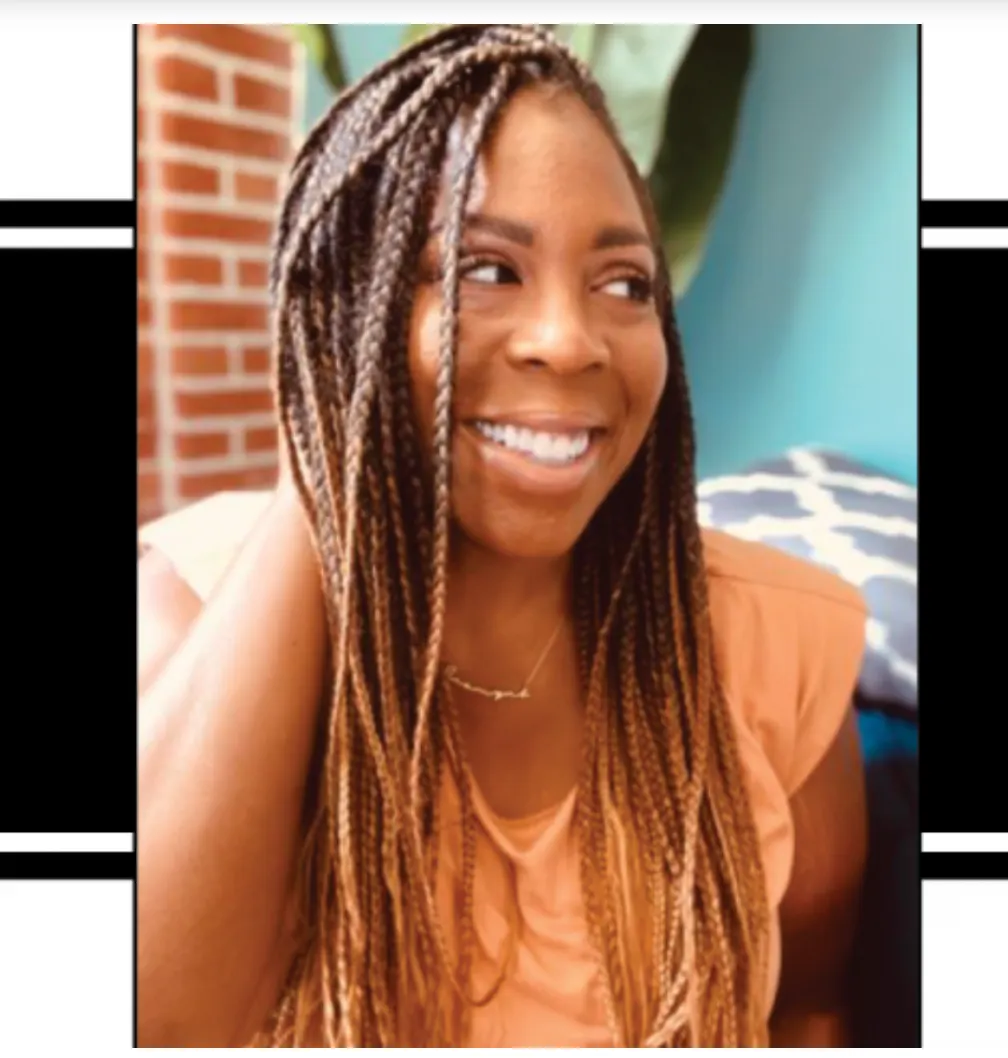
At a press conference following the conviction of wealthy socialite Ed Buck last month, journalist and political strategist Jasmyne Cannick said, "Ed Buck is going to pay for the crimes he committed, not just to their loved ones but to an entire community of Black men here." Buck was once well regarded in the West Hollywood LGBTQ community and a prominent Democratic Party fundraiser. But his conviction on nine charges, including involvement in the deaths of Gemmel Moore and Timothy Dean, maintaining a drug den, distributing methamphetamines and solicitation of prostitutes, ended that. It's a sordid story that might never have come to light—or to court—without the persistence of journalists such as Cannick to bring justice to the victims. Join us for an exclusive talk with Cannick. About the Speaker Jasmyne Cannick founded Justice for Gemmel and All of Ed Buck’s Victims to extend her advocacy for the survivors and victims of Ed Buck beyond her journalism, leveraging both her political acumen and her community relationships. She is the co-founder of My Hood Votes along with Compton rapper Eric “Eazy-E” Wright’s son Lil E, a voter registration initiative focused on Los Angeles County’s roughest neighborhoods. Cannick is a proud co-founder of the National Black Justice Coalition, the nation’s largest and oldest Black lesbian, gay, bisexual, and transgender civil rights organization. She is a former co-chair of the National Stonewall Democrats Black Caucus. She currently sits on the board of the Los Angeles African American Women’s Political Action Committee and the Black Alliance for Justice Immigration (BAJI) Political Action Committee. In 2020, she won a seat on the Los Angeles County Democratic Party's County Central Committee, representing the 53rd Assembly District. SPEAKERS Jasmyne Cannick Journalist; Political Strategist Michelle Meow Producer and Host, "The Michelle Meow Show," KBCW and Podcast; Member, Commonwealth Club Board of Governors; Twitter @msmichellemeow—Co-Host John Zipperer Producer and Host, Week to Week Political Roundtable; Vice President of Media & Editorial, The Commonwealth Club—Co-Host In response to the COVID-19 pandemic, we are currently hosting all of our live programming via YouTube live stream. This program was recorded via video conference on August 26th, 2021 by the Commonwealth Club of California. Learn more about your ad choices. Visit megaphone.fm/adchoices

Bright Galaxies, Dark Matter
Join us to discover how astronomer Vera Rubin's persistence, after her work was initially dismissed, finally convinced the scientific community that dark matter might exist. It is now taken for granted that the universe is mostly dark, made up of particles that are undetectable even by our most powerful telescopes. This discovery of the possible existence of dark matter signaled a Copernican-like revolution in astronomy: not only are we no longer the center of the universe, but even the stuff we’re made of appears to be insignificant. By showing that some astronomical objects seem to exaggerate gravity’s grip, Rubin played a pivotal role in this discovery. Yeager tells the story of Rubin’s childhood fascination with stars, and her scientific education at Vassar and Cornell. She became a rarity, a woman in science, and her findings were equally incredible to her colleagues. Since some observatories still restricted women from using their large telescopes, Rubin was unable to collect her own data until a decade after she had earned her Ph.D. But in 1993 she received the National Medal of Science for her groundbreaking work. She’s also been memorialized with a ridge on Mars, an asteroid, a galaxy, and most recently the Vera C. Rubin Observatory—the first national observatory named after a woman. MLF ORGANIZER George Hammond NOTES MLF: Humanities Ashley Jean Yeager Associate News Editor, Science News; Author, Bright Galaxies, Dark Matter, and Beyond: The Life of Astronomer Vera Rubin In Conversation with George Hammond Author, Conversations With Socrates In response to the COVID-19 pandemic, we are currently hosting all of our live programming via YouTube live stream. This program was recorded via video conference on August 26th, 2021 by the Commonwealth Club of California. Learn more about your ad choices. Visit megaphone.fm/adchoices
Choose Possibility with Sukhinder Singh Cassidy
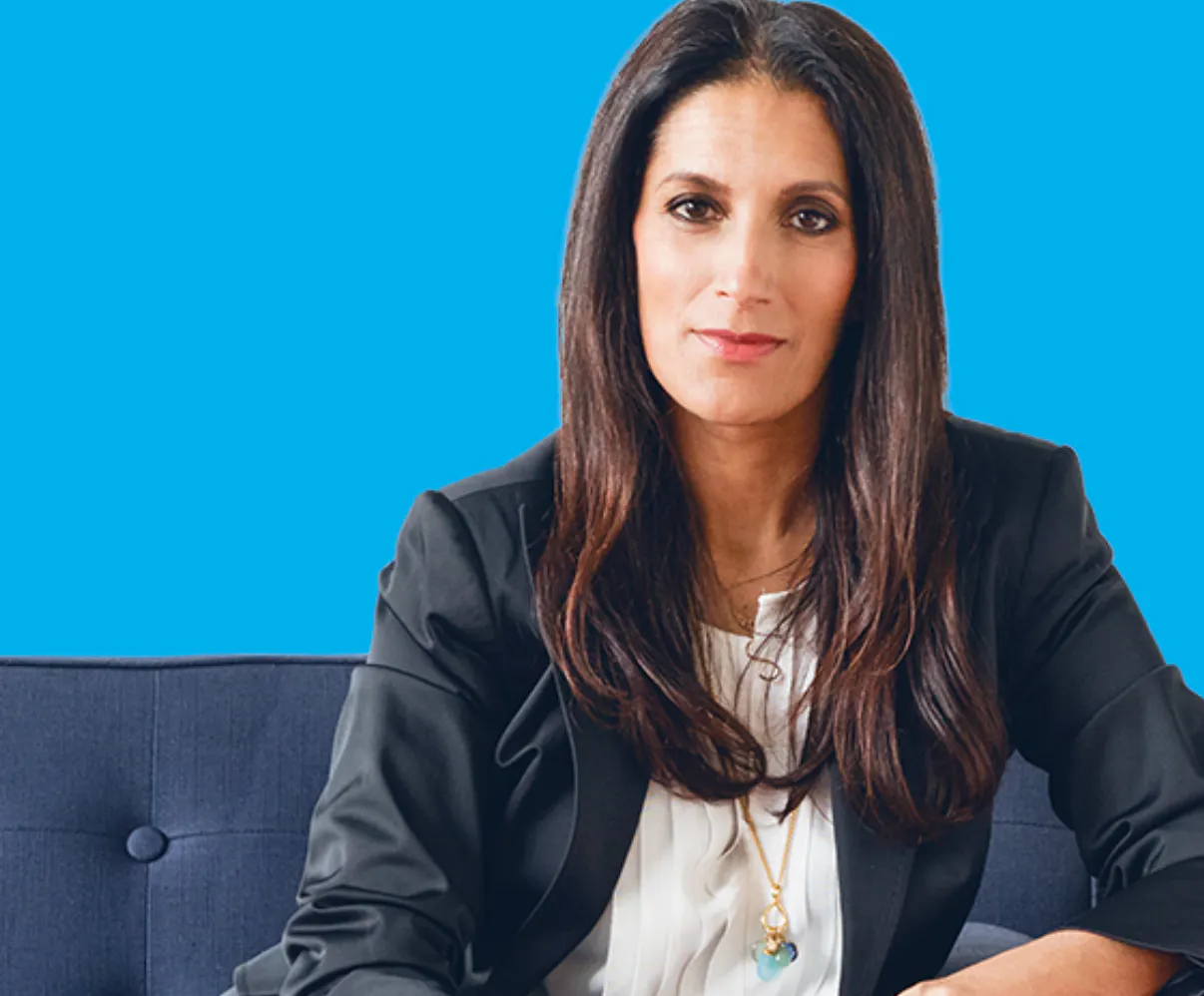
Paralyzed by indecision? Sukhinder Singh Cassidy’s debut book Choose Possibility: Take Risks and Thrive (Even When You Fail) is a new view on risk, proposing that we take rather than avoid risk and enjoy the opportunities that come along with it. In it, the Silicon Valley mogul makes easy math of the choices that we make each day that can put us on the path to success. She argues that it is not one big decision that cements our future, but the million small ones that open up doors, enabling us to see success through. With not one but three successful companies under her belt, Cassidy maintains that she is no stranger to mistakes. But in the face of pitfalls and misfires, what has set her apart and launched her success is her ability to adapt, overcome and grow from such setbacks. At INFORUM Sukhinder Singh Cassidy will crunch the numbers of risk, reveal the “seven myths of success”, all while guiding us on how to take the first step and all the ones that follow—making risk synonymous with opportunity rather than fear. SPEAKERS Sukhinder Singh Cassidy Founder & Chairman, theBoardlist; Board Member, Upstart; Author, Choose Possibility: How to Master Risk and Thrive Suzanne St. John-Crane CEO, American Leadership Forum Silicon Valley—Moderator In response to the COVID-19 pandemic, we are currently hosting all of our live programming via YouTube live stream. This program was recorded via video conference on August 25th, 2021 by the Commonwealth Club of California. Learn more about your ad choices. Visit megaphone.fm/adchoices
Paradise: Inside California's Deadliest Wildfire
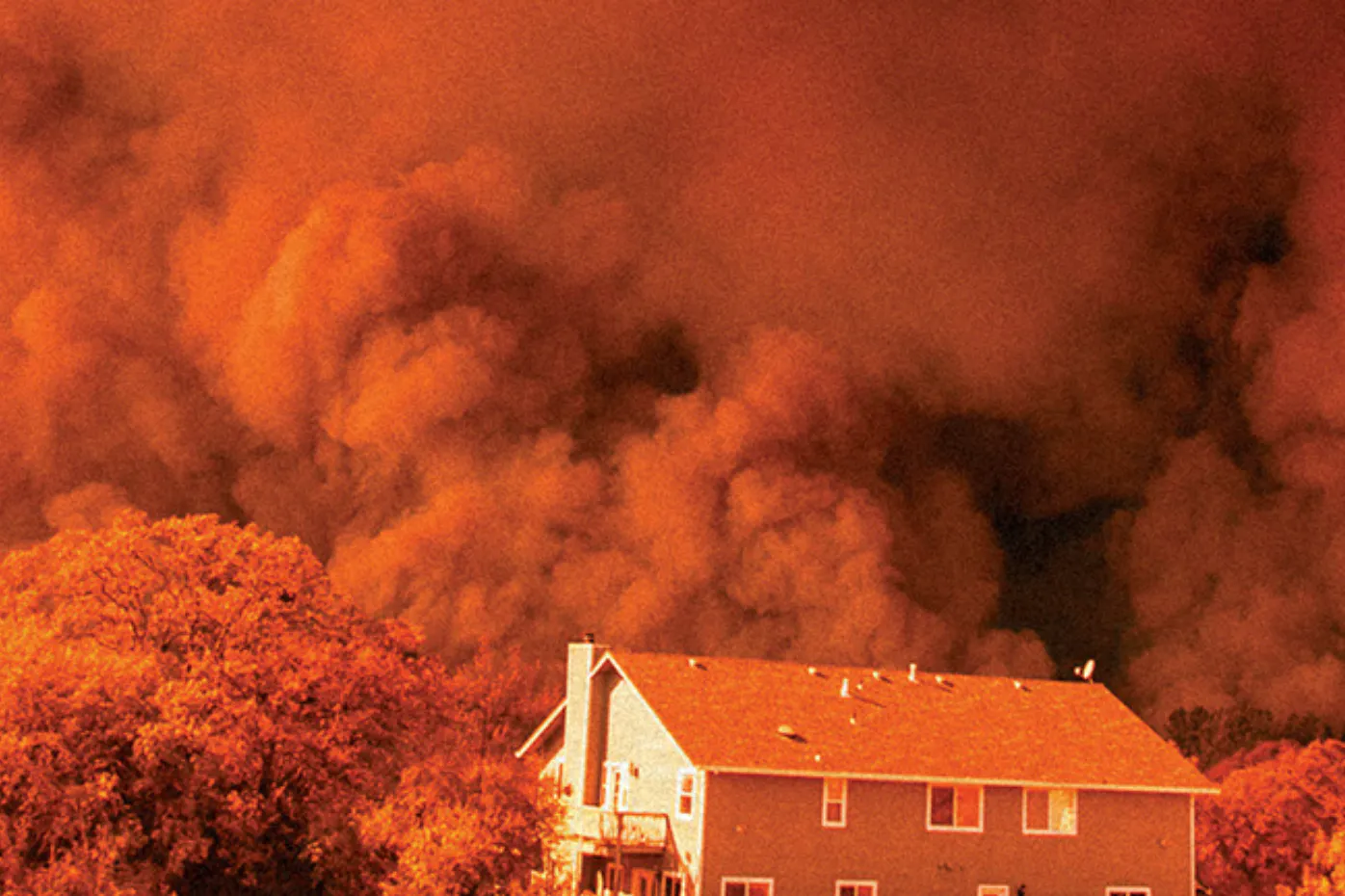
In November 2018, Paradise, California suffered through the nation's deadliest wildfire in a century. The Camp Fire leveled the mountain town, killing 85 people and destroying more than 18,000 structures. At the time, reporter Lizzie Johnson was a staff writer for the San Francisco Chronicle. Her definitive firsthand accounts of the fire and its wreckage helped tell the vivid story of this massive disaster. Three years later, Johnson's new book, Paradise: One Town's Struggle to Survive an American Wildfire, provides a detailed overview of the fire that destroyed Paradise, examines what went wrong and suggests ways to avert future tragedies as the climate crisis unfolds and California's drought worsens. Drawing on years of on-the-ground reporting and reams of public records, including 911 calls and testimony from a grand jury investigation, Johnson provides a minute-by-minute account of the Camp Fire, following residents and first responders as they fight to save themselves and their town. As California enters what is usually the toughest part of its fire season during a historically dry year, please join us in a timely look back at the tragedy of Paradise, California, what is being done to bring that city back, and what we all need to be aware of regarding the increasing dangers from wildfires in our "new normal." SPEAKERS Lizzie Johnson Staff Writer, The Washington Post; Author, Paradise: One Town's Struggle to Survive An American Wildfire In Conversation with Elizabeth Weil Reporter, ProPublica In response to the COVID-19 pandemic, we are currently hosting all of our live programming via YouTube live stream. This program was recorded via video conference on August 24th, 2021 by the Commonwealth Club of California. Learn more about your ad choices. Visit megaphone.fm/adchoices
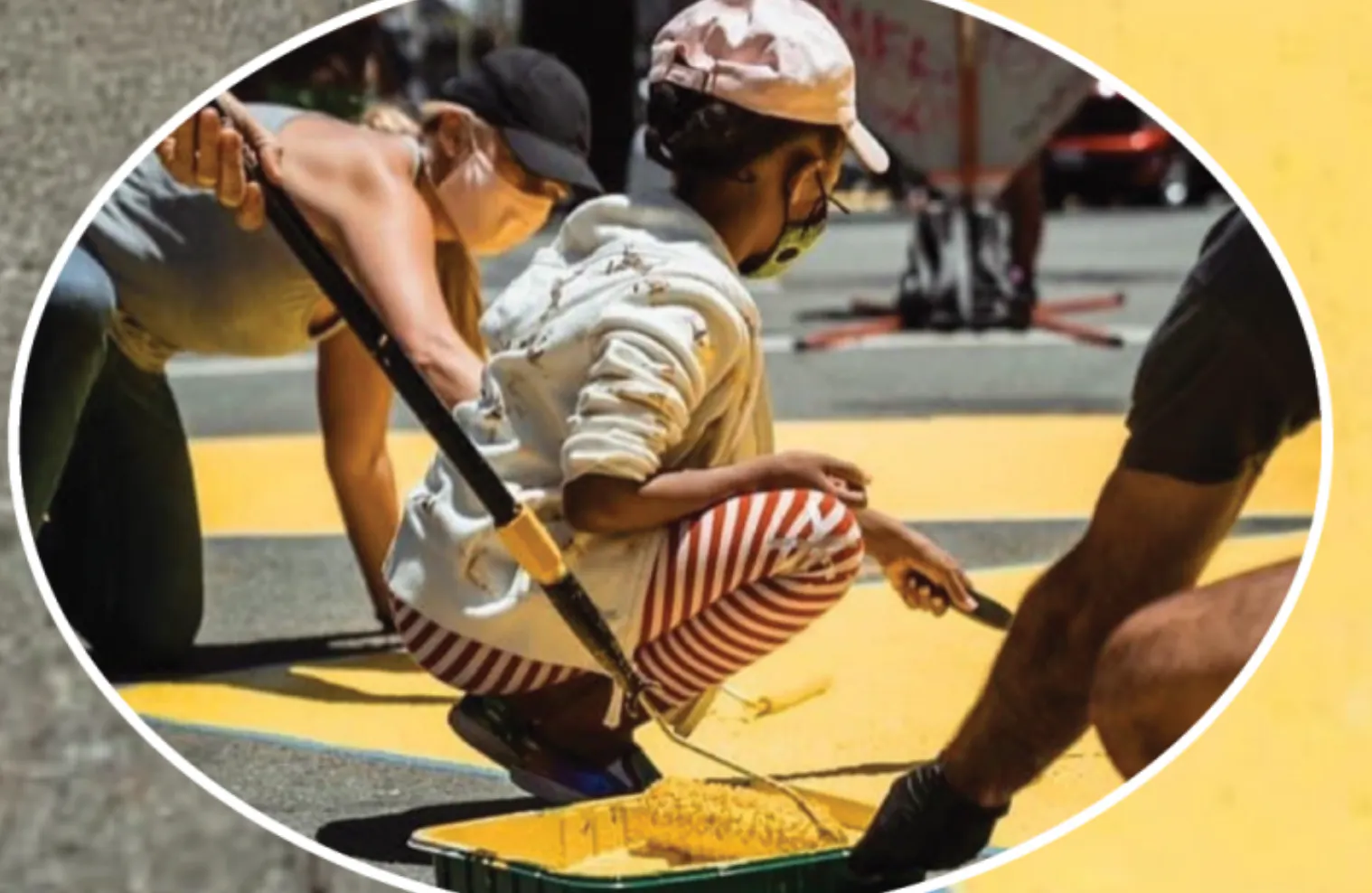
How to Raise Civically Engaged Children
This special family event will feature a multigenerational panel of adult civic leaders and educators talking together with their children about practices and opportunities for engaging young people in civic life. Increasingly, youth have been speaking up about the importance of having parents and teachers who model civic engagement and encourage them to get involved in their communities. But how can we get our kids involved in ways that are both meaningful and rewarding? How can families engage in civic work together? What can kids do on their own, and how do they want adults to support them? A lifetime of civic engagement begins in youth. We encourage you to watch this special program with your family. This program is presented by Creating Citizens, an education initiative of The Commonwealth Club. About the Speakers Amber Coleman-Mortley’s passion is focused on elevating diverse voices and perspectives in the civic education space, working with students, educators and parent communities for more equitable outcomes. She holds a B.A. in African American Studies from Oberlin College and an M.A. from American University in Media Entrepreneurship. Coleman-Mortley is a former decorated college athlete, former educator and athletic coach. She covers civics, K–12 education and family life at MomOfAllCapes and on her podcast with her daughters, "Lets K12 Better." She has been featured in the Los Angeles Times, The New York Times, The Washington Post, Smithsonian magazine, and a variety of other broadcast, podcast and online media outlets. Suzanne Ford is a fierce activist working toward equal rights for the trans community. She is employed as a regional sales manager at Revere Packaging, being named by Plastics News as one of the Women Breaking the Mold in the Packaging Industry in 2017. Ford serves as president of the Spahr Center in Marin County and as a board member and vice president of SF Pride. She also works on the board at Trans Heartline. Ford lives in the San Francisco Bay Area with her wife Beverly and son Daniel. She is available to speak to groups or employers about trans issues and her experience facing the world as a trans woman. Lateefah Simon is a nationally recognized advocate for civil rights and racial justice in Oakland and the Bay Area. She has been the president of Akonadi Foundation since 2016. That same year—driven by Oscar Grant's death—she was elected to the Bay Area Rapid Transit Board of Directors and served as its president. Since 2015, Simon also has served as a member of the Board of Trustees for the California State University, the nation's largest public university system, and state officials often turn to her for strategic advice on policy matters related to racial justice. Simon spearheaded San Francisco's first reentry anti-recidivism youth services division under then-District Attorney Kamala Harris' leadership. Simon received the MacArthur Foundation "Genius" Award in 2003, making her the youngest woman to receive the award —in recognition of her work as executive director of the Young Women's Freedom Center. SPEAKERS Amber Coleman-Mortley Host, "Let's K12 Better" Podcast Suzanne Ford Activist; President, Spahr Center Lateefah Simon President, Akonadi Foundation Kimberly Ellis Director, San Francisco Department on the Status of Women—Moderator In response to the COVID-19 pandemic, we are currently hosting all of our live programming via YouTube live stream. This program was recorded via video conference on August 24th, 2021 by the Commonwealth Club of California. Learn more about your ad choices. Visit megaphone.fm/adchoices

CLIMATE ONE: Should We Have Children in a Climate Emergency?
Listener Advisory: This episode contains some content related to a suicide. If you or someone you love is thinking about suicide, the National 24-hour Suicide Prevention Lifeline is 1-800-273-8255. This summer, the climate crisis seems to be unfolding faster than ever before — with catastrophic floods, huge wildfires, and killer heat. It’s becoming increasingly hard to mentally set climate aside as a future problem — it is here, real in our present moment. How do we grapple with the weight of these changes, and process our fear for what is coming for us, and for the next generation? And how do those emotions affect our decisions about whether or not to have children, who in many ways represent an embodied version of our hope for the future? Guests: Daniel Sherrell, Author, Warmth, Coming of Age at the End of Our World Seb Gould, physics teacher Irène Mathieu, pediatrician and poet Virginie Le Masson, co-director of the Centre for Gender and Disaster at University College London Learn more about your ad choices. Visit megaphone.fm/adchoices
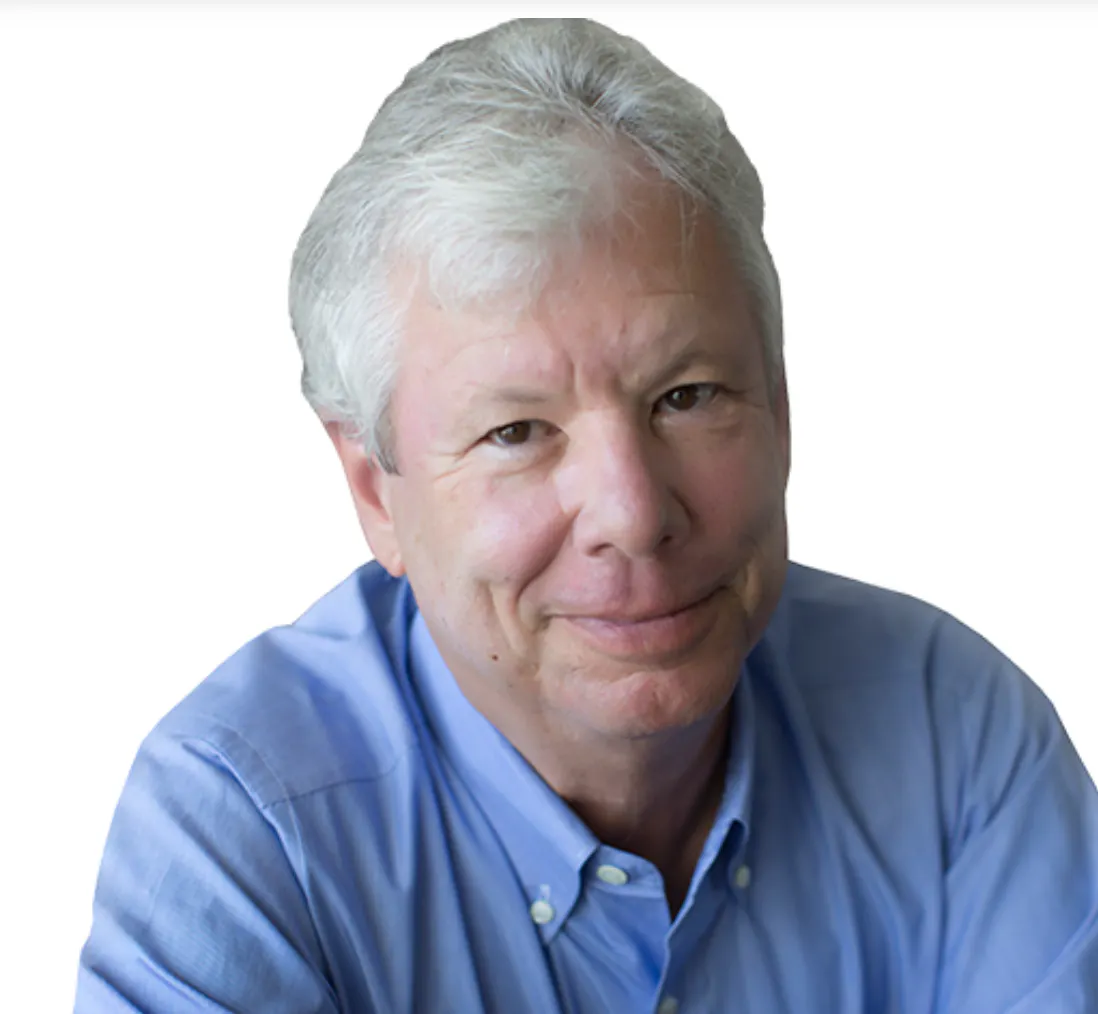
Nudge with Richard Thaler
Since the 2008 publication of the global bestseller Nudge, co-authored by Richard Thaler and Cass Sunstein, the word “nudge” has entered the vocabulary of many businesspeople, policymakers, engaged citizens and consumers everywhere. It has taught us how to use thoughtful “choice architecture”—a concept the authors invented—to help us make better decisions for ourselves, our families and our society. "Nudging" is a simple change that alters people’s behavior in a predictable way without forbidding any options or significantly changing their economic incentives. It’s the option to opt out of your company’s 401k retirement program as opposed to opting in, or the placement of fruits and vegetables at eye level in grocery stores to encourage healthier eating. In 2021, the authors have rewritten the book from cover to cover, building Nudge: The Final Edition out of the last dozen years’ worth of new research, insight, and experience. The book touches on a wide variety of issues we face in our daily lives—COVID-19, personal finance, home mortgages, climate change and more. Co-author and economist Richard Thaler is the professor of Behavioral Science and Economics at the University of Chicago and, in 2017, won the Nobel Prize in Economic Sciences for his contributions to the field of behavioral economics. Join us as Thaler reveals the power of understanding decision-making in modern society, existing in the gap between economics and psychology. SPEAKERS Richard Thaler Charles R. Walgreen Distinguished Service Professor of Behavioral Science and Economics University of Chicago Booth School of Business; Co-Author, Nudge: The Final Edition; Twitter @R_Thaler In Conversation with Kirk Hanson Senior Fellow and Former Executive Director, Markkula Center for Applied Ethics, Santa Clara University; Twitter @kirkohanson In response to the COVID-19 pandemic, we are currently hosting all of our live programming via YouTube live stream. This program was recorded via video conference on August 18th, 2021 by the Commonwealth Club of California. Learn more about your ad choices. Visit megaphone.fm/adchoices

Violence Against the AAPI Community and Rising Above the Hate
Since the start of the COVID-19 pandemic, discrimination, verbal assaults, and physical violence against members of the AAPI community have skyrocketed, disproportionately harming vulnerable members of the community, including women, youth and elders. This racism takes its toll. Please join us to learn what you can do to help combat anti-Asian racism in everyday living and support the AAPI community. Topics will include: understanding the problem of racism; practical, actionable steps to disrupt racism and overcome unconscious biases; and ways to create a safe space to speak up against racism. NOTES MLF: Psychology SPEAKERS Dr. Tam Nguyen Ph.D., Clinical Psychologist; Director of Ambulatory and Addiction Care, Sutter Health Dr. Sarah Nguyen M.D., Assistant Clinical Professor of Psychiatry and Biobehavioral Sciences, University of California, Los Angeles; Associate Director, Integrative Psychiatry Clinic Dr. Jennifer Tran D.O., Family Medicine Doctor, Palo Alto Medical Foundation Dr. Uyen-Khanh Quang-Dang M.D., Geriatric Psychiatrist, Palo Alto Medical Foundation; Member, APA Foundation Board of Directors Dr. Patrick O'Reilly Ph.D., Clinical Psychologist; Chair, Psychology Member-Led Forum, The Commonwealth Club of California—Moderator In response to the COVID-19 pandemic, we are currently hosting all of our live programming via YouTube live stream. This program was recorded via video conference on August 5th, 2021 by the Commonwealth Club of California. Learn more about your ad choices. Visit megaphone.fm/adchoices
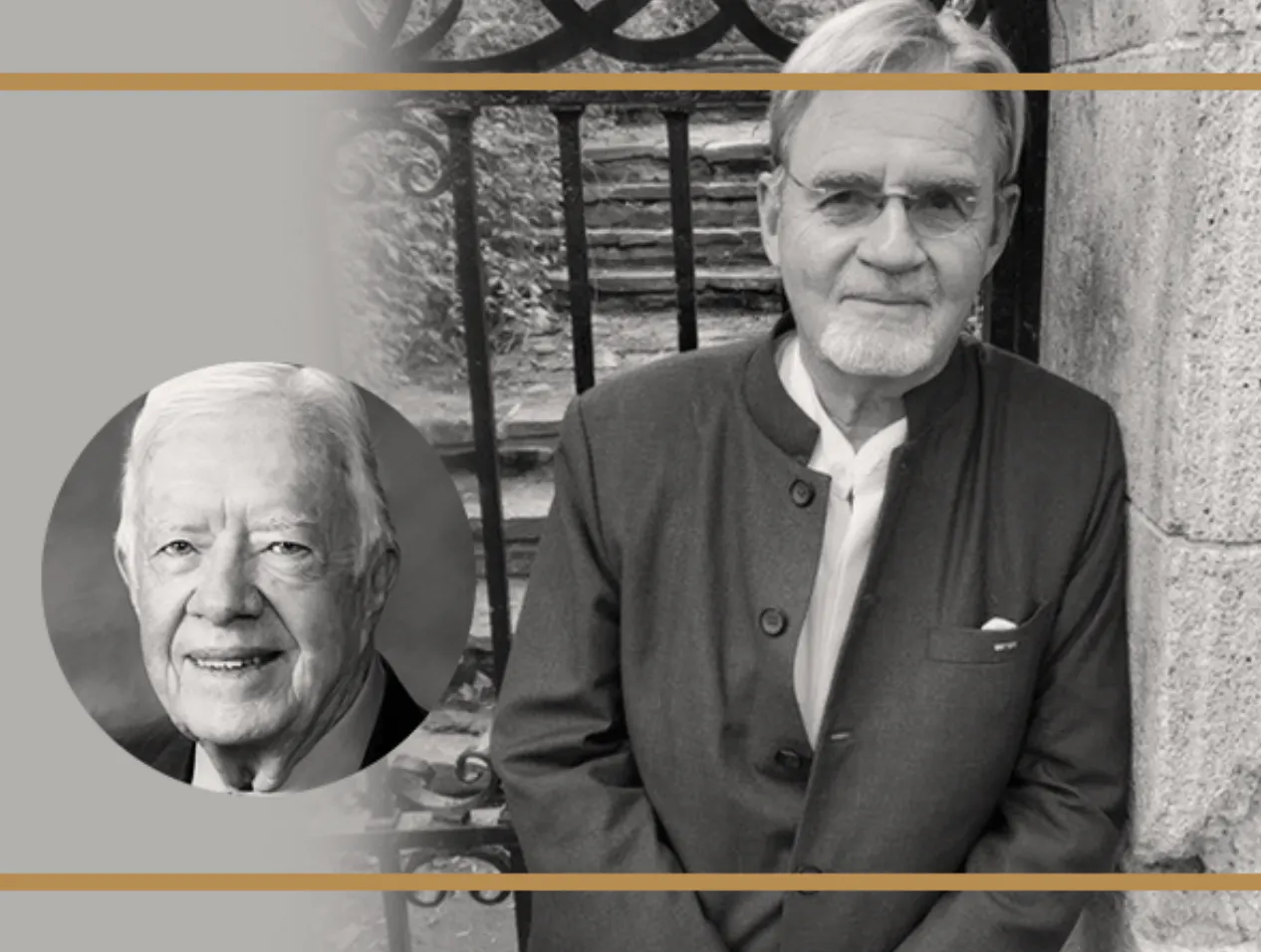
Jimmy Carter's Presidential Legacy: A Conversation with Pulitzer Prize Winning Historian Kai Bird
Historian and journalist Kai Bird's new book, The Outlier, is being acclaimed as a definitive account of President Jimmy Carter's presidency, including how President Carter’s often-controversial policies and initiatives appear in historical perspective. Carter assisted Bird in his research, giving him exclusive access to the private papers of Charles Kirbo, Carter’s longtime personal lawyer and political adviser, as well as to the unpublished diaries of Carter White House aides Langdon Butler, Tim Kraft and Jerome Doolittle. Bird points out that as president, Jimmy Carter was not merely an outsider: he was an outlier. He was the only president in a century to grow up in the heart of the Deep South, and his born-again Christianity made him the most openly religious president in memory. Bird says this outlier brought to the White House a rare mix of humility, candor and unnerving self-confidence that neither Washington nor America was ready to embrace. Bird traces the arc of Carter’s administration, from his aggressive domestic agenda to his controversial foreign policy record, taking readers inside the Oval Office and through Carter’s battles with both a political establishment and a Washington press corps that proved as adversarial as any foreign power. Mr. Bird shows how issues still hotly debated today—from national health care to growing inequality and racism to the Israeli-Palestinian conflict—burned at the heart of Carter’s America, and consumed a president who found a moral duty in solving them. Bird won the Pulitzer Prize for biography for American Prometheus: The Triumph and Tragedy of J. Robert Oppenheimer. His work includes critical writings on the Vietnam War, Hiroshima, nuclear weapons, the Cold War, the Arab-Israeli conflict and the CIA. Now, join a fascinating conversation with Kai Bird about this highly regarded American leader whose presidential legacy Mr. Bird says has been deeply misunderstood. SPEAKERS Kai Bird Executive Director and Distinguished Lecturer, City University of New York Leon Levy Center for Biography; Pulitzer Prize Winning Historian and Journalist; Author, The Outlier: The Unfinished Presidency of Jimmy Carter In Conversation with Dr. Gloria Duffy President and CEO, The Commonwealth Club of California; Deputy Assistant Secretary of Defense under President Clinton Program Chair: Dr. Mary Bitterman President, Bernard Osher Foundation; Member, Commonwealth Club Board of Governors In response to the COVID-19 pandemic, we are currently hosting all of our live programming via YouTube live stream. This program was recorded via video conference on August 18th, 2021 by the Commonwealth Club of California. Learn more about your ad choices. Visit megaphone.fm/adchoices
Spencer Ackerman: The 9/11 Era and the Destabilizing of America
9/11 transformed American political and cultural life. Post-9/11 Americans were hyper-concerned with national security, public safety and the War on Terror. Now, looking back at the years of contention between the United States and terrorist organizations, journalists like Spencer Ackerman believe the military campaign set the stage for authoritarianism to rise in the United States. As a national security editor for The Guardian, Ackerman was part of the team that won the 2014 Pulitzer Prize for public service journalism for their reporting on Edward Snowden's surveillance revelations. Now, he’s looking to understand the endless conflict known as the War on Terror in his new book, Reign of Terror. After 9/11, policies threatening the safety of Muslims and immigrants turned the War on Terror into a cultural and tribal struggle. It bolstered nativism and inspired bipartisanship. It paved the way for authoritarian leaders to rise to power and exploit sectors of political strength. By analyzing the decisions of Presidents Barack Obama and Donald Trump, Ackerman sets an argument for how the war became a broader and bitter culture struggle allowing demagogues to emerge. Join us as Spencer Ackerman couples together journalism and history to transform how Americans understand national security policies and their detrimental impact on political life. SPEAKERS Spencer Ackerman Contributing Editor, The Daily Beast; Author, Reign of Terror: How the 9/11 Era Destabilized America and Produced Trump In Conversation with Melissa Caen Attorney; Author; Political Analyst In response to the COVID-19 pandemic, we are currently hosting all of our live programming via YouTube live stream. This program was recorded via video conference on August 17th, 2021 by the Commonwealth Club of California. Learn more about your ad choices. Visit megaphone.fm/adchoices

The Newsom Recall: A Week to Week Political Roundtable Special
In the depths of the COVID-19 pandemic and amid a widespread shutdown of economic and social life, a little-watched effort to recall California Governor Gavin Newsom suddenly got traction, easily gaining the number of signatures needed to trigger a special election that could remove him from office. Join us for a special edition of the Club's Week to Week Political Roundtable, as we focus on the high-stakes gubernatorial recall election. How did it come to this? Who is behind the recall? Who is running to replace Newsom? How has Newsom responded? Just how does a recall election happen? We'll dig into all of that and more with our panelists who are experts in state politics. SPEAKERS Carla Marinucci Senior Writer, Politico California Playbook; Twitter @cmarinucci Scott Shafer Senior Editor, KQED's Politics and Government Desk; Twitter @scottshafer Dan Schnur Professor, University of Southern California's Annenberg School of Communications; Professor, University of California Berkeley's Institute of Governmental Studies; Host, "Politics in the Time of Coronavirus" Webinar; Twitter @danschnur John Zipperer Producer and Host, Week to Week Political Roundtable; Vice President of Media & Editorial, The Commonwealth Club—Host In response to the COVID-19 pandemic, we are currently hosting all of our live programming via YouTube live stream. This program was recorded via video conference on August 23rd 2021 by the Commonwealth Club of California. Learn more about your ad choices. Visit megaphone.fm/adchoices
A conversation with the President of the National Peace Corps Association
In 2020, The Peace Corps recalled every volunteer due to the COVID-19 pandemic. Since that moment, the National Peace Corps Association, a 501(c)(3) enterprise, has held many town hall meetings, advocacy meetings, consultations with congressional representatives and senators, and more to help bring back into the field a Peace Corps that is stronger, more responsive to social needs, more diverse and more robust. While NPCA is not a government agency, it has worked tirelessly with the Peace Corps, a government agency, to help launch a new vision. NPCA President Glenn Blumhorst will discuss the future of this important agency and how it will be better and more important than before. Blumhorst is the president and CEO of the National Peace Corps Association, an enterprise at the center of a community of more than 180 grassroots affiliate groups and 235,000 individuals who share the Peace Corps experience. Founded in 1979 and headquartered in Washington, D.C., NPCA’s mission is “to champion lifelong commitment to Peace Corps ideals.” During his tenure, Blumhorst has led NPCA’s historic transformation from a dues-based alumni association to a community-driven social impact organization. He also served as country representative and chief of party on several major USAID-funded projects throughout Central and South America. Blumhorst launched his career by serving as a Peace Corps volunteer in Guatemala from 1988 to 1991. He holds a Master of Public Administration and a Bachelor of Science in Agriculture, both from the University of Missouri-Columbia. He is the 2018 recipient of the prestigious University of Missouri Faculty-Alumni Award. SPEAKERS Glenn Blumhorst President and CEO, National Peace Corps Association Frank Price Moderator, International Relations MLF Co-Chair In response to the COVID-19 pandemic, we are currently hosting all of our live programming via YouTube live stream. This program was recorded via video conference on August 4th, 2021 by the Commonwealth Club of California. Learn more about your ad choices. Visit megaphone.fm/adchoices
Josh Mitchell: Inside the Student Loan Debt Trap
Americans owe more than $1.5 trillion in student loan debt, almost $700 billion more than the total U.S. credit card debt. Student loans have proved to be one of the most pressing problems young Americans face, and critics say the college industry is in part to blame. Originally, well-intentioned government reforms for college access quickly turned into reckless lending and runaway tuition. Easy access to loans allowed colleges to raise tuition to soaring levels. Even the private banks that fronted the money made huge profits on interest. Together, everyone in this business formed an exploitative system that relies on students failing to pay back their debt. In his new book The Debt Trap: How Student Loans Became a National Catastrophe, Wall Street Journal reporter Josh Mitchell uncovers the broken student loan system that was created, and then exploited, by loan company Sallie Mae and the United States Congress. He explains what he says are the ill-advised decisions made that drove Americans into massive debt and continue to wreak havoc today. SPEAKERS Josh Mitchell Economy and Higher Education Reporter, The Wall Street Journal; Author, The Debt Trap: How Student Loans Became a National Catastrophe In Conversation with Bethany McLean Contributing Editor, Vanity Fair In response to the COVID-19 pandemic, we are currently hosting all of our live programming via YouTube live stream. This program was recorded via video conference on August 10th, 2021 by the Commonwealth Club of California. Learn more about your ad choices. Visit megaphone.fm/adchoices
Dr. Paula Stone Williams: As a Woman
Christian. Pastor. Transgender. Join us to hear from Dr. Paula Stone Williams about her experience journeying from male to female and from despair to joy. As a father of three, married to a wonderful woman and holding several prominent jobs within the Christian community, Dr. Paula Stone Williams made the life-changing decision to physically transition from male to female at the age of sixty. Almost instantly, her power and influence in the evangelical world disappeared and her family had to grapple with intense feelings of loss and confusion. Feeling utterly alone and at a loss after being expelled from the evangelical churches she had once spearheaded, Paula struggled to create a new safe space for herself where she could reconcile her faith, her identity, and her desire to be a leader. Much to her surprise, the key to her new career as a woman came with a deeper awareness of the inequities she had overlooked before her transition. Where her opinions were once celebrated and amplified, now she found herself sidelined and ignored. New questions emerged. Why are women’s opinions devalued in favor of men’s? Why does love and intimacy feel so different? And was it possible to find a new spirituality in her own image? In her book As a Woman, Paula pulled back the curtain on her transition journey and shed light on the gendered landscape that impacts many in the LGBTQ+ community. Williams shares her lived experience of both genders and offers a truly unique perspective on the universal struggle to understand what it means to be male, female, and simply, human. SPEAKERS Paula Stone Williams Pastor, Left Hand Church (Longmont, CO); Author, As a Woman Michelle Meow Producer and Host, "The Michelle Meow Show," KBCW and Podcast; Member, Commonwealth Club Board of Governors; Twitter @msmichellemeow—Co-Host John Zipperer Producer and Host, Week to Week Political Roundtable; Vice President of Media & Editorial, The Commonwealth Club—Co-Host In response to the COVID-19 pandemic, we are currently hosting all of our live programming via YouTube live stream. This program was recorded via video conference on August 12th, 2021 by the Commonwealth Club of California. Learn more about your ad choices. Visit megaphone.fm/adchoices
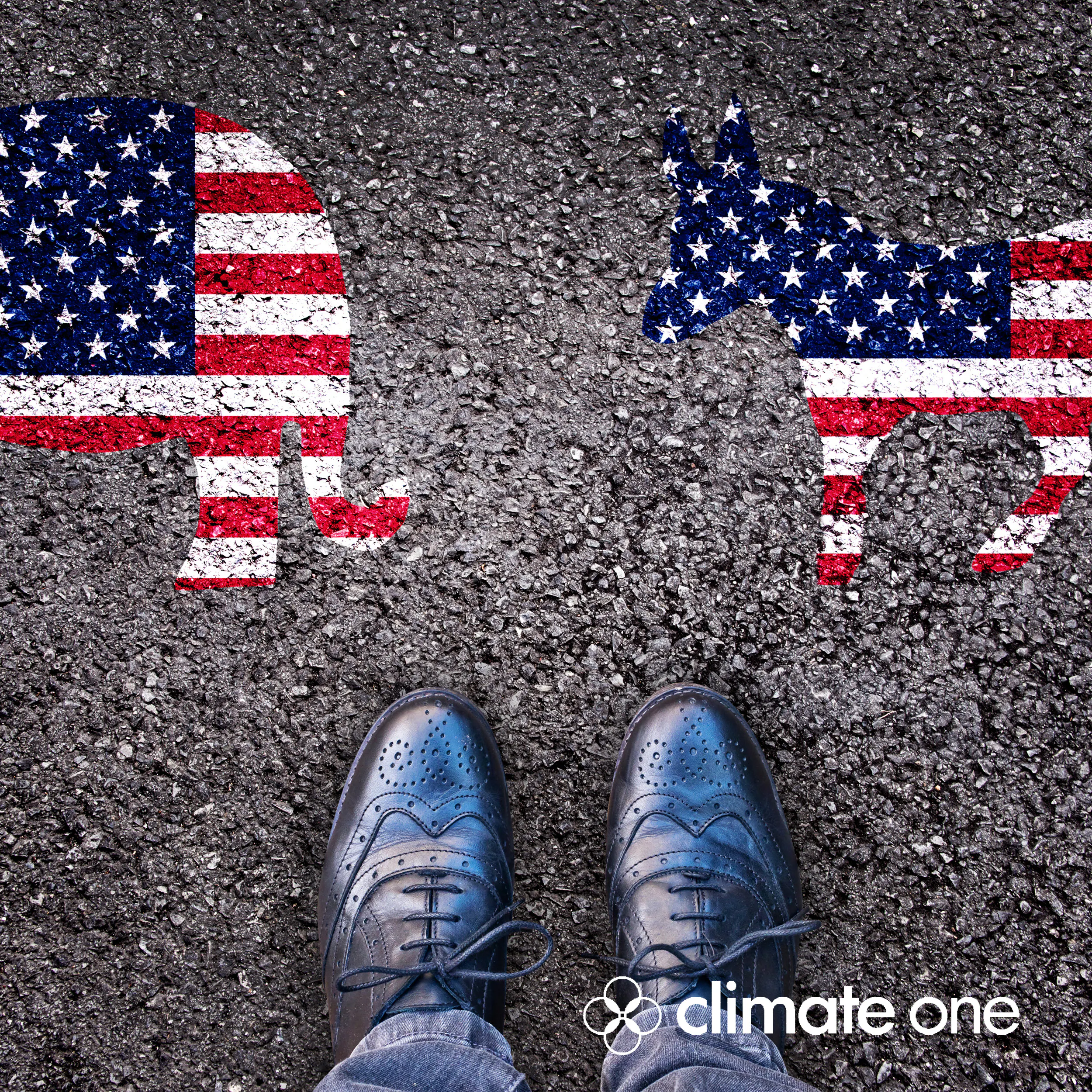
CLIMATE ONE: Which Way Are Swing Voters Swinging on Climate?
In early August, the Intergovernmental Panel on Climate Change released a report unequivocally connecting global warming and extreme weather to human-driven greenhouse gas emissions, and warning of much more dramatic climate futures if we don’t change course soon. Since the 2020 election, Rich Thau’s Swing Voter Project has been querying those who shifted from Trump in 2016 to Biden in 2020 about a range of issues. How will their views affect the 2022 midterms and the 2024 election? Where does climate rate on their list of issues? And does the accelerating climate crisis matter enough to affect their votes? Guests: Rich Thau, Moderator, The Swing Voter Project; Co-founder and President, Engagious Andrew Freedman, Climate and Energy Reporter, Axios Venkatachalam “Ram” Ramaswamy, Director of NOAA’s Geophysical Fluid Dynamics Laboratory Learn more about your ad choices. Visit megaphone.fm/adchoices
The Cult of We: The WeWork Story
WeWork revolutionized working spaces. By investing in commercial real estate and converting property into flexible shared workspaces, WeWork co-founder Adam Neumann was set to transform the way people get work done. The company offered more than shared space, investing in education and housing initiatives through its WeGrow schools and WeLive residences. Israeli businessman Adam Neumann was on track to become the world’s first trillionaire, but the company soon found itself burning through money with a last hope attempt through a Hail Mary IPO. From the minds of Wall Street Journal reporters Eliot Brown and Maureen Farrell, The Cult of We uncovers the wins, hiccups, and turmoil of tech startups. Eliot Brown has spent his career covering startups, venture capital, commercial real estate and economic development. Similarly, Maureen Farrell focuses on the role of initial public offerings and capital markets in creating a successful business. Together, Brown and Farrell delve into the case of WeWork founder Adam Neumann to better understand how startups can revolutionize the world and what happens when they fail to do so. Join us as Eliot Brown and Maureen Farrell, along with program moderator Charles Duhigg, uncover the gripping reality of tech startup culture. SPEAKERS Eliot Brown Reporter, The Wall Street Journal; Co-author, The Cult of We: WeWork, Adam Neumann, and the Great Startup Delusion; Twitter @eliotwb Maureen Farrell Reporter, The Wall Street Journal; Co-author, The Cult of We: WeWork, Adam Neumann, and the Great Startup Delusion; Twitter @maureenmfarrell In Conversation with Charles Duhigg Contributor, The New Yorker; Author, Smarter Faster Better: The Transformative Power of Real Productivity In response to the COVID-19 pandemic, we are currently hosting all of our live programming via YouTube live stream. This program was recorded via video conference on August 10th, 2021 by the Commonwealth Club of California. Learn more about your ad choices. Visit megaphone.fm/adchoices

90th Annual California Book Awards
Since 1931, the California Book Awards have honored the exceptional literary merit of California writers and publishers. Each year a select jury considers hundreds of books from around the state in search of the very best in literary achievement. Over its 90 years, the California Book Awards have honored the writers who have come to define California to the world. Among them are John Steinbeck, Wallace Stegner, MFK Fisher, Thom Gunn, Richard Rodriquez, Lawrence Ferlinghetti, Joan Didion, Ishmael Reed, and Amy Tan. Recent award winners include Hector Tobar, Viet Thanh Nguyen, Susan Orlean, Rachel Kushner, Rachel Khong, Tommy Orange, Morgan Parker and Steph Cha. This year’s winners include: GOLD MEDALSFICTION A Registry of My Passage Upon the Earth, Daniel Mason, Little, Brown and Company FIRST FICTION How Much of These Hills Is Gold, C Pam Zhang, Riverhead Books NONFICTION South to Freedom: Runaway Slaves to Mexico and the Road to the Civil War, Alice L. Baumgartner, Basic Books JUVENILE Efrén Divided, Ernesto Cisneros, Quill Tree Books, an imprint of HarperCollins Publishers YOUNG ADULT Private Lessons, Cynthia Salaysay, Candlewick Press POETRY Quiet Orient Riot, Nathalie Khankan, Omnidawn CALIFORNIANA California Exposures: Envisioning Myth and History, Richard White, with photos by Jesse Amble White, W.W. Norton & Company CONTRIBUTION TO PUBLISHING A Natural History of the Anza-Borrego Region, Marie Simovich and Mike Wells, Sunbelt Publications SILVER MEDALSFICTION Interior Chinatown, Charles Yu, Pantheon/Vintage NONFICTION Golden Gates: The Housing Crisis and a Reckoning for the American Dream, Conor Dougherty, Penguin Press YOUNG ADULT The Black Kids, Christina Hammonds Reed, Simon & Schuster Books for Young Readers SPEAKERS Julia Flynn Siler Juror, California Book Awards—Moderator Peter Fish Jury Chair, California Book Awards—Moderator In response to the COVID-19 pandemic, we are currently hosting all of our live programming via YouTube live stream. This program was recorded via video conference on August 16th, 2021 by the Commonwealth Club of California. Learn more about your ad choices. Visit megaphone.fm/adchoices

Courtney Martin: Learning In Public
ECourtney E. Martin is an author, organizer and entrepreneur known for provocative writing and for helping found important content-based organizations that help tell the story of America's diverse future. She is the co-founder of the Solutions Journalism Network and FRESH Speakers Bureau, and often works with organizations—TED, the Aspen Institute, The Obama Foundation, and The Sundance Institute—on how to make impactful, story-rich social change. Her newest book, Learning in Public: Lessons for a Racially Divided America from My Daughter's School, explores her own story about finding the right school for her daughter in Oakland. While many of the white families in her gentrifying neighborhood largely avoided the majority-Black, poorly-rated school near her home, she chose differently. Moving beyond hashtags and yard signs as a way to make a difference, Courtney discovered that her local public school, the foundation of our fragile democracy, was a powerful place to dig deeper to change the country, herself and her family. Martin examines her own fears, assumptions and conversations with other parents as they navigate choosing what school is right for their child. The book provides a vivid portrait of integration’s virtues and complexities, and yes, the palpable joy of trying to live differently in a country re-making itself around racial issues. Please join us for an important conversation on education, integration and how the schools we choose for our kids can shape the world we live in and the world we want. ** Note: This Podcast Contains Explicit Language ** SPEAKERS Courtney Martin Co-founder, Solutions Journalism Network and FRESH Speakers Bureau; Editor, "Examined Family" Newsletter; Author, Learning in Public: Lessons for a Racially Divided America from My Daughter's School Ashley McBride Education Equity Reporter, The Oaklandside--Moderator In response to the COVID-19 pandemic, we are currently hosting all of our live programming via YouTube live stream. This program was recorded via live stream video conference on August 3rd, 2021 by the Commonwealth Club of California. Learn more about your ad choices. Visit megaphone.fm/adchoices
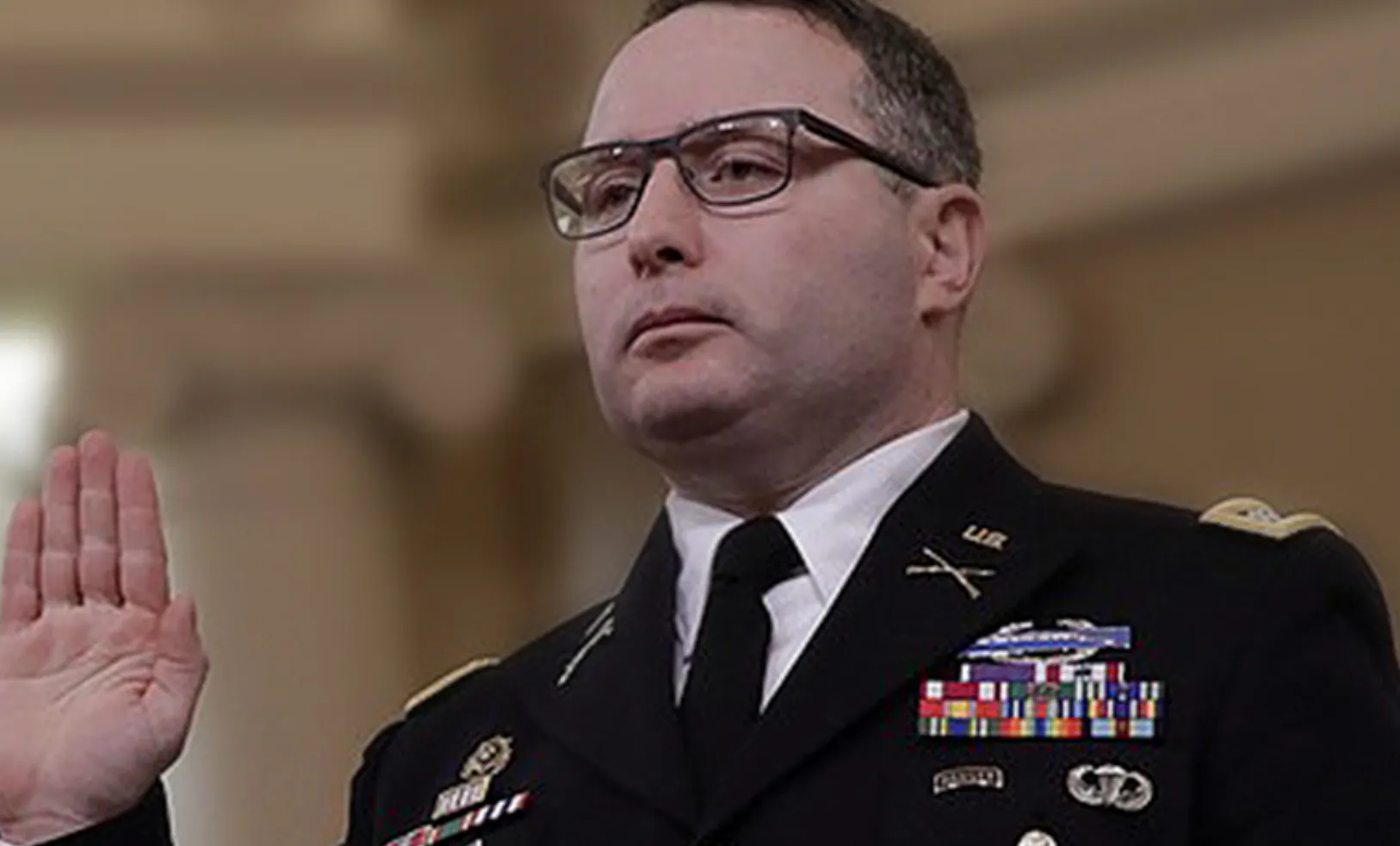
Alexander Vindman: Here, Right Matters
On Thursday morning, July 25, 2019, then-President Donald Trump made a congratulatory phone call to Ukraine’s newly elected President Volodymyr Zelensky. In the months that followed, the true nature of that conversation would be revealed to the American public due to the moral stance of one man: Lieutenant Colonel Alexander Vindman. Faced with a moment of truth for his nation, Vindman felt duty-bound to report it up the chain of command that the president of the United States had extorted a foreign ally to damage a political challenger at home. Now, for the first time, Alexander Vindman is telling his story of how he ended up at the center of a firestorm for his decision to report the infamous phone call that led to the presidential impeachment. As an immigrant raised by a father who fled the Soviet Union in pursuit of a better life for his children, Vindman had to learn how to build a life from scratch and take big risks to achieve important goals. In his new book, Here, Right Matters, he discusses how, in the face of sure-fire career derailment and intense public scrutiny, he put it all on the line to protect American democracy. Join us for Alexander Vindman’s passionate and candid account of his family, his career and his exposure of what he considered a grave abuse of power. SPEAKERS Alexander Vindman Former Director for European Affairs, United States National Security Council; Author, Here, Right Matters: An American Story In Conversation with Tim Miller Writer-at-Large, The Bulwark; Political Analyst, MSNBC; Twitter @Timodc In response to the COVID-19 pandemic, we are currently hosting all of our live programming via YouTube live stream. This program was recorded via video conference on August 10th, 2021 by the Commonwealth Club of California. Learn more about your ad choices. Visit megaphone.fm/adchoices
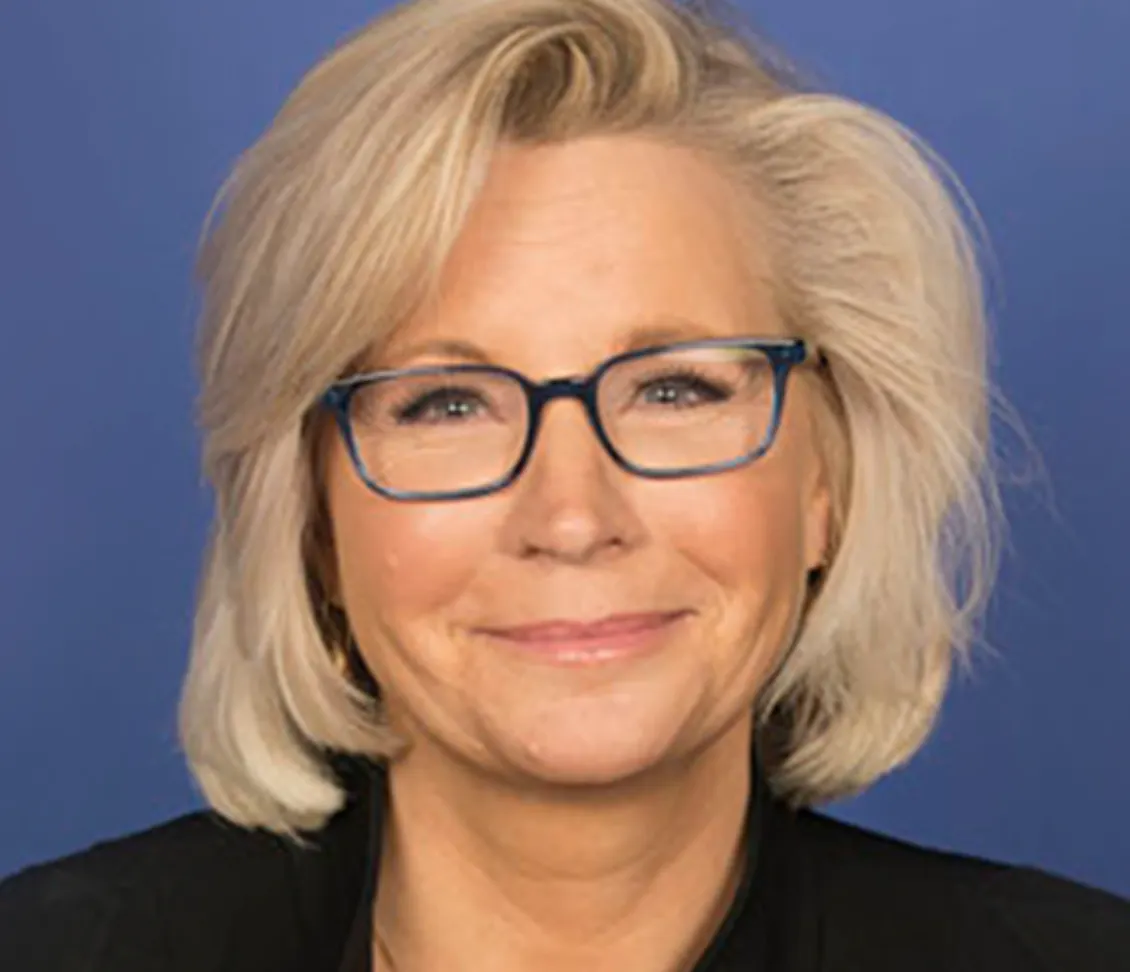
A Conversation with Congresswoman Liz Cheney
Liz Cheney serves as Wyoming’s lone member of Congress in the U.S. House of Representatives. She was first elected in 2016, on a platform of restoring America’s strength and power in the world, and pursuing conservative solutions to create jobs, cut taxes and regulation as well as expand America’s energy, mining and agriculture industries. She made national headlines earlier this year when she voted to impeach President Trump, saying he "provoked" the January 6 Capitol attack. She has also vowed to fight to keep President Trump out of office if he runs again and has challenged all assertions by Trump and his supporters that the 2020 election was fraudulent and stolen. This led to her removal as chair of the House Republican Conference, the third-ranking Republican in the House of Representatives. She was also recently appointed by House Speaker Nancy Pelosi (D-CA) to serve on the House Select Committee to Investigate the January 6th Attack on the United States Capitol. In a Washington Postopinion column published this past May, Rep. Cheney wrote, “the Republican Party is at a turning point, and Republicans must decide whether we are going to choose truth and fidelity to the Constitution. . . .History is watching. Our children are watching. We must be brave enough to defend the basic principles that underpin and protect our freedom and our democratic process. I am committed to doing that, no matter what the short-term political consequences might be." Join us for a rare in-person and online conversation with congresswoman Cheney about the outlook for American democracy. This program is part of The Commonwealth Club’s Future of Democracy Series, supported by Betsy and Roy Eisenhardt. SPEAKERS Liz Cheney U.S. Congressional Representative (R-Wyoming) In Conversation with Dan Ashley Anchor, ABC 7 News, San Francisco Bay Area; Member, Commonwealth Club Board of Governors In response to the COVID-19 pandemic, we are currently hosting all of our live programming via YouTube live stream. This program was recorded via video conference on August 17th, 2021 by the Commonwealth Club of California. Learn more about your ad choices. Visit megaphone.fm/adchoices
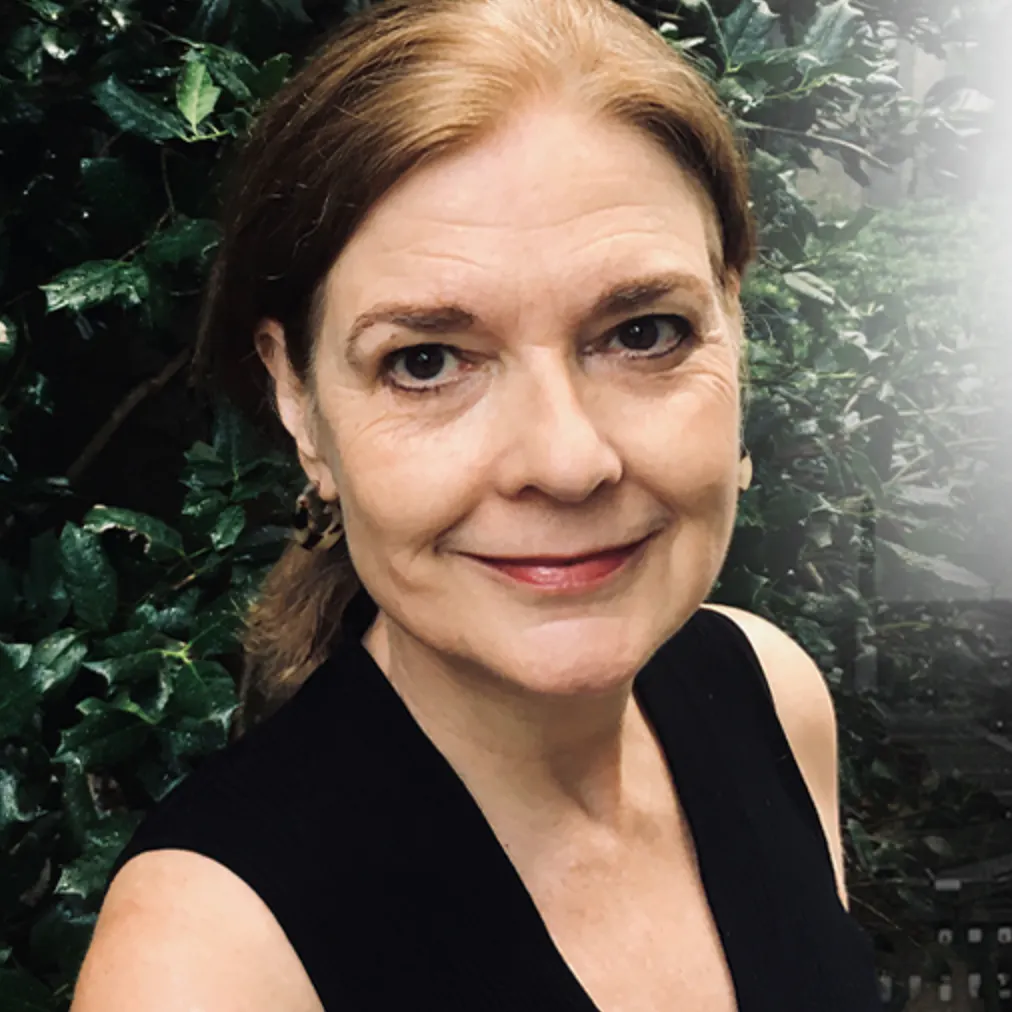
Anne Nelson: Inside the Radical Right's Shadow Network
Established in 1981, the Council for National Policy has been the leading organization for wealthy, conservative decision makers to consolidate their power. This little-known coalition of elites is the strategic nerve center for fundraising money and mobilizing voters behind the scenes. Critics say that with its membership private and meetings held at an undisclosed location, the Council for National Policy has successfully made game plans and decisions steering the Republican Party in a process virtually unknown to the public. Award-winning author and media analyst Anne Nelson, however, is looking to demystify the elaborate organization. In her new book Shadow Network, Nelson uncovers the key fundamentalists, oligarchs and allies that comprise the powerhouse of the Council for National Policy. She reveals stories about the Koch brothers, radical right-wing organizations, the decline of local journalism, the race for digital engagement, and the fight over the information war. As a research scholar at Columbia's School of International and Public Affairs, Nelson has focused her work on the role of digital media in aiding underserved populations through health, education and culture. Now, in a time of stark and growing threats to our most valued institutions and democratic freedoms, Nelson looks to illuminate the clouded history behind the political coalition. Join us as Anne Nelson uncovers the conservative process that plays a significant role in shaping political outcomes today. SPEAKERS Anne Nelson Journalist, Author, Shadow Network: Media, Money, and the Secret Hub of the Radical Right In Conversation with Kirk Hanson Senior Fellow and Former Executive Director, Markkula Center for Applied Ethics, Santa Clara University In response to the COVID-19 pandemic, we are currently hosting all of our live programming via YouTube live stream. This program was recorded via video conference on May 26th, 2021 by the Commonwealth Club of California. Learn more about your ad choices. Visit megaphone.fm/adchoices

Jeffrey Kluger: Holdout
Join us for a conversation between Jeffrey Kluger and astronaut Nicole Stott about Kluger's new novel Holdout, which tells the story of a principled astronaut who has to make a spilt-second decision to try to seek justice in the only place she knows how—the International Space Station. Watch life meet art, as Stott brings her experience to bear on Kluger's imagination. Kluger's plot centers around Walli Beckwith, a model astronaut who graduated at the top of her class from the Naval Academy, had a successful career flying fighter jets, and has spent more than 300 days in space. So when she refuses to leave her post aboard the International Space Station following an accident that forces her fellow astronauts to evacuate, her American and Russian colleagues are mystified. For Walli, her decision is all too clear and terrifying to worry about ruining her career. She is stuck in a race against time to save a part of the world that has been forgotten, plus the life of the person she loves most. She will go to any length necessary, using the only tool she has, to accomplish what she knows is right. MLF ORGANIZER George Hammond NOTES MLF: Humanities SPEAKERS Jeffrey Kluger Editor at Large, Time Magazine; Emmy Award-Winner, "A Year in Space" Web Series; Film Consultant and Actor, Apollo 13; Author, Holdout In Conversation with Nicole Stott NASA Astronaut, Including more than 100 days Aboard the International Space Station; Aquanaut; Founder, Space for Art Foundation In response to the COVID-19 pandemic, we are currently hosting all of our live programming via YouTube live stream. This program was recorded via video conference on August 5th, 2021 by the Commonwealth Club of California. Learn more about your ad choices. Visit megaphone.fm/adchoices

Jeremy Lent: The Web of Meaning
Jeremy Lent returns to The Commonwealth Club to discuss the ideas in his new book, which weaves together the latest scientific findings with age-old philosophical insights to show how some of our most ingrained beliefs about human nature and the world are mistaken. Who am I? Why am I? How should I live? These are some of the oldest questions humans have grappled with. Our modern, high-tech society, having grown up in Darwins' shadow, assumes that humans are hardwired for selfishness, that we are separate from nature and so can exploit it, that we do best when left alone to pursue our own individual goals. Lent argues that the latest scientific research begs to differ, and that those ingrained but faulty beliefs—which got started in the 17th century and have since been updated with ideas like the “selfish gene”—underlie the environmental and social unraveling now threatening our very survival. Lent not only challenges outmoded beliefs, he also invites us to consider a new way of thinking about ourselves and the world that is both intellectually sound and spiritually vibrant. He weaves together the latest research in neuroscience and evolutionary biology with Buddhist, Taoist, and Indigenous wisdom, and shows how these seemingly disparate streams of thought are not only eminently compatible, but are the key to facing the existential problems of the 21st century. SPEAKERS Jeremy Lent Founder and President, The Liology Institute; Author, The Web of Meaning: Integrating Science and Traditional Wisdom to Find Our Place in the Universe In Conversation with George Hammond Author, Conversations With Socrates In response to the COVID-19 pandemic, we are currently hosting all of our live programming via YouTube live stream. This program was recorded via video conference on July 14th, 2021 by the Commonwealth Club of California. Learn more about your ad choices. Visit megaphone.fm/adchoices

Adam Serwer: The Cruelty Is the Point
The Atlantic's Adam Serwer's unique approach to writing—combining political analysis of current events with a strong grasp of the historical antecedents that made those events possible—made him an indispensable writer during the Trump years, particularly for those who disagreed with the politics and approach to governance taken by the 45th president of the United States. Serwer coined the phase "the cruelty is the point" to describe how the Trump administration had made cruelty not merely an unfortunate byproduct of its efforts but the central theme of the MAGA approach toward governance and American civic life. Serwer's new book—a collection of new and old essays—explores the the Trump presidency, the volatile powers it harnessed, and the continuing impact it has on the country's politics and the Republican Party. With his unique approach, Serwer chronicles the Trump administration not as an aberration but as an outgrowth of the inequalities the United States was founded on. He charts he ideological and structural currents behind Trump’s rise and why he remains so potent today. The new essays and previously published works in this book explore white nationalism, myths about migration, the political power of police unions, and the many faces of anti-Semitism. For all the issues he examines, cruelty is the glue, the binding agent of a movement fueled by fear and exclusion. Serwer argues that rather than pretending these four years didn’t happen or dismissing them as a brief moment of madness, we must face what made them possible. Please join us for an important conversation on the legacy of the Trump administration and why Serwer believes we must continue to understand its role in American political life. SPEAKERS Adam Serwer Staff Writer, The Atlantic; Author, The Cruelty Is the Point: The Past, Present and Future of Trump's America In Conversation with Errin Haines Editor at Large, Founding Mother, The 19th; Contributor, MSNBC In response to the COVID-19 pandemic, we are currently hosting all of our live programming via YouTube live stream. This program was recorded via video conference on July 20th, 2021 by the Commonwealth Club of California. Learn more about your ad choices. Visit megaphone.fm/adchoices
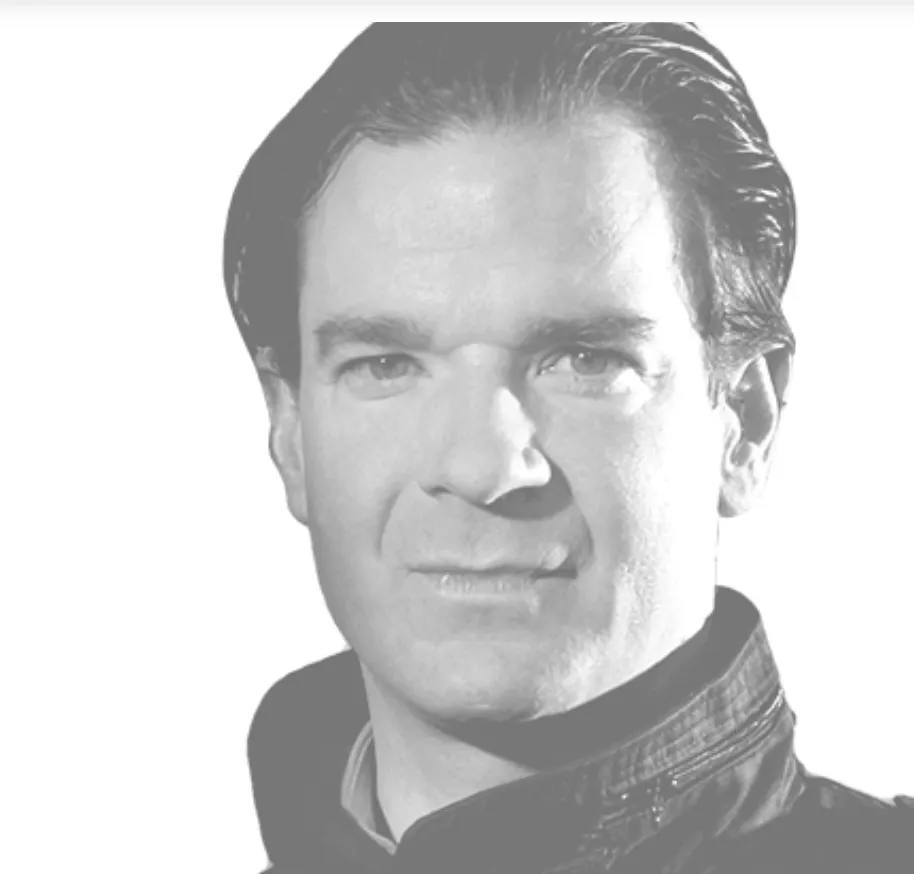
CNN's Peter Bergen: The Rise, Fall, and Impact of Osama Bin Laden
As we approach the 20th anniversary of 9/11, what is the lasting influence of Osama bin Laden? CNN national security analyst and New America Vice President for Global Studies Peter Bergen has been called the world's leading expert on bin Laden. In his new book, The Rise and Fall of Osama bin Laden, Bergen provides the first reevaluation of the man responsible for precipitating America’s long wars with al-Qaeda and its descendants, capturing bin Laden in all the dimensions of his life: as a family man, as a zealot, as a battlefield commander, as a terrorist leader, and as a fugitive. Thanks to exclusive interviews with family members and associates, and documents unearthed only recently, Bergen’s portrait of bin Laden reveals for the first time who he really was and why he continues to inspire a new generation of jihadists. Join a fascinating conversation about the man who set the course of American foreign policy for the 21st century and whose ideological heirs the U.S. continues to battle today. SPEAKERS Peter Bergen Journalist; Documentary Producer; CNN National Security Analyst; Vice president for Global studies & Fellow, New America; Author, The Rise and Fall of Osama bin Laden In Conversation with Brian Fishman Director, Counterterrorism and Dangerous Organizations, Facebook; Former Researcher, New America; Former Director of Research, Combatting Terrorism Center at West Point In response to the COVID-19 pandemic, we are currently hosting all of our live programming via YouTube live stream. This program was recorded via video conference on August 9th, 2021 by the Commonwealth Club of California. Learn more about your ad choices. Visit megaphone.fm/adchoices
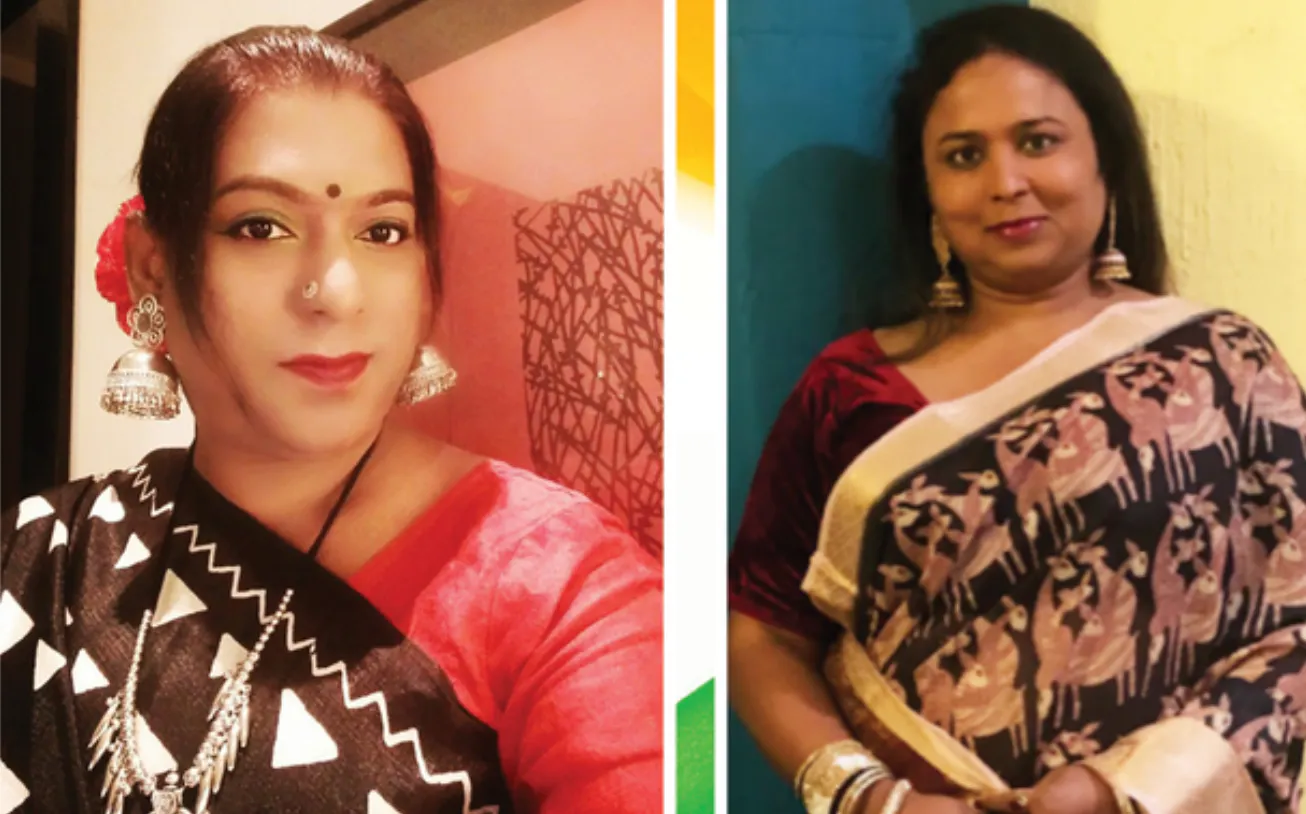
India, COVID-19 and the Transgender Community
Worldwide attention turned to India recently following widespread reports about the devastating toll the COVID-19 pandemic was taking there. Join us for a discussion of India, COVID-19, and how the transgender community mobilized globally to save lives. Our special guest are with Parivar: Celebrating 3 years of ParivarBayArea, the only trans-led South Asian queer trans organization in America. Learn of the struggles, erasure faced by South Asian Queer Trans intersectionality and in continuing to build critical programming, including COVID relief efforts globally. SPEAKERS Rachana Mudraboyina Chair, #SITAL (SaveIndianTransALLINDIALives) Project; Director, Human Rights Law Network Anjali Rimi Founder and President, Parivar Bay Area Devesh Radhakrishnan Member, Parivar's Advisory Committee; Facilitator, Roobaroo Michelle Meow Producer and Host, "The Michelle Meow Show," KBCW/KPIX and Podcast; Member, The Commonwealth Club Board of Governors—Co-host John Zipperer Producer and Host, Week to Week Political Roundtable; Vice President of Media & Editorial, The Commonwealth Club of California—Co-host In response to the COVID-19 pandemic, we are currently hosting all of our live programming via YouTube live stream. This program was recorded via video conference on August 5th, 2021 by the Commonwealth Club of California. Learn more about your ad choices. Visit megaphone.fm/adchoices
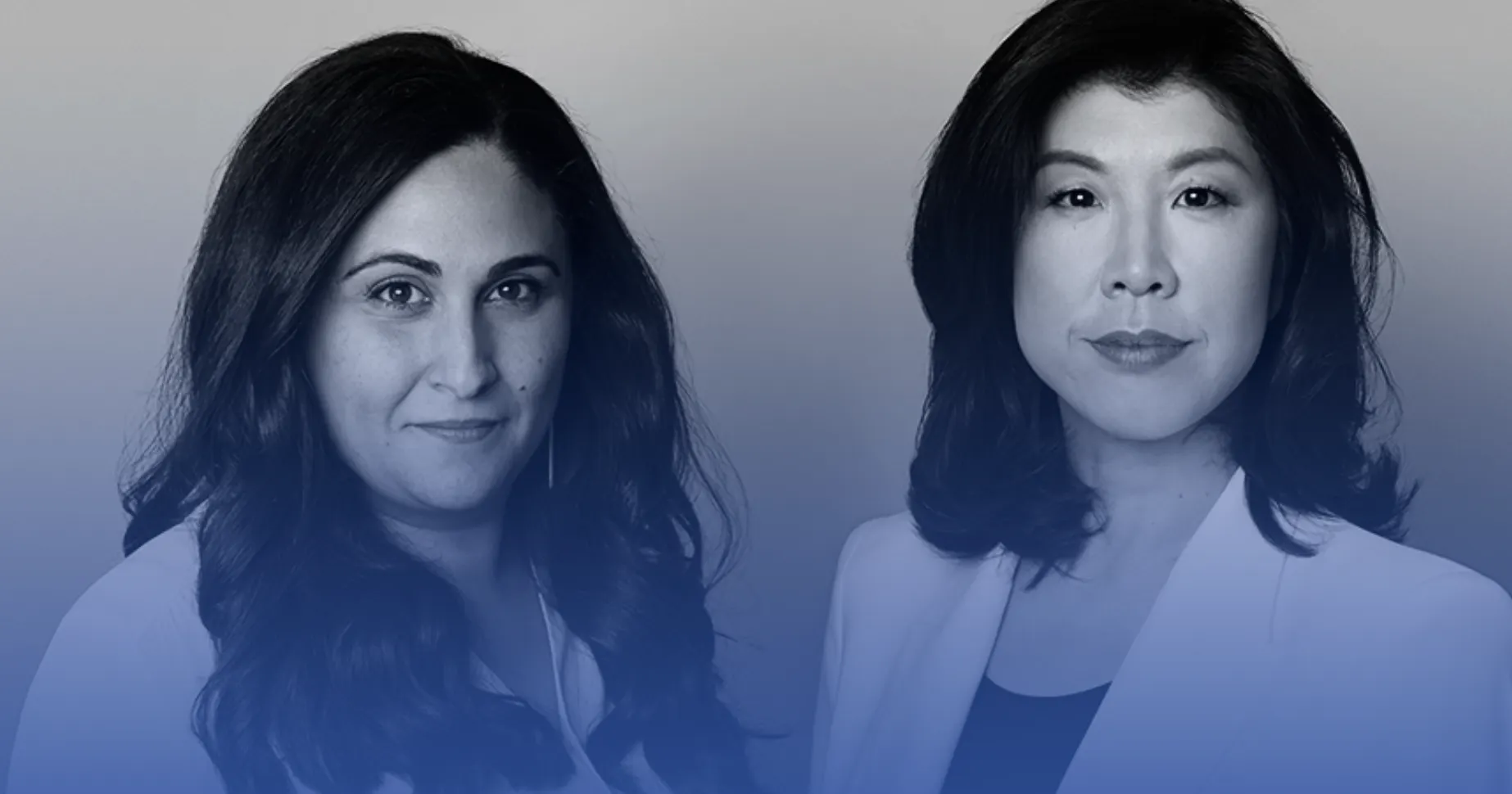
Sheera Frenkel and Cecilia Kang: Inside Facebook's Battle for Domination
Flawed. Furtive. Facebook. In the nearly two decades of the social media platform’s existence, it has both soared into worldwide popularity and plummeted into the depths of conspiracy peddling and hate-mongering. Is this the fate of any globally devoured site, or is it due to miscalculations in programming, or is it the consequence of decisions made at the top by the site’s infamous leaders? Sheera Frenkel and Cecilia Kang, authors of the book An Ugly Truth: Inside Facebook's Battle for Domination, argue that Facebook is doing exactly what it was created to do. From abusing user data and empowering political corruption to creating echo chambers of misinformation, they say Facebook is in the midst of a reckoning—and Frenkel and Kang are in front row seats. Their work, built on intimate connections to the industry and insiders, is a call for accountability from the site’s two mogul leaders who have time and time again shown their willingness to turn a blind eye. At INFORUM Sheera Frenkel and Cecilia Kang will disentangle the many narratives that shroud Facebook and its leaders in mystery. By unpacking the years of manipulation they say Facebook has baked into its platform, they argue that there’s no time like the present to understand the pitfalls the behemoth succumbed to and to prevent history from repeating itself. SPEAKERS Sheera Frenkel Cybersecurity Correspondent, The New York Times; Co-author, An Ugly Truth: Inside Facebook's Battle for Domination Cecilia Kang Technology and Regulatory Policy Correspondent, The New York Times; Co-author, An Ugly Truth: Inside Facebook's Battle for Domination Emily Chang Anchor and Executive Producer, Bloomberg Technology; Author, Brotopia: Breaking Up the Boys' Club of Silicon Valley In response to the COVID-19 pandemic, we are currently hosting all of our live programming via YouTube live stream. This program was recorded via video conference on August 4th, 2021 by the Commonwealth Club of California. Learn more about your ad choices. Visit megaphone.fm/adchoices
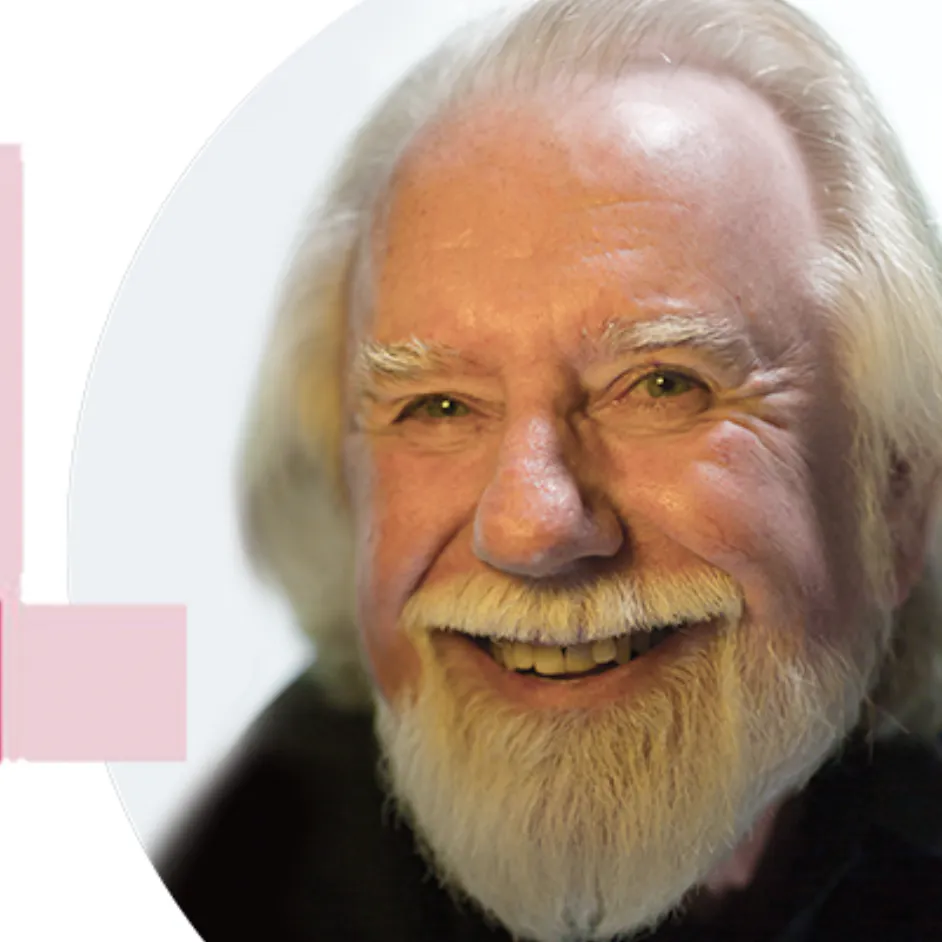
Pixar Co-Founder Alvy Ray Smith: The History of the Pixel
The pixel, the smallest element of a picture, has, with little fanfare, helped push forward the digital revolution to new heights over the past 2 decades. Today, nearly every picture in the world is composed of pixels—cell phone pictures, app interfaces, Mars Rover transmissions, book illustrations, video games—and these digital images drive our understanding of the world around us. But where did pixels come from, and why are they so important? Alvy Ray Smith, the co-founder of Pixar, has a some answers to these increasingly important questions. In his his timely book A Biography of the Pixel, Ray Smith notes that the pixel is the organizing principle of most modern media. Smith's story of the pixel's development—which touches upon technology, entertainment, business and history—begins with Fourier waves, proceeds through Turing machines and ends with the first digital movies from Pixar. For anyone who has watched a video on a cell phone, played a video game, or streamed a television show or movie at home, this important discussion with one of digital media's pioneers who made it all possible is not to be missed. Learn more about your ad choices. Visit megaphone.fm/adchoices
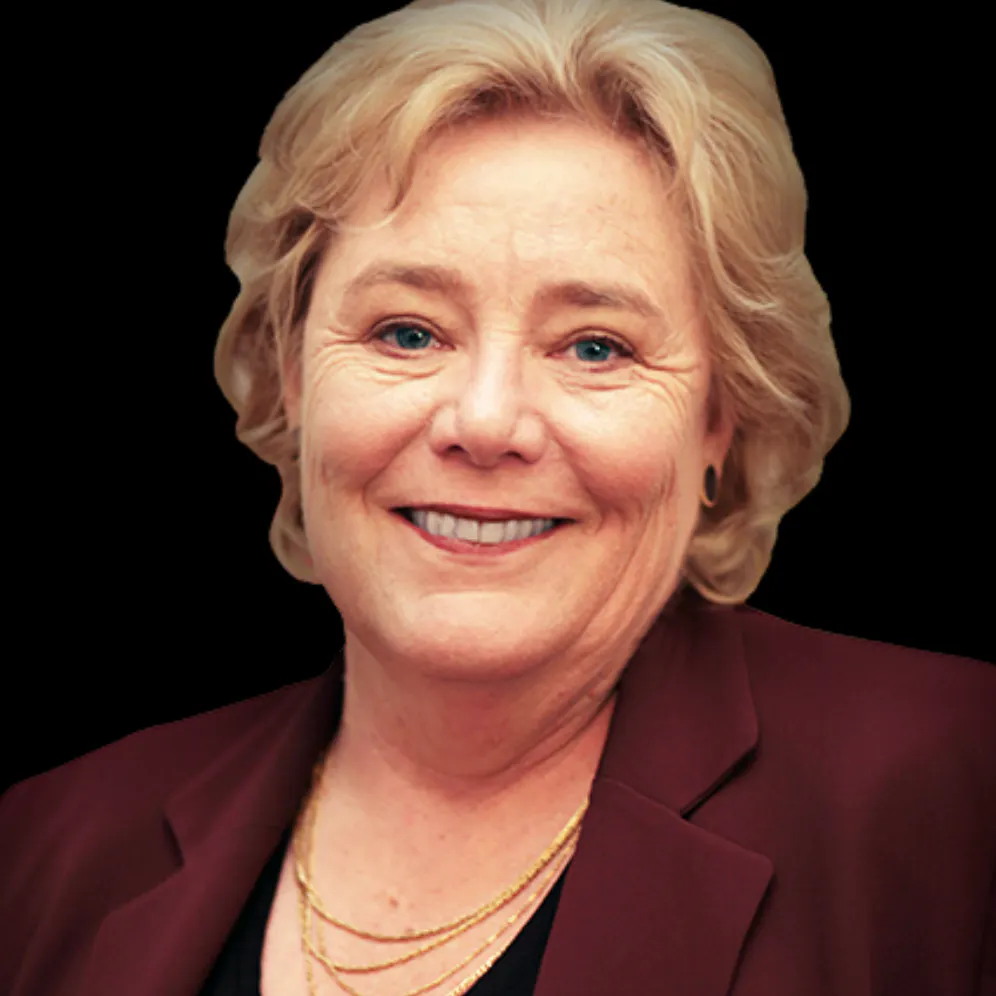
House Select Committee Member Zoe Lofgren: A Conversation About the January 6th Attack
Join an important discussion with this veteran congresswoman about her role on the House Select Committee to Investigate the January 6th Attack and its potential impact, as well as the state of the country and our democracy, the possibilities for bipartisan legislation, and how to handle such crucial issues as the pandemic variants, the economy, gun violence and immigration. Zoe Lofgren has been a Democratic member of the U.S. House of Representatives since 1995, representing the 19th District of California, encompassing San Jose and the Santa Clara Valley. She currently serves on the House Judiciary Committee, and the House Science, Space and Technology Committee and is a former law professor. Representative Lofgren has most recently been appointed to the House Select Committee to Investigate the January 6th Attack on the U.S. Capitol and has said her goal is to "uncover the truth, protect our democracy, and ensure that such an attack will never happen again.” SPEAKERS Zoe Lofgren U.S. Representative, California's 19th Congressional District Dr. Gloria Duffy President and CEO, The Commonwealth Club of California—Moderato In response to the COVID-19 pandemic, we are currently hosting all of our live programming via YouTube live stream. This program was recorded via video conference on August 4th, 2021 by the Commonwealth Club of California. Learn more about your ad choices. Visit megaphone.fm/adchoices

CLIMATE ONE: 30x30: This Land Is Whose Land?
In October 2020, California Gov. Newsom announced a plan to protect 30% of his state by 2030. In 2021, the Biden Administration announced its own 30x30 plan, later dubbed America the Beautiful. With 12% of the U.S. already under some form of protection, where will the other 18% come from? In states like Nebraska, nearly all the land is in private hands — and the owners are worried. With increased focus on the climate crisis, it’s easy to think we have enough to worry about without considering species other than our own. But the natural world provides critical resources that counteract the damaging impacts of climate change and sustain all life — including human life. About one million animal and plant species are now threatened with extinction. How much land does nature need to survive? Guests: Paula Ehrlich, CEO, E.O. Wilson Biodiversity Foundation Woody Lee, Executive Director, Utah Diné Bikéyah Jennifer Norris, Deputy Secretary for Biodiversity and Habitat, California Natural Resources Agency Catherine Semcer, Research Fellow, Property and Environment Research Center Learn more about your ad choices. Visit megaphone.fm/adchoices
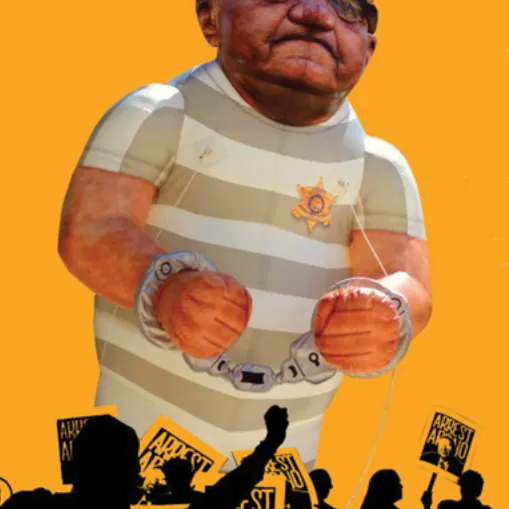
Sheriff Joe Arpaio vs. the Latino Activists Who Took Him Down
Journalists Terry Greene Sterling and Jude Joffe-Block spent years chronicling the human consequences of Sheriff Joe Arpaio’s relentless immigration enforcement in Maricopa County, Arizona. In Driving While Brown, they tell the tale of two opposing movements that redefined Arizona’s political landscape—the restrictionist cause embraced by Arpaio and the Latino-led resistance that rose up against it. Sterling and Joffe-Block reported on Arpaio, his supporters, and his adversaries, including Lydia Guzman, who gathered evidence for a racial-profiling lawsuit that took surprising turns. Guzman joined a coalition determined to stop Arpaio, reform unconstitutional policing, and fight for Latino civil rights. In the process, Arpaio transformed from "America’s Toughest Sheriff," who forced inmates to wear pink underwear, into the nation’s most feared immigration enforcer who ended up receiving President Donald Trump’s first pardon. Join us for an online discussion with the two authors and their investigative reporting, which provided critical insights into the planning and community organizing that helped transform Arizona from a conservative stronghold into a battleground state. SPEAKERS Terry Greene Sterling Affiliated Faculty and Writer-in-Residence, Walter Cronkite School of Journalism, Arizona State University; Author, Illegal; Co-Author, Driving While Brown: Sheriff Joe Arpaio Versus the Latino Resistance Jude Joffe-Block Reporter; Co-Author, Driving While Brown: Sheriff Joe Arpaio Versus the Latino Resistance Michelle Meow Producer and Host, "The Michelle Meow Show" on KBCW/KPIX TV and Podcast; Member, Commonwealth Club Board of Governors; Twitter @msmichellemeow—Co-Host John Zipperer Producer and Host, Week to Week Political Roundtable; Vice President of Media & Editorial, The Commonwealth Club—Co-host In response to the COVID-19 pandemic, we are currently hosting all of our live programming via YouTube live stream. This program was recorded via video conference on July 29th, 2021 by the Commonwealth Club of California. Learn more about your ad choices. Visit megaphone.fm/adchoices

Ending Child Marriage in Nepal
Every two seconds a girl is married against her will. COVID-19 exacerbated this already massive problem, reversing many gains that had been made in the past decade as schools closed and millions of girls lost their one chance at freedom—an education. Join us for a conversation with three women working to end child marriage. Through their stories, you will hear more about the critical importance of girls’ freedom for families and communities worldwide, and what you can do to help end this unjust and inequitable practice. About the Speakers Sangeeta Lama is an independent Nepali journalist with more than 20 years’ experience in the field. Sangeeta has provided invaluable support to international publications such as National Geographic and The New York Times and has collaborated with Stephanie Sinclair / Too Young to Wed to support families in Kagati village since 2006. She is a board member of Working Women Journalists, an organization committed to strengthening the capacity of female journalists and the role of women in Nepali media. She is the senior vice chair of Sankalpa-Women’s Alliance for Peace Justice and Democracy, an organization committed to strengthening women's rights in Nepal. Stephanie Sinclair is the founding executive director of Too Young to Wed, a nonprofit dedicated to abolishing child marriage. Stephanie is a Pulitzer Prize-winning journalist known for gaining unique access to the most sensitive gender and human rights issues around the world; she regularly publishes in esteemed outlets, including National Geographic and The New York Times Magazine. Olga Murray is the founder and honorary president of the Nepal Youth Foundation. Born in 1925 in Transylvania, Murray immigrated with her parents and in 1954, became one of the first women to graduate with a law degree from George Washington University. During her 37-year tenure at the California Supreme Court, Murray helped write important decisions in the areas of civil rights, women’s rights and environmental policy. In 1990, she founded the Nepal Youth Foundation to help provide health, shelter, education, and freedom to children and families in Nepal. Lori Barra is the executive director of The Isabel Allende Foundation, a private family foundation, whose mission is to invest in the power of women and girls to secure reproductive rights, economic independence and freedom from violence. Prior to leading the foundation, Lori designed books and magazines in New York and Tokyo and worked for Apple as an art director. Renee Saedi has a deep-rooted passion for social justice, especially human rights and equity for women and girls. She currently serves as the Champions for Equality program manager at Global Fund for Women, where she has worked for more than 9 years. As a feminist fund, Global Fund for Women strengthens gender justice movements to shift power, privilege, and perception and create meaningful change by offering flexible support to a diverse group of partners—more than 5,000 groups across 175 countries so far. MLF ORGANIZER: Ian McCuaig SPEAKERS Lori Barra Executive Director, Isabel Allende Foundation Sangeeta Lama Journalist; Board Member, Working Women Journalists; Senior Vice Chair, Sankalpa-Women’s Alliance for Peace Justice and Democracy Olga Murray Founder and Honorary President, Nepal Youth Foundation Stephanie Sinclair Founding Director, Too Young to Wed Renee Saedi Champions for Equality Program Manager, Global Fund for Women—Moderator In response to the COVID-19 pandemic, we are currently hosting all of our live programming via YouTube live stream. This program was recorded via video conference on July 28th, 2021 by the Commonwealth Club of California. Learn more about your ad choices. Visit megaphone.fm/adchoices
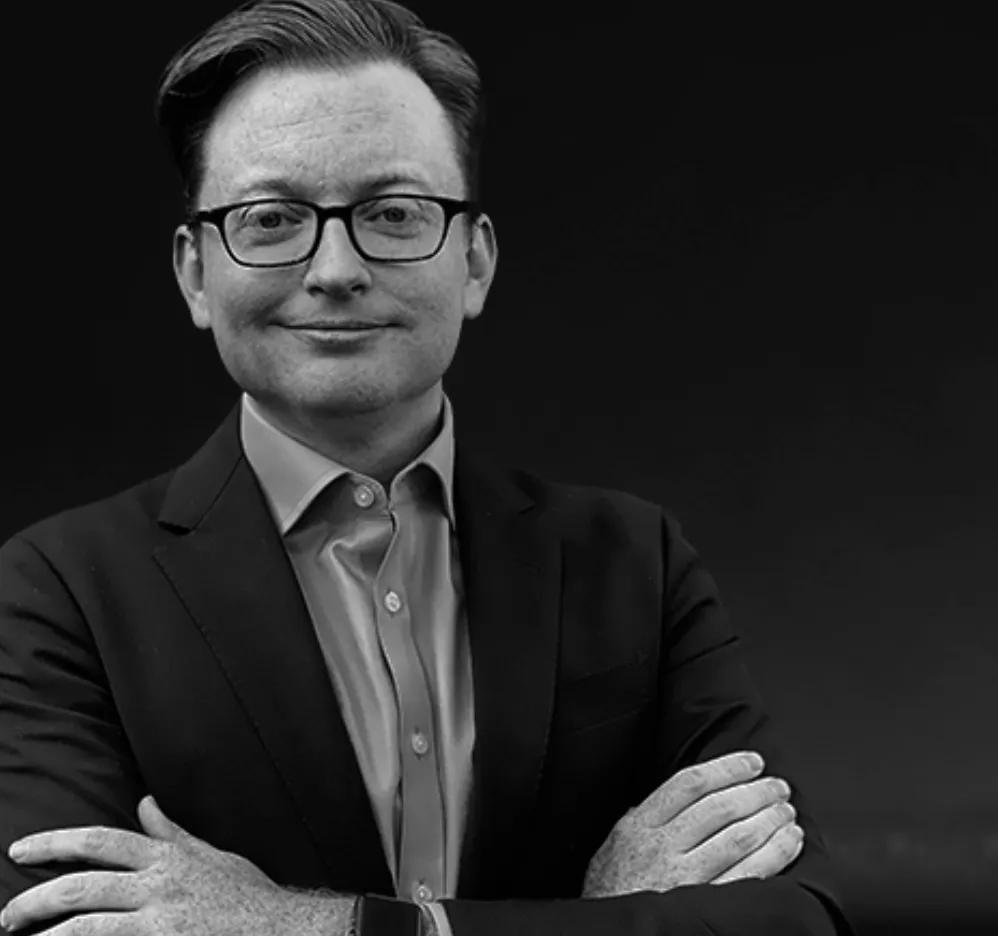
Tim Higgins: Tesla, Elon Musk, and the Bet of the Century
Elon Musk is one of the most influential and controversial tech icons in Silicon Valley. He has talked about forward-thinking projects like mind-uploading and space travel, but by far his most bold and effective vision led to Tesla and the creation of a widely available and affordable electric vehicle. Before Tesla was founded in the early 2000s, electric cars were considered novelties. But as many cars were gas guzzlers, there was a great need for a more sustainable mode of transportation. Power Play: Tesla, Elon Musk, and the Bet of the Century explores the Tesla phenomenon. Tim Higgins traces its history of a hellish first 15 years, attacks by rivals, pressure from investors and surprises by whistleblowers. As a Wall Street Journal tech and auto reporter, Higgins had a front-row seat for all the drama. He spent almost a decade reporting on the car business from Detroit before he moved to San Francisco and focused his writing more on Apple, Tesla and other tech companies. Power Play is Tesla’s story of power, recklessness, struggle and triumph coming together to change the future. Join us as Tim Higgins discusses Tesla’s rise and what it means for a tech-driven future. SPEAKERS Tim Higgins Automotive and Technology Reporter, The Wall Street Journal; Author Power Play: Tesla, Elon Musk, and the Bet of the Century In Conversation with Joanna Stern Senior Personal Technology Columnist, The Wall Street Journal Note: This program contains EXPLICIT language In response to the COVID-19 pandemic, we are currently hosting all of our live programming via YouTube live stream. This program was recorded via video conference on August 4th, 2021 by the Commonwealth Club of California. Learn more about your ad choices. Visit megaphone.fm/adchoices
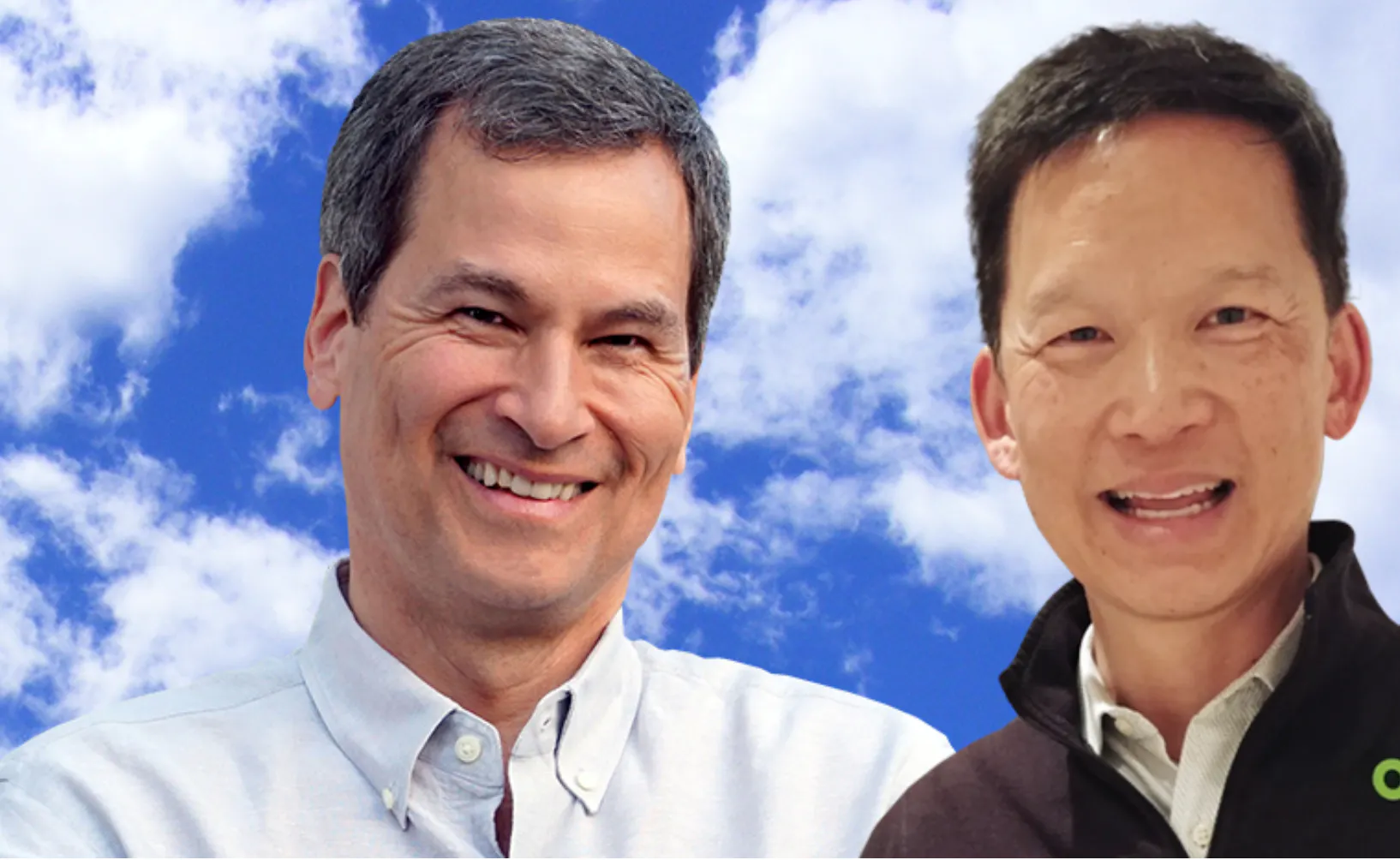
David Pogue and Wei-Tai Kwok: How to Prepare for Climate Change
You might not realize it, but we’re already living through the beginnings of climate chaos. In Arizona, laborers now start their day at 3 a.m., because it’s too hot to work past noon. Chinese investors are snapping up real estate in Canada. Millennials have evacuation plans. Moguls are building bunkers. Retirees in Miami are moving inland. In How to Prepare for Climate Change, bestselling self-help author David Pogue offers deeply researched advice for how the rest of us should start to ready ourselves for the years ahead. Pogue will walk you through what to grow, what to eat, how to build, how to insure, where to invest, how to prepare your children and pets, and even where to consider relocating when the time comes. (He says two areas of the country, in particular, have the requisite cool temperatures, good hospitals, reliable access to water, and resilient infrastructure to serve as climate havens in the years ahead.) He also provides wise tips for managing your anxiety, as well as action plans for riding out every climate catastrophe, from superstorms and wildfires to ticks and epidemics. Join Pogue and renewable energy expert Wei-Tai Kwok for a look at their practical ways to make smart choices for the upheaval ahead. SPEAKERS David Pogue Correspondent, "CBS Sunday Morning"; Author, How to Prepare for Climate Change: A Practical Guide to Surviving the Chaos Wei-Tai Kwok Climate Leader, The Climate Reality Project Ahmad Thomas President & CEO, Silicon Valley Leadership Group—Moderator In response to the COVID-19 pandemic, we are currently hosting all of our live programming via YouTube live stream. This program was recorded via video conference on August 3rd, 2021 by the Commonwealth Club of California. Learn more about your ad choices. Visit megaphone.fm/adchoices
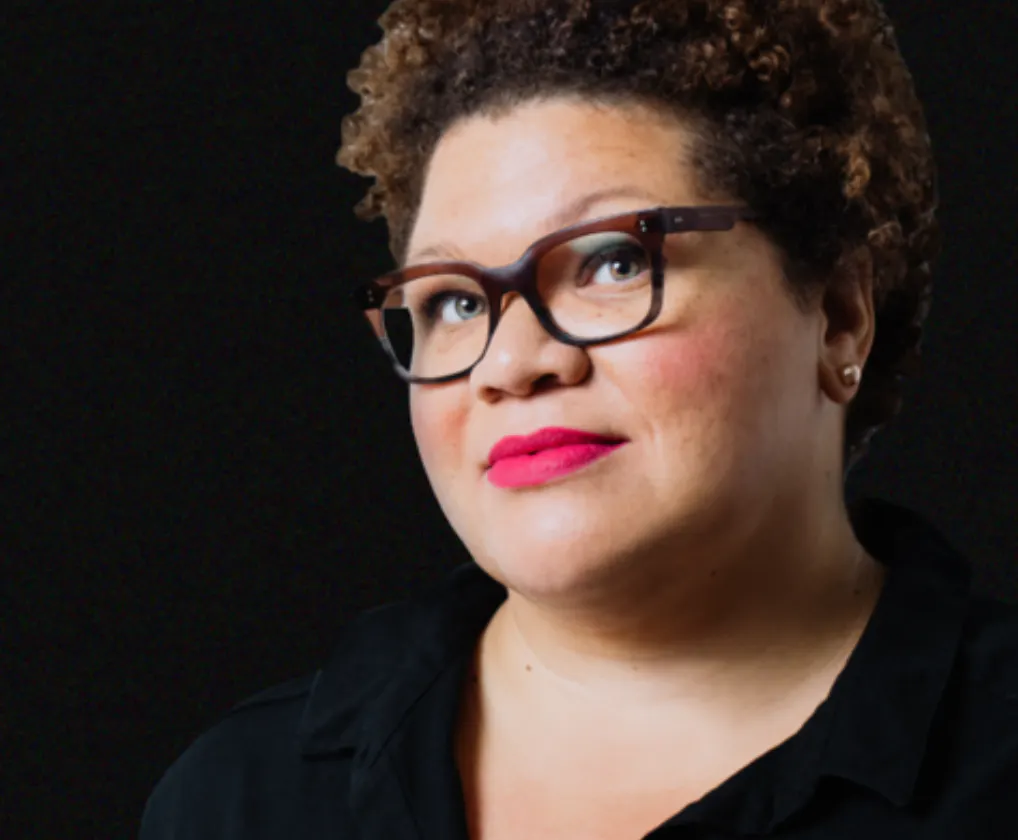
Don’t Let It Get You Down, with Savala Nolan
If “caught in the middle” was a tightrope, Savala Nolan would be a well-seasoned expert at walking it. The lawyer, speaker, and author has learned to navigate the tedious limbo that is being mixed-race, changing economic status, and a fluctuating body painfully affected by diet culture. In her debut book, Don’t Let It Get You Down: Essays on Race, Gender, and the Body, Nolan shares nostalgic, sometimes painful anecdotes from her life that illustrate the resilience and lessons learned from a life lived not in black nor white but in that somewhere in-between. Twelve poignant reflections unravel how injustice lurks around every corner and has done so for generations. But, with such wrong-doing, so too grows defiance, justice, and people like Savala Nolan who relentlessly resist by living with authenticity. Now in her fifth year at the Henderson Center for Social Justice, Nolan holds the title of executive director. She teaches law students and activists about the paramount topics of implicit bias and systemic racism—guiding the minds of tomorrow on how to mend the cracks in our system. At INFORUM, we will become Savala Nolan’s students, learning what authenticity looks like when existing between two distant opposites—many times over. SPEAKERS Savala Nolan Writer; Executive Director, Thelton E. Henderson Center for Social Justice, University of California, Berkeley; Author, Don't Let It Get You Down: Essays on Race, Gender, and the Body Christy Harrison MPH, RD, CEDRD, Host, "Food Psych" Podcast; Author, Anti-Diet: Reclaim Your Time, Money, Well-Being, and Happiness Through Intuitive Eating—Moderator Note: This program contains EXPLICIT language In response to the COVID-19 pandemic, we are currently hosting all of our live programming via YouTube live stream. This program was recorded via video conference on July 29th, 2021 by the Commonwealth Club of California. Learn more about your ad choices. Visit megaphone.fm/adchoices
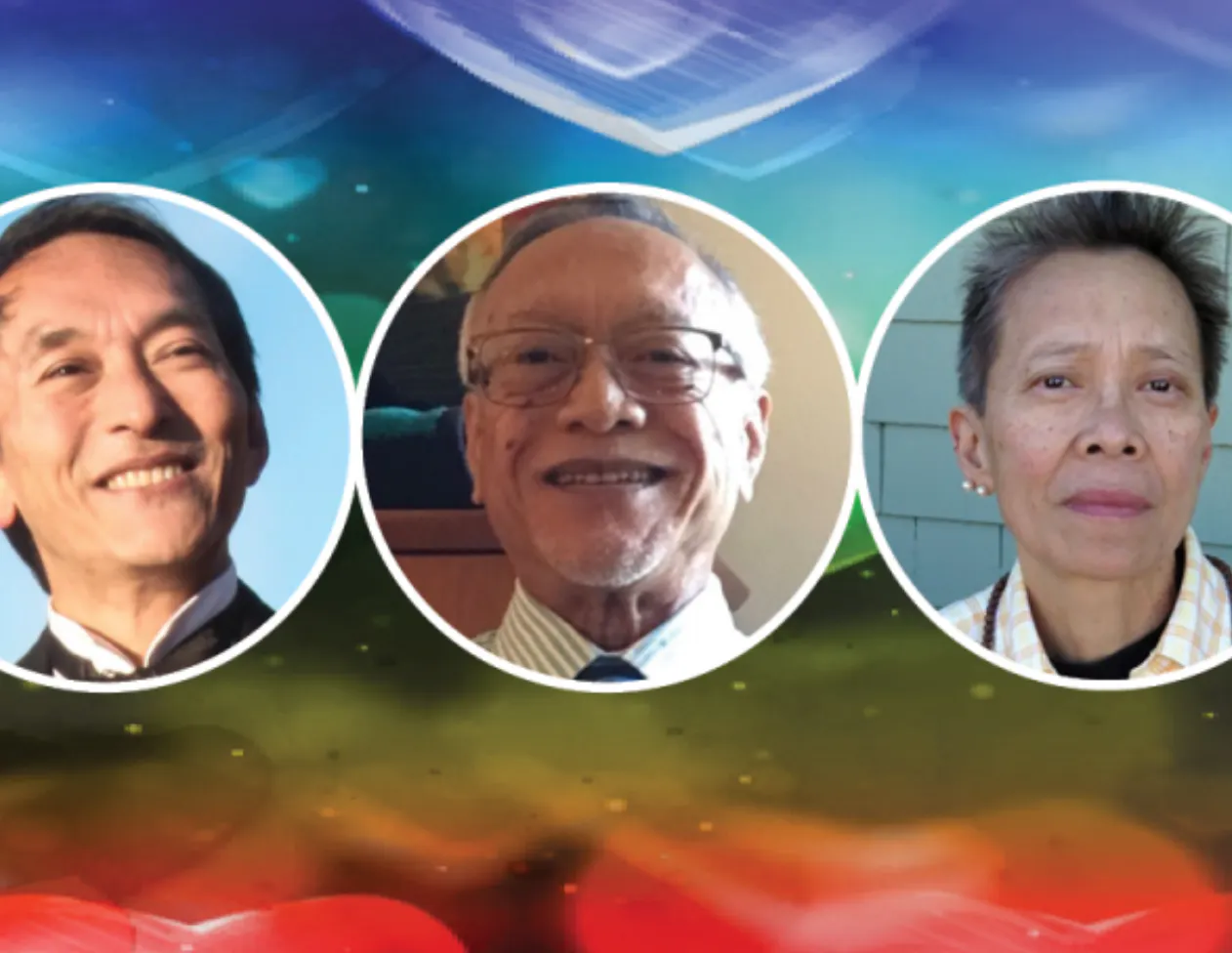
Celebrating QTAPI Pride with AAPI Leaders and Elders
If there is one thing people have learned over the past 16 months, it is the importance and power of community. Join us for a special conversation with AAPI leaders and elders about anti-Asian racism, homophobia, transphobia, and their life-long activism and advocacy. And come early before the program to enjoy a lunch courtesy of What the Cluck Thai Chicken and Rice. Meet the Speakers Gil Mangaoang was born in San Francisco, California on March 22, 1947. He is the fourth of seven generations in his family to be born in the United States. Through more than four decades he has been active in the fight for social justice and equality in the United States and the Philippines. His memoirs also include his coming out story as a Filipino American gay man. Jasmine Gee has volunteered at film festivals (International, Frameline), music venues (Davies Symphony, Herbst Theater), and street fairs (Folsom, Castro); has worked as an advocate and activist for LGBTQ organizations; served in leadership positions in on the GAPA AdvisoryBoard and the Trans March; is a musician (a clarinetist and a singer in 3 choral groups); contributing author of Transascestors, Volume 1; and is an elder, with Felicia Elizondo, Tamara Ching. Crystal Jang loves being considered a QTAPI “Auntie.” Jang is a third generation San Franciscan and fourth generation Chinese American,. Having discovered she was attracted to girls at the age of 13, Jang has spend the last 6 decades dedicated to pushing the boundaries of API-queer visibility and activism. As a QTAPI elder, Crystal’s current focus is on fostering intergenerational relationships to sustain and strengthen the QTAPI community. She is a co-founder of OASIS (Older Sisters in Solidarity), APIQWTC (Asian Pacific Islander Queer Women & Trans Community, and the RED Envelope Giving Circle. Jang is happiest when she is causing “good trouble.” Randy Kikukawa has been active in the LGBTQ+ community for more than 40 years and is currently music director of the GAPA (GLBTQ+ Asian Pacific Alliance) Men’s Chorus and managing director of the Golden Gate Men’s Chorus. Both choruses are members of the Gay & Lesbian Association of Choruses (GALA Choruses). Kitty Tsui is a writer and an activist, a multi-hyphenate lesbian elder. Her groundbreaking book, Words of a Woman Who Breathes Fire, is the first book by a Chinese American lesbian. Her second, Breathless: Erotica, won the Firecracker Alternative Book Award. She has been included in more than 80 anthologies worldwide. Her work has been translated into German, Japanese and Italian. In 2018, her alma mater, San Francisco State University, inducted her into the Alumni Hall of Fame. The Smithsonian Asian Pacific American Center commissioned her as one of 12 API queer poets to be honored for a poem/video for the digital exhibition, “A Day in the Life of Queer Asian Pacific American.” She is the subject of Nice Chinese Don’t: Kitty Tsui, directed by award-winning filmmaker, Jennifer Abod. Note: This program contains EXPLICIT language SPEAKERS Jasmine Gee Advocate; Activist; Musician Crystal Jang Co-Founder, OASIS (Older Sisters in Solidarity), RED Envelope Giving Circle, and APQWTC (Asian Pacific Islander Queer Women & Trans Community) Randy Kikukawa Music Director, GAPA (GLBTQ+ Asian Pacific Alliance) Men’s Chorus; Managing Director, Golden Gate Men’s Chorus Gil Mangaoang Social Justice and Equality Activist; Author Kitty Tsui Writer; Activist; Author, Words of a Woman Who Breathes Fire Michelle Meow Producer and Host, "The Michelle Meow Show," KBCW and Podcast; Member, Commonwealth Club Board of Governors; Twitter @msmichellemeow—Host In response to the COVID-19 pandemic, we are currently hosting all of our live programming via YouTube live stream. This program was recorded via video conference on July 30th, 2021 by the Commonwealth Club of California. Learn more about your ad choices. Visit megaphone.fm/adchoices
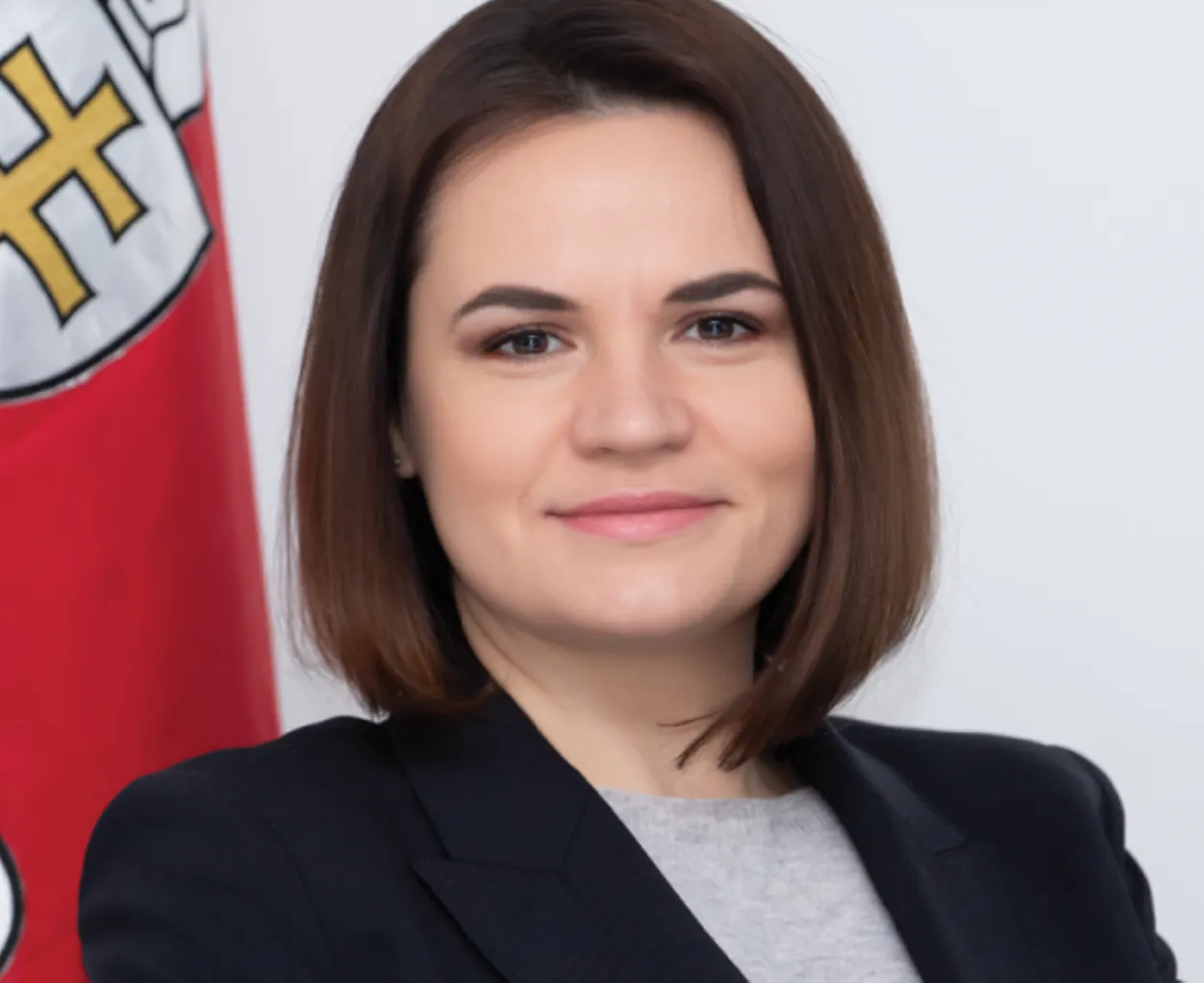
Belarus Pro-Democracy Leader Sviatlana Tsikhanouskaya: Belarus and the Future
Sviatlana Tsikhanouskaya is the leader of Belarusian democratic forces, who numerous independent observers say beat the autocratic president Alexander Lukashenko in a presidential election on August 9, 2020. She stepped into the race after her husband was arrested for his presidential aspirations. Mr. Lukashenko has publicly dismissed her as a “housewife,” сlaiming that a woman can't become president. After her forced exile, Ms. Tsikhanouskaya inspired unprecedented peaceful protests around Belarus, some of which numbered hundreds of thousands of people. She has visited more than 20 countries gathering support for a democratic Belarus and continues to advocate for the release of more than 500 political prisoners and peaceful changes through a free and fair election. In the past year, more than 35,000 people have been detained in Belarus, according to the United Nations. Tens of thousands of Belarusians have fled abroad. Ms.Tsikhanouskaya has become a symbol of peaceful struggle for democracy and female leadership. On July 27, President Joe Biden met with Tsihanouskaya, and he issued a statement that "The United States stands with the people of Belarus in their quest for democracy and universal human rights." In 2020, Lithuanian President Nauseda and Norwegian MPs nominated her for the Nobel Peace Prize. She is included in Bloomberg's TOP-50 Most Influential People, Financial Times' Top 12 Most Influential Women, and Politico's Top 28 Most Influential Europeans. In meetings with Chancellor Angela Merkel, President Emmanuel Macron, President Ursula von der Leyen, President Charles Michel, and other world leaders, she has emphasized the need for a braver response to the actions of the Belarusian dictatorship.This week, she has been in the United States, where she met with Secretary of State Tony Blinken as well as others in the U.S. government. Given the level of repressions against citizens and with Moscow supporting Lukashenko, Tsikhanouskaya is using the primary tool available to her in exile: Western support. She has sought more comprehensive sanctions on Belarus’s elites and businesses, to show them that it is “becoming more costly for them to support Lukashenko.” Join a rare conversation with this outspoken advocate for democratic reforms and hear her thoughts on parallels between her struggles and challenges currently facing Americans. SPEAKERS Sviatlana Tsikhanouskaya Leader, Belarus Pro-Democracy Movement In Conversation with Dr. Gloria Duffy President and CEO, The Commonwealth Club; Deputy Assistant Secretary of Defense under President Clinton In response to the COVID-19 pandemic, we are currently hosting all of our live programming via YouTube live stream. This program was recorded via video conference on July 29th, 2021 by the Commonwealth Club of California. Learn more about your ad choices. Visit megaphone.fm/adchoices
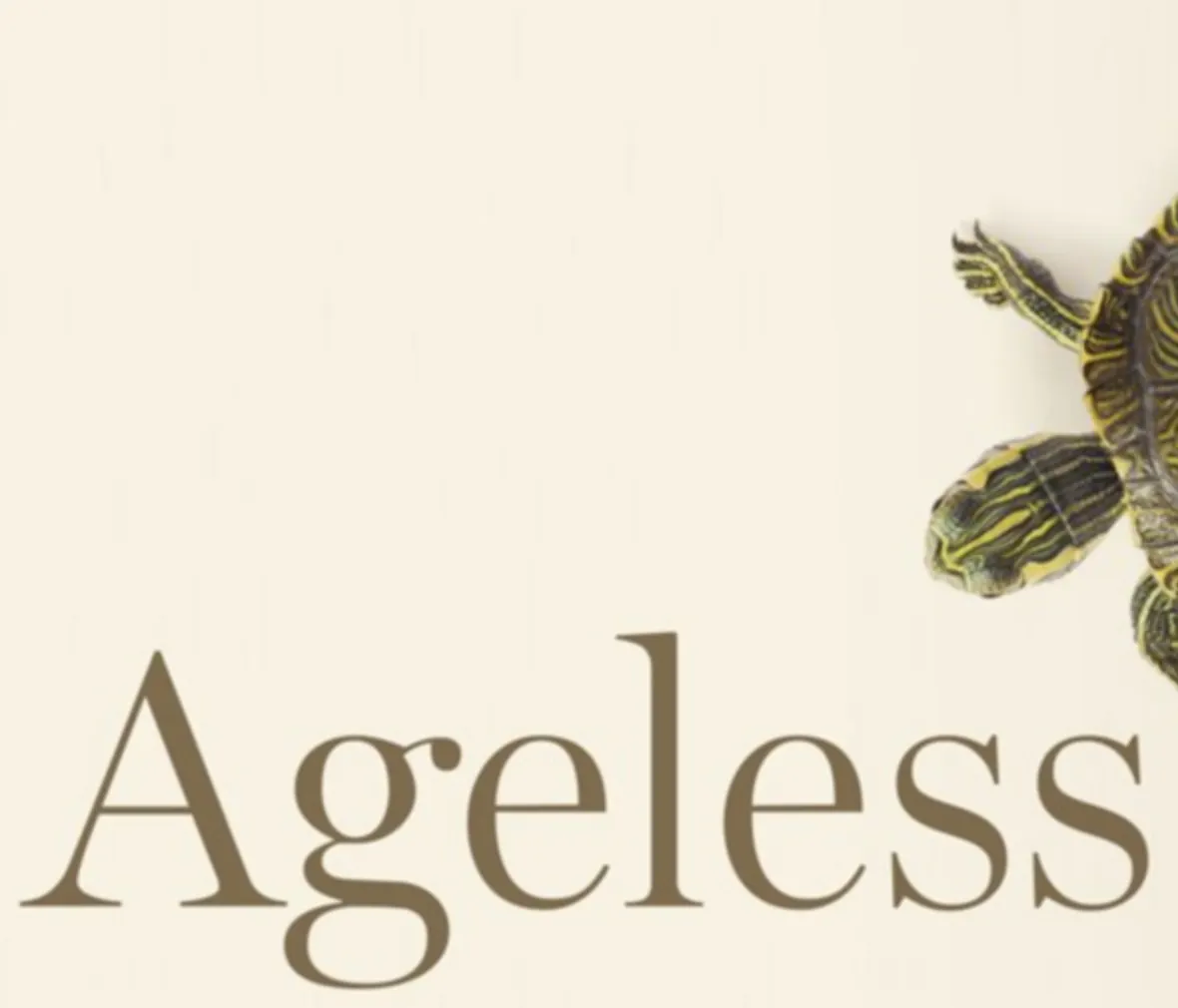
Ageless: The New Science of Getting Older Without Getting Old
Aging—not cancer or heart disease—is the world’s leading cause of death and suffering. In spite of this, we accept the aging process as inevitable. We come to terms with the fact that our bodies and minds will begin to deteriorate and our risk of disease will rise as we get older. Aging is so deeply ingrained in the human experience that we never stop to ask: is it necessary? Scientists, on the other hand, know that aging is not a biological inevitability. Dr. Andrew Steele's new book Ageless introduces us to the cutting-edge research that is paving the way for a revolution in medicine. It takes us inside the laboratories where scientists are studying every aspect of the body: DNA, mitochondria, stem cells, the immune system, even ‘aging genes’ that have helped animals enjoy a tenfold increase in lifespan—and which could, in the not too distant future, lead to treatments that could forestall our own bodies’ decline. Steele will explain how understanding the scientific implications of aging could lead to the greatest revolution in the history of medicine—one that has the potential to improve billions of lives, save trillions of dollars, and transform the human condition. MLF ORGANIZER: Robert Lee Kilpatrick SPEAKERS Dr. Andrew Steele Ph.D.; Author, Ageless: The New Science of Getting Older Without Getting Old Dr. Robert Lee Kilpatrick Ph.D., Chair, Health & Medicine Member-Led Forum—Moderator In response to the COVID-19 pandemic, we are currently hosting all of our live programming via YouTube live stream. This program was recorded via video conference on July 15th, 2021 by the Commonwealth Club of California. Learn more about your ad choices. Visit megaphone.fm/adchoices
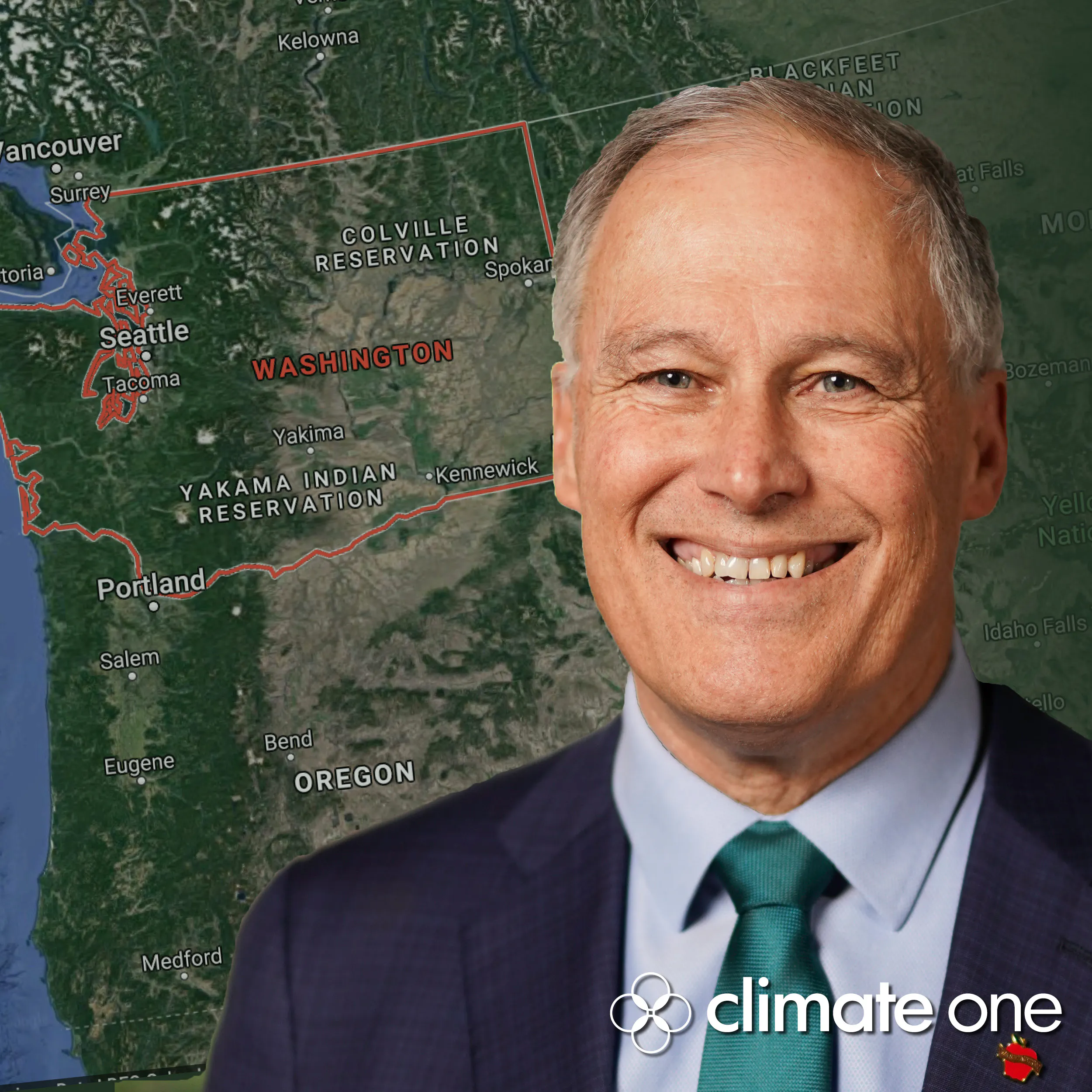
CLIMATE ONE: Jay Inslee, BP and Washington’s Climate Story
In Washington State, voters defeated initiatives to put a price on carbon ― twice. Governor Jay Inslee himself then lost his personal bid for the White House. Yet his bold ideas have proven staying power. The state legislature recently passed a carbon cap and invest bill that will reduce economy-wide greenhouse gas emissions 95 percent by 2050. “We’ve got to wake up every morning figuring out ‘how can I disrupt the status quo.’ Because the status quo is deadly, it’s fatal, it will destroy economies and the biology that we exist on,” Inlsee says. Even big oil, which spent tens of missions to defeat the 2018 carbon pricing proposal, seems to be changing its tune, with BP now supporting a price on carbon. How might Washington State be a bellwether for Washington DC? Learn more about your ad choices. Visit megaphone.fm/adchoices
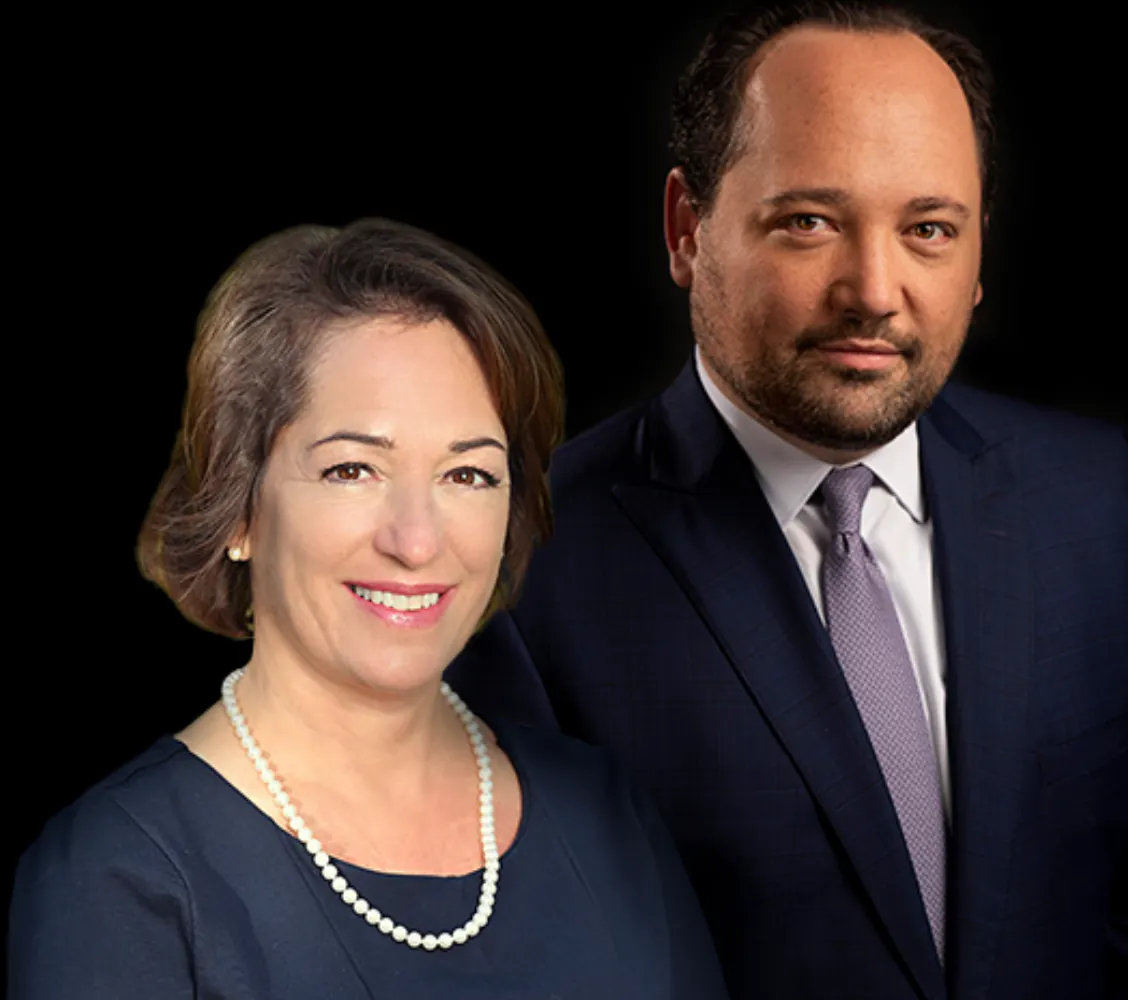
Carol Leonnig and Philip Rucker: Inside Donald J. Trump's Catastrophic Final Year
The year 2020 brought with it a nation riddled with grief as the United States descended into a raging pandemic, steep economic downfall, and unsettling political instability. As half a million perished and millions were left jobless from coronavirus, what was really going on inside the White House? And who was influencing Donald Trump as he refused to concede power after an election he had clearly lost? Washington Post reporters Carol Leonnig and Philip Rucker answer these questions for the American people in I Alone Can Fix It, a gripping exposé of an administration sabotaging its own country. Their sources were in the room as Trump and the key players around him—doctors, generals, senior advisors and family members—continued to prioritize the interests of the president over that of the country. These witnesses saw firsthand Trump’s desire to deploy military force against protests in the wake of George Floyd’s death. They saw his refusal to take coronavirus seriously, even to the point of allowing himself and those around him to be infected. They, along with the rest of the world, saw him spur on what would become the January 6 storming of the U.S. Capitol building. With unparalleled access, Rucker and Leonnig delve into exactly who they say enabled—and who foiled—the president as he desperately held onto his fleeting presidency in his final year in office. Join us as Leonnig and Rucker reveal the inner workings of the 2020 Trump White House. SPEAKERS Carol Leonnig Investigative Reporter, The Washington Post; Co-author, I Alone Can Fix It: Donald J. Trump's Catastrophic Final Year; Twitter @CarolLeonnig (Participating Virtually) Philip Rucker White House Bureau Chief, The Washington Post; Co-author, I Alone Can Fix It: Donald J. Trump's Catastrophic Final Year; Twitter @PhilipRucker (Participating Virtually) In Conversation with Yamiche Alcindor Host, "Washington Week," PBS; Twitter @Yamiche (Participating Virtually) In response to the COVID-19 pandemic, we are currently hosting all of our live programming via YouTube live stream. This program was recorded via video conference on July 26th, 2021 by the Commonwealth Club of California. Learn more about your ad choices. Visit megaphone.fm/adchoices

The Right to Vote at Age 18: Gen Z and the Fight Against Voter Suppression
July 1 marks 50 years since the ratification of the 26th Amendment. The lowering of the voting age from 21 to 18 had lasting impacts on the political and cultural landscapes of the 1970s, but even now youth organizing and social activism have a massive influence on American elections, policies and progress. In honor of this historic anniversary, join our panel of youth organizers leading the fight against youth voter suppression and to learn how the 26th Amendment might help provide contemporary solutions. SPEAKERS Thandiwe Abdullah Co-Founder, Black Lives Matter Youth Vanguard Alex Edgar Voting Rights Activist; University of California, Berkeley, Freshman Class of 2025 Divyansh Kaushik Ph.D. student, Carnegie Mellon University; President, Carnegie Mellon University Graduate Student Assembly; Advisory Board Member, Students Learn Students Vote Rainesford Stauffer Freelance Writer; Author, An Ordinary Age—Moderator In response to the COVID-19 pandemic, we are currently hosting all of our live programming via YouTube live stream. This program was recorded via video conference on July 26th, 2021 by the Commonwealth Club of California. Learn more about your ad choices. Visit megaphone.fm/adchoices
Kabir McNeely: Bullying and the LGBTQ High School Student
School's out for the summer, but come fall, most students will be returning to in-person classrooms across the country. For some students, every day in school is another day of possible bullying by their peers. Join us for a discussion with a young award-winning filmmaker and actor on the impacts of peer bullying through the lens of LGBTQIA+ high school students. Kabir McNeely is an award-winning American actor who grew up in San Francisco. He has drawn international interest through his uniquely expressive and direct acting style. He began his acting career in 2015 when he played a supporting role in Ruth, a student short film. Since then, he has trained extensively with the American Conservatory Theater, where he also performed in their annual main stage production of A Christmas Carol in 2016 and in Urinetown: The Musical. In 2020, he wrote and directed the award-winning short film Blue Girl, in which he also appeared in. Throughout 2021, McNeely has had a steady stream of supporting roles in short films such as Family Story, Blue Girl 2025 and Pink Purple and Blue. He also gave an award-nominated lead performance in the short film Keith. SPEAKERS Kabir McNeely Actor; Writer; Director; Twitter @kabirmcn Michelle Meow Producer and Host, "The Michelle Meow Show," KBCW and Podcast; Member, Commonwealth Club Board of Governors; Twitter @msmichellemeow—Co-Host John Zipperer Producer and Host, Week to Week Political Roundtable; Vice President of Media & Editorial, The Commonwealth Club—Co-Host In response to the COVID-19 pandemic, we are currently hosting all of our live programming via YouTube live stream. This program was recorded via video conference on July 21st, 2021 by the Commonwealth Club of California. Learn more about your ad choices. Visit megaphone.fm/adchoices
Carol Anderson: Race and Guns in a Fatally Unequal America
The Constitution clearly states that Americans have the right to keep and bear arms, an argument often used to dispute proposed gun control legislation. However, historian Carol Anderson says that deeper analysis of the formation of the Second Amendment reveals ulterior, racialized motives to keep Black people powerless and oppressed. In her new book The Second: Race and Guns in a Fatally Unequal America, Anderson uncovers the history behind the Second Amendment and argues that it was designed to keep African Americans vulnerable and subdued. As a professor of African American Studies at Atlanta's Emory University, Anderson’s research primarily focuses on how racial inequality affects the processes and outcomes of policymaking. In early America, slaves were prohibited from owning, carrying or using a firearm. She says this sentiment remains today as measures to expand and curtail gun ownership are aimed to keep the Black community neutralized and punished. In an era when many are reexamining government policy through a racial lens, Anderson sheds new light on another mysterious dimension of anti-Blackness in the United States. Join us in conversation with Carol Anderson to understand the connection between Blackness, gun ownership and racial equality. SPEAKERS Dr. Carol Anderson Ph.D., Charles Howard Candler Professor of African American Studies, Emory University; Author, The Second: Race and Guns in a Fatally Unequal America In Conversation with Melissa Murray Frederick I. and Grace Stokes Professor of Law, NYU School of Law; Co-host, "Strict Scrutiny" Podcast In response to the COVID-19 pandemic, we are currently hosting all of our live programming via YouTube live stream. This program was recorded via video conference on July 21st, 2021 by the Commonwealth Club of California. Learn more about your ad choices. Visit megaphone.fm/adchoices
CLIMATE ONE: Vandana Shiva and the Hubris of Manipulating Nature
From clearing land for pasture to building dams, humans have long changed the face of the Earth. But Indian eco-feminist Vandana Shiva is highly critical of how we’ve changed our relationship with the land through industrial monocrop agriculture. She firmly opposes genetically modified crops, and has called seed patents “bio-piracy.” But it’s not just the technology she’s critical of. “I’m critical of the world view of arrogance. The worldview that came with colonialism, the mechanistic mindset of the conquering man being the creator of the earth and creator of the wealth,” Shiva says. Shiva argues for a renewed focus on biodiversity and regenerative agriculture to help solve the climate crisis. Guests: Vandana Shiva, director of the Foundation for Science, Technology & Ecology Learn more about your ad choices. Visit megaphone.fm/adchoices
Michael Bender with Maggie Haberman: The Inside Story of How Donald Trump Lost
Frankly, We Did Win This Election, authored by The Wall Street Journal’s senior White House reporter Michael Bender, reveals a deeply reported account of Donald J. Trump’s final year as president of the United States—from his first impeachment in January 2020 to his second almost exactly a year later. Bender chronicles Trump and his campaign team as they struggle through an epic convergence of the COVID-19 pandemic, the ensuing economic collapse, and the civil rights upheaval that unraveled their reelection strategy. Bender’s refined sourcing brings readers within the walls of the White House for the inside story of how Trump lost, drawing a straight line from his presidency to his defeat and ultimately to the deadly storming of the U.S. Capitol building. Bender joined The Wall Street Journal in 2016 and has since published more than 1,100 stories about Trump. He has been recognized for his coverage, receiving both the Gerald R. Ford Foundation Journalism Prize for Distinguished Reporting on the Presidency in 2019 as well as the National Press Club award for political analysis in 2020. Join Bender and moderator Maggie Haberman, a Pulitzer Prize-winning journalist from The New York Times, as they go into the exclusive details of how Donald J. Trump lost the 2020 election. Note: This Program contains EXPLICIT language SPEAKERS Michael Bender Senior White House Reporter, The Wall Street Journal; Author, Frankly, We Did Win This Election: The Inside Story of How Trump Lost; Twitter @MichaelCBender In Conversation with Maggie Haberman White House Correspondent, The New York Times; Twitter @maggieNYT In response to the COVID-19 pandemic, we are currently hosting all of our live programming via YouTube live stream. This program was recorded via video conference on July 21st, 2021 by the Commonwealth Club of California. Learn more about your ad choices. Visit megaphone.fm/adchoices
Julie K. Brown: The Jeffrey Epstein Story
The depths of the Jeffrey Epstein story may never have been known without the work of Florida investigative reporter Julie K. Brown. A reporter for the Miami Herald, Brown and her explosive reporting for the Herald helped bring Epstein to justice (before his death) while exposing the powerful people and broken system that protected him. For many years, billionaire Jeffrey Epstein's penchant for teenage girls was an open secret in the high society of Palm Beach, Florida and Manhattan. Charged in 2008 with soliciting prostitution from minors, Epstein was treated with what critics called unheard-of leniency at the time. The media virtually ignored the failures of the criminal justice system, and Epstein's friends and business partners brushed the allegations aside. But when in 2017 the U.S. attorney who approved Epstein's plea deal, Alexander Acosta, was chosen by President Trump as labor secretary, Brown was compelled to ask questions that other journalists weren't. Despite her editor's skepticism that she could add a new dimension to a known story, Brown determined that her goal would be to track down the victims themselves. Poring over thousands of redacted court documents, traveling across the country and chasing down information in difficult and sometimes dangerous circumstances, Brown tracked down dozens of Epstein's victims, now young women struggling to reclaim their lives after the trauma and shame they had endured. Brown's resulting three-part series in the Miami Herald was one of the most explosive news stories of the decade, revealing how Epstein ran a global sex trafficking pyramid scheme with impunity for years, targeting vulnerable teens, often from fractured homes, and then turning them into recruiters. The outrage led to Epstein's arrest, the disappearance and eventual arrest of his closest accomplice Ghislaine Maxwell, and the resignation of Acosta. The financier's mysterious suicide in a New York City jail cell prompted wild speculation about the secrets he took to the grave—and whether his death was intentional or the result of foul play. Brown's new book, Perversion of Justice, builds on her original award-winning series, showing the power of truth, the value of local journalism and the tenacity of one woman in the face of the deep-seated corruption of powerful men. Julie Brown joins us virtually to discuss her role in the Epstein story and what it means for the media and the country. SPEAKERS Julie K. Brown Investigative Reporter, Miami Herald; Author, Perversion of Justice: The Jeffrey Epstein Story; (Participating Virtually) Robert Rosenthal Board Member, Center for Investigative Reporting—Moderator In response to the COVID-19 pandemic, we are currently hosting all of our live programming via YouTube live stream. This program was recorded via video conference on July 22nd, 2021 by the Commonwealth Club of California. Learn more about your ad choices. Visit megaphone.fm/adchoices
Prison Truth: The San Quentin News Story
Professor William Drummond has had an impressive career as an educator and award-winning journalist. This includes stints at The (Louisville) Courier-Journal, where he covered the civil rights movement, and the Los Angeles Times, where he was a local reporter, then bureau chief in New Delhi and Jerusalem and later a Washington correspondent. Drummond was appointed a White House Fellow in 1976 by President Gerald Ford, worked briefly for Secretary of State Henry Kissinger and eventually became associate press secretary to President Jimmy Carter. In 1977 he joined National Public Radio and became the founding editor of "Morning Edition." In 1983, he joined the faculty at the University of California, Berkeley, where in addition to teaching students, Drummond twice taught an introductory journalism course pro bono under auspices of the Prison University Project for dozens of inmates at San Quentin Prison. He and moderator Robert Rosenthal, who has visited inmates at San Quentin many times with a program called Guiding Rage into Power and also has had a remarkable career in journalism, will discuss how the prisoner-run newspaper San Quentin News was recalled to life under an enlightened warden and newspaper veterans, including Drummond. They will also discuss how the COVID crisis affected prisoners and prison staff. Drummond told the story of the San Quentin News in his book Prison Truth, revealing how the project helped transform the prison from a "living hell" into an environment to foster positive change in the inmates' lives. One reviewer wrote, "Prison Truth illustrates the power of prison media to eventually humanize the experiences of people inside penitentiary walls and to forge alliances with social justice networks seeking reform." Join us for this important discussion. MLF ORGANIZER Celia Menczel NOTES MLF: Middle East SPEAKERS William Drummond Professor of Journalism, University of California, Berkeley; Author, Prison Truth Robert Rosenthal Board Member: Center for Investigative Reporting In response to the COVID-19 pandemic, we are currently hosting all of our live programming via YouTube live stream. This program was recorded via video conference on July 22nd, 2021 by the Commonwealth Club of California. Learn more about your ad choices. Visit megaphone.fm/adchoices

Joe Keohane: The Power of Strangers
Why don’t we talk to strangers? What happens when we do? Joe Keohane argues that, if we do, it affects everything from our own health and well-being to the rise and fall of nations. In our cities, even before the pandemic, we stood on silent buses and subway cars, barely acknowledging one another, even as rates of loneliness skyrocketed. Online, we retreat into ideological silos reinforced by algorithms designed to serve us only familiar ideas. In our politics, we are increasingly consumed by the fear of people we’ve never met. But what if strangers—so often blamed for our most pressing political, social, and personal problems—are actually the solution? Keohane takes us on a journey to discover what happens when we bridge the distance between us and people we don’t know. And he finds that, while we are wired to sometimes fear, distrust and even hate strangers, people and societies that have learned to connect with strangers benefit immensely. Digging into a growing body of cutting-edge research on the surprising social and psychological benefits that come from talking to strangers, Keohane shows that even passing interactions can enhance empathy, happiness and cognitive development; ease loneliness and isolation; and root us in the world, deepening our sense of belonging and revealing that talking to strangers isn’t just a way to live. It’s a way to thrive. MLF ORGANIZER George Hammond NOTES MLF: Humanities SPEAKERS Joe Keohane Journalist; Author, The Power of Strangers: The Benefits of Connecting in a Suspicious World In Conversation with George Hammond Author, Conversations With Socrates In response to the COVID-19 pandemic, we are currently hosting all of our live programming via YouTube live stream. This program was recorded via video conference on July 21st, 2021 by the Commonwealth Club of California. Learn more about your ad choices. Visit megaphone.fm/adchoices

What Is Trauma-Informed Care?
Trauma-informed care understands and considers the pervasive nature of trauma and promotes environments of healing and recovery rather than practices and services that may inadvertently re-traumatize. Dr. Darla Dixon is a licensed psychologist currently working as a trauma-informed care coordinator for the California Department of State Hospitals. She has also had the privilege of being socialized by the wraparound program early in her career where she learned and experienced the impact of being trauma-informed. MLF ORGANIZER Patrick O'Reilly NOTES MLF: Psychology SPEAKERS Dr. Darla Dixon Psychologist; Trauma-Informed Care Coordinator, California Department of State Hospitals Patrick O'Reilly Clinical Psychologist; Chair Commonwealth Club Psychology Member-Led Forum—Moderator In response to the COVID-19 pandemic, we are currently hosting all of our live programming via YouTube live stream. This program was recorded via video conference on June 16th, 2021 by the Commonwealth Club of California. Learn more about your ad choices. Visit megaphone.fm/adchoices
Love Has Made Them One: Exploring the Romance of Benjamin Britten and Peter Pears
Composer Benjamin Britten, a central figure of 20th-century British music (Peter Grimes, The Turn of the Screw, Ceremony of Carols) and renowned tenor Peter Pears were together from 1939 until Britten’s death in 1976. During Britten’s lifetime, neither spoke publicly about their relationship or sexuality—homosexuality in England was illegal until its partial decriminalization in 1967. San Francisco-born and -based arts educator, performer, composer and conductor Cole Thomason-Redus presents an illuminating 21st century perspective on their musical partnership and private life. Cole is educational content curator in the Department of Diversity, Equity & Community at San Francisco Opera, where he is host of the weekly online series "Opera Aficionado." Cole has also been director of education for Chanticleer, curator of classical music at Apple, Inc., and classical music analyst for the Music Genome Project at Pandora Media, Inc. MLF ORGANIZER Dr. Anne W. Smith NOTES MLF: Arts SPEAKERS Cole Thomason-Redus Educational Content Curator, Department of Diversity, Equity & Community, San Francisco Opera; Host, "Opera Aficionado"; Upper DivisioDirector, Marin Girls Chorus; Associate Conductor, National Children's Chorus In response to the COVID-19 pandemic, we are currently hosting all of our live programming via YouTube live stream. This program was recorded via video conference on June 29th, 2021 by the Commonwealth Club of California. Learn more about your ad choices. Visit megaphone.fm/adchoices