Commonwealth Club of California Podcast
2,452 episodes — Page 17 of 50
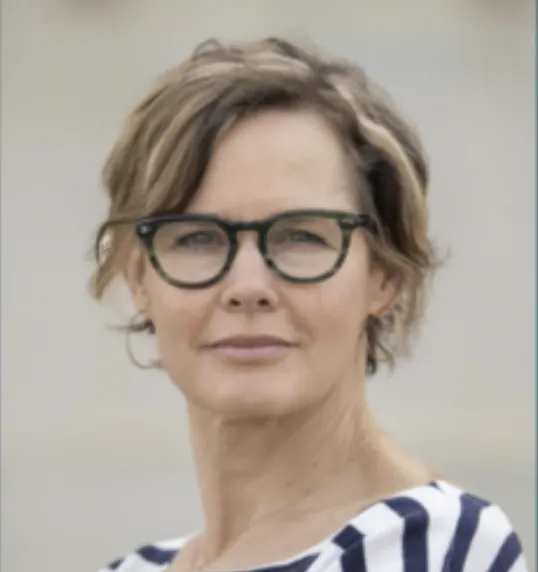
Jennifer Pahlka: Why Government Is Failing in the Digital Age
Government at all levels has limped into the digital age, widening the gap between the policy outcomes we intend and what we get. Jennifer Pahlka served as President Barack Obama’s former deputy chief technology officer. Join us for an in-depth talk as she offers a bold reexamination of how our government operates and the improvements that she says need to be made to end bureaucratic dysfunction. It’s not more money or more tech we need; Pahlka calls for "recoding" American government to reclaim it for the people it is supposed to serve. NOTES This program is presented in collaboration with the USC Dornsife Center for the Political Future. Learn more about your ad choices. Visit megaphone.fm/adchoices

CLIMATE ONE: Peter Gleick on Water Poverty, Conflict, and a Hope for the Future
No elemental force has done more to shape life on this planet than water, from originating the earliest forms of life, to sculpting our landscapes, to determining patterns of human civilization. Humans have tried to control water for thousands of years, and access to this precious resource has caused conflict and also unlikely partnerships. In an era defined by climate disruption, the control, access, and quality of water will continue to determine our ability to survive and thrive. How can we ensure a future where clean water exists for all who need it – including the ecosystems we depend on – and navigate the challenges of too little or too much? Guests: Peter Gleick, co-founder, The Pacific Institute; author, “The Three Ages of Water” Contributor: Luke Runyon, Managing Editor & Reporter, Colorado River Basin, KUNC Radio For show notes and related links, visit https://www.climateone.org/watch-and-listen/podcasts Learn more about your ad choices. Visit megaphone.fm/adchoices
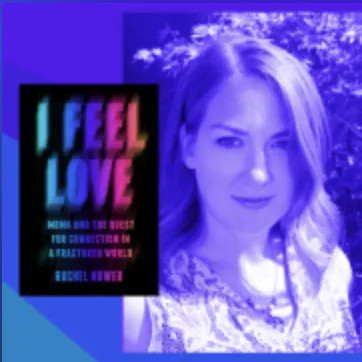
Rachel Nuwer: Understanding MDMA
Few drugs in history have generated as much controversy as MDMA—or held as much promise, according to some. Once vilified as a Schedule I substance that would supposedly eat holes in users’ brains, MDMA (also known as Molly or Ecstasy) is now being hailed as a therapeutic agent that could transform the field of mental health and outpace psilocybin and ketamine as the first psychedelic approved for widespread clinical use. Award-winning science journalist Rachel Nuwer separates fact from fantasy, hope from hype, in the drug’s contested history and still-evolving future. Hear more as Nuwer explains the cultural and scientific upheaval that is rewriting our understanding of our brains, our selves, and the space between. This program contains EXPLICIT content. Learn more about your ad choices. Visit megaphone.fm/adchoices

Latest Developments in Alzheimer's and the AAPI, LGBTQIA+ Communities
Alzheimer's disease is the most common type of dementia. It begins with mild memory loss and progresses to more severe effects, in some cases leading to the loss of the ability to carry on a conversation or respond to the surrounding environment. According to the CDC, in 2020, 5.8 million Americans were living with Alzheimer's; the number of people living with the disease doubles every five years beyond the age of 65; and as many as 14 million people in the United States are projected to have Alzheimer's by the year 2060. The disease and its impact can be experienced in different ways in different communities. Join us live as television host Michelle Meow leads a discussion with health experts and Alzheimer's advocates. They'll discuss Alzheimer's awareness, caregiving and the API stigma, filial piety, a personal caregiving story, LGBTQ caregiving and family dynamics, early detection, and brain health. This is a free event—your chance to learn more about this disease affecting millions of people. NOTES The Michelle Meow Show thanks Kaiser Permanente for its support of independent LGBTQ media producers. Learn more about your ad choices. Visit megaphone.fm/adchoices

GREG KING: RACISTS, "Greg King: Racists, Radicals and Real Estate in the California Redwoods
Every year millions of tourists from around the world come to California to see our famous redwoods. Yet few understand how unlikely it is that these last groves of giant trees still stand at all. Activist Greg King examines how investors and a growing U.S. economy drove the timber industry to cut down the giant redwoods on all but four percent of the original 2-million-acre redwood ecosystem. The land grab began in 1849, when a “green gold rush” of migrants came to exploit the legendary redwoods that grew along the Russian River. Several generations later, in 1987, Greg King discovered and named Headwaters Forest—at 3,000 acres the largest ancient redwood habitat remaining outside of parks—and then led the movement to save this grove. After a decade of one of the most dramatic and violent environmental campaigns in U.S. history, the state and federal governments finally protected Headwaters Forest in 1999. The Ghost Forest explores the mystery of what it was about this unique Northern California forest that was both so spectacular and yet so enticing as fuel for economic growth that it inspired a life-and-death struggle. Few but loggers and surveyors ever saw such magnificent trees, ancient sentinels that, like ghosts, have informed Greg King’s understanding of the world, and have inspired him to tell the story of their discovery and their exploitation, and to protect them against those determined to cut them down. MLF ORGANIZER Andrew Dudley NOTES A People & Nature Member-led Forum program. Forums at the Club are organized and run by volunteer programmers who are members of The Commonwealth Club, and they cover a diverse range of topics. Learn more about our Forums. This program contains EXPLICIT content. Learn more about your ad choices. Visit megaphone.fm/adchoices
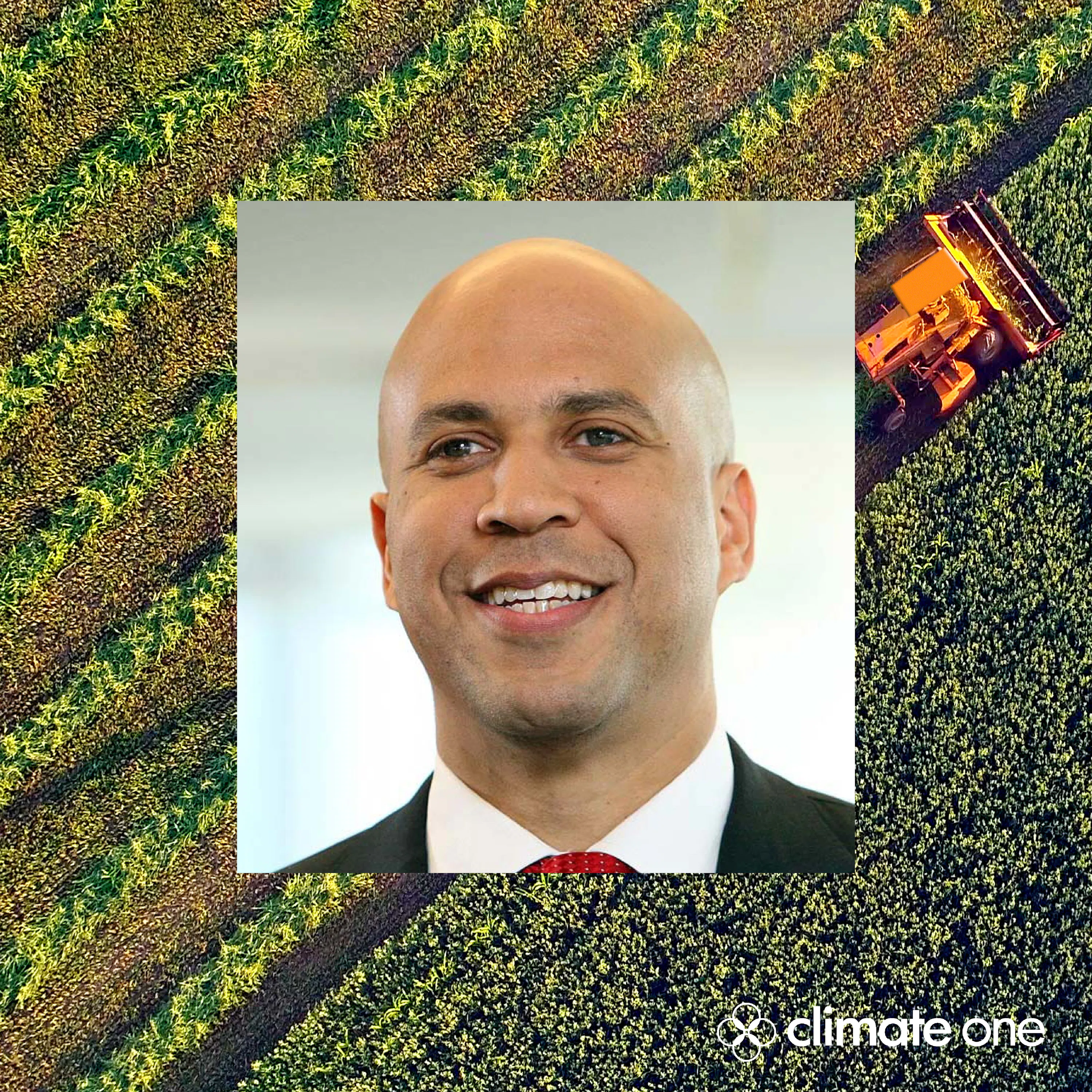
CLIMATE ONE: Cory Booker: Taking on Big Ag & Going Big on Climate
Our food and agricultural systems are helping fuel the climate emergency. But climate isn’t the only harm; these systems also impact local economies, human dignity, and animal welfare. The upcoming Farm Bill presents an opportunity to infuse more climate-smart practices in American agriculture, which accounts for about 10% of U.S. greenhouse gas emissions. But doing so involves confronting industrial practices that focus on short-term gains and commodity subsidies that have deep support in both parties. Senator Cory Booker has a plan to address our broken food system. He introduced legislation that would challenge large industrial beef and pork packagers and tilt the balance of power in our industrial agriculture system, giving family farmers, ranchers, and workers a better deal. But what chance do these elements have of passage? And what other options are there for decreasing the concentration of power in Big Ag? Guest: Cory Booker, United States Senator, New Jersey Contributor: Elizabeth Rembert For show notes and related links, visit ClimateOne.org. Learn more about your ad choices. Visit megaphone.fm/adchoices

Shiva’s Many Dances: The Tandava Nritya
Robert Del Bonta will share how Shiva’s Many Dances and the celebrated ‘Nataraja’ pose is a culmination of how the ultimate depiction of Shiva’s essence evolves over time in a dynamic conception among the Hindu trinity of gods (the Trimürti). Del Bonta creates an engaging aspect of one of the Hindu trinity gods, reflecting on how the iconic image of Shiva Nataraja the "Lord of Dance" illustrates a creative and destructive power over eons of time. Shiva’s nature as both male and female is also a constant theme. Shiva manifests many other forms suggestive of power and mythological stories of dance or in prayers. It's but a tiny introduction to a major dance visualization heritage. Teacher and curator Dr. Robert Del Bonta's work has been presented in exhibition venues such as San Francisco's Asian Art Museum, Berkeley Art Museum, University of Michigan Museum of Art, Mills College, Notre Dame de Namur University, Art Passages in San Francisco and New York City, Portland Museum of Art and the New Orleans Museum of Art. He has lectured widely at museums and institutions in the United States, and published numerous articles and exhibition catalogue contributions on South Asian art with thematic focus largely on Indian art of the Jainas. MLF ORGANIZER Anne W. Smith and George Hammond Learn more about your ad choices. Visit megaphone.fm/adchoices
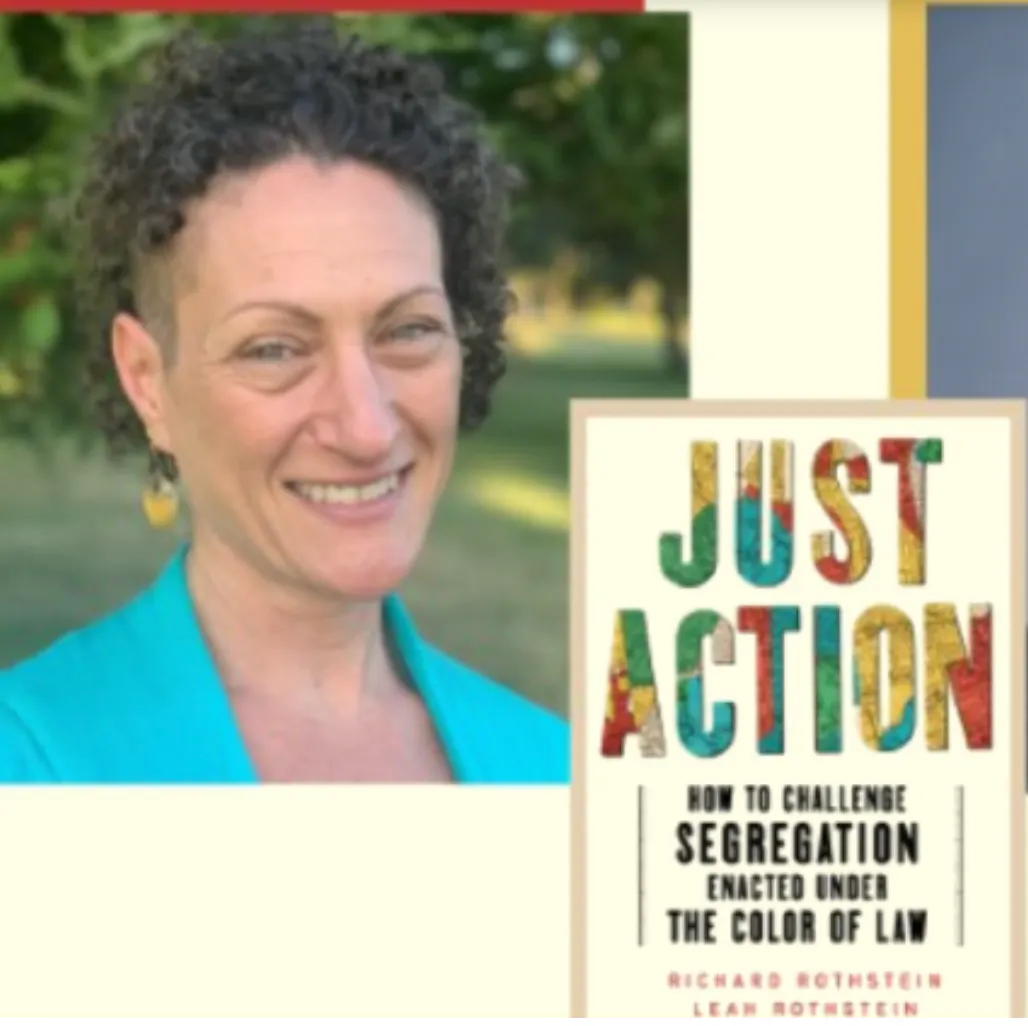
Leah and Richard Rothstein: Challenging Segregation and the Color of Law
Six years ago, Richard Rothstein’s important book, Color of Law, made a powerful case that direct and indirect government action and policies at the federal, state and local levels had caused segregation and the resulting social problems throughout the United States. The book was a best seller and significantly influenced discussions of the systemic impact of segregated communities on a range of outcomes in education, health and workforce participation. It stands as one of the most important recent books on residential segregation published in the past few decades. What that book did not do was provide enough solutions for citizens to pursue to address the legacy of state-sanctioned segregation. In their new book, Just Action How to Challenge Segregation Enacted Under the Color of Law, Rothstein and housing policy expert Leah Rothstein provide a blueprint on how to address segregation for concerned citizens and community leaders. The new book describes dozens of tangible strategies the Rothsteins say readers and supporters can undertake in their own communities to make their commitment real and create tangible change that might finally challenge residential segregation and help address the legacy of America's profoundly unconstitutional past. The Rothsteins provide a tool kit for activism and advocacy, with myriad real-life examples from communities, groups and individuals that have confronted segregation-related challenges from legal, real estate, banking, and commercial development standpoints. They also counter misconceptions about the consequences of integration and make their case for closing the wealth gap that has made homeownership unaffordable for many middle-class Americans, particularly African-Americans. Please join us for a critical conversation about how people can be empowered to address the legacy of state-sanctioned segregation. Learn more about your ad choices. Visit megaphone.fm/adchoices
Sarafina El-Badry Nance: Discovering the Cosmos
As a child, Sarafina El-Badry Nance spent nearly every evening with her father gazing up at the flickering stars and pondering what secrets the night sky held. The daughter of an American father and Egyptian mother, Sarafina dreamed of becoming an astronomer. But it wasn’t long before she was told, both explicitly and implicitly, that girls just weren’t cut out for math and science. In a field that sees few women and women of color, Sarafina reflects on the obstacles that she faced to pursue her passion for the cosmos. Join us for an in-depth talk with astrophysicist Sarafina El-Badry Nance. Learn more about your ad choices. Visit megaphone.fm/adchoices
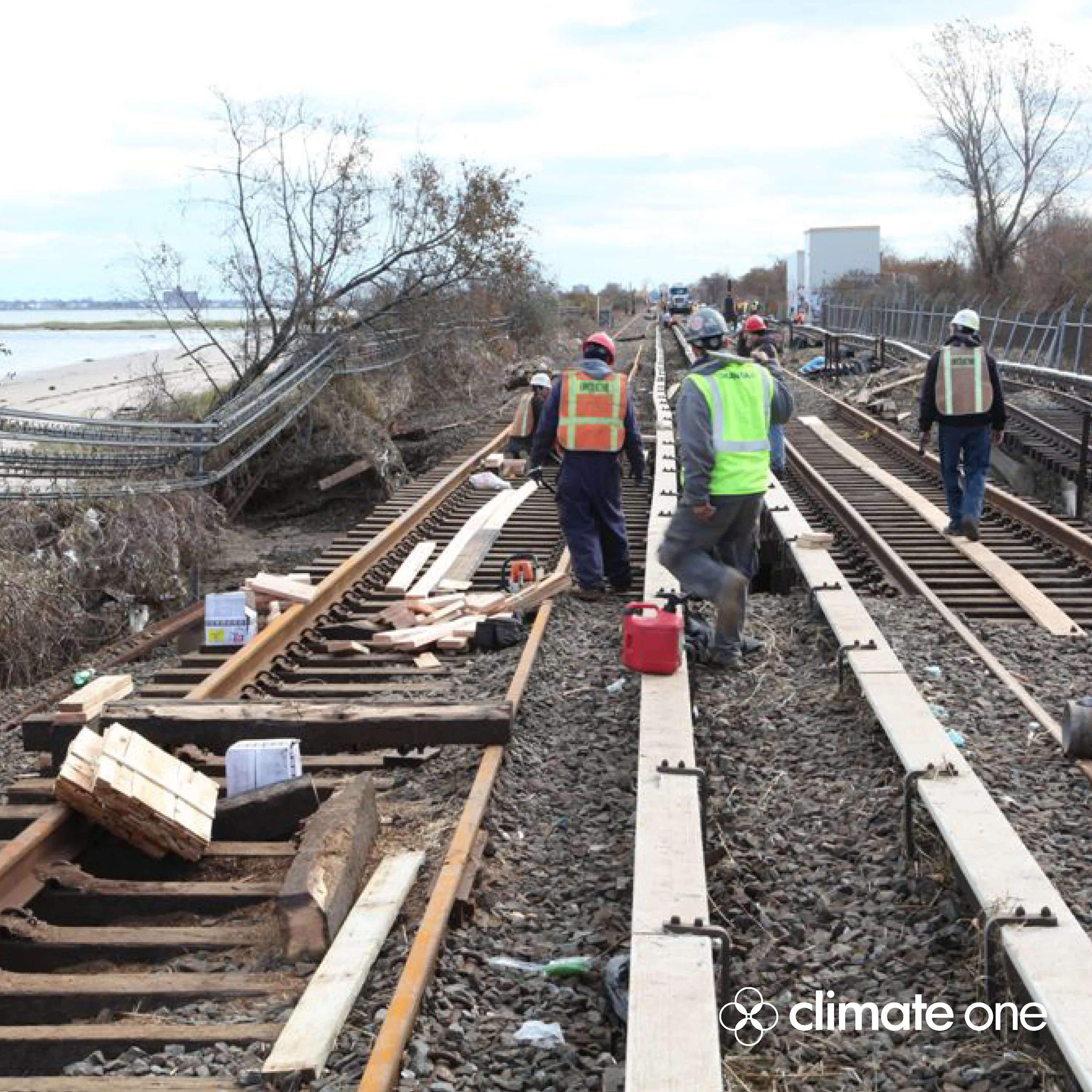
CLIMATE ONE: REWIND: Saket Soni on the People Who Make Disaster Recovery Possible
Who cleans up and rebuilds our communities after floods, fires, and hurricanes? COVID redefined America's definition of “essential workers,” but many who help communities recover from climate disasters remain underpaid and overlooked. In 2006, labor organizer Saket Soni got an anonymous call from an Indian migrant worker in Mississippi who had scraped together $20,000 to apply for the “opportunity” to rebuild oil rigs after Hurricane Katrina. The caller was only one of hundreds lured into Gulf Coast labor camps, surrounded by barbed wire, and watched by armed guards. Since then, the frequency and intensity of climate-related disasters has only increased – and disaster recovery has become big business. How are the lives of people displaced by disasters intertwined with those helping to rebuild? Guests: Saket Soni, Founder and Director, Resilience Force Daniel Castellanos, Director Of Workforce Engagement, Resilience Force For show notes and related links, visit https://www.climateone.org/watch-and-listen/podcasts Learn more about your ad choices. Visit megaphone.fm/adchoices
CLIMATE ONE: Killer Heat: Confronting Disproportionate Impacts on Women and Girls
Extreme heat kills more people per year than any other climate disaster. It preys on the poor, exacerbates racial inequalities, and there is a growing body of evidence that shows women and girls are increasingly susceptible to heat-health effects. Globally, women and girls represent 80% of climate refugees. They are more likely to be displaced, suffer violence and die in natural disasters. As temperatures rise, children’s test scores decrease, gender violence increases, and miscarriage rates go up. But preventing heat deaths is possible. From Europe to Africa, Chief Heat Officers throughout the world are implementing projects to make cities more climate-adaptive. Guests: Kathy Baughman McLeod, Director, Adrienne Arsht-Rockefeller Foundation Resilience Center; Senior VP, Atlantic Council Eleni Myrivili, Global Chief Heat Officer, UN Habitat Eugenia Kargbo, Chief Heat Officer, Freetown, Sierra Leone Freelance piece from Hellen Kabahukya on mud wattle construction in Uganda For show notes and related links, visit https://www.climateone.org/watch-and-listen/podcasts Learn more about your ad choices. Visit megaphone.fm/adchoices
Bay Area Women Filmmakers Tell All
Please join us for clips and conversation with three award-winning Bay Area women documentary filmmakers. These women are changing the way we see our world through their important work. They will share their process of making the films, choosing, and developing their subjects as we view a clip from each of their latest films. They will also discuss the challenges they have faced as women in the industry and in getting their films funded and distributed. Learn more about your ad choices. Visit megaphone.fm/adchoices
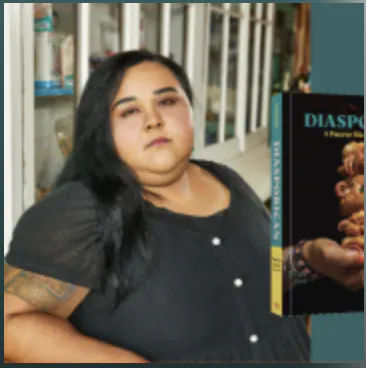
Illyanna Maisonet: Diasporican
Food is more than just sustenance or nourishment. Food brings us together and connects us to family, history, migration and beyond. Perhaps no one understands this better than food columnist Illyanna Maisonet, who has spent years documenting her family’s Puerto Rican recipes and preserving the island’s disappearing foodways through rigorous research. Maisonet was the first Puerto Rican food columnist in the continental United States. Her San Francisco Chronicle column, “Cocina Boricua,” was dedicated to safeguarding traditional Puerto Rican recipes and exploring food throughout the Puerto Rican diaspora. Maisonet’s cookbook, Diasporican, provides a visual record of Puerto Rican food, ingredients and techniques. She shares deeply personal recipes—some even passed down from her grandmother and mother—that trace the island’s flavor traditions to the Taino, Spanish, African, and even United States’ cultures that created it. Shaped by geography, immigration and colonization, these dishes reflect the ingenuity and diversity of their people. Join as we celebrate and learn more about the essence of Puerto Rican culture and cuisine. Learn more about your ad choices. Visit megaphone.fm/adchoices

PAKISTAN AND INDIA: COMMON ORIGINS, "Pakistan and India: Common Origins, Divergent Trajectories. Why?
In a time of existential crisis, Pakistanis continue to believe that infusing the right "Islamic" spirit into the population will somehow see it through. Critics say that experience shows otherwise. Pakistanis—both religiously orthodox and liberal—believe that the founder of Pakistan had a game plan for the state after it came into being in 1947. There was none. Nationalist Hindus imagine India was populated in ancient times by a Hindu nation whereas nationalist Muslims tie Pakistan's origin with pre-existing Muslim identity and the first Muslim invader arriving on Indian soil. Historical evidence refutes both. The author will discuss these and other myths that are widely held in Pakistan as well as in India. Dr. Pervez Hoodbhoy earned his Ph.D. in nuclear physics from MIT and is also a prominent anti-nuclear activist. His earlier book was Confronting the Bomb: Pakistani and Indian Scientists Speak Out. As an advocate for science and reason in Islam, his first book was Islam and Science: Religious Orthodoxy and the Battle for Rationality, which included a foreword by the physics Nobel Prize winner Abdus Salam. As a science popularizer, Hoodbhoy received the UNESCO’s Kalinga Prize. Earlier he had received the Burton Award for Electronics and the Abdus Salam Prize for Mathematics. He is also a recipient of the Joseph A. Burton Award from the American Physical Society, is a sponsor of The Bulletin of the Atomic Scientists, and was included among the top 100 global thinkers by Foreign Policy magazine in 2011. Hoodbhoy’s newest project is The Black Hole, a community center in Islamabad for nurturing science, art, and culture. It houses an auditorium for speakers who would otherwise go unheard, a library, and a science lab for children. Learn more about your ad choices. Visit megaphone.fm/adchoices
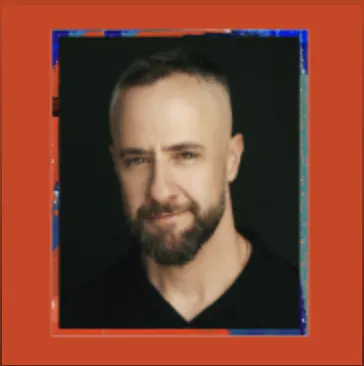
David Ambroz: A Fostering Success Story
David Ambroz is a living testament to the power of hope, strength and perseverance in overcoming some of life’s greatest challenges. Ambroz’s childhood was a harrowing tumult of poverty, homelessness and hunger as he, his siblings, and his mentally ill, abusive mother survived on the streets of New York. His subsequent experience in the foster system as a young gay man was similarly marked by neglect and abuse until he finally found stability. In his recent memoir, A Place Called Home, Ambroz vividly describes his story of survival and ultimately life success. Today, Ambroz is a law school graduate, a leading advocate for child welfare, and a national voice for improved foster care and homelessness policies. He is a head of Community Engagement (Southern California & Western U.S. Region) at Amazon, and has been recognized by former President Obama as an American Champion of Change. Please join us for a conversation with an inspirational person who is using his lived experience to help build a more humane and compassionate nation, and how you can too. Learn more about your ad choices. Visit megaphone.fm/adchoices

Stephen Vladeck: Behind the Closed Doors of the U.S. Supreme Court
Lawyer, author, professor and Supreme Court expert Stephen Vladeck—author of the new book The Shadow Docket—exposes the Court’s increasing reliance on secretive judicial processes that permit typically public hearings and discussions to occur behind closed doors. Having argued multiple cases before the Supreme Court himself, Vladeck explains how the Court’s expanded use of the “shadow docket” has enabled cryptic late-night rulings that leave the public without explanation for decisions affecting everything from immigration to COVID vaccine mandates. A University of Texas law professor and CNN’s lead Supreme Court analyst, Vladeck joins us to talk about the important issues raised in his book as well as the biggest cases facing the Court this term. Learn more about your ad choices. Visit megaphone.fm/adchoices

CLIMATE ONE: Bringing Biodiversity Back from the Breaking Point
Land use, pollution and the climate crisis are driving what may be the largest mass extinction event since the dinosaurs. The World Wildlife Fund estimates that the planet has seen an average 68% drop in mammal, bird, fish, reptile and amphibian populations since 1970. In order to help address species collapse, over 190 countries – signatories to the United Nations Framework Convention on Biodiversity – recently agreed to an ambitious new plan, called 30x30, which aims to conserve 30% of the world’s land and waters by 2030. Will the framework be enough to bring biodiversity back from the breaking point? This episode is supported in part by Resources Legacy Fund. Guests: Tanya Sanerib, International Legal Director, Center for Biological Diversity Ian Urbina, Director and Founder, The Outlaw Ocean Project Jennifer Tauli Corpuz, Managing Director of Policy, Nia Tero For show notes and related links, visit ClimateOne.org. Learn more about your ad choices. Visit megaphone.fm/adchoices

How to Boost U.S. Productivity in the AI Era
Recent advances in artificial intelligence are raising hopes of a U.S. productivity boom by automating mundane tasks, improving decision-making, and opening up new business models and opportunities. At the same time, many workers are skeptical, fearing that the new tools may make them obsolete. What impact will AI have on businesses and employees in the long and short term? And how can we be more productive while also ensuring that the benefits will be distributed equally? A new report by the McKinsey Global Institute, "Rekindling Productivity for a New Era," sheds light on these questions. The study examines which sectors and geographic regions, such as California, have been the most innovative and productive, and what it took to achieve that success. "To unlock value from truly new technology, firms must reconfigure how they work, often over sustained periods, as they tinker with processes and workers adapt their skills," the report finds. The study also argues that maintaining the status quo is not an option. U.S. productivity has been lagging since 2005, averaging 1.4 percent a year, compared to the post-World War II average of 2.2 percent. Bringing productivity up to its historical average could add an additional $10 trillion to the U.S. GDP over the next 10 years, amounting to an extra $15,200 per U.S. household. We'll talk with McKinsey's Olivia White about how to fix the U.S. productivity engine in a way that benefits everyone. Learn more about your ad choices. Visit megaphone.fm/adchoices
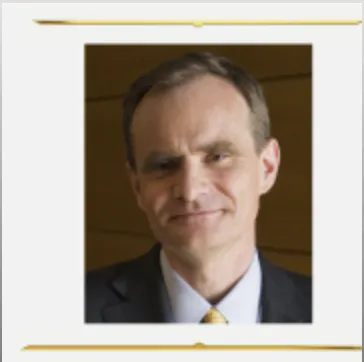
Simon Johnson: The History of Technology and Prosperity
In the 21st century, technology dominates all aspects of our lives. With the advent of artificial intelligence, some believe we are at a critical moment with our ability to control the very technology that humans built. And the decisions we make now will likely shape our society's progress on a range of variables in the future. According to economist and global thinker Simon Johnson, a thousand years of historical and contemporary evidence makes one thing clear: societal progress for all depends on the choices we make about technology. In his new book Power and Progress: Our 1000-Year Struggle Over Technology and Prosperity, Johnson explores the history and economics of major technological transformations up to and including the latest developments in artificial Intelligence. He finds that new ways of organizing production and communication can either serve the narrow interests of the elite or become the foundation for widespread prosperity for society. Johnson demonstrates that the path of technology was once—and may again be—brought under control if we make the right choices. The tremendous computing advances of the last half century can become empowering and democratizing tools, but not if all major decisions remain in the hands of a few tech leaders, which characterizes much of the world of technology today. Will this change, and what is our role? Hear more as Johnson addresses these critical questions about the power of technology and its influence on societal progress. NOTES This program is generously supported by the Jackson Square Partners Foundation. Learn more about your ad choices. Visit megaphone.fm/adchoices

CLIMATE ONE: Naomi Oreskes, David Gelles and The Myth of Free Markets
Many on the left say that the growing climate crisis is the inevitable result of unbridled capitalism – industries seeking profits above all else. In “The Big Myth,” Naomi Oreskes (who brought us “Merchants of Doubt”) points to a concerted effort from American business groups to propagate the myth that only markets free of government regulation can generate prosperity and protect political freedom. “If we actually had appropriate regulations, appropriate rules of the road, we wouldn't be in this position of having to beg corporate leaders not to destroy the planet,” Oreskes says. This myth has grown so pervasive that American citizens now put more faith in CEOs than in religious leaders, according to David Gelles, author of “The Man Who Broke Capitalism.” What should be done to change the narrative? Guests: Naomi Oreskes, Professor of the History of Science, Harvard David Gelles, Reporter, The New York Times Kate Khatib, Co-Director, Seed Commons For show notes and related links, visit https://www.climateone.org/watch-and-listen/podcasts Learn more about your ad choices. Visit megaphone.fm/adchoices

What Would You Do with an Extra 10 Years of Healthy Life?
Please join The Commonwealth Club for an evening with the leaders of the Buck Institute, one of the country's leading research organizations on aging. We'll hear from the leader of the Buck Institute on "Healthspan," then enjoy an in-person wine and cheese reception. "Healthspan" is the period of life in which an individual is healthy and free from chronic disease. Interventions that promote healthy aging, such as diet and exercise, can help increase healthspan and reduce the burden of age-related diseases. Dr. Eric Verdin will discuss his efforts and those of his colleagues at the Buck Institute in helping to advance our understanding of aging and develop new strategies for promoting healthy aging and extending healthspan. Eric Verdin, MD, is the president and CEO of the Buck Institute for Research on Aging, a pioneering biomedical research institute dedicated to aging and age-related disease. A native of Belgium, Dr. Verdin received his Doctorate of Medicine from the University of Liege and completed additional clinical and research training at Harvard Medical School. He has held faculty positions at the University of Brussels, the National Institutes of Health, and the Picower Institute for Learning and Memory. Dr. Verdin is also currently a professor of medicine at the University of California, San Francisco. In 2016 Dr. Verdin established his laboratory at the Buck Institute for Research on Aging to study the relationship between aging and the immune system. He is an elected member of several scientific organizations, including the American Association for the Advancement of Science, the American Society for Clinical Investigation, and the Association of American Physicians. He also serves on the advisory council of the National Institute on Drug Abuse at the National Institutes of Health. There will be a post-program reception for all attendees. Learn more about your ad choices. Visit megaphone.fm/adchoices

(Not) Crazy Rich Asians: Asian Philanthropy for the Greater Good
Forbes magazine now reports there are more billionaires in China than in any other country in the world. Many of them, joined by grassroots donors as well, are interested in making a positive difference in their own countries, the Asia-Pacific region, and elsewhere in the world. Many of them partner with, and benefit from, the Centre for Asian Philanthropy and Society (CAPS), headquartered in Hong Kong and helmed by Dr. Ruth A. Shapiro. The Centre conducts policy research, applied research, commissioned research and convening. In collaboration with its extensive network of local partners and support from Asian philanthropists across 18 Asian economies, CAPS generates evidence-based insights into how individuals, companies and governments can best address social challenges. What are those insights, and what progress is being made to best address the social challenges? Join Dr. Shapiro and fundraising consultant Ruyi Lu for an inspired conversation about recent trends in Asian philanthropy, the differences and similarities between Asian and American philanthropy, and how they converge to produce a greater good for all. Learn more about your ad choices. Visit megaphone.fm/adchoices
The Uncertain Future of Nuclear Deterrence
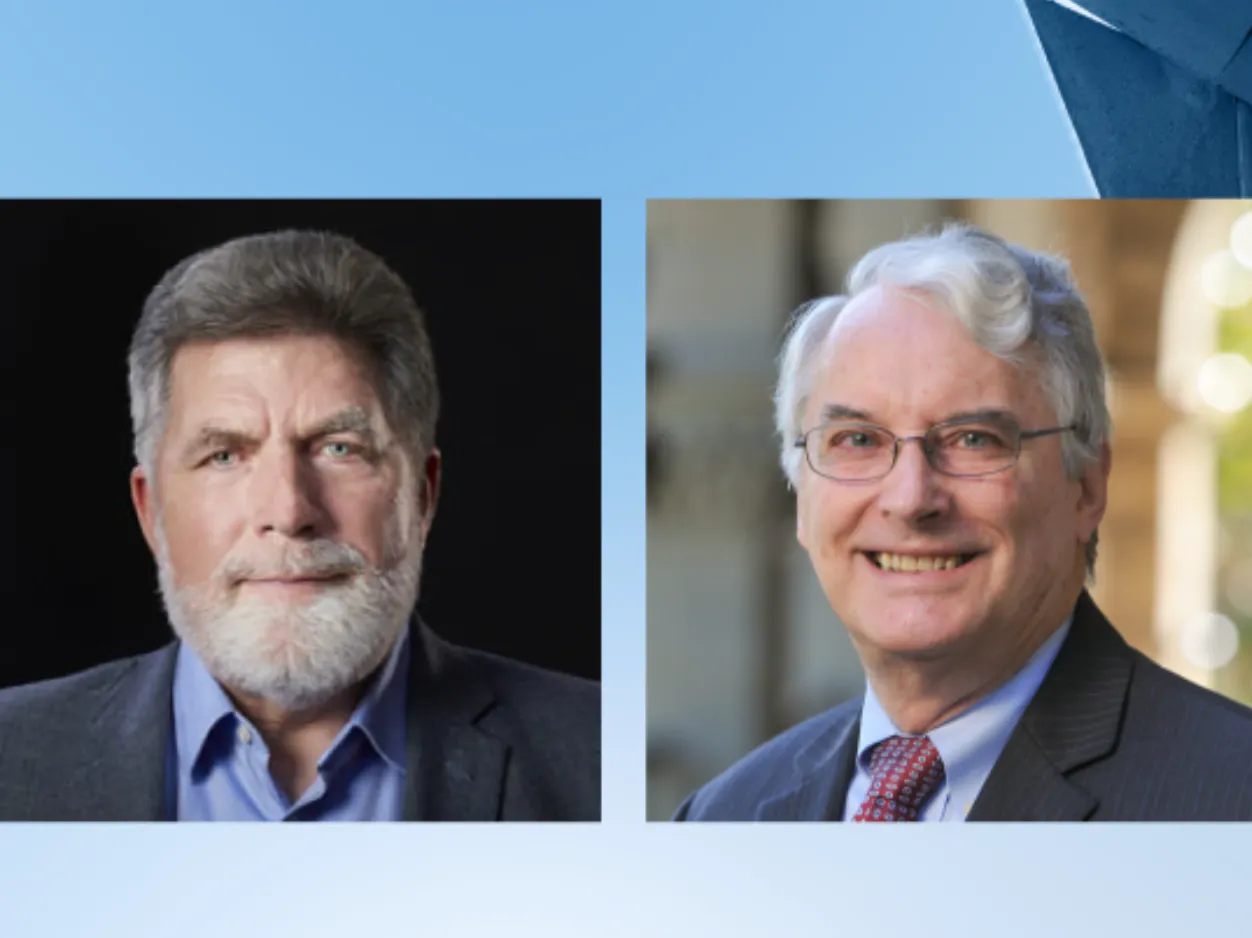
Nuclear deterrence has been a cornerstone of U.S. defense since the end of World War II, seeking to protect the country’s security and that of its allies by threatening unacceptable damage to any country that might attack with nuclear weapons or by other means. Since the end of the Cold War, the United States has been able to focus on reducing the role and number of nuclear weapons and strengthening nonproliferation. But now big changes are again afoot in the global context . . . will Russia’s current modernization of its nuclear arsenal and China’s buildup of strategic nuclear forces threaten the viability of the U.S. nuclear deterrent, including the extended deterrence the United States provides to its allies? Is arms control still possible? China has historically maintained a “minimum” strategic nuclear deterrent but is now engaged in an unprecedented build up and diversification of its nuclear arsenal; a decade from now, it will match if not surpass the United States in deployed weapons. Russia is also upgrading its nuclear weapons, and in February “suspended” its adherence to the New START arms control treaty, which limits U.S. and Russian strategic nuclear weapons to 1,550 deployed warheads each. What are China’s and Russia’s objectives in accelerating their nuclear weapons programs? How do their nuclear policies relate to their grand strategies and other military activities, such as the war in Ukraine for Russia, and the Chinese buildup of naval forces in the Pacific, and to their perceptions or misperceptions of United States activities? What are the implications for U.S. and world security? To maintain deterrence, will the United States be compelled to match the nuclear arsenals of both Russia and China? What do U.S. allies want and need from the United States and what can they contribute to deterrence? What are the prospects for arms control, or other strategies to place limits on this potential new nuclear arms race? Do new technologies, such as those for homeland missile defense, offer some escape from the dilemmas of nuclear deterrence? About the Speakers Brad Roberts is the director of the Center for Global Security Research at Lawrence Livermore National Laboratory, where he recently chaired a study group on China’s emergence as a second nuclear peer of the United States. Prior to this position, he was deputy assistant secretary of defense for nuclear and missile defense policy. Dr. Roberts was also a consulting professor at Stanford University and William Perry Fellow at the Center for International Security and Cooperation. Thomas Fingar is a Shorenstein APARC Fellow in the Freeman Spogli Institute for International Studies at Stanford University. From 2005 through 2008, he served as the first deputy director of national intelligence for analysis and, concurrently, as chairman of the National Intelligence Council. Dr. Fingar served previously as assistant secretary of the State Department’s Bureau of Intelligence and Research. SPEAKERS Thomas Fingar Shorenstein APARC Fellow, Freeman Spogli Institute for International Studies, Stanford University. Brad Roberts Director, Center for Global Security Research, Lawrence Livermore National Laboratory Dr. Gloria Duffy Ph.D., President and CEO, The Commonwealth Club of California—Moderator In response to the COVID-19 pandemic, we are currently hosting all of our live programming via YouTube live stream. This program was recorded via video conference on May 15th, 2023 by the Commonwealth Club of California. Learn more about your ad choices. Visit megaphone.fm/adchoices

CLIMATE ONE: Two Heroes Challenging the Powerful
Making the necessary changes to address climate disruption will take massive collective action. But sometimes, a single individual can make an extraordinary difference. At age nine, Nalleli Cobo, suffering headaches, heart palpitations, nosebleeds, and body spasms, became an activist, driven to fighting to shut down the local oil well responsible for her ailments. Separately, Marjan Minnesma brought a historic lawsuit holding the Dutch government accountable for its failure to protect its citizens from climate change. For these activists, addressing climate disruption isn’t just about preventing future harm, it’s about instigating change now. Guests: Nalleli Cobo, Cofounder, People Not Pozos Marjan Minnesma, Founder, Urgenda Foundation For show notes and related links, visit ClimateOne.org. Learn more about your ad choices. Visit megaphone.fm/adchoices

Chasten Buttigieg: I Have Something to Tell You
"Told with candor and grace, this is a joyous reminder to be kind to yourself." —Actor and author Kai Penn on I Have Something to Tell You Today, Chasten Buttigieg is readily known by his unusual last name as the husband of former presidential candidate Pete Buttigieg. But as a child, growing up in a rural, conservative Michigan town, he knew he was unusual for another reason: He was gay. He kept that part of himself hidden for a long, painful time, but with the support of his loved ones, he eventually came out and learned the rewards of being true to himself. Finding acceptance and self-love can seem like a tremendous challenge, but it's never impossible. With honesty, courage and warmth, Chasten uses the young adult adaptation of his memoir to relay his experience about growing up in America and embracing his identity, while inspiring young people across the country to do the same. Join us live and in-person in San Francisco as Chasten Buttigieg discusses his life and the issues raised in his book I Have Something to Tell You—For Young Adults. Chasten Gleeman Buttigieg grew up in Traverse City, Michigan. He is a teacher and advocate, and lives with his husband Pete, their two children, and their two rescue dogs. This is his second book. Learn more about your ad choices. Visit megaphone.fm/adchoices

Tennessee Representative Justin Jones
Justin Jones is an activist and community organizer in Nashville representing Tennessee's 52nd district. This April, Jones made national headlines and sparked debate on race, representation and activism after he was expelled from the Tennessee House of Representatives for leading a gun control protest on the House floor. Just four days after his expulsion, the Metropolitan Nashville Council unanimously voted to reinstate Jones to his seat. Please join us on the UC Berkeley campus for a conversation between Representative Jones and Angela Glover Blackwell, founder of PolicyLink and Professor of Practice at the Goldman School of Public Policy. Presented in partnership with the Associated Students of the University of California Vote Coalition, the Goldman School, and the Fisk University Alumni Association, this promises to be a powerful and wide-ranging discussion about activism, gun violence, race and democracy. This event is part of the Creating Citizens Speaker Series at UC Berkeley, a partnership between The Commonwealth Club, the ASUC Vote Coalition, and the University of California National Center for Free Speech and Civic Engagement. The series gives UC Berkeley students and community members opportunities to listen to and ask questions of leading minds in politics, media and education as they learn how to become better, more involved citizens. SPEAKERS Justin Jones Tennessee State Representative (D-Nashville) Angela Glover Blackwell Founder, PolicyLink—Moderator This program was recorded via video conference on May 12th, 2023 at The University of California Berkeley by the Commonwealth Club of California. Learn more about your ad choices. Visit megaphone.fm/adchoices

CLIMATE ONE: Amy Westervelt on Drilling, Denial and Disinformation
Amy Westervelt has made a career out of exploring the underbelly of the oil industry through complex and compelling storytelling. Through her investigative series Drilled, including her latest season Light Sweet Crude, focused on the new wave of oil colonialism, Westervelt dives deep into the true crimes of the fossil fuel industry’s biggest players, including their misinformation and PR campaigns about the climate emergency, their unfair dealing and record of environmental disasters. Her narrative podcasts shine a light on stories oil companies would rather keep in the dark, and on those individuals who try to hold them accountable. Guest: Amy Westervelt, Investigative Journalist; Executive Producer, Critical Frequency Podcast Network For show notes and related links, visit https://www.climateone.org/watch-and-listen/podcasts Learn more about your ad choices. Visit megaphone.fm/adchoices

Kevin Kelly: The Wisdom I Wish I'd Known Earlier
Kevin Kelly co-founded Wired magazine in 1993 and served as its executive editor for its first seven years. Prior to that, he helped launch The Well, a pioneering online service in 1985, and was publisher and editor of an offshoot of The Whole Earth Catalog. He co-chairs the board of the Long Now Foundation, a membership organization that champions long-term thinking and responsibility to future generations. In these endeavors and more, Kelly has become an icon to early generations of technology workers. But, as a futurist, he is also interested in sharing his wisdom with younger generations just entering the workforce. On his 68th birthday, Kelly wrote down for his young adult children some things he had learned about relationships, business, and life that he wished he had known earlier. To his surprise, he had more to say than he thought, so he continued composing these short passages of guidance until he had more than 400 of them. He has now compiled these inspirational concepts into a book, Excellent Advice for Living. Kelly’s bits of advice cover a broad range of subject matter, and each statement is meant to be a memorable prompt for an action one could take. Many of them are about right living, good conduct, and civility. There is advice on setting ambitious goals, forgiveness and gratitude, taking responsibility for mistakes, optimizing generosity, and cultivating awareness, compassion and creativity. While his book is aimed primarily at young people, and in particular at young professionals, it's message could speak to anyone at any stage of life. Please join as a Bay Area trendsetter shares wise, practical and optimistic life advice—something all of us could us right now. Learn more about your ad choices. Visit megaphone.fm/adchoices

We Players: Adventures With Alice
Ava Roy and We Players return to The Commonwealth Club to show highlights from their new adaptation of Lewis Carroll’s Alice in Wonderland, which is being performed in Golden Gate Park from April 27 to the end of May. Roy will share clips and shots of their late April performances, and will also share how fond she is of both creatively adapting Alice and the interplay of logic and illogic in the looking-glass world we find ourselves in. She will also explain how We Players survived to tell the tale of being shut down in 2020 in the midst of rehearsals for an earlier adaptation of Alice—when the COVID pandemic struck. Learn more about your ad choices. Visit megaphone.fm/adchoices

Dr. Carol Ward: The Future of the Past with New Technology and Ancient Fossils
Cutting-edge technology is revolutionizing human origins research and changing the way we understand our uniquely human traits. In this lecture, Gordon P. Getty Award laureate Dr. Carol Ward will guide us through the process of finding fossils and using modern approaches to unlock their secrets. Dr. Ward specializes in studying the evolution of apes and early hominins, with a focus on the fossil record from East and South Africa, primarily Kenya. She co-leads the West Turkana Paleo Project, a paleontological fieldwork project in Kenya that aims to find fossil evidence of early hominins and their environments. Dr. Ward will be receiving The Leakey Foundation's Gordon P. Getty Award for her multidisciplinary research that significantly advances science related to human origins, evolution, behavior and survival. Learn more about your ad choices. Visit megaphone.fm/adchoices

Seizing Opportunities to Ascend: An AAPI Heritage Month Special Event
"Seizing Opportunities to Ascend" is an event designed to celebrate and empower individuals of Asian American and Pacific Islander (AAPI) heritage. This event features keynote speakers Michelle MiJung Kim and Kathy Fang, who have both achieved great success in their respective fields; prominent AAPI journalist and media personality Michelle Meow will moderate the event. They will share their experiences and insights on how to seize opportunities and rise to the top. They will provide practical strategies for personal and professional advancement, kicking off AAPI Heritage Month by focusing on learning, empowerment, celebrating diversity, and allyship. Join us for this inspiring conversation and then join us for food, wine and community. About the Speakers Kathy Fang was born and raised in San Francisco, where she grew up in the kitchen of her family's popular restaurant, House of Nanking, before she opened Fang Restaurant with her father in 2009, where she is co-owner and chef. She stars in the Food Network series "Chef Dynasty: House of Fang." She has also appeared on "Beat Bobby Flay," "Cutthroat Kitchen," "Guy's Grocery Games" and is a two-time "Chopped" champion. In 2020, she published the Easy Asian cookbook. She is a graduate of the University of Southern California and studied at Le Cordon Bleu Culinary School Los Angeles. Michelle MiJung Kim is a queer Korean American immigrant woman writer, speaker and activist. She is the award-winning author of The Wake Up: Closing the Gap Between Good Intentions and Real Change and co-founder of Awaken. She has been a lifelong social justice activist and currently serves on the board of Asian Americans for Civil Rights and Equality. Her work has appeared on world-renowned platforms such as Harvard Business Review and The New York Times, and she was named LinkedIn’s Top Voice in Racial Equity and Medium’s Top Writer in Diversity. She lives in Oakland, California. Learn more about your ad choices. Visit megaphone.fm/adchoices

Saving the City: Remaking the American Metropolis
Join us for a preview of Saving the City, an upcoming documentary series that highlights successful and unsuccessful examples of urban development throughout the United States and Canada in an effort to create better places. The opening two episodes, which look at how we have gone about remaking cities from the City Beautiful movement at the turn of the 19th century until today to provide context for the rest of the series, are expected to be released this Fall. The focus is on downtowns and nearby neighborhoods, the most visible and visited parts of our cities. After watching Saving the City, you will never look at cities the same way again. MLF ORGANIZER George Hammond SPEAKERS Ron Blatman Executive Producer, Saving the City In Conversation with George Hammond Author, Conversations With Socrates In response to the COVID-19 pandemic, we are currently hosting all of our live programming via YouTube live stream. This program was recorded via video conference on April 25th, 2023 by the Commonwealth Club of California. Learn more about your ad choices. Visit megaphone.fm/adchoices

CLIMATE ONE: Get Up, Stand Up: What Actions Move the Needle?
From the Boston Tea Party to the Civil Rights Movement to Black Lives Matter, activists have long sought to bring pressing issues into the public consciousness. Climate activism is no different. This past Earth Day spawned a new ripple of climate activism. Activists protested at the headquarters of BlackRock in New York City, smeared paint on the casing around an Edgar Degas statue and even tried to block the entrance of the White House Correspondents dinner in DC. But that’s not the only style of activism that’s happening. Some are working from within big institutions to effect change. So what actions really move the needle? Guests: Dana Fisher, Professor of Sociology, University of Maryland Rose Abramoff, Earth Scientist and Climate Activist Ilana Cohen, Lead Organizer, Fossil Fuel Divest Harvard For show notes and related links, visit ClimateOne.org. Learn more about your ad choices. Visit megaphone.fm/adchoices

Week to Week Political Roundtable: April 24, 2023
At Week to Week, we're dedicated to the lively and informed discussion of politics—with a good sense of humor—as a platform for healthy involvement in the issues that drive our society. The Commonwealth Club's Week to Week Political Roundtable and social hour, now in its 12th year, will take a look at the politics of the day—the issues, the people, the trends affecting our political world. SPEAKERS Joe Garofoli Senior Political Writer, San Francisco Chronicle; Host, “It’s All Political on Fifth and Mission” Podcast; Twitter: @joegarofoli Marisa Lagos Politics Correspondent, KQED News John Zipperer Producer and Host, Week to Week Political Roundtable; Vice President of Media & Editorial, The Commonwealth Club of California—Host In response to the COVID-19 pandemic, we are currently hosting all of our live programming via YouTube live stream. This program was recorded via video conference on May 24th, 2023 by the Commonwealth Club of California. Learn more about your ad choices. Visit megaphone.fm/adchoices

Lessons from the Covid War
As the formal COVID-19 emergency comes to an end nationally and locally, a growing number of reports and investigative bodies are beginning to explore what went wrong and right with the country’s response to the COVID crisis. One of the most important is the COVID Crisis Group (CCG), a team of 34 experts and scholars that has tried to lay the groundwork for a National Commission on the Covid Pandemic. It is led by Phillip Zelikow, who was the executive director of the 9/11 Commission. With no national commission in sight, in late April, the CCG will release its first major investigative report, "Lessons from the Covid War," a nonpartisan and plainspoken look at the key choices made during the pandemic, what worked, what didn’t and what we could do better next time. The comprehensive investigative report tells the story of how America’s scientific knowledge has far outpaced the country’s ability to apply it in a crisis. The report shows how Americans can come together, learn hard truths, build on what worked, and prepare for global emergencies to come. Several high-profile local contributors to the report will speak on their new report and what else needs to be done to understand one of the greatest domestic crises the United States has faced in decades. These include Dr. Charity Dean, CEO, founder, and chairman of The Public Health Company; Dr. Robert Rodriguez, professor of clinical emergency medicine at Zuckerberg San Francisco General Hospital; Dr. David A. Relman, Thomas C. and Joan M. Merigan Professor in Medicine, and professor of microbiology & immunology, and senior fellow of the Freeman Spogli Institute for International Studies at Stanford University; and our moderator, Dr. Emily Silverman, internal medicine physician and assistant volunteer professor of medicine, UCSF, and creator of The Nocturnists. Learn more about your ad choices. Visit megaphone.fm/adchoices

How a Changing Climate Is Altering the Way We Drink
Climate change is set to transform global agriculture, causing problems like flooding and new pests in some areas, while extending growing seasons in others. And the wine industry is no exception. Look no further than Napa and Sonoma, where vineyards are grappling with drought and wildfires. Meanwhile, bubbly makers in southern England are looking to benefit from the rising temperatures. Join us as Brian Freedman, author of the new book Crushed, looks at what global warming could mean for your favorite bottle of wine. He’ll be joined in conversation by winemakers from Larkmead, Iron Horse, and Kutch wineries, who will share firsthand experiences of how they are adapting to climate change. Join us for the conversation on the future of wine, and for a special wine tasting curated by our speakers. Learn more about your ad choices. Visit megaphone.fm/adchoices

CLIMATE ONE: Lights, Camera, Inaction: Where is Climate’s Starring Role?
Hollywood has been slow to include climate in its stories. Executives fear it won’t sell – that it’s too overwhelming or depressing. Apple TV+ has just released the series Extrapolations, which revolves entirely around the climate crisis. But it’s an outlier. We ask writer, producer and director Scott Z. Burns – who also worked on the films Contagion and Al Gore’s An Inconvenient Truth – and Anna Jane Joyner of the climate story consultancy Good Energy about why climate doesn’t play a more prominent role in scripted entertainment. Guests: Scott Z. Burns, Writer, Director, Producer Anna Jane Joyner, Founder and CEO, Good Energy For show notes and related links, visit https://www.climateone.org/watch-and-listen/podcasts Learn more about your ad choices. Visit megaphone.fm/adchoices

Youth Talk: Passing the Torch
“Passing the Torch” will unite two current California leaders with two students who are positioned to be future leaders, for a thought-provoking conversation about identity, age and citizenship in an ever-changing California. This event will feature the vice chair of the California Democratic Party, Betty Yee, and interim executive director of Emerge California, Libby Schaaf, plus two incredible UC Berkeley student activists, Issabella Romo, a Latina organizer fighting back against attempts to silence minority communities in Florida, and Owen Knapper Jr., an African American activist working to make higher education more accessible to BIPOC and nontraditional students. The speakers will dive into how their backgrounds shaped them into the leaders they are today and their thoughts on the future of California, and the discussion will provide space for advice to flow both ways from this intergenerational panel. This event is part of the Creating Citizens Speaker Series at UC Berkeley, a partnership between The Commonwealth Club, the Associated Students of the University of California Vote Coalition, and the University of California National Center for Free Speech and Civic Engagement. The series gives UC Berkeley students and community members opportunities to listen to and ask questions of leading minds in politics, media and education as they learn how to become better, more involved citizens. NOTES This program is part of The Commonwealth Club’s civics education initiative, Creating Citizens. Learn more about your ad choices. Visit megaphone.fm/adchoices

CLIMATE ONE: Missed Connections: Modernizing Our Multiple Grids
Thousands of renewable energy projects are ready to be built and start producing fossil-free power, but they’re stuck in a long limbo for one essential piece of the puzzle: getting connected to the grid. A slow and inefficient federal permitting process and insufficient transmission capability are prohibiting renewable energy projects from going online. To make matters even more difficult, the U.S. lacks a centralized grid. That means adding layers of complexity to an already slow process. The Biden administration is focused on streamlining the permitting process, boosting funding and helping navigate this new energy future. What will it take to modernize our multiple grids? Guests: Pat Wood III, CEO, Hunt Energy Network Jennifer Gardner, Vice Chair, Western Energy Imbalance Market José Zayas, Executive Vice President of Policy and Programs, American Council on Renewable Energy L. Michelle Moore, CEO, Groundswell For show notes and related links, visit https://www.climateone.org/watch-and-listen/podcasts Learn more about your ad choices. Visit megaphone.fm/adchoices
California Considers: Discussing Big, Bold Ideas for the State’s Future
A sample of Californians was asked to react to transformative policy reforms for the future. Hear what they had to say and what it could mean for you and our state. California 100, in partnership with Stanford University's Deliberative Democracy Lab (DDL), housed at the Center on Democracy, Development and the Rule of Law, and the UC Berkeley Goldman School of Public Policy, embarked on an effort to ask Californians directly to react to big, bold policy proposals that could dramatically transform the state’s trajectory in the years and decades ahead. Using previous Deliberative Polls® conducted by Stanford DDL as inspiration, “California Considers: Policy Deliberations for Our Long Term Success” was designed to center the experiences and perspectives of real Californians from every walk of life to test how significant changes in policy might improve the quality of life for all residents. Participants were given a pre-survey, participated in deliberations with one another, then asked for their final opinions about various policy ideas. These results will be released in tandem with this discussion. Please join us for an important discussion on California's future. NOTES The program is supported by California 100. SPEAKERS Angela Glover Blackwell Founder in Residence, PolicyLink Maria Echaveste President and CEO, Opportunity Institute Lenny Mendonca Former Chief Economic and Business Advisor, the State of California; Member, Board of Governors, The Commonwealth Club of California Karthick Ramakrishnan Executive Director, California 100; Professor, Public Policy, University of California, Riverside—Moderator In response to the COVID-19 pandemic, we are currently hosting all of our live programming via YouTube live stream. This program was recorded via video conference on April 14th, 2023 by the Commonwealth Club of California. Learn more about your ad choices. Visit megaphone.fm/adchoices

Morra Aarons-Mele with Jose Antonio Vargas: How to Thrive as an Anxious Achiever
Anxiety disorders are among the most common forms of mental illness in the world, and anxiety can have debilitating effects in our work and in our lives. Podcast host and self-proclaimed "anxious achiever" Morra Aarons-Mele has made it her mission to normalize anxiety and leadership. She argues that anxiety is built into the very nature of leadership and should be harnessed into a force for good. Hear more on figuring out your own anxiety profile and how to turn stress and worries into a source of strength for yourself and those around you. This program contains EXPLICIT language SPEAKERS Morra Aarons-Mele Host, "The Anxious Achiever" Podcast; Author, The Anxious Achiever: Turn Your Biggest Fears into Your Leadership Superpower; Twitter @morraam In Conversation with Jose Antonio Vargas Founder, Define American; Twitter @joseiswriting In response to the COVID-19 pandemic, we are currently hosting all of our live programming via YouTube live stream. This program was recorded via video conference on April 12th, 2023 by the Commonwealth Club of California. Learn more about your ad choices. Visit megaphone.fm/adchoices

Michael Milken: Faster Cures and The Future of Health
Known worldwide as a legendary financier, philanthropist, medical research innovator and public health advocate, Michael Milken will detail his inspiring crusade to accelerate cures and treatments so more people around the world can live longer, healthier and more meaningful lives. Milken believes a multitude of health advancements are within reach, including slowing the aging process, cleaning early-stage cancers, eliminating many birth defects through gene editing, and multiple virus protection by a single vaccine. Hear more as Milken shares what he believes the future of health will look like. NOTES This program is generously supported by the Jackson Square Partners Foundation. SPEAKERS Michael Milken Co Founder, The Milken Family Foundation; Chairman, The Milken Institute; Author, Faster Cures: Accelerating the Future of Health In Conversation with Lanhee Chen David and Diane Steffy Fellow in American Public Policy Studies, Hoover Institution; Twitter @lanheechen In response to the COVID-19 pandemic, we are currently hosting all of our live programming via YouTube live stream. This program was recorded via video conference on April 14th, 2023 by the Commonwealth Club of California. Learn more about your ad choices. Visit megaphone.fm/adchoices

Richard Haass: The Ten Habits of Good Citizens
Council on Foreign Relations President Richard Haass discusses his new book The Bill of Obligations: The Ten Habits of Good Citizens, in which he argues that the very idea of citizenship must be revised and expanded. Haass introduces 10 obligations that are essential for healing our divisions and safeguarding the country’s future. Through an expert blend of civics, history and political analysis, this book illuminates how Americans can rediscover and recover the attitudes and behaviors that have contributed so much to this country’s success over the centuries. A Discussion with Michael Krasny Learn more about your ad choices. Visit megaphone.fm/adchoices

CLIMATE ONE: Bitcoin Uses a Ton of Energy — On Purpose. Is it Worth It?
Studies estimate that global bitcoin mining uses more electricity than most countries, and that bitcoin mining may be responsible for about 65 megatons of carbon dioxide a year, comparable with the emissions of Greece. Some bitcoin operations are bringing old coal plants back on line, even as lobbyists for the bitcoin mining industry argue that mining operations can have a positive impact on the climate by creating more demand for carbon-free power. But even if all of the power were derived from green sources, is bitcoin mining really the best use of renewable electricity? This episode features a report by multimedia journalist Lily Jamali of the public radio program Marketplace, who takes us inside a crypto mining facility in upstate New York. Guests: Rolf Skar, Senior Advisor, Greenpeace USA Brittany Kaiser, Chair of the Board, Gryphon Digital Mining Thomas Cmar, Senior Attorney, Earthjustice Freelance news feature by Lily Jamali of Marketplace For show notes and related links, visit https://www.climateone.org/watch-and-listen/podcasts Learn more about your ad choices. Visit megaphone.fm/adchoices

Women in the Workplace: 'The Great Breakup' and How Companies Can Support Women Leaders
The pandemic changed the workplace, possibly forever. And, in a time when the war for talent is critical, the stakes are even higher. Now in its eighth year, the latest benchmark annual report on "Women in the Workplace" by McKinsey & Company and LeanIn.org finds that we are in the middle of “The Great Breakup.” Women managers are leaving their corporate jobs at the highest rate in years—and at a much higher rate than men. Women executives say they are seeking more flexibility, better opportunities for advancement, and a commitment to diversity and inclusion. Join us to hear from women leaders about what they are seeing firsthand, and why corporations need to prioritize employee well-being to better retain female talent. If companies don’t take action, they won’t just lose their women leaders; they could risk losing the next generation of women leaders, too. Learn more about your ad choices. Visit megaphone.fm/adchoices

How Religion Shaped the Western World
The crisis of faith inspired by Nebuchadnezzar having dragged most of the Jewish political and religious leaders to Babylon six centuries before Jesus had a major impact on the West, as it reshaped ideas about God, life after death, and the end of the world that have been culturally influential ever since. Kohanski delves in detail into how the chaotic political era from Alexander the Great to the Maccabees and the Romans, and how ideas derived from Plato, the Dead Sea Scrolls and the apocalyptic Book of Daniel, ended up focusing half of humanity on monotheistic attempts to answer our fundamental questions about life. But not without paying a high price for our efforts. Learn more about your ad choices. Visit megaphone.fm/adchoices

CNN's Joan Biskupic: Inside the Supreme Court
CNN Senior Supreme Court Analyst Joan Biskupic takes us inside one of the most devastating and consequential periods in modern Supreme Court history. She details how the court’s seismic shift to the right has resulted in controversial decisions, including its reversal of Roe v. Wade and examines other recent cases where rights are being stripped away for some and expanded for others. Biskupic has covered the Supreme Court for 25 years and has built a reputation as one of the country’s most astute legal observers. She assesses what the ensuing impact and repercussions will be from these decisions for generations to come. SPEAKERS Joan Biskupic Senior Supreme Court Analyst, CNN; Author, Nine Black Robes: Inside the Supreme Court’s Drive to the Right and Its Historic Consequences; Twitter @JoanBiskupic In Conversation with Melissa Caen Host, "Get Out the Bet" Podcast; Political Analyst; Attorney In response to the COVID-19 pandemic, we are currently hosting all of our live programming via YouTube live stream. This program was recorded via video conference on April 10th, 2023 by the Commonwealth Club of California. Learn more about your ad choices. Visit megaphone.fm/adchoices

Freada Kapor Klein and Mitch Kapor: Closing the Equity Gap
Despite economic headwinds and job cuts, companies backed by venture capital—including many in the Bay Area—drive the U.S. economy, accounting for hundreds of billions of dollars in sales and profits. However, most of this wealth winds up enriching entrenched investors and favored private interests, further widening economic inequality. Two well-known technology investors and entrepreneurs, Mitch Kapor and Freada Kapor Klein, have committed their lives to doing things differently and finding ways to close these equity gaps. As they explain in their new book, Closing the Equity Gap: Creating Wealth and Fostering Justice in Startup Investing, Kapor and Kapor Klein build on their work at the Oakland-based Kapor Center and Kapor Capital, two institutions that invest in seed-stage tech startups focused on closing gaps of access, opportunity and outcome for low-income communities and communities of color. They share their core beliefs that all companies must make a positive impact. They share stories behind some of the most remarkable companies ever launched, and they argue that the standard investment model doesn’t work, explain how it can be fixed, and say what the future could look like if more investors joined them. Come hear about their new roadmap for investing in tech companies that defy assumptions from Silicon Valley to Wall Street, and their belief that entrepreneurs who overcome obstacles in life are a far better predictor of long-term success than the schools they attend or investment dollars raised from friends and family. Together, the Kapors have launched close to 200 companies, invested in impactful and profitable companies whose services or products close opportunity gaps for communities of color and low-income communities, and shown that their approach can also provide strong investment returns and growth. Join us as Mitch Kapor and Freada Kapor Klein share how they’ve "done well by doing good" and how you can, too. Learn more about your ad choices. Visit megaphone.fm/adchoices

Global South Transgender Day of Visibility–San Francisco
E very March 31, Transgender Day of Visibility (TDOV) is celebrated around the world. It is an annual occasion in which the achievements and contributions of the transgender community to society and the world at large are honored. For this year's TDOV, we're celebrating by spotlighting perspectives, experiences, and thought leadership of Global South transgender, gender nonconforming, and nonbinary immigrants and asylum refugees with a panel discussion plus a network power hour at The Commonwealth Club of California in San Francisco! This event is presented by The Center for Immigrant Protection-ParivarBayArea, The LGBT Asylum Project and The Alwan Foundation in partnership with El/La Para Trans Latinas and The Office of Transgender Initiatives. W ith the onslaught of legislative attacks across the country against the transgender community, how do we reconcile the urgent need to protect and safeguard transgender immigrants and refugees during a period of heightened anti-trans hate? H ow can the United States protect transgender immigrants and refugees of the Global South when it fails to protect transgender Americans? H ow can we learn from the experiences of Global South transgender immigrants to better understand the importance of protecting the transgender community at-large? Moderator Michelle Meow has been a radio personality in San Francisco and four other markets nationally for more than seven years, where she continues to be a voice for the LGBTQ community. Meow is a true journalist with an edgy vibe (think hip and funny Lesbian version of Anderson Cooper, minus the gray hair). Throughout her radio career, Meow has interviewed notable personalities such as Margaret Cho, Sarah Palin, Gavin Newsom, Janice Dickinson, and Jennifer Beals. Her entertaining yet knowledgeable approach to all things LGBTQ make her a memorable personality and a force to be reckoned with in every market she lands in. Learn more about your ad choices. Visit megaphone.fm/adchoices

The Age of Scientific Wellness: The Future of Medicine Is Personalized, Predictive, Data-Rich and in Your Hands
Taking us to the cutting edge of the new frontier of medicine, a visionary biotechnologist and a pathbreaking researcher show how we can optimize our health in ways that were previously unimaginable. They say we are on the cusp of a major transformation in health care—yet few people know it. At top hospitals and a few innovative health-tech startups, scientists are working closely with patients to dramatically extend their "healthspan"—the number of healthy years before disease sets in. Using information gleaned from our blood and genes and tapping into the data revolution made possible by AI, doctors can catch the onset of disease years before symptoms arise, revolutionizing prevention. Current applications have shown startling results: diabetes reversed, cancers eliminated, Alzheimer's avoided, autoimmune conditions kept at bay. This is not a future fantasy: it is already happening, but only for a few patients and at high cost. Proponents say it is time to make this gold standard of care more widely available. MLF ORGANIZER Robert Lee Kilpatrick SPEAKERS Leroy Hood M.D., Ph.D., Founder and CEO, Phenome Health; Co-founder, The Institute for Systems Biology; Recipient, the Kyoto Prize, the Lasker Award, the Heinz Award, and the National Medal of Science Nathan Price Ph.D., Chief Science Officer, Thorne HealthTech; Professor, The Institute for Systems Biology; Recipient, Grace A. Goldsmith Award Robert Lee Kilpatrick Ph.D., Chief Strategic Development Officer, Phenome Health; Visiting Academic, Oxford Martin School Research Institute, University of Oxford; Chair, Health & Medicine Member-led Forum, The Commonwealth Club of California—Moderator In response to the COVID-19 pandemic, we are currently hosting all of our live programming via YouTube live stream. This program was recorded via video conference on April 5th, 2023 by the Commonwealth Club of California. Learn more about your ad choices. Visit megaphone.fm/adchoices