
Coffee House Shots
3,416 episodes — Page 8 of 69

Isabel Hardman's Sunday Roundup - 12/10/2025
<p>Isabel Hardman presents highlights from Sunday morning's political shows.</p><br><p>A ceasefire begins in the Middle East, as world leaders prepare for Monday's peace summit. And questions linger over the collapsed Chinese spy trial.</p><br><p>Produced by Joe Bedell-Brill.</p><p>Become a <em>Spectator </em>subscriber today to access this podcast without adverts. Go to <a href="https://www.spectator.co.uk/follow-your-podcasts/" rel="noopener noreferrer" target="_blank">spectator.co.uk/adfree</a> to find out more.</p><br><p>For more <em>Spectator</em> podcasts, go to <a href="https://www.spectator.co.uk/podcasts/" rel="noopener noreferrer" target="_blank">spectator.co.uk/podcasts</a>.</p><br><p>Contact us: [email protected]</p> <hr><p style='color:grey; font-size:0.75em;'> Hosted on Acast. See <a style='color:grey;' target='_blank' rel='noopener noreferrer' href='https://acast.com/privacy'>acast.com/privacy</a> for more information.</p>
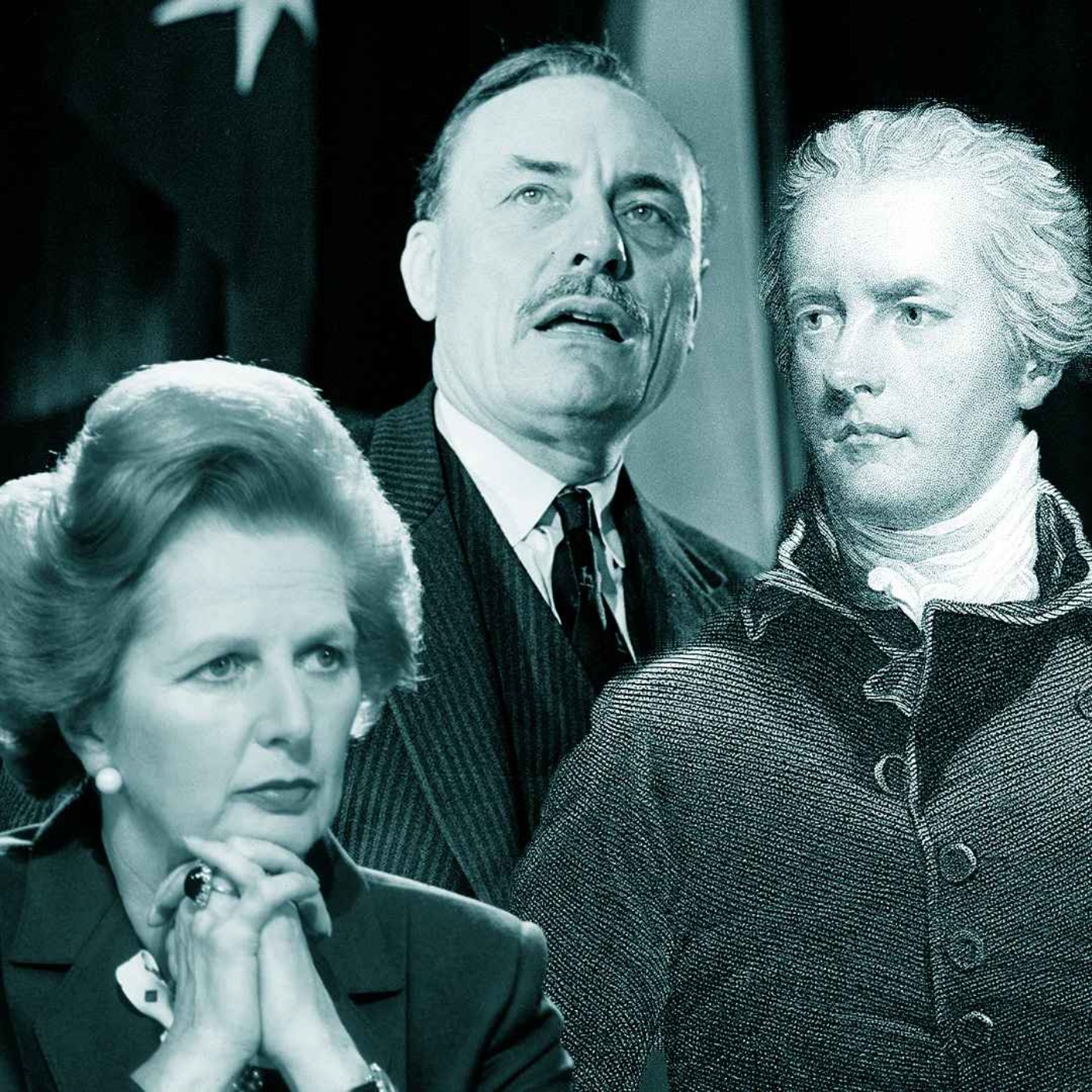
Who is the greatest ever conservative?
<p>From wartime leadership to economic revolutions, Conservative figures have shaped Britain’s past and present. But who stands out as the greatest of them all? In this conversation, recorded live at Conservative Party Conference: Katie Lam makes the case for William Pitt the Younger, Camilla Tominay nominates Margaret Thatcher, William Atkinson points out the number of young Tories who now idolise Enoch Powell, and Neil O’Brien explains why all conservatives should know about Jerzy Popieluszko. Who wins? You decide.</p><br><p><br></p><br><p><br></p><p>Become a <em>Spectator </em>subscriber today to access this podcast without adverts. Go to <a href="https://www.spectator.co.uk/follow-your-podcasts/" rel="noopener noreferrer" target="_blank">spectator.co.uk/adfree</a> to find out more.</p><br><p>For more <em>Spectator</em> podcasts, go to <a href="https://www.spectator.co.uk/podcasts/" rel="noopener noreferrer" target="_blank">spectator.co.uk/podcasts</a>.</p><br><p>Contact us: [email protected]</p> <hr><p style='color:grey; font-size:0.75em;'> Hosted on Acast. See <a style='color:grey;' target='_blank' rel='noopener noreferrer' href='https://acast.com/privacy'>acast.com/privacy</a> for more information.</p>
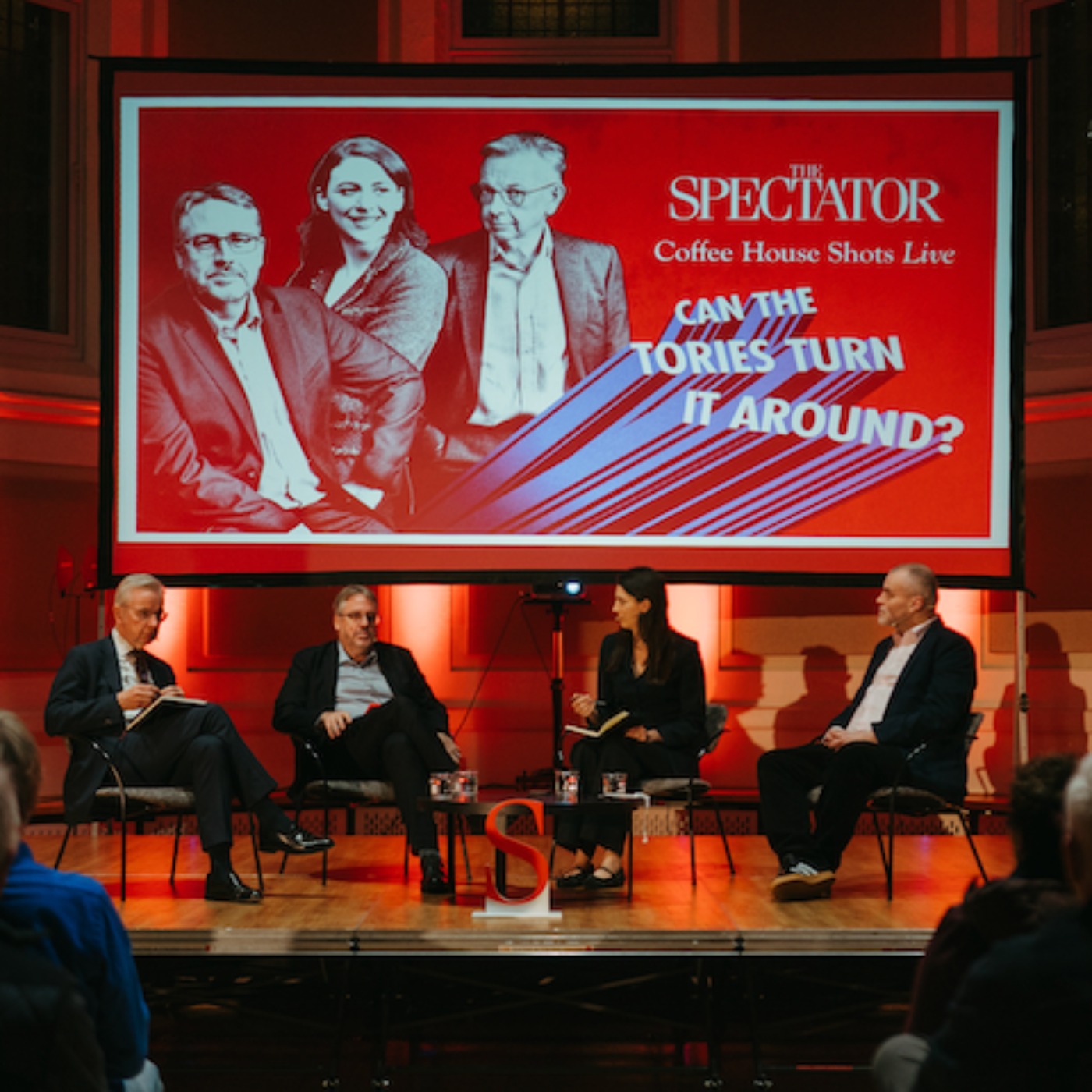
How can the Tories turn it around? Live
<p>Recorded live in Manchester, during the Conservative Party conference, Michael Gove sits down with Tim Shipman, Madeline Grant and Tim Montgomerie to discuss how the Tories can turn their fortunes around. Do the Tories need to show contrition for their record in government? Has the party basically been split ever since the Coalition years? And does Nigel Farage need to set a deadline for Tory to Reform defectors? Plus – from Canada to Italy – which countries do British Conservatives need to look towards for inspiration?</p><br><p>Produced by Patrick Gibbons.</p><p>Become a <em>Spectator </em>subscriber today to access this podcast without adverts. Go to <a href="https://www.spectator.co.uk/follow-your-podcasts/" rel="noopener noreferrer" target="_blank">spectator.co.uk/adfree</a> to find out more.</p><br><p>For more <em>Spectator</em> podcasts, go to <a href="https://www.spectator.co.uk/podcasts/" rel="noopener noreferrer" target="_blank">spectator.co.uk/podcasts</a>.</p><br><p>Contact us: [email protected]</p> <hr><p style='color:grey; font-size:0.75em;'> Hosted on Acast. See <a style='color:grey;' target='_blank' rel='noopener noreferrer' href='https://acast.com/privacy'>acast.com/privacy</a> for more information.</p>

Whisper it quietly, peace in the Middle East?
<p>Donald Trump says Israel and Hamas have agreed to the first phase of his Gaza peace plan. During an extraordinary round table on the Antifa organisation last night, the US President was interrupted by Marco Rubio and given a hand-written message. He told those assembled at the White House: ‘I was just given a note by the Secretary of State saying that we’re very close to a deal in the Middle East, and they’ll need me pretty quickly.’ Details of the deal, including the finalised list of prisoners Hamas wants freed as part of an exchange, remain unclear. But the first part of the deal could be set in motion as soon as today once the Israeli government approves the plan at around 2 p.m. local time. Is he heading for a Nobel Peace Prize?</p><p>Meanwhile, Starmer is in Mumbai, researching India’s digital ID system as a potential model for the UK. The Prime Minister said India’s scheme, which has been rolled out to almost all 1.4 billion citizens over the past 15 years, had been a ‘massive success’. </p><p>Lucy Dunn speaks to Tim Shipman and Michael Stephens, senior fellow at RUSI.</p><p>Produced by Oscar Edmondson.</p><p>Become a <em>Spectator </em>subscriber today to access this podcast without adverts. Go to <a href="https://www.spectator.co.uk/follow-your-podcasts/" rel="noopener noreferrer" target="_blank">spectator.co.uk/adfree</a> to find out more.</p><br><p>For more <em>Spectator</em> podcasts, go to <a href="https://www.spectator.co.uk/podcasts/" rel="noopener noreferrer" target="_blank">spectator.co.uk/podcasts</a>.</p><br><p>Contact us: [email protected]</p> <hr><p style='color:grey; font-size:0.75em;'> Hosted on Acast. See <a style='color:grey;' target='_blank' rel='noopener noreferrer' href='https://acast.com/privacy'>acast.com/privacy</a> for more information.</p>
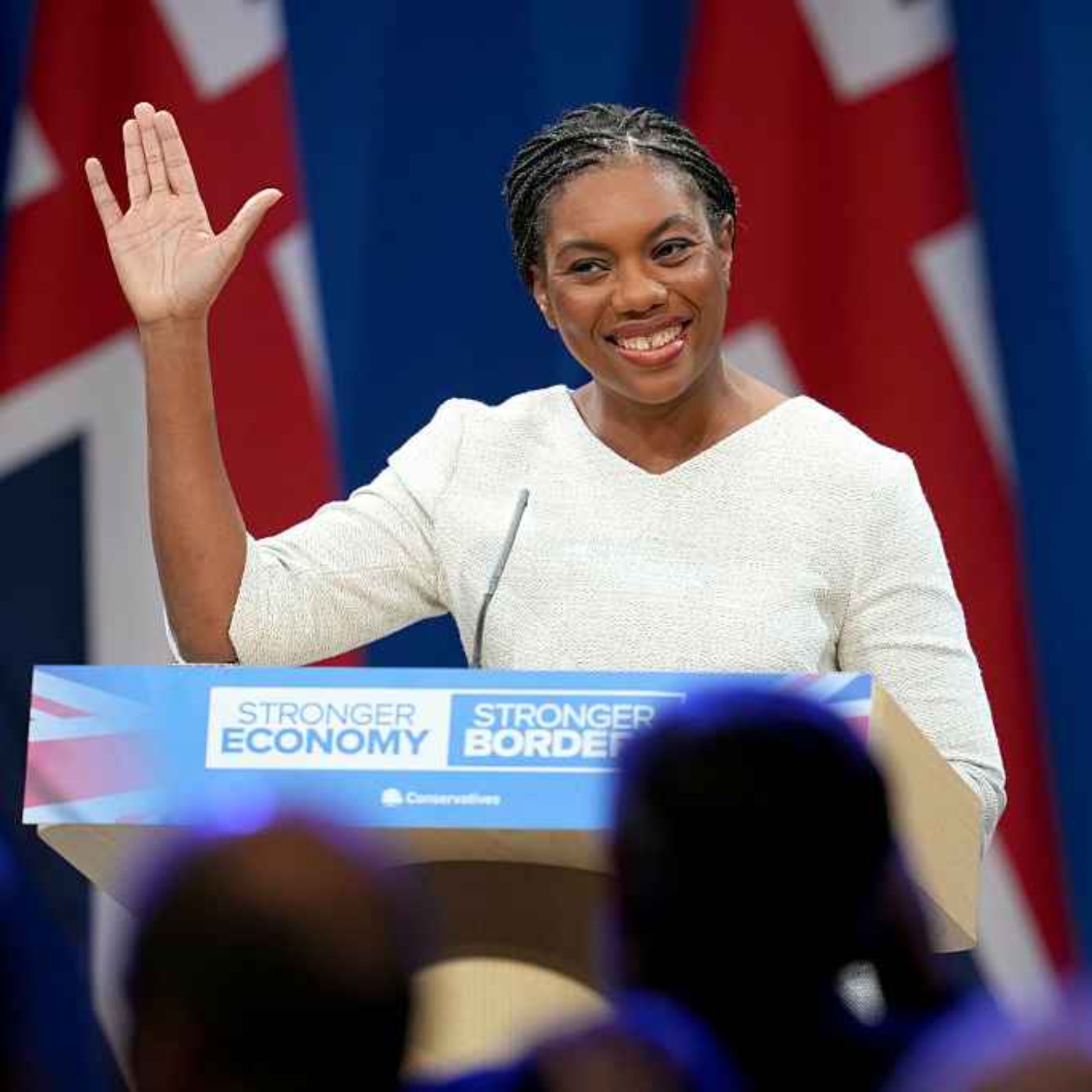
Finally we know what Badenoch stands for
<p>This morning Kemi Badenoch wrapped up Tory conference with a speech that will – for now at least – calm Tory jitters. The Tory leader’s hour-long address in Manchester was intended as a rejoinder to critics of her leadership and she certainly achieved that aim. Having been accused of lacking spirit, imagination and vigour, Badenoch today demonstrated all three and gave an idea of what the direction of the party looks like under her. The main headline grabbing announcement was her plan to abolish stamp duty – a surprise ‘rabbit’ that sparked a standing ovation. Is she safe, for now?</p><br><p>Lucy Dunn speaks to James Heale and William Atkinson.</p><p>Become a <em>Spectator </em>subscriber today to access this podcast without adverts. Go to <a href="https://www.spectator.co.uk/follow-your-podcasts/" rel="noopener noreferrer" target="_blank">spectator.co.uk/adfree</a> to find out more.</p><br><p>For more <em>Spectator</em> podcasts, go to <a href="https://www.spectator.co.uk/podcasts/" rel="noopener noreferrer" target="_blank">spectator.co.uk/podcasts</a>.</p><br><p>Contact us: [email protected]</p> <hr><p style='color:grey; font-size:0.75em;'> Hosted on Acast. See <a style='color:grey;' target='_blank' rel='noopener noreferrer' href='https://acast.com/privacy'>acast.com/privacy</a> for more information.</p>
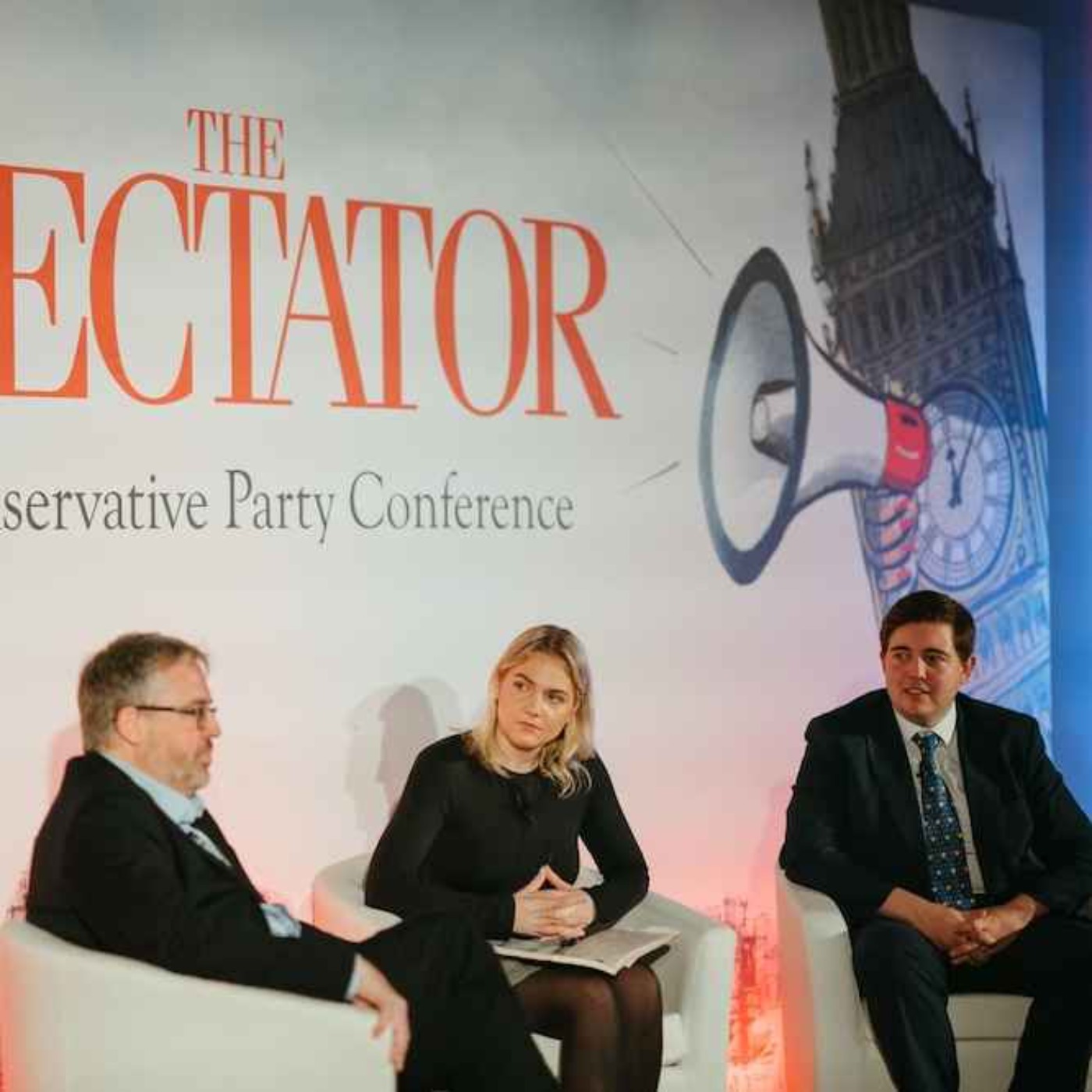
Who's listening to the Tories? Live from conference
<p>Tim Shipman, James Heale and Lucy Dunn record live at Conservative party conference in Manchester. What's the mood at conference – and has Kemi done enough to neutralise her detractors? Tim says he expects there to be no immediate leadership challenge but the Conservatives need to get real about the 'attention economy' they're faced with. What inspiration can they take from Tory grandee Michael Heseltine? And can they 'make conservative sexy again'? Plus, audience questions on the upcoming budget and the challenges for the Conservatives in both Wales and Scotland.</p><br><p>Produced by Patrick Gibbons.</p><p>Become a <em>Spectator </em>subscriber today to access this podcast without adverts. Go to <a href="https://www.spectator.co.uk/follow-your-podcasts/" rel="noopener noreferrer" target="_blank">spectator.co.uk/adfree</a> to find out more.</p><br><p>For more <em>Spectator</em> podcasts, go to <a href="https://www.spectator.co.uk/podcasts/" rel="noopener noreferrer" target="_blank">spectator.co.uk/podcasts</a>.</p><br><p>Contact us: [email protected]</p> <hr><p style='color:grey; font-size:0.75em;'> Hosted on Acast. See <a style='color:grey;' target='_blank' rel='noopener noreferrer' href='https://acast.com/privacy'>acast.com/privacy</a> for more information.</p>
Economy: can we trust the Tories again?
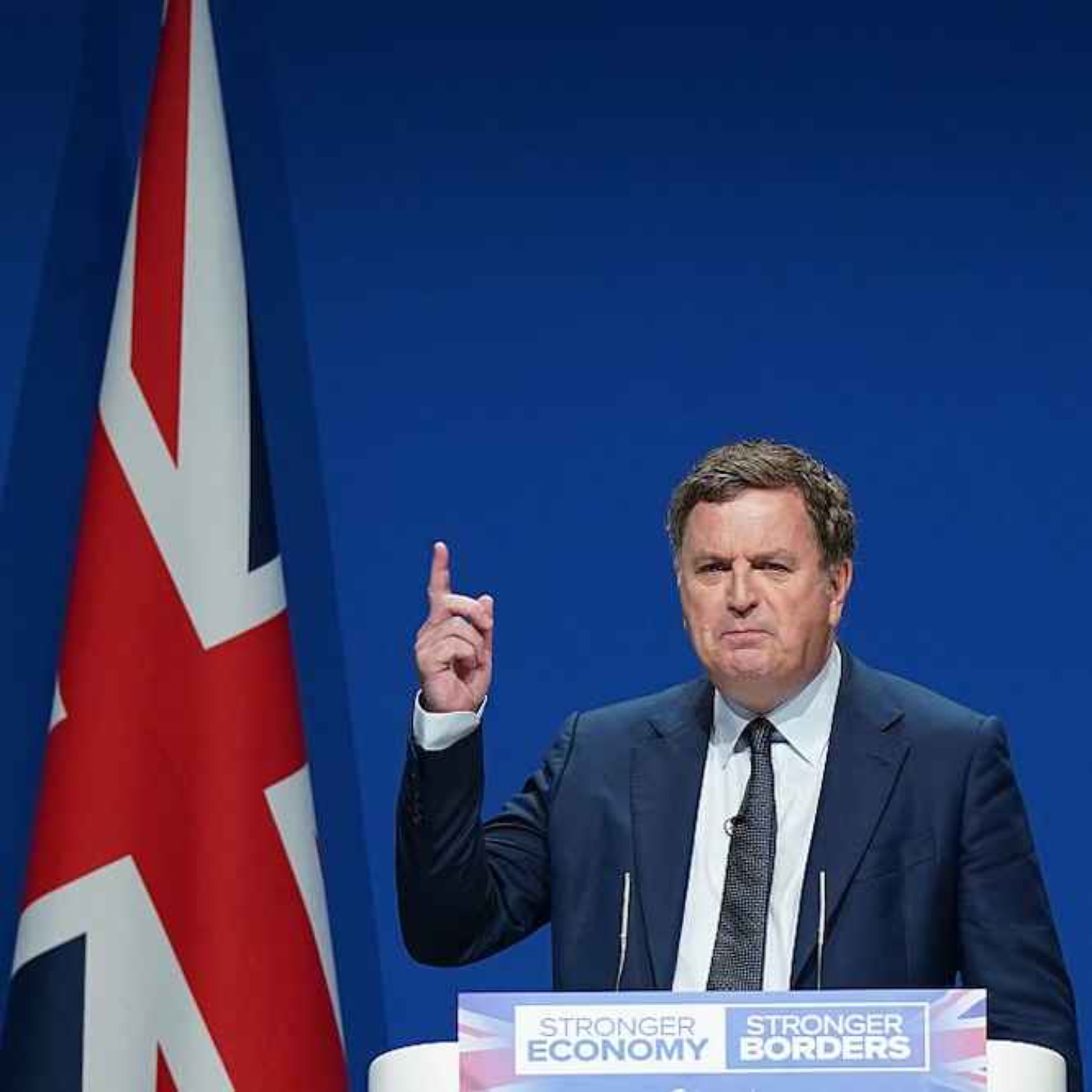
<p>Tim Shipman and Michael Simmons join Lucy Dunn live at Manchester for Conservative party conference. It's day two, and we've heard from shadow chancellor Mel Stride, who unveiled various pledges including business rates relief and spending cuts. </p><br><p>The Tories are clearly trying to position themselves again as the party of 'fiscal prudence' – but are people listening to them? As the team points out – whether through a lack of protestors or the speedy serving times at the conference bar – the convention centre is pretty quiet. </p><br><p>Produced by Patrick Gibbons.</p><br><p>Become a <em>Spectator </em>subscriber today to access this podcast without adverts. Go to <a href="https://www.spectator.co.uk/follow-your-podcasts/" rel="noopener noreferrer" target="_blank">spectator.co.uk/adfree</a> to find out more.</p><br><p>For more <em>Spectator</em> podcasts, go to <a href="https://www.spectator.co.uk/podcasts/" rel="noopener noreferrer" target="_blank">spectator.co.uk/podcasts</a>.</p><br><p>Contact us: [email protected]</p> <hr><p style='color:grey; font-size:0.75em;'> Hosted on Acast. See <a style='color:grey;' target='_blank' rel='noopener noreferrer' href='https://acast.com/privacy'>acast.com/privacy</a> for more information.</p>
Isabel Hardman's Sunday Roundup - 05/10/2025
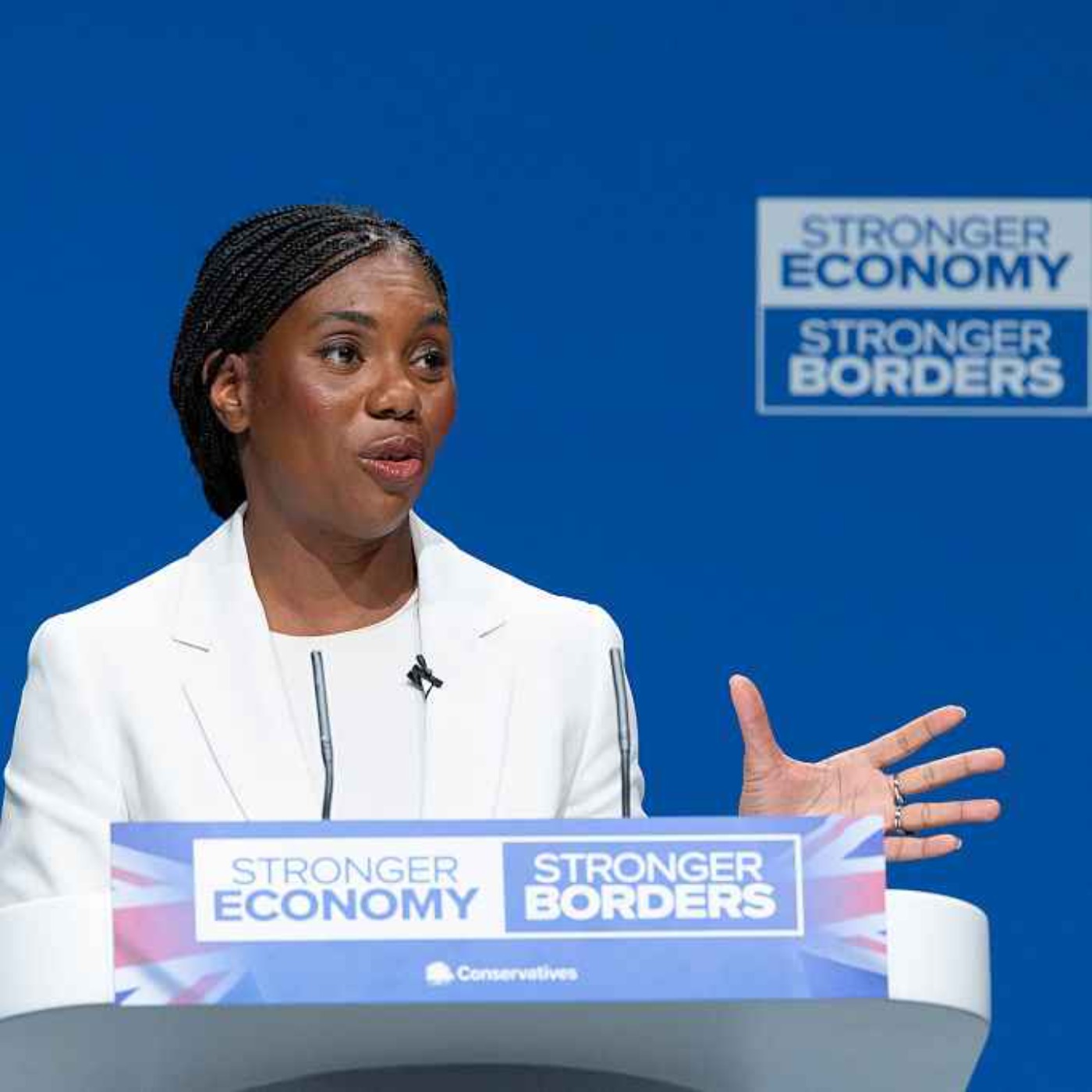
<p>Isabel Hardman presents highlights from Sunday morning's political shows.</p><br><p>Kemi Badenoch launches the Conservative Party Conference, the home secretary promises tougher protest laws in the wake of the Manchester terror attack, and Lucy Powell stakes her claim to be deputy leader of the Labour Party.</p><br><p>Produced by Joe Bedell-Brill.</p><p>Become a <em>Spectator </em>subscriber today to access this podcast without adverts. Go to <a href="https://www.spectator.co.uk/follow-your-podcasts/" rel="noopener noreferrer" target="_blank">spectator.co.uk/adfree</a> to find out more.</p><br><p>For more <em>Spectator</em> podcasts, go to <a href="https://www.spectator.co.uk/podcasts/" rel="noopener noreferrer" target="_blank">spectator.co.uk/podcasts</a>.</p><br><p>Contact us: [email protected]</p> <hr><p style='color:grey; font-size:0.75em;'> Hosted on Acast. See <a style='color:grey;' target='_blank' rel='noopener noreferrer' href='https://acast.com/privacy'>acast.com/privacy</a> for more information.</p>
Debate: what next for the British right?
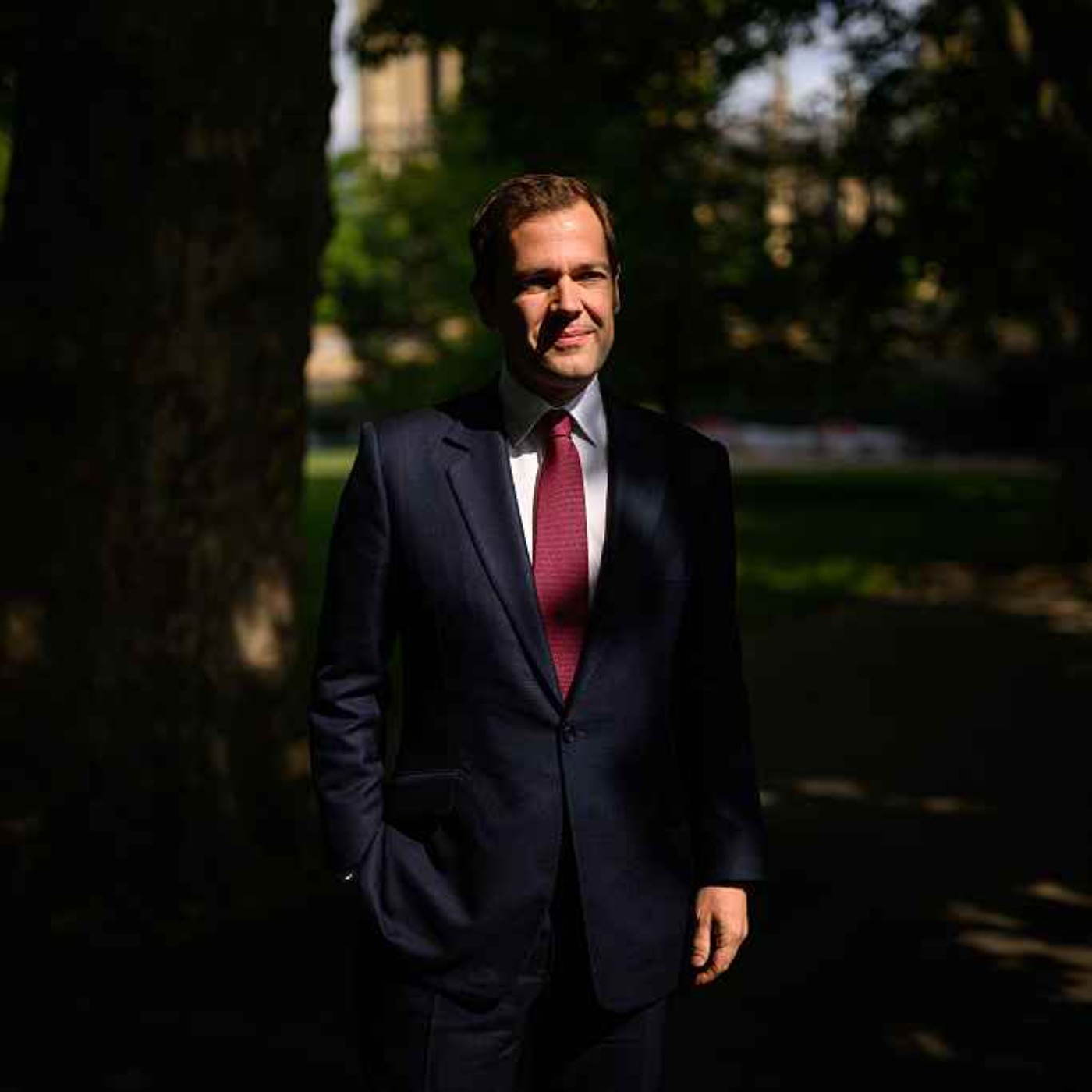
<p>The general election result of 2024 reflected – among other things –&nbsp;a collapse of trust among British voters in the Conservatives. How can the British right evolve so it learns lessons from the past and from across the pond, in order to win back its base?</p><br><p>This is an excerpt from an event hosted by The Spectator and American Compass; a leading US think tank. The panel includes:</p><p>Robert Jenrick MP, Shadow Secretary of State for Justice and MP for Newark</p><p>Miriam Cates, former MP for Penistone and Stocksbridge and GB News Presenter</p><p>Gavin Rice, head of political economy at Onward</p><p>Nick Timothy, MP for West Suffolk</p><p>Henry Olsen, Senior Fellow, Ethics & Public Policy Centre</p><br><p>Produced by Oscar Edmondson and Patrick Gibbons.</p><p>Become a <em>Spectator </em>subscriber today to access this podcast without adverts. Go to <a href="https://www.spectator.co.uk/follow-your-podcasts/" rel="noopener noreferrer" target="_blank">spectator.co.uk/adfree</a> to find out more.</p><br><p>For more <em>Spectator</em> podcasts, go to <a href="https://www.spectator.co.uk/podcasts/" rel="noopener noreferrer" target="_blank">spectator.co.uk/podcasts</a>.</p><br><p>Contact us: [email protected]</p> <hr><p style='color:grey; font-size:0.75em;'> Hosted on Acast. See <a style='color:grey;' target='_blank' rel='noopener noreferrer' href='https://acast.com/privacy'>acast.com/privacy</a> for more information.</p>

Manchester attack: Michael Gove on the rise of antisemitism
<p>On today’s <em>Coffee House Shots</em>, Tim Shipman is joined by Michael Gove to reflect on the terrorist attack at Heaton Park Synagogue in Manchester, which left two people dead. They discuss how the Jewish community has long warned of rising anti-Semitism, often forced to fund its own security, and how inflammatory rhetoric on recent pro-Palestinian marches has deepened the sense of vulnerability.</p><p>Michael warns that Britain remains naive about Islamist ideology and risks only ever reacting to violence, rather than preventing it. While there are capable people in government and the security services, he says, real leadership is needed to confront the ideology that fuels attacks before more tragedies occur. Does the Prevent system need reform? And could tragedies such as this be avoided by a more restrictive border policy?</p><p>Produced by Oscar Edmondson and Megan McElroy.</p><p>Become a <em>Spectator </em>subscriber today to access this podcast without adverts. Go to <a href="https://www.spectator.co.uk/follow-your-podcasts/" rel="noopener noreferrer" target="_blank">spectator.co.uk/adfree</a> to find out more.</p><br><p>For more <em>Spectator</em> podcasts, go to <a href="https://www.spectator.co.uk/podcasts/" rel="noopener noreferrer" target="_blank">spectator.co.uk/podcasts</a>.</p><br><p>Contact us: [email protected]</p> <hr><p style='color:grey; font-size:0.75em;'> Hosted on Acast. See <a style='color:grey;' target='_blank' rel='noopener noreferrer' href='https://acast.com/privacy'>acast.com/privacy</a> for more information.</p>
Kemi Badenoch's plan to save the Tories
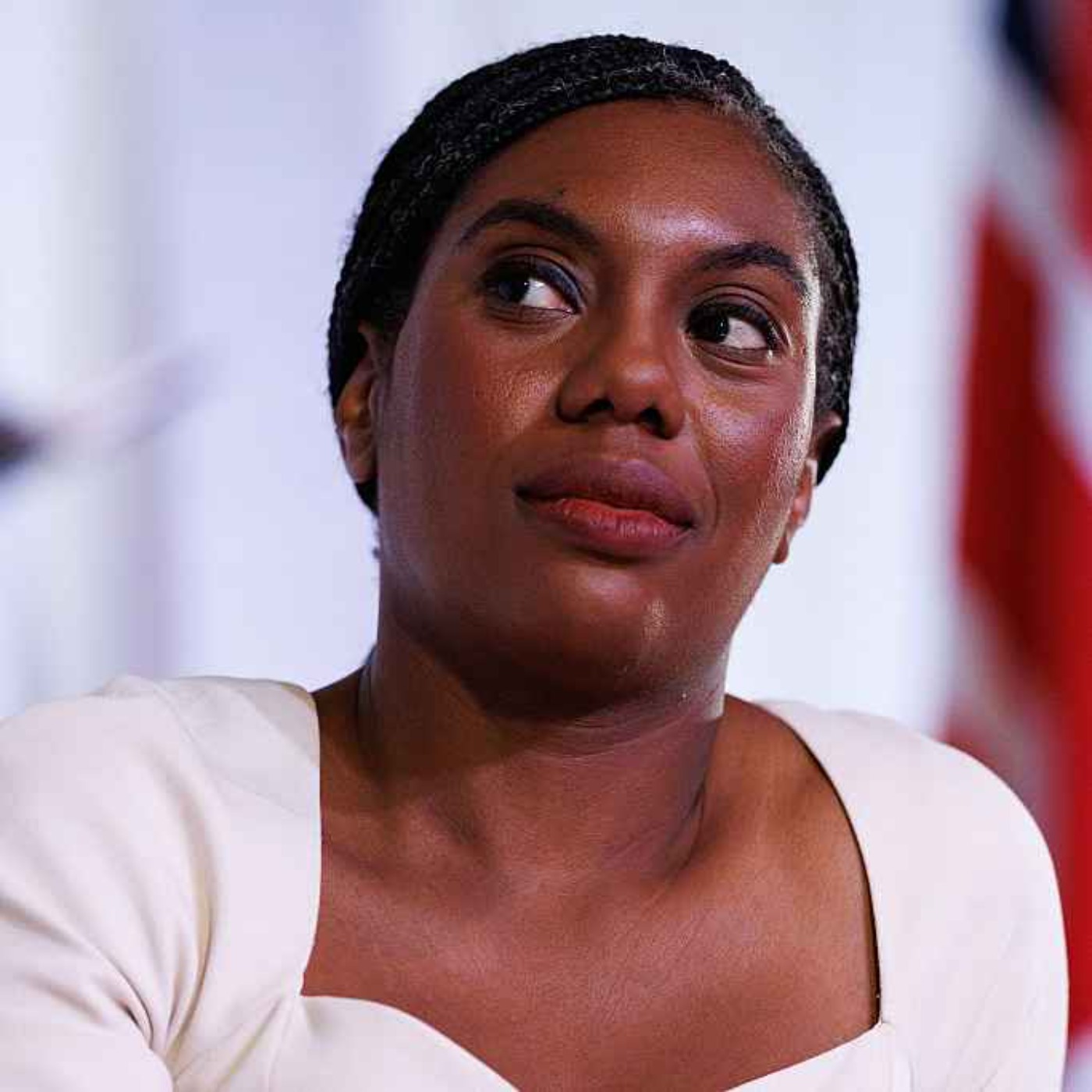
<p>The Prime Minister was set to announce his crackdown on the existing rights of refugees at the European Political Community meeting today; however, he has flown back to chair a Cobra meeting after a terror attack in Manchester. Two people have been killed and at least two others injured after a driver allegedly rammed a car into pedestrians outside a synagogue and attacked them with a knife. The suspect, who was shot by police, is also believed to be dead.</p><p>Also on the podcast, Tim Shipman interviews Kemi Badenoch for the magazine this week. As she enters conference season with the Tories running third in the polls behind Reform and Labour, she tells Tim that she is up for a fight. On Friday, her shadow cabinet will agree a policy of leaving the European Convention on Human Rights (ECHR) but her first conference announcement – revealed exclusively to Tim – will be scrapping the Climate Change Act. Will she resign if the Conservatives go backwards in next year’s elections? ‘Ask me that after the locals,’ she says. Will this be her last Tory conference as leader? </p><p>Lucy Dunn speaks to Tim Shipman and James Heale.</p><p>Produced by Oscar Edmondson.</p><p>Become a <em>Spectator </em>subscriber today to access this podcast without adverts. Go to <a href="https://www.spectator.co.uk/follow-your-podcasts/" rel="noopener noreferrer" target="_blank">spectator.co.uk/adfree</a> to find out more.</p><br><p>For more <em>Spectator</em> podcasts, go to <a href="https://www.spectator.co.uk/podcasts/" rel="noopener noreferrer" target="_blank">spectator.co.uk/podcasts</a>.</p><br><p>Contact us: [email protected]</p> <hr><p style='color:grey; font-size:0.75em;'> Hosted on Acast. See <a style='color:grey;' target='_blank' rel='noopener noreferrer' href='https://acast.com/privacy'>acast.com/privacy</a> for more information.</p>

Labour's deputy divisions: insider vs outsider?
<p>Tim Shipman and Claire Ainsley from the Progressive Policy Institute join Patrick Gibbons to reflect on Labour's party conference as it draws to a close in Liverpool. This conference has been received positively for Labour but, on the final day, a hustings for the deputy leadership demonstrated that divides remain under the surface. Is Lucy Powell versus Bridget Phillipson a case of left versus right in the party, or is it more about the outsider versus the insider? And, as a leading political commentator declares Labour to now be the 'party of the professional middle class', what does the contest tell us about who Labour needs to appeal to? </p><br><p>Produced by Patrick Gibbons.</p><p>Become a <em>Spectator </em>subscriber today to access this podcast without adverts. Go to <a href="https://www.spectator.co.uk/follow-your-podcasts/" rel="noopener noreferrer" target="_blank">spectator.co.uk/adfree</a> to find out more.</p><br><p>For more <em>Spectator</em> podcasts, go to <a href="https://www.spectator.co.uk/podcasts/" rel="noopener noreferrer" target="_blank">spectator.co.uk/podcasts</a>.</p><br><p>Contact us: [email protected]</p> <hr><p style='color:grey; font-size:0.75em;'> Hosted on Acast. See <a style='color:grey;' target='_blank' rel='noopener noreferrer' href='https://acast.com/privacy'>acast.com/privacy</a> for more information.</p>

Starmer delivers 'the speech of his life'
<p>We have just heard the Prime Minister’s headline speech at Labour Party Conference and – whisper it quietly – that might have been Keir Starmer’s best yet. As briefed out beforehand it was a patriotic address, with lots of flag waving in the room as he presented his version of patriotism in contrast to a Nigel Farage who is guilty of talking Britain down.</p><p>It was miles better than the dreariness of last year and instead struck a chord of hope against the broken Britain narrative. Even though there was little of actual substance on the economy and more platitudes about ‘smashing the gangs’, this did seem like a landmark moment for Keir Starmer where he communicated an actual plan for the Britain he wants to build. He also managed to trumpet some of Labour’s successes, mimicking Gordon Brown as he listed off their first year wins. At times this Labour party has felt like an ocean liner, but is he finally turning things around and bringing the fight to Reform? Is this ‘Starmerism’?</p><p>Oscar Edmondson speaks to Tim Shipman and James Heale.</p><p>Produced by Oscar Edmondson.</p><p>Become a <em>Spectator </em>subscriber today to access this podcast without adverts. Go to <a href="https://www.spectator.co.uk/follow-your-podcasts/" rel="noopener noreferrer" target="_blank">spectator.co.uk/adfree</a> to find out more.</p><br><p>For more <em>Spectator</em> podcasts, go to <a href="https://www.spectator.co.uk/podcasts/" rel="noopener noreferrer" target="_blank">spectator.co.uk/podcasts</a>.</p><br><p>Contact us: [email protected]</p> <hr><p style='color:grey; font-size:0.75em;'> Hosted on Acast. See <a style='color:grey;' target='_blank' rel='noopener noreferrer' href='https://acast.com/privacy'>acast.com/privacy</a> for more information.</p>
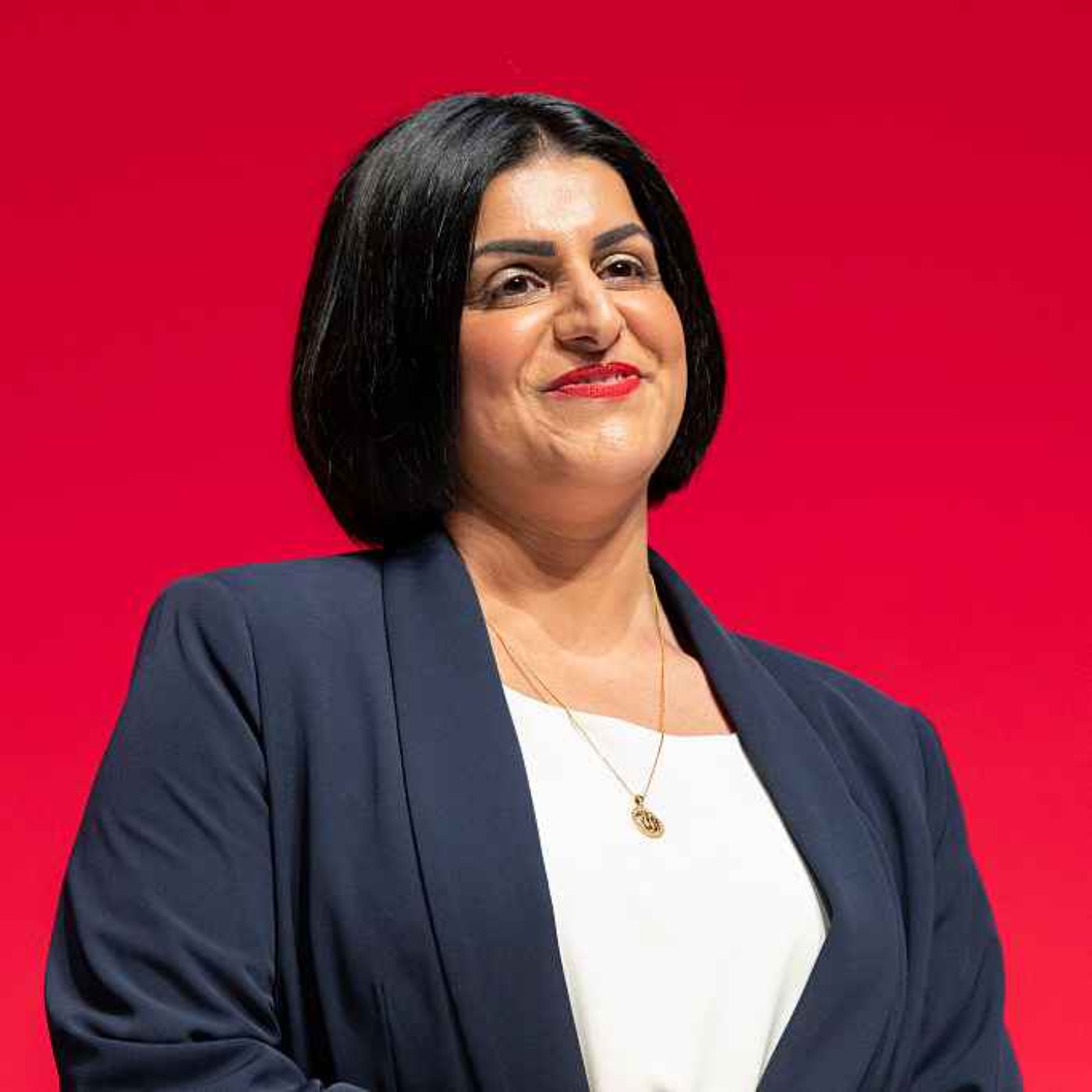
Shabana Mahmood in conversation with Michael Gove – Labour Conference 2025
<p>Whilst a certain noisy northern mayor has positioned himself as the problem child of conference 2025, <em>The Spectator</em> finds another Labour politician far more interesting. All around Liverpool the newsstands are decorated by the image of the Home Secretary Shabana Mahmood, dubbed the ‘Terminator’ by Tim Shipman in the most recent issue of <em>The Spectator</em>. As one strategist notes: ‘Shabana is not afraid to use power. That’s what we need.’</p><p>In this special edition of <em>Coffee House Shots</em> we present a wide-ranging in-conversation between Shabana Mahmood and Spectator editor Michael Gove. Listen for: how to tackle the ‘Boriswave’, whether the Home Office is fit for purpose, Shabana’s compelling case for digital ID cards and her response to Keir Starmer’s claim that Reform are ‘racist’.</p><p>Produced by Oscar Edmondson and Megan McElroy.</p><p>Become a <em>Spectator </em>subscriber today to access this podcast without adverts. Go to <a href="https://www.spectator.co.uk/follow-your-podcasts/" rel="noopener noreferrer" target="_blank">spectator.co.uk/adfree</a> to find out more.</p><br><p>For more <em>Spectator</em> podcasts, go to <a href="https://www.spectator.co.uk/podcasts/" rel="noopener noreferrer" target="_blank">spectator.co.uk/podcasts</a>.</p><br><p>Contact us: [email protected]</p> <hr><p style='color:grey; font-size:0.75em;'> Hosted on Acast. See <a style='color:grey;' target='_blank' rel='noopener noreferrer' href='https://acast.com/privacy'>acast.com/privacy</a> for more information.</p>
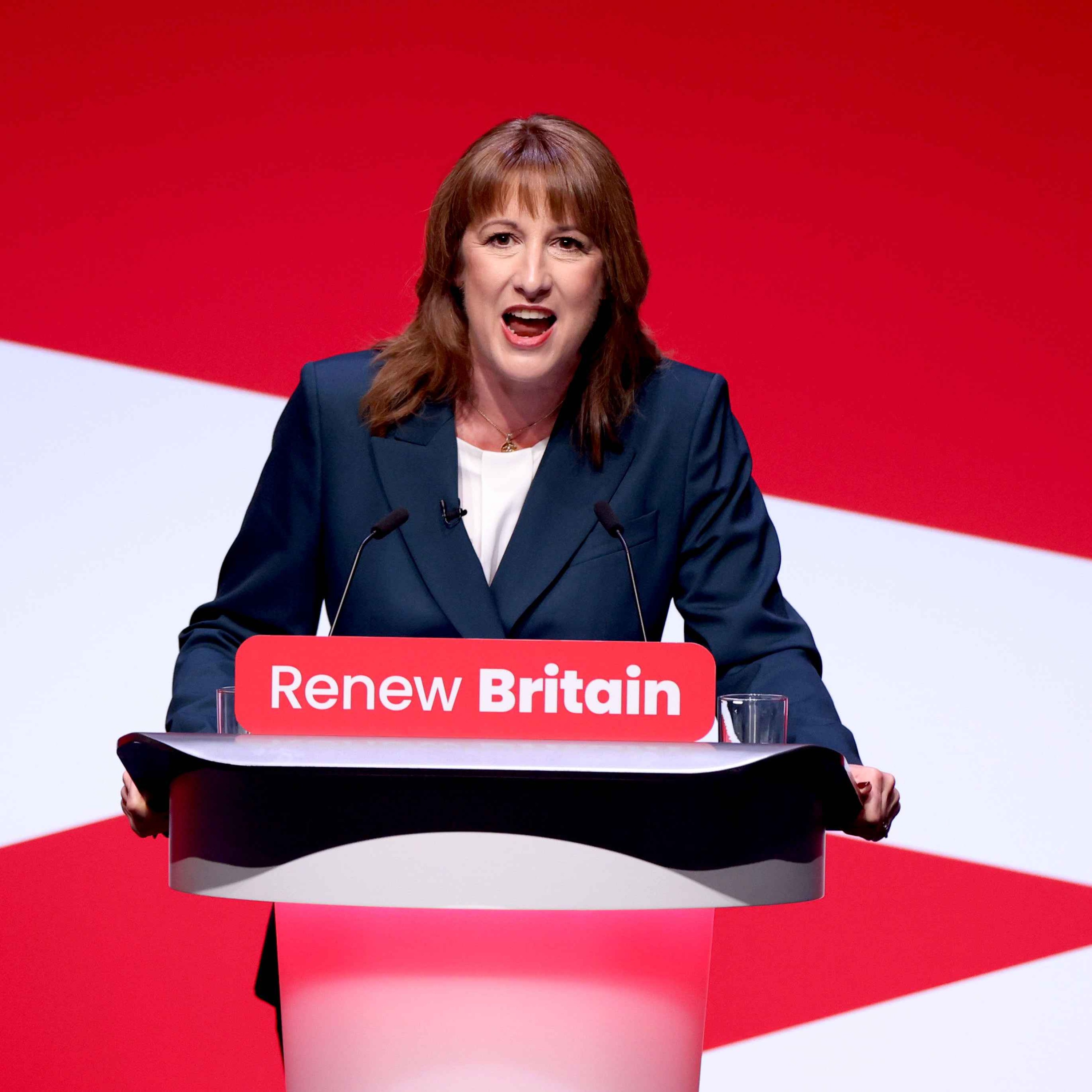
Labour conference: 'a holiday from reality'?
<p>Labour party conference has kicked off in Liverpool, and the Chancellor has just delivered her keynote speech.</p><p>‘Security, security, security’ was the message from Rachel Reeves as she addressed the Labour party faithful. The Labour government, she said, will create an economy that puts the British worker above all else. Aside from setting out her economic vision, she made time for a few jabs in Manchester mayor Andy Burnham’s direction and gave a nod to shadow education secretary Bridget Phillipson (should we take that as an endorsement?). Has she been taking notes from Gordon Brown?</p><p>Elsewhere, the mood in the bars is much more buoyant than it was last year – although that has a lot to do with the absence of Sue Gray. Starmer’s change of tack and taking the fight to reform on indefinite leave to remain, as well as the announcement of some juicy bits of policy, seems to have placated many. But is conference just a holiday from reality?</p><p>Lucy Dunn speaks to James Heale and Michael Simmons.</p><p>Produced by Oscar Edmondson.</p><p>Become a <em>Spectator </em>subscriber today to access this podcast without adverts. Go to <a href="https://www.spectator.co.uk/follow-your-podcasts/" rel="noopener noreferrer" target="_blank">spectator.co.uk/adfree</a> to find out more.</p><br><p>For more <em>Spectator</em> podcasts, go to <a href="https://www.spectator.co.uk/podcasts/" rel="noopener noreferrer" target="_blank">spectator.co.uk/podcasts</a>.</p><br><p>Contact us: [email protected]</p> <hr><p style='color:grey; font-size:0.75em;'> Hosted on Acast. See <a style='color:grey;' target='_blank' rel='noopener noreferrer' href='https://acast.com/privacy'>acast.com/privacy</a> for more information.</p>
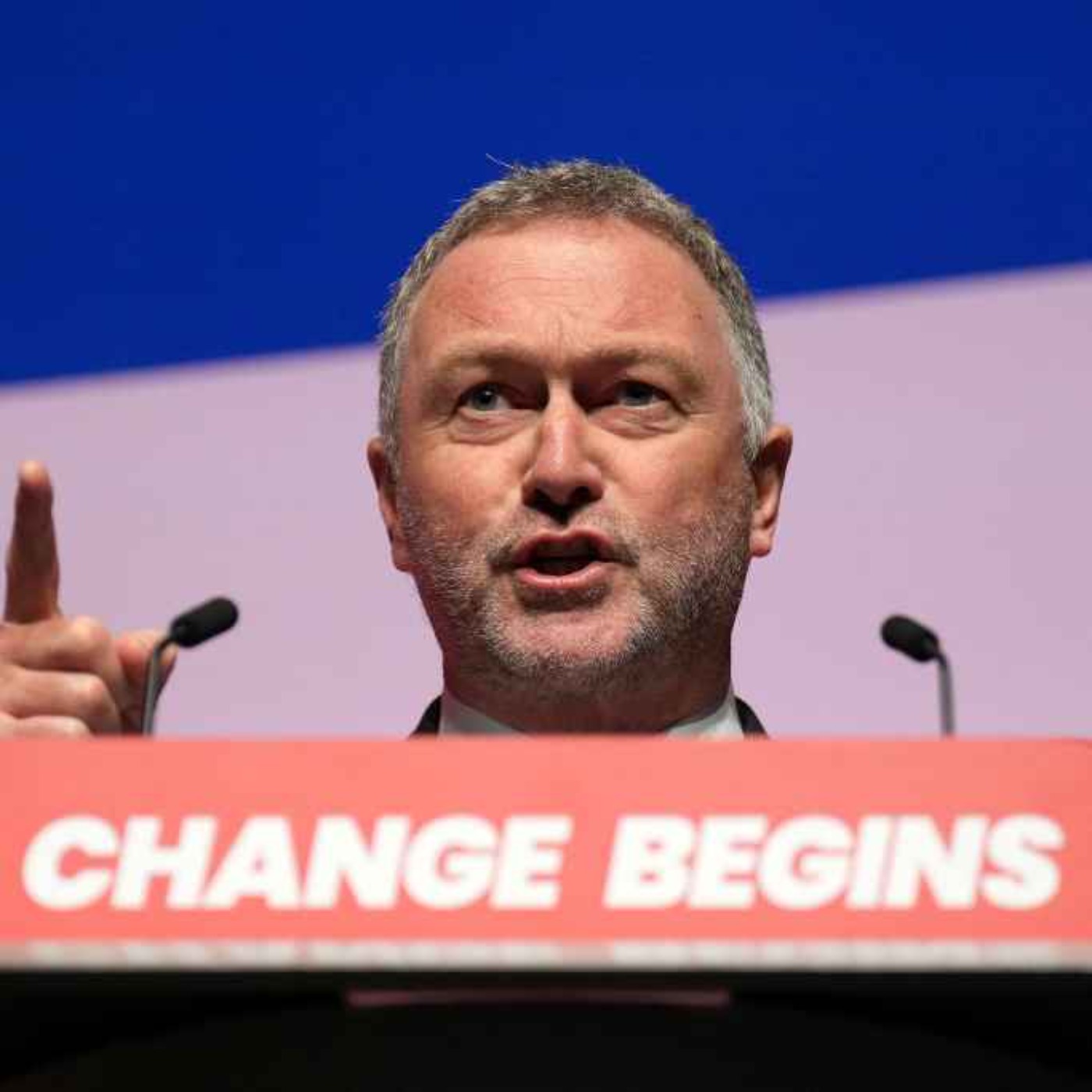
Labour’s ‘levelling up’ agenda – Michael Gove interviews Steve Reed
<p>On the eve of Labour’s party conference, the <em>Spectator</em>'s editor Michael Gove sits down with Steve Reed MP, the new Secretary of State for Housing, Communities, and Local Government. The government has announced an historic £5 billion package of funding for 'national renewal' – designed to revive high streets, parks and public spaces. Reed explains how he thinks Labour can win back 'forgotten' communities through building 1.5 million houses through this Parliament, allocating fair funding for councils and devolving more powers to local government. Is this Labour's own 'levelling up' agenda?</p><p>Become a <em>Spectator </em>subscriber today to access this podcast without adverts. Go to <a href="https://www.spectator.co.uk/follow-your-podcasts/" rel="noopener noreferrer" target="_blank">spectator.co.uk/adfree</a> to find out more.</p><br><p>For more <em>Spectator</em> podcasts, go to <a href="https://www.spectator.co.uk/podcasts/" rel="noopener noreferrer" target="_blank">spectator.co.uk/podcasts</a>.</p><br><p>Contact us: [email protected]</p> <hr><p style='color:grey; font-size:0.75em;'> Hosted on Acast. See <a style='color:grey;' target='_blank' rel='noopener noreferrer' href='https://acast.com/privacy'>acast.com/privacy</a> for more information.</p>
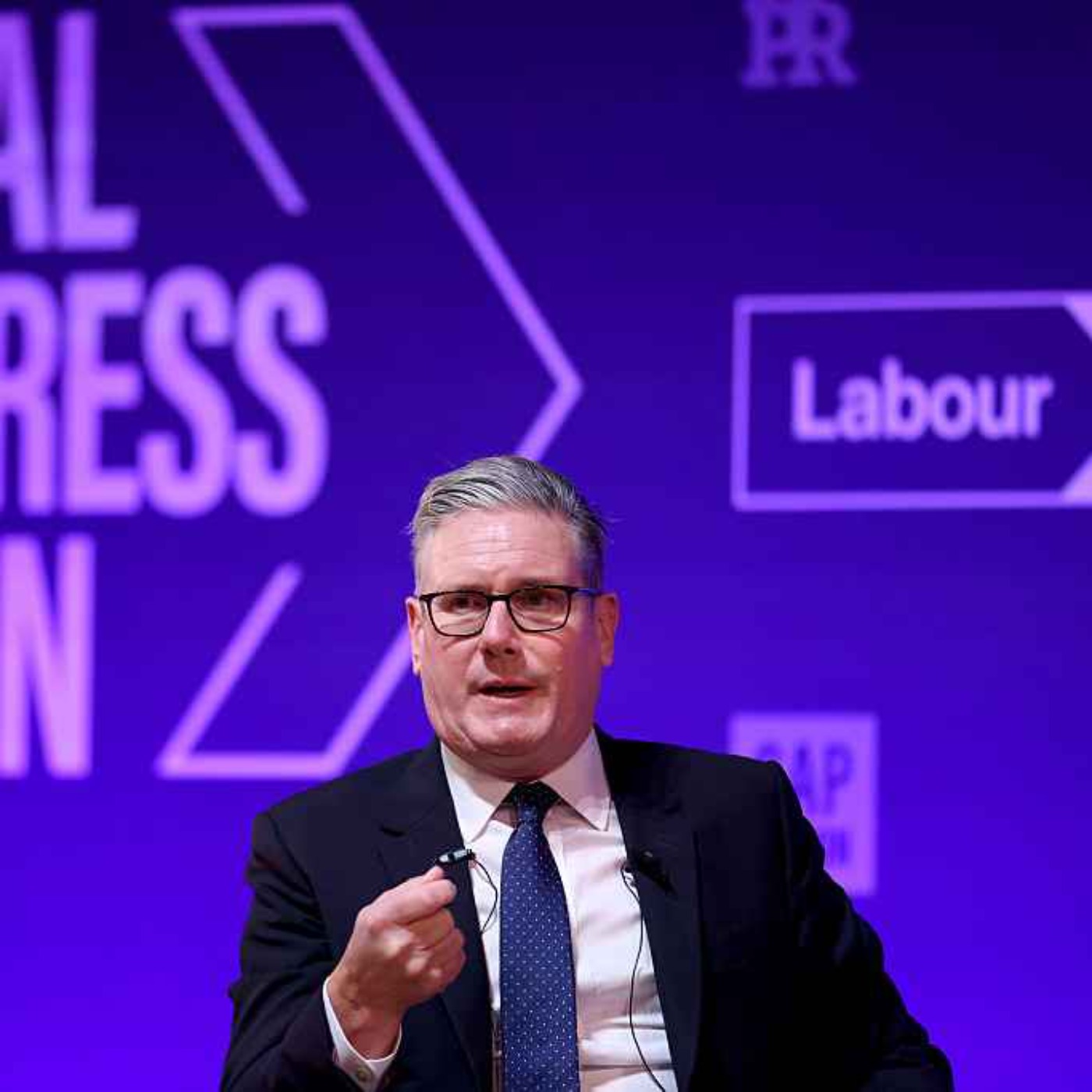
ID cards are back: will they work?
<p>The Labour machine has whirred into gear to try and contain a certain Northern mayor’s mischievous interventions this week, by announcing a big controversial piece of policy. The news that ID cards – Tony Blair’s pet project – will be introduced has splashed all the front pages, demoting Andy Burnham to yesterday’s news. It’s a policy with broad public support, but with a passionate minority opposition including the leaders of the other major parties. The fact that it is being rebranded as a ‘Brit card’ with the aim of tackling the migration crisis has also ruffled a few feathers. Will it work politically? And, more importantly, will it work in practice?&nbsp;</p><p>Lucy Dunn speaks to Tim Shipman and James Heale.&nbsp;</p><p>Produced by Oscar Edmondson.&nbsp;</p><p>Become a <em>Spectator </em>subscriber today to access this podcast without adverts. Go to <a href="https://www.spectator.co.uk/follow-your-podcasts/" rel="noopener noreferrer" target="_blank">spectator.co.uk/adfree</a> to find out more.</p><br><p>For more <em>Spectator</em> podcasts, go to <a href="https://www.spectator.co.uk/podcasts/" rel="noopener noreferrer" target="_blank">spectator.co.uk/podcasts</a>.</p><br><p>Contact us: [email protected]</p> <hr><p style='color:grey; font-size:0.75em;'> Hosted on Acast. See <a style='color:grey;' target='_blank' rel='noopener noreferrer' href='https://acast.com/privacy'>acast.com/privacy</a> for more information.</p>
Starmer's make-or-break conference
<p>Labour conference kicks off this weekend in Liverpool – but the mood going in is far from triumphant. </p><p>On today's <em>Coffee House Shots</em>, Lucy Dunn is joined by Tim Shipman and More in Common’s Luke Tryl to take the temperature ahead of Labour’s big set-piece. They discuss why some voters already see Starmer as ‘just as bad as the lot that came before’, and whether Labour can turn things around with new policies aimed at revitalising local communities – from saving libraries and pubs to giving residents more power over development.</p><p>There is also a fascinating hypothetical poll in which an Andy Burnham-led Labour party outpaces Reform UK, turning a deficit into a narrow lead. Luke explains how Burnham’s appeal lies less in his own charisma than in Labour’s ability to win back disillusioned supporters from the Lib Dems and the undecided.</p><p>But if Labour is struggling to meet expectations, Reform faces its own dilemmas. Farage’s recent flirtation with fringe debates – from vaccine-sceptic speakers to entertaining Trump's edict on paracetamol – risks alienating the mainstream voters. As Tim and Luke point out, Reform’s future depends on whether it can stay focused on bread-and-butter issues like immigration and the cost of living, or whether it strays into conspiratorial territory.</p><p>Produced by Oscar Edmondson.</p><p>Become a <em>Spectator </em>subscriber today to access this podcast without adverts. Go to <a href="https://www.spectator.co.uk/follow-your-podcasts/" rel="noopener noreferrer" target="_blank">spectator.co.uk/adfree</a> to find out more.</p><br><p>For more <em>Spectator</em> podcasts, go to <a href="https://www.spectator.co.uk/podcasts/" rel="noopener noreferrer" target="_blank">spectator.co.uk/podcasts</a>.</p><br><p>Contact us: [email protected]</p> <hr><p style='color:grey; font-size:0.75em;'> Hosted on Acast. See <a style='color:grey;' target='_blank' rel='noopener noreferrer' href='https://acast.com/privacy'>acast.com/privacy</a> for more information.</p>
What is 'Manchesterism'?
<p>Andy Burnham, Manchester’s mayor and self-styled champion of the North, is openly flirting with a return to Westminster just days before the Labour Party conference. In a revealing interview, he outlined his 'Manchesterism' – a blend of business-friendly socialism and public control of essential services – though what that actually means remains unclear. Typically, he is full of inconsistencies, criticising Westminster and how it 'makes you look false', while openly seeking a route back. Does he see the irony? </p><p>Meanwhile, Keir Starmer faces challenges on multiple fronts: his chief of staff, Morgan McSweeney, is embroiled in a controversy over nearly £740,000 of undisclosed donations to Labour Together, threatening to overshadow conference proceedings.</p><p>Labour’s conference promises to be anything but dull, but who will steal the headlines: Burnham or McSweeney? </p><p>Lucy Dunn speaks to Isabel Hardman and Tim Shipman. </p><p>Produced by Oscar Edmondson.</p><p>Become a <em>Spectator </em>subscriber today to access this podcast without adverts. Go to <a href="https://www.spectator.co.uk/follow-your-podcasts/" rel="noopener noreferrer" target="_blank">spectator.co.uk/adfree</a> to find out more.</p><br><p>For more <em>Spectator</em> podcasts, go to <a href="https://www.spectator.co.uk/podcasts/" rel="noopener noreferrer" target="_blank">spectator.co.uk/podcasts</a>.</p><br><p>Contact us: [email protected]</p> <hr><p style='color:grey; font-size:0.75em;'> Hosted on Acast. See <a style='color:grey;' target='_blank' rel='noopener noreferrer' href='https://acast.com/privacy'>acast.com/privacy</a> for more information.</p>
Ed Davey pitches himself as the anti-Farage
<p>The Liberal Democrat party conference in Bournemouth has concluded with a speech from leader Sir Ed Davey. While the current crop of Liberal Democrats are the most successful third-party in 100 years, they have faced questions about why they aren't cutting through more while Nigel Farage is. It's something Davey is aware of and – hoping to exploit how divisive the leader of Reform is – he sought to pitch himself as the anti-Farage. Will it work?</p><br><p>Plus, more bad news for the Chancellor. Labour had pledged to aim for the highest growth in the G7. New figures from the OECD did upgrade their global growth forecast, including for Britain, but projected that the UK would see the highest inflation across the G7. How bad is this for Rachel Reeves?</p><br><p>James Heale and Michael Simmons join Patrick Gibbons to discuss.</p><br><p>Produced by Patrick Gibbons.</p><p>Become a <em>Spectator </em>subscriber today to access this podcast without adverts. Go to <a href="https://www.spectator.co.uk/follow-your-podcasts/" rel="noopener noreferrer" target="_blank">spectator.co.uk/adfree</a> to find out more.</p><br><p>For more <em>Spectator</em> podcasts, go to <a href="https://www.spectator.co.uk/podcasts/" rel="noopener noreferrer" target="_blank">spectator.co.uk/podcasts</a>.</p><br><p>Contact us: [email protected]</p> <hr><p style='color:grey; font-size:0.75em;'> Hosted on Acast. See <a style='color:grey;' target='_blank' rel='noopener noreferrer' href='https://acast.com/privacy'>acast.com/privacy</a> for more information.</p>
Farage goes after Boris
<p>Nigel Farage has unveiled his most radical immigration plan yet – scrapping indefinite leave to remain for migrants – in a move designed to reverse the so-called 'Boriswave.' James Heale explains how this would affect hundreds of thousands already living in the UK, why the party claims it could save £250 billion, and whether any of it is remotely feasible.</p><p>Meanwhile, Keir Starmer has formally recognised Palestine as a state, a decision hailed by many Labour MPs but criticised by others as diplomatically reckless. And, to round off a busy political Monday morning, the government has approved a second runway at Gatwick – but will it really boost growth before the next election?</p><p>Lucy Dunn speaks to James Heale and Tim Shipman. </p><p>Produced by Oscar Edmondson. </p><p>Become a <em>Spectator </em>subscriber today to access this podcast without adverts. Go to <a href="https://www.spectator.co.uk/follow-your-podcasts/" rel="noopener noreferrer" target="_blank">spectator.co.uk/adfree</a> to find out more.</p><br><p>For more <em>Spectator</em> podcasts, go to <a href="https://www.spectator.co.uk/podcasts/" rel="noopener noreferrer" target="_blank">spectator.co.uk/podcasts</a>.</p><br><p>Contact us: [email protected]</p> <hr><p style='color:grey; font-size:0.75em;'> Hosted on Acast. See <a style='color:grey;' target='_blank' rel='noopener noreferrer' href='https://acast.com/privacy'>acast.com/privacy</a> for more information.</p>
Isabel Hardman's Sunday Roundup - 21/09/2025
<p>Isabel Hardman presents highlights from Sunday morning's political shows.</p><br><p>The UK has officially recognised the state of Palestine. In the morning of Keir Starmer's announcement, Deputy Prime Minister David Lammy explains Labour's reasoning, while Mel Stride criticises the government's timing.</p><p>Elsewhere, Ed Davey builds up to the Lib Dem conference by calling for Elon Musk's arrest.</p><br><p>Produced by Joe Bedell-Brill.</p><br><p><br></p><p>Become a <em>Spectator </em>subscriber today to access this podcast without adverts. Go to <a href="https://www.spectator.co.uk/follow-your-podcasts/" rel="noopener noreferrer" target="_blank">spectator.co.uk/adfree</a> to find out more.</p><br><p>For more <em>Spectator</em> podcasts, go to <a href="https://www.spectator.co.uk/podcasts/" rel="noopener noreferrer" target="_blank">spectator.co.uk/podcasts</a>.</p><br><p>Contact us: [email protected]</p> <hr><p style='color:grey; font-size:0.75em;'> Hosted on Acast. See <a style='color:grey;' target='_blank' rel='noopener noreferrer' href='https://acast.com/privacy'>acast.com/privacy</a> for more information.</p>

Should Britain recognise Palestine?
<p>The government is expected to press ahead with recognition of Palestinian statehood, before a formal declaration at the United Nations. Prime Minister Keir Starmer set out plans earlier this year to recognise Palestine – but what does this actually mean? And what does the move actually achieve; is it driven by principle, by politics – or by pressure from within his own party?</p><br><p>Michael Stephens of RUSI and Gabriel Pogrund of the Sunday Times join James Heale to assess the significance of this shift. They discuss the backlash from countries like the US, the unease within Labour ranks and the growing tension between domestic politics and Britain’s standing with allies in the Middle East. France, Australia and Canada, close allies of Britain, announced their own plans to recognise Palestine, yet the US has condemned any move. What does Starmer’s recognition of Palestine mean for the UK’s relationship with the US? And is Starmer at risk of being outflanked – both at home and abroad?</p><br><p>Produced by Oscar Edmondson and Patrick Gibbons.</p><p>Become a <em>Spectator </em>subscriber today to access this podcast without adverts. Go to <a href="https://www.spectator.co.uk/follow-your-podcasts/" rel="noopener noreferrer" target="_blank">spectator.co.uk/adfree</a> to find out more.</p><br><p>For more <em>Spectator</em> podcasts, go to <a href="https://www.spectator.co.uk/podcasts/" rel="noopener noreferrer" target="_blank">spectator.co.uk/podcasts</a>.</p><br><p>Contact us: [email protected]</p> <hr><p style='color:grey; font-size:0.75em;'> Hosted on Acast. See <a style='color:grey;' target='_blank' rel='noopener noreferrer' href='https://acast.com/privacy'>acast.com/privacy</a> for more information.</p>
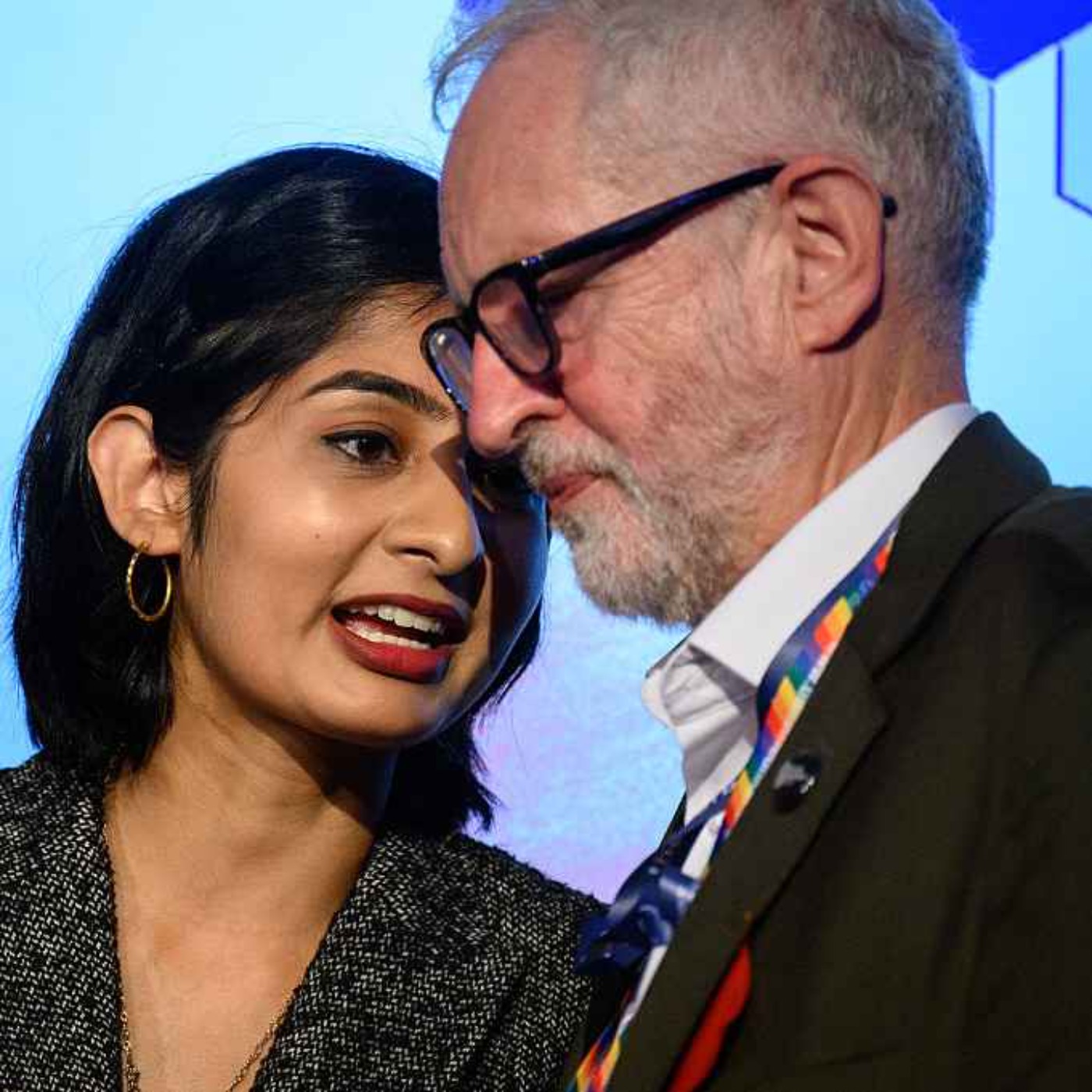
Inside the 'Your Party' meltdown
<p>Who would have thought it? Jeremy Corbyn’s insurgent party co-venture with Zarah Sultana seems to have imploded before it even got going. On Thursday, 'Your Party' supporters received an email from Zarah Sultana detailing how they could sign up for a £55 membership. Soon after, Jeremy Corbyn released a statement – co-signed by the so-called Gaza independent MPs that make up the as-yet-untitled party – which dismissed Sultana’s email as ‘unauthorised’, and that they were seeking legal advice.</p><p>James Heale describes how it has the air of a 'South American coup', with both sides briefing against each other, including Zarah Sultana’s camp accusing Jeremy Corbyn of overseeing a ‘sexist boys’ club’. It is all getting very personal, and the disagreement seems to stem from a fundamental clash of egos between the two founders. Is this mortal for the party? And who stands to benefit: Keir Starmer, or the Green party’s dynamic new leader, Zack Polanski?</p><p>Oscar Edmondson speaks to James Heale and Sienna Rodgers, deputy editor of <em>The House Magazine</em> and ‘Your Party’ whisperer.</p><p>Produced by Oscar Edmondson.</p><p><strong> </strong></p><p>Become a <em>Spectator </em>subscriber today to access this podcast without adverts. Go to <a href="https://www.spectator.co.uk/follow-your-podcasts/" rel="noopener noreferrer" target="_blank">spectator.co.uk/adfree</a> to find out more.</p><br><p>For more <em>Spectator</em> podcasts, go to <a href="https://www.spectator.co.uk/podcasts/" rel="noopener noreferrer" target="_blank">spectator.co.uk/podcasts</a>.</p><br><p>Contact us: [email protected]</p> <hr><p style='color:grey; font-size:0.75em;'> Hosted on Acast. See <a style='color:grey;' target='_blank' rel='noopener noreferrer' href='https://acast.com/privacy'>acast.com/privacy</a> for more information.</p>

Trump’s state visit was a ‘news bonanza’
<p>Donald Trump has been in the UK this week on an unprecedented second state visit – an honour that he said last night at a state dinner he ‘hopes’ is reserved only for him, to much amusement in the room.</p><p>Humility doesn’t come naturally to the President, but he does seem genuinely humbled by the pomp and pageantry that comes with a state visit. Meanwhile, Trump-management and grandstanding on the world stage seem (bizarrely) to come naturally to the Prime Minister. Trump's visit – which threatened to be derailed by the sacking of the US ambassador Peter Mandelson over his association with convicted paedophile Jeffrey Epstein – has been a welcome reprieve from the tumult of domestic politics for Keir Starmer’s Labour party.</p><p>A tech deal has been agreed which involves investment from US tech companies in the UK to the tune of several billion pounds; there was some soft diplomacy between the Princess of Wales and the First Lady today, and this afternoon’s press conference wasn’t totally sidetracked by questions about Mandelson... although there are clearly some tensions bubbling under the surface, mainly on energy policy, Palestinian statehood and Ukraine. Was the visit a success?</p><p>Oscar Edmondson speaks to Freddy Gray and Tim Shipman.</p><p>Produced by Oscar Edmondson.</p><p>Become a <em>Spectator </em>subscriber today to access this podcast without adverts. Go to <a href="https://www.spectator.co.uk/follow-your-podcasts/" rel="noopener noreferrer" target="_blank">spectator.co.uk/adfree</a> to find out more.</p><br><p>For more <em>Spectator</em> podcasts, go to <a href="https://www.spectator.co.uk/podcasts/" rel="noopener noreferrer" target="_blank">spectator.co.uk/podcasts</a>.</p><br><p>Contact us: [email protected]</p> <hr><p style='color:grey; font-size:0.75em;'> Hosted on Acast. See <a style='color:grey;' target='_blank' rel='noopener noreferrer' href='https://acast.com/privacy'>acast.com/privacy</a> for more information.</p>
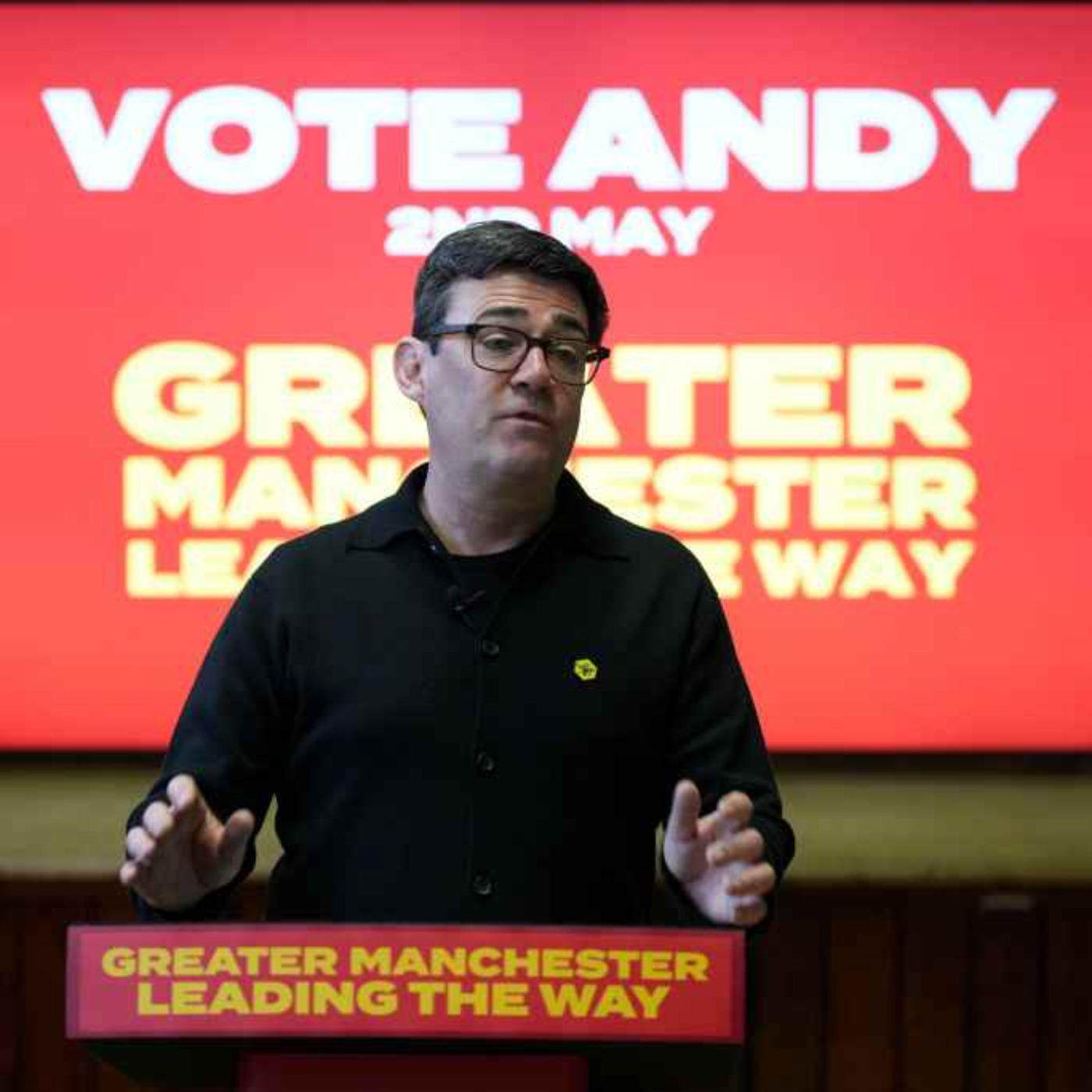
Andy Burnham’s ‘fantasy politics’
<p>Donald Trump might be in the UK for the state visit, but it’s Labour pains that are dominating the headlines and, predictably, there is a typical northern lad who thinks he could be just what the party needs. Despite having made two previous (failed) attempts at the leadership, Andy Burnham is on manoeuvres. He does seem to have the key thing that Starmer lacks – i.e. the ability to communicate – but he does unfortunately come with his own history of flip-flopping. What does this say about the state of the left wing?</p><p>‘They clearly hate it!’ says Tim Shipman on today’s podcast about Labour’s experience of government, but is Burnham’s ‘fantasy politics’ really the answer? And could he be the one to take the fight to Reform?</p><p>James Heale speaks to Tim Shipman and Isabel Hardman.</p><p>Produced by Oscar Edmondson.</p><br><p><br></p><p>Become a <em>Spectator </em>subscriber today to access this podcast without adverts. Go to <a href="https://www.spectator.co.uk/follow-your-podcasts/" rel="noopener noreferrer" target="_blank">spectator.co.uk/adfree</a> to find out more.</p><br><p>For more <em>Spectator</em> podcasts, go to <a href="https://www.spectator.co.uk/podcasts/" rel="noopener noreferrer" target="_blank">spectator.co.uk/podcasts</a>.</p><br><p>Contact us: [email protected]</p> <hr><p style='color:grey; font-size:0.75em;'> Hosted on Acast. See <a style='color:grey;' target='_blank' rel='noopener noreferrer' href='https://acast.com/privacy'>acast.com/privacy</a> for more information.</p>
Will Trump's state visit save Starmer?
<p>Keir Starmer has lost another aide, MPs are debating what the Prime Minister knew about Mandelson's links to Epstein and a new poll has Lucy Powell as the favourite to win Labour's deputy leadership race against education secretary Bridget Phillipson. Could things be any worse for Starmer? </p><br><p>With US President Donald Trump touching down at London Stansted tonight, the PM will be hoping the state visit provides an opportunity to draw a line under the past few weeks. But Trump is anything but predictable, and he likes a winner – will 'The Donald' sour on Starmer?</p><br><p>Produced by Patrick Gibbons.</p><p>Become a <em>Spectator </em>subscriber today to access this podcast without adverts. Go to <a href="https://www.spectator.co.uk/follow-your-podcasts/" rel="noopener noreferrer" target="_blank">spectator.co.uk/adfree</a> to find out more.</p><br><p>For more <em>Spectator</em> podcasts, go to <a href="https://www.spectator.co.uk/podcasts/" rel="noopener noreferrer" target="_blank">spectator.co.uk/podcasts</a>.</p><br><p>Contact us: [email protected]</p> <hr><p style='color:grey; font-size:0.75em;'> Hosted on Acast. See <a style='color:grey;' target='_blank' rel='noopener noreferrer' href='https://acast.com/privacy'>acast.com/privacy</a> for more information.</p>
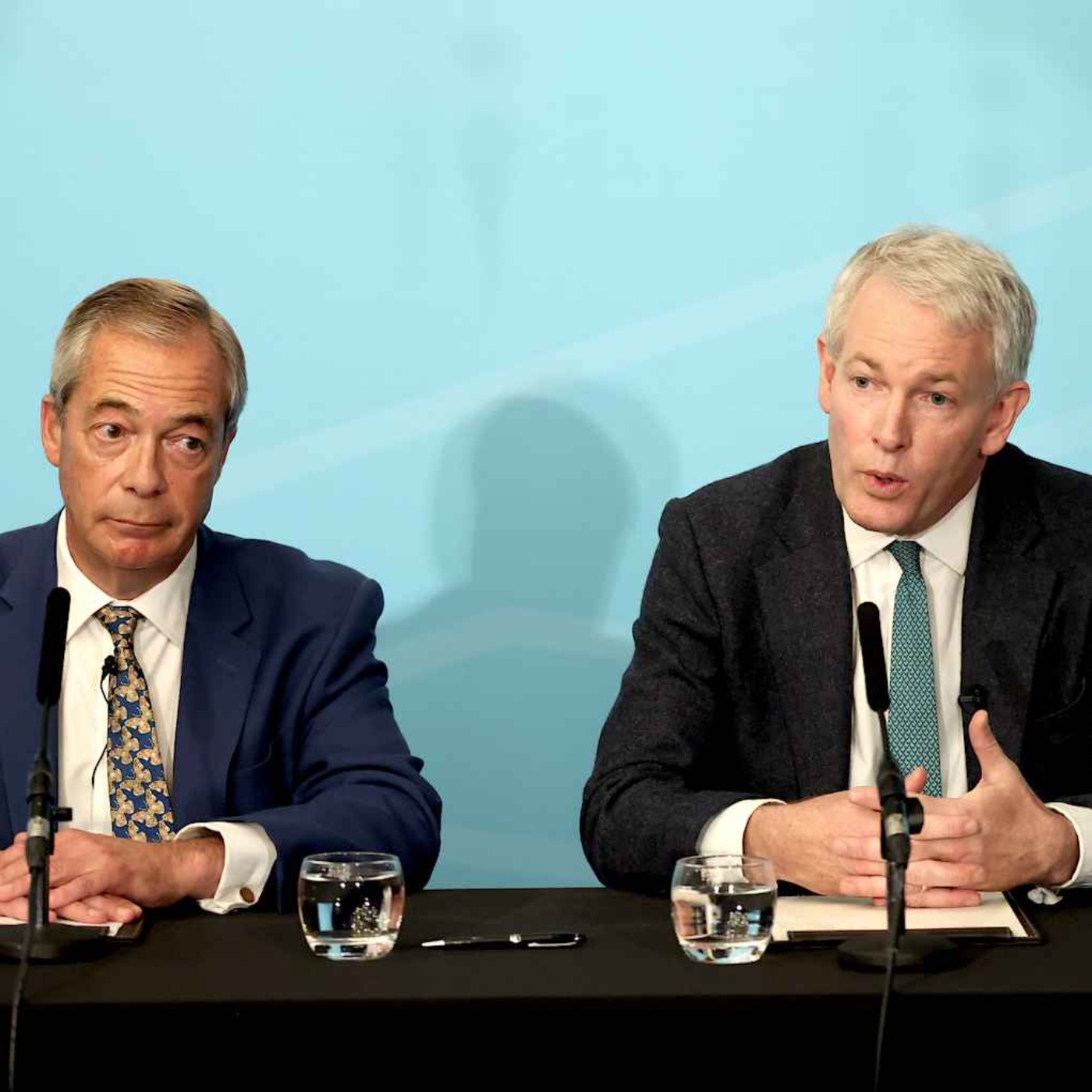
Why Danny Kruger’s defection to Reform matters
<p>The big news in Westminster today is that there has been another defection to Reform. But this time it feels slightly different: a front bench Tory with a CV that spans multiple Tory leaders and a number of books on Conservative thought is now batting for Reform.</p><p>Danny Kruger, Nigel Farage’s latest defector, served as David Cameron’s speechwriter, Boris Johnson’s political secretary and Robert Jenrick’s campaign manager just last summer. His defection will therefore come as a serious blow to those who argue that the Conservative party stands a better chance than Reform of winning the next election.</p><p>Kruger told the room that he believes Reform now stands the best chance of saving the country at the time of the next election and that his former Tory party was ‘finished as the main opposition to the left’. His argument is that Reform is the ‘new home’ of conservatism. Where does this leave Kemi Badenoch? And will his defection open up the floodgates for more to follow?</p><p>Oscar Edmondson speaks to James Heale and Lucy Dunn.</p><p>Produced by Oscar Edmondson.</p><p>Become a <em>Spectator </em>subscriber today to access this podcast without adverts. Go to <a href="https://www.spectator.co.uk/follow-your-podcasts/" rel="noopener noreferrer" target="_blank">spectator.co.uk/adfree</a> to find out more.</p><br><p>For more <em>Spectator</em> podcasts, go to <a href="https://www.spectator.co.uk/podcasts/" rel="noopener noreferrer" target="_blank">spectator.co.uk/podcasts</a>.</p><br><p>Contact us: [email protected]</p> <hr><p style='color:grey; font-size:0.75em;'> Hosted on Acast. See <a style='color:grey;' target='_blank' rel='noopener noreferrer' href='https://acast.com/privacy'>acast.com/privacy</a> for more information.</p>
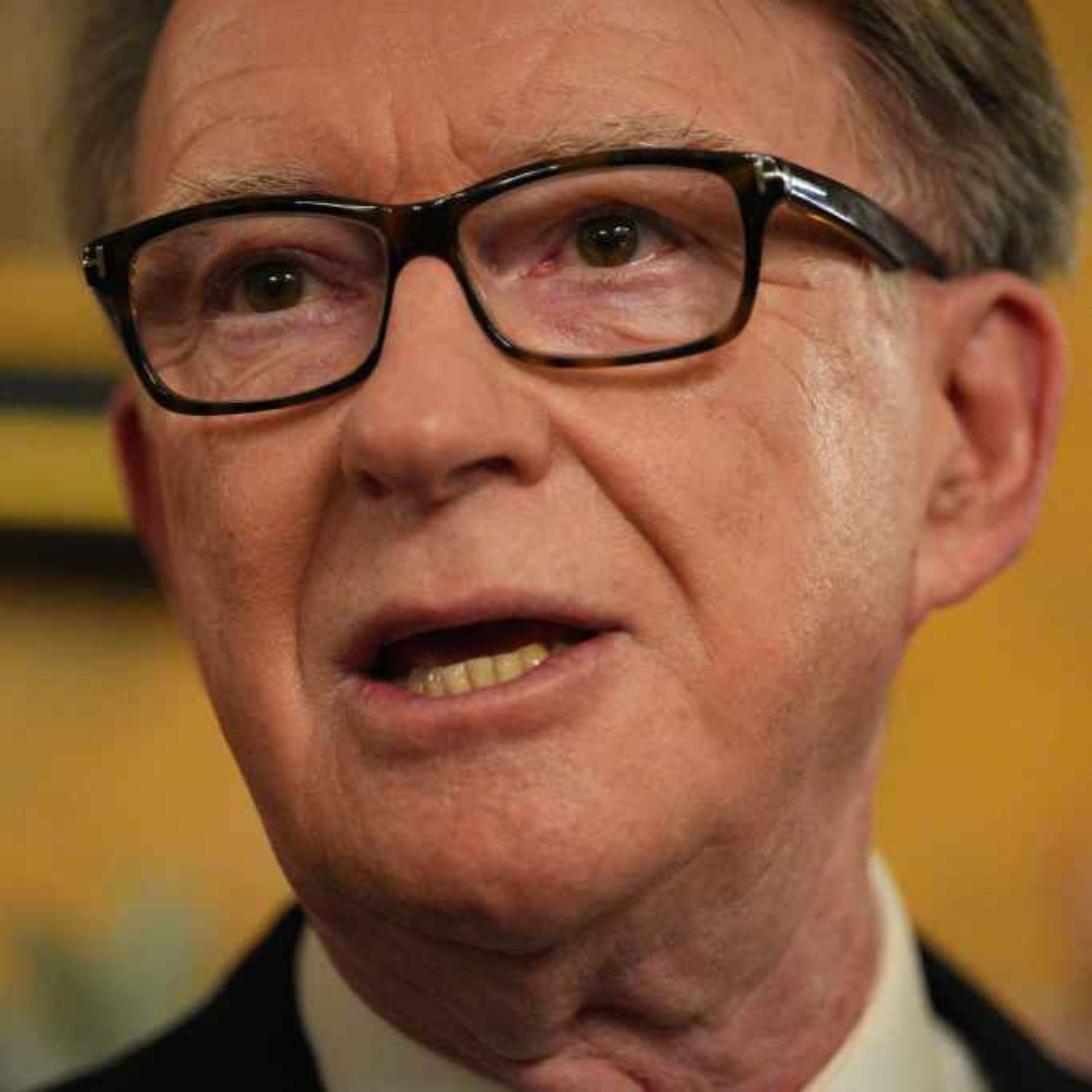
Isabel Hardman's Sunday Roundup - 14/09/2025
<p>Isabel Hardman presents highlights from Sunday morning's political shows.</p><br><p>It feels like an unnervingly normal week for this Labour government, with another sacking set against the backdrop of an anti-government march led by Tommy Robinson.</p><br><p>Produced by Joe Bedell-Brill.</p><p>Become a <em>Spectator </em>subscriber today to access this podcast without adverts. Go to <a href="https://www.spectator.co.uk/follow-your-podcasts/" rel="noopener noreferrer" target="_blank">spectator.co.uk/adfree</a> to find out more.</p><br><p>For more <em>Spectator</em> podcasts, go to <a href="https://www.spectator.co.uk/podcasts/" rel="noopener noreferrer" target="_blank">spectator.co.uk/podcasts</a>.</p><br><p>Contact us: [email protected]</p> <hr><p style='color:grey; font-size:0.75em;'> Hosted on Acast. See <a style='color:grey;' target='_blank' rel='noopener noreferrer' href='https://acast.com/privacy'>acast.com/privacy</a> for more information.</p>

What does Trump want from his state visit?
<p>Donald Trump touches down in Britain next week for his state visit and political editor Tim Shipman has the inside scoop on how No. 10 is preparing. Keir Starmer’s aides are braced for turbulence; ‘the one thing about Trump which is entirely predictable is his unpredictability,’ one ventures. Government figures fear he may go off message on broadcast – he is scheduled to be interviewed by GB News.</p><br><p>A second state visit, especially during a second term, is unprecedented. But, as Tim says, ‘Britishness is fashionable in Washington’ and no-one likes ‘royal treatment’ more than Trump. So, can Starmer take advantage of the President’s ‘love of the deal’?</p><br><p>Tim joins Will Moore and Lara Prendergast, the Spectator's features and executive editors respectively, in a conversation recorded originally for the Edition podcast. For more from the Spectator, search '<a href="https://www.spectator.co.uk/podcast/royal-treatment-neurodiverse-history-is-everyone-on-ozempic/" rel="noopener noreferrer" target="_blank">The Edition</a>' wherever you subscribe to your podcasts.</p><br><p>Produced by Patrick Gibbons.</p><p>Become a <em>Spectator </em>subscriber today to access this podcast without adverts. Go to <a href="https://www.spectator.co.uk/follow-your-podcasts/" rel="noopener noreferrer" target="_blank">spectator.co.uk/adfree</a> to find out more.</p><br><p>For more <em>Spectator</em> podcasts, go to <a href="https://www.spectator.co.uk/podcasts/" rel="noopener noreferrer" target="_blank">spectator.co.uk/podcasts</a>.</p><br><p>Contact us: [email protected]</p> <hr><p style='color:grey; font-size:0.75em;'> Hosted on Acast. See <a style='color:grey;' target='_blank' rel='noopener noreferrer' href='https://acast.com/privacy'>acast.com/privacy</a> for more information.</p>
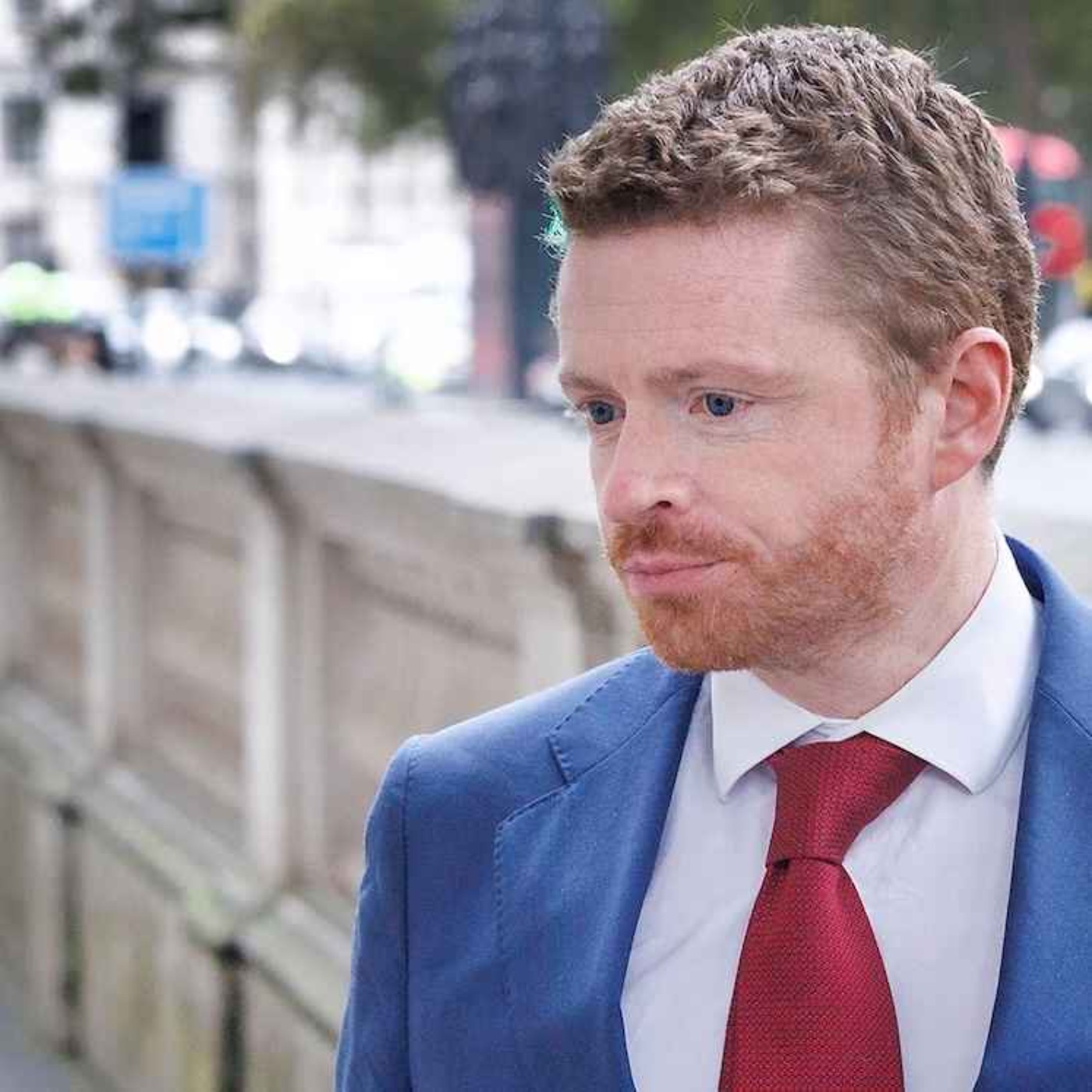
Will Mandelson bring down McSweeney?
<p>The fallout from Lord Mandelson's sacking continues. All eyes are now on Keir Starmer's chief of staff Morgan McSweeney – could he take the fall for Mandelson's appointment? As Whitehall editor of the Sunday Times Gabriel Pogrund tells James Heale and Lucy Dunn, Mandelson and McSweeney's relationship stretches back to New Labour. But, Pogrund warns, as McSweeney lay the foundations for Labour's victory in 2024, losing him would mark a 'revolution in the Starmer project'.</p><br><p>Plus: after a slew of bad news for the government, there was <em>one</em> Labour victory this week – at the annual Westminster dog of the year competition. Megan McElroy interviews some of the MPs who took part; we hope their dogs are more loyal than their colleagues...</p><br><p>Produced by Patrick Gibbons.</p><p>Become a <em>Spectator </em>subscriber today to access this podcast without adverts. Go to <a href="https://www.spectator.co.uk/follow-your-podcasts/" rel="noopener noreferrer" target="_blank">spectator.co.uk/adfree</a> to find out more.</p><br><p>For more <em>Spectator</em> podcasts, go to <a href="https://www.spectator.co.uk/podcasts/" rel="noopener noreferrer" target="_blank">spectator.co.uk/podcasts</a>.</p><br><p>Contact us: [email protected]</p> <hr><p style='color:grey; font-size:0.75em;'> Hosted on Acast. See <a style='color:grey;' target='_blank' rel='noopener noreferrer' href='https://acast.com/privacy'>acast.com/privacy</a> for more information.</p>

Prince of Darkness sacked (again)
<p>Another week, another departure. </p><br><p>Conservative MP Neil O'Brien – who serves in the shadow cabinet as minister for policy renewal and development – was granted an urgent question in Parliament this morning, to question the government about Peter Mandelson. Then the news broke that Lord Mandelson had been sacked by Keir Starmer following further disclosures about his relationship with Jeffrey Epstein. </p><br><p>Neil joins Tim Shipman and James Heale to discuss the latest developments and also the questions that still remain: what did they know about Mandelson's relationship with Epstein; if they didn't know, why didn't they know; and will the government be forced to release their vetting files on Mandelson's apppointment? </p><br><p>Plus: Tim pushes Neil for his reflections on the last Conservative government – given he supported colleagues who broke the ministerial code, whether the Tories will support Labour's attempts at welfare reform and whether we can expect the same excitement at Tory conference as we saw at Reform.</p><br><p>Produced by Patrick Gibbons.</p><p>Become a <em>Spectator </em>subscriber today to access this podcast without adverts. Go to <a href="https://www.spectator.co.uk/follow-your-podcasts/" rel="noopener noreferrer" target="_blank">spectator.co.uk/adfree</a> to find out more.</p><br><p>For more <em>Spectator</em> podcasts, go to <a href="https://www.spectator.co.uk/podcasts/" rel="noopener noreferrer" target="_blank">spectator.co.uk/podcasts</a>.</p><br><p>Contact us: [email protected]</p> <hr><p style='color:grey; font-size:0.75em;'> Hosted on Acast. See <a style='color:grey;' target='_blank' rel='noopener noreferrer' href='https://acast.com/privacy'>acast.com/privacy</a> for more information.</p>
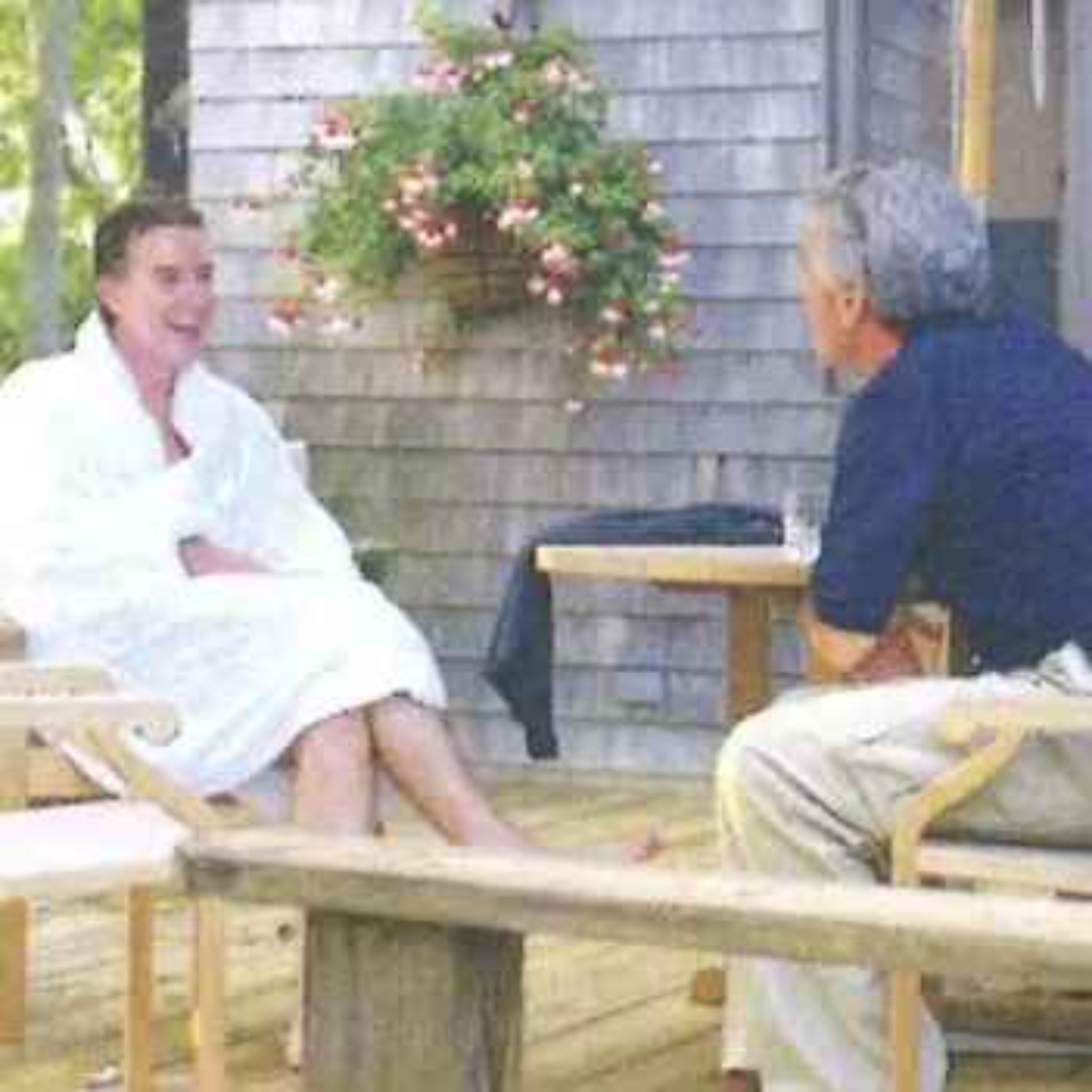
Badenoch skewers Starmer over Mandelson’s Epstein link
<p>Kemi Badenoch has just skewered Keir Starmer at Prime Minister’s Questions on the topic of Peter Mandelson’s association with the convicted paedophile Jeffrey Epstein.&nbsp;</p><p>Badenoch learned from her mistakes last week and devoted all six of her questions to trying to get Mandelson fired as British Ambassador to Washington. She pointed out that the victims of Epstein had ‘called for Lord Mandelson to be sacked’, and then asked whether Starmer had been aware ‘of this intimate relationship when he appointed Lord Mandelson to be our ambassador in Washington’.</p><p>It was potentially her most convincing performance yet and she managed to pull together diffuse threads of world and domestic affairs into a focussed attack on the Prime Minister and his US ambassador’s credibility. Will Starmer be forced to act?</p><p>Oscar Edmondson speaks to James Heale and Isabel Hardman.</p><p>Produced by Oscar Edmondson.</p><p>Become a <em>Spectator </em>subscriber today to access this podcast without adverts. Go to <a href="https://www.spectator.co.uk/follow-your-podcasts/" rel="noopener noreferrer" target="_blank">spectator.co.uk/adfree</a> to find out more.</p><br><p>For more <em>Spectator</em> podcasts, go to <a href="https://www.spectator.co.uk/podcasts/" rel="noopener noreferrer" target="_blank">spectator.co.uk/podcasts</a>.</p><br><p>Contact us: [email protected]</p> <hr><p style='color:grey; font-size:0.75em;'> Hosted on Acast. See <a style='color:grey;' target='_blank' rel='noopener noreferrer' href='https://acast.com/privacy'>acast.com/privacy</a> for more information.</p>

Quite right! Episode 2, out now
<p>Michael Gove and Madeline Grant return with another episode of Quite right!, <em>The Spectator</em>’s new podcast promising sanity and common sense in an increasingly unhinged world. This week, they talk about Labour’s deputy drama, discuss whether Britain is sliding into a revolutionary mood a la France and investigate the claim in a new book that Margaret Thatcher was autistic.</p><br><p>To hear the full episode, search <em>Quite right! </em>wherever you get your podcasts, or go to <a href="https://www.spectator.co.uk/quite-right-podcast/" rel="noopener noreferrer" target="_blank">www.spectator.co.uk/quiteright</a></p><br><p><em>Quite right!</em> is also on our YouTube channel <a href="https://www.youtube.com/@SpectatorTV" rel="noopener noreferrer" target="_blank">SpectatorTV</a>.</p><p>Become a <em>Spectator </em>subscriber today to access this podcast without adverts. Go to <a href="https://www.spectator.co.uk/follow-your-podcasts/" rel="noopener noreferrer" target="_blank">spectator.co.uk/adfree</a> to find out more.</p><br><p>For more <em>Spectator</em> podcasts, go to <a href="https://www.spectator.co.uk/podcasts/" rel="noopener noreferrer" target="_blank">spectator.co.uk/podcasts</a>.</p><br><p>Contact us: [email protected]</p> <hr><p style='color:grey; font-size:0.75em;'> Hosted on Acast. See <a style='color:grey;' target='_blank' rel='noopener noreferrer' href='https://acast.com/privacy'>acast.com/privacy</a> for more information.</p>
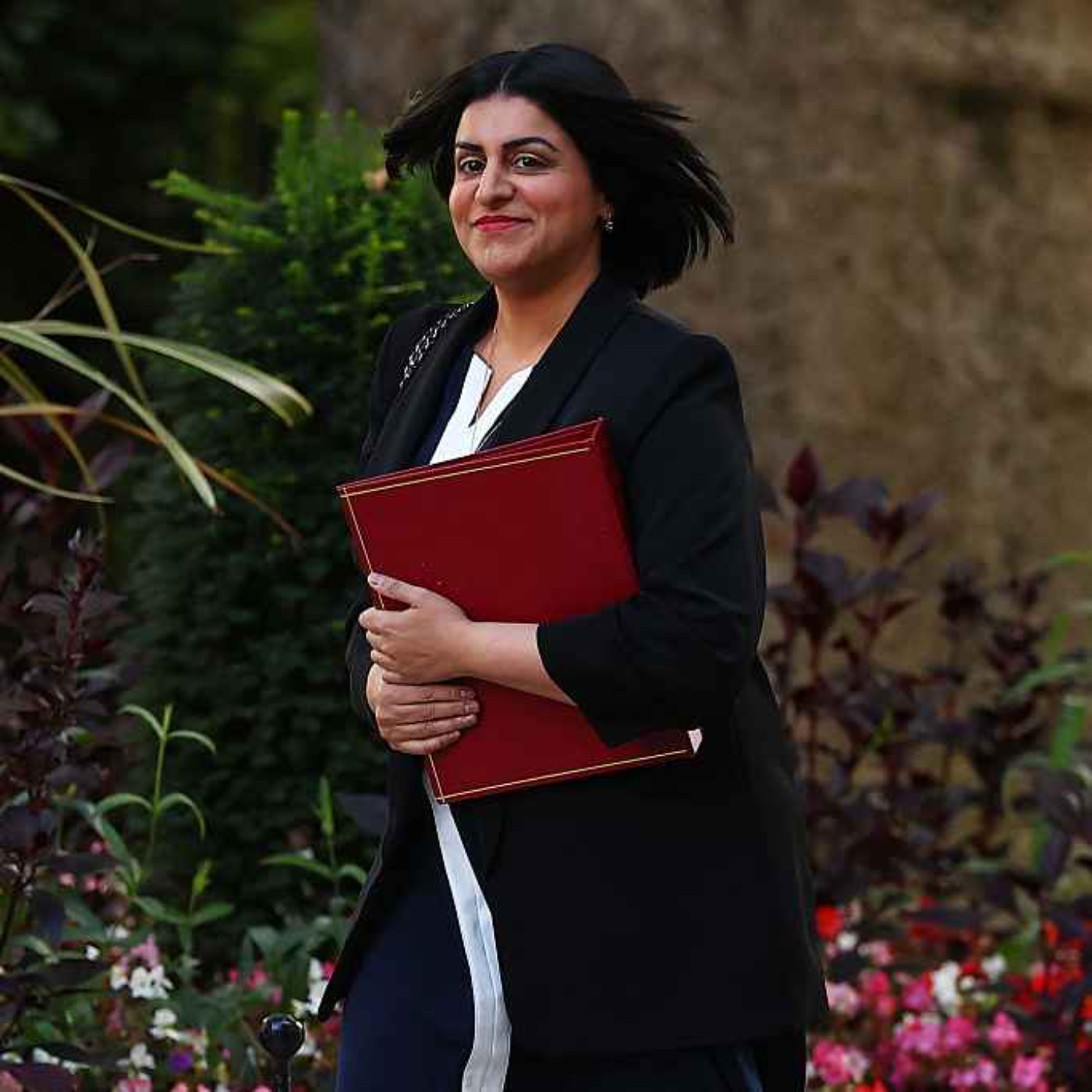
Will Shabana stop the boats?
<p>With the announcement yesterday that the government would be prepared to suspend visas for countries that don’t cooperate with the UK over deportations, has Shabana Mahmood shown she has what it takes to tackle immigration? Tim Shipman and James Heale join Patrick Gibbons to discuss whether the new home secretary can ‘stop the boats’.</p><br><p>But, as the government ‘reset’ continues, all eyes are on Labour’s deputy leadership race. The most high-profile MPs to throw their hats in the ring are education secretary Bridget Phillipson, former shadow foreign secretary Emily Thornberry – and Lucy Powell, fresh from her sacking as Leader of the House of Commons. Is the race shaping up to be a one-on-one between a government loyalist and an outsider?</p><br><p>Plus: as Kemi Badenoch is trying to talk about the economy we discuss whether she is more William Hague or Iain Duncan-Smith, and the Epstein scandal has pulled in our man–<em>dy</em> in Washington.</p><br><p>Produced by Patrick Gibbons.</p><p>Become a <em>Spectator </em>subscriber today to access this podcast without adverts. Go to <a href="https://www.spectator.co.uk/follow-your-podcasts/" rel="noopener noreferrer" target="_blank">spectator.co.uk/adfree</a> to find out more.</p><br><p>For more <em>Spectator</em> podcasts, go to <a href="https://www.spectator.co.uk/podcasts/" rel="noopener noreferrer" target="_blank">spectator.co.uk/podcasts</a>.</p><br><p>Contact us: [email protected]</p> <hr><p style='color:grey; font-size:0.75em;'> Hosted on Acast. See <a style='color:grey;' target='_blank' rel='noopener noreferrer' href='https://acast.com/privacy'>acast.com/privacy</a> for more information.</p>
Reform conference review: is this 'British MAGA'?
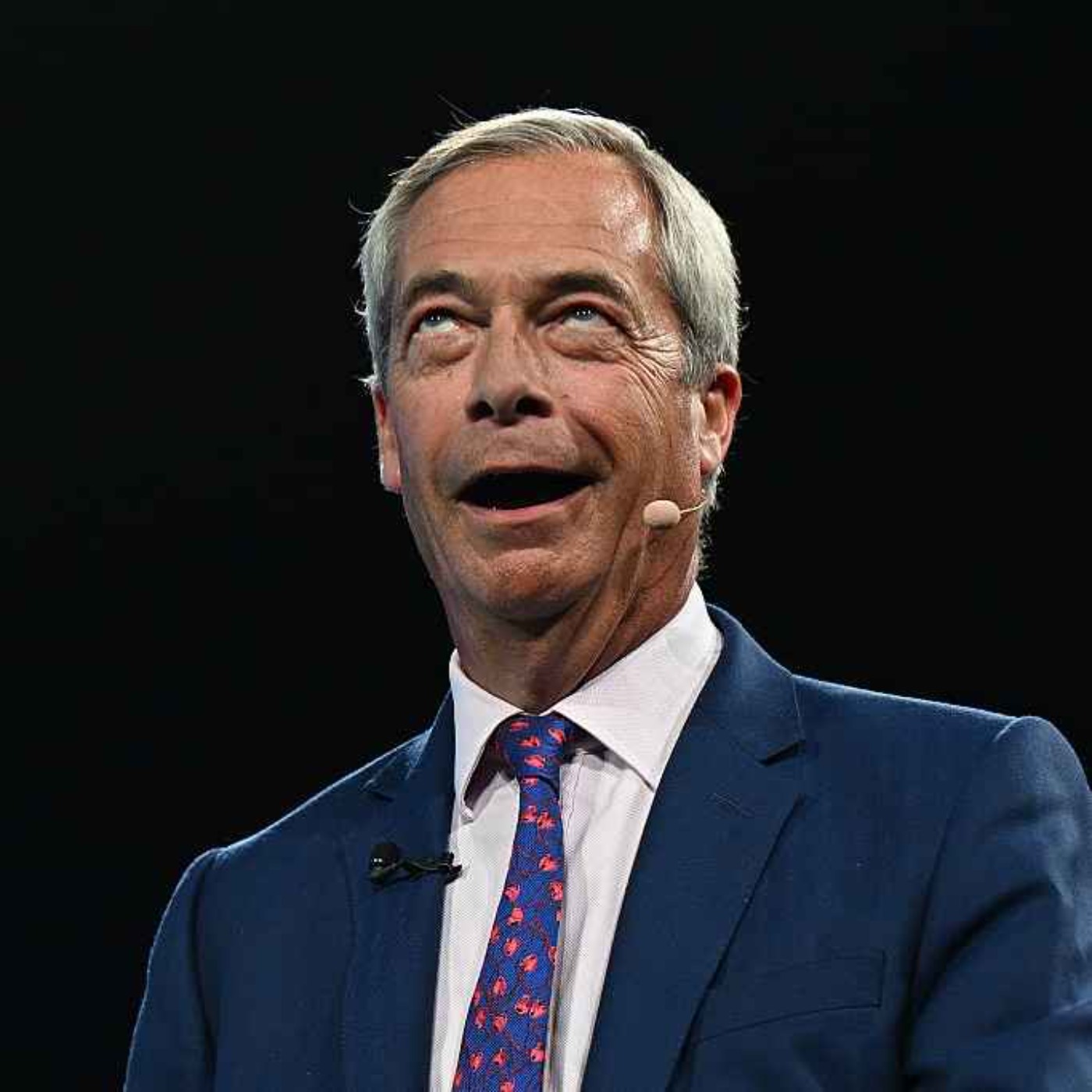
<p>Reform UK’s annual conference wrapped up this weekend – and it was anything but dull. From Andrea Jenkyns belting out her original song ‘I’m an Insomniac’ on stage to Nigel Farage trying to keep a sometimes chaotic movement united, the mood was more rally than conference. Despite the optimism in the room, there were obvious cracks under the surface: mainly, do Reform have enough experience in their ranks for the business of serious government?</p><p>On <em>Coffee House Shots</em>, Oscar Edmondson is joined by Tim Shipman and James Heale fresh from the conference floor. They discuss Farage’s role as ringmaster of a broad – and sometimes unruly – coalition, Reform’s hopes of fielding thousands of councillors, and the dangers of drifting too close to the conspiratorial edges of politics.</p><p>Also on the podcast, there has been a steady drip of reshuffle news over the weekend. Starmer’s snap reshuffle saw Shabana Mahmood promoted to the Home Office in what many see as the most significant move of the week. With boats and hotels dominating the immigration debate, can she succeed where so many of her predecessors have failed? And what does Angela Rayner’s departure mean for the deputy leadership – and Labour’s uneasy relationship with the unions?</p><p>Produced by Oscar Edmondson.</p><p>Become a <em>Spectator </em>subscriber today to access this podcast without adverts. Go to <a href="https://www.spectator.co.uk/follow-your-podcasts/" rel="noopener noreferrer" target="_blank">spectator.co.uk/adfree</a> to find out more.</p><br><p>For more <em>Spectator</em> podcasts, go to <a href="https://www.spectator.co.uk/podcasts/" rel="noopener noreferrer" target="_blank">spectator.co.uk/podcasts</a>.</p><br><p>Contact us: [email protected]</p> <hr><p style='color:grey; font-size:0.75em;'> Hosted on Acast. See <a style='color:grey;' target='_blank' rel='noopener noreferrer' href='https://acast.com/privacy'>acast.com/privacy</a> for more information.</p>
Isabel Hardman's Sunday Roundup - 07/09/2025
<p>Isabel Hardman presents highlights from Sunday morning's political shows.</p><br><p>Reform are having fun at their conference, while Labour struggle with crises inside and outside the party. Meanwhile, Kemi Badenoch just wants to do opposition 'the right way'. </p><br><p>Produced by Joe Bedell-Brill.</p><p>Become a <em>Spectator </em>subscriber today to access this podcast without adverts. Go to <a href="https://www.spectator.co.uk/follow-your-podcasts/" rel="noopener noreferrer" target="_blank">spectator.co.uk/adfree</a> to find out more.</p><br><p>For more <em>Spectator</em> podcasts, go to <a href="https://www.spectator.co.uk/podcasts/" rel="noopener noreferrer" target="_blank">spectator.co.uk/podcasts</a>.</p><br><p>Contact us: [email protected]</p> <hr><p style='color:grey; font-size:0.75em;'> Hosted on Acast. See <a style='color:grey;' target='_blank' rel='noopener noreferrer' href='https://acast.com/privacy'>acast.com/privacy</a> for more information.</p>
Reform's Zia Yusuf in conversation with Michael Gove
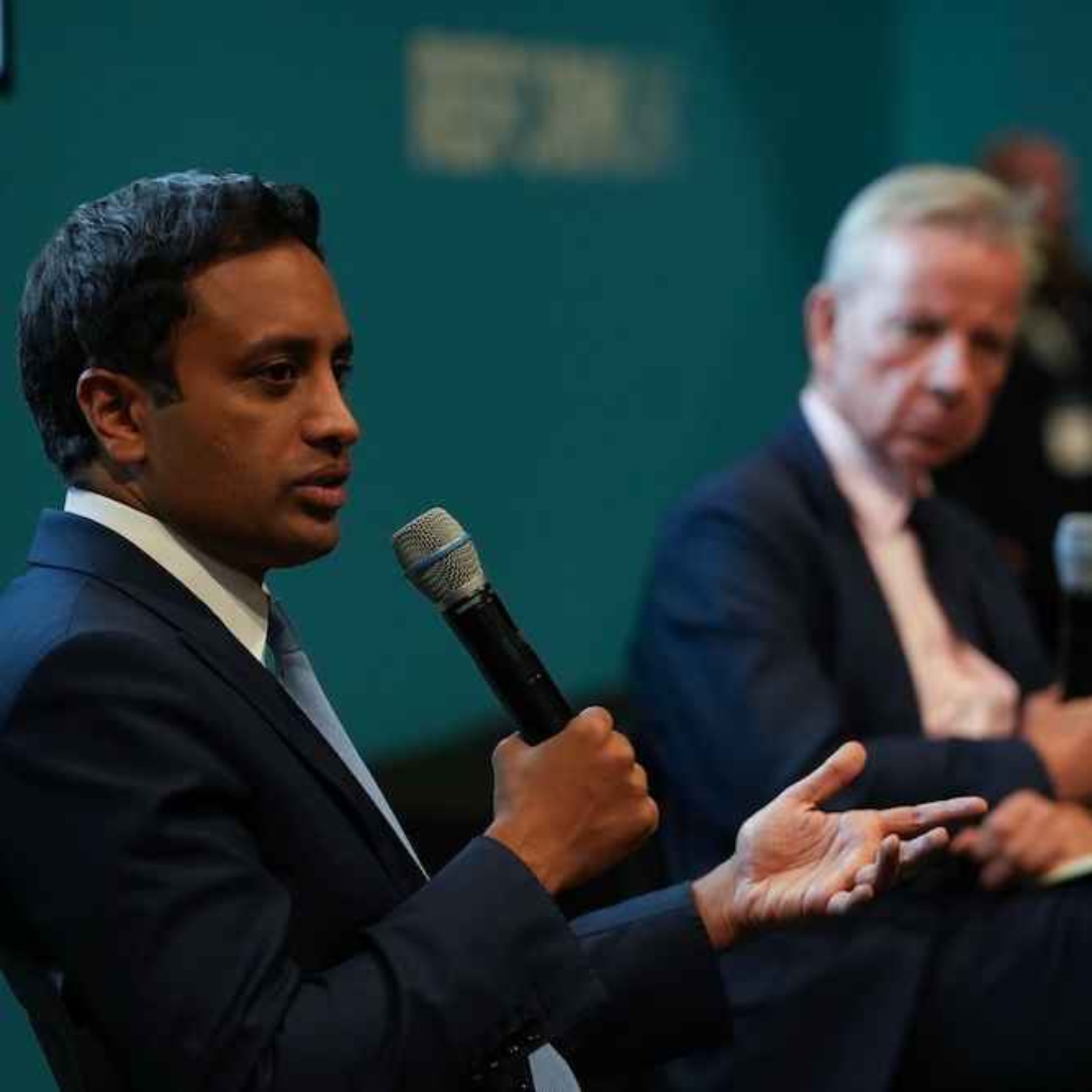
<p>At the Reform conference in Birmingham, the Spectator's editor Michael Gove sat down with Reform UK's head of their department of government efficiency Zia Yusuf. They discussed Labour's track record in government, Zia's faith and his tech background, why leader Nigel Farage is his political hero and how AI could change Britain.</p><p>Become a <em>Spectator </em>subscriber today to access this podcast without adverts. Go to <a href="https://www.spectator.co.uk/follow-your-podcasts/" rel="noopener noreferrer" target="_blank">spectator.co.uk/adfree</a> to find out more.</p><br><p>For more <em>Spectator</em> podcasts, go to <a href="https://www.spectator.co.uk/podcasts/" rel="noopener noreferrer" target="_blank">spectator.co.uk/podcasts</a>.</p><br><p>Contact us: [email protected]</p> <hr><p style='color:grey; font-size:0.75em;'> Hosted on Acast. See <a style='color:grey;' target='_blank' rel='noopener noreferrer' href='https://acast.com/privacy'>acast.com/privacy</a> for more information.</p>
The red reshuffle overshadows Reform
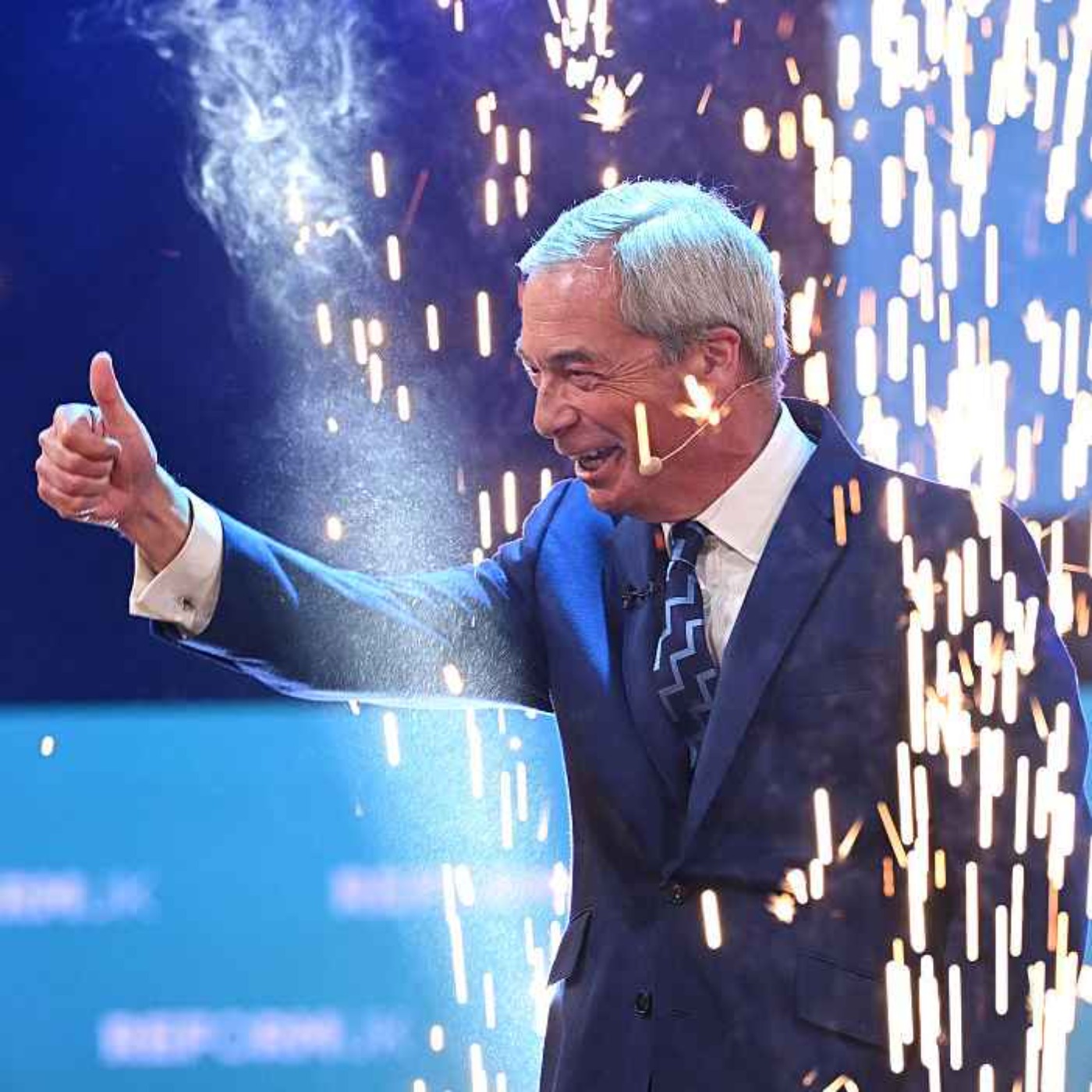
<p>Lucy Dunn catches up with Tim Shipman at Reform's party conference, taking place in Birmingham, to get his reaction to Labour's reshuffle. The reshuffle took place following Angela Rayner's resignation from government. Tim argues that it's clear the reshuffle centred around getting Shabana Mahmood into the Home Office, where she can tackle some of the biggest issues for Labour – small boats and asylum hotels. </p><br><p>They also round up the goings on at Reform including leader Nigel Farage's speech, who claimed Labour's reshuffle proved an election could be sooner than we think...</p><br><p>Produced by Patrick Gibbons and Megan McElroy. </p><p>Become a <em>Spectator </em>subscriber today to access this podcast without adverts. Go to <a href="https://www.spectator.co.uk/follow-your-podcasts/" rel="noopener noreferrer" target="_blank">spectator.co.uk/adfree</a> to find out more.</p><br><p>For more <em>Spectator</em> podcasts, go to <a href="https://www.spectator.co.uk/podcasts/" rel="noopener noreferrer" target="_blank">spectator.co.uk/podcasts</a>.</p><br><p>Contact us: [email protected]</p> <hr><p style='color:grey; font-size:0.75em;'> Hosted on Acast. See <a style='color:grey;' target='_blank' rel='noopener noreferrer' href='https://acast.com/privacy'>acast.com/privacy</a> for more information.</p>
Reaction from Reform as Rayner resigns
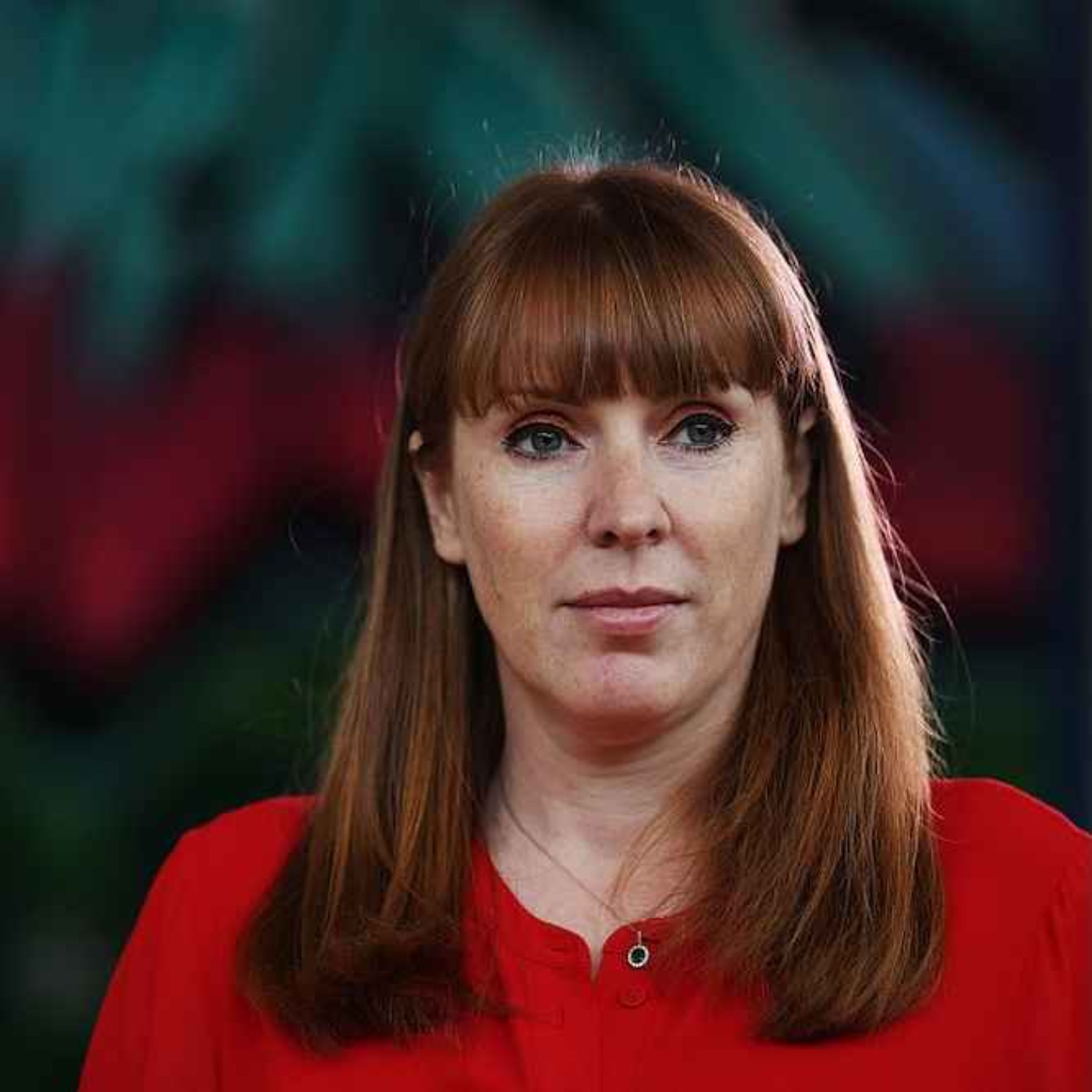
<p>Angela Rayner has resigned following the ethics probe into her tax affairs. What impact will this have on Starmer's government? And does this hinder her chances of succeeding Starmer one day?</p><br><p>The Coffee House Shots team react live from day one of the Reform party conference, which is taking place in Birmingham. What's the mood in the conference hall? And, after Nadine Dorries joined Reform last night, could more former Conservatives follow?</p><br><p>Produced by Patrick Gibbons and Megan McElroy.</p><p>Become a <em>Spectator </em>subscriber today to access this podcast without adverts. Go to <a href="https://www.spectator.co.uk/follow-your-podcasts/" rel="noopener noreferrer" target="_blank">spectator.co.uk/adfree</a> to find out more.</p><br><p>For more <em>Spectator</em> podcasts, go to <a href="https://www.spectator.co.uk/podcasts/" rel="noopener noreferrer" target="_blank">spectator.co.uk/podcasts</a>.</p><br><p>Contact us: [email protected]</p> <hr><p style='color:grey; font-size:0.75em;'> Hosted on Acast. See <a style='color:grey;' target='_blank' rel='noopener noreferrer' href='https://acast.com/privacy'>acast.com/privacy</a> for more information.</p>
Can Rayner survive tax row?
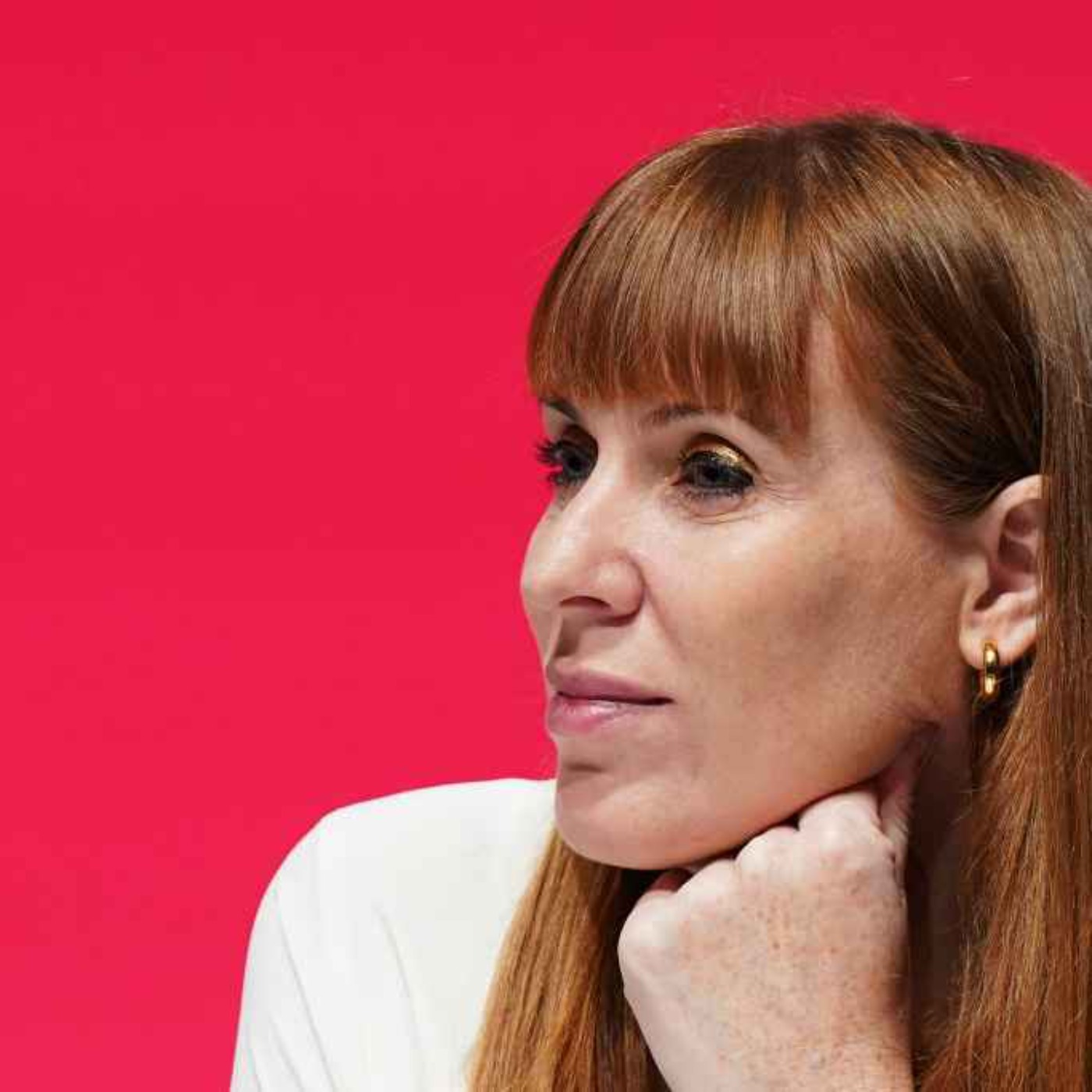
<p>24 hours after Angela Rayner admitted underpaying tax, the pressure remains on the deputy prime minister as Westminster now waits the outcome of the probe by the Prime Minister’s standards adviser. The Spectator’s political editor Tim Shipman and the Sunday Times’s Whitehall editor Gabriel Pogrund join Patrick Gibbons to discuss whether Rayner can retain her briefs. As Gabriel points out, regardless of the outcome of the ethics probe, Rayner was seen as Labour’s ‘sleaze-buster in chief’. So how damaging is this to ‘brand Ang’?</p><br><p>Produced by Patrick Gibbons.</p><p>Become a <em>Spectator </em>subscriber today to access this podcast without adverts. Go to <a href="https://www.spectator.co.uk/follow-your-podcasts/" rel="noopener noreferrer" target="_blank">spectator.co.uk/adfree</a> to find out more.</p><br><p>For more <em>Spectator</em> podcasts, go to <a href="https://www.spectator.co.uk/podcasts/" rel="noopener noreferrer" target="_blank">spectator.co.uk/podcasts</a>.</p><br><p>Contact us: [email protected]</p> <hr><p style='color:grey; font-size:0.75em;'> Hosted on Acast. See <a style='color:grey;' target='_blank' rel='noopener noreferrer' href='https://acast.com/privacy'>acast.com/privacy</a> for more information.</p>
PMQs: Rayner defended as Badenoch flops
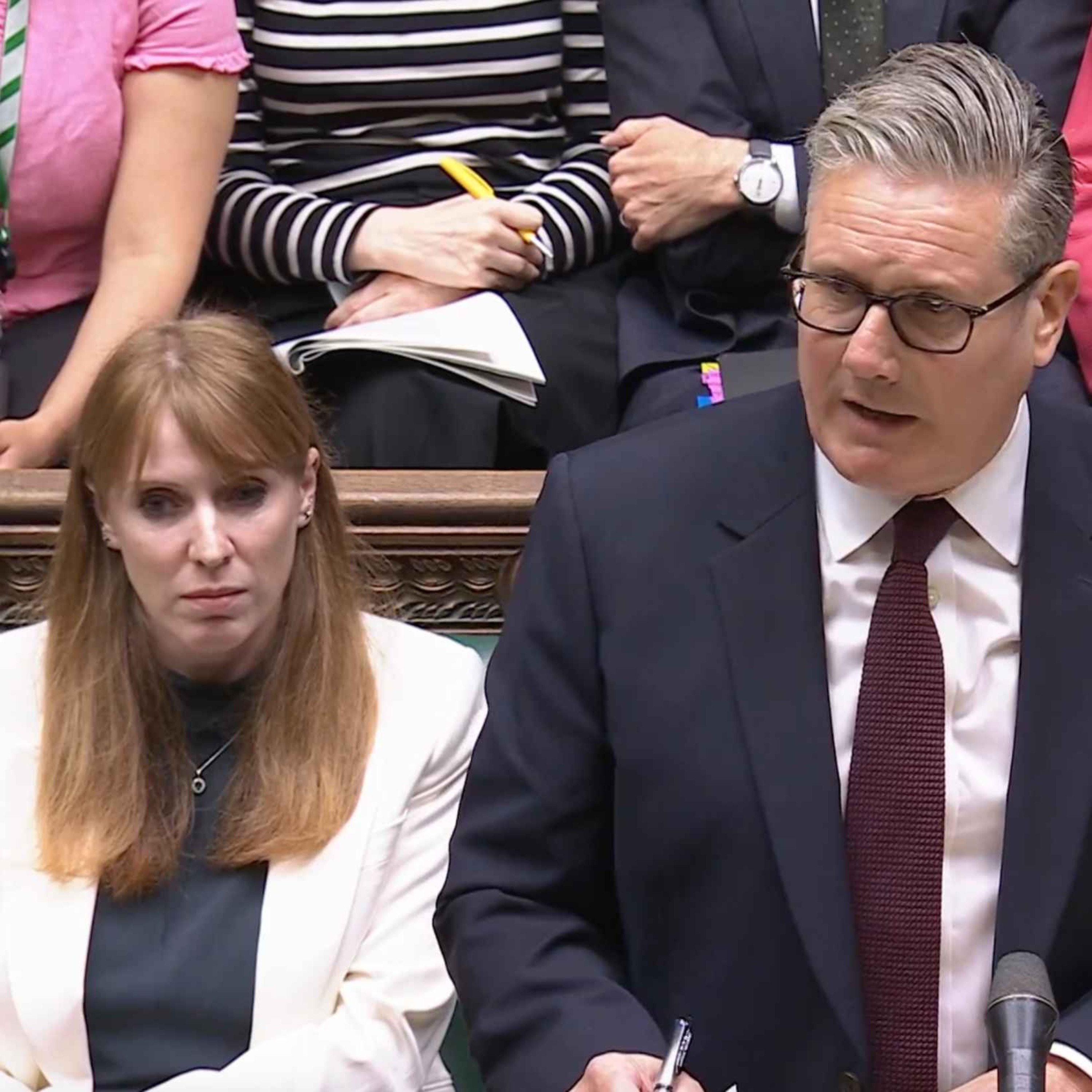
<p>Keir Starmer and Kemi Badenoch faced off in the first Prime Minister’s Questions following summer recess. With the date of the Budget announced that morning, the economy was expected to dominate – which it did, to the surprise of most MPs, who expected Badenoch to attack over the Angela Rayner tax row. The deputy prime minister had admitted that morning she underpaid stamp duty on her flat in Hove. The leader of the opposition did question Starmer on it initially, but as political editor Tim Shipman says she more than missed an open goal. Tim joins Isabel Hardman and Lucy Dunn to discuss how damaging the row is for Rayner – and how damaging PMQs was for Badenoch.</p><br><p>Produced by Patrick Gibbons.</p><p>Become a <em>Spectator </em>subscriber today to access this podcast without adverts. Go to <a href="https://www.spectator.co.uk/follow-your-podcasts/" rel="noopener noreferrer" target="_blank">spectator.co.uk/adfree</a> to find out more.</p><br><p>For more <em>Spectator</em> podcasts, go to <a href="https://www.spectator.co.uk/podcasts/" rel="noopener noreferrer" target="_blank">spectator.co.uk/podcasts</a>.</p><br><p>Contact us: [email protected]</p> <hr><p style='color:grey; font-size:0.75em;'> Hosted on Acast. See <a style='color:grey;' target='_blank' rel='noopener noreferrer' href='https://acast.com/privacy'>acast.com/privacy</a> for more information.</p>

Introducing… Quite right!
<p>Michael Gove and Madeline Grant launch ‘Quite right!’, the new podcast from <em>The Spectator</em> that promises sanity and common sense in a world that too often lacks both.</p><p>Coffee House Shots listeners can enjoy an exclusive taste of their debut episode in which they take stock of a political summer dominated by Nigel Farage, a Labour government already facing mutiny, and the curious spectacle of Tory MPs moonlighting as gonzo reporters. From J.D. Vance’s Cotswold sojourn and Tom Skinner’s bish bash bosh patriotism, to Sydney Sweeney’s jeans advert causing a culture war, Michael and Madeleine discuss what really drives our politics: policies, or memes and vibes?</p><br><p>To hear the full episode, search <em>Quite right! </em>wherever you get your podcasts, or go to <a href="https://www.spectator.co.uk/quite-right-podcast/" rel="noopener noreferrer" target="_blank">www.spectator.co.uk/quiteright</a></p><br><p><em>Quite right!</em> is also on our YouTube channel <a href="https://www.youtube.com/@SpectatorTV" rel="noopener noreferrer" target="_blank">SpectatorTV</a>.</p><p>Become a <em>Spectator </em>subscriber today to access this podcast without adverts. Go to <a href="https://www.spectator.co.uk/follow-your-podcasts/" rel="noopener noreferrer" target="_blank">spectator.co.uk/adfree</a> to find out more.</p><br><p>For more <em>Spectator</em> podcasts, go to <a href="https://www.spectator.co.uk/podcasts/" rel="noopener noreferrer" target="_blank">spectator.co.uk/podcasts</a>.</p><br><p>Contact us: [email protected]</p> <hr><p style='color:grey; font-size:0.75em;'> Hosted on Acast. See <a style='color:grey;' target='_blank' rel='noopener noreferrer' href='https://acast.com/privacy'>acast.com/privacy</a> for more information.</p>
Asylum reform: is Labour bold enough?
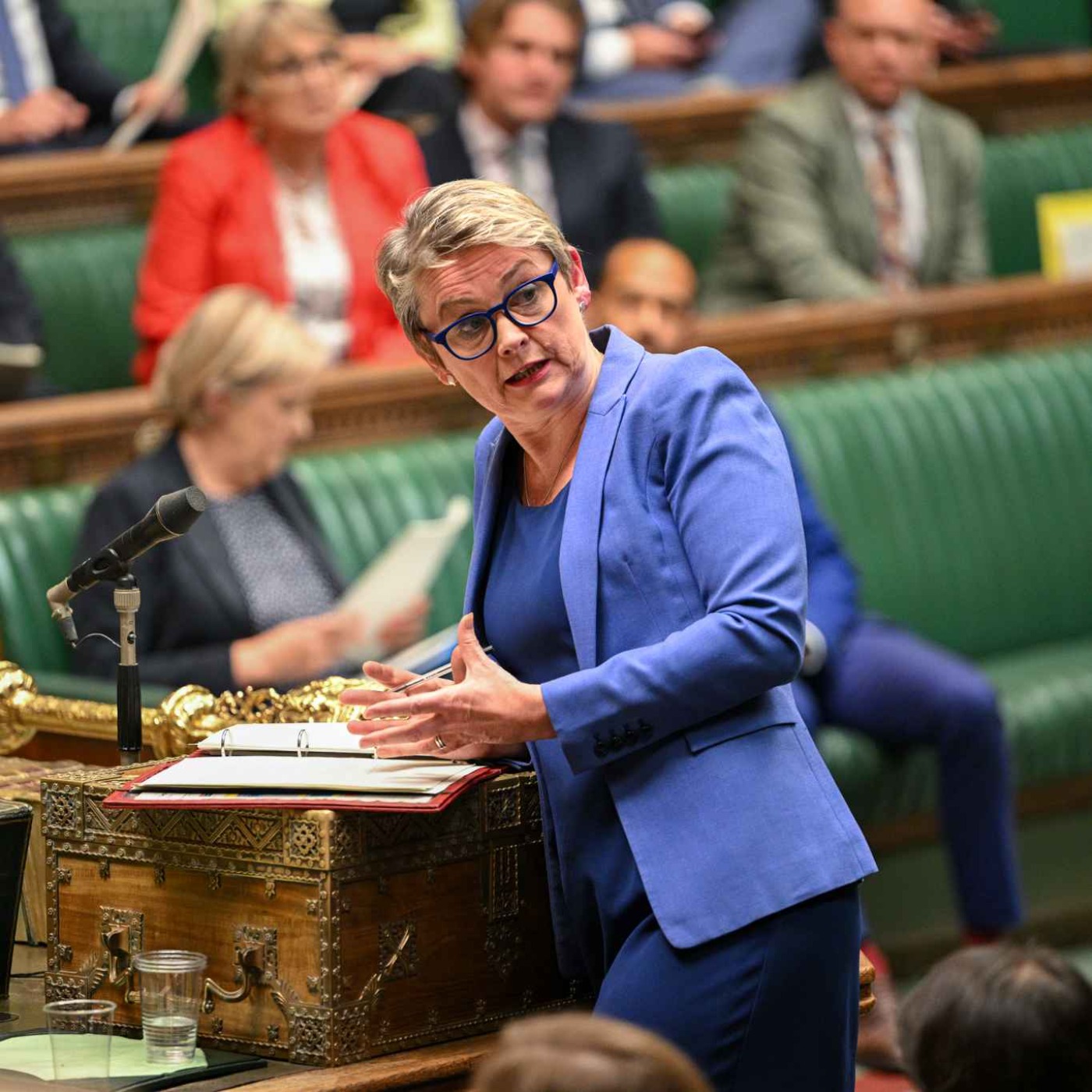
<p>Danny Shaw and Tim Shipman join Lucy Dunn for today's Coffee House Shots to talk about the government's reforms to the asylum system. Having worked with Yvette Cooper before, Danny argues that the reforms are a great approach for a long-term solution – but he worries that they are not bold enough for the public mood. Is Labour putting procedure above politics? And, with the migrant hotel issue bubbling under the surface, is the public's patience wearing thin?</p><br><p>Plus: as Zack Polanski is elected leader of the Green Party, is Labour about to be out-flanked by two radical populists to its left? The Greens and Jeremy Corbyn's new party could now pose as much of a threat on the left, as Nigel Farage's Reform is doing on the right.</p><br><p>Produced by Patrick Gibbons. Photo credit: House of Commons.</p><p>Become a <em>Spectator </em>subscriber today to access this podcast without adverts. Go to <a href="https://www.spectator.co.uk/follow-your-podcasts/" rel="noopener noreferrer" target="_blank">spectator.co.uk/adfree</a> to find out more.</p><br><p>For more <em>Spectator</em> podcasts, go to <a href="https://www.spectator.co.uk/podcasts/" rel="noopener noreferrer" target="_blank">spectator.co.uk/podcasts</a>.</p><br><p>Contact us: [email protected]</p> <hr><p style='color:grey; font-size:0.75em;'> Hosted on Acast. See <a style='color:grey;' target='_blank' rel='noopener noreferrer' href='https://acast.com/privacy'>acast.com/privacy</a> for more information.</p>
Labour's transfer deadline day
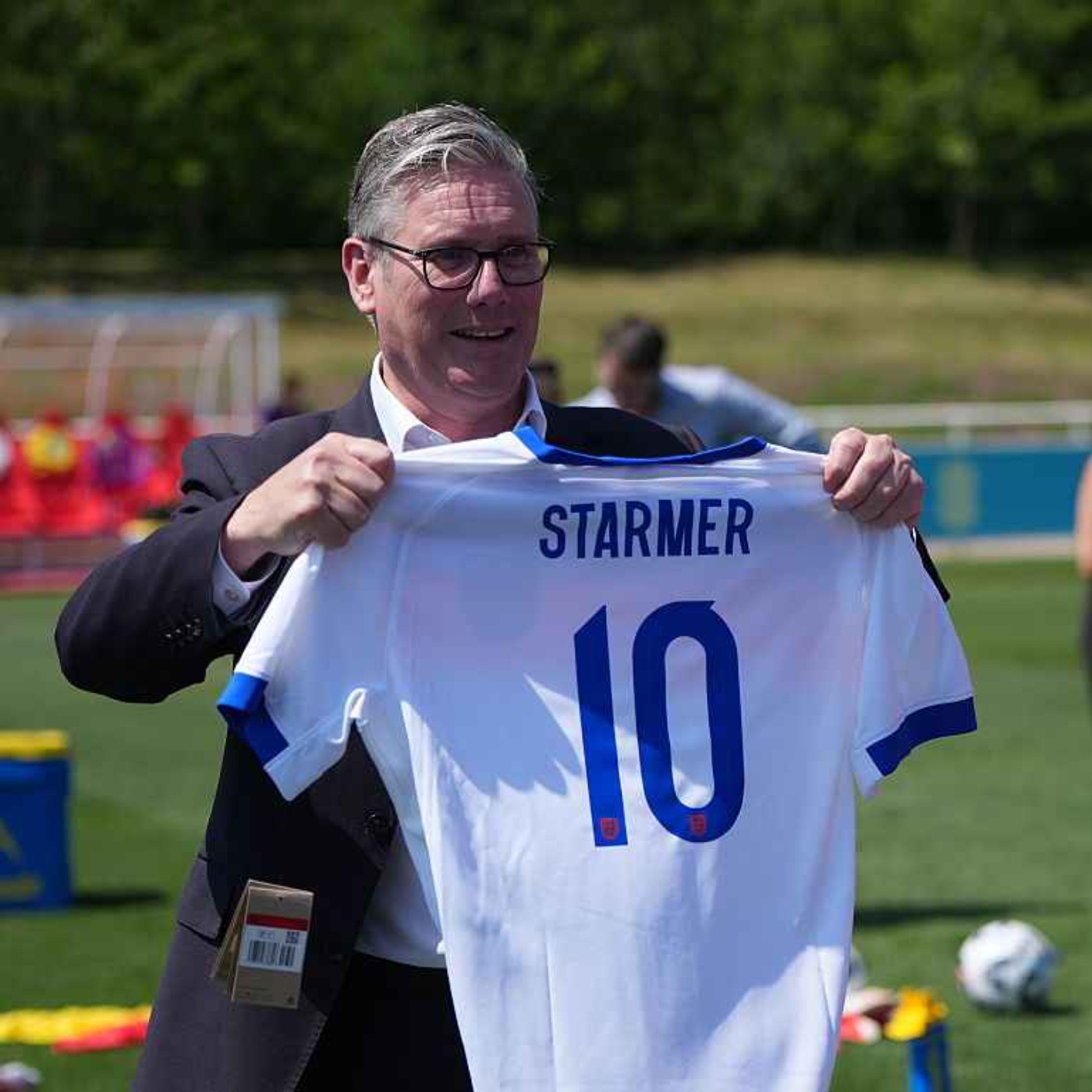
<p>The summer transfer window comes to a close today but, as Parliament also returns from summer recess today, the only team Keir Starmer is focused on is his own in Number Ten. The Prime Minister has decided to reshuffle his advisers, including bringing in Darren Jones MP to Number Ten from the Treasury. Political editor Tim Shipman and James Kirkup, a partner at Apella Advisors and senior fellow at the Social Market Foundation, join economics editor Michael Simmons to go through the moves. Will yet another change in advisers boost Labour's fortunes? Or are they doomed to relegation?</p><br><p>Produced by Patrick Gibbons and Natasha Feroze.</p><p>Become a <em>Spectator </em>subscriber today to access this podcast without adverts. Go to <a href="https://www.spectator.co.uk/follow-your-podcasts/" rel="noopener noreferrer" target="_blank">spectator.co.uk/adfree</a> to find out more.</p><br><p>For more <em>Spectator</em> podcasts, go to <a href="https://www.spectator.co.uk/podcasts/" rel="noopener noreferrer" target="_blank">spectator.co.uk/podcasts</a>.</p><br><p>Contact us: [email protected]</p> <hr><p style='color:grey; font-size:0.75em;'> Hosted on Acast. See <a style='color:grey;' target='_blank' rel='noopener noreferrer' href='https://acast.com/privacy'>acast.com/privacy</a> for more information.</p>

How have the 2024 intake found frontline politics?
<p>As Parliament returns from summer recess tomorrow, three rising stars of the 2024 intake join Coffee House Shots to provide their reflections on frontline politics so far. Labour's Rosie Wrighting, the Conservatives' Harriet Cross and the Liberal Democrats' Joshua Reynolds tell deputy political editor James Heale how they have found Parliament so far, and their most – and least – favourite thing about being an MP. Plus: while they are all new, and young, MPs, their parties' fortunes have all varied wildly – how have they dealt with that?</p><br><p>Produced by Patrick Gibbons.</p><p>Become a <em>Spectator </em>subscriber today to access this podcast without adverts. Go to <a href="https://www.spectator.co.uk/follow-your-podcasts/" rel="noopener noreferrer" target="_blank">spectator.co.uk/adfree</a> to find out more.</p><br><p>For more <em>Spectator</em> podcasts, go to <a href="https://www.spectator.co.uk/podcasts/" rel="noopener noreferrer" target="_blank">spectator.co.uk/podcasts</a>.</p><br><p>Contact us: [email protected]</p> <hr><p style='color:grey; font-size:0.75em;'> Hosted on Acast. See <a style='color:grey;' target='_blank' rel='noopener noreferrer' href='https://acast.com/privacy'>acast.com/privacy</a> for more information.</p>

Why Angela Rayner is so iconic
<p>The Daily Telegraph have run a story this week that Angela Rayner may have dodged stamp duty on her second home. But beyond the story, its the photos of the Deputy Prime Minister on the beach at Hove – drinking and vaping – that went viral. Christian Calgie, senior political correspondent for the Daily Express, joins James Heale to unpack the story and the wider questions it raises for British politics, but also to discuss Rayner herself. Could 'teflon Ang' turn around the Labour Party's fortunes? And why do so many people – including many Tories – like her so much?</p><br><p>Produced by Megan McElroy and Patrick Gibbons.</p><p>Become a <em>Spectator </em>subscriber today to access this podcast without adverts. Go to <a href="https://www.spectator.co.uk/follow-your-podcasts/" rel="noopener noreferrer" target="_blank">spectator.co.uk/adfree</a> to find out more.</p><br><p>For more <em>Spectator</em> podcasts, go to <a href="https://www.spectator.co.uk/podcasts/" rel="noopener noreferrer" target="_blank">spectator.co.uk/podcasts</a>.</p><br><p>Contact us: [email protected]</p> <hr><p style='color:grey; font-size:0.75em;'> Hosted on Acast. See <a style='color:grey;' target='_blank' rel='noopener noreferrer' href='https://acast.com/privacy'>acast.com/privacy</a> for more information.</p>

Bell Hotel latest: 'two tier justice'?
<p>Human rights barrister Dr Anna Loutfi and deputy political editor James Heale join Michael Simmons to unpack the latest court ruling over the migrants housed at the Bell Hotel. The government has won an appeal today – but how much of a victory is it really? Anna explains how the legal questions considered by this case raise a much wider debate about the rights of citizens. Is this another example of 'two tier justice'?</p><br><p>Produced by Patrick Gibbons and Natasha Feroze. </p><p>Become a <em>Spectator </em>subscriber today to access this podcast without adverts. Go to <a href="https://www.spectator.co.uk/follow-your-podcasts/" rel="noopener noreferrer" target="_blank">spectator.co.uk/adfree</a> to find out more.</p><br><p>For more <em>Spectator</em> podcasts, go to <a href="https://www.spectator.co.uk/podcasts/" rel="noopener noreferrer" target="_blank">spectator.co.uk/podcasts</a>.</p><br><p>Contact us: [email protected]</p> <hr><p style='color:grey; font-size:0.75em;'> Hosted on Acast. See <a style='color:grey;' target='_blank' rel='noopener noreferrer' href='https://acast.com/privacy'>acast.com/privacy</a> for more information.</p>

Revenge of the left
<p>James Heale writes in <em>The Spectator</em> this week that Keir Starmer is facing a three-pronged attack from the left: the Greens, the Gaza independents and this new – as yet untitled – Corbyn party. It was not so long ago that we were giving Starmer credit for his ruthless streak, purging the party of the far left and making Labour an electable force once again. But now it looks like he may well be the architect of his own downfall. Each of these groups has a grievance against Starmer and it all seems just a little bit personal: ‘After the treatment meted out to Corbyn and the left, many of these figures are looking forward to returning the favour.’ So, what is left of the left of Labour? Have they been too preoccupied with taking the fight to Reform to realise they are about to be blindsided?</p><br><p>Oscar Edmondson speaks to James Heale and Richard Johnson, senior lecturer at Queen Mary University.</p><br><p>Produced by Oscar Edmondson.</p><p>Become a <em>Spectator </em>subscriber today to access this podcast without adverts. Go to <a href="https://www.spectator.co.uk/follow-your-podcasts/" rel="noopener noreferrer" target="_blank">spectator.co.uk/adfree</a> to find out more.</p><br><p>For more <em>Spectator</em> podcasts, go to <a href="https://www.spectator.co.uk/podcasts/" rel="noopener noreferrer" target="_blank">spectator.co.uk/podcasts</a>.</p><br><p>Contact us: [email protected]</p> <hr><p style='color:grey; font-size:0.75em;'> Hosted on Acast. See <a style='color:grey;' target='_blank' rel='noopener noreferrer' href='https://acast.com/privacy'>acast.com/privacy</a> for more information.</p>
Labour goes on the Farage offensive
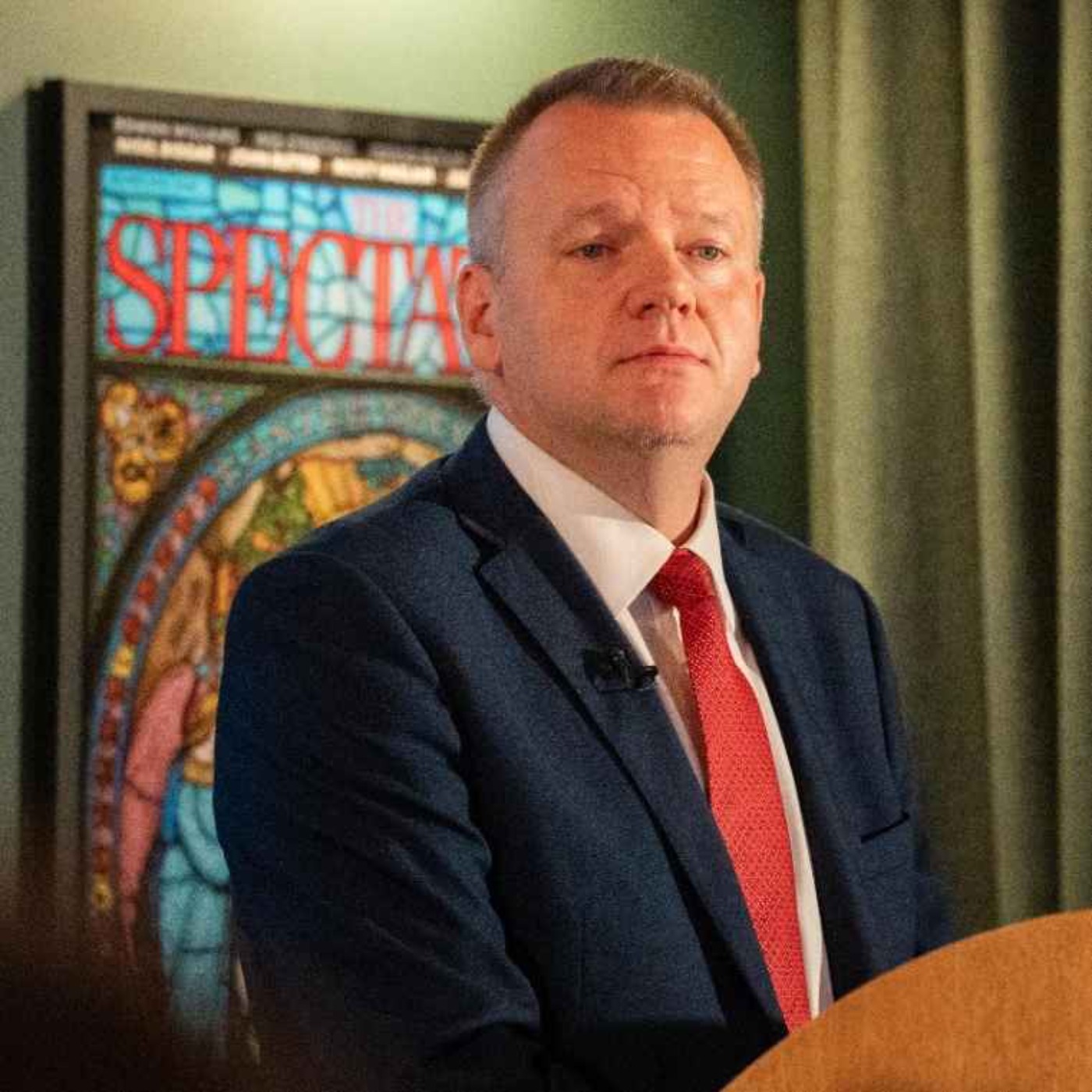
<p>As James Heale writes online for the Spectator today, 'two issues continue to plague the government': how best to attack Nigel Farage. and how to frame an incrementalist approach to policy 'when the national mood favours radical change'. Nick Thomas-Symonds, the Cabinet Office minister responsible for UK-EU relations, attempted to tackle both today as he came to the Spectator to set out Labour's Europe strategy.</p><br><p>Labour are pursuing 'pragmatic alignment' – what they argue is greater co-operation when beneficial to the British interest. But what does this mean? James joins Michael Simmons on the podcast to unpack the speech. And, on a day when Reform have claimed another defector (this time Graham Simpson, their first Member of the Scottish Parliament), can anything stall Farage's momentum?</p><br><p>Produced by Patrick Gibbons.</p><p>Become a <em>Spectator </em>subscriber today to access this podcast without adverts. Go to <a href="https://www.spectator.co.uk/follow-your-podcasts/" rel="noopener noreferrer" target="_blank">spectator.co.uk/adfree</a> to find out more.</p><br><p>For more <em>Spectator</em> podcasts, go to <a href="https://www.spectator.co.uk/podcasts/" rel="noopener noreferrer" target="_blank">spectator.co.uk/podcasts</a>.</p><br><p>Contact us: [email protected]</p> <hr><p style='color:grey; font-size:0.75em;'> Hosted on Acast. See <a style='color:grey;' target='_blank' rel='noopener noreferrer' href='https://acast.com/privacy'>acast.com/privacy</a> for more information.</p>