
Coffee House Shots
3,416 episodes — Page 6 of 69
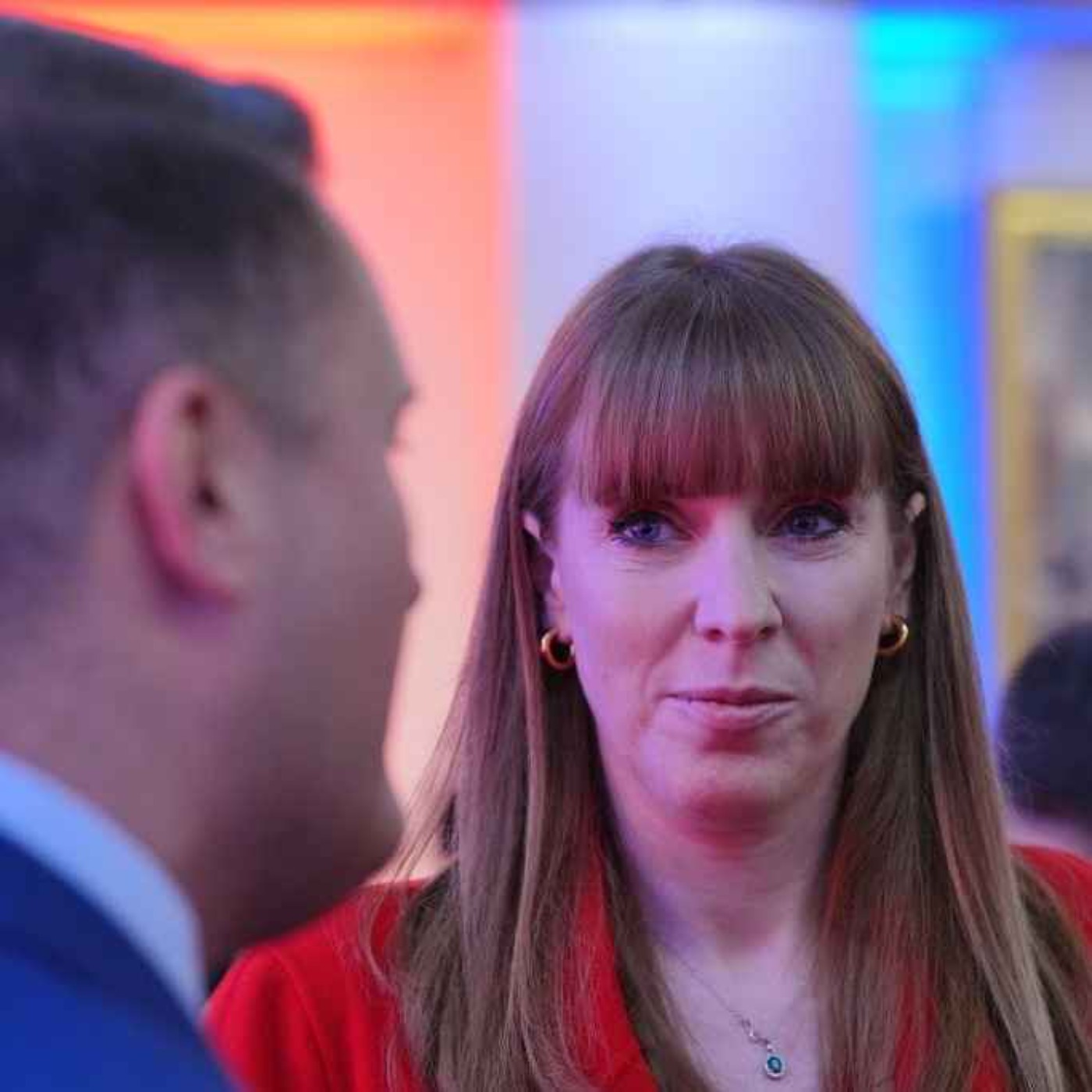
Rayner vs Streeting – and what is 'active government'?
<p>In his column this week, Tim Shipman has finally hit upon an answer to the age-old question: what is Starmerism? After a concerted effort from his team to tie the Prime Minister down to a definitive ‘-ism’, he has delivered a threefold structure: firstly, the contestable claim that Labour has achieved macroeconomic stability by clinging grimly to the Chancellor’s fiscal rules, which will mean interest rates and inflation fall; secondly, Starmer will say Britain needs an ‘active government’ to intervene directly in retail offers; and finally, the PM will seek to tie together domestic and international policy by arguing that Britain needs ‘an active and engaged government abroad’ if it is to control the cost of living at home.</p><p>But is this the sort of thing that can secure his position? The rumour swirling around Westminster is that Streeting has up to 200 supporters waiting in the wings, and a straight fight between him and Angela Rayner is the most likely scenario given a poor local elections result.</p><p>Tim Shipman and James Heale discuss.</p><p>Produced by Oscar Edmondson.</p><p>Become a <em>Spectator </em>subscriber today to access this podcast without adverts. Go to <a href="https://www.spectator.co.uk/follow-your-podcasts/" rel="noopener noreferrer" target="_blank">spectator.co.uk/adfree</a> to find out more.</p><br><p>For more <em>Spectator</em> podcasts, go to <a href="https://www.spectator.co.uk/podcasts/" rel="noopener noreferrer" target="_blank">spectator.co.uk/podcasts</a>.</p><br><p>Contact us: [email protected]</p> <hr><p style='color:grey; font-size:0.75em;'> Hosted on Acast. See <a style='color:grey;' target='_blank' rel='noopener noreferrer' href='https://acast.com/privacy'>acast.com/privacy</a> for more information.</p>

Is centrism dead? | with David Gauke, vice-chair of Prosper UK
<p>Is centrism back? This week a group of former Tory heavyweights – including Ruth Davidson, Andy Street, Amber Rudd and David Gauke – have launched a new group aimed at reclaiming the centre ground and dispelling the myth that politics in 2026 is a straight shooting match between increasingly diffuse left/right poles. They say that there are seven million voters in the centre who feel ‘politically homeless’ and are looking for serious people to have serious conversations, rather than rabble-rousers with strong rhetoric. Are they totally misunderstanding the direction of modern politics? And should they all just join the Lib Dems?</p><p>Tim Shipman speaks to David Gauke, former justice secretary and vice-chair of Prosper UK.</p><p>Produced by Patrick Gibbons and Oscar Edmondson.</p><p>Become a <em>Spectator </em>subscriber today to access this podcast without adverts. Go to <a href="https://www.spectator.co.uk/follow-your-podcasts/" rel="noopener noreferrer" target="_blank">spectator.co.uk/adfree</a> to find out more.</p><br><p>For more <em>Spectator</em> podcasts, go to <a href="https://www.spectator.co.uk/podcasts/" rel="noopener noreferrer" target="_blank">spectator.co.uk/podcasts</a>.</p><br><p>Contact us: [email protected]</p> <hr><p style='color:grey; font-size:0.75em;'> Hosted on Acast. See <a style='color:grey;' target='_blank' rel='noopener noreferrer' href='https://acast.com/privacy'>acast.com/privacy</a> for more information.</p>
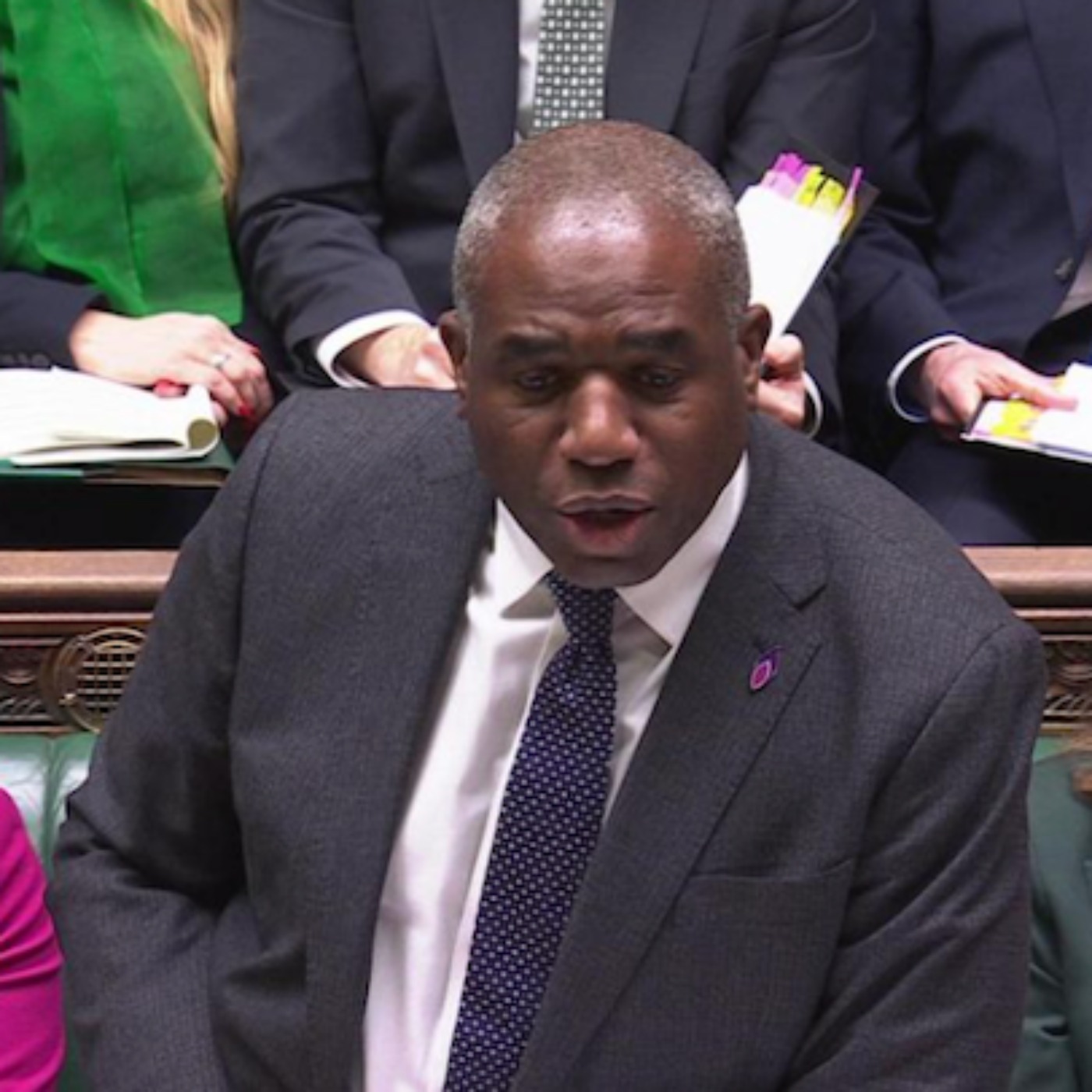
Breaking news: Lammy was good at PMQs
<p>It is our solemn duty to inform listeners that David Lammy won deputy PMQs at a canter today. To be frank, it was a low-rent affair. Andrew Griffith was the Tory sent out to question David Lammy while Keir Starmer is in China, and the shadow business secretary didn’t do a particularly good job. Perhaps he had assumed that Lammy would have another disastrous session, like he did when a prisoner was accidentally released last autumn. There were a few decent jokes in there – mainly about football – but the overwhelming winners were Kemi and Keir, who by comparison look like Gladstone and Disraeli.</p><p>James Heale speaks to Tim Shipman and Isabel Hardman.</p><p>Produced by Oscar Edmondson.</p><p>Become a <em>Spectator </em>subscriber today to access this podcast without adverts. Go to <a href="https://www.spectator.co.uk/follow-your-podcasts/" rel="noopener noreferrer" target="_blank">spectator.co.uk/adfree</a> to find out more.</p><br><p>For more <em>Spectator</em> podcasts, go to <a href="https://www.spectator.co.uk/podcasts/" rel="noopener noreferrer" target="_blank">spectator.co.uk/podcasts</a>.</p><br><p>Contact us: [email protected]</p> <hr><p style='color:grey; font-size:0.75em;'> Hosted on Acast. See <a style='color:grey;' target='_blank' rel='noopener noreferrer' href='https://acast.com/privacy'>acast.com/privacy</a> for more information.</p>
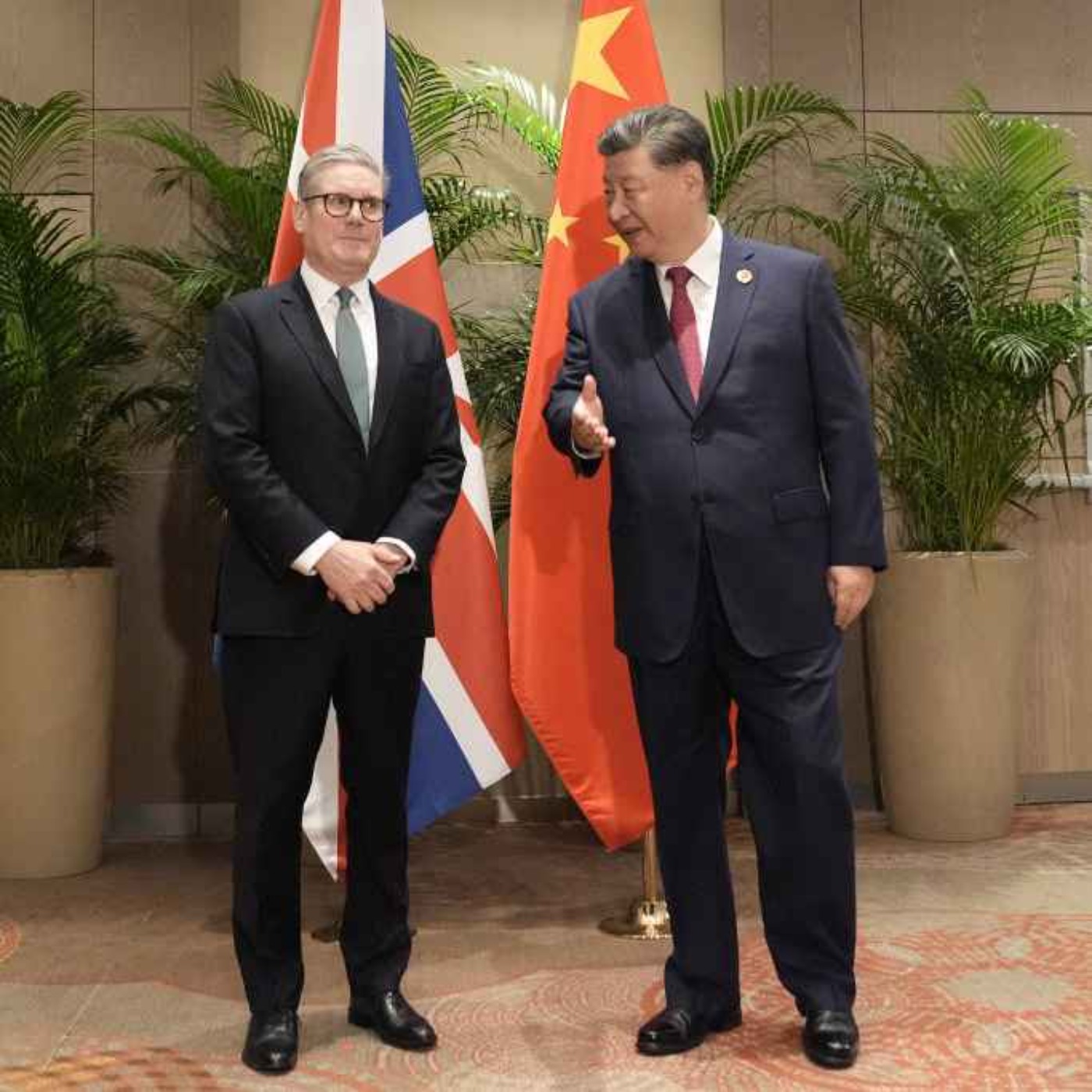
What does Starmer want to achieve in China?
<p>Keir Starmer lands in China tonight as he becomes the first British Prime Minister to visit since Theresa May in 2018. Sam Hogg from the Oxford China Policy Lab and James Heale join Patrick Gibbons to assess the UK-China relationship right now, what Labour is hoping to get from the visit and whether there are risks for Starmer as well as rewards. Is the tight rope Starmer is walking between the UK & China a sign of weakness, or an extension of a pragmatic 'Starmerite' foreign policy?</p><br><p>Produced by Patrick Gibbons.</p><p>Become a <em>Spectator </em>subscriber today to access this podcast without adverts. Go to <a href="https://www.spectator.co.uk/follow-your-podcasts/" rel="noopener noreferrer" target="_blank">spectator.co.uk/adfree</a> to find out more.</p><br><p>For more <em>Spectator</em> podcasts, go to <a href="https://www.spectator.co.uk/podcasts/" rel="noopener noreferrer" target="_blank">spectator.co.uk/podcasts</a>.</p><br><p>Contact us: [email protected]</p> <hr><p style='color:grey; font-size:0.75em;'> Hosted on Acast. See <a style='color:grey;' target='_blank' rel='noopener noreferrer' href='https://acast.com/privacy'>acast.com/privacy</a> for more information.</p>
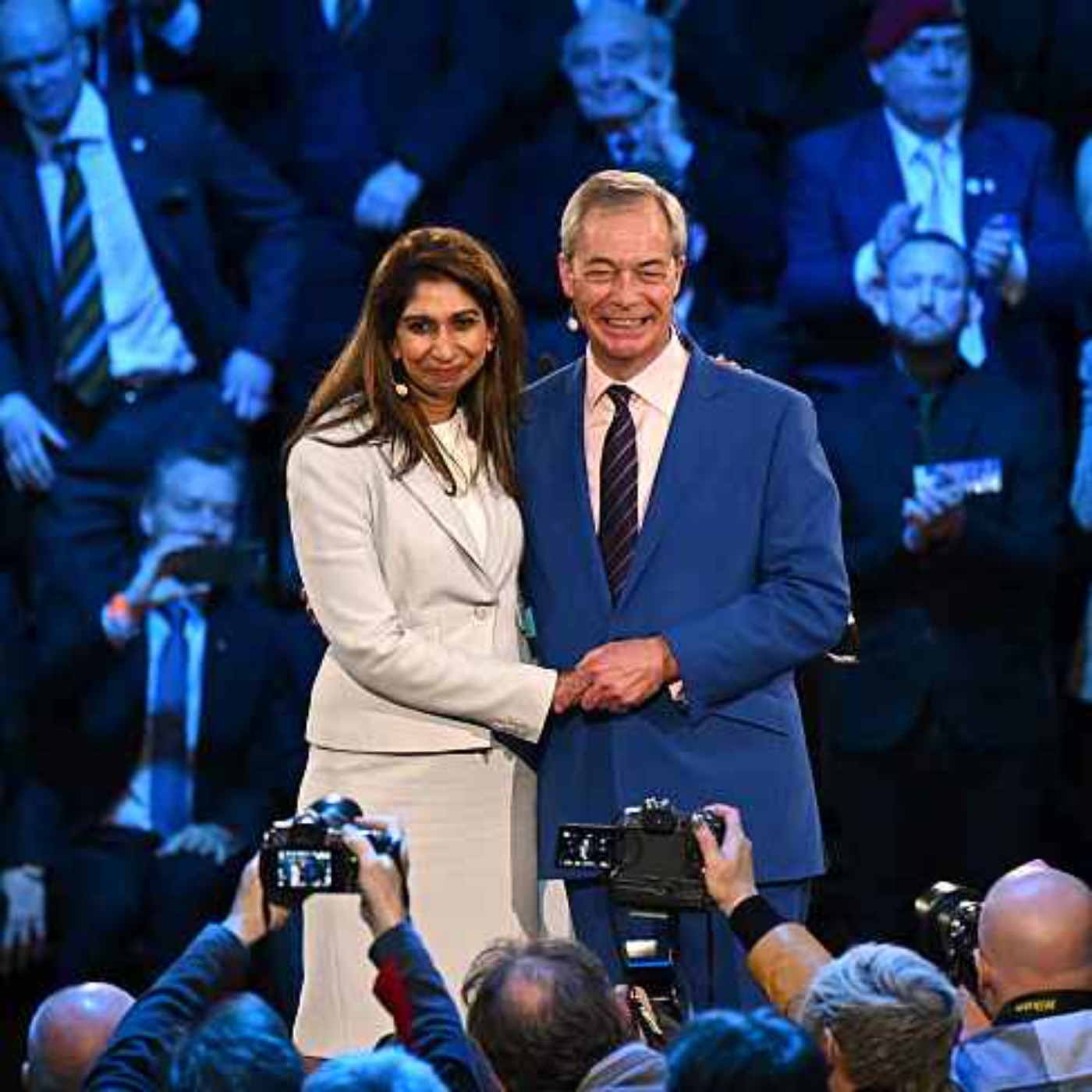
Suella Braverman defects – not another one!
<p>It’s psychodrama all round on <em>Coffee House Shots</em> today. Between Andy Burnham – who over the weekend was denied the opportunity to stand in the Gorton and Denton by-election – and Suella Braverman – who has just announced that she’s defecting to Reform (shock horror) – it seems like the main parties are competing to see who can appear the most split. After high-profile Labour MPs gave their support for Burnham’s return, what impact will this have on Labour party unity? And with this latest defection of a former Tory, can Nigel Farage dodge accusations that Reform is becoming the Tory party 2.0?</p><p>Isabel Hardman speaks to Tim Shipman and Gabriel Pogrund.</p><p>Produced by Oscar Edmondson.</p><br><p>Become a <em>Spectator </em>subscriber today to access this podcast without adverts. Go to <a href="https://www.spectator.co.uk/follow-your-podcasts/" rel="noopener noreferrer" target="_blank">spectator.co.uk/adfree</a> to find out more.</p><br><p>For more <em>Spectator</em> podcasts, go to <a href="https://www.spectator.co.uk/podcasts/" rel="noopener noreferrer" target="_blank">spectator.co.uk/podcasts</a>.</p><br><p>Contact us: [email protected]</p> <hr><p style='color:grey; font-size:0.75em;'> Hosted on Acast. See <a style='color:grey;' target='_blank' rel='noopener noreferrer' href='https://acast.com/privacy'>acast.com/privacy</a> for more information.</p>

Isabel Hardman's Sunday Roundup - 25/01/2026
<p>Isabel Hardman presents highlights from Sunday morning’s political shows.</p><br><p>Labour block Andy Burnham from standing as an MP, Ed Davey says we're in a Cold War, and a new centre-right movement is launched.</p><p>Become a <em>Spectator </em>subscriber today to access this podcast without adverts. Go to <a href="https://www.spectator.co.uk/follow-your-podcasts/" rel="noopener noreferrer" target="_blank">spectator.co.uk/adfree</a> to find out more.</p><br><p>For more <em>Spectator</em> podcasts, go to <a href="https://www.spectator.co.uk/podcasts/" rel="noopener noreferrer" target="_blank">spectator.co.uk/podcasts</a>.</p><br><p>Contact us: [email protected]</p> <hr><p style='color:grey; font-size:0.75em;'> Hosted on Acast. See <a style='color:grey;' target='_blank' rel='noopener noreferrer' href='https://acast.com/privacy'>acast.com/privacy</a> for more information.</p>
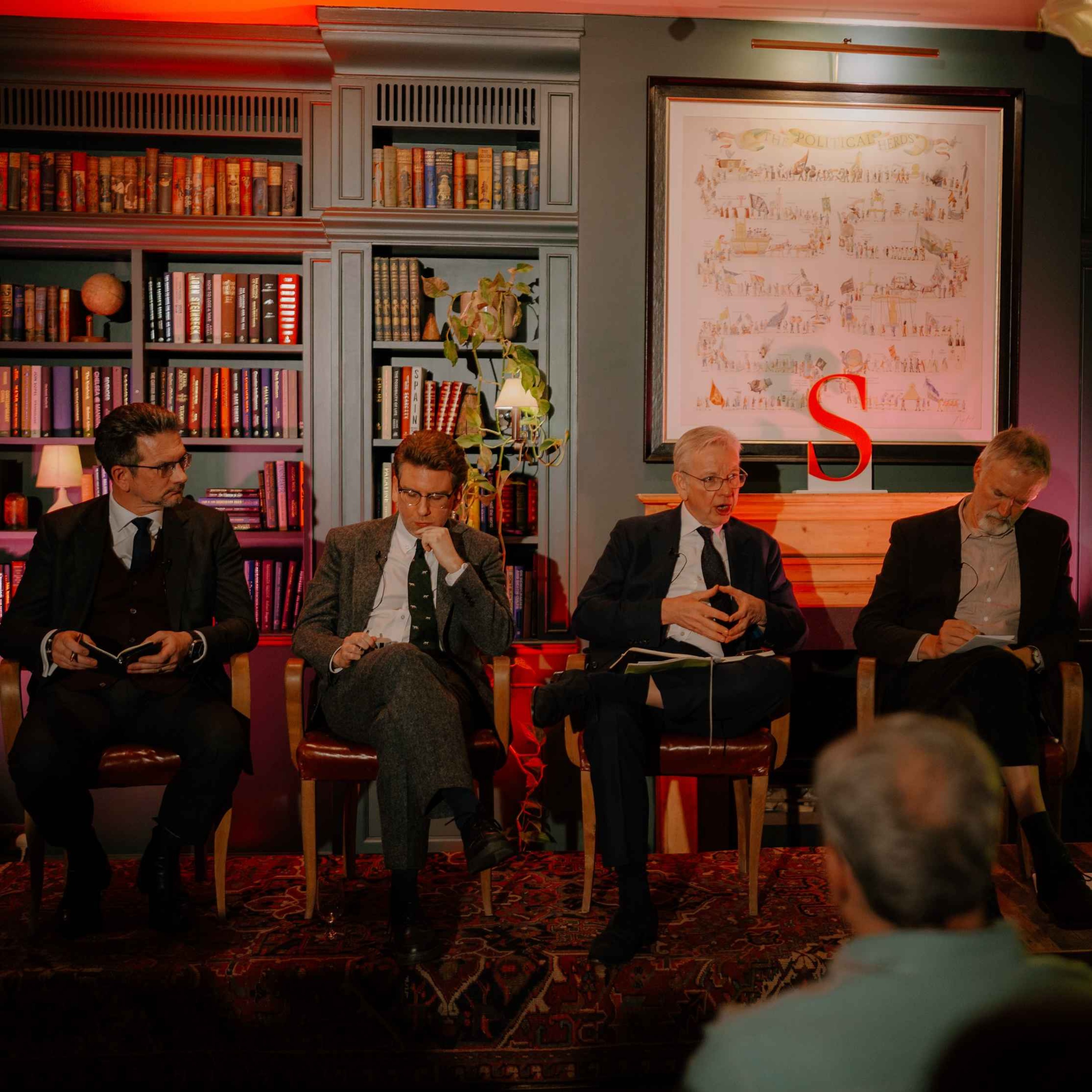
Reasons to be optimistic | with Michael Gove, Tim Stanley, Steve Baker & David Goodhart
<p>Post-holiday depression, failed New Year’s resolutions and battered bank balances: January’s Blue Monday has long been branded as the most miserable day of the year. Headlines warn of ongoing war, political turmoil and economic gloom – but could they be mistaken?</p><p>Join&nbsp;<em>The Spectator</em>&nbsp;and special guests as they defy the doomsters to deliver an optimist’s guide to 2026. Almost three-quarters of people worldwide believe that this year will be better than the last. Are they right?</p><p>Become a <em>Spectator </em>subscriber today to access this podcast without adverts. Go to <a href="https://www.spectator.co.uk/follow-your-podcasts/" rel="noopener noreferrer" target="_blank">spectator.co.uk/adfree</a> to find out more.</p><br><p>For more <em>Spectator</em> podcasts, go to <a href="https://www.spectator.co.uk/podcasts/" rel="noopener noreferrer" target="_blank">spectator.co.uk/podcasts</a>.</p><br><p>Contact us: [email protected]</p> <hr><p style='color:grey; font-size:0.75em;'> Hosted on Acast. See <a style='color:grey;' target='_blank' rel='noopener noreferrer' href='https://acast.com/privacy'>acast.com/privacy</a> for more information.</p>
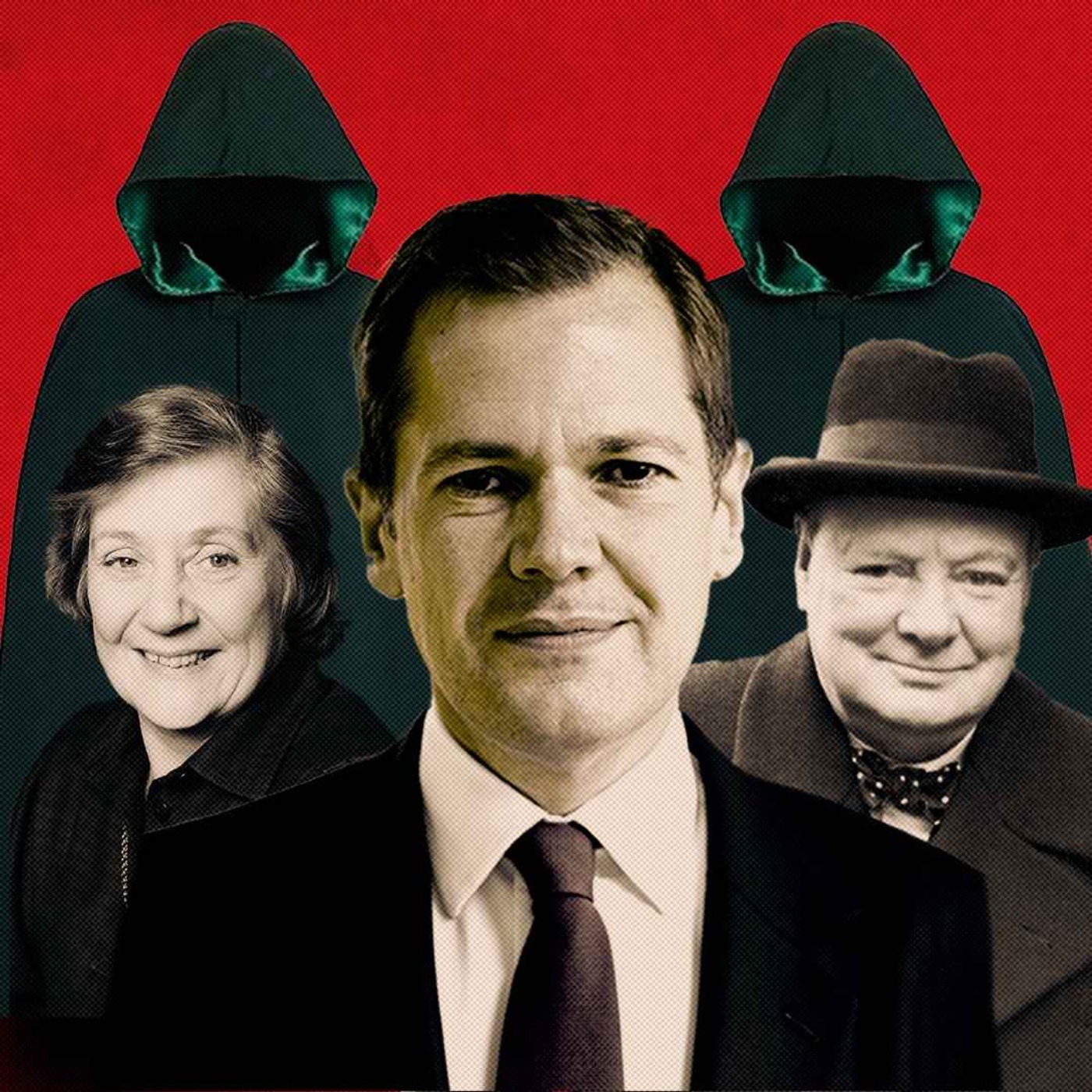
Does British politics reward traitors or faithfuls?
<p>With the Conservatives on watch for further defectors, academic Richard Johnson and Conservative peer Danny Finkelstein join James Heale to discuss whether British politics rewards traitors or faithfuls. Richard points out that often personal success is dependent on whether the party goes on to be a major or minor player in British politics; Winston Churchill and Shaun Woodward fared better, while Shirley Williams and Mark Reckless had less success. </p><br><p>Danny – whose political career began with the SDP in the 1980s – also takes us through his personal experience and the challenges of defecting, from ideology and demography to the perception of betrayal. How fundamental is the shift taking place in British politics?</p><br><p>Produced by Patrick Gibbons.</p><p>Become a <em>Spectator </em>subscriber today to access this podcast without adverts. Go to <a href="https://www.spectator.co.uk/follow-your-podcasts/" rel="noopener noreferrer" target="_blank">spectator.co.uk/adfree</a> to find out more.</p><br><p>For more <em>Spectator</em> podcasts, go to <a href="https://www.spectator.co.uk/podcasts/" rel="noopener noreferrer" target="_blank">spectator.co.uk/podcasts</a>.</p><br><p>Contact us: [email protected]</p> <hr><p style='color:grey; font-size:0.75em;'> Hosted on Acast. See <a style='color:grey;' target='_blank' rel='noopener noreferrer' href='https://acast.com/privacy'>acast.com/privacy</a> for more information.</p>
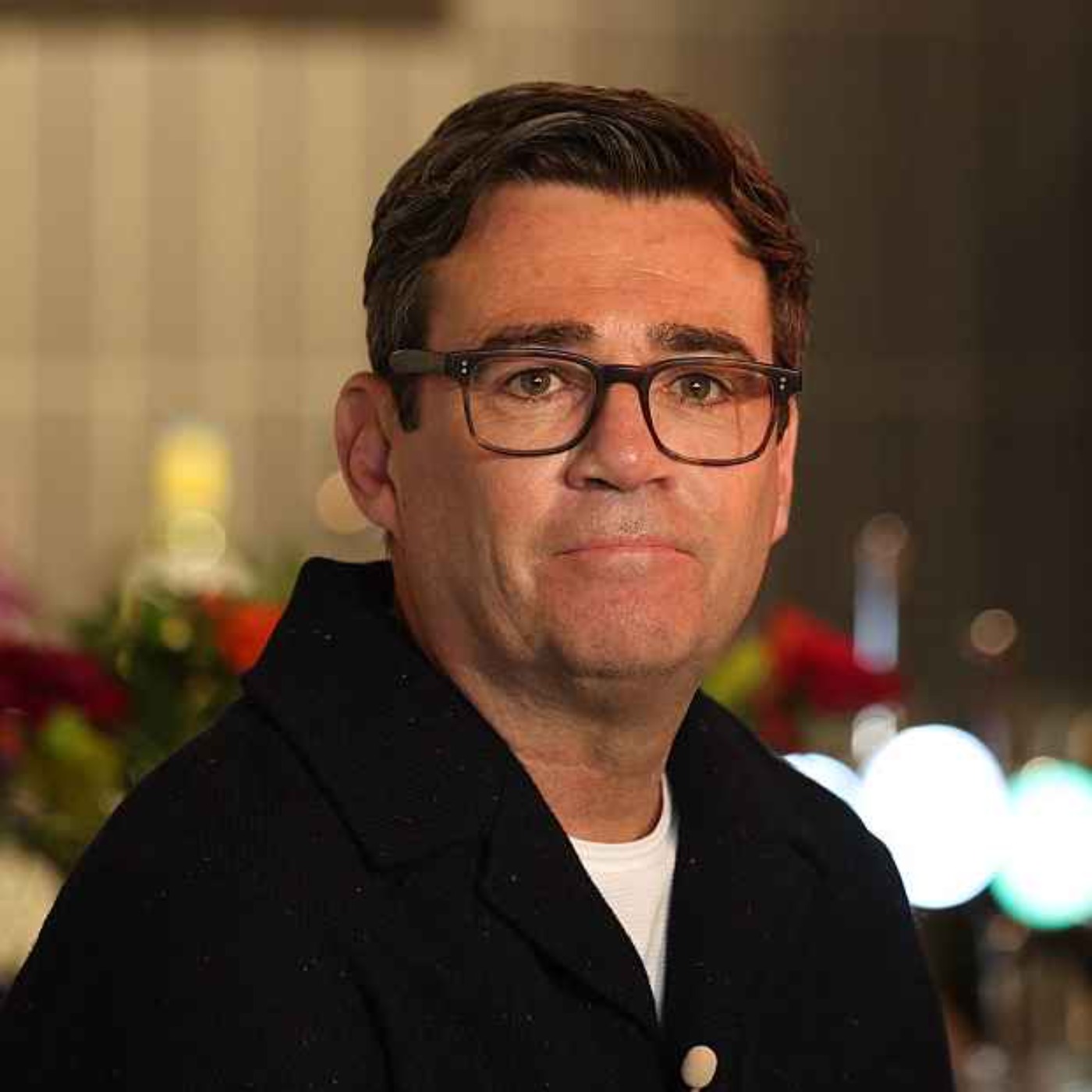
Andy Burnham is back in the game – and Robert Jenrick reveals all
<p>Three big stories for James Heale and Tim Shipman to pick over today: Andy Burnham’s return, the Donald Trump that refuses to go away, and the continued fallout of Robert Jenrick’s defection to Reform.</p><p>This afternoon we found out that former Labour minister Andrew Gwynne is on the brink of standing down as an MP, after losing the whip during last year’s WhatsApp group scandal. A by-election is therefore on the cards in Gwynne’s Manchester seat, potentially paving the way for the ever-ambitious local mayor Andy Burnham to return to the Commons and make a leadership challenge against Keir Starmer. Would he be able to mobilise enough support?</p><p>Also today, Donald Trump’s sabre-rattling over Greenland has proven to be just that, and James and Tim take us through their interview with Robert Jenrick – in which he puts much more detail behind his dramatic decision to quit the Tories.</p><p>Produced by Megan McElroy and Oscar Edmondson.</p><p>Become a <em>Spectator </em>subscriber today to access this podcast without adverts. Go to <a href="https://www.spectator.co.uk/follow-your-podcasts/" rel="noopener noreferrer" target="_blank">spectator.co.uk/adfree</a> to find out more.</p><br><p>For more <em>Spectator</em> podcasts, go to <a href="https://www.spectator.co.uk/podcasts/" rel="noopener noreferrer" target="_blank">spectator.co.uk/podcasts</a>.</p><br><p>Contact us: [email protected]</p> <hr><p style='color:grey; font-size:0.75em;'> Hosted on Acast. See <a style='color:grey;' target='_blank' rel='noopener noreferrer' href='https://acast.com/privacy'>acast.com/privacy</a> for more information.</p>

Starmer turns on Trump
<p>Keir Starmer scored a rare win at PMQs, talking tough on Trump in light of the President’s escalating rhetoric on Greenland and the Chagos Islands. Kemi Badenoch pressed the Prime Minister on foreign affairs and Britain’s relationship with the US president, and Starmer departed from his usual caution to strike a notably firmer tone.</p><p>What does this moment tell us about Labour’s emerging approach to Trump – and is the UK political class finally losing patience with the volatility of the White House? Was this the closest we’ll get to a Keir Starmer <em>Love Actually</em> Prime Minister moment?</p><p>James Heale speaks to Tim Shipman and Isabel Hardman.</p><p>Produced by Oscar Edmondson.</p><p>Become a <em>Spectator </em>subscriber today to access this podcast without adverts. Go to <a href="https://www.spectator.co.uk/follow-your-podcasts/" rel="noopener noreferrer" target="_blank">spectator.co.uk/adfree</a> to find out more.</p><br><p>For more <em>Spectator</em> podcasts, go to <a href="https://www.spectator.co.uk/podcasts/" rel="noopener noreferrer" target="_blank">spectator.co.uk/podcasts</a>.</p><br><p>Contact us: [email protected]</p> <hr><p style='color:grey; font-size:0.75em;'> Hosted on Acast. See <a style='color:grey;' target='_blank' rel='noopener noreferrer' href='https://acast.com/privacy'>acast.com/privacy</a> for more information.</p>

The scandal of China’s ‘super embassy’
<p>China's controversial ‘super embassy’ has been approved, after years of debate over the security risks. Campaigners had called on ministers not to give the site the green light, given its proximity to important internet cables that support the City of London. MI5 have admitted they can't 'wholly eliminate' the national security risks around the site. Megan McElroy is joined by James Heale and Sophia Gaston, research fellow at King's College London, to discuss. </p><br><p>There's more international chaos for Keir Starmer too – overnight, Donald Trump described plans to hand over the soverignty of the Chagos islands as 'an act of great stupidity.' Where on earth does this leave the special relationship? </p><p>Become a <em>Spectator </em>subscriber today to access this podcast without adverts. Go to <a href="https://www.spectator.co.uk/follow-your-podcasts/" rel="noopener noreferrer" target="_blank">spectator.co.uk/adfree</a> to find out more.</p><br><p>For more <em>Spectator</em> podcasts, go to <a href="https://www.spectator.co.uk/podcasts/" rel="noopener noreferrer" target="_blank">spectator.co.uk/podcasts</a>.</p><br><p>Contact us: [email protected]</p> <hr><p style='color:grey; font-size:0.75em;'> Hosted on Acast. See <a style='color:grey;' target='_blank' rel='noopener noreferrer' href='https://acast.com/privacy'>acast.com/privacy</a> for more information.</p>

Greenland: why Europe needs to 'grow up' | with Tim Marshall
<p>Donald Trump has thrown another diplomatic hand grenade. This weekend, the President threatened sweeping tariffs on countries backing Greenland’s independence – a move that has rattled European capitals and reignited questions about America’s global strategy. Is this about Arctic security, rare earth minerals, or something more personal?</p><p>As tensions rise, how should Britain respond? Can diplomacy defuse Trump’s latest escalation, or does this mark a deeper shift in US–European relations – and the future of Nato itself?</p><p>James Heale speaks to Tim Shipman and Tim Marshall, foreign affairs analyst and author of <em>Prisoners of Geography</em>. </p><p>Produced by Megan McElroy and Oscar Edmondson.</p><p>Become a <em>Spectator </em>subscriber today to access this podcast without adverts. Go to <a href="https://www.spectator.co.uk/follow-your-podcasts/" rel="noopener noreferrer" target="_blank">spectator.co.uk/adfree</a> to find out more.</p><br><p>For more <em>Spectator</em> podcasts, go to <a href="https://www.spectator.co.uk/podcasts/" rel="noopener noreferrer" target="_blank">spectator.co.uk/podcasts</a>.</p><br><p>Contact us: [email protected]</p> <hr><p style='color:grey; font-size:0.75em;'> Hosted on Acast. See <a style='color:grey;' target='_blank' rel='noopener noreferrer' href='https://acast.com/privacy'>acast.com/privacy</a> for more information.</p>
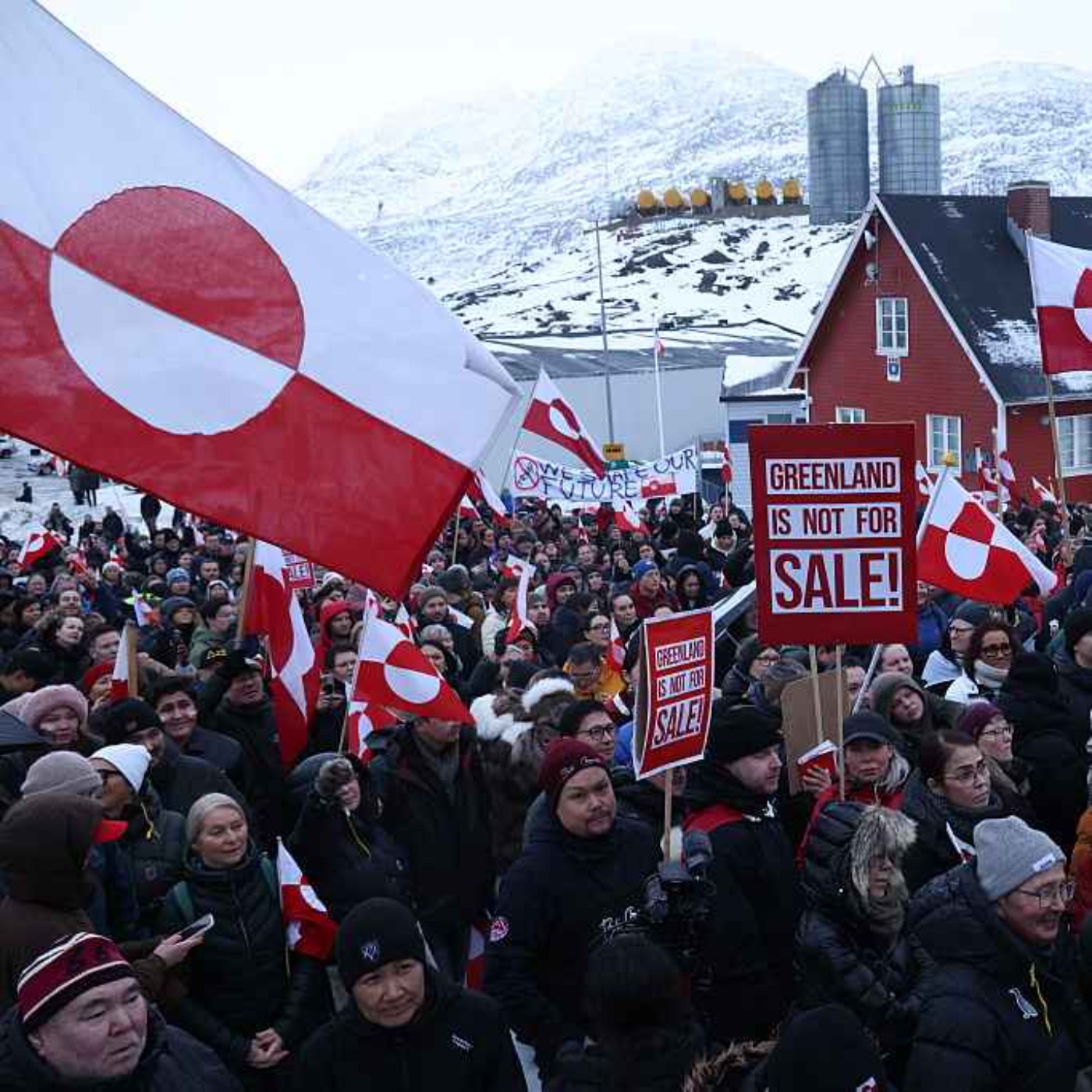
Isabel Hardman's Sunday Roundup - 18/01/2026
<p>Isabel Hardman presents highlights from Sunday morning's political shows.</p><br><p>Donald Trump says it's tariffs or a deal for Greenland. And Robert Jenrick is the latest in a growing list of Reform recruits.</p><p>Become a <em>Spectator </em>subscriber today to access this podcast without adverts. Go to <a href="https://www.spectator.co.uk/follow-your-podcasts/" rel="noopener noreferrer" target="_blank">spectator.co.uk/adfree</a> to find out more.</p><br><p>For more <em>Spectator</em> podcasts, go to <a href="https://www.spectator.co.uk/podcasts/" rel="noopener noreferrer" target="_blank">spectator.co.uk/podcasts</a>.</p><br><p>Contact us: [email protected]</p> <hr><p style='color:grey; font-size:0.75em;'> Hosted on Acast. See <a style='color:grey;' target='_blank' rel='noopener noreferrer' href='https://acast.com/privacy'>acast.com/privacy</a> for more information.</p>
Debate: what's the point of the Lib Dems?
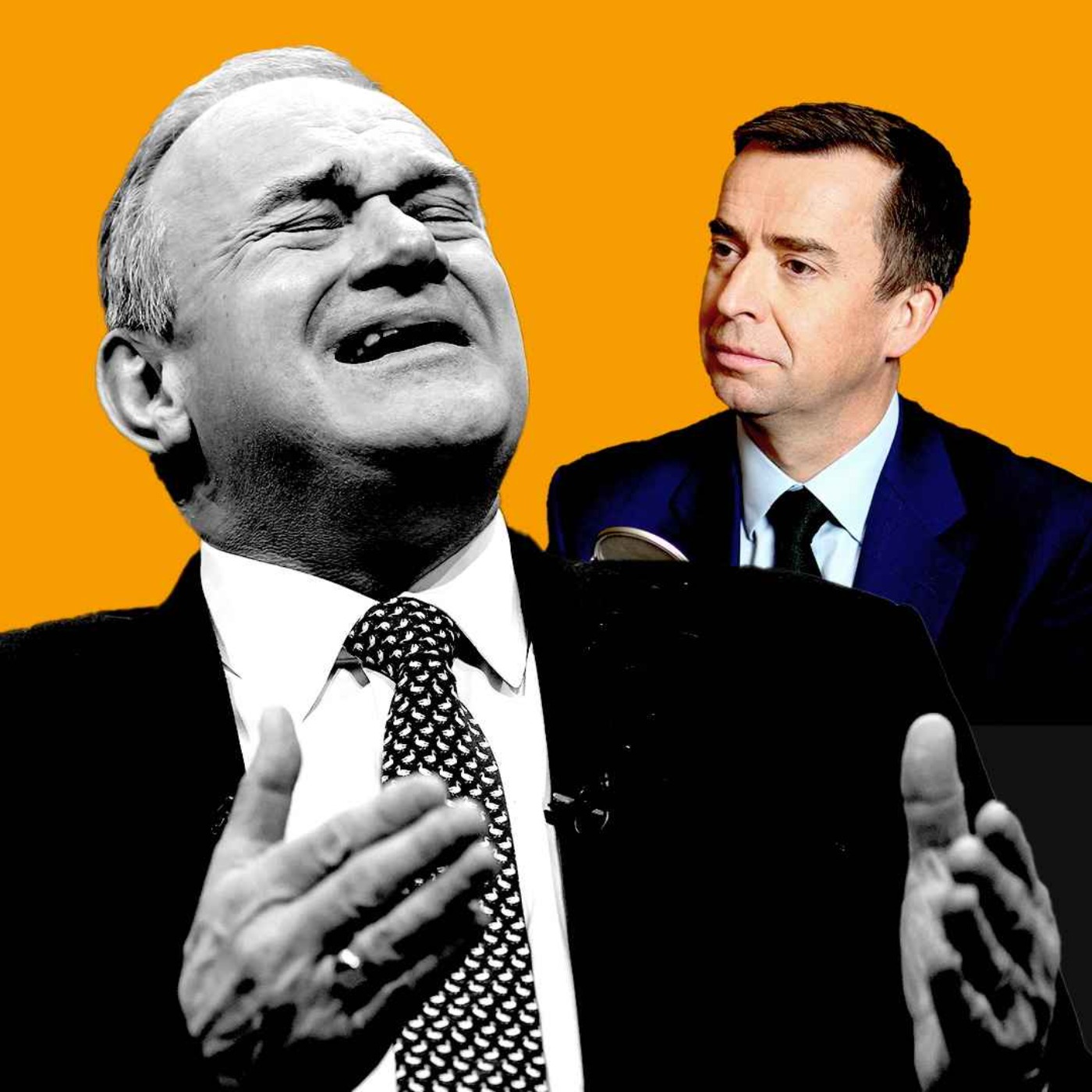
<p>As Ed Davey condemned Donald Trump's military manoeuvres abroad, Annabel Denham looked on and asked 'what's the point of the Liberal Democrats?'. Thinking about the Lib Dem's longstanding europhile stance, the senior political correspondent at the <em>Telegraph </em>wrote: 'the party that once stood on a tradition of civil liberties now wants us to rejoin a bloc which regulates everything'. </p><br><p>Calum Miller MP – foreign affairs spokesperson for the Liberal Democrats – joins Annabel and deputy political editor James Heale to address Annabel's challenge that the party is defined more by opposition the other parties than by their own policies. So, from localism and the UK's place in the world to free markets and social care, what do the Lib Dems stand for? And what constitutes 'liberalism' today? </p><br><p>Produced by Patrick Gibbons, Megan McElroy and Natasha Feroze.</p><p>Become a <em>Spectator </em>subscriber today to access this podcast without adverts. Go to <a href="https://www.spectator.co.uk/follow-your-podcasts/" rel="noopener noreferrer" target="_blank">spectator.co.uk/adfree</a> to find out more.</p><br><p>For more <em>Spectator</em> podcasts, go to <a href="https://www.spectator.co.uk/podcasts/" rel="noopener noreferrer" target="_blank">spectator.co.uk/podcasts</a>.</p><br><p>Contact us: [email protected]</p> <hr><p style='color:grey; font-size:0.75em;'> Hosted on Acast. See <a style='color:grey;' target='_blank' rel='noopener noreferrer' href='https://acast.com/privacy'>acast.com/privacy</a> for more information.</p>
Jenrick vs Badenoch: who won yesterday's defection?
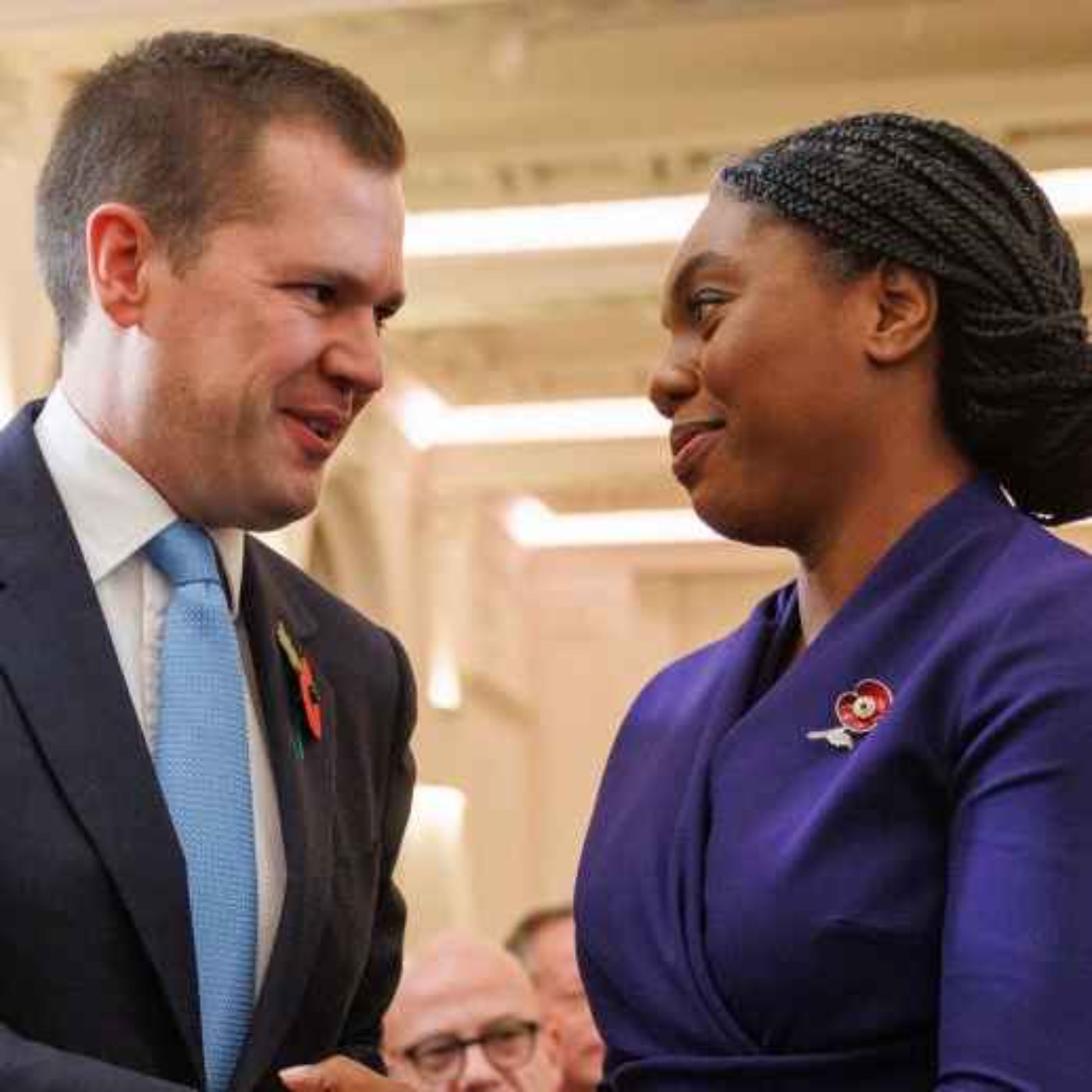
<p>Yesterday was a breathless day in Westminster. The defection of Robert Jenrick spawned plenty of headlines and even more memes. But now that the dust has settled, how has the news been received? Was it a total victory for Reform, and evidence that they are slowly swallowing up the Tory party, or is Kemi still in the race?</p><p>Today, the assisted dying bill is back in the Lords. As discussions about this legislation drag on, does its implementation look increasingly unlikely?</p><p>Oscar Edmondson speaks to Tim Shipman and James Heale.</p><p>Produced by Oscar Edmondson.</p><p>Become a <em>Spectator </em>subscriber today to access this podcast without adverts. Go to <a href="https://www.spectator.co.uk/follow-your-podcasts/" rel="noopener noreferrer" target="_blank">spectator.co.uk/adfree</a> to find out more.</p><br><p>For more <em>Spectator</em> podcasts, go to <a href="https://www.spectator.co.uk/podcasts/" rel="noopener noreferrer" target="_blank">spectator.co.uk/podcasts</a>.</p><br><p>Contact us: [email protected]</p> <hr><p style='color:grey; font-size:0.75em;'> Hosted on Acast. See <a style='color:grey;' target='_blank' rel='noopener noreferrer' href='https://acast.com/privacy'>acast.com/privacy</a> for more information.</p>
Inside Jenrick & Reform's shotgun marriage
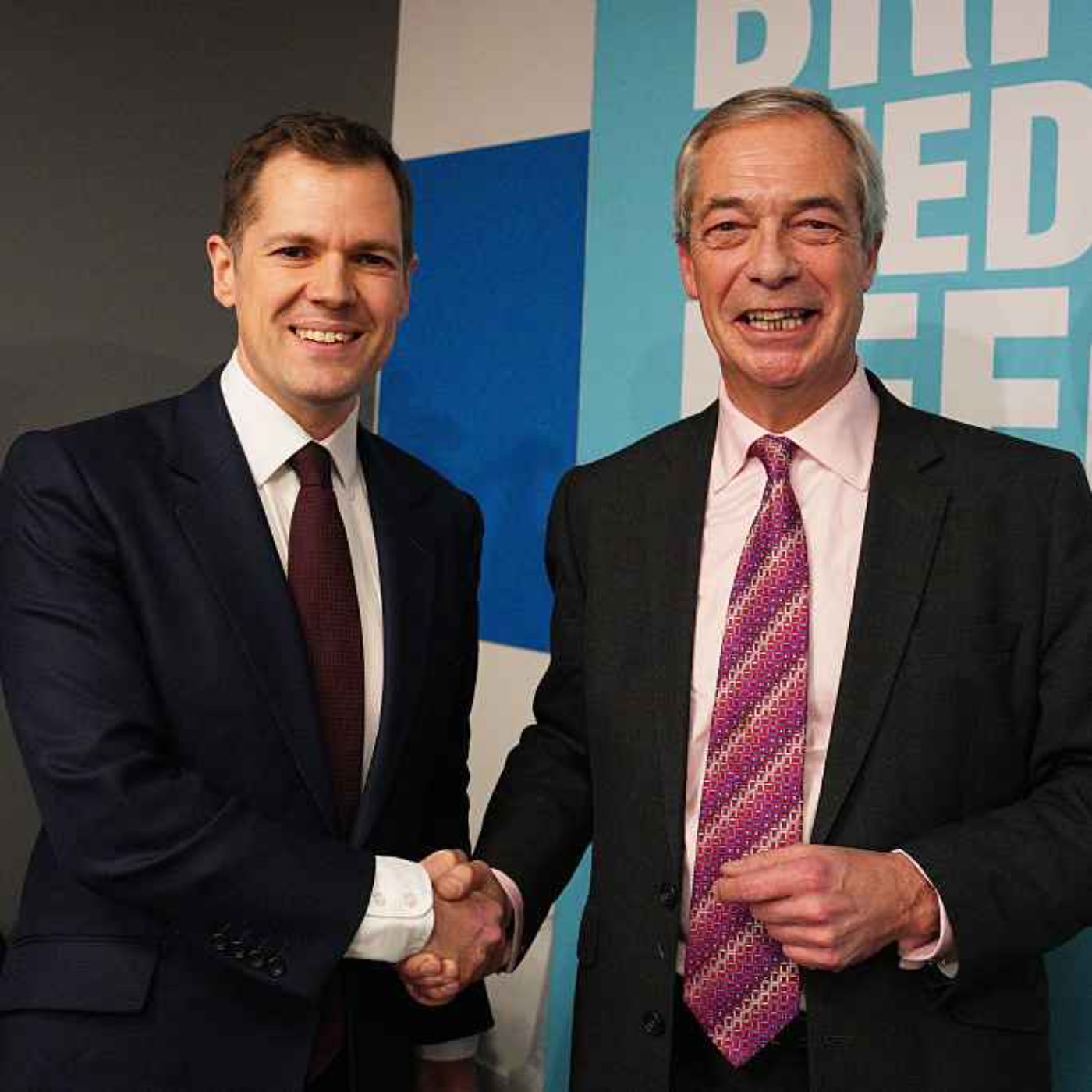
<p>Robert Jenrick has sensationally defected to Reform. After a day that started with his sacking from the Conservatives – over plotting to reject – continued with the will-he-won’t-he drama of whether Farage would accept him as a new Reform member this afternoon; it ends with a press conference welcoming him to Farage’s gang.</p><p>So what happens now? Kemi Badenoch was praised for her show of strength in swiftly expelling Jenrick, but she is undoubtedly weakened after this news and her frontbencher looks considerably lighter. Is this an inflection point for the Conservative party? And what role will Bobby J play in Reform – could he be their new shadow chancellor?</p><p>Oscar Edmondson, Tim Shipman and James Heale discuss a hectic day on the British right.</p><p>Produced by Oscar Edmondson.</p><p>Become a <em>Spectator </em>subscriber today to access this podcast without adverts. Go to <a href="https://www.spectator.co.uk/follow-your-podcasts/" rel="noopener noreferrer" target="_blank">spectator.co.uk/adfree</a> to find out more.</p><br><p>For more <em>Spectator</em> podcasts, go to <a href="https://www.spectator.co.uk/podcasts/" rel="noopener noreferrer" target="_blank">spectator.co.uk/podcasts</a>.</p><br><p>Contact us: [email protected]</p> <hr><p style='color:grey; font-size:0.75em;'> Hosted on Acast. See <a style='color:grey;' target='_blank' rel='noopener noreferrer' href='https://acast.com/privacy'>acast.com/privacy</a> for more information.</p>
Is Jenrick joining Reform?
<p>Kemi Badenoch has sacked Robert Jenrick from the shadow cabinet, removed the Tory whip and suspended his party membership. In a video on X she claims, ‘I was presented with clear, irrefutable evidence that he was plotting in secret to defect in a way designed to be as damaging as possible’. The Tories compiled a bundle of evidence that included a dinner between Jenrick and Nigel Farage last month, and the fact that he had discussed switching to Reform with at least two allies. It is understood that he left a copy of his defection speech lying around, which included passages criticising Conservative colleagues. Is this – as we all suspect – the prelude to perhaps Reform's biggest coup yet?</p><p>Tim Shipman and James Heale discuss.</p><p>Produced by Megan McElroy and Oscar Edmondson.</p><p>Become a <em>Spectator </em>subscriber today to access this podcast without adverts. Go to <a href="https://www.spectator.co.uk/follow-your-podcasts/" rel="noopener noreferrer" target="_blank">spectator.co.uk/adfree</a> to find out more.</p><br><p>For more <em>Spectator</em> podcasts, go to <a href="https://www.spectator.co.uk/podcasts/" rel="noopener noreferrer" target="_blank">spectator.co.uk/podcasts</a>.</p><br><p>Contact us: [email protected]</p> <hr><p style='color:grey; font-size:0.75em;'> Hosted on Acast. See <a style='color:grey;' target='_blank' rel='noopener noreferrer' href='https://acast.com/privacy'>acast.com/privacy</a> for more information.</p>
What's the future of the Scottish Tories?
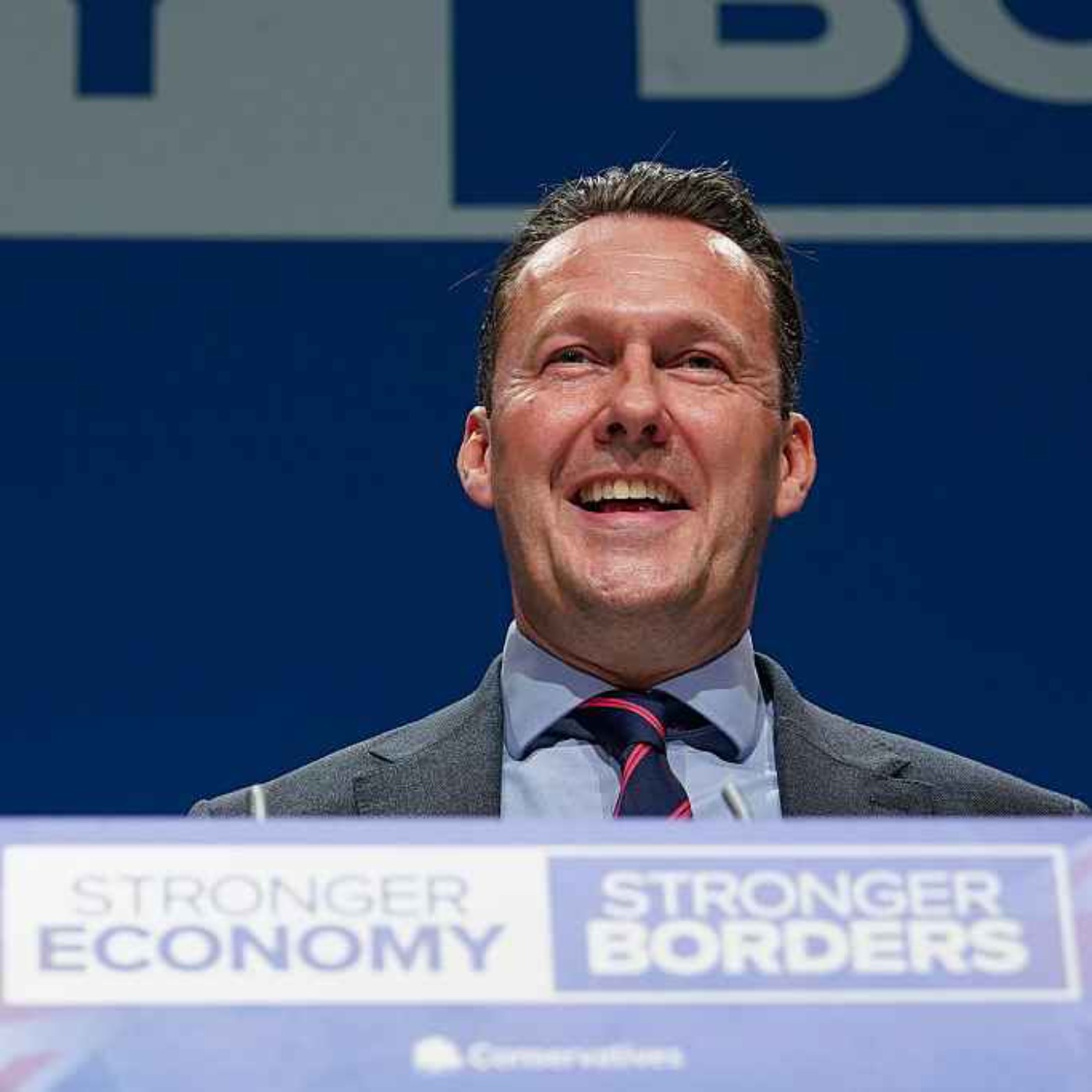
<p>The leader of the Scottish Conservatives, Russell Findlay MSP, sits down with James Heale to look ahead to May's pivotal Holyrood elections. He pushes back against the threat from Reform, arguing that Nigel Farage is trying to be 'all things to all people', and he is scathing about the lack of loyalty shown by those who have defected from the party – not just to Reform, but to the Liberal Democrats too.</p><p>But with the collapse of the support Labour received in the 2024 general election – which Findlay calls their 'loveless landslide' – why aren't the Tories benefitting more?</p><br><p>Plus, how did being the victim of a vicious acid attack in 2015 shape his politics?</p><br><p>Produced by Patrick Gibbons.</p><p>Become a <em>Spectator </em>subscriber today to access this podcast without adverts. Go to <a href="https://www.spectator.co.uk/follow-your-podcasts/" rel="noopener noreferrer" target="_blank">spectator.co.uk/adfree</a> to find out more.</p><br><p>For more <em>Spectator</em> podcasts, go to <a href="https://www.spectator.co.uk/podcasts/" rel="noopener noreferrer" target="_blank">spectator.co.uk/podcasts</a>.</p><br><p>Contact us: [email protected]</p> <hr><p style='color:grey; font-size:0.75em;'> Hosted on Acast. See <a style='color:grey;' target='_blank' rel='noopener noreferrer' href='https://acast.com/privacy'>acast.com/privacy</a> for more information.</p>

Why Ed Davey is happy being boring
<p>The Liberal Democrats have unveiled a new strategy on the NHS. Sir Ed set out his big, bold plan this morning: scrapping the UK–US pharmaceutical deal to redirect £1.5 billion into social care. It sounds like a substantial sum – until you remember it amounts to less than 1 per cent of the NHS’s annual budget. In today’s podcast, the team discuss why Ed Davey is leaning into being deliberately boring, in an effort to appeal to the perceived sensibilities of Middle England.</p><br><p>Meanwhile, with the dust settling after Nadhim Zahawi’s defection, is Reform at risk of losing its outsider appeal, given that his resignation from government caused such a public outcry? Megan McElroy is joined by Luke Tryl, UK Director of More in Common, and James Heale. They also examine the polling results everyone really wants to see – including voting intention by “national treasure” status, with a few surprises along the way.</p><br><p>Become a <em>Spectator </em>subscriber today to access this podcast without adverts. Go to <a href="https://www.spectator.co.uk/follow-your-podcasts/" rel="noopener noreferrer" target="_blank">spectator.co.uk/adfree</a> to find out more.</p><br><p>For more <em>Spectator</em> podcasts, go to <a href="https://www.spectator.co.uk/podcasts/" rel="noopener noreferrer" target="_blank">spectator.co.uk/podcasts</a>.</p><br><p>Contact us: [email protected]</p> <hr><p style='color:grey; font-size:0.75em;'> Hosted on Acast. See <a style='color:grey;' target='_blank' rel='noopener noreferrer' href='https://acast.com/privacy'>acast.com/privacy</a> for more information.</p>
Zahawi defects: are Reform becoming Tories 2.0?
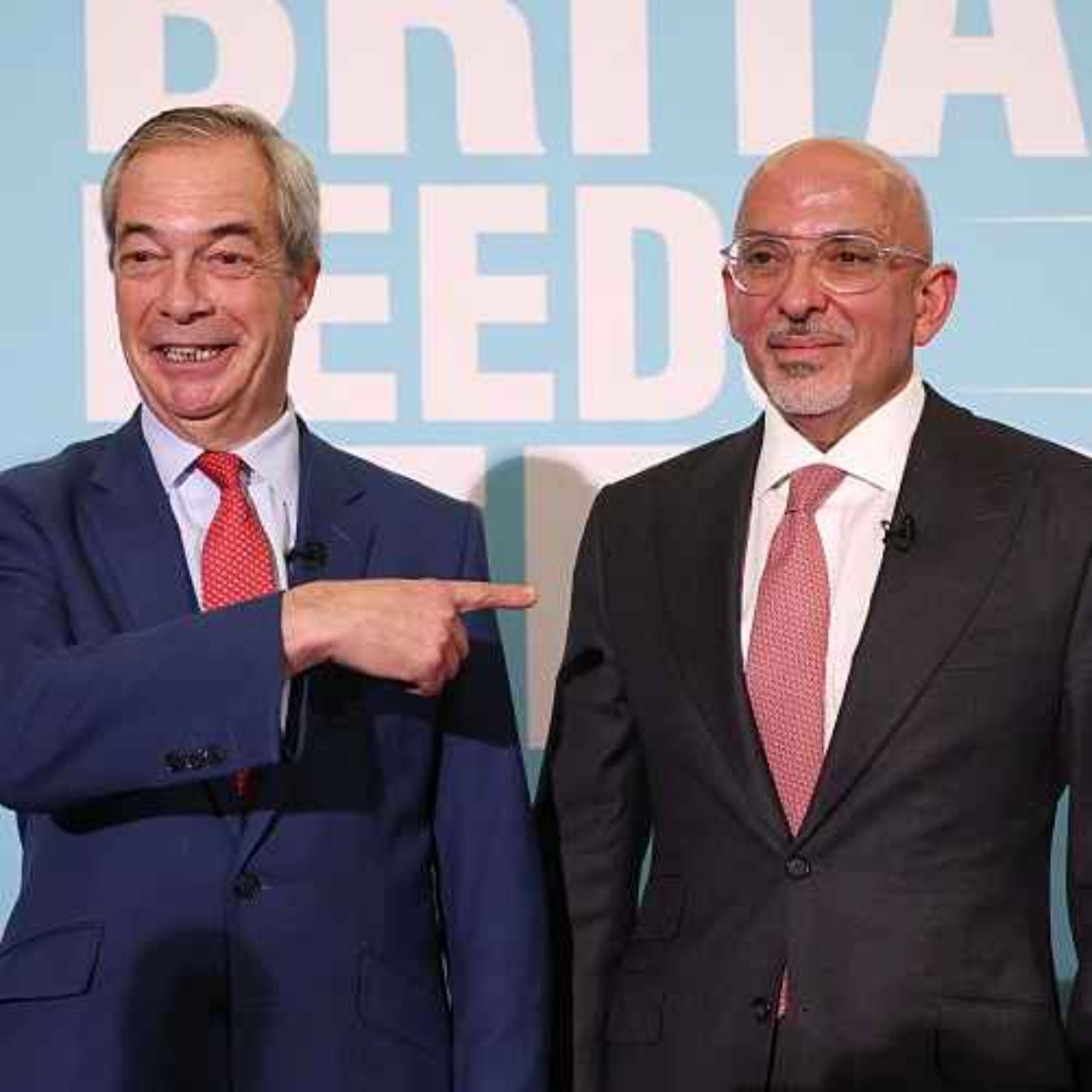
<p>How many Tories is too many? That’s the question Westminster is asking after the unveiling of Reform’s latest defector. Nadhim Zahawi, Boris Johnson’s brief-lived Chancellor of the Exchequer, is Nigel Farage’s latest recruit. He told journalists that the UK had reached a ‘dark and dangerous’ moment, and that the country needed ‘a glorious revolution’. But are Reform just turning into the Tories 2.0? And what will Zahawi’s role be – is he the elusive shadow chancellor Farage has been searching for?</p><p>Oscar Edmondson speaks to Tim Shipman and James Heale.</p><p>Produced by Oscar Edmondson.</p><p>Become a <em>Spectator </em>subscriber today to access this podcast without adverts. Go to <a href="https://www.spectator.co.uk/follow-your-podcasts/" rel="noopener noreferrer" target="_blank">spectator.co.uk/adfree</a> to find out more.</p><br><p>For more <em>Spectator</em> podcasts, go to <a href="https://www.spectator.co.uk/podcasts/" rel="noopener noreferrer" target="_blank">spectator.co.uk/podcasts</a>.</p><br><p>Contact us: [email protected]</p> <hr><p style='color:grey; font-size:0.75em;'> Hosted on Acast. See <a style='color:grey;' target='_blank' rel='noopener noreferrer' href='https://acast.com/privacy'>acast.com/privacy</a> for more information.</p>

Isabel Hardman's Sunday Roundup - 11/01/2026
<p>Isabel Hardman presents highlights from Sunday morning's political shows.</p><br><p>Trump wants Greenland, Iran wants regime change, and Peter Mandelson gives his first interview since he was sacked as US ambassador.</p><br><p>:Produced by Joe Bedell-Brill.</p><p>Become a <em>Spectator </em>subscriber today to access this podcast without adverts. Go to <a href="https://www.spectator.co.uk/follow-your-podcasts/" rel="noopener noreferrer" target="_blank">spectator.co.uk/adfree</a> to find out more.</p><br><p>For more <em>Spectator</em> podcasts, go to <a href="https://www.spectator.co.uk/podcasts/" rel="noopener noreferrer" target="_blank">spectator.co.uk/podcasts</a>.</p><br><p>Contact us: [email protected]</p> <hr><p style='color:grey; font-size:0.75em;'> Hosted on Acast. See <a style='color:grey;' target='_blank' rel='noopener noreferrer' href='https://acast.com/privacy'>acast.com/privacy</a> for more information.</p>
Mums for Reform?
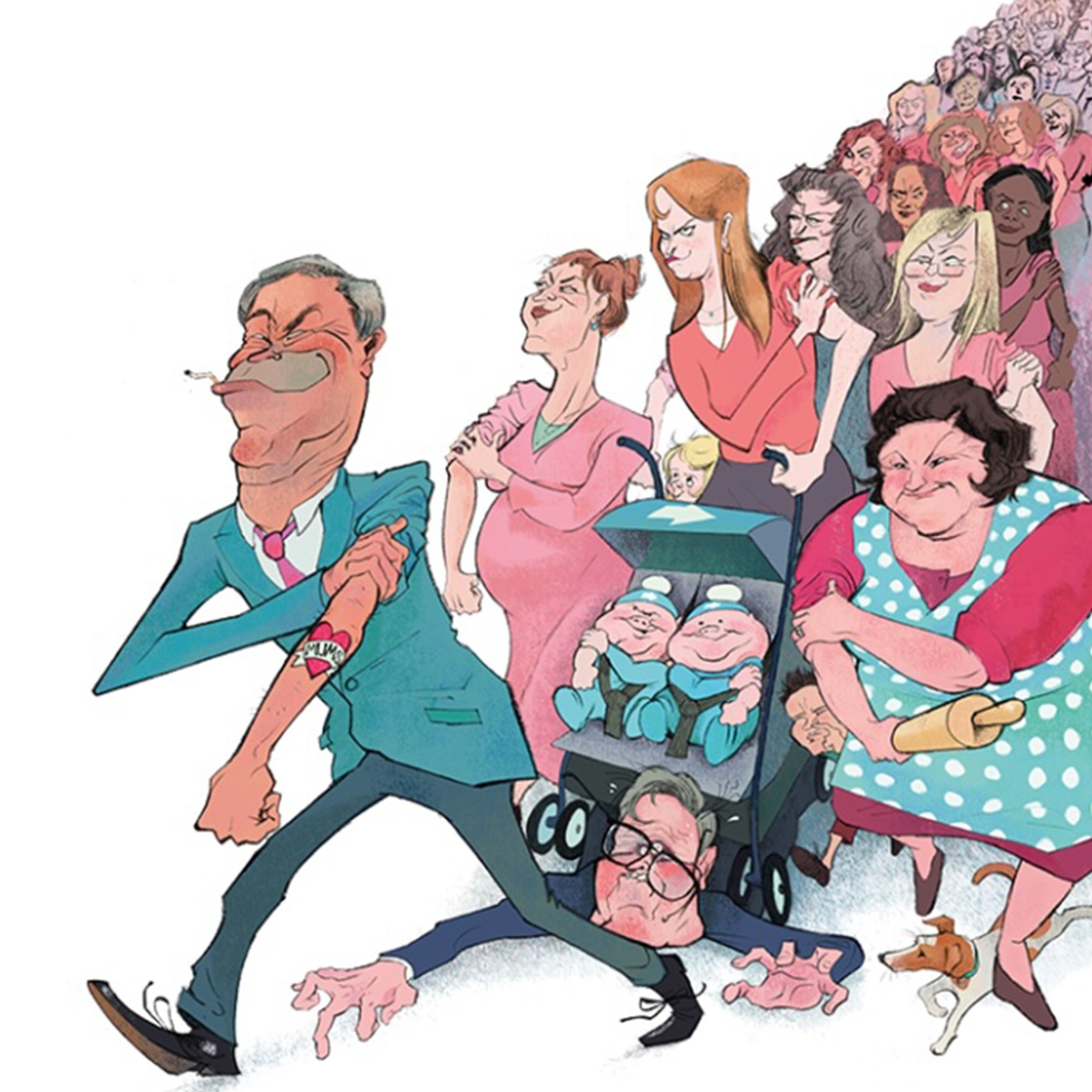
<p>Britain’s mums are backing Nigel Farage. One in five Mumsnet users intend to vote for Reform at the next general election, the first time a party other than Labour has topped its poll. Having been more negative towards Farage and the right in the past, why are its politically engaged users changing their minds? Are they swayed by issues like single-sex spaces, or does it reflect a wider collapse of confidence in the establishment?</p><p>James Heale speaks to Tim Shipman and Sonia Sodha.</p><p>Produced by Megan McElroy.&nbsp;</p><p>Become a <em>Spectator </em>subscriber today to access this podcast without adverts. Go to <a href="https://www.spectator.co.uk/follow-your-podcasts/" rel="noopener noreferrer" target="_blank">spectator.co.uk/adfree</a> to find out more.</p><br><p>For more <em>Spectator</em> podcasts, go to <a href="https://www.spectator.co.uk/podcasts/" rel="noopener noreferrer" target="_blank">spectator.co.uk/podcasts</a>.</p><br><p>Contact us: [email protected]</p> <hr><p style='color:grey; font-size:0.75em;'> Hosted on Acast. See <a style='color:grey;' target='_blank' rel='noopener noreferrer' href='https://acast.com/privacy'>acast.com/privacy</a> for more information.</p>

Keir Starmer, pub harmer
<p>Another year, another U-turn. We expect that the Labour government will be forced to climb down on forthcoming increases to the business rates bills faced by pubs in England. This comes after ferocious industry backlash, spearheaded by figures such as Tom Kerridge, who has been out in the media this week drawing attention to the more than 100 per cent increase in costs some of his establishments are facing. Some are pointing to the slow unravelling of Rachel Reeves’s Budget but – perhaps more damaging – is the optics of this: surely nothing mobilises deep England more than coming for our pubs. What impact will this have on Labour’s credibility? And what impact will it have on Rachel Reeves’s headroom?</p><p>Oscar Edmondson speaks to Michael Simmons and Tim Shipman.</p><p>Produced by Oscar Edmondson.</p><p>Become a <em>Spectator </em>subscriber today to access this podcast without adverts. Go to <a href="https://www.spectator.co.uk/follow-your-podcasts/" rel="noopener noreferrer" target="_blank">spectator.co.uk/adfree</a> to find out more.</p><br><p>For more <em>Spectator</em> podcasts, go to <a href="https://www.spectator.co.uk/podcasts/" rel="noopener noreferrer" target="_blank">spectator.co.uk/podcasts</a>.</p><br><p>Contact us: [email protected]</p> <hr><p style='color:grey; font-size:0.75em;'> Hosted on Acast. See <a style='color:grey;' target='_blank' rel='noopener noreferrer' href='https://acast.com/privacy'>acast.com/privacy</a> for more information.</p>
How Reform plans to govern
<p>2025 was the easy part for Reform. If they win the election, however, how do they actually govern? In <em>The Spectator</em> this week, Tim Shipman writes about the party’s plans to tackle Whitehall bloat, bypass the Lords and restore the authority of the Prime Minister over the various institutions of state. The man tasked with working this out is Danny Kruger, who is working up plans to push change through using Orders in Council – a device in the Privy Council – as well as statutory instruments and ministerial guidance to avoid the need for primary legislation. But the party is only in the foothills, and one source warns that ‘Nigel doesn’t trust other politicians’: can he build a winning team? Who has his ear? And does he actually want to be Prime Minister?</p><p>Oscar Edmondson speaks to Tim Shipman and James Heale.</p><p>Produced by Oscar Edmondson.</p><p>Become a <em>Spectator </em>subscriber today to access this podcast without adverts. Go to <a href="https://www.spectator.co.uk/follow-your-podcasts/" rel="noopener noreferrer" target="_blank">spectator.co.uk/adfree</a> to find out more.</p><br><p>For more <em>Spectator</em> podcasts, go to <a href="https://www.spectator.co.uk/podcasts/" rel="noopener noreferrer" target="_blank">spectator.co.uk/podcasts</a>.</p><br><p>Contact us: [email protected]</p> <hr><p style='color:grey; font-size:0.75em;'> Hosted on Acast. See <a style='color:grey;' target='_blank' rel='noopener noreferrer' href='https://acast.com/privacy'>acast.com/privacy</a> for more information.</p>

Why is Keir Starmer so irritable?
<p>It is the first Prime Minister’s Questions of the new year – and Keir Starmer returns to the Commons already under pressure. With major international crises unfolding, Kemi Badenoch used PMQs to question whether the Prime Minister is present, engaged or in control. In response, Starmer just seemed narky.</p><p>As the exchange descended into rows over Ukraine, Venezuela and the role of government lawyers, the issue of the armed forces – how they are supported and resourced – came up once again. With global events dominating the news agenda, are British forces prepared to be deployed – and does the Labour party really grasp the political danger of that debate?</p><p>Oscar Edmondson speaks to Tim Shipman and Isabel Hardman.</p><p>Produced by Oscar Edmondson.</p><p>Become a <em>Spectator </em>subscriber today to access this podcast without adverts. Go to <a href="https://www.spectator.co.uk/follow-your-podcasts/" rel="noopener noreferrer" target="_blank">spectator.co.uk/adfree</a> to find out more.</p><br><p>For more <em>Spectator</em> podcasts, go to <a href="https://www.spectator.co.uk/podcasts/" rel="noopener noreferrer" target="_blank">spectator.co.uk/podcasts</a>.</p><br><p>Contact us: [email protected]</p> <hr><p style='color:grey; font-size:0.75em;'> Hosted on Acast. See <a style='color:grey;' target='_blank' rel='noopener noreferrer' href='https://acast.com/privacy'>acast.com/privacy</a> for more information.</p>

International statesman or 'never here Keir'?
<p>From 'regime change' in Venezuela to Russia's war in Ukraine, the Labour government is trying to navigate complicated situations across foreign affairs. Having appeared to weather the domestic reaction to the situation in Venezuela, Keir Starmer is in Paris today to discuss Ukraine alongside Chancellor Merz and Presidents Macron and Zelensky. This is undoubtably important – but to what extent will this fuel the criticism that the Prime Minister spends too much time abroad? And how can Starmer reconcile the demands of foreign affairs with his domestic priorities? James Heale and Tim Shipman join Patrick Gibbons to discuss.</p><br><p>Produced by Patrick Gibbons.</p><p>Become a <em>Spectator </em>subscriber today to access this podcast without adverts. Go to <a href="https://www.spectator.co.uk/follow-your-podcasts/" rel="noopener noreferrer" target="_blank">spectator.co.uk/adfree</a> to find out more.</p><br><p>For more <em>Spectator</em> podcasts, go to <a href="https://www.spectator.co.uk/podcasts/" rel="noopener noreferrer" target="_blank">spectator.co.uk/podcasts</a>.</p><br><p>Contact us: [email protected]</p> <hr><p style='color:grey; font-size:0.75em;'> Hosted on Acast. See <a style='color:grey;' target='_blank' rel='noopener noreferrer' href='https://acast.com/privacy'>acast.com/privacy</a> for more information.</p>

Regime change in Caracas ... but not Westminster
<p>It’s our first podcast back in the office of 2026 – and the year has started with a bang, of course, after the successful US operation to remove Nicolas Maduro from Venezuela. He will appear in a Manhattan court later today. This throws up all sorts of problems for Labour and the left more broadly – they seem to be hedging their bets on whether to condemn this as a breach of, if not international law, then certainly international norms, or to celebrate the removal of a corrupt regime. Could this be a dividing line for the Labour party?</p><p>Elsewhere, the battle that Labour want to focus on is the cost of living crisis. As a result – I’m sure – of lots of focus grouping and polling, they have hit on this as the issue that has the most salience and one that they are going big on for the new year. Given events in Venezuela, has Keir been able to cut through at all?</p><p>Oscar Edmondson speaks to Tim Shipman and James Heale.</p><p>Produced by Oscar Edmondson.</p><p>Become a <em>Spectator </em>subscriber today to access this podcast without adverts. Go to <a href="https://www.spectator.co.uk/follow-your-podcasts/" rel="noopener noreferrer" target="_blank">spectator.co.uk/adfree</a> to find out more.</p><br><p>For more <em>Spectator</em> podcasts, go to <a href="https://www.spectator.co.uk/podcasts/" rel="noopener noreferrer" target="_blank">spectator.co.uk/podcasts</a>.</p><br><p>Contact us: [email protected]</p> <hr><p style='color:grey; font-size:0.75em;'> Hosted on Acast. See <a style='color:grey;' target='_blank' rel='noopener noreferrer' href='https://acast.com/privacy'>acast.com/privacy</a> for more information.</p>

Isabel Hardman's Sunday Roundup - 04/01/2026
<p>Isabel Hardman presents highlights from Sunday morning's political shows.</p><br><p>This week, the US sends shockwaves across the globe with its capturing of Venezuelan president Maduro.</p><p>And Keir Starmer sits down for a big interview with Laura Kuenssberg.</p><br><p>Produced by Joe Bedell-Brill. </p><p>Become a <em>Spectator </em>subscriber today to access this podcast without adverts. Go to <a href="https://www.spectator.co.uk/follow-your-podcasts/" rel="noopener noreferrer" target="_blank">spectator.co.uk/adfree</a> to find out more.</p><br><p>For more <em>Spectator</em> podcasts, go to <a href="https://www.spectator.co.uk/podcasts/" rel="noopener noreferrer" target="_blank">spectator.co.uk/podcasts</a>.</p><br><p>Contact us: [email protected]</p> <hr><p style='color:grey; font-size:0.75em;'> Hosted on Acast. See <a style='color:grey;' target='_blank' rel='noopener noreferrer' href='https://acast.com/privacy'>acast.com/privacy</a> for more information.</p>
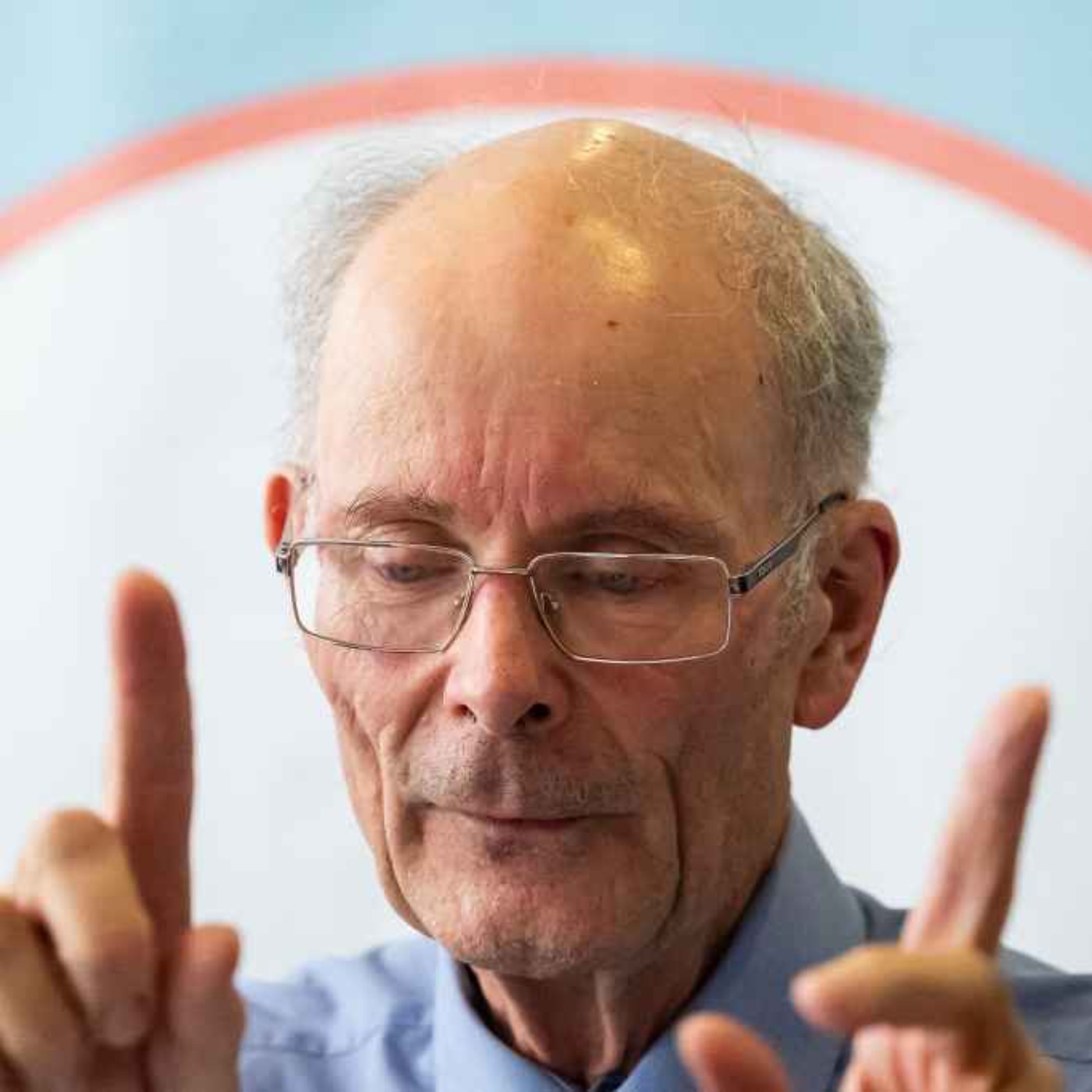
John Curtice: what to expect in 2026
<p>James Heale sits down with Sir John Curtice, the doyen of British polling, to take stock of an extraordinary year in UK politics and to look ahead to what 2026 might hold. Curtice explains why the rise of Reform UK during the spring local elections marked a historic turning point – establishing the longest period in polling history where a party outside the traditional Conservative–Labour duopoly has led nationwide and assesses Labour’s continued slide, the unprecedented collapse in support for both major parties, and the growing influence of the Greens under new leadership.</p><p>John also explores why Britain has entered a new era of multiparty politics, how cultural divides now rival economic ones, and why neither Labour nor the Conservatives can rely on their old electoral coalitions. He breaks down the challenges facing each party in Scotland, Wales and England ahead of next year’s crucial local and devolved elections, and considers how fragmentation, voter disillusionment and shifting identities could reshape the political landscape. Will 2026 see the definitive end of the two-party consensus? </p><p>Produced by Oscar Edmondson.</p><p>Become a <em>Spectator </em>subscriber today to access this podcast without adverts. Go to <a href="https://www.spectator.co.uk/follow-your-podcasts/" rel="noopener noreferrer" target="_blank">spectator.co.uk/adfree</a> to find out more.</p><br><p>For more <em>Spectator</em> podcasts, go to <a href="https://www.spectator.co.uk/podcasts/" rel="noopener noreferrer" target="_blank">spectator.co.uk/podcasts</a>.</p><br><p>Contact us: [email protected]</p> <hr><p style='color:grey; font-size:0.75em;'> Hosted on Acast. See <a style='color:grey;' target='_blank' rel='noopener noreferrer' href='https://acast.com/privacy'>acast.com/privacy</a> for more information.</p>
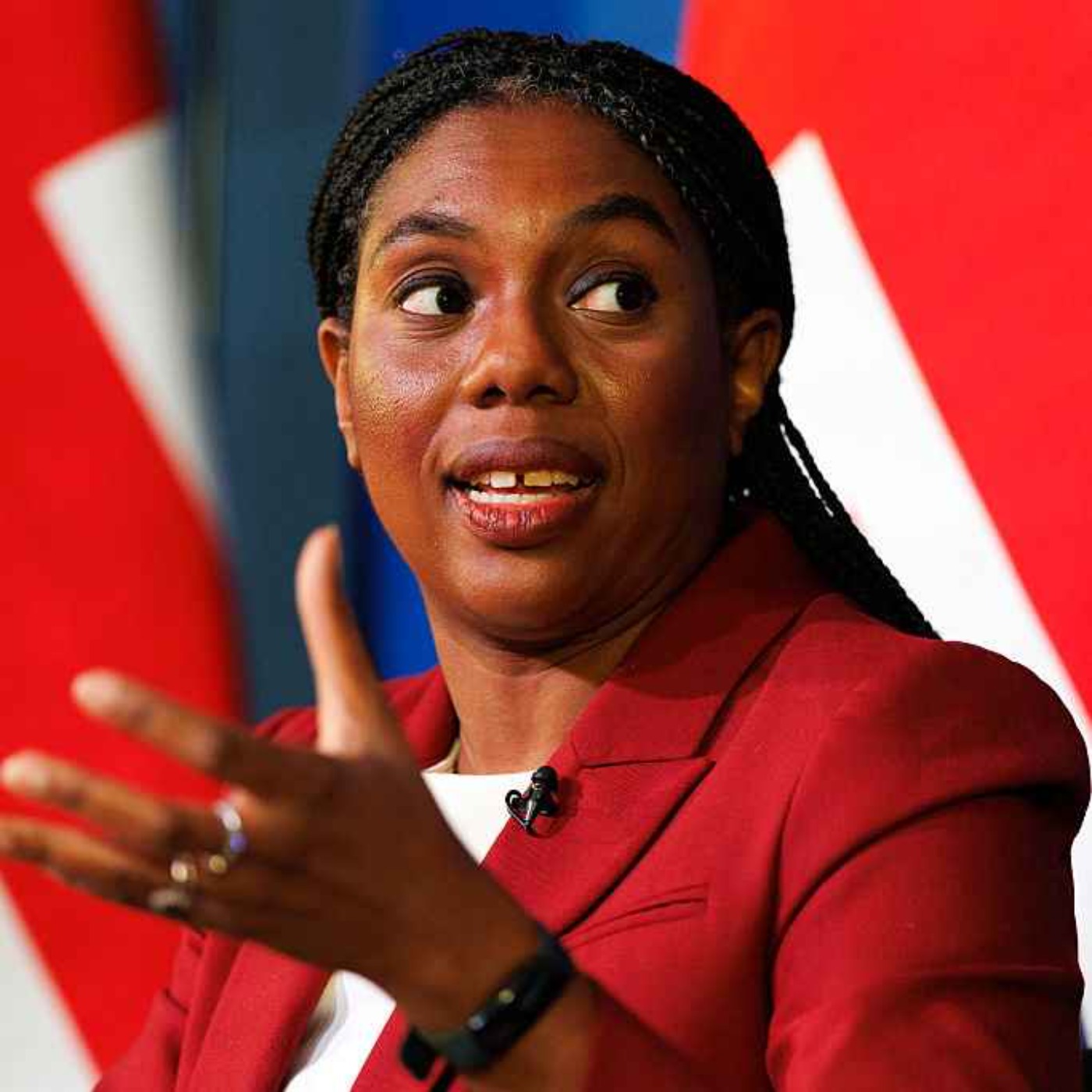
Debate: is 2026 Kemi's year?
<p>Regular listeners will remember back in May we recorded a podcast debating whether Kemi Badenoch was the right fit for Tory leader. At that point in time the Conservatives were falling in the polls and she was facing allegations of laziness and a lack of a political vision. Spool forward to the end of the year and she is in her strongest position ever. She looks more assured in PMQs, her conference speech was a hit and her media game is much improved. But is she actually getting better, or is Starmer getting worse? And will this modest bump in fortunes translate to success at the local elections?</p><p>James Heale speaks to Paul Goodman, Lara Brown and William Atkinson.</p><p>Produced by Oscar Edmondson and Patrick Gibbons.</p><p>Become a <em>Spectator </em>subscriber today to access this podcast without adverts. Go to <a href="https://www.spectator.co.uk/follow-your-podcasts/" rel="noopener noreferrer" target="_blank">spectator.co.uk/adfree</a> to find out more.</p><br><p>For more <em>Spectator</em> podcasts, go to <a href="https://www.spectator.co.uk/podcasts/" rel="noopener noreferrer" target="_blank">spectator.co.uk/podcasts</a>.</p><br><p>Contact us: [email protected]</p> <hr><p style='color:grey; font-size:0.75em;'> Hosted on Acast. See <a style='color:grey;' target='_blank' rel='noopener noreferrer' href='https://acast.com/privacy'>acast.com/privacy</a> for more information.</p>
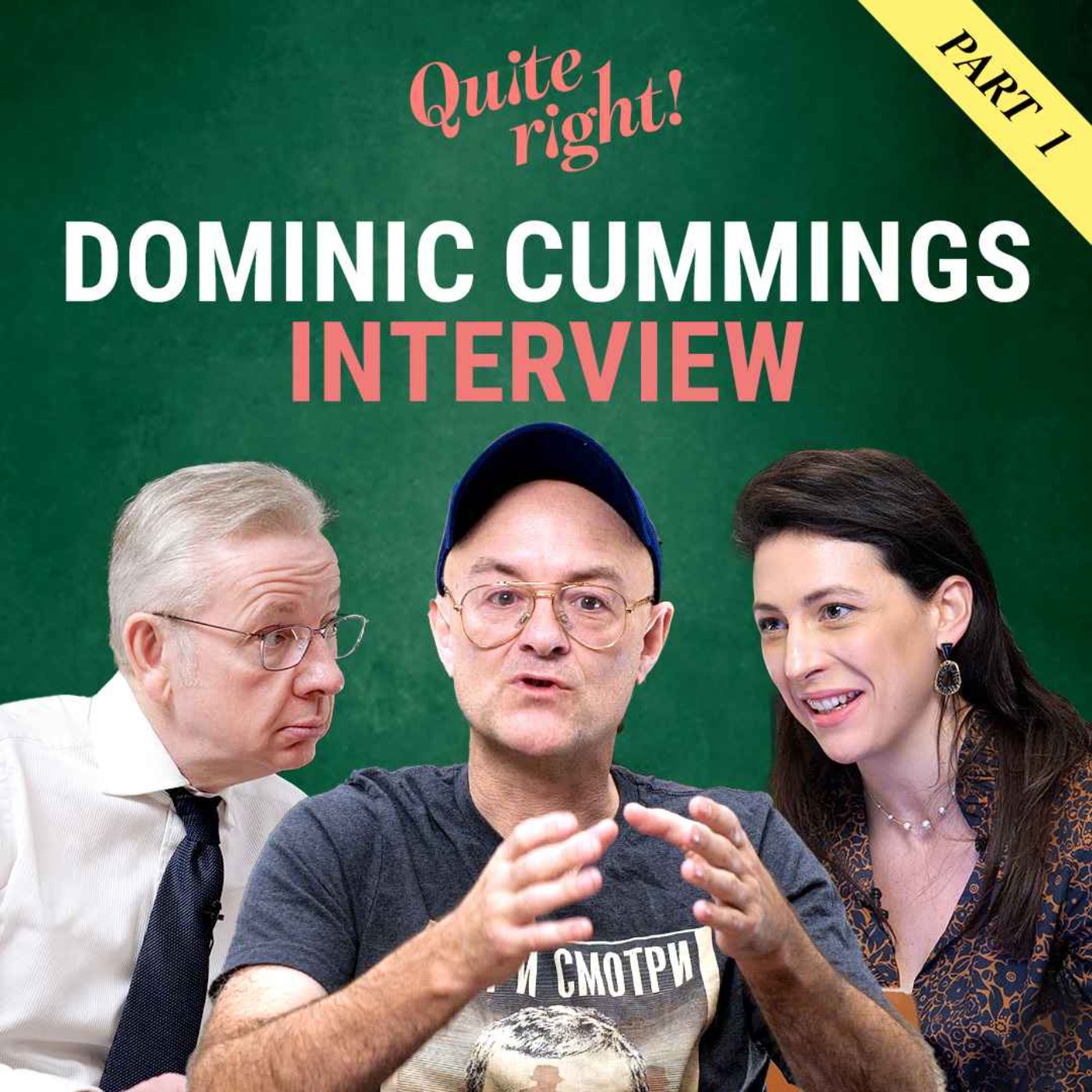
Dominic Cummings interview – search Quite right! now
<p>Dominic Cummings joins Michael and Maddie to reflect on his time in government – what he got right and what he regrets – and what he believes must change for the country to thrive.</p><p>Part one: 30 December 2025 (9am GMT)&nbsp;</p><p>Part two: 1 January 2026 (9am GMT)&nbsp;</p><p>Search 'Quite right!' wherever you are listening. </p><p>Become a <em>Spectator </em>subscriber today to access this podcast without adverts. Go to <a href="https://www.spectator.co.uk/follow-your-podcasts/" rel="noopener noreferrer" target="_blank">spectator.co.uk/adfree</a> to find out more.</p><br><p>For more <em>Spectator</em> podcasts, go to <a href="https://www.spectator.co.uk/podcasts/" rel="noopener noreferrer" target="_blank">spectator.co.uk/podcasts</a>.</p><br><p>Contact us: [email protected]</p> <hr><p style='color:grey; font-size:0.75em;'> Hosted on Acast. See <a style='color:grey;' target='_blank' rel='noopener noreferrer' href='https://acast.com/privacy'>acast.com/privacy</a> for more information.</p>

Reality Check: 2025 – tears, tariffs & taxes
<p>2025 has been a busy year in economics, with tariffs, taxes – and even some tears. It's also been a busy year for the Spectator's economics editor Michael Simmons, who launched his new show <em>Reality Check</em>. The aim of the show is to cut through the spin and explain the numbers behind the noise. In each episode,&nbsp;Michael will make a data-driven case on a story hogging the headlines.</p><br><p>In this special episode for <em>Coffee House Shots</em> listeners, Michael reflects on some of the economic highs and lows of 2025. For more episodes – with guests including Arthur Laffer and Rory Sutherland – search for <em>Reality Check</em>, wherever you subscribe to your podcasts.</p><p>Become a <em>Spectator </em>subscriber today to access this podcast without adverts. Go to <a href="https://www.spectator.co.uk/follow-your-podcasts/" rel="noopener noreferrer" target="_blank">spectator.co.uk/adfree</a> to find out more.</p><br><p>For more <em>Spectator</em> podcasts, go to <a href="https://www.spectator.co.uk/podcasts/" rel="noopener noreferrer" target="_blank">spectator.co.uk/podcasts</a>.</p><br><p>Contact us: [email protected]</p> <hr><p style='color:grey; font-size:0.75em;'> Hosted on Acast. See <a style='color:grey;' target='_blank' rel='noopener noreferrer' href='https://acast.com/privacy'>acast.com/privacy</a> for more information.</p>
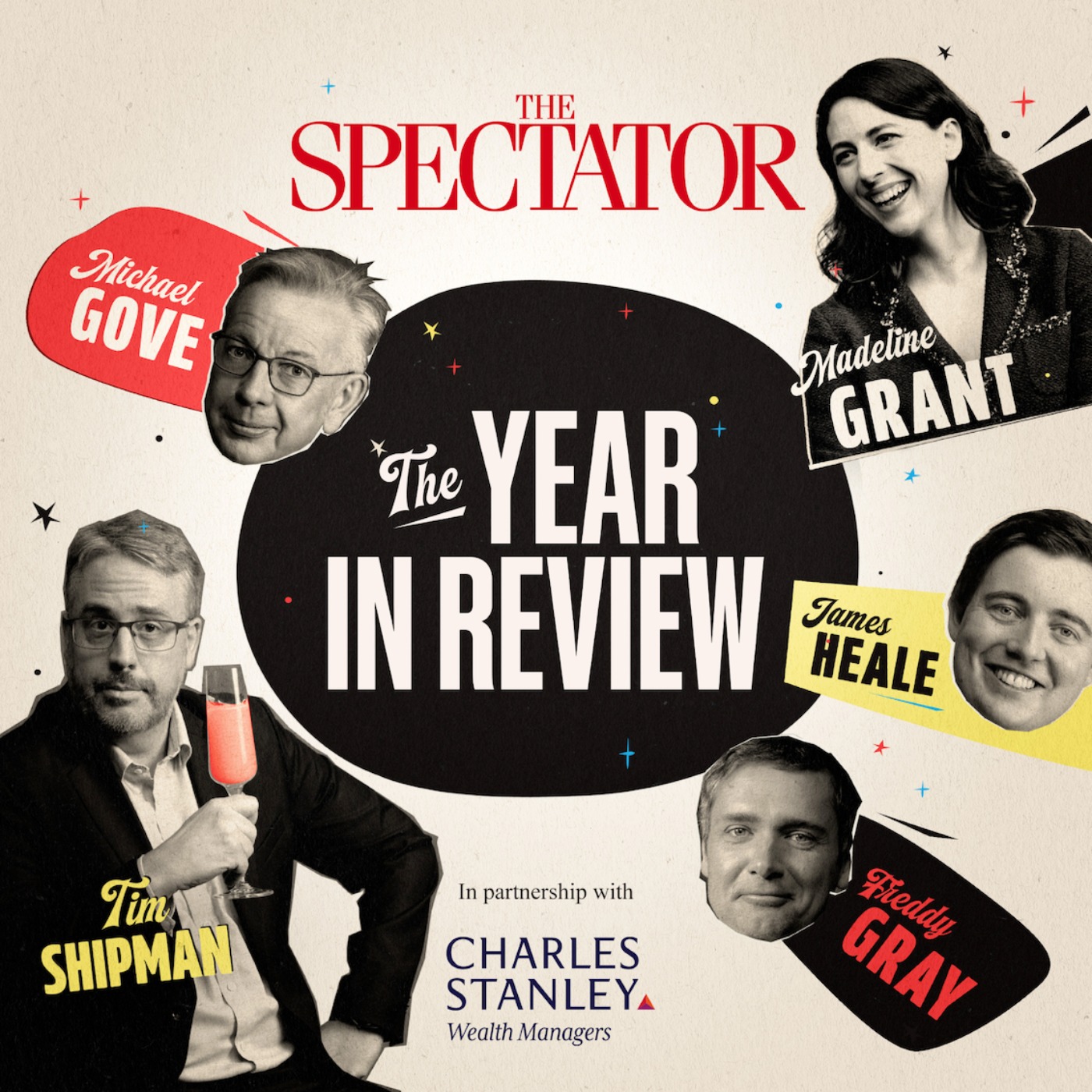
Year in Review 2025 – Live
<p>From scandals and cabinet chaos to Trumpian antics and the ‘special’ relationship that some say is anything but,&nbsp;<em>The Spectator&nbsp;</em>presents The Year in Review – a look back at the funniest and most tragic political moments of 2025. Join&nbsp;<em>The Spectator</em>’s editor Michael Gove, deputy editor Freddy Gray, political editor Tim Shipman, deputy political editor James Heale and parliamentary sketch-writer Madeline Grant, along with special guests, who’ll all share their favourite moments from the past 12 months.</p><p>Become a <em>Spectator </em>subscriber today to access this podcast without adverts. Go to <a href="https://www.spectator.co.uk/follow-your-podcasts/" rel="noopener noreferrer" target="_blank">spectator.co.uk/adfree</a> to find out more.</p><br><p>For more <em>Spectator</em> podcasts, go to <a href="https://www.spectator.co.uk/podcasts/" rel="noopener noreferrer" target="_blank">spectator.co.uk/podcasts</a>.</p><br><p>Contact us: [email protected]</p> <hr><p style='color:grey; font-size:0.75em;'> Hosted on Acast. See <a style='color:grey;' target='_blank' rel='noopener noreferrer' href='https://acast.com/privacy'>acast.com/privacy</a> for more information.</p>
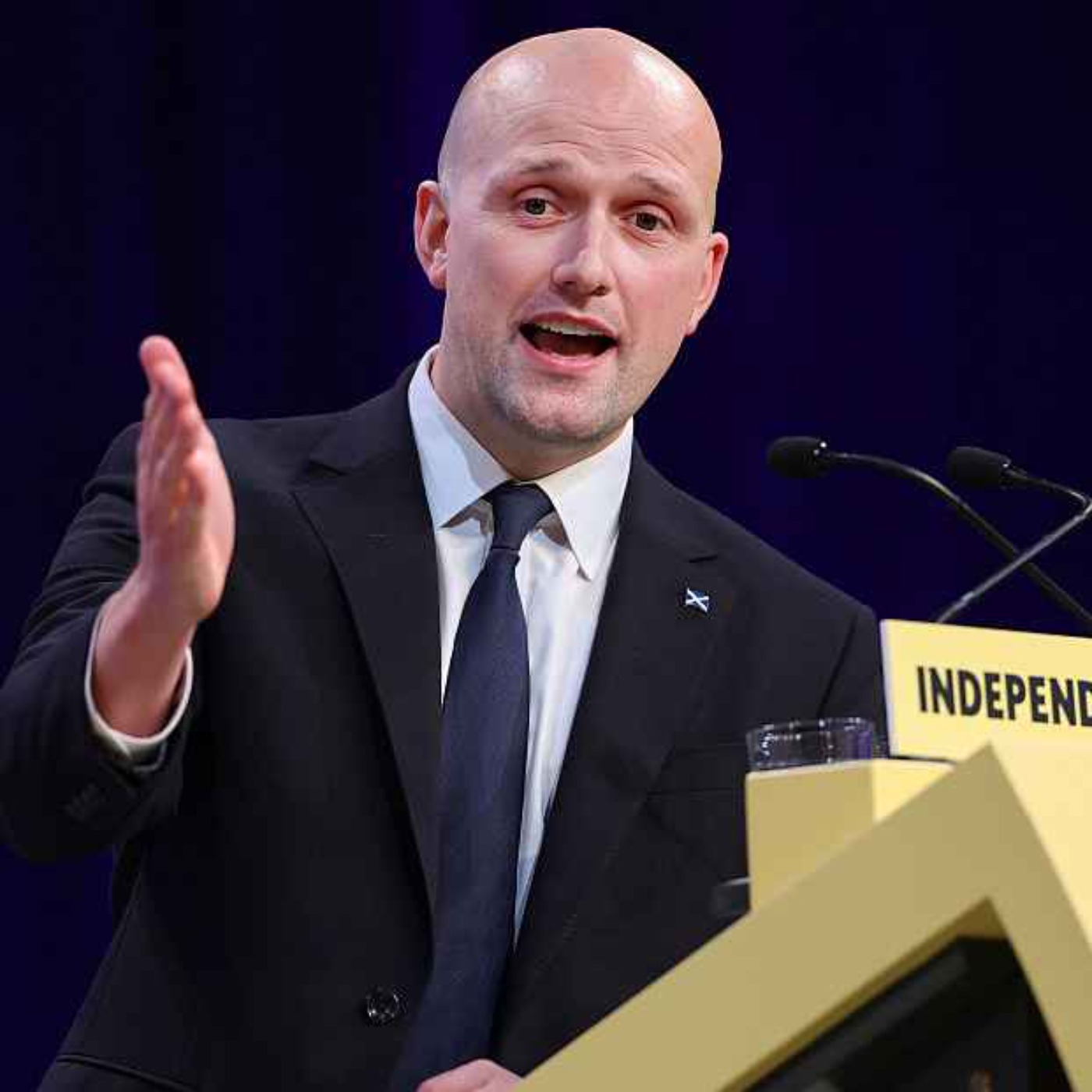
Stephen Flynn on Reform, Sturgeon & a second referendum
<p>The SNP’s Westminster leader Stephen Flynn, MP for Aberdeen South, joins Lucy Dunn for a special episode to assess the place of the SNP in British politics as we approach the end of 2025. The SNP were ‘decimated’ to just nine MPs at the 2024 general election – yet, if polls are to be believed, they are on course for another record win in the 2026 Holyrood elections. But can the SNP really frame this election as a ‘fresh start’?</p><p>Flynn explains what he made of the ‘bleak fallout’ of 2024, why he is standing for election to Holyrood next year and what he makes of SNP heavyweights such as John Swinney and Nicola Sturgeon. Plus, could a push for a second independence referendum be on the cards soon?</p><p>Produced by Patrick Gibbons and Oscar Edmondson.</p><p>Become a <em>Spectator </em>subscriber today to access this podcast without adverts. Go to <a href="https://www.spectator.co.uk/follow-your-podcasts/" rel="noopener noreferrer" target="_blank">spectator.co.uk/adfree</a> to find out more.</p><br><p>For more <em>Spectator</em> podcasts, go to <a href="https://www.spectator.co.uk/podcasts/" rel="noopener noreferrer" target="_blank">spectator.co.uk/podcasts</a>.</p><br><p>Contact us: [email protected]</p> <hr><p style='color:grey; font-size:0.75em;'> Hosted on Acast. See <a style='color:grey;' target='_blank' rel='noopener noreferrer' href='https://acast.com/privacy'>acast.com/privacy</a> for more information.</p>

Who won 2025? with Quentin Letts
<p>As is fast becoming a tradition on <em>Coffee House Shots</em> at this time of year, James Heale and Tim Shipman are joined by sketch writer Quentin Letts to go through the events of the past 12 months. From sackings to resignations, and Farage to Polanski, it is a year in which the centuries-old consensus has been challenged and Westminster is delicately poised ahead of a 2026 which will define politics for the remainder of this parliamentary term. On the podcast, they discuss who is up and who is down, why Farage might be running out of steam and who is the most insufferable MP?</p><p>Produced by Oscar Edmondson and Megan McElroy.</p><p>Become a <em>Spectator </em>subscriber today to access this podcast without adverts. Go to <a href="https://www.spectator.co.uk/follow-your-podcasts/" rel="noopener noreferrer" target="_blank">spectator.co.uk/adfree</a> to find out more.</p><br><p>For more <em>Spectator</em> podcasts, go to <a href="https://www.spectator.co.uk/podcasts/" rel="noopener noreferrer" target="_blank">spectator.co.uk/podcasts</a>.</p><br><p>Contact us: [email protected]</p> <hr><p style='color:grey; font-size:0.75em;'> Hosted on Acast. See <a style='color:grey;' target='_blank' rel='noopener noreferrer' href='https://acast.com/privacy'>acast.com/privacy</a> for more information.</p>

Daniel Finkelstein on anti-Semitism, Nick Fuentes & viral hate
<p>Nick Fuentes is a 27-year-old American influencer with a growing following. He believes America has been subverted by rich, powerful Jews. He was recently interviewed by Piers Morgan, where these views were put to him directly. During the exchange, Morgan referenced a video made by <em>Times</em> columnist Danny Finkelstein about his parents – a clip that has since led to Finkelstein being inundated with thousands of antisemitic messages.</p><p>Danny Finkelstein joins <em>The Spectator</em>’s political editor Tim Shipman to discuss the growth of antisemitism, and what it reveals about modern Britain, America and the internet. They explore the pressures of multiculturalism, what this all means for liberal democracy, and the fragility of the political and media ‘mainstream’.</p><p>Become a <em>Spectator </em>subscriber today to access this podcast without adverts. Go to <a href="https://www.spectator.co.uk/follow-your-podcasts/" rel="noopener noreferrer" target="_blank">spectator.co.uk/adfree</a> to find out more.</p><br><p>For more <em>Spectator</em> podcasts, go to <a href="https://www.spectator.co.uk/podcasts/" rel="noopener noreferrer" target="_blank">spectator.co.uk/podcasts</a>.</p><br><p>Contact us: [email protected]</p> <hr><p style='color:grey; font-size:0.75em;'> Hosted on Acast. See <a style='color:grey;' target='_blank' rel='noopener noreferrer' href='https://acast.com/privacy'>acast.com/privacy</a> for more information.</p>
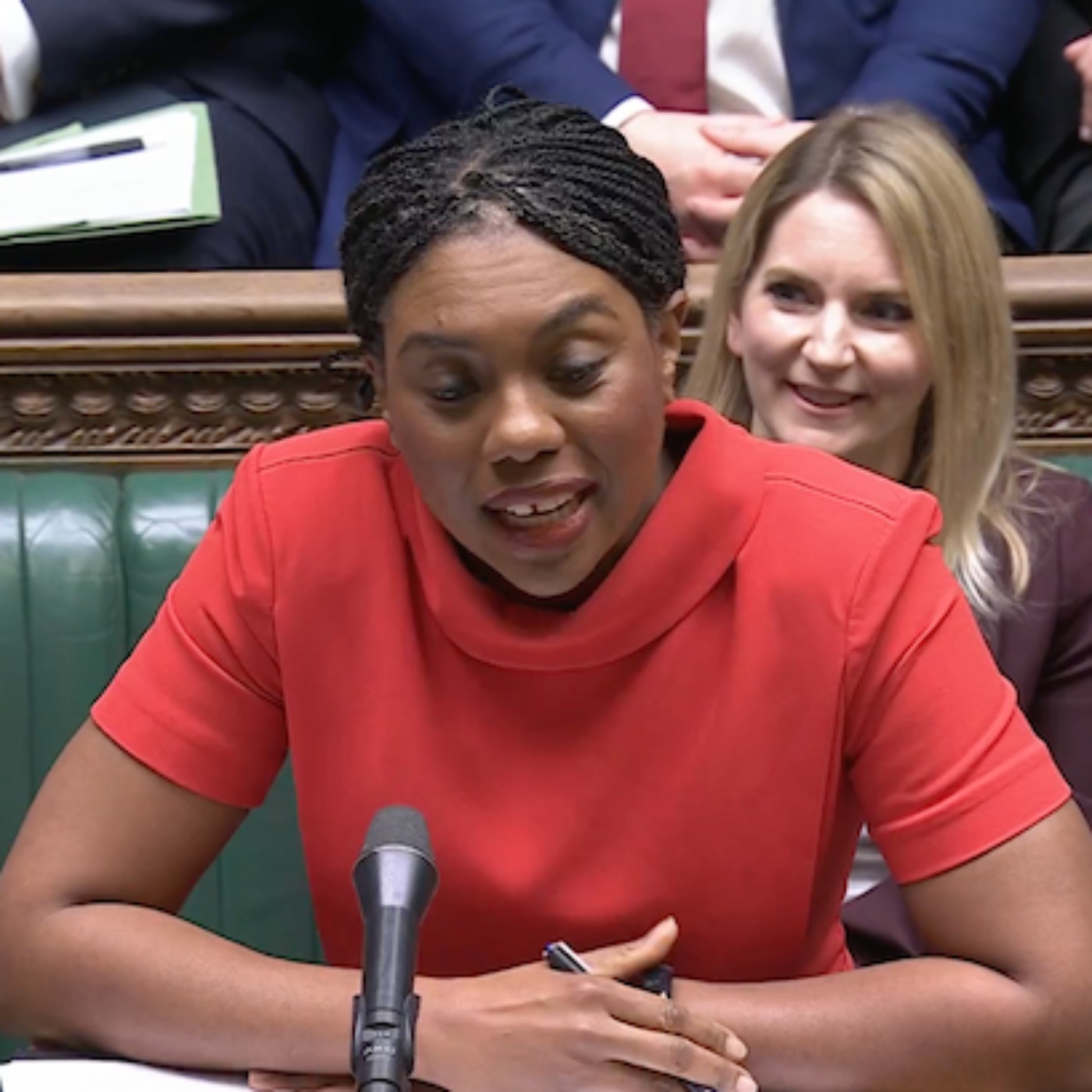
A ‘classically awful’ PMQs to round out the year
<p>Today was the final PMQs of the year – and it was certainly not a classic. It is customary for the Prime Minister and the leader of the opposition to make some attempt at Christmas cheer by telling jokes at the despatch box, but this year’s zingers were awful. Despite a promising start from Keir Starmer, it soon degenerated into quips about whether the Prime Minister has ‘the baubles’ and whether Kemi Badenoch will be ‘Home Alone’. None of the jokes were delivered with any aplomb. Is this parliament at its worst?</p><p>Also today, Wes Streeting is under pressure as the junior doctors’ strike begins – how is he dealing with the walkout?</p><p>James Heale speaks to Isabel Hardman and Tim Shipman.</p><p>Produced by Oscar Edmondson.</p><p>Become a <em>Spectator </em>subscriber today to access this podcast without adverts. Go to <a href="https://www.spectator.co.uk/follow-your-podcasts/" rel="noopener noreferrer" target="_blank">spectator.co.uk/adfree</a> to find out more.</p><br><p>For more <em>Spectator</em> podcasts, go to <a href="https://www.spectator.co.uk/podcasts/" rel="noopener noreferrer" target="_blank">spectator.co.uk/podcasts</a>.</p><br><p>Contact us: [email protected]</p> <hr><p style='color:grey; font-size:0.75em;'> Hosted on Acast. See <a style='color:grey;' target='_blank' rel='noopener noreferrer' href='https://acast.com/privacy'>acast.com/privacy</a> for more information.</p>

Why Britain needs to wake up to extremism
<p>As the world reacts to the attacks on Bondi Beach in Australia, Conservative peer Paul Goodman joins Tim Shipman and James Heale to discuss the failure of successive British governments to properly tackle extremism – especially Islamist extremism – over the past two decades. In the post 'War On Terror' era, there was a reluctance by some to discuss the problem openly as it got tied up in other polarising topics like immigration. Though that reluctance appears to be fading, Paul argues that there is a 'communalist air of voting' in British politics now, and he warns of the dangers that face British politics if fragmentation becomes entrenched in party politics.</p><br><p>Plus – Trump is suing the BBC for $5 billion. What's his motivation?</p><br><p>Produced by Patrick Gibbons.</p><p>Become a <em>Spectator </em>subscriber today to access this podcast without adverts. Go to <a href="https://www.spectator.co.uk/follow-your-podcasts/" rel="noopener noreferrer" target="_blank">spectator.co.uk/adfree</a> to find out more.</p><br><p>For more <em>Spectator</em> podcasts, go to <a href="https://www.spectator.co.uk/podcasts/" rel="noopener noreferrer" target="_blank">spectator.co.uk/podcasts</a>.</p><br><p>Contact us: [email protected]</p> <hr><p style='color:grey; font-size:0.75em;'> Hosted on Acast. See <a style='color:grey;' target='_blank' rel='noopener noreferrer' href='https://acast.com/privacy'>acast.com/privacy</a> for more information.</p>

The Liaison Committee exposed Starmer’s weaknesses
<p>It’s nearly Christmas, but there is still lots of excitement to be had in Westminster, including Keir Starmer’s trip to the Liaison Committee. This is where the Prime Minister sits in front of senior MPs and is grilled on various policy areas. Today’s topics included the leaks (Wes Streeting and the OBR) and Keir Starmer’s integrity more generally, as well as the farm tax, the House of Lords and the government’s long-anticipated strategy to counter violence against women and girls. How did today’s proceedings expose the ‘paucity’ of Starmer’s Labour?</p><p>Oscar Edmondson speaks to Isabel Hardman and James Heale.</p><p>Produced by Oscar Edmondson.</p><p>Become a <em>Spectator </em>subscriber today to access this podcast without adverts. Go to <a href="https://www.spectator.co.uk/follow-your-podcasts/" rel="noopener noreferrer" target="_blank">spectator.co.uk/adfree</a> to find out more.</p><br><p>For more <em>Spectator</em> podcasts, go to <a href="https://www.spectator.co.uk/podcasts/" rel="noopener noreferrer" target="_blank">spectator.co.uk/podcasts</a>.</p><br><p>Contact us: [email protected]</p> <hr><p style='color:grey; font-size:0.75em;'> Hosted on Acast. See <a style='color:grey;' target='_blank' rel='noopener noreferrer' href='https://acast.com/privacy'>acast.com/privacy</a> for more information.</p>

Isabel Hardman's Sunday Roundup - 14/12/2025
<p>Isabel Hardman presents highlights from Sunday morning's political shows.</p><br><p>The government unveils its plan to reduce violence against women, as Sydney is rocked by an antisemitic terror attack.</p><br><p>Produced by Joe Bedell-Brill.</p><p>Become a <em>Spectator </em>subscriber today to access this podcast without adverts. Go to <a href="https://www.spectator.co.uk/follow-your-podcasts/" rel="noopener noreferrer" target="_blank">spectator.co.uk/adfree</a> to find out more.</p><br><p>For more <em>Spectator</em> podcasts, go to <a href="https://www.spectator.co.uk/podcasts/" rel="noopener noreferrer" target="_blank">spectator.co.uk/podcasts</a>.</p><br><p>Contact us: [email protected]</p> <hr><p style='color:grey; font-size:0.75em;'> Hosted on Acast. See <a style='color:grey;' target='_blank' rel='noopener noreferrer' href='https://acast.com/privacy'>acast.com/privacy</a> for more information.</p>

Will Scotland switch course in 2026? with Gordon McKee
<p>The <em>Spectator</em> heads into Christmas a little bit less Scottish as we bid farewell to our political correspondent Lucy Dunn. Before Lucy leaves for STV, she joins Coffee House Shots – with fellow Scots Michael Simmons and Labour MP Gordon McKee – for one final episode reflecting on the state of Scottish politics. They discuss whether the SNP has stabilised Scottish politics this year, make predictions for what could happen at the 2026 Holyrood elections and ponder whether the Scottish influence in Westminster has grown stronger under Starmer. Plus, from Reform to the SNP – how new is the threat of populism in Scotland?</p><br><p>Produced by Patrick Gibbons.</p><p>Become a <em>Spectator </em>subscriber today to access this podcast without adverts. Go to <a href="https://www.spectator.co.uk/follow-your-podcasts/" rel="noopener noreferrer" target="_blank">spectator.co.uk/adfree</a> to find out more.</p><br><p>For more <em>Spectator</em> podcasts, go to <a href="https://www.spectator.co.uk/podcasts/" rel="noopener noreferrer" target="_blank">spectator.co.uk/podcasts</a>.</p><br><p>Contact us: [email protected]</p> <hr><p style='color:grey; font-size:0.75em;'> Hosted on Acast. See <a style='color:grey;' target='_blank' rel='noopener noreferrer' href='https://acast.com/privacy'>acast.com/privacy</a> for more information.</p>
‘Growth is not Labour’s priority, it’s hilarious’
<p>The British economy is shrinking. Figures just released by the Office for National Statistics (ONS) show that GDP fell by 0.1 per cent in the three months to October. The contraction came after growth of 0.1 per cent in the three months to September. On a monthly basis, the economy shrank by 0.1 per cent in both September and October after remaining flat in August. Is growth really Labour’s priority? And what impact is all this doom and gloom having inside the party?</p><p>Lucy Dunn speaks to James Heale and Tim Shipman.</p><p>Produced by Oscar Edmondson.</p><p>Become a <em>Spectator </em>subscriber today to access this podcast without adverts. Go to <a href="https://www.spectator.co.uk/follow-your-podcasts/" rel="noopener noreferrer" target="_blank">spectator.co.uk/adfree</a> to find out more.</p><br><p>For more <em>Spectator</em> podcasts, go to <a href="https://www.spectator.co.uk/podcasts/" rel="noopener noreferrer" target="_blank">spectator.co.uk/podcasts</a>.</p><br><p>Contact us: [email protected]</p> <hr><p style='color:grey; font-size:0.75em;'> Hosted on Acast. See <a style='color:grey;' target='_blank' rel='noopener noreferrer' href='https://acast.com/privacy'>acast.com/privacy</a> for more information.</p>
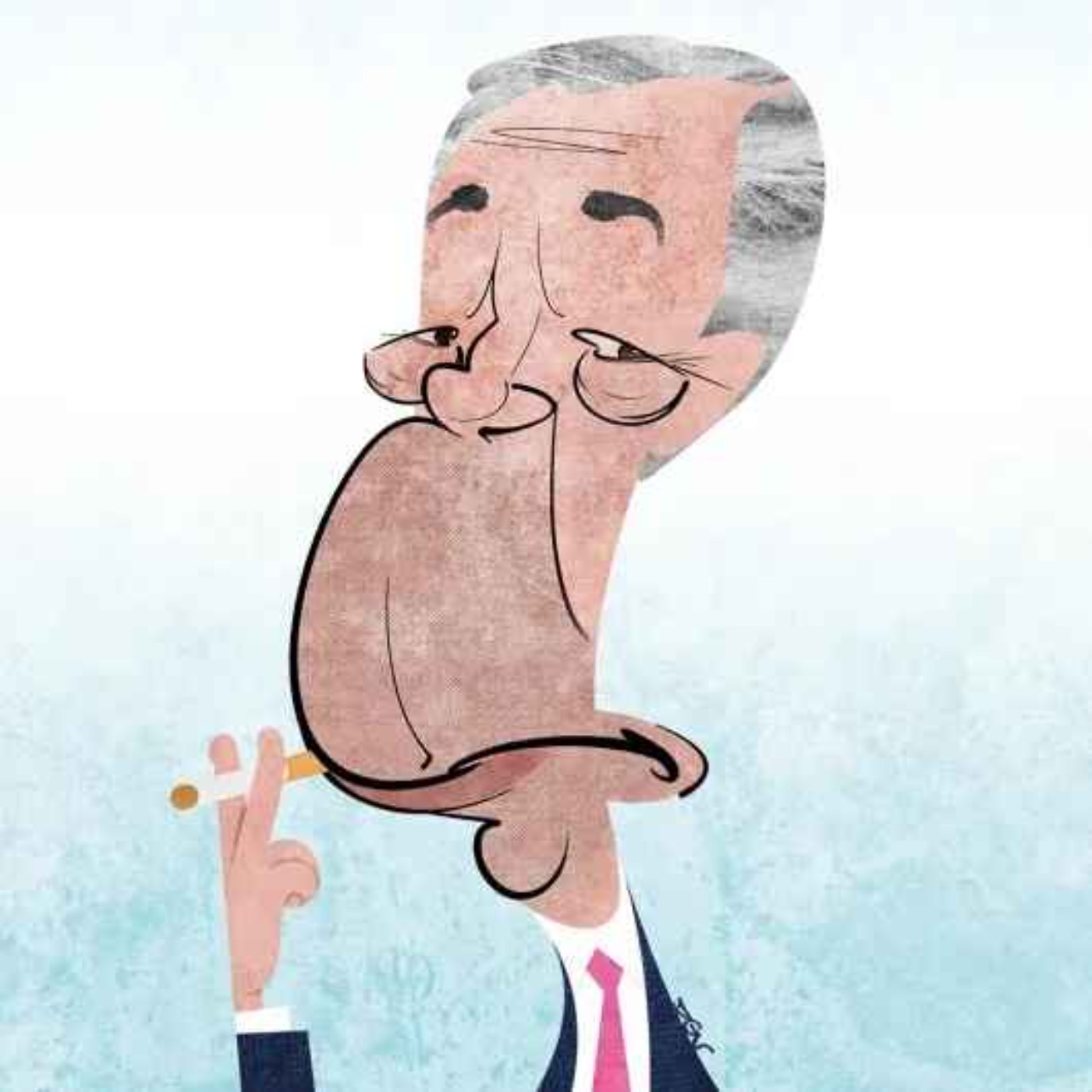
Does Farage really want to be Prime Minister?
<p>How does Reform go from political insurgents to a government in waiting? Political editor Tim Shipman gives an insight into his interview with Nigel Farage, which you can read in <em>The Spectator</em>’s Christmas edition. In the background at party headquarters, discussions are under way to work out how Reform would bring sweeping changes to the British state, looking at the model of the American system of executive power. But once handed the reins of power, would Farage actually enjoy the day-to-day business of being prime minister?</p><p>In the meantime, how are Reform MPs finding Westminster? Tim reveals the unlikely relationship between Reform and the SNP, and how respect shown to the Lib Dems is not reciprocated. Plus, would the Conservatives ever work with Reform?</p><p>Lucy Dunn is joined by Tim Shipman and James Heale.</p><p>Become a <em>Spectator </em>subscriber today to access this podcast without adverts. Go to <a href="https://www.spectator.co.uk/follow-your-podcasts/" rel="noopener noreferrer" target="_blank">spectator.co.uk/adfree</a> to find out more.</p><br><p>For more <em>Spectator</em> podcasts, go to <a href="https://www.spectator.co.uk/podcasts/" rel="noopener noreferrer" target="_blank">spectator.co.uk/podcasts</a>.</p><br><p>Contact us: [email protected]</p> <hr><p style='color:grey; font-size:0.75em;'> Hosted on Acast. See <a style='color:grey;' target='_blank' rel='noopener noreferrer' href='https://acast.com/privacy'>acast.com/privacy</a> for more information.</p>
Kemi is on a roll
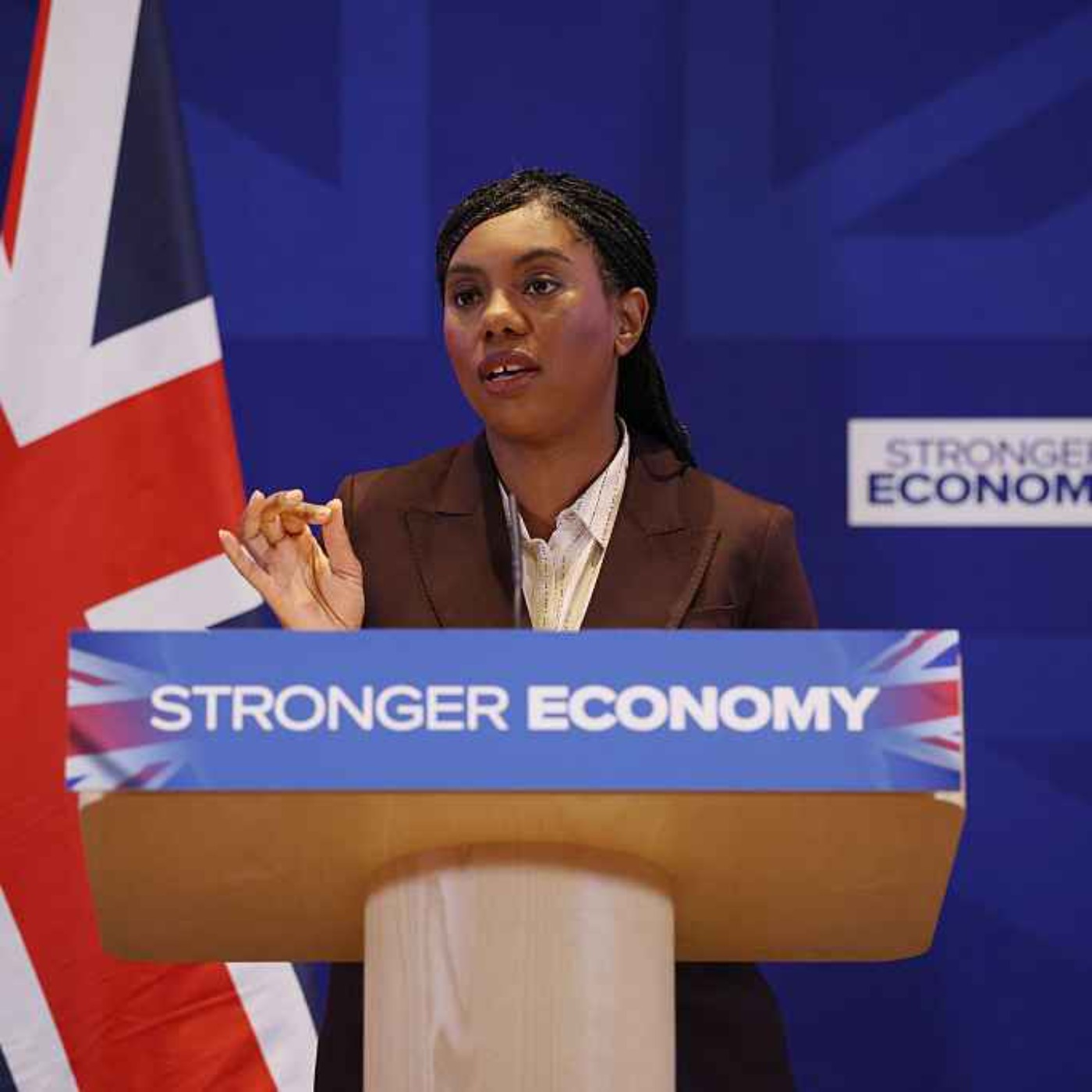
<p>Kemi Badenoch’s good form continues at Prime Minister’s Questions. The Tory leader was once more visibly enjoying herself today as she feasted on Labour misfortune, and she did a good job in covering the breadth of problems in the government. She used her six questions to ask about different departments and how they were faring: an approach that can often risk diluting the overall attack. But today, Badenoch had an overarching theme to those questions, which was that the Prime Minister and his colleagues are failing to meet their own promises.&nbsp;</p><br><p>To discuss, James Heale is joined by Tim Shipman and Michael Simmons. </p><p>Become a <em>Spectator </em>subscriber today to access this podcast without adverts. Go to <a href="https://www.spectator.co.uk/follow-your-podcasts/" rel="noopener noreferrer" target="_blank">spectator.co.uk/adfree</a> to find out more.</p><br><p>For more <em>Spectator</em> podcasts, go to <a href="https://www.spectator.co.uk/podcasts/" rel="noopener noreferrer" target="_blank">spectator.co.uk/podcasts</a>.</p><br><p>Contact us: [email protected]</p> <hr><p style='color:grey; font-size:0.75em;'> Hosted on Acast. See <a style='color:grey;' target='_blank' rel='noopener noreferrer' href='https://acast.com/privacy'>acast.com/privacy</a> for more information.</p>

Is a Ukraine peace deal inching closer?
<p>This week Keir Starmer hosted the French President and the German Chancellor in Downing Street as the E3 moved closer to a landmark agreement: seizing around €100 billion in frozen Russian assets to fund Ukraine’s war effort. It’s a dramatic shift that has soothed some fears in Kyiv – but it has also reopened long-running arguments in Europe about property rights, sanctions and how far the West is willing to go. What does this bold move mean for the conflict, for Ukraine’s future and for Europe’s relationship with Washington?</p><p>Meanwhile, as US–Russia shuttle diplomacy intensifies, Donald Trump’s oscillating positions continue to unsettle allies. Are we inching closer to a peace deal – or stuck in yet another cycle of drafts, red lines and diplomatic back-tracking? And, with Putin holding firm on territorial demands, is any agreement remotely realistic?</p><p>James Heale is joined by Mark Galeotti and Tim Shipman.</p><p>Produced by Oscar Edmondson</p><p>Become a <em>Spectator </em>subscriber today to access this podcast without adverts. Go to <a href="https://www.spectator.co.uk/follow-your-podcasts/" rel="noopener noreferrer" target="_blank">spectator.co.uk/adfree</a> to find out more.</p><br><p>For more <em>Spectator</em> podcasts, go to <a href="https://www.spectator.co.uk/podcasts/" rel="noopener noreferrer" target="_blank">spectator.co.uk/podcasts</a>.</p><br><p>Contact us: [email protected]</p> <hr><p style='color:grey; font-size:0.75em;'> Hosted on Acast. See <a style='color:grey;' target='_blank' rel='noopener noreferrer' href='https://acast.com/privacy'>acast.com/privacy</a> for more information.</p>

Why Kemi is safer than Keir
<p>This morning Kemi Badenoch has staged a presser setting out the terms for a new (alternative) national grooming gangs inquiry – a move that has reopened wounds for many survivors and intensified criticism of Labour’s handling of the existing process. What will this mean for the government, for survivors, and for the political fight ahead?</p><p>Meanwhile in Scotland, the defection of former Scotland Office minister Lord Offord to Reform UK has sent shockwaves through the Scottish Conservatives – and raised fresh questions about the balance of power ahead of the Holyrood elections. Could Reform genuinely challenge Labour for second place? And how worried should Scottish Labour be as scandals continue to mount?</p><p>Plus, Labour Together – the McSweeney-linked think tank which basically put Keir in power – has turned on the PM and is reportedly canvassing members on who they’d prefer as an alternative to Keir Starmer. Is he now in more danger than Kemi?</p><p>James Heale is joined by Lucy Dunn and Tim Shipman to discuss a tumultuous week in Westminster and beyond.</p><p>Produced by Oscar Edmondson and Megan McElory. </p><p>Become a <em>Spectator </em>subscriber today to access this podcast without adverts. Go to <a href="https://www.spectator.co.uk/follow-your-podcasts/" rel="noopener noreferrer" target="_blank">spectator.co.uk/adfree</a> to find out more.</p><br><p>For more <em>Spectator</em> podcasts, go to <a href="https://www.spectator.co.uk/podcasts/" rel="noopener noreferrer" target="_blank">spectator.co.uk/podcasts</a>.</p><br><p>Contact us: [email protected]</p> <hr><p style='color:grey; font-size:0.75em;'> Hosted on Acast. See <a style='color:grey;' target='_blank' rel='noopener noreferrer' href='https://acast.com/privacy'>acast.com/privacy</a> for more information.</p>
Isabel Hardman's Sunday Roundup - 07/12/2025
<p>Isabel Hardman presents highlights from Sunday morning's political shows.</p><br><p>Youth unemployment is rising quickly. What is the government's plan?</p><br><p>And, Zarah Sultana speaks on behalf of the now officially named 'Your Party'.</p><br><p>Produced by Joe Bedell-Brill.</p><p>Become a <em>Spectator </em>subscriber today to access this podcast without adverts. Go to <a href="https://www.spectator.co.uk/follow-your-podcasts/" rel="noopener noreferrer" target="_blank">spectator.co.uk/adfree</a> to find out more.</p><br><p>For more <em>Spectator</em> podcasts, go to <a href="https://www.spectator.co.uk/podcasts/" rel="noopener noreferrer" target="_blank">spectator.co.uk/podcasts</a>.</p><br><p>Contact us: [email protected]</p> <hr><p style='color:grey; font-size:0.75em;'> Hosted on Acast. See <a style='color:grey;' target='_blank' rel='noopener noreferrer' href='https://acast.com/privacy'>acast.com/privacy</a> for more information.</p>

‘Superadvisers’ and the Starmer paradox: who really runs No. 10?
<p>This weekend’s <em>Coffee House Shots</em> digs into the growing debate over whether Keir Starmer should tack left on the economy as voters peel away to the Greens and Lib Dems – and why some in Labour think its migration stance is now more popular with their own voters than ever. Are Labour tacking left? </p><p>But beyond policy, a deeper question looms: is Westminster’s obsession with ‘super-advisers’ drowning out the government’s message? Tom Baldwin argues that leaks, briefing wars and the hunt for the next ‘power-behind-the-throne’ are undermining Labour’s ability to tell a coherent story, while Tim Shipman asks why Starmer still struggles to communicate the values that drive him.</p><p>James Heale speaks to Tim Shipman and Tom Baldwin, Keir Starmer's biographer.</p><p>Produced by Oscar Edmondson.</p><p>Become a <em>Spectator </em>subscriber today to access this podcast without adverts. Go to <a href="https://www.spectator.co.uk/follow-your-podcasts/" rel="noopener noreferrer" target="_blank">spectator.co.uk/adfree</a> to find out more.</p><br><p>For more <em>Spectator</em> podcasts, go to <a href="https://www.spectator.co.uk/podcasts/" rel="noopener noreferrer" target="_blank">spectator.co.uk/podcasts</a>.</p><br><p>Contact us: [email protected]</p> <hr><p style='color:grey; font-size:0.75em;'> Hosted on Acast. See <a style='color:grey;' target='_blank' rel='noopener noreferrer' href='https://acast.com/privacy'>acast.com/privacy</a> for more information.</p>
Brexit's back – and so is Truss
<p>There has been a flurry of UK-European activity across Britain this week, with the German state visit in London, the Norwegian Prime Minister signing a defence agreement in Scotland and the British-Irish council meeting in Wales today. Perhaps then it's inevitable that speculation over closer ties between the UK and the EU has re-emerged. Could Labour seek to rejoin the Customs Union? Would this help or hinder Reform? And would the EU even stomach it? Plus – Liz Truss launches a new show today. Will she say anything new?</p><br><p>James Heale and Charles Grant from the Centre for European Reform join Patrick Gibbons to discuss.</p><br><p>Produced by Patrick Gibbons.</p><p>Become a <em>Spectator </em>subscriber today to access this podcast without adverts. Go to <a href="https://www.spectator.co.uk/follow-your-podcasts/" rel="noopener noreferrer" target="_blank">spectator.co.uk/adfree</a> to find out more.</p><br><p>For more <em>Spectator</em> podcasts, go to <a href="https://www.spectator.co.uk/podcasts/" rel="noopener noreferrer" target="_blank">spectator.co.uk/podcasts</a>.</p><br><p>Contact us: [email protected]</p> <hr><p style='color:grey; font-size:0.75em;'> Hosted on Acast. See <a style='color:grey;' target='_blank' rel='noopener noreferrer' href='https://acast.com/privacy'>acast.com/privacy</a> for more information.</p>
The murky world of political donations
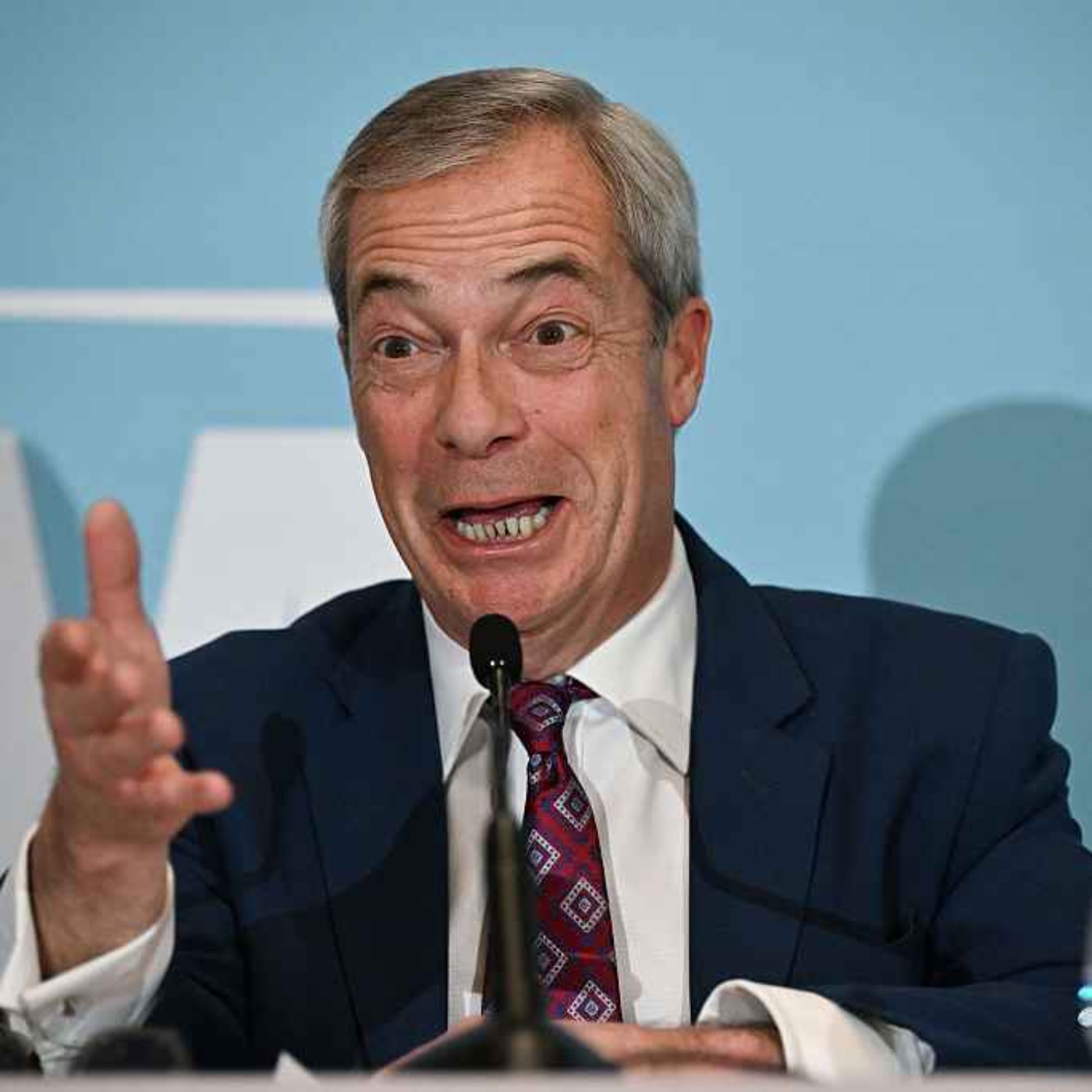
<p>Reform are in the money. This morning the Electoral Commission has dropped the latest figures on political donations, and Reform are streets ahead. Former Tory donor Christopher Harborne has handed Nigel Farage £9 million, what we believe to be a record amount from a single donor. How much impact will this have on Reform’s chances of electoral success? How much influence do political donors have over how their money is spent?</p><p>Elsewhere, Reform are conducting a press conference later this afternoon where they will be sticking it to Labour over its decision to postpone more local elections. Without new mayoral elections in four more areas, where are Reform going to spend their new cash?</p><p>Oscar Edmondson speaks to Tim Shipman and James Heale.</p><p>Produced by Oscar Edmondson.</p><p>Become a <em>Spectator </em>subscriber today to access this podcast without adverts. Go to <a href="https://www.spectator.co.uk/follow-your-podcasts/" rel="noopener noreferrer" target="_blank">spectator.co.uk/adfree</a> to find out more.</p><br><p>For more <em>Spectator</em> podcasts, go to <a href="https://www.spectator.co.uk/podcasts/" rel="noopener noreferrer" target="_blank">spectator.co.uk/podcasts</a>.</p><br><p>Contact us: [email protected]</p> <hr><p style='color:grey; font-size:0.75em;'> Hosted on Acast. See <a style='color:grey;' target='_blank' rel='noopener noreferrer' href='https://acast.com/privacy'>acast.com/privacy</a> for more information.</p>