
Cleveland Clinic Health Essentials Podcast
427 episodes — Page 5 of 9
How To Reset After Overeating
You just spent a weekend eating and drinking far more than usual. The result? Your stomach aches and you’re full of food and regret. Reboot your system with this advice from registered dietitian Beth Czerwony.

Breathwork for Beginners
Meditative breathing techniques can help you destress during life’s more hectic moments. Let’s explore the science of breathing during a how-to session with Dr. Melissa Young, a functional medicine specialist.
Finding the Sweet Spot for Sugar Consumption
Sugars and sweets are a reality of our culinary tastes. The key to a healthy diet, though, is some moderation. Registered dietitian Beth Czerwony explains how you can have your cake and eat it, too.
How To Deal With Acne with Amy Kassouf, MD
Many people believe that acne is predominately a teenage problem. However, as we grow older, we realize that many of us face the pain and inconvenience of acne throughout our entire lives. Dr. Kassouf discusses the causes of acne and what options are available to you in the pursuit of clearer skin.
What To Expect in Menopause with Dr. Pelin Batur
Menopause is a natural part of aging that marks the end of the female reproductive years — but so many of us don’t know what to expect until we’re in the midst of it. Maybe you just know that you’ll stop having your period, or you’ve heard about the sweaty agony of hot flashes. But what’s really happening, and why? And most importantly, how can you cope? Dr. Batur explains menopause and walks you through some of the ways you can deal with the many changes it brings.

Cleveland Clinic Brain Study with Dr. Imad Najm
One in every six people around the world live with a neurological disorder—a broad term used to describe things such as Alzheimer's disease, epilepsy, multiple sclerosis, or headaches. The first-of-its-kind Cleveland Clinic Brain Study is aiming to identify biomarkers of these disorders, so doctors can hopefully better predict who might develop a neurological disorder, potentially transforming the future of healthcare. Dr. Imad Najm, the study’s co-PI, discusses how the study came about, what makes the study so groundbreaking, and what other goals doctors hope to achieve.
Breastfeeding: What You Need To Know with Dr. Heidi Szugye
Breastfeeding, which is sometimes known as chestfeeding, is a natural way growing babies and infants get nutrients after birth. Dr. Heidi Szugye, medical director of the Cleveland Clinic’s Breastfeeding Medicine Clinic and Center, discusses the physical and emotional benefits to breastfeeding, what parents can expect from the process and tips on breastfeeding success.

Keeping Your Mouth Healthy with Dr. Sasha Ross
Brushing and flossing isn't just about keeping your smile pearly white. Oral health is linked to whole-body health, which means problems with your teeth and gums can lead to concerns like heart disease, stroke and more. Periodontist Sasha Ross, DMD, MS, explains how to practice good dental hygiene and why it’s so critical to your overall health.
Growing Pains in Children: What You Need To Know with Dr. Lainie Holman
Almost half of all children experience growing pains. As a parent, what should you expect and what can you do to make the pain go away? Pediatric physical medicine specialist, Lainie Holman, MD explains.Words to hyperlink"

What To Expect During Flu Season with Dr. Kristin Englund
The influenza virus sickens millions of people every year - sometimes with deadly consequences. Learn what you can do to protect yourself and those closest to you this flu season with tips from infectious disease specialist Kristin Englund, MD.

Postpartum Mental Health Concerns with Erica Newlin, MD
Navigating the postpartum time—or the time just after you’ve given birth—can be an emotional roller coaster. After giving birth, not only are you dealing with physical changes, but you may also experience changes to your mental health, such as postpartum depression or postpartum anxiety. Ob/Gyn Dr. Erica Newlin discusses what mental health changes new parents might go through before and after giving birth, and the best ways to navigate this time.

Talking Foot Health and Shoes with Dr. Nicole Nicolosi
It turns out that your choice of footwear is far more than a fashion statement. Poorly fitting shoes can lead to a variety of health issues, both in your feet and up your body. Podiatrist Nicole Nicolosi, DPM shares what to look for in shoes to keep you and your feet feeling great.

How To Incorporate Healthy Fats Into Your Diet with Anna Taylor, RD
Fats shouldn't always be thought of as a four-letter word. There is such a thing as healthy fats, and they’re essential for your body to function. Dietitian Anna Taylor, RD explains.
ADHD and Kids with Dr. Michael Manos
Kids living with attention deficit/hyperactivity disorder, or ADHD, often demonstrate symptoms of inattention and distractibility, which can pose challenges in school and in social situations. Pediatric psychologist Michael Manos, Ph.D. discusses what ADHD can look like in a child, how to get a diagnosis, and options for treatment and medication.

Talking About Prostate Health With Dr. Brad Gill
Conversations about the prostate, can feel uncomfortable. It’s a sensitive topic about a sensitive area. But ignoring it can allow health issues to go undetected – and that’s a potentially deadly oversight. Urologist, Brad Gill, MD explains common prostate concerns and what can be done to minimize your risk for any problems.

Heart Safety and Student Athletes with Akash Patel, MD
Playing sports is one major way kids can learn important life skills while staying healthy and strong. However, when a child is diagnosed with a heart condition, parents might wonder if it’s still safe for them to play. Pediatric cardiologist, Dr. Akash Patel, discusses what to know about student athletes and heart safety, the importance of pre-participation cardiac screenings and important precautions to take on and off the field.
Combating High Blood Pressure with Luke Laffin, MD
Your blood pressure is an important signifier of your overall health. If it’s too high or too low, it could be a sign that something is off with your health, and it can lead to serious conditions. Cardiologist Luke Laffin, MD outlines the steps you can take to lower your blood pressure and to keep it within a healthy range.
What to Expect After Giving Birth with Erica Newlin, MD
Navigating the postpartum time—or the time period after you’ve given birth—can present challenges. Your body has transformed significantly while being pregnant, and you’re now navigating new parenthood while continuing to experience major physical changes, including hair loss, bladder issues, and more. Ob/Gyn Dr. Erica Newlin, MD discusses what new parents can expect to experience physically in the postpartum time, and solutions to common concerns.
The Teen Mental Health Crisis with Ethan Benore, Ph.D.
News headlines tell of a national emergency when it comes to teen mental health in the U.S., with teen depression and suicide are on the rise. Pediatric psychologist Dr. Ethan Benore delves deeper.

How to Help Someone with an Alcohol Addiction with Akhil Anand, MD
More than 15 million Americans live with alcohol abuse disorder. It's considered a chronic disease with no cure. There are, however, steps you can take to help someone with an alcohol addiction move toward sobriety. Psychiatrist Akhil Anand, MD, offers some guidance.
Babies and Bedtime with Dr. Heidi Szugye
How much sleep do babies need and - perhaps more importantly - how can you help them get those ZZZs so you can get some rest, too? Pediatrician Heidi Szugye, DO offers some tips for creating a safe and comforting sleep environment that will allow your baby (and you) to thrive.
Skin Care Tips, Tricks and Trends with Melissa Piliang, MD
When you’re trying to achieve smooth, glowing, ageless skin, it can feel nearly impossible to wade through all of the internet’s advice and separate fact from fiction. Dermatologist Melissa Piliang, MD, answers your most pressing skin care questions and shares guidance to help you figure out what’s best for your skin.
Understanding Intuitive Eating with Susan Albers, PsyD
Instead of following strict dieting rules and restricting what you eat, intuitive eating teaches you to trust your internal hunger and fullness cues to help you decide what and how much to eat. Studies show that this eating style is associated with positive body image and self-esteem. Psychologist Susan Albers. PsyD, discusses the principles of intuitive eating and how to apply them in your own life.

Managing Erectile Dysfunction with Lawrence Hakim, MD
Mild, moderate or severe erectile dysfunction affects more than 50% of American men between age 40 and 70. Although frequently associated with aging, the condition can also be caused by numerous diseases and conditions, as well as certain medications and surgeries. Lawrence Hakim, MD discusses symptoms and diagnosis of erectile dysfunction, as well as the range of medical and surgical treatments available for the condition.

Kids and Screen Time with Dr. Noah Schwartz
Your kids have more screen time than you might think, between watching their favorite movies on TV, playing online games with friends, attending virtual school on their computer, or chatting on their phones. However, too much screen time can affect kids’ health, particularly by affecting their sleep. Noah Schwartz, MD discusses the impact of screen time on kids, how much screen time is recommended, and how and when to introduce screen time limits.

How to Sleep Better with Michelle Drerup, PsyD
If you find that your brain starts revving up as soon as your head hits the pillow, or you’re prone to tossing and turning at night, you’re not alone. Certain health conditions, as well as factors such as stress and anxiety, can impact the quality of your sleep. However, there are tools available that can help you sleep better—and fall asleep faster. Cleveland Clinic sleep disorders specialist Michelle Drerup, PsyD discusses why we have trouble sleeping, tools and techniques to make your bedtime routine smoother, and easy lifestyle changes that can lead to better rest.

Dealing with Spring and Summer Allergies with Mark Aronica, MD
It’s that time of year, when your eyes water and your nose runs. But what’s happening in your body when your allergies act up? What are you actually allergic to? And most importantly, how can you get a handle on your symptoms so you can just enjoy the season? Allergist Mark Aronica, MD, delves deeper into how to best keep your allergies at bay.
Why and How to Try an Elimination Diet with Sharon Jaeger, RD
Sometimes the foods we love don’t love us back. But when you experience gastrointestinal issues, it can be tough to figure out which foods are causing your symptoms. Registered dietitian Sharon Jaeger, RD, explains the process of an elimination diet and how it can help identify the culprit of your concerns.
Autism Spectrum Disorder in Kids with Chiara Graver M.A., BCBA , COBA
Autism spectrum disorder is a neurodevelopmental disorder that can encompass difficulties with verbal and nonverbal communication, delayed or absence of language development, or poor motor coordination. Behavior analyst Chiara Graver, M.A., BCBA , COBA discusses questions you might have about autism spectrum disorder in children, including signs to look out for, how to get a diagnosis and available therapies.
The Ins and Outs of Sleep Studies with Dr. Nancy Foldvary
Sleep disorders such as sleep apnea and narcolepsy can have a significant impact on your daily life. One way to figure out what’s causing your sleep disruption—and determine the best treatment—is by having a sleep study. Sleep medicine specialist Nancy Foldvary, DO, MS discusses what to expect from a sleep study, how you know you need one, and what the results can tell you.
Living Organ Donation with Dr. David Kwon
Donating an organ to a person in need can save their life. Living organ donation often allows the life-saving gift to happen faster. David Kwon, MD, PhD, joins us to talk about laparoscopic living donor surgery — specifically for liver transplants — and how this approach to organ donation impacts the lives of both donors and recipients.
Coping with a Toxic Work Environment with Dr. Chivonna Childs
Going to work every day in a hostile environment can be harmful to your mental and emotional health, which can, in turn, even lead to physical symptoms. Psychologist Chivonna Childs, PhD, talks about the signs of a toxic workplace and what you can do if you’re experiencing one.

The Dangers of Lead Poisoning: How to Protect Your Family with Dr. Roopa Thakur
Lead poisoning might not be something you think about regularly. However, it’s important to know about the risks around you. Lead can be found in your environment, in certain products or in your workplace. Pediatrician Roopa Thakur joins us to talk about why lead is dangerous and ways to prevent lead poisoning in our children.
Colorectal Cancer Screening Options with Dr. Arielle Kanters
According to the American Cancer Society, colorectal cancer is the third most common cancer diagnosed in both men and women in the U.S. That’s why regular screenings are so important: Early detection of any problems, including potentially cancerous polyps, is vital. However, with so many screening choices available—including colonoscopies and at-home tests—which is best? Arielle Kanters, MD takes you through the various colorectal cancer screening options and shares what you can expect.

How to Lower Your Cholesterol with Dr. Leslie Cho
What does cholesterol do? What’s the difference between good and bad cholesterol? And importantly, what can you do to try to lower your cholesterol? Cardiologist Leslie Cho, MD, tells you what you need to know about cholesterol, including what it is, why it matters so much and how you can naturally lower yours through diet, exercise, stress management and more.
Fact or Cap? TikTok Health Trends with Dr. Raj Sindwani
TikTok is great for content related to choreography, cooking and cats… but what about health advice? Every week, a new viral health trend seems to make headlines, as influencers share so-called hacks to cure what ails you. Ear, nose and throat specialist Raj Sindwani, MD, weighs in on some of the most popular — and, in some cases, most dangerous — TikTok trends.

Tummy Time: What You Need To Know with Dr. Matthew Badgett
Early in your baby’s life, there aren’t many activities you can do together. It’s all about changing diapers, figuring out feeding patterns and learning sleep schedules. One activity that you can do together is tummy time. We’re joined by pediatrician Matthew Badgett to learn what tummy time is, how often you should do it and how this activity helps your baby develop new skills.

Freezing Your Eggs with Dr. Stephen B. Mooney
American women are waiting longer than ever to have children, and many now choose to freeze their eggs during their most fertile years in the hopes of improving their chances of getting pregnant later in life. Reproductive endocrinologist Stephen B. Mooney explains the ins and outs of the process and what to expect.

How to Deal with Burnout with Dr. Adam Borland
If you’re feeling exhausted and sluggish, and even simple tasks feel overwhelming to complete—or you find yourself so stressed out that you’re quick to get angry or frustrated—you might be experiencing burnout. While frequently associated with a stressful job, burnout can affect many areas of your life and even cause health problems. Dr. Borland discusses the major symptoms of burnout, and provides some tips on how to both deal with this condition.

Mindful Resetting with Maxine Smith, RD
During the holiday season, it’s understandable that you might overindulge on unhealthy food or get off track with your usual routines. That’s why so many of us see a new year as a chance to adopt healthier habits and diets. Dietitian Maxine Smith explains how mindful eating can help us reassess our lives and revisit our usual routines—or make new ones—in a thoughtful way.
Speech Delays in Children with Kelly Wilber, CCC-SLP
Hearing your child’s first words can be exciting. But what happens when there’s a delay with those words? Speech delays can happen for a variety of reasons and each child’s experience is often unique. Speech language pathologist Kelly Wilber joins us to talk about the signs of a speech delay as well as treatment options to get your child back on track.

Labor and Childbirth: What You Need to Know with Dr. Salena Zanotti
Childbirth is a life-changing experience. It’s the final step in a long journey that ends with you holding your little one for the first time. But before you meet your baby, you might have a few questions about what labor and childbirth are really like. OBGYN Salena Zanotti joins us to talk about what happens to your body during labor, birth plans and how much labor hurts.

Talking About Grief with Reverend Amy Greene
Loss can be one of the hardest parts of life. It’s a shared experience that we each go through in our own personal way. You might feel you’ve journeyed through your grief and reached a good place just to have a smell or sound send you right back to step one. Reverend Amy Greene, DMin, MDiv, joins us to talk about grief, its stages and ways to find joy as you embark on your journey after loss.
Reestablishing Routines When Parenting During a Pandemic With Dr. Kate Eshleman
Throughout the pandemic, many of our best parenting routines were disrupted. Screen time increased, bedtime became negotiable and our typical routines were shaken up. Child psychologist Kate Eshleman, PsyD, talks about why routines are important and ways to get them back on track.

What to Know About Frozen Shoulder with Dr. Vikas Patel
Frozen shoulder describes a condition in which the movement of the shoulder becomes limited. This condition can develop for many reasons, but it is very painful and can have a serious impact on your daily life. Luckily, with physical therapy, exercise and other interventions, frozen shoulder is very treatable. Orthopaedic sports medicine specialist Dr. Vikas Patel explains about what causes this condition —and the best ways to approach treatment.

Handling Holiday Stress with Dr. Matthew Sacco
Do you find yourself listing “stressed out” as one of your main feelings during the holidays? You’re not alone. Many people experience stress during the holidays. It can be hard to deal with the stress of large family gatherings – especially if it’s your first big holiday since the start of the pandemic – and crafting the picture perfect celebration. Psychologist Matthew Sacco, PhD joins us to talk stress management and help us find ways to have a happy holiday season.

Hospice, Palliative Care and End of Life Dignity with Dr. Laura Hoeksema
Maintaining quality of life during a serious illness—or planning for end of life care—can be a tough emotional journey. This holds true whether this care is for yourself or a loved one. Luckily, there are healthcare professionals with experience helping people navigate this journey every step of the way. Laura Hoeksema, MD discusses what you can expect from hospice and palliative care—and why both kinds of care provide such comfort.

What to Know About Chest Pain in Children with Dr. Francine Erenberg
When your child tells you they have chest pain, this can sometimes signal problems with their heart. However, most discomfort felt by kids isn’t caused by a serious condition. Pediatric cardiologist Francine Erenberg, MD, discusses the reasons your child might be feeling chest pain—and how to tell when it’s time to worry.
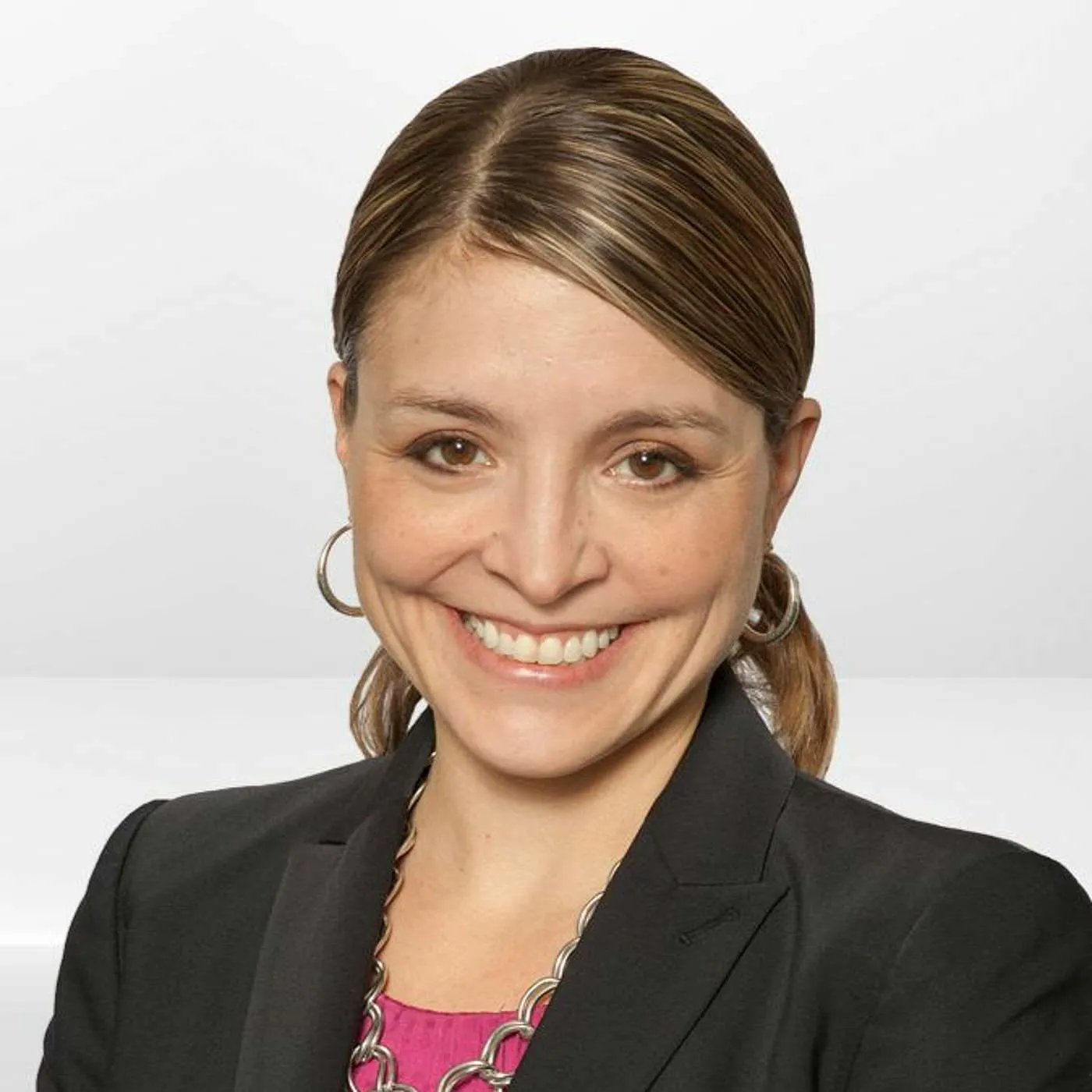
Taking Control of Emotional Eating with Dr. Susan Albers
The link between what we eat and how we feel is strong. Many big emotional moments in our lives are paired with certain foods. We reach for our favorite treats for comfort and celebration. But what happens when you find yourself routinely turning to food as a coping mechanism? We talk to psychologist Susan Albers-Bowling, PsyD, about what emotional eating is, how to recognize it and ways to manage it.

Breast Cancer Vaccine Trial: What You Need to Know with Dr. Thomas Budd
Cleveland Clinic is in the early stages of a trial that will look at a preventative breast cancer vaccine. Here to talk about the vaccine is Thomas Budd, MD. The principal investigator on the trial, Budd explains how this vaccine could work, the type of breast cancer this trial is targeting and the timeline for the vaccine’s development.