Classic Baseball Daily Highlights
274 episodes — Page 2 of 6

S7 Ep 1July 1 - Walter Johnson and Bob Feller No Hitters
Two-no hitters were thrown, hall of famers to be Walter Johnson and Bob feller both tossed no-hitters, Johnson fired a 1-0 gem in 1920 vs the Boston Red Sox, losing a perfect game on Bucky Harris error, and in 1951 Feller got his 3rd career no-hitter, tying the record of Cy Young and Larry Corcoran as Cleveland beat Detroit 2-1 . . . Two historic Parks opened on July 1st, in 1910 White Sox field opens, the White Sox played to a crowd of 24,000 and lost 2-0 to the St. Louis Browns. The field would be renamed Comiskey Park after its team owner, Charlie Comiskey, and in 1920, the St. Louis Cardinals move into Sportsman’s Park, they bowed to the Pittsburgh Pirates 6-2, but would go on to win 7 World Championships and house the fantastic career of Stan MusialHistorical Recap performed by:Robyn Newton from - Robyn SaysThis Day In Baseball is Sponsored by - www.vintagebaseballreflections.com - Join the membership today and listen to 50 years of baseball history told to you by the folks who were there! As a special offer, all our listeners can use the term - thisdayinbaseball at the membership check out. Trivia is provided by -Horseshide TriviaMentioned in this episode:Classic Baseball BroadcastsClassic Baseball BroadcastsMentioned in this episode:Post Roll March 26New CBB Podcast Intro

Richard Nixon Talks About His All Time Team - Vintage Baseball Reflections
bonusOn June 30, 1972, journalist Clifford Evans interviewed President Richard Nixon in the White House for RKO General Broadcasting. This meeting was captured by recording devices in the Oval Office.Prior to this meeting, Evans had asked President Nixon to name his favorite baseball players during a June 22, 1972 press conference. President Nixon subsequently prepared a list and explanatory notes that were distributed via the Associated Press on June 30.In this conversation segment, President Nixon explains the process, methodology, and rationale for building his all-star teams, which included distinctions between pre-World War II and post-World War II rosters as well as American League and National League all-stars. He mentions working with son-in-law David Eisenhower at Camp David to generate the lists. President Nixon also discussed Lou Gehrig, whom he named “Most Courageous Baseball Player.” President Nixon references the movie, The Pride of the Yankees; Gehrig’s farewell speech; and correspondence with Gehrig’s widow, Eleanor. President Nixon also lauds Red Schoendienst’s comeback after tuberculosis, recalling his own brother Harold’s struggle with the disease. President Nixon then mentions Bill Mazeroski‘s grand slam performance for the Pittsburgh Pirates in the 1960 World Series, the crowd’s response, and comparison to the teams of Pie Traynor‘s day. President Nixon also notes the 1951 “shot heard ’round the world” by New York Giants’ Bobby Thomson against the Brooklyn Dodgers. Evans then ends the official RKO General broadcast.After the formal broadcast, the two men continue chatting, touching on New York Yankee Don Larsen‘s “perfect game” in the 1956 World Series as well as Los Angeles Dodger Sandy Koufax’s breaking of the strike-out record in 1965. President Nixon ends by sharing the crowd’s response at Dodger Stadium during Koufax’s attempt for the record.Classic Broadcasts are old-time broadcasts that have been put together from various sources. Many are found on the Internet Archives in a raw form. If you wish to take a deeper dive, that includes:Scorecards, Rosters, Newspaper Clippings. All members can jump over to : www.vintagebaseballreflections.com and join...Mentioned in this episode:New CBB Podcast Intro Post Roll March 26
S6 Ep 26Vida Blue on the CBS Evening News June 26 1971
On June 26, 1971, this clip was Originally aired of Vida Blue of the Oakland A’s was in the midst of setting the baseball world on its ear when this story aired. Interviews with Blue’s mother is included as are clips of him pitching against the Kansas City Royals. Royals manager Bob Lemon and first baseman and Chuck Harrison are also included.You can view the video clip @ https://youtu.be/2ldm9pMMc3QMore information about todays events, players, ball park, date and season - (www.thisdayinbaseball.com) Join our Baseball Community – Join a community of baseball fans just like you - https://thisdayinbaseball.com/join-the community Hosted by This Day In Baseball – Learn more about the hosts of todays show https://thisdayinbaseball.com/about-us/ Support this Show – Post or Personal donations https://thisdayinbaseball.com/sponsor-donation-program/ Advertise Inquiries – If you are interested in advertising - https://thisdayinbaseball.com/advertise-with-this-day-in-baseball/Mentioned in this episode:Classic Baseball BroadcastsClassic Baseball BroadcastsMentioned in this episode:Post Roll March 26New CBB Podcast Intro
S6 Ep 22Bob Bailey becomes first expo to hit 2 homeruns in a game - Full Radio Broadcast
June 22, 1969, At Wrigley Field, Bob Bailey after missing still recovering from a spring training injury becomes the first Montreal Expo to hit 2 home runs in a game. Bailey took Ted Abernathy deep and Phil Regan in the 8th. Baily’s 8th inning home run gave the Expos a 6-2 lead. The Expos will lose 7-6 to the Chicago Cubs on a Walk-off homerun by Jim Hickman.Bailey goes 4-4 with 5 RBI’s, in the nightcap he goes 2-2.Bailey repeats the feat 2 days later in a 4-1 win against the St Louis Cardinals taking Dave Giusti twice. Learn More about the teams, players, ball parks and events that happened on this date in history just click the tags! 1969 | Bob Bailey | chicago colts | Dave Giusti | Jim Hickman | June 22 | Montreal Expos | Phil Regan | St Louis Cardinals | Ted Abernathy | Wrigley FieldMentioned in this episode:Classic Baseball BroadcastsClassic Baseball BroadcastsMentioned in this episode:Post Roll March 26New CBB Podcast Intro

June 18, 1979 Dave Kingman launches Homerun vs Dodgers - Vintage Baseball Reflections
bonusJune 18, 1979 Dave Kingman launches Homerun vs DodgersThis Day In Baseball - Learn more about the players, teams and seasons Mentioned in this episode:Post Roll March 26New CBB Podcast Intro
S6 Ep 12The Hall of Fame Opens - June 12 1939
Radio broadcast from June 12 1939 when the Baseball Hall of Fame first opened. Mentioned in this episode:Classic Baseball BroadcastsClassic Baseball BroadcastsMentioned in this episode:New CBB Podcast Intro Post Roll March 26
S5 Ep 26May 26 Harvey Haddix Almost Perfect
Today we explore May 26th and May 27th when Harvey Haddix pitches 12 brilliant innings only to lose it in the 13th. What future famous owner was at the game? Bud Selig. The music is brought to you by, The Baseball Project. https://music.apple.com/us/album/vol-1-frozen-ropes-and-dying-quails/284707334The Haddix interview was found on SABR: Become a member to support their cause researching baseball history. https://sabr.org/latest/new-sabr-oral-history-collection-website-launches/Players involved in today's events:Learn More about the teams, players, ball parks and events that happened on this date in history just click the tags! 1959 | Felix Mantilla | Hank Aaron | Harvey Haddix | Joe Adcock | May 26 | Milwaukee Braves | Pittsburgh PiratesMentioned in this episode:Classic Baseball BroadcastsClassic Baseball BroadcastsMentioned in this episode:Post Roll March 26New CBB Podcast Intro
S5 Ep 10Charlie Lea pitches first No Hitter at Olympic Stadium
On May 10, 1981, Montreal Expos right-hander Charlie Lea pitches the first no-hitter in the history of Olympic Stadium. Lea, the first French-born pitcher to hurl a no-hitter, strikes out eight batters and walks four in the second game of a doubleheader, as the Expos beat the San Francisco Giants, 4-0.In 2010 Lea was asked what he remembered about the final out of the game, it ended with a fly ball of the bat of Giants first baseman Enos Cabell. Lea said “It was a slider a little bit away from him,” he went onto say, ” I don’t know if it was up or down but he hit it off the end, a little lazy fly ball to center. Dawson really didn’t have to move out of his tracks. Andre was a fairly emotionless guy. When he caught it and and immediately threw his arms in the air and started jumping up and down, me seeing his emotion, it was something special.”Only three pitchers tossed no-hitters for the Montreal Expos franchise, Bill Stoneman did it twice in 1969 and 1972, and Dennis Martinez pitched a perfect game in 1991. Learn More about the teams, players, ball parks and events that happened on this date in history just click the tags! 1981 | Andre Dawson | Bill Stoneman | Charlie Lea | Dennis Martinez | Enos Cabell | May 10 | Montreal Expos | Olympic Stadium | San Francisco GiantsMentioned in this episode:Classic Baseball BroadcastsClassic Baseball BroadcastsMentioned in this episode:New CBB Podcast Intro Post Roll March 26
S5 Ep 8Catfish Hunter is Perfect May 8 1968 - 9th Inning Broadcast
On May 8, 1968, Catfish Hunter of the Oakland A’s pitches a perfect game against the Minnesota Twins. Hunter’s perfect game is the first in the American League during the regular season in 46 years, when White Sox right-hander Charlie Robertson, who accomplished the feat against Detroit in 1922.Don Larsen had pitched a perfect game in the 1956 World Series.He strikes out 11, including Harmon Killebrew three times, and drives in three of the A’s four runs, the other coming on a two-out, bases-loaded walk to 1B Danny Cater in the 8th inning. Only 6,298 fans are in attendance.1968 | Catfish Hunter | Danny Cater | Harmon Killebrew | May 8 | Minnesota Twins | Oakland A'sMentioned in this episode:Classic Baseball BroadcastsClassic Baseball BroadcastsMentioned in this episode:New CBB Podcast Intro Post Roll March 26
S5 Ep 4Bob Watson of the Houston Astros scores the one millionth run in major league history
On May 4, 1975, At 12:32pm at Candlestick Park, Bob Watson of the Houston Astros scores the one millionth run in major league history. Watson scores the run on Milt May’s three-run homer, as part of the Astros’ 8-6 loss to the San Francisco Giants in the first game of a doubleheader. He scored seconds ahead of Dave Concepción of the Cincinnati Reds, playing in a different game in another city, to earn the distinction.Learn More about the teams, players, ball parks and events that happened on this date in history just click the tags! 1975 | Bob Watson | Candlestick Park | Dave Concepcion | Houston Astros | May 4 | Milt May | San Francisco GiantsMentioned in this episode:Classic Baseball BroadcastsClassic Baseball BroadcastsMentioned in this episode:Post Roll March 26New CBB Podcast Intro
April 24, 1966 Willie Mays ties Mel Ott - Vintage Baseball Reflections
bonusApril 24, 1966 Willie Mays ties Mel Ott with his 511th homerun The Audio Was supplied by Astrodaily.com Classic Broadcasts are old-time broadcasts that have been put together from various sources. Many are found on the Internet Archives in a raw form. If you wish to take a deeper dive, that includes:Scorecards, Rosters, Newspaper Clippings. All members can jump over to : www.vintagebaseballreflections.com and join the membership platformAstros History - Astros HistoryThis Day In Baseball - Learn more about the players, teams and seasons Mentioned in this episode:Post Roll March 26New CBB Podcast Intro
April 20 1945 Bill Stern Sports Newsreel - Larry McPhail - Vintage Baseball Reflections
bonusClassic Broadcasts are old-time broadcasts that have been put together from various sources. Many are found on the Internet Archives in a raw form. If you wish to take a deeper dive, that includes:Scorecards, Rosters, Newspaper Clippings. All members can jump over to : www.vintagebaseballreflections.com and join the membership platformMentioned in this episode:Post Roll March 26New CBB Podcast Intro
April 18, 1987 Mike Schmidt 500th Homerun - Vintage Baseball Reflections
bonusOn April 18, 1987, At Three Rivers Stadium Mike Schmidt hits his 500th career home run. Schmidt connects against Don Robinson of the Pittsburgh Pirates, becoming the 14th player in history to reach the milestone. Schmidt’s home run helps the Philadelphia Phillies to an 8-6 victory.Classic Broadcasts are old-time broadcasts that have been put together from various sources. Many are found on the Internet Archives in a raw form. If you wish to take a deeper dive, that includes:Scorecards, Rosters, Newspaper Clippings. All members can jump over to : www.vintagebaseballreflections.com and join the membership platformMentioned in this episode:New CBB Podcast Intro Post Roll March 26
S4 Ep 11April 11 One and Done the home debut and story of the Seattle Pilots
On April 11, 1969, The Seattle Pilots debuted for their first home game at Sick's Stadium. Gus Bell fires a complete game 7-0 shutout over the White Sox as the paid attendance of 14,000+ watches on a perfect Seattle day. The story of the Pilot's though is a deep complicated one and in this podcast, we will discuss - Ball Four, William Daley's Role, how the ballpark although clearly unusable for Major League Baseball was not the main issue and neither was the attendance. How two bids to buy the team failed to keep them in Seattle and how they were the only team in MLB history to go bankrupt. Also - the website celebrating the Pilots. Or, watch a promotional 17-minute videothe Pilots produced about their season-including footage of opening day at Sicks.) Mentioned in this episode:Classic Baseball BroadcastsClassic Baseball BroadcastsMentioned in this episode:New CBB Podcast Intro Post Roll March 26
S4 Ep 10April 10 - FISK changes his Sox
On March 18, 1981 Future Hall of Famer Carlton Fisk, signs a contract with the Chicago White Sox after then GM Hayward Sullivan made an apparent clerical error mailing the contract out late in December of 1980. He makes the season debut in 1981 vs the Boston Red Sox in fenway and in a scene out of the movies he slugs a 3 run homer in the 8th to give the White Sox a lead they would not relinquish. Here is the story. Highlighted in this podcast - Carlton Fisk Ron Leflore Our Youtube Channel and full length radio broadcasts - Thisdayinbaseball Mentioned in this episode:Classic Baseball BroadcastsClassic Baseball BroadcastsMentioned in this episode:New CBB Podcast Intro Post Roll March 26
S4 Ep 9April 9 - FERNANDOMANIA
April 9, 1981 Fernando Valenzuela was forced to start opening day for the Dodgers as Jerry Reuss injured himself 24 hours before the game. Fernando would unleash the second greatest pitching streak in baseball history and turn the Dodger fan base upside down with is incredible performance. As Vin Scully would say it was like a religious experience to see what he did. Mentioned in this episode:Classic Baseball BroadcastsClassic Baseball BroadcastsMentioned in this episode:New CBB Podcast Intro Post Roll March 26
S4 Ep 3April 3 - Dennis Eckersley traded and then he evolves into one of the greatest closer in Baseball history
April 3, 1987, the Chicago Cubs trade Dennis Eckersley for 3 minor league players to the Oakland A's. At one time trading "The Eck" would have been big news! However, at the time the Eck was a struggling pitcher heading towards the end of his effectiveness. Unknown to Oakland or Chicago the Eck had already taken incredible steps to turn his life around. Here is the story of the trade, what Oakland thought they were getting vs what they actually got. You can read all about Dennis Eckersley on This Day in Baseball.If you are hungry for more baseball stories we have thousands of stories for all 365 days of the year on this day in baseball! Mentioned in this episode:Classic Baseball BroadcastsClassic Baseball BroadcastsMentioned in this episode:New CBB Podcast Intro Post Roll March 26
S4 Ep 2Luke Appling - Old Aches and Pains April 2
Happy Birthday, Luke Appling! Born in High Point, North Carolina on April 2, 1907, Lucius Benjamin Appling moved to Atlanta, Georgia with his family as a child. After graduating from Fulton High School, where he played baseball and football, Appling attended Oglethorpe College in Georgia for two years. Appling starred on the university's baseball team, while also playing fullback on the football team, before leaving school during his sophomore year to pursue a career in professional baseball. He signed a contract with the Southern League Atlanta Crackers in 1929 and spent one year with the team, experiencing success at the plate but also committing 42 errors in only 104 games at shortstop. Despite his early difficulties in the field, Appling remained determined to make a successful career out of playing shortstop. He later recalled, "My Daddy was lefthanded, and I was lefthanded when I was little. In fact, I was lefthanded all the way to high school. Then I switched over to righthanded 'cause I wanted to play shortstop." Check out his page - https://thisdayinbaseball.com/luke-appling-page/ Hall of Fame Interview - https://collection.baseballhall.org/PASTIME/luke-appling-oral-history-interview-1987-april-10-4 An interview of Luke Appling that was conducted by Rod Roberts on the behalf of the Baseball Hall of Fame on April 10, 1987 in Greenville, South Carolina. Content of the interview includes: Side Two -- Track 1 - On breaking a finger in 1930, working out at 10 a.m. fielding 154 ground balls, 32 pop-ups plus batting practice; having arthritis (00:00:00 to 00:01:36) Track 2 - On playing 21 seasons until 1950; manager Paul Richards wanting him to stay; Appling managing in Memphis (00:01:36 to 00:02:33) Track 3 - On barnstorming with Mickey Harris and (Birdie?) Tebbetts; Appling talking to Yankees Casey Stengel and Phil Rizzuto (00:02:33 to 00:04:24) Track 4 - On watching the Cubs play in World Series and playing against them in spring training; good catchers (Mickey) Cochrane, (Bill) Dickey (00:04:24 to 00:05:29) Track 5 - Interviewer Roberts talking about Leo Durocher picking a fantasy team; more on Cochrane and Dickey; Tebbetts being a good catcher (00:05:29 to 00:06:59) Track 6 - On good first basemen Jimmie Foxx, (Hank) Greenberg, Moose Skowron (00:06:59 to 00:07:58) Track 7 - On good second basemen (Tony) Lazzeri, Charlie Gehringer; (Gil?) Gordon; (Bobby) Doerr (00:07:58 to 00:09:11) Track 8 - On good third basemen Ossie Bluege, Pie Traynor (00:09:11 to 00:10:03) Track 9 - On good shortstops Joe Cronin, (Phil) Rizzuto, a player from the Browns, (Luis) Aparicio, Marty Marion; Appling playing with older brother Johnny “Red” Marion; Marty getting Appling’s #4; shortstops need to be intelligent and learn the hitters and the pitchers; giving signs in the field; (Ted) Kazanski and Joe Lonnett using word signs; knowing Tommy Bridges curve ball; Mule Haas talking about the curve ball (00:10:03 to 00:16:52) Track 11 - On good outfielders (Joe) DiMaggio, (Ted?) Williams as a great hitter, DiMaggio’s brother a good fielder, on seeing Babe Ruth play (00:17:27 to 00:18:48) Track 12 - On Babe Ruth’s character; on changes in the game and equipment; Appling liking Spaulding featherweight shoes with spikes, getting custom shoes for $25 a pair; always changing shoes; putting feet on metal vibrator after games, still using it (00:18:48 to 00:22:57) Track 13 - On people who should be in Hall of Fame; on writers changing too rapidly; Appling being surprised at being voted into Hall of Fame; (Lefty) Grove being fast pitcher (00:22:57 to 00:25:38) Track 14 - On pitchers throwing at batters, formerly fair game, now not being allowed; hitter...Mentioned in this episode:Post Roll March 26New CBB Podcast Intro
S3 Ep 30March 30 The Big E Opens - Enron Field
FREE GIFT! Subscriber to the Daily Highlights, all the baseball news you need to start your day. Plus - FREE GIFT! For all new newsletter subscribers - Daily HighlightsInterested in 10,000 hrs of baseball history? Check out Classic Baseball Broadcasts! Free trial and a special discount just type in Podcast. Mentioned in this episode:Post Roll March 26New CBB Podcast Intro
S3 Ep 29Cy Young talks a perfect game March 29
On March 29, 1867 — Denton True “Cy” Young is born in Gilmore, a tiny village near Newcomerstown, Ohio. Young will earn his nickname for his cyclone-like pitching motion and he will win (and lose) more games than any pitcher in major league history with a 511-316 record and a 2.63 ERA over 22 seasons. Young will win 20 or more games 15 times, and top the 30-win mark five times. He will be elected to the Hall of Fame by the Baseball Writers Association of America in 1937, with 153 votes on 201 ballots.Read More about Cy Young - https://thisdayinbaseball.com/cy-young-page/March 29th Events - https://thisdayinbaseball.com/this-day-in-baseball-march-29/Rube Waddell - https://thisdayinbaseball.com/rube-waddell-page/SOM Day 4 Replay - https://thisdayinbaseball.com/day-4-2020-strat-o-matic-simulation/Mentioned in this episode:Classic Baseball BroadcastsClassic Baseball BroadcastsMentioned in this episode:Post Roll March 26New CBB Podcast Intro
S3 Ep 28Future Gas House Gang Coach Clyde “Buzzy” Wares gets traded for a Stadium and Dizzy Dean
On March 28, 1913, the St. Louis Browns make an unusual “trade,” sending infielder Clyde “Buzzy” Wares to the Montgomery Rebels a minor league team in exchange for the rental of a stadium. The Montgomery Rebels will allow the Browns to use their stadium during spring training-rent free. he Southern Association Class-A team will return the 26 year-old infielder to St. Louis later in the season. He will debut on September 15, 1913 vs. BOS and he goes 0-1. Wares will play part of the 1913 and 1914 season in St Louis and hang around in the minors until 1920.The Browns didn’t tell Wares about the deal until the last minute. When the manager called Buzzy into his office on the last day of spring training, Wares thought it was to tell him he had made the team with his strong play. However, skipper, George Stovall informed Wares that he was staying in Montgomery, telling him “You’re the payment for our grounds rental.” He played over 250 games of Montgomery. Wares will later rejoin the Cardinals as a coach for the Gas House Gang teams. https://thisdayinbaseball.com/st-louis-browns-make-an-unusual-trade-sending-infielder-clyde-buzzy-wares-to-a-minor-league-team-in-exchange-for-the-rental-of-a-stadium/Also on the Show - Dizzy Dean talking about Frankie Frisch and the Strat O Matic replay - Day 3 Mentioned in this episode:Classic Baseball BroadcastsClassic Baseball BroadcastsMentioned in this episode:Post Roll March 26New CBB Podcast Intro
S3 Ep 27March 27 - Stan Musial & Miller Huggins
On March 27, 1879 —– Miller Huggins is born in Cincinnati, Ohio. A second baseman adept at getting on base, Huggins will lead the National League in walks four times, score 100 or more runs three times, and regularly collect 30 or more stolen bases and an on-base percentage near .400. He will start as a player-manager with the St. Louis Cardinals before heading to the New York Yankees in 1918. Huggins will lead the Yankees to six American League pennants and three World Series titles, and his “Murderers’ Row” club, which will win 110 games before sweeping the 1927 World Series, will be considered one of the greatest teams in history. Huggins will be selected to the Hall of Fame by the Veterans Committee in 1964. Miller Huggins Page - https://thisdayinbaseball.com/miller-huggins-is-born-in-cincinnati-ohio/March 27 - https://thisdayinbaseball.com/this-day-in-baseball-march-27/Stan Musial - https://thisdayinbaseball.com/stan-musial-biography/ Mentioned in this episode:Classic Baseball BroadcastsClassic Baseball BroadcastsMentioned in this episode:New CBB Podcast Intro Post Roll March 26
S3 Ep 26March 26 -Mantle Hits a 600 Foot Blast
On March 26, 1951 —– In an exhibition game at the University of Southern California, Mickey Mantle propels a home run estimated at 654 to 660 feet. The shot clears Bovard Field and then goes the width of a practice football field before landing. Mantle has two homers, a bases-loaded triple, and drives in seven runs as the Yankees flunk the Trojans, 15 – 1.Listen to Mickey talk New York, Hank Aaron, Willie Mays, DiMaggio and Maris. Additionally, I will highlight today's Strat O Matic simulation of the 2020 season. Mentioned in this episode:Classic Baseball BroadcastsClassic Baseball BroadcastsMentioned in this episode:New CBB Podcast Intro Post Roll March 26
S3 Ep 24Ernie Shore March 24
Join the Daily Rewind - Join.Classic Baseball Broadcasts - reconnect with baseball history.Mentioned in this episode:Classic Baseball BroadcastsMentioned in this episode:Post Roll March 26New CBB Podcast Intro

S3 Ep 21Ducky Medwick Interview - March 21
On March 21, 1975, Hall of Fame outfielder Joe “Ducky” Medwick dies in Saint Petersburg, Florida at the age of 63. As one of the feared hitters on the famed “Gashouse Gang,” Medwick clubbed 205 home runs and batted .324 over a 17-year career. Medwick gained election to the Hall of Fame in 1968.Listen to the hall of fame interview conducted on February 2 1968 - https://collection.baseballhall.org/PASTIME/joe-medwick-oral-history-interview-1968-february-08Check out Ducky Medwicks Page - https://thisdayinbaseball.com/joe-medwick-page/ Mentioned in this episode:Classic Baseball BroadcastsClassic Baseball BroadcastsMentioned in this episode:Post Roll March 26New CBB Podcast Intro
S3 Ep 20Roberto Clemente Elected Into the Hall of Fame
On March 20, 1973 — Roberto Clemente becomes the first Hispanic American to gain election to the Hall of Fame. The Baseball Writers Association of America announces the results of a special ballot, with Clemente receiving 393 of 424 votes. Clemente died in a plane crash on New Year’s Eve. In light of his tragic death, the Hall’s Board of Directors waived the five-year waiting period that is normally required before a player is eligible for election. A twelve-time All-Star, Clemente batted .317 and won a dozen Gold Gloves over an 18-year career, and batted .362 in World Series play. Named National League MVP in 1966, he was voted the outstanding player in the 1971 World Series, when the Pittsburgh Pirates beat the heavily-favored Baltimore Orioles in seven games.Roberto Clemente sits down with WPXI [then-WIIC]'s Sam Nover in October 1972, less than 3 months before his untimely passing. This is definitely his final at-length interview, and probably his only surviving extended interview that was captured visually. This was re-run by WPXI for the first time in 1989, and again on New Year's Eve 1997 [marking the 25th anniversary of his death], which is the source of this upload.Check out his Page - https://thisdayinbaseball.com/?s=roberto+clementeMentioned in this episode:Classic Baseball BroadcastsClassic Baseball BroadcastsMentioned in this episode:New CBB Podcast Intro Post Roll March 26
S3 Ep 19Richie Ashburn - On Tops Sports Radio March 19
On March 19, 1927 --- Don Richard (Richie) Ashburn is born in Tilden, Nebraska. A five-time All-Star, Ashburn will be a solid center fielder and a solid hitter for the Philadelphia Phillies. He will hit over .300 during 9 of his 15 major league seasons, twice capturing the National League batting title and conclude his career with a .308 lifetime average. Following his playing career, he will call Phillies games for more than three decades. Ashburn will be elected to the Hall of Fame by the Special Veterans Committee in 1995.Check out his interview on the Tops Sports Radio Network!Visit Ashburn - https://thisdayinbaseball.com/1927-don-richard-richie-ashburn-is-born-in-tilden-nebraska-a-five-time-all-star-ashburn-will-be-a-solid-center-fielder-and-a-solid-hitter-for-the-philade/Mentioned in this episode:Classic Baseball BroadcastsClassic Baseball BroadcastsMentioned in this episode:New CBB Podcast Intro Post Roll March 26

S3 Ep 17Babe Ruth 570 foot St Patrick's Day Blast
March 17, 1918: A young Babe Ruth, still primarily a pitcher, slugs a pair of home runs during a spring training game at Whittington Park in Hot Springs, Arkansas. The second long ball is thought to be the first 500-plus foot blast in baseball history. The Herculean shot—hit off Brooklyn Robins hurler Norman Plitt—soared far over the fence in deep right-center, coming to rest in the middle of an inhabited pond at the Arkansas Alligator Farm. The Boston Globe reported that "the intrusion" caused quite a "commotion among the Gators.” The epic drive was later measured at 573 feet—the distance from home plate to the pond's center.Amazingly, Ruth replicated the feat a week later in another spring exhibition versus Brooklyn. In its coverage of the proceedings, The Boston Post wrote: "Before the echo of the crash had died away the horsehide had dropped somewhere in the vicinity of South Hot Springs. . . . The sphere cleared the fence [400 feet away] by about 200 feet and dropped in the pond beside the Alligator Farm, while the spectators yelled with amazement." Edward Martin, writing for The Boston Globe, opined: "Every ball player in the park said [it] was the longest drive they had ever seen. . . . Had Ruth made the drive in Boston, it might have cleared the bleachers in right-center.""I've never in all my time seen a man use the bat as does the slugging Boston hurler," gushed manager Fielder Jones, who had witnessed several of Babe's colossal clouts. Former Red Sox catcher Les Nunamaker offered similar praise: "He has no weakness . . . and can hit anything coming in the direction of the plate. If a hurler is foolish enough to give him a high one on the inside, it is all off. He will knock it out of the grounds. It is the general belief of the players in camp that Ruth is the best sticker in the league. . . . He just handles that old bat as if it were a toothpick."Babe's heroics carried over into the regular season. Appearing in 95 games, he hit .300 with 26 doubles and an AL-best 11 home runs—his first of 12 long ball crowns. Though Ruth's 1918 power output seems paltry by modern standards, consider that the junior circuit's single-season record holder at the time was Socks Seybold, who hit 16 big flies in 1902. On the mound, the 23-year-old went 13-7 with a 2.27 ERA in 161 ⅓ innings pitched (2-0, 1.06 ERA in the World Series). Despite Ruth's stellar pitching, it was his mighty war club that captured the public's imagination.On November 26, 1918, The Associated Press wrote:"There were many stars in last year's baseball firmament, but there was only one Babe Ruth. Ty Cobb, Walter Johnson, Jim Vaughan, Benny Kauff, and other stars received their usual amount of interest, but the fan always returned to the question: Did Babe Ruth make a home run today?"✍️ Bobby King IICheck out Babe Ruth's Page - https://thisdayinbaseball.com/babe-ruth-biography/☑️Sources: http://www.hotspringsbaseballtrail.com + https://www.baseball-reference.com + Mentioned in this episode:Post Roll March 26New CBB Podcast Intro
S3 Ep 16Ty Cobb almost gets traded March 16
On March 16, 1907 -- After watching Ty Cobb quarrel with a black groundskeeper and with teammate Charlie Schmidt, Tiger manager Hugh Jennings was tired of dealing with Cobb's abrasive behavior and tries to deal him to the Cleveland Naps for outfielder Elmer Flick.The Naps turned down a trade with the Tigers which would have exchanged Flick for the 21-year-old Cobb. They countered with Bunk Congalton, but the Tigers declined. Flick had been holding out but he signed a few days after the proposed trade. After Cobb was nearly traded away, Jennings attempted to repair the difficult relationships between Cobb and the other Detroit players. "Cobb is too good a hitter to let get away, when a little diplomacy will get the boys together", Jennings saidFlick will go onto hit .302 and lead the league with 17 3 baggers. Cobb will go on to hit .350 and lead the AL in hitting. He will also go on to become one of the top 5 players in Major League Baseball history and still holds the all-time record for career batting average at .367 which I will assume will never be broke.Both players ended up in Cooperstown, Cobb was part of the initial class and Flick joined him in 1961.Learn More About Ty Cobb - https://thisdayinbaseball.com/ty-cobb-biography/Mentioned in this episode:Classic Baseball BroadcastsClassic Baseball BroadcastsMentioned in this episode:New CBB Podcast Intro Post Roll March 26
S3 Ep 14Bob Uecker - an unlikely HOFer
March 14, 2003 — Milwaukee Brewers TV/Radio play-by-play announcer Bob Uecker is chosen for induction into the broadcasters’ wing of the Hall of Fame as the recipient of the Ford C. Frick Award. The 68-year-old former back-up catcher, who joined the Milwaukee broadcast crew in 1971, is best known for the humor he has brought to the game through his starring role in the cult movie Major League and the beer commercial in which the phrase Must be in the front row! has become a familiar cry in ballparks around the country.‘Must be in the front row! “- BOB UECKER, a quip from beer commercials which has a become a famous cry in ballparks around the country.Mentioned in this episode:Classic Baseball BroadcastsClassic Baseball BroadcastsMentioned in this episode:Post Roll March 26New CBB Podcast Intro
S3 Ep 12Dale Murphy
March 12, 1956 in Portland, OR . . . One of the most talented and complete players of the 1980s, Dale Murphy won two Most Valuable Player Awards and clubbed 398 homers while maintaining a squeeky-clean image. He was one of the most respected and popular stars of his era. He led the National League in homers, RBI, and slugging twice each. Though he declined rapidly late in his career, in his prime Murphy was compared to Joe DiMaggio, Willie Mays and Hank Aaron.Mentioned in this episode:Classic Baseball BroadcastsMentioned in this episode:New CBB Podcast Intro Post Roll March 26
S3 Ep 11The Big Cat - Johnny Mize
Big John Mize won four National League home run titles, a batting title and three RBI crowns. He was revered by fans in St. Louis and New York, where he ended his career by playing on five World Series champions in his last seasons as a Yankee. In the 1952 Fall Classic against the Dodgers he belted homer sin games three, four and five, batting .400 with six RBI.Mentioned in this episode:Classic Baseball BroadcastsMentioned in this episode:Post Roll March 26New CBB Podcast Intro
S3 Ep 10Bob Elson
Robert Arthur Elson (March 22, 1904 – March 10, 1981[1]) was a pioneering American sportscaster who was the voice of the Chicago White Sox for all or parts of four decades. Known as "The 'Ol Commander", he broadcast an estimated 5,000 major league baseball games. In his prime, was among the leading play-by-play men in the game. In 1979, he received the Ford C. Frick Award from the Baseball Hall of Fame for his excellence and longevity in the industry.Mentioned in this episode:Classic Baseball BroadcastsMentioned in this episode:New CBB Podcast Intro Post Roll March 26

S3 Ep 9Bert Campaneris
Born: March 9, 1942 in Pueblo Nuevo, Cuba, Surrounded by superstars, Bert Campaneris was a key contributor to the great Oakland teams with his competitive spirit and superb play. His memorable debut with the Kansas City A's (July 23, 1964) included two home runs, one off the first major league pitch ever thrown to him. Bert became only the third player in big league history to hit two homers in his first game. He made headlines in one of club owner Charlie Finley's publicity stunts in 1965. On September 9, Campaneris played every position in a nine inning game.Mentioned in this episode:Classic Baseball BroadcastsMentioned in this episode:Post Roll March 26New CBB Podcast Intro
S3 Ep 17Jim Bouton Ball Four
March 8, 1939 in Newark, NJ Pitcher, author, philosopher, and pundit, March 8, 1939 in Newark, NJ Pitcher, author, philosopher, and pundit, Jim Bouton bore little resemblance to the vast majority of players who performed in the major leagues before he joined the New York Yankees in 1962. One of the new breed of ballplayers that began entering the game during the 1960s, Bouton was not as hardened or rough around the edges as most of the players who preceded him. An intellectual at heart, Bouton preferred to discuss politics or journalism, rather than spend much of his free time hunting or chasing women. Bouton's cerebral nature endeared him to the New York media, with whom he shared an amicable relationship during his seven years in the big city. However, it also alienated him somewhat from many of his teammates, who resented the inordinate amount of time he devoted to conversing with the members of the press corps. Nevertheless, Bouton's teammates rarely expressed their dissatisfaction with him early in his career, when the righthander was one of the American League's finest pitchers bore little resemblance to the vast majority of players who performed in the major leagues before he joined the New York Yankees in 1962. One of the new breed of ballplayers that began entering the game during the 1960s, Bouton was not as hardened or rough around the edges as most of the players who preceded him. An intellectual at heart, Bouton preferred to discuss politics or journalism, rather than spend much of his free time hunting or chasing women. Bouton's cerebral nature endeared him to the New York media, with whom he shared an amicable relationship during his seven years in the big city. However, it also alienated him somewhat from many of his teammates, who resented the inordinate amount of time he devoted to conversing with the members of the press corps. Nevertheless, Bouton's teammates rarely expressed their dissatisfaction with him early in his career, when the righthander was one of the American League's finest pitchersMentioned in this episode:Classic Baseball BroadcastsMentioned in this episode:Post Roll March 26New CBB Podcast Intro
S3 Ep 7Elixir of Brown-Sequard - Pud Galvin passes away 1902
On March 7, 1902 — Hall of Famer James (Pud) Galvin dies at the age of 45. Galvin won 361 games over a 14-year career, placing him in a tie for sixth on the all-time list for most wins. In 1883 and 1884, Galvin won a combined 92 games. In 1884 his WAR was over 17+ which ranks 3rd highest all-time.Galvin will be inducted into the Hall of Fame in 1965 and later it will be uncovered he was the first known player to use Performancing Enhancing Drugs. On today's show, we have Brian Martin who was on the Nassau Community College show talking about his book on Pud Galvin. https://www.iheart.com/podcast/966-beyond-the-game-28826156/episode/brian-martin-interview-and-a-whole-28826512/ https://www.amazon.com/Pud-Galvin-Baseballs-300-Game-Winner-ebook/dp/B01M0BDWTPNPR https://www.npr.org/templates/story/story.php?storyId=5314753Pud Galvin's Page - https://thisdayinbaseball.com/pud-galvin-page/ Mentioned in this episode:Classic Baseball BroadcastsClassic Baseball BroadcastsMentioned in this episode:Post Roll March 26New CBB Podcast Intro

S3 Ep 6HOFer Lefty Grove - March 6
Enos SlaughterMentioned in this episode:Classic Baseball BroadcastsClassic Baseball BroadcastsMentioned in this episode:New CBB Podcast Intro Post Roll March 26
S3 Ep 7Mighty Mite - Nellie Fox
March 5, 1996 — The Veterans Committee elects four new members for the Hall of Fame, and just misses naming a fifth. The group elected includes fiery manager Earl Weaver, who had a .583 winning percentage in 17 seasons managing the Baltimore Orioles; pitcher Jim Bunning, who won 100 games in both leagues, including no-hitters in each circuit, one of them a perfect game; 19th-century manager Ned Hanlon, who won five National League pennants with the Baltimore Orioles (3) and Brooklyn (2), and Bill Foster, the top left-handed pitcher in the Negro Leagues. Nellie Fox receives the necessary 75% of the Committee’s votes, but the rules allow just one modern player elected, and Bunning has more votes.Mentioned in this episode:Classic Baseball BroadcastsClassic Baseball BroadcastsMentioned in this episode:New CBB Podcast Intro Post Roll March 26
S3 Ep 7Lefty O’Doul
Born: March 4, 1897 in San Francisco, CA, How did a baseball player named Lefty O’Doul become so popular in his native San Francisco that a bridge was named after him? The answer is complicated but legendary in the Bay Area. O’Doul began as a pitcher for the San Francisco Seals of the Pacific Coast League, working his way to the big leagues for brief stretches, but an arm injury forced him to concentrate on his hitting. At the age of 31, in 1928, he made it back to the majors as an outfielder with the New York Giants. The following year with the Phillies, the hard-hitting O’Doul smacked 254 hits and 32 homers, while batting .398 to win the first of his two batting titles. He topped the 200-hit mark twice more, and batted .300 or better six times in his “second career.” Lured by a fat contract to manage the Seals back in his home city, O’Doul took his career .349 batting mark and returned to the West Coast in 1937. He held that position for 15 seasons, managing some of the best players to come out of California.Mentioned in this episode:Classic Baseball BroadcastsMentioned in this episode:Post Roll March 26New CBB Podcast Intro
S3 Ep 7Ray Dandridge
March 3, 1987, former Negro Leagues standout Ray Dandridge is elected to the Hall of Fame. Known for his power hitting ability and slick-fielding at third base, Dandridge starred for a number of Negro Leagues teams in the 1930s and 40s. He was the only player elected to the Hall of Fame by the Special Veterans Committee.Mentioned in this episode:Classic Baseball BroadcastsMentioned in this episode:Post Roll March 26New CBB Podcast Intro
S3 Ep 2Mel Ott - World Series At Bats March 2
Today we celebrate Mel Ott's birthday. We have 5 World Series At Bats and 3 homeruns. Oddly Ott played in 3 World series and homered in the final game in each series, bur didnt hit any in the other games. On March 2, 1909, future Hall of Famer, Mel Ott is born in Gretna, Louisiana. Known as “Master Melvin,” Ott will make his major league debut with the New York Giants as a 17-year-old boy wonder 1926. He will quickly become a fan favorite. Using an unorthodox batting style in which he lifted his right foot prior to impact, Ott will hit 511 home runs with 1,860 RBI, 1859 runs, 2876 hits (1,071 extra-base hits) and a .304 batting average. Hitting 30 or more in a season eight times and winning or sharing home-run honors on six occasions. He will play all 22 seasons for the New York Giants and Ott will receive Hall of Fame honors in 1951.Mentioned in this episode:Classic Baseball BroadcastsClassic Baseball BroadcastsMentioned in this episode:New CBB Podcast Intro Post Roll March 26
S3 Ep 1CYO Ends relationship with Dodgers because of Leo Durocher March 1
March 1, 1947 — Father Vincent Powell announces the diocese’s Catholic Youth Organization will no longer participate in the Dodgers’ Knothole Club, stating the church cannot continue to have their youngsters associated with the team’s manager, Leo Durocher. The monsignor, who has been the director of the local CYO since 1940, believes the Brooklyn skipper “represents an example in complete contradiction” to the faith’s moral teachings.Join the Daily Rewind - Join.Classic Baseball Broadcasts - reconnect with baseball history. Mentioned in this episode:Classic Baseball BroadcastsClassic Baseball BroadcastsMentioned in this episode:Post Roll March 26New CBB Podcast Intro

S2 Ep 28Koufax and Drysdale Holdout February 28 1966
On February 28, 1966 — Refusing to report to spring training, Los Angeles Dodger pitchers Sandy Koufax and Don Drysdale begin their joint holdout, asking for a $1 million, three-year contract, to be divided equally between them. The deal, equivalent to an annual salary of $167,000 for each hurler, will make them the best-paid players in baseball, easily surpassing Willie Mays’ $125,000 yearly paycheck with the Giants. Although the deal didn’t happen, On March 30, Drysdale and Koufax will end their holdouts, with each signing one-year contracts worth under $150,000. Koufax, however, will become the highest-paid player in the game. Join the Daily Rewind - Join.Classic Baseball Broadcasts - reconnect with baseball history.Classic Baseball Broadcasts Mentioned in this episode:Classic Baseball BroadcastsClassic Baseball BroadcastsMentioned in this episode:New CBB Podcast Intro Post Roll March 26
S2 Ep 27Duke Snider Passes Away February 27
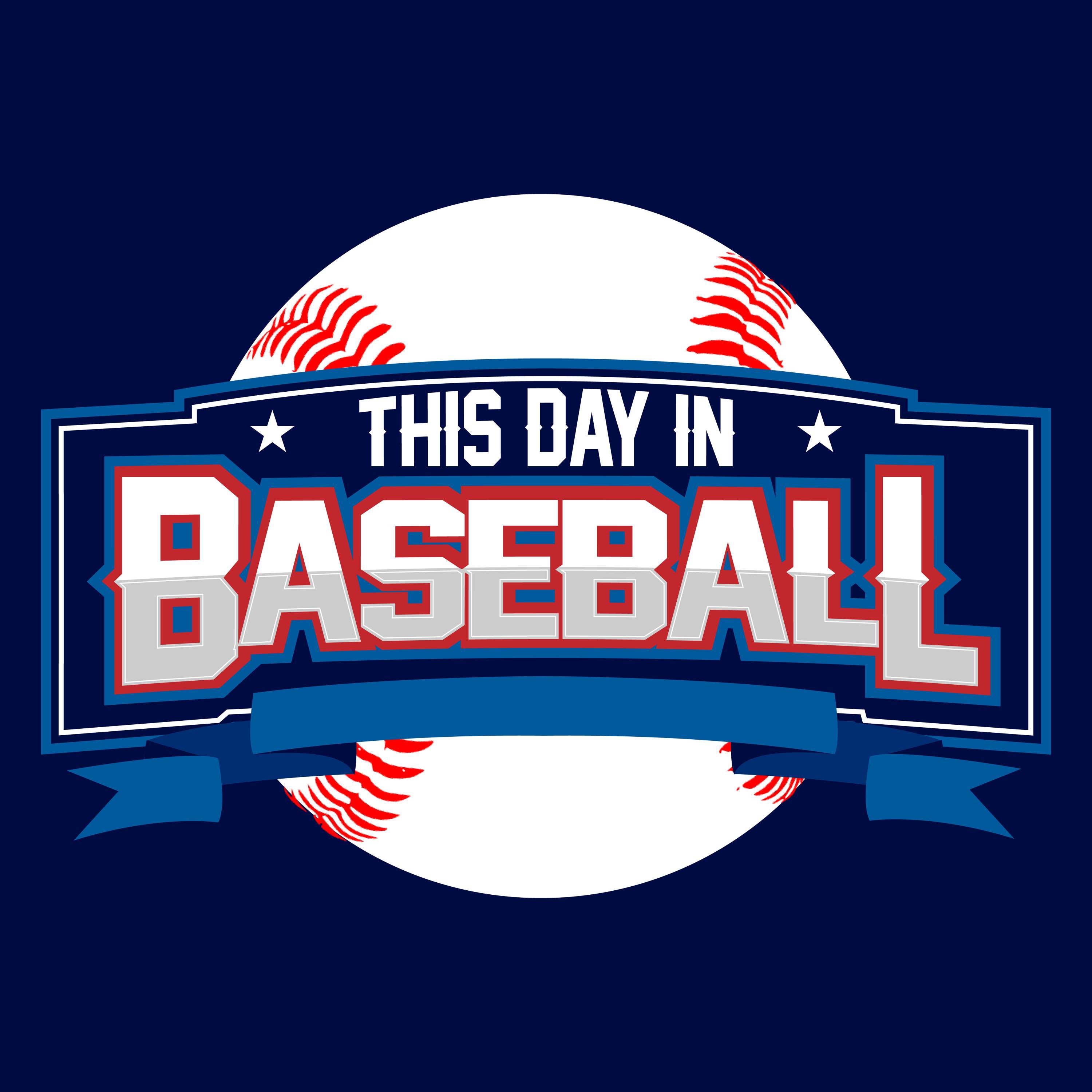
February 27, 2011 — The “Duke of Flatbush”, Hall of Famer Duke Snider dies in Escondido, CA at age 84. Snider was a power-hitting centerfielder for the great Brooklyn Dodgers teams of the 1950s and is immortalized in Terry Cashman’s song “Willie, Mickey and the Duke”. Snider was Brooklyn’s entry into one of the most passionate debates in baseball history. New York sportswriter Red Smith once wrote, “(Duke) Snider, (Mickey) Mantle, and (Willie) Mays. You could get a fat lip in any saloon by starting an argument as to which was the best.” Sharing the big city spotlight with fellow future Hall of Fame centerfielders Willie Mays and Mickey Mantle, Snider was part of a magical period in New York baseball that saw a team from the nation’s largest city win the World Series in nine out of the 10 seasons between 1949 and 1958. The Dodgers appeared in the Fall Classic five times during that time, winning their only championship in Brooklyn in 1955. Although the Dodger lineup also featured other outstanding performers such as Jackie Robinson, Roy Campanella, and Gil Hodges throughout much of the period, no one on the team wielded a more potent bat than Snider. And, even though the Brooklyn centerfielder usually came out third best in comparisons to Mays and Mantle, Snider hit more home runs during the 1950s (326) than any other player in baseball.Hall of Famer Ralph Kiner once noted, “I’d say Duke covers more ground, wastes less motion, and is more consistent than anyone since DiMaggio.” And Stan Musial named Snider, Willie Mays, and Hank Aaron as his all-time National League outfield.What could have been – after the failed playoff series in 1951 Snider later recalled, “I went to Walter O’Malley and told him I couldn’t take the pressure. I told him I’d just as soon be traded. I told him I figured I could do the Dodgers no good.” Mentioned in this episode:Classic Baseball BroadcastsClassic Baseball BroadcastsMentioned in this episode:New CBB Podcast Intro Post Roll March 26
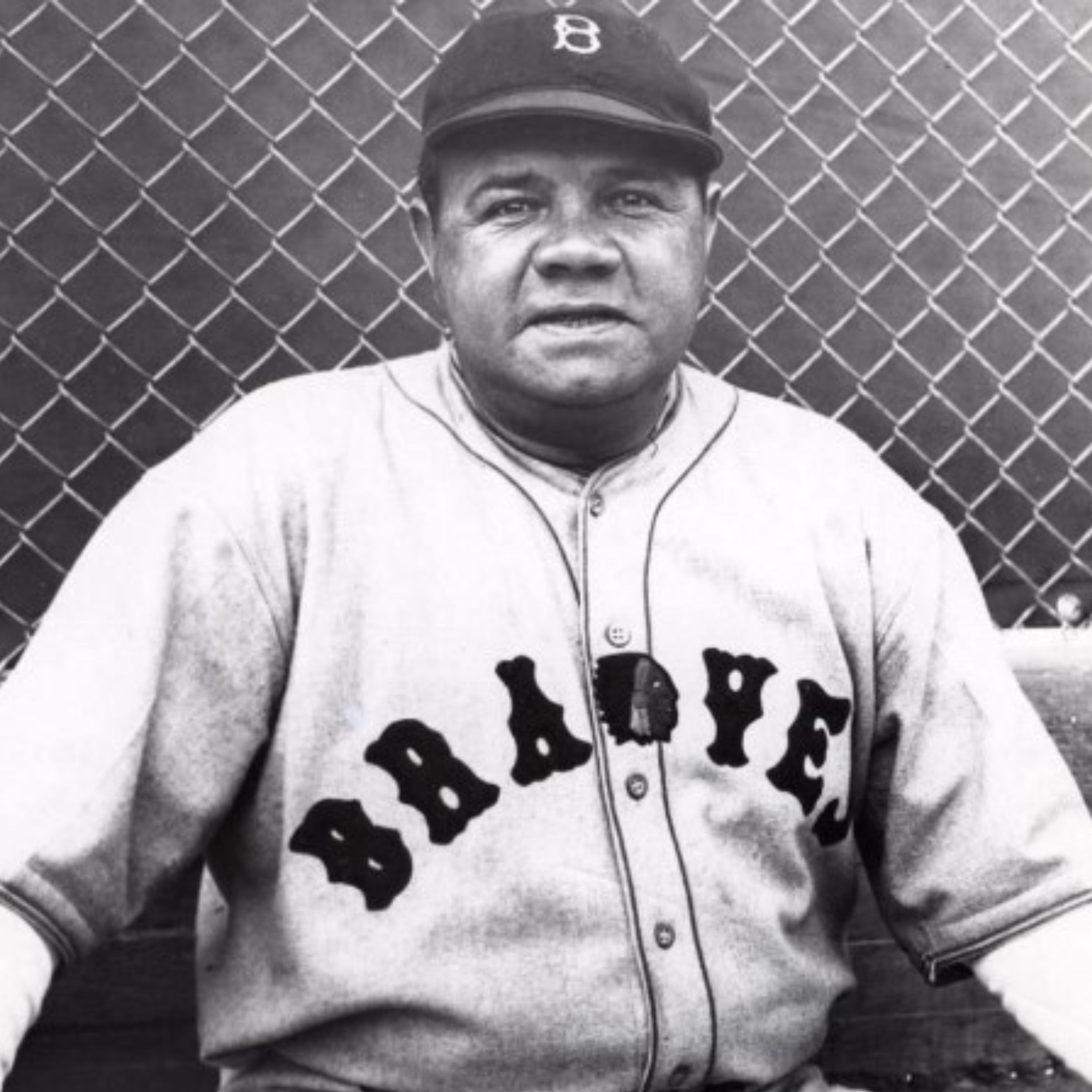
S2 Ep 26Babe Ruth released February 26
On February 26, 1935, the New York Yankees release longtime star outfielder Babe Ruth, freeing him to sign a $20,000 contract with the National League’s Boston Braves. Ruth’s new contract with the Braves also gives him a share of the team’s profits. In 1934, Ruth had endured one of his worst seasons with the Yankees, at least by his lofty standards, with a .288 batting average, 22 home runs, and 84 RBIs.This season, he will play just only 28 games for the Braves before announcing his retirement on June 2nd at the age of 40. Ruth will hit the final three home runs of his major league career on May 25th against the Pittsburgh Pirates, giving him a total of 714. His last home run will clear the right field grandstand at Forbes Field and will travel an estimated 600 feet.Join the Daily Rewind - Join.Classic Baseball Broadcasts - reconnect with baseball history.Mentioned in this episode:Classic Baseball BroadcastsClassic Baseball BroadcastsMentioned in this episode:New CBB Podcast Intro Post Roll March 26

S2 Ep 25Steve Carlton to the Philadelphia Phillies for pitcher Rick Wise
February 25, 1972, the St. Louis Cardinals trade future Hall of Famer Steve Carlton to the Philadelphia Phillies for pitcher Rick Wise. The trade will prove to be one of the best in the history of the Philadelphia franchise, as Carlton will win an amazing 27 games for the last-place Phillies in 1972. During his career with the Phillies, Carlton will win 241 games and four Cy Young awards. Carlton will also help the Phils win 6 NL East crowns, 2 National League pennants, and the 1980 World Series.Join the Daily Rewind - Join.Classic Baseball Broadcasts - reconnect with baseball history.Mentioned in this episode:Classic Baseball BroadcastsClassic Baseball BroadcastsMentioned in this episode:Post Roll March 26New CBB Podcast Intro

S2 Ep 25Dick Williams resigns for Padres
February 24, 1986, Dick Williams resigns as manager of the San Diego Padres, eleven weeks after Padres executives attempt to buy out his contract, only to be thwarted by team owner Joan Kroc, and is replaced by Steve Boros. In 1985, Williams guided the Padres to a record of 83-79. The previous year, Williams led the Padres to their first post-season berth and World Series appearance and compiled a 337-311 (.520) record during his four seasons in San Diego.Join the Daily Rewind - Join.Classic Baseball Broadcasts - reconnect with baseball history.Mentioned in this episode:Classic Baseball BroadcastsClassic Baseball BroadcastsMentioned in this episode:New CBB Podcast Intro Post Roll March 26
S2 Ep 24Smoky Joe Wood Sold by Red Sox
On February 24, 1917 – – Smoky Joe Wood, his arm dead at 26, is sold by the Boston Red Sox to Cleveland for $15,000. He will become an outfielder after one last, losing start on the mound, and will play five more years.Wood had slipped on wet grass while fielding a bunt in a game against the Detroit Tigers. He fell and broke his thumb, and pitched in pain for the following three seasons. Although he maintained a winning record and a low ERA, his appearances were limited, as he could no longer recover quickly from pitching a game. Wood sat out the 1916 season and most of the 1917 season, and for all intents and purposes ended his pitching career.When Wood was sold to the Cleveland Indians, he rejoined former teammate Tris Speaker. Always proficient with the bat, he embarked on a second career; like his former teammate Babe Ruth, Wood ended his career as an outfielder. His hitting statistics, however, were far more pedestrian than those of Ruth. Nonetheless, Wood finished in the top 10 in the American League in runs batted in two seasons (1918 and 1922), and in 1918 he also finished in the top ten in home runs, doubles, batting average, and total bases. Wood pitched seven more times, all but one game in relief, winning none and losing one. He also appeared in four games in the 1920 World Series becoming the only player besides Ruth to be a starting pitcher and starting outfielder in a World Series game.Wood finished his major league career after the 1922 season with a pitching record of 117–57 and an ERA of 2.03. His lifetime batting average was .283. In his final season with the Indians, he had his highest hit total for a season with 150, and also set a personal mark for RBI with 92.Join the Daily Rewind - Join.Classic Baseball Broadcasts - reconnect with baseball history.Mentioned in this episode:Classic Baseball BroadcastsClassic Baseball BroadcastsMentioned in this episode:New CBB Podcast Intro Post Roll March 26
S2 Ep 23Elston Howard Greatest Thrill
February 23, 1929 in St. Louis, MO The Yankees’ first black player, Elston Howard was forced to play the outfield through much of his first five seasons because Yogi Berra was behind the plate. By 1960, Howard was the starting catcher and Berra was more often in the field. Howard was an exceptional defensive catcher; his .993 career fielding average is one of the highest ever, and he pioneered the use of a hinged catcher’s mitt that led to the modern one-handed catching techniques. He was also highly regarded as a handler of pitchers. He was named to the AL All-Star team nine consecutive years.Join the Daily Rewind - Join.Classic Baseball Broadcasts - reconnect with baseball history.Show Notes & Featured AudioGreatest Sports ThrillElston Howard Tops on SportsElston Howard over 100 GamesMentioned in this episode:Classic Baseball BroadcastsClassic Baseball BroadcastsMentioned in this episode:Post Roll March 26New CBB Podcast Intro

S2 Ep 22Walter Johnson and The Silver Dollar - February 22
On February 22, 1936, Walter Johnson fires a silver dollar over the Rappahannock River, estimated to be a 386-foot toss. The spectacle—it took place in the backyard of Washington’s childhood home in Fredericksburg, Virginia. I will tell you the story through Bobby King II research and words. Afterward, I will bring you something that was hard to find, the voice of Walter Johnson doing a radio broadcast for the Senators. Join the Daily Rewind - Join.Classic Baseball Broadcasts - reconnect with baseball history.Show Notes & Featured AudioWalter Johnson No Hitterwalter Johnson audio vaultWalter Johnson BroadcastMentioned in this episode:Classic Baseball BroadcastsClassic Baseball BroadcastsMentioned in this episode:Post Roll March 26New CBB Podcast Intro