CIIS Public Programs
401 episodes — Page 5 of 9
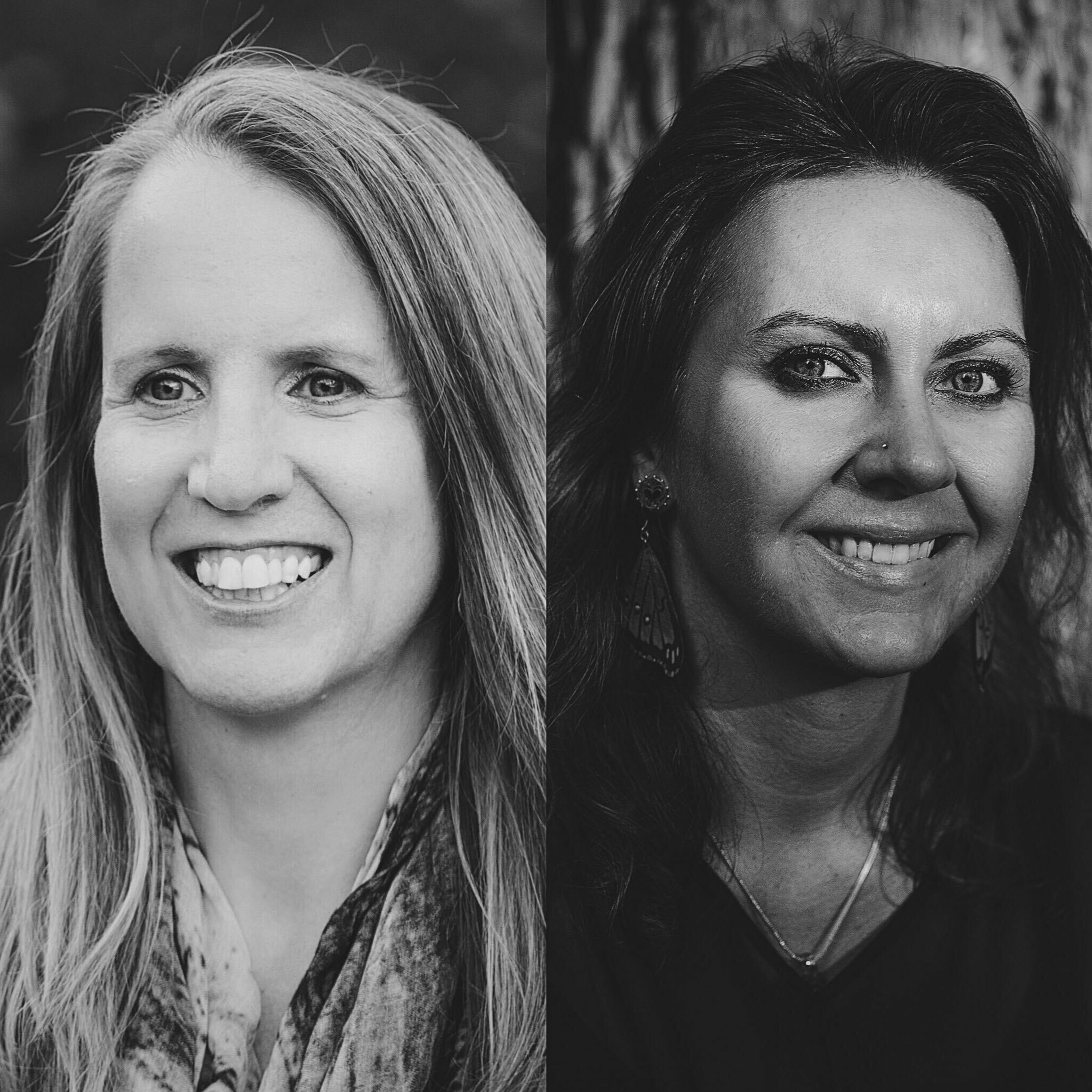
Elizabeth Allison and Natalie Metz: Human Health and Ecological Resilience
The COVID-19 pandemic continues to more fully reveal injustices, inequities, and imbalances that contribute to climate change, ecological degradation, and economic instability that threaten our individual and collective well-being. This potent time invites us to consider questions like: How can we cultivate individual, collective, and ecological resilience in this unstable new reality? What lessons does the pandemic offer for addressing climate change and human health? This episode features Natalie Metz, CIIS faculty in Professional Psychology and Health, and Elizabeth Allison, CIIS faculty in Religion and Ecology, in a conversation exploring connections between human health and the health of the planet. They discuss the current global narratives in medicine and climate change, and how each narrative relates to human and planetary health. Natalie and Elizabeth explore the microcosm and macrocosm of embodied health and the emergence of a new consciousness that embraces collective well-being. This episode was recorded during a live online event on June 18, 2020.
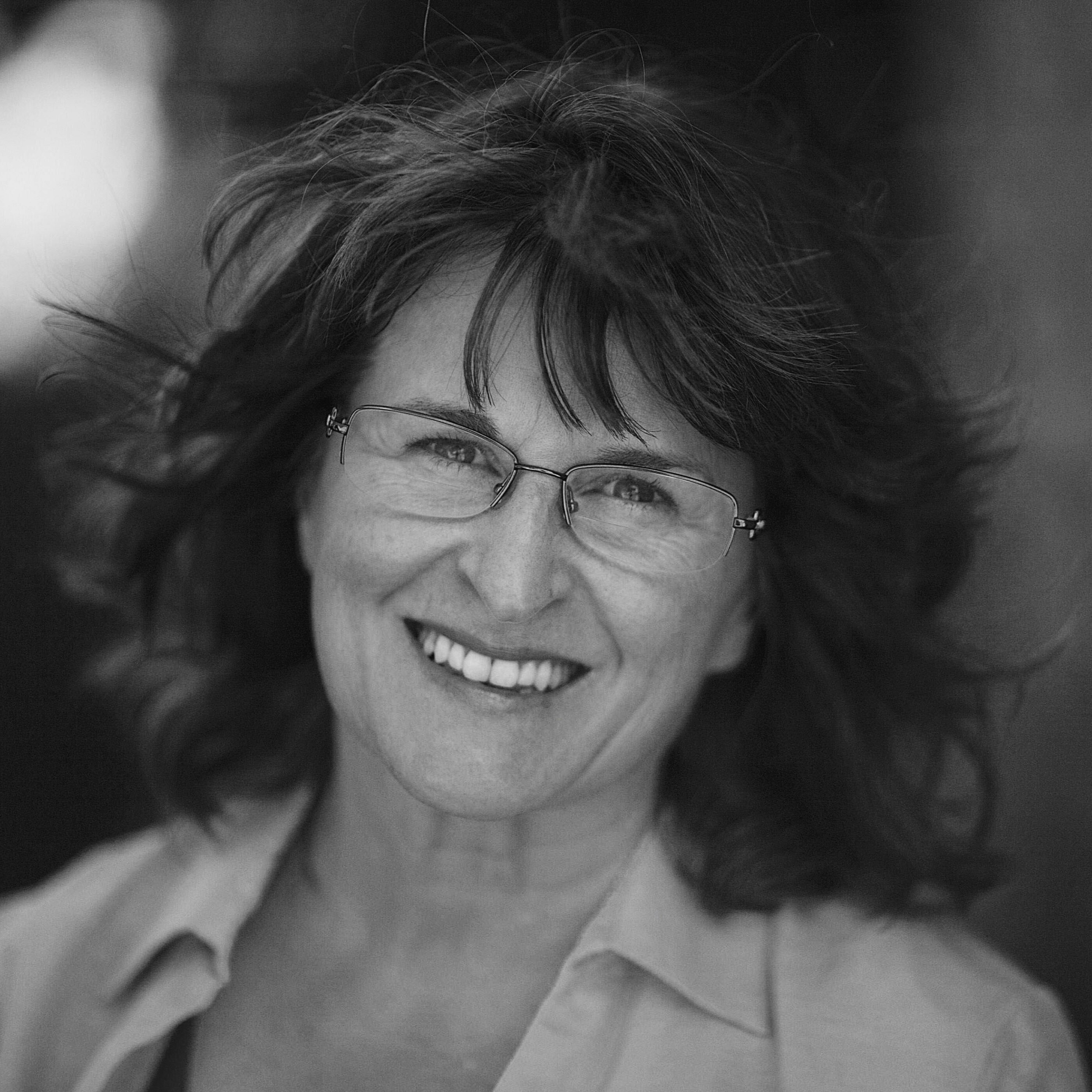
Karla McLaren: On Embracing Anxiety
When facing anxiety, we usually try to make it go away. But what if this emotion was actually trying to help? According to empathy pioneer and author Karla McLaren, when we ignore or repress our anxiety, it can overwhelm us, but when we learn to welcome anxiety, we can access its remarkable gifts. In this episode, Karla is joined by licensed psychologist Elizabeth Markle for an in-depth conversation on anxiety as an essential source of foresight, intuition, and energy. Drawing from her latest book, Embracing Anxiety, Karla shares practices for befriending your anxiety at any level and illuminates how this vital emotion—when engaged wisely—can help you focus, plan, take action, and fulfill your goals. This episode was recorded during a live online event on June 24, 2020.
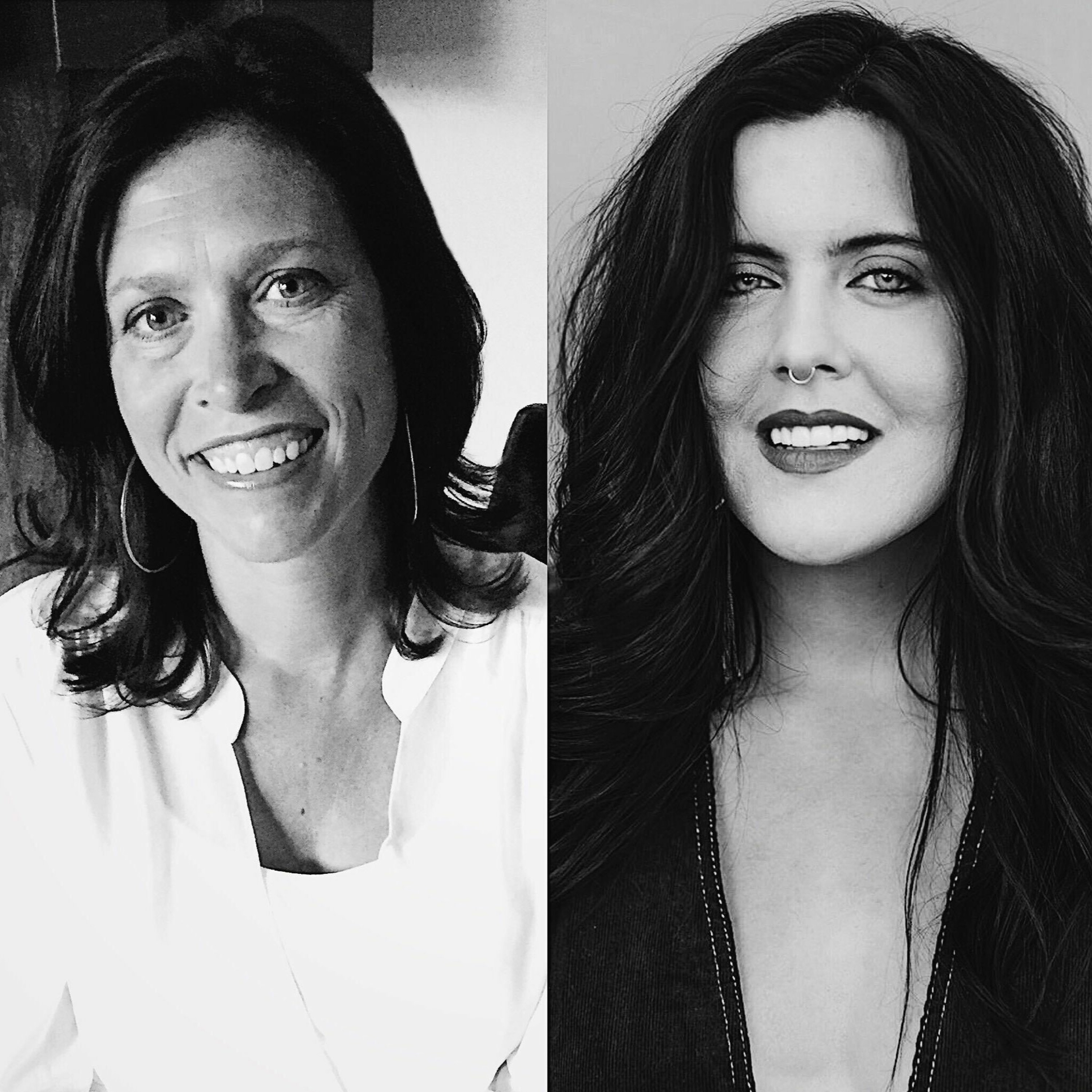
Christine Brooks and Hannah Paasch: On Cultivating Connection
As social distancing becomes a new way of life, connecting with friends, family, co-workers, and neighbors can be difficult and stressful. Suddenly we find ourselves in a new social landscape at a time when we need our communities most. Many are experiencing feelings of isolation and depression. All over the world, from balcony sing-alongs to Zoom graduation parties, people are finding new ways to connect to each other. What does this new normal mean for our mental health? How can we cultivate, maintain, and grow our relationships in these difficult times? In this episode recorded during a live online conversation on June 11, 2020, CIIS faculty and therapist Christine Brooks and author of Millenneagram Hannah Paasch explore human connection in COVID-19 and beyond. They talk about connection at this time, drawing upon knowledge of the enneagram and other tools for understanding yourself and those around you.
Sopan Deb: Missed Translations
As he approached his 30th birthday, Sopan Deb found comfort in his day job as a writer for the New York Times and as a practicing comedian. But his stage material highlighting his South Asian culture only served to mask the insecurities borne from his family history. Theirs was an ostensibly nuclear family without any of the familial bonds. In Sopan’s latest book, Missed Translations, he raises the essential questions: Is it ever too late to pick up the pieces and offer forgiveness? How do we build bridges where there was nothing before—and what happens to us, to our past and our future, if we don’t? In this episode, Alka Arora, Associate Professor of Women’s Spirituality at CIIS, talks with Sopan about the silence and ignorance that separate us, and the blood and stories that connect us. This episode was recorded during a live online conversation on June 3, 2020.
Melody Moezzi: Exploring Rumi to Make Sense of Ourselves
“Quit being a drop. Make yourself an ocean.” Rumi’s inspiring and deceptively simple poems have been called ecstatic, mystical, and devotional. For writer and activist Melody Moezzi, they became her lifeline. Melody’s latest book, The Rumi Prescription, follows her path of discovery as she translates Rumi’s works for herself, gaining wisdom and insight in the face of a creative and spiritual roadblock. In this episode, Professor and Co-Chair of CIIS’ Expressive Arts Therapy Program Shoshana Simons talks with Melody about her life and how the wisdom she found exploring Rumi can help us make sense of our modern lives. This episode contains explicit language. It was recorded during a live online event on May 20, 2020.
Kevin Powell: On America Today
Activist and writer Kevin Powell has emerged as one of the most acclaimed voices in America today, tackling some of the biggest issues of our time through his writing and speaking. In this conversation with former CIIS School of Consciousness and Transformation Dean Kathy Littles recorded on October 15, 2018, Kevin shares his thoughts shortly after the publication of his most recent book My Mother. Barack Obama. Donald Trump. And the Last Stand of the Angry White Man.
Zara Zimbardo and Patrick Reinsborough: Beyond Apocalypse
What dreams might be taking root through this nightmare? How might works of cli-fi and other apocalyptic narratives help us prepare for our future and face our mounting anxieties? In this episode, therapist and cultural anthropologist Zara Zimbardo and narrative strategist and climate activist Patrick Reinsborough pose and explore questions like these and more as they deepen, sharpen, and expand upon their previous conversation titled Apocalypse Now. This episode was recorded on May 25, 2020 at Zara and Patrick’s home in Oakland, CA. While this conversation stands alone, it is a companion piece to their live online conversation recorded on May 13 2020. To hear that conversation, look for the episode titled Apocalypse Now in our feed or find it on our website at https://bit.ly/ApocalypseNowPod.
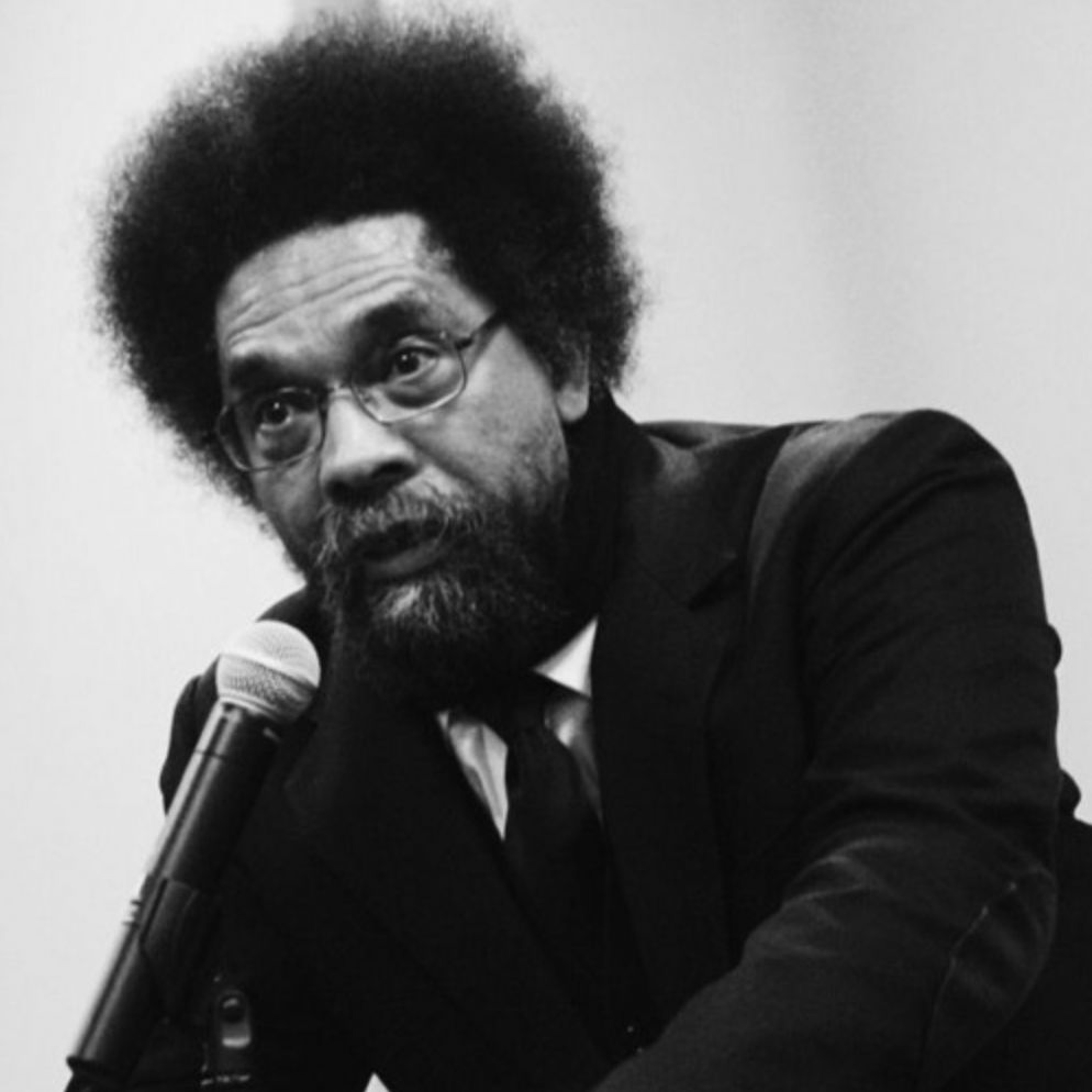
Revisiting Cornel West: The Burden Carried by African American Men
In solidarity with #BlackLivesMatter and #AmplifyMelanatedVoices, we are continuing to highlight conversations from our archives that feature black thinkers, activists, and writers. This week we are revisiting our first podcast, recorded on April 10, 2015, with public intellectual and world-renowned author of Race Matters, Dr. Cornel West. In this episode Dr. Cornel West is in conversation with former CIIS Dean of Diversity and Inclusion Denise Boston about the burdens black men carry in society. We hope that listening to this episode, and Revisiting Series as a whole, provides resources and connection in these transformative times. You can find all five of these episodes and more on the Recommended page at ciispod.com or by subscribing to this podcast.
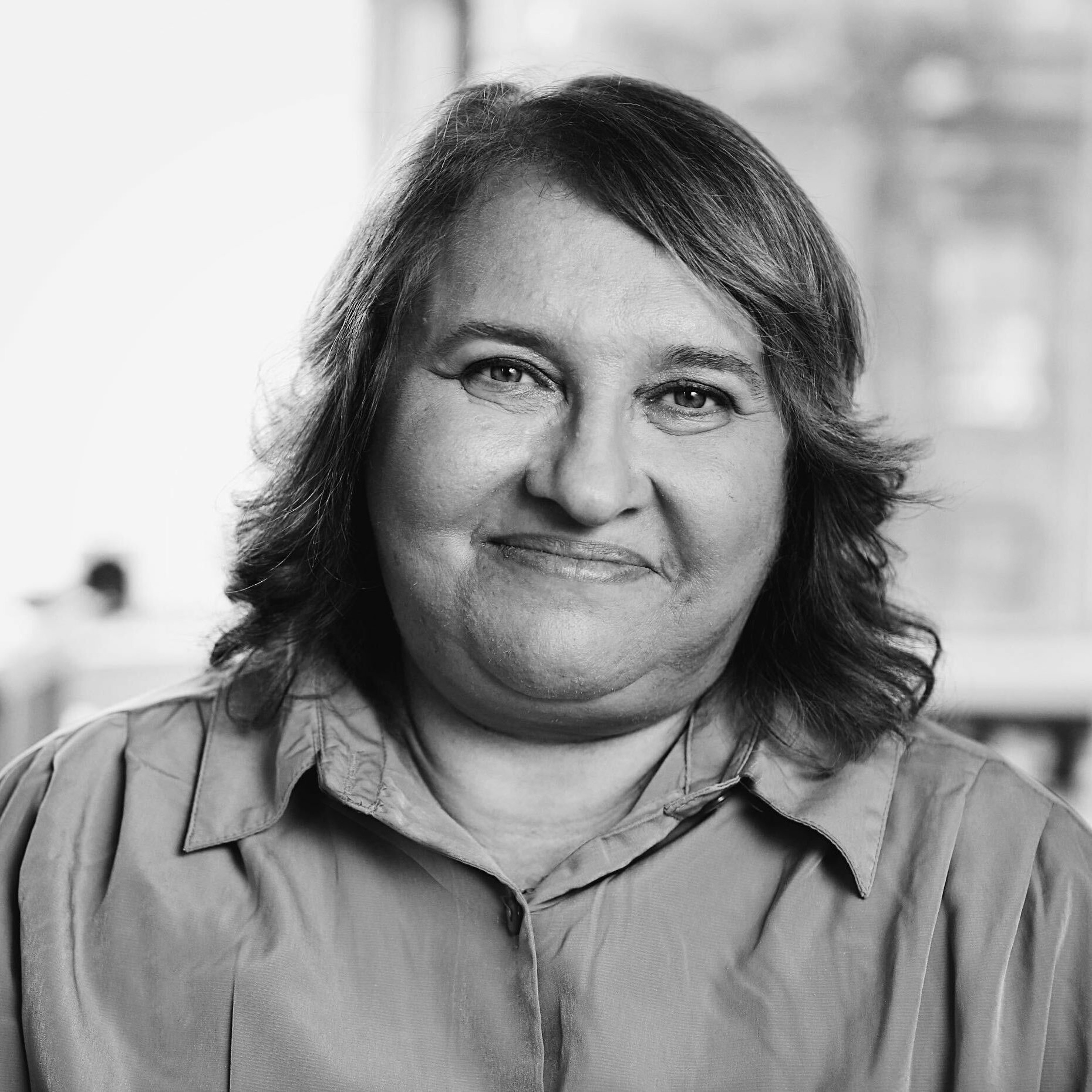
Sharon Salzberg: On Cultivating Balance
In this episode recorded on February 8, 2019, world-renowned meditation teacher and New York Times bestselling author Sharon Salzberg is joined by AI scientist and contemplative teacher Nikki Mirghafori in a conversation on cultivating resilience, compassion, and clarity during difficult times.
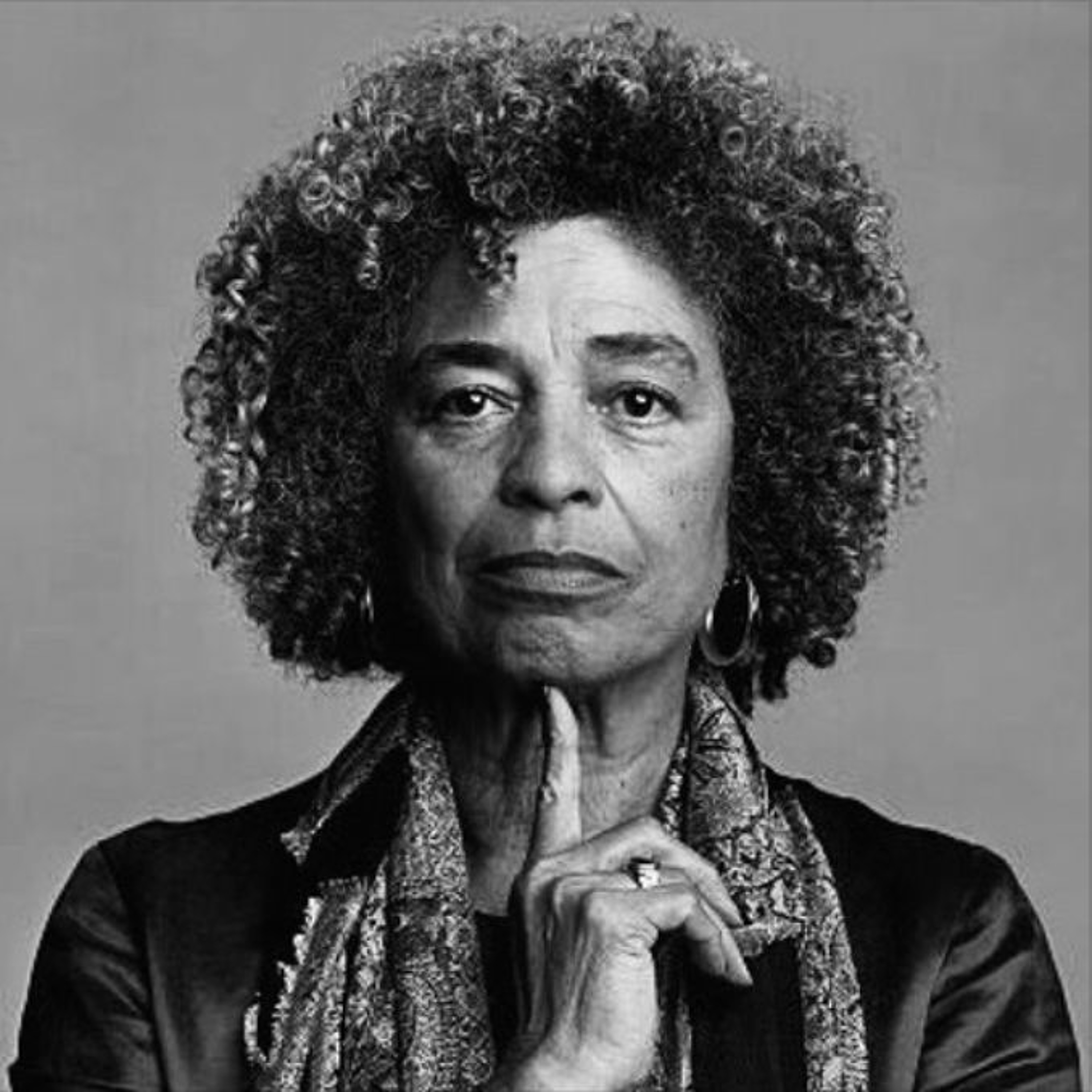
Revisiting Angela Davis: A Life of Activism
In solidarity with #BlackLivesMatter and #AmplifyMelanatedVoices, this week we are highlighting four conversations from our archives that feature black thinkers, activists, and writers. Starting Thursday, June 4th through Sunday, June 7th, 2020 we are re-releasing conversations with Ijeoma Oluo, Damon Young, Joy DeGruy, and Angela Davis. We hope that listening to these episodes provides resources and connection in these transformative times. You can find all four episodes and more on the Recommended page at ciispod.com or by subscribing to this podcast. In this episode, activist, author, and former Black Panther Party member Angela Davis spoke with CIIS Professor Danielle Drake about her life and work at a live event recorded on April 13, 2018.
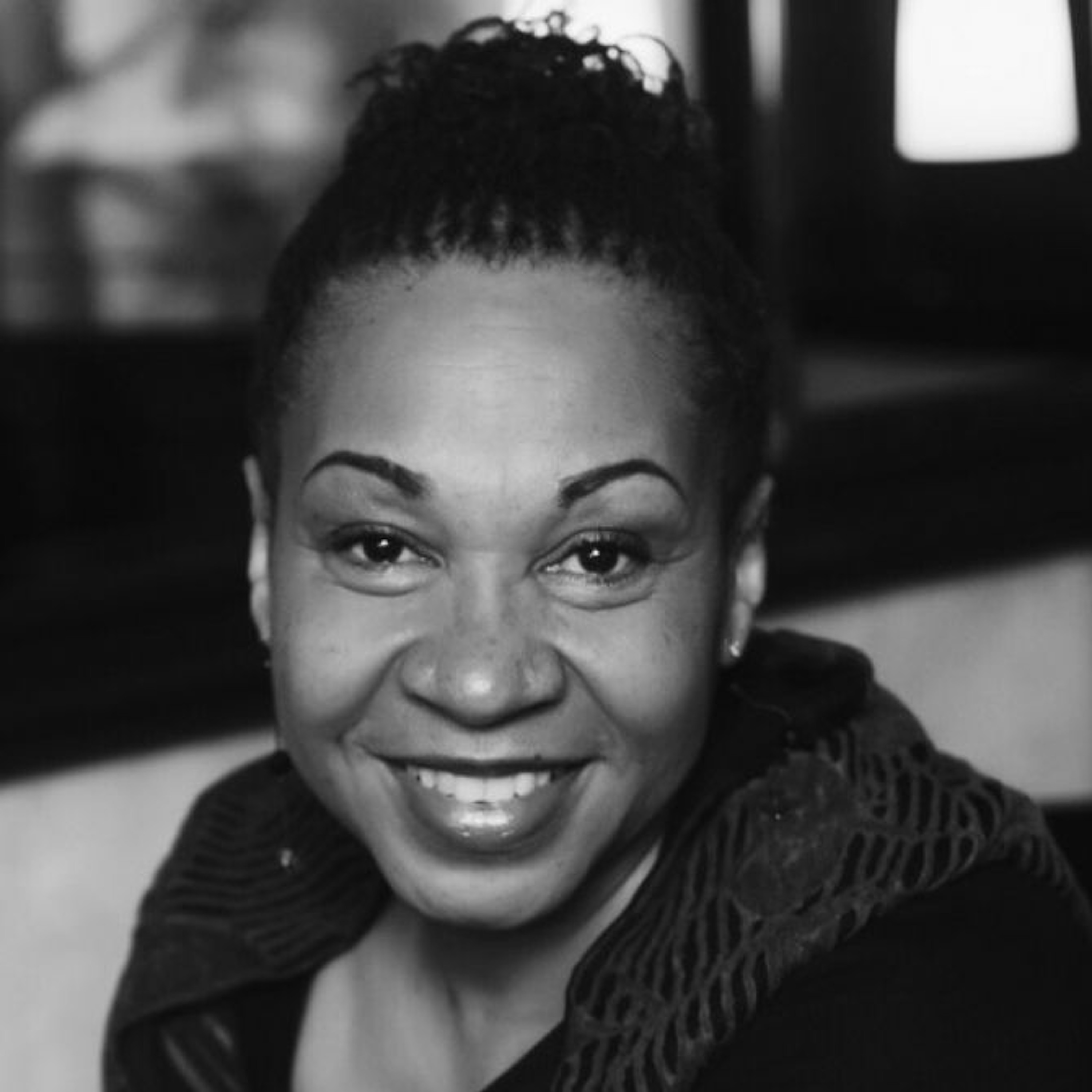
Revisiting Joy DeGruy: On Post-Traumatic Slave Syndrome
In solidarity with #BlackLivesMatter and #AmplifyMelanatedVoices, this week we are highlighting four conversations from our archives that feature black thinkers, activists, and writers. Starting Thursday, June 4th through Sunday, June 7th, 2020 we are re-releasing conversations with Ijeoma Oluo, Damon Young, Joy DeGruy, and Angela Davis. We hope that listening to these episodes provides resources and connection in these transformative times. You can find all four episodes and more on the Recommended page at ciispod.com or by subscribing to this podcast. In this episode, author Joy DeGruy was joined in conversation recorded on January 19, 2018 by former CIIS Dean of Diversity and Inclusion Denise Boston to explore how trans-generational trauma and systems of oppression influence race relations in America.
Revisiting Damon Young: What Doesn’t Kill You Makes You Blacker
In solidarity with #BlackLivesMatter and #AmplifyMelanatedVoices, this week we are highlighting four conversations from our archives that feature black thinkers, activists, and writers. Starting Thursday, June 4th through Sunday, June 7th, 2020 we are re-releasing conversations with Ijeoma Oluo, Damon Young, Joy DeGruy, and Angela Davis. We hope that listening to these episodes provides resources and connection in these transformative times. You can find all four episodes and more on the Recommended page at ciispod.com or by subscribing to this podcast. In this episode, author Damon Young was joined in a conversation recorded on April 15, 2019 by artist A-lan Holt from Stanford's Institute for Diversity in the Arts to discuss the ever-shifting definitions of what it means to be black in America.
Revisiting Ijeoma Oluo: So You Want To Talk About Race
In solidarity with #BlackLivesMatter and #AmplifyMelanatedVoices, this week we are highlighting four conversations from our archives that feature black thinkers, activists, and writers. Starting Thursday, June 4th through Sunday, June 7th, 2020 we are re-releasing conversations with Ijeoma Oluo, Damon Young, Joy DeGruy, and Angela Davis. We hope that listening to these episodes provides resources and connection in these transformative times. You can find all four episodes and more on the Recommended page at ciispod.com or by subscribing to this podcast. In this episode, author Ijeoma Oluo was joined by former CIIS Dean of Diversity and Inclusion Denise Boston in a conversation recorded on January 31, 2018. They explored Ijeoma’s book, So You Want To Talk About Race, and examined the racial landscape in America.
Zara Zimbardo and Patrick Reinsborough: Apocalypse Now
In this episode, therapist and cultural anthropologist Zara Zimbardo is joined by narrative strategist and climate activist Patrick Reinsborough for a conversation exploring how we think about “the end” and what apocalyptic narratives can tell us about new beginnings and collective actions. This episode was recorded during a live online event on May 13, 2020. Stay tuned for a continuation of this conversation with Zara and Patrick right here in a couple of weeks!
Antonio Ramirez: On Ethics In Shamanism
After observing modern shamanic trainings with a growing concern, clinical psychologist and scholar Anotonio Ramirez began exploring more traditional forms of shamanism by interviewing elder shamans in Latin America. In this talk, recorded at CIIS on May 21, 2019, Antonio shares his ideas about the dangers of shamanism as it is practiced today in urban areas, how these practices are affecting native shamanism, and suggests ways to avoid falling prey of unethical practitioners.
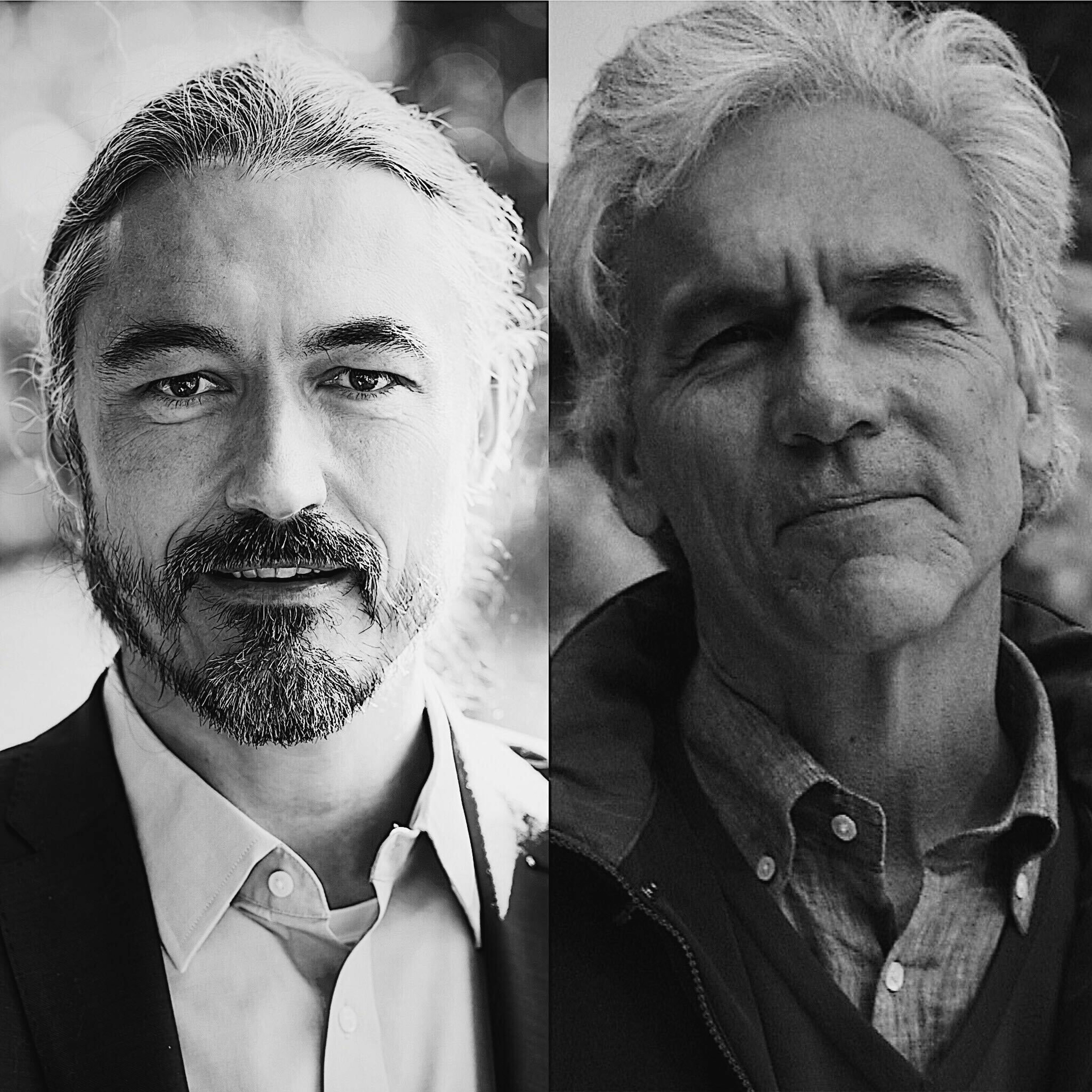
Thomas Hübl and Brian Swimme: On Healing Collective Trauma
This episode featuring spiritual teacher Thomas Hübl along with cosmologist and CIIS professor Brian Swimme was recorded during a live streaming webinar on May 9th, 2020. During their conversation, Brian and Thomas explore the cosmos and discuss ways to move from being a society informed by trauma to a society that heals trauma. To find out more about CIIS and public programs like this one, including our upcoming online trauma healing workshop with Thomas Hübl, visit our website: ciis.edu
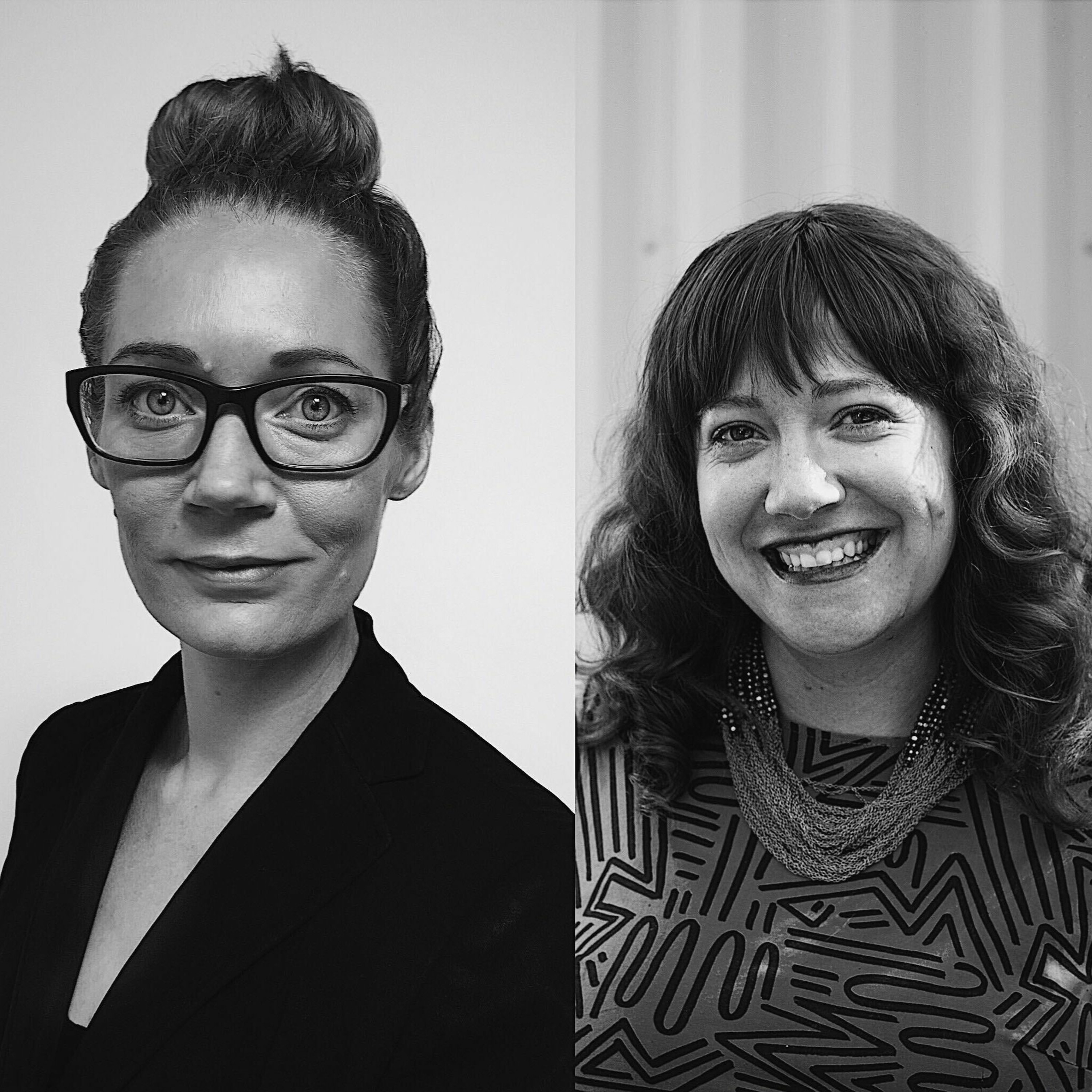
Rhonda Holberton and Ceci Moss: Art In The Digital
This episode featuring digital artist Rhonda Holberton and curator Ceci Moss was recorded during a live streaming webinar on April 10, 2020. Their conversation explores the intersection of art and technology and ways art in the digital age can provide new pathways for understanding our world and ourselves.
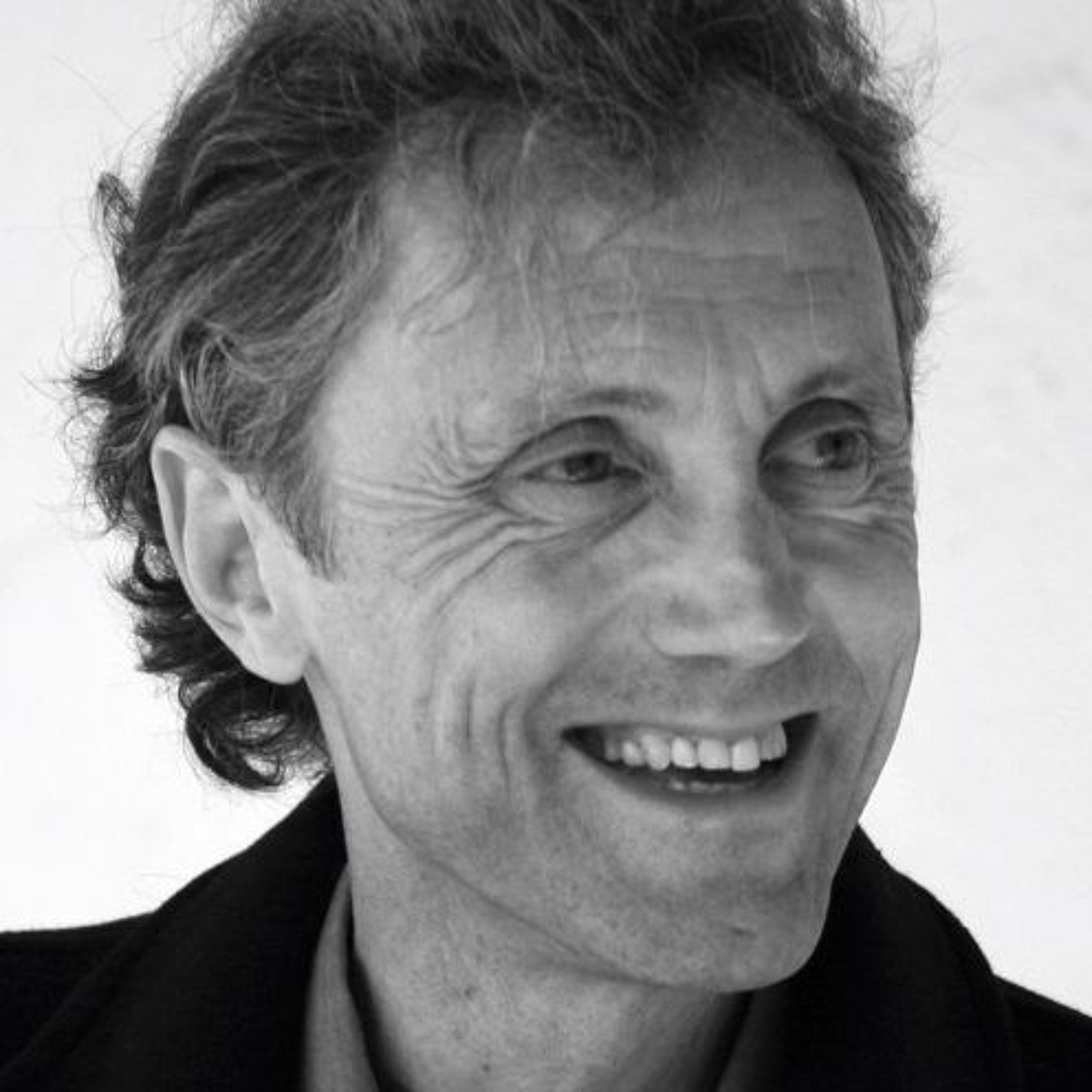
Richard Tarnas: What’s Happening in the Stars Right Now
This episode featuring CIIS professor and renowned scholar Richard Tarnas was recorded during a live streaming webinar on April 23rd, 2020. In his talk, Richard shares astrological insights into the time of the COVID-19 pandemic, which he describes as “a time in which there are volcanically intense evolutionary pressures for the radical reconfiguration of all life’s structures.” To see the image referenced by Richard during this episode, visit our website: ciis.edu
Best Of: Poetic Justice
This episode showcases selections from three previous episodes featuring poets who explore a variety of social justice issues through their work. This episode contains explicit language. Part One The episode begins with poet and scholar Cameron Awkward-Rich joined in conversation with writer and curator James Fleming. Cameron reads first from his recent award-winning book Dispatch followed by a poem from his 2016 book Sympathetic Little Monster, which broke new ground in Trans, Queer, Black, and American poetry. Part Two This excerpt features the poet Layli Long Soldier in conversation with San Francisco poet Brynn Saito. Layli reads a selection from her collection of poetry WHEREAS, and talks with Brynn about her journey writing these poems in response to the congressional resolution “Apology to Native Peoples.” Part Three The episode closes with diversity and inclusion specialist Denise Boston in a conversation with author and academic DaMaris B. Hill that spans poetry, history, and current events to illuminate the lives of extraordinary women and their impact on today's society. DaMaris also reads from her book A Bound Woman is a Dangerous Thing: The Incarceration of African American Women from Harriet Tubman to Sandra Bland.
Chris Bache: LSD and the Mind of the Universe
Author and psychedelic explorer Chris Bache’s book, LSD and the Mind of the Universe chronicles his experiences and insights from 73 high-dose LSD sessions conducted between 1979 and 1999. This became the philosophical adventure of a lifetime, but one Chris had to keep largely hidden from his colleagues and society. In this episode licensed psychotherapist and CIIS Professor Gisele Fernandes talks with Chris about his 20-year journey into the depths and heights of consciousness.
Larissa Zimberoff and Julie Guthman: The Future Of Food
Modern technology has, and continues to transform the ways we grow, prepare, distribute, eat, and think about our food. In this episode, food journalist Larissa Zimberoff and social sciences professor Julie Guthman share insights into food culture and examine the trends and technologies that are transforming the world of food. Is the future of food looking bleak or better than ever? This episode contains explicit language.
Suzy Ross: The Map To Wholeness
Suzy Ross is an assistant professor and coordinator of recreation therapy and complementary and alternative medicine at San Jose State University, California. In this episode, CIIS Chief of Staff and psychologist Richard Buggs talks with Dr. Ross about finding our path in life, journeys of personal transformation, and her book The Map to Wholeness.
Kazu Haga: On Healing Resistance
With over 20 years of experience practicing and teaching Kingian Nonviolence, leading trainer Kazu Haga offers a practical approach to resolving conflict first practiced by Dr. Martin Luther King Jr. during the Civil Rights Movement. In his work, Kazu reclaims the energy and assertiveness of nonviolent practice and shows that a principled approach to nonviolence is the way to transform not only unjust systems, but broken relationships. In this episode, Kazu Haga is joined by CIIS professor and restorative justice expert Sonya Shah for a conversation about his life, Kingian Nonviolence, and his book, Healing Resistance. This episode contains explicit language.
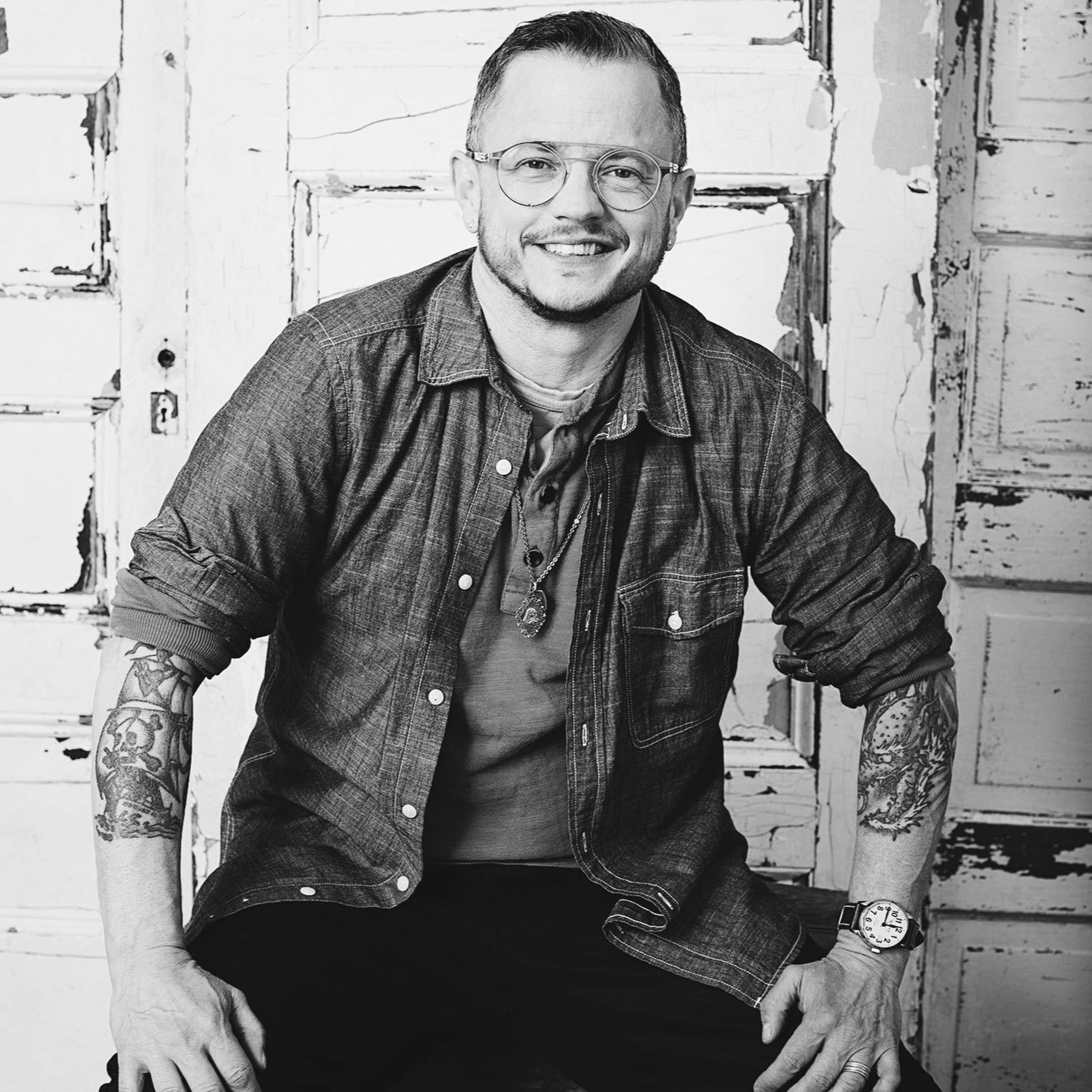
P. Carl: On Becoming A Man
For most of his life, Boston-based artist P.Carl lived as a girl and a queer woman, building a career, a life, and a loving marriage, yet still waiting to realize himself in full. After fifty years, he embarked on his gender transition amid the rise of the Trump administration and the #MeToo movement—a transition point in America’s own story. In this episode, recorded shortly after the release of P. Carl’s memoir, Becoming a Man: The Story of a Transition, CIIS Human Sexuality Program Chair Michelle Marzullo talks with P. Carl about his personal journey, as well as gender, power, and inequality in America.
Elizabeth Allison: On Ecology and Spirituality
In this episode, Ecology and Religion Professor Elizabeth Allison provides an exploration into spiritual ecology. Discover how deepening our relationship with the natural world helps us thrive.
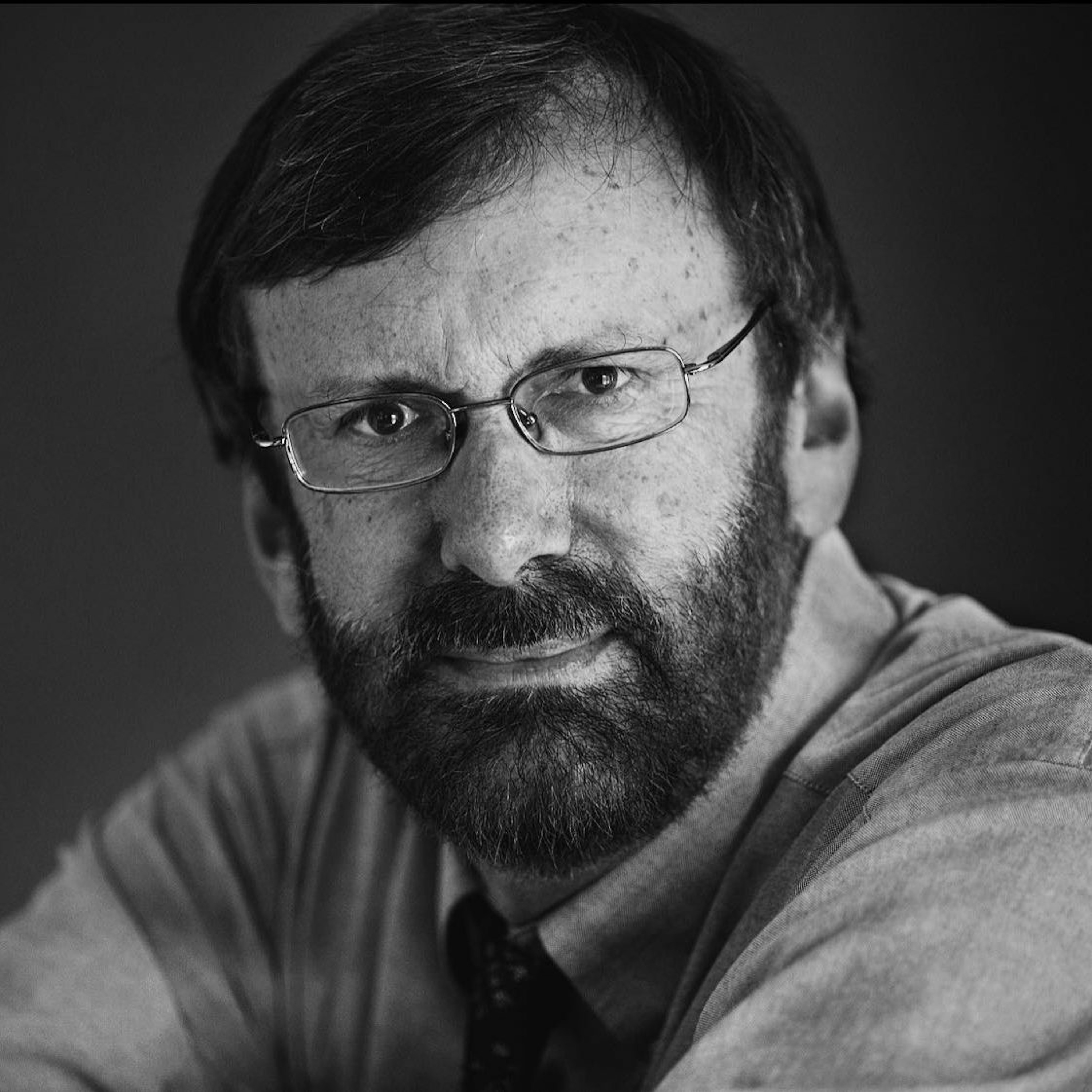
Don Lattin: On Being a Psychedelic Journalist
For more than four decades, Don Lattin has written about the social, spiritual, and political aspects of the psychedelic drug movement as a newspaper reporter, freelance journalist, and the author of four books of narrative non-fiction. In this episode, KQED Science senior editor Kat Snow has a conversation with Don looking back on the long, strange trip his career has been.
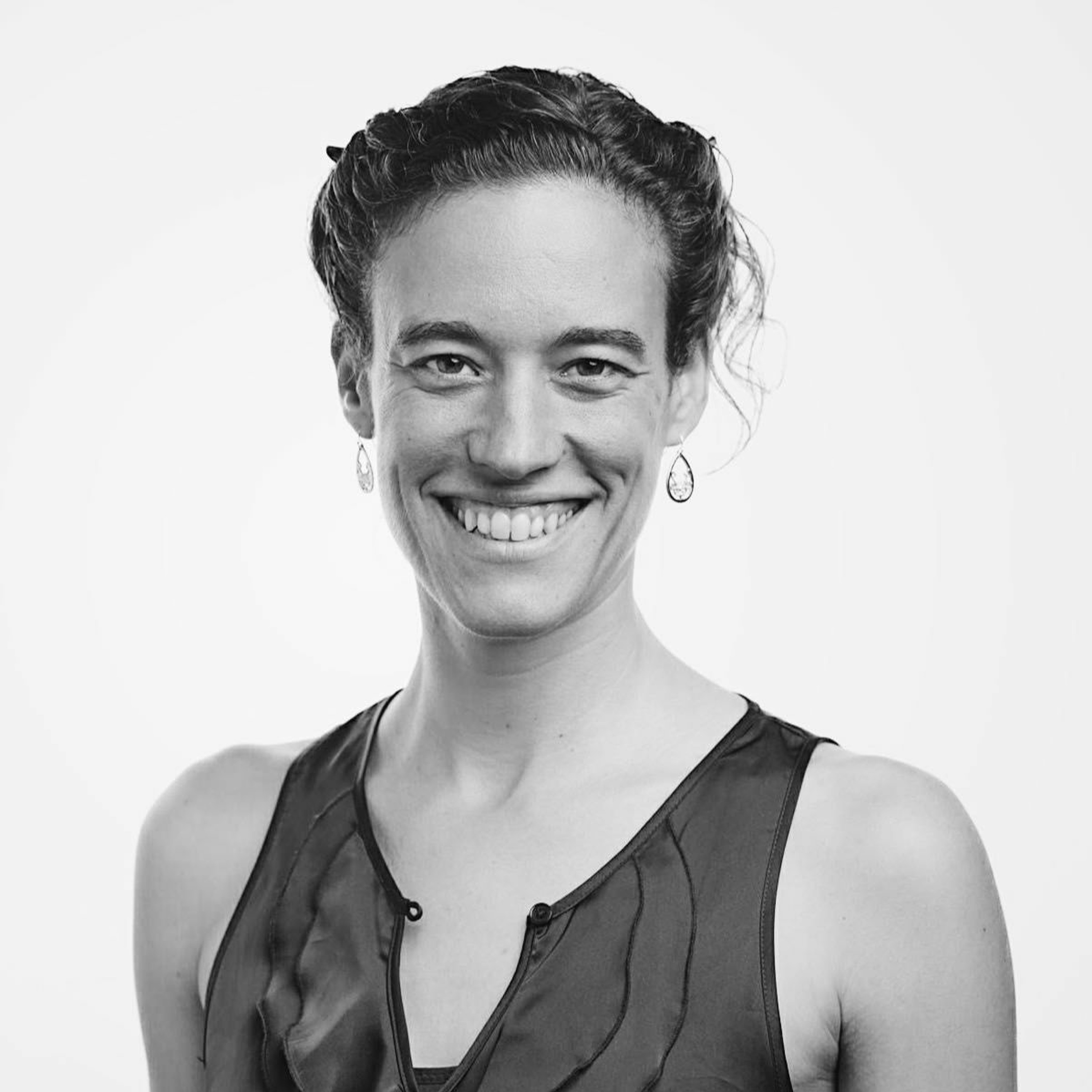
Elizabeth Markle: On Community As Medicine
Elizabeth Markle is a clinical psychologist turned radical community health innovator who brings decades of intentional community experience to her re-visioning of healthcare. In this episode, health coach Susanna Merlo talks with Dr. Markle about her journey launching her community and “behavioral pharmacy”, Open Source Wellness, and her vision for the transformation of our nation’s clinical and social systems.
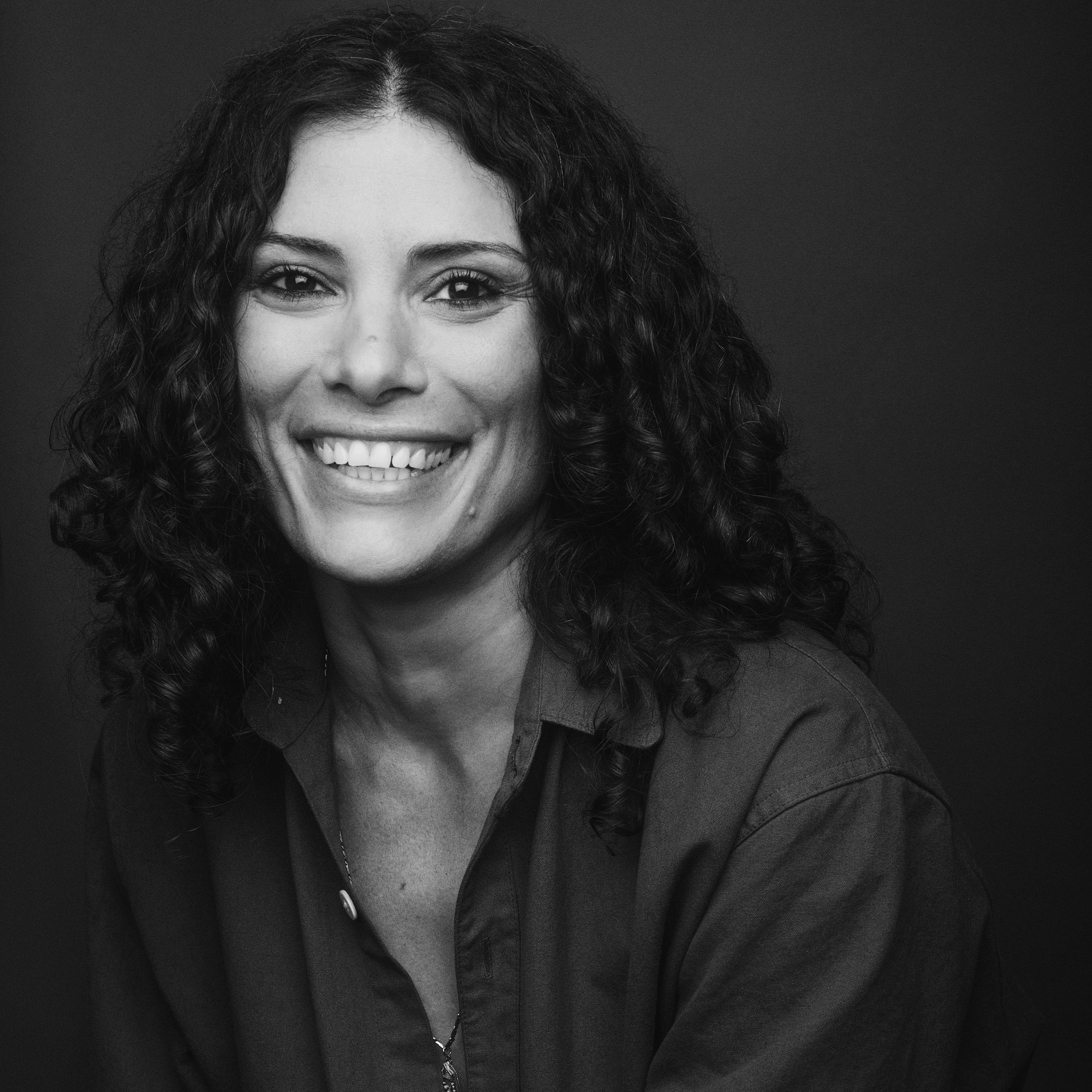
Chani Nicholas: Astrology for Radical Self-Acceptance
Chani Nicholas is a beloved astrologer and queer feminist activist with a loyal online following. For her, astrology isn’t about passively accepting our fate, it’s about action. In her inspirational and socially conscious weekly horoscopes, she encourages her devotees to take control—to confront themselves, their desires, and their needs—to fulfill their potential using the power of the stars. Recorded live at the Herbst Theatre shortly after the release of her book You Were Born for This: Astrology for Radical Self-Acceptance, this episode features Chani in three parts. Beginning with a chart-reading and conversation with Fania E. Davis, a leading national voice on restorative justice, followed by a conversation with CIIS Professor Sonya Shah, and finishing with questions submitted by the audience.
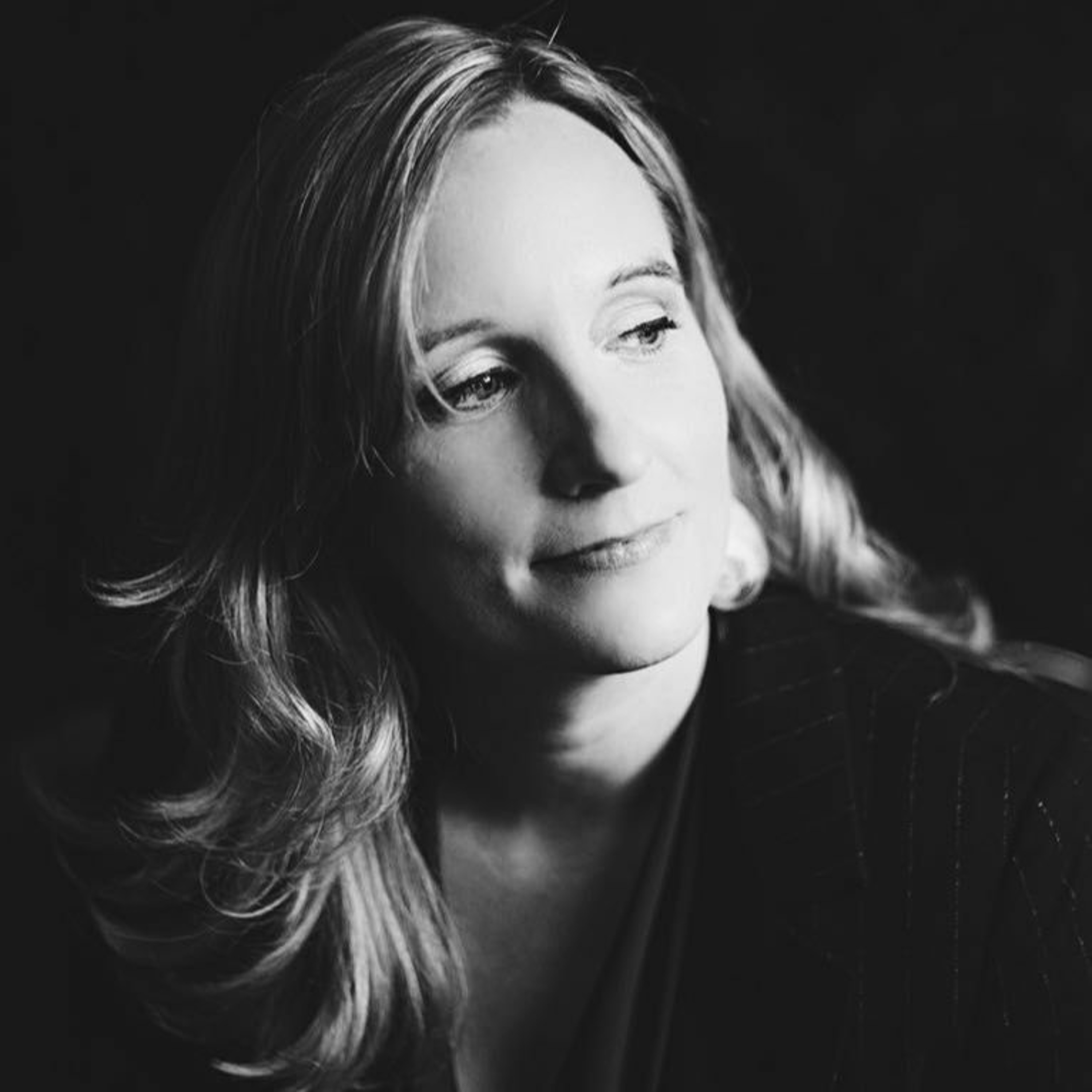
Dr. Sarah Rose Cavanagh: The Science of Collective Consciousness
In her latest book, Hivemind: The New Science of Tribalism in Our Divided World, psychologist and emotion regulation specialist Dr. Sarah Rose Cavanagh leaves no stone unturned in her quest to understand how social technology is reshaping the way we socialize. In this episode, Dr. Cavanagh is joined by CIIS professor Zara Zimbardo for a conversation on how communities can sync up around shared ideas, how this hive mentality is contributing to today's polarized times, and how to make sense of the dissonance around us.
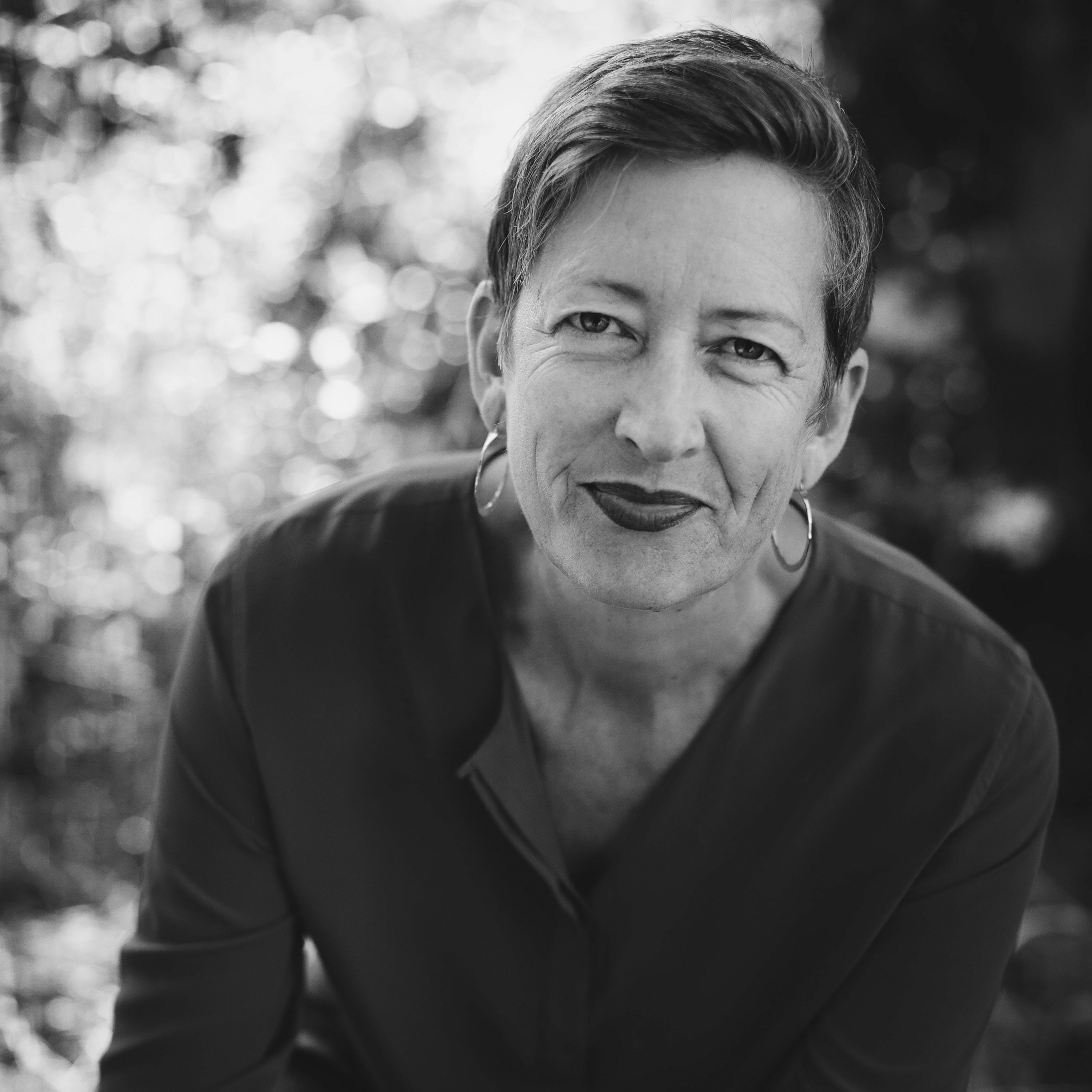
Staci K. Haines: On Somatics and Social Justice
Somatic therapy combines talk therapy and bodywork to treat a wide range of psychological and physiological conditions, ranging from stress and anxiety to depression and PTSD. Nowhere has somatics proven more effective than in the treatment of trauma. In this episode, author and somatics practitioner Staci Haines is joined in a conversation with therapist and CIIS professor Emily Marinelli. They discuss Staci’s book The Politics of Trauma: Somatics, Healing, and Social Justice, and share a restorative justice approach to somatic therapy, integrating mind-body healing with social activism.
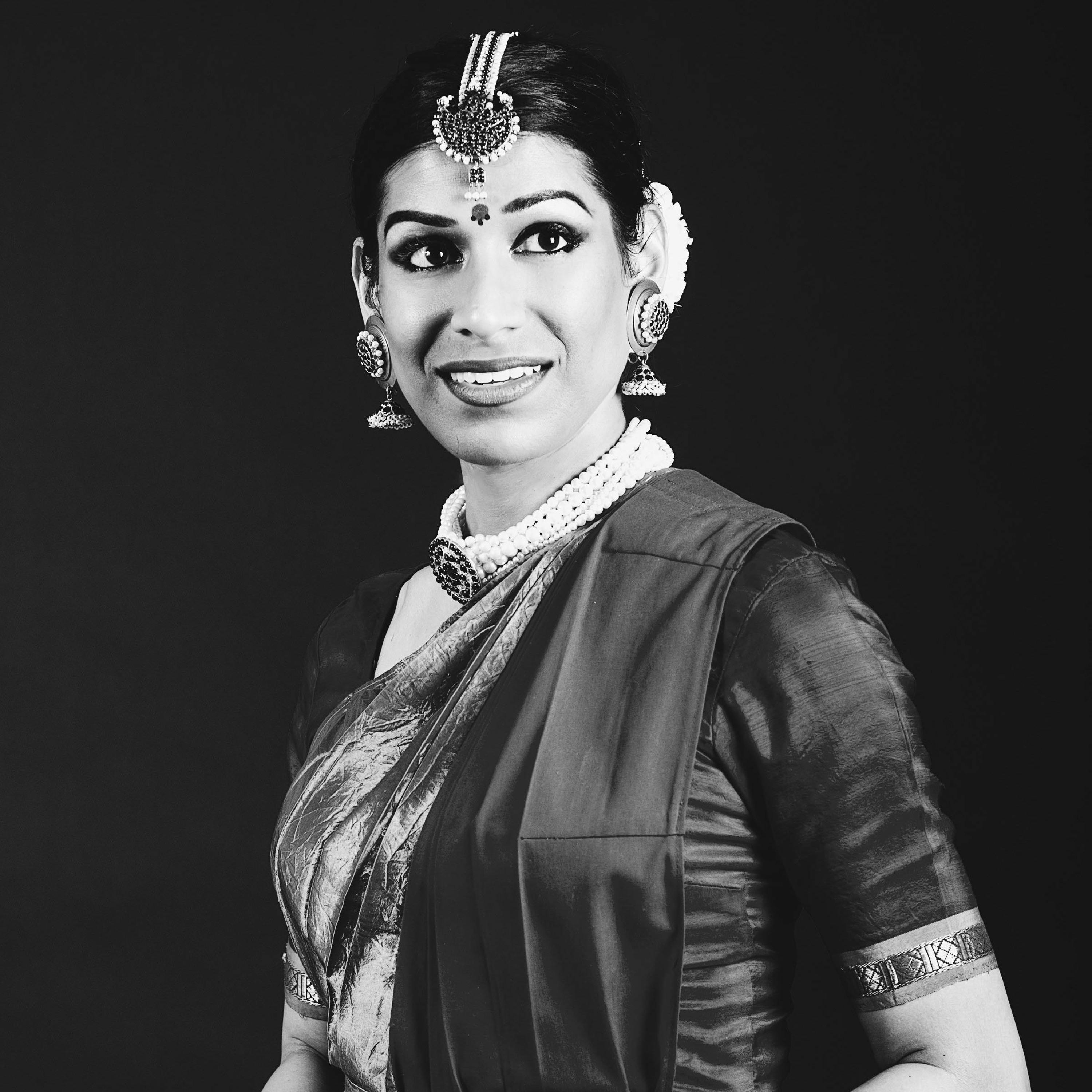
Mesma Belsaré: Decoding Sacred Geometry In Indian Art
With an immensely rich and complex history spanning several millennia, India offers an overwhelming palette of visual options. Indian classical art is filled with hidden symbolism. When decoded, we find these symbols still hold powerful meanings today and help us to better understand the human experience. In this episode, dancer, painter, and actor Mesma Belsaré describes the geometric design principles behind some of the classical images in Indian art and their hidden meanings.
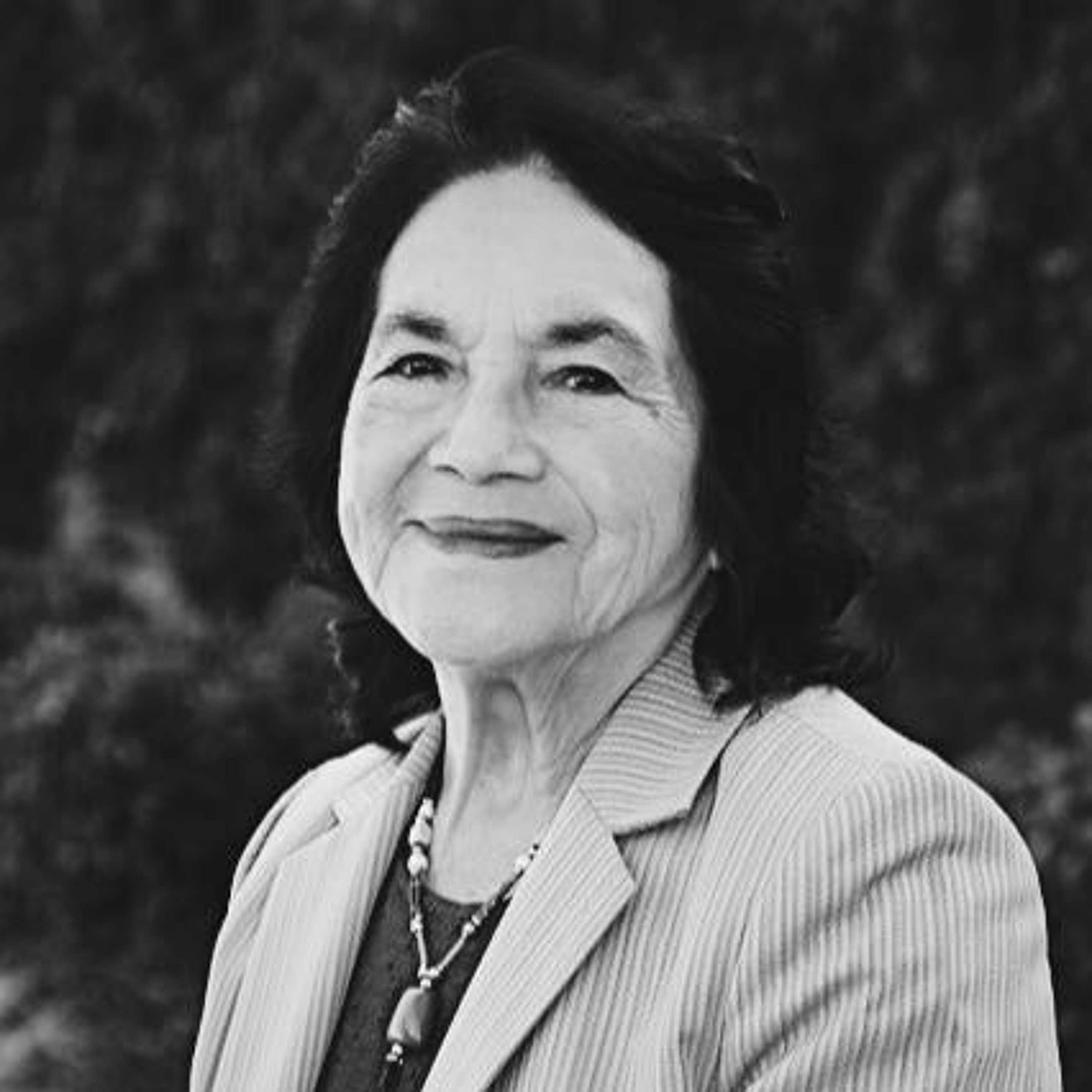
Dolores Huerta: On Activism And The Future Of America
An equal partner in co-founding the first farm workers unions with Cesar Chavez, Dolores Huerta has become one of the most defiant feminists of the twentieth century, and one of the most important activists in American history. Now 89 years old, she continues the fight to this day. In this episode, recorded live in San Francisco in November 2019, Latinx studies professor Maria L. Quintana has a conversation with Dolores Huerta about her life and work as a revolutionary and inspirational leader dedicated to activism, feminism, and the future of America.
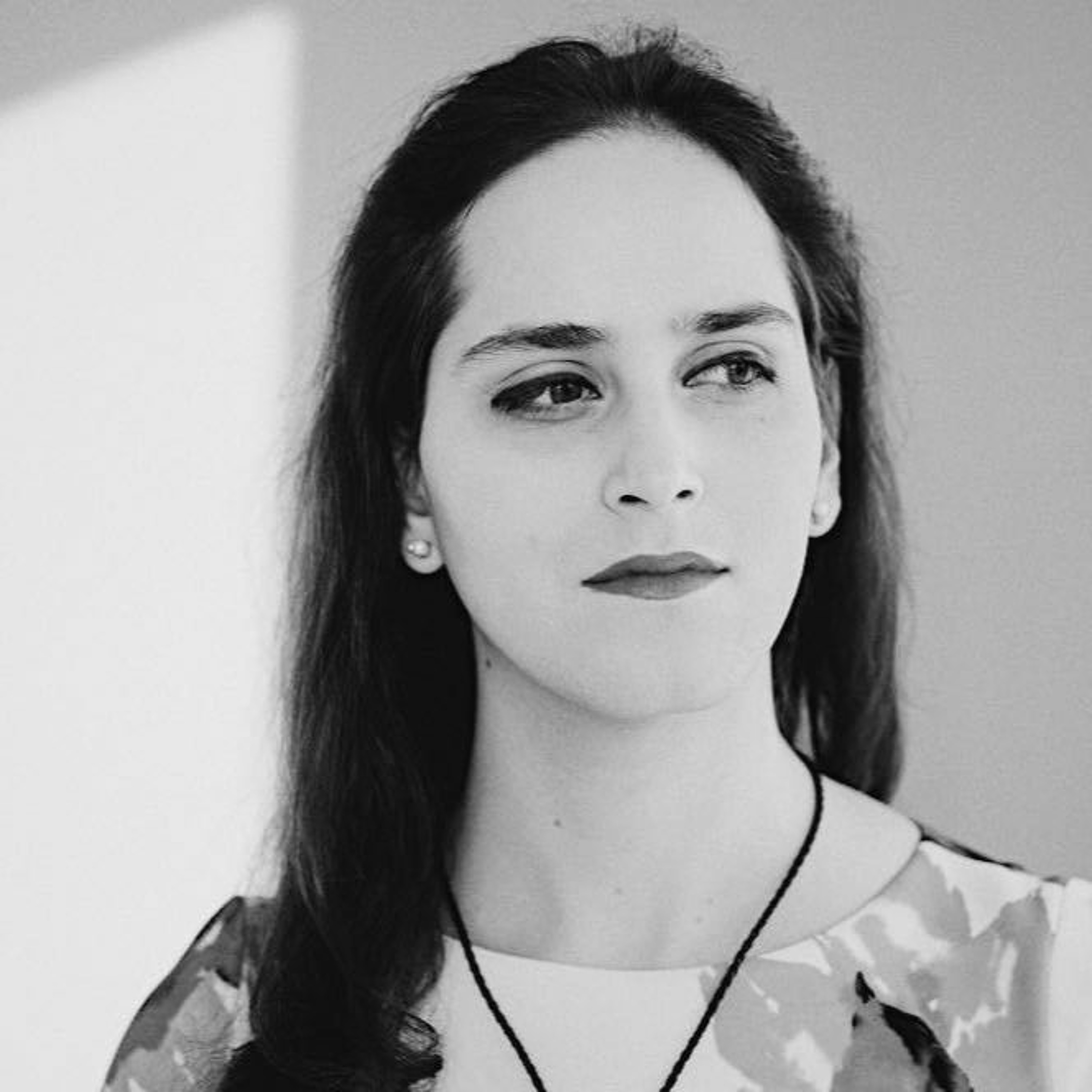
Abby Chava Stein: Becoming Eve
Abby Chava Stein is the tenth-generation descendant of the Baal Shem Tov, the founder of the Hasidic movement. In 2015, she came out as a woman, and she now works as a transgender activist. In this episode, Keshet LGBTQIA+ education specialist Randi Reed talks with Abby about her book Becoming Eve: My Journey from Ultra-Orthodox Rabbi to Transgender Woman.
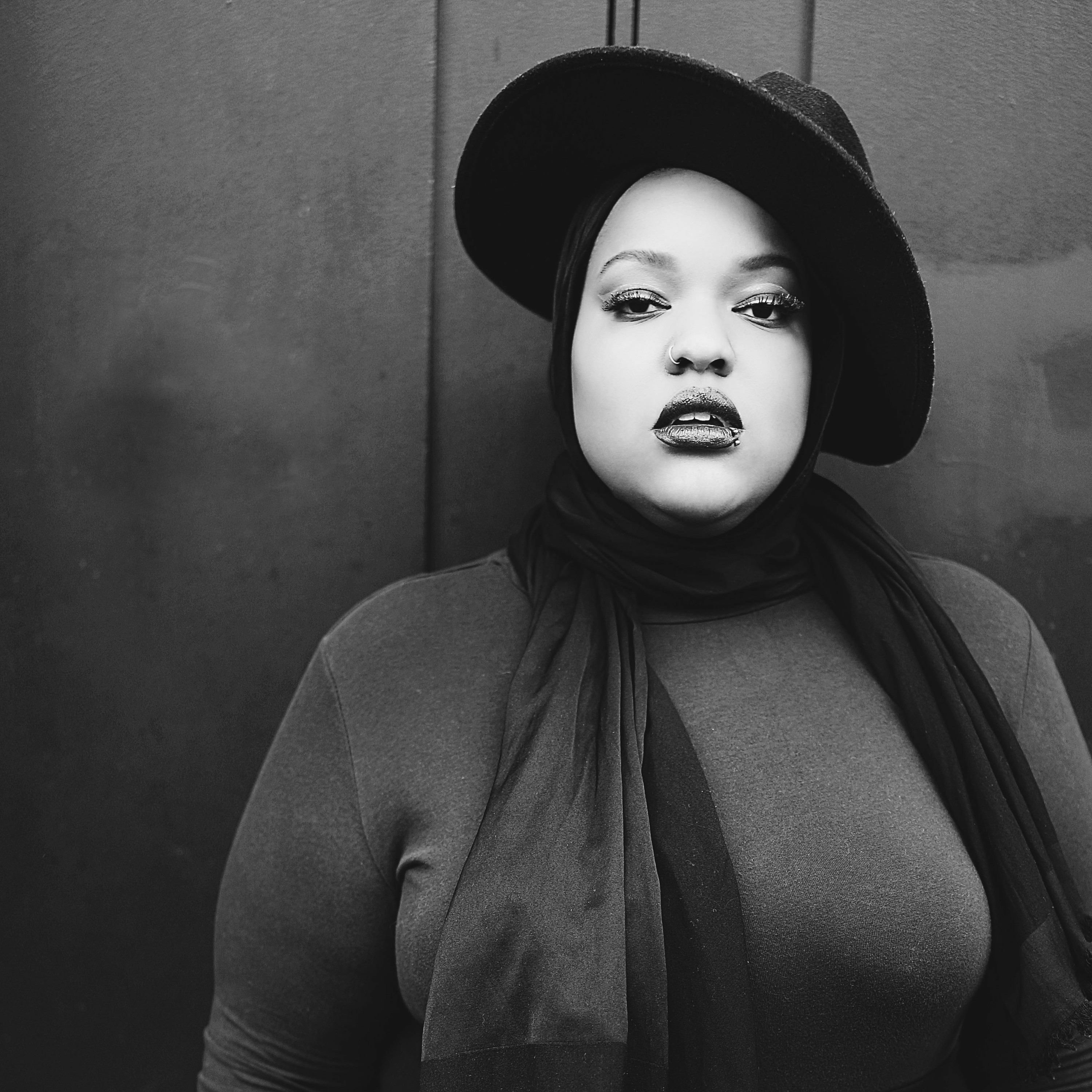
Leah Vernon: Musings Of A Fat, Black Muslim
Leah Vernon is a style blogger, plus-size Muslim model, public speaker, and activist. In her book, Unashamed: Musings of a Fat, Black Muslim, she takes to task the myth of the perfect Muslim woman. In this episode, poet and social justice activist Rabi'a Keeble talks with Leah Vernon about her love-hate relationship with her hijab and her faith, race, weight, mental illness, domestic violence, sexuality, the millennial world of dating, and the process of finding her voice. This episode contains explicit language.
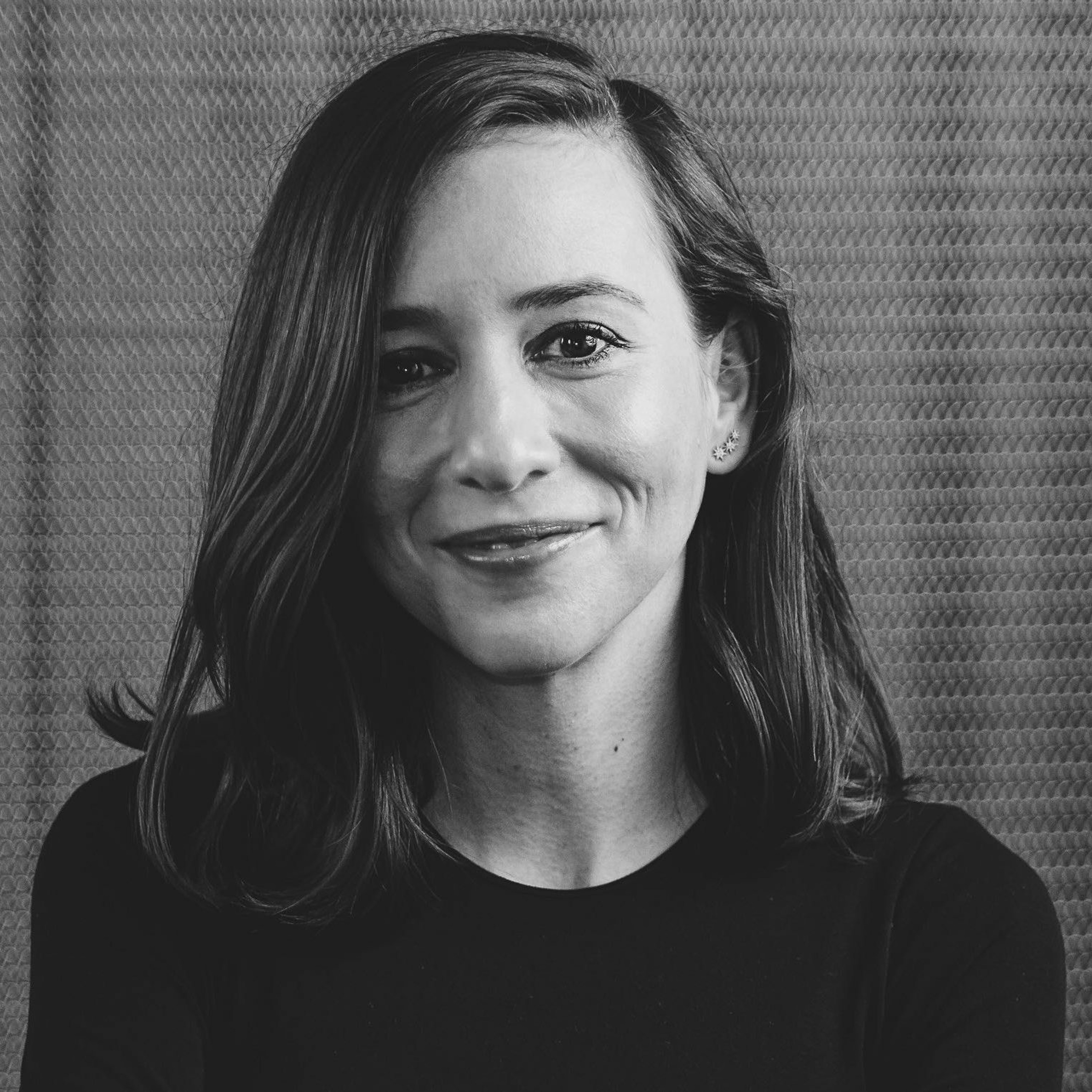
Sasha Sagan: For Small Creatures Such As We
Author, editor, and filmmaker Sasha Sagan was raised by secular parents—the astronomer Carl Sagan and the writer and producer Ann Druyan. They taught her that the natural world and vast cosmos are full of profound beauty, that science reveals truths more wondrous than any myth or fable. In this episode, Sasha is joined by author Carolyn Cooke for a conversation about her first book, For Small Creatures Such as We, a memoir and social history that explores ritual as a form of memory that ties generations together.
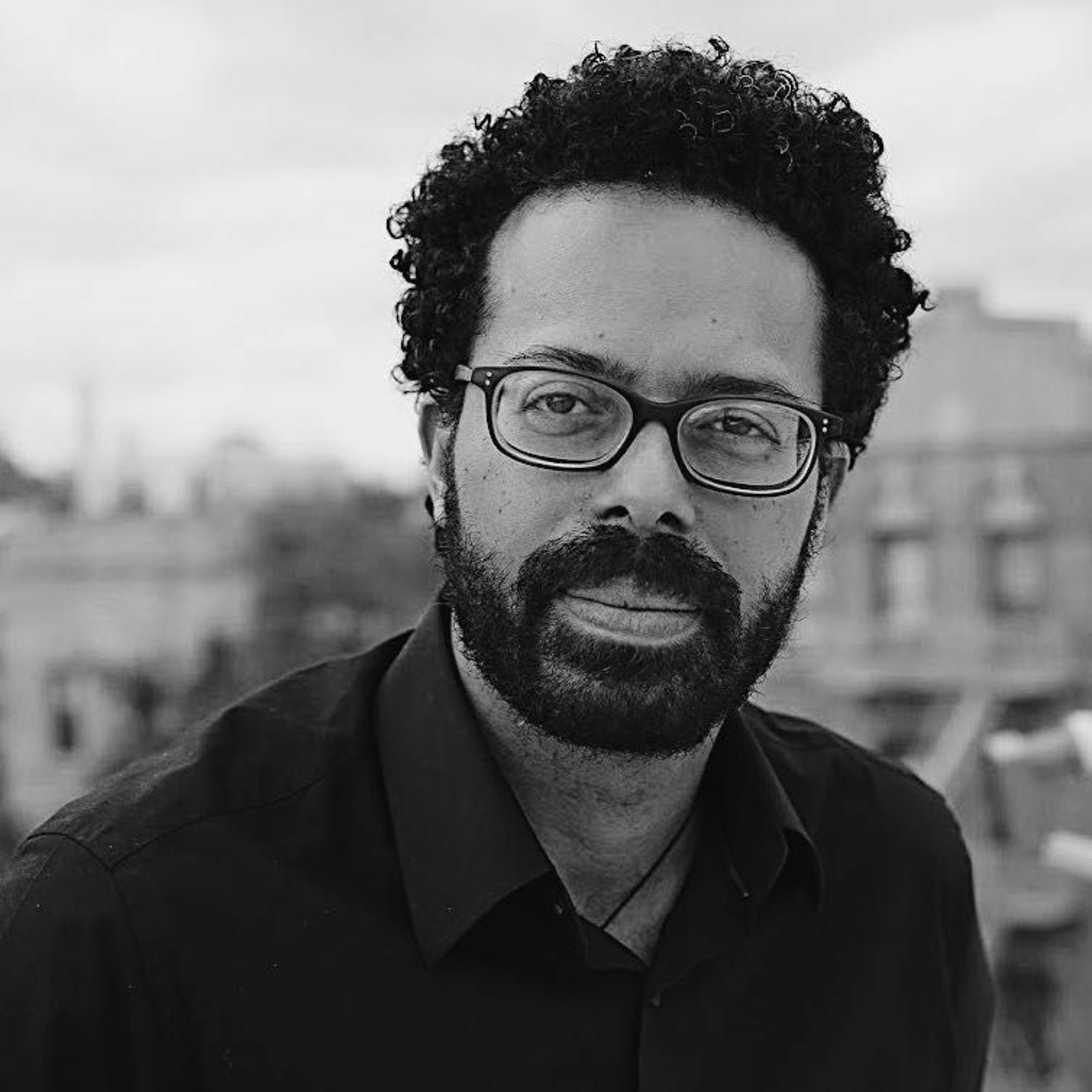
Nicholas Powers: Psychedelics and Social Justice
Poet, journalist, and professor Nicholas Powers describes his youth as growing up with tales of counter culture for bedtime stories. In this episode, he shares stories from his journey exploring psychedelic experiences and events in a discussion about what psychedelic integration could be in the 21st Century with licensed Naturopathic Doctor Natalie Metz. This episode contains explicit language.
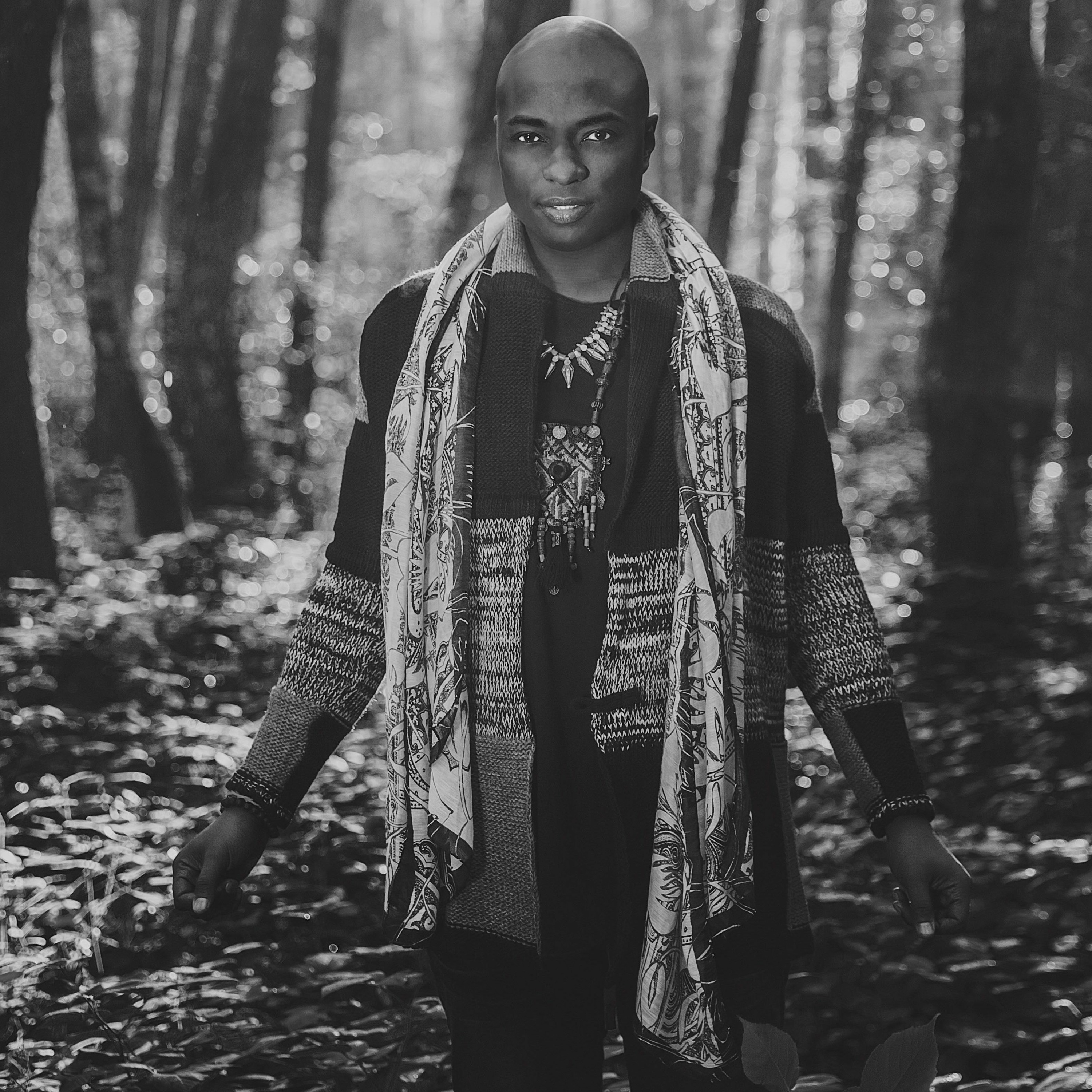
Shaman Durek: On Personal Transformation
Shaman Durek, a sixth-generation shaman, is the inheritor of a rich legacy of ancient wisdom. He applies this deep-rooted knowledge in a thoroughly modern context—advising everyone from celebrities like Gwyneth Paltrow, Nina Dobrev, and royals around the world, to international corporate executives. In this episode, Kelly Ryan, the founder of Anchor Meditation, has a conversation with Shaman Durek about his life and works. They discuss the shamanic keys outlined in his book Spirit Hacking, and share lessons about how these keys can help you to tap into your own personal power—banishing fear and darkness from your life in favor of light, positivity, and strength.
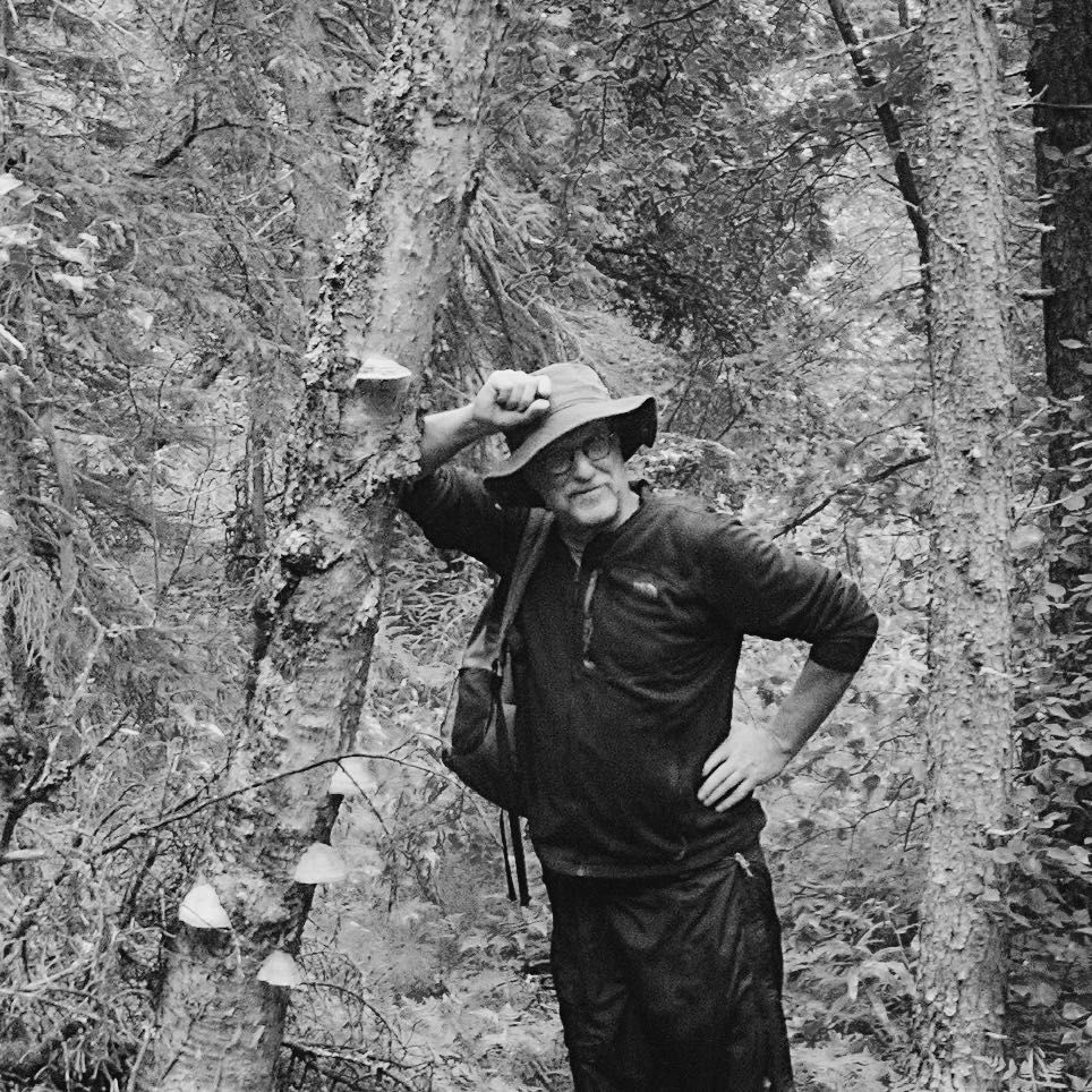
Lawrence Millman: Mushroom Lore
In this episode, naturalist Maya Elson talks with Lawrence Millman about his life and work as an author and mycologist exploring the fascinating world of fungi.
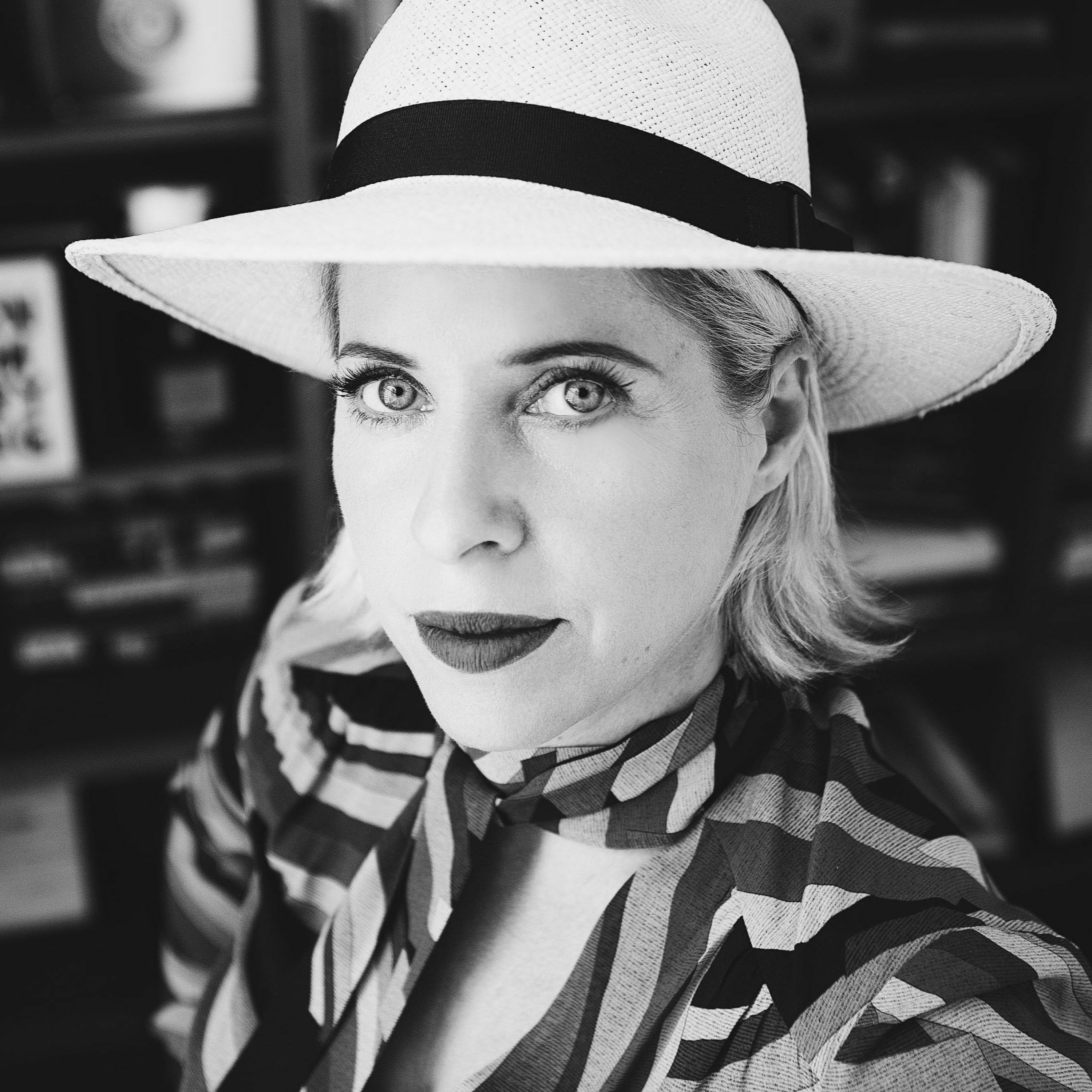
Tiffany Shlain: On The Power Of Unplugging
In this episode, Marina Gorbis, Executive Director of the Institute for the Future, talks with internet pioneer and renowned filmmaker Tiffany Shlain about her strategy for living in our 24/7 world: turning off all screens for 24 hours each week. She and her family call it “Technology Shabbat” or “Living 24/6”. Over the past decade, this weekly practice has completely changed their lives—giving them more time, productivity, connection, and presence.
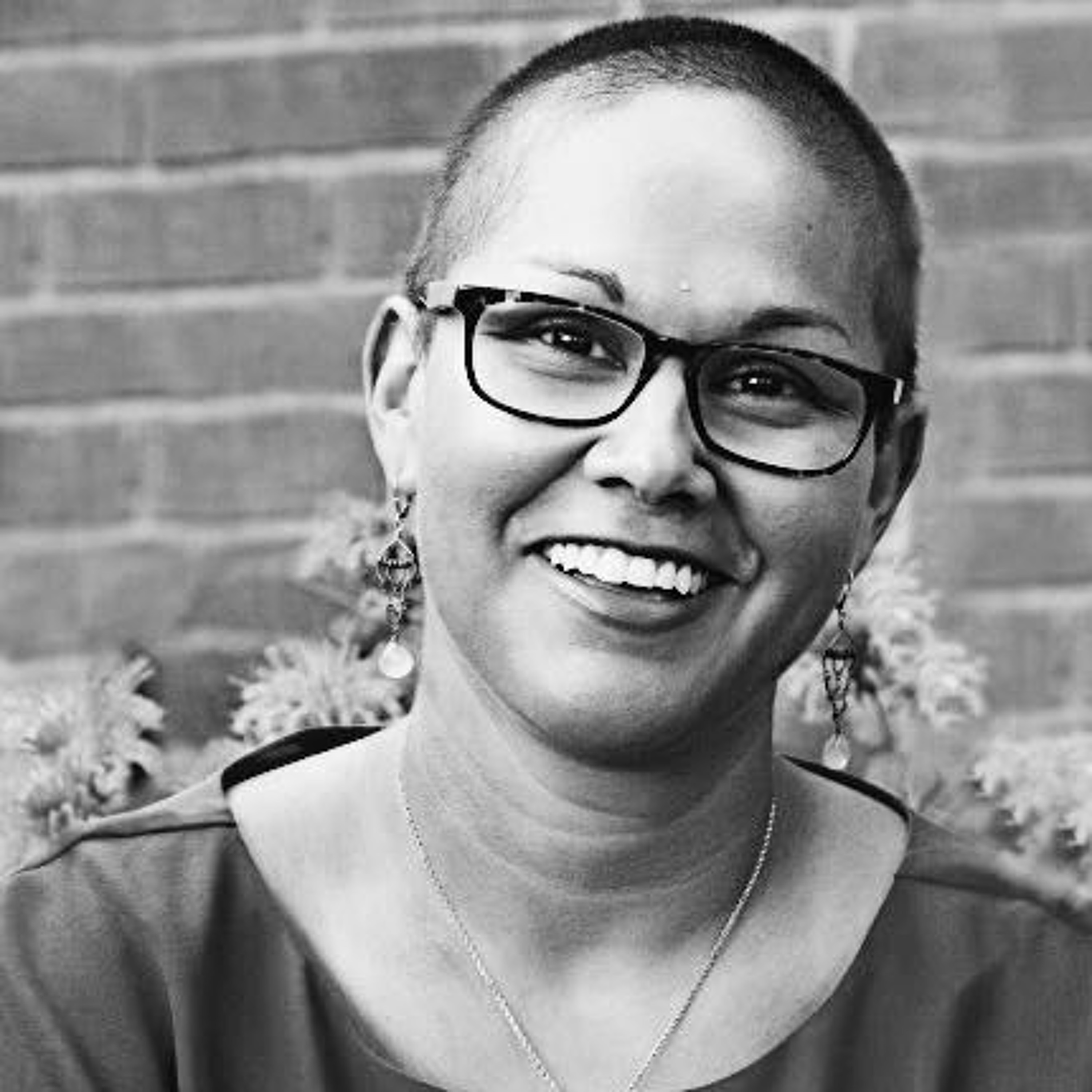
Nishta J. Mehra: The Life of an Intersectional American Family
Author Nishta J. Mehra is the daughter of Indian American immigrants, the wife of a white woman from Texas, and the mother of an adopted black child. Her life is a series of intersecting boundaries—of race, gender, sexuality, and religion—and her essays have examined the ways she navigates the various communities and ideologies that make up her family's life. In this episode, Nishta is joined by integral psychology professor and therapist Daniela Koenig for a conversation about family and motherhood, race, and raising a black child in America today.
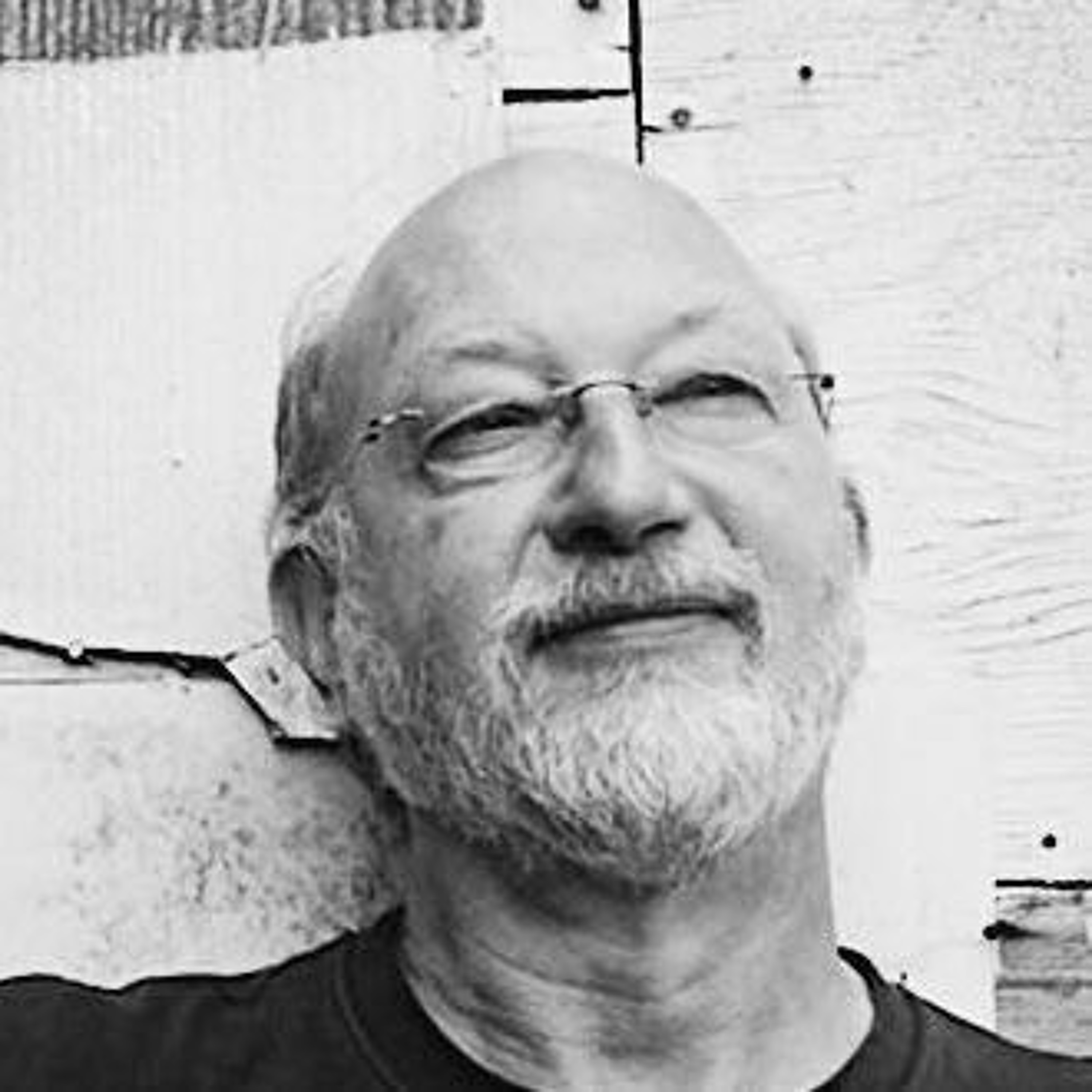
Dennis McKenna: On Psychedelic Medicines
Join renowned ethnopharmacologist and author Dennis McKenna for this engaging talk combining ethnobotany, psychopharmacology, history, and the philosophical reflections of a luminary in this field.

Liz Plank: A New Vision For Mindful Masculinity
In her book, For the Love of Men, award-wining journalist Liz Plank offers a witty, insightful, and deeply researched guide for what we can all do about toxic masculinity. In this episode, Liz is joined by therapist and Bay Area men’s group leader Sarwang Parikh for a conversation about the future of gender roles and how finding a new way forward for men has the possibility to change the world. This episode contains explicit language.
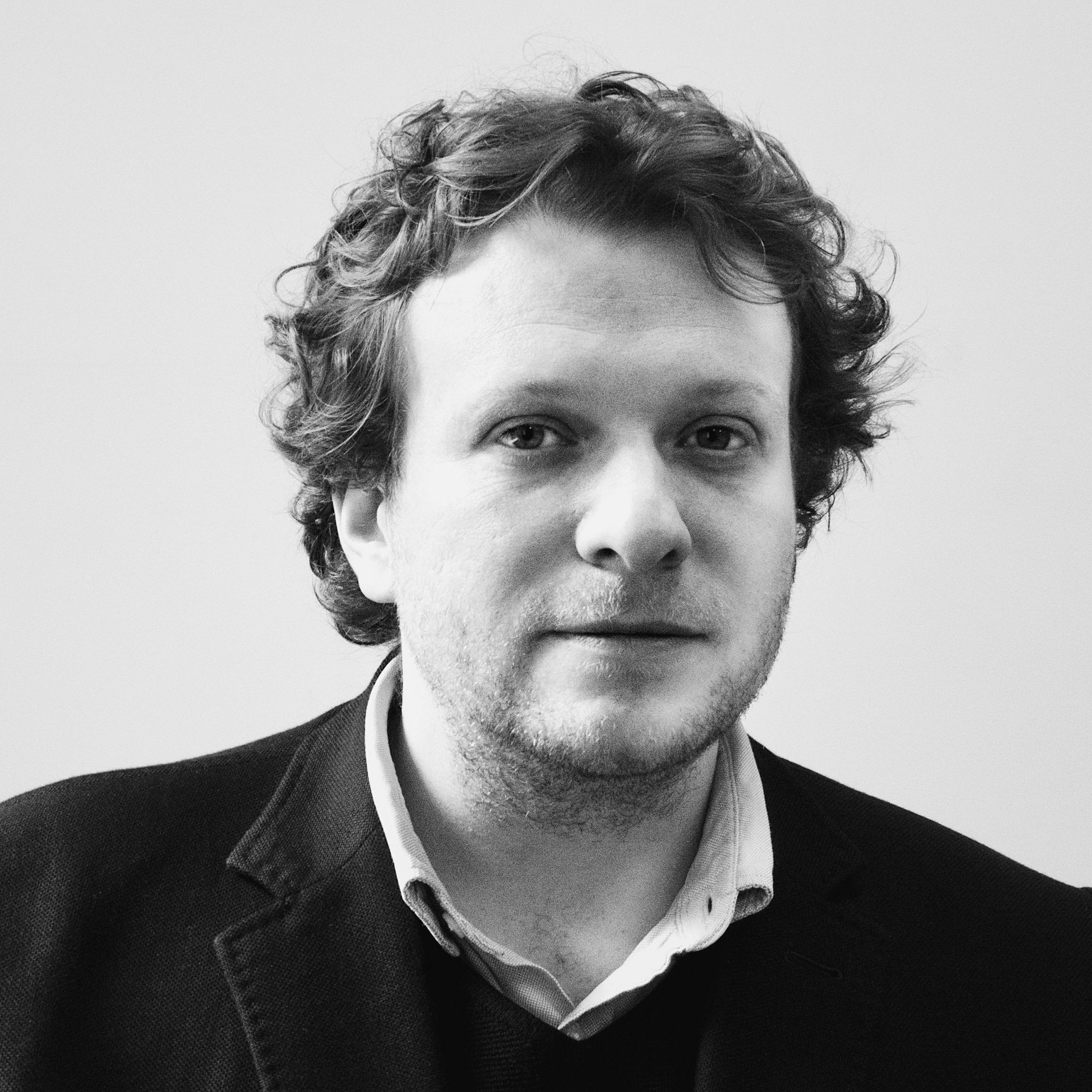
Peter Pomerantsev: Adventures in the War Against Reality
The rise and transformation of information warfare is perhaps one of the most significant global trends of the last few years. The result is a circus atmosphere of constant lies, shock humor, absurdity, and fear-mongering designed to disorient us and undermine our sense of truth. In this episode, digital intelligence expert Nick Monaco talks with award-winning author and disinformation expert Peter Pomerantsev about what he has learned working behind enemy lines exploring multinational information wars.
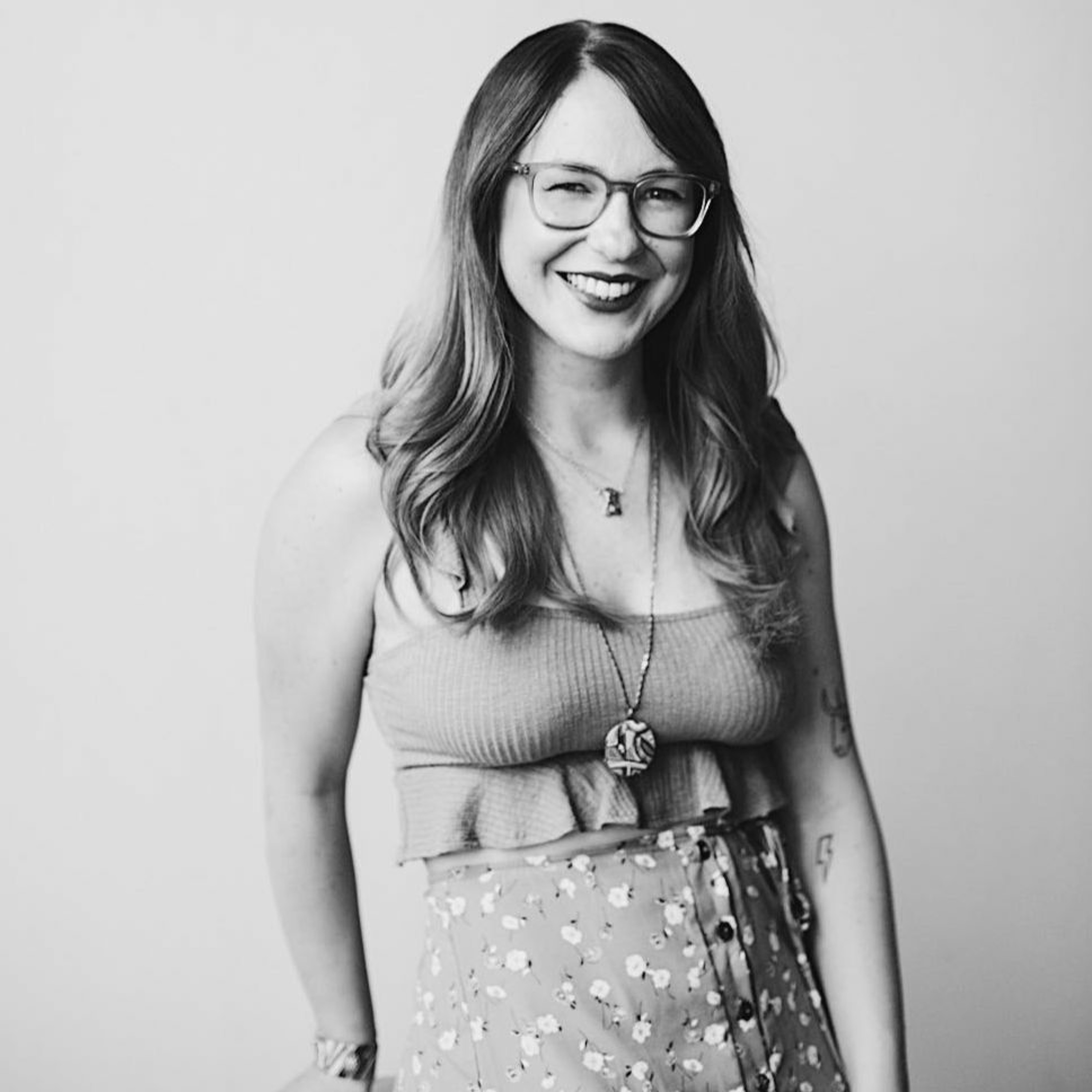
Mari Andrew: On Creativity, Empathy, and Resiliency
Mari Andrew is an author and illustrator who shares her work daily on Instagram with over 1 million devoted fans around the world. Her first book, Am I There Yet? debuted on The New York Times Best Seller list. In this episode, Mari is joined by fellow author and illustrator Nicole J. Georges for a conversation about finding personal healing by creating work that shines a light on feelings we all have, but don’t always reveal. This episode contains explicit language.
Suketu Mehta: An Immigrant's Manifesto
There are few subjects in American life that prompt more discussion and controversy than immigration. Drawing on his own experience as an Indian-born teenager growing up in New York City, and on years of reporting around the world, author and journalist Suketu Mehta tackles this issue head-on. In this conversation with multicultural counseling expert Jyoti Rao, Suketu talks about his latest book This Land is Our Land: An Immigrant's Manifesto and his belief that immigrants bring great benefits, enabling countries and communities to flourish.
Tim Desmond: Mindfulness Practices for Real Life
How can we be more mindful when our world seems broken beyond repair? Tim Desmond—esteemed Buddhist scholar and lecturer on Psychology at Yale Medical School—has fresh, engaging answers to this important question. Join integrative health expert Megan Lipsett for a conversation with Tim about his approach to mindfulness practices designed for surviving the sometimes-miserable world we currently live in. This episode contains explicit language.

Amanda Montell: A Feminist Guide To Taking Back Language
Join Bay Area author and organizer Kim Tran for a brash and enlightening conversation with reporter and linguist Amanda Montell about gendered language and the way it shapes us. This episode contains explicit language.

D. Watkins: A Word from Forgotten Black America
Join equity expert Y-Vonne Hutchinson for this conversation with author, editor, and Baltimore native D. Watkins about the lessons he’s learned navigating two very distinct worlds—the hood and the elite sanctums of prominent black thinkers and public figures.
Alka Arora: On Feminism’s Fourth Wave
Gender reconciliation activist and CIIS Professor Alka Arora offers an expansive and deeply ecological vision—inviting us to move beyond critique to focus more on the world we want to co-create.
George Estreich: Disability and Biotechnology
In this episode, bioethics professor Osagie K. Obasogie talks with author George Estreich about what he has learned as the father of a young woman with Down syndrome exploring the troubled territory where biotechnology and disability meet.