Chinese Whispers
122 episodes — Page 3 of 3

Respect your elders: how the Chinese see family life
<div>The archaic-sounding notion of 'filial piety' has little direct translation into English, but is a deep-rooted part of Chinese culture and ethics. On this episode, I find out about what motivates the subscription to such an unequal view of family life; how modernity changes expectations (and in particular, the impact of the one child policy); and what happens to those deemed by society to be disrespectful of their parents.<br><br>With Professor Charlotte Ikels, an anthropologist at Case Western Reserve University.</div><p>Become a <em>Spectator </em>subscriber today to access this podcast without adverts. Go to <a href="https://www.spectator.co.uk/follow-your-podcasts/" rel="noopener noreferrer" target="_blank">spectator.co.uk/adfree</a> to find out more.</p><br><p>For more <em>Spectator</em> podcasts, go to <a href="https://www.spectator.co.uk/podcasts/" rel="noopener noreferrer" target="_blank">spectator.co.uk/podcasts</a>. </p><br><p>Contact us: [email protected]</p> <hr><p style='color:grey; font-size:0.75em;'> Hosted on Acast. See <a style='color:grey;' target='_blank' rel='noopener noreferrer' href='https://acast.com/privacy'>acast.com/privacy</a> for more information.</p>

Do China's intellectual elite support the government?
<div>You might think that in a country as tightly controlled as China, diversity of opinion is hard to come by in written form. But as I find out in this episode, there is a vibrant conversation going on with vastly different views, especially in the intellectual elite amongst professors and journalists. So what do these intellectuals think, and how much can they get away with saying?<br><br>With Professor David Ownby, who founded the website <a href="https://www.readingthechinadream.com/">Reading the China Dream</a>, which translates writings from Chinese intellectuals into English. He tells me:<br><br><em>'A casual observer of China in the West will think that all Chinese are sitting at home, with the blinds closed, waiting for the Chinese Communist Party to fall apart before the police come and get them... But that's not the life led by most Chinese intellectuals... By knowing what they talk about, it humanises China.'</em><br><br>In the episode, we also discuss Cai Xia, a former CCP professor now living in exile, and the article she wrote from the US. Click <a href="https://www.foreignaffairs.com/articles/china/2020-12-04/chinese-communist-party-failed">here</a> to read it.</div><p>Become a <em>Spectator </em>subscriber today to access this podcast without adverts. Go to <a href="https://www.spectator.co.uk/follow-your-podcasts/" rel="noopener noreferrer" target="_blank">spectator.co.uk/adfree</a> to find out more.</p><br><p>For more <em>Spectator</em> podcasts, go to <a href="https://www.spectator.co.uk/podcasts/" rel="noopener noreferrer" target="_blank">spectator.co.uk/podcasts</a>. </p><br><p>Contact us: [email protected]</p> <hr><p style='color:grey; font-size:0.75em;'> Hosted on Acast. See <a style='color:grey;' target='_blank' rel='noopener noreferrer' href='https://acast.com/privacy'>acast.com/privacy</a> for more information.</p>
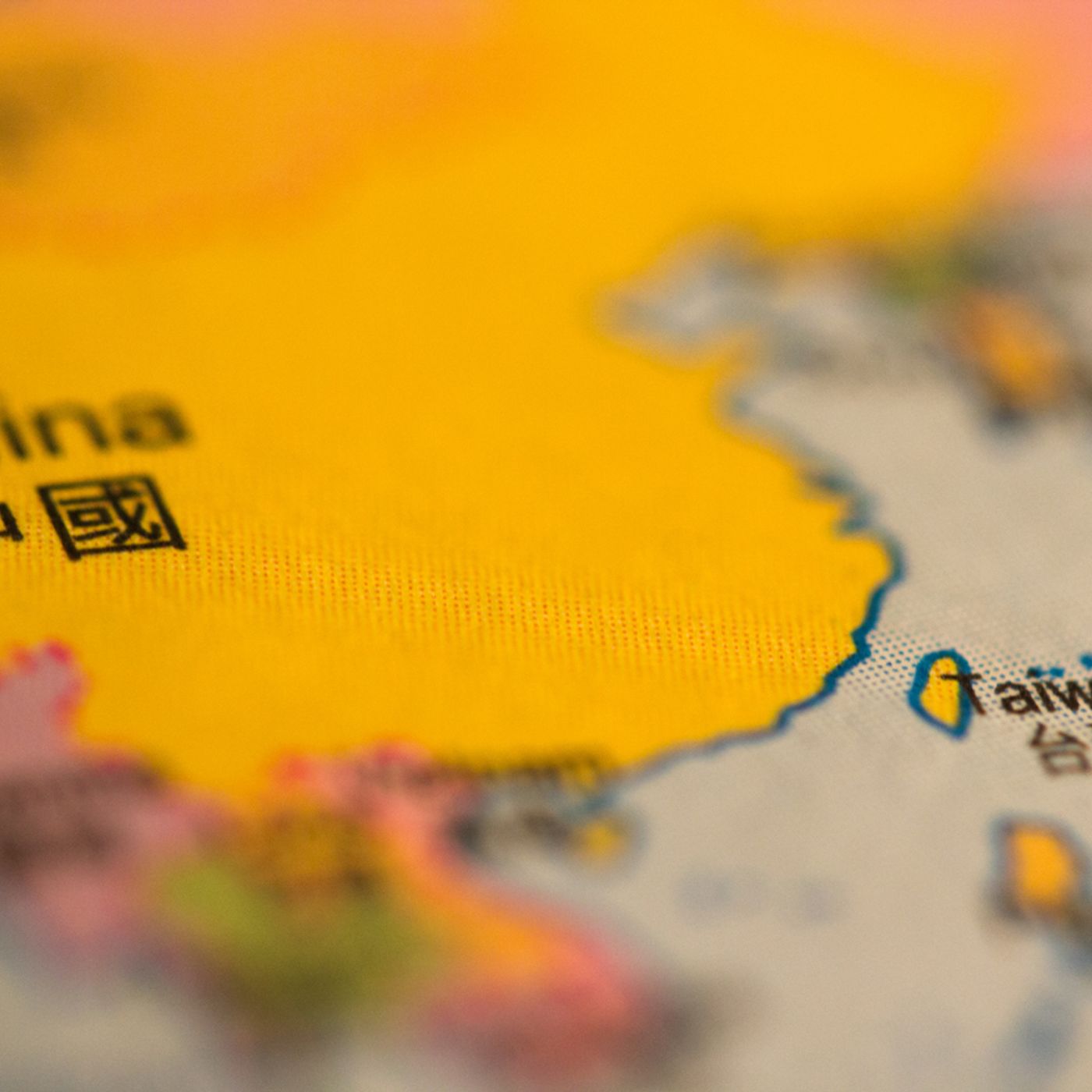
Why does China care about Taiwan?
<div>Cross-strait relations between China and Taiwan seem to be hotting up, with headlines frequently touting the possibility of a military takeover by Beijing. But why does China care so much about this set of islands that is around a seventh of the size of the UK? Cindy Yu speaks to historian Rana Mitter and analyst Jessica Drun about Taiwan's unique history and its modern identity.</div><p>Become a <em>Spectator </em>subscriber today to access this podcast without adverts. Go to <a href="https://www.spectator.co.uk/follow-your-podcasts/" rel="noopener noreferrer" target="_blank">spectator.co.uk/adfree</a> to find out more.</p><br><p>For more <em>Spectator</em> podcasts, go to <a href="https://www.spectator.co.uk/podcasts/" rel="noopener noreferrer" target="_blank">spectator.co.uk/podcasts</a>. </p><br><p>Contact us: [email protected]</p> <hr><p style='color:grey; font-size:0.75em;'> Hosted on Acast. See <a style='color:grey;' target='_blank' rel='noopener noreferrer' href='https://acast.com/privacy'>acast.com/privacy</a> for more information.</p>
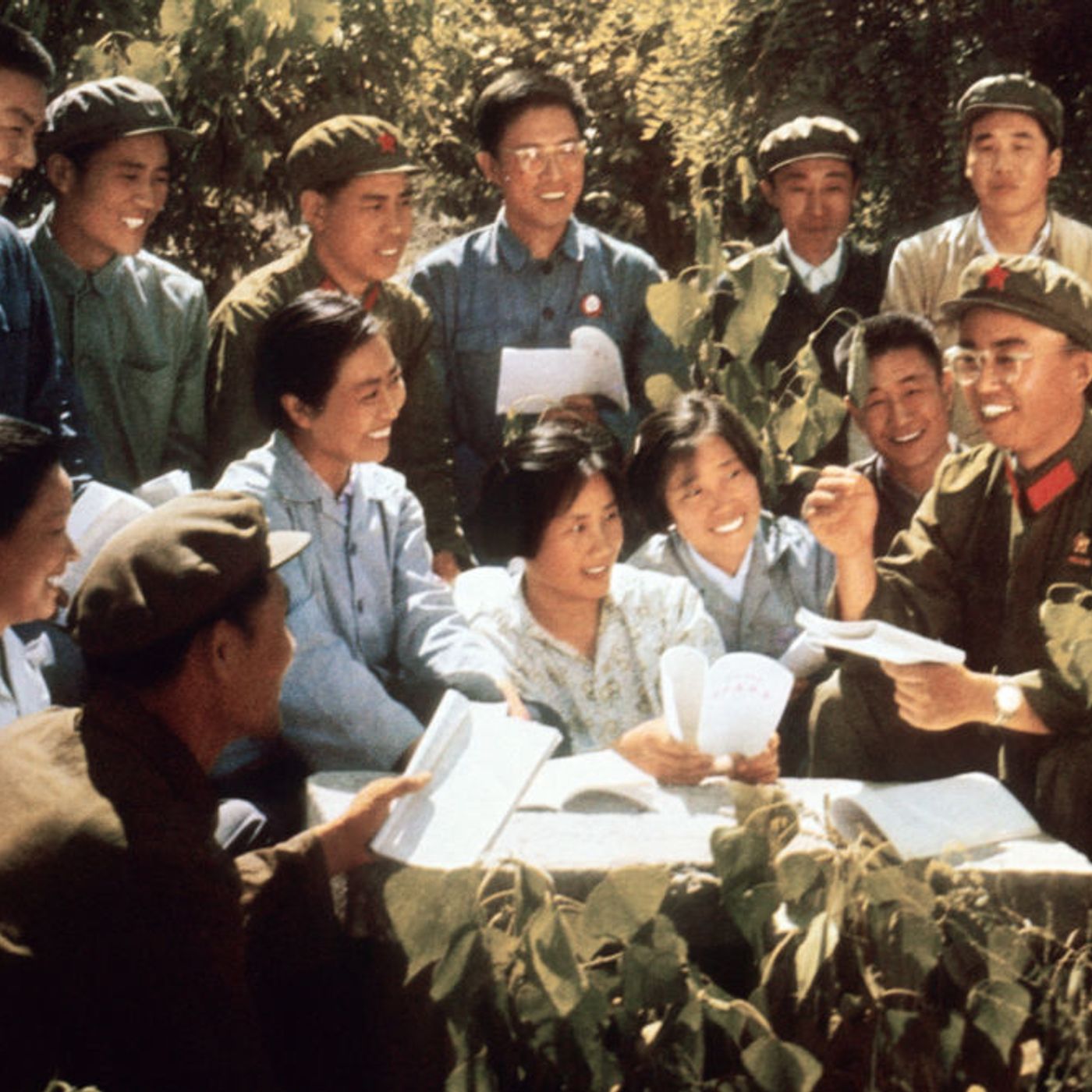
Is anyone still communist in the Chinese Communist Party?
<div>'Scratch a communist, you’ll find a nationalist underneath’, Professor Kerry Brown, the director of the Lau China Institute at King's College London, tells me on this episode. Together with Professor Victor Shih of UC San Diego, we talk about what drives the Chinese Communist Party (hint: it's not communism), what membership means today and the policy disputes that happen behind the scenes. And: as it prepares to mark its first centenary this year, will it still be around in another fifty years?</div><p>Become a <em>Spectator </em>subscriber today to access this podcast without adverts. Go to <a href="https://www.spectator.co.uk/follow-your-podcasts/" rel="noopener noreferrer" target="_blank">spectator.co.uk/adfree</a> to find out more.</p><br><p>For more <em>Spectator</em> podcasts, go to <a href="https://www.spectator.co.uk/podcasts/" rel="noopener noreferrer" target="_blank">spectator.co.uk/podcasts</a>. </p><br><p>Contact us: [email protected]</p> <hr><p style='color:grey; font-size:0.75em;'> Hosted on Acast. See <a style='color:grey;' target='_blank' rel='noopener noreferrer' href='https://acast.com/privacy'>acast.com/privacy</a> for more information.</p>

The sacrifices and rewards of a Chinese-style education
<div>Tiger mums and dads are infamous in the West, but in China the pressure is ramped up several times higher. From kindergarten to university, exams form the structure of a disciplined and competitive educational environment. It yields result - with even the poorest students in Shanghai scoring higher on maths and reading than the richest in the UK (according to PISA). But does the system value the right things, and what sacrifices are demanded? I speak to journalist Lenora Chu, author of <a href="https://www.amazon.co.uk/Little-Soldiers-American-Chinese-Achieve/dp/0349411778"><em>Little Soldiers</em></a>, about her research and experience as a mother in the system.<br><br>Read my take on the university entrance exams (<em>gaokao</em>) <a href="https://www.spectator.co.uk/article/china-s-battery-farm-schools">here</a>.</div><p>Become a <em>Spectator </em>subscriber today to access this podcast without adverts. Go to <a href="https://www.spectator.co.uk/follow-your-podcasts/" rel="noopener noreferrer" target="_blank">spectator.co.uk/adfree</a> to find out more.</p><br><p>For more <em>Spectator</em> podcasts, go to <a href="https://www.spectator.co.uk/podcasts/" rel="noopener noreferrer" target="_blank">spectator.co.uk/podcasts</a>. </p><br><p>Contact us: [email protected]</p> <hr><p style='color:grey; font-size:0.75em;'> Hosted on Acast. See <a style='color:grey;' target='_blank' rel='noopener noreferrer' href='https://acast.com/privacy'>acast.com/privacy</a> for more information.</p>

Is China 'eating America's lunch'?
<div>After getting off the phone with Xi Jinping, Joe Biden warned his senators that on infrastructure 'and a whole range of other things', China was spending much more than the US, and America risked being left behind. So just how interconnected is modern China and is it really a good growth model to emulate?<br><br>With economist George Magnus, author of <em>Red Flags: Why Xi's China is in Jeopardy.</em></div><p>Become a <em>Spectator </em>subscriber today to access this podcast without adverts. Go to <a href="https://www.spectator.co.uk/follow-your-podcasts/" rel="noopener noreferrer" target="_blank">spectator.co.uk/adfree</a> to find out more.</p><br><p>For more <em>Spectator</em> podcasts, go to <a href="https://www.spectator.co.uk/podcasts/" rel="noopener noreferrer" target="_blank">spectator.co.uk/podcasts</a>. </p><br><p>Contact us: [email protected]</p> <hr><p style='color:grey; font-size:0.75em;'> Hosted on Acast. See <a style='color:grey;' target='_blank' rel='noopener noreferrer' href='https://acast.com/privacy'>acast.com/privacy</a> for more information.</p>

How Hong Kong became what it is today
<div>As the first BNO passport holders begin to make their way to the UK and start the path to a new citizenship, I take a look back at Hong Kong's history and how that special city-state formed its own identity. As SOAS's Professor Steve Tsang tells me: 'Not quite British, not quite Chinese'. We talk about how Hong Kongers yearned to find their Chinese roots, the fervour of handover and how 'Cantopop' (Cantonese pop music) took the mainland by storm.</div><p>Become a <em>Spectator </em>subscriber today to access this podcast without adverts. Go to <a href="https://www.spectator.co.uk/follow-your-podcasts/" rel="noopener noreferrer" target="_blank">spectator.co.uk/adfree</a> to find out more.</p><br><p>For more <em>Spectator</em> podcasts, go to <a href="https://www.spectator.co.uk/podcasts/" rel="noopener noreferrer" target="_blank">spectator.co.uk/podcasts</a>. </p><br><p>Contact us: [email protected]</p> <hr><p style='color:grey; font-size:0.75em;'> Hosted on Acast. See <a style='color:grey;' target='_blank' rel='noopener noreferrer' href='https://acast.com/privacy'>acast.com/privacy</a> for more information.</p>

The Chinese backlash against Big Tech
<div>In November, the IPO of Jack Ma's fintech company Ant Financial was abruptly stopped by Chinese regulators (listen to the episode of Chinese Whispers from then <a href="https://www.spectator.co.uk/podcast/how-china-s-richest-man-flew-too-close-to-the-sun">here</a>). But while the move has been seen as counter-productive and political in the West, many Chinese cheered the clipping of Jack Ma's wings. It's in no small part thanks to the consumer lending wing of his company, which is often blamed for a spiralling debt culture in China. Are we seeing the beginnings of a backlash against Big Fintech in the country? Cindy Yu talks to Rui Ma, a former venture capitalist and co-host of the podcast Techbuzz China.</div><p>Become a <em>Spectator </em>subscriber today to access this podcast without adverts. Go to <a href="https://www.spectator.co.uk/follow-your-podcasts/" rel="noopener noreferrer" target="_blank">spectator.co.uk/adfree</a> to find out more.</p><br><p>For more <em>Spectator</em> podcasts, go to <a href="https://www.spectator.co.uk/podcasts/" rel="noopener noreferrer" target="_blank">spectator.co.uk/podcasts</a>. </p><br><p>Contact us: [email protected]</p> <hr><p style='color:grey; font-size:0.75em;'> Hosted on Acast. See <a style='color:grey;' target='_blank' rel='noopener noreferrer' href='https://acast.com/privacy'>acast.com/privacy</a> for more information.</p>

What's behind Beijing's treatment of the Uyghurs?
<div>Since 2017 a succession of re-education camps have sprung up across Xinjiang, the home of the Uyghur people. It's estimated that one in ten Uyghur people are incarcerated to be subjected to patriotic education, but there are reports of forced labour, forced sterilisation and even torture. Much has been written about what is happening in the region, but this episode sheds light on <em>why</em> it's happening. Cindy Yu speaks to Professor James Millward, a renowned historian of the region, to break down China's historic relationship with its ethnic minorities and what Beijing hopes to get out of its treatment of the Uyghurs.</div><p>Become a <em>Spectator </em>subscriber today to access this podcast without adverts. Go to <a href="https://www.spectator.co.uk/follow-your-podcasts/" rel="noopener noreferrer" target="_blank">spectator.co.uk/adfree</a> to find out more.</p><br><p>For more <em>Spectator</em> podcasts, go to <a href="https://www.spectator.co.uk/podcasts/" rel="noopener noreferrer" target="_blank">spectator.co.uk/podcasts</a>. </p><br><p>Contact us: [email protected]</p> <hr><p style='color:grey; font-size:0.75em;'> Hosted on Acast. See <a style='color:grey;' target='_blank' rel='noopener noreferrer' href='https://acast.com/privacy'>acast.com/privacy</a> for more information.</p>
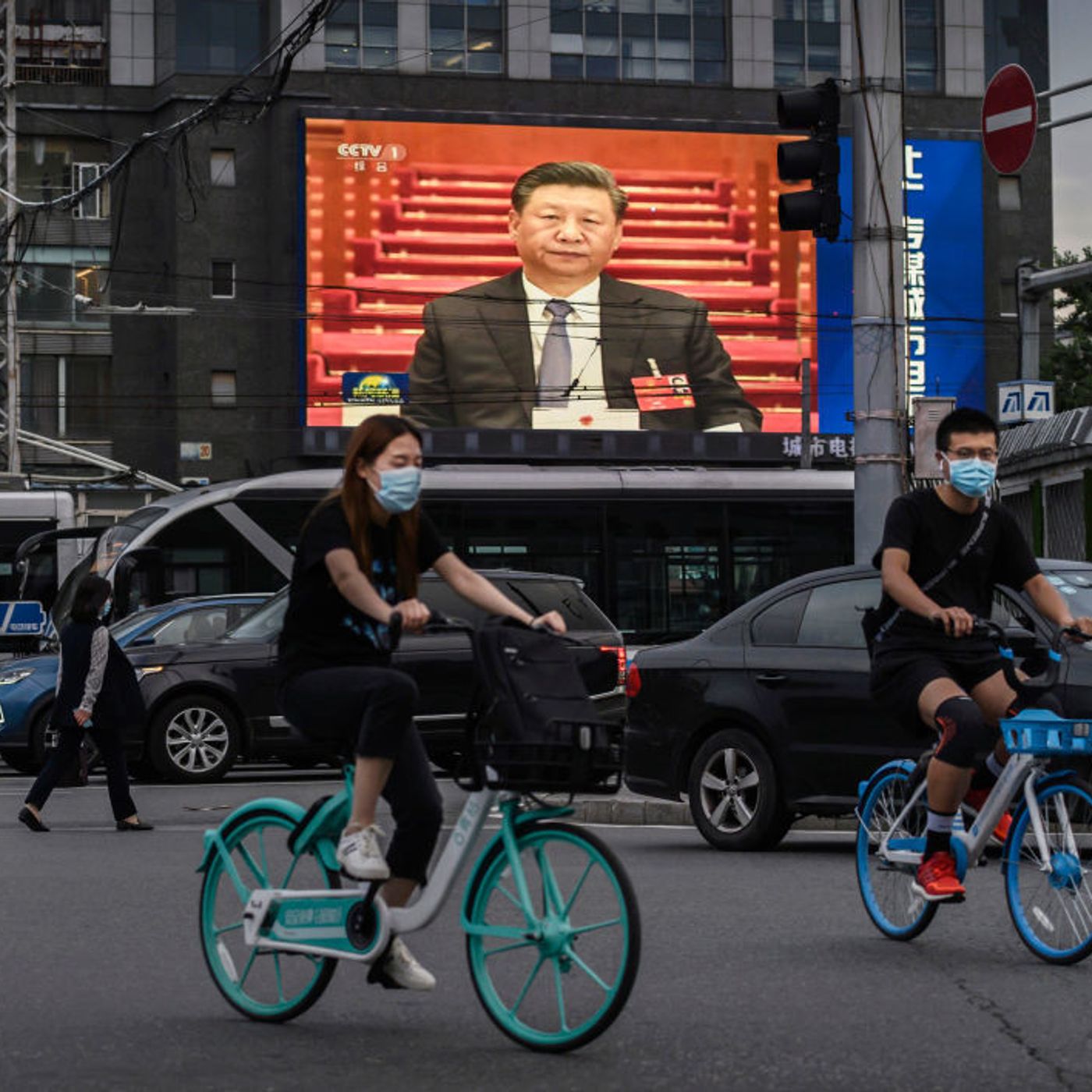
Is China turning away from the world?
<div>2020 is drawing to a close but none of us will forget this year anytime soon. For China, has it also been a watershed year? Western rhetoric hasn’t been so hawkish on China in a very long time, with talk of a second Cold War gracing commentary pages and calls to decouple supply chains. Lost in the noise is China's own turning away from the world. In a new strategy called 'dual circulation', the government is encouraging economic self-reliance. On this episode, Cindy Yu talks to Chatham House's Dr Yu Jie to find out how China is instigating its own decoupling.</div><p>Become a <em>Spectator </em>subscriber today to access this podcast without adverts. Go to <a href="https://www.spectator.co.uk/follow-your-podcasts/" rel="noopener noreferrer" target="_blank">spectator.co.uk/adfree</a> to find out more.</p><br><p>For more <em>Spectator</em> podcasts, go to <a href="https://www.spectator.co.uk/podcasts/" rel="noopener noreferrer" target="_blank">spectator.co.uk/podcasts</a>. </p><br><p>Contact us: [email protected]</p> <hr><p style='color:grey; font-size:0.75em;'> Hosted on Acast. See <a style='color:grey;' target='_blank' rel='noopener noreferrer' href='https://acast.com/privacy'>acast.com/privacy</a> for more information.</p>
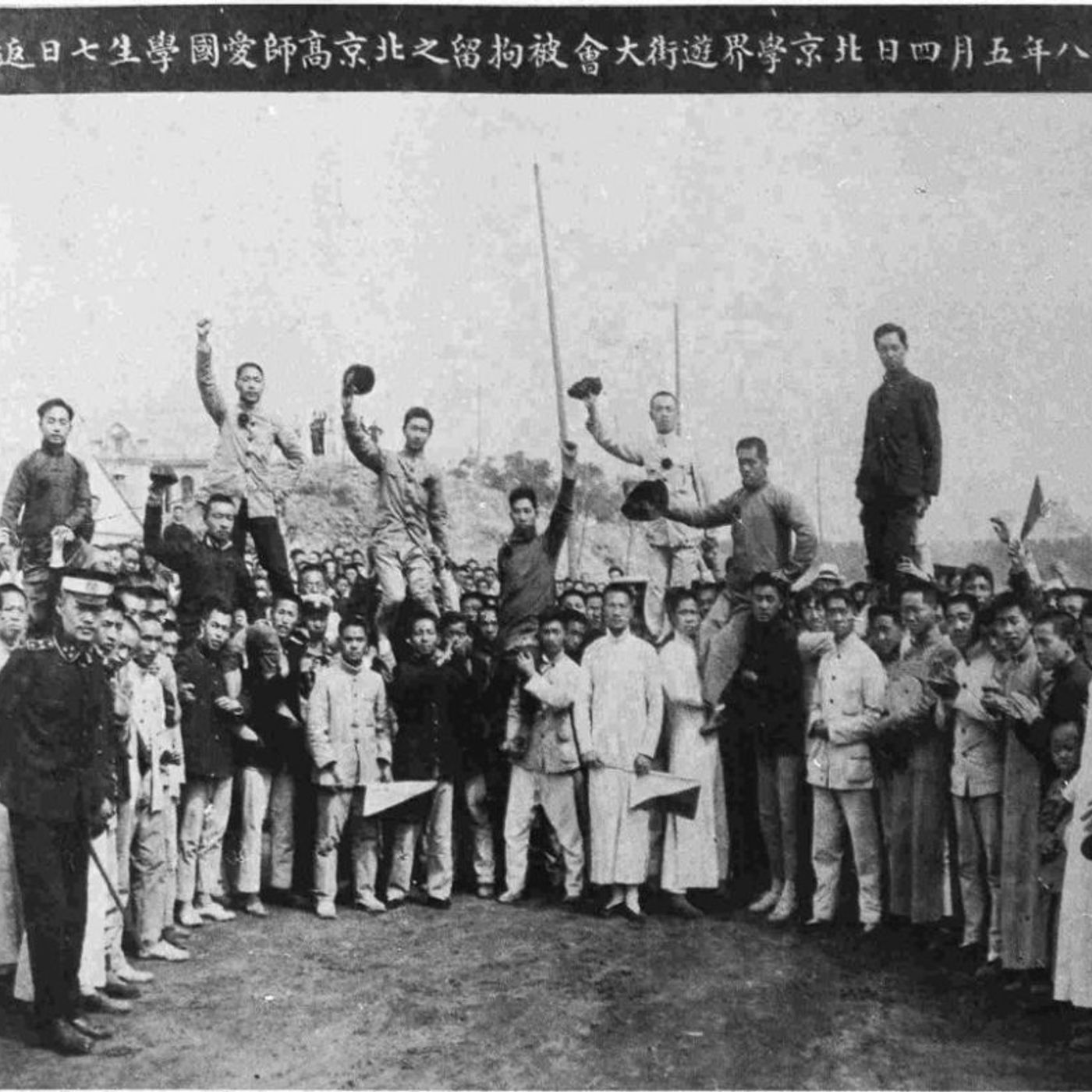
China's long history of student protests
<div>When thinking about Chinese student protests, you'll inevitably think about Hong Kong or Tiananmen. But there's one that kicked it all off in modern Chinese history, and its reverberations are still felt throughout the century, not least because of its role in the founding of the Chinese Communist Party. It's the May Fourth Movement of 1919, which is the topic of this episode. Professor Rana Mitter, former head of the China Centre at the University of Oxford and author of numerous books on Chinese history, joins the podcast on why China is no stranger to student protests.<br><br>Presented by Cindy Yu.</div><p>Become a <em>Spectator </em>subscriber today to access this podcast without adverts. Go to <a href="https://www.spectator.co.uk/follow-your-podcasts/" rel="noopener noreferrer" target="_blank">spectator.co.uk/adfree</a> to find out more.</p><br><p>For more <em>Spectator</em> podcasts, go to <a href="https://www.spectator.co.uk/podcasts/" rel="noopener noreferrer" target="_blank">spectator.co.uk/podcasts</a>. </p><br><p>Contact us: [email protected]</p> <hr><p style='color:grey; font-size:0.75em;'> Hosted on Acast. See <a style='color:grey;' target='_blank' rel='noopener noreferrer' href='https://acast.com/privacy'>acast.com/privacy</a> for more information.</p>

Has China really beaten Covid?
<div>As the UK and much of the West continues to struggle against Covid, in China, things largely seem back to normal. Pictures from the 'Golden Week', a week of state holidays to celebrate the People's Republic's founding, showed mountains and seas of people. On this longer episode than usual, I take a deep dive into China's Covid response - finding out about life in China right now, China's 'Zero Covid' strategy and the economic ramifications.</div><p>Become a <em>Spectator </em>subscriber today to access this podcast without adverts. Go to <a href="https://www.spectator.co.uk/follow-your-podcasts/" rel="noopener noreferrer" target="_blank">spectator.co.uk/adfree</a> to find out more.</p><br><p>For more <em>Spectator</em> podcasts, go to <a href="https://www.spectator.co.uk/podcasts/" rel="noopener noreferrer" target="_blank">spectator.co.uk/podcasts</a>. </p><br><p>Contact us: [email protected]</p> <hr><p style='color:grey; font-size:0.75em;'> Hosted on Acast. See <a style='color:grey;' target='_blank' rel='noopener noreferrer' href='https://acast.com/privacy'>acast.com/privacy</a> for more information.</p>
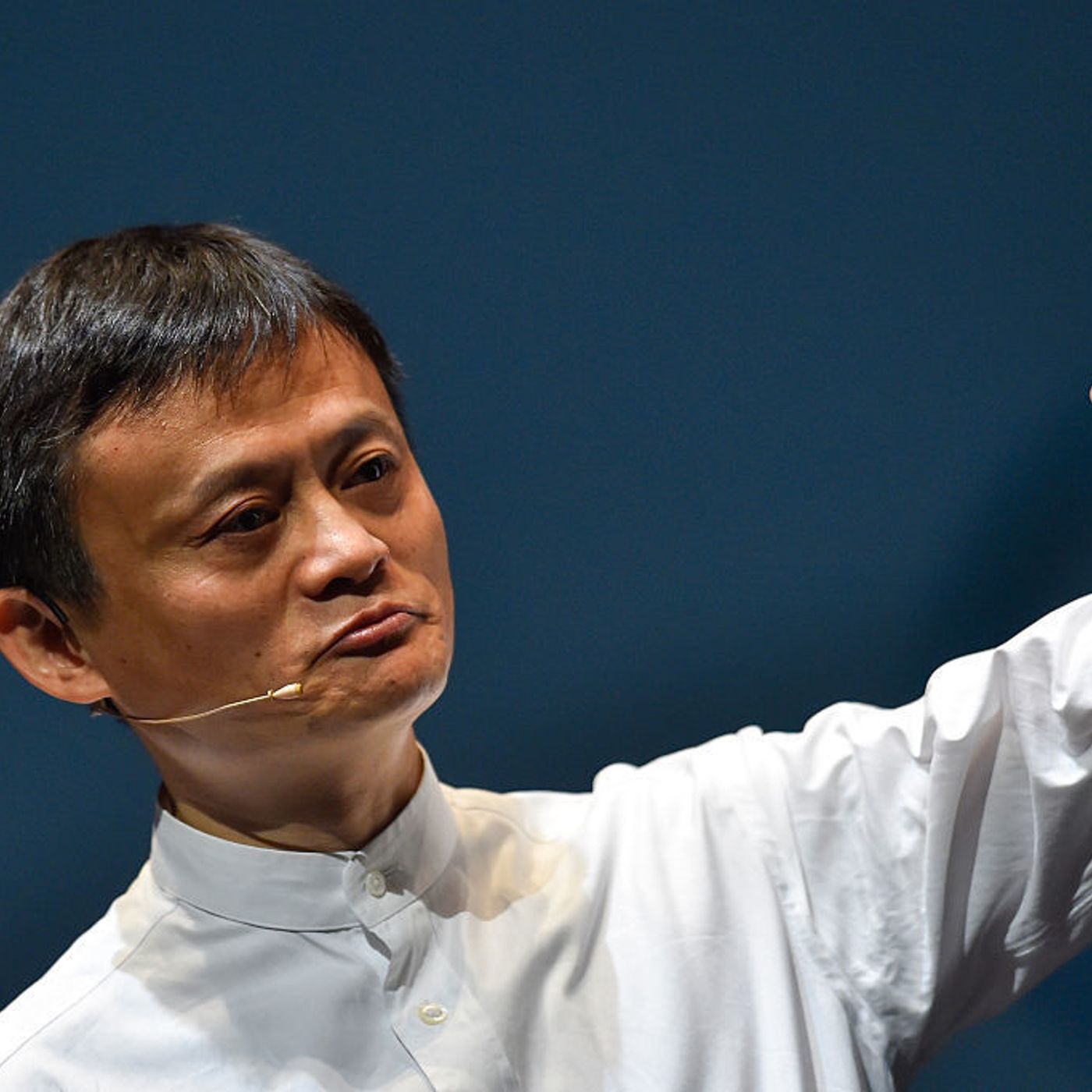
How China's richest man flew too close to the sun
<div>Ant Group is the business magnate Jack Ma's fintech subsidiary, the company behind the ubiquitous 'Alipay' app, which has one billion users. Last week, it was due to begin trading on the Shanghai and Hong Kong stock exchanges. Set to raise US$37 billion, it would have been the biggest IPO ever. But at the eleventh hour, the Chinese government scuppered the plans with crippling new financial reforms. So why won't China allow this homegrown fintech champion to go global? Rumours abound that Ma stepped on the wrong toes. I speak to Duncan Clark, author of <em>Alibaba: The House that Jack Ma Built,</em> on this episode.</div><p>Become a <em>Spectator </em>subscriber today to access this podcast without adverts. Go to <a href="https://www.spectator.co.uk/follow-your-podcasts/" rel="noopener noreferrer" target="_blank">spectator.co.uk/adfree</a> to find out more.</p><br><p>For more <em>Spectator</em> podcasts, go to <a href="https://www.spectator.co.uk/podcasts/" rel="noopener noreferrer" target="_blank">spectator.co.uk/podcasts</a>. </p><br><p>Contact us: [email protected]</p> <hr><p style='color:grey; font-size:0.75em;'> Hosted on Acast. See <a style='color:grey;' target='_blank' rel='noopener noreferrer' href='https://acast.com/privacy'>acast.com/privacy</a> for more information.</p>

Who are the Chinese-Americans voting for Trump?
<div>A recent poll showed that a fifth of Chinese-Americans are thinking about voting for Trump come November. But given Trump's hawkish position on China, what is it about him that appeals to these voters? As I find out, it's not all about the politics - much of it comes down to shared values of social conservatism. On the podcast, I speak to political researcher Sunny Shao and journalist Marrian Zhou about intergenerational political values, ethnic identity and the paradox of WeChat.<br><br>Presented by Cindy Yu.</div><p>Become a <em>Spectator </em>subscriber today to access this podcast without adverts. Go to <a href="https://www.spectator.co.uk/follow-your-podcasts/" rel="noopener noreferrer" target="_blank">spectator.co.uk/adfree</a> to find out more.</p><br><p>For more <em>Spectator</em> podcasts, go to <a href="https://www.spectator.co.uk/podcasts/" rel="noopener noreferrer" target="_blank">spectator.co.uk/podcasts</a>. </p><br><p>Contact us: [email protected]</p> <hr><p style='color:grey; font-size:0.75em;'> Hosted on Acast. See <a style='color:grey;' target='_blank' rel='noopener noreferrer' href='https://acast.com/privacy'>acast.com/privacy</a> for more information.</p>
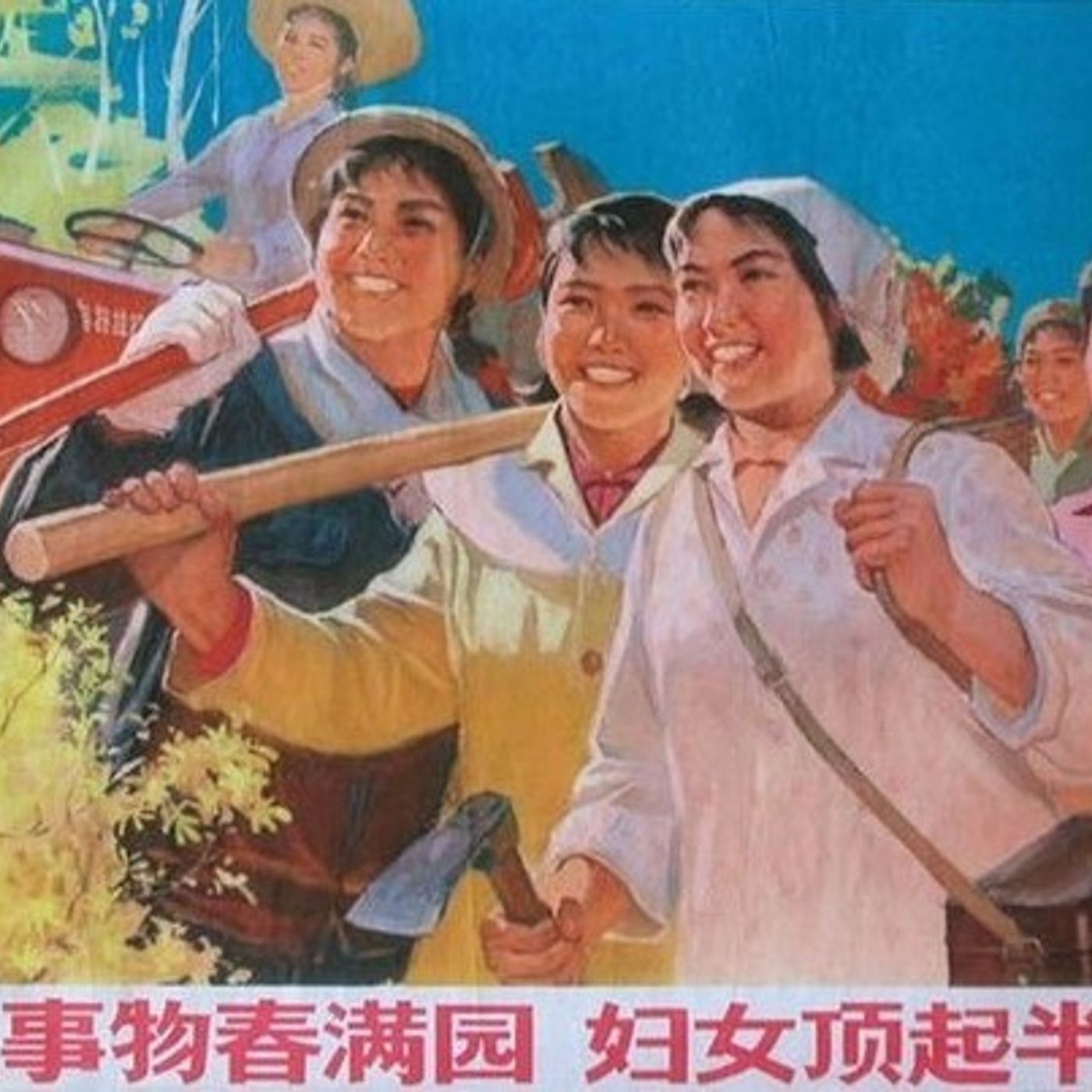
Half the sky: the woman's place in Chinese society
<div>Chairman Mao famously said that 'women hold up half the sky'. It was a revolutionary statement in a feudal society (though it did help him, very much, with a labour shortage). But the recent high-profile murder of a young vlogger at the hands of her ex-husband has reignited a national conversation - have Chinese women every truly held up half the sky? With Leta Hong Fincher, author of <em>Betraying Big Brother</em>.<br><br>Presented by Cindy Yu.</div><p>Become a <em>Spectator </em>subscriber today to access this podcast without adverts. Go to <a href="https://www.spectator.co.uk/follow-your-podcasts/" rel="noopener noreferrer" target="_blank">spectator.co.uk/adfree</a> to find out more.</p><br><p>For more <em>Spectator</em> podcasts, go to <a href="https://www.spectator.co.uk/podcasts/" rel="noopener noreferrer" target="_blank">spectator.co.uk/podcasts</a>. </p><br><p>Contact us: [email protected]</p> <hr><p style='color:grey; font-size:0.75em;'> Hosted on Acast. See <a style='color:grey;' target='_blank' rel='noopener noreferrer' href='https://acast.com/privacy'>acast.com/privacy</a> for more information.</p>

How green is China?
<div>China is the world's largest polluter. At the same time, it accounts for a quarter of international investment into renewable energy, and it's the leading exporter of solar panels. So are ideas of China's eco-unfriendliness outdated? Journalist Isabel Hilton, who received an OBE for her contribution to raising environmental awareness in China, joins the podcast. She paints a complicated picture: of a country undergoing rapid industrial revolution; of a one-party state divining public opinion to solve public health issues; and of a country trying to use climate change as a jumping board into global leadership.</div><p>Become a <em>Spectator </em>subscriber today to access this podcast without adverts. Go to <a href="https://www.spectator.co.uk/follow-your-podcasts/" rel="noopener noreferrer" target="_blank">spectator.co.uk/adfree</a> to find out more.</p><br><p>For more <em>Spectator</em> podcasts, go to <a href="https://www.spectator.co.uk/podcasts/" rel="noopener noreferrer" target="_blank">spectator.co.uk/podcasts</a>. </p><br><p>Contact us: [email protected]</p> <hr><p style='color:grey; font-size:0.75em;'> Hosted on Acast. See <a style='color:grey;' target='_blank' rel='noopener noreferrer' href='https://acast.com/privacy'>acast.com/privacy</a> for more information.</p>

The real housewives of Beijing: why the Chinese love luxury goods
<div>It's said that Bicester Village is the second most popular attraction for Chinese tourists in the UK, coming just behind Buckingham Palace. The pandemic recovery figures show much the same - while retail is still struggling to recover, luxury goods sales is leading the bounceback. In this episode, I find out why the Chinese love luxury goods just so much. My guests tell me about why Chanel just doesn't cut it anymore for the most fashionable housewives of Beijing; how President Xi's anti-corruption drive recalibrated wealth flaunting among the elite; and why fashionistas are leaving Beijing for Shanghai.<br><br>With Sara Jane Ho, founder of the Chinese finishing school, Institute Sarita; and Gregory Cole, co-founder of the consultancy firm CDGL.<br><br>Presented by Cindy Yu.</div><p>Become a <em>Spectator </em>subscriber today to access this podcast without adverts. Go to <a href="https://www.spectator.co.uk/follow-your-podcasts/" rel="noopener noreferrer" target="_blank">spectator.co.uk/adfree</a> to find out more.</p><br><p>For more <em>Spectator</em> podcasts, go to <a href="https://www.spectator.co.uk/podcasts/" rel="noopener noreferrer" target="_blank">spectator.co.uk/podcasts</a>. </p><br><p>Contact us: [email protected]</p> <hr><p style='color:grey; font-size:0.75em;'> Hosted on Acast. See <a style='color:grey;' target='_blank' rel='noopener noreferrer' href='https://acast.com/privacy'>acast.com/privacy</a> for more information.</p>

What tickles China's political elite?
<div>You can’t get far doing serious business in China without having friends in powerful places. So when her husband’s company, Jardine Matheson (which once upon a time had sold opium into the country), was invited back into a liberalising China in the 1990s, Tessa Keswick had rare access to the country’s top leadership. On the podcast, she recounts seeing Bo Xilai, the disgraced Chongqing party secretary, days before he was arrested by Xi Jinping; the prank that Zhu Rongji, the then Prime Minister, played on Henry Keswick; and what it was like inside Zhongnanhai, the secretive Beijing compound that China’s leaders work from.<br><br>Tessa Keswick's book, <em>The Colour of the Sky after Rain</em>, is out now and she is pictured above with Cai Qi, Party Secretary of Beijing.</div><p>Become a <em>Spectator </em>subscriber today to access this podcast without adverts. Go to <a href="https://www.spectator.co.uk/follow-your-podcasts/" rel="noopener noreferrer" target="_blank">spectator.co.uk/adfree</a> to find out more.</p><br><p>For more <em>Spectator</em> podcasts, go to <a href="https://www.spectator.co.uk/podcasts/" rel="noopener noreferrer" target="_blank">spectator.co.uk/podcasts</a>. </p><br><p>Contact us: [email protected]</p> <hr><p style='color:grey; font-size:0.75em;'> Hosted on Acast. See <a style='color:grey;' target='_blank' rel='noopener noreferrer' href='https://acast.com/privacy'>acast.com/privacy</a> for more information.</p>

Trump's Great Firewall
<div>We don't hear much about his wall with Mexico anymore, but Trump seems to be building a digital wall to shut out Chinese tech. WeChat and TikTok are the two victims to his latest ban. On the episode, Cindy Yu talks to Chinese business expert Duncan Clark, author of <em>Alibaba</em>, and Rui Ma, host of the TechBuzz China podcast. They tell Cindy about how WeChat has created a cashless society in China, and why banning it would be more significant than banning TikTok.</div><p>Become a <em>Spectator </em>subscriber today to access this podcast without adverts. Go to <a href="https://www.spectator.co.uk/follow-your-podcasts/" rel="noopener noreferrer" target="_blank">spectator.co.uk/adfree</a> to find out more.</p><br><p>For more <em>Spectator</em> podcasts, go to <a href="https://www.spectator.co.uk/podcasts/" rel="noopener noreferrer" target="_blank">spectator.co.uk/podcasts</a>. </p><br><p>Contact us: [email protected]</p> <hr><p style='color:grey; font-size:0.75em;'> Hosted on Acast. See <a style='color:grey;' target='_blank' rel='noopener noreferrer' href='https://acast.com/privacy'>acast.com/privacy</a> for more information.</p>

What do the 'wolf warrior' diplomats want?
<div>Earlier this year, a Foreign Ministry spokesperson gave credence to the conspiracy theory that the US military took coronavirus to China. It's just one example of a new school of diplomacy that has dominated Chinese foreign policy - the 'wolf warriors'. But does this approach work, or does it merely antagonise the world? Professor Todd Hall is a Chinese foreign policy expert at Oxford University, and tells Cindy Yu about what the wolf warriors say about China's view of the world.<br><br><em>Subscribe to the Spectator's first podcast newsletter </em><a href="https://www.spectator.co.uk/podcast-highlights"><em>here</em></a><em> and get each week's podcast highlights in your inbox every Tuesday.</em></div><p>Become a <em>Spectator </em>subscriber today to access this podcast without adverts. Go to <a href="https://www.spectator.co.uk/follow-your-podcasts/" rel="noopener noreferrer" target="_blank">spectator.co.uk/adfree</a> to find out more.</p><br><p>For more <em>Spectator</em> podcasts, go to <a href="https://www.spectator.co.uk/podcasts/" rel="noopener noreferrer" target="_blank">spectator.co.uk/podcasts</a>. </p><br><p>Contact us: [email protected]</p> <hr><p style='color:grey; font-size:0.75em;'> Hosted on Acast. See <a style='color:grey;' target='_blank' rel='noopener noreferrer' href='https://acast.com/privacy'>acast.com/privacy</a> for more information.</p>
Are Chinese companies arms of the state?
<div>The days of tightly controlled state economy are gone in China - but are they returning? In recent months, Chinese companies from Huawei to TikTok have caused concern in the West for fear that they don't really work for shareholders or themselves - but for Beijing. On this episode, I speak to Duncan Clark, a China expert who advises western investors on the Chinese economy, and author of <em>Alibaba: The House That Jack Ma Built. </em>So how independent are Huawei, TikTok and even Alibaba? More than you may think - but less and less so these days.<br><br><em>Subscribe to the Spectator's first podcast newsletter </em><a href="https://www.spectator.co.uk/podcast-highlights"><em>here</em></a><em> and get each week's podcast highlights in your inbox every Monday.</em></div><p>Become a <em>Spectator </em>subscriber today to access this podcast without adverts. Go to <a href="https://www.spectator.co.uk/follow-your-podcasts/" rel="noopener noreferrer" target="_blank">spectator.co.uk/adfree</a> to find out more.</p><br><p>For more <em>Spectator</em> podcasts, go to <a href="https://www.spectator.co.uk/podcasts/" rel="noopener noreferrer" target="_blank">spectator.co.uk/podcasts</a>. </p><br><p>Contact us: [email protected]</p> <hr><p style='color:grey; font-size:0.75em;'> Hosted on Acast. See <a style='color:grey;' target='_blank' rel='noopener noreferrer' href='https://acast.com/privacy'>acast.com/privacy</a> for more information.</p>
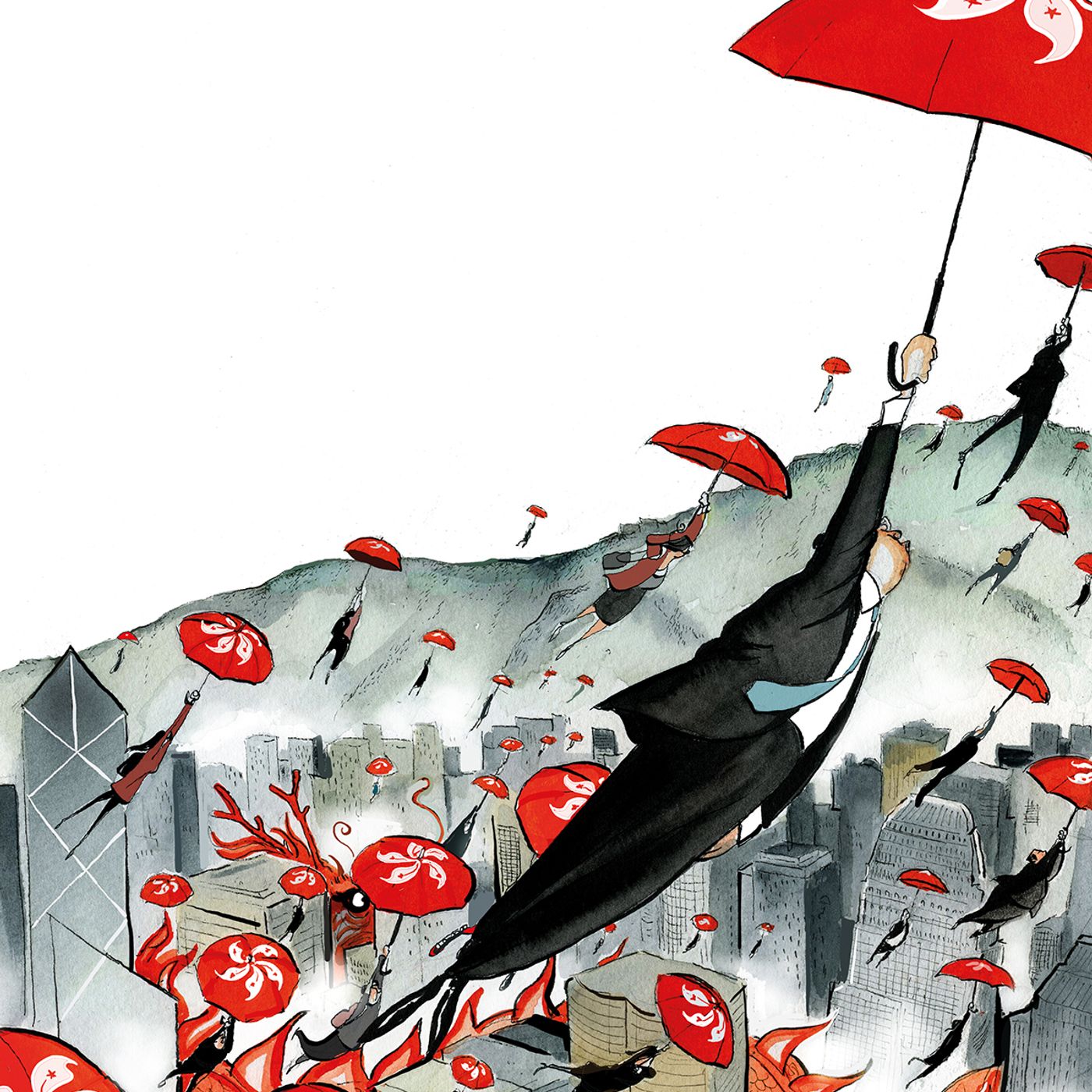
What does Beijing want with Hong Kong?
<div>The year-long Hong Kong protests seem to have come to an abrupt end - as China introduces a draconian national security law that punishes criticism of the Chinese government. On the podcast, Cindy Yu talks to academic and former diplomat Kerry Brown and Hong Kong journalist Jennifer Creery about what China wants with the city, and where this will end.</div><p>Become a <em>Spectator </em>subscriber today to access this podcast without adverts. Go to <a href="https://www.spectator.co.uk/follow-your-podcasts/" rel="noopener noreferrer" target="_blank">spectator.co.uk/adfree</a> to find out more.</p><br><p>For more <em>Spectator</em> podcasts, go to <a href="https://www.spectator.co.uk/podcasts/" rel="noopener noreferrer" target="_blank">spectator.co.uk/podcasts</a>. </p><br><p>Contact us: [email protected]</p> <hr><p style='color:grey; font-size:0.75em;'> Hosted on Acast. See <a style='color:grey;' target='_blank' rel='noopener noreferrer' href='https://acast.com/privacy'>acast.com/privacy</a> for more information.</p>