Chinese Whispers
122 episodes — Page 2 of 3
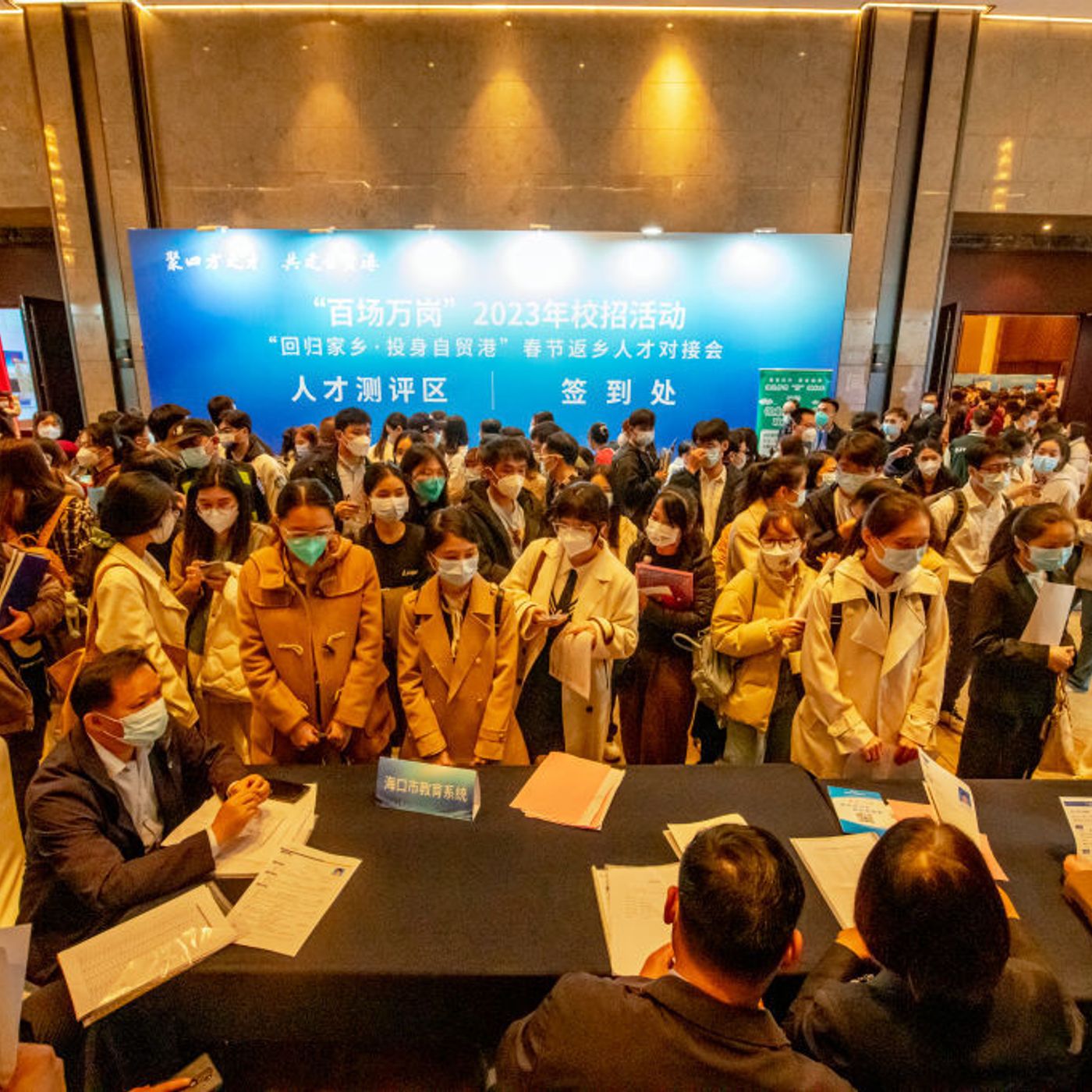
Young and jobless: Is the government letting down China's Generation Z?
<div>Hidden in March’s GDP figures was a shocking statistic – a fifth of Chinese 16 to 24 year olds are out of work. This is a near record high, and the economic background to a fresh wave of disillusionment among China’s young.<br><br>It has led to the creation of a new meme - you’ve heard of lying flat, but young people are now comparing themselves to a Republican-era literary character, Kong Yiji.<br><br>On this episode, I’m joined by the journalist Karoline Kan, author of <em>Under Red Skies: The Life and Times of a Chinese Millennial</em>. We talk about the Kong Yiji trend, why prospects are so thin for the most educated Chinese generation, and what this all means for the government's claims to economic competence.</div><p>Become a <em>Spectator </em>subscriber today to access this podcast without adverts. Go to <a href="https://www.spectator.co.uk/follow-your-podcasts/" rel="noopener noreferrer" target="_blank">spectator.co.uk/adfree</a> to find out more.</p><br><p>For more <em>Spectator</em> podcasts, go to <a href="https://www.spectator.co.uk/podcasts/" rel="noopener noreferrer" target="_blank">spectator.co.uk/podcasts</a>. </p><br><p>Contact us: [email protected]</p> <hr><p style='color:grey; font-size:0.75em;'> Hosted on Acast. See <a style='color:grey;' target='_blank' rel='noopener noreferrer' href='https://acast.com/privacy'>acast.com/privacy</a> for more information.</p>
Japan's role in the making of modern China
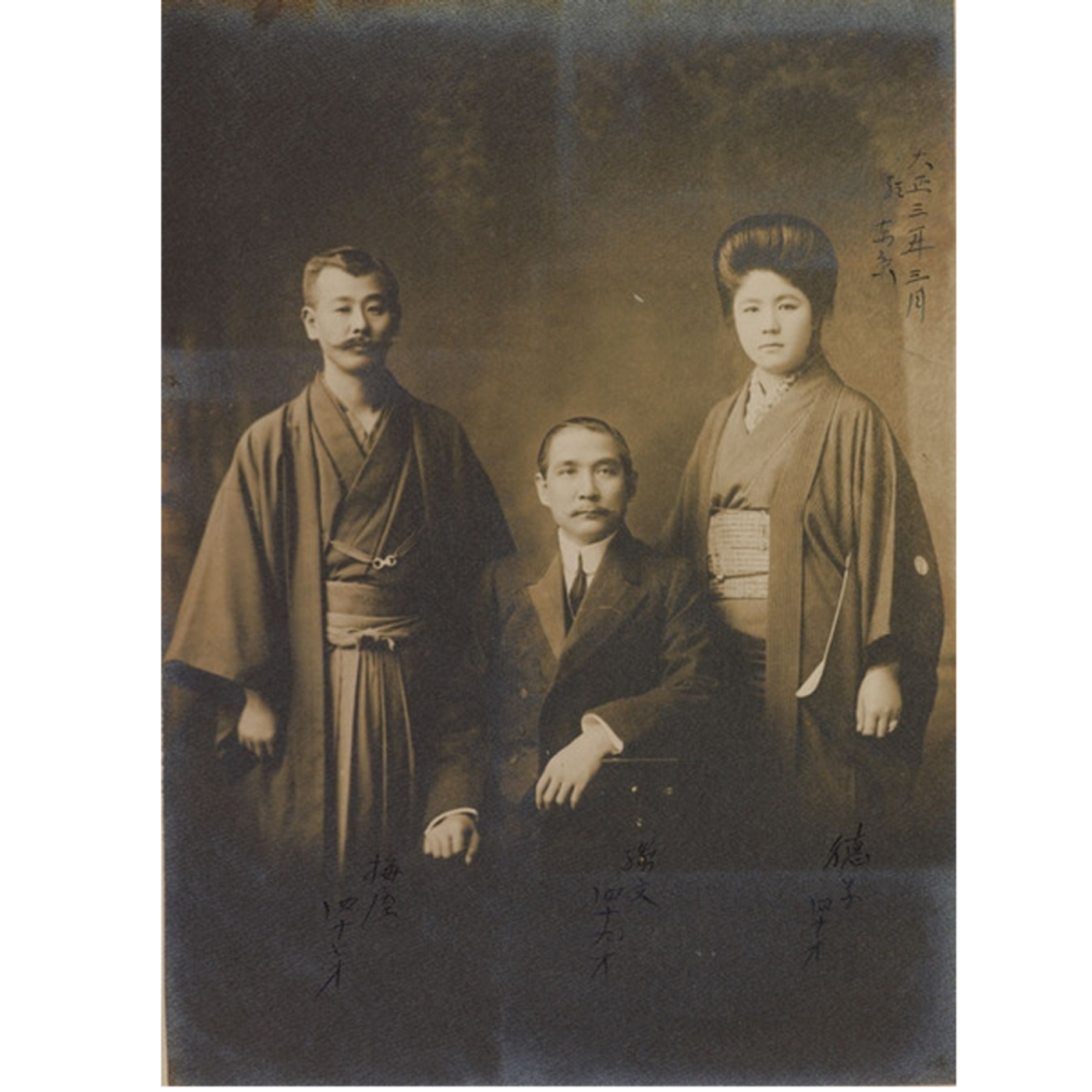
<div>Just before Christmas, it was reported that the billionaire Jack Ma had moved to Tokyo after getting into trouble with the Chinese authorities. If he's still living there, he'd be one of several well known Chinese who seems to have made Japan their home after run ins with Beijing.<br><br>In so doing, they’re following in the footsteps of those who came over a century ago – other Chinese exiles who holed out in Japan because of a hostile political environment back home.<br><br>This episode is all about how important it was that Japan served as a safe haven for these exiles – both reformers and revolutionaries – at the turn of the 20th century. That would later contribute to the establishment of a Chinese national identity and even the creation of the Chinese republic itself. It turns out that Japan was not only an aggressor against modern China, but an inspiration for it.<br><br>On this episode, I'm joined by the Professor Rana Mitter from the University of Oxford and Bill Hayton, a journalist and author of <em>The Invention Of China</em>.<br><br>[Pictured: Sun Yat-sen with Japanese film producer Umeya Shokichi and wife, who helped fund Sun's activities]<br><br>Historical timeline:<br><strong>1839 - 1842</strong> – First opium war<br><strong>1856 - 1860</strong> – Second opium war<br><strong>1868</strong> – The 'Meiji Restoration' begins in Japan<br><strong>1877</strong> – The first Qing delegation arrives in Tokyo, including diplomat Huang Zunxian.<br><strong>1894/95</strong> – The Sino-Japanese war. China's defeat results in Taiwan being ceded to Japan as a colony.<br><strong>1898</strong> – The 'Hundred Days Reform', a failed attempt by the Emperor Guangxu and allies (including Liang Qichao, Kang Youwei and Huang Zunxian) to constitutionalise the Qing dynasty. It was quashed by the Empress Cixi.<br><strong>1899 - 1901</strong> – The Boxer Rebellion, a peasant movement against foreign forces in China and endorsed by the Qing dynasty. It ends in defeat and an influx of Chinese students are sent to Japan as a part of Qing indemnities.<br><strong>1911 </strong>- The last emperor abdicates and the Republic of China is formed.<br><br>Further listening:<br>Jing Tsu on the <a href="https://www.spectator.co.uk/podcast/reinventing-the-chinese-language/">Chinese language revolution</a>.<br>Bill Hayton on <a href="https://www.spectator.co.uk/podcast/what-is-it-to-be-chinese/">'The Invention Of China'</a>.<br>Dylan Levi Thomas on <a href="https://www.spectator.co.uk/podcast/has-china-got-over-the-japanese-invasion/">modern China's psyche surrounding Japan</a>.</div><p>Become a <em>Spectator </em>subscriber today to access this podcast without adverts. Go to <a href="https://www.spectator.co.uk/follow-your-podcasts/" rel="noopener noreferrer" target="_blank">spectator.co.uk/adfree</a> to find out more.</p><br><p>For more <em>Spectator</em> podcasts, go to <a href="https://www.spectator.co.uk/podcasts/" rel="noopener noreferrer" target="_blank">spectator.co.uk/podcasts</a>. </p><br><p>Contact us: [email protected]</p> <hr><p style='color:grey; font-size:0.75em;'> Hosted on Acast. See <a style='color:grey;' target='_blank' rel='noopener noreferrer' href='https://acast.com/privacy'>acast.com/privacy</a> for more information.</p>
Hollywood and China: happily ever after?
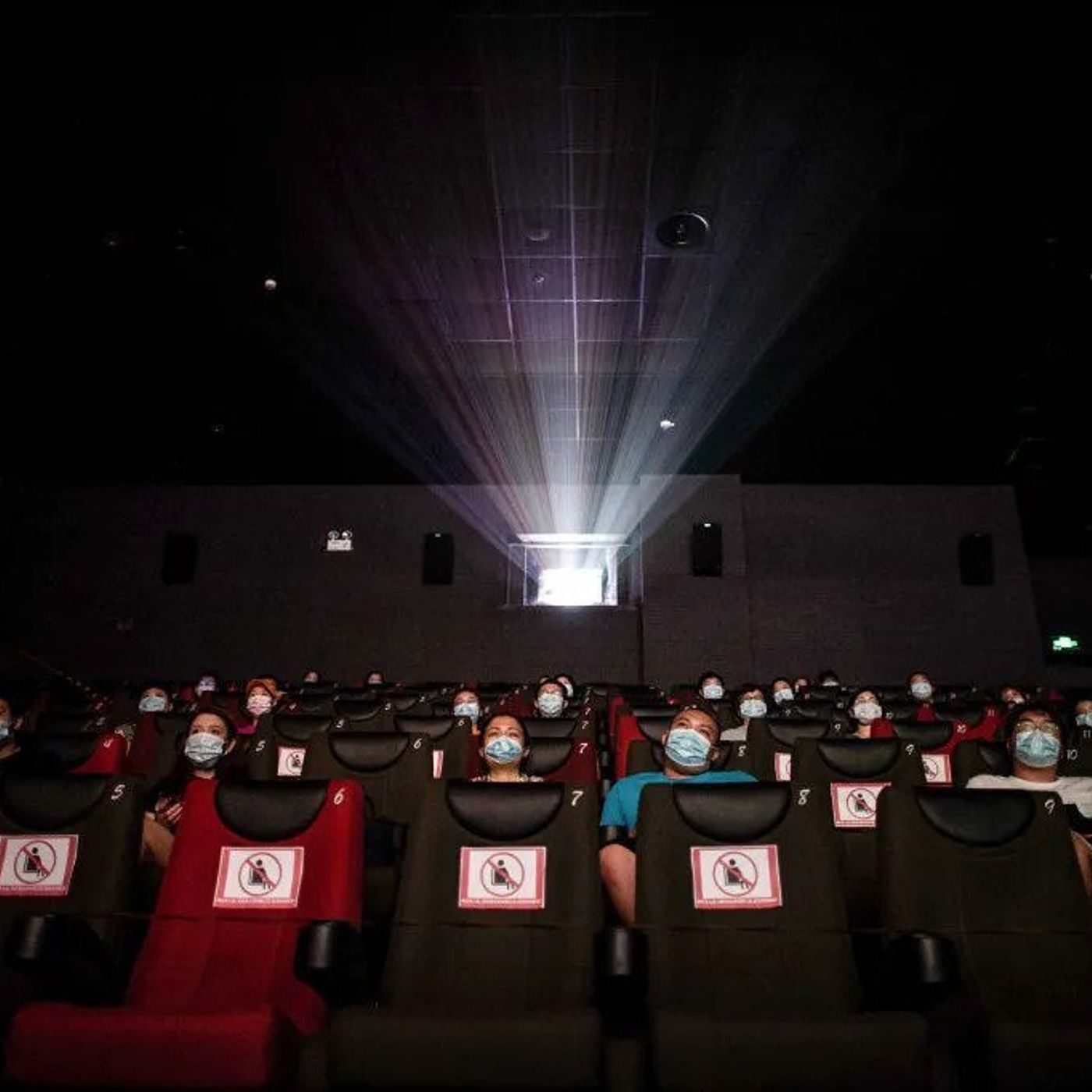
<div>Until a few years ago, Hollywood dominated Chinese cinemas. In the People’s Republic, Marvel’s superhero romps were the people’s favourite, with Avengers: Endgame taking in over £510 million at Chinese box offices.<br><br>Hollywood is desperate to crack the Chinese market – after all, it’s a country with a fifth of the world’s population and a growing middle class. But there’s just one problem – the small issue of the Chinese Communist Party, which tightly controls the films people can see.<br><br>Since the success of Avengers: Endgame, Marvel films had effectively been blacklisted until earlier this year, with other Hollywood blockbusters failing to break through either. On this episode, we’ll be talking about the complicated love affair between Beijing and LA.<br><br>I’m joined by Wall Street Journal journalist Erich Schwartzel, author of <em>Red Carpet: Hollywood, China, and the Global Battle for Cultural Supremacy</em>; and Chris Berry, Professor of Film Studies at Kings College London – you might remember him from our <a href="https://www.spectator.co.uk/podcast/the-radical-age-of-chinese-cinema/">previous episode</a> discussing the golden age of Chinese films.</div><p>Become a <em>Spectator </em>subscriber today to access this podcast without adverts. Go to <a href="https://www.spectator.co.uk/follow-your-podcasts/" rel="noopener noreferrer" target="_blank">spectator.co.uk/adfree</a> to find out more.</p><br><p>For more <em>Spectator</em> podcasts, go to <a href="https://www.spectator.co.uk/podcasts/" rel="noopener noreferrer" target="_blank">spectator.co.uk/podcasts</a>. </p><br><p>Contact us: [email protected]</p> <hr><p style='color:grey; font-size:0.75em;'> Hosted on Acast. See <a style='color:grey;' target='_blank' rel='noopener noreferrer' href='https://acast.com/privacy'>acast.com/privacy</a> for more information.</p>
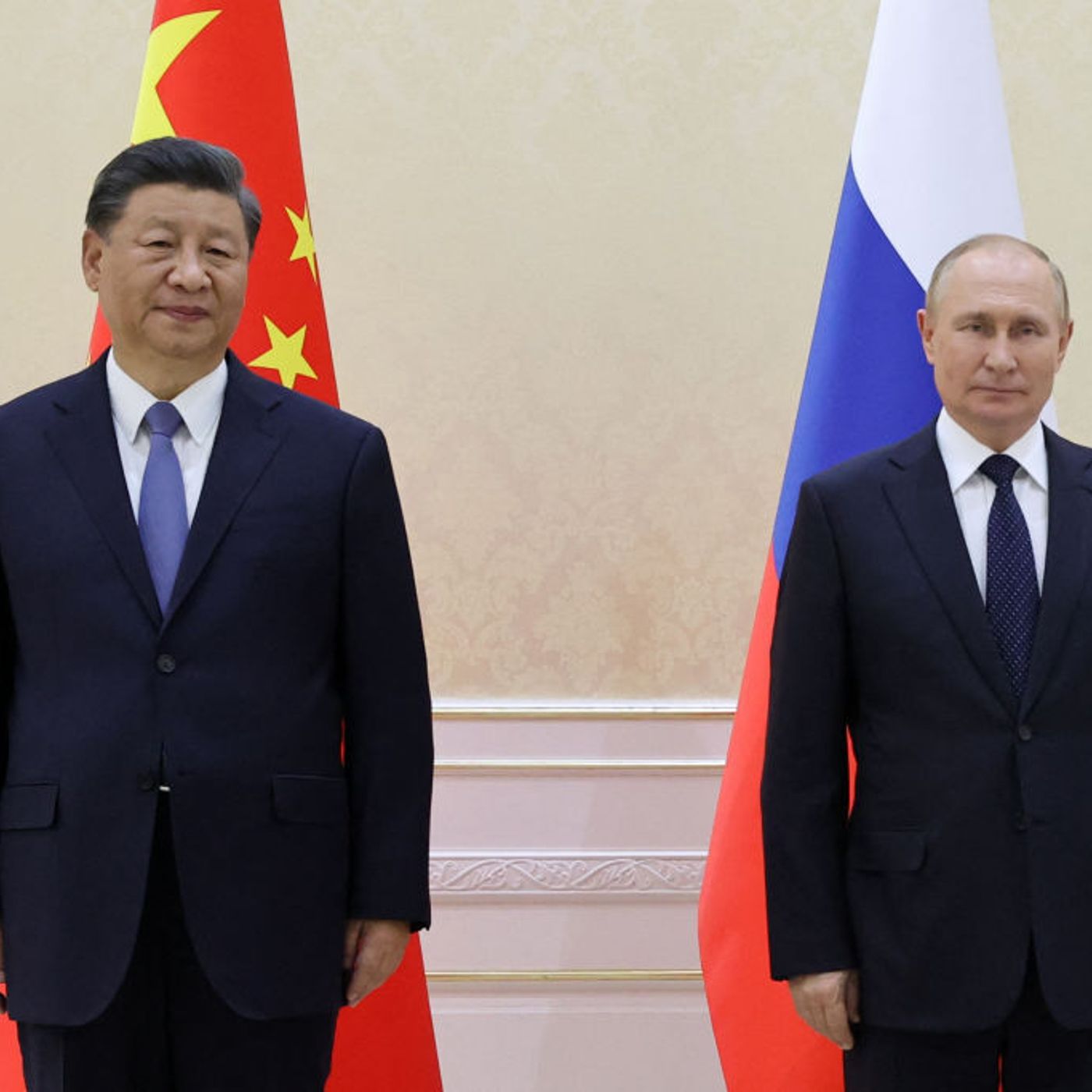
What Beijing wants out of the Russian invasion
<div>As Xi Jinping visits Vladimir Putin in Russia this week, this episode of Chinese Whispers is returning to one of the missions of this podcast series – to look at things as the Chinese see them. <br><br>My guest today is Zhou Bo, a retired Senior Colonel of the People’s Liberation Army whose military service started in 1979. He is now a senior fellow at the Center for International Security and Strategy at Tsinghua University. He’s an eloquent and informed advocate of Beijing’s perspective.<br><br>On the podcast, we discuss why China hasn’t criticised Russia more, despite its purported support for sovereignty, to what extent it really means its peace plan, and whether China is about to invade Taiwan.<br><br>We recorded most of this podcast two weeks ago, so when Xi’s visit to Moscow was announced last week, Bo kindly agreed to rejoin the podcast and give his take on the visit too.<br><br>Chances are, you won’t agree with most of the things Bo says, and as you’ll hear, I didn’t on some issues either. Even so, Beijing will continue to play a crucial role in the war, and so it remains important for the West to understand how the Chinese see things.</div><p>Become a <em>Spectator </em>subscriber today to access this podcast without adverts. Go to <a href="https://www.spectator.co.uk/follow-your-podcasts/" rel="noopener noreferrer" target="_blank">spectator.co.uk/adfree</a> to find out more.</p><br><p>For more <em>Spectator</em> podcasts, go to <a href="https://www.spectator.co.uk/podcasts/" rel="noopener noreferrer" target="_blank">spectator.co.uk/podcasts</a>. </p><br><p>Contact us: [email protected]</p> <hr><p style='color:grey; font-size:0.75em;'> Hosted on Acast. See <a style='color:grey;' target='_blank' rel='noopener noreferrer' href='https://acast.com/privacy'>acast.com/privacy</a> for more information.</p>

Spy planes and infiltrators: a history of the CIA in China
<div>The Chinese Communist Party likes to blame its domestic political problems on foreign interference, and it has done so since the days of Chairman Mao.<br><br>But sometimes, does this paranoia, this narrative, have a point? Or at least during the depths of the Cold War, when the United States, via the CIA, was countering communism across the world through so-called ‘covert operations’.<br><br>My guest today is Professor John Delury, a historian at the Yonsei University in Seoul, and author of a new book looking at the history of the CIA in China. It’s called <em>Agents of Subversion</em>, and I’d highly recommend it because some of the incredible exploits detailed in there are nothing short of what you might find in a spy thriller. On the episode, we talk about that history and what it teaches about US-China relations today.<br><br>Pictured here is CIA agent John T. Downey, who was imprisoned by China for over two decades after an exfiltration mission over Manchuria failed. He was eventually released following Nixon's visit to China.<br><br>Further listening:<br>Bill Hayton on Liang Qichao and the other Chinese reformers whose followers became the so-called 'Third Force' discussed in this episode: <a href="https://www.spectator.co.uk/podcast/what-is-it-to-be-chinese/">https://www.spectator.co.uk/podcast/what-is-it-to-be-chinese/</a>.<br>Professor Rana Mitter and Jessica Drun on the history of Taiwan and what happened after Chiang Kai-shek fled there: <a href="https://www.spectator.co.uk/podcast/why-does-china-care-about-taiwan/">https://www.spectator.co.uk/podcast/why-does-china-care-about-taiwan/</a></div><p>Become a <em>Spectator </em>subscriber today to access this podcast without adverts. Go to <a href="https://www.spectator.co.uk/follow-your-podcasts/" rel="noopener noreferrer" target="_blank">spectator.co.uk/adfree</a> to find out more.</p><br><p>For more <em>Spectator</em> podcasts, go to <a href="https://www.spectator.co.uk/podcasts/" rel="noopener noreferrer" target="_blank">spectator.co.uk/podcasts</a>. </p><br><p>Contact us: [email protected]</p> <hr><p style='color:grey; font-size:0.75em;'> Hosted on Acast. See <a style='color:grey;' target='_blank' rel='noopener noreferrer' href='https://acast.com/privacy'>acast.com/privacy</a> for more information.</p>
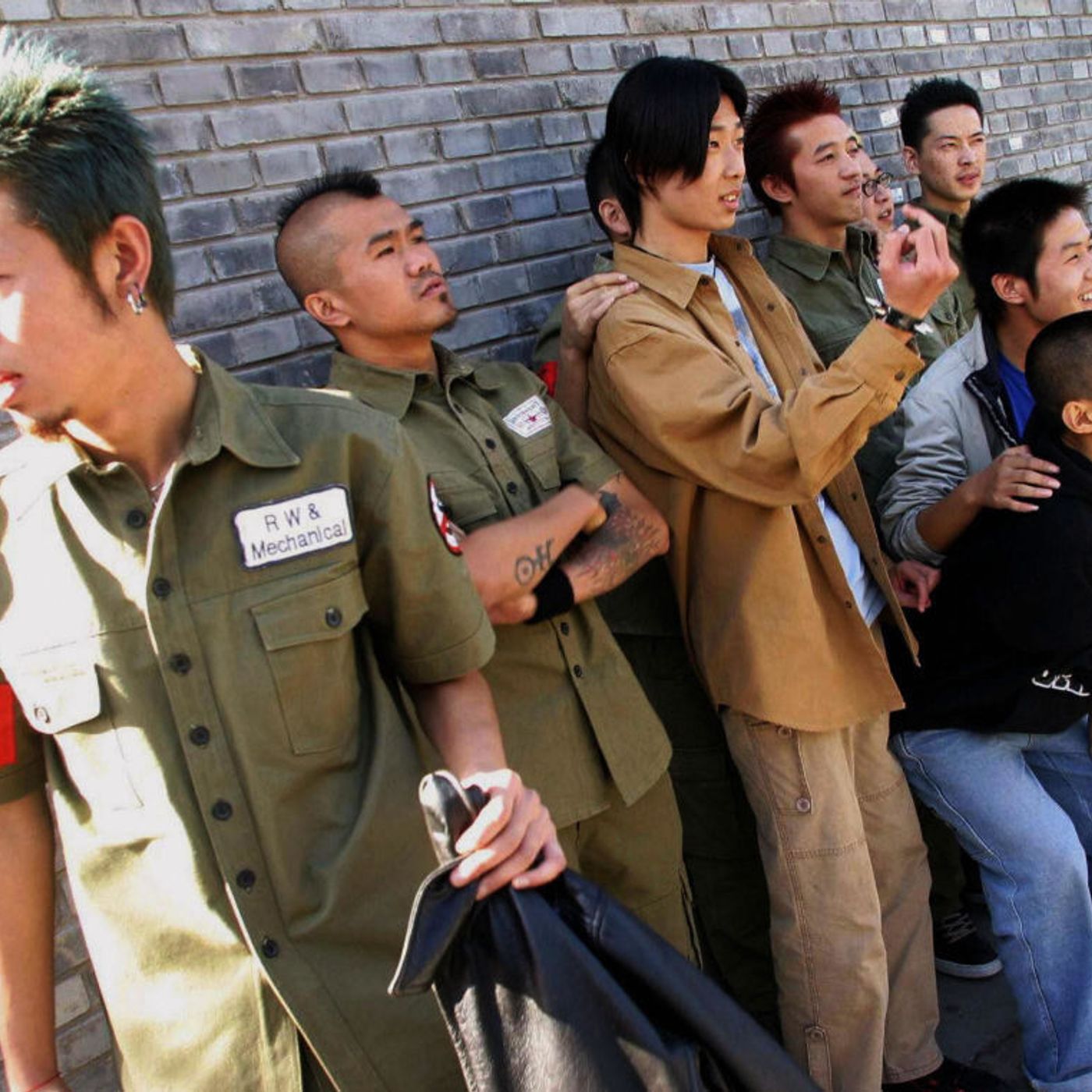
Tiananmen and the Tang: the rise of rock in China
<div>Every protest needs an anthem, and for the 1989 Tiananmen Square protests, 'Nothing to My Name' by Cui Jian became that emblem. Cui was one of China's earliest rockers, taking inspiration from the peasant music of China's northwest and fusing it with the rock 'n' roll that was beginning to arrive in the country. It put rock music – and the Chinese interpretation of it – under the national spotlight.<br><br>On this episode I talk to Kaiser Kuo, host of the China Project's Sinica podcast, who also happens to be a founding member of Tang Dynasty, one of China's earliest and greatest rock bands. We talk about how a China opening up after the Cultural Revolution allowed in this decidedly western musical genre, how it fused with Chinese musical traditions upon contact, and its lasting association with the 1989 Tiananmen Square protests.</div><p>Become a <em>Spectator </em>subscriber today to access this podcast without adverts. Go to <a href="https://www.spectator.co.uk/follow-your-podcasts/" rel="noopener noreferrer" target="_blank">spectator.co.uk/adfree</a> to find out more.</p><br><p>For more <em>Spectator</em> podcasts, go to <a href="https://www.spectator.co.uk/podcasts/" rel="noopener noreferrer" target="_blank">spectator.co.uk/podcasts</a>. </p><br><p>Contact us: [email protected]</p> <hr><p style='color:grey; font-size:0.75em;'> Hosted on Acast. See <a style='color:grey;' target='_blank' rel='noopener noreferrer' href='https://acast.com/privacy'>acast.com/privacy</a> for more information.</p>
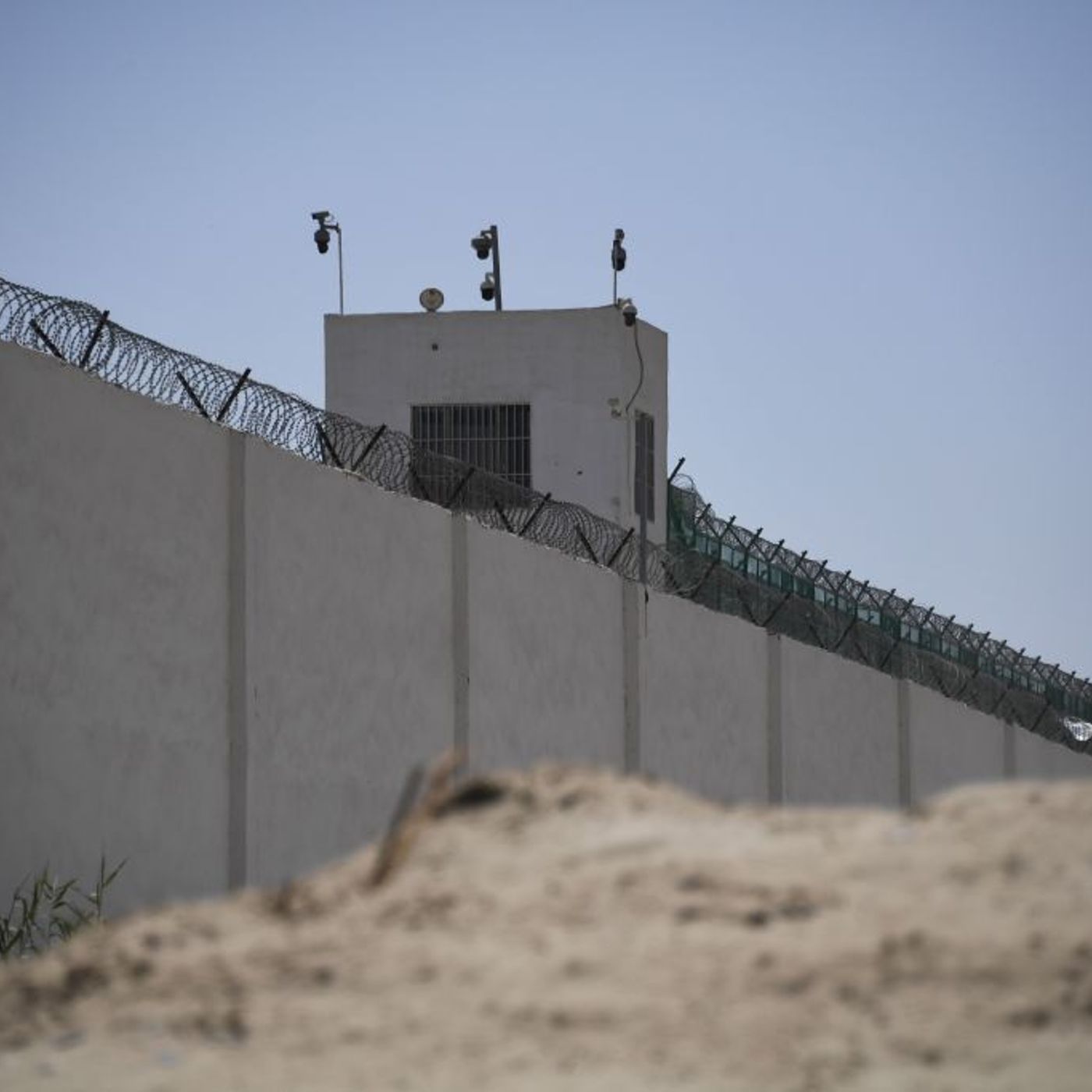
Have Xinjiang's camps been closed?
<div>A few months ago, an intriguing <a href="https://www.washingtonpost.com/world/2022/09/23/china-xinjiang-crackdown-uyghurs-surveillance/">article</a> in the <em>Washington Post</em> shed light on the latest situation Xinjiang, the western region of China where the Uighur minority live. The two journalists, Eva Dou and Cate Cadell, saw on their travels around the region last summer that many of the infamous re-education camps had been shut down, or turned into quarantine centres. A new phase of Beijing’s campaign in Xinjiang seems to have started.<br><br>So what’s really going on there now, and what does this mean for the lives of the Uyghur people?<br><br>I’m joined by Professor James Millward from Georgetown University, author of Eurasian crossroads: a history of Xinjiang, to find out. Jim had joined me on a <a href="https://www.spectator.co.uk/podcast/what-s-behind-beijing-s-treatment-of-the-uyghurs/">previous episode</a> to break down exactly why Beijing had such a problem with the Uighur minority, which is valuable background for this episode.<br><br>On this episode, we talk about exactly what has happened to the so-called 'graduates' of China's re-education centres; how the pandemic might have changed how some Han people see the Xinjiang issue; and what exactly western politicians should and shouldn't do, if they want to help.</div><p>Become a <em>Spectator </em>subscriber today to access this podcast without adverts. Go to <a href="https://www.spectator.co.uk/follow-your-podcasts/" rel="noopener noreferrer" target="_blank">spectator.co.uk/adfree</a> to find out more.</p><br><p>For more <em>Spectator</em> podcasts, go to <a href="https://www.spectator.co.uk/podcasts/" rel="noopener noreferrer" target="_blank">spectator.co.uk/podcasts</a>. </p><br><p>Contact us: [email protected]</p> <hr><p style='color:grey; font-size:0.75em;'> Hosted on Acast. See <a style='color:grey;' target='_blank' rel='noopener noreferrer' href='https://acast.com/privacy'>acast.com/privacy</a> for more information.</p>

Covid's legacy: how will China remember the pandemic?
<div>Three years ago, as people across China welcomed the Year of the Rat, a new virus was taking hold in Wuhan. In London, the conversation at my family’s New Year dinner was dominated by the latest updates, how many masks and hand sanitisers we’d ordered. </div><br><div>Mercifully, Covid didn’t come up at all as we welcomed the Year of the Rabbit this weekend, though my family in China are still recovering from their recent infections. The zero Covid phase of the pandemic is well and truly over.</div><br><div>So what better time to reflect on the rollercoaster of the last three years? In exchange for controlling the virus, China’s borders were shut for most of that time, while the economy has tanked and a general of children had their schooling disrupted. Yet after some remarkable protests last November, the country has opened up at a breakneck pace.</div><br><div>The government is now keen to move on, focusing now on this year’s economic recovery. But can a country of 1.4 billion people move on quite so quickly? The exceptional nature of the pandemic and the collective trauma of the last three years need to be processed, and yet I wouldn’t say that the Chinese Communist Party is usually good at allowing people to come to terms with historical suffering, especially when it’s the Party at fault…</div><br><div>So on this episode we’ll be looking at the social legacy of the pandemic on China, and the collective memory of this exceptional time.</div><br><div>Joining me are the <em>Financial Times</em>’s Yuan Yang, who was the paper’s deputy Beijing bureau chief during the first two years of the pandemic, and Guobin Yang, Professor of Sociology at the University of Pennsylvania and author of <em>The Wuhan Lockdown</em>, a book looking at how the Wuhan people documented the world’s first brush with Covid-19.<br><br>On the episode I also mentioned the Chinese Whispers episode on the civil backlash against facial recognition. Listen <a href="https://www.spectator.co.uk/podcast/the-fightback-against-facial-recognition/">here</a>.</div><p>Become a <em>Spectator </em>subscriber today to access this podcast without adverts. Go to <a href="https://www.spectator.co.uk/follow-your-podcasts/" rel="noopener noreferrer" target="_blank">spectator.co.uk/adfree</a> to find out more.</p><br><p>For more <em>Spectator</em> podcasts, go to <a href="https://www.spectator.co.uk/podcasts/" rel="noopener noreferrer" target="_blank">spectator.co.uk/podcasts</a>. </p><br><p>Contact us: [email protected]</p> <hr><p style='color:grey; font-size:0.75em;'> Hosted on Acast. See <a style='color:grey;' target='_blank' rel='noopener noreferrer' href='https://acast.com/privacy'>acast.com/privacy</a> for more information.</p>
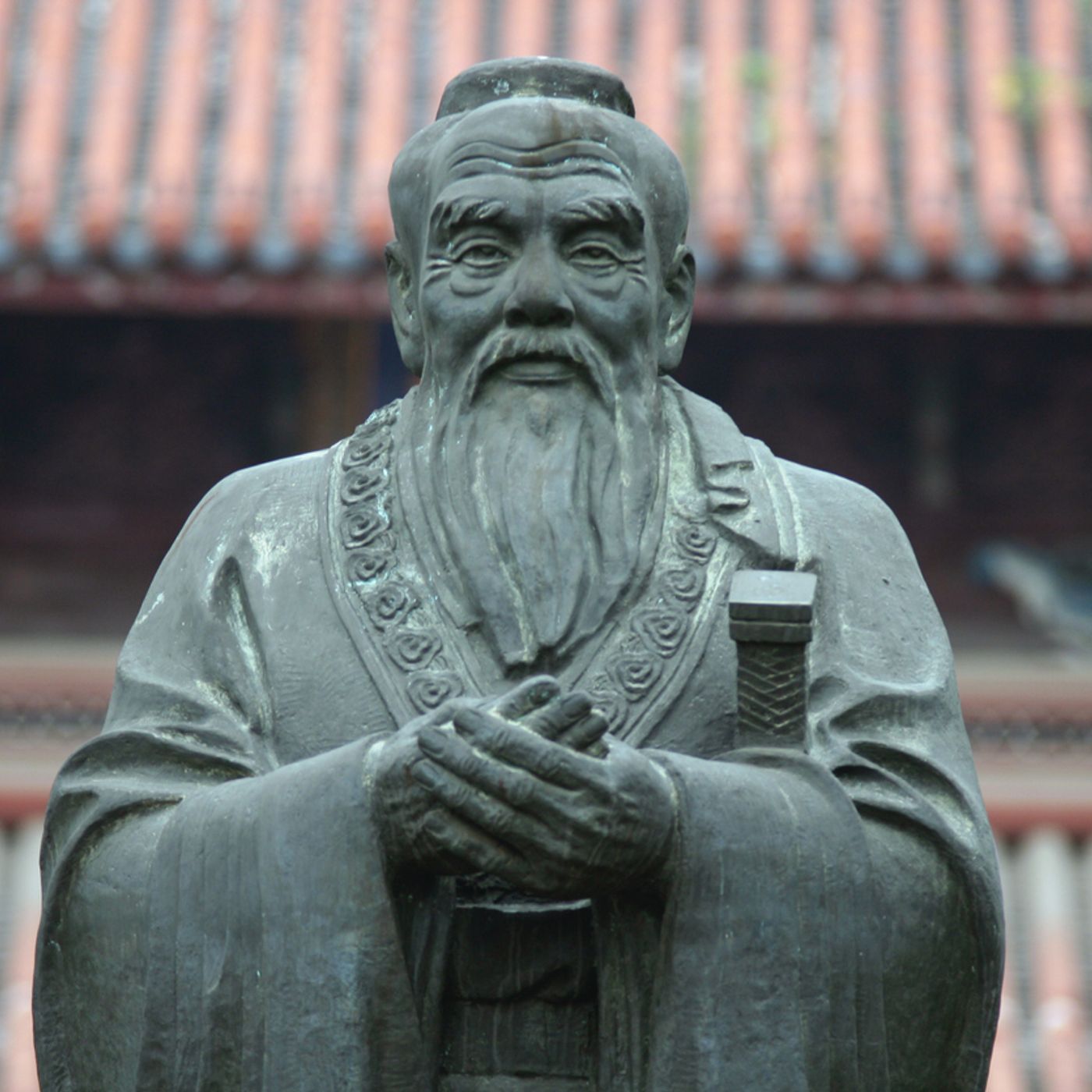
Should Britain's Confucius Institutes be shut down?
<div>Should Confucius Institutes be shut down? There are hundreds of these centres across six continents, funded by the Ministry of Education, with the stated goal of public education on and cultural promotion of China. They offer classes on language, history and culture of China, and some would say they help to plug a crucial shortage of Chinese language skills in host countries, especially across the West. </div><br><div>And yet, these have become deeply controversial. Criticism of the institutes range from their CCP-sanctioned curriculum which do not include sensitive topics, to allegations of espionage and erosion of academic independence with Confucius Institutes as the core. Sweden closed all of its CIs two years ago, and universities in countries including the US and Japan have also shut their centres down.</div><br><div>This is a live debate in the UK right now. Last November, security minister Tom Tugendhat confirmed that the government would be seeking to ban Confucius Institutes in the UK, repeating a pledge that Rishi Sunak had made during the Tory leadership race. But is this the right decision?</div><br><div>In this episode, I’m joined by Charles Parton, senior associate fellow at the thinktank RUSI, who worked in or around China as a diplomat for two decades. He is an expert on Chinese interference and espionage in the UK. <br><br>My interview with Raffaello Pantucci on how Confucius Institutes play a role in central Asia: <a href="https://www.spectator.co.uk/podcast/the-new-great-game-how-china-replaced-russia-in-kazakhstan-and-beyond/">https://www.spectator.co.uk/podcast/the-new-great-game-how-china-replaced-russia-in-kazakhstan-and-beyond/</a>.</div><p>Become a <em>Spectator </em>subscriber today to access this podcast without adverts. Go to <a href="https://www.spectator.co.uk/follow-your-podcasts/" rel="noopener noreferrer" target="_blank">spectator.co.uk/adfree</a> to find out more.</p><br><p>For more <em>Spectator</em> podcasts, go to <a href="https://www.spectator.co.uk/podcasts/" rel="noopener noreferrer" target="_blank">spectator.co.uk/podcasts</a>. </p><br><p>Contact us: [email protected]</p> <hr><p style='color:grey; font-size:0.75em;'> Hosted on Acast. See <a style='color:grey;' target='_blank' rel='noopener noreferrer' href='https://acast.com/privacy'>acast.com/privacy</a> for more information.</p>

Strangers in a strange land: being foreign in China
<div>Over the last few hundred years, China has had a difficult and complicated relationship with foreigners. On the one hand, they added to the country’s intellectual richness by introducing western philosophy and science; and on the other, these contributions often came accompanied by guns and gunboats.</div><br><div>And today, out of a country of 1.4 billion, there are fewer than one million foreigners living there. So what is it like to try to make China one’s home if you were British or anything else? <br><br>On the episode, I speak to two long time China hands. Mark Kitto is a writer and actor who lived in China for 16 years, setting up two businesses in succession there but now back living in Norfolk. Alec Ash is the author of <em>Wish Lanterns</em>, all about Chinese millennials. He moved to China around the time that Mark left, and has just moved back to the UK after a decade there.</div><br><div>I want to find out from them what it is like to be foreign in China given the country’s complicated history with Brits and other foreigners; and whether the Chinese identity itself is particularly hard to penetrate as a foreigner.</div><p>Become a <em>Spectator </em>subscriber today to access this podcast without adverts. Go to <a href="https://www.spectator.co.uk/follow-your-podcasts/" rel="noopener noreferrer" target="_blank">spectator.co.uk/adfree</a> to find out more.</p><br><p>For more <em>Spectator</em> podcasts, go to <a href="https://www.spectator.co.uk/podcasts/" rel="noopener noreferrer" target="_blank">spectator.co.uk/podcasts</a>. </p><br><p>Contact us: [email protected]</p> <hr><p style='color:grey; font-size:0.75em;'> Hosted on Acast. See <a style='color:grey;' target='_blank' rel='noopener noreferrer' href='https://acast.com/privacy'>acast.com/privacy</a> for more information.</p>

Echoes of 1989: where the protests go next
<div>Comparisons with 1989’s Tiananmen Square protests are too often evoked when it comes to talking about civil disobedience in China. Even so, this weekend’s protests have been historic. It’s the first time since the zero Covid policy started that people across the country have simultaneously marched against the government, their fury catalysed by the deaths of ten people in a locked down high rise building in Xinjiang. Beijing, Shanghai, Wuhan, Xi’An, Urumqi, Nanjing (my home city) have all seen protests over the weekend. Most of them attack the zero Covid policy, but some have called out ‘Down with Xi Jinping’.<br><br>After two days of protests, these cities, especially Shanghai, now see heavy police presence, with the authorities searching phones of any seeming troublemakers. This weekend’s burst of free speech may already have been snuffed out. Can the protestors sustain their momentum given the tight grip of the state? <br><br>I'm joined by Professor Jeff Wasserstrom at UC Irvine, an expert on protests in the mainland and Hong Kong, and Isabel Hilton, a long time China watcher and founder of China Dialogue.</div><p>Become a <em>Spectator </em>subscriber today to access this podcast without adverts. Go to <a href="https://www.spectator.co.uk/follow-your-podcasts/" rel="noopener noreferrer" target="_blank">spectator.co.uk/adfree</a> to find out more.</p><br><p>For more <em>Spectator</em> podcasts, go to <a href="https://www.spectator.co.uk/podcasts/" rel="noopener noreferrer" target="_blank">spectator.co.uk/podcasts</a>. </p><br><p>Contact us: [email protected]</p> <hr><p style='color:grey; font-size:0.75em;'> Hosted on Acast. See <a style='color:grey;' target='_blank' rel='noopener noreferrer' href='https://acast.com/privacy'>acast.com/privacy</a> for more information.</p>
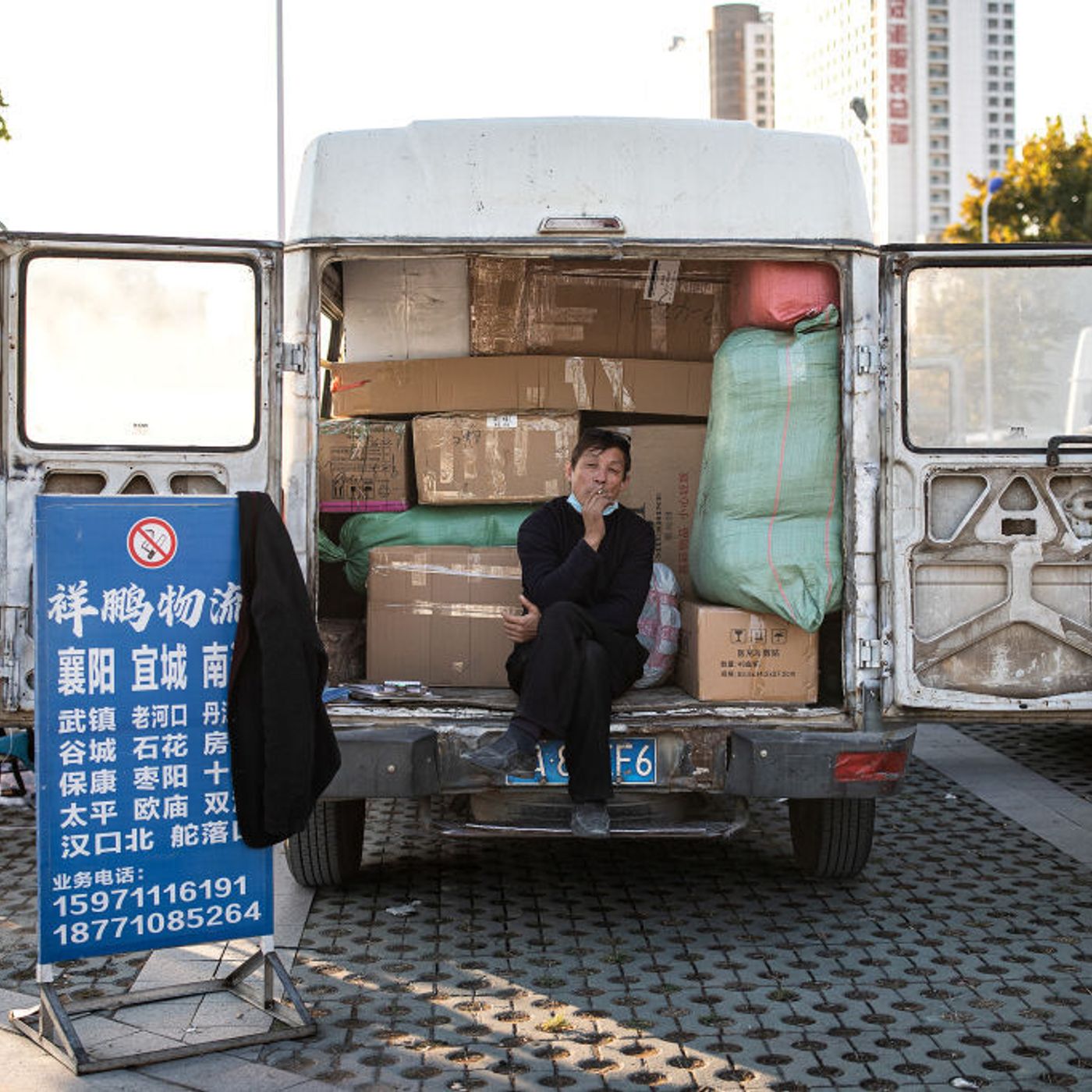
Second class citizens: the lives of China's internal migrants
<div>When the city of Zhengzhou, home to the world’s largest iPhone factory, locked down recently, some of its factory workers had nowhere to go. Hoping to escape Covid restrictions, many of them walked miles along motorways to their hometowns, their journey captured by video and shared on social media in China and out.<br><br>This episode is all about China’s migrant working class – poorly paid and often poorly educated people from the countryside who go to cities like Zhengzhou for better lives. There are hundreds of millions of these so-called ‘internal migrants’, making their story an important part to understand if you want to understand modern China.<br><br>Even now, 'on average urban residents are making at least more than 2.5 times the income as the average rural resident', Professor Cindy Fan tells me on this episode. She's an expert on Chinese migration and population patterns at UCLA. Most commonly, migrants will send their earnings back to home villages and towns, where they have left behind family members. Often, children are being looked after by grandparents while the parents are earning away from home.<br><br>Cindy and I discuss the role played by these migrants – often unwelcomed in the cities but vital for urban areas to develop, grow and function. We go deep into the <em>hukou</em> system – household registration – that gives urban residents rights and privileges that migrant workers cannot access, making them second class citizens. But ultimately, as the Chinese are wont to do, many migrant workers make the system work for them. They don't necessarily want to swallow urban life wholesale:<br><br></div><blockquote>'Rural migrants are pretty smart... Yes they are victims… but at the same time, they are also weighing their options, they’re also strategising. They’re not just passive.'</blockquote><p>Become a <em>Spectator </em>subscriber today to access this podcast without adverts. Go to <a href="https://www.spectator.co.uk/follow-your-podcasts/" rel="noopener noreferrer" target="_blank">spectator.co.uk/adfree</a> to find out more.</p><br><p>For more <em>Spectator</em> podcasts, go to <a href="https://www.spectator.co.uk/podcasts/" rel="noopener noreferrer" target="_blank">spectator.co.uk/podcasts</a>. </p><br><p>Contact us: [email protected]</p> <hr><p style='color:grey; font-size:0.75em;'> Hosted on Acast. See <a style='color:grey;' target='_blank' rel='noopener noreferrer' href='https://acast.com/privacy'>acast.com/privacy</a> for more information.</p>
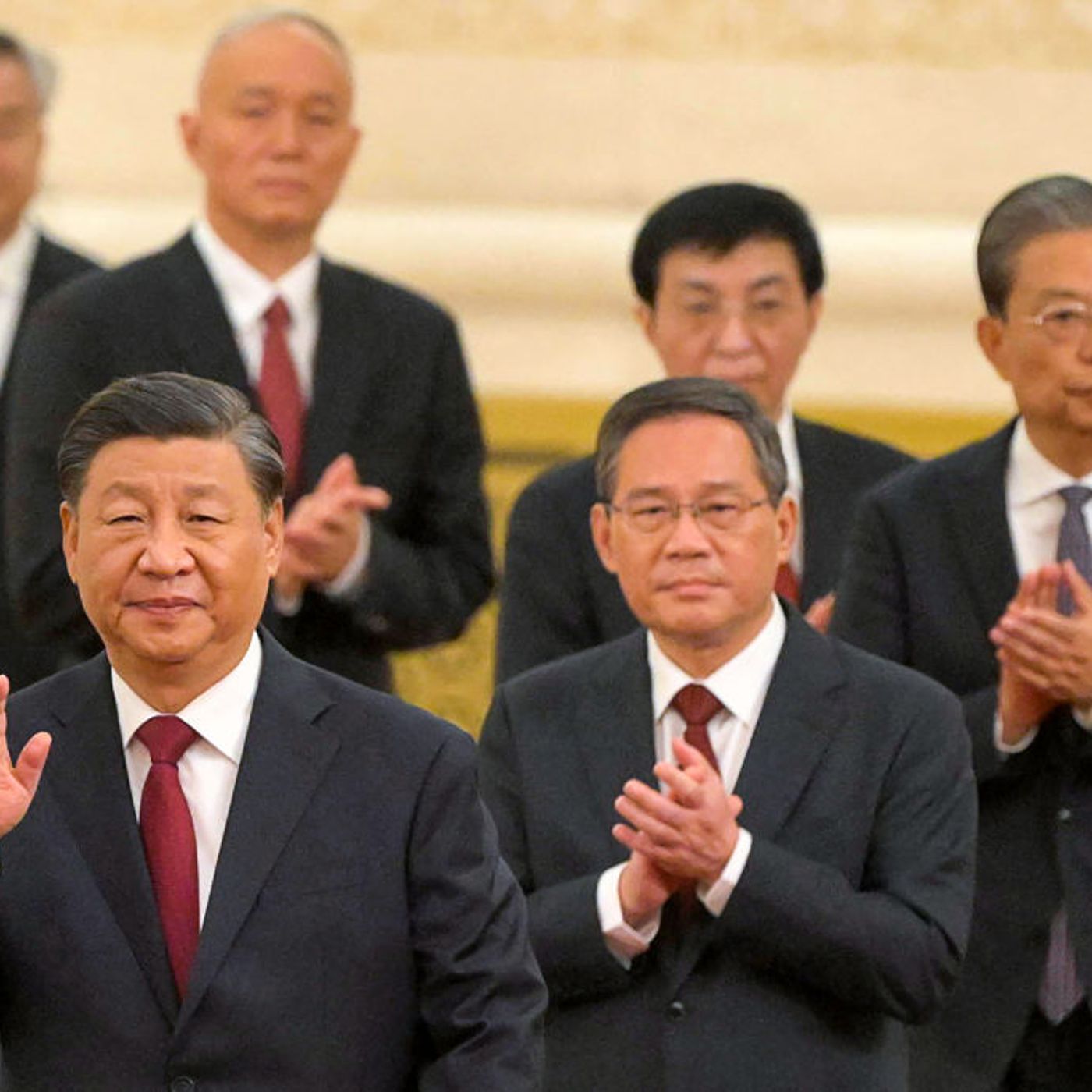
Reflections on the 20th Party Congress: how Xi took complete control
<div>This week Xi Jinping has taken his new Politburo Standing Committee on a group trip – to Yan’An, the base of Mao Zedong’s Communist revolution after the Long March. The symbolism is easy to see.<br><br>On this episode of Chinese Whispers, Bill Bishop, author of the popular Sinocism newsletter, and Professor Victor Shih, author of <em>Coalitions of the Weak</em>, have returned to reflect on the Party Congress just past. It's been a more dramatic event than many (inside and outside the party) expected, starting with a brave, lone protestor hanging a 42-character banner off a popular bridge in Beijing, lambasting the authoritarian regime; and ending with the forcible removal of former general secretary Hu Jintao in front of the world's media.<br><br>At the congress itself Xi overturned decades-long norms dictating the top leadership of the party – age no longer seems to necessitate retirement, while the Politburo has not a single woman. Above all, Xi has started his third term as general secretary with a loyal cabal of men around him. Did he not want more competent people in the top jobs? 'Loyalty is merit', Bill suggests.<br><br>What does this mean for China, and the world? Victor makes the point that Xi is putting the pieces in place to push through unpopular decisions – for example, an invasion of Taiwan. 'If you think about it, why would you want people whom you trust absolutely to fill every single position? Because even Chairman Mao didn’t do this'. It also means that as Xi becomes more truly dictatorial, the West needs to engage with him more, not less. <br><br></div><blockquote>We just don’t know the kind of information about the US, about other countries, that are landing on Xi Jinping’s desk. And this information can be incredibly distorted. So if anything, just presenting an alternative view of how the world works could be helpful. He may not believe you… but if you’re able to look him in the eye and tell him something, at least he’ll be forced to think about it.</blockquote><div>As for the party itself, the three of us digest the Hu Jintao incident. Regardless of what you think happened, one thing is for sure – it was a deep and utter humiliation for Hu, especially given China's deep-set Confucian respect for elders. The idea that there is any organised CCP opposition against Xi has been put to bed.</div><p>Become a <em>Spectator </em>subscriber today to access this podcast without adverts. Go to <a href="https://www.spectator.co.uk/follow-your-podcasts/" rel="noopener noreferrer" target="_blank">spectator.co.uk/adfree</a> to find out more.</p><br><p>For more <em>Spectator</em> podcasts, go to <a href="https://www.spectator.co.uk/podcasts/" rel="noopener noreferrer" target="_blank">spectator.co.uk/podcasts</a>. </p><br><p>Contact us: [email protected]</p> <hr><p style='color:grey; font-size:0.75em;'> Hosted on Acast. See <a style='color:grey;' target='_blank' rel='noopener noreferrer' href='https://acast.com/privacy'>acast.com/privacy</a> for more information.</p>
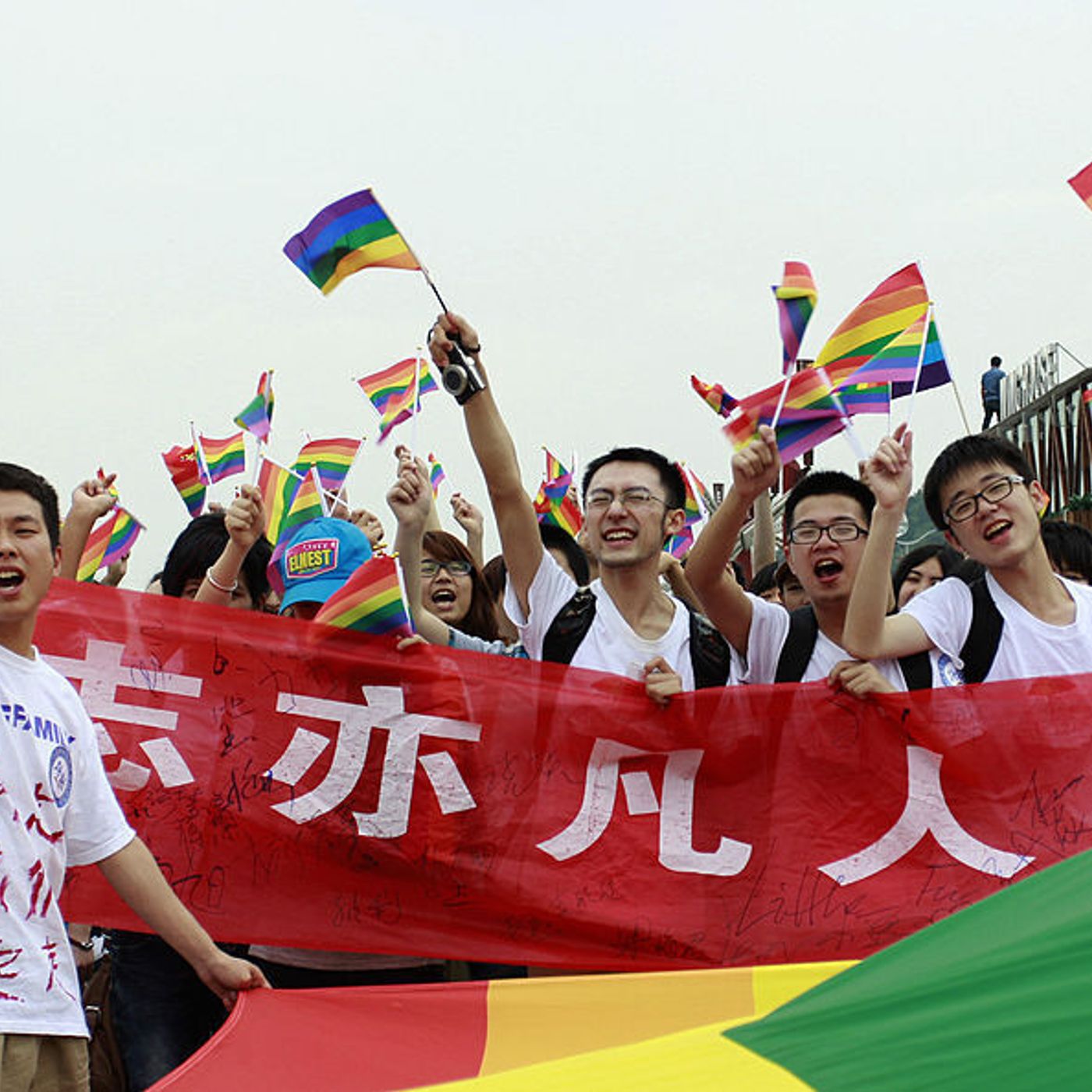
Censorship and sexuality: being gay in China
<div>I recently caught a rare viewing of a 2001 Chinese film, <em>Lan Yu</em>. It tells the story of two gay men falling in love and finding domestic life throughout the reform and opening years of China. The filmmakers never bothered to apply for approval from the censors, knowing that its homosexual storyline would never make it past the moralistic Communist censors.</div><br><div>On this episode, I take a look at the place of homosexuality in the traditional Chinese mindset and under these years of Communism. My guests are Zhang Yongning, the producer of <em>Lan Yu</em>, and Liu Yiling, a a writer covering Chinese society, technology and internet culture who has written about the the dating apps that millennial gay men now use. We discuss the homosexuality rooted in traditional Chinese literature, like <em>Dreams of the Red Chamber</em>, balanced against the Confucian need to procreate and pass on lineage. It turns out that, much like ancient Greece, the problem wasn’t so much the gay sex so long as you still set up families and had children, Yongning says.</div><br><div>With the influx of Christianity through missionaries, there took on a ‘pathological’ view of homosexuality, more akin to the western homophobia, says Yiling.</div><br><div>When it comes to political attitudes, Yiling makes the astute point that ‘Chinese history has always moved in patterns of <em>fang shou</em> (open and close)’. Under Communism, you might expect the kind of restrictive attitudes towards divergent lifestyles, but much of this had moved in more liberal ways since reform and opening, forming the backdrop to <em>Lan Yu</em>’s story. Yet the sticking point is always whether these minority groups ask for political or civil rights. Unlike feminists under the MeToo movement which has been shut down by the government, gays haven’t united politically. ‘If they start asking for rights, then they will be in huge trouble’, Yongning says.</div><br><div>We don’t get much time to talk about other LGBT communities, but I’ll certainly come back to those in future episodes.<br><br>If you enjoy this podcast, you can now register your interest for an upcoming Chinese Whispers newsletter, at <a href="https://www.docs.google.com/forms/d/1kzf64KP_84kKFTR5q33aUJQoIt03QDZ6mmzDiUfuqyY/viewform?edit_requested=true">www.spectator.co.uk/whispers</a>. It'll be everything you love about the podcast.</div><p>Become a <em>Spectator </em>subscriber today to access this podcast without adverts. Go to <a href="https://www.spectator.co.uk/follow-your-podcasts/" rel="noopener noreferrer" target="_blank">spectator.co.uk/adfree</a> to find out more.</p><br><p>For more <em>Spectator</em> podcasts, go to <a href="https://www.spectator.co.uk/podcasts/" rel="noopener noreferrer" target="_blank">spectator.co.uk/podcasts</a>. </p><br><p>Contact us: [email protected]</p> <hr><p style='color:grey; font-size:0.75em;'> Hosted on Acast. See <a style='color:grey;' target='_blank' rel='noopener noreferrer' href='https://acast.com/privacy'>acast.com/privacy</a> for more information.</p>
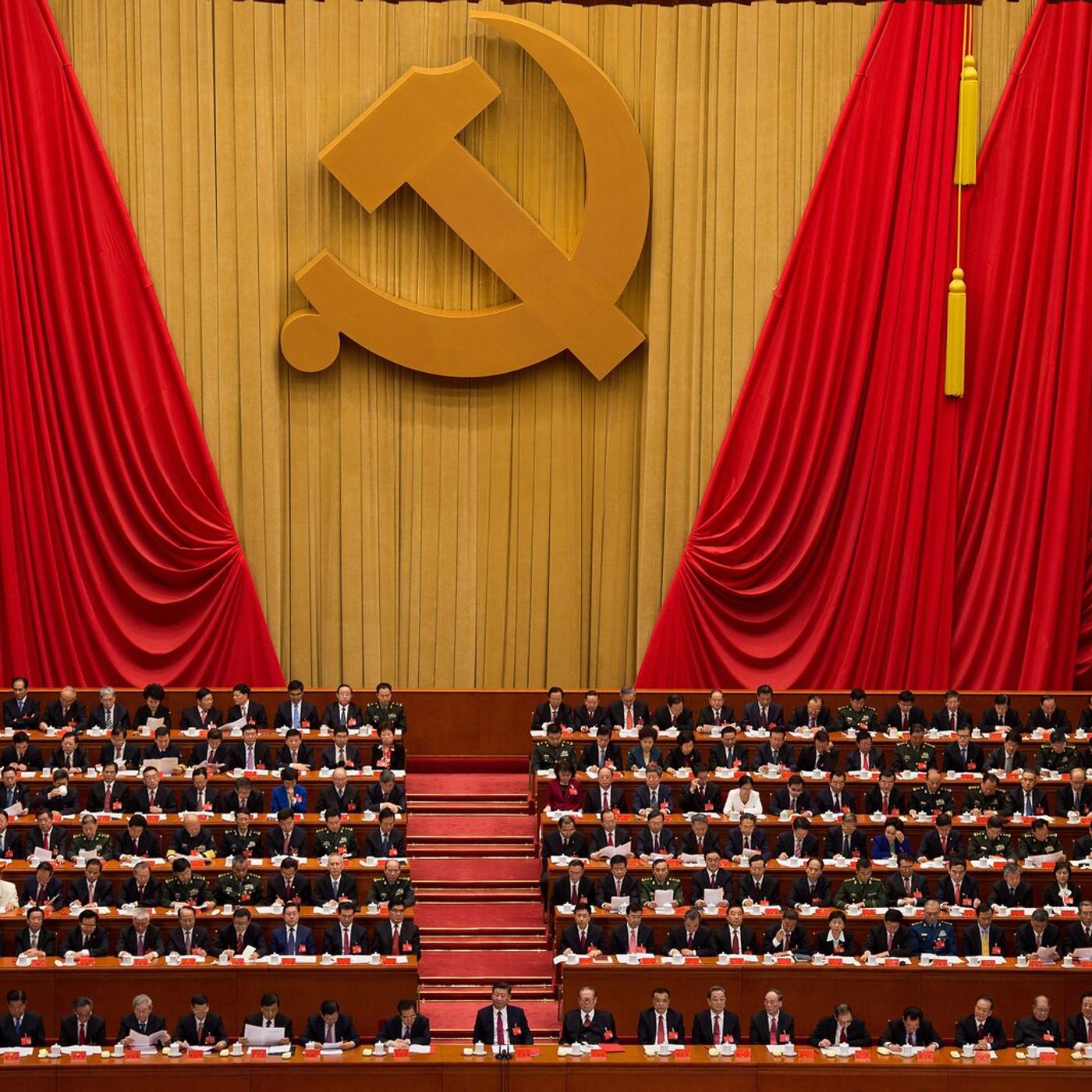
Succession and power: a look ahead to the 20th Party Congress
<div>Every five years, Beijing goes into heightened security as senior members of the Chinese Communist Party gather. The National Party Congress is an occasion for the party to review its track record and determine its future direction, but most crucially, it’s a moment to unveil future leaders.<br><br>Older members of the seven-member Politburo Standing Committee are retired while fresh blood is brought in, including at the very top – the General Secretary. Under a norm set down by Deng Xiaoping, this General Secretary is meant to be changed every other congress – in other words, every ten years. But at this upcoming Congress, most China watchers expect Xi Jinping to remain in position, beginning his third term in power.<br><br>So to look ahead to this important event in the Communist calendar, in this episode Cindy Yu speaks to author of the<em> Sinocism</em> newsletter Bill Bishop and Professor Victor Shih, expert in Chinese elite politics and author of the new book <em>Coalitions of the Weak</em>. They discuss the possibility that Xi will be officially titled 'The People's Leader', that a senior Communist official, recently sentenced to death, may have been wiretapping the President (and what this means for his control of the party) and just how much the Politburo Standing Committee could be packed with Xi allies (Victor observes that a 'brilliant political move' by the President has so far been to put his enemies in difficult positions so as to erode their credibility, for example putting the relatively more liberal Wang Yang in charge of Xinjiang policy).<br><br>But whatever happens, what we won't see in this congress is a successor. Xi is here to stay, and who would want to be appointed successor anyway? 'It's basically putting a large target on your back and your front', Bill says.<br><br>Tune in for a detailed primer looking ahead to this monumental event in the CCP calendar.<br><br>If you enjoy this podcast, you can now register your interest for an upcoming Chinese Whispers newsletter, at <a href="https://www.docs.google.com/forms/d/1kzf64KP_84kKFTR5q33aUJQoIt03QDZ6mmzDiUfuqyY/viewform?edit_requested=true">www.spectator.co.uk/whispers</a>. It'll be everything you love about the podcast.</div><p>Become a <em>Spectator </em>subscriber today to access this podcast without adverts. Go to <a href="https://www.spectator.co.uk/follow-your-podcasts/" rel="noopener noreferrer" target="_blank">spectator.co.uk/adfree</a> to find out more.</p><br><p>For more <em>Spectator</em> podcasts, go to <a href="https://www.spectator.co.uk/podcasts/" rel="noopener noreferrer" target="_blank">spectator.co.uk/podcasts</a>. </p><br><p>Contact us: [email protected]</p> <hr><p style='color:grey; font-size:0.75em;'> Hosted on Acast. See <a style='color:grey;' target='_blank' rel='noopener noreferrer' href='https://acast.com/privacy'>acast.com/privacy</a> for more information.</p>

History and belonging: life in a Chinese mega-city
<div>In the last four decades, hundreds of millions of Chinese have moved into cities. Today, two thirds of the country live in urban areas (compared to just one third in 1985), and many of these are hubs with tens of millions of people – mega-cities that many in the West have never heard of before.<br><br>What does this fast urbanisation do to communities and tradition? On this episode, my guest Austin Williams (an architect turned journalist and academic) explains how these populations were thrown up into 'vertical living'. ‘If Ayn Rand had created a country, then China would be it’, says Austin. In other words, the family unit matters more than the community surrounding you.<br><br>This episode is a deep dive into urban life in China. Austin and I discuss the residential compounds that we in the West have seen so much of through reporting of China's lockdowns; the demolitions required to pave the way for this wave of urbanisation, which, sadly, left some towns disembowelled without rebuilding (see Austin's film <a href="https://www.youtube.com/watch?v=PL8ka3Ax4AM"><em>Edge Town</em></a> about one such settlement outside the city of Suzhou); and we debate whether it's a good thing that traditional Chinese aesthetics are returning to the country's modern architecture.<br><br>If you enjoy this podcast, you can now register your interest for an upcoming Chinese Whispers newsletter, at <a href="https://www.docs.google.com/forms/d/1kzf64KP_84kKFTR5q33aUJQoIt03QDZ6mmzDiUfuqyY/viewform?edit_requested=true">www.spectator.co.uk/whispers</a>.</div><p>Become a <em>Spectator </em>subscriber today to access this podcast without adverts. Go to <a href="https://www.spectator.co.uk/follow-your-podcasts/" rel="noopener noreferrer" target="_blank">spectator.co.uk/adfree</a> to find out more.</p><br><p>For more <em>Spectator</em> podcasts, go to <a href="https://www.spectator.co.uk/podcasts/" rel="noopener noreferrer" target="_blank">spectator.co.uk/podcasts</a>. </p><br><p>Contact us: [email protected]</p> <hr><p style='color:grey; font-size:0.75em;'> Hosted on Acast. See <a style='color:grey;' target='_blank' rel='noopener noreferrer' href='https://acast.com/privacy'>acast.com/privacy</a> for more information.</p>

Will Liz Truss declare a genocide in Xinjiang?
<div>After a long summer of hustings, Liz Truss has finally been confirmed today as the next leader of the Conservative party. As she gets the keys to Downing Street, she'll finally be able to carry out her vision of Sino-British relations. But what is that vision?<br><br>On the latest Chinese Whispers, I speak to Sam Hogg, editor of the must-read Beijing to Britain newsletter, about what we know about Truss's views on China so far. Will she declare a genocide in Xinjiang? What is an acceptable level of trade with Beijing?<br><br>The difficulty for Truss is that she has never had to balance her opinions on China with the wider remit of government (for example, when it comes to the trading relationship that she lambasted her rival Rishi Sunak for pursuing, while at the Treasury). As Sam points out, taking the example of declaring a genocide in Xinjiang (something she has privately expressed support for): <br><br></div><blockquote>‘When you officially recognise that a genocide is taking place, that puts an onus on the country that has done so to try and actively stop that, using a variety of means (that could be sanctions for example). With that in mind, one can see why it’s a useful campaign pledge, but a difficult policy to carry out once in power’</blockquote><div>Then she might be held hostage by China hawks on the backbenches – those MPs like Iain Duncan Smith who have lent her his support, but may want to see her be as vocally sceptical of China in Downing Street as she has been so far. In that case, there could be a vibe similar to how the hardline Brexiteers held previous Conservative prime ministers to ransom on seeing through their visions. ‘She’s made a series of political contracts with various backbenchers about how hawkish she is going to be towards China. And each of these backbenchers will have a limited amount of patience’, Sam points out.<br><br>We won't have long to find out as she gets her feet under the desk at No. 10 and, in a couple of months, meets with President Xi Jinping at the G20 summit in Indonesia.</div><p>Become a <em>Spectator </em>subscriber today to access this podcast without adverts. Go to <a href="https://www.spectator.co.uk/follow-your-podcasts/" rel="noopener noreferrer" target="_blank">spectator.co.uk/adfree</a> to find out more.</p><br><p>For more <em>Spectator</em> podcasts, go to <a href="https://www.spectator.co.uk/podcasts/" rel="noopener noreferrer" target="_blank">spectator.co.uk/podcasts</a>. </p><br><p>Contact us: [email protected]</p> <hr><p style='color:grey; font-size:0.75em;'> Hosted on Acast. See <a style='color:grey;' target='_blank' rel='noopener noreferrer' href='https://acast.com/privacy'>acast.com/privacy</a> for more information.</p>
The new great game: how China replaced Russia in Kazakhstan and beyond
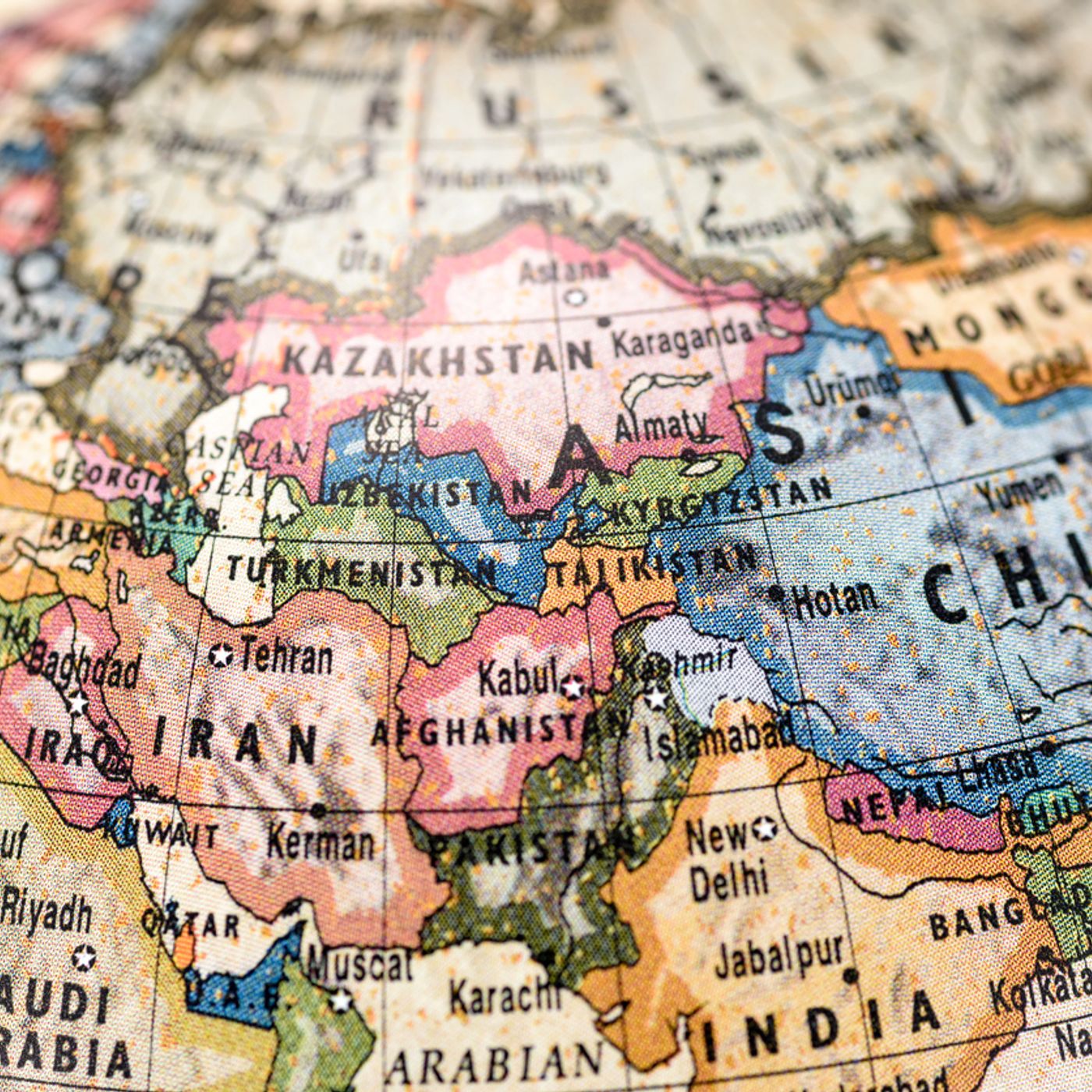
<div>What does China want with Xinjiang? Its systematic repression of the Uyghur people and other regional minorities has shocked the world, eliciting accusations of genocide from politicians and activists across the West. The Chinese Communist Party claims that its re-education camps are an anti-terrorism measure, but surely if anything is going to radicalise vast swathes of a non-Han population, it’s their forced internment and (for many) subsequent incarceration. So what is the CCP’s long term aim?</div><br><div>According to Raffaello Pantucci, senior associate fellow at the think tank Rusi, ‘the Central Government recognises that a very strong security crackdown is not necessarily going to deal with these problems in perpetuity’. Instead, ‘long-term stability for Xinjiang is going to come from economic prosperity’.</div><br><div>That’s where Central Asia comes in. On this episode, I talk to Raffaello about China’s relations with the five ‘Stans that sit cushioned between China (to their east) and Russia (to their north). As with China’s relationship with any developing region, Beijing is motivated by access to its significant oil and mineral resources. But there’s something special about Central Asia - Raffaello argues that it’s an extension of Beijing’s Xinjiang strategy: ‘It’s really about trying to improve the prosperity in this border region around Xinjiang to help improve its prosperity and stability… If you’re going to make Xinjiang economically prosperous, you’re going to have to find a way of connecting it to the world.’ </div><br><div>Raffaello’s new book is <em>Sinostan: China’s Inadvertent Empire</em>, based on a decade of travel in and around the region (there were two when they started, but Raffaello’s co-author, Alexandros Petersen, died in a Taliban attack in Kabul eight years ago). As well as the Xinjiang implications, <em>Sinostan</em> looks at China’s oil and gas trade with these resource-rich countries, the cultural exchanges (or lack thereof, and often promoted by Confucius Institutes) and the difference in approach between Moscow and Beijing, all of which we discuss on the episode.</div><br><div>On China’s usurpation of Russia in the region, it’s striking that some public opinion is deeply suspicious of the new power in the region, a general Sinophobia that crystallises in numerous conspiracy theories (for example that roads built by Chinese companies are specifically designed to the weight of Chinese tanks). Welcomed by governments keen to benefit from the economic clout of their neighbour, some Chinese companies end up trying to hide their presence to avoid the ire of the locals. Raffaello recounts that ‘there are some cities in Kazakhstan, particularly in the oil regions, where we know CNPC [China National Petroleum Corporation] is a big player, but we just couldn’t find evidence of them. You’d ask the locals “where are the CNPC guys” and they’d say “we don’t know what you’re talking about”’.</div><br><div>But China’s influence is very much there. It remains a ‘huge lacuna in Western strategic thinking’ that cannot be ignored, Raffaello says. Tune in to get ahead on this next geopolitical hot topic.<br><br>This episode is sponsored by the SOAS China Institute. Buy tickets for their three day course on China and the media at <a href="http://www.spectator.co.uk/soas">www.spectator.co.uk/soas</a>.<br><br>Learn more about China's relationship with Afghanistan here: <a href="https://www.spectator.co.uk/podcast/will-china-become-afghanistan-s-new-sponsor-">https://www.spectator.co.uk/podcast/will-china-become-afghanistan-s-new-sponsor-</a></div><p>Become a <em>Spectator </em>subscriber today to access this podcast without adverts. Go to <a href="https://www.spectator.co.uk/follow-your-podcasts/" rel="noopener noreferrer" target="_blank">spectator.co.uk/adfree</a> to find out more.</p><br><p>For more <em>Spectator</em> podcasts, go to <a href="https://www.spectator.co.uk/podcasts/" rel="noopener noreferrer" target="_blank">spectator.co.uk/podcasts</a>. </p><br><p>Contact us: [email protected]</p> <hr><p style='color:grey; font-size:0.75em;'> Hosted on Acast. See <a style='color:grey;' target='_blank' rel='noopener noreferrer' href='https://acast.com/privacy'>acast.com/privacy</a> for more information.</p>
Pelosi's swansong: the Taiwanese view on her fleeting visit
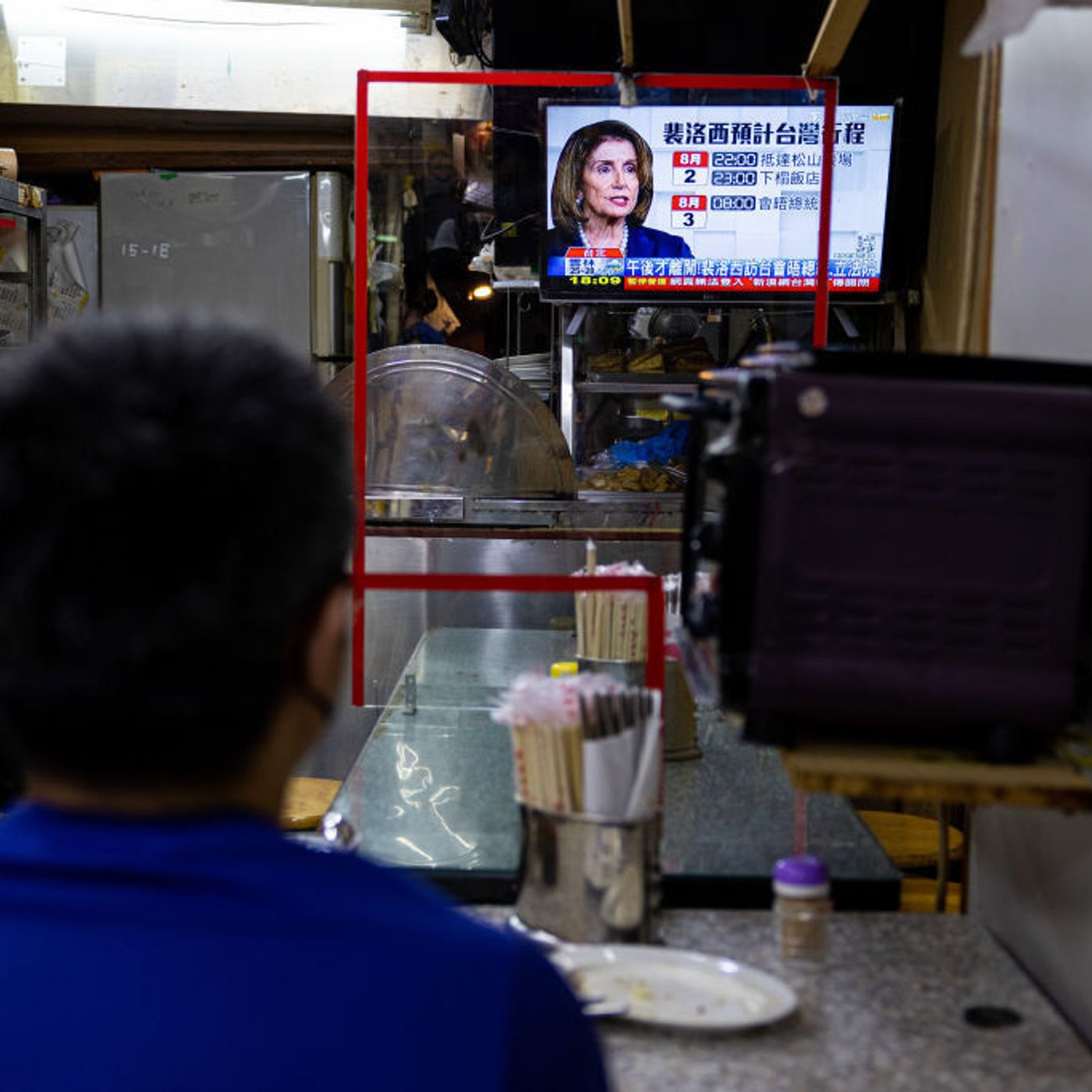
<div>Nancy Pelosi’s controversial trip to Taiwan made headlines across the world this week, after President Xi’s warnings to the US ‘not to play with fire’. Furious, Beijing has responded with economic sanctions and a flurry of missiles over and around the island, as well as sanctioning Pelosi and her family. But as the West frets about possible escalation, often lacking from the discussion is what Taiwanese people actually think. In fact, as Taipei-based journalist Brian Hioe explains to Cindy Yu in this episode, most people there were less worried about the visit than you might expect. ‘There’s been so much in terms of Chinese military drilling or activity directed at Taiwan for a decade, people are quite used to it.’ <br><br>Comparisons to the calm in Ukraine before the Russian invasion are unfounded: ‘we are not seeing troops massing’. That is not to say, though, that the situation is without danger. A more limited and realistic threat is of China imposing a blockade, or attacking one of Taiwan’s outlying islands. Other possible repercussions include a salvo of cyberattacks, one pro-China actor having already hacked supermarkets and train station displays on the island this week.<br><br>So given all these dangers, why did Pelosi come at all? Perhaps telling is the Taiwanese government’s silence over whether it actually invited her. US domestic politics is probably a factor, as is her own legacy. Regardless of her motivation, President Biden said the move was unwise, and the situation remains delicate.<br><br>Careful diplomatic management of the crisis requires reliable information. But in the context of Taiwan, that is by no means a given. Brian explains the bizarre dynamic that exists between international and Taiwanese media, where each assumes the other is better informed. ‘The two sides are actually somewhat bad at fact-checking each other. Then they’re just amplifying what is sometimes discrimination but primarily misinformation.’<br><br>Tune in to hear more about the view from Taipei.</div><p>Become a <em>Spectator </em>subscriber today to access this podcast without adverts. Go to <a href="https://www.spectator.co.uk/follow-your-podcasts/" rel="noopener noreferrer" target="_blank">spectator.co.uk/adfree</a> to find out more.</p><br><p>For more <em>Spectator</em> podcasts, go to <a href="https://www.spectator.co.uk/podcasts/" rel="noopener noreferrer" target="_blank">spectator.co.uk/podcasts</a>. </p><br><p>Contact us: [email protected]</p> <hr><p style='color:grey; font-size:0.75em;'> Hosted on Acast. See <a style='color:grey;' target='_blank' rel='noopener noreferrer' href='https://acast.com/privacy'>acast.com/privacy</a> for more information.</p>
Is China's property market about to go bust?
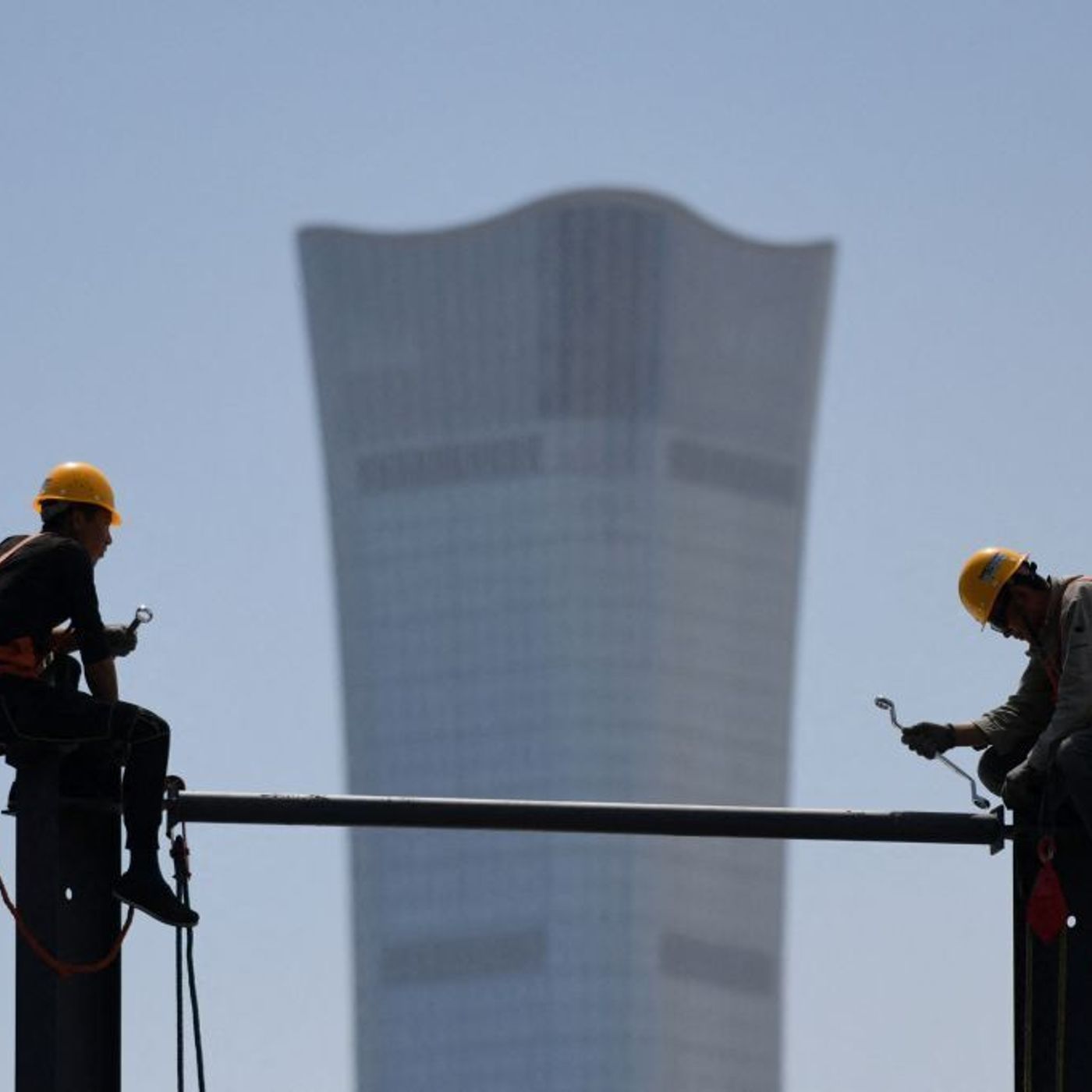
<div>China’s property market accounts for something between 20 and 29 per cent of the country’s total GDP. The seemingly never-ending rise of residential blocks were how ordinary people like my family could see and touch China’s miraculous economic growth. Home ownership was to be expected, especially for young men looking to marry and start a family. Across the country, 70 per cent of household wealth is held in real estate.<br><br></div><div>But in recent months, China's property hasn’t been so hot. The sector has shrunk 7 per cent year on year. Developers have run out of money to complete complexes that they've already sold; while consumers across dozens of cities are refusing to pay their mortgages in protest. 'The thing about real estate is that it's intensely pro-cyclical – everything that's good feeds on itself in the boom, and everything that's bad feeds on itself in the downturn', the economist George Magnus tells me in this episode of Chinese Whispers. He's the author of <em>Red Flags: Why Xi's China is in Jeopardy</em> and has been warning about the underlying problems in China's economy for years.<br><br></div><div>Also on the podcast is Lulu Chen, a Bloomberg journalist reporting on real estate trends in Asia. She was one of the first to break the story of the mortgage protests. The picture they paint is one of a long overdue bust in the cycle.<br><br></div><div>Back in the 90s when the country was fresh out of communism, most housing was still allocated by the state or employers. Since then, market reforms allowed people to buy and sell their own places (China's home ownership rate is 95 per cent). The market became hotter and hotter, and the proliferation of new builds (in order to keep up with demand) meant that developers were selling homes before they'd even built them. Real estate companies ran on borrowed money.<br><br></div><div>All good and well when the money was flowing. But in the last few years, the amount of corporate debt wracked up by this model concerned policymakers in Zhongnanhai, who then put forward the 'three red lines' stipulating debt controls on real estate companies. Evergrande was the first to trip, but since then, even companies thought to be in the green have fallen to an industry-wide contagion of fear and default. Then came the harsh and sudden lockdowns of zero Covid which added fuel to the fire as consumer confidence and earnings were destroyed.<br><br></div><div>Tune in to hear about just how bad the situation is this time (as I suggest to George, haven't warnings sounded about China's property bubble for years now?) But remember, economic problems can quickly turn into political ones for a government that bargains for legitimacy from economic growth. I ask Lulu what the ramifications of a property bust that makes the middle class poorer could be. She sums up the stakes nicely:<br><br></div><blockquote>'[The Chinese] have this idea of the world and what it’s like. Life is always going upwards, and tomorrow is going to be better than yesterday. And that’s kind of the mentality of people born in the 70s, especially 80s, 90s... They’ve never experienced a full economic cycle… So it really changes their world view of what life is going to be like for them in the future. It really casts doubt on whether the economy and the future of the country is going to as they envisioned when they were growing up’</blockquote><div>That's why this moment is one to watch.</div><p>Become a <em>Spectator </em>subscriber today to access this podcast without adverts. Go to <a href="https://www.spectator.co.uk/follow-your-podcasts/" rel="noopener noreferrer" target="_blank">spectator.co.uk/adfree</a> to find out more.</p><br><p>For more <em>Spectator</em> podcasts, go to <a href="https://www.spectator.co.uk/podcasts/" rel="noopener noreferrer" target="_blank">spectator.co.uk/podcasts</a>. </p><br><p>Contact us: [email protected]</p> <hr><p style='color:grey; font-size:0.75em;'> Hosted on Acast. See <a style='color:grey;' target='_blank' rel='noopener noreferrer' href='https://acast.com/privacy'>acast.com/privacy</a> for more information.</p>

Semiconductors: the next technological arms race
<div>Semiconductors are the most important thing that you've never heard of. These little computer chips provide the processing power for everything from cars and iPhones, to unmanned drones and missiles. In Beijing's Made in China 2025 industrial strategy, through which China seeks to move up the value chain to become a high-tech superpower, semiconductor self-sufficiency was one of the targets. <br><br></div><div>Beijing is falling far behind on this target. MIC 2025 stated the aim of meeting 70 per cent of China's demand through domestic production by 2025, but, seven years on, it is only meeting 20 per cent of its domestic needs (by one estimate). The world's leading manufacturer of semiconductors is in fact in Taiwan. The Taiwanese Semiconductor Manufacturing Company dominates more than half the global market, and controls 90 per cent of the cutting edge 5 to 10 nanometre sector (in this industry, size matters; the smaller the chip, the better). Even American companies like Intel outsource a substantial amount of production to TSMC.<br><br></div><div>A tech arms race is underway. In order to control the supply of this small but vital component, China and the US are desperately funnelling money into their own national champions, whilst 'kneecapping' each other's efforts, as my guest Nigel Inkster tells me on this episode. He's the former director of operations and intelligence at MI6 and author of <em> The Great Decoupling: China, America and the Struggle for Technological Supremacy</em> .<br><br></div><div>We discuss Washington's relatively effective efforts on this front – from instituting export controls on western companies (not just American) that supply Chinese semiconductor companies, to pressurising TSMC to share its know-how worldwide (TSMC will open an Arizona branch in two years, thanks to pressure from President Trump). It's got wolf warrior and Foreign Ministry spokesperson Zhao Lijian hopping mad; he has accused the American approach as being 'technological terrorism'.<br><br></div><div>Yet America's approach could be instructive for the UK, where there's a live political question over the Chinese acquisition of Newport Wafer Fab, a relatively low-end semiconductor manufacturing site that is the subject of an ongoing national security review.<br><br></div><div>Some in the West also fear that TSMC's success will lure China to invade Taiwan, while some in Taipei see the company as their 'silicon shield', Nigel says, as its accidental destruction (or at the hands of the Taiwanese or American governments) may deter China from an aggressive incursion.<br><br></div><div>On the episode, Nigel and I discuss all this and more (whether China is inherently less innovative, how painful and inevitable a tech arms race would be, and Nigel's reaction to MI5 and the FBI's recent joint warning about Chinese espionage).</div><p>Become a <em>Spectator </em>subscriber today to access this podcast without adverts. Go to <a href="https://www.spectator.co.uk/follow-your-podcasts/" rel="noopener noreferrer" target="_blank">spectator.co.uk/adfree</a> to find out more.</p><br><p>For more <em>Spectator</em> podcasts, go to <a href="https://www.spectator.co.uk/podcasts/" rel="noopener noreferrer" target="_blank">spectator.co.uk/podcasts</a>. </p><br><p>Contact us: [email protected]</p> <hr><p style='color:grey; font-size:0.75em;'> Hosted on Acast. See <a style='color:grey;' target='_blank' rel='noopener noreferrer' href='https://acast.com/privacy'>acast.com/privacy</a> for more information.</p>
The radical age of Chinese cinema
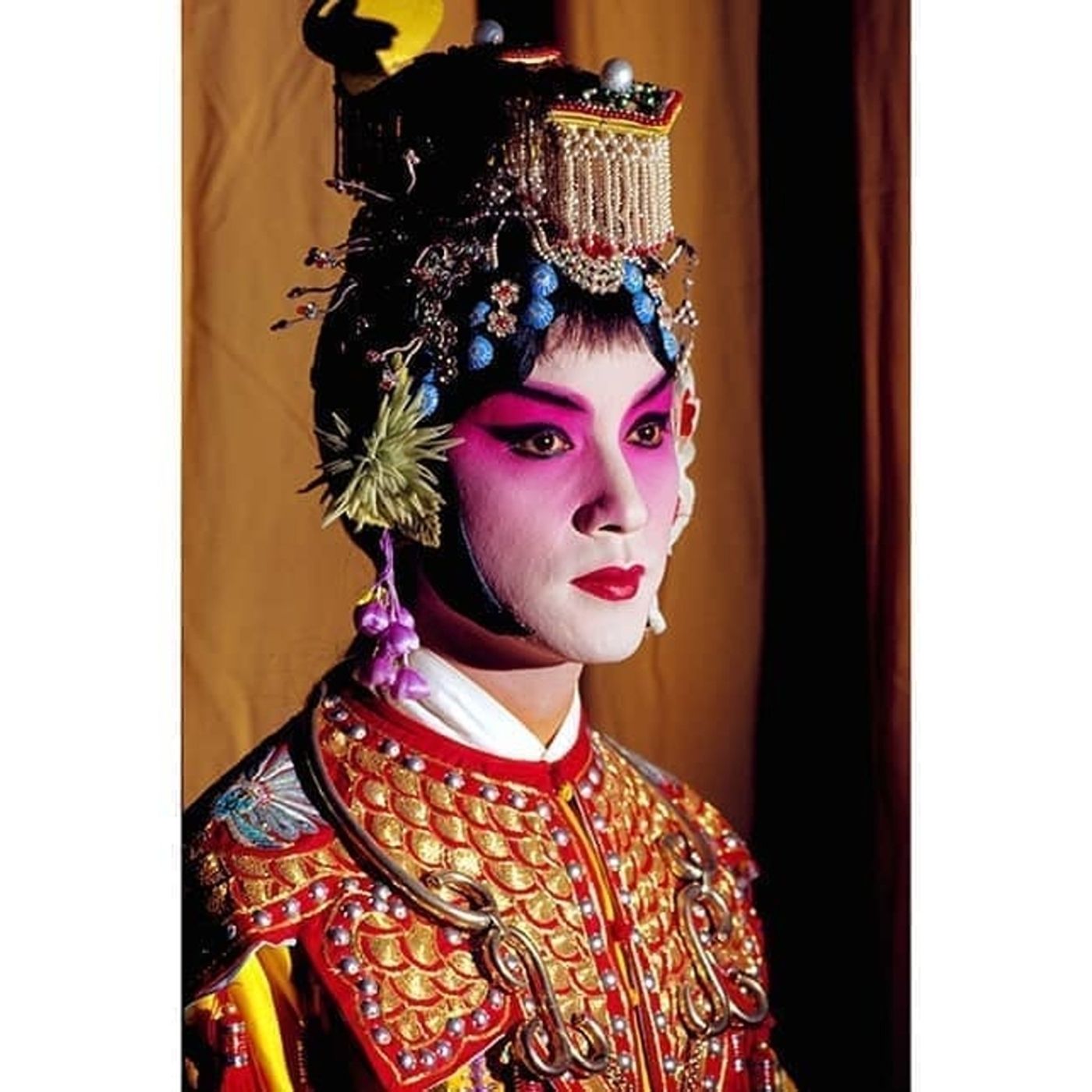
<div>You probably wouldn’t expect to see the Cultural Revolution in Chinese films, or the Great Leap Forward, or the Tiananmen Square protests. But for a certain generation and a certain corner of the Chinese film industry, these were actually common themes to deal with. Their films weren’t always welcome to the censors, but they weren’t always banned, either. </div><br><div>I recently <a href="https://www.spectator.co.uk/article/the-closing-of-the-chinese-mind">wrote</a> a column for <em>The Spectator</em> on Chinese cinema, and the golden age it experienced just after the end of the Cultural Revolution. You’d be surprised at the amazing political – and social – subversiveness of directors like Chen Kaige and Zhang Yimou. This episode is all about that golden age and what has come after, where, depressingly, it’s now films like Wolf Warrior 2 that dominate the box office.</div><br><div>Joining me is Chris Berry, Professor of Film Studies at Kings College London who specialises in Chinese cinema. We talk about how their trauma of living through the Cultural Revolution drove the so-called 'Fifth Generation' directors; the bold portrayal of queer characters which got them into trouble with the censors; and how commercialisation has changed the landscape for Chinese directors who are now dictated by the box office. Pictured here is Leslie Cheung in Chen Kaige's <em>Farewell My Concubine</em>, where Cheung portrays a queer Beijing opera singer.</div><p>Become a <em>Spectator </em>subscriber today to access this podcast without adverts. Go to <a href="https://www.spectator.co.uk/follow-your-podcasts/" rel="noopener noreferrer" target="_blank">spectator.co.uk/adfree</a> to find out more.</p><br><p>For more <em>Spectator</em> podcasts, go to <a href="https://www.spectator.co.uk/podcasts/" rel="noopener noreferrer" target="_blank">spectator.co.uk/podcasts</a>. </p><br><p>Contact us: [email protected]</p> <hr><p style='color:grey; font-size:0.75em;'> Hosted on Acast. See <a style='color:grey;' target='_blank' rel='noopener noreferrer' href='https://acast.com/privacy'>acast.com/privacy</a> for more information.</p>
Mythbusting the social credit system
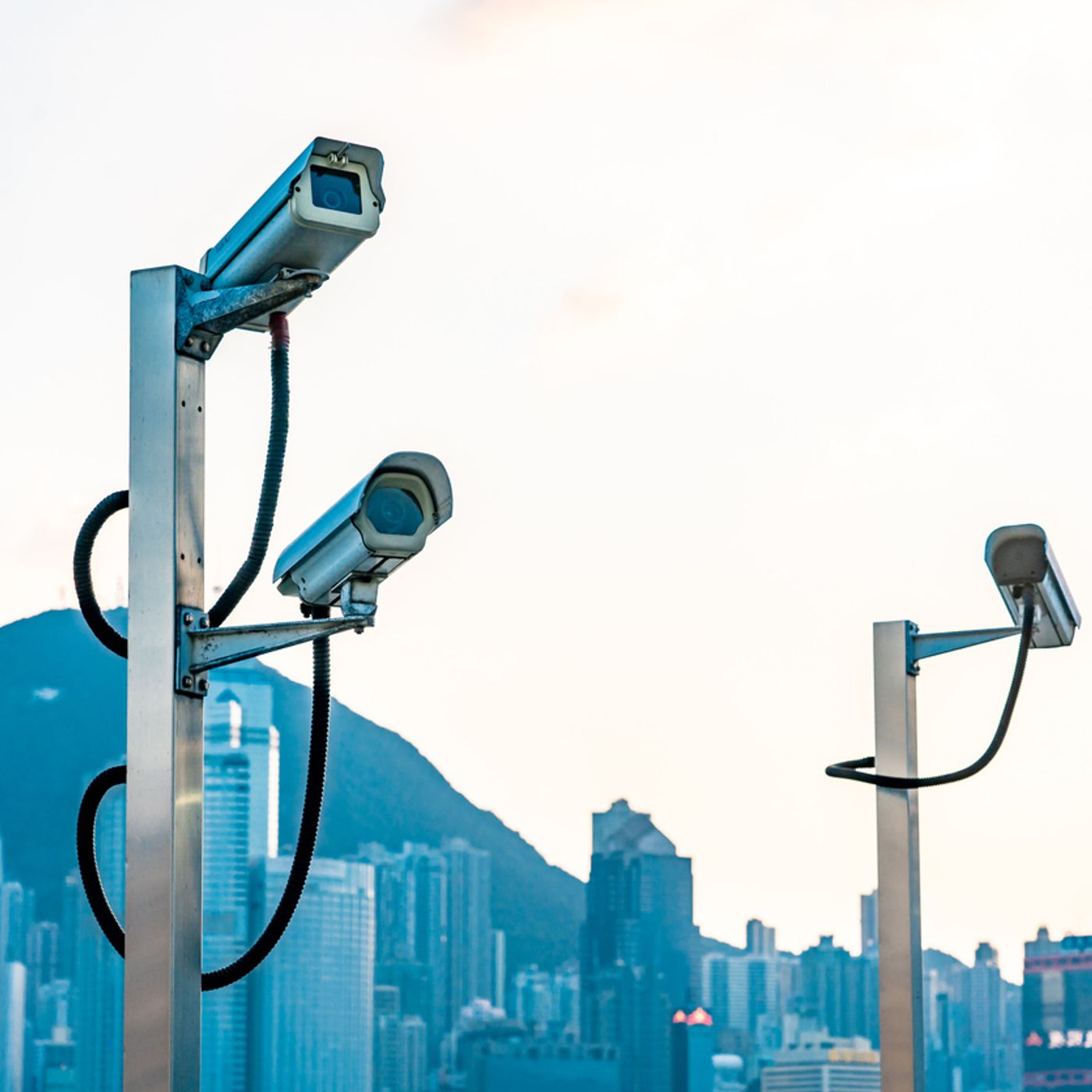
<div>China's social credit system is notorious. This Black Mirror-esque network supposedly gives citizens a score, based on an opaque algorithm that feeds on data from each person's digital and physical lives. With one billion Chinese accessing the Internet and the growing prevalence of facial recognition, it means that their every move can be monitored – from whether they cross the road dangerously, to whether they play too many video games and buy too much junk food. Those with low scores have lower socio-economic status, and may not be able to board planes and trains, or send their children to school. It's all part of a Chinese Communist Party directive to further control and mould its citizens.<br><br></div><div>Except it's not. Speak to any Chinese person and you'll quickly realise that their lives are not dictated by some score, with their every move monitored and live-feeding to some kind of governmental evaluation of their social worth. In fact, the western narrative of the social credit system has deviated so far from the situation on the ground that Chinese Internet users went viral <a href="https://twitter.com/manyapan/status/1327208138660077569?s=20&amp;t=ouhprNpUl6vMhPWtQ0johw">mocking </a>western reporting on Weibo: '-278 points: Immediate execution'.<br><br></div><div>Telling me this story on this episode of Chinese Whispers is Vincent Brussee, a researcher at the Mercator Institute for China Studies (Merics), who has recently released a detailed paper looking at what the social credit system really entails on the ground (Merics was part of the group of European organisations and individuals sanctioned by Beijing last year).<br><br></div><div>The reality of social credit is unfortunately much less exciting and sexy than you might fear. For one, the technology simply isn't there. ' When the social credit system was envisioned, or when it was designed in the early 2000s, government files in China were still held in dusty drawers… In 2019 when I worked in China I still had to use a fax machine. That was the first time in my life that I ever saw a fax machine', Vincent tells me. The system is not linked with someone's digital data, but fundamentally only their interactions with the government (for example, permits and licences). Data that e-commerce and social media companies collect on their users, which must be extensive, are not connected with the government's own data (probably because of the CCP's growing suspicion of Chinese tech firms).<br><br></div><div>But more fundamentally, the social credit system is not just one system. 'It's more of an umbrella term', Jeremy Daum tells me on the episode. He is the senior research fellow at Yale Law School's Paul Tsai China Center, who also runs the blog <a href="https://www.chinalawtranslate.com/en/">China Law Translate</a> (which does what it says on the tin). Jeremy has spent years myth-busting the social credit system. He says that for some institutions, social credit is a financial record ('credit' as in 'credit card'); for others, it is a way of black-marking unscrupulous companies that in the past fell short of, say, food safety standards (a particularly sensitive topic in China, given the milk powder scandal). In fact, social credit often functionally works as a way of determining how trustworthy a company is, like a government-run Yelp or Trustpilot system ( the Merics report found that most targets of are companies rather than individuals).<br><br></div><div>So how did reporters get the social credit story so wrong? In reality, though the social credit system itself is fairly boring, the way this narrative exploded and took hold is a cautionary tale for the West in our understanding of China. 'The western coverage of social credit has hardly been coverage of social credit at all. It is coverage of us, seen through a mirror of China', says Jeremy, arguing that it tapped into our deep fear of unbridled technology and surveillance. On the episode I also speak to Louise Matsakis, a freelance journalist covering tech and China, who was one of the first to point out the disparity in the social credit narrative and the reality on the ground. Together, we unpack what lessons there are for studying, understanding and reporting on China from this whole saga. <br><br></div><div>For further reading, here are the sources we mention in the episode:<br><br></div><div>- The Chinese Whispers episode with Jeremy Daum on the fightback against facial recognition: <a href="https://www.spectator.co.uk/podcast/the-fightback-against-facial-recognition">https://www.spectator.co.uk/po...<br></a><br><
How the Cultural Revolution shaped China's leaders today
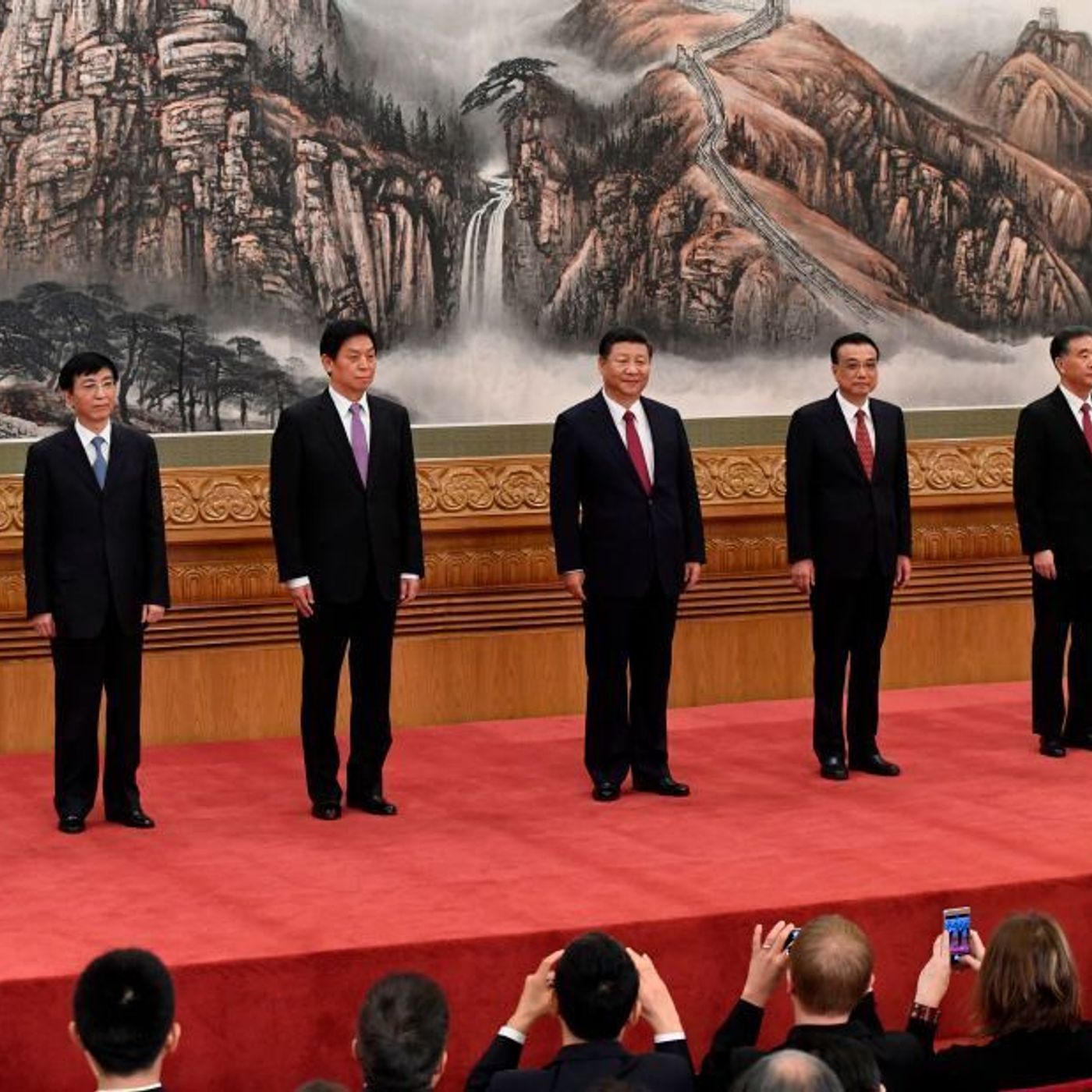
<div>All eyes are on the Communist leadership this year, as the months count down to autumn’s National Party Congress, where Xi Jinping may be crowned for a third term. But how much do we really know about the Party’s leadership? In particular, can we better understand them through looking at the experiences that they've had?<br><br>Take Xi Jinping, who is what is known as a 'princeling' – his father was the Communist revolutionary Xi Zhongxun, one of the Party's early cadres. How did that upbringing impact him, and his faith in the Chinese Communist Party?<br><br>Also consider the Cultural Revolution – the sixtysomethings on the Politburo Standing Committee would have been teenagers during that decade of turmoil. How did it form who they are as leaders today?</div><br><div>Joining me on the podcast is Professor Kerry Brown from Kings College London, whose latest book is <em>Xi: A Study in Power</em>, so very knowledgeable on the President himself; as well as Professor Steve Tsang, a historian at SOAS.</div><p>Become a <em>Spectator </em>subscriber today to access this podcast without adverts. Go to <a href="https://www.spectator.co.uk/follow-your-podcasts/" rel="noopener noreferrer" target="_blank">spectator.co.uk/adfree</a> to find out more.</p><br><p>For more <em>Spectator</em> podcasts, go to <a href="https://www.spectator.co.uk/podcasts/" rel="noopener noreferrer" target="_blank">spectator.co.uk/podcasts</a>. </p><br><p>Contact us: [email protected]</p> <hr><p style='color:grey; font-size:0.75em;'> Hosted on Acast. See <a style='color:grey;' target='_blank' rel='noopener noreferrer' href='https://acast.com/privacy'>acast.com/privacy</a> for more information.</p>
How powerful is the People's Liberation Army?
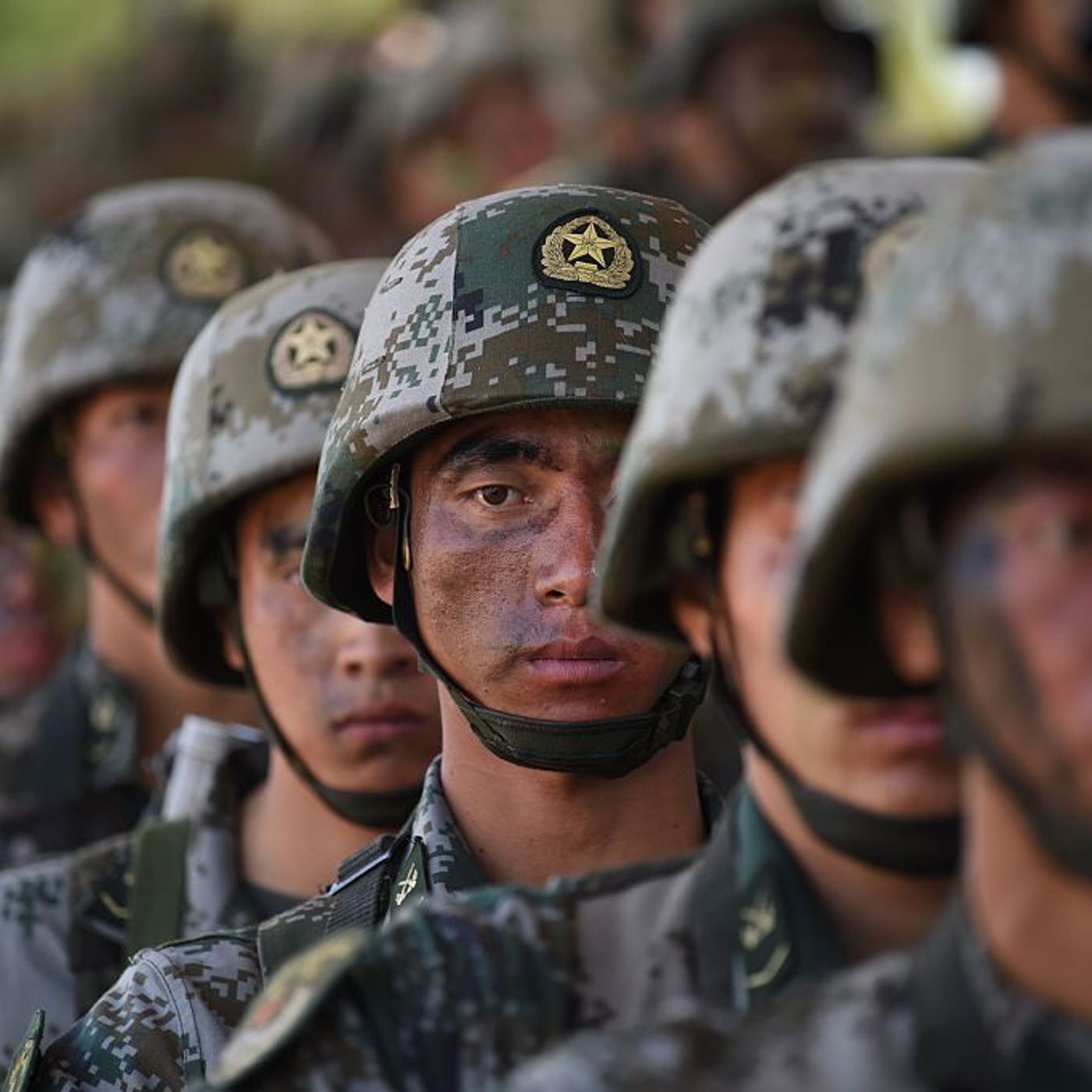
<div>It’s clear now that Vladimir Putin didn’t expect his army to perform quite so badly when invading Ukraine. As much as that is celebrated in much of the world, it will be a cause for concern – or at least a moment for learning – amongst Beijing’s military leaders. Because Russia has always been a heavy influence and source of strategy and equipment for China’s People’s Liberation Army, ever since the days of the Soviet Union. So could the PLA – which hasn’t been in active combat since Vietnam in 1979 – similarly flounder?<br><br></div><div>That's the burning question my guests and I discuss in the latest episode of Chinese Whispers. Timothy R. Heath is an expert on the Chinese military at the American think tank, the RAND Corporation, and tells me that: 'A lot of the issues that we're seeing in the Russian military is going to be of high concern to the PLA because there's a very good chance the Chinese military could have some of the similar issues'.<br><br></div><div>We also discuss the possibility of low morale when it comes to fighting an enemy who looks and speaks like you – as some Russian soldiers have found disconcerting in Ukraine. Could an invasion of Taiwan throw up similar problems? Tim argues that it could, and draws parallel with another event – the enlisting of the PLA for suppressing the Tiananmen Square protests in 1989. It was a decision that saw many soldiers (though not enough) refusing to obey orders. 'The experience of the PLA was such a shock for the military and the CCP that a decade later, the Chinese government took the PLA out of the job of suppressing domestic dissent.'<br><br></div><div>In fact, the lack of trust in its soldiers' loyalty is such that today's PLA is one of the only armies to offer a 'suicide pill', so says Professor Li Xiaobing, a Chinese military historian at the University of Central Oklahoma who served in the PLA himself . '20,000 Chinese soldiers were captured during the Korean war. After the war, 70 per cent of the Chinese POWs didn't want to go back to China, and they went to Taiwan. So that's really embarrassing for the Chinese government in the Cold War'.<br><br></div><div>Tune in to this episode to hear more incredible insights from my guests about this most elusive yet important modern military force.</div><p>Become a <em>Spectator </em>subscriber today to access this podcast without adverts. Go to <a href="https://www.spectator.co.uk/follow-your-podcasts/" rel="noopener noreferrer" target="_blank">spectator.co.uk/adfree</a> to find out more.</p><br><p>For more <em>Spectator</em> podcasts, go to <a href="https://www.spectator.co.uk/podcasts/" rel="noopener noreferrer" target="_blank">spectator.co.uk/podcasts</a>. </p><br><p>Contact us: [email protected]</p> <hr><p style='color:grey; font-size:0.75em;'> Hosted on Acast. See <a style='color:grey;' target='_blank' rel='noopener noreferrer' href='https://acast.com/privacy'>acast.com/privacy</a> for more information.</p>
Does China want to change the international rules-based order?
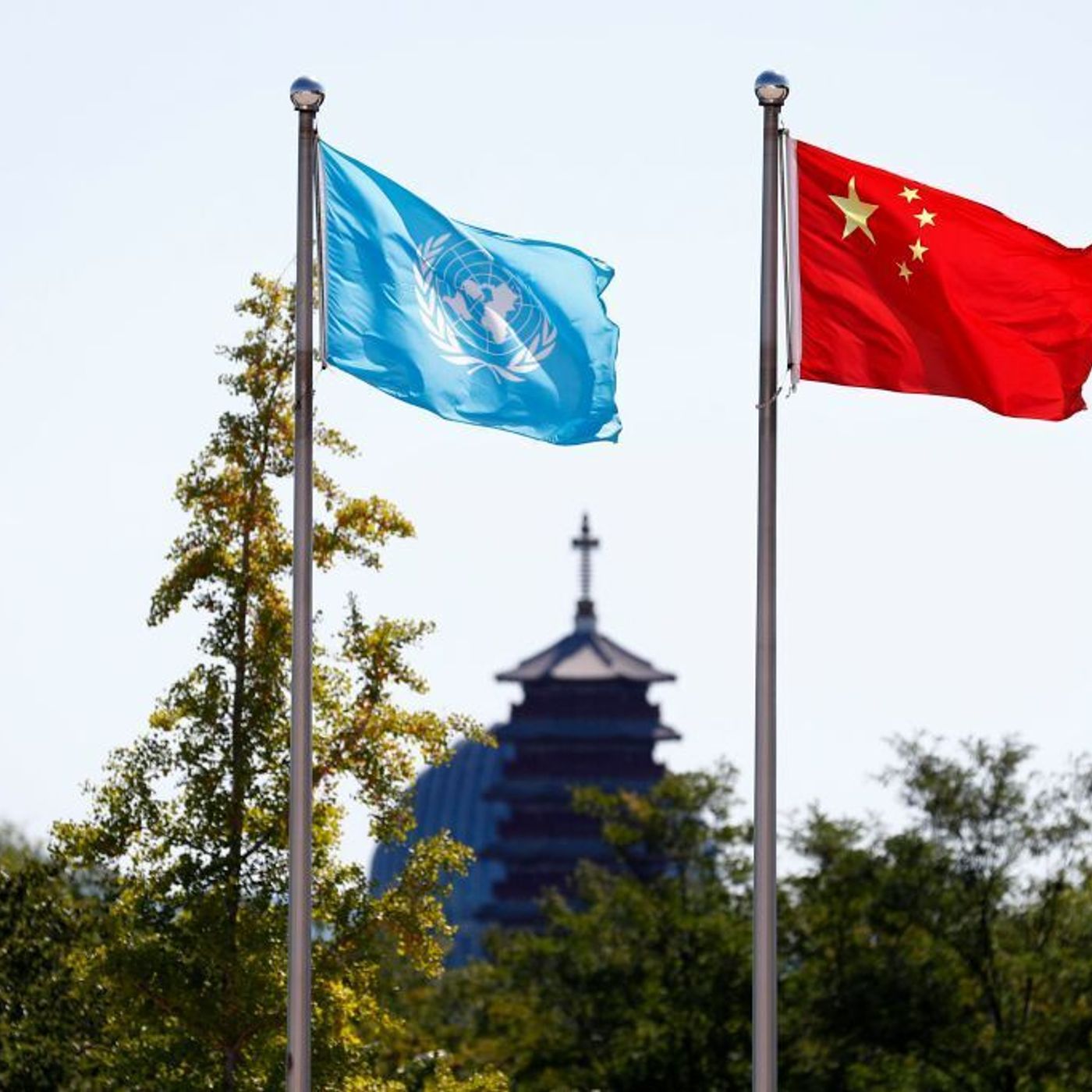
<div>China is often accused of breaking international rules and norms. Just last week at Mansion House, Foreign Secretary Liz Truss said: 'Countries must play by the rules. And that includes China'.<br><br></div><div>So what are its transgressions, and what are its goals for the international system? My guests and I try to answer this question in this episode through looking at China's attitude to and involvement in international organisations, past and present. Professor Rana Mitter, a historian at the University of Oxford and author of <em> China's Good War</em> , points out that there's a fundamental difference in China's approach compared to, say, Russia. 'Russia perceives itself as, essentially, a country that is really at the end of its tether in terms of the international system. Whereas China still sees plenty of opportunities to grow and expand its status'.<br><br></div><div>To that end, China is actually a member of dozens of international organisations, most notably – as we discuss in the episode – sitting on the United Nations Security Council, which gives it veto power on UN resolutions (though, Yu Jie, senior research fellow at Chatham House, points out that China is most often found abstaining rather than vetoing). It wants a seat at the table, but it also frequently accuses our existing set of international norms and rules as designed by the West. To begin with, then, China is seeking to rewrite the rules in its own favour – Jie gives the example of China's ongoing campaign to increase its voting share in the IMF, on the basis of its huge economy. 'It's not exactly overthrowing the existing international order wholesale, but choosing very carefully which parts China wants to change.'<br><br></div><div>This multilateral engagement has a historical basis. Nationalist China was keen to be seen as an equal and respected partner in the international community, and Rana points out – something I'd never thought of before – that China after the second world war 'was a very very unusual sort of state… Because it was the only state, pretty much, in Asia, that was essentially sovereign… Don’t forget that 1945 meant liberation for lots of European peoples, but for lots of Asian peoples – Indonesia, Vietnam, Malaya, wherever you want to name – they basically went back into European colonialism'. This (together with its then-alliance with the United States) gave the Republic of China a front row seat in the creation of the United Nations and, before then, the League of Nations.<br><br></div><div>It didn't take long for Communist China to start building links with the rest of the world, either. Mao 'had not spent decades fighting out in the caves and fields of China to simply become a plaything of Stalin’, Rana points out, making its multilateral relations outside of the alliance with the USSR vitally important. After it split with Moscow, and before the rapprochement with the US, the Sixties was a time of unwanted isolationism, ' which is well within living memory of many of the top leaders', says Rana, adding more to its present day desire to have as much sway as possible in the world, which still comes through international organisations.<br><br></div><div>Finally, my guests bust the myth – often propagated by Beijing – that China had no role in the writing of today's international laws, pointing out that Chinese and other non-western thinkers played a major role in the creation of the Universal Declaration of Human Rights . What's more, do western ideas have no place in guiding and governing China? After all, Karl Marx was certainly not Chinese, and that doesn't seem to bother his Chinese Communist believers.</div><p>Become a <em>Spectator </em>subscriber today to access this podcast without adverts. Go to <a href="https://www.spectator.co.uk/follow-your-podcasts/" rel="noopener noreferrer" target="_blank">spectator.co.uk/adfree</a> to find out more.</p><br><p>For more <em>Spectator</em> podcasts, go to <a href="https://www.spectator.co.uk/podcasts/" rel="noopener noreferrer" target="_blank">spectator.co.uk/podcasts</a>. </p><br><p>Contact us: [email protected]</p> <hr><p style='color:grey; font-size:0.75em;'> Hosted on Acast. See <a style='color:grey;' target='_blank' rel='noopener noreferrer' href='https://acast.com/privacy'>acast.com/privacy</a> for more information.</p>
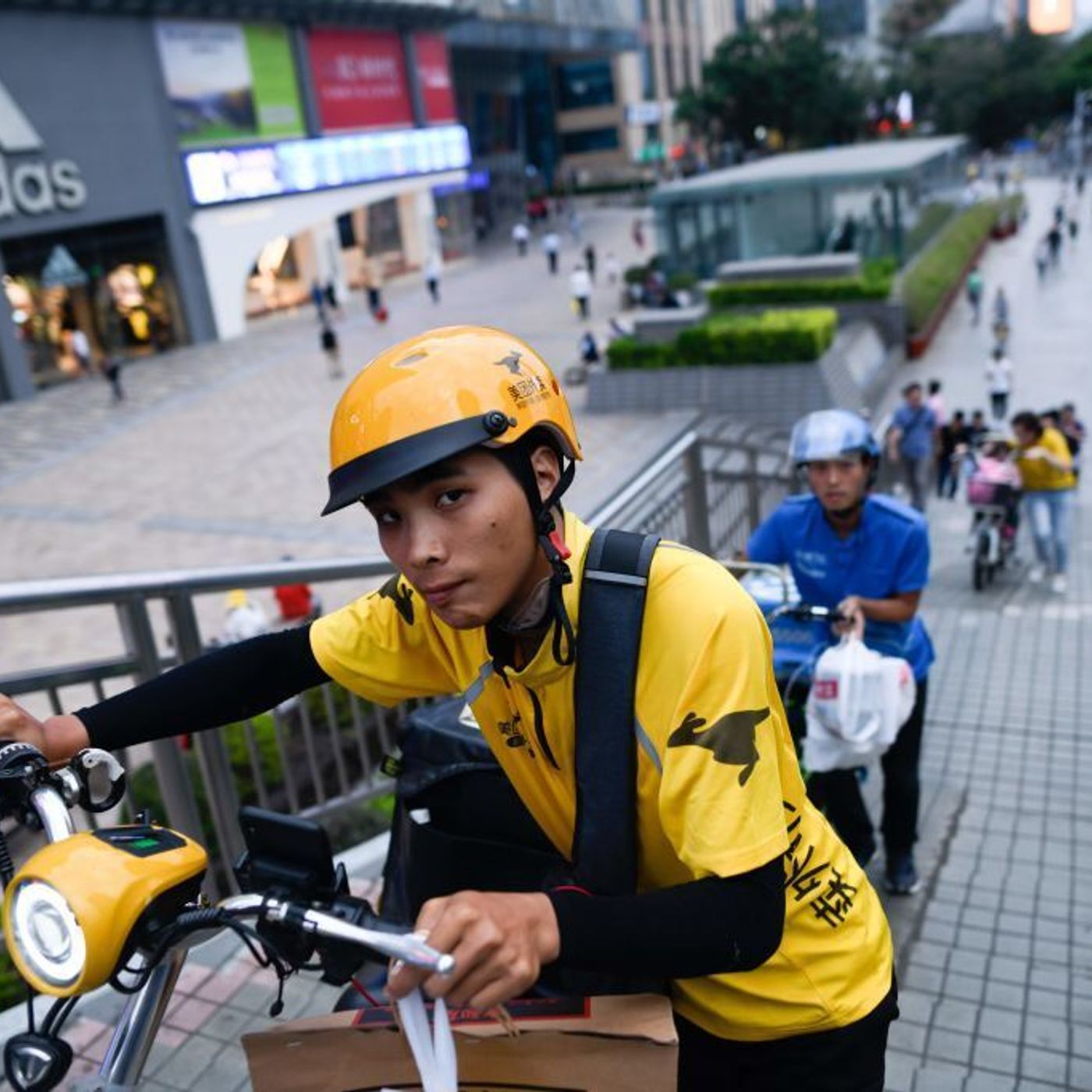
Algorithms and lockdowns: how China's gig economy works
<div>‘One Shanghai courier uses own 70,000 yuan to buy necessities for people’, one Weibo hashtag <a href="https://s.weibo.com/weibo?q=%23%E4%B8%8A%E6%B5%B7%E4%B8%80%E5%BF%AB%E9%80%92%E5%91%98%E8%87%AA%E6%8E%8F7%E4%B8%87%E5%85%83%E7%BB%99%E4%BA%BA%E4%B9%B0%E7%89%A9%E8%B5%84%23">trended</a> last week. Instead of being seen as a damning indictment on what the state’s strict lockdown has induced people to do, the courier was lauded as a community hero and the story promoted by the censored platform. These <em>kuaidi xiaoge</em> (‘delivery bros’) are most likely gig economy workers. The industry was already an integral part to the Chinese urbanite’s life before the pandemic, but Covid has consolidated that role, as low-paid and hardworking gig economy drivers literally became critical to the survival of millions.</div><br><div>The Chinese gig economy is in many ways more advanced. The services are more extensive (grocery shopping and even designated drivers – a stranger to drive your car home on drinking nights – have been the norm for years) and the algorithms are more ruthless (closely monitoring and continuously shaving off delivery times. ‘The pandemic really brought the plight of these workers into the mainstream consciousness for the first time’, Viola Rothschild, my guest on this episode, tells me.</div><br><div>She is a PhD candidate at Duke University, and one of the few people – academics and journalists alike – who have looked into the Chinese gig economy. I’ve known Viola for years – we first met when we read for a masters in contemporary Chinese studies together.</div><br><div>On the episode, we discuss what working conditions are like (she recommends <a href="https://chuangcn.org/2020/11/delivery-renwu-translation/">this article</a>), the interactions between the state and the private sector (the largest players in the field are Alibaba and Didi Chuxing, both companies that have been penalised by the Chinese government in recent years), and what the pandemic – and particularly the Shanghai lockdown – has done to workers. We discuss the government’s efforts to improve working environments, but Viola tells me:</div><br><blockquote>‘What workers get through unionisation is really about what the state wants to give them, if their goals align with the state’s at any given time in terms of pressuring these companies. This is especially thrown into clear relief when we see how the state treats workers who try to organise outside of this apparatus’</blockquote><br><div>By that, Viola is referring to the <em>kuaidi xiaoge</em> who’ve been arrested for organising their own unions – it’s still deeply ironic that the most successful purportedly Marxist state in the world today is deeply suspicious of workers creating their own unions.</div><br><div>But fundamentally, as I push back at Viola, the problem is not only the private companies or the communist state, but also the consumers who demand faster and cheaper services. In that, ‘I think that the Chinese gig economy has a tonne in common with its American and British, and worldwide, counterparts’, Viola says. I totally agree. </div><p>Become a <em>Spectator </em>subscriber today to access this podcast without adverts. Go to <a href="https://www.spectator.co.uk/follow-your-podcasts/" rel="noopener noreferrer" target="_blank">spectator.co.uk/adfree</a> to find out more.</p><br><p>For more <em>Spectator</em> podcasts, go to <a href="https://www.spectator.co.uk/podcasts/" rel="noopener noreferrer" target="_blank">spectator.co.uk/podcasts</a>. </p><br><p>Contact us: [email protected]</p> <hr><p style='color:grey; font-size:0.75em;'> Hosted on Acast. See <a style='color:grey;' target='_blank' rel='noopener noreferrer' href='https://acast.com/privacy'>acast.com/privacy</a> for more information.</p>

Reinventing the Chinese language
<div>After defeat in the Second Opium War, Chinese intellectuals wracked their minds for how the Chinese nation can survive in the new industrialised world. It’s a topic that has been discussed on this podcast before – listeners may remember the <a href="https://www.spectator.co.uk/podcast/what-is-it-to-be-chinese-">episode with Bill Hayton</a>, author of <em>The Invention of China</em>, where we discussed the reformers and revolutionaries like Liang Qichao and Kang Youwei. But for some reformers, the problem with China wasn’t just feudal politics or Confucian staleness, but its ancient language.<br><br></div><div>Spoken Chinese could be any of a vast number of regional dialects which were too often mutually unintelligible. Meanwhile, written Chinese was extremely complicated, not helping the rock bottom literacy rates of the common people (30 per cent for men and 2 per cent for women). Literary and official writing were also uniformly written in 'classical Chinese', a concise poetic form of the language which was not the way that people spoke (the vernacular). The difference can be thought of as the difference between Latin and English pre-Reformation. Of even more concern was the fact that Chinese wasn’t easily adaptable to the new communication technologies that were revolutionising the world at the time, like telegraphy and typewriters (above, a picture of a 1986 model of the Chinese typewriter). These western-invented methods were based on alphabetic languages – which Chinese simply isn't.<br><br></div><div>Earlier this year, I <a href="https://www.spectator.co.uk/article/the-great-chinese-puzzle-how-to-adapt-the-language-to-modern-communication-technologies">reviewed</a> <em>Kingdom of Characters</em>, the new book from Jing Tsu, who is Professor of East Asian Languages and Literatures at Yale. Jing’s book is an excellent account of the efforts to simplify, modernise and adapt this ancient language from Chinese and westerners alike. She joins me on this episode to talk through all of the problems outlined briefly here, and how a series of reformers, politicians and linguists throughout the 20th century tried to resolve these problems – sometimes with solutions nothing short of extraordinary. Of her mission, Jing says: 'I wanted to put a western reader in the shoes of these adorable, curmudgeonly, hard to take but utterly human Chinese characters'.<br><br></div><div>We discuss the different upbringings we had – me in the People's Republic of China and Jing in the Republic of China (Taiwan) – and how that impacts our relationship to the traditional and simplified versions of the Chinese script and how important that script is to the Chinese national identity. We talk about the incredible and often positive influence westerners had on this language revolution (a narrative to do with that century of humiliation I didn't hear much about in a traditional Chinese upbringing). And explore whether Chinese could ever be the <em>lingua franca </em>that English is.</div><p>Become a <em>Spectator </em>subscriber today to access this podcast without adverts. Go to <a href="https://www.spectator.co.uk/follow-your-podcasts/" rel="noopener noreferrer" target="_blank">spectator.co.uk/adfree</a> to find out more.</p><br><p>For more <em>Spectator</em> podcasts, go to <a href="https://www.spectator.co.uk/podcasts/" rel="noopener noreferrer" target="_blank">spectator.co.uk/podcasts</a>. </p><br><p>Contact us: [email protected]</p> <hr><p style='color:grey; font-size:0.75em;'> Hosted on Acast. See <a style='color:grey;' target='_blank' rel='noopener noreferrer' href='https://acast.com/privacy'>acast.com/privacy</a> for more information.</p>
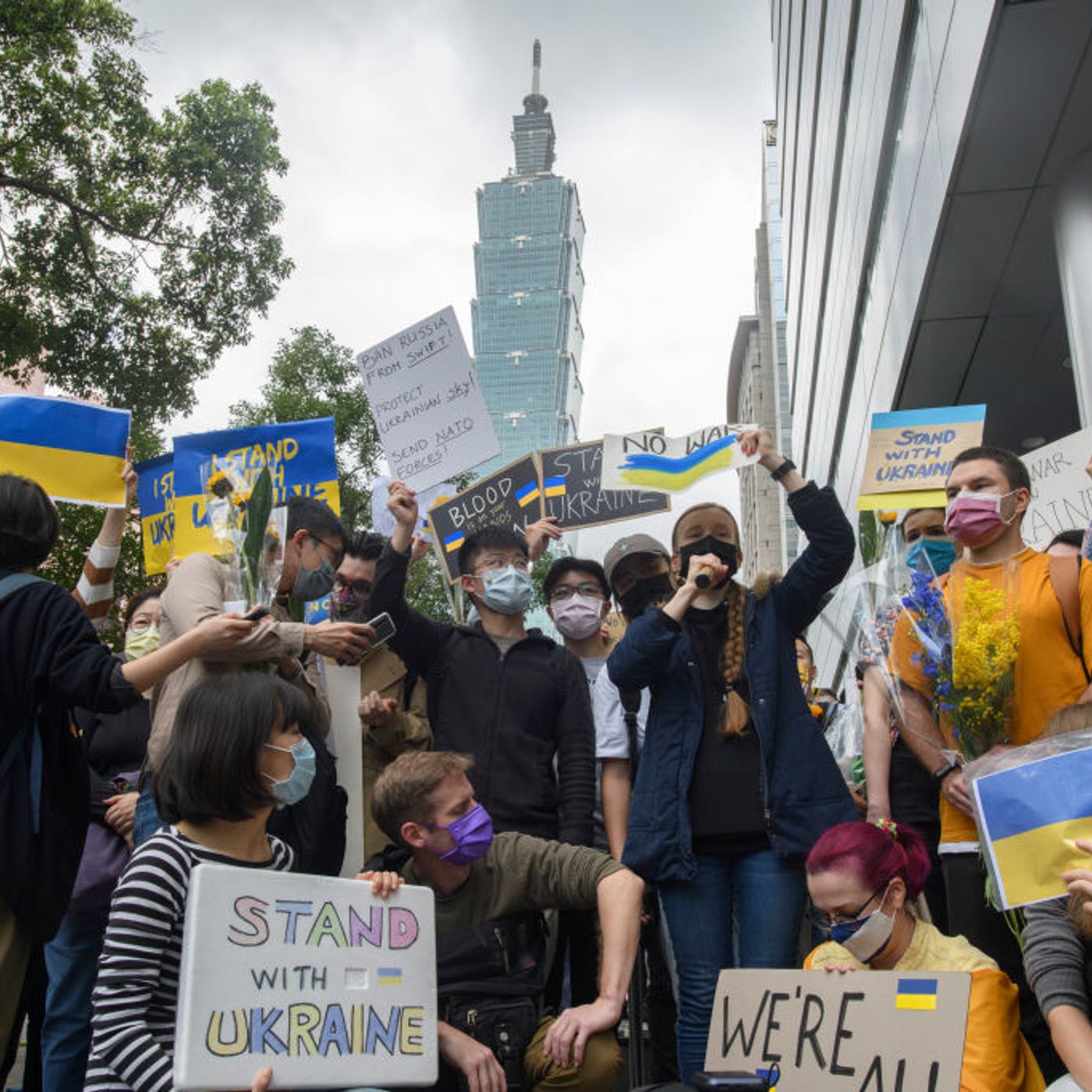
The Taiwanese view on Ukraine
<div>Taiwan is not Ukraine. But despite the very important differences in their situations, the Russian invasion can still shed much light on Taiwan's future. Even many Taiwanese think so – and have followed the developments closely, with solidarity marches held for Ukraine, protests at the Russian embassy and the Ukrainian flag lighting up Taiwanese buildings.<br><br>On this episode of Chinese Whispers, my guests and I discuss the mainstream take on Ukraine (and also the not so mainstream – such as the view that America can't be relied upon, given it hasn't despatched troops to Ukraine). I'm joined by Brian Hioe, editor of <em>New Bloom</em>, an online magazine covering youth culture and politics in Taiwan, and Professor Kerry Brown from Kings College London, author of <em>The Trouble with Taiwan.</em><br><br>We give a primer on Taiwanese politics – what does the thriving democracy look like? How are elections held, and what are the major political parties? We discuss how China – instead of particular social or economic issues – is the main political topic dividing the left and the right (the 'Greens' and the 'Blues'), and whether, with mainstream Taiwanese opinion becoming ever hawkish on China in the aftermath of the Hong Kong National Security Law, the more pro-China forces in Taiwanese politics, such as the Kuomintang, really have a future in the country (Kerry says: ‘I don’t think the KMT can be written off.')<br><br>In a crowded continent, there are also other power-brokers. We talk about the influence of America, and where Japan – Taiwan's erstwhile coloniser – fits in with all this. There have been calls for Japan to be more heavily armed in order to deter a Chinese invasion. How would the Taiwanese feel about that? Brian tells me:<br><br></div><blockquote>‘Views of Japan differ sharply between the pan-green and the pan-blue camp. For the KMT, they remember a lot of the Sino-Japanese war and the crimes committed by the Japanese from that period. But for the pan-greens, who are sometimes descended from those that were in Taiwan for the Japanese colonial period, [remember] the period as a time of higher living standards and improved education, and in which Taiwan is being brought up as a colony rather than these political killings and mass violence, etc. They have a much more romanticised views of a Japanese colonial period.’</blockquote><div>In the end, economics may supersede politics. If President Tsai Ing-wen can't deliver on the economy given her tough stance on China (which is still Taiwan's biggest trading partner), then domestic politics may be in for another shakeup. As Kerry says: ‘It’s the issue that we all wrestle with. Their biggest economic partner is also their biggest security threat’.<br><br>Additional listening: do tune in to a <a href="https://www.spectator.co.uk/podcast/why-does-china-care-about-taiwan-">previous episode</a> with Professor Rana Mitter, if you need a primer on why exactly Taiwan's history means that it is in this position and how the shared language and culture with the People's Republic of China came about<br><a href="https://www.spectator.co.uk/podcast/why-does-china-care-about-taiwan-">https://www.spectator.co.uk/podcast/why-does-china-care-about-taiwan-</a>.</div><p>Become a <em>Spectator </em>subscriber today to access this podcast without adverts. Go to <a href="https://www.spectator.co.uk/follow-your-podcasts/" rel="noopener noreferrer" target="_blank">spectator.co.uk/adfree</a> to find out more.</p><br><p>For more <em>Spectator</em> podcasts, go to <a href="https://www.spectator.co.uk/podcasts/" rel="noopener noreferrer" target="_blank">spectator.co.uk/podcasts</a>. </p><br><p>Contact us: [email protected]</p> <hr><p style='color:grey; font-size:0.75em;'> Hosted on Acast. See <a style='color:grey;' target='_blank' rel='noopener noreferrer' href='https://acast.com/privacy'>acast.com/privacy</a> for more information.</p>
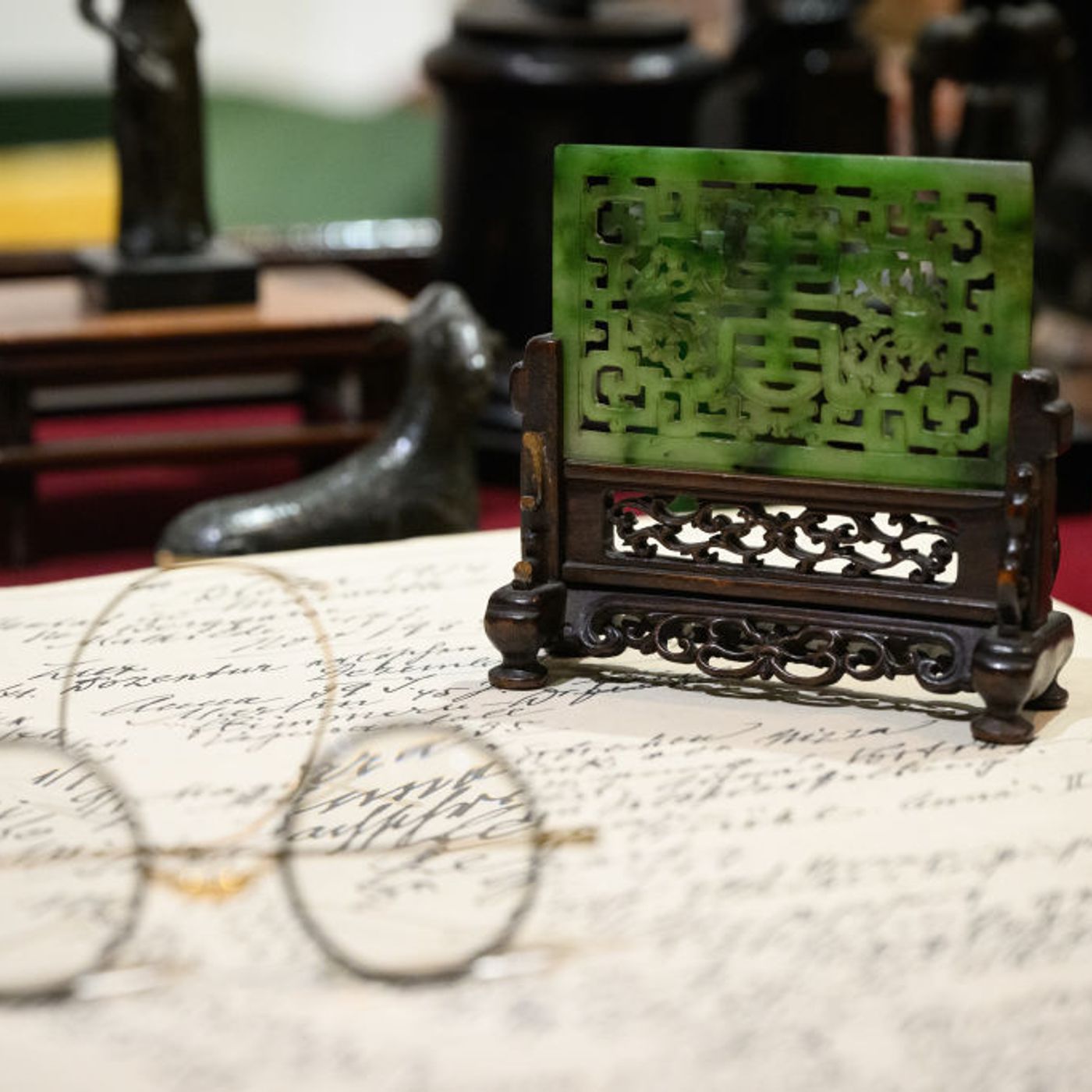
Freud and China: a love affair
<div>This episode of Chinese Whispers is slightly different – instead of taking a look at a theme within China, my guest and I will be seeing China through the eyes of the psychoanalyst Sigmund Freud. Professor Craig Clunas, chair of art history at Oxford University, has curated a new exhibition at London’s Freud Museum, which displays Freud’s collection of Chinese antiquities. On this episode, I talk to Craig about what these pieces – jades and figurines – meant to Freud, especially in the context of 20th century Europe, where there was appreciation of Chinese art but, as we discuss, not quite the matching level of knowledge. We’ll also chat about the reception of Freud’s theories in China, especially given the country’s turbulent intellectual history since the May Fourth Movement a hundred years ago. Craig sums up the love affair between Freud and China nicely:</div><br><div><em>‘Just like Freud is using his Chinese things to think with, Chinese thinkers are using Freud to think with.’</em></div><br><div>The exhibition itself is small but fascinating, and runs until 26 June.</div><br><div>As mentioned in the episode, here is the link to a previous edition of Chinese Whispers with Rana Mitter, for those who want to hear more about China since the May Fourth Movement: <a href="https://www.spectator.co.uk/podcast/china-s-long-history-of-student-protests">https://www.spectator.co.uk/podcast/china-s-long-history-of-student-protests</a>.</div><p>Become a <em>Spectator </em>subscriber today to access this podcast without adverts. Go to <a href="https://www.spectator.co.uk/follow-your-podcasts/" rel="noopener noreferrer" target="_blank">spectator.co.uk/adfree</a> to find out more.</p><br><p>For more <em>Spectator</em> podcasts, go to <a href="https://www.spectator.co.uk/podcasts/" rel="noopener noreferrer" target="_blank">spectator.co.uk/podcasts</a>. </p><br><p>Contact us: [email protected]</p> <hr><p style='color:grey; font-size:0.75em;'> Hosted on Acast. See <a style='color:grey;' target='_blank' rel='noopener noreferrer' href='https://acast.com/privacy'>acast.com/privacy</a> for more information.</p>
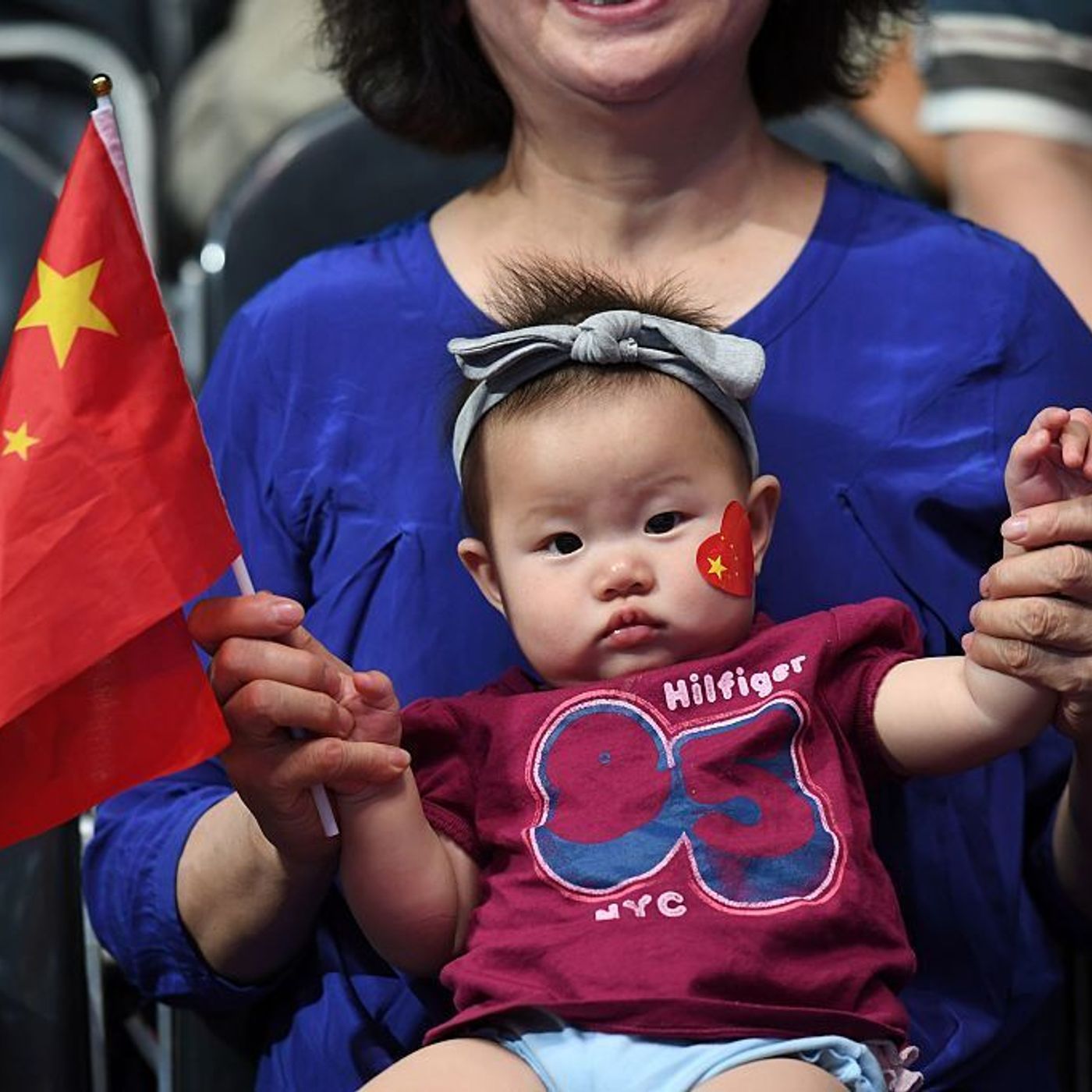
Baby bust: what happens when China's population shrinks?
<div>China’s population is ageing. It’s estimated that a quarter of Chinese people will be elderly within three decades. The relaxing of its one child policy – first to two children in 2016 and then to three last year – hasn’t stimulated fertility rate, which is still stagnant at 1.7 births per woman. In November last year, nappy producers supposedly pivoted their marketing towards elderly clients over parents of babies.<br><br></div><div>Demographers and economists warn about the problems that an ageing – and eventually shrinking – population will cause, in China and elsewhere. On this episode, I speak to the demographer Wang Feng, Professor of Sociology at University of California, Irvine, about what awaits China. For Professor Wang, care of the elderly will soon become an issue, with more than 365 million over 65s expected by 2050. The Chinese welfare state is minimal (ironic given its socialist pretensions), something of a ‘postcode lottery’, I put to Professor Wang. He says that ‘China has already missed the time window for establishing an equitable national social security system’ – it has already become too expensive, too fast. <br><br></div><div>We also discuss the one child policy at length – its logic at the time, whether Communist leaders foresaw the problems it would cause for their successors and, fascinatingly, whether there was any opposition within the Chinese Communist Party to the policy (the answer is yes – and if you caught my episode on the legacy of Deng Xiaoping, you will not be surprised to learn that the resistance was led by Hu Yaobang and Zhao Ziyang). Professor Wang points out that one of the reasons why the policy took so long to go even as China liberalised relatively in the 1990s and 2000s, under the helm of Jiang Zemin and Hu Jintao:<br><br></div><blockquote>‘They were people who grew up, like myself, at the end of the Cultural Revolution. Their knowledge of population was all learned from the time when China implemented the one child policy, when there was so much propaganda about how population would be the root of all problems for China. I think that generation of leaders were deeply intoxicated by these teachings’</blockquote><div>In a way, there’s poetic justice for a government who thought that, in Professor Wang’s words, ‘you can just plan [births] and constrain them as you would grow trees or wheat’. Today’s China, regardless of the loosening of the one child policy (to two in 2016; and three last year, which I wrote about at the time), is just not having babies. For the Professor, there’s a fundamental truth: ‘The ageing society is not something that China, or any other country, can reverse’. The crux lies in how to adapt society to be better prepared – fixing the welfare state, the healthcare system, and maturing the financial system so the ageing population can invest for retirement.</div><p>Become a <em>Spectator </em>subscriber today to access this podcast without adverts. Go to <a href="https://www.spectator.co.uk/follow-your-podcasts/" rel="noopener noreferrer" target="_blank">spectator.co.uk/adfree</a> to find out more.</p><br><p>For more <em>Spectator</em> podcasts, go to <a href="https://www.spectator.co.uk/podcasts/" rel="noopener noreferrer" target="_blank">spectator.co.uk/podcasts</a>. </p><br><p>Contact us: [email protected]</p> <hr><p style='color:grey; font-size:0.75em;'> Hosted on Acast. See <a style='color:grey;' target='_blank' rel='noopener noreferrer' href='https://acast.com/privacy'>acast.com/privacy</a> for more information.</p>
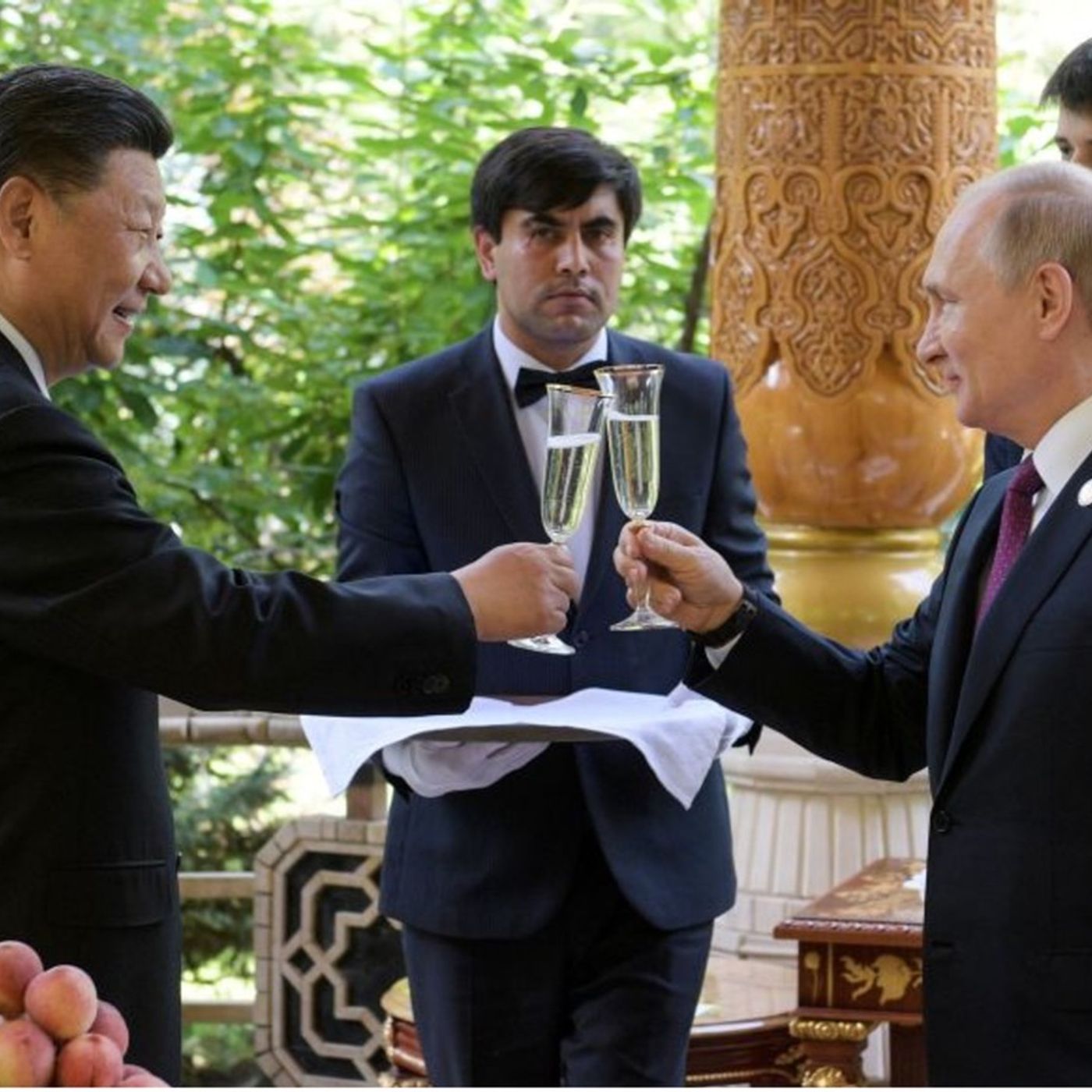
The Xi-Putin alliance: how China and Russia are getting ever closer
<div>In 2008, President George Bush was the star guest at Beijing’s opening ceremony. Fourteen years later, under a cloud of diplomatic boycotts led by the US, the guest of honour spot was filled instead by President Putin. Under a confluence of factors over the last decade, China and Russia are closer now than they have been since the Cold War.</div><br><div>On this episode of Chinese Whispers, I talk to Alexander Gabuev, a senior fellow at the Carnegie Moscow Center, about how this situation came about. If the beginning of the end of the Cold War can be traced back to the Sino-Soviet split – allowing a bipolar world to be split into three when China began rapprochement with Nixon’s America – then what does today’s alliance mean at this moment in geopolitics?</div><br><div>For Alex, there were three reasons why China and Russia have got closer. China’s hunger for oil and gas makes Russia a much-needed new trading partner (and vice versa). The two were able to fudge territorial disputes along the 3000 mile border they share (Alex points out to me that Russia has only been able to amass troops on the Ukrainian border because their military presence on the Sino-Russian border is the lightest it has been for a century). They share similar political cultures - strongman-ship supported by powerful and corrupt oligarchs and a nationalistic society - and similar national leaders (‘for the first time after the dissolution of the Soviet Union, we have two leaders that are age mates and soul mates’).</div><br><div>‘The secret sauce’ that binds the collaboration together, according to Alex, is the US’s increasing confrontation with both. What we see from Washington today is a reverse Kissinger - where the two authoritarian countries are being pushed closer together by an increasingly hawkish America. Take Nord Stream 2 - any weaning off of the German market from Russian gas will simply make the Chinese market even more important for Moscow. But it’s not clear that the West has many alternatives.</div><br><div>Getting closer to China is not necessarily a good thing for Russia, either. For one, the relationship is unbalanced. In a reversal of Cold War dynamics, the size of China’s high value economy today means that Chinese business matters more to Moscow than Russian to Beijing. ‘Ten, fifteen years down the road,’ Alex says, ‘China will have more leverage’. Could a more powerful China try to bully its weaker ally in commercial and security spheres? Possibly, but the die may already have been cast: ‘unfortunately, the sources of grievances and conflict between Russia and the US run so deep [that] the Russian leadership is so emotionally invested that there is no easy way out.’</div><br><div>On this episode we also discuss the malleability of national memory (Russian aggression during the 19th century often flies under the radar of Chinese nationalists), in what ways China’s relations with the US are still better than with Russia and exactly how China could react to any transgression on the Ukrainian border. Tune in.</div><p>Become a <em>Spectator </em>subscriber today to access this podcast without adverts. Go to <a href="https://www.spectator.co.uk/follow-your-podcasts/" rel="noopener noreferrer" target="_blank">spectator.co.uk/adfree</a> to find out more.</p><br><p>For more <em>Spectator</em> podcasts, go to <a href="https://www.spectator.co.uk/podcasts/" rel="noopener noreferrer" target="_blank">spectator.co.uk/podcasts</a>. </p><br><p>Contact us: [email protected]</p> <hr><p style='color:grey; font-size:0.75em;'> Hosted on Acast. See <a style='color:grey;' target='_blank' rel='noopener noreferrer' href='https://acast.com/privacy'>acast.com/privacy</a> for more information.</p>
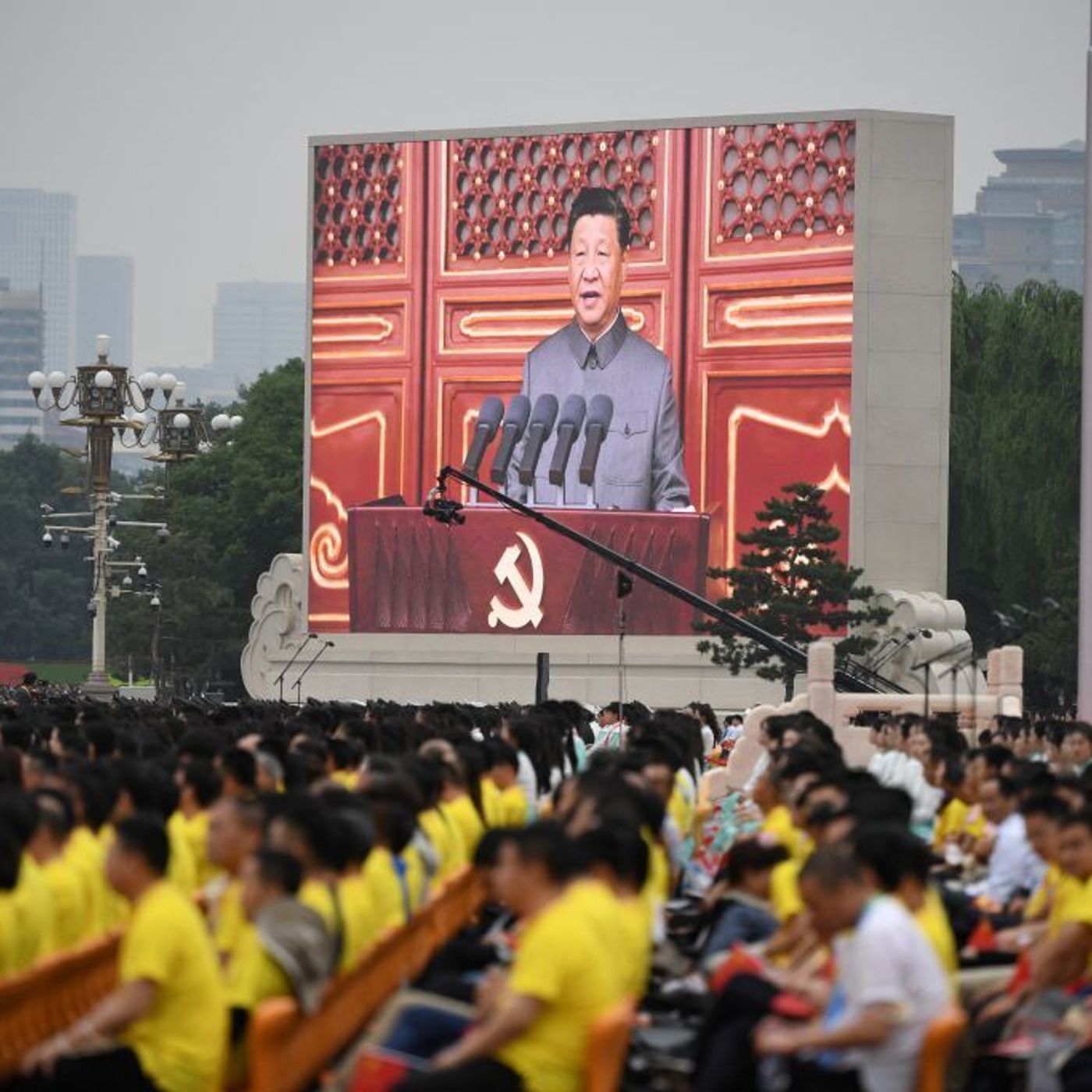
Politics and language: decoding the CCP
<div>All political parties have weaknesses for jargon and buzzwords, and the Chinese Communist Party more than most. It's why Party documents – whether they be speeches, Resolutions or reports – can be hard going. Sentences like the following (from the Resolution adopted at the Sixth Plenum) abound:</div><br><blockquote>‘All Party members should uphold historical materialism and adopt a rational outlook on the Party’s history.’<br><br>‘We need to strengthen our consciousness of the need to maintain political integrity, think in big-picture terms, follow the leadership core, and keep in alignment with the central Party leadership’</blockquote><br><div>In other words, full of platitudes and dense Marxist terminology.</div><br><div>So what is, then, the purpose of official Party documents? Can they ever reveal division within the Party, or say anything new at all? And throughout the fusty rhetoric, who is the audience, who are these words designed for?</div><br><div>On this episode, I’m joined by two guests expert at reading the Communist tea leaves. In this wide ranging – and slightly longer than usual – Chinese Whispers, we discuss the power of political language and how the Chinese Communist Party makes the most of it, why it’s important to control the historical narrative, and exactly what, if anything, does Xi Jinping Thought entail.</div><br><div>My guests are Professor Rana Mitter, a historian of China at the University of Oxford and author of numerous books, the latest being <em>China’s Good War</em>;<em> </em>and Bill Bishop, who curates the newsletter Sinocism. Bill’s newsletter is a must-have round up of the most important political and economic China news, in your inbox four times a week. Very much worth every penny, and frequently featuring translated Party documents and Chinese articles. <br><br>To continue the conversation, we also mention a couple of past episodes of Chinese Whispers:<br>I interview the exiled Professor Sun Peidong about the witch hunt against her at a top Shanghai University: <a href="https://www.spectator.co.uk/podcast/healing-the-cancer-of-the-cultural-revolution">https://www.spectator.co.uk/podcast/healing-the-cancer-of-the-cultural-revolution</a>.<br>I discuss just why Taiwan is so important to China with Rana and analyst Jessica Drun: <a href="https://www.spectator.co.uk/podcast/healing-the-cancer-of-the-cultural-revolution">https://www.spectator.co.uk/podcast/why-does-china-care-about-taiwan-</a>.<br><br>You can also find my review of Jing Tsu's <em>Kingdom of Characters</em> here: <a href="https://www.spectator.co.uk/article/the-great-chinese-puzzle-how-to-adapt-the-language-to-modern-communication-technologies">https://www.spectator.co.uk/article/the-great-chinese-puzzle-how-to-adapt-the-language-to-modern-communication-technologies</a>.</div><p>Become a <em>Spectator </em>subscriber today to access this podcast without adverts. Go to <a href="https://www.spectator.co.uk/follow-your-podcasts/" rel="noopener noreferrer" target="_blank">spectator.co.uk/adfree</a> to find out more.</p><br><p>For more <em>Spectator</em> podcasts, go to <a href="https://www.spectator.co.uk/podcasts/" rel="noopener noreferrer" target="_blank">spectator.co.uk/podcasts</a>. </p><br><p>Contact us: [email protected]</p> <hr><p style='color:grey; font-size:0.75em;'> Hosted on Acast. See <a style='color:grey;' target='_blank' rel='noopener noreferrer' href='https://acast.com/privacy'>acast.com/privacy</a> for more information.</p>
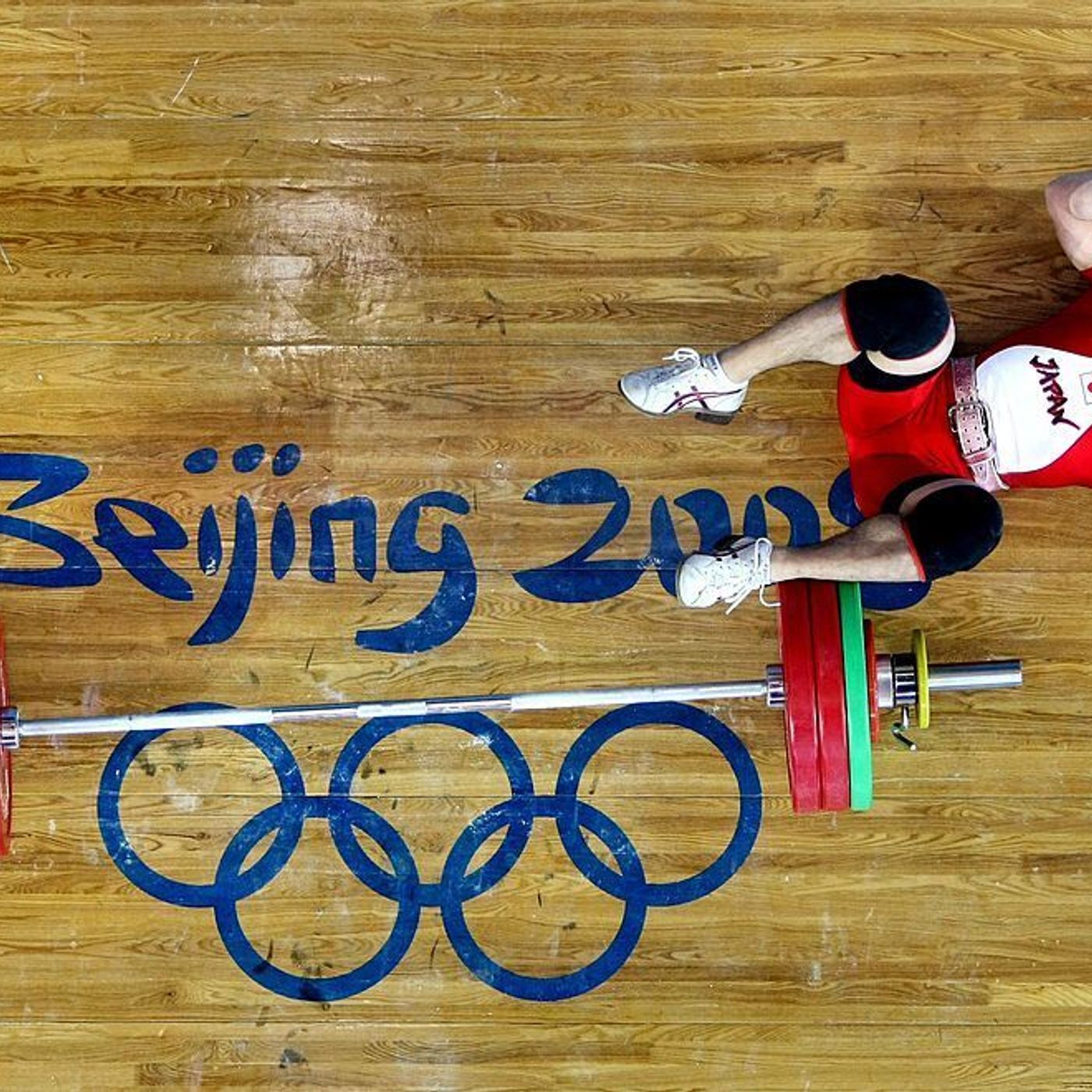
Why does China care about the Olympics?
<div>'If table tennis set the stage for China’s international diplomacy, then volleyball rebuilt the nation’s confidence', ran one article in the <em>People's Daily</em> around the time of the 2016 Rio Olympics. Sports has had a long political history in China, my guest in this week's Chinese Whispers tells me. She is Dr Susan Brownell, Professor of Anthropology at the University of Missouri. She has been in and out of China since the 1980s, when she went to Peking University as a student and ended up represented the institution as a track runner.<br><br></div><div>On this episode, I'm keen to find out why exactly China cares about the Olympics just so much. And it certainly does – Susan and I reminisce about 2008, when China spent $100 million on a four-hour long opening ceremony and $7 billion on the whole Games. Working in Beijing that year, Susan saw, firsthand, the excitement that local officials and people put into the preparations ('There were huge programmes to teach English to everybody, especially in Beijing. You know, the old ladies and the taxi drivers'), but also the fear and intensity that came with this – 'all the government officials involved in the effort were just kind of quaking'.<br><br></div><div>The reason for all this – and the reason why a snub at the imminent Winter Olympics, as numerous countries around the world announce boycotts, will be remembered by China – is because sports has long been political. In the ping pong diplomacy of the 1970s, games played between Chinese and American teams allowed Nixon's America and Mao's China to get closer to each other. In the five women's volleyball team world victories of the 1980s, China was able to find a new source of national pride, as its people tried to recover from the wounds of the Cultural Revolution. In 2008, seven years after accession to the WTO and at a time when a more liberal China could still be imagined, the Summer Olympics provided a chance to show the world what 21st century China was all about. 'It was China's coming out party', Susan says.<br><br></div><div>To be sure, this Olympics matters less – winter Olympics always do, and after all, China has 'already emerged as a superpower'. But even so, it will have a political dimension – just see how China eagerly invited President Putin last year. <br><br></div><div>On the episode, we also make a brief digression into the demolitions that happened in Beijing – leading to headlines in the <em>New York Times</em> like '<a href="https://www.nytimes.com/2006/07/12/world/asia/12beijing.html">Olympics Imperil Historic Beijing Neighborhood</a>'. Susan corrects media reports and says that, in fact, in the areas reconstructed for the Games, it was mainly small shops not residences that were destroyed. She befriended one man who was dislocated from his mechanical repair shop there and became a taxi driver because of the Olympics, and I recall a 'demolition era', where China's rapid growth meant the words <em> chaiqian</em> (demolish and relocate) were commonly marked on old buildings across Chinese cities. But tune in to hear how some ingenious Chinese – including members of my own family – welcomed the destruction of their property as it allowed them to game the system of government compensation. </div><p>Become a <em>Spectator </em>subscriber today to access this podcast without adverts. Go to <a href="https://www.spectator.co.uk/follow-your-podcasts/" rel="noopener noreferrer" target="_blank">spectator.co.uk/adfree</a> to find out more.</p><br><p>For more <em>Spectator</em> podcasts, go to <a href="https://www.spectator.co.uk/podcasts/" rel="noopener noreferrer" target="_blank">spectator.co.uk/podcasts</a>. </p><br><p>Contact us: [email protected]</p> <hr><p style='color:grey; font-size:0.75em;'> Hosted on Acast. See <a style='color:grey;' target='_blank' rel='noopener noreferrer' href='https://acast.com/privacy'>acast.com/privacy</a> for more information.</p>
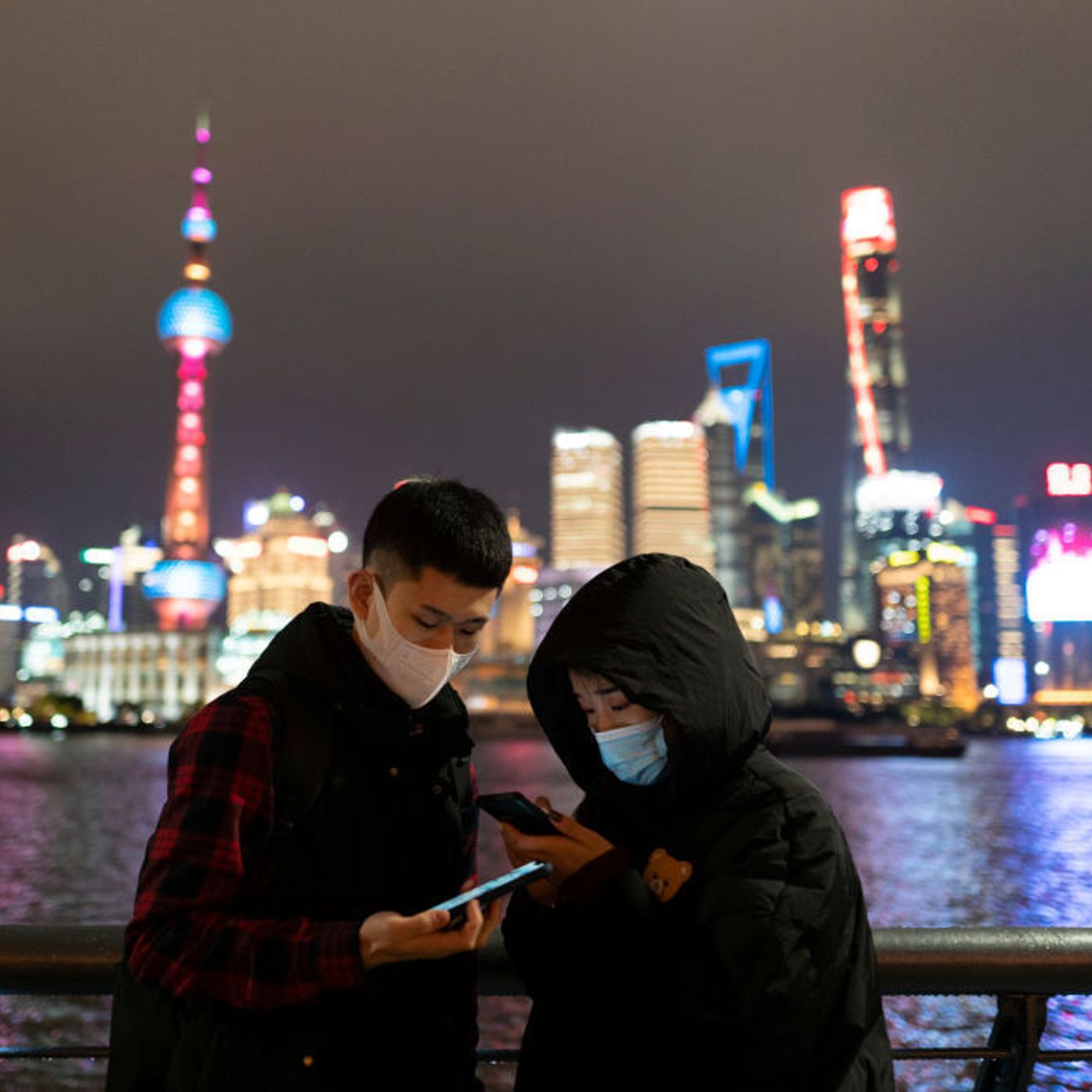
The power of Weibo
<div>When the tennis star Peng Shuai had a row with her former lover, the retired Party cadre Zhang Gaoli, she took to Weibo, the Chinese social media platform, where she had half a million followers. It was in that statement that she accused Zhang of starting their affair with sexual assault.<br><br>The statement was taken down within minutes, demonstrating the power, speed – and, arguably, the manual nature – of China’s online censors. On this podcast, we’ve previously talked about the nature of journalism in China – but what about social media, that inherently decentralised medium? What role does the digital space play in Chinese lives, how reliable is it as a source of Chinese public opinion, and how do people feel about being monitored and, potentially, censored?<br><br>On the podcast, I speak to Manya Koetse, the founder of <a href="http://whatsonweibo.com">whatsonweibo.com</a>, which collates and translates the latest trends and topics from the platform into English; as well as Shen Lu, a reporter for <em>Protocol</em> who covers China and tech.<br><br></div><div>With Manya, we muse about what censorship does to a nation's online discussion: the focus turns to policy issues like health and safety standards, or more superficial discussions like pets and travel. Yet during the early days of the pandemic last year, we both witnessed an incredible night where, on Weibo, WeChat, and other platforms, Dr Li Wenliang's death prompted a universal outpouring of grief. Manya tells me that: ‘Dr Li was a story that was too big to censor... censoring all of those discussions would have actually caused more unrest’.<br><br></div><div>Since the pandemic, the digital sphere has also become more nationalistic: <br><br></div><blockquote>'The Hong Kong protests definitely was the moment when I saw this new wave of nationalism online, which you’ve always had, but especially the last two years it’s been so clear. Covid-19 has only strengthened the wave that started back then’</blockquote><div>I also speak to Shen Lu, who tells me about her experience being censored on Weibo when reporting on China's MeToo movement. Censorship has only become worse in recent years – she tells me: ' I can no longer tell which friend is which, because we started to self-censor'. More optimistically though, Lu tells me that all the same political conversations among liberal minded young Chinese are still happening – simply offline, these days.<br><br></div><p>Become a <em>Spectator </em>subscriber today to access this podcast without adverts. Go to <a href="https://www.spectator.co.uk/follow-your-podcasts/" rel="noopener noreferrer" target="_blank">spectator.co.uk/adfree</a> to find out more.</p><br><p>For more <em>Spectator</em> podcasts, go to <a href="https://www.spectator.co.uk/podcasts/" rel="noopener noreferrer" target="_blank">spectator.co.uk/podcasts</a>. </p><br><p>Contact us: [email protected]</p> <hr><p style='color:grey; font-size:0.75em;'> Hosted on Acast. See <a style='color:grey;' target='_blank' rel='noopener noreferrer' href='https://acast.com/privacy'>acast.com/privacy</a> for more information.</p>
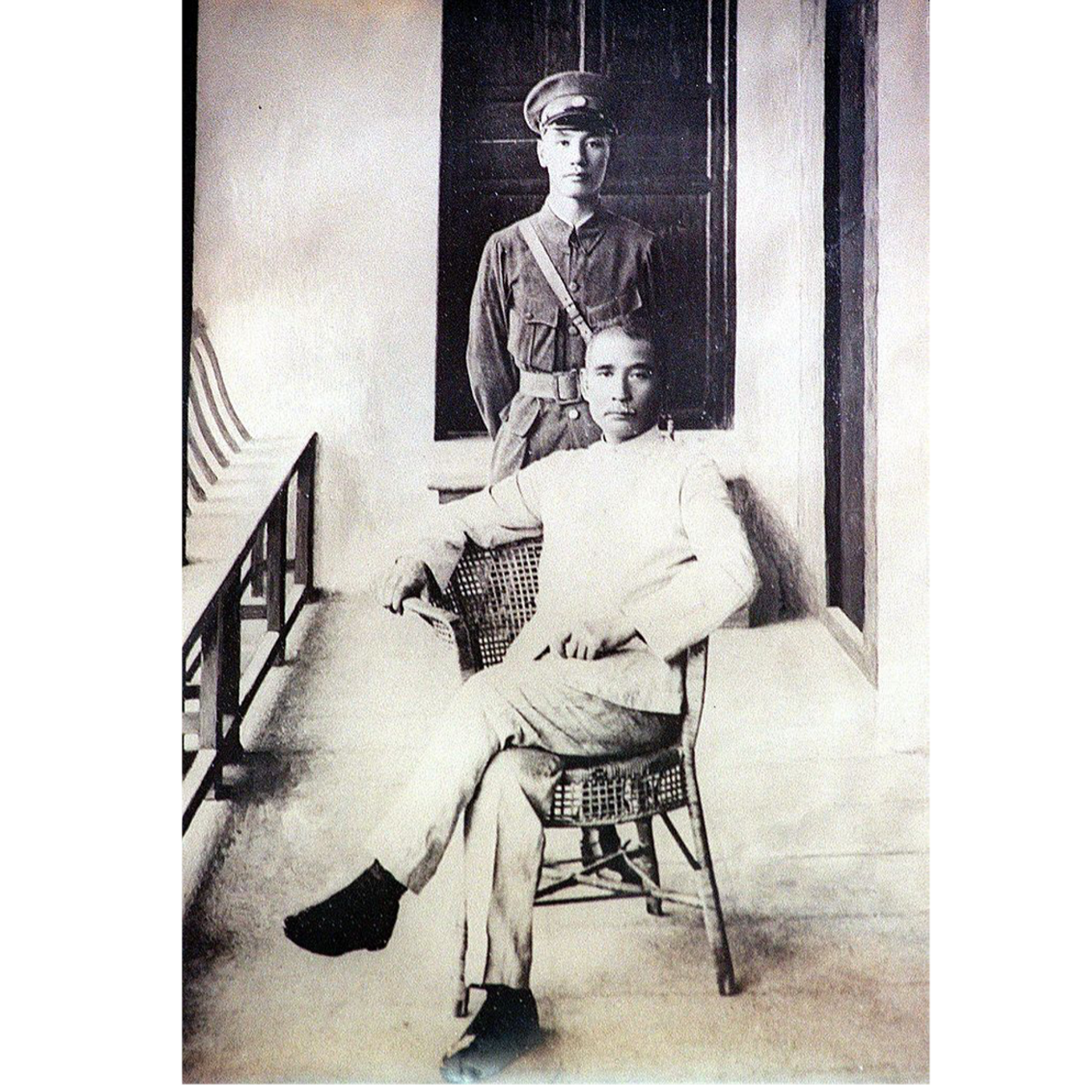
What is it to be 'Chinese'?
<div>Sun Yat-sen was the founding father of China's first republic, when the Qing dynasty was overthrown. Here he sits, with his successor Chiang Kai-Shek standing behind. They were two among many intellectuals and politicians whose agitations helped contribute to modern Chinese national identity. In his book, <em>The Invention of China</em>, journalist Bill Hayton argues that this is where 'China' and the key parts that contribute to a modern Chinese identity - territorial claims, ethnicities, history and so on - were moulded into an 'imagined' nationalism.<br><br>I interview Bill in this episode, and we discuss everything from the contribution of foreign aggressors (especially Japan) to China's modern identity, to the ferocious intellectual debate about which ethnicities are 'Chinese' - just Han? Or Mongols, Manchurians, Tibetans and Uyghurs too? Plus - is any national identity around the world <em>not</em> constructed?</div><p>Become a <em>Spectator </em>subscriber today to access this podcast without adverts. Go to <a href="https://www.spectator.co.uk/follow-your-podcasts/" rel="noopener noreferrer" target="_blank">spectator.co.uk/adfree</a> to find out more.</p><br><p>For more <em>Spectator</em> podcasts, go to <a href="https://www.spectator.co.uk/podcasts/" rel="noopener noreferrer" target="_blank">spectator.co.uk/podcasts</a>. </p><br><p>Contact us: [email protected]</p> <hr><p style='color:grey; font-size:0.75em;'> Hosted on Acast. See <a style='color:grey;' target='_blank' rel='noopener noreferrer' href='https://acast.com/privacy'>acast.com/privacy</a> for more information.</p>
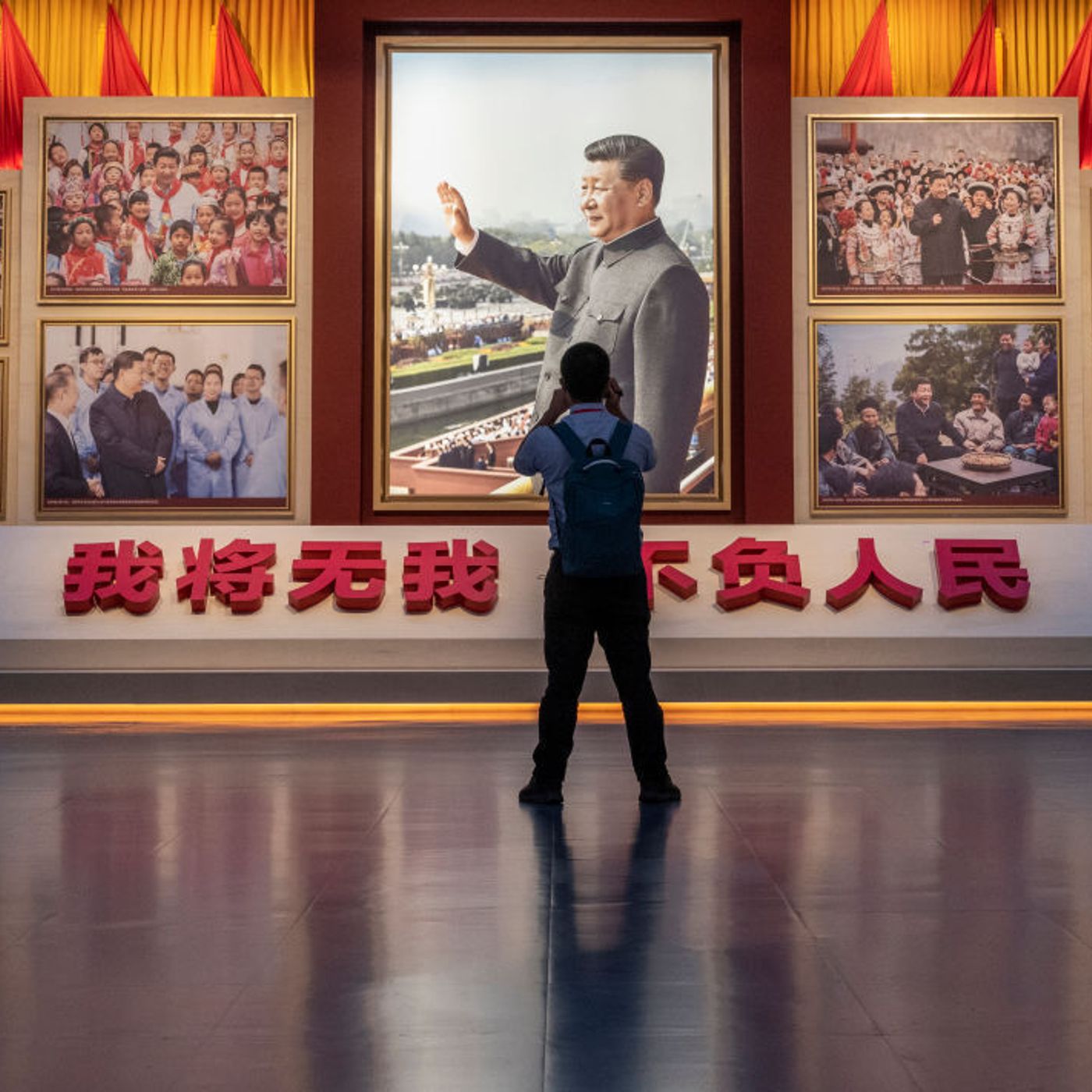
Is 'common prosperity' the road to common poverty?
<div>Deng Xiaoping used to say, 'let some people get rich first'. Four decades on from the start of his economic experiment with marketisation, Xi Jinping is, these days, talking about 'common prosperity' instead - prosperity for the many, not the few. But what does this new economic direction mean in practice, and could it, in fact, stifle the very market forces that made so-called 'socialism with Chinese characteristics' so successful?<br><br>Joining me to read between the tea leaves is George Magnus, economist and author of <em>Red Flags: Why Xi's China is in Jeopardy</em>. We discuss how unequal China really is, what we know about common prosperity so far (e.g. arm-twisted philanthropy from billionaires like Jack Ma) and what Chinese public opinion might make of it all.</div><p>Become a <em>Spectator </em>subscriber today to access this podcast without adverts. Go to <a href="https://www.spectator.co.uk/follow-your-podcasts/" rel="noopener noreferrer" target="_blank">spectator.co.uk/adfree</a> to find out more.</p><br><p>For more <em>Spectator</em> podcasts, go to <a href="https://www.spectator.co.uk/podcasts/" rel="noopener noreferrer" target="_blank">spectator.co.uk/podcasts</a>. </p><br><p>Contact us: [email protected]</p> <hr><p style='color:grey; font-size:0.75em;'> Hosted on Acast. See <a style='color:grey;' target='_blank' rel='noopener noreferrer' href='https://acast.com/privacy'>acast.com/privacy</a> for more information.</p>
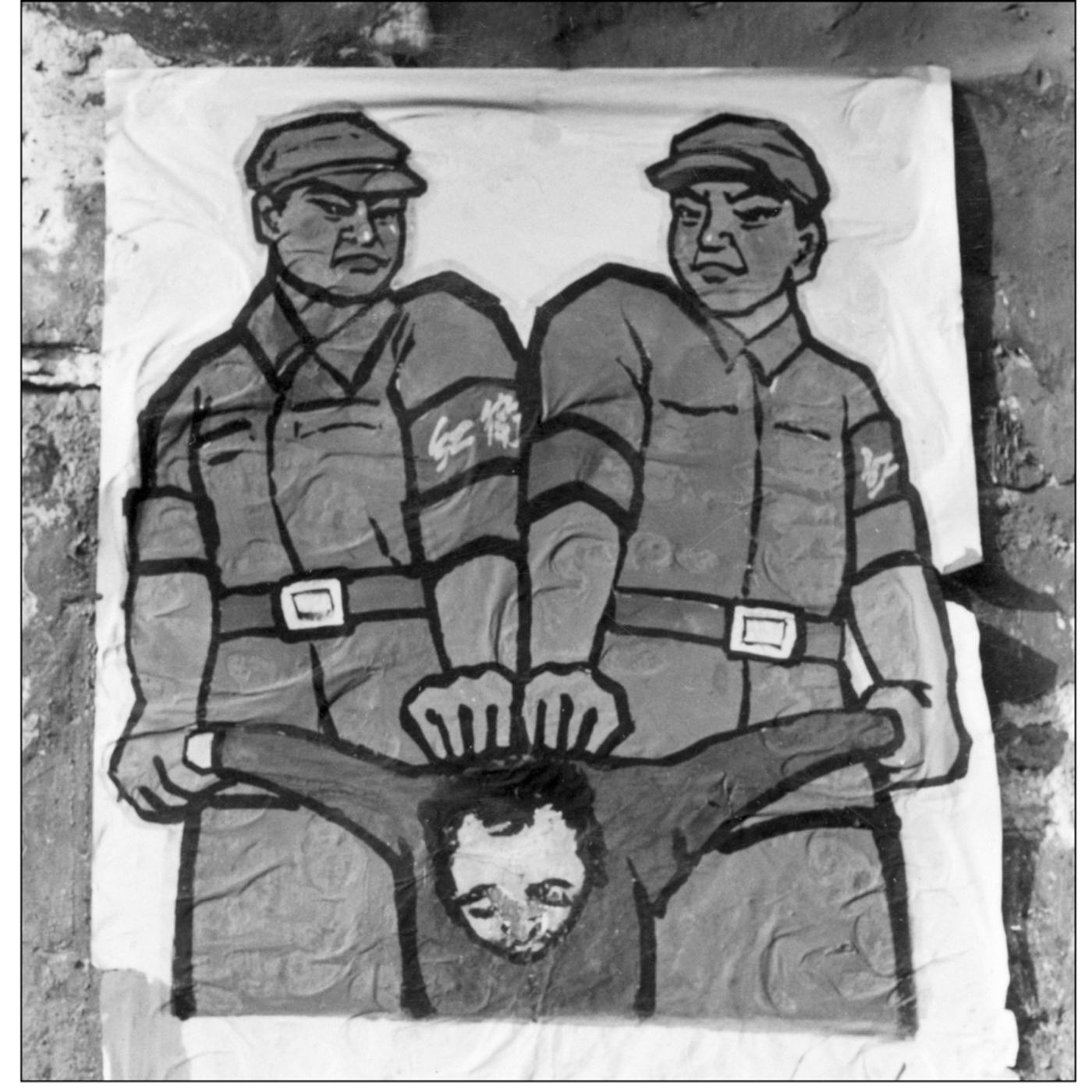
Healing the 'cancer' of the Cultural Revolution
<div>It's not easy to talk about the Cultural Revolution inside China - let alone teach it. In recent years, one of the last professors to have taught the period has been hounded out of her role at a top university. Sun Peidong has now taken a post at Cornell, after Chinese journals stopped publishing her work, the university party secretary banned her lectures, and even her students turned on her - denouncing Sun as if she were an 'anti-revolutionary' of the very period she taught.<br><br>In this frank discussion, I interview Sun about academic freedom and diversity of thought on Chinese campuses; about what it was like to shed light on a taboo subject to younger generations; and why she left China. It's an indictment on modern Chinese discourse that an internationally-renowned scholar such as Sun is now lost to Chinese academia.<br><br>‘Look at China, now we have a huge impact. If we cannot handle our own social problems, what kind of impact will we leave to the whole [of] humankind?’ She asked me. And on whether China has got over the Cultural Revolution:<br><br>‘If you forbid people, professors, or students, or young generation, to have [the] opportunity to fully discover the history – and the dark side of the history – how can you imagine that our nation can move on?’</div><p>Become a <em>Spectator </em>subscriber today to access this podcast without adverts. Go to <a href="https://www.spectator.co.uk/follow-your-podcasts/" rel="noopener noreferrer" target="_blank">spectator.co.uk/adfree</a> to find out more.</p><br><p>For more <em>Spectator</em> podcasts, go to <a href="https://www.spectator.co.uk/podcasts/" rel="noopener noreferrer" target="_blank">spectator.co.uk/podcasts</a>. </p><br><p>Contact us: [email protected]</p> <hr><p style='color:grey; font-size:0.75em;'> Hosted on Acast. See <a style='color:grey;' target='_blank' rel='noopener noreferrer' href='https://acast.com/privacy'>acast.com/privacy</a> for more information.</p>
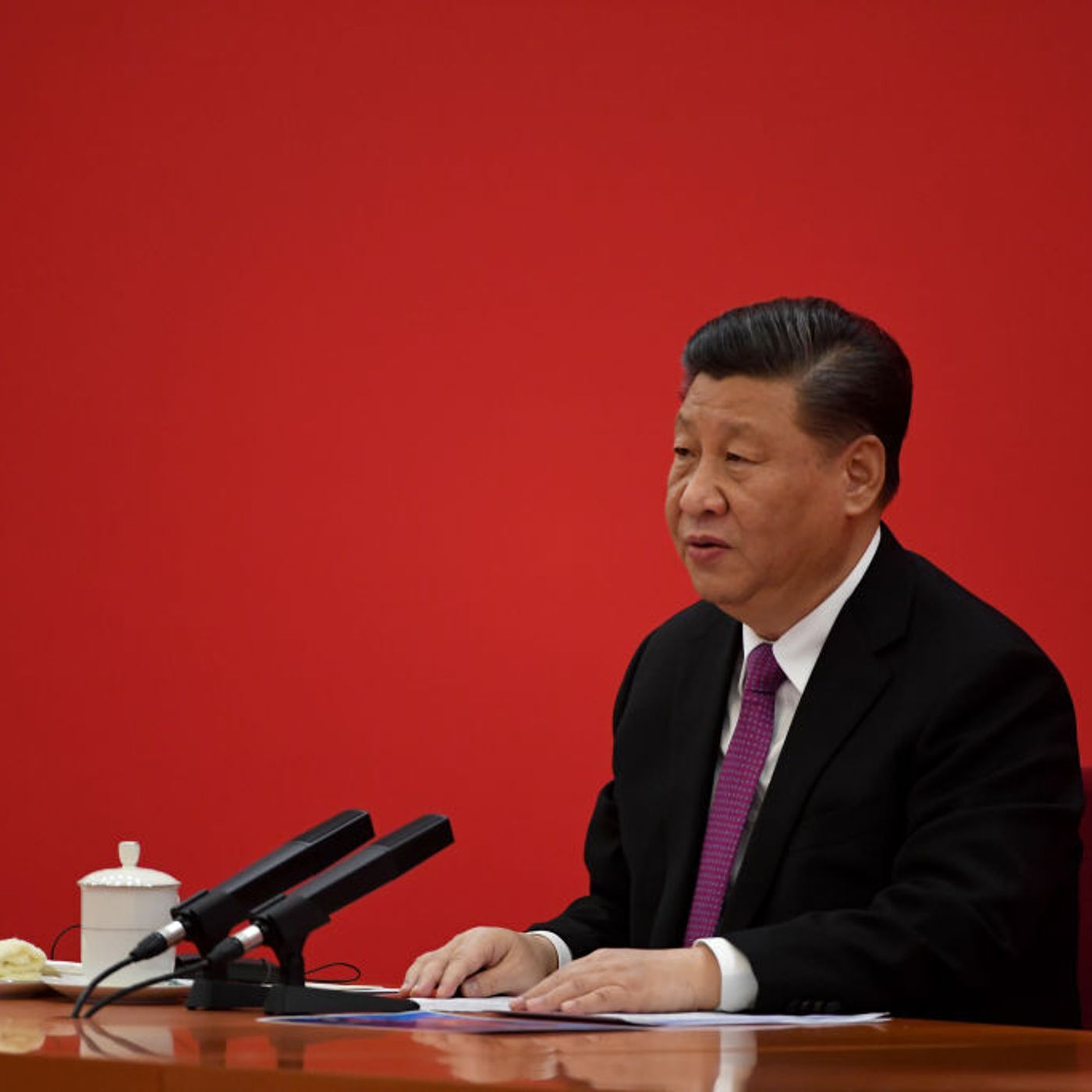
Will Xi invade Taiwan?
<div>Last week, the US and Canada each sent a warship through the Taiwan Strait and Taiwan has appealed to the US for faster delivery of fighter aircraft. It's been a tense month in the Strait, kicked off by China's celebration of its national day on October 1 through flying a record number of aircraft through Taiwan's air defense identification zone. Could war really happen? Could China really successfully take Taiwan?<br><br>I speak to Oriana Skylar Mastro, fellow at Stanford and the American Enterprise Institute, whose detailed piece for Foreign Affairs took a close look at China's military options: <a href="https://www.foreignaffairs.com/articles/china/2021-06-03/china-taiwan-war-temptation">https://www.foreignaffairs.com/articles/china/2021-06-03/china-taiwan-war-temptation</a>.<br><br>To find out just why China cares about Taiwan so much, tune into a previous episode of Chinese Whispers where I spoke to Professor Rana Mitter and analyst Jessica Drun: <a href="https://www.spectator.co.uk/podcast/why-does-china-care-about-taiwan-">https://www.spectator.co.uk/podcast/why-does-china-care-about-taiwan-</a>.</div><p>Become a <em>Spectator </em>subscriber today to access this podcast without adverts. Go to <a href="https://www.spectator.co.uk/follow-your-podcasts/" rel="noopener noreferrer" target="_blank">spectator.co.uk/adfree</a> to find out more.</p><br><p>For more <em>Spectator</em> podcasts, go to <a href="https://www.spectator.co.uk/podcasts/" rel="noopener noreferrer" target="_blank">spectator.co.uk/podcasts</a>. </p><br><p>Contact us: [email protected]</p> <hr><p style='color:grey; font-size:0.75em;'> Hosted on Acast. See <a style='color:grey;' target='_blank' rel='noopener noreferrer' href='https://acast.com/privacy'>acast.com/privacy</a> for more information.</p>
The Chinese love of drinking
<div>Throughout Chinese history, as seen by poems and novels, drinking has been seen as a source for literary inspiration; or a form of manly competition; or, as ever, a status symbol. After a century of political turmoil in which the way people lived was radically disrupted, drinking culture is now coming back with China's growing wealth. As well as the traditional rice and sorghum spirits, grape wine is starting to dominate the Chinese palate. <br><br>On this episode, my guest Janet Z Wang, author of <em>The Chinese Wine Renaissance</em>, tells me all about the then and the now of Chinese drinking. We chat poetry and wine, noughties extravagance (including a Bordeaux sold for $234,000) and the peculiarities of Chinese drinking culture.</div><p>Become a <em>Spectator </em>subscriber today to access this podcast without adverts. Go to <a href="https://www.spectator.co.uk/follow-your-podcasts/" rel="noopener noreferrer" target="_blank">spectator.co.uk/adfree</a> to find out more.</p><br><p>For more <em>Spectator</em> podcasts, go to <a href="https://www.spectator.co.uk/podcasts/" rel="noopener noreferrer" target="_blank">spectator.co.uk/podcasts</a>. </p><br><p>Contact us: [email protected]</p> <hr><p style='color:grey; font-size:0.75em;'> Hosted on Acast. See <a style='color:grey;' target='_blank' rel='noopener noreferrer' href='https://acast.com/privacy'>acast.com/privacy</a> for more information.</p>
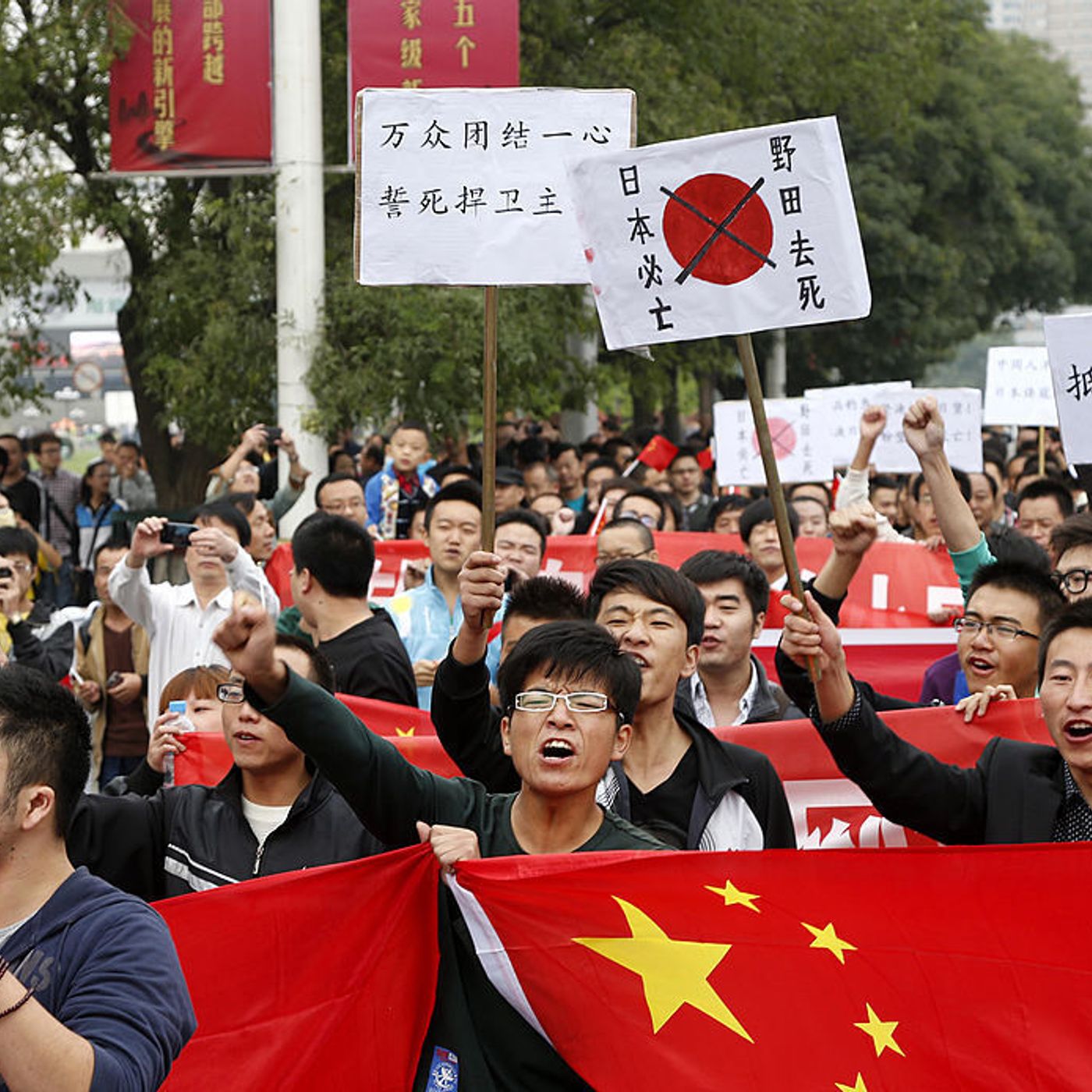
Has China got over the Japanese invasion?
<div>For China, WWII started in 1937 with the Japanese invasion, two years before Hitler invaded Poland. Japan would occupy China until its surrender in 1945, in the process committing atrocities like the rape of Nanjing. This was the second Japanese invasion in fifty years. </div><br><div>Yet decades after the war, when I grew up in Nanjing, Japanese food was all the craze and it was Japanese anime that kids watched and Japanese fashion that teenagers craved. So has China got over its wartime hatred of Japan?</div><br><div>On this episode, I’m joined by the Tokyo-based Chinese translator Dylan Levi King, who you might remember from our previous conversation on ketamine use in China. We’re going to be chatting about China’s attitude to Japan today, and the contradictions within that, rather than focusing on the history between the two countries. If you want to learn more about that part of things – there’s nowhere better to go than Professor Rana Mitter’s book, <em>China’s War with Japan</em>. Dylan and I chat about the Chinese caricatures of Japanese soldiers on screen, the Japanese porn star who overcame the two countries’ enmity and the <em>jingri</em> – the Chinese who identify as ‘spiritually Japanese’.</div><br><div>Dylan reflects on the cognitive dissonance – or disassociation – that the Chinese hold between Japanese politics and Japanese soft power. For example, he tells me that:</div><br><div><em>‘I used to go to this clothing store when I was a student in China, and in the store they would sell Japanese fashion like BAPE, but on the doorstep walking into the place there was a Japanese flag on the ground, so you could trample on the Japanese flag as you walk into buy all your Japanese fashion.’</em></div><br><div>Japanese nationalism, in return, seems to be getting louder, whether it’s visits to the Yasukuni shrine housing war criminals, or a continued refusal to acknowledge the war-time trafficking of Chinese and Korean women as sex slaves – euphemistically known as ‘comfort women’. Yet Dylan argues that this is just all bark, no bite:</div><br><div><em>‘China rising on its doorstep and Japan’s economy, since 1990, not really improving, has exacerbated that feeling in Japan of wanting to stand up, even though they can’t really. So it’s all performative and useless.’</em></div><p>Become a <em>Spectator </em>subscriber today to access this podcast without adverts. Go to <a href="https://www.spectator.co.uk/follow-your-podcasts/" rel="noopener noreferrer" target="_blank">spectator.co.uk/adfree</a> to find out more.</p><br><p>For more <em>Spectator</em> podcasts, go to <a href="https://www.spectator.co.uk/podcasts/" rel="noopener noreferrer" target="_blank">spectator.co.uk/podcasts</a>. </p><br><p>Contact us: [email protected]</p> <hr><p style='color:grey; font-size:0.75em;'> Hosted on Acast. See <a style='color:grey;' target='_blank' rel='noopener noreferrer' href='https://acast.com/privacy'>acast.com/privacy</a> for more information.</p>
Ancestors and demons: a brief history of Chinese religion
<div>Are the Chinese religious? The government’s treatment of Christians and particularly Muslims have been under scrutiny in recent years. But these religious groups only form around 4 per cent of the Chinese population, according to national surveys. So what do the other 96pc believe in?</div><br><div>The CCP is famously atheist, but that doesn’t mean the society is faithless. Even today, my family (like most other Han families) still sweep the tombs of our ancestors and burn paper money (and these days paper cars and paper iPhones) for their use in the afterlife.<br><br></div><div>In particular, Buddhism, Daoism and Confucianism have grown together, over the centuries, to provide what the Chinese call ‘<em>sanjiao heyi</em>’ – three teachings harmonious as one, and these continue to influence Chinese life. Growing up, I never knew which part of my temple visit belonged to which faith. One social scientist has described Chinese faith as ‘an empty bowl, which can be variously filled’</div><br><div>On this episode of Chinese Whispers, we’ll be taking a look at what the three teachings teach, and how, in modern China, they've perhaps become more cultural than religious.</div><br><div>Joining me on this podcast is Mark Meulenbeld, Associate Professor at the Hong Kong Polytechnic University, who is an expert on Chinese folk religion.</div><p>Become a <em>Spectator </em>subscriber today to access this podcast without adverts. Go to <a href="https://www.spectator.co.uk/follow-your-podcasts/" rel="noopener noreferrer" target="_blank">spectator.co.uk/adfree</a> to find out more.</p><br><p>For more <em>Spectator</em> podcasts, go to <a href="https://www.spectator.co.uk/podcasts/" rel="noopener noreferrer" target="_blank">spectator.co.uk/podcasts</a>. </p><br><p>Contact us: [email protected]</p> <hr><p style='color:grey; font-size:0.75em;'> Hosted on Acast. See <a style='color:grey;' target='_blank' rel='noopener noreferrer' href='https://acast.com/privacy'>acast.com/privacy</a> for more information.</p>
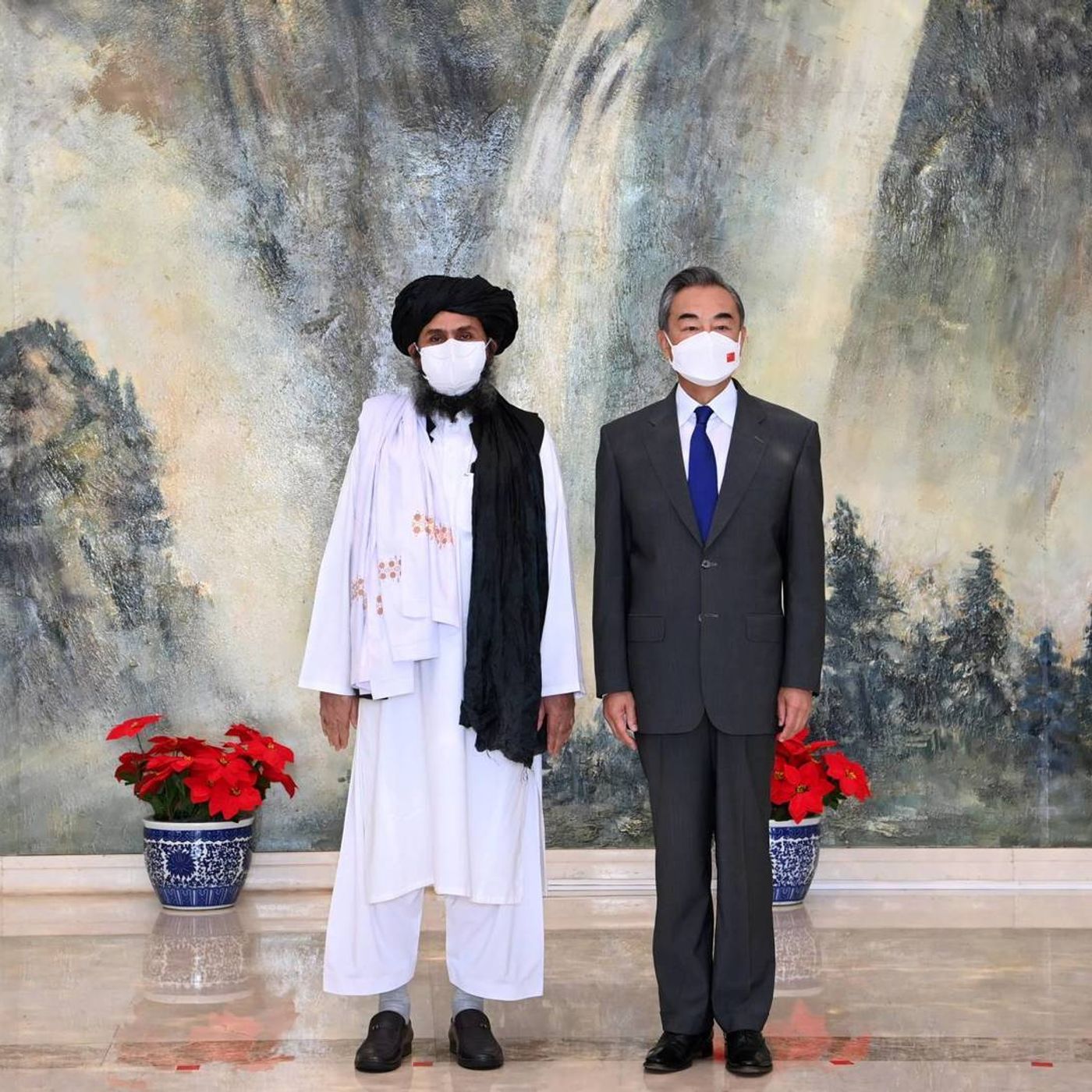
Will China become Afghanistan's new sponsor?
<div>Last month, the Chinese Foreign Minister Wang Yi welcomed senior Taliban leaders to Beijing, standing shoulder to shoulder for the photographers. China is carefully watching events unfold in Afghanistan. And while it hasn’t yet recognised the Taliban government, the Beijing meeting was a nod towards a potential alliance.</div><br><div>But replacing America in Afghanistan wouldn’t be without its risks – can Beijing succeed where Washington failed? America's 20 year mission in the country cost lives and money. And what would a closer alliance mean for China’s Xinjiang policy, considering the close links that the Taliban has historically had with militant Uyghur groups? <br><br>I speak to Tom Miller, author of <em>China's Asian Dream</em>, and Dr Mike Martin, author of <em>An Intimate War</em> and former British Army officer in Helmand.</div><p>Become a <em>Spectator </em>subscriber today to access this podcast without adverts. Go to <a href="https://www.spectator.co.uk/follow-your-podcasts/" rel="noopener noreferrer" target="_blank">spectator.co.uk/adfree</a> to find out more.</p><br><p>For more <em>Spectator</em> podcasts, go to <a href="https://www.spectator.co.uk/podcasts/" rel="noopener noreferrer" target="_blank">spectator.co.uk/podcasts</a>. </p><br><p>Contact us: [email protected]</p> <hr><p style='color:grey; font-size:0.75em;'> Hosted on Acast. See <a style='color:grey;' target='_blank' rel='noopener noreferrer' href='https://acast.com/privacy'>acast.com/privacy</a> for more information.</p>
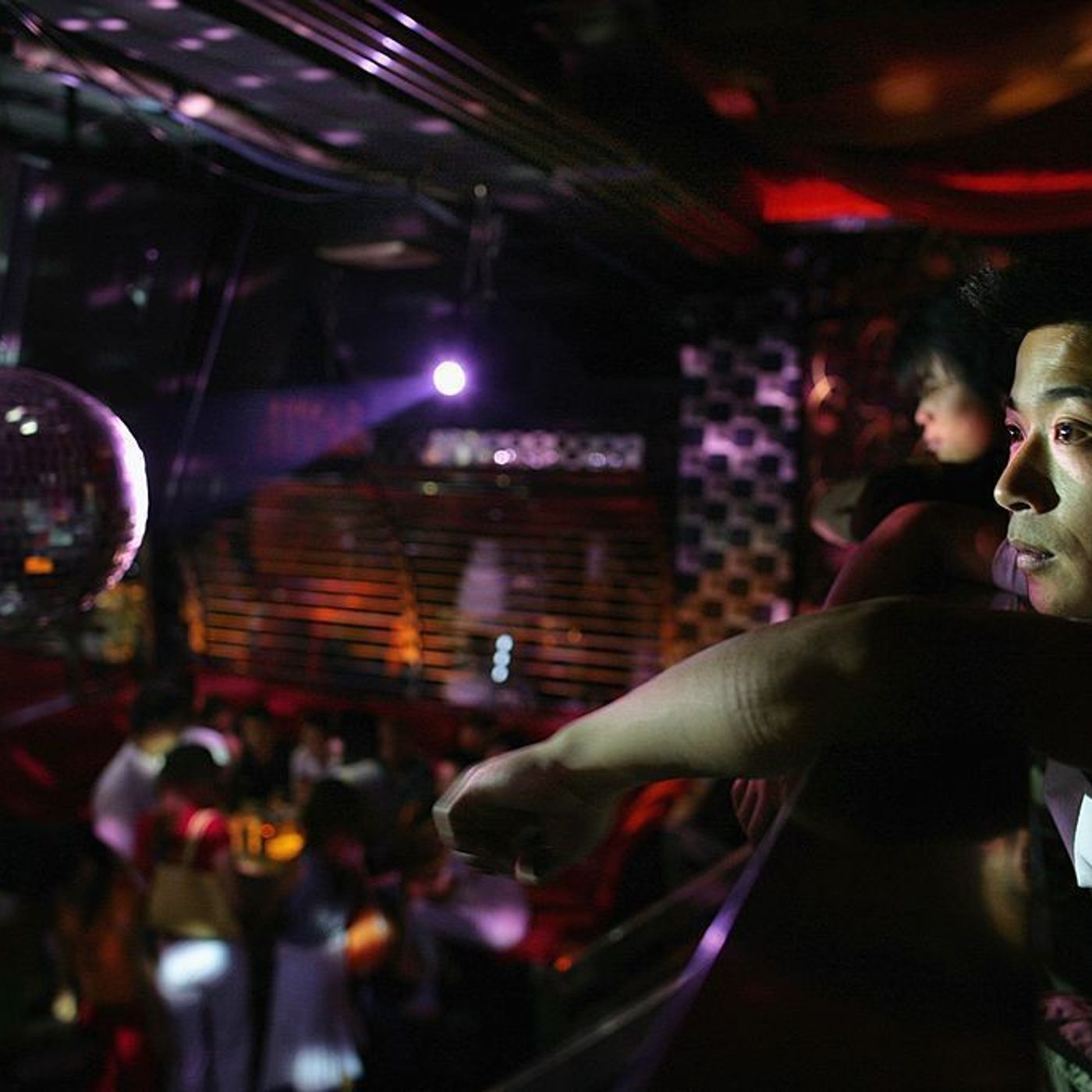
Ketamine in China: has the country got over the opium wars?
<div>It might be an understatement to say that China has a difficult relationship with drugs. Most infamously, the Opium Wars of the 1800s saw British soldiers fight against the Qing dynasty to protect the British right to sell opium to China. When the Qing lost, it wasn’t just the sobriety of their people that they lost – but a series of ports, concessions and reparations signed away in so-called ‘unequal treaties’. Hong Kong was lost to the British at this point, and it’s where the Chinese mark the start of the century of humiliation.</div><br><div>The memory and trauma of opium addiction is still bound up with national decline in the Chinese conscience.</div><br><div>So imagine my surprise to read about widespread drug use (especially ketamine) in the early 2000s in a recent <a href="https://palladiummag.com/2021/06/23/ketamine-and-the-return-of-the-party-state/">article</a> by the translator and writer Dylan Levi King. Dylan joins this episode, and we talk about what the popularity of ket says about China's reform and opening, how the Chinese see drug abuse as a disease than a crime, and President Xi's moralistic clampdown on the party scene in the years since.</div><p>Become a <em>Spectator </em>subscriber today to access this podcast without adverts. Go to <a href="https://www.spectator.co.uk/follow-your-podcasts/" rel="noopener noreferrer" target="_blank">spectator.co.uk/adfree</a> to find out more.</p><br><p>For more <em>Spectator</em> podcasts, go to <a href="https://www.spectator.co.uk/podcasts/" rel="noopener noreferrer" target="_blank">spectator.co.uk/podcasts</a>. </p><br><p>Contact us: [email protected]</p> <hr><p style='color:grey; font-size:0.75em;'> Hosted on Acast. See <a style='color:grey;' target='_blank' rel='noopener noreferrer' href='https://acast.com/privacy'>acast.com/privacy</a> for more information.</p>
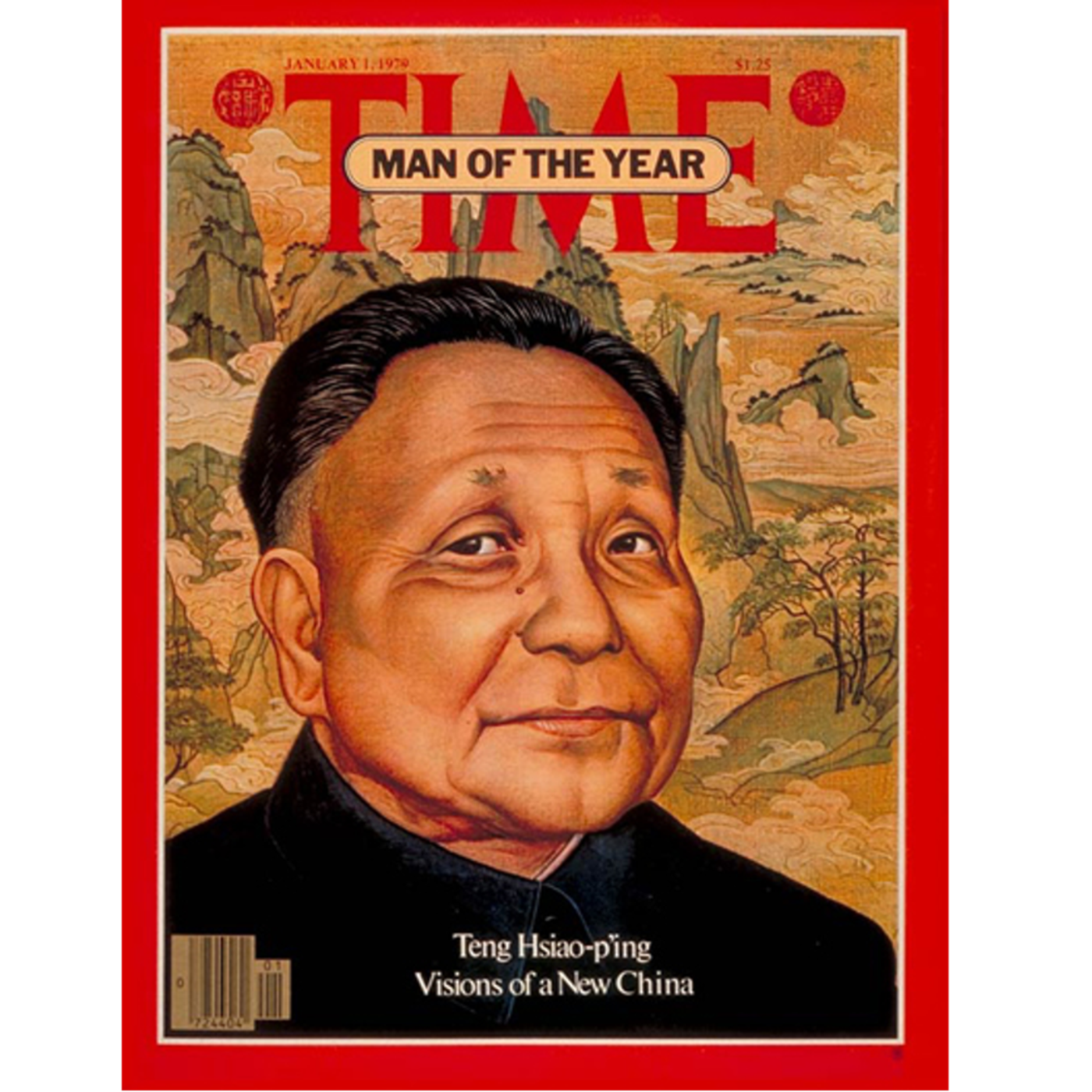
Black cat or white cat? Reconciling the two Deng Xiaopings
<div>For most people, Mao Zedong and Xi Jinping stand out as <em>the</em> two Communist leaders of the People’s Republic of China. But growing up, it was actually a third man, by the name of Deng Xiaoping, whose legacy I felt the most.</div><br><div>Though less than 5 foot tall, his impact on China’s trajectory was arguably more than Mao’s; and possibly will be more than Xi’s. It was Deng’s vision of reform and opening – which we’ve talked about in passing many times on this podcast – that started a process which transformed China from a Maoist backwater to today’s economic backwater. TIME magazine twice chose him as their Man of the Year.</div><br><div>Yet it was also Deng who gave the final go ahead for the military clampdown of the Tiananmen Square protests. So what sort of leader and politician was he, and how do we reconcile the seeming contradictions between Deng the liberal reformer, and Deng the communist autocrat?<br><br>I'm joined by James Carter, Professor of History at Saint Joseph's University in Philadelphia, and author of <em>Champions Day: The End of Old Shanghai.</em><br><br>Further links:<br>Chinese Whispers: China's long history of student protests <a href="https://www.spectator.co.uk/podcast/china-s-long-history-of-student-protests">https://www.spectator.co.uk/podcast/china-s-long-history-of-student-protests</a><br>Chinese Whispers: How Hong Kong became what it is today <a href="https://www.spectator.co.uk/podcast/how-hong-kong-became-what-it-is-today">https://www.spectator.co.uk/podcast/how-hong-kong-became-what-it-is-today</a><br>YouTube: Zhao Ziyang's speech at Tiananmen Square in 1989 <a href="https://www.youtube.com/watch?v=3ZxjV0s2CrA">https://www.youtube.com/watch?v=3ZxjV0s2CrA</a></div><p>Become a <em>Spectator </em>subscriber today to access this podcast without adverts. Go to <a href="https://www.spectator.co.uk/follow-your-podcasts/" rel="noopener noreferrer" target="_blank">spectator.co.uk/adfree</a> to find out more.</p><br><p>For more <em>Spectator</em> podcasts, go to <a href="https://www.spectator.co.uk/podcasts/" rel="noopener noreferrer" target="_blank">spectator.co.uk/podcasts</a>. </p><br><p>Contact us: [email protected]</p> <hr><p style='color:grey; font-size:0.75em;'> Hosted on Acast. See <a style='color:grey;' target='_blank' rel='noopener noreferrer' href='https://acast.com/privacy'>acast.com/privacy</a> for more information.</p>

China's 'snowflake generation'
<div>Tangping, or 'lying flat', is a new lifestyle tempting China's millennials. Describing a minimalist stress-free life where one opts out of a career and raising family, lying flat is the young person's desperate answer to the infinite rat race of modern Chinese workplaces and society. But while there are few lie-flatters as of yet, the allure of the lifestyle has propelled the term into the mainstream. On this episode, Cindy Yu discusses the phenomenon with millennial journalist Karoline Kan, author of <em>Under Red Skies. </em>They talk about why young people are pessimistic about life in a growing China, whether they are a 'snowflake generation' compared to the struggles of their parents and what this means for the Chinese government's social contract with the people.</div><p>Become a <em>Spectator </em>subscriber today to access this podcast without adverts. Go to <a href="https://www.spectator.co.uk/follow-your-podcasts/" rel="noopener noreferrer" target="_blank">spectator.co.uk/adfree</a> to find out more.</p><br><p>For more <em>Spectator</em> podcasts, go to <a href="https://www.spectator.co.uk/podcasts/" rel="noopener noreferrer" target="_blank">spectator.co.uk/podcasts</a>. </p><br><p>Contact us: [email protected]</p> <hr><p style='color:grey; font-size:0.75em;'> Hosted on Acast. See <a style='color:grey;' target='_blank' rel='noopener noreferrer' href='https://acast.com/privacy'>acast.com/privacy</a> for more information.</p>
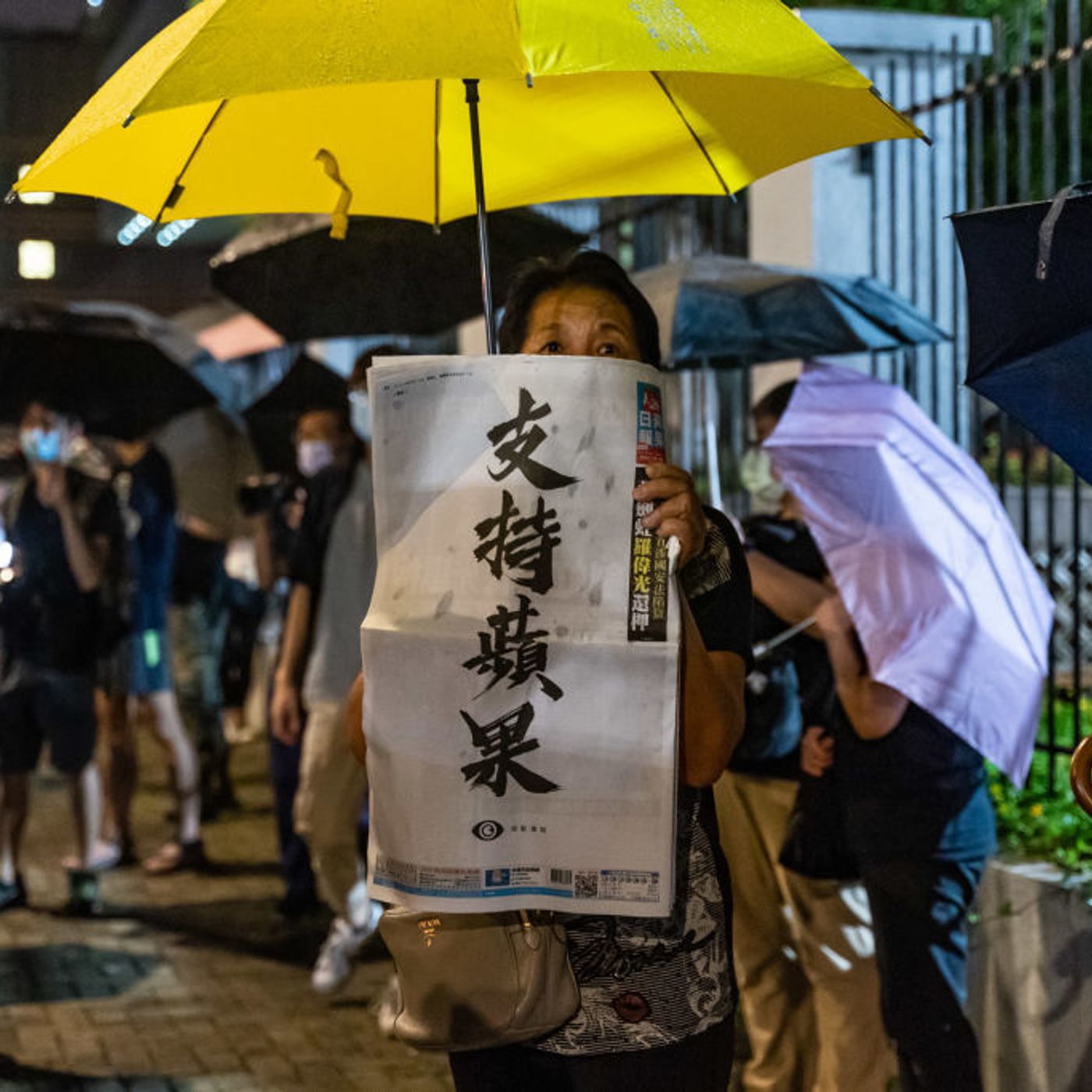
Hong Kong's National Security Law, one year on
<div>In the 12 months since the enactment of the National Security Law on Hong Kong, opposition leaders, journalists and activists have been arrested; reforms on education and elections begun; and last week saw the emotional closure of the pro-democracy tabloid Apple Daily.<br><br>On this episode, I speak to Jennifer Creery, who works for the Financial Times in Hong Kong, about the situation on the ground; and Professor Jeff Wasserstrom, a historian of China at the University of California, about the last year and the city's future. We reflect on the strategic erosion over time of Hong Kong's autonomy, the importance of education that the CCP places on its Hong Kong policy, and whether the 2019 protests actually expedited the choking off of the city.</div><p>Become a <em>Spectator </em>subscriber today to access this podcast without adverts. Go to <a href="https://www.spectator.co.uk/follow-your-podcasts/" rel="noopener noreferrer" target="_blank">spectator.co.uk/adfree</a> to find out more.</p><br><p>For more <em>Spectator</em> podcasts, go to <a href="https://www.spectator.co.uk/podcasts/" rel="noopener noreferrer" target="_blank">spectator.co.uk/podcasts</a>. </p><br><p>Contact us: [email protected]</p> <hr><p style='color:grey; font-size:0.75em;'> Hosted on Acast. See <a style='color:grey;' target='_blank' rel='noopener noreferrer' href='https://acast.com/privacy'>acast.com/privacy</a> for more information.</p>
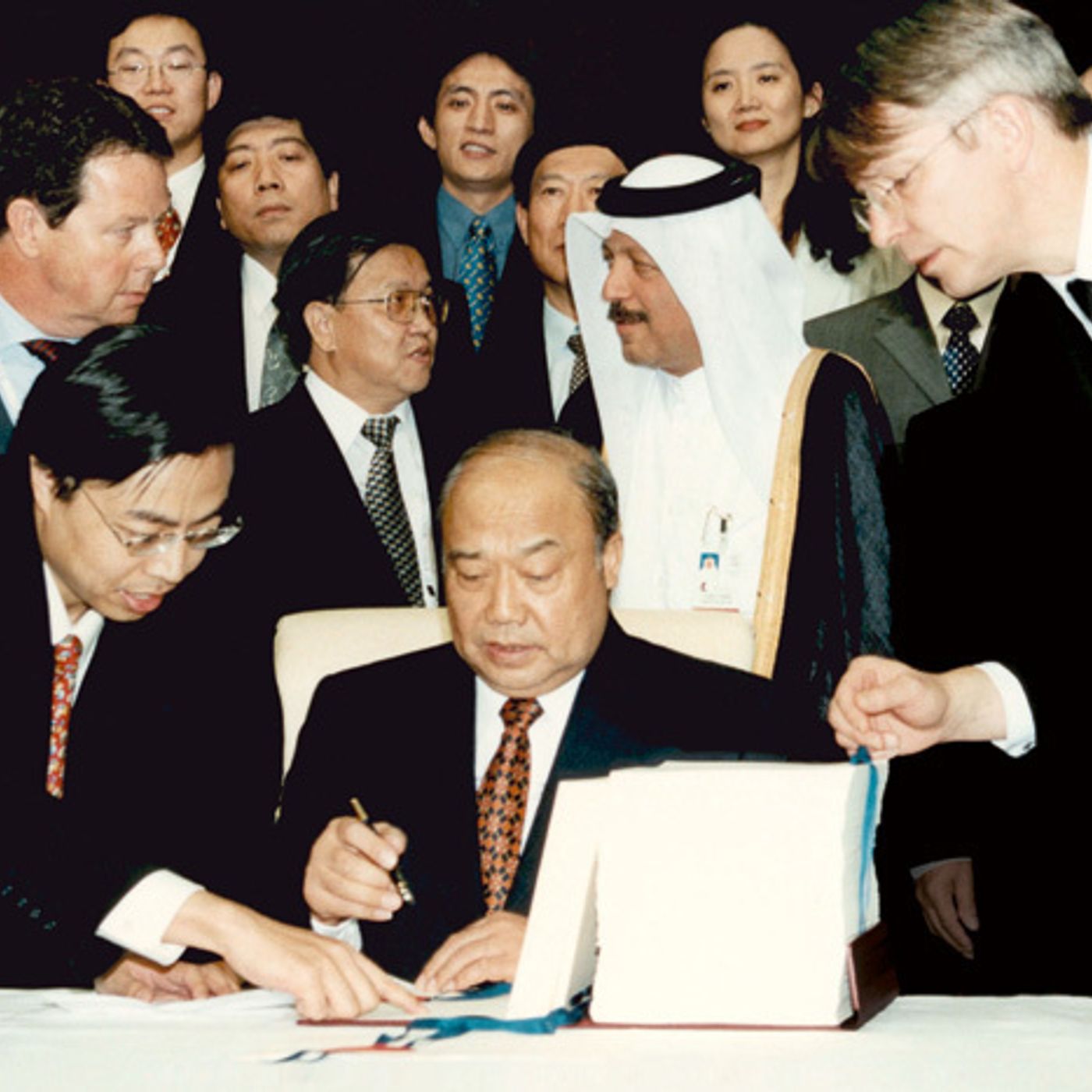
Has economic engagement with China failed?
<div>Exactly 20 years ago, China acceded to the World Trade Organisation. In the decades since, the globalised world became what we know today, with hundreds of millions of Chinese and people around the world lifted out of poverty through free trade. But the promised liberalisation - both economic and political - doesn't seem to have happened. China is now challenging western-led world order, and too difficult to disentangle from the world economy. So was it a mistake to allow China into the WTO, and has engagement failed?<br><br>With Stewart Paterson, author of <em>China, Trade and Power</em>, and Yu Jie, senior research fellow at Chatham House.</div><p>Become a <em>Spectator </em>subscriber today to access this podcast without adverts. Go to <a href="https://www.spectator.co.uk/follow-your-podcasts/" rel="noopener noreferrer" target="_blank">spectator.co.uk/adfree</a> to find out more.</p><br><p>For more <em>Spectator</em> podcasts, go to <a href="https://www.spectator.co.uk/podcasts/" rel="noopener noreferrer" target="_blank">spectator.co.uk/podcasts</a>. </p><br><p>Contact us: [email protected]</p> <hr><p style='color:grey; font-size:0.75em;'> Hosted on Acast. See <a style='color:grey;' target='_blank' rel='noopener noreferrer' href='https://acast.com/privacy'>acast.com/privacy</a> for more information.</p>
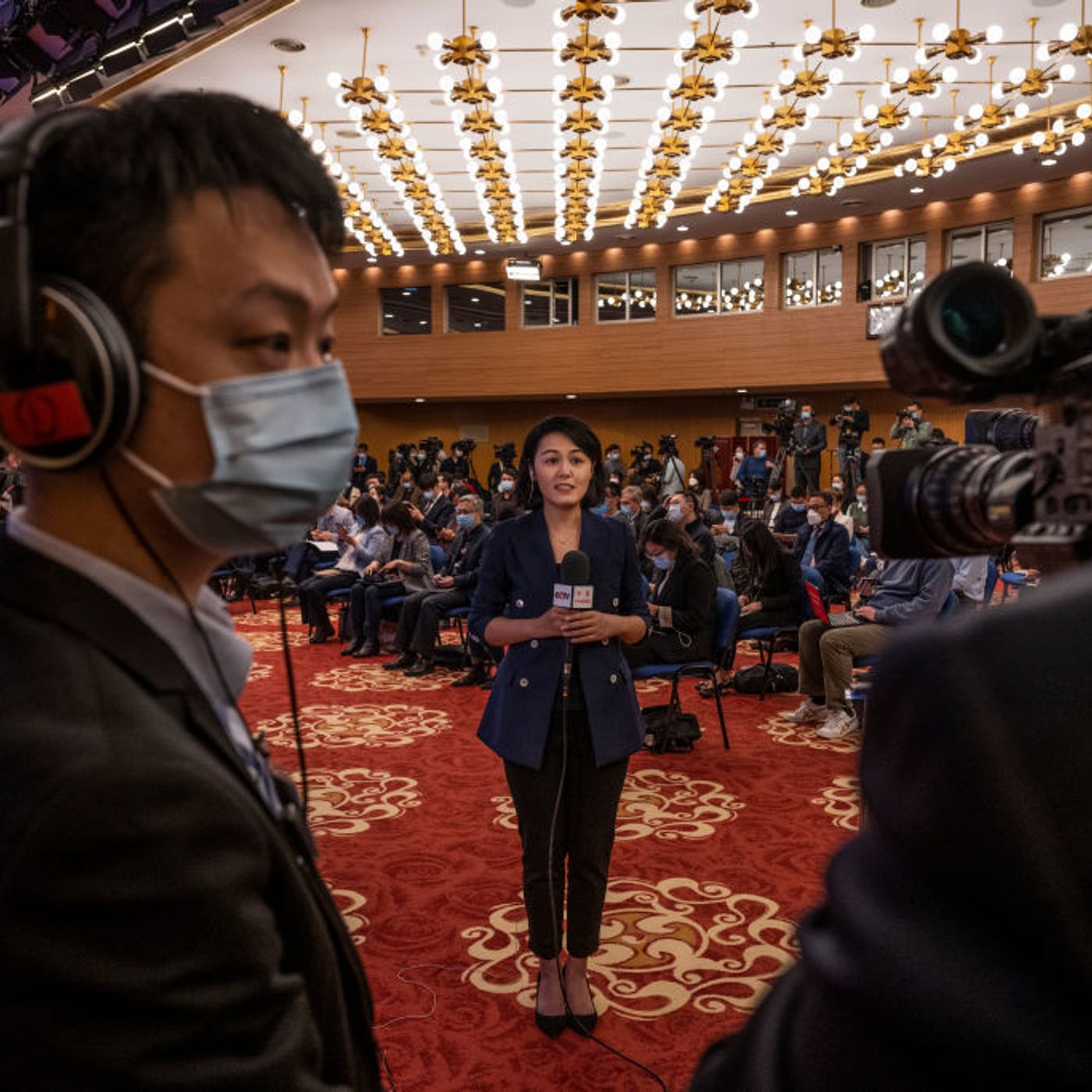
Journalism in China: what can and can't you say?
<div>What is it like to be a journalist in China? There are obvious restrictions on freedom of speech, but, as I find out on this episode, there are creative ways to navigate the strict system of censorship. The end result is a complex media landscape - some have to litter investigations with state propaganda; others continue to report on sensitive issues (like the Wuhan Covid cover up) and rely on editors for protection; while growing digitisation and a strongman President continue to threaten what little independence flourished at the beginning of the century.<br><br>With political scientist Maria Repnikova, author of <em>Media Politics in China</em>, and former journalist Fang Kecheng, now an Associate Professor in Journalism at the Chinese University of Hong Kong.</div><p>Become a <em>Spectator </em>subscriber today to access this podcast without adverts. Go to <a href="https://www.spectator.co.uk/follow-your-podcasts/" rel="noopener noreferrer" target="_blank">spectator.co.uk/adfree</a> to find out more.</p><br><p>For more <em>Spectator</em> podcasts, go to <a href="https://www.spectator.co.uk/podcasts/" rel="noopener noreferrer" target="_blank">spectator.co.uk/podcasts</a>. </p><br><p>Contact us: [email protected]</p> <hr><p style='color:grey; font-size:0.75em;'> Hosted on Acast. See <a style='color:grey;' target='_blank' rel='noopener noreferrer' href='https://acast.com/privacy'>acast.com/privacy</a> for more information.</p>
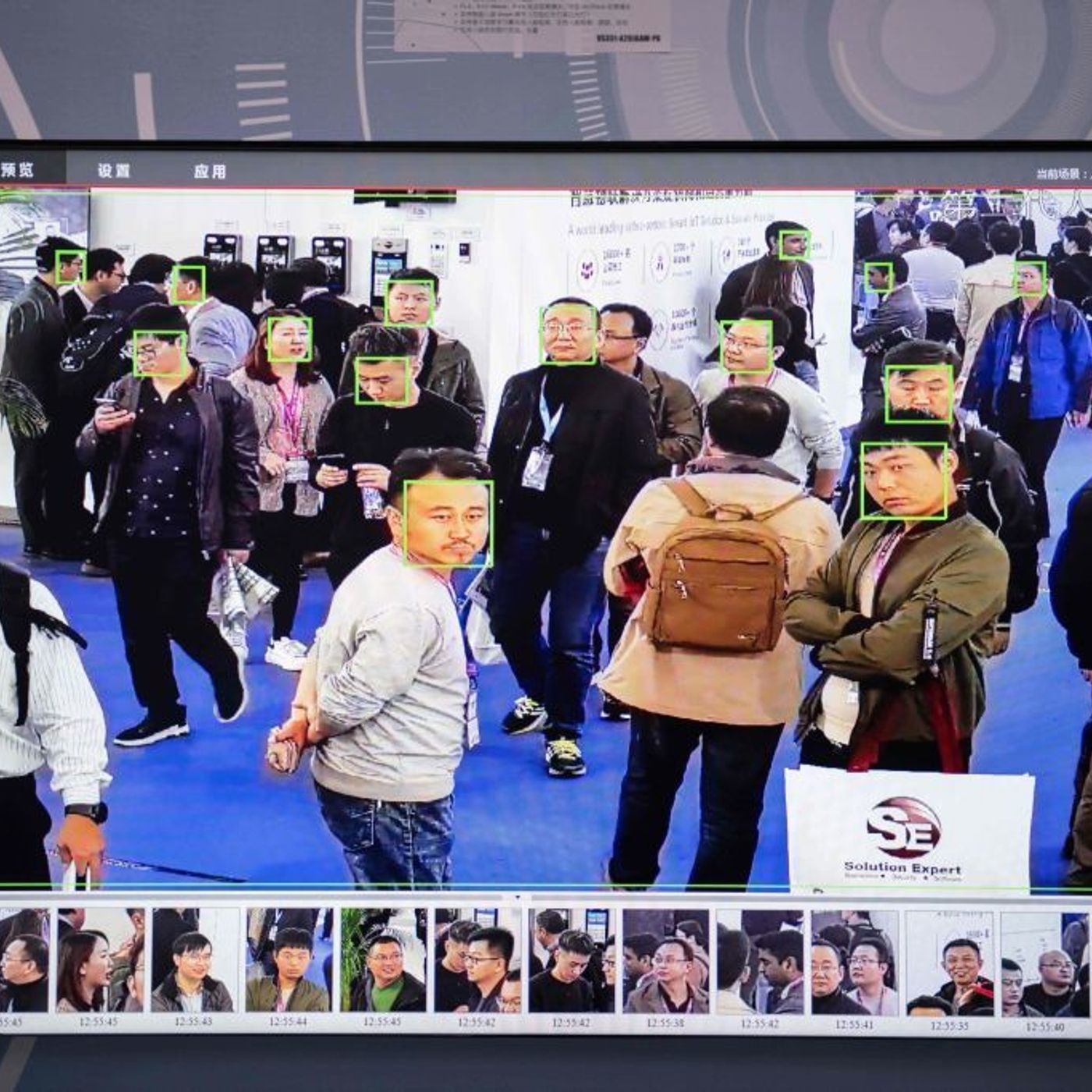
The fightback against facial recognition
<div>China has run wild with facial recognition. From using it to ration tissues in public toilets, to identifying highest paying customers in stores and criminals from a crowd, what is a budding technology in the West has furthered state surveillance and corporate snooping in China. But there is a civil fightback happening in the courts, on social media and in public opinion at large. On this episode, I speak to Jeffrey Ding, a DPhil researcher of China's development of AI at the University of Oxford, and Jeremy Daum, Senior Research Scholar in Law at Yale Law School, who also runs the blog <a href="https://www.chinalawtranslate.com/en/">China Law Translate</a>. We discuss who is driving the tech growth in China; whether citizens have any recourse to turn back the tide; and how this technology is being used in Xinjiang.</div><p>Become a <em>Spectator </em>subscriber today to access this podcast without adverts. Go to <a href="https://www.spectator.co.uk/follow-your-podcasts/" rel="noopener noreferrer" target="_blank">spectator.co.uk/adfree</a> to find out more.</p><br><p>For more <em>Spectator</em> podcasts, go to <a href="https://www.spectator.co.uk/podcasts/" rel="noopener noreferrer" target="_blank">spectator.co.uk/podcasts</a>. </p><br><p>Contact us: [email protected]</p> <hr><p style='color:grey; font-size:0.75em;'> Hosted on Acast. See <a style='color:grey;' target='_blank' rel='noopener noreferrer' href='https://acast.com/privacy'>acast.com/privacy</a> for more information.</p>