
CG Garage
570 episodes — Page 10 of 12
Episode 119 - Dave Carlson
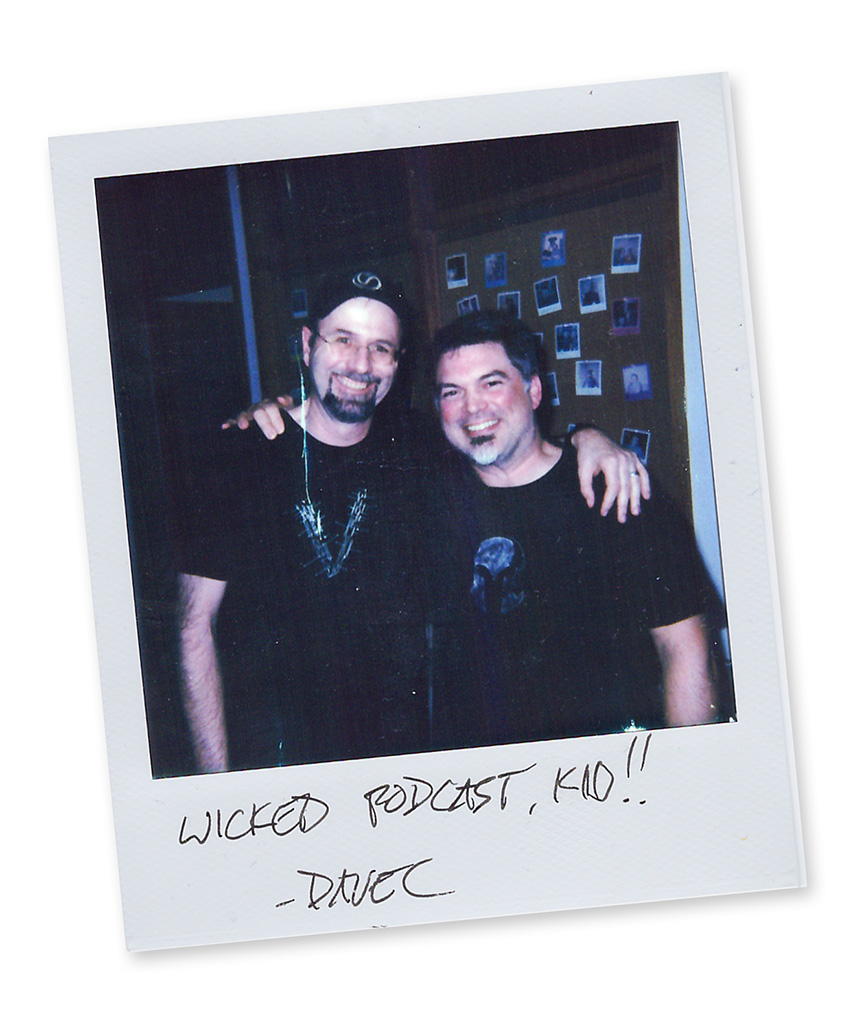
ETechnical artist, designer and Nick Offerman lookalike Dave Carlson is Chris' guest for this week's podcast. Dave spent his youth perfecting his skills with airbrushes and Amigas, before a demo on an SGI supercomputer, and a fascination with "Babylon 5's" VFX, lit a fire on a career in visual effects. Dave has worked on music videos, commercials and feature films, joining Chris at Digital Domain for "TRON: Legacy" and "Oblivion." Now, Dave serves as a CGI generalist, creates mobile games, and he's currently investigating the worlds of AR and VR. It's a thoroughly entertaining podcast which alternates between laugh-out-loud hilarious, and heartbreakingly poignant.

Episode 118 - Kurt Akeley - Lytro
Kurt Akeley is the genius behind the world's second ever laser printer, SGI supercomputers, and the OpenGL 3D graphics software specification. Now, Kurt has turned his enviable talent to light field photography as CTO of Lytro. Light fields are on the verge of becoming the next big thing, with applications in everything from visual effects, to VR, to astrophotography. It's a complicated subject which involves both the physics of light and the biological mechanics of your eyeballs—but this podcast serves as a great explainer. Kurt's boundless enthusiasm for light fields evident throughout. He's a fascinating interviewee full of pearls of wisdom, such as why it's incredibly dangerous to look at your phone while you're driving, and the importance of over and under engineering in life or death scenarios.
Episode 117 - Steelblue
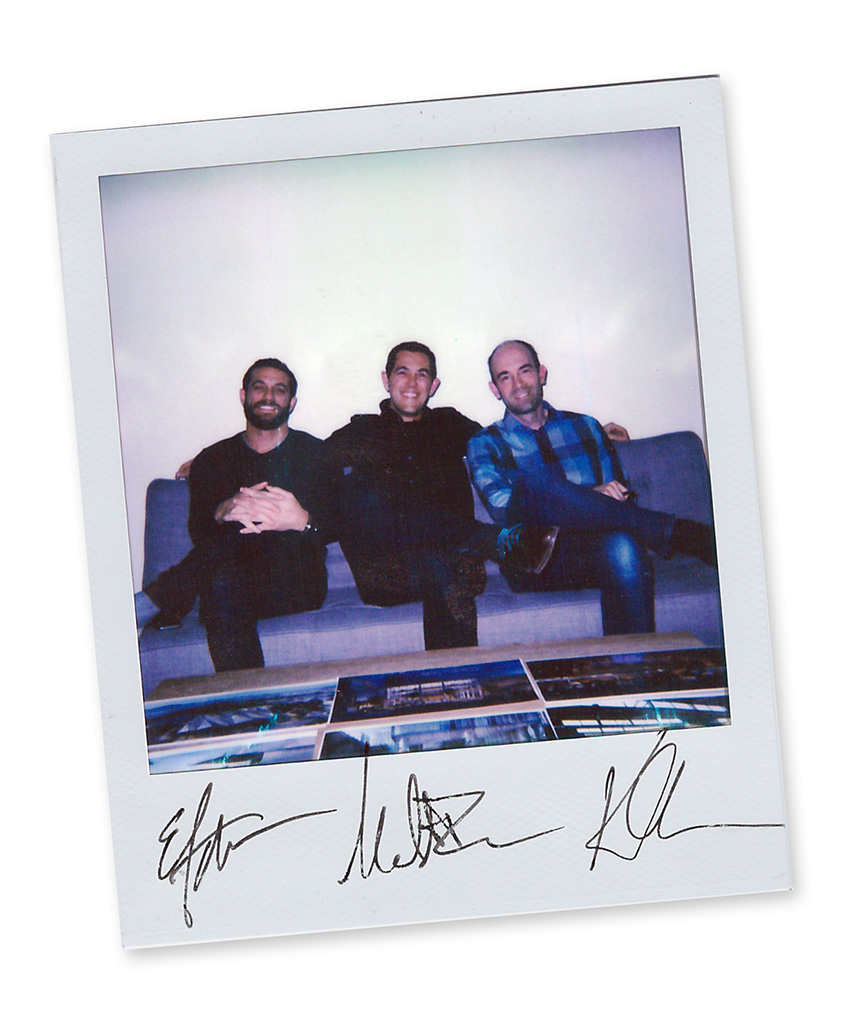
In this podcast, Chris talks to Erik Altman and O'Brien Chalmers, CEO and president of Steelblue, along with Mike Brown. This ambitious San Francisco-based arch viz firm has proved itself a master of just about every visualization medium available, including photography, realtime renders, virtual reality and 3D printing. They explain how these different techniques essentially do the same thing: tell a story. They talk about how they have to fill in the gaps left by architects and developers, and their work on San Francisco's The Pacific apartment block, and its iconic Ferry Building. It's an engrossing discussion about a medium which has inadvertently driven CGI tech forwards.

Episode 116 - Rudy Rucker
Polymath Rudy Rucker is the author of some 40 books, including a many science-fiction novels, and he's a computer scientist, a painter, and a mathematician. In the 1980s his novels dealt with issues of identity and reality in an age increasingly dominated by computers, and helped found the cyberpunk movement. Rudy is also a relative of podcast host Chris. As well as blood ties they have a lot in common: a love of computing, of storytelling, and careers which have sat on the cutting edge of future tech. It's interesting to hear the differences and similarities between Chris and Rudy's generations, such as Rudy's thoughts on artificial intelligence, virtual reality, and quantum computing. He's full of handy tips for writers, including the virtues of self-publishing, and how to get over that fear of the blank page.

Episode 115 - Jeff White - ILM
Iconic monster with a heart of gold Kong is back on the big screens in "Kong: Skull Island"—and this time he's bigger than ever. For this podcast, Chris managed to tempt Jeff White, the movie's visual effects supervisor, away from wrangling enormous creatures and into talking about how exactly his team brought Kong to life. Jeff goes into great detail about the elements which sell the character to the audience: those expressive eyes, the matted fur, and even its pungent aroma. Jeff also talks about Kong's gargantuan co-stars, including the elegant Sker Buffalo, and the formidable Skull Crushers. It's a comprehensive guide to the character-based techniques and software ILM has perfected through movies such as "A Series of Unfortunate Events," "The Revenant," and "WarCraft: The Beginning." Jeff White at IMDb [http://www.imdb.com/name/nm1578635/] Jeff White at ILM [http://www.ilm.com/people/jeff-white/] Kong: Skull Island Official Site [http://kongskullislandmovie.com/]
Episode 114 - Eric Durst
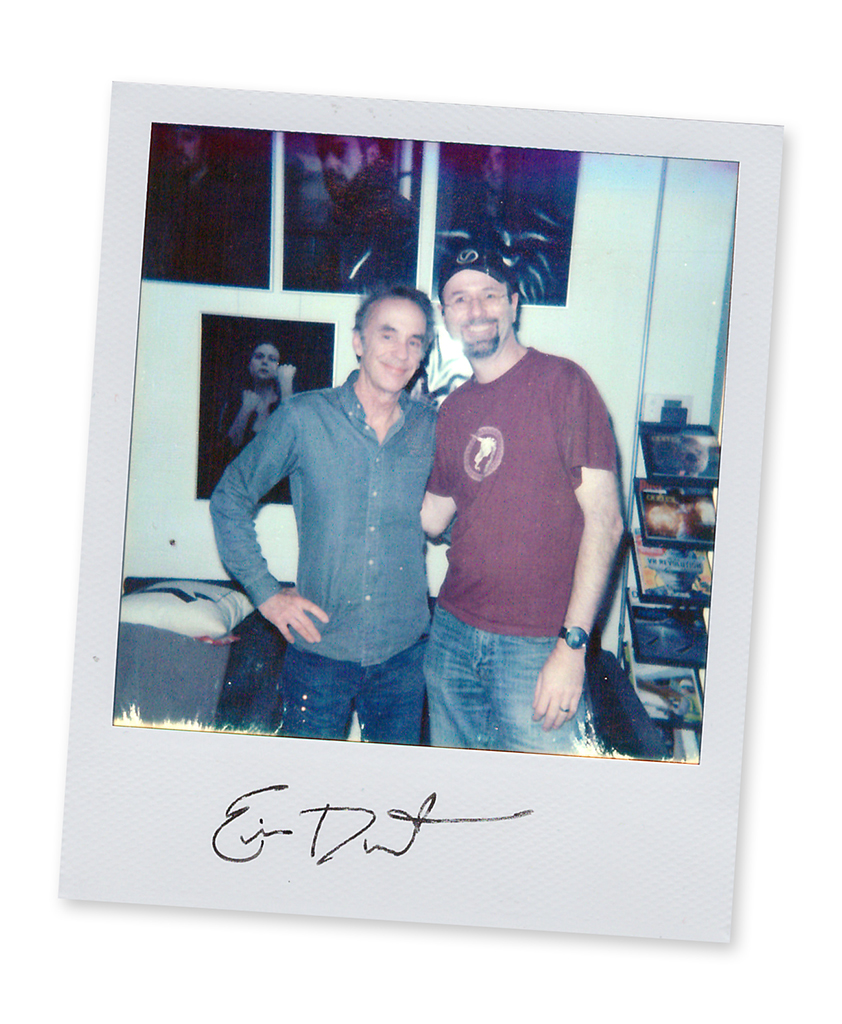
Eric Durst's career path has gone hand-in-hand with the evolution of visual effects from the early 80s to the present day. This CalArts animation graduate's first job was in commercials in New York, which proved to be a hotbed of early visual effects techniques. He moved to Los Angeles, where he animated the disc battle for landmark 1982 movie "Tron," and became a key employee at Dream Quest, one of the very first visual effects houses. In this thought-provoking interview, Eric talks about the pain and pleasure of the early days of visual effects, through to his supervision work on "Spider-Man 2," "Snowpiercer," and "Gods of Egypt." If you've ever wondered why some effects shots use green screens and some use blue, Eric has your answer, and he discusses how vain actors can create a lot of headaches for visual effects artists.
Episode 113 - Andre Luis - THU
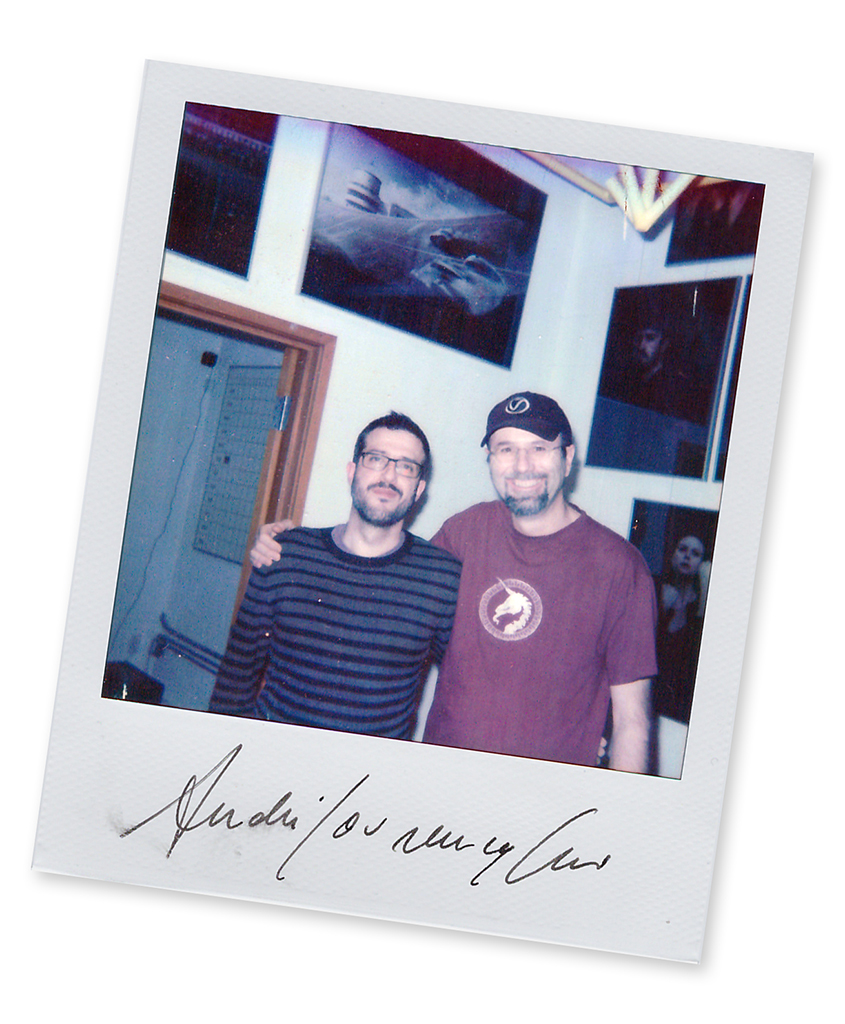
Trojan Horse was a Unicorn - aka THU - isn't like other digital arts gatherings. Rather than taking over a crowded convention center, it takes place in a luscious beach resort in Portugal. Headline speakers, or "Knights," aren't treated like VIPs, but instead mingle with crowds. And the emphasis for guests is on personal growth and development, as opposed to being wowed by technology or targeted by marketers. One of the people behind this revolutionary festival is André Luís, and in this podcast he offers a peek behind the scenes at THU. He talks about his struggle to keep a globally-renowned festival small and intimate, and how it's in competition with online information sources. Chris - who's been Knighted for THU 2017 - also discusses how the festival and the architecture community could benefit immensely from one another.

Episode 112 - Chris Wells
EChris Wells has worked on some of the biggest films of the past 20 years, including "300," "The Curious Case of Benjamin Button," and "Captain America: The First Avenger." Although Chris wanted to be a park ranger, he was drawn to computing in the most 80s way possible: a nerd friend, Sigue Sigue Sputnik albums, and software pirated via BBS and five-and-a-quarter floppies. A chance encounter with SGI machines, and a love for early CGI videos on TV show "Night Flight," gave Chris the impetus to follow his dreams. In this podcast, Chris offers some amazing insight into the best practices for working on movies. He explains why it's best to talk directors and producers out of relying on CGI, and how crucial it is to thoroughly prepare for post-production when you're in the pre-production phase. He finishes with an exclusive behind-the-scenes discussion of his upcoming movie "Vague City."

Episode 111 - Mike Fink - University of Southern California
This candid, illuminating podcast is two hours of pure heaven for anyone interested in the history of special and visual effects. Michael Fink's career began almost 40 years ago, when he created the computers for nuclear thriller "The China Syndrome." Over the next few years, he'd sit in a darkened room with a tesla coil for "Star Trek: The Motion Picture," raid components store Apex Electronics to build "Blade Runner's" Voight-Kampff machine, and sync multiple projectors, monitors and cameras for "WarGames." In the digital era, Mike talks about how "Batman Returns'" effects are an underappreciated milestone in the history of CG, tight post-production periods on the first two "X-Men" movies, and the trials and tribulations of "The Golden Compass'" effects. Mike currently serves as a professor at the University of Southern California School of Cinematic Arts, where he's passing on his years of experience to a new generation of filmmakers. His thoughts on digital humans are an invaluable end to an interview with a true legend of the visual effects industry.

Episode 110 - Vlado
CG Labs is very proud of Vladimir "Vlado" Koylazov's recent Scientific and Technical Academy Award win. In fact, Chaos Group's co-founder had barely stepped off the red carpet when Chris and Lon wrangled him into the CG Garage recording studio for this special podcast. As well as talking about the sci-tech awards, Vlado goes into detail about what to expect from Chaos Group's latest 3.5 update to its flagship V-Ray for 3ds Max software. He talks about how adaptive lights can accelerate render times, the unexpected benefits of resumable rendering, and interactive VR output from within V-Ray. V-Ray for NUKE's imminent 3.5 update is also covered, including its new and improved volume grid, deep rendering, and denoiser. Finally, Vlado talks about the future of Chaos Group and the exciting roadmap for V-Ray products in 2017.

Episode 109 - Daniel Trbovic - Gone Coyote
Visual effects artist and supervisor Daniel Trbovic hails from former Yugoslavia, where he learned 3D Studio on a 386 computer in the early 90s. He then ventured to Portugal, where he created a surprisingly long-lived lotto jingle, restored old movies about Lisbon, and added noxious gasses to sci-fi movie "Low Flying Aircraft." In the United States Daniel spent time at Real FX in Dallas, did two long tours at Blur, and spent time at ILM where he worked on "Lucy," "Avengers: Age of Ultron," and "Terminator Genisys" He also took a year out to record an album. In his new role as founder and creative director of Gone Coyote VR, he's investigating how VR can deliver experiences rather than stories. Daniel's enthusiasm and knowledge is astounding, and his thoughts on VR tie in neatly with those of Kevin Mack, with their passion for Art and VR.

Episode 108 - David Levy
"Plug" neatly combines sweeping cinematic visuals with an intriguing tale of identity in a post-apocalyptic future, and it's one of the best short films you'll ever see. With over 600,000 views on the internet and a host of awards, it's proof that shorts can be every bit as good as their feature-length brethren. The man behind "Plug" is concept artist and director David Levy, who joined Chris for this absorbing podcast. David talks about everything from his early days as a beach bum in the south of France, to working in horrendous conditions in the French and British games industries, to his cinematic debut on Joseph Kosinski's Tron: Legacy. He also discusses his work on "Prometheus" and "Ender's Game" and explains just how much hard work goes into short films. David Levy's official site [http://vyle-art.com/] "Plug" on Vimeo [https://vimeo.com/109873939]

Episode 107 - Richard Taylor
ESteven Lisberger's 1982 movie Tron was way ahead of its time. As the first film to have major CG set replacement and full CG shots, it paved the way for the likes of "Jurassic Park," "Toy Story," "Avatar," and many more. Its story investigated ideas of cyberspace and simulated worlds a long time before the internet and virtual reality became part of popular culture. One of the men behind "Tron" was its computer effects supervisor Richard Taylor. Aptly, Chris joined Richard for a drink at the real-world location which served as Flynn's bar in "Tron" before recording this illuminating podcast. Richard is a fascinating character with a sly sense of humor and a vast catalog of stories from the early days of CGI in Hollywood. He tells Chris about how a piece of stationery proved to be key to his career, arguments with "Star Trek" creator Gene Roddenberry about the practicality of the Starship Enterprise's doors, and utterly baffling the Academy with "Tron's" CG effects. The podcast finishes with Richard talking about Eymerce, a headset free immersive reality system which sounds well suited to some "Tron"-like experiences.

Episode 106 - Kevin Mack - Shape Space VR
Kevin Mack's skill lies in applying scientific theory to three dimensional art and visual effects. He shared an Oscar for his VFX in "What Dreams May Come," used computer algorithms to create the neural pathways of Edward Norton's brain in "Fight Club," and, more recently, 3D printed seemingly impossible organic forms. Now, Kevin's mashing science and art in virtual reality with two titles: "Zenspace" for Samsung's Gear VR, and "Blortasia" for HTC's Vive from his new company Space Space VR In his second podcast with Chris, Kevin talks the creation of his VR experiences, and how he's been helped by the indie games industry. He also gives his thoughts on how virtual reality fits in with games and films: VR, he argues, is a medium which engages our senses of space, presence, and our vestibular system, and conventional storytelling or gaming mechanics can distract from compelling VR worlds. It's a deep and engaging listen which raises some important and even existential questions. ShapeSpaceVR, Kevin's company [http://www.shapespacevr.com/] "Blortasia" on Steam [http://store.steampowered.com/app/497450/] "Zen Parade" on Oculus Store [https://www.oculus.com/experiences/gear-vr/442303342561096/]

Episode 105 - Justin van der Lek
Inspired by effects magazine Cinefex and repeated viewings of "Star Wars," Dutch compositor and environments artist Justin van der Lek used professional breakdancing to fund a degree in graphic design. Then he jetted to LA to follow his dreams. As Justin discusses with Chris, his first role was in the mysterious world of integration, which receives a comprehensive explanation. As his career progressed, he discovered an affinity for NUKE, using it to develop a facial projection rig for Jet Li's face in "The Mummy: Tomb of the Dragon Emperor." From here, he went on to create groundbreaking environments for "Real Steel" and "Star Wars: The Force Awakens," as well as compositing on "The Hobbit: Battle of the Five Armies" and much more. This is an essential listen if you want to know more about the technical aspects of compositing, and how it's shifted from a 2D to a 3D tool. But, more than this, the podcast tells Justin's story, which wraps ups nicely with his "Star Wars" fandom and breakdancing skills both coming into play. Justin van der Lek on IMDb Justin van der Lek's 2011 showreel
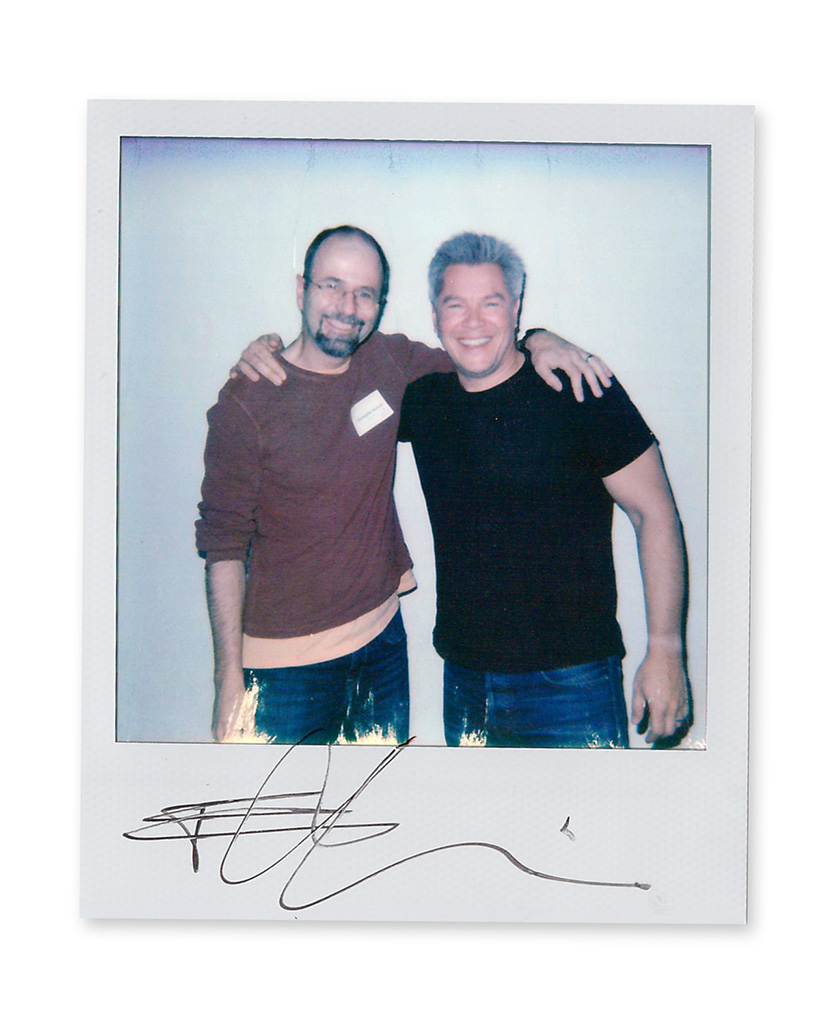
Episode 104 - Ed Ulbrich - Deluxe
Chris' guest for this episode is Ed Ulbrich, President and General Manager, Deluxe VFX and VR. He's Digital Domain's former CCO and CEO, and when the effects company faced financial difficulties a few years ago, Ed did a heroic job of reassuring staff and providing transparent answers to difficult questions. Ed also spearheaded the VFX industry's experiments with digital head replacements. Back in 1999 he helped transplant James Brown's digital visage onto a younger dancer for Seattle's Experience Music Project back in 1999. He led the team which reanimated Orville Redenbacher for the unintentionally creepy commercial, then perfected the tech with a digitally-aged Brad Pitt in "The Curious Case of Benjamin Button," and the late Tupac Shakur's CG headline performance at Coachella in 2012. Ed talks about his new role at Deluxe, which is arguably the biggest effects company in LA. He also discusses his role as VFX producer on "Suicide Squad," and the potential of virtual reality in movie making

Episode 103 - Erick Schiele
Chris's guest for this ridiculously entertaining episode is Erick Schiele. Erick and Chris worked together at architectural studio Gensler, and then followed similar career paths into visual effects, with Erick working on "Sky Captain and the World of Tomorrow," "Stealth," and "Iron Man 2." Erick has an incredible array of stories from the worlds of visual effects and the music industry. He tells Chris how he almost incinerated Stephen Stills, chatted to Eric Clapton at a laundromat, and rearranged the Eagles' Glenn Frey's Internet Explorer bookmarks—for three days. There's some sound advice for creatives here, too, including how to avoid creative burnouts—and how not to make short films. There's also a surreal but gruesome explanation of what it's like to have cataract surgery under local anesthetic.

Episode 102 - Craig Shimahara - Shimahara Illustration
We first spoke to Craig Shimahara for Podcast #26, way back in June 2015. Since then, his film Masterless has debuted in Japan, and his architectural visualization practice Shimahara Illustration has gone from strength to strength. On his second visit to the Chaos recording suite, Craig talks about all things VR. A lot of questions come up: Where are we in Gartner's "hype cycle" of VR? How do VR experiences deal with scale? Is VR accessible to old, or short, or tall people? And how can we use it to tell stories? Chaos Group's CCO Lon Grohs adds his thoughts to this engaging listen, which highlights some of the frustrations of a medium which is still finding its feet.

Episode 101 - Daniel Thron - Jurassic Park Series
EEver since the T-Rex stomped onto the screen in 1993, audiences have been captivated by "Jurassic Park." Steven Spielberg's film heralded a new era of family-oriented event movies, and Chris has already discussed the film's groundbreaking effects with Matt Winston and Steve "Spaz" Williams and Mark Dippe. In this podcast, Dan and Chris thoroughly eviscerate the franchise in velociraptor-like fashion. They examine the good and bad of each film, from "Jurassic Park's" fresh take on ageing tropes, to "The Lost World's" incredible set pieces, to "Jurassic Park III's" competent adventure, and "Jurassic World's" attempt to re-engineer the story and themes for a modern audience. In doing so, they cover the way the MPAA has shaped movie making, the joys of musicals, and the dearth of creativity in franchise films. And there's a hilarious moment where you can literally hear Chris' jaw drop at the mention of Brett Ratner's name.

Episode 100 - Tim Miller and Joseph Kosinski
ESince November 2, 2014, Chris Nichols has interviewed 99 people for the CG Garage Podcast. Legendary photography Norman Seeff, architectural pioneer Art Gensler and director Wes Ball are among some of the big name guests who've graced the Chaos Group recording suite. But it's also served as a platform to discuss the deeper and more esoteric nature of just about anything CG related, as well as Chaos Group's new products. For this extra special live episode, Chris' guests are two of the hottest directors in Hollywood right now: Tim Miller ("Deadpool") and Joseph Kosinski ("TRON: Legacy," "Oblivion"). Both come from backgrounds in CGI and VFX, and they offer indispensable insights on how Hollywood works. Tim talks about the casualties of Blur Studio's Nerf battles, why he's not involved in "Deadpool 2," and the tantalizing animated sci-fi project he's working on next. In his podcast debut, Joe tells us about his rise from architectural imagery to cutting-edge blockbusters, and "Granite Mountain," his forthcoming feature film. You should tune in whether it's your first or your hundredth listen. And here's to another 100 podcasts!

Episode 99 - Art Gensler
Art Gensler's name will be familiar to architects and designers, but if you haven't heard of him, here's a rundown. In 1965, Art founded M. Arthur Gensler Jr. & Associates, which is now the world's biggest architecture firm in terms of revenue. It creates everything from wine bottle labels to the biggest buildings in the world. Chances are you've set foot in a Gensler-designed space at some point in your life, be it a Gap store or the Shanghai Tower. Despite the enormous success of his company, Art comes across as humble and amiable in this interview with Chris. This genial nature extends to the whole company—it was years ahead of Apple and Google in valuing its employees, and providing nice surroundings where they could be creative and productive. As well as talking about his company, Art also tells Chris about how he played a round of golf with Arnold Palmer, and his book on the principles which have made Gensler so successful. Gensler's official site [http://www.gensler.com/] Art's Principles on Amazon [https://www.amazon.com/Arts-Principles-hard-learned-world-class-professional/dp/0986106909/]

Episode 98 - David Lee Strasberg
David Lee Strasberg is the son of Lee Strasberg, the acting coach who introduced the method theory of acting to Marilyn Monroe, James Dean, and Marlon Brando. David has followed in his father's footsteps, serving as an acting coach and actor in his own right. But why was he at this year's THU festival in Portugal, and why did Chris record this podcast with him? It turns out that digital and 3D art has a lot in common with acting: it's all about faking things. And they're both about embracing passion, and changing your approach to art so you get it right. Strasberg's knowledge of all things theatrical has a lot of relevance to digital humans, too—especially when it comes to avoiding a trip down the uncanny valley. It's a blindsider of a podcast, and David's thoughts on how we recognize and interact with fellow humans are literally mind-blowing. The Lee Strasberg Theatre and Film Institute [http://www.methodactingstrasberg.com/]
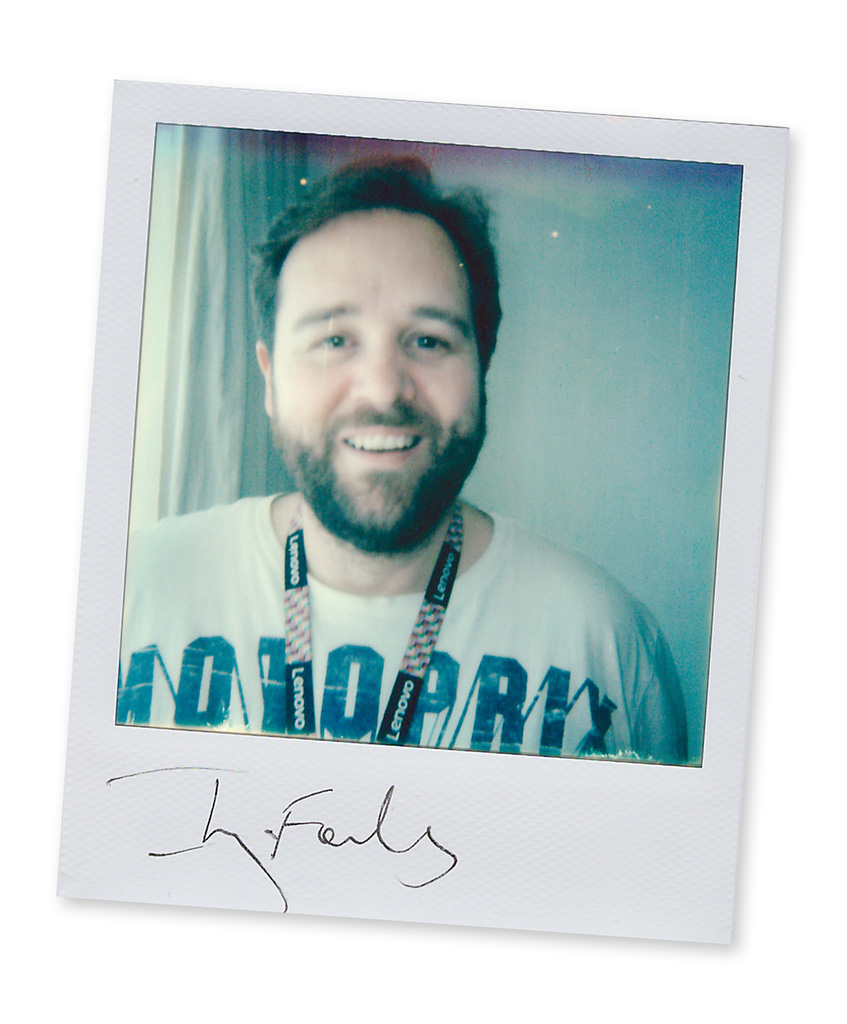
Episode 97 - Ian Failes
The internet, and its content, has become as precision-tooled and refined as a jet fighter—or a rendering engine. In this illuminating podcast, VFX writer and editor Ian Failes talks about creating articles and videos for an audience which is bombarded with information from the moment they wake up. He and Chris talk at great length about the success of the CG garage podcast, what it means to be Fireballed, and how press releases have reshaped journalism. For video producers among you, Ian and Chris also share some secrets to making amazing filmed content. Newman from Seinfeld even gets a mention, which surely doesn't happen enough these days. Vfxblog, Ian's site [https://vfxblog.com/] Masters of FX, Ian's book [https://www.amazon.com/Masters-FX-Geniuses-Special-Effects/dp/1138845965/ref=sr_1_1?ie=UTF8&qid=1478277617&sr=8-1&keywords=masters+of+fx]

Episode 96 - Mikki Willis
Mikki Willis joined Chris at THU festival for this surprisingly philosophical and anthropological podcast. Mikki had established himself as a music video director, with a career beckoning in feature films, when he found himself at the site of Ground Zero on September 11, 2001. The horrific events of that day caused him to completely re-evaluate his life and his career. From that terrible experience, a deeply thoughtful man has emerged. He's full of advice for artists, such as how to balance humankind's innate desire to create with the 21st century's demands of cashflow and celebrity status. He also talks to Chris about how to nurture talent in young children by destroying technology, and how ending up in a submarine – both metaphorically and literally – can be a good thing. It's a vital listen for CG artists who want to inject a little soul into their work. Elevate, Mikki's film festival [http://elevate.us/] Mikki's official site [http://www.mikkiwillis.com/main.html]

Episode 95 - Moby Francke - Riot Games
It's hard to imagine what games would be like without "Half-Life 2." Released in 2004, Valve's sci-fi shooter set a new precedent in game design, marrying realistic characters with an involving story which propels the player through awe-inspiring environments. As a concept artist and character designer at Valve, Moby Francke was a driving force behind the game's groundbreaking look and feel. He found himself working at the company almost accidentally, and he had to adjust to a new world of digital art and gaming. But he became a key player on the company's games, including "Team Fortress 2," "Portal," and "Left 4 Dead." In this podcast, Moby tells Chris about his unconventional career, and his early years in the hinterland of Washington DC and the lush tropics of the Virgin Islands. He also chats about his thoughts on character versus environment design, the influence of Eastern European architecture on "Half-Life 2," and the joys of inspiring a new generation of talent at the THU festival. Moby's official site http://mobyfrancke.com/ Moby's profile on THU https://trojan-unicorn.com/main-event/knights/moby-francke
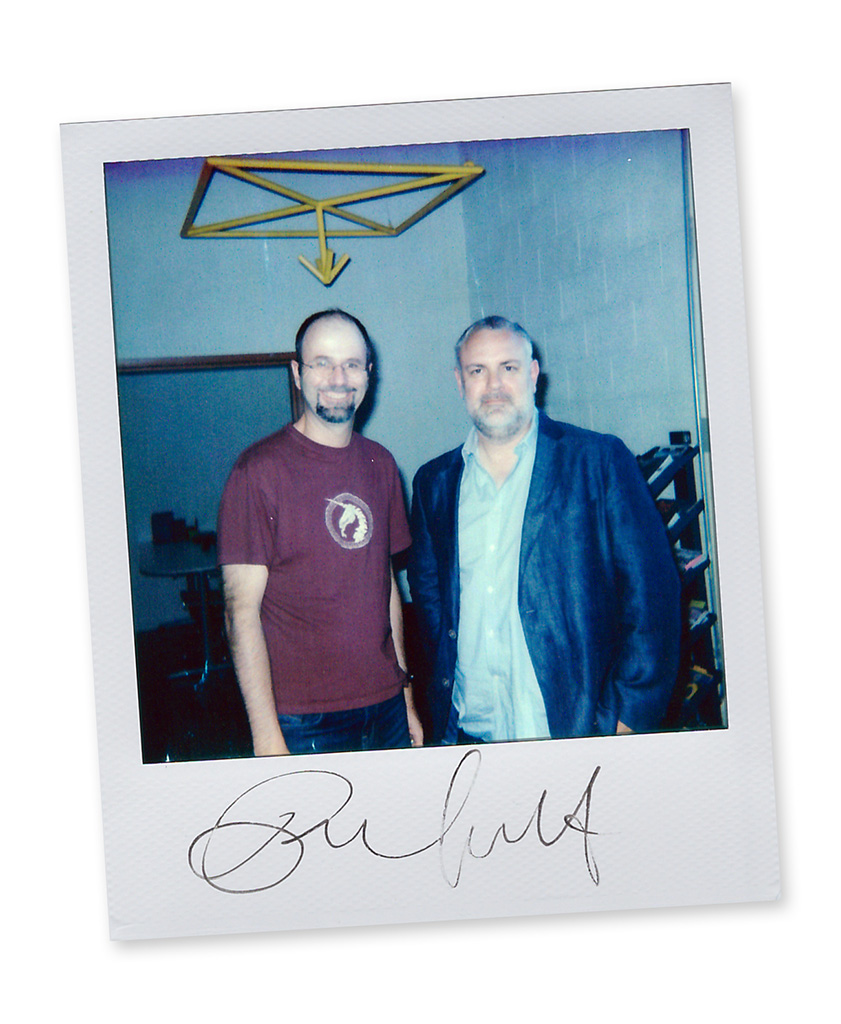
Episode 94 - Eric Stultz - Gensler
Eric Stultz currently serves as a Principal and Design Director at Gensler's LA offices. He's worked on some epic buildings, such as the Shenbei Arena in Shanghai, Costa Rica's Convention Center, and the proposed Farmers Field NFL Stadium in Los Angeles. As Eric and Chris discuss, architecture is at something of a turning point. While films and games are always looking for something new, architects use tried and tested pipelines which incorporate building information management (BIM) software. But Gensler is keen to explore new technology, such the world's first 3D printed office, and Eric even envisages a constantly-changing building covered in video screens. As we move into an age where virtual real estate becomes more of a reality, an architect's expertise is much needed, too.

Episode 93 - Steve "Spaz" Williams and Mark Dippé
ESteve "Spaz" Williams and Mark Dippe's story is Hollywood material in itself. The pair found themselves working at ILM to create the watery creatures in James Cameron's "The Abyss," and they worked with the director again on the menacing liquid metal T-1000 in "Terminator 2: Judgment Day." But the crux of their story comes behind the scenes at Steven Spielberg's "Jurassic Park." The pair were met with scepticism when they said the dinosaurs could be rendered with CG technology, and had to work in secret to create test renders. But they ultimately won the team over with their realistic creatures, which stand up to scrutiny to this day. It's a hugely enjoyable podcast. Steve and Mark are tremendous characters who bonded over a love of Alice Cooper, and they come across as part rebellious teens, part buddy cop partners, and part bickering elderly couple. In the nicest possible way.

Episode 92 - Matt Winston - Stan Winston School
Any film buff will know the name Stan Winston. The special effects legend created the titular monsters from "The Terminator," "The Thing," and "Predator." He was a key player in Hollywood's transition from practical to digital effects in the early 90s, and he constantly pushed the boundaries of his craft. Sadly, Stan passed away in 2008, but his legacy lives on through a formidable collection of blockbuster films—and his son, Matt. In this podcast, recorded at THU, Matt reveals a more human side to the man who made monsters, describing him as a cross between Father Christmas and Dr Frankenstein. He also discusses the blend of art and technology in both practical and digital effects, how his father performed an autopsy on Chewbacca's head, and why "Jurassic Park's" T-Rex was even scarier on set. As Matt mentions, Stan's deep knowledge of effects has inspired the founding of the Stan Winston School of Character Arts, an online university with courses in everything from makeup to marionettes to miniature cities. It's an awesome resource—even if all your sculpting is done digitally.

Episode 91 - Brenda Chapman
Many people think of a Hollywood director as someone who's egotistical, brash and shouty. That's not the case with Brenda Chapman. The artist turned writer turned director comes across as humble, unassuming and honest in her conversation with Chris. And maybe her personality has had a big part in her success as a director of "The Prince of Egypt" and "Brave," the latter of which made her the first female director to receive the Academy Award for Best Animated Feature Film. The idea of women working in such a notoriously male-dominated industry is something Brenda talks about a lot, and she shares some horrific tales of casual sexism in the Hollywood studios. But she also talks about learning from some of the industry's unsung heroes, the differences between directing live action and animation, and how her relationship with her daughter inspired "Brave's" storyline. This episode is an absolute treat which is both informative and touching. Brenda's official website http://brenda-chapman.com/ Brenda's IMDb page http://www.imdb.com/name/nm0152312/

Episode 90 - Igor Knezevic
Globetrotting concept artist Igor Knezevic has seen it all. Born in Yugoslavia, he left after the country was torn apart by war in the early 90s. He worked on East German construction sites, and then found his way into the gaming industry. As he moved around Europe and the US, he saw the evolution of the internet and the pop of the dotcom bubble, before settling in LA for a job which involved inserting Mike Myers into CGI backgrounds for CD-Roms. A true polymath, Igor's gone on to provide concept designs for movies such as "X-Men: First Class," "In Time," and "Terminator Genesys." At the same time, he's created and nurtured a business which sells revolutionary 3D printed designs. In this captivating chat with Chris they discuss their shared Eastern European heritage, the unionization of the visual effects industry, and the big differences between working in TV and film. And he reveals his lifelong hatred of Commodore 64s.
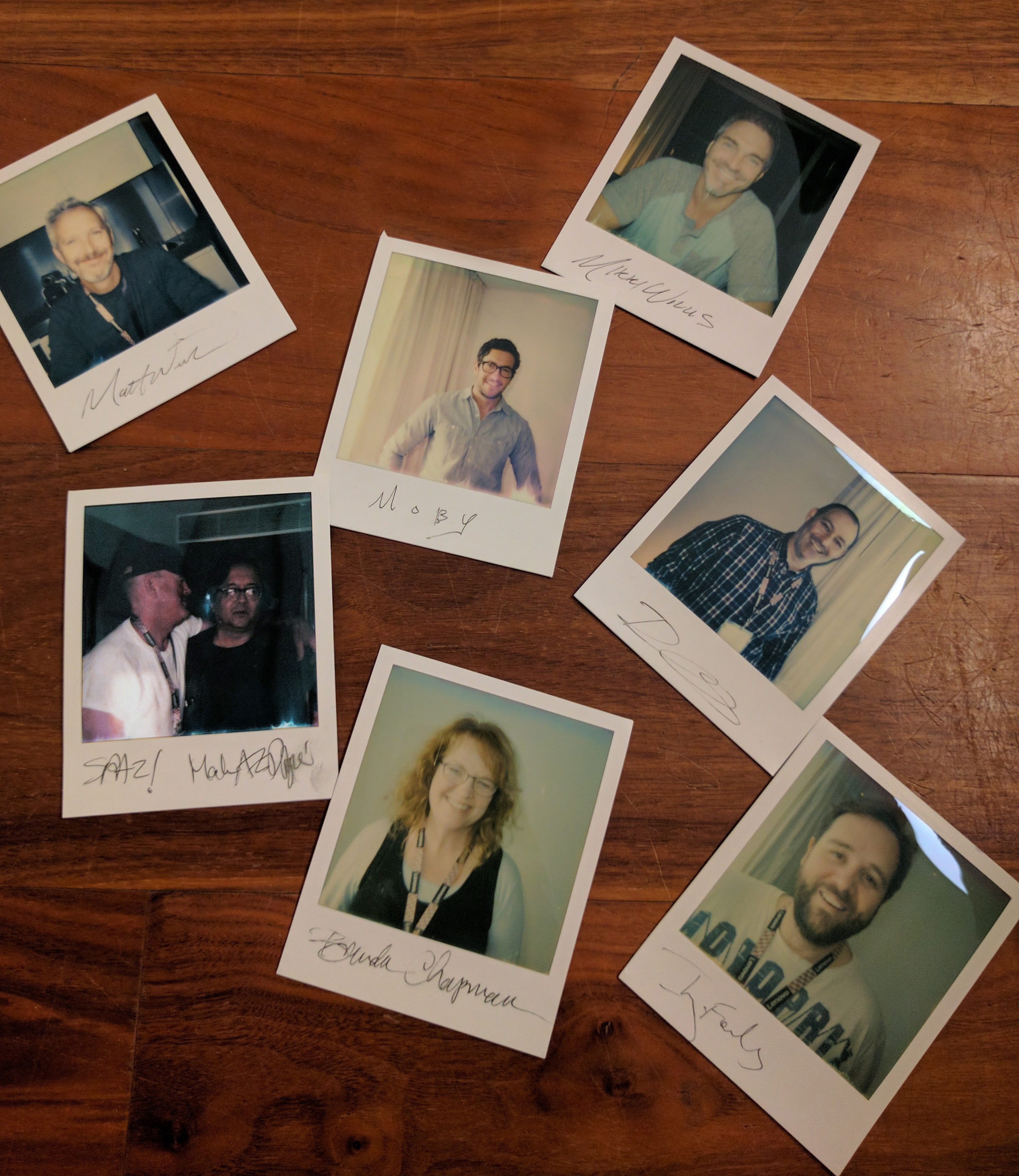
THU 2016 Preview
No podcast this week but I figured I would give people a preview of some of the amazing ones we have that will be coming up soon.

Episode 89 - David Wortley - Taylor James
Out of home printed advertisements, such as billboards, are a genre of CG unto themselves. The resolution of the images can reach 15K or 20K, far beyond the 2K or 4K of media. As technical director at production company Taylor James, David Wortley knows the subject intimately, as well the challenges of generating thousands of HD PNGs for online car configurators, and creating pharmaceutical adverts which sell a product without baiting lawsuits. Through his decade of experience at Taylor James, David's also built up an immense understanding of 3ds Max's ins and outs, and his blog is an essential bookmark if you want to get more from Autodesk's 3D software. He finishes the podcast with his cautiously optimistic thoughts on virtual reality – including how a simple shot of a girl playing a violin can become a powerful experience in the medium.
Episode 88- Darin Grant
EDarin Grant's hugely important career in the visual effects industry has been one of choices. When he started at Digital Domain in the early 90s he had to choose between its gaming and visual effects departments. He discusses the differences between the Perl and Python programming languages. And, in his role on the committee of the Academy's Scientific and Technical Awards, he has to jostle the merits of production ray-tracing renderers against life-size animatronic horses. As one of the industry's key players, and he's happy to share the immense knowledge he's gained from working at companies including Google, Method Studios, and Autodesk. Listen to find out how Darin's grandmother understood his work on What Dreams May Come, his thoughts on the future of cloud-based rendering how it lowers the barriers to entry, and his fascination with video conferencing technology.
Episode 87- David Chontos - Psyop
Director David Chontos has brought his unique vision to a number of projects, including bonkers Coca-Cola advertisement "The Happiness Factory," trailers for games including "Clash of Clans" and "ReCore," and his atmospheric short film "Sisters." His next project, Kismet, takes him into virtual reality via a spookily accurate fortune teller. In this podcast, he talks to Chris about the golden age of crazy music videos in the late 90s, what virtual reality needs to establish itself alongside traditional mediums such as films and games, and how much he hates IKEA kitchens. Essential listening from an early explorer of the virtual world.
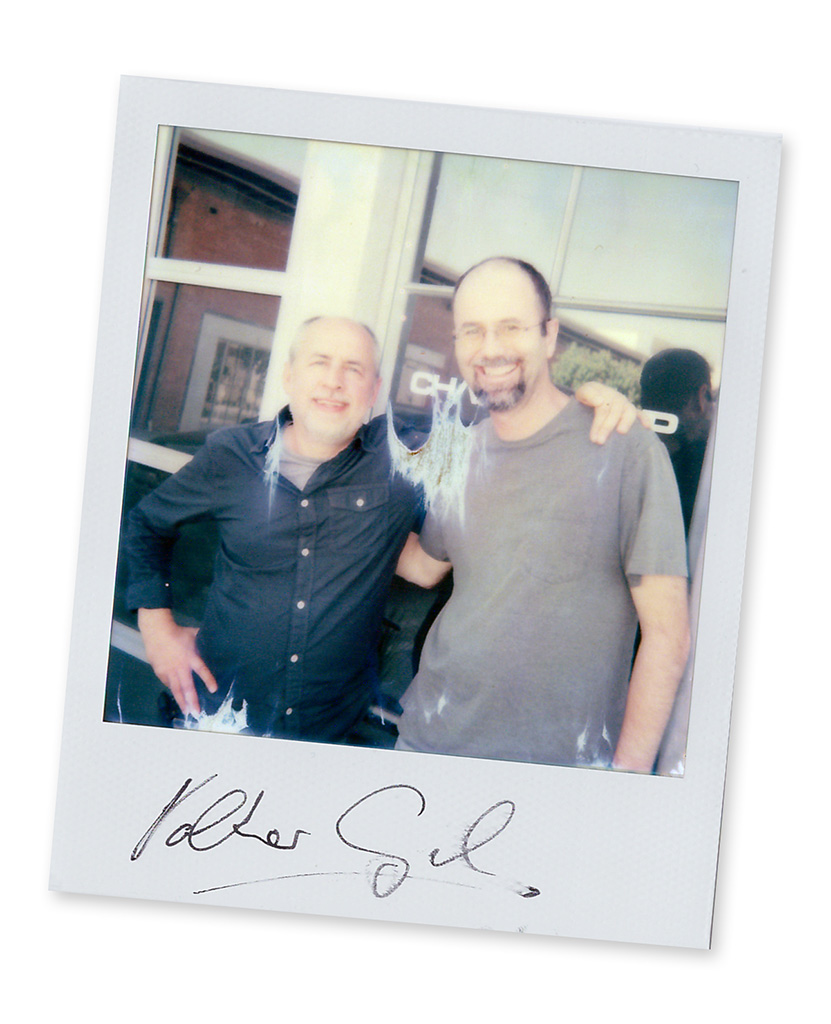
Episode 86- Volker Engel - Uncharted Territory
Roland Emmerich has carved a career for himself in Hollywood as the guy who destroys cities and envisages the end of the world. In films such as "Independence Day," "The Day After Tomorrow," and "Godzilla," he depicts aliens, climate change and giant lizards wreaking havoc around the world. He's often overlooked as a major force who completely changed the sheer scale of Hollywood movies. Fellow German Volker Engel has been behind Roland most of the way. He started out overseeing the practical effects in Roland's early movies "Moon 44" and "Universal Soldier," before providing the large-scale destruction for "Independence Day." At the same time, Volker and fellow German effects guru Marc Weigert founded Uncharted Territory, an innovative pop-up visual effects studio which has even made its own movies. Here, Volker talks to Chris about everything from his early days in Super 8 animation to realtime visual effects via ncam, and the challenges of scaling back production for Roland's (comparatively) low-budget 2011 film "Anonymous."

Episode 85 - Andy Waisler
The visual effects industry is packed with people from the field of architecture, including our own guru and podcast host Chris Nichols. But Andy Waisler is a rare exception: after beginning his career in architecture, he was hired by Digital Domain to apply his knowledge to movies such as The Grinch and The Time Machine. But then he returned to architecture to hone his skills. He's an incredible character, and in this revealing podcast he shares the similarities between architecture and visual effects, and how this is going to become particularly important in the world of VR. He also talks about how he's made tiny bathrooms feel palatial, and the clever, story-oriented design of Bad Robot's Santa Monica offices.

Episode 84 - Martin Enthed - IKEA
One of the most fascinating aspects of V-Ray is the way people react when you tell them many of the images in the IKEA catalog are created with 3D software. It's a definite wow moment, and people are often more impressed by than V-Ray being used in Hollywood blockbusters. Behind IKEA's use of 3D is Martin Enthed, the company's Development and Operations IT Manager. Martin's love for computers began in the early 80s, and before he worked at IKEA he sold software for Autodesk, and supplied Volvo with the first ever 3D rendering of one of its vehicles. The crazy world of IKEA is the subject of most of this podcast, though. Martin talks to Chris about why the company has embraced 3D technology, how it's trained its photographers to use the software, and how to develop software which puts cookies in jars. He also mentions the future for IKEA, which involves exciting AR and VR apps so consumers can see how the Mörbylånga table will fit into their living room. And next time you tell someone that the IKEA catalog is mostly CG, and they don't believe you, just point them to this podcast.
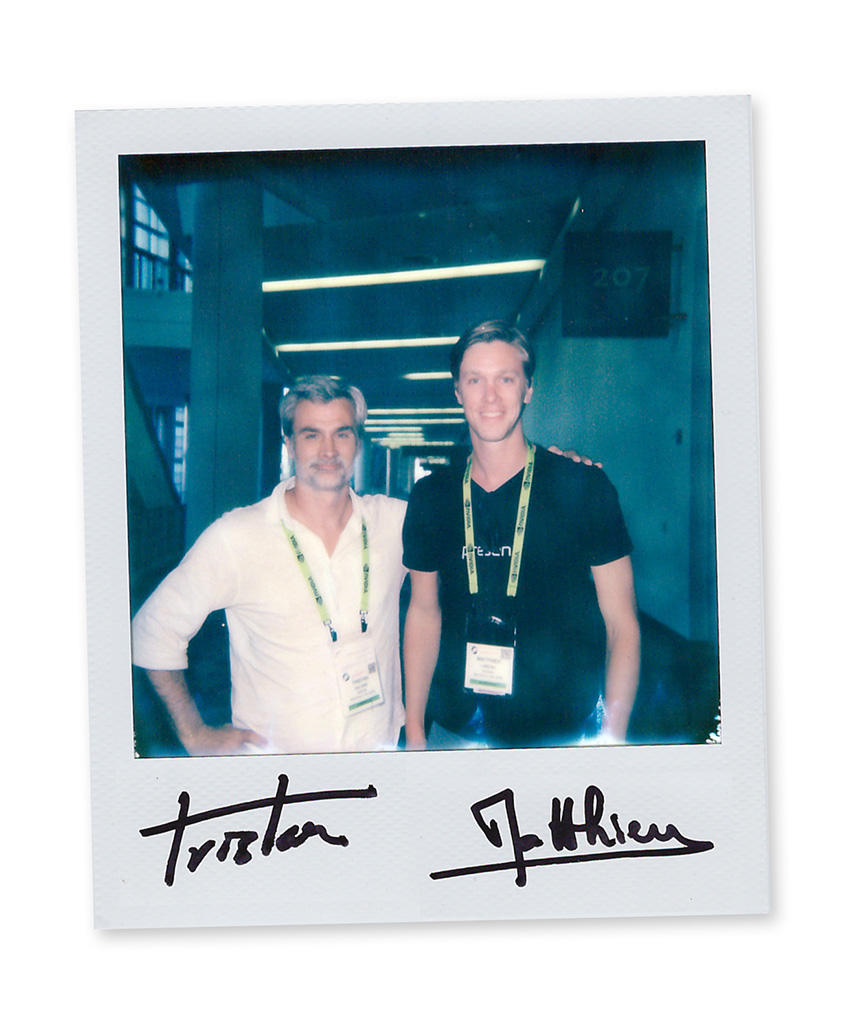
Episode 83 - Tristan Salome & Matthieu Labeau - Nozon
Tristan Salome and Matthieu Labeau of Nozon, hang out with us during Siggraph 2016 to talk about Presenz. The application allows for 6 degrees of freedom of pre-rendered content. The application now works for V-Ray and is in closed beta. This podcast gives people an insight as to what this application does and how it can fit into your needs.

Episode 82 - Michael Wilken - Saatchi & Saatchi 3D
As one of the biggest advertising agency in the world, Saatchi & Saatchi has to have an intimate understanding of the products it sells. It's even located its LA offices just across the street from Toyota's offices, possibly so it can have first-hand access to car designs before they hit the road. Michael Wilken, Saatchi and Saatchi LA's director of 3D, joins Chris for this fascinating podcast. Both Michael and Chris have in depth understandings of automotive design and how to make amazing car renders, and they discuss running footage, character lines, and accessory combinations. Michael also talks about the future of the advertising industry, including Minority Report-style customized ads based on your personality, and the exciting prospect of everyone knowing what it's like to sit in a concept car—thanks to VR. It's an engrossing chat, and by the end of it you'll know all the trade secrets of (im)perfect car renders.

Episode 81 - Daniel Thron - Mad Max series
EIn 1979, George Miller's directorial debut Mad Max shocked cinema audiences around the world. It existed at a perfect intersection of blockbuster and Australian new wave cinema, knitted together with a punkish spirit and comic book aesthetic. Its sequel, 1981's The Road Warrior, heightened the action and established Max as a true action hero, while 1986's Beyond Thunderdome explored the fringes of the franchise's crazy apocalyptic world. After an almost 30-year-hiatus Max returned to the big screen last year in the universally acclaimed Fury Road. For this podcast, living movie database Daniel Thron discusses what works and what doesn't in this hugely popular and influential series of movies, whether Tina Turner can ever play anyone other than Tina Turner, and how the films' tight edits and dramatic scores create horror and excitement.

Episode 80 - Bryan Grill - Scanline
Two time VFX nominee and member of the Academy, Bryan Grill of Scanline VFX speaks to us about his impressive career working from the ground up to be one of the top people in the field. His long career at Digital Domain and Scanline have been blessed with many great stories. He recently finished supervising Independence Day: Resurgence.
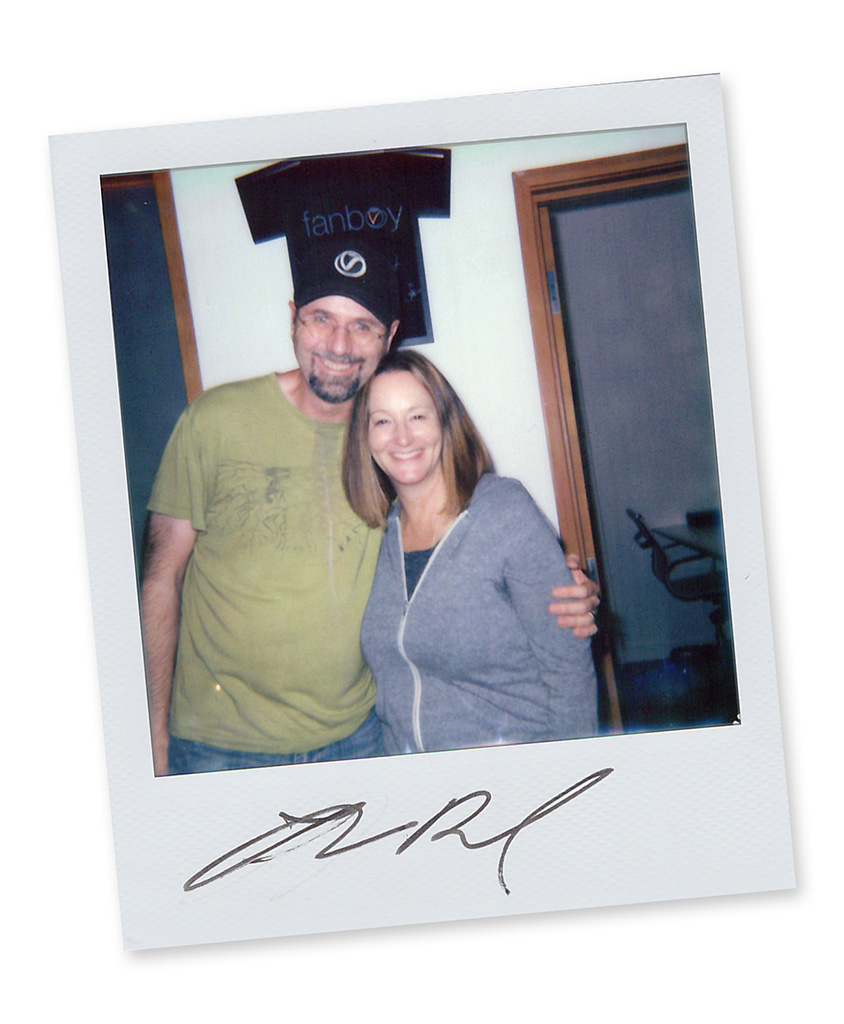
Episode 79 - Lisa Beroud
Regular listeners will recognize Executive Producer Lisa Beroud's name - she served as producer on a number of movies with Chris at Digital Domain, including TRON: Legacy, The Girl with the Dragon Tattoo, and Oblivion. But, more than that, she made the intense working environment a lot more pleasant by employing masseuses and laying on decent food. Lisa's career began as a freelance producer in the world of commercials and music videos in the 80s and 90s, before she migrated into feature films via A52 and Digital Domain. She's picked up a VES award for her work on The Curious Case of Benjamin Button, and she was nominated for her achievements on TRON: Legacy. In this fascinating discussion with Chris, the quietly confident producer discusses what, exactly, her role involves (a lot!), the peculiar smell of the Digital Domain offices, and the fragmented future of the visual effects industry.
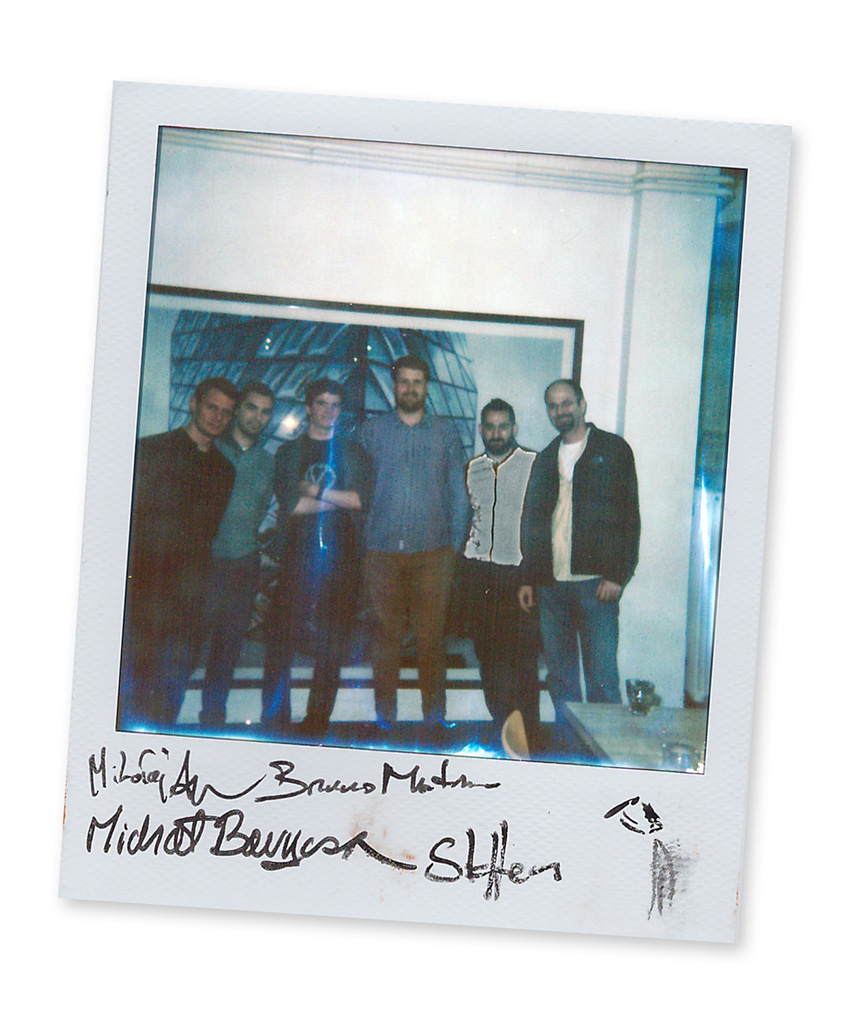
Episode 78 - Herzog & De Meuron
Herzog & de Meuron is an architecture firm best known for its incredible glass and steel structures such as the Beijing National Stadium, The Perez Art Museum in Miami, and the Allianz Arena in Munich. The Swiss company has also dramatically repurposed existing space to create London's Tate Modern and Serpentine Gallery. But within Chaos Group, the company is more famous for its exhilarating and enthusiastic presentation on VR at the Shape to Fabrication event in London earlier this year. The presenters, Steffen Riegas and Mikolaj Bazaczek, marked an exhilarating finish to what had already been a great day. Of course, Herzog & de Meuron needs to stay on the cutting edge of technology to maintain its status as world-renowned architects, embracing a pipeline which includes 3ds Max, Sketchup and Rhino. In this podcast, which is every bit as enjoyable as their presentation, the team talks about an approach which involves everything from hand-cut cardboard models to a cutting edge pipeline including 3ds Max, Sketchup, Rhino - and V-Ray. Of course.
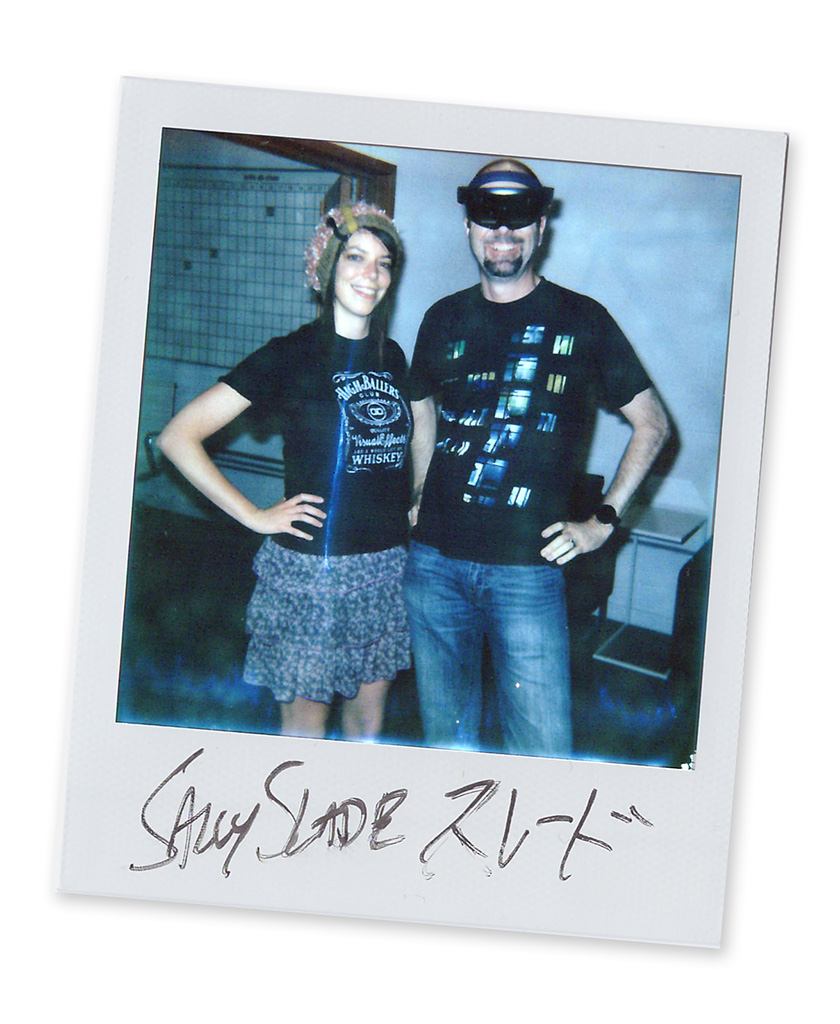
Episode 77 - Sally Slade - Magnopus
ESally Slade. It's got to be one of the best names in the industry - as Chris remarks, she sounds like a superhero. But the similarities don't end there - her career has been the stuff that makes origin stories, from her beginnings in a small fishing village, to her acquisition of superpowers (She can speak Japanese! She understands CSS!), to fate intervening and yanking her from a transpacific flight at the last minute. After getting a foot in the door at the industry via Digital Domain's work on The Golden Compass, she's gone on to work on suitably superhero movies G.I. Joe: Rise of the Cobra, Iron Man 3, and Avengers Assemble. Now she's moved into a completely different world, creating augmented reality experiences for Magnopus. In this epic podcast, she and Chris talk about augmented reality, holograms, and the LEIA 3D phone. She also discusses how she went to work for a whole year dressed as Indiana Jones, and how she plans to turn into a unicorn (for certain people) in the near future. Y'know, like a superhero.

Episode 76 - Disney Research
It goes without saying that Disney is a huge, multinational corporation with fingers in an increasing number of pies: Lucasfilm and Marvel Studios have both been incorporated into the Disney umbrella, and it runs everything from cruise ships and TV channels. An interesting offshoot of this is Disney Research. Headquartered in the Swiss city of Zürich, it specializes in creating computer graphics. It makes sense: Disney's cinematic output is now almost totally CG, and advances in technology can be passed directly onto feature films and animations. In this podcast, Chris talks to Thabo Beeler and Pascal Bérard, who have made some pretty significant advances in digital humans. Including Derek Bradley who was not able to join the podcast, they are all member of the Digital Human League. They discuss the surprising intricacy of human hair, the oft-underestimated importance of realistic eyeballs, the challenges of capturing actors who can't stay still for long periods of time, and how their work has influenced different areas, including the Wikihuman project. Also, Chris reveals that you can buy a Swiss Army Knife after you've passed Swiss airport security. Perfect for cutting up that Toblerone.
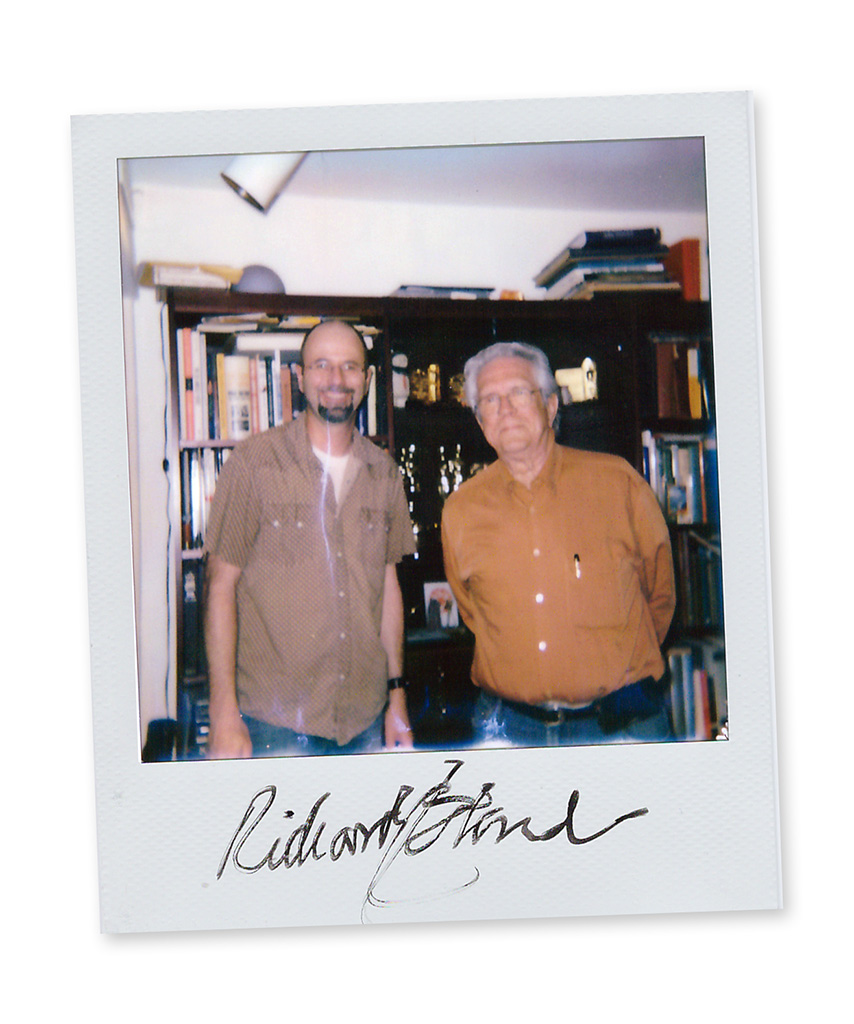
Episode 75 - Richard Edlund
Of all the podcast guests thus far, Richard Edlund's got to have the most amazing voice. He sounds so bassy and gravelly that he could certainly pick up a second job as a trailer voiceover guy. Not that he'd need to. As he explains to Chris Nichols, his story includes throwing depth charges off battleships, designing Star Trek's alphabet, driving San Francisco cable cars, making experimental movies, and even inventing the Pignose guitar amp. Richard later turned his considerable talents to the visual effects industry, where he was nominated for 10 Visual Effects Oscars, winning 4 of them for Star Wars, The Empire Strikes Back, Raiders of the Lost Ark, and Return of the Jedi. He went on to set up Boss Studios, an effects house which successfully made the transition from practical to digital workflows through its work on Die Hard, Ghost, and Alien 3. Richard is now chairman of the visual effects branch of the Academy of Motion Picture Arts and Sciences, and he talks about the challenges modern effects pose to board members. It's an awesome and fascinating 80 minutes - and we recommend turning the bass up to feel the full thunderous effect of Richard's magnificent vocal chords.

Episode 74 - Jonas Skoog - Bläck Studios
While at FMX 2016 we spoke to Jonas Skoog from Bläck Studios located in Stockholm. He was also one of the speakers for V-Ray Days. He tells us about the great work being done at the studio, and how they have created a coalition of VFX studios to maximizes and load balance their resources. Jonas is also the Character Lead at Bläck and tells us about his passion for digital humans.

Episode 73 - Andreas Feix & Francesco Faranna - Citipati
Two graduates of the Filmakademie, Andreas Feix and Francesco Faranna, talk to us about working on their short Citipati. It was nominated and won a VES Award this year. They also explained to us the unique and interesting education that they got which puts them in the middle of production and prepares them for the real world of post.
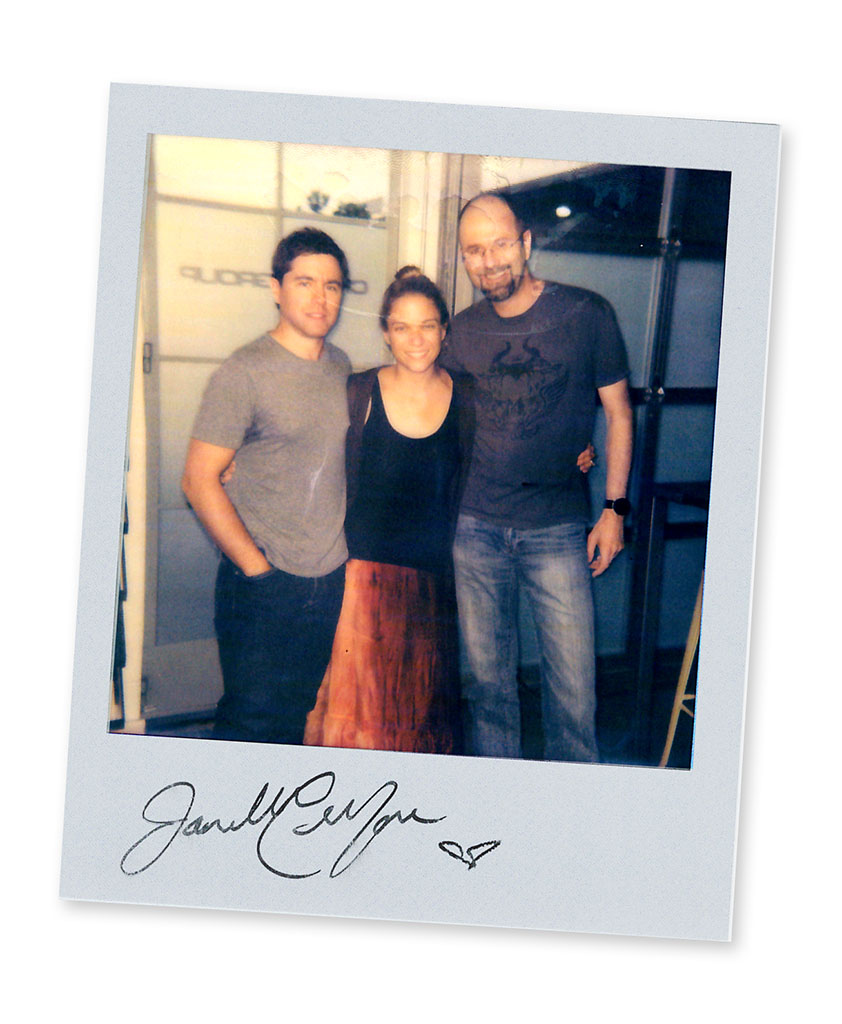
Episode 72 - Janelle Croshaw - Digital Domain
EJanelle Croshaw, an outstanding Visual Effects Supervisor at Digital Domain, talks to us about her career as a 3D artist, compositor, and supervisor. Her credits include Zodiac, The Curious Case of Benjamin Buttons, Tron Legacy, Her, and more. We speak about how career took many changes, and the challenges she found taking a leadership role in visual effects as a woman.

Episode 71 - Blake Sweeney - Method Studios
EWe speak to Blake Sweeney, the head of software at Method Studios. His long history at places like Industrial Light and Magic, Weta, MPC, and Digital Domain has given him a rich history in the world of Visual Effects. He speaks to us about what it took him to get to where he is, and what he thinks is important part in the future of VFX, including a lot about cloud rendering.