Caropop
251 episodes — Page 4 of 6
S1 Ep 100Jane Lynch
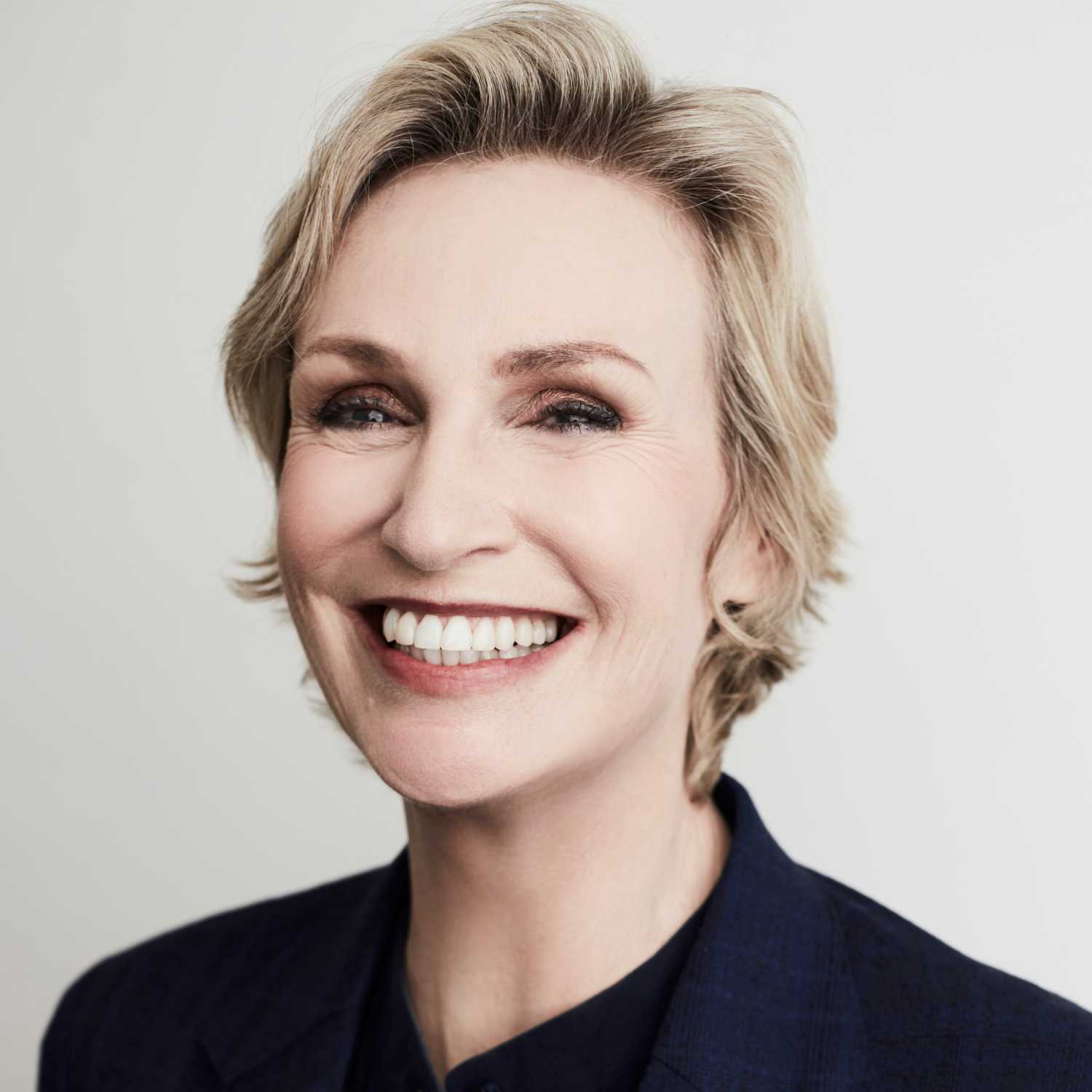
The first time I saw Jane Lynch, she was playing Carol Brady on stage in Chicago in Real Live Brady Bunch, but you’re more likely to know her from Glee or The Marvelous Mrs. Maisel or Hollywood Game Night or The 40 Year Old Virgin or Best in Show or Funny Girl on Broadway or…the list goes on. She’s a quick-witted improviser, a hard-working performer, a five-time Emmy winner and, as you’ll hear, a dynamic conversationalist. Did she know she was funny while growing up in the Chicago south suburb of Dolton? Did she have a positive experience at Second City? Does she prefer improvising or working with a script? What was her "white hot ambition"? How important is projecting confidence? And why and how is she so busy? You’ll listen with glee...
S1 Ep 99ZZ Ward
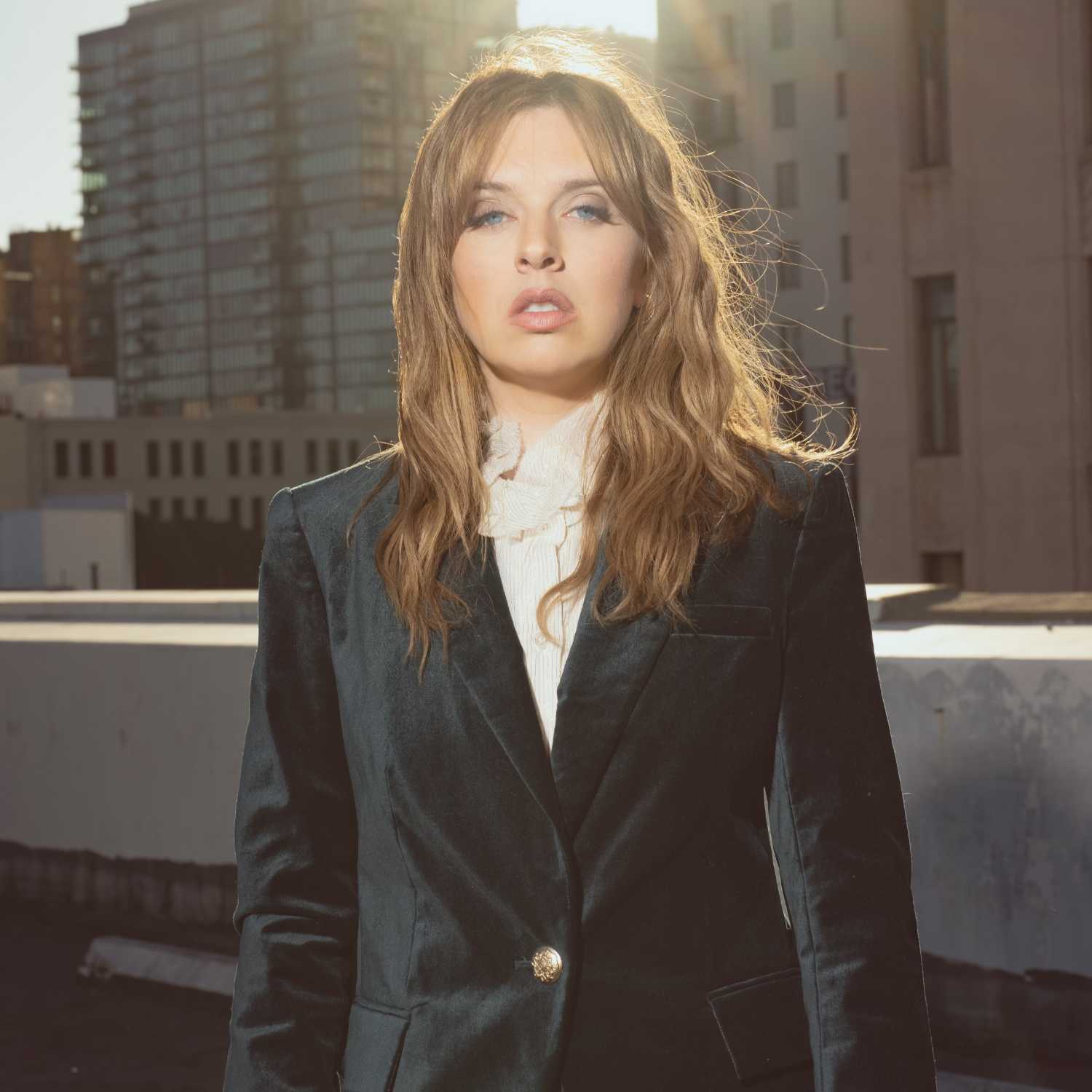
ZZ Ward has a powerful, soulful voice, a great ear for hooks and an old-school blues-rock sensibility fused with hip-hop rhythms, all playing out on a spaghetti-western landscape. Her third album, Dirty Shine, comes out Sept. 8 and is her first as a mother as well as an independent artist after two albums (Til the Casket Drops and The Storm) with Disney’s Hollywood label. Her DIY approach certainly hasn’t curbed her artistic ambitions: The new album includes collaborations with Vic Mensa and Aloe Blacc, her brother Adam William Ward directed mini-movies for several of the songs, and she even made (and sells) the fedoras she wears in them. My daughter Ruthie Caro, who turned me on to ZZ Ward’s music years ago, joins this lively conversation with one of her musical heroes.
S1 Ep 98Johnny Hickman (Cracker)
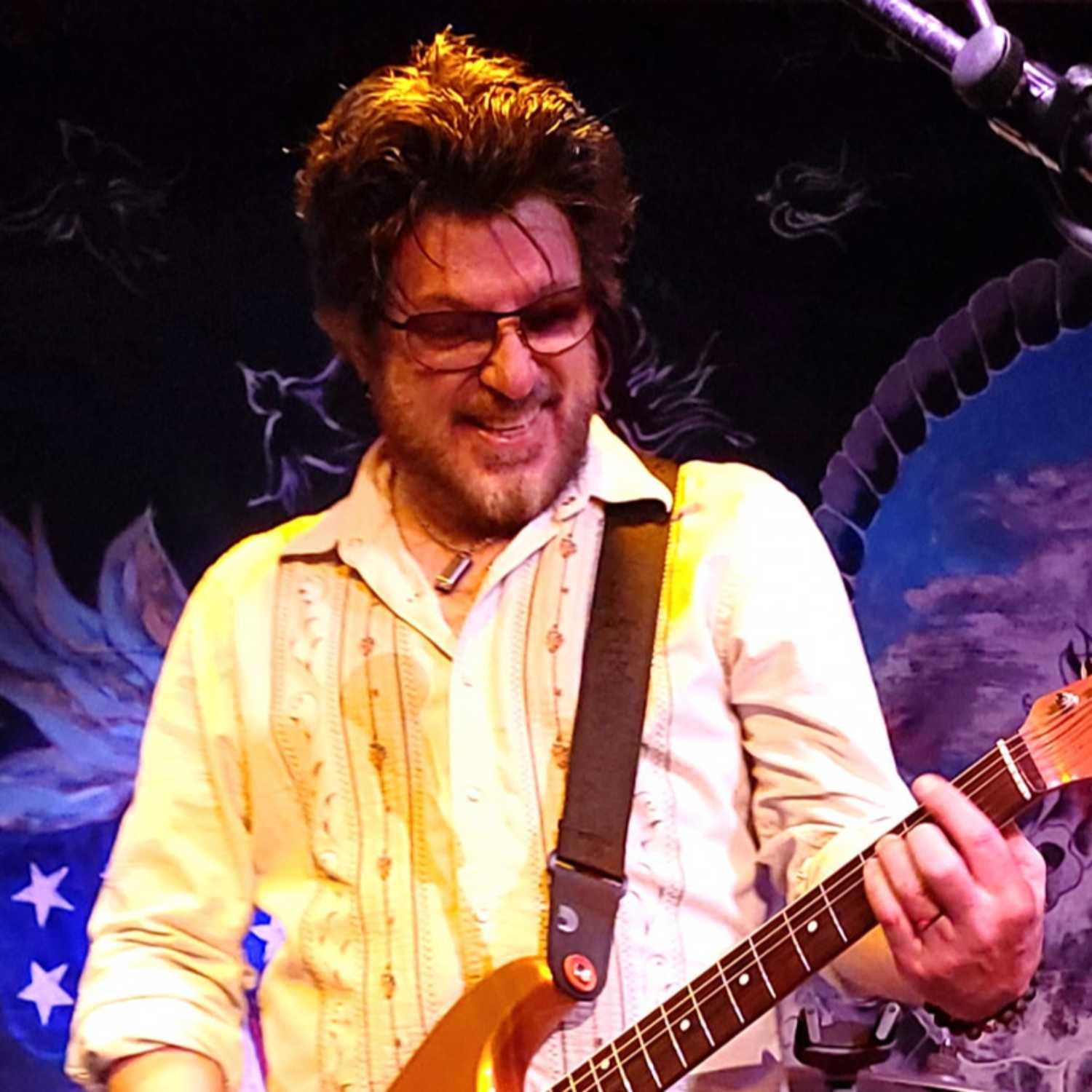
Johnny Hickman has provided “bonehead guitar riffs,” memorable songs and a spark-plug energy to Cracker since the band debuted more than 30 years ago. Hickman and primary singer-songwriter David Lowery already were friends from Redlands, Calif., when Lowery called him after the implosion of his band Camper Van Beethoven. The ever-lively Hickman digs into the bounty of riffs, hooks and wit that went into Cracker’s self-titled debut album, which includes “Teen Angst (What the World Needs Now).” How did the band raise the bar with Kerosene Hat, propelled by the hits “Low” and “Get Off This?” Why did the formidable rhythm section leave, prompting Cracker to move to the “Steely Dan model”? What’s the story behind Hickman’s arrest after wielding his 1977 Les Paul as a weapon? Listening to Hickman play or speak is a cure for feeling low.
S1 Ep 97Sally Potter
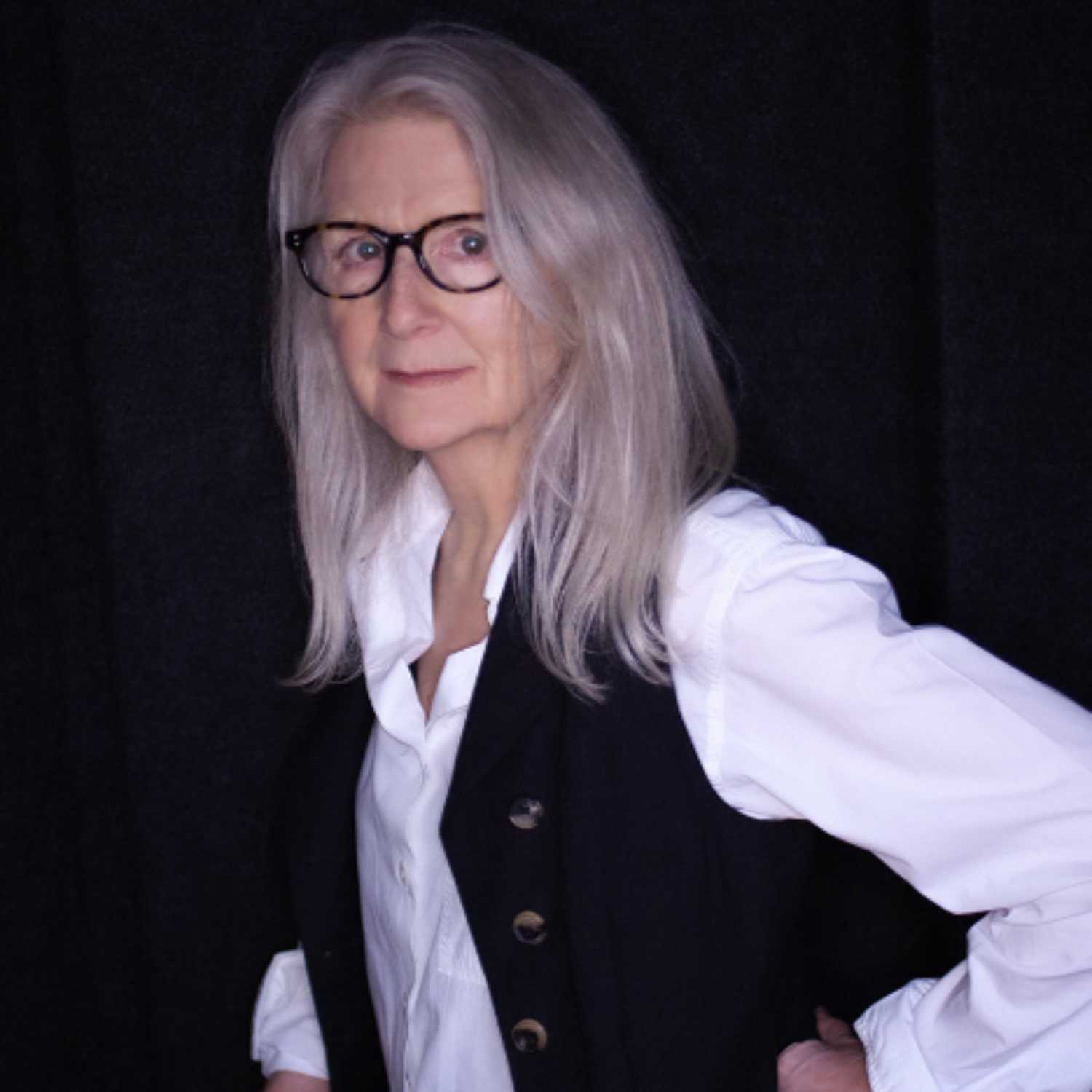
You may know Sally Potter as the groundbreaking English director of such films as Orlando, The Tango Lesson and Yes, but now she also is a recording artist. At age 73 Potter has released her first solo album, Pink Bikini, writing, singing and playing keyboards. The songs look back on her teenage years in 1960s London, when she was discovering her own sexuality, wrestling with shame, rebelling against her mother and finding her artistic and political voices. Speaking from her studio, Potter also reflects on the transformative effect of having a film camera in her hands at age 14, the paucity of female filmmakers when she started and her unwillingness to let age limit her creative pursuits. As she puts it: “Who cares about the calendar?”
S1 Ep 96Michael Shannon, Live at Space
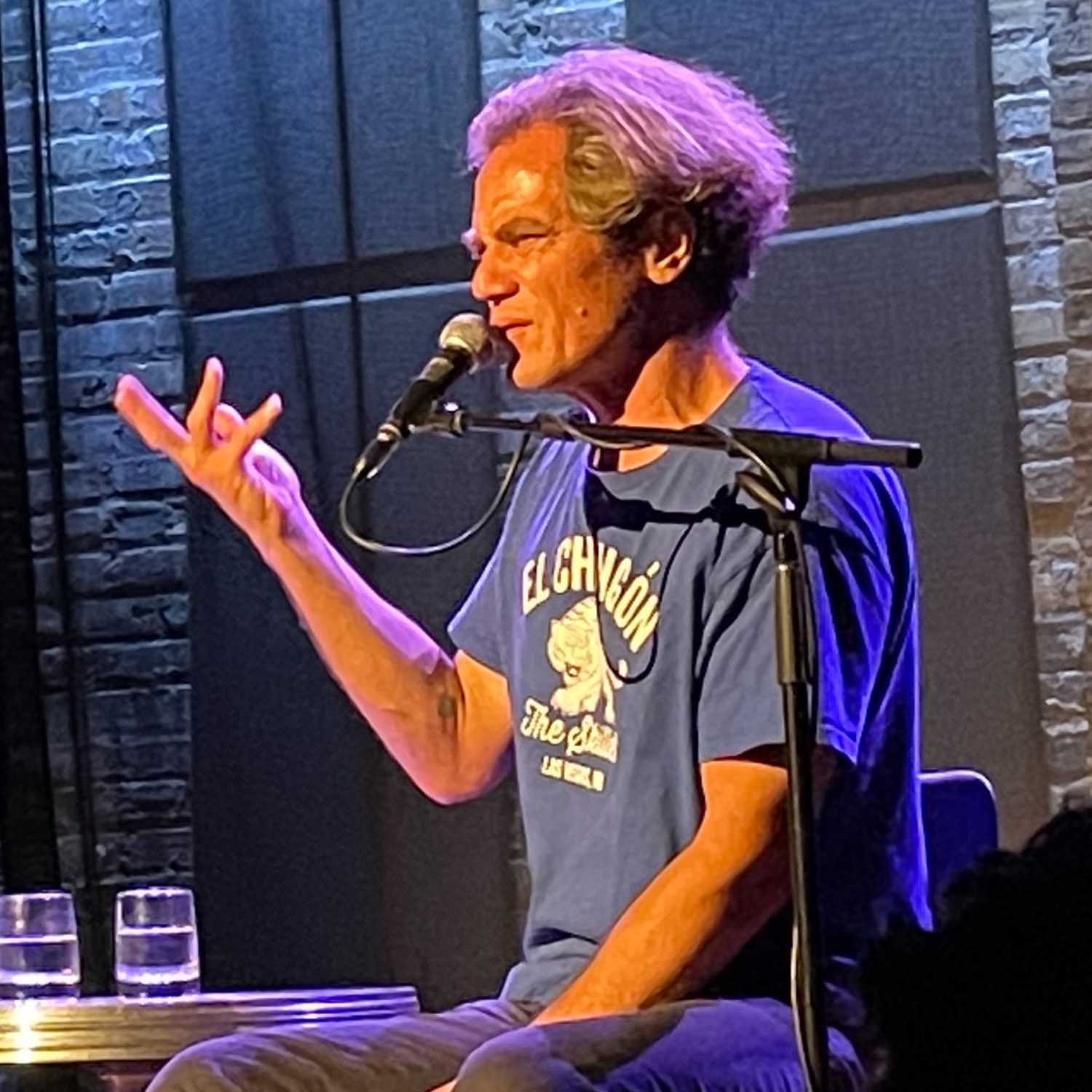
Michael Shannon is an Oscar-, Tony- and Emmy-nominated actor who, the night before this conversation, sang R.E.M. songs at the Chicago club Metro. He’s multitalented, thoughtful and fearless, with a commitment to Chicago theater that doesn't wane no matter how high his profile rises. In this probing, good-humored on-stage conversation at the club Space, Shannon couldn’t discuss his prominent film and TV work due to the SAG-AFTRA strike against Hollywood’s producers, so he went deep in other areas, such as: his early ping-ponging between Kentucky and Chicago’s North Shore; his repeated path-crossings with Tracy Letts; how his family life inspired his direction of the upcoming indie film, Eric Larue; what he did when only two audience members showed up for a Hurlyburly performance; what he thinks of the strike; and whether he preps for a concert as if it’s another role. He also performs two original songs that—spoiler alert—are awesome.
S1 Ep 95Steve Berlin (Los Lobos), Pt. 2
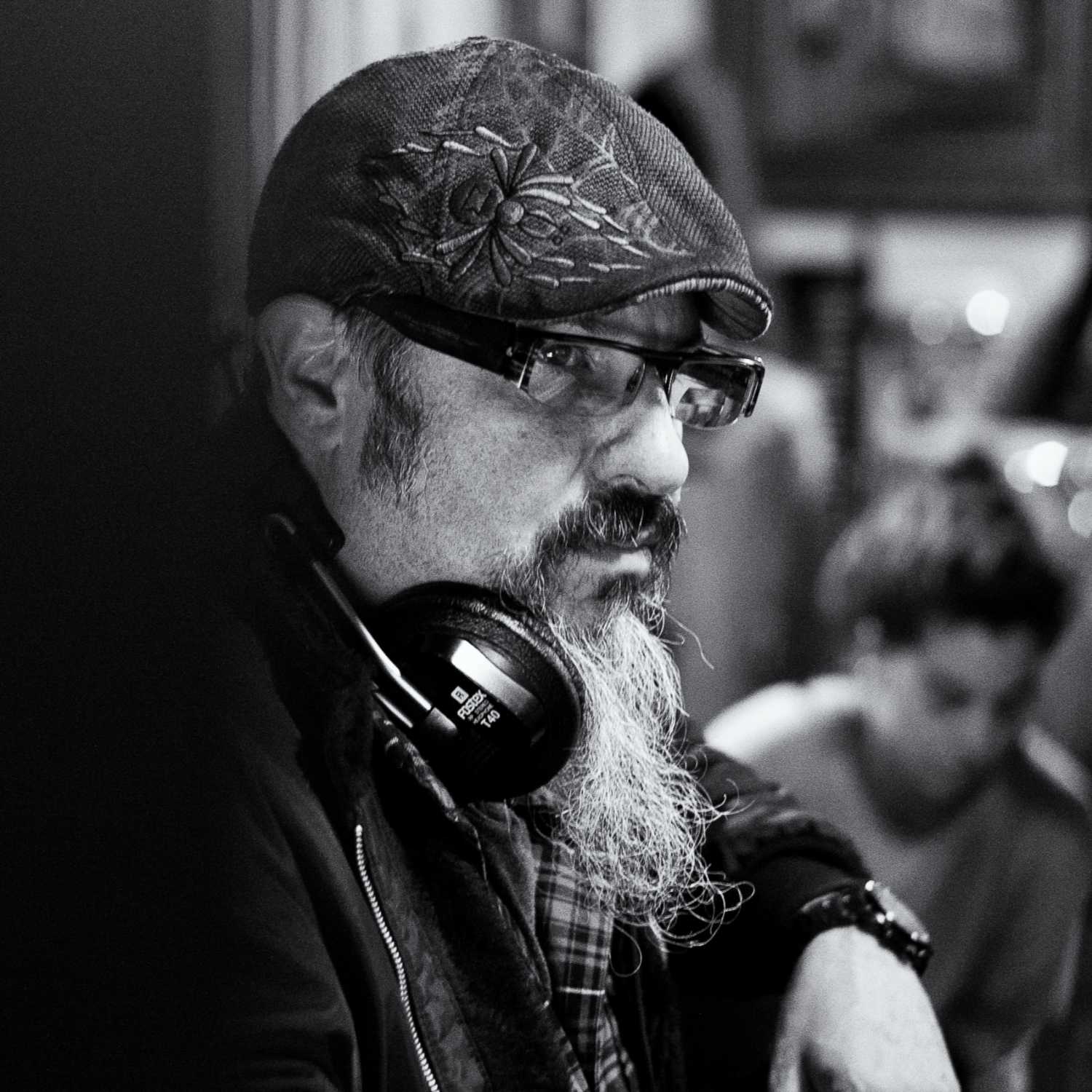
Los Lobos was doing its label a favor when it played on what turned out to be a big album: Paul Simon’s Graceland. Why did the band wind up feeling burned? Los Lobos sax/keyboard player Steve Berlin explains. Happier times arrived as Los Lobos hit No. 1 with its cover of Richie Valens’ “La Bamba.” How did they capitalize on their newfound popularity? What was so strange about the recording process for the album The Neighborhood? What key takeaways from that experience led to the Los Lobos’ 1992 masterpiece, Kiko? Berlin takes us inside that creative peak period and explains why the band was behind the eight-ball when it came time to record the groovy follow-up, Colossal Head—and how David Hidalgo may be the most unassuming great guitarist there is.
S1 Ep 94Steve Berlin (Los Lobos, The Blasters), Pt. 1
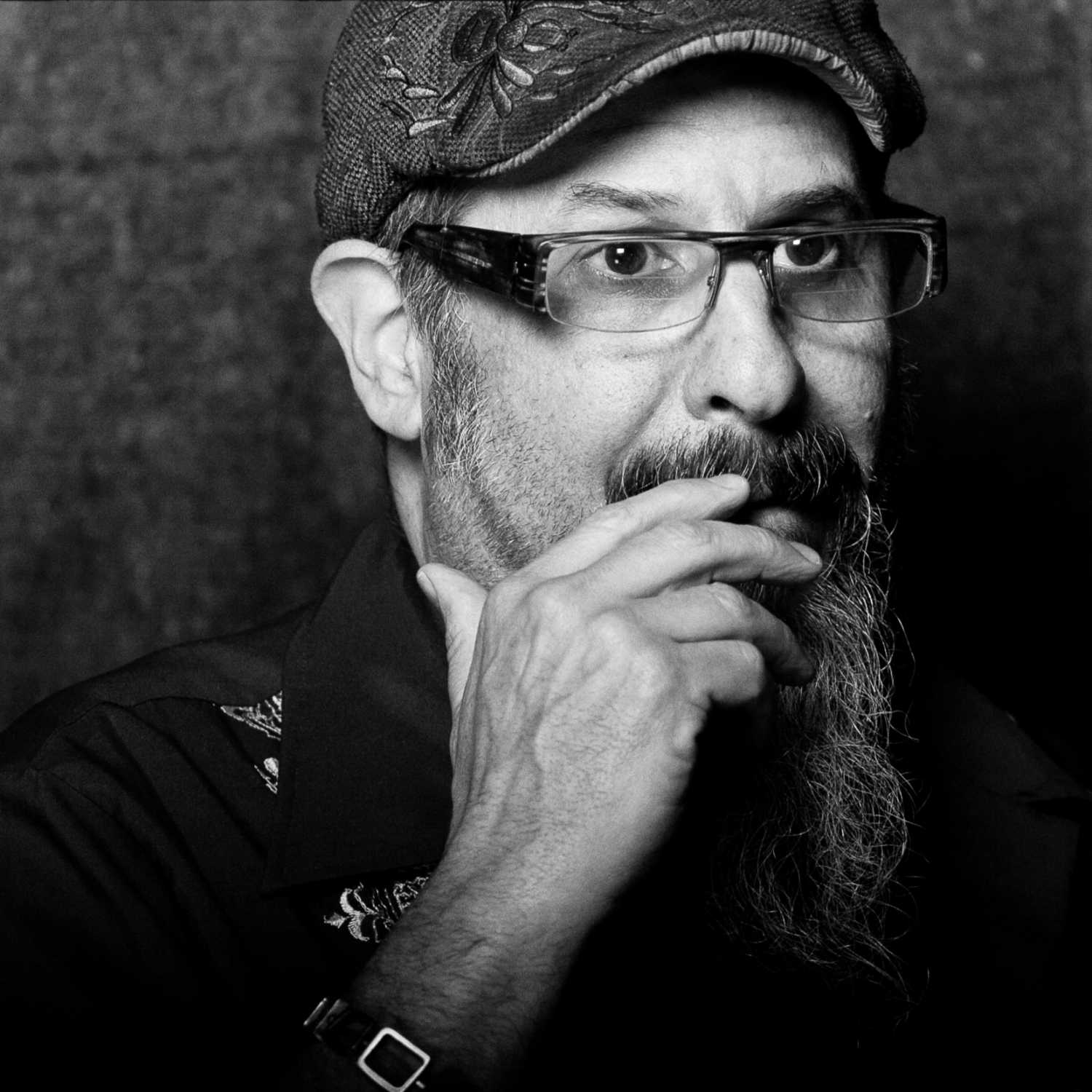
Saxophonist/keyboard player/producer Steve Berlin played with the Blasters before joining Los Lobos, and he noticed a stark contrast between how those two L.A. bands operated. He stuck with Los Lobos and still plays with them 40 years later. A call-‘em-as-he-sees-‘em storyteller, Berlin recounts a crazy Gregg Allman experience, an ordeal with a bad-decisions-prone producer, and his first experience playing what would become his trademark instrument, the baritone sax, on a celebrated Blasters song. He also discusses Los Lobos' sometimes-messy creative process and his co-production—and eventual falling out—with T Bone Burnett on early Los Lobos records. That conflict led to his being diverted to produce the band’s soundtrack for an apparent B-movie. The title? La Bamba. Berlin serves up so much tasty material, you’ll get a second helping next week.
S1 Ep 93Steve Cropper
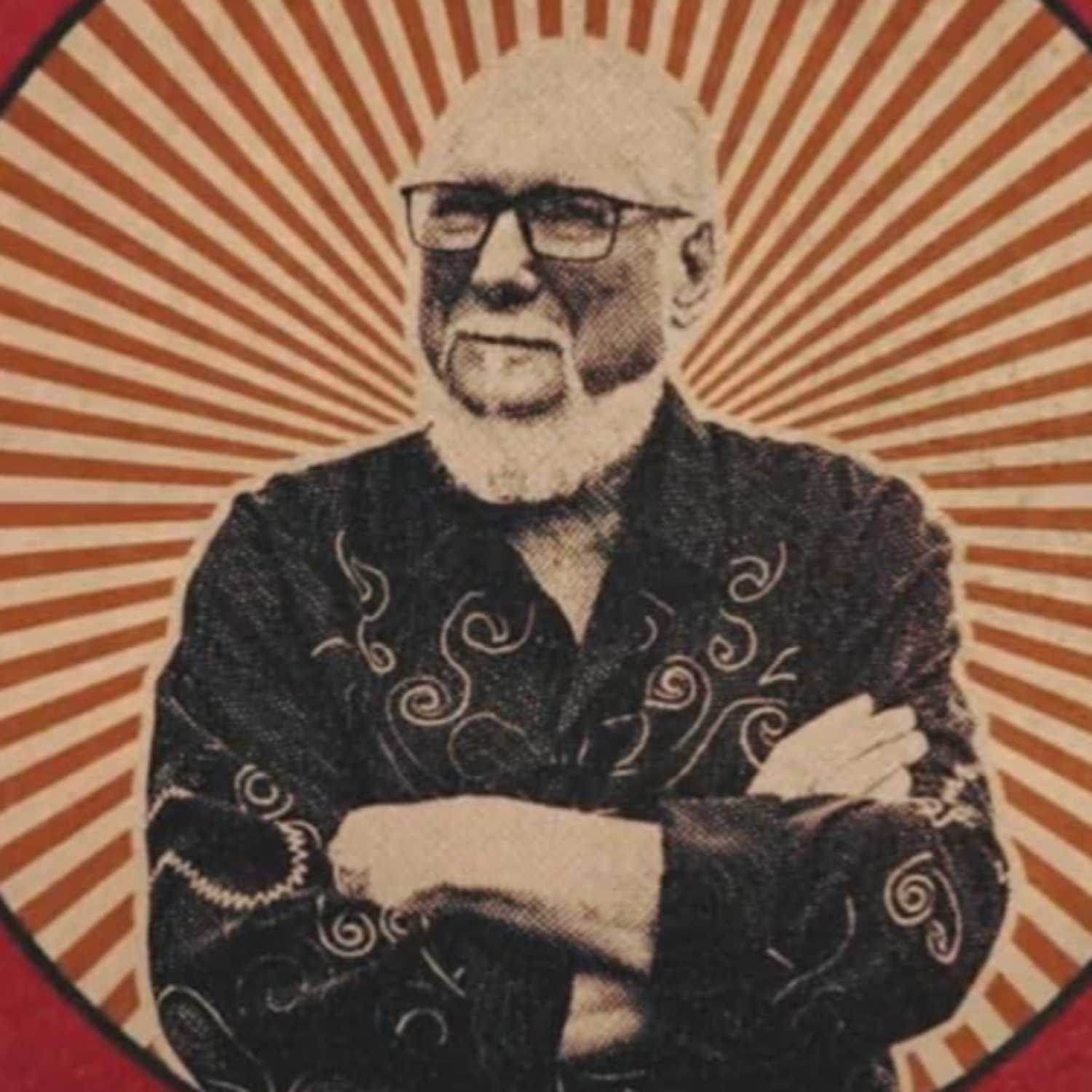
Booker T. and the M.G.’s were an all-time great band on their own and while playing with such Stax acts as Sam & Dave, Eddie Floyd, Albert King and Otis Redding. Guitarist Steve Cropper, who made every note count, produced many of Redding's sessions and co-wrote such hits as “Mr. Pitiful” and the landmark “(Sittin’ on) The Dock of the Bay.” After Redding died in a plane crash in late 1967, Cropper prepped “The Dock of the Bay” and other recently recorded tracks for a series of posthumous albums that Rhino Records has compiled in a new box set called Otis Forever. Speaking from his Nashville home, Cropper tells surprising stories about working with Redding, Booker T. and the M.G.’s, Mavis Staples, the Blues Brothers, Neil Young and more. Play it, Steve!
S1 Ep 92Peter Zaremba (The Fleshtones)
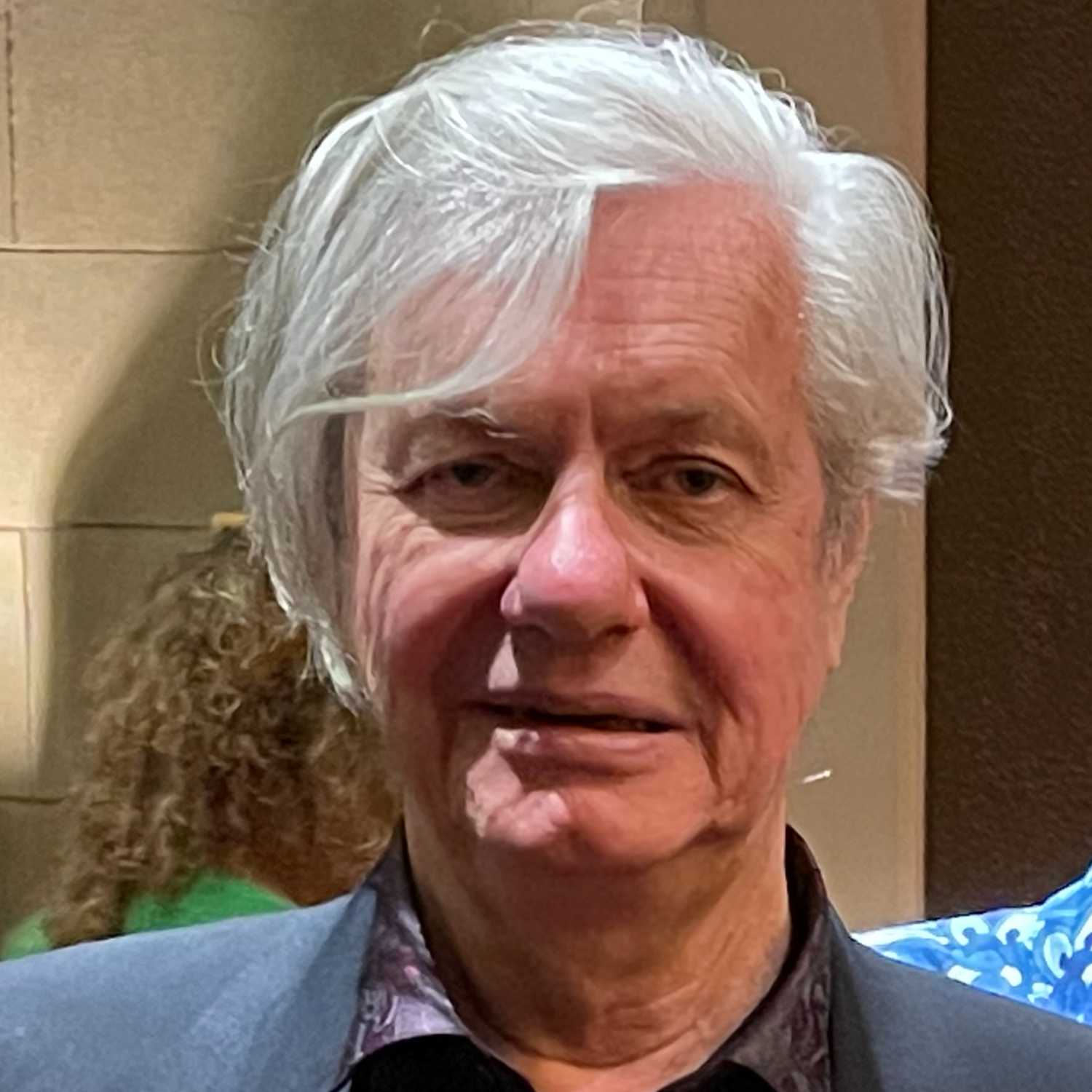
It's no wonder that Peter Zaremba was the star of the recent Lenny Kaye-hosted Nuggets all-star concert in Los Angeles: He has been keeping ‘60s psychedelic garage rock alive for decades through his energetic work with the Fleshtones as well as his DJ gig as the Psychedelic Count on Little Steven’s Underground Garage. (You also may remember him as host of the 1980s MTV show I.R.S. Records presents The Cutting Edge, a precursor to 120 Minutes.) With the charismatic Zaremba out front, the New York-based Fleshtones made crowds groove and sweat, and they worked to translate that energy to the recording studio. Zaremba discusses the thrills of playing live and making records, the story behind the Fleshtones’ recent Spanish-language hit, his search for Russian surf zombie songs and much more.
S1 Ep 91Mike Peters (The Alarm)
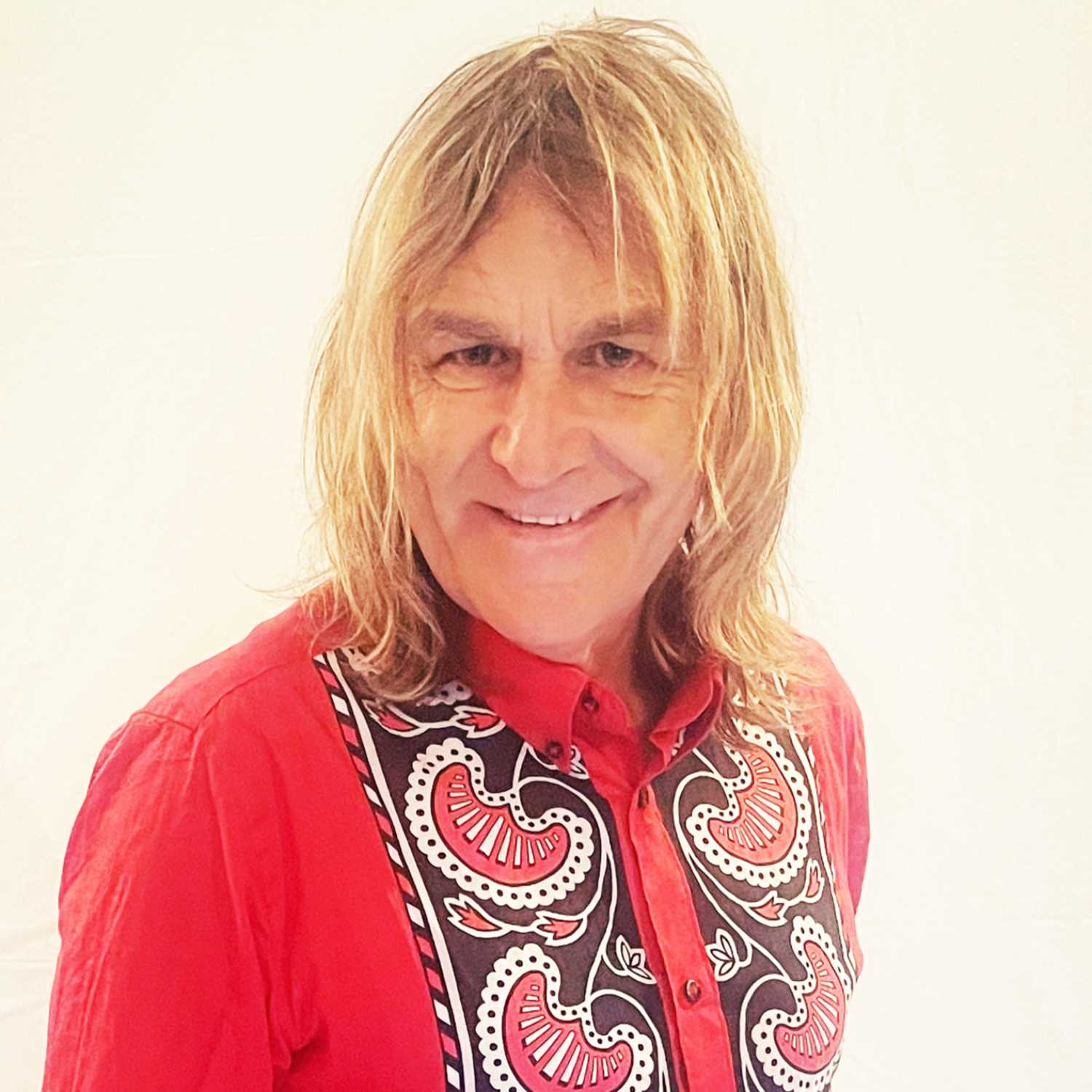
With Mike Peters belting out anthemic songs such as “Sixty Eight Guns” and “Spirit of ’76,” the Alarm could rouse an audience no matter the size—and it often was big. “Rain in the Summertime” and “Sold Me Down the River” boosted this Welsh band’s U.S. popularity before Peters broke up the group in 1991 and re-started it years later. In the meantime he was diagnosed with leukemia, and he wrote much of the Alarm’s new album, Forwards, during a recent, harrowing hospital stay. Now he is performing again and reflecting on the concert that changed his life, the folly of kidnapping a journalist, all those U2 comparisons, the lightning bolts of inspiration and how he has created what he calls his own little soundtrack of hope to lead him out of the darkness.
S1 Ep 90Suzzy Roche (The Roches)
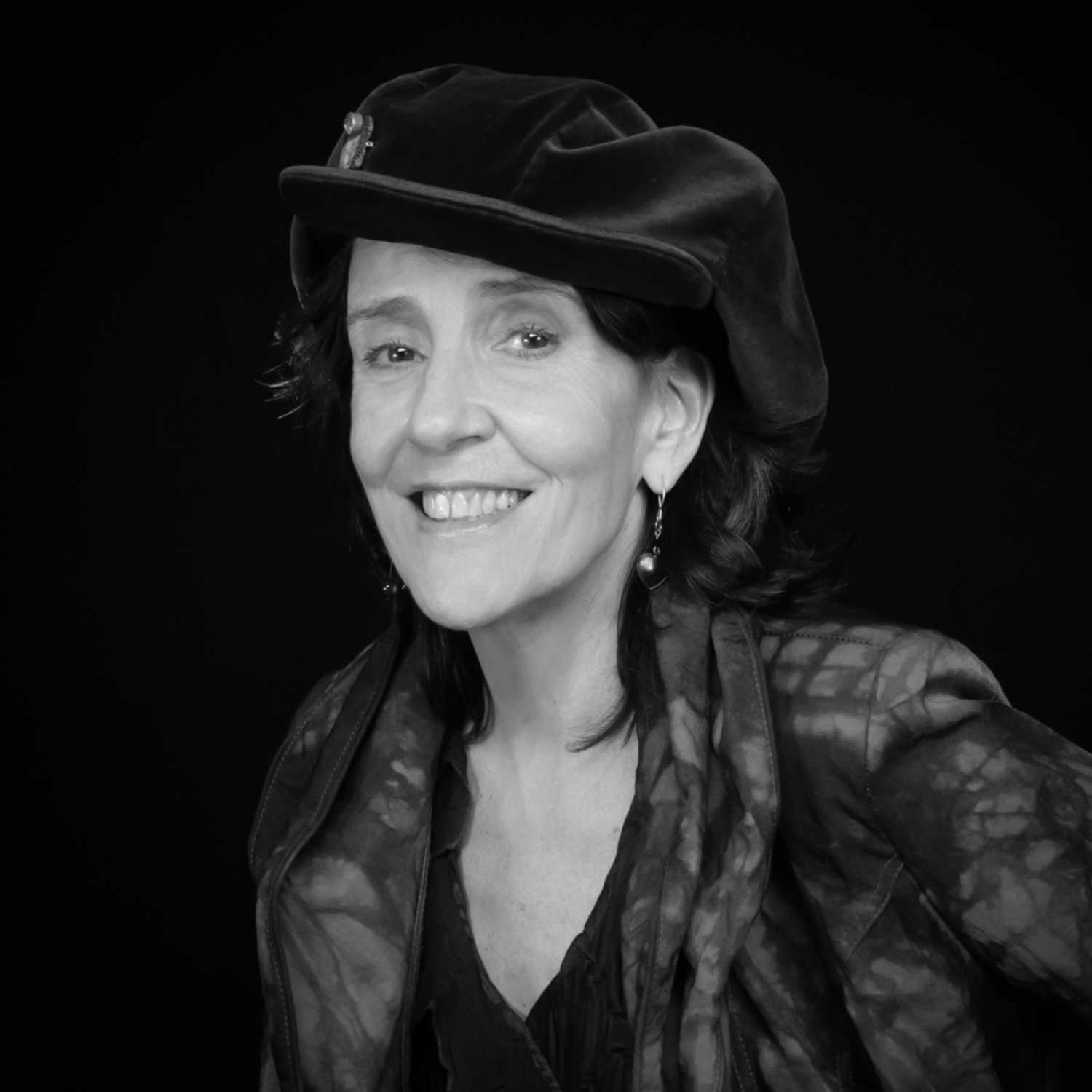
When you want to add joy and beauty to your life, listen to the Roches. There’s magic in these three sisters’ harmonies and good humor and heartbreak in their songs. They are Maggie and Terre and Suzzy, the last of whom is the little sister age-wise, the middle sister voice-wise and the glue personality-wise. Speaking from her New York home, Suzzy Roche reflects on the wonders and challenges of singing with her sisters and dealing with a music industry that thought it could make stars out of them. She also discusses the origins of their "Hallelujah Chorus" interpretation and “The Death of Suzzy Roche”; her standout acting turn in “Crossing Delancey”; and what made Maggie, who died from breast cancer in 2017, so special. (Photo by Albie Mitchell.)
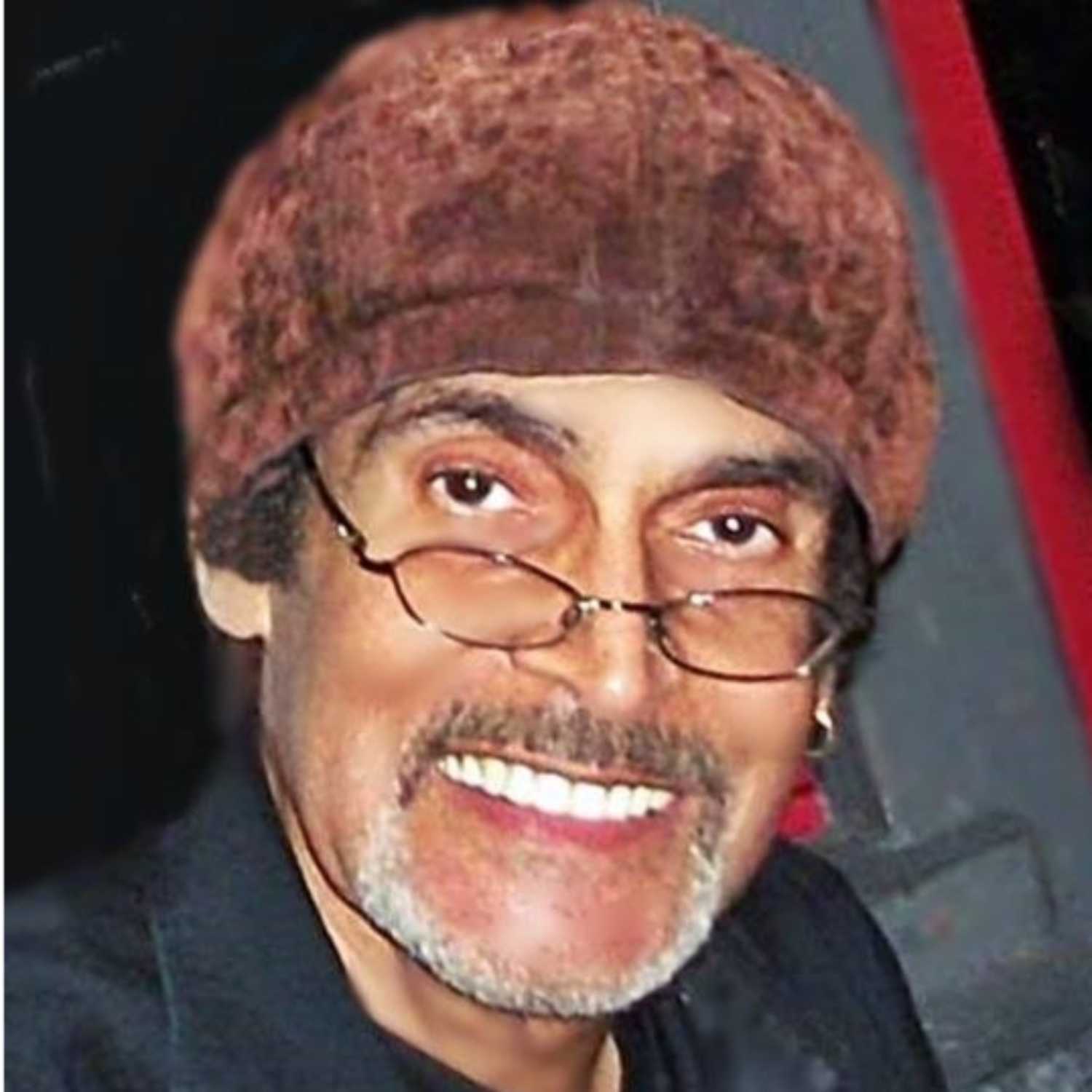
S1 Ep 89Johnny Echols (Love)
The Los Angeles-based Love had one of the rock’s great first-three-album progressions, culminating in the 1967 masterwork Forever Changes, before leader Arthur Lee started over with an entirely new band. Johnny Echols, Love’s lead guitarist for that classic stretch, had known the enigmatic Lee since they were kids in Memphis who relocated to L.A.,, where Echols played with Billy Preston and backed Little Richard. Love, a rare interracial rock band, debuted with an energetic reworking of Burt Bacharach and Hal David’s “My Little Red Book." The explosive single “7 and 7 Is,” the brilliant, jazzy second album, Da Capo, and the darkly beautiful, acoustic-orchestral Forever Changes followed. Why did Love wind up in the Doors’ shadow? Why didn't Love tour much? Why were session musicians brought in to start Forever Changes? What role did drugs play in the band’s troubles? How did Echols reunite with Lee in the early 2000s and continue playing Love songs after Lee died of leukemia in 2006? Echols sets the scene.
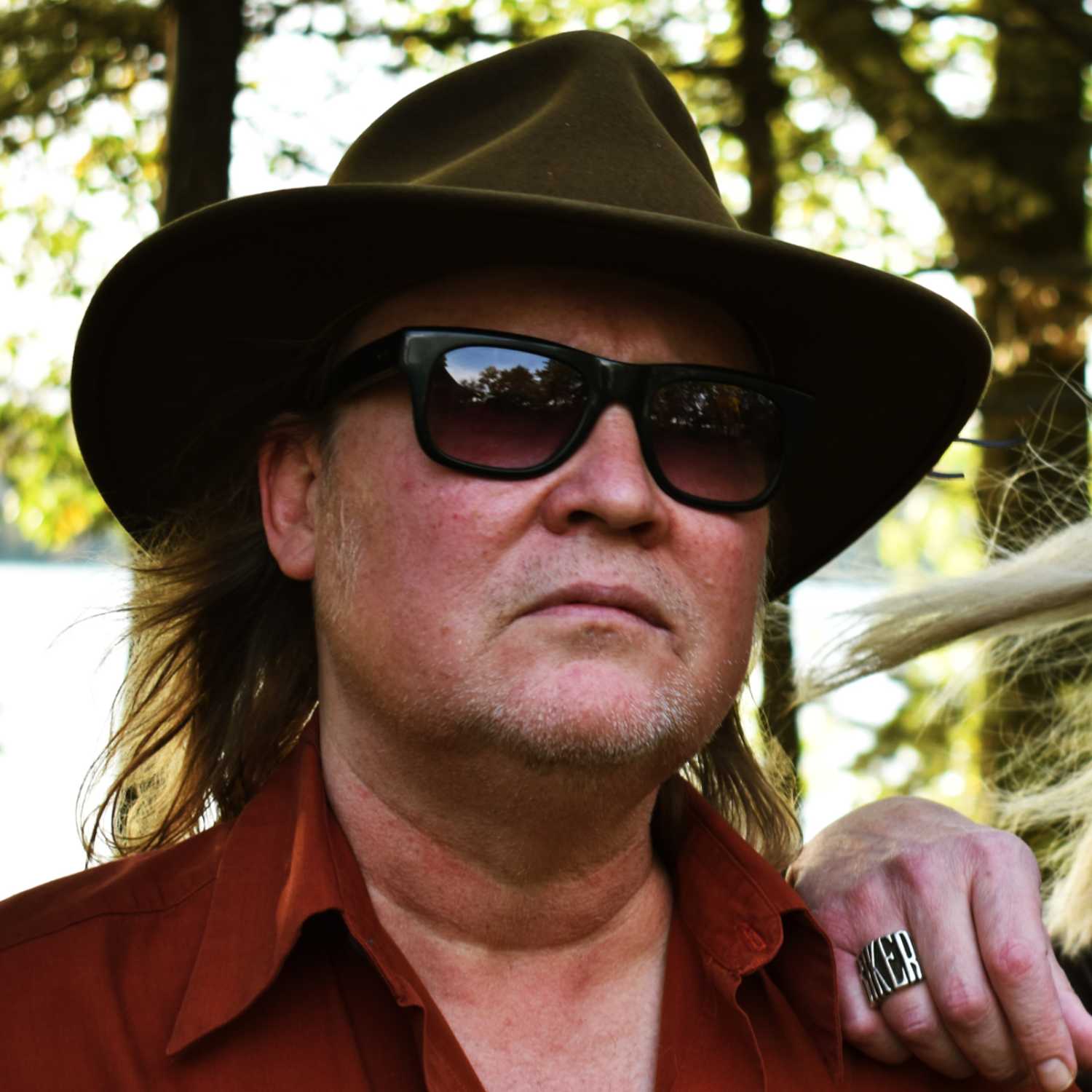
S1 Ep 88Eddie "King' Roeser (Urge Overkill)
The Urge Overkill singer/songwriter/bassist/guitarist spoke with Caropop on the 30th anniversary of the swaggering Chicago alt-rock band’s breakthrough album, Saturation (and before the death of powerhouse drummer Blackie Onassis). Leaving behind Chicago’s Touch & Go label (and prompting some hard feelings), Urge signed with Geffen, the label of Nirvana, with whom Urge was touring when that band exploded. Urge enlisted the Butcher Bros. production team known for its hip-hop work and came up with songs that burst from the speakers, such as “Sister Havana” and “Positive Bleeding.” They played with Paul Shaffer’s band on The Late Show with David Letterman, and Quentin Tarantino featured Urge’s cover of Neil Diamond’s “Girl, You’ll Be a Woman Soon” in Pulp Fiction. All was good, right? Roeser explains how everything played out.
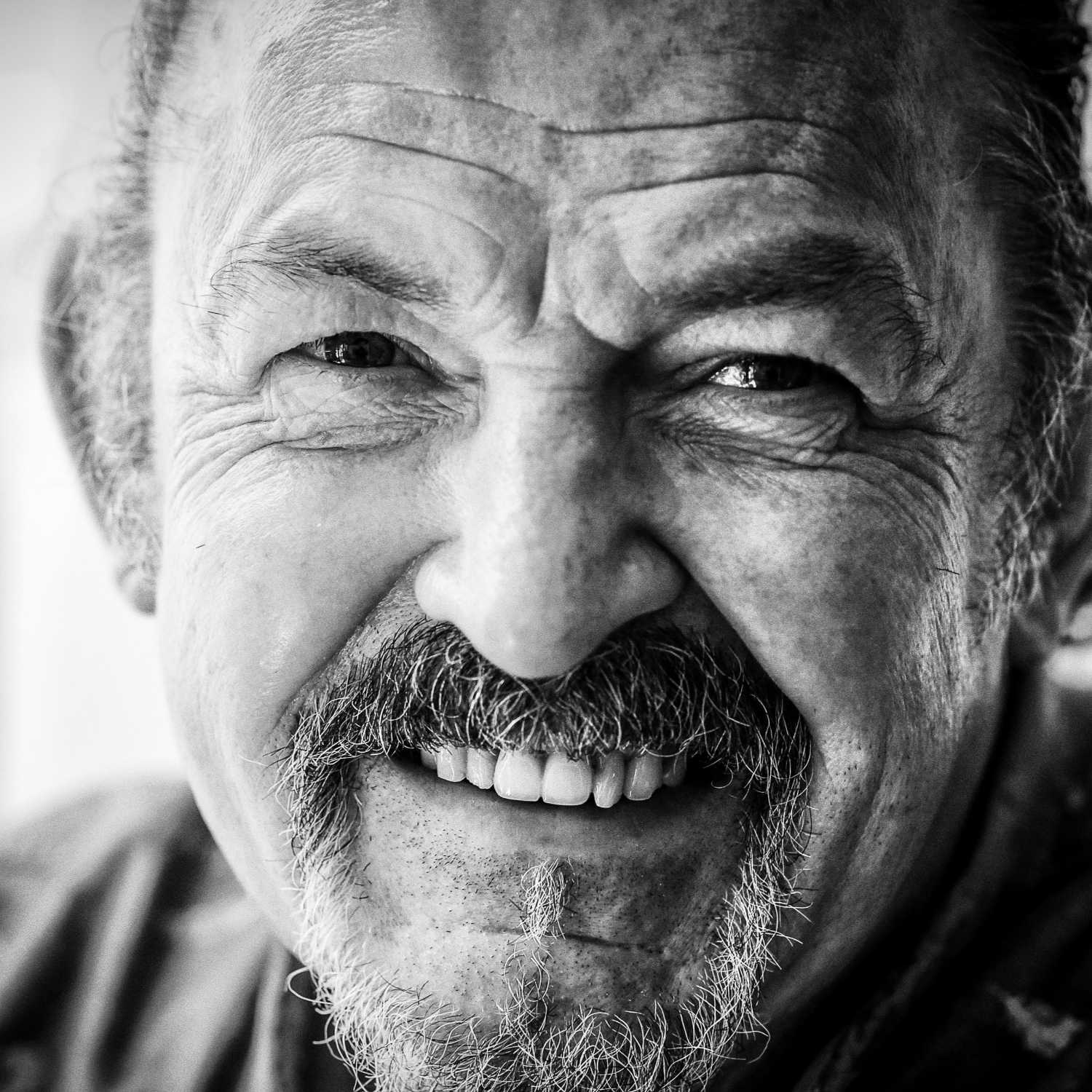
S1 Ep 87Dave Robinson (Stiff Records)
Even if you don’t recognize his name, you should know the music Dave Robinson has brought into the world. As co-founder of Britain’s Stiff Records, Robinson signed (and in some cases managed) Elvis Costello (whom he also helped rename), Nick Lowe, Dave Edmunds, Ian Dury, the Damned, the Pogues, Kirsty MacColl, Tracey Ullman and Madness (whose videos he directed). When Island Records bought Stiff and hired Robinson as president, he propelled Frankie Goes to Hollywood and a posthumous Bob Marley into the sales stratosphere. Earlier he had Van Morrison as a flatmate and tour-managed Jimi Hendrix. Now he’s managing and has produced the new album from the British band Hardwicke Circus. This Irish force of nature, one of the music industry’s great storytellers, will give you Reasons to be Cheerful.
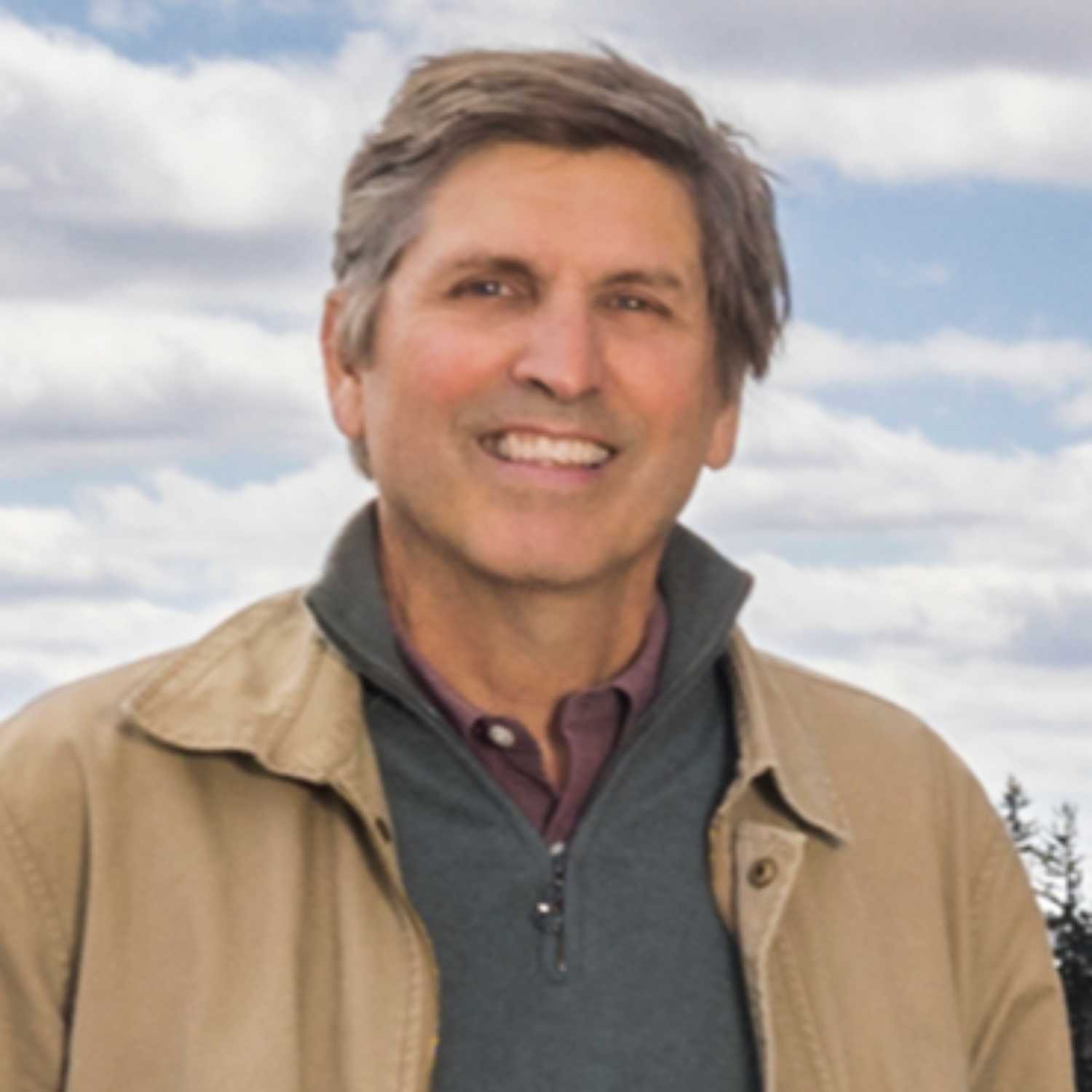
S1 Ep 86Michael Timmins (Cowboy Junkies)
Few bands have maintained such consistent vision, quality and stability as Cowboy Junkies. The same people who made the 1986 debut album Whites Off Earth Now!! and the recorded-around-one-mic breakthrough The Trinity Session (1988) also made their new album, Such Ferocious Beauty. Throughout, Michael Timmins has been the primary songwriter and plays quietly roaring guitar leads while his sister Margo supplies hushed, haunting vocals, brother Peter drums and longtime friend Alan Anton plays bass. Michael Timmins discusses what has changed and not changed about his songwriting, how Lou Reed reacted to their version of “Sweet Jane,” the keys to choosing cover songs, how the band falls into a hypnotic groove on stage, and whether they ever were in danger of splintering. Also, are Cowboy Junkies as serious as they appear?
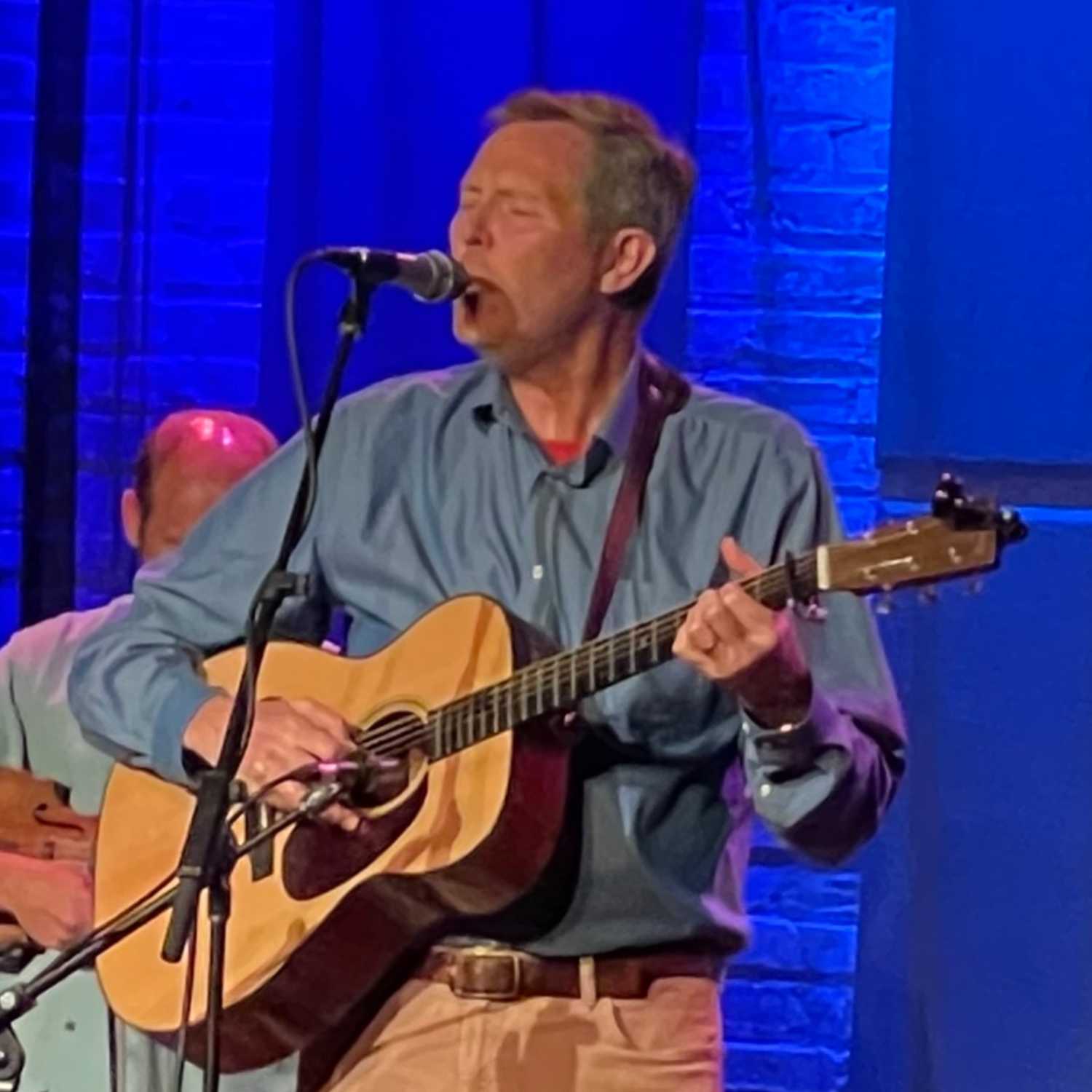
S1 Ep 85In the Green Room with Robbie Fulks
In this change-of-pace Caropop episode, we're hanging out in the green room with singer-songwriter Robbie Fulks before his recent concert at the club Space in Evanston. He and his ace quartet will be highlighting songs from his acclaimed new album, Bluegrass Vacation, but first...does he have any pre-show rituals? Does he still change his guitar strings before each show? What's his philosophy in writing out a setlist? Does he eat before going on stage? Drink? Does he place more emphasis on his picking skills than he used to? At age 60 how have songwriting topics opened up for him? And will he ever pick up an electric guitar or play in front of a drum kit again, or might this Bluegrass Vacation become an extended stay?
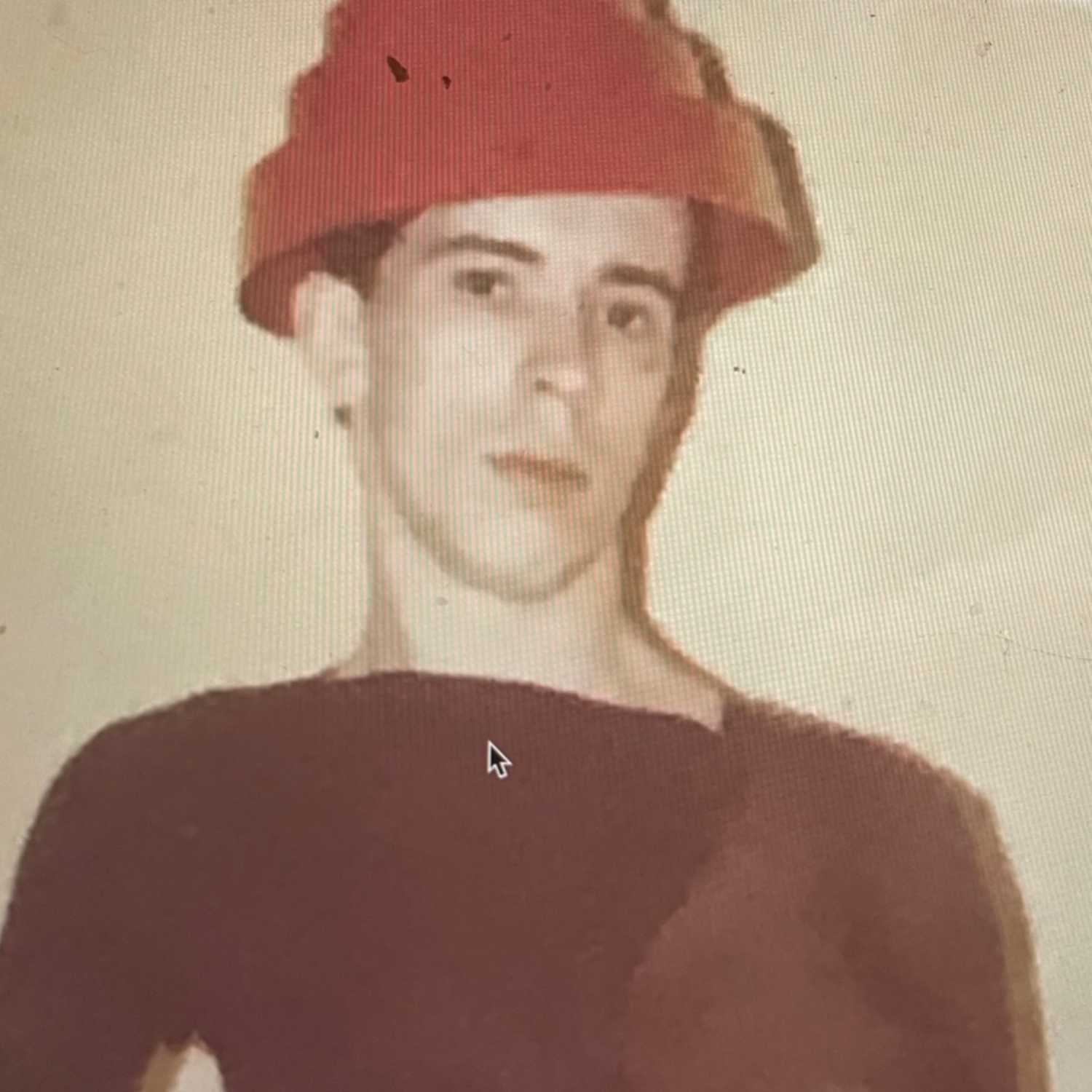
S1 Ep 84Bob Mothersbaugh (Devo)
Inventive Devo guitarist Bob Mothersbaugh belongs to one of the band’s two sets of brothers and one set of Bobs. His older brother is Mark Mothersbaugh, and he was Bob 1 to the late Bob Casale’s Bob 2, Gerald Casale’s younger brother. Although Devo became known for synths, its debut was a piledriving guitar album with Bob 1’s playing up front. Bob 1 also sang the “Secret Agent Man” cover, co-wrote key early songs and contributed memorable guitar parts even as sequencers took over. How did that feel? What was David Bowie’s involvement with Devo? What dark impact did the success of “Whip It” have on Bob 1? Have Mark Mothersbaugh and Gerald Casale, who complained about his band co-founder on his earlier Caropop appearance, made peace? Does Devo still have a future?
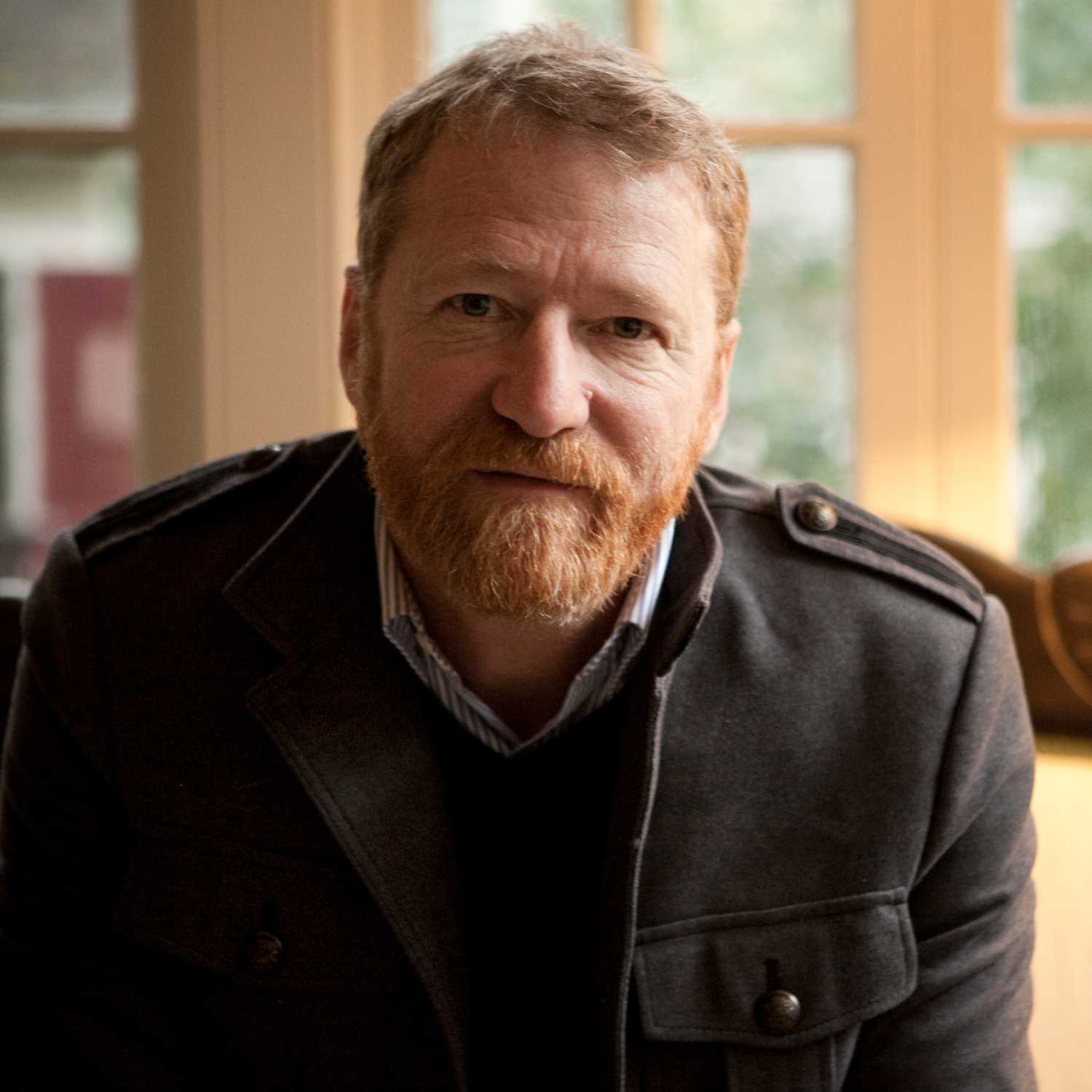
S1 Ep 83David Lowery
After his on-the-rise cult band Camper Van Beethoven imploded, singer-songwriter David Lowery formed Cracker, which delivered smart, tuneful, sharp-witted Americana through songs such as “Teen Angst (What the World Needs Now),” “Low” and “Get Off This.” Lowery has continued performing with Cracker and the re-formed Camper, but his most recent works have been autobiographical solo albums, including this year’s Vending Machine, which reflects on his music-biz triumphs and misadventures and why he keeps coming back for more. Lowery also is a leading artists’ rights advocate and a University of Georgia business professor, and he has much to say about the creation of his music, the workings of the industry and why he’d rather release CDs than place his songs on streaming services. (Photo by Jason Thrasher.)
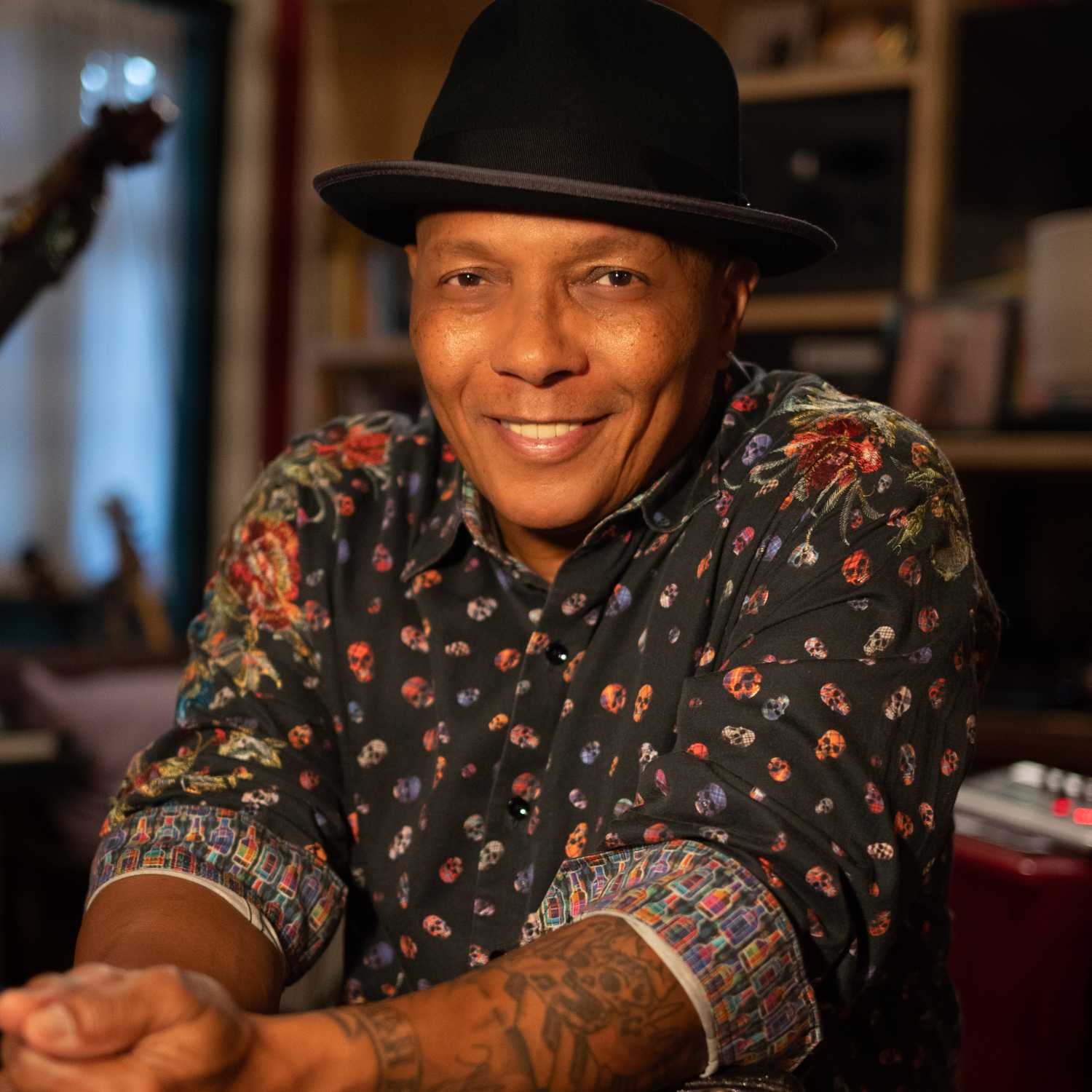
S1 Ep 82Ivan Neville
Multi-instrumentalist singer-songwriter Ivan Neville has carved out an impressive career of his own, and he has memories: of being a 7-year-old when his father, Aaron Neville, hit No. 2 with “Tell It Like It Is”; of his Uncles Art and then Cyril playing in the quintessential New Orleans funk band the Meters; and of Art, Cyril, Aaron and Charles Neville forming the Neville Brothers. Ivan played in the Neville Brothers too, as well as in Bonnie Raitt’s band and on Rolling Stones and Keith Richards albums. His band Dumpstaphunk carries the New Orleans funk torch, and he just released his first solo album in 19 years, Touch My Soul. What’s it like being a Neville in New Orleans? Is he an optimist after all he’s been through? Ivan Neville tells—and sings—his story like no other. (Photo by Steve Rapport.)
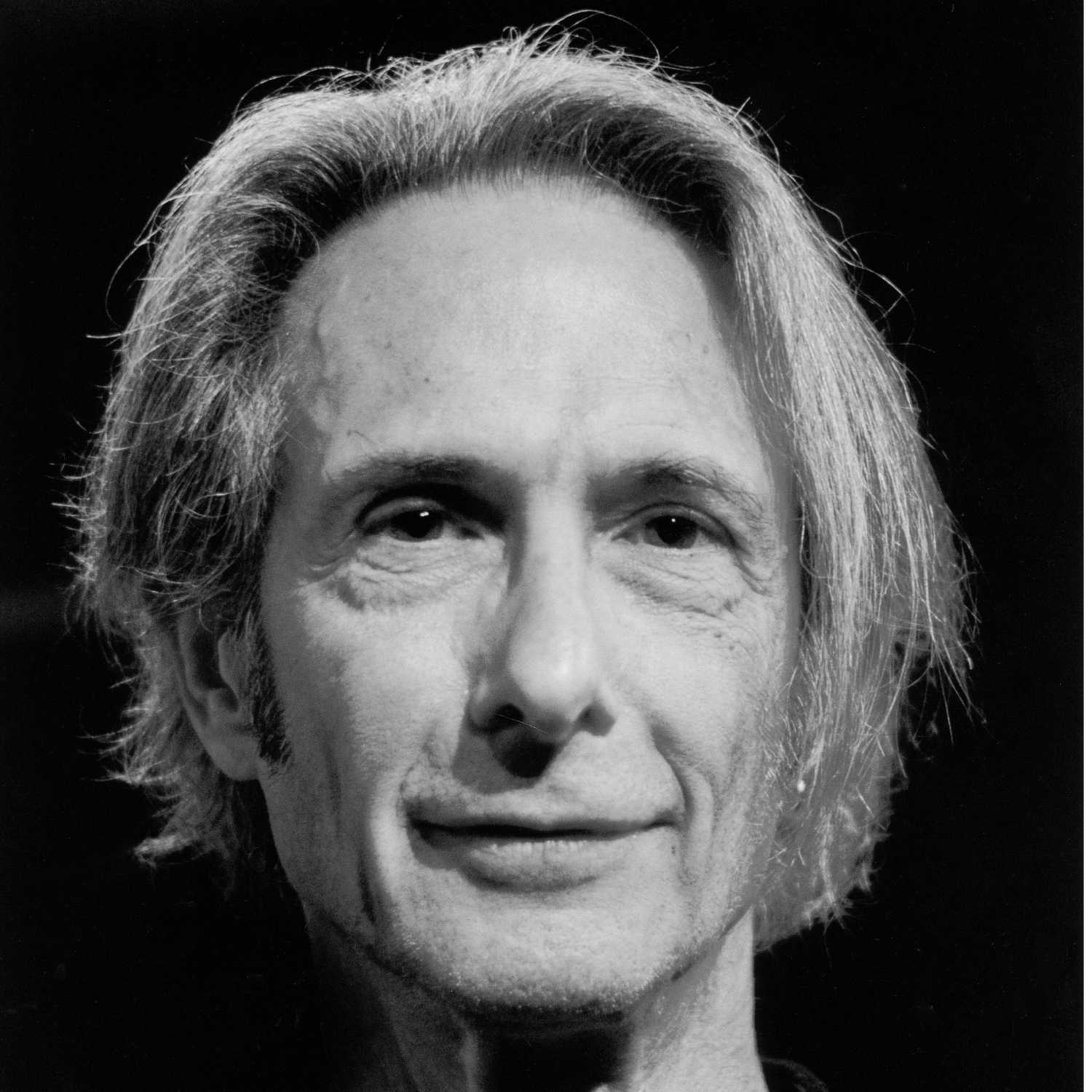
S1 Ep 81Lenny Kaye
Lenny Kaye has secured his place in rock history as the Patti Smith Group’s longtime guitarist, but he also helped define rock history with one of the most influential compilation albums of all time: Nuggets: Original Artyfacts from the First Psychedelic Era 1965–1968. To create that 1972 double album, Kaye pulled together a largely obscure collection psychedelic and garage-rock songs that made a new kind of sense together, from the Electric Prunes’ throbbing “I Had Too Much To Dream (Last Night)” to the guitar freakery of the Count Five’s “Psychotic Reaction” to Sagittarius’s gently trippy “My World Fell Down.” Now Kaye has expanded upon his work with a 5-LP Nuggets box released by Rhino on Record Store Day. What were his must-haves this time around? How do these songs hit differently 50-plus years later? How has Nuggets affected Kaye’s own music-making, and how do his writing sessions with Patti Smith go?
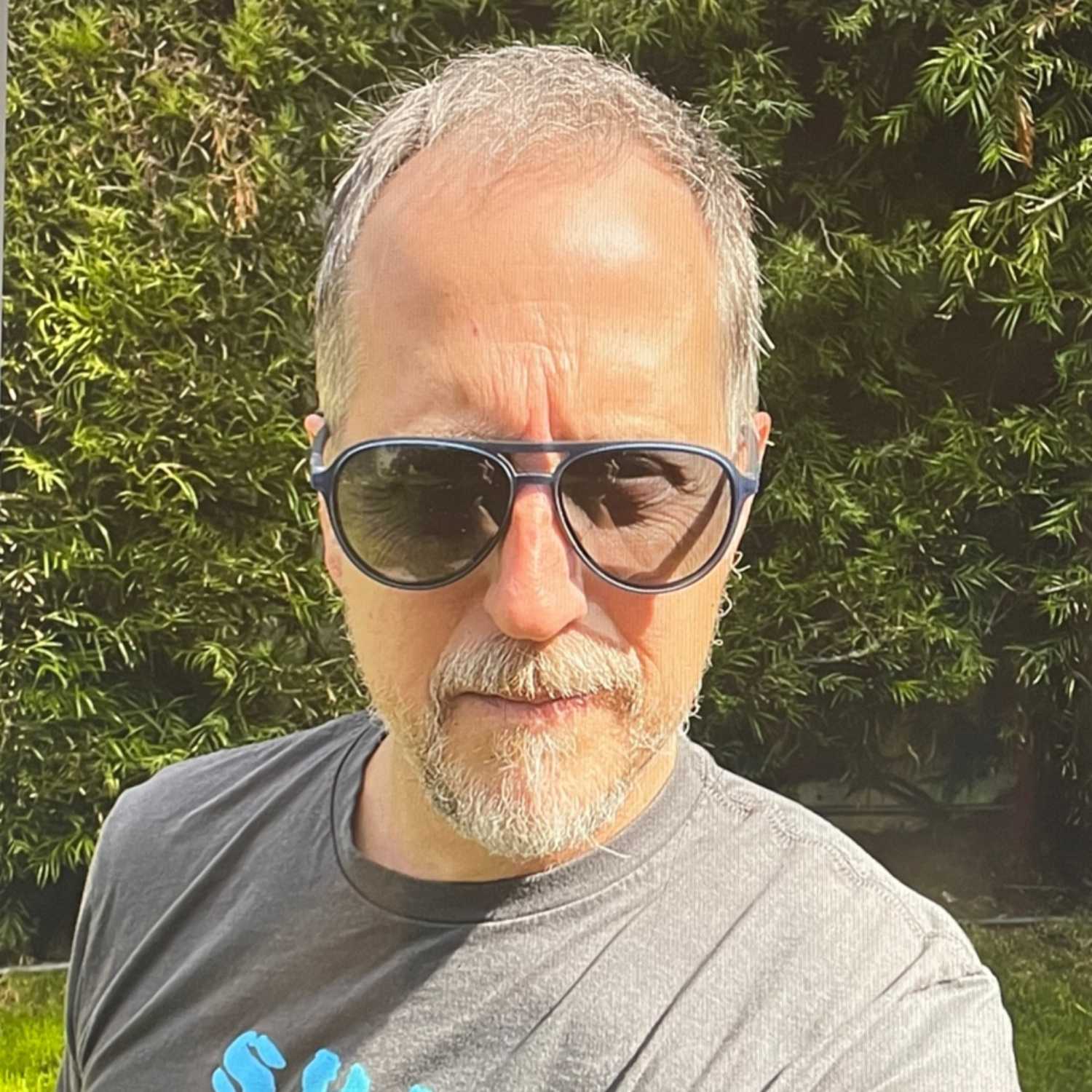
S1 Ep 80Brad Wood, Pt, 2
In the second half of this free-flowing conversation with producer Brad Wood, he digs into the recording of Whip-Smart, Liz Phair’s follow-up to her groundbreaking debut album Exile in Guyville, and the subsequent tour that never happened—and he tells of his more limited involvement on her third album, whitechocolatespaceegg. He reflects on what went right with Veruca’s Salt’s debut album, American Thighs, and its hit single “Seether,” and what went wrong when Billy Corgan hired him to produce Smashing Pumpkins’ Adore. He also discusses his efforts to let the Bangles be the Bangles on Doll Revolution, his poignant reunion with Veruca Salt, the reason he moved from Chicago to Los Angeles and what a producer should and should not do.
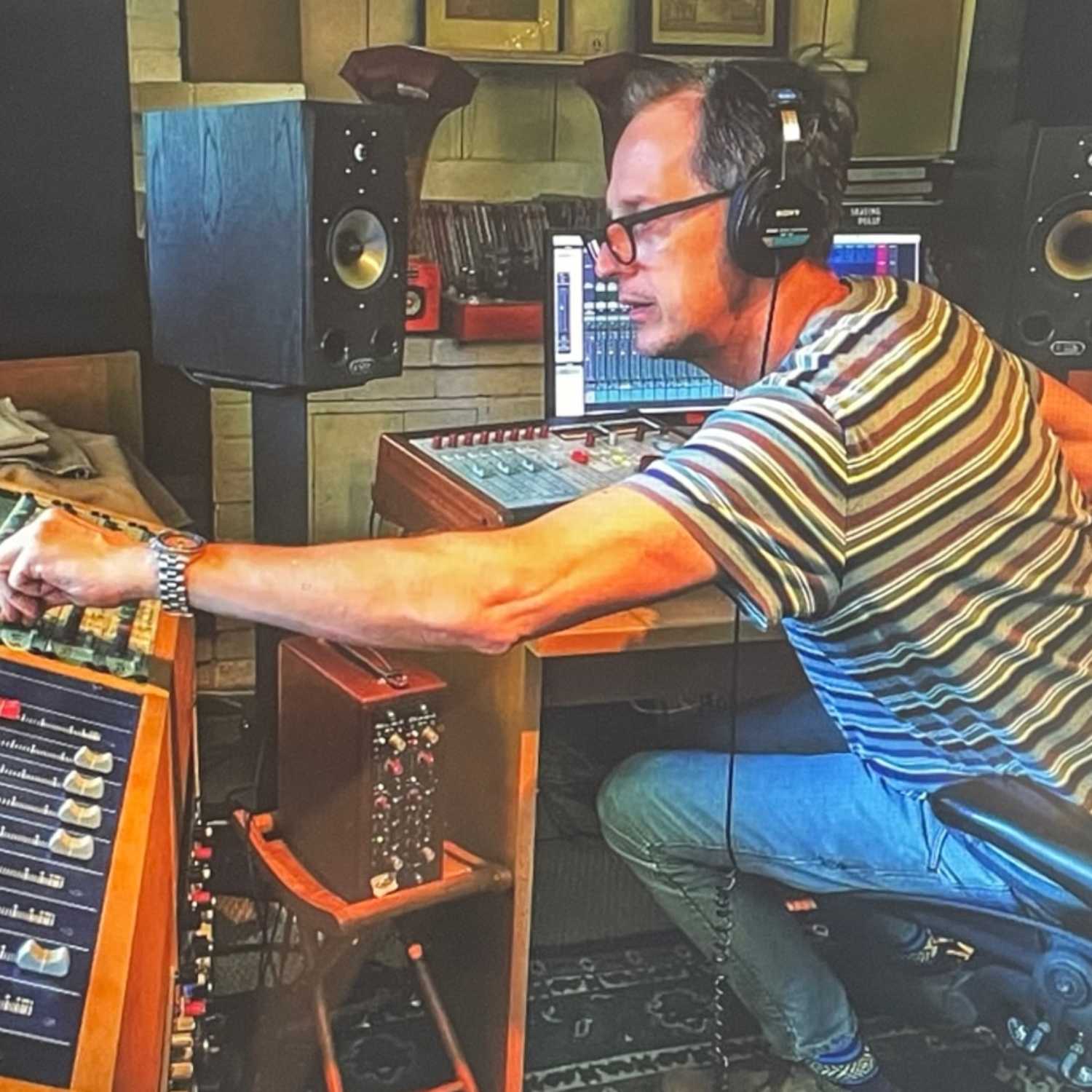
S1 Ep 79Brad Wood, Pt. 1
Brad Wood was a trained jazz saxophonist who didn’t like how rock music was sounding in the late ’80s, so he became a producer in Chicago’s Wicker Park neighborhood. At Idful Music, which has a cool origin story, Wood tried to capture the true sound of such bands as Freakwater, Trenchmouth and his own Shrimp Boat. Then he was knocked out by Liz Phair’s songs, and he and she co-produced Exile in Guyville, a landmark album soon to mark its 30th anniversary. Phair’s and Wood’s careers took off, and he went on to work with many other groups, including Veruca Salt, Smashing Pumpkins and the Bangles. Wood is as skilled as talker as he is a producer, and in this, Pt. 1 of a two-parter, he takes us deep into his Rockford roots, the Wicker Park scene and the creation of Phair’s stunning debut.
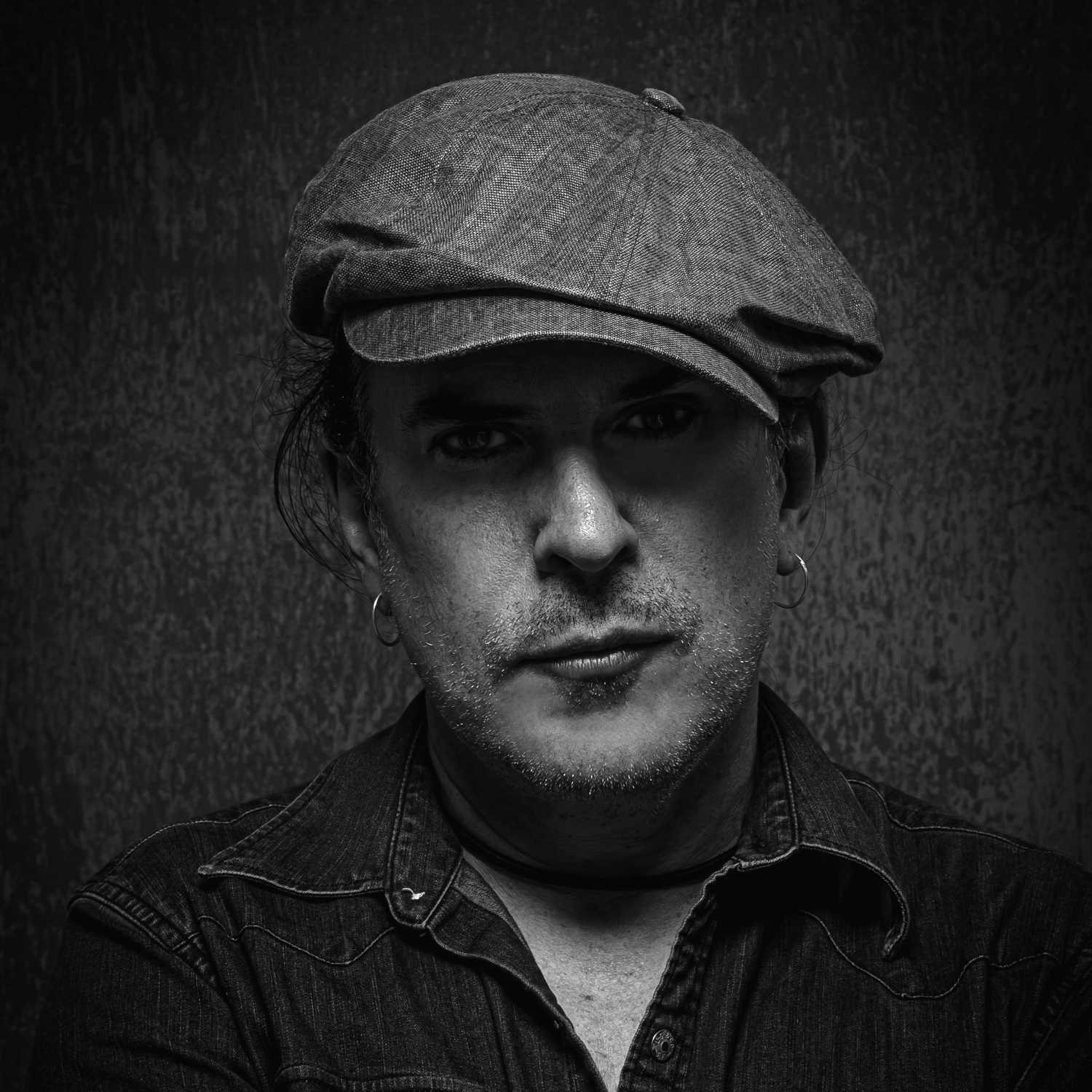
S1 Ep 78Michael McDermott
Singer-songwriter Michael McDermott is in a good place now, but what he went through to get there could fill a book and did. His early ‘90s emergence was met with hype, acclaim and public praise from author Stephen King, but his sales figures disappointed, and he spiraled into addiction and self-destruction, even as he kept creating new music. Both lead characters of the poker movie Rounders were named after him, with one resembling him more than the other. If you’ve heard McDermott’s lyrical songs, you won’t be surprised that he is a tremendous storyteller, and he offers great energy, hard-earned wisdom and jaw-dropping tales here. He also relates his fears of forgetting the lyrics to “The Star-Spangled Banner” at Wrigley Field, and, wait, HOW many verses did he write for that new song? (Photo by Darin Back.)
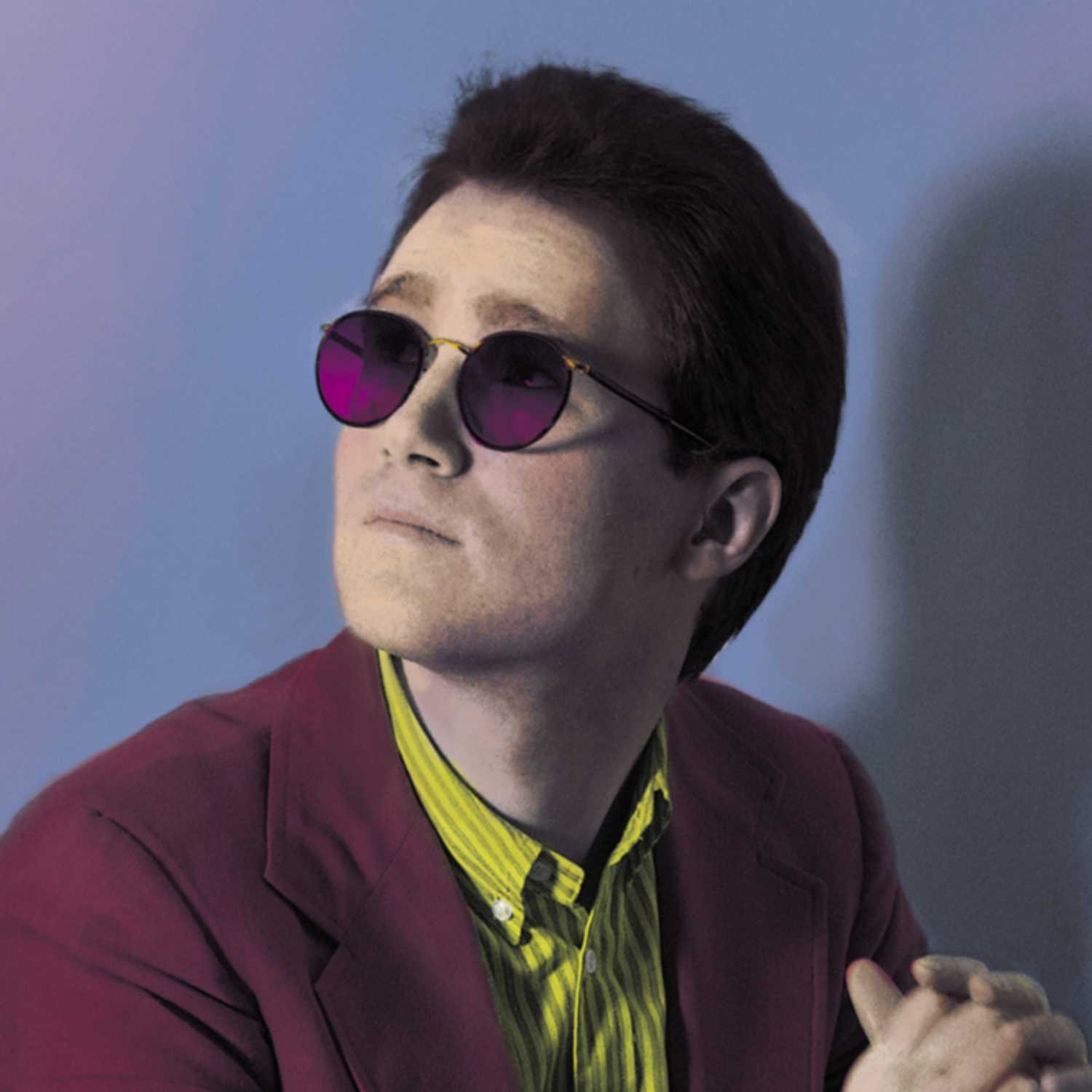
S1 Ep 77Marshall Crenshaw
Marshall Crenshaw is a master of smart, instantly indelible guitar-pop-rock songs, starting with his outstanding 1982 self-titled debut album (“Someday, Someway,” “Cynical Girl,” “Mary Anne”…) and continuing with Field Day (“Whenever You’re on My Mind”) and beyond. He grew up in the Detroit area, played John Lennon in productions of Beatlemania but always saw himself as a solo artist, not a band member. What about the first album's sound did he want to fix on the new remaster? Does he think Steve Lillywhite’s booming production of Field Day gets a bad rap? Does he regret how the business side came to affect his creative work? How has he enjoyed guesting in the Smithereens? Will he ever record another album? This conversation will be more than your favorite waste of time.
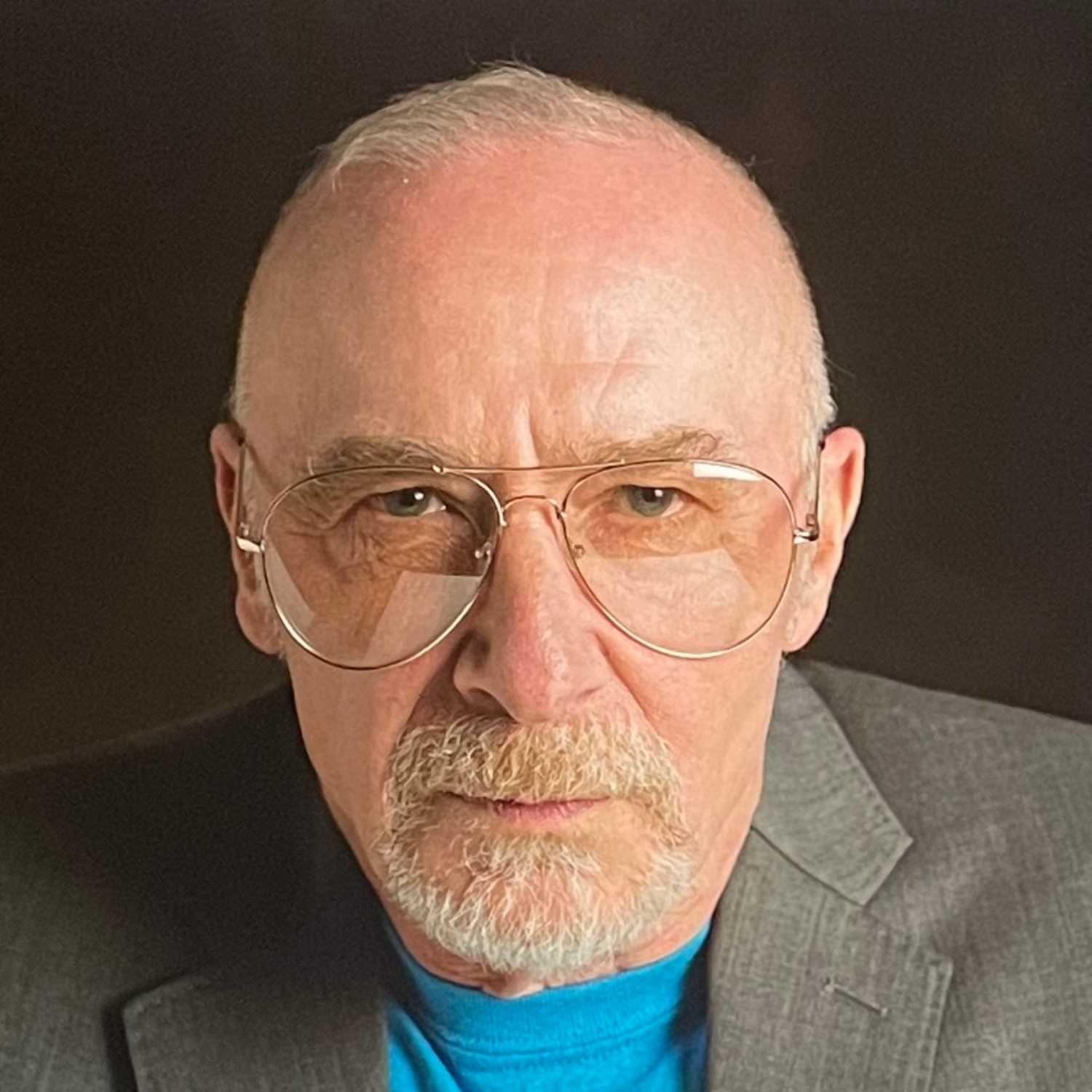
S1 Ep 76Graham Parker, Pt. 2
The second half of this lively conversation with the great Graham Parker covers his classic run of ‘70s and ’80s albums, including the first five with the Rumour. What impact did producers Nick Lowe, Mutt Lange, Jack Nitzsche, Jimmy Iovine and Jack Douglas have on his music? Did Parker have any inkling that Squeezing Out Sparks would become so revered? Which of his albums does he consider a “stone old classic”? What’s his issue with The Up Escalator? Why did he need to move on from the Rumour to maximize his growth as a singer-songwriter? Whom was he evoking in his singing on “Wake Up (Next To You),” his one U.S. Top 40 hit? Which of his songs should’ve been a dance hit? This episode hits the spot. (Photo by Dion Ogust.)
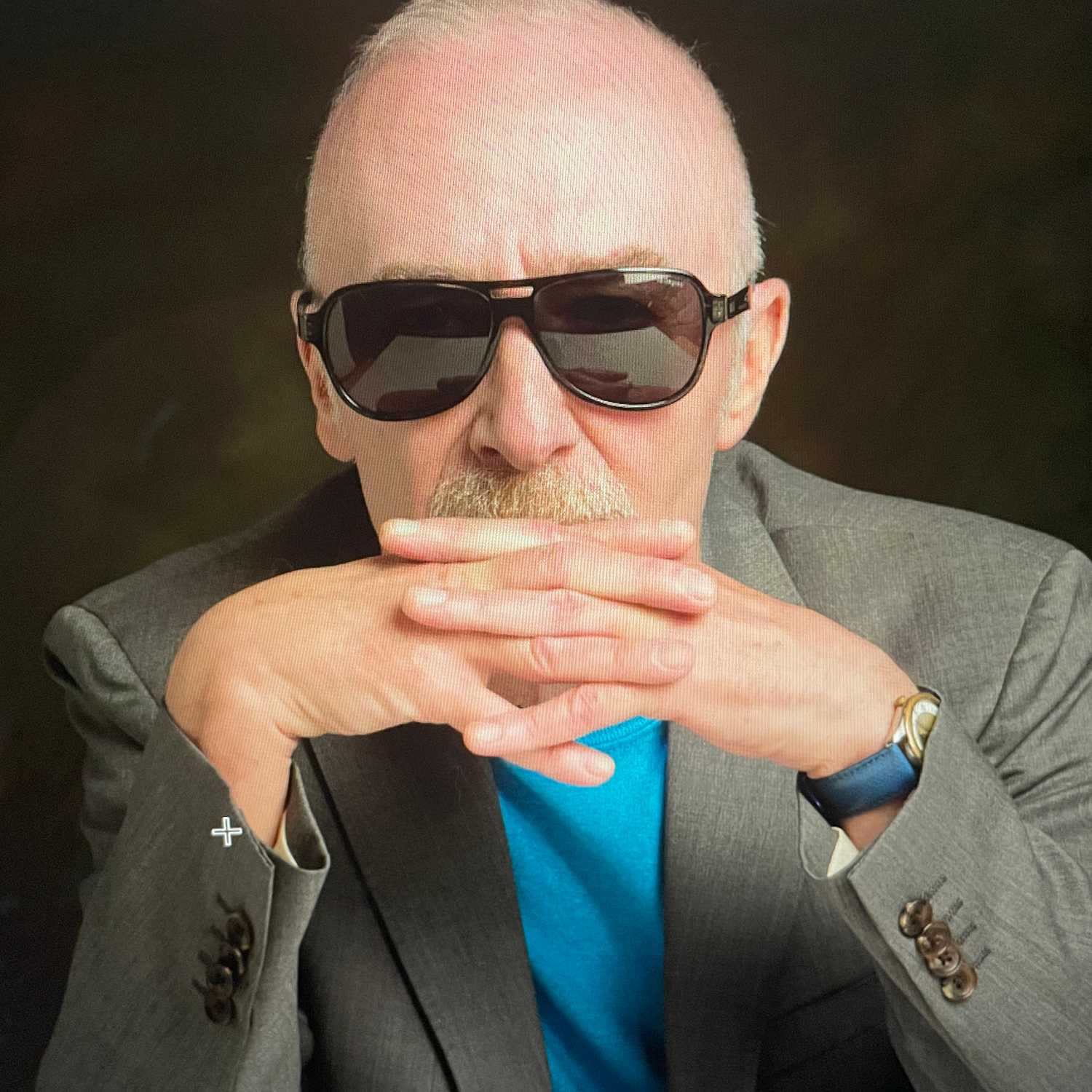
S1 Ep 75Graham Parker, Pt. 1
From his 1976 debut album with the Rumour, Howlin’ Wind, through the all-time classic Squeezing Out Sparks through his 1980s commercial peaks and much excellent work since then, Graham Parker stands as one of the all-time great singer/songwriter/performers. In Part 1 of a lively, insightful conversation, Parker recalls growing up in Deepcut (!), England, and falling under the spell of the Beatles, the Stones, American R&B and a certain Motown singer he would try to emulate. He was a hippie singer-songwriter before developing his “nasty voice” and creating scorching albums with the Rumour. He recounts his decades-later reunion with that killer band, their appearance in Judd Apatow’s This Is 40 and why he is working with other musicians again. And he lets us know what he really thinks of the term “pub rock.” (Photo by Dion Ogust.)
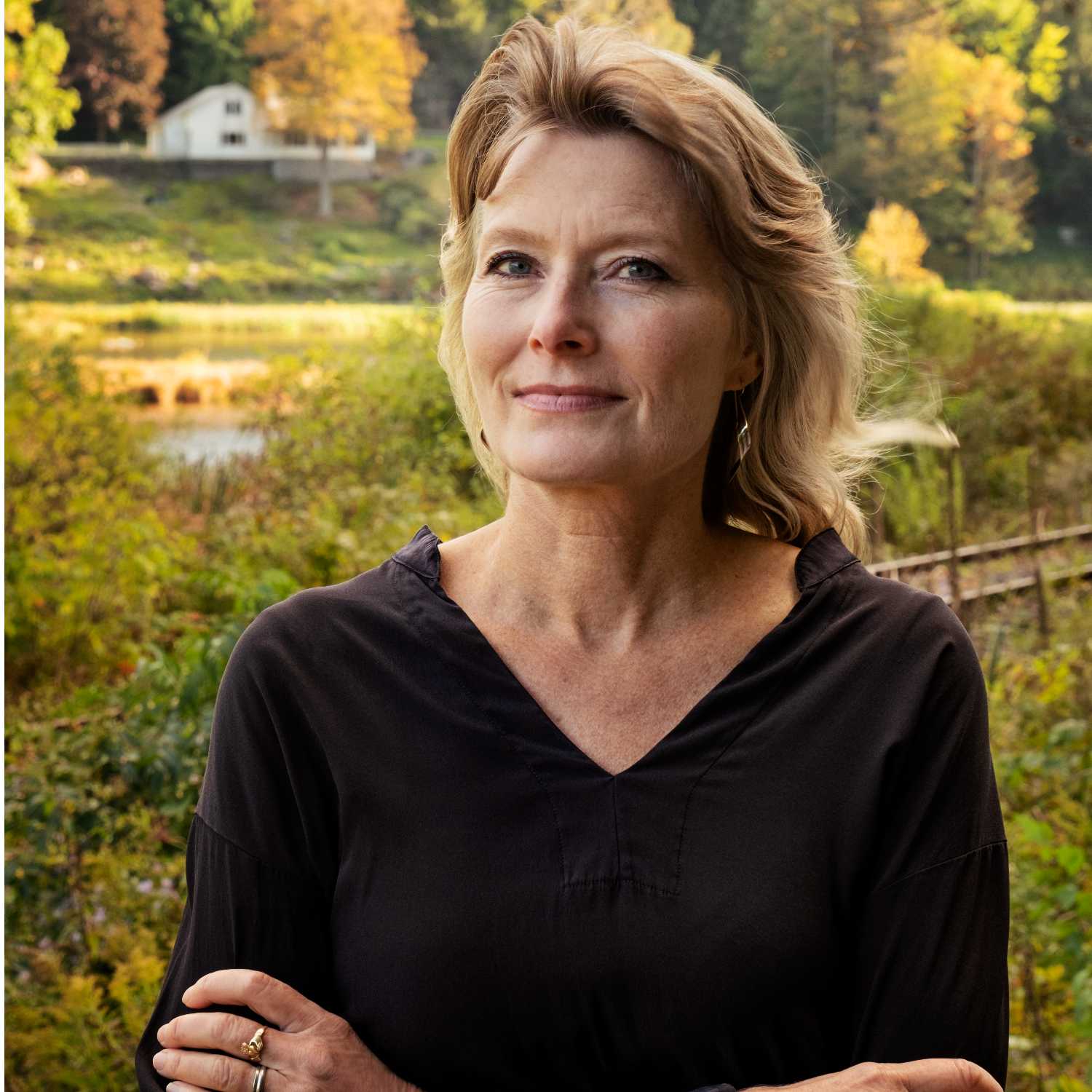
S1 Ep 74Jennifer Egan
Jennifer Egan is a rare novelist whose work is innovative, fiercely intelligent, emotionally potent and fun to read—and she’s equally thoughtful and provocative in conversation. She won the Pulitzer Prize for A Visit from the Goon Squad (2010), and The Candy House, just out in paperback, made Barack Obama’s list of favorite 2022 books. Those novels’ interconnected stories and characters occupy the same universe, but should someone read one book before the other? Does she start her novels with an idea, characters, plot or storytelling strategy? Has she ever learned anything useful from a review? Why does she think every college student should be an English major? And what did she hear from David Bowie about Goon Squad? (Photo by Pieter M. Van Hattem.)
S1 Ep 73Debbi Peterson (The Bangles)
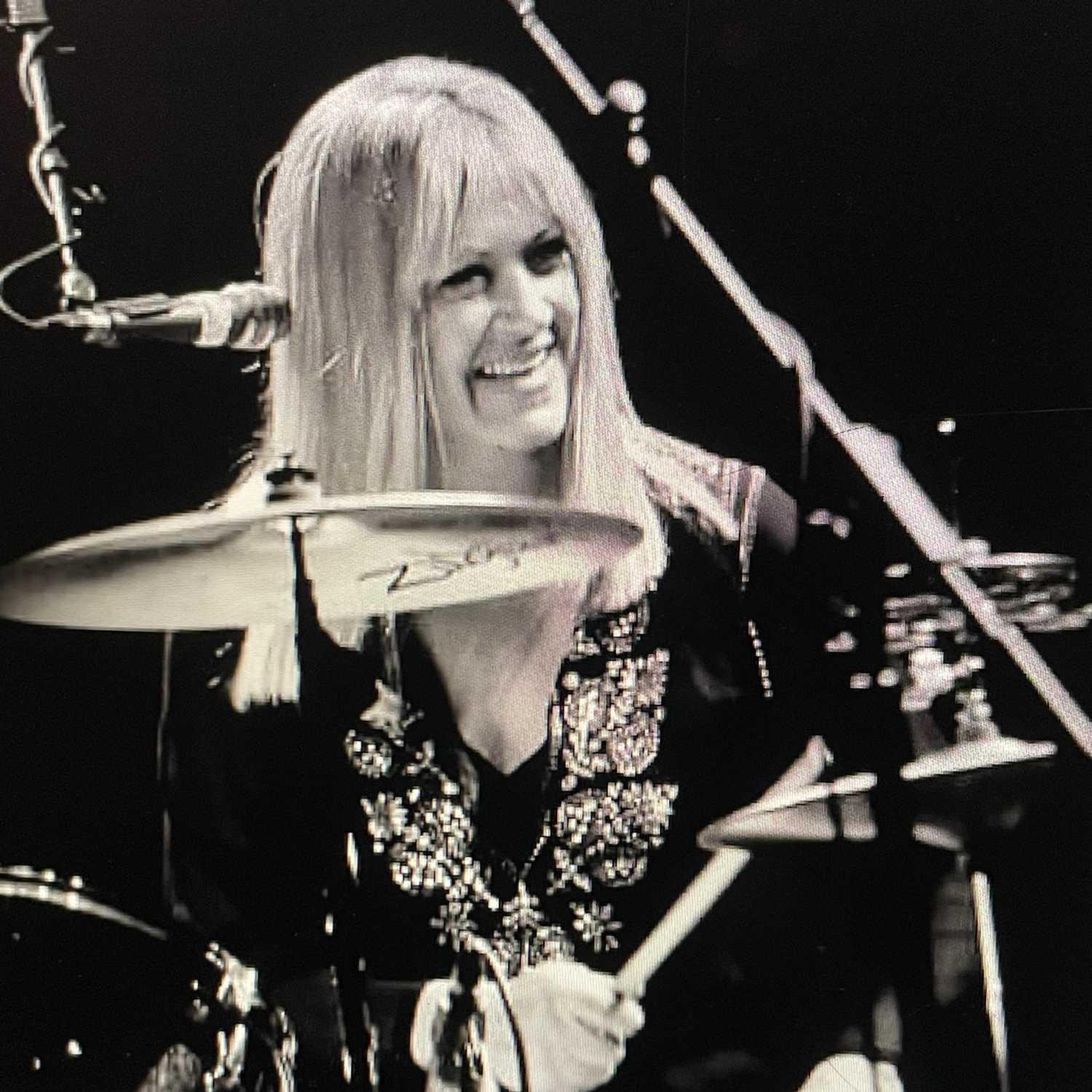
The Bangles specialized in intricate harmonies and tough, taut, tuneful guitar songs yet broke through with relatively glossy versions of “Manic Monday,” “If She Knew What She Wants” and “Walk Like an Egyptian.” Drummer/singer Debbi Peterson recounts the female foursome’s formation in L.A. with her sister, Vicki Peterson, and Susanna Hoffs, both of whom wrote, sang and played guitar. Debbi sang “Going Down to Liverpool” on the wonderful debut album, All Over the Place, but had a hard time with producer David Kahne. Label pressure increased on Different Light, with band members having to audition to sing the “Walk Like an Egyptian” verses. Why did the Bangles split after their third album and power-ballad smash “Eternal Flame”? Would they have been treated differently if they weren’t women? Is the Bangles’ tale triumphant or something more bittersweet?
S1 Ep 72Cary Baker
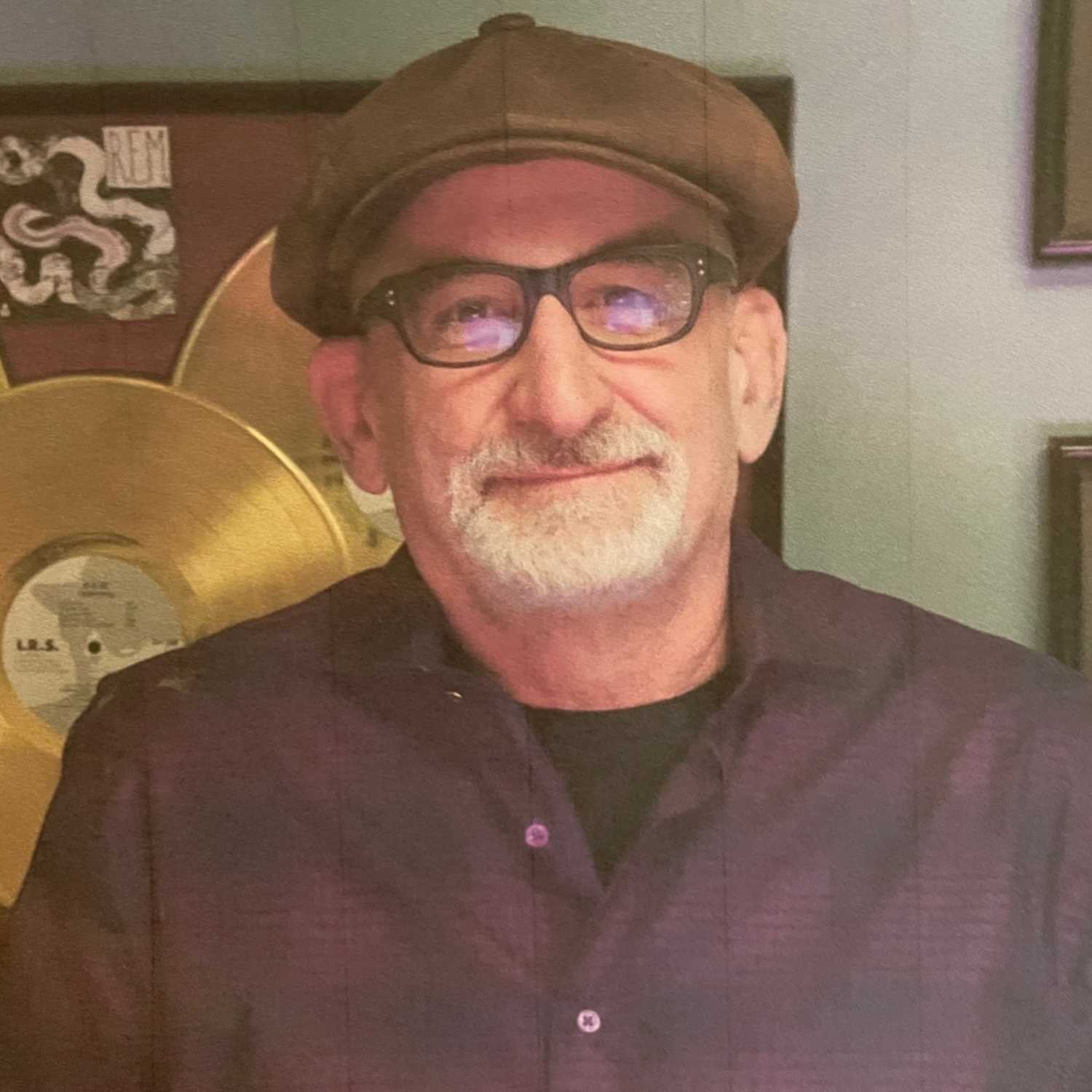
Cary Baker was a Chicago music writer and fanzine creator who made a good impression on R.E.M. and wound up running publicity for the band and its label, I.R.S. Records. There he also worked with the Go-Go’s, General Public, Fine Young Cannibals, the Alarm, Concrete Blonde and Timbuk 3, whom he got booked onto Saturday Night Live. After R.E.M. left the label, Baker did too, moving to Capitol Records and working with Paul McCartney, Tina Turner, Bonnie Raitt, the Smithereens and other big names. Eventually he formed his own firm, Conqueroo (a Chicago blues reference), and represented acts including the one that changed his life as a college student: Cheap Trick. Baker recently retired after 42 years of adventures in the publicity game, and he has stories to tell.
S1 Ep 71Adrian Belew
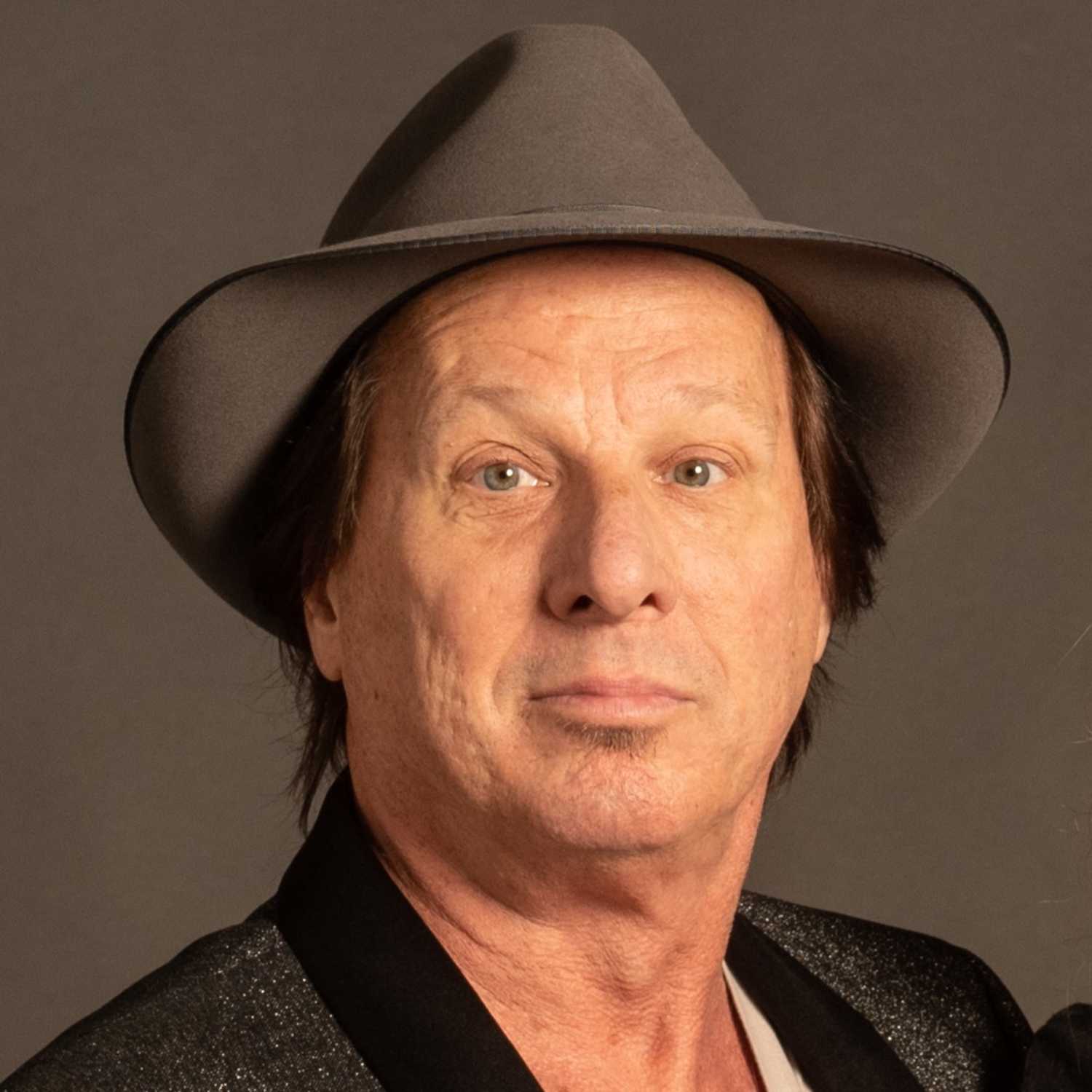
When Adrian Belew was brought in to record his mind-bending guitar solos on what became Taking Heads’ landmark 1980 album Remain in Light, he felt an unprecedented amount of freedom. He was presented not with almost-finished songs but unstructured grooves that felt like vast open spaces for him to color in. That he did, brilliantly, and Belew and Jerry Harrison of Talking Heads are now revisiting this album with a live tour. Of course, Belew’s resume covers a lot more ground, including guitar wizardry with Frank Zappa, David Bowie, Paul Simon and Nine Inch Nails, his stint as lead singer/songwriter of King Crimson and his own solo career. How did each of these collaborations stretch him? And was he really asked to replace David Byrne in Talking Heads?
S1 Ep 70Peter Case
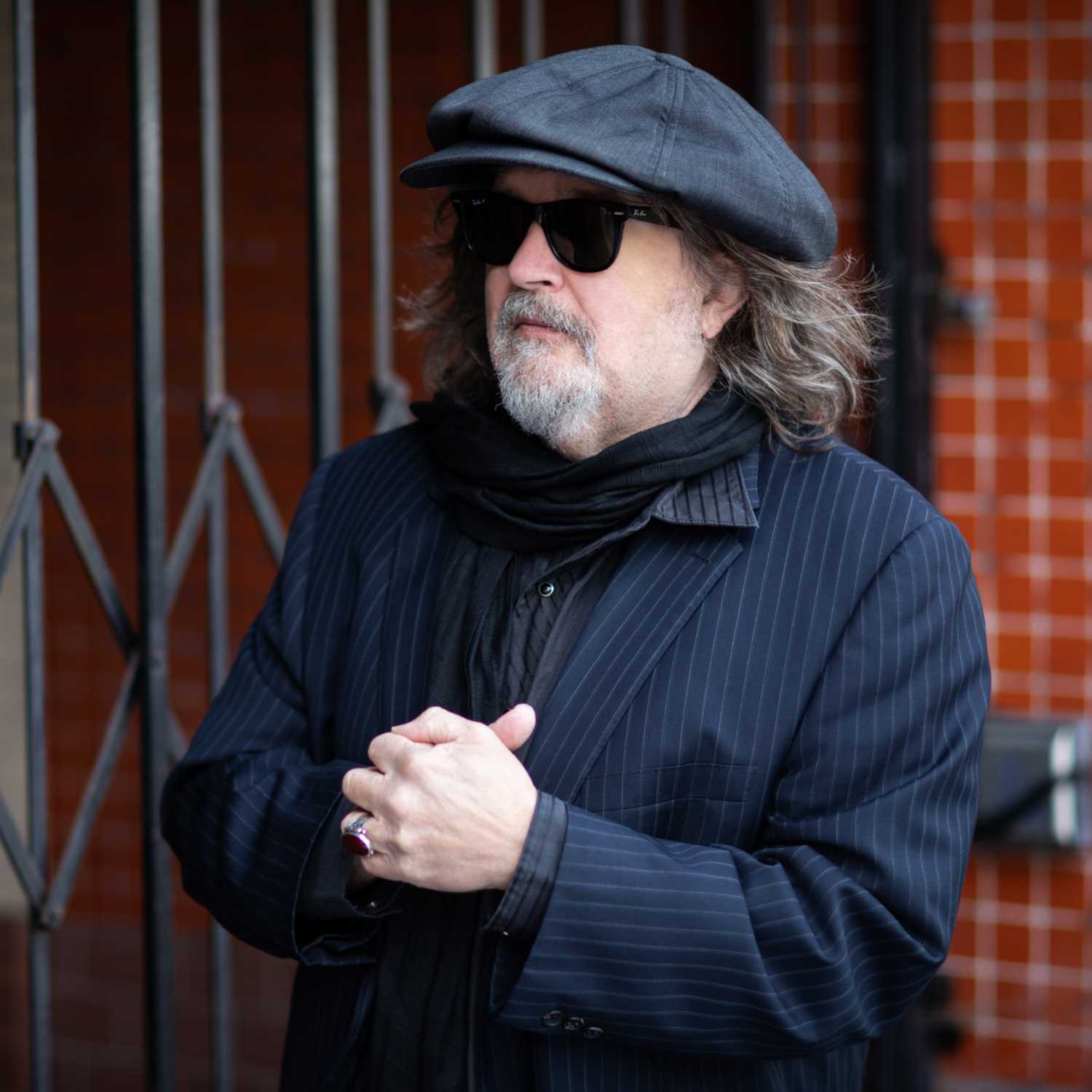
Peter Case is a singer-songwriter who has covered a tremendous amount of ground, both physically and stylistically, over a long, impressive career. He played pop-punk with the Nerves, power-pop with the Plimsouls (“A Million Miles Away”), Americana as a solo artist before Americana was a thing, and many styles since then, including the pounding piano blues of his upcoming Doctor Moan. Here he recalls days of scraping by as a street musician, tells jaw-dropping L.A. stories featuring the Go-Go’s and Jerry Lee Lewis, recounts how Blondie came to cover the Nerves’ “Hanging on the Telephone,” recalls the Plimsouls' appearance in Valley Girl and relives his dreams, disappointments (with a cameo by the label exec who also rejected Wilco’s Yankee Hotel Foxtrot) and triumphs, This is a great conversation for songwriters and music fans alike.
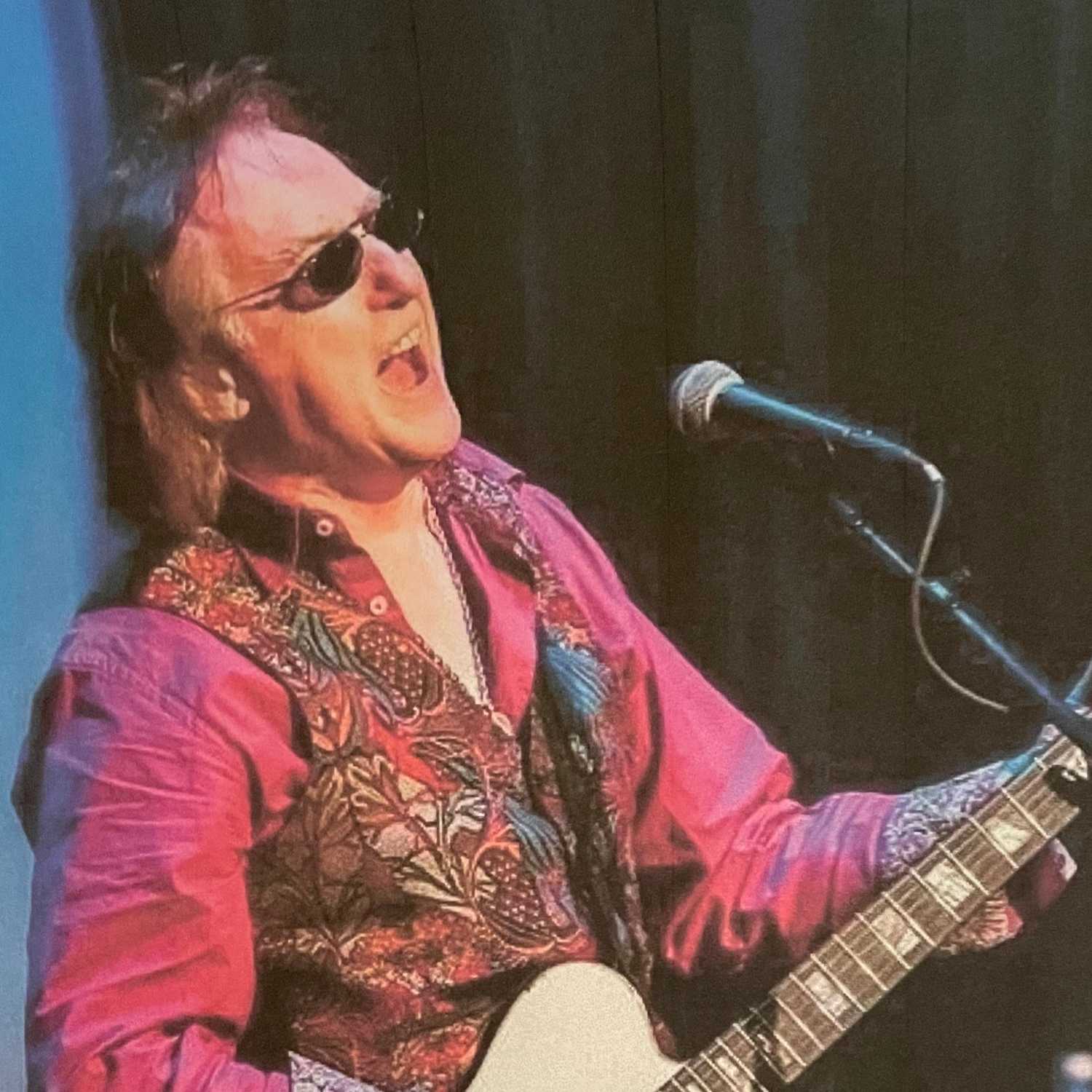
S1 Ep 69Denny Laine (Wings, Moody Blues)
Denny Laine was the one full-time Wings member whose last name isn’t McCartney—as well as a Rock & Roll Hall of Fame inductee with the Moody Blues. Wings went through multiple lineup changes during the 1970s, and for Band on the Run and much of London Town, the band was down to just Paul and Linda McCartney and Laine. Which Wings lineup does Laine consider the strongest? What was co-writing with McCartney like? How did they come to write and record “Mull of Kintyre,” and were they surprised when it became, at the time, the biggest-ever British hit single? Did they work better without an outside producer? Did McCartney’s cannabis arrest in Japan mark the end of Wings? Laine co-wrote “No Words” but has plenty of good ones in this Caropop conversation.
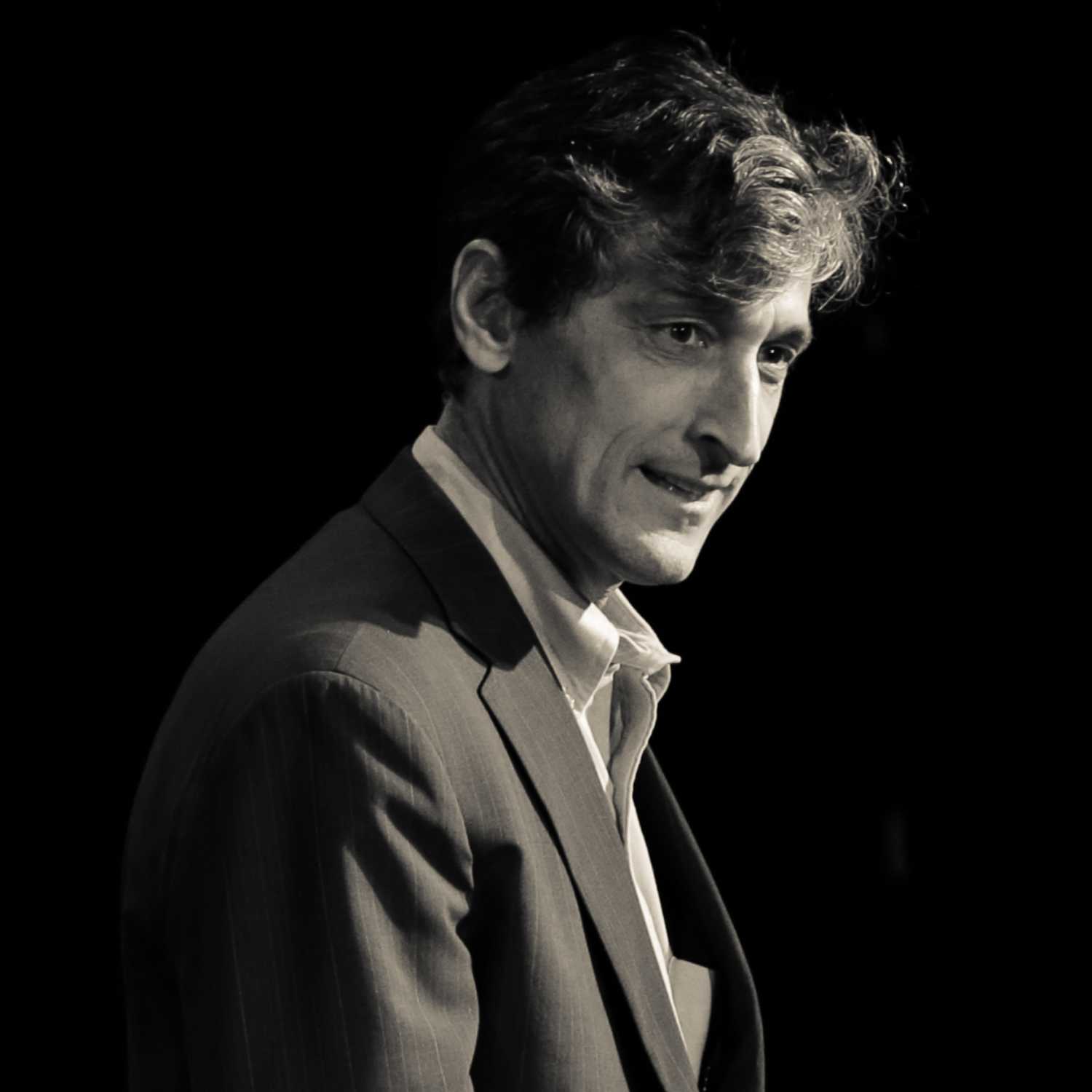
S1 Ep 68David Pasquesi
David Pasquesi is an actor who makes an impression even if you don’t know his name. He brightens The Book of Boba Fett as the sly, untrustworthy Majordomo. He’s the smiling, conniving Veep ex-husband Andrew Meyer. He’s the ever-searching alchemist Blaise St. John on the cult-fave series Lodge 49. You also may have caught him on She-Hulk: Attorney at Law (another cheerful scoundrel), At Home with Amy Sedaris (Knife Man Tony!) and in movies including Groundhog Day. For more than 20 years, he has performed the wholly improvised TJ and Dave show with fellow Second City alumnus T.J. Jagodowski. How does Pasquesi balance acting and improv? Why does he play so many shifty characters? Will he attend Star Wars conventions now? Pasquesi is quick-witted and revealing in this Caropop conversation, recorded live at the club Space in Evanston. Don't miss actor Michael Shannon's question at the end.
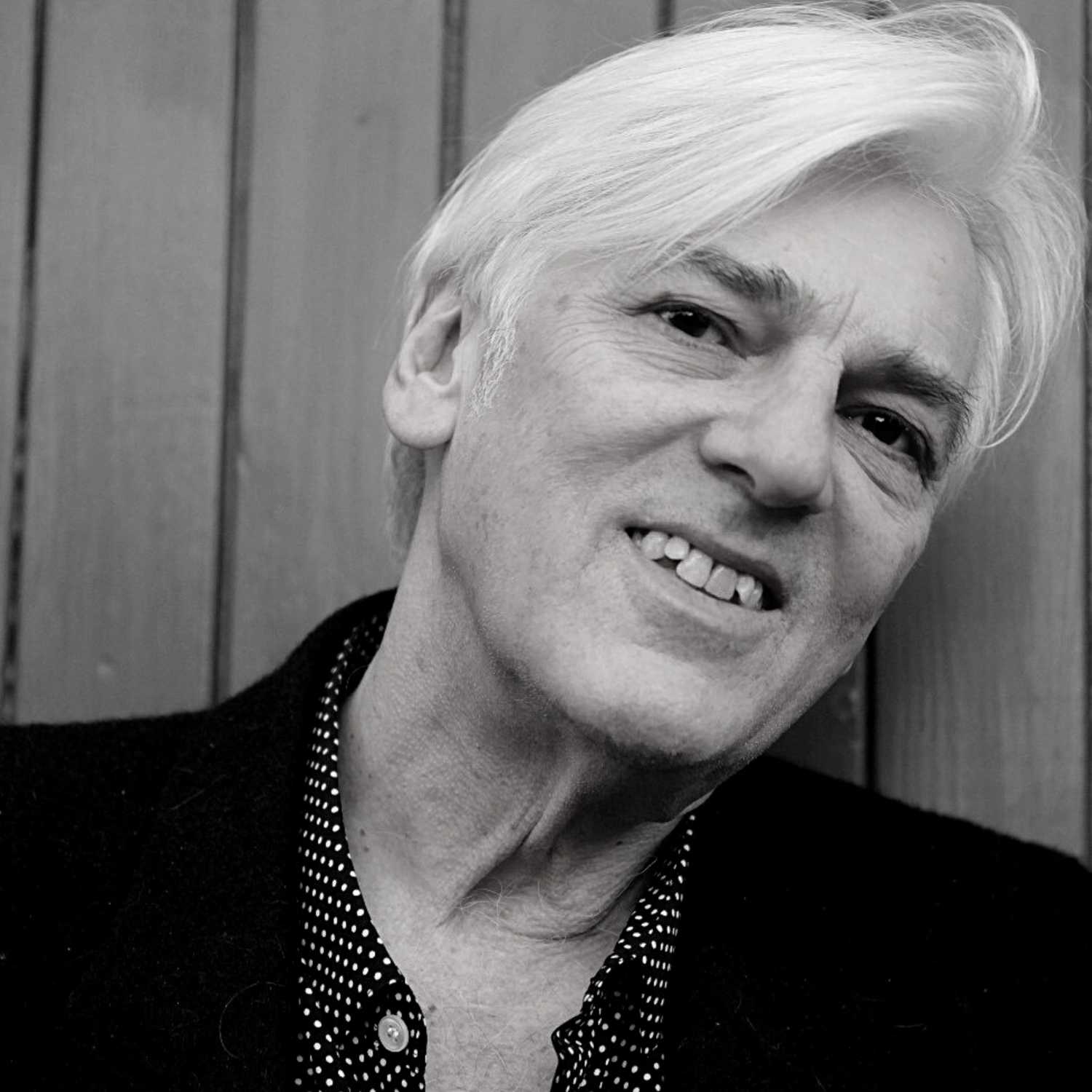
S1 Ep 67Robyn Hitchcock
Robyn Hitchcock has been writing surreal, catchy, muscular, gentle, haunting, melodic pop rock songs from his late-'70s/early '80s work with the Soft Boys through his excellent new album, Shufflemania! He still sounds young yet digs into aging and mortality in his music and this conversation. He also discusses whether he absorbs or echoes such influences as Syd Barrett and John Lennon, how his collaboration with XTC's Andy Partridge worked, what his live-performance pet peeve is and whether inspiration more often finds him or forces him to seek it out. Hitchcock remains as inventive, imaginative and thoughtful as they come.
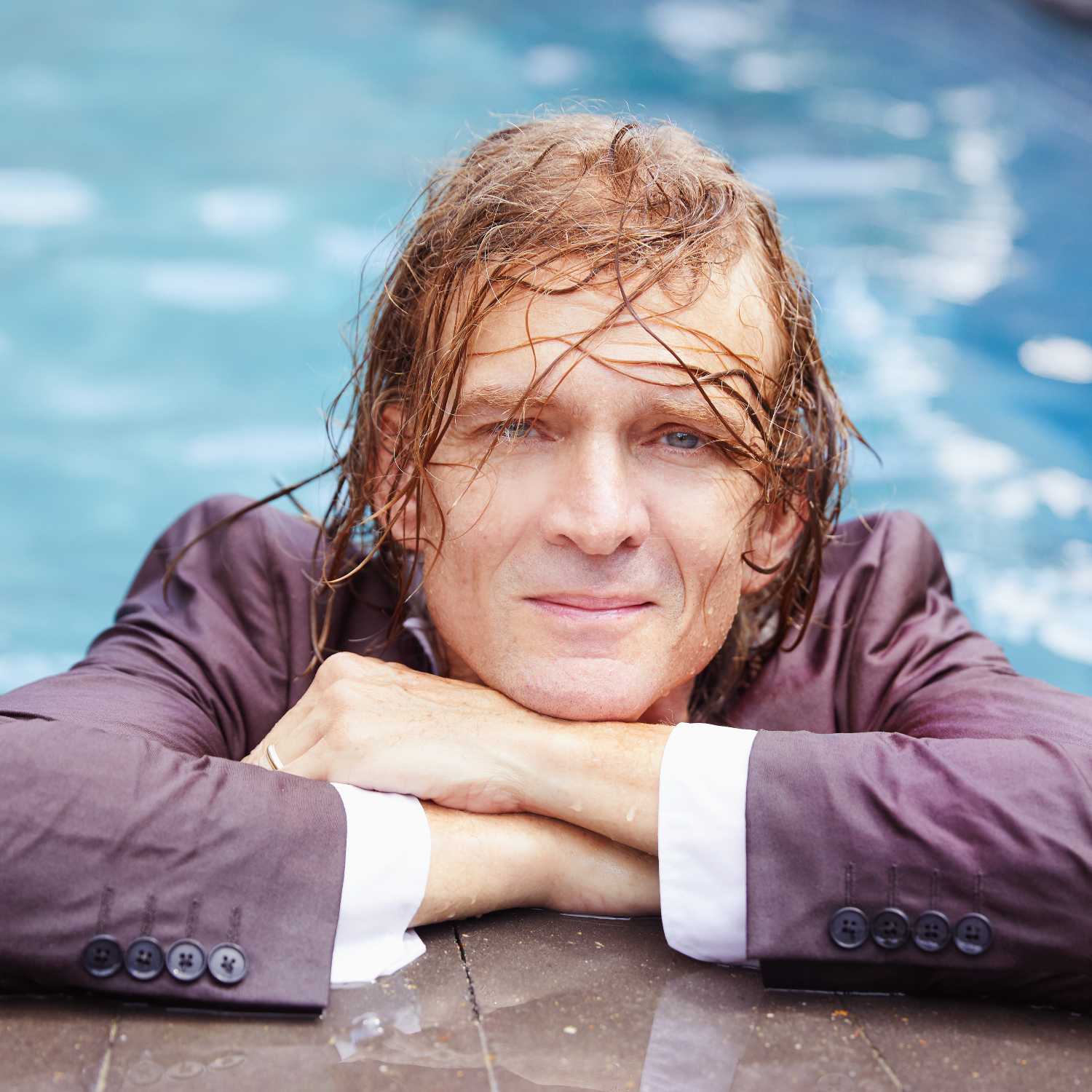
S1 Ep 66Brendan Benson
Brendan Benson is an accomplished solo artist who also happens to co-lead a popular band, the Raconteurs. He'd released three albums of tuneful, smart rock when he played an unfinished song for his Detroit friend Jack White. The White Stripes frontman completed it, they recorded it with another band’s rhythm section, and a supergroup was born, along with its first hit, “Steady, As She Goes.” Now Benson lives in Nashville, where he recorded his excellent eighth solo album, Low Key, and he also collaborates with other musicians, some country, some not (including Robyn Hitchcock). How do those co-writing gigs work? Why can they be embarrassing? Has Nashville rubbed off on his songwriting? Does he consider his work to be autobiographical? Will he ever tour again on his own or with the Raconteurs? Benson is as insightful in conversation as he is in song. (Photo by Guillaume Lechat.)
S1 Ep 65Kevin Gray: Mono vs. Stereo
Mastering engineer Kevin Gray returns to Caropop to break down mono vs. stereo and other issues of sound. Gray has been remastering Blue Note’s acclaimed Tone Poet and Classic Vinyl series, including separate mono and stereo releases of John Coltrane’s Blue Train. Which does Gray prefer and why? Are there time periods when mono is likely to be superior to stereo and vice versa? How are the rules different for jazz and rock? What accounts for a recording’s soundstage—how spread out the instruments sound?Gray also discusses whether the Beatles revamps are revisionist history, whether electronically reprocessed stereo is ever any good, the differences between the Tone Poet and Classic Vinyl releases and his work at Cohearent Audio on funky ’70s recordings for Craft Records’ Jazz Dispensary label and Intervention’s stunning reissue of Joe Jackson’s Night and Day. Then there's his own label's upcoming first release: a jazz album recorded at his home studio modeled after legendary engineer Rudy Van Gelder's Hackensack set-up.
S1 Ep 64Vonda Shepard
Singer-songwriter Vonda Shepard played herself on TV’s Ally McBeal, performing at the characters’ favorite piano bar, and she co-wrote and sang the show’s theme song, “Searchin’ My Soul.” But even with multiple Ally McBeal-tie-in albums, there’s been much more to Shepard’s career than the show. She performed her first gig as a 14-year-old, toured in Rickie Lee Jones’ band and duetted with Dan Hill on the 1987 smash “Can’t We Try.” Years of development with Warner Brothers led to her self-titled debut album, but the label dropped her, Ally McBeal creator David E. Kelley boosted her, and she kept writing songs and releasing albums, including this year’s Red Light, Green Light (produced by husband Mitchell Froom). She reflects on her career's many twists and turns in this lively, wide-ranging Caropop conversation. (Photo by Greg Shappell & Nick Leopold.)
S1 Ep 63Jeff "Skunk" Baxter
Guitarist Jeff “Skunk” Baxter was an original Steely Dan member who played on the band's indelible first three albums: Can’t Buy a Thrill, Countdown to Ecstasy and Pretzel Logic. Those are his memorable solos on “My Old School” and “Rikki Don’t Lose That Number.” When Steely Dan quit touring, he found more success with the Doobie Brothers and eventually brought in singer Michael McDonald, who pushed that band in a more soulful, keyboards-heavy direction. Skunk left to do more studio and touring work and was inducted into the Rock & Roll Hall of Fame with the Doobies. After all these years, he finally released his first-ever solo album, Speed of Heat. Oh, and in his "day job," he games out war scenarios for the U.S. government. He has a lot to reel in in this ear-opening Caropop conversation.
S1 Ep 62Nora Dunn
Nora Dunn is a smart, funny, very talented actor and writer who has put up with much bad behavior and isn’t afraid to call it out. Despite all of her excellent work that followed, she feels like she’ll always be associated with Saturday Night Live. She and Jan Hooks were the lounge-singing Sweeney Sisters, she played talk-show host Pat Stevens, and she famously boycotted an episode hosted by comedian Andrew Dice Clay because she argued the show was normalizing someone who reveled in the abuse of women. How did Lorne Michaels punish her at the SNL 40th anniversary? Which legendary director jammed something down her blouse while she was vying for a role? Dunn knows how to tell a story, and she’s still calling it out.
S1 Ep 61Kelly Hogan
Kelly Hogan is fantastic singer who sounds equally at home singing lead or providing sublime harmonies with Mavis Staples, Neko Case, the Decemberists and her fellow members of the Flat Five. She delivered a torchy jazz-twang-rock hybrid with the Jody Grind, her early ’90s band from Atlanta’s Cabbagetown neighborhood, before moving to Chicago and proving in many contexts that she can sing anything. Chatting in person with her cuddly dogs Eddie and Ernie at her side, Hogan tells stories of tragedy and comedy, the futility of trying to abandon music in Chicago and the joy of discovering the perfect harmony partner. Everyone loves working with Hogan, and when you hear her sing—or talk—you understand why.
S1 Ep 60Bettye LaVette
Soul singer Bettye LaVette has had an epic career. She recorded her first single "My Man — He's a Lovin' Man" as a 16-year-old Detroiter in 1962, and its success put her on tour with Ben E. King, Clyde McPhatter and a young Otis Redding. Yet it was another 20 years before her first album was released and another 20 years before her career finally caught fire and the accolades and Grammy nominations started pouring in. How did she become one of our most treasured song interpreters? How did she overcome her “buzzard luck”? And what did Bob Dylan do to tick her off? Don’t underestimate or mess with Bettye LaVette. (Photo by Joseph A. Rosen.)
Caropop Happy Thanksgiving 2022
Please enjoy this brief Happy Thanksgiving message from the Caropop team, plus a countdown of the Top 10 most downloaded episodes and a preview of next week's guest. Happy Thanksgiving and thanks, everybody!
S1 Ep 59Stan Demeski (The Feelies)
Drummer Stan Demeski has held down the crazy rhythms of the Feelies for four decades, with a stint in the alt-rock supergroup Luna in between. He replaced the late Anton Fier in the Feelies and played in the related bands the Trypes, Yung Wu and the Willies before appearing on his first Feelies album, the classic The Good Earth. Demeski takes us inside the idiosyncrasies and dynamics of this propulsive, percussive group as they appear in Jonathan Demme’s Something Wild, jump to a major label, take a 16-year break and resume making music together. He also recounts his Luna experience, how that ended and what it was like for him, a huge Velvet Underground fan, to tour with Lou Reed.
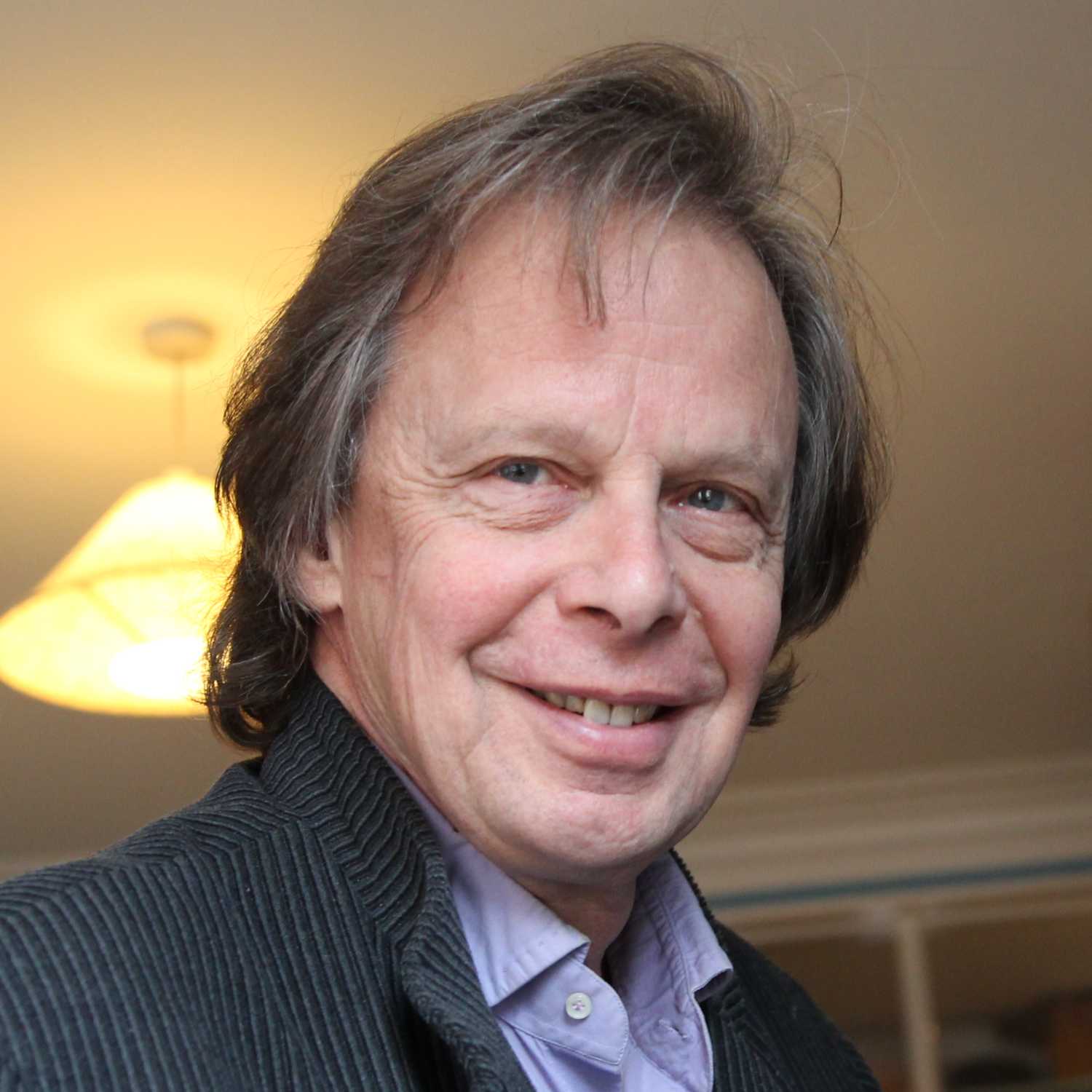
S1 Ep 58Joe Boyd, Pt. 2
As Part 2 of this Caropop conversation with this astute producer/label owner begins, Fairport Convention has reached its peak, but lead singer Sandy Denny is suddenly out. Did she jump or was she pushed? We also hear about Boyd’s Hollywood stint, the story of how "Dueling Banjos" became a fluke hit and his role in Aretha Franklin’s Amazing Grace film and why it sat on the shelf for decades. Then there’s how he rescued Richard and Linda Thompson’s Shoot Out the Lights, why he stopped producing solo Richard Thompson, and how he dealt with the non-egos of R.E.M. to move the band forward with Fables of the Reconstruction. There's also a song about a sending a camel to bed.
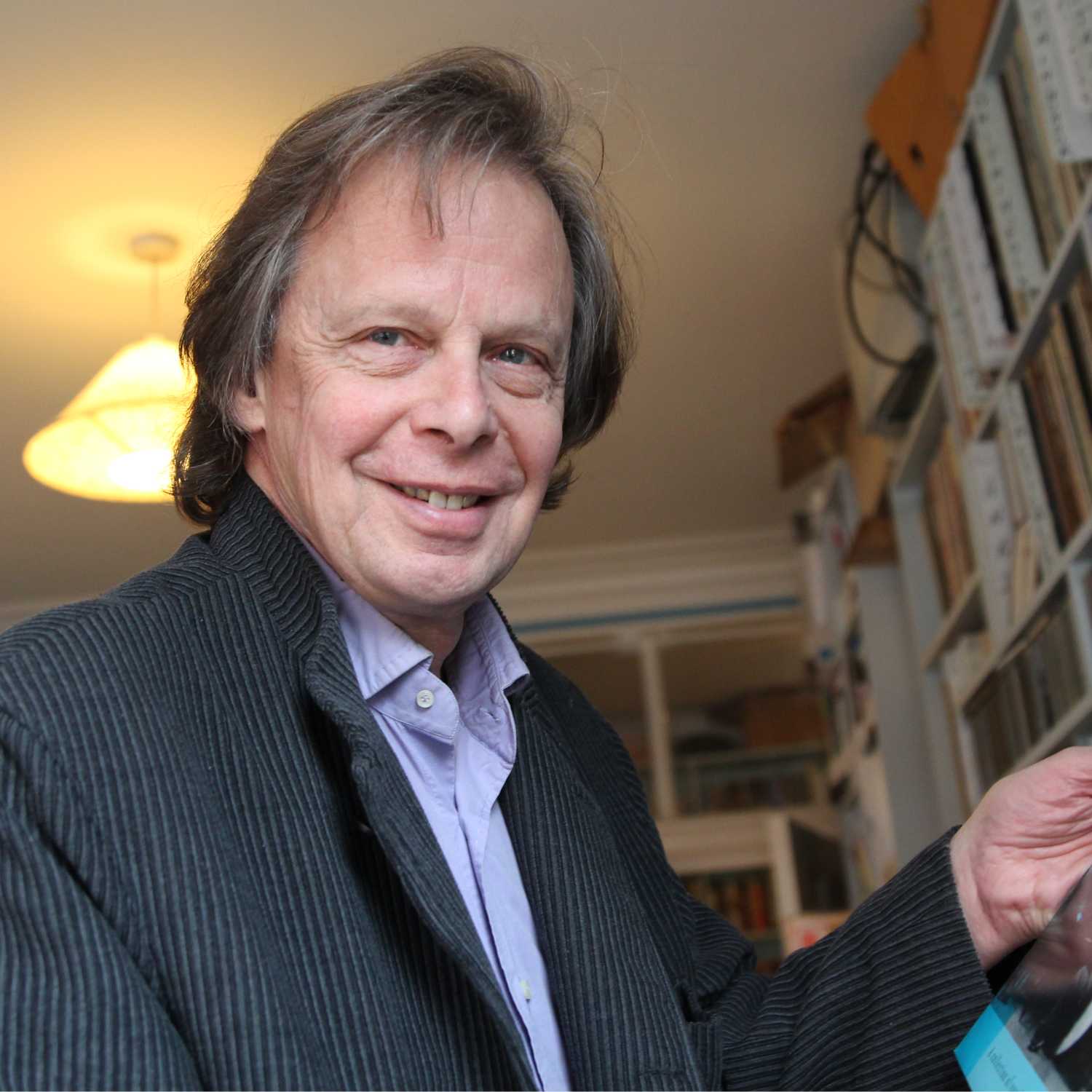
S1 Ep 57Joe Boyd, Pt. 1
When Joe Boyd moved to London in the mid-‘60s, he had no idea how he’d change the music world. He opened the soon-to-be-legendary underground UFO Club and produced the first single by its house band, Pink Floyd. He also produced Fairport Convention, which rebounded from a tragic crash and basically invented British folk rock; the Incredible String Band, whose Woodstock appearance remains Boyd’s biggest professional regret; and Nick Drake, who was plagued by his lack of commercial success in his short lifetime. And that takes us just into the early ‘70s, with adventures with Aretha Franklin, smash singles involving banjos and a camel, and landmark work with Richard and Linda Thompson, R.E.M. and many others to follow. Enjoy Part 1.
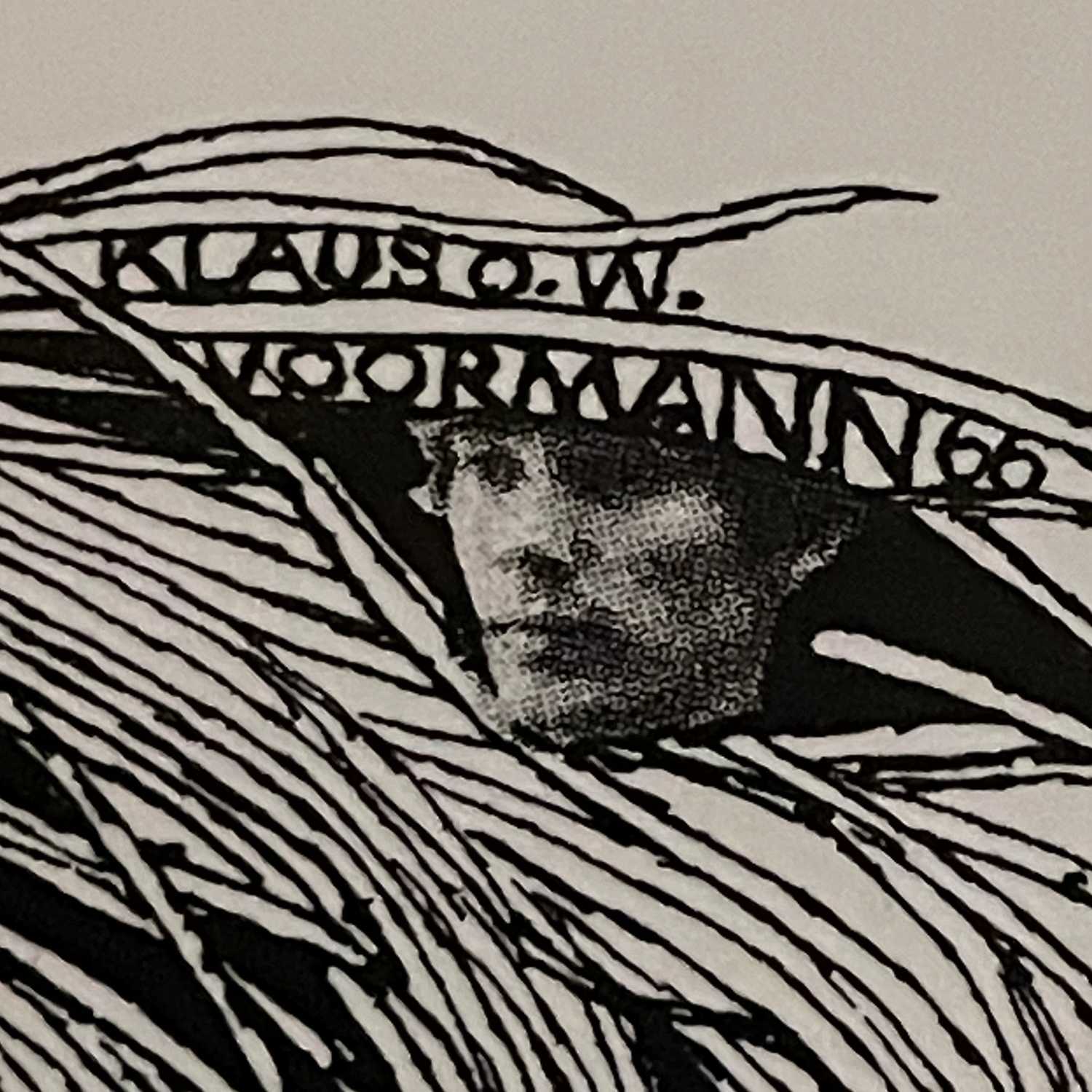
S1 Ep 56Klaus Voormann
If all Klaus Voormann had done was design the cover of the Beatles’ Revolver, his place in rock history would be secure. The band needed artwork to match their bold musical leap forward, and he delivered striking black-and-white line drawings of his friends, with photos woven through their flowing hair. He recalls hearing the mind-blowing new music in the studio and struggling to draw one particular Beatle. Voormann also was Manfred Mann’s bassist and played with all four Beatles, including on John Lennon’s early solo singles and albums, All Things Must Pass and Ringo. He played bass on Harry Nilsson’s “Without You,” Carly Simon’s “You’re So Vain” and Randy Newman’s “Short People" as well. He’s been here, there and everywhere and wants to tell you.
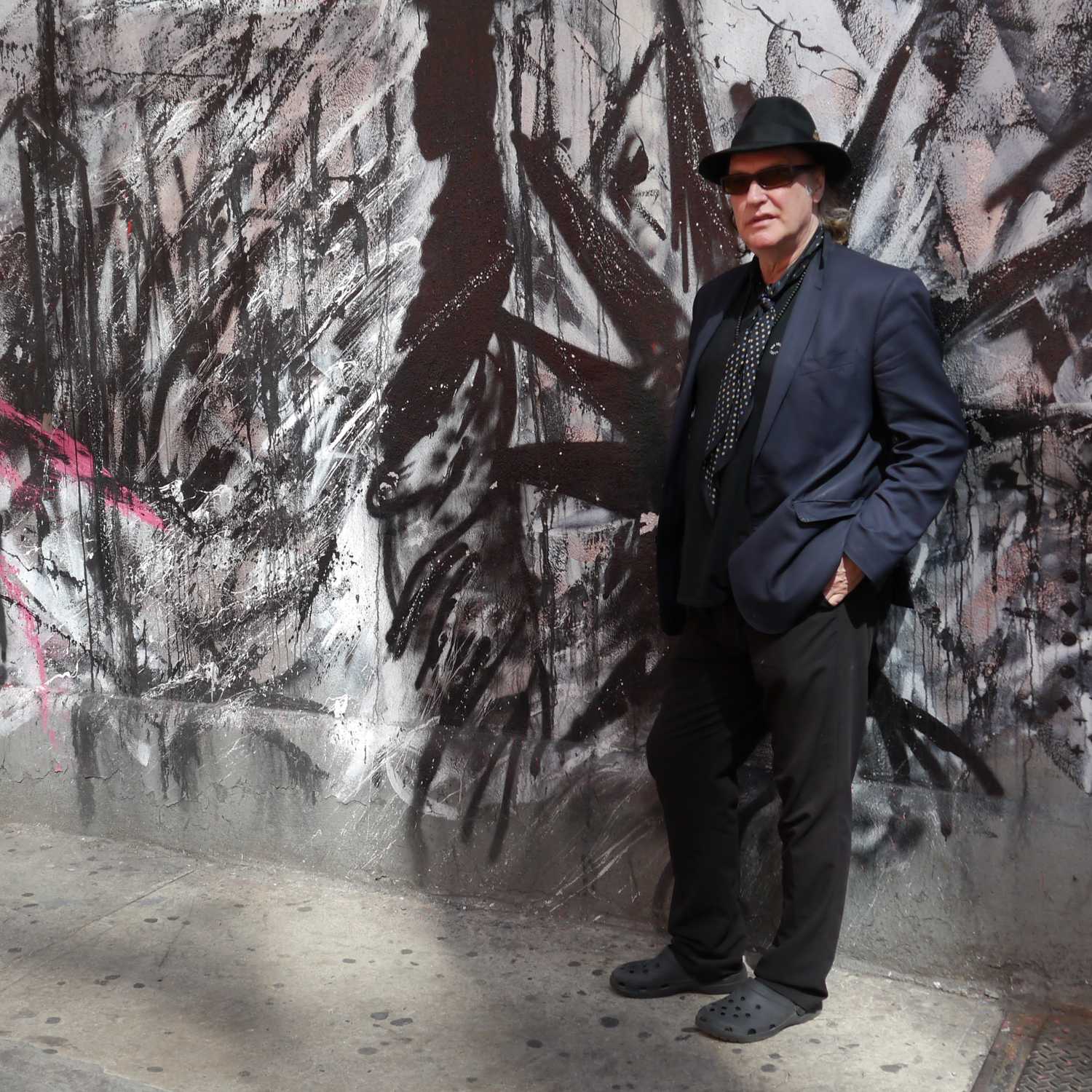
S1 Ep 55Dave Davies
Dave Davies is constantly searching for answers beyond ordinary human comprehension, so a conversation with the trailblazing Kinks guitarist isn’t just a chance to geek out on music questions. We dig into the band's past, present and future, including the songs he wrote (“Death of a Clown,” “Strangers”…), the indelible harmonies he sang and the new box set showcasing Muswell Hillbillies and Everybody’s in Show-Biz. We also discuss his stroke recovery and whether it’s time to retire talk of a Kinks’ reunion. But beyond the songs and dynamics with older brother Ray, Dave Davies is exploring the higher power of love and what it means to be alive. We’re all living on a thin line, after all.(Photo by Rebecca G. Wilson)
S1 Ep 54Don Powell (Slade)
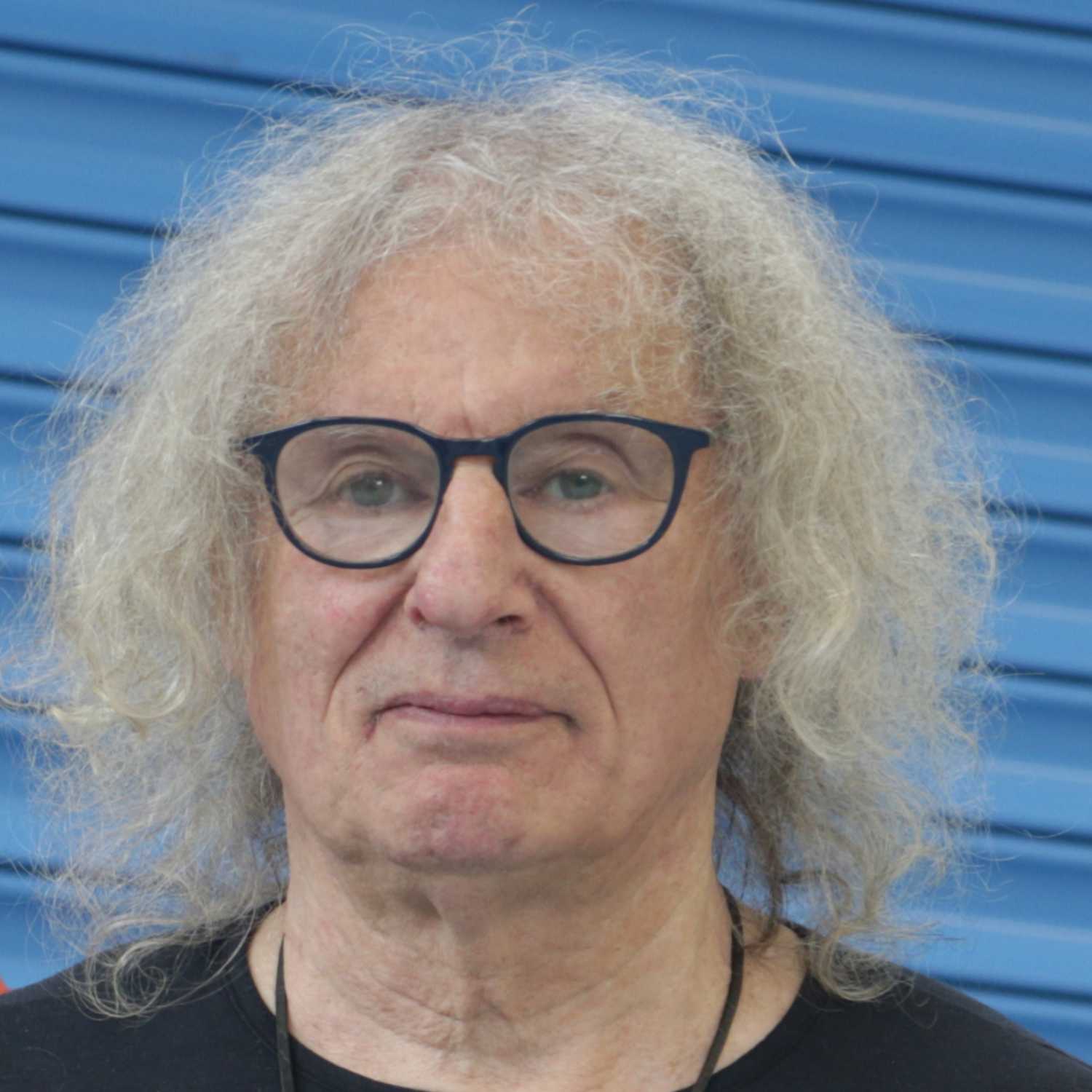
Glam band Slade ruled England in the early 1970s, with six No. 1 singles, including “Mama Weer All Crazee Now,” “Cum on Feel the Noize” and “Merry Xmas Everybody.” Drummer Don Powell supplied the stomping beat but in 1973 was in a horrific car crash that killed his girlfriend and left him seriously injured and with amnesia. He returned to the band within two months. Powell takes us through Slade’s early skinhead phase, the glam peak, his recovery and the band’s frustrating attempts to crack the U.S. market—which finally happened after Quiet Riot had a top-5 hit with its 1983 “Noize” cover. Powell also explains wot’s up with those phonetic spellings and recalls how Sharon Osbourne and a shotgun prompted him to quit drinking.
S1 Ep 53Scott McCaughey
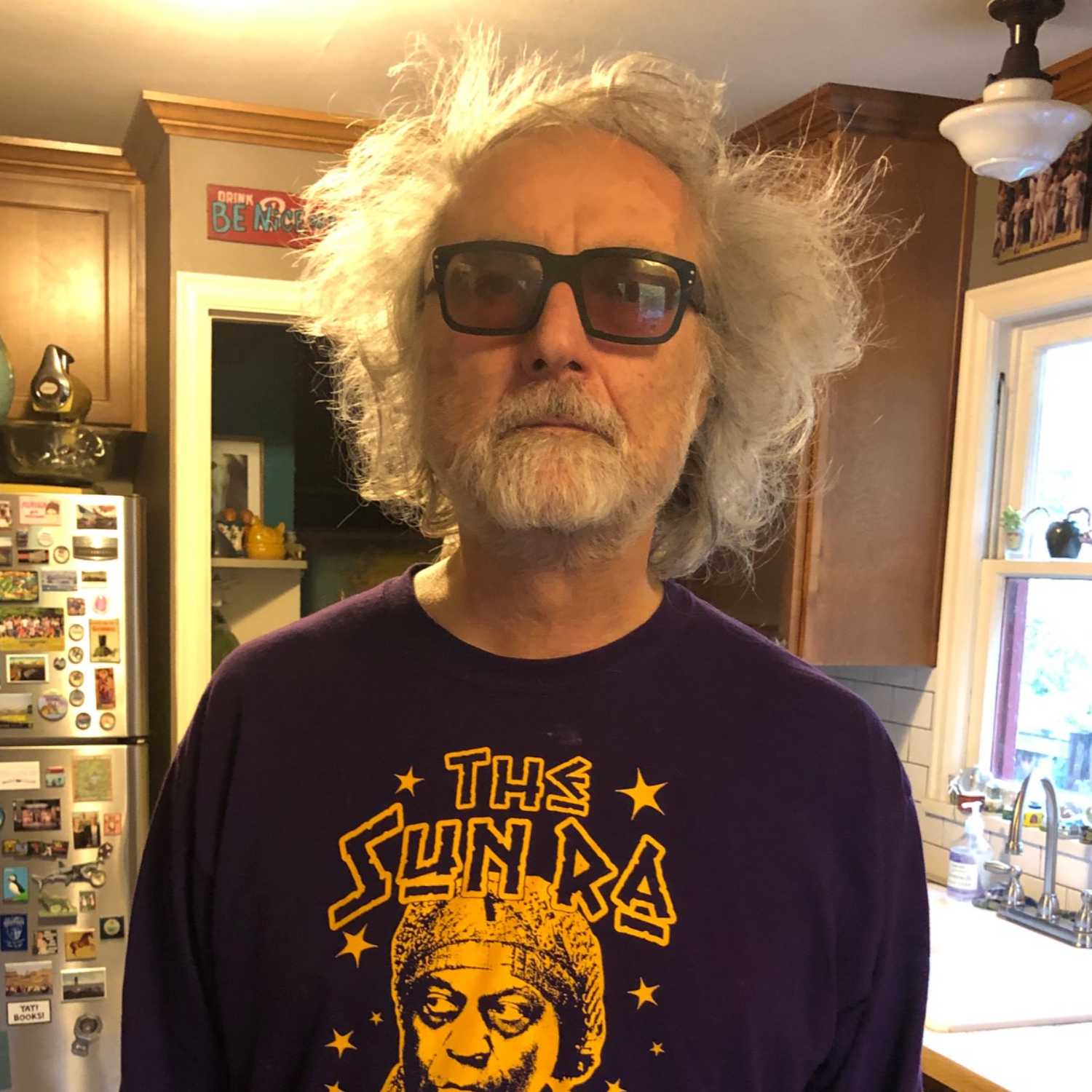
From the Young Fresh Fellows through the Minus 5, the Baseball Project and many more, Scott McCaughey has been in a lot of bands. He also played with R.E.M. for years and has collaborated with Wilco and others who love working with him. In late 2017 he suffered a stroke, landed in the ICU and worked his way back to the stage within months amid an outpouring of affection and support. How did Peter Buck help him rebound? How did McCaughey feel about the attention? How does he feel, period? With new albums by the Baseball Project and the No One awaiting release, he also digs into his songwriting process. McCaughey goes deep in this first episode of the second year of Caropop.
S1 Ep 52Al Jardine (Beach Boys)
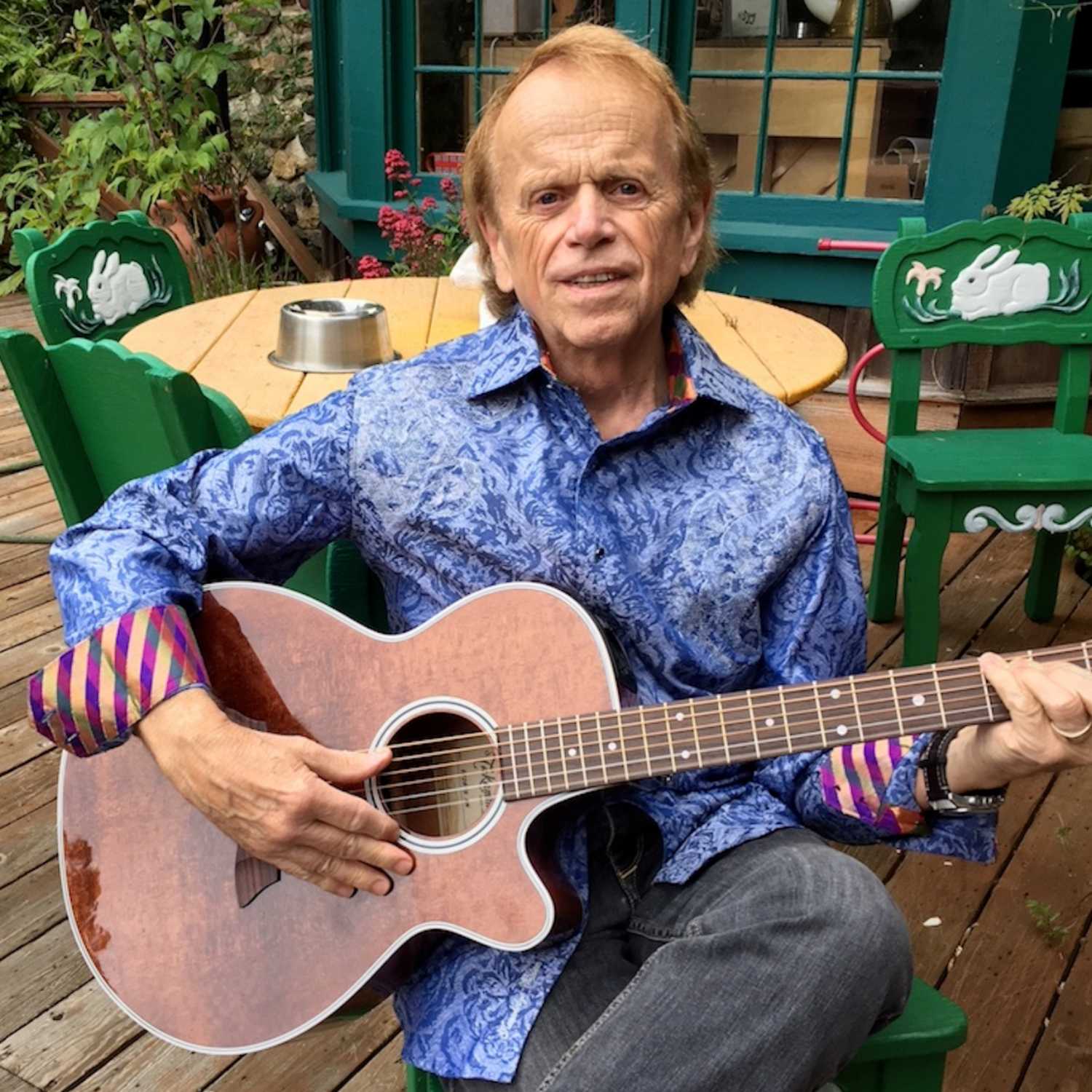
To cap a year’s worth of Caropop episodes, we’ve got an original Beach Boy, Al Jardine. He provided perfect harmonies to this band of brothers and a cousin; he sang lead on “Help Me, Rhonda,” “I Know There’s an Answer,” “Vegetables” and “Cotton Fields”; and he brought in “Sloop John B” and wrote "California Saga/California." At 80 and still sounding great, Jardine tours with his own Endless Summer Band and Brian Wilson and has a solo album, A Postcard from California. How did his mom give the Beach Boys its start? What did he think of the band’s use of studio musicians? When did he realize Brian suffered from mental illness? Why was there no 60th anniversary reunion tour this year? Jardine knows there’s an answer…