Caropop
251 episodes — Page 3 of 6
S1 Ep 147Steve Wynn: Rockin' Author
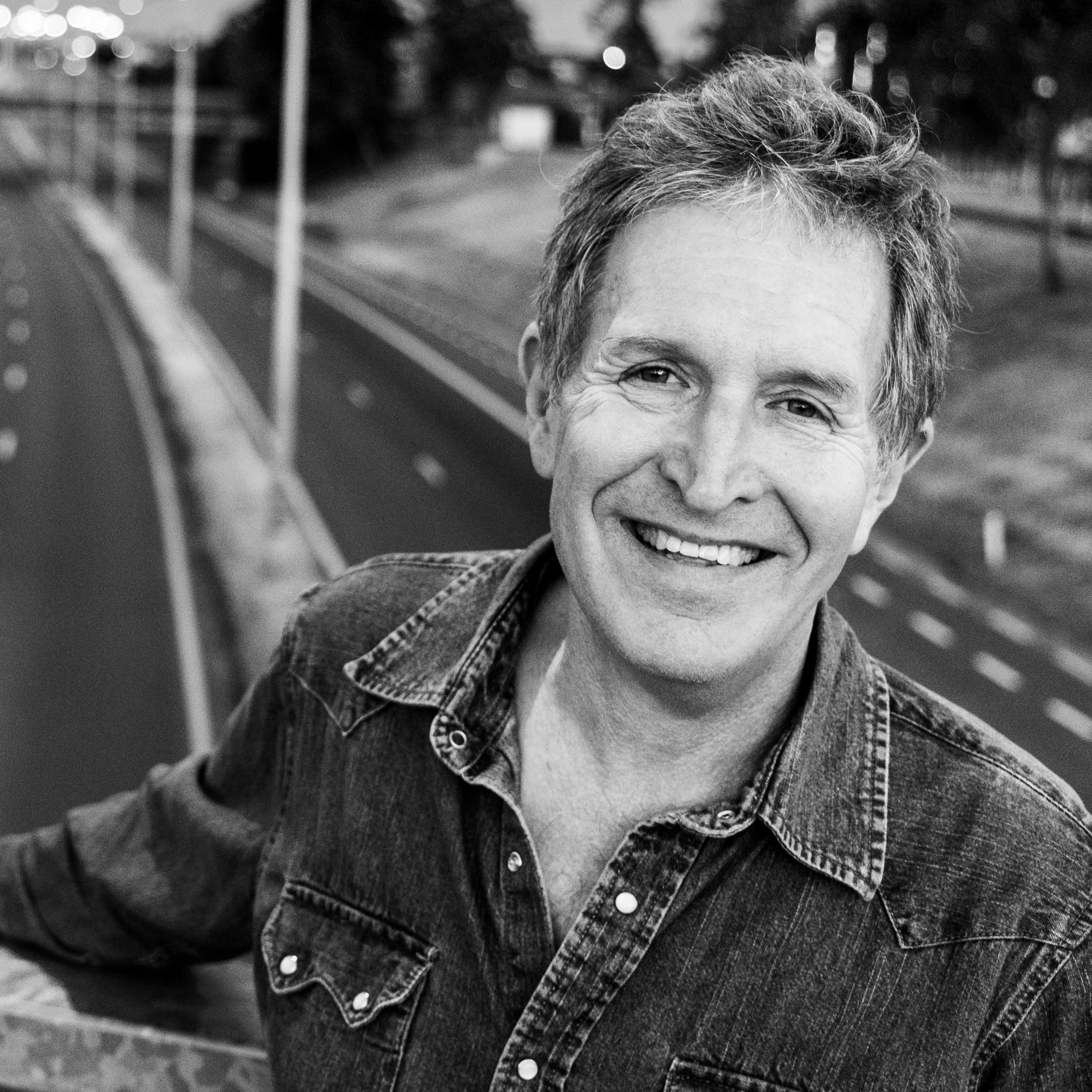
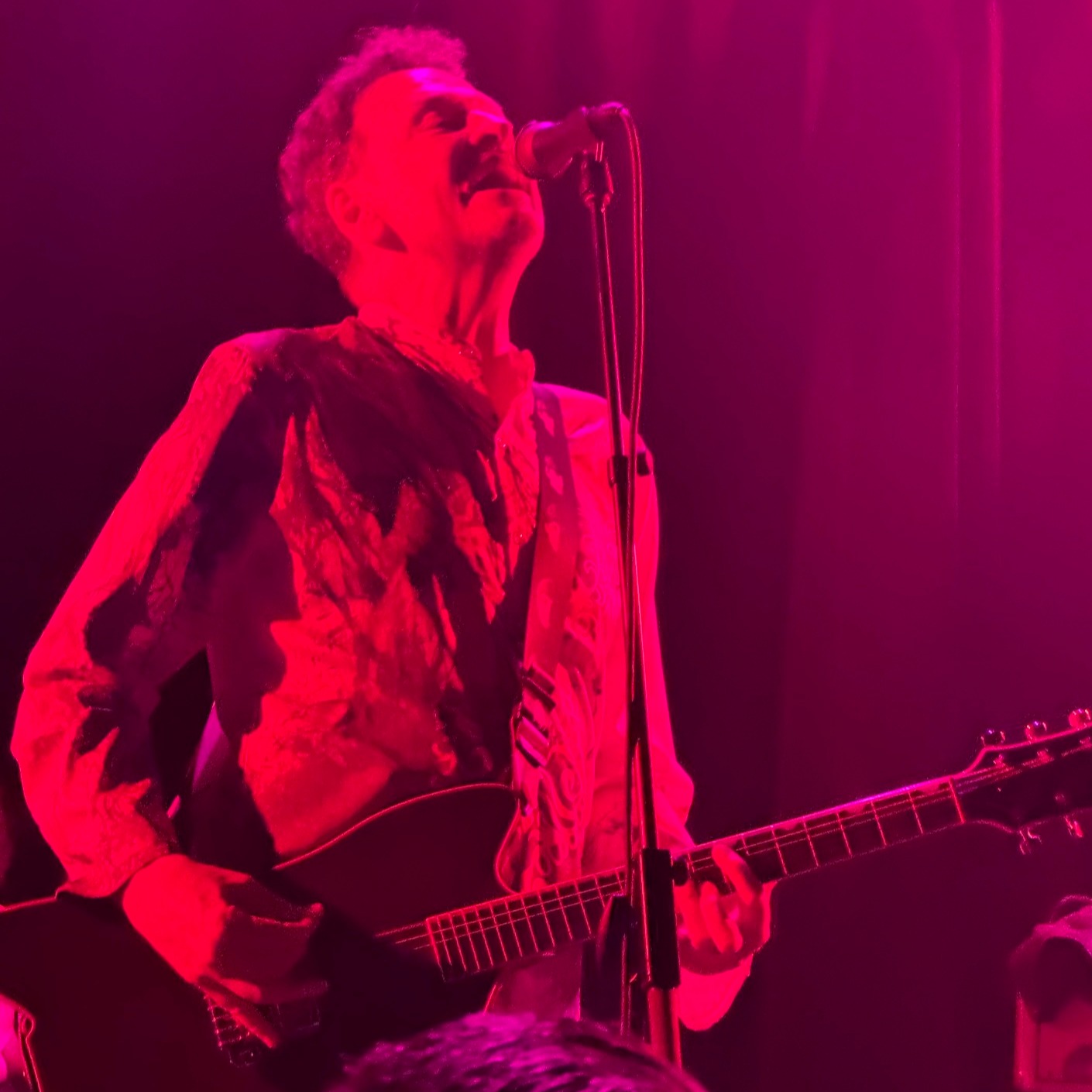
The Dream Syndicate/Baseball Project singer-songwriter-guitarist just released a new memoir, I Wouldn’t Say It If It Wasn’t True, and solo album, Make It Right. But Steve Wynn’s second Caropop visit is no mere rehash of his book and career. He loves talking about music, and our subjects this time include the guitars that got away, the fun of hunting for obscure records in the pre-digital era, and his 1981 pilgrimage to Memphis to track down Big Star’s Alex Chilton. Wynn also shares his perspective on finding happiness in a long career where disappointments are inevitable, whether he considers travel a hassle or a joy, and whether writing a memoir transformed how he views his early years or prompted him to revisit any relationships. He knocks this conversation out of the park. (Photo by Guy Kokken)
S1 Ep 146Jeff McDonald (Redd Kross)
Jeff McDonald’s band Redd Kross is marking its 45th anniversary this year, which is all the more impressive given that the singer-songwriter-guitarist is barely in his 60s. Jeff and his younger brother, bassist Steven, started the band in their teens, and their songs are as catchy and powerful as ever on their new self-titled double album. (A Redd Kross documentary and memoir also are out this year.) As you’d expect from someone whose love of music bursts from every power chord, massive hook and pop-culture shout-out, Jeff McDonald is a lively conversationalist who’s as keen to debate whether it's OK to reuse another song’s title as he is to revisit his band’s adventures. How have his and Steven’s songwriting dynamic changed over the years? Have they actually met Linda Blair?
Caropop End of Summer Message
Wanted to let you know that we’re taking the last three weeks of August off, and we’ll be back the Thursday after Labor Day, Sept. 5, all refreshed and ready with a new Caropop conversation. In the meantime, we encourage you to explore our back catalog. There are 145 episodes, after all.Have you listened to Ep. 102 with jazz-R&B pianist/singer/composer Patrice Rushen? How about Ep. 90 with Suzzy Roche of the Roches? Or Ep. 88 with Eddie “King” Roeser of Urge Overkill? Or Eps. 24 and 25 with, respectively, Colin Blunstone of the Zombies and Sam Phillips? Or Ep. 9 with legendary mastering engineer Bernie Grundman? How about one of the XTC episodes with Colin Moulding, Dave Gregory or Terry Chambers? You can find these and discover others at https://www.caropop.com/caropopcast or go to Apple Podcasts or Spotify. Producer Chris Cwiak and I wish you all a great end of summer, and we’ll talk with you again soon. Thanks!
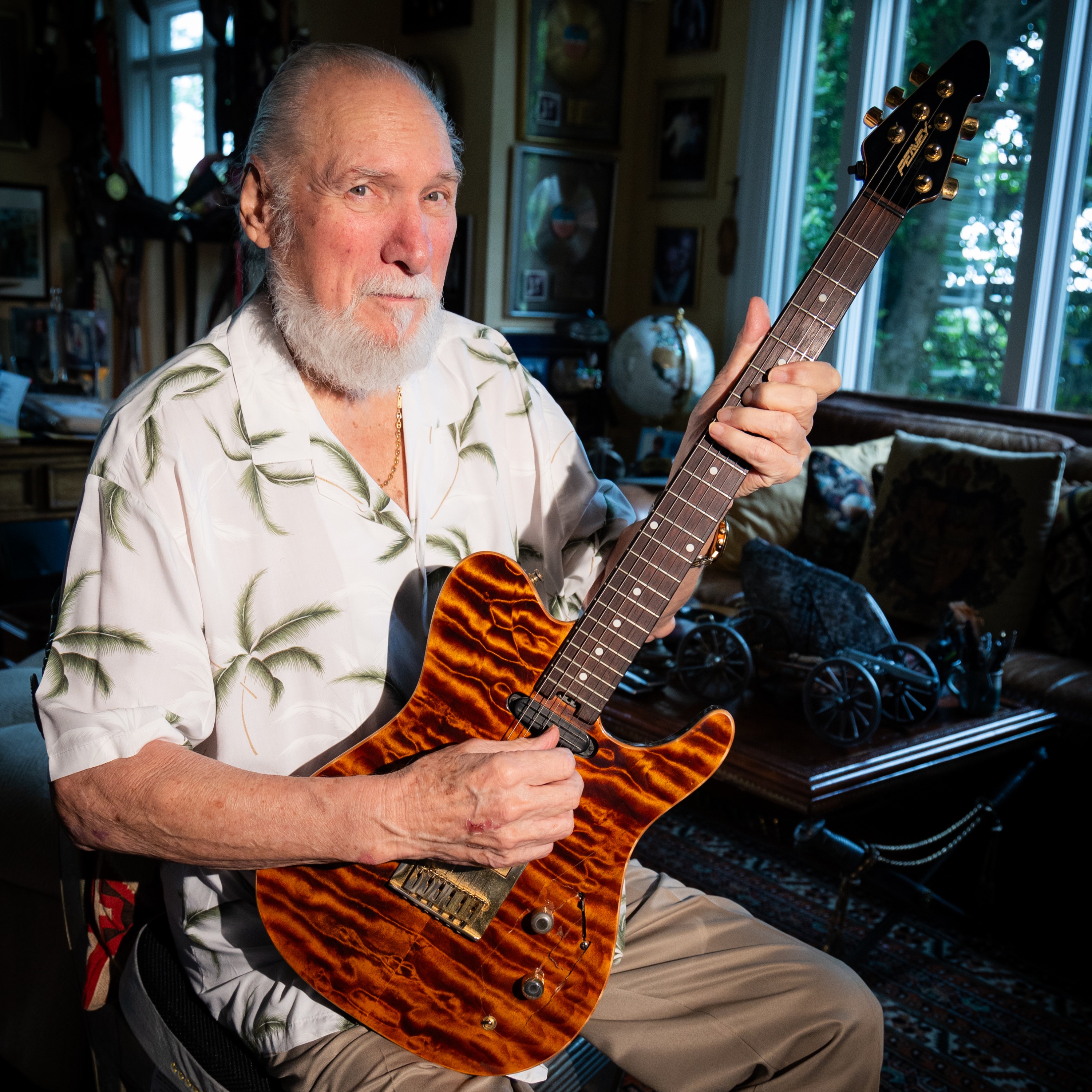
S1 Ep 145Steve Cropper & Jimmy James
When I spoke with guitarist Jimmy James a few weeks ago for Caropop Ep. 143, he cited Steve Cropper of Booker T. and the M.G.’s. as a key inspiration. Listen to James’ work with the organ trio Parlor Greens and, before that, the Delvon Lamarr Organ Trio, and you hear how he, like Cropper, is a rhythmic guitarist who never overplays yet can make your head spin. I told James I’d love to hear him to interview Cropper, and he said that would be a dream come true. Turns out, the 82-year-old Cropper, my guest for Caropop Ep. 93 last summer, has a new album, Friendlytown, coming out Aug. 23. I pitched the idea of James talking with Cropper, guitarist to guitarist, generation to generation, and here it is—with fantastic stories and insights plus a few guitar licks. (Photo by Stacie Huckeba.)
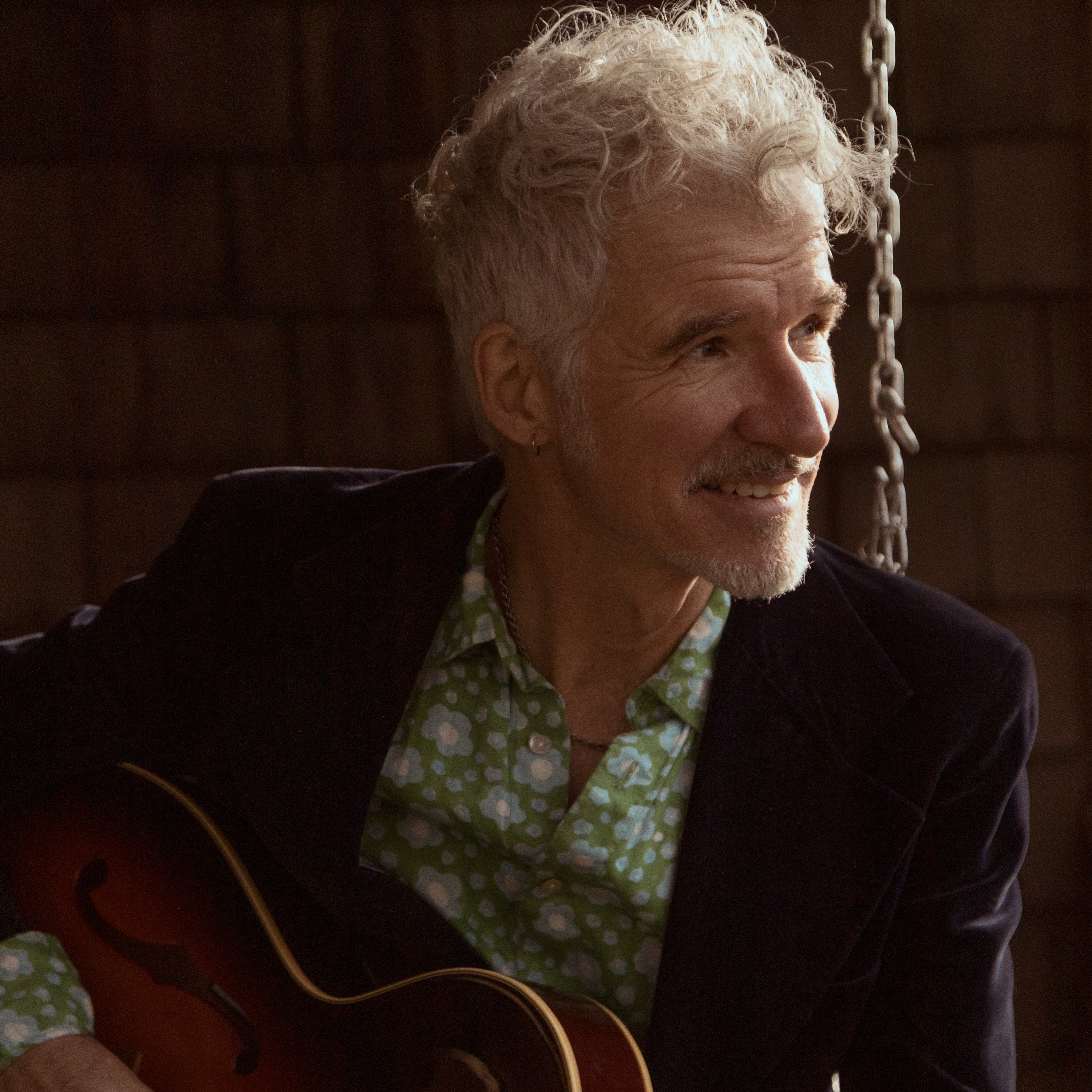
S1 Ep 144Dan Zanes
Dan Zanes enjoyed a good run with the Boston band the Del Fuegos but had no idea what broader, more enthusiastic audiences awaited him when he began making “family music” with friends such as Sheryl Crow and Suzanne Vega. The Dan Zanes and Friends albums and concerts got fans young and old dancing and singing along—and earned him a Grammy Award. Now he and his wife, Claudia Zanes, have a new album, Pieces of Home (out Aug. 30), as the couple continues expanding its reach through sensory-friendly performances and events for various communities. Zanes talks about the Del Fuegos’ rise and fall, how his younger brother Warren joined, why they did that beer commercial and how, once he discovered family music, there was no turning back. Claudia Zanes also comes on to tell her part of the story—in perfect harmony, of course. (Photo by Schaun Champion.)
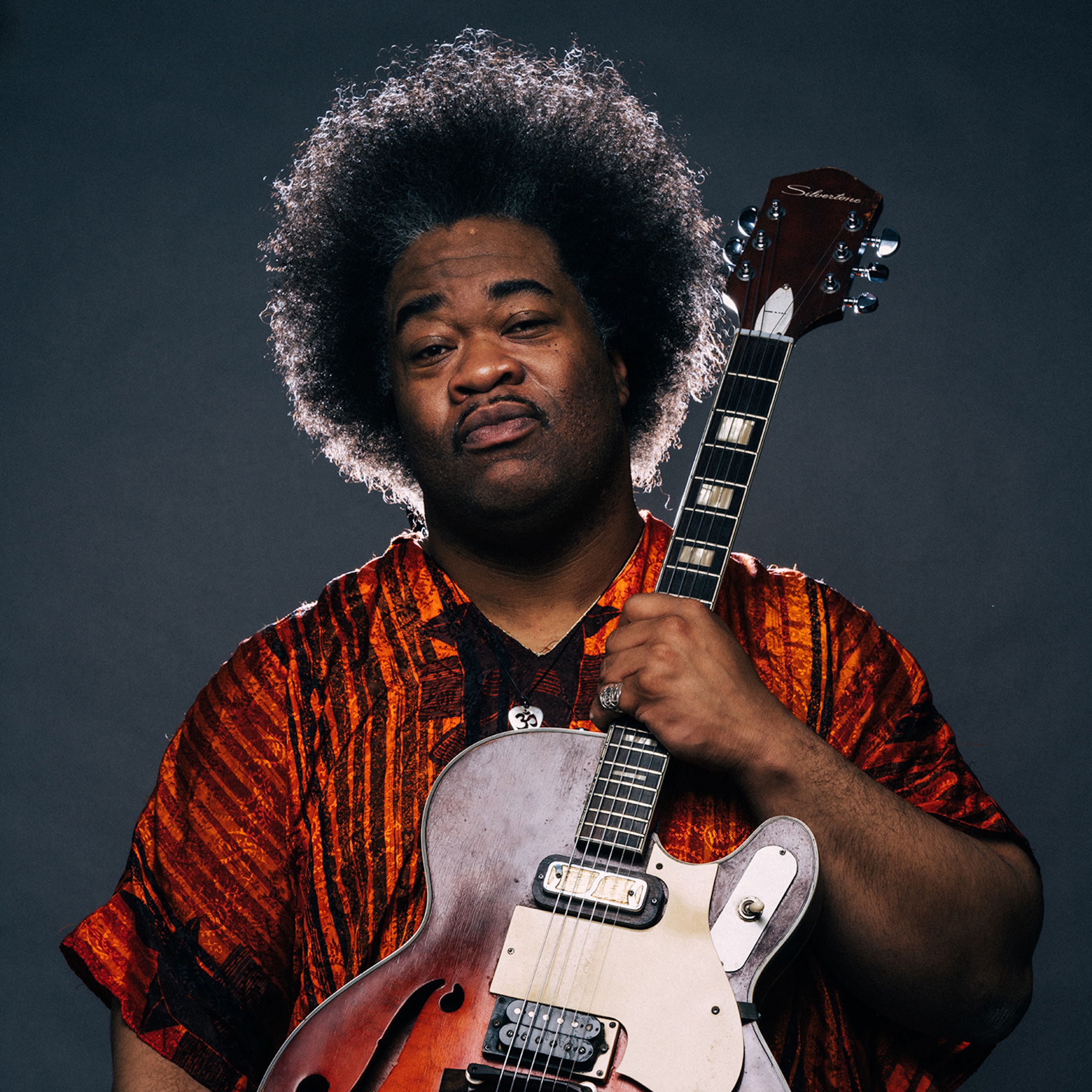
S1 Ep 143Jimmy James (Parlor Greens, True Loves)
Jimmy James is a fantastic, funky guitarist who never plays more than is needed yet can seize any moment. This Seattle native is a longtime member of the big soul-funk band True Loves but may have been best known for his standout work in the Delvon Lamarr Organ Trio. He left that group (and discusses his departure here) and now plays in a new, all-star organ trio, Parlor Greens, with Hammond player Adam Scone of the Sugarman 3 and drummer Tim Carman of GA-20. Its new album, In Green/We Dream, came out last week. James is precise about how he plays and passionate and encyclopedic about earlier-era guitarists who have inspired him, including Jimi Hendrix, with whom his family had a personal connection. He also offers a tribute to his late mother that's as lyrical as any part he might play. (Photo by Chris C. Bowden)
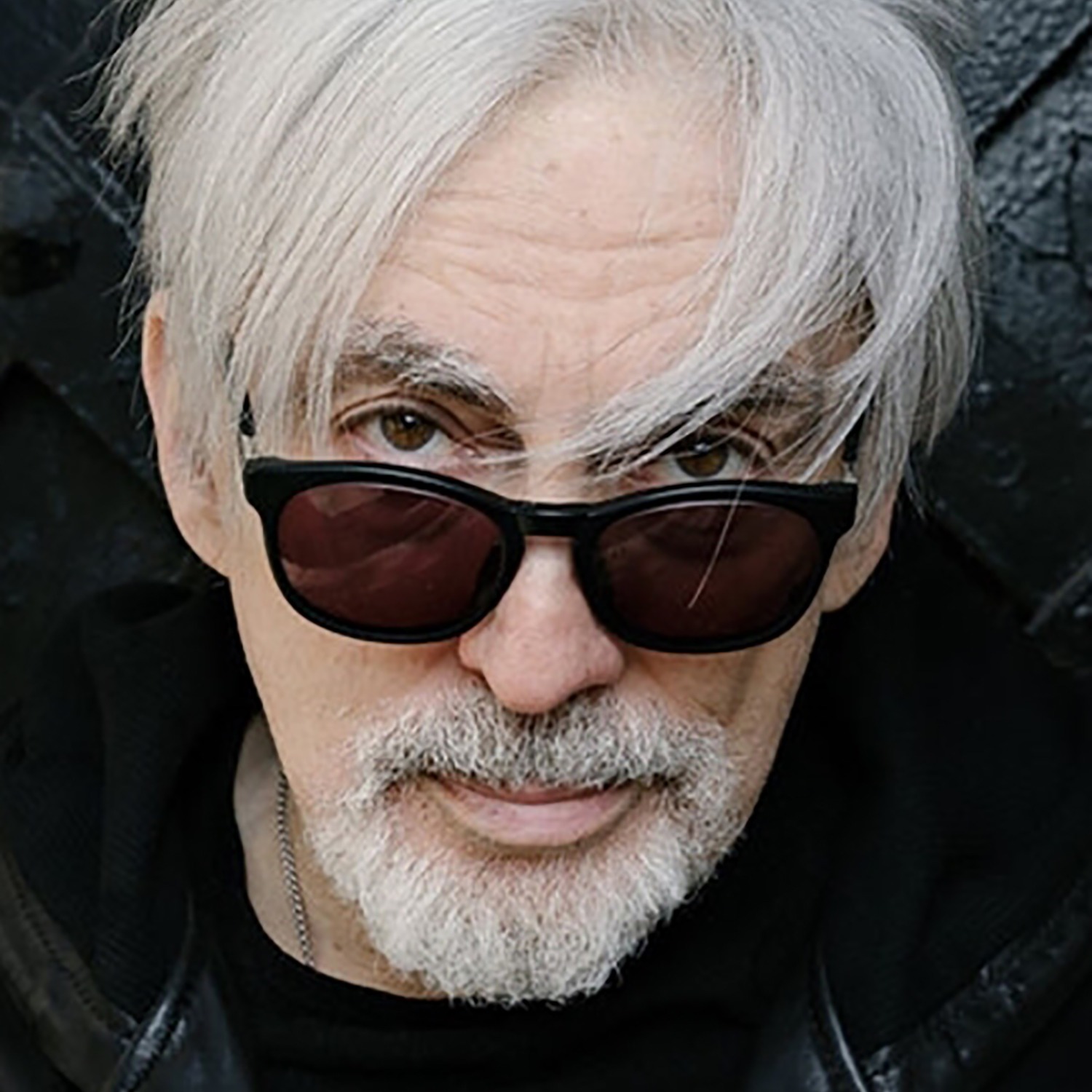
S1 Ep 142Chris Stein (Blondie)
Guitarist Chris Stein was a driving force behind Blondie and, with longtime songwriting/personal partner Debbie Harry, co-wrote many of its classic songs, including “Rip Her to Shreds,” “Heart of Glass,” “Dreaming,” “The Hardest Part” and “Rapture.” His passion for exploration pushed Blondie beyond its punk roots into disco, pop, reggae and rap, and in this conversation we dig into the details. What struck him most about Harry’s voice and songwriting? Where did Blondie fit amid the art-punk CBGB scene? What song did Stein model “Dreaming” on before drummer Clem Burke blasted it in another direction? Which Blondie album did the label complain had no singles? Which one Blondie song did Stein know would be a hit? How did Stein overcome an autoimmune disease and all-consuming drug addiction? And how did writing his new memoir, Under a Rock, change his perspective? (Photo by Axel Dupeux)
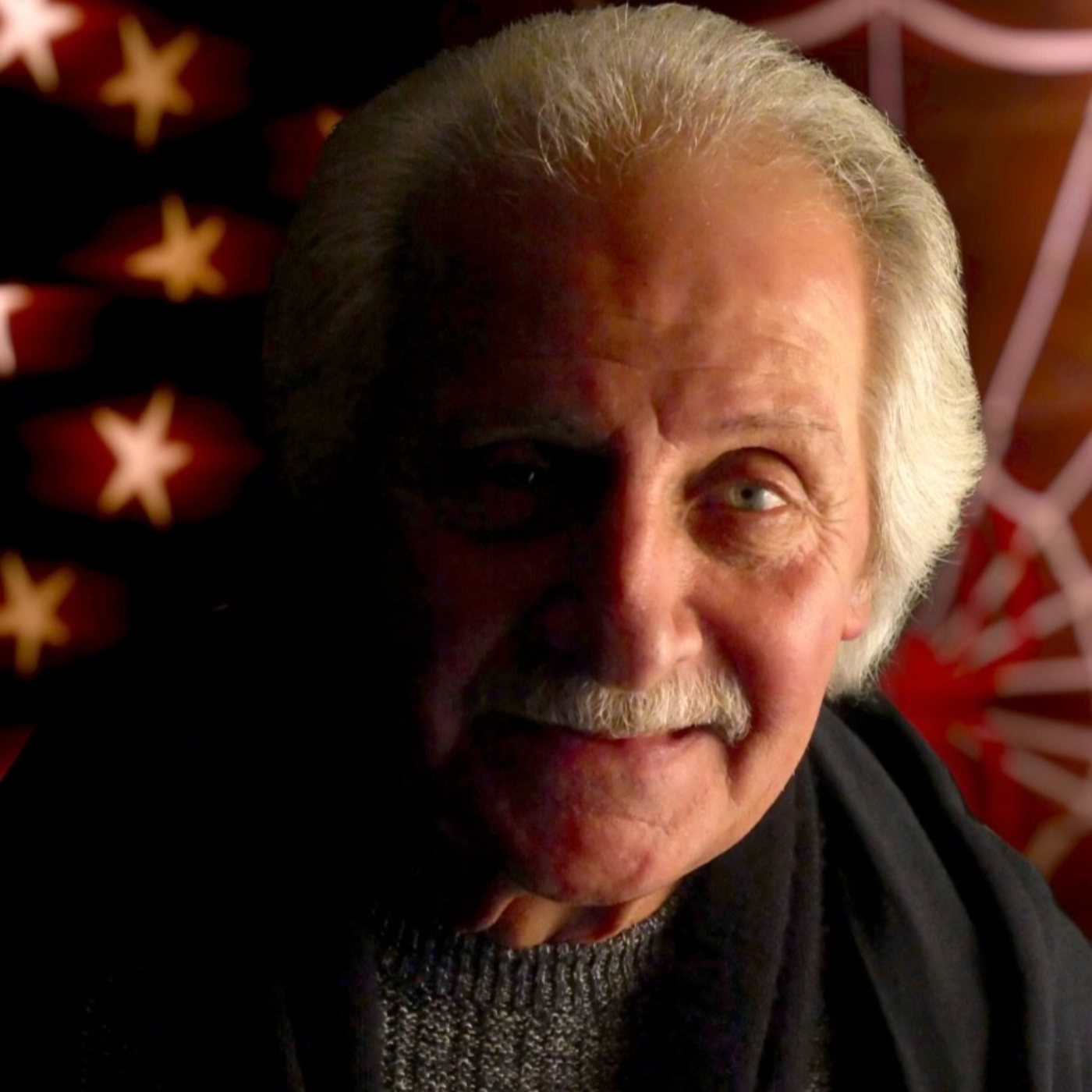
S1 Ep 141Pete Best (The Beatles)
After a fluky financial windfall, Mona Best bought a Victorian mansion in Liverpool, opened the Casbah Coffee Club in the cellar, and the Quarrymen, an early version of the Beatles, became the resident band. When the Beatles needed a drummer for their 1960 Hamburg residency, they called on Mona's son Pete. Pete Best became a key player in the Beatles' evolution before being unceremoniously replaced by Ringo Starr on the eve of the band's EMI recording sessions. Here, in vivid detail, he recalls those early years, including the grueling living and playing conditions in Hamburg and his and McCartney's arrest there for attempted arson. What were his impressions of John, Paul and George? What did he think of the first Lennon-McCartney songs? What happened with the Beatles' Decca audition? He also reveals the last time he had contact with any of them and details about the Casbah's new incarnation as a B&B.
Happy Independence Day, 2024
With the Fourth of July falling on a Thursday, we encourage your independence to explore the 140 Caropop episodes so far. Go to Caropop.com/caropopcast—you can scroll through them or use the search tool—and you also can find the epsiodes on Apple Podcasts and Spotify. Some suggestions based on artists now touring: Scott McCaughey, Steve Wynn and Linda Pitmon of the Baseball Project; Jody Stephens and Chris Stamey (also dB's) of the Big Star Quintet; David Lowery and Johnny Hickman of Cracker; and the formidable Bettye LaVette, who just opened for the Rolling Stones at Soldier Field in Chicago. And please consider supporting this little operation so we can keep it going. You can become an official Caropop Friend for a mere $24 at caropop.com. Come back next week for a brand new Caropop conversation that you won't want to miss.
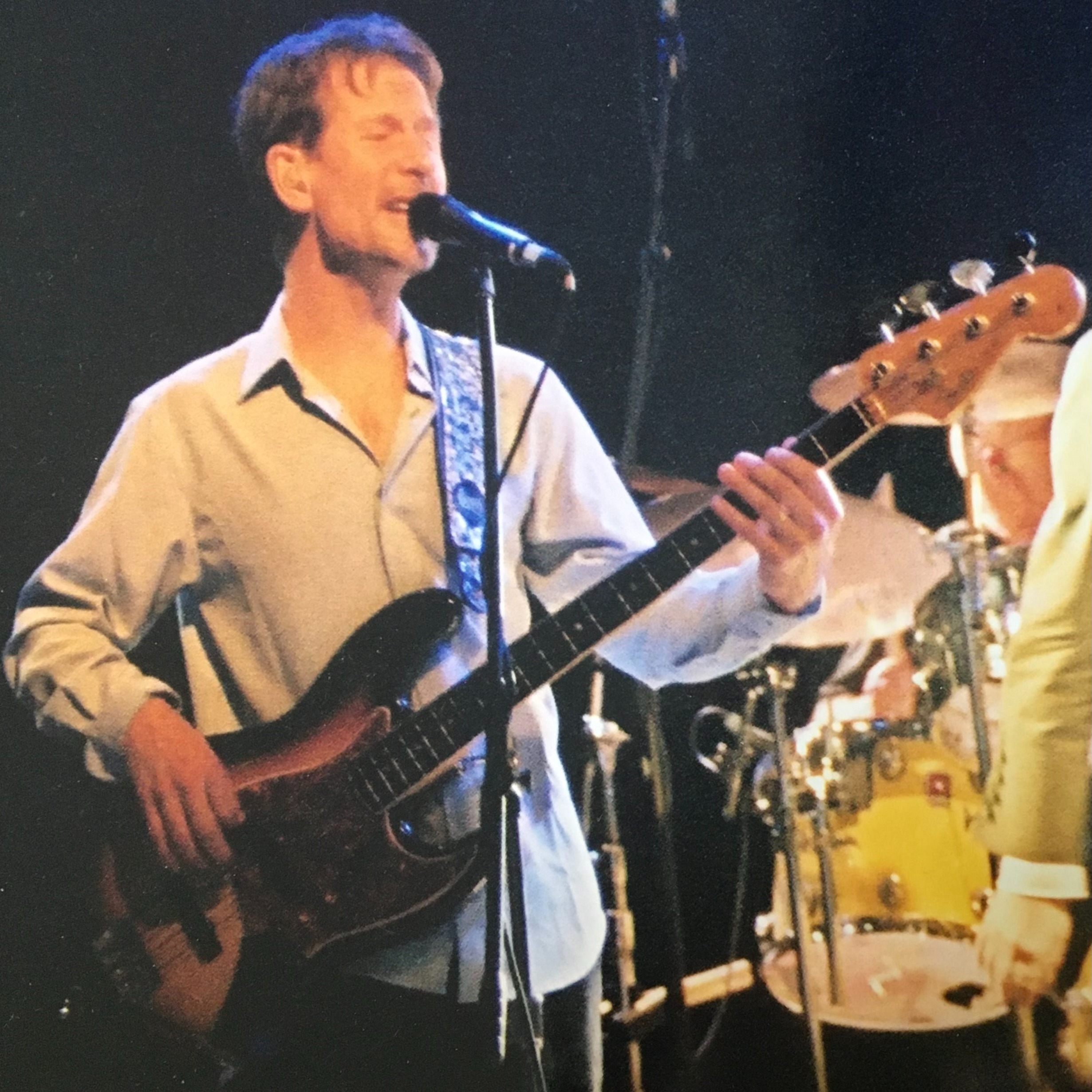
S1 Ep 140Graham Maby (Joe Jackson)
Graham Maby is one of rock’s most revered bassists, known especially for his work with Joe Jackson. Maby and Jackson were in another band together in England before Jackson proposed forming his own band with Maby’s bass front and center. That was the approach of Jackson’s first three albums—starting with 1979’s Look Sharp!—and the ever-gracious Maby reflects on how his indelible parts came to be. He also recalls the breakup of the Joe Jackson Band, his continued work with Jackson on albums such as Night and Day and Body and Soul, and what prompted him to join previous Caropop guest Marshall Crenshaw's band. How did Crenshaw’s approach to bass parts differ from Jackson’s? How did Maby wind up back in the Jackson fold? And when will they record and perform together next?
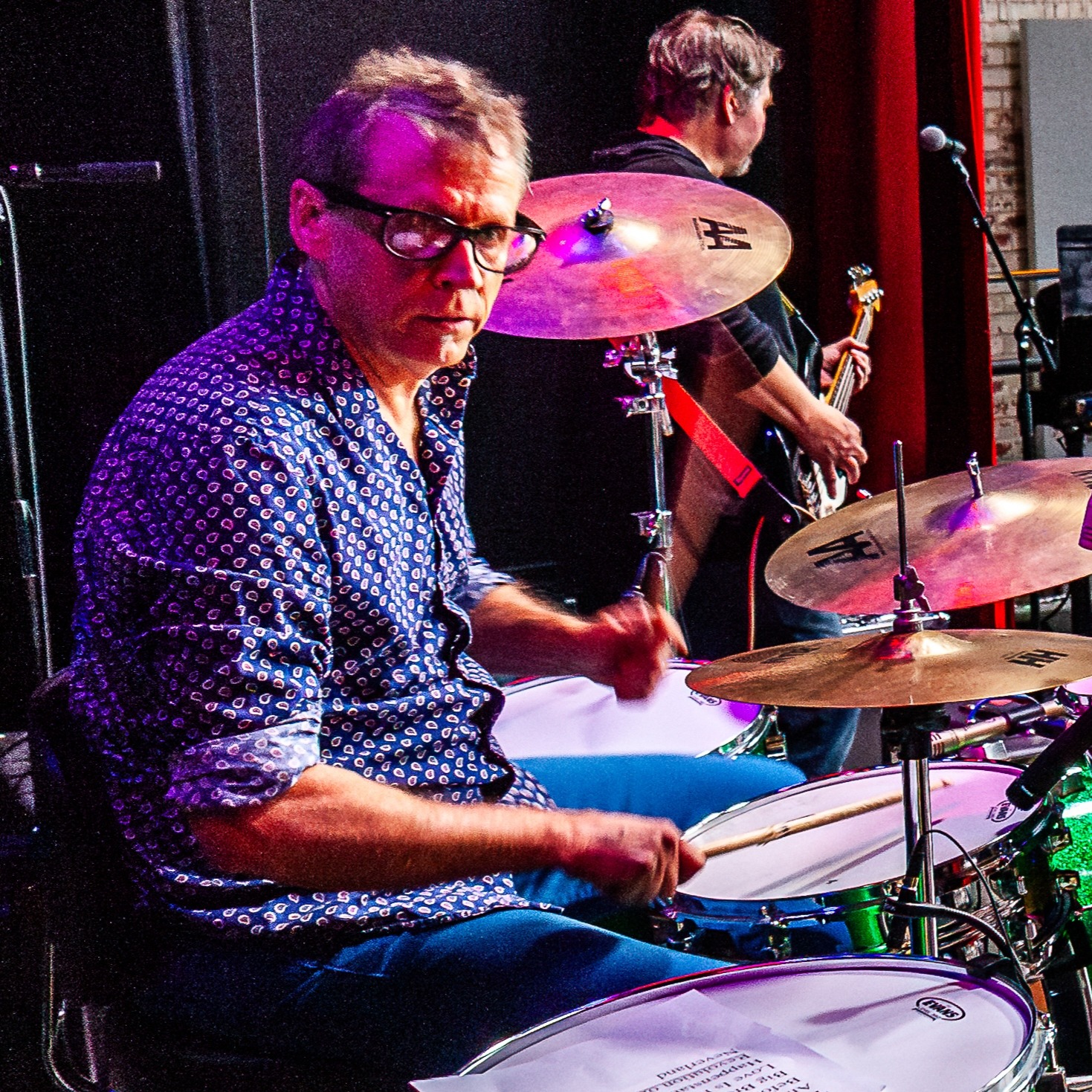
S1 Ep 139Will Rigby (The dB's)
Drummer Will Rigby provided the propulsion, grooves and furious fills for the dB’s, a North Carolina foursome who launched their collective career in New York City yet had their powerfully poppy first two albums released only overseas. Now the dB’s landmark 1981 debut, Stands for Decibels, finally has come out in the U.S. on vinyl and streaming services, with Repercussion to follow, and the classic lineup of singer-songwriters Chris Stamey and Peter Holsapple, bassist Gene Holder and Rigby will tour for the first time in 12 years. The ever-engaging Rigby recalls the band’s formation with Stamey, the addition of Holsapple, the making of those early dB’s albums, the reasons behind Stamey’s departure and the more American sound of 1984’s Like This. Rigby also discusses his own idiosyncratic songwriting and his work with other artists, such as Steve Earle. (Photo by John Gessner)
S1 Ep 138Vicki Peterson (The Bangles)
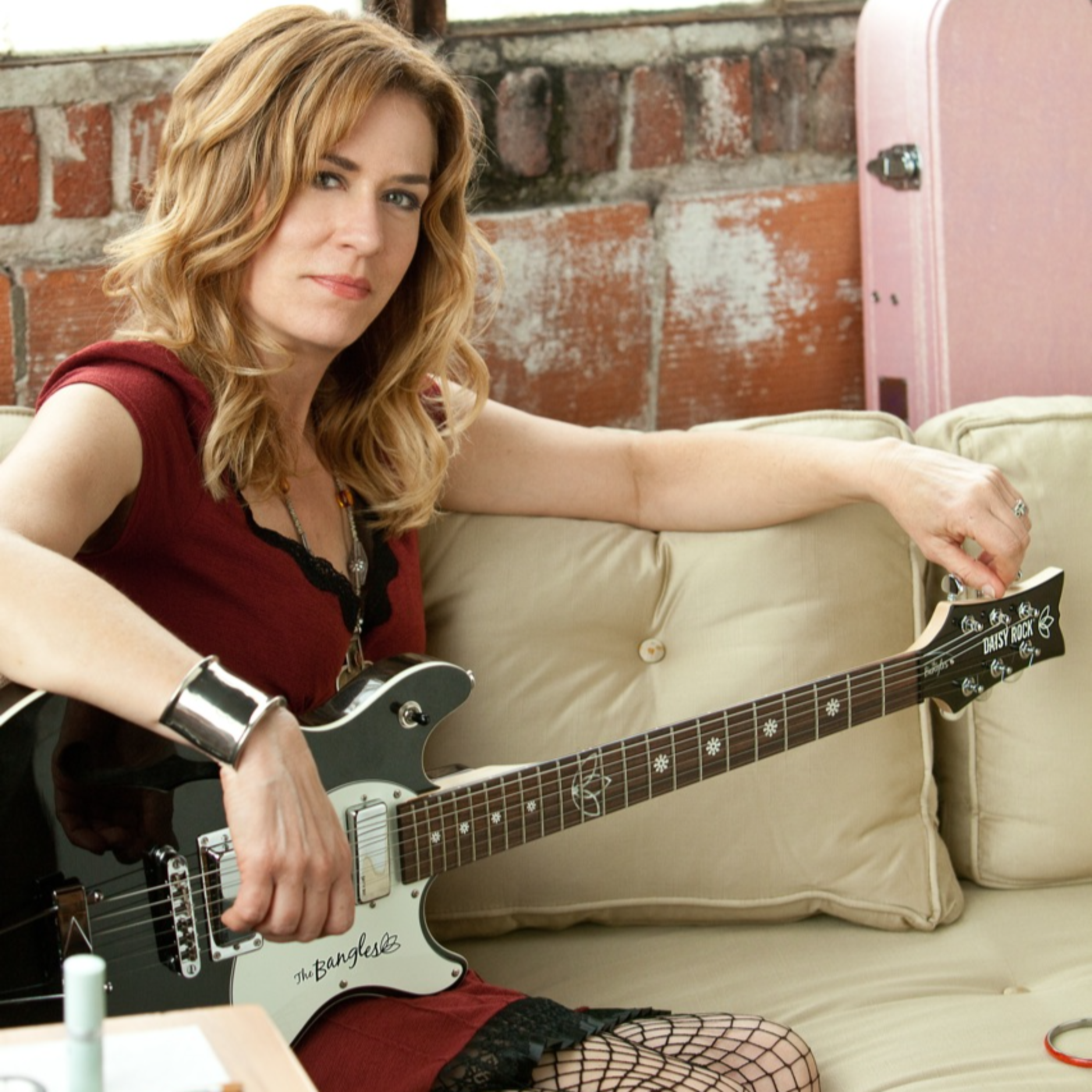
Vicki Peterson wrote, sang and played lead guitar on many of the Bangles’ best songs, even if they weren’t the ones that made the band famous. In a smart, revealing conversation, the down-to-earth Peterson reflects on the Bangles’ origins—and her desire to be in an all-female band, which soon would include her sister Debbi (a former Caropop guest) and singer/guitarist Susanna Hoffs—and the compromises and rising tensions that accompanied their success. In the aftermath of a painful Bangles breakup, Peterson—a band person through and through—joins the Continental Drifters, teams with Susan Cowsill in the Psycho Sisters and tours with the Go-Go’s. The Bangles also reunite for two more albums. What lies in the future for the Bangles and Continental Drifters? What is Peterson’s creative life like now? (Photo: Rebecca Wilson Studio.)
S1 Ep 137Abey Fonn (Impex Records)
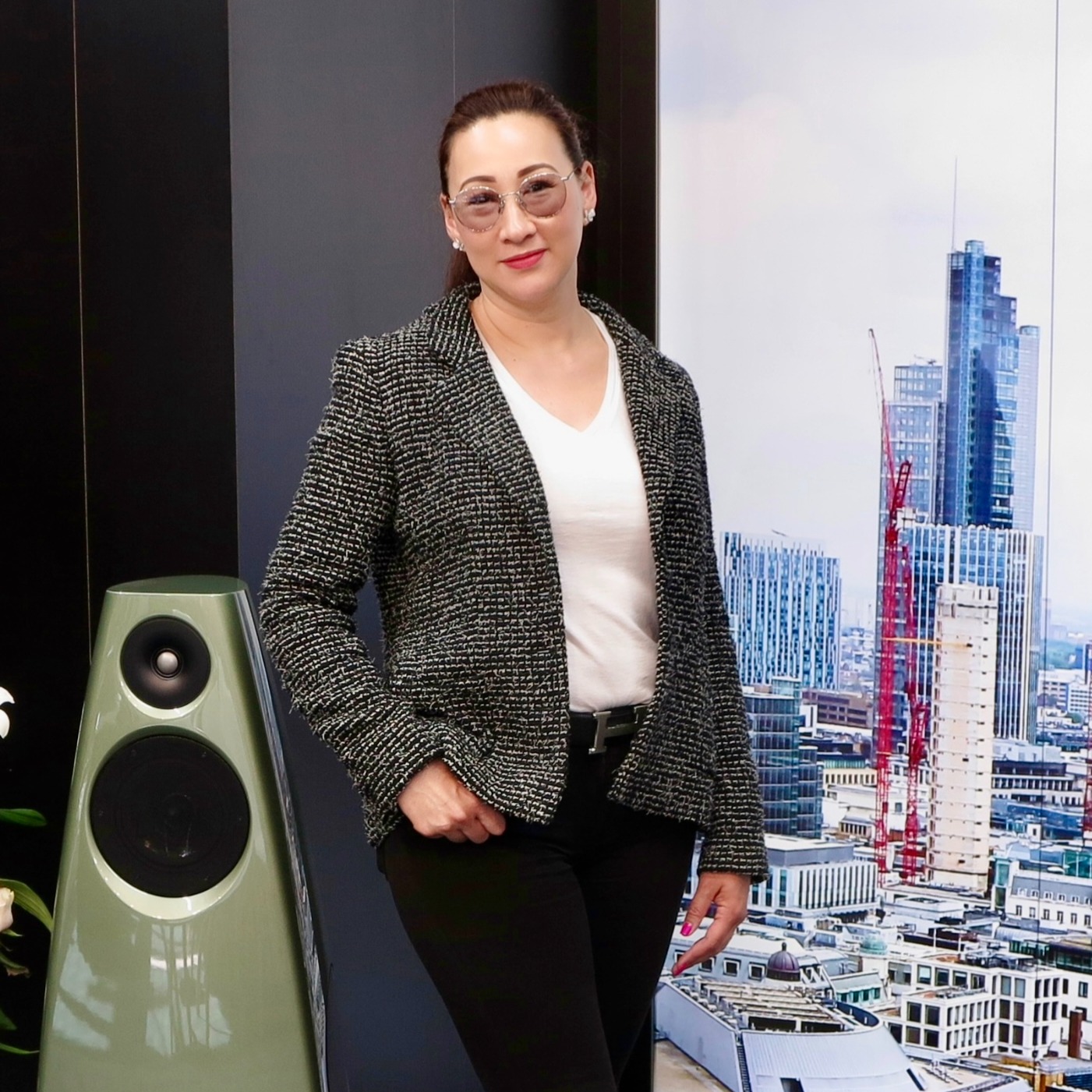
Impex Records has been releasing stellar audiophile recordings since Abey Fonn founded the small label in 2009. Impex’s offerings have included 33 and 45 rpm LPs (including Al Di Meola, John McLaughlin and Paco De Lucía’s Friday Night in San Francisco and Saturday Night in San Francisco) as well as deluxe 1Step releases such as Getz/Gilberto, Patricia Barber's Companion and, coming June 14, Sing and Dance with Frank Sinatra. Here Fonn pulls back the curtain on how Impex chooses and makes deals for its titles, what the competition is like with the larger audiophile labels, how Impex decides which format is best for an album, whether original master tapes have become harder to obtain, whether a one-to-one analog transfer is superior to a high-res digital copy, which act has been Fonn’s white whale and which one she was happiest to land.
S1 Ep 136Don Dixon, Pt. 2
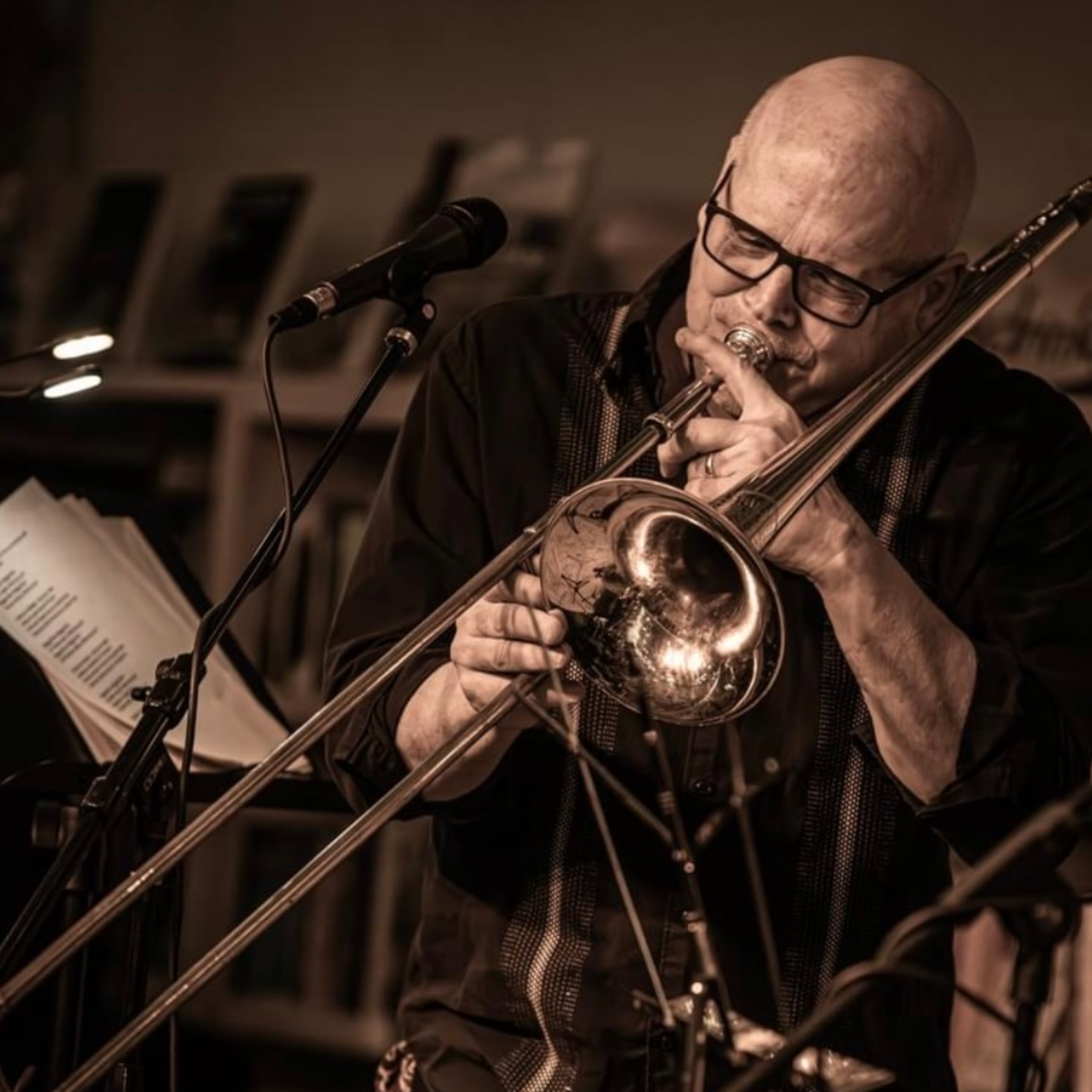
After co-producing R.E.M.'s Murmur and Reckoning, Don Dixon got calls from other bands, often southern and jangly, seeking his services. He produced three albums by Guadalcanal Diary, another Georgia band, but it was his work with New Jersey's the Smithereens that took him to another level. It also prompted Nirvana to ask him about producing Nevermind. Dixon was pursuing his own career as well while thinking U.S. labels had slighted his previous band, Arrogance. What happened when the head of Enigma Records approached him in a European airport about releasing the song "Praying Mantis"? What unorthodox scheme did Dixon propose to the label in lieu of releasing albums? Why does he, of all people, think recording ruined music? Dixon has enough great stories and insights to fill two episodes. This is the second.
S1 Ep 135Don Dixon, Pt. 1
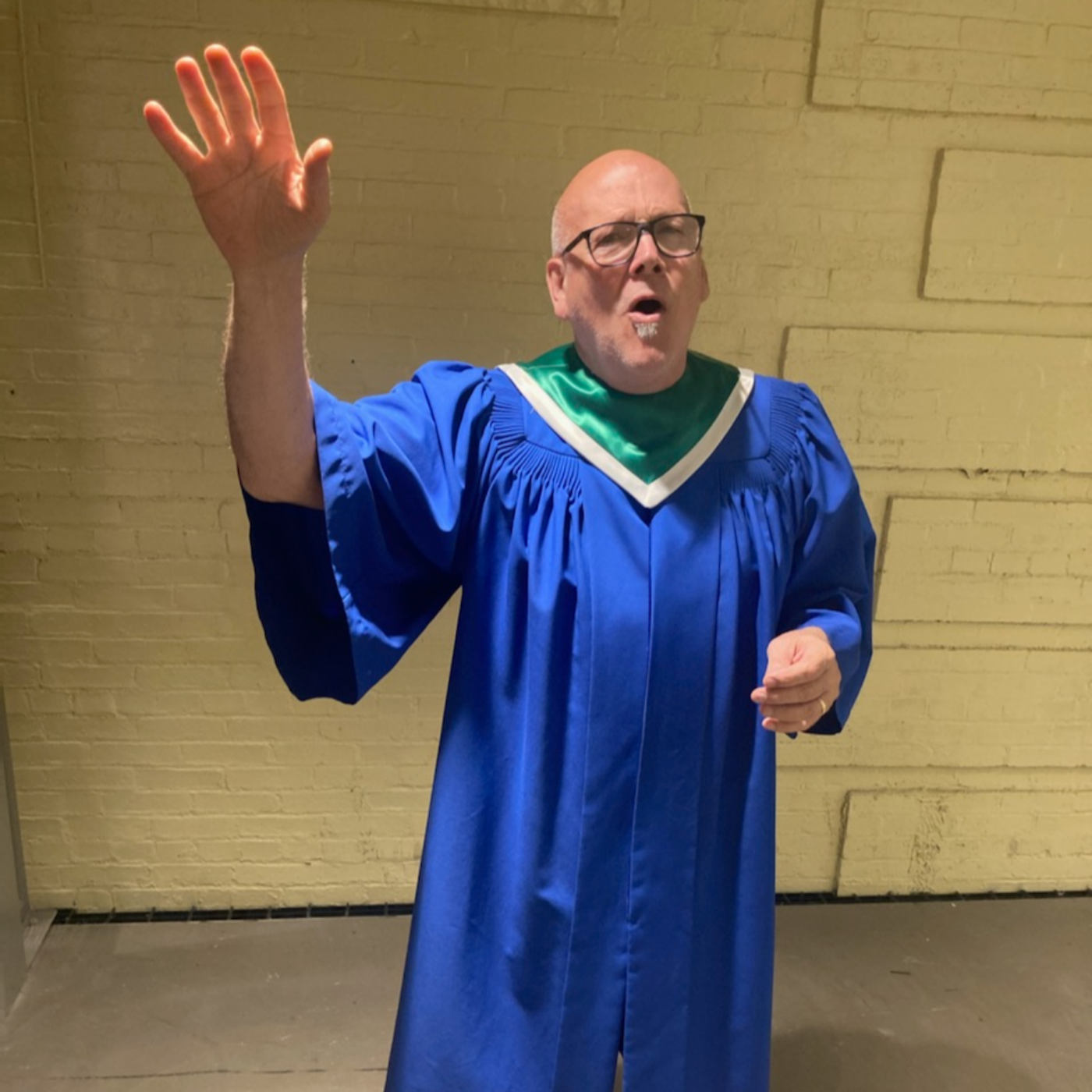
Don Dixon already had spent 13 years playing, singing and writing with the North Carolina indie band Arrogance when he joined Mitch Easter to co-produce R.E.M.’s trailblazing first two albums, Murmur and Reckoning. He went on to produce the first two crunchy-and-sweet Smithereens albums plus music from Guadalcanal Diary, Matthew Sweet, Marshall Crenshaw and Marti Jones, to whom he remains married. His own infectious “Praying Mantis” got him some airplay as well. Did he see himself more as a soul singer, a songwriter, a bassist or producer? What are the secrets to being a strong producer? What happened when Nirvana asked him about producing Nevermind? Dixon has enough great stories and insights to fill two episodes. This is the first.
S1 Ep 134William Bell
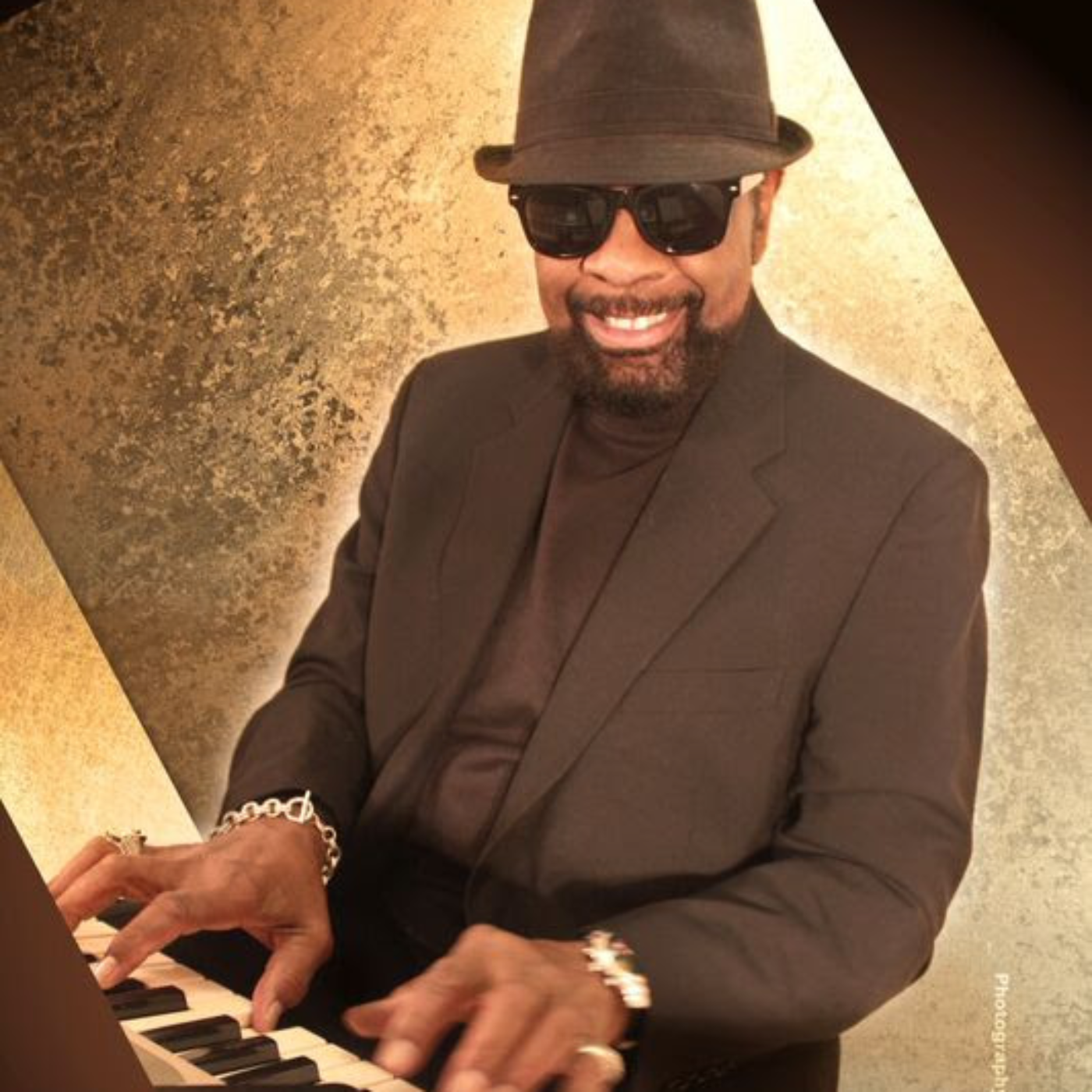
William Bell is a soul legend who scored an early hit for Memphis’s Stax Records with 1961’s “You Don’t Miss Your Water” and wrote and sang such much-covered classics as “I Forgot To Be Your Lover,” “Everybody Loves a Winner” and “Every Day Will Be Like a Holiday.” He and Booker T. Jones co-wrote Albert King’s “Born Under a Bad Sign,” and Bell vividly recalls the story behind that one. He also recounts his friendship with Otis Redding and how Redding’s death, followed by Martin Luther King, Jr.’s assassination, affected him, Memphis and beyond. At age 84, Bell continues to make music, releasing the Grammy-winning album This Is Where I Live in 2017 and One Day Closer to Home last year. His voice and writing—as well as his wit and memory—remain impressively strong.
S1 Ep 133Steve Albini, 1962-2024
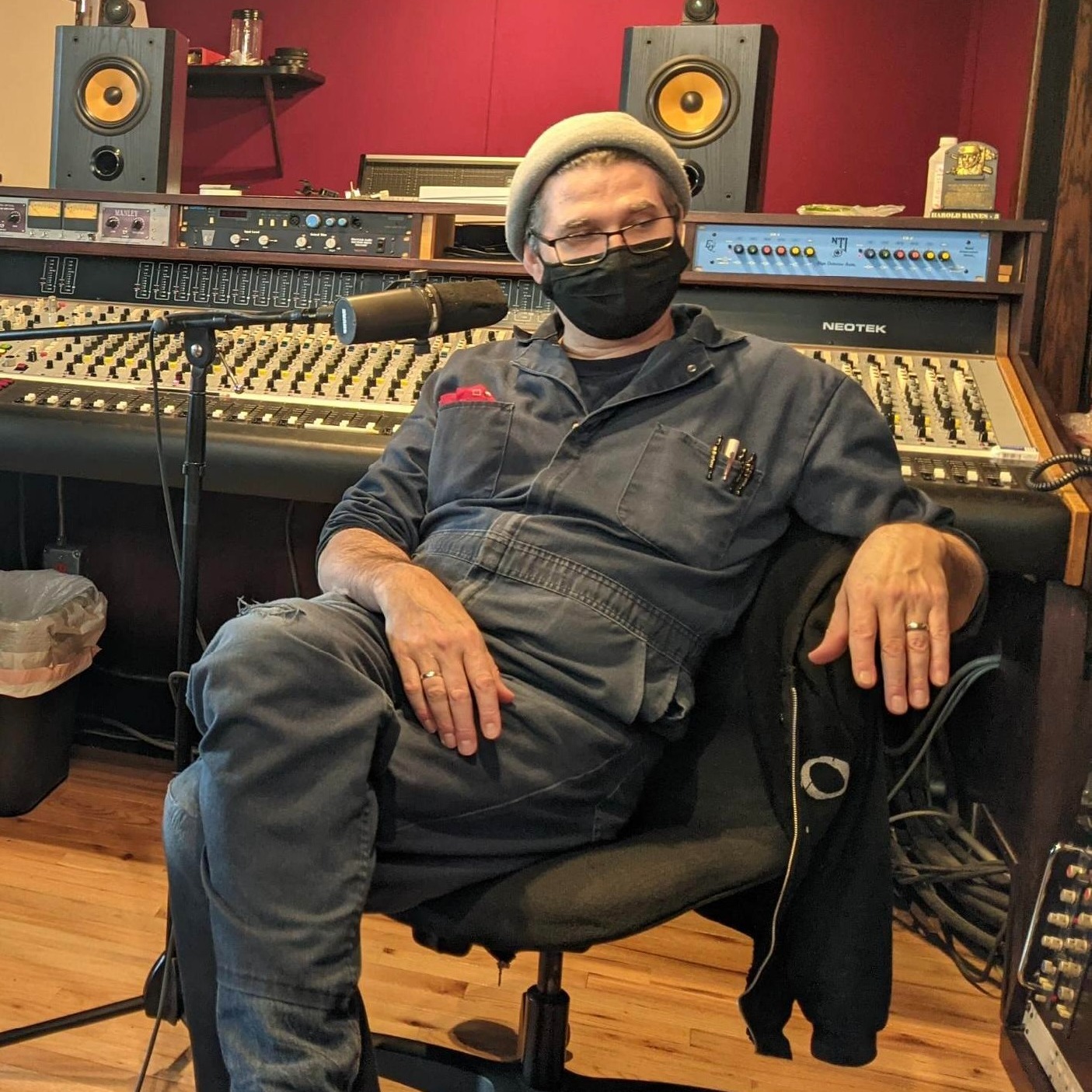
We were devastated to hear of Steve Albini’s death at age 61 of a heart attack. He was a titanic figure in the music world and a mensch among musicians who were not well known yet were able to book time with one of the industry’s most supportive, talented engineer/producers. Albini spoke with us for back-to-back Caropop episodes posted in January 2022. The first took place in his Electrical Audio studio on Chicago’s North Side and dug into analog vs. digital technology and preservation. The second was conducted over Zoom and zoomed in on his work with Nirvana and his refusal to take artist royalties. We’re combining these two conversations into a supersized episode so we can revisit his fierce intelligence and stubborn integrity. We wish we could hear more from him.
S1 Ep 132Grant Achatz
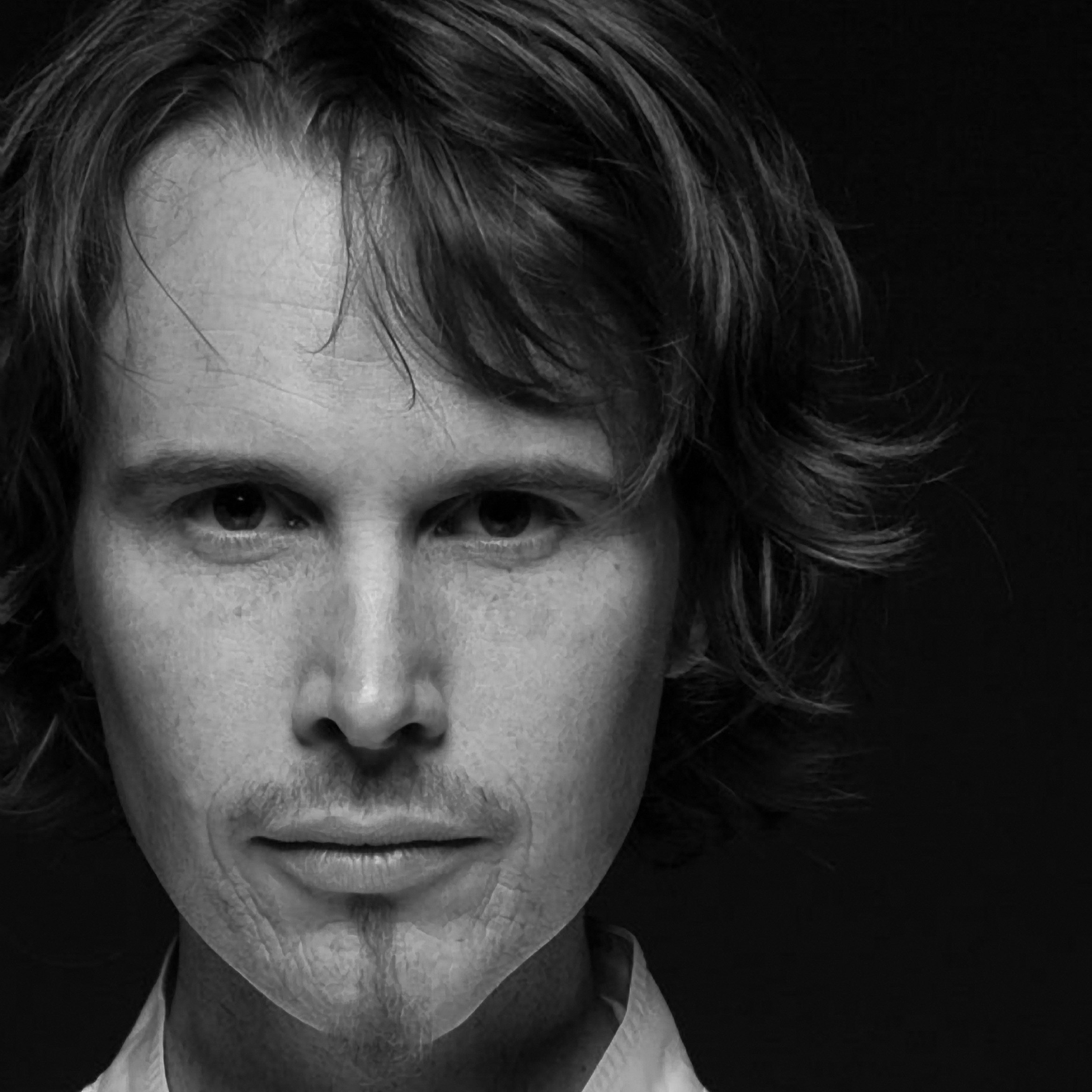
I spoke with Grant Achatz, one of the world's most talented, creative and thoughtful chefs, as his 50th birthday and his Chicago restaurant Alinea's 19th anniversary approached. He has received just about every possible accolade for a chef, including multiple James Beard awards, Alinea being named the country's best restaurant, and three Michelin stars being awarded to Alinea every year since 2011. Early in this spectacular run, he successfully fought stage 4 cancer of the tongue through innovative treatments at the University of Chicago. Yet despite all he has accomplished and been through, including the pandemic-time transition of Alinea to a carryout restaurant, he keeps restlessly pushing forward. What might the next culinary revolution look like, and how can he be at its forefront? Why does he wish Alinea were more like a rock band?
S1 Ep 131Madeleine Peyroux
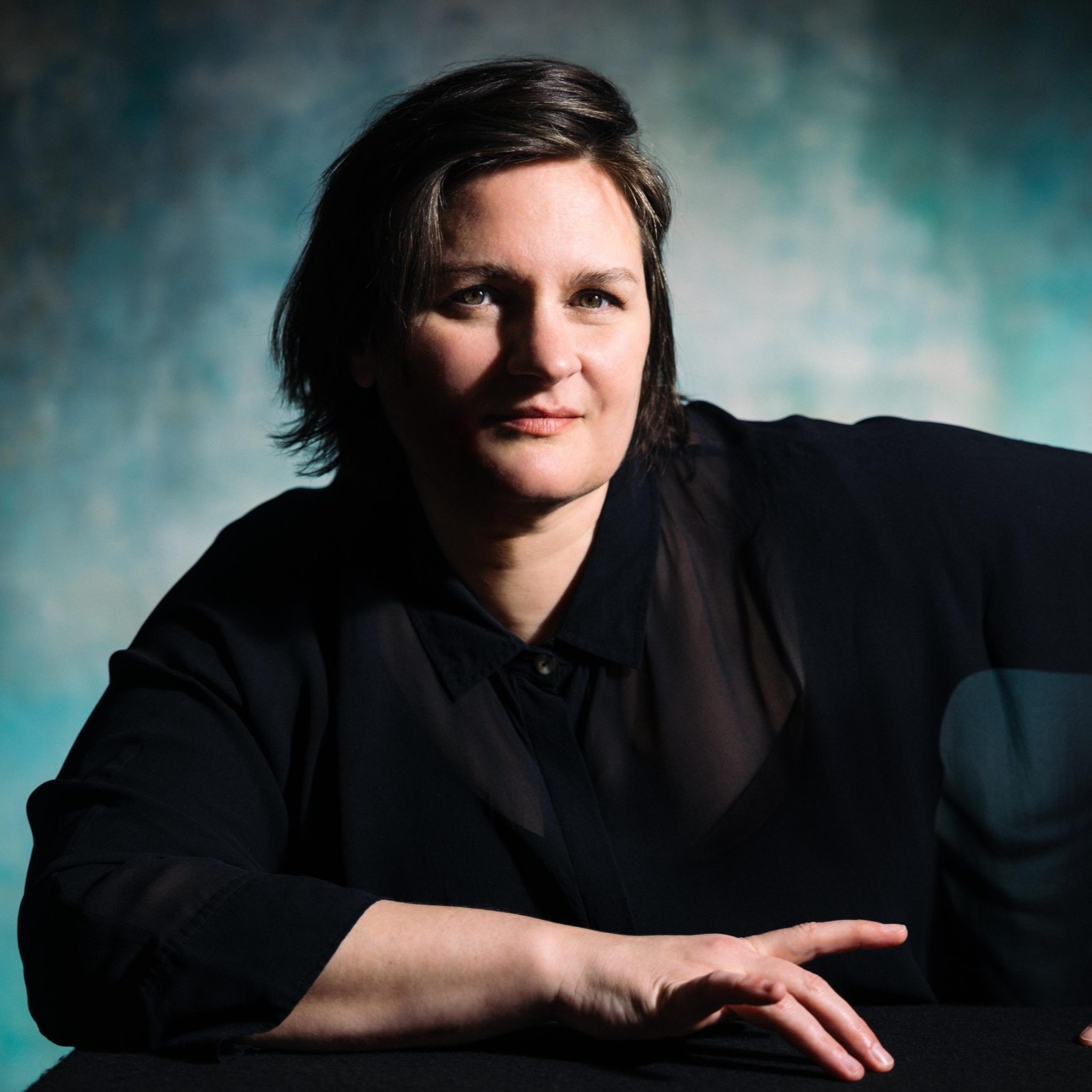
Madeleine Peyroux started her career busking on the streets of Paris and earned comparisons to such heroes as Billie Holliday and Bessie Smith as she broke through with the 2004 album Careless Love. Twenty years later, she is soon to release her ninth studio album, Let’s Walk, for which she, for the first time, co-wrote all of the songs. In this no-holding-back conversation, she reflects on her beginnings (the 1939 movie musical Gulliver’s Travels plays a role), her creative growth and her struggles to process the current state of our world artistically and otherwise. How does she feel about the only job she's ever had? Is she cool with turning 50 this month? How does she co-write? Does she feel compelled to communicate empathy now? Is she part of the problem or solution?
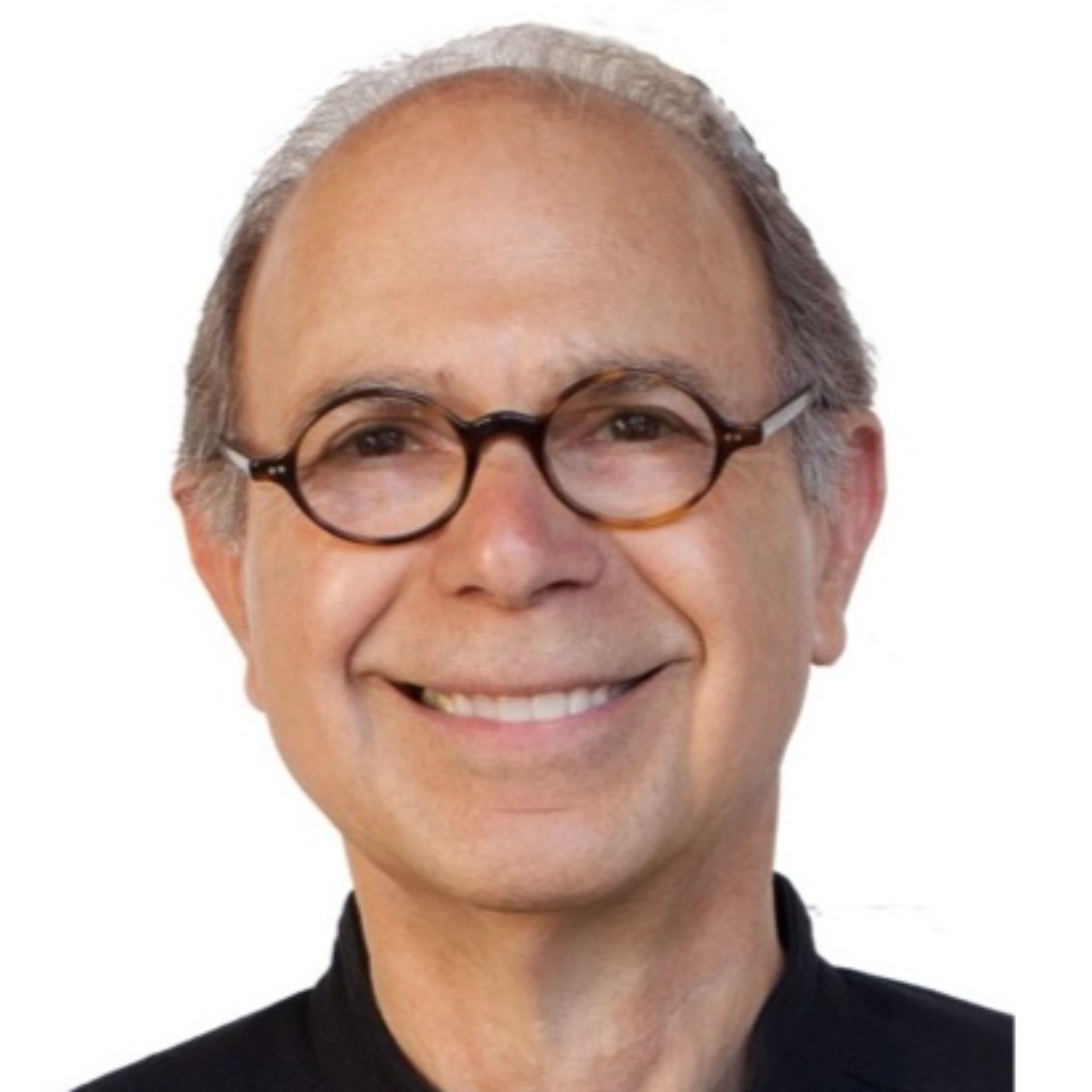
S1 Ep 130Bruce Botnick (The Doors)
Bruce Botnick engineered the first five Doors studio albums and produced the last one that featured Jim Morrison, L.A. Woman. He also co-produced Forever Changes, the brilliant 1967 album from Doors’ L.A. contemporaries Love, and engineered some of the Beach Boys’ Pet Sounds. Botnick continues working on Doors releases, including Rhino’s new Record Store Day entry Live at Konserthuset, Stockholm, September 20, 1968. He tells of how these performances, which feature the Doors at peak power, were recorded and recently discovered. He also reflects on the band’s dynamic, the reason the album version of "Light My Fire" is slow and flat, what prompted producer Paul Rothchild to leave the L.A. Woman sessions and the contrasting approach that Botnick took on the project. What was it like working with such unpredictable geniuses as Morrison, Arthur Lee (Love) and Brian Wilson?
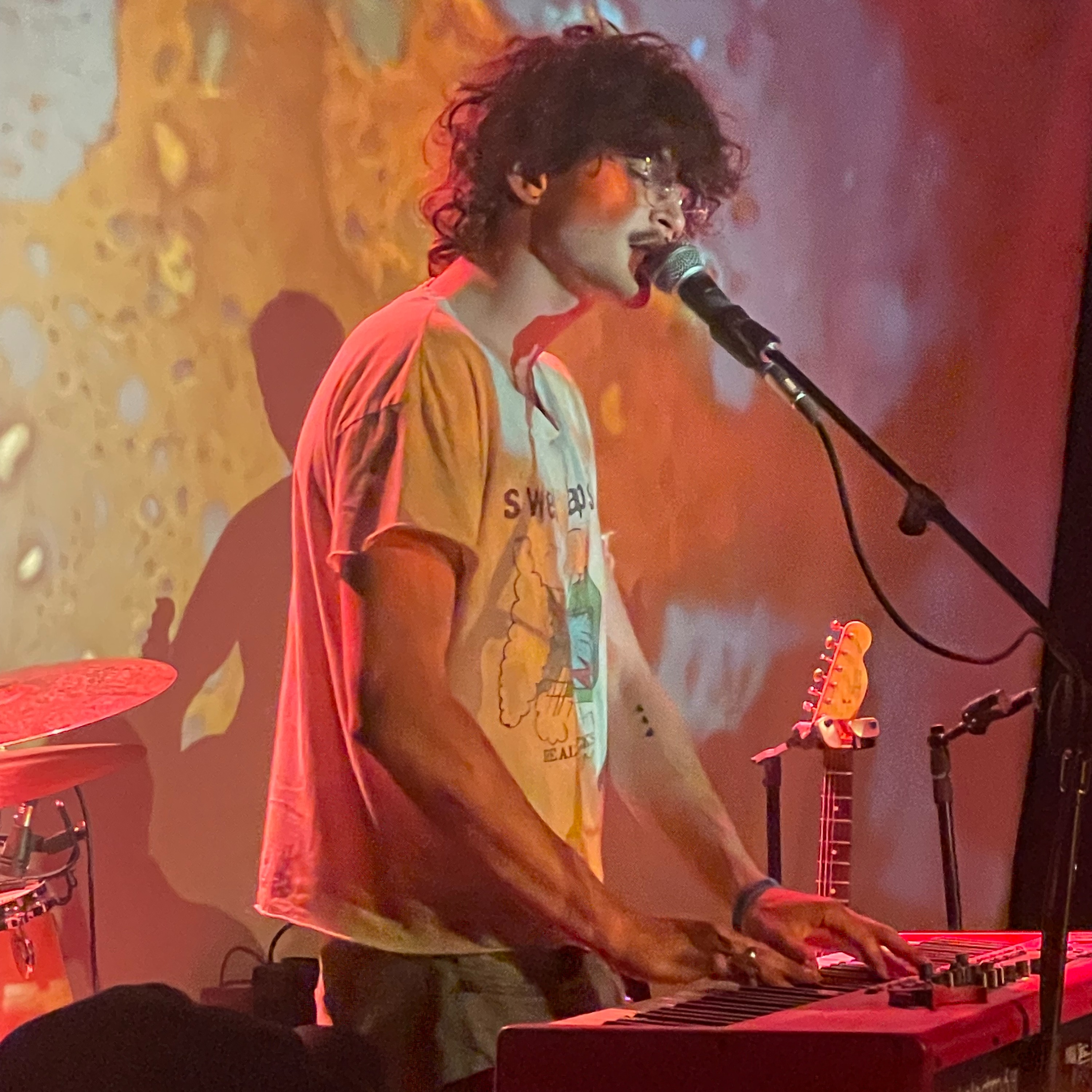
S1 Ep 129Niko Kapetan (Friko)
Many Caropop guests are looking back on amazing careers, but Niko Kapetan of Friko is on the cusp of one. His Chicago-based band’s debut album, Where we’ve been, Where we go from here, has been garnering raves and airplay while its live shows wow audiences with their intense energy and dynamism. Kapetan’s voice and songs—and the band, anchored by his Evanston high school classmate Bailey Minzenberger on drums—cover a broad musical and emotional range: delicate and fragile one moment, fierce and roaring the next. Having returned from a whirlwind South by Southwest trip (with Lollapalooza to follow this summer), Kapetan recalls how he started learning instruments, forming bands and developing his unique approach to songwriting before a major indie label, ATO, liked what it heard and signed Friko. He's got a lot going on. Where do they go from here?
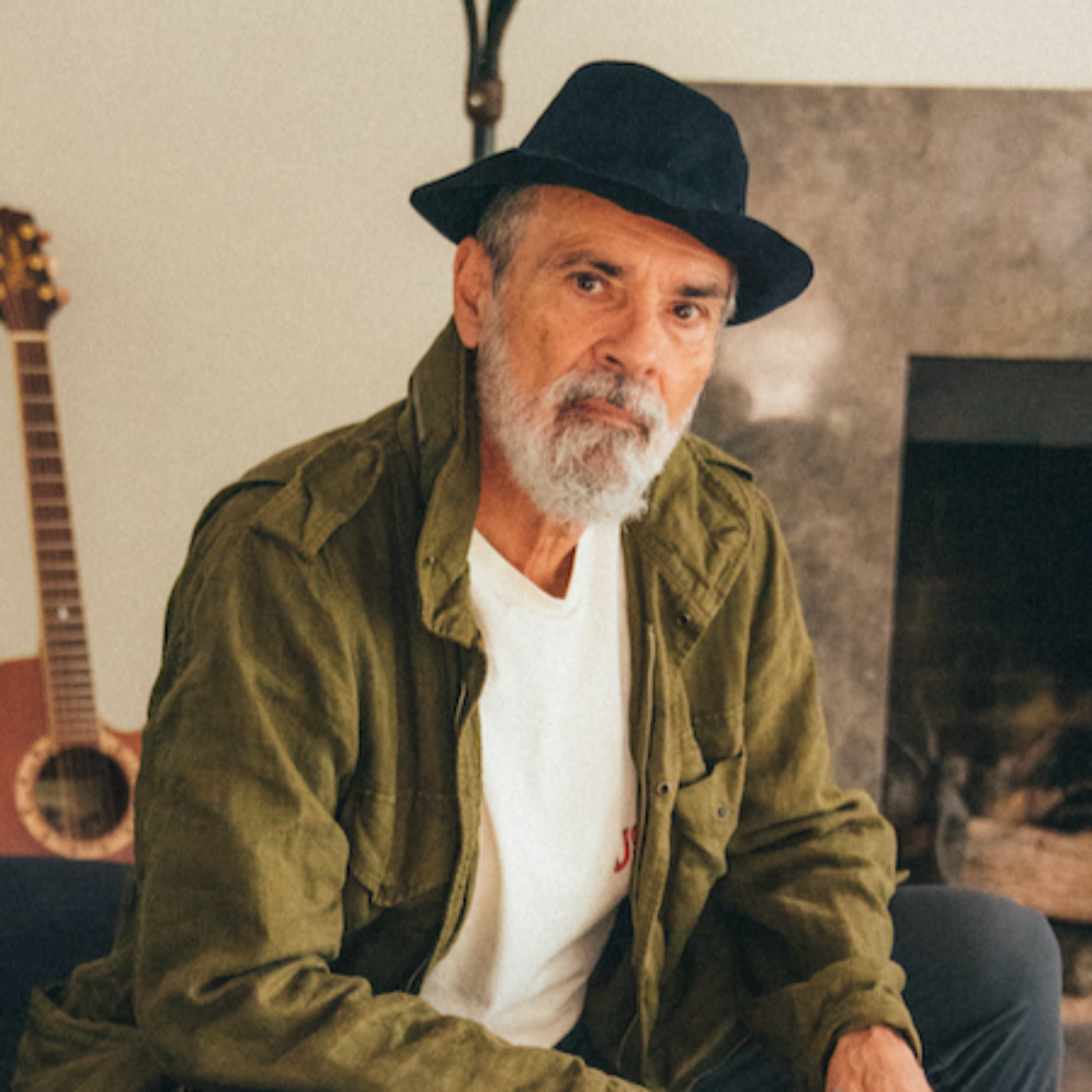
S1 Ep 128Bruce Sudano (Donna Summer)
Bruce Sudano had co-written the Tommy James & the Shondells 1969 hit “Ball of Fire” and played keyboards in the bands Alive ‘N Kickin’ and Brooklyn Dreams by the time he met Donna Summer. The two of them clicked professionally and personally and soon were co-writing the smash title track and other songs for Summer’s blockbuster 1979 album, Bad Girls. They also co-wrote Dolly Parton’s #1 country hit “Starting Over Again,” based on his parents, and continued collaborating throughout a marriage that lasted until her 2012 death from lung cancer. Since then, he has rebooted his own career, recording several albums, including the new Talkin’ Ugly Truth, Tellin’ Pretty Lies. Sudano takes us from his mentorship with Tommy James through his life with arguably the disco era’s greatest artist, for whom he and his daughters recently accepted a Lifetime Achievement Grammy Award. Toot-toot! Beep-beep! (Photo by Amy Waters)
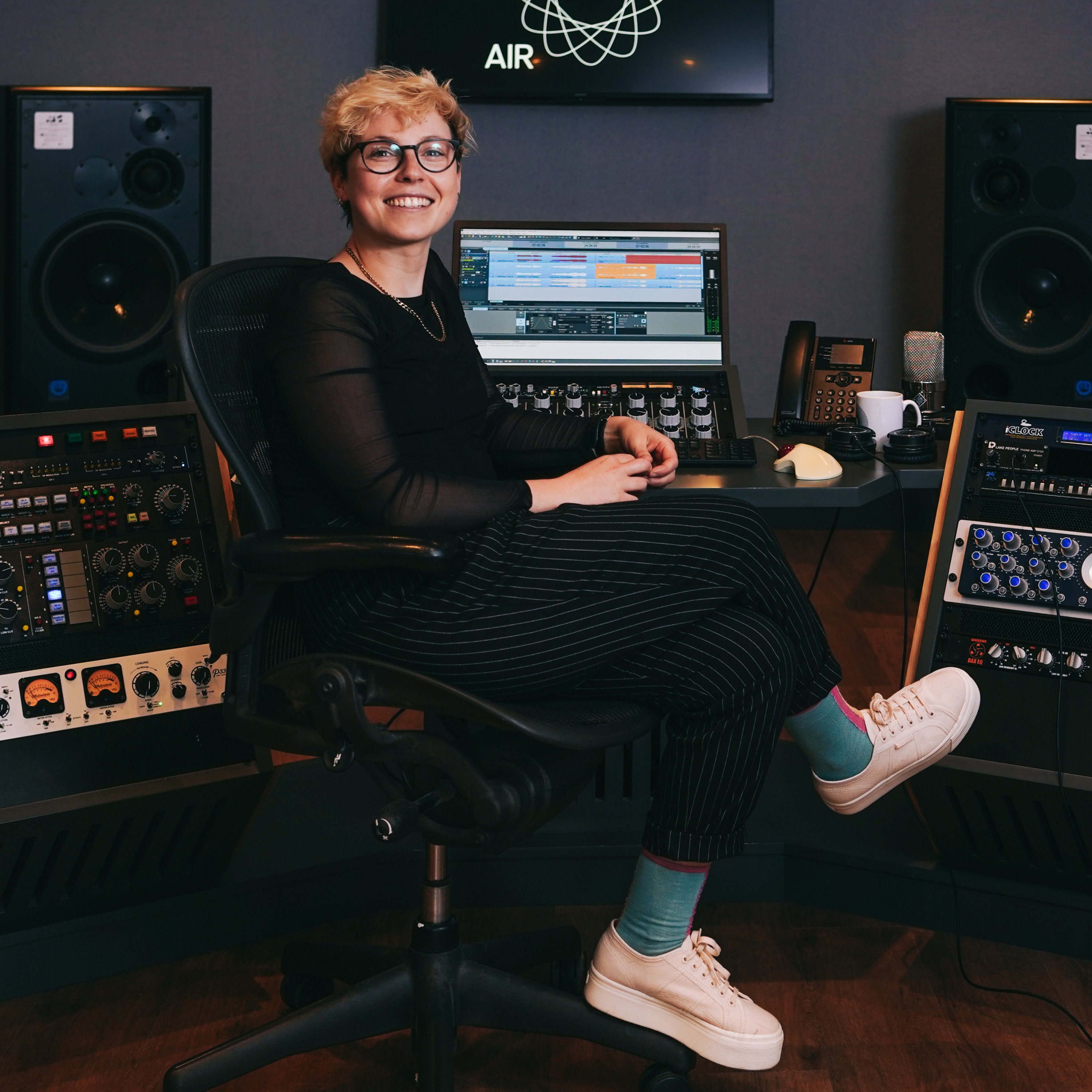
S1 Ep 127Cicely Balston
Cicely Balston won the 2023 Music Producer’s Guild’s Mastering Engineer of the Year Award, and when you hear the music she has mastered—and the smart, easygoing way she discusses it—you understand why. Working out of AIR Studios in London, Balston has applied her talents to the doom-punk band Witch Fever and David Bowie’s back catalog, as well as some dynamite-sounding hip-hop reissues for the Vinyl Me, Please record club, including Eric B. & Rakim’s Don’t Sweat the Technique, Gravediggaz’s 6 Feet Deep, and Madlib’s Shades of Blue. How did this young British woman become an ace hip-hop masterer, and do those albums require a specific skill set? Are people too fixated on analog vs. digital? How did she become a mastering engineer anyway, and what's the most commonly misunderstood aspect of what she does? (Photo by Silvia Gin.)

S1 Ep 126Greg Calbi
If you love music, you have loved recordings mastered by Greg Calbi. Ever hear that Bruce Springsteen album Born To Run? He mastered that and has thoughts about how it turned out. He also tells of working with, among others, John Lennon, David Bowie, Harry Nilsson and Todd Rundgren. This legendary engineer has mastered classic albums by Bob Dylan, Tom Petty and the Heartbreakers, Talking Heads, Supertramp, R.E.M., Paul Simon and the Strokes. More recently he won a Grammy for his work with Kacey Musgraves and mastered new albums by the Smile and MGMT. He shares decades’ worth of insights into how he makes great music sound even better. What’s his mastering philosophy? How does he give digital recordings the warmth of analog? And when did he get chills upon realizing he was one of the first people to hear a classic album? (Photo by Andrew Lipovsky.)
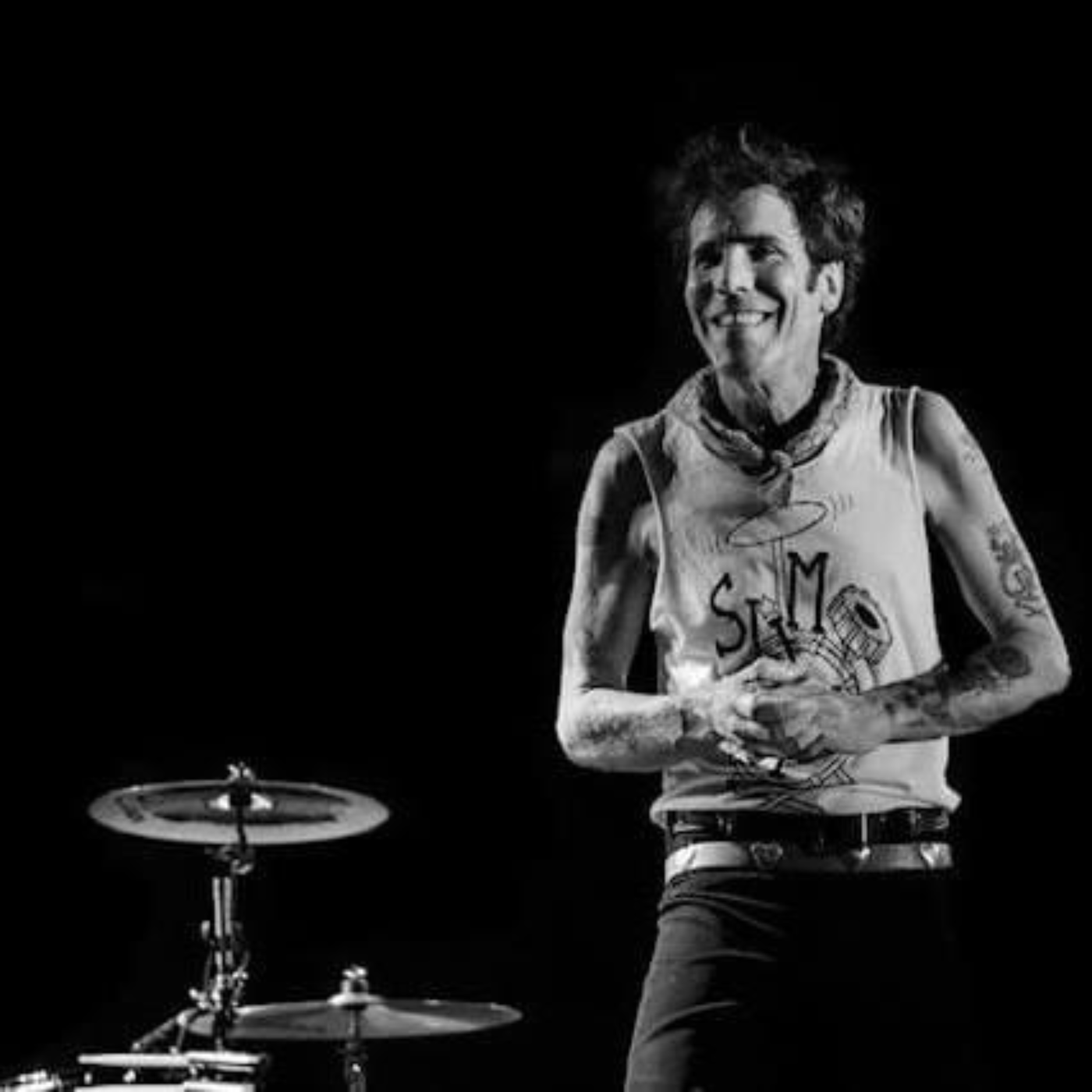
S1 Ep 125Slim Jim Phantom (Stray Cats)
Slim Jim Phantom is the Stray Cats’ drummer, host of “Slim Jim’s Rockabilly Raveup” on Little Steven’s Underground Garage and a cool-cat storyteller. He takes us through the Stray Cats’ formation, with bassist and elementary school classmate Lee Rocker and singer-guitarist Brian Setzer, and their early days as a “rockabilly bar band” playing New York clubs like CBGB before they relocated to London. The band had recorded two British albums by the time a U.S. label released the compilation Built for Speed, which, powered by the hit singles “Rock This Town” and “Stray Cat Strut,” turned the Stray Cats into unlikely early ’80s stars. Why did the band split after the follow-up album—and reunite after solo projects? What’s happening with the Stray Cats now? And who is on Phantom’s rockabilly Mount Rushmore?
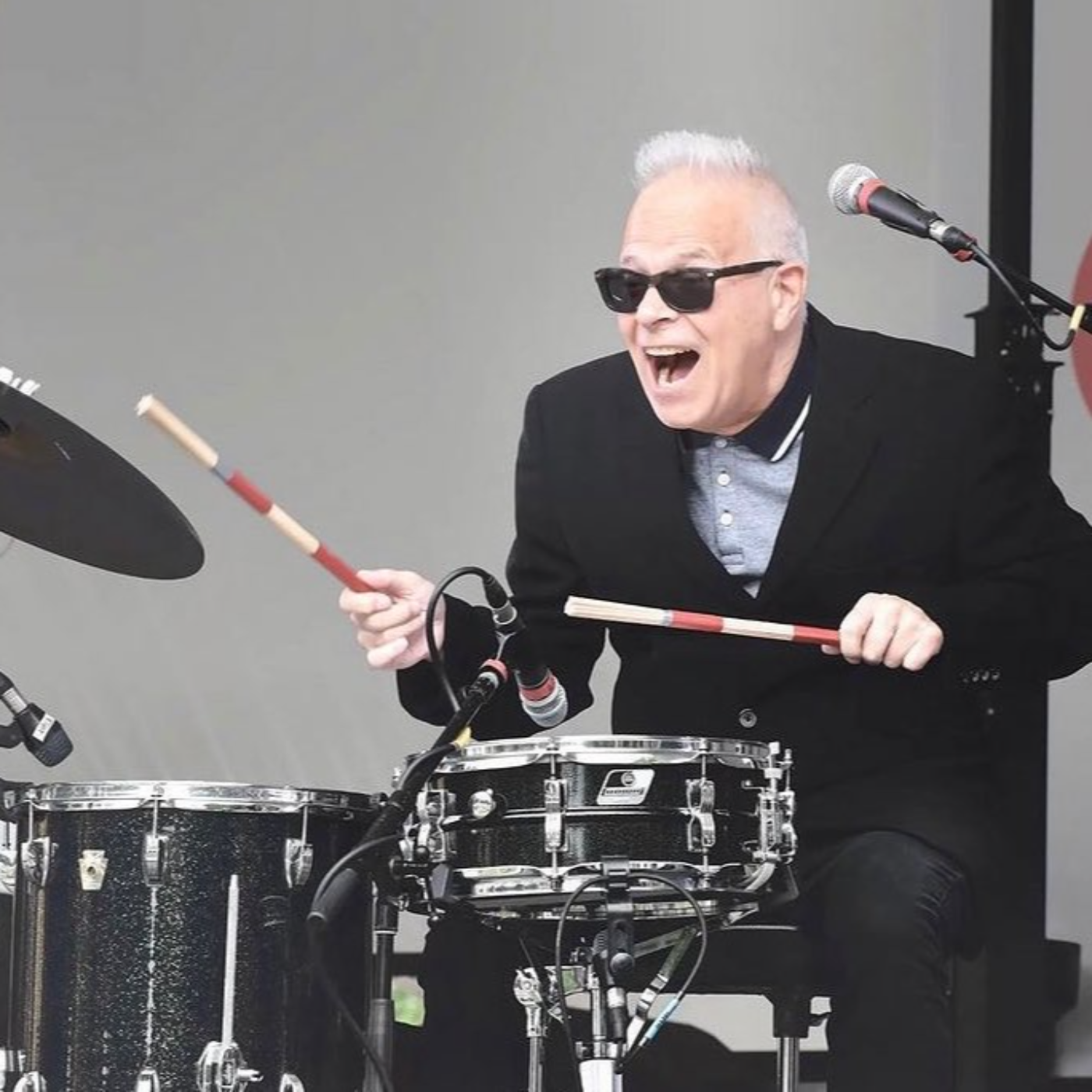
S1 Ep 124Victor DeLorenzo (Violent Femmes)
That tap-tap, tap-tap at the beginning of “Blister in the Sun” may be one of rock’s most air-drummed fills, and former Violent Femmes drummer Victor DeLorenzo explains how the song's indelible intro came to be. He shares many more stories about this Milwaukee band, including the name’s origin, the invention of his tranceaphone and the jaw-dropping tale of how the Pretenders discovered Violent Femmes busking outside the theater and invited the trio to open for them that night. Violent Femmes’ instant-classic self-titled debut sounded like nothing else, the third album was produced by Talking Heads’ Jerry Harrison, and after five studio albums, DeLorenzo had had enough. He tells of his ongoing acting career that included a tryout for Brian De Palma’s The Untouchables, his reaction to the "Blister" Wendy's ad and his up-and-down relationship with his former bandmates.
S1 Ep 123Patrick Milligan (Rhino Records)
As Rhino Records’ senior director for A&R, Patrick Milligan oversees ambitious packages such as the Joni Mitchell archival series; deluxe releases from Warner Music Group artists such as the Ramones, the Doors and Crosby, Stills & Nash; and the recently launched, limited-edition High Fidelity vinyl series. That last one, which features audiophile pressings mastered by recurrent Caropop guest Kevin Gray, has included acclaimed versions of the Cars’ debut album, which sold out, and Television’s Marquee Moon, which Television guitarist Richard Lloyd discussed here last week. Milligan shares his reaction to the praise and pushback these releases receive, explains the selection process of the High Fidelity titles, previews upcoming albums, and tells of how the company and business have changed during his two stints at Rhino. Is his job a crate-diggers’ dream?
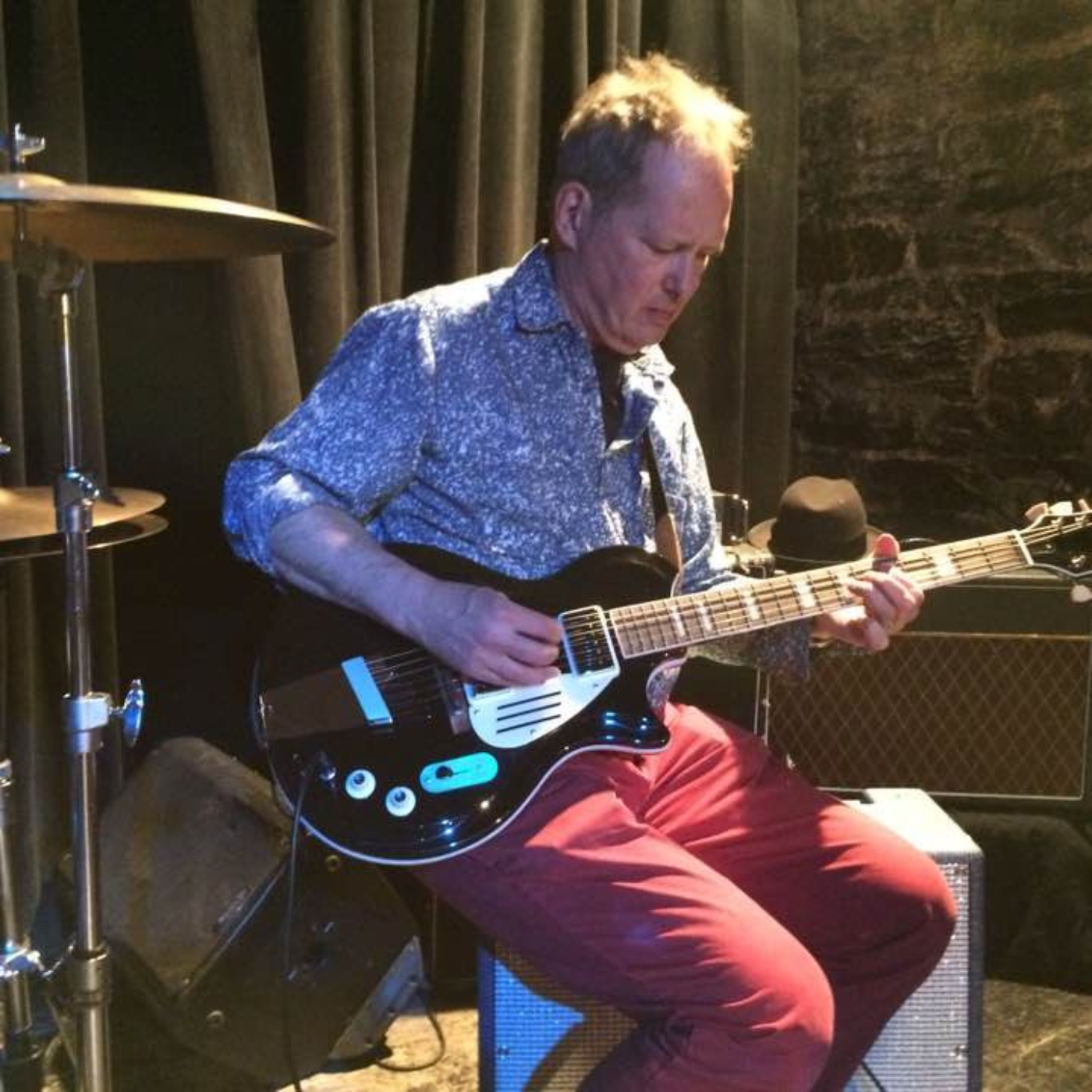
S1 Ep 122Richard Lloyd (Television)
If you ranked rock's great two-guitar tandems, Television's Richard Lloyd and Tom Verlaine would be at or near the top. Verlaine was the poetic songwriter, idiosyncratic singer and improvisatory guitarist, but Television would not have been Television without Lloyd’s dazzling counterpunches and composed solos that take melodic leaps no one could anticipate. Television launched the mid-1970s art-punk scene at the grungy East Village club CBGB and produced arguably the greatest album from that era, Marquee Moon. How did the band capture such combustible magic in songs like “See No Evil” and the epic title track? Why did Television make only two more studio albums, and why was Lloyd dissatisfied with each? Why did Jimi Hendrix punch out a teenage Lloyd? What impact did drugs and alcohol have on Lloyd’? How did he wind up making more great music with Matthew Sweet? And how did he feel when Television moved on without him? Was he in touch with Verlaine before the Television leader died a year ago?
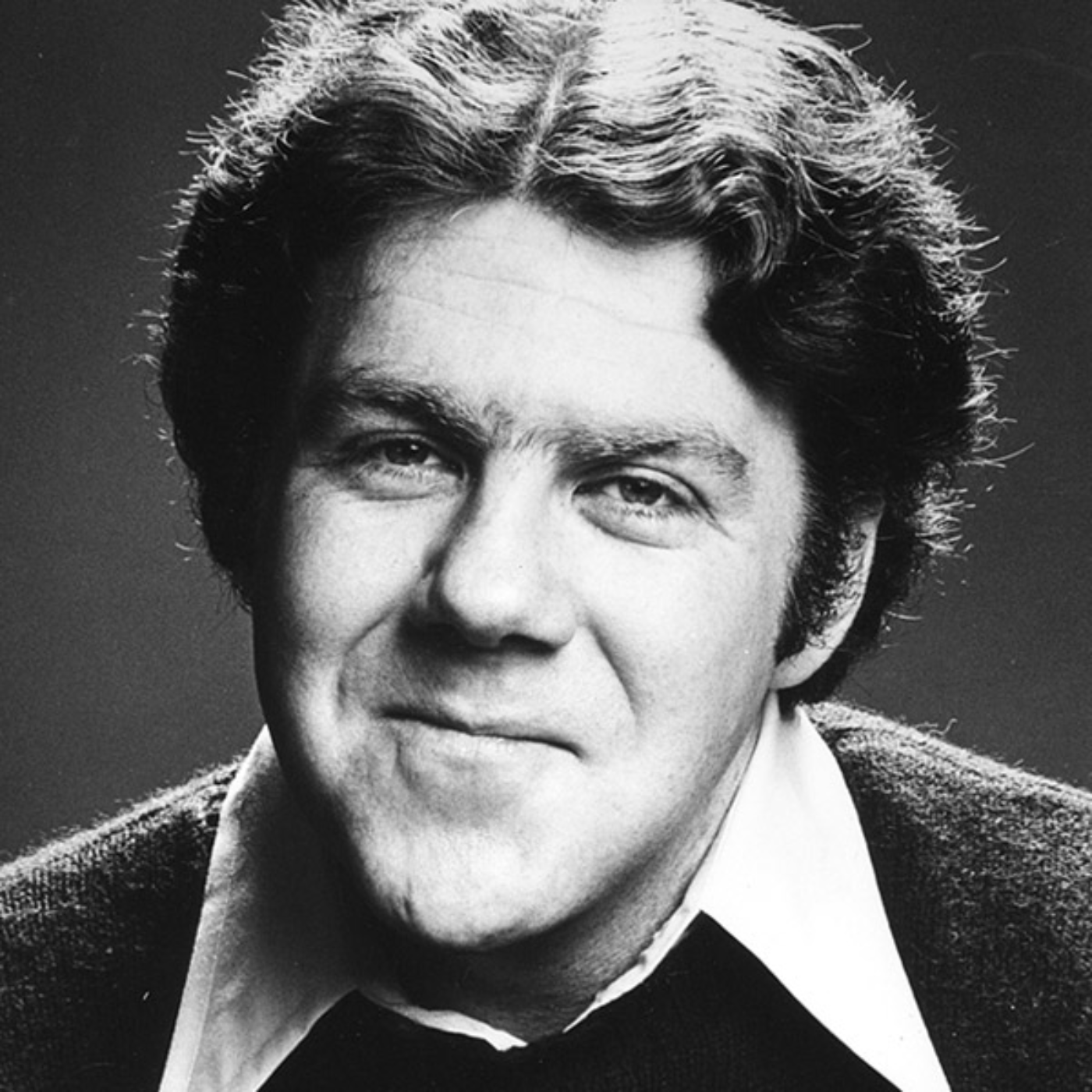
S1 Ep 121George Wendt
Cheers ended its 11-year TV run in 1993, yet on the Emmy Awards in January, George Wendt showed up as his old character, Norm, and drew laughs and, yes, cheers. Even 31 years later, everybody knows his name. Wendt discusses his beginnings at Chicago’s Second City, including his firing and rehiring there. How did that ensemble work prepare him for Cheers? How did the series’ energy change when Kirstie Alley replaced Shelley Long? Was the Saturday Night Live episode he co-hosted with Francis Ford Coppola the weirdest one ever? How did he wind up in those “Da Bears” sketches and in Michael Jackson’s “Black or White” video? How did he enjoy his roast hosted by his nephew, Jason Sudeikis? Pull up a stool and grab a beer, because Wendt has stories to tell.
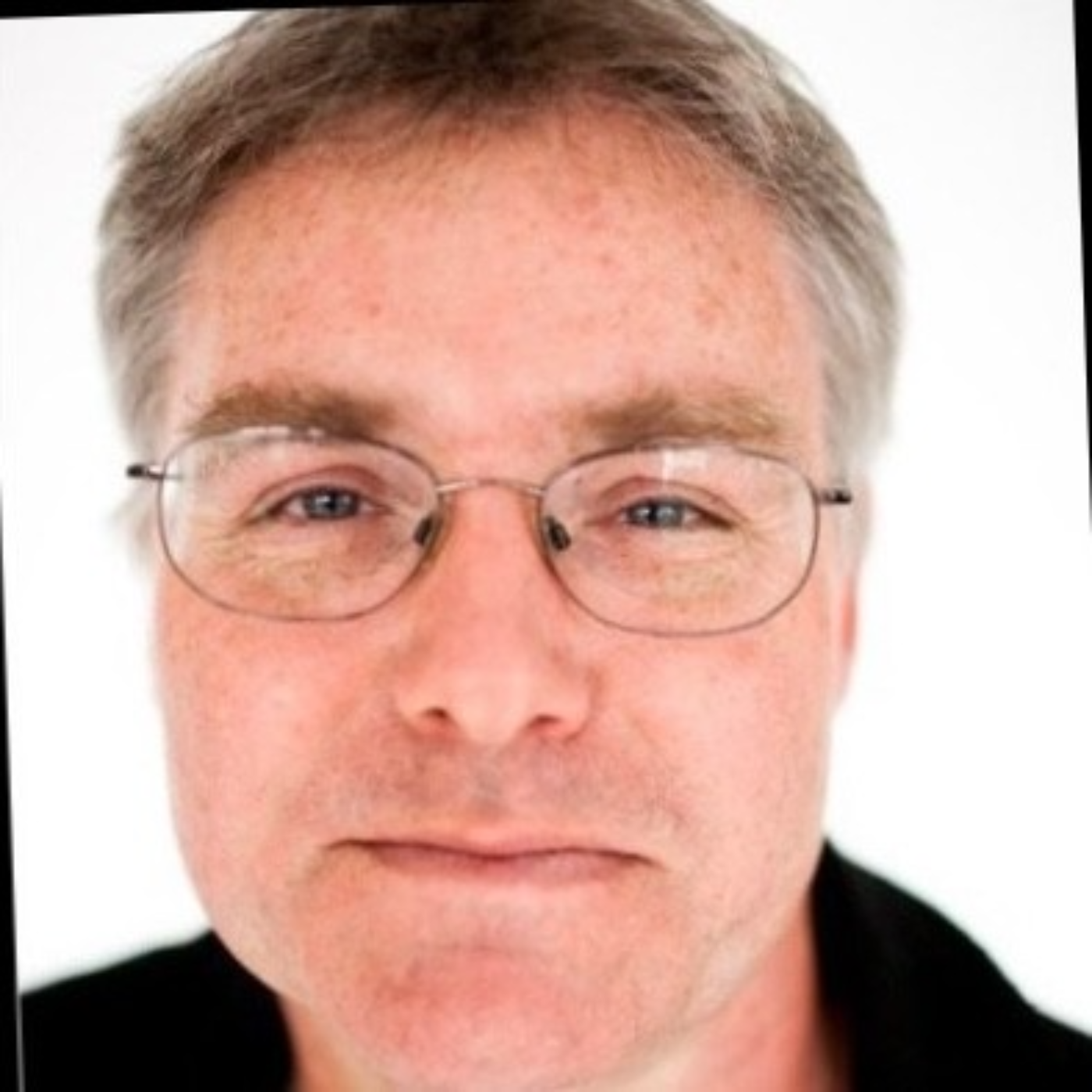
S1 Ep 120Brendan Canty (Fugazi, Messthetics)
Brendan Canty’s work in Fugazi established him as one of rock’s great drummers, but this thoughtful, multitalented artist has done much more than that. Rooted in Washington, D.C., Canty played with the hardcore bands Deadline, Rites of Spring, Happy Go Licky and One Last Wish before Fugazi, Deathfix afterward, and he currently is stretching out his jazz-punk chops in the instrumental trio Messthetics. He’s also a soundtrack composer and filmmaker, having directed documentaries featuring Eddie Vedder, Wilco and others. Here Canty takes us deep into the music, where exploration and improvisation bang up against structure. He tells the story of Fugazi, from the breakout song “Waiting Room” and intense touring through the band’s 2003 “indefinite hiatus.” And he explains how a big reunion would—or would not—jibe with Fugazi’s values.

S1 Ep 119Colin Mouldng, Pt. 2
Our Colin Moulding conversation picks up with XTC working in Woodstock, N.Y., on what would become one of their most beloved albums, Skylarking. Moulding appreciated that producer Todd Rundgren chose to include five of his songs, though the recording experience was a bit of a minefield. XTC built on its newfound momentum with Oranges & Lemons, a bright, lively album that features Moulding’s hit single “King for a Day.” Moulding continued to be a keen observer of everyday life, but financial issues plagued the making of Apple Venus Volume 1 and Wasp Star and precipitated Dave Gregory’s departure. Moulding reveals what prompted his final split from singer-songwriter Andy Partridge as well. Moulding has since reunited, briefly, with original XTC drummer Terry Chambers as TC&I, and he continues to make music in the band’s collective hometown of Swindon, England. Might the four of them ever share a stage, a studio or just a night out again?

S1 Ep 118Colin Moulding, Pt. 1
Bassist Colin Moulding wrote, played on and sang some of the XTC’s greatest songs, including the breakthrough singles “Life Begins at the Hop” and “Making Plans for Nigel” plus “Ten Feet Tall,” “Generals and Majors,” “Runaways,” “Ball and Chain,” “Wonderland” … and those are just in the period covered in Pt. 1 of this fun, insightful conversation. Speaking from his home outside Swindon, England, Moulding tells of his musical beginnings; his and the band’s evolutionary leap when guitarist Dave Gregory joined for Drums and Wires; the weird vibes as Moulding, and not primary singer-songwriter Andy Partridge, was writing the band’s early hits; his reaction to the abrupt end of XTC’s touring days; the jaw-dropping moment when drummer Terry Chambers quit; the joyous psychedelic side project, the Dukes of Stratosphear; and that time David Gilmour asked him to replace Roger Waters in Pink Floyd.
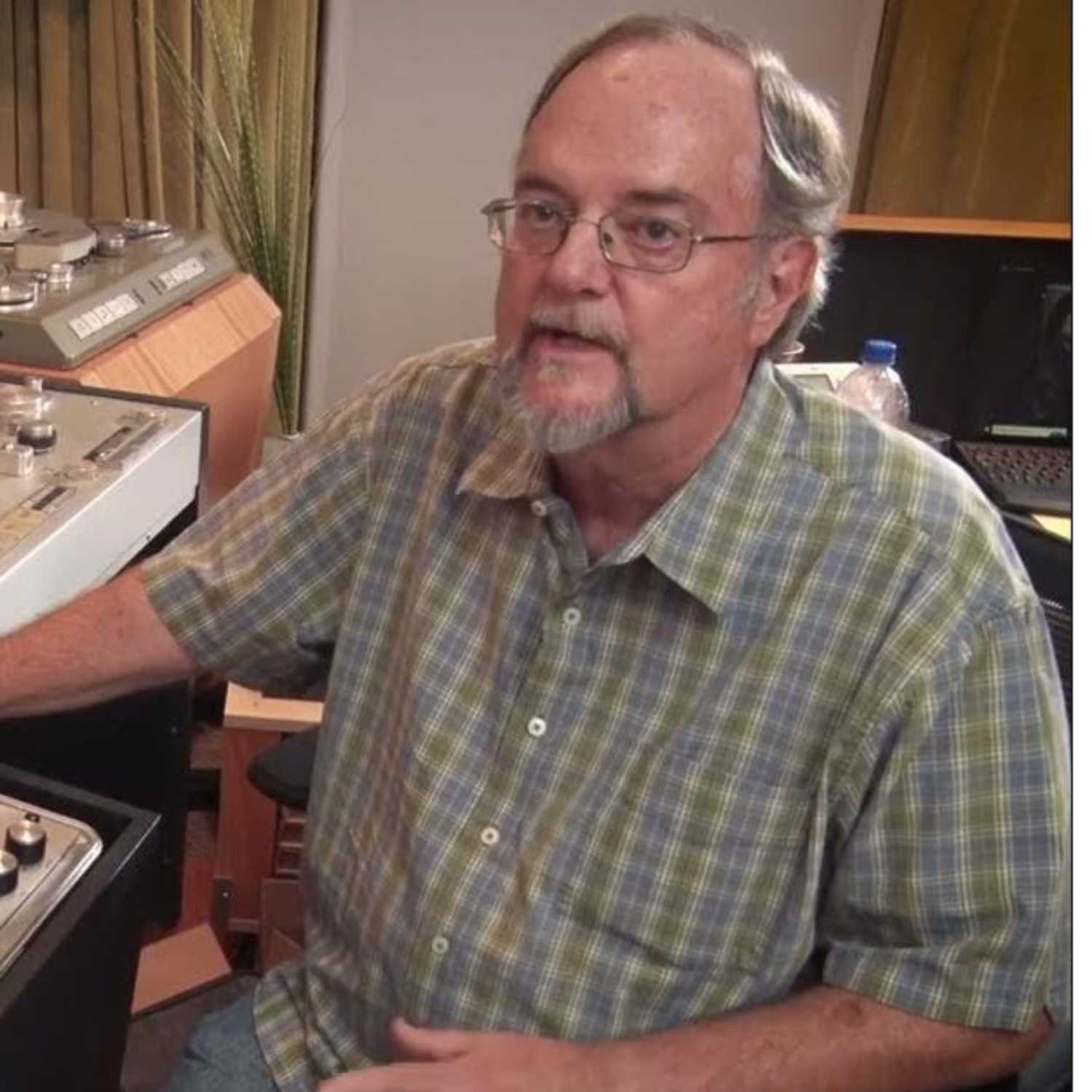
S1 Ep 117Kevin Gray 2024
It's time for our third early-year check-in with renowned mastering engineer Kevin Gray. In 2023 he was more in demand than ever; your jaw may drop when he reveals how many albums he mastered. Plus, he launched his own label, Cohearent Records, with an album he recorded in his home studio: saxophonist Kirsten Edkins’ Shapes & Sound. With Cohearent’s second release, jazz guitarist Anthony Wilson’s Hackensack West, imminent, Gray discusses mic placement, what he has learned as a label owner and whether he’ll shift more energy in that direction. He also details his work on Rhino’s High Fidelity series (including his first encounter with Television’s Marquee Moon) as well as Blue Note’s Tone Poet and Classic Vinyl series, Craft’s Original Jazz Classics and Jazz Dispensary releases and more from Jackpot Records and other labels.
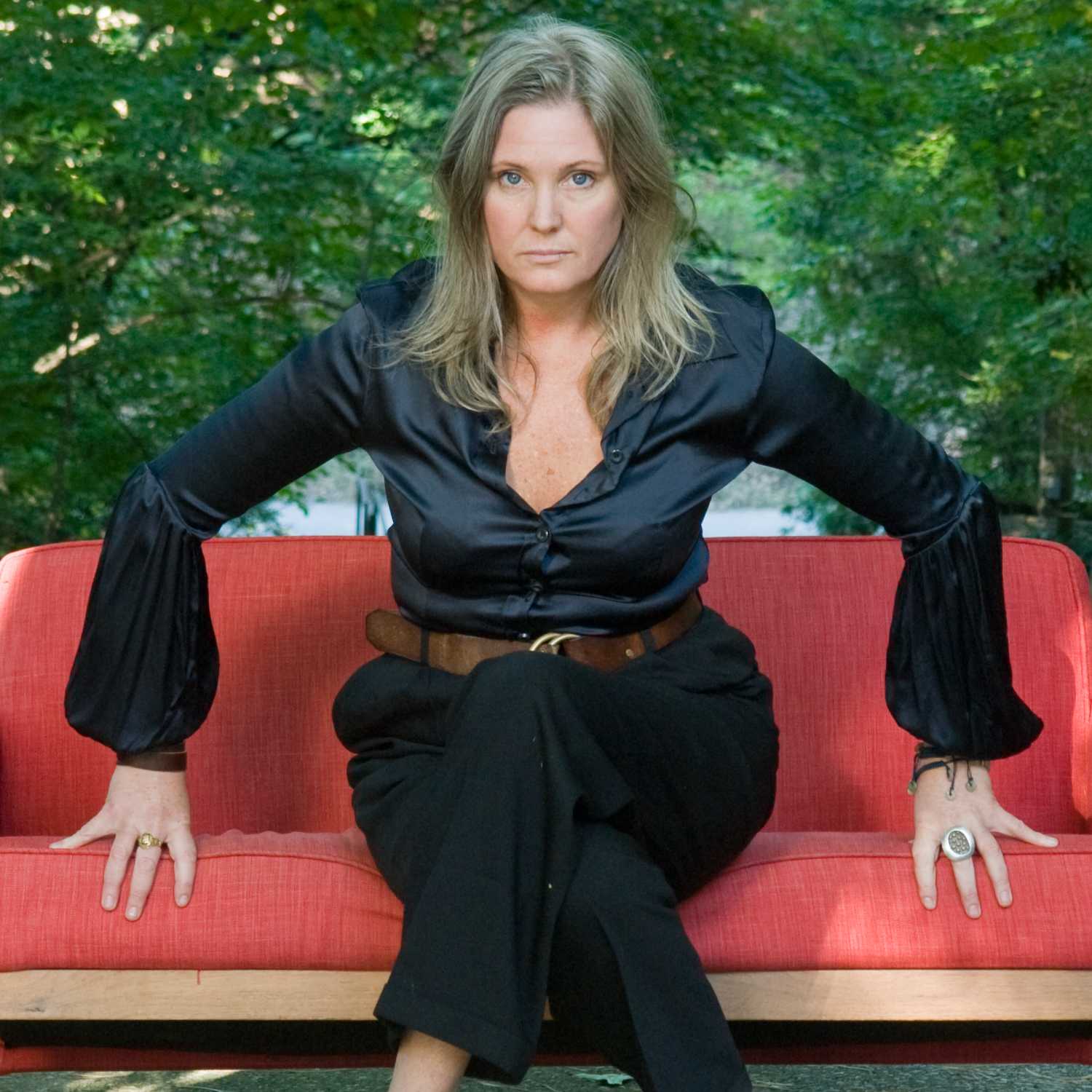
S1 Ep 116Janet Beveridge Bean (Eleventh Dream Day, Freakwater)
Janet Beveridge Bean drums, sings and writes in the great, muscular Chicago guitar band Eleventh Dream Day, which celebrated its 40th anniversary last year. She also sings, writes and plays guitar in the off-kilter-beautiful Freakwater, her country-folk group with singer Catherine Irwin that released its debut album in 1989. Those bands have 25 albums between them, yet Beveridge Bean, who calls herself “musically illiterate,” has applied her ever-restless artistic spirit to many other projects as well. She takes us inside the dynamics of her various collaborations, tells of how Eleventh Dream Day maintained its singular vision while working with and without major labels, and presents a life lived at peak creativity. (Photo by Iwona Biedermann.)
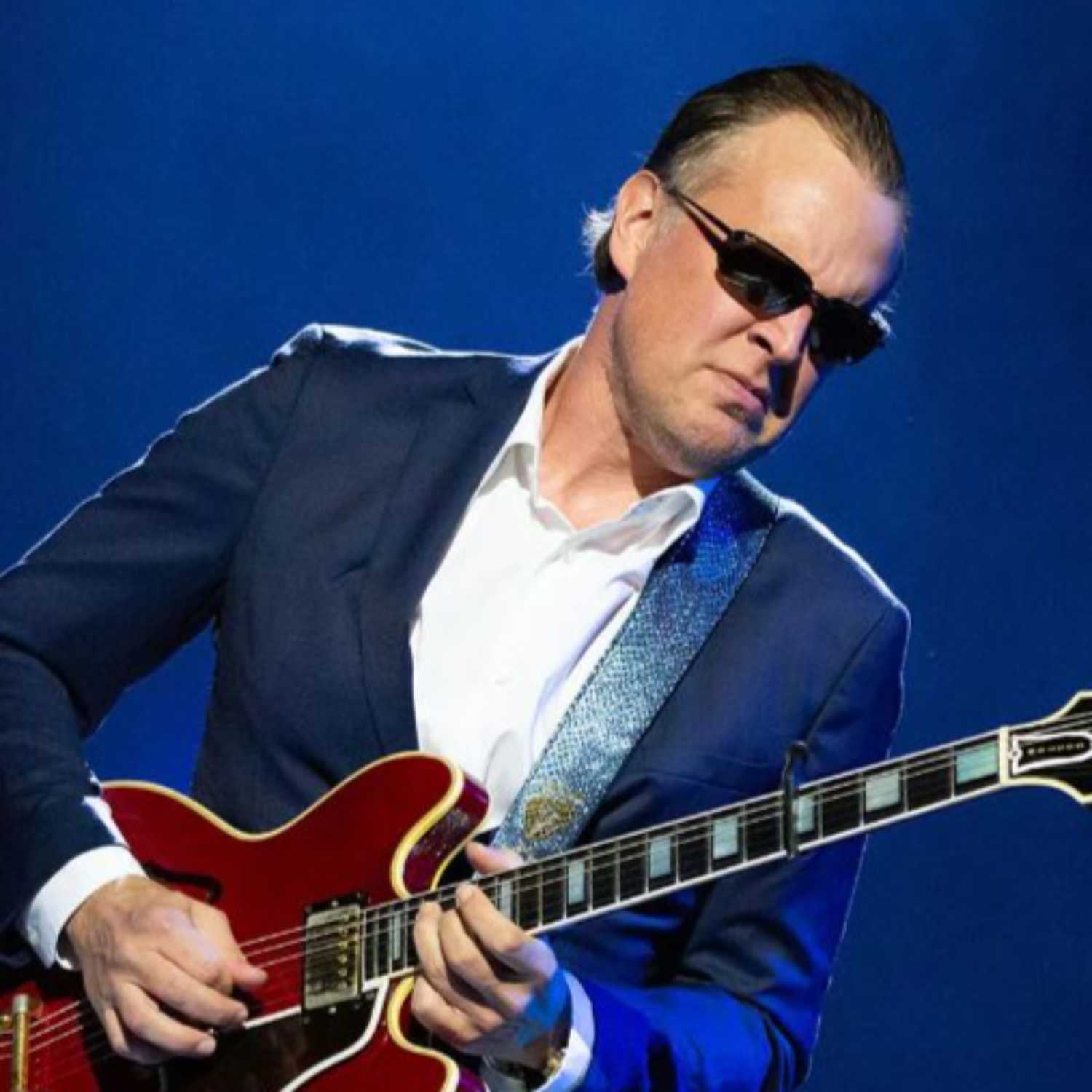
S1 Ep 115Joe Bonamassa
Joe Bonamassa, who opened for B.B. King at age 12, was a cocky 26-year-old blues-rock guitar virtuoso when he made his breakthrough third album, Blues Deluxe, in 2003—and an established 46-year-old when he released Blues Deluxe Vol. 2 in the fall. In a thoughtful conversation, Bonamassa reflects on all that has happened in between, how he has grown as a musician, taken control of the business side of his career and launched his own label and foundation, both called Keeping the Blues Alive. He also weighs the impact of artificial intelligence on music. Would the blues be the hardest kind of music for robots to fake? (Photo by Adam Kennedy)
S1 Ep 114Andrew Sandoval
Andrew Sandoval is a musician, producer, author, publisher, reissue compiler, liner notes writer, video director, fanzine creator, record collector extraordinaire and more. Not only did he write and publish the gorgeous The Monkees: The Day-By-Day Story, but he also oversaw many of that band’s reissues and produced their shows—and still works with Micky Dolenz. Ray Davies requested that he oversee recent Kinks reissues, and he has performed in Dave Davies’ band, led musicians at the Wild Honey Foundation’s Nuggets concert and released his own albums. His many compilations for Rhino Records include the Grammy-nominated Where The Action Is! (Los Angeles Nuggets: 1965-1968) and Elvis Costello’s reissues campaign. In an inspiring entrepreneurial tale, Sandoval has created a life around the music that he loves.
S1 Ep 113Paul Williams
Maybe you know Paul Williams for hits he co-wrote for the Carpenters (“We’ve Only Just Begun,” “Rainy Days and Mondays”) and Three Dog Night (“An Old Fashioned Love Song”). Or for his performances in Brian De Palma’s Phantom of the Paradise and the Smokey and the Bandit movies. Or for his Oscar-winning song with Barbra Streisand, “Evergreen (Love Theme from A Star Is Born).” Or for the songs he wrote for Bugsy Malone and Ishtar. Or for his singing (and writing) on Daft Punk’s 2013 Grammy-winning album, Random Access Memories. Or for what may be his most beloved song of all, “Rainbow Connection” (plus the rest of The Muppet Movie soundtrack). Factor in the current stage adaptation of the 1977 Jim Henson TV special, Emmet Otter’s Jug-Band Christmas, and Williams has a lot to talk about—and he does so, delightfully.
S1 Ep 112Bill Payne (Little Feat)
Brilliant pianist Bill Payne, who founded Little Feat in 1969 in Los Angeles with singer-songwriter-guitarist Lowell George, takes us on this great American band’s rollercoaster ride through the 1970s. Payne wrote or co-wrote more than half of Little Feat’s self-titled debut album, but the mercurial George came to dominate as the band ascended via the albums Sailin’ Shoes, Dixie Chicken and Feats Don’t Fail Me Now, the last of which features the Payne standout “Oh, Atlanta.” By the time of the classic 1978 live album Waiting for Columbus, George had pulled back and was struggling with addictions, and tensions ran high — yet the band still cooked. What happened? And how did Payne revive Little Feat after George’s death to continue leading it through today?
S1 Ep 111Andrew Winistorfer (Vinyl Me, Please)
The Vinyl Me, Please record club marked its 10th anniversary this year and now boasts more than 30,000 members. As senior director of music and editorial, Andrew Winistorfer chooses many of the Records of the Month and exclusive store drops. A passionate music fan himself, he has developed keen insights into the psyche of obsessive vinyl buyers (raising my hand) as well as the business of licensing music from labels and getting albums mastered and pressed to the club’s standards. How does VMP select its “Lost Sounds Found” and less obscure albums? Where did it get the gumption to try to top Mobile Fidelity with its Miles Davis box? What factors drive album pricing? How much does FOMO drive sales? Vinyl fanatics, this one's for you.
S1 Ep 110Justin Hayward (Moody Blues)
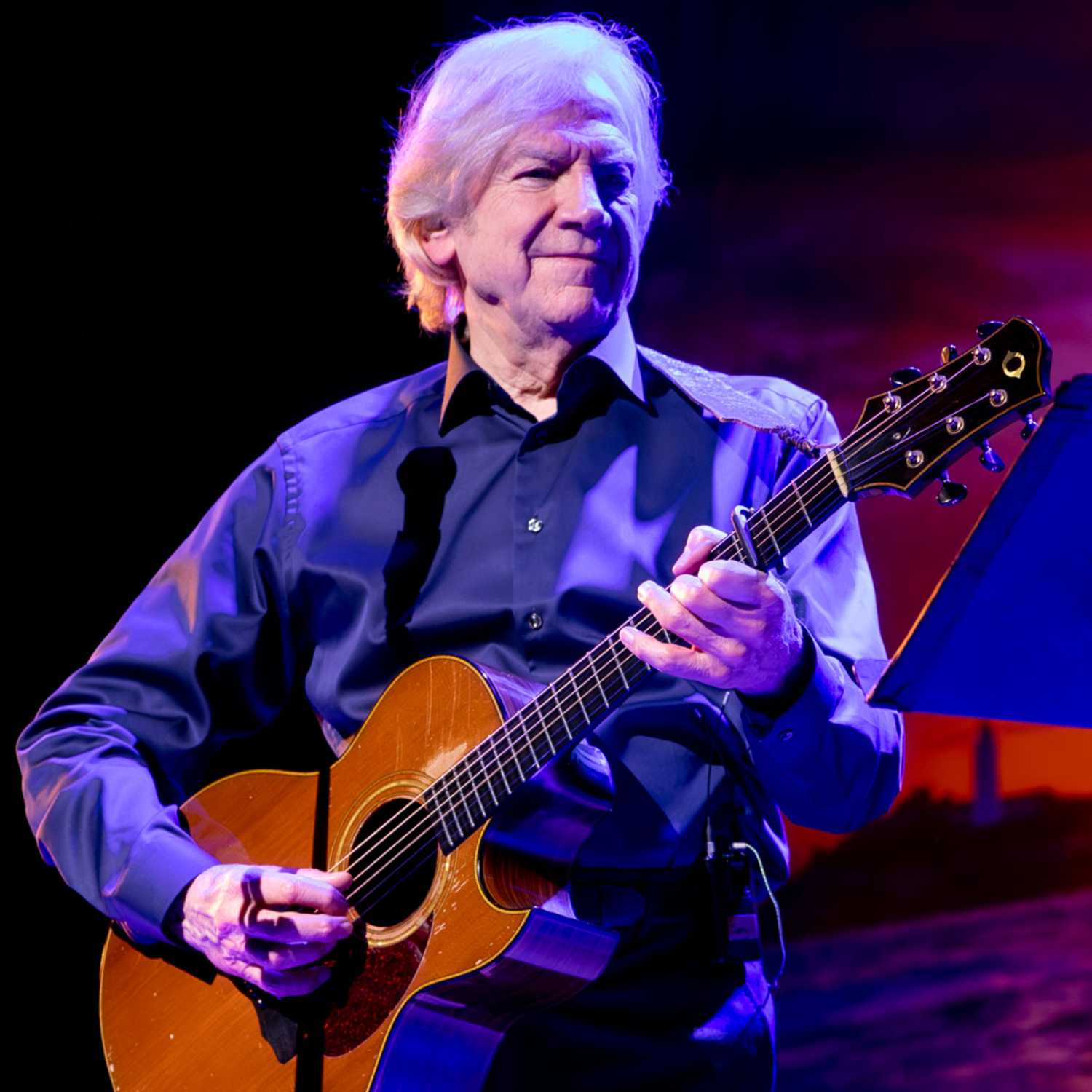
Justin Hayward joined the Moody Blues in 1966 and wrote and sang most of the band’s singles from “Nights in White Satin” and “Tuesday Afternoon” through such ’80s hits as “The Voice” and “Your Wildest Dreams.” How much did the Moody Blues shape his songwriting, and how much did his songwriting shape the Moody Blues? Did he write to fit the albums’ concepts? Did he especially enjoy writing songs with multiple parts and tempo changes? When he performs now, does he feel more emotionally connected to material from one era or another? Will he ever again perform with the surviving Moody Blues? He still has that golden voice, whether singing or discussing his days of future passed. (Photo by Joe Schaeffer.)
Caropop Happy Thanksgiving 2023
Happy Thanksgiving! We're hitting the pause button on Caropop this week to say thank you and to give you a chance to catch up on some of the great conversations you may have missed. Please enjoy this brief message from the Caropop team, and we'll be back with another fantastic guest next week. Thanks!
S1 Ep 109Dave Wakeling (The English Beat)
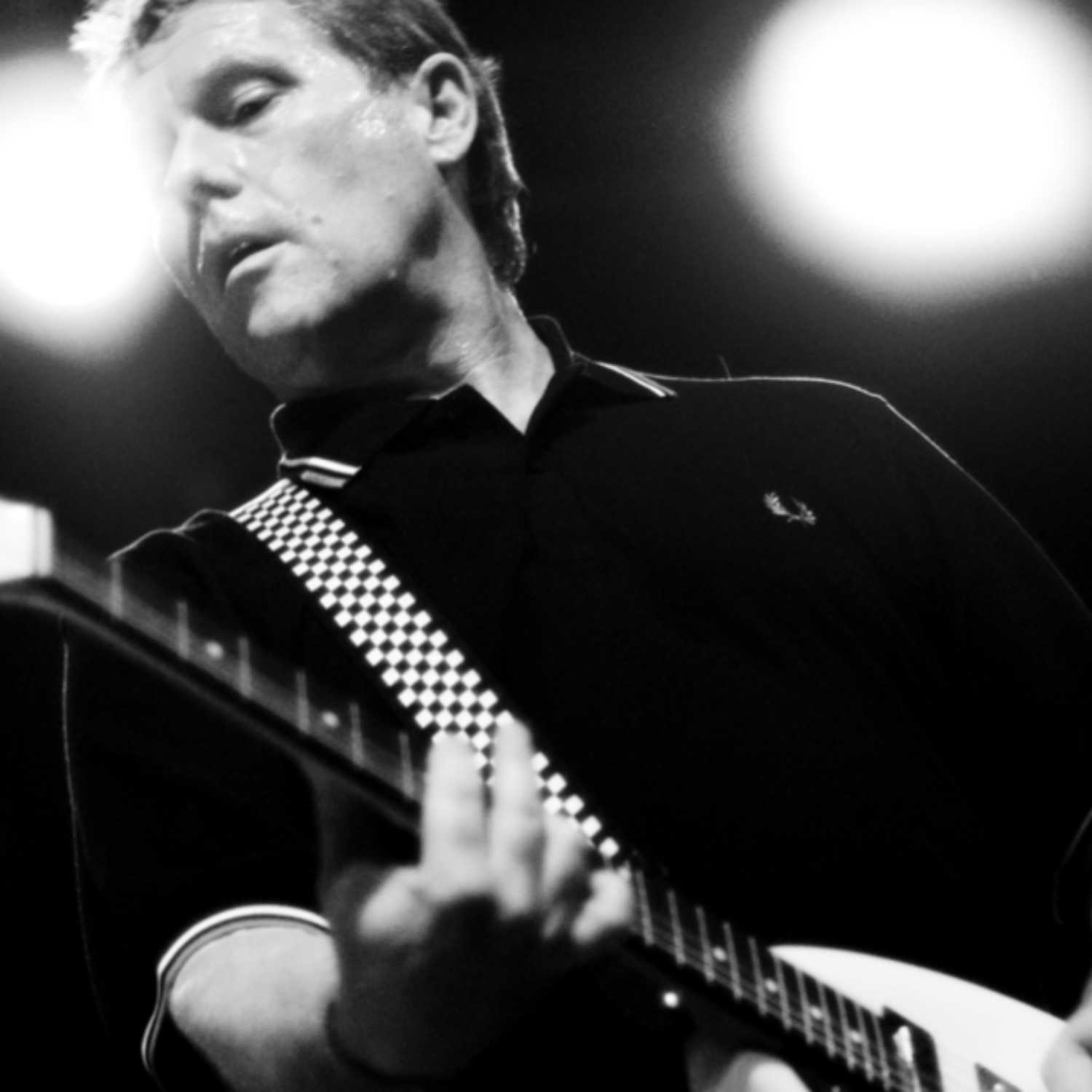
The English Beat—or, if you live in England, the Beat—was one of the key bands of the late ‘70s/ early ‘80s British ska-punk scene. Guitarist/songwriter Dave Wakeling sang most of this interracial, socially conscious group’s songs, with Ranking Roger toasting, and he takes us inside the making of the band’s brilliant debut album, I Just Can’t Stop It (out in an expanded edition for Record Store Day Black Friday). Wakeling tells how the bass-driven “Mirror in the Bathroom” came together and digs into the band's relationship with Specials, the Beat's breakup, and songs such as “Save It for Later” and “Tenderness,” the latter from Wakeling’s and Ranking Roger’s subsequent band, General Public. Was there a rivalry between General Public and Fine Young Cannibals, the other Beat spinoff band? How did Wakeling and Roger wind up fronting their own versions of the Beat on either side of the Atlantic? (Photo by Bryan Kremkau.)
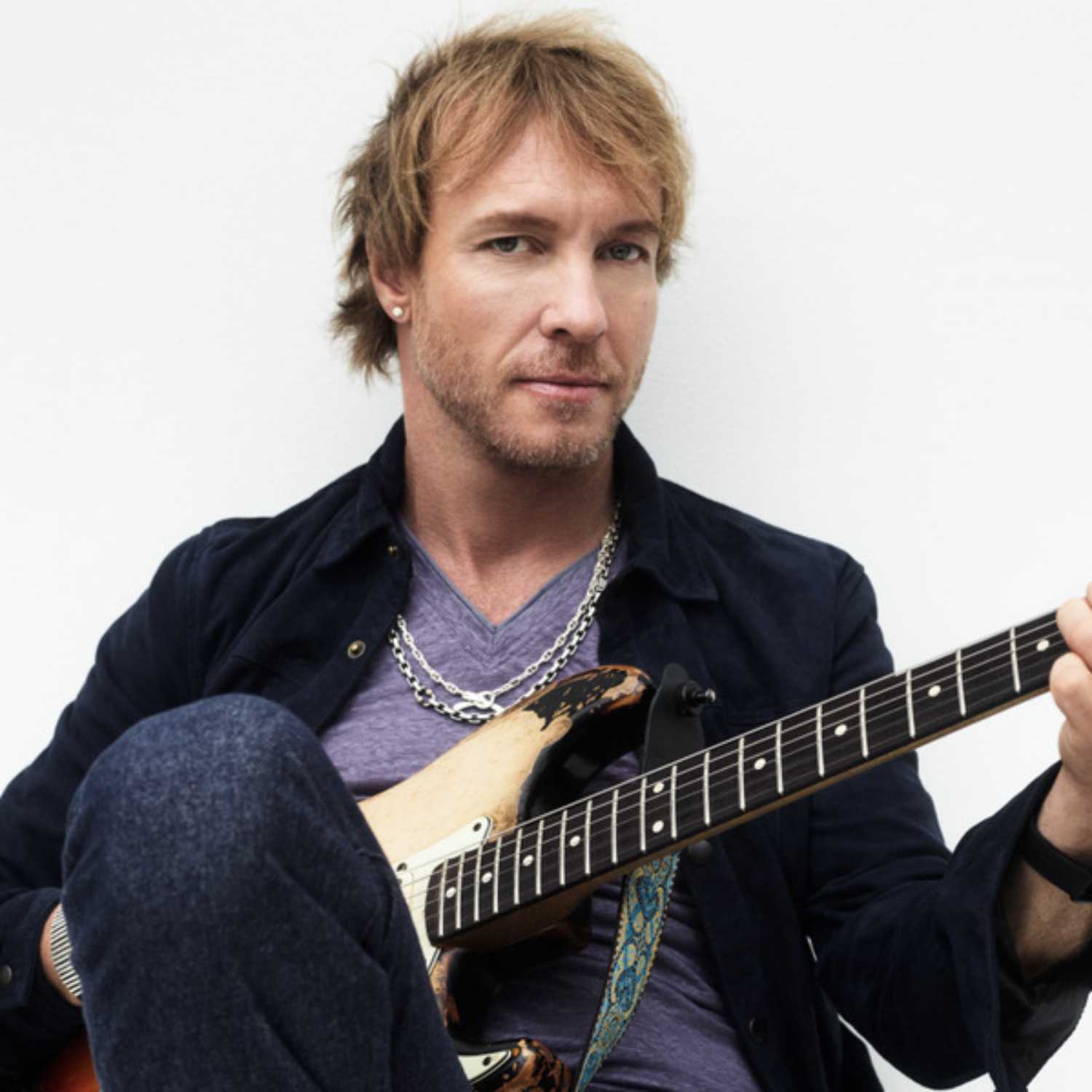
S1 Ep 108Kenny Wayne Shepherd
Kenny Wayne Shepherd is a blues-rock guitarist and songwriter with one foot in the future and one foot in the past. Honoring the past is something blues artists do, but Shepherd has revisited his own past by rerecording his second album, Trouble Is… (which includes his biggest hit, “Blue on Black”) 25 years after its release—thus interpreting the same material at ages 20 and 45. Now Shepherd is releasing an all-new album, Dirt on My Diamonds Vol. 1, that has a modern snap along with those big riffs and expressive solos. How have his playing and writing evolved since he launched his career at age 18 with Ledbetter Heights? How do his songwriting collaborations work? How does he keep his solos fresh? And what happened when he dreamt a great song and then woke up? (Photo by Mark Seliger)
S1 Ep 107Ed Stasium, Pt. 2 (Replacements, Ramones, Smithereens)
It's time to hear about producer Ed Stasium’s acclaimed new remix of the Replacements’ album Tim, as well as his work with the Ramones, Talking Heads and the Smithereens. How did Stasium make the "Let It Bleed Edition" of Tim so much more muscular than Tommy Erdelyi’s original mix? Has he gotten feedback from Paul Westerberg? How did Stasium work with Erdelyi (a.k.a. Tommy Ramone) on the classic early Ramones albums? How did he wind up playing on the Ramones' Phil Spector-produced End of the Century and getting held prisoner in Spector’s home? Why, despite the Smithereens’ Dennis Diken’s objections, does he like drummers to play with click tracks? What happened when Madonna was scheduled to sing on a Smithereens song? And what’s his secret to making music sound so good?
S1 Ep 106Ed Stasium, Pt. 1
Before Ed Stasium made his name as a producer/engineer of the Ramones, Talking Heads, Living Colour and the Smithereens—and before his muscular remix of the Replacements’ Tim on the new “Let It Bleed Edition” box set—he’d already experienced a career’s worth of colorful adventures. He discovered overdubbing via The Wonderful World of Disney, invested in a seafoam Strat to be played by him and Johnny Ramone, chased rock-star dreams, and engineered some key soul releases. How did Skull Snaps’ self-titled debut bond him with Living Colour’s Vernon Reid? How did he help Gladys Knight get the sound she wanted on “Midnight Train to Georgia”? Where do John & Yoko, George Harrison, Ringo Starr, Mick Jagger and Jeff Beck fit in among Stasium’s joyfully told tales? Listen…
S1 Ep 105Dennis Diken (The Smithereens)
Drummer Dennis Diken and New Jersey friends Jim Babjak (guitar) and Mike Mesaros (bass) bonded over their love of British Invasion music and found the perfect singer-songwriter-guitarist to join them: Pat DiNizio. The Smithereens delivered catchy, crunchy power pop, with a teenage vigilante movie introducing their unexpected breakthrough song, “Blood and Roses.” Hits such as “Only a Memory,” “A Girl Like You” and “Too Much Passion” followed. Diken, who named the band and propelled its attack, reflects on the Smithereens’ rise, what rankled him about the hit album 11, how grunge affected the band’s popularity, and how they regrouped after DiNizio’s death in 2017. Will the Smithereens record new material with fill-in frontmen Marshall Crenshaw and Robin Wilson? And how did Diken become the drummer for a mini Kinks reunion?
S1 Ep 104Judith Owen
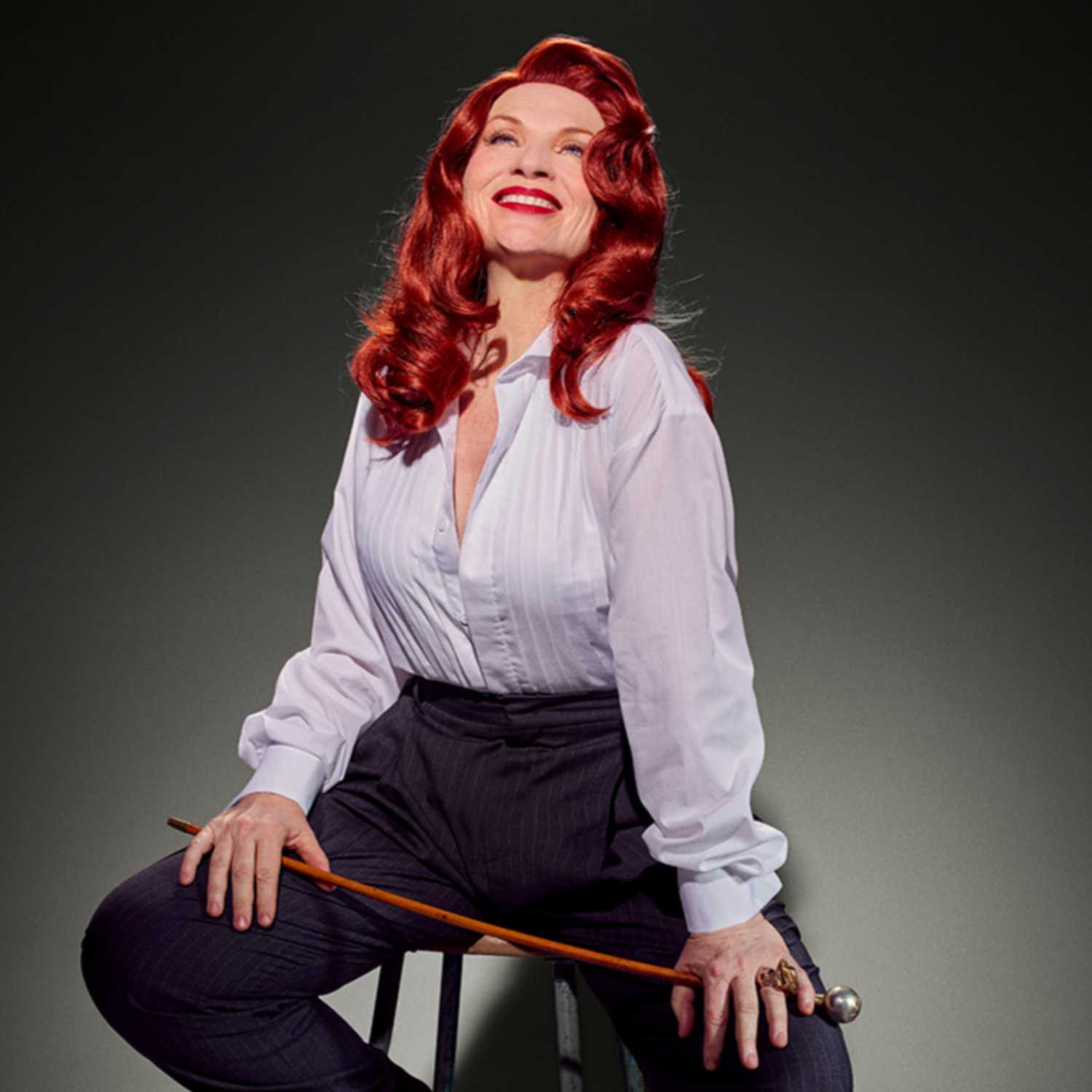
On stage and on her album Come On & Get It, Judith Owen has stepped out from behind the piano to sing sexually charged jazz and blues songs performed by women during the repressed 1940s and 1950s. Among them: Mary Lou Williams’ “Satchel Mouth Baby,” Dinah Washington’s “Big Long Slidin’ Thing” and Nellie Lutcher’s “Fine Brown Frame.” This Welsh-born, London-raised artist says this project has given her permission to be her unapologetic self, even as she has written her share of heartbreaking songs and accompanied guitarist-songwriter Richard Thompson on several projects. Owen is an energetic, empowered storyteller as she recalls meeting husband Harry Shearer while he was dressed up as Spinal Tap bassist Derek Smalls, describes their life in New Orleans and asserts that “sexiness is confidence.” (Photo by Rick Guest.)
S1 Ep 103Peter Frampton
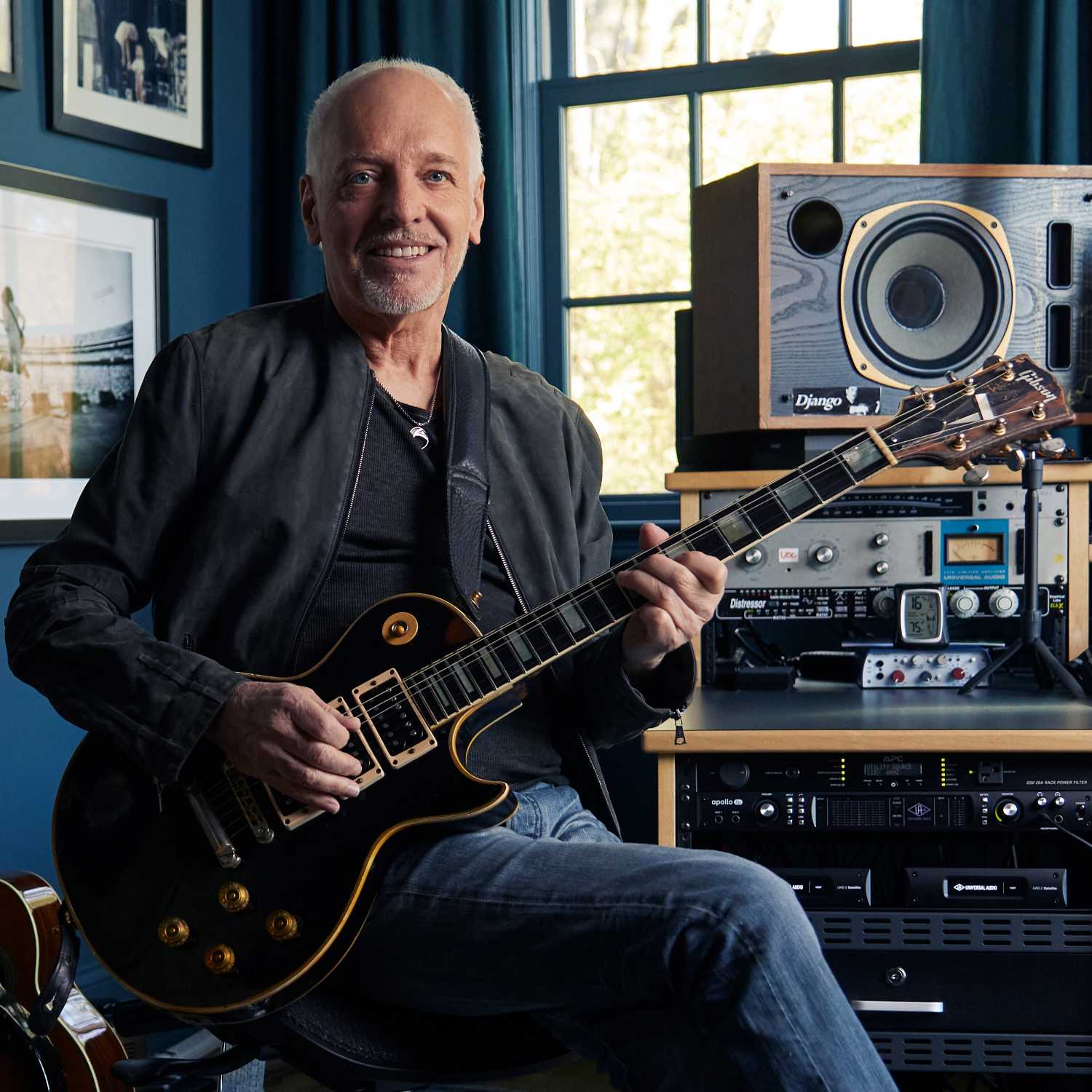
Peter Frampton played guitar, wrote and sang on four Humble Pie studio albums and a live album that outsold them all. Then he made four solo albums and a live album that outsold them all—by a lot. With Intervention Records’ stellar Frampton@50 box reintroducing listeners to the best three of those early solo albums, Frampton takes us back to those formative years when he was doing session work on George Harrison’s All Things Must Pass, discovering the talk box, refining his sound, writing “Show Me the Way” and “Baby, I Love Your Way” the same day and taking the rocket ride that was Frampton Comes Alive! He also reveals what he actually is saying on the talk box portion of the live “Do You Feel Like We Do.” (Photo by Austin Lord.)
S1 Ep 102Patrice Rushen
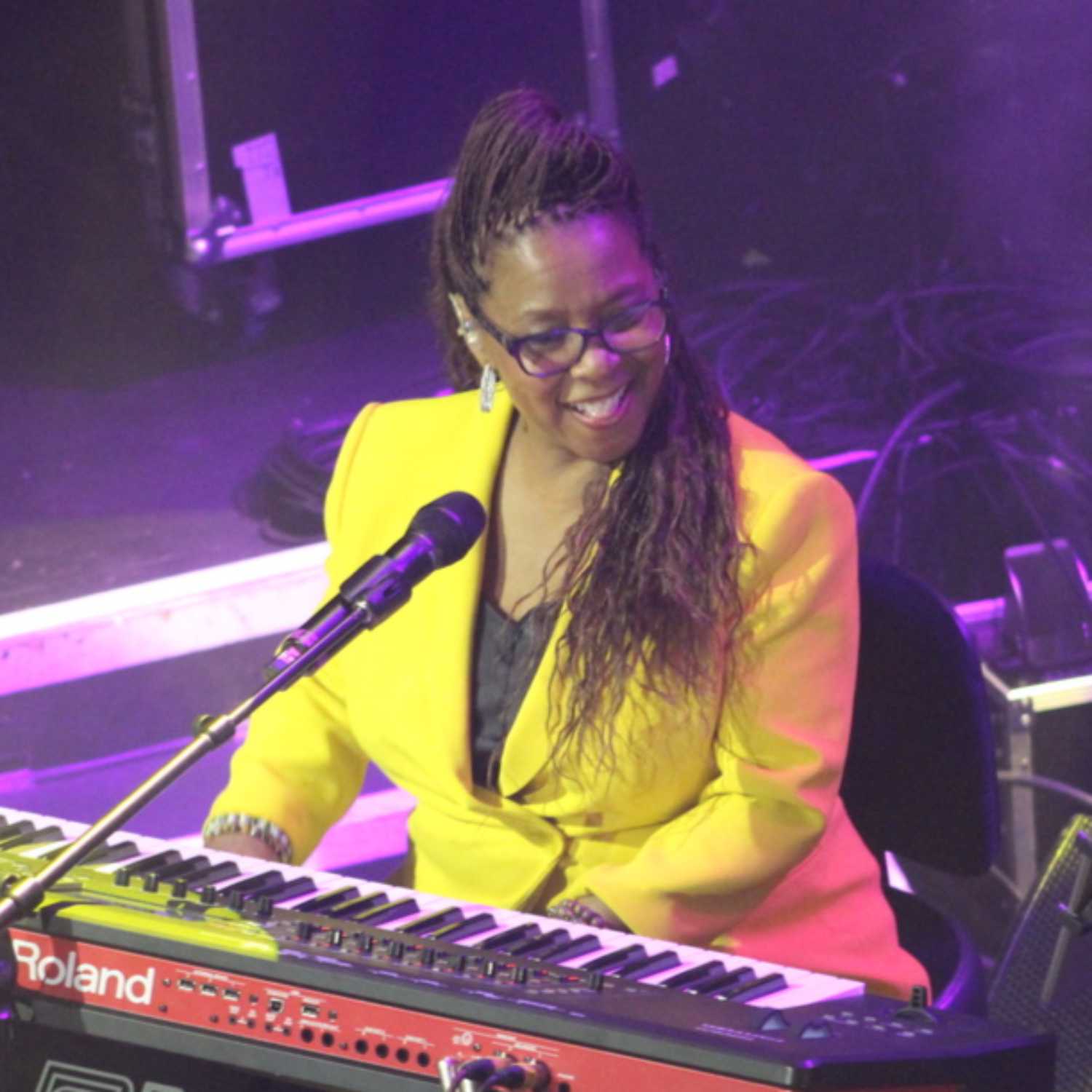
There’s much more to the fiercely intelligent, multitalented singer-songwriter-keyboardist Patrice Rushen than “Forget Me Nots,” though that song, with its get-up-and-dance groove and Rushen’s sweet vocals, is undeniable. Not only was it a Grammy-nominated hit in 1982, but it served as the basis for Will Smith’s “Men in Black” (amid a tense negotiation) and in 2021 became a viral TikTok dance sensation. Just what you’d expect from a formally trained jazz pianist who began studying music at age 3, was signed to the jazz label Prestige at age 17 and moved on to record funky, genre-defying music for Elektra. She also has scored films such as Hollywood Shuffle, served as music director for the Grammy and Emmy Awards, and chairs the University of Southern California’s Popular Music Program. It’s all of a piece, she explains, and straight from the heart.
S1 Ep 101Leo Nocentelli (The Meters)
As guitarist for the impossibly funky New Orleans band the Meters, Leo Nocentelli wrote an array of indelible riffs and songs; you’ve likely heard “Cissy Strut” in movies, TV promos and hip-hop samples, and “People Say,” from the great 1974 album Rejuvenation, is another of many classics. He also played on high-profile releases as a teenage session musician in New Orleans and later, with and without the Meters, on songs by Robert Palmer, Dr. John, Labelle (including “Lady Marmalade”) and Peter Gabriel. And while the Meters were on hiatus in 1971, Nocentelli wrote and recorded a James Taylor-inspired singer-songwriter album, Another Side, that sat for 50 years before a miraculous resolution. It's a helluva story.