
Breakthroughs
110 episodes — Page 3 of 3

S3 Ep 76The Evolution of Cardiac Monitoring with Rod Passman, MD
As heart conditions like arrhythmia become increasingly common, heart monitoring is becoming an even more important tool for disease prevention and treatment. Northwestern Medicine cardiac electrophysiologist Rod Passman, MD, who has over three decades of experience in the field, reviews the history of cardiac monitoring and looks to the future. He details his pioneering use of implantable heart monitors for arrhythmia in stroke patients and his partnership with a consumer electronics company to bring wearable cardiac monitors to patients.

Esophageal Diseases and Symptom Anxiety and Hypervigilance with John Pandolfino, MD
Esophageal diseases are extremely common, and symptoms such as trouble swallowing, chest pain, regurgitation and choking diminish quality of life. There can also be psychosocial effects for patients with these diseases that includes hypervigilance — a heightened focus on physical symptoms — and symptom-specific anxiety such as fear of choking. Identifying patients with issues could help providers better treat their disease. That's according to a new Northwestern Medicine study published in the journal Gastroenterology.

Kids, Mental Health and COVID-19 with Tali Raviv, PhD
A recent survey of more than 32,000 caregivers of Chicago Public School students found that around a quarter children and adolescents were described as stressed, anxious, angry or agitated in the months after remote learning began. Black and Latinx participants experienced significantly more of these stressors. Dr. Tali Raviv, associate professor of Psychiatry and Behavioral Sciences at Feinberg explains the results and offers insight.

COVID-19 Vaccine Safety with Eric G. Neilson, MD and Robert L. Murphy, MD
Dean Eric G. Neilson, MD, and Robert Murphy, MD, talk about COVID-19 vaccine safety and effectiveness. This conversation was recorded May 7, 2021.

COVID-19 Vaccines and Pregnant Women with Emily Miller, MD, MPH
Recently, the director of the CDC officially recommended that pregnant women receive the vaccines for COVID-19. However, pregnant women are less likely than non-pregnant women to get vaccinated and are at greater risk of hospitalization and death from the disease. Emily Miller, MD, MPH, has been caring for pregnant patients at Prentice Women's Hospital since the onset of the pandemic. She shares results from a new study on the benefit of maternal vaccination and speaks to the history of excluding pregnant women from clinical trials.
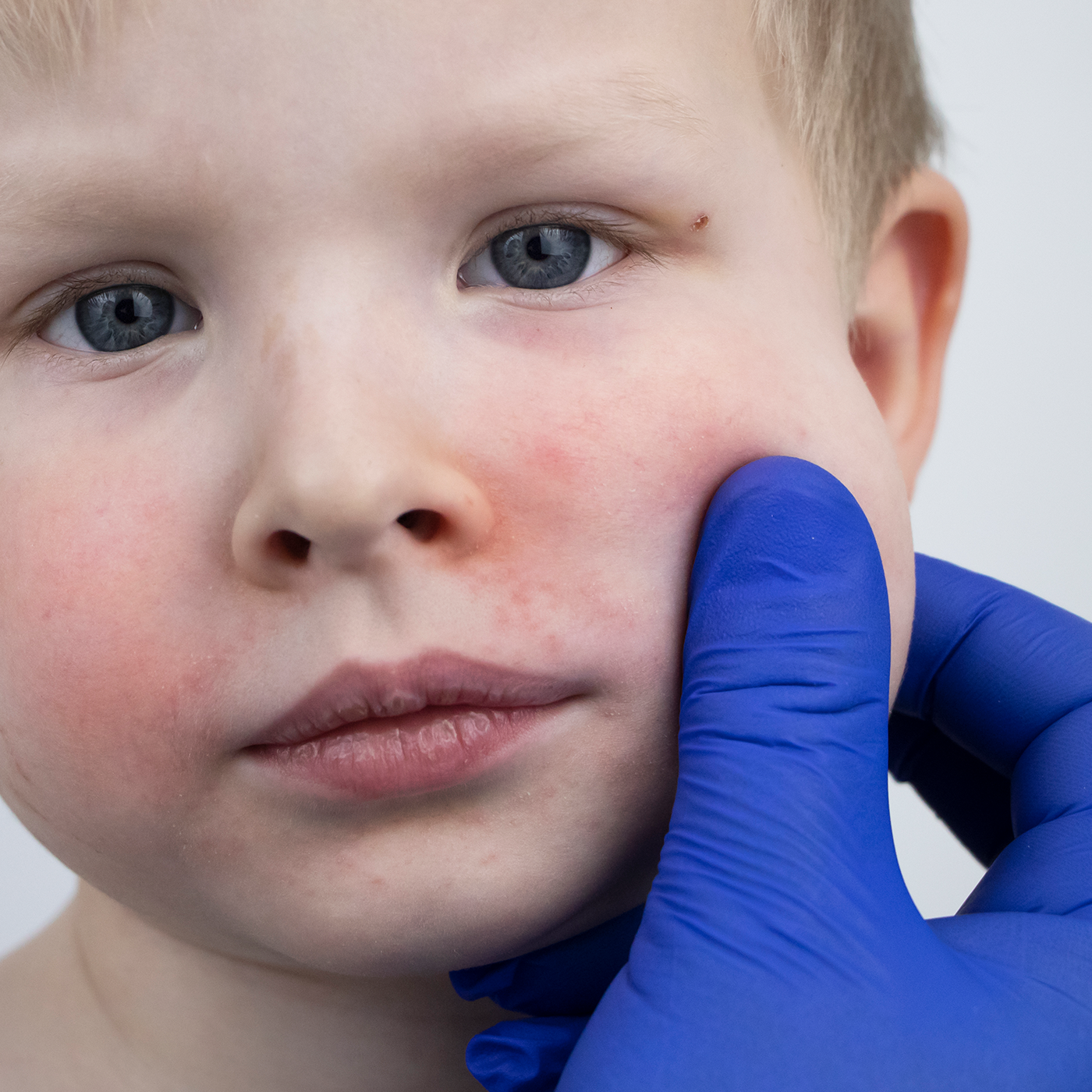
Pediatric Eczema and Scratch Sensors with Steve Xu, MD, MSc
A wearable sensor developed by Northwestern University scientists could help better monitor scratching in children with eczema and assess the effectiveness of therapies for eczema and other conditions that cause itch. Steve Xu, MD, explains the results of a study of the sensors published in Science Advances.
Neurological Complications of COVID-19 with Igor Koralnik, MD
COVID-19 can be a multi-system disease, impacting many organs and the entire nervous system. Igor Koralnik, MD, has been investigating the neurologic symptoms of the disease and published the first study focused on long-term neurological symptoms in COVID-19 "long haulers." He explains the study and what he is seeing in the Neuro COVID-19 Clinic at Northwestern Memorial Hospital.
Kidneys, COVID-19 and ACE2 Connection with Daniel Batlle, MD
At the beginning of the pandemic, Daniel Batlle, MD, professor of medicine in the Division of Nephrology-Hypertension at Northwestern, proposed a hypothesis that soluble ACE2 could treat the SARS-CoV-2 virus and lead to full recovery and survival. Now, he has exciting preliminary results to share.

Black Men and Prostate Cancer with Edward Schaeffer, MD, PhD
Black men are more likely to get prostate cancer and more than twice as likely to die from the disease than other men. Dr. Edward Schaeffer has developed a research team to better understand this problem. In this show he talks about his latest discoveries, which are paving the way to precision medicine for aggressive prostate cancer. Dr. Schaeffer is the Chair of the Department of Urology at Northwestern and a Northwestern Medicine urologist with a specialized practice in prostate cancer.