
Breakthroughs
107 episodes — Page 2 of 3

How AI Can Improve Healthcare Delivery with Mozzi Etemadi, MD, PhD
Mozziyar "Mozzi" Etemadi, MD, PhD, is supporting the transformation of healthcare delivery and patient care at Northwestern Medicine by bringing engineers into direct contact with clinical providers. In this episode, he talks about the explosion of artificial intelligence in healthcare in recent years and how Northwestern Medicine is using this technology to improve healthcare delivery and patient care.

Predicting Which Cancer Cells May Become Drug-Resistant with Yogesh Goyal, PhD
Treating cancer has become increasingly difficult as cells develop resistance. Northwestern investigators have sought to address this issue on the cellular level through the development of a novel FateMap tool, used to predict the future behavior of cancer cells before they are exposed to cancer-fighting drugs. In this episode, Yogesh Goyal, PhD, discusses his latest research, published in Nature, and how his lab is addressing complex problems through an interdisciplinary approach.

New Institute Advances Lung Disease Research and Clinical Care with Scott Budinger, MD
The launch of the Simpson Querrey Lung Institute for Translational Science (SQLIFTS) at Northwestern University Feinberg School of Medicine aims to expedite the discovery and implementation of innovative lung disease treatments through a patient-centered approach. In this episode, Scott Budinger, MD, the new executive director of the institute, discusses its launch and how it aims to transform lung disease research and clinical care.

Understanding Genetic Factors in Parkinson's Disease with Steven Lubbe, PhD
The global prevalence of Parkinson's disease has doubled in the past 25 years. While research into this extremely diverse neurodegenerative disorder is very active, there is much left to be uncovered about the underlying cause of the disease. Recently, Northwestern Medicine investigators have discovered novel genetic factors contributing to the risk of Parkinson's disease, which may lead to potential therapeutic targets. Steven Lubbe, PhD, assistant professor of Neurology at Feinberg, discusses these findings recently published in the journal Brain.

Why Late-Night Eating is Linked to Weight Gain and Diabetes with Joseph Bass, MD, PhD
Disrupting our internal clocks can lead to diseases such as obesity and diabetes. Scientists at Northwestern have uncovered the mechanism behind why late-night eating is linked to weight gain and diabetes. Joseph Bass, MD, PhD, led the study published in the journal Science. He shares the results and details the two decades of work leading to this latest discovery. Bass is chief of the Division of Endocrinology, Metabolism and Molecular Medicine in the Department of Medicine.

Rewind: A Promising Obesity Drug with Robert Kushner, MD
This episode was released in February 2021, and is being re-shared to offer the research behind the popular weight loss drugs Ozempic and Wegovy. Northwestern's Robert Kushner, MD, discusses the drug semaglutide, typically prescribed for treatment of Type 2 diabetes and the results of the phase 3 clinical trial as a treatment for obesity with very promising results. The study was published in the New England Journal of Medicine, and in 2022, Kushner was awarded the prestigious Herbert Pardes Clinical Research Excellence Award from the Clinical Research Forum.

Improving Exercise Habits for Breast Cancer Survivors with Siobhan Phillips, PhD, MPH
There's strong evidence that physical activity can play an important role in the health and lifespan of cancer survivors. Siobhan Phillips, PhD, MPH, leads the Exercise and Health Lab at Feinberg, which designs, tests, implements and disseminates physical activity interventions to support cancer survivors. In this episode, Phillips details interventions specifically designed for breast cancer survivors, a majority of whom don't meet the recommended standards for weekly physical activity.

Advancing Skin Cell Biology with Kathleen Green, PhD
Skin diseases from psoriasis to melanoma affect as many as one in three Americans at any given time. Kathleen Green, PhD, has greatly advanced basic molecular research related to skin diseases. She discusses recent discoveries in her lab that could lead to future therapeutic targets.

Rewind: How to Stop Antibiotic Misuse with Jeffrey Linder, MD, MPH
Physicians are notorious for prescribing antibiotics as a "quick fix" when they aren't necessary. There are many reasons why, and Jeffrey Linder, MD, MPH, dives into those and discusses effective ways to reduce the number of inappropriate prescriptions by working with physicians. Originally released in fall 2018, this episode is still timely as the over prescription can lead to dangerous side effects for patients including antibiotic resistance.

Can ChatGPT Support Biomedical Research? with Catherine Gao, MD and Yuan Luo, PhD
Northwestern scientists Yuan Luo, PhD, and Catherine Gao, MD, discuss a study they conducted using the artificial intelligence chatbot, ChatGPT. The results showcase the online tool's ability to produce convincing medical research abstracts. They also discuss the tool's potential to help with writing-intensive tasks in healthcare and medical research.

How the Brain Regulates Aggressive Behavior with Ann Kennedy, PhD
A theoretical neuroscientist, Ann Kennedy, PhD, is investigating neural computation and the structure of behavior. In this episode, she talks about her recent research in the area of aggression and how it's regulated in the brains of animals. She was recently named the winner of the 2022 Eppendorf and Science Prize for Neurobiology.

Rewind: Can Exercise Slow Parkinson's Disease Progression? with Daniel Corcos, PhD
Parkinson's disease is the second most prevalent neurodegenerative disease, and nearly one million people have Parkinson's disease in the U.S. A $30 million dollar, phase 3 clinical trial at Northwestern is investigating whether exercise can slow Parkinson's disease progression. Daniel Corcos, PhD, a professor of Physical Therapy and Human Movement Sciences, is leading the trial and explains what he hopes to accomplish. Interested in the study? Learn more: https://www.feinberg.northwestern.edu/research/clinical-research/trials/index.html?id=STU00211903

A New Focus on Implementation Science with Sara Becker, PhD, and Rinad Beidas, PhD
To have the greatest impact on human health, biomedical research findings and evidence-based practices need to be implemented into routine healthcare. What is implementation science, and how can we ensure research successfully makes an impact? Rinad Beidas, PhD, and Sara Becker, PhD, discuss the field and its future as a research priority at Northwestern University Feinberg School of Medicine.

Rewind: Why are Food Allergies on the Rise? with Ruchi Gupta, MD, MPH
There's been an uptick in childhood food allergies in recent years, and new evidence from Northwestern shows they're also becoming more common in adults. Many of the reactions to these allergies are life-threatening. Why is this increase happening, and how can we keep people affected by food allergy safe? Ruchi Gupta, MD, MPH, is trying to answer those questions. This a rewind episode that originally was published in 2019.

The Science Behind Culinary Medicine with Melinda Ring, MD
A Northwestern Medicine course called Cooking Up Health is giving medical students, trainees and health professionals the opportunity to learn culinary medicine and food-as-medicine science concepts. Melinda Ring, MD, created the course and explains how it can improve the health of patients and train more nutrition-aware physicians.

Identifying How Genes Function to Better Understand Cancer with Mazhar Adli, PhD
Understanding how genes function is a vital part of understanding how to better treat cancer. Research led by Mazhar Adli, PhD, is grounded in the development of a systematic approach to identify the function of each gene in the human body. His team aims to discover novel therapeutic drug combinations to prevent cancer development and chemotherapy resistance.

The Long-term Impact of Bariatric Surgery in Adolescents with Thomas Inge, MD, PhD
Bariatric surgery is proving to be an effective tool to help teenagers with severe obesity lose weight and reverse the progression of weight-related conditions, according to findings from the Teen Longitudinal Assessment of Bariatric Surgery study (Teen-LABS). Thomas Inge, MD, PhD, principal investigator of Teen-LABS, shares results of the study, which is the only multicenter National Institute of Health sponsored research on adolescent bariatric surgery.

The Role of Dopamine in Habit Formation and Compulsive Behavior with Talia Lerner, PhD
How are habits – both good and bad – formed in the brain, and what role do habits play in diseases of the brain? These are some of the questions neuroscientist, Talia Lerner, PhD, is investigating in her lab. Her recent study, published in Cell Reports, may change the overall understanding of how habits are formed and could be broken.
Understanding the Immune System with Stephanie Eisenbarth, MD, PhD
Uniting scientists and harnessing the power of the immune system to fight disease is at the heart of the new Center for Human Immunobiology at Northwestern University Feinberg School of Medicine. Stephanie Eisenbarth, MD, PhD is leading the new center, she is also the new chief of Allergy and Immunology in the Department of Medicine. She discusses the variety of immunology research taking place within the new center and its goal of bringing a community of immunologists together to discover and translate innovative science into cures for immune-related diseases.

Improving Health Outcomes Through Big Data with Theresa Walunas, PhD
In recent years, Feinberg has launched several initiatives to augment human expertise with computational methods and advance the science of human health. Theresa Walunas, PhD, explains how she is using big data from electronic medical records in a variety of projects at Feinberg, from improving quality of care to identifying patients who could develop debilitating autoimmune diseases.

Identifying the Mechanisms of Seeing Color with Jeremy Nathans, MD, PhD
A celebrated molecular neuroscientist, Jeremy Nathans, MD, PhD, is responsible for landmark discoveries that have changed our understanding of how humans see the world. He is an investigator of the Howard Hughes Medical Institute and professor at Johns Hopkins University School of Medicine.

The Role of Iron in Cardiovascular Disease with Hossein Ardehali, MD, PhD
Cardiovascular disease (CVD) is the number one cause of death globally, and nearly half of all U.S. adults are currently at risk for heart attack and stroke. Hossein Ardehali, MD, PhD, is working to understand the role of iron and metabolic processes in cardiovascular disease and develop new therapies that target iron accumulation in people with CVD and many other chronic diseases.
Investigating Therapies for Genetic Epilepsy with Alfred George, Jr., MD
Alfred George, Jr., MD, is a pioneer in understanding the mechanisms by which ion channel mutations cause a variety of inherited disorders, such as genetic epilepsy. He discusses his recent breakthroughs in the field and his optimism for future RNA therapeutics to treat rare genetic diseases.

Cell-Based Treatments to Fight Diseases with Luisa Iruela-Arispe, PhD
Cell and Developmental Biology is a field that's integral to finding new therapies for a wide variety of diseases. At Feinberg, Lusia Iruela-Arispe, PhD, a vascular biologist, leads the Department of Cell and Developmental Biology as chair. In this episode, talks about her research and the future of cell-based treatments for diseases.

Evidence-Based Gender-Affirming Care for Young Adults with Robert Garofalo, MD
Providing evidence-based medical care to transgender and gender nonconforming youth has been a challenge in the past, as trans-related healthcare has long been understudied. Robert Garofalo, MD, MPH, discusses how gender-affirming care can improve the overall health and well-being of transgender and gender diverse children and adolescents. He also discusses his research on the short-term and long-term outcomes of gender-affirming medical treatments.

Lessons Learned from COVID-19 and HIV/AIDS Pandemics with Richard D'Aquila, MD
The past two years have been a crucial time for the study of infectious diseases. Richard D'Aquila, MD, professor of Medicine in the Division of Infectious Diseases at Northwestern and director of NUCATS, discusses how HIV/AIDS research is running parallel to ongoing COVID-19 research with interesting crossover and lessons learned.

New Approaches for Heart Failure with Preserved Ejection Fraction with Sanjiv Shah, MD
Nearly half of all patients with heart failure have preserved ejection fraction, or HFpEF, yet there is much that is unknown about HFpEF and how to best prevent it and treat it. Northwestern Medicine cardiologist, Sanjiv Shah, MD, leads the world's first clinical program dedicated to the study of heart failure with HFpEF. He discusses latest discoveries on the mechanisms of HFpEF and identifying therapeutic targets for it.

Music-Based Medical Interventions with Borna Bonakdarpour, MD
Music-based medical interventions can have remarkable therapeutic benefits for patients diagnosed with cognitive impairments such as Alzheimer's disease, dementia and Aphasia. Cognitive Behavioral Neurologist Borna Bonakdarpour, MD, explains how he is using and studying these clinical interventions through the new Northwestern Music and Medicine Program.

Life-Changing Gene Therapy for Beta-Thalassemia Patients with Jennifer Schneiderman, MD
A novel gene therapy promoted transfusion independence in more than 90 percent of adult and pediatric patients with transfusion-dependent beta-thalassemia. Study co-author Jennifer Schneiderman, MD, discusses results, published in the New England Journal of Medicine.

Pet Dogs Advance Glioblastoma Research with Amy Heimberger, MD
Man's best friend is helping scientists find new treatments for brain tumors. Amy Heimberger, MD, is a board-certified neurosurgeon with extensive training and experience in the field of immunology. She is part of a promising new study in canine glioblastoma that could lead to more effective human glioblastoma clinical trials.

Advancing Mental Health Research, Psychiatry and Behavioral Sciences at Northwestern with Sachin Patel, MD, PhD
Sachin Patel, MD, PhD, is the new chair and Lizzie Gilman Professor of Psychiatry and Behavioral Sciences at Feinberg and psychiatrist-in-chief at Northwestern Memorial Hospital's Norman and Ida Stone Institute of Psychiatry. In this episode, he talks about the current mental health crisis in this country, his research and vision for the department.

Supporting Frontline Gun Violence Workers with Judith Moskowitz, PhD
According to the CDC, more Americans died of gun-related injuries in 2020 than in any other year on record. Judith Moskowitz, a social psychologist and professor of Medical Social Sciences at Feinberg, talks about how her NIH-funded research and intervention programs will be used to address stress and burnout in Chicago's front-line violence prevention workers through the READI Chicago program.

Lewy Body Dementias and the Immune System with David Gate, PhD
David Gate, PhD, assistant professor of The Ken & Ruth Davee Department of Neurology, discusses his study on the detrimental role the immune system plays in Lewy body dementias. Gate's new research published in Science suggests pathways toward unprecedented treatment therapies for this devastating disease.

Declining Heart Health in Most Pregnant Women with Sadiya Khan, MD and Natalie Cameron, MD
Cardiovascular disease is the leading cause of pregnancy-related deaths in the U.S. and according to a new Northwestern Medicine study published in the journal Circulation, about sixty percent of women in the U.S. have poor heart health before becoming pregnant. Study authors Sadiya Khan, MD and Natalie Cameron, MD, explain the results of the study and what needs to be done to reverse this alarming trend.
Ep 88Experimental Strategies in Organ Transplantation with Satish Nadig, MD, PhD
In response to the first successful animal heart transplant into a human patient, internationally renowned transplant surgeon Satish Nadig, MD, PhD, reviews some of the scientific developments that have culminated in this moment, and stresses the ongoing need for other experimental strategies. Dr. Nadig is also the new director of Feinberg's Comprehensive Transplant Center.
A Vaccine Pathway for Herpes Virus with Gregory Smith, PhD
Gregory Smith, professor of Microbiology-Immunology at Feinberg, has been investigating a path to long-needed vaccine development for herpes virus. He recently published findings in the journal Nature that bring the possibility of a preventive vaccine a step closer.

Leading Family & Community Medicine at Northwestern with Deborah Smith Clements, MD
Since coming to Northwestern in 2013, Deborah Smith Clements, MD, chair of Family & Community Medicine, has established three thriving family medicine residency programs and has been an advocate for improving the residency match process, health policy and social justice. She talks about her work, leading her department through COVID-19 and her recent Distinguished Service Award from Illinois Academy of Family Physicians.
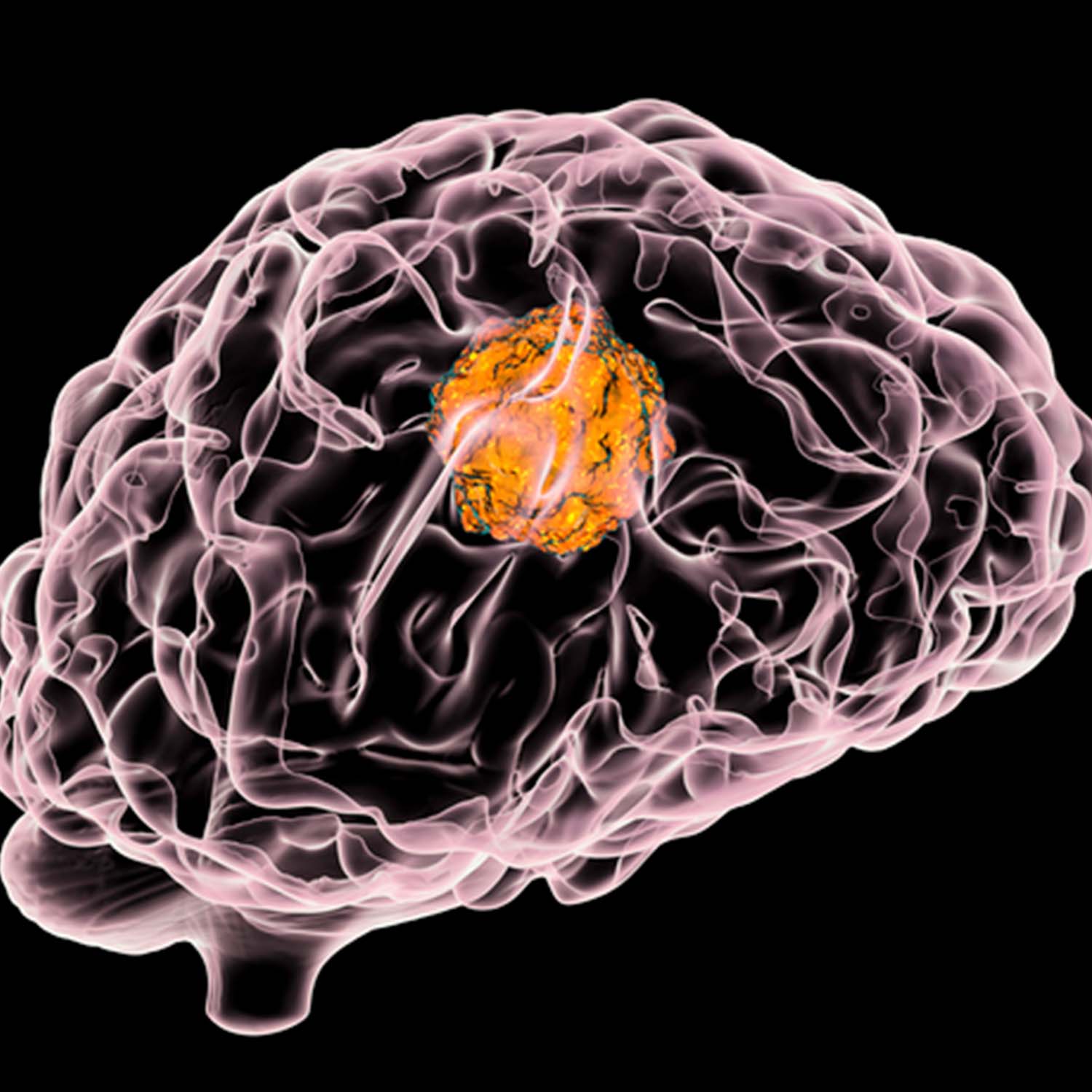
Immunotherapy for Glioblastoma with Adam Sonabend, MD
Immunotherapy has revolutionized cancer treatment over the last few decades, though not for glioblastoma — the most common and deadly malignant brain tumor. However, Northwestern Medicine neurosurgeon Adam Sonabend, MD, shares promising research on the potential benefits of immunotherapy for certain glioblastoma patients.

COVID-19 Boosters Increase Protection with Alexis Demonbreun, PhD
What do we know about the effectiveness of COVID-19 boosters, and how might they better protect us from new variants such as omicron? Alexis Demonbreun, PhD, assistant professor of Pharmacology, offers insight. She is the author of a new study that shows COVID-19 boosters seem to supercharge antibody response.

Human Genome Project for Proteins with Neil Kelleher, PhD
Millions of molecular proteins are swimming through our body's cells and many studies have discovered that these proteins are the main drivers of all human diseases. Scientists are now mapping proteins the way the Human Genome Project mapped genes. Northwestern's Neil Kelleher is at the forefront of the Human Proteoform Project and explains how it could lead to more targeted and effective diagnostics and treatments for diseases.

Reversing Severe Spinal Cord Injuries with Samuel Stupp, PhD
Regenerative nanomedicine is being used to develop new therapies for devastating conditions such as severe spinal cord injuries. Northwestern's Dr. Samuel Stupp is a pioneer in the field of regenerative nanomedicine and recently published a paper in the journal Science that details how a new injectable therapy uses synthetic nanofibers to reverse severe spinal cord injuries in animals and how this therapy could soon be used in humans.

S3 Ep 81Earliest Signs of Parkinson's Disease with D. James Surmeier, PhD
Northwestern Medicine scientists have discovered one of the earliest signs of Parkinson's disease, proving that damaged neuronal mitochondria alone can cause symptoms of the disease, according to a study published in Nature. Senior author D. James Surmeier, chair of the Feinberg department of Neuroscience, who has over 30 years of experience in the field, explains the importance of these findings for future Parkinson's research and therapeutics.

The Northwestern Medicine African American Transplant Access Program with Dinee Simpson, MD
People who are Black make up the largest group of minorities in need of an organ transplant. In 2019, Northwestern Medicine launched the African American Transplant Access Program to help address this problem. Founding director of the program Dinee Simpson, MD, talks about the barriers to organ transplant for Black patients and how she is working to bring down those barriers in Chicago with innovative outreach, community-engaged research and more.
The Northwestern Medicine African American Transplant Access Program with Dinee Simpson, MD
People who are Black make up the largest group of minorities in need of an organ transplant. That's according to the Office of Minority Health at the U.S. Department of Health and Human Services. In 2019, Northwestern Medicine launched the African American Transplant Access Program to help address this problem. Dinee Simpson, MD, is the founding director of the program and an Assistant Professor of Surgery in the Division of Organ Transplantation at Feinberg. She talks about the barriers to organ transplant for Black patients and how she is working to bring down those barriers here in Chicago with innovative outreach, community-engaged research and more.
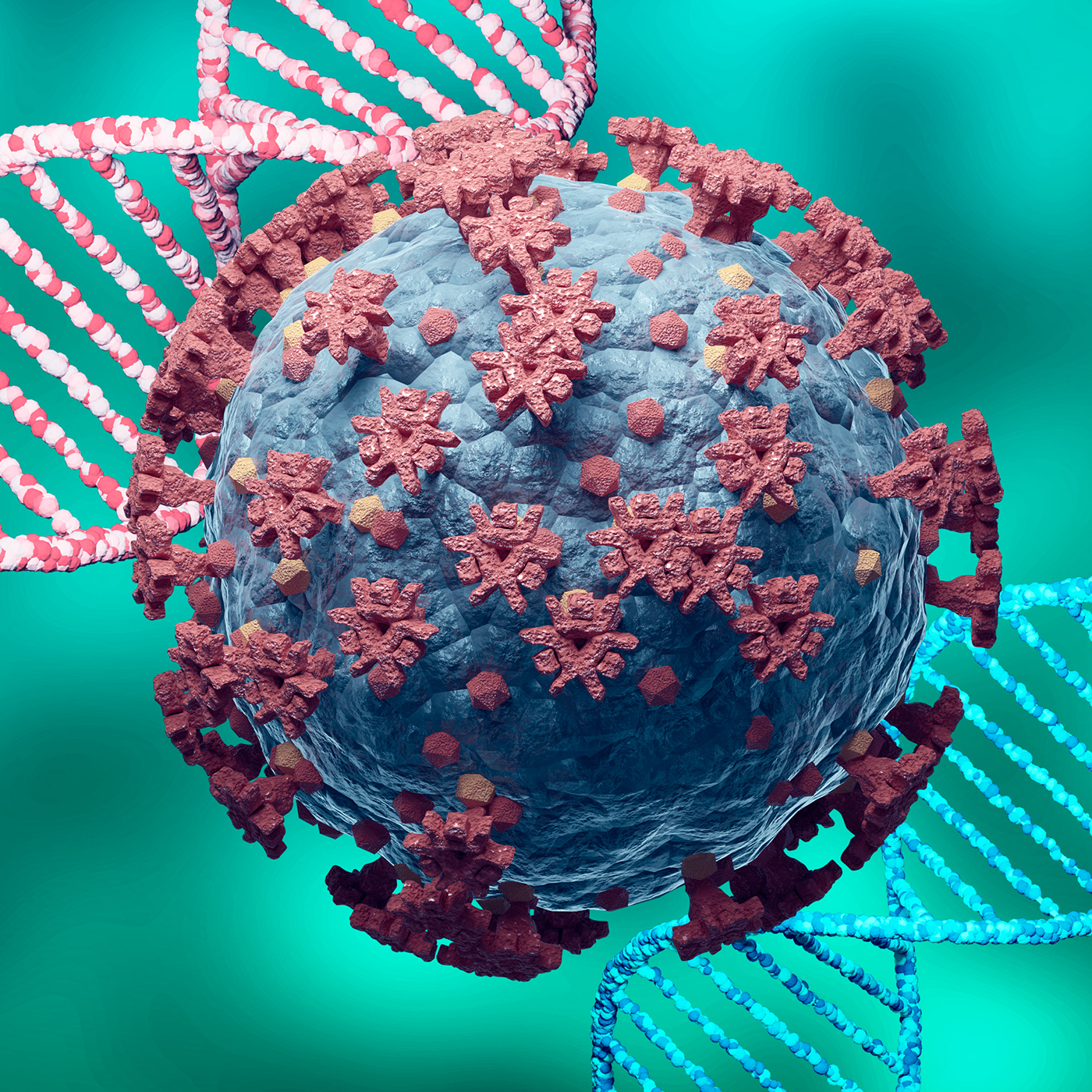
Variants of Interest and of Concern with Judd Hultquist, PhD
This spring, the World Health Organization began using the Greek alphabet to label key variants of SARS-CoV-2. The Greek names make it easier to talk about variants with the public, but in the scientific community these variants are being discussed and studied at the molecular level to learn as much as possible about their evolution, replication and mutation. Judd Hultquist, PhD, shares insight on SARS-CoV-2 variants. He is an assistant professor of Medicine in the Division of Infectious Diseases at Feinberg and an HIV scientist whose lab has shifted many resources to study SARS-CoV-2, to track the origin of its variants and also understand how antiviral proteins found in humans can protect against COVID-19 and other viruses.
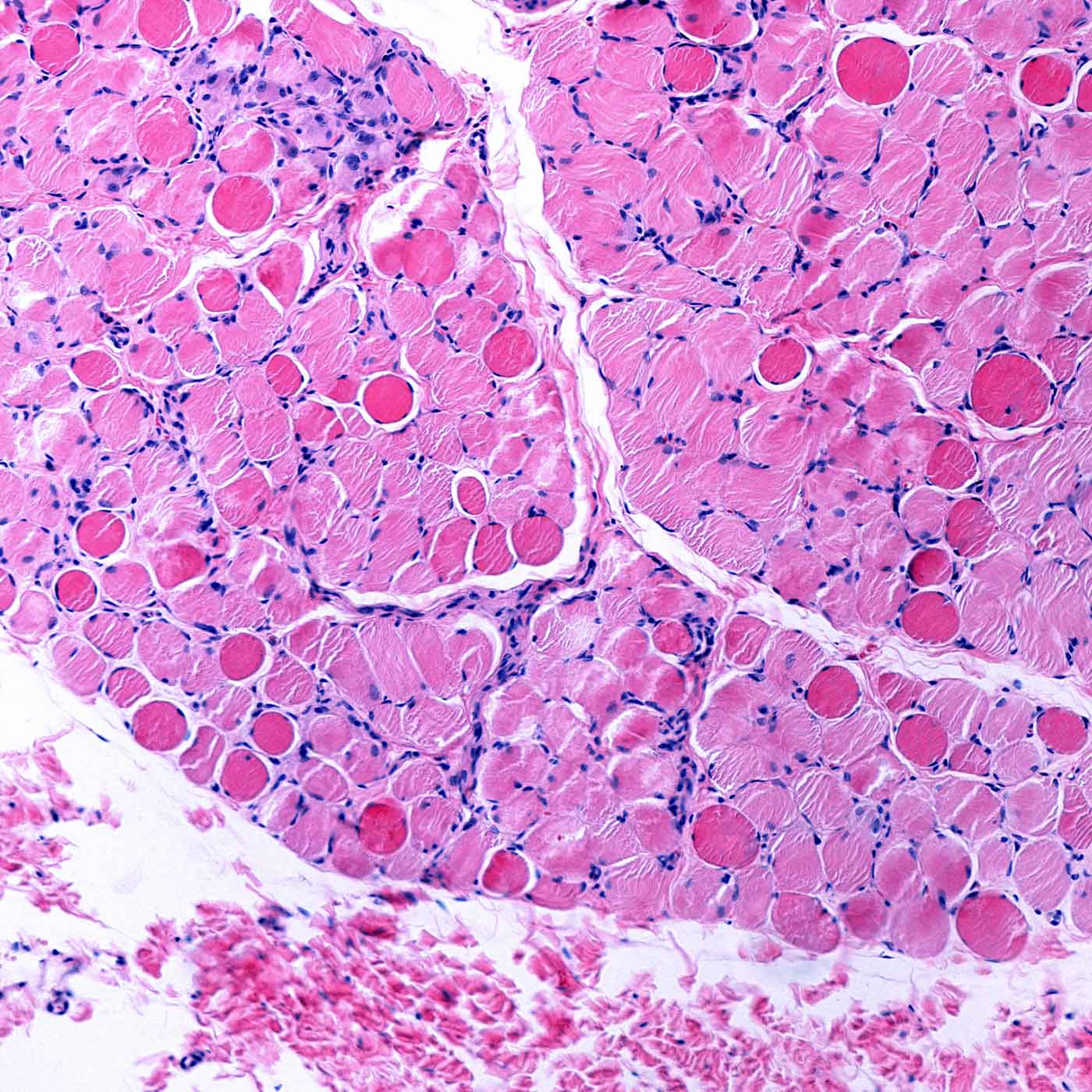
Advancing Muscular Dystrophy Research with Elizabeth McNally, MD, PhD
While there are more treatments now than ever before for neuromuscular diseases like muscular dystrophy, patients who have very specific gene mutations associated with these diseases have few options. Dr. Elizabeth McNally says a discovery in her lab could lead to a new therapy for muscular dystrophy, including its rare forms.
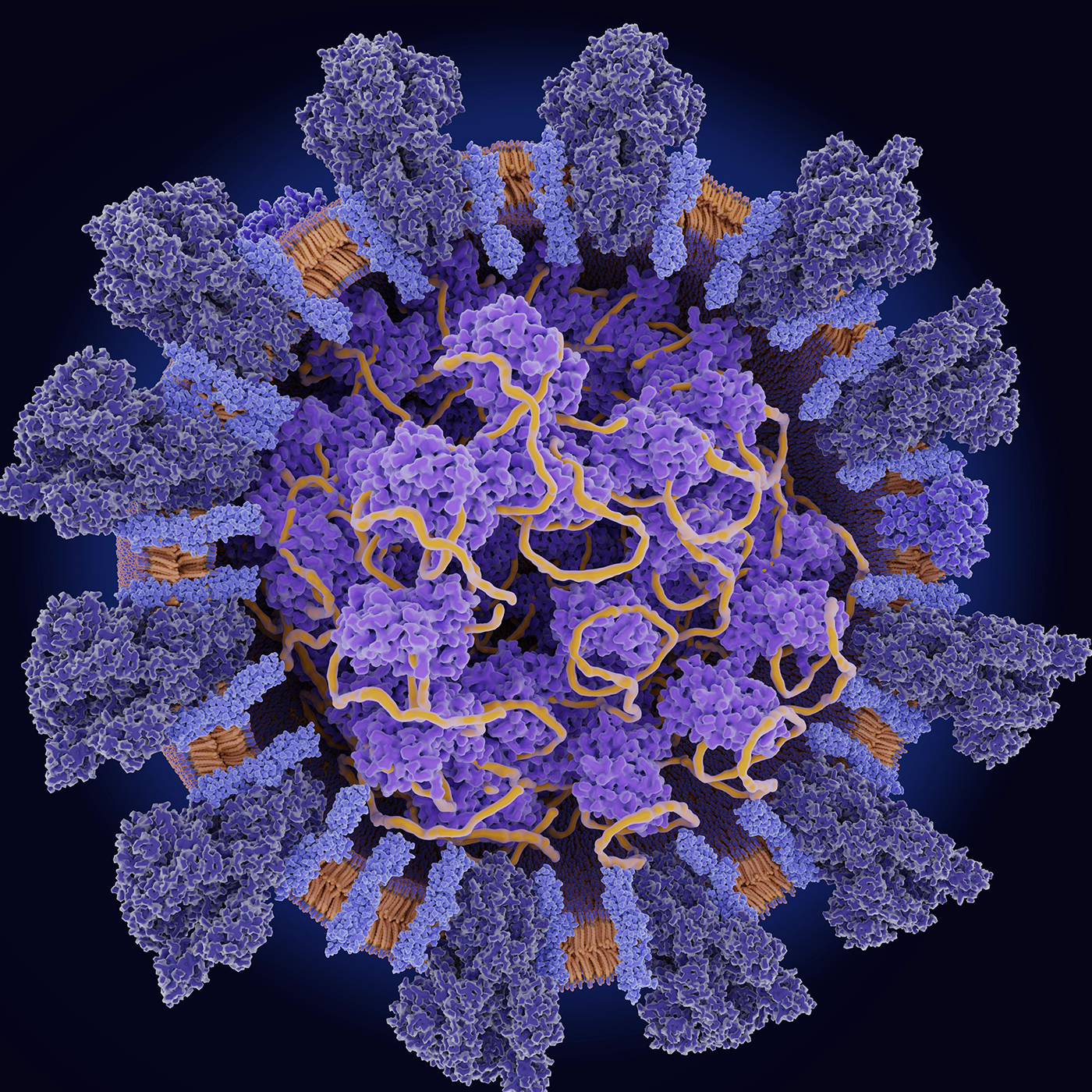
Next-Generation COVID Vaccines with Pablo Penaloza-MacMaster, PhD
As the Delta variant of SARS-CoV-2 is causing breakthrough infections in some vaccinated people around the world, scientists at Northwestern Medicine are developing and studying potential next-generation COVID-19 vaccines that could be more effective at preventing and clearing breakthrough infections. Pablo Penaloza-MacMaster, assistant professor of Microbiology-Immunology at Feinberg, discusses recent studies from his lab that aim to improve current COVID-19 vaccines.

S3 Ep 76The Evolution of Cardiac Monitoring with Rod Passman, MD
As heart conditions like arrhythmia become increasingly common, heart monitoring is becoming an even more important tool for disease prevention and treatment. Northwestern Medicine cardiac electrophysiologist Rod Passman, MD, who has over three decades of experience in the field, reviews the history of cardiac monitoring and looks to the future. He details his pioneering use of implantable heart monitors for arrhythmia in stroke patients and his partnership with a consumer electronics company to bring wearable cardiac monitors to patients.

Esophageal Diseases and Symptom Anxiety and Hypervigilance with John Pandolfino, MD
Esophageal diseases are extremely common, and symptoms such as trouble swallowing, chest pain, regurgitation and choking diminish quality of life. There can also be psychosocial effects for patients with these diseases that includes hypervigilance — a heightened focus on physical symptoms — and symptom-specific anxiety such as fear of choking. Identifying patients with issues could help providers better treat their disease. That's according to a new Northwestern Medicine study published in the journal Gastroenterology.

Kids, Mental Health and COVID-19 with Tali Raviv, PhD
A recent survey of more than 32,000 caregivers of Chicago Public School students found that around a quarter children and adolescents were described as stressed, anxious, angry or agitated in the months after remote learning began. Black and Latinx participants experienced significantly more of these stressors. Dr. Tali Raviv, associate professor of Psychiatry and Behavioral Sciences at Feinberg explains the results and offers insight.