
BRAVE Southeast Asia Tech: Singapore, Indonesia, Vietnam, Philippines, Thailand & Malaysia Startups, Founders & Venture Capital VC (English)
733 episodes — Page 10 of 15
S1 Ep 282Temasek FTX Review, 6% Early Stage Startups AUM Cap, Crypto Regulatory Debate & Retail Investor Democratizatio - E282
“Financial education and financial access are not the same. I get pitches on this all the time. They say they are democratizing access and teaching people. When I read the deck, I ask about what they teach. They teach about technical analysis and how to day trade, but I think that’s an incomplete lesson. You can teach them about the current practice of others, but in the context of what’s happening, that’s really hard because you don’t even talk about the fundamentals of capital formation.” - Shiyan Koh "There’s something you can do with a day-to-day sort of off-market, public markets investment, whether it’s good or bad, but you're not going to slide to zero straight away in a sense of off-private equity. We all know venture capital, as an asset class, is very risky. You have 1 out of 20 that's a home run if you are an above-average VC, and 19 out of 20 do right and effectively go to zero. Some are going to land the plane gracefully, some will lean the plane very roughly, and some of them will just crash." - Jeremy Au "The most interesting markets for crypto are emerging markets because that's where the rails are the worst and that's where people have a real need for alternatives that are not subject to the whims of their government per se. They really need to transact. In LATAM, you see a lot of use cases around inflation hedging and I'm interested to see some of those. People want to get their money out of the peso or the real and get into USDC. It's not even a speculative use case, it's literally just wanting my money to hold value." - Shiyan Koh In their discussion, Jeremy Au and Shiyan Koh touched upon several key insights, with a particular focus on crypto and Temasek's independent review of FTX. They emphasized the risks and potential rewards associated with different investment strategies. Jeremy highlighted the contrasting nature of public markets and private equity investments, emphasizing that public market investments can fluctuate day-to-day but are unlikely to plummet to zero as quickly as off-private equity investments. He emphasized the inherent riskiness of venture capital as an asset class, where only one out of twenty investments may yield significant returns while the rest may result in zero or negative outcomes. Shiyan brought attention to the potential of emerging markets as the most intriguing areas for crypto adoption. She pointed out that these markets often face inadequate financial infrastructure, making them more open to alternative solutions that are not subject to government control. Use cases in Latin America, for example, demonstrate a demand for inflation hedging, where people seek to protect their money's value by exchanging it for stable cryptocurrencies like USDC. Furthermore, the discussion touched on the distinction between financial education and access. Shiyan expressed skepticism towards approaches that merely focus on democratizing access without providing comprehensive education. She cautioned against teaching individuals solely about technical analysis or day trading, emphasizing the importance of understanding the broader context of financial markets. Watch, listen or read the full insight at https://www.bravesea.com/blog/temasek-ftx-pay-cut Get transcripts, startup resources & community discussions at www.bravesea.com WhatsApp: https://whatsapp.com/channel/0029VakR55X6BIElUEvkN02e Spotify: https://open.spotify.com/show/4TnqkaWpTT181lMA8xNu0T YouTube: https://www.youtube.com/@JeremyAu Apple Podcasts: https://podcasts.apple.com/sg/podcast/brave-southeast-asia-tech-singapore-indonesia-vietnam/id1506890464 Google Podcasts: https://podcasts.google.com/feed/aHR0cHM6Ly9mZWVkLnBvZC5jby9icmF2ZWR5bmFtaWNz TikTok: https://www.tiktok.com/@jeremyau Instagram: https://www.instagram.com/jeremyauz Twitter: https://twitter.com/jeremyau LinkedIn: https://www.linkedin.com/company/bravesea Learn more about Pollen here: https://www.pollen.tech
S1 Ep 281Bhavik Vashi: B2B SaaS Masterclass & Business Model Learnings, AI Opportunity Speculation, and Southeast Asia Market Uniqueness
"Startups can use AI to expedite their time-to-market, but they still need an innovative product or a unique problem-solving approach to truly thrive. AI can accelerate their potential for rapid growth and scalability in certain situations, however, I don't believe that a startup solely relying on AI plugins or functionalities can sustain a long-term business model." - Bhavik Vashi “The beauty of Asian SaaS companies’ business model is that 50 to 70% of costs will be people's costs. Everything else is controllable. If you're building in Asia, you're serving consumers and businesses at a lower price point but you’re also paying at a lower price point. If you're running a company in the west and serving the east is a failing proposition, but if you’re running and serving in the east, then you've brought both down." - Bhavik Vashi "Enterprise sales require a strong value proposition and a higher ASP or average sales price associated with your product. I always worry about a company that's running a sales-driven motion with a low ASP because something seems missing. Solving a complex and impactful problem will likely require a human-to-human interaction to understand the specific context and how your product, along with a service, can address it." - Bhavik Vashi In the discussion between Jeremy Au and Bhavik Vashi, several key insights were shared regarding B2B SaaS, AI, and personal experiences. Regarding B2B SaaS, it was highlighted that building a successful B2B SaaS product at a lower price point requires careful consideration of unit economics, including accurate estimation of customer lifetime value and acquisition costs. Many companies tend to underestimate these factors, leading to challenges in profitability. Additionally, Bhavik emphasized the potential in Asia for B2B SaaS, where lower price points for serving consumers and businesses are matched by lower costs, creating a balanced equation. The conversation shifted to AI, where both participants explored its potential impact. While acknowledging uncertainties, they speculated that proprietary data sets could become increasingly valuable, potentially benefiting startups by leveraging AI technologies. They also mentioned the need for a nuanced approach, considering ethical considerations and potential challenges such as bias. Lastly, Bhavik shared his personal experience of relocating from the US to Asia. The decision involved leaving behind established personal and professional networks, and while family and friends were reversible, the professional implications were more significant. However, Bhavik expressed satisfaction with his choice and highlighted the growth and learning opportunities it provided. Overall, the discussion provided insights into building B2B SaaS products, the potential of AI, and the personal challenges associated with making bold life decisions. Watch, listen or read the full insight at https://www.bravesea.com/blog/bhavik-vashi Get transcripts, startup resources & community discussions at www.bravesea.com WhatsApp: https://whatsapp.com/channel/0029VakR55X6BIElUEvkN02e Spotify: https://open.spotify.com/show/4TnqkaWpTT181lMA8xNu0T YouTube: https://www.youtube.com/@JeremyAu Apple Podcasts: https://podcasts.apple.com/sg/podcast/brave-southeast-asia-tech-singapore-indonesia-vietnam/id1506890464 Google Podcasts: https://podcasts.google.com/feed/aHR0cHM6Ly9mZWVkLnBvZC5jby9icmF2ZWR5bmFtaWNz TikTok: https://www.tiktok.com/@jeremyau Instagram: https://www.instagram.com/jeremyauz Twitter: https://twitter.com/jeremyau LinkedIn: https://www.linkedin.com/company/bravesea Learn more about NodeFlair here: https://nodeflair.com/ #bravesea #B2BSaaS #PricingStrategies #AIInnovation #AsianMarkets #Opportunities #CostEfficiency #Commoditization
S1 Ep 280VC Market 2023-2024 Outlook, Tough Fundraising Decisions vs. <6 Months Runway Reality and Board vs. CEO Scenarios & Discussions - E280
"The struggle I'm seeing is in the middle-stage startups that raised several rounds of capital over the past five years. With this new structure, there are challenges such as layoffs and reevaluating the operating model. I've realized the importance of being thoughtful in understanding their current business and discussing their challenges. Moreover, it's crucial to communicate the higher expectations they need to meet. In previous rounds, the bar wasn't set as high. As long as we make significant progress, the next round of funding will come." - Jeremy Au, BRAVE Podcast Host "The tricky part I've seen this with multiple founders is that they're fundraising with less than six months of runway. They have a plan, projection, and forecast with a target growth rate. They've also heard stories about how some people barely make it through fundraising with just one month of payroll, surviving near-death experiences. So there's this tension between constantly engaging with investors, keeping them in the loop, and working through the process. Some investors move quickly and professionally while others take their time, but then you reach this stall zone where you're not progressing as fast as you'd like. It's like dropping out of the sky because you can't make significant cuts. Cutting risks the progress you've made in fundraising, but if you don't cut, you'll hit a wall in three months." - Jeremy Au, BRAVE Podcast Host "How do you decide which line of action to take? Let's play out the scenarios. Scenario one: you keep spending on marketing, but you're unable to raise. Two: you cut marketing, growth plummets, and you still can't raise. Then, the golden scenario everyone desires is you keep spending on marketing and can raise, or you cut marketing and still manage to raise. So, for me, it also depends on the founder's mindset. If they're ready to throw in the towel if they can't raise, then it's a guns-blazing scenario, spending until the end, but if there's an asset they've built and they're willing to cut marketing spend to preserve it, then that's a different approach." - Shiyan Koh, Managing Partner at Hustle Fund In this discussion between Jeremy Au and Shiyan Koh, several key insights emerged regarding the challenges faced by founders in the startup ecosystem. The conversation revolved around the difficult decisions founders have to make when their companies are struggling. One central theme was the importance of being realistic and taking decisive action. Both of them emphasized the significance of community and support networks for founders. They highlighted the value of founder communities that provide a space for shared experiences, advice, and a sense of camaraderie. Engaging with like-minded individuals can help founders navigate transitions and explore new opportunities. The conversation concluded with a mention of upcoming events, such as the Phoenix community's virtual offsite and Camp Hustle Asia in Bali, where founders can connect, learn, and build meaningful relationships. Watch, listen or read the full insight at https://www.bravesea.com/blog/vc-market-outlook Get transcripts, startup resources & community discussions at www.bravesea.com WhatsApp: https://whatsapp.com/channel/0029VakR55X6BIElUEvkN02e Spotify: https://open.spotify.com/show/4TnqkaWpTT181lMA8xNu0T YouTube: https://www.youtube.com/@JeremyAu Apple Podcasts: https://podcasts.apple.com/sg/podcast/brave-southeast-asia-tech-singapore-indonesia-vietnam/id1506890464 Google Podcasts: https://podcasts.google.com/feed/aHR0cHM6Ly9mZWVkLnBvZC5jby9icmF2ZWR5bmFtaWNz TikTok: https://www.tiktok.com/@jeremyau Instagram: https://www.instagram.com/jeremyauz Twitter: https://twitter.com/jeremyau LinkedIn: https://www.linkedin.com/company/bravesea Learn more about Esevel here: https://esevel.com/it-services-carepacks/ #VCInsights #FounderCommunity #ToughDecisions #StartupEcosystem
S1 Ep 279Q&A: Cambodia’s Startup Ecosystem, Investment Hotbeds, Historical Conflicts & Tech Predictions for the Next 10 Years
"My point of view is that over the next 10 years, the population will continue to educate themselves through parents, their own osmosis via the internet, and through investments, either from the public or private sector. The aspirational hope, hunger, and entrepreneurial ambition will continue to grow and naturally continue." - Jeremy Au “I do think it's true that we don't see as many regional or local VCs in Cambodia, but what I was surprised about was seeing global impact investors, Korean impact investors, and even regional impact investors being very active there. They're investing in startups, whether it's agritech, pharmaceuticals, healthcare, or education. Some local Cambodian founders shared that education and healthcare are the two hottest sectors to build for right now in Cambodia.” - Adriel Yong "My reflection on that is that so much entrepreneurship is from YouTube and the internet. We were chatting with aspiring entrepreneurs, and they said they wanted to be founders because they watched it on YouTube and heard stories about it. The concept of building technology, the resources they have on the internet, and English literacy are very high in Cambodia." - Jeremy Au Jeremy Au and Adriel Yong discussed Cambodia's startup ecosystem, highlighting its growth potential, challenges, and historical conflicts. They noted that despite the country's tumultuous history, Cambodia has a young and growing population, with a high percentage of tech-savvy youth who are increasingly interested in entrepreneurship. However, they also acknowledged that the ecosystem is still in its early stages, with limited access to funding and a lack of infrastructure and support services. To address these challenges, both Jeremy and Adriel emphasized the importance of collaboration and community building, particularly between entrepreneurs and government officials. They also noted the potential for regional partnerships and the growing interest of foreign investors in the Cambodian market. In terms of growth potential, they identified several promising sectors, including fintech, e-commerce, and agritech, and discussed the potential for Cambodia to become a hub for Southeast Asian startups. However, they also cautioned that progress will depend on continued political stability and the ability to address ongoing corruption and issues around bureaucracy and infrastructure. Overall, while Cambodia's startup ecosystem is still in its early stages, Jeremy and Adriel remain optimistic about its potential for growth and development, particularly with the support of local and international stakeholders. Read the transcript at https://www.bravesea.com/blog/cambodia-startup Get transcripts, startup resources & community discussions at www.bravesea.com WhatsApp: https://whatsapp.com/channel/0029VakR55X6BIElUEvkN02e Spotify: https://open.spotify.com/show/4TnqkaWpTT181lMA8xNu0T YouTube: https://www.youtube.com/@JeremyAu Apple Podcasts: https://podcasts.apple.com/sg/podcast/brave-southeast-asia-tech-singapore-indonesia-vietnam/id1506890464 Google Podcasts: https://podcasts.google.com/feed/aHR0cHM6Ly9mZWVkLnBvZC5jby9icmF2ZWR5bmFtaWNz TikTok: https://www.tiktok.com/@jeremyau Instagram: https://www.instagram.com/jeremyauz Twitter: https://twitter.com/jeremyau LinkedIn: https://www.linkedin.com/company/bravesea Learn more about Pollen here: https://www.pollen.tech #SoutheastAsia #Cambodia #CambodiaStartupEcosystem# #CambodiaStartups CambodianEconomy #GrowthPotential #Challenges #HistoricalConflicts #Entrepreneurship #EarlyStages #Funding #Infrastructure #SupportServices #Collaboration #CommunityBuilding #GovernmentPartnerships #RegionalPartnerships #ForeignInvestors #Fintech #Ecommerce #Agritech #SoutheastAsiaHub #Optimism #ASEANMarkets #OneBeltOneRoad
S1 Ep 278Mastering Fundraising as a System, Mistakes vs. Wins, Philosophy vs. Tactics vs. Trust-Building
"In the teaser deck, there should be a money slide. When you hit that slide, you should immediately feel compelled to take this meeting. Many people overlook this aspect and end up with lengthy blurbs that leave investors questioning why they should meet. Spend time crafting a concise and captivating blurb and teaser deck that aims to grab someone's attention and secure the meeting. Save the detailed explanations for the actual meeting itself. Remember, to get the meeting, you need a strong hook from the start." - Shiyan Koh "Chemistry matters in fundraising. While it's important to focus on raising money for your business, it's equally crucial to understand the person you're partnering with on this journey. Take the time to assess their compatibility by reaching out to other founders they've backed, both successful and unsuccessful ones. Gain insights into what it's like to work with that person. Ultimately, you don't want to find yourself three years into the journey, despising the investor on your board. Building a positive and productive relationship is beneficial for everyone involved." - Shiyan Koh "Don't be overly sales-oriented, especially if you come from a professional services background like consulting. I've personally experienced this transition from being a consultant to a founder, and I was too quick to provide easy answers. It's important to acknowledge the reality of what's truly challenging in the startup journey. Not everything can be easy; otherwise, it wouldn't be a startup. Be candid and sincere about the genuine difficulties and don't hesitate to admit that you haven't solved them yet." - Jeremy Au Jeremy Au and Shiyan Koh engage in a valuable discussion on the fundraising process for startups, offering key insights to navigate this crucial aspect of the business. They stress the significance of creating an attention-grabbing blurb and teaser deck that entice potential investors, advising founders to invest time in drafting these materials to secure meetings. The duo suggests focusing on a concise set of 10 slides that cover essential elements such as revenue, traction, team, market problem, solution, and fundraising goals. They caution against going overboard with slide numbers and instead encourage founders to make these slides clear and crisp, rather than perfecting design aesthetics. The importance of honesty and transparency in fundraising emerges as a recurring theme. Jeremy and Shiyan emphasize the need for founders to refrain from lying or exaggerating, as trust is crucial in building investor relationships. They suggest that founders should be prepared to say "I don't know" when faced with questions, but should also articulate their plan to find answers. Setting milestones is deemed crucial, allowing investors to gauge progress and the startup's ability to deliver on promises. The chemistry between founders and investors is highlighted as a key consideration, prompting founders to investigate potential investors' track records and seek input from other founders they have supported. By internalizing these insights, startups can navigate the fundraising landscape more effectively, fostering trust and increasing their chances of securing funding. Read the transcript at https://www.bravesea.com/blog/mastering-fundraising Get transcripts, startup resources & community discussions at www.bravesea.com WhatsApp: https://whatsapp.com/channel/0029VakR55X6BIElUEvkN02e Spotify: https://open.spotify.com/show/4TnqkaWpTT181lMA8xNu0T YouTube: https://www.youtube.com/@JeremyAu Apple Podcasts: https://podcasts.apple.com/sg/podcast/brave-southeast-asia-tech-singapore-indonesia-vietnam/id1506890464 TikTok: https://www.tiktok.com/@jeremyau Instagram: https://www.instagram.com/jeremyauz Twitter: https://twitter.com/jeremyau Learn more about NodeFlair here: https://nodeflair.com/ #bravesea #FundraisingTips #PitchPerfect #InvestorRelations #StartupJourney
S1 Ep 277Joan Yao: Impact Investing to Kickstart VC, Philippines Startup Perception vs. Reality (Brain Drain, Families & Acceleration) and Lose Nothing By Asking
"Many of the jobs I've had weren't advertised, and I had to create the opportunities for myself. Our president, Minette, always says, 'You lose nothing by asking.' If you can imagine something or if you want something, try to have a conversation about it and see if you can make it happen. If it doesn't happen, that's okay. You'll be right back to where you started."- Joan Yao "People often perceive that the Philippines is controlled by families and conglomerates, making it difficult for new ventures to start and grow. This preconceived notion is what stops people from trying. As a Filipino who grew up in the Philippines, I remember a time when all the bookstores and drugstores were mainly one brand and malls only have three brands, so Filipinos tend to strongly associate certain categories with a particular brand or family. It creates a mental programming that these entities are too big to topple over or fight against." - Joan Yao "People often confuse the type of capital they need for their business. There are companies that don't need or want to scale much and there are other vectors they optimize for, whether they are a social enterprise, a small business, or a lifestyle business. The challenge arises when they take venture funding to hit those goals. VCs will push them to grow, scale and expand, which puts the founders in a difficult position because they may not want to grow that much. It's essential to be clear about how far you want to take your company and find the right partners to help you get there." - Joan Yao Jeremy Au and Joan Yao discussed several key insights on the topic of impact investing in the Philippines. Yao shared her personal journey from accidental investor to impact investor, and the challenges she faced along the way. They also discussed the perception of the Philippine startup ecosystem versus the reality, including the role of the diaspora in building the ecosystem, the potential for innovation in the space of families and conglomerates, and the impact of the pandemic on the acceleration of the ecosystem. Another key insight from the conversation was the importance of self-talk and how it can affect one's relationships with others and their chances of success. Yao discussed the inner critic that many Asian kids grow up with and how it can be both helpful and counterproductive. She emphasized the importance of learning to talk to oneself with love and kindness, which can lead to better relationships and a willingness to take chances. Finally, the phrase "lose nothing by asking" was highlighted as a key takeaway from the conversation, encouraging individuals to ask for what they want and not let feelings of self-worthiness hold them back. Overall, the conversation provided valuable insights into impact investing in the Philippines and the importance of positive self-talk and taking chances. Read the transcript at https://www.bravesea.com/blog/joan-yao Get transcripts, startup resources & community discussions at www.bravesea.com WhatsApp: https://whatsapp.com/channel/0029VakR55X6BIElUEvkN02e Spotify: https://open.spotify.com/show/4TnqkaWpTT181lMA8xNu0T YouTube: https://www.youtube.com/@JeremyAu Apple Podcasts: https://podcasts.apple.com/sg/podcast/brave-southeast-asia-tech-singapore-indonesia-vietnam/id1506890464 Google Podcasts: https://podcasts.google.com/feed/aHR0cHM6Ly9mZWVkLnBvZC5jby9icmF2ZWR5bmFtaWNz TikTok: https://www.tiktok.com/@jeremyau Instagram: https://www.instagram.com/jeremyauz Twitter: https://twitter.com/jeremyau LinkedIn: https://www.linkedin.com/company/bravesea Learn more about Esevel here: https://esevel.com/it-services-carepacks/ #bravesea #StartupAdvice #PhilippinesStartupScene #VentureFunding #ScalingBusiness #Entrepreneurship #Opportunities #Networking #CorporateCulture #AsianBusiness #DiversityAndInclusion #CompanyCulture #AsianHeritage #WomenInLeadership #CareerAdvice
S1 Ep 276People Leadership Failures, Performance vs. Recruiting vs. HR & Organizational Design Regional Differences - E276
"I often advise people that they are essentially operating two machines when running a business. The first machine is the business itself, which includes marketing, personnel expenses, and revenue and profits. The second machine is the people who operate the first machine. It's important to think carefully about both machines and ensure that the right people are in the right roles. While many tend to focus solely on the business machine, it's critical to view the two machines as an integrated system and think about how to evolve the team to ensure long-term success." - Shiyan Koh "This is Southeast Asia's first real economic downturn, and there are no heroic stories of companies raising significant funds. It’s acceptable that companies are winding down and others are making difficult decisions, however, there is a risk that past bad behavior may come to light for other companies during this time. The press and public are currently sifting through this process. This may lead to some well-justified criticism and some that are less justified." Jeremy Au "I see three distinct periods in a startup's journey. The first is a period of relative calm when things are going well. The second is when companies face challenges and have to pivot to survive. The third is when companies experience explosive growth, but struggle to manage it effectively. These moments can often be the seeds of future destruction or errors that may come to light later. Startups go through a cycle of ups and downs,and it's a sequence of that.” Jeremy Au In a recent discussion between Jeremy Au and Shiyan Koh, they talked about how to build high-performing teams and organizations. They discussed the importance of people leadership, founder behaviour, and organizational design. Regarding people leadership, they highlighted the importance of setting clear expectations, communicating effectively, and creating a culture of feedback. Leaders must also be willing to empower their team members and trust them to make decisions. They should also be willing to admit mistakes and take corrective action when necessary. Regarding founder behaviour, they emphasized the importance of self-awareness and the ability to let go of control. Founders should also be willing to seek help and support when needed and be open to learning from others. Regarding organizational design, they talked about the importance of creating a structure that supports the company's goals and values. This includes setting clear roles and responsibilities, creating processes and systems, and fostering a culture of collaboration. In conclusion, building a successful organization requires effective people leadership, founder behaviour, and organizational design. By focusing on these areas, leaders can create a high-performing team and a culture of success. Read the transcript at www.bravesea.com/blog/people-leadership Get transcripts, startup resources & community discussions at www.bravesea.com WhatsApp: https://whatsapp.com/channel/0029VakR55X6BIElUEvkN02e Spotify: https://open.spotify.com/show/4TnqkaWpTT181lMA8xNu0T YouTube: https://www.youtube.com/@JeremyAu Apple Podcasts: https://podcasts.apple.com/sg/podcast/brave-southeast-asia-tech-singapore-indonesia-vietnam/id1506890464 Google Podcasts: https://podcasts.google.com/feed/aHR0cHM6Ly9mZWVkLnBvZC5jby9icmF2ZWR5bmFtaWNz TikTok: https://www.tiktok.com/@jeremyau Instagram: https://www.instagram.com/jeremyauz Twitter: https://twitter.com/jeremyau LinkedIn: https://www.linkedin.com/company/bravesea Learn more about Pollen here: https://www.pollen.tech/ #LeadershipLessons #FounderInsights #OrganizationalDesign #EntrepreneurialJourney #TeamBuilding #CultureFit #BusinessStrategy #FutureOfBusiness #TechIndustry #LeadershipSkills #FounderChallenges #TeamManagement #CollaborationCulture
S1 Ep 275RIP Din Tai Fung Founder: Life Lessons of Yang Bing-Yi’s Journey Across China’s Civil War, Taiwan Refugee, Cooking Oil Delivery Man, Entrepreneurial Couple, Pivoting at 45 & Retiree Dumpling Billionaire - E275
“The world is full of 20 and 30-year-olds who feel frustrated that they could be doing something with their lives or that they should be on the world stage. It's refreshing to reset and think about Din Tai Fung, a very famous restaurant chain that only succeeded after Yang Bing Yi’s product-market fit pivoted when he was 45. It's not a guarantee that everybody will be successful. Even if success arrives, it may not be on your desired schedule. It may come later, after a lot of hard work, pivoting, and pain." - Jeremy Au "It's crazy how he went through a ton of wars. As a young man, he saw people dying and being drafted. He saw relatives and friends fighting one another and witnessed multiple government changes. In many ways, his story is unique, and yet it also represents the diaspora in the 1900’s where people left China in search of peace, a job, and a place to be."- Jeremy Au "We often think about luck, being mentioned by the press, and accolades as being the things that create opportunity, yet the opportunity actually only emerges because you've been working your ass off for so many years." - Jeremy Au Jeremy Au, in his reflections, discusses the life of Din Tai Fung's founder Yang Bing-Yi, who passed away at the age of 96. Din Tai Fung is now an award-winning chain restaurant, famous for its soup dumplings, and has over 170 locations worldwide. However, in 1958, Din Tai Fung was founded as a tribute to Heng Tai Fung, Yang's former workplace, and DinMei Oils, their oil supplier. Initially, Din Tai Fung sold peanut oil and bottles, which was a solid business until the market changed, and vegetable oils became packaged in tin containers. In 1972, they pivoted half of the store to sell xiao long bao, the steamed soup dumplings, which became incredibly popular. Din Tai Fung continued to evolve and eventually focused only on selling food, leading to international success. Yang's unique story of success, business pivots, perseverance, and hard work is a representation of the diaspora in the 1900s, where people left China in search of peace and a better life. Jeremy Au reflects on Yang's journey and emphasizes the lessons of hard work, consistency, resilience, and adaptability that can be learned from his life story. Read the transcript at https://www.bravesea.com/blog/din-tai-fung Get transcripts, startup resources & community discussions at www.bravesea.com WhatsApp: https://whatsapp.com/channel/0029VakR55X6BIElUEvkN02e Spotify: https://open.spotify.com/show/4TnqkaWpTT181lMA8xNu0T YouTube: https://www.youtube.com/@JeremyAu Apple Podcasts: https://podcasts.apple.com/sg/podcast/brave-southeast-asia-tech-singapore-indonesia-vietnam/id1506890464 Google Podcasts: https://podcasts.google.com/feed/aHR0cHM6Ly9mZWVkLnBvZC5jby9icmF2ZWR5bmFtaWNz TikTok: https://www.tiktok.com/@jeremyau Instagram: https://www.instagram.com/jeremyauz Twitter: https://twitter.com/jeremyau LinkedIn: https://www.linkedin.com/company/bravesea Learn more about NodeFlair here: https://www.nodeflair.com/ #bravesea #DinTaiFung #YangBingYi #SoupDumplings #Taiwan #China #HongKong #MichelinStar #RestaurantChain #Founder #Pain #Pivots #HardWork #Success #Reflections #Research #CivilWar #Refugee #CookingOil #XiaoLongBao #PeanutOil #NewYorkTimes #Diaspora #Legacy #InternationalExpansion #GlobalFame #Legacy #Entrepreneurship #Inspiration
S1 Ep 27423.8% Taiwan Conflict 2024 Odds (Russian Roulette), China & USA Decoupling vs. Containment & Southeast Asia Upside vs. Startup Risk Management
"What does it mean when each economy is going back to the spheres and how do technology companies handle it? The first thing that came to mind is limited access to Taiwanese semiconductors. We'll see the relocation of US chips or see chips from China, with no fancy or commercial applications. Suddenly, the cost of computing will go up. The most advanced microchips will be more expensive, and technologies reliant on them, such as mobile phones, virtual reality headsets, and AI, will be relatively more insulated from the rise of computing power." - Jeremy Au "We see a lot of reshoring and moving manufacturing out of China that has benefited Southeast Asia. Thailand, Vietnam, and Singapore are seeing net inflows in manufacturing activity from American and Chinese factory capital, which is trying to get that 'made in Southeast Asia' brand. We still see a lot of talent from China moving to Southeast Asia to continue building and manufacturing, which is detrimental to some manufacturing towns in China."- Jeremy Au "The Chinese are buying all the condos" is a headline that people love, but they are also starting businesses and diversifying away from a pure China play. Five years ago, the average Chinese entrepreneur would not have considered going outside of China because the world's greatest market was on their doorstep. Whether it is due to the COVID measures or the lockdown in Shanghai, Chinese entrepreneurs became more aware that it might be good to have an outside China strategy." - Shiyan Koh In this discussion between Jeremy Au and Shiyan Koh, they reflect on the impact of global decoupling and the possible scenarios that could result from it. They discuss how the recent geopolitical tensions between China and the US have accelerated this trend, and how it could affect startups and businesses around the world. They suggest that businesses should prepare for a range of scenarios, including the possibility of supply chain disruptions and political instability. Some measures that startups could take include identifying their dependencies on supply chains, preparing efficiency measures, and having a list of contingency plans. The speakers also touch on the potential impact of global decoupling on immigration, with Chinese nationals considering localization of their immigration status in other South Asian countries. They discuss the waves of Chinese immigration and how localizing has helped these communities to weather political tensions in their host countries. Ultimately, they offer a hopeful message, citing the historical resilience of humanity in the face of conflict and war. Overall, the discussion highlights the need for businesses to be prepared for a range of scenarios and to consider the impact of geopolitical tensions on their operations. Read the transcript at www.bravesea.com/blog/taiwan-conflict-2024 Get transcripts, startup resources & community discussions at www.bravesea.com WhatsApp: https://whatsapp.com/channel/0029VakR55X6BIElUEvkN02e Spotify: https://open.spotify.com/show/4TnqkaWpTT181lMA8xNu0T YouTube: https://www.youtube.com/@JeremyAu Apple Podcasts: https://podcasts.apple.com/sg/podcast/brave-southeast-asia-tech-singapore-indonesia-vietnam/id1506890464 Google Podcasts: https://podcasts.google.com/feed/aHR0cHM6Ly9mZWVkLnBvZC5jby9icmF2ZWR5bmFtaWNz TikTok: https://www.tiktok.com/@jeremyau Instagram: https://www.instagram.com/jeremyauz Twitter: https://twitter.com/jeremyau LinkedIn: https://www.linkedin.com/company/bravesea Learn more about Esevel here: https://esevel.com/it-services-carepacks/ #bravesea #GlobalDecoupling #TechIndustry #SoutheastAsia #Manufacturing #China #US #Semiconductors #BusinessDiversification #Entrepreneurship #COVID19Impact
S1 Ep 273Kenneth Lou: Seedly Exit & 3X Founder Learnings, Vipassana Insights & Everyone Dies One Day
"I think learning to manage larger teams by delegating is not easy for first-time founders or managers. Initially, you try to do everything, but then you realize you can't and need a good second-in-command to let them express themselves and figure things out on their own. As a founder, you should guide them. Founder communities in the region have evolved a lot, and I'm part of Southeast Asia Founders, where we come together to discuss the problems we face, almost like a focus group or cell group. This helps us figure things out together because we don't have all the answers, which is natural for any new and young founder." - Kenneth Lou "When we were searching for problems to solve, we spoke to an investor who shared a lot about the health space. It was daunting because I had zero experience in the space, but we realized there are 8 billion people in the world who are aging, and that's a huge market. Everyone dies one day. This relates back to what I learned during that period of Vipassana meditation. How do we ensure that the idea of health spending, which is the years free from disease, is right?" - Kenneth Lou "There's an interesting survey that Peter Attia, a famous longevity doctor in the US, did. He asked people if they wanted to live a longer life. Most people said they wouldn't be interested, but when asked if they wanted to see their great-grandchildren or play a game of soccer with them, most people said yes. It's about phrasing it as experiences that they can have later in life, not just about the quantity of life." - Kenneth Lou Kenneth Lou, the CEO and cofounder of Mito Health, discussed his experiences and learnings in a recent conversation with Jeremy Au. Previously, Lou co-founded Seedly, which was acquired by ShopBack in 2018. He also shared insights on his meditation break at Vipassana and career break. During the discussion, Lou highlighted the importance of understanding the problems his company is trying to solve and the potential market for those solutions. He emphasized the need to delegate and manage larger teams effectively as a founder. Lou also spoke about the importance of building a supportive founder community and learning from fellow entrepreneurs. Lou discussed his previous ventures and how he learned from the failures and successes of those companies. He emphasized the importance of having a strong team and shared his experiences building his own. Lou also shared insights on his meditation break at Vipassana, where he spent 10 days in silence, disconnected from the world. He discussed how the experience allowed him to gain clarity and focus, and helped him prioritize his goals and aspirations. Additionally, Lou shared his thoughts on the need for people to reevaluate their life and career choices periodically. Overall, the conversation provided valuable insights into Lou's experiences as a founder and entrepreneur, and highlighted the importance of self-reflection, delegation, and community-building in achieving success. Read the transcript at www.bravesea.com/blog/kenneth-lou Get transcripts, startup resources & community discussions at www.bravesea.com WhatsApp: https://whatsapp.com/channel/0029VakR55X6BIElUEvkN02e Spotify: https://open.spotify.com/show/4TnqkaWpTT181lMA8xNu0T YouTube: https://www.youtube.com/@JeremyAu Apple Podcasts: https://podcasts.apple.com/sg/podcast/brave-southeast-asia-tech-singapore-indonesia-vietnam/id1506890464 Google Podcasts: https://podcasts.google.com/feed/aHR0cHM6Ly9mZWVkLnBvZC5jby9icmF2ZWR5bmFtaWNz TikTok: https://www.tiktok.com/@jeremyau Instagram: https://www.instagram.com/jeremyauz Twitter: https://twitter.com/jeremyau LinkedIn: https://www.linkedin.com/company/bravesea #bravesea #SeedlyExit #FounderLearnings #VipassanaInsights #EveryoneDies #Entrepreneurship #StartUpJourney #SelfDiscovery #Meditation #Mindfulness #LifeLessons #PersonalGrowth #Legacy #EmbraceMortality #Gratitude #Inspiration #Motivation
S1 Ep 272Sustainability & ESG Investing Fundamentals, Climate Change Stakeholders & Alliances and Regional Impact Startups - E272
“There’s going to be a net increase in carbon emissions across the region. The growth is slow for developed markets and there may be some ways to plateau or shrink carbon emissions. For developing markets, their priority and popular vote is taking on more energy consumption, which leads to carbon emissions as a byproduct. The awkward reality for Southeast Asia is that everybody wants to be more carbon-efficient in their future energy growth expansion, but that still results in a slower rise in total emissions.” Jeremy Au “People want to work on things that are meaningful, but there are a lot of other things we can do like walk, ride a bike, or use public transit. Those who walk and bike more will also be less costly to the public healthcare system later. These structural changes can lower people's carbon footprint and benefit society as a whole. It isn't all the touchy-feely, feel-good type of things.There are dollars and cents associated with that.” Shiyan Koh "There are so many climate tech companies dependent on carbon credits. My bearishness stems from the fact that nearly 20 years ago, we talked about carbon credits and pricing carbon to create commercial incentives. It's been tough for startups relying on a carbon credit price. Monetizing and selling are difficult, and there's not much conviction in a significant future uptake." - Jeremy Au In a recent discussion between Jeremy Au and Shiyan Koh, they touched upon various topics, including climate change, electric vehicle (EV) adoption, and sustainable businesses. Shiyan highlighted the importance of transitioning to low-carbon transportation solutions, noting that if individuals chose to walk or bike for short trips, it would benefit both personal health and the planet. Jeremy agreed, hoping for increased availability and acceptance of e-bikes and scooters in the coming decade. The conversation also covered a variety of sustainable business models. They mentioned Tiger Energy, which aims to develop a battery-swapping network in Indonesia to accelerate EV adoption, and Pollen, which focuses on reducing waste and increasing manufacturing efficiency by reselling overproduced FMCG products. Another discussed venture, Unravel Carbon, works on carbon accounting, highlighting the growing interest in tracking and mitigating emissions. Jeremy and Shiyan acknowledged the challenges of promoting sustainable practices but remained optimistic about the future. They both expressed hope that EVs would become more widespread and accessible, contributing to the fight against climate change. Read the transcript at www.bravesea.com/blog/climate-change Get transcripts, startup resources & community discussions at www.bravesea.com WhatsApp: https://whatsapp.com/channel/0029VakR55X6BIElUEvkN02e Spotify: https://open.spotify.com/show/4TnqkaWpTT181lMA8xNu0T YouTube: https://www.youtube.com/@JeremyAu Apple Podcasts: https://podcasts.apple.com/sg/podcast/brave-southeast-asia-tech-singapore-indonesia-vietnam/id1506890464 Google Podcasts: https://podcasts.google.com/feed/aHR0cHM6Ly9mZWVkLnBvZC5jby9icmF2ZWR5bmFtaWNz TikTok: https://www.tiktok.com/@jeremyau Instagram: https://www.instagram.com/jeremyauz Twitter: https://twitter.com/jeremyau LinkedIn: https://www.linkedin.com/company/bravesea #bravesea #ClimateChange #ClimateTechRevolution #CarbonEmissionsReduction #CarbonAccountability #CleanEnergyFuture #SustainableLiving #NetZeroCarbon #ClimateInnovation #GreenTechSolutions #LowCarbonEconomy #RenewableEnergy #climatech #ev #esg
S1 Ep 271Evan Heng: Building $6.7M Revenue Startup During University, 99.9% Focus Student Founder (Sacrificed Love) and the Power of Education
"In the first year from May 2019 until the start of Covid, it was tough since I had to juggle school and didn't do well at the beginning. So, I decided to take a leave of absence and go all-in 100%. That first year of difficulties laid the foundation for the company today, in terms of how everything is run. Although it was challenging, looking back, I enjoyed it. I consider myself process-driven rather than outcome-driven, as I enjoy the process more than achieving the outcome." - Evan Heng “Education is powerful. By providing opportunities for the next generation to receive a good education, we're not just shaping their future, but we're also paving the way for future generations. Without these opportunities, they won't be able to achieve their full potential. For me, the impact of education goes beyond just helping the current generation secure good jobs and create a better future. It has a multiplying effect, and that's why I find it hard to consider any other industry. I've experienced firsthand how impactful education can be, and I want to continue to be a part of that impact.” - Evan Heng "Don't be afraid to reach out. People are very willing to help, even if they don't get anything in return. It's very important that if you are a founder, you better start networking. You better start talking to as many people as you can because of the sheer amount of knowledge and information that you are able to gain from all these different opportunities." - Evan Heng In a recent discussion with Evan Heng, founder of the education tech startup Zenith Education, we learned about his journey to becoming a founder and the challenges he faced along the way. Evan's passion for education led him to start Zenith. One of the most significant challenges Evan faced was building a team with diverse skill sets and aligned values. He overcame this by focusing on recruiting individuals with complementary skill sets and a shared vision for the company. Another challenge was obtaining funding for the startup. Evan managed to secure funding from various sources, including angel investors and grants, by creating a compelling business plan and demonstrating the potential impact of Zenith. Evan also highlighted the importance of perseverance, adaptability, and continuous learning in building a successful startup. He advised other founders to stay committed to their vision, be open to feedback and criticism, and stay up-to-date with industry trends and best practices. In conclusion, Evan Heng's journey to becoming a founder and building a successful education tech startup is inspiring. By overcoming significant challenges and staying committed to his vision, Evan has shown other founders the importance of building a strong team, securing funding, and embracing perseverance, adaptability, and continuous learning. Read the transcript at www.bravesea.com/blog/evan-heng Get transcripts, startup resources & community discussions at www.bravesea.com WhatsApp: https://whatsapp.com/channel/0029VakR55X6BIElUEvkN02e TikTok: https://www.tiktok.com/@jeremyau Instagram: https://www.instagram.com/jeremyauz Twitter: https://twitter.com/jeremyau LinkedIn: https://www.linkedin.com/company/bravesea TikTok: https://www.tiktok.com/@jeremyau Instagram: https://www.instagram.com/jeremyauz Twitter: https://twitter.com/jeremyau LinkedIn: https://www.linkedin.com/company/bravesea English: Spotify | YouTube | Apple Podcasts #bravesea #startuplife #entrepreneurship #edtech #innovation #education #studentfounder #founderjourney #scaling #venturecapital #networking #mentoring #collaboration #teamwork #learningcurve #perseverance #resilience #problem-solving #futureofwork #technology
S1 Ep 270Children in the Age of AI, Robot Best Friends & Contrarian Parenting Beliefs - E270
"I think finding win-win solutions may be the most contrarian thing. Not thinking of the world as zero-sum. I grew up pretty competitive, but I'm not sure if that's the best thing actually. It might be more productive to teach them to be less competitive with others and more about better global outcomes. I don't know how to teach that though. There's a set point in children where they don't like losing, so even when you try to explain to them why this loss is irrelevant or it's in their head, they get upset." - Shiyan Koh "Teachers don't want students to generate essays using ChatGPT and submit them, but there could be a learning process where you write an outline in class first, then feel free to interact with ChatGPT at home and go through the iterative process of improving the essay. Educators need to restructure how they assign work and get work out of kids because so much can be automated. It doesn't have to be a zero-sum game. There are ways to incorporate automation into the learning process that would improve the quality of learning." - Shiyan Koh In this discussion between Jeremy Au and Shiyan Koh, they talk about the impact of artificial intelligence on parenting and the challenges and opportunities that come with it. They discuss how AI can help parents in various ways, such as monitoring children's behaviour, providing personalized learning experiences, and automating routine tasks. However, they also recognize the potential risks associated with relying too much on AI, such as the loss of human connection and the potential for bias. Regarding parenting in the age of AI, they emphasize the importance of balancing technology and human connection. They suggest that parents should view AI as a tool rather than a replacement for human interaction and that they should stay informed about its potential risks and benefits. When it comes to their hopes for the future of their children, Jeremy and Shiyan express the desire for their children to be well-equipped to navigate the rapidly changing technological landscape. They want their children to develop critical thinking skills, emotional intelligence, and adaptability to succeed in an increasingly automated world. Overall, the discussion between Jeremy Au and Shiyan Koh highlights the potential benefits and challenges of AI in parenting and the need to approach technology with caution and balance. Read the transcript at https://bravesea.com/blog/parenting-ai Get transcripts, startup resources & community discussions at www.bravesea.com WhatsApp: https://whatsapp.com/channel/0029VakR55X6BIElUEvkN02e TikTok: https://www.tiktok.com/@jeremyau Instagram: https://www.instagram.com/jeremyauz Twitter: https://twitter.com/jeremyau LinkedIn: https://www.linkedin.com/company/bravesea TikTok: https://www.tiktok.com/@jeremyau Instagram: https://www.instagram.com/jeremyauz Twitter: https://twitter.com/jeremyau LinkedIn: https://www.linkedin.com/company/bravesea English: Spotify | YouTube | Apple Podcasts
S1 Ep 269David Yin: Random Walk to Career (Journalist to VC Partner), Finding Yourself at Stanford & Harvard, & Drinking From Firehoses Startups
“Writing a story similar to writing an investment memo, and finding a good story, is figuring out what’s not being reported. You try to dig for information where there's no information. You talk to people in the ecosystem, you talk to CEOs and founders, and then we ultimately put everything together. It all goes back into a storyline at the end of the day when people say that investing is both an art and a science.” - David Yin “It's a bit weird that I'm not doing something in early-stage tech. The other part that I realized was that I liked the aspect of a job where I got to work with people and grow with people. That's something that I didn't really find in public equity. So as I thought about what I wanted to do, what I'm relatively excited by, I thought that venture capital was a good combination or it allowed me to do investing in early-stage companies, but also allow me to work with many interesting folks.” - David Yin In this episode of BRAVE, David Yin and Jeremy Au discussed several key themes related to career growth and personal development. One of the main themes was the unpredictable nature of career paths. David shared his journey from journalism to venture capital, highlighting the similarities and differences between the two fields, including the importance of crafting compelling stories, learning about diverse industries, and building strong networks. Another topic they explored was the value of attending a prestigious institution like Harvard, where one has the opportunity to discover and develop their interests and potential. The conversation also touched on coping with the challenges of working in venture capital, including the need to make ambiguous choices and learn quickly. They discussed different investment styles and the importance of being brave and taking risks in this field. Throughout the conversation, David emphasized his desire to make a positive impact and help others in the ecosystem become better investors and founders over the next decade. He shared his personal experience of backpacking around the world and attempting a challenging land crossing between Jordan and Israel as examples of his own courage and willingness to take risks. Read the transcript at https://www.bravesea.com/blog/david-yin Get transcripts, startup resources & community discussions at www.bravesea.com WhatsApp: https://whatsapp.com/channel/0029VakR55X6BIElUEvkN02e TikTok: https://www.tiktok.com/@jeremyau Instagram: https://www.instagram.com/jeremyauz Twitter: https://twitter.com/jeremyau LinkedIn: https://www.linkedin.com/company/bravesea TikTok: https://www.tiktok.com/@jeremyau Instagram: https://www.instagram.com/jeremyauz Twitter: https://twitter.com/jeremyau LinkedIn: https://www.linkedin.com/company/bravesea English: Spotify | YouTube | Apple Podcasts #bravesea #journalism #venturecapital #SoutheastAsia #bravery #careeradvice #diversity #globalization #immigrantfounders #expatriatefounders #humility #teambuilding #geopolitics #risks #impact #mentoring #learningcurve
S1 Ep 268Startup Tech Talent Insights, Salary Arbitrage, Skill Gaps, Equity Differences, Bonus Structures and Hybrid vs. Remote vs. Office Thanks to Monk’s Hill Ventures & Glints - E268
"To build, sell, and lead. Those are three essential roles for the future, and learning to do all three simultaneously or being ambidextrous is incredibly challenging but valuable. Building is key - can you code or understand code and leverage technology to construct and organize effectively? Selling is about understanding human needs and identifying problems to solve." - Jeremy Au "I think values are important for leadership because people need to connect with you and understand what you stand for. It's about creating a just environment and treating others fairly, not just in a transactional way. Values are connected to your sense of self and confidence in knowing what you believe in, even if it goes against what others think. It's important to have a sense of right and wrong and a sense of self in those things." - Shiyan Koh In this episode of BRAVE, Jeremy Au and Shiyan Koh discuss the current state of the job market and provide advice for individuals navigating this challenging time. They predict that the pain caused by the pandemic is likely to drag on for another two years and that layoffs will continue to be a reality for many companies. They caution against shallow cuts, which can negatively impact morale and create uncertainty among remaining employees. When it comes to preparing for the future, they highlight the importance of building skills in communication, technology, and statistics. Rather than training for specific jobs, they emphasize the need to develop these core skills, which can be applied to a range of positions. In addition to technical skills, they stress the importance of values and the ability to lead, sell, and build. They also discuss the need to maintain a sense of self and confidence in the face of uncertainty. They emphasize the importance of having values and being able to communicate them effectively, as well as the need to build resilience and develop the ability to thrive in challenging situations. Overall, they provide practical advice for individuals looking to navigate the job market during a time of great uncertainty and change. Read the transcript at https://www.bravesea.com/blog/startup-tech-talents Get transcripts, startup resources & community discussions at www.bravesea.com WhatsApp: https://whatsapp.com/channel/0029VakR55X6BIElUEvkN02e TikTok: https://www.tiktok.com/@jeremyau Instagram: https://www.instagram.com/jeremyauz Twitter: https://twitter.com/jeremyau LinkedIn: https://www.linkedin.com/company/bravesea TikTok: https://www.tiktok.com/@jeremyau Instagram: https://www.instagram.com/jeremyauz Twitter: https://twitter.com/jeremyau LinkedIn: https://www.linkedin.com/company/bravesea English: Spotify | YouTube | Apple Podcasts #bravesea #startup #founder #southeastasia #singapore #entrepreneurship #futureproof #skills #coding #stats #values #communication #jobmarket

S1 Ep 267Shao-Ning Huang: Angel Investor Economics & Mistakes, Women Founder & Investor Representation & Cut Off Toxic Relationships
“I invest because I believe in the founder, and I want to believe that the business will make a difference in the ecosystem and the economy in the future. There are many problems in the space, in life, business, economies, financial technology, and everything. If we don't support new ideas to disrupt, support, and improve, then we will never progress” - Shao-Ning Huang “I am not in favour of angels who invest solely because it's a hot space or because their friends are investing in it. The space you invest in should be something that you have a personal affinity for and that you feel is relevant to you. It's all about how you read the founder, decipher that part, and apply your personal understanding of the space or market. While a good founder is very reflective of themselves, an angel investor has to reflect on their own value system before choosing which space to invest in.” - Shao-Ning Huang In this episode of BRAVE, Shao-Ning Huang, an angel investor and co-founder of AngelCentral, shares her insights on angel investing, women representation in the industry, and personal experiences. She advises new investors to listen to at least 20 pitches before investing and to invest in spaces that they understand and feel personally relevant. She emphasizes the importance of analyzing the execution capability of founders beyond their charisma. She stresses that angel investing is time-consuming and can be a high-risk, high-reward activity, and encourages individuals to invest with the intention of making a difference to the ecosystem and economy. Regarding women representation in the industry, Shao-Ning acknowledges the challenges that women founders and investors face, including biases in business culture, masculine coding and communication, and limited access to networks and resources. She encourages women to adapt and evolve to raise capital or step up as investors, while also promoting a more inclusive and diverse industry. Shao-Ning shares her personal experience of cutting off toxic relationships in her life and the struggle she faced in the process. She emphasizes the importance of being aware of one's own emotional health and seeking professional help if needed. She suggests compartmentalizing one's life and feelings and addressing personal issues in a way that is authentic and relevant to oneself. Read the transcript at https://www.bravesea.com/blog/shao-ning-huang Get transcripts, startup resources & community discussions at www.bravesea.com WhatsApp: https://whatsapp.com/channel/0029VakR55X6BIElUEvkN02e TikTok: https://www.tiktok.com/@jeremyau Instagram: https://www.instagram.com/jeremyauz Twitter: https://twitter.com/jeremyau LinkedIn: https://www.linkedin.com/company/bravesea TikTok: https://www.tiktok.com/@jeremyau Instagram: https://www.instagram.com/jeremyauz Twitter: https://twitter.com/jeremyau LinkedIn: https://www.linkedin.com/company/bravesea English: Spotify | YouTube | Apple Podcasts #bravesea #angelinvesting #startupinvesting #femalefounders #investorrepresentation #diversityandinclusion #entrepreneurship #investmentadvice #toxicrelationships #emotionalhealth #professionalgrowth #careeradvice #earlystageinvesting #investingstrategy #startupfunding
S1 Ep 266Ethan Ang: Glassdoor vs. Indeed vs. Nodeflair, Founder Persona Projection & Vulnerable Honesty / Dare to Lead - E266
"When you admit to not knowing and being scared, it can make you feel weak, but if you have the right team, they will want to help you even more. It's ironic, the more you say you can't do something, the more people come forward and offer their assistance." - Ethan Ang “One of the most accelerating things for me was getting a coach. It helps because I realize that a lot of the mistakes or the reasons why NodeFlair is not growing as fast as I wish it could have been in 2018 till now and I'm a firm believer that the business grows as fast as the founder. A lot of the kind of bottlenecks or problems that we face was just because of my not being mature enough and not being clear with what I wanted.” - Ethan Ang In this episode of BRAVE, Jeremy Au interviews Ethan Ang, the cofounder and CEO of NodeFlair, a company that provides a one-stop-shop platform for job seekers and employers in Singapore. Ethan shares his journey from his university days, his struggles in the HR Tech industry, to his growth as a founder and CEO. Throughout the epsiode, Ethan highlights the importance of vulnerability and honesty in leadership, stressing that being open about weaknesses and uncertainties can attract more help and support from team members. He also underscores the value of self-reflection and coaching in accelerating personal growth and the growth of one's company. Ethan delves into the challenges and trade-offs in creating a business that serves both job seekers and employers, and shares insights on product development and decision-making. He highlights the importance of building a team with a shared vision and values, and his strategy of hiring team members who are willing to be vulnerable and honest in their work. Overall, this interview offers valuable insights and lessons on leadership, teamwork, and growth, making it a must-listen for aspiring founders and entrepreneurs looking to create a successful business that makes a positive impact in their community. Read the transcript at https://www.bravesea.com/blog/ethan-ang Get transcripts, startup resources & community discussions at www.bravesea.com WhatsApp: https://whatsapp.com/channel/0029VakR55X6BIElUEvkN02e TikTok: https://www.tiktok.com/@jeremyau Instagram: https://www.instagram.com/jeremyauz Twitter: https://twitter.com/jeremyau LinkedIn: https://www.linkedin.com/company/bravesea TikTok: https://www.tiktok.com/@jeremyau Instagram: https://www.instagram.com/jeremyauz Twitter: https://twitter.com/jeremyau LinkedIn: https://www.linkedin.com/company/bravesea English: Spotify | YouTube | Apple Podcasts #bravesea #startuplife #founderstruggles #leadershipdevelopment #teamwork #honesty #vulnerability #coaching #selfreflection #bookrecommendations #professionaldevelopment #hrtech #recruiting #companyculture #growthmindset
S1 Ep 265Philippines Market Dive (Macros, Fintech, & Founders Outside Manila), Positives (Demand, Culture, Language) vs. Improvements (Talent Gap, Education, Food Security) Thanks To Foxmont Capital Partners & BCG - E265
"I fear brain drain. If you aren't optimistic about your country in the long term and want to move somewhere else, it creates a net outflow of talent that makes it hard for the ecosystem to build. There are very few countries in the world that actually have a net outflow. To have it continuously for so many years, especially when there's no war or push factor, is quite an interesting dynamic. This drives the FinTech sector. There's a self-perpetuating cycle here, where nobody wants to upset this flow. But from a tech ecosystem standpoint, there's so much more to build in the Philippines." - Jeremy Au "I see a lot of my founders asking for support specifically for product manager and growth lead talents. We lack that a little bit because tech giants are all regional. So a lot of the positions are actually Singapore-based compared to being Manila-based, which is a bit of a lacking cohort of product managers and senior growth lead talents that some of our startups need, especially at Series B stages. I think that's the biggest gap." - Mark Sng In this episode of the BRAVE, Jeremy Au, Mark Sng, and Shiyan Koh discussed the Philippines' current state and potential in terms of technology and startups. The conversation revolved around the country's young population, its highly skilled and English-speaking workforce, and its growing FinTech sector. The hosts also talked about the challenges faced by the Philippines, such as brain drain due to the lack of optimism about the country's long-term prospects. They also noted the fragmented nature of the country, with numerous islands and logistical challenges, as well as the effects of inflation on the economy. Despite these challenges, the hosts expressed optimism about the Philippines' potential for growth and innovation, citing the strong alumni networks of companies such as Rocket Internet and the country's openness to foreign businesses. The hosts also highlighted various startups in the country, such as Locad, which offers software-driven, flexible solutions to e-commerce fulfillment and logistics, and Shipmates, a courier platform for e-commerce. They also mentioned the Philippines' burgeoning improv comedy scene, which speaks to the country's openness to new ideas and cultural influences. Overall, the hosts concluded that while the Philippines faces significant challenges, such as brain drain and logistical obstacles, it has the potential to be a major player in the global startup ecosystem, thanks to its young population, skilled workforce, and openness to innovation. Read the transcript at https://www.bravesea.com/blog/philippines-market-dive Get transcripts, startup resources & community discussions at www.bravesea.com WhatsApp: https://whatsapp.com/channel/0029VakR55X6BIElUEvkN02e TikTok: https://www.tiktok.com/@jeremyau Instagram: https://www.instagram.com/jeremyauz Twitter: https://twitter.com/jeremyau LinkedIn: https://www.linkedin.com/company/bravesea TikTok: https://www.tiktok.com/@jeremyau Instagram: https://www.instagram.com/jeremyauz Twitter: https://twitter.com/jeremyau LinkedIn: https://www.linkedin.com/company/bravesea English: Spotify | YouTube | Apple Podcasts #bravesea #venturecapital #entrepreneurship #founderstories #fintech #techindustry #globalbusiness #investmentstrategy #investorinsights #asiaeconomy #emergingmarkets #philippinestech #singaporetech #VCperspective #techleadership
S1 Ep 264Robert Huynh: Google Moonshots to Vietnam YC Founder, Harvard MBA Dropout & Sea Turtle and Product Market Fit Iteration
In this insightful episode of Brave, Robert Huynh, co-founder of construction labor marketplace Nook, shares his journey from a successful career at Google's X Moonshot to dropping out of Harvard Business School to start his own company in Vietnam. Huynh discusses his approach to risk-taking, cultural transitions, and product iteration. He emphasizes the importance of community and shares valuable lessons learned. Through his story, Huynh showcases the power of embracing challenges, staying true to your values, and taking decisive action towards your goals. “I have this gamer mindset that just means maximizing the things I'm good at, minimizing the things I suck at. Whenever I do something, I just go all in. It’s a lot less about de-risking, I think it's more about expanding my options and just taking decisions and going with it. It’s like dropping out of school. I didn't think too much about it. It was just a decision th at at the end of the day I made and we just never looked back and so I think it just happened that way that all these things led to de-risking each decision.” - Robert Hyunh "The bootcamp part of Y Combinator is often overlooked. People talk about demo day and getting all these investors, but the advice in the bootcamp was so relevant. It was impactful to have different founders come in and talk to us and understand where we are right now. It's something that I wouldn't have been able to understand if I wasn't going through that journey then." - Robert Hyunh Read the transcript at https://www.bravesea.com/blog/robert-huynh Get transcripts, startup resources & community discussions at www.bravesea.com WhatsApp: https://whatsapp.com/channel/0029VakR55X6BIElUEvkN02e TikTok: https://www.tiktok.com/@jeremyau Instagram: https://www.instagram.com/jeremyauz Twitter: https://twitter.com/jeremyau LinkedIn: https://www.linkedin.com/company/bravesea TikTok: https://www.tiktok.com/@jeremyau Instagram: https://www.instagram.com/jeremyauz Twitter: https://twitter.com/jeremyau LinkedIn: https://www.linkedin.com/company/bravesea English: Spotify | YouTube | Apple Podcasts
S1 Ep 263Vikram Bharati: Facing Loneliness To Be Your Own Best Companion, Building One Million Businesses and Extreme Difficulty vs. Real Need
Meet Vikram Bharati, the visionary founder of Draper Startup House, a global network of entrepreneurial hubs. Vikram's journey from a successful banking career to solo backpacking around the world led him to settle down in Singapore and launch his hospitality company, originally known as Tribe Theory. His mission is to build one million new businesses worldwide by 2030 through a unique combination of traditional hospitality, micro-campuses, and investment houses. With a presence in 25 countries, Vikram's background in venture capital investments and banking has enabled him to create a new category in hospitality that supports startups across the globe. Join us in Vikram's mission to revolutionize the startup ecosystem and drive innovation forward. “I’ve learned from my travels, banking, and being born in certain economic strata that building a business is the most powerful tool that we have. It is the solution to the world's problems because through it, you create new employment opportunities, trade with each other and with other countries, and build more social cohesion. The more people I can help build a business with, the more the world becomes a better place.” - Vikram Bharati "I met a lot of entrepreneurs who started with nothing and built an empire. The motivation in the back of my mind was that I would also build something one day. The desire was always there, but it never manifested into something until I paused and decided I wanted a substantial change in my life. Once I took that break, things fell into place. As I was traveling, the experience became a great catalyst for me to start doing what I'm doing today." - Vikram Bharati Read the transcript at https://www.bravesea.com/blog/vikram-bharati Get transcripts, startup resources & community discussions at www.bravesea.com WhatsApp: https://whatsapp.com/channel/0029VakR55X6BIElUEvkN02e TikTok: https://www.tiktok.com/@jeremyau Instagram: https://www.instagram.com/jeremyauz Twitter: https://twitter.com/jeremyau LinkedIn: https://www.linkedin.com/company/bravesea TikTok: https://www.tiktok.com/@jeremyau Instagram: https://www.instagram.com/jeremyauz Twitter: https://twitter.com/jeremyau LinkedIn: https://www.linkedin.com/company/bravesea English: Spotify | YouTube | Apple Podcasts
S1 Ep 262Founder & VC “Lost In Translation”, Common Misunderstandings (Rejections, Interrogations & NDAs) and Positive Sum Negotiations & Reference Checks - E262
In this engaging conversation between two seasoned venture capitalists, Jeremy Au and Shiyan Koh, they discuss the challenges that can arise due to "lost in translation" moments in the world of start-up investment. From cultural differences to communication breakdowns, the duo explore the importance of building a trusted and respectful relationship between founders and investors, as well as the need for transparency and honesty throughout the process. Ultimately, they conclude that it's crucial to work with people of high integrity who are committed to creating a positive-sum world, where entrepreneurs can succeed and create value that didn't exist before. "The deck is a demonstration of your thinking, and its goal is to get the meeting. The goal of the meeting is to get another meeting. There's a process, but it's a progressive learning and trust-building exercise, so a conversation is really important. Recently, I was at an interesting pitch where the founder sent over an FAQ page on top of the deck. When we started the meeting, I was already advanced in the conversation, which is a great way to build trust and move the ball forward effectively."- Shiyan Koh "A lot of founders are very focused on the pitch deck, but it's really about the relationship and evaluation of the founder as a business leader of the new technology. Having a deck that indicates expansion plans is not really a problem per se, but it's about why it exhibits a certain judgment. It’s about the realism of the traction and how hard it is when the rubber hits the road. Any startup that's being decided today is a giant experiment being done in the process." - Jeremy Au Read the transcript here at: https://www.bravesea.com/blog/lost-in-translation Get transcripts, startup resources & community discussions at www.bravesea.com WhatsApp: https://whatsapp.com/channel/0029VakR55X6BIElUEvkN02e TikTok: https://www.tiktok.com/@jeremyau Instagram: https://www.instagram.com/jeremyauz Twitter: https://twitter.com/jeremyau LinkedIn: https://www.linkedin.com/company/bravesea TikTok: https://www.tiktok.com/@jeremyau Instagram: https://www.instagram.com/jeremyauz Twitter: https://twitter.com/jeremyau LinkedIn: https://www.linkedin.com/company/bravesea English: Spotify | YouTube | Apple Podcasts
S1 Ep 261Fatherhood Changed Me: Life Dimension Color, Time Travel (Present, Past & Future) and Seven Generation Contract - E261
In this episode of BRAVE, Jeremy Au reflects on how becoming a father changed him, the new dimension of life he discovered, his changed relationship with time, the concept of seven-generation stewardship and technology's impact on the next generation. “I think about the future, the environment, and social issues. I also think about my role as an entrepreneur and venture capitalist and how I’m going to invest my time, attention, capital, and wisdom in the technologies, leaders, and companies that are going to build the future. Suddenly, I'm not just investing capital for capital returns but for something that will transform millions of lives. I hope my children will live better lives because of the technology we’re building together.” - Jeremy Au "My children gave a deeper meaning to my life and it's on a different axis from happiness. Happiness comes and goes, but meaning doesn’t. This calls back to the philosophy I read that life may not necessarily be happy. It can be full of bad things, fear, tears, and anger, yet it’s meaningful. We also see this in different jobs. Pastors, soldiers, doctors, and the police often have tough lives and they’re not necessarily happy every day, but there’s a deeper meaning in what they do that’s not just qualitative but also quantitatively proven across behavioral economics." - Jeremy Au Read the transcript at https://www.bravesea.com/blog/fatherhood-changed-me Get transcripts, startup resources & community discussions at www.bravesea.com WhatsApp: https://whatsapp.com/channel/0029VakR55X6BIElUEvkN02e TikTok: https://www.tiktok.com/@jeremyau Instagram: https://www.instagram.com/jeremyauz Twitter: https://twitter.com/jeremyau LinkedIn: https://www.linkedin.com/company/bravesea TikTok: https://www.tiktok.com/@jeremyau Instagram: https://www.instagram.com/jeremyauz Twitter: https://twitter.com/jeremyau LinkedIn: https://www.linkedin.com/company/bravesea English: Spotify | YouTube | Apple Podcasts
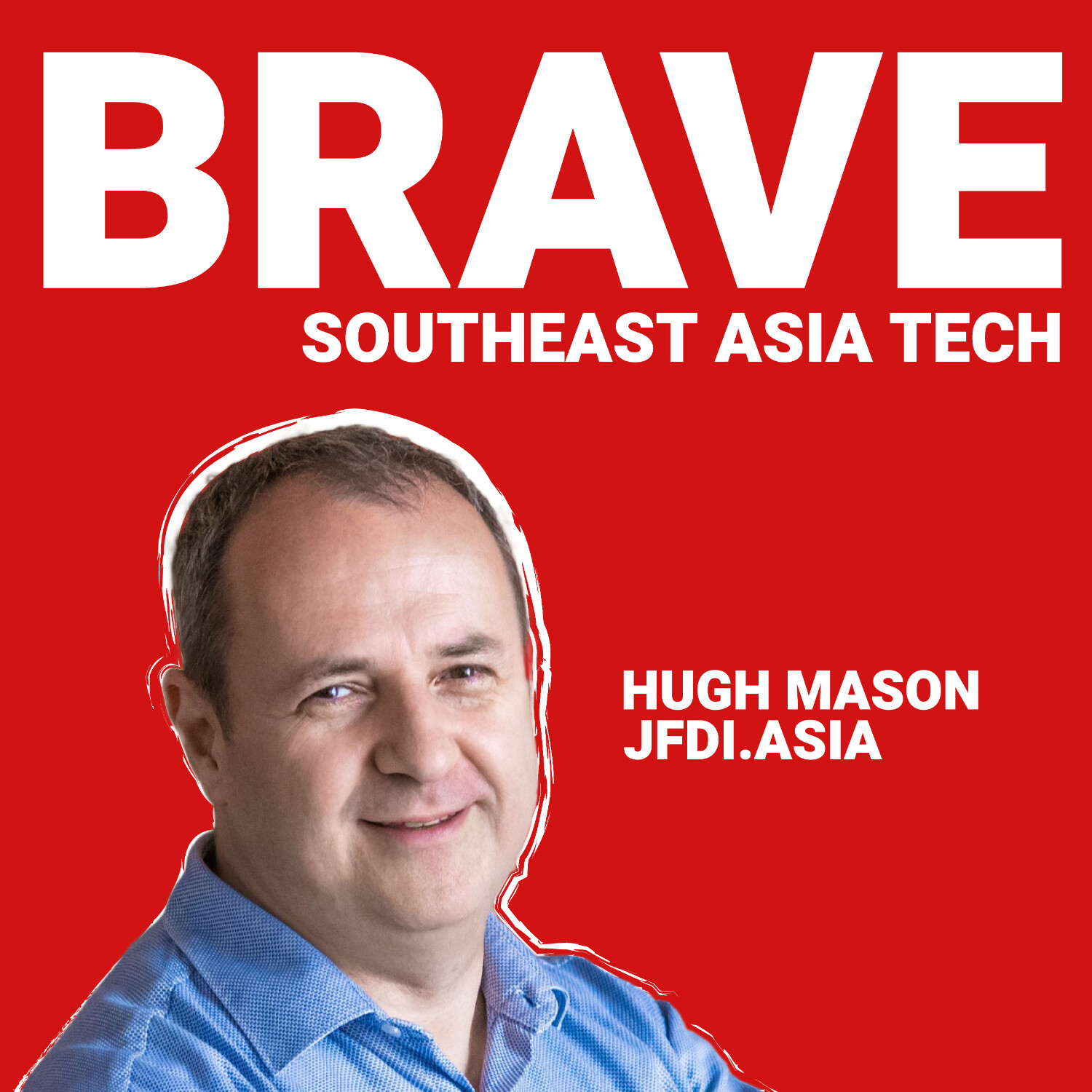
S1 Ep 260Hugh Mason: Founding JFDI Accelerator & Mistakes, Just F***ing Do It and Choosing Your Tribe
Co-founding JFDI.Asia, Southeast Asia's first startup accelerator, gave Hugh Mason the chance to work with and invest in the ideas of hundreds of local entrepreneurs, just as the regional startup scene got going. He's also worked with some of the biggest multinationals in the region to inspire corporate innovation. Now with the freedom to reflect on what makes some ventures succeed and others not, he's partway through a PhD that's helping to reveal the underlying psychology of startup founders, the networks they need to succeed and what his own career as an entrepreneur was all about. "The conclusion I’ve come to, which academic research also shows, is that a well-run accelerator does make a difference by attracting great talent. The aggregation of great talent and the community you build around an accelerator are more important than any kind of process. There isn’t a magic selection process to pick out winners and ensure success. We created a community because we wanted to bring people together. If you think of trying to get chemical reactions to happen, you put some molecules in a box and shake it and try and bang them into each other." - Hugh Mason “The theory that I'm trying to explore through my Ph.D. is that when we are stuck on the level of operational or immediate activities in front of us, we can't see the big picture. The key is reframing what you’re trying to understand and control, knowing where that’s in conflict, and reframing things to remove the conflict. Pivoting is about reframing. If there’s no way to do that, it means that’s a good time to close down and move on.” - Hugh Mason Read the transcript here at: https://www.bravesea.com/blog/hugh-mason Get transcripts, startup resources & community discussions at www.bravesea.com WhatsApp: https://whatsapp.com/channel/0029VakR55X6BIElUEvkN02e TikTok: https://www.tiktok.com/@jeremyau Instagram: https://www.instagram.com/jeremyauz Twitter: https://twitter.com/jeremyau LinkedIn: https://www.linkedin.com/company/bravesea TikTok: https://www.tiktok.com/@jeremyau Instagram: https://www.instagram.com/jeremyauz Twitter: https://twitter.com/jeremyau LinkedIn: https://www.linkedin.com/company/bravesea English: Spotify | YouTube | Apple Podcasts
S1 Ep 259TikTok vs. Congress, Pro vs Anti Ban Argument, Gen Z Lobbying, Darwinian Content Curation & Historical Parallels
In this episode of BRAVE, Jeremy Au and Shiyan Koh discuss the ongoing conflict between TikTok and Congress, examining both the pro and anti-ban arguments. They also dive into the role of Gen Z in lobbying for TikTok, the Darwinian content curation of the platform, and historical parallels to similar conflicts in the past. “I believe the argument is valid and relevant to the need for broader social media regulation. I support the idea of equal rules for all. Similar to the implementation of seat belts in cars, initially, there was resistance to the idea until the government intervened to address the high number of injuries and deaths caused by car accidents. The mandate led to the creation of safer steering wheels and airbags. In the same way, there should be a minimum requirement for social media platforms to adhere to safety standards, and the government should create fair rules for everyone.” - Jeremy Au “I worry that this is the world our children will grow up in. They would have to sort through what is true, what story is being told, what they really believe, or what other people’s motivations are in pushing these narratives. There’s a lot of media awareness that has to be taught these days that we didn’t have to face when we were kids.“ - Shiyan Koh Read the transcript here at: https://www.bravesea.com/blog/tiktok-vs-congress Get transcripts, startup resources & community discussions at www.bravesea.com WhatsApp: https://whatsapp.com/channel/0029VakR55X6BIElUEvkN02e TikTok: https://www.tiktok.com/@jeremyau Instagram: https://www.instagram.com/jeremyauz Twitter: https://twitter.com/jeremyau LinkedIn: https://www.linkedin.com/company/bravesea TikTok: https://www.tiktok.com/@jeremyau Instagram: https://www.instagram.com/jeremyauz Twitter: https://twitter.com/jeremyau LinkedIn: https://www.linkedin.com/company/bravesea English: Spotify | YouTube | Apple Podcasts
S1 Ep 258Q&A: How to Choose Great VCs, Red Flags, Reference Checks & Capital Optionality
In this episode of BRAVE, Jeremy Au and Adriel Yong discuss how to choose great VCs, conduct reference checks, increase capital optionality, and the red flags to watch out for. “Building a great business with product market fit gives you a lot of capital optionality. You don’t have to build a billion-dollar company in order to raise millions of dollars. It means if you're trying to raise from angel capital, then you should de-risk. You have to be thoughtful about strategy. You should think about how you're bracketing the set of de-risked experimental progress milestones that help you understand the business model in a way that's proportionate to what the capital is looking for.” - Jeremy Au “I had an experience with a great VC. We told each other what we wanted because we’re both going to gain if we hit a certain level of outcome. If we don't get there, we won’t get an outcome. We have a conversation about what the parameters are and the reasons why they are important. We build trust because I'm going to have to fundraise from the next investors. I have to trust this guide explaining the financial terms because it's a long relationship.” - Jeremy Au Read the transcript at https://www.bravesea.com/blog/choosing-vc Get transcripts, startup resources & community discussions at www.bravesea.com WhatsApp: https://whatsapp.com/channel/0029VakR55X6BIElUEvkN02e TikTok: https://www.tiktok.com/@jeremyau Instagram: https://www.instagram.com/jeremyauz Twitter: https://twitter.com/jeremyau LinkedIn: https://www.linkedin.com/company/bravesea TikTok: https://www.tiktok.com/@jeremyau Instagram: https://www.instagram.com/jeremyauz Twitter: https://twitter.com/jeremyau LinkedIn: https://www.linkedin.com/company/bravesea English: Spotify | YouTube | Apple Podcasts
S1 Ep 257Will Fan: Vietnam Refugee & Cab Driver Family Legacy, Pivoting to NewCampus Product-Market Fit, and Invincible Grief From Sister's Death - E257
Will Fan is an accomplished business leader, writer, and academic. He is the CEO and Head of School at NewCampus, a prestigious business school catering to emerging leaders in Asia. Prior to this, Will was the co-founder and CEO of QLC, a successful startup focused on virtual internships. Will is also a respected writer and has contributed articles to e27 and Forbes Business Council. Will holds a Bachelor of Commerce and a Bachelor of Laws from UNSW. “My grandfather who I never met, fled the Vietnam War. He sent his seven kids, in three different parts. One was by foot through Thailand, the other was by boat to Malaysia and the other by train to China. My mom was actually through the train. My grandfather went MIA with my grandmother and two of my uncles never heard from me again. I put together a journal of all those stories of Vietnamese families two years ago with the family and I think a lot about the legacy that his family and our family have built, his brother and all the cousins, including my mom who went to Sydney. I actually felt so proud that was part of a legacy that they built.” - Will Fan “My LinkedIn has a dove that’s a personal representation of strength. When I'm back against a wall or having a bad day, it allows me to take a step back, reflect and realize it's not that big of a deal, and move forward. I use the word “invincible” as a reminder that the world's not gonna die tomorrow. Just keep moving forward, sleep it off, and restart.” - Will Fan Read the transcript here at: https://www.bravesea.com/blog/will-fan Get transcripts, startup resources & community discussions at www.bravesea.com WhatsApp: https://whatsapp.com/channel/0029VakR55X6BIElUEvkN02e TikTok: https://www.tiktok.com/@jeremyau Instagram: https://www.instagram.com/jeremyauz Twitter: https://twitter.com/jeremyau LinkedIn: https://www.linkedin.com/company/bravesea TikTok: https://www.tiktok.com/@jeremyau Instagram: https://www.instagram.com/jeremyauz Twitter: https://twitter.com/jeremyau LinkedIn: https://www.linkedin.com/company/bravesea English: Spotify | YouTube | Apple Podcasts
S1 Ep 256Vietnam Market Dive, Bull (Education, FDI, Friendshoring) vs. Bear (Exit Pathing, Stock Market, Banking Liquidity), Anti-Corruption Campaign and Patient Capital - E256
In this discussion, Jeremy Au and Valerie Vu explore the Vietnam market from both bull and bear perspectives. The bull case is supported by factors such as education, foreign direct investment, and "friendshoring," while the bear case highlights concerns about exit pathing, the stock market, and banking liquidity. The conversation also covers the potential impact of the anti-corruption campaign and the importance of patient capital in Vietnam's economic development. "I hope to see more talents returning to Vietnam. I’m so impressed with Vietnam’s Gen Z but now they choose to start their careers in developed countries like Singapore, the US, and Europe. I spend a lot of time giving them advice on how to best move back to Vietnam and navigate the differences here. That's why I'm passionate about building a community and giving out the best educational content. I show conviction and build up their conviction for the country so they can return home to make an impact and build up Vietnam." Valerie Vu "We get a lot of learning and inspiration from Chinese politics. China has also consolidated power and launched anti-corruption campaigns in the last eight years. Vietnam is also going through an anti-corruption campaign, but on a shorter timeline. Things might seem overwhelming for a lot of foreign investors, especially US investors who are not familiar with Asian politics. We want to attract more FDIs for the country, grow the economy, and improve Vietnamese people's lives." Valerie Vu Read the transcript here at: https://www.bravesea.com/blog/vietnam-market-dive Get transcripts, startup resources & community discussions at www.bravesea.com WhatsApp: https://whatsapp.com/channel/0029VakR55X6BIElUEvkN02e TikTok: https://www.tiktok.com/@jeremyau Instagram: https://www.instagram.com/jeremyauz Twitter: https://twitter.com/jeremyau LinkedIn: https://www.linkedin.com/company/bravesea TikTok: https://www.tiktok.com/@jeremyau Instagram: https://www.instagram.com/jeremyauz Twitter: https://twitter.com/jeremyau LinkedIn: https://www.linkedin.com/company/bravesea English: Spotify | YouTube | Apple Podcasts
S1 Ep 255Q&A: Founders "Showing Off", Fundraising Privilege, Board Accountability & Responsible Capital Deployment - E255
In this episode of BRAVE, Jeremy Au answers a listener’s questions about why founders “show off”, the fiduciary duties of executives, board members, and VCs, and the advantages of being able to raise capital in startups and how to responsibly deploy it. “The difference between privilege and advantage is what you are doing with it. A lot of people have advantages but they just sit on them. They’re comfortable with it and some of them even squander it. We have advantages in different areas, so let’s be clear-eyed and realistic and build in those areas as much as we can. Let’s take a step back and respect those who want to make a difference regardless of their advantage.” - Jeremy Au "The media really wants human stories. It’s interesting to know company stories about growth rates and how robust the business is, but they want to talk about classic heroes' journeys that came through, how they overcame obstacles, got advice, changed their lives, and built a business that’s doing well." - Jeremy Au Read the transcript at www.bravesea.com/blog/fundraising-privilege Get transcripts, startup resources & community discussions at www.bravesea.com WhatsApp: https://whatsapp.com/channel/0029VakR55X6BIElUEvkN02e TikTok: https://www.tiktok.com/@jeremyau Instagram: https://www.instagram.com/jeremyauz Twitter: https://twitter.com/jeremyau LinkedIn: https://www.linkedin.com/company/bravesea TikTok: https://www.tiktok.com/@jeremyau Instagram: https://www.instagram.com/jeremyauz Twitter: https://twitter.com/jeremyau LinkedIn: https://www.linkedin.com/company/bravesea English: Spotify | YouTube | Apple Podcasts
S1 Ep 254Roger Egan: RedMart's Untold Origin Story (Almost Missing Payroll 4 Times), Sacrifices vs. Black Hole, & Constructionist Child Learning Startup
Roger Egan is a serial entrepreneur and angel investor. He is currently Cofounder & CEO of Nurture, a pre-launch EdTech / Media startup that enables children to co-learn with their parents via fun, bonding activities. Prior to Nurture, Roger was Cofounder and CEO of RedMart, the largest online grocery in Singapore. Roger has an MBA in Entrepreneurship from INSEAD Business School and a BA in Economics from The University of Pennsylvania. “The Constructionist Learning Theory is about learning by doing and experiencing things. It's self-directed so that you learn in the context of something you're motivated to learn about. You can apply those skills as needed, as opposed to instructionism, where there's an authoritative figure who has all the knowledge that they impart to the student, which you see as a vessel to fill up with a lot of materials. They measure learning through a test which is not the best way to measure learning and determine how successful someone’s going to be.” - Roger Egan “Technological change is only going to accelerate. We’re seeing a huge acceleration in AI which will make human skills uniquely valuable in the future. Adapting is going to be much more important and there is learning that you have to do alone. I would teach kids how to use AI as a tool, ask it the right questions, learn from it, and apply it in building a second brain. They should learn how to leverage this tool than ban it.” - Roger Egan Read the transcript here at: https://www.bravesea.com/blog/roger-egan Get transcripts, startup resources & community discussions at www.bravesea.com WhatsApp: https://whatsapp.com/channel/0029VakR55X6BIElUEvkN02e TikTok: https://www.tiktok.com/@jeremyau Instagram: https://www.instagram.com/jeremyauz Twitter: https://twitter.com/jeremyau LinkedIn: https://www.linkedin.com/company/bravesea TikTok: https://www.tiktok.com/@jeremyau Instagram: https://www.instagram.com/jeremyauz Twitter: https://twitter.com/jeremyau LinkedIn: https://www.linkedin.com/company/bravesea English: Spotify | YouTube | Apple Podcasts
S1 Ep 253Silicon Valley Bank Implosion, SE Asia Impact, Underwriting Quality (Diversification vs. Correlation), 2023 Fintech Trends and International Women’s Day
In this episode of BRAVE, Jeremy Au and Shiyan Koh delve into F Prime’s 2023 report on fintech, and also empowerment and gender equality for women on International Women’s Day. They also discuss the rise of Pay Now and its impact on the payment industry, taking the lead over traditional players like MasterCard. Check out F Prime’s 2023 State of fintech report here. “Intellectually, everybody knows what to do because there's so many substacks, and VC taught leadership what to do. It's either expense reduction, cost reduction, or revenue improvement. What's interesting is, people are looking for stories. It's more about the emotionality and not in a bad way, but at the end of the day, it's a human decision by the founder to change mindset, point of view, or optimism. People are looking for human stories. That's so important because that's what people are asking for.” - Jeremy Au “Product market fit means you aren’t blowing yourself up with your underwriting when these books are starting to mature. In the early days, people often get really loose with their underwriting standards to show growth. When the market turns, that's when a lot of this stuff blows. At the end of the day, the capital efficiency piece is really important whether you are an investor or a founder. You are in the business of capital allocation and you need to be really honest about how effectively that capital is working for you.” - Shiyan Koh Read the transcript here at: https://www.bravesea.com/blog/silicon-valley-bank-implosion Get transcripts, startup resources & community discussions at www.bravesea.com WhatsApp: https://whatsapp.com/channel/0029VakR55X6BIElUEvkN02e TikTok: https://www.tiktok.com/@jeremyau Instagram: https://www.instagram.com/jeremyauz Twitter: https://twitter.com/jeremyau LinkedIn: https://www.linkedin.com/company/bravesea TikTok: https://www.tiktok.com/@jeremyau Instagram: https://www.instagram.com/jeremyauz Twitter: https://twitter.com/jeremyau LinkedIn: https://www.linkedin.com/company/bravesea English: Spotify | YouTube | Apple Podcasts
S1 Ep 252Future of VR (Bull vs. Bear), Metaverse Generational Gap (Millennials vs. Gen Z vs. Gen Alpha) & Hikikomori & Whale Normalization
In this episode of BRAVE, Jeremy Au discusses the dynamics of the metaverse. He explains the parallels between the development of AI and VR in terms of generational adoption, the bullish market of VR in the long run, and the rise of whales in the next generation. "At the end of the day, is virtual reality dead? The answer is no. It's alive in the hearts of Generation Alpha who will really drive it to peak usage. The ones who are going to build and monetize it are the millennials and Generation Z.” - Jeremy Au Read the transcript at https://www.bravesea.com/blog/future-of-vr Get transcripts, startup resources & community discussions at www.bravesea.com WhatsApp: https://whatsapp.com/channel/0029VakR55X6BIElUEvkN02e TikTok: https://www.tiktok.com/@jeremyau Instagram: https://www.instagram.com/jeremyauz Twitter: https://twitter.com/jeremyau LinkedIn: https://www.linkedin.com/company/bravesea TikTok: https://www.tiktok.com/@jeremyau Instagram: https://www.instagram.com/jeremyauz Twitter: https://twitter.com/jeremyau LinkedIn: https://www.linkedin.com/company/bravesea English: Spotify | YouTube | Apple Podcasts
S1 Ep 251Caela Tanjangco: Cautious Optimism Around Philippines, Founder Storytelling Advice & Nautical Stars Tattoo - E251
Caela Tanjangco is a Director for Asia at Endeavor Catalyst. She started with Medical School but later pursued a business career, including founding a healthcare startup. She is also Co-Chair of the Impact Council at the Global Shapers Community and holds a Master's Degree in International Management and a BS in Psychology. "We have companies that have raised Series B, had the first female founder raise the highest amount of Series A funding, and have CBCs, which is the biggest ever in the Philippines. I'm cautiously optimistic about the country in terms of the next stage of funding because of what's happening in the market. We have a lot of good founders and strong fundamentals, but because of what's happening in the public and private markets, we’re affected in terms of the succeeding funding in Series C, pre-IPO, and Series B. We lack investors in that area for all the companies that have just raised their Series B."- Caela Tanjangco "There are disadvantages to being founders who don't speak English or who might have problems communicating about their startup when pitching to global funds. I won’t say that's a shortfall, but it's an issue that entrepreneurs need support with. It’s a gap that we need to address so that they're better acknowledged and understood by global investors." - Caela Tanjangco Read the transcript here at: www.bravesea.com/blog/caela-tanjangco Get transcripts, startup resources & community discussions at www.bravesea.com WhatsApp: https://whatsapp.com/channel/0029VakR55X6BIElUEvkN02e TikTok: https://www.tiktok.com/@jeremyau Instagram: https://www.instagram.com/jeremyauz Twitter: https://twitter.com/jeremyau LinkedIn: https://www.linkedin.com/company/bravesea TikTok: https://www.tiktok.com/@jeremyau Instagram: https://www.instagram.com/jeremyauz Twitter: https://twitter.com/jeremyau LinkedIn: https://www.linkedin.com/company/bravesea English: Spotify | YouTube | Apple Podcasts
S1 Ep 250Luxury & Conspicuous Consumption, Brand vs. Performance Startup Marketers, Premium Lifestyle vs. Features vs. Referral & Luxury Marketing Narrative (One Championship vs. Nike vs. Patek Philippe)
In this episode of BRAVE, Jeremy Au and Shiyan Koh discuss luxury, startup marketing, and the three types of human stories. Shiyan explains how talent and supply chain management drive economies of scale in the luxury industry. Jeremy emphasizes the importance of understanding consumers and being a great communicator to succeed in marketing. The discussion also touches on how the three types of human stories relate to branding and marketing strategies. “Marketing is often seen as the company communicating to the consumers and the market is the consumers’ feedback on product features and campaigns. At an early stage of a startup, there are so many adjustments based on market feedback and it can be a bit of a shock for marketers. Both performance and brand marketers can fail if they don't use the time to really understand what a consumer wants, so a great marketing officer is also a great communicator, both on brand and performance. ” Jeremy Au “Luxury is special because it’s limited and not everyone can have it. The economies of scale come in terms of talent and supply chain. Supply chain is easier to think about but talent is really interesting. If you are working inside a single family-owned brand, you can't advance unless your boss leaves, but if you own a family of brands, you can have opportunities to move laterally and learn from lots of different brands. You can disproportionately attract better talent, both on the creative side and on the managerial side, which you both need for a luxury business.” - Shiyan Koh Read the transcript here at: www.bravesea.com/blog/luxury-conspicuous-consumption Get transcripts, startup resources & community discussions at www.bravesea.com WhatsApp: https://whatsapp.com/channel/0029VakR55X6BIElUEvkN02e TikTok: https://www.tiktok.com/@jeremyau Instagram: https://www.instagram.com/jeremyauz Twitter: https://twitter.com/jeremyau LinkedIn: https://www.linkedin.com/company/bravesea TikTok: https://www.tiktok.com/@jeremyau Instagram: https://www.instagram.com/jeremyauz Twitter: https://twitter.com/jeremyau LinkedIn: https://www.linkedin.com/company/bravesea English: Spotify | YouTube | Apple Podcasts
S1 Ep 249Sabrina Ooi: Bipolar & Being Arrested For Suicide, Turning Passion to Startup & Managing Founder Stress - E249
Sabrina Ooi is the cofounder & CEO of Calm Collective Asia, an organization with the mission to normalize mental health conversations in Asia. She is a mental health expert by experience, having achieved personal recovery and well-being through her journey with bipolar disorder. Through her work with Calm Collective, she has consulted for and created global mental health programs for brands like Spotify, The Body Shop, and Standard Chartered. She has been featured in various publications and was named a Gen.T Honouree in 2021. Sabrina has worked in the software and marketing industries and was a professional DJ in top nightlife establishments. "I have bipolar disorder and I’ve gone through struggles before I got diagnosed. I got arrested for attempting suicide and lost two friends to suicide. Surviving that horrible, challenging period of my life helped me learn how to manage and thrive with it. My personal journey has given me a lot of learnings and insights around mental health, from the stigma that we face to just a lot of things that we don't know about. It gave me that motivation to share what I've learned with more people so they can seek mental health support before it's too late." - Sabrina Ooi "Bipolar disorder is basically manic depression. Depression is unipolar. Bipolar means there's depression, but there's also mania. Mania is quite interesting because you can feel energetic and sociable when you're in that state. For me, mania can show itself on nights when I don’t get any sleep. I would be very excited and start 10 or 20 new projects, but would probably not finish any of them. I would be the life of the party, but at the same time, I can be very irritable and quick to annoy people." - Sabrina Ooi Read the transcript here at: www.bravesea.com/blog/sabrina-ooi Get transcripts, startup resources & community discussions at www.bravesea.com WhatsApp: https://whatsapp.com/channel/0029VakR55X6BIElUEvkN02e TikTok: https://www.tiktok.com/@jeremyau Instagram: https://www.instagram.com/jeremyauz Twitter: https://twitter.com/jeremyau LinkedIn: https://www.linkedin.com/company/bravesea TikTok: https://www.tiktok.com/@jeremyau Instagram: https://www.instagram.com/jeremyauz Twitter: https://twitter.com/jeremyau LinkedIn: https://www.linkedin.com/company/bravesea English: Spotify | YouTube | Apple Podcasts
S1 Ep 248Digital Immortality, Personal Avatar Resolution Fidelity, Data Footprint Rights & Entertainment Industry Resurrection of Celebrities - E248
In this episode of BRAVE, Jeremy Au talks about the "resurrection" of deceased characters in the form of a hologram, the impact of digital avatars on the film industry and the different fidelity resolutions of personal avatars. “All of us are already digitally immortal. Anybody who has a public presence can have a hologram. If I give access to my private copyrighted materials and private communications, you could create a really high-resolution avatar with my face, speaking habits and mannerisms. If I pass away, my digital footprint rights will be given to the next-of-kin and wills have to eventually include that generative-AI-replication consent clause. We have to make a decision about whether you consent to generate a level-one, middle, or very high fidelity resolution of your personality and soul.” - Jeremy Au Read the transcript here at www.bravesea.com/blog/digital-immortality Get transcripts, startup resources & community discussions at www.bravesea.com WhatsApp: https://whatsapp.com/channel/0029VakR55X6BIElUEvkN02e TikTok: https://www.tiktok.com/@jeremyau Instagram: https://www.instagram.com/jeremyauz Twitter: https://twitter.com/jeremyau LinkedIn: https://www.linkedin.com/company/bravesea TikTok: https://www.tiktok.com/@jeremyau Instagram: https://www.instagram.com/jeremyauz Twitter: https://twitter.com/jeremyau LinkedIn: https://www.linkedin.com/company/bravesea English: Spotify | YouTube | Apple Podcasts
S1 Ep 247AI vs. Electricity Adoption Trajectory, USA vs. China Startup-Military-Industrial Complex Integration & Accelerating State Subsidy Race - E247
In this episode of BRAVE, Jeremy Au reflects on deep learning breakthroughs’ timeline, AI’s impact on military technology and the increased incentives for more AI engineer training, funding and integration, based on a ChinAI article written by Jeffrey Ding. “AI is going to accelerate the military-industrial complex. It’s not just good for the economy or academics, but also for national security. That's going to be a very interesting fusion. There may also be multiple attempts by states to build out those AI hubs over a 20 to 30-year timeframe, so we might see more subsidies, education, advocacy and championing for folks to learn AI.” - Jeremy Au Read the transcript here at Read the transcript here at www.bravesea.com/blog/ai-electricity-adoption Get transcripts, startup resources & community discussions at www.bravesea.com WhatsApp: https://whatsapp.com/channel/0029VakR55X6BIElUEvkN02e TikTok: https://www.tiktok.com/@jeremyau Instagram: https://www.instagram.com/jeremyauz Twitter: https://twitter.com/jeremyau LinkedIn: https://www.linkedin.com/company/bravesea TikTok: https://www.tiktok.com/@jeremyau Instagram: https://www.instagram.com/jeremyauz Twitter: https://twitter.com/jeremyau LinkedIn: https://www.linkedin.com/company/bravesea English: Spotify | YouTube | Apple Podcasts
S1 Ep 246SaaS Marketplaces vs. Middleware, Embedded Finance, and Urban Income Inflection Points thanks to January Capital
In the latest episode of BRAVE, Jeremy Au and Shiyan Koh analyze January Capital's monthly report on Southeast Asia, focusing on the region's marketplaces with low margins. They delve into how these marketplaces are leveraging embedded finance to increase their profit margins, while also considering the role of retention in simplifying their operations. Furthermore, the discussion also touches upon the shifting trends in the SaaS landscape of Southeast Asia. Download the January Capital report here. Read the transcript here at: www.bravesea.com/blog/january-capital-report Get transcripts, startup resources & community discussions at www.bravesea.com WhatsApp: https://whatsapp.com/channel/0029VakR55X6BIElUEvkN02e TikTok: https://www.tiktok.com/@jeremyau Instagram: https://www.instagram.com/jeremyauz Twitter: https://twitter.com/jeremyau LinkedIn: https://www.linkedin.com/company/bravesea TikTok: https://www.tiktok.com/@jeremyau Instagram: https://www.instagram.com/jeremyauz Twitter: https://twitter.com/jeremyau LinkedIn: https://www.linkedin.com/company/bravesea English: Spotify | YouTube | Apple Podcasts
S1 Ep 245Michael Kosic: VC Diversification Free Lunch, Sortino vs. Sharpe Ratio and Open-Ended Funds - E245
Michael Kosic is a Managing Partner of the Loyal VC, founded in 2018. Loyal runs a global venture fund with flexible redemptions and a proprietary gate-stage process, reducing investment bias and unlocking greater returns. Loyal draws on Michael's lifelong experience as a technology entrepreneur, professional Industrial Engineer, and Angel Investor, while heavily leveraging his INSEAD network, where he earned his MBA, and the Founder Institute accelerator. Read the transcript here at: www.bravesea.com/blog/michael-kosic Get transcripts, startup resources & community discussions at www.bravesea.com WhatsApp: https://whatsapp.com/channel/0029VakR55X6BIElUEvkN02e TikTok: https://www.tiktok.com/@jeremyau Instagram: https://www.instagram.com/jeremyauz Twitter: https://twitter.com/jeremyau LinkedIn: https://www.linkedin.com/company/bravesea TikTok: https://www.tiktok.com/@jeremyau Instagram: https://www.instagram.com/jeremyauz Twitter: https://twitter.com/jeremyau LinkedIn: https://www.linkedin.com/company/bravesea English: Spotify | YouTube | Apple Podcasts
S1 Ep 244Q&A: Angel Investing Ticket Size & Equity, Investment Pitfalls and Media & Art Trends (NFTs & Generative AI) - E244
In this episode of BRAVE, Jeremy Au and Adriel Yong discuss the typical ticket size for angel investors and its expected equity, LP fund allocation on specific verticals, pitfalls to avoid, current media and art initiatives and trends like NFTs and generative AI and transitioning to a VC role from a corporate partnership director background. Read the transcript at: www.bravesea.com/blog/angelinv-qna Get transcripts, startup resources & community discussions at www.bravesea.com WhatsApp: https://whatsapp.com/channel/0029VakR55X6BIElUEvkN02e TikTok: https://www.tiktok.com/@jeremyau Instagram: https://www.instagram.com/jeremyauz Twitter: https://twitter.com/jeremyau LinkedIn: https://www.linkedin.com/company/bravesea TikTok: https://www.tiktok.com/@jeremyau Instagram: https://www.instagram.com/jeremyauz Twitter: https://twitter.com/jeremyau LinkedIn: https://www.linkedin.com/company/bravesea English: Spotify | YouTube | Apple Podcasts
Welcome to BRAVE Southeast Asia Tech
trailer
S1 Ep 243Singapore 2023 Budget Winners, Crowding Out Startups, Generative AI Barbell vs. Secrets vs. Judgement, Localization to Southeast Asia Opportunities, Agent/ Concierge Displacement, Entertainment Love Avatars & Digital Ghosts - E243
In this episode of BRAVE, Jeremy Au and Shiyan Koh delve into the fascinating topic of crowding out younger startups and its impact on the startup ecosystem. They also explore the potential of generative AI to shape the future generation, and how Singapore's 2023 budget applies to Southeast Asia. Get transcripts, startup resources & community discussions at www.bravesea.com WhatsApp: https://whatsapp.com/channel/0029VakR55X6BIElUEvkN02e TikTok: https://www.tiktok.com/@jeremyau Instagram: https://www.instagram.com/jeremyauz Twitter: https://twitter.com/jeremyau LinkedIn: https://www.linkedin.com/company/bravesea TikTok: https://www.tiktok.com/@jeremyau Instagram: https://www.instagram.com/jeremyauz Twitter: https://twitter.com/jeremyau LinkedIn: https://www.linkedin.com/company/bravesea English: Spotify | YouTube | Apple Podcasts
S1 Ep 242Raunak Mehta: 30X Disrupting Insurance, Challenging The Status Quo & No Ceiling For Hard Work - E242
Raunak Mehta is a seasoned entrepreneur with over 10 years of experience in consumer internet and insurtech startups in Asia. He currently serves as the Cofounder & CEO of Igloo. Previously, he worked with Flipkart and Zalora. Raunak is knowledgeable about the first principles mindset, building companies from scratch, and new technologies. Get transcripts, startup resources & community discussions at www.bravesea.com WhatsApp: https://whatsapp.com/channel/0029VakR55X6BIElUEvkN02e TikTok: https://www.tiktok.com/@jeremyau Instagram: https://www.instagram.com/jeremyauz Twitter: https://twitter.com/jeremyau LinkedIn: https://www.linkedin.com/company/bravesea TikTok: https://www.tiktok.com/@jeremyau Instagram: https://www.instagram.com/jeremyauz Twitter: https://twitter.com/jeremyau LinkedIn: https://www.linkedin.com/company/bravesea English: Spotify | YouTube | Apple Podcasts
S1 Ep 241Q&A: Podcast Why & Rewards, Production Process Learnings & Sustainable Operations Workflow - E241
In this episode of BRAVE, Jeremy talks about the benefits of podcasting in his personal and professional life, the learnings he had about podcast production, having a sustainable operation and monetization constraints. Show notes at: www.bravesea.com/blog/podcasting-qna Get transcripts, startup resources & community discussions at www.bravesea.com WhatsApp: https://whatsapp.com/channel/0029VakR55X6BIElUEvkN02e TikTok: https://www.tiktok.com/@jeremyau Instagram: https://www.instagram.com/jeremyauz Twitter: https://twitter.com/jeremyau LinkedIn: https://www.linkedin.com/company/bravesea TikTok: https://www.tiktok.com/@jeremyau Instagram: https://www.instagram.com/jeremyauz Twitter: https://twitter.com/jeremyau LinkedIn: https://www.linkedin.com/company/bravesea English: Spotify | YouTube | Apple Podcasts
S1 Ep 240Clemens Feil: Weaker Emerging Market Returns, Impact Investing Paradox & Growth Equity Fundamentals (Active vs. Passive) - E240
Clemens Feil is a growth equity investor at the International Finance Corporation, where he leads investments in Asian emerging markets for companies in services industries to scale beyond the venture phase. He aims to create a sustainable investment ecosystem in emerging markets with measurable impact and strong returns. He has over a decade of experience in private equity investing and has led investments across various industries and countries. He holds a BSc from the London School of Economics (LSE), an MA from Columbia University, and an MBA from Harvard Business School. Show notes at: www.bravesea.com/blog/clemens-feil Get transcripts, startup resources & community discussions at www.bravesea.com WhatsApp: https://whatsapp.com/channel/0029VakR55X6BIElUEvkN02e TikTok: https://www.tiktok.com/@jeremyau Instagram: https://www.instagram.com/jeremyauz Twitter: https://twitter.com/jeremyau LinkedIn: https://www.linkedin.com/company/bravesea TikTok: https://www.tiktok.com/@jeremyau Instagram: https://www.instagram.com/jeremyauz Twitter: https://twitter.com/jeremyau LinkedIn: https://www.linkedin.com/company/bravesea English: Spotify | YouTube | Apple Podcasts
S1 Ep 239Q&A: Joining VC as Founder, Whether MBA Helps & How To Improve Your Candidacy - E239
In this episode of BRAVE, Jeremy answers listeners’ questions about becoming a VC, such as how to leverage founder-operator experience, which funds to focus on and if an MBA is necessary for the transition. Show notes at: www.bravesea.com/blog/vc-qna Get transcripts, startup resources & community discussions at www.bravesea.com WhatsApp: https://whatsapp.com/channel/0029VakR55X6BIElUEvkN02e TikTok: https://www.tiktok.com/@jeremyau Instagram: https://www.instagram.com/jeremyauz Twitter: https://twitter.com/jeremyau LinkedIn: https://www.linkedin.com/company/bravesea TikTok: https://www.tiktok.com/@jeremyau Instagram: https://www.instagram.com/jeremyauz Twitter: https://twitter.com/jeremyau LinkedIn: https://www.linkedin.com/company/bravesea English: Spotify | YouTube | Apple Podcasts
S1 Ep 238Tech Layoff & Recruiting Advice, Light At The End Of The Tunnel and Managerial Humanity & Messaging - E238
In this episode of BRAVE, Jeremy Au and Shiyan Koh discuss tech layoffs, other opportunities during the recession period, advice on finding a job, and maintaining managerial humanity when conducting layoffs. Show notes at: https://www.bravesea.com/blog/tech-layoff Get transcripts, startup resources & community discussions at www.bravesea.com WhatsApp: https://whatsapp.com/channel/0029VakR55X6BIElUEvkN02e TikTok: https://www.tiktok.com/@jeremyau Instagram: https://www.instagram.com/jeremyauz Twitter: https://twitter.com/jeremyau LinkedIn: https://www.linkedin.com/company/bravesea TikTok: https://www.tiktok.com/@jeremyau Instagram: https://www.instagram.com/jeremyauz Twitter: https://twitter.com/jeremyau LinkedIn: https://www.linkedin.com/company/bravesea English: Spotify | YouTube | Apple Podcasts
S1 Ep 237Vinay Palathinkal: Fintech & Web3 Boom & Bust, Avoidable Founder Mistakes & Enemy vs. Partner Banks - E237
Vinay Palathinkal is Regional Head, Wise Platform at Wise. Formerly known as TransferWise, Wise is a leader in cross border money movement, moving more than $132 billion every year and employing 5000 people across 14 global offices. Wise Platform is the third and newest pillar of Wise’s products, allowing platforms like Google Pay and banks like Monzo to integrate and benefit from Wise’s global payments infrastructure. Show notes at: www.bravesea.com/blog/vinay-palathinkal2 Get transcripts, startup resources & community discussions at www.bravesea.com WhatsApp: https://whatsapp.com/channel/0029VakR55X6BIElUEvkN02e TikTok: https://www.tiktok.com/@jeremyau Instagram: https://www.instagram.com/jeremyauz Twitter: https://twitter.com/jeremyau LinkedIn: https://www.linkedin.com/company/bravesea TikTok: https://www.tiktok.com/@jeremyau Instagram: https://www.instagram.com/jeremyauz Twitter: https://twitter.com/jeremyau LinkedIn: https://www.linkedin.com/company/bravesea English: Spotify | YouTube | Apple Podcasts
S1 Ep 236Zalora Talent Mafia vs. Network Magnets, English Language-Locked & Culture Dynamos, Vietnam Sea Turtles & Exits by Asia Partners - E236
In this episode of BRAVE, Jeremy Au and Shiyan Koh discuss the Asia Partners report on Southeast Asia. They talk about the emergence of talent mafias in Southeast Asia, such as the Zalora Talent Mafia, and the potential for other talent mafias to emerge. They also discuss the importance of English language fluency and the emergence of "sea turtles" who have studied in the US and are now returning to Southeast Asia to build companies. They also mention the inflow of Chinese and Indian entrepreneurs as a potential engine for the region. Shownotes at www.jeremyau.com/blog/zalora-talent-mafia Get transcripts, startup resources & community discussions at www.bravesea.com WhatsApp: https://whatsapp.com/channel/0029VakR55X6BIElUEvkN02e TikTok: https://www.tiktok.com/@jeremyau Instagram: https://www.instagram.com/jeremyauz Twitter: https://twitter.com/jeremyau LinkedIn: https://www.linkedin.com/company/bravesea TikTok: https://www.tiktok.com/@jeremyau Instagram: https://www.instagram.com/jeremyauz Twitter: https://twitter.com/jeremyau LinkedIn: https://www.linkedin.com/company/bravesea English: Spotify | YouTube | Apple Podcasts
S1 Ep 235Nicole Mao: Harvard MBA to Battery Founder, Energy Dive & Misconceptions & Do What's Right vs. Easy - E235
Nicole is the CEO and co-founder of Tiger New Energy. Prior to starting her own venture, she worked as a management consultant at BCG. After graduating from Harvard Business School and Harvard Kennedy School in 2021, Nicole chose to pursue her vision of helping emerging countries transition to renewable energy solutions by building her company in Bangladesh, a country with a population of 160 million and one of the fastest-growing economies. To address the issue of the supply chain, Nicole's company offers a combination of hardware and software solutions. The hardware component includes manufacturing high-quality green products, while the software and business model innovation component helps low-income communities afford and adapt to these products. Show notes at: www.jeremyau.com/blog/nicole-mao Get transcripts, startup resources & community discussions at www.bravesea.com WhatsApp: https://whatsapp.com/channel/0029VakR55X6BIElUEvkN02e TikTok: https://www.tiktok.com/@jeremyau Instagram: https://www.instagram.com/jeremyauz Twitter: https://twitter.com/jeremyau LinkedIn: https://www.linkedin.com/company/bravesea TikTok: https://www.tiktok.com/@jeremyau Instagram: https://www.instagram.com/jeremyauz Twitter: https://twitter.com/jeremyau LinkedIn: https://www.linkedin.com/company/bravesea English: Spotify | YouTube | Apple Podcasts
S1 Ep 2342023 Southeast Asia's Winners (Region vs. Singapore), Losers (Overcapitalized vs. Middle-Stage) & Contrarian Beliefs (Tech-First Innovation vs. Green & ESG Startups) - E234
In this episode of Brave, Jeremy Au and Shiyan Koh discuss the 2023 Southeast Asia's winners (region vs. Singapore), losers (overcapitalized vs. middle-stage startups) & Contrarian Beliefs (tech-first innovation vs. green & ESG startups). Show notes at: www.jeremyau.com/blog/2023-southeast-asia-winners