BRAINLAND
105 episodes — Page 2 of 3
S2 Ep 15YOUR BRAIN ON VISUAL ART: Exploring the world of visual neuroaesthetics.
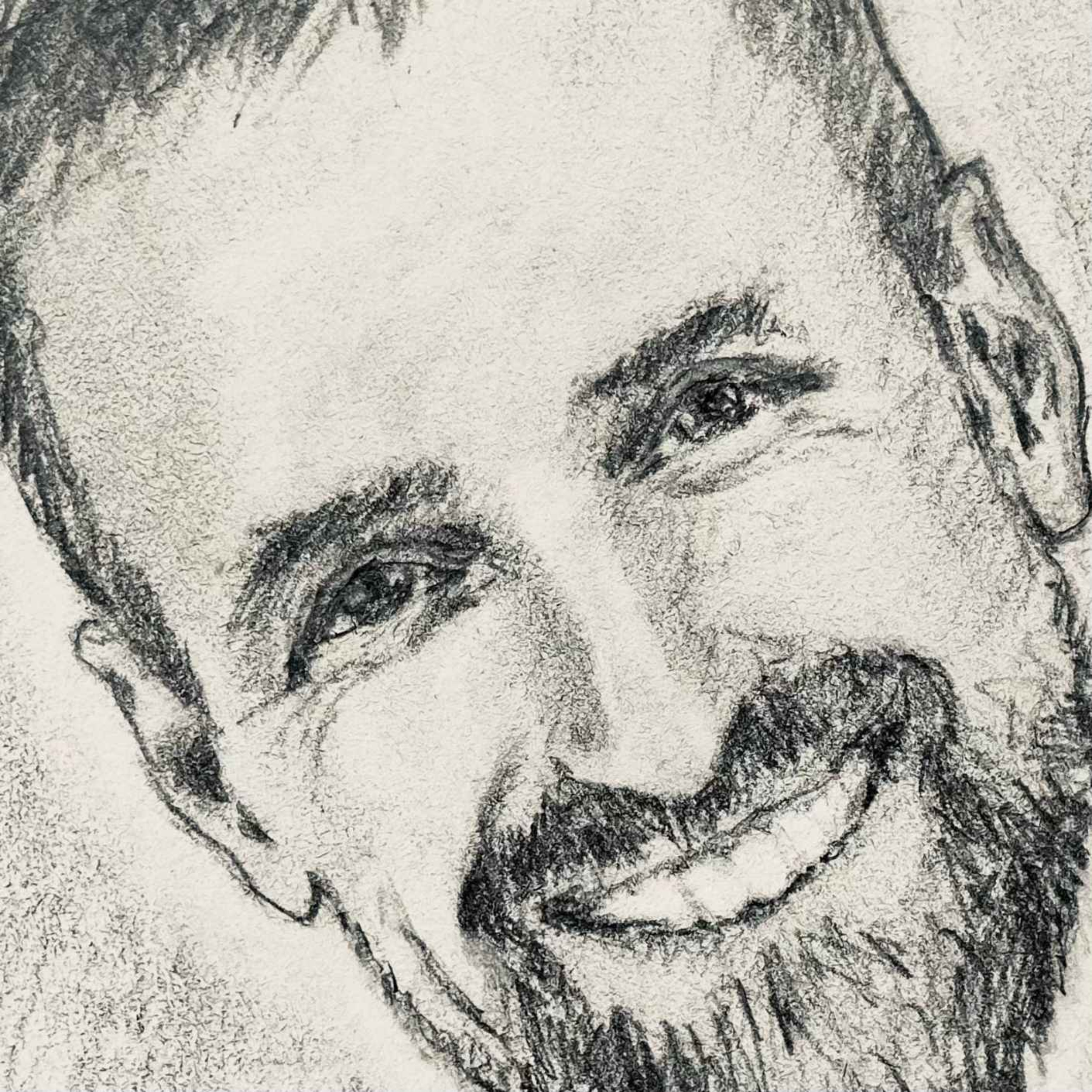
In this conversation we survey the field of contemporary visual neuroaesthetics. After defining terms, Ed talks through a current project by way of illustration before discussing the so-called 'aesthetic triad', dopamine and opioids, prediction models and computational neuroscience. We talk about neuro-investigation including recent techniques for processing an applications of EEG, a much more portable tool than fMRI and other scans.Participants:Ed Vessel, Eugene Surovitz Assistant Professor, Deprtment of Psychology, City College of New York, part of CUNY. https://www.edvessel.comKen Barrett, visual artist, writer and former psychophysiologist.http://www.kenbarrettstudio.co.uk/Opening and closing music: Opening and closing music: Prelude to 'Brainland', the opera by Stephen Brown.Brainland the opera website: www.brainlandtheopera.co.ukFollow us us on Instagram:#brainlandcollective #brainlandthepodcastPortrait sketch by KB Hosted on Acast. See acast.com/privacy for more information.
S2 Ep 14TODAY IS ALWAYS YESTERDAY: Contemporary art through the lens of Brazil
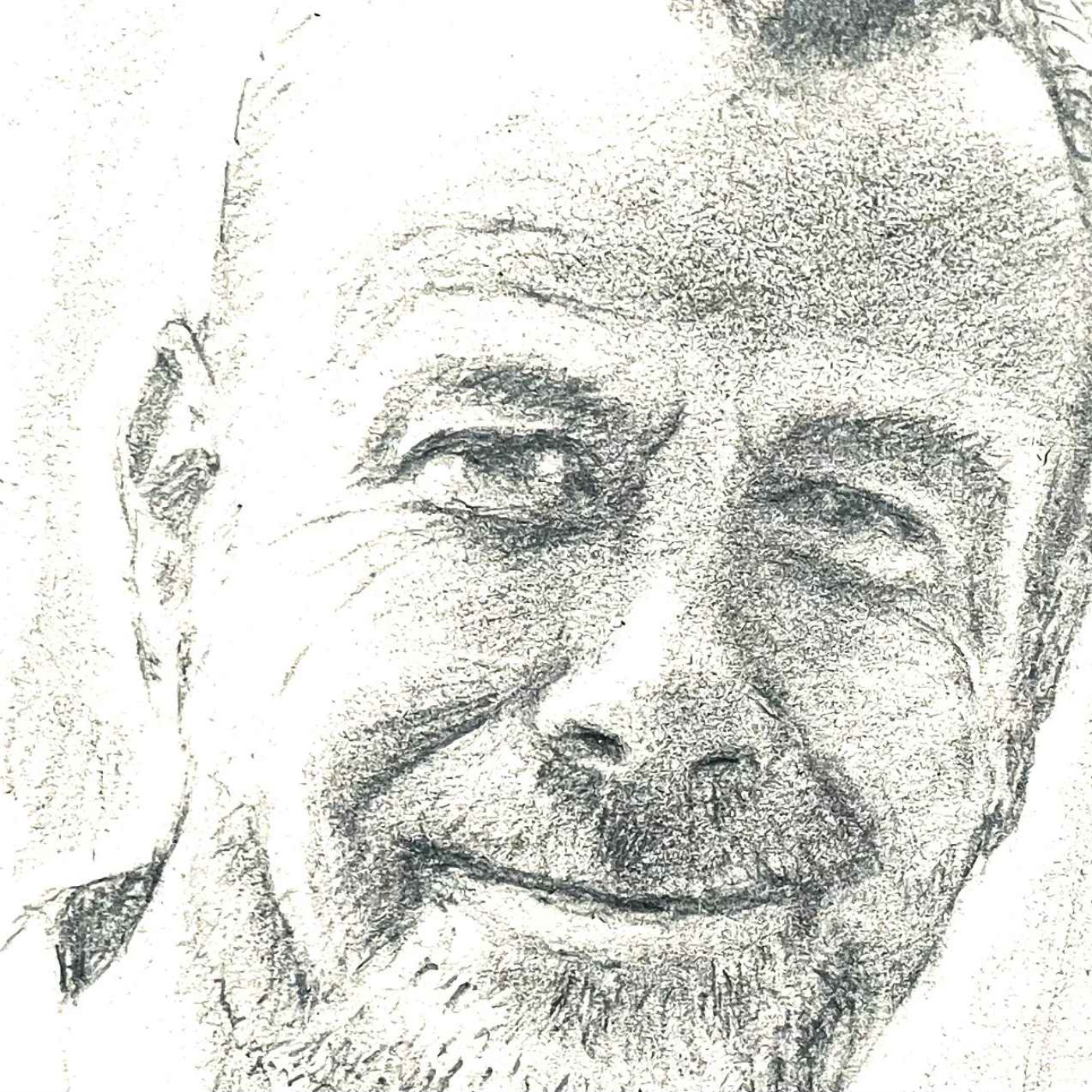
In this wide ranging conversation Michael Asbury discusses the history of Brazil and the way contemporary art has interrogated the legacies of colonialism, slavery, treatment of indigenous peoples and management of natural resources, and, more recently, demonisation by right wing political figures. We also take a deep dive into the concept of 'anthropophagia' and the multi media 'Tropicalia' movement. Artists discussed including Meirelis, Oticica, Obá, Bispo do Rosario and the influence of art produced in psychiatric institutions on Brazilian contemporary art. Like Michael's book, a terrific introduction to contemporary art, done the Brazilian way.Participants:Michael Asbury, Professor of Modern and Contemporary Art from Brazil, Chelsea College of the Arts and Deputy Director of a Research Centre for Transnational Art, Identity and Nation, University of the Arts London. https://www.arts.ac.uk/research/research-centres/trainKen Barrett, visual artist, writer and former neuropsychiatrist.http://www.kenbarrettstudio.co.uk/Michael's book:https://reaktionbooks.co.uk/work/today-is-always-yesterdaySome artists/works discussed:Cildo Mierelis 'Missions (how to build a cathedral)':https://uk.images.search.yahoo.com/yhs/Artur Bispo do Rosario:https://uk.images.search.yahoo.com/yhs/search;_ylt=AwrFDe6TXW1oIqQQO22e3olQ;_ylu=c2VjA3NlYXJjaARzbGsDYnV0dG9u;_ylc=X1MDMTM1MTIxMjcwMgRfcgMyBGZyA3locy10cnAtMDIwBGZyMgNwOnMsdjppLG06c2ItdG9wBGdwcmlkA2wzU2JKWmtFUzZXY3luXy5tMjUyZkEEbl9yc2x0AzAEbl9zdWdnAzIEb3JpAntonio Obá: https://en.wikipedia.org/wiki/Antonio_Ob%C3%A1Opening and closing music: Opening and closing music: Prelude to 'Brainland', the opera by Stephen Brown.Brainland the opera website: www.brainlandtheopera.co.ukFollow us us on Instagram:#brainlandcollective #brainlandthepodcastPortrait sketch by KB Hosted on Acast. See acast.com/privacy for more information.
S2 Ep 13EXPANDING MINDSCAPES: A psychedelic world tour.
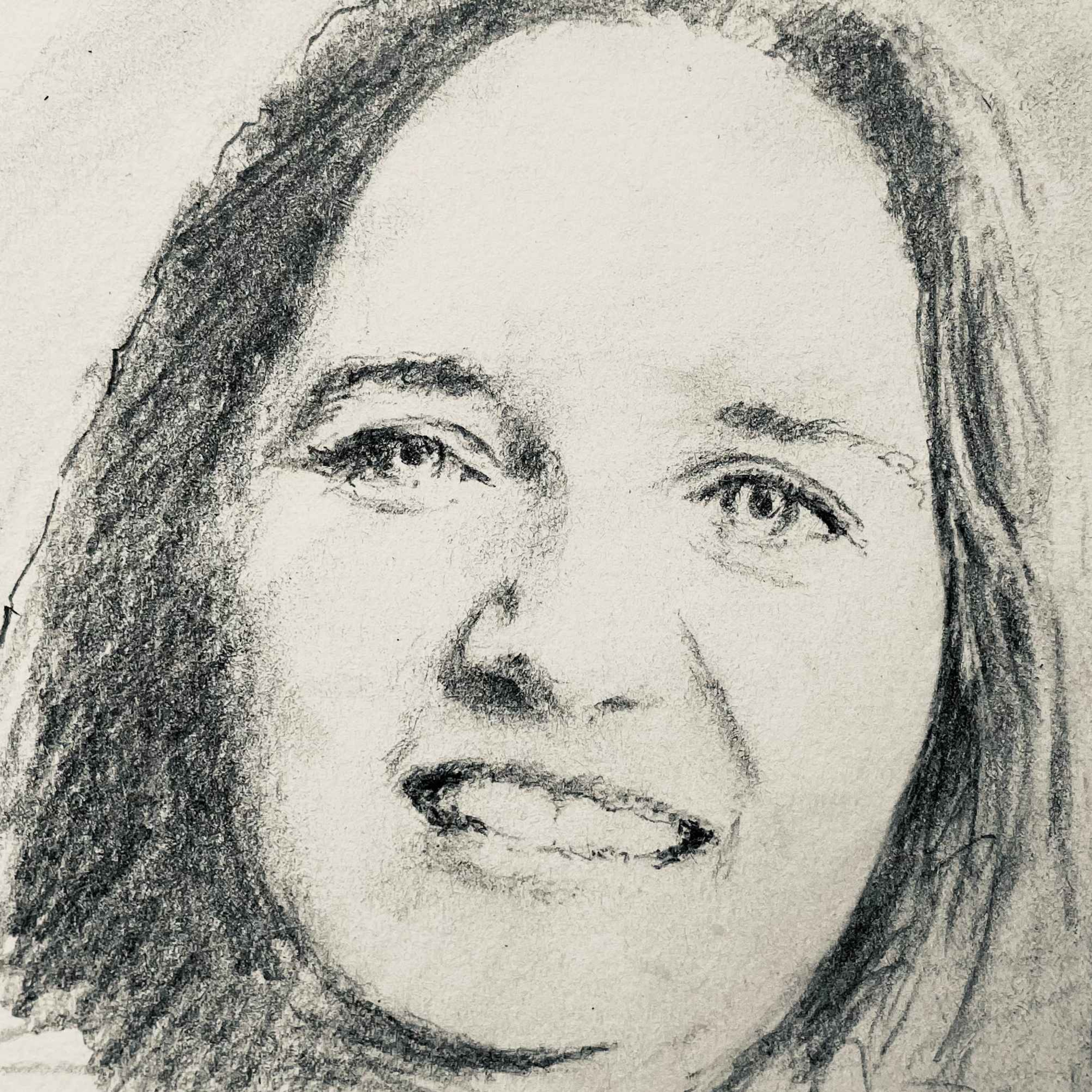
In this wide ranging conversation Erika discusses the evidence for psychedelic use over millennia and world-wide. We talk about her investigation into and opportunity to speak with Humphry Osmond, the British psychiatrists who coined the term 'psychedelic', and introduced Aldous Huxley to mescaline. We roam from Canada to India, West Africa, Cold War Czechoslovakia and Sartre's bad trip before moving on to South America, the CIA and the influence of psychedelics on 60s and 70s music and art, ending with a look to the future. Really fascinating conversation.Participants:Erika Dyck, Professor, Canada Research Chair in the History of Medicine, Department of History, University of Saskatchewan, Canada. https://artsandscience.usask.ca/profile/EDyckKen Barrett, visual artist, writer and former neuropsychiatrist.http://www.kenbarrettstudio.co.uk/'Expanding Mindscapes': https://direct.mit.edu/books/oa-edited-volume/5697/Expanding-MindscapesA-Global-History-ofOpening and closing music: Opening and closing music: Prelude to 'Brainland', the opera by Stephen Brown.Brainland the opera website: www.brainlandtheopera.co.ukFollow us us on Instagram:#brainlandcollective #brainlandthepodcastPortrait sketch by KB Hosted on Acast. See acast.com/privacy for more information.
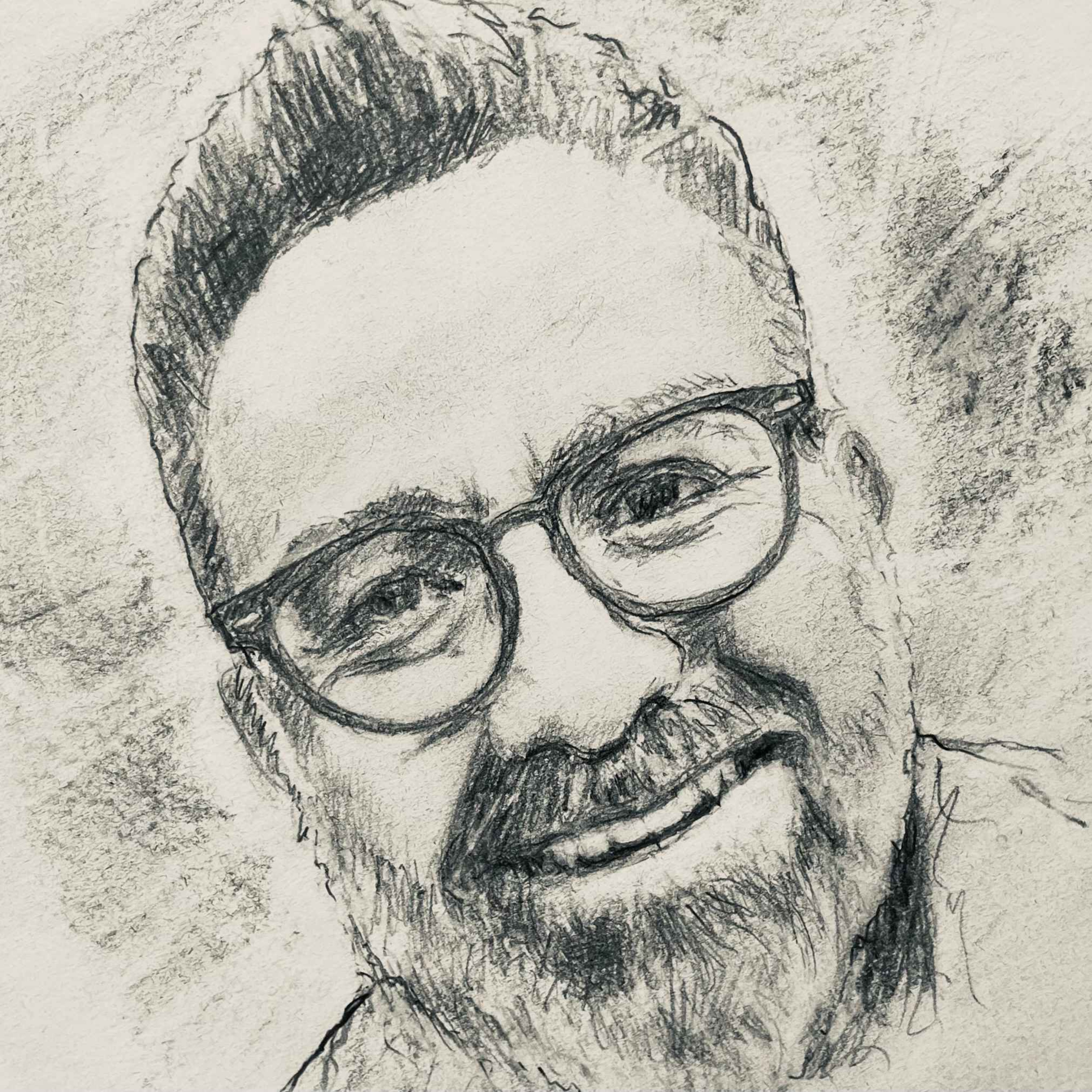
S2 Ep 12IMPROV! When the process is the product.
David Escobebo has been involved in improv theatre for over 25 years, beginning in California and more recently in Chester, UK where he has recenty compelted his PhD thesis on the subject. We talk about the social and educational roots of improv is 1930s Chicago and it's evolution into performance/theatre leading to 'Second City, contrasted with the UK where it was a 'revolutionary act against theatre'. We talk about some of the leaders in the field and their views before David talk about how he arrived at his own 'six principles of improv' (and you heard them here first). We talk about the application of improv training, and particularly active listening, to other groups (healthcare, tech companies, etc.) and include a brief example of a warm up as an afterword to the podcast. Great chat.Participants:David Escobebo Improv performer and educator www.ImprovBoost.com LinkTree https://www.facebook.com/photo/?fbid=738465012079167&set=a.178659034726437Ken Barrett, visual artist, writer and former neuropsychiatrist.http://www.kenbarrettstudio.co.uk/Opening and closing music: 'Improv' a blues improvised and played by Stephen AsmaBrainland the opera website: www.brainlandtheopera.co.ukFollow us us on Instagram:#brainlandcollective #brainlandthepodcastPortrait sketch by KB illustration Hosted on Acast. See acast.com/privacy for more information.
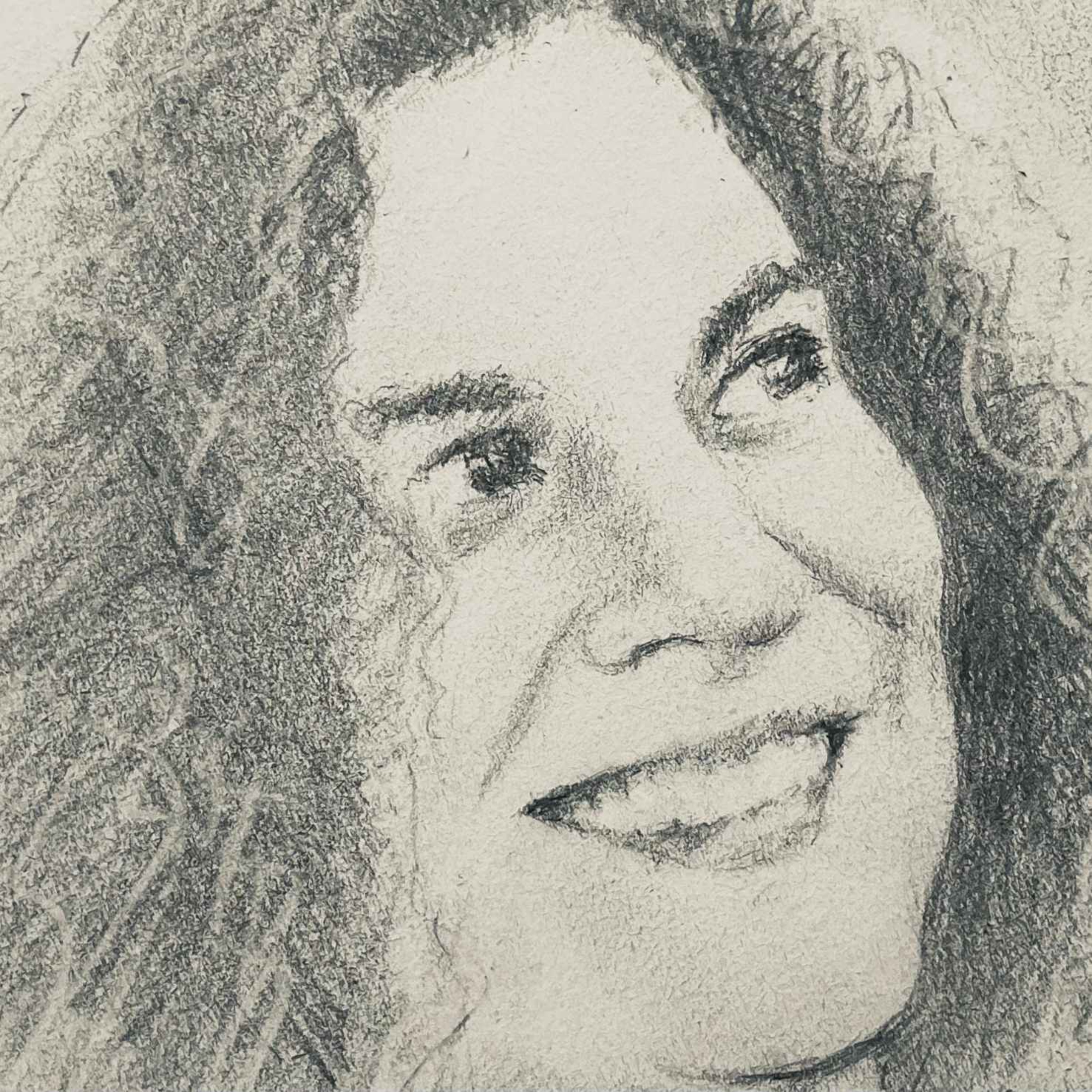
S2 Ep 11PSYCHEDELIC OUTLAWS
In this podcast, Joanna talks about working with and studying the patient support group 'Clusterbusters' for over a decade and their willingness to become 'outlaws' to obtain or grow illegal psilocybin to treat severe 'cluster' headaches too often after appalling treatment by the medical profession. We discuss the sociology and politics of psychedelics, and medical research generally, reflecting on the many forces that act on researchers in supposedly objective science. We also talk about the members of the current US administration who have spoken openly and positively about their use of psychedlics and contrast this with the way drug users from other ethnicities are treated by the criminal justice system. Fascinating conversation and book.Participants:Joanna Kempner, Associate Professor of Sociology, Rutgers University, New Brunswick, New Jersey. www.joannakempner.comKen Barrett, visual artist, writer and former neuropsychiatrist.http://www.kenbarrettstudio.co.uk/Joanna's book, 'Psychedelic Outlaws': https://www.joannakempner.com/psychedelic-outlawsCluster headache:https://www.nhs.uk/conditions/cluster-headaches/Clusterbusters:https://clusterbusters.org/Chemical structure of psychedelics (the 'indole ring'): https://psychedelics.cornell.edu/Opening and closing music: Prelude to 'Brainland', the opera by Stephen Brown.Brainland the opera website: www.brainlandtheopera.co.ukFollow us us on Instagram:#brainlandcollective #brainlandthepodcastPortrait sketch by KB illustration Hosted on Acast. See acast.com/privacy for more information.
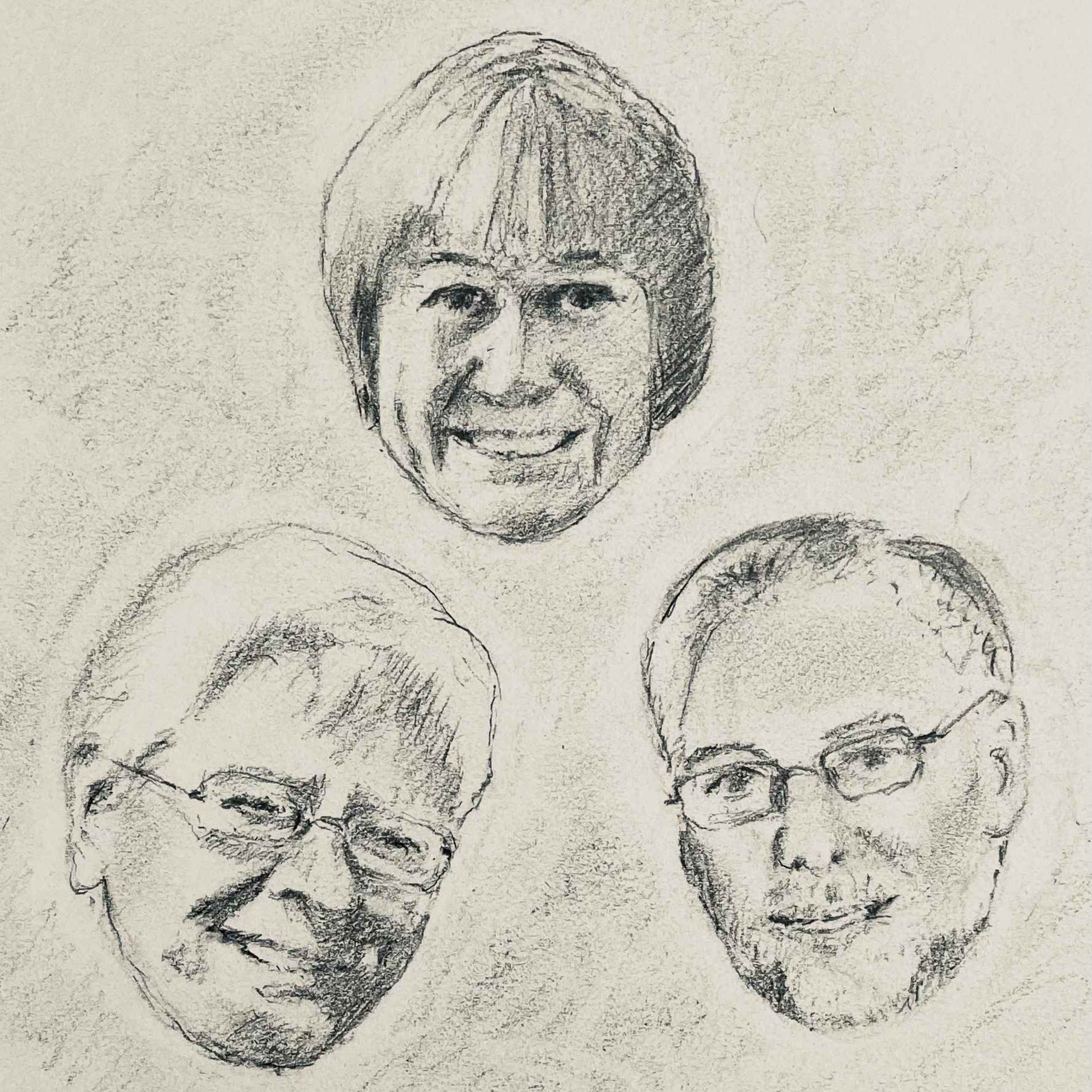
S2 Ep 10NEUROPSYCHIATRY: Second Coming or Unholy Alliance?
In the special extended 50th episode of the podcast we bring together four of the leading figures in Neuropsychiatry over the last 40 years for a wide ranging discussion that considers the varying definitions of neuropsychiatry, behavioural neurology and neuropsychology and who needs them. We discuss trailblazers in the field over the last century or so, including Solomon Carter Fuller, an African American neuropathologist and neurologist who spent a year working with Alzheimer. Adolph Meyer, Charcot and Freud (a surprise and controversial appearance) also got a look inbefore a discussion of the pivotal role played by Alwyn Lishman and his book 1978 book ‘Organic Psychiatry’ in advancing the subject. We hear about the success of joint Neuropsychiatry/Behavioural Neurology fellowship training in the US and the increasing amount of functional neurological disorders coming to the speciality in the UK, concluding with a look to the future. Terrific conversation.Participants:Eileen Joyce, Professor Emeritus of Neuropsychiatry, University College, London.Sheldon Benjamin, Professor Emeritus of Psychiatry and Neurology, UMass Chan Medical SchoolJonathan Bird, Retired Consultant Neuropsychiatrist, Bristol.Stephen Brown, Composer, Cellist, Retired Professor of Neuropsychiatry, Cornwall .http://cornwallcomposers.com/stephen.htmNeuropsychiatry defined (UK): https://www.rcpsych.ac.uk/become-a-psychiatrist/choose-psychiatry/what-is-psychiatry/types-of-psychiatrist/neuropsychiatrySolomon Carter Fuller https://en.m.wikipedia.org/wiki/Solomon_Carter_FullerAlwyn Lishmanhttps://www.thelancet.com/journals/lancet/article/PIIS0140-6736(21)00997-1/fulltextNorman Geschwindhttps://en.m.wikipedia.org/wiki/Norman_GeschwindProduced and scripted by Ken Barrett.Opening and closing music: Prelude to 'Brainland', the opera by Stephen Brown.Brainland the opera website: www.brainlandtheopera.co.ukFollow us us on Instagram:#brainlandcollective #brainlandthepodcastSketch by KB illustration. Hosted on Acast. See acast.com/privacy for more information.
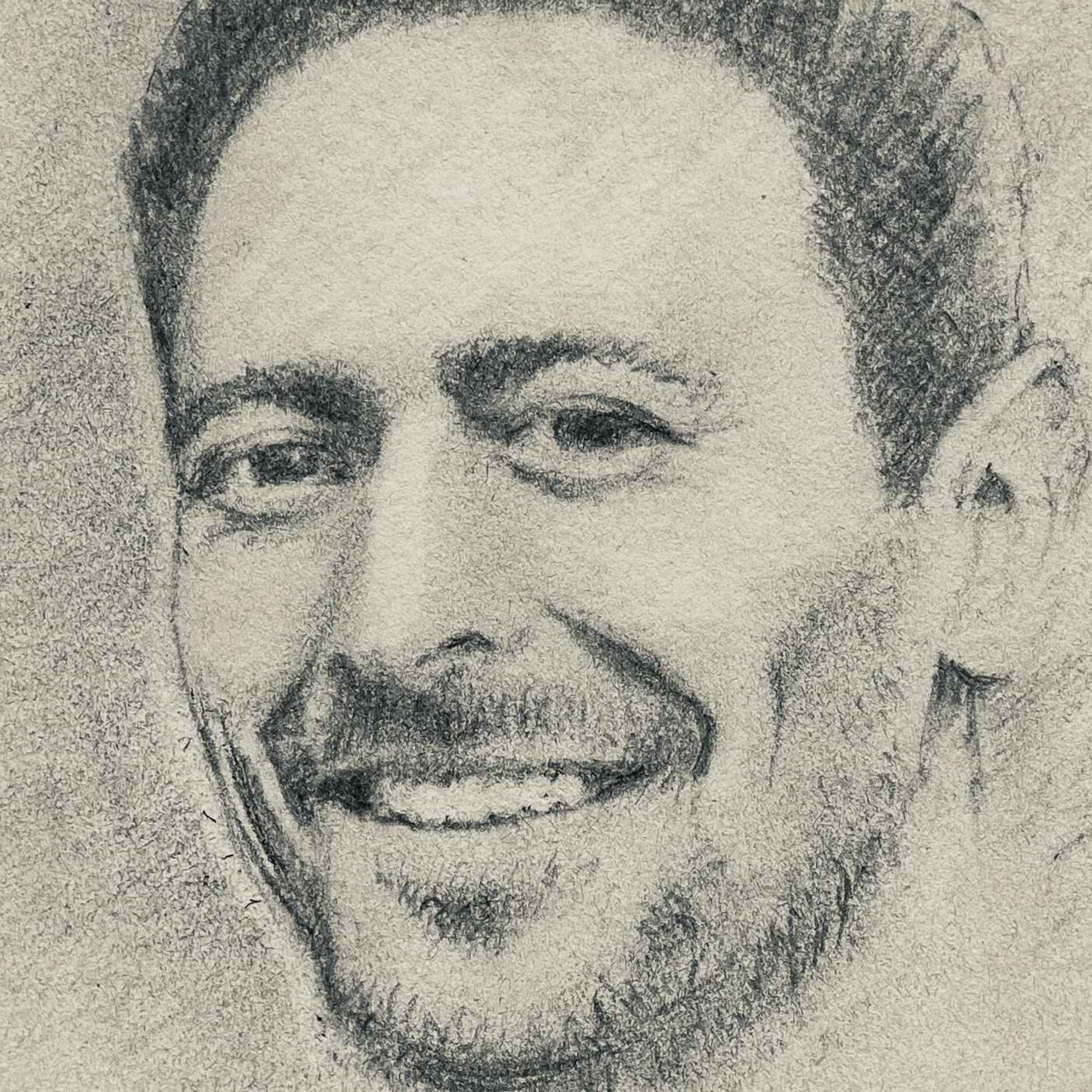
S2 Ep 9POETRY AND THE NEUROAESTHETICS OF SURVIVAL
In this wide ranging conversation we talk about current views on the subject of 'aesthetics', as covering judgements well outside of the arts (choosing a partner, home etc..) and why studying brain and other physiological responses to individually meaningful poems can be a valuable research tool. We talk about the importance of piloerection responses (goosebumps-shivers) across a wide range of species and the tool Eugen and his colleagues have developed and used to measure this, alongside a range of more traditional measures, some of the studies undertaken, and their results.Participants:Eugen Wassiliwizky, Post-doctoral Researcher, Department of Cognitive Neuropsychology, Max Planck Institute for Empirical Aesthetics, Frankfurt am Main,Germany. https://www.aesthetics.mpg.de/institut/mitarbeiterinnen/eugen-wassiliwizky.htmlKen Barrett, visual artist, writer and former neuropsychiatrist.http://www.kenbarrettstudio.co.uk/Some of Eugen and his colleague's papers:Wassiliwizky, E., & Menninghaus, W. (2021). Why and How Should Cognitive Science Care about Aesthetics? Trends in Cognitive Sciences, 25(6), 437–449.https://www.sciencedirect.com/science/article/pii/S136466132100067X?via%3DihubWassiliwizky, E., Koelsch, S., Wagner, V., Jacobsen, T., & Menninghaus, W. (2017). The emotional power of poetry: Neural circuitry, psychophysiology and compositional principles. Social Cognitive and Affective Neuroscience, 12(8), 1229–1240.https://academic.oup.com/scan/article/12/8/1229/3778354Wassiliwizky, E., Jacobsen, T., Heinrich, J., Schneiderbauer, M., & Menninghaus, W. (2017). Tears falling on goosebumps: Co-occurrence of emotional lacrimation and emotional piloerection indicates a psychophysiological climax in emotional arousal. Frontiers in Psychology, 8, Article 41.https://www.frontiersin.org/journals/psychology/articles/10.3389/fpsyg.2017.00041/fullOpening and closing music: Prelude to 'Brainland', the opera by Stephen Brown.Brainland the opera website: www.brainlandtheopera.co.ukFollow us us on Instagram:#brainlandcollective #brainlandthepodcastSketch by KB Hosted on Acast. See acast.com/privacy for more information.
S2 Ep 8WHAT IS IT LIKE TO BE AN ADDICT? A philosopher tells it like it is.
If you want to get a clear view of a subject ask a philiosopher who has thought deeply about it. In this podcast, philosopher Owen Flanangan speaks frankly about his experience of addiction to alcohol and tranquillisers, 18 years on, and why he felt compelled to write about his experience and analysis of the problem. We talk about substance use and creativity, identity, social cohesive, marker of major life events and as a way to make life more interesting or tolerable. We talk about AA and NA and why, during his first period of recovery he avoided them, but also why they have been so useful to him subseqeuntly. Finally, Owen discusses why a broad 'ecumenical' approach to management of addiction offers the best chance of recovery (rather than a narrow psychological, social or neurological model). Participants:Owen Flanagan Professor Emeritus of Philosophy and Neurobiology, Duke University, North Carolina, https://www.neuro.duke.edu/profile/owen-flanaganKen Barrett, visual artist, writer and former neuropsychiatrist.http://www.kenbarrettstudio.co.uk/Owen's book WHAT IS IT LIKE TO BE AN ADDICT?: https://academic.oup.com/book/59281?login=falseOpening and closing music: Prelude to 'Brainland', the opera by Stephen Brown.Brainland the opera website: www.brainlandtheopera.co.ukFollow us us on Instagram:#brainlandcollective #brainlandthepodcast Hosted on Acast. See acast.com/privacy for more information.
S2 Ep 7UPSIDE DOWN IN A HOOP: Processing change through writing, dance and circus skills
Tricia is a dancer, teacher and the author of two historical novels based around dance and dancers. In this podcast she talks about the experience of dancing solo and in a group and her writing. Her most recent book, and a related performance piece, is a memoir/journal of the final days of her parent that also tracks her regular attendance at a circus school alongside memories of her childhood and youth. We discuss her route into dance and the seminal influence of time spent learning contemporary in Amsterdam in the 1970s. She tell us about 'The Green Table', a dance created by Kurt Jooss in Germany that satirised powerful elites, and the inspiration behind her first novel. She incorporates extracts from her most recent book 'Upside down in a hoop' with newly acquired circus hoop skills in a performance peice that deals with the loss of her parents to dementia, and her surprise at the very warm response it has provoked. Tricia concludes by telling us about her next writing project. Participants:Tricia Durdey, contemporary dancer, teacher, writer Tricia's websiteKen Barrett, visual artist, writer and former neuropsychiatrist.http://www.kenbarrettstudio.co.uk/Tricia's books:Upside down in a hoop:The Green Table:The dancer at the world's end:Extracts prom Tricia's performance piece and more conversationOpening and closing music: Prelude to 'Brainland', the opera by Stephen Brown.Brainland the opera website: www.brainlandtheopera.co.ukFollow us us on Instagram:#brainlandcollective #brainlandthepodcast Hosted on Acast. See acast.com/privacy for more information.
S2 Ep 6YOUR BRAIN ON DANCE: Navigating the complex world of dance neuroscience.
Following on from the last episode, today we consider how neuroscientists investigate the brain in relation to dance. Peter talks about his background as a classical musician before branching into the psychology and then neuroscience of dance. He explains the complexity of the subject - the many variables at play during dance and between dancers - and what progress has been made to understand the neural basis of dance. We talk about therapeutic uses of dance and studies of social cohesion promoted by dance. We wander into evolution and species differences and end by talking about his hopes for the future of the subject.Participants:Peter Keller, Professor of Neuroscience, Centre for Music and the Brain, University of Aarhus, Denmark. https://www.au.dk/[email protected]/Ken Barrett, visual artist, writer and former neuropsychiatrist.http://www.kenbarrettstudio.co.uk/Links to papers from Peter's department:https://www.sciencedirect.com/science/article/pii/S0149763424002859?via%3Dihubhttps://www.sciencedirect.com/science/article/pii/S0149763423001665?via%3Dihubhttps://www.sciencedirect.com/science/article/pii/S0149763423004918?via%3DihubOpening and closing music: Prelude to 'Brainland', the opera by Stephen Brown.Brainland the opera website: www.brainlandtheopera.co.ukFollow us us on Instagram:#brainlandcollective #brainlandthepodcast Hosted on Acast. See acast.com/privacy for more information.
S2 Ep 5TRANSFORMING MENTAL STATES INTO DANCE: Evolving German Tanztheatre in London.
Adrian Look, London-based choreographer and specialist in German 'Tanztheatre', talks about the origin of Tanztheatre within the 1920s Germany expressionist movement, tand aken to the next level by Pina Bausch in the modern era. Adrian talks about his unusual entry into dance, after a background of sport and philosophy. He discusses his reasons for coming to London, to be free of the over-respectful approach to the Bausch legacy, his experience as a dancer and his approach to choreography. We talk about his work on the 'Brainland' project, as an example of his working method (working with dancers of a wide range of ages). We concludes by talking about his current projects and material he would like to work with in future.Participants:Adrian Look, Teacher and Choreographer, Director of Tanztheatre Adrian Look. https://tanztheateradrianlook.com/ ; http://www.lookatmovement.co.uk/Ken Barrett, visual artist, writer and former neuropsychiatrist.http://www.kenbarrettstudio.co.uk/For more on Adrian's choreography: https://tanztheateradrianlook.com/productions/For more on his teaching: http://www.lookatmovement.co.uk/locations/For more on Pina Bausch: https://www.pinabausch.org/en/post/biographyFor more on the history of Tanztheatre: https://en.wikipedia.org/wiki/TanztheaterOpening and closing music: Prelude to 'Brainland', the opera by Stephen Brown.Brainland the opera website: www.brainlandtheopera.co.ukFollow us us on Instagram:#brainlandcollective #brainlandthepodcastKen Barrett, visual artist, writer and former neuropsychiatrist.http://www.kenbarrettstudio.co.uk/ Hosted on Acast. See acast.com/privacy for more information.
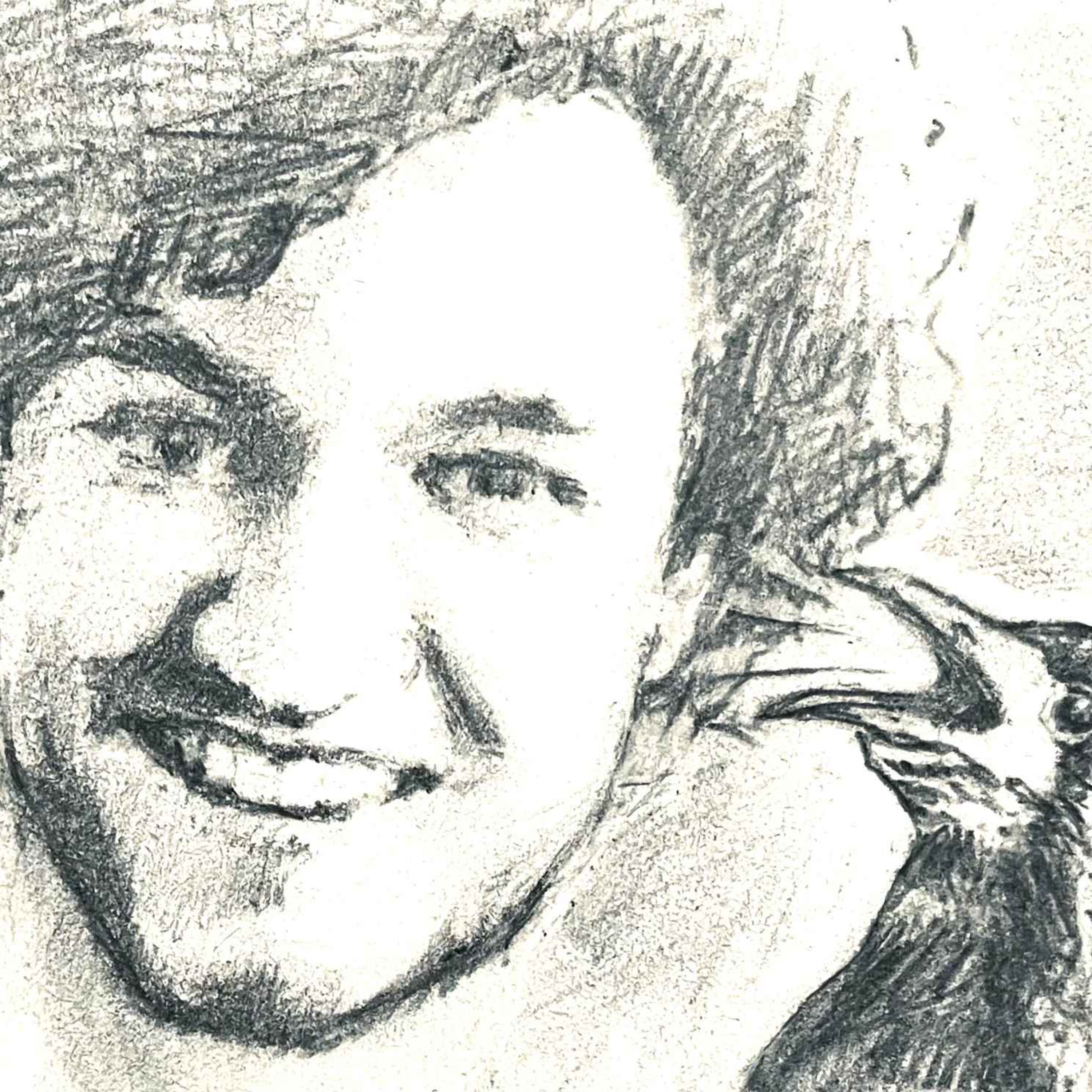
S2 Ep 4DECONSTRUCTING CONSCIOUSNESS: A philosophy for the science of animal consciousness
In this podcast philosopher Walter Veit outlines five elements of conscious experience he believes can be scientifically explored,why and when, in evolutionary terms, those elements first appeared. He explains his concept of 'pathological complexity', which of those five may have appeared first, and the ethical imperatives that underpin animal consciousness research. After talking about slugs, octopuses and corvids we end with a discussion on how his approach may assist in creating machines that are in some sense conscious.Participants:Walter Veit, Lecturer in Philosophy, University of Reading, UK. External Member at the Munich Center for Mathematical Philosophy' Ludwig Maximilian University of Munich.https://walterveit.com/Ken Barrett, visual artist, writer and former neuropsychiatrist.http://www.kenbarrettstudio.co.uk/Walter's book, 'A PHILOSOPHY FOR THE SCIENCE OF ANIMAL CONSCIOUSNESS': is here: https://www.routledge.com/A-Philosophy-for-the-Science-of-Animal-Consciousness/Veit/p/book/9781032343617#:~:text=This%20book%20aims%20to%20advance%20a%20true%20Darwinian,integrate%20consciousness%20into%20an%20evolutionary%20view%20of%20life.Opening and closing music: Prelude to 'Brainland', the opera by Stephen Brown.Brainland the opera website: www.brainlandtheopera.co.ukFollow us us on Instagram:#brainlandcollective #brainlandthepodcast Hosted on Acast. See acast.com/privacy for more information.
S2 Ep 3EVOLUTIONARY BIOCHEMISTRY: New perspectives on the chemistry of you.
In this podcast, Nick Lane talks about his path to research in the rarefied field of evolutionary biochemistry, before describing some of the pioneers of biochemistry and the aesthetic pleasure he takes in their experimental designs. He gives a jargon free account of the Krebs cycle, the central metabolic pathway of life and the basis of his most recent book 'Transformer'. We discuss the origin of mitochondria, the mind boggling number of chemical reactions that takes in them each second and the possibly far reaching consequences of electrical and magnetic fields they generate (a possible source of the EEG!). Nick concludes by talking about his work on the mode of action of anaesthetic agents. Great conversation.Participants:Nick Lane, Professor of Evolutionary Biochemistry, University College, London. https://nick-lane.net/Ken Barrett, visual artist, writer and former neuropsychiatrist.http://www.kenbarrettstudio.co.uk/Nick's book,'Transformer': https://nick-lane.net/books/transformer-the-deep-chemistry-of-life-and-deathA diagram of the Krebs (citric acid): https://en.wikipedia.org/wiki/Citric_acid_cycle#/media/File:Citric_acid_cycle_with_aconitate_2.svgOpening and closing music: Prelude to 'Brainland', the opera by Stephen Brown.Brainland the opera website: www.brainlandtheopera.co.ukFollow us us on Instagram:#brainlandcollective #brainlandthepodcast Hosted on Acast. See acast.com/privacy for more information.
S2 Ep 2 I FEEL I AM NOT IN MY PERFECT MIND: Alzheimer's and cognitive decline in movies.
In this podcast we complete the series on memory and cinema with an in-depth look at the way Alzheimer's disease/progressive cognitive impairment has been depicted in the movies this century. Raquel discusses her unusual route to studying and writing about this subject, via the work of a contemporary Spanish poet, then, before focussing on the three very different films listed below, we talk about the way different cultures represent the subject and the marked and predictable gender differences is the cinematic representation of cognitive decline. We explore the way several biopics, including 'Iris' and 'Still Alice' highlight disability, loss and burden, whereas more recent films focus on surprising positives, including deepening love, new creative departures and coping strategies. We also explore the idea of historical memory of traumatic national events and how this has been woven into films, The Eternal Memory being one example.ParticipantsRaquel Medina, Dean of Area Studies & Assistant Dean of Faculty, IES Abroad, Barcelona, Spain. https://www.researchgate.net/profile/Raquel-MedinaKen Barrett visual artist, writer and former neuropsychiatrist.http://www.kenbarrettstudio.co.uk/Raquel's book 'Cinematic Representaions of Alzheimer's Disease': https://link.springer.com/book/10.1057/978-1-137-53371-5The films discussed:The Father(2021): https://www.imdb.com/title/tt10272386/The Eternal Memory (released in 2024 in the UK and available in the UK on BBC iPlayer, in January 2025) https://www.imdb.com/title/tt24082488/?ref_=fn_all_ttl_1Poetry (2010): https://www.imdb.com/title/tt1287878/?ref_=fn_all_ttl_1Opening and closing music: Prelude to Brainland the opera by Stephen Brown.Brainland the opera website: www.brainlandtheopera.co.ukFollow us us on Instagram:#brainlandcollective Hosted on Acast. See acast.com/privacy for more information.
S2 Ep 1SOLARIS: Probing the Lem/Tarkovsky masterwork.
Film historian and science fiction specialist Mark Bould discusses the Lem novel and Tarkovsky film 'Solaris'. After an in depth exploration of the life and work of Lem and Tarkovsy, Mark outlines the plot discusses the unusual way in which Tarkovsky tells the story. We discuss traumatic memory and the links to earlier gothic stories and hauntings. We take a detour into the role of the EEG in the story and the possible origins of that before exploring Tarkovsky's use of sound in the film. We conclude with a brief discussion of the 2002 Soderburgh remake of Solaris, it's place in that director's work and how it contrasts with the original.Participants:Mark Bould, professor of Film and Literature, University of the West of England: https://westengland.academia.edu/MarkBouldKen Barrett visual artist, writer and former neuropsychiatrist.http://www.kenbarrettstudio.co.uk/Mark's book on Solaris:https://shop.bfi.org.uk/solaris-bfi-film-classics.htmlSolaris the Lem novel: https://www.abebooks.co.uk/book-search/title/solaris/author/stanislaw-lem/pics/?ref_=ps_ms_363834005&cm_mmc=msn-_-uk_dsa_srp-_-naa-_-naa&msclkid=958c7519f54a1dc330fc12926fc0d005Solaris the Tarkovsky film: Solaris the Tarkovsky film: https://www.imdb.com/title/tt0069293/Opening and closing music: Prelude to Brainland the opera by Stephen Brown.Brainland the opera website: www.brainlandtheopera.co.ukFollow us us on Instagram:#brainlandcollective Hosted on Acast. See acast.com/privacy for more information.
S1 Ep 40SEASON 1 FINALE: Brainland at the Messina Cinema and Opera Festival 2024.
The Brainland podcast began by exploring the historical background of our opera "Brainland". At the end of 2023 we filmed a scene from the opera, directed by Chaira D'Anna and choreography by Adrian Look, in collaboration with Morely College and the Old Operating Theatre Museum in London. The film was nominated in the best short film category at the Messina Cinema and Opera Festival in Sicily, in December 2024, and won the Special Jury Prize! Before the awards were announced artistic director, Ninni Panzera, agreed to sit down with Chiara and I and answer some questions about the festival. Chiara translated the answers, with a little help from AI, and co-librettist Andy Platman voiced the English version. Ninni tells us about his background as the long term director of the Taomina Arts Festival in Sicily and how his long history in the history of cinema and more recent interest in opera in cinema, lead him to create this festival. The conversation shifts from the influence of oepratic plots on cionema, especially in the silent era, to 1930s barber's shop calendars via the use of opera to tell products on adverts. He talks about the wide range of content in the festival including several Italian premiers, as well as several early films, including a 1913 silent film of Marriage of Figaro with a live chamber group.Participants:Ninni Panzera, Artistic Director of the Messina Cinema and Opera Festival.Chiara D'Anna, director, actor, teacher and Commedia Dell'Arte specialist.https://www.chiaradanna.com/Ken Barrett, artist and writer, retired neuropsychiatrist http://www.kenbarrettstudio.co.uk/The festival: https://www.youtube.com/watch?v=V6mrH0ezmq0Trailer for the Brainland the movie: https://vimeo.com/1032229461Opening and closing music: Prelude to Brainland the opera by Stephen Brown.Brainland the opera website: www.brainlandtheopera.co.ukFollow us us on Instagram:#brainlandcollective Hosted on Acast. See acast.com/privacy for more information.

S1 Ep 39LITERARY THEORY FOR ROBOTS: The weird and wonderful origins of machine language.
In this wide ranging conversation we discuss the varying roots of contemporary computer language, from medieval Arabic phiosophy and divination machines, via the religious search for a universal language, to punch cards in 19th century industry. We talk about Babbage and Lovelace's work on mathematical and reasoning engines and their link to Turing's universal machine in the 1940s. Dennis describes little studied literary templates in the late 19th century before moving to Propp's 'morphology of folk tales' in the Soviet era and how that impacted aviation safety in later years. We conclude with a discussion of the impossibility of an 'ethical AI', drawing comparison to corporate ethics.Dennis Yi Tenen, Associate Professor of English and comparative literature at Columbia University, New York. https://dennistenen.com/Ken Barrett visual artist, writer and former neuropsychiatrist.http://www.kenbarrettstudio.co.uk/The book discussed: 'Literary Theory for Robots'https://wwnorton.com/books/9780393882186Opening and closing music: Prelude to Brainland the opera by Stephen Brown.Brainland the opera website: www.brainlandtheopera.co.ukFollow us us on Instagram:#brainlandcollectiveSketch by KB. Hosted on Acast. See acast.com/privacy for more information.

S1 Ep 38CURIOUS MINDS: What good is curiosity?
In this podcast philosopher Perry Zurn discusses ‘Curious Minds’, the book he wrote with his twin Danni Bassett. We talk about their unusual upbinging, home schooled in a large family that encouraged curiosity, then negotiating the more restrictive world of academia. They view curiosity as ‘edgework’, an exploration of connections between ‘nodes’ of information. We discuss ‘busybodies’,’ hunters’ and ‘dancers’. three curious behaviours they identified, and research evidence that supports them. The effect of language on curiosity gets a mention (Eg differences between First Nation and modern languages), and how curiosity plays out in non-verbal domains (such a sport and visual art) with a diversion into the role of the hippocampus in remembering both physical and conceptual space (such as between related words). After an appreciation of Virginia Woolf, we touch on possible dangers of curiosity, such as supporting the idea of alternative realities and the fake news that builds them, before talking about curious animals. Participants:Perry Zane is Visiting Associate Professor of Feminist, Gender, and Sexuality Studies at Cornell University and Provost Associate Professor of Philosophy at American University https://www.perryzurn.com/projects Ken Barrett visual artist, writer and former neuropsychiatrist.http://www.kenbarrettstudio.co.uk/The book discussed:https://www.amazon.com/Curious-Minds-Connection-Perry-Zurn/dp/0262047039 Opening and closing music: Prelude to Brainland the opera by Stephen Brown.Brainland the opera website: www.brainlandtheopera.co.ukFollow us us on Instagram:#brainlandcollectiveSketch by KB. Hosted on Acast. See acast.com/privacy for more information.

S1 Ep 37SCREEN TIME 2: Sci-fi cinema's art of memory.
This is part 2 of the conversation with Russell Kilbourn on memory and movies. In part 1 we talked about the way memory is treated in literature and movies but we didn't have time to discuss memory in sci-fi movies so Russ agreed to return. In this podcast we discuss the varying treatment of memory in the genre. Eg: removing memories (Total Recall, Severance and particularly Eternal Sunshine of the Spotless Mind); inserting false memories (Blade Runner); repurposing memories (Strange Days, and particularly Solaris and La Jetee). La Jetée led to an interesting discussion about the strange and interesting Canadian film My Winnipeg. We close by returning to literature, in the science fiction genre.Participants:Russell J Kilbourn is Professor of Literature and Film, Dept of English and Film Studies at Wilfrid Laurier University, Ontario, Canada. http://rjakilbourn.com/Ken Barrett, visual artist, writer and former neuropsychiatrist.http://www.kenbarrettstudio.co.uk/Sci fi movies discussed (Russ's 'must sees' in bold):Blade Runner (Ridley Scott, 1982) and BR 2049 (Denis Villeneuve, 2017)Eternal Sunshine of the Spotless Mind (Michel Gondry, 2004)La Jetée (Chris Marker, 1962)Solaris (Andrei Tarkovsky, 1972)Oblivion (Joseph Kosinski, 2013)2046 (Kar-wai Wong, 2004) (lost memories)After Life (Hirokazu Koreeda, 1998)Minority Report (Steven Spielberg, 2002)Source Code (Duncan Jones, 2011)Strange Days (Kathryn Bigelow, 1995)Total Recall (Paul Verhoeven, 1990)Upstream Color (Shane Carruth, 2013)Brainland the opera website: www.brainlandtheopera.co.ukFollow us us on Instagram: #brainlandcollectiveSketch by KB. Hosted on Acast. See acast.com/privacy for more information.

S1 Ep 36WHO DO YOU THINK YOU ARE?: Memory, the brain and our sense of self.
In this podcast Veronica O'Keane and Ken Barrett share cases and discuss some of the themes explored in Veronica's book 'A Sense of Self'. We explore the various structures in the brain essential for memory to function, talk about the importance of place to memory (we often remember where we where if not when) and recent findings on how our brain does that, the role of the frontal lobes and the hidden area of cortext called the insula, before with interesting detours into nostalgia and memory in the work of Irish writer Samuel Beckett.Veronica O' Keane, Professor of Psychiatry, Trinity Centre for Health Sciences, Tallaght Hospital, Dublin.Ken Barrett, artist, writer and former neuropsychiatrist.http://www.kenbarrettstudio.co.uk/Veronica's book 'A Sense of Self: Memory, the brain and who we are':https://wwnorton.com/books/9781324021834Opening and closing music: Prelude to Brainland the opera by Stephen Brown.Brainland the opera website: www.brainlandtheopera.co.ukFollow us us on Instagram: #brainlandcollectiveSketch by KB. Hosted on Acast. See acast.com/privacy for more information.

S1 Ep 35OBJECTS WITH SOUL: The strange power of puppetry in healthcare.
In this podcast puppeteer and academic Cariad Astles talks about how she got interested and trained in puppetry, before discussing her experience of puppetry in China and Africa. We explore why puppetry tends to be viewed as a practice for children in the UK (Cariad blames protestantism) before talking about a number of healthcare applications of puppetry including training medical students and nurses, in psychotherapy (citing an especially powerful project in Chile), health education including promoting empathy, in dementia and autism. Cariad concludes by speculating on how robotics and AI may impact puppetry and its applications in the future and shares her hope that its' value should be more widely recognised in the west, not least in ritual.Participants:Cariad Astles, Lecturer at the Royal Central School of Speech and Drama and at Exeter University. https://www.researchgate.net/profile/Cariad-AstlesKen Barrett, artist, writer and former neuropsychiatrist.http://www.kenbarrettstudio.co.uk/Cariad's paper 'the Art of Puppetry Practice: Embodiment, Enchantment, Memory History' can be downloaded here:https://www.academia.edu/83808501/Puppetry_The_Art_of_Puppetry_Practice_Embodiment_Enchantment_Memory_HistoryOpening and closing music: Prelude to Brainland the opera by Stephen BrownBrainland the opera website: www.brainlandtheopera.co.ukFollow us us on Instagram: @brainlandcollectiveSketch by KB. Hosted on Acast. See acast.com/privacy for more information.

S1 Ep 34SCREEN TIME: Cinema's art of memory
In this conversation we talk about the earliest representations of memory in classical, latin, literature (the original 'art of memory') then move, via St Augustine, to Proust and his madeleine. Russell describes how the representaion of memory, the 'flash back', appeared in the first years of film-making but identifies the real innovations in Casablanca (1942) and Citizen Kane (1941). We move on to what made Fellini and Bergan masters in the use of memory before coming up to date with last year's excellent 'All of Us Strangers' . We end with an extended discussion of the ethics of memory in film, in particular the way the Holocaust has been depicted, and give the views of Goddard and Deleuze an airing.Participants:Russell J Kilbourn is Professor in the Dept of English and Film Studies at Wilfrid Laurier University, Ontario, Canada. http://rjakilbourn.com/Ken Barrett is an artist, writer and former neuropsychiatristhttp://www.kenbarrettstudio.co.uk/Some of the films discussed:Curtiz - Casablanca: : https://www.imdb.com/title/tt0034583/videogallery/Wells - Citzen Kane: https://www.imdb.com/title/tt0033467/?ref_=nv_sr_srsg_0_tt_5_nm_3_in_0_q_citizen%2520Bergman - Wild Strawberries: https://www.imdb.com/title/tt0050986/?ref_=nv_sr_srsg_0_tt_8_nm_0_in_0_q_wild%2520strawberiesFellini - 8 1/2: https://www.imdb.com/title/tt0056801/Haigh - 'All of Us Strangers': https://www.imdb.com/title/tt21192142/?ref_=fn_al_tt_1Opening and closing music: Prelude to Brainland the opera by Stephen BrownBrainland the opera website: www.brainlandtheopera.co.ukInstagram: #brainlandcollectiveSketch by KB. Hosted on Acast. See acast.com/privacy for more information.

S1 Ep 33MOOD MUSIC: Could Shostakovich change your mind?
In this extended podcast Stephen Johnson shares his experience of the healing effects of Shostakovich’s music during dark periods in his life, both as a youth and later when coping with depression. He recalls his often solitary teenage years, when his passion for the music of Shostakovich took root, fueled by a prodigious ability to recall music, and text. He goes on to discuss the composer’s life, music and unlikely survival during the Stalin purges. Stephen also describes interviewing people who knew the composer, for a BBC documentary, including a member of the orchestra during the famous performance of his 7th symphony during the Leningrad siege. We conclude with an in depth discussion of the specific therapeutic effects of music. Participants. Stephen Johnson, Broadcaster, writer and composer https://www.stephen-johnson.co.uk/ Andy Platman, writer and former GP. Ken Barrett, artist, writer and former neuropsychiatrist http://www.kenbarrettstudio.co.uk/Stephen’s documentary on Shostakovitch: https://www.bbc.co.uk/sounds/play/b007g7hp His book: https://www.stephen-johnson.co.uk/publications/how-shostakovich-changed-my-mind/Opening and closing music: Prelude to Brainland the opera by Stephen BrownBrainland the opera website: www.brainlandtheopera.co.ukSketch by KB. Hosted on Acast. See acast.com/privacy for more information.

S1 Ep 32THE VITAL SPARK: The Evolution of Imagination.
In this conversation we discuss Stephen's ideas about the evolution of imagination and improvisation. After defining terms Stephen's talks about his idea of the 'second universe', the link between dreams and storytelling and his view that drawing, dance and gesture preceded language in evolution. We talk about the difference between 'hot' and 'cold' cognition and explore the necessary conditions for improvisation then end with a discussion of cultural differences in the importance attached to improvisation, contrasting particularly the USA and China.Participants:Stephen Asma, Professor of Philosophy, Columbia College, Chicago, USA. www.stephenasma.comKen Barrett, artist, writer, retired neuropsychiatrist http://www.kenbarrettstudio.co.uk/Stephen's Book, The Evol;ution of Imagination': https://www.amazon.com/Evolution-Imagination-Stephen-T-Asma-ebook/dp/B06WWJC8JX/?_encoding=UTF8&pd_rd_w=p7r7l&content-id=amzn1.sym.f911c8db-3a2b-4b3e-952f-b80fdcee83f4&pf_rd_p=f911c8db-3a2b-4b3e-952f-b80fdcee83f4&pf_rd_r=131-8110503-3306616&pd_rd_wg=A284i&pd_rd_r=b4eef1a3-7076-4640-9f69-d105cfccb0e7&ref_=aufs_ap_sc_dskStephen's podcast, “Chinwag”, cohosted with Paul Giamattihttps://www.treefort.fm/series/chinwagOpening and closing music: 'Improvisation for Brainland' by Stephen Asma.Brainland the opera website: www.brainlandtheopera.co.ukSketch by KB. Hosted on Acast. See acast.com/privacy for more information.

S1 Ep 31THE VITAL SPARK: The Creative Brain.
In this wide ranging conversation Anna outlines the particular difficulties involved in researching the psychology and neuroscience of creativity. We talk about the popular idea that the right hemisphere is the creative brain (it isn't), links between mental health and psychedelics to creativity, and the possible contribution of the default mode network. We also discuss the special quality of creativity in the context of humour. In an afterword we talk about some of the problems involved in research that engages the popular press, bypassing peer review, but also the 'status bias' that can colour even peer review.Participants:Anna Abraham PhD, E. Paul Torrance Professor, Department of Educational Psychology, Director, Torrance Center for Creativity and Talent Development, Mary Frances Early College of Education, University of Georgia, Athens, GA, USA. http://www.anna-abraham.com/Ken Barrett, artist, writer, retired neuropsychiatrist http://www.kenbarrettstudio.co.uk/Anna's Books: The Creative Brain: Myths and Truths: https://mitpress.mit.edu/9780262548007/the-creative-brain/The Neuroscience of Creativity:http://www.anna-abraham.com/book-the-neuroscience-of-creativity-2018.htmlOpening music: Prelude to Brainland Act 1, composed by Stephen Brown.Brainland the opera website: www.brainlandtheopera.co.ukSketch by KB. Hosted on Acast. See acast.com/privacy for more information.
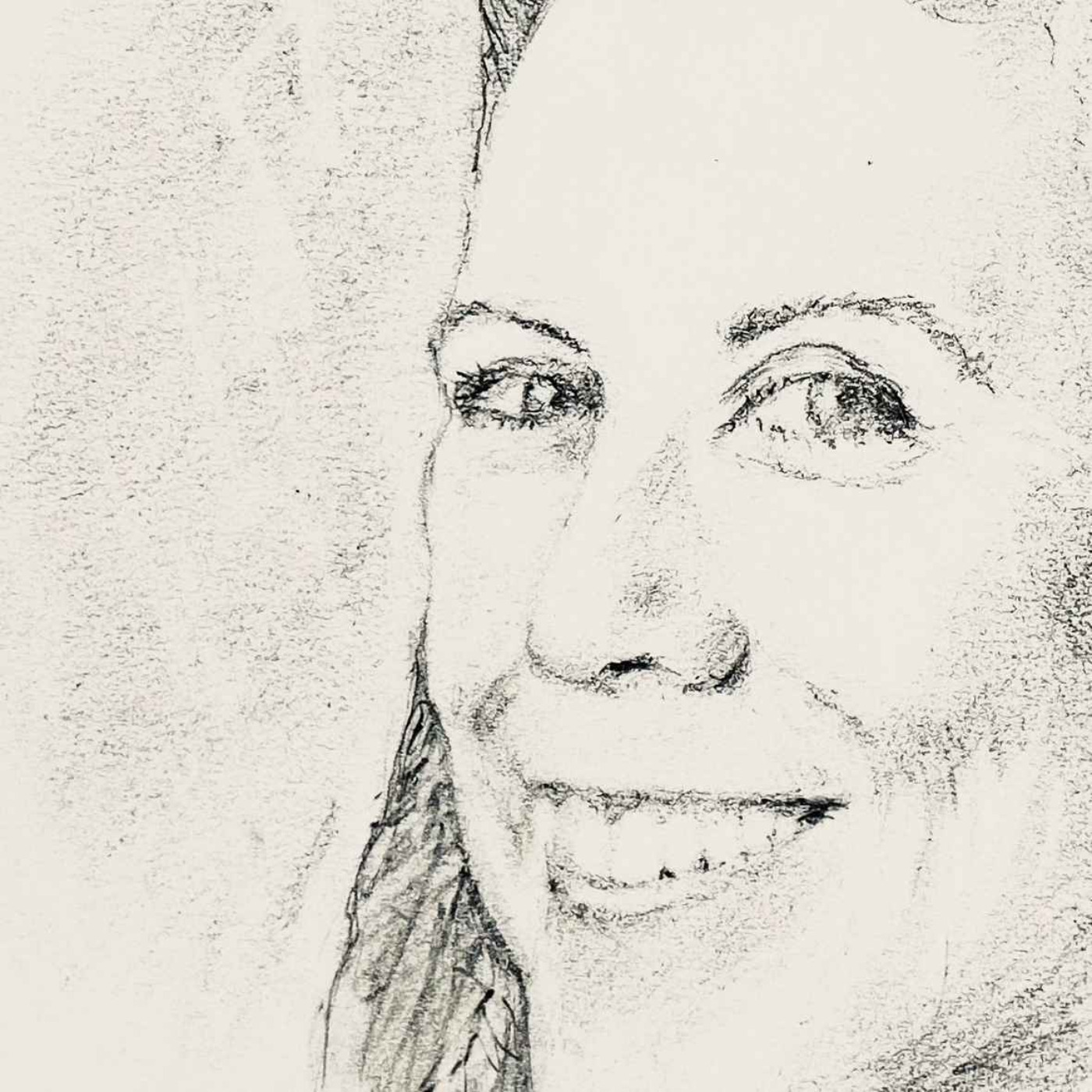
S1 Ep 30OBJECTS WITH SOUL: The strange power of puppets in opera.
In this podcast Hayley talks us through the early history of puppets in opera, including the eighteenth century fashion for opera composed specifically for puppets. She goes on to describe the conclusions reached in her doctoral research, applying musicological thinking to marionette operas in our era, conclusions she considers applicable more widely to cinema and animation. These include her theory 'performance networks and poetic synchronicity. She talks about her experience of various performances and her conviction that the movement of puppets, expertly 'played', are inherently musical. Participants:Hayley Burton Richards, musicologist, musician, educator, Head of Music, Wilson's School.Ken Barrett, artist, writer, retired neuropsychiatrist http://www.kenbarrettstudio.co.uk/Hayley"s beautifully written Harvard PhD thesi. 'Breath, Gravity and Death' can be accessed here: https://dash.lib.harvard.edu/handle/1/37372118?show=fullSome of the performances discussed: https://www.youtube.com/watch?v=uWi-7aTW_pohttps://www.kentridge.studio/projects/wozzeck/Richard Teschner: https://www.youtube.com/watch?v=JY38P-6TYQMLotte Reiniger: https://www.youtube.com/watch?v=q-TJvNBO1fwOpening music: extract from scene 2 of Brainland composed by Stephen Brown.Brainland the opera website: www.brainlandtheopera.co.ukSketch by KB. Hosted on Acast. See acast.com/privacy for more information.
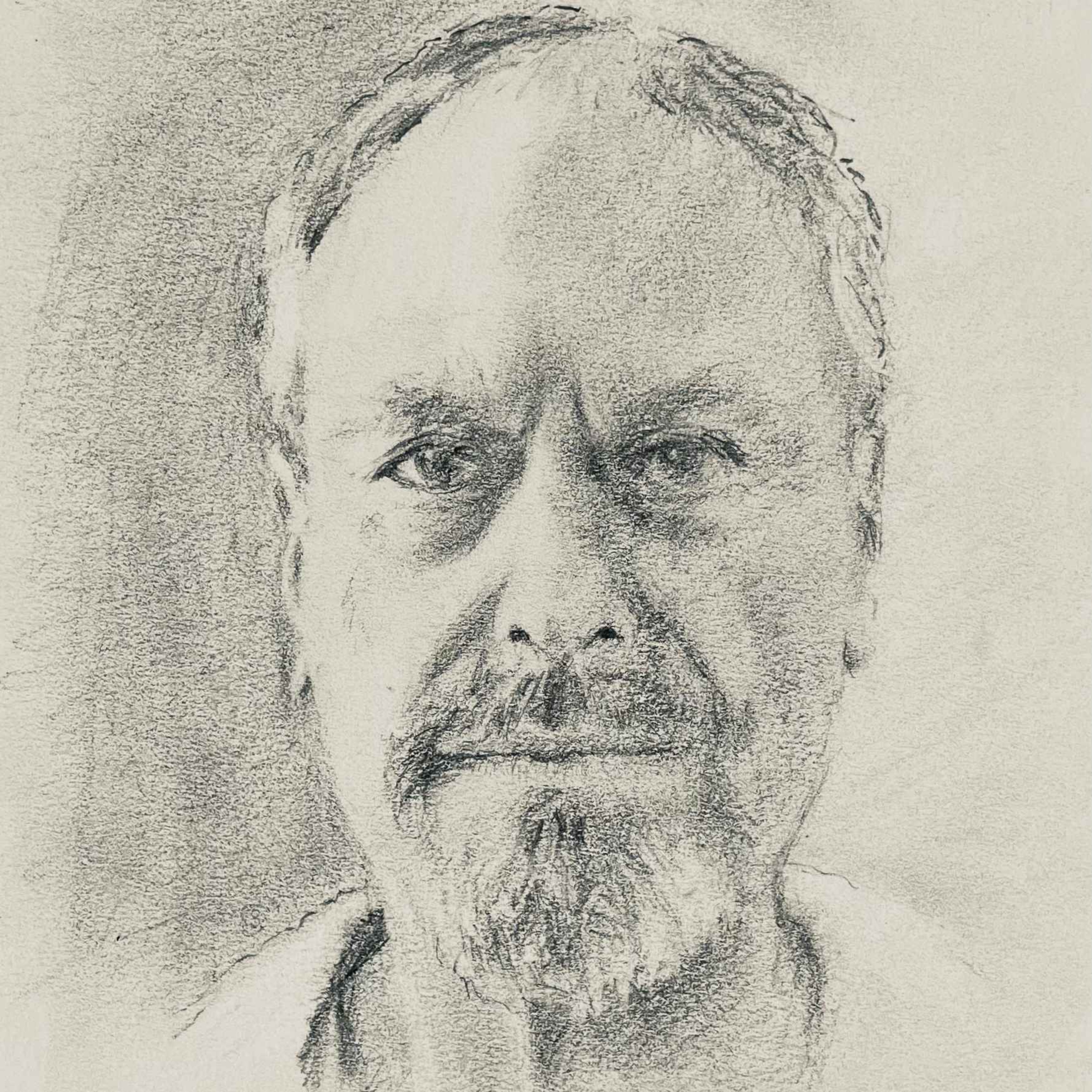
S1 Ep 29YOUR BRAIN ON RELIGION: Exploring the neuroscience of religious experience.
In this podcast, after outlining some of the positive and negative of religious behaviour, Patrick discusses the key areas currently being studied in order to better understand the cognitive neuroscience of religion. These include REM sleep, the effects of psychedelic substances and the default mode network. ‘Decentering’, a key aspect of his team’s approach to the subject is explained along with the possible involvement of predictive processing. He discusses why he believes religion to be a ‘transformational technology’ and the impact of brain pathology on religiosity. Participants:Patrick McNamara, Professor, Department of Psychology, National UniversityAssociate Professor of Neurology, Boston University School of Medicine, President Emeritus, Center for Mind and Culture, Boston MA. cognitiveneuroscienceofreligion.orgKen Barrett, artist, writer and retired neuropsychiatrist http://www.kenbarrettstudio.co.uk/Patrick's recent books mentioned in the podcast: The cognitive neurosciecne of religious experience: https://www.amazon.co.uk/Cognitive-Neuroscience-Religious-Experience-Decentering/dp/1108977898/ref=sr_1_1?crid=27ANJMOV7L933&dib=eyJ2IjoiMSJ9.VfizW2OdtY7ieLd7pOKo2MsVsdjfAQTK6opPXGdf80lTCzNQKZ1ObrMeL7XUel1JRw0jAan9OeTAELpC2UFtOluJui4pquuCKfZfOVZzJdbmIW9rw Religion, neuroscience and the self: https://www.amazon.co.uk/Religion-Neuroscience-Self-Personalism-Neurotheology/dp/1032176008/ref=pd_sbs_d_sccl_1_1/262-6697966-8243913?pd_rd_w=5GUcv&content-id=amzn1.sym.ad51136c-8d04-4e54-9ec5-18cad2a65d61&pf_rd_p=ad51136c-8d04-4e54-9ec5-18cad2a65d61&pf_rOpening music: extract from the prelude to Brainland by Stephen Brown.Brainland the opera website: www.brainlandtheopera.co.ukSketch by KB. Hosted on Acast. See acast.com/privacy for more information.
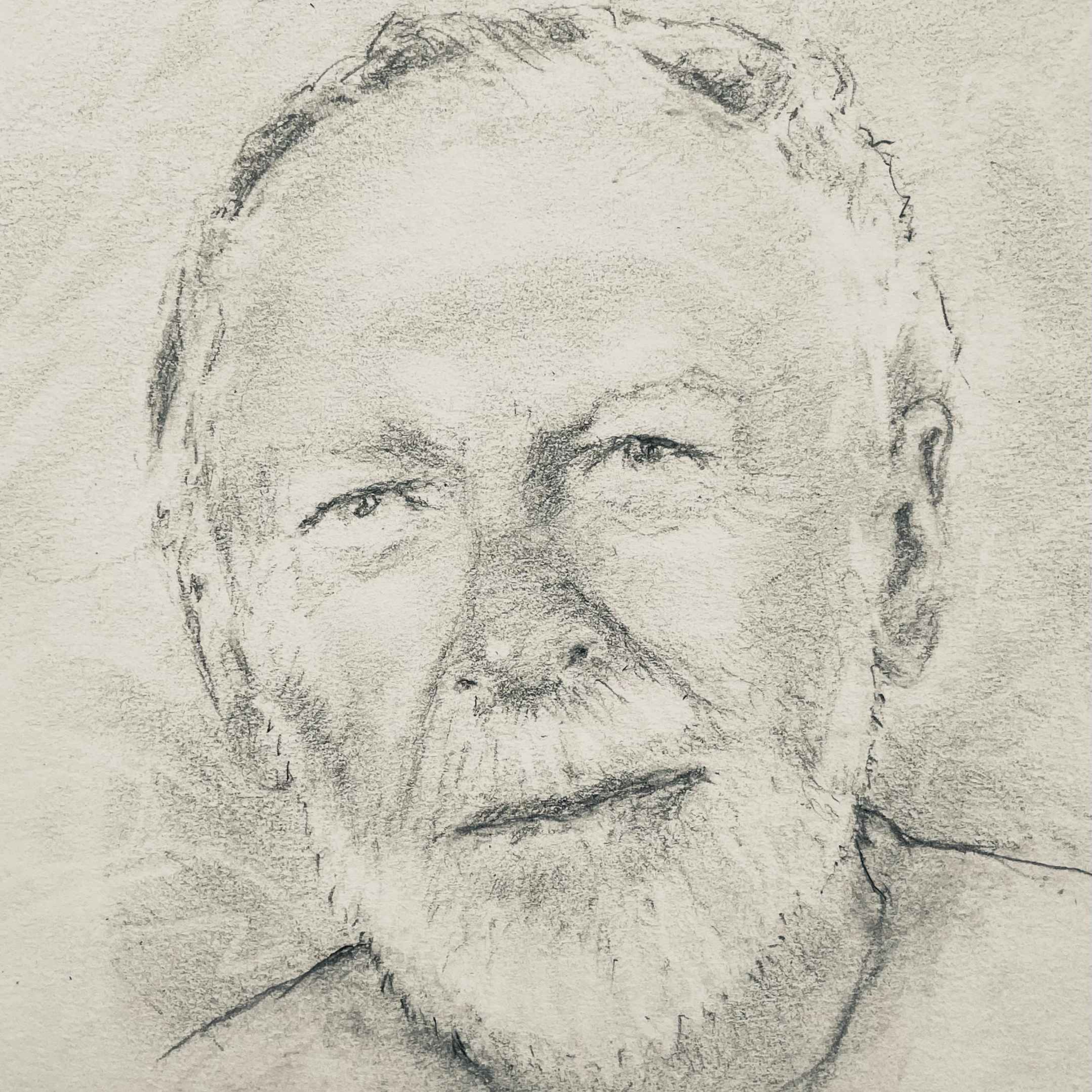
S1 Ep 28A MATTER OF LIFE AND DEATH: The story of a movie.
'A Matter of Life and Death' (AMOLAD) is a 1946 film by Michael Powell and Emerich Pressberger. Peter Carter, a bomber pilot is returning from the last raid of the war. His plane and parachute are shot up so he decides to 'jump rather than fry' and has a last conversation over the radio with June, an American radio operator before jumping, as he expects, to his death. He doesn't die but washes up on a beach and as a love story unfolds between him and June he is menaced by recurrent episodes (clinically, complex partial epileptic seizures though the words aren't mentioned in the film) during which a 'conductor' from the afterlife tries to persuade him to return with him as he shouldn't really have survived. The film culminates in a realistically staged neurosurgical operation on Peter whilst in the afterlife his case to go on living is put on trial trial. Ian explains why this is his favourite film of all time (as it is Ken's),their conversation ranging over origin and influences, forebears and progeny, design and music, the clincial neuroscience that underpins it and much more.Participants:Ian Christie, Professor of Film and Media History, Birckbeck, University of London. www.ianchristie.orgKen Barrett, artist and writer, retired neuropsychiatrist http://www.kenbarrettstudio.co.uk/For more about 'A Matter of Life and Death'https://www.imdb.com/title/tt0038733/ (SEE IT!)https://www.bfi.org.uk/film/b58b75d7-e9e2-5a1f-a448-afa92a35462d/a-matter-of-life-and-deathIn the UK it is currently (on 21.6.24) On BBC Iplayer.Ian's book: https://www.amazon.co.uk/Matter-Life-Death-Film-Classics/dp/1839023899The other book mentioned, on the neuroscientific background of the film, is by Diane Broadbent Friedman: K4rfe3RUVnVfT9z9-aIffzEet5ZKUBDQFbGEV1HSo4yU3JpZWvHWWe5uGzjy5AUH9iAiT5oKdx7a4wWP-x7lubaTLPDggjtJ2wGe_Lz08kwaBYDzg2E6_aKIPxfYYVvKk2vtaR4ghzBqTRUdFZ8-kE.RnIRY1ho2lgxZvWxZW4th9yrxYt89JrWLPj42mXYmKg&dib_tag=se&keywords=friedman.+a+matter+of+life+and+death&qidThis is the the book by Frigyes Karinthy which was part of the inspiration: https://books.google.co.uk/books/about/A_Journey_Round_My_Skull.html?id=trCxtdw5OHcC&redir_esc=yOpening music, extract from the prelude to Brainland by Stephen Brown.Brainland the opera website: www.brainlandtheopera.co.ukSketch by KB. Hosted on Acast. See acast.com/privacy for more information.
S1 Ep 27THE VITAL SPARK: A pianist's tale.
Susan Tomes is an internationally acclaimed and award-winning pianist specialising in chamber music as well as solo repertoire. Here she talks to Stephen Brown about her musical origins in Edinburgh, what it was like being the first woman to read music at King’s College Cambridge, how she built her performing career starting from a single room in Crystal Palace, and the transformative influence of working with the violinist Sándor Végh at the Prussia Cove seminars in Cornwall. She talks about sensitivity and reciprocity in ensemble playing, about communicating with audiences and the mysteries of how a musical phrase sometimes sounds exactly right. She has written seven books to date. The latest, "Women and the Piano: A History in 50 Lives" was published in March 2024 by Yale University Press.Participants:Susan Tomes, pianist and writer https://www.susantomes.com/.Stephen Brown, composer, cellist and former neuropsychiatrist http://www.cornwallcomposers.com/stephen.htm.Amazon link for Women and the Pianohttps://www.amazon.co.uk/Women-Piano-History-50-Lives/dp/030026657XThe recording of the Faure Piano Quartets has been reissued by Hyperion and is available here.https://www.hyperion-records.co.uk/dc.asp?dc=D_CDA30007Music: Extract from Faure Piano Quartets, with permission, reissued by Hyperion and available here.https://www.hyperion-records.co.uk/dc.asp?dc=D_CDA30007.Brainland the oepra website: www.brainlandtheopera.co.ukSketch by KB. Hosted on Acast. See acast.com/privacy for more information.
S1 Ep 26YOUR MUSICAL HEALTH: The efficacy of music as therapy.
In this podcast academic and clinical music therapists, musicians and friends Helen Odell-Miller and Penny Rogers discuss their life work – music therapy. They define and outline the varieties of music therapy, discuss their journey from training as musicians to studying music therapy and cognitive psychology (Penny) and psychodynamic psychotherapy (Helen). Penny talks about her clinical work in various settings and Helen her career at the forefront of research into the positive effects of music therapy (ameliorating conditions as varied as agitation in dementia to PTSD). They also talk about how their continuing musical practice in group settings (Helen singing, Penny cello) enriches their day-to-day lives and improves their professional practice.Participants:Helen Odell-Miller OBE, Professor Emeritus, Anglia Ruskin University; Founding Director of Cambridge Institute for Music Therapy Research; Chair of The Music Therapy Charity; Fellow of the Royal Society of Artshttps://www.aru.ac.uk/people/helen-odell-millerPenny Rogers, music therapist; Deputy Director, Safeguarding & Public Protection at Devon Partnership NHS Trust; Trustee, British Association for Music Therapy; 'cellist.https://www.bamt.org/bamt/people/penny-rogersStephen Brown, musician; composer; retired professor of neuropsychiatryhttp://www.cornwallcomposers.com/stephen.htmResources and further reading:Cambridge Institute for Music Therapy (CIMTR):https://www.aru.ac.uk/cambridge-institute-for-music-therapy-researchBritish Association for Music Therapyhttps://www.bamt.org/Royal College of Psychiatrists Introductory Module at E-LEARNING hub:https://elearninghub.rcpsych.ac.uk/products/Music_therapy-an_introductionSome recent research papers:Thompson, N et al.(2023). Investigating the impact of music therapy on two in-patient psychiatric wards for people living with dementia: retrospective observational study. BJPsych Open, 9(2), e42. doi:10.1192/bjo.2023.20Odell-Miller, H et al.(2022). The HOMESIDE Music Intervention: A Training Protocol for Family Carers of People Living with Dementia. European Journal of Investigation in Health, Psychology and Education, 12(12), 1812-1832. Doi: 10.3390/ejihpe12120127Odell-Miller, H., (2021) Embedding Music and Music Therapy in Care Pathways for People with Dementia in the 21st Century—a position paper. Music and Science. https://doi.org/10.1177%2F20592043211020424Hsu MH et al.(2015). The impact of music therapy on managing neuropsychiatric symptoms for people with dementia and their carers: a randomised controlled feasibility study. BMC Geriatrics. 15:84 doi:10.1186/s12877-015-0082-4Music: Opening and closing music to the opera 'Brainland', composed by Stephen BrownBrainland the opera website: www.brainlandtheopera.co.ukSketch by KB. Hosted on Acast. See acast.com/privacy for more information.
S1 Ep 25THE VITAL SPARK: A director's tale.
This is another in the Vital Spark series exploring facets of creativity with a range of artists and academics. In this conversation Italian director, actor and teacher Chiara D'Anna speaks about her work and creative process, beginning with images, physical and emotional atmosphere before involving words. We discuss her acting in film, particularly with Peter Strickland (Duke of Burgundy and Berberian Sound Studio) and her training and teaching in commedia dell’arte, an Italian tradition of theatre she outlines for us. We talk about her evolving one woman show and the differences in performing in Italian or English, particularly in relation to humour and comic timing. She also speaks about her major upcoming project. co-directing Strauss’ opera Ariadne auf Naxos in Budapest. Participants: Chiara D’Anna, director, actor, teacher and Commedia Dell’Arte specialist. https://www.chiaradanna.com/ Ken Barrett, artist and writer, retired neuropsychiatrist http://www.kenbarrettstudio.co.uk/For more on commedia dell'Arte this is Chiara's YouTube channel: www.youtube.com/@movementactortraining Music: Prelude to the opera 'Brainland' composed by Stephen Brown.Sketch by KB.Brainland the opera website: www.brainlandtheopera.co.uk Hosted on Acast. See acast.com/privacy for more information.

S1 Ep 24THE VITAL SPARK: A novelist's tale.
The Vital Spark’ is an occasional series delving into aspects of creativity. For this podcast Stephen Brown travelled to the far west of Cornwall for a conversation with novelist, screen writer and fellow cellist Patrick Gale. Patrick talks about his unusual childhood, his journey from musician and singer to becoming a successful writer, the life events that help enliven his novels and the research that underpins them. He speaks about his writing process, including the need to leave self behind and inhabit characters. Other aspects of the creative process are also touched upon and good editors get a mention. They discuss the similarity between composing music and writing to commission and, as a case in point, Patrick talks about his recent stage adaptation of his novel ‘Take Nothing With You’ and his hopes for a multipart screen adaptation of ‘A Town Called Winter’. Participants:Patrick Gale, novelist, screenwriter, playwright and musician https://galewarning.org/ Stephen Brown, musician, composer and retired neuropsychiatrist. http://cornwallcomposers.com/stephen.htmMusic: Prelude to the opera 'Brainland' composed by Stephen Brown.Sketch by KB. Brainland the opera website: www.brainlandtheopera.co.uk Hosted on Acast. See acast.com/privacy for more information.
S1 Ep 23BRAINWAVES: Hans Berger and the discovery of the EEG.
In this special extended edition of the podcast, we take a deep dive into the life and work of Hans Berger, the German psychiatrist who discovered the EEG a century ago this year, the inspiration for a major character in the opera Brainland. Cornelius Borck is a leading German historian of medicine and science and an expert on Berger and his work. In a wide ranging conversation he describes the scientific backdrop to Berger’s discovery, his early career and personality, how the discovery came about, why it took him 5 years to report his findings and why he was denied the Nobel Prize. We also discuss his eugenic sympathies and relationship with the Nazis, his decline into depression and the post-war mythology that grew up around him. Participants:Cornelius Borck, Professor and Director of the Institute for History of Medicine and Science Studies, Lübeck University, Germany. https://www.imgwf.uni-luebeck.de/ Ken Barrett, artist, writer and retired neuropsychiatrist. .http://www.kenbarrettstudio.co.uk/ Cornelius’s book on this subject: https://www.taylorfrancis.com/books/oa-mono/10.4324/9781315569840/brainwaves-cultural-history-electroencephalography-cornelius-borck-ann-hentschel Music: Stephen Brown’s depiction of the alpha rhythm of the EEG, from Brainland Act 1, scene 2.Sketch by KB.Brainland the opera website: www.brainlandtheopera.co.uk Hosted on Acast. See acast.com/privacy for more information.
S1 Ep 22OBJECTS WITH SOUL: The strange power of puppetry.
Why do we respond to puppets? That's what this episode explores, with the help of Pia and Ana, academics who approach the question from different perspectives. We discover what is meant by the 'uncanny valley' and how it links puppetry to robots (and zombies!) and discuss if 'conceptual blending' might be useful. Does the old notion of 'suspending disbelief' hold water? Ana talks about her project using a viewer's direction of gaze to explore this question in relation to puppetry.Participants:Pia Banzhaf, Assistant Professor, Michigan State University, Department of Linguistics , Lanuages and Culture; Center for Integrrative Studies in the Arts and Humanities; Collaborations for Applied puppetry Research. Website: KaleidoscopiaAna Diaz Barriga, Doctoral Candidate, Interdisciplinary Ph.D. in Theatre & Drama, Northwestern University. https://www.anadiazbarriga.com/Ken Barrett, artist, writer and retired neuropsychiatrist.http://www.kenbarrettstudio.co.uk/Pia's chapter, 'The Ontology of puppets' is here: http://otworzksiazke.pl/images/ksiazki/dolls_and_puppets/dolls_and_puppets.pdf#page=9More about the show Ana has been studying is hereMore about the 'uncanny valley is here: https://www.nationalgeographic.com/science/article/ai-uncanny-valleyand this image illustrates it: https://i.pinimg.com/originals/6f/d2/2c/6fd22c3c6e5cc72c1e7f4f840c594c56.jpgMusic: Prelude to Brainland, Act 1, composed by Stephen BrownSketch by KB.Brainland the opera: www.brainlandtheopera.co.uk Hosted on Acast. See acast.com/privacy for more information.
S1 Ep 21POEMS, CHATBOTS AND EPILEPSY: Understanding and ameliorating life with seizures.
In this conversation poet and visual artist Andrea Mbarushimana and neurologist/poet Heather Angus-Leppan talk about their project exploring the value of chatbots to help people cope with and better understand their epilepsy. The project began by collecting over 1700 questions about the condition posted by people living with epilepsy. Heather describes how Andrea was integral to the project, facilitating workshops with people living epilepsy. Andrea shares poems written during the project, including two from the perspective of those chatbots! Heather also shares a moving poem about one of her patients. Participants:Andrea Mbarushimana, poet, visual artist.www.andrea-mbarushimana.comHeather Angus-Leppan, Neurologist, Royal Free Hospital, Professor of Medical Education, University of East London.https://www.royalfree.nhs.uk/services/consultants/dr-heather-angus-leppanKen Barrett, visual artist, writer, former neuropsychiatrist.http://www.kenbarrettstudio.co.ukMusic composed by Stephen Brown: Extract from Act 1 Scene 2 of Brainland.Portrait sketch by KB. Brainland the opera website: https://www.brainlandtheopera.co.uk Hosted on Acast. See acast.com/privacy for more information.
S1 Ep 20FEELING GROOVY: Exploring the brain's response to music.
Peter Vuust is that rare combintion - a professional musician and composer, and a professor of neuroscience investigating how our brain responds to music. This wide ranging conversation includes why we humans are so attracted and responsive to music, the link between groove and predictive cognition, the Mozart effect, the tingle/chill factor in music, and how to get more out of atonal music. As if that weren’t enough, Peter shares a track of his upcoming album (he can be seen and heard in several bands at the Aarhus Jazz Festival in July). Participants:Peter Vuust, musician, composer, professor of neuroscience and Head of the Department of Music and the Brain at Aarhus University, Denmark. http://www.petervuust.dk http://www.musicinthebrain.dk/peter-vuust/Andrew Platman, writer and retired physican.Ken Barrett, artist, writer and retired neuropsychiatrist/psychophysiologist.http://www.kenbarrettstudio.co.ukMusic : 'Homage to Keith', composed by Peter Vuust, played by the Peter Vuust Quartet (2024, with permission).Portrait sketch by KB.Brainland the opera website:https://www.brainlandtheopera.co.uk Hosted on Acast. See acast.com/privacy for more information.
S1 Ep 19OBJECTS WITH SOUL: The strange power of puppetry.
Those animated objects, puppets, can work powerfully on our emotions and generate empathy, seemingly tapping into some very basic part of our psyche and, perhaps, neurology. Which is the main reason why we are devoting two podcasts to this subject. In this podcast Claudia Orenstein, a leading authority on puppets and physical theatre worldwide discusses the various ways objects are deployed in performance, including their use in ritual, education and entertainment, for adults as well as children. A number of examples are described as she shares her lifelong passion for the subject and there is also an interesting theoretical discussion as to why this and other types of animation have become more popular this century. Next month on the podcast: the psychology and neuropsychology of puppetry. Participants: Claudia Orenstein, Professor of Theatre at Hunter College and Graduate Centre CUNY, USA (who also launched a new journal of puppetry in January).https://www.gc.cuny.edu/people/claudia-orenstein Ken Barrett, visual artist, writer and former neuropsychiatrist.http://www.kenbarrettstudio.co.uk/ For more about Claudia Orenstein's book Reading the Puppet Stage:https://www.taylorfrancis.com/books/mono/10.4324/9781003096627/reading-puppet-stage-claudia-orensteinHere is a website for The plastic bag store, which I mentioned in the conversation.https://www.theplasticbagstore.com Blind Summit’s Paper Story.https://www.blindsummit.com/paperstory Bread and Puppet theatre’s website:https://breadandpuppet.org William Kentridge on Wozzeckhttps://www.youtube.com/watch?v=4AwwwMN6q3I Music by Stephen Brown: Prelude to Brainland.Brainland the opera: https://www.brainlandtheopera.co.ukSketch by KB. Hosted on Acast. See acast.com/privacy for more information.
S1 Ep 18NO HAMMER NEEDED: The wonderful world of neurointeractive art.
Since completing her degree in interactive art 30 years ago Luciana Haill has worked at the cutting edge of the field. She recounts how childhood meningitis got her interested in the brain and Grey Walter's 'The Living Brain' the EEG - she sold her car in order to buy a portable EEG recorder, her tool for exploring the boundary of consciousness. More recently, her obsession with lost historical artefacts led her to create the Arts Council funded 'Apparitions' app - the app recreates lost landmarks when a phone is pointed at the original site (such as the 900 foot St Leonards pier, demolished over 70 years ago - and it really does, as I saw last weekend). Future projects explore aspects of nostalgia and grief.Participants: Luciana Haill, visual and mixed media artist. Formerly Research Artist Sussex University, Department of Informatics, and Department of Psychology and Social Sciences, Greenwich University. https://lucianahaill.wordpress.comKen Barrett, visual artist, writer and retired neuropsychiatrist.http://www.kenbarrettstudio.co.uk/ The following links relate to the projects discussed:https://sites.google.com/view/nohammerneeded/no-hammerhttps://apparitions.site/https://lucianahaill.files.wordpress.com/2021/10/dreamonline-cobwebgenienmo1.pnghttps://lucianahaill.wordpress.com/2022/03/14/creativity-culture-capital-my-interview-video-immersive-spotlight-on-the-future-of-live-performance/https://doc.gold.ac.uk/aisb50/AISB50-S12/AISB50-S12-Haill-paper.pdfMusic by Stephen Brown: Extract from Brainland Act 1 Scene 2.Brainland the opera: https://www.brainlandtheopera.co.ukSketch by KB. Hosted on Acast. See acast.com/privacy for more information.
S1 Ep 17BRAVE NEW WORLDS : Your neural interface awaits...
In this podcast Professor Andrew Jackson talks about how he came to be, literally, at the cutting edge between the human central nervous system and new neuro-technologies. After explaining ‘neural interface’, he discusses how the field is starting to change the management of paralysis and epilepsy. There is also an interesting discussion about the effects of exhsiting current tech, including possible implications of Google's acquisition of FitBit and how social media is already effectively modifies behaviour. He also shares a lockdown project – 'closed loop' music generated by and modified in real time by brain oscillations (with some samples included). Participants:Andrew Jackson, Professor of Neural Interfaces, University of Newcastle, UK http://research.ncl.ac.uk/jacksonlab/Ken Barrett, visual artist, writer and former neuropsychiatrist/psychophysiologist.http://www.kenbarrettstudio.co.uk/Music: Closed loop music generated by Andrew Jackson’s brain (with permission).Brainland the opera website: www.brainlandtheopera.co.ukSketch by KB. Hosted on Acast. See acast.com/privacy for more information.
S1 Ep 16YOUR BRAIN ON BEAUTY: Welcome to the world of neuroaesthetics...
In this podcast neurologist and academic Anjan Chatterjee opens up the world of neuroaesthetics, from basic definitions and a taxonomy of aesthetics, including individual responses to the built environment, to neurological correlates of our responses to beauty. The influence of expectation and beliefs regarding value of objects/works of art are also touched upon, and the way neuroimaging results reflect this effect. Some current projects of the Penn Centre for Neuroaesthetics also get a mention, including a study using the arts in a structured way to aid recovery and readjustment of veterans. Participants:Anjan Chatterjee, Professor of Neurology, Psychology and Architecture, University of Pennsylvania and Head of the Penn Centre for Neuroaesthetics (the extraordinary range of projects can be viewed here https://neuroaesthetics.med.upenn.edu/ )Ken Barrett, visual artist, writer and retired neuropsychiatrist: http://www.kenbarrettstudio.co.ukOpening and closing music: Prelude to the opera Brainland, composed by Stephen Brown. Brainland the opera website: www.brainlandtheopera.co.ukSketch by Ken Barrett. Hosted on Acast. See acast.com/privacy for more information.
S1 Ep 15MUSIC AND THE DEEPEST PART OF YOU...
In this podcast we give the brain a rest and take an excursion into the music world. Trevor Ford, Professor at the Guildhall School of Music and Drama, talks to Stephen Brown about his journey from the East End of London to a career as a professional flautist, organist and choir master (an organiser of the annual 'Messiah from Scratch' at the Albert Hall) alongside, accountancy, business management and editing. They discuss the benefits he and Stephen gained from the free music tuition available to children of working class families in the East End in the 1960s and the importance of giving the next generation musical opportunities, but also survival skills necessary for a life in the music jungle.Participants:Trevor Ford, professor, Guildhall School of Music and Drama, London. https://www.gsmd.ac.uk/staff/trevor-fordStephen Brown, cellist, composer http://cornwallcomposers.com/stephen.htmMusic (with the permission): Handel's Messiah were sung by the Really Big Chorus accompanied by the English Festival Orchestra at the Royal Albert Hall in 2014.Brainland the opera website: www.brainlandtheopera.co.ukSketch by Ken Barrett. Hosted on Acast. See acast.com/privacy for more information.
S1 Ep 14THE VITAL SPARK: Tourette syndrome and creativity.
'The Vital Spark' is an occasional series exploring different facets of creativity.Hugh Rickards, in conversation with Stephen Brown and Ken Barrett, talks about Tourette's syndrome, including a suggested association with increased levels of creativity. After outlining why he was first attracted to Neuropsychiatry (Oliver Sacks' fault) and to do research on this condition, Hugh goes over what we mean by Tourette's, it's overlap with OCD and the little we known about it's causes. We unpack possible links to creativity, performer Tourettes Hero gets a mention (see link below), Hugh and Ken share their own experience of tics.Participants: Hugh Rickards, Consultant and Honorary Professor of Neuropsychiatry, National Centre for Mental Health, Birmingham, UK. http//:www.birmingham.ac.uk/staff/profiles/clinical-sciences/Rickards-Hugh.aspxStephen Brown, cellist, composer and retired professor of neuropsychiatry: http://cornwallcomposers.com/stephen.htmKen Barrett, visual artist, writer and retired neuropsychiatrist: http://www.kenbarrettstudio.co.uk More about Tourette's is here: https://www.nhs.uk/conditions/tourettes-syndrome/and here: https://www.tourettes-action.org.uk/Tourettes Hero : https://www.touretteshero.com/Opening and closing music: Prelude to the opera Brainland, composed by Stephen Brown. Brainland the opera website: www.brainlandtheopera.co.ukSketch by KB. Hosted on Acast. See acast.com/privacy for more information.
S1 Ep 13COMPUTATIONAL PSYCHIATRY IS IN THE BUILDING: Brain information processing and the future of psychiatry.
In this podcast Ken Barrett is in conversation with Professor David Redish. David explains what is meant by ‘computational psychiatry’ and the concept of ‘computational breakdown', with a great falling bridge analogy, before going on to outline how this approach is being applied to addiction and depression. Our discussion ranges over aspects of memory, eye movement desensitisation and reprocessing (EMDR) and sleep, and much else, before considering possible pitfalls of the approach.Participants: A David Redish, Distinguished McKnight University Professor, Department of Neuroscience, University of Minnesota. https://med.umn.edu/bio/david-redishKen Barrett, visual artist, writer and retired clinical neuropsychiatrist. http://www.kenbarrettstudio.co.uk Music: Prelude to the opera Brainland, composed by Stephen Brown. Brainland the opera website: www.brainlandtheopera.co.ukSketch by Ken Barrett. Hosted on Acast. See acast.com/privacy for more information.
S1 Ep 12BRAINHACKING: Ethical and legal challenges posed by new neurotechnologies.
In this podcast Ken Barrett is in conversation with Marcello Ienca, professor of the ethics of articicial intelligence. We discuss the ethical challenges of new neurotechnologices, including brain-computer interfaces and other wearable and implanted devices. Are our brains about to be at risk of being ‘hacked’ or ‘jacked’ and what steps should be taken to safeguard us? Marcello outlines and unpacks four human rights he believes should be protected: the right to cognitive liberty, mental privacy, mental integrity and psychological continuity. Participants: Marcello Ienca, Professor of Ethics of Artificial Intelligence and Neuroscience.Deputy Director, Institute for Ethics and History of Medicine, Technische Universität München. Group Leader - Intelligent Systems Ethics Group - Swiss Federal Institute of Technology in Lausanne.https://www.professoren.tum.de/en/ienca-marcelloKen Barrett, visual artist, writer and retired clinical neuropsychiatrist.http://www.kenbarrettstudio.co.ukAn interesting article by Marcello Ienca on this subject: https://www.scientificamerican.com/author/marcello-ienca/ Music: Prelude to the opera Brainland, composed by Stephen Brown.Brainland the opera website: https://www.brainlandtheopera.co.uk/Portrait sketch by Ken Barrett Hosted on Acast. See acast.com/privacy for more information.
S1 Ep 11MIND WARS: Military and intelligence funding of brain science - a curious history.
In this podcast Professor Jonathan D Moreno, author of the book Mind Wars, is in conversation with Ken Barrett. Their chat ranges from human experimentation, in the US in World War 2, to fears of mind control in the intelligence community in the 1950s and related experiments with LSD and mescaline, DARPA (Defense Advanced Research Projects Agency) and various specific projects up to the present day. On the subject of bioethics, we speak about the Nuremberg Code, the surprising origin of informed consent and much more, ending on an optimistic note. Participants:Ken Barrett is an artist, writer and former neuropsychiatristhttp://www.kenbarrettstudio.co.ukJonathan D. Moreno is the David and Lyn Silfen University Professor of Medical Ethics and Health Policy, of History and Sociology of Science, and of Philosophy at the University of Pennsylvania.https://pikprofessors.upenn.edu/sites/default/files/2021-10/moreno-cv.pdf Musical extract is from Act 1, Scene 2 of Brainland, composed by Stephen BrownPortrait by Ken BarrettDiscussed on the podcast:DARPA: https://www.darpa.mil/MIND WARS: https://www.amazon.co.uk/Mind-Wars-Science-Military-Century/dp/193413743X Hosted on Acast. See acast.com/privacy for more information.
S1 Ep 10ROBOTS: Taking over or just overtaking?
In this podcast Professor Phil Husbands is in conversation with Andy Platman and Ken Barrett. The chat ranges over a number of topics presented in Phil’s excellent book Robots: What everyone needs to know, including his views on the current media hysterics regarding the immediate dangers of AI, the surprisingly long history of robotics, ethical challenges of AI and autonomous robots now and in the future. He also reads an extract from his book, part of a vignette imagining robotics 600 years in the future. Participants: Phil Husbands, Research Professor of Artificial Intelligence (informatics) at the University of Sussex ( https://profiles.sussex.ac.uk/p1334-phil-husbands/about)Andy Platman, writer and retired medic.Ken Barrett, artist, writer and retired neuropsychiatrist (http://www.kenbarrettstudio.co.uk/) The book we were discussing is Robots: What everyone needs to know. OUP, 2021. https://www.amazon.co.uk/Robots-What-Everyone-Needs-Know%C2%AE/dp/0198845391 Music: Prologue to Act 1 of Brainland, composed by Stephen Brown. www.brainlandtheopera.co.ukPortrait sketch by Ken Barrett Hosted on Acast. See acast.com/privacy for more information.

S1 Ep 9ILLUMINATING THE SELF
In this podcast contemporary artist Susan Aldworth is in conversation with Ken Barrett. Susan has worked on collaboratively with neuroscientists and clinicians for over twenty years following a health scare. We speak about her projects based on brain imaging, epilepsy and sleep, her interest in embroidery as a story telling medium, combined with old garments, and her novel appraoch to print-making. We also take a dive into her most recent work, created in response to current political rhetoric regarding migration, exploring her own migrant, Italian, heritage. Participants:Susan Aldworth, artist. https://susanaldworth.com/Ken Barrett, artist http://www.kenbarrettstudio.co.uk/Music: Prelude to Act 1 of Brainland, by Stephen Brown http://cornwallcomposers.com/stephen.htmA film about Illuminating the Self, the extraordinary epilepsy proejct we discuss is here:https://susanaldworth.com/exhibitions/illuminating-the-self/ Animation of the toposcope images :https://www.youtube.com/watch?v=IhH1XYALLPgBrainland the opera:https://www.brainlandtheopera.co.uk/Portrait sketch by Ken Barrett. Hosted on Acast. See acast.com/privacy for more information.

S1 Ep 8EUGENICS: The pseudoscience that's never really gone away.
In this podcast Professor Philippa Levine, formerly Walter Prescott Webb Professor in History and Ideas at the University of Texas at Austin, is in conversation with Andy Platman and Ken Barrett. We discuss the British origins of eugenic ideas and the worldwide movement that followed. Nazi eugenics, from sterilisation to euthanasia are explored, but also how these ideas took off and were applied, in different forms, worldwide, most enthusiastically in the USA but also in Scandinavia, Australia, Latin America and beyond. But that doesn't entirely capture the depth and range of subjects covered in this extraordinary conversation.Participants:Professor Philippa Levine,Dr Andy Platman, writer and former GP.Ken Barrett, artist, writer and former neuropsychiatrist.Eugenics: A very short introduction by Philippa Levine https://academic.oup.com/book/825?login=falseMusical extracts are from the opera Brainland composed by Stephen Brown https://www.brainlandtheopera.co.uk/Portrait of Philippa Levine by Ken Barrett. Hosted on Acast. See acast.com/privacy for more information.
S1 Ep 7JOYFUL ASTONISHMENT AND THE PHILOSOPHY OF OPTIMISM.
In this episode Raymond Tallis, philosopher, poet and one time professor of geriatric medicine is in conversation with Stephen Brown. Their chat moves from the metaphysics of quantum mechanics to the definition of art and the language of music. Goethe's view of poetry and Scruton's thoughts on music get a mention before moving to the art of medicine, the difference between philosophical enquiry and artistic creativity and the philosophy of free will.Their conversation concludes with Ray admitting to being a philosopher of optimism before reading his poem 'Meta-sonnet for the Dark Lady' followed by Steve Brown's setting.Meta-sonnet for the Dark Lady Or shall I live your epitaph to make, Or you survive when I in earth am rotten. There's nothing of you lives in these his lines - they did not lift you clear of death in pain. Long since, beneath the air that heard his rhymes, you flowed away, dissolved like him in rain. Your ghost shook off the flesh, its thrilling dark, those evening tones his fluent verse acclaimed. What's saved of you? The tetchy question mark of rival experts squabbling when you're named. Your smooth white neck was lost to red-lipped lust when Night reclaimed the sable from your hair. Dark Lady, arid footnotes, learned dust, your absence, wide and sexless as the air, behind the word-webbed nothing of your face, makes these his sonnets crypts for empty space.Contributors:Stephen Brown, composer, http://cornwallcomposers.com/Raymond Tallis, philosopher and poet, http://www.raymondtallis.co.uk/Music: All the music was written by Stephen Brown.“Meta-sonnet to the dark lady” was sung by Maria Heseltine (mezzo-soprano) accompanied by the Corineus String Quartet. There is a very brief orchestral extract from a piece by Stephen called “Fear no more” performed by the Orchestra of St Mary’s, Penzance.Other musical extracts are from a forthcoming suite that will combine two Shakespeare sonnets with the meta-sonnet.Portrait of Raymond Tallis by Ken Barrett. Hosted on Acast. See acast.com/privacy for more information.

S1 Ep 6TWO HEADS: Where two neuroscientists explore how our brains work with other brains (Part 2)
In this podcast writer Alex Frith and illustrator Daniel Locke provide fascinating insights into the creation of their book Two Heads, produced in collaboration with Uta and Chris Frith. This is a deep dive into their creative process and a wider discussion about telling science stories using the comic format. The conversation ranged from Tintin to Dave Gibbons via Peanuts, Micky Mouse and Spider Man and the links between scientific and artistic creativity.Contributors:Alex Frith, writer. https://www.pewliterary.com/author/alex-frithDaniel Locke, illustrator http://www.daniellocke.com/Ken Barrett, artist, writer and illustrator http://www.kenbarrettstudio.co.uk/Music: Prelude to Act 1of Brainland, by Stephen Brown. www.brainlandtheopera.co.ukWe also discuss Dan’s graphic novel ‘Out of Nothing’ created with David Blandy and Adam Rutherford.http://www.daniellocke.com/out-of-nothing/The illustration is based on an original by Daniel Locke. A review of Two Heads is here:https://www.theguardian.com/books/2022/mar/29/two-heads-by-uta-frith-chris-frith-alex-frith-and-daniel-locke-review We also discussed ‘Logicomix’ a great graphic novel about Bertrand Russell.https://en.wikipedia.org/wiki/Logicomix and discussed - Dave Gibbons book ‘How comics work’.https://www.youtube.com/watch?v=ySWlFbxUK0g https://www.brainlandtheopera.co.uk/ Hosted on Acast. See acast.com/privacy for more information.