BRAINLAND
105 episodes — Page 1 of 3
THE PROTO-PSYCHOLOGY OF MICHEL DE MONTAIGNE
WIREHEADS: An unatural history of technology and the brain.
PATTERN SEEKING: Autism, evolution and us.
NEUROMANCER: William Gibson's visionary novel 40 years on.
THE RATIO CLUB: UK cybernetics powerhouse.
WHAT HAS GREEK TRAGEDY EVER DONE FOR US?
HUMANISH: The many faces of anthropomorphism
EXPLORING THE AUTISTIC BRAIN
SPEAK! On the neuroscience of language...
CHESS MASTERY AND THE ART OF THINKING SIDEWAYS
THE VISIONARY FICTION OF KAREL ČAPEK
CHESS HEAD: Could regular chess playing remodel your brain?
CHALLENGING THE BOUNDARIES OF THE HUMAN: Post-humanism in literature and film
FOUND IN TRANSLATION: Linguistic shape-shifting.
DERRIDA'S CAT: Exploring the boundaries of the human.
DOPPELGANGER: Doubles in psychiatry, neurology and fiction.
BIOETHICS AND THE INTERNATIONAL RULES-BASED ORDER
POSTHUMANIST VULNERABILITY
FREUD AND THE NEUROSCIENCE OF MENTAL HEALING
PROTO: Discovering the shared origin of the world's most spoken languages.
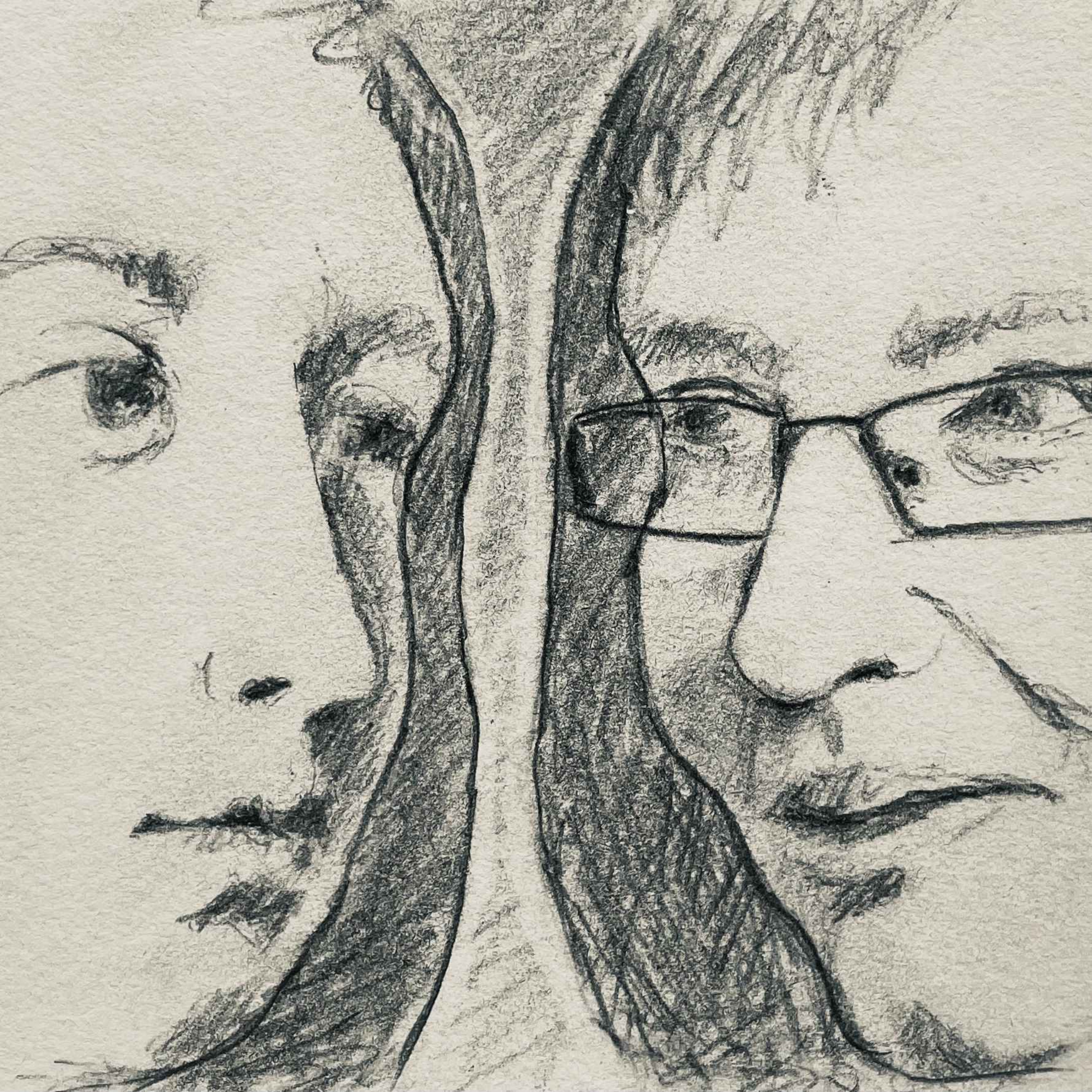
S3 Ep 4GEORGE SAND: The life, times and shifting reputation of an early feminist writer and thinker.
In this podcast we discuss 19th century French novelist, dramatist and memoirist George Sand. In a wide-ranging conversation, based on Fiona's very readable and recent biography, we talk about Sand's great literary success in an era in which she was a political progressive abolitionist, early feminist and even ecologist. Her unusual origins, unhappy marriage, rapid literary success and famous relationship with/patronage of the composer Chopin get an airing. We talk about her first novel, 'Indiana', which contains critiques of arranged marriage and slavery, insightful reflections on language and the politics of her era and influenced the later Bronte sisters, George Elliot and others. We also discuss how her reputation rapidly faded after her death, outside France, such that she is more remembered as Chopin's partner/patron, her love affairs and cross-dressing, than her great literary output and influence on her time. Fiona also reads an extract. A fascinating book and conversation.Participants:Fiona Sampson, poet, biographer, Professor Emerita, University of Roehampton; Senior Research Fellow, Harris Manchester College University of Oxford. https://www.fionasampson.co.uk/Ken Barrett, visual artist, writer and retired neuropsychiatrist: http://www.kenbarrettstudio.co.ukFiona's biography 'Becoming George' : https://www.penguin.co.uk/books/460324/becoming-george-by-sampson-fiona/9781529924336George Sand's novel 'Indiana': https://en.wikipedia.org/wiki/Indiana_(novel)Her autobiography 'Histoire de Ma Vie': https://en.wikipedia.org/wiki/Histoire_de_ma_vie_(George_Sand)Opening and closing music: Prelude to the opera Brainland, composed by Stephen Brown. Brainland the opera website: www.brainlandtheopera.co.ukPortrait sketch by KB Hosted on Acast. See acast.com/privacy for more information.
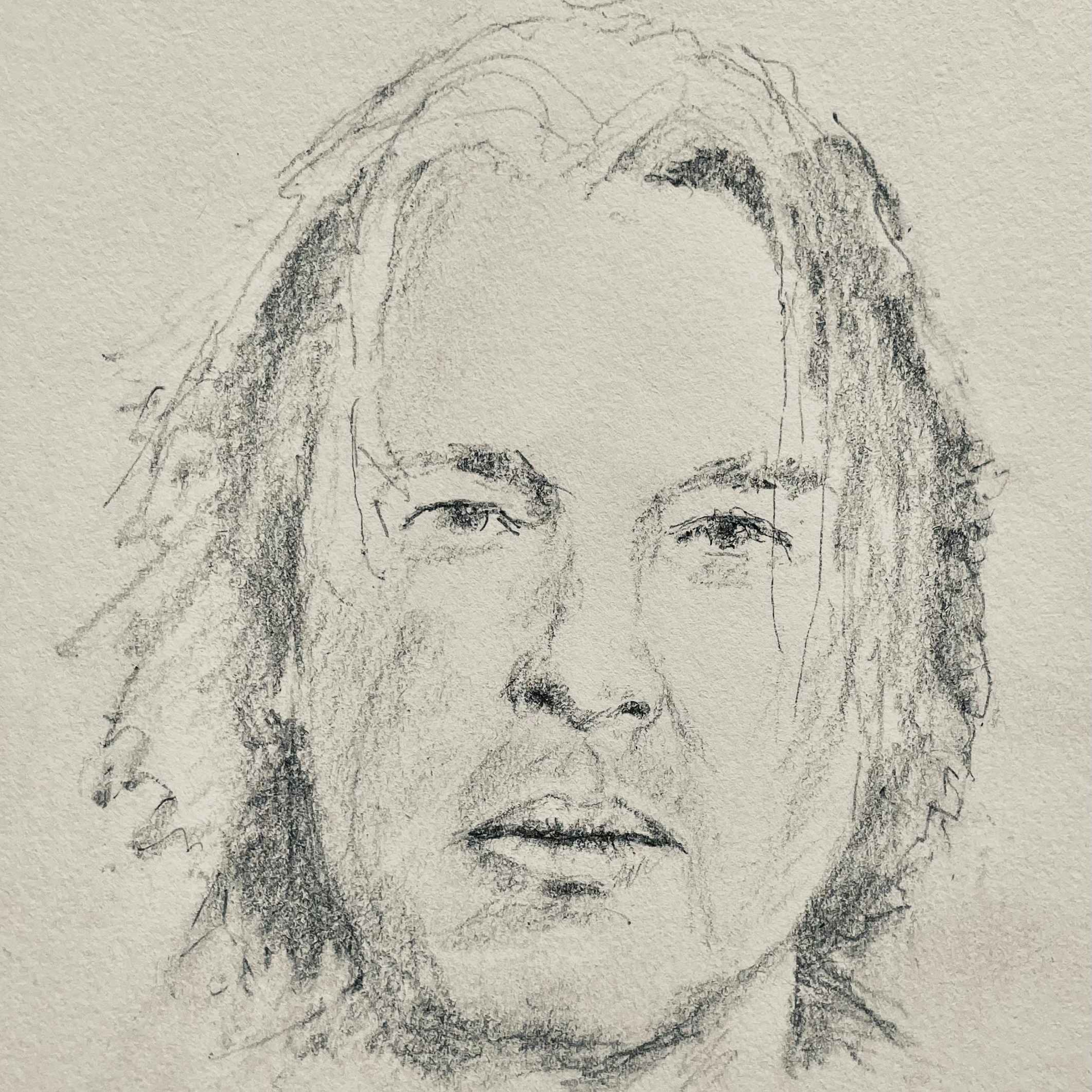
S3 Ep 3TRANSHUMANISM: Humanity's great hope or the devil's work?
In this episode Stefan Sorgner, a leading academic in the growing field of transhumanist philosophy defines and talks about his route to the subject before drawing a distinction, elaborated in his upcoming book, on the difference between 'classical' and 'Euro' varieties. He stresses that, in a sense, we have been augmented humans ('cyborgs'), since we acquired the ability to create and use language, tools, clothes, fire, writing, herbs etc. all of which enable us to go beyond our basic physical and mental limitations. He talks about the importance of Nietzsche's philosophy importance for the subject and defends him against accusations of proto-fascism. He distances himself and the Euro tradition from the utopian and immortality obsessed transhumanism of Silicone Valley billionaires and from those who consider transhumanism 'the devil's work', including a leading Russian Orthodox religious leader, Steve Bannon and others. We touch on transhumanism in culture then Stefan concludes by emphasising Euro-transhumanism's aim as promoting human flourishing, safety, protection from disease and starvation for the majority, rather than more power and longevity for the few.Participants:Stefan Lorenz Sorgner, Associate Professor of Philosophy, John Cabot University, Rome, Director and co-founder of the Beyond Humanism Network, Fellow at the Institute for Ethics and Emerging Technologies www.sorgner.deKen Barrett is an artist, writer and retired neuropsychiatrist http://www.kenbarrettstudio.co.uk/Stefan's upcoming book: Euro-Transhumanism: Twisting truth, Goodness, Beauty https://bristoluniversitypress.co.uk/euro-transhumanismHis book 'We have always been cyborgs': https://bristoluniversitypress.co.uk/we-have-always-been-cyborgsFor Stefan's other publications and work consult his website: www.sorgner.deMusic: Prelude to Act 1 of the opera Brainland composed by Stephen Brown www.brainlandtheopera.co.ukSketch by KB. Hosted on Acast. See acast.com/privacy for more information.
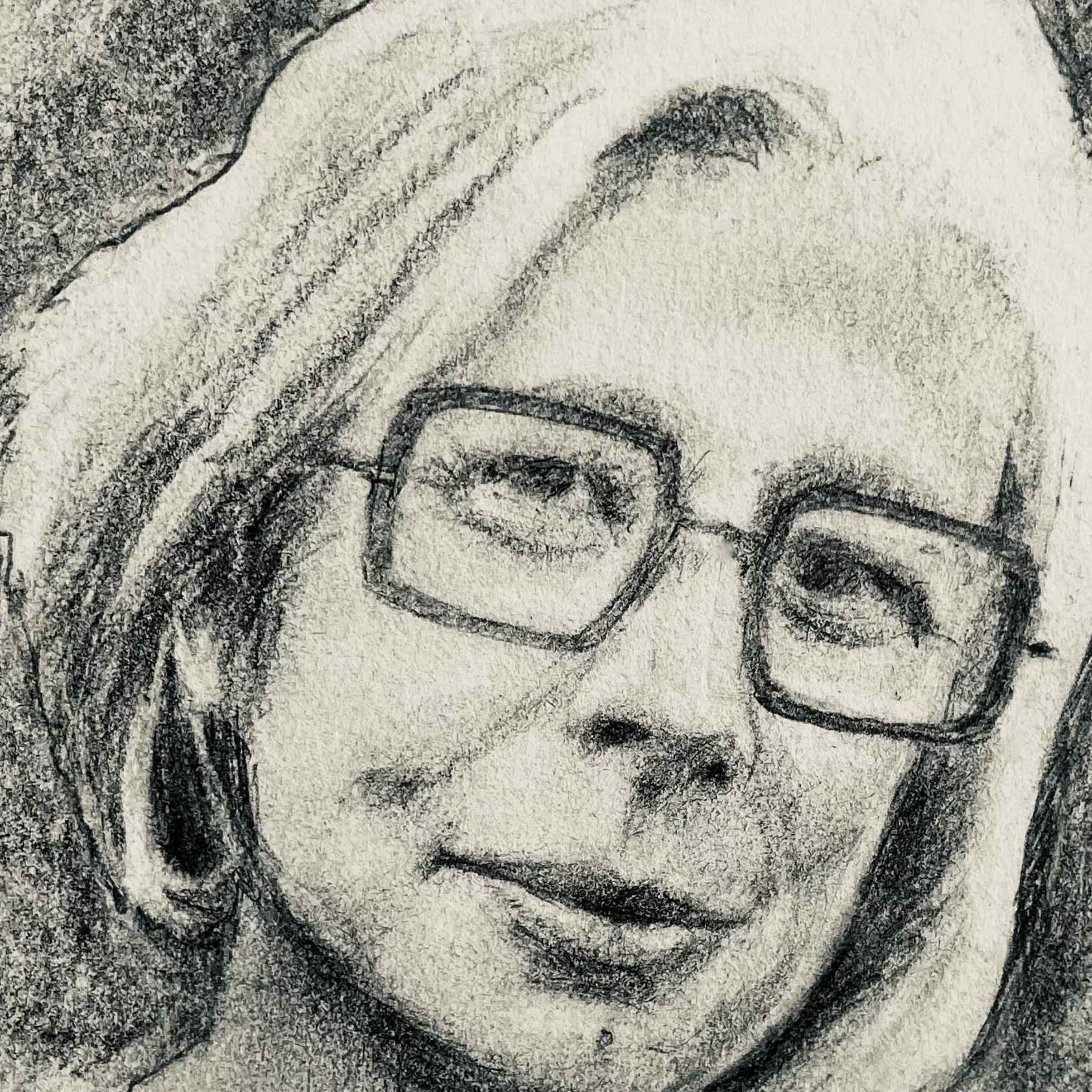
S3 Ep 2THE MATCHBOX GIRL: Recreating Hans Asperger's world in fiction
In this episode novelist and playwright Alice Jolly talks about her latest novel, 'The Matchbox Girl'' about a neurodiverse girl and then young woman who is referred to Asperger's clinic in Vienna in the 1930s. Alice talks about her decision to use a female patient/narrator and how the book 'felt like a radio you couldn't properly tune in' until she found Adelheid, her narrator's voice. We discuss other members of the clinical team including Annie Weiss and George Frankl, both of who had to leave the clinic because they were Jewish and migrated to America. We discuss revelations about Asperger's child referrals to the clinic where the disabled were killed, a practice that wasn't public at the time but seems to have been widely known - an action at odds with the clinic sheltering a Jewish boy througout the war and the way he emphasises the social value of the patients he describes in his paper on 'autistic psychopathy'. We also touch on the appalling and discredited 'refrigerator mother' theory from the 1950s, an idea dismissed by Asperger in his 1944 paper. Great insights into the backgorund to an engaging novel.Participants:Alice Jolly, novelist and playwright https://alicejolly.com/wp/Ken Barrett is an artist, writer and retired neuropsychiatrist http://www.kenbarrettstudio.co.uk/Alice's novel ‘The Matchbox Girl’: https://www.bloomsbury.com/uk/matchbox-girl-9781526681034More on Hans Asperger: https://en.wikipedia.org/wiki/Hans_AspergerMore on Annie Weiss and Georg Frankl: https://www.researchgate.net/publication/337935440_The_Forgotten_Pioneers_The_Life_and_Work_of_Anni_Weiss_and_Georg_Frankl_updatedMusic: Prelude to Act 1 of the opera Brainland composed by Stephen Brown www.brainlandtheopera.co.ukSketch by KB. Hosted on Acast. See acast.com/privacy for more information.
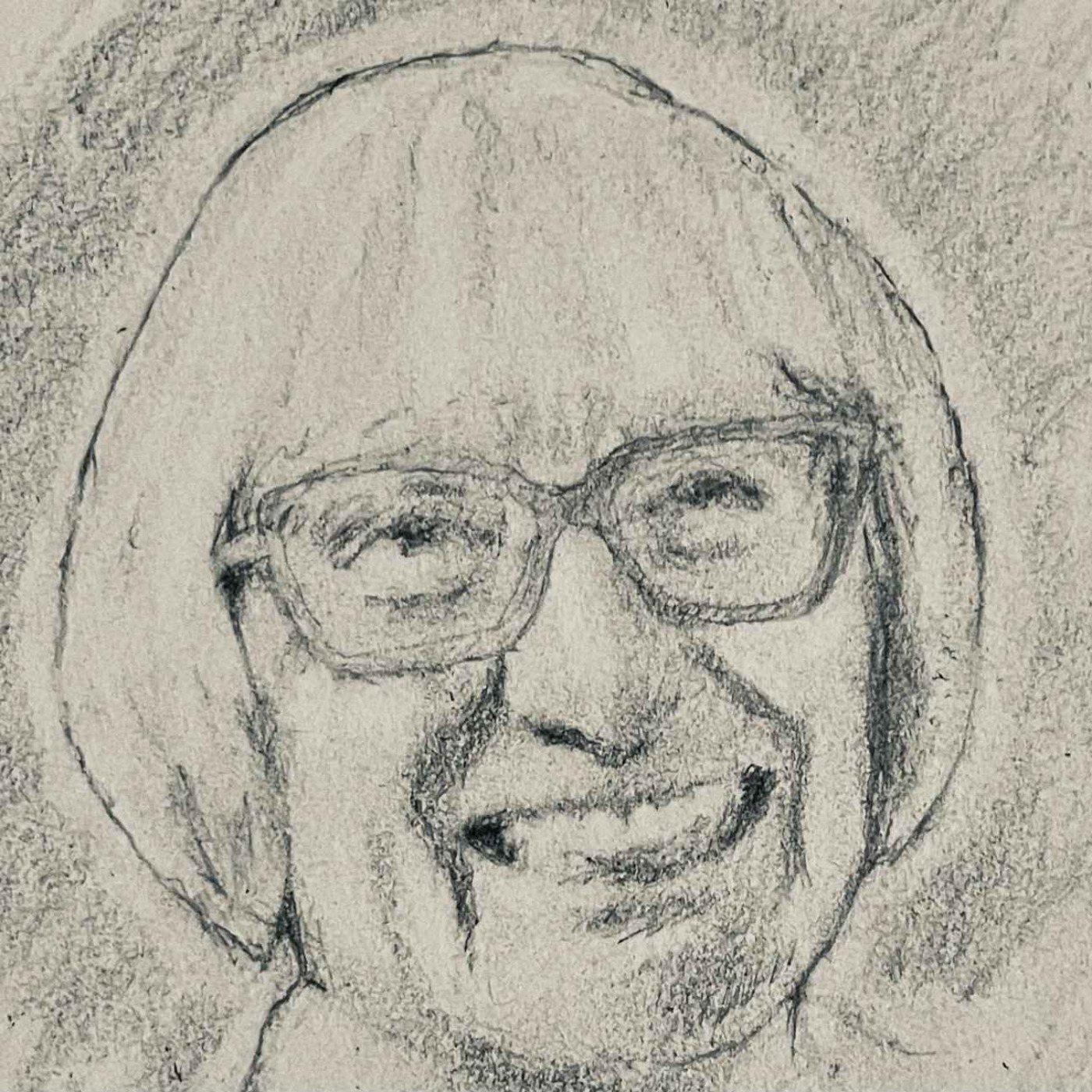
S3 Ep 1HANS ASPERGER AND THE AUTISTIC SPECTRUM: Reflections on the past, present and future
For the first episode of season 3 your host travelled to North London to record a conversation with Dame Uta Frith whose translation of Hans Asperger’s now famous paper was published 35 years ago. After discussing her reasons for moving to the UK, Uta talks about Lorna Wing’s work and influence before discussing the innovative and multidisciplinary clinic in which Asperger worked in the 1930 and 40s and the structure of his paper - four detailed case descriptions of children with what best translates as ‘autistic psychopathology’. We discuss origin of the term ‘autistic’ and how the concept has evolved since the 1960s, from a narrow and severely disabling non-verbal condition to a spectrum and the difficulties inherent in a condition of varying severity. The episode concludes with three short extracts from Dame Uta’s translation. In the next episode, with novelist Alice Jolly, we will discuss Asperger’s world in more detail, including recent evidence of complicity with Nazi eugenic practices. Check out Alice’s novel ‘The Matchbox Girl’.Participants:Dame Uta Frith FRS is Emeritus Professor of Cognitive Neuroscience at University College, London.Ken Barrett is an artist, writer and retired neuropsychiatrist http://www.kenbarrettstudio.co.uk/ http://cornwallcomposers.com/stephen.htmMore on Dame Uta and her research : https://en.wikipedia.org/wiki/Uta_FrithAnd on the BBC's "Life Scientific: https://www.bbc.co.uk/programmes/b017w65rA review of Two Heads is here: https://www.theguardian.com/books/2022/mar/29/two-heads-by-uta-frith-chris-frith-alex-frith-and-daniel-locke-reviewAlice Jolly's novel ‘The Matchbox Girl’: https://www.bloomsbury.com/uk/matchbox-girl-9781526681034More on Hans Asperger: https://en.wikipedia.org/wiki/Hans_AspergerRead extract from Uta's translation of Asperger's paper (with the permission of the translator) from: Chapter 2, 'Autism and Asperger Syndrome, Edied by Uta Frith, Cambridge, 1991.Alice Jolly's novel 'The Matchbox Girl': https://www.bloomsbury.com/uk/matchbox-girl-9781526681034/Music: Prelude to Act 1 of the opera Brainland composed by Stephen Brown www.brainlandtheopera.co.ukSketch by KB. Hosted on Acast. See acast.com/privacy for more information.
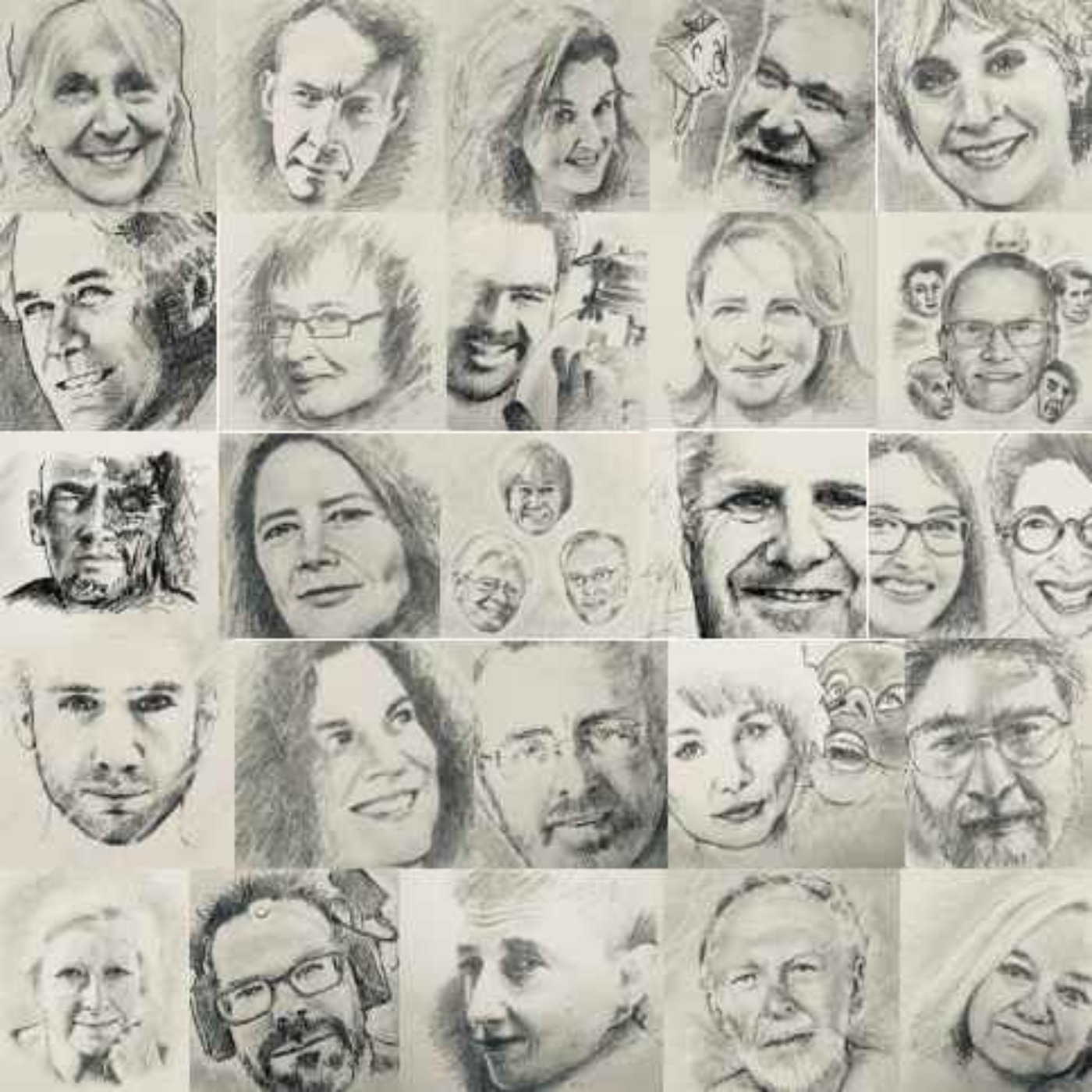
S2 Ep 40SEASON 2 FINALE: Surfing Brainland
The final episode of season 2 is a compilation of 10 male and 10 female voices from season two, chosen more or less at random, about 90 seconds from each episode sampled at or around 20 minutes in. Thanks to all guests for a fascinating season and see you in season 3. The key to the episodes and timings is below:1.10. Kimberly Campanello.(26) DANTE, DOPAMINE AND ME: Neuro-poetic and other explorations into language.2.36. Mark Solms. (29) '...PERCHANCE TO DREAM: On the neuroscience of sleep and dreaming...4.12. Raquel Medina. (2) I FEEL I AM NOT IN MY PERFECT MIND: Alzheimer's and cognitive decline in movies.5.45. Antony Penrose. (31) DREAM WARRIORS: Exploring the world of the surrealists...7.40. Eileen Joyce and Sheldon Benjamin (10) NEUROPSYCHIATRY: Second Coming or Unholy Alliance?9.15. Erika Dyck (13) EXPANDING MINDSCAPES: A psychedelic world tour.10.40. Owen Flanagan (8) WHAT IS IT LIKE TO BE AN ADDICT? A philosopher tells it like it is.12.33. Fiona Sampson. (39) FRANKENSTEIN DISASSEMBLED: The remarkable life of Mary Shelley.13.43. Nick Lane. (3) EVOLUTIONARY BIOCHEMISTRY: New perspectives on the chemistry of you.15.20. Joanna Kempner (11) PSYCHEDELIC OUTLAWS16.16. Jon Stock (35) WILLIAM SARGANT AND HIS 'SLEEP ROOM': Shrinks, spooks and medical hubris.17.56 Julia Vassilieva (38) DISCOVERING EISENSTEIN: Part 2 - Neuroscientific collaborations.19.24. Jonathan Dove (21) OH FOR THE WINGS OF A DOVE: From choirboy to Operatic Maestro.20.57. Tricia Durdey. (7) UPSIDE DOWN IN A HOOP: Processing change through writing, dance and circus skills22.25. Eugen Wassiliwitzky (9) POETRY AND THE NEUROAESTHETICS OF SURVIVAL.23.33. Pia Tikka. (19) NEUROCINEMATIC EXPLORATIONS: Cinema creators in the act of creation.25.20 Frank Burke (30) DREAMWORKS: Fellini's dream obsession, from graphic diaries to movies.26.26. Emily MacGregor (18) WHILE THE MUSIC LASTS: Life, loss and musicology. 28.28. Austin Lim (32) HORROR ON THE BRAIN: The neuroscience behind sci fi and horror.Host: Ken Barrett, visual artist, writer and retired neuropsychiatrist: http://www.kenbarrettstudio.co.ukOpening music: Prelude to the opera Brainland, composed by Stephen Brown. Brainland the opera website: www.brainlandtheopera.co.ukPortrait sketches by KB Hosted on Acast. See acast.com/privacy for more information.
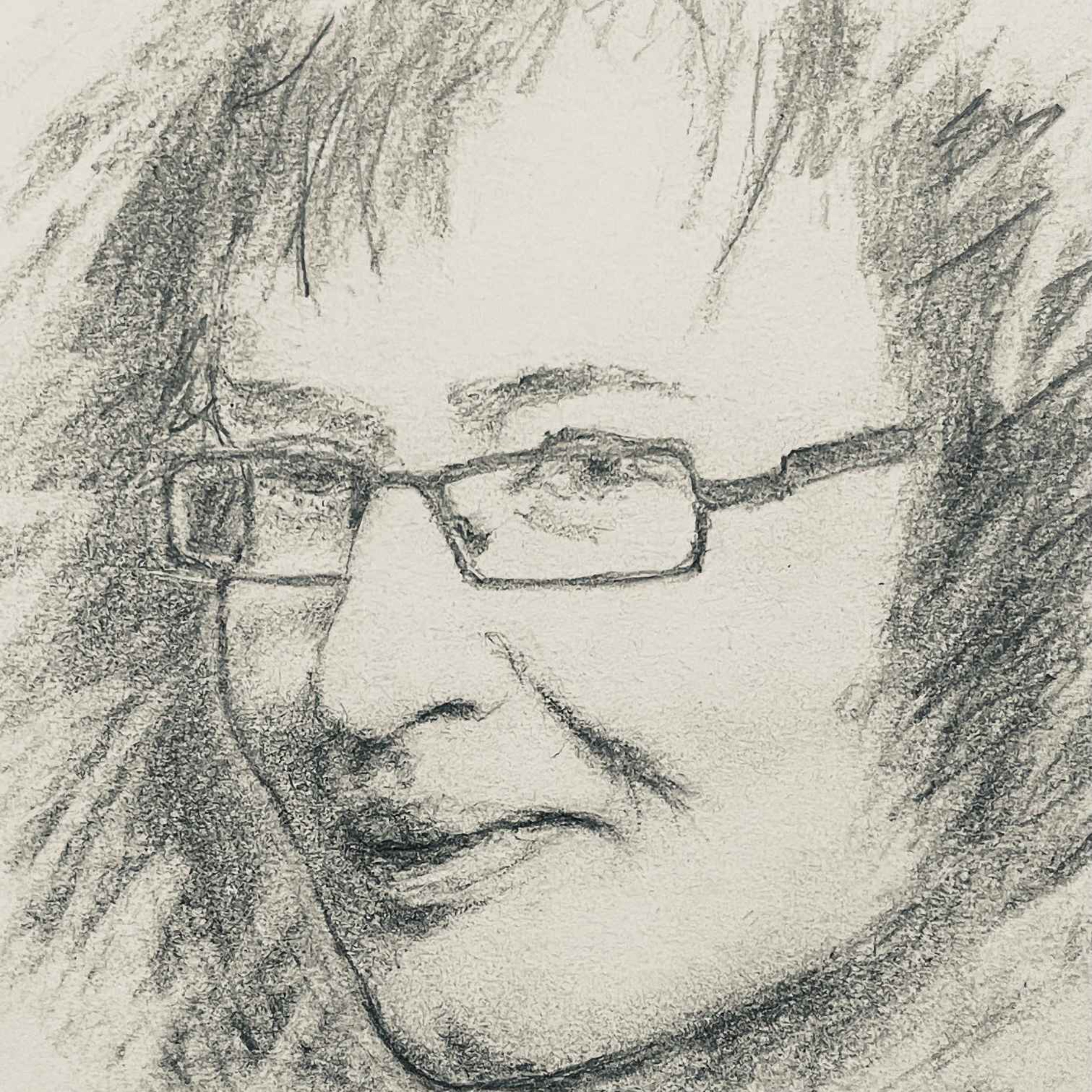
S2 Ep 39FRANKENSTEIN DISASSEMBLED: The remarkable life of Mary Shelley.
Fiona Sampson's probing biography of Mary Shelley is the first of a trilogy of biographies of 19th century writers of the romantic period. After sharing her approach to biography, Fiona talks about Mary's famous parents: Mary Wollstonecraft, influential philosopher and educator, who died of puerpural fever shortly after Mary's birth, and William Godwin and radical philosopher. We discuss the intellectual household in which she became a precociously intelligent child, her reading that included key 'natural philosophers, of the day, two long childhood trips that found their way into 'Frankenstein', her elopement at 16 with philandering poet Shelley, the ever-present step-sister, and their subsequent travels. These included the fateful stay in Geneva where Byron had taken a villa and the idea of writing horror stories arose. The book was completed when she was only 18 and we explore the various themes and interpretations of the novel, an immediate best-seller with several early stage versions. We talk about her bereavments (3 of 4 children and Shelley, in 1822), her challenging life post-Shelley, and her other novels, including the less known but equally genre-creating 'The Last Man'. To conclude, Fiona reads a summing up section from the end of her book. A terrific in depth conversation about an extraordinary woman.Participants:Fiona Sampson, poet, biographer, Professor Emerita, University of Roehampton; Senior Research Fellow, Harris Manchester College University of Oxford. https://www.fionasampson.co.uk/Ken Barrett, visual artist, writer and retired neuropsychiatrist: http://www.kenbarrettstudio.co.ukFiona's biography 'In search of Mary Shelley': https://www.fionasampson.co.uk/book/in-search-of-mary-shelley-the-girl-who-wrote-frankenstein/Mary Shelley's 'Frankenstein; or the Modern Prometheus' (1818): https://en.wikipedia.org/wiki/FrankensteinMary Shelley's 'The Last Man' (1826): https://en.wikipedia.org/wiki/The_Last_ManOpening and closing music: Prelude to the opera Brainland, composed by Stephen Brown. Brainland the opera website: www.brainlandtheopera.co.ukPortrait sketch by KB Hosted on Acast. See acast.com/privacy for more information.
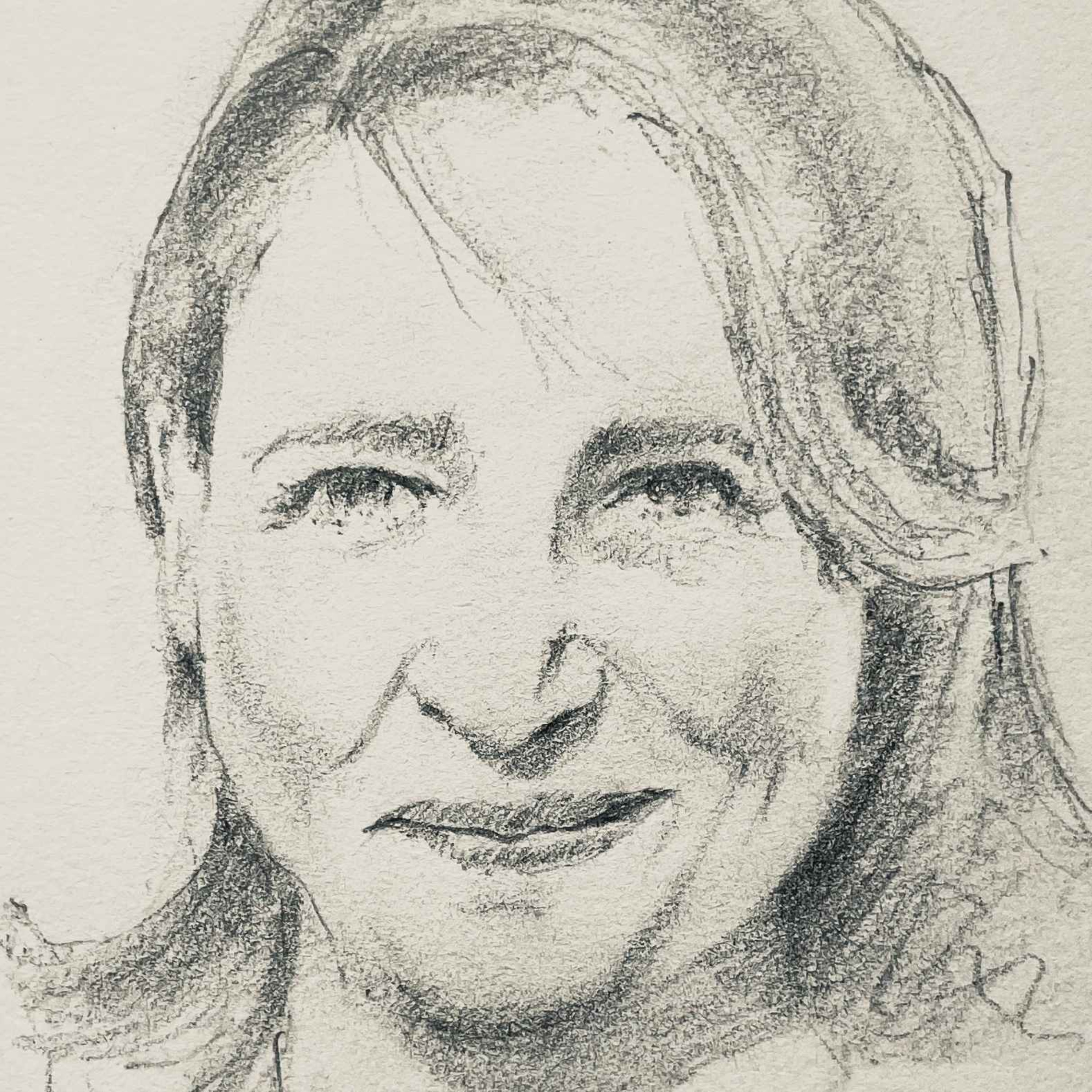
S2 Ep 38DISCOVERING EISENSTEIN: Part 2 - Neuroscientific collaborations.
Soviet era film director and theorist Sergei Eisenstein began collaborating with Alexander Luria and Lev Vigotsky, key figures in neuropsychology and developmental psychology, in 1925, the year he released his most famous film, Battleship Potemkin. Julia Vassilieva, after studying psychology in Moscow, got the opportunity to study the papers of Luria and Vigotsky, both of whom had a long term collaboration with Eisenstein. We talk about them, their work, Eisenstein's involvement in their research and what he took from them. Julia outlines the perilous times they lived in, Luria means of surviving the various purges and how out of favour Vigotsky was perhaps spared execution by dying of TB in 1934. We talk about what Eisenstein regarded as his life's work, the still largely untranslated 'Method' uncompleted when he died in 1948 and future directions for Eisenstein research. Another great transdisciplinary Brainland conversation.Participants:Julia Vassileva, Senior Lecturer in Film and Screen Studies at Monash University, Melbourne, Australia. https://research.monash.edu/en/persons/julia-vassilieva/Ian Christie, Professor of Film and Media History, Birkbeck, University of London. www.ianchristie.orgKen Barrett, visual artist, writer and retired neuropsychiatrist: http://www.kenbarrettstudio.co.ukPapers by Julia: EISENSTEIN AND CULTURAL-HISTORICAL THEORY, 2017, The Flying Carpet. Studies on Eisenstein and Russian Cinema in Honor of Naum Kleimanhttps://www.academia.edu/40926187/"The Eisenstein-Vygotsky-Luria Collaboration", 2019, Projectionshttps://www.academia.edu/100293838/The_Eisenstein_Vygotsky_Luria_Collaboration"Psychological Humanities, Sciences, and the Arts in Russia"in Oxford Research Encyclopedia of Psychology,2020https://www.academia.edu/100293865/Psychological_Humanities_Sciences_and_the_Arts_in_Russia"Sergei Eisenstein", in Screening the Past, December 2017 Great DirectorsIssue 85https://www.sensesofcinema.com/2017/great-directors/sergei-eisenstein/Oksana Bulgakowa’s biography of Eisenstein: https://europe.potemkinpress.com/products/oksana-bulgakowa-sergei-eisenstein-a-biography-1More on Eisenstein: https://en.wikipedia.org/wiki/Sergei_EisensteinJulia and Ian's recent book 'Eisenstein Universe'. https://www.bloomsbury.com/uk/eisenstein-universe-9781350142091/More on A.R.Luria: https://en.wikipedia.org/wiki/Alexander_LuriaA. R. Luria's 'The man with the shattered world': https://www.hup.harvard.edu/books/9780674546257Lev Vigotsky: https://en.wikipedia.org/wiki/Lev_VygotskyVigotsky's 'Psychology of Art': https://mitpress.mit.edu/9780262720052/the-psychology-of-art/ Opening music: Prelude to the opera Brainland, composed by Stephen Brown. Brainland the opera website: www.brainlandtheopera.co.ukPortrait sketch by KB Hosted on Acast. See acast.com/privacy for more information.
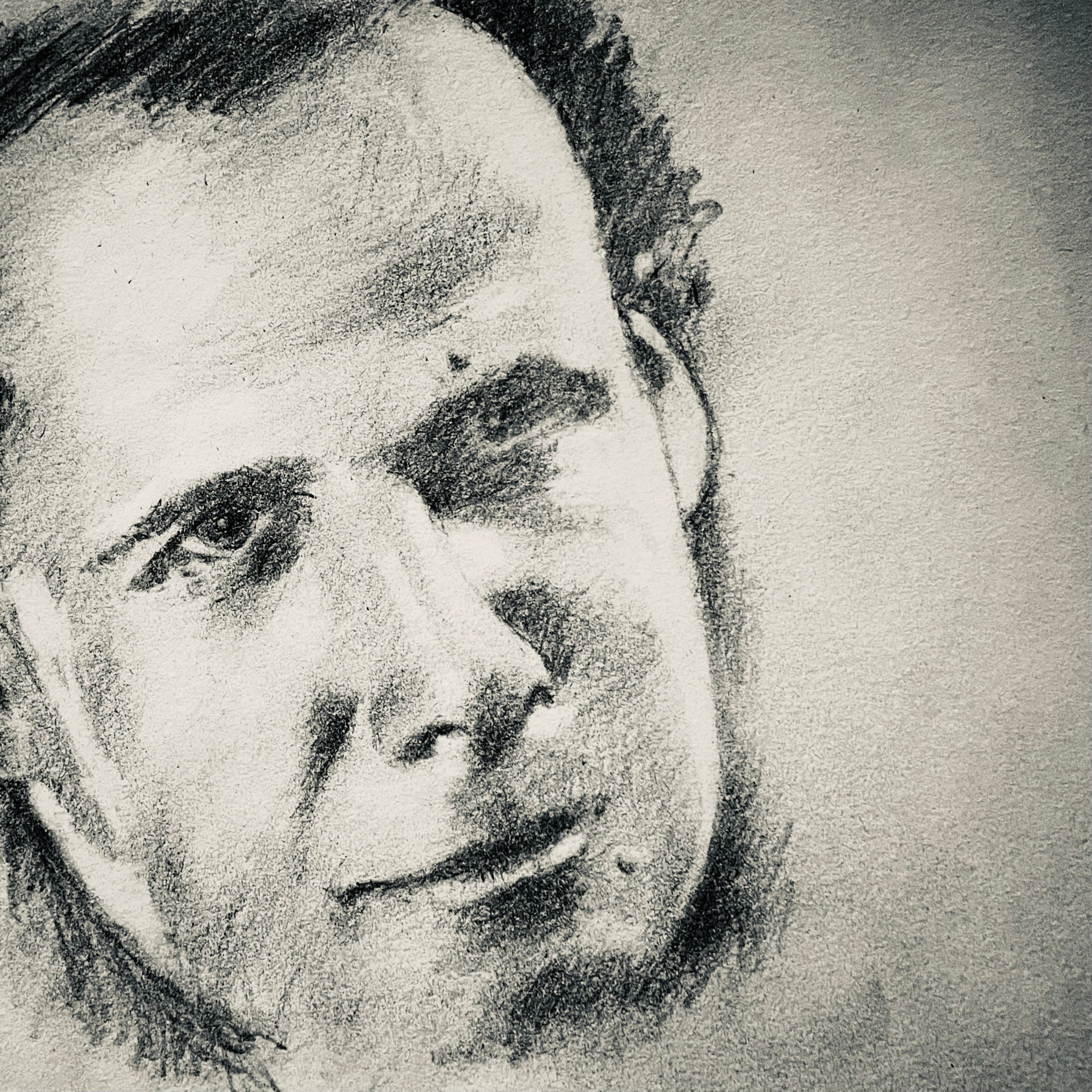
S2 Ep 37DISCOVERING EISENSTEIN: Part 1 - Life and films.
This is the first of two episodes on the life, work and collaborations of Soviet film director and theorist Sergei Eisenstein. Ian Christie has researched and written about Eisenstein for more than 40 years. In this wide ranging conversation, we talk about the influence of his troubled childhood, the importance of drawing throughout his life, the international fame that resulted from his second film 'Battleship Potemkin' (made a century ago) and his early theoretical writing on montage. We discuss his 3 year trip abroad, including Hollywood where he became a friend of Chaplin, the profound effect on his thinking and work of an extended trip to Mexico and the criticism he received on his return. His ill-fated and banned sound film 'Behzin Meadow', made at the height of Stalin's Purges, gets an airing before we move on to his last two films based on the life of Ivan the Terrible, the first part of which led to later criticism of him as a Stalin apologist, whilst the second part was banned by Stalin. Another great conversation. Part 2 coming soon...Participants:Ian Christie, Professor of Film and Media History, Birckbeck, University of London. www.ianchristie.orgKen Barrett, visual artist, writer and retired neuropsychiatrist: http://www.kenbarrettstudio.co.ukOksana Bulgakowa’s biography of Eisenstein: https://europe.potemkinpress.com/products/oksana-bulgakowa-sergei-eisenstein-a-biography-1Ian's recent book 'Eisenstein Universe' edited with Julia Vassilieva. https://www.bloomsbury.com/uk/eisenstein-universe-9781350142091/Opening music: Prelude to the opera Brainland, composed by Stephen Brown. Brainland the opera website: www.brainlandtheopera.co.ukPortrait sketch by KB Hosted on Acast. See acast.com/privacy for more information.
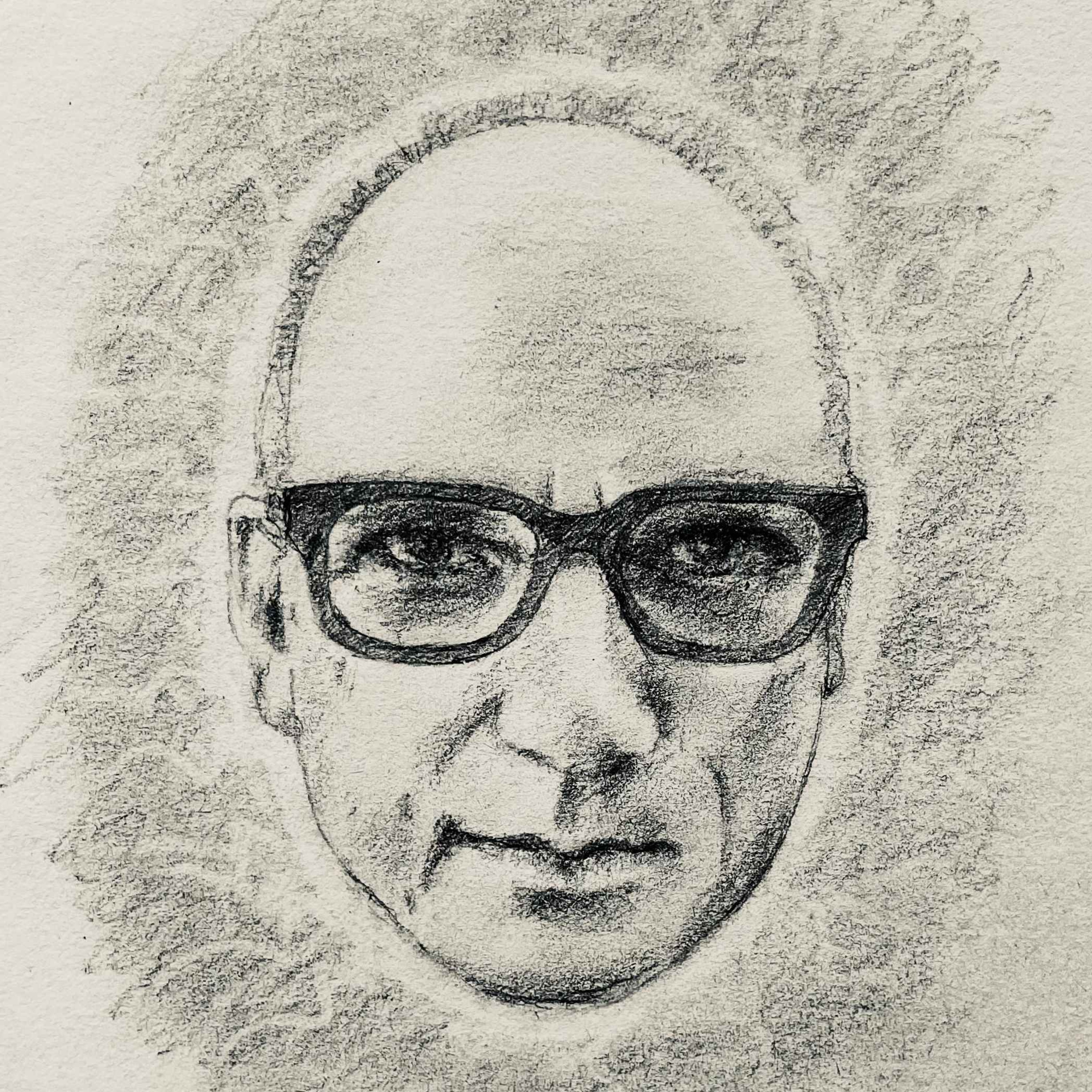
S2 Ep 36AN ARTIFICIAL HISTORY OF NATURAL INTELLIGENCE: Time travelling the mind.
In this episode David Bates discusses his recent book An Artificial History of Natural Intelligence: Thinking with machines from Decartes to the digital age', a masterly survey of the history of intelligence and its aids. The book is the summation of 20 years of scholarship, a kind of time travel of the mind, and the range of topics we cherry-pick include the influence of automata on Descartes's thinking and pocket watches on Kant's, Spinoza's 'bloodworms', Peirce's hypothesis as 'emergency thought', Hughling Jackson on the brain as a continuously evolving organ, the origin of the notion of brain plasticity, Wolfgang' Köher's chimps and Alan Turing's 'spiritual machines'. Lyotard wrote that 'technology wasn't invented by us. Rather the other way round'. Discuss....or just have a listen.Participants:David W. Bates, Professor, Department of Rhetoric, University of California, Berkeley https://vcresearch.berkeley.edu/faculty/david-batesKen Barrett, visual artist, writer and retired neuropsychiatrist: http://www.kenbarrettstudio.co.ukDavid's book: An Artificial History of Natural Intelligence: https://press.uchicago.edu/ucp/books/book/chicago/A/bo212878817.htmlOpening music: Prelude to the opera Brainland, composed by Stephen Brown. Brainland the opera website: www.brainlandtheopera.co.ukPortrait sketch by KB Hosted on Acast. See acast.com/privacy for more information.
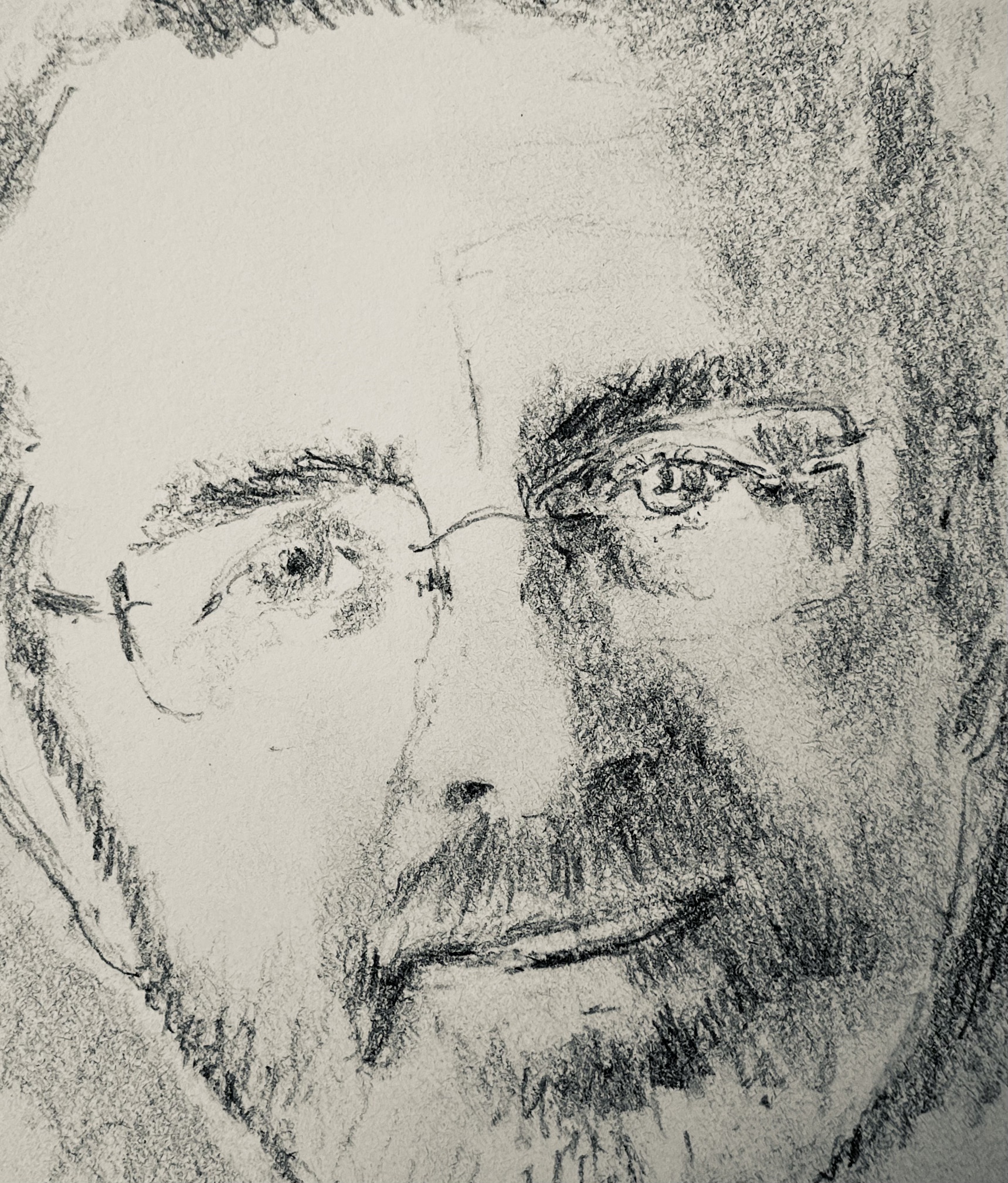
S2 Ep 35WILLIAM SARGANT AND HIS 'SLEEP ROOM': Shrinks, spooks and medical hubris.
In this podcast novelist and journalist Jon Stock discusses his latest book 'The Sleep Room: A very British Medical scandal', is a factual account of psychiatrist William Sargant (1907-88 ) that focusses particularly on Sargant's controversial 20 year 'sleep room' regimen for mental illness that combined continuous narcosis, high dose mixed antidepressants, major tranquillisers and ECT, sometimes extending over several months. We talk about Sargant's early life and the influence of his strict methodist father, who sparked an interest in conversion and, later in brainwashing, a subject that brought him to the attention of intelligence services at the height of the Cold War. We discuss his failure to get into general medicine and his determination to drag psychiatry, where he ended up, into mainstream physical medicine. Sargant's own mental illness episodes get a mention, and his lack of public acknowledgement of same; we outline the atmosphere of deference to senior medics in his period and his friendships in politics and intelligence, fertile ground for untried treatment experiments that also fed into his advice on interrogation techniques and protected him following accusations of sexal improprieties. A really interesting portrait of the man and his times.Participants:Jon Stock, novelist, journalist and historian. : https://williamsargant.com/ jsthrillers.comKen Barrett, visual artist, writer and retired neuropsychiatrist: http://www.kenbarrettstudio.co.ukWillaim Sargant: https://williamsargant.com/index.php/about/Jon's Book 'The Sleep Room': https://williamsargant.com/Opening music: Prelude to the opera Brainland, composed by Stephen Brown. Brainland the opera website: www.brainlandtheopera.co.ukPortrait sketch by KB Hosted on Acast. See acast.com/privacy for more information.
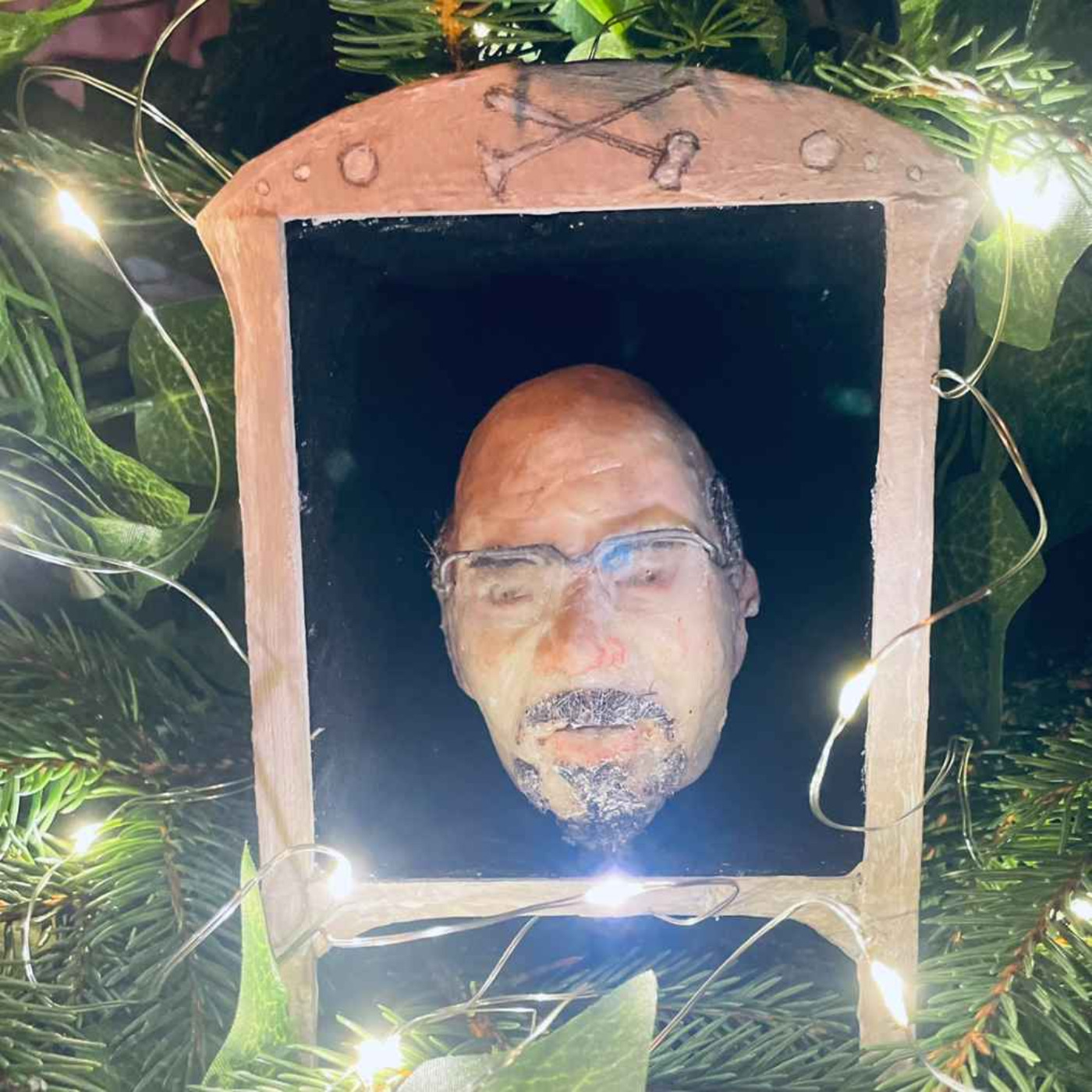
S2 Ep 34MANHANDLING THE BRAIN: How did damaging the brains of the mentally ill ever seem a good idea?
In this festive episode Ken reads 'Manhandling the Brain', his essay on the origins of mid-20th century psychosurgery, an attempt to understand how, for over 20 years, so many people thought it such a good idea to damage the brains of the severely mentally ill and the lessons that can be learned.Participants:Ken Barrett, visual artist, writer and retired neuropsychiatrist: http://www.kenbarrettstudio.co.ukFull text of the essay with bibliography and references are here, preceded by an essay on the early days of the EEG and more: http://www.kenbarrettstudio.co.uk/writing/Bibliography top picks in bold)Moniz E (1935), Tentatives operatoires dans le traitement de certaines psychoses, Masson, Paris.Freeman W, Watts JW & Hunt T (1942) Psychosurgery: Intelligence, emotion and social behavior following prefrontal lobotomy for mental disorders. Springfield, Thomas.Board of Control (1947), Pre-frontal Leucotomy in 1000 Cases, HMSO.Shutts D (1982), Lobotomy: Resort to the Knife, Van Nostrand Reinhold, New York.Rylander G ( 1948), Personality Analysis Before and After Frontal Lobotomy, in The Frontal Lobes , John F Fulton et al Eds., pp691-705. Williams and Wilkins, Baltimore.Vallenstein ES (1986), Great and Desperate Cures: The Rise and Decline of Psychosurgery and Other Radical treatments for Mental Illness, Basic Books Inc..Pressman JD, Last Resort: Psychosurgery and the Limits of Medicine, Cambridge University Press, 1998.El-Hai J (2005), The Lobotomist: A Maverick Medical Genius and His Tragic Quest to Rid the World of Mental Illness, John Wiley & Sons.Howard Dully and Charles Fleming, Messing with my Head: The shocking true story of my lobotomy, Vermilion, 2007.Kotowicz Z (2012), Psychosurgery: the Birth of a New Scientific Paradigm, Centre for Philosophy of Science, University of Lisbon.Raz M (2013), The Lobotomy Letters: The Making of American Psychosurgery , University of Rochester Press.Ferone G & Vincent J-D (2011), Bienvenue en Transhumanie: sur l’homme de demain, Editions Grasset & Fasquelle, Paris.Todes DP (2014), Ivan Pavlov: A Russian Life in Science, Oxford University Press.Papers:Hutton E L (1941), Early Results of Prefrontal Leucotomy, Lancet, July 5, 3-12.Hutton E L (1942), The Investigation of Personality in Patients treated by Prefrontal Leucotomy, Journal of Mental Science, 371, 275-281.Golla F L,(1943), The Range and Technique of Prefrontal Leucotomy, Journal of Mental Science, 89; 189-191.Opening music: Prelude to the opera Brainland, composed by Stephen Brown. For comment or to share your own essay Ken can be contacted at [email protected] the opera website: www.brainlandtheopera.co.ukFestive wax model (of Walter Freeman) by KB Hosted on Acast. See acast.com/privacy for more information.
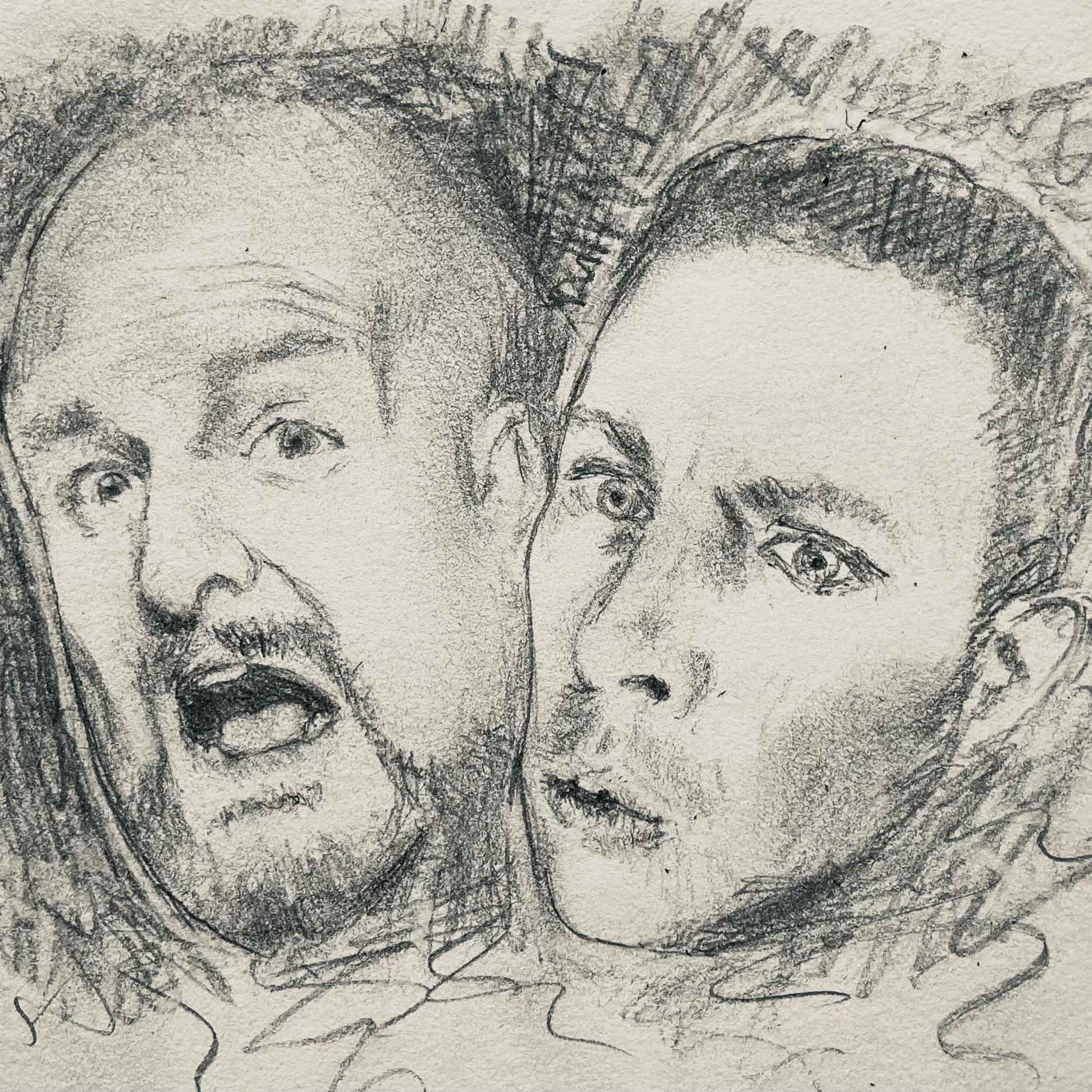
S2 Ep 33THE HORROR! The anatomy of fear in film.
In this episode film critic/writer Matt Glasby and artist Barney Bodoano discuss their innovative book on horror movies 'The Book of Horror: The anatomy of fear in film'. After talking about their gateway into their horror obsession Matt takes us through his seven 'scare tactics', techniques used by film makers to evoke shock, dread, revulsion etc. including specifically filmic techniques such as 'dead space'. Barney talks about how he chose an evocative image to represent each film and his decision to use charcoal and chalk as his medium. Their book scores each of 37 films on each of the 7 parameters, summarises the plot and suggests similar movies. We discuss five films in some detail: Hitchcock's 'Psycho' (1960), the Italian classic 'Suspiria' (1977), Japanese trailblazer 'Ring' (1999), lockdown movie 'Host' (2020) and Matt's highest scoring film 'Hereditary' (2018), with a nod to a number of other movies. Lovely chat and an enjoyable book about a creepy subject.Participants:Matt Glasby writer, critic https://mattglasby.com/index.phpBarney Bodoano, artist and illustrator https://www.instagram.com/bbodoano?igsh=c3B4d3hsNnhrYXk1&utm_source=qrKen Barrett, visual artist, writer and retired neuropsychiatrist: http://www.kenbarrettstudio.co.ukTheir 'Book of Horror: The anatomy of fear in film' : https://www.waterstones.com/book/the-book-of-horror/matt-glasby/barney-bodoano/9781836009399The movies we discuss: https://www.imdb.com/title/tt7784604/?ref_=fn_t_1Dario Argento's 'Suspiria' from 1977: https://www.imdb.com/title/tt0076786/Hideo Nakata's 'Ring' from 1998: https://www.imdb.com/title/tt0178868/?ref_=nm_knf_c_2Rob Savage's 'Host' from 2020: https://www.imdb.com/title/tt12749596/?ref_=nv_sr_srsg_0_tt_8_nm_0_in_0_q_host%25202020Ari Aster's 'Hereditary' from 2018: https://www.imdb.com/title/tt7784604/The band Barney mentions at the end, 'Crumbling Ghost':Opening music: Prelude to the opera Brainland, composed by Stephen Brown. Brainland the opera website: www.brainlandtheopera.co.ukSketch by KB (Barney is on the left) Hosted on Acast. See acast.com/privacy for more information.
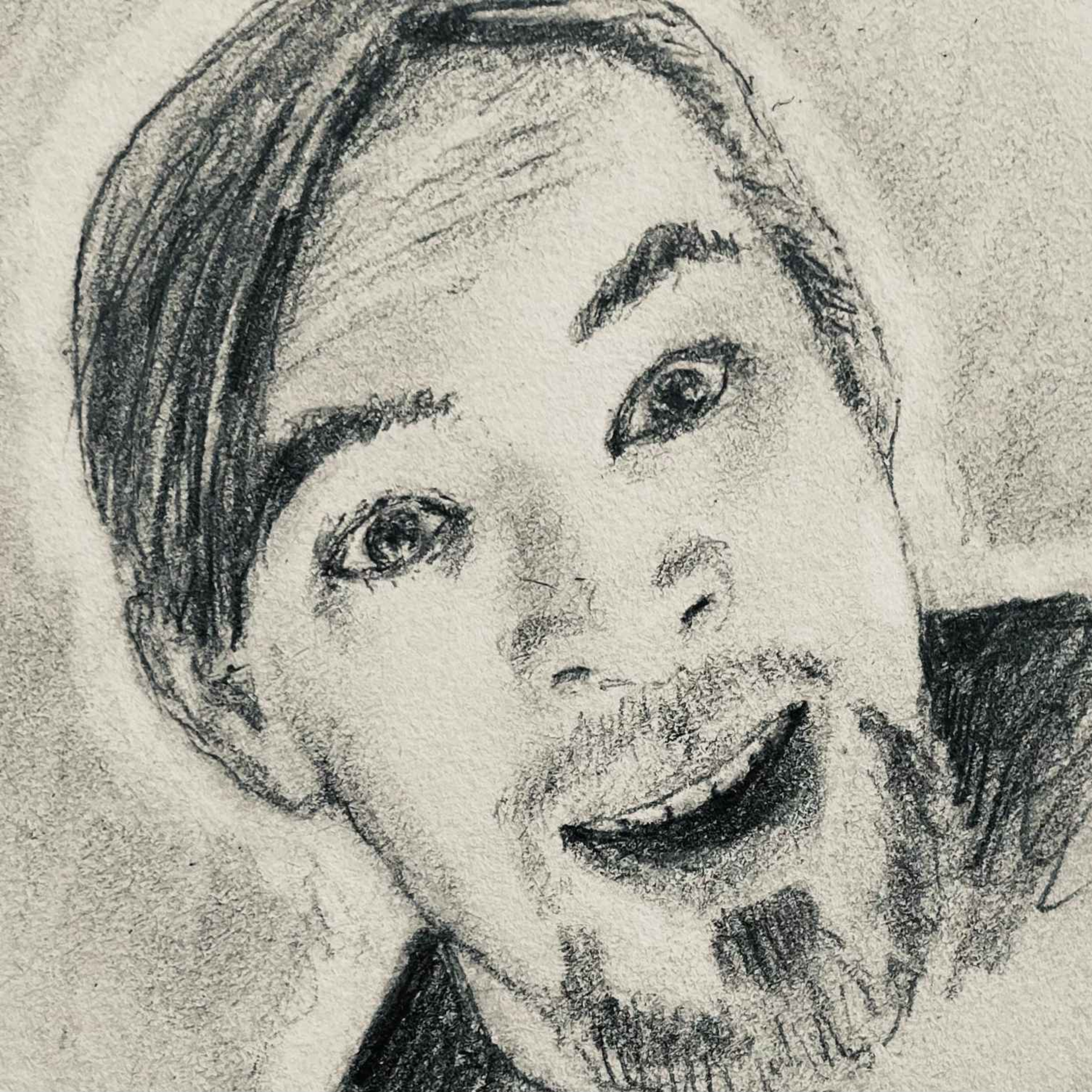
S2 Ep 32HORROR ON THE BRAIN: The neuroscience behind sci fi and horror.
Austin Lim's book 'Horror and the Brain' uses work from the horror and science fiction genres as a way into discussing a neuroscience and a range of related stories. We discuss why on earth so many people inflict the feelings provoked by horror fiction on themselves ans talk about a range of brain structures that play a role in fear, emotion and attachment behaviour (with a diversion into love, oxytocin and prairie voles). We talk about the amygdala, insula and the pathways that include them and the systems triggered by disgust and the uncanny, moving from the real story of a mass shooting to various films and stories, including Jordan Peele's 'Get Out' and 'Us', Gondry's ' Eternal Sunshine of the Spotless Mind' Mary Shelley's 'Frankenstein'. Brain mapper Wilder Penfield leads us into a closing horror story (real if you happen to be a mouse) about Toxoplasmosis. Great chat with an excellent communicator.Participants:Austin Lim, Associate Teaching Professor, Department of Neuroscience, De Paul University, Chicago. https://csh.depaul.edu/faculty-staff/faculty-a-z/Pages/neuroscience/sean-austin-lim.aspxKen Barrett, visual artist, writer and retired neuropsychiatrist: http://www.kenbarrettstudio.co.ukAustin's book 'Horror on the Brain': https://www.simonandschuster.co.uk/books/Horror-on-the-Brain/Austin-Lim/9781493084791The 'uncanny valley': https://www.simonandschuster.co.uk/books/Horror-on-the-Brain/Austin-Lim/9781493084791More on oxytocin: https://www.sciencedirect.com/science/article/pii/S2666497621000813Opening music: Prelude to the opera Brainland, composed by Stephen Brown. Brainland the opera website: www.brainlandtheopera.co.ukSketch by KB. Hosted on Acast. See acast.com/privacy for more information.

S2 Ep 31DREAM WARRIORS: Exploring the world of the surrealists...
In 1924 French poet Andre Breton wrote that ‘Surrealism is based on the belief in the omnipotence of dreams, in the undirected play of thought’. Surrealism grew out of the anarchistic DaDa movement triggered by the carnage of WW and was fueled by Freud's writing on the unconscious. Roland Penrose was a leading surrealist artist and also a key figure in bringing the movement to the UK in the 1930s and setting up the Institute of Contemporary Art. Photographer Lee Miller's work was also often surreal in composition and intention, including her accidental discovery of the 'solarisation' technique whilst working with Man Ray. In this episode, recorded at Farleys House and Gallery, their son and biographer Antony Penrose discusses his parent's lives and work. He outlines key events and recalls the many visitors during his childhood at Farleys, including leading figures in surrealism Man Ray and Max Ernst. We also discuss his parent's close relationship with Picasso and much else. Participants:Antony Penrose, author, photographer and director of the Lee Miller Archive and Penrose Collection https://en.wikipedia.org/wiki/Antony_PenroseKen Barrett, visual artist, writer and retired neuropsychiatrist: http://www.kenbarrettstudio.co.ukFarleys House and gallery: https://www.farleyshouseandgallery.co.uk/Antony's books:The Friendly Surrealist: https://www.farleyshouseandgallery.co.uk/product/roland-penrose-the-friendly-surrealist/'The Lives of Lee Miller https://www.farleyshouseandgallery.co.uk/product/the-lives-of-lee-miller/Tate Britain Lee Miller exhibition: https://www.tate.org.uk/whats-on/tate-britain/lee-miller?utm_source=google&utm_medium=performance_max&utm_campaign=CAMP_lee-miller_conversion_pmax&gad_source=1&gad_campaignid=23123668076&gclid=Cj0KCQiAubrJBhCbARIsAHIdxD-asxTHY4Vut8eo1p2meDDW42wf7y2IjxkqJ0oDPm3qOECkrGpvGZ4aAn2zEALw_wcBAlso discussed:Man Ray, https://www.manray.net/Max Ernst, https://www.max-ernst.com/Also discussed: 'Visiting Picasso' by Elizabeth CowlingKen's Ernst inspired animation: https://www.youtube.com/watch?v=AFBYu2OKJi4Opening music: Prelude to the opera Brainland, composed by Stephen Brown. Brainland the opera website: www.brainlandtheopera.co.ukSketch by KB. Hosted on Acast. See acast.com/privacy for more information.
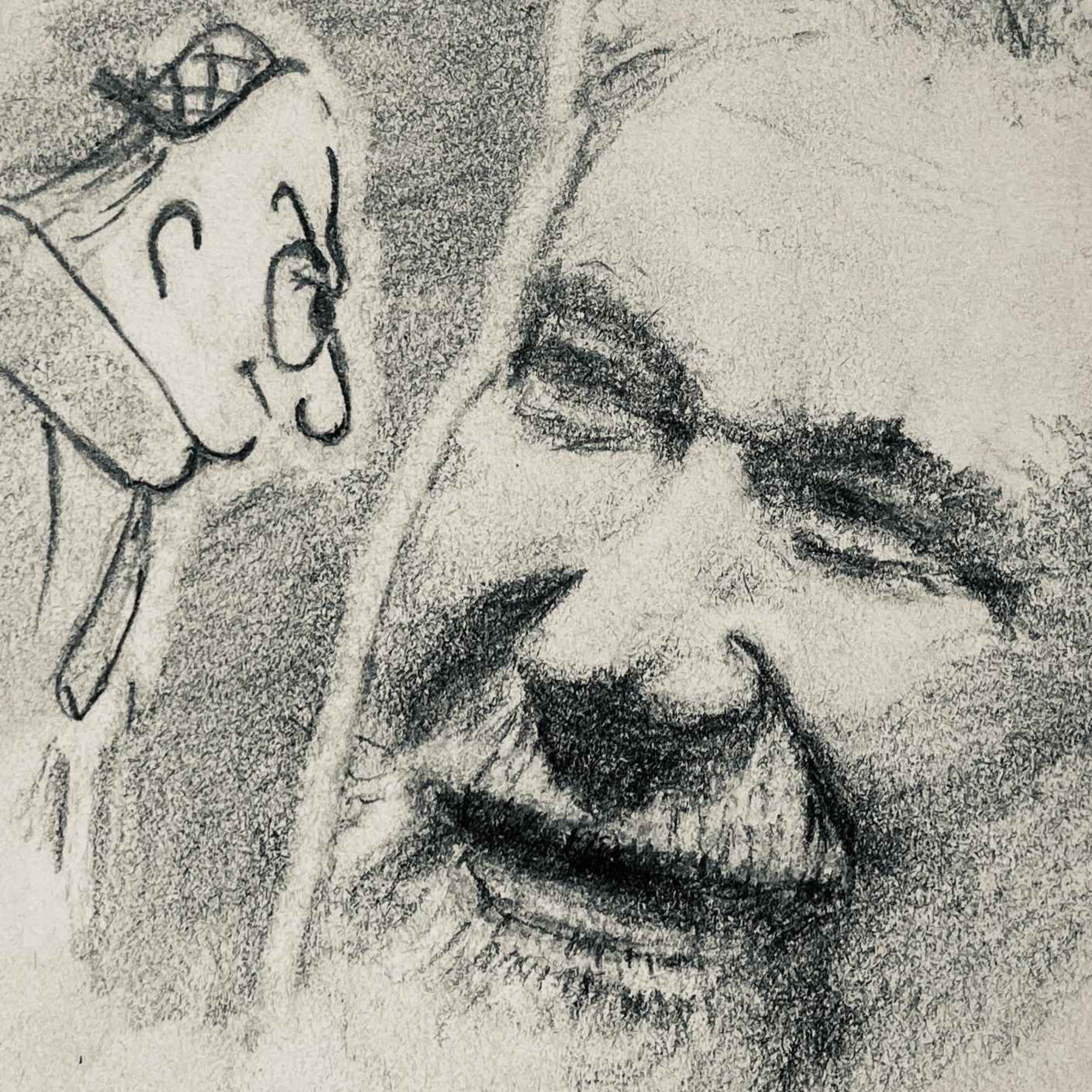
S2 Ep 30DREAMWORKS: Fellini's dream obsession, from graphic diaries to movies.
Frank Burke is a leading film scholar with a long interest in Italian director Federico Fellini (1920-1993). Few artists were more obsessed with their dreams than Fellini. In this conversation we talk about his early interest in puppets and circus, and his jobs, before moving into film, as an illustrator and caracaturist. Drawing was always an important part of his preparation for movies but he also kept a graphic, drawn dream diary in the '60s and '70s, at the suggestion of Jungian analyst Ernst Bernhard. We discuss his interest in the work of another analyst, James Hillman who leaned more to the mystical and symbolic, and explore the recurring themes in those diaries (published postumously). Films in which dreams feature large are also discussed - we mention several but we focus on four including the feted 'Eight and a half'( 1963) and the vilified 'City of Women' (1980). To close Frank suggests movies that listeners new to Fellini may watch as an as a way into his work (depending on their interests and state of intoxication).Participants:Frank Burke, Independent film scholar and Professor Emeritus, Department of Film and Media, Queen’s University, Ontario, Canada. https://www.queensu.ca/filmandmedia/people-search/frank-burkeKen Barrett, visual artist, writer and retired neuropsychiatrist: http://www.kenbarrettstudio.co.ukMore on Federico Fellini: https://en.wikipedia.org/wiki/Federico_FelliniSome films discussed:Eight and a Half: https://www.imdb.com/title/tt0056801/Juliet of the spirits: https://www.imdb.com/title/tt0059229/?ref_=nv_sr_srsg_0_tt_6_nm_2_in_0_q_%2520%2520Juliet%2520of%2520the%2520spiritsCity of Women: https://www.imdb.com/title/tt0080539/More on James Hillman: https://en.wikipedia.org/wiki/James_HillmanParticipant:More on Carlos Castaneda: https://en.wikipedia.org/wiki/Carlos_Castaneda'CAPOLAVORO! Masterworks of Italian Cinema' podcast: https://shows.acast.com/capolavoro-masterworks-of-italian-cinema/episodes/68c9445da8e1b0e4bfd2ee12Opening music: Prelude to the opera Brainland, composed by Stephen Brown. Brainland the opera website: www.brainlandtheopera.co.ukSketch by KB. Hosted on Acast. See acast.com/privacy for more information.
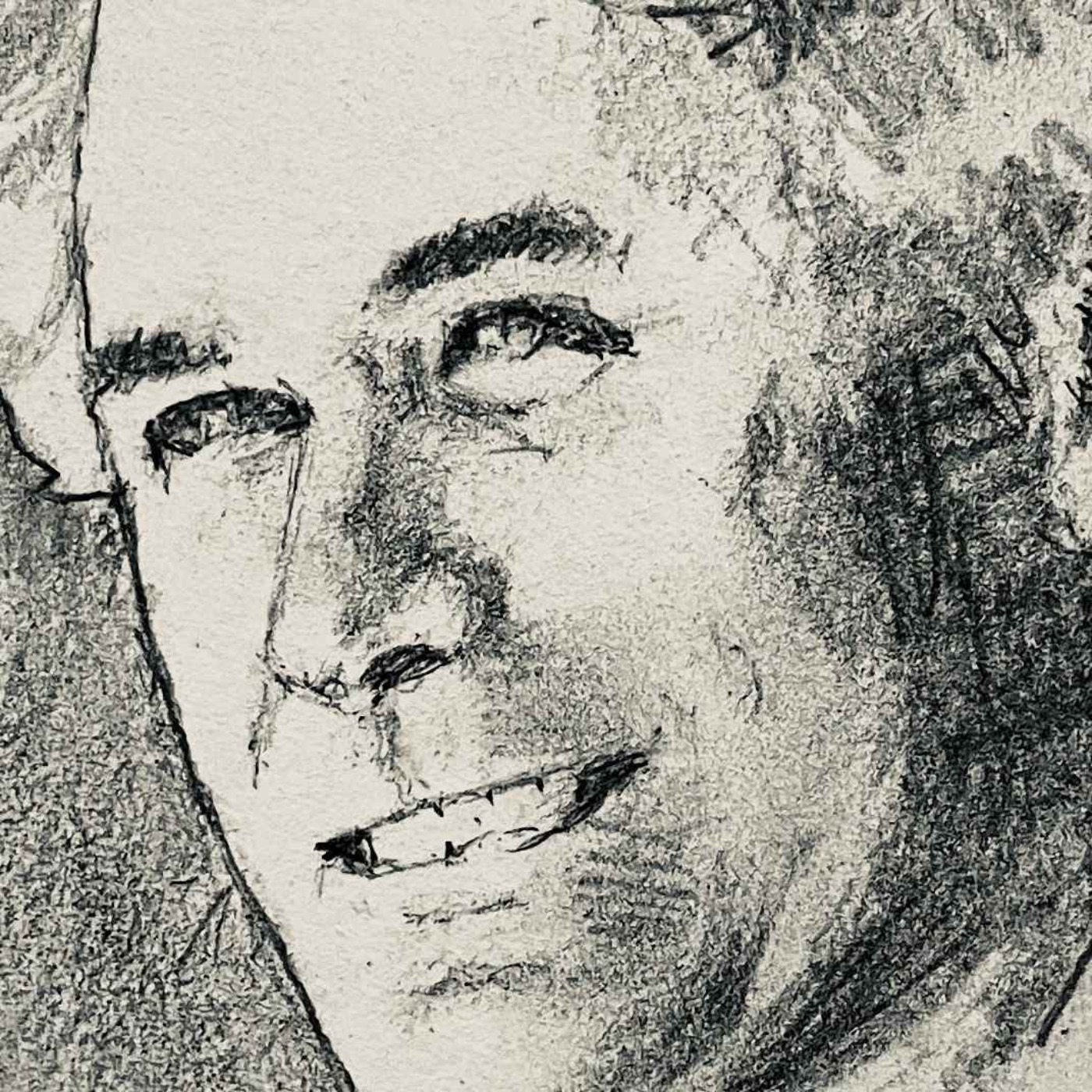
S2 Ep 29'...PERCHANCE TO DREAM: On the neuroscience of sleep and dreaming...
In this wide ranging conversation Mark Solms talks about his seminal research in the '80s on the effect of brain lesions on patient reports of dreaming. After a brief visit to Charcot and Wilbrand in the late 19th century, we discuss the research of Dement and colleagues in the 1950s, when it was discoverd that every 90 minutes or so during sleep our EEG is more like the awake state, with asociated rapid eye movments (REM). We discuss Jouvet's work in the '60s in which the origin of REM sleep was found to be in the brain stem the belief at the time that REM and dreaming were part of the same process, later disproved by the work of Mark and others who found it to be cortical. There's an interesting diversion into culture wars in the science community (where, in his early days, studying something as subjective as dreams was 'unthinkable') before moving on to somnambulism, the implications of all this for Freudian theory and concluding thoughts about current dream research including a quite incredible recent Japanese study. Great conversation with an enthusiastic communicator.Participants: Mark Solms, Professor, Department of Neuropsychology, University of Capetown, SA. https://neuroscience.uct.ac.za/contacts/mark-solmsKen Barrett, visual artist, writer and retired neuropsychiatrist: http://www.kenbarrettstudio.co.ukMark's books 'The Hidden Spring': https://profilebooks.com/work/the-hidden-spring/'The Neuropsychology of dreams: https://www.karnacbooks.com/product/the-neuropsychology-of-dreams-a-clinico-anatomical-study/94585/?Opening and closing music: Prelude to the opera Brainland, composed by Stephen Brown. Brainland the opera website: www.brainlandtheopera.co.ukSketch by KB. Hosted on Acast. See acast.com/privacy for more information.
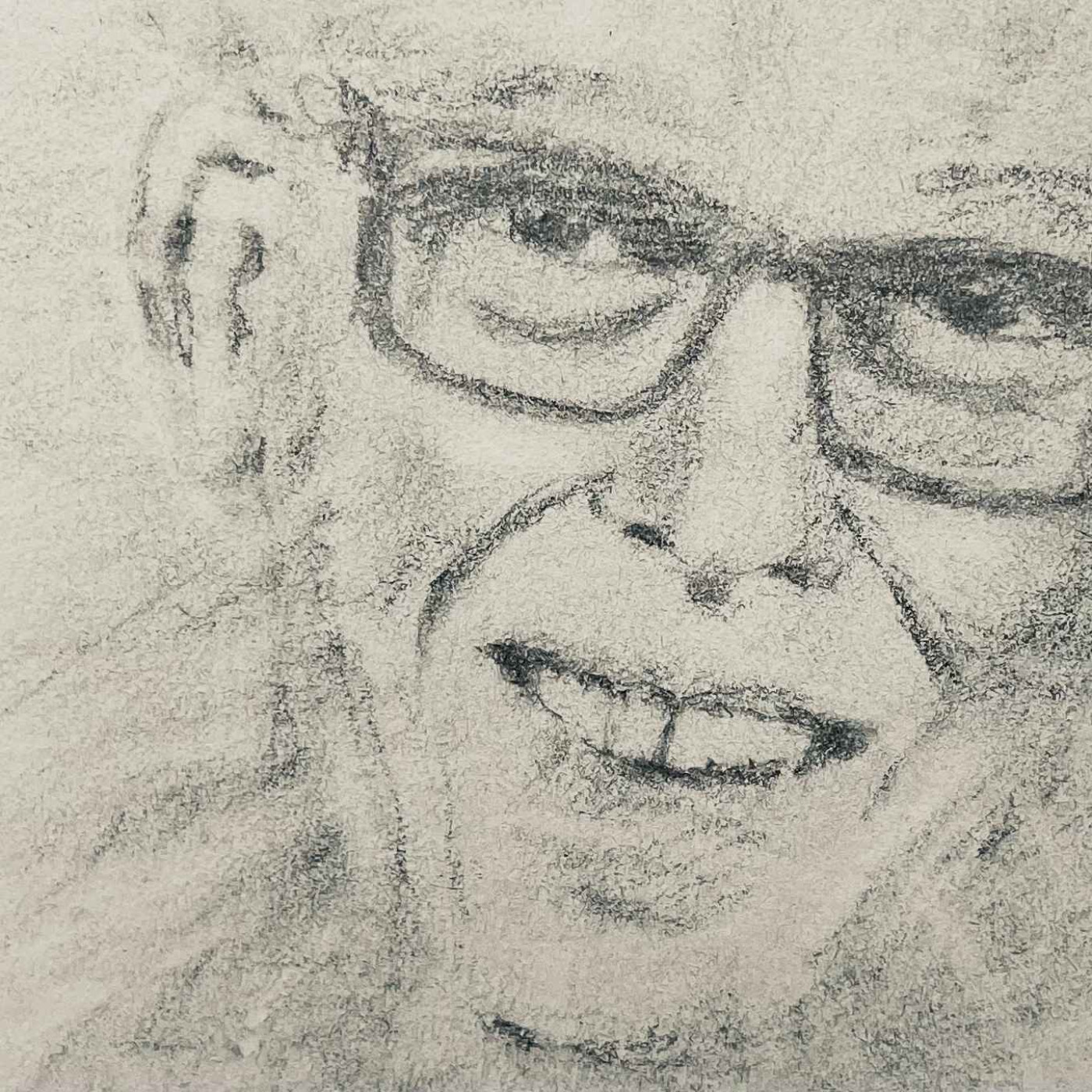
S2 Ep 28MUSIC OF THE SPHERES: Exploring the strange power of plainchant.
In this podcast we discuss the music called plainchant or plainsong - what it is, how did it arise and what effect does it have? We discuss the modal nature of the music, possible links to earlier Jewish intoning and the importance of resonance in recording. Bernard describes his research project in which subjects record their responses, relating to memory, emotion and transcendence. Three short extracts of the recordings he used are included in the podcast and fuller versions can be accessed through the links below. Some results are included before a diversion into philosopher Vladimir Jankélévitch and and quantum time. To conclude, Bernard talks about ways in which his research could be developed, not least the involvement of brain investigation. For a readable thesis on an under researched subject check out the link below .Participants: Bernard Salter, retired Anglican priest, organist and post-doctoral scholar.Ken Barrett, visual artist, writer and retired neuropsychiatrist: http://www.kenbarrettstudio.co.ukBernard's dissertation is here: https://etheses.dur.ac.uk/15491/Vladimir Jankélévitch: https://en.wikipedia.org/wiki/Vladimir_Jank%C3%A9l%C3%A9vitchA full version of plainchant sample A: https://www.youtube.com/watch?v=OvfjgSvq6KAThe full album 'Chant' by monks of Sana Domingo di Silo: https://www.youtube.com/watch?v=B3T8V-IM4XkA full version of plainchant sample C: https://www.youtube.com/watch?v=gZFaZWi2uSIIf you prefer female voices try this: https://www.youtube.com/watch?v=gn6gXCW_qucOpening music: Prelude to the opera Brainland, composed by Stephen Brown. Closing music: Introit for Christmas Day, from the album 'Chant' by monks of Sana Domingo di Silo, Spain.Brainland the opera website: www.brainlandtheopera.co.ukSketch by KB. Hosted on Acast. See acast.com/privacy for more information.
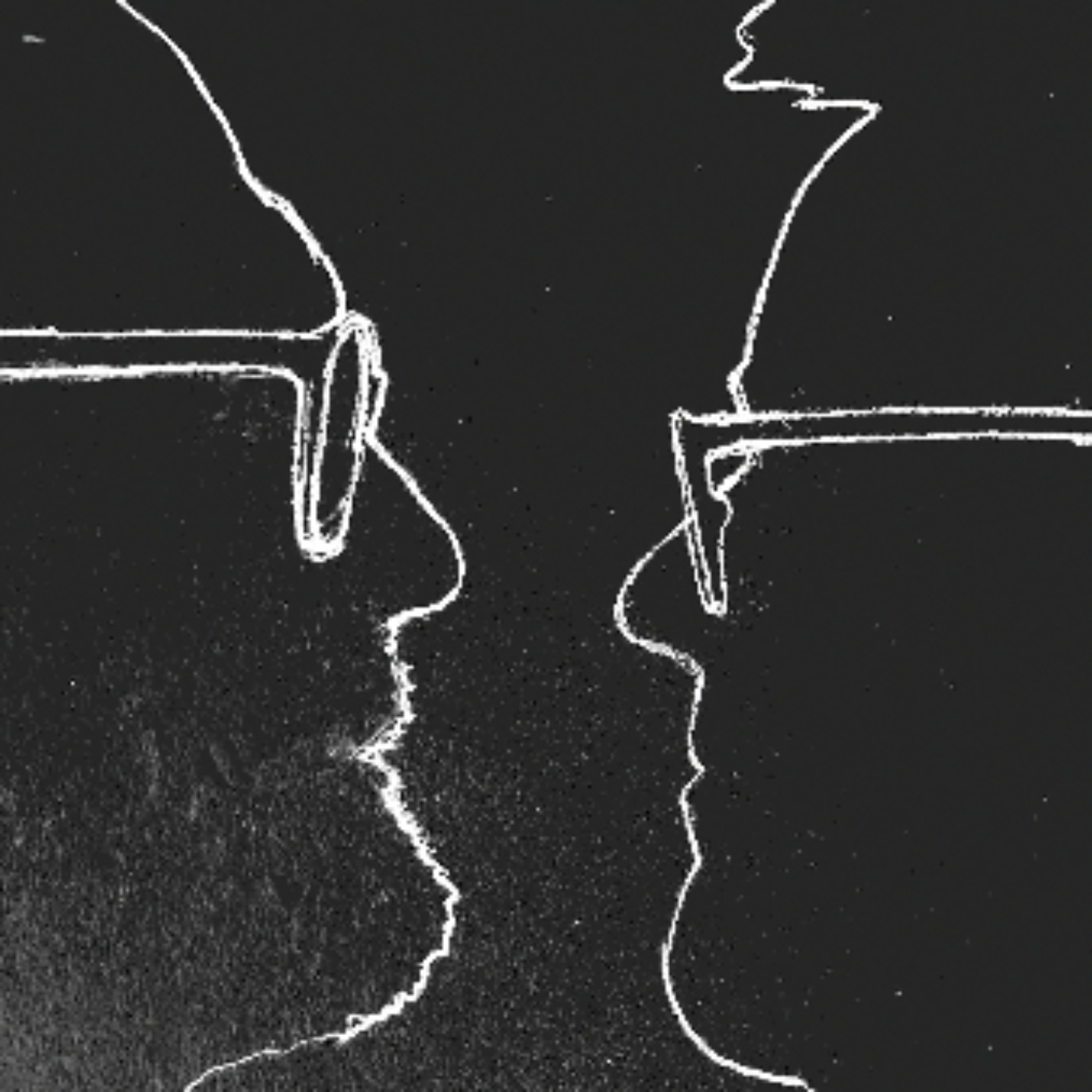
S2 Ep 27NEUROPSYCHIATRY AFTER DARK: Service development as 'social sculpture'?
Joseph Beuys was a radical post-war German artist who worked in unusual media and in the 1970s developed the notion of ‘social sculpture’ based on the concept that everything is art and every aspect of life could be approached creatively. For episode 17 this season Hugh Rickards, a younger neuropsychiatric colleague from the English Midlands, read and discussed his essay 'The lost tribes of neuropsychiatry'. At the end of that Hugh asked if he could ask me about my experience of creating a neuropsychiatry service in the ‘80s and ‘early ‘90s, with the help of a lot of colleagues, in a National Health Service that didn’t know it needed one. When I left clinical practice I took a deep dive into contemporary art, discovered Joseph Beuys and realised that creative clinical work can also be viewed as a kind of art practice, a social sculpture'. We'd recorded that conversation and it is definitiely niche but, hey, this is Brainland...welcome to ‘neuropsychiatry after dark...'Participants: Hugh Rickards, Consultant and Honorary Professor of Neuropsychiatry, National Centre for Mental Health, Birmingham, UK. http//:www.birmingham.ac.uk/staff/profiles/clinical-sciences/Rickards-Hugh.aspxKen Barrett, visual artist, writer and retired neuropsychiatrist: http://www.kenbarrettstudio.co.ukMore about Joseph Beuys and 'social sculpture': https://www.tate.org.uk/art/art-terms/s/social-sculptureOpening and closing music: Prelude to the opera Brainland, composed by Stephen Brown. Brainland the opera website: www.brainlandtheopera.co.ukSketch by KB. Hosted on Acast. See acast.com/privacy for more information.
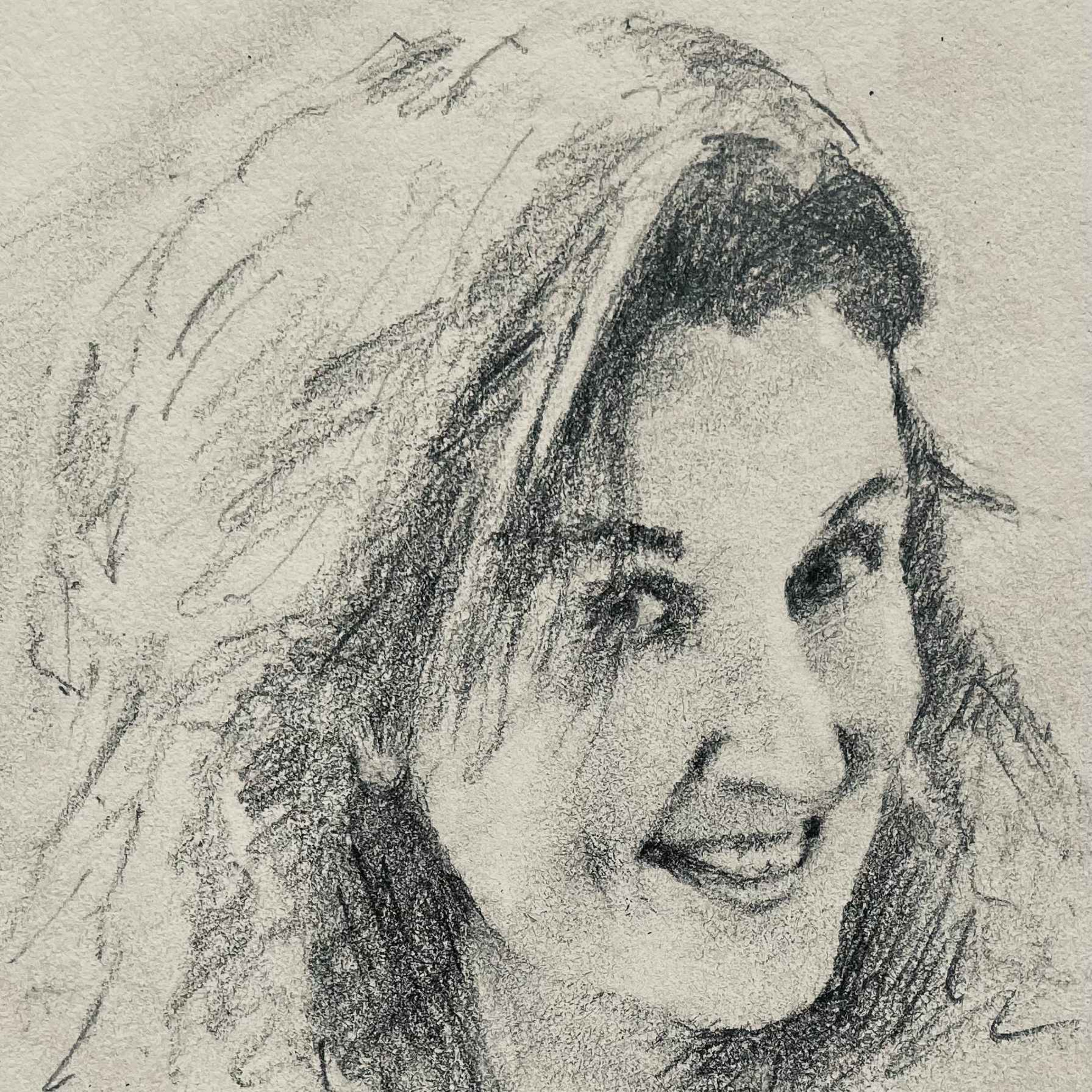
S2 Ep 26DANTE, DOPAMINE AND ME: Neuro-poetic and other explorations into language.
In this podcast Kimberly Campanello, a poet, novelist and academic, talks frankly about her early onset Parkinson's disease and how this lead her to pursue her Italian roots in Puglia. On a visit there, to her great grandmother's village, she literally discovered Dante's 'Comedia', which she is currently 'reversioning' - a method that involves processing the original Italian, a range of translations and commentaries, plus her life experience, coloured by her condition. She discussed making creative use of the effects of Parkinson's and the beneficial effects of her writing on her motor function, similar to the benefits of walking on irregular surfaces. We discuss the recent remarkable finding that, not only does PD influence movement, but also use of language, and especially verbs (see the link to the paper below). Along the way Kimberly reads one of her poems based on a canto from Dante and extracts from her published and recently finished novel. We end with a reading from her current poetry collection. This is 'Brainland'! Grreat conversation.Participants:Kimberly Campanello, Poet, novelist and Professor of Poetry, University of Leeds. https://www.kimberlycampanello.com/Ken Barrett, artist, writer and retired neuropsychiatrist. http://www.kenbarrettstudio.co.uk/Kimberly’s published canti from her Dante versioning:https://www.stillpointldn.com/articles/kimberly-campanello-two-cantos-from-this-knot/https://www.pamenarpress.com/post/kimberly-campanellohttps://blackboxmanifold.sites.sheffield.ac.uk/https://www.poetryireland.ie/publications/poetry-ireland-review/back-issues/issue-144The books discussed [Use the Words You Have (novel) & An Interesting Detail (poetry collection)]:https://somesuch.co/shop/use-the-words-you-have-by-kimberly-campanello https://www.bloomsbury.com/uk/interesting-detail-9781526690616/Kimberly's recent and really interesting Parkinson's disease inspired poem 'Moving Nowhere Here' is here: https://www.youtube.com/watch?v=SzRJTZ2lHgURead Paradoxical Kinesia (short prose): https://checkout.somesuch.co/products/somesuch-stories-7 A paper on Parkinson's disease and use of language: file:///Users/kenbarrett/Downloads/Words_in_motion_Motor-language_coupling_in_Parkins-1.pdOpening and closing music: Prelude to 'Brainland', the opera by Stephen Brown.Brainland the opera website: www.brainlandtheopera.co.ukFollow us us on Instagram:#brainlandcollective #brainlandthepodcastPortraitsketch by KB. Hosted on Acast. See acast.com/privacy for more information.
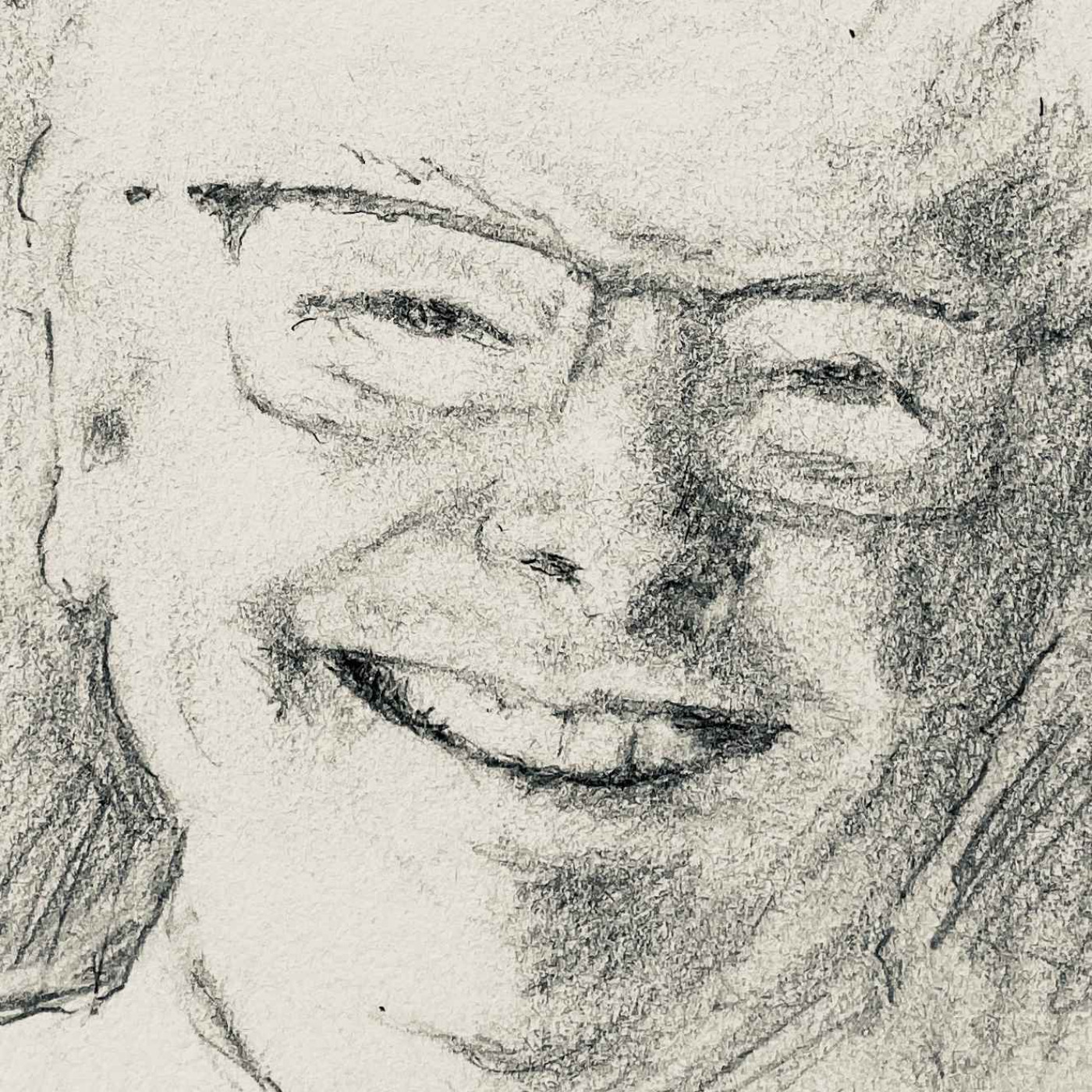
S2 Ep 26'THE BURDEN': The life and times of the Burden Neurological Institute and Hospital.
The Burden Neurological Institute (and Hospital) opened its' doors in 1939 and closed in 2000. In this wide ranging conversation, Jonathan Bird and Ken Barrett, neuropsychiatric alumni, chew the fat about the history of 'The Burden', the research home of Grey Walter who featured in the last Brainland episode. We discuss the unusual origin, Frederick Golla, the first director, the impact of the war, a wide range of characters who worked there and the work they did. A bit niche? Absolutely, but hey, that's Brainland!Participants:Jonathan Bird, Retired Consultant Neuropsychiatrist, Bristol.Ken Barrett, artist, writer and retired neuropsychiatrist. .http://www.kenbarrettstudio.co.uk/Opening and closing music: Prelude to 'Brainland', the opera by Stephen Brown.Brainland the opera website: www.brainlandtheopera.co.ukFollow us us on Instagram:#brainlandcollective #brainlandthepodcastPortrait sketch by KB. Hosted on Acast. See acast.com/privacy for more information.
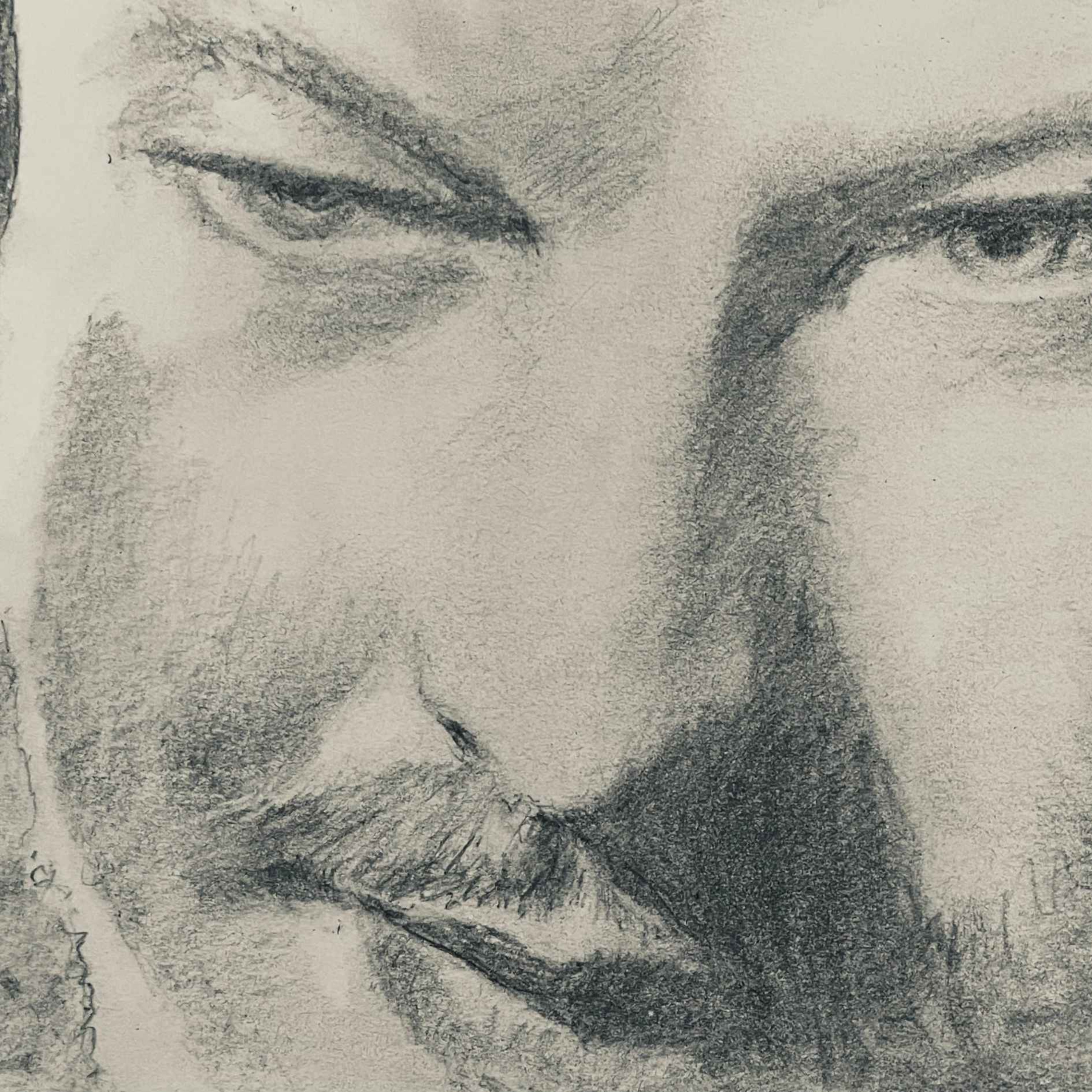
S2 Ep 25GREY WALTER: Maverick genius of cybernetics and the EEG
Grey Walter was an important figure in mid-20th century neurophysiology and cybernetics and this episode brings together professors of history of science and AI to discuss his life and work. We talk about his early personal and academic life, moving on to his work as a pioneer of the clinical applications of the EEG, particularly at the Burden Neurological Institute in Bristol. After setting the scene, we discuss his creation of the earliest EEG frequency analyser and brain mapper (the toposcope) before moving onto his influential book 'The Living Brain' and, in Cornelius's phrase, the 'vital abstraction' paradigm . We discuss his creation of a simple robot, in the late 1940s, the reason why he is revered in cybernetics circles, and later his experiments on brain computer interfacing. We touch on his controvertial personal life, a possible reason why he was never invited to become a Royal Society member, before talking about his legacy. A great conversation about an important figure form 20th century brain science.Participants:Cornelius Borck, Professor and Director of the Institute for History of Medicine and Science Studies, Lübeck University, Germany. https://www.imgwf.uni-luebeck.de/Phil Husbands, Emeritus Professor of Artificial Intelligence at the University of Sussex ( https://profiles.sussex.ac.uk/p1334-phil-husbands/about)Ken Barrett, artist, writer and retired neuropsychiatrist. .http://www.kenbarrettstudio.co.uk/More on William Grey Walter: https://collection.sciencemuseumgroup.org.uk/people/ap28659/walter-william-greyhttps://en.wikipedia.org/wiki/William_Grey_WalterHis robotic tortoises: https://www.youtube.com/watch?v=lLULRlmXkKo His book 'The Living Brain': https://wwnorton.com/books/The-Living-Brain/Grey Walter's novel 'Further Outlook' (published as 'The curve of the snowflake' in the US): https://openlibrary.org/books/OL6200854M/The_curve_of_the_snowflake.Ken's recent paper on the first forensic use of the EEG: https://www.cambridge.org/core/journals/bjpsych-bulletin/article/first-appearance-of-eeg-evidence-in-a-uk-court-of-law-a-cautionary-tale/9D97D5564586762599DBA680D61C994DMusic: Stephen Brown’s prologue to the opera 'Brainland'Sketch by KB.Brainland the opera website: www.brainlandtheopera.co.uk Hosted on Acast. See acast.com/privacy for more information.
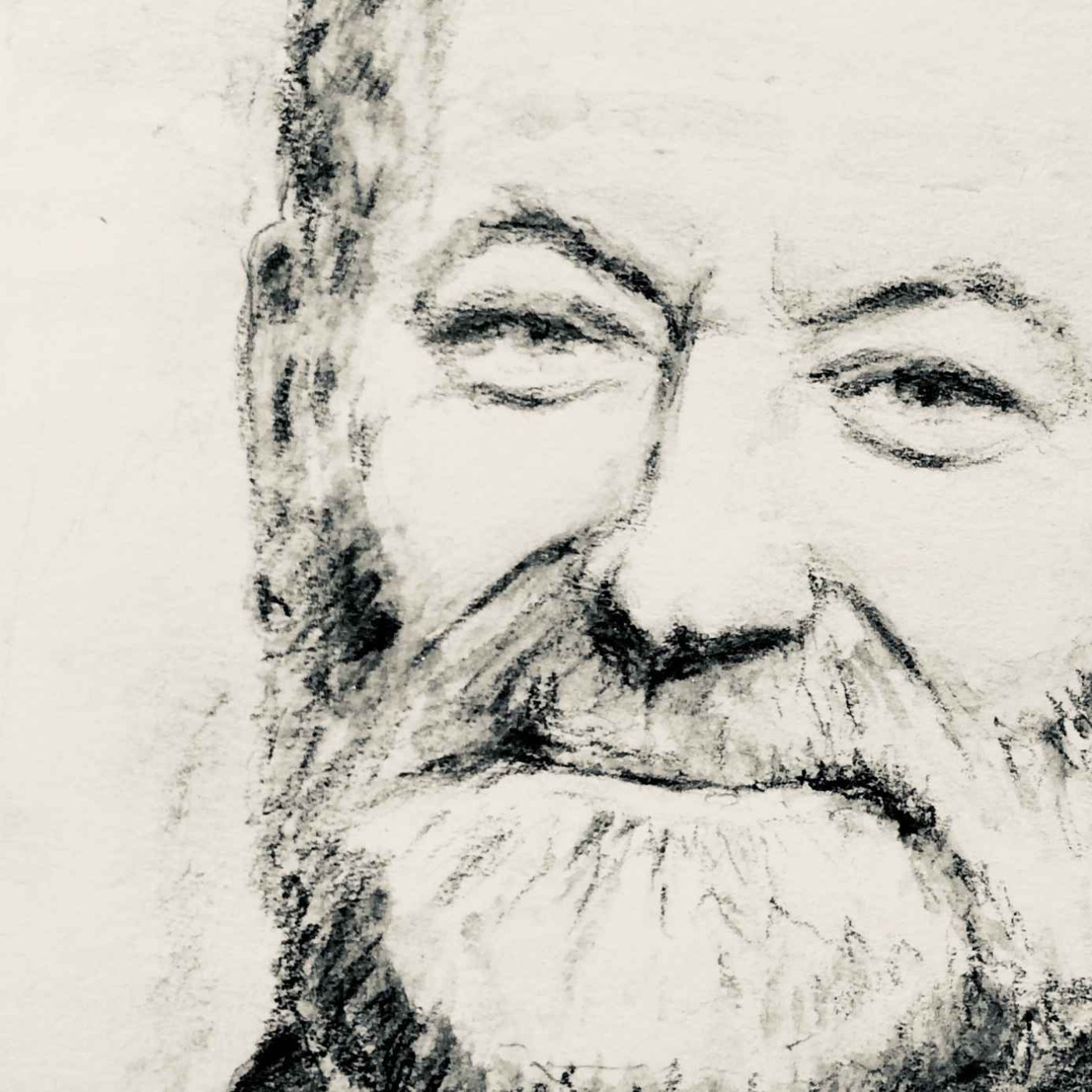
S2 Ep 24CIRCLING AROUND EXPLICITNESS: Adventures in the 'thatosphere'.
In this conversation philospher Raymond Tallis talks about his new book 'Circling Around Explicitness: The heart of human being'. Ray's book opens with a quote from German philosopher Friedrich Schelling ‘Uniquely within us nature opens her eyes and sees that she exists.’ What follows is an exploration of the meaning of 'thatness', his attempt to, in his words, 'eff the uneffed'. Our circling alights on a number of thinkers who he believes oversimplify misrepresent being, how 'the blob and the brain' become 'the bloke' . Donald Hoffman, Phillip K. Dick and Martin Buber get a mention, not all favourable, as does the 'autocidal tendency in contemproary philosophy', as we work through the four section of his book. To close he reads the closing paragraphs and gives us a peek at what is coming next. Great conversation.Participants: Raymond Tallis, philosopher and former professor of geriatric medicine, http://www.raymondtallis.co.uk/pages/home.htmlKen Barrett, visual artist, writer and retired neuropsychiatrist: http://www.kenbarrettstudio.co.ukRay's books: Circling around explicitness:https://cup.columbia.edu/book/circling-round-explicitness/9781788217903/Black mirror: https://www.waterstones.com/book/the-black-mirror/raymond-tallis/9781848871298Also discussed: Martin Buber: https://en.wikipedia.org/wiki/I_and_ThouOpening and closing music: Prelude to the opera Brainland, composed by Stephen Brown. Brainland the opera website: www.brainlandtheopera.co.ukSketch by KB. Hosted on Acast. See acast.com/privacy for more information.
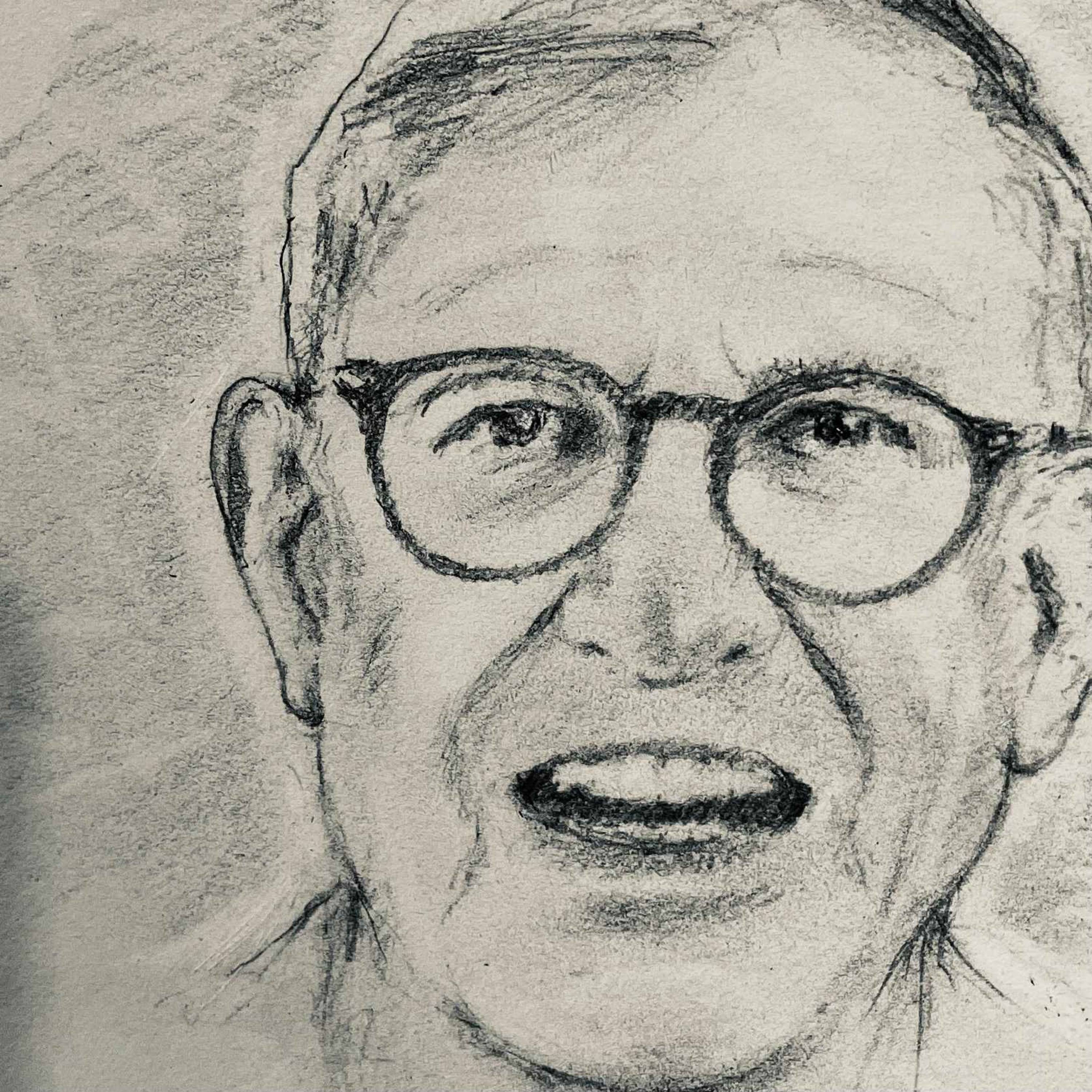
S2 Ep 23MONTALE'S CRUCIBLE: The life, loves and poetry of an Italian Nobel Laureate.
Earlier this season we recorded an episode on poetry and neuroscience in which Eugen Wassiliwitzki pointed out that in German the grammar produces many more internal rhymes and rhythms. This is perhaps even more true of Italian. The leading Italian poet of the last century is probably Nobel Prize winner Eugenio Montale. Jonathan Galassi has been reading, researching and translating Montale for decades. In this podcast he talks about Montale's background, influences, politics, religion and love-life. Jonathan reads one of his most famous poems in Italian and in his translation and one of his own from his collection 'North Street'. We touch on his antipathy for fellow poet and film director Pasolini before concluding with a brief discussion of Italian poetry after Montale.Participants: Jonathan Galassi, poet, novelist, translator and publisher. https://en.wikipedia.org/wiki/Jonathan_GalassiKen Barrett, visual artist, writer and retired neuropsychiatrist: http://www.kenbarrettstudio.co.ukJonathan's translations of Montale: http://www.everymanslibrary.co.uk/pocket-poets-author.aspx?letter=m&search=&firstname=Eugenio&surname=MontaleThe poem Jonathan reads, 'In limine' read in Italian by Montale: https://www.youtube.com/watch?v=e6-JXcllsIwA sung version of the Montale poem 'Meriggiare pallido e assorto':https://open.spotify.com/artist/61zXi10WbO8ZCyCy9CyW0n?si=Upq_coi3TVq1TdOwR1sT-AExamples of Jonathan's own poetry: https://www.poetryfoundation.org/poets/jonathan-galassiOpening and closing music: Prelude to the opera Brainland, composed by Stephen Brown. Brainland the opera website: www.brainlandtheopera.co.ukSketch by KB. Hosted on Acast. See acast.com/privacy for more information.
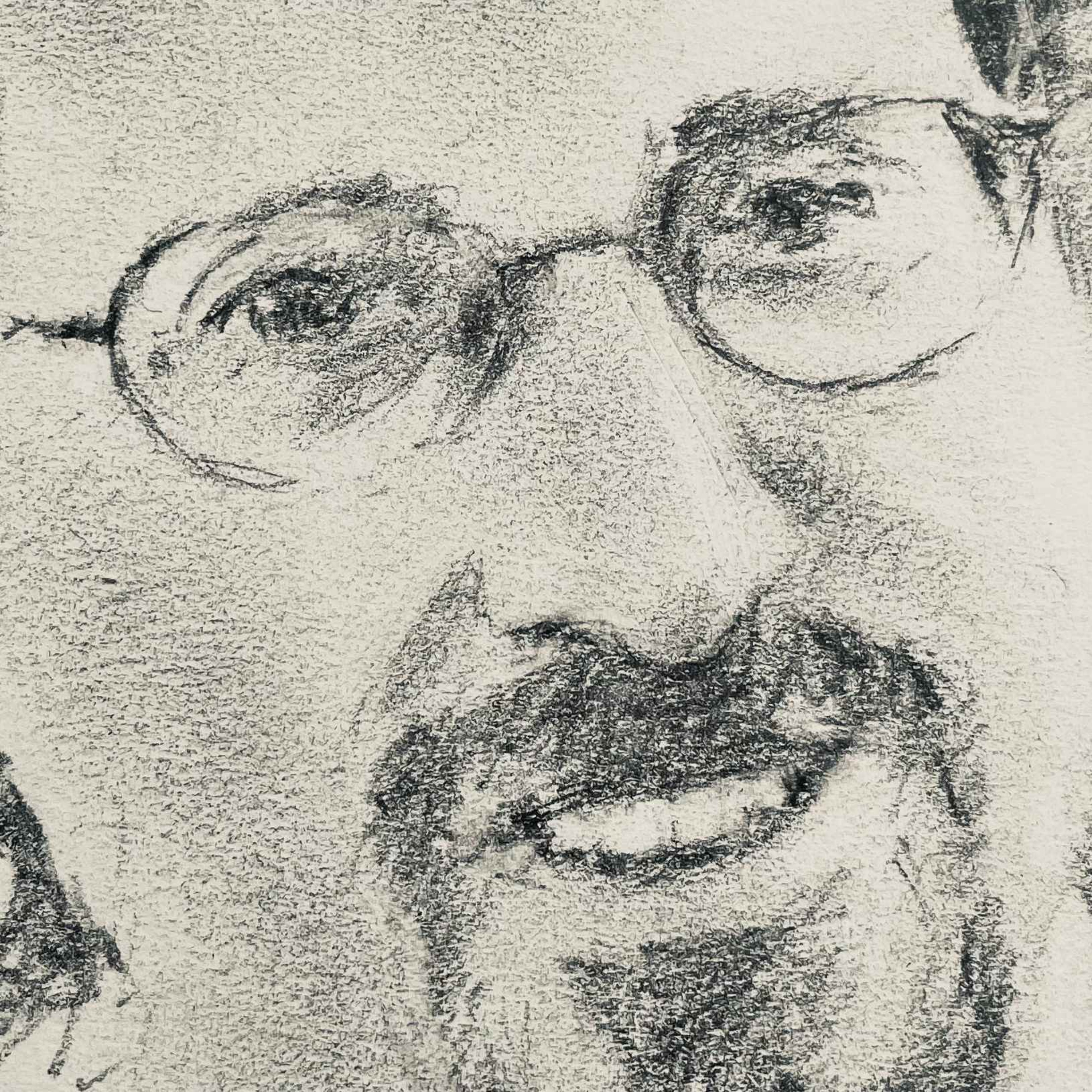
S2 Ep 22CHANGING HOW WE CHOOSE: The new science of morality.
How can current thinking in psychology and neuroscience, about how we make decisions, inform our understanding of moral questions and make for a better society? That question is central to David Redish's book 'Changing How We Choose'. In this podcast David defines neuroeconomics and explains why applying science and engineering models to moral questions is useful, 'engineering' relating to applying what is learned from science to the real world situations. He talks through 'deliberative', 'procedura'l and 'instinctual' decision making systems, underpinned by different neural structures. He explains two key games that help inform his discipline, the 'prisoner's dilemma' and the 'assurance game' with real world examples. David also explains 'asabiya', an Arabic term that denotes an important concept relating to collaboration. We conclude with a discussion of how the optimistic tone of his book, and this approach, stands up to the world as it has evolved since his book was released in 2022.Participants: A David Redish, Distinguished McKnight University Professor, Department of Neuroscience, University of Minnesota. https://med.umn.edu/bio/david-redishKen Barrett, visual artist, writer and retired neuropsychiatrist: http://www.kenbarrettstudio.co.ukDavid's book, 'Changing How We Choose: The new science of morality': https://mitpress.mit.edu/9780262047364/changing-how-we-choose/An episode of 'Golden Balls', a game show discussed: https://www.youtube.com/results?search_query=golden+balls+split+or+steal+100+000'The prisoner's dilemma' briefly explained: https://www.youtube.com/watch?v=NdITTDl5coEOpening and closing music: Prelude to the opera Brainland, composed by Stephen Brown. Brainland the opera website: www.brainlandtheopera.co.ukSketch by KB. Hosted on Acast. See acast.com/privacy for more information.
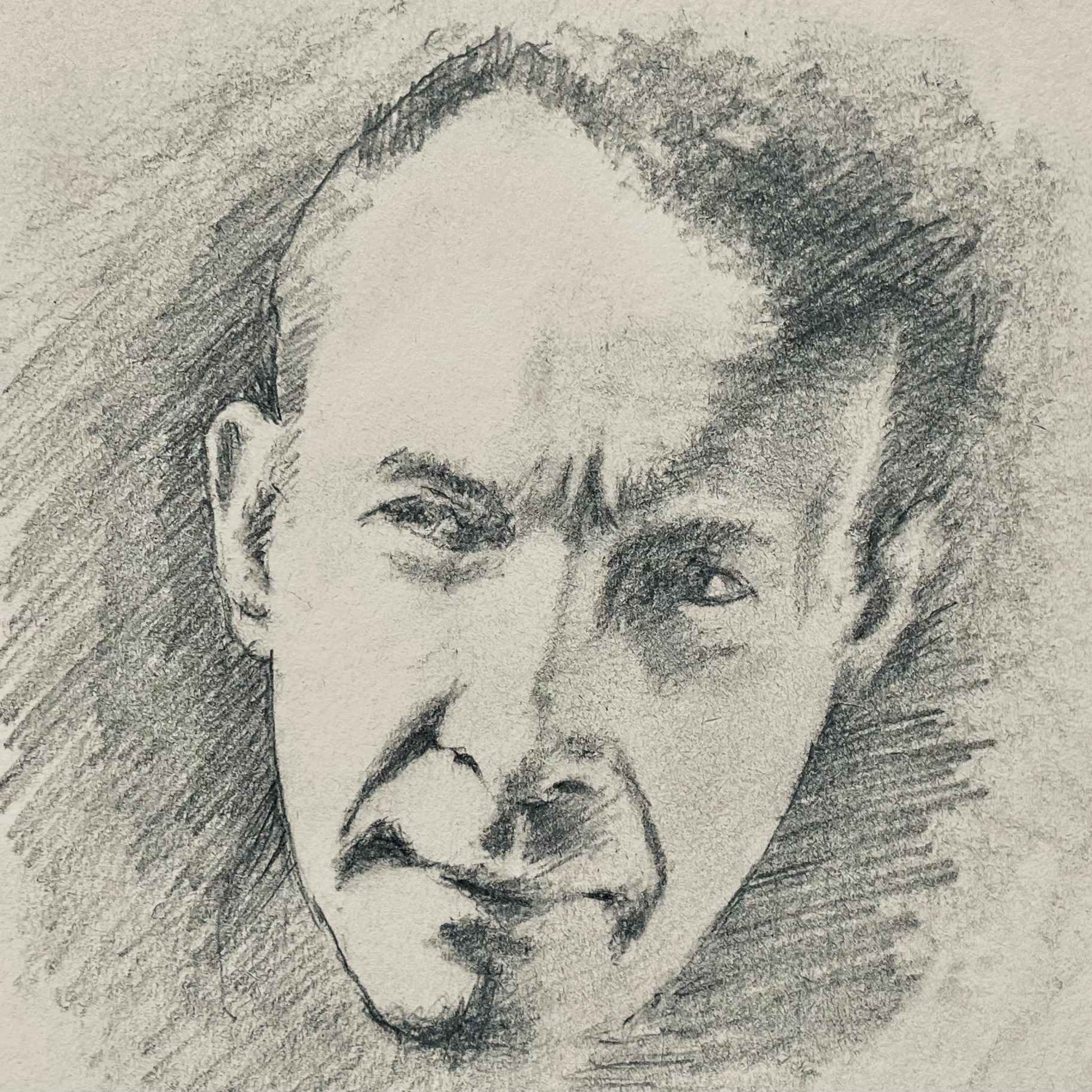
S2 Ep 21OH FOR THE WINGS OF A DOVE: From choirboy to Operatic Maestro.
In this specially extended episode of the podcast we speak with Jonathan Dove, one of the most performed contemporary opera/classical composers working today. He talks about his first steps in music, making up tunes on the piano well before taking formal lessons, his organ playing in church, often improvising, and the great contribution of London schools' music provision to his education. Jonathan tells us of his years he worked as an accompanist and arranger, particularly for operas, before focussing on composing in his late '20s. He shares aspects of his composition practice, including creating a mood or affective tone before adding tunes. There are diversions into Karl Marx's chaotic home life (the subject of a comic opera), Covid and the climate crisis, the latter a subject that has helped fuel several compositions, including his most recent community opera, 'Uprising'. We conclude by talking about the works currently on Jonathan's desk desk. An extraordinary look into a successful composer's mind and creative practice.Participants: Jonathan Dove, composer, https://www.jonathandove.com/Ken Barrett, visual artist, writer and retired neuropsychiatrist: http://www.kenbarrettstudio.co.ukAndy Platman, writer, musicophile, retired physician.Some of the pieces discussed:Uprising:https://www.jonathandove.com/news/new-community-opera-uprisingPinocchio:https://www.jonathandove.com/the-adventures-of-pinocchio.htmlTobias and the angel:https://www.jonathandove.com/tobias-and-the-angel.htmlMarx in London:https://www.jonathandove.com/marx-in-london.htmlGaia Theory:https://www.wisemusicclassical.com/work/68312/Gaia-Theory--Jonathan-Dove/'On the streets and iin the sky' string quartet: https://open.spotify.com/album/0yXaKLDTOx5BWvy6NbpKb3?si=O0Wgu3epScG0xVDMwTWx9AOpening and closing music: Prelude to the opera Brainland, composed by Stephen Brown. Brainland the opera website: www.brainlandtheopera.co.ukSketch by KB based on an image from Marshall Light Studio. Hosted on Acast. See acast.com/privacy for more information.
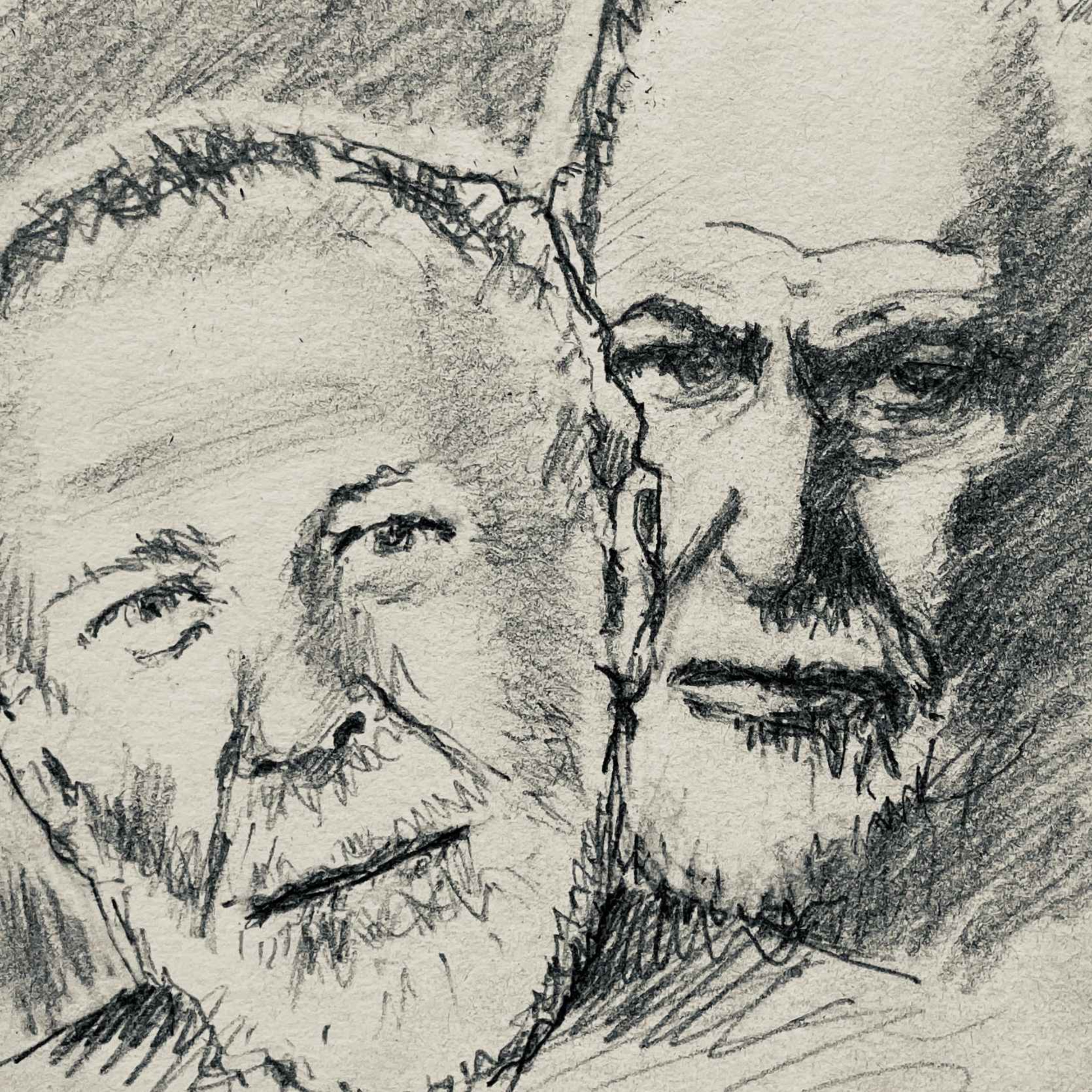
S2 Ep 20RE-ANIMATING FREUD: Sigmund at the movies
In this podcast we talk about the way Freud has been depicted in the movies, particularly the 1962 John Houston film 'Freud: The Secret Passion'. Ian discusses Houston's complicated relationship with the star, Montgomery Clift, Sartre's early involvement with the script, the film's 'film noir' feel, Jerry Goldsmith's music, with a detour into avant garde composers work on horror films. Ian characteries the film as a big game movie about the unconscious and we go on to discuss the 2011 David Cronenberg film 'A Dangerous Method' about Freud's rift with Jung, and the struggle of Jung's patient and subsequent lover to forger her own career in psychoanalysis. This leads to the 2023 film Freud's last session that includes Freud's daughter Anna and is based on an imagined conversation with CS Lewis, which lead to a conversation about Atenborough's film about Lewis, 'Shadowlands. To conclude, we discuss three movies inspired by ideas from psychoanalysis, 'Secrets of the Soul' (Pabst, 1926), Spellbound (1945) and particularly 'Under Capricorm' (1948), the latter two from Hitchcock. Ian discusses Freud's unwillingness to advise on movies, before concluding with a consideration of Fellini's use of his dreams as a source of movies. Great conversation.Participants:Ian Christie, Professor of Film and Media History, Birckbeck, University of London. www.ianchristie.orgKen Barrett, visual artist, writer and retired neuropsychiatrist: http://www.kenbarrettstudio.co.ukThe movies:Freud: The Secret Passion(1962): https://www.imdb.com/title/tt0055998/A Dangerous Method(2011):https://www.imdb.com/title/tt1571222/Freud's Last Session (2023): https://www.imdb.com/title/tt20420628/?ref_=fn_all_ttl_1Under Capricorn (1948): https://www.imdb.com/title/tt0042004/?ref_=fn_all_ttl_1The Dali designed Spellbound dream sequence from 'Spelbound': https://www.youtube.com/watch?v=8ITPLLIcPSMGW Pabst's 'Secrets of the Soul' (1926): https://www.youtube.com/watch?v=aYoXy3bYD1kThe Italian movie podcast mentioned: 'Capolavoro!: https://open.acast.com/networks/6452b6516dd22500113dc7d2/shows/67ab6f20c6f97f89d80e2d26/episodes/681cbfbe5acb8b715f1b5b17Brainland the podcast website: https://shows.acast.com/brainlandOpening and closing music: Prelude to the opera Brainland, composed by Stephen Brown. Brainland the opera website: www.brainlandtheopera.co.ukSketch by KB. Hosted on Acast. See acast.com/privacy for more information.
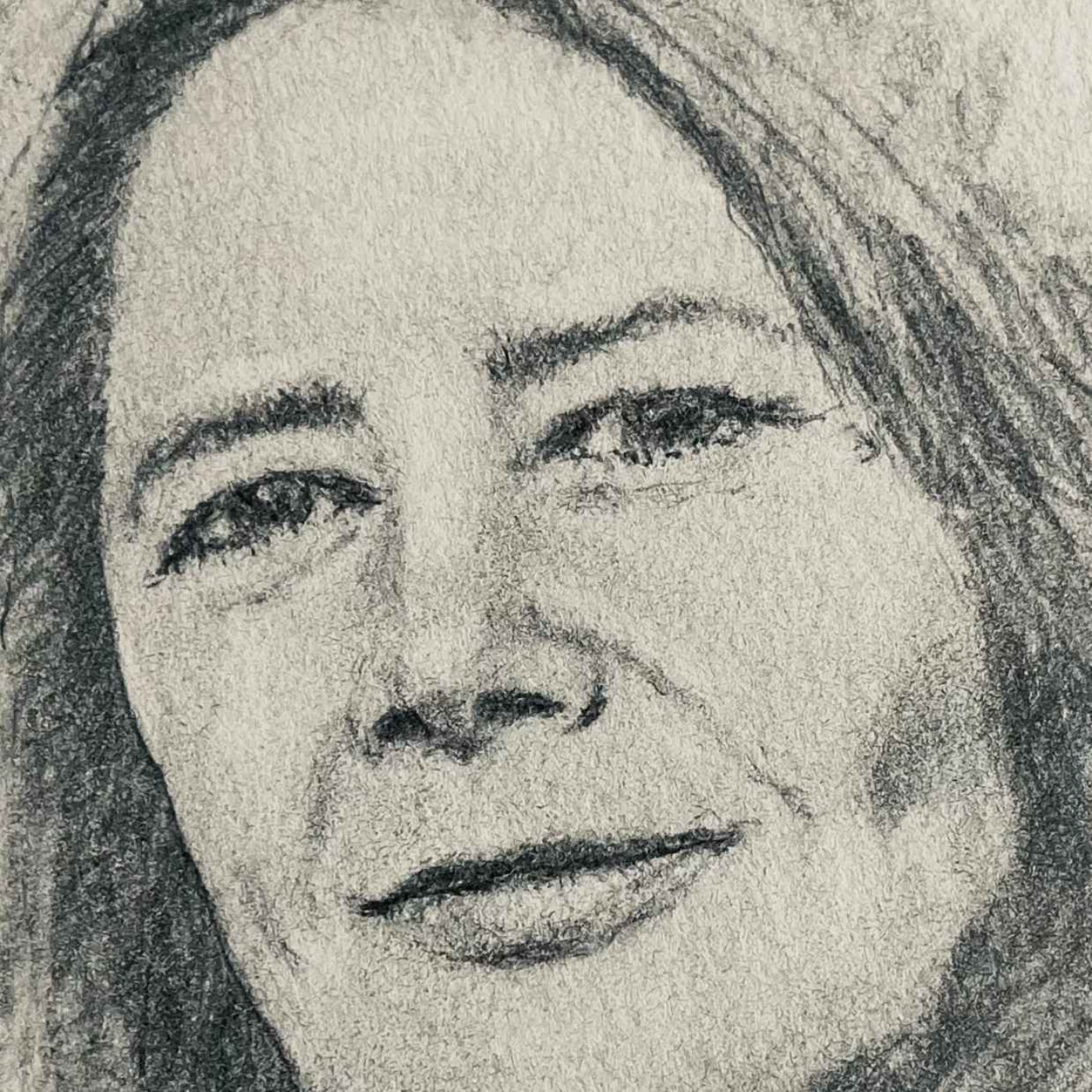
S2 Ep 19NEUROCINEMATIC EXPLORATIONS: Cinema creators in the act of creation.
Finnish film director Pia Tikka began studying the psychology and later the neuroscience of film making 25 years ago and is currently studying the experience and process of cinematographers and film editors.she talks about how writings of Soviet film maker and theorist Sergei Eisenstein has been particularly influential, particularly following his later interactions with neuropsychologist Luria, Gestalt psychologists and developmental psychologist Vigotsky. Pia talks about her concept of 'enactive cinema' and describes her current five year project studying cinematographers and film editors using microphenomenological and other methods. We also talk about the importance of narrative and the way stories work on us. After the main podcast I asked pia to talk about a contemporary multimedia art project invovling multi screen projection modified by psychophysical readings taken from the viewer, followed by a little more discussion of Eisenstein so stay listening for that...Participants: Pia Tikka, Research Professor, CINEMATIC MINDS, Baltic Film, Media, Arts and Communication School (BFM) Centre of Excellence in Media Innovation and Digital Culture (MEDIT) Tallinn University, Estonia.Ken Barrett, visual artist, writer and retired neuropsychiatrist: http://www.kenbarrettstudio.co.ukTo learn more about microphenomenolgy: https://www.microphenomenology.com/homeOpening and closing music: Prelude to the opera Brainland, composed by Stephen Brown. Brainland the opera website: www.brainlandtheopera.co.ukSketch by KB. Hosted on Acast. See acast.com/privacy for more information.
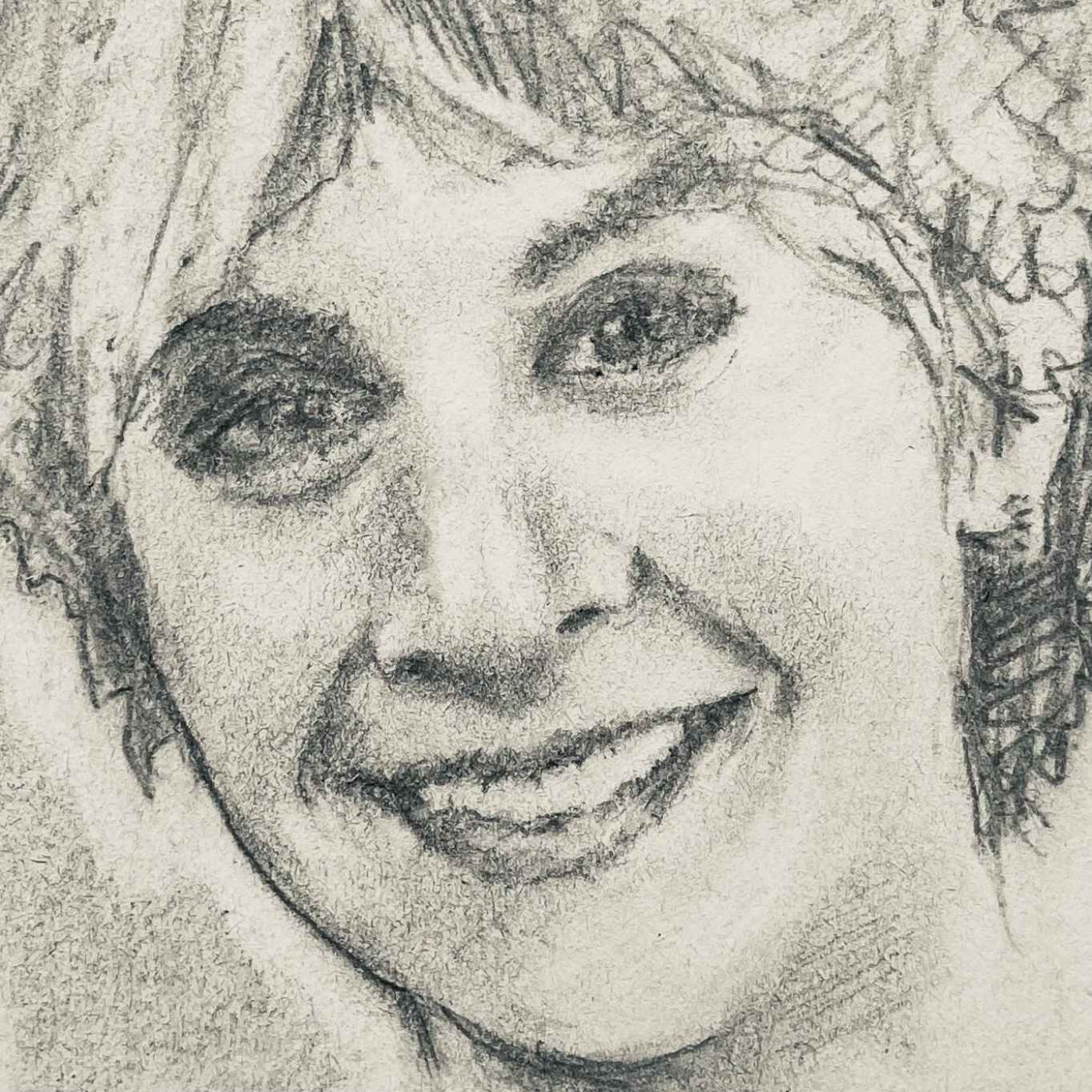
S2 Ep 18WHILE THE MUSIC LASTS: Life, loss and musicology.
In this podcast, Emily talks about how she came to write 'While the music lasts', her very personal account of her response to the death of her father, one of the key inspirations for her career choice. Her book documents how for several months after his death she avoided music as it made her angry and how eventually her musicologist training helped her navigate that period. This included an in depth look at the musical Boulanger sisters, the younger of whom died at 24. Emily talks about her father and their relationship and how going through his overloaded music stand (he was a guitarist) and creating the Spotify playlist that accompanies the book, was another way to adjust to his absence and bring him to mind. We briefly detour into grief dogs and the male bias over centuries of classical music and music academia before talking about Emily's trip to Cadiz, a journey her father suggested making with her, a week before he died. She made the trip alone and stayed a friend who was also grieving - a postive conclusion to her story..Participants: Emily MacGregor, musicologist and cultural historian, broadcaster; Research Fellow in Music, King's College London; Classical music Editor-at-large, Faber andd Faber. https://emilymacgregor.co.uk/Ken Barrett, visual artist, writer and retired neuropsychiatrist: http://www.kenbarrettstudio.co.ukEmily's book: https://www.welbooks.co.uk/shop/p/while-the-music-lasts-a-memoir-of-music-grief-and-joy-by-emily-macgregorEmily's playlist: https://open.spotify.com/playlist/3FV5NJxh2jgQ9JcgYt4pqG?si=4c710734a5e14446Opening and closing music: Prelude to the opera Brainland, composed by Stephen Brown. Brainland the opera website: www.brainlandtheopera.co.ukSketch by KB. Hosted on Acast. See acast.com/privacy for more information.
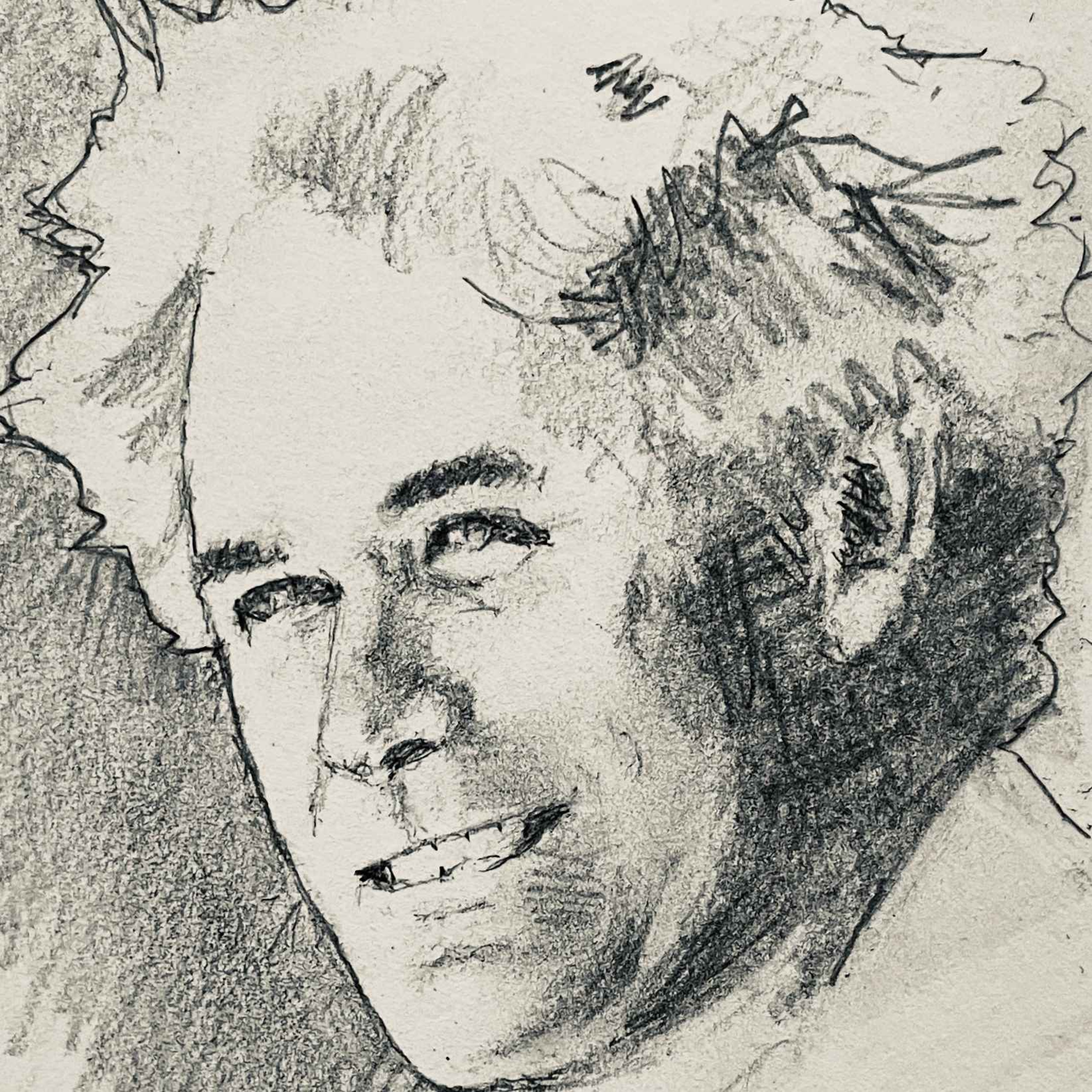
S2 Ep 17RE-ANIMATING FREUD: The Neuropsychoanalyst can see you now...
Mark Solms is a clinical neuropsychologist, neuroscientist and psychoanalyst. In this wide-ranging conversation Marks talks about his career path and the influence of a brain injury in family member when Mark was a child. Mark talks about Freud's pre-psychoanalytic work as a neuroscientist and neurologist and his own ongoing retranslation of Freud's neuroscientific writing. We discuss Mark's discovery of the brain lesions that supress dreams (not those relating to REM sleep) and how this lead to his interest in the affective rather than cognitive nature of consciousness. We discuss the work of Panksepp and Damasio and Mark outlines the computational neuroscience model and the way Karl Friston is applying this before mapping all this on Freud's original model of mind.Participants: Mark Solms, Professor, Department of Neuropsychology, University of Capetown, SA. https://neuroscience.uct.ac.za/contacts/mark-solmsKen Barrett, visual artist, writer and retired neuropsychiatrist: http://www.kenbarrettstudio.co.ukMark's book 'The Hidden Spring': https://profilebooks.com/work/the-hidden-spring/Opening and closing music: Prelude to the opera Brainland, composed by Stephen Brown. Brainland the opera website: www.brainlandtheopera.co.ukSketch by KB. Hosted on Acast. See acast.com/privacy for more information.
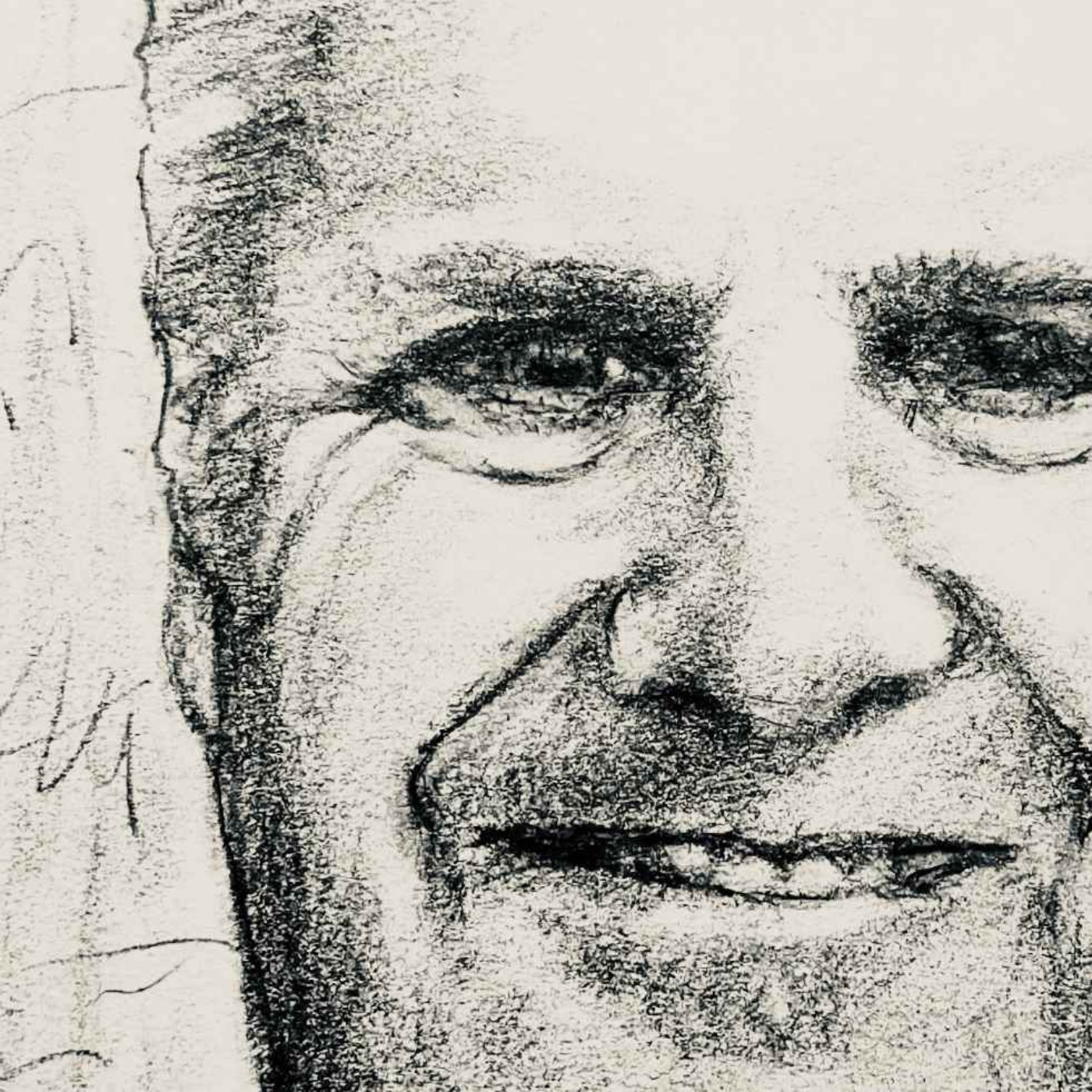
S2 Ep 16NEUROPSYCHIATRY REVISITED: The lost tribes.
In this podcast Hugh Rickards reads his unpublished essay, 'The Lost Tribes of Neuropsychiatry', raising a number of interesting issues relating to neuropsychiatric services in the UK, and their lack. We chew over some of the issues raised including causes for the abandonment of poeple with chronic mental disorders arising directly from brain disease or damage, and whether the still small discipline of neuropsychiatry has facilitated this. Hugh talks about the historic shift away from the brain in psychiatric nurse training and how some centres are revertng to joint RMN/RN courses. Ken talks about the origins of the still thriving comprehensive neuropsychiatry service in North Staffordshire and Hugh also sketch some solutions. An interesting format this, so if anyone else has an essay that might be in our wheelhouse do get in touch.Participants: Hugh Rickards, Consultant and Honorary Professor of Neuropsychiatry, National Centre for Mental Health, Birmingham, UK. http//:www.birmingham.ac.uk/staff/profiles/clinical-sciences/Rickards-Hugh.aspxKen Barrett, visual artist, writer and retired neuropsychiatrist: http://www.kenbarrettstudio.co.ukOpening and closing music: Prelude to the opera Brainland, composed by Stephen Brown. Brainland the opera website: www.brainlandtheopera.co.ukSketch by KB. Hosted on Acast. See acast.com/privacy for more information.