
BMJ talk medicine
500 episodes — Page 3 of 10

Mark Beattie's UpFront January 2023
The highlights of this edition brought to you by the Editor-in-Chief of Frontline Gastroenterology Mark Beattie. Read the UpFront of the January 2023 issue of Frontline Gastroenterology: https://fg.bmj.com/content/14/1/1 The full issue is now online: https://fg.bmj.com/content/14/1 Listen to our regular podcasts and subscribe in Apple Podcasts, Google Podcasts, Stitcher and Spotify.
Episode 11: Effects of Hypnosis on Postoperative Opioid Use After Total Knee Arthroplasty
The International Association for the Study of Pain defines pain as: “An unpleasant sensory or emotional experience associated with, or resembling that associated with, actual or potential tissue damage. Pain is both a disease and a symptom.” The inclusion of the word emotional in the definition alludes to the fact that consciousness is part of the pain pathway. Despite the knowledge that neurocognitive aspects of human psychology are intimately related to pain, very little research exists examining behavioral interventions. In this month’s RAPM Focus, Editor-in-Chief Brian Sites, MD, joins Jessie Markovits, MD, the lead author of “Effects of hypnosis versus enhanced standard of care on postoperative opioid use after total knee arthroplasty: the HYPNO-TKA randomized clinical trial,” first published in June 2022 (https://rapm.bmj.com/content/47/9/534). In this provocative study, 64 patients got either a 10-minute hypnosis session or an enhanced control during a hospital medicine pre-op visit before total knee arthroplasty. Dr. Jessie Markovits completed medical school at Tulane School of Medicine in New Orleans, followed by an internal medicine residency at Stanford. Her current appointment is associate professor of medicine, with a courtesy appointment to psychiatry and behavioral sciences at Stanford University. She is board-certified in internal medicine and has developed a perioperative specialization over the past 6 years in her clinical role as surgical co-management hospitalist, primarily for orthopedic surgery. *The purpose of this podcast is to educate and to inform. The content of this podcast does not constitute medical advice, and it is not intended to function as a substitute for a healthcare practitioner’s judgement, patient care, or treatment. The views expressed by contributors are those of the speakers. BMJ does not endorse any views or recommendations discussed or expressed on this podcast. Listeners should also be aware that professionals in the field may have different opinions. By listening to this podcast, listeners agree not to use its content as the basis for their own medical treatment or for the medical treatment of others.

Halitosis: an update on diagnosis and management
Halitosis is common and can affect people of all ages. Severe halitosis is less common but it can affect confidence and quality of life. It can even result in social isolation. So it is important that we get the diagnosis and management of this condition right. In this BMJ Best Practice podcast on halitosis, Kieran Walsh talks with Professor Stephen Porter, Director of the UCL Eastman Dental Institute in London. Competing interests: none declared

MUC5B, telomere length and longitudinal quantitative interstitial lung changes: the MESA Lung Study
Dr. Kate Diomede, social media editor at Thorax, speaks with Dr. Anna Podolanczuk(1) and Dr. John Kim(2) about their article, "MUC5B, telomere length and longitudinal quantitative interstitial lung changes: the MESA Lung Study", published in Thorax: https://thorax.bmj.com/content/early/2022/08/04/thorax-2021-218139 Please engage in the conversation through the social media channels (Twitter - @ThoraxBMJ; Facebook - @Thorax.BMJ · Pulmonologist) and subscribe on your preferred platform, to get the latest episodes directly on your device each month. (1) Division of Pulmonary and Critical Care, Weill Cornell Medical College, New York, New York, USA (2) Department of Medicine, University of Virginia School of Medicine, Charlottesville, Virginia, USA Department of Medicine, Columbia University Irving Medical Center, New York, New York, USA This episode was produced by Letícia Amorim and edited by Brian O'Toole. If you enjoy the Thorax Podcast, please leave us a rating and a review on the Thorax Podcast page on iTunes - https://podcasts.apple.com/gb/podcast/thorax-podcast/id343304910.

The Ironman Study with Professor Paul Kalra
In this episode of the Heart podcast, Digital Media Editor, Professor James Rudd, is joined by Professor Paul Kalra from Portsmouth, UK, the CI of the Ironman study. They discuss the trial in depth and the implications for future management of heart failure patients. This episode is sponsored by an educational grant from the Boehringer Ingelheim-Lilly Alliance. The sponsor has no influence over podcast content, the selection of speakers or any associated educational material. If you enjoy the show, please leave us a podcast review at https://itunes.apple.com/gb/podcast/heart-podcast/id445358212?mt=2 Link to published paper: https://www.thelancet.com/journals/lancet/article/PIIS0140-6736(22)02083-9/fulltext

Molecular Classification and Risk Stratification Endometrial Cancer
In this episode of the IJGC podcast, Editor-in-Chief Dr. Pedro Ramirez is joined by Drs. Jenny Mueller and Bill Zammarrelli to discuss molecular classification and risk stratification in endometrial cancer. Jenny Mueller, MD, is a gynecologic oncologist and assistant attending in the department of surgery at Memorial Sloan Kettering Cancer Center. She leads the endometrial cancer research team at MSKCC with an emphasis on prospective, translational, and collaborative efforts within and across institutions. Bill Zammarrelli, MD, currently works as a gynecologic oncology fellow at Memorial Sloan Kettering Cancer Center. He is a commissioned officer in the US Army and completed his residency at Walter Reed National Military Medical Center. His current research focuses on the genetics of endometrial cancer. Highlights: - PORTEC-1 and GOG-99 risk classifications are discordant for stage I grade 3 endometrioid endometrial carcinoma (EEC). - Stage I grade 3 EECs of CN-high molecular subtype have a worse 3-year progression-free survival compared to non-CN-high molecular subtypes. - Molecular classification in combination with clinicopathologic factors may provide improved prognostic information.

Got grit?
Grit is one of those concepts (like the dreaded resilience) that has a specific meaning, but has become a buzzword in healthcare. It’s the ability to persevere in the pursuit of a goal, in the face of obstacles - and it’s something all doctors have. However that trait has benefits and drawbacks. It’s not necessarily fixed, but will depend on context, and it is measurable but not a very helpful measure in isolation. In this episode, Clara Munro is joined by Declan Murphy and Ayisha Ashmore - and they sit down with neurourgeon and researcher Simone Betchen, who has measured grit in women surgeons, and helps them understand their grit scores. Reading list Grit in surgeons https://pubmed.ncbi.nlm.nih.gov/34218313/

Let's Get Physical Activity Messaging Right With Dr Chloë Williamson EP# 524
In this podcast, we host Dr Chloë Williamson (Twitter @Chlobobs). Chloë is a Postdoctoral Fellow in Physical Activity for Health based in the Physical Activity for Health Research Centre at the University of Edinburgh. Her research (including PhD) over the past 4 years or so has focused on physical activity communication and messaging. We all know that physical activity is important but it is equally important to consider how PA messaging is delivered. Chloë provides a great overview on the findings of her research to date and her work on the development of a translational tool to bring PA messaging research into practice. In this podcast, we discuss on: The framework of PA messaging and how to use it Key points to focus on and consider when delivering PA messages How we can use the framework findings to engage different partners and organisations How we can make PA attractive to our target audience Get the Message? A scoping review of physical activity messaging. https://ijbnpa.biomedcentral.com/articles/10.1186/s12966-020-00954-3 A modified Delphi study to enhance and gain international consensus on the Physical Activity Messaging Framework (PAMF) and Checklist (PAMC): https://ijbnpa.biomedcentral.com/articles/10.1186/s12966-021-01182-z Physical Activity Messaging Framework (PAMF) and Checklist (PAMC): International consensus statement and user guide. https://ijbnpa.biomedcentral.com/articles/10.1186/s12966-021-01230-8 How can we better promote physical activity to the public through messaging? https://blogs.bmj.com/bjsm/2020/11/10/how-can-we-better-promote-physical-activity-to-the-public-through-messaging/ Infographic: Walking on sunshine: scoping review of the evidence for walking and mental health: https://bjsm.bmj.com/content/53/14/903

Mechanical thrombectomy decision making and prognostication: SATIN study
In this podcast, JNIS Editor-in-Chief, Dr. Felipe C. Albuquerque, speaks with Dr. Kyle Fargen(1) about the recently published study "Mechanical thrombectomy decision making and prognostication: Stroke treatment Assessments prior to Thrombectomy In Neurointervention (SATIN) study" - https://jnis.bmj.com/content/early/2023/01/05/jnis-2022-019741.long Please subscribe to the JNIS Podcast via all podcast platforms, including Apple Podcasts, Google Podcasts, Stitcher and Spotify, to get the latest episodes. Also, please consider leaving us a review or a comment on the JNIS Podcast iTunes page: https://podcasts.apple.com/gb/podcast/jnis-podcast/id942473767 Thank you for listening! This episode was produced and edited by Brian O'Toole. (1) Neurological Surgery and Radiology, Wake Forest University, Winston-Salem, North Carolina, USA
MIS in Recurrent Ovarian Cancer
In this episode of the IJGC podcast, Editor-in-Chief, Dr. Pedro Ramirez, is joined by Professor Giovanni Scambia and Dr. Carmine Conte to discuss mildly invasive surgery in ovarian cancer. Prof. Scambia is the Director of the Gynecologic Oncology Unit and the Scientific Director of Fondazione Policlinico Universitario Agostino Gemelli IRCCS in Rome, Italy. He is Full Professor of Obstetrics and Gynaecology, at Catholic University in Rome, and Member of Consiglio Superiore di Sanità, Ministry of Health Italy and Vice President 1st Section of Consiglio Superiore di Sanità. He is President Elect of E.S.G.E. (European Society for Gynaecological Endoscopy), and Past President of the Italian Society of Obstetrics and Gynecology (S.I.G.O.). Prof. Scambia is specialized in gynaecological cancer treatment and research. He has studied and developed innovative surgical approaches for the cure of gynecological cancers and has been invited professor in several academic hospitals both in Europe and outside Europe, and he is considered an opinion leader in the field of gynecologic oncology. Dr. Carmine Conte works at the Gynecologic Oncology Unit at Fondazione Policlinico Universitario A. Gemelli IRCCS in Rome, Italy. He got the ESGO Fellowship diploma and is recognized as a certified European Gynaecological Oncologist. Dr. Conte is a surgeon and researcher with special interest in minimally invasive surgery (laparoscopy and robotic) to treat cancerous and noncancerous diseases of the female reproductive system. Highlights: - The patients with oligometastatic recurrent disease had a higher likelihood of minimally invasive secondary cytoreductive surgery. - Lymphnodal recurrences can be easily approached by MIS. - Propensity-matched analysis showed no differences in survival between the MIS and open groups, with a higher rate of overall and severe early complications in the open group. - Diagnostic laparoscopy and PET/CT scan should be considered complementary because of the potential of each one to identify a different disease setting. - A diagnostic laparoscopy before secondary cytoreductive surgery may prevent unnecessary laparotomies.
Is it time for the Beano to drop the junk food brands?
Claire Mulrenan, specialist registrar in public health, and Mark Petticrew, professor of public health evaluation, both working at the London School of Hygiene and Tropical medicine were surprised to see high-fat, high-salt fast food brands being featured heavily on the website of one of the UK's most beloved children's comics. In this podcast, they describe why they think that is harmful, and why the Beano should think again about its editorial policies, to protect children's health. To read the full investigation: www.bmj.com/content/380/bmj.p197

Reproductive coercion and narrative medicine with Annabel Sowemimo and John Launer
Reproductive coercion may feel like something that we don’t see very often in general practice, but a 2022 poll carried out for BBC Radio 4 of 1,060 UK women between the ages of 18 and 44 found that half of them had experienced some form of reproductive coercion. This week, we speak to returning guest Annabel Sowemimo about the various forms that reproductive coercion can take, and who might be at risk of experiencing it. We discuss how we, as GPs, can identify these patients, and, once we’ve done so, how we might be able to help them. Later on, we talk to our BMJ columnist, John Launer, about how narrative medicine approaches can help to reach a better & more satisfying resolution to a consultation “puzzle” for you and for the patient. Our guests: Annabel Sowemimo is a community sexual health registrar, based in Leicester. She is also a PhD candidate at King’s College London, and is the co-founder of the charity Reproductive Justice Initiative. John Launer is a GP educator, working for Health Education England. He is also a freelance educator and writer, as well as being a columnist for ‘The BMJ’. Further reading: ‘How to recognise and respond to reproductive coercion’. BMJ 2022;378:e069043. https://www.bmj.com/content/378/bmj-2021-069043 ‘John Launer: The art of paying attention’. BMJ 2022;378:o2294. https://www.bmj.com/content/378/bmj.o2294 ‘Careful, kind care is our compass out of the pandemic fog’. BMJ 2022;379:e073444. https://www.bmj.com/content/379/bmj-2022-073444
Sharing is caring
We’ve talked before about how one's own experience of illness can affect their practice, but does it also influence how much you share with your patients? In today’s episode we’re going to be talking all about physician self-disclosure - that is, all the things we, as future doctors, might share with our patients. We’ll be asking how appropriate it is to share your own stories with a patient and how you know when the timing is right to do this. This week, we’re going to be focusing on stories of illness and health, but we’ll come on to talking about other aspects of our identity in a future episode. Expert guests: Dr John Launer is a medical educator and writer. His background is in general practice and family therapy, and he also has a degree in English literature. He now devotes his time to medical education and he specialises in interactional skills. Check us out on social media: Twitter: https://twitter.com/BMJStudent Instagram: https://www.instagram.com/bmj_student/ Facebook: https://www.facebook.com/BMJStudent/ This podcast is produced and edited by Dom Byrne and Duncan Jarvies.

ADC Fetal and Neonatal’s Fantoms. Highlights from the January 2023 issue
ADC Fetal and Neonatal’s Associate Editor, Jonathan Davis, and the Edition Editor of the journal, Ben Stenson, discuss the highlights from the January 2023 issue. The Fantoms article: https://fn.bmj.com/content/108/1/1 Additional links: Helix trial: https://www.thelancet.com/journals/langlo/article/PIIS2214-109X(21)00264-3/fulltext Premiloc study: https://www.thelancet.com/journals/lancet/article/PIIS0140-6736(16)00202-6/fulltext SToP BPD study: https://jamanetwork.com/journals/jama/fullarticle/2722773 Early amino acids in preterm infants and neurodisability at 2 years: https://www.nejm.org/doi/full/10.1056/NEJMoa2204886?query=recirc_curatedRelated_article Commentary on early amino acid study: https://www.nejm.org/doi/full/10.1056/NEJMe2212522 Commentary on steroids and risk modification: https://fn.bmj.com/content/103/6/F500 Neoprom metaanalysis - https://pubmed.ncbi.nlm.nih.gov/29872859/ Boost II trial - https://www.nejm.org/doi/full/10.1056/nejmoa1514212 Please listen to our regular podcasts and subscribe in Apple Podcasts, Google Podcasts, Stitcher and Spotify to get episodes automatically downloaded to your phone and computer. And if you enjoy the podcast, please leave us a review at https://podcasts.apple.com/gb/podcast/adc-podcast/id333278832

Primary Survey - the highlights of February 2023
The best of the papers from our February 2023 issue, covered by Sarah Edwards and Rick Body. This month we cover great papers on COVID-19 and wellbeing, domestic violence and the diagnosis of testicular torsion. Read the highlights: https://emj.bmj.com/content/40/2/83. You can subscribe to the EMJ podcast via all podcast platforms, including Apple Podcasts, Google Podcasts, Stitcher and Spotify, to get the latest podcast every month. If you enjoy our podcast, please consider leaving us a review or a comment on the EMJ Podcast iTunes page (https://podcasts.apple.com/us/podcast/emj-podcast/id445358244). Thank you for listening!
Editors Highlights of the February 2023 issue
Practical Neurology Editors Phil Smith and Geraint Fuller talk you through the highlights of the February 2023 issue of the journal (https://pn.bmj.com/content/23/1/1). Please subscribe to the Practical Neurology podcast via all podcast platforms, including Apple Podcasts, Google Podcasts, Stitcher and Spotify, to get the latest podcast every month. If you enjoy our podcast, please consider leaving us a review or a comment on the Practical Neurology Podcast iTunes page (https://podcasts.apple.com/gb/podcast/pn-podcast/id942932053). The PN podcast is produced by Letícia Amorim and edited by Brian O'Toole. Thank you for listening.

Swapping to edoxaban, DOACs in renal impairment, inflammatory rheumatic diseases in pregnancy
In this podcast, James Cave (Editor-in-Chief) and David Phizackerley (Deputy Editor) talk about the February 2023 issue of DTB. They discuss concerns over a national initiative in England to transfer people with atrial fibrillation to edoxaban from other DOACs (https://dtb.bmj.com/content/61/2/18). They review a study that examined whether the correct dose of DOAC was used in people with renal impairment (https://dtb.bmj.com/content/61/2/21). They talk about the use of empagliflozin in people with heart failure (https://dtb.bmj.com/content/61/2/22) and finish with an overview of an article that discusses prescribing for pregnancy for those with inflammatory rheumatic disease (https://dtb.bmj.com/content/61/2/24). 60th anniversary interview with Dr John Dowden: https://soundcloud.com/bmjpodcasts/dtb-60th-anniversary-podcast-interview-john-dowden Trends in direct oral anticoagulant (DOAC) prescribing in English primary care (2014–2019): https://heart.bmj.com/content/109/3/195 The contact address for the DTB team is [email protected]. Please subscribe to the DTB podcast to get episodes automatically downloaded to your mobile device and computer. Also, please consider leaving us a review or a comment on the DTB Podcast iTunes podcast page (https://podcasts.apple.com/gb/podcast/dtb-podcast/id307773309). Thank you for listening.

Assessing the impact of dietary fibre on bile acid transformation by gut bacteria in mice
Dr Philip Smith, Digital and Education Editor of Gut and Honorary Consultant Gastroenterologist at the Royal Liverpool Hospital, Liverpool, UK interviews Professor Fredrik Bäckhed, The Wallenberg Laboratory, Department of Molecular and Clinical Medicine, University of Gothenburg, Gothenburg, Sweden on the paper '6α-hydroxylated bile acids mediate TGR5 signalling to improve glucose metabolism upon dietary fiber supplementation in mice' published in paper copy in Gut in February 2023, and available online: https://gut.bmj.com/content/72/2/314 Please subscribe to the Gut Podcast via all podcast platforms, including Apple Podcasts, Google Podcasts, Stitcher and Spotify, to get the latest podcast every month. If you enjoy our podcast, please consider leaving us a review or a comment on the Gut Podcast iTunes page (https://podcasts.apple.com/gb/podcast/gut-podcast/id330976727).
Diagnosis, Risk Stratification and Management of Myocarditis
In this episode of the Heart podcast, Digital Media Editor, Dr James Rudd, is joined by Dr Bettina Heidecker from Berlin to discuss all aspects of myocarditis. If you enjoy the show, please leave us a podcast review at https://itunes.apple.com/gb/podcast/heart-podcast/id445358212?mt=2 Link to published paper: https://heart.bmj.com/content/108/18/1486.full
Prolonged Maintenance with Bevacizumab (BOOST Trial) with Jacobus Pfisterer and Philipp Harter
In this episode of the IJGC podcast, Editor-in-Chief, Dr. Pedro Ramirez, is joined by Professors Jacobus Pfisterer and Philipp Harter to discuss prolonged maintenance with bevacizumab. Prof. Philipp Harter is the director of the Department of Gynecology & Gynecologic Oncology at Kliniken Essen-Mitte in Essen, Germany and the chair of the AGO Study Group. Prof. Jacobus Pfisterer is Director of the Gynecologic Oncology Center in Kiel Germany and former chair of the AGO Study Group. Highlights: - 30-month bevacizumb maintenance does not improve progression-free survival nor overall survival in advanced ovarian cancer. - 30-month bevacizumb maintenance is associated with more adverse events compared to 15 months. - 15-month bevacizumb maintenance remains standard of care.
Osteoarthritis
We release episodes fortnightly. Osteoarthritis is the most common form of arthritis. It is more common in women than in men, with incidence increasing sharply around the age of 50. And it can cause complications - including the inability to perform activities of daily living and spinal stenosis in cervical and lumbar osteoarthritis. So it is vital that we get the diagnosis and management of this condition right. In this BMJ Best Practice podcast on osteoarthritis, Kieran Walsh talks to Fadi Badlissi, Assistant Professor at Harvard Medical School and Director of the Musculoskeletal Medicine Unit at Beth Israel Deaconess Medical Center in Boston. Competing interests: None
Talk Evidence - excess deaths, the ONS, and the healthcare crisis
In this week's episode, we're focusing on covid and the ongoing crisis in the NHS. Helen Macdonald, Juan Franco and Joseph Ross cast their evidence seeking eyes over research into outcomes as well as the workload of doctors. Firstly, Joe tells us about a new big data study into longer term outcomes after mild covid-19, how those ongoing symptoms relate to long covid, and how often they resolve themselves. Juan looks back to his homeland to see what Argentina which was very early to offer children vaccinations against covid-19. He tells us how a new study design can help understand how effective different combinations of vaccines were. Joe has a Danish registry paper, which links people's employment status after a MI, explains how that gives us an insight into morbidity following that event. Helen looks at a new analysis which outlines the concept of "time needed to treat" - a measure of how much time it would take a clinician to actually carry out a guideline - and you'd be surprised how much GP time would be swallowed by a "brief" intervention to reduce inactivity in their patients. Finally, the data on excess mortality in the UK has been up for debate recently - our health minister calling into question the Office of National Statistic's data. We hear from Nazrul Islam, Associate professor of medical statistics, advisor to the ONS and BMJ research editor, who has some bad news for him. Reading list: Long covid outcomes at one year after mild SARS-CoV-2 infection https://www.bmj.com/content/380/bmj-2022-072529 Effectiveness of mRNA-1273, BNT162b2, and BBIBP-CorV vaccines against infection and mortality in children in Argentina, during predominance of delta and omicron covid-19 variants https://www.bmj.com/content/379/bmj-2022-073070 Guidelines should consider clinicians’ time needed to treat https://www.bmj.com/content/380/bmj-2022-072953 Expanding the measurement of overdiagnosis in the context of disease precursors and risk factors https://ebm.bmj.com/content/early/2023/01/10/bmjebm-2022-112117 Excess deaths associated with covid-19 pandemic in 2020 https://www.bmj.com/content/373/bmj.n1137.abstract
Exercise Physiology with Polly de Mille. EP #523
On this episode of the AMSSM Sports Medcast (T: @TheAMSSM) host Dr. Jacob Wessels, MD is joined by Polly de Mille, RN, MA, RCEP, CSCS, USAT, to discuss the topic of Exercise Physiology and how it can help figure out the missing links in training programs. Polly de Mille is an exercise physiologist and the Director of Performance Services at Hospital for Special Surgery in New York. She will provide the American College of Sports Medicine (T: @ACSMNews) Exchange Lecture titled, “Inside the Running Lab:How to Evaluate Optimal Run Mechanics and Physiology” during the 2023 AMSSM Annual Meeting in Phoenix, AZ. In this 20-minute conversation, she addresses the following topics: · Sharing more information about her work as a certified exercise physiologist at HSS · How she and her team can help identify the causes of injuries and help athletes stay healthy in order to reach their goals · How her background as a critical care nurse and an avid marathoner led her into the field of exercise physiology · The ways she and her colleagues can help improve runner’s outcomes and how many different disciplines come together to play important roles to make that happen · The different types of tests used by exercise physiologists and how they use that information to improve performance · The possibilities of using nutrition to enhance physiologic training sessions HSS Sports Rehabilitation and Performance Center: https://www.hss.edu/sports-rehabilitation-and-performance-center.asp

Lower distress or more breathing? - Archimedes February 2023
Neonates are a breadth of … well… actually breathing is one of the big issues they have. Adding a squirt of finely curated surfactant we know can help them out, and LISA (less invasive surfactant administration) is probably the best at the job. But it’s pretty stressful having things splashed into your lungs, so should we be giving premedication? Listen on for a short answer, or read the full paper here: https://adc.bmj.com/content/108/2/141.1 We would love for you to be involved and submit your very own Archi [https://adc.bmj.com/pages/authors/#archimedes] - and you’ll be doing the world a favour as we explain in detail too. Please listen to our regular podcasts and subscribe in Apple Podcasts, Google Podcasts, Stitcher and Spotify to get episodes automatically downloaded to your phone and computer. And if you enjoy the podcast, please leave us a review at https://podcasts.apple.com/gb/podcast/adc-podcast/id333278832
Reviewing the January Issue with Andrea Rosati and Anisa Mburu
In this episode of the IJGC Podcast, Editorial Fellows Andrea Rosati and Anisa Mburu discuss the contents of the January issue of IJGC.
Precursors of Ovarian Cancer with Elvio Silva
In this episode of the IJGC podcast, Editor-in-Chief, Dr. Pedro Ramirez, is joined by Dr. Elvio Silva to discuss precursors of ovarian cancer. Dr. Silva received a medical degree from the Universidad de La Plata and has been a faculty member at M.D. Anderson Cancer Center since 1980. He had pathology residences in Buenos Aires, Argentina, and University of Toronto, Canada and is the former President of the International Society of Gynecological Pathologists. Highlights: - Most ovarian serous tumors originate in the ovarian stroma. - Ovarian serous tumors originate in the epithelium of inclusion cysts or in epithelial areas that appear in the stroma due to mesenchymal-epithelial transition. - Mesenchymal-epithelial transition in serous tumors mimics the development of the Mullerian duct from the celomic mesenchyma.
What's in a name?
Some supervisors say "call me Bob'' but others insist on "Doctor Jones". In this episode we're reflecting on what types of supervisors fall into each camp and why sometimes using professional titles feels like honouring someone's hard work, but other times it feels like a way of putting you in your place. In today’s episode, we’re thinking all about the title “doctor”. We’ll talk about when and how it should be used and discuss our own experiences with this. We’ll also discuss why some people get called ‘doctor’ far less than others, and how titles can sometimes create strange power dynamics and unhealthy hierarchies in medicine. Expert guests: Dr Anna Baverstock is a paediatric consultant in Somerset. She has a wellbeing role within the trust and is passionate about kindness, civility and inclusion. Miss Evelyn Mensah, otherwise known as Evie, is a consultant ophthalmic surgeon in a large acute trust in north west London. Check us out on social media: Twitter: https://twitter.com/BMJStudent Instagram: https://www.instagram.com/bmj_student/ Facebook: https://www.facebook.com/BMJStudent/ This podcast is produced and edited by Dom Byrne and Duncan Jarvies.

Atoms: the highlights from the ADC February 2023
Editor-in-Chief of the Archives of Disease in Childhood, Dr. Nick Brown, and Senior Editor of ADC, Dr. Rachel Agbeko, bring you the monthly Atoms - the highlights of the February 2023 issue. Read it on the Archives of Disease in Childhood website: https://adc.bmj.com/content/108/2/i Please listen to our regular podcasts and subscribe in Apple Podcasts, Google Podcasts, Stitcher and Spotify to get episodes automatically downloaded to your phone and computer. And if you enjoy the podcast, please leave us a review at https://podcasts.apple.com/gb/podcast/adc-podcast/id333278832
Live from the British Thoracic Society (BTS) Winter Meeting 2022
Thorax social media editor, Dr. Puja Mehta, caught up with several Respiratory consultants from across the UK at the British Thoracic Society (BTS) Winter Meeting 2022, and asked them the question, 'What makes the Winter BTS meeting special?' Please engage in the conversation through the social media channels (Twitter - @ThoraxBMJ; Facebook - @Thorax.BMJ · Pulmonologist) and subscribe on your preferred platform, to get the latest episodes directly on your device each month. If you enjoy the Thorax Podcast, please leave us a rating and a review on the Thorax Podcast page on iTunes - https://podcasts.apple.com/gb/podcast/thorax-podcast/id343304910.
Primary Survey - the highlights of January 2023
A rundown of some of the best papers we published in the January 2023 edition of the journal. We cover an excellent practice review on the management of pulmonary embolism, going through some of the great pearls of wisdom relevant to our practice. How do you risk stratify patients with PE? What do you treat them with and how do you decide, especially when there are special considerations? When should you use thrombolysis? We cover a national survey of practice for prophyalxis of venous thromboembolism in patients who need lower limb immobilisation, we look at ambulance service configuration (should we have more rapid response vehicles?), we look at the outcomes of children who received 999 ambulance responses but weren't transported to hospital, and we look at whether vitamin D deficiency predicts outcome for patients with severe sepsis. Read the highlights: https://emj.bmj.com/content/40/1/1. You can subscribe to the EMJ podcast via all podcast platforms, including Apple Podcasts, Google Podcasts, Stitcher and Spotify, to get the latest podcast every month. If you enjoy our podcast, please consider leaving us a review or a comment on the EMJ Podcast iTunes page (https://podcasts.apple.com/us/podcast/emj-podcast/id445358244). Thank you for listening!
Transitioning from medicine to industry: general considerations
In this episode of the Heart podcast James Rudd is joined by Dr Jennifer Franke, Chief Medical Officer at Philips, and Dr Matthew Daniels from Sana Biotechnology in Seattle. They discuss career pathways outside of clinical medicine. If you enjoy the show, please leave us a podcast review at https://itunes.apple.com/gb/podcast/heart-podcast/id445358212?mt=2 Link to published paper: https://heart.bmj.com/content/early/2022/10/17/heartjnl-2022-321700
Hormone Replacement Therapy after Cervical Cancer with Jason Wright
In this episode of the IJGC podcast, Editor-in-Chief, Dr. Pedro Ramirez, is joined by Dr. Jason Wright to discuss hormone replacement therapy after cervical cancer. Dr. Wright is the Sol Goldman Associate Professor and Chief of the Division of Gynecologic Oncology at Columbia University. Highlights: - Among cervical cancer patients <50 years of age who underwent surgery including oophorectomy or primary radiation, only 39% received estrogen replacement therapy. - In patients who did receive estrogen replacement therapy the duration of use was short, with a median of only 60 days. - Black patients were significantly less likely to receive estrogen replacement therapy than White patients.

Carotid artery stenosis: an update on diagnosis and management
We release episodes fortnightly. Stroke is the fourth and fifth leading cause of death in the UK and US, respectively. There are more than 100,000 strokes in the UK every year. And approximately 10% to 15% of all ischaemic strokes are associated with carotid artery stenosis. So it is important that we get the diagnosis and management of this condition right. In this BMJ Best Practice podcast on carotid artery stenosis, Kieran Walsh talks to Brajesh Lal, Professor of Vascular Surgery, University of Maryland School of Medicine and Professor of Neurology, Mayo Clinic. Competing interests: None
ACL MYTH BUSTING Part 2 with Prof Jackie Whittaker and Dr Stephanie Filbay. EP #522
In this podcast, Dr Brooke Patterson hosts ACL injury and post-traumatic osteoarthritis leading experts Ass. Prof Jackie Whittaker and Dr Stephanie Filbay in part 2 of an ACL myth busting series. Jackie and Steph provide tips about how you can integrate new evidence into daily practice that may challenge existing beliefs and practices. In today’s episode you will find out if the following statements are TRUE or FALSE…. • ACL tears can heal • ACL tears only heal if patients are braced immediately • Open chain knee extension exercises are safe to perform in the first 4 weeks after ACLR • Returning to high impact sports increases the risk of PTOA after ACL injury • Having an early ACL reconstruction will reduce the risk of future structural OA Whittaker et al 2022 OPTIKNEE consensus statement https://www.ncbi.nlm.nih.gov/pubmed/36379676 Whittaker et al 2022 OPTIKNEE review of risk factors http://bjsm.bmj.com/content/early/2022/10/05/bjsports-2022-105496.abstract Filbay et al 2022 ACL healing paper http://dx.doi.org/10.1136/bjsports-2022-105473 OPTIKNEE website OPTIKNEE bit.ly https://bit.ly/OPTIKNEE
DTB 60th anniversary podcast interview - John Dowden
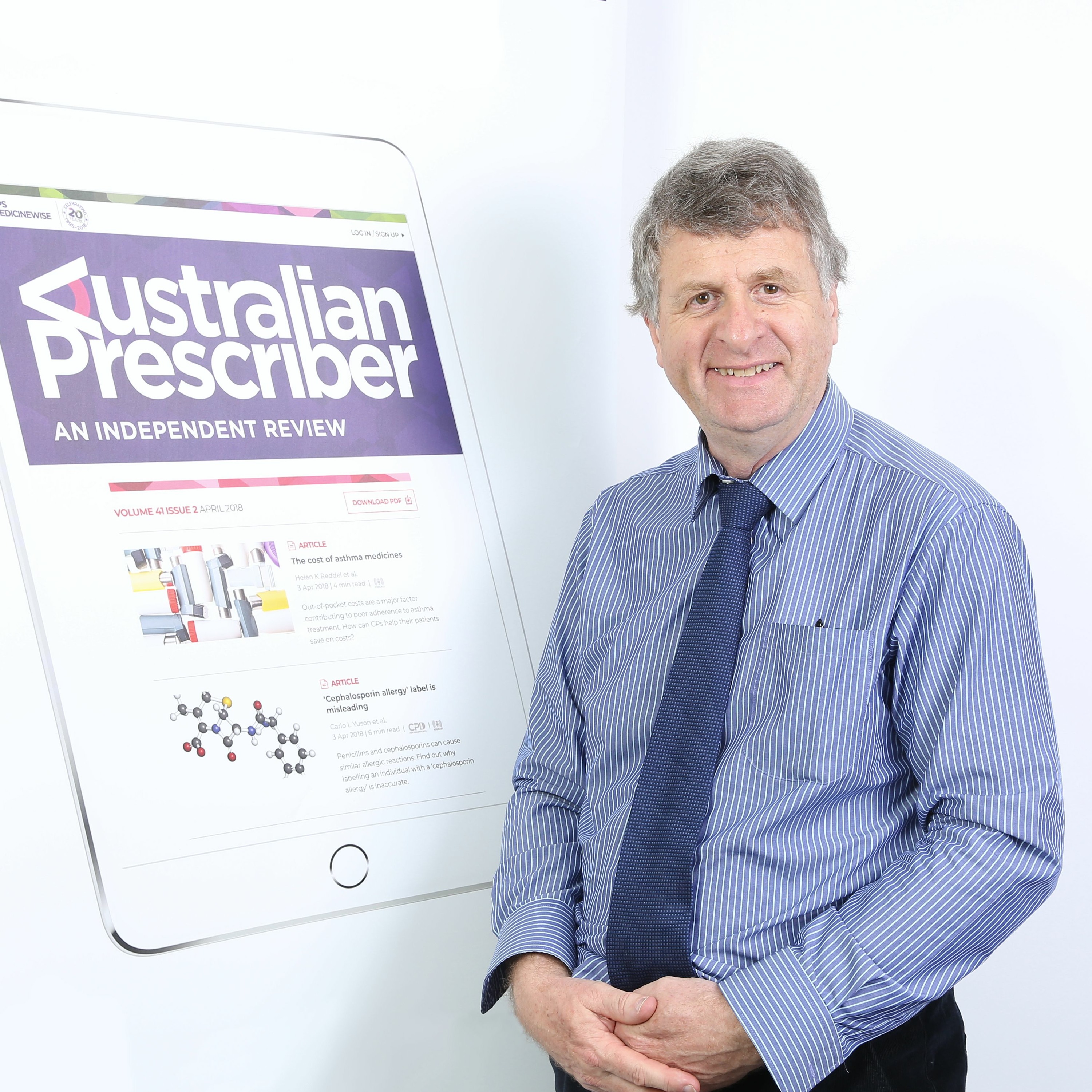
In a series of podcasts to mark the 60th anniversary of DTB, we talk to some of DTB's Editorial Board members and other colleagues about their work and their involvement with DTB. In this podcast, David Phizackerley (DTB's deputy editor) talks to Dr John Dowden, the editor of Australian Prescriber since 1990. Australian Prescriber (https://www.nps.org.au/australian-prescriber) is an independent peer-reviewed journal providing critical commentary on drugs and therapeutics for health professionals, and like DTB, Australian Prescriber was a founder member of the International Society of Drug Bulletins. At the time of recording, John highlighted that public funding for NPS Medicinewise (https://www.nps.org.au/), the organisation that publishes Australian Prescriber, was under threat and unfortunately the Australian Government withdrew funding and the organisation closed at the end of December. John and his team were made redundant, and the future of Australian Prescriber is uncertain. We wrote an editorial that criticises the decision to remove funding from NPS Medicinewise and you can find this in the January 2023 issue of DTB (https://dtb.bmj.com/content/61/1/2). This special series of the DTB Podcast is produced by Letícia Amorim and edited by Brian O'Toole. Please subscribe to the DTB podcast to get episodes automatically downloaded to your mobile device and computer. Also, please consider leaving us a review or a comment on the DTB Podcast iTunes podcast page (https://podcasts.apple.com/gb/podcast/dtb-podcast/id307773309). Thank you for listening.
Autoantibodies against PTM proteins as biomarkers for lupus
Autoantibodies against post-translationally modified proteins (PTM) are described in various rheumatic diseases and facilitate diagnosis and patient stratification. Researchers from the Leiden University Medical Center analysed the presence of autoantibodies against six different post-translational modifications in a cohort of patients with neuropsychiatric lupus. In this podcast, Leendert Trouw, Rory Monahan and Michelle van den Beukel discuss the results of their study with the ARD/RMDopen social media advisor Caroline Ospelt. Read the Open Access related paper: https://rmdopen.bmj.com/content/8/1/e002079 Listen to more episodes of RMD Open: https://podcasts.apple.com/gb/podcast/rmd-open-rheumatic-and-musculoskeletal-diseases/id1237127864

Immersive and Interactive: Accessibility Theatre and LivingBodiesObjects
Editor's in Chief of Medical Humanities, Brandy Schillace, interviews Amelia DeFalco, University of Leeds and Steve Byrne Director/Chief exec of the Interplay Theatre about the Interplay Theatre's work with disabled students and the role of immersive experience for the LivingBodiedObjects project. Related blog including the transcription of the podcast: https://blogs.bmj.com/medical-humanities/2023/01/12/immersive-and-interactive-accessibility-theatre-and-livingbodiesobjects Subscribe to the Medical Humanities Podcast in all podcast platforms, including Apple Podcasts, Google Podcasts, Stitcher and Spotify. If you enjoy our podcast, please consider leaving us a review and a 5-star rating on the Medical Humanities Podcast iTunes page (https://podcasts.apple.com/gb/podcast/medical-humanities-podcast/id961667204). Thank you for listening!
Novel High-Grade Serous Ovarian Morphologic Classification with Anil K. Sood
In this episode of the IJGC podcast, Editor-in-Chief, Dr. Pedro Ramirez, is joined by Dr. Anil K. Sood to discuss novel high-grade serous ovarian morphologic classification. Dr. Sood is a Professor in the Department of Gynecologic Oncology and Reproductive Medicine at the UT MD Anderson Cancer Center. He is Co-Director of the multi-disciplinary Blanton-Davis Ovarian Cancer Research Program and co-leads the Ovarian Cancer Moonshot Program. He is an elected member of the American Society for Clinical Investigation (ASCI), the Association of American Physicians (AAP), and the National Academy of Medicine (NAM). Highlights: - High grade serous ovarian cancer (HGSOC) could be classified into two gross morphologic subtypes. - Type I and type II morphologic subtypes differed with respect to clinical outcomes. - The two morphologic subtypes also differed with regard to transcriptomic, proteomic, and metabolomic profiles.
Formal Training Pathways, are they really all that?
One size doesn’t fit all - so what are the alternative career paths of doctors in the NHS? The treadmill of medical school, to foundation training, to specialist training, to a consultant position takes years and is not very trainee-centric in it’s design. So are there other ways for doctors to be able to work in the NHS, still progress their career, but also tailor the job to themselves? And what are the drawbacks of trying to do that? In this podcast, Clara Munro is joined by Flo Wedmore and new panelist Jason Ramsingh, a surgical trainee in Newcastle. They speak to Rob Fleming an SAS (speciality and associate specialist) doctor in anaesthetics.
Pregnancy and parental leave for neurointerventional surgeons
In this podcast, JNIS Editor-in-Chief, Dr. Felipe C. Albuquerque, speaks with Dr. Amanda Baker(1) and Dr. Sandra Narayanan(2) about their recently published standard "Society of NeuroInterventional Surgery: position statement on pregnancy and parental leave for physicians practicing neurointerventional surgery" - https://jnis.bmj.com/content/15/1/5. Please subscribe to the JNIS Podcast via all podcast platforms, including Apple Podcasts, Google Podcasts, Stitcher and Spotify, to get the latest episodes. Also, please consider leaving us a review or a comment on the JNIS Podcast iTunes page: https://podcasts.apple.com/gb/podcast/jnis-podcast/id942473767 Thank you for listening! This episode was edited by Brian O'Toole. (1) Radiology and Biomedical Imaging, UCSF, San Francisco (2) Neurointerventional Program and Comprehensive Stroke Program, Pacific Neuroscience Institute, Santa Monica

Artificial intelligence in inflammatory bowel disease
Dr Philip Smith(1) interviews Dr James Ashton(2) on the papers, "The importance of high quality ‘big data’ in the application of artificial intelligence in inflammatory bowel disease" and "Artificial intelligence and inflammatory bowel disease: practicalities and future prospects" published online in Frontline Gastroenterology in 2022. Read the articles in Frontline Gastroenterology here: https://fg.bmj.com/content/early/2022/11/17/flgastro-2022-102342 https://fg.bmj.com/content/13/4/325 (1) Social Media and Associate Editor of FG and Honorary Consultant Gastroenterologist at the Royal Liverpool Hospital, Liverpool, UK. (2) Paediatric Gastroenterology trainee at the Southampton Children’s Hospital, Southampton, UK, and Clinical Lecturer in Human Genetics and Genomic Medicine at the University of Southampton Listen to our regular podcasts and subscribe in Apple Podcasts, Google Podcasts, Stitcher and Spotify. If you enjoy our podcast, please rate us on your chosen platform, and leave us a review on the Frontline Gastroenterology Podcast page on iTunes: https://podcasts.apple.com/gb/podcast/fg-podcast/id942944229
ACL MYTH BUSTING Part 1 with Prof Jackie Whittaker and Dr Stephanie Filbay EP# 521
In this podcast, Dr Brooke Patterson hosts ACL injury and post-traumatic osteoarthritis leading experts Ass. Prof Jackie Whittaker and Dr Stephanie Filbay in part 1 of an ACL myth busting series. In today’s episode you will find out if the following statements are TRUE or FALSE…. ● ACL reconstruction reduces the risk of osteoarthritis compared to non-surgical management ● Only patella tendon grafts get patellofemoral osteoarthritis after ACL reconstruction ● Non-surgical management of an ACL injury increases the risk of future meniscal tears ● Meniscal lesions at the time of ACL injury/surgery increases the risk osteoarthritis after ACL injury ● Higher BMI increases the risk of osteoarthritis after ACL injury ● People can return to sport without having an ACL reconstruction for their ACL tear ● Increased laxity increases the risk of osteoarthritis after ACL injury/surgery Whittaker et al 2022 OPTIKNEE consensus statement https://www.ncbi.nlm.nih.gov/pubmed/36379676 Whittaker et al 2022 OPTIKNEE review of risk factors http://bjsm.bmj.com/content/early/2022/10/05/bjsports-2022-105496.abstract OPTIKNEE website OPTIKNEE bit.ly https://bit.ly/OPTIKNEE
Radiation and the nervous system
Dr. Amy Ross Russell(1) discusses a recently published review by Dr. Jeremy Rees(2) and Dr. Michael Kosmin(3) on the subject of radiation therapy on the brain, the history and motivation of its use, and its benefits and limitations. Read this latest Editor’s Choice paper on the Practical Neurology website (https://pn.bmj.com/content/22/6/450) and the December print issue of the journal. The paper is also discussed by Practical Neurology editors, Dr. Phil Smith and Dr. Geraint Fuller, in their latest podcast: https://soundcloud.com/bmjpodcasts/editors-highlights-of-the-december-2022-issue?in=bmjpodcasts/sets/pn-podcast (1) Neurology, University Hospital Southampton NHS Foundation Trust, UK (2) Neurology, National Hospital for Neurology and Neurosurgery, London, UK (3) Clinical Oncology, University College London Hospitals NHS Foundation Trust, London, UK Please subscribe to the Practical Neurology podcast via all podcast platforms, including Apple Podcasts, Google Podcasts, Stitcher and Spotify, to get the latest podcast every month. If you enjoy our podcast, please consider leaving us a review or a comment on the Practical Neurology Podcast iTunes page (https://podcasts.apple.com/gb/podcast/pn-podcast/id942932053). The PN podcast is produced by Letícia Amorim and edited by Brian O'Toole. Thank you for listening.
Nothing like Grey's Anatomy
From Casualty, Holby City, and Cardiac Arrest to Grey’s Anatomy, Scrubs and House, medical TV dramas are part of the fabric of growing up interested in a career in medicine. So today we’re discussing all things medical TV dramas and talking about whether these shows prepared us for medical school and life as a doctor! Join us for this episode as we play some of our favourite clips from popular medical TV programmes and talk more about how our experiences as medical students and new doctors compare. We’ll be discussing the heartbreak, the friendships, the drama, and the romance, as well as unpicking just how realistic (or unrealistic) these shows really are. Check us out on social media: Twitter: https://twitter.com/BMJStudent Instagram: https://www.instagram.com/bmj_student/ Facebook: https://www.facebook.com/BMJStudent/ This podcast is produced and edited by Dom Byrne and Duncan Jarvies.

Autoimmune gastritis: cancer risk in consistently tested H. pylori-negative patients
Dr Philip Smith, Digital and Education Editor of Gut, and Consultant Gastroenterologist at the Royal Liverpool Hospital, Liverpool, UK, interviews Professor Massimo Rugge, Pathologist at Padova University, Italy, and Adjunct Professor of Medicine at the Baylor College of Medicine in Houston, Texas, USA; and Ms Ludovica Bricca, a student at Padova University, and the youngest researcher involved in the study. They are interviewed on the paper 'Autoimmune gastritis: long-term natural history in naïve Helicobacter pylori-negative patients' published in paper copy in Gut in January 2023. Please subscribe to the Gut Podcast via all podcast platforms, including Apple Podcasts, Google Podcasts, Stitcher and Spotify, to get the latest podcast every month. If you enjoy our podcast, please consider leaving us a review or a comment on the Gut Podcast iTunes page (https://podcasts.apple.com/gb/podcast/gut-podcast/id330976727).

Shared decision making in cardiology
In this episode of the Heart podcast, Digital Media Editor, Dr James Rudd, is joined by Dr Panagiota Mitropoulou from Southampton, UK. They discuss the idea of shared decision-making with patients and the benefits it can bring. If you enjoy the show, please leave us a podcast review at https://itunes.apple.com/gb/podcast/heart-podcast/id445358212?mt=2 Link to published papers: Paper : https://heart.bmj.com/content/109/1/34 Editorial : https://heart.bmj.com/content/109/1/4
“Impact of Transfusions on Outcomes in Ovarian Cancer” with Lauren Prescott
In this episode of the IJGC podcast, Editor-in-Chief Dr. Pedro Ramirez is joined by Dr. Lauren Prescott to discuss the impact of transfusions on outcomes in ovarian cancer. Dr. Prescott received her undergraduate degree from Georgetown University and went on study at the National Institutes of Health for two years. She then completed medical school at Georgetown University, residency in Obstetrics and Gynecology at Dartmouth Hitchcock Medical Center, and fellowship in Gynecologic Oncology at MD Anderson Cancer Center. She has been at Vanderbilt University since 2017. Dr. Prescott's research interests include measuring and evaluating surgical and oncologic outcomes and improving the quality of health care delivery through implementation of evidence-based medicine. Dr. Prescott leads the Vanderbilt Enhanced Recovery After Surgery Program for patients undergoing gynecologic surgery. Highlights: - Perioperative blood transfusions in ovarian cancer is common with 53% of patients in our study having received a transfusion - Blood transfusions were not associated with negative impact on progression-free survival or overall survival - However, blood transfusions were associated with increased peri-operative morbidity without improvements in quality of life

Bell's palsy: an update on diagnosis and management
We release episodes fortnightly. Bell's palsy is the most common unilateral facial palsy in adults. It is most prevalent in people between 15 and 45 years of age. And it can cause a range of complications - including ongoing facial weakness, keratoconjunctivitis sicca, exposure keratopathy, and ectropion. So it is important that we get the diagnosis and management of this condition right. In this BMJ Best Practice podcast, Kieran Walsh talks with Professor Matthew Miller about Bell's palsy. Matt is Assistant Professor Otolaryngology and Head and Neck Surgery, University of North Carolina Chapel Hill. Competing interests: none declared
Conflict and food global food insecurity
As we gear up for the winter in the northern hemisphere, the need to stay warm and eat well is pressing - but in 2022, there are global pressures working against us. Russia invaded Ukraine, and the subsequent restrictions on exports from both of those countries is being felt in terms of fuel costs - but also food costs. At the same time, this year has seen droughts and flooding which have affected global food production, as well as continuing restrictions around covid and economic activity. All of these factors are working together to increase food insecurity. Our Guests; Sheryl Hendricks, professor of food security at the University of Pretoria Renzo Guinto, chief planetary doctor at PH Lab Tim Benton, director of the Environment and Society Programme at Chatham House.
Coaching with Claire Kaye
In general practice, it can often feel like a lot is changing beyond our grasp. On top of this, the pandemic has left many healthcare professionals self-reflecting on their careers and lives, and trying to work out what they really want going forward. This week, we speak to Claire Kaye about her role as a coach for doctors. Claire talks to us about the benefits of coaching, including helping to get rid of internal & external noise, shaping the mindset, and coping better with change. She also offers advice on the best ways to approach coaching in order to achieve a positive outcome. Our guest: Claire Kaye, formerly a GP, is an executive coach. She specialises in career development. Instagram: @drclairekayecoaching LinkedIn: @drclairekaye Website: www.drclairekaye.com