
BMJ talk medicine
500 episodes — Page 2 of 10

When should you take antihypertensive medication. Prescribing for skin conditions in pregnancy
In this podcast, James Cave (Editor-in-Chief) and David Phizackerley (Deputy Editor) talk about the April 2023 issue of DTB. They discuss evidence around morning and evening doses of antihypertensive medication (https://dtb.bmj.com/content/61/4/50). They review a study that analysed health technology assessment decisions made in Australia, Canada and England (https://dtb.bmj.com/content/61/4/51) and also talk about managing skin conditions in women who are planning pregnancy or who are pregnant (https://dtb.bmj.com/content/61/4/55). They begin by responding to a listener's letter about last month's podcast. The Prescribing for pregnancy series of articles can be found here: https://dtb.bmj.com/pages/prescribing-for-pregnancy-series/

Updates on PARPi in Ovarian Cancer
In this episode of the IJGC podcast, Editor-in-Chief, Dr. Pedro Ramirez, is joined by Dr. Giuseppe Caruso and Prof. Nicoletta Colombo to discuss updates on PARPi in ovarian cancer. Dr. Caruso is a fifth-year resident in Obstetrics and Gynecology and a first-year fellow of the PhD in “Network Oncology and Precision Medicine” at the Sapienza University of Rome in Italy. Over the past year, he has been attending the Department of Gynecologic Oncology at the European Institution of Oncology (Milan) and had the huge opportunity to follow the clinical, surgical and research activities of an international center of excellence, under the mentorship of Prof. Nicoletta Colombo and Prof. Giovanni D. Aletti. His main interest areas are gynecologic oncology, personalized oncology, clinical research, and medical writing. Prof. Nicoletta Colombo is Chair of Gynecology Program and Director of the Ovarian Cancer Centre at the European Institute of Oncology in Milan. Principal investigators of several international clinical trials and author of several publications, she was President of ESGO and Chair of the ESMO-ESGO-ESTRO Consensus Conference in endometrial cancer (2015) and the ESMO-ESGO Consensus Conference in ovarian Cancer (2018). In 2020, Prof. Colombo received the IGCS Lifetime Achievement Award in recognition of her work in gynecological oncology. Highlights: - PARPi should be preferred in the upfront setting for both efficacy and safety reasons. - Mutational status and platinum response are key factors for personalizing the maintenance treatment. - Identifying better predictors of resistance to platinum and PARPi is an unmet need. - PARPi combinations could become a strategy for overcoming PARPi resistance. - The best treatment algorithm after PARPi progression needs prospective validation.

Straightening the curves - ADC Archimedes April 2023
A patient and their family will often ask the most sensible, thoughtful questions and we’ll head to the evidence to find that research doesn’t quite fit the bill. We discuss this in both the abstract ‘what’s the methodological issues here’ bit of Achimedes (https://adc.bmj.com/content/108/4/323.2) and bring it to life via our case of the specialist core exercises system (https://adc.bmj.com/content/108/4/323.1). Have a listen and find out more. We would love for you to be involved in Archi [adc.bmj.com/pages/authors/#archimedes] - just ask the questions that your patients are offering you. Please listen to our regular podcasts and subscribe in Apple Podcasts, Google Podcasts, Stitcher and Spotify to get episodes automatically downloaded to your phone and computer. And if you enjoy the podcast, please leave us a review at https://podcasts.apple.com/gb/podcast/adc-podcast/id333278832
Talk Evidence - automatic approval, evidence apps, and pay for performance data
In this month’s Talk Evidence, Helen Macdonald, Juan Franco and Joseph Ross are back to talk us through some of the latest research, They’ll talk about pay-for-perfomance schemes, and whether the data they routinely collect is measuring outcomes or tickboxes. They’ll also talk about a new analysis published on bmj.com which suggests ways in which that data could be better. We’re also by Huseyin Naci, associate professor of health policy at the London School of Economics and Political Science, who will tell us about proposed changes to drug regulation in the UK - and we discuss research which has linked speedier regulatory approval to more adverse advents in post marketing studies. Finally, we talk about point of care apps. The availability of medical information in the clinic has changed practice, but how good is that information? We hear about research which has evaluated those point of care apps (including BMJ’s Best Practice app) and rates them against different criteria. Reading list Estimated impact from the withdrawal of primary care financial incentives on selected indicators of quality of care in Scotland https://www.bmj.com/content/380/bmj-2022-072098 How can we improve the quality of data collected in general practice? https://www.bmj.com/content/380/bmj-2022-071950# UK to give “near automatic sign off” for treatments approved by “trusted” regulators https://www.bmj.com/content/380/bmj.p633 Smartphone apps for point-of-care information summaries https://ebm.bmj.com/content/early/2023/03/14/bmjebm-2022-112146

Primary Survey - the highlights of April 2023
A summary of some of the best paper we published in the April 2023 issue of the Emergency Medicine Journal. Rick and Sarah talk through topics including the impact of emergency physician gender on the outcomes of patients with early pregnancy loss; major trauma centre care for patients with low velocity trauma; the development of a new checklist for emergency paediatric intubation; the effect of head-up position on intubation success in the Emergency Department; and spiking by injection in the ED. One great feature of this month's papers is that there is so much that's immediately relevant to our clinical practice. Read the highlights: https://emj.bmj.com/content/40/4/239 You can subscribe to the EMJ podcast via all podcast platforms, including Apple Podcasts, Google Podcasts, Stitcher and Spotify, to get the latest podcast every month. If you enjoy our podcast, please consider leaving us a review or a comment on the EMJ Podcast iTunes page (https://podcasts.apple.com/us/podcast/emj-podcast/id445358244). Thank you for listening!

Gender disparities in industry compensation and research payments
In this podcast, JNIS Editor-in-Chief, Dr. Felipe C. Albuquerque, speaks with Mariam Kyarunts(1) and Charlotte Michaelcheck(2), contributing authors to the recently published article "Gender disparities in industry compensation and research payments among neurointerventional surgeons in the USA" - https://jnis.bmj.com/content/early/2023/01/23/jnis-2022-019921 This paper is free-to-access for a month following the publication of this podcast. Please subscribe to the JNIS Podcast via all podcast platforms, including Apple Podcasts, Google Podcasts, Stitcher and Spotify, to get the latest episodes. Also, please consider leaving us a review or a comment on the JNIS Podcast iTunes page: https://podcasts.apple.com/gb/podcast/jnis-podcast/id942473767 Thank you for listening! This episode was edited by Brian O'Toole. (1)Department of Radiology, Mayo Clinic, Rochester, Minnesota, USA (2)Department of Radiology, Mayo Clinic, Rochester, Minnesota, USA
How do I choose a specialty?
From the moment you start medical school, you’re asked the same question - ‘what kind of doctor are you going to be?’. Whilst some know from the very beginning that they’re going to be a surgeon or a paediatrician or a GP, others have no idea. The reality of choosing a specialty can be really difficult. In this episode, we talk about the common worries that medical students or junior doctors might have when it comes to choosing a specialty. We’ll also discuss some steps we can take to make that process a little easier. Expert guests: Heather Samuel is a professionally qualified careers adviser with over 30 years experience, spending the last 15 years specialising in working with doctors from F1 to CCT and beyond. She now works on a freelance basis for the NHS and with schools. Check us out on social media: Twitter: https://twitter.com/BMJStudent Instagram: https://www.instagram.com/bmj_student/ Facebook: https://www.facebook.com/BMJStudent/ This podcast is produced and edited by Dom Byrne and Duncan Jarvies.

Individualised consent for endoscopy: update on the 2016 BSG guidelines
Dr Philip Smith, Deputy Editor of FG and Social Media Associate Editor and Honorary Consultant Gastroenterologist at the Royal Liverpool Hospital, Liverpool, UK interviews Dr Simon Everett, Consultant Gastroenterologist at Leeds Teaching Hospitals NHS Trust, Leeds, UK and BSG ERCP and EUS Quality improvement Lead, on the paper 'Individualised consent for endoscopy: update on the 2016 BSG guidelines’ published online in Frontline Gastroenterology in February 2023: https://fg.bmj.com/content/early/2023/02/07/flgastro-2022-102353 Listen to our regular podcasts and subscribe in Apple Podcasts, Google Podcasts, Stitcher and Spotify. If you enjoy our podcast, please rate us on your chosen platform, and leave us a review on the Frontline Gastroenterology Podcast page on iTunes: https://podcasts.apple.com/gb/podcast/fg-podcast/id942944229

Antibiotic use as a risk factor for IBD
Dr Philip Smith, Digital and Education Editor of Gut and Honorary Consultant Gastroenterologist at the Royal Liverpool Hospital, Liverpool, UK interviews Professor Tine Jess, from the Center for Molecular Prediction of Inflammatory Bowel Disease, Department of Clinical Medicine, and Department of Gastroenterology and Hepatology, Aalborg University, Aalborg, Denmark, and Dr Adam S Faye, from the Department of Medicine and Population Health, New York University Langone Health, New York, USA, on the paper 'Antibiotic use as a risk factor for inflammatory bowel disease across the ages: a population-based cohort study' published in paper copy in Gut in April 2023 and published online: https://gut.bmj.com/content/72/4/663 Please subscribe to the Gut Podcast via all podcast platforms, including Apple Podcasts, Google Podcasts, Stitcher and Spotify, to get the latest podcast every month. If you enjoy our podcast, please consider leaving us a review or a comment on the Gut Podcast iTunes page (https://podcasts.apple.com/gb/podcast/gut-podcast/id330976727).

Age-related macular degeneration: an update on diagnosis and management
Age-related macular degeneration is the third most common cause of visual impairment worldwide. The main risk is advanced disease and resultant visual loss. Prompt diagnosis and treatment can make a big difference to the outcome - so it is vital that we get the diagnosis and management of this condition right. In this BMJ Best Practice podcast on macular degeneration, Kieran Walsh talks with Dr. Sajjad Mahmood, Consultant Ophthalmic Surgeon, Medical Retina Specialist, and Honorary Clinical Lecturer at the University of Manchester. For more on age-related macular degeneration, visit BMJ Best Practice: bestpractice.bmj.com/topics/en-gb/554 Competing interests: SM has done consultancy work and received honoraria for lecturing and travel from Bayer Pharmaceuticals and Novartis. He has also been a principal investigator for clinical trials on behalf of Bayer, Novartis, and Roche.

INOCA and MINOCA with Dr. C Noel Bairey Merz
In this episode of the Heart podcast, Andrew Perry visits Dr. Bairey Merz to discuss the diagnosis and management of INOCA and MINOCA. Dr. Bairey Merz spoke on this topic at the American College of Cardiology Scientific Sessions in March 2023. If you enjoy the show, please leave us a podcast review at https://itunes.apple.com/gb/podcast/heart-podcast/id445358212?mt=2 Link to published paper: https://heart.bmj.com/content/104/4/284
Antidepressant withdrawal with Tony Kendrick and Mark Horowitz
The theory that depression is caused by serotonin deficiency has become embedded in our practice over the years, and can be a persuasive explanation of the condition for patients considering starting antidepressants. We talk to Tony Kendrick about the evidence (or lack thereof) to support this hypothesis, and what that means for the efficacy of antidepressants, particularly SSRIs. Later on, we speak to Mark Horowitz to discuss how to come off antidepressants safely, and manage withdrawal symptoms, and how to advise and support our patients as they gradually reduce, then stop, their medication. Our guests: Tony Kendrick is a retired GP, and NICE committee member for the 2022 guideline update on depression in adults. He is also a professor of Primary Medical Care at the University of Southampton. Mark Horowitz is a training psychiatrist, working as a clinical research fellow at North East NHS Trust, and as an honorary clinical research fellow at UCL, he is also the co-founder of outro.com. Further reading: ‘Antidepressants and the serotonin hypothesis of depression’. BMJ 2022;378:o1993 https://www.bmj.com/content/378/bmj.o1993 ‘Stopping antidepressants’. Royal College of Psychiatrists. 2020. https://www.rcpsych.ac.uk/mental-health/treatments-and-wellbeing/stopping-antidepressants
KELIM Validation: GOG 218 with Benoit You
In this episode of the IJGC podcast, Editor-in-Chief Dr. Pedro Ramirez is joined by Dr. Benoit You to discuss KELIM validation. Dr. You is a French medical oncologist at Lyon University Hospital, specialized in gynecological cancers, and the head of the drug development program of his institution (CITOHL-EPSILYON). Morever, he is the Director of a university research team involved in pharmacokinetics, and modeling analyses of the kinetics of serum tumor markers (EA 3738 CICLY). He is an active member of the French GINECO group, of the European ENGOT group, and of the international GCIG group. Highlights: - KELIM is the modeled CA-125 decline rate during the first 3 cycles of adjuvant or neo-adjuvant chemotherapy in first-line setting - It is a pragmatic indicator of the tumor intrinsic chemosensitivity, easily calculable online on https://www.biomarker-kinetics.org - KELIM is helpful to surgeons to anticipate the feasibility/complexity of complete interval debulking surgery after neo-adjuvant chemotherapy - The analyses of ICON-7 and GOG-0218 trial datasets reproducibly showed that only the patients with unfavorable KELIM score < 1.0 had a survival benefit from bevacizumab among those with a high-risk disease - KELIM may be a complementary tool to HRD status to select the best maintenance treatment in first-line setting, especially in patients with HRP cancer : PARP inhibitor expected to be effective in the case of favorable KELIM score ≥ 1.0 ; bevacizumab expected to be effective in the case of unfavorable KELIM score < 1.0

Atoms: the highlights from the ADC April 2023
Editor-in-Chief of the Archives of Disease in Childhood, Dr. Nick Brown, and Senior Editor of ADC, Dr. Rachel Agbeko, bring you the monthly Atoms - the highlights of the April 2023 issue. Read it on the Archives of Disease in Childhood website: https://adc.bmj.com/content/108/4/i Please listen to our regular podcasts and subscribe in Apple Podcasts, Google Podcasts, Stitcher and Spotify to get episodes automatically downloaded to your phone and computer. And if you enjoy the podcast, please leave us a review at https://podcasts.apple.com/gb/podcast/adc-podcast/id333278832
Episode 13: Lumbar Medial Branch Blocks: How Does The Second Block Influence Progression?
For interventional procedures that involve implanting devices or ablating tissues, it is common for patients to undergo prognostic tests to determine if they are responders prior to moving on to permanent procedures. However, definitions of responders and the number of prognostic tests necessary has caused some confusion. In this month’s RAPM Focus, Editor-in-Chief Brian Sites, MD, joins David Provenzano, MD, and Jozef Leech, to discuss their study “Evaluation of lumbar medial branch blocks: how does the second block influence progression to radiofrequency ablation?,” first published in July 2022 (https://rapm.bmj.com/content/47/12/719). In a single-center retrospective review, 224 patients with two consecutive local anesthetic-only blocks were examined for pain relief. Dr. David Provenzano is president-elect of the American Society of Regional Anesthesia and Pain Medicine. He is currently an adjunct associate professor at the University of Pittsburgh, is on the executive committee of the Western PA Surgery Center, and is a critical member of the editorial board at Regional Anesthesia & Pain Medicine. Jozef Leech is a native of Johnstown, PA, and graduated from Washington & Jefferson College in 2020 with his Bachelor of Arts in biology. He completed 2 years of internship work with Dr. Provenzano at Pain Diagnostics and Interventional Care located in Pennsylvania. In August of 2022, Jozef started Kent State University College of Podiatric Medicine in Independence, OH. He is an active member with the American College of Foot and Ankle Surgeons. *The purpose of this podcast is to educate and to inform. The content of this podcast does not constitute medical advice, and it is not intended to function as a substitute for a healthcare practitioner’s judgement, patient care, or treatment. The views expressed by contributors are those of the speakers. BMJ does not endorse any views or recommendations discussed or expressed on this podcast. Listeners should also be aware that professionals in the field may have different opinions. By listening to this podcast, listeners agree not to use its content as the basis for their own medical treatment or for the medical treatment of others.

Nappuccinos and circadian rhythms
Fatigue can have as much of an affect in your ability to function as alcohol, and yet while you would be chastised for drinking before appearing on the ward, hospitals have systematically removed the spaces where tired clinicians can rest and recover. The Royal College of Anaesthetists have been campaigning to raise awareness of the dangers of fatigue, and it seems that anaesthetic trainees have benefitted from that, with sleep pods and flexible schedules - but other specialties are lagging behind. In this podcast, Roo McCrossan, a consultant anaesthetist joins our host Clara Munro, a surgical trainee, and Ayesha Ashmore, obstetric trainee, to talk about how to fight fatigue. They discuss circadian rhythms, what to eat, nappuccinos, and why trusts should make more sleeping spaces. For more information about fighting fatigue; https://anaesthetists.org/Home/Wellbeing-support/Fatigue/-Fight-Fatigue-download-our-information-packs
Editors Highlights of the April 2023 issue
Practical Neurology Editors Phil Smith and Geraint Fuller talk you through the highlights of the April 2023 issue of the journal (https://pn.bmj.com/content/23/2/103). Please subscribe to the Practical Neurology podcast via all podcast platforms, including Apple Podcasts, Google Podcasts, Stitcher and Spotify, to get the latest podcast every month. If you enjoy our podcast, please consider leaving us a review or a comment on the Practical Neurology Podcast iTunes page (https://podcasts.apple.com/gb/podcast/pn-podcast/id942932053). The PN podcast is produced by Letícia Amorim and edited by Brian O'Toole. Thank you for listening.
LESSER Trial With Vandré Carneiro And Glauco Baiocchi
In this episode of the IJGC podcast, Editor-in-Chief, Dr. Pedro Ramirez, is joined by Drs. Vandré Carneiro and Glauco Baiocchi to discuss the LESSER trial. Dr. Carneiro is the head of the Department of Gynecologic Oncology at the Instituto de Medicina Integral Professor Fernando Figueira (IMIP). He is also Director of the Department of the Hereditary Cancer Program of Hospital de Cancer de Pernambuco. Dr. Baiocchi is the head of the Department of Gynecologic Oncology at the AC Camargo Cancer Center. He is also the president of the Brazilian Gynecologic Oncology Group – EVA Group. Highlights: - Hysterectomy is safe and potentially non-inferior to modified radical hysterectomy in early-stage cervical cancer. - The LESSER supports simple hysterectomy as a substitute for radical hysterectomy in patients with cervical cancer ≤2 cm. - The SHAPE trial will provide more concrete data on the role of simple hysterectomy for early-stage cervical cancer.

Recent developments in paediatric therapy with Prof. Andrew Bush
In this episode Dr. Kate Diomede, social media editor at Thorax, speaks with Prof. Andrew Bush(1) about the state of paediatric treatment for thoracic issues, including discussion of cystic fibrosis and asthma. Hear the previous discussion with Prof. Ian Hall on the future of respiratory medicine: https://on.soundcloud.com/yb7pJ (1) Consultant paediatric chest physician at Royal Brompton Hospital; Professor of paediatric respirology, National Heart and Lung Institute, Imperial College London. Please engage in the conversation through the social media channels (Twitter - @ThoraxBMJ; Facebook - @Thorax.BMJ · Pulmonologist) and subscribe on your preferred platform, to get the latest episodes directly on your device each month. If you enjoy the Thorax Podcast, please leave us a rating and a review on the Thorax Podcast page on iTunes - https://podcasts.apple.com/gb/podcast/thorax-podcast/id343304910.
Baptism of fire: starting in the NHS
From the lingering effects of the pandemic to ongoing industrial action, it is a turbulent time to be working in healthcare. As medical students about to start working in this profession, it can feel really overwhelming and daunting to think about our future careers in the NHS. Today we’re going to be talking about all the things we’re worried about when it comes to the current NHS crisis. Our expert guest, Elisabeth, will pull in evidence from interviews with junior doctors and healthcare leaders to get a broader sense of the current situation. We also reached out to the rest of the panel, and other medical students on social media, to hear more about their concerns too. Expert guests: Elisabeth Mahase is the clinical news reporter for the journalism team at The BMJ. She previously worked at GP magazine Pulse and has a background in Science Communication and Biomedical Science. Check us out on social media: Twitter: https://twitter.com/BMJStudent Instagram: https://www.instagram.com/bmj_student/ Facebook: https://www.facebook.com/BMJStudent/ This podcast is produced and edited by Dom Byrne and Duncan Jarvies.
Frailty, and why it’s important in cardiology
In this episode of the Heart podcast, Digital Media Editor, Professor James Rudd, is joined by Dr Chris Wilkinson from Hull York Medical School and the James Cook hospital, UK. They discuss the concept of frailty and why it's an important concept in cardiology. If you enjoy the show, please leave us a podcast review at https://itunes.apple.com/gb/podcast/heart-podcast/id445358212?mt=2 or in your favourite podcast app! Link to published paper: https://heart.bmj.com/content/108/24/1991
Cluster headache: an update on diagnosis and management
The prevalence of cluster headache is about one in 500. In people coming to a headache clinic, the prevalence is about 10%. Cluster headaches are excruciating and incapacitating, and affect quality of life. Prompt diagnosis and treatment can make a big difference to the outcome - so it is vital that we get the diagnosis and management of this condition right. In this BMJ Best Practice podcast on cluster headache, Kieran Walsh talks with Professor Amaal Starling, Associate Professor of Neurology at the Department of Neurology in the Mayo Clinic. Further resources: clusterbusters.org/. Competing interests: AS has received consulting fees from AbbVie, Allergan, Amgen, Axsome Therapeutics, Everyday Health, Lundbeck, Med-IQ, Medscape, Neurolief, Satsuma, and WebMD. We release episodes fortnightly.

The climate crisis is also a child rights crisis
This month, Dr. Rachel Agbeko, Senior Editor of ADC, is joined by Dr. Bernadette O'Hare(1), to discuss the impact of the climate crisis on children's health and healthcare worldwide. She is a senior lecturer in Global Health at both St. Andrews, Scotland and the Kamuzu University of Health Sciences in Malawi, and a consultant paediatrician. With the Government Revenue and Development Estimations (GRADE) team, she studies the impact of global policies on government revenue and therefore on public services and children’s right to their determinants of health. Related editorial: https://adc.bmj.com/content/107/5/417 The ADC Spotlight podcast is the Archives of Disease in Childhood podcast covering areas that don’t usually get much attention or might be taken for granted in children's health. This series is produced by Letícia Amorim and edited by Brian O'Toole. Please listen to our regular podcasts and subscribe to Apple Podcasts, Google Podcasts, Stitcher, and Spotify to get episodes automatically downloaded to your phone and computer. And if you enjoy the podcast, please leave us a review at https://podcasts.apple.com/gb/podcast/adc-podcast/id333278832
SCCAN Study: Hospital Volume and Radical Hysterectomy
In this episode of the IJGC podcast, Editor-in-Chief, Dr. Pedro Ramirez, is joined by Dr. Nicolò Bizzarri to discuss the SCCAN study. Dr. Bizzarri is a former IJGC Editorial Fellow under the mentorship of Prof. Pedro Ramirez. He is a Gynecologic Oncologist at Policlinico Agostino Gemelli in Rome, president of the European Network of Young Gynecologic Oncologists (ENYGO), and he happily serves on the IJGC Early Career Editorial Board. Highlights: - Women with early-stage cervical cancer treated with primary radical hysterectomy had improved disease free survival if treated in hospitals with a higher number of radical hysterectomies per year. - Surgical volume of centers represented an independent prognostic factor affecting disease-free survival. - Increasing number of radical hysterectomies performed in each center every year was associated with improved disease-free survival.
Time needed to treat, with Minna Johansson
How long would it take GPs to enact all of the guideline recommendations that they might be expected too? Far more GP hours than exist in any healthcare system, but as medicine has turned its attention to primary prevention, and expanded the populations whose health we seek to improve, those guidelines are taking up more and more time. A recent analysis in The BMJ has proposed the concept of “Time Needed to Treat” and implores guideline makers to take account consultation time as a precious, finite, resource when thinking about their recommendations. In this episode of Deep Breath In, we’re joined by Minna Johansson, family doctor and director Global Center for Sustainable Healthcare, who co-authored that analysis to talk about how the concept has gone down, and what it might mean for rethinking what primary care is supposed to do. Reading list: Guidelines should consider clinicians’ time needed to treat https://www.bmj.com/content/380/bmj-2022-072953
Why guideline authors need to pay attention to doctor's time
We're bringing you an episode of the BMJ's podcast for primary care, Deep Breath In, which we think you'll enjoy. How long would it take GPs to enact all of the guideline recommendations that they might be expected too? Far more GP hours than exist in any healthcare system; but as medicine has turned its attention to primary prevention, and expanded the populations whose health we seek to improve, those guidelines are taking up more and more time. A recent analysis in The BMJ has proposed the concept of “Time Needed to Treat” - and implores guideline makers to take account consultation time as a precious, finite, resource when thinking about their recommendations. In this episode of Deep Breath In, we’re joined by Minna Johansson, family doctor and director Global Center for Sustainable Healthcare, who co-authored that analysis to talk about how the concept has gone down, and what it might mean for rethinking what primary care is supposed to do. Reading list: Guidelines should consider clinicians’ time needed to treat https://www.bmj.com/content/380/bmj-2022-072953

BJSM Real World Injury Prevention In Amateur Soccer With Hanna Lindblom. EP#527
In this BJSM Podcast, we host Associate Professor Hanna Lindblom, who is a physiotherapist, researcher, and lecturer at Linkoping University in Sweden. We discuss Hanna’s paper, which evaluated the preventive efficacy of an extended version of the Knee Control injury prevention exercise program compared with an adductor strength program in amateur adolescent and adult male and female football (soccer) players. Coaches and player representatives received a printed and digital program material, and a practical workshop to show them how to use the programs. The novelty of this trial is they also compared the extended Knee Control to a second comparison group; where the teams were where the teams already used a self-selected program and did not receive workshop or program material. Many of these comparison teams (50%) said they were self-using the old Knee Control program, providing a “real world” comparison and proven benefits of the Extended Knee Control program. Hanna has hands-on experience designing and delivering injury prevention in a range of sports and has some great advice for clinicians looking to implement Knee Control and similar programs in amateur sports settings. Paper link: https://bjsm.bmj.com/content/57/2/83.abstract

DTB 60th anniversary podcast interview - Joanna Girling
In a series of podcasts to mark the 60th anniversary of DTB, we talk to some of DTB's Editorial Board members and other colleagues about their work and their involvement with DTB. In this podcast, recorded May 2022, David Phizackerley (DTB's deputy editor) talks to Joanna Girling who is a consultant in obstetric medicine in north London and has been involved with DTB since 2006. Joanna talks about her clinical work, her role with establishing the local maternity network and her involvement in research. She also talks about supporting women who have pre-existing medical conditions and who are pregnant or who are planning pregnancy and the importance of checking that they are on the most appropriate medicines. The contact address for the DTB team is [email protected]. Please subscribe to the DTB podcast to get episodes automatically downloaded to your mobile device and computer. Also, please consider leaving us a review or a comment on the DTB Podcast iTunes podcast page (https://podcasts.apple.com/gb/podcast/dtb-podcast/id307773309). Thank you for listenin
Special Issue: Novel Therapies Leading to a New Landscape in Gynecologic Tumors
In this episode of the IJGC podcast, Editor-in-Chief, Dr. Pedro Ramirez, is joined by Drs. Ainhoa Madariaga and Robert Coleman, two of the Guest Editors for this month’s special issue entitled “Novel Therapies Leading to a New Landscape in Gynecologic Tumors”. Dr. Madariaga is a Medical Oncologist in the Gynecologic Cancer Unit at 12 de Octubre University Hospital in Madrid, Spain. She is the chair of the Young and Early Career Investigator - EORTC Gynecological Cancer Group. Her research interests include patient reported outcomes and drug development. Dr. Coleman is a Gynecologic Oncologist and Chief Medical Officer at Sarah Cannon Research Institute (SCRI) in Nashville, TN. His research interests include drug development, clinical trial design and global medical education in gynecologic oncology. Highlights: - The alignment of cancer biology and novel treatment approaches are significantly extending the lives of patients with gynecologic malignancies, particularly with agents such as antibody drug conjugates, immunotherapy, and targeted agents. - The evolving therapeutic landscape is escalating the need for a clearer understanding of how precision medicine can most efficiently be implemented. - Emergence of drug resistance provides new challenges and opportunities through creative and strategic investigation of novel treatment and combinations. - Advances in testing platforms in bringing genomic testing to the global audience. - Clinical trial interpretation requires critical evaluation of analytical primary and hypothesis-generating secondary endpoints – strategies to make appropriate inference is key to clinical trial design.
Nuffield Summit 2023 - healthcare needs flexible working
As workforce gaps in the NHS, and other healthcare systems around the world widen, the need to improve staff retention has become an ever more pressing concern. Yet work-life balance issues continue to drive staff away from the service. What is the imperative to get flexible working right, and what can be done to remove the barriers facing healthcare workers seeking to change the way they work? Joining us in the discussion are; Kamran Abbasi, editor in chief of The BMJ Rachel Hutchings, fellow at the Nuffield Trust Sarah Sweeney, interim chief executive, National Voices Farzana Hussain, a GP in Newham, London Thea Stein, chief executive of Leeds Community Healthcare NHS Trust The report that Rachel Hutchings has authors is summaried in a BMJ feature - Challenges of combining a career in surgery with parenting https://www.bmj.com/content/380/bmj.p449
Potential Bone Stress Injuries in Runners Using Carbon Fiber Plate Footwear. EP# 526
On this episode of the AMSSM (T: @TheAMSSM) Sports Medcast, host Dr. Devin McFadden, MD (T: @ArmySportsDoc), is joined by Dr. Adam Tenforde, MD (T: @AdamTenfordeMD), to discuss the a recently published manuscript titled “Bone Stress Injuries in Runners Using Carbon Fiber Plate Footwear.” In this conversation, Dr. Tenforde addresses the following topics related to the article: ● Explanation of the use of Carbon Fiber Plate (CFP) technology in footwear and why it’s become so popular ● Addressing the rapid changes and progression of record-breaking performance in the running community as a result of this footwear ● Discussing his article featuring a case series of navicular bone stress injuries in runners using CFP footwear ● Providing some general recommendations for safely using CFP footwear, as well as raising awareness on the possible health concerns of this new technology Additional Resources: Bone Stress Injuries in Runners Using Carbon Fiber Plate Footwear https://link.springer.com/article/10.1007/s40279-023-01818-z Return to Sport Following Low-Risk and High-Risk Bone Stress Injuries: A Systematic Review and Meta-Analysis https://bjsm.bmj.com/content/early/2023/01/24/bjsports-2022-106328
JAG consensus statements for training and certification in colonoscopy
Dr Philip Smith, Deputy Editor and Associate Editor of FG and Honorary Consultant Gastroenterologist at the Royal Liverpool Hospital, Liverpool, UK interviews Dr Keith Siau, Consultant Gastroenterologist at the Royal Cornwall Hospitals NHS Trust, Truro, Cornwall, UK and Dr Aravinth Murugananthan, Consultant Gastroenterologist at The Royal Wolverhampton NHS Trust, Wolverhampton, UK and Director of the Midlands Endoscopy Training Academy on the paper 'JAG consensus statements for training and certification in colonoscopy’ published online in Frontline Gastroenterology in January 2023 and available online: https://fg.bmj.com/content/early/2023/01/26/flgastro-2022-102260 Listen to our regular podcasts and subscribe in Apple Podcasts, Google Podcasts, Stitcher and Spotify. If you enjoy our podcast, please rate us on your chosen platform, and leave us a review on the Frontline Gastroenterology Podcast page on iTunes: https://podcasts.apple.com/gb/podcast/fg-podcast/id942944229
Being yourself at work
Every consultation we have with a patient reveals something about us - sometimes we do that deliberately, sometimes it's just incidental - but we always bring something of ourselves to the consultation. In a recent episode, we talked all about self disclosure; when it is and isn’t appropriate to share things with your patients. In that episode, we focused on health and illness but today, we’re going to be talking about things that are outside of the sphere of medicine. For example, the way that we consider our identity and other aspects of our personal life. This might be through outright self-disclosure or it might be more linked to all of the nonverbal and visual cues you get and give in a consultation. Expert guests: Dr Brendan J Dunlop is a principal clinical psychologist and clinical lecturer in clinical psychology. He is also the author of The Queer Mental Health Workbook. He delivers training and teaching which covers elements of self-disclosure. Check us out on social media: Twitter: https://twitter.com/BMJStudent Instagram: https://www.instagram.com/bmj_student/ Facebook: https://www.facebook.com/BMJStudent/ This podcast is produced and edited by Dom Byrne and Duncan Jarvies.

Investigating the use of lung ultrasound: author discussion
Jonathan Davis, ADC associate editor, is joined by Arun Sett(1), Dr. Sheryle Rogerson(2), and Dr. Peter Davis(3) to discuss the paper "Lung ultrasound of the dependent lung detects real-time changes in lung volume in the preterm lamb", as well as the lung ultrasound method's applicability to neonatal treatment. Related links: https://fn.bmj.com/content/108/1/51 http://www.ncbi.nlm.nih.gov/pubmed/27596161 https://thorax.bmj.com/content/72/1/83 https://www.asum.com.au/education/ccpu-course/ccpu-neonatal/ Please listen to our regular podcasts and subscribe in Apple Podcasts, Google Podcasts, Stitcher and Spotify to get episodes automatically downloaded to your phone and computer. And if you enjoy the podcast, please leave us a review at https://podcasts.apple.com/gb/podcast/adc-podcast/id333278832 (1) Joan Kirner Women's and Children's Hospital, Melbourne, Australia & Department of Obstetrics and Gynaecology, University of Melbourne, Melbourne, Australia (2) The Royal Women's Hospital, Melbourne, Australia (3) Department of Obstetrics and Gynaecology, University of Melbourne, Melbourne, Australia
Featuring the Nocturnist's SHAME IN MEDICINE: The Lost Forest
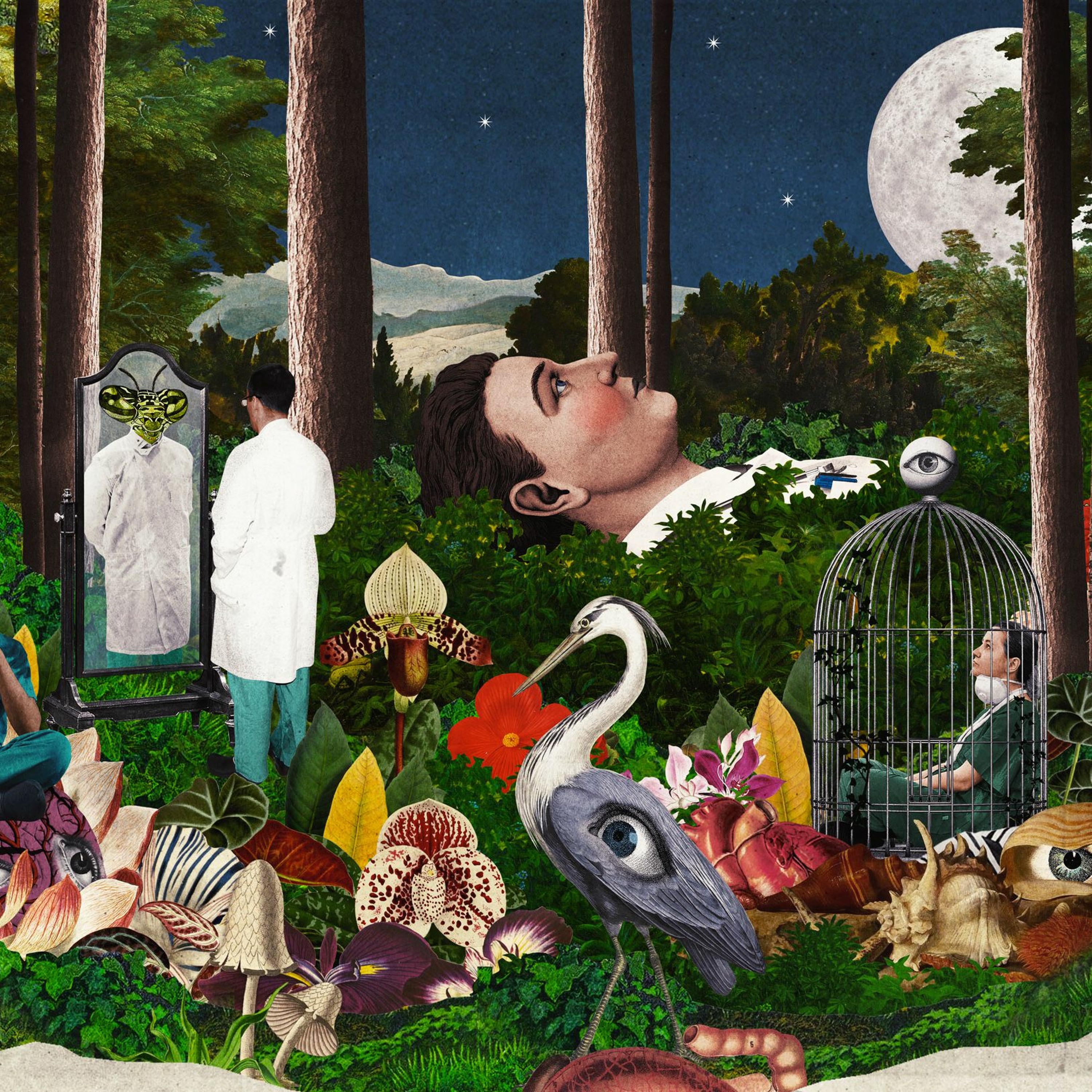
Medical Humanities, editor-in-chief Brandy Schillace speaks to Emily Silverman, MD, the University of California San Francisco (UCSF)creator of The Nocturnist podcast, and Luna Dolezal, Associate Professor in Philosophy and Medical Humanities based in the Wellcome Centre for Cultures and Environments of Health. They both published a 10-part podcast series called 'Shame in Medicine: The Lost Forest'. Blog link with the transcription of this podcast: https://blogs.bmj.com/medical-humanities/2023/03/02/shame-in-medicine-the-lost-forest Related links: https://shameandmedicine.org/ https://thenocturnists.com/ https://www.thenocturnists-shame.org/ Subscribe to the Medical Humanities Podcast in all podcast platforms, including Apple Podcasts, Google Podcasts, Stitcher and Spotify. If you enjoy our podcast, please consider leaving us a review and a 5-star rating on the Medical Humanities Podcast iTunes page (https://podcasts.apple.com/gb/podcast/medical-humanities-podcast/id961667204). Thank you for listening!
Primary Survey - the highlights of March 2023
A summary of some of the best papers we published in the March 2023 issue of the Emergency Medicine Journal. EMJ's deputy editor Rick Body and social media editor Sarah Edwards talk through topics including biomarkers of traumatic brain injury, the limping child, hypothermia and sepsis in infants and the importance of avoiding secondary insults in patients intubated for traumatic brain injury in the prehospital environment. Read the highlights: https://emj.bmj.com/content/40/3/157 You can subscribe to the EMJ podcast via all podcast platforms, including Apple Podcasts, Google Podcasts, Stitcher and Spotify, to get the latest podcast every month. If you enjoy our podcast, please consider leaving us a review or a comment on the EMJ Podcast iTunes page (https://podcasts.apple.com/us/podcast/emj-podcast/id445358244). Thank you for listening!
Idiopathic normal pressure hydrocephalus: a contemporary guide
Dr. Amy Ross Russell(1) discusses a recently published review by Dr. Christopher Carswell(2) on the historical context of normal pressure hydrocephalus, the challenges faced when dealing with patients, and the current state of clinical evidence for diagnosis and treatment. Read this latest Editor’s Choice paper on the Practical Neurology website (https://pn.bmj.com/content/23/1/15) and the February print issue of the journal. The paper is also discussed by Practical Neurology editors, Dr. Phil Smith and Dr. Geraint Fuller, in their latest podcast: https://soundcloud.com/bmjpodcasts/editors-highlights-of-the-february-2023-issue?in=bmjpodcasts/sets/pn-podcast (1) Neurology, University Hospital Southampton NHS Foundation Trust, UK (2) Imperial College Healthcare NHS Trust, London, UK Please subscribe to the Practical Neurology podcast via all podcast platforms, including Apple Podcasts, Google Podcasts, Stitcher and Spotify, to get the latest podcast every month. If you enjoy our podcast, please consider leaving us a review or a comment on the Practical Neurology Podcast iTunes page (https://podcasts.apple.com/gb/podcast/pn-podcast/id942932053). The PN podcast is produced by Letícia Amorim and edited by Brian O'Toole. Thank you for listening.
Predicting disease progression in bridging fibrosis and cirrhosis with liver stiffness
Dr Philip Smith, Digital and Education Editor of Gut and Honorary Consultant Gastroenterologist at the Royal Liverpool Hospital, Liverpool, UK interviews Professor Rohit Loomba, Professor of Medicine in the Division of Gastroenterology, and Adjunct Professor in the Division of Epidemiology at the University of California San Diego, La Jolla, California, USA on the paper 'Liver stiffness thresholds to predict disease progression and clinical outcomes in bridging fibrosis and cirrhosis' published in paper copy in Gut in March 2023 and available online: https://gut.bmj.com/content/72/3/581 Please subscribe to the Gut Podcast via all podcast platforms, including Apple Podcasts, Google Podcasts, Stitcher and Spotify, to get the latest podcast every month. If you enjoy our podcast, please consider leaving us a review or a comment on the Gut Podcast iTunes page (https://podcasts.apple.com/gb/podcast/gut-podcast/id330976727).
Spinal cord compression: an update on diagnosis and management
Spinal cord compression is an extremely serious disorder that can have devastating consequences. These include weakness of the legs, bladder and bowel dysfunction, and loss of sensation. Rapid diagnosis and treatment can make a big difference to the outcome - so it is vital that we get the diagnosis and management of this condition right. In this BMJ Best Practice podcast on spinal cord compression, Kieran Walsh talks with Professor Kenneth Casey, Clinical Associate Professor in Neurosurgery at Michigan State University and Clinical Associate Professor in Physical Medicine and Rehabilitation at Wayne State University School of Medicine. Competing interests: none declared We release episodes fortnightly.
Episode 12: Association of Perioperative Anxiety and Postoperative Opioid-Related Outcomes
The International Association for the Study of Pain defines pain as: “An unpleasant sensory or emotional experience associated with, or resembling that associated with, actual or potential tissue damage.” Among many other variables, mental health conditions play a critical role in determining the emotional experience. Thus, it is very reasonable to hypothesize that baseline anxiety, for instance, may influence pain and opioid prescribing. In this month’s RAPM Focus, Editor-in-Chief Brian Sites, MD, joins Shay Nguyen and Jennifer Waljee, MD, authors on “Prospective cohort study on the trajectory and association of perioperative anxiety and postoperative opioid-related outcomes,” first published in August 2022 (https://rapm.bmj.com/content/47/10/637). In this fascinating study, 1,771 patients were prospectively followed; self-reported opioid use, pain, and anxiety were recorded on the day of surgery and at 1-, 3-, and 6-months post-surgery to examine whether or not anxiety was a mediator between pain and opioid use. Shay N. Nguyen is a fourth-year medical student at the University of Michigan who is applying into classic surgery. She studied biochemistry in the University of California, Santa Barba, where she did research in chemistry and material science. Currently, her research interests include understanding risk factors for opioid use in the context of surgery and perioperative anxiety management. Dr. Jennifer F. Waljee is a plastic surgeon in academic practice at the University of Michigan. She completed her medical school training at Emory University and completed clinical residencies in general surgery and plastic surgery at the University of Michigan, followed by a hand surgery fellowship. Dr. Waljee is a co-founder and co-director of the Michigan Opioid Prescribing Engagement Network (OPEN), a statewide collaborative program dedicated to enhancing opioid stewardship and developing best practices for the management of acute pain during procedural care. *The purpose of this podcast is to educate and to inform. The content of this podcast does not constitute medical advice, and it is not intended to function as a substitute for a healthcare practitioner’s judgement, patient care, or treatment. The views expressed by contributors are those of the speakers. BMJ does not endorse any views or recommendations discussed or expressed on this podcast. Listeners should also be aware that professionals in the field may have different opinions. By listening to this podcast, listeners agree not to use its content as the basis for their own medical treatment or for the medical treatment of others.
Mentor’s Podcast: Robert Coleman
In this episode of the IJGC podcast, Editor-in-Chief, Dr. Pedro Ramirez, is joined by Dr. Robert Coleman. Dr. Coleman is a Gynecologic Oncologist and Chief Medical Officer at Sarah Cannon Research Institute (SCRI) in Nashville, TN. His research interests include drug development, clinical trial design and global medical education in gynecologic oncology. Highlights: - Strong mentorship is vital to personal and academic development. However, it is a two-way street. True synergy will come from bilateral engagement. - Remember your clinic is your “laboratory” – keep a keen eye for clinical relationships, build hypotheses, and practice the exercise of how to best test it. Even in resource-constrained situations, the process of discovery and hypothesis testing will arm one to be a better investigator and to most appropriately interrogate the literature. - A strong balance between personal and professional responsibilities will provide the environment for sustainability – this is the long game!

Promoting gender equity in academic rheumatology
In this podcast, Dr. Javier Rodríguez-Carrio talks to Dr. Pavel Ovseiko and Prof. Laura Coates about the recent paper on gender equity in academic rheumatology which emerged from a EULAR task force. They discuss the current situation of gender equity in academic rheumatology across Europe, the pros and cons of potential interventions to accelerate gender-equitable career advancement in this field and how and these be applied in the short- and long-term. Link to the viewpoint: https://rmdopen.bmj.com/content/8/2/e002518.long Listen to more episodes of RMD Open: https://podcasts.apple.com/gb/podcast/rmd-open-rheumatic-and-musculoskeletal-diseases/id1237127864
Atoms: the highlights from the ADC March 2023
Editor-in-Chief of the Archives of Disease in Childhood, Dr. Nick Brown, and Senior Editor of ADC, Dr. Rachel Agbeko, bring you the monthly Atoms - the highlights of the March 2023 issue. Read it on the Archives of Disease in Childhood website: https://adc.bmj.com/content/108/3/i Please listen to our regular podcasts and subscribe in Apple Podcasts, Google Podcasts, Stitcher and Spotify to get episodes automatically downloaded to your phone and computer. And if you enjoy the podcast, please leave us a review at https://podcasts.apple.com/gb/podcast/adc-podcast/id333278832
Women and non-ST elevation ACS - what's the evidence base?
In this episode of the Heart podcast, Digital Media Editor, Professor James Rudd, is joined by Professor Vijay Kunadian from Newcastle, UK. They discuss all aspects of NSTEACS in women - from risk factors to management and outcomes, plus what we all need to do to improve matters. If you enjoy the show, please leave us a podcast review at https://itunes.apple.com/gb/podcast/heart-podcast/id445358212?mt=2 Link to published paper: https://heart.bmj.com/content/108/21/1682 https://www.thelancet.com/commissions/women-cardiovascular-disease
Talk Evidence - masks, chronic pain, and baby milk formulae claims
In this episode of Talk Evidence, Helen Macdonald is joined by Juan Franco and Joe Ross, to bring you the newest evidence in The BMJ. First, chronic pain. As prescribers move away from opioids, Juan finds an overview of systematic reviews asking whether anti-depressants might help. Joe finds new research on the link between six healthy lifestyle markers and cognitive decline. Helen looks at a trial to reduce prescribing among older people with suspected urinary tract infection or UTI. Juan has a nuanced take on the updated evidence on masks to reduce the spread of respiratory viruses. Finally, an international group of researchers traced the health claims made about infant formula milk back to the evidence or lack of it Reading list: Efficacy, safety, and tolerability of antidepressants for pain in adults https://www.bmj.com/content/380/bmj-2022-072415 Association between healthy lifestyle and memory decline in older adults https://www.bmj.com/content/380/bmj-2022-072691 Effect of a multifaceted antibiotic stewardship intervention to improve antibiotic prescribing for suspected urinary tract infections in frail older adults https://www.bmj.com/content/380/bmj-2022-072319 Physical interventions to interrupt or reduce the spread of respiratory viruses https://www.cochranelibrary.com/cdsr/doi/10.1002/14651858.CD006207.pub6/full Health and nutrition claims for infant formula https://www.bmj.com/content/380/bmj-2022-071075
Penicillin allergy, lecanemab and Alzeimer's disease, a new oral contraceptive and statins for all
In this podcast, James Cave (Editor-in-Chief) and David Phizackerley (Deputy Editor) talk about the March 2023 issue of DTB. They discuss incorrect penicillin allergy labels and ways that these can be corrected (https://dtb.bmj.com/content/61/3/34). They review clinical trial results for lecanameb in early Alzheimer's disease (https://dtb.bmj.com/content/61/3/37) and also talk about a new combined oral contraceptive that contains estetrol and drospirenone (https://dtb.bmj.com/content/61/3/39). They begin by discussing a proposal from the National Institute for Health and Care Excellence to lower the threshold for offering statins for primary prevention. The contact address for the DTB team is [email protected]. Please subscribe to the DTB podcast to get episodes automatically downloaded to your mobile device and computer. Also, please consider leaving us a review or a comment on the DTB Podcast iTunes podcast page (https://podcasts.apple.com/gb/podcast/dtb-podcast/id307773309). Thank you for listening.
BJSM Concussion through my eyes, Dr Richard Weiler on blind football and concussion. ep #525
BJSM’s Liam West talks to Dr. Richard Weiler about concussion in Para Sport. Dr. Weiler and colleagues have investigated concussion experiences of blind male footballers turning up some very interesting results. To ensure that these findings are accessible to visually impaired individuals, they have gone down the novel route of creating an audio file of the entire paper – the link for this can be found below. Links - "Concussion through my eyes" audio paper https://on.soundcloud.com/XQb2T Concussion in para sport: the first position statement of the Concussion in Para Sport (CIPS) Group - https://bjsm.bmj.com/content/55/21/1187 https://bjsm.bmj.com/content/early/2023/02/14/bjsports-2022-106256
Updates on Germ Cell Tumors with David Gershenson
In this episode of the IJGC podcast, Editor-in-Chief, Dr. Pedro Ramirez, is joined by Dr. David M. Gershenson to discuss updates on germ cell tumors. Dr. Gershenson is Professor and former Chair of the Department of Gynecologic Oncology and Reproductive Medicine at The University of Texas MD Anderson Cancer Center. His major focus is on the clinical and translational research or rare ovarian cancers. Highlights: - The treatment of malignant ovarian germ cell tumor has evolved over the last 5 decades to represent one of our most remarkable success stories, with cure in 95+% of patients with stage I/II and approximately 75% of patients with stage III/IV. - AGCT1531 is a very important trial, which, if positive, will reduce toxicity by extending surveillance to patients with stage IA or IB malignant ovarian germ cell tumors, including grade 2 and 3 immature teratomas, yolk sac tumors, and non-gestational choriocarcinomas and will result in the substitution of carboplatin for cisplatin in the regimen for treatment of stage IC-III. - Fertility-sparing surgery is possible in the majority of young patients with malignant ovarian germ cell tumor, related to the following: a) 95% are confined to one ovary ; b) approximately 2/3s are stage I; and c) most patients are in their teenage years, 20s, and 30s and have not completed childbearing. - Major controversies differentiating the treatment of children and adults by pediatric oncologists/pediatric surgeons and gynecologic oncologists, respectively, include the extent of surgical staging and the role of postoperative chemotherapy in patients with pure immature teratoma. - For patients with malignant ovarian germ cell tumors who recur following primary therapy, BEP is recommended for those who have been treated with surgery alone. For those who have previously received BEP, standard management generally includes high-dose chemotherapy with stem cell rescue. - Aspects of management of malignant ovarian germ cell tumors that require further study include the role of neoadjuvant chemotherapy and the role of secondary cytoreductive surgery.
Collapses, guidelines, and how to go forwards - Archimedes March 2023
Sudden Unexpected Postnatal Collapse can be a really disturbing event, and one where the whole team need to pull together. A trio of international neonatologists considered if therapeutic hypothermia might be an option for the baby - while we summarise in this podcast their full thoughts are seriously worth a read: https://adc.bmj.com/content/108/3/236.1 We would love for you to be involved in Archi [adc.bmj.com/pages/authors/#archimedes] - and your index problem can be far more mundane, and doesn’t have to be neonatal. Please listen to our regular podcasts and subscribe in Apple Podcasts, Google Podcasts, Stitcher and Spotify to get episodes automatically downloaded to your phone and computer. And if you enjoy the podcast, please leave us a review at https://podcasts.apple.com/gb/podcast/adc-podcast/id333278832
Behind the scenes at The BMJ
Maybe you’ve been following BMJ Student for a really long time, or maybe you’re new to following us. Perhaps you only know about Sharp Scratch, or you’ve written and worked with us before. However much you know about BMJ Student, we hope today’s episode will be a look behind the scenes at what it means to work at The BMJ. Today we’ve got four current/former Editorial Scholars ready to talk all about our experiences working at The BMJ, as well as how you can get involved via the Clegg Scholarship, the Editorial Scholarship, Sharp Scratch, and writing articles! We’ll dive into any worries we had before joining, and unpick our experiences to hopefully allow you to get a better insight into the inner workings of a medical journal! With thanks to Marina Politis and Nicholas Phillips (Clegg Scholars, 2022). Check us out on social media: Twitter: https://twitter.com/BMJStudent Instagram: https://www.instagram.com/bmj_student/ Facebook: https://www.facebook.com/BMJStudent/ This podcast is produced and edited by Dom Byrne and Duncan Jarvies.