
Best Book Summaries 📚 by StoryShots
497 episodes — Page 7 of 10
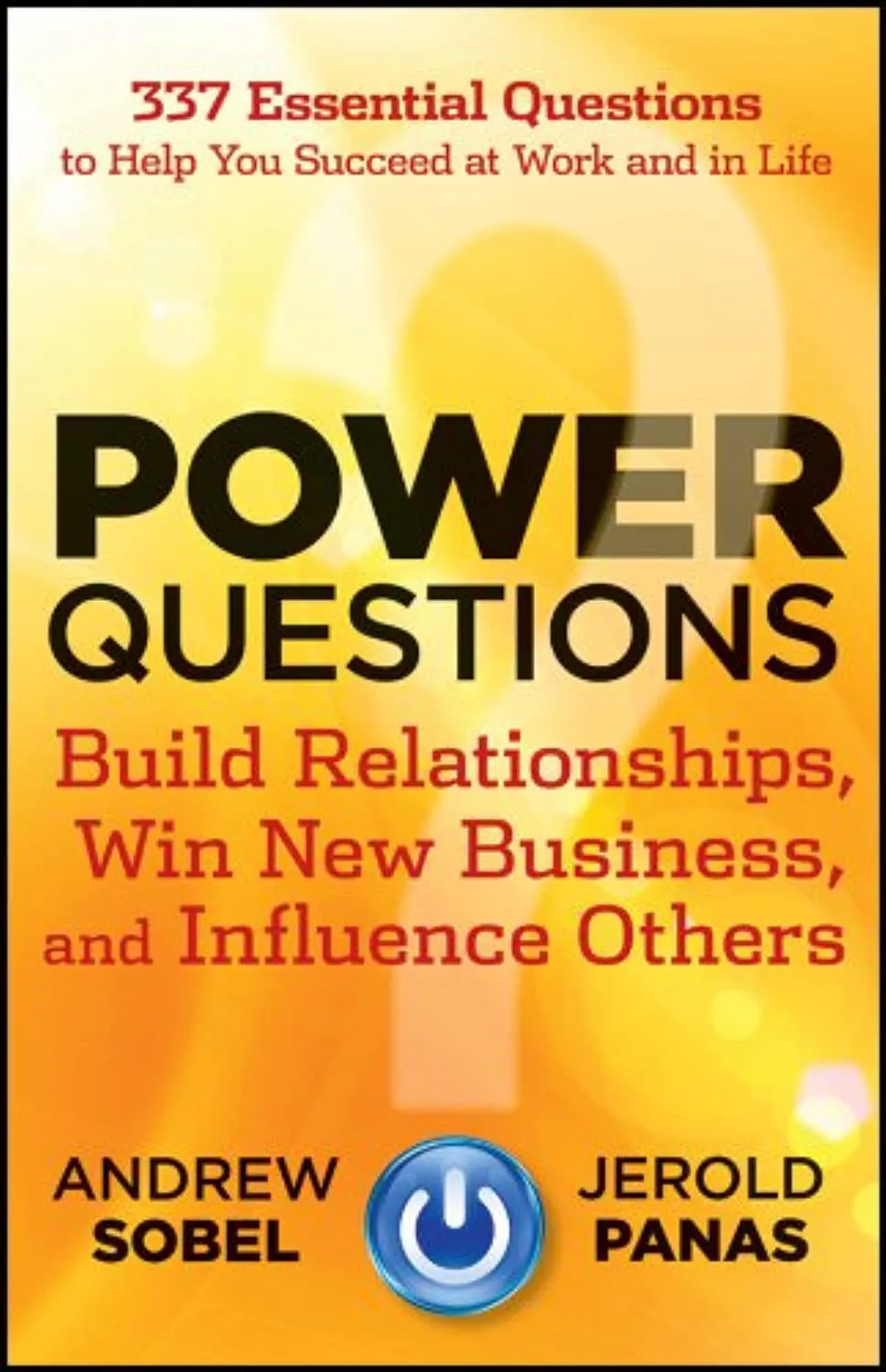
Power Questions Summary | Andrew Sobel
🎯 FREE Audiobook Summary of Power Questions by Andrew Sobel Get the key ideas from this book in just minutes. This StoryShots audiobook summary breaks down the core concepts and practical strategies—so you can learn faster and apply what matters most. Whether you're commuting, exercising, or relaxing—press play and start learning. 📖 ABOUT THIS BOOK: Most questions aren't really questions. this summary covers the key ideas in a convenient audio format. ⏱️ TIMESTAMPS & CHAPTERS: (00:00) Introduction (00:45) Stop Asking Questions That Confirm What You Already Know (01:39) The Best Questions Make People Think, Not Talk (02:34) Questions Control the Conversation More Than Statements Ever Could (03:56) Final Summary 📚 WHAT YOU'LL LEARN: • Stop Asking Questions That Confirm What You Already Know: Most questions aren't really questions. • The Best Questions Make People Think, Not Talk: When someone asks you a great question, you pause. • Questions Control the Conversation More Than Statements Ever Could: When you make a statement, people can argue with it. • Final Summary: But the real shift happens when you learn the specific question types that unlock trust, reveal hidden motivations, and turn resistance into alignment... 🎯 WHO SHOULD LISTEN: • Anyone interested in Stop Asking Questions That Confirm What You Already Know • Readers exploring The Best Questions Make People Think, Not Talk • People looking to understand Questions Control the Conversation More Than Statements Ever Could 💡 KEY TAKEAWAYS: • Stop Asking Questions That Confirm What You Already Know • The Best Questions Make People Think, Not Talk • Questions Control the Conversation More Than Statements Ever Could • Final Summary 💬 SHARE YOUR THOUGHTS: What was your biggest takeaway from Power Questions? Drop a comment and let us know! --- 📖 READ THE FULL WRITTEN SUMMARY (FREE): https://app.getstoryshots.com/book-summary/power-questions 📊 GET THE PDF & INFOGRAPHIC: https://www.getstoryshots.com 🎧 GET THE FULL AUDIOBOOK FOR FREE: https://geni.us/power-questions-audio --- ⚖️ COPYRIGHT NOTICE — FAIR USE & FAIR DEALING: This audio summary is educational commentary produced under U.S. fair use, UK/Commonwealth fair dealing, EU Directive 2001/29/EC Art. 5, and Brazilian Lei 9.610 Art. 46. It does not replace the original work. Buy the full book to support the author. StoryShots (also searched as "Story Shorts") — Free book summaries you can listen to anywhere. #BookSummary #AudiobookSummary #FreeAudiobook #BookReview #KeyTakeaways #BestsellerSummary #SelfImprovement #PersonalDevelopment #BusinessBooks #Productivity #StoryShorts #PowerQuestions #AndrewSobel #StoryShots Learn more about your ad choices. Visit megaphone.fm/adchoices
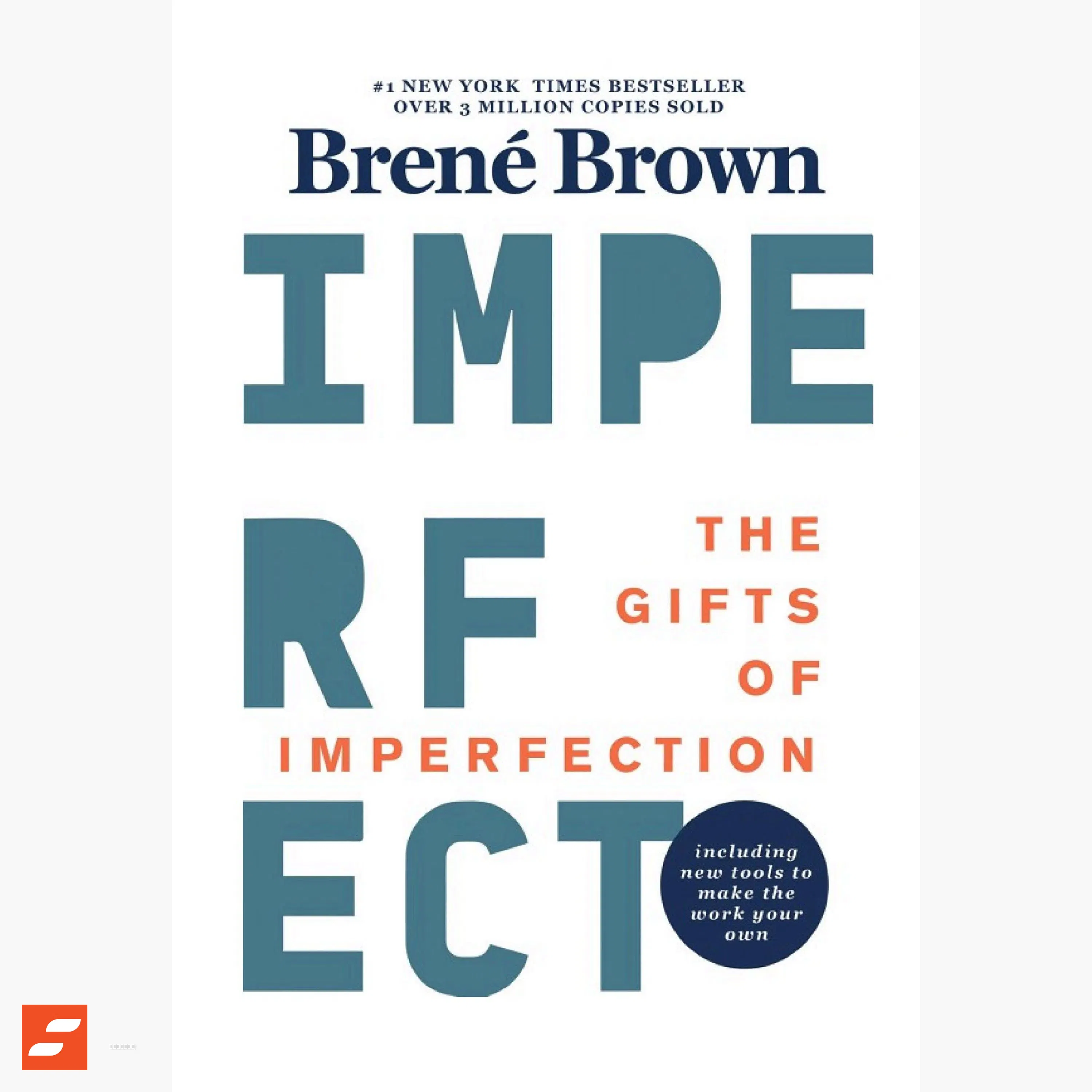
The Gifts of Imperfection Summary | Brené Brown
🎯 FREE Audiobook Summary of The Gifts of Imperfection by Brené Brown Discover the transformative ideas from this international bestseller in just minutes! This StoryShots audiobook summary distills the most powerful concepts, actionable strategies, and life-changing insights—so you can learn faster and apply what matters most. Whether you're commuting, exercising, or relaxing, this summary delivers the essential wisdom you need to level up your life, career, and mindset. 📖 ABOUT THIS BOOK: This bestselling book has helped millions of readers worldwide transform their thinking and achieve remarkable results. Now you can access its core teachings in a convenient audio format, perfect for learning on the go. 🎯 WHO SHOULD LISTEN: • Entrepreneurs and business leaders seeking proven strategies • Students and lifelong learners hungry for knowledge • Anyone feeling stuck and ready for a breakthrough • Busy professionals who want to read more but lack time • Self-improvement enthusiasts looking for actionable insights 💡 KEY TAKEAWAYS: • Practical frameworks you can apply immediately • Mental models used by top performers • Science-backed strategies for lasting change • Actionable steps to transform your habits and mindset 💬 SHARE YOUR THOUGHTS: Which idea from this summary resonated with you the most? Drop a comment and let us know! We love hearing how these books are impacting your life. --- 📖 READ THE FULL WRITTEN SUMMARY (FREE): https://www.getstoryshots.com/books/the-gifts-of-imperfection-summary/ 📊 GET THE PDF & INFOGRAPHIC: https://www.getstoryshots.com 🎧 GET THE FULL AUDIOBOOK FOR FREE: https://geni.us/the-gifts-audio --- 🌍 LISTEN TO STORYSHOTS IN OTHER LANGUAGES: 🇩🇪 Deutsch: Spotify: https://open.spotify.com/show/1Az1R3Dh3SM5SNWGtKkdIt Apple: https://podcasts.apple.com/us/podcast/buchzusammenfassungen-storyshots/id1720434471 🇪🇸 Español: Spotify: https://open.spotify.com/show/1bOAo9yLLGUsjvTuajRTXC Apple: https://podcasts.apple.com/us/podcast/los-mejores-res%C3%BAmenes-de-libros-de-storyshots/id1725024476 🇫🇷 Français: Spotify: https://open.spotify.com/show/0MjjjT7sE8WZnQr4x767zE Apple: https://podcasts.apple.com/us/podcast/meilleurs-r%C3%A9sum%C3%A9s-de-livres-par-storyshots/id1831771529 🇸🇪 Svenska: Spotify: https://open.spotify.com/show/0oHF3vhEEzH6DnYpVv9YNr Apple: https://podcasts.apple.com/us/podcast/boksammanfattningar-storyshots/id1844646838 🇧🇷 Português: Spotify: https://open.spotify.com/show/PLACEHOLDER_PT Apple: https://podcasts.apple.com/us/podcast/PLACEHOLDER_PT --- 📱 GET 1000+ FREE BOOK SUMMARIES ON THE STORYSHOTS APP: https://www.getstoryshots.com 🎬 WATCH ANIMATED SUMMARIES ON YOUTUBE: https://www.youtube.com/@StoryShotsApp 📧 JOIN OUR WEEKLY BOOK INSIGHTS NEWSLETTER: https://www.getstoryshots.com 🎯 DISCOVER MORE BESTSELLING BOOK SUMMARIES: https://www.getstoryshots.com --- #book summary #audiobook summary #free audiobook #book review #key takeaways #bestseller summary #self improvement #personal development #business books #productivity #TheGiftsofImperfection #BrenBrown #StoryShots Learn more about your ad choices. Visit megaphone.fm/adchoices
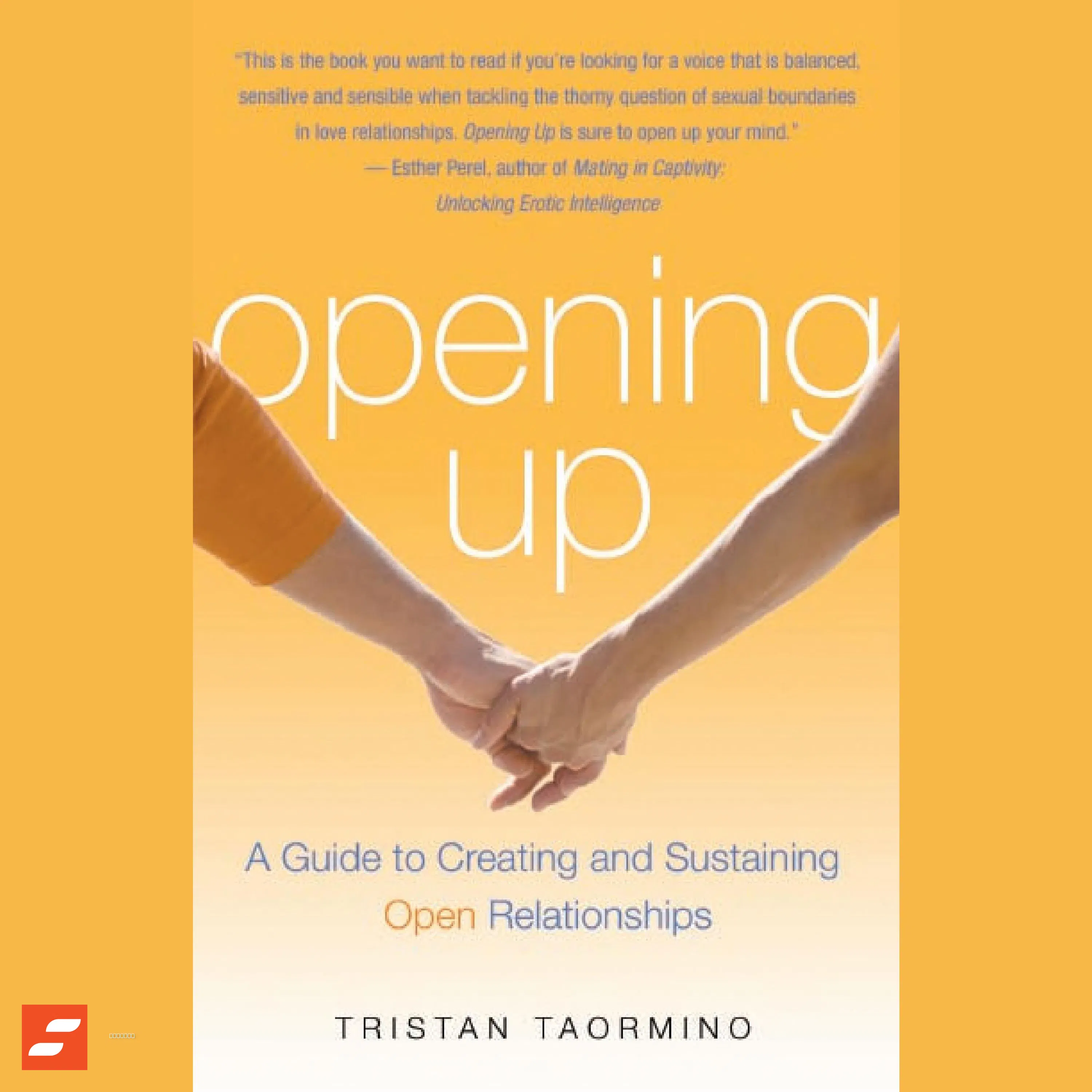
Opening Up Summary | Tristan Taormino
🎯 FREE Audiobook Summary of Opening Up by Tristan Taormino Get the key ideas from this book in just minutes. This StoryShots audiobook summary breaks down the core concepts and practical strategies—so you can learn faster and apply what matters most. Whether you're commuting, exercising, or relaxing—press play and start learning. 📖 ABOUT THIS BOOK: Most couples treat "the talk" like a one-time event. this summary covers the key ideas in a convenient audio format. ⏱️ TIMESTAMPS & CHAPTERS: (00:00) Introduction (00:40) Communication Beats Chemistry Every Time (01:48) Design Your Boundaries, Don't Inherit Them (02:51) Jealousy Is Information, Not a Verdict (04:07) Final Summary 📚 WHAT YOU'LL LEARN: • Communication Beats Chemistry Every Time: Most couples treat "the talk" like a one-time event. • Design Your Boundaries, Don't Inherit Them: Society hands you a relationship template and calls it universal. • Jealousy Is Information, Not a Verdict: Jealousy doesn't mean you're broken or that open relationships aren't for you. • Final Summary: But the most powerful framework in Opening Up, the one that transforms jealousy from a weapon into a compass, lives inside the full breakdown. 🎯 WHO SHOULD LISTEN: • Anyone interested in Communication Beats Chemistry Every Time • Readers exploring Design Your Boundaries, Don't Inherit Them • People looking to understand Jealousy Is Information, Not a Verdict 💡 KEY TAKEAWAYS: • Communication Beats Chemistry Every Time • Design Your Boundaries, Don't Inherit Them • Jealousy Is Information, Not a Verdict • Final Summary 💬 SHARE YOUR THOUGHTS: What was your biggest takeaway from Opening Up? Drop a comment and let us know! --- 📖 READ THE FULL WRITTEN SUMMARY (FREE): https://app.getstoryshots.com/book-summary/opening-up 📊 GET THE PDF & INFOGRAPHIC: https://www.getstoryshots.com 🎧 GET THE FULL AUDIOBOOK FOR FREE: https://geni.us/opening-up-audio --- 🌍 LISTEN TO STORYSHOTS IN OTHER LANGUAGES: 🇩🇪 Deutsch: Spotify: https://open.spotify.com/show/1Az1R3Dh3SM5SNWGtKkdIt Apple: https://podcasts.apple.com/us/podcast/buchzusammenfassungen-storyshots/id1720434471 🇪🇸 Español: Spotify: https://open.spotify.com/show/1bOAo9yLLGUsjvTuajRTXC Apple: https://podcasts.apple.com/us/podcast/los-mejores-res%C3%BAmenes-de-libros-de-storyshots/id1725024476 🇫🇷 Français: Spotify: https://open.spotify.com/show/0MjjjT7sE8WZnQr4x767zE Apple: https://podcasts.apple.com/us/podcast/meilleurs-r%C3%A9sum%C3%A9s-de-livres-par-storyshots/id1831771529 🇸🇪 Svenska: Spotify: https://open.spotify.com/show/0oHF3vhEEzH6DnYpVv9YNr Apple: https://podcasts.apple.com/us/podcast/boksammanfattningar-storyshots/id1844646838 🇧🇷 Português: Spotify: https://open.spotify.com/show/5tpZC1RaUN8VzKdlvOCRmJ Apple: https://podcasts.apple.com/se/podcast/resumos-de-livros-desenvolvimento-pessoal-e-neg%C3%B3cios/id1874862715 🇮🇹 Italiano: Spotify: https://open.spotify.com/show/6fycgcQBpBOCA6MFvOnYlo Apple: https://podcasts.apple.com/se/podcast/resumos-de-livros-desenvolvimento-pessoal-e-neg%C3%B3cios/id1875185736 --- ⚖️ COPYRIGHT NOTICE — FAIR USE & FAIR DEALING: This audio summary is educational commentary produced under U.S. fair use, UK/Commonwealth fair dealing, EU Directive 2001/29/EC Art. 5, and Brazilian Lei 9.610 Art. 46. It does not replace the original work. Buy the full book to support the author. StoryShots (also searched as "Story Shorts") — Free book summaries you can listen to anywhere. #BookSummary #AudiobookSummary #FreeAudiobook #BookReview #KeyTakeaways #BestsellerSummary #SelfImprovement #PersonalDevelopment #BusinessBooks #Productivity #StoryShorts #OpeningUp #TristanTaormino #StoryShots Learn more about your ad choices. Visit megaphone.fm/adchoices
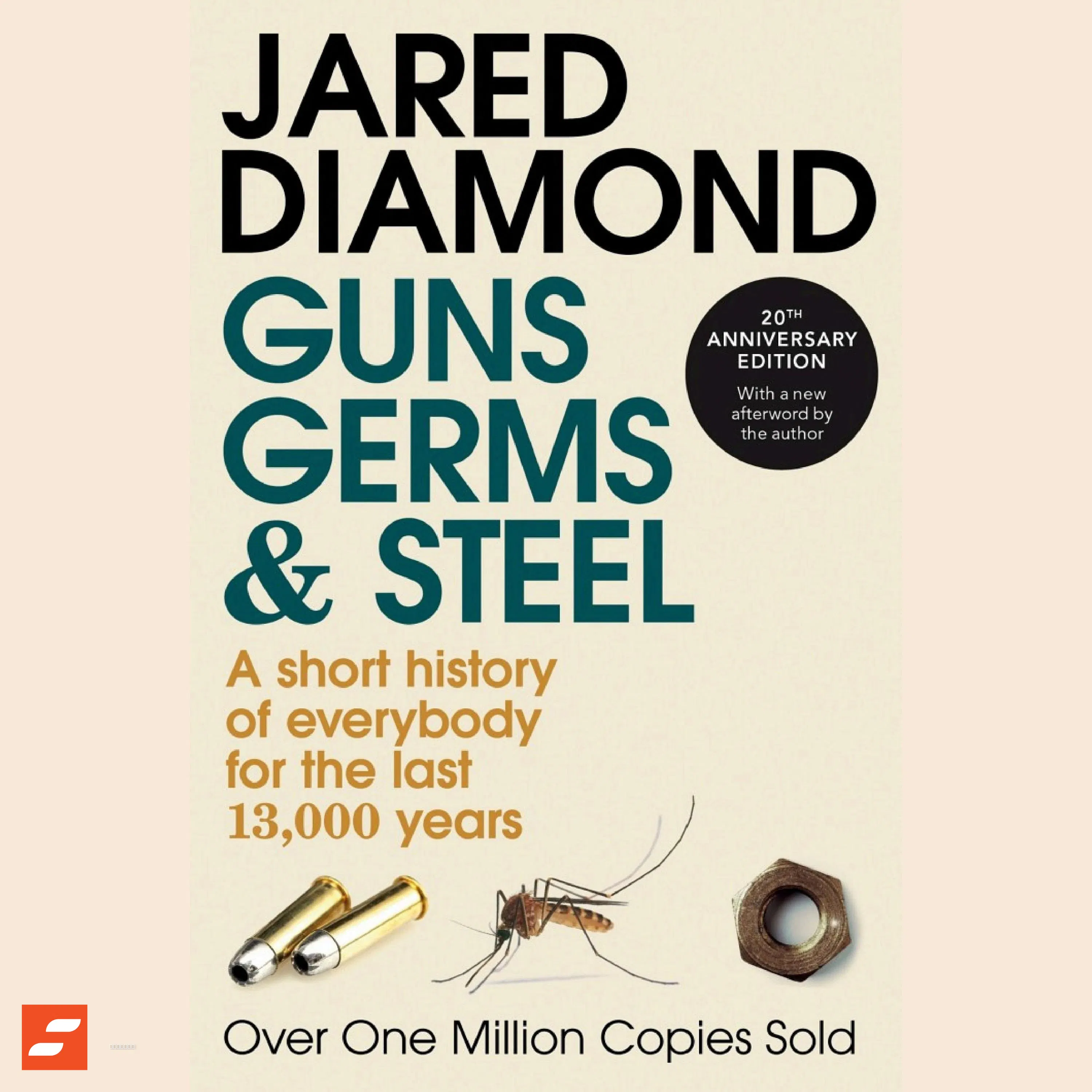
Guns, Germs and Steel Summary | Jared Diamond
🎯 FREE Audiobook Summary of Guns, Germs and Steel by Jared Diamond Get the key ideas from this book in just minutes. This StoryShots audiobook summary breaks down the core concepts and practical strategies—so you can learn faster and apply what matters most. Whether you're commuting, exercising, or relaxing—press play and start learning. 📖 ABOUT THIS BOOK: The Fertile Crescent had wild wheat, barley, peas, goats, sheep, and cattle. this summary covers the key ideas in a convenient audio format. ⏱️ TIMESTAMPS & CHAPTERS: (00:00) Introduction (00:43) Why Some Regions Got a Ten-Thousand-Year Head Start (01:43) How Germs Became the Deadliest Weapon in History (02:44) The Axis That Changed Everything (03:54) Final Summary 📚 WHAT YOU'LL LEARN: • Why Some Regions Got a Ten-Thousand-Year Head Start: The Fertile Crescent had wild wheat, barley, peas, goats, sheep, and cattle. • How Germs Became the Deadliest Weapon in History: Europeans killed roughly 95 percent of the indigenous population in the Americas with smallpox, measles, and influenza. • The Axis That Changed Everything: Eurasia is wide. • Final Summary: Guns, Germs, and Steel by Jared Diamond reveals how writing systems emerged only in societies with food surpluses, why centralized governments formed ... 🎯 WHO SHOULD LISTEN: • Anyone interested in Why Some Regions Got a Ten-Thousand-Year Head Start • Readers exploring How Germs Became the Deadliest Weapon in History • People looking to understand The Axis That Changed Everything 💡 KEY TAKEAWAYS: • Why Some Regions Got a Ten-Thousand-Year Head Start • How Germs Became the Deadliest Weapon in History • The Axis That Changed Everything • Final Summary 💬 SHARE YOUR THOUGHTS: What was your biggest takeaway from Guns, Germs and Steel? Drop a comment and let us know! --- 📖 READ THE FULL WRITTEN SUMMARY (FREE): https://app.getstoryshots.com/book-summary/guns-germs-and-steel 📊 GET THE PDF & INFOGRAPHIC: https://www.getstoryshots.com 🎧 GET THE FULL AUDIOBOOK FOR FREE: https://geni.us/guns-germs-audio --- ⚖️ COPYRIGHT NOTICE — FAIR USE & FAIR DEALING: This audio summary is educational commentary produced under U.S. fair use, UK/Commonwealth fair dealing, EU Directive 2001/29/EC Art. 5, and Brazilian Lei 9.610 Art. 46. It does not replace the original work. Buy the full book to support the author. StoryShots (also searched as "Story Shorts") — Free book summaries you can listen to anywhere. #BookSummary #AudiobookSummary #FreeAudiobook #BookReview #KeyTakeaways #BestsellerSummary #SelfImprovement #PersonalDevelopment #BusinessBooks #Productivity #StoryShorts #GunsGermsandSteel #JaredDiamond #StoryShots Learn more about your ad choices. Visit megaphone.fm/adchoices
Sex Talks Summary | Vanessa Marin
See Me Summary | Nicholas Sparks

The Monk Who Sold His Ferrari by Robin Sharma Book Summary | Free Audiobook
Show notes | PDF & Infographic | Free Audiobook | What can a high-powered lawyer-turned-monk teach us about true success? In this audiobook summary, we break down the 7 virtues from The Monk Who Sold His Ferrari — simple principles for a more meaningful, joyful life. Read on your terms. Get the PDF, infographic, extended ad-free audiobook and animated version of this summary and 1 million more books the top-rated StoryShots app: https://www.getstoryshots.com Help us grow to create more amazing content for you! ⭐️⭐️⭐️⭐️⭐️ Don't forget to subscribe, rate and review the StoryShots podcast now. What should our next book be? Suggest and vote it up on the StoryShots app. Key topics and figures: Self-improvement, spirituality, time management, Purpose, Mindfulness, Kindness, Discipline, Robin Sharma, The 5 AM Club, The Monk Who Sold His Ferrari, StoryShots, Kaizen, Self-Improvement, Gratitude, Spirituality, Kaizen Robin Sharma's book 'The Monk Who Sold His Ferrari' is a transformative narrative about Julian Mantle, a successful lawyer who leaves his stressful life behind to seek enlightenment in the Himalayan mountains. After encountering Yogi Raman, Julian learns seven virtues for achieving inner peace, personal growth, and spiritual fulfillment. These virtues are fundamentally about mastering one's mind, understanding personal purpose, and developing self-discipline. The seven virtues include mastering your mind through positive thinking and meditation, following your purpose by setting clear goals, practicing Kaizen (continuous improvement), developing self-discipline, respecting time, serving others selflessly, and embracing the present moment. Sharma emphasizes techniques like rose meditation, goal-setting, performing small acts of courage, and maintaining a mindset of gratitude and personal growth. Central to Sharma's philosophy is the idea that success and happiness come from within, and individuals must consciously cultivate their mental, physical, and spiritual potential. He recommends daily rituals such as solitude, physical exercise, reading, personal reflection, and maintaining a simple lifestyle. The ultimate message is about taking control of one's life, discovering personal calling, and living with intention, passion, and compassion. Key ideas: Mastering your mind involves consciously cultivating positive thoughts and treating your brain like a garden, deliberately choosing to replace negative thoughts with positive ones such as kindness, love, and empathy Discover and pursue your life's purpose by setting clear, written goals, as unwritten goals lack power and commitment Practice Kaizen, a Japanese philosophy of continuous improvement, by consistently engaging with small acts of courage and incrementally developing your skills and character Develop self-discipline through consistent small acts of courage, understanding that willpower is the essential virtue of a fully actualized life Respect your time by focusing on high-impact activities, using principles like the 80/20 rule to maximize productivity and minimize procrastination Serve others selflessly and practice daily acts of kindness, recognizing that the quality of your life is determined by the quality of your contributions to the world Live in the present moment, appreciating life's small joys and avoiding sacrificing happiness for future achievements Key quotes of The Monk Who Sold His Ferrari: "You don't attract what you want, you attract who you are." - Robin Sharma "The quality of your life is determined by the quality of your contributions to the world." - Robin Sharma "Self mastery is the DNA of life mastery." - Robin Sharma Related Book Summaries The 5 AM Club by Robin Sharma Who Will Cry When You Die? by Robin Sharma The Power of Now by Eckhart Tolle Man’s Search for Meaning by Viktor Frankl Be Here Now by Ram Dass This episode was first published on January 21, 2021 but was updated on January 21, 2022. Learn more about your ad choices. Visit megaphone.fm/adchoices
Your Best Year Ever by Michael Hyatt | Book Summary and Review | Free Audiobook
Show notes | PDF, infographic, animated summary | Your Best Year Ever is a self-help book that examines goal-setting across different areas of your life. 🚀 Your Best Year Ever by Michael Hyatt Summary Get the full ad-free audiobook, PDF, infographic, and animated summary on the StoryShots app: Get the audiobook for FREE: https://geni.us/your-best-year-audio Stop setting goals that fade by February! This summary of Michael Hyatt's Your Best Year Ever breaks down the 5-step system to achieve your most important goals. Learn the SMARTER goals framework, the power of a weekly review, and how to quit-proof your ambitions. In this summary, you'll learn: • The 5-step plan for achieving your goals • How to set SMARTER goals (Specific, Measurable, Actionable, Risky, Time-keyed, Exciting, Relevant) • The power of a 30-minute weekly review • How to overcome limiting beliefs • The secret to staying motivated all year long 📚 RELATED BOOK SUMMARIES: • Atomic Habits by James Clear • Deep Work by Cal Newport • The 7 Habits of Highly Effective People by Stephen Covey: 💬 ENGAGE WITH US: What's one goal you're ready to achieve this year? Let us know in the comments below! 👇 Don't forget to subscribe, rate, and review the StoryShots podcast! ⭐️⭐️⭐️⭐️⭐️ #YourBestYearEver #MichaelHyatt #GoalSetting #Productivity #SMARTERgoals #BookSummary #AnimatedSummary #StoryShots your best year ever, michael hyatt, goal setting, productivity, smarter goals, book summary, animated summary, storyshots, self-help, motivation, achievement, new year resolutions, weekly review, full focus planner, goal achievement, how to set goals, how to achieve goals, book review, audiobook Learn more about your ad choices. Visit megaphone.fm/adchoices
Talking to Strangers by Malcolm Gladwell | Book Summary and Review
PDF, Infographic, Ad-free Audiobook and Animated Book Summary / Talking to Strangers Free Audiobook / 🇩🇪 German / Why do we fail to understand strangers? Malcolm Gladwell reveals the shocking truth. In this episode, we break down the key ideas from Talking to Strangers—Gladwell's exploration of why our interactions with people we don't know go so wrong. 🎯 What You'll Learn: • Truth-Default Theory: Why we're wired to believe people—even when we shouldn't • The Transparency Illusion: Why reading body language is a myth • Coupling: How context shapes behavior more than personality • Why spies, con artists, and liars fool even the experts • The tragic cases of Sandra Bland and Amanda Knox explained 💡 Key Takeaways: 1. We default to trust. It's not a bug—it's a feature of human society. But it makes us vulnerable to deception. 2. Faces lie. Studies show we're no better than a coin flip at detecting lies from facial expressions. 3. Context matters more than character. Behavior is "coupled" to circumstances. To understand someone, examine their world. 4. Mismatched people get misjudged. When behavior doesn't match expectations, our judgment fails catastrophically. 5. Humility is the answer. The right way to talk to strangers is with caution, not confidence. 📚 Related Book Summaries: • Blink by Malcolm Gladwell • Outliers by Malcolm Gladwell: • The Tipping Point by Malcolm Gladwell: • Influence by Robert Cialdini: • Thinking, Fast and Slow by Daniel Kahneman: 🎧 Get the Full Experience: • Read the full summary: https://www.getstoryshots.com/books/talking-to-strangers-summary/ • Download the StoryShots app: https://www.getstoryshots.com/ 📖 About the Book: Talking to Strangers by Malcolm Gladwell examines high-profile cases—from Bernie Madoff's Ponzi scheme to the death of Sandra Bland—to show why we misread people. Published in 2019, it became an instant bestseller and challenges everything we think we know about human interaction. 🔑 Who This Episode Is For: • Leaders making hiring decisions • Anyone who's been fooled or misjudged • True crime enthusiasts • Students of psychology and human behavior 💬 Discussion Question: Which theory resonates most with you—Truth-Default, Transparency Illusion, or Coupling? Drop a comment! #TalkingToStrangers #MalcolmGladwell #BookSummary #StoryShots #Psychology #HumanBehavior #TruthDefault #PersonalDevelopment Learn more about your ad choices. Visit megaphone.fm/adchoices

The Book You Wish Your Parents Had Read (and Your Children W... | Philippa Perry
🎯 FREE Audiobook Summary of The Book You Wish Your Parents Had Read (and Your Children Will Be Glad That You Did) by Philippa Perry Get the key ideas from this book in just minutes. This StoryShots audiobook summary breaks down the core concepts and practical strategies—so you can learn faster and apply what matters most. Whether you're commuting, exercising, or relaxing—press play and start learning. 📖 ABOUT THIS BOOK: When your toddler throws a tantrum in the grocery store, your response isn't about the tantrum. this summary covers the key ideas in a convenient audio format. ⏱️ TIMESTAMPS & CHAPTERS: (00:00) Introduction (00:43) Your Reaction to Emotions Shapes Their Inner Voice (01:41) Rupture and Repair Beats Perfection (02:41) The Stories You Tell Become Who They Are (03:48) Final Summary 📚 WHAT YOU'LL LEARN: • Your Reaction to Emotions Shapes Their Inner Voice: When your toddler throws a tantrum in the grocery store, your response isn't about the tantrum. • Rupture and Repair Beats Perfection: You're going to mess up. • The Stories You Tell Become Who They Are: You have a narrative about your child. • Final Summary: But the "reflection process" that helps you identify your emotional triggers before they hijack a moment will change every interaction with your child... 🎯 WHO SHOULD LISTEN: • Anyone interested in Your Reaction to Emotions Shapes Their Inner Voice • Readers exploring Rupture and Repair Beats Perfection • People looking to understand The Stories You Tell Become Who They Are 💡 KEY TAKEAWAYS: • Your Reaction to Emotions Shapes Their Inner Voice • Rupture and Repair Beats Perfection • The Stories You Tell Become Who They Are • Final Summary 💬 SHARE YOUR THOUGHTS: What was your biggest takeaway from The Book You Wish Your Parents Had Read (and Your Children Will Be Glad That You Did)? Drop a comment and let us know! --- 📖 READ THE FULL WRITTEN SUMMARY (FREE): https://app.getstoryshots.com/book-summary/the-book-you-wish-your-parents-had-read-and-your-c 📊 GET THE PDF & INFOGRAPHIC: https://www.getstoryshots.com 🎧 GET THE FULL AUDIOBOOK FOR FREE: https://geni.us/the-book-audio --- ⚖️ COPYRIGHT NOTICE — FAIR USE & FAIR DEALING: This audio summary is educational commentary produced under U.S. fair use, UK/Commonwealth fair dealing, EU Directive 2001/29/EC Art. 5, and Brazilian Lei 9.610 Art. 46. It does not replace the original work. Buy the full book to support the author. StoryShots (also searched as "Story Shorts") — Free book summaries you can listen to anywhere. #BookSummary #AudiobookSummary #FreeAudiobook #BookReview #KeyTakeaways #BestsellerSummary #SelfImprovement #PersonalDevelopment #BusinessBooks #Productivity #StoryShorts #TheBookYouWishYourParentsHadReadandYourChildrenWillBeGladThatYouDid #PhilippaPerry #StoryShots Learn more about your ad choices. Visit megaphone.fm/adchoices
Get Out of Your Own Way Summary | Mark Goulston
🎯 FREE Audiobook Summary of Get Out of Your Own Way by Mark Goulston Get the key ideas from this book in just minutes. This StoryShots audiobook summary breaks down the core concepts and practical strategies—so you can learn faster and apply what matters most. Whether you're commuting, exercising, or relaxing—press play and start learning. 📖 ABOUT THIS BOOK: You carry emotional debt the same way you carry credit card debt, by avoiding what you owe. this summary covers the key ideas in a convenient audio format. ⏱️ TIMESTAMPS & CHAPTERS: (00:00) Introduction (00:45) Stop Running from Emotional Debt (01:57) Your Brain Misidentifies Safety (03:04) The Forty Common Self-Sabotage Patterns (04:37) Final Summary 📚 WHAT YOU'LL LEARN: • Stop Running from Emotional Debt: You carry emotional debt the same way you carry credit card debt, by avoiding what you owe. • Your Brain Misidentifies Safety: Your brain evolved to keep you alive, not happy. • The Forty Common Self-Sabotage Patterns: Forty specific ways people sabotage themselves exist, and you probably recognize yourself in at least ten of them. • Final Summary: But the twelve-step process for permanently breaking self-sabotage patterns, including the "turn your stubbornness around" technique that redirects th... 🎯 WHO SHOULD LISTEN: • Anyone interested in Stop Running from Emotional Debt • Readers exploring Your Brain Misidentifies Safety • People looking to understand The Forty Common Self-Sabotage Patterns 💡 KEY TAKEAWAYS: • Stop Running from Emotional Debt • Your Brain Misidentifies Safety • The Forty Common Self-Sabotage Patterns • Final Summary 💬 SHARE YOUR THOUGHTS: What was your biggest takeaway from Get Out of Your Own Way? Drop a comment and let us know! --- 📖 READ THE FULL WRITTEN SUMMARY (FREE): https://app.getstoryshots.com/book-summary/get-out-of-your-own-way 📊 GET THE PDF & INFOGRAPHIC: https://www.getstoryshots.com 🎧 GET THE FULL AUDIOBOOK FOR FREE: https://geni.us/get-out-audio --- 🌍 LISTEN TO STORYSHOTS IN OTHER LANGUAGES: 🇩🇪 Deutsch: Spotify: https://open.spotify.com/show/1Az1R3Dh3SM5SNWGtKkdIt Apple: https://podcasts.apple.com/us/podcast/buchzusammenfassungen-storyshots/id1720434471 🇪🇸 Español: Spotify: https://open.spotify.com/show/1bOAo9yLLGUsjvTuajRTXC Apple: https://podcasts.apple.com/us/podcast/los-mejores-res%C3%BAmenes-de-libros-de-storyshots/id1725024476 🇫🇷 Français: Spotify: https://open.spotify.com/show/0MjjjT7sE8WZnQr4x767zE Apple: https://podcasts.apple.com/us/podcast/meilleurs-r%C3%A9sum%C3%A9s-de-livres-par-storyshots/id1831771529 🇸🇪 Svenska: Spotify: https://open.spotify.com/show/0oHF3vhEEzH6DnYpVv9YNr Apple: https://podcasts.apple.com/us/podcast/boksammanfattningar-storyshots/id1844646838 🇧🇷 Português: Spotify: https://open.spotify.com/show/5tpZC1RaUN8VzKdlvOCRmJ Apple: https://podcasts.apple.com/se/podcast/resumos-de-livros-desenvolvimento-pessoal-e-neg%C3%B3cios/id1874862715 🇮🇹 Italiano: Spotify: https://open.spotify.com/show/6fycgcQBpBOCA6MFvOnYlo Apple: https://podcasts.apple.com/se/podcast/resumos-de-livros-desenvolvimento-pessoal-e-neg%C3%B3cios/id1875185736 🇮🇷 فارسی: Spotify: Apple: --- ⚖️ COPYRIGHT NOTICE — FAIR USE & FAIR DEALING: This audio summary is educational commentary produced under U.S. fair use, UK/Commonwealth fair dealing, EU Directive 2001/29/EC Art. 5, and Brazilian Lei 9.610 Art. 46. It does not replace the original work. Buy the full book to support the author. StoryShots (also searched as "Story Shorts") — Free book summaries you can listen to anywhere. #BookSummary #AudiobookSummary #FreeAudiobook #BookReview #KeyTakeaways #BestsellerSummary #SelfImprovement #PersonalDevelopment #BusinessBooks #Productivity #StoryShorts #GetOutofYourOwnWay #MarkGoulston #StoryShots Learn more about your ad choices. Visit megaphone.fm/adchoices
Thinking in Systems Summary | Donella Meadows
🎯 FREE Audiobook Summary of Thinking in Systems by Donella Meadows Get the key ideas from this book in just minutes. This StoryShots audiobook summary breaks down the core concepts and practical strategies—so you can learn faster and apply what matters most. Whether you're commuting, exercising, or relaxing—press play and start learning. 📖 ABOUT THIS BOOK: Every system operates through the same basic structure: stocks and flows. this summary covers the key ideas in a convenient audio format. ⏱️ TIMESTAMPS & CHAPTERS: (00:00) Introduction (00:38) Stocks and Flows Create Every Pattern You See (01:54) Feedback Loops Determine What Happens Next (02:56) Where to Push When Nothing Else Works (04:34) Final Summary 📚 WHAT YOU'LL LEARN: • Stocks and Flows Create Every Pattern You See: Every system operates through the same basic structure: stocks and flows. • Feedback Loops Determine What Happens Next: Two forces govern how systems evolve. • Where to Push When Nothing Else Works: You want to fix a system, so you push the most obvious handle. • Final Summary: But the 12-point intervention hierarchy, where exactly to intervene and why most change efforts fail at the weakest points, transforms how you diagnos... 🎯 WHO SHOULD LISTEN: • Anyone interested in Stocks and Flows Create Every Pattern You See • Readers exploring Feedback Loops Determine What Happens Next • People looking to understand Where to Push When Nothing Else Works 💡 KEY TAKEAWAYS: • Stocks and Flows Create Every Pattern You See • Feedback Loops Determine What Happens Next • Where to Push When Nothing Else Works • Final Summary 💬 SHARE YOUR THOUGHTS: What was your biggest takeaway from Thinking in Systems? Drop a comment and let us know! --- 📖 READ THE FULL WRITTEN SUMMARY (FREE): https://app.getstoryshots.com/book-summary/thinking-in-systems 📊 GET THE PDF & INFOGRAPHIC: https://www.getstoryshots.com 🎧 GET THE FULL AUDIOBOOK FOR FREE: https://geni.us/thinking-in-audio --- 🌍 LISTEN TO STORYSHOTS IN OTHER LANGUAGES: 🇩🇪 Deutsch: Spotify: https://open.spotify.com/show/1Az1R3Dh3SM5SNWGtKkdIt Apple: https://podcasts.apple.com/us/podcast/buchzusammenfassungen-storyshots/id1720434471 🇪🇸 Español: Spotify: https://open.spotify.com/show/1bOAo9yLLGUsjvTuajRTXC Apple: https://podcasts.apple.com/us/podcast/los-mejores-res%C3%BAmenes-de-libros-de-storyshots/id1725024476 🇫🇷 Français: Spotify: https://open.spotify.com/show/0MjjjT7sE8WZnQr4x767zE Apple: https://podcasts.apple.com/us/podcast/meilleurs-r%C3%A9sum%C3%A9s-de-livres-par-storyshots/id1831771529 🇸🇪 Svenska: Spotify: https://open.spotify.com/show/0oHF3vhEEzH6DnYpVv9YNr Apple: https://podcasts.apple.com/us/podcast/boksammanfattningar-storyshots/id1844646838 🇧🇷 Português: Spotify: https://open.spotify.com/show/5tpZC1RaUN8VzKdlvOCRmJ Apple: https://podcasts.apple.com/se/podcast/resumos-de-livros-desenvolvimento-pessoal-e-neg%C3%B3cios/id1874862715 🇮🇹 Italiano: Spotify: https://open.spotify.com/show/6fycgcQBpBOCA6MFvOnYlo Apple: https://podcasts.apple.com/se/podcast/resumos-de-livros-desenvolvimento-pessoal-e-neg%C3%B3cios/id1875185736 🇮🇷 فارسی: Spotify: Apple: --- ⚖️ COPYRIGHT NOTICE — FAIR USE & FAIR DEALING: This audio summary is educational commentary produced under U.S. fair use, UK/Commonwealth fair dealing, EU Directive 2001/29/EC Art. 5, and Brazilian Lei 9.610 Art. 46. It does not replace the original work. Buy the full book to support the author. StoryShots (also searched as "Story Shorts") — Free book summaries you can listen to anywhere. #BookSummary #AudiobookSummary #FreeAudiobook #BookReview #KeyTakeaways #BestsellerSummary #SelfImprovement #PersonalDevelopment #BusinessBooks #Productivity #StoryShorts #ThinkinginSystems #DonellaMeadows #StoryShots Learn more about your ad choices. Visit megaphone.fm/adchoices
The Year of Magical Thinking Summary | Joan Didion
🎯 FREE Audiobook Summary of The Year of Magical Thinking by Joan Didion Get the key ideas from this book in just minutes. This StoryShots audiobook summary breaks down the core concepts and practical strategies—so you can learn faster and apply what matters most. Whether you're commuting, exercising, or relaxing—press play and start learning. 📖 ABOUT THIS BOOK: When your brain can't process unbearable loss, it creates an alternate reality where the loss hasn't happened yet. this summary covers the key ideas in a convenient audio format. ⏱️ TIMESTAMPS & CHAPTERS: (00:00) Introduction (00:41) Magical Thinking Is a Survival Mechanism (01:44) Memory Becomes Unreliable Evidence (02:44) Time Stops Making Sense (04:06) Final Summary 📚 WHAT YOU'LL LEARN: • Magical Thinking Is a Survival Mechanism: When your brain can't process unbearable loss, it creates an alternate reality where the loss hasn't happened yet. • Memory Becomes Unreliable Evidence: Obsessive review of every medical detail becomes a full-time occupation. • Time Stops Making Sense: Grief destroys your relationship with time. • Final Summary: But what Joan Didion reveals about how grief rewires brain chemistry and why the first year is neurologically distinct from what follows will change h... 🎯 WHO SHOULD LISTEN: • Anyone interested in Magical Thinking Is a Survival Mechanism • Readers exploring Memory Becomes Unreliable Evidence • People looking to understand Time Stops Making Sense 💡 KEY TAKEAWAYS: • Magical Thinking Is a Survival Mechanism • Memory Becomes Unreliable Evidence • Time Stops Making Sense • Final Summary 💬 SHARE YOUR THOUGHTS: What was your biggest takeaway from The Year of Magical Thinking? Drop a comment and let us know! --- 📖 READ THE FULL WRITTEN SUMMARY (FREE): https://app.getstoryshots.com/book-summary/the-year-of-magical-thinking 📊 GET THE PDF & INFOGRAPHIC: https://www.getstoryshots.com 🎧 GET THE FULL AUDIOBOOK FOR FREE: https://geni.us/the-year-audio --- 🌍 LISTEN TO STORYSHOTS IN OTHER LANGUAGES: 🇩🇪 Deutsch: Spotify: https://open.spotify.com/show/1Az1R3Dh3SM5SNWGtKkdIt Apple: https://podcasts.apple.com/us/podcast/buchzusammenfassungen-storyshots/id1720434471 🇪🇸 Español: Spotify: https://open.spotify.com/show/1bOAo9yLLGUsjvTuajRTXC Apple: https://podcasts.apple.com/us/podcast/los-mejores-res%C3%BAmenes-de-libros-de-storyshots/id1725024476 🇫🇷 Français: Spotify: https://open.spotify.com/show/0MjjjT7sE8WZnQr4x767zE Apple: https://podcasts.apple.com/us/podcast/meilleurs-r%C3%A9sum%C3%A9s-de-livres-par-storyshots/id1831771529 🇸🇪 Svenska: Spotify: https://open.spotify.com/show/0oHF3vhEEzH6DnYpVv9YNr Apple: https://podcasts.apple.com/us/podcast/boksammanfattningar-storyshots/id1844646838 🇧🇷 Português: Spotify: https://open.spotify.com/show/5tpZC1RaUN8VzKdlvOCRmJ Apple: https://podcasts.apple.com/se/podcast/resumos-de-livros-desenvolvimento-pessoal-e-neg%C3%B3cios/id1874862715 🇮🇹 Italiano: Spotify: https://open.spotify.com/show/6fycgcQBpBOCA6MFvOnYlo Apple: https://podcasts.apple.com/se/podcast/resumos-de-livros-desenvolvimento-pessoal-e-neg%C3%B3cios/id1875185736 🇮🇷 فارسی: Spotify: Apple: --- ⚖️ COPYRIGHT NOTICE — FAIR USE & FAIR DEALING: This audio summary is educational commentary produced under U.S. fair use, UK/Commonwealth fair dealing, EU Directive 2001/29/EC Art. 5, and Brazilian Lei 9.610 Art. 46. It does not replace the original work. Buy the full book to support the author. StoryShots (also searched as "Story Shorts") — Free book summaries you can listen to anywhere. #BookSummary #AudiobookSummary #FreeAudiobook #BookReview #KeyTakeaways #BestsellerSummary #SelfImprovement #PersonalDevelopment #BusinessBooks #Productivity #StoryShorts #TheYearofMagicalThinking #JoanDidion #StoryShots Learn more about your ad choices. Visit megaphone.fm/adchoices

Outlive by Peter Attia Book Summary and Review | Free Audiobook
Free Longevity Tracker App / Show notes / PDF & Infographic | Free audiobook / 🇩🇪 German / Discover how to increase your chances of living a long, healthy life with our comprehensive summary and infographic of Peter Attia’s Outlive. Read 1 million books in minutes. For free. Get the PDF, infographic, extended ad-free audiobook and animated version of this summary and unlimited bestselling book insights on the top-rated StoryShots app: https://go.getstoryshots.com/free ⭐️⭐️⭐️⭐️⭐️ Help us grow to create more amazing content for you! Don't forget to subscribe, rate and review the StoryShots podcast now. What should our next book be? Suggest and vote it up on the StoryShots app. Ever wonder how some people seem to age slower than others? They're vibrant, active, and sharp, even in their later years. That's no accident – it's backed by science! Peter Attia's book, Outlive, offers insights into this very subject. Outlive is packed with tips for emotional health, strength training, regular exercise, and more. It serves as an eye-opener for anyone looking to live not just longer but better. It tackles our daily habits head-on; from grip strength to diet choices that can add or subtract years from your life. Dr. Peter Attia’s Outlive emphasizes four pillars for longevity: Exercise Nutrition Sleep Emotional health Intrigued? Dive deep into the principles of longevity shared by Attia in his groundbreaking work Outlive. Peter Attia, MD, is the founder of the digital program Early Medical. He received his medical degree from the Stanford University School of Medicine, and he trained at the Johns Hopkins Hospital in general surgery. He also trained at the National Institutes of Health (NIH) as a surgical oncology fellow at the National Cancer Institute, where he focused his research on immune-based therapies for melanoma. He currently serves on the editorial board for the journal Aging and hosts The Drive, a popular podcast about health, medicine, and longevity. (00:00) Introduction (01:16) The Four Pillars of Longevity (02:15) About Peter Attia (02:56) Emotional Health and Longevity (03:31) Mental Health's Role in Longevity (04:25) Cultivating Positive Emotions (05:07) Mental Health Support (05:23) Strength Training for Longevity (05:44) Benefits of Strength Training (07:24) Promoting Mobility and Physical Function (07:53) Exercise and Longevity (08:10) Effective Exercise Routines (08:49) Finding Your Fitness Balance (09:21) Diet and Longevity (09:45) Grip Strength as a Health Indicator (10:18) Improving Grip Strength (11:49) Conclusion and Next Steps Related Book Summaries Fast Like a Girl The 4-Hour Body Good Energy Bigger Leaner Stronger How Not To Die The Obesity Code Fast This Way Superlife Thinner Leaner Stronger Super Human Lifespan Why We Sleep Peter Attia, Outlive: The Science and Art of Longevity, The Great Mental Models: Volume 3, The Guardian, StoryShots, antiaging, fitness, Audiobook Summaries, sleep, emotional health, exercise, grip-strength, nutrition, story shorts, Longevity, biohacking, Bryan Johnson, Tim Ferriss Learn more about your ad choices. Visit megaphone.fm/adchoices
The Intelligence Trap Summary | David Robson
What's Going Right Summary | Paul Conti
Everybody Lies Summary | Seth Stephens-Davidowitz
🎯 FREE Audiobook Summary of Everybody Lies by Seth Stephens-Davidowitz Discover the transformative ideas from this international bestseller in just minutes! This StoryShots audiobook summary distills the most powerful concepts, actionable strategies, and life-changing insights—so you can learn faster and apply what matters most. Whether you're commuting, exercising, or relaxing, this summary delivers the essential wisdom you need to level up your life, career, and mindset. 📖 ABOUT THIS BOOK: This bestselling book has helped millions of readers worldwide transform their thinking and achieve remarkable results. Now you can access its core teachings in a convenient audio format, perfect for learning on the go. 🎯 WHO SHOULD LISTEN: • Entrepreneurs and business leaders seeking proven strategies • Students and lifelong learners hungry for knowledge • Anyone feeling stuck and ready for a breakthrough • Busy professionals who want to read more but lack time • Self-improvement enthusiasts looking for actionable insights 💡 KEY TAKEAWAYS: • Practical frameworks you can apply immediately • Mental models used by top performers • Science-backed strategies for lasting change • Actionable steps to transform your habits and mindset 💬 SHARE YOUR THOUGHTS: Which idea from this summary resonated with you the most? Drop a comment and let us know! We love hearing how these books are impacting your life. --- 📖 READ THE FULL WRITTEN SUMMARY (FREE): https://www.getstoryshots.com/books/everybody-lies-summary/ 📊 GET THE PDF & INFOGRAPHIC: https://www.getstoryshots.com 🎧 GET THE FULL AUDIOBOOK FOR FREE: https://geni.us/everybody-lies-audio --- 🌍 LISTEN TO STORYSHOTS IN OTHER LANGUAGES: 🇩🇪 Deutsch: Spotify: https://open.spotify.com/show/1Az1R3Dh3SM5SNWGtKkdIt Apple: https://podcasts.apple.com/us/podcast/buchzusammenfassungen-storyshots/id1720434471 🇪🇸 Español: Spotify: https://open.spotify.com/show/1bOAo9yLLGUsjvTuajRTXC Apple: https://podcasts.apple.com/us/podcast/los-mejores-res%C3%BAmenes-de-libros-de-storyshots/id1725024476 🇫🇷 Français: Spotify: https://open.spotify.com/show/0MjjjT7sE8WZnQr4x767zE Apple: https://podcasts.apple.com/us/podcast/meilleurs-r%C3%A9sum%C3%A9s-de-livres-par-storyshots/id1831771529 🇸🇪 Svenska: Spotify: https://open.spotify.com/show/0oHF3vhEEzH6DnYpVv9YNr Apple: https://podcasts.apple.com/us/podcast/boksammanfattningar-storyshots/id1844646838 🇧🇷 Português: Spotify: https://open.spotify.com/show/PLACEHOLDER_PT Apple: https://podcasts.apple.com/us/podcast/PLACEHOLDER_PT --- 📱 GET 1000+ FREE BOOK SUMMARIES ON THE STORYSHOTS APP: https://www.getstoryshots.com 🎬 WATCH ANIMATED SUMMARIES ON YOUTUBE: https://www.youtube.com/@StoryShotsApp 📧 JOIN OUR WEEKLY BOOK INSIGHTS NEWSLETTER: https://www.getstoryshots.com 🎯 DISCOVER MORE BESTSELLING BOOK SUMMARIES: https://www.getstoryshots.com --- #book summary #audiobook summary #free audiobook #book review #key takeaways #bestseller summary #self improvement #personal development #business books #productivity #EverybodyLies #SethStephensDavidowitz #StoryShots Learn more about your ad choices. Visit megaphone.fm/adchoices
The Happiness Project Summary of Key Ideas | Gretchen Rubin
Show notes / PDF, Infographic, Detailed Chapter-by-Chapter Audiobook Summary, Animated Book Summary / Free Audiobook Audiobook Summary of The Happiness Project: Or, Why I Spent a Year Trying to Sing in the Morning, Clean My Closets, Fight Right, Read Aristotle, and Generally Have More Fun Life gets busy. Has The Happiness Project been gathering dust on your bookshelf? Instead, learn some of the key ideas now. We’re scratching the surface here. If you don’t already have the book, order the book or get the audiobook for free on Amazon to learn the juicy details. The Happiness Project covers a year of Gretchen Rubin’s pursuit of what she wants to obtain from life: happiness. Therefore, as a form of scientific research, she spent a whole year trying to maximize her degree of happiness. For each month, she allocated herself tasks to engage with that she believed would make her happier. The Happiness Project summarizes the tasks that worked for her so you can also follow your own happiness project. Gretchen Rubin is a writer on subjects of habits, happiness, and human nature. She is the author of the New York Times bestsellers Better Than Before, Happier at Home, and The Happiness Project. Rubin’s books have sold more than two million print and online copies worldwide in over thirty languages. On her daily blog, GretchenRubin.com, she reports on her adventures in pursuit of habits and happiness. On her weekly podcast, Happier with Gretchen Rubin, she discusses good habits and happiness with her sister Elizabeth Craft, a Los Angeles-based television writer. Learn more about your ad choices. Visit megaphone.fm/adchoices

How to Win Friends and Influence People by Dale Carnegie Book Summary and Review | Free Audiobook
Extended audiobook summary, PDF & Infographic | 📝 Show notes | Free audiobook | PDF and Infographic | 🇩🇪 German | Imagine walking into a room where every face lights up at your arrival, where your words carry weight and your presence commands genuine respect. That world is yours for the taking—if you know how to connect, inspire, and lead others. Discover Dale Carnegie’s timeless strategies from “How to Win Friends and Influence People” to effortlessly build genuine relationships, earn unwavering trust, and inspire those around you. Read on your terms. Start a free trial of StoryShots: https://www.getstoryshots.com to get the extended ad-free audiobook, PDF, infographic and animated version of this summary of How to Win Friends and Influence People and 300,000 more bestselling books. This episode is brought to you by our sponsors. Help us grow to create more amazing content for you! ⭐️⭐️⭐️⭐️⭐️ Don't forget to subscribe, rate and review the StoryShots podcast now. What should our next book be? Suggest and vote it up on the StoryShots app. Disclaimer: This is an unofficial summary and analysis. Free audiobook: https://geni.us/win-friends-audiobook StoryShots Book Summary and Analysis of How to Win Friends and Influence People by Dale Carnegie How to Win Friends and Influence People was published in 1936 and became an instant bestseller. Dale Carnegie was already a famous public speaking coach and author of five other books. Out of his 11 books, this one has proven to be his most popular. It sold over five million copies throughout the author’s lifetime and over ten million more since then. Carnegie researched the lives of greats from Julius Caesar to Thomas Edison. He also interviewed influential individuals like Franklin D. Roosevelt and Clark Gable. Based on these findings, he created a book that has become one of the best-selling books of all time. The book is based on a 14-week course he gave on human relations and public speaking. (00:00) The Futility of Arguments (00:28) Admitting Faults (00:51) StoryShots Introduction (01:57) About Dale Carnegie (02:50) Introduction to 'How to Win Friends and Influence People' (03:42) Learn to Handle People (04:54) Show People You Are Interested in Them (05:47) Use Your Smile to Make a Good First Impression (06:22) Learn People’s First Names and Use Them (07:08) Encourage People to Talk About Themselves (08:04) Learn About Other People’s Interests (08:28) Make People Feel Important and Needed (09:07) Arguments Aren’t Worth Your Time (09:39) How to Avoid Making Enemies (11:02) Respond to Anger with Friendliness Entities: How to Win Friends and Influence People, Google, Apple, Young Men's Christian Association (YMCA), Cognitive biases, Clark Gable, Warren Buffett, Franklin D. Roosevelt, Woodrow Wilson, Dale Carnegie, Albert Hubbard, Storyshots App, audible, The Guardian, State Teacher's College Topics: Book summaries, public speaking, Leadership, empathy, Podcasting, Conflict resolution, Self-improvement, Relationship building, negotiation, emotional intelligence, Nonviolent Communication, Interpersonal Communication, Active Listening, Influence and persuasion, Self-help and personal development Editor's Note: This episode was first published in 2022. Learn more about your ad choices. Visit megaphone.fm/adchoices
The Daily Stoic by Ryan Holiday Book Summary and Review | Free Audiobook
Show notes | PDF & Infographic | Free audiobook | Explore The Daily Stoic by Ryan Holiday in minutes. Learn about the three Stoic disciplines, monthly themes like clarity, controlling emotions, and cultivating awareness, and how to apply ancient wisdom to modern life. Read 1 million books in minutes. For free. Get the PDF, infographic, full ad-free audiobook and animated version of this summary of The Daily Stoic and unlimited book insights on the top-rated StoryShots app: https://www.getstoryshots.com ⭐️⭐️⭐️⭐️⭐️ Don't forget to subscribe, rate and review the StoryShots podcast now. Suggest and vote up the next book on the StoryShots app. IN THIS EPISODE: This The Daily Stoic audioobok summary explores the tenets of Stoic philosophy through the lens of Ryan Holiday's book, which offers a monthly guide for personal growth and mindfulness based on Stoic principles. TOPICS: Mindset, Mindfulness, personal growth, Self-help, Book summaries, personal development, Stoic philosophy, Philosophy KEY FIGURES: Marcus Aurelius, Tim Ferriss, Ryan Holiday, Epictetus, Zeno of Citium, The 48 Laws of Power, Tony Robbins, American Apparel, Neil Strauss, Arnold Schwarzenegger, Seneca the Younger, Musonius Rufus, The Daily Stoic: 366 Meditations on Wisdom, Perseverance, and the Art of Living, Storyshots SUMMARY: The Daily Stoic audiobook summary begins with Ryan Holiday discussing the core principles of Stoic philosophy, emphasizing the importance of differentiating between what we can control and what we cannot. He breaks down Stoicism into a month-by-month transformation path, with January focusing on clarity and understanding the tools within our reach to regain personal power. It covers the key concepts of Stoic philosophy, such as the three areas of interest (logic, physics, and ethics), the three disciplines (perception, action, and will), and the monthly themes outlined in the book. The audiobook summary delves into the specific monthly themes of the book, including clarity in January, controlling passions and emotions in February, self-awareness in March, and unbiased thought in April. It also touches on the concept of focusing on the right action rather than the outcome, as advocated by the Stoics. KEY QUOTES: • "The single most important practice in stoic philosophy is differentiating between what we can change and what we can't, what we have influence over, and what we do not." - Ryan Holiday • "Some things are in our control while while others are not. We control our opinion, choice, desire, aversion, and in a word, everything of our own doing. We don't control our body, property, reputation, position, and in a word, everything not of our own doing." - Ryan Holiday KEY TAKEAWAYS: • The core principle of Stoic philosophy is differentiating between what we can control and what we cannot, and focusing our efforts on what is within our influence. • Stoicism emphasizes three main areas of interest: logic, physics, and ethics, as well as three disciplines: perception, action, and will. • Ryan Holiday's book 'The Daily Stoic' offers a month-by-month guide for personal growth and mindfulness based on Stoic teachings, with each month focusing on a specific theme... (00:00) Overview of The Daily Stoic and its purpose (00:55) About the Author: Ryan Holiday and his Background of the author and his expertise in Stoicism (01:44) The Three Stoic Interests: explanation of key Stoic principles (03:10) The Three Stoic Disciplines (04:55) January: Focus on Clarity (06:41) February: Controlling Passions and Emotions (08:13) March: Cultivating Awareness (09:32) April: Embracing Unbiased Thought (10:57) May: Taking Right Action (11:42) June: Problem-Solving Mindset (13:17) July: Embracing Duty RELATED BOOK SUMMARIES The Obstacle is the Way by Ryan Holiday How To Be a Stoic by Massimo Pigliucci Ikigai by Héctor García Stillness is the Key by Ryan Holiday Meditations by Marcus Aurelius Learn more about your ad choices. Visit megaphone.fm/adchoices
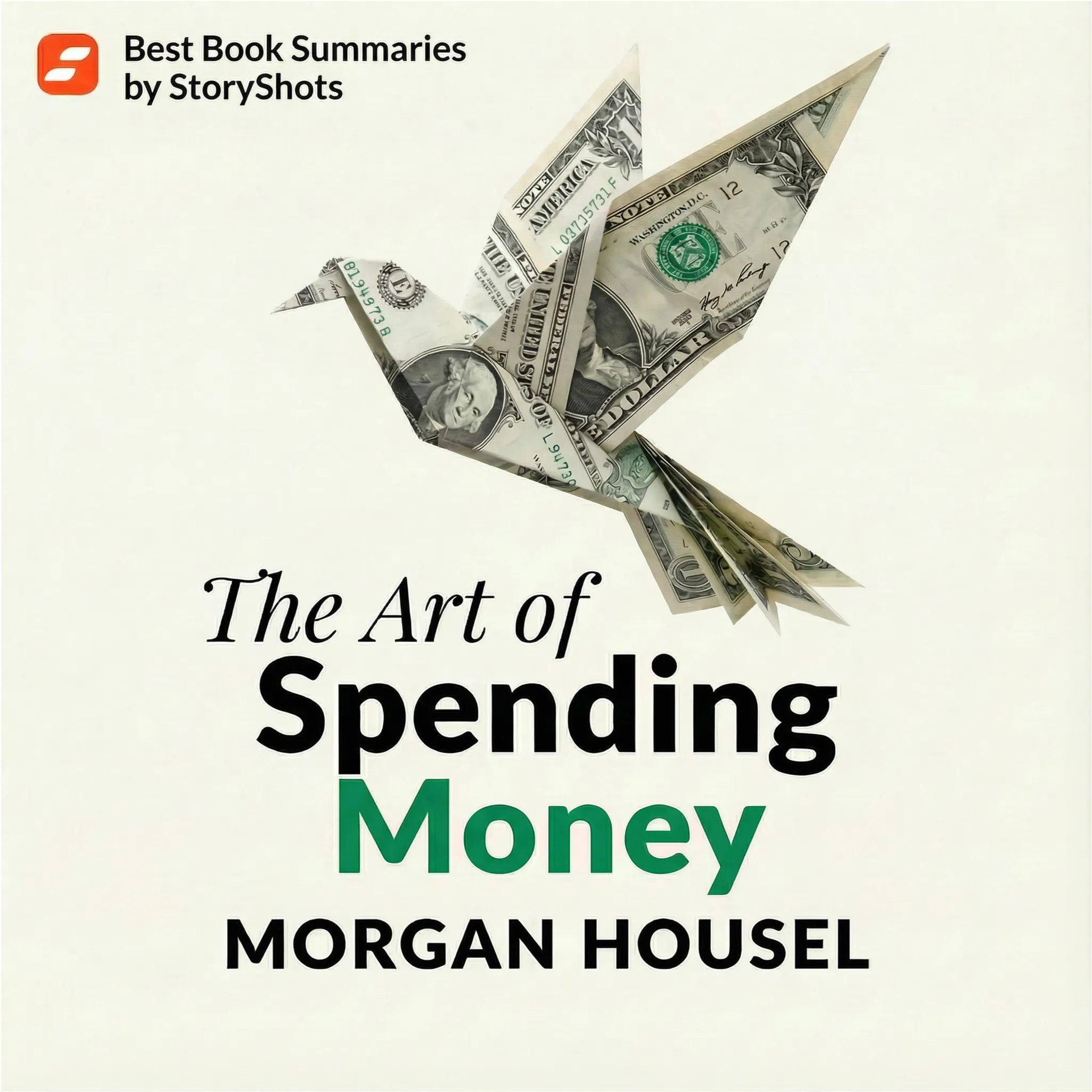
The Art of Spending Money by Morgan Housel - Audiobook Summary and Review
In this episode, we explore 'The Art of Spending Money: Simple Choices for a Richer Life' by Morgan Housel, the bestselling author of 'The Psychology of Money.' Show notes / Free Audiobook Discover how mindset shapes our relationship with wealth and happiness. Learn the key concepts that will transform the way you think about spending: • Spending is a psychological journey, not just a numbers game—it's about envy, social aspirations, identity, and insecurity • Money serves two purposes: as a tool to live a better life, or as a yardstick to measure your status against others • Spend for utility and meaning, not for status—real value comes from comfort, time, and relationships • Independence is the ultimate form of wealth—every dollar saved is freedom purchased • The 'Deserted Island Test': Would you want this if no one could see it? • Minimize future regret by aligning spending with personal values • The greatest luxury isn't material—it's calmness and financial peace • Learn how generosity multiplies wealth in ways that numbers can't capture • True wealth lies not in net worth, but in the alignment of money with your life goals Whether you're struggling with overspending, comparing yourself to others, or searching for financial clarity, this episode offers practical wisdom for making intentional choices about money. Morgan Housel reminds us that the art of spending is truly the art of living well. Join us as we unpack the psychology behind money and discover how simple choices can lead to a richer, more intentional life. Learn more about your ad choices. Visit megaphone.fm/adchoices
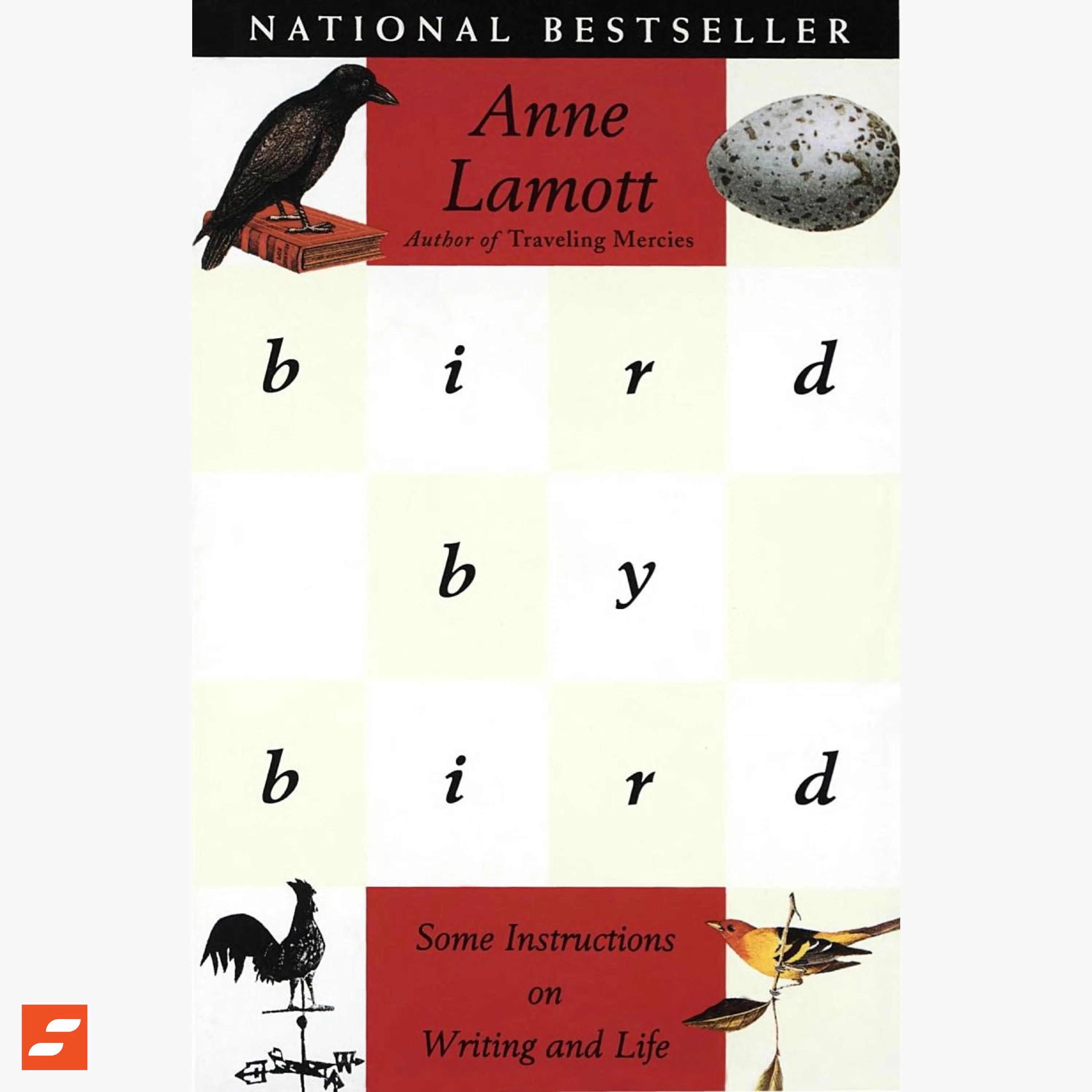
Bird by Bird Summary | Anne Lamott
🎯 FREE Audiobook Summary of Bird by Bird by Anne Lamott Get the key ideas from this book in just minutes. This StoryShots audiobook summary breaks down the core concepts and practical strategies—so you can learn faster and apply what matters most. Whether you're commuting, exercising, or relaxing—press play and start learning. 📖 ABOUT THIS BOOK: Your first draft is supposed to be terrible. this summary covers the key ideas in a convenient audio format. ⏱️ TIMESTAMPS & CHAPTERS: (00:00) Introduction (00:51) Write Shitty First Drafts (01:49) Use the One-Inch Picture Frame (02:45) Show Up Even When It Feels Pointless (04:10) Final Summary 📚 WHAT YOU'LL LEARN: • Write Shitty First Drafts: Your first draft is supposed to be terrible. • Use the One-Inch Picture Frame: When a project feels overwhelming, shrink your focus to something absurdly small. • Show Up Even When It Feels Pointless: The difference between people who finish creative projects and people who don't comes down to showing up on the bad days. • Final Summary: But the ritual Lamott uses to quiet the inner critic before every writing session, the one that involves a one-inch voice and a mental radio station, ... 🎯 WHO SHOULD LISTEN: • Anyone interested in Write Shitty First Drafts • Readers exploring Use the One-Inch Picture Frame • People looking to understand Show Up Even When It Feels Pointless 💡 KEY TAKEAWAYS: • Write Shitty First Drafts • Use the One-Inch Picture Frame • Show Up Even When It Feels Pointless • Final Summary 💬 SHARE YOUR THOUGHTS: What was your biggest takeaway from Bird by Bird? Drop a comment and let us know! --- 📖 READ THE FULL WRITTEN SUMMARY (FREE): https://app.getstoryshots.com/book-summary/bird-by-bird 📊 GET THE PDF & INFOGRAPHIC: https://www.getstoryshots.com 🎧 GET THE FULL AUDIOBOOK FOR FREE: https://geni.us/bird-by-audio --- 🌍 LISTEN TO STORYSHOTS IN OTHER LANGUAGES: 🇩🇪 Deutsch: Spotify: https://open.spotify.com/show/1Az1R3Dh3SM5SNWGtKkdIt Apple: https://podcasts.apple.com/us/podcast/buchzusammenfassungen-storyshots/id1720434471 🇪🇸 Español: Spotify: https://open.spotify.com/show/1bOAo9yLLGUsjvTuajRTXC Apple: https://podcasts.apple.com/us/podcast/los-mejores-res%C3%BAmenes-de-libros-de-storyshots/id1725024476 🇫🇷 Français: Spotify: https://open.spotify.com/show/0MjjjT7sE8WZnQr4x767zE Apple: https://podcasts.apple.com/us/podcast/meilleurs-r%C3%A9sum%C3%A9s-de-livres-par-storyshots/id1831771529 🇸🇪 Svenska: Spotify: https://open.spotify.com/show/0oHF3vhEEzH6DnYpVv9YNr Apple: https://podcasts.apple.com/us/podcast/boksammanfattningar-storyshots/id1844646838 🇧🇷 Português: Spotify: https://open.spotify.com/show/5tpZC1RaUN8VzKdlvOCRmJ Apple: https://podcasts.apple.com/se/podcast/resumos-de-livros-desenvolvimento-pessoal-e-neg%C3%B3cios/id1874862715 🇮🇹 Italiano: Spotify: https://open.spotify.com/show/6fycgcQBpBOCA6MFvOnYlo Apple: https://podcasts.apple.com/se/podcast/resumos-de-livros-desenvolvimento-pessoal-e-neg%C3%B3cios/id1875185736 🇮🇷 فارسی: Spotify: Apple: --- ⚖️ COPYRIGHT NOTICE — FAIR USE & FAIR DEALING: This audio summary is educational commentary produced under U.S. fair use, UK/Commonwealth fair dealing, EU Directive 2001/29/EC Art. 5, and Brazilian Lei 9.610 Art. 46. It does not replace the original work. Buy the full book to support the author. StoryShots (also searched as "Story Shorts") — Free book summaries you can listen to anywhere. #BookSummary #AudiobookSummary #FreeAudiobook #BookReview #KeyTakeaways #BestsellerSummary #SelfImprovement #PersonalDevelopment #BusinessBooks #Productivity #StoryShorts #BirdbyBird #AnneLamott #StoryShots Learn more about your ad choices. Visit megaphone.fm/adchoices
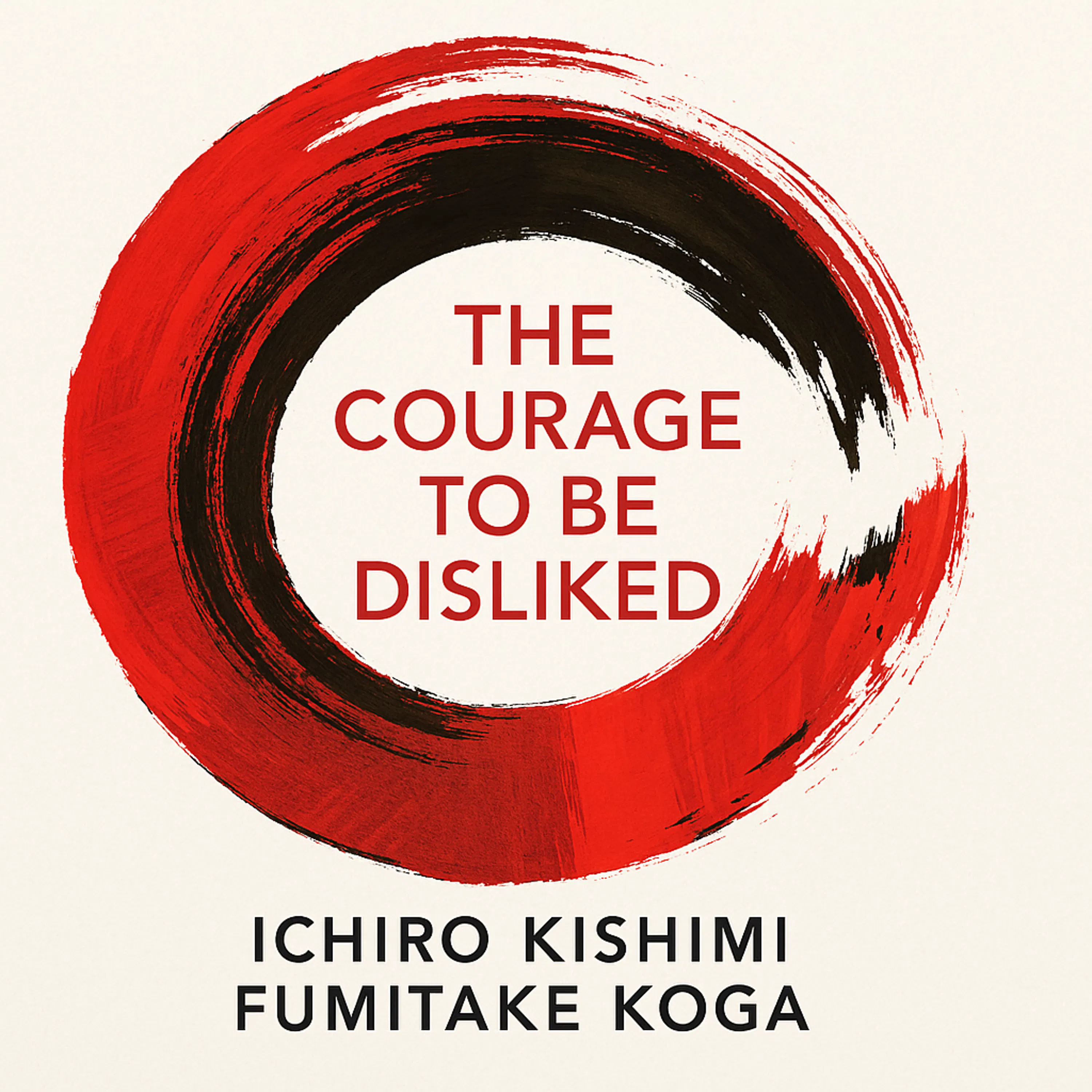
The Courage to Be Disliked by Ichiro Kishimi and Fumitake Koga - Book Summary | Free Audiobook
Show notes / PDF & Infographic / Free Audiobook / What if I told you the key to freedom is actually being willing to be disliked? In the next 20 minutes, you'll discover the Adlerian secret to authentic living that's captivated readers worldwide. German 🇩🇪 Read 1 million books in minutes. For free. Get the PDF, infographic, extended ad-free audiobook and animated version of this summary and unlimited bestselling book insights on the top-rated StoryShots app: https://go.getstoryshots.com/free ⭐️⭐️⭐️⭐️⭐️ Don't forget to subscribe, rate and review the StoryShots podcast now. What should our next book be? Suggest and vote it up on the StoryShots app. IN THIS EPISODE: Ichiro Kishimi and Fumitake Koga's book reveals how adopting Adlerian psychological principles can help individuals break free from past constraints, overcome the fear of disapproval, and live more authentically by focusing on personal values and community contribution. TOPICS: Relationships, personal growth, happiness, Self-help, psychology KEY FIGURES: Mark Manson, Man's Search for Meaning, Jordan Peterson, The Courage to Be Disliked, Sigmund Freud,, 12 Rules for Life, Alfred Adler, StoryShots, The Subtle Art of Not Giving a Fuck, Viktor E. Frankl, Ichiro Kishimi, Fumitake Koga SUMMARY: The podcast episode explores the key principles of Alfred Adler's psychology as presented in the book 'The Courage to Be Disliked' by Ichiro Kishimi and Fumitake Koga. The core message challenges traditional psychological thinking by asserting that individuals are not controlled by their past experiences, but rather by their future goals and choices. The book argues that people can liberate themselves by understanding that they have the power to interpret and reframe their life experiences, moving beyond deterministic views of personal development. A central theme of the book is that all problems are fundamentally interpersonal relationship problems, and true freedom comes from developing the courage to be disliked. This means living authentically according to one's values, even if it means facing potential disapproval from others. The authors emphasize the importance of separating tasks in relationships, letting go of the need for external recognition, and focusing on contribution rather than personal gain. The book introduces several transformative mental models from Adlerian psychology, such as horizontal versus vertical relationships, task separation, and the concept of community feeling (Gemeinschaftskefuel). These principles encourage individuals to view themselves as equal members of a community, focus on present-moment living, and find meaning through contributing to others. The ultimate goal is to help readers develop a more authentic, purposeful, and liberated approach to life by challenging societal expectations and internal limiting beliefs. KEY QUOTES: • "What if I told you the key to freedom is actually being willing to be disliked?" - Ichiro Kishimi • "Your life is not something that someone gives you, but something you choose yourself, and you are the one who decides how you live." - Ichiro Kishimi • "Freedom is being disliked by other people." - Ichiro Kishimi • "Happiness is the feeling of contribution." - Ichiro Kishimi KEY TAKEAWAYS: • Your past experiences do not determine your future; you have the power to reinterpret and choose your path forward • Interpersonal relationships are the root of most psychological problems, and understanding relationship dynamics is key to personal growth • Developing the courage to be disliked means living authentically according to your values, even if it means facing potential disapproval from others • True happiness comes from contribution, not recognition - focus on adding value to others and society rather than seeking praise • Practice 'task separation' by clearly distinguishing between your responsibilities and those of others, which creates healthier boundaries in relationships... Learn more about your ad choices. Visit megaphone.fm/adchoices
Noughts & Crosses Summary | Malorie Blackman
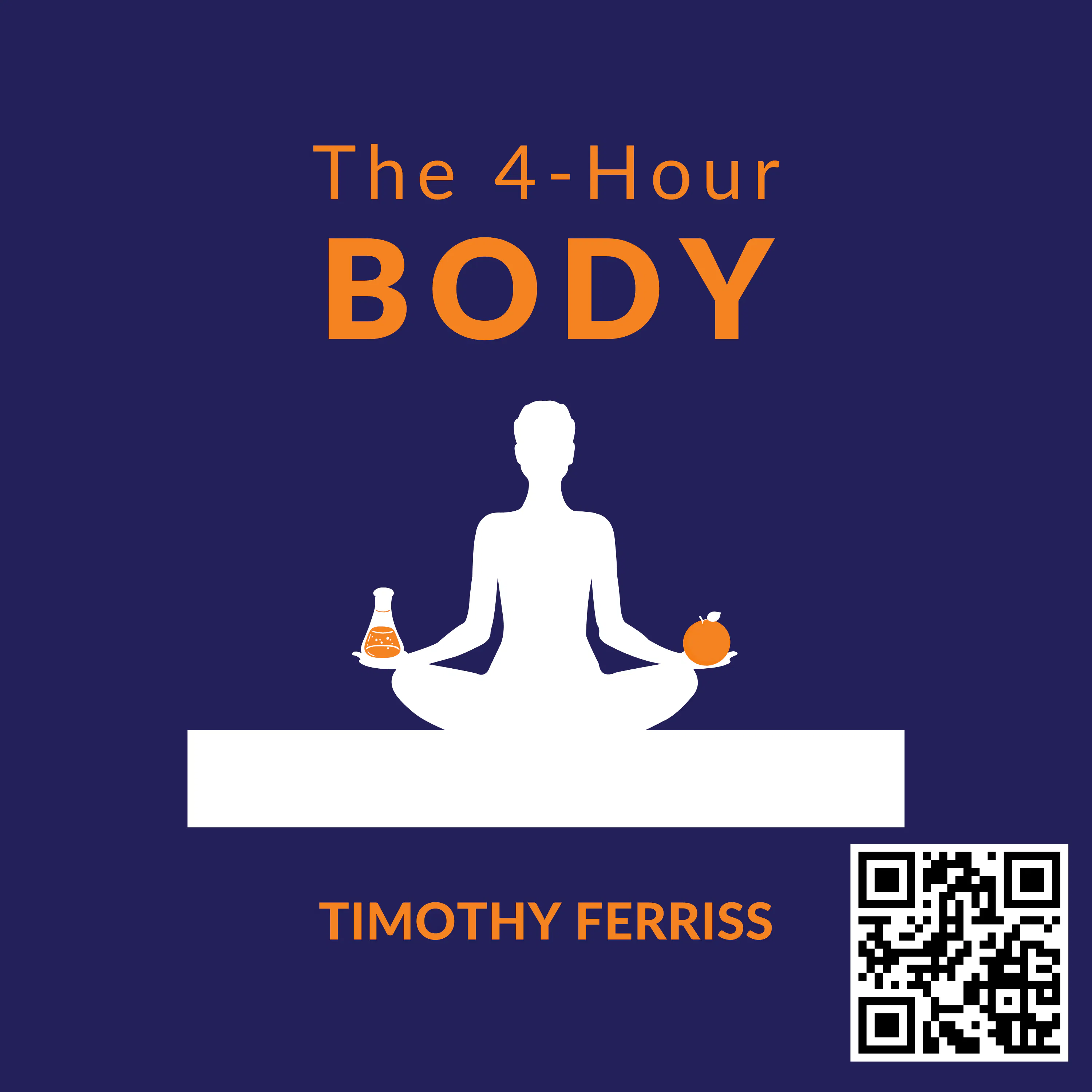
The 4-Hour Body by Timothy Ferriss Book Summary and Review | Free Audiobook
📝 Show notes (Free Summary) | PDF & Infographic | Free audiobook | Learn how to rapidly lose fat, increase muscle mass, and optimize your health with Tim Ferriss' groundbreaking 4-Hour Body and Slow-Carb Diet. 🇩🇪 German version Read and grow with 1 million bestselling books on your terms. Start a free trial of StoryShots: https://www.getstoryshots.com to get the extended ad-free audiobook, PDF, infographic and animated version of this summary of The 4-Hour Body and more exclusive content. ⭐️⭐️⭐️⭐️⭐️ Don't forget to subscribe, rate and review the StoryShots podcast now to help us grow and create more amazing content for you. What should our next book be? Comment on Spotify/iTunes or vote it up on the StoryShots app. Interested in sponsorship? Contact [email protected]. StoryShots Book Summary and Review of The 4-Hour Body: An Uncommon Guide to Rapid Fat-Loss, Incredible Sex, and Becoming Superhuman by Timothy Ferriss Life gets busy. Has The 4-Hour Body been on your reading list? Learn the key insights now. If you don't already have Timothy Ferriss's popular book on self-help, slow-carb diet, exercise, and sexual performance, order it here or get the audiobook for free to learn the juicy details. Imagine if you could transform your body and improve your well-being in just a few hours a week. The 4-Hour Body promises to do just that. Tim Ferriss goes in-depth with The Slow-Carb Diet and provides guidance on exercise, sleep, and sex. This guidance relates to his encounters over three years with experts. These experts range from doctors to athletes and black-market drug salespeople to sex experts. Through the book, you will explore the realms of strength training, swimming, sleeping, and beyond. Each chapter presents a new path from which you can choose, and a new decision to make. The 4-Hour Body is a choose-your-own-adventure experience within the universe of health and fitness. Arm yourself with the key takeaways from the book, and embark on a journey of transformation for your physical and mental health. Tim Ferriss is an author, investor, TV host, podcaster, and economic advisor. He has written five books, including his bestselling debut book, The 4-hour Workweek. Since then, he has had his own TV series, The Tim Ferriss Experiment, and his own TV show, Fear(less) with Tim Ferriss. Related Book Summaries The Obesity Code by Jason Fung Fast Like a Girl by Dr Mindy Pelz Bigger Leaner Stronger by Michael Matthews Lifespan by David Sinclair Thinner Leaner Stronger by Michael Matthews The Plant Paradox by Steven Gundry How Not to Die by Dr. Michael Greger The 4-Hour Workweek by Tim Ferriss Tools of Titans by Tim Ferriss Super Human by Dave Asprey (00:00) Introduction to The 4-Hour Body by Tim Ferriss (00:26) About StoryShots: Audiobook, Animated Video and Infographic Summaries (01:25) Overview of The 4-Hour Body: A Tim Ferriss Guide (02:23) About Tim Ferriss: Author of The 4-Hour Body (02:58) Discover the Power of the Minimum Effective Dose (04:53) The Slow-Carb Diet: Lose 20 Pounds in 30 Days with Tim Ferriss (07:25) Common Questions About the Slow-Carb Diet (10:09) Avoid Making These 8 Common Mistakes on the Slow-Carb Diet (12:09) The Role of Gut Bacteria in Weight Loss (13:38) Conclusion and Next Steps: Adopting Tim Ferriss’ Health Tips Ryan Reynolds, Tim Ferriss, The 4-Hour Body, Brain.fm, StoryShots, MyProtein Dieting, lifestyle optimization, Gut health, efficiency, weight loss, Self-help, exercise, Motivation Learn more about your ad choices. Visit megaphone.fm/adchoices
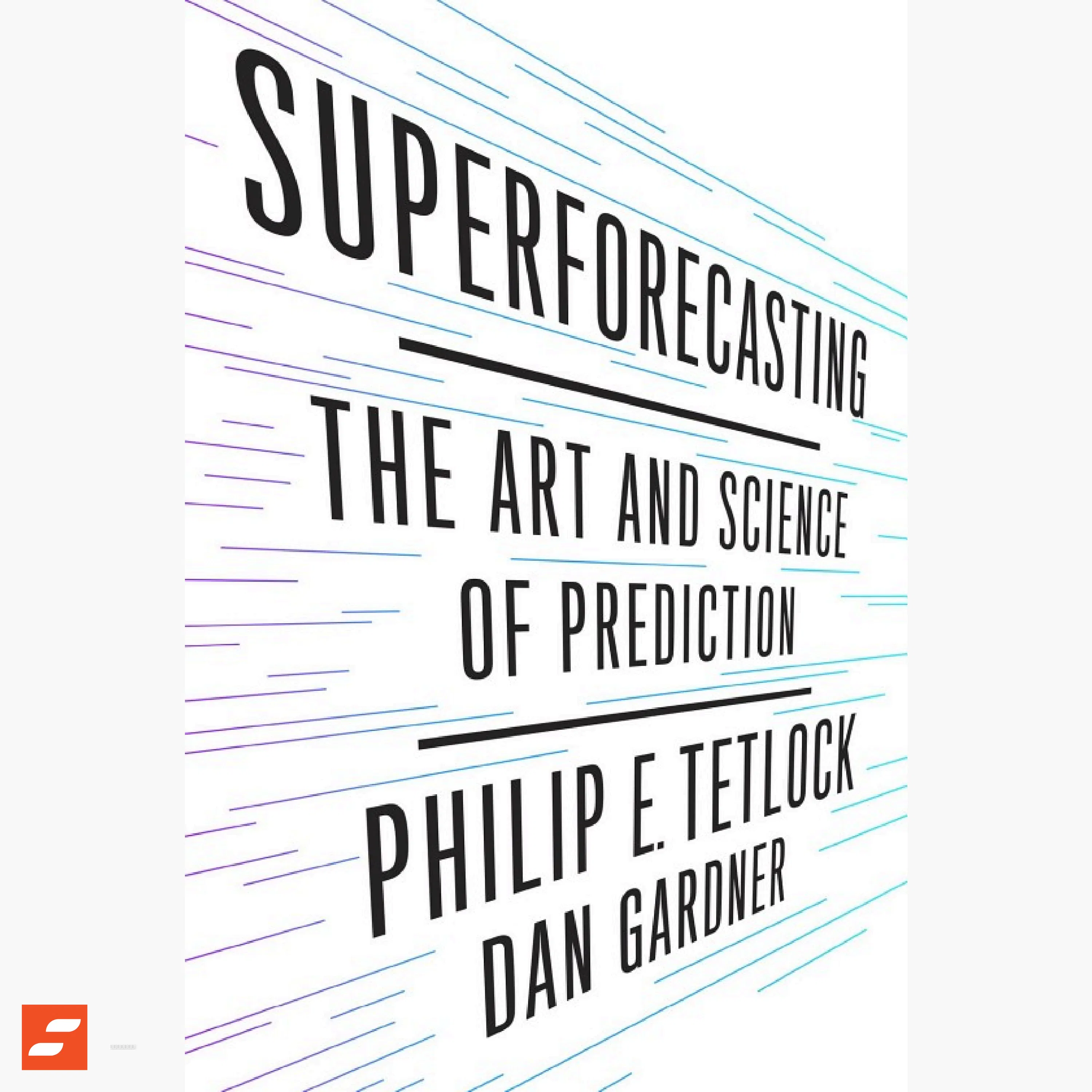
Superforecasting Summary | Philip E. Tetlock
🎯 FREE Audiobook Summary of Superforecasting by Philip E. Tetlock Get the key ideas from this book in just minutes. This StoryShots audiobook summary breaks down the core concepts and practical strategies—so you can learn faster and apply what matters most. Whether you're commuting, exercising, or relaxing—press play and start learning. 📖 ABOUT THIS BOOK: Experts with PhDs and security clearances perform worse than random guessing in geopolitical forecasts. this summary covers the key ideas in a convenient audio format. ⏱️ TIMESTAMPS & CHAPTERS: (00:00) Introduction (00:45) Why Expert Predictions Fail More Often Than Random Chance (01:42) The Foxes Beat the Hedgehogs Every Time (02:38) The Fermi Estimation Method Turns Guesses into Forecasts (03:47) Final Summary 📚 WHAT YOU'LL LEARN: • Why Expert Predictions Fail More Often Than Random Chance: Experts with PhDs and security clearances perform worse than random guessing in geopolitical forecasts. • The Foxes Beat the Hedgehogs Every Time: Thinkers divide into two categories. • The Fermi Estimation Method Turns Guesses into Forecasts: Superforecasters break impossible-sounding questions into solvable pieces. • Final Summary: But the ten-step method that superforecasters use to unpack any prediction lives in the full version, along with the precise questions they ask before... 🎯 WHO SHOULD LISTEN: • Anyone interested in Why Expert Predictions Fail More Often Than Random Chance • Readers exploring The Foxes Beat the Hedgehogs Every Time • People looking to understand The Fermi Estimation Method Turns Guesses into Forecasts 💡 KEY TAKEAWAYS: • Why Expert Predictions Fail More Often Than Random Chance • The Foxes Beat the Hedgehogs Every Time • The Fermi Estimation Method Turns Guesses into Forecasts • Final Summary 💬 SHARE YOUR THOUGHTS: What was your biggest takeaway from Superforecasting? Drop a comment and let us know! --- 📖 READ THE FULL WRITTEN SUMMARY (FREE): https://app.getstoryshots.com/book-summary/superforecasting 📊 GET THE PDF & INFOGRAPHIC: https://www.getstoryshots.com 🎧 GET THE FULL AUDIOBOOK FOR FREE: https://geni.us/superforecasting-audio --- ⚖️ COPYRIGHT NOTICE — FAIR USE & FAIR DEALING: This audio summary is educational commentary produced under U.S. fair use, UK/Commonwealth fair dealing, EU Directive 2001/29/EC Art. 5, and Brazilian Lei 9.610 Art. 46. It does not replace the original work. Buy the full book to support the author. StoryShots (also searched as "Story Shorts") — Free book summaries you can listen to anywhere. #BookSummary #AudiobookSummary #FreeAudiobook #BookReview #KeyTakeaways #BestsellerSummary #SelfImprovement #PersonalDevelopment #BusinessBooks #Productivity #StoryShorts #Superforecasting #PhilipETetlock #StoryShots Learn more about your ad choices. Visit megaphone.fm/adchoices
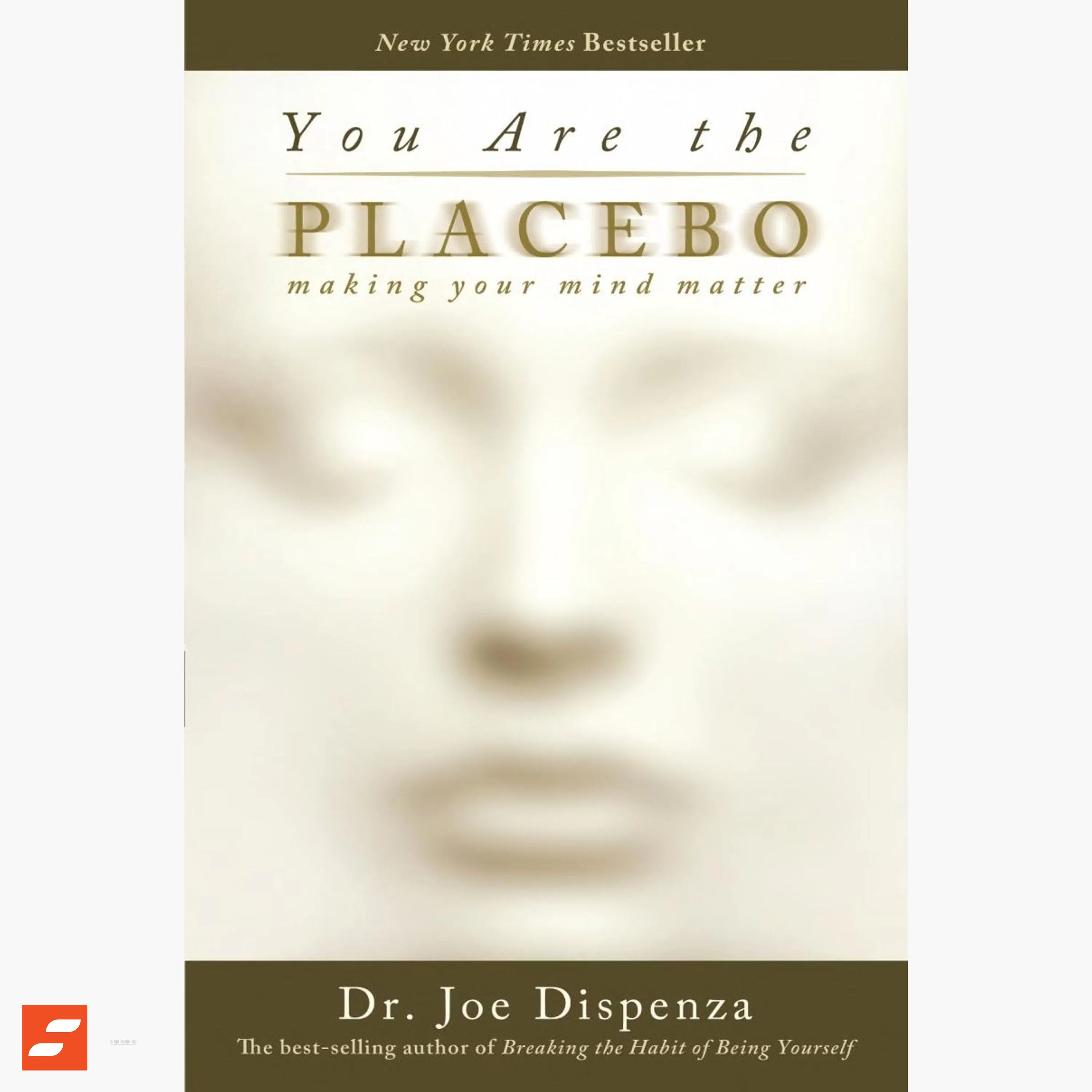
You Are the Placebo Summary | Dr. Joe Dispenza
🎯 FREE Audiobook Summary of You Are the Placebo by Dr. Joe Dispenza Get the key ideas from this book in just minutes. This StoryShots audiobook summary breaks down the core concepts and practical strategies—so you can learn faster and apply what matters most. Whether you're commuting, exercising, or relaxing—press play and start learning. 📖 ABOUT THIS BOOK: When you vividly imagine an experience, your brain fires the same neural networks as if that experience were actually happening. this summary covers the key ideas in a convenient audio format. ⏱️ TIMESTAMPS & CHAPTERS: (00:00) Introduction (00:42) Your Brain Cannot Tell the Difference Between Real and Imagined (01:44) Personality Creates Personal Reality (02:44) You Must Become the Future Before It Happens (04:25) Final Summary 📚 WHAT YOU'LL LEARN: • Your Brain Cannot Tell the Difference Between Real and Imagined: When you vividly imagine an experience, your brain fires the same neural networks as if that experience were actually happening. • Personality Creates Personal Reality: Your personality is a set of memorized behaviors and emotional reactions repeated so often they feel automatic. • You Must Become the Future Before It Happens: The quantum model of reality suggests all possible futures exist simultaneously as potential. • Final Summary: But the 9-step meditation protocol that trains you to enter the subconscious operating system and rewrite these patterns will change how you think abo... 🎯 WHO SHOULD LISTEN: • Anyone interested in Your Brain Cannot Tell the Difference Between Real and Imagined • Readers exploring Personality Creates Personal Reality • People looking to understand You Must Become the Future Before It Happens 💡 KEY TAKEAWAYS: • Your Brain Cannot Tell the Difference Between Real and Imagined • Personality Creates Personal Reality • You Must Become the Future Before It Happens • Final Summary 💬 SHARE YOUR THOUGHTS: What was your biggest takeaway from You Are the Placebo? Drop a comment and let us know! --- 📖 READ THE FULL WRITTEN SUMMARY (FREE): https://www.getstoryshots.com/books/you-are-the-placebo-summary/ 📊 GET THE PDF & INFOGRAPHIC: https://www.getstoryshots.com 🎧 GET THE FULL AUDIOBOOK FOR FREE: https://geni.us/you-are-audio --- ⚖️ COPYRIGHT NOTICE — FAIR USE & FAIR DEALING: This audio summary is educational commentary produced under U.S. fair use, UK/Commonwealth fair dealing, EU Directive 2001/29/EC Art. 5, and Brazilian Lei 9.610 Art. 46. It does not replace the original work. Buy the full book to support the author. StoryShots (also searched as "Story Shorts") — Free book summaries you can listen to anywhere. #BookSummary #AudiobookSummary #FreeAudiobook #BookReview #KeyTakeaways #BestsellerSummary #SelfImprovement #PersonalDevelopment #BusinessBooks #Productivity #StoryShorts #YouArethePlacebo #DrJoeDispenza #StoryShots Learn more about your ad choices. Visit megaphone.fm/adchoices
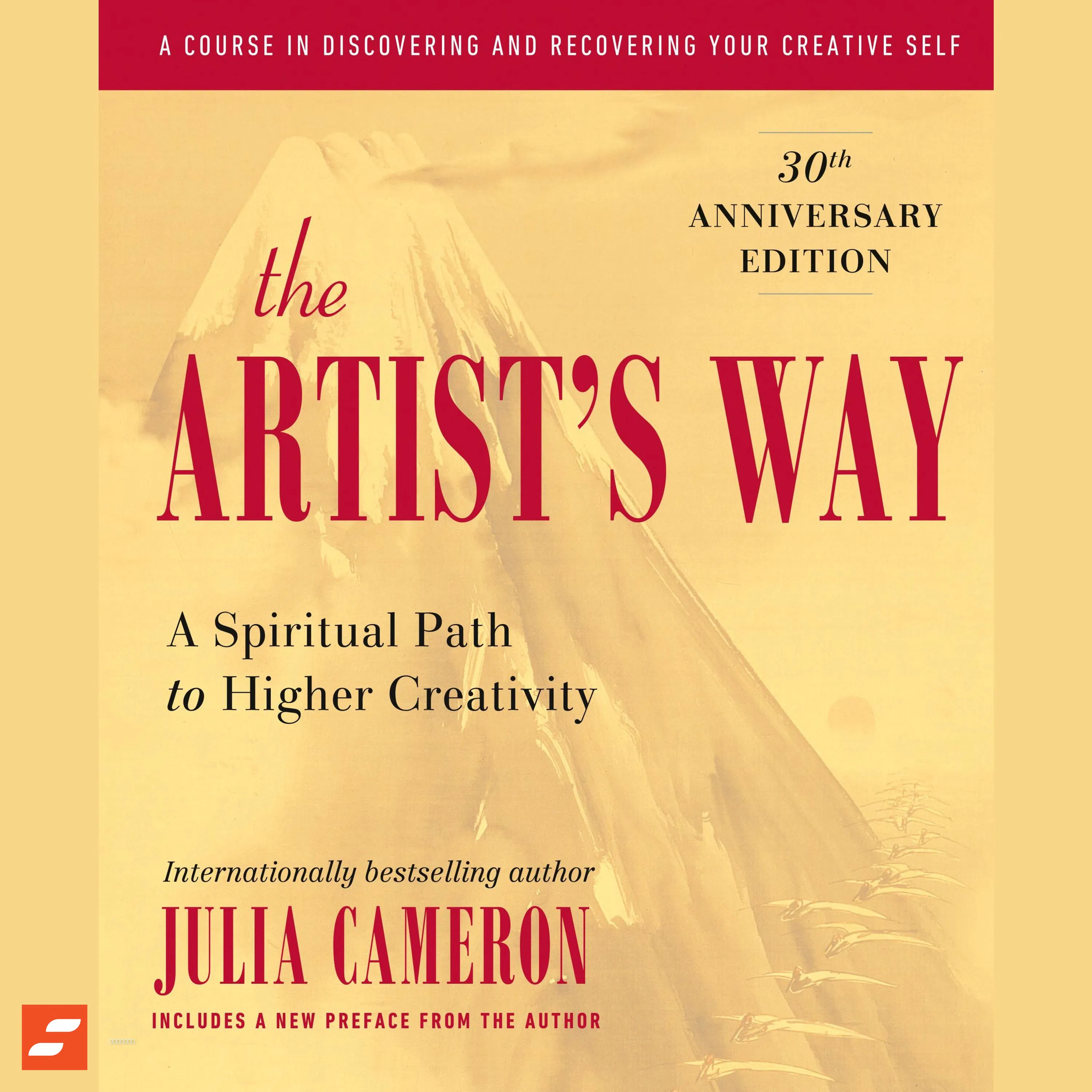
The Artist's Way Summary | Julia Cameron
🎯 FREE Audiobook Summary of The Artist's Way by Julia Cameron Get the key ideas from this book in just minutes. This StoryShots audiobook summary breaks down the core concepts and practical strategies—so you can learn faster and apply what matters most. Whether you're commuting, exercising, or relaxing—press play and start learning. 📖 ABOUT THIS BOOK: Every morning, before you check your phone, write three pages of longhand stream-of-consciousness. this summary covers the key ideas in a convenient audio format. ⏱️ TIMESTAMPS & CHAPTERS: (00:00) Introduction (00:45) Morning Pages Clear the Mental Clutter (01:51) The Artist Date Restores Creative Play (02:52) Your Inner Critic Is Not Protecting You (04:11) Final Summary 📚 WHAT YOU'LL LEARN: • Morning Pages Clear the Mental Clutter: Every morning, before you check your phone, write three pages of longhand stream-of-consciousness. • The Artist Date Restores Creative Play: Once a week, take yourself on a solo two-hour expedition to do something playful. • Your Inner Critic Is Not Protecting You: The voice in your head that says your work is embarrassing or not good enough is not wisdom. • Final Summary: The framework that pulls all of this together is the 12-week structure, the concept of creative recovery, and the exercises for identifying your creat... 🎯 WHO SHOULD LISTEN: • Anyone interested in Morning Pages Clear the Mental Clutter • Readers exploring The Artist Date Restores Creative Play • People looking to understand Your Inner Critic Is Not Protecting You 💡 KEY TAKEAWAYS: • Morning Pages Clear the Mental Clutter • The Artist Date Restores Creative Play • Your Inner Critic Is Not Protecting You • Final Summary 💬 SHARE YOUR THOUGHTS: What was your biggest takeaway from The Artist's Way? Drop a comment and let us know! --- 📖 READ THE FULL WRITTEN SUMMARY (FREE): https://www.getstoryshots.com/books/the-artists-way-summary/ 📊 GET THE PDF & INFOGRAPHIC: https://www.getstoryshots.com 🎧 GET THE FULL AUDIOBOOK FOR FREE: https://geni.us/the-artists-audio --- ⚖️ COPYRIGHT NOTICE — FAIR USE & FAIR DEALING: This audio summary is educational commentary produced under U.S. fair use, UK/Commonwealth fair dealing, EU Directive 2001/29/EC Art. 5, and Brazilian Lei 9.610 Art. 46. It does not replace the original work. Buy the full book to support the author. StoryShots (also searched as "Story Shorts") — Free book summaries you can listen to anywhere. #BookSummary #AudiobookSummary #FreeAudiobook #BookReview #KeyTakeaways #BestsellerSummary #SelfImprovement #PersonalDevelopment #BusinessBooks #Productivity #StoryShorts #TheArtistsWay #JuliaCameron #StoryShots Learn more about your ad choices. Visit megaphone.fm/adchoices

The Cafe on the Edge of the World - Book Summary
In this episode, we explore "The Cafe on the Edge of the World" by John Strelecky, a transformative story about finding life's true purpose and meaning. Show notes / Free audiobook / 🇩🇪 German Join us as we follow John, a successful but unfulfilled businessman, who stumbles upon a mysterious cafe in the middle of nowhere. What unfolds is a profound journey of self-discovery triggered by three life-changing questions: "Why are you here?", "Do you fear death?", and "Are you fulfilled?" Through conversations with the cafe's remarkable staff—Mike the cook, Casey the waitress, and other guests—John begins to question his priorities and the life he's built. He discovers that he's been caught up in an endless cycle of chasing wealth and material possessions while neglecting what truly matters. Key takeaways from this book include: • The importance of identifying your Personal Fulfillment Endeavor (PFE)—what you truly want to do with your life • How societal pressures and external expectations can lead us away from our authentic selves • The power of mindfulness and being present in the moment • Understanding that fulfillment comes from within, not from external validation • The green sea turtle metaphor—aligning your daily actions with your true purpose • Breaking free from the cycle of working just to consume, and instead finding work that brings genuine satisfaction • The realization that you can shape your life's narrative and choose your own path John's journey takes him from the advertising world to the beautiful coasts of Hawaii, where he learns that the greatest wealth is having the freedom to do what you love. By the end of his night at the cafe, John recognizes that finding meaning in life isn't about perfection—it's about making conscious choices that align with your deepest values and desires. This book is perfect for anyone feeling stuck, unfulfilled, or questioning whether they're living the life they truly want. Whether you're in a midlife crisis or simply seeking greater purpose, this timeless fable offers practical wisdom wrapped in an engaging narrative. Learn more about your ad choices. Visit megaphone.fm/adchoices
Elephant Run Summary | Roland Smith
Joy, Inc. Summary | Richard Sheridan

Maybe You Should Talk to Someone Audiobook Summary and Book Review | Free Audiobook
Show notes / Free Audiobook / Discover the life-changing insights from Lori Gottlieb's "Maybe You Should Talk to Someone" - a raw, honest look at therapy from both sides of the couch. Learn why even therapists need therapy and how healing truly happens. 🔑 KEY INSIGHTS ✅ Therapists need therapy too - seeking help is human, not weak ✅ We heal through connection, not isolation ✅ All pain deserves compassion - no hierarchy of suffering ✅ Change is scary but necessary for growth ✅ You can edit your life story without changing the past ✅ Self-compassion is the foundation of all other growth 📚 ABOUT THE BOOK "Maybe You Should Talk to Someone" by Lori Gottlieb ⭐ New York Times Bestseller ⭐ Over 1 million copies sold ⭐ Being adapted for Netflix 👤 ABOUT LORI GOTTLIEB • Psychotherapist and bestselling author • "Dear Therapist" columnist at The Atlantic • TED Talk: Top 10 Most Watched 2019 • Graduate of Yale, Stanford, and Pepperdine🎯 PERFECT FOR: • Anyone considering therapy • People currently in therapy • Mental health advocates • Fans of Brené Brown, Irvin Yalom • Anyone interested in psychology and personal growth 🔗 RESOURCES MENTIONED • Crisis Text Line: crisistextline.org • National Alliance on Mental Illness: nami.org • Mental Health America: mhanational.org • The Atlantic "Dear Therapist": theatlantic.com/author/lori-gottlieb/📱 CONNECT WITH STORYSHOTS • Website: storyshots.com • Instagram: @storyshots • Twitter: @storyshots • YouTube: StoryShots • App: Download free on iOS/Android ⭐ ENJOYED THIS EPISODE? • Rate and review on Apple Podcasts • Share with someone who needs to hear this • Subscribe for weekly book summaries • Tell us your favorite insight in the comments ⚠️ DISCLAIMER This content is for educational purposes only and is not a substitute for professional mental health treatment. If you're experiencing a mental health crisis, please contact emergency services or a mental health professional immediately. 00:00 - Introduction: Maybe You Should Talk to Someone Book Review01:10 - Lori Gottlieb: From Hollywood Executive to Therapist04:59 - Key Insight: Therapists Need Therapy Too06:00 - Healing Through Connection and Relationships08:19 - Understanding Pain and Compassion in Therapy09:17 - Overcoming Resistance to Change in Therapy11:10 - The Truth About Closure and Processing Loss13:13 - Finding the Right Therapist: Tips and Guidance15:40 - Living with Uncertainty: Lessons from Therapy18:03 - Final Summary and Book Review20:22 - Related Books and Additional Resources Learn more about your ad choices. Visit megaphone.fm/adchoices
Throne of Glass Summary | Sarah J. Maas

Grit by Angela Duckworth Book Summary | Free Audiobook
Show notes / PDF, Infographic & Animated Summary / Free Audiobook / Forget talent—grit is your unstoppable edge. What if talent isn't what sets champions apart? Discover why passion and perseverance - not natural ability - are the true secrets to extraordinary success. Read on your terms. Get the PDF, infographic, extended ad-free audiobook and animated version of this summary and 1 million more books on the top-rated StoryShots app: https://www.getstoryshots.com Help us grow to create more amazing content for you! ⭐️⭐️⭐️⭐️⭐️ Don't forget to subscribe, rate and review the StoryShots podcast now. What should our next book be? Suggest and vote it up on the StoryShots app. Key figures and topics: Grit, Effort, Perseverance, Achievement, Passion, Purpose, Goals, Effort, Grit, success, Talent, Motivation, Angela Duckworth, McAfee, Grit, John IrvingCharacter Lab, Chia Jeong Tsai, Mark Allen Morris, Anders Erikson, story shorts, Emilia Lati, Sisu, In her book Grit, Angela Duckworth challenges the societal obsession with natural talent, arguing that effort and perseverance are far more critical to success than innate abilities. She introduces the concept of 'grit' as a combination of passion, endurance, and consistent hard work that distinguishes high achievers. Duckworth presents her research demonstrating that talent alone is insufficient and that how rapidly one develops skills and the commitment to long-term goals are more predictive of success. Duckworth outlines four key characteristics of gritty individuals: passionate interest in their pursuits, dedicated daily practice, a clear overarching purpose, and hope for continual improvement. She emphasizes that true skill development requires consistent, intelligent practice and that individuals should focus on goals that genuinely motivate them. The book suggests that while genetics play a role in grit, it is also something that can be cultivated through experience, cultural immersion, and deliberate effort. The author provides practical strategies for developing grit, including the 'Hard Thing Rule' for families, which encourages commitment to challenging activities for specified periods. She highlights the importance of finding work and pursuits that align with personal interests, as this creates the intrinsic motivation necessary for long-term success. Duckworth also explores how culture, parenting, and personal mindset can significantly influence an individual's ability to develop and maintain grit throughout their life. Key ideas Effort and perseverance matter more than talent, with consistent hard work leading to greater success. Grit combines passion, deliberate practice, purpose, and hope—all essential for long-term achievement. High achievers set goal hierarchies, using daily goals to support bigger life objectives. They embrace dissatisfaction as fuel for growth, always pushing to improve. Skill comes from focused, intelligent practice—not just repetition. A grit-focused culture boosts resilience and commitment. And since only 13% of workers feel engaged, aligning work with passion is key to lasting motivation. (00:00) Synopsis of Grit (01:05) About Angela Duckworth (01:44) Understanding Grit (02:30) The Role of Talent (03:45) Effort and Its Importance (08:10) Setting and Achieving Goals (10:20) Developing Grit (16:59) Conclusion and Next Steps Related Book Summaries 13 Things Mentally Strong People Don't Do Deep Work Can't Hurt Me The Dip Mindset Make Your Bed The Mamba Mentality DISCLAIMER: This is an unofficial summary and analysis. Learn more about your ad choices. Visit megaphone.fm/adchoices

The Miracle Morning Book Summary | Hal Elrod | Free Audiobook
Show notes/ PDF & Infographic / Free Audiobook / ☀️ What if your mornings held the key to transforming your entire life? Discover the 6 daily habits used by high achievers worldwide. In this audiobook summary of The Miracle Morning by Hal Elrod, we break down a simple but powerful routine that’s helped millions improve their mindset, productivity, and well-being — all before 8 a.m. Whether you want more energy, clarity, or purpose, this episode offers a proven blueprint to reinvent your mornings and upgrade your life. Elrod’s “SAVERS” method — Silence, Affirmations, Visualization, Exercise, Reading, and Scribing — is designed to activate your full potential, starting from day one. He developed this framework after a near-fatal accident and financial collapse, and it’s since become a movement embraced by CEOs, athletes, and everyday people looking to break out of burnout or stagnation. Ready for more? Unlock the full experience on the StoryShots app — including: ✅ PDF summary ✅ Infographic ✅ Full audiobook ✅ Animated version 👉 https://www.getstoryshots.com/ What you’ll learn in this episode: • Why how you start your day shapes everything else • How to implement the full SAVERS routine in under an hour • The science and psychology behind each morning habit • How Elrod turned tragedy into transformation • Practical tips to beat the snooze button and own your mornings Like this episode? 🎧 Subscribe to the StoryShots podcast ⭐️ Rate & review to support the show 📚 Suggest your next book summary inside the StoryShots app! The Miracle Morning, Hal Elrod, SAVERS, morning routine, book summary, productivity, success habits, personal growth, self-discipline, how to wake up early, mindset, Tim Ferriss, Mel Robbins, Tony Robbins, StoryShots, audiobook summary, nonfiction podcast, Spotify book summary, YouTube book summary Learn more about your ad choices. Visit megaphone.fm/adchoices

Meditations by Marcus Aurelius Audiobook - Full version
Short on time or need a refresher? Get the summary at https://www.getstoryshots.com/books/meditations-summary/ Learn more about your ad choices. Visit megaphone.fm/adchoices
Onyx Storm Summary | Rebecca Yarros
Problem Solving 101 Summary | Ken Watanabe

The Diary of a CEO Summary: Steven Bartlett's 33 Laws of Success Explained
Discover the timeless laws of success behind Steven Bartlett's The Diary of a CEO. Learn how a broke 18-year-old dropout built a multimillion-dollar company by 27 — and what his 33 Laws can teach you about mindset, leadership, and growth. Free Audiobook / PDF & Infographic 🎧 Listen ad-free on the StoryShots app — named one of the World's Best Learning Apps by Apple and The Guardian. What if the key to transforming your life lies in understanding five invisible buckets? In this enlightening episode of Best Book Summaries 📚 by StoryShots, we explore Stephen Bartlett's groundbreaking work, The Diary of a CEO: The 33 Laws of Success, which offers a roadmap for aspiring entrepreneurs and leaders. Bartlett, a young entrepreneur who rose from being broke and unqualified to building a multi-million dollar company, shares invaluable lessons learned from world-class leaders that can inspire anyone to pursue their dreams. Join us as we uncover the essence of the five invisible buckets—knowledge, skills, network, resources, and reputation—that are crucial for achieving future success. This episode highlights how understanding these elements can significantly impact your journey in personal development and career advancement. You'll also discover the power of embracing discomfort as a catalyst for growth, teaching for mastery, and the importance of cultivating a strong company culture. We delve into key takeaways from this transformative book, offering actionable steps that encourage listeners to focus on continuous improvement, value creation, and authentic connections in both personal and professional realms. Bartlett's principles challenge conventional wisdom, advocating for a mindset shift towards collaboration, curiosity, and resilience in the face of failure, ultimately leading to sustainable success. Whether you're seeking insights from top business leadership books or looking to enhance your self-improvement journey, this episode is packed with key takeaways from bestsellers that will inspire you to take action. Tune in for a deep dive into The Diary of a CEO and discover how to leverage these insights for your personal growth and career development. Don’t miss this opportunity to learn on your terms with our free audiobook summaries and animated book summaries. Join us as we unlock the secrets to success and share self-care for entrepreneurs through the lens of Bartlett's wisdom. Let’s redefine what it means to succeed in today’s fast-paced world! For more business book summaries and personal development audiobooks, subscribe to Best Book Summaries 📚 by StoryShots and elevate your learning experience with our StoryShots premium content. Your journey to success starts here! — 🔑 What You'll Learn • The five invisible buckets that determine your future: knowledge, skills, network, resources, and reputation • Why discomfort is your secret weapon for growth • How teaching accelerates mastery • The Kaizen philosophy of 1% daily improvement • Why failure is data, not defeat • How to scale faster by asking "Who, not how" • Why culture and authenticity beat strategy every time • How curiosity and systems thinking create long-term freedom — 💬 What was your biggest insight from The Diary of a CEO? Tag @StoryShots and join 1M+ learners discovering world-class ideas in minutes. — Keywords: The Diary of a CEO summary, Steven Bartlett, 33 Laws of Success, business mindset, entrepreneurship lessons, self-improvement podcast, leadership development, personal growth frameworks, the diary of a ceo, cultivating company culture, collaboration and resilience, business leadership books, entrepreneurial mindset, book summaries, learning from world-class leaders, authentic connections, value creation, embracing discomfort, actionable insights, self-help books, personal growth book summaries, business book summaries Learn more about your ad choices. Visit megaphone.fm/adchoices

Unlimited Memory by Kevin Horsley Summary and Review | Free Audiobook
Show notes (free summary) | PDF & Infographic | Free Audiobook | Unlimited Memory by Kevin Horsley teaches powerful techniques to boost concentration, learning, and recall, proving that with the right strategies, there's no limit to what your mind can achieve—and you’ll wonder why you didn’t start sooner. What if you're only using 10% of your brain's true memory potential? Kevin Horsley, International Grandmaster of Memory who can recall 10,000+ digits of Pi, reveals the shocking truth: Your memory isn't flawed—it's untrained. Imagine remembering every name, mastering new skills in days, and never forgetting important information again. The most successful people aren't born with perfect memories—they've simply learned the right techniques. Stop accepting forgetfulness as normal. Your mind is capable of extraordinary feats. Unlimited Memory isn't just a book. It's your key to a transformed mind. Are you ready to remember everything? Learn on your terms. Get the PDF, infographic, full ad-free audiobook and animated version of this summary and a lot more on the top-rated StoryShots app: https://www.getstoryshots.com Help us grow to create more amazing content for you! ⭐️⭐️⭐️⭐️⭐️ Don't forget to subscribe, rate and review the StoryShots podcast now. What should our next book be? Suggest and vote it up on the StoryShots app. Topics and Key Figures Concentration, Techniques, memory, Neuroscience, learning, John Maxwell, McAfee, StoryShots, Kevin Horsley, Unlimited Memory, Memory, Visualization, Learning, Mindfulness, Techniques, story shorts, About Kevin Horsley Kevin Horsley is a memory expert. He is one of only a few people in the world to hold the title of International Grandmaster of Memory. Additionally, Kevin is a World Memory Championship medalist. Finally, he is a two-time world record holder for The Everest memory test. Not to mention, he can recall the number Pi to over 10,000 decimal places. “If you keep on doing what you have always done, you are going to get what you have always gotten. You need to do different to get different. Thus, a word of warning: mastering your memory is going to require a different kind of thinking.” - Kevin Horsley StoryShot #1: The Benefits of Having an Excellent Memory A great memory gives you a distinct advantage by helping you: Store and access more information quickly. Create mental associations. Build upon existing knowledge. Grasp opportunities. Increase your overall intelligence. StoryShot #2: How to Improve Your Concentration “We are training our brains to have an attention deficit. A lot of people simply cannot focus for an extended period of time anymore. I have heard that the average person looks at their mobile phone about 50 times a day. We are reading emails, the news, Facebook, and Twitter, etc., during what should be family and relationship time.” - Kevin Horsley Kevin Horsley identifies concentration as fundamental to remembering anything. Without concentration, all other memory tips are pointless. Hence, he describes two ways to increase your concentration levels: Rid yourself from conflict: Conflict can distract you from the task you want to engage in. Examples of distractions are social media websites, games, or messages. However, it is not just distractions that impact your concentration. Multitasking itself hugely impacts your ability to concentrate. Kevin highlights that neuroscience research has found that multitasking slows efficiency by 50%. Give yourself a purpose: If you have a purpose, your mind is less likely to wander. Kevin suggests that you adhere to the "PIC rule.” P stands for purpose. Purpose gives you a reason for learning. I stands for interested. Ask yourself questions so you can become interested. And finally C stands for Curious. Be curious about what you’ve chosen to learn. Learn more about your ad choices. Visit megaphone.fm/adchoices

Vagabonding by Rolf Potts - Book Summary
Welcome to this episode where we explore "Vagabonding: An Uncommon Guide to the Art of Long-Term World Travel" by Rolf Potts. This groundbreaking book challenges conventional notions of travel and work, offering a philosophy for extended international adventure that doesn't require wealth—just a shift in mindset and priorities. Free Audiobook / PDF & Infographic / Show notes / 🇩🇪German / 🇪🇸Spanish / 🇫🇷French / 🇸🇪Swedish KEY TAKEAWAYS: 1. Vagabonding is About Freedom, Not Escape Vagabonding isn't running away from life—it's taking control of it. It's about creating time and space to explore the world on your own terms, embracing simplicity over material accumulation. 2. You Don't Need to Be Rich Long-term travel is more accessible than most people think. By simplifying your life, cutting unnecessary expenses, and prioritizing experiences over possessions, you can fund extended adventures with modest savings. 3. Work is a Means, Not an End Potts encourages us to view work as a tool for funding our travels and dreams, rather than the central focus of our lives. The goal is to work to travel, not travel to escape work. 4. Slow Down and Be Present True vagabonding means resisting the urge to rush through destinations. It's about immersing yourself in local cultures, building meaningful connections, and allowing serendipity to guide your journey. 5. Embrace Simplicity The less you need, the freer you become. Traveling light—both physically and mentally—opens up possibilities and reduces the barriers to extended travel. ACTIONABLE TIPS: 1. Start Saving with Purpose Create a dedicated travel fund and automate regular contributions. Cut back on daily luxuries—expensive coffees, subscriptions, dining out—and redirect those funds toward your travel goals. 2. Simplify Your Life Now Begin downsizing your possessions and commitments. The less you're tied to, the easier it becomes to hit the road. Practice living with less before you travel. 3. Research Low-Cost Destinations Identify countries where your money goes further. Southeast Asia, Central America, and parts of Eastern Europe offer incredible experiences at a fraction of Western costs. 4. Plan for Flexible Income Explore remote work options, freelancing, or seasonal employment that allows you to earn while traveling or between trips. Build skills that translate to location-independent income. 5. Start Small You don't have to quit everything and travel for a year right away. Begin with a short trip to test your approach, learn what works, and build confidence for longer adventures. 6. Cultivate the Right Mindset Reframe your relationship with time, money, and success. Question societal norms about career paths and material achievement. Your time is your most valuable asset—use it intentionally. CLOSING: "Vagabonding" reminds us that the world is vast, life is short, and the freedom to explore is within reach for those willing to prioritize it. Rolf Potts offers not just a travel guide, but a philosophy for living more deliberately and richly. Whether you're dreaming of months in Southeast Asia, a year in South America, or simply a different approach to life, this book provides the inspiration and practical wisdom to make it happen. The question isn't whether you can afford to travel—it's whether you can afford not to. Start planning your adventure today. Learn more about your ad choices. Visit megaphone.fm/adchoices

Don't Die by Bryan Johnson Book Summary and Review
Show notes / Don't Die is more than just another health book. It mixes philosophy with science. Johnson sees aging as a disease we can beat. Read 1 million books in minutes. For free. Get the PDF, infographic, extended ad-free audiobook and animated version of this summary and unlimited bestselling book insights on the top-rated StoryShots app: https://www.getstoryshots.com/ ⭐️⭐️⭐️⭐️⭐️ Don't forget to subscribe, rate and review the StoryShots podcast now. What should our next book be? Suggest and vote it up on the StoryShots app. IN THIS EPISODE: Tech entrepreneur Brian Johnson proposes a radical, scientifically-backed approach to defeating aging through comprehensive health monitoring, strict lifestyle protocols, and cutting-edge experimental interventions. TOPICS: Longevity, nutrition, health, technology, biology KEY FIGURES: PayPal, Brian Johnson, CRISPR, Braintree, National Institute on Aging, don't die, StoryShots, Dr. Oliver Zollman, Blueprint Protocol SUMMARY: Brian Johnson, a tech entrepreneur and author of 'Don't Die', has developed an extreme approach to longevity that involves meticulously tracking and optimizing his health. At 47, he claims to have the body of an 18-year-old through a rigorous regimen that includes a strict 1,977-calorie vegan diet consumed within a five-hour window, taking over 100 pills daily, and following a comprehensive health protocol called Blueprint that monitors 81 different body systems. Johnson's methodology goes beyond traditional health practices, treating aging as a disease that can be conquered through systematic interventions. He uses advanced health tracking, including DNA methylation testing and inflammation markers, to guide his daily routines. His approach involves experimental therapies like blood exchange with his son and father, gene therapy interventions, and a unique sleep optimization strategy that creates an ideal rest environment. While Johnson's methods are controversial and expensive, costing over $2 million annually, he believes his work will eventually benefit everyone by pushing the boundaries of longevity research. His book 'Don't Die' presents a philosophical framework for understanding aging, emphasizing that most people live in 'slow suicide' by making short-term choices that harm long-term health. Johnson envisions a future where technology like gene editing, AI, and advanced biotechnology will make radical life extension possible and accessible. KEY QUOTES: • "As a species, we accept our decay, decline and death. I want to argue that the opposite should be true." - Brian Johnson • "Johnson says most people live in slow suicide. They make choices that feel good now but hurt their future selves." - Brian Johnson • "Johnson compares our body to computer software. We can update the code." - Brian Johnson • "Change is hard. Being miserable is harder." - Brian Johnson • "Before any decision, ask does this help me not die?" - Brian Johnson KEY TAKEAWAYS: • Brian Johnson views aging as a disease that can be 'solved' through systematic, data-driven interventions, spending over $2 million annually to track and potentially reverse his biological aging • Johnson's 'Don't Die' philosophy involves making every lifestyle choice through the lens of whether it helps or hurts long-term survival, including a strict 1,977-calorie vegan diet consumed within a 5-hour window and taking over 100 supplements daily • Johnson tracks 81 different body systems using advanced biomarkers like DNA methylation and inflammation markers, allowing him to make real-time adjustments to his health protocols • His approach combines cutting-edge experimental treatments like blood exchange with his son and gene therapy interventions, while acknowledging the current scientific uncertainty of these methods... Learn more about your ad choices. Visit megaphone.fm/adchoices
The Millionaire Mind Summary | Thomas J. Stanley

A Brief History of Time by Stephen Hawking - Book Summary
Show notes / PDF & Infographic / Free Audiobook / A Brief History of Time is a concise summary of the origins and nature of our universe. Stephen Hawking guides readers through the evolution of our scientific understanding. He starts with Newton’s law of gravity in the 1600s right through to the modern theories of the universe’s beginning. This book is a clear and understandable guide to the universe. From black holes to time travel, Stephen Hawking explains some of our universe’s most essential mysteries. 🇩🇪German / 🇪🇸Spanish / 🇫🇷French / 🇸🇪Swedish Learn more about your ad choices. Visit megaphone.fm/adchoices

The Power of Habit by Charles Duhigg Summary - Unlock the Secrets of Habit Change for Personal Growth and Business Success!
Free Audiobook / Show notes / Have you ever wondered why some habits seem impossible to break while others can lead to profound personal transformation? In this episode of Best Book Summaries by StoryShots, we dive deep into Charles Duhigg's groundbreaking work, "The Power of Habit: Why We Do What We Do in Life and Business. " This episode unpacks the science behind habits, illustrating how they govern much of our daily behavior without our conscious awareness. Duhigg introduces the powerful 'habit loop'—comprising cue, routine, and reward—that serves as the foundation for understanding and changing habits effectively. Discover the 'golden rule of habit change,' which emphasizes the importance of keeping the cue and reward intact while modifying the routine to foster positive changes. This insightful discussion reveals how keystone habits can spark a domino effect, leading to transformative shifts across various aspects of life. We also explore the notion of willpower as a trainable habit, akin to strengthening a muscle over time. The episode highlights that belief and community support are vital for sustainable change, as exemplified by successful programs like Alcoholics Anonymous. Moreover, we delve into the ways organizations can leverage habits to influence behavior on a larger scale, demonstrating that while habits possess immense power, they can be reshaped with awareness and intention. Join us as we unpack key takeaways from this essential business book, offering invaluable insights for personal development and self-improvement. Whether you're seeking to enhance your executive development or simply looking for effective self-care strategies, this episode is packed with actionable advice and thought-provoking concepts. Don't miss out on this opportunity to learn about the mechanics of habits and how they can be transformed for better outcomes in life and business. Tune in now for your dose of motivation and actionable insights! For more incredible content, check out our collection of free audiobook summaries and premium StoryShots content. Let’s embark on this journey of growth together! keywords: habits, positive change, organizational behavior, routine change, keystone habits, habit loop, personal development audiobooks, business book summaries, executive development, self-improvement book insights, nonfiction book reviews, key takeaways from bestsellers, belief and community support, book summaries, willpower as a habit, self-help books, audiobook summaries, self-care for entrepreneurs, personal growth book summaries, best book summaries 📚 by storyshots 00:00 Introduction to The Power of Habit 01:08 About Charles Duhigg and His Work 03:26 Core Insights: The Habit Loop 04:52 The Golden Rule of Habit Change 06:09 Keystone Habits and Their Impact 07:54 Understanding Willpower as a Habit 09:18 Belief: The Catalyst for Change 10:25 How Companies and Movements Create Habits 11:59 The Neurology of Free Will 13:16 Environment Design and Habit Formation 14:22 The Power of Social Environments 16:11 Mental Models for Habit Mastery 17:57 Implementation Guide for Habit Change 19:07 Final Summary and Key Takeaways Learn more about your ad choices. Visit megaphone.fm/adchoices

Rich Dad Poor Dad by Robert Kiyosaki Book Summary and Review
Show notes / PDF & Infographic / Free Audiobook / Rich Dad Poor Dad has been called the number one personal finance book of all time. Robert Kiyosaki illustrates the mindsets and beliefs that define those who become wealthy. German 🇩🇪 Learn on your terms. Get the PDF, infographic, extended ad-free audiobook and animated version of this summary of Rich Dad Poor Dad and more exclusive content on the top-rated StoryShots app: https://www.getstoryshots.com ⭐️⭐️⭐️⭐️⭐️ Don't forget to subscribe, rate and review the StoryShots podcast now to help us grow and create more amazing content for you. Once you're done, contact our support with a link to your review for the chance to win six months of free premium access! What should our next book be? Comment on Spotify/iTunes or vote it up on the StoryShots app. Interested in sponsorship? Contact [email protected]. StoryShots Summary and Analysis of Rich Dad Poor Dad: What the Rich Teach Their Kids About Money That the Poor and Middle Class Do Not! by Robert Kiyosaki and Sharon Lechter Life gets busy. Has Rich Dad Poor Dad been sitting on your reading list? Instead, learn the key insights now. We’re scratching the surface here. If you don't already have the book, order it here or get the audiobook for free on Amazon to learn the juicy details. Disclaimer: This is an unofficial summary and analysis. Please consult a professional before making any financial decisions. About Robert Kiyosaki Robert Kiyosaki is an American businessman who founded Rich Global LLC and the Rich Dad Company. The latter focuses on private financial education through the mediums of books, videos, and speeches. He is also the author of over 26 books, including the best-seller Rich Dad Poor Dad (which sold over 41 million copies worldwide). Introduction Rich Dad Poor Dad has been called the number one personal finance book of all time. Robert Kiyosaki illustrates the mindsets and beliefs that define those who become wealthy. He contrasts these mindsets with those who are poor. In this book, Robert’s example of a poor man was his dad, while the rich man was Robert’s financial mentor. Robert’s father was a genius, while his mentor didn’t even finish eighth grade. The only meaningful difference was their mindset. StoryShot #1 - We All Need Financial Education Financial literacy is extremely rare. The vast majority of students will leave school with zero financial skills. They will have developed knowledge that will help them pursue a specific profession but won’t know how to keep the money they make. They will have learned how to make some money but have no idea how to spend their money. Earning money only amplifies the cash flow pattern in your head. Financial literacy helps you control this cash flow pattern. StoryShot #2 - The Difference Between the Rich and Poor StoryShot #3 - Change Yourself StoryShot #4 - Use Accounting to Keep Your Money StoryShot #5 - How Taxes Have Benefited the Rich First published on 24 Apr 2021. Learn more about your ad choices. Visit megaphone.fm/adchoices

Furiously Happy Summary of Key Ideas
What if the secret to happiness isn't avoiding depression, but using it as a weapon? What if people who feel the deepest sadness can also feel the most intense joy...? Show notes You've been told that mental illness is something to hide. Something to manage quietly or "get over." That's the old way of thinking. And frankly, it's complete bullshit. Furiously Happy shows a new idea: if you can feel crushing sadness, you should also be able to feel crushing happiness. Jenny Lawson doesn't just survive her battles with depression and anxiety. She turns them into weapons of joy. She creates a life so deliberately, furiously happy that it becomes an act of rebellion. "I am furiously happy. It's not a cure for mental illness... it's a weapon, designed to counter it." - Jenny Lawson's approach to mental health Mental illness doesn't stop you from being happy. It can actually make your capacity for joy even stronger when you learn to use your emotional intensity on purpose. •Mental health warriors feeling alone or ashamed of their struggles (spoiler alert: you're not alone and you're definitely not broken) •Caregivers and loved ones who want to understand without saying things like "have you tried yoga?" •Anyone feeling "different" who's tired of pretending to be normal (whatever that means) •Self-advocacy learners ready to stop saying sorry for taking up space in the world Jenny Lawson is a #1 New York Times bestselling author. She somehow convinced the world that her particular brand of chaos counts as "expertise." Known as "The Bloggess," she's won the Audie Award for Best Humor and the NoStigmas Hero Award for mental health advocacy. This is impressive considering she once got lost in her own neighborhood. She's spent over a decade using her platform to remove stigma from mental illness. She's built a community of "magnificent weirdos" who find comfort in her words and questionable life choices. Furiously Happy: A Funny Book About Horrible Things Summary & Key IdeasOne Big IdeaWho This Book Is ForAbout Jenny LawsonStoryShot 1: What If Depression Is Actually a Superpower in Disguise? Learn more about your ad choices. Visit megaphone.fm/adchoices