Best Book Summaries 📚 by StoryShots
497 episodes — Page 6 of 10
Dark State Summary | Jack Slater

Don't Believe Everything You Think by Joseph Nguyen - Book Summary and Review | Free Audiobook
🧠 Don’t Believe Everything You Think by Joseph Nguyen reveals how questioning your thoughts can free you from negativity and anxiety, guiding you toward a clearer, more peaceful mind—ready to challenge your inner narrative? 🎧 Ad-free Audiobook Summary, PDF & Infographic / Show notes / Free audiobook / Deutsche 🇩🇪 Ready for more? Learn on your terms. Get the PDF, infographic, full ad-free audiobook and animated version on the top-rated StoryShots app: https://www.getstoryshots.com Help us grow to create more amazing content for you! ⭐️⭐️⭐️⭐️⭐️ Don't forget to subscribe, rate and review the StoryShots podcast now. What should our next book be? Suggest and vote it up on the StoryShots app or as a premium podcast subscriber. Unlocking Inner Peace: Transforming Thoughts and Trusting Intuition with Joseph Nguyen's Book, Don't Believe Everything You Think The podcast episode starts with us introducing the book 'Don't Believe Everything You Think' by Joseph Nguyen and setting the stage for a deep dive into its key concepts. We discuss the importance of quieting the mind, distinguishing between thoughts and active thinking, and using tools like the 'thought-o-meter' to manage overthinking and negative emotions. The conversation delves into the three principles laid out in the book - universal mind, consciousness, and thought - and how they interact to create our reality. Practical steps for creating space, setting inspired goals, and cultivating unconditional love (including self-love) are explored. We also emphasize the role of intuition, learning to trust it, and managing fears that may arise. Throughout the episode, the hosts share Nguyen's insights on reframing negative thoughts with compassion, creating conditions for 'aha' moments, and embracing a journey of self-discovery. We highlight the transformative power of non-thinking, presence, and aligning with one's authentic self to experience true peace and joy. Key Episode's Takeaways Distinguish between automatic thoughts and active thinking, and use tools like the 'thought-o-meter' to manage overthinking and negative emotions. Understand the three principles of universal mind, consciousness, and thought, and how they interact to create our reality. Create space in your life and mind to cultivate peace, clarity, and allow for intuitive insights to arise. Set goals from a place of inspiration and alignment with your authentic self, rather than from desperation or external pressures. Cultivate unconditional self-love and acceptance as a foundation for experiencing true peace and joy. Trust your intuition as an inner guidance system, and learn to discern it from fear-based thoughts. Reframe negative thoughts with compassion and detachment, recognizing that thoughts are not necessarily truth. Embrace a journey of self-discovery, being kind to yourself and persistently practicing the principles for inner transformation. Related Book Summaries Think Again Thinking Fast and Slow Clear Thinking Think Straight The 80/20 Principle Stop Overthinking The Mountain is You (00:00) Introduction to Joseph Nguyen's Don't Believe Everything You Think (00:55) Understanding Thoughts and Thinking (01:20) The Thought Meter and Managing Overthinking (02:14) Practical Exercises for Mindfulness (04:30) The Three Principles: Mind, Consciousness, and Thought (08:26) Creating Space for Peace and Clarity (11:23) Unconditional Love and True Peace (12:22) Cultivating Unconditional Love (13:04) The Power of Self-Love (14:07) Trusting Your Intuition (15:48) Managing Negative Thoughts (17:59) Embracing Fear and Intuition (19:52) Creating Space for Insights (20:58) The Journey of Self-Discovery (24:13) Final Thoughts and Takeaways Topics: intuition, Goal setting, self-discovery, Reframing thoughts, unconditional love Keywords: Quieting, Thinking, Peace, Unconditional love, Intuition, Non-thinking, Mindfulness, Inspiration, Mind consciousness, Self-discovery Learn more about your ad choices. Visit megaphone.fm/adchoices

The Thinking Machine Summary | Stephen Witt
🎯 FREE Audiobook Summary of The Thinking Machine by Stephen Witt Get the key ideas from this book in just minutes. This StoryShots audiobook summary breaks down the core concepts and practical strategies—so you can learn faster and apply what matters most. Whether you're commuting, exercising, or relaxing—press play and start learning. 📖 ABOUT THIS BOOK: Netflix knows what you'll binge before you do. this summary covers the key ideas in a convenient audio format. ⏱️ TIMESTAMPS & CHAPTERS: (00:00) Introduction (00:38) Why Recommendations Feel Like Mind Reading (01:39) The Feedback Loop Nobody Designed (02:39) When Machines Optimize for the Wrong Thing (03:59) Final Summary 📚 WHAT YOU'LL LEARN: • Why Recommendations Feel Like Mind Reading: Netflix knows what you'll binge before you do. • The Feedback Loop Nobody Designed: YouTube's recommendation engine was built to maximize watch time, not to inform or enlighten. • When Machines Optimize for the Wrong Thing: Algorithms don't have values. • Final Summary: But the 9-stage content moderation system that tech companies use to filter billions of posts daily will change how you think about free speech online... 🎯 WHO SHOULD LISTEN: • Anyone interested in Why Recommendations Feel Like Mind Reading • Readers exploring The Feedback Loop Nobody Designed • People looking to understand When Machines Optimize for the Wrong Thing 💡 KEY TAKEAWAYS: • Why Recommendations Feel Like Mind Reading • The Feedback Loop Nobody Designed • When Machines Optimize for the Wrong Thing • Final Summary 💬 SHARE YOUR THOUGHTS: What was your biggest takeaway from The Thinking Machine? Drop a comment and let us know! --- 📖 READ THE FULL WRITTEN SUMMARY (FREE): https://app.getstoryshots.com/book-summary/the-thinking-machine 📊 GET THE PDF & INFOGRAPHIC: https://www.getstoryshots.com 🎧 GET THE FULL AUDIOBOOK FOR FREE: https://geni.us/the-thinking-audio --- 🌍 LISTEN TO STORYSHOTS IN OTHER LANGUAGES: 🇩🇪 Deutsch: Spotify: https://open.spotify.com/show/1Az1R3Dh3SM5SNWGtKkdIt Apple: https://podcasts.apple.com/us/podcast/buchzusammenfassungen-storyshots/id1720434471 🇪🇸 Español: Spotify: https://open.spotify.com/show/1bOAo9yLLGUsjvTuajRTXC Apple: https://podcasts.apple.com/us/podcast/los-mejores-res%C3%BAmenes-de-libros-de-storyshots/id1725024476 🇫🇷 Français: Spotify: https://open.spotify.com/show/0MjjjT7sE8WZnQr4x767zE Apple: https://podcasts.apple.com/us/podcast/meilleurs-r%C3%A9sum%C3%A9s-de-livres-par-storyshots/id1831771529 🇸🇪 Svenska: Spotify: https://open.spotify.com/show/0oHF3vhEEzH6DnYpVv9YNr Apple: https://podcasts.apple.com/us/podcast/boksammanfattningar-storyshots/id1844646838 🇧🇷 Português: Spotify: https://open.spotify.com/show/5tpZC1RaUN8VzKdlvOCRmJ Apple: https://podcasts.apple.com/se/podcast/resumos-de-livros-desenvolvimento-pessoal-e-neg%C3%B3cios/id1874862715 🇮🇹 Italiano: Spotify: https://open.spotify.com/show/6fycgcQBpBOCA6MFvOnYlo Apple: https://podcasts.apple.com/se/podcast/resumos-de-livros-desenvolvimento-pessoal-e-neg%C3%B3cios/id1875185736 --- ⚖️ COPYRIGHT NOTICE — FAIR USE & FAIR DEALING: This audio summary is educational commentary produced under U.S. fair use, UK/Commonwealth fair dealing, EU Directive 2001/29/EC Art. 5, and Brazilian Lei 9.610 Art. 46. It does not replace the original work. Buy the full book to support the author. StoryShots (also searched as "Story Shorts") — Free book summaries you can listen to anywhere. #BookSummary #AudiobookSummary #FreeAudiobook #BookReview #KeyTakeaways #BestsellerSummary #SelfImprovement #PersonalDevelopment #BusinessBooks #Productivity #StoryShorts #TheThinkingMachine #StephenWitt #StoryShots Learn more about your ad choices. Visit megaphone.fm/adchoices
Rework Summary | Jason Fried
🎯 FREE Audiobook Summary of "Rework" by Jason Fried Discover the transformative ideas from this international bestseller in just minutes! This StoryShots audiobook summary distills the most powerful concepts, actionable strategies, and life-changing insights—so you can learn faster and apply what matters most. Whether you're commuting, exercising, or relaxing, this summary delivers the essential wisdom you need to level up your life, career, and mindset. 📖 ABOUT THIS BOOK: This bestselling book has helped millions of readers worldwide transform their thinking and achieve remarkable results. Now you can access its core teachings in a convenient audio format, perfect for learning on the go. 🎯 WHO SHOULD LISTEN: • Entrepreneurs and business leaders seeking proven strategies • Students and lifelong learners hungry for knowledge • Anyone feeling stuck and ready for a breakthrough • Busy professionals who want to read more but lack time • Self-improvement enthusiasts looking for actionable insights 💡 KEY TAKEAWAYS: • Practical frameworks you can apply immediately • Mental models used by top performers • Science-backed strategies for lasting change • Actionable steps to transform your habits and mindset 💬 SHARE YOUR THOUGHTS: Which idea from this summary resonated with you the most? Drop a comment and let us know! We love hearing how these books are impacting your life. --- 📖 READ THE FULL WRITTEN SUMMARY (FREE): https://www.getstoryshots.com/books/rework-summary/ 📊 GET THE PDF & INFOGRAPHIC: https://www.getstoryshots.com 🎧 GET THE FULL AUDIOBOOK FOR FREE: https://geni.us/rework-audio --- 🌍 LISTEN TO STORYSHOTS IN OTHER LANGUAGES: 🇩🇪 Deutsch: Spotify: https://open.spotify.com/show/1Az1R3Dh3SM5SNWGtKkdIt Apple: https://podcasts.apple.com/us/podcast/buchzusammenfassungen-storyshots/id1720434471 🇪🇸 Español: Spotify: https://open.spotify.com/show/1bOAo9yLLGUsjvTuajRTXC Apple: https://podcasts.apple.com/us/podcast/los-mejores-res%C3%BAmenes-de-libros-de-storyshots/id1725024476 🇫🇷 Français: Spotify: https://open.spotify.com/show/0MjjjT7sE8WZnQr4x767zE Apple: https://podcasts.apple.com/us/podcast/meilleurs-r%C3%A9sum%C3%A9s-de-livres-par-storyshots/id1831771529 🇸🇪 Svenska: Spotify: https://open.spotify.com/show/0oHF3vhEEzH6DnYpVv9YNr Apple: https://podcasts.apple.com/us/podcast/boksammanfattningar-storyshots/id1844646838 🇧🇷 Português: Spotify: https://open.spotify.com/show/PLACEHOLDER_PT Apple: https://podcasts.apple.com/us/podcast/PLACEHOLDER_PT --- 📱 GET 1000+ FREE BOOK SUMMARIES ON THE STORYSHOTS APP: https://www.getstoryshots.com 🎬 WATCH ANIMATED SUMMARIES ON YOUTUBE: https://www.youtube.com/@StoryShotsApp 📧 JOIN OUR WEEKLY BOOK INSIGHTS NEWSLETTER: https://www.getstoryshots.com 🎯 DISCOVER MORE BESTSELLING BOOK SUMMARIES: https://www.getstoryshots.com --- #book summary #audiobook summary #free audiobook #book review #key takeaways #bestseller summary #self improvement #personal development #business books #productivity #Rework #JasonFried #StoryShots Learn more about your ad choices. Visit megaphone.fm/adchoices
Tribes Summary | Seth Godin
🎯 FREE Audiobook Summary of Tribes by Seth Godin Get the key ideas from this book in just minutes. This StoryShots audiobook summary breaks down the core concepts and practical strategies—so you can learn faster and apply what matters most. Whether you're commuting, exercising, or relaxing—press play and start learning. 📖 ABOUT THIS BOOK: Most businesses think in transactions. this summary covers the key ideas in a convenient audio format. ⏱️ TIMESTAMPS & CHAPTERS: (00:00) Introduction (00:39) The Movement Beats the Product (01:41) Heretics Move Faster Than Believers (02:40) You Can't Lead a Tribe You Won't Join (03:41) Final Summary 📚 WHAT YOU'LL LEARN: • The Movement Beats the Product: Most businesses think in transactions. • Heretics Move Faster Than Believers: Every industry has a status quo. • You Can't Lead a Tribe You Won't Join: The biggest mistake aspiring leaders make is standing on the outside. • Final Summary: But the real insight in Tribes by Seth Godin is how to identify which ideas are worth building a tribe around and how to tell the difference between a... 🎯 WHO SHOULD LISTEN: • Anyone interested in The Movement Beats the Product • Readers exploring Heretics Move Faster Than Believers • People looking to understand You Can't Lead a Tribe You Won't Join 💡 KEY TAKEAWAYS: • The Movement Beats the Product • Heretics Move Faster Than Believers • You Can't Lead a Tribe You Won't Join • Final Summary 💬 SHARE YOUR THOUGHTS: What was your biggest takeaway from Tribes? Drop a comment and let us know! --- 📖 READ THE FULL WRITTEN SUMMARY (FREE): https://app.getstoryshots.com/book-summary/tribes 📊 GET THE PDF & INFOGRAPHIC: https://www.getstoryshots.com 🎧 GET THE FULL AUDIOBOOK FOR FREE: https://geni.us/tribes-audio --- 🌍 LISTEN TO STORYSHOTS IN OTHER LANGUAGES: 🇩🇪 Deutsch: Spotify: https://open.spotify.com/show/1Az1R3Dh3SM5SNWGtKkdIt Apple: https://podcasts.apple.com/us/podcast/buchzusammenfassungen-storyshots/id1720434471 🇪🇸 Español: Spotify: https://open.spotify.com/show/1bOAo9yLLGUsjvTuajRTXC Apple: https://podcasts.apple.com/us/podcast/los-mejores-res%C3%BAmenes-de-libros-de-storyshots/id1725024476 🇫🇷 Français: Spotify: https://open.spotify.com/show/0MjjjT7sE8WZnQr4x767zE Apple: https://podcasts.apple.com/us/podcast/meilleurs-r%C3%A9sum%C3%A9s-de-livres-par-storyshots/id1831771529 🇸🇪 Svenska: Spotify: https://open.spotify.com/show/0oHF3vhEEzH6DnYpVv9YNr Apple: https://podcasts.apple.com/us/podcast/boksammanfattningar-storyshots/id1844646838 🇧🇷 Português: Spotify: https://open.spotify.com/show/5tpZC1RaUN8VzKdlvOCRmJ Apple: https://podcasts.apple.com/se/podcast/resumos-de-livros-desenvolvimento-pessoal-e-neg%C3%B3cios/id1874862715 🇮🇹 Italiano: Spotify: https://open.spotify.com/show/6fycgcQBpBOCA6MFvOnYlo Apple: https://podcasts.apple.com/se/podcast/resumos-de-livros-desenvolvimento-pessoal-e-neg%C3%B3cios/id1875185736 🇮🇷 فارسی: Spotify: Apple: --- ⚖️ COPYRIGHT NOTICE — FAIR USE & FAIR DEALING: This audio summary is educational commentary produced under U.S. fair use, UK/Commonwealth fair dealing, EU Directive 2001/29/EC Art. 5, and Brazilian Lei 9.610 Art. 46. It does not replace the original work. Buy the full book to support the author. StoryShots (also searched as "Story Shorts") — Free book summaries you can listen to anywhere. #BookSummary #AudiobookSummary #FreeAudiobook #BookReview #KeyTakeaways #BestsellerSummary #SelfImprovement #PersonalDevelopment #BusinessBooks #Productivity #StoryShorts #Tribes #SethGodin #StoryShots Learn more about your ad choices. Visit megaphone.fm/adchoices

Come As You Are Summary: The Science of Female Sexual Desire by Emily Nagoski
What if everything you've been taught about female sexuality is based on the wrong model? Discover the science that will transform how you think about sex, desire, and your own body. Show notes / Free Audiobook Come As You Are Summary: The Science of Female Sexual Desire by Emily Nagoski Introduction For decades, women have been told their sexuality should look a certain way—spontaneous, effortless, and always ready. When reality doesn't match this idealized picture, many feel broken or ashamed. But what if the problem isn't you? What if it's the model? Dr. Emily Nagoski, a sex educator and researcher, dismantles myths about female sexuality with cutting-edge science and compassion. She reveals that sexual wellbeing comes from understanding your unique body and mind, not conforming to external standards. Whether struggling with low libido or simply wanting to understand female arousal better, this book offers evidence-based insights that can change everything. Who This Book Is For This book speaks directly to women experiencing low desire, difficulty with arousal, or frustration about their sex lives. It's for partners seeking to understand female sexuality beyond stereotypes. It's for anyone who's felt broken because their sexuality doesn't match cultural narratives. If you've ever wondered why desire fades in relationships, why context matters more than technique, or why your body doesn't always cooperate with your mind, this book offers answers grounded in research, not shame. About Emily Nagoski Dr. Emily Nagoski holds a PhD in health behavior and is a certified sex educator. She has taught human sexuality at the University of Delaware and worked as a sex educator for over a decade. Her research focuses on sexual health, pleasure, and the science of desire. She's recognized internationally for making sexual science accessible and shame-free. Her work has been featured in major media outlets and has helped thousands of women understand their sexuality. Learn more about your ad choices. Visit megaphone.fm/adchoices

The Bitcoin Standard Summary | Saifedean Ammous
🎯 FREE Audiobook Summary of The Bitcoin Standard by Saifedean Ammous Discover the transformative ideas from this international bestseller in just minutes! This StoryShots audiobook summary distills the most powerful concepts, actionable strategies, and life-changing insights—so you can learn faster and apply what matters most. Whether you're commuting, exercising, or relaxing, this summary delivers the essential wisdom you need to level up your life, career, and mindset. 📖 ABOUT THIS BOOK: This bestselling book has helped millions of readers worldwide transform their thinking and achieve remarkable results. Now you can access its core teachings in a convenient audio format, perfect for learning on the go. 🎯 WHO SHOULD LISTEN: • Entrepreneurs and business leaders seeking proven strategies • Students and lifelong learners hungry for knowledge • Anyone feeling stuck and ready for a breakthrough • Busy professionals who want to read more but lack time • Self-improvement enthusiasts looking for actionable insights 💡 KEY TAKEAWAYS: • Practical frameworks you can apply immediately • Mental models used by top performers • Science-backed strategies for lasting change • Actionable steps to transform your habits and mindset 💬 SHARE YOUR THOUGHTS: Which idea from this summary resonated with you the most? Drop a comment and let us know! We love hearing how these books are impacting your life. --- 📖 READ THE FULL WRITTEN SUMMARY (FREE): https://app.getstoryshots.com/book-summary/the-bitcoin-standard 📊 GET THE PDF & INFOGRAPHIC: https://www.getstoryshots.com 🎧 GET THE FULL AUDIOBOOK FOR FREE: https://geni.us/the-bitcoin-audio --- 🌍 LISTEN TO STORYSHOTS IN OTHER LANGUAGES: 🇩🇪 Deutsch: Spotify: https://open.spotify.com/show/1Az1R3Dh3SM5SNWGtKkdIt Apple: https://podcasts.apple.com/us/podcast/buchzusammenfassungen-storyshots/id1720434471 🇪🇸 Español: Spotify: https://open.spotify.com/show/1bOAo9yLLGUsjvTuajRTXC Apple: https://podcasts.apple.com/us/podcast/los-mejores-res%C3%BAmenes-de-libros-de-storyshots/id1725024476 🇫🇷 Français: Spotify: https://open.spotify.com/show/0MjjjT7sE8WZnQr4x767zE Apple: https://podcasts.apple.com/us/podcast/meilleurs-r%C3%A9sum%C3%A9s-de-livres-par-storyshots/id1831771529 🇸🇪 Svenska: Spotify: https://open.spotify.com/show/0oHF3vhEEzH6DnYpVv9YNr Apple: https://podcasts.apple.com/us/podcast/boksammanfattningar-storyshots/id1844646838 🇧🇷 Português: Spotify: https://open.spotify.com/show/5tpZC1RaUN8VzKdlvOCRmJ Apple: https://podcasts.apple.com/se/podcast/resumos-de-livros-desenvolvimento-pessoal-e-neg%C3%B3cios/id1874862715 🇮🇹 Italiano: Spotify: https://open.spotify.com/show/6fycgcQBpBOCA6MFvOnYlo Apple: https://podcasts.apple.com/se/podcast/resumos-de-livros-desenvolvimento-pessoal-e-neg%C3%B3cios/id1875185736 --- 📱 GET 1000+ FREE BOOK SUMMARIES ON THE STORYSHOTS APP: https://www.getstoryshots.com 🎬 WATCH ANIMATED SUMMARIES ON YOUTUBE: https://www.youtube.com/@StoryShotsApp 📧 JOIN OUR WEEKLY BOOK INSIGHTS NEWSLETTER: https://www.getstoryshots.com 🎯 DISCOVER MORE BESTSELLING BOOK SUMMARIES: https://www.getstoryshots.com --- #book summary #audiobook summary #free audiobook #book review #key takeaways #bestseller summary #self improvement #personal development #business books #productivity #TheBitcoinStandard #SaifedeanAmmous #StoryShots Learn more about your ad choices. Visit megaphone.fm/adchoices
Find Your Why Summary | Simon Sinek
🎯 FREE Audiobook Summary of "Find Your Why" by Simon Sinek Discover the transformative ideas from this international bestseller in just minutes! This StoryShots audiobook summary distills the most powerful concepts, actionable strategies, and life-changing insights—so you can learn faster and apply what matters most. Whether you're commuting, exercising, or relaxing, this summary delivers the essential wisdom you need to level up your life, career, and mindset. 📖 ABOUT THIS BOOK: This bestselling book has helped millions of readers worldwide transform their thinking and achieve remarkable results. Now you can access its core teachings in a convenient audio format, perfect for learning on the go. 🎯 WHO SHOULD LISTEN: • Entrepreneurs and business leaders seeking proven strategies • Students and lifelong learners hungry for knowledge • Anyone feeling stuck and ready for a breakthrough • Busy professionals who want to read more but lack time • Self-improvement enthusiasts looking for actionable insights 💡 KEY TAKEAWAYS: • Practical frameworks you can apply immediately • Mental models used by top performers • Science-backed strategies for lasting change • Actionable steps to transform your habits and mindset 💬 SHARE YOUR THOUGHTS: Which idea from this summary resonated with you the most? Drop a comment and let us know! We love hearing how these books are impacting your life. --- 📖 READ THE FULL WRITTEN SUMMARY (FREE): https://www.getstoryshots.com/books/find-your-why-summary/ 📊 GET THE PDF & INFOGRAPHIC: https://www.getstoryshots.com --- 🌍 LISTEN TO STORYSHOTS IN OTHER LANGUAGES: 🇩🇪 Deutsch: Spotify: https://open.spotify.com/show/1Az1R3Dh3SM5SNWGtKkdIt Apple: https://podcasts.apple.com/us/podcast/buchzusammenfassungen-storyshots/id1720434471 🇪🇸 Español: Spotify: https://open.spotify.com/show/1bOAo9yLLGUsjvTuajRTXC Apple: https://podcasts.apple.com/us/podcast/los-mejores-res%C3%BAmenes-de-libros-de-storyshots/id1725024476 🇫🇷 Français: Spotify: https://open.spotify.com/show/0MjjjT7sE8WZnQr4x767zE Apple: https://podcasts.apple.com/us/podcast/meilleurs-r%C3%A9sum%C3%A9s-de-livres-par-storyshots/id1831771529 🇸🇪 Svenska: Spotify: https://open.spotify.com/show/0oHF3vhEEzH6DnYpVv9YNr Apple: https://podcasts.apple.com/us/podcast/boksammanfattningar-storyshots/id1844646838 🇧🇷 Português: Spotify: https://open.spotify.com/show/PLACEHOLDER_PT Apple: https://podcasts.apple.com/us/podcast/PLACEHOLDER_PT 🇮🇹 Italiano: Spotify: https://open.spotify.com/show/6fycgcQBpBOCA6MFvOnYlo Apple: https://podcasts.apple.com/us/podcast/PLACEHOLDER_IT --- 📱 GET 1000+ FREE BOOK SUMMARIES ON THE STORYSHOTS APP: https://www.getstoryshots.com 🎬 WATCH ANIMATED SUMMARIES ON YOUTUBE: https://www.youtube.com/@StoryShotsApp 📧 JOIN OUR WEEKLY BOOK INSIGHTS NEWSLETTER: https://www.getstoryshots.com 🎯 DISCOVER MORE BESTSELLING BOOK SUMMARIES: https://www.getstoryshots.com --- #book summary #audiobook summary #free audiobook #book review #key takeaways #bestseller summary #self improvement #personal development #business books #productivity #FindYourWhy #SimonSinek #StoryShots Learn more about your ad choices. Visit megaphone.fm/adchoices

Feeling Good by Dr. David Burns | CBT Audiobook Summary & Book Review for Anxiety, Depression & Self-Esteem
Feeling Good: The New Mood Therapy by Dr. David D. Burns is one of the most influential self-help books ever written — and in this summary, you’ll discover how Cognitive Behavioral Therapy (CBT) can transform the way you think and feel. CBT is a proven psychological method for mental health improvement, helping people break free from depression, anxiety, procrastination, and low self-esteem. Show notes / Free Audiobook / 🇩🇪German / 🇪🇸Spanish / 🇫🇷French / 🇸🇪Swedish At the core of CBT is a powerful idea: your thoughts create your feelings. In this episode, we explore how Dr. Burns introduces the 10 cognitive distortions that trap us in negative emotions — including all-or-nothing thinking, overgeneralization, and personalization. By recognizing these patterns, you can begin to reframe your mindset and reclaim control over your emotional health. Alongside theory, you’ll learn actionable strategies and tools from Cognitive Behavioral Therapy that you can apply today. These include the Daily Mood Log and the double column technique, which help you challenge distorted thinking and replace it with healthier, more balanced perspectives. These CBT tools are not abstract — they are practical exercises designed for daily use, making this book one of the most actionable personal development audiobooks available. Beyond tools, this episode covers key themes from Feeling Good: • Building self-esteem and self-compassion without falling into perfectionism. • Overcoming procrastination and guilt by rewiring your mental dialogue. • Managing anger in relationships and improving communication through CBT insights. • Applying mental models from Feeling Good to create lasting resilience and a healthier mindset. To make this knowledge easy to implement, we share a 30-Day CBT Challenge — a step-by-step framework to practice these ideas consistently. This structured approach ensures you not only understand the concepts of Cognitive Behavioral Therapy (CBT) but also put them into action. If you’re exploring self-help books, personal growth book summaries, or audiobook summaries that deliver real change, this episode is packed with insights. StoryShots brings you the key takeaways from bestsellers like Feeling Good, making the world’s top books available in text, audio, and animated formats. 🎧 Listen now to learn how Feeling Good: The New Mood Therapy and CBT can help you beat depression, manage anxiety, improve self-esteem, and transform your life. cognitive behavioral therapy, CBT, self-help books, personal development audiobooks, mental health improvement, book summaries, self-improvement book insights, feeling good, cognitive distortions, anxiety management, depression recovery, actionable tools for mental health, self-esteem, self-compassion, personal growth book summaries, best book summaries 📚 by storyshots, audiobook summaries, storyshots, story shorts, storyshorts, key takeaways from bestsellers, book reviews, executive development 00:00 – Introduction: Understanding CBT (Cognitive Behavioral Therapy) for Depression and Anxiety 03:07 – The CBT Formula: How Your Thoughts Shape Emotions and Feelings 06:16 – The 10 Cognitive Distortions: Identifying Harmful Thinking Patterns 11:46 – Practical CBT Tools: Daily Mood Log & Techniques to Reframe Negative Thinking 15:58 – Building Self-Esteem: Breaking Free from Perfectionism and Self-Criticism 19:50 – Overcoming Procrastination and Managing Unhealthy Guilt 22:17 – Managing Anger and Improving Relationships with CBT 24:04 – Mental Models from Feeling Good: Tools for Long-Term Mood Mastery 27:46 – Final Summary: 30-Day CBT Challenge and Mental Health Resources Learn more about your ad choices. Visit megaphone.fm/adchoices

How to Talk So Kids Will Listen & Listen So Kids Will Talk Summary | Adele Faber
🎯 FREE Audiobook Summary of How to Talk So Kids Will Listen & Listen So Kids Will Talk by Adele Faber Get the key ideas from this book in just minutes. This StoryShots audiobook summary breaks down the core concepts and practical strategies—so you can learn faster and apply what matters most. Whether you're commuting, exercising, or relaxing—press play and start learning. 📖 ABOUT THIS BOOK: When your child says "I hate my teacher," your instinct is to fix it. this summary covers the key ideas in a convenient audio format. ⏱️ TIMESTAMPS & CHAPTERS: (00:00) Introduction (00:50) Acknowledge Feelings Before Offering Solutions (01:39) Replace Commands with Choices (02:32) Describe the Problem Without Attacking the Person (03:31) Final Summary 📚 WHAT YOU'LL LEARN: • Acknowledge Feelings Before Offering Solutions: When your child says "I hate my teacher," your instinct is to fix it. • Replace Commands with Choices: "Put your shoes on right now" triggers resistance in every child over the age of two. • Describe the Problem Without Attacking the Person: Your child spills juice. • Final Summary: But the four-step framework for handling big emotions without losing your mind, the one that turns tantrums into conversations, changes everything. 🎯 WHO SHOULD LISTEN: • Anyone interested in Acknowledge Feelings Before Offering Solutions • Readers exploring Replace Commands with Choices • People looking to understand Describe the Problem Without Attacking the Person 💡 KEY TAKEAWAYS: • Acknowledge Feelings Before Offering Solutions • Replace Commands with Choices • Describe the Problem Without Attacking the Person • Final Summary 💬 SHARE YOUR THOUGHTS: What was your biggest takeaway from How to Talk So Kids Will Listen & Listen So Kids Will Talk? Drop a comment and let us know! --- 📖 READ THE FULL WRITTEN SUMMARY (FREE): https://app.getstoryshots.com/book-summary/how-to-talk-so-kids-will-listen-listen-so-kids-wil 📊 GET THE PDF & INFOGRAPHIC: https://www.getstoryshots.com 🎧 GET THE FULL AUDIOBOOK FOR FREE: https://geni.us/how-to-audio --- ⚖️ COPYRIGHT NOTICE — FAIR USE & FAIR DEALING: This audio summary is educational commentary produced under U.S. fair use, UK/Commonwealth fair dealing, EU Directive 2001/29/EC Art. 5, and Brazilian Lei 9.610 Art. 46. It does not replace the original work. Buy the full book to support the author. StoryShots (also searched as "Story Shorts") — Free book summaries you can listen to anywhere. #BookSummary #AudiobookSummary #FreeAudiobook #BookReview #KeyTakeaways #BestsellerSummary #SelfImprovement #PersonalDevelopment #BusinessBooks #Productivity #StoryShorts #HowtoTalkSoKidsWillListenListenSoKidsWillTalk #AdeleFaber #StoryShots Learn more about your ad choices. Visit megaphone.fm/adchoices

Becoming Supernatural Book Summary | Dr Joe Dispenza
📝 Show notes | PDF and Infographic | 🎧 Free Audiobook | How much of your creative energy are you losing to negative emotions such as guilt, hatred, fear, or resentment? You can reroute all that energy to create the future you want. All you have to do is rewire your brain. READ 1 MILLION BOOKS IN MINUTES. For free. Get the PDF, infographic, extended ad-free audiobook, animated version of this summary of Becoming Supernatural and more exclusive content on the top-rated StoryShots app: https://www.getstoryshots.com ⭐️⭐️⭐️⭐️⭐️ Don't forget to subscribe, rate and review the StoryShots podcast now to help us grow and create more amazing content for you. What should our next book be? Comment on Spotify/iTunes or vote it up on the StoryShots app. IN THIS EPISODE: By understanding and consciously changing our thought patterns and emotional states, we can potentially rewire our brain, heal past traumas, and create transformative physiological changes. TOPICS: Neuroscience, Meditation, quantum physics, epigenetics, psychology, healing KEY FIGURES: You Are the Placebo, Dr. Joe Dispenza, Becoming Supernatural, Breaking the Habit of Being Yourself, StoryShots SUMMARY: Dr. Joe Dispenza's book 'Becoming Supernatural' explores the profound connection between mental and emotional states and physical health. Through scientific and spiritual perspectives, Dispenza argues that humans can transform their lives by understanding and changing their thought patterns. The book demonstrates how chronic stress and negative emotional states can create a constant 'survival mode' that compromises the body's immune system and overall well-being. Using the case study of Anna, a woman dealing with health issues after her husband's suicide, Dispenza illustrates how repeated negative thought patterns can trigger harmful physiological responses. He suggests that by intentionally changing thought patterns, individuals can rewire their brain, activate healthy genes, and create new neural pathways that support healing and personal transformation. The book emphasizes the power of meditation, visualization, and intentional emotional states in reshaping one's reality. Dispenza combines quantum physics and neuroscience to propose that thoughts and emotions have biochemical consequences that can create hardwired neural patterns. Scientific studies referenced in the book, such as research on mental visualization of piano practice and muscle strength, support the idea that thoughts can create tangible physiological changes. The core message is that individuals can transcend physical limitations by connecting with the quantum field and embracing elevated emotional states. KEY QUOTES: • "We can't solve our problems using the same thinking we used when we created them." - Dr. Joe Dispenza • "Emotions are the chemical consequences or feedback of past experiences." - Dr. Joe Dispenza KEY TAKEAWAYS: • The brain cannot differentiate between real and vividly imagined experiences, meaning mental visualization can create physiological changes similar to actual experiences • Emotional stress and trauma can trigger chronic physiological responses, keeping the body in a constant state of survival mode that depletes healing energy and compromises the immune system • Our thoughts and emotions have biochemical consequences, creating neural pathways that can become hardwired patterns perpetuating negative experiences... RELATED BOOKS: Breaking the Habit of Being Yourself by Joe Dispenza The Power of Your Subconscious Mind by Joseph Murphy The Doors of Perception by Aldous Huxley The Untethered Soul by Michael Singer The Body Keeps The Score by Bessel van der Kolk Feeling Good by David D. Burns The Power of Now by Eckhart Tolle The Secret by Rhonda Byrne The Alchemist by Paulo Ceolho Learn more about your ad choices. Visit megaphone.fm/adchoices
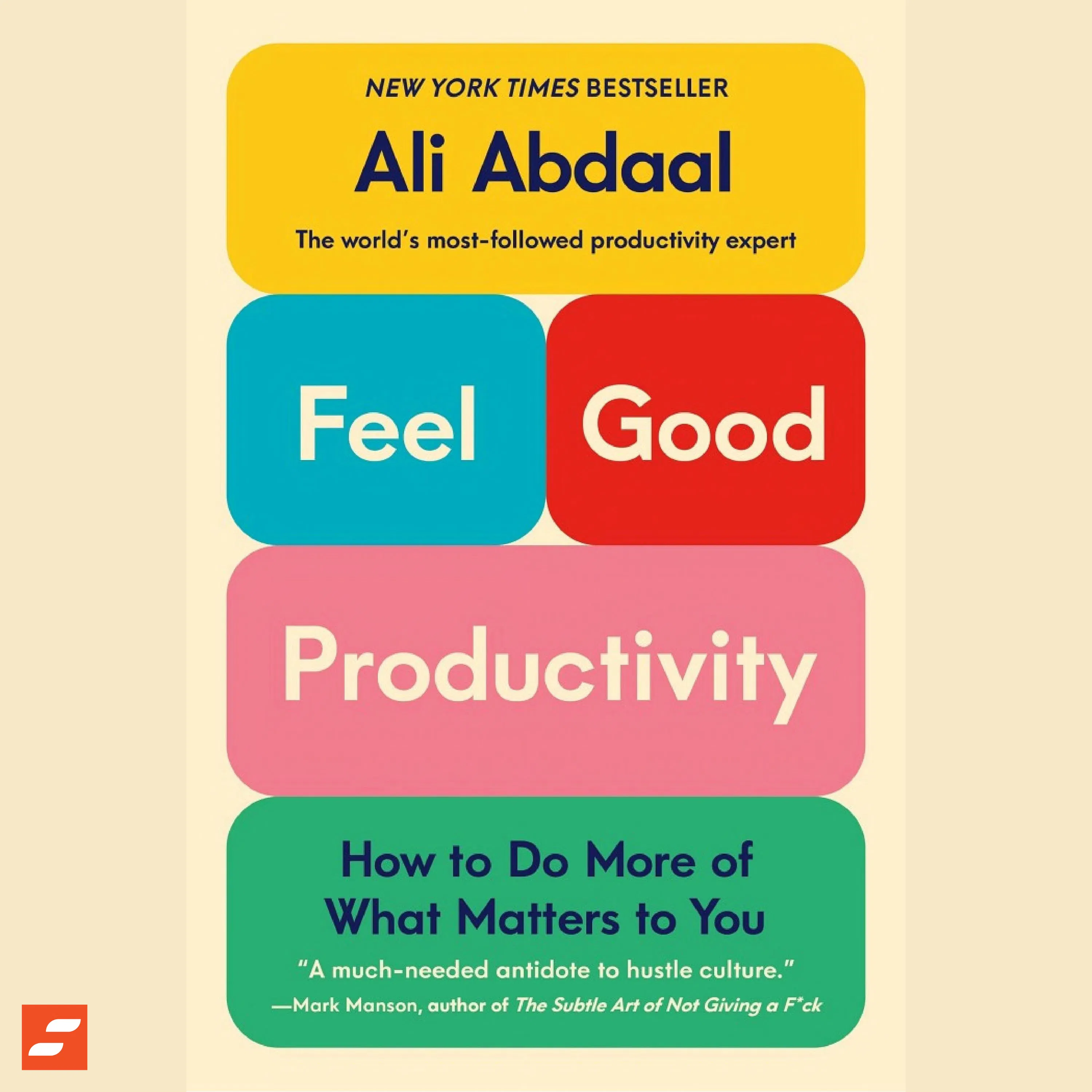
Feel-Good Productivity Summary | Ali Abdaal
🎯 FREE Audiobook Summary of Feel-Good Productivity by Ali Abdaal Get the key ideas from this book in just minutes. This StoryShots audiobook summary breaks down the core concepts and practical strategies—so you can learn faster and apply what matters most. Whether you're commuting, exercising, or relaxing—press play and start learning. 📖 ABOUT THIS BOOK: Your brain can't tell the difference between work and play if you frame it right. this summary covers the key ideas in a convenient audio format. ⏱️ TIMESTAMPS & CHAPTERS: (00:00) Introduction (00:50) Make It Play, Not Work (01:48) Lower the Bar to Raise Your Output (02:48) Energy Beats Time Every Time (03:42) Final Summary 📚 WHAT YOU'LL LEARN: • Make It Play, Not Work: Your brain can't tell the difference between work and play if you frame it right. • Lower the Bar to Raise Your Output: Perfectionism doesn't create quality. • Energy Beats Time Every Time: Blocking three hours for deep work means nothing if you're running on five hours of sleep and two cups of coffee. • Final Summary: But the three-part energy audit that tells you exactly when to do creative work versus administrative tasks will change how you structure every single... 🎯 WHO SHOULD LISTEN: • Anyone interested in Make It Play, Not Work • Readers exploring Lower the Bar to Raise Your Output • People looking to understand Energy Beats Time Every Time 💡 KEY TAKEAWAYS: • Make It Play, Not Work • Lower the Bar to Raise Your Output • Energy Beats Time Every Time • Final Summary 💬 SHARE YOUR THOUGHTS: What was your biggest takeaway from Feel-Good Productivity? Drop a comment and let us know! --- 📖 READ THE FULL WRITTEN SUMMARY (FREE): https://app.getstoryshots.com/book-summary/feel-good-productivity 📊 GET THE PDF & INFOGRAPHIC: https://www.getstoryshots.com --- 🌍 LISTEN TO STORYSHOTS IN OTHER LANGUAGES: 🇩🇪 Deutsch: Spotify: https://open.spotify.com/show/1Az1R3Dh3SM5SNWGtKkdIt Apple: https://podcasts.apple.com/us/podcast/buchzusammenfassungen-storyshots/id1720434471 🇪🇸 Español: Spotify: https://open.spotify.com/show/1bOAo9yLLGUsjvTuajRTXC Apple: https://podcasts.apple.com/us/podcast/los-mejores-res%C3%BAmenes-de-libros-de-storyshots/id1725024476 🇫🇷 Français: Spotify: https://open.spotify.com/show/0MjjjT7sE8WZnQr4x767zE Apple: https://podcasts.apple.com/us/podcast/meilleurs-r%C3%A9sum%C3%A9s-de-livres-par-storyshots/id1831771529 🇸🇪 Svenska: Spotify: https://open.spotify.com/show/0oHF3vhEEzH6DnYpVv9YNr Apple: https://podcasts.apple.com/us/podcast/boksammanfattningar-storyshots/id1844646838 🇧🇷 Português: Spotify: https://open.spotify.com/show/5tpZC1RaUN8VzKdlvOCRmJ Apple: https://podcasts.apple.com/se/podcast/resumos-de-livros-desenvolvimento-pessoal-e-neg%C3%B3cios/id1874862715 🇮🇹 Italiano: Spotify: https://open.spotify.com/show/6fycgcQBpBOCA6MFvOnYlo Apple: https://podcasts.apple.com/se/podcast/resumos-de-livros-desenvolvimento-pessoal-e-neg%C3%B3cios/id1875185736 --- ⚖️ COPYRIGHT NOTICE — FAIR USE & FAIR DEALING: This audio summary is educational commentary produced under U.S. fair use, UK/Commonwealth fair dealing, EU Directive 2001/29/EC Art. 5, and Brazilian Lei 9.610 Art. 46. It does not replace the original work. Buy the full book to support the author. StoryShots (also searched as "Story Shorts") — Free book summaries you can listen to anywhere. #BookSummary #AudiobookSummary #FreeAudiobook #BookReview #KeyTakeaways #BestsellerSummary #SelfImprovement #PersonalDevelopment #BusinessBooks #Productivity #StoryShorts #FeelGoodProductivity #AliAbdaal #StoryShots Learn more about your ad choices. Visit megaphone.fm/adchoices

Meditations Summary - How to Build an Unshakable Mind with Marcus Aurelius
Feeling overwhelmed by the chaos of modern life? Discover how a Roman Emperor’s private journal, written almost 2,000 years ago, can help you build unshakable inner peace. In this episode, we distill the timeless wisdom of Marcus Aurelius’s Meditations, a 2000-year-old operating manual for the human mind that was never meant to be published. Show notes / PDF, Infographic and Animated Summary/ 🇩🇪German / This is your practical guide to Stoic philosophy in action. Learn how to conquer laziness, transform obstacles into opportunities, and find your true purpose by focusing only on what you can control. In this summary of Meditations, you will learn: How to react to other people’s malice without losing your peace of mind. Why remembering your own mortality is the ultimate tool for motivation and focus. How to build your “Inner Citadel”—a mental fortress that protects you from external chaos. Why your true purpose is to serve the common good, not to chase empty pleasures. How to turn every obstacle you face into a new path forward. Ready to explore these Stoic and meaning-packed titles in more depth? Get full access to the StoryShots library—ad-free text, audio, animated summaries, and infographics for Meditations and 1 million more books. Join 1 million+ learners who are outgrowing their past selves, one summary at a time. Download the StoryShots app for free to access the full summary, infographic, and audiobook of Meditations. What’s one Stoic practice from this summary that you’ll actually try tonight or tomorrow? Let us know by sending us a tweet @storyshots. For more, subscribe to our podcast on Spotify and YouTube. Don't forget to sign up for our free newsletter for more great content! Learn more about your ad choices. Visit megaphone.fm/adchoices
What I Learned About Investing from Darwin Summary | Pulak Prasad
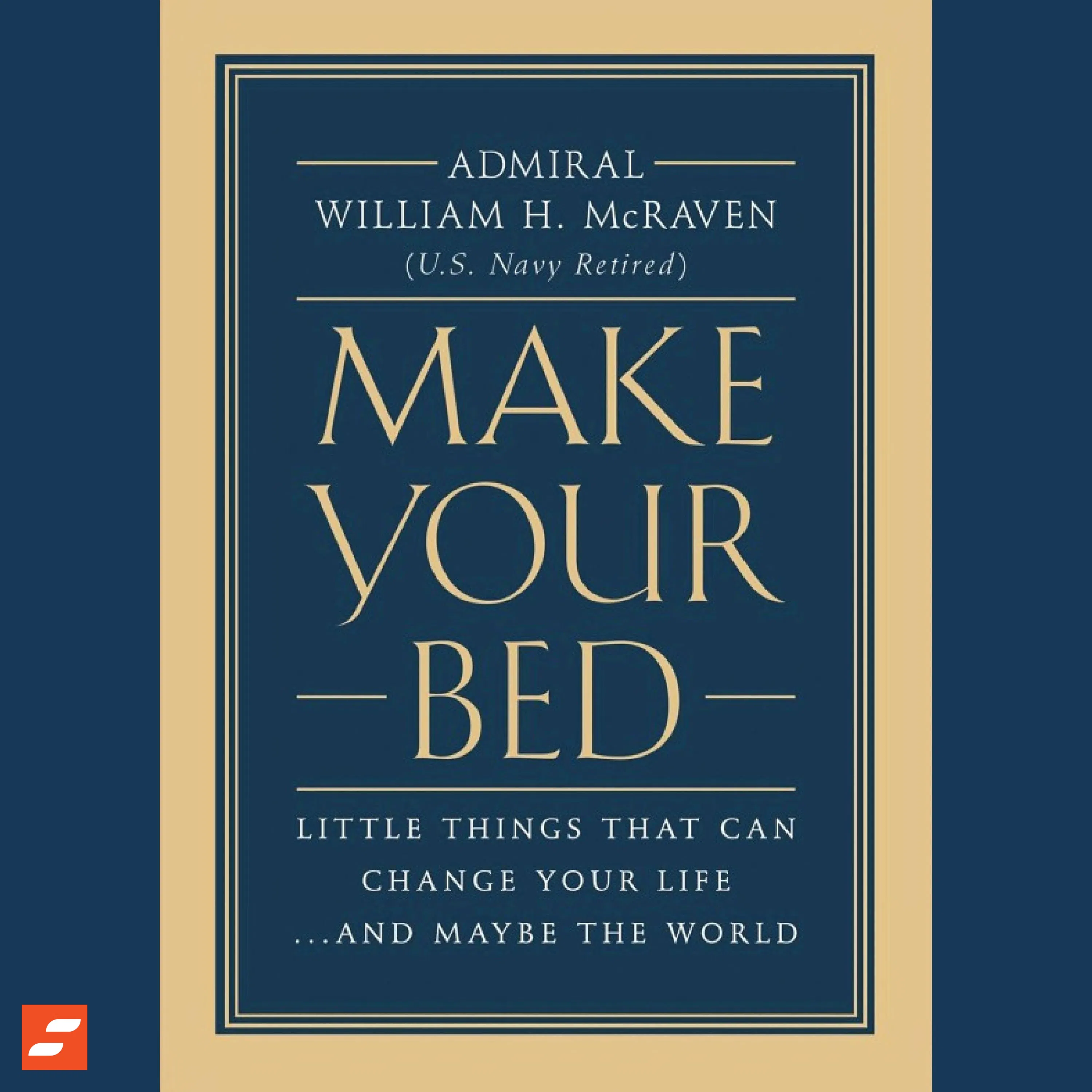
Make Your Bed Summary | Admiral William H. McRaven
🎯 FREE Audiobook Summary of Make Your Bed by Admiral William H. McRaven Get the key ideas from this book in just minutes. This StoryShots audiobook summary breaks down the core concepts and practical strategies—so you can learn faster and apply what matters most. Whether you're commuting, exercising, or relaxing—press play and start learning. 📖 ABOUT THIS BOOK: Every morning, you face a choice. this summary covers the key ideas in a convenient audio format. ⏱️ TIMESTAMPS & CHAPTERS: (00:00) Introduction (00:38) Start Every Day with a Win (01:29) Small Tasks Reveal Who You Are Under Pressure (02:21) Life Will Knock You Down, Your Bed Waits Either Way (03:16) Final Summary 📚 WHAT YOU'LL LEARN: • Start Every Day with a Win: Every morning, you face a choice. • Small Tasks Reveal Who You Are Under Pressure: Navy SEAL training does not start with gunfights. • Life Will Knock You Down, Your Bed Waits Either Way: You will fail. • Final Summary: But the single morning ritual that prepares you for failure before it happens, and the counterintuitive reason why struggling makes you stronger than ... 🎯 WHO SHOULD LISTEN: • Anyone interested in Start Every Day with a Win • Readers exploring Small Tasks Reveal Who You Are Under Pressure • People looking to understand Life Will Knock You Down, Your Bed Waits Either Way 💡 KEY TAKEAWAYS: • Start Every Day with a Win • Small Tasks Reveal Who You Are Under Pressure • Life Will Knock You Down, Your Bed Waits Either Way • Final Summary 💬 SHARE YOUR THOUGHTS: What was your biggest takeaway from Make Your Bed? Drop a comment and let us know! --- 📖 READ THE FULL WRITTEN SUMMARY (FREE): https://www.getstoryshots.com/books/make-your-bed-summary/ 📊 GET THE PDF & INFOGRAPHIC: https://www.getstoryshots.com 🎧 GET THE FULL AUDIOBOOK FOR FREE: https://geni.us/make-your-audio --- 🌍 LISTEN TO STORYSHOTS IN OTHER LANGUAGES: 🇩🇪 Deutsch: Spotify: https://open.spotify.com/show/1Az1R3Dh3SM5SNWGtKkdIt Apple: https://podcasts.apple.com/us/podcast/buchzusammenfassungen-storyshots/id1720434471 🇪🇸 Español: Spotify: https://open.spotify.com/show/1bOAo9yLLGUsjvTuajRTXC Apple: https://podcasts.apple.com/us/podcast/los-mejores-res%C3%BAmenes-de-libros-de-storyshots/id1725024476 🇫🇷 Français: Spotify: https://open.spotify.com/show/0MjjjT7sE8WZnQr4x767zE Apple: https://podcasts.apple.com/us/podcast/meilleurs-r%C3%A9sum%C3%A9s-de-livres-par-storyshots/id1831771529 🇸🇪 Svenska: Spotify: https://open.spotify.com/show/0oHF3vhEEzH6DnYpVv9YNr Apple: https://podcasts.apple.com/us/podcast/boksammanfattningar-storyshots/id1844646838 🇧🇷 Português: Spotify: https://open.spotify.com/show/5tpZC1RaUN8VzKdlvOCRmJ Apple: https://podcasts.apple.com/se/podcast/resumos-de-livros-desenvolvimento-pessoal-e-neg%C3%B3cios/id1874862715 🇮🇹 Italiano: Spotify: https://open.spotify.com/show/6fycgcQBpBOCA6MFvOnYlo Apple: https://podcasts.apple.com/se/podcast/resumos-de-livros-desenvolvimento-pessoal-e-neg%C3%B3cios/id1875185736 --- ⚖️ COPYRIGHT NOTICE — FAIR USE & FAIR DEALING: This audio summary is educational commentary produced under U.S. fair use, UK/Commonwealth fair dealing, EU Directive 2001/29/EC Art. 5, and Brazilian Lei 9.610 Art. 46. It does not replace the original work. Buy the full book to support the author. StoryShots (also searched as "Story Shorts") — Free book summaries you can listen to anywhere. #BookSummary #AudiobookSummary #FreeAudiobook #BookReview #KeyTakeaways #BestsellerSummary #SelfImprovement #PersonalDevelopment #BusinessBooks #Productivity #StoryShorts #MakeYourBed #AdmiralWilliamHMcRaven #StoryShots Learn more about your ad choices. Visit megaphone.fm/adchoices
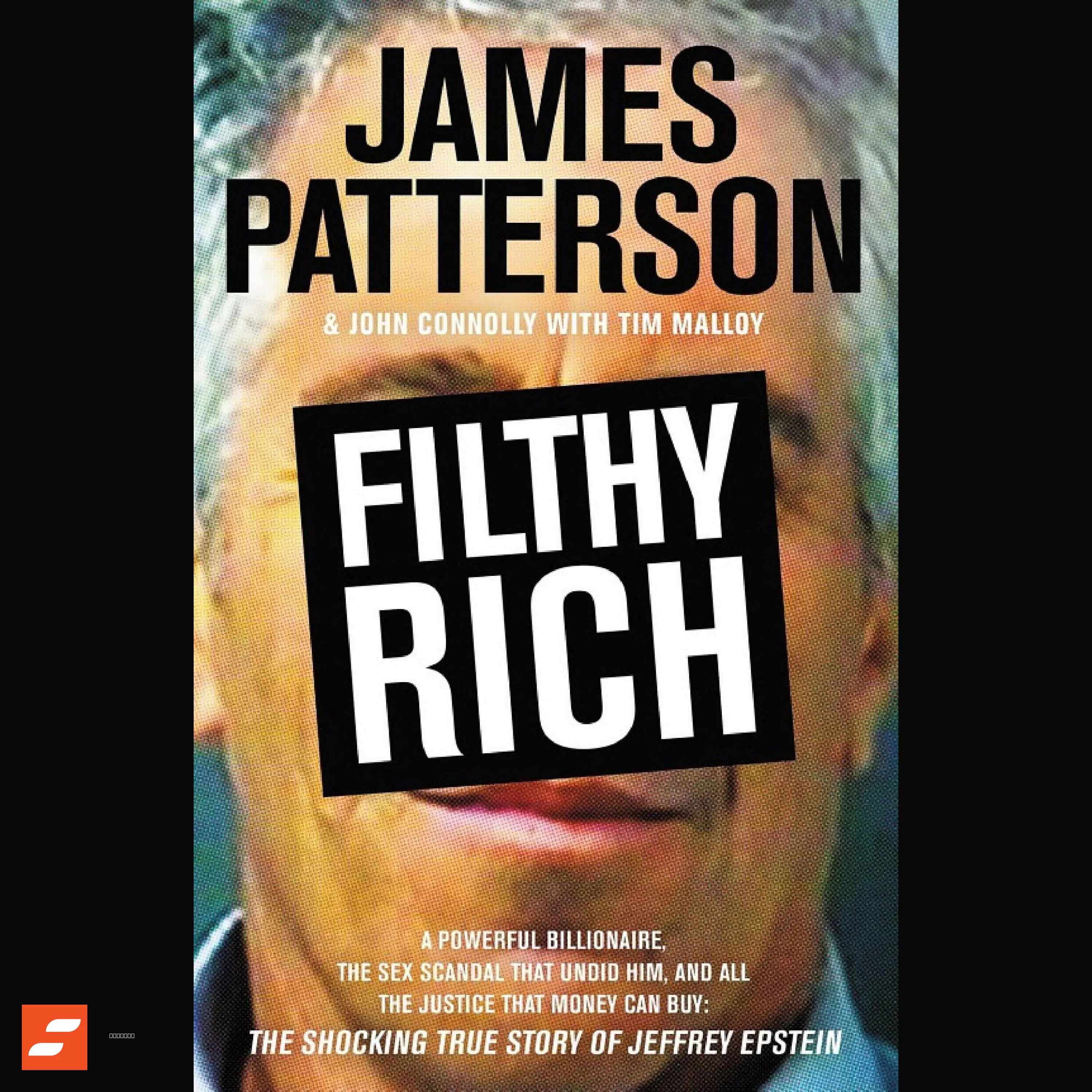
Filthy Rich Summary | James Patterson
🎯 FREE Audiobook Summary of "Filthy Rich" by James Patterson Discover the transformative ideas from this international bestseller in just minutes! This StoryShots audiobook summary distills the most powerful concepts, actionable strategies, and life-changing insights—so you can learn faster and apply what matters most. Whether you're commuting, exercising, or relaxing, this summary delivers the essential wisdom you need to level up your life, career, and mindset. 📖 ABOUT THIS BOOK: This bestselling book has helped millions of readers worldwide transform their thinking and achieve remarkable results. Now you can access its core teachings in a convenient audio format, perfect for learning on the go. ⏱️ TIMESTAMPS & CHAPTERS: (00:00) Introduction (00:40) How Predators Hide in Plain Sight (01:35) The Machinery of Silence (02:27) Why the First Conviction Changed Nothing (03:31) Final Summary 📚 WHAT YOU'LL LEARN: • How Predators Hide in Plain Sight: Epstein did not operate in shadows. • The Machinery of Silence: Epstein did not act alone. • Why the First Conviction Changed Nothing: In 2008, Epstein faced decades in federal prison. • Final Summary: But the 2008 plea deal was not the end of Epstein's legal protection. 🎯 WHO SHOULD LISTEN: • Entrepreneurs and business leaders seeking proven strategies • Students and lifelong learners hungry for knowledge • Anyone feeling stuck and ready for a breakthrough • Busy professionals who want to read more but lack time • Self-improvement enthusiasts looking for actionable insights 💡 KEY TAKEAWAYS: • How Predators Hide in Plain Sight • The Machinery of Silence • Why the First Conviction Changed Nothing • Final Summary 💬 SHARE YOUR THOUGHTS: Which idea from this summary resonated with you the most? Drop a comment and let us know! We love hearing how these books are impacting your life. --- 📖 READ THE FULL WRITTEN SUMMARY (FREE): https://app.getstoryshots.com/book-summary/filthy-rich 📊 GET THE PDF & INFOGRAPHIC: https://www.getstoryshots.com 🎧 GET THE FULL AUDIOBOOK FOR FREE: https://geni.us/filthy-rich-audio --- 🌍 LISTEN TO STORYSHOTS IN OTHER LANGUAGES: 🇩🇪 Deutsch: Spotify: https://open.spotify.com/show/1Az1R3Dh3SM5SNWGtKkdIt Apple: https://podcasts.apple.com/us/podcast/buchzusammenfassungen-storyshots/id1720434471 🇪🇸 Español: Spotify: https://open.spotify.com/show/1bOAo9yLLGUsjvTuajRTXC Apple: https://podcasts.apple.com/us/podcast/los-mejores-res%C3%BAmenes-de-libros-de-storyshots/id1725024476 🇫🇷 Français: Spotify: https://open.spotify.com/show/0MjjjT7sE8WZnQr4x767zE Apple: https://podcasts.apple.com/us/podcast/meilleurs-r%C3%A9sum%C3%A9s-de-livres-par-storyshots/id1831771529 🇸🇪 Svenska: Spotify: https://open.spotify.com/show/0oHF3vhEEzH6DnYpVv9YNr Apple: https://podcasts.apple.com/us/podcast/boksammanfattningar-storyshots/id1844646838 🇧🇷 Português: Spotify: https://open.spotify.com/show/5tpZC1RaUN8VzKdlvOCRmJ Apple: https://podcasts.apple.com/se/podcast/resumos-de-livros-desenvolvimento-pessoal-e-neg%C3%B3cios/id1874862715 🇮🇹 Italiano: Spotify: https://open.spotify.com/show/6fycgcQBpBOCA6MFvOnYlo Apple: https://podcasts.apple.com/se/podcast/resumos-de-livros-desenvolvimento-pessoal-e-neg%C3%B3cios/id1875185736 --- StoryShots (also searched as "Story Shorts") — Free book summaries you can listen to anywhere. #BookSummary #AudiobookSummary #FreeAudiobook #BookReview #KeyTakeaways #BestsellerSummary #SelfImprovement #PersonalDevelopment #BusinessBooks #Productivity #StoryShorts #FilthyRich #JamesPatterson #StoryShots Learn more about your ad choices. Visit megaphone.fm/adchoices
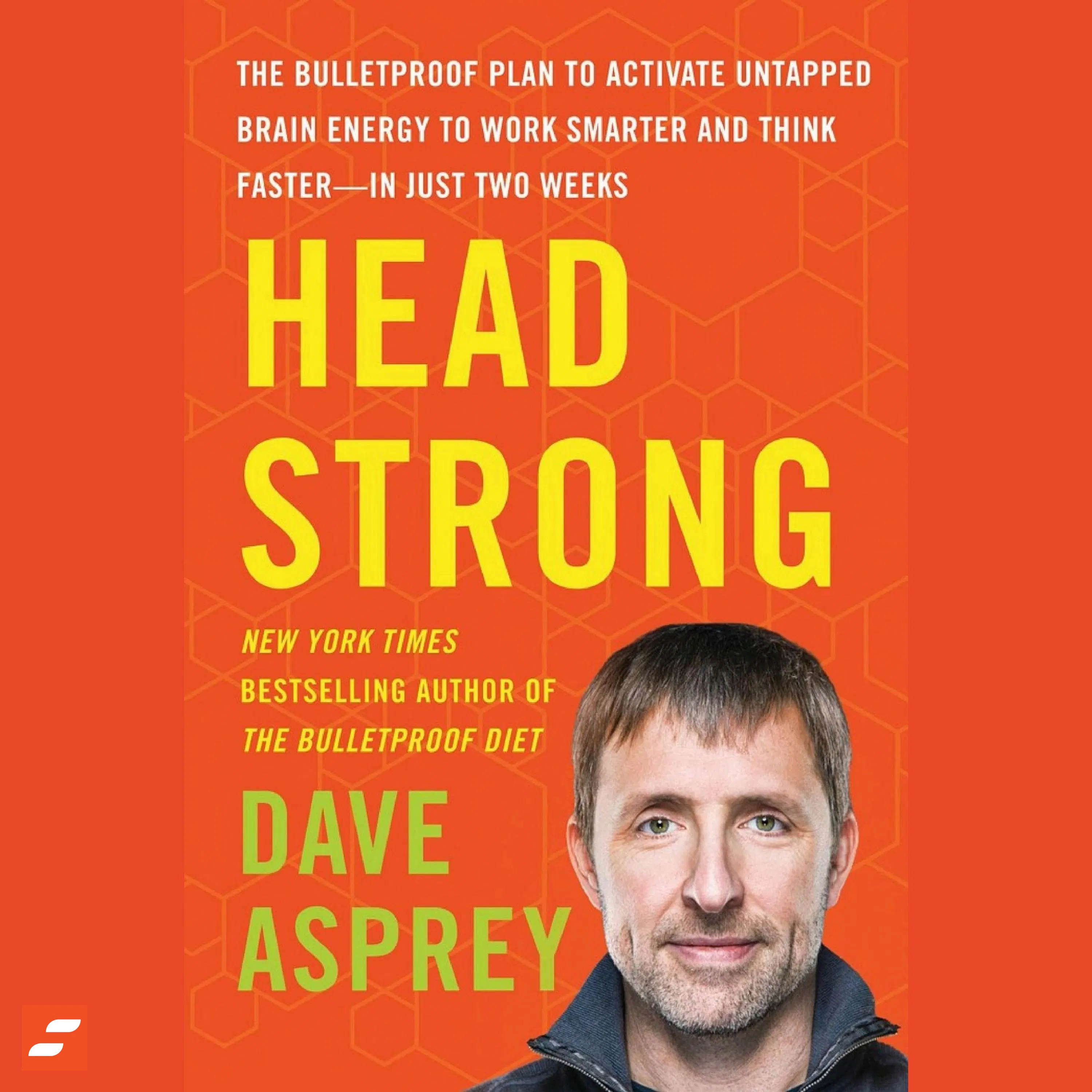
Head Strong Summary | Dave Asprey
🎯 FREE Audiobook Summary of "Head Strong" by Dave Asprey Discover the transformative ideas from this international bestseller in just minutes! This StoryShots audiobook summary distills the most powerful concepts, actionable strategies, and life-changing insights—so you can learn faster and apply what matters most. Whether you're commuting, exercising, or relaxing, this summary delivers the essential wisdom you need to level up your life, career, and mindset. 📖 ABOUT THIS BOOK: This bestselling book has helped millions of readers worldwide transform their thinking and achieve remarkable results. Now you can access its core teachings in a convenient audio format, perfect for learning on the go. 🎯 WHO SHOULD LISTEN: • Entrepreneurs and business leaders seeking proven strategies • Students and lifelong learners hungry for knowledge • Anyone feeling stuck and ready for a breakthrough • Busy professionals who want to read more but lack time • Self-improvement enthusiasts looking for actionable insights 💡 KEY TAKEAWAYS: • Practical frameworks you can apply immediately • Mental models used by top performers • Science-backed strategies for lasting change • Actionable steps to transform your habits and mindset 💬 SHARE YOUR THOUGHTS: Which idea from this summary resonated with you the most? Drop a comment and let us know! We love hearing how these books are impacting your life. --- 📖 READ THE FULL WRITTEN SUMMARY (FREE): https://www.getstoryshots.com/books/head-strong-summary/ 📊 GET THE PDF & INFOGRAPHIC: https://www.getstoryshots.com 🎧 GET THE FULL AUDIOBOOK FOR FREE: https://geni.us/head-strong-audio --- 🌍 LISTEN TO STORYSHOTS IN OTHER LANGUAGES: 🇩🇪 Deutsch: Spotify: https://open.spotify.com/show/1Az1R3Dh3SM5SNWGtKkdIt Apple: https://podcasts.apple.com/us/podcast/buchzusammenfassungen-storyshots/id1720434471 🇪🇸 Español: Spotify: https://open.spotify.com/show/1bOAo9yLLGUsjvTuajRTXC Apple: https://podcasts.apple.com/us/podcast/los-mejores-res%C3%BAmenes-de-libros-de-storyshots/id1725024476 🇫🇷 Français: Spotify: https://open.spotify.com/show/0MjjjT7sE8WZnQr4x767zE Apple: https://podcasts.apple.com/us/podcast/meilleurs-r%C3%A9sum%C3%A9s-de-livres-par-storyshots/id1831771529 🇸🇪 Svenska: Spotify: https://open.spotify.com/show/0oHF3vhEEzH6DnYpVv9YNr Apple: https://podcasts.apple.com/us/podcast/boksammanfattningar-storyshots/id1844646838 🇧🇷 Português: Spotify: https://open.spotify.com/show/PLACEHOLDER_PT Apple: https://podcasts.apple.com/us/podcast/PLACEHOLDER_PT --- 📱 GET 1000+ FREE BOOK SUMMARIES ON THE STORYSHOTS APP: https://www.getstoryshots.com 🎬 WATCH ANIMATED SUMMARIES ON YOUTUBE: https://www.youtube.com/@StoryShotsApp 📧 JOIN OUR WEEKLY BOOK INSIGHTS NEWSLETTER: https://www.getstoryshots.com 🎯 DISCOVER MORE BESTSELLING BOOK SUMMARIES: https://www.getstoryshots.com --- #book summary #audiobook summary #free audiobook #book review #key takeaways #bestseller summary #self improvement #personal development #business books #productivity #HeadStrong #DaveAsprey #StoryShots Learn more about your ad choices. Visit megaphone.fm/adchoices
The Richest Man in Babylon Summary | George S. Clason
🎯 FREE Audiobook Summary of The Richest Man in Babylon by George S. Clason Discover the transformative ideas from this international bestseller in just minutes! This StoryShots audiobook summary distills the most powerful concepts, actionable strategies, and life-changing insights—so you can learn faster and apply what matters most. Whether you're commuting, exercising, or relaxing, this summary delivers the essential wisdom you need to level up your life, career, and mindset. 📖 ABOUT THIS BOOK: This bestselling book has helped millions of readers worldwide transform their thinking and achieve remarkable results. Now you can access its core teachings in a convenient audio format, perfect for learning on the go. ⏱️ TIMESTAMPS & CHAPTERS: (00:00) Introduction (00:45) Pay Yourself First, Not Last (01:44) Make Your Money Work While You Sleep (02:38) Own the Roof Over Your Head (03:45) Final Summary 📚 WHAT YOU'LL LEARN: • Introduction: The Richest Man in Babylon by George S. Clason. Audiobook Summary and Review by StoryShots. • Pay Yourself First, Not Last: Most people save what remains after expenses. • Make Your Money Work While You Sleep: Saving alone is not enough. • Own the Roof Over Your Head: Arkad's third principle contradicts modern financial advice: own your home outright. • Final Summary: But the seven-point framework that ties all of Babylon's wisdom together appears nowhere in this summary. 🎯 WHO SHOULD LISTEN: • Entrepreneurs and business leaders seeking proven strategies • Students and lifelong learners hungry for knowledge • Anyone feeling stuck and ready for a breakthrough • Busy professionals who want to read more but lack time • Self-improvement enthusiasts looking for actionable insights 💡 KEY TAKEAWAYS: • Introduction • Pay Yourself First, Not Last • Make Your Money Work While You Sleep • Own the Roof Over Your Head • Final Summary 💬 SHARE YOUR THOUGHTS: Which idea from this summary resonated with you the most? Drop a comment and let us know! We love hearing how these books are impacting your life. --- 📖 READ THE FULL WRITTEN SUMMARY (FREE): https://app.getstoryshots.com/book-summary/richest-man-in-babylon 📊 GET THE PDF & INFOGRAPHIC: https://www.getstoryshots.com 🎧 GET THE FULL AUDIOBOOK FOR FREE: https://geni.us/richest-man-audio --- 🌍 LISTEN TO STORYSHOTS IN OTHER LANGUAGES: 🇩🇪 Deutsch: Spotify: https://open.spotify.com/show/1Az1R3Dh3SM5SNWGtKkdIt Apple: https://podcasts.apple.com/us/podcast/buchzusammenfassungen-storyshots/id1720434471 🇪🇸 Español: Spotify: https://open.spotify.com/show/1bOAo9yLLGUsjvTuajRTXC Apple: https://podcasts.apple.com/us/podcast/los-mejores-res%C3%BAmenes-de-libros-de-storyshots/id1725024476 🇫🇷 Français: Spotify: https://open.spotify.com/show/0MjjjT7sE8WZnQr4x767zE Apple: https://podcasts.apple.com/us/podcast/meilleurs-r%C3%A9sum%C3%A9s-de-livres-par-storyshots/id1831771529 🇸🇪 Svenska: Spotify: https://open.spotify.com/show/0oHF3vhEEzH6DnYpVv9YNr Apple: https://podcasts.apple.com/us/podcast/boksammanfattningar-storyshots/id1844646838 🇧🇷 Português: Spotify: https://open.spotify.com/show/5tpZC1RaUN8VzKdlvOCRmJ Apple: https://podcasts.apple.com/se/podcast/resumos-de-livros-desenvolvimento-pessoal-e-neg%C3%B3cios/id1874862715 🇮🇹 Italiano: Spotify: https://open.spotify.com/show/6fycgcQBpBOCA6MFvOnYlo Apple: https://podcasts.apple.com/se/podcast/resumos-de-livros-desenvolvimento-pessoal-e-neg%C3%B3cios/id1875185736 --- #book summary #audiobook summary #free audiobook #book review #key takeaways #bestseller summary #self improvement #personal development #business books #productivity #TheRichestManinBabylon #GeorgeSClason #StoryShots Learn more about your ad choices. Visit megaphone.fm/adchoices

Alone Together Summary
In this episode, we explore Sherry Turkle's groundbreaking work "Alone Together," which examines technology's profound impact on human relationships and intimacy. Show notes / Free audiobook Discover how our constant connectivity is reshaping our emotional lives. Turkle reveals the paradox of modern technology: while it promises to bring us closer together, it often leaves us feeling more isolated and disconnected. This book is divided into two powerful parts: the first explores our emotional relationships with robots and AI, while the second examines how constant digital connectivity affects our human relationships and sense of self. Key Takeaways: - Why we expect more from technology and less from each other - The dangers of substituting authentic human connection with digital alternatives - How to reclaim meaningful conversation and genuine intimacy in our hyperconnected world - Understanding the psychological impact of constant connectivity on our identities and relationships Perfect for anyone struggling with technology's role in their life, seeking deeper connections, or interested in understanding the future of human relationships. Author: Sherry Turkle Learn more about your ad choices. Visit megaphone.fm/adchoices
The 5 Love Languages by Gary Chapman - Book Summary and Review | Free Audiobook
PDF & Infographic / Free Audiobook / 🇩🇪 German / Do you feel loved? Do you think you’re giving the kind of love your partner needs? The language of love is extremely complex. We all experience love in different ways and have different emotional needs. In The 5 Love Languages, Gary Chapman outlines how we all have our own love language Read on your terms. Get the PDF, infographic, full ad-free audiobook and animated version of this summary of The 5 Love Languages and unlimited bestselling book insights on the top-rated StoryShots app: https://www.getstoryshots.com/ ⭐️⭐️⭐️⭐️⭐️ Help us grow to create more amazing content for you! Don't forget to subscribe, rate and review the StoryShots podcast now. What should our next book be? Suggest and vote it up on the StoryShots app. Sponsors: Get the full audiobook for free with a new trial of Audible here. StoryShots Book Summary and Review of The 5 Love Languages: The Secret to Love that Lasts by Gary Chapman Life gets busy. Has The 5 Love Languages been on your reading list? Learn the key insights now. We’re scratching the surface here. If you don’t already have Gary Chapman’s popular book on love and relationships, order your copy or get the audiobook for free on Amazon to learn the juicy details. Do you feel loved? Do you think you’re giving the kind of love your partner needs? The language of love is extremely complex. We all experience love in different ways and have different emotional needs. In The 5 Love Languages, Gary Chapman outlines how we all have our own love language. Each of us has a specific emotional need that needs to be satisfied so that we can feel loved. Therefore, in each romantic relationship, we need to understand our partners' love language better. Strong relationships can last when both partners understand each other's love language. The 5 Love Languages was first published in 1992 and has since become a bestseller, with millions of copies sold worldwide. It explains there are five love languages that we use to express and receive love. These are words of affirmation, acts of service, receiving gifts, quality time, and physical touch. Each person has a primary love language. Understanding and speaking this language can greatly improve relationships. Learn more about your ad choices. Visit megaphone.fm/adchoices
The Game Summary | Neil Strauss
🎯 FREE Audiobook Summary of "The Game" by Neil Strauss Discover the transformative ideas from this international bestseller in just minutes! This StoryShots audiobook summary distills the most powerful concepts, actionable strategies, and life-changing insights—so you can learn faster and apply what matters most. Whether you're commuting, exercising, or relaxing, this summary delivers the essential wisdom you need to level up your life, career, and mindset. 📖 ABOUT THIS BOOK: This bestselling book has helped millions of readers worldwide transform their thinking and achieve remarkable results. Now you can access its core teachings in a convenient audio format, perfect for learning on the go. 🎯 WHO SHOULD LISTEN: • Entrepreneurs and business leaders seeking proven strategies • Students and lifelong learners hungry for knowledge • Anyone feeling stuck and ready for a breakthrough • Busy professionals who want to read more but lack time • Self-improvement enthusiasts looking for actionable insights 💡 KEY TAKEAWAYS: • Practical frameworks you can apply immediately • Mental models used by top performers • Science-backed strategies for lasting change • Actionable steps to transform your habits and mindset 💬 SHARE YOUR THOUGHTS: Which idea from this summary resonated with you the most? Drop a comment and let us know! We love hearing how these books are impacting your life. --- 📖 READ THE FULL WRITTEN SUMMARY (FREE): https://www.getstoryshots.com/ 📊 GET THE PDF & INFOGRAPHIC: https://www.getstoryshots.com --- 🌍 LISTEN TO STORYSHOTS IN OTHER LANGUAGES: 🇩🇪 Deutsch: Spotify: https://open.spotify.com/show/1Az1R3Dh3SM5SNWGtKkdIt Apple: https://podcasts.apple.com/us/podcast/buchzusammenfassungen-storyshots/id1720434471 🇪🇸 Español: Spotify: https://open.spotify.com/show/1bOAo9yLLGUsjvTuajRTXC Apple: https://podcasts.apple.com/us/podcast/los-mejores-res%C3%BAmenes-de-libros-de-storyshots/id1725024476 🇫🇷 Français: Spotify: https://open.spotify.com/show/0MjjjT7sE8WZnQr4x767zE Apple: https://podcasts.apple.com/us/podcast/meilleurs-r%C3%A9sum%C3%A9s-de-livres-par-storyshots/id1831771529 🇸🇪 Svenska: Spotify: https://open.spotify.com/show/0oHF3vhEEzH6DnYpVv9YNr Apple: https://podcasts.apple.com/us/podcast/boksammanfattningar-storyshots/id1844646838 🇧🇷 Português: Spotify: https://open.spotify.com/show/PLACEHOLDER_PT Apple: https://podcasts.apple.com/us/podcast/PLACEHOLDER_PT 🇮🇹 Italiano: Spotify: https://open.spotify.com/show/6fycgcQBpBOCA6MFvOnYlo Apple: https://podcasts.apple.com/us/podcast/PLACEHOLDER_IT --- 📱 GET 1000+ FREE BOOK SUMMARIES ON THE STORYSHOTS APP: https://www.getstoryshots.com 🎬 WATCH ANIMATED SUMMARIES ON YOUTUBE: https://www.youtube.com/@StoryShotsApp 📧 JOIN OUR WEEKLY BOOK INSIGHTS NEWSLETTER: https://www.getstoryshots.com 🎯 DISCOVER MORE BESTSELLING BOOK SUMMARIES: https://www.getstoryshots.com --- #book summary #audiobook summary #free audiobook #book review #key takeaways #bestseller summary #self improvement #personal development #business books #productivity #TheGame #NeilStrauss #StoryShots Learn more about your ad choices. Visit megaphone.fm/adchoices

The Art of The Deal Audiobook Summary - Donald Trump | Book Review | Free Audiobook
Show notes (TRUMP The Art of The Deal detailed book summary) / Free Full Audiobook / PDF & Infographic / IN THIS EPISODE: Trump's The Art of the Deal offers a strategic blueprint for business success by combining bold thinking, calculated risk management, and a game-like approach to professional challenges. TOPICS: negotiation, entrepreneurship, real estate, Risk management, Marketing, business, Trump, deal-making KEY FIGURES: Apple, Elon Musk, Donald Trump, Amazon, Rich Dad Poor Dad, Robert Greene, The 48 Laws of Power, Think and Grow Rich, Chris Voss, The Art of the Deal, Robert Kiyosaki, Never Split the Difference, Roger Fisher, Getting to Yes, Napoleon Hill, Queens, Brooklyn, Atlantic City, Fred Trump, Manhattan, Tony Schwartz, Trump Tower, Grand Central Station, Baron Hilton, Fifth Avenue, Wharton School, Harvard, Grand Hyatt Hotel SUMMARY: Donald Trump's book 'The Art of the Deal' offers 11 strategic principles for successful business negotiations and deal-making. The book, written when Trump was 41, draws from his experiences transforming Manhattan's real estate landscape through projects like Trump Tower and the Grand Hyatt Hotel renovation. Trump emphasizes thinking big, managing risk, and understanding human psychology as key elements of successful deal-making. The Art of The Deal's core strategies include maintaining flexibility in negotiations, gathering direct market intelligence, strategically using media attention, and protecting downside risks while preserving upside potential. Trump advocates for an approach that involves working on multiple deals simultaneously, understanding what motivates people, and never appearing desperate during negotiations. He also stresses the importance of delivering genuine value and maintaining long-term relationships with partners and clients. Beyond practical business advice, Trump presents a philosophical approach to deal-making that views business as an engaging game rather than merely a means of making money in The Art of The Deal. He encourages entrepreneurs to enjoy the process of solving complex problems, maintaining creative energy, and focusing on challenges that others cannot solve. The book ultimately suggests that successful dealmakers combine ambitious thinking with careful risk management, psychological insight, and a commitment to consistently delivering value. KEY QUOTES: • "If you're going to think anyway, you might as well think big." - Donald Trump • "Money was never [my] big motivation except as a way to keep score. The real excitement is playing the game." - Donald Trump • "Protect the downside and the upside will take care of itself." - Donald Trump • "Be good to people who are good to you, but fight back hard when people treat you badly or unfairly." - Donald Trump • "You can create excitement and use promotion effectively, but if you don't deliver the goods, people will eventually catch on." - Donald Trump KEY TAKEAWAYS: • Think big and aim for ambitious goals: Setting larger objectives requires similar effort to small goals but can yield significantly better results and attract more attention • Protect against downside risks while maintaining unlimited upside potential: Smart deal-making involves structuring arrangements that limit potential losses while preserving opportunities for significant gains • Create strategic leverage by maintaining multiple options and avoiding appearing desperate in negotiations: Having alternative opportunities gives you more negotiating power and psychological advantage • Gather market intelligence through direct human interactions rather than relying solely on traditional market research: Personal conversations can reveal nuanced insights about customer preferences and market dynamics • Deliver genuine value consistently: Long-term success depends on actually fulfilling promises and providing real quality, not just creating marketing hype... (Continue here: Show notes) Learn more about your ad choices. Visit megaphone.fm/adchoices
Never Chase Men Again Summary | Bruce Bryans
🎯 FREE Audiobook Summary of "Never Chase Men Again" by Bruce Bryans Discover the transformative ideas from this international bestseller in just minutes! This StoryShots audiobook summary distills the most powerful concepts, actionable strategies, and life-changing insights—so you can learn faster and apply what matters most. Whether you're commuting, exercising, or relaxing, this summary delivers the essential wisdom you need to level up your life, career, and mindset. 📖 ABOUT THIS BOOK: This bestselling book has helped millions of readers worldwide transform their thinking and achieve remarkable results. Now you can access its core teachings in a convenient audio format, perfect for learning on the go. 🎯 WHO SHOULD LISTEN: • Entrepreneurs and business leaders seeking proven strategies • Students and lifelong learners hungry for knowledge • Anyone feeling stuck and ready for a breakthrough • Busy professionals who want to read more but lack time • Self-improvement enthusiasts looking for actionable insights 💡 KEY TAKEAWAYS: • Practical frameworks you can apply immediately • Mental models used by top performers • Science-backed strategies for lasting change • Actionable steps to transform your habits and mindset 💬 SHARE YOUR THOUGHTS: Which idea from this summary resonated with you the most? Drop a comment and let us know! We love hearing how these books are impacting your life. --- 📖 READ THE FULL WRITTEN SUMMARY (FREE): https://www.getstoryshots.com/books/never-chase-men-again-summary/ 📊 GET THE PDF & INFOGRAPHIC: https://www.getstoryshots.com 🎧 GET THE FULL AUDIOBOOK FOR FREE: https://geni.us/never-chase-audio --- 🌍 LISTEN TO STORYSHOTS IN OTHER LANGUAGES: 🇩🇪 Deutsch: Spotify: https://open.spotify.com/show/1Az1R3Dh3SM5SNWGtKkdIt Apple: https://podcasts.apple.com/us/podcast/buchzusammenfassungen-storyshots/id1720434471 🇪🇸 Español: Spotify: https://open.spotify.com/show/1bOAo9yLLGUsjvTuajRTXC Apple: https://podcasts.apple.com/us/podcast/los-mejores-res%C3%BAmenes-de-libros-de-storyshots/id1725024476 🇫🇷 Français: Spotify: https://open.spotify.com/show/0MjjjT7sE8WZnQr4x767zE Apple: https://podcasts.apple.com/us/podcast/meilleurs-r%C3%A9sum%C3%A9s-de-livres-par-storyshots/id1831771529 🇸🇪 Svenska: Spotify: https://open.spotify.com/show/0oHF3vhEEzH6DnYpVv9YNr Apple: https://podcasts.apple.com/us/podcast/boksammanfattningar-storyshots/id1844646838 🇧🇷 Português: Spotify: https://open.spotify.com/show/PLACEHOLDER_PT Apple: https://podcasts.apple.com/us/podcast/PLACEHOLDER_PT 🇮🇹 Italiano: Spotify: https://open.spotify.com/show/6fycgcQBpBOCA6MFvOnYlo Apple: https://podcasts.apple.com/us/podcast/PLACEHOLDER_IT --- 📱 GET 1000+ FREE BOOK SUMMARIES ON THE STORYSHOTS APP: https://www.getstoryshots.com 🎬 WATCH ANIMATED SUMMARIES ON YOUTUBE: https://www.youtube.com/@StoryShotsApp 📧 JOIN OUR WEEKLY BOOK INSIGHTS NEWSLETTER: https://www.getstoryshots.com 🎯 DISCOVER MORE BESTSELLING BOOK SUMMARIES: https://www.getstoryshots.com --- #book summary #audiobook summary #free audiobook #book review #key takeaways #bestseller summary #self improvement #personal development #business books #productivity #NeverChaseMenAgain #BruceBryans #StoryShots Learn more about your ad choices. Visit megaphone.fm/adchoices
Outcomes Over Output Summary | Josh Seiden
🎯 FREE Audiobook Summary of Outcomes Over Output by Josh Seiden Get the key ideas from this book in just minutes. This StoryShots audiobook summary breaks down the core concepts and practical strategies—so you can learn faster and apply what matters most. Whether you're commuting, exercising, or relaxing—press play and start learning. 📖 ABOUT THIS BOOK: Your roadmap is a list of features. this summary covers the key ideas in a convenient audio format. ⏱️ TIMESTAMPS & CHAPTERS: (00:00) Introduction (00:38) Stop Measuring What You Ship (01:29) Outcomes Are Customer Behavior Changes (02:41) Outcomes Let You Learn Before You Scale (03:50) Final Summary 📚 WHAT YOU'LL LEARN: • Stop Measuring What You Ship: Your roadmap is a list of features. • Outcomes Are Customer Behavior Changes: An outcome is a measurable change in customer behavior that drives business results. • Outcomes Let You Learn Before You Scale: Traditional product management breaks here. • Final Summary: But knowing outcomes matter is only the first step. 🎯 WHO SHOULD LISTEN: • Anyone interested in Stop Measuring What You Ship • Readers exploring Outcomes Are Customer Behavior Changes • People looking to understand Outcomes Let You Learn Before You Scale 💡 KEY TAKEAWAYS: • Stop Measuring What You Ship • Outcomes Are Customer Behavior Changes • Outcomes Let You Learn Before You Scale • Final Summary 💬 SHARE YOUR THOUGHTS: What was your biggest takeaway from Outcomes Over Output? Drop a comment and let us know! --- 📖 READ THE FULL WRITTEN SUMMARY (FREE): https://app.getstoryshots.com/book-summary/outcomes-over-output 📊 GET THE PDF & INFOGRAPHIC: https://www.getstoryshots.com 🎧 GET THE FULL AUDIOBOOK FOR FREE: https://geni.us/outcomes-over-audio --- 🌍 LISTEN TO STORYSHOTS IN OTHER LANGUAGES: 🇩🇪 Deutsch: Spotify: https://open.spotify.com/show/1Az1R3Dh3SM5SNWGtKkdIt Apple: https://podcasts.apple.com/us/podcast/buchzusammenfassungen-storyshots/id1720434471 🇪🇸 Español: Spotify: https://open.spotify.com/show/1bOAo9yLLGUsjvTuajRTXC Apple: https://podcasts.apple.com/us/podcast/los-mejores-res%C3%BAmenes-de-libros-de-storyshots/id1725024476 🇫🇷 Français: Spotify: https://open.spotify.com/show/0MjjjT7sE8WZnQr4x767zE Apple: https://podcasts.apple.com/us/podcast/meilleurs-r%C3%A9sum%C3%A9s-de-livres-par-storyshots/id1831771529 🇸🇪 Svenska: Spotify: https://open.spotify.com/show/0oHF3vhEEzH6DnYpVv9YNr Apple: https://podcasts.apple.com/us/podcast/boksammanfattningar-storyshots/id1844646838 🇧🇷 Português: Spotify: https://open.spotify.com/show/5tpZC1RaUN8VzKdlvOCRmJ Apple: https://podcasts.apple.com/se/podcast/resumos-de-livros-desenvolvimento-pessoal-e-neg%C3%B3cios/id1874862715 🇮🇹 Italiano: Spotify: https://open.spotify.com/show/6fycgcQBpBOCA6MFvOnYlo Apple: https://podcasts.apple.com/se/podcast/resumos-de-livros-desenvolvimento-pessoal-e-neg%C3%B3cios/id1875185736 --- 📱 GET 1000+ FREE BOOK SUMMARIES ON THE STORYSHOTS APP: https://www.getstoryshots.com 🎬 WATCH ANIMATED SUMMARIES ON YOUTUBE: https://www.youtube.com/@StoryShotsApp 📧 JOIN OUR WEEKLY BOOK INSIGHTS NEWSLETTER: https://www.getstoryshots.com 🎯 DISCOVER MORE BESTSELLING BOOK SUMMARIES: https://www.getstoryshots.com --- ⚖️ COPYRIGHT NOTICE — FAIR USE & FAIR DEALING: This audio summary is educational commentary produced under U.S. fair use, UK/Commonwealth fair dealing, EU Directive 2001/29/EC Art. 5, and Brazilian Lei 9.610 Art. 46. It does not replace the original work. Buy the full book to support the author. StoryShots (also searched as "Story Shorts") — Free book summaries you can listen to anywhere. #BookSummary #AudiobookSummary #FreeAudiobook #BookReview #KeyTakeaways #BestsellerSummary #SelfImprovement #PersonalDevelopment #BusinessBooks #Productivity #StoryShorts #OutcomesOverOutput #JoshSeiden #StoryShots Learn more about your ad choices. Visit megaphone.fm/adchoices
Woke Is Dead Summary | Piers Morgan
Elon Musk by Walter Isaacson Biography Summary and Review | Free Audiobook
Elon Musk by Walter Isaacson reveals the mind of the world's most ambitious entrepreneur, showing how his relentless drive and vision could reshape humanity's future—or lead it to disaster.Show notes 📝 / PDF, Infographic, Ad-Free Audiobook Summary / Free Audiobook / READ 1 MILLION BOOKS IN MINUTES. For FREE. Get the PDF, infographic, full ad-free audiobook and animated version of this summary of Elon Musk biography and more exclusive content on the top-rated StoryShots app: https://www.getstoryshots.com ⭐️⭐️⭐️⭐️⭐️ Don't forget to subscribe, rate and review the StoryShots podcast now. IN THIS EPISODE: Elon Musk's biography by Walter Isaacson chronicles the life of a visionary entrepreneur who transforms personal pain and radical thinking into groundbreaking innovations across technology, space, and sustainable energy. TOPICS: Innovation, Leadership, biography, technology, entrepreneurship KEY FIGURES: Elon Musk, Artificial Intelligence, SpaceX, Tesla, Albert Einstein, Steve Jobs, Starlink, CNN, Time Magazine, Walter Isaacson, NASA, Neuralink, X, Twitter, Leonardo da Vinci, The Boring Company, XAI, Elon Musk, Errol Musk SUMMARY: Walter Isaacson's biography of Elon Musk offers an intimate look into the life and mind of one of the most ambitious entrepreneurs of our time. The book explores Musk's early life, marked by childhood trauma and bullying, which he transformed into a relentless drive for innovation. Musk's approach to entrepreneurship is characterized by first principles thinking, where he breaks down complex problems to their fundamental components and rebuilds solutions from scratch, as demonstrated in his groundbreaking work with SpaceX and Tesla. The biography reveals Musk's 'hardcore culture' philosophy, which demands extreme standards, rapid iteration, and a maniacal sense of urgency from his teams. By focusing intensely on manufacturing processes and vertically integrating his companies, Musk has revolutionized industries like automotive and space exploration. His strategy involves creating products that not only serve a functional purpose but also generate emotional connections with customers, driven by a larger mission to secure humanity's future. Isaacson's book portrays Musk as a complex figure who is willing to embrace controversy and take massive risks in service of his long-term vision. While his management style is often brutal and can destroy relationships, Musk has consistently pushed the boundaries of what's possible, turning seemingly impossible goals into reality. The biography highlights his multiple company approach, where each venture serves interconnected goals of addressing humanity's most significant challenges, such as climate change, space exploration, and technological advancement. KEY QUOTES: • "Optimism? Pessimism? Fuck that. We're going to make it happen." - Elon Musk • "The only rules are the ones dictated by the laws of physics. Everything else is a recommendation." • "Most people let childhood trauma hold them back. Musk used it as fuel." KEY TAKEAWAYS: • Elon Musk transforms personal childhood trauma into an entrepreneurial drive, using painful experiences as motivation to create world-changing companies • Musk employs 'first principles thinking' by breaking down complex problems to their fundamental elements, enabling radical innovation in industries like space technology and electric vehicles • Musk's 'hardcore culture' prioritizes extremely high standards, rapid iteration, and constant testing, pushing employees to achieve seemingly impossible goals • Manufacturing and vertical integration are critical to Musk's success, with a focus on controlling production processes and reducing unnecessary complexity • Musk strategically builds multiple companies with interconnected missions aimed at solving humanity's most significant long-term challenges, such as sustainable energy and space colonization... Learn more about your ad choices. Visit megaphone.fm/adchoices
The Book Of Secrets Summary | Deepak Chopra
Eat Pray Love Summary | Elizabeth Gilbert
🎯 FREE Audiobook Summary of Eat Pray Love by Elizabeth Gilbert Get the key ideas from this book in just minutes. This StoryShots audiobook summary breaks down the core concepts and practical strategies—so you can learn faster and apply what matters most. Whether you're commuting, exercising, or relaxing—press play and start learning. 📖 ABOUT THIS BOOK: After years of controlling her body to fit someone else's idea of a good wife, the answer arrives in Italy: eat without shame. this summary covers the key ideas in a convenient audio format. ⏱️ TIMESTAMPS & CHAPTERS: (00:00) Introduction (00:42) Pleasure Is Not Selfish — Guilt Is (01:28) Devotion Without Dogma Changes Everything (02:32) Balance Is Not Something You Find — It Is Something You Negotiate Daily (03:43) Final Summary 📚 WHAT YOU'LL LEARN: • Pleasure Is Not Selfish — Guilt Is: After years of controlling her body to fit someone else's idea of a good wife, the answer arrives in Italy: eat without shame. • Devotion Without Dogma Changes Everything: In India, meditation at an ashram strips away every distraction. • Balance Is Not Something You Find — It Is Something You Negotiate Daily: In Bali, love arrives again. • Final Summary: But the nine-month journey through Italy, India, and Bali holds much more than what fits in this trailer. 🎯 WHO SHOULD LISTEN: • Anyone interested in Pleasure Is Not Selfish — Guilt Is • Readers exploring Devotion Without Dogma Changes Everything • People looking to understand Balance Is Not Something You Find — It Is Something You Negotiate Daily 💡 KEY TAKEAWAYS: • Pleasure Is Not Selfish — Guilt Is • Devotion Without Dogma Changes Everything • Balance Is Not Something You Find — It Is Something You Negotiate Daily • Final Summary 💬 SHARE YOUR THOUGHTS: What was your biggest takeaway from Eat Pray Love? Drop a comment and let us know! --- 📖 READ THE FULL WRITTEN SUMMARY (FREE): https://app.getstoryshots.com/book-summary/eat-pray-love 📊 GET THE PDF & INFOGRAPHIC: https://www.getstoryshots.com 🎧 GET THE FULL AUDIOBOOK FOR FREE: https://geni.us/eat-pray-audio --- ⚖️ COPYRIGHT NOTICE — FAIR USE & FAIR DEALING: This audio summary is educational commentary produced under U.S. fair use, UK/Commonwealth fair dealing, EU Directive 2001/29/EC Art. 5, and Brazilian Lei 9.610 Art. 46. It does not replace the original work. Buy the full book to support the author. StoryShots (also searched as "Story Shorts") — Free book summaries you can listen to anywhere. #BookSummary #AudiobookSummary #FreeAudiobook #BookReview #KeyTakeaways #BestsellerSummary #SelfImprovement #PersonalDevelopment #BusinessBooks #Productivity #StoryShorts #EatPrayLove #ElizabethGilbert #StoryShots Learn more about your ad choices. Visit megaphone.fm/adchoices
Influence Summary | Robert B. Cialdini, PhD
🎯 FREE Audiobook Summary of "Influence" by Robert B. Cialdini, PhD Discover the transformative ideas from this international bestseller in just minutes! This StoryShots audiobook summary distills the most powerful concepts, actionable strategies, and life-changing insights—so you can learn faster and apply what matters most. Whether you're commuting, exercising, or relaxing, this summary delivers the essential wisdom you need to level up your life, career, and mindset. 📖 ABOUT THIS BOOK: This bestselling book has helped millions of readers worldwide transform their thinking and achieve remarkable results. Now you can access its core teachings in a convenient audio format, perfect for learning on the go. 🎯 WHO SHOULD LISTEN: • Entrepreneurs and business leaders seeking proven strategies • Students and lifelong learners hungry for knowledge • Anyone feeling stuck and ready for a breakthrough • Busy professionals who want to read more but lack time • Self-improvement enthusiasts looking for actionable insights 💡 KEY TAKEAWAYS: • Practical frameworks you can apply immediately • Mental models used by top performers • Science-backed strategies for lasting change • Actionable steps to transform your habits and mindset 💬 SHARE YOUR THOUGHTS: Which idea from this summary resonated with you the most? Drop a comment and let us know! We love hearing how these books are impacting your life. --- 📖 READ THE FULL WRITTEN SUMMARY (FREE): https://www.getstoryshots.com/books/influence-summary/ 📊 GET THE PDF & INFOGRAPHIC: https://www.getstoryshots.com 🎧 GET THE FULL AUDIOBOOK FOR FREE: https://geni.us/influence-audio --- 🌍 LISTEN TO STORYSHOTS IN OTHER LANGUAGES: 🇩🇪 Deutsch: Spotify: https://open.spotify.com/show/1Az1R3Dh3SM5SNWGtKkdIt Apple: https://podcasts.apple.com/us/podcast/buchzusammenfassungen-storyshots/id1720434471 🇪🇸 Español: Spotify: https://open.spotify.com/show/1bOAo9yLLGUsjvTuajRTXC Apple: https://podcasts.apple.com/us/podcast/los-mejores-res%C3%BAmenes-de-libros-de-storyshots/id1725024476 🇫🇷 Français: Spotify: https://open.spotify.com/show/0MjjjT7sE8WZnQr4x767zE Apple: https://podcasts.apple.com/us/podcast/meilleurs-r%C3%A9sum%C3%A9s-de-livres-par-storyshots/id1831771529 🇸🇪 Svenska: Spotify: https://open.spotify.com/show/0oHF3vhEEzH6DnYpVv9YNr Apple: https://podcasts.apple.com/us/podcast/boksammanfattningar-storyshots/id1844646838 🇧🇷 Português: Spotify: https://open.spotify.com/show/PLACEHOLDER_PT Apple: https://podcasts.apple.com/us/podcast/PLACEHOLDER_PT --- 📱 GET 1000+ FREE BOOK SUMMARIES ON THE STORYSHOTS APP: https://www.getstoryshots.com 🎬 WATCH ANIMATED SUMMARIES ON YOUTUBE: https://www.youtube.com/@StoryShotsApp 📧 JOIN OUR WEEKLY BOOK INSIGHTS NEWSLETTER: https://www.getstoryshots.com 🎯 DISCOVER MORE BESTSELLING BOOK SUMMARIES: https://www.getstoryshots.com --- #book summary #audiobook summary #free audiobook #book review #key takeaways #bestseller summary #self improvement #personal development #business books #productivity #Influence #RobertBCialdiniPhD #StoryShots Learn more about your ad choices. Visit megaphone.fm/adchoices
Captivate Summary | Vanessa Van Edwards
🎯 FREE Audiobook Summary of "Captivate" by Vanessa Van Edwards Discover the transformative ideas from this international bestseller in just minutes! This StoryShots audiobook summary distills the most powerful concepts, actionable strategies, and life-changing insights—so you can learn faster and apply what matters most. Whether you're commuting, exercising, or relaxing, this summary delivers the essential wisdom you need to level up your life, career, and mindset. 📖 ABOUT THIS BOOK: This bestselling book has helped millions of readers worldwide transform their thinking and achieve remarkable results. Now you can access its core teachings in a convenient audio format, perfect for learning on the go. 🎯 WHO SHOULD LISTEN: • Entrepreneurs and business leaders seeking proven strategies • Students and lifelong learners hungry for knowledge • Anyone feeling stuck and ready for a breakthrough • Busy professionals who want to read more but lack time • Self-improvement enthusiasts looking for actionable insights 💡 KEY TAKEAWAYS: • Practical frameworks you can apply immediately • Mental models used by top performers • Science-backed strategies for lasting change • Actionable steps to transform your habits and mindset 💬 SHARE YOUR THOUGHTS: Which idea from this summary resonated with you the most? Drop a comment and let us know! We love hearing how these books are impacting your life. --- 📖 READ THE FULL WRITTEN SUMMARY (FREE): https://www.getstoryshots.com/books/captivate/ 📊 GET THE PDF & INFOGRAPHIC: https://www.getstoryshots.com 🎧 GET THE FULL AUDIOBOOK FOR FREE: https://geni.us/captivate-audio --- 🌍 LISTEN TO STORYSHOTS IN OTHER LANGUAGES: 🇩🇪 Deutsch: Spotify: https://open.spotify.com/show/1Az1R3Dh3SM5SNWGtKkdIt Apple: https://podcasts.apple.com/us/podcast/buchzusammenfassungen-storyshots/id1720434471 🇪🇸 Español: Spotify: https://open.spotify.com/show/1bOAo9yLLGUsjvTuajRTXC Apple: https://podcasts.apple.com/us/podcast/los-mejores-res%C3%BAmenes-de-libros-de-storyshots/id1725024476 🇫🇷 Français: Spotify: https://open.spotify.com/show/0MjjjT7sE8WZnQr4x767zE Apple: https://podcasts.apple.com/us/podcast/meilleurs-r%C3%A9sum%C3%A9s-de-livres-par-storyshots/id1831771529 🇸🇪 Svenska: Spotify: https://open.spotify.com/show/0oHF3vhEEzH6DnYpVv9YNr Apple: https://podcasts.apple.com/us/podcast/boksammanfattningar-storyshots/id1844646838 --- 📱 GET 1000+ FREE BOOK SUMMARIES ON THE STORYSHOTS APP: https://www.getstoryshots.com 🎬 WATCH ANIMATED SUMMARIES ON YOUTUBE: https://www.youtube.com/@StoryShotsApp 📧 JOIN OUR WEEKLY BOOK INSIGHTS NEWSLETTER: https://www.getstoryshots.com 🎯 DISCOVER MORE BESTSELLING BOOK SUMMARIES: https://www.getstoryshots.com --- #book summary #audiobook summary #free audiobook #book review #key takeaways #bestseller summary #self improvement #personal development #business books #productivity #Captivate #VanessaVanEdwards #StoryShots Learn more about your ad choices. Visit megaphone.fm/adchoices
The 21 Irrefutable Laws of Leadership Summary | John C. Maxwell
🎯 FREE Audiobook Summary of The 21 Irrefutable Laws of Leadership by John C. Maxwell Get the key ideas from this book in just minutes. This StoryShots audiobook summary breaks down the core concepts and practical strategies—so you can learn faster and apply what matters most. Whether you're commuting, exercising, or relaxing—press play and start learning. 📖 ABOUT THIS BOOK: Your effectiveness in any role has a ceiling, and that ceiling is your leadership ability. this summary covers the key ideas in a convenient audio format. ⏱️ TIMESTAMPS & CHAPTERS: (00:00) Introduction (00:34) Leadership Capacity Determines Impact (01:36) Influence, Not Title, Defines Real Authority (02:31) You Can't Give What You Don't Have (03:37) Final Summary 📚 WHAT YOU'LL LEARN: • Leadership Capacity Determines Impact: Your effectiveness in any role has a ceiling, and that ceiling is your leadership ability. • Influence, Not Title, Defines Real Authority: Your job title doesn't give you leadership. • You Can't Give What You Don't Have: Leaders try to demand from their team what they haven't modeled themselves. • Final Summary: But the frameworks that explain why some leaders multiply their influence while others plateau, the Law of Process that reveals why leadership develop... 🎯 WHO SHOULD LISTEN: • Anyone interested in Leadership Capacity Determines Impact • Readers exploring Influence, Not Title, Defines Real Authority • People looking to understand You Can't Give What You Don't Have 💡 KEY TAKEAWAYS: • Leadership Capacity Determines Impact • Influence, Not Title, Defines Real Authority • You Can't Give What You Don't Have • Final Summary 💬 SHARE YOUR THOUGHTS: What was your biggest takeaway from The 21 Irrefutable Laws of Leadership? Drop a comment and let us know! --- 📖 READ THE FULL WRITTEN SUMMARY (FREE): https://www.getstoryshots.com/books/the-21-irrefutable-laws-of-leadership-summary/ 📊 GET THE PDF & INFOGRAPHIC: https://www.getstoryshots.com 🎧 GET THE FULL AUDIOBOOK FOR FREE: https://geni.us/the-21-audio --- ⚖️ COPYRIGHT NOTICE — FAIR USE & FAIR DEALING: This audio summary is educational commentary produced under U.S. fair use, UK/Commonwealth fair dealing, EU Directive 2001/29/EC Art. 5, and Brazilian Lei 9.610 Art. 46. It does not replace the original work. Buy the full book to support the author. StoryShots (also searched as "Story Shorts") — Free book summaries you can listen to anywhere. #BookSummary #AudiobookSummary #FreeAudiobook #BookReview #KeyTakeaways #BestsellerSummary #SelfImprovement #PersonalDevelopment #BusinessBooks #Productivity #StoryShorts #The21IrrefutableLawsofLeadership #JohnCMaxwell #StoryShots Learn more about your ad choices. Visit megaphone.fm/adchoices
Good Strategy/Bad Strategy Summary | Richard Rumelt
🎯 FREE Audiobook Summary of Good Strategy/Bad Strategy by Richard Rumelt Get the key ideas from this book in just minutes. This StoryShots audiobook summary breaks down the core concepts and practical strategies—so you can learn faster and apply what matters most. Whether you're commuting, exercising, or relaxing—press play and start learning. 📖 ABOUT THIS BOOK: Bad strategy has a telltale signature: it sounds impressive but says nothing. this summary covers the key ideas in a convenient audio format. ⏱️ TIMESTAMPS & CHAPTERS: (00:00) Introduction (00:43) The Hallmarks of Bad Strategy (01:47) Diagnosis Before Direction (02:51) Focus Creates Cascading Advantage (04:07) Final Summary 📚 WHAT YOU'LL LEARN: • The Hallmarks of Bad Strategy: Bad strategy has a telltale signature: it sounds impressive but says nothing. • Diagnosis Before Direction: Good strategy starts with diagnosis: a clear assessment of the challenge you actually face. • Focus Creates Cascading Advantage: Strategy is about applying your strength where it will have the most impact. • Final Summary: But the three-part framework that ties diagnosis, policy, and action together will transform how you evaluate every strategic decision. 🎯 WHO SHOULD LISTEN: • Anyone interested in The Hallmarks of Bad Strategy • Readers exploring Diagnosis Before Direction • People looking to understand Focus Creates Cascading Advantage 💡 KEY TAKEAWAYS: • The Hallmarks of Bad Strategy • Diagnosis Before Direction • Focus Creates Cascading Advantage • Final Summary 💬 SHARE YOUR THOUGHTS: What was your biggest takeaway from Good Strategy/Bad Strategy? Drop a comment and let us know! --- 📖 READ THE FULL WRITTEN SUMMARY (FREE): https://app.getstoryshots.com/book-summary/good-strategybad-strategy 📊 GET THE PDF & INFOGRAPHIC: https://www.getstoryshots.com 🎧 GET THE FULL AUDIOBOOK FOR FREE: https://geni.us/good-strategybad-audio --- 🌍 LISTEN TO STORYSHOTS IN OTHER LANGUAGES: 🇩🇪 Deutsch: Spotify: https://open.spotify.com/show/1Az1R3Dh3SM5SNWGtKkdIt Apple: https://podcasts.apple.com/us/podcast/buchzusammenfassungen-storyshots/id1720434471 🇪🇸 Español: Spotify: https://open.spotify.com/show/1bOAo9yLLGUsjvTuajRTXC Apple: https://podcasts.apple.com/us/podcast/los-mejores-res%C3%BAmenes-de-libros-de-storyshots/id1725024476 🇫🇷 Français: Spotify: https://open.spotify.com/show/0MjjjT7sE8WZnQr4x767zE Apple: https://podcasts.apple.com/us/podcast/meilleurs-r%C3%A9sum%C3%A9s-de-livres-par-storyshots/id1831771529 🇸🇪 Svenska: Spotify: https://open.spotify.com/show/0oHF3vhEEzH6DnYpVv9YNr Apple: https://podcasts.apple.com/us/podcast/boksammanfattningar-storyshots/id1844646838 🇧🇷 Português: Spotify: https://open.spotify.com/show/5tpZC1RaUN8VzKdlvOCRmJ Apple: https://podcasts.apple.com/se/podcast/resumos-de-livros-desenvolvimento-pessoal-e-neg%C3%B3cios/id1874862715 🇮🇹 Italiano: Spotify: https://open.spotify.com/show/6fycgcQBpBOCA6MFvOnYlo Apple: https://podcasts.apple.com/se/podcast/resumos-de-livros-desenvolvimento-pessoal-e-neg%C3%B3cios/id1875185736 --- ⚖️ COPYRIGHT NOTICE — FAIR USE & FAIR DEALING: This audio summary is educational commentary produced under U.S. fair use, UK/Commonwealth fair dealing, EU Directive 2001/29/EC Art. 5, and Brazilian Lei 9.610 Art. 46. It does not replace the original work. Buy the full book to support the author. StoryShots (also searched as "Story Shorts") — Free book summaries you can listen to anywhere. #BookSummary #AudiobookSummary #FreeAudiobook #BookReview #KeyTakeaways #BestsellerSummary #SelfImprovement #PersonalDevelopment #BusinessBooks #Productivity #StoryShorts #GoodStrategyBadStrategy #RichardRumelt #StoryShots Learn more about your ad choices. Visit megaphone.fm/adchoices

The Almanack of Naval Ravikant by Eric Jorgenson - Book Summary and Review | Free Audiobook
Show notes / Extended Ad-free Audiobook, PDF & Infographic / Free Audiobook / The Almanack of Naval Ravikant compiles the entrepreneur’s profound wisdom on wealth, happiness, and life—could this be the guide to unlocking your own path to success and fulfillment? 🌟 Learn on your terms. Get the PDF, infographic, full ad-free audiobook and animated version of this summary and a lot more exclusive content on the top-rated StoryShots app: https://www.getstoryshots.com Help us grow to create more amazing content for you! ⭐️⭐️⭐️⭐️⭐️ Don't forget to subscribe, rate and review the StoryShots podcast now. What should our next book be? Suggest and vote it up on the StoryShots app. Get the full audiobook for free on Amazon: https://geni.us/kalam-free-audiobook Life gets busy. Has The Almanack of Naval Ravikant been gathering dust on your bookshelf? Instead, pick up the key ideas now. We’re scratching the surface here. If you don’t already have the book, get the audiobook for free using the link in the description or the app to learn the juicy details. StoryShots Summary and Analysis of The Almanack of Naval Ravikant: A Guide to Wealth and Happiness, by Eric Jorgenson, with a foreword by Tim Ferriss Introduction Naval Ravikant is an Indian American serial entrepreneur, investor, and former CEO of AngelList. AngelList is a website designed to pair investors with startups. He has also invested early, in companies like Uber, Twitter, and Postmates. As a result, Naval has gained a wealth of experience. He frequently advises on wealth, happiness, and life. This advice has been shared across a range of tweets, interviews, and essays. Author Eric Jorgenson curated this advice into The Almanack of Naval Ravikant. Eric broke the book into two main sections: wealth and happiness. Each section’s chapters contain various tweets, comments, and statements from Naval. Eric edited the words to flow well, but he has tried to share the ideas as unchanged as possible. You don’t have to read the book from beginning to end. Instead, you can flip to specific chapters to examine that particular topic. Eric Jorgenson's Perspective Eric Jorgenson is a writer, podcaster, investor, and product strategist. He’s blogged and created online courses for several years. He writes and podcasts about personal leverage, building wealth, and good living, on ejorgenson.com these days. Eric felt inspired to write The Almanack of Naval Ravikant because of the insights he gained from Naval. He decided to collect Naval’s ideas and pass them on to others in a more accessible and organized way. StoryShot#1: The Creation of Wealth According to Naval, wealth is not money. Money is the tool used to transfer wealth. Instead, wealth is things that can earn for you and be productive, even while you sleep. Wealth is inventions, business ideas, computer programs, or products. People will buy and pay for these, even if you’re not there to hand them over, directly. The crux of his argument is this: you have to work hard to gain wealth, but you have to work hard the right way. You can work really hard at the wrong thing, and you’ll never have a chance of getting rich. That’s where specific knowledge and working in the right direction come into play. Learn more about your ad choices. Visit megaphone.fm/adchoices
10x Is Easier Than 2x Summary | Dan Sullivan
🎯 FREE Audiobook Summary of 10x Is Easier Than 2x by Dan Sullivan Get the key ideas from this book in just minutes. This StoryShots audiobook summary breaks down the core concepts and practical strategies—so you can learn faster and apply what matters most. Whether you're commuting, exercising, or relaxing—press play and start learning. 📖 ABOUT THIS BOOK: When you set a 2x goal, you look at your current process and optimize it. this summary covers the key ideas in a convenient audio format. ⏱️ TIMESTAMPS & CHAPTERS: (00:00) Introduction (00:39) Why Small Goals Keep You Trapped (01:42) The 80% You're Afraid to Cut (02:45) Who You Become by Saying No (04:00) Final Summary 📚 WHAT YOU'LL LEARN: • Why Small Goals Keep You Trapped: When you set a 2x goal, you look at your current process and optimize it. • The 80% You're Afraid to Cut: Most people assume 10x growth means doing 10 times more work. • Who You Become by Saying No: The real shift happens when you stop measuring yourself by hours worked and start measuring yourself by standards raised. • Final Summary: But the self-diagnostic that reveals exactly which 80% you're clinging to out of fear, and the psychological frameworks for letting go without self-sa... 🎯 WHO SHOULD LISTEN: • Anyone interested in Why Small Goals Keep You Trapped • Readers exploring The 80% You're Afraid to Cut • People looking to understand Who You Become by Saying No 💡 KEY TAKEAWAYS: • Why Small Goals Keep You Trapped • The 80% You're Afraid to Cut • Who You Become by Saying No • Final Summary 💬 SHARE YOUR THOUGHTS: What was your biggest takeaway from 10x Is Easier Than 2x? Drop a comment and let us know! --- 📖 READ THE FULL WRITTEN SUMMARY (FREE): https://app.getstoryshots.com/book-summary/10x-is-easier-than-2x 📊 GET THE PDF & INFOGRAPHIC: https://www.getstoryshots.com 🎧 GET THE FULL AUDIOBOOK FOR FREE: https://geni.us/10x-is-audio --- 🌍 LISTEN TO STORYSHOTS IN OTHER LANGUAGES: 🇩🇪 Deutsch: Spotify: https://open.spotify.com/show/1Az1R3Dh3SM5SNWGtKkdIt Apple: https://podcasts.apple.com/us/podcast/buchzusammenfassungen-storyshots/id1720434471 🇪🇸 Español: Spotify: https://open.spotify.com/show/1bOAo9yLLGUsjvTuajRTXC Apple: https://podcasts.apple.com/us/podcast/los-mejores-res%C3%BAmenes-de-libros-de-storyshots/id1725024476 🇫🇷 Français: Spotify: https://open.spotify.com/show/0MjjjT7sE8WZnQr4x767zE Apple: https://podcasts.apple.com/us/podcast/meilleurs-r%C3%A9sum%C3%A9s-de-livres-par-storyshots/id1831771529 🇸🇪 Svenska: Spotify: https://open.spotify.com/show/0oHF3vhEEzH6DnYpVv9YNr Apple: https://podcasts.apple.com/us/podcast/boksammanfattningar-storyshots/id1844646838 🇧🇷 Português: Spotify: https://open.spotify.com/show/5tpZC1RaUN8VzKdlvOCRmJ Apple: https://podcasts.apple.com/se/podcast/resumos-de-livros-desenvolvimento-pessoal-e-neg%C3%B3cios/id1874862715 🇮🇹 Italiano: Spotify: https://open.spotify.com/show/6fycgcQBpBOCA6MFvOnYlo Apple: https://podcasts.apple.com/se/podcast/resumos-de-livros-desenvolvimento-pessoal-e-neg%C3%B3cios/id1875185736 🇮🇷 فارسی: Spotify: Apple: --- ⚖️ COPYRIGHT NOTICE — FAIR USE & FAIR DEALING: This audio summary is educational commentary produced under U.S. fair use, UK/Commonwealth fair dealing, EU Directive 2001/29/EC Art. 5, and Brazilian Lei 9.610 Art. 46. It does not replace the original work. Buy the full book to support the author. StoryShots (also searched as "Story Shorts") — Free book summaries you can listen to anywhere. #BookSummary #AudiobookSummary #FreeAudiobook #BookReview #KeyTakeaways #BestsellerSummary #SelfImprovement #PersonalDevelopment #BusinessBooks #Productivity #StoryShorts #10xIsEasierThan2x #DanSullivan #StoryShots Learn more about your ad choices. Visit megaphone.fm/adchoices
The Boy, the Mole, the Fox and the Horse Summary | Charlie Mackesy
The Secret by Rhonda Byrne Book Summary, Review and Quotes | Free Audiobook
Show notes | PDF & Infographic | 🇩🇪 German | What if you could think your way to success? Rhonda Byrne’s megabestselling book The Secret implies exactly that. Read and grow on your terms. Get the extended ad-free audiobook, PDF, infographic, and animated version of this summary of The Secret and 1 million more bestselling books on the top-rated StoryShots app: https://www.getstoryshots.com Help us grow and create more amazing content for you! ⭐️⭐️⭐️⭐️⭐️ Don't forget to subscribe, rate and review the StoryShots podcast now. What should our next book be? Suggest and vote it up on the StoryShots app. Disclaimer: This is an unofficial summary and analysis. Has The Secret been on your reading list for a while? Learn the key insights now. If you don’t already have Rhonda Byrne’s popular book on spirituality and self-help, order it here or get the audiobook for free on Amazon to learn the juicy details. The Secret Book Summary: 3 Great Positive Thinking Techniques and the Law of Attraction Explained Dive into our latest episode where we explore the key insights from "The Secret" by Rhonda Byrne. Discover how the Law of Attraction can transform your life and learn 3 great positive thinking techniques that can help you visualize success and achieve your goals. We break down the essence of the book, offering a comprehensive summary of "The Secret" and explaining the power of visualization in manifesting your desires. In this episode, we discuss: The Secret Book Summary: Understand the core principles of Rhonda Byrne's influential book and how it has helped millions. Law of Attraction Explained: Learn how your thoughts can shape your reality and attract what you desire. Positive Thinking Techniques: Simple yet powerful methods to shift your mindset and improve your life. Visualizing Success: Techniques to help you see and achieve your dreams. Power of Visualization: How imagining your goals can make them a reality. Self-Improvement Tips: Practical advice for personal growth and development. Meditation for Positive Thinking: How meditation can enhance your positive mindset. Tips to Build Self-Confidence: Boost your confidence with proven strategies. Tips to Improve Self-Esteem: Simple ways to feel better about yourself. Tips to Boost Self-Esteem: Enhance your self-worth with effective tips. Additionally, we highlight some of the best self-improvement and personal development books and share valuable personal growth tips. Whether you're looking to understand the secret history of success or seeking the best self-help books, this episode is packed with insights to help you on your journey. Subscribe now and start transforming your life with the power of positive thinking and the Law of Attraction! (00:32) StoryShots introduction (01:05) StoryShots Book Summary and Review of The Secret by Rhonda Byrne (01:33) Introduction to The Secret (02:56) About Rhonda Byrne (04:16) Explanation of the Law of Attraction (05:20) Importance of Gratitude (06:13) Power of Thoughts (07:19) Positive Outlook and Visualization (11:15) The Concept of Attachment and Unhappiness (11:25) The Source of Joy and Happiness Within (12:05) The Universe is Overflowing First published on 10 March 2023. Learn more about your ad choices. Visit megaphone.fm/adchoices
Amusing Ourselves to Death Summary | Neil Postman
🎯 FREE Audiobook Summary of Amusing Ourselves to Death by Neil Postman Get the key ideas from this book in just minutes. This StoryShots audiobook summary breaks down the core concepts and practical strategies—so you can learn faster and apply what matters most. Whether you're commuting, exercising, or relaxing—press play and start learning. 📖 ABOUT THIS BOOK: The format always wins. this summary covers the key ideas in a convenient audio format. ⏱️ TIMESTAMPS & CHAPTERS: (00:00) Introduction (00:39) The Medium Shapes the Message, Not the Other Way Around (01:41) Serious Discourse Becomes Impossible When Everything Must Be Entertaining (02:43) The Conversation Your News Feed Is Preventing You From Having (03:43) Final Summary 📚 WHAT YOU'LL LEARN: • The Medium Shapes the Message, Not the Other Way Around: The format always wins. • Serious Discourse Becomes Impossible When Everything Must Be Entertaining: When entertainment becomes the standard for all communication, you lose the ability to discuss anything that actually matters. • The Conversation Your News Feed Is Preventing You From Having: We think we're informed because we consume content constantly. • Final Summary: The most disturbing chapter in Amusing Ourselves to Death compares 1984 to Brave New World and shows why Huxley's vision of totalitarianism through pl... 🎯 WHO SHOULD LISTEN: • Anyone interested in The Medium Shapes the Message, Not the Other Way Around • Readers exploring Serious Discourse Becomes Impossible When Everything Must Be Entertaining • People looking to understand The Conversation Your News Feed Is Preventing You From Having 💡 KEY TAKEAWAYS: • The Medium Shapes the Message, Not the Other Way Around • Serious Discourse Becomes Impossible When Everything Must Be Entertaining • The Conversation Your News Feed Is Preventing You From Having • Final Summary 💬 SHARE YOUR THOUGHTS: What was your biggest takeaway from Amusing Ourselves to Death? Drop a comment and let us know! --- 📖 READ THE FULL WRITTEN SUMMARY (FREE): https://app.getstoryshots.com/book-summary/amusing-ourselves-to-death 📊 GET THE PDF & INFOGRAPHIC: https://www.getstoryshots.com --- ⚖️ COPYRIGHT NOTICE — FAIR USE & FAIR DEALING: This audio summary is educational commentary produced under U.S. fair use, UK/Commonwealth fair dealing, EU Directive 2001/29/EC Art. 5, and Brazilian Lei 9.610 Art. 46. It does not replace the original work. Buy the full book to support the author. StoryShots (also searched as "Story Shorts") — Free book summaries you can listen to anywhere. #BookSummary #AudiobookSummary #FreeAudiobook #BookReview #KeyTakeaways #BestsellerSummary #SelfImprovement #PersonalDevelopment #BusinessBooks #Productivity #StoryShorts #AmusingOurselvestoDeath #NeilPostman #StoryShots Learn more about your ad choices. Visit megaphone.fm/adchoices
Build Summary | Tony Fadell
Shipping an "embarrassing" product is key to breakthrough innovation. This Build book summary reveals the counterintuitive strategy behind iconic tech. 🎯 FREE Audiobook Summary of Build by Tony Fadell 🎧 Join 500K+ listeners learning from the world's best nonfiction books. This summary covers the key ideas and takeaways in a free audiobook format — listen anywhere. ⏱️ CHAPTERS: (00:00) Introduction: Discover the hidden truth about product development that most leaders overlook. (00:51) Make the Invisible Obvious (01:44) Version One Should Hurt to Ship (02:31) Build a Hybrid Team or Build Nothing (03:37) Final Summary 💬 Is shipping an "embarrassing" first version a sign of courage or recklessness in product development? Drop a comment and let us know! --- 📖 Read the full summary (free): https://app.getstoryshots.com/book-summary/build 🎧 Get the full audiobook free: https://geni.us/build-audio 📱 1000+ free book summaries: https://www.getstoryshots.com 🎬 Watch animated summaries: https://www.youtube.com/@StoryShotsApp 🔜 New book summaries every week — follow StoryShots so you never miss one! --- 🌍 StoryShots in other languages: 🇩🇪 Deutsch: https://open.spotify.com/show/1Az1R3Dh3SM5SNWGtKkdIt 🇪🇸 Español: https://open.spotify.com/show/1bOAo9yLLGUsjvTuajRTXC 🇫🇷 Français: https://open.spotify.com/show/0MjjjT7sE8WZnQr4x767zE 🇸🇪 Svenska: https://open.spotify.com/show/0oHF3vhEEzH6DnYpVv9YNr 🇧🇷 Português: https://open.spotify.com/show/5tpZC1RaUN8VzKdlvOCRmJ 🇮🇹 Italiano: https://open.spotify.com/show/6fycgcQBpBOCA6MFvOnYlo --- ⚖️ FAIR USE: This audio summary is educational commentary under U.S. fair use and EU Directive 2001/29/EC Art. 5. Buy the full book to support the author. StoryShots (also searched as "Story Shorts") — Free book summaries you can listen to anywhere. #BookSummary #AudiobookSummary #FreeAudiobook #BookReview #KeyTakeaways #BestsellerSummary #SelfImprovement #PersonalDevelopment #BusinessBooks #Productivity #StoryShorts #Build #TonyFadell #StoryShots Learn more about your ad choices. Visit megaphone.fm/adchoices

The Code Breaker by Walter Isaacson | Book Summary & Analysis | Free Audiobook
Discover the revolutionary science of CRISPR gene editing in this summary of Walter Isaacson's The Code Breaker. Show notes Free Audiobook In this episode, you'll learn: • How Jennifer Doudna went from a curious student to a Nobel Prize winner • What CRISPR is and how it works as a programmable gene-editing tool • The race to use CRISPR for treating diseases and responding to COVID-19 • The fierce patent battles that shaped the CRISPR industry • Critical ethical questions about designer babies and genetic inequality • Why reversibility and humility matter when editing the code of life Walter Isaacson blends biography, science, and ethics to tell the story of how a bacterial defense mechanism became one of the most powerful technologies in human history—and the urgent choices we face about how to use it. Perfect for anyone interested in biotechnology, medical breakthroughs, scientific ethics, or the future of humanity. 📚 Get the full book summary, infographic, and audio version at getstoryshots.com Learn more about your ad choices. Visit megaphone.fm/adchoices
Immunity to Change Summary | Robert Kegan
🎯 FREE Audiobook Summary of Immunity to Change by Robert Kegan Get the key ideas from this book in just minutes. This StoryShots audiobook summary breaks down the core concepts and practical strategies—so you can learn faster and apply what matters most. Whether you're commuting, exercising, or relaxing—press play and start learning. 📖 ABOUT THIS BOOK: You set a goal. this summary covers the key ideas in a convenient audio format. ⏱️ TIMESTAMPS & CHAPTERS: (00:00) Introduction (00:35) The Competing Commitment That Sabotages Every Goal (01:30) The Big Assumption That Makes Your Fear Feel Like Reality (02:31) Running Safe-to-Fail Experiments That Rewrite Your Operating System (03:45) Final Summary 📚 WHAT YOU'LL LEARN: • The Competing Commitment That Sabotages Every Goal: You set a goal. • The Big Assumption That Makes Your Fear Feel Like Reality: Beneath every competing commitment sits a big assumption. • Running Safe-to-Fail Experiments That Rewrite Your Operating System: You do not overcome immunity by trying harder. • Final Summary: But the four-column immunity map that exposes your hidden commitments in under 30 minutes will give you more clarity than a year of therapy. 🎯 WHO SHOULD LISTEN: • Anyone interested in The Competing Commitment That Sabotages Every Goal • Readers exploring The Big Assumption That Makes Your Fear Feel Like Reality • People looking to understand Running Safe-to-Fail Experiments That Rewrite Your Operating System 💡 KEY TAKEAWAYS: • The Competing Commitment That Sabotages Every Goal • The Big Assumption That Makes Your Fear Feel Like Reality • Running Safe-to-Fail Experiments That Rewrite Your Operating System • Final Summary 💬 SHARE YOUR THOUGHTS: What was your biggest takeaway from Immunity to Change? Drop a comment and let us know! --- 📖 READ THE FULL WRITTEN SUMMARY (FREE): https://app.getstoryshots.com/book-summary/immunity-to-change 📊 GET THE PDF & INFOGRAPHIC: https://www.getstoryshots.com 🎧 GET THE FULL AUDIOBOOK FOR FREE: https://geni.us/immunity-to-audio --- 🌍 LISTEN TO STORYSHOTS IN OTHER LANGUAGES: 🇩🇪 Deutsch: Spotify: https://open.spotify.com/show/1Az1R3Dh3SM5SNWGtKkdIt Apple: https://podcasts.apple.com/us/podcast/buchzusammenfassungen-storyshots/id1720434471 🇪🇸 Español: Spotify: https://open.spotify.com/show/1bOAo9yLLGUsjvTuajRTXC Apple: https://podcasts.apple.com/us/podcast/los-mejores-res%C3%BAmenes-de-libros-de-storyshots/id1725024476 🇫🇷 Français: Spotify: https://open.spotify.com/show/0MjjjT7sE8WZnQr4x767zE Apple: https://podcasts.apple.com/us/podcast/meilleurs-r%C3%A9sum%C3%A9s-de-livres-par-storyshots/id1831771529 🇸🇪 Svenska: Spotify: https://open.spotify.com/show/0oHF3vhEEzH6DnYpVv9YNr Apple: https://podcasts.apple.com/us/podcast/boksammanfattningar-storyshots/id1844646838 🇧🇷 Português: Spotify: https://open.spotify.com/show/5tpZC1RaUN8VzKdlvOCRmJ Apple: https://podcasts.apple.com/se/podcast/resumos-de-livros-desenvolvimento-pessoal-e-neg%C3%B3cios/id1874862715 🇮🇹 Italiano: Spotify: https://open.spotify.com/show/6fycgcQBpBOCA6MFvOnYlo Apple: https://podcasts.apple.com/se/podcast/resumos-de-livros-desenvolvimento-pessoal-e-neg%C3%B3cios/id1875185736 --- ⚖️ COPYRIGHT NOTICE — FAIR USE & FAIR DEALING: This audio summary is educational commentary produced under U.S. fair use, UK/Commonwealth fair dealing, EU Directive 2001/29/EC Art. 5, and Brazilian Lei 9.610 Art. 46. It does not replace the original work. Buy the full book to support the author. StoryShots (also searched as "Story Shorts") — Free book summaries you can listen to anywhere. #BookSummary #AudiobookSummary #FreeAudiobook #BookReview #KeyTakeaways #BestsellerSummary #SelfImprovement #PersonalDevelopment #BusinessBooks #Productivity #StoryShorts #ImmunitytoChange #RobertKegan #StoryShots Learn more about your ad choices. Visit megaphone.fm/adchoices

Die With Zero - Book Summary | Bill Perkins
Show notes / Free Audiobook / 🇩🇪 German / Are you saving for a future you might be too old to enjoy? In this episode of the StoryShots podcast, we break down the radical, life-changing philosophy of Bill Perkins from his bestselling book, Die With Zero. Forget everything you know about traditional retirement planning. Perkins, a hedge fund manager and high-stakes poker player, argues that our greatest goal should be to maximize our life experiences, not our net worth. We explore how to strategically spend your money to create a rich and fulfilling life, leaving nothing on the table. This isn't just a book summary; it's a guide to redesigning your life around what truly matters. Learn how to invest in "memory dividends," why your ability to enjoy money declines with age, and how to pinpoint your personal "net worth peak." If you've ever felt guilty about spending money or worried you're saving too much for an uncertain future, this episode is your permission slip to start living. Tune in to discover the nine rules for dying with zero regrets. StoryShot #1: The Power of Memory Dividends – Understand why experiences are investments that pay dividends for the rest of your life. StoryShot #2: Your Ability to Enjoy Money Declines with Age – Learn to align your spending with your health and energy to avoid the regret of waiting too long. StoryShot #3: Give to Your Children Before You Die – Discover the power of giving when it makes the most impact, not when you're gone. StoryShot #4: The Time Buckets Framework – An actionable method for planning your life experiences across decades. StoryShot #5: The Net Worth Peak – Find out when you should stop accumulating and start decumulating your wealth. StoryShot #6: Overcoming the Fear of Running Out of Money – Use data and logic to conquer longevity risk and spend with confidence. StoryShot #7: The Asymmetry of Risk – Reframe risk to see that the danger of not living fully is greater than the risk of financial loss. StoryShot #8: Your Life is the Sum of Your Experiences – Embrace the ultimate takeaway and start building a life rich in memories, not just money. Today: Calculate the memory dividend of one past experience. This Week: Create your Time Buckets for the decades ahead. This Month: Estimate your personal Net Worth Peak. This Quarter: Find one way to give with a warm hand. This Year: Commit to one bucket-list experience you've been delaying. Bill Perkins is a successful hedge fund manager, film producer, and high-stakes poker player from Houston, Texas. He is the CEO of Skylar Capital, a commodities trading firm. Perkins is known for his extravagant lifestyle and his contrarian philosophy on personal finance, which he details in Die With Zero. He advocates for prioritizing life experiences over wealth accumulation, challenging the conventional wisdom of saving for retirement. Get the full summary, infographics, and audiobook in the StoryShots app: https://www.getstoryshots.com Subscribe to our YouTube channel: https://www.youtube.com/c/StoryShots Join our newsletter for more insights: https://www.getstoryshots.com/ The 4-Hour Workweek by Tim Ferriss: Read Summary Your Money or Your Life by Vicki Robin: Read Summary The Psychology of Money by Morgan Housel: Read Summary Keywords: Die With Zero, Bill Perkins, Personal Finance, Financial Independence, FIRE Movement, Lifestyle Design, Retirement Planning, Net Worth, Life Experiences, Memory Dividend, Time Buckets, StoryShots Podcast Learn more about your ad choices. Visit megaphone.fm/adchoices

The Wealth of Nations by Adam Smith | Book Summary & Analysis
Discover the foundational principles of modern economics in this episode covering Adam Smith's groundbreaking 'The Wealth of Nations' (1776). Learn about: • The invisible hand and how self-interest drives economic growth • The division of labor and its impact on productivity • Free trade and the dangers of protectionism • The nature of money and capital accumulation • How competitive markets regulate prices and create efficiency This classic work revolutionized economic thought and remains essential reading for entrepreneurs, investors, and anyone interested in understanding how economies function. Smith's insights on specialization and market forces continue to shape business and policy decisions today. Perfect for: Business leaders, economists, entrepreneurs, history enthusiasts, and anyone seeking to understand the foundations of capitalism. Key quote: 'It is not from the benevolence of the butcher, the brewer, or the baker that we expect our dinner, but from their regard to their own interest.' Learn more about your ad choices. Visit megaphone.fm/adchoices
On Tyranny Summary | Timothy Snyder
🎯 FREE Audiobook Summary of "On Tyranny" by Timothy Snyder Discover the transformative ideas from this international bestseller in just minutes! This StoryShots audiobook summary distills the most powerful concepts, actionable strategies, and life-changing insights—so you can learn faster and apply what matters most. Whether you're commuting, exercising, or relaxing, this summary delivers the essential wisdom you need to level up your life, career, and mindset. 📖 ABOUT THIS BOOK: This bestselling book has helped millions of readers worldwide transform their thinking and achieve remarkable results. Now you can access its core teachings in a convenient audio format, perfect for learning on the go. ⏱️ TIMESTAMPS & CHAPTERS: (00:00) Introduction (00:51) Key Idea 1: Do Not Obey in Advance (01:56) Key Idea 2: Be Wary of the One-Party State and the Language of Eternity (03:04) Key Idea 3: Investigate and Establish Eye Contact and Small Talk (04:12) Final Summary 📚 WHAT YOU'LL LEARN: • Introduction: On Tyranny by Timothy Snyder. Audiobook Summary and Review by StoryShots. • Key Idea 1: Do Not Obey in Advance: One of the most insidious ways tyranny takes hold is through the preemptive self-censorship and cooperation of the populace. • Key Idea 2: Be Wary of the One-Party State and the Language of Eternity: Tyrannical movements often seek to destroy the concept of objective truth and replace it with a mythic narrative of inevitable destiny or eternal puri... • Key Idea 3: Investigate and Establish Eye Contact and Small Talk: While grand political gestures are important, Snyder emphasizes that the defense of democracy relies heavily on maintaining human connection and civil... • Final Summary: But the most surprising strategy in On Tyranny is the advice to "Be calm when the unthinkable arrives," a lesson that contradicts the natural human in... 🎯 WHO SHOULD LISTEN: • Entrepreneurs and business leaders seeking proven strategies • Students and lifelong learners hungry for knowledge • Anyone feeling stuck and ready for a breakthrough • Busy professionals who want to read more but lack time • Self-improvement enthusiasts looking for actionable insights 💡 KEY TAKEAWAYS: • Practical frameworks you can apply immediately • Mental models used by top performers • Science-backed strategies for lasting change • Actionable steps to transform your habits and mindset 💬 SHARE YOUR THOUGHTS: Which idea from this summary resonated with you the most? Drop a comment and let us know! We love hearing how these books are impacting your life. --- 📖 READ THE FULL WRITTEN SUMMARY (FREE): https://www.getstoryshots.com/books/on-tyranny-summary/ 📊 GET THE PDF & INFOGRAPHIC: https://www.getstoryshots.com --- 🌍 LISTEN TO STORYSHOTS IN OTHER LANGUAGES: 🇩🇪 Deutsch: Spotify: https://open.spotify.com/show/1Az1R3Dh3SM5SNWGtKkdIt Apple: https://podcasts.apple.com/us/podcast/buchzusammenfassungen-storyshots/id1720434471 🇪🇸 Español: Spotify: https://open.spotify.com/show/1bOAo9yLLGUsjvTuajRTXC Apple: https://podcasts.apple.com/us/podcast/los-mejores-res%C3%BAmenes-de-libros-de-storyshots/id1725024476 🇫🇷 Français: Spotify: https://open.spotify.com/show/0MjjjT7sE8WZnQr4x767zE Apple: https://podcasts.apple.com/us/podcast/meilleurs-r%C3%A9sum%C3%A9s-de-livres-par-storyshots/id1831771529 🇸🇪 Svenska: Spotify: https://open.spotify.com/show/0oHF3vhEEzH6DnYpVv9YNr Apple: https://podcasts.apple.com/us/podcast/boksammanfattningar-storyshots/id1844646838 --- #book summary #audiobook summary #free audiobook #book review #key takeaways #bestseller summary #self improvement #personal development #business books #productivity #OnTyranny #TimothySnyder #StoryShots Learn more about your ad choices. Visit megaphone.fm/adchoices
Notes on Being a Man Summary | Scott Galloway
🎯 FREE Audiobook Summary of "Notes on Being a Man" by Scott Galloway Discover the transformative ideas from this international bestseller in just minutes! This StoryShots audiobook summary distills the most powerful concepts, actionable strategies, and life-changing insights—so you can learn faster and apply what matters most. Whether you're commuting, exercising, or relaxing, this summary delivers the essential wisdom you need to level up your life, career, and mindset. 📖 ABOUT THIS BOOK: This bestselling book has helped millions of readers worldwide transform their thinking and achieve remarkable results. Now you can access its core teachings in a convenient audio format, perfect for learning on the go. ⏱️ TIMESTAMPS & CHAPTERS: (00:00) Introduction (00:42) Embrace the Power of Vulnerability and Connection (01:49) Define Success Beyond the Balance Sheet (02:50) The Critical Role of Mentorship and Role Models (04:07) Financial Stability as a Foundation for Freedom 📚 WHAT YOU'LL LEARN: • Introduction: Notes on Being a Man by Scott Galloway. Audiobook Summary and Review by StoryShots. • Embrace the Power of Vulnerability and Connection: One of the central themes in Scott Galloway's reflections is the destructive nature of the traditional male mandate to suppress emotion and maintain a... • Define Success Beyond the Balance Sheet: In "Notes on Being a Man," Galloway challenges the prevailing cultural narrative that equates masculinity solely with professional achievement and fin... • The Critical Role of Mentorship and Role Models: Galloway dedicates significant space to the necessity of both seeking and providing mentorship. • Financial Stability as a Foundation for Freedom: While cautioning against the obsession with wealth, Galloway firmly establishes financial stability as a prerequisite for true freedom and the ability... 🎯 WHO SHOULD LISTEN: • Entrepreneurs and business leaders seeking proven strategies • Students and lifelong learners hungry for knowledge • Anyone feeling stuck and ready for a breakthrough • Busy professionals who want to read more but lack time • Self-improvement enthusiasts looking for actionable insights 💡 KEY TAKEAWAYS: • Practical frameworks you can apply immediately • Mental models used by top performers • Science-backed strategies for lasting change • Actionable steps to transform your habits and mindset 💬 SHARE YOUR THOUGHTS: Which idea from this summary resonated with you the most? Drop a comment and let us know! We love hearing how these books are impacting your life. --- 📖 READ THE FULL WRITTEN SUMMARY (FREE): https://www.getstoryshots.com/ 📊 GET THE PDF & INFOGRAPHIC: https://www.getstoryshots.com --- 🌍 LISTEN TO STORYSHOTS IN OTHER LANGUAGES: 🇩🇪 Deutsch: Spotify: https://open.spotify.com/show/1Az1R3Dh3SM5SNWGtKkdIt Apple: https://podcasts.apple.com/us/podcast/buchzusammenfassungen-storyshots/id1720434471 🇪🇸 Español: Spotify: https://open.spotify.com/show/1bOAo9yLLGUsjvTuajRTXC Apple: https://podcasts.apple.com/us/podcast/los-mejores-res%C3%BAmenes-de-libros-de-storyshots/id1725024476 🇫🇷 Français: Spotify: https://open.spotify.com/show/0MjjjT7sE8WZnQr4x767zE Apple: https://podcasts.apple.com/us/podcast/meilleurs-r%C3%A9sum%C3%A9s-de-livres-par-storyshots/id1831771529 🇸🇪 Svenska: Spotify: https://open.spotify.com/show/0oHF3vhEEzH6DnYpVv9YNr Apple: https://podcasts.apple.com/us/podcast/boksammanfattningar-storyshots/id1844646838 --- #book summary #audiobook summary #free audiobook #book review #key takeaways #bestseller summary #self improvement #personal development #business books #productivity #NotesonBeingaMan #ScottGalloway #StoryShots Learn more about your ad choices. Visit megaphone.fm/adchoices
The Alchemist by Paulo Coelho Book Summary and Review | Free Audiobook
📝 Show notes | PDF & Infographic | 🎧 Free audiobook | Become inspired to pursue your dreams with our comprehensive summary and infographic of Paulo Coelho’s The Alchemist. 🇩🇪 German Learn on your terms. Get the PDF, infographic, full ad-free audiobook and animated version of this summary of The Alchemist and a lot more on the top-rated StoryShots app: https://www.getstoryshots.com Help us grow to create more amazing content for you! ⭐️⭐️⭐️⭐️⭐️ Don't forget to subscribe, rate and review the StoryShots podcast now. What should our next book be? Suggest and vote it up on the StoryShots app. IN THIS EPISODE: In summarizing Paulo Coelho's spiritual novel The Alchemist, this podcast dissects the story of Santiago's journey to pursue his Personal Legend or life's dream, ultimately realizing that the true treasure is the wisdom and self-knowledge gained along the difficult path. TOPICS: Personal Legend, Soul of the World, Lessons in Novel Form, Author's Personal Experience, Novel Summaries, Book marketing, meaning of life, Literary analysis, Obstacles, fear of failure, spirituality, Dreams, Wisdom, Life's journey, personal development KEY FIGURES: The Alchemist, The Guardian, Paulo Coelho, Storyshots, Santiago, Santiago de Compostela SUMMARY: The episode begins with discussing the major themes in Paulo Coelho's novel The Alchemist, particularly how the main character Santiago must overcome his fear of failure in order to pursue his 'Personal Legend' or life's dream. The novel emphasizes that following one's dreams, despite obstacles, is the path to a fulfilling life. The Alchemist audiobook summary then provides background on the author Paulo Coelho and how his own life experiences, such as being committed to psychiatric hospitals by his parents, inspired his spiritually-focused writing. The Alchemist was initially a slow seller but became one of the most translated books by a living author. The remaining audiobook summarizes the key events and lessons from The Alchemist, including Santiago's journey across Spain and Africa to find his prophesied treasure, the concept of omens and the 'Soul of the World' guiding him, and the realization that his true Personal Legend was the wisdom gained along the way, not just the treasure itself. KEY QUOTES: • "Dreaming is what makes life interesting." - Paulo Coelho • "Everything happens for a reason." - Paulo Coelho • "Our true treasure is not always what we think it is." - Paulo Coelho • "Personal legends serve as the only means by which a person can live a satisfying life." - Paulo Coelho KEY TAKEAWAYS: • Following your dreams and personal aspirations (your 'Personal Legend') is essential for living a fulfilled life. • Events that seem like obstacles are often guideposts from the 'Soul of the World' directing you towards your true path. • The wisdom and self-knowledge gained by pursuing your dreams is ultimately more valuable than any physical treasure or goal. • Overcoming one's fear of failure is necessary to embark on the journey towards one's Personal Legend. • Signs, omens and even love can help reveal the 'Soul of the World's' plan for your life's purpose. • The personal journeys of authors like Paulo Coelho often inspire and inform the spiritual themes in their writing. • Achieving your Personal Legend allows you to be immersed in the spiritual oneness of the 'Soul of the World'. Related Book Summaries to The Alchemist The Monk Who Sold His Ferrari by Robin Sharma Awaken the Giant Within by Tony Robbins The 5 Am Club by Robin Sharma The Dip by Seth Godin Can't Hurt Me by David Goggins Learn more about your ad choices. Visit megaphone.fm/adchoices

It's All in Your Head by Russ - Book Summary and Review | Free Audiobook
🎯 FREE Audiobook Summary of IT'S ALL IN YOUR HEAD by Russ Get the key ideas from this book in just minutes. This StoryShots audiobook summary breaks down the core concepts and practical strategies—so you can learn faster and apply what matters most. Whether you're commuting, exercising, or relaxing—press play and start learning. 📖 ABOUT THIS BOOK: You've got a narrative about why you can't succeed. this summary covers the key ideas in a convenient audio format. 📚 WHAT YOU'LL LEARN: • Your Excuses Are Just Stories You Keep Retelling: You've got a narrative about why you can't succeed. • Belief Without Evidence Is the Only Move That Works: You think you'll believe in yourself once you see results. • You're Waiting for Permission No One Will Ever Give You: You think you need someone to validate your idea, co-sign your work, or give you a platform. • Final Summary: But the framework that turns self-doubt into fuel, and the specific daily practices that kept him consistent through years of rejection, will shift ho... 🎯 WHO SHOULD LISTEN: • Anyone interested in Your Excuses Are Just Stories You Keep Retelling • Readers exploring Belief Without Evidence Is the Only Move That Works • People looking to understand You're Waiting for Permission No One Will Ever Give You 💡 KEY TAKEAWAYS: • Your Excuses Are Just Stories You Keep Retelling • Belief Without Evidence Is the Only Move That Works • You're Waiting for Permission No One Will Ever Give You • Final Summary 💬 SHARE YOUR THOUGHTS: What was your biggest takeaway from IT'S ALL IN YOUR HEAD? Drop a comment and let us know! --- 📖 READ THE FULL WRITTEN SUMMARY (FREE): https://www.getstoryshots.com/books/its-all-in-your-head-summary/ 📊 GET THE PDF & INFOGRAPHIC: https://www.getstoryshots.com 🎧 GET THE FULL AUDIOBOOK FOR FREE: https://geni.us/its-all-audio --- 🌍 LISTEN TO STORYSHOTS IN OTHER LANGUAGES: 🇩🇪 Deutsch: Spotify: https://open.spotify.com/show/1Az1R3Dh3SM5SNWGtKkdIt Apple: https://podcasts.apple.com/us/podcast/buchzusammenfassungen-storyshots/id1720434471 🇪🇸 Español: Spotify: https://open.spotify.com/show/1bOAo9yLLGUsjvTuajRTXC Apple: https://podcasts.apple.com/us/podcast/los-mejores-res%C3%BAmenes-de-libros-de-storyshots/id1725024476 🇫🇷 Français: Spotify: https://open.spotify.com/show/0MjjjT7sE8WZnQr4x767zE Apple: https://podcasts.apple.com/us/podcast/meilleurs-r%C3%A9sum%C3%A9s-de-livres-par-storyshots/id1831771529 🇸🇪 Svenska: Spotify: https://open.spotify.com/show/0oHF3vhEEzH6DnYpVv9YNr Apple: https://podcasts.apple.com/us/podcast/boksammanfattningar-storyshots/id1844646838 🇧🇷 Português: Spotify: https://open.spotify.com/show/5tpZC1RaUN8VzKdlvOCRmJ Apple: https://podcasts.apple.com/se/podcast/resumos-de-livros-desenvolvimento-pessoal-e-neg%C3%B3cios/id1874862715 🇮🇹 Italiano: Spotify: https://open.spotify.com/show/6fycgcQBpBOCA6MFvOnYlo Apple: https://podcasts.apple.com/se/podcast/resumos-de-livros-desenvolvimento-pessoal-e-neg%C3%B3cios/id1875185736 🇮🇷 فارسی: Spotify: Apple: --- ⚖️ COPYRIGHT NOTICE — FAIR USE & FAIR DEALING: This audio summary is educational commentary produced under U.S. fair use, UK/Commonwealth fair dealing, EU Directive 2001/29/EC Art. 5, and Brazilian Lei 9.610 Art. 46. It does not replace the original work. Buy the full book to support the author. StoryShots (also searched as "Story Shorts") — Free book summaries you can listen to anywhere. #BookSummary #AudiobookSummary #FreeAudiobook #BookReview #KeyTakeaways #BestsellerSummary #SelfImprovement #PersonalDevelopment #BusinessBooks #Productivity #StoryShorts #ITSALLINYOURHEAD #Russ #StoryShots Learn more about your ad choices. Visit megaphone.fm/adchoices
How to Talk to Anyone by Leil Lowndes Book Summary | Free Audiobook
Ad-free audiobook summary & exclusive content | Show notes (Free Summary) | PDF & Infographic | Free audiobook | Elevate your chat game with Leil Lowndes' How to Talk to Anyone! Discover 92 foolproof tricks to charm, disarm, and connect in any scenario. 🇩🇪 German Read on your terms. Start a free trial of StoryShots: https://www.getstoryshots.com to get the extended ad-free audiobook, PDF, infographic, and animated version of this summary and 300,000 more bestselling books. ⭐️⭐️⭐️⭐️⭐️ Help us grow to create more amazing content for you! Don't forget to subscribe, rate and review the StoryShots podcast now. What should our next book be? Suggest and vote it up on the free StoryShots app. If you don't already have the book, order it here or get the audiobook for free to learn the juicy details. Leil Lowndes is a recognized communications expert. She has conducted communication seminars for major US corporations, foreign governments, and the US Peace Corps. Lowndes has appeared on hundreds of television and radio programs. She has authored ten bestselling books on communications. These books have been published in over 26 foreign languages How to Talk to Anyone is a psychology-backed book that offers guidance on effective communication. Lowndes covers a wide range of communication types, broken down into verbal and nonverbal, across almost every possible context. Your approach should adapt depending on whom you are talking to and the specific context. So, How to Talk to Anyone offers guidance on how you can become a master communicator. As a master communicator, you can connect with others irrespective of the environment. 80% of first impressions is the way you look and move. In fact, studies suggest that emotional reactions occur in our brains before we even have time to register a reaction to somebody. So, try to utilize Leil Lowndes’ tips to intrigue everyone through your first impressions. Lowndes advises against quick smiles. If you interact with somebody, you should start by looking at their face for a second and pausing. This pause will let you soak in their persona. You should then let out a big warm smile that floods across your face. Allow this flood to overflow into smiling with your eyes. While engaging with the flooding smile, you should also try to maintain eye contact. Others will respect you more if you maintain strong eye contact. Specifically, this ability is associated with intelligence and abstract thinking. Lowndes’ second technique builds on the importance of maintaining eye contact. She describes how you should adopt sticky eyes. This means you should not break eye contact even after they have finished speaking. Once you have decided to break eye contact, you should do so slowly and reluctantly. Lowndes believes this approach will send a message to others to comprehend their conversation and respect them as an individual. If you are seeking romance, you should use what Lowndes describes as epoxy eyes. If you are romantically interested in someone, maintain deep eye contact with them even when they are not the person talking. If they are interested in you, keeping eye contact while they are a listener can be an effective aphrodisiac. (00:00) Introduction and Overview of How to Talk to Anyone (01:17) About the Author: Leil Lowndes (01:46) First Impressions: The Power of Your Smile and Eyes (03:45) Mastering Small Talk (04:58) Starting Conversations Effectively (05:52) Avoiding Common Conversation Pitfalls (06:16) Making Others Feel Special (06:50) Handling Challenging Conversations (07:29) Engaging with Celebrities (08:04) Understanding Others' Passions (08:55) Conclusion and Next Steps from How to Talk to Anyone Related Books Surrounded by Idiots by Thomas Erikson How to Win Friends and Influence People by Dale Carnegie The Art of Seduction by Robert Greene Get the Guy by Matthew Hussey First published on 30/03/24. Learn more about your ad choices. Visit megaphone.fm/adchoices

Eleanor Oliphant Is Completely Fine: Reese's Book Club Summary | Gail Honeyman
🎯 FREE Audiobook Summary of Eleanor Oliphant Is Completely Fine: Reese's Book Club by Gail Honeyman Get the key ideas from this book in just minutes. This StoryShots audiobook summary breaks down the core concepts and practical strategies—so you can learn faster and apply what matters most. Whether you're commuting, exercising, or relaxing—press play and start learning. 📖 ABOUT THIS BOOK: Eleanor's life looks structured. this summary covers the key ideas in a convenient audio format. ⏱️ TIMESTAMPS & CHAPTERS: (00:00) Introduction (00:39) Loneliness Disguises Itself as Routine (01:47) Trauma Doesn't Announce Itself (02:42) Small Acts of Kindness Compound Into Transformation (03:54) Final Summary 📚 WHAT YOU'LL LEARN: • Loneliness Disguises Itself as Routine: Eleanor's life looks structured. • Trauma Doesn't Announce Itself: Eleanor has scars she never mentions. • Small Acts of Kindness Compound Into Transformation: Eleanor's life changes because of Raymond, a coworker who refuses to leave her alone. • Final Summary: We are putting together the full summary of Eleanor Oliphant Is Completely Fine right now, with a visual infographic and animated video. 🎯 WHO SHOULD LISTEN: • Anyone interested in Loneliness Disguises Itself as Routine • Readers exploring Trauma Doesn't Announce Itself • People looking to understand Small Acts of Kindness Compound Into Transformation 💡 KEY TAKEAWAYS: • Loneliness Disguises Itself as Routine • Trauma Doesn't Announce Itself • Small Acts of Kindness Compound Into Transformation • Final Summary 💬 SHARE YOUR THOUGHTS: What was your biggest takeaway from Eleanor Oliphant Is Completely Fine: Reese's Book Club? Drop a comment and let us know! --- 📖 READ THE FULL WRITTEN SUMMARY (FREE): https://app.getstoryshots.com/book-summary/eleanor-oliphant-is-completely-fine-reeses-book-cl 📊 GET THE PDF & INFOGRAPHIC: https://www.getstoryshots.com 🎧 GET THE FULL AUDIOBOOK FOR FREE: https://geni.us/eleanor-oliphant-audio --- 🌍 LISTEN TO STORYSHOTS IN OTHER LANGUAGES: 🇩🇪 Deutsch: Spotify: https://open.spotify.com/show/1Az1R3Dh3SM5SNWGtKkdIt Apple: https://podcasts.apple.com/us/podcast/buchzusammenfassungen-storyshots/id1720434471 🇪🇸 Español: Spotify: https://open.spotify.com/show/1bOAo9yLLGUsjvTuajRTXC Apple: https://podcasts.apple.com/us/podcast/los-mejores-res%C3%BAmenes-de-libros-de-storyshots/id1725024476 🇫🇷 Français: Spotify: https://open.spotify.com/show/0MjjjT7sE8WZnQr4x767zE Apple: https://podcasts.apple.com/us/podcast/meilleurs-r%C3%A9sum%C3%A9s-de-livres-par-storyshots/id1831771529 🇸🇪 Svenska: Spotify: https://open.spotify.com/show/0oHF3vhEEzH6DnYpVv9YNr Apple: https://podcasts.apple.com/us/podcast/boksammanfattningar-storyshots/id1844646838 🇧🇷 Português: Spotify: https://open.spotify.com/show/5tpZC1RaUN8VzKdlvOCRmJ Apple: https://podcasts.apple.com/se/podcast/resumos-de-livros-desenvolvimento-pessoal-e-neg%C3%B3cios/id1874862715 🇮🇹 Italiano: Spotify: https://open.spotify.com/show/6fycgcQBpBOCA6MFvOnYlo Apple: https://podcasts.apple.com/se/podcast/resumos-de-livros-desenvolvimento-pessoal-e-neg%C3%B3cios/id1875185736 🇮🇷 فارسی: Spotify: Apple: --- ⚖️ COPYRIGHT NOTICE — FAIR USE & FAIR DEALING: This audio summary is educational commentary produced under U.S. fair use, UK/Commonwealth fair dealing, EU Directive 2001/29/EC Art. 5, and Brazilian Lei 9.610 Art. 46. It does not replace the original work. Buy the full book to support the author. StoryShots (also searched as "Story Shorts") — Free book summaries you can listen to anywhere. #BookSummary #AudiobookSummary #FreeAudiobook #BookReview #KeyTakeaways #BestsellerSummary #SelfImprovement #PersonalDevelopment #BusinessBooks #Productivity #StoryShorts #EleanorOliphantIsCompletelyFineReesesBookClub #GailHoneyman #StoryShots Learn more about your ad choices. Visit megaphone.fm/adchoices
I Will Teach You to Be Rich by Ramit Sethi Book Summary and Review | Free Audiobook
Show notes / PDF & Infographic / Free audiobook / 🇩🇪 German / Are you tired of scraping by and ready to flourish your bank account? Do you want to break free from the paycheck-to-paycheck cycle and live your life your way? Look no further. Get ready to unlock the secrets of financial success with I Will Teach You to Be Rich. 📚 READ 1 MILLION BOOKS IN MINUTES: For free. Get the PDF, infographic, extended ad-free audiobook and animated version of this summary and more exclusive content on the top-rated StoryShots app: https://www.getstoryshots.com ⭐️⭐️⭐️⭐️⭐️ Don't forget to subscribe, rate and review the StoryShots podcast now to help us grow and create more amazing content for you. What should our next book be? Comment on Spotify/iTunes or vote it up on the StoryShots app. Key figures and topics: Personal Finance, Investing, Automation, Wealth-Building, Financial Mindset, Entrepreneurship, Ramit Sethi, I Will Teach You To Be Rich, Carrie Underwood, Luke Bryant, story shorts, StoryShots, investing, Personal finance, budgeting, Wealth building, automation In the book summary of I Will Teach You to Be Rich by Ramit Sethi, the focus is on developing a personal financial strategy that empowers individuals to take control of their financial futures. The book emphasizes the importance of defining what being rich means to you personally, and encourages conscious spending by tracking expenses and making informed financial decisions. Sethi advocates for prioritizing spending on things you truly love while cutting back on less important expenses. The summary highlights key strategies for financial success, including starting early to leverage compound interest and breaking free from excuses that hinder financial growth. Sethi recommends focusing on macro financial decisions rather than getting caught up in minor cost-cutting measures. The book outlines 12 critical financial strategies, such as automating your money system, maintaining a good credit score, getting employer 401k matches, and negotiating raises. A central theme of the book is creating an automatic money management system that simplifies financial planning and helps individuals stick to long-term financial goals. By setting up multiple accounts for different purposes - including checking, savings, credit cards, retirement, and investment accounts - individuals can more effectively manage their finances. Sethi's approach is practical and non-judgmental, focusing on creating sustainable financial habits that align with personal values and long-term objectives. Key takeaways: Define what being 'rich' means to you personally and practice conscious spending by prioritizing expenses that truly matter to you Start investing and building wealth early to leverage compound interest and establish smart money habits over time Avoid making excuses that prevent financial progress; take action even if your initial steps aren't perfect Focus on macro financial strategies like automating your money system, maintaining a good credit score, and contributing to retirement accounts rather than getting stuck on minor expenses Set up an automatic money management system with multiple accounts (checking, savings, credit card, retirement, investment) to simplify finances and ensure consistent financial habits Prioritize five to ten key financial actions that yield significant results, such as negotiating raises, cutting major expenses, and using credit cards strategically (00:00) Book Summary and Synopsis of I Will Teach You to Be Rich (01:05) Introduction to Financial Success (01:39) The Four Pillars of Personal Finance (02:29) About Ramit Sethi (03:26) Define What Being Rich Means to You (04:47) The Importance of Starting Early (06:02) Excuses Hinder Growth (08:45) Focus on Macro Decisions (10:43) Setting Up an Automatic Money System (12:15) Benefits of an Automatic Money System (13:18) Make a Money Bucket (13:26) Conclusion and Next Steps Learn more about your ad choices. Visit megaphone.fm/adchoices