Audience
198 episodes — Page 4 of 4
Monetizing a Podcast
“How do podcasts make money?” is a legitimate question to ask yourself as you pour time and resources into creating a show. If you want to do it seriously, finding a way earn money podcasting will help you produce it over the long term. In this post, we’ll go over 20 different strategies to monetize a podcast to help you get started. Updated for 2020, we sourced advice from successful podcasters, industry veterans, and newbie hosts on how they monetized their podcast. How Do Podcasts Make Money? There are two main distinctions in how podcasts make money today. When combined together, they produce a steady revenue stream that can help you earn an income podcasting. The strategies that are currently the most popular fall into the direct monetization category. Direct podcast monetization is when the show is the thing you’re selling. You can profit from creating original content, repurposing it, and granting exclusive access to paying members. On the other side is indirect podcast monetization. This is when you use your podcast as a tool to sell other things. Your podcast becomes the vehicle to promote products and create demand among your listeners. With the general definition down, now let’s dive into specific podcast monetization techniques for each category. Remember, finding a balance between many strategies is the best way to make money podcasting. How To Monetize A Podcast Directly Here are our favorite direct podcast monetization strategies to explore. Choose the ones that fit best for your show. 1. Ask for donations The simplest way to monetize a podcast is to ask people for money. Plenty of fans are happy to throw a few dollars to their favorite podcasters to ensure they continue to get great content. When people ask us how to monetize a podcast, this is always the first solution we recommend because it’s easy to set up and promote. You can add a PayPal button or open a Stripe account and add a donation form to your site. Or set up a GoFundMe campaign for a simple collection page. To avoid feeling slimy about this kind of self-promotion, keep your calls-to-action authentic. Are you asking for donations so you can spend more time creating new episodes? Tell your audience that. If people understand where the money is going, they’ll be more apt to donate. 2. Create paid membership tiers The latest trend in podcasting is creating paid membership tiers. Listeners can pay to access exclusive content, private Facebook groups, or podcast swag. The best way to get this started is to create a Patreon account. It’s well-respected and simple to use. You can use their default settings or create your own system of levels and rewards for donors. FYP Podcast’s Patreon landing page. If you go with Patreon, play around with the level options. You can reward fans for their contributions with swag, content, or other perks. You may find more listeners are willing to support the show because they’re receiving either a physical product or ex...
How to Figure Out What Content to Record
After coming up with a name, designing the cover art, and finally sitting behind the mic, you're probably thinking about what the heck you're going to talk about. Filling out a week, month, or seasons worth of content is important. But what will make your life easier is planning, strategizing, and organizing everything ahead of time. We talked about podcast content marketing in the last episode. How to repurpose an episode into multiple promotional pieces is a key to success. But figuring out what that episode is about is step one. Whether you podcast as a hobby, to support a business, or it's your full-time gig, planning multiple episodes ahead of time isn't easy. But putting in the time upfront has a lot of upsides! Things like consistently publishing new episodes, saving time by batch recording, and better podcast episode promotion. Listen to the full episode now to start thinking about your content differently. In this Episode, You'll Learn: What tools we use to plan, organize, and record our podcast episode content How we use "newsjacking", latest trends, and our audience for episode topics Finding the balance between publishing evergreen episodes and trending news How you can take advantage of private podcasting Why being a micro-expert can benefit both you and your audience Figuring out which medium is best for a specific topic Resources Mention on This Episode Notion Trello WordPress and Seriously Simple Podcasting SquadCast Calendly Listen to our example of using "newsjacking" to create an episode: How COVID-19 May Change Podcasting Forever with Tom Webster Story Pirates podcast Learn more about Castos' private podcasting feature Listen to our episodes with Chris Brogan, Jeff Umbro, and Jack Rhysider Take our Podcast Grader quiz for free resources...
Jennifer Bourn on Why You Can't Post & Ghost
This week on Audience, we're giving ourselves a hard look in the mirror after chatting with Jennifer Bourn. She's a business builder, helping clients grow their brands and attract new opportunities with concrete tools and tweaks. She kicked off the interview asking an important question, "Let's face it, most of us know we need to be doing [content marketing]. And most of us know we need to be doing. But are we actually doing it?". When life gets in the way and the content marketing to-do list never gets checked off, it's helpful to have someone keep you on track. In this episode, we hope to do just that. Instead of continuing to put it off, Jennifer is here to help plan out our content calendars and stick to it. But we're not throwing you to the wolves with a laundry list of blog posts, social media posts, and audiograms to churn out each week. Jennifer's take on slowly ramping up a content calendar is a more surefire way to avoid burnout and actually enjoy creating new pieces of content from a single episode. Listen to the full episode now to figure out how to reverse engineer how you want a listener to feel after consuming any of your content.
Why Podcasters Should Care About Member-Only Sites
Creating a traditional podcast that's available to the public isn't what you need for your premium content. It's public for anyone to hear, both paying members and anyone else who stumbles across the show. Instead, you need a private podcast where you can restrict who has access to the content. That's where Castos' latest integration with MemberSpace comes in. Check out this week's Audience episode where we sit down with Ward, the co-founder of MemberSpace. He fills us in on why podcasters should care about member-only websites for their premium content. And how these paywalls can help you monetize on your own terms.
Don't Let Fear Get in the Way Of Starting Your Podcast
There are one million good reasons to start a podcast. A love of storytelling, repurposing written articles to be more accessible, to find deep connections with strangers all over the world, or just because you like the sound of your own voice. But with the many motivations to get started, there are thousands of inner monologues that make it difficult to take the leap. Voices that say your story isn't interesting enough, no one will listen, or that you don't quite have the voice for podcasting. It's Imposter Syndrome at its best. While sometimes it's hard to get out of your own way, we hope our latest Audience episode will help. Every podcaster has let fear cloud their judgement. A lot of us think we're the only ones who are struggling with something, when in reality, many have gone through the same thing. This interview will show you that you're not alone, and working through the fear of getting started is all part of the process.
The Interview Podcast Blueprint & Podcast Grader
Interview-style podcasts are among the most common formats in our medium. Listeners often find new shows to check out when people they admire give a unique interview. But getting the actual interview right is just one step of the process. There are a list of things before and after the recording that can help pump up an episode's performing. Checklists exist to help you run through items that need to get done before you publish something new. But checklists miss the nuance and additional explanations that are helpful to improve a piece of creative work. So we wanted to take our interview checklist a step further by creating the ultimate blueprint. Whether you host an interview podcast or not, the blueprints we're talking about in this episode will come in handy. They're a masterclass on how to help a guest get the most out of the interview and for you to reach new ears. Start with our Podcast Grader as you listen to the episode to receive your access to our downloadable Interview Episode Blueprints. Phase 1: Pre-Interview Like stretching before you run, the pre-interview blueprint is easy to skip! But there's a reason doctors recommend touching your toes a few times before you hit the pavement. And there's also a few reasons why the pre-interview phase should be obligatory. Things like reminding your guest to send you their branding materials, identifying the key takeaways you want to hit, and brainstorming new value-add items for your audience that are specific to this guest. And don't forget Rachel Corbett's tip on the pre-interview call! Figure out if you have chemistry with your guest ahead of the actual interview to make sure the podcast appearance will be mutually beneficial. Phase 2: The Interview The phase that's probably already front and center on your mind whenever you book a new guest. This section of the blueprint has a few reminders of tasks that might be second nature already. But missing a standard mic check could mean a distorted recording for an entire interview. Once you get through the technical stuff, we have a few more tricks that you might not have seen before. You'll also find notes about prepping the interview's goals and a section detailing why and how to record private podcast material. We think any chance you have to give you audience a little something extra is worth the effort. Phase 3: Post-Interview Have you ever finished a mesmerizing interview then accidentally forget to download the local recording file? Us too... Along with a few technical items, we'll walk you a few extra key steps. Things like building hype on social media for the upcoming episode and finalizing a promotional plan for your guest to help shout their interview from the rooftops. Are you looking for someone to take the production hassles off your hands? Check out Castos Productions. We have 3 unique packages to fit your needs and all are pay-as-you-go. Castos Productions lets you focus on the thing you actually love doing, creating an awesome podcast. Phase 4: Pr...
Exploring Private Podcasts
Creating a private podcast is a popular way to distribute information to employees, members, or specific list of people. While traditional podcasts are available to the general public, a password protected RSS feed only grants access to those with the required credentials. Recording a private podcast isn't much different than a publicly available one. The key change is in the distribution. In order to start podcasting privately, your podcast hosting provider needs to have a special set of features. So today, we're excited to announce that a Private Podcasts are now available for all Castos users. In this article, we'll explain who would benefit from creating a private podcast and how to use Castos or WordPress to set it up. What Is A Private Podcast? As the name suggests, a private podcast is a podcast that isn't readily available to the general public. With conventional podcasts, you want your episodes available online and in directories like Apple Podcast or Spotify. Whereas with a private podcast, you want to limit who has access to your content. This also means your RSS feed isn't listed anywhere online, across podcast directories. Only you know the URL and personally distribute it to a specified group of people. From a technical perspective in Castos, this also means your podcast episodes are not available on your show's podcast page (i.e. the myshow.castos.com site). When To Use A Private Podcast If you want to limit access to content, you should consider creating a private podcast. There are a lot of common uses for password protected podcasts, here are the most popular scenarios: Corporate training courses: used within employee onboarding sessions, company-wide continuing education courses, or complement text or video trainings.Company-wide communications: used to distribute C-suite messages or regular company updates that are more personal than company-wide emails. Connect remote employees: used to communicate key information with distributed teams.E-learning courses: used to let only current members access a course's podcast material.Premium content subscriptions: used to create special podcast content for select subset of listeners.Podcast content for Membership sites: Connect your existing membership site to your Castos account to automatically provide members with exclusive podcast content. Anytime you have episodes that are only meant for a certain subset of your audience, private podcasting will allow you to restrict access and distribute the content as you see fit. How To Launch A Private Internal Podcast For Your Company If your company wants to create an corporate podcast that is only for internal use then restricting access to that content is vitally important. With this restriction in place your podcast team can feel more comfortable with sharing sensitive company information, knowing that only authorized individuals have access. Let's walk through the steps necessary to create your company's internal private podcast: Plan The Content Any type of podcasting requires some good forethought before turning the mic on for the first time. It's always best to outline two areas of your show before getting started: What is the goal of your podcast and who is it for?What will the first 10 episodes be about?
Creator Spotlight: A Most Unusual T Party
Part of the Castos mission is to educate and inspire fellow podcasters. With a whole community of hosts figuring it out and thriving, we launched our new Creator Spotlight series. Our goal is to feature Castos customers and their podcasts–from how they got started, what their recording setups look like, and highlighting the unique skills they use to create a successful show. This in our inaugural interview with our first Creator who has something unusual to share. Without further ado, meet: A Most Unusual T Party Ever notice how everyone's handwriting is unique? Join professional handwriting analyst, Teresa Abram, as she explores the nuances of the letter T and talks about life with unusual and fascinating guests. If you are curious about what handwriting can reveal, fill your mug and listen in. Don't miss our Audience episode with Teresa Abram, host of A Most Unusual T Party. In her own words, she describes her show, the intricacies of graphology, and why podcasting has fulfilled her creative side and bolstered her business. How do you make your podcast? Every podcaster has a unique setup and production process. So here's how Teresa transforms an idea into an episode. Microphone: Blue Snowball microphone with a foam windscreen. The mic sits on top of a foam yoga block to help dull any reverb. Recording & Mixing: I record directly onto my desktop using Zoom. I like Zoom because it records separate audio tracks for each person which makes the post-production work almost fun. My Recording Space: I work in a room with soundproof curtains, wall mountings behind the mic, and padding under the door. I'm very careful about not knocking the desk the holds my desktop. I take my sound quality seriously and have a recording space to reflect that. Episode Planning & Distribution: I plan out the entire season first: how many episodes, the main theme, number of guests, and if any episodes should have a different structure. I lay out my episode release dates and when I plan to record and edit each at the beginning of each season. Editing & Post-Production: This is where I spend the bulk of my time creating A Most Unusual T Party. I use Audacity after I convert the .wav audio file from Zoom to .mp3 using a free online audio converter. Why did you decide to start a podcast? Why people decide to start a podcast are all over the map. And really, there's no correct answer. Here's what inspired this host to finally sit down behind the mic. I started the podcast at the recommendation of my kids because they thought other people would be interested in my handwriting analyses. When COVID-19 hit, my usual business networking stopped so I realized this was a great way to get the word out about my business. I didn't have any prior podcasting experience so I've relied on the direction and advice from my...
Why Your Podcast CTA Isn’t Working
There are a lot of podcast education courses out there. Heck, we even have one. Most promise actionable steps to take an idea and transform it into a successful podcast, providing guidance and tutorials to get you there. But when you want to learn the best tips and tricks, you have to go to the best. So that’s why we set out to talk to Rachel Corbett. Rachel got involved with podcasting 20 years ago, right at the beginning of industry’s infancy. She was the Head of Podcasts at the Mamamia network and helped grow some of their flagship shows to over 1 million unique listeners per month and 90 million downloads! Many podcast awards laters, she how is the host and owner of Podschool. On this week’s episode, Craig and Rachel talk more about her expertise and how she uses her audio background to teach aspiring podcasters how to get started. We jump into the common misconceptions and errors new podcasters make then how you can avoid them. And how to use traditional radio and media strategies to create a more polished podcast and find success. Listen to the full episode now to hear more from Rachel and read her best takeaways below! How Can People Get Over Imposter Syndrome? “I don’t know if I’m qualified to do this.” You’ve heard this sentence before, perhaps inside your own head. Imposter Syndrome is the phenomenon of successful people attributing their accomplishments to luck rather than ability and fear others will unmask them as a fraud. Lots of podcasters, teachers, CEOs, mothers, just about everyone, have likely felt the nervousness of Imposter Syndrome when setting out on a new project. So how can you silence the voice inside your head? With media content, lots of creators are thrown into the deep end. Learning by doing, testing, and succeeding, and failing are how the best podcast hosts have found their way. For Rachel, her Imposter Syndrome popped up when she transitioned into teaching her Podschool course. She knew how to sit behind a microphone and record a great show, but she still felt like she didn’t know enough to teach someone else how to do it. The game changer was seeing her students succeed as a result of her advice in real time. Suddenly it was clear that Rachel wasn’t an imposter, her background in radio and media gave her the unique ability to teach others how to create great content. This feedback loop, creating something, making changes, and seeing results improve, is the best antidote to curbing any feelings of Imposter Syndrome. What can podcasters learn from radio hosts? The smallest thing you can change that has the biggest impact is how a podcaster thinks about their audience. Typically hosts like to think about creating content for a huge listener based, trying to satisfy all of their needs at once. But tweaking the mindset to think about podcasting to just one person can make a world of difference. Let us explain. One thing Rachel notices is podcasters use collective terms like “to all of my listeners” or “hey, ladies and gentlemen”. But in radio, the...
Should You Try Affiliate Marketing? An Interview with Ross Winn from Podcast Insights
This week on Audience, we’re talking monetization. While many podcasters start their show as a hobby, more times than not, they eventually want to start thinking about how to earn some money from the show. But rather than focus on every podcast monetization strategy, we’re drilling into one specific method: affiliate marketing. Ross Winn from Podcast Insights is an expert on promoting affiliate products to earn some extra cash. His site is the go-to for all things podcasting–from how to start, grow, and monetize a podcast for beginners. When you land on Podcast Insights, you’ll notice a few things right off the bat. There are email courses that ask you to sign up, discounts to popular WordPress and podcasting tools, and a plethora of content all about getting a new show off the ground. What you might not notice is how all these things are working together to support Ross’ affiliate marketing strategy. At the top of today’s episode, we talk about why podcasters should consider affiliate products as a monetization strategy. As we move through the interview, Ross then lends his tips on how to use a website, repurposed content, and a email list to drive more sales. Listen to the full episode now to get all of this tips or read a few of his biggest takeaways below! What can podcasters learn about affiliate monetization strategies? The key is to have a website (we recommend creating one through WordPress!). Having a place where people can learn more information is essential to affiliate marketing. It makes it easier for people to find click on the affiliate product you’re promoting and it offers opportunities to further engage your audience via email. To get people to visit your site after listening to an episode, include it in your intro or outro calls-to-action. Remind them of the URL address and where they should navigate to to redeem your exclusive offer. When listeners finally land on your site, it’s time to hit them with the offers. Either a list of the affiliate products you’re promoting or an email opt-in page that gives people access to exclusive content. The email opt-in page serves two purposes. The first is to provide exclusive, high-quality content to your listeners. The second is to build an email list where you can announce new episodes and directly send affiliate links to your users. Put an opt-in unit right on your homepage to make it super easy for listeners to subscribe. Try OptinMonster to create unique interstitial units and test copy variations to find the call-to-action that converts best. To entice people to subscribe, we recommend using a lead generation product. That can be an e-book, access to gated content, or an online course that has information your audience is interested in and can’t find anywhere else. Podcast Insights prioritizes email based courses around different topics their audience needs help with. Primarily how to start a podcast and how to build a website for a podcast. Each course is heavily promoted on their homepage and throughout relevant articles. The opt-in units describe the value of the course and why a user can’t find this information anywhere else. Whether someone visits the website after listening to an episode or discovers an articl...

How To Record A Podcast With An iPhone & On-The-Go
Given podcasting’s spontaneous nature, it’s more than likely that you’ll run into a time where you want to capture a conversation that needs to be heard, but you don’t have your usual equipment with you. That’s where recording a podcast on your iPhone comes in. On this episode of Audience, we're shifting gears to highlight Castos creators who are podcasting in unique ways. Rob and Jill from Fearless Camping are the first to join us to talk about how they record their podcast on-the-go. From the mountains of Pine Valley, Utah, the duo fills us in on how they produce the show from hotel rooms, the car, and campsites. Listen to the full episode to learn why you might not need the latest gear to create an incredible podcast. Top Tips For Podcasting With An iPhone Recording a podcast outside of a standard studio presents a new set obstacles. More noises, environmental factors, and finding a stable internet connection to name a few. But we learned from The Fearless Camping hosts that they share similar challenges to others who record inside. Here are their top tips for podcasting in general and on the go: Don't forget to outline: no matter where you're recording from, you can't forget to outline what an episode is about. It takes Rob and Jill no more than 10 minutes to figure out what they want to talk about before hitting record.Don't let the learning curve stop you: the beauty of recording a podcast with an iPhone is you don't need much equipment. The Fearless Camping is Rob and Jill's first try at podcasting and they found the process surprisingly easy! At just two months into their journey, they're already seasoned hosts consistently publishing new episodes.On-the-go doesn't mean unedited: just because you're recording in the wild, doesn't mean you can't go back and edit. You'll likely remove less of the ambient noise since that's part of the charm, but go ahead and cut out some of those um's and ah's.Bring online passions offline: a perk of podcasting from unique places is meeting others who share your passions. For Fearless Camping, that means educating a community of outdoor lovers about how to bring the whole family outside. Building these connections is the main goal for Jill and Rob. Planning versus serendipity: when you can record from anywhere, there is a balance between planning activities you know you want to record and letting things happen organically that become perfect podcast moments. Depending on your show's topic, you'll have to be ready for a bit of both.Bring some humanity to the show: for Fearless Camping, showing their human side came in the form of bloopers. Getting comfortable in front of the mic meant some outtakes. But rather than shelve the mistakes, they put together a short blooper reel for the end of each episode. Check out an example from their recent episode.The goal doesn't haven't to be big numbers: when you're just starting out, generating huge download numbers might not be your primary goal. For success, consider other accomplishments like educating your niche audience or creating more personal connections with them to fuel audience participation episodes. The Best Equipment To Record A Podcast With An iPhone W...
How To Get Featured In Apple Podcasts with Bobby Temps
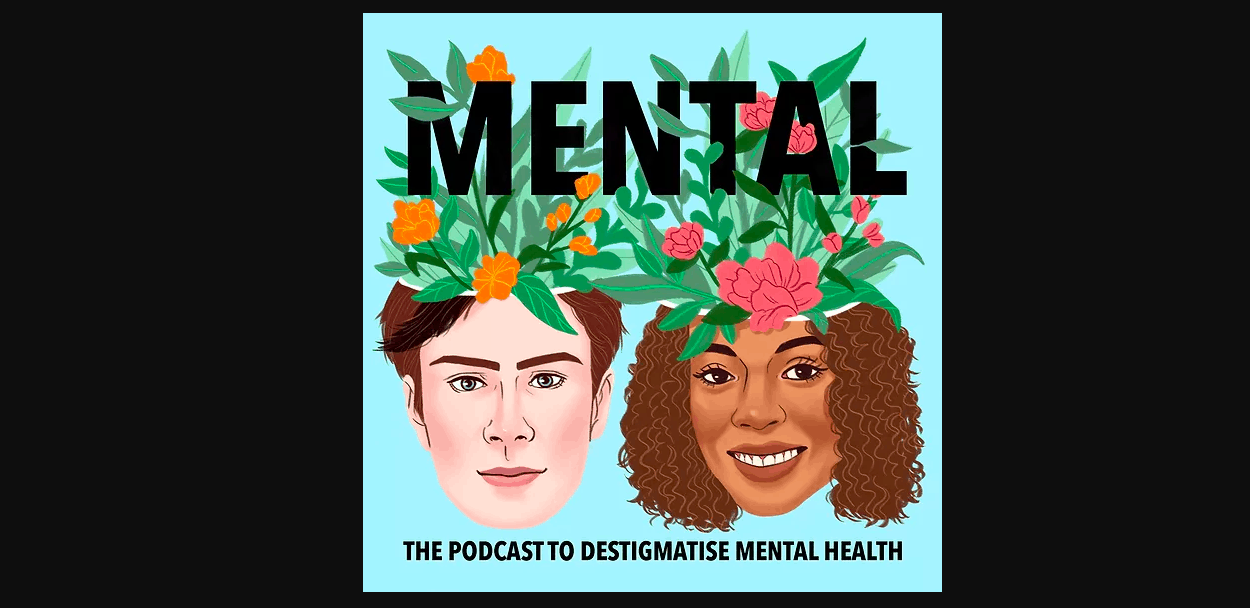
One of the biggest players in the podcasting industry is Apple Podcasts. Up to this point, they have helped dictate major shifts in podcast consumption and how podcasters create their shows. Given Apple Podcasts’ popularity, it’s no surprise getting in front of their curation team can help propel a podcast to new heights. But the question is, how can I pitch my podcast to appeal to their editors? This week on Audience, we’re tackling this important topic with Bobby Temps. As the co-host of Mental: The Podcast to Destigmatise Mental Health, he has orchestrated getting his show on multiple featured podcast lists inside the popular listening app. Throughout our interview, Bobby sheds light on repeatable strategies that helped him break through the noise and impress the Apple Podcasts team. But that’s not all we’re covering. At the top, we get into how the Mental podcast encourages listener participation, uses data to inform their content decisions, and why you might be missing some reviews from your international listeners. Listen to the full interview now to starting pitching you podcast with more flair and to track down those reviews you may have missed. How has COVID-19 changed your listenership? Like many other podcasters, Bobby and his co-host, Danielle, have shifted their content strategy as a result of COVID-19. But since the show focuses on mental health, they’ve noticed the shift has primarily been driven by changes in society. The goal of the podcast is to destigmatise mental health. So Bobby and his team are capitalizing on our eagerness to include mental illness alongside physical ailments in the wellness conversation. To alter content for these times, they’ve focused on practical tips listeners can put to use right now. Their mission is to help both loyal and new followers feel more confident and secure in times that are unstable. How Do You Encourage & Incorporate Audience Participation Into The Show? Let’s start with the motivation factor. Every podcaster wants more reviews and emails with feedback from their audience. But it’s difficult to help listeners take the next step and put pen to paper. To help, Bobby highlighted the tone of the Mental podcast. His team has ramped up the calls-to-action to leave a review or send a email. But they positioned their messaging around the desire to tackle subjects their audience needs help with right now. The authenticity of wanting to provide their listeners with timely tips didn’t go unnoticed. They received more feedback and were able to cover topics that were important to their community. In times before COVID-19, the Mental podcast is one of the best examples of why audience participation can make or break a show. The podcast covers the rapidly changing landscape of mental health and typically sensitive subjects. Their team understands the need to use appropriate language and phrases for each topic, but the standards shift. For example, the phrase “committing suicide” is no longer the most appropriate way to talk about this topic. Through conversations with their community and mental health experts, the Mental podcast team were made aware of the sensitivities and have changed the way they speak about death by suicide. In addition, using audience feedback and interviews allows Bobby to include more experiences about the same topic. Even if he has experience with an issue they discuss on the show, t...

More Podcasting Questions Answered
Class is back in session on our latest Audience episode! This week, we’re taking it back to our community. Across our Facebook groups and in conversations with customers, we hear a lot of great questions. Some that we’ve never thought of and others that frequently stump newbie podcasters. In our latest episode, we brought in five questions that we think don’t get enough air time. But first, some exciting announcements with our company and platform. The first is that we announced our sister company, Podcast Motor, is moving under the Castos umbrella to help power Castos Productions. We’re also excited to introduce a new member of the Castos team, Matt Medeiros. Host of the Matt Report and long time member of the WordPress community, you’ll hear from him in our future Audience episodes. Your Podcasting Questions Answered Dipping into our community of podcasters to answer questions about their pain points is why we’re here. So we dove into our Facebook groups and customer inquiries for this latest set of burning podcast questions. Do you recommend seasons for a podcast? Seasons is a term that Apple introduced a few years back to group episodes together within a single RSS feed. Typically, the episodes makes sense together and follow a similar topic or storyline. For podcasts that have a story arc, chronological time sequence, or follow a time-sensitive activity, seasons make sense. It’s a way to logically order episodes and give your audience a more seamless listening experience. Another factor to consider is using seasons to build in a break. Having a logical end to a group of episodes offers an opportunity to take a break from publishing new episodes. While our advice typically is to consistently produce content to keep an audience engaged, seasons can help manage expectations. Remind listeners that the season is XYZ episodes long and to expect new content a few weeks after the final chapter is published. Do you suggest recapping previous seasons before introducing a subsequent season? What’s the first thing that happens when a new season of any TV show premieres? A montage of the drama and climaxes aires first to remind viewers what happened leading up to the first episode. This tactic is perfect for podcast seasons too. Highlight the key players, bring people up to speed, and orient them on where you left off. It allows listeners to follow along more easily and have some background before diving into your latest episodes. To create a recap intro, pull soundbites from episodes from the previous season. It can be repurposed for promotional materials to bring buzz to the upcoming season and entice new listeners to explore your back catalog. Any advice on reaching out to celebrities or notable personas to share your show? Whether your guests are minor or major celebrities (or not celebrities at all), our stance is that you need to provide value to the person you’re pitching. When an interesting article, YouTube video, or podcast episode catches our eye, the first instinct is to share it. Finding the niche value your content provides is where you can unlock virality. When pitching someone, specifically call attention to the value the content provides. An unexpected quote that directly aligns to the person or a piece of data that supports their point of view are personal ways to grab their attention. Create beautiful assets and include them with your pitch t...
How Covid-19 May Change Podcasting Forever with Tom Webster
There’s no doubt that the Coronavirus pandemic has changed many of our lives, and for some aspects of our lives this may be a permanent change. Our guest on Audience this week is Tom Webster from Edison Research, the company behind the industry-leading Infinite Dial survey. In an earlier episode we recapped some of the biggest takeaways from the 2020 Infinite Dial survey, and thought we HAD to have Tom on the podcast to talk through some more of his interpretations of the data there, and what has changed since that time. The fact is that many of the lifestyle changes that we and our audiences have seen as a result of Coronavirus are here to stay and things won’t be returning back to “normal”. Here are some of the hard facts about listener behaviors as a result of the Covid-19 pandemic: Commutes to work or school have gone down – this is the #1 way and place that people listen to podcasts.Following external analytic tools like Podtrac and Chartable are great for Downloads, but may not tell the whole story from talking to actual listeners. Their behaviors are changing in different ways.Listening on smart speakers like Amazon Alexa has increased substantially as people are listening to podcasts in groups and at their homes.Initially, there was a big movement to news-based podcasts, but as the news overload settled in there was a movement away from it. Tom likens the disruption caused by Covid to a snow globe where once you shake it up the “snowflakes” of our lives go up in the air and sometimes don’t settle back down where they came from originally. That’s the theme that we’re following as we go forward with our shows. But in many ways, the open question is: what will stay the same and what will be permanently changed. And largely this question remains unanswered. Changes In Listener Patterns A question we can ask ourselves to help our audience better understand where our podcast can live into their lives is where and when will our listeners tune into our shows. Thinking about traditional radio always having a time and place that people listened, many of us can think about framing our shows the same way. Your show could be “The show to listen to on your Saturday morning walk”. This engrains this behavior in your listeners minds and behaviors. As the industry saw the biggest change in behavior around podcast advertising at the beginning of the Covid-19 pandemic this medium is coming back already, but in a different way. How Advertising Is Changing Many advertisers and media buyers are moving to more “safe” forms of advertising. For some media buyers and sponsors the need to have more established media through which to advertise and reach audiences may increase. Things like Google Adwords and Facebook ads where more data is available around the targeting of the audiences that your ads are targeting may be a more “sure bet” for companies trying to spread the word about their brand. What Affects Is Spotify Having On The Industry We discuss the move of the Joe Rogan show to Spotify. As Rogan had significant listenership on YouTube that channel could be one of the places that he could lose a portion of his audience. But, the upside of gaining access to an entirely new distribution channel in the Spotify platform is a huge benefit. In general for listeners the move of The Joe Rogan show to Spotify could give one less reason for audience members to pick up a conventional podcasting app like Apple Podcasts or Overcast. The other thing that may be a bigger impact is on the data that the Spotify platform has on its listeners and that availability to advertisers. Knowing the location, age, gender, and other demographics about listeners could mean more targeted and better-aligned ads...

Creating A Diverse Podcast Publication With Ashley And Galen From Bello Collective
As with many new hobbies, a fair bit of research and reading is required to figure out the best way to start. Podcasting isn’t much different so there has always been need for diverse resources teaching Podcasting 101. According to Google Trends, the phrase “how to start a podcast” has averaged 60 searches per day since 2016. With low barriers to entry and the ability for just about anyone to start podcasting, the Bello Collective was ready to answer that question. Google Trends interest over time for the phrase “how to start a podcast” in the last 12 months. Launching in 2016, their efforts came just in time. With a diverse team of writers to build a solution, the Bello Collective started publishing podcasting resources to help hosts get started, grow, and sharpen their craft. Fast forward to 2020, that community has grown to elevate voices that don’t always get enough airtime. With readers and writers across Slack, email, Twitter, and their website, Ashely Lusk and Galen Beebe are the co-editors steering the ship. On this week’s episode of Audience, Craig sits down with Lusk and Beebe to talk about the Collective and how they built such an engaged community. Listen to the full episode now to hear firsthand why interrogating your definition of success can make you a better podcaster. Why Communication Is Key In the past, blogging and podcasting were primarily one-way conversations. The writer publishes an article, the reader digests their thoughts without the opportunity to directly collaborate with them. The podcaster releases an episode, the listener tunes in without being able to connect with the person on the other side of their headphones. But as industries shifted, so did the technology that enabled creators and consumers to start a dialogue. Podcasters are urged to start newsletters, social media accounts, YouTube channels, and Patreon followings to fuel the connection. Bello Collective was built from this foundation of dialogue. When pressed about how they morphed a static publication into a living community, Ashley and Galen highlighted the importance of having conversations with intention. Open dialogue is at the forefront of all of their interactions. For new writers, this means clear expectations about the editing process and what content they are looking for. Within their Slack channel, members can’t join until they agree to community guidelines that say keep all responses off the record. By doing so, every member can speak freely and surface discussions that may have otherwise been missed. For podcasters, an open dialogue takes a few forms. It’s having conversations with co-hosts about how to improve a show or with guests about an interview’s expectations. Even though this isn’t the first time you’ve heard communication is key, there’s a reason it works. It’s a good time take a moment and reflect on your podcast. Have you fallen victim to going through the motions or do your episodes and conversations have intention behind them? Another benefit of having more conversations between a podcaster and listener is the opportunity to transform passive followers into active participants. This is where an engaged community starts to form.

Rob Walling On How To Podcast For 10 Years Straight
Motivation is a fickle thing. Some days it’s front and center, driving you to produce your best work. Others it’s no where to be found and things that used to be a priority can fall to the wayside. The rollercoaster of motivation is a central theme in our latest episode of Audience. Craig sits down with Rob Walling, found of Drip and TinySeed, who has produced over 500 podcast episodes. His show, Startups For the Rest of Us, has been on the air for 10 years. Throughout that time, the show has experimented with new formats, went from co-hosts to a one man show, and spurred a successful live conference series. Given Rob’s passion for and success with podcasting, he’s just the guy to help you maintain or re-spark your motivation. Throughout our interview, he describes his biggest podcasting regret, how to talk ad nauseam about the same topic, and why fostering a community with his listenership is his biggest legacy. Listen to the full episode to learn how a podcaster with 10 years of experience under his belt finds the motivation to keep going. How Startups For the Rest of Us Has Changed A lot has changed in the podcasting industry in 10 years. And the same thing can be said for Rob’s podcast, Startups For the Rest of Us. Starting out, Rob describes feeling nervous behind the mic. He wrote out, word-for-word, a script of exactly what he wanted to say for each episode. It took about 250 recordings to find his voice and feel more comfortable talking candidly with his co-host. And then he and his co-host hit the complacent years. Both in the midst of building their start-ups and family life, they stopped experimenting and trying new things. They still showed up each week, but had lost the motivation to innovate. It was just within the last year, at episode 448, that things started to change. His co-host, Mike Taber, decided to take back from recording every episode. And with that shift, Rob rediscovered his motivation to start innovating again. He ushered in new formats, more experiments, and pushed the show to excel beyond its original success. Now surpassing 500 episodes, Startups For the Rest of Us continues to inspire bootstrapped entrepreneurs. Talking About The Same Topic For 10 Years After settling on a podcast topic, the realization that you may be talking about same subject for years to come sets in. If you’ve taken the advice from successful podcasters, you chose a topic that you’re passionate about. But how do you find new ideas and angles about the same general topic week after week? Rob’s advises to “peel the onion”. The podcasts that make a splash bring new perspectives and voices to the table. Your focus, whether you’re on episode 10 or 100, should always be how can I add something different to the conversation? For Startups For the Rest of Us, Mike and Rob started building episodes from content they’d previously written about in books and articles. But then episode 30 hit and they ran out of things to say. That’s when they realized listeners had submitted questions via email and Twitter that they never addressed. A new episode format was born and they continued consistently publishing new material. In the years when their other professional ventures dominated their time, they reduced how frequently they published episodes. Moving from...
James Cridland On How Podcast Directories Can Change The Industry
There are a lot of experts within the podcasting industry. But James Cridland is in a unique position to see the industry’s trends, successes, and failures differently than most. As the curator of Podnews, a daily podcasting briefing, his perspective is a combination of news from podcast hosts, advertisers, content creators, and listening platforms. Given his holistic view, we invited James to chat on our latest Audience episode. We took the opportunity to hear his thoughts on the future of Apple Podcasts and Spotify, monetization opportunities, and what’s the biggest distribution mistake many podcasters make. Read on for James’ biggest takeaways and listen to the full episode for even insightful comments. How Can Apple Podcasts & Spotify Change The Industry? Along with many other experts, James agrees there’s a big opportunity to increase podcast consumption. He argues if the industry focuses on increasing overall listenership, all ships will rise. From creating more monetization opportunities for podcasters, increasing user bases for listening apps, and driving more financial investment into the industry as a whole. But the driver of this growth isn’t squarely on the shoulders of podcasters. Instead, James offers opportunities podcast directories can take advantage of to jumpstart the effort. Apple Podcasts The biggest player in the industry is without a doubt Apple Podcasts. Apple helped grow and standardize things like podcast categorizations and artwork sizes. But in recent years, Apple hasn’t made many monumental advancements to increase consumption. But given their strong foothold, there’s one opportunity available that would change the industry forever. According to Scientia Mobile, over 60% of worldwide mobile users have an Android device. But to date, Apple hasn’t created an Android version of the Apple Podcasts app. While there are popular Android-only listening platforms, the majority of podcasters primarily promote their Apple Podcast listing. Think of the instant consumption growth if Apple released an Android version of their app. Podcasters could more comfortably promote their Apple Podcast link knowing it would be a seamless subscription process across all devices. You likely submitted your podcast to Apple Podcasts from the start. But in case it slipped off your radar, submit your podcast today. Spotify In the aftermath of the Spotify and Joe Rogan deal, there’s been article after article about the possible implications. To date, Spotify’s podcasting footprint is relatively small. According to Libsyn, Spotify accounts for 9.5% of total plays for their hosted podcasts. A far cry from Apple Podcast’s 60-70% share of the market. But by acquiring exclusive rights to one of the most popular podcasts in the world, Spotify is betting on Joe Rogan’s listener base converting to their platform. But whether Rogan fans will switch to Spotify

The Key To Starting A Podcast Network With Jeff Umbro From Podglomerate
When it comes to the distribution aspect of your podcast there are fewer “sure things” than having other similar shows in your niche promoting your content. And podcast networks are the most natural way to establish that cross pollination of your podcast with other relevant audiences. In this coversation with Jeff Umbro from podcast network Podglomerate we discuss how setting up a podcast network can be a good fit for you and other shows in your niche, the 5 different approaches they take to distribution or promotion of shows they work with, and where Jeff feels many podcasters are missing out when it comes to the marketing of their podcasts. Establishing Your Own DIY Podcast Network While huge podcast networks like 5×5, Relay, Gimlet Media, NPR, and others have significant barriers to entry it doesn’t have to be difficult for you and your podcast to benefit from the same type of organic sharing that happens in these larger networks. In fact, many of the most impactful podcast networks like Multitude Productions have created significant benefit for their member shows. One way that Multitude accomplishes this is by focusing much of their network into associated vertical niches. For Multitude focusing their shows into the niches of gaming, Harry Potter and other mythology arenas has helped them grow significant audiences, mostly by cross promoting other member podcast in their episodes. At Podglomerate, Jeff and his team handle 3 main aspects of podcasting: Original Content Creation While they have several member shows they also create some original shows. Having a built in “laboratory” where they can experiment on new show ideas, refine approaches to content creation, and in general have an avenue to express their creative side has shown some of the biggest advances in their growth over the years. One lesson Jeff learned for other podcast networks is having shows of your own is a great sort of virtual CV to show prospective shows that you’re approaching to join the network. Showing other podcasts the kind of work you do and what other member shows are like is a great selling point. Monetizing Podcasts Podglomerate works with member shows in a variety of ways to help monetize their podcasts. Programmatic Ads Working with platforms like Megaphone is a good option for podcasts with a large following to easily monetize their shows. If your podcast has 10,000 listens or more per episode then programmatic advertising platforms like Megaphone may be a viable option for your show. In these platforms you choose the type of ads that you’d like to run on your show and the platform takes care of the sourcing of the ad content and dynamically inserts those ads into your podcast as listeners download or stream the episode. For podcasts with lower listenership, say less than 1,000 listeners per episode, Jeff says that the best way to monetize a show is to go directly to brands in your space to sell ad spots on your show. These “Direct Ad Placement” techniques require a bit more work up front, but can be the most beneficial for both sponsors and podcast brands. Direct Ad Placement If programmatic ads aren’t a good fit for your show, either because your audience is too small or your niche too narrowly defined to appeal to the broader audience...

Upping Your Podcast Game, And Listener Questions
The team at Castos is excited to announce that our premium course on how to create a great podcast is now entirely free. Check out the Podcast Like A Pro course today to get 25+ lessons on everything from: Listener personas and popular podcast topicsGear, microphones, and setup recommendationsAudio recording and editing software recommendationsHow to achieve professional sounding audio for your final episodesWriting SEO-friendly show notes for your websiteSetting up a podcast hosting platform account and websiteSubmitting your podcast to popular listening appsLaunching your show with style Growing your audience and approaches to monetization All you need to do to gain access is sign up on Teachable. You’ll instantly receive the entire 25+ lesson library of videos and resources to get started. Questions From Our Facebook Group In this episode, we discuss a handful of questions from our Podcast Hackers group on Facebook. This is a place where we have lively discussions around what’s working well in people’s shows and what they’re struggling with. As a community, we share our knowledge to succeed as a group. What can I do to help get my show into the New and Noteworthy section in Apple Podcasts? Great question here, and one that is asked a lot. Getting into the New and Noteworthy section of Apple Podcasts can do a lot to increase your reach, especially as a show is launching. There are two parts to the New and Noteworthy section: The New and The Noteworthy. Let’s examine each of these individually. The “New” aspect refers to a podcast that was approved by Apple within the last 8 weeks. So the clock is ticking once the show has been approved to make a splash in those first few weeks. During these 8 weeks, there are two Calls To Action (CTA) that you want to encourage. For your broader audience members, the goal is to get them to subscribe so they receive each episode as soon as it’s published. This will ensure download numbers stay steady and there less one-off listens. For those who subscribed (we like to refer to this as your Tribe), take things a step further and ask them to leave a rating and review in Apple Podcasts. These go a long way towards increasing the social proof for your show, which in turn will bring in more listeners and subscribers. The Noteworthy aspect of New and Noteworthy is more subjective and is driven by a team at Apple directly. These are shows that might be following a recent trend (like COVID-19 right now), a show about a political campaign, or maybe a show about a TV series that’s just started. There’s not much that any of us can do to influence this decision, other than creating great content and empowering our listeners to spread the word as much as possible. I want to create great sound, but don’t know where to start (on a budget preferably)? This may be is the single biggest hurdle that folks have when starting a podcast. And for good reason. Many podcasters don’t have a background in audio engineering but strive for a professional sound. There are a few pieces to this equation, so let’s examine...
8 Podcast Best Practices You Should Know
Creating great content is hard. Any kind, really. Whether it’s a blog, a YouTube channel, or a podcast. In a sea of information it’s tough to know what advice to follow and what to dismiss as noise. In this episode, we lay out an easy-to-follow set of podcast best practices that will help you grow your show. This playbook is full of things we’ve learned from working with hundreds of successful shows and interviewing some of the best minds in podcasting. They are the proven steps that many other successful podcasters before us have taken to build great podcast brands. The 8 Podcast Best Practices Every Host Should Know 1. Create the content your audience is looking for It’s easier to create the content an existing audience is looking for rather than finding an audience for the content you want to create. This may seem simple on the surface but is pretty nuanced when you get into it. And not doing this will set your podcast for failure no matter what your promotional activities include. A great way to find out what people in your community or target market are looking for is through online communities. We’re big fans of Facebook groups, Slack channels, and other virtual meeting places for doing this. Hang out there, ask interesting questions, and see what topics keep bubbling to the surface. This is a surefire way to find out the interests and pain points that people in your prospective audience are having. 2. Have guests on your show Interviewing guests is a way to change the pace, tone, and perspective of your podcast. But it’s also a great strategy to share your podcast’s message with new audiences. If you did a good job as an interviewer, the episode will be one of the shining lights of your guest’s podcast repertoire. By giving your guest a platform where they can explain their ideas and perspective, and they’ll be more excited to share the content. But before the interview, set clear expectations about promoting the final episode to your respective audiences. Mention early on that you plan to send a ready-to-go email of exactly what you want them to share. For example, here’s an email I got recently to share a webinar we co-sponsored. All I had to do is copy the email text and tweet then post them. 3. Create shareworthy social media assets You’ve done all the hard work to create great content that your audience is looking for. Don’t fall one step short by not creating interesting assets to share on social media. Hands down the best tool to create audiograms is Castos’ Headliner integration. Here’s an example of an audiogram from our previous episode: Additionally, pull quotes from the episode’s most interesting soundbites to promote it on Twitter. Crafting a custom featured image for each episode is another great way to stand out from the crowd. The image can include episode’s title, a headshot of a guest, or custom graphics. Tools like Snappa and Canva are great for podcasters who don’t have the budget for professional graphic designers. Use a tool like Buffer, Hootsuite, or Cosch...

Creating A Remote Creativity Platform With The Founders Of Squadcast.fm
Creating great sounding audio is the cornerstone of what constitutes a winning podcast. And there are many things that go into this: the right gear, the right techniques, great post-production, and a way to record that audio in an easy and high-quality manner. And in this episode, we welcome Zach Moreno and Rock Felder, cofounders of Squadcast.fm to discuss this, and much more. At their core, Zach and Rock from Squadcast have set out to create a platform in which creatives can record really high quality audio (and video soon) content for their audiences. Even with many of the remote communication tools that are available to many of us these days none has been focused solely on the quality of those pieces of content. As a team that sees a lot of great content being recorded Rock and Zach emphasize the importance of a good microphone (like our favorites here) but also a practical approach to recording. This often includes considerations around the environment you’re recording in, potential for interruptions, and a bit of advance planning. As at the time of this episode airing we’re all going through the Covid-19 pandemic that is gripping the world, Zach, Rock, and I discuss how we’re seeing Coronavirus affecting the podcasting industry. With unique perspectives on podcasters, we have all seen amazing new ways in which we can serve our customer base. Both from new people coming into the podcast space to enabling communities, medical professionals, and even governments to share information and inspiration with their audiences. Resources Mentioned Squadcast.fm Zach Moreno on Twitter Rock Felder on Twitter Podcast Movement

Castos Productions: Affordable Podcast Editing From Your Dashboard
When we talk to our customers, podcast editing is often the most intimidating part of podcasting. It's technical, a more laborious process, and it's hard to know when you're done. With the importance of consistently publishing new episodes, there are a few podcast editing methods to choose from. Some some, purchasing podcast editing software and using a DIY approach is best. An option for beginners and veterans, doing the editing yourself takes more time. There's a learning curve to understand the software, self-educating on how to mix and master audio files, and having to critique your own work before publishing an episode. For others, hiring a podcast editing service is their way to focus on producing quality content while someone else takes care of the professional sound. They hire a professional podcast production service, send their raw files, and receive a fully edited episode. There are many podcast editing services out there but there's one that makes it easy, affordable, and gives you full control over the final product. Today, we're excited to announce the launch of Castos Productions. Our solution to podcast editing that lives right in your dashboard. In this article, we'll review the ins and outs of podcast editing whether you choose the DIY approach or use Castos Productions. From what files you need before you start editing, ways to make the process easier, to why podcasters decide to use a professional production service. A Checklist Of What You Need Before You Start Editing A Podcast Podcast editing is an intricate process. Whether you're mastering the audio file yourself or using a podcast production company, these are the audio files you need handy to get started: Separate audio tracks: the episode audio files from your podcast specific recording tool, like Squadcast or Adobe Audition. Use separate tracks for everyone being recorded.Intro and outro segments: use the same version for each episode or customize it per episode.Music: use it within your intro, outro, and main segments of your podcast.Host-read advertisements: any sponsor messages that you need to include within the episode. Recording Tips To Make Editing Easier Our biggest piece of advice to make editing your podcast easier is to start thinking about it during the recording. Capturing high quality audio from the start will reduce the time it takes to produce a final episode. The first foundational piece to get started purchasing a podcasting microphone and recording in an optimal location. Believe it not, for those without a sound studio the best place is in your closet. Next is perfecting good microphone techniques. This takes practice but it's best to capture audio where you don't have to go back and remove the extra plosives. Why Podcasters Use Podcast Editing Services Whether you're just starting a podcast or regularly producing one, you’re undoubtedly weary about investing money in services you don't need. The...
How To Tell A Story From NPR’s Former VP Of Programming
This week on Audience we chatted with Eric Nuzum, an expert who started NPR’s podcasting efforts back in 2005. Eric help found some of NPR’s most successful shows, has published three best-selling books, and co-founded a podcast production company called Magnificent Noise. Recently, he found time to write and publish his fourth book, Make Noise: A Creator’s Guide to Podcasting and Great Audio Storytelling. The words of wisdom and exercises on being a better storyteller lead Craig to his position to sit down with Eric to pick his brain. Throughout this interview, they focused on how to conduct a more engaging interview, why DIY podcast networks succeed, the similarities between hobby podcasters and big budget productions, and where podcast advertising is headed in the midst of COVID-19. Listen to the full episode now for Eric’s expert insights on all things podcasting. How Can Interviewers Create A Good Story? With Eric’s experience being the interviewer, interviewee, and producing interview-style podcasts, there’s no better person to ask about how interviews create good stories. He points out, when compared to monologue episodes, interviews help people who aren’t accustomed to telling their own story. Rather than the pressure to grab the mic and figure out their own way forward, the interviewer leads the guest to the questions the audience wants to learn about. But the tough part is the communal lift involved in getting the good story. There’s more than one stakeholder involved in shaping the narrative so it’s everyone’s job to keep the interview’s focus on the information that’s most useful to the audience. Another key to getting a good story is the interview needs to feel natural, organic, and authentic. Podcaster’s most common hangup is trying to emulate someone else as their interview persona. While trying to mimic another person, you’re pretending to be an interviewer instead of actually engaging with the guest. Eric’s tip is to get out of that mindset and get back to being genuinely curious about the person you’re talking to. An organic, give-and-take conversation will help create a more riveting story arc. Eric’s biggest interview tip: don’t ask questions you already know the answer to. It leads to inauthentic sound bites and a guest who can’t wait to end the conversation. For podcasters without extensive media backgrounds, make creative decisions is difficult. What’s your advice to people who are intimidated or frustrated by this part of producing a podcast? To promote his most newest book, Eric is often on the road talking about podcasting. From boardrooms to coffee shops, how to tackle the big creative decisions plagues every podcaster no matter their experience level. Eric found both corporate conglomerates and podcast hobbyists struggle with the same frustrations. With so many decisions to make, combined an abundance of available options, every person he’s encountered is looking for the same information. This should be encouraging for beginners because it means having a big budget or a room full of media professionals doesn’t guarantee a hit podcast. Since podcasting is a relatively new industry, it’s still considered the wild west of content channels. This is great in terms of the limitless ways new hosts can enter medium but also a curse as more options can...
The Ladybug Podcast Shows The Importance Of Personal Brands
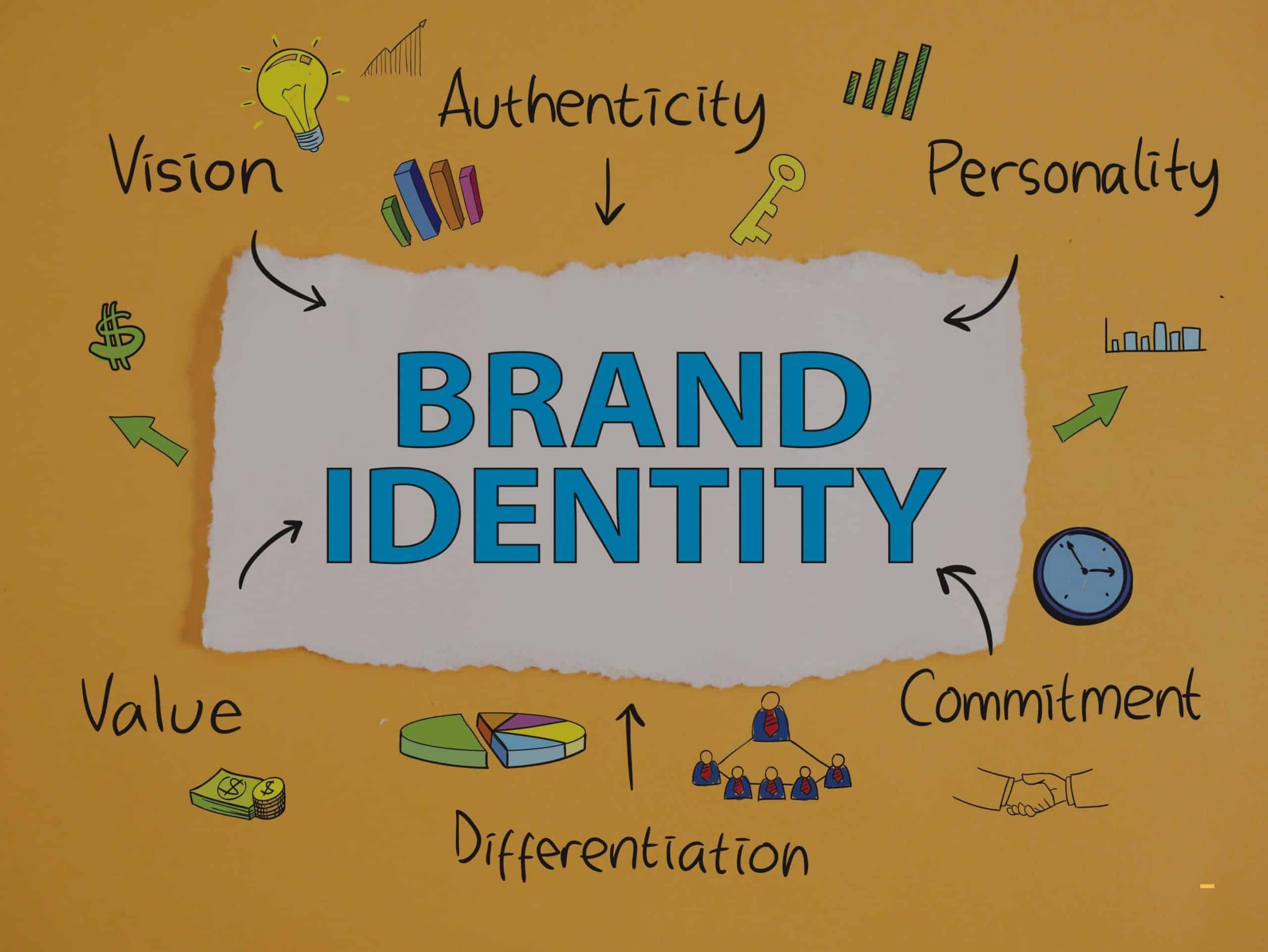
In this episode of Audience, we sat down with the hosts of the Ladybug Podcast. Emma Bostian, Ali Spittel, and Kelly Vaughn produce a weekly show geared towards developers at all stages in their careers. They create episodes about technical coding topics, interview industry experts, and weave in “softer” development conversations to keep their audience engaged. Throughout this interview, our conversation regularly transitioned back to personal brands and their importance. These women are the perfect examples of how putting resources towards creating a personal brand can dramatically improve a podcast’s performance. Inside this episode, you’ll learn more about how they run their show. With a track record of rapid growth under their belt, their insights are great takeaways for seasoned hosts looking to turn up the heat. Listen now to learn more about: How to explain technical topics via a podcast (hint: show notes play a crucial role).What you need to do before approaching or accepting sponsors for your podcast. A checklist for beginners on how to brand their podcast before launching the show (hint: it always comes back to your ideal listener).And the Ladybug Podcast’s most effective promotional strategies that contributed to their rapid growth. The Ladybug Podcast details how episode transcriptions are an important part of their promotional game plan. With Castos, you can access automatic pay-as-you-go transcription services directly from your dashboard. Check out our comprehensive podcast transcription guide to find out how. But ahead, we’re diving deeper into how and why their personal brands contributed to their success. This is a piece of podcasting that doesn’t always get the attention it deserves but can be the basis for sustained growth. Let’s find out why the Ladybug Podcast is the personal brand example you should follow. What Is A Personal Brand? By definition a personal brand is how you market yourself and skillset. It’s the combination of online and in-person content that represents what you want to be known for. A personal brand should tell a story about your background and provide an authentic look inside your life. Personal brands are important because it humanizes the person behind a product. Giving an audience a peak behind the curtain allows for more authentic interactions and creates loyal followers. Many podcast listeners say they want to listen to hosts who feel like a friend and share their beliefs. The way to create that connection is to focus on curating real-time interactions with your audience members. The elements that make up a personal brand. Image source:
Jay Acunzo On How Your Point Of View Grows An Audience
On this week’s Audience episode, Craig sits down with Jay Acunzo from Marketing Showrunners. The two founders and podcasters dig into why defining and sticking to a point of view is the key to building an engaged audience. The episode touches upon why it’s OK to have a podcast that doesn’t speak to some people. And how to differentiate their negative feedback from the reviews that will help you succeed. Jay clues us into his team’s mantra and how it continues to serve as their guiding light to produce a better podcast. Listen now to figure out why Jay asks himself if he’s teaching chess or checkers, and how to adopt his growth mindset for your show. Broader Isn’t Always Better Hot on everyone’s mind, especially for our Audience listeners, is growth. Almost ad nauseam, we always find ourselves back at the foundation of building a listenership: who is the target audience? Throughout the episode, we found Jay shares our thought process. He believes the age of the “generalist” is over. Marketers and podcasters shouldn’t try to be a carbon copy of their competitors and aggressively follow the latest trends to grow. Your podcast doesn’t have to appeal to the mass market. And Jay argues that brands who try to broaden their target audience will ultimately dilute their message and slow their growth. Instead, it all comes back to the niche listeners. First identify who you show is for, and more importantly, who your show isn’t for. Then go deeper and deeper into figuring out how to better serve those specific people rather than following the latest trend. Naturally, your podcast will continue to innovate and be more engaging to the people who share your point of view. For many podcasters, turning off potential listeners with a strong, decisive perspective feels counter-intuitive to growth. But Jay reminds us this is actually the foundation to building an audience. Don’t Be Afraid Of Your Point Of View If you continually articulate your beliefs clearly and loudly, your point of view gives people a way of saying your show is absolutely for them. You give their struggles and thoughts a voice that didn’t exist beforehand. Not shying away from your pathos builds loyal and engaged listeners who will routinely tune in. A podcast’s point of view becomes a “trust accelerant”, creating visceral reactions that build communities and allows the show to generate a bigger impact. But holding a firm stance will alienate some people. This alienation can be scary but remember: if someone says something negative about your podcast, ask yourself if the commenter’s point of view aligns with your own. If you share the same mindset, then it’s a useful exercise to figure out how you’re underserving them. But if they aren’t part of your target audience, reset the thought process to remind yourself that their needs aren’t the ones you’re trying to satisfy. It’s OK for your podcast to not be for the checker players. Resources Mentioned In This Episode Jay Acunzo Marketing Showrunners3 Clips Podcast Marketing Showrunners on Show BiblesSubscribe...

Your Podcast Questions, Answered
Lately, many of us have been figuring out how best to spend time in our new routines. Some are dusting off their podcast microphones for the first time and others are taking a diligent look at how to improve their show. In this episode of Audience, we put a call out for your most pressing podcast questions across our Facebook group and newsletter. We wanted to use our voice to help you navigate common hurdles of making a successful podcast. And it may come as no surprise, there was a common theme. Tips on how to grow an audience continue to be on the forefront of everyone’s mind as COVID-19 affects listener stats. Listen now for Craig’s in-depth answers to each of your questions and find the quick takeaways below. Are there benefits of producing bonus episodes that don’t follow your show’s normal format? Experimentation can be scary, especially when your podcast sees healthy engagement. But we believe trying new formats, durations, or publishing dates are worth it if you have a good reason. Don’t produce an episode outside of your format just because you want to. Instead, ask yourself if the new elements are a more effective way to deliver the content and serve your audience better. If the answer is yes, follow these tips to give your listeners a heads up of what’s coming: Include a disclaimer in episodes leading up to the bonus content. Explain the new additions and give background about the change. Repeat this same disclaimer at the beginning of the bonus episode too.Ask your audience for feedback about the content. If they enjoyed it, this new style could become a reoccurring segment What’s the best way to get feedback about your content? Step one of increasing an audience size is taking a closer look at your content. Get critical feedback from current listeners by asking specific questions. Questions like, “Did you like the episode?” will only prompt responses that make it harder to take action. Instead, ask questions like, “What did you think of my call-to-action in the last episode?” or “Was the story climax clear or heightened enough in episode 3?”. What does COVID-19 mean for podcasters in the next few months? Industry data tells us total listens across all podcasters are down. The normal places like the gym, commutes, travel, and vacations are all on hold for the time being. And unfortunately, those spaces are where many people consume podcasts. Across the board, all podcast genres are experiencing lower engagement so this is an industry-wide trend. Chartable maps Total Download and Total Listen trends from Spotify and Apple Podcasts due to COVID-19. COVID-19 is also changing what podcasts are talking about. Some hosts have opportunities to pivot their content to trending news topics. Others can adjust course align the content with new problems their audience is now dealing with. This could mean covering how the pandemic is changing your community or covering mental health topics integral to maintaining normalcy in quarantine. Podcast advertising is the other big portion of the industry we’re watching. In the...
Podcast Statistics From The 2020 Infinite Dial Survey
Edison Research and Triton Digital released their podcast statistics and digital media consumption in March 2020. This presentation was slightly different as we globally navigate the Covid-19 landscape and what that means for content creators. In this episode of Audience, we’re recapping the most relevant consumption data for podcasters and how to take advantage of what’s to come. The podcasting industry is still in its infancy with plenty of room to grow. For those currently producing a show or deciding when to get started, use these podcast statistics to position yourself for success. If you’re starting a new podcast or running into unforeseen issues with remote production setups, drop your questions in the comments here or tweet us @CastosHQ. We’ll answer all of your questions on the next episode of Audience. Podcast Statistics From The Infinite Dial March 2020 Survey Edison Research and Triton Digital surveyed 1,500 randomly sampled people from the United States. The questions focused on a person’s digital media consumption habits and awareness of media brands. The following results are an opportunity for podcasters to take stock of their show and strategize how to increase their listenership. But before jumping into the most recent statistics, we’ll start with the elephant in the room. Amid Covid-19, our routines and habits have changed dramatically. In the short term this means downloads may decrease across multiple podcast genres. While news and talk show are being prioritized now, these audio trends will predict our consumption behaviors when we’re back to the new normal. People are consuming more news and talk content during the Covid-19 pandemic in 2020. The following data highlights the digital media and audio habits of Americans as of March 2020. Separated into smart speaker, social media, and online audio categories, these trends are shaping our current landscape. All reference data can be found inside The Infinite Dial March 2020 presentation. Smart speakers 27% of Americans own a smart speaker or 76 million people. This is a 4% increase compared to 2019. Between Amazon Alexa, Google Home, and Apple HomePod, Alexa is the most popular smart speaker. With 21% of smart speaker owners use Amazon Alexa. 55% of the people who own smart speakers own 2+ devices. 27% of Americans own...

The Best Educational Podcasts Of 2020–And How To Create Your Own
As listeners and podcast producers, we’re always on the hunt for shows that help us improve in some aspect of our lives. The best educational podcasts fill the void with episodes about entrepreneurship, language learning practice, and even philosophical debates. When Craig sat down with Kevan Lee from Buffer, he didn’t plan on digging deeper into how Buffer creates their educational podcasts. But after hearing about their unique process and transition into scripted episodes, we had to know more. This week on Audience, we’re talking about a popular podcast topic and category–educational podcasts. These podcast’s formats take many forms but one thing remains constant. The audience is there to learn something and they need actionable steps to get started. Listen to our interview with Kevan to find out how Buffer produces their show then read on to discover 10 of the best educational podcasts out there. Why You Should Consider An Educational Podcast Format The best educational podcasts tackle a theme or niche topic and analyze it down to its basic points. These shows are popular because podcasts are a great way to learn new skills from experts. They also help audiences access more information about a specific interest that may be too complicated to understand via other mediums. For example, there is a community interested in learning about how to save and invest for retirement. But it takes time to research and understand complex financial topic from articles around the internet. Instead, people listen to Money For The Rest of Us. The host, David Stein, previously managed billions of dollars and is there to guide his listeners through a variety of financial topics. His goal is to help people become more confident investors and take control of their financial futures. For individual hosts, like David Stein, educational podcasts offer an opportunity to become an industry authority. He published a book in 2019, curates a weekly newsletter, and speaks at live events due to his podcast’s success. For aspiring podcasters, if you’re interested in educating others about a topic or skill then this podcast format is for you. In the same vein, brands like Buffer are producing educational podcasts that weave in their products with actionable information. Buffer’s team is an expert on all things social media so they’re able teach listeners about industry best practices and how their tool can help. Brands producing educational podcasts offer more value to their customers, helping them refine a skillset along the way. What Buffer Learned From Producing A Podcast We weren’t shocked to hear about Buffer’s transition from an interview-based podcast to a scripted show because their written content is the pinnacle B2B of content marketing. Recording an educational podcast based off their high performing blog content sounded like a no-brainer. But it took some trial and error from them to get there. The Science of Social Media started as an interview-style show where 3 different hosts would rotate through interviewing industry experts. But they found it was difficult to have a unique perspective in a sea of similar educational podcasts that were speaking with the same people. So they pivoted into talking about “the how” behind trending industry practices so listeners could learn h...
Become A Better Interviewer By Asking These Questions
In this episode of Audience, we’re taking a break from interviewing to talk about…interviews. Being a good interviewer means asking thought-provoking podcast interview questions but what does that mean? To answer that question, we’re taking a step back and analyzing how to interview someone for a podcast. From the prep work to the questions you should consider asking, this is a comprehensive look at how to generate a great podcast interview. If you’re using Kai’s tips from our last episode, you’re hopefully already booking new guests for the show. So let’s get to it. Podcast Interview Questions That Create Interesting Answers As the interviewer, it’s your job to make the guest feel comfortable. The goal is to have them tell stories that they haven’t divulged in other interviews. To do this, you need to ask questions that guide the guest to immediately talk about the emotional parts of their story and skip over the pieces they’ve said on repeat. These responses are more likely to tug at your audience’s heart strings, keeping them on the edge of their seat until the final minute. Do yourself and your guest a favor by skipping over their general answers. Instead, try these 10 interview question frameworks that promise to generate interesting stories. Tell me about a time when…What was the hardest part about…How did you feel when…Describe your process behind…What is one common myth about…Who are three people who have helped you…On a scale of 1-10…What do you wish you had known when…What would you change about…How has X changed your thinking on… You’ll notice every question ends in ellipses. That’s because the ending should be tailored to each guest and their background. To fill in the gaps, you’ll have to do your homework. Ahead, we’ll get into basic podcast interview preparation so your questions don’t fall flat. What Goes Into Great Podcast Interview Questions? The answer is simple. Preparation. Changing your mindset and researching the guest’s background will help create probing questions that get to the meat of their story. Interview preparation starts by defining the goal. You are the expert in what content your audience likes to hear, so it’s your job to guide the guest there. Figure out how the guest connects with the topics your listeners love then share this goal with the interviewee. Being transparent about what you’re looking to get out of the interview is an important step in setting the guest up for success. If they know where you want the conversation to go, they can tailor their answers to get you both there. If the guest has no idea what topic or angle you want to cover, they may not share information that your audience would find fascinating. Once the goal is defined, it’s time to do your homework. Interviewers should find out as much as possible about their guests, from background information to current projects. Here are few places to get started: Guest’s website: either a personal website or their company’s online presence. Read the About page, consume their latest content, and figure out what initiatives are most important to them right now. Social channels: Hit all the major channels from Facebook, Instagram, LinkedIn, and Twitter. Read the bio information, scroll through the latest posts, and see what conversations the guest is chiming in on. Previous interviews: Google your guest’s name to surface their most recent interviews. Listen to old podcast interviews, read previous Q&As, and...
4 Ways To Create A Video Podcast (And Why You Should Try It)
Why do all the top podcasts publish videos to YouTube? Because YouTube has 2 billion logged-in users (and growing), which makes it a powerful place to grow your audience. In fact, 43% of monthly podcast listener say they’ve enjoyed podcast content on YouTube in the last year, which means you probably have potential fans browsing YouTube for content like yours right now. All you have to do is turn your regular podcast into a video podcast. Fortunately, you are already doing most of the work. With a few small additions to your workflow, you can create engaging video podcast episodes that appeal to people who prefer video content. What Is A Video Podcast? A video podcast is simply a podcast with a video element. The video element could be as simple or as complex as you like, but it often consists of a single static image or a video recording of the podcast hosts and guests. Why You Should Start A Video Podcast Before we explain how to create a video podcast, let’s cover why you should bother. People love looking at faces Humans are visual creatures. 30% of our brain is devoted to our eyes. And we particularly love faces. Infants begin to prefer looking at faces as soon as 24 hours after birth. That effect gets stronger as we get older because of the wealth of information we get from faces. According to some psychologists, facial features provide more data than spoken language. This means you can create more value for your audience and help them make deeper connections with your content by adding faces via video. Video opens you to a wider audience As much as we like podcasts, there are plenty of people who prefer to consume video content. This should come as no surprise, YouTube is the second largest social media platform. By adding a video element to your podcast, you gain access to a massive audience of potential fans. Source: Oberlo That’s exactly what happened to Andrea Raquelle, producer and content provider for the “Hey Frase” podcast. “Without video, we hit a plateau; we could not go past 10,000 [downloads],” she said. “When we started doing video recordings, we saw the best growth. It took two months to get to 35,000 [downloads]. We noticed other influencers and podcasters in the space [with big download numbers]. We can’t even compete with that if we don’t have video.” Video is far more social Ever notice that all the videos on social media are set to autoplay, but without sound? That’s because social media platforms are optimized for video, but not audio. The audio is mute by default. Adding video to your podcast makes it a bit...
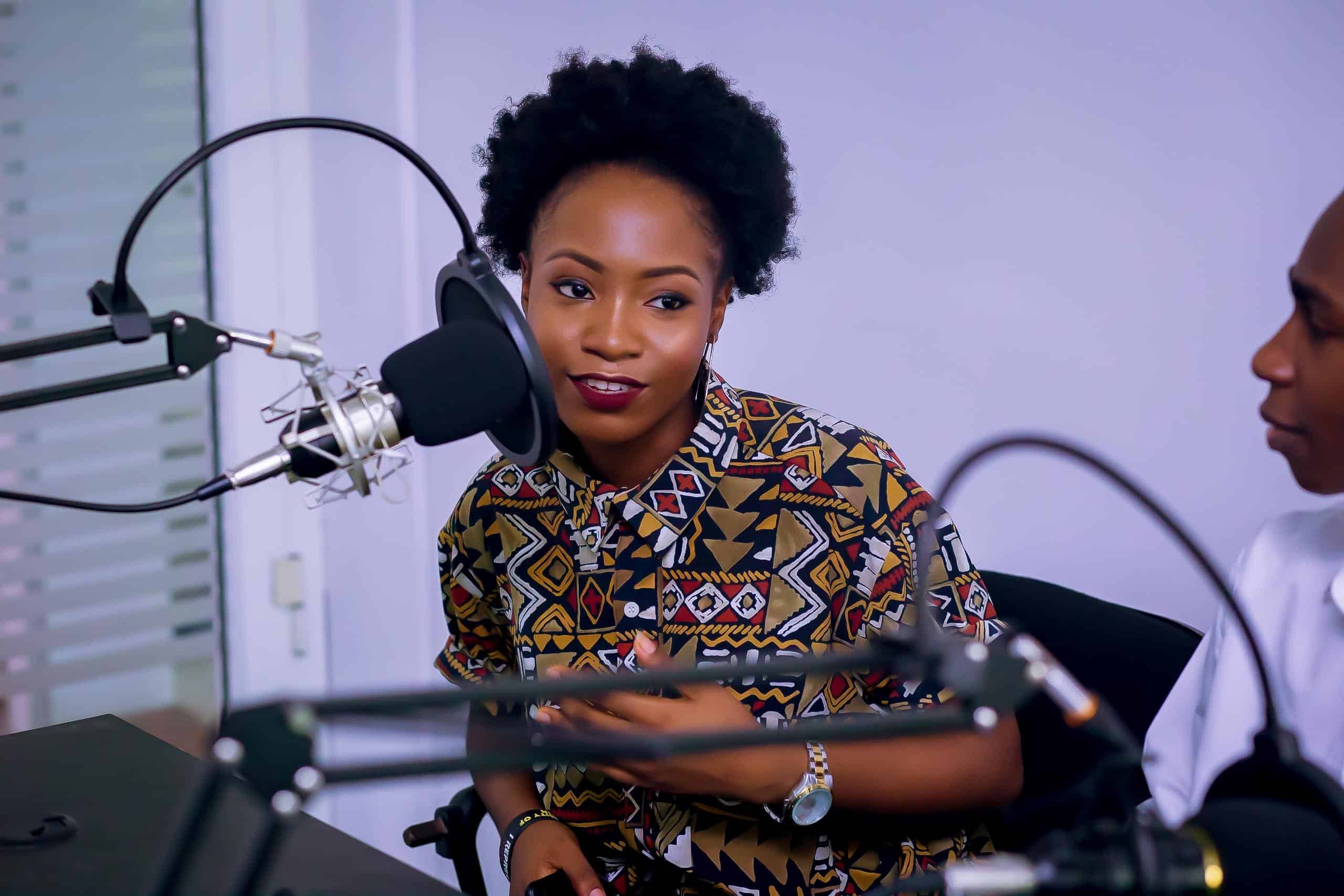
How To Pitch, Book, And Be The Perfect Podcast Guest
Pitching, booking, and being the perfect podcast guest takes persistence and practice. Appearing on different shows is a tried and true method to growing a following, but there’s a lot that goes into the process. This week on Audience, we sat down with Kai Davis who is an expert on how to get the most out of podcast guest opportunities. Davis been in the industry for over a decade. Through appearing and booking podcast guests, he helps podcasters, business owners, authors, and more achieve their marketing objectives. He’s the authority on how to standout from the sea of pitch emails, why your pitches are being ignored, and how to help listeners become customers. In this episode, Craig interviews this professional podcast guest and learns a lot along the way. Listen to the full interview above then read on for our favorite Kai-approved tips. What’s The Biggest Pain Point Of Finding Podcast Guests? Frustration. Davis’ clients primarily come to him understanding the general pitching process but aren’t receiving any bookings. Or worse, no response at all. The time it takes to research, write an email, and find the host’s contact information is a commitment. And when that effort doesn’t bear any fruit, it is easy toss this strategy aside. But there’s a better mindset to approaching podcast guests. Instead of a sprint, it is a marathon. Allocate a set amount of resources you can put towards booking guest appearances. Break it down by categories to keep yourself on track. Categories could include: Researching podcasts and finding the right contact informationRefining and improving the pitch emailFollowing up with potential podcast guest bookingsFielding guest requests for your own show What’s The Most Common Mistake When Pitching Podcast Guests? The primary way to get in touch with a host is via email. No matter if you’re pitching yourself or asking someone to appear on your podcast, the request typically follows a pitch template. This pitch is where most podcasters make the biggest mistakes. To fix poorly worded pitches and standout from the crowd, Davis recommends approaching the process with more empathy. So what does empathy in pitch emails look like? It boils down to two main components. The pitch angle Being a guest requires providing value to both the host of the show and their audience. How and why you can provide that value should be the angle of the pitch. Follow these three steps to get started: Research the show’s back catalog to find topics or themes that are referenced often. This likely means the host enjoys talking about that subject matter and the audience likes hearing about it.Analyze how you can improve upon that topic and add more to the conversation. Are you an authority in a specific area or have experience overcoming a similar challenge? Figure out where you voice fits.Focus the pitch on the value their audience gains and why you’re the only person to deliver that value. It’s also important to relate how what you have to say relates to the overall theme of the podcast and aligns with the host’s vision. All together, the perfect pitch has three legs. It’s composed of the thing you want to talk about, the overall theme of the podcast, and the inte...

What Is A Podcast Consultant With Mathew Passy
Putting out the best podcast possible is the goal of every host. It typically starts with refining a show’s content and structure. But honing in on the mistakes and finalizing a game plan is where a podcast consultant comes in. To help figure out the right path forward, it may be worth turning to a professional. Typically an auditing service, podcast consultants take both a high-level and detailed look at your podcast. The goal is to fix the pain points and elevate the pieces that are working. Ahead, we sit down with Mathew Passy who is a professional podcast consultant. He specializes in training those launching new shows and comprehensive audits for others in the midst of producing a podcast. We ask him the tough questions around his client’s successes and struggles and whether you should consider a professional for your own show. Tune in above for the full interview with Mathew then read on as we build upon some burning questions. What’s The Secret Sauce Of Successful Podcasts? Mathew is undeniably an expert in what makes for a successful podcast so we couldn’t resist asking for his secret sauce. And what is all boils down to is being honest and realistic about your podcasting goals. Analyze your approach First, analyze your approach. If you’ve uttered “I want to start a podcast but I don’t know what to talk about” or “I want to sound like Podcast X”, you may not be on the right path. With this mindset, you won’t produce a show that fills an audience’s needs. Or worse, you’ll try a create a podcast already exists. In both cases, Mathew suggests taking a step back and rethinking podcasting altogether. But if you’re someone who is bursting with ideas and curiosity, that is the time to explore if audio is the right medium to convey the information. Think about the dramatic effects like pauses or intonation changes audio story-telling provides. Weigh each creative avenue and take a pragmatic look at whether podcasting is the right path for you and your topic. Set realistic goals Next, be realistic about your goals. Many hosts want to build the biggest following possible without dissecting whether that audience even exists. It’s difficult to start a podcast about a niche topic and aim for 50K followers. There simply may not be 50K people interested in that information. Instead, go into audience growth with a more realistic mindset. Mathew’s advice is to focus on an audience of one. While it may sound counter-intuitive, the most successful podcasts have hosts who craft an intimate listening experience. When it feels like the speaker is sitting in your passenger seat, the listener will develop a closer bond with the show. That personal connection transforms listeners into advocates who will help organically spread the word. It’s these word of mouth recommendations that are the foundation of an engaged network of followers. Actively ask for feedback The last big ingredient is being honest about the quality of your show. It’s difficult to objectively critique your own creative work. You’re too close to the subject matter and can easily miss things that are hindering your growth. While a podcast consultant is the perfect person to shine light on those areas, also take feedback from your audience and collaborators. Take each piece of advice with a grain of salt but use it to improve.
Podcasting As Content Marketing With Ben Sailer From CoSchedule
Content marketing has long been a primary way for brands to increase their website traffic and customer bases. And one of the best in the game is CoSchedule. This software as a service (SaaS) tool allows marketers to organize, execute, and analyze every promotional campaign to get more done. To introduce CoSchedule to potential users, they create educational content about industry best practices and their product. In this episode, we discuss how CoSchedule uses podcasting within their broader content marketing activities. What Makes A Good Podcast? Framed as “what is the biggest mistake most content marketers make?” led Craig and Ben to discuss what makes a good podcast. The answer: quality over quantity. Often times, creators are in a rush to produce as much content as possible. Thinking the more I put out there, the more chances people will have to interact with my podcast. But in reality, spending more time creating engaging content is the better strategy. Creating a good podcast comes down to investing more resources in-depth and useful pieces that don’t just scratch the surface. Ben suggests asking yourself “is this the best resource available on this topic?” for every new piece of content. If your answer is no, it’ll likely fall flat because users will go elsewhere to solve their problem. For every episode of their Actionable Marketing podcast, the CoSchedule team aims to provide real-world insights and actions marketers can apply to their own work. If the episode has no takeaway, it’s scrapped. Simple as that. But remember, making a great podcast has a learning curve. It’ll take more time to research, produce, and polish episodes that go deeper but there’s a payoff. CoSchedule’s content sees passive visits and listens for months and even years after it’s published because they we were willing to invest the time upfront. That ongoing engagement is what it takes to bring a podcast from good to great. Focusing on evergreen content is a great way to squeeze more engagement over time from a single episode. Timeless content stays fresher longer, driving more listens long after it’s first published. How Podcast Content Complements Your Marketing Mix Content marketing historically only included written mediums but audio content has recently entered the scene. Craig and Ben dug into how CoSchedule thinks about their podcast content and it differs from their other channels. At a high level, CoSchedule creates content for marketers. Across written, spoken, and social content, the common theme is helping marketing professionals solve a problem. But their podcast content ideas have a slightly different spin than their other channels. Content ideas for written and social platforms are typically focused on their SEO value or virality. The goal is to capitalize on keyword search volume or lead a trending social conversation to reach new customers. But podcasting allows CoSchedule to explore questions that can’t be positioned against these standard measures of success. Oftentimes, episodes solve problems listeners don’t know how to search for or answers questions they didn’t think to ask. “Podcasts are a powerful way to connect with an audience for 20, 30, even 40 minutes,” Ben says. Compared the minutes it takes to engage with an article or social post, podcasts establish a stickier connection. There’s more opportunity to explore a topic in a conversat...
How To Create A Narrative Podcast (& Why You Should Try It)
Six weeks into this experiment and a handful of data analyses later, we discovered our narrative style episodes were driving the most engagement. More listeners were tuning in the first day the episode dropped and the passive listens over time continue pouring in. 212 people listened to Crafting The Narrative the day it was released. Keeping our eyes on the growth prize, we committed to producing more content our audience showed us they want to hear. But creating a narrative podcast requires a bit more preparation and intention than a standard interview. So in this episode of Audience, we’re unveiling what goes into producing a narrative episode to craft the most engaging story. To dip our toes into these new waters, we first need to understand what makes a narrative podcast different from other formats. What Is A Narrative Podcast? First things first, a definition. What is a narrative podcast? The Art Of Podcast defines it as an audio documentary that follows a story arch. Rather than including an interview in full, the episode is comprised of clips, scripted segments, and music to tell the story in a non-linear way. When you think of narrative podcasts, you’re likely referencing a show produced by NPR or Gimlet Media. Both are the gold standards in this style of storytelling. If you close your eyes, you can probably hear Ira Glass or Jonathan Goldstein narrating an episode, cluing listeners into the most interesting parts of the interview. Given the success of the shows produced by each of these powerhouse networks, narrative podcasts must be a lucrative way to engage an audience. But why? Why Narrative Podcasts Engage An Audience In 2014, The Harvard Business Review set out to figure out why storytelling is such a powerful way to convey information. Their research found “character-driven stories with emotional content result in a better understanding of the key points and enable better recall weeks later”. We learned narrative storytelling follows a non-linear path, fleshing out characters and storylines. By ramping up the drama and suspense, the narrative format generates emotions in listeners, wiring them to connect more with the content. Their results mark a common thread between stories that produce engagement and narrative podcasts. Even outside of the science, podcasters have found success with narrative episodes. As of this publication, 5 of the top 10 podcasts in the US follow this format. As listeners, we gravitate towards shows where hosts lead us through the three acts of their story, playing off our emotions every step of the way. We think it’s safe say this style of storytelling is here to stay. To try your hand at this episode format, let’s get into how to create a narrative podcast. How To Create A Narrative Podcast Creating a narrative podcast happens at every stage of the process–before you start recording, when you’re actually recording the interview, and especia...

Jack Rhysider Talks Podcast Promotion & Darknet Diaries
In this episode of Audience, I sit down with Jack Rhysider from the Darknet Diaries podcast and dig into his journey promoting his podcast. With +200K listeners and counting, Jack is not only the host of an insanely popular podcast but he also talks transparently about how he grew a following using strategies any podcaster can leverage. Ahead, we picked out few key topics from his interview that can help take your show to the next level. We explore Jack’s research on audience tipping points, effective podcast promotional strategies to build a loyal following, and what changes after your show starts to grow on its own. When you’re done here, tune in to the full episode for more from Jack Rhysider and his trajectory to building a successful podcast. What Is The Podcast Promotion Tipping Point? A tipping point is a series of small changes that become significant enough to cause large, important change. Some would argue podcasting in general has hit a tipping point, entering into mainstream as over 50% of Americans have listened to a show. Starting out from scratch, Jack began his podcast promotional brainstorm asking “How much do I have to promote my show until it starts growing itself with its own momentum?”. Essentially he wanted to know how many loyal listeners did he need to attract before he hit the tipping point. Asking marketing experts and fellow podcasters turned up nothing so he set out to discover the “magic” number himself. What he found was at about 150 passionate followers, things started to pick up and the slow growth drip turned into a steady trickle. Bolstered by evidence found by Malcolm Gladwell, Jack stumbled upon the right number of listeners that would take his show from under the radar to the mainstream. At the 150 person tipping point, he didn’t see a dramatic, sudden increase in listeners. Instead, after pushing the boulder of growing a podcast audience on his own, he felt there was now a few extra hands to handle the weight. These hands would help drive incremental growth, provide more legitimacy to the show, and ultimately make Darknet Diaries the go-to podcast on the underbelly of the internet. But how did he find those 150 engaged fans in first place? 4 Effective Podcast Promotion Strategies That Helped Grow Darknet Diaries Effective podcast promotional strategies are all based on one common truth. If you’re passionate about the topic and believe in the value your podcast provides, it’s far easier to promote it. In this episode, we build off that concept and dive into four actionable strategies that helped grow Darknet Diaries into +200K listeners strong. Tune in at 13:55 to hear Jack explain how he leveraged each of the below strategies to promote his podcast. Darknet Diaries downloads per day in 2018. 1. Hone the craft You’ve heard it before, but we’re saying it again. The foundation of growing a podcast audience is extraordinary content. Jack reiterates this point saying, “No one recommends a good podcast, they only the recommend great ones”. He charges his audience for setting word-of-mouth recommendations in motion but highlight...
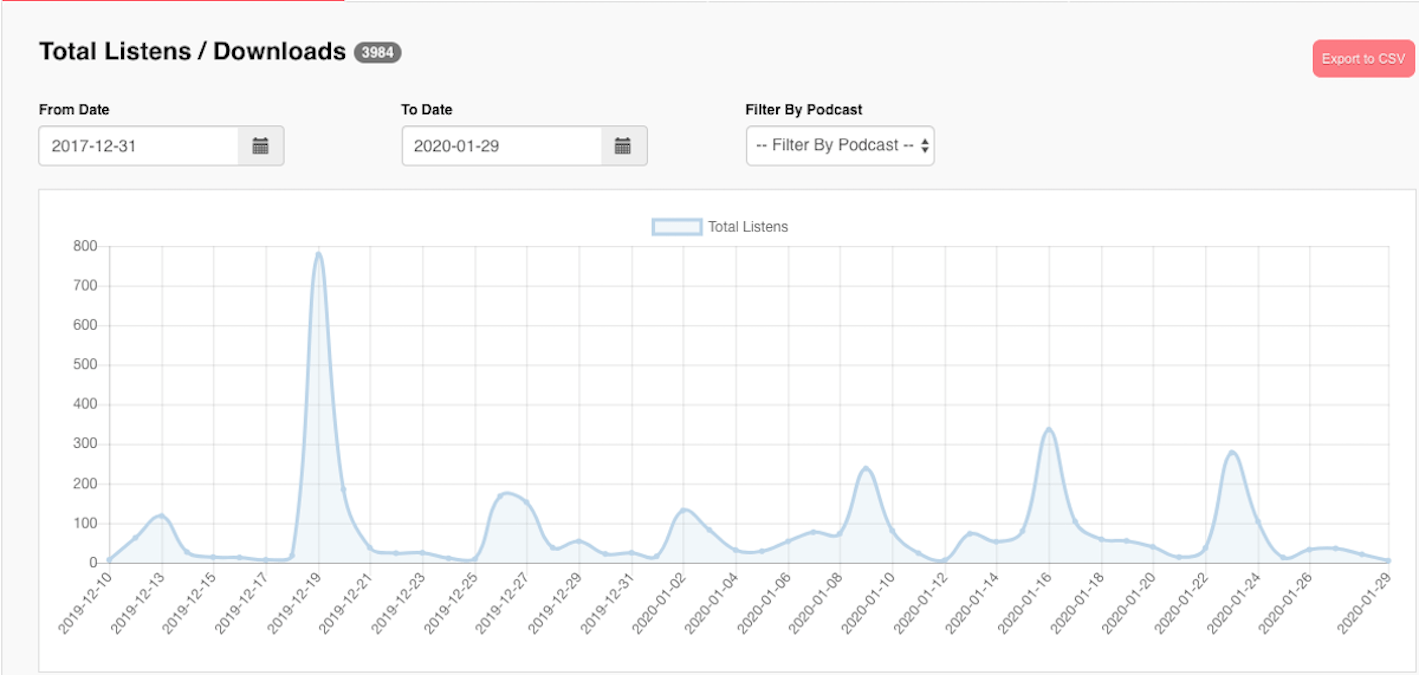
Early Results And Growth Strategy Looking Ahead
Audience was born to be an unfiltered, raw look at one brand’s quest to test the most popular podcast growth strategies. To stay true to our word, we’re looking back at our results to date and detailing what lies ahead. In the 10th episode, Early Results And Our Growth Strategy Looking Ahead, we’re diving into the important growth numbers to see how we’ve done. Growing a podcast takes diligence, strategic thinking, and an eagerness to keep at it. We’re currently not hitting our goal of at least 1,000 listens per episode but with these strategies, we hope to get there soon. Audience’s Podcast Format And Workflow In terms of the content mix, we’ve focused the format on monologues instead of interviews to start. This was because we wanted to cover a lot of technical and practical advice about podcasting. Our host, Craig, has years worth of podcasting experience to draw upon and we felt he was the perfect voice to get our listeners up to speed on podcasting basics. We also wanted to get into the groove of our show’s workflow and figure out how to fit this project into the overall work we’re doing at Castos. Audience is one part of our content strategy, so we needed to find the balance of producing the show alongside our larger projects. At episode ten, our workflow looks like this: At the start of the month, plan the topics of the upcoming four episodes Outline each episode’s script on the Monday the week of the episode’s release Record the episode on Tuesday and edit on Wednesday Write a blog post, show notes, and email blast on Wednesday after the episode is finalized. Generate a transcript of the episode using Castos’ automatic transcription feature. Publish the blog post, send the email, and promote the episode across social media on Thursday when the episode goes live We’re operating on a short timeline each week to allow for potential pivots if a more engaging content topic pops up unexpectedly. Outlining, recording, and editing an episode within one week may not work for most hosts but we’re getting our process down to a science. For hosts who are just starting out, we can’t stress enough how important it is to figure out your most efficient workflow from the start. This will help you create new episodes consistently and keep you from podfading. But now with nine episodes under our belt and the basics covered, we’re ready to transition more into the interview format. Future episodes promise to feature interviews with subject matter experts in key areas of podcasting. These expert interviews should prove to be “really good radio”, and we hope you enjoy them too. Audience’s Analytics To Date Here is where Audience differentiates itself from many of the other podcasts about podcasting. We’re transparently laying out our stats, including our successes and missteps. At the start, our goal was to generate 1,000 listens per episode. We started out on the right foot but we have some major room for improvement to get there. As of publication, we have 3,984 total downloads from our first nine episodes. With a few promotional tactics up our sleeve, we hope to increase the number of downloads to our back catalog and new episodes. Read on below for more color around how our audience is consuming Audience. Audience’s most popular episode Our most popular episode,
The 4 Best Paid Acquisition Channels To Grow Your Listenership
In this episode of Audience we talk through the 4 most common advertising platforms you can use to grow your podcast. While the quality of your content is, and likely will always be, King if you have the budget to amplify that already-awesome content with advertising it can be a really effective way to accelerate the growth of your show. In this episode we talk about the following ad platforms for your podcast: FacebookOvercastQuora and RedditOther podcasts But fair warning, good advertising will never make up for a lack of good content. We spent a few previous episodes talking about how to craft an interesting story, and not to follow your own narrative, and now that we’ve got a good idea of what good content is we can look to start amplifying that with ads. Resources Mentioned Overcast.fmFacebook AdsQuora Ads
8 Tips To Podcast More Efficiently
When it comes to creating great content everything starts with consistency. You’ve got to be able to publish episodes on schedule, week after week. And a big part of that is having a system to allow you to create those episodes easily over time, with spending just the minimum amount of time necessary, so you can spend the rest of your time on higher value (and higher leverage) activities, like connecting with your audience, promoting your podcast, and growing your brand. In this episode, we talk through the 8 tactics we use to create content for this show. Resources Mentioned CalendlyBook Like A BossGuest Email Template Episode Transcript Craig: 00:08 Hello and welcome back to audience. I’m Craig Hewitt, your host from Castos. If you’re new to the podcast, we’ve been talking the last few episodes about creating great content and how that’s really a cornerstone of growing your podcast organically. We’re going to talk a lot about promotional and marketing efforts for, for growing your audience a bit later in the podcast, but in this episode we’re going to really focus on how to efficiently and effectively create your podcast content. There’s a lot that goes into creating really great content and a lot of it is a stylistic and artistic and creative to be, to be honest, but a lot of it comes down to creating good systems and processes for how to go about creating that content. So putting some structure around how you create content will make you more effective and efficient with the time you’re spending creating your content for your podcast. And today we’re going to dive into a handful of tactics and strategies that we like to use in creating the content for audience that you can use as well. So let’s dive in. Craig: 01:11 The first thing that we liked to look at is the concept of working in series a. So a series of a podcast is typically a grouping of episodes anywhere from, I’ll say six to, I don’t know, 20 episodes, but it has a predefined scope, do it, and duration typically. Uh, the nice thing about this is it gives you that kind of mental and emotional break that you know, is coming, uh, podcasting and perpetuity forever. Every week can be daunting to a lot of people. So to know that, okay, I’m gonna record 12 episodes for the season, then we’re going to take a break for three weeks and we’re going to come back with another season that might be themed differently or have something, a different topic you’re going to talk about, gives you and your audience a nice, uh, potential like mental break from the day to day or week to week grind, honestly, uh, of creating a podcast every week. Craig: 01:59 Uh, for those of you who have a podcast already, I’m sure you’ve experienced this where you say, I would love to just take this week off. Uh, I think if you’re working in seasons and you know that you’re only creating 12 episodes of content, it might be a little easier for you to say, okay, I only have three more weeks, then I have three weeks off. It also lets you form your content into a really cohesive grouping because you have again, say 12 episodes to talk about a particular topic and your overall subject area. And I think that it does allow for better cohesiveness and the grouping of, of your episodes when you’re talking about a particular aspect of your topic. So think about working in seasons and the big thing here is to let your audience know that your podcast is go...

Effective Podcast Promotion Strategies
In this our 6th episode of the Audience podcast we dive into the tactics you can use to broaden your listenership through better promoting your podcast. Promoting your podcast comes down to finding new ways to reach prospective listeners outside of your existing audience circle. Effective podcast promotion starts with knowing your ideal listener and the places where you can connect with them, and then building the systems and practices to connect with people in those communities every time you publish a new episode. Resources Mentioned: Audience Persona WorksheetPodcast Promotion blog postYouTube RepublishingHeadliner AudiogramsPodcasting Directories To Submit Your Show ToEmail Marketing for Podcasters Episode Transcript Speaker 1 00:05 Welcome to audience. I’m your host Craig Hewitt from Castos. Here we uncover it the best tactics, strategies and plans you can use to grow your podcast from zero to a meaningful and impactful marketing asset for your brand. Here with audience, we’re using ourselves as kind of a crash test dummy to build a podcast from scratch, literally zero listeners just a month ago to a meaningful and impactful podcast and marketing tool for our brand Costos and today we’re going to be talking all about promotion of your podcast. We’ve covered a lot of the kind of nuts and bolts in the basis of what constitutes a good podcast here in the first six episodes. Covered a lot about storytelling and creating interesting and meaningful content that’s share worthy with your audience and other. We’ve covered that and the basics of how to get started. Podcasting and some of our first two episodes. We’re going to talk all about podcasts for promotion today. Speaker 1 01:08 If you do a quick search for how to podcast on Google, you’ll find a lot of content out there about how to get started and rightfully so. This is a big barrier for a lot of folks. You know what podcasting microphone to use. What the heck is an RSS feed, where to host your files, how to submit to places like Apple podcast and Spotify. But a lot of the resource out there really stopped there and, and don’t talk about how to promote your podcast and how to grow your audience. And that’s really what this show is all about. A bit of fair warning here. This is a super tactical and practical episode. So, uh, if you’re, if you’re on the go, uh, you’ll probably want to come back and catch the show notes for this episode. We also reference one of our blog posts in here. Speaker 1 01:50 That is a really good resource too. It’s going to give you a checklist of exactly how to, how we like to promote a podcast episode. We’re going to run through some of our favorite tactics and strategies, but first, I think from a very high level, it’s important to think about the two. We call them pillars of what makes a successful podcast. And the first is really high quality content. That’s the reason we spent two of our early interviews talking with subject matter experts in this field. The first talking about effective storytelling and creating that arc of a story that makes your podcast content interesting and people want to follow along with. And then we followed up with somebody who’s really an expert in kind of creating y...
Becoming A Content Leader with Srini Rao
Being a content leader (as opposed to a follower and copying what everyone else is doing) is scary, especially for first-time podcasters. In Audience’s episode 5, we’re taking a closer look at podcast content tips. But this “Blue Ocean” of content for your listeners creates an opportunity for you to explore what you really want to talk about on your podcast and creates for your audience that engaging, share-worthy material that they so desperately are looking for. In this episode, I sit down with Srini Rao from the Unmistakable Creative podcast to talk about how he’s followed the ethos of their podcast brand to talk to interesting people who are forging their own paths. In so doing he has built a large, and loyal, audience and their brand now includes a private social network, several courses, and a podcast library that is 700+ episodes strong. Resources Mentioned In This Episode Unmistakable CreativeAudience Of OneMighty NetworksSrini Rao on Twitter Episode Transcript Speaker 1 00:08 Hello and welcome back to audience, the podcast where you follow us as we build a podcast from scratch here. We’re early on a quest to find the best tactics and strategies to grow a podcast audience literally from zero to tens of thousands of listeners each episode. Today I’m joined by fellow podcaster Srini Rao from the unmistakable creative podcast. I really liked the conversation I had with Srini here because he talks about a lot of his kind of reason for creating content and the way that he creates it and a lot of the, the motivation behind the, the style he has with his content and where that’s going to driving his brand. I’ll let Srini talk a lot more about this in the episode, but wanted to continue this thread of what constitutes really good content. Uh, and our second interview here in the audience podcast because I think this is a real key driver of the organic growth side of your podcasts. Uh, we’ll experiment with a lot of different marketing tactics paid and organic, but I think creating really good content is the cornerstone of a lot of what makes our content shareable. And kind of go viral. So here to share more about kind of how he creates this kind of viral content that his audience obviously loves. Speaker 1 01:23 Would you mind kind of sharing with folks who aren’t familiar with you and you’re in your show, kind of what you guys are all about? Speaker 2 01:29 Yeah, I think that, you know, so it’s funny because Simon Sineck once told me that my why is that I am obsessed with people who are good at unusual things. And I think that if you look at the guests on unmistakable creative, that’s a pretty clear reflection of that. I mean our guests have ranged from bank robbers to drug dealers, to billionaires, you know, all sort of with this theme of, you know, unmistakable or something that they’re, you know, makes them very distinctive and interesting and fascinating. And I think the whole idea of creative is one of those things that I think we gave a very sort of broad definition to the word creative. And we did that on purpose because we wanted to make sure that our focus was interesting people. And I think that the problem is you nowadays, you see a lot of like early podcasts like, Oh, I want to get these like famous internet celebrities on my podcast cause they’re gonn...

Launch Day
In this episode of Audience, we cover the results of our launch day, talk about how we approached launching the podcast, and what some of the early analytics around the launch day episodes are. From here the fun (and hard) part starts, where we will begin growing the listenership of this podcast. A modest beginning of ~200 listeners in our inaugural episodes is a good starting point, but now comes the time to broaden the reach of this show to new listeners. Our early plans to grow this show include both organic social media platform growth (Facebook and Twitter for us), and then we will begin experimenting with different paid acquisition channels for the show. Episode Transcript Speaker 1 00:06 Hello and welcome back to audience, the podcast where you follow along as we build a real and impactful podcast audience from scratch. I’m your host Craig Hewitt from Castillo’s. Well, at this point, launch day has come and gone and we’ve learned a lot. In this episode we’re going to talk all about how we went about launching the podcast, some of the strategies and marketing tactics that you might use in launching your own podcast and some of the early results from our analytics to talk about how the launch went in those first few episodes. When it comes to launching a podcast. I think you really need to, to think about launching a podcast as you would any other product or initiative within a, within your business or brand or community. Uh, a podcast launch is, is a product in and of itself. And with that in mind, I think one of the first things that you think about is, is how you already reach your existing audience. Speaker 1 00:55 So we’ll assume that we have some kind of audience if we’re going to be starting a podcast, if you’re truly starting from scratch. I think a lot of the same principles apply here, but they’re a little bit of guesswork. Uh, and in the, I mean, the first thing we think about is how do we reach our existing audience already for us at , it’s been primarily through email, a little bit of social media and through our Facebook group called podcast hackers. So with that in mind, the things that you might think about as you’re looking to, to launch a podcast are how do you already connect with your existing audience, whether it’s again, for your, your business or for your local community, religious organization, your passion project or hobby. How do you already connect with the people in your world? For a lot of people, this is a, some kind of digital or virtual environment, emails, social media, online communities, things like that. Speaker 1 01:46 In person events always plays a big role in more local focused kind of, you know, brands and topics. So again, a religious organization, a sports community would be much more kind of geographically focused. And so in person events might play a bigger role here. Also things like networking events. Uh, if you’re really like in a B to B space from there, the choice of if you’re talking specifically about social media, I think the choice of social media platform plays a big role. Things like Twitter maybe are more lean more towards the technical crowd. Uh, things like startups and online business and things like that. Facebook is pretty ubiquitous. I think a lot of people hanging out on Facebook, um, whether we like Facebook or not these days. Um, Facebook as something that can apply to everybody in our view. Uh, and then things like Pinterest and Instagram are, you know, by their nature much more visually based and so are really good for things like travel and food bloggers and maybe more lifestyle brands. Speaker 1 02:47 Email marketing has been somewhere that, that we’ve always focused a lot just because it’s one of the very few things that you own and control almost entirely. Uh, if yo...

Crafting The Narrative
In this episode, we talk through what makes up a good story for your podcast, and why it’s an essential step in creating engaging and shareworthy content. These days creating the same content as the rest of the shows in your niche just isn’t good enough. We all need to be publishing 10x content that really stands out above and beyond what other shows are creating. To learn how the pros do this I sat down with Jared and Leah from Vancouver based Pressboard Media. Jared and Leah are experts at crafting a story around their topic, and helping their guests share those really interesting and insightful moments during interviews. During this episode we discuss: Why you can’t start out at a 10 when telling a storyHow to be vulnerable without seeming negativeWhy brands can tell just as good of a story as individualsHow to think about your competition (hint, it’s not often who you think it is)How to go about crafting a story arc for your episodes Episode Transcript Speaker 1 00:05 Hello and welcome back to audience. I’m Craig Hewitt, your host. This is the podcast where you follow the journey of one brand building their podcast audience from zero to a meaningful and impactful resource for their business. Today we’re talking all about storytelling. Storytelling is so important because it’s really what separates meaningful and engaging and dynamic content from everything else out there in the podcasting world. And today I’m joined by Leah and Jared from pressboard media. Speaker 2 00:35 We’re in the business of telling stories. Everything we do is about telling stories. And because we’re a storytelling company, we’re always looking for new ways to reach both our audience and help our clients reach their audiences. Speaker 1 00:48 Why talk about storytelling on a podcast about growing your podcast audience. You might ask, and that’s a fair question. And the reason is in this show we’re going to be exploring kind of all aspects of growing a listenership, uh, from paid advertising to content marketing, email marketing. But the core of it really is creating really excellent podcast content for your listeners. And storytelling is by far the best way to stand out from the crowd and really make your show different from everyone else out there. By sharing a narrative, building a story, and having an evolution of of your message over time, as podcasting gets more mature and frankly more competitive, we have to evolve the way we create content and the way we relate our message to our audience much in the way that the traditional marketing and advertising has changed over time. Jared Grimm from pressboard shares a analogy around this that I think will resonate with everybody. Speaker 3 01:55 So when you think of moving from a banner ad saying, Hey, we’ve got great shoes and those shoes are on sale and you should buy those shoes to try to tell the story, it’s quite a bit different. So it’s the different, you’re using different marketing muscles and instead of looking to things like, you know, banner ads and print ads for inspiration, you start looking towards things like movies and TV shows and books because that’s where screenwriters and authors have created a story arc. And so the biggest challenge I find in working with brands is, is taking them from a place of you can’t turn your magazine ad into a story. You need to take inspiration from maybe your foundational story of the company or your customer’s story. Uh, and that’s what you’re going to market rather than deals and destinations t...
Podcast Setup And Gear
Everyone’s favorite topic, and an important one here at the beginning of your podcasting journey is a podcast’s setup. If you’re new to recording high quality audio then sit down for a crash course in podcast setups. After this episode, you’ll be able to record the kind of sound that your audience will love listening to, and keep them coming back week after week. In this episode we discuss: Podcast microphone suggestionsAudio recording and editing softwarePodcast hosting providersWhat an RSS feed is and why it’s importantWhere we will be submitting our show for distribution Whether you’re new to podcasting or are a seasoned veteran we’d love to hear your experience with your own podcast setup. They’re really important as you’re getting started and then, fortunately, we can kind of “set it and forget it” when it comes to our podcasting gear and setup. Leave a comment below about your podcasting setup and what you’ve learned using it. Episode Transcript Speaker 1 00:04 This will arguably be a lot of folks favorite episode because here we’re going to be geeking out on gear and set up and the nuts and bolts really of how to start a podcast. This is the only time probably will talk about this because again, this is not the most important thing to get on an ongoing basis. You have to make this decision once, get the gear, get things set up, and then everything is just in place from then on so you can focus on what’s really important, which is creating interesting and compelling content for your audience and connecting with them and grow in your brand. Speaker 1 00:42 Welcome back to the audience podcast. I’m Craig Hewitt, your host, and here we’re going to be talking first about gear. A lot of folks favorite subject and for good reason. You don’t want to have a bad sounding podcast and this is an important thing to talk about as we’re getting started is you have to have a podcast that sounds good and is pleasing to your listeners. Podcasting is more and more competitive every day and now the minimum bar of audio quality is relatively high. The, you have to have a good sounding podcast that’s interesting and is is not kind of harsh for your listeners to listen to. You have to have something that sounds good. And really the first place that that starts is with a good podcasting microphone. We get pretty opinionated about podcasting and microphones here at Costos because we have a lot of experience on the post production side as well. Speaker 1 01:28 Cast us productions is a done for you service inside of our hosting platform that allows you to just upload the raw recording files like this. And then our team takes care of all the editing, mixing and production of your podcast after that so you don’t have to do any of this work in audacity or Hindenburg or Adobe audition. And with that we’ve seen a lot of really good sounding audio and we’ve seen a lot of really bad sounding audio and we’ve done a lot of pattern matching around what makes a good sounding podcast and what doesn’t and what makes a podcast that our audio engineers have trouble with and that ultimately people just aren’t happy with the results of. And so here’s the skinny on recording, a good sounding podcast. The microphone is the most important thing and the microphone that we recommend to almost everybody is the audio Technica ATR 2100. Speaker 1 02:14 If you’ve done any research about podcasting, you’ll see that this is the most recommended Mike by a lot of people. Um, it’s relatively inexpensive. It’s about $65 on Amazon right now and it plugs right into your computer so you don’t need any other kind o...

Why And For Whom We’re Podcasting
These two questions are so essential that we put them into this inaugural episode of Audience. If you don’t have a well thought out and defensible answer for: Why you’re podcastingWho you’re podcasting for Then stop everything else now and let’s figure this out. The answer to these two questions will guide almost all of the creative content decisions that you make with your show. Doing this will give you great alignment between the 3 pillars of a great podcast: what your audience is interested in, and specifically what your message is. Getting a high degree of alignment between these two will give your listeners the feeling that you’re talking DIRECTLY to them. Almost like you had that one person in mind when you created your show….probably because you did. Episode Transcript Speaker 1 00:04 Hi there and welcome to the first episode of the audience podcast. I’m your host Craig Hewitt from Castos. Here in the first episode we’re going to be talking through two of the really fundamental questions that we as podcasters or any kind of content creators really need to answer before we embark on a new kind of form of content they were going to be creating for our brand. And again, you know, from, from our trailer episode, we’re going to use the term brand a lot here because the audience podcast is about building a successful and meeting full podcast for your brand. And a brand can be anything from a business to kind of a side hustle, a church or religious group and a charity or just a hobby. Uh, so, so it’s not just for businesses, it’s not just for hobbyists, it’s the things we’re learning here. Speaker 1 00:49 And the principles apply to everyone. And the foundation of, of a good podcast that’s going to make an impact on your brand is, is something that, that reaches the right kind of people in the right way and delivers the right message to them. And so that’s what we’re going to cover here in this first episode or the questions that we have asked ourselves here at Castillo’s to kind of suss out why we’re here and why we’re doing this, who it’s for, and what we’re trying to achieve with recording and producing the audience podcast. Because there certainly are always other options that we all have in terms of what kind of content recreate and how we try to kind of further our brand and market our business or whatever. We write a lot of blog content, we have a YouTube channel that’s really active, but we feel that podcasting is really the best way that we can share what we’re learning and what we know with folks out there that are doing the same thing. Speaker 1 01:45 And I think for us, the, the consistency between the podcasting medium and talking about podcasting is really clear. But for other folks out there. Well, and I say that because you know, podcasting about podcasting is kind of meta, but we think that we’re showing in this podcast not just you know, that we can podcast and that it sounds good and then it’s highly produced it, you know, it’s obviously live in places like Apple podcasts and Spotify and all these things, but also, you know, the type of content that we’re creating here. So it’s, so it’s really both. We mentioned in the trailer episode that starting a podcast really is not that hard. It’s creating a successful podcast and one that has meaning and impact to your brand. That is really an achievement and something that a lot of people never get to. And so I think maybe it’s worth putting down some guardrails around what a successful podcast is. Speaker 1 02:38 And the answer is it’ll be different for everybody, but we’ll give some kind of maybe rules of thumbs or benchm...

Trailer
In this episode we set the stage for the Audience podcast. Here we talk through why we’re doing this show, what it’s aim is, and who the podcast is for. Through the course of this show we’re going to explore all of the ways to grow a podcast audience. From zero listeners through to what constitutes a successful and impactful podcast for our brand. Follow along as we share the best ideas and newest strategies around growing a podcast audience…real, unfiltered, and transparently.
Teaser
In this episode we set the stage for the Audience podcast. Here we talk through why we're doing this show, what it's aim is, and who the podcast is for. Through the course of this show we're going to explore all of the ways to grow a podcast audience. From zero listeners through to what constitutes a successful and impactful podcast for our brand. Follow along as we share the best ideas and newest strategies around growing a podcast audience...real, unfiltered, and transparently.
21 Podcast Recording Tips For Polished Episodes
Recording great audio takes some practice, but you can skip a lot of the trial-and-error with these podcast recording tips. No amount of editing will make terrible source audio sound great so practice these to-the-point strategies to capture clean podcast recordings from the start. The Top Podcast Recording Tips Great podcast recordings come down to the host’s ability to produce the right sound. These tips are all about creating the perfect recording environment and actionable techniques you can put to use every time you sit down to create an episode. 1. Use the right equipment You can record a podcast with your laptop’s microphone, but we don’t recommend it. You’ll need a few pieces of podcast equipment to record professional and clear audio. This is the easiest of all our podcast recording tips and it has the biggest impact on your audio quality. 2. Don’t forget to warm up To state the obvious, recording a podcast episodes requires a bit of talking. Rather than going into your session cold, warm up your mouth and vocal cords by practicing your script or saying a few tongue twisters. Properly warming up will improve your dictation and keep you from stumbling over words. There’s nothing better than delivering your points flawlessly the first time around. 3. Record in a small, quiet room Record episodes in the smallest and quietest room possible to reduce outside noise and echoes. Shut your windows and doors, turn off any machines or devices that make a constant noise, and put your pets somewhere they won’t disturb you for a couple hours. Fill your recording environment with soft items (couches, pillows, carpet, etc.) that absorb sound to muffle any errant noises. 4. Create a brief noise profile Pause for four or five seconds at the beginning of your recording to create a noise profile. Stay absolutely silent and eliminate all environmental noise. You can use this moment of silence during editing to identify and remove any background noise by following The Audacity To Podcast’s tutorial on removing noise using Audacity. 5. Adopt proper microphone techniques First, place your microphone at the same height as your mouth. Then sit a few inches back and have the pop filter between your mouth and the mic. Next, focus on your mouth’s distance from the microphone setup and adjust your body for the desired volume level. Remember, the closer you are the mic, the louder your voice will sound. While you can alter your voice’s volume level during post-production to keep it consistent, reduce your editing time by keeping your mouth the same distance from the mic while recording. Having the right microphone isn’t enough, you have to know how to use it. Watch our Podcast Like A Pro video tutorial on how to achieve the perfect mic technique! 6. Watch your volume levels As you keep your microphone distance consistent, you can monitor the volume levels while you record. Most recording softwares display your levels as a scale from green, yellow, to red. Keep your volume in the green section for your normal conversational tone and yellow secti...
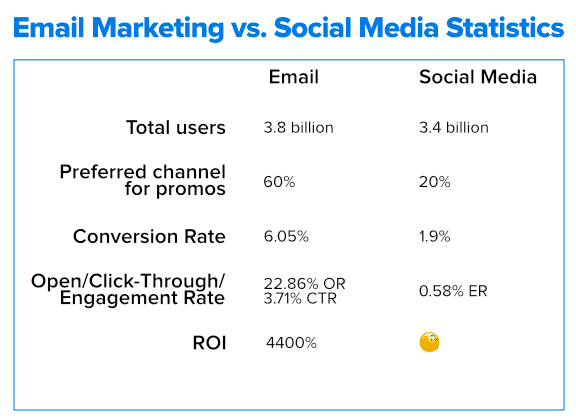
How Email Marketing Can Help You Grow Your Podcast
You're all set up with your microphone, headphones, and hosting software. You're creating awesome podcast content. People will listen to you because of that, right? Unfortunately, no. In the past year, podcasters have added 10.5 million new episodes to 150,000 new shows, bringing the total to 700,000 active podcasts with 29 million episodes. Competition is fierce, and you have your work cut out for you to compete with the best podcasts. But you can do it. And email can help. There are a few essential email marketing methods you need to get familiar with in order to actually see results. This article will give you a complete, step-by-step guide to how you can ensure your podcast succeeds with an effective email marketing strategy and tactics. But first, we'll dive into why this channel is important piece to your podcast marketing strategy. Why Email Marketing? It's simple. Email marketing works.Between $32 and $44 is made for every $1 spent on email marketing (depending on who you ask). 49% of consumers say they're happy to receive promotional emails from the companies they like at least once a week. To make matters even better, 73% of millennials say email is their preferred business communication platform, and it's the preferred platform compared to post, social media, texting, or phone calls: The majority of respondents preferred to receive B2C communications via email. There were 281.1 billion emails sent and received each day in 2018. By 2022, email experts anticipate that number to hit 333.2 billion. To stand out as a podcaster who effectively drives listeners and customers with email marketing, you have to do it well. How To Build An Email Marketing Strategy Email marketing has its own set of tactics and best practices that differentiate it from social media or paid advertising. Building a subscriber bases asks more from the user than just clicking on an ad. Ahead, we've laid out the essential steps to start building your list and effectively marketing your podcast. Step 1: Build an email list for your podcast Lead generation, or email list building, is often a full-time job for a marketer who provides professional marketing services. So you can do it all while creating great podcast content, here are...