Audience
198 episodes — Page 2 of 4
The Editor's View with Stephanie Fuccio
On this episode of the Audience podcast, Matt chats with Stephanie Fuccio, a multi-passionate creative who produces podcasts for herself and other creatives. She also writes about podcasts, and podcasting, and runs the Global Podcast Editors community. Today, Stephanie and Matt talk about their editing process, why Stephanie leans into newsletters, how to gain confidence on a big platform like podcasting, and the best way to talk with (and not at) your audience. Listen in to get some insight into Stephanie’s process and what she’s learned through her journey into podcasting. If you have any questions about this episode or want to get some of the resources we mentioned, head over to Castos.com/podcast. And as always, if you’re enjoying the show please share it with someone who you think would enjoy it as well. It is your continued support that will help us continue to help others. Thank you so much! Never miss another show by subscribing at castos.com/subscribe. Today you’ll learn about: Stephanie’s journey into podcasting How the community helps Stephanie grow as a creative What it means to ‘learn as you earn’ How to gain confidence as a podcaster Building a website for your podcast Promotion and growing your show Matt and Stephanie’s editing process Guest and host etiquette Podcast monetization Stephanie’s horror stories from editing other podcasts Resources/Links: Stephanie Fuccio: https://www.stephfuccio.com Castos Academy: https://academy.castos.com/ Castos, private podcast: https://academy.castos.com/privatepodcast/ Castos, website: https://castos.com/ Castos, YouTube: https://www.youtube.com/castos Clubhouse video: https://www.youtube.com/watch?v=8729ZpWpmIw ...
Discussing September Headlines
Matt and Stuart catch up with some headlines from the audio space If you have quesitons that you want answered on an episode, you can send a quesiton in audio or written form to [email protected] We're also working on a story about the use of stock media in podcasting. Do you use stock media for your projects? Do you make stock media for others to use? As a listener can you tell the difference between podcasts that use stock media versus those that have custom art? We want to hear from you. Reach out to Stuart at [email protected] Links Tom Webster talks about the future of podcasting. Ads are not the devil. https://www.sixpixels.com/articles/archives/tom-webster-on-the-future-of-podcasting-this-weeks-six-pixels-of-separation-podcast/ Podcast companies are buying millions of listens through auto-playing episodes populated in free mobile games. https://www.bloomberg.com/news/articles/2022-09-27/inside-podcasters-explosive-audience-growth Alby helps you earn Bitcoin/Sats as a podcaster. They are integrating the value4value methodolgy/tech into a dashboard for boostagrams. Engagement/metrics https://blog.getalby.com/saturn/ Spotify Now Offers Audiobooks https://newsroom.spotify.com/ What James Earl Jones and AI could mean for the future of audio https://www.vanityfair.com/hollywood/2022/09/darth-vaders-voice-emanated-from-war-torn-ukraine Podcasting can have real world impact. Adnan Syed has his murder conviction overturned https://www.npr.org/2022/09/19/1123926818/murder-conviction-is-overturned-for-adnan-syed-of-serial-podcast
Re-Air: Creating an Audio Experience with Eric Nuzum
**Do you use stock media for your creative projects? Are you a creator who makes stock media for others to use? As a listener can you tell the difference between stock media and something that has been commissioned? We want to hear from you! Reach out directly to Stuart: [email protected] We’re going back to our archives and listening to an episode from March of 2022. It features Eric Nuzum from Magnificent Noise. Technology is only good if it solves a problem. In the case of podcasting, it definitely does solve problems. It’s basically broken down all major barriers to access when it comes to creating and distributing your audio. But creating a good podcast is so much more than simply choosing the right microphones, the best software, and distributing an RSS Feed. To make a good podcast, you need to create an audio experience, ideally, an experience that is unique to your show. Eric Nuzum is an expert in doing that. At NPR he helped bring to life shows like the TED Radio Hour and has worked on bringing shows like ‘Fresh Air’ and ‘Wait Wait Don’t Tell Me!’ into podcasting. He was also vital in the creation of the critically acclaimed podcast, Invisibilia. Eric is the founder of Magnificent Noise, a podcast, audio, and creative consulting company. Links Magnificent Noise: maginifcintnoise.com The Ted Radio Hour: npr.org/podcasts/ted-radio-hour Invisibilia: npr.org/podcasts/invisibilia Where Should We Begin with Esther Perel: whereshouldwebegin.eshterperel.com Connect with Eric on LinkedIn: linkedin.com/ericnuzum Connect Stripe to Your Private Podcast: Castos and Stripe Integration Castos offers integrative tools to create revenue for your private podcast. View our blog and Matt’s YouTube Video
Owning and Earning a Platform with Sangeeta Pillai
Introduction: On this episode of the Audience podcast, Stuart is talking with Sangeeta Pillai from the award-winning Masala Podcast about what it is like to create a podcast that talks about taboo content. Sangeeta has important messages to share about diversity, feminism, and inclusion. She shares those messages today, as well as her experience winning multiple British Podcast Awards. Sangeeta talks about her journey into podcasting, what it is like to be backed by Spotify, and how podcasting should change. If you have any questions about this episode or want to get some of the resources we mentioned, head over to Castos.com/podcast. And as always, if you’re enjoying the show please share it with someone who you think would enjoy it as well. It is your continued support that will help us continue to help others. Thank you so much! Never miss another show by subscribing at castos.com/subscribe. Today you’ll learn about: What is the Masala Podcast and who is Sangeeta Pillai? Creating a podcast to inspire change Exploring a taboo subject in a constructive, positive way Bringing women of color into feminist conversations The organic evolution of the formatting of a podcast The importance of season breaks Promotion, marketing, and keeping creative control The experience of winning a British Podcast Award Supporting creators of color and from different backgrounds Resources/Links: Masala Podcast: https://www.soulsutras.co.uk/top-feminist-podcast-masalapodcast-mediakit/ Castos Academy: https://academy.castos.com/ Castos, private podcast: https://academy.castos.com/privatepodcast/ Castos, website: https://castos.com/ Castos, YouTube: https://www.youtube.com/castos Clubhouse video: https://www.youtube.com/watch?v=8729ZpWpmIw
Writing for Audio with Megan Bagala
Introduction: On this episode of the Audience podcast, Stuart talks with Megan Bagala about what it means to write for audio. Megan is a podcast producer, songwriter, musician, writer, actor, and renaissance woman. In addition to doing a bit of everything, she is also an expert in the topic of writing for audio, whether it be a musical, narrative, or chat show. She shares tips and advice from her experiences in order to help new podcasters, as well as veteran podcasters, look at their copy in a different light. Megan is currently working as the Senior Producer on Melon's House Party at Wondery. She is a proud participant of the 2021 Ready to Learn Podcast Accelerator from PBS KIDS, PRX, and the CPB. Her work can be heard on podcasts from Marvel Entertainment, Gimlet Media, America's Test Kitchen, and more. She's currently developing a middle-grade fiction series about music theory, and a YA fiction series about the ramifications of climate change. If you have any questions about this episode or want to get some of the resources we mentioned, head over to Castos.com/podcast. And as always, if you’re enjoying the show please share it with someone who you think would enjoy it as well. It is your continued support that will help us continue to help others. Thank you so much! Never miss another show by subscribing at castos.com/subscribe. Today you’ll learn about: Megan’s journey from her MFA in musical theater to podcasting Transferable skills in writing for audio What it means to write for the ear and not the eye You don’t always know the full story until after you’ve recorded it Tips for setting up your work and trusting your listener How Megan switches hats so smoothly Resources/Links: Megan Bagala: https://www.meganbagala.com/ Castos Academy: https://academy.castos.com/ Castos, private podcast:
3 Clips Re-Air: Nice Try with Avery Trufelman
On this episode, we dive back into our archives and an old episode of 3 Clips. This episode aired on January 17, 2022, and was hosted by Evo Terra. It was edited and produced by Stuart Barefoot For connoisseurs of podcasts, Avery Trufelman shouldn’t need much of an introduction. She’s worked on popular shows like 99% Invisible and its successful spinoff, Articles of Interest. More recently she teamed up with Vox and Curbed to create Nice Try! In season one of this investigative series, Avery explored failed attempts at creating Utopias. For season two titled Interior, she turned her attention to the home. Each episode dissects the history and the stories of household appliances and the role they play in our attempt to turn our homes into our own little fiefdoms. She joined Evo to discuss the making of Season 2 Episode 1 titled The Doorbell. Sow how does someone make an entire episode about a doorbell? Well, with breadth comes depth. LEARN MORE ABOUT CASTOS 3 Clips is a Castos Original Series. Castos provides tools for public and private podcasts and believes podcasters should own their turf to provide the best possible audience experience. Visit http://castos.com Inside the Episode Listen to full episodes of Nice Try! at podcasts.voxmedia.com Learn more about Avery’s work at her website averytrufelman.com This episode was produced by Stuart Barefoot @smallleaguestu Music was provided by Tyler Litwin About the Host Evo Terra has the dubious honor of releasing the 40th podcast… ever. Other notable podcasting elements from his past include authoring Podcasting For Dummies and Expert Podcasting Practices for Dummies, launching and running one of the first large podcast networks, building a successful strategic podcast consultancy, and is a celebrated keynote speaker on stages around the world. He’s also done a bunch of really, really weird stuff that Google still shows.
Centralized vs. Decentralized: The Space Between
On this episode of the Audience podcast, Matt and Stuart share their discussions with Juleyka Lantigua, Sam Sethi, and Skye Pillsbury about centralized and decentralized monetization and podcasting. Take a peek into these fun and informative conversations as they delve into the definitions of indie podcasting, what kind of conversation you should have with advertisers, and the best possible route for different podcasters. Should we welcome corporate overlords into our podcasts? Should we stay as indie podcasts? What are your goals as a podcaster? Are you looking for an easy path to monetization or are you looking for something else? If you have any questions about this episode or want to get some of the resources we mentioned, head over to Castos.com/podcast. And as always, if you’re enjoying the show please share it with someone who you think would enjoy it as well. It is your continued support that will help us continue to help others. Thank you so much! Never miss another show by subscribing at castos.com/subscribe. Today you’ll learn about: What it means to have centralized vs a decentralized podcast Downloads and advertising Clear expectations and communication with advertisers Interactivity for listeners: looking for the interesting conversation Which platform is going to give us the best technology for listener reach, advertising, and monetization What does it mean to have a “small” podcast or to be a “small” creator? Who is considered an indie creator? Resources/Links: Juleyka Lantigua Twitter: https://twitter.com/JuleykaLantigua Sam Sethi Twitter: https://twitter.com/samsethi?lang=en Skye Pillsbury Twitter: https://twitter.com/SkyePillsbury?ref_src=twsrc%5Egoogle%7Ctwcamp%5Eserp%7Ctwgr%5Eauthor Castos Academy: https://academy.castos.com/ Castos, private podcast: https://academy.castos.com/privatepodcast/ Castos, website: https://castos.com/ Castos, YouTube: https://www.youtube.com/castos Clubhouse video:
Centralized vs Decentralized: Value 4 Value
In this episode of Audience, you’ll hear Part II of our “Centralized vs. Decentralized” series. Matt and Stuart are joined by “The Podfather” himself, Adam Curry. Adam stops by to talk about protecting podcasting, and all those involved with creating podcast content. In addition to his many successes in podcasting, Adam is the Founder of PodcastIndex.Org, whose mission is to preserve, protect, and extend the open, independent podcasting ecosystem. Adam and Matt also discuss the “value 4 value” construct that allows payment to be distributed easily from listener/consumer to independent creators, including compensating smaller participants in the podcasting sphere such as the app designers. Adam also touches on topics like the network of small independent podcasting production companies that currently exist (like Castos.com) which form a perfectly distributed and decentralized network that protects content creators from being de-platformed completely. Thanks to Skye Pillsbury from The Squeeze podcast for the opening of this episode. You’ll hear more from Skye next time, as a guest for Part III, the final installment of our series, and she’ll be joined by guests Sam Sethi from Podland and Juleyka Lantigua from LWC Studios. Resources: Adam Curry Twitter No Agenda Podcast Podcasting 2.0 Podcast w Adam & Dave PodcastIndex.org The Squeeze Podcast Newsletter w Skye Pillsbury Juleyka Lantigua LinkedIn Julkeyka Lantigua on Twitter Podland Podcast Matt Medeiros LinkedIn Stuart Barefoot LinkedIn Audience Podcast
Centralized vs Decentralized: The Case for Discoverability
As podcasters (and creators in general) look for ways to generate more interest in their work, the method of distribtuion is sometimes being debated. So Matt and Stuart set out to ask podcasters of all stripes how they feel about centralized and decentralized distribution. In part one Matt talks to Tanner Campbell who advocates for a more centralized system. He tells Matt this could help solve for discoverability and could streamline monetezation tools for podcasters. Thanks to Juleyka Lantigua for our openeing. Stay tuned for more of her in part three of this series. Links Tanner on Twitter Juleyka Lantigua on Twitter tannerhelps.com castos.com
Realism in Audio Fiction
Some of the best, most diverse, and talented audio creators alive make their living creating audio fiction. Shows like Welcome to Nightvale, Limetown, and Alice isn’t Dead, just to name a few, weave complex story arcs, colorful characters, and of course, great production value for listeners. We’re all lucky these shows exist. Northwoods Baseball Sleep Radio is firmly in the realm of audio fiction. But unlike most audio fiction, there are no supernatural elements, heroes, villains, or any traditional story arc. In this podcast series, each episode is presented as a full-length minor league baseball broadcast. The teams, the players, the sponsors, all of it is made up. The catch? There is none. It’s just nine innings of fictional baseball. Created by a podcaster known only as Mr. King, Sleep Baseball is a work of fiction that feels very much like it’s a real broadcast. And if that seems boring, it’s the point. This “boring” show is resonating with listeners. Fans of the show support it through Patreon and merch sales. It’s even been written up in The New Yorker. In this episode, Stuart and “Mr. King” chat about the inspiration for making the show, the process of producing fake baseball broadcasts, and how listener support makes a project of this size financially viable. Links Full Episodes and Merch: sleepbaseball.com A piece on Sleep Baseball in the New Yorker: newyorker.com/culture/rabbit-holes/the-rapture-of-listening-to-a-fake-baseball-game Connect your Podcast to Stripe with Castos: castos.com/integrations/stripe/ ***Between the time of this recording and the publishing date, legendary baseball broadcaster Vin Scully passed away. Read more HERE
Discussing podcast industry headlines for July 2022
Stuart and Matt are back to discuss their top podcast industry news stories for the month of July. Acast continues to make the news from spamming podcast host customers like us at Castos, to purchasing Podchaser, the "only social media site for podcasters." Subscription podcasts are making a splash with Marc Maron jumping into the game of selling exclusive access content. Subscription podcasting will be on the rise as more and more creators adopt the method. Castos is proud to host British Podcast Awards, Bronze place winner the Masala Podcast! Send us your audio message! Email us [email protected] with the subject "Audience podcast" and we'll take your question or audio clip for the next espiode. Links mentioned https://podnews.net/press-release/acast-podchaser https://plus.acast.com/s/wtf-with-marc-maron-podcast https://www.soulsutras.co.uk/about-masala-podcast/ https://www.insiderintelligence.com/content/rising-podcast-listenership-draws-advertising-dollars https://twitter.com/marcoarment/status/1546852808049270786?s=20&t=bMUR9ZwMyr2CsfK28-BshQ
Coping with (creative) loss
Matt interviews Dr. Sherry Walling about her new book, Touching Two Worlds: A Gudie for Finding Hope in the Landscape of Loss. Dr. Sherry Walling is a clinical psychologist, speaker, podcaster, best-selling author, yoga teacher, and mental health advocate. Their discussion crosses into many different areas of creativity, life, entrepreneurship, and podcasting. The last few years have been tough on everyone -- this is an episode you don't want to miss! Links https://www.sherrywalling.com/about https://www.touchingtwoworlds.com/ https://twitter.com/sherrywalling https://castos.com/
Grant Funding a Podcast with Danielle Desir Corbett
Funding a podcast can be tricky. Unless you’re one of the top-rated podcasts, ads typically won’t generate all that much revenue. Paywalls are great under the right circumstances. But if you don’t already have a large following, they can be a barrier to your podcast being discovered. Enter grant funding. Yes, grants exist for podcasters, you just have to know where to find them. So Danielle Desir Corbet, founder of WOC Podcasters and host of The Thought Card Podcast, started ‘Grants for Creators’ a bi-weekly newsletter aimed at helping creators find grant funding for their projects. She chats with Stuart about what grants can do for a project and how to find the right one for your project. Resources Danielle’s Website: danielledesir.com/about/ NYT Story about Podcasting nytimes.com/2022/03/04/arts/indie-podcasts-fiasco-campside.html
3 Clips Re-Air: Bellwether
For this episode, we’ll go back into our Archives to listen to an episode of 3Clips. It features Sam Greenspan and their podcast of speculative journalism, Bellwether. Not only is Sam one of the best minds in radio and podcasting (and the masterpiece that is Bellwether reflects that) but they also were able to use crowdfunding to bring a project five years in the making to life. This episode first aired in February of 2022 and was hosted by Evo Terra and was produced and edited by Stuart Barefoot. Links 3clipspodcast.com bellwether.show castos.com/intergrations/stripe
In the News: White Noise Podcasts, Spotify’s Proclamation and More
Stuart and Matt gather to discuss a few stories from the world of audio. Pod Voices In light of the recent Supreme Court ruling that overturned Roe Vs. Wade podcasters are uniting to support women’s right and pro choice policies. If you’re a podcaster who feels called to speak out, Arielle Nissenblatt has a website for how podcasters can spread awareness and link to resources. podvoices.help White Noise in Podcasting Ashley Carmen from Bloomberg reports that some podcasters are making $18,000 per month by producing white noise. bloomberg.com/news/articles/2022-06-01/how-to-make-money-on-spotify-a-white-noise-podcast-could-bring-you-big-bucks From Edison Research Some insight into advertising and podcasting edisonresearch.com/how-many-shows-must-one-buy-to-reach-the-majority-of-podcast-listeners-in-the-u-s/ Headliner Strikes back at Descript: editeddy.com/signup Some Comments from Spotify Johan Seidefors talks about why he sees scripted podcasts as being a big part of podcasting’s future: https://twitter.com/RadiodaysEurope/status/1526508588268658688 More commentary from Spotify’s Investor Day 2022: https://newsroom.spotify.com/2022-06-08/investor-day-2022/ Indie Rock and Podcasting Singer Songwriter eef Barzelay also know as Clem Snide presents “A Life in Song”: https://linktr.ee/alifeinsong Matt Reviews the Rodecaster Pro II: castos.com/rodecaster-pro-2-review/
We Need Podcast Critics - with Keelin Peterson
Keelin Peterson runs the website Mentally a Magpie where she reviews podcasts. She joins Audience to discuss what she looks for in a podcast and how thoughtful, objective criticism can help podcasting. Links: Connect with Keelin mentallyamagpie.com @IAmKeelinIt Podcasts Mentioned goodniks.org 20k.org iheart.com/podcast/stuff-you-missed-in-history-cl-21124503/ theringer.com/gene-and-roger-podcast Castos castos.com/integrations/stripe
When Passion Meets Profession: How to fund a Project with Newt Schottelkotte
Newt Schottelkotte created their first audio drama in 2017 when they were only 15 years old. That led to the creation of Caldera Studios, a production company where Newt produces their work including their latest series, Where the Stars Fell. In this episode, Newt and Stuart discuss the creative process of making a fiction podcast, the need for budgets in audio drama, and strategies for crowdfunding. Links Castos and Stripe Integration Newt’s website Newt’s piece on Medium Caldera Studio’s Bandcamp Inkwyrm Podcast Where The Stars Fell Podcast Connect with Newt on Twitter Fable and Folly
Camp Monsters (Re-Air)
For brands and companies, incorporating podcasting into their content marketing strategy probably seems like a no-brainer. But doing it well? It’s more art than science, but REI at least has the “art” part of that down pretty well. Among their many podcast offerings is Camp Monsters. So we go to our archives and a previous episode of another Castos Original, 3 Clips. This episode first aired on November 1, 2021 and was hosted by Jay Acunzo and produced and edited by Stuart Barefoot. IT features Weston Davis and his show, produced by REI, Camp Monsters You can find the full episode here at: 3clipspodcast.com/camp-monsters-audio-as-a-visual-medium-ft-weston-davis/ For more Camp Monsters episodes: rei.com/blog/podcasts/camp-monsters For more on Castos: castos.com
Selling an audio book through a podcast
Matt and Jonathan get back together to give us an update on their “build in public” subscription podcast experiment. In their first episode, Matt pitched the idea to Jonathan as a way to add another revenue stream to his podcast efforts. It was a new concept to Jonathan, who still had to come up with a plan on what he would actually sell. Today, he’s back to share his ideas on selling an audiobook version of his printed book, and what other value he can deliver to his customers through subscription podcasts. Your Podcast Mentor Show with Jonathan Joneshttps://twitter.com/JonathanJSpeaksPrivate Podcasting Solutions | Castoshttps://youtube.com/castoshttps://twitter.com/castosHQ
From the Road to the Studio
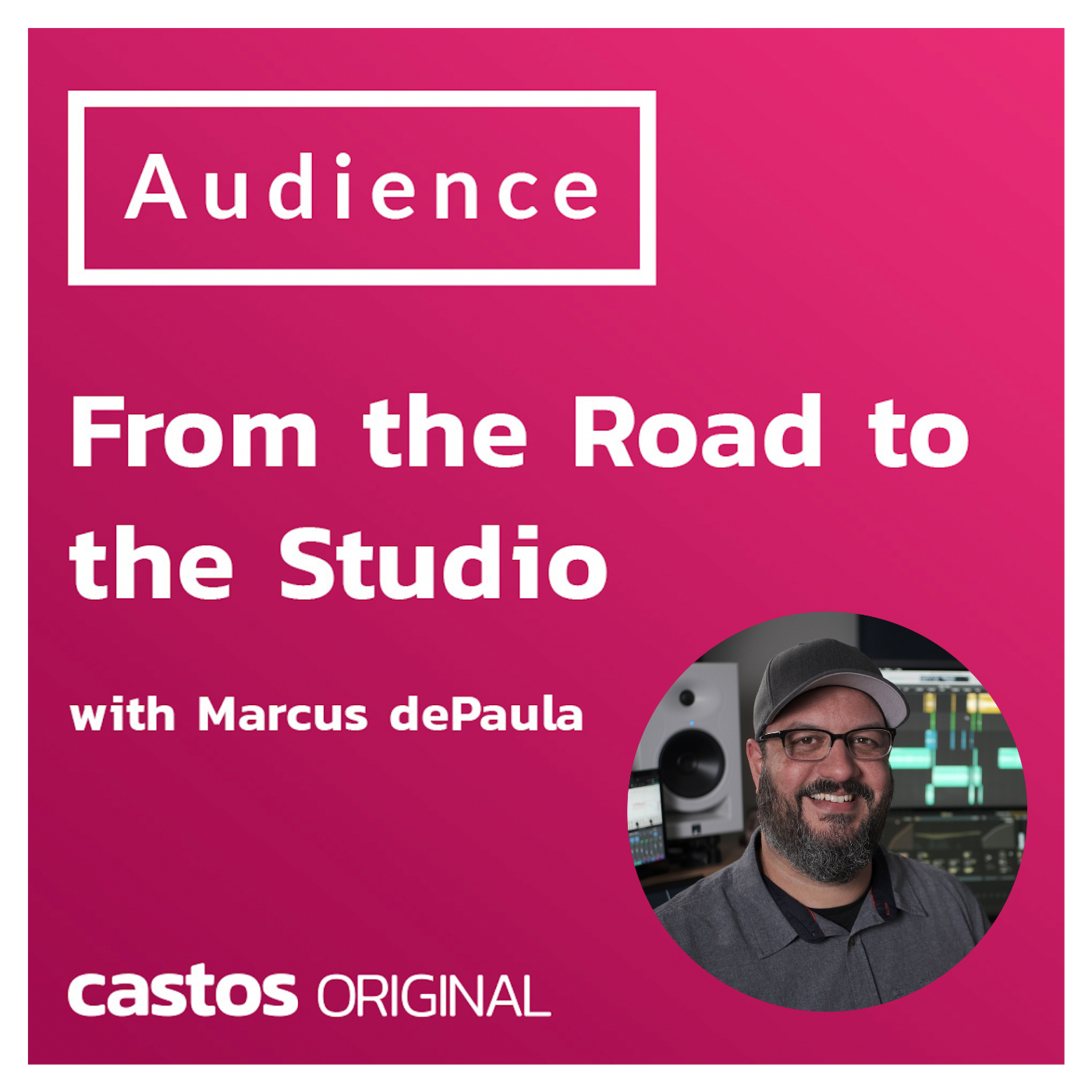
In his decades-long relationship with audio, Marcus dePaula has been a musician, a live audio engineer touring with bands and now he’s a podcast producer. Through his company “Me Only Louder” he works with business and creative professionals to make podcasts and website content. He also works with his wife at Mixtus Media to create websites He joins Audience to discuss his time on the road and how he gained the technical skills and the attention to detail that are crucial in making good podcasts. Links: meonlylouder.com stealtheshow.com/podcast allenclarkphotography.com/podcast Castos Private Podcasting
Facebook quits while podcast listenership on the rise
Stuart and Matt are back with some of the most impactful headlines in the podcasting space. Listen for a breakdown of how some of the big players in the space might impact your podcast. If you want us to cover a https://finance.yahoo.com/news/facebook-pulls-plug-podcast-business-184557380.html The company will stop creators adding podcasts to the service this week. They don’t plan to communicate the closure to Facebook users. https://www.edisonresearch.com/the-top-50-most-listened-to-podcasts-in-the-u-s-q1-2022 Top 50 shows in US https://www.edisonresearch.com/comedy-is-top-podcast-genre-in-u-s/ Top genres in US This is more interesting to talk about, especially in the sense of how competitive a genre might be or how much you have to invest in making a better show. https://podnews.net/press-release/podcasting-opportunities-nielsen-s-advertising-marketers Podcasting is attracting more new listeners than ever, according to new research. Over 50% of daily podcast listeners began listening in the last two years, says Nielsen’s Podcasting Today Report; which also says that the number of US listeners has grown by 40% in the past three years. The data suggests that podcast advertising drives an aided brand recall of 71%. “When everything else feels like its going down…it’s nice to see something going up” https://rephonic.com/blog/are-podcasts-getting-worse Podcast satisfaction peaked in 2016 and has since been declining steadily Listeners rate older podcasts significantly lower than newer podcasts But the average rating of new podcasts is slowly decreasing too Larger shows tend to be rated lower than smaller shows
Niche Podcasting and Learning to Love (work) Again
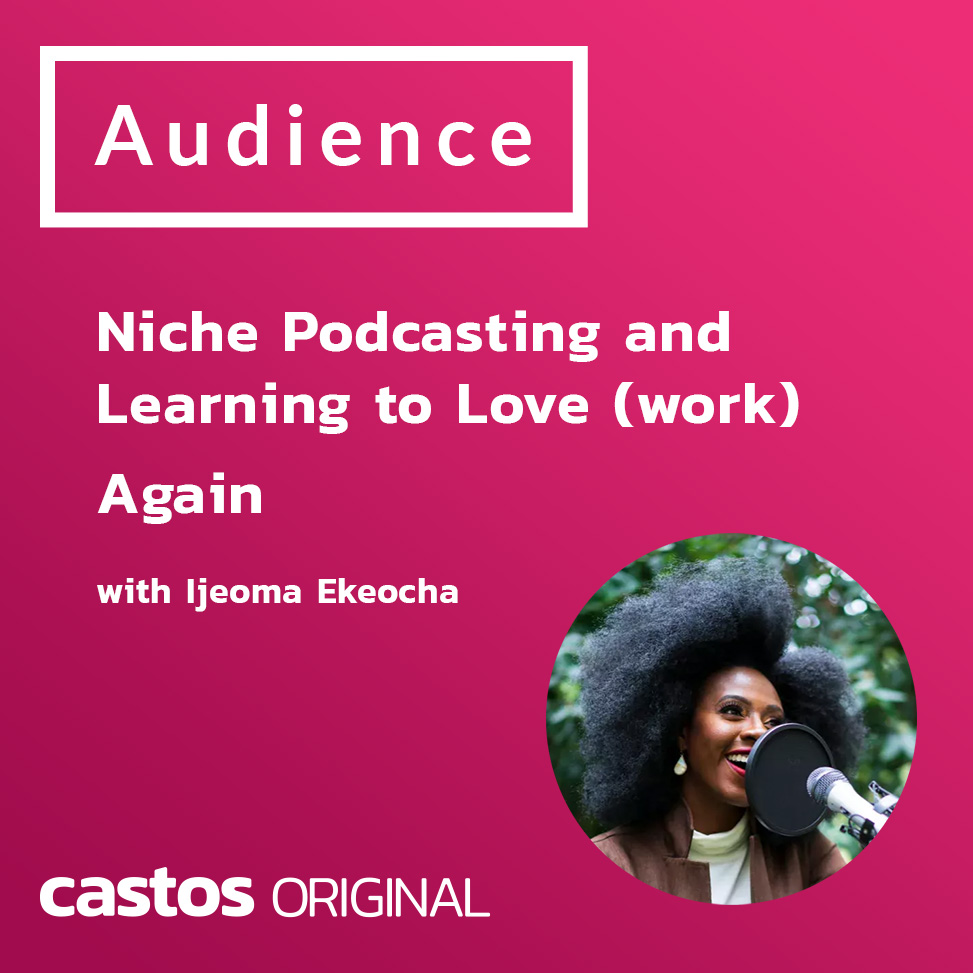
Ijeoma Ekeocha was over her job. A series of microaggressions and just blatant racism convinced Ijeoma, a talented Pharmacist and medical researcher, that she should quit. So she created a podcast hoping she could transition into doing that full time. She launched the podcast “Brownskin Stories” and things seemed to be going well. But then something happened. Podcast coach Nikaila Matthews convinced her to find even more of a niche. That’s when “Black Women Pharmacists” was created. Rather than quitting her Job, Ijeoma rediscovered her love for pharmacy and has created a community of dedicated followers, passive income and helps other black women navigate a complicated industry. Resources: Listen to Black Women Pharmacists Read Ijeoma’s GoodRX Article goodrx.com/hcp/pharmacists/how-racism-manifests-in-pharmacy Connect With Ijeoma on LinkedIn A Better Way to Monetize Your Podcast
Making a Living (3Clips)
On this episode of the Audience podcast, we’re diving into the archives to show you an older but important episode of the 3 Clips Podcast called, “Making a Living in Podcasting.” This episode was hosted by the 3 Clips original host, Jay Acunzo with business partners Kinsey Grant and Josh Kaplan as guests. 3 Clips is a show that focuses on the craft of podcasting. It showcases specific podcasts in each episode and breaks down their processes, three clips at a time. In this episode, Jay talks with Kinsey and Grant about what it takes to turn your podcasting passion into a successful career. Instead of dissecting their podcast and the process they use to create the show, Jay talks with them about their passion and career and how they’ve melded those things together. If you have any questions about this episode or want to get some of the resources we mentioned, head over to Castos.com/podcast. Interested in private podcasting? Check out Castos’ private podcasting service at https://academy.castos.com/private/. And as always, if you’re enjoying the show please share it with someone who you think would enjoy it as well. It is your continued support that will help us continue to help others. Thank you so much! Never miss another show by subscribing at castos.com/subscribe. Today you’ll learn about: Individual strengths and weaknesses as podcasters The myth of the solo creator The development of the Thinking is Cool podcast How they leveraged their brand for sponsorships Showcasing ad content and sponsors through various mediums (including podcasting) Finding a healthy balance between selling everything to being too discriminatory with ads Disagreements with partners Strengths and weaknesses as partners Vetting creative (behind the scenes) people and building a great team Self-worth as a podcaster and putting your ambitions into perspective The difference between a creator and an entrepreneur Resources/Links: Castos Integrations:
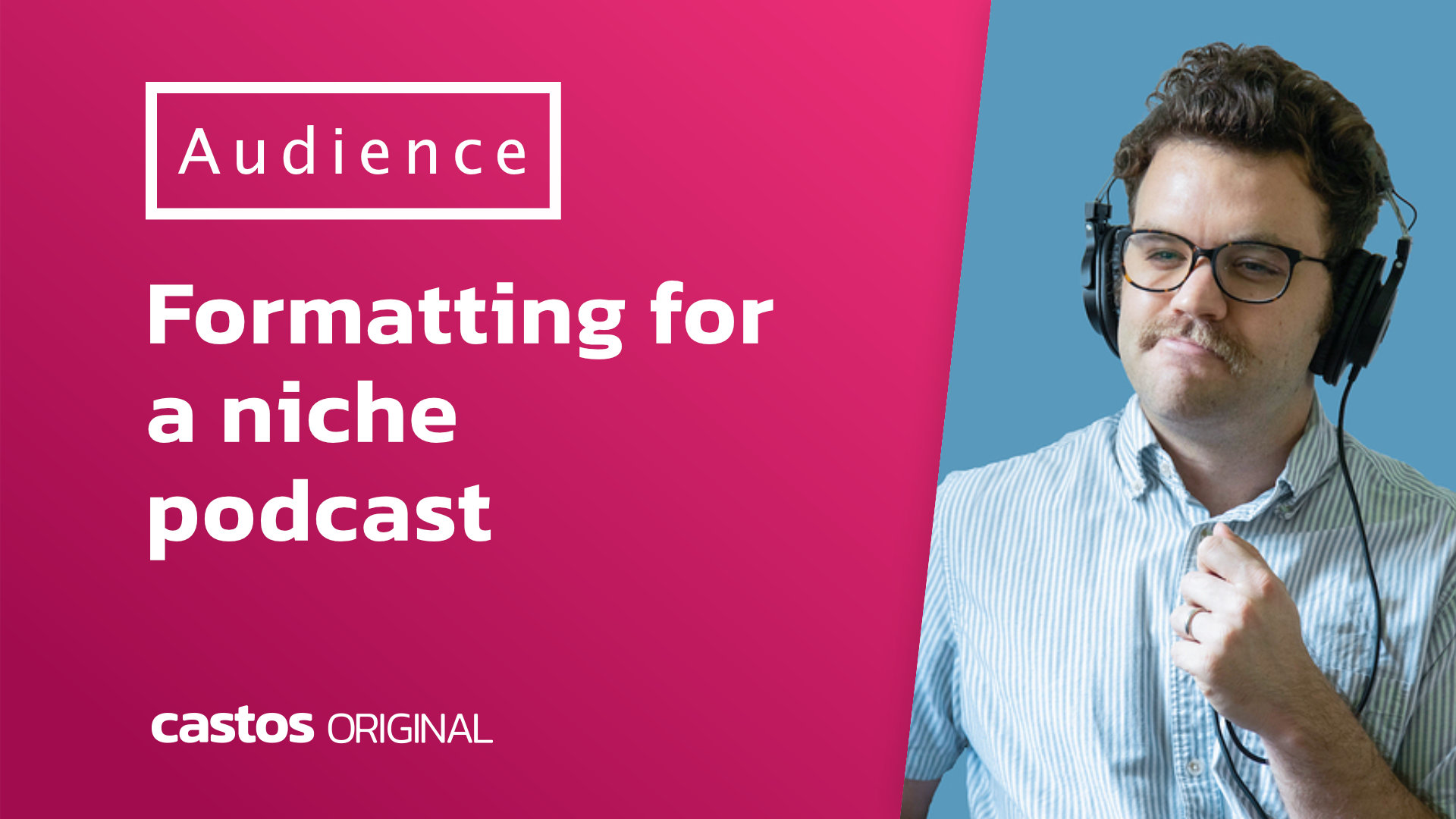
Formatting for a niche podcast
“No one ever says that we should stop publishing books.” is the thought that popped into Stuart’s head while he visited a bookstore in today’s episode. After returning, he and Matt chat about finding a niche for your podcast. With over 4 million podcasts published at podcastindex.org and 2 million+ in Apple’s directory, you might feel discouraged to make it in this medium. Don’t fret! Learn how you can niche down and persist through the launch phase of your podcast through he advice shared today. Learn more about subscription podcasting: https://castos.com/private-podcasting-solutions/ Erik Jones’ newsletter https://www.hurtyourbrain.com/
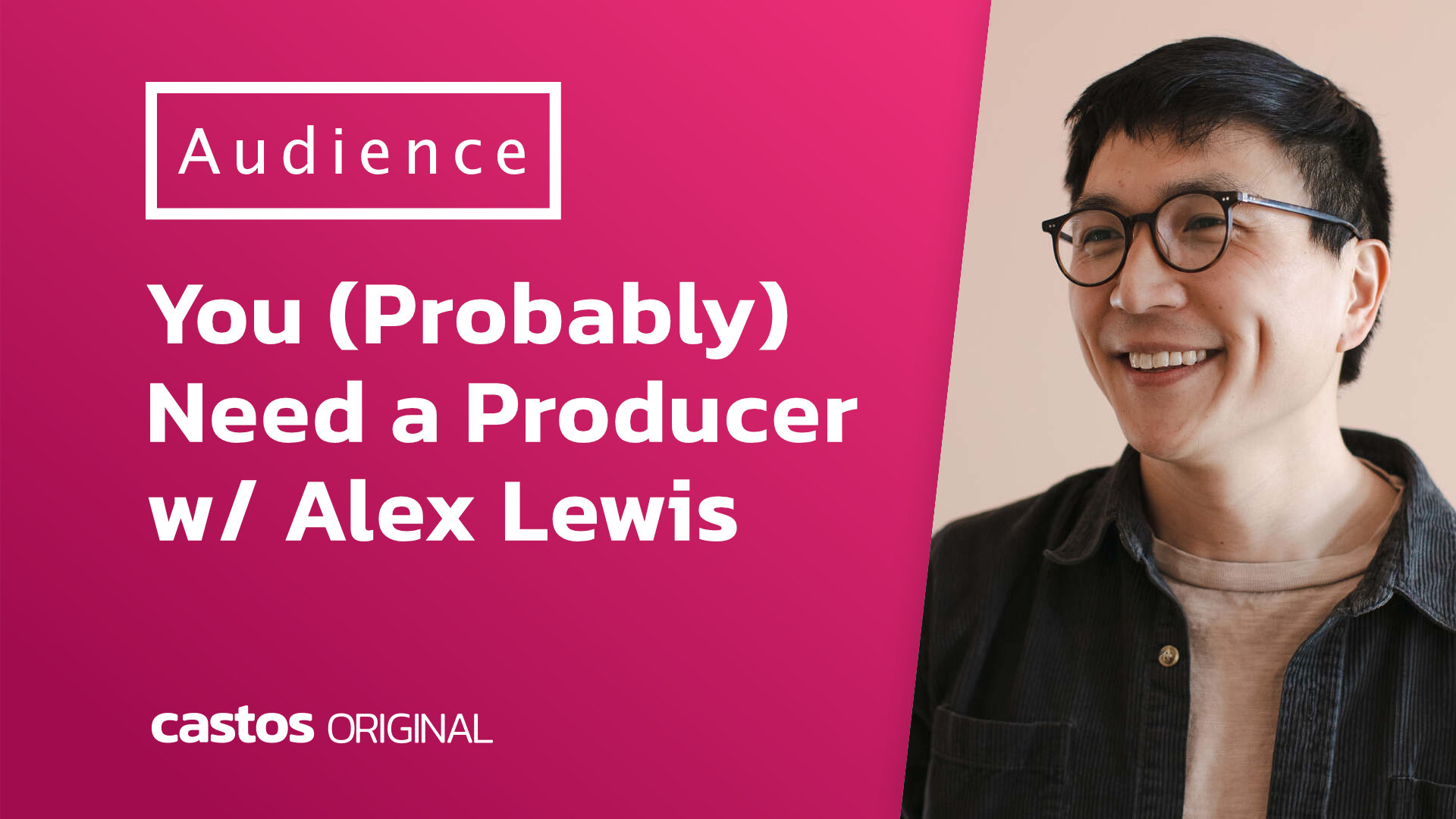
You (Probably) Need a Producer w/ Alex Lewis
What does a producer actually do anyway? Well, it varies from one project to the next but the best podcasts often utilize the services of a producer or multiple producers. So for this episode, Stuart chats with Alex Lewis, an audio producer and musician. Alex has been a radio and audio producer for more than a decade and has worked with NPR, the BBC and founded his own company, Rowhome Productions based in Philadelphia. For his work, Alex has received a National Edward R. Murrow Award and was nominated for a Peabody award as well. Links Rowhome Productions: rowhome.fm How’s Work?: gimletmedia.com/shows/hows-work Kanaval: xpnkanaval.org WATCH: Castos Subscription Based Podcasts
Building a subscription podcast in public w/ Jonathan Jones
Are you curious about subscription podcasting? Do you know what a private podcast is? Are you scared about jumping into private podcasting? On this episode of the Audience podcast, Jonathan Jones and Matt do a little experiment with subscription podcasting. Jonathan is going to build a subscription podcast (at Castos) in public, with Matt. Today they go through the initial brainstorming process as Jonathan submits his membership and audiobook ideas for his private podcast. Jonathan also talks about the process he went through when publishing both of his books, and he shares the story behind his latest book, Get Paid with Podcasting. If you have any questions about this episode or want to get some of the resources we mentioned, head over to Castos.com/podcast. And as always, if you’re enjoying the show please share it with someone who you think would enjoy it as well. It is your continued support that will help us continue to help others. Thank you so much! Never miss another show by subscribing at castos.com/subscribe. Today you’ll learn about: Jonathan’s apprehensions about private podcasting Uses for subscription podcasting: audiobooks and behind the scenes bonus material The story behind “Get Paid with Podcasting” Tips for writing and publishing a book Putting stock in your own success Jonathan’s initial idea for his private podcast Anticipating possible challenges with memberships Resources/Links: Your Podcast Mentor Show: https://www.yourpodcastmentorshow.com/ Breaking a podcast funk w/ Jonathan Jones: https://castos.com/podcast/breaking-a-podcast-funk-w-jonathan-jones/ Get Paid with Podcasting: A Blueprint For Speakers & Coaches On How to Start, Manage and Monetize Their Message Through Products and Services by Jonathan Jones: https://jonathanjonesspeaks.com/products [Type “30OFF” after you click purchase, for 30% off] JonathanSpeaks, Twitter: https://twitter.com/JonathanJSpeaks JonathanSpeaks, Instagram: https://www.instagram.c...
Starting a paid members-only podcast w/ Joe Casabona
Joe Casabona joins the Audience podcast today to talk about his journey as a podcast creator. Joe produces a mix of podcasts in the web, WordPress and podcasting space. Matt and Joe cover some of the ways you can monetize a public podcast. Including digital products, courses, memberships, ads and more. Joe has found balance in offering sponsorship spots on public podcasts, but also uses Castos private podcasts for his membership offerings. Creating a successful podcast requires a multi-channel approach. A solid website, a thoughtful podcast approach, and multiple ways of monetizing is a must. If you enjoyed today's episode, please share it on social media! https://casabona.org https://creatorcourses.com/ https://howibuilt.it/ https://twitter.com/casabona https://castos.com/private-podcasting-solutions/ Matt's private podcast webinar https://www.youtube.com/watch?v=iCCIP32sw1I
Planning and Producing a Great Interview Show
On this episode of the Audience podcast, Matt and Stuart talk about what it takes (behind the scenes) to make a great podcast, with examples from the 3 Clips podcast. They talk about best practices and their processes when it comes to booking guests, pre-interviews, monetization, and editing. Not only do they touch on a few newbie mistakes (and how to avoid them), they also talk about how to make your podcast better. Whether you’re a newbie or a veteran, everyone will find something to take away from today’s conversation. If you have any questions about this episode or want to get some of the resources we mentioned, head over to Castos.com/podcast. And as always, if you’re enjoying the show please share it with someone who you think would enjoy it as well. It is your continued support that will help us continue to help others. Thank you so much! Never miss another show by subscribing at castos.com/subscribe. Today you’ll learn about: 3 Clips podcast: featuring podcasts and their processes Booking guests: People’s time (yours and your guests) The importance of pre-interviews Building rapport Reaction during interview Avoiding one-word answers and rambling Working with producers Editing a podcast episode The perks of having seasons for your podcast Newbie mistakes: avoiding podcast burnout Monetizing your podcast Resources/Links: 3 Clips Podcast: https://3clipspodcast.com/ SavvyCal: https://savvycal.com/ Calendly: https://calendly.com/ “Creating an audio experience w/ Eric Nuzum”: https://audience.castos.com/episodes/creating-an-audio-experience-w-eric-nuzum Castos Survey: Castos.com/survey Castos Academy: https://academy.castos.com/
Steal this podcast listener survey!
Today I'm hoping you can share in the improvement of the Audience podcast by taking part in our survey. Head there now at https://castos.com/survey As you might know, Season 2 of our other podcast 3 Clips has come to close. That means Stuart will be joining us more regularly on Audience. We have some new concepts cooking for you, which I think you'll really enjoy. By visiting castos.com/survey you can help us understand what types of content you'd like us to produce. And hey, if that's not enough, you can always email us [email protected] and tell us what you'd like to hear. But wait, there's something in it for you as a podcaster! You've heard me say that feedback is important for your podcast and why not use a survey to do that? Even more so, how about using a free survey from a company that specializes in customer research? The survey I've put together is from a free survey framework provided by Edison Research. You can download their survey for free to use for your own podcast. Use all of the questions they provide or select the few that you think is most impactful for your podcast. I'll put the link in the show notes so you can grab it, too. That's what I did. I took some of their questions and added a few that are specific to Castos. Like, how do you plan on monetizing your podcast, if at all? By the way, if you'd like to learn more about selling your own subscription podcasts here at Castos, let's chat. Email [email protected] to book a time with me. Okay I think that's enough call to actions for now. Please take the survey at Castos.com/survey that's castos.com/survey to help improve this show.
Creating an audio experience w/ Eric Nuzum
Technology is only good if it solves a problem. In the case of podcasting it definitely does solve problems. It’s basically broken down all major barriers to access when it comes to creating and distributing your audio. But creating a good podcast is so much more than simply choosing the right microphones, the best software and distributing an RSS Feed. To make a good podcast, you need to create an audio experience, ideally an experience that is unique to your show. Eric Nuzum is an expert in doing that. At NPR he helped bring to life shows like the TED Radio Hour and has worked on bringing shows like ‘Fresh Air’ and ‘Wait Wait Don’t Tell Me!’ into podcasting. He was also vital in the creation of the critically acclaimed podcast, Invisibilia. Eric is the founder of Magnificent Noise, a podcast, audio and creative consulting company. Links Magnificent Noise : maginifcintnoise.com The Ted Radio Hour: npr.org/podcasts/ted-radio-hour Invisibilia: npr.org/podcasts/invisibilia Where Should We Begin with Esther Perel: whereshouldwebegin.eshterperel.com Connect with Eric on LinkedIn: linkedin.com/ericnuzum Connect Stripe to Your Private Podcast Castos offers integrative tools to create revenue for your private podcast. View our blog and Matt’s YouTube Video
Create your own subscription podcast w/ Stripe and Castos
Today I’d like to talk about creating your own subscription podcast without the middle man taking a cut of your revenue. Before we get too far down into the blueprint for monetizing your podcast, there are some hard requirements I’m mentioning in this episode: You must be okay with starting a free Stripe account. You’re using Castos to host your subscription podcast feed or feeds. Bonus: If you want to make other automation magic happen, I also recommend a free Zapier account. Why start a subscription podcast over advertising? What’s your knee-jerk reaction when you hear that the average podcast ad rates are $25 per 1,000 downloads? If you’re like most of us, your podcast is barely hitting 500 downloads per episode — you can’t even buy a cup of coffee let alone that new Porsche. Most advertisers are looking for the largest audience possible, not the most valuable audience possible. That’s a topic for a different podcast. When it comes to earning revenue, if you’re a brand new podcaster or a veteran with a niche audience, going by industry standard advertising isn’t going to make us rich. Then there’s the quality and experience factor. Don’t get me started on automated ad insertion from larger ad networks or other podcast hosting companies. Not only are we giving up control of the ad quality, it’s an abrasive experience for the listener. A 2020 report from Nielsen shows that host-read ads perform better anyway. Host-Read Podcast Ads Pack a Brand Recall Punch – Nielsen If you’re going to do ads, you might as well sell them direct and read them on your own show. Again, different podcast episode for a different day. Subscription podcasts at Castos vs the world I rarely thank Apple for much in podcasting these days, but I am thankful that this 2.6 Trillion-dollar company decided to compete with us. Crazy right? We’re going through another defining moment for content creators. Just like Facebook and others encroached on our blog traffic, big audio businesses are doing the same to our podcasts. Apple offers subscription podcasts through their platform at a 30% cut + a $29 annual fee. The kicker? You have to manage your podcast on their website. The content is only available to listeners using Apple podcast app. As a creator, you’re suffocating your total possible reach. Apple is making my case for me. Subscriptions at Castos We don’t take a 30% cut. Each podcast hosting plan has a set of private subscribers. You can create as many private subscription podcasts as you want. Listeners can access the content on Apple or Google devices, using our free Castos mobile app or their favorite podcast app. Let’s get back to that tug of war for your content: We’re building a subscription podcast system that podcasters will love. While Apple and others want you to exist exclusively in their platform, with their fees, and their algorithm — Castos is building a subscription platform that allows you to be anywhere & everywhere. What type of subscription podcasts work best? Here’s the thing: there are no rules; monetize as you see fit. Want to run ads + have a premium subscription podcast? Go for it. I say however you can monetize your show is good enough for me. It’s a lot of work to get to where you are...
Researching & Producing a narrated podcast with Paulina Salmas
On this episode of the Audience podcast, Matt interviews Paulina Salmas from An Eyesore and a Plague podcast. Paulina talks about how Twitter Spaces has changed podcasting and what it’s like to write and perform a scripted non-fiction podcast. Their discussion goes from podcasting to the definition of a village, to Wurlitzer keyboards. Paulina’s passion for history and how things work fuels her podcast and hobbies and it shows in her enthusiasm for the topics. She is a wealth of information when it comes to podcasting, marketing, Wurlitzer keyboards, and urban geography. If you have any questions about this episode or want to get some of the resources we mentioned, head over to Castos.com/podcast. And as always, if you’re enjoying the show please share it with someone who you think would enjoy it as well. It is your continued support that will help us continue to help others. Thank you so much! Never miss another show by subscribing at castos.com/subscribe. Today you’ll learn about: Twitter Spaces and podcasting What is An Eyesore and a Plague all about? The scripted non-fiction genre and the editing/revision process Why Paulina started her podcast Paulina’s goals for the podcast Monetization: local versus national Research, passion, and appreciation for the topic of your podcast The story behind Tropical Fish A possible Wurlitzer and Gibson Jukebox podcast?! Resources/Links: An Eyesore And A Plague: https://www.aneyesoreandaplague.com/ Eyesore Plague Instagram: https://www.instagram.com/eyesoreplague/ Eyesore Plague Twitter: https://twitter.com/EyesorePlague Paulina Salmas Twitter: https://twitter.com/paulinasalmas Tropical Fish Vintage: https://www.tropicalfishvintage.com/ Castos Academy: https://academy.castos.com/
6 Ways to be a better podcast guest
Chances are, if you're listening to this episode, you produce a podcast. There's a 90% chance that podcast is an interview show. There's a 50% chance you've had a guest on said show that made you exhale a gigantic w-t-f was that when the conversation stopped. We've all had that guest. They sounded good on paper, but when you hit record, the whole vibe fell flat. So, the mission for today: share this episode with your potential guest. Because, dear guest, my friend the podcaster here wants the best show possible. Here are 6 ways to be a better podcast guest. Number 1: Do some research Spend some time researching the podcast you're going to be on. Listen to an episode that catches your eye. Read the show notes from the guest interview before you. Heck, download the transcripts and breeze through how our podcaster frames questions. Anything is better than nothing at all. Especially if you were one of those guests that used a booking agency to get you on the show. Number 2: Bring the energy but not too much Be excited to share your story or lesson or moment. You don't have to over emphasize everything, or even feel like you're putting on a performance. Working off of the energy of the host is key, match them to where they are in _their_ performance. We don't want answers to silently fade out. It's like eating the empty calories of a bagel. I'll probably get some hate mail for that, but the idea is to deliver on your promise. We're all sharing this precious time together. Number 3: Say no to AirPods Never. Use. Airpods. On. A. Podcast. Interview. Ever. If you plan on appearing across more podcasts, which by the way is great for your brand, invest in a decent USB microphone. The Samson Q2u is a great 60-80 microphone that plugs in via USB. Number 4: Good lighting for video Look, I won't tell you to invest in a Mirrorless camera that plugs into usb through a HDMI converter or has native USB-C streaming support, just check your lighting. You might be anchored to your laptop webcam or one fixed to the center of an iMac, and that's okay, just make sure we can see you. Not too dark, not blown out, play with the lighting in your room if our podcaster is indeed using video. Bonus points: Buy a USB webcam and a cheap desktop monopod mount to find the best permanent angle. And why not? We're all on web calls these days. Number 5: Value Stick to delivering value for the audience. Give them your best stuff, not your best backstory. Even if our friendly podcaster isn't doing their job to will it out of you, just know, that's what the audience wants. Your expert opinion, action, or take on the subject matter they are there for. And FYI, I'm strictly thinking about the typical b2b interview show here. Other genre's of shows might require a different softskill or emotion. Your mileage may vary. Bonus number 6: A call to action Hey, you're in this for you too right? Have a solid call to action. Where can you send people after you appear on a podcast? Can you give them more information? A way to connect? A place to learn more about you or your brand. Come equipped with a URL or a download to extend the relationship. Its best for everyone. I could go on with more tips and tricks to be a better guest, but these six ideas lay a solid foundation that put you on the path to being a better guest on a podcast -- especially if this is your first time. Back to you podcaster: want to make sure this gets across to your guest? Aside from sharing this episode with them, start scheduling pre-interviews. It's like stretching before a 3 mile run. You'll be better off you did! Okay, it's outro time.
Bob Ross: Finding inspiration from Different Mediums
What can a soft-spoken painter teach us about podcasting? In this episode of the Audience podcast, Stuart talks about what we can learn from painting legend Bob Ross. While this beloved artist may have passed away nearly thirty years ago, he is still in the heads and hearts of many people today. Stuart talks with Doug Blandy, professor emeritus at the University of Oregon, who has done a lot of work around Bob Ross and his legacy. From books to documentaries, Doug is a Bob Ross expert. Stuart and Doug offer up five lessons that Bob Ross has taught us, which transcend from painting to podcasting. If you have any questions about this episode or want to get some of the resources we mentioned, head over to Castos.com/podcast. And as always, if you’re enjoying the show please share it with someone who you think would enjoy it as well. It is your continued support that will help us continue to help others. Thank you so much! Never miss another show by subscribing at castos.com/subscribe. Today you’ll learn about: Looking outside our medium for inspiration It’s the presentation that matters Creating a workflow Knowing your subject matter: research, practice, experience, and scripts Giving you and your team time to breathe and create (and avoid burnout) Leveraging a medium Building your brand through a medium Nailing down a format Understand what your podcast is and what it isn’t Being genuine Sharing knowledge Resources/Links: Happy Clouds, Happy Trees: The Bob Ross Phenomenon: https://www.amazon.com/Happy-Clouds-Trees-Ross-Phenomenon/dp/1617039950 WTF with Marc Maron: https://www.wtfpod.com/ Serial: https://serialpodcast.org/ Make Noise: A Creator's Guide to Podcasting and Great Audio Storytelling by Eric Nuzum: https://www.amazon.com/Make-Noise-Creators-Podcasting-Storytelling/dp/1523504552 Castos Academy:
Podcast 2.0 app Fountain.fm with Oscar Merry
Is Bitcoin an option for podcasters? What should you be doing right now when it comes to monetizing your podcast? On this episode of the Audience podcast, Matt is talking with Oscar Merry from Fountain. Fountain is an app that allows podcasters to share podcast clips with potential listeners and it allows listeners to support their favorite creators with Bitcoin. Cryptocurrency isn’t just in the future of podcasting, it’s in the present as well. Today Oscar talks about Fountain (what they do and how they work with podcasters and listeners), and he educates us on Bitcoin and how cryptocurrency operates. Should you be looking into Bitcoin? How can Fountain help you with your podcast? When should you start thinking about cryptocurrency? If you have any questions about this episode or want to get some of the resources we mentioned, head over to Castos.com/podcast. And as always, if you’re enjoying the show please share it with someone who you think would enjoy it as well. It is your continued support that will help us continue to help others. Thank you so much! Never miss another show by subscribing at castos.com/subscribe. Today you’ll learn about: What is Fountain.fm? Bitcoin crash course and the different layers of Bitcoin Satoshis (SATs) Lightning (Lightning Network) The future of Bitcoin and podcasting How Fountain works for podcasters and podcast listeners Different ways to support your favorite podcasts via cryptocurrency The dynamic interaction between podcasts and listeners Boostagrams and Podcasting 2.0 Podcast monetization now and monetization in the future Fountain’s goals for the future Resources/Links: Fountain Podcasts: https://www.fountain.fm/ Oscar’s email: [email protected] Oscar on Twitter: https://twitter.com/merryoscar Boostagram Video: https://www.youtube.com/watch?v=6mKGBtEiq1E ...
3 Clips Season 2: How to start a war
Do you know how WWII started? How do you incorporate narrative elements into a nonfiction podcast? In what ways can you weave in various sound elements to heighten the podcasting experience for your listeners? These questions (and more) are answered by Evo Terra (from the 3 Clips podcast) and Michael Trapani (from the How to Start a War podcast). Today’s Audience episode is actually the first episode from the second season of the 3 Clips podcast. In it, host Evo Terra talks with his guest, Michael Trapani about what it takes to put together an effective, powerful, and impactful narrative non-fiction podcast. If you have any questions about this episode or want to get some of the resources we mentioned, head over to Castos.com/podcast. And as always, if you’re enjoying the show please share it with someone who you think would enjoy it as well. It is your continued support that will help us continue to help others. Thank you so much! Never miss another show by subscribing at castos.com/subscribe. Today you’ll learn about: Why Michael chose podcasting over other forms of media The importance of research and writing Leveraging the audio for a podcast Emphasizing speech cadence over attempting various accents for voice acting How sound elements can heighten the listener experience Narrative podcast styles with a nonfiction topic How Michael’s opinions have changed from the beginning to end of the project Resources/Links: 3 Clips Podcast: https://3clipspodcast.com/ How to Start a War Podcast: https://www.howtostartawar.com/ How to Start a War, Instagram: https://www.instagram.com/howtostartawarpod/ Podcast Pontifications: https://podcastpontifications.com/ Evo Terra, Twitter: https://twitter.com/evoterra War of the Worlds radio broadcast: https://www.youtube.com/watch?v=Xs0K4ApWl4g
How to hit the podcast reset button
Do you have more than one podcast? Have you been reconsidering your podcast goals? How do you continue to innovate (and want to innovate) when you’ve been podcasting for so long? On this episode of the Audience podcast, Matt and Craig talk about what you can do to hit the reset button on your podcast. Whether you’ve been hosting the same podcast for years or if you’ve been running two or more podcasts, burnout can feel inevitable. Today, Matt and Craig talk about what you can do to avoid burnout, continue to stay fresh in the minds of your listeners, and how to keep up with the ever-evolving podcasting industry. They have a plethora of information to keep your show engaging and to keep yourself energetic about your content, from using your competition, to changing up your format, and building a community. If you have any questions about this episode or want to get some of the resources we mentioned, head over to Castos.com/podcast. And as always, if you’re enjoying the show please share it with someone who you think would enjoy it as well. It is your continued support that will help us continue to help others. Thank you so much! Never miss another show by subscribing at castos.com/subscribe. Today you’ll learn about: Long-term podcasting and how the industry has changed How to avoid being “stuck in your ways” and feeling out of touch The importance of and how to evaluate your podcasting format How to use your competition to innovate your own podcast Utilizing the “season” format Let the audience guide what you do Social audio and other means of creating content Adopting new technologies and following the trends alongside the younger generation When is it okay to kill or end a show? What successful shows have in common: a community Using your podcast as a platform for others Resources/Links: “Social Audio: Clubhouse vs Twitter Spaces” episode: https://castos.com/podcast/social-audio/ “The Key To Starting A Podcast Network With Jeff Umbro From Podglomerate” episode: https://castos.com/podcast/podcast-network/ 3 Clips Podcast: https://3clipspodcast.com/ Castos Academy:
Jonathan Jones: From public speaker to podcaster
On this episode of the Audience podcast, Matt talks with Jonathan Jones from the Your Podcast Mentor Show. Today they’re talking about how Jonathan went from public speaker to podcaster and how he utilizes YouTube and his skills as a speaker to grow his audience. Jonathan also talks about where you can find your first speaking gig, how he is leaning into YouTube shorts, and how he connects and engages with his audience. Jonathan Jones is a fountain of knowledge when it comes to podcasting, speaking, and engagement. Do you feel burnt-out? Are you going through a podcasting slump? Unsure about what direction to go in your new podcast? Whenever you are feeling discouraged, just remember: there is still a lot of season left. If you have any questions about this episode or want to get some of the resources we mentioned, head over to Castos.com/podcast. And as always, if you’re enjoying the show please share it with someone who you think would enjoy it as well. It is your continued support that will help us continue to help others. Thank you so much! Never miss another show by subscribing at castos.com/subscribe. Today you’ll learn about: Jonathan’s journey into podcasting How to get positive reinforcement throughout the long game The first step to monetization: take the time The business of speaking “virtually” Using YouTube for your podcast Avoiding burn-out as a creator Content calendars and “scheduling” content Utilizing Goodpods and other platforms Resources/Links: Jonathan Jones, website: https://jonathanjonesspeaks.com/ “How to Handle a Podcast Funk: Ep #17”: https://youtu.be/ye9MX2w707w Your Podcast Mentor Show, website: https://www.yourpodcastmentorshow.com/ Get Paid with Podcasting: https://www.getpaidwithpodcasting.com/webinar-registration1631562347516 Your Podcast Mentor Show, Instagram: https://www.insta...
Less is more: How long should an episode be?
How long should a podcast episode be? Do longer episodes have more useful content than shorter ones? Do short episodes cut out all the unnecessary chatter? Making a podcast is more of an art than a science. There’s no magical format that will get you downloads; there is only the format that works for you. For most people, that means they’ll have an awkward trial and error period. To make that period a little less awkward, Stuart brings on a podcaster to share one format that has worked well. On this episode of the Audience podcast, Stuart talks with Mandy Lehto (from Enough, the Podcast) about episode length, the importance of making every second count, pulling Jenga blocks, and how to effectively use narration. She talks about why she creates Enough, the Podcast and what her goals are. With longer episodes, information can get lost in all of the minutes that tick by. But shorter episodes can feel distant. As podcasters, we want to connect with our audience and sometimes that can’t be done with short episodes. So what is a podcaster to do? After all, sometimes you don’t know what the episode is until you record it. If you have any questions about this episode or want to get some of the resources we mentioned, head over to Castos.com/podcast. And as always, if you’re enjoying the show please share it with someone who you think would enjoy it as well. It is your continued support that will help us continue to help others. Thank you so much! Never miss another show by subscribing at castos.com/subscribe. Today you’ll learn about: How to utilize your air time well Techniques that Mandy uses to emphasize certain points in her interviews Punctuating the episode through narration How to effectively use narration through your episode The importance of making every second count Which Jenga blocks can you pull from your podcast? Balancing your content with levity, instruction, and diversity Resources/Links: Mandy Lehto: https://mandylehto.com/ Enough, the podcast: https://mandylehto.com/listen/ Castos Academy: https://academy.castos.com/ Castos, private podcast: https://academy.castos.com/private/ Castos, website:
2022 Podcast Predictions
What is podcasting going to be like in 2022? What are your predictions for next year? What are your hopes for the industry? In this episode of the Audience podcast, Matt talks about his predictions, Castos’ predictions, and other podcasters’ opinions about what they think will happen in the next year. Are you hopeful for more integrations for promotion? What trends do you see moving forward and evolving in 2022? Matt hears from four strong and seasoned podcasters (Danny Brown, Tanner Campbell, Arielle Nissenblat, and Gary Arndt) about what they think as well. If you have any questions about this episode or want to get some of the resources we mentioned, head over to Castos.com/podcast. And as always, if you’re enjoying the show please share it with someone who you think would enjoy it as well. It is your continued support that will help us continue to help others. Thank you so much! Never miss another show by subscribing at castos.com/subscribe. Today you’ll learn about: Castos Predictions Integrations for monetization and promotion 10xing Podcasting 2.0 The Future According to Twitter Spotify predictions More uses for dynamic content Hopefully more instructional podcasts More women and people of color in larger companies, running podcasts Apple Podcast predictions Matt’s Industry Predictions More Podcasting 2.0 adoptions Decline in megacorps pushing into podcasting Resources/Links: ConvertKit video: https://www.youtube.com/watch?v=bR-IaS0ZMt0 User Suggestions - Castos: https://feedback.castos.com/ Danny Brown:DannyBrownCA Tanner Campbell: tannerhelps Arielle Nissenblat: arithisandthat Gary Arndt: EverywhereTrip Newpodcastapps.com:
30 Days to launch a podcast
Are you up for a challenge? How about launching a podcast in 30 days? Today, Matt talks about what it would take to launch a podcast in a month. With the New Year around the corner, many of you (or your friends) might be thinking about launching a podcast in 2022. What would that take? Would you be able to launch a podcast in 30 days? From conception to publication? Matt turned to Twitter to ask what you would do. Today he covers his favorite tips from @heyemilykennedy, @indiedropin, @tfyhpodcast, @everywheretrip, @espreedevora, @NextOnStageOne, @iamjeremyenns. If you have any questions about this episode or want to get some of the resources we mentioned, head over to Castos.com/podcast. And as always, if you’re enjoying the show please share it with someone who you think would enjoy it as well. It is your continued support that will help us continue to help others. Thank you so much! Never miss another show by subscribing at castos.com/subscribe. Today you’ll learn about: Prioritizing tasks for a 30-day launch Don’t undervalue practice The importance of getting ahead Identifying your target market Finding good topics The lists and outlines you’ll need Focus on what you need, rather than the superfluous stuff Find your purpose, your system, and your workflow Resources/Links: Previous episode with Gary Arndt: https://castos.com/podcast/gary-arndt-on-winning-with-short-form-podcasts-tiktok/ Previous episode with Espree Devora: https://castos.com/podcast/the-energy-to-create-your-art-with-espree-devora/ SavvyCal: https://savvycal.com/
There's 92 Podcast Marketing Tips After This
On this episode of the Audience podcast, Matt talks about his latest Twitter challenge and how it led to Lauren Passell, the Founder of Tink Media, Podcast the Newsletter and Editor at Hark Audio. Matt talks about Lauren’s top eight tweets (according to Matt) and Lauren joins the podcast for a few extra tips as well. This short episode is packed full of helpful advice for new podcasters, as well as some reminders and words of wisdom for veteran podcasters. So get out a pen and paper, you’re going to want to take notes. If you’re looking to start a podcast or if you’re looking for a better podcast hosting experience, why not try Castos? Use our Castos Coupon Code when you sign up for a new account: AUDIENCE20. Whatever it is you want to podcast about, we’ll help you get your podcast out into the world. If you have any questions about this episode or want to get some of the resources we mentioned, head over to Castos.com/podcast. And as always, if you’re enjoying the show please share it with someone who you think would enjoy it as well. It is your continued support that will help us continue to help others. Thank you so much! Never miss another show by subscribing at castos.com/subscribe. Today you’ll learn about: Matt’s Eight Favorite Tips/Tweets: Tip 1: Specificity Tip 2: Switching content Tip 3: Pitch emails Tip 4: Working with another show Tip 5: Silver bullets Tip 6: Show notes Tip 7: Media kits Tip 8: Marketing Lauren’s Favorite Tips Building a community/network More on marketing Resources/Links: Lauren Passell’s Twitter: https://twitter.com/laurenpassell Podcast the Newsletter: https://podcastthenewsletter.substack.com/ Tink Media: https://tinkmedia.co/
Simplify Your Sound Design, Without Sacrificing on Quality
To state the obvious, Podcasting is an audio medium so how it sounds is crucial. But sometimes sound design can be a lengthy and expensive process, which is fine when you have the budget and personnel to create custom music and score each episode. But for independent creators and small organizations who might not have the time or budget to do that, there’s a way to spruce up your podcast without sacrificing on quality. Links: Q-Rock on LinkedIn https://www.linkedin.com/in/quinton-johnson-9a5646195/ SoundCloud https://soundcloud.com/quinton-johnson Twitter: @ iamqrock IG: @ iamqrock Storyblocks https://www.storyblocks.com/audio/search?media-type=music&portal_artist_ids=Hsx8DES0Jvkcpaqoyq
I listened to 3 hours of Tim Ferris so you wouldn't have to
On this episode of the Audience podcast, Matt talks about a 3-hour episode of Tim Ferriss’ podcast, where he and guest Chris Hutchins talk about how Tim grew The Tim Ferriss Show into what it is today. The episode is a powerful one but pretty long, so Matt highlights some of the most important bullet points for you. Using clips and commentary, Matt dives into the ten biggest lessons from that episode. You might have heard of Tim Ferriss from his bestselling book, The 4-Hour Workweek. You might have heard his name when Fast Company listed him as the “Most Innovative Business People'' or when he was listed as one of Fortune’s “40 Under 40.” At his heart, he is an early-stage tech investor (some examples being Uber, Facebook, Shopify, Duoling, Alibaba and over fifty more), an author, and the host of The Tim Ferriss Show, which was the first interview-style business podcast to get over 100 million downloads. He knows his stuff. If you have any questions about this episode or want to get some of the resources we mentioned, head over to Castos.com/podcast. And as always, if you’re enjoying the show please share it with someone who you think would enjoy it as well. It is your continued support that will help us continue to help others. Thank you so much! Never miss another show by subscribing at castos.com/subscribe. Today you’ll learn about: Podcasting is not dead A full-body check-in Mics, hardware, and software Data isn’t all that important Be a guest, start a newsletter There is no magic bullet Asking for a home run and giving a transcript to your guest You learn a lot about yourself Resources/Links: Tim Ferriss’ episode: https://tim.blog/2021/10/14/how-i-built-the-tim-ferriss-show-podcast/ Castos Academy: https://academy.castos.com/ Castos, private podcast: https://academy.castos.com/private/ Castos, website: Castos.com/ Castos, YouTube: https://www.youtube.com/castos Clubhouse video: https://www.youtube.com/watch?v=8729ZpWpmIw
When to use a "Trailer Episode" and when to use an "Episode 0"
On this episode of the Audience podcast, Matt and Stuart talk about the differences and the importance of having a trailer episode or an “Episode 0.” Are they different things? The short answer is yes. The long answer involves the reasoning for using one or the other, as well as the length and content of this initial episode. Depending on the format of your podcast, you may benefit from either having an Episode 0 or a trailer. Listen in to get tips on how to make both of them well, suggestions on which to use depending on the content of your podcast, and why they are so beneficial. Remember the beauty and the challenge of podcasts: There are no rules but there should be an episode 0. If you have any questions about this episode or want to get some of the resources we mentioned, head over to Castos.com/podcast. And as always, if you’re enjoying the show please share it with someone who you think would enjoy it as well. It is your continued support that will help us continue to help others. Thank you so much! Never miss another show by subscribing at castos.com/subscribe. Today you’ll learn about: Episode 0 definition and examples The hows and whys of an Episode 0 or a “Rally Cry” episode Trailer definition and examples Why you need one or the other for your podcast How Episode 0s helps podcasts as well as podcasters “The Voices of Scranton” and “The Watercooler” The number of episodes or minutes you need in order to make a trailer Can you skip having either of these types of episodes? Less is more when it comes to intros Stuart’s favorite Trailer and Episode 0 Resources/Links: Castos Academy: https://academy.castos.com/ Castos, private podcast: https://academy.castos.com/private/ Castos, website: Castos.com/ Castos, YouTube: https://www.youtube.com/castos Clubhouse video: https://www.youtube.com/watch?v=8729ZpWpmIw
Gary Arndt on winning with short form podcasts + TikTok
What is a travel photographer to do when the entire world shuts down? Turn to podcasting and TikTok, of course. Gary Arndt was owning the space of travel photography until the global pandemic put an end to his plans. Now he’s taking on the podcasting world with his podcast, The Everything Everywhere Daily Podcast. But Gary did not let that break him. Gary has been a content creator for many years and today he shares some of his expertise about how to create podcasts people love. He gives his advice on how to get your first thousand downloads, how he utilizes TikTok, and the benefits of having a short-form podcast. If you have any questions about this episode or want to get some of the resources we mentioned, head over to Castos.com/podcast. And as always, if you’re enjoying the show please share it with someone who you think would enjoy it as well. It is your continued support that will help us continue to help others. Thank you so much! Never miss another show by subscribing at castos.com/subscribe. Today you’ll learn about: Gary’s journey from the pique of his travel business, to rock bottom, and back again The idea and launch of Gary’s history podcast Is a social media presence good enough to have a successful podcast? How Gary utilizes TikTok and Instagram The correlation between TikTok views and podcast downloads Content that keeps being produced and what people care about every day How to get your first thousand downloads The next steps in monetization after ads The difficulty and benefits of short-form podcasting Resources/Links: Everything Everywhere: https://everything-everywhere.com/ Castos Academy: https://academy.castos.com/ Castos, private podcast: https://academy.castos.com/private/ Castos, website: Castos.com/ Castos, YouTube: https://www.youtube.com/castos Clubhouse video: https://www.youtu...
Data Doesn't Have to Be Scary w/ Alexandra Mannerings
Podcasting can be a really great medium for breaking down long-held ideas about a certain topic. On this episode, Sam is joined by Alexandra Mannerings of the Heart, Soul, and Data podcast to learn about how she is using her show as a platform to start conversation with organizations and individuals who may have been adverse to all things data in the past while opening new opportunities for her business. If you have any questions about this episode or want to get some of the resources we mentioned, head over to Castos.com/podcast. And as always, if you’re enjoying the show please share it with someone who you think would enjoy it as well. It is your continued support that will help us continue to help others. Thank you so much! Never miss another show by subscribing at castos.com/subscribe. Today you’ll learn about: Why analytics and data scares everyone and how Alexandra has made it accessible How do you use analytics to make the world a better place Nonprofits and their relationships with data Data doesn’t have to be evil or scary; you can use data to make your life easier How you can use data to support your mission Data being personal rather than process What are value driven analytics and why they are important The two-way street of having a guest on your podcast Alexandra’s podcasting process The longer term vision of the Heart, Soul, and Data What data Alexandra uses when making goals for her podcast Resources/Links: Alexandra’s company, Merakinos: https://merakinos.com/ Heart, Soul, and Data podcast: https://heartsouldata.com/ Merch store for the podcast: https://heart-soul-data.myspreadshop.com/ Castos Academy: https://academy.castos.com/ Castos, private podcast: https://academy.castos.com/private/...
Automations Engine and ConvertKit Integration
Castos’ private podcast automation makes it easier to make changes to subscriptions, engage with your audience, and make sure your content is secure. Today, Craig and Matt talk about Castos’ newest integrations and what it will mean for podcasters interested in private podcasting. The team is ecstatic about the ConvertKit integration which will allow podcasters to do wonderful things with their private podcasts. The crew at Castos has been working hard to deliver some of the most requested integrations and features to help podcasters succeed. Craig talks about a few of those things including the newest integrations like ConvertKit, added security, and the endless possibilities for your podcast. If you have any questions about this episode or want to get some of the resources we mentioned, head over to Castos.com/podcast. And as always, if you’re enjoying the show please share it with someone who you think would enjoy it as well. It is your continued support that will help us continue to help others. Thank you so much! Never miss another show by subscribing at castos.com/subscribe. Today you’ll learn about: ConvertKit integration for private subscription Coming soon: Stripe, Podia, and Teachable The new branding and website at Castos Using private podcasting in conjunction with something else Working natively with the tools you always use Tools that are better than Patreon The security of your private RSS feed Turning ebooks into (exclusive) audiobooks The ability to engage with your listeners Resources/Links: Give feedback on what integration you want to see next: https://feedback.castos.com/ Castos Academy: https://academy.castos.com/ Castos, private podcast: https://academy.castos.com/private/ Castos, website: Castos.com/ Castos, YouTube: https://www.youtube.com/castos...
Let's put on a show
Why do I want to start a podcast? What should my podcast be about? What do I want to get out of podcasting? These are the questions we’re talking about today on Audience. Peter Link, CEO of Watchfire Music, joins us today, to talk about how to put on a good show. Peter goes over his process from concept to post-production, and how he uses his experience as a composer and lyricist when he produces his podcast, Scattershot Symphony. He also talks about how podcasting has helped him and why he loves it so much. If you have any questions about this episode or want to get some of the resources we mentioned, head over to Castos.com/podcast. And as always, if you’re enjoying the show please share it with someone who you think would enjoy it as well. It is your continued support that will help us continue to help others. Thank you so much! Never miss another show by subscribing at castos.com/subscribe. Today you’ll learn about: Why it is all about the story Using your favorite podcasts as inspiration How to bring your unique spin to a podcast The importance and power of a title How to repurpose your material for use in a podcast The curation of a concept for an episode Writing for the ear and performing a narration Resources/Links: Watchfire Music: https://watchfiremusic.com/ Scattershot Symphony, the Music of Peter Link: https://watchfiremusic.com/podcast Castos Academy: https://academy.castos.com/ Castos, private podcast: https://academy.castos.com/private/ Castos, website: Castos.com/ Castos, YouTube: https://www.youtube.com/castos Clubhouse video: https://www.youtube.com/watch?v=8729ZpWpmIw
Craft Beer & Conversation: The Perfect Recipe for A Podcast w/ Joseph Bennecke
Today on the Audience podcast, Sam Chlebowski brings you the latest episode of the Castos Creator’s Spotlight series. In this series, Sam talks with content creators (just like you) about where they came from, where they’re going, and also their tips, tricks, and advice for new podcasters. In this episode Sam is joined by Joseph Bennecke from the Brews with the Homies podcast. In this episode, Sam and Joseph focus on building communities around podcasts and around beer. Joseph talks about how passion and friendship has fueled their podcast and how they are amassing a community around that passion. He gives tips on how to get started, how to build your audience, not to mention, a few tips on glassware as well. If you have any questions about this episode or want to get some of the resources we mentioned, head over to Castos.com/podcast. And as always, if you’re enjoying the show please share it with someone who you think would enjoy it as well. It is your continued support that will help us continue to help others. Thank you so much! Never miss another show by subscribing at castos.com/subscribe. Today you’ll learn about: How Joseph and Brews with the Homies got started The community around beer Drinking it fresh versus collecting your favorites How glassware and environment impact beer Jumping in and getting started with your podcast What should the format be? Enjoying the process Growth of the podcast and building the community Open lines of communication Utilizing giveaways Marketing techniques Natural conversations versus scripted content Joseph’s recording process Resources/Links: Brews with the Homies Podcast: https://brews-with-the-homies.castos.com/ Brews with the Homies Instagram: https://www.instagram.com/brewswth/ Castos Academy: https://academy.castos.com/ Castos, private podcas...