
ART IS CHANGE: Strategies & Skills for Activist Artists & Cultural Organizers
195 episodes — Page 1 of 4
194: Liz Lerman: The Horizontal, the Critical, and the Heretic's Path
193: Eric Gottesman Asks: Whose Questions Get Asked -Whose Story is Told?
192: Can Art Build Trust & Love Between Separated Communities?
191: Tricia Rose Burt - This Is No Time For Artists to Be Timid!
190: Who Tells America's Story?
189: Why Are Dopamine, Synapsis', & the Prefrontal Cortex Critical to Art & Social Change?
188: Can Outside Activist Artists Make a Difference in Your Community?
187: Ken Grossinger Believes Art is Essential to Effective Organizing
186: Effective Community Arts Practice - Should Activist Artists Prioritize Safety or Bravery
185: What Makes a Healthy Art and Social Change Ecosystem?
184: Ariel Fristoe: -Theater as a Civic Commons
183: Paola Mendoza - What if the Most Powerful Antidote for Tyranny is an Artist with a Story?
182: Arts Freedom Weather Report - Who Speaks - Who Belongs?
181: Cynthia Cohen - Acting together on the World Stage
180: Veteran Sean Martin Talks About War, Music, PTSD, & Social Change
179: Why Lasting Cultural Partnerships Drive Art & Social Change Success!
Derek Goldman: What Happens When the Stranger Walks In Your Shoes?
177: Organization & Imagination - What Happens When Actvist Artists Take Root in the System
Are Art & Upheaval Incompatible or Inevitable? You Decide
175: Suzanne Firstenberg Asks: How Can Art Help Make the Unseen Visible When People Look Away?
174: Anne Cleveland - How Arts-infused Education Supports Democracy
173: ART IS CHANGE – ART IS RESISTANCE
172: Jordan Seaberry - What Use is Art Making When Freedom is Under Pressure?
Ep 171171: Artist Proof Studio - What Can We Learn From Activist Artists in South Africa
EWhat does it actually take to build a democracy the people own?The Artist Proof story takes us to Johannesburg, where a print studio becomes a living laboratory for a new society. We also hear about:• A court built as art, where law and lived experience meet in the same space• A collective studio where artists divided by apartheid learn to work, argue, and make meaning together• A fire, a death, and a return to the ashes—where broken pieces become the raw material for rebuildingWhat emerges isn’t a heroic artist story. It’s something quieter and more durable: a way of working where creativity becomes infrastructure—where access, collaboration, and persistence slowly reshape how people see themselves and each other. Not a moment. A practice. Not a symbol. A system.Stay with this. There’s something here about how change really happens—how culture does the long work that politics alone can’t finish.NOTABLE MENTIONSOrganizations & PlacesArtist Proof StudioA Johannesburg-based printmaking and training center founded in 1991, focused on access, collaboration, and professional development for emerging artists across South Africa and the continent.Constitution HillHistoric site of South Africa’s Constitutional Court, built on a former prison complex and integrating art into its architecture as part of democratic nation-building.PeopleKim BermanArtist, educator, and co-founder of Artist Proof Studio, known for her work in printmaking and arts education tied to social transformation.Nelson MandelaAnti-apartheid leader and South Africa’s first democratically elected president, whose release in 1990 marked a turning point in the country’s transition.Albert LutuliNobel Peace Prize laureate and president of the African National Congress, imprisoned during apartheid.Joe SlovoKey leader in the anti-apartheid struggle and later a government minister in democratic South Africa.Mahatma GandhiLived and organized in South Africa early in his career; his imprisonment there shaped his philosophy of nonviolent resistance.EventsHuman Rights DayCommemorated on March 21, marking the Sharpeville Massacre and honoring the struggle for human rights in South Africa.End of ApartheidThe dismantling of South Africa’s system of racial segregation and the transition to democratic governance in the early 1990s.Institutions & MediaSouth African Broadcasting CorporationSouth Africa’s public broadcaster, covering national cultural and economic developments including the arts sector.*****Art Is CHANGE is a podcast that chronicles the power of art and community transformation, providing a platform for activist artists to share their experiences and gain the skills and strategies they need to thrive as agents of social change.Through compelling conversations with artist activists, artivists, and cultural organizers, the podcast explores how art and activism intersect to fuel cultural transformation and drive meaningful change. Guests discuss the challenges and triumphs of community arts, socially engaged art, and creative placemaking, offering insights into artist mentorship, building credibility, and communicating impact.Episodes delve into the realities of artist isolation, burnout, and funding for artists, while celebrating the role of artists in residence and creative leadership in shaping a more just and inclusive world. Whether you’re an emerging or established artist for social justice, this podcast offers inspiration, practical advice, and a sense of solidarity in the journey toward art and social change.
Ep 170170: Is Community Based-art Making at the Heart of Cultural Democracy?
EIs Community-Based Artmaking at the Heart of Cultural Democracy?In this conversation, community arts organizer, educator and theater maker Matt Schwarzman describes his mission to make collaborative art making a regular, normal, expected part of everyday life. A movement that has quietly grown for decades, but now faces a new test in a time of democratic strain.Along the way, he traces his influences from John o' Neill and the Free Southern the to the grassroots cultural movements of the 1980s and 90s that helped shape a generation of artists who see culture not as decoration but as civic infrastructure.Matt's journey winds through several decades of cultural organizing from sea to era arts jobs in Philadelphia to community organizing in Oakland and youth theater in post Katrina New Orleans.Across these projects, a single thread emerges the idea that community arts is a learnable, cross sector civic practice, an amalgam of organizing, teaching and art making.In our conversation, we talk about:The influence of seminal cultural leaders like John O'Neal, whose minimalist storytelling and story circle methodology help build national networks of cultural democracyHow youth arts programs can serve as modern rites of passage that help young people claim civic voice and leadershipAnd how storytelling, imagination and collective creation are foundational skills for sustaining democratic life.Notable MentionsPeopleMat Schwarzman – Trinity City ArtsCommunity arts organizer, educator, theater maker, and co-creator of Trinity City Comics and A Beginner’s Guide to Community-Based Arts.John O’Neal – SNCC Digital GatewayPlaywright, storyteller, organizer, and founder of Junebug Productions; a key influence on Schwarzman’s understanding of cultural democracy and story circles.Keith Knight – K ChroniclesCartoonist and collaborator with Mat Schwarzman on A Beginner’s Guide to Community-Based Arts.Rhodessa Jones – Cornell Arts & SciencesPerformer, teacher, and co-artistic director of Cultural Odyssey, cited in the episode through her theater work with formerly incarcerated women.Rinku SenOrganizer, strategist, and writer whose work at the Center for Third World Organizing helped shape Schwarzman’s understanding of community organizing.Gary Delgado – American UniversityOrganizer, scholar, and founder of the Center for Third World Organizing; one of the people Schwarzman credits with teaching him organizing practice.Steve Prince – Studio WebsiteArtist and educator who worked with Trinity City Arts and helped mentor youth comic-makers on Trinity City Comics.Judith Malina – The Living TheatreCo-founder of the Living Theatre, referenced for her writing on the artist’s role during periods of counter-revolution.Octavia E. Butler – Hachette author pageVisionary novelist whose Afrofuturist imagination and Parable novels deeply influence Schwarzman’s current work.Robert M. Sapolsky – Stanford ProfileNeuroscientist and writer whose work on behavior, biology, and violence informs Schwarzman’s thinking.PlacesNew Orleans / BolbanchaSchwarzman’s home base and the setting for much of his current work; he names it as Bolbancha, “the place of many tongues.”PhiladelphiaCity where Schwarzman began his paid community arts work at Big Small Theater and connected with the Painted Bride Art Center.OaklandWhere Schwarzman trained in organizing through the Center for Third World Organizing and developed the East Bay Institute for Urban Arts.Alameda, CaliforniaBill Cleveland’s home base, acknowledged in the episode as Ohlone land.San Francisco Bay AreaThe broader region where Schwarzman worked at New College of California and built his arts-and-organizing practice.EventsComprehensive Employment and Training Act (CETA)Federal jobs program that helped support the arts position Schwarzman took in Philadelphia in the mid-1980s.Hurricane KatrinaThe storm whose aftermath shaped Schwarzman’s New Orleans youth theater work, including the Creative Forces Youth Theater Company.Chicago Conference of the Alliance for Cultural Democracy ArchiveReferenced in the episode as one of the gatherings that connected Schwarzman to a wider national arts-and-democracy network.Junebug Productions: Our StoryThe institutional home for John O’Neal’s post–Free Southern Theater work, including the Junebug Jabbo Jones performances mentioned in the episode.PublicationsA Beginner’s Guide to Community-Based Arts, 2nd EditionComics-illustrated guide co-authored by Mat Schwarzman and Keith Knight, designed to demystify community-based arts practice.Parable of the SowerOctavia Butler’s novel, cited by Schwarzman as a major influence on Trinity City Comics and his interest in Afrofuturism.Behave: The Biology of Humans at Our Best and WorstRobert Sapolsky’s wide-ranging study of the biological roots of behavior, referenced in the conversation as a current fascination.Do Dogs Laugh?Jake Page’s popular science book on canine behavior, cited by Schwarzman in relation to theater, performance
Ep 169169: Joni Doherty: ART IN ACTION Is Fueling Free Expression & Democracy
EWhat happens when artists step forward not just to create, but to defend the freedom to create?In this opening episode of a new Art in Action series produced with the Charles F. Kettering Foundation, Bill Cleveland speaks with Joni Doherty, Senior Program Officer for Democracy and the Arts. Their conversation begins with a rediscovered 1964 speech by Martin Luther King Jr. in Dayton, Ohio, and unfolds into a powerful exploration of how artists today are confronting censorship, recovering buried histories, and expanding the civic imagination.As Doherty explains, the arts are not merely decoration for democracy—they are one of its most powerful engines.Through stories of collaboration between artists, poets, dancers, and community leaders in Dayton, the conversation reveals how creative work can become a living civic process, one that helps communities reflect on their past, confront their present, and imagine new futures.In this episode we explore:How an almost forgotten Martin Luther King Jr. speech sparked a multi—disciplinary arts movement in Dayton, Ohio.How artists are confronting censorship and cultural erasure by reclaiming hidden histories and expanding the frame of what we see.Why artistic creativity may be one of democracy’s most powerful tools—what Cleveland calls a kind of “creative cold fusion.”Listen in as Joni Doherty shares how artists, community leaders, and cultural institutions are working together to defend freedom of expression, and why the work of imagination is essential to the future of democracy.Notable MentionsPeopleJoni Doherty – Senior Program Officer for Democracy and the Arts at the Charles F. Kettering Foundation, working to build collaborations between artists and civic institutions that strengthen democratic life.Bill Cleveland – Artist, writer, and host of Art Is Change, known for documenting the role of community-based arts in social transformation.Martin Luther King Jr. – Civil rights leader whose philosophy of nonviolent resistance and moral courage continues to inspire movements for justice and democratic freedom.Bing Davis – Dayton based visual artist and community arts leader whose work explores African American history, identity, and cultural resilience.Sharon L. Davies – President and CEO of the Charles F. Kettering Foundation, leading initiatives focused on democracy, civic engagement, and innovation.Debbie Blunden-Diggs – Executive Director and Artistic Director of the Dayton Contemporary Dance Company, one of the nation’s leading modern dance organizations.Sarah Lewis – Art historian and author whose work explores perception, race, and representation in visual culture.Sierra Leone -Governor’s Award winner, poet and writer Sierra Leone is the president, artistic director and cofounder of OFP Theatre and Production Company. For more than a decade, Ohio has benefitted from Sierra's vision of creative urban arts as a powerful artistic medium to bring communities together across racial, cultural, ideological, and economic divides.OrganizationsCharles F. Kettering Foundation — A nonpartisan research foundation focused on affirming and advancing inclusive democracy and countering authoritarianism..Democracy and the Arts at the Kettering Foundation — One of the Kettering Foundation’s five focus areas. The Democracy and the Arts program integrates the unique power of the arts into the foundation’s and partners with Art Is Change for the Art in Action podcast series.Dayton Art Institute A major regional art museum that hosts exhibitions and community arts programming.Dayton Contemporary Dance Company – One of the nation’s premier modern dance companies, known for work rooted in African American cultural traditions.EboNia Gallery — A gallery owned by Willis “Bing” Davis that exhibits contemporary African—American artwork. Located in the Wright—Dunbar District in Dayton, it co—hosted the Visual Voices exhibition discussed in the podcast.Smithsonian Institution – The United States’ national museum and research complex, referenced in the conversation in relation to debates over cultural representation and censorship.Events & Historical ReferencesCold Fusion Announcement (1989) – A controversial scientific claim made by chemists Martin Fleischmann and Stanley Pons that nuclear fusion had been achieved at room temperature.The Third Reich – Nazi Germany (1933—1945), referenced as an example of authoritarian regimes suppressing artistic freedom.Stalinist Russia – Period of Soviet rule marked by strict political control and censorship of artistic expression.Cambodian Genocide – Under the Khmer Rouge regime (1975—1979), artists,intellectuals, and cultural practitioners were systematically persecuted.PublicationsThe Unseen Truth: When Race Changed Sight in America – A book by Sarah Lewis that examines hos visual culture and perception shape racial understanding and historical memory.Visual Voices: An Exhibition of African American Artists Inspired by Dr. Martin Luther King Jr’s 19
Ep 168168: Arts Freedom Weather Report - The MAGA Squeeze Is Provoking Creative Resistance
EYou can feel it in the air.Across museums, national parks, libraries, and cultural institutions, the pressure around what can be said — and what must disappear — is tightening.But while federal policies attempt to narrow the public cultural space, artists, historians, librarians, educators, and cultural organizers are responding in real time — documenting what’s being erased, refusing complicity, and building new civic infrastructure.In this report, Bill Cleveland surveys the emerging landscape of creative resistance and cultural restriction across the United States.From citizen historians documenting museum censorship at the Smithsonian to artists leaving politicized institutions like the Kennedy Center, the story unfolding is not just about politics — it’s about who controls public memory. In this episode you’ll hearHow citizen historians are systematically documenting changes to museum exhibits and historical interpretation — turning smartphones and metadata into tools of cultural preservation.About artists and cultural leaders are increasingly walking away from institutions where political interference threatens artistic integrity.kHow libraries, classrooms, and community arts programs, cultural workers are developing creative strategies to defend access to history, literacy, and civic dialogue.Notable MentionsPeopleMarc Bamuthi Joseph – Kennedy Center Artist ProfileFormer Vice President and Artistic Director of Social Impact at the Kennedy Center whose public remarks following his dismissal highlighted the cultural and political tensions surrounding leadership changes at the institution.Amy Goodman – Democracy Now!Journalist and host of the independent news program Democracy Now! which reported on the Kennedy Center controversy and broader cultural policy developments.Kim Snyder – Filmmaker WebsiteDocumentary filmmaker whose work focuses on civic life, social justice, and democratic culture, including her film examining librarian resistance to book bans.Rep. Brendan Boyle – U.S. House of RepresentativesCongressman representing Pennsylvania who has advocated for restoring historical interpretation about slavery at the President’s House historic site in Philadelphia.Organizations & InitiativesCitizen Historians for the Smithsonian – Smithsonian Magazine CoverageVolunteer effort documenting exhibit labels and interpretive texts across Smithsonian museums to preserve records of historical interpretation.Smithsonian National Portrait GallerySmithsonian museum in Washington, D.C., referenced in the episode in connection with efforts to document removed or revised exhibit texts.John F. Kennedy Center for the Performing ArtsNational cultural institution that has become a focal point for debates about political influence in arts institutions.National Park ServiceFederal agency responsible for interpretive materials at national historic sites where historical narratives have recently been subject to review and dispute.Reuters – International News AgencyNews organization that reported on federal reviews of museum exhibits, park signage, and historical interpretation.Public Broadcasting Service (PBS)Public television network distributing documentary work addressing civic and cultural issues.Publications / MediaDemocracy Now! – Independent News ProgramDaily news program covering political developments affecting arts institutions and cultural policy.The Librarians – PBS Documentary FilmDocumentary film directed by Kim Snyder examining the rise of book bans and the librarians pushing back.Cultural EventsYoung Worker March on Washington – Coverage in The NationYouth labor mobilization addressing affordability, housing, healthcare, and worker rights, highlighting the economic pressures shaping the lives of many artists and cultural workers.Punk in the Park FestivalTouring punk festival whose 2026 events were canceled after bands withdrew in response to controversy surrounding political donations by the festival’s promoter.Acknowledgements (FreeSound.Org)thunder1.wav by fastson -- https://freesound.org/s/57778/ -- License: Attribution 3.0Hello User: Bright Cheery Intro Music by jjmarsan -- https://freesound.org/s/476070/ -- License: Attribution 4.0photo press Conference.WAV by klankbeeld -- https://freesound.org/s/179209/ -- License: Attribution 4.0Dream-Drifting by audiomirage -- https://freesound.org/s/665193/ -- License: Attribution 4.0Upbeat Punk Rock - bpm 150 loop by DenKyschuk -- https://freesound.org/s/753195/ -- License: Attribution NonCommercial 4.0Over the Water - Variations 1 by PodcastAC -- https://freesound.org/s/645881/ -- License: Attribution 4.0*******Art Is CHANGE is a podcast that chronicles the power of art and community transformation, providing a platform for activist artists to share their experiences and gain the skills and strategies they need to thrive as agents of social change.Through compelling conversations with artist activists, artivists, and cultural organizers, the podcast explores
Ep 167167: Arts ON Prescription: Radical Art & Social Change in Healthcare
EArts On Prescription: What if your doctor prescribed an arts-based treatment for what ails you and your health insurance paid for it.YEAH RIGHT! Actually, Yeah, right, and REALLY! In this episode we learn all about it in Arts on Prescription: A Field Guide for U. S. CommunitiesBIO'sDr. Tasha Golden directs research for the International Arts + Mind Lab at Johns Hopkins Medicine. As a national leader in arts + public health, Dr. Golden studies the impacts of arts & culture, music, aesthetics, and social norms on well-being, health research, and professional practice. She has authored many publications related to arts and health, served as an advisor on several national health initiatives, and is adjunct faculty for the University of Florida’s Center for Arts in Medicine.In addition to her research, Golden is a career artist and entrepreneur. As singer-songwriter for the critically acclaimed band Ellery, she toured full-time in the U.S. and abroad, and her songs appear in feature films and TV dramas (ABC, SHOWTIME, FOX, NETFLIX, etc). She is also a published poet and has taught university courses in public health as well as in writing, rhetoric, and literature. Holding a Ph.D. in Public Health Sciences, Dr. Golden draws on her diverse background to develop innovative, interdisciplinary presentations and partnerships that advance health, health equity, creativity, and well-being.Dr. Golden is also the founder of Project Uncaged: an arts-based health intervention for incarcerated teen women that amplifies their voices in community and policy discourses. These young folx are among her greatest teachers.Jill Sonke, PhD, is director of research initiatives in the Center for Arts in Medicine at the University of Florida (UF), director of national research and impact for the One Nation/One Project initiative, and co-director of the EpiArts Lab, a National Endowment for the Arts Research Lab. She is an affiliated faculty member in the UF School of Theatre & Dance, the Norman Fixel Institute for Neurological Diseases, the Center for African Studies, the STEM Translational Communication Center, and the One Health Center, and is an editorial board member for Health Promotion Practice journal. She served in the pandemic as a senior advisor to the US Centers for Disease Control and Prevention (CDC) Vaccine Confidence and Demand Team on the COVID-19 Vaccine Confidence Task Force and currently serves on the steering committee of the Jameel Arts & Health Lab, established by the World Health Organization (WHO), the Steinhardt School at New York University, Community Jameel, and CULTURUNNERS.With 28 years of experience and leadership in the field of arts in health and a PhD in arts in public health from Ulster University in Northern Ireland, Jill is active in research and policy advocacy nationally and internationally. She is an artist and a mixed methods researcher with a current focus on population-level health outcomes associated with arts and cultural participation, arts in public health, and the arts in health communication. Notable MentionsNotable MentionsArts On Prescription: A Field Guide for US Communities.: A roadmap for communities to develop programs that integrate arts, culture, and nature resources into local health and social care systems. prescription Anne Basting, Creative Care: Basting pioneers a radical change in how we interact with older loved ones, especially those experiencing dementia, as she introduces a proven method that uses the creative arts to bring light and joy to the lives of elders.Atlantic Fellowship:Through seven global, interconnected programs, Atlantic Fellows collaborate across borders and disciplines to address the root causes of inequity.Veronica Rojas is an Atlantic Fellow who works in different art programs in the San Francisco Bay Area that either serve adults with developmental disabilities or older adults, many with dementia. She is both a practicing and teaching artist.Center for Arts in Medicine at the University of Florida (UF): Using creativity to advance health, wellness, and equity as a trained arts in health professional. Promote health one creative moment at a time.International Arts + Mind Lab at Johns Hopkins Medicine,Tennessee Whiskey, Tasha Golden, from Over Land, Over SeaInterlochen Arts Academy: “A global community of like-minded artists, you'll discover a high school for the arts (grades 9-12) you may only have dreamed about.”Mass Cultural Council, CultureRX: Mission - To build a public infrastructure that supports the role of cultural experiences as a protective factor in the health and well-being of all people in the Commonwealth.United Kingdom, National Health Service, social prescribing infrastructure is an approach that connects people to activities, groups, and services in their community to meet the practical, social and emotional needs that affect their health and wellbeing.. Alan Siegel advocate for social prescribingHorizon Blue Cross Blue Shiel
Ep 166166: The Wedding - What Can We Learn From Activist Artists in Northern Ireland?
EHow can a play devised by enemies, performed in four locations across a peace wall in the middle of a war zone help provoke lasting peace?In November 1999, in Belfast, Northern Ireland, a community play called The Wedding brought Protestants and Catholics together to rehearse a shared future in the fragile aftermath of the Good Friday Agreement. It wasn’t a feel-good arts project. It was risky, volatile, negotiated truth performed in living rooms and kitchen houses on both sides of the peace line.In this episode, we revisit that moment — not as nostalgia, but as a live question for a divided United States struggling to imagine a coherent democratic future.In this episode, we explore three critical lessons from Belfast that feel urgently relevant today:Proximity changes people. Intimacy — not abstraction — makes caricature impossible.Shared labor builds trust before shared opinion. Competence together can precede consensus.Hope is not a feeling. It’s a container built through practice. Democracy survives inside structured collaboration, not slogans.Listen in for a return to Belfast — and a serious invitation to consider what it would mean to rehearse the future together, here and now.NOTABLE MENTIONSPeopleBill ClevelandHost of Art Is Change and author of Art and Upheaval.David TrimbleLeader of the Ulster Unionist Party and key political figure in the Good Friday Agreement.George J. MitchellU.S. Senator and American peace envoy who chaired the negotiations leading to the Good Friday Agreement.Joe EganBelfast theater director and key figure in the development of The Wedding.Martin LynchPlaywright and co-creator of The Wedding, known for community-based theater work in Northern Ireland.Organizations & InitiativesUlster Unionist PartyPolitical party central to the post-Agreement negotiations referenced in the episode.The Good Friday Agreement (1998)The landmark peace accord that helped end decades of violence known as The Troubles.Community Arts Forum (CAFÉ)Belfast-based organization that supported cross-community arts initiatives including The Wedding.The Shankill–Short Strand Peace LineOne of Belfast’s “peace walls” dividing Protestant and Catholic neighborhoods.PublicationsArt and Upheaval by Bill ClevelandBook documenting community-based cultural work in conflict zones, including three chapters on The Wedding.The Troubles (Northern Ireland conflict)Historical overview of the 30-year conflict referenced throughout the episode.*******Art Is CHANGE is a podcast that chronicles the power of art and community transformation, providing a platform for activist artists to share their experiences and gain the skills and strategies they need to thrive as agents of social change.Through compelling conversations with artist activists, artivists, and cultural organizers, the podcast explores how art and activism intersect to fuel cultural transformation and drive meaningful change. Guests discuss the challenges and triumphs of community arts, socially engaged art, and creative placemaking, offering insights into artist mentorship, building credibility, and communicating impact.Episodes delve into the realities of artist isolation, burnout, and funding for artists, while celebrating the role of artists in residence and creative leadership in shaping a more just and inclusive world. Whether you’re an emerging or established artist for social justice, this podcast offers inspiration, practical advice, and a sense of solidarity in the journey toward art and social change.
Ep 165165: The Intercessor - Art, Faith, & Repair in the MAGA Maelstrom
EIn this episode I talk with Arlene Goldbard about her new book that I think takes on a quiet but consequential democratic problem: how, in unstable times, the hunger for certainty can slide into surrender—of discernment, of agency, and responsibility.Rather than offering answers or heroes, her book The Intercessor uses story to explore how people learn to stay in relationship, inquiry, and ethical choice without handing their power over to charismatic leaders, rigid belief systems, or the promise of spiritual or political shortcuts.In this conversation, we explore three deeply relevant themes:Intercession as a practice of discernment, and learning how to listen without disappearing yourself in the process.How artists and cultural workers can function as bridges , helping communities resist the pull toward false certainty.And repair as a practiced skill, not an abstract ideal, but rather personal, communal, and spiritual repair that only happens when people remain accountable to one another.You’re right to call that out. No reason to shrink the ecosystem. Here it is restored—full cast, fuller descriptions, URLs embedded in the titles, and organized by the four categories you’ve been using.Notable MentionsPeopleArlene Goldbard: Cultural critic, novelist, painter, and longtime leader in community-based arts. Author of The Intercessor and In the Camp of Angels of Freedom. Her work bridges spiritual inquiry, democratic practice, and cultural organizing.Rabbi Arthur Waskow: Founder of The Shalom Center and a central prophetic voice in Jewish Renewal. A pioneer in linking Jewish spiritual practice with social justice, environmental activism, and interfaith organizing.Rabbi David Wolfe-Blank: Influential Jewish Renewal teacher known for his mystical depth and pedagogical clarity. A formative guide for many Renewal leaders, including Goldbard.Rabbi Zalman Schachter-Shalomi: Founder of the Jewish Renewal movement. Brought Hasidic mysticism, experimentation, and interspiritual dialogue into contemporary Jewish life.Paulo Freire: Brazilian educator and author of Pedagogy of the Oppressed. His concept of “conscientization” (critical consciousness) undergirds much community-based arts and democratic cultural practice.PlacesALEPH: Alliance for Jewish Renewal: The national umbrella organization for Jewish Renewal communities, ordination programs, and spiritual leadership training.The Shalom Center: A Jewish justice organization founded by Rabbi Arthur Waskow. Engages in interfaith social action rooted in prophetic Jewish tradition.Sefaria: A free, open-access digital library of Jewish texts. Provides bilingual access to Torah, Talmud, Pirkei Avot, and other foundational sources referenced in the episode.EventsOctober 7, 2023 Attacks and Israel–Gaza War (BBC Overview): Context for the rupture explored in the novel between Sarah and Yasmine—where love collides with ideology, family pressure, and geopolitical trauma.2024 U.S. Presidential Election (Federal Election Commission Overview): The political backdrop near the novel’s close, underscoring its themes of fear, agency, democratic rehearsal, and moral discernment.PublicationsThe Intercessor: Arlene Goldbard’s novel-in-linked-stories exploring intercession as spiritual practice, discernment, ethical repair, and democratic rehearsal in troubled times.In the Camp of Angels of Freedom: Goldbard’s earlier book of portraits and reflections on spiritual and justice-oriented teachers who shaped her moral imagination.Pedagogy of the Oppressed by Paulo Freire: Foundational text articulating internalized oppression and participatory liberation—key intellectual grounding for community-based cultural work.Song of Songs (Shir HaShirim): Biblical love poetry invoked in the episode as an assignment in praise, eros, and relational repair—an ancient text that insists love sits at the center of existence.Pirkei Avot 2:16 (Ethics of the Fathers): Source of the teaching quoted at the close: “It is not your duty to finish the work, but neither are you free to desist from it.” A succinct ethic of sustained democratic practice.Overview of the Talmud (My Jewish Learning): Explains the dialogic, argumentative structure of Jewish learning—where disputation itself becomes a form of worship and discernment.*******Art Is CHANGE is a podcast that chronicles the power of art and community transformation, providing a platform for activist artists to share their experiences and gain the skills and strategies they need to thrive as agents of social change.Through compelling conversations with artist activists, artivists, and cultural organizers, the podcast explores how art and activism intersect to fuel cultural transformation and drive meaningful change. Guests discuss the challenges and triumphs of community arts, socially engaged art, and creative placemaking, offering insights into artist mentorship, building credibility, and communicating impact.Episodes delve into the realities of artist isolation, b
Ep 164164: Meeting The Moment - Tactics & Tools for Activist Artists & Cultural Organizers
EWhat Arts-Based Tool & Tactics are Emerging to Meeting the MAGA Storm?This is the Arts Freedom weather report for February 11, 2026. In this episode you'll hear howArtists across the country are turning public space into sites of creative resistanceWhy local place based cultural responses in cities like New York, Los Angeles, Minneapolis and beyond are becoming frontline laboratories for cultural democratic practiceAnd how innovative artist led networks and cultural organizers are teaching resistance as a craft.NOTABLE MENTIONSPeopleBill ClevelandHost of ART IS CHANGE and founder of the Center for the Study of Art & Community.Renee Macklin GoodeMinneapolis poet and community member whose killing sparked mass protest, mourning, and cultural resistance. (Minnesota Public Radio)Nadya TolokonnikovaArtist and founding member of Pussy Riot; creator of Police State, referenced in connection with durational performance responding to ICE raids and militarization. (Museum of Modern Art)Daniel C. WalkerArtist whose work G Is for Genocide appeared in the New York exhibition Don’t Look: A Defense of Free Expression.Khan Nguyen Hong GuArtist whose Miami Beach window installation protesting Gaza was removed; cited as an example of censorship pressure. (Artforum)Madeline DrunotDenver-based artist whose Little Saigon project became a flashpoint for debate over representation and censorship.Organizations, Networks & InitiativesCenter for the Study of Art & CommunityProducing organization for ART IS CHANGE.Fall of Freedom InitiativeGrassroots cultural protest effort coordinating hundreds of creative resistance actions nationwide.NYC Resistance SalonArtist-led network using digital billboards and public installations for political dissent.Banned Book BrigadeActivist effort highlighting censorship through public performance and visual protest. (PEN America contextual resource)New York Public LibrarySite of Banned Book Brigade actions and symbolic defense of intellectual freedom.Pioneer WorksBrooklyn cultural center that hosted benefit performances supporting civil liberties.Center for Artistic ActivismOrganization providing the Artivist Toolbox—practical guidance for artists engaging power strategically.Beautiful TroubleGlobal training and documentation hub for creative resistance tactics and movement strategy.Community Arts Network ArchiveHistoric archive documenting debates, essays, and first-person accounts from the community arts field.Interference ArchiveBrooklyn-based archive preserving posters, zines, and material culture of social movements.Animating DemocracyNational initiative documenting how arts intersect with civic life and democratic practice.Natalie Karg GalleryNew York gallery that hosted Don’t Look: A Defense of Free Expression.Museum of Contemporary Art Los Angeles (MOCA)Initial site of Tolokonnikova’s Police State performance.Museum of Contemporary Art ChicagoLater site of Police State, as the work’s themes collided with real-time events.Think Again: An Artist Activist CollaborativeCollective using mobile billboards and public art to engage civic discourse.Chinatown Art BrigadeArtist-organizer collective linking cultural storytelling to housing justice and anti-displacement work.Artist Rapid Response TeamNetwork designing banners and protest visuals that travel across movements and geographies.Publications & Field ResourcesArtivist Toolbox – Center for Artistic ActivismA practical, field-tested toolkit breaking down real campaigns, tactics, risks, and outcomes for artists engaging power. Referenced in the episode as a field manual, not inspiration wallpaper.Beautiful Trouble: A Toolbox for RevolutionFoundational handbook and ongoing living resource documenting creative resistance tactics, principles, and case studies from movements around the world.Beautiful Trouble ToolboxThe continually updated, digital extension of the book—cataloging methods like humor, spectacle, narrative framing, and symbolic leverage.Community Arts Network ArchiveExtensive archive of essays, project notes, debates, and first-person accounts from the community arts field, capturing the moment when practitioners were still arguing their practice into existence.Interference Archive CollectionPublic archive preserving posters, zines, banners, and printed matter from social movements—treated not as nostalgia, but as evidence and usable history.Animating Democracy Resource LibraryLong-running documentation project translating cultural action into civic and institutional language without stripping it of meaning; central to understanding arts-based democratic practice.Banned Books Resource Guide – PEN AmericaContextual resource grounding the Banned Book Brigade actions referenced in the episode within the larger national landscape of censorship and free expression.*****Art Is CHANGE is a podcast that chronicles the power of art and community transformation, providing a platform for activist artists to share their experienc
Ep 163163: Arts Freedom Weather Report: MINNEAPOLIS JAN. 2026
EWhat does it look like when artists and cultural organizers respond to authoritarian pressure—not with silence or fear, but with imagination, strategy, and collective action?This January 2026 Arts Freedom Weather Report comes from Minneapolis, a city once again at the epicenter of grief, rage, courage, and creative resistance. In the wake of multiple killings, intensified ICE activity, and federal misinformation, communities across Minnesota are responding not only with protest—but with song, ritual, writing, mutual aid, and rapid-response cultural organizing.In this episode, we explore three urgent realities shaping this moment:How culture becomes infrastructure for democracy when institutions fail—through singing vigils, collective mourning, and grassroots artistic action.What decentralized resistance actually looks like on the ground, as hundreds of small, uncoordinated acts add up to something powerful and sustained.How imagination, grief, and creative practice help people endure and act, especially in communities long accustomed to state violence and surveillance.Listen in for an on-the-ground report from Minneapolis that shows how artists, organizers, and neighbors are transforming fear into solidarity—and keeping democratic culture alive under pressure.NOTABLE MENTIONSPeopleBill ClevelandHost of ART IS CHANGE and founder of the Center for the Study of Art & Community.Renee Macklin GoodeMinneapolis poet and mother whose life and work are honored in this episode. (Minnesota Public Radio)Gregory BovinoU.S. Border Patrol official referenced in discussion of federal enforcement escalation in Minnesota.Hannah ArendtPolitical theorist cited for her insights into authoritarianism, fear, and the erosion of civic imagination.Christopher FryBritish poet and playwright; excerpt from The Sleep of Prisoners is referenced during the episode.Marquis BowieMinneapolis-based poet, teaching artist, and cultural healer whose reflections on grief, writing, and survival appear in this conversation. (MN Artists / MPR)Organizations & GroupsCenter for the Study of Art & CommunityProducing organization for ART IS CHANGE.Resistance Revival ChorusNational movement using collective singing as protest, courage-building, and democratic practice.Hennepin Avenue United Methodist ChurchHost site for large-scale community singing and resistance gatherings in Minneapolis.Unidos MNLatino-led organization providing community safety training, constitutional observers, and mutual aid.Minnesota Arts & Cultural CoalitionStatewide coalition organizing legal briefings, advocacy, and shared resources for arts organizations.Forecast Public ArtMinneapolis-based organization providing rapid-response grants and support to artists and cultural leaders.Minneapolis Arts CommissionCity commission supporting and advising on arts policy and cultural resourcesPublicationsMad Dog 30/30 by Marquis BowiePoetry collection by Minneapolis poet and teaching artist Marquis Bowie, exploring grief, rage, tenderness, survival, and Black interior life. The book is referenced in the episode in connection with Bowie’s role as a cultural healer and witness in moments of community trauma.The Sleep of Prisoners by Christopher FryVerse play referenced through an excerpt read during the episode, reflecting on war, conscience, and moral reckoning.ence, and moral reckoning.Places & Contextual ReferencesGeorge Floyd SquareReferenced as part of the geographic and emotional landscape shaping current events. (New York Times)San Pablo Lutheran ChurchSite of memorial services and community gathering following Renee Nicole Goode’s death.Acknowledgements:From FreeSound.orgWinterstorm II: A Cinematic and ambient soundscape by kjartan_abel -- https://freesound.org/s/552032/ -- License: Attribution 4.0Winterstorm II: A Cinematic and ambient soundscape by kjartan_abel -- https://freesound.org/s/552032/ -- License: Attribution 4.0Chord Swell - Gmin by Moqally -- https://freesound.org/s/843450/ -- License: Attribution 4.0*******Art Is CHANGE is a podcast that chronicles the power of art and community transformation, providing a platform for activist artists to share their experiences and gain the skills and strategies they need to thrive as agents of social change.Through compelling conversations with artist activists, artivists, and cultural organizers, the podcast explores how art and activism intersect to fuel cultural transformation and drive meaningful change. Guests discuss the challenges and triumphs of community arts, socially engaged art, and creative placemaking, offering insights into artist mentorship, building credibility, and communicating impact.Episodes delve into the realities of artist isolation, burnout, and funding for artists, while celebrating the role of artists in residence and creative leadership in shaping a more just and inclusive world. Whether you’re an emerging or established artist for social justice, this podcast offers inspiration, practi
Ep 162162: Alan Jenkins: These Art & Social Change Superpowers Can Help Save Democracy
ESo if democracy is under pressure, what role do stories, culture, and imagination play in defending it?In this episode, we're joined by Alan Jenkins, civil rights lawyer, former Ford foundation program director, Harvard Law School professor, and now comic book author, for a wide ranging conversation about story making and telling as a tool for social change. From Supreme Court litigation to graphic novels, Alan Jenkins traces how law, narrative, and culture intersect when democracy is at stake.So in our conversation, we explore three big ideas I think matter a lot right now:First, why is story inseparable from power?And how law, policy, and culture work together, whether we acknowledge it or not, to shape public belief and behavior.Next, how popular culture and art have historically been used to confront authoritarianism. From Superman and Captain America to global protest movements that borrow symbol, humor, and myth.And finally, what hybrid 21st century leadership looks like and why flexibility, empathy, and imagination may be as important as specialized expertise in this moment.NOTABLE MENTIONSPeopleBill ClevelandHost of ART IS CHANGE and founder of the Center for the Study of Art & Community.Alan JenkinsHarvard Law School professor; former civil rights and DOJ lawyer; former Director of Human Rights at the Ford Foundation; co-author of 1/6: The Graphic Novel.Anthony S. FauciFormer Director of the National Institute of Allergy and Infectious Diseases; referenced in discussion of ACT UP and activist pressure shaping public institutions.Charles LindberghAviator and political figure cited in discussion of American isolationism and authoritarian sympathies prior to World War II.Pablo PicassoArtist whose painting Guernica is referenced as a defining cultural response to fascist violence.Organizations & InstitutionsHarvard Law SchoolInstitution where Alan Jenkins teaches courses on civil rights law, narrative, and Supreme Court jurisprudence.NAACP Legal Defense and Educational FundCivil rights organization where Jenkins worked early in his legal career.United States Department of JusticeReferenced in connection with Jenkins’s Supreme Court litigation experience.Ford FoundationGlobal philanthropy where Jenkins served as Director of Human Rights.Pop Culture CollaborativeOrganization that supported research on popular culture and resistance to authoritarianism referenced in the episode.Western States CenterOrganization that produced the civic action guide accompanying 1/6: The Graphic Novel.San Diego State UniversityInstitution that developed an educational guide for teaching with 1/6: The Graphic Novel.Works, Events & Cultural References1/6: The Graphic NovelGraphic novel co-created by Alan Jenkins imagining a future in which the January 6 insurrection succeeded.Seven Things Artists, Entertainers, and Creatives Can Do to Protect DemocracyAlan Jenkins' article describing seven strategies that creatives in the arts can use to protect democracy from Eastern Europe to Southeast Asia to West Africa to Latin America.January 6, 2021 United States Capitol AttackHistorical event central to the episode’s discussion of democracy, narrative, and authoritarianism.ACT UP (AIDS Coalition to Unleash Power)Activist movement referenced for its strategic use of protest, narrative framing, and moral urgency.SupermanComic book character cited as an early example of popular culture advancing social justice narratives.Captain AmericaReferenced for his first appearance punching Adolf Hitler—months before U.S. entry into WWII.The Hunger GamesFilm and book series referenced for its three-finger salute adopted by real-world protest movements.Persepolis by Marjane SatrapiGraphic memoir referenced for its portrayal of authoritarianism and women’s lives during the Iranian Revolution.Guernica by Pablo PicassoIconic painting referenced as a lasting artistic indictment of fascist violence.*******Art Is CHANGE is a podcast that chronicles the power of art and community transformation, providing a platform for activist artists to share their experiences and gain the skills and strategies they need to thrive as agents of social change.Through compelling conversations with artist activists, artivists, and cultural organizers, the podcast explores how art and activism intersect to fuel cultural transformation and drive meaningful change. Guests discuss the challenges and triumphs of community arts, socially engaged art, and creative placemaking, offering insights into artist mentorship, building credibility, and communicating impact.Episodes delve into the realities of artist isolation, burnout, and funding for artists, while celebrating the role of artists in residence and creative leadership in shaping a more just and inclusive world. Whether you’re an emerging or established artist for social justice, this podcast offers inspiration, practical advice, and a sense of solidarity in the journey toward art and social change.
Ep 161161: The Arts Freedom Weather Report - January 2026
EWhen unchecked power rewrites the story of America, who gets to live, who gets to speak, and who quietly disappears?In this episode of ART IS CHANGE, Bill Cleveland shares next chapter in the continuing Weather Report, (now called the Arts Freedom Weather Report) Rather than chasing single headlines or isolated outrages, this episode steps back to examine the cultural climate shaping 2026: how small policy shifts stack up, how institutions quietly recalibrate under authoritarian pressure, and how artists and cultural organizations are responding in real time.In this show, we explore three critical dynamics shaping the arts and democracy right now:How culture is being strategically targeted and weaponized — through funding shifts, legal pressure, and narrative control.What’s actually happening on the ground at the NEA, in public media, museums, universities, and courts.How artists and organizers are responding with preparation, creativity, and discipline, treating resistance as a learned practice rather than a spontaneous reaction.Listen in as we establish a cultural baseline for 2026 — one we’ll return to again and again — and map the early warning signs, fault lines, and sources of strength shaping the struggle for artistic freedom and democratic life.NOTABLE MENTIONSPeopleBill ClevelandHost of ART IS CHANGE and founder of the Center for the Study of Art & Community.Renee Nicole GoodeMinneapolis poet, mother, and community member whose work and life are honored at the close of the episode. (Minnesota Public Radio)Sonia De Los SantosSinger-songwriter and educator who stepped away from a Kennedy Center performance, citing concerns that the space no longer felt welcoming.Stephen SchwartzComposer of Wicked who withdrew from a Kennedy Center gala in protest of politicization.Béla FleckBanjo innovator who canceled Kennedy Center appearances rather than participate in a politicized cultural space.Chuck ReddJazz vibraphonist and bandleader who canceled his long-running Kennedy Center Christmas Eve jam.The CookersJazz ensemble that canceled its New Year’s Eve engagement at the Kennedy Center.Wayne TuckerTrumpeter and composer who withdrew from Kennedy Center programming.Doug VaroneChoreographer whose company stepped away from scheduled Kennedy Center performances.Organizations & InstitutionsCenter for the Study of Art & CommunityProducing organization for ART IS CHANGE.National Endowment for the ArtsFederal arts agency examined throughout the episode for structural and policy shifts.American Alliance of MuseumsReported widespread loss of federal funding and program contraction across U.S. museums.Corporation for Public BroadcastingPublic media funder affected by the 2025 Rescissions Act.American Civil Liberties Union (ACLU)Legal organization representing arts groups challenging unconstitutional funding restrictions.Theater Communications GroupNational advocacy organization involved in litigation defending artistic freedom.National Queer TheaterPlaintiff in the successful lawsuit challenging NEA viewpoint discrimination.Rhode Island Latino ArtsArts organization involved in the NEA lawsuit.The Theater OffensiveBoston-based theater organization and plaintiff in the NEA lawsuit.Laws, Policies & FrameworksProject 2025Conservative blueprint for reshaping federal agencies and executive authority.Executive Order 14168Order challenged for restricting arts funding tied to “gender ideology.” (Federal Register)Rescissions Act of 2025Legislation cutting federal support for public media. (Congressional record)Ohio Senate Bill 1State legislation restricting DEI initiatives and chilling arts and humanities education.Movements & Practice-Based ResistanceNational Artists Safety SurveyAnonymous survey developed by the Artists at Risk Connection documenting censorship, harassment, and threats against artists and arts organizations.Beautiful TroubleGlobal network training artists and organizers in creative, strategic resistance.Center for Artistic ActivismOrganization helping artists design interventions that apply pressure where power actually lives.Free DCDC-based movement integrating music, ritual, and performance into organizing, including Go-Go traditions.No KingsMovement centering culture, humor, and performance to assert democracy as a lived practice.Acknowledgements:From FreeSound.org03419 swirly swooshes.wav by Robinhood76 -- https://freesound.org/s/160611/ -- License: Attribution NonCommercial 4.0Ambient 19_Cello Song by PodcastAC -- https://freesound.org/s/720336/ -- License: Attribution 4.0Desolation Wilderness - Rain and Thunder - In Tent by PodcastAC -- https://freesound.org/s/822507/ -- License: Attribution 4.0Ambient 20_Float by PodcastAC -- https://freesound.org/s/720339/ -- License: Attribution 4.0Winterstorm I: A Cinematic and ambient soundscape by kjartan_abel -- https://freesound.org/s/541062/ -- License: Attribution 4.0Darkest Thursday – A Haunting Electronic Masterpiece by kjartan_abel -- http
Ep 160160: METRA - A Climate Revolution With Songs
EWhat if a Musical Could Help us Tell the Truth About Climate Change?In this episode, Bill Cleveland sits down with theater director Emily Hartford and composer–storyteller Ned Hardford to explore Metra: A Climate Revolution with Songs—a nine-episode musical audio drama that reimagines an ancient Greek myth as a near-future climate story.What starts as a conversation about craft opens into deeper territory: imagination as resistance, music as pedagogy, and why genuinely new stories don’t come from algorithms—they come from people doing long, human work together.In it, we explore three big questions at the heart of Metra and the moment we’re living in now:How music, story, and the human voice reach places that facts, lectures, and policy arguments can’tWhat it looks like to tell a climate story without fear-mongering or “disaster porn,”How artists can build work that others can actually use,—turning art-making into cultural infrastructure rather than a one-off production.Listen in to discover how art, music, and story can help us practice a different future—and why Metra just might be the kind of narrative infrastructure we need right now.PeopleBill ClevelandHost of Change the Story / Change the World and founder of the Center for the Study of Art & Community.Emily HartfordTheater director, writer, and producer; founding member of Flux Theater Ensemble and co-creator of Metra.Ned HartfordComposer, songwriter, audio engineer, and co-creator of Metra, focused on musical storytelling and audio drama.Alan LomaxFolklorist and field-recording pioneer whose work capturing the emotional power of the human voice is referenced in the episode.Enoch RutherfordOld-time banjo player recorded by Alan Lomax in Virginia; referenced through a story of lineage, listening, and musical transmission.Bill McKibbenClimate activist and author referenced for framing distributed solar power as a metaphor for bottom-up social change.adrienne maree brownWriter and activist whose work on emergence and collective power informs Metra’s worldview.Martin BuberPhilosopher referenced for his concept of relational connection (I–Thou), via the Stanford Encyclopedia of Philosophy.Organizations & CollectivesFlux Theater EnsembleNew York–based theater company where Metra was developed and premiered, known for ensemble-driven creation and an aesthetic of liberation.Gideon MediaAudio production studio that supported the transition of Metra from stage work to musical audio drama.Third ActClimate and democracy organization referenced in connection with Ned Hartford’s activism.New York Communities for ChangeGrassroots organization cited as part of the movement ecosystem influencing the creators’ thinking.Climate DefendersClimate justice organization referenced as an example of movement-based learning and narrative change.Works & PublicationsMetra: A Climate Revolution with SongsOfficial project site for the nine-episode musical audio drama.Metamorphoses by OvidSource text for the myth of Erysichthon and Metra.Here Comes the Sun by Bill McKibbenReferenced for its account of decentralized solar power as a model for social transformation.The Overton WindowPolitical concept discussed in relation to climate disinformation and long-term narrative shifts.Antidote by Karen RussellNovel recommended by Emily Hartford for its imaginative interrogation of manifest destiny and power.The Serviceberry by Robin Wall KimmererRecent book recommendation connecting ecology, reciprocity, and community.Wendell BerryWriter recommended for his grounding reflections on land, ethics, and community.
Ep 159159 What Can We Learn From Activist Artists in Australia: PART 2
EBIGhART is Australia's leading arts & social change organization.Making art, Building communities, Driving change.30 years in operation, 62 communities engaged, 47 awards won, 550 artists contributed, 9, 500 people participated, 2. 6 million audience members.Can a skateboard ramp in the rainforest spark a global movement for justice, creativity, and environmental protection?In Part Two of our BIGhART Series, we ride along with Scott Rankin and the BIGhART team as they blend skate culture, Indigenous wisdom, and creative process into a powerful force for social change.Listen to Part One HereWhether it’s fighting for the endangered Tarkine rainforest or giving marginalized youth a platform to be seen and heard, BIGhART shows how art, patience, and deep listening can radically transform the world around us. If you’re wondering what change-making really looks like, this story will challenge and inspire you.Explore how skateboarding becomes both an art form and a mental health lifeline for young people at the edge of society.Hear how BIGhART’s long game—projects that unfold over decades—challenges quick-fix activism by centering deep community invitation and legacy-building.Learn why creativity rooted in respect, reciprocity, and humility is essential to confronting cultural wounds, environmental destruction, and systems of injustice.Scott Rankin BIOScott Rankin co-founded Big hART with friend John Bakes in 1992. As CEO and Creative Director, Scott leads the overarching vision for all Big hART projects – from pilot through to legacy. A leader and teacher in the field of social and cultural innovation, Scott provides daily mentorship and knowledge transfer to all Big hART staff so that they can in turn lead our projects with confidence.An award winning writer and director in his own right, Scott’s works have been included many times in major arts festivals. His reputation is built on a quarter of a century of work, creating, funding and directing large-scale projects in diverse communities with high needs, in isolated settings.Big hART is Scott’s passionate contribution to the arts and society.Notable Mentions:BIGhART:Ngapartji Ngapartji: Big hART designed the Ngapartji Ngapartji project to raise awareness of Indigenous language loss, and the lack of an national Indigenous languages policy.Tasmania is an island state of Australia.[15] It is located 240 kilometres (150 miles) to the south of the Australian mainland, separated from it by the Bass Strait, with the archipelago containing the southernmost point of the country.Vaslav Nijinsky was a Russian[4] ballet dancer and choreographer of Polish ancestry.[5] He is regarded as the greatest male dancer of the early 20th century.[3]Albert Namatjira: 28 July 1902 – 8 August 1959) was an Arrernte painter from the MacDonnell Ranges in Central Australia, widely considered one of the most notable Australian artists.Namatjira Project: Namatjira Project began as a collaboration with members of the Namatjira family and the Hermannsburg community in Central Australia in 2009.The long-term project has centered around an award-winning theatre performance, Namatjira, seen by 50,000 people, telling the story of Albert Namatjira, with his family on stage.Skate of Mind is a grassroots, national touring collective of skaters, filmmakers, photographers, and artists. We run community engagement events, workshops, music, art, digital art, projection, and soundscape design in regional communities.SKATE is a groundbreaking new work in development fusing the art of skateboarding with percussion and projection. A breathtaking sensory experience for all the family, SKATE sees a cast of talented male and female skateboarders perform jaw-dropping feats and create infectious rhythms with their skateboards.Element SkateboardsWinnie the Pooh: Winnie-the-Pooh (also known as Edward Bear, Pooh Bear or simply Pooh) is a fictional anthropomorphic teddy bear created by English author A. A. Milne and English illustrator E. H. Shepard.Ngangkari (a traditional aboriginal healer)The Acoustic Life of Sheds: Acoustic Life of Sheds invites leading composers, musicians and artists to celebrate these architectural embodiments of rural, industrial or maritime culture as memory sound- shells by reimagining them for audiences in the landscape or on the foreshore.Project O: Project O is a prevention initiative driving change for young women in rural, regional and high needs communities.Acknowledgements:MusicStudio (Ernabella School Hall) recording of music from the stage show 'Ngapartji Ngapartji'. 1 Ngayunya Wantiriyalku I Shall Be ReleasedPerformed by Makinti Minutjukur, Unurupa Kulyuru, Rhoda Tjitayi, Renita Stanley, Andrew MacGregor, Sara Luither, Beth Sometimes, Steve Fraser. Written by Bob Dylan - Translated by Lorna Wilson, Tom Holder, Dora (Amanyi) Haggie, Rhoda Tjitayi, Unurupa Kulyuru, Beth Sometimes. Recorded by Steve Fraser.Dream-Shifting - by Steven F Allenhttps://freesound.org/people/audiomirage/
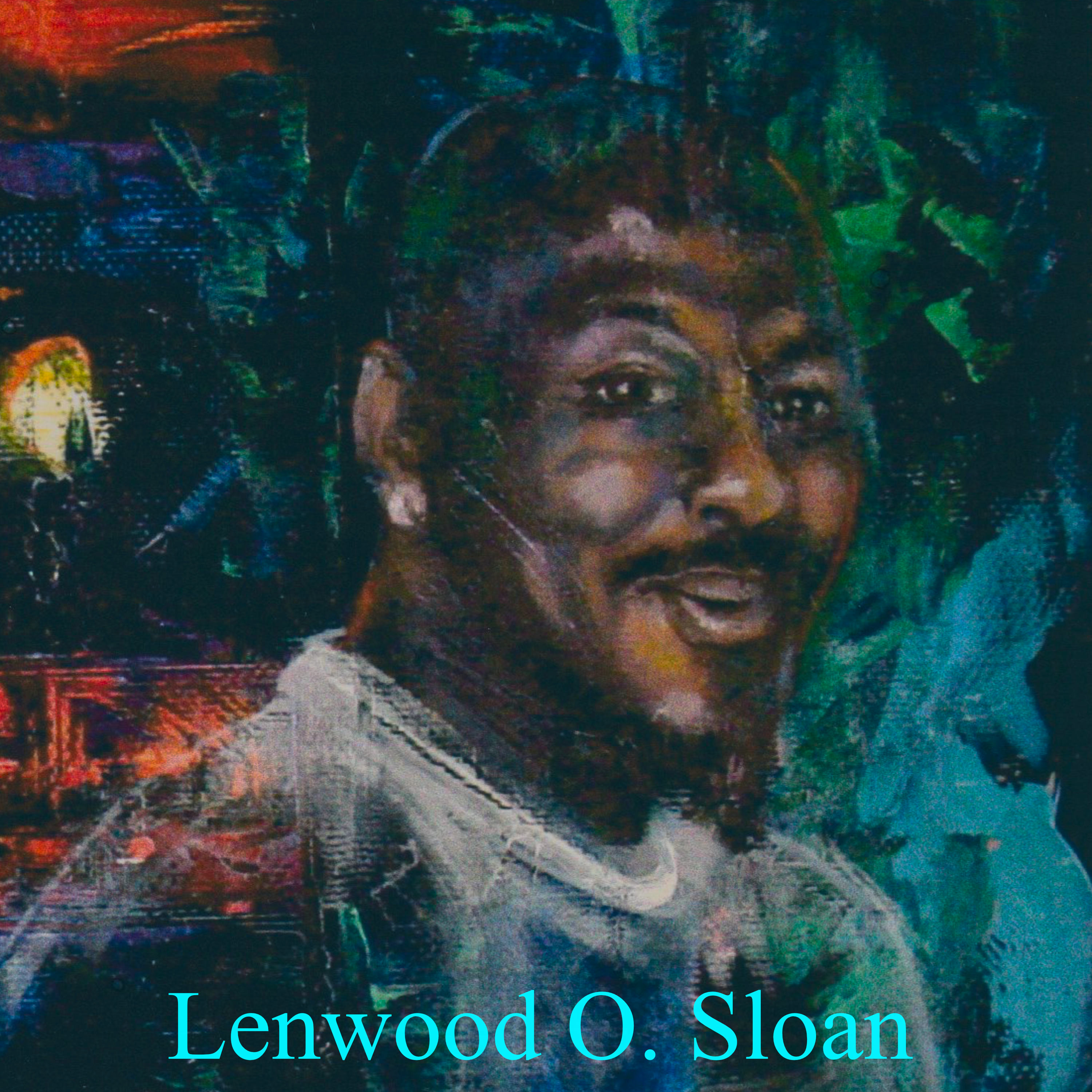
Ep 158158 Goodbye Leni Sloan: Artist, Activist, Catalyst
EAdios LeniThis isn’t a regular ART IS CHANGE episode. It’s a pause. A moment to mark the passing of Leni Sloan—artist, activist, catalytic troublemaker, and beloved friend.In this special reflection, Bill Cleveland shares stories that trace Leni’s life across stages and communities—from a daring Bicentennial musical about minstrelsy, to decades of cultural work uncovering erased Black histories, to his role as a catalytic force inside institutions that needed shaking awake. This is a portrait not just of what Leni made, but how he moved through the world.You’ll hear about a man who believed history lives in bodies, that culture breathes through people, and that the real work is connection—between past and present, pain and joy, the visible and the forgotten. It’s a meditation on art as lineage, memory, and moral practice, told with humor, tenderness, and deep respect.Listen in as we honor Leni Sloan’s life, legacy, and enduring presence—and let his stories remind us why telling the whole truth, especially the hard parts, is how we stay human.Other Episodes with Leni SloanMultiple early and foundational episodes of this podcast include extended conversations with Leni on art, history, humility, and social change.L. O. Sloan - Adventures of a Gunrunner for the Arts Part 1L. o. Sloan - Adventures of a Gunrunner for the Arts Part 2Building Blocks of Effective Art and Social Change Practice: W/ Leni Sloan, Barbara Shaffer Bacon, and Bill ClevelandNOTABLE MENTIONS PeopleBill Cleveland: Founder of the Center for the Study of Art & Community and host of Change the Story / Change the World. Longtime collaborator and close friend of Leni Sloan, offering this remembrance.Leni Sloan (Lenwood O. Sloan): Playwright, director, cultural strategist, and community arts leader whose work bridged history, performance, policy, and community storytelling for more than four decades.Laurie Meadof: Friend and colleague and internationally recognized artist organizer who shared the news of Leni Sloan’s passing with Bill Cleveland.Barbara Schaffer Bacon: National leader in arts-based civic practice and longtime collaborator with Leni Sloan, referenced in connection with recent podcast conversations.Bert Williams: Groundbreaking African American performer whose life and legacy anchor Sloan’s musical play The Wake.Katherine Dunham: Pioneering dancer, choreographer, and anthropologist referenced as part of the lineage of artists Leni now metaphorically joins “on the other stage.”Productions, Works & Cultural ProjectsThe Wake (musical play): Leni Sloan’s U.S. Bicentennial-era musical exploring minstrelsy, race, and American identity through the imagined gathering of Bert Williams and fellow performers.Vu Du Macbeth: The historic 1936 Federal Theatre Project production revived and transformed by Leni Sloan.Organizations & InstitutionsCenter for the Study of Art & Community: Host organization for the podcast and long-term home of conversations about art, democracy, and community change.National Endowment for the Arts (NEA): Federal arts agency where Leni Sloan worked and influenced national cultural policy.California Arts Council: State arts agency connected to Sloan’s public-sector cultural leadership.San Francisco Arts Commission: Municipal arts agency where Sloan contributed to public arts strategy and cultural equity efforts.*****Art Is CHANGE is a podcast that chronicles the power of art and community transformation, providing a platform for activist artists to share their experiences and gain the skills and strategies they need to thrive as agents of social change.Through compelling conversations with artist activists, artivists, and cultural organizers, the podcast explores how art and activism intersect to fuel cultural transformation and drive meaningful change. Guests discuss the challenges and triumphs of community arts, socially engaged art, and creative placemaking, offering insights into artist mentorship, building credibility, and communicating impact.Episodes delve into the realities of artist isolation, burnout, and funding for artists, while celebrating the role of artists in residence and creative leadership in shaping a more just and inclusive world. Whether you’re an emerging or established artist for social justice, this podcast offers inspiration, practical advice, and a sense of solidarity in the journey toward art and social change.
Ep 157157 What Can We Learn From Activist Artists in Australia? Part 1
EWhen I describe BIGhART to folks in the U.S. theyaccuse me of making it up.What if telling a story could rewrite history, heal generational trauma, and reclaim a community’s stolen legacy?In a world where the voices of marginalized communities are often silenced or distorted, this episode explores how the arts—through projects like BIGhART and the Ngapartji Ngapartji and Namatjira initiatives—can become powerful instruments of cultural justice, truth-telling, and transformation. If you’ve ever wondered how creativity can confront systems of power and elevate unheard voices, this story offers living proof.In this episode we:Discover how a small arts organization in Australia sparked a global movement for Indigenous rights, language preservation, and youth empowerment.Learn how performance, storytelling, and community-led creativity dismantled colonial narratives and reclaimed stolen intellectual property.Be inspired by Scott Rankin’s vision of sacred, process-centered artistry that goes beyond performance to become a force for healing, justice, and deep social change.BIOScott co-founded Big hART with friend John Bakes in 1992. As CEO and Creative Director, Scott leads the overarching vision for all Big hART projects – from pilot through to legacy. A leader and teacher in the field of social and cultural innovation, Scott provides daily mentorship and knowledge transfer to all Big hART staff so that they can in turn lead our projects with confidence.An award winning writer and director in his own right, Scott’s works have been included many times in major arts festivals. His reputation is built on a quarter of a century of work, creating, funding and directing large-scale projects in diverse communities with high needs, in isolated settings.Big hART is Scott’s passionate contribution to the arts and society.Notable MentionsBIGhART: Authentic, high-quality art made with communities.Big hART brings virtuosic artists into communities to collaborate and create authentic stories which illuminate local injustice. We present these stories to mainstream audiences to help raise awareness. This builds public support for change and helps to protect vulnerable people.Everyone, everywhere has the right to thrive.Big hART works with communities experiencing high levels of need. Rather than focusing on the problem, our unique non-welfare projects build on community assets, strengthening vulnerable individuals, and creating long term attitudinal shifts. Our hope is for all communities to flourish.Positive, generational change begins as a cultural shift.Big hART designs and delivers transformative projects to address complex social issues. Our cultural approaches are evaluated and acknowledged as best practice. Decision makers seeking better solutions can use our award winning projects to help develop new and better policy. We aim to drive generational change.Ngapartji Ngapartji: Big hART designed the Ngapartji Ngapartji project to raise awareness of Indigenous language loss, and the lack of an national Indigenous languages policy. In order to create visibility around these issues, we launched a language and culture teaching portal, offered audiences the chance to learn Pitjantjatjara through a small teaching show, created short teaching films, as well as music and CDs with a Pitjantjatjara choir. We made a high profile documentary, and finally, a large award winning touring show for national festivals. By creating this range of art products, we attracted exceptional media and gained high level political interest in the issue. This assisted in driving a new Indigenous language policy and increased funding to help prevent language loss.Trevor Jamieson is a veteran of stage and screen with over 25 years of experience in the entertainment industry, and a long time creative partner with BIGhART. He is known as an Actor, Dancer, Musician and Storyteller and his portrait, taken by Brett Canet-Gibson, took out the People’s Choice award for the 2017 National Portrait gallery exhibition in Canberra.Trevor is not only an accomplished actor but is also known for his ability on the guitar and didgeridoo. Trevor has also received acclaim for his dance performances across the globe.Trevor was announced as a Permanent Ambassador for the Revelation Perth International Film Festival in 2017.Some of Trevor’s screen work includes Storm Boy; Thalu: Dreamtime is Now; Boys in the Trees. His stage credits include the Australian tour of The Season; the Sydney Theatre Company’s The Secret River; and the performance of Namatjira at Southbank, London in front of Her Majesty Queen Elizabeth.Art and Upheaval: Artists on the World's Frontlines - Citizen artists successfully rebuild the social infrastructure in six communities devastated by war, repression and dislocation. Author William Cleveland tells remarkable stories from Northern Ireland, Cambodia, South Africa, United States (Watts, Los Angeles), aboriginal Australia, and Serbia, about artists who r
Ep 156156: Why Should Activist Artists & Cultural Organizers Care About Sustainability?
EWhy does sustainability matter in activist art? When funding cycles are short, residencies are brief, and institutions often treat creative work as temporary or expendable, what does it mean to commit to change that lasts?In this episode of Art Is Change, the sixth in our series on the building blocks of effective community arts practice, Bill Cleveland sits down with two legendary cultural leaders — Leni Sloan and Barbara Schaefer Bacon — to explore sustainability not as longevity for its own sake, but as ethical responsibility. From invisible lineages of community practice to the quiet power of relationships that outlast grants, they examine what truly endures when art engages deeply with communities.Drawing on decades of experience as practitioners, funders, and advocates, this conversation challenges conventional ideas of growth, impact, and institutional survival.asks whether sustainability lies in organizations, practices, relationships, or something more elusive — trust, memory, and the transmission of creative values across generations.If you are an artist, cultural organizer, funder, or community partner grappling with how to build work that matters beyond the life of a project, this episode offers hard-earned wisdom, moral clarity, and a powerful reminder: some forms of change are too important to be temporary.NOTABLE MENTIONS PeopleLenwood “Leni” Sloan – Activist artist, cultural organizer, impresario, and long-time leader in community-based arts practice; featured guest on Art Is Change.Barbara Schaffer Bacon – Former Co-Director of Animating Democracy, a national initiative advancing arts-based civic dialogue and democratic practice.Bill Cleveland – Host of Art Is Change and Director of the Center for the Study of Art and Community, with decades of experience in arts-based community development and cultural organizing.Liz Lerman – Choreographer, civic artist, and thought leader whose work has profoundly shaped community-based and socially engaged dance practice.John O’Neal – Playwright, performer, and cultural organizer; co-founder of the Free Southern Theater and founder of Junebug Productions, a cornerstone of African American community-based theater.M. C. Richards – Poet, potter, educator, and author whose writings on creativity, discipline, and teaching have deeply influenced generations of artists.OrganizationsCenter for the Study of Art and Communit– A national resource supporting artists, organizations, and institutions working at the intersection of art, community, and social change.Animating Democracy– A program of Americans for the Arts dedicated to advancing arts-based civic engagement, dialogue, and democratic practice.Americans for the Arts– A leading U.S. nonprofit organization supporting arts advocacy, research, and policy nationwide.Junebug Productions– New Orleans–based theater and cultural organization dedicated to artistic excellence, community engagement, and African American cultural traditions.Sankofa African American Theatre Company – Harrisburg-based community theater rooted in African American history, storytelling, and civic engagement.Events / ConceptsDay With(out) Art– An annual global action initiated by Visual AIDS, aligning with World AIDS Day to highlight the impact of AIDS on artists and communities through exhibitions, programs, and public dialogue.Community Cultural Development– A field of practice placing culture at the center of community life, social justice, and civic engagement; overview provided by the UMass Arts Extension Service, a long-standing authority in the field.Historical / Lineage ReferencesWorks Progress Administration (WPA) Arts Programs – New Deal–era federal programs that employed artists and embedded creative work in public life during the Great Depression; documented by the Library of Congress.AcknowledgementsFrom FreeSound.orgHello User: Bright Cheery Intro Music by jjmarsan -- https://freesound.org/s/476070/ -- License: Attribution 4.0Bosch’s Garden – Mythical Game Music for Fantasy and AI Projects by kjartan_abel -- https://freesound.org/s/647212/ -- License: Attribution 4.0Project Nine - Time is of the Essence: Minimalist Tune by kjartan_abel -- https://freesound.org/s/662378/ -- License: Attribution 4.0240625_2767-6_FR_Children_singing by kevp888 -- https://freesound.org/s/745207/ -- License: Attribution 4.0custom_lexi_brain_blast_pew_sine_sweep_sound_V2_FINAL_06232025 by Artninja -- https://freesound.org/s/813190/ -- License: Attribution 4.0*******Art Is CHANGE is a podcast that chronicles the power of art and community transformation, providing a platform for activist artists to share their experiences and gain the skills and strategies they need to thrive as agents of social change.Through compelling conversations with artist activists, artivists, and cultural organizers, the podcast explores how art and activism intersect to fuel cultural transformation and drive meaningful change. Guests discuss the challenges and
Ep 155155: Why Are Humility & Failure Essential to Art and Social Change Success?
EThis episode digs into one of the trickiest—and most revealing—corners of community-based arts work: the way humility and failure shape everything we do, from a 12-line role in Richard II to a city-wide public-art firestorm.Leni Sloan, Barbara Shaffer Bacon and Bill Cleveland tumble into stories that peel back the glossy surface of “successful” arts practice:the actor with decades of experience learning cadence from an 18-year-old, the choreographer who turned military restrictions into creative fuel, the prison poet who left a Broadway star speechless. And threaded through it all is this question: how do we stay porous enough—humble enough—to learn what the work is actually teaching us?Together they talk about the kind of failure that doesn’t end a project but opens it—cracks the thing apart so the next, truer version can breathe. And they remind us that in this art-and-community dance, no one is ever done learning, not even the masters.Listen in as we explore why humility is not soft, and failure is not fatal—they’re simply part of the craft. And stick around: the next episode asks the big follow-up question—what responsibility do we carry for sustaining access to creative resources once communities have experienced their transformative power?To donate to Spoon Jackson's Fund: Use this Venmo account @Cheryl-Cotterill or send a check to:Cheryl CotterillAttorney at Law1770 Post Street #207San Francisco, CA 94115NOTABLE MENTIONSPeopleLeni SloanActor, director, community-arts practitioner, and co-conversationalist in this episode, reflecting on humility, failure, and learning within community-engaged art. Barbara Schaffer BaconCo-director of Animating Democracy and long-time leader in arts-based community development; contributes insight into constraints, ethics, and readiness in community practice. Lori WooleryDirector formerly with Cornerstone Theater Company and a leader of community-based productions at The Public Theater’s Shakespeare in the Park. Liz LermanChoreographer, educator, and founder of the Dance Exchange, known for pioneering community-based performance projects including The Shipyard Project. Robert FrostPoet quoted for the line “Freedom is riding easy in the harness,” used here to illuminate creative constraint. M.C. RichardsPotter, writer, and philosopher known for her disciplined practice of smashing imperfect pots—a metaphor for artistic rigor and humility. F. Murray AbrahamAward-winning actor involved in the Broadway production of Waiting for Godot, who visited San Quentin and sought insight from incarcerated actor Spoon Jackson. Spoon JacksonPoet, educator, and long-incarcerated artist whose work in Arts-in-Corrections and performance in Waiting for Godot continues to inspire communities worldwide. Now eligible for review under California’s Racial Justice Act. Events & ProjectsThe Shipyard ProjectA groundbreaking community dance and dialogue project led by Liz Lerman and the Dance Exchange in Portsmouth, NH, exploring the tensions around the naval shipyard’s potential closure. Sacramento “Indo Arch” Public Art Controversy (1980s)A major debate around a celebrated new public artwork whose meaning shifted with geopolitical conflict, sparking weeks of city council deliberation. (General Sacramento public art reference: https://www.sacramento365.com/public-art/) San Quentin Production of Waiting for GodotA culturally significant prison-based performance in which incarcerated actors, including Spoon Jackson, staged Beckett’s play for outside audiences and visiting artists like F. Murray Abraham. Creative Community Leadership Institute (CCLI) (archival)A long-running community-arts training program in Minnesota whose curriculum underwent major revision after direct feedback from BIPOC participants. OrganizationsCornerstone Theater CompanyA nationally recognized organization creating theater with and for communities across the U.S. The Public TheaterNew York City’s home for Shakespeare in the Park and large-scale community productions involving hundreds of local participants. Dance ExchangeAn interdisciplinary performance company exploring the intersection of art, community dialogue, and participatory practice. California Arts-in-Corrections ProgramA statewide partnership providing arts education inside prisons, central to the development and visibility of artists like Spoon Jackson. California Racial Justice ActLegislation allowing incarcerated individuals to seek relief when racial bias may have influenced their conviction or sentencing. Publications / TextsWaiting for Godot by Samuel BeckettThe canonical absurdist play discussed in relation to San Quentin’s historic production. *****Change the Story / Change the World is a podcast that chronicles the power of art and community transformation, providing a platform for activist artists to share their experiences and gain the skills and stra
Ep 154154: What are the Moral & Ethical Challenges Facing Activist Artists & Cultural Organizers?
EBudgets frozen. Institutions wobbling. Political earthquakes everywhere. In the middle of all that, many artists and cultural workers are stepping straight into the messy moral world of community change.This episode is the fourth in our special series where we're unpacking the building blocks of effective art and social change practice, This episode we explore: What happens when “good intentions” aren’t enough?What do we owe the communities we hope to serve?And how does an artist even begin to understand the ethical weight of their presence in places carrying trauma, tension, or long histories of power imbalance?Notable MentionsPeopleBill Cleveland – Host of Art Is Change and Director of the Center for the Study of Art & Community.Leni Sloan – Activist, performer, impresario, and cultural historian.Barbara Schaffer Bacon – Educator, author, and longtime arts-and-democracy leader.Confucius – Philosopher quoted on the cultural health of society.Carol Bebelle – Co-founder of Ashé Cultural Arts Center in New Orleans.Roberta Uno – Director and cultural organizer referenced via Project 2050.Judy Munson – Composer for the series' theme and soundscapes.Andre Neppe – Text editor for the series.OrganizationsCenter for the Study of Art & Community – Producer of Art Is Change.National Endowment for the Arts (NEA) – Federal arts funder.Mid Atlantic Arts – Regional arts funder.Kennedy Center – National cultural institution.Junebug Productions – Community-rooted arts organization.Ashé Cultural Arts Center – Cultural organization founded by Carol Bebelle.UMass Project 2050 – Intergenerational arts and social justice project.Freesound.org – Open-source audio effects platform.EventsPennsylvania Arts Residency Shutdowns – State-level budget freeze causing all residencies to wind down.California Gerrymandering Ballot Vote – Referenced political event affecting democratic institutions.White House East Wing Renovation – Described as symbolic cultural destabilization.Northern Ireland Peace-Sector Encounters – Experiences working in sectarian communities.Prison Songwriting Class – A pivotal ethical moment demonstrating the power of creative work.Publications / TextsConfucian Canon – Referenced philosophically regarding art and society.*******Change the Story / Change the World is a podcast that chronicles the power of art and community transformation, providing a platform for activist artists to share their experiences and gain the skills and strategies they need to thrive as agents of social change.Through compelling conversations with artist activists, artivists, and cultural organizers, the podcast explores how art and activism intersect to fuel cultural transformation and drive meaningful change. Guests discuss the challenges and triumphs of community arts, socially engaged art, and creative placemaking, offering insights into artist mentorship, building credibility, and communicating impact.Episodes delve into the realities of artist isolation, burnout, and funding for artists, while celebrating the role of artists in residence and creative leadership in shaping a more just and inclusive world. Whether you’re an emerging or established artist for social justice, this podcast offers inspiration, practical advice, and a sense of solidarity in the journey toward art and social change.
Ep 153153: How Robert Farid Karimi Uses COMEDY & FOOD as a Powerful Strategy for Social Change
ERobert Farid KarimiThe "inbetween" is often ignored. It is also the juicy territory that this week’s guest, comedian, chef, poet, educator, and activist Robert Farid Karimi has been investigating over the last couple of decades. like many of our guests Robert, who is also known as Mero Cocinero, Farid Mercury, the Peoples Chef, and even in some quarters, Betty Crocker's radical heir apparent, is not easily pegged. In the conversation that follows we explore some of the stories, ideas, and questions that animate his work. How can humor become a bridge in a conflict-ridden community? What is the role of the fool and gossip in the post truth era? What can community organizers learn from Mel Brooks and Cheech and Chong. Along the way we hear great stories and have a little fun.Delicious QuotesI feel for people who feel that they themselves are bridges because this, it's not easy work to hold, two sides of earth so that others can cross. A lot of times people they're not appreciating everything it took to keep everybody up.…we say in Spanish, "chesme", gossip. And talking about how immigrants, how we transmit the information, especially when you come from cultures, where the official news is being controlled like Iran and Guatemala, like gossip is powerful. Chesme is powerful. So, I became this bridge by valuing the words of others as truth,Humor to me was never about insulting or bringing others down. Humor for me was always, "How can you lift up the room? We've had a bad day. Why you gotta be a downer?" And I think growing up, that's why I valued it so much. That's why it became part of my toolkit.They brought me in to General Mills, …and had me cooking where the Betty Crocker kitchen ladies cook. They stayed. The women who had worked all day stayed because they wanted to have a good time and laugh. My mother still says that's my best gig I've ever had cause I'm at the home of freaking Betty Crocker.I changed Acting One so that it would incorporate play. I want them to start seeing their bodies as this thing, that's taking it all in and that they are not just actors. They are not just performers they are in the in-between. They are storytellers. And to make these stories, they need to understand their relationship to the system of life. And the final of the classes, they get to make fun of the class. They get to use all the skills to make fun of anything I've done, because the rationale is for me, humor is a great way to show that because you got to know what you know, to make fun of it.I couldn't just walk into a community and go, “I'm going to save you all because I'm a person of color. Who's funny.” No. I had to go back to the kid that was listening, ...to the folks in the community. ..Then I could see how I could be of service.Notable MentionsMero Cocinero, Farid Mercury, the Peoples Chef: Just three of Mr. Karimi's many alter egos.Change the Story / Change the World: This podcast, a Chronicle of Art & Community TransformationAfrika Bambaataa: Lance Taylor (born in April 17, 1957), also known as Afrika Bambaataa (/ˌæfrɪkə bæmˈbɑːtə/),[2][3] is an American DJ, rapper, and producer from the South Bronx, New York.[4][3] He is notable for releasing a series of genre-defining electro tracks in the 1980s that influenced the development of hip hop culture.[5] Afrika Bambaataa is one of the originators of breakbeat DJing.[1Out North :Out North advances contemporary art in Anchorage supports underrepresented voices, and promotes cultural dialogue.House Made of Dawn by N. Scott Momaday[WC1] . [WC1]House Made of Dawn is a 1968 novel by N. Scott Momaday, widely credited as leading the way for the breakthrough of Native American literature into the mainstream. It was awarded the Pulitzer Prize for Fiction in 1969, and has also been noted for its significance in Native American anthropology.[2]Galleria de la Raza: Founded in 1970, Galería de la Raza | Studio 24 is a non-profit dedicated to promoting Xicanx/Latinx art and culture. Our "creative place keeping" ethos is rooted in social inclusion and justice, where community arts are central to navigating the complex intersection of urban development, social inequality, affordable housing, and the historical-cultural legacies of communities of color.Cornerstone.Theater: Cornerstone Theater Company collaborates with communities. Our work reflects complexity, disrupts assumptions, welcomes difference, and amplifies joy. We aim to advance a more compassionate, equitable, and just world."rasquache.": Rasquache is a term of Mesoamerican Nahuatl origin which initially had a negative connotation in Mexico as being an attitude that was lower class, impoverished and having bad taste. This definition was later redefined by Mexican and Chicano art movement, Rasquachismo, transforming social and economic instabilities into a style and a positive creative att
Ep 152152: Art, Agency, & Fear: How Artmaking Can Help Crush the MAGA Monsters at the Door
EWhat if the scariest threat we face isn’t some monster outside—but the quiet, invisible loss of our own power to act?In a world wired to exploit our fear, reclaiming our agency has never been more urgent—or more human. This episode dives deep into how fear hijacks our brains, and how imagination and creativity can reconnect us to each other and to our own capacity for action. If you’re feeling overwhelmed, this is the grounding message you need.Discover why making things—from pots to poems—can literally rewire your brain and restore hope.Learn how shared creativity offers an ancient antidote to the MAGA Fear Machine.Hear why artists and makers are uniquely positioned to help shift us from panic to possibility.Join us as we explore how reclaiming your creative spark can tip the balance from fear to agency—one act of making at a time.Notable Mentions Events / Concepts Fight–Flight–Freeze Response – The brain’s survival-based reaction to fear, narrowing our thinking and heightening stress responses.The Deep State – Used here as a metaphor for politically charged fear narratives in American culture.Zombie Apocalypse – A metaphor representing panic-driven narratives that fuel division and fear.Neuroplasticity – The brain’s ability to rewire itself in response to experiences like storytelling and making art.2. Organizations· The Center for the Study of Art & Community – Producer of Art is Change, the center supports artists and cultural workers in community transformation.Art is Change (Podcast) – A series focused on how arts and imagination intersect with democracy, agency, and resistance.Freesound.org – A collaborative sound library providing many of the podcast’s creative sound effects.3. Publications / Knowledge Resources· Neuroscience of Creativity & Agency – Explains how artistic practice stimulates brain function and fosters resilience.The Amygdala – The brain’s emotional alarm center, highlighted as central to how fear takes hold in the episode.The Prefrontal Cortex – The reasoning part of the brain that gets suppressed under fear-based conditions.Evolutionary Cooperation & Collective Creativity – Scientific support for the idea that group creativity and collaboration are essential to human survival.*******Art Is CHANGE is a podcast that chronicles the power of art and community transformation, providing a platform for activist artists to share their experiences and gain the skills and strategies they need to thrive as agents of social change.Through compelling conversations with artist activists, artivists, and cultural organizers, the podcast explores how art and activism intersect to fuel cultural transformation and drive meaningful change. Guests discuss the challenges and triumphs of community arts, socially engaged art, and creative placemaking, offering insights into artist mentorship, building credibility, and communicating impact.Episodes delve into the realities of artist isolation, burnout, and funding for artists, while celebrating the role of artists in residence and creative leadership in shaping a more just and inclusive world. Whether you’re an emerging or established artist for social justice, this podcast offers inspiration, practical advice, and a sense of solidarity in the journey toward art and social change.
Ep 151151: Should Activist Artists & Cultural Organizers be Running for Office - Tom Tresser Says, "ABSOLUTELY!"
EWhat if the solution to our democracy’s crisis isn’t another white paper or study—but an artist running for office?In this episode, civic organizer and “public defender” Tom Tresser reveals why he feels America’s nonprofit and creative sectors are missing in action when it comes to power, policy, and public trust. As arts funding shrinks and disinformation grows, Tom challenges creatives to stop “staying in their lane” and instead step up as leaders in civic life.In it we’ll: • Learn how a small, unfunded coalition stopped the 2016 Olympics from coming to Chicago—and why that matters for creative change agents everwhere • We’ll also Discover why Tom thinks creative people are uniquely qualified to solve society’s most funky problems—and how artistic skills and political strategies are cut from the same clothAnd inspired by a radical, hopeful model for building civic power from the ground up, rooted in creative intelligence, story making, and community action.Notable Mentions The 100K Project: Tom Tresser's initiative that seeks to train, and propel 100,000 people from the arts, nonprofit, social services, education, and science sectors (and their supporters) to run for local office or help those with our values run as champions of service, science, justice, equity, peace, creativity, and the public sector.PeopleBill Cleveland: Host of Art Is Change and long-time practitioner in arts-based community development and civic storytelling.Tom Tresser: Chicago civic organizer, public defender of the public sector, and co-founder of No Games Chicago.Richard M. Daley: Former Chicago mayor behind the 2016 Olympic bid effort.Barack Obama: Then–senator and later president who supported Chicago’s Olympic bid.Sam Zell: Billionaire and owner of the Chicago Tribune, a supporter of the Olympic bid.Senator Jesse Helms: Conservative senator known for attacks on the NEA.Pat Robertson: Christian Coalition founder and major force in culture-war politics.Andres Serrano: Artist whose work Piss Christ became central to NEA controversies.The NEA Four: Performance artists whose denied NEA grants fueled national censorship debate.Frederick Douglass: Abolitionist and civic educator cited as a model for grassroots truth-telling.Paul Wellstone: U.S. senator whose “organize–advocate–run” triangle influences Tresser’s civic theory.Oprah Winfrey: Chicago cultural icon who supported the 2016 Olympic bid.Barbara Steveni: British artist and co-founder of the pioneering Artist Placement Group.Judy Munson: Composer of the Art Is Change theme and soundscape.Andre Nebe: Text editor for this episode.EventsChicago 2016 Olympic Bid: Major civic initiative defeated by grassroots organizing.IOC Host City Vote – Copenhagen 2009: IOC meeting where Chicago was eliminated in the first round.NEA Culture Wars: National battle over arts funding, censorship, and cultural values.Performing Arts Communities Campaign to Save the NEA (1991): Chicago-based advocacy mobilizing artists and audiences.The 100K Project: National initiative to train 100,000 creative people to run for local office.Opening of the Civic Lab (2013): Launch of a civic makerspace for democratic literacy and organizing.OrganizationsCenter for the Study of Art & Community: Producer of Art Is Change and national leader in arts-based civic engagement.Art Is Change Podcast: The podcast exploring arts, culture, and democracy.League of Chicago Theatres: Chicago’s principal theater service organization.National Endowment for the Arts: Federal arts funder often at the center of political battles.Christian Coalition: Conservative political organization active in culture-war campaigns.Focus on the Family: Christian advocacy group active in the arts-funding debates.No Games Chicago: Volunteer coalition that stopped Chicago’s Olympic bid.International Olympic Committee: Governing body of the Olympic Games.The Civic Lab: Civic makerspace founded by Tom Tresser.National Guild for Community Arts Education: Partner for civic leadership training for creatives.PBS: Public broadcasting network referenced in arts-funding discussions.Kennedy Center for the Performing Arts: U.S. national arts institution.Harvard Project Zero: Research center whose “studio thinking” informs the leadership model.Americans for the Arts: National arts advocacy organization.Freesound.org: Community sound library used for audio effects.PublicationsNo Games Chicago (Routledge): Tresser’s book on defeating the Olympic bid.Oxford Economics Research on Olympic Mega-Projects: Analysis of the economic and civic impacts of hosting the Olympics.Christian Coalition Fundraising Letters (Archive): Historic mailers used in culture-war fundraising.Artist Placement Group Documentation (Tate): Archival record of the groundbreaking UK socially engaged art model.
Ep 150150: What Can We Learn from Activist Artists in Singapore?
EWhat happens when a tiny city-state with tight state control becomes a hub for community-driven, arts-based transformation? Meet ArtsWok, a Singapore-based organization helping people talk about the hardest things—grief, inequality, identity, and even death—with art as the medium and hope as the missionIn a place known more for order than outspokenness, how do artists create room for deep conversation and community healing? In this episode, ArtsWok co-founder Su-Lin Ngiam takes us inside the intricate work of bridging Singapore’s diverse communities—whether that’s confronting mortality in a high-rise courtyard or staging inclusive youth theater across cultural divides. Her work invites us to reimagine activism not as confrontation, but as creative facilitation rooted in care.Listen in to hear:How ArtsWok uses everything from inflatable theaters to site-specific installations to hold space for taboo topics in the heart of tightly regulated Singapore.Why conversations about death—like in their Both Sides Now project—are actually powerful doorways to deeper, more connected lives.What it means to be an “intermediary” in art, navigating across sectors, beliefs, and disciplines to build trust, spark dialogue, and catalyze changeTune in now to hear how Su-Lin and ArtsWok are turning art into a tool for civic dialogue, human connection, and societal renewal—one courageous conversation at a time.Delicious QuotesWhat does the ArtsWok Collaborative do?I like to say that we're agents of hope. That we're really here to inject hope in society, or at least we try to, and it's about the bridging difference be it between people or ideas or uncomfortable topics.How do your very public arts practices advance your issue-based community work?…we want it to be out there where people can see, they can hear --- really bringing a taboo issue out into the open, making what's invisible, visible, unheard, heard. And the arts are great for doing that and creating spaces that can do that What is Go-Li?It's (Drama Box’s) inflatable theater … we have used that structure in our projects as well, … It's tour-able, so you can bring it to different communities, and you pop up and cause you're not allowed to be there permanently, then you deflate the structure, and you move on. And it becomes some kind of an icon as well.People recognize it, and “Oh, okay, these guys are here. The artists are here.” And it's about creating safe space as well because it's open, but it's covered, but yet you can walk in and out so you can have conversations about difficult things or people can be vulnerable.What is Both Sides Now?...we have presented this project for seven years. …essentially, we're out there engaging community saying, "Have you thought about death?" …it's an important part of living to think about that. In fact, it's very much two sides of the same coin. …how we live our lives will determine how we end. So, it's really all quite related, but of course, it can be quite taboo, and it's a painful topic. Loss, in general, is hard to talk about, but I think that's something we really need to talk about more as societies. What role does negotiation play in the cultural life of Singapore?We are artists. We are here to question and provoke. And having said that, we have things like censorship in Singapore in terms of, so, all our scripts, plays, have to be submitted for a license. … there is a process of negotiation that, as artists, we then undergo with the state or with authorities, and it's that process of dialogue. And whether or not we choose to, to then, adapt our place or our work or choose another creative way to talk about it or present it. That's up to the artists, But I think what is meaningful is that process of negotiation and how we negotiate, and that impacts the way we practice, and it makes us more creative in a way. Then it is about finding the vocabularies and being patient. That change takes time.
Ep 149149: What Can We Learn From Activist Artists In Serbia?
EDAH SAYS: "In today’s world, we can oppose destruction and violence with the creation of meaning "The Economist Magazine's Intelligence Unit places, Serbia, and Singapore, among the 46 countries that are considered Flawed Democracies along with United States of America. As our three countries grow more alike in surprising ways, it felt like the right moment to revisit two powerful episodes featuring activist artists from Serbia and Singapore. First up is our 2022 Change the Story Change the World with conversation with Dijana Milosevic, the Director of Belgrade’s Dah Teatar. Imagine mounting a guerrilla theater performance in a bombed-out city square, in the middle of war, while armed soldiers look on—and still holding on to your art, your convictions, and your humanity. That is the story of Dah Teatar, a theater collective from Belgrade that has survived war, sanctions, shifting regimes, and censorship—and kept creating powerful, justice-driven work.In this episode of ART IS CHANGE, we dive back into the history and present of Dah Teatar through a rich conversation with co‑founder Dijana Milošević. We revisit their 1992 This Babylonian Confusion street performance, and then catch up on how the company has restructured, relocated, responded to climate concerns, and carried forward their practice of “being with” communities. Along the way, Dijana shares stories of bus‑based public theater, performances among trees, and how art continues to navigate complexity, contradiction, and resistance in Serbia today.You’ll hear:How Dah anchored themselves in relationship and material constraints during the war years, moving from classic theater into street performance in real time.The evolution of the company from ensemble-based actors to a more horizontal, administrative structure that can sustain creative risk.Their project Invisible City, performed inside buses, bringing stories rooted in neighborhood life to ordinary passengers—not just theatergoers.Their more recent project Dancing Trees, where trees become collaborators, audiences move into the forest, and performance becomes site, sound, memory, and activism.Reflections on censorship, environmental struggle, national narratives, cross‑community healing, and the role of artists in turbulent times.Tune in to follow Dah’s journey across decades of upheaval and resilience—and be inspired by how a theater company, rooted in place and poetic defiance, continues to bridge divides between people and environment.Change the Story CollectionBe sure to check out our CHANGE THE STORY COLLECTION OF ARCHIVED EPISODES on: Justice Arts, Art & Healing, Cultural Organizing, Arts Ed./Children & Youth, Community Arts Training, Music for Change, Theater for Change, Change Making Media. BIODijana Milošević is an award-winning theater director, writer and lecturer. She co-founded the DAH Theater Research Center in Belgrade, and has been its lead director for over 25 years.Dijana has served as the artistic director of theater festivals, the president of the Association of Independent Theaters, the president of the board of BITEF Theater, and a member of the board of directors of the national International Theater Institute (ITI). She has been involved with several peacebuilding initiatives and collaborates with feminist-activist groups.DAH Theater has performed nationally and internationally under Dijana’s directing. She has also directed plays by other theater companies around the world.She is a well-known lecturer, who has taught at world-famous universities. She writes articles and essays about theater as well as society. She has won prestigious scholarships such as Fulbright and Arts Link. She is a professor at the Institute for Artistic Play in Belgrade.Notable MentionsDah Teatar Research Center for Culture and Social Change: DAH Theatre is an independent, professional, contemporary theatre troupe and artistic collective that uses modern theatre techniques to create engaging art and initiate positive social change, both locally and globally. Mission: In today’s world, we can oppose destruction and violence with the creation of meaning.” Through dedicated teamwork, we create bold dramatic art to provoke, inspire, and incite personal and social transformation.Art and Upheaval - Artists on the World’s Frontlines: Author William Cleveland shares remarkable stories from Northern Ireland, Cambodia, South Africa, United States (Watts, Los Angeles), aboriginal Australia, and Serbia, about artists who resolve conflict, heal unspeakable trauma, give voice to the forgotten and disappeared, and restitch the cultural fabric of their communities.This Babylonian Confusion: The Dah Teatar project “This Babylonian Confusion” is a result of a montage of the actors’ materials and the songs of Bertold Brecht. This performance was created from the need of the artists to place themselves in their duty- as artists in “dark times.” Four actors using the characters of Angels say th
Ep 148148 ; Five Arts Superpowers for Activist Artists & Cultural Organizers to Make Change NOW!
EWhen everything feels like it’s unraveling, how do we know art still matters? In this episode, we explore the question: What use is art in a world on fire?Across movements, across generations—from Ella Baker’s quiet revolution to Beckett’s unexpected presence in a prison theater—this episode offers three simple, potent reminders of how art works in times of chaos: to notice, to connect, and to rebuild trust. Whether you’re an artist, organizer, or simply someone searching for clarity, you’ll find resonance in these stories.Discover how art helps us pay attention—to our world, our neighbors, and ourselves.Understand the power of creative trust—what happens when making becomes a shared act of listening.Explore how storytelling and performance can bridge divides, even behind bars or across ideologies.Press play to be reminded that in uncertain times, art doesn’t just survive—it leads. Listen now and carry these three truths forward into your community.Notable Mentions:PeopleBill Cleveland: Host of Art Is Change and Director of the Center for the Study of Art and Community. (Learn more)Ella Baker: Civil rights activist whose words inspired Ella’s Song. (Learn more)Bernice Johnson Reagon: Composer of Ella’s Song and founder of Sweet Honey in the Rock. (Learn more)Judy Munson: Composer and sound designer for the podcast. (Learn more)Donald Trump: Referenced in the context of political polarization. (Learn more)Samuel Beckett: Playwright of Waiting for Godot; supported San Quentin production. (Learn more)Jan Jönson: Swedish director who brought Beckett’s play to San Quentin. (Learn more)Jim Carlson: Prison arts advocate involved in the San Quentin project. (Learn more)Barney Rosset: Beckett’s U.S. publisher. (Learn more)Donald James: Actor who played Vladimir in the San Quentin production. (Learn more)Reginald Wilson: Actor who played Estragon in the San Quentin production. (Learn more)Brian Boyd: Author of On the Origin of Stories. (Learn more)Voltaire: Philosopher often linked with the quote popularized by Spider-Man. (Learn more)Events & ProjectsWaiting for Godot at San Quentin: 1988 prison arts project with lifers performing Beckett’s play. (Learn more)Federal Theatre Project: New Deal arts program (1935–1939) employing 15,000 artists. (Learn more)A Bright and Dangerous Spark: Ongoing inquiry into art, imagination, and story. (Learn more)OrganizationsCenter for the Study of Art and Community: Research and training org focused on arts-based community development. (Learn more)Art Is Change Podcast: Podcast chronicling activist artists and community change. (Learn more)Sweet Honey in the Rock: A cappella group known for justice-centered performances. (Learn more)Freesound.org: Free collaborative database of sound effects. (Learn more)Virginia Tech Theater for Social Change: Theater degree program hosting Bill’s talk. (Learn more)San Quentin Arts Program: Historic prison-based arts education program. (Learn more)Publications & MediaElla’s Song: Anthem written by Bernice Johnson Reagon inspired by Ella Baker. (Learn more)On the Origin of Stories: Brian Boyd’s work on storytelling and evolution. (Learn more)Waiting for Godot: Beckett’s classic existential play. (Learn more)Spider-Man (Uncle Ben Quote): Comic/movie franchise popularizing 'with great power comes great responsibility.' (Learn more)League of Creative Champions: Metaphor for five key 'superpowers' artists bring to social change. (Learn more)AcknowledgementsFX From FreeSound.orgGastly sounds by menvafaan -- https://freesound.org/s/169665/ -- License: Attribution NonCommercial 3.0Music for a Podcast or Animation, or...? by Dave_Girtsman -- https://freesound.org/s/676422/ -- License: Attribution 4.0Thinking of Driving: Gentle Piano Music for Emotional Scenes by kjartan_abel -- https://freesound.org/s/532774/ -- License: Attribution 4.0linewin6.wav by awrecording.it -- https://freesound.org/s/547658/ -- License: Attribution 4.0Simple Waiting BeepBox Loop by qubodup -- https://freesound.org/s/737525/ -- License: Attribution 4.0Cash Register by kiddpark -- https://freesound.org/s/201159/ -- License: Attribution 4.0Bosch’s Garden – Mythical Game Music for Fantasy and AI Projects by kjartan_abel -- https://freesound.org/s/647212/ -- License: Attribution 4.0campfire medium nearby slight forest slap echo +distant people laughing.flac by kyles -- https://freesound.org/s/453783/ -- License: Creative Commons 0Musical - Native American Day of the Dead Celebtration with Pipes, Whip Cracks, Drums.wav by jaegrover -- https://freesound.org/s/262876/ -- License: Creative Commons 0Whoosh_Electric_01.wav by LittleRobotSoundFactory -- https://freesound.org/s/274210/ -- License: Attribution 4.0Bosch’s Garden – Mythical Game Music for Fantasy and AI Projects by kjartan_abel -- https://freesound.org/s/647212/ -- License: Attribution 4.0April Showers: Sweet Lo-Fi Piano Vibes by kjartan_abel -- https://freesound.org/s/608392/ -- License: Attribution 4.0*****Art Is CHANGE i
Ep 147147: Emma Addams: Can a Quilt Change how Congress Listens— & How you Practice Democracy at Home?
ECan a Quilt Change how Congress Listens—& How you Practice Democracy at Home?If you’re exhausted by performative politics and digital outrage, this episode offers a deeply grounded alternative. Discover how everyday acts of creation and conversation can rebuild civic trust—and how women across America are using quilting to stitch together a more ethical and inclusive democracy, one square at a time.Learn how to transform local conflict into creative fuel for durable, democratic collaboration.Hear the inspiring story of how one woman’s quiet act of stitching sparked a national movement of peaceful persuasion.Get practical insights on reclaiming civic power in your community—without burning out or tuning out.Listen now to discover how storytelling, solitude, and stitching can help reweave the civic fabric—starting exactly where you are.Notable MentionsHere is a categorized, hyperlinked list of all people, events, organizations, and publications mentioned in the transcript.🧑🤝🧑 PeopleBill Cleveland ; Host of Art Is Change, founder of the Center for the Study of Art and Community, and lifelong activist/artist in cultural organizing.Emma Petty Adams: Co-Executive Director of Mormon Women for Ethical Government; leads cross-partisan, grassroots advocacy focused on ethical government and peacebuilding.Jessica Preece: Political science professor and MWEG member who initiated the “Quilting for the Constitution” project from Provo, Utah.Mr. Dwyer: U.S. History teacher at Hayward High School who inspired Emma’s early civic development.Harry C. Boyte: Democracy scholar and founder of Public Work, a strong advocate of citizenship as a democratic practice.Chad Ford: Author of 7 Times 70, a book exploring conflict transformation through a spiritual lens.Max Richter: Renowned composer whose album Voices is inspired by the Universal Declaration of Human Rights.Eleanor Roosevelt: Chaired the drafting committee of the Universal Declaration of Human Rights following WWII.Rep. Kathy Manning (note: possibly misidentified as “Fauci” in transcript) Democratic U.S. Representative from North Carolina who displayed a quilt in her office.Rep. Blake Moore: Republican U.S. Representative from Utah who used a quilt from the campaign in his office.📅 EventsQuilting for the Constitution: A national arts-advocacy campaign led by MWEG members and allies; 62 quilts with civic messages delivered to 56 congressional offices in D.C. in May 2023.Freedom Quilting Bee: A 1960s Black-led cooperative in Alabama that used quilting to support civil rights and community economic development.OrganizationsMormon Women for Ethical Government (MWEG): A nonpartisan organization of women (mostly but not exclusively LDS) working for ethical, peaceful, and principled governance across the U.S.Center for the Study of Art and Community: Founded by Bill Cleveland, supports the work of artists and cultural organizers in advancing democratic and creative community change.Fox 13 News Utah: Regional news outlet that covered the D.C. quilt delivery in a televised segment.United Nations: Drafted the Universal Declaration of Human Rights in 1948, the inspiration behind Max Richter’s musical work.Home Depot: Surprisingly helpful co-sponsor: one organizer built a mobile quilt clothesline display with materials purchased locally during the campaign.📚 PublicationsUniversal Declaration of Human Rights (1948): Foundational U.N. document outlining global standards for human dignity and freedom; source text for Voices.American Covenant by Yuval Levin: A book about the Constitution as not just a governing framework but a civic operating manual for American renewal.7 Times 70 by Chad Ford: Explores the teachings of Jesus as a model for deep, lasting conflict transformation.Voices by Max Richter (album): A musical composition that blends minimalist orchestration with recordings of people reading the Universal Declaration of Human Rights.Kindertotenlieder by Gustav Mahler: “Songs on the Death of Children”—a deeply emotional orchestral song cycle that Emma Petty Adams referenced as a vehicle for understanding grief.*******Art Is CHANGE is a podcast that chronicles the power of art and community transformation, providing a platform for activist artists to share their experiences and gain the skills and strategies they need to thrive as agents of social change.Through compelling conversations with artist activists, artivists, and cultural organizers, the podcast explores how art and activism intersect to fuel cultural transformation and drive meaningful change. Guests discuss the challenges and triumphs of community arts, socially engaged art, and creative placemaking, offering insights into artist mentorship, building credibility, and communicating impact.Episodes delve into the realities of artist isolation, burnout, and funding for artists, while celebrating the role of artists in residence and creative leadership in shaping a more just and inclusive world. Whether you’re a
Ep 146146: How is the Government Threatening Activist Artists and Arts Organization?
EWhat Threats are There to Activist Artists and Cultural Organizers & What Can You Do About Them? Today on our weather report, we're wading into stormy waters, namely threats to activist artists and arts organizations coming not from creeps and trolls on the Internet, but from our own government.So this week we're focusing on what's happening to creative change agents out there and on what might be coming.Yep, we're talking about funding being yanked, but also loyalty style clauses slipped into grants and organizations being told to sit down and shut up or else. Over the next 20 minutes or so, we'll take a quick walk throughWhat's already taking place,What might be comingAnd what we can do about it.We'll also share how some organizations and programs are stepping up to defend the field.AcknowledgementsFrom FreeSound.orgWINDDsgn_Hurricane wind in the forest area.Designed_EM.mp3 by newlocknew -- https://freesound.org/s/680138/ -- License: Attribution NonCommercial 4.0Thunder Claps, Single Clap 01 by PNMCarrieRailfan -- https://freesound.org/s/682351/ -- License: Attribution NonCommercial 4.0Darkest Thursday – A Haunting Electronic Masterpiece by kjartan_abel -- https://freesound.org/s/558271/ -- License: Attribution 4.078 PULSE: A Dark and Ominous Soundscape for Mysteries and Suspense by kjartan_abel -- https://freesound.org/s/541944/ -- License: Attribution 4.0improvised non-chill 2 by waveplaySFX -- https://freesound.org/s/238525/ -- License: Attribution 4.0improvised non-chill 2 by waveplaySFX -- https://freesound.org/s/238525/ -- License: Attribution 4.0Loud knock on door.WAV by simonk24 -- https://freesound.org/s/666218/ -- License: Attribution 4.0Fog Horn.wav by CGEffex -- https://freesound.org/s/94678/ -- License: Attribution 4.0Bosch’s Garden – Mythical Game Music for Fantasy and AI Projects by kjartan_abel -- https://freesound.org/s/647212/ -- License: Attribution 4.0Gonna be gone by kjartan_abel -- https://freesound.org/s/640853/ -- License: AttributionLinks referenced in this episode:centerforstudyofartandcommunity.orgnationalendowmentforthearts.govrhodeislandlatinoarts.orgnationalqueertheater.orgnewmexicoarts.orggeorgesoros.comreidhofmann.orgfordfoundation.orgmacfound.orgschmidtfamilyfoundation.orgamericansforthearts.orgartsactionfund.orgamericanallianceofmuseums.orginternationalcenterfornonprofitlaw.orgcouncilofnonprofits.orggoodwinlaw.comallianceforjustice.orgtenenbaumlegal.com*****Change the Story / Change the World is a podcast that chronicles the power of art and community transformation, providing a platform for activist artists to share their experiences and gain the skills and strategies they need to thrive as agents of social change.Through compelling conversations with artist activists, artivists, and cultural organizers, the podcast explores how art and activism intersect to fuel cultural transformation and drive meaningful change. Guests discuss the challenges and triumphs of community arts, socially engaged art, and creative placemaking, offering insights into artist mentorship, building credibility, and communicating impact.Episodes delve into the realities of artist isolation, burnout, and funding for artists, while celebrating the role of artists in residence and creative leadership in shaping a more just and inclusive world. Whether you’re an emerging or established artist for social justice, this podcast offers inspiration, practical advice, and a sense of solidarity in the journey toward art and social change.
Ep 145145: Liz Sunde Brings Music To Life: Activist Artists Making Music, Making Change, & Thriving
EWhat if your art could both heal your community & pay your bills? If you’re a musician or creative itching to drive real-world change without sacrificing your livelihood, this episode maps a path: how Music to Life evolved from a songwriting contest into a rigorous accelerator that helps artists design, fund, and measure community projects—so you can make change while making a living. Learn how Music To Life helps musicians turn a community cause into a sustainable enterpriseSee real models you can adapt: Vanessa Lively’s Home Street Music built 500+ song circles, 230 sessions, & raised ~$200K serving unhoused neighbors in Austin.Learn about proven impact from Benny Esguerra’s mobile studio that measured violence reduction to poet-healer Myles Bullen co-facilitating prison education to process tough emotions and build trust.Tune in to hear strategies & stories that helped artists step off the stage and into community change—without abandoning the craft that got them there. Notable MentionsPeopleLiz Sunde – Co-founder and Executive Director of Music to Life, an organization empowering socially conscious musicians to become change agents in their communities .Bill Cleveland – Host of Art Is Change and Director of the Center for the Study of Art & Community, long-time advocate for artists as community leaders .Paul Stookey – Renowned singer-songwriter, member of the legendary folk trio Peter, Paul and Mary, and co-founder of Music to Life .Vanessa Lively – Austin-based singer-songwriter and founder of Home Street Music, a program using music circles to support people experiencing homelessness .Dick Crispo – Artist who co-created the longest indoor mural in the world at Soledad Prison, known for his community arts practice .Beny Esguerra – Toronto-based musician and educator, founder of the Mobile Studio Project using music to reduce gang violence through recording sessions .Myles Bullen – Indigenous poet/ rap artist from Maine, who collaborated with University of Maine Augusta faculty on prison-based education blending poetry and Holocaust studies .Barbara Schaffer Bacon – Arts leader and consultant, co-director of Animating Democracy at Americans for the Arts, key in helping Music to Life secure Mellon Foundation support .John Lewis – Late U.S. Congressman and civil rights icon, famous for urging people to make “good trouble” in the fight for justice .EventsKerrville Folk Festival – Long-running Texas festival where Music to Life hosted a 10-year social justice songwriting contest, spotlighting emerging activist musicians .Ventura Music & Change Festival – A Music to Life program in California that brought artists together for masterclasses, performances, and program development .Music to Life Academy (Change-Maker Accelerator) – Six-month training and coaching program for musicians to build community-based social change initiatives .OrganizationsMusic to Life – National nonprofit co-founded by Paul Stookey and Liz Sunde, supporting musicians as social change leaders .Music to Life's Academy artists Spotify playlist : A compilation of MCA Academy Artists Music.Wheel it Studios - WHEEL IT STUDIOS is Beny Esguerra's 16-week hands-on mobile recording studio engaging musicians from Toronto's Jane and Finch community advancing music making & transcending cross-neighborhood tensions. Community First! Village – Innovative housing development for people emerging from chronic homelessness, partner site for Home Street Music .Bloomberg Media – Partnered with Music to Life on multimedia music-for-change projects .Recording Academy (Grammys) – Engaged in conversations with Music to Life about supporting socially conscious music initiatives .University of Maine Augusta – Partner institution for prison-based education projects integrating poetry and Holocaust studies .Soledad Prison (Correctional Training Facility) – California prison known for hosting the world’s longest indoor mural .Americans for the Arts / Animating Democracy – National service organization supporting arts-based civic engagement .Mellon Foundation – Provided critical funding to Music to Life through arts and democracy initiatives .PublicationsBraiding Sweetgrass – Book by Robin Wall Kimmerer blending indigenous wisdom, botany, and ecological philosophy .Seabiscuit: An American Legend – Laura Hillenbrand’s best-selling biography of the Depression-era racehorse and its unlikely champions .*****Change the Story / Change the World is a podcast that chronicles the power of art and community transformation, providing a platform for activist artists to share their experiences and gain the skills and strategies they need to thrive as agents of social change.Through compelling conversations with artist activists, artivists, and cultural organizers, the podcast explores how art and activism intersect to fuel cultural transformation and drive meaningful change. Guests discuss the challenges and triumphs of community