
AQS Inmate Call
294 episodes — Page 2 of 6
S5 Ep 7Justice-Involved Individual
In this episode, Joel Wilborn discusses the complexities of crime perception, the implications of sanctuary cities, and the political narratives surrounding immigration and crime. He emphasizes the need for a unified definition of crime and the importance of community involvement in addressing these issues. The conversation also touches on the role of state officials, the impact of social media on crime reporting, and the expectations from leadership in tackling crime effectively.
S5 Ep 6Advocacy and Reform
In this conversation, Joel Wilborn discusses his dual roles as a prison advocate and reformist, emphasizing the challenges faced by incarcerated individuals and the importance of mentorship, legal representation, and community support. He debunks common myths about crime rates and advocates for rehabilitation programs, shorter sentences, and a reevaluation of what constitutes a violent crime. The conversation highlights the need for systemic change in the criminal justice system to support reintegration and reduce recidivism.

S5 Ep 12Funding DOC
In this episode, I examine the current state of in America, questioning the effectiveness of the system and advocating alternatives to traditional incarceration. I emphasize the need for crime prevention rehabilitation, and reform of the justice system. I discuss the financial burden of incarceration on taxpayers and the importance of addressing the root causes of, such as abuse. call for a focus from punishment to rehabilitation and community safety, urging to in discussions reform.
S5 Ep 11WCCW's Misconduct
In this episode, I discuss the troubling practices at the Washington Correction Center for Women, focusing on issues such as food waste, judicial integrity, bail practices, and the impact of gender identity policies in prisons. I emphasize the need for reform and community engagement to address these systemic problems.
S5 Ep 11A WADOC Lawsuit
In this episode, I discuss the challenges faced by inmates, particularly regarding marriage rights and communication restrictions imposed by the Department of Corrections. I share personal experiences and legal battles, emphasizing the need for reform and oversight in the prison system. The conversation highlights the importance of community engagement and awareness in addressing these issues.
Debra Canady: Personal Story of Wrongful Conviction
bonusIn this episode, host Joel Wilborn reads a letter from Deborah Canady, an inmate at the Washington Correction Center for Women, who shares her harrowing experience of wrongful conviction. She discusses the convoluted nature of laws, the corruption within the legal system, and her personal story of being wrongfully convicted of murder. Canady highlights the manipulative use of circumstantial evidence, the challenges faced in appealing her conviction, and the systemic issues that lead to wrongful convictions, ultimately calling for awareness and advocacy against such injustices.
S5 Ep 10DOC Ethics?
In this episode, I examine the ethical standards of the Washington Department of Corrections (WADOC). WADOC returned my mail, denied my visitation, blocked my phone, and terminated my e-messaging accounts without following the rule of law or adhering to WADOC policy. I was accused of committing a major crime and compelled to accept their decision without an opportunity to defend myself. WADOC avoids public accountability through lawsuit settlements and the abuse of state-given authority.
S5 Ep 9The DOC Mental Wellness
EIn this episode, I explore the mental wellness of not only incarcerated individuals but also the mental wellness of the Department of Correction officials. What happens in prison can extend and affect the loved ones, friends, and relationships of incarcerated people. The state needs to minimize the effects these activities have on the incarcerated and prison officials. A healthy environment can lead to a reduction in staff shortages and recidivism.
Washington Prison Marriage
bonusIn this heartfelt special episode, I delve into the profound impact of love and connection within the prison system. Join me as I share a personal story that highlights the struggle for recognition of humanity among incarcerated individuals. I call on those in power, including Governor Ferguson and Secretary Lang, to reconsider decisions that hinder genuine relationships and the chance to build families behind bars.I explore the transformative potential of love and the basic human right to marry, regardless of circumstances. Listen as I emphasize the importance of compassion and justice in advocating for a system that allows love to flourish, even in the most challenging environments. Tune in to reflect on the fundamental rights every individual deserves, and join me in a conversation about healing and hope.
S4 Ep 9How to Fight the DOC
I have discovered some areas in which the state government is weak. Its citizens can keep the DOC (Department of Corrections) accountable. The incarcerated population, along with their supportive relationships, social media, and the news media, should fight for the rights of both their loved ones and people in prison whenever the DOC rejects the rule of law and does not follow their own policy.

S5 Ep 8DOC's Contraband
EIn this episode, I examine the Department of Corrections' efforts regarding the introduction of contraband into DOC facilities. Contraband can be brought in by visitors, staff, contractors, and inmates. Despite the DOC's claims of attempting to eliminate contraband, the issue persists, posing risks to both incarcerated individuals and the public. The department must collaborate with the community to address this epidemic and create a safer environment for inmates.
S5 Ep 7Safety & Security Under DOC
EIn this episode, I examine the lack of support inmates receive under the care of Department of Corrections personnel. Despite their claims, the DOC does not appear to prioritize the safety and security of inmates. Placing biological males and females in the same cell, poisoning inmates, and placing a convicted rapist in the same cell as a family member of one of his victims is reckless. DOC management needs to monitor the actions of facility officials more closely.

S5 Ep 6DOC Myth vs Fact
In this episode, I explore the misconceptions surrounding the Department of Corrections (DOC). The public's expectations of the DOC often differ from its actual performance. All DOC facilities should prioritize the well-being of incarcerated individuals, victims, families, communities, and government officials. Debunking these myths is essential to deflect and reduce crime, thereby creating a safer community.
S5 Ep 5Going to Prison?
In this episode, I discuss how to prepare for prison. The Department of Corrections cannot be expected fulfill all their responsibilities, so incarcerated individuals need to establish a support base to help them navigate the difficult journey of incarceration. This team must monitor the actions of the DOC and hold them accountable.
S5 Ep 4WADOC Privileges
In this episode, I explore the privileges granted to the Washington Department of Corrections that are not extended to other agencies. The WADOC often abuses its authority, causing harm to incarcerated individuals and their families. Recently, the state of Washington elected its former attorney general as governor, which may lead to improvements within the department.

S5 Ep 3The DOC's Mental Wellness Issues
EIn this episode, I examine the state of mental health within the facilities under the jurisdiction of the Department of Corrections. The lack of adequate medical attention can lead to a decline in emotional and mental well-being. DOC officials and contractors lack the proper training and skills to provide the necessary support for incarcerated individuals in their quest to effectively return to society as productive members.
S5 Ep 2Broken Trust: DOC Policy Failures
In this episode, I explore the numerous instances where the Department of Corrections disregards policy and law, mistreating those entrusted to its care. A correctional center should strive to improve the lives of incarcerated individuals and reduce recidivism. If the penal system cannot adhere to policy and procedure, and provide the necessary resources for improvement, then the justice system should not trust it with the care of convicted individuals.

S5 Ep 1The Lesson of Bonnie and Clyde
Law enforcement, the penal system, and the justice system should train personnel on the value of romantic relationships among incarcerated individuals. People in meaningful relationships can influence each other in ways that government agencies cannot. In the case of Bonnie and Clyde, Clyde Barrow's experiences with law enforcement and incarceration contributed to his crime spree as well as his negative impact on Bonnie Parker.

S4 Ep 38Understanding Correctional Industries
In this episode, I take a deep dive into Correctional Industries, a program designed to provide job training and work opportunities for incarcerated individuals. I’ll explore its goals, such as teaching valuable skills and preparing people for life after prison, as well as the controversies surrounding it. Is it a path to rehabilitation or a system of exploitation? Join me as I uncover the complexities of prison labor, its impact on society, and what it means for the future of corrections.

S4 Ep 37Forgiving the DOC
In this episode I discuss the Washington Department of Correction's lack of responsibility and their efforts to hide the truth for self-preservation. The DOC needs to rely more on preventing recidivism and increasing staff, resources, and funding. The WA DOC, particularly the Washington Corrections Center for Women, should avoid engaging in politics above community safety and well-being.
S2 Ep 36Disconnected: Love and Struggle Behind Bars
In this episode, I recount a recent incident where my email communication was suddenly cut off after Superintendent Headly terminated my Securus account without any given reason, disrupting my wedding preparations. The Washington Department of Corrections seems to disregard the psychological impact of email communications and external contact on incarcerated individuals. The DOC appears to overlook the concerns of loved ones and established protocols, simply to enforce its authority. https://www.youtube.com/playlist?list=PLePDqT1h-R5Pe1omQHE4LTmqyCZMxXHKY
S4 Ep 35Love Behind Bars: Navigating the System
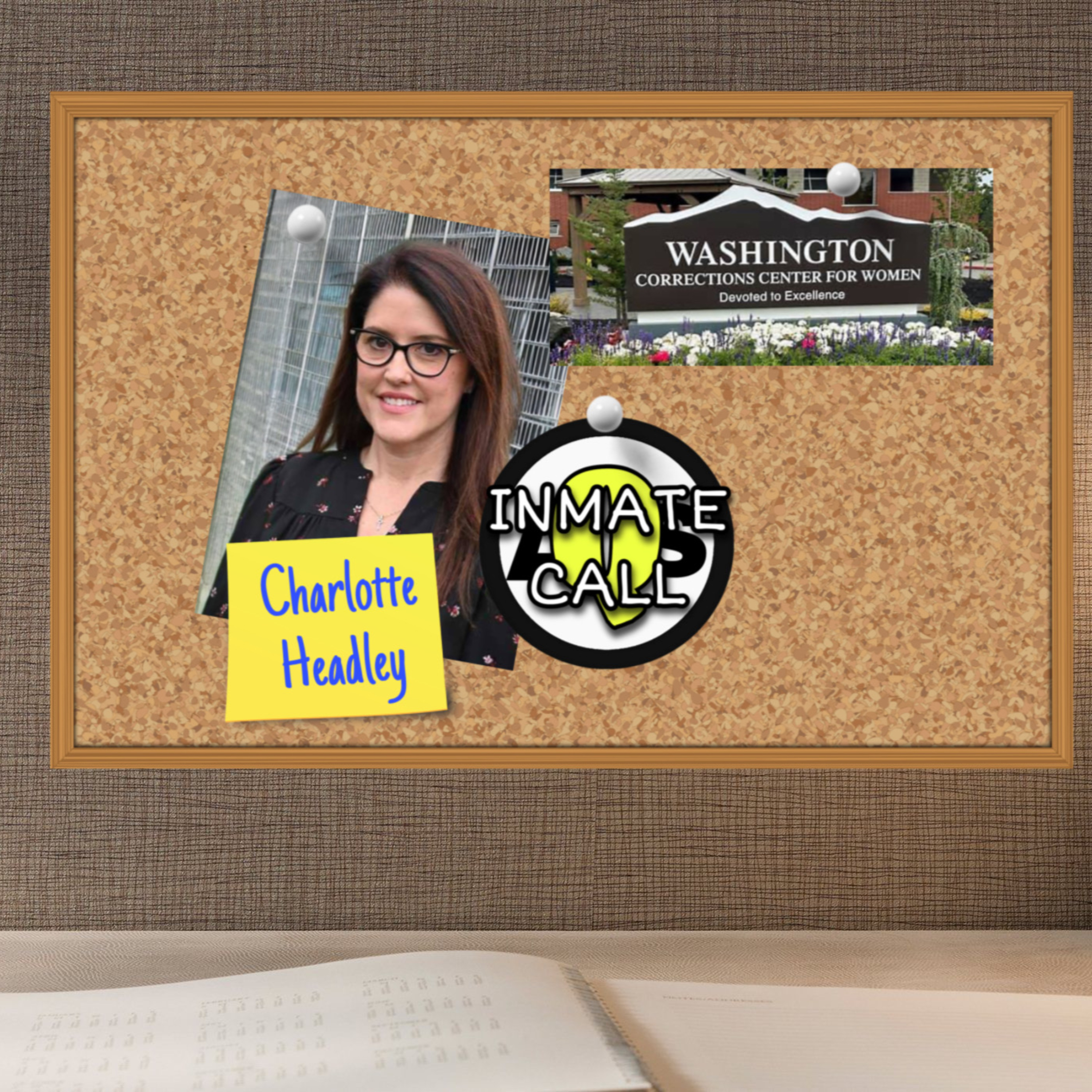
In this episode, I explore the obstacles I've encountered while attempting to marry my fiancée, who is incarcerated at the Washington Corrections Center for Women. Superintendent Charlotte Headley has placed undue restrictions on my communication with my fiancée. I offer advice on how the Department of Corrections employs tactics to circumvent laws and policies. It's crucial for loved ones to conduct research and maintain records to garner support and surmount the opposition from the state. Above all, perseverance is key—never give up!
S4 Ep 36Holding DOC Accountable: The Need for Supportive Relationships
In this episode, I discuss my experiences with lodging complaints against the Washington Department of Corrections. Incarcerated individuals require supportive relationships to uphold basic human rights and hold DOC officials accountable. It is unrealistic to expect the DOC to offer adequate care and support for those incarcerated. Hence, it is crucial for support groups to be ready to offer the necessary assistance.

S4 Ep 35Fostering Worth in Prisons
In this episode, I explore how straightforward approaches can be adopted in prisons to help individuals foster a sense of worth rather than feeling like a burden to society. Often, prison officials exploit their power without facing repercussions. The Department of Corrections should collaborate with inmates and establish supportive relationships to pinpoint issues and devise strategies to overcome the barriers impeding rehabilitation.

S4 Ep 34DOC Stabbing
In this episode, I address a stabbing incident at the Washington Corrections Center for Women. This event is a stark indication of the Department of Corrections' shortcomings in safeguarding the individuals in its custody. Given the already traumatic conditions of incarceration, it is imperative that professional measures are taken to address and remedy the concerns of those incarcerated.

S4 Ep 33DOC Rules
In this episode, I talk about a discussion with Kimberly Carter regarding an infraction she incurred for breaking a facility rule of which she was unaware. The Washington Corrections Center for Women has a reputation for policy and rule violations. It's crucial to keep reporting these infractions and hold the Department of Corrections accountable for its irresponsibility.

S4 Ep 32When the DOC Ignores Your Concerns
This episode explores the avenues for assisting incarcerated individuals when Department of Corrections officials neglect the concerns of loved ones or issue false and misleading statements. Supportive relationships of an incarcerated person can combat mistreatment and unlawful government actions by investigating the issues and pooling their resources to hold the DOC accountable.

Kimberly Carter: The conviction of Diane Bowerman
bonusIn this special episode, Kimberly Carter explores the tragic events that resulted in Diane Bowerman's imprisonment. Bowerman was found guilty of aggravated first-degree murder in Washington state. The case centered on the murder of Matthew Nickel, for which Bowerman was alleged to have compensated James Hutcheson to commit the crime. Despite numerous appeals and the defense's legal challenges, the Washington Supreme Court affirmed the conviction.

S4 Ep 31Incarcerating Youth
In this episode, I examine a solution to the overcrowded youth detention centers in Washington. The state operates under a determinate sentencing scheme, where each crime carries a fixed jail or prison sentence that cannot be altered by a judge, parole board, or any other agency. Legislators should collaborate to reform the system, allowing juveniles to be sentenced on a case-by-case basis.

S4 Ep 30DOC Sexual Misconduct
In this episode, the focus is on the Dublin FCI controversy in California, which encompasses a series of alarming constitutional violations and abuses at the now-defunct Federal Correctional Institution (FCI) Dublin, a women's prison. The main points are as follows: Constitutional Violations: A federal judge discovered an error rate of nearly 45% in the prison's disciplinary actions against incarcerated women, resulting in the expungement of many infractions due to due process failures or other deficiencies. Sexual Abuse: Notorious for sexual abuse, the prison saw eight correctional officers, including the ex-warden, charged with the sexual abuse of numerous incarcerated women. The prison was infamously dubbed the "rape club" because of the widespread abuse. Retaliation and Poor Conditions: Following the prison's shutdown, numerous women were relocated to other institutions where they continued to endure mistreatment and retaliation for reporting abuses. Closure and Aftermath: The prison was suddenly closed in April 2024, and approximately 600 women who were incarcerated there were dispersed to various prisons nationwide.

THE WASHINGTON WAY, Part I (The Three Stooges/Prison Guards)
bonusEFor decades Washington State Penitentiary prisoner Greg Brown has advocated that Washington state uses citizens' tax dollars to build and fund more and more jails and prisons for the sole purpose of creating and maintaining more jobs for prison guards, employees, and officials. Greg Brown addresses Washington state's commitment to adopt Norway's correctional approach that requires humane treatment of prisoners, pointing out that Norway implemented its humane correctional system by disciplining and getting rid of its "bad apples" who refused to adhere to their humane correctional treatment plan, and pointing out that Washington state refuses to get rid of its "bad apples." In this way, Greg Brown demonstrates that Washington state continues to use citizens' tax dollars to build and fund more and more jails and prisons for the sole purpose of creating and maintaining more jobs for prison guards, employees, and officials.

S4 Ep 29Men in a Woman's Prison
EIn this episode, I share stories from women at the Washington Corrections Center for Women. Bryan Kim, who identified as a transgender woman, was moved from a male to a female prison. Following an incident where he was found having sex with a female inmate, he was transferred back to a male prison. It's crucial for the public to understand the rehabilitation efforts for those incarcerated and how policies and laws are applied.

S4 Ep 28Behind Bars and Misinformed: The Hidden Truths of WADOC’s Public Image Over Justice
In this episode, the topic is the misinformation disseminated by the Washington Department of Corrections and the risks it presents to incarcerated individuals and their families. The WADOC appears to prioritize its public image over adherence to state and federal laws, as well as its own policies and procedures, potentially neglecting the rehabilitation of the incarcerated and its impact on the community.

Greg Brown: The Law Library
bonusEIn the revised podcast episode, Greg Brown explores the complexities of his lawsuit against prison officials for banning inmate conversations in the prison law library and the removal of self-help legal books. Brown references the pivotal Supreme Court decision, Board of Education, Island Trees Union Free School District No. 26 v. Pico, which determined that institutions cannot capriciously withdraw access to materials once provided, without proper justification. He draws a comparison between schools and prisons, suggesting that the same rule should apply to correctional institutions. Brown stresses the importance of legal resources for inmates who, despite not being formally trained in law, are expected to meet the same legal standards as lawyers in Washington state courts. He points out a history of court cases that support this standard, going back to the 1980s, and argues that the actions to remove books and restrict communication in the law library are intentional efforts to suppress prisoner litigation.

S4 Ep 27Behind Bars: Addressing the Overdose Crisis at Washington Corrections Center for Women
This episode covers the increase in drug overdoses at the Washington Corrections Center for Women. It highlights how incarcerated individuals obtain prescription drugs and pass them to fellow inmates, leading to potential overdoses. The discussion emphasizes the need for the penal system to prioritize the health and wellbeing of prisoners, particularly those battling addiction.

Greg Brown: The Twight Zone!
bonusEIn this captivating, updated episode of his podcast, Washington State Penitentiary inmate Greg Brown takes us on a tumultuous journey through a day that changed his life forever. What begins as a simple errand to the prison library on May 23, 2003, quickly spirals into a maddening ordeal of bureaucratic insanity and injustice. As Greg navigates a world of chaos and confusion, he encounters hostile corrections officers, false accusations, and blatant misconduct that threaten to shatter his sanity. With each unjust punishment and bewildering accusation, Greg finds himself trapped in a nightmarish reality reminiscent of "The Twilight Zone." As he fights to reclaim his dignity and seek justice, unraveling a web of lies and deceit along the way, Greg's resilience and determination prove to be his only weapons against a system intent on crushing his spirit. Tune in to hear the gripping tale of survival and defiance in the face of madness in this riveting episode of Greg Brown's podcast.

GREG BROWN IS CHAINED, SILENCED, AND SUBJECTED TO MODERN DAY KIDNAPPING AND LYNCHING.
bonusEGREG BROWN IS CHAINED, SILENCED, AND SUBJECTED TO MODERN DAY KIDNAPPING AND LYNCHING. HELD AS A POLITICAL PRISONER AFTER STATE PROSECUTOR LIED AND PAID WITNESSES TO LIE. GREG WAS AFFORDED ZERO LEGAL REPRESENTATION.

S4 Ep 26Ending Mass Incarceration
This episode examines the potential to end mass incarceration. With crime rates falling, the emphasis should shift to proactive strategies to reduce incarceration rather than reactive crime prevention methods. The decline in American crime rates is linked to multiple factors, some aligning with global trends and others unique to the U.S. context.

Greg Brown: Sgt Brandon Archer as the poster child for the prison welfare job industrial complex at Washington State Penitentiary.
bonusEIn this episode, Greg Brown discusses his encounters with the mistreatment of incarcerated individuals by prison officials and their abuse of power.

S4 Ep 25The Untapped Resources of the Incarcerated Population
This episode explores the untapped resources represented by the incarcerated population in the United States. Yakima County Jail has introduced Crime Stoppers playing cards to inmates, aiming to crack unsolved cases. Incarcerated individuals hold a wealth of information that can be pivotal in solving crimes and imparting knowledge that could prevent future offenses. It is imperative that the penal system upholds the rights of these individuals and sets a precedent for recognizing their value and potential post-release.

S4 Ep 24Guarded Secrets: Unmasking Prison Power Abuse
This episode explores the impact of incarceration on society. The justice system incarcerates numerous individuals for extended durations, incurring significant costs for taxpayers and offering minimal resources in substandard conditions. It is crucial to adopt a proactive sentencing approach to enable those incarcerated to reintegrate into society and positively contribute to their families and communities.

S4 Ep 23Embracing Differences
In this episode, I address the issue of societal disdain for individuals who fail to meet certain living standards. Often, those who are incarcerated commit crimes under the belief that their lives lack significance. It's crucial to strive for a society that embraces diverse expressions, opinions, and lifestyles, even if they deviate from the norm. Teaching children that mistakes are a natural part of learning and that conformity should not be a prerequisite for equal treatment is essential.

S4 Ep 22Investing in Incarceration
In this episode, the focus is on the exorbitant costs of incarceration. Nationwide, justice systems are incarcerating individuals in facilities that lack the proper staff and resources for effective rehabilitation. It's crucial for taxpayers to become informed about the daily expenses of incarcerating a person and assess whether these funds are being utilized efficiently to decrease costs and reduce the state's recidivism rate.

S4 Ep 21Incarcerating Innocents
In this episode, the impact of incarceration on human mental well-being is discussed. Justice systems throughout the United States often treat recently arrested individuals as guilty. Courts must eliminate bias and focus on rehabilitation. Incarcerated individuals are confined with hardened criminals and can be easily influenced by them. The justice system should consider the trauma and mental wellness effects of a prison sentence on the individual and the community before sentencing.

Greg Brown: CO Theft
bonusIn this episode, Greg Brown discusses the issue of correction officers taking property from incarcerated individuals. American taxpayers are wasting their money by continuously funding a penal system that permits correctional officers to confiscate property with minimal recourse. The resulting trauma and anger among the victims can lead to an increase in criminal activity.

S4 Ep 20Delayed Early Release Date
In 2023, nearly one-third of inmates in the Washington Department of Corrections were released after their scheduled release dates. Such delays hinder inmates' ability to make arrangements for housing, transportation, employment, and informing their families. Releasing inmates late is not only expensive but may also increase the likelihood of reoffending. It is crucial for the penal and justice systems to develop and implement a reliable method of informing inmates about their release dates and to support them in planning their reintegration into society.

S4 Ep 19Betraying Trust
This episode tackles the critical issue of trust within the Department of Corrections. Incarcerated individuals and their families should be able to trust DOC officials responsible for the welfare of those in custody. The case of Kyle Lara, who took his own life while incarcerated, underscores this point. His family had placed their trust in county officials to oversee his health and wellbeing. It is imperative for the DOC to establish and preserve the trust of the community, the families, and the incarcerated persons themselves.

S4 Ep 19Reducing Prison Sentences
In this episode, the topic of discussion is the disparity in prison sentences for convicted individuals. Cynthia Metsker was sentenced to 12 years for the manslaughter of 42-year-old Colin Bastow. She entered a guilty plea to first-degree manslaughter and unlawful possession of a firearm. While her sentence appears just for the crime committed, her incarceration at the Washington Corrections Center for Women raises concerns. The facility is reportedly ill-equipped to offer adequate medical care and rehabilitation resources to its inmates, potentially doing more harm than benefit.

S1 Ep 4Kimberly Carter: Prison Overcrowding and Potential Solutions (Final)
bonusIn the concluding episode of her podcast series, Kimberly Carter shares personal experiences with overcrowding. She draws parallels with comparable scenarios from California, highlighting how overcrowding contributes to recidivism and affects community safety.

S4 Ep 18When Justice Fails
In this episode, I discuss Maryanne Atkins and how the criminal justice system failed her. While she is not innocent of her crime, she was not treated fairly during her sentencing. It is no secret that not all incarcerated individuals are guilty. We need organizations such as the Innocence Project, the Freedom Project, and the American Quittance Society to help hold the Department of Corrections, the justice system, and law enforcement accountable for their actions. Although the criminal justice system is effective, it isn't always fair and equal. https://www.youtube.com/watch?v=DeHopnbHLYo