
Show overview
AQS Inmate Call has been publishing since 2021, and across the 5 years since has built a catalogue of 294 episodes, alongside 29 trailers or bonus episodes. That works out to roughly 110 hours of audio in total. Releases follow a weekly cadence, with the show now in its 6th season.
Episodes typically run twenty to thirty-five minutes — most land between 18 min and 26 min — though episode length varies meaningfully from one episode to the next. It is catalogued as a EN-language Education show.
The show is actively publishing — the most recent episode landed 3 months ago, with 12 episodes already out so far this year. The busiest year was 2024, with 73 episodes published. Published by Joel Wilborn.
From the publisher
Supportive relationships play a crucial role in shaping our confidence and self-worth, enabling us to achieve success. One often overlooked aspect is the impact that connecting with incarcerated individuals can have on both parties involved. Engaging in conversations with those who are incarcerated can create a significant positive change, not only for them but also for ourselves.
Latest Episodes
View all 294 episodes
S6 Ep 12When the System Pretends it Doesn't Know
A federal women’s prison in Texas is facing new allegations of staff sexual misconduct — and the story exposes a nationwide pattern that Washington State knows too well. This episode of AQS Inmate Call connects the dots between the failures at FPC Bryan and the long‑standing complaints inside Washington’s own prisons: ignored PREA reports, retaliation against survivors, stalled investigations, and a culture that protects staff over safety. Through lived experience and system‑level analysis, we break down how abuse becomes predictable when oversight collapses — and why voices from inside Washington’s prisons keep demanding accountability.
S6 Ep 11Cynthia Rhodes and Medical Care Punishment
In this episode of AQS Inmate Call, host Joel Wilborn shares the harrowing experiences of Cynthia Rhodes, a 66-year-old incarcerated woman at the Washington Correction Center for Women. Cynthia details her ongoing medical crises, alleged retaliation from prison staff, and systemic failures in healthcare within the prison system. The conversation highlights the emotional toll of incarceration, the importance of advocacy, and actionable steps for supporting incarcerated loved ones. Wilborn emphasizes that healthcare is a right, not a privilege, and that aging behind bars does not strip individuals of their human rights.

S6 Ep 10Horses, Healing, and the Quiet Work of Change
In this episode of AQS Inmate Call, we go inside the walls of the Washington Corrections Center for Women to discover an unlikely source of healing: horses. Inspired by KING 5’s True Northwest reporting, we explore how these thousand-pound animals are teaching incarcerated women the art of emotional regulation and trust. In an environment where vulnerability is often a liability, we discuss why horses act as a "mirror" for personal growth and what this unique program reveals about the evolving future of rehabilitation in Washington.
S6 Ep 9Inside the WCCW: A Call for Change
In this episode of AQS Inmate Call, host Joel Wilborn discusses the importance of advocating for inmates and addressing systemic issues within correctional facilities. He shares personal experiences and insights into the challenges faced by incarcerated individuals, particularly focusing on a severe medical error that occurred at the Washington Corrections Center for Women. The conversation emphasizes the need for accountability, transparency, and support for those navigating the complexities of the prison system.
S6 Ep 8The Hidden Crisis in Corrections: Safety, Policy, and Human Rights
This episode explores the complex issues within the Washington State Department of Corrections, focusing on inmate safety, systemic failures, and the challenges of housing transgender inmates. Through compelling stories of inmates like Shane Goldsby, Amber Kim, Christopher Williams, and Sincera Norton, we examine how policies impact human lives and what reforms are needed.
S6 Ep 7Correcting Behavior
This episode explores the realities of the correctional system, focusing on the importance of resources, healthcare, and advocacy for incarcerated individuals. The host shares personal insights and highlights systemic issues within Washington's correctional facilities, emphasizing the need for reform and community involvement.
S6 Ep 6Tina Stewart's Murder: Lessons
Tina Stewart deserved safety. Instead, she became another preventable victim of intimate partner violence. In this episode of AQS Inmate Call, we examine the systemic failures that led to her death—and what it will take to stop the next tragedy before it happens.We break down the warning signs too often ignored, the gaps in accountability for repeat violent offenders, and the policy debate around creating a registry similar to those used for sexual offenses. Could a system like that save lives, or would it create new harms? We explore the evidence, the ethics, and the real‑world impact on survivors.This episode is a call to action: to build systems that intervene early, protect people in danger, and treat violence as a pattern—not an isolated event.Topics include:Tina Stewart’s life and the failures that preceded her deathWhy repeat violent behavior is so often overlookedThe feasibility and risks of a violent‑offender registryWhat real prevention could look likeHow communities can push for changeAQS Inmate Call brings humanity, clarity, and accountability to the stories behind the headlines—because safety shouldn’t depend on luck.
S6 Ep 5Understanding Recidivism: Why So Many Return to Prison
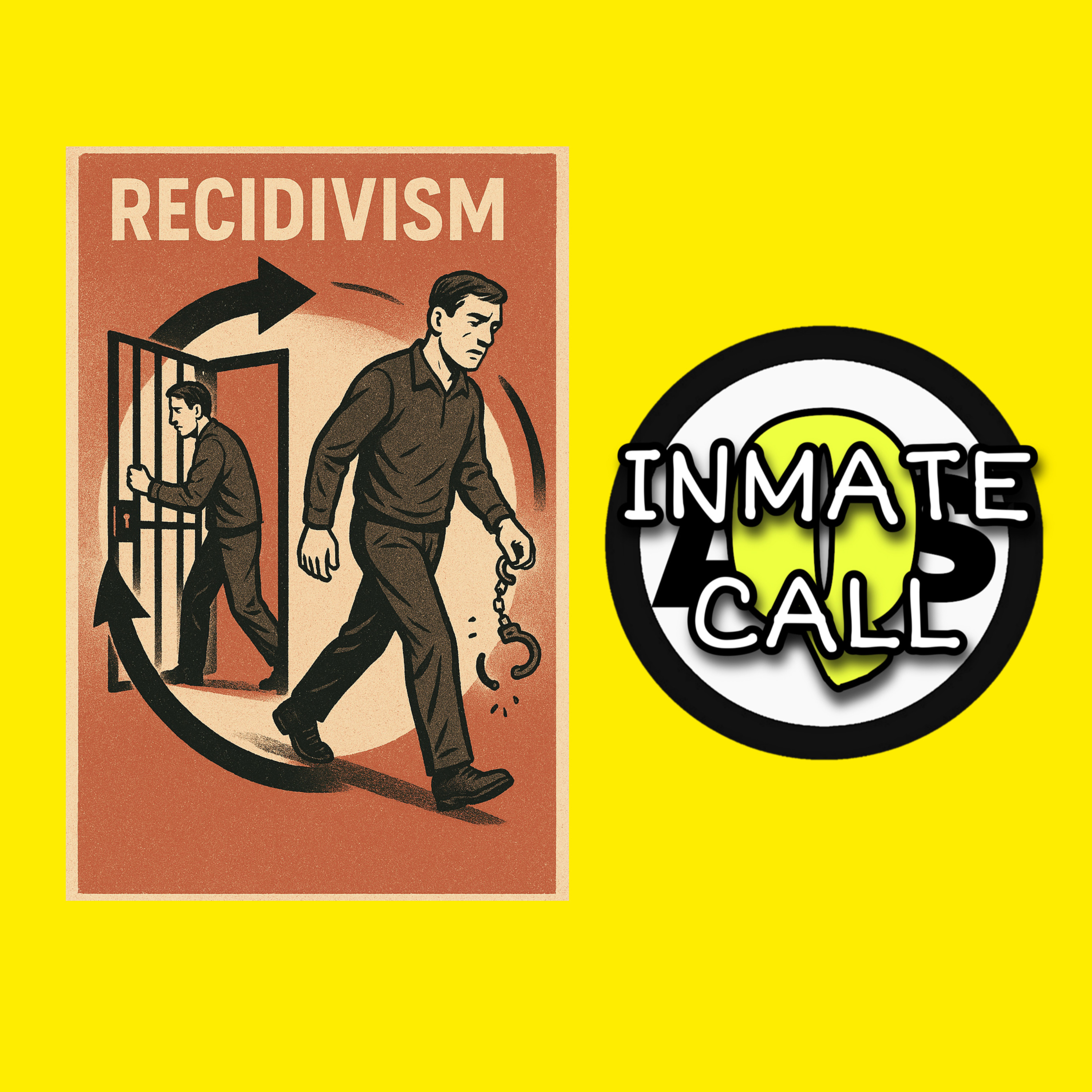
Why do so many people return to prison after release—and what would it take to break the cycle? In this episode of AQS Inmate Call, we dig into the reality of recidivism in the United States: the numbers, the barriers, and the human stories behind the statistics.From employment and housing challenges to the gaps in reentry support, we explore how the system sets people up to fail—and what real solutions could look like. Whether you’re directly impacted, working in justice reform, or simply curious about how we can build safer, more humane communities, this episode offers clarity, context, and hope.Topics include:What recidivism actually measuresWhy reentry is so difficult in the U.S.How community conditions shape outcomesThe role of education, treatment, and support programsWhat research says about reducing reoffendingAQS Inmate Call brings lived experience, data, and dignity to the conversation. Press play and join us.
S6 Ep 4Over Capacity: IDOC Budget Crisis
Idaho’s prison system is buckling under historic overcrowding and rising costs — and the state’s budget can’t keep up. This episode breaks down why the Idaho Department of Correction is facing a multimillion‑dollar shortfall, how inflation and population spikes are driving expenses, and what proposed cuts could mean for staff, counties, and public safety. Through clear analysis and grounded reporting, we explore the financial pressures shaping Idaho’s corrections system and the high‑stakes decisions lawmakers now face.
S6 Ep 3Abuse of Power in the Washington Department of Corrections
This conversation delves into the critical issues surrounding the Washington State Department of Corrections, highlighting the need for transparency, accountability, and advocacy for incarcerated individuals. The host discusses the challenges faced by those within the system, including retaliation for speaking out and the inadequacies of the internal grievance process. The importance of independent oversight and community support is emphasized as essential for fostering a correctional environment that respects the rights and dignity of all individuals involved.
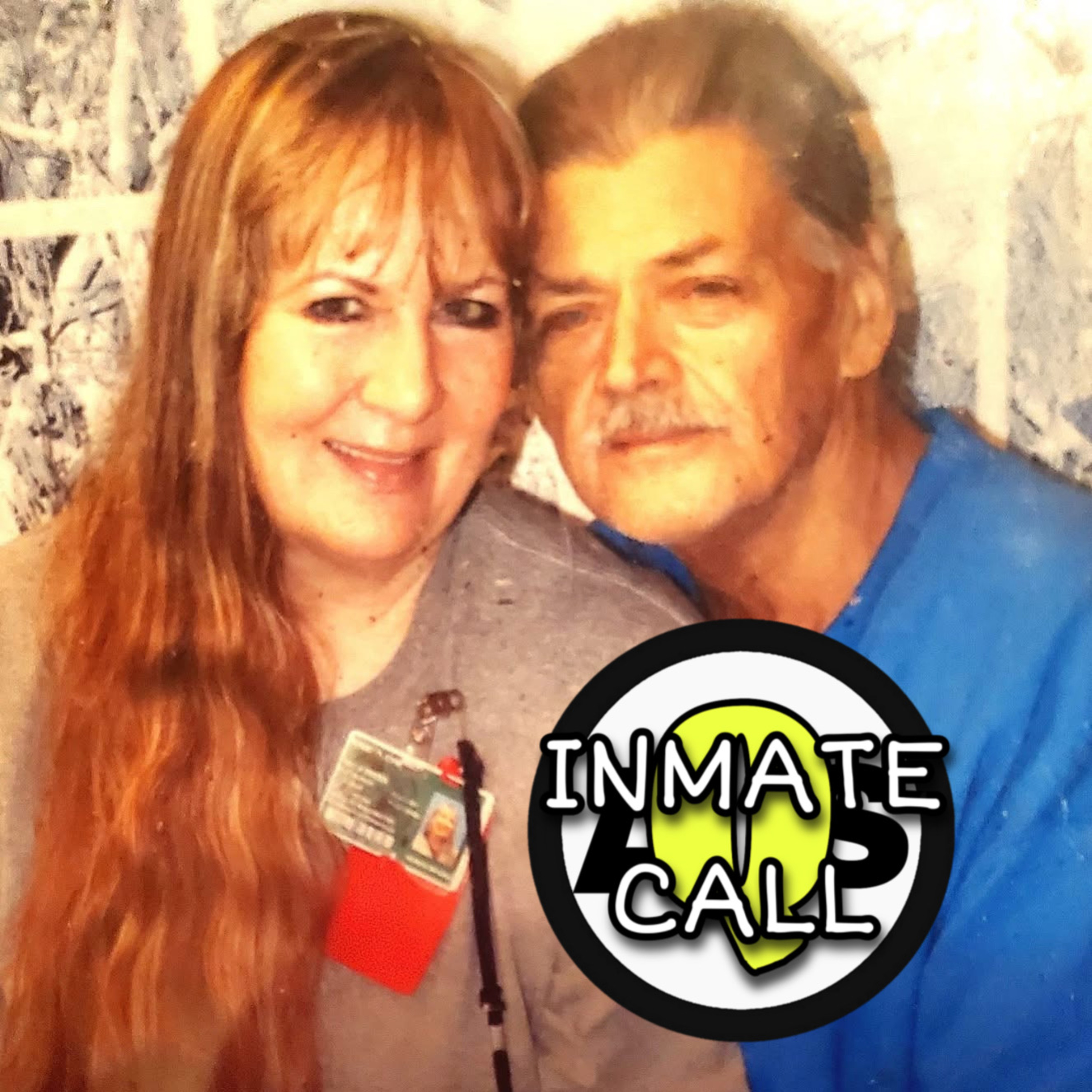
S6 Ep 2Cynthia Rhodes’ Journey
In this episode, host Joel Wilborn tells the moving story of Cynthia Rhodes a wheelchair-using inmate at the Washington Corrections Center for Women. Through a series of emails, Cynthia shares her struggles with health problems, the challenges of navigating the prison system, and how changing her name from Cynthia Miller to Cynthia Rhodes has made it easier for her to get medical care. Their conversation sheds light on deeper issues in prison healthcare, like the difficulty inmates face in getting necessary medication and the emotional strain of losing loved ones while behind bars.Cynthia’s life has been touched by deep loss, having recently lost two sons while coping with the illness of her remaining family members. Even with these hardships, she stays hopeful and thankful for the support she’s received. The episode also explores the wider impact of name changes in prison, the importance of mental health care, and the need for better treatment of inmates. Cynthia’s story is a testament to the strength of the human spirit and the power of community in facing adversity.
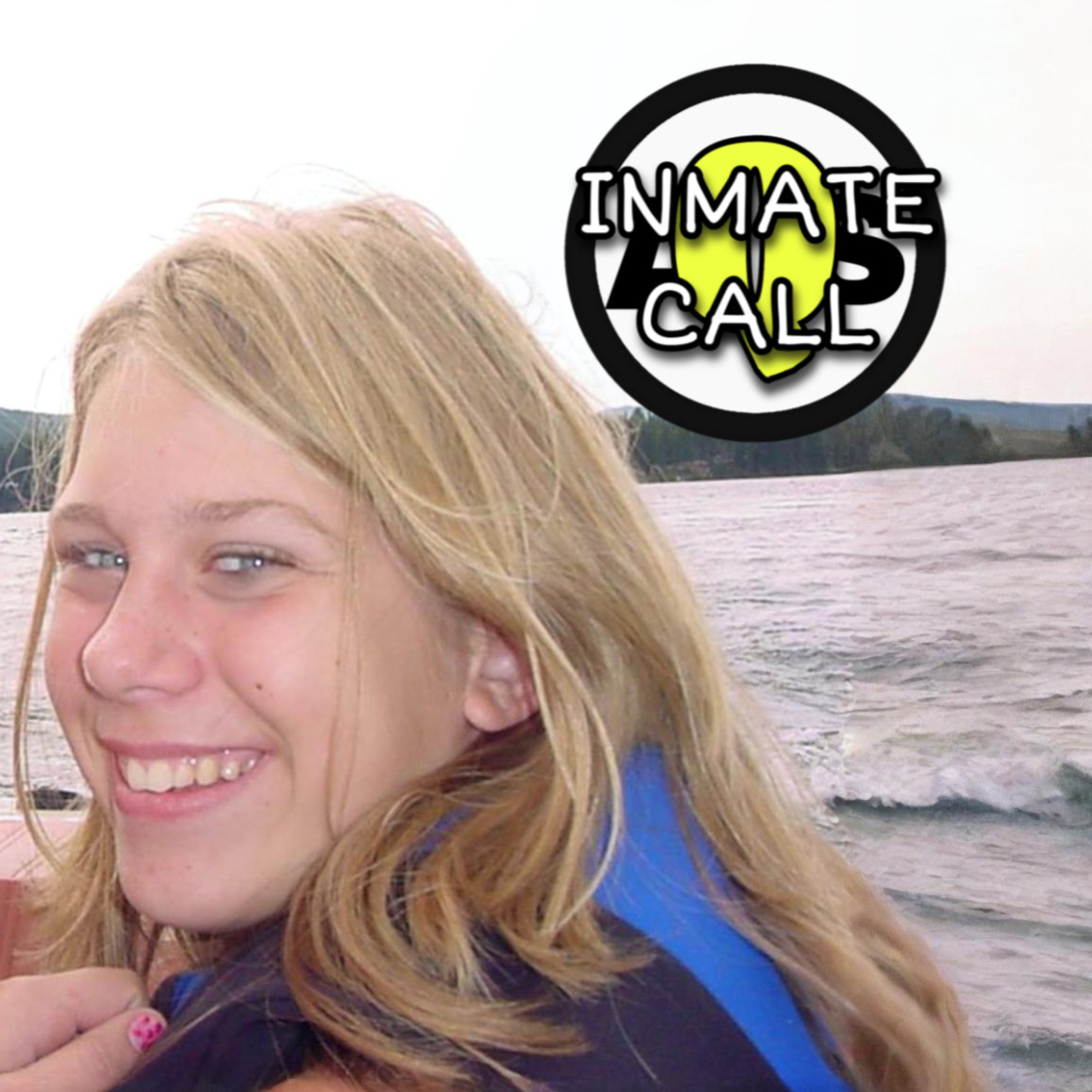
S6 Ep 1The Impact of Kala Williams' Murder
A decade after 20‑year‑old Kala Williams vanished from Spokane, her story continues to echo through the Northwest. What began as a missing‑person search became a long fight for answers — a journey marked by heartbreak, resilience, and a family’s refusal to let Kala be forgotten.This episode traces Kala’s life, her disappearance, the discovery that changed everything, and the years of uncertainty that followed. We explore the investigation, the suspect who would never face trial, and the ongoing push for justice in a case that remains open to this day.Told with care and clarity, this story honors Kala’s memory while shining a light on the questions that still linger. It’s a reminder that behind every headline is a life, a family, and a community forever changed.
S5 Ep 40A Conversation with Anthony Covert
Anthony discusses the public's misconceptions of incarcerated individuals.Securus identification: DOC 335988
S5 Ep 41The Lessons of a Serial Rapist
Kevin Coe, known as Spokane’s South Hill Rapist, was recently released from McNeil Island. In response, State Senator Mark Schoesler has introduced a bill aimed at making it more difficult for state agencies to release serial rapists. The discussion delves into the complexities of the criminal justice system, touching on the balance between rehabilitation and punishment, the challenges of providing healthcare in prisons, and public perceptions of inmate rights and safety. It underscores the need for reform in how society approaches and supports inmate rehabilitation and medical care.
S5 Ep 40Ghost Children
This discussion looks at how parental incarceration deeply affects kids and families, stressing the value of community support, mentorship, and open communication to help prevent crime and build resilience in these children. It also points out the struggles they face, the need for accessible resources, and how education can play a key role in breaking the cycle.
S5 Ep 3940 Dollars Out The Gate
In this episode, host Joel Wilborn discusses the critical issue of gate money, the financial assistance provided to ex-prisoners upon their release. He shares personal experiences and insights into the challenges faced by individuals reentering society, particularly the inadequacy of the current gate money amount. The conversation highlights the importance of community support, resources, and strategies to help ex-prisoners successfully reintegrate into society and avoid recidivism.
S5 Ep 38Hating the DOC
This conversation explores the challenges facing the Department of Corrections (DOC) and the public animosity it often receives. The host highlights the need for advocacy, accountability, and systemic reform, stressing the value of rehabilitation and protecting the rights of juvenile offenders. It also addresses how budget cuts affect the system and the importance of adopting a more compassionate approach to corrections.

S5 Ep 37Learning From Inmates
This conversation explores the complexities of the prison system, shedding light on the struggles inmates face and the pressing need for reform. The host talks about the harsh realities of prison life, the corruption that exists within the system, and the vital role community support plays in rehabilitation. It underscores the importance of raising awareness and taking action to improve conditions and reduce repeat offenses.
S5 Ep 36Criminal Mentoring
In this conversation, host Joel Wilborn explores the complexities of crime prevention, emphasizing that there is no single solution to stopping crime. He discusses the ineffectiveness of simply removing weapons and highlights the cleverness of criminals in finding ways to commit crimes. The conversation delves into the justifications criminals use for their actions, the importance of societal support in rehabilitation, and the challenges faced by the prison system in gaining community trust. Wilborn calls for a proactive approach to understanding and addressing the motivations behind crime to prevent future incidents.
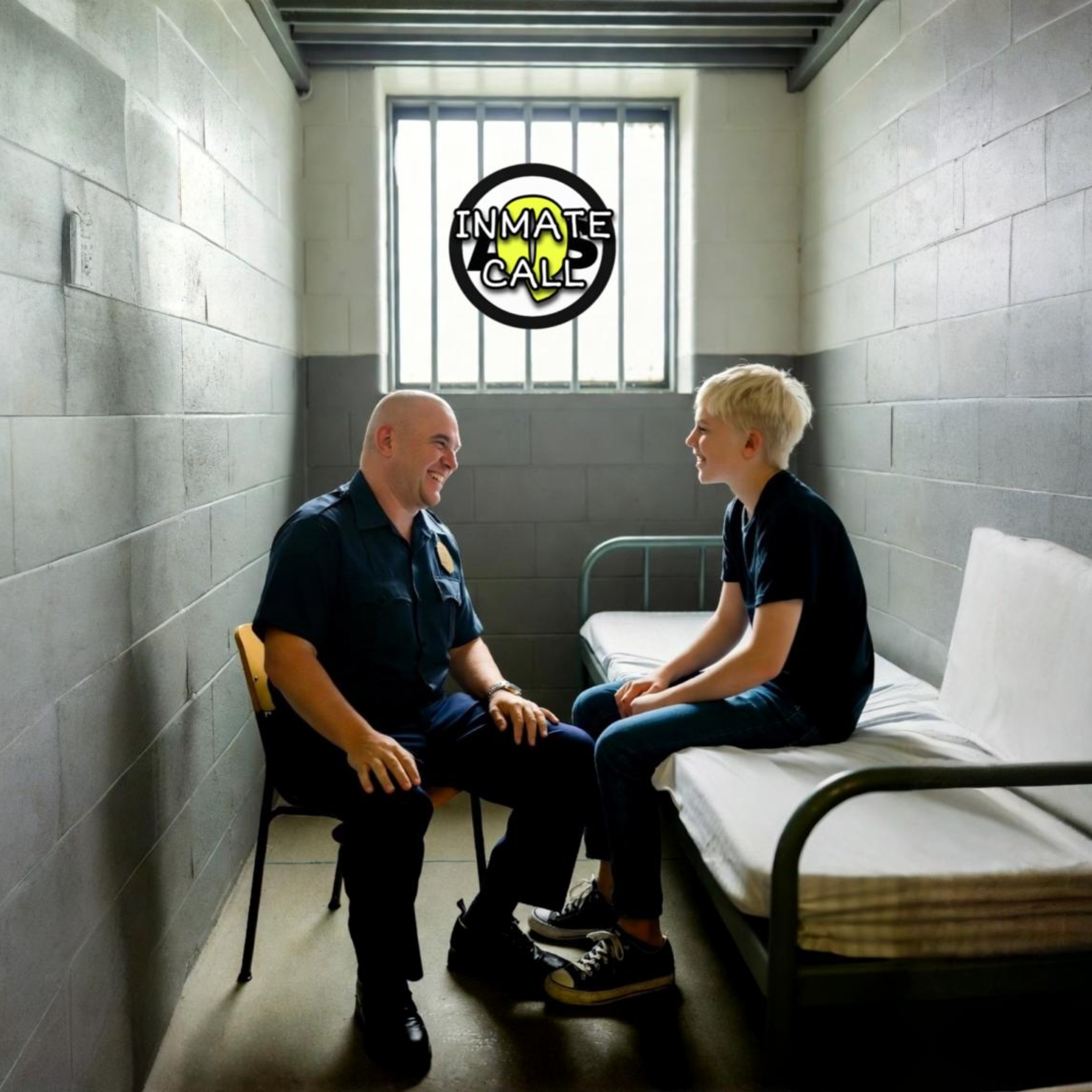
S5 Ep 35Abusing Juveniles
This episode confronts the harrowing legacy of systemic abuse within juvenile detention centers, centering on a decades-long case in Spokane County where children were groomed and sexually abused by guards. Joel Wilborn underscores the urgent need for public awareness, survivor advocacy, and accountability within the justice system. The conversation explores the enduring trauma inflicted on victims and calls on communities to reckon with institutional failures—and to take collective responsibility for ensuring such atrocities are never repeated.