
All Things Sustainable
368 episodes — Page 8 of 8
S2 Ep 9The ESG implications of a proposed US Labor Department rule
The U.S. Department of Labor received thousands of comments on a newly proposed rule that says sustainable investments still need to put financial performance first to have a place in corporate retirement plans. Some say the proposal would put needed guardrails in place around an increasingly popular investment product, but others argue that the rule will hamper ESG options in pension funds. We talk to sustainability experts on both sides of the debate in the latest episode ESG Insider, an S&P Global podcast about environmental, social and governance issues. The Labor Department in June proposed requiring company-sponsored retirement accounts such as 401(k)s and pension plans that are subject to the Employee Retirement Income Security Act, or ERISA, to give a higher priority to funds with the greatest financial performance potential than to those focused on non-financial environmental and social considerations. The vast majority of comments the DOL received in July were in opposition to the proposal, according to an analysis by a number of organizations including the US SIF: The Forum for Sustainable and Responsible Investment. Christian McCormick, director and senior product and sustainability specialist at asset manager Allianz Global Investors U.S. LLC, notes that sustainable funds have grown exponentially. Morningstar Inc. reported that the money invested in sustainable funds increased nearly fourfold in 2019 from the prior calendar year to a total of $21.4 billion. In comparison, the World Business Council for Sustainable Development, or WBCSD, has indicated that in 2019 only 4.8% of Fortune 1000 companies offered a socially-responsible fund option for employee retirement plans. Given the rising popularity of ESG funds, McCormick suggests that the Labor Department may be trying to act early before the trend spreads and takes hold in retirement plans. If the agency were to wait until more companies offered ESG fund options, it would face much more push-back "because it would require a lot of cost to then change investment lineups [and] require a lot of regulatory and perhaps even litigation costs for plans that have already added it," McCormick says in the interview. But William Sisson, executive director of the CEO-led WBCSD, contends that the new rule would make companies even less likely to offer ESG fund options. "This ruling is going to perhaps put some brakes on that because it's going to raise ... some flags to the fiduciaries in our companies about concerns over the litigation risk and other factors that they'll have to pay attention to if this ruling goes forward," he tells ESG Insider.
S2 Ep 8European banks sharpen ESG focus as COVID-19 highlights risk
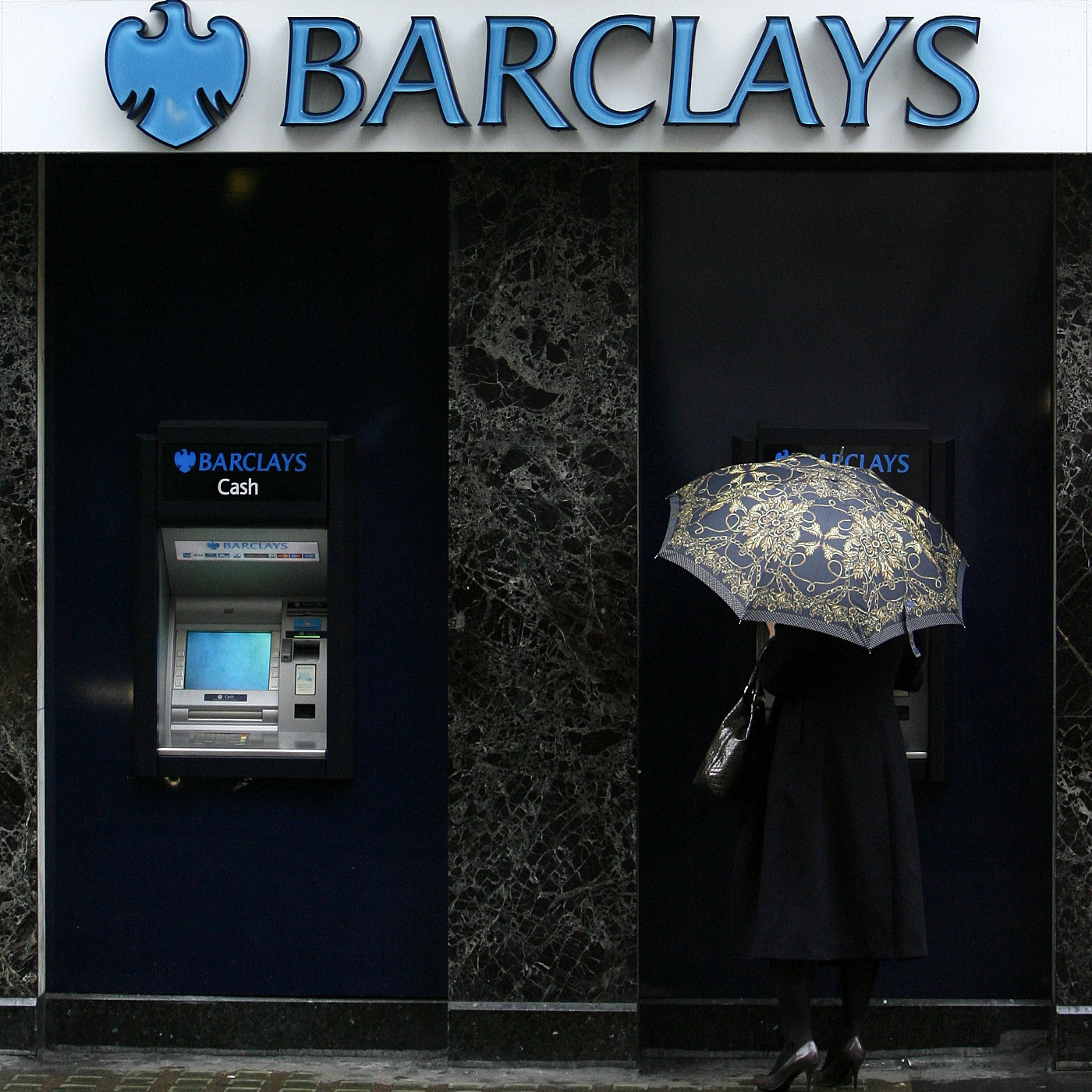
ESG Insider interviewed sustainability leaders at some of Europe's largest financial institutions: BBVA in Spain, BNP Paribas in France and Barclays in the U.K. This is the third in a three-part miniseries that features interviews with some of the biggest lenders around the world about how they're adapting their ESG strategies amid COVID-19. In Europe, climate change remains in sharp focus for banks despite the current coronavirus crisis. As scientists caution that deforestation and destruction of nature could lead to more pandemics, some banks are increasing their focus on environmental issues like biodiversity. Listen to the episode to hear the interviews, and subscribe to ESG Insider to catch future episodes. (Photo: AP)
S2 Ep 7Head of major US gas utility outlines path to net-zero emissions
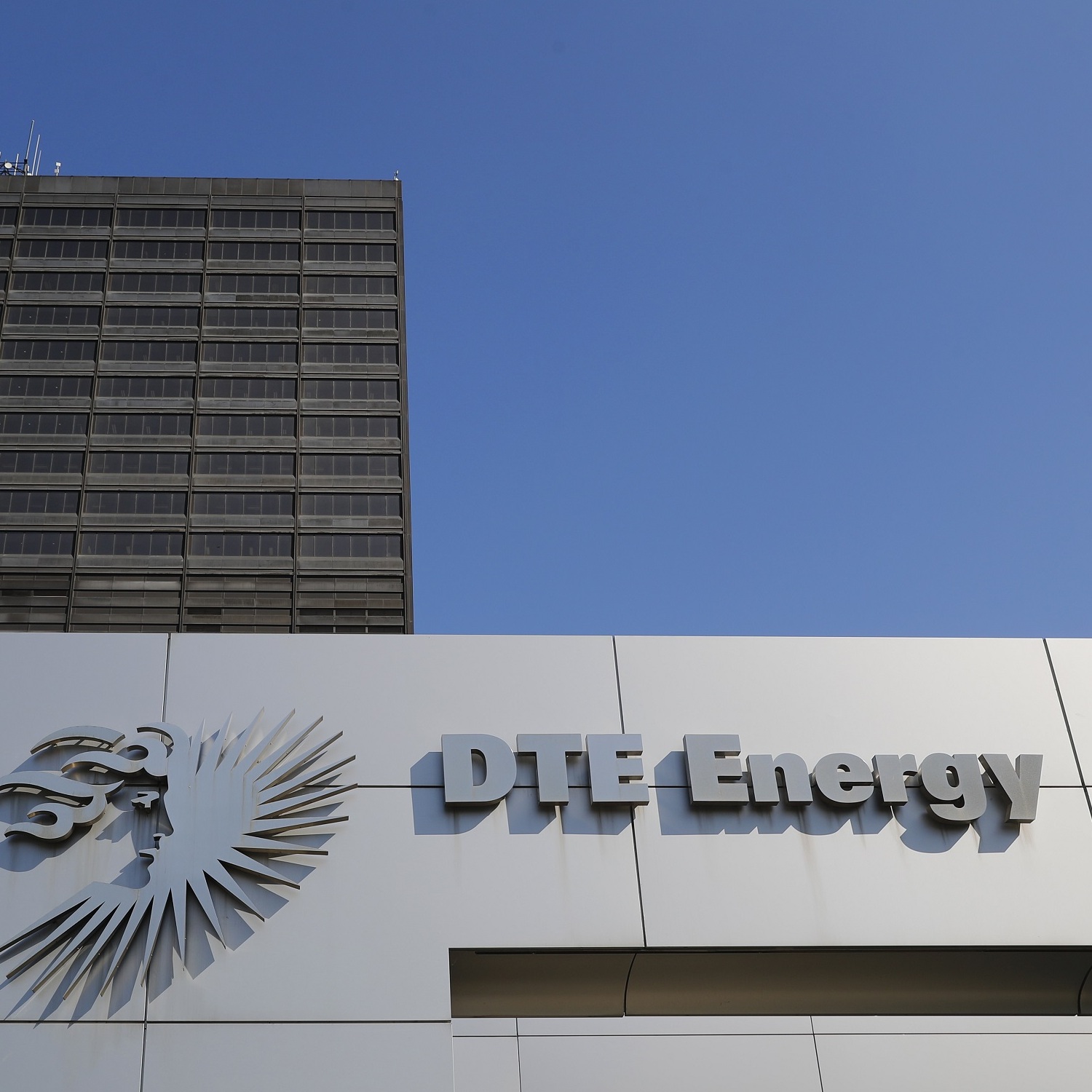
"This isn't just a pie-in-the-sky commitment or announcement. This is something that we spent a lot of time researching and analyzing and studying," DTE Gas Co. President and COO Matt Paul said of the company's plan to achieve net-zero emissions by 2050. Paul made the comment in an exclusive interview with ESG Insider, an S&P Global podcast about environmental, social and governance issues. DTE Gas parent company DTE Energy is among the largest electric and gas companies in the U.S. and serves 2.2 million electricity customers and 1.3 million gas customers in Michigan. In June, it expanded its existing goal of achieving net-zero greenhouse gas emissions by 2050 to also include its natural gas distribution and gas retail sales operations. The company joins a growing list of U.S. electric and gas utilities that have made deep decarbonization pledges. But achieving net-zero emissions can be a complicated feat and requires different strategies for different types of companies. For example, electric utilities can reduce the majority of their carbon emissions by retiring coal-fired power plants and replacing that generation with wind, solar and battery projects. However, not all companies have the option of changing their power fleet to achieve their goal. In the interview, Paul detailed DTE Gas' strategy for achieving net-zero emissions within its operations and from suppliers, such as oil and gas drillers and owners of major interstate pipelines that transport the gas to its distribution system. Paul also noted that DTE Gas is looking to help customers who use natural gas for home heating and other purposes offset their associated emissions. Paul said that the company will need to rely on carbon offsets for a portion of its goal and described how DTE Gas is already taking steps to ensure those options are available for the future. Listen the episode to hear the full interview, and subscriber to ESG Insider to catch future episodes. (Photo: AP)

S2 Ep 6COVID-19 shows many ESG agendas have 'forgotten about the people'
"Sustainability was always around people, planet and profit. I just think for the longest time we've forgotten about the people," said Mikkel Larsen, chief sustainability officer at Singapore-based " data-original-title="">DBS Group Holdings Ltd., in an interview for the latest episode of "ESG Insider," an S&P Global podcast. In the coronavirus pandemic, Larsen said, "We've been reminded that you can't have one without the two others." Larsen said the pandemic has brought social issues to the forefront as companies grapple with the way they treat their employees, customers and those in their supply chains. "What we now see under COVID-19 is that companies who don't take [care] of their employees will not have a sustainable company to run," he said in the interview. In Asia, where millions live in abject poverty, Larsen cautioned that the climate agenda cannot come at the expense of people. DBS stopped financing coal-fired power plants, but only after finding price-competitive renewable energy alternatives. "We were not willing to accept that lack of electricity — we are in Southeast Asia where 65 million are still without electricity — was necessarily going to be the trade-off," Larsen said. In other industries, such as aviation and cement, good alternatives are not yet clear. But Larsen said banks like DBS can take steps to help clients transition to more sustainable business models. "I think the right thing to do is to back those that are taking the right steps to decarbonize," he said. Going forward, Larsen expects rapid growth in ESG investing in Asia. He said this is partly due to growing investor demand and partly due to rising pressure from regulators in the region. "You've seen around Asia a number of regulators stepping up, and they're not deterred particularly by the COVID-19 crisis," he said. "Introduction of carbon taxes, introduction of incentives for going green, requirements for banks to show how much of their book is 'green' and 'brown'...China's ability to offer a discounted rate at the discount window if you have green assets — all these things will spur the movement." The episode is part of a series of podcasts exploring how banks in different parts of the world are adapting their environmental, social and governance strategies amid the coronavirus pandemic. DBS is the largest bank in Southeast Asia. In the " data-original-title="">last episode, we heard from " data-original-title="">JPMorgan Chase & Co. Head of Sustainability Marisa Buchanan about how the largest U.S. bank is responding to systemic racism and re-upping its focus on climate change following pandemic disruptions. In the next episode, we'll hear from some of the largest banks in Europe about their ESG approach. Listen to the episode, and subscribe to ESG Insider to catch future episodes. (Photo: AP)

S2 Ep 5How the biggest US bank is adapting its ESG approach amid COVID, racism
Climate change took "a bit of a backseat" during the first several weeks of the coronavirus pandemic as "governments and businesses frankly were really just focused on survival," JPMorgan Chase Head of Sustainability Marisa Buchanan said in an exclusive interview in the latest episode of "ESG Insider," an S&P Global podcast. "As economies begin to rebuild [and] businesses have greater ability to focus on these issues, we're going to see budget and bandwidth come back hopefully," Buchanan said. The episode is part of a series in which we talk to some of the world's biggest lenders about how they are adapting their environmental, social and governance strategies amid COVID-19 and widespread protests against racism following George Floyd's death in the custody of Minneapolis police. Listen to the episode to hear to the full interview, and subscribe to ESG Insider to catch future episodes. (Photo: AP)

S2 Ep 4Why S&P Global Ratings sees ESG as critical to COVID-era credit quality
More than 370 credit rating actions taken by S&P Global Ratings since March have been driven by environmental, social and governance factors as a result of the COVID-19 pandemic, S&P Global Ratings' Americas Team Leader for Sustainable Finance Michael Ferguson said in an exclusive interview for the latest episode of "ESG Insider," an S&P Global podcast. Companies in nearly every sector have been hard hit by the economic impacts of the pandemic and many have seen their credit rating downgraded as a result. The majority of ESG-related actions S&P Global Ratings took in recent months were tied to social factors, such as how businesses are being impacted by social distancing and workforce challenges, Ferguson said. "Managing ESG risk is critical ... because it is a central piece of understanding credit quality," he explained. Many ESG risks such as climate change play out over the long term, giving companies time to plan and adapt. But the pandemic is forcing companies to pivot and act quickly in relation to things like supply chain management, Ferguson explained. Some ESG-related deterioration in credit quality resulting from COVID-19 is inevitable given the pandemic circumstances. "Certainly the idea that people are going to social distance means that they're not going to go to casinos, they're not going to go to restaurants, they're not going to get on planes for a little while. That's going to impair credit quality," Ferguson said. But management teams do have control over their response to the virus, such as mitigating risks related to workforce and safety — and that is something ratings analysts will be watching closely as companies emerge from the crisis. "Companies that are not particularly cautious about how they reopen and do so hastily and without taking the proper precautions," face significantly heightened social risks, Ferguson cautioned. Listen to the episode to hear the full interview, and subscribe to ESG Insider to catch future episodes! (Photo: AP)
S2 Ep 3Investors press Amazon, other companies on COVID-19 workforce concerns
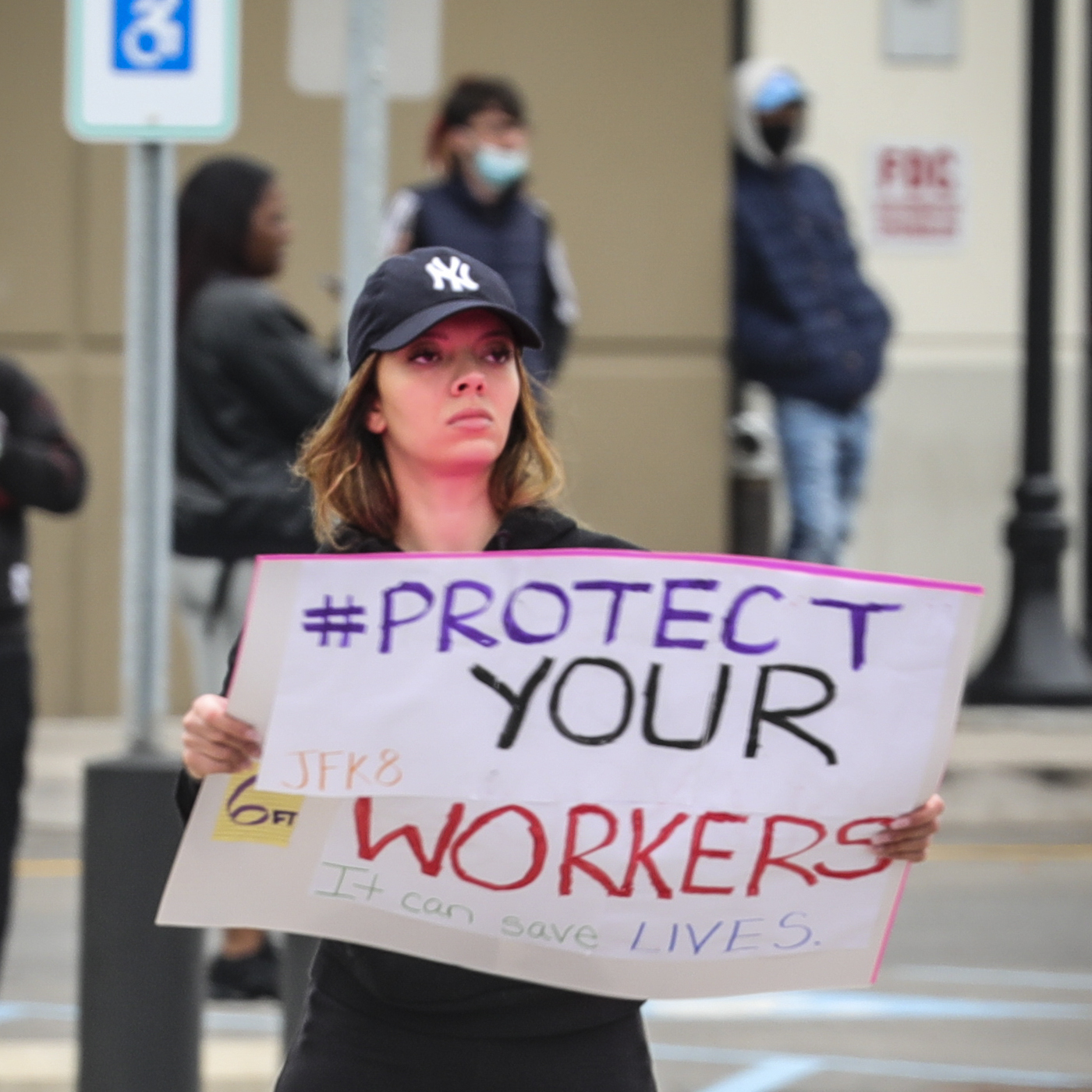
Investors are moving to hold companies such as Amazon more accountable on workforce management during the COVID-19 crisis, Fiona Reynolds, the CEO of PRI, or the Principles for Responsible Investment, said in an exclusive interview for the latest episode of ESG Insider, an S&P Global podcast. To prevent the spread of the coronavirus, many governments have ordered social distancing and for people to stay home, with exception to essential workers. But this has meant that many companies that relied on people traveling, shopping, going out to eat for their revenues have experienced significant financial problems and many have furloughed or have been forced to lay off employees. PRI's hundreds of signatory investors that collectively manage about $90 trillion in assets are "extremely concerned about what's happening within the workforces within the corporations that they're invested in," said Reynolds. PRI has organized focus groups aimed at helping investors engage with companies on coronavirus issues, including by asking questions of the companies at their annual shareholder meetings. "We need to be stronger on social issues and human rights and make sure that the companies that we invest in understand that we care about the workforce," Reynolds said. "Because we know from all of the evidence, the academic evidence that is out there, (that) when you have a company that has happy employees, you're a better company and you perform better." Reynolds also outlined how she envisions investor and government expectations might change on workforce issues coming out of the coronavirus crisis. PRI is a project the United Nations launched in 2006 that has evolved into an international network of investors who have agreed to apply six sustainability principles to their investment decisions and practices. Also in the episode, Reynolds and S&P Global Market Intelligence e-commerce reporter Katie Arcieri outline the pressure Amazon has come under for worker safety issues both from employees and investors and how the company says it is working to address those concerns. (Photo: AP)
S2 Ep 2'No board in America wants to face that': Proxy reform, Fink's letter and ESG
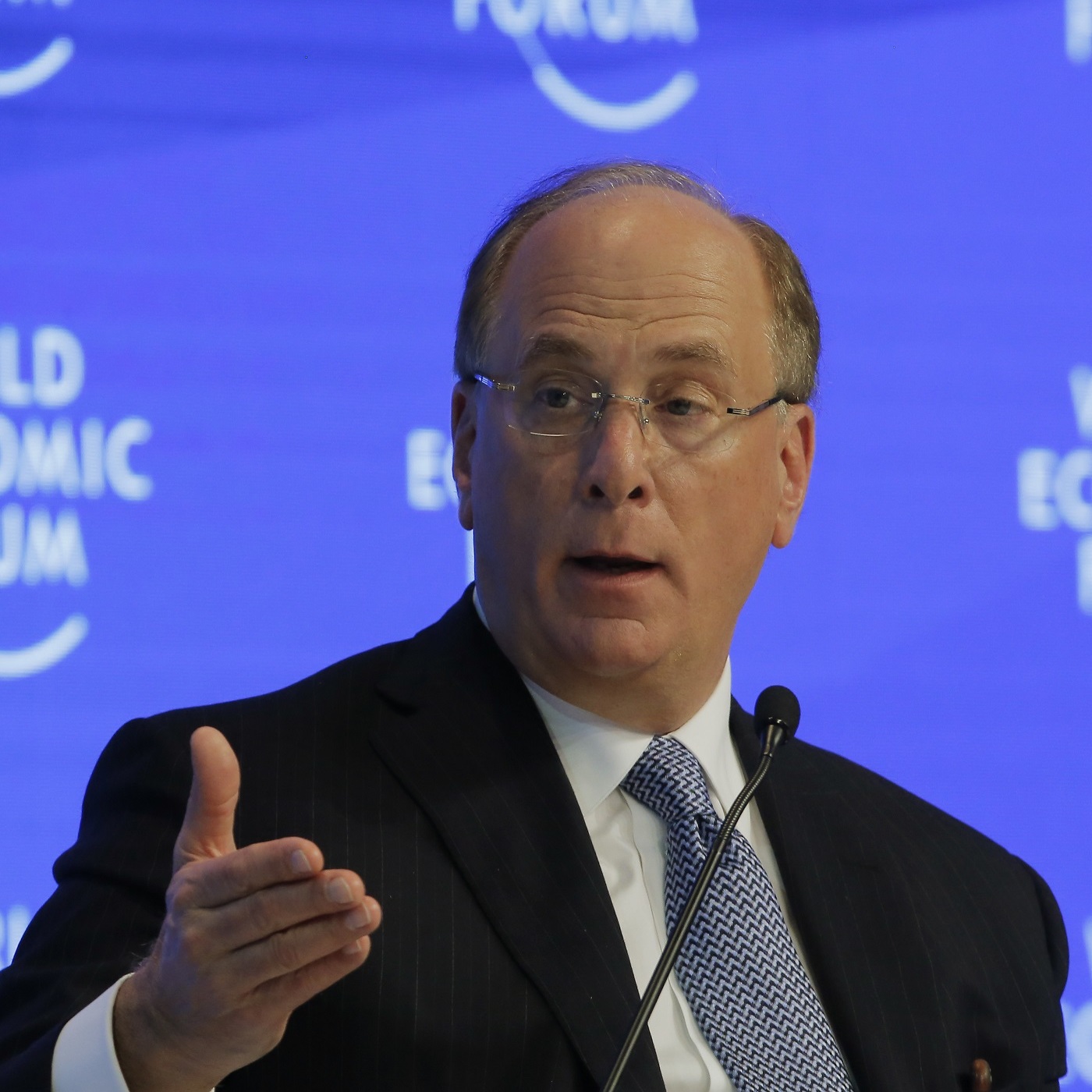
Wall Street's top regulator is moving to fundamentally reshape the proxy process, one of the key avenues shareholders use to engage with companies on environmental, social and governance issues. In the latest episode of ESG Insider, a podcast hosted by S&P Global, we talk to stakeholders about what the proxy rule changes the U.S. Securities and Exchange Commission is weighing could mean for companies and investors. Some investors worry that proposed rule changes could make it harder for shareholders to engage with companies through the proxy process. "When you cut off the opportunities for new ideas to emerge ... you are denying the marketplace the opportunity to vet those ideas and the marketplace will be poorer for it," says Jonas Kron, director of shareholder advocacy at Trillium Asset Management, a firm that uses ESG factors to manage about $3 billion in assets and has submitted shareholder resolutions at major companies. Advocates for change say proxy rule updates will bring needed sanity to a process that has morphed into a political tool. " The shareholder proposal process in our viewpoint has been subverted over the last several years from being one of a communications device between shareholders and companies ... and instead is being used by certain special interest activists to push agendas or issues that they can't make progress on in Washington," says Tom Quaadman, executive vice president at the U.S. Chamber of Commerce's Center for Capital Markets Competitiveness, discussing why the chamber has lobbied for these changes. Regulators are actively considering proxy rule modifications, but some say the private sector — not government — will provide the biggest catalyst for change. In early 2020, BlackRock Inc. CEO Larry Fink wrote a game-changing annual letter urging chief executives around the world to make more robust ESG disclosures using existing frameworks from the Sustainability Accounting Standards Board, or SASB, and the Task Force on Climate-related Financial Disclosures, or TCFD. BlackRock is the world's largest asset manager and its CEO has considerable clout, explains Robert Jackson, who recently finished his term as an SEC commissioner. "Companies across America right now I can assure you are talking seriously about what they have to do to come in compliance with those standards because if they don't, they're going to face a skeptical BlackRock come proxy season next year," Jackson says in an interview with ESG Insider. "Almost no board in America wants to face that." Listen to the episode, and subscribe to ESG Insider on Soundcloud, Spotify, Apple Podcasts, or wherever you get your podcasts. (Photo: AP)

S2 Ep 1These are the top issues the ESG world is focused on in 2020
"Baby steps are equivalent to nothing in this day and age." This is what Mindy Lubber told ESG Insider, an S&P Global podcast about the environmental, social and governance issues shaping company strategies and investor decisions. Lubber is CEO of sustainability nonprofit Ceres, and she was talking about how slowly many companies are reacting to climate change and disclosing their environmental risks. In this first episode of 2020, ESG Insider talked to Lubber and other key stakeholders across the ESG world about the issues they are focused on in the new decade. The sluggish response to rapidly worsening climate risks was a recurring theme. "Given the immediacy of climate change, I am constantly surprised at the slow reaction of the markets of institutional investors," said Christopher Ailman, chief investment officer of the California State Teachers' Retirement System. CalSTRS is the 2nd-largest U.S. pension fund with a $248 billion investment portfolio. Even companies that recognize the threat of climate change continue struggling with how to measure and disclose it. The lack of relevant, quality and comparable ESG data was another recurring theme among attendees of Sustainable Finance Week, a series of events in New York City where policymakers, asset owners and managers and corporations from around the globe convened in December. "CEOs are thinking about it. Insurance companies, frankly, are already pricing it in. Investors need to wake up and recognize this is a factor they've got to think about in their portfolio," Ailman told ESG Insider. The lack of standards continues to create survey fatigue. Corporations are devoting a lot of time and money to filling out surveys from all different stakeholders about their ESG data — a common refrain at ESG conferences. The Sustainability Accounting Standards Board is working to address this problem. SASB is a U.S. nonprofit organization developing disclosure standards for material ESG factors, and ESG Insider spoke to Jeff Hales, chair of SASB's Standards Board, during the group's annual symposium. There is a potential upside to survey fatigue, however, as we hear from the head of U.S. stewardship and sustainable investing for Legal & General Investment Management America in the episode. Listen to the episode, and subscribe to ESG Insider on Soundcloud to catch future episodes. (Photo: AP)

S1 Ep 9Inside the campaign to end forced labor in Uzbekistan's cotton fields
In this episode of ESG Insider, S&P Global Market Intelligence reporter Gautam Naik takes listeners inside the campaign to end forced labor in Uzbekistan's cotton fields. He visited Uzbek cotton fields during the 2019 harvest, sat down with human rights activists and interviewed government ministers trying to change the system. A decade ago, Uzbekistan forced more than one million doctors, teachers, nurses and even schoolchildren to head out into the fields each autumn and bring in the cotton crop. Back then, a good chunk of Uzbek cotton – produced under harsh conditions of forced labor -- ended up in thousands of shirts, jeans and shoes sold by western fashion brands. But as more and more companies stopped using Uzbek cotton, something unexpected happened: the government backed down and decided to aggressively roll back its state-sponsored forced-labor regime. For investors and asset managers who worry about the risks of labor exploitation in consumer supply chains, the Uzbekistan cotton story is a rare thing -- a vivid example of how corporate pressure can lead to enduring change in the global fight against forced labor. Listen to the episode to learn more, and read the story on spglobal.com: https://bit.ly/2sCX1Wq Subscribe to ESG Insider to catch future episodes. (Photo: AP)
S1 Ep 8PE's approach to ESG evolving, but could be mandatory in future
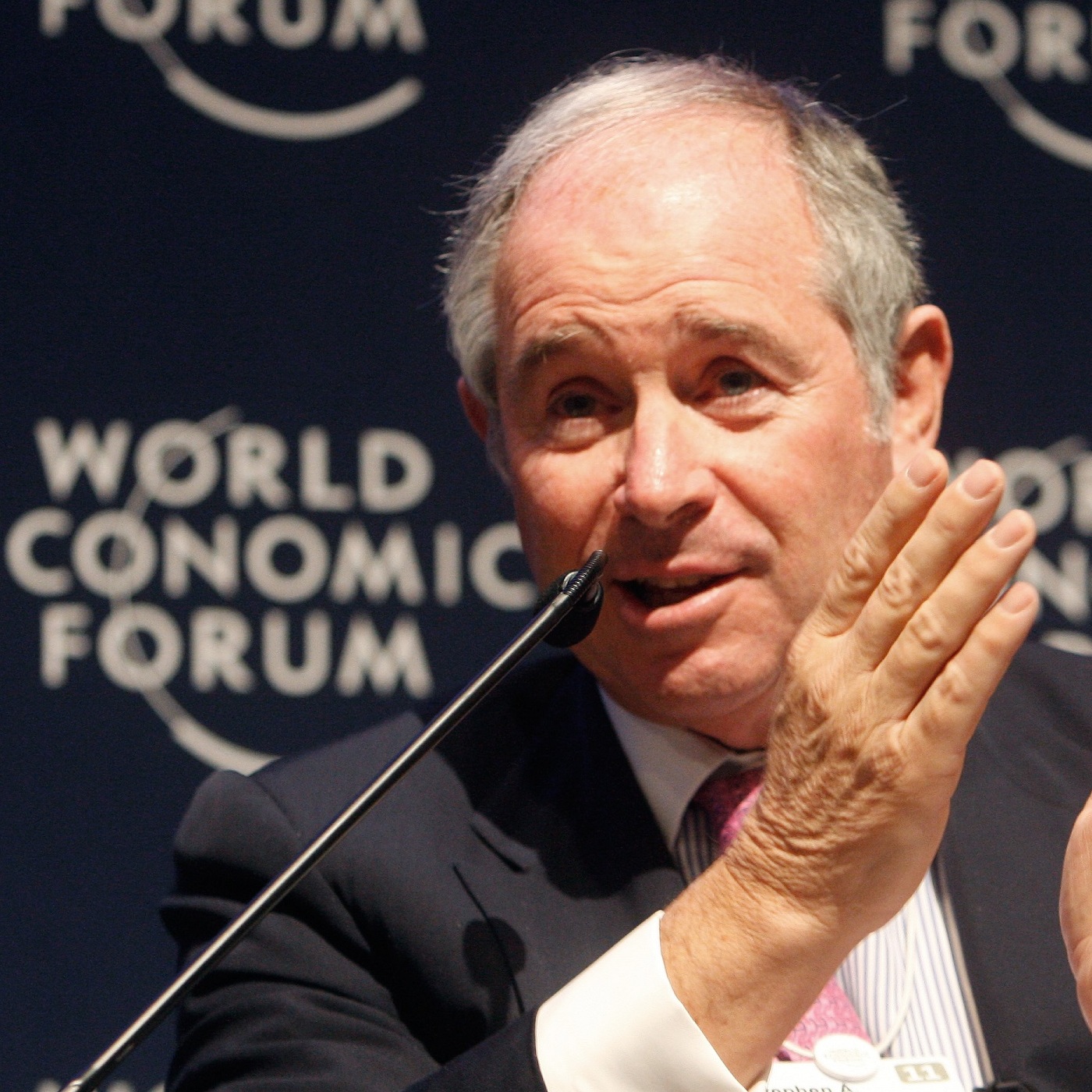
Private equity investors are paying increasing attention to environmental, social and governance factors and in response many firms are implementing strategies to ensure portfolio companies are screened against ESG factors. This focus is likely to intensify and could even become a requirement for a fund over time, representatives from some of the world's most prominent private equity firms say in the latest episode of ESG Insider, an S&P Global podcast. At The Blackstone Group Inc., the world's largest alternative investment firm, the ESG strategy is focused on making low-cost and no-cost operational improvements in its portfolio companies — in particular looking for ways to reduce energy and water consumption, and improve efficiency and reduce costs through the operation and maintenance of equipment. "An example of this work [is] we can look at our investment in the Cosmopolitan hotel in Las Vegas, where we really went in there and helped with energy and water consumption reduction programs, implementing LED lighting throughout the hotel, increasing their recycling rates and improving waste separation efforts just to boost that," Blackstone Global Head of ESG Alison Fenton-Willock tells ESG Insider. ESG considerations are nothing new for many private equity firms, but the industry's approach is evolving. KKR & Co. Inc., another big alternative asset manager, launched a program over a decade ago focused on supply chain through the lens of issues like worker wellness, transparency and anti-corruption. Over the next 10 years, ESG methodology will be an "absolute requirement" for every general partner, or GP, according to Hamilton Lane Inc. managing director Ana Lei Ortiz. The alternative investment management firm, which invests in private equity funds on behalf of its limited partners, or LPs, performs ESG due diligence on the firms it backs and monitors for adherence with ESG standards across a fund's lifecycle. "[In 10 years GPs] will have to have very clear policies, they'll have to disclose a whole lot of information," Lei Ortiz says. "They won't be able to raise a fund if they're not able to address these basic questions." Subscribe to the ESG Insider podcast to catch future episodes. (Photo: AP)

S1 Ep 7The problem with social audits
Social audits are used by consumer goods companies to identify potential human rights abuses, labor violations, and other ESG risks in their supply chains. But critics argue that social audits fall short of their stated objectives. In this episode of ESG Insider, we explore the social audit process and talk to experts about flaws in the system. (Photo: AP)

S1 Ep 6How a non-profit is using technology to fight child labor in the cocoa industry
Child labor has been a longstanding scourge in the $100-billion cocoa industry for more than two decades. Despite efforts by U.S. Congressmen, African governments, the world's biggest chocolate companies and various non-profit groups, it has been a tough nut to crack. In this episode, we look at program that actually seems to be having an effect. It uses a network of smartphones to identify child laborers on thousands of remote farms in Ghana and the Ivory Coast. It then tries to persuade farmers to stop using their children on farms and to send them to school instead. You will hear from cocoa farmers in Ghana, from Nestle, maker of KitKat, and a Swiss non-profit group called the International Cocoa Initiative, or ICI, which co-founded the program. (Photo: AP)
S1 Ep 5New EU taxonomy helps investors, companies identify green investments
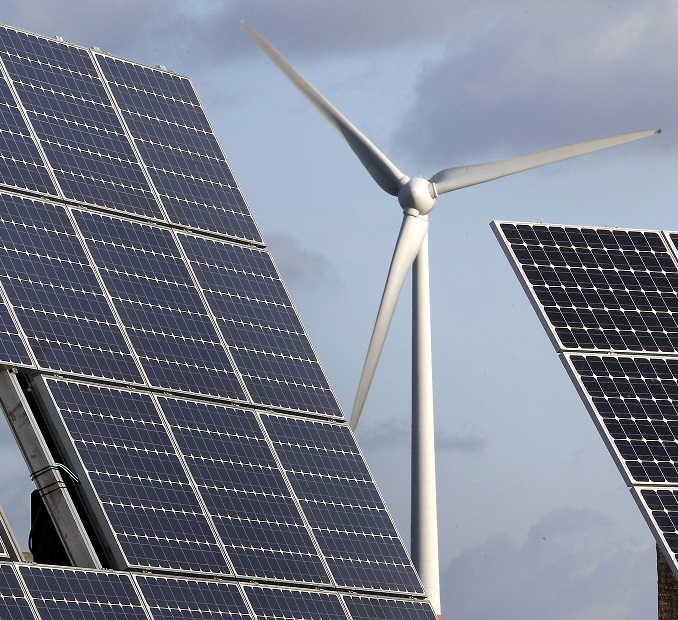
A proposed new European Union green classification system would help investors and companies identify and make environmentally friendly decisions and may evolve over time to include rules for social and governance-related investments, experts explain on the latest episode of ESG Insider, an S&P Global podcast. The taxonomy, which the European Commission released for comment in June, "sits at the heart of the EU's action plan on sustainable finance and it's really the essential definition by which we can all judge whether something is green and sustainable or not," said Richard Mattison, CEO of Trucost, which is part of S&P Global Market Intelligence. Mattison, who worked with the EU to craft the recommendations for the taxonomy, also outlined ways companies and investors are likely to apply the rules. And he indicated the policy may be refined and expanded over time to cover a more comprehensive list of social and governance issues such as gender diversity and forced labor. Also in the episode, we talked to Sean Kidney, CEO of the Climate Bonds Initiative, which has its own taxonomy for green bonds. Kidney said the EU's classification system could open up the green bond market to a whole new set of issuers. The EU taxonomy has broader implications too, according to June Choi, a research analyst at the Climate Policy Initiative. "The fact that the EU is taking such a high-level action on climate change sends a very important policy signal, not just for sustainable investors, but to the society in general, because it shows ... a certain level of political resolve to tackle climate change," Choi said. To catch future episodes of ESG Insider, subscribe on Soundcloud, Spotify or iTunes. (Photo: AP)
S1 Ep 4SEC's Peirce worries ESG movement could hinder corporate performance
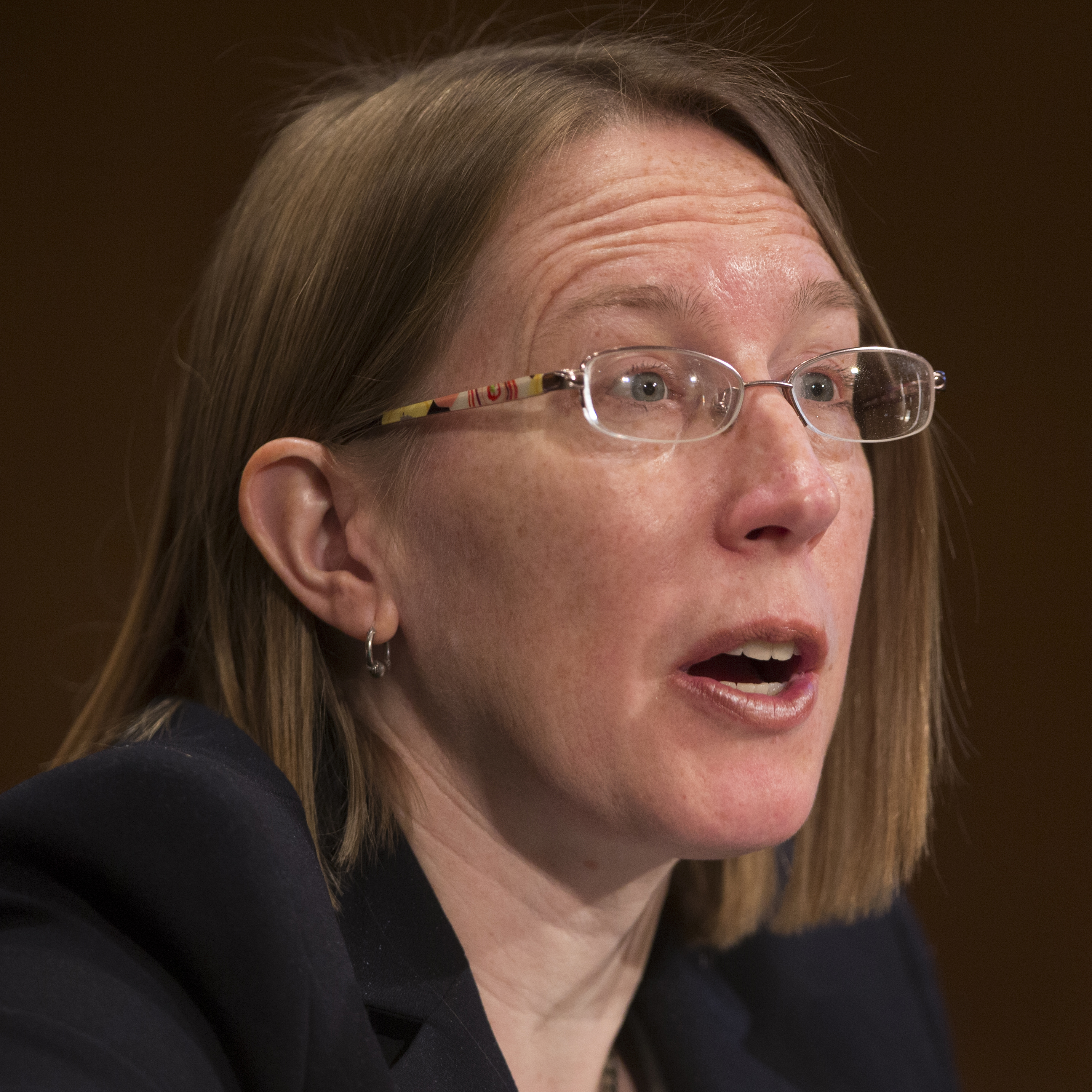
The environmental, social and governance movement could weaken the performance of companies that have already done a lot of good for society, Commissioner Hester Peirce of the U.S. Securities and Exchange Commission said in an exclusive interview for the latest episode of ESG Insider, an S&P Global podcast. Peirce said she worries some managers use companies as their "personal piggy bank" in the name of fulfilling social objectives and she worries that trend could grow as millennials move up the corporate ranks. "I have nothing against millennials and I think it's great they're passionate about a lot of causes," Peirce said. "But I think we shouldn't throw the valuable corporate form out the door at the same time that we're realizing that there are a lot of things that are important in life." The SEC is considering changing the rules underlying the proxy process in which companies hold annual meetings with investors each spring. At those meetings, investors vote on key governance issues and sometimes on resolutions that shareholders have submitted. "We want to get the calibration right so that some shareholders are not subsidizing the pet issues of a few smaller shareholders," Peirce said. The agency has indicated that it could propose rules on the process as early as spring 2020, including potentially related to the thresholds for submitting and resubmitting resolutions and regarding influential proxy advisory firms that many asset managers use to track and vote on resolutions. But shareholder rights advocates worry raising the threshold could hinder their ability to get emerging issues on the radar of company boards and management. Sanford Lewis, a lawyer and director of the Shareholder Rights Group, in the podcast contends the current resubmission thresholds are working fine and points to examples of how shareholders rejected fringe issues in annual meetings this year. In the interview, Peirce also noted that she is mulling options for pulling the SEC entirely out of the process of answering companies' requests to block certain shareholder resolutions that the companies argue are not permissible under the agency's proxy rules. We talked with Tim Smith, Director of ESG Shareowner Engagement at Walden Asset Management, about the potential that the SEC will stop weighing in on resolutions, and whether companies and investors are clamoring for that change. The episode also dives into how climate-related resolutions played out this year at key energy companies including at BP PLC, Royal Dutch Shell PLC, Exxon Mobil Corp. and Chevron Corp.
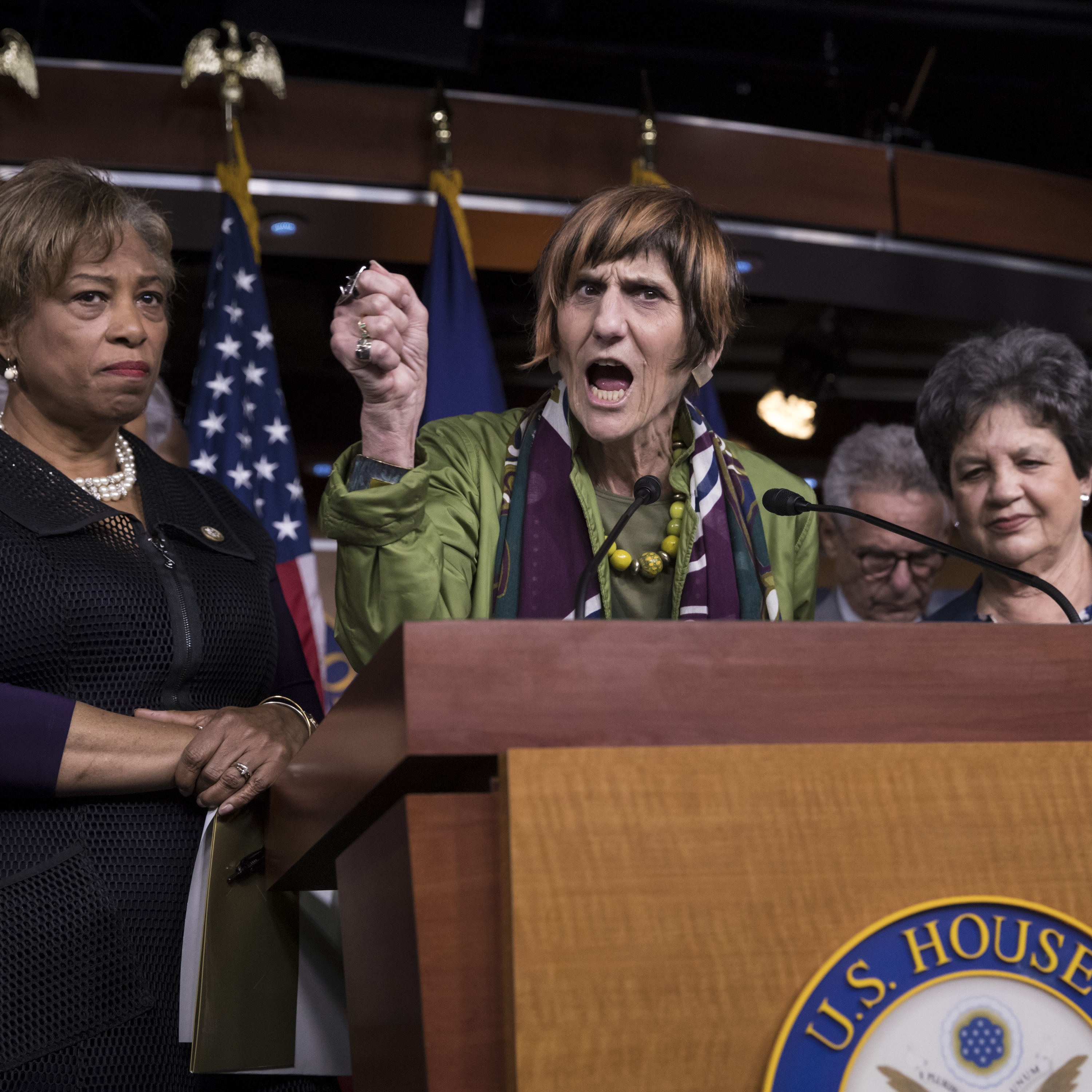
S1 Ep 3Post 'Me Too' movement, gender pay equality efforts gain momentum
"The environment in which the debate is happening, it's not like it was 10 years ago. We're in the midst of a 'Me Too' movement, we're in the midst of a very, very public discussion about equal pay." This is what Rep. Rosa DeLauro told S&P Global Market Intelligence about why she recently reintroduced the Paycheck Fairness Act and why she thinks it has momentum as it heads to the Senate. It has has already been a big year for pay equity advocates: In January, Citigroup Inc. became the first bank to disclose its median gender pay gap, while actress Michelle Williams made headlines when she spoke on Capitol Hill about her personal experience being paid far less than her male costar. DeLauro hopes to build on that momentum. The Democrat congresswoman from Connecticut is one of several experts we interviewed about the gender pay gap for the latest episode of ESG Insider, an S&P Global podcast. While the U.S. Congress weighs DeLauro's bill, the U.K. has already implemented a law requiring that organizations report on their gender pay gaps. In April, U.K. companies disclosed this information for just the second time, and our podcast dives into the new data points, looking at which companies and industries made progress closing the gap. In the U.S., the issue is also garnering investor attention. In this episode, we hear from an activist shareholder who submitted a proposal calling for more gender pay gap disclosures at some of the nation's largest banks. Bank of America Corp. and Wells Fargo & Co. shareholders voted down the proposal at meetings in April, and JPMorgan Chase & Co. shareholders are poised to vote on the proposal later in May. "We're definitely at a transition point for transparency and disclosure, and any employer that is too hesitant risks being left behind by the broader conversation," said Glassdoor Senior Economist and Data Scientist Daniel Zhao. We talked to Zhao about a new report by Glassdoor, which found the gender pay gap is narrowing but persists around the globe. The U.S. adjusted pay gap fell below 5% in 2018 from 6.5% in 2011, thanks in part to a tighter labor market, more women participating in the workforce and greater awareness of the issue, the jobs website found. The issue is gaining momentum and publicity, but experts we interviewed say closing the gap will take years. "That might not sound like a lot, but it adds up to tens of thousands of dollars over a woman's career," Zhao said. "The gender pay gap is narrowing, but at a slow pace. At the current rate, it will be decades if not generations before the pay gap closes fully." (Photo: AP)

S1 Ep 2Inside proxy fights over climate, gender pay and political spending
The interviews: U.S. EPA Chief Andrew Wheeler, Citigroup Global Head of HR Sara Wechter, Arjuna Capital Managing Partner Natasha Lamb, Center for Political Accountability President Bruce Freed, ACCF VP of Policy Tim Doyle, As You Sow President Danielle Fugere. The backstory: Shareholders filed proposals on nearly 400 environmental, social and sustainability issues at U.S. companies through mid-February. The top topics were climate change, gender diversity and corporate political spending. In the second episode of ESG Insider, an S&P Global podcast, we talk to the activist shareholders behind some of these proposals. We hear from one of the world's largest banks about how it engaged with an activist investor on the gender pay gap. And some skeptics of the ESG movement weigh in with their misgivings about the corporate focus on sustainability. "At some point it comes down to: is the company taking the action that shareholders think is necessary? And if not, the resolution process is a way to focus a company's attention on the issue," said Danielle Fugere, president and chief counsel of As You Sow, which is at the forefront of efforts to get companies to set targets to lower their greenhouse gas emissions in line with the Paris Agreement on climate change. The episode features an exclusive interview with U.S. Environmental Protection Agency Administrator Andrew Wheeler, who shares his views on the ESG movement. Also in episode 2, Arjuna Capital LLC Managing Partner Natasha Lamb reveals how her wealth management firm convinced Citigroup Inc. to disclose new — and unflattering — gender pay gap data, even as other banks push back. And Citigroup Global Head of Human Resources Sara Wechter explains why the bank is OK with admitting it has some progress to make in that area. "In order for us to really make a difference, we have to become as comfortable as we possibly can be with the numbers, even if they are uncomfortable," Wechter said. Other podcast guests include Center for Political Accountability President and Co-founder Bruce Freed, and Tim Doyle of the American Council For Capital Formation, which is a member of the Main Street Investors Coalition that is pushing back on the ESG movement. (Photo: AP)

S1 Ep 1Experts say these ESG trends will shape 2019
The interviews: Rakhi Kumar, State Street Global Advisors' head of ESG investments; Libby Bernick, Trucost managing director; Mindy Lubber, CEO and president of Ceres. The backstory: Progress on corporate disclosures. A looming talent shortage. Climate change mitigation. These are among the top trends that sustainability experts predict will shape the ESG landscape in 2019. In the inaugural episode of ESG Insider, a new podcast from S&P Global, co-hosts Esther Whieldon and Lindsey White speak to several ESG leaders about the key themes they are watching this year, including Rakhi Kumar, State Street Global Advisors' head of ESG investments and asset stewardship, Mindy Lubber, CEO and president of Ceres, and Libby Bernick, Trucost managing director and global head of corporate business. Lindsey White is a financial news editor with S&P Global Market Intelligence. Esther Whieldon is a sustainability & climate news reporter, also with Market Intelligence. (Photo: AP)