
Afropop Worldwide
529 episodes — Page 1 of 11
Oromo Music - Historical Memory and Competing Visions in Ethiopia
Remembering Johnny Clegg
Santo Domingo Blues - The Story of Bachata
Hispanic Heritage Month: A Journey from Colombia to Ecuador
Hispanic Heritage Month: La Bamba, The Afro-Mexican Story
Hispanic Heritage Month: Maestros de Cumbia
Edo Highlife: Culture, Politics and Progressive Traditionalism
A Visit to Addis Ababa, Ethiopia
Colombia in NYC
A Remembrance of Leo Sarkisian
With Feet In Many Worlds
Celebrating Georges Collinet
Ring the Alarm: A History of Sound System Culture
Reissued - African Vinyl in the 21st Century
Is Mara Nigeria's Answer to EDM?
Lagos Roots: Fuji, Juju, and Apala
Afro-Tech: Stories of Synths in African Music
The Immortal 1970's
Voice of the Leopard
Samba, Forro, Candomble, Tropicalia: The Sounds of Brazilian Artists in the US
A Spiritual Journey to Mbanza Congo
Music and the Story of Haiti: From Vodou to Compas to Racine to Rara and Beyond
Hip Deep Angola Part 1: Music and Nation in Luanda
A Tale of Two Rebellions - Zanj, Fatamid
Africans in the Persian Gulf
Celebrating Toumani Diabaté
The Tropical Soul of Jorge Ben Jor
Dakar Dancing and Casamance Roots, Afropop Returns to Senegal
The Art of Improvisation, Part 2
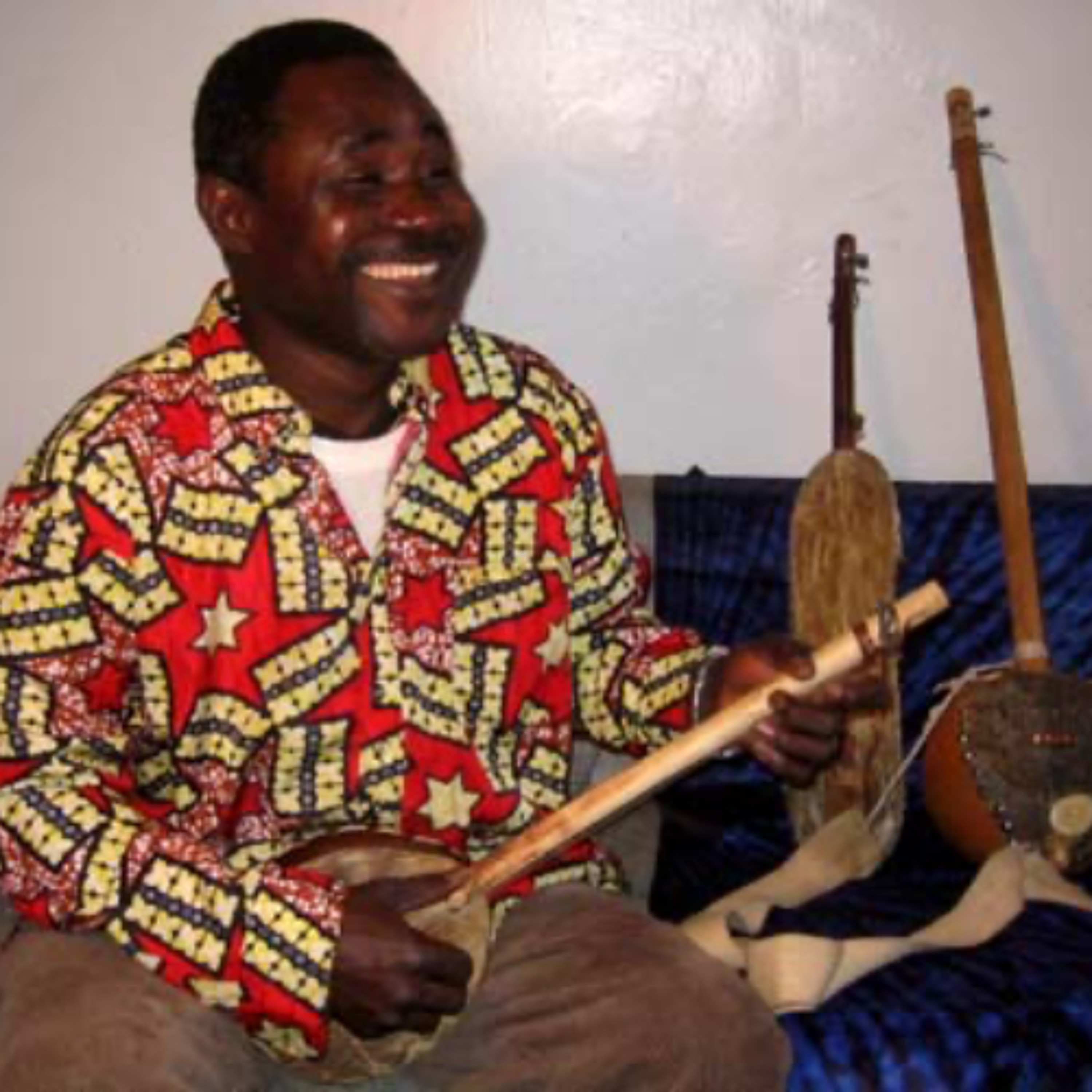
The Art of Improvisation, Part 1
This Hip Deep episode is Part 1 of a two-part series comparing and contrasting approaches to musical improvisation. Beginning and ending with bebop and free jazz, Part 1 takes sidetrips into Ghanaian percussion traditions, Mande string and vocal music, and solo taqsim improvisation in Arabic music. With insights from UCLA’s A.J. Racy and Wesleyan University’s Eric Charry, among others, we launch a provocative and revealing meditation on spontaneity in the world’s music traditions. APWW #454 Produced by Banning Eyre
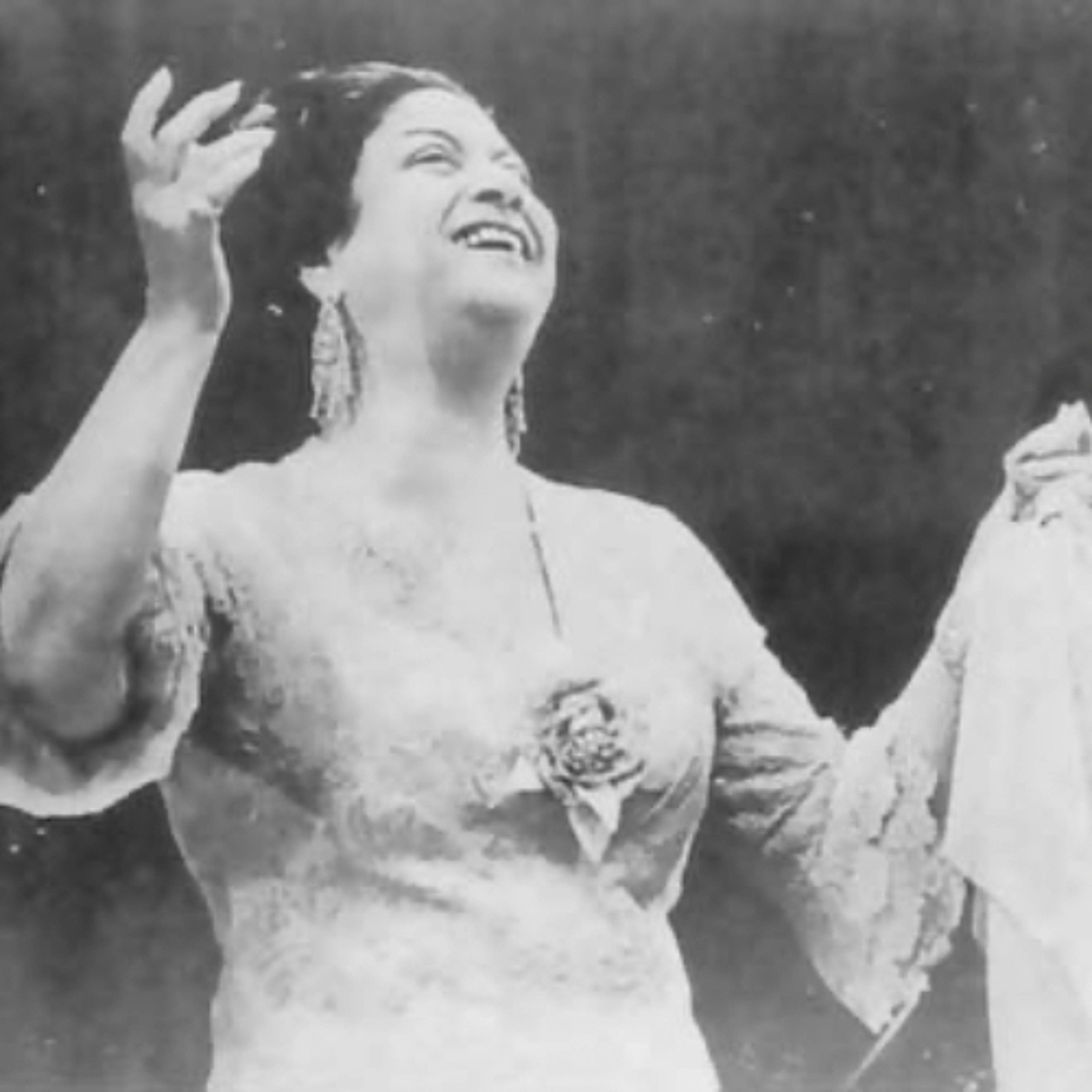
Women's History Month: Umm Kulthum, The Voice of Egypt
Umm Kulthum has been called the greatest singer in the Arabic speaking world in the 20th century. Born in 1904 the humble daughter of an Egyptian village imam, she went on to become a glamorous Cairo celebrity in her 20s, and soon after that, a cultural icon whose monthly live radio broadcasts brought much of Egypt to a standstill. She turned high poetry into popular culture. She extended musical forms with her virtuoso, extended vocal improvisations. Combining historical, religious, literary and musical passions, she inspired an enduring sense of national pride and left a legacy for the ages. Millions gathered for her 1975 funeral. With Umm Kulthum biographer Virginia Danielson as guide and guest, this program explores the life and music of a musical legend. Produced by Banning Eyre APWW #465
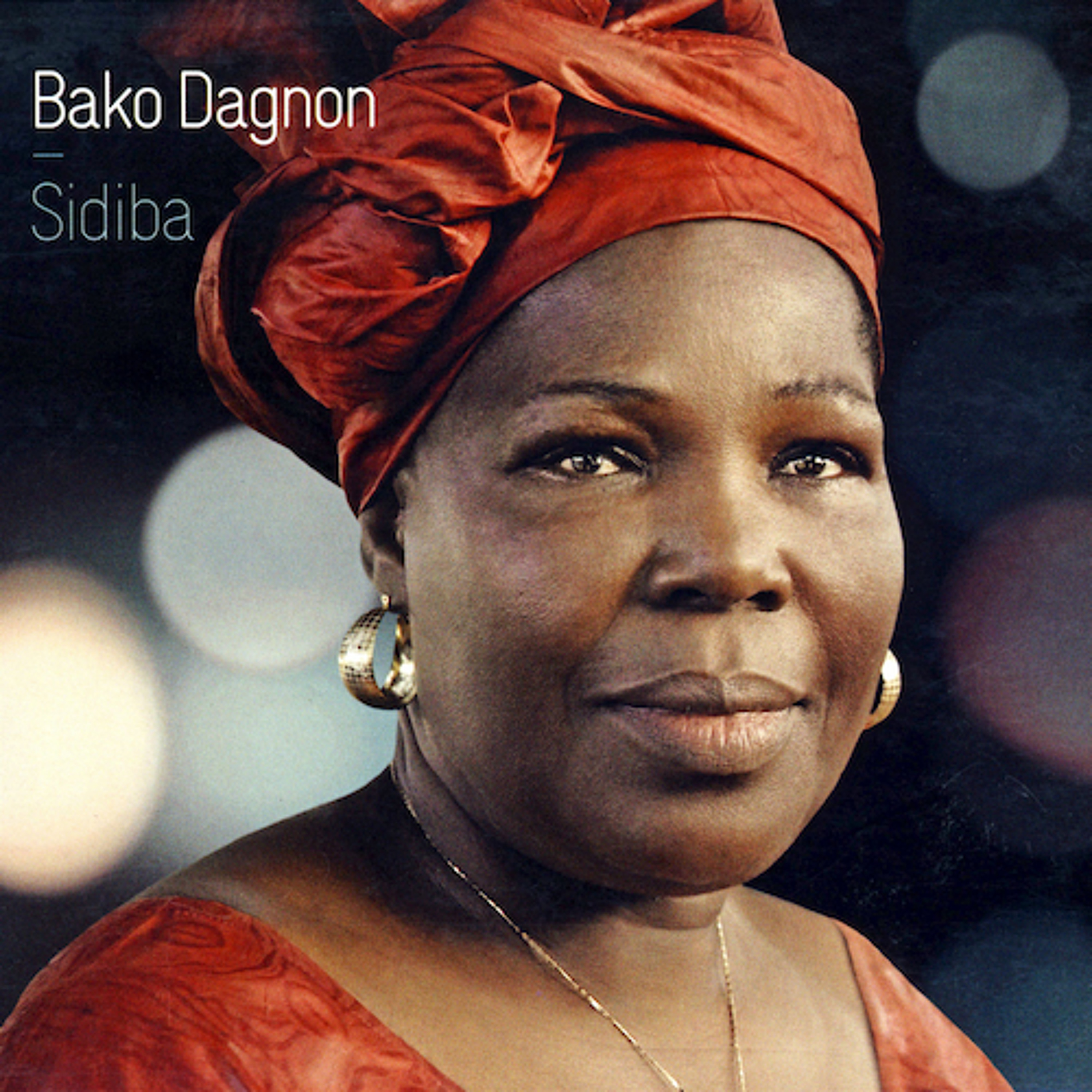
Women's History Month: Hip Deep in Mali - Growing Into Music in 21st Century Bamako
This program presents a musical portrait of Bamako in the wake of crisis. We explore the precarious lives of griots in Bamako in the early 21st Century. The program draws on the groundbreaking documentary work of Lucy Duran, exploring how hereditary musicians apprentice and grow in various cultural contexts. In this case, we focus on the upbringing and education of children in these hereditary griot (djeli) families of historian-entertainers. Produced by Banning Eyre in 2016 APWW #731
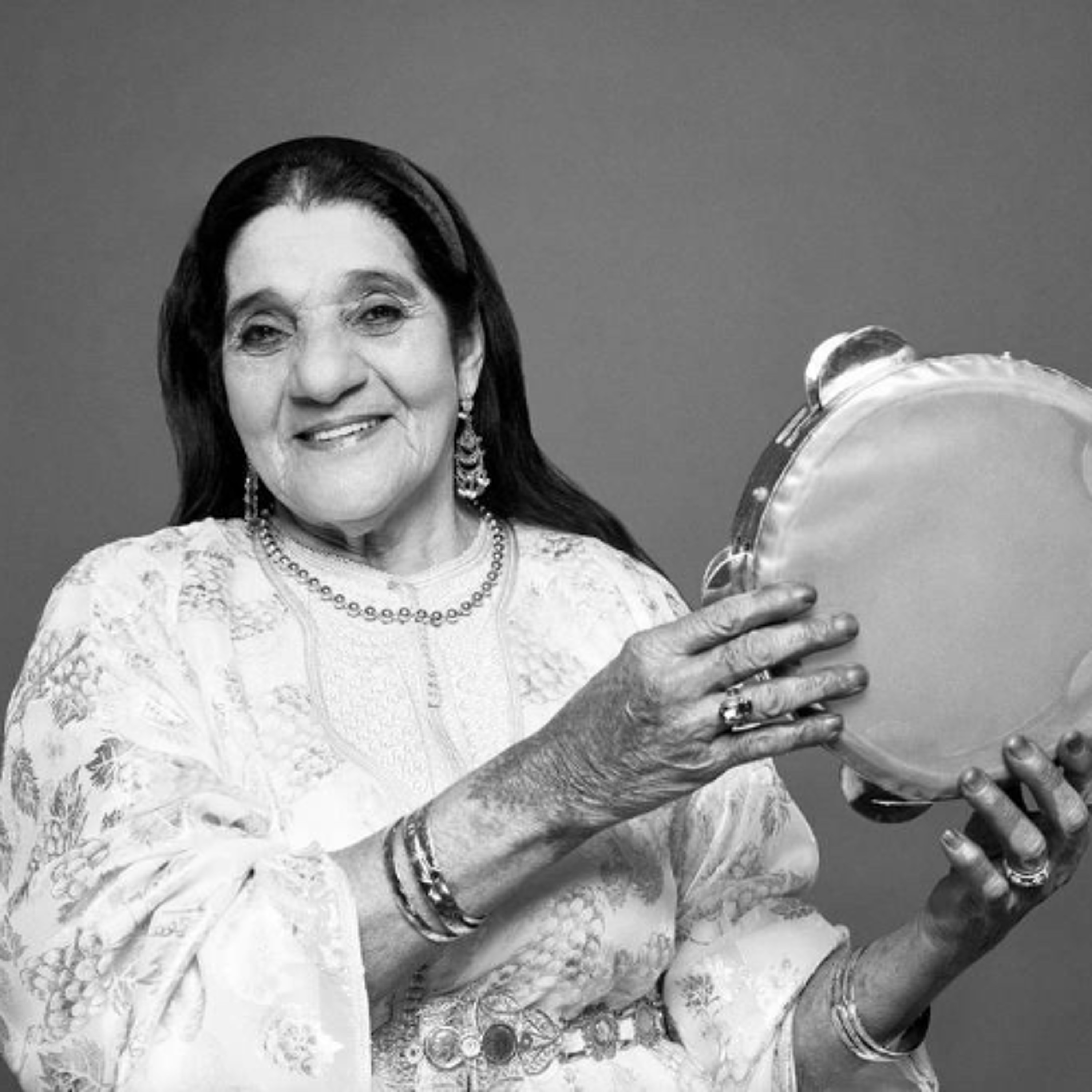
Women's History Month: Cheikha Rimitti, Rebel Queen of Algerian Music
Cheikha Rimitti was more than Algeria's musical icon - she was the embodiment of defiance itself. Born into a life of poverty and oppression, her powerful voice resonated as the rallying cry for the marginalized, fearlessly giving voice to the forbidden themes of love, sexuality, and political injustice. Rimitti's music ignited a fire for independence, challenging societal norms with each daring lyric. Though her songs faced bans and censorship, her indomitable spirit could not be silenced. A century after her birth, Rimitti's legacy burns ever brighter, inspiring a new generation of artists to remix and reinterpret her anthems of freedom. As we celebrated the 100th birthday of this trailblazing queen of raï in 2023, we honor Cheikha Rimitti - the voice that could not be oppressed, the embodiment of liberty through song. On this poignant journey through her extraordinary life, we meet the musical descendants carrying Rimitti's defiant torch forward, a century after that first cry of dissent rang out. Produced by Elodie Maillot APWW #870
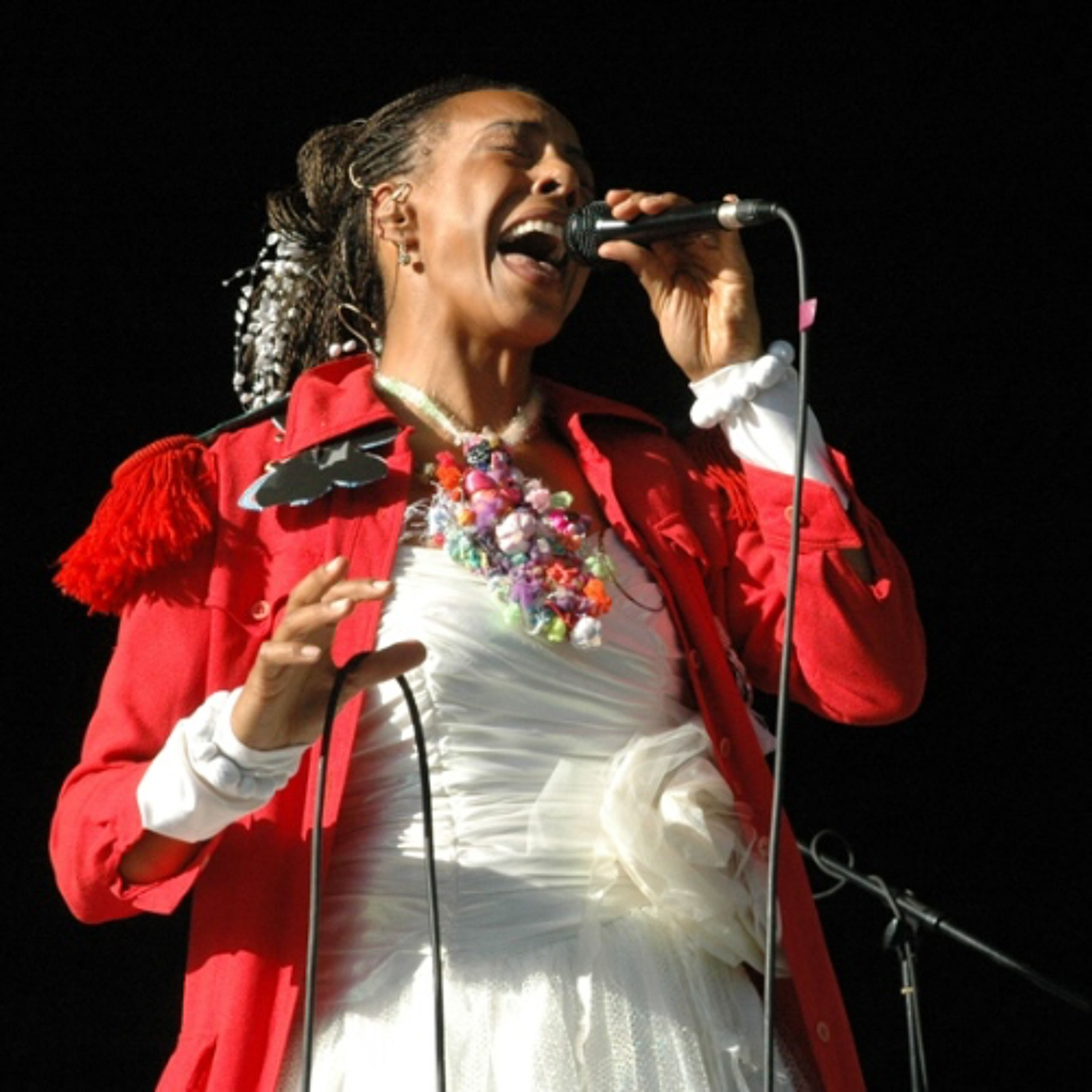
Women's History Month: Africa in America - Ladies Edition
Over the years, as barriers to international touring in the U.S. have risen, and more and more talented African and African diaspora artists have made their homes in American towns and cities, the sounds and voices of Africa have become more and more common on local scenes. In this edition of Afropop's "Africa in America" series, we spotlight women, Marie Daulne (of Zap Mama) collaborating with NYC Afrobeat band Antibalas, Razia of Madagascar, and the incomparable Afro-jazz innovator Somi, also Sudanese-born Alsarah and Awa Sangho of Mali. Produced by Banning Eyre APWW #705

Black History Month: Gospel Live from South Africa to Alabama
This joyful celebration of gospel music greats brings together Africa and America. Ladysmith Black Mambazo is the South African male a capela choral group singing in the local vocal styles of isicathamiya and mbube. They became known internationally after singing with American Paul Simon on his joyous Grammy Award winning 1986 album Graceland. The Fairfield Four, started over 100 years ago, won a Grammy for the Best Roots Gospel Album. The Four Eagle Gospel Singers are a historic a cappella gospel group from Bessemer, Alabama, known as one of the state's oldest gospel groups. The Gospel Harmonettes were a pivotal 1950s female gospel group, fronted by the legendary Dorothy Love Coates, known for their powerful vocals, civil rights activism, and intense performances that influenced soul/R&B; Also featured are The Birmingham Sunlights who are distinctive for using no instruments in their church services. APWW #40 Produced by Sean Barlow
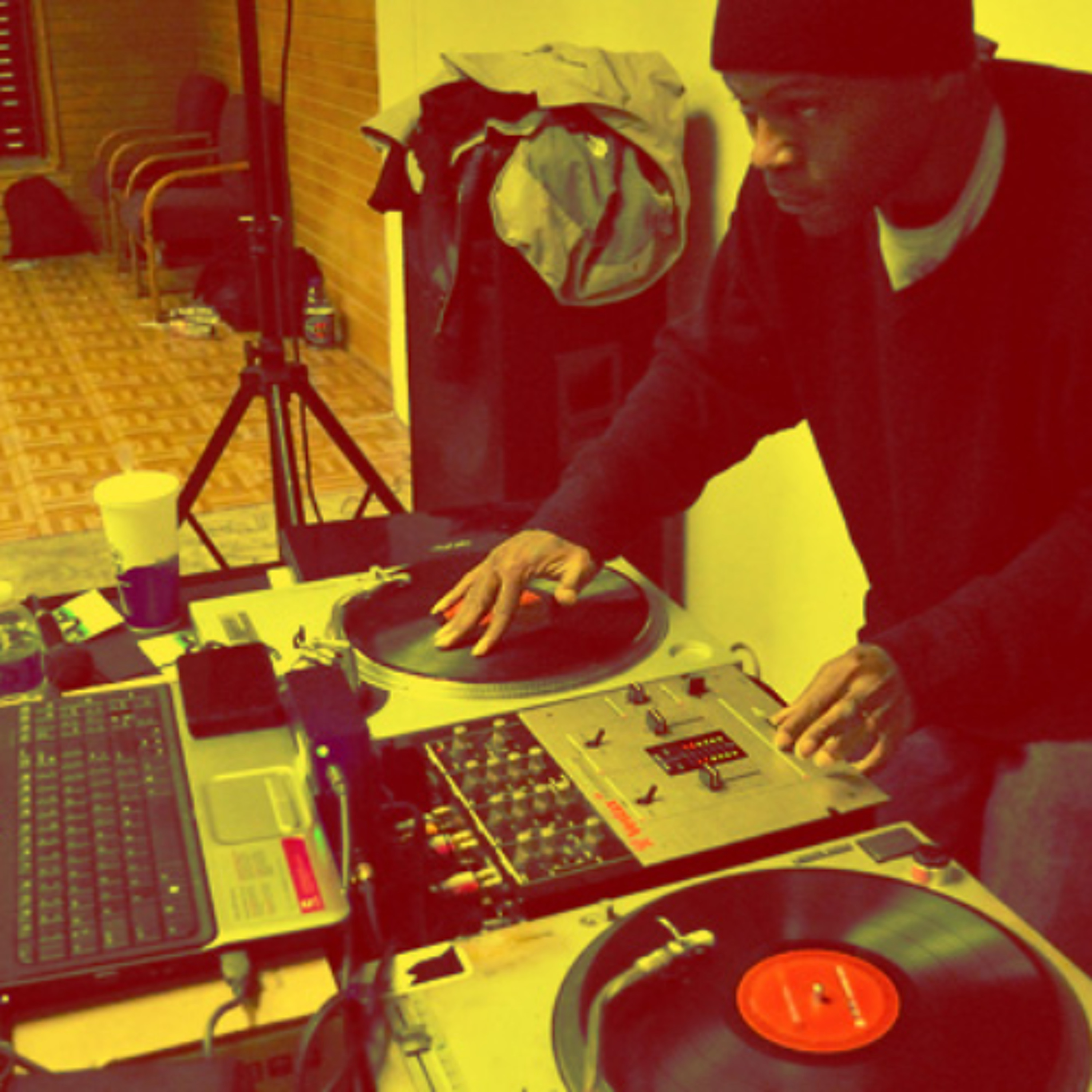
Black History Month: Midwest Electric - The Story of Chicago House and Detroit Techno
It's been decades since house and techno music exploded out of South Side Chicago and inner-city Detroit, and most Americans still don't know their dance music history. In 1977 a DJ named Frankie Knuckles moved to Chicago to spin and remix disco records at an underground club called The Warehouse. Out of a fringe subculture that formed there - gay and African-American - house music would emerge to become one the biggest club music genres in the world. Meanwhile, young black futurists of Detroit channeled their city's post-industrial decay into a utopian machine music known as techno. APWW #619 Produced by Marlon Bishop and Wills Glasspiegel
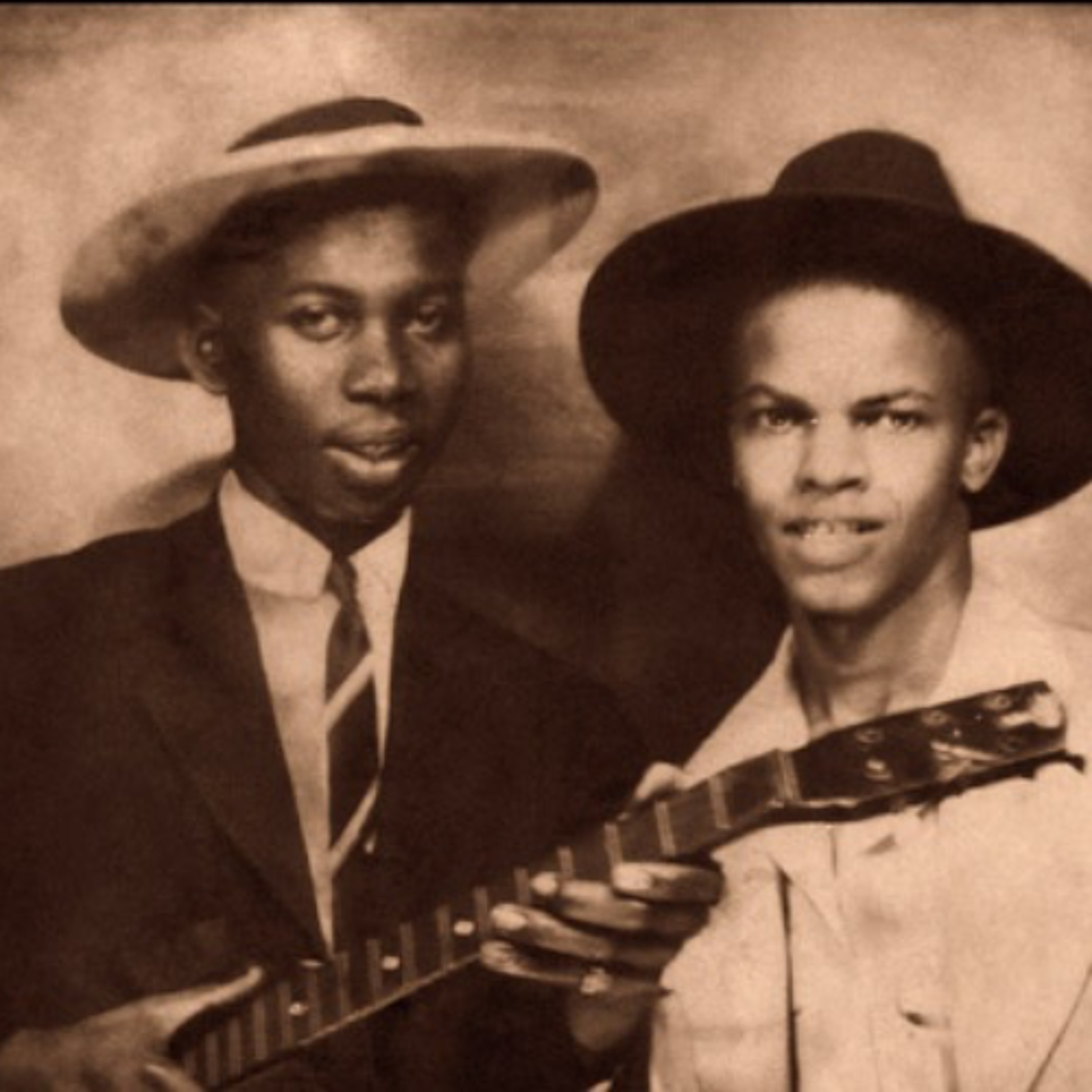
Black History Month: Escaping the Delta - Robert Johnson and the Invention of the Blues
Elijah Wald, acclaimed author of “Escaping the Blues: Robert Johnson the Invention of the Blues”, talks with producer Ned Sublette, and plays lesser-known recordings by Peetie Wheatstraw, Lonnie Johnson, Leroy Carr and others, who provided source material for some of Johnson’s classic tunes. APWW #452 Produced by Ned Sublette in 2005
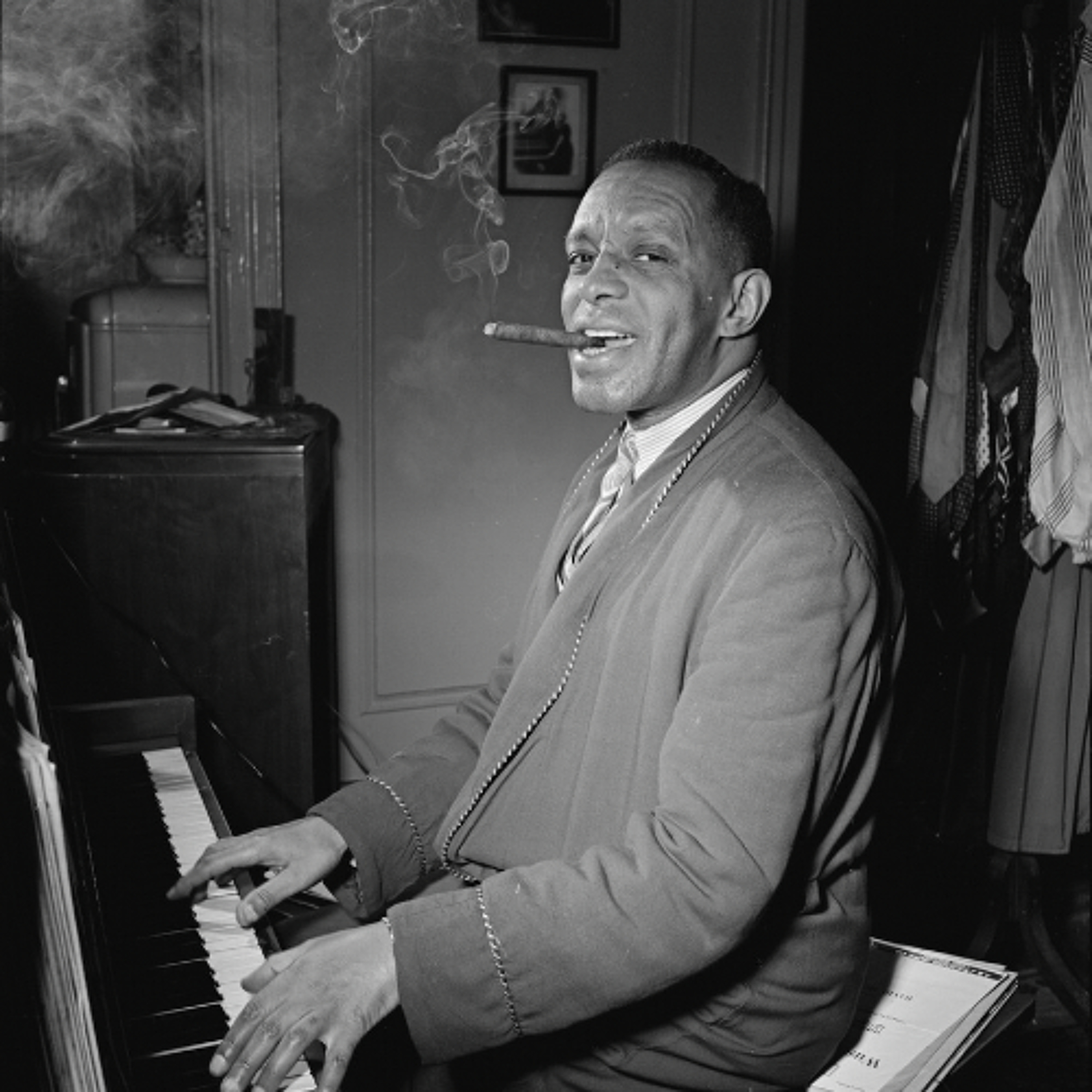
Black History Month: Music of The Harlem Renaissance
The Harlem Renaissance was a vibrant 1920s-1930s Black cultural movement centered in Harlem, a hub for African American creativity, literature (Langston Hughes, Zora Neale Hurston), music (jazz, blues), and art (Aaron Douglas), fueled by the Great Migration and a desire to redefine Black identity that forged a new sense of Black Pride. In this program, we hear less well known artists such as James (“Big Jim”) Reese Europe who led an orchestra of 120 musicians. We also hear iconic songs of the era including Fats Waller’s “Ain’t Misbehavin’”, Mamie Smith’s massive 1920 hit “Crazy Blues,” Cab Colloway’s “St. James Infirmary” and more. Along the way, we’ll enjoy the Fletcher Henderson Orchestra featuring Louis Armstrong on trumpet and vocals and Coleman Hawkins on sax, Ethel Waters, James P. Johnson, and Willie the Lion Smith. Harlem also drew the top Cuban orchestras who came to New York by steamship to record, calyso singers, and Haitian vodou music and theater. Harlem was famous for its rent parties and a wide open attitude to defying Prohibition where revelers danced to the shimmy, the black bottom, and the Charleston from down south. Relive the glory! APWW #226 Produced by Ned Sublette
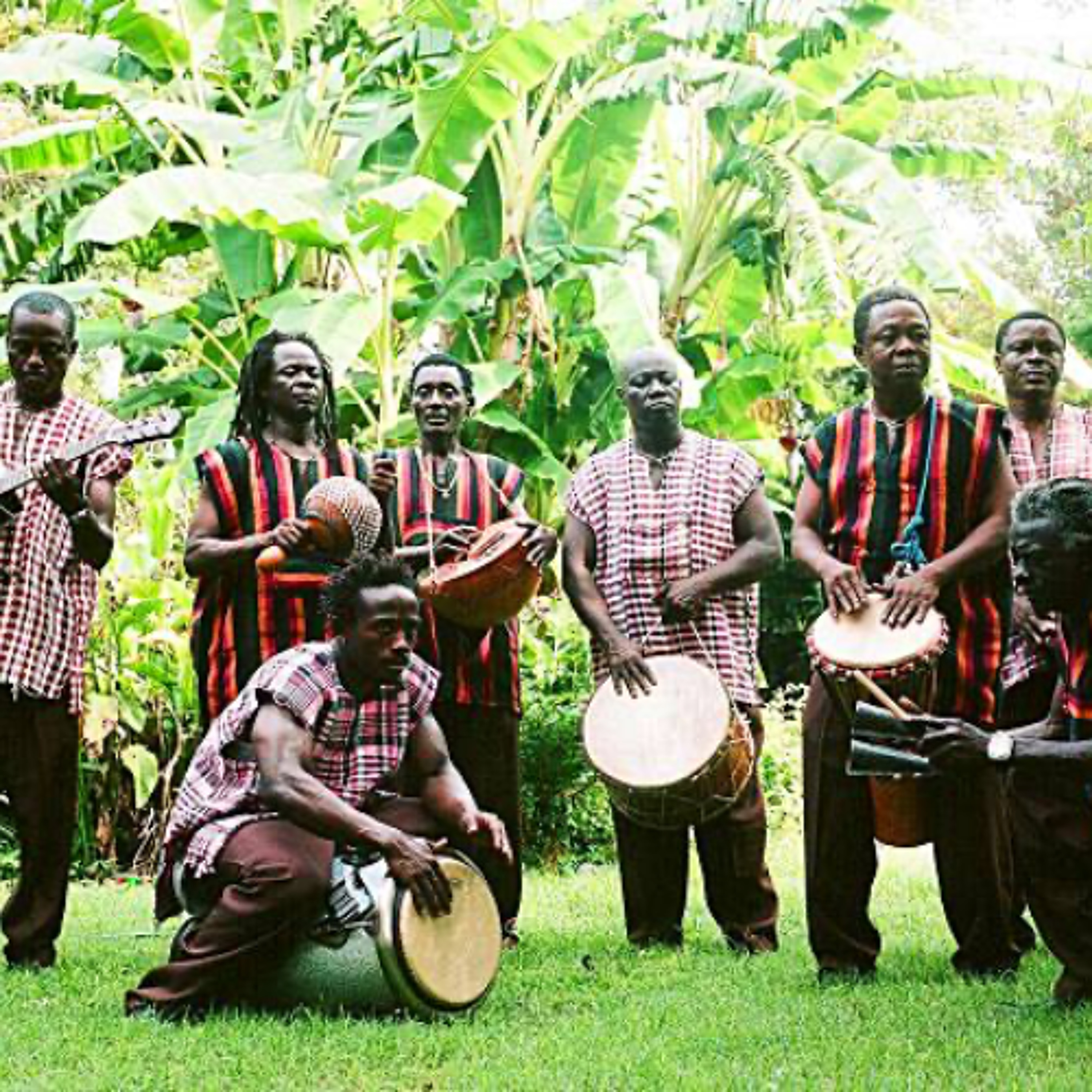
Sierra Leone: Celebration, War, and Healing
Sierra Leone has deep reserves of resilience, and an ability to come together and overcome great obstacles embedded in its culture. To provide the kind of history that is all too often overlooked when reporting on current events on the African continent, we are encoring this Hip Deep episode, which explores the nation’s past. When Sierra Leone gained independence in 1961, Freetown swayed to the beguiling, breezy lilt of palm wine guitar and danced to the funky pop of Geraldo Pino and the Heartbeats. Once a center of the trans-Atlantic slave trade, Sierra Leone became an improbable amalgamation of indigenous peoples and repatriated Africans freed from slavery. Thirty years of political and economic disintegration led to a horrific civil war that claimed tens of thousands of victims and created a generation of maimed bodies and ruined lives between 1991 and 2002. A significant portion of the violence was internal, with community members and sometimes children taking up arms against each other. Following the conflict, efforts to restore peace included truth and reconciliation programs aimed at strengthening social ties. This episode profiles the inspiring story of Sierra Leone's Refugee All Stars, a band formed in war-era refugee camps in Guinea. The band played a key role in giving citizens the courage to return home, and now, along with other young musicians in Freetown, attempt to pick up where others left off before the war. Produced by Simon Rentner with Wills Glasspiegel. APWW PGM #552 Originally broadcast in 2008
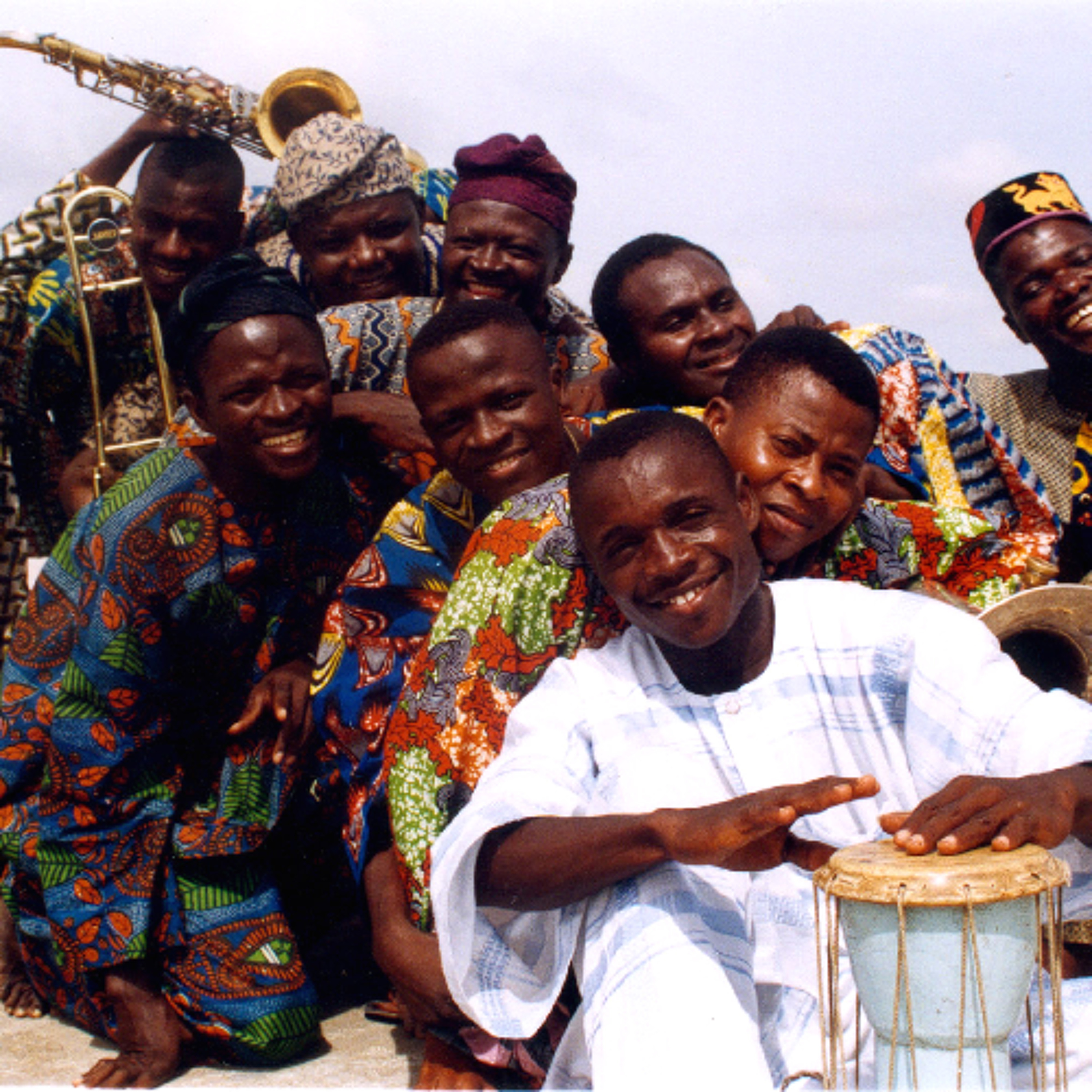
Treasures of Benin
Nestled between Ghana, Burkina Faso, Niger, and Nigeria, Benin is a rich sliver of West Africa too often overlooked. This program puts Afropop's spotlight on Benin, starting with the country's favorite daughter. International star Angelique Kidjo looks back on her musical education in the Benin capital, Cotonou, as she walks us through the songs on her album Oyo, which spans covers of songs by James Brown, Aretha Franklin, Miriam Makeba, and Benin's own Bella Bellow. We meet the 70s "vodoun funk" band Orchestre Poly-Rythmo, who are still going strong, and recently made their belated US debut. We move forward to present a chat with Lionel Loueke, a Beninois guitarist who has moved on to become one of the most original voices in contemporary American jazz. The program ends with a remembrance of the brilliant Malian guitarist and singer Lobi Traore. APWW PGM #594 Originally aired in 2010
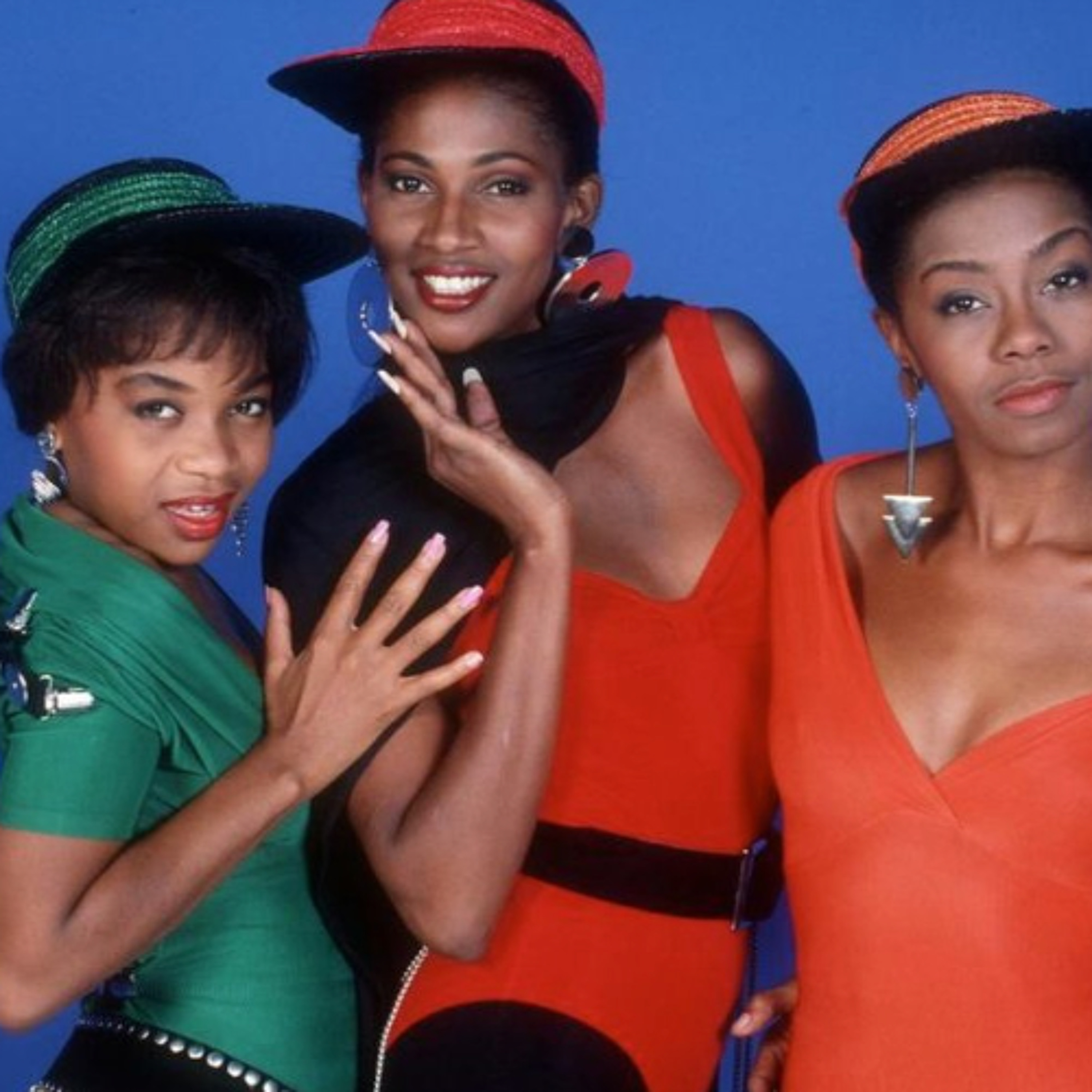
The French Caribbean: Cosmopolitan, Colonial, Complicated
In the music of the French Antilles - the islands of Martinique and Guadeloupe - you can hear influences that range from the traditional béle and gwo ka drumming of the islands' rural communities, to European additions like polka and French chanson. But when these islands produced a pop genre that took much of the Caribbean and African world by storm - the smooth and sexy dance music zouk, which exploded in the 1980s - it was an entirely new blend that uniquely reflected the complex layers of identity in these Caribbean communities that are, administratively, a full-fledged part of France. Still colonies? Many think so. Either way the Antilles have long produced artists and thinkers with deep sensitivity to the gradations of race, class, migration, and relationship to a powerful, distant metropolis. Now, musicians in Guadeloupe and Martinique are re-exploring their roots, celebrating rhythms that go back to slavery days without pulling back from the cosmopolitanism of recent years. Our guide to this music - and the rich history and ongoing debates that it reflects - is Brenda Berrian of the University of Pittsburgh, whose book, Awakening Spaces: French Caribbean Popular Songs, Music and Culture, is a definitive - and enthusiastic - treatment of the subject. Hip Deep by Siddhartha Mitter. APWW #570 Produced by Siddhartha Mitter in 2009

Afropop Soundsystem
The first decade of the 21st century saw the beginning of huge changes in African diaspora music. Afrobeats and amapiano were still in the cradle, but a new spirit was in the air. In this program, we return to that crucial decade to hear some of the bold new ideas bubbling up in Africa. We’ll hear Buraka Som Sistema from Angola and Portugal, Nigerian rapper 9ice, an Akon remix of Amadou and Mariam, and a then emerging American rock band with a bright future ahead of them, Vampire Weekend. Produced by Wills Glasspiegel. Originally broadcast in 2009.

Jewish Communities of Sub-Saharan Africa
Once-substantial Jewish enclaves of Morocco, Algeria and other North Africa states have dwindled steadily since World War II, mostly through migration to Israel. In sub-Saharan Africa, lesser known Jewish communities provide strikingly different narratives. Guided by ethnomusicologist and Rabbi Jeffrey A. Summit of Tufts University, this program focuses on the history and music of a small but robust community of Jewish converts in Uganda, the Abayudaya. Summit’s own recordings include the Abayudaya singing choral music, modified folkloric songs accompanied by local drums and harps, such as the enchanting adungu, and also ventures into pop music bring this remarkable story vividly to life. This program will also introduce history and music from a younger community of practicing Jews in Ghana. APWW #544 Produced by Banning Eyre.
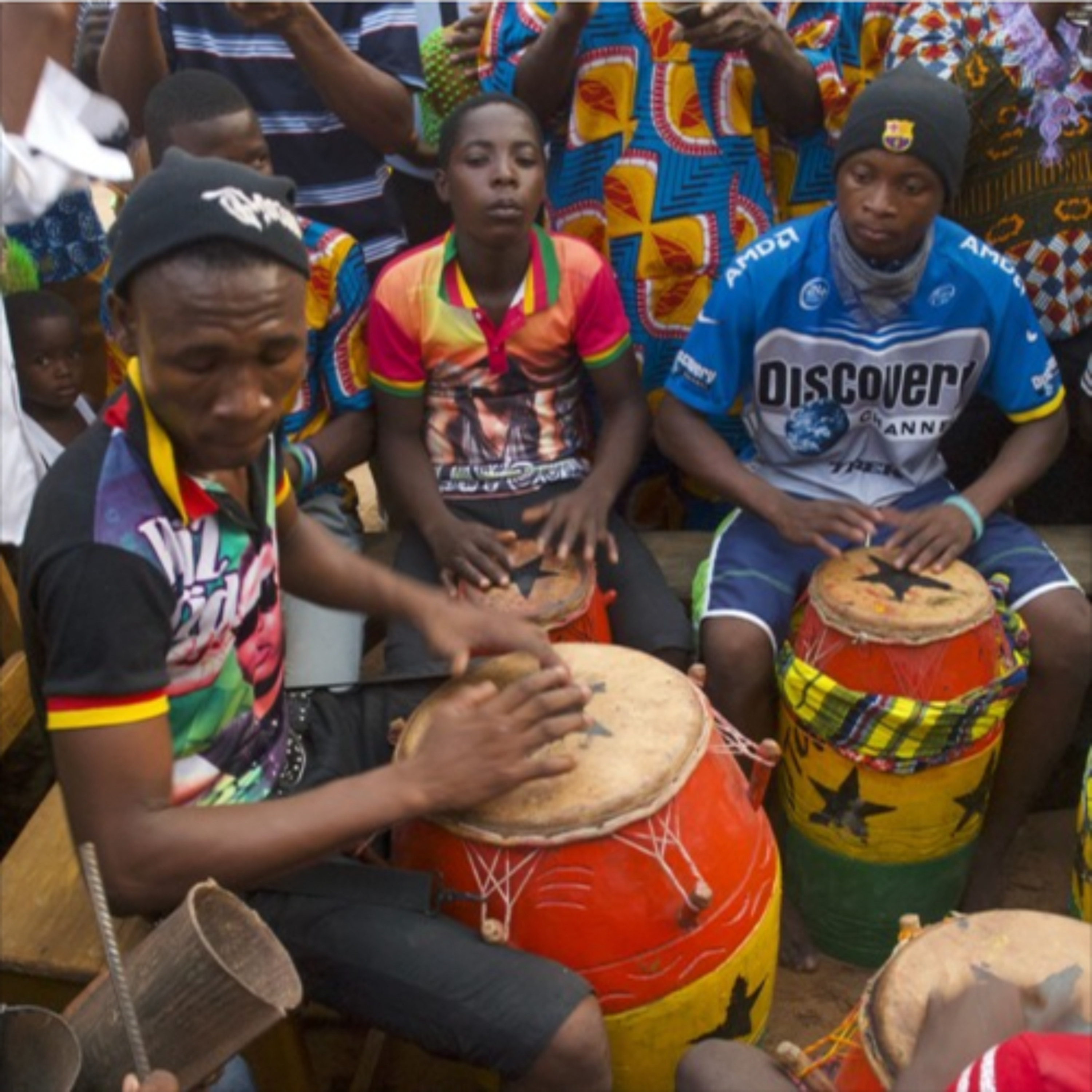
Ghana - Celebration Sounds
In hard times and boom times, people in Ghana know how to party. In this program, we hear regional pop and neo-traditional music at festivals, funerals and community celebrations across the county. We travel to the lush south-east Volta region to hear Ewe borborbor, agbadza and brass band music. In the northern city of Tamale, we hear Dagbani traditional music, hip-hop and pop, and visit the vibrant Damba chieftaincy festival in nearby Yendi. And back in the bustling metropolis, Accra, there’s new trend moving hips: classic highlife, with a new pop flavor. Produced by Morgan Greenstreet APWW #745
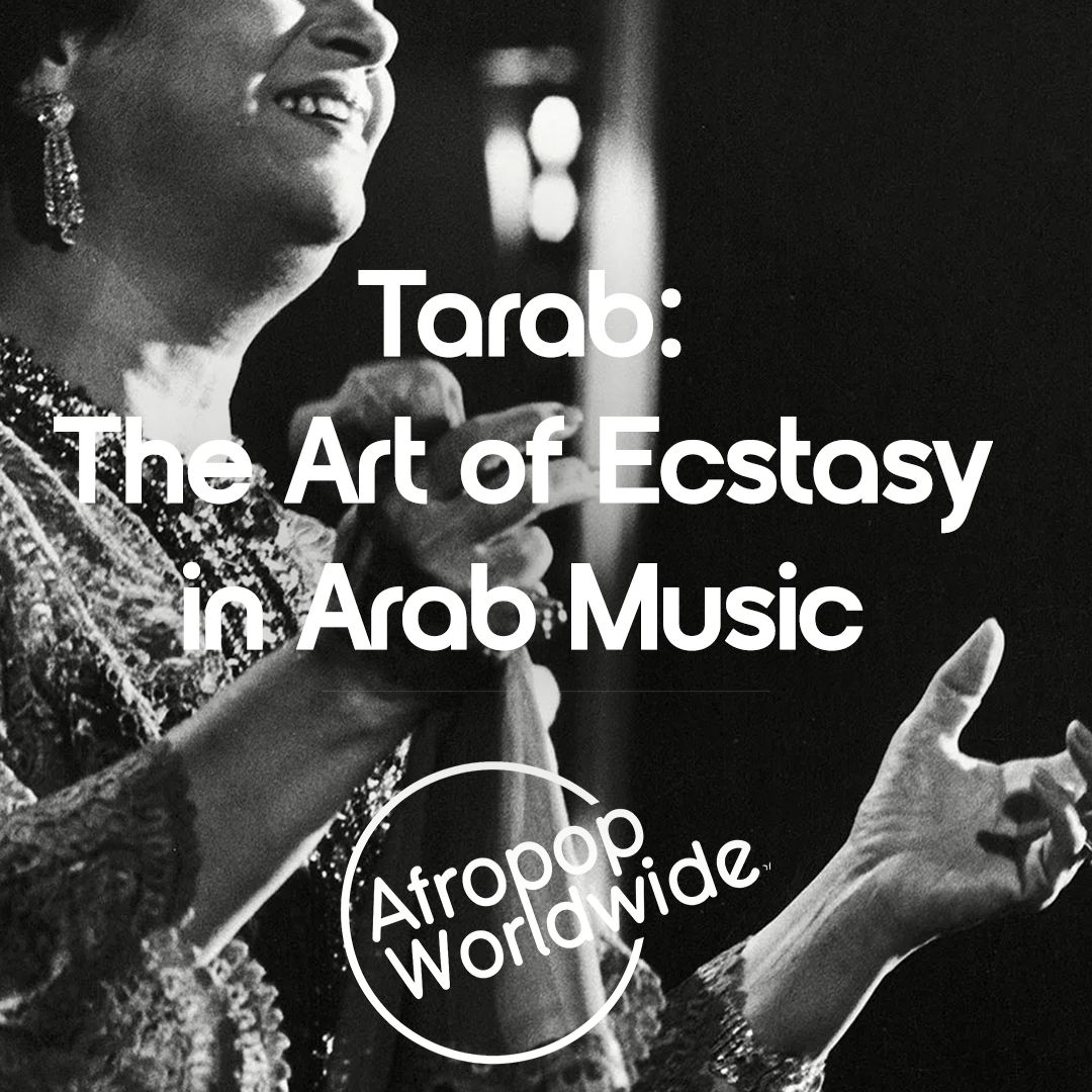
Tarab - The Art of Ecstasy in Arab Music
Tarab, the ecstatic feeling associated with listening to and playing great music, is a fundamental characteristic in many varieties of Arab music. In this program, we explore tarab with special guest UCLA ethnomusicology professor A.J. Racy. Racy draws on his lifelong study of music and musicians, and also his insights as a virtuoso performer on the nay flute and the buzuq. Racy guides us through the experiences of listeners and players, providing deep insight into many varieties of tarab. We hear works by A.J. Racy, Sabah Fakhri and Ensemble Al-Kindi of Syria.
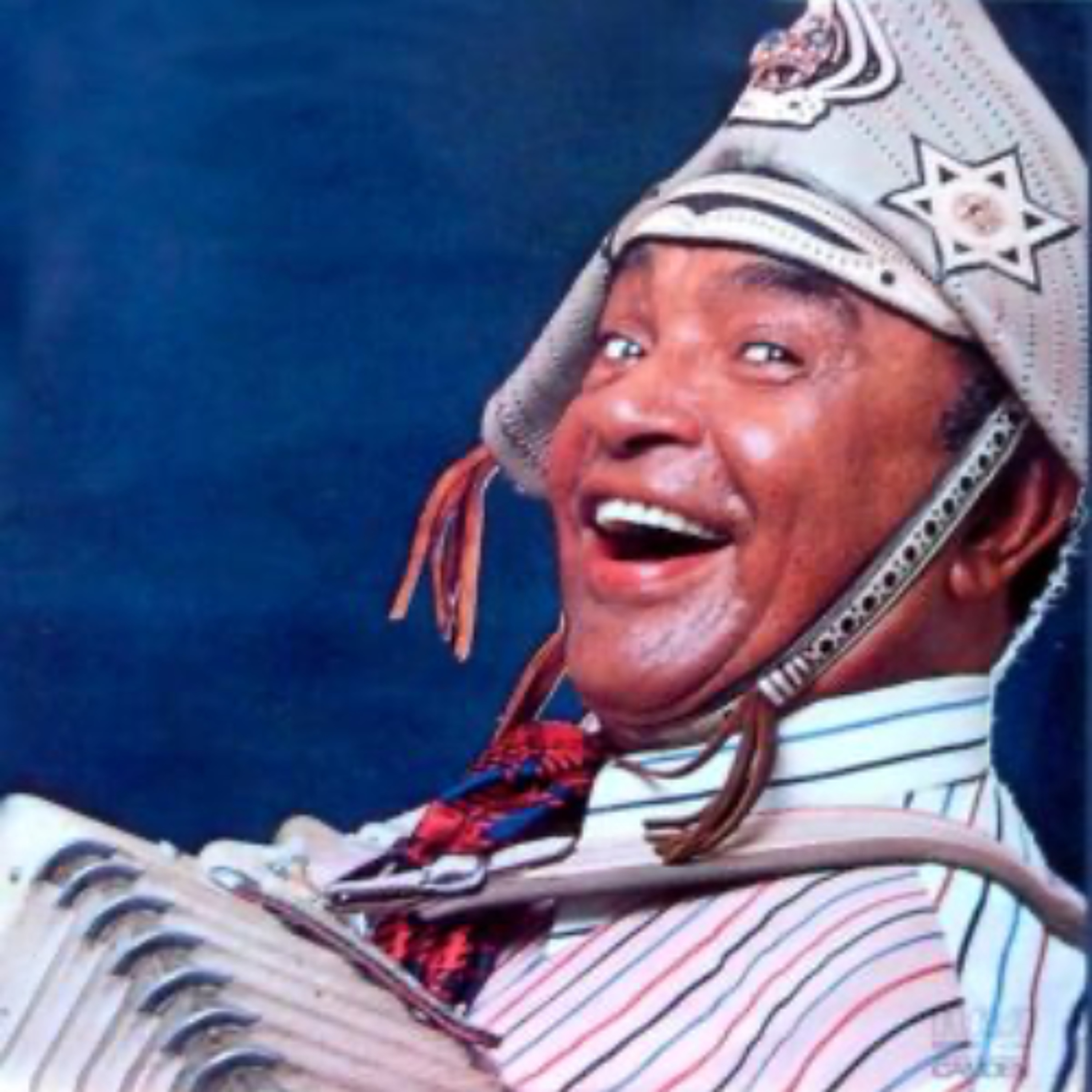
Luiz Gonzaga - The King of Baiao
Sweet accordion riffs, the steady twang of the triangle, and the off-beat pounding of the zabumba drum make forro a favorite for all Brazilians. The infectious tunes and syncopated beats have been described as "a mixture of ska with polka in overdrive." This edition of Afropop Worldwide's Hip Deep will profile forro creator Luiz Gonzaga--from the wanderlust that led him from his rural birthplace in northeastern Brazil to a pumping career in the capital, Rio de Janeiro, in the 1940s. Conversations with Brazilian artists, recorded on location in the forro capital of Recife, following in Gonzaga's footsteps. Produced by Megwen Loveless APWW #457
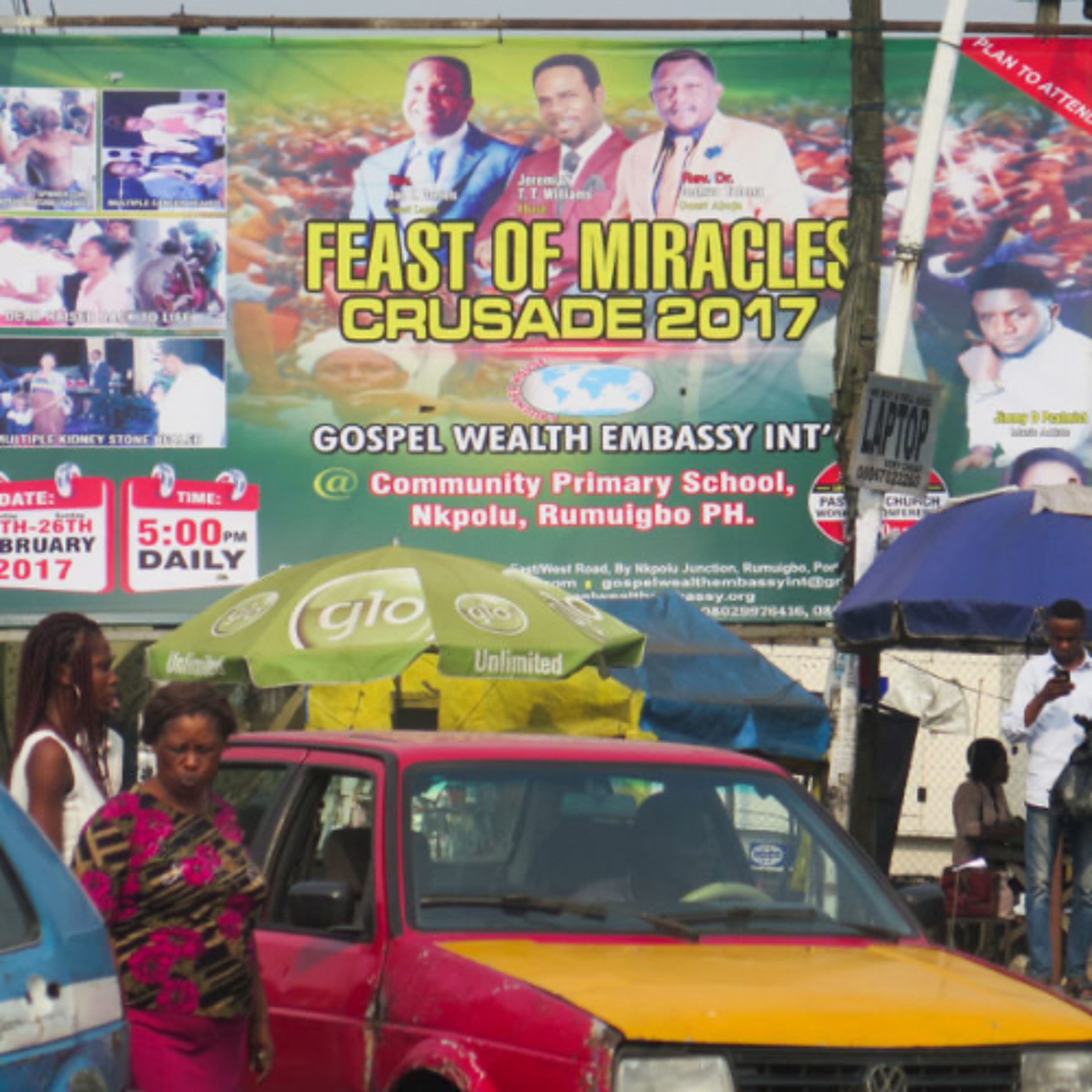
Hip Deep in the Niger Delta
The massive Niger River Delta is a fantastically rich cultural region and ecosystem. Unfortunately, it has been laid low by the brutal Biafran War (1967-70) and by decades of destructive and mismanaged oil exploration. This program offers a portrait of the region in two stories. First, we chronicle the Biafran War through the timeless highlife music of Cardinal Rex Jim Lawson, perhaps the most popular musician in Nigeria at the time. Then we spend time with contemporary musical activists in Port Harcourt’s waterfront communities and in oil-ravaged Ogoniland to hear how music is providing hope for these profoundly challenged communities. The program features new and classic music, the words of Nigerian scholars, musicians, activists and veterans of the Biafran War, concluding with an inspiring live highlife concert on the Port Harcourt waterfront in which rappers and highlife graybeards come together to imagine a better road ahead. Produced by Banning Eyre APWW #754
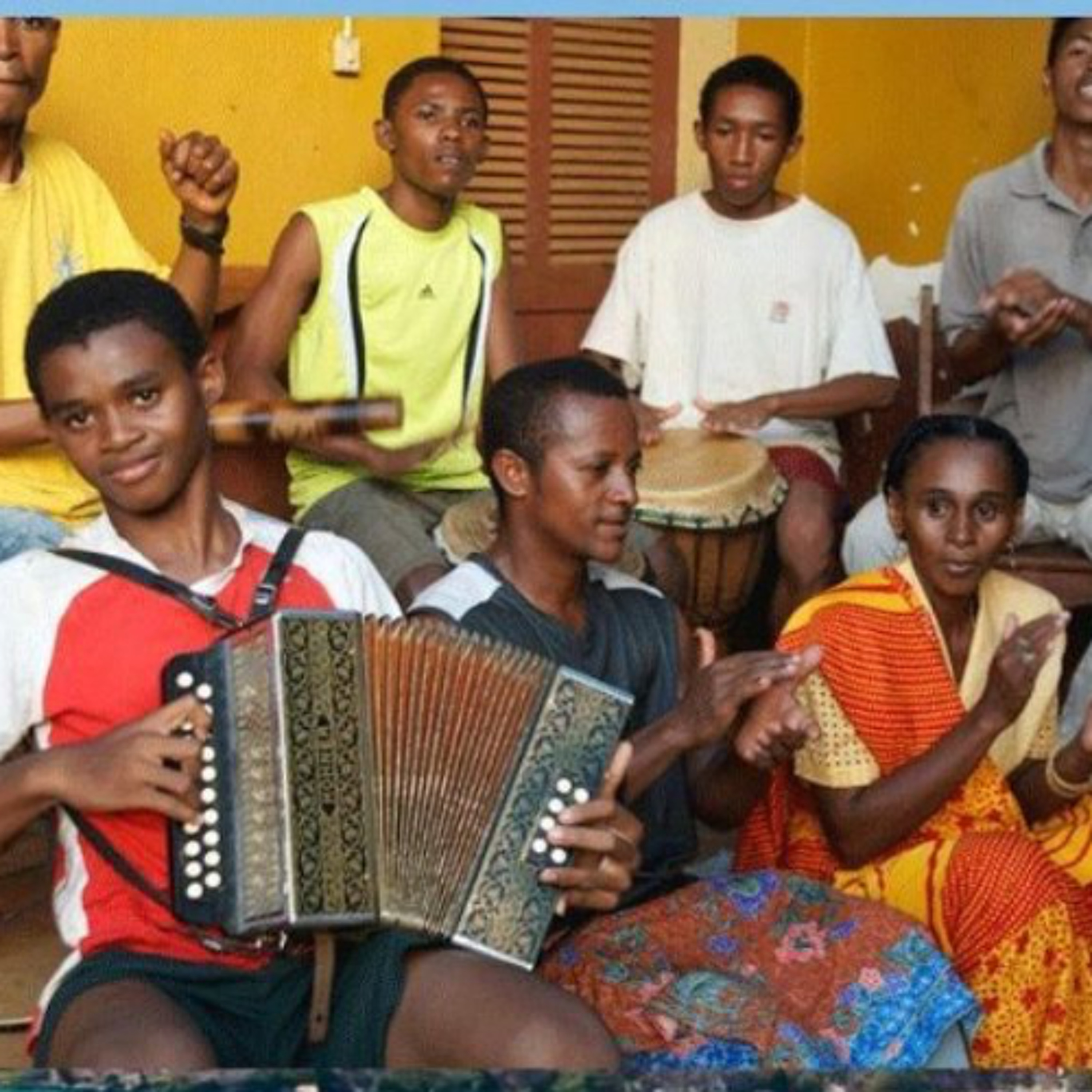
Hip Deep in Madagascar: Songs of the North
Salegy may be the most popular dance music of Madagascar. It’s a churning, harmonious groove with spine-stiffening vocal harmonies that emerged from towns and cities of northern Madagascar in the mid-20th century. On a trip to Diego Suarez, we learn that salegy’s older origins are both fascinating and mysterious. We meet young salegy stars Ali Mourad and Jacs, and speak with the genre’s reigning legend, Jaojoby, on the roof of his nightclub in Antananarivo. Along the way we visit a music school in Diego and hear blazing guitar riffs and get a fingerpicking tour of the entire island from guitar maestro Hajazz. Produced by Banning Eyre APWW #698
Quelbe - Hidden Treasure of the Caribbean
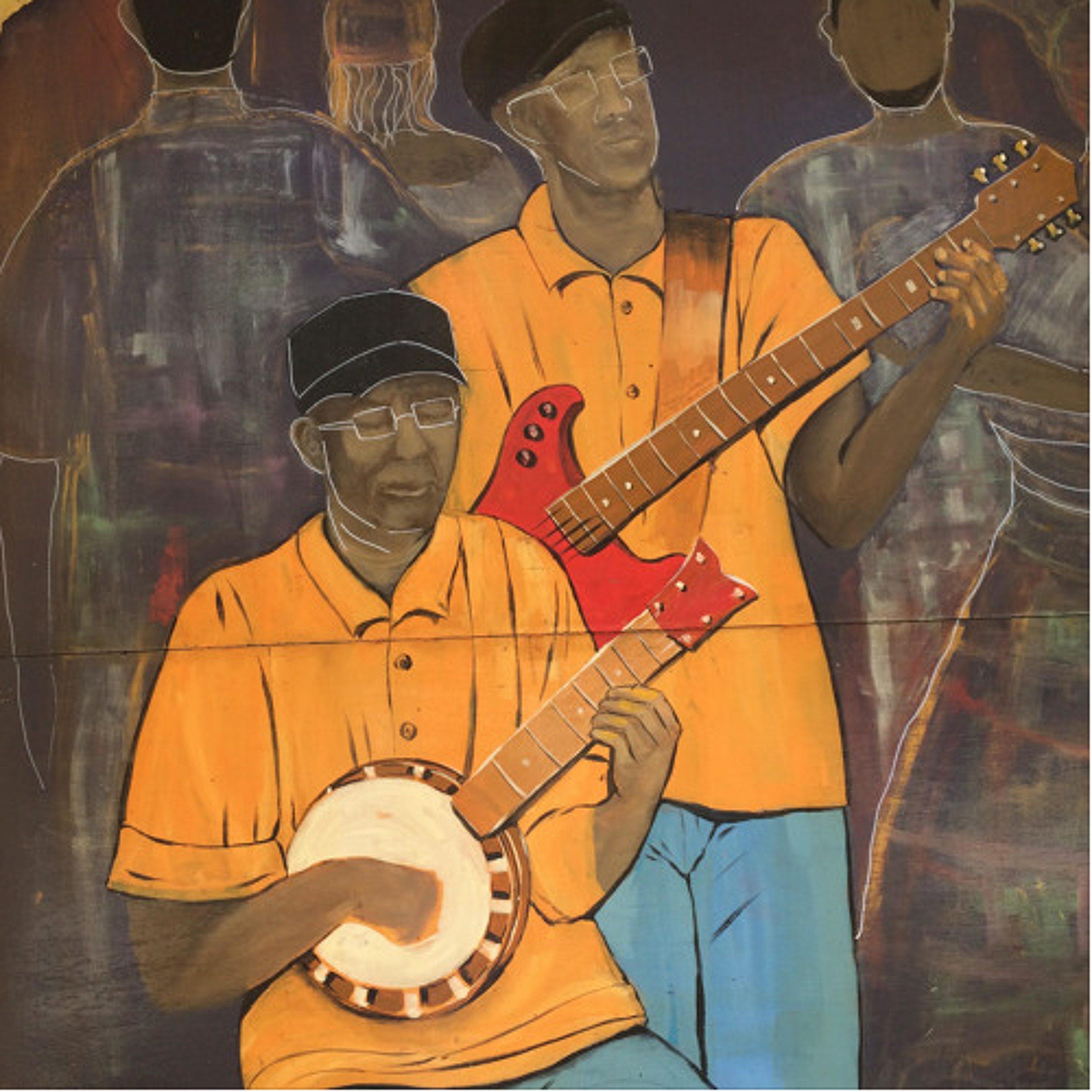
On a visit to the U.S. Virgin Islands in winter 2018, we took the pulse of the national music of St. Croix – quelbe. Rarely recorded, rarely exported, quelbe is an energetic form, led by sax or flute with percussion and banjo, and it fuels the traditional dance style, quadrille. St Croix is the largest of the U.S. Virgin Islands, and sits alone 42 miles south of St. Thomas and St. John. That’s part of why traditional music and dance forms have remained strong on St. Croix. Meet bandleaders Stanley Jacobs of Stanley and the 10 Sleepless Knights, and Dmitri Copemann of the Renaissance Band, who are cultivating a vibrant next generation. Produced by Marika Partridge and Banning Eyre APWW #782
Kickin' It in Cabo Verde
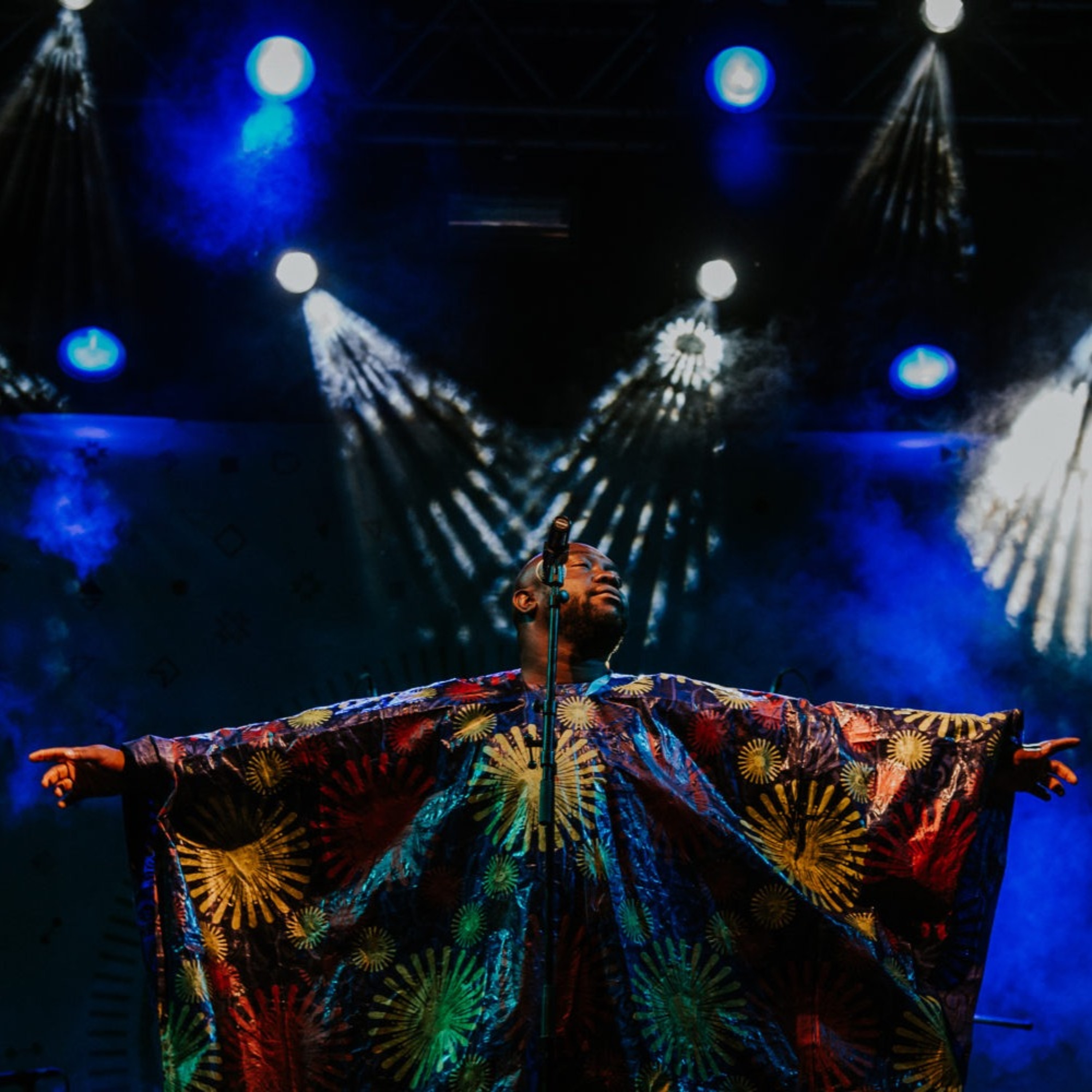
Cabo Verde (aka Cape Verde) has long been known as a music powerhouse. Despite its little size (population: 500,000), the West African archipelago is the third largest country in music sales in the “World” market by some estimations. That’s why the island has become home to the Atlantic Music Expo: a trans-oceanic music fair featuring conferences and concerts that attract musicians and industry professionals from across the globe. In this episode, Afropop takes a visit to the islands and the Expo to check out what’s going on today with Cape Verdean music. We hear from talented new singer-composers Dino D’Santiago and Ceuzany, check out high-energy funana from Ferro Gaita and Ze Espanhol, and sample other tasty musical fruits from the islands that created Cesaria Evoria. Produced by Marlon Bishop APWW #687