
Afropop Worldwide
529 episodes — Page 3 of 11
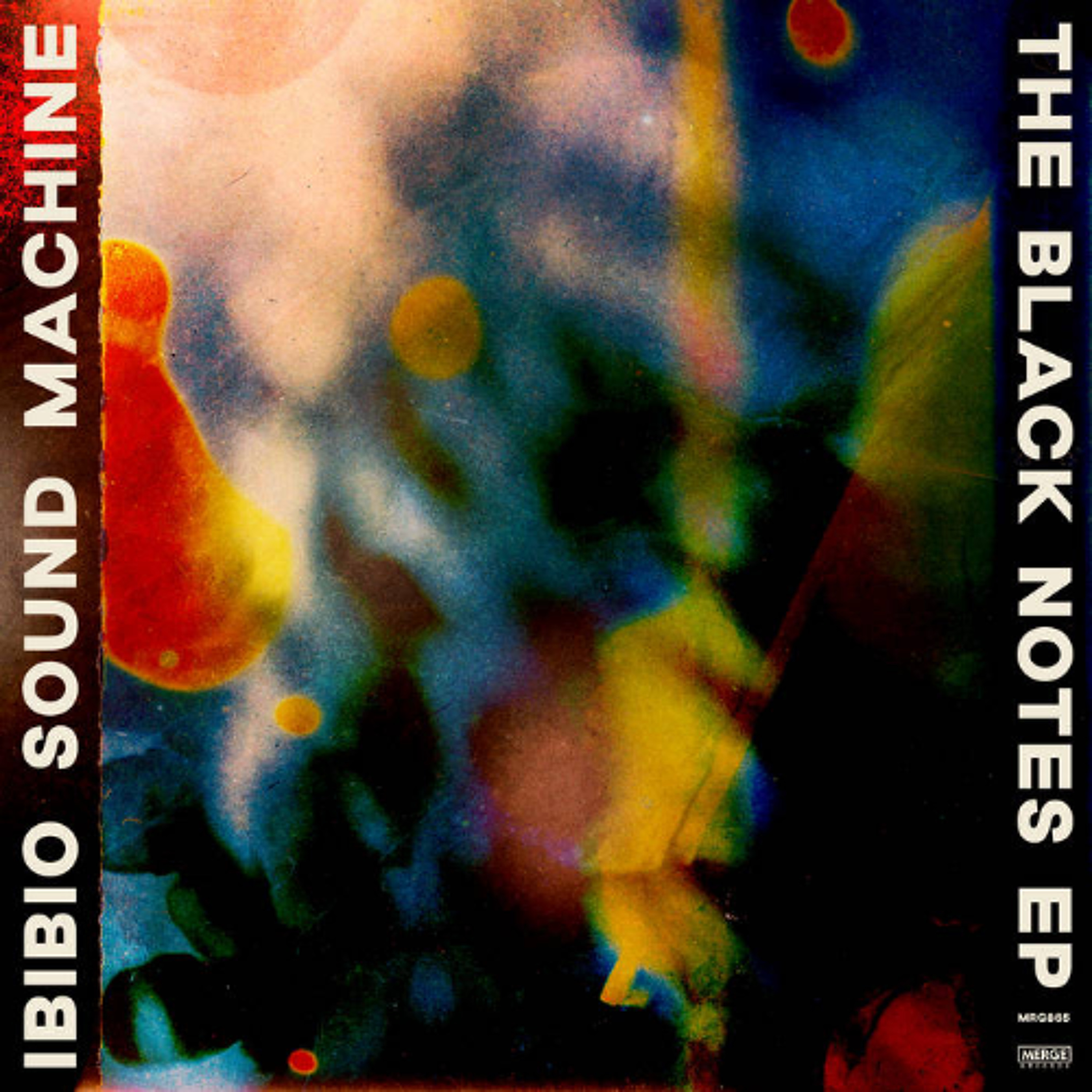
Planet Afropop - Golden Elephants and Ibibio Gospel
In this edition of Planet Afropop, our newest producer Stella Hartman reports on the UK/Nigerian group Ibibio Sound Machine’s venture into gospel music. Then Georges, Mukwae and Banning preview the annual Syli D’Or battle of the Afropop bands in Montreal by profiling the two winners of the 2024 Afropop Award. Boubé is a young Tuareg composer/singer/bandleader from Niger who now makes his home in Montreal. And Less Toches is a powerful, pan-Latin American ensemble with a fresh, global take on cumbia and more. PA 031

The Mighty Amazon
The Amazon River basin has long been a mystery to Brazil. Located far from the centers of business and power in the nation's southeast, the jungle provinces of the Brazilian north have long been ignored by the nation at large. But recently, Brazilians have discovered that the cities and waterways of the Amazon are home to some of the nation's hottest music. In this Hip Deep episode—a musical history of Pará state, where Afro-Caribbean influences have created a unique local flavor that connects the dots between Brazilian music and the rest of Latin America, we check out the guitar heroes of old-school Amazonian dance bands, investigate the origins of the early '90s lambada dance craze, and explore the bubblegum bass culture of tecno brega. Featured interviews with singer Gaby Amarantos, lambada revivalist Felipe Cordeiro and ethnomusicologist Darien Lamen, among others. APWW #691 Lead Producer: Marlon Bishop Assistant Production: Saxon Baird, Joe Dobkin
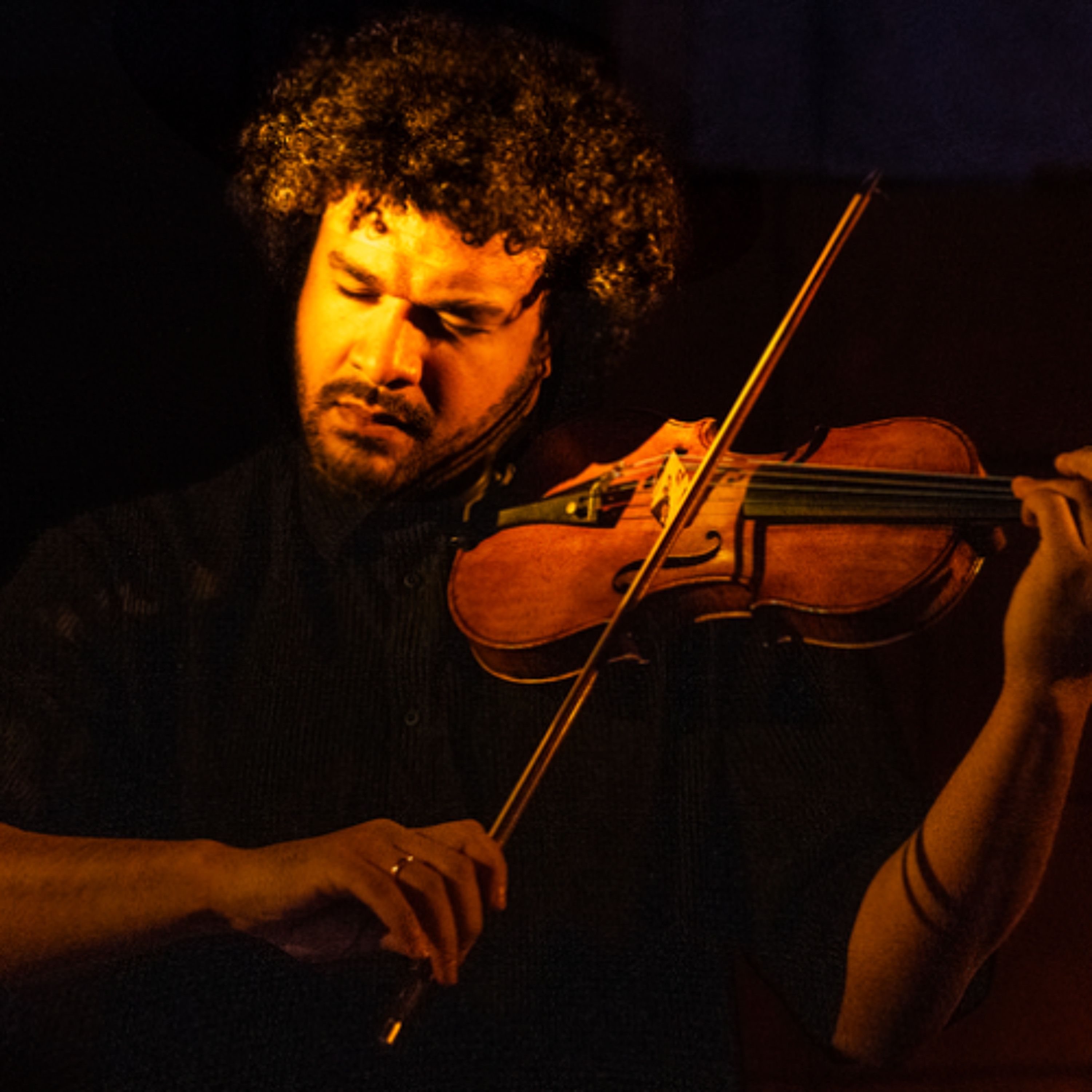
Planet Afropop - The New Black Vanguard of Classical Music
In this episode, our new producer, Lauren Williams, revisits an old genre through a new lens. Classical music, a historically exclusionary space, is going through changes. We explore the process of writing and performing boundary-pushing classical music with Seth Parker Woods, a Grammy-nominated cello player who pulls from the sounds and stories of the Black diaspora to write otherworldly compositions, and Curtis Stewart, a Grammy-nominated Violinist who experiments with beats and electronics in his virtuosic arrangements. We get a taste of how far the genre has come — and how far it has to go — from Afa Dworkin, a violinist and the creative director of The Sphinx Organization, which supports emerging composers of color. To wrap up the episode, we hear from Abel Selaocoe, a classical cellist from South Africa who has gifted the genre something new to play by tapping into ancestral memory. PA 030
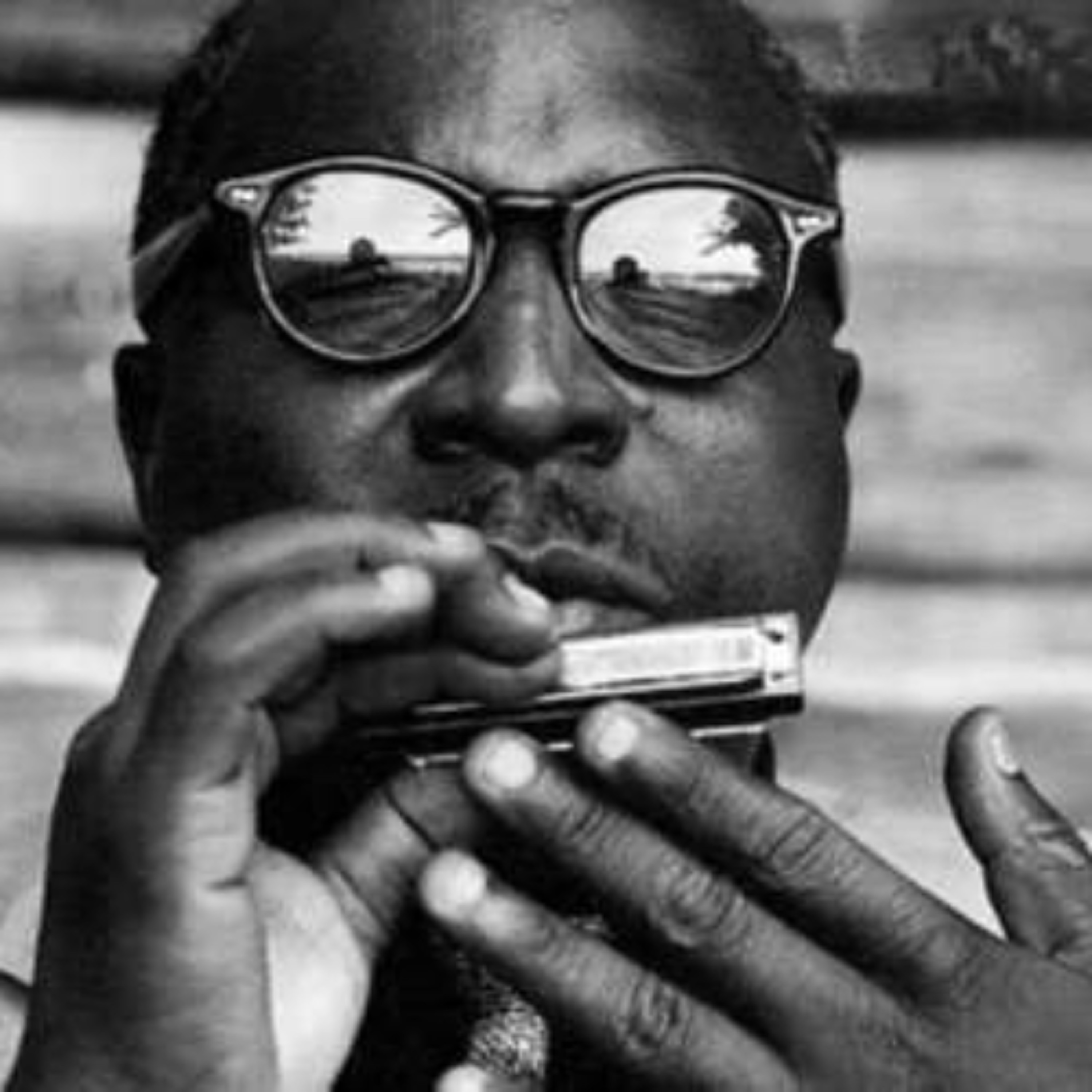
Black History Month: The African Roots of Rock n Roll
In this program you will the hear the African music roots of famed American blues and rock 'n' roll artists such as Jimi Hendrix, Bo Diddley, Buddy Holly, Fats Domino, the Isley Brothers, Robert Johnson, The Kingsmen and many more! Not everyone in this program is as well-known as the above mentioned juggernauts of music. Also included is Celia Cruz, Sexteto Habanero, Arsenio Rodriguez, and Baby Face Leroy. Co-produced by Ned Sublette and Robert Palmer, author of “Deep Blues”, regarded by many as the best book on the blues. APWW #91
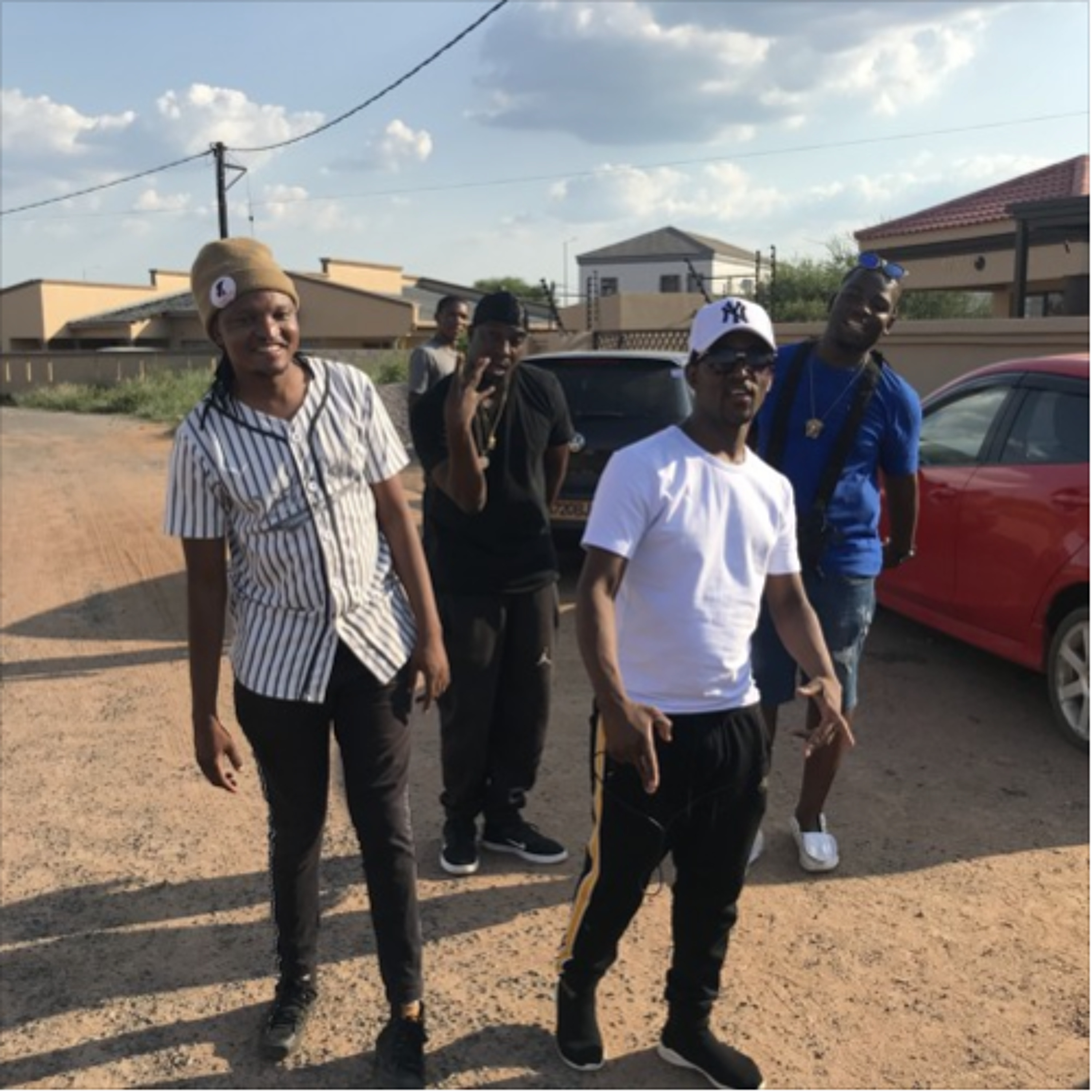
Botswana Dumelang
Botswana is a large, landlocked country in Southern Africa, a vast stretch of desert and savannah between South Africa, Zimbabwe and Namibia with a population of only 2.2 million. While widely overlooked internationally for their music, over the past 20 years Batswana has steadily built a diverse and fruitful local scene that includes traditional choirs, hip hop and kwaito, R&B and jazz and even heavy metal. While the biggest star in the country, Franco, packs stadiums with his Congolese-derived Setswana kwassa kwassa, Vee Mampeezy, Charma Gal and a host of aspiring stars champion a distinctly local fusion called house kwassa: a mix of rumba guitars, house beats and kwaito vocals. In this program we hear from Kabelo Mogwe of the popular cultural troupe Culture Spears; hip hop star Jujuboy; the metal band Skinflint; Afro soul singer Mpho Sebina and reformed house kwassa badboy Mingo Touch. We also head to a midnight recording session with young producer Zolasko and singer Naisi Boy and learn the insides of the Botswana music video industry with videographer Jack Bohloko. Produced by Lollise Mbi and Morgan Greenstreet APWW #813
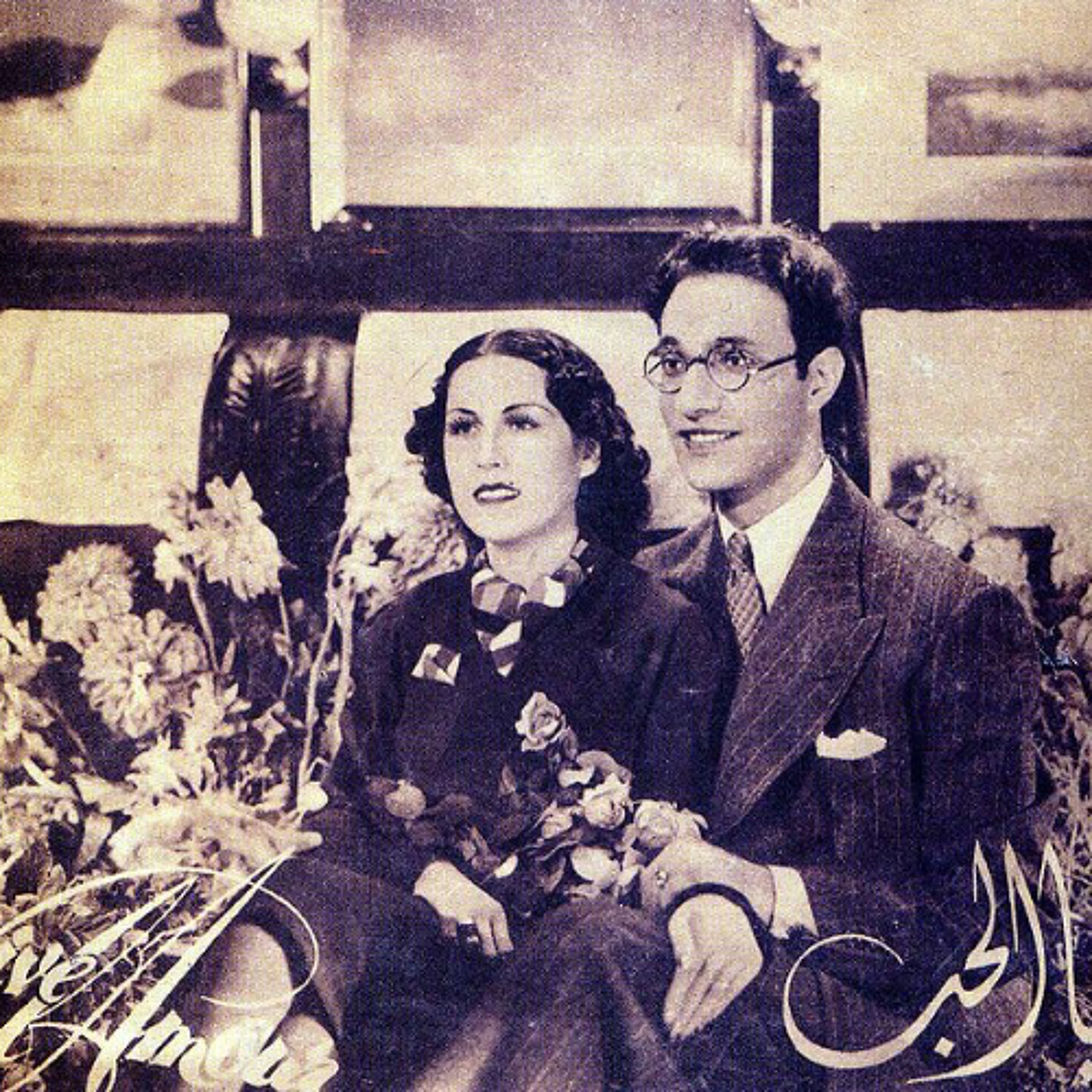
Cairo: Hollywood of the Middle East
By the mid 20th century, Cairo had become the unrivaled center for music and film production in the Middle East. Producers, writers, composers, actors, musicians, star singers, and creators of every stripe flocked here to take part in the city's fervent, international, progressive artistic milieu. This was the heyday of the diva Umm Kulthum, Mohamed Abdel Wahab, and the beloved singer and composer Abdel Halim Hafez. But events of the 50s and 60s signaled an inward turn for Egypt and Cairo. The 70s saw the rise of a rougher, more street-wise music--sha'bi--and films began to lose their edge. And the 80s saw the emergence of a slick new pop sound that has resonated in the Middle East ever since. We hear from artists, producers, and scholars in this unique Hip Deep edition. Produced by Banning Eyre APWW #627
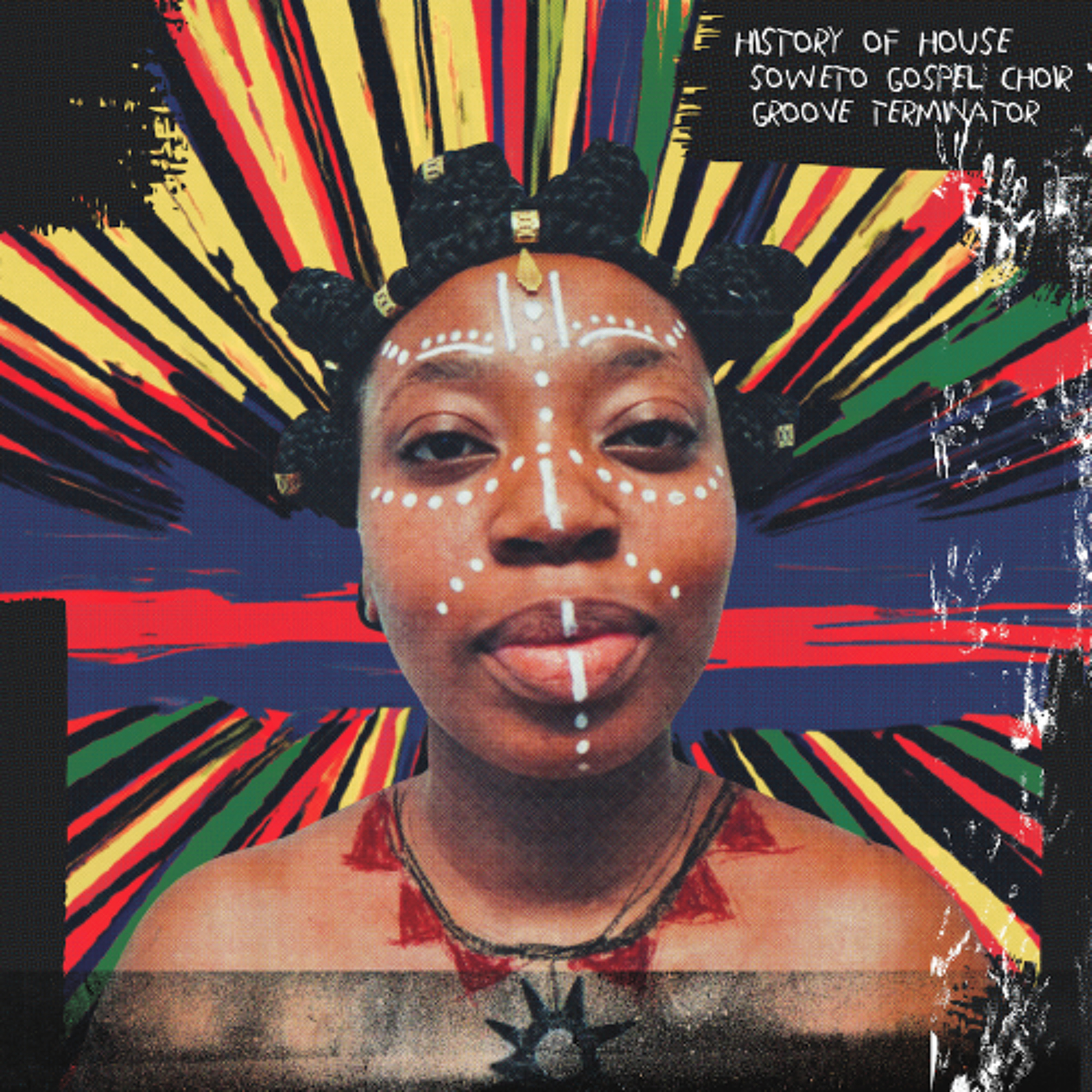
Planet Afropop - Johannesburg Meets Detroit: Soweto Gospel Choir's History of House
Our reporter from Texas, Akshaj Turebylu, triangulates the influences responsible for the irresistible, intercontinental, genre-bending, collaborative album called History of House. Our guides include Shimmy Jiyane, a founding member of the Soweto Gospel Choir, the pre-eminent African gospel performers in the world. We're also joined by Latroit, a Grammy-winning producer who got his start with the legendary techno wizards, Inner City. Akshaj speaks to Shimmy and Dennis to learn how Australian DJ Groove Terminator put the pieces together for this revelatory release blending Afro house, Amapiano, techno, gospel, and more into, as it were, a tapestry of "the (global) history of house." As we find out, Detroit and Johannesburg have been speaking to each other for much longer than you might imagine. In this episode we also preview Afrobeat artist Amayo’s 2025 album, Lion Awakes.
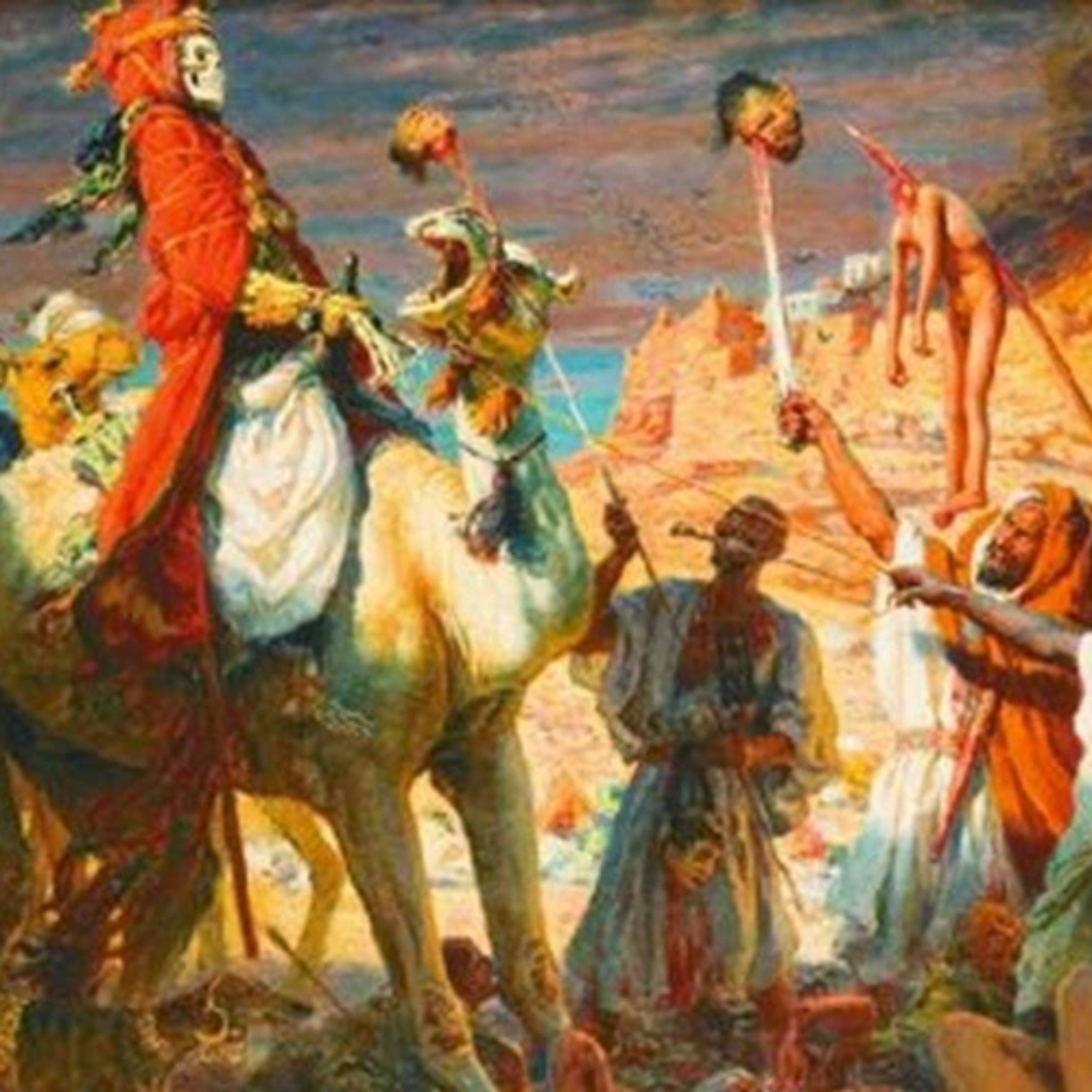
A Tale of Two Rebellions - Zanj, Fatamid
Our Hip Deep edition “A Tale of Two Rebellions" recounts the stories of two remarkable military campaigns in early Islamic history. Both uprisings take place in the late 9th century, both involve Africans as key players, and both set the scene for the crystallization of the Sunni-Shi’ite divide in Islam, which of course continues to this day. By Joseph Browdy and Banning Eyre. APWW #535
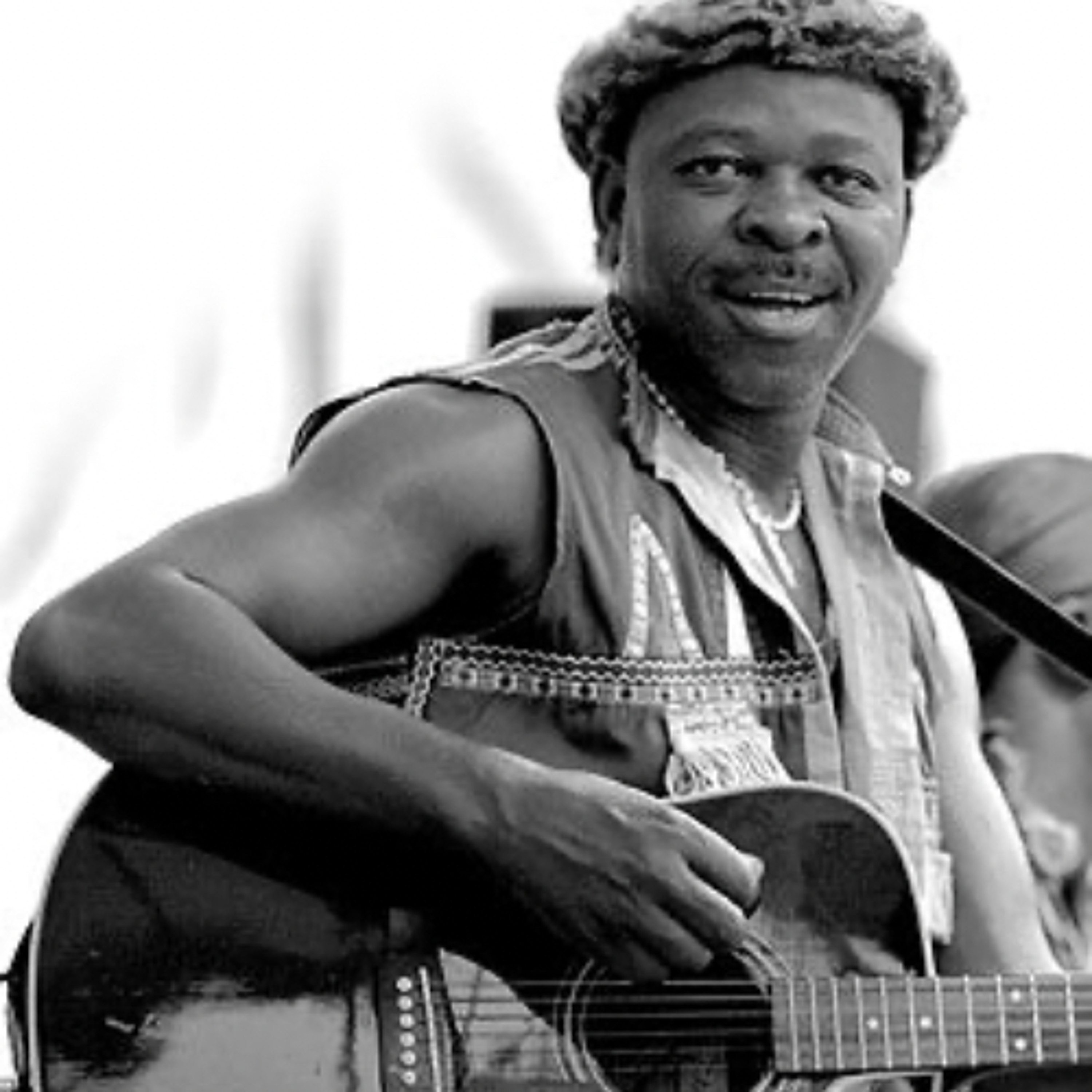
The Zulu Factor
Beginning in 1815, under Shaka Zulu, the Zulus began a campaign of conquest that would subsume so many other groups that today, the Zulu are South Africa's largest ethnic population, numbering at least six-million. Ethnomusicologist Louise Meintjes, author of Sounds of Africa! Making Music Zulu in a South African Studio writes that the Zulu reputation for courage and style has given them "empowering significance as a defiant, self possessed, royal, and artful African people." This program will trace the rise of Zulu musical identity. We'll hear from Umzansi Zulu Dancers; Lahlumlenze, guitar picking maskanda stars Phuzekhemisi, Bhekumuzi, and top seller, Shwi No Mthekala, as well as mbaqanga stars, Isigqi Sesimanje and others. This is a story of musical innovation and virtuosity: how local musicians absorbed American fingerstyle guitar, Afrikaans concertina, the marching bass drum of the British imperialists, the backing vocals of soft soul, and made from these new elements thoroughly "Zulu" sounds. Banning Eyre. (originally aired 2007) APWW #530
Planet Afropop - 2024 Wrapup
Georges, Mukwae and Banning share highlights from 2024, including new voices from Malawi and Namibia, highlights from the Nuits D’Afrique festival in Montreal, Mukwae’s song of the year, and George’s shout-out to Africans stationed on U.S. aircraft carriers. Plus a look ahead to Mali’s Bamba Wassoulou Groove, debuting at globalFEST 2025 in New York City on January 12. Great music and good cheer to end a most unusual year! PA 028
Abidjan: A New Musical El Dorado
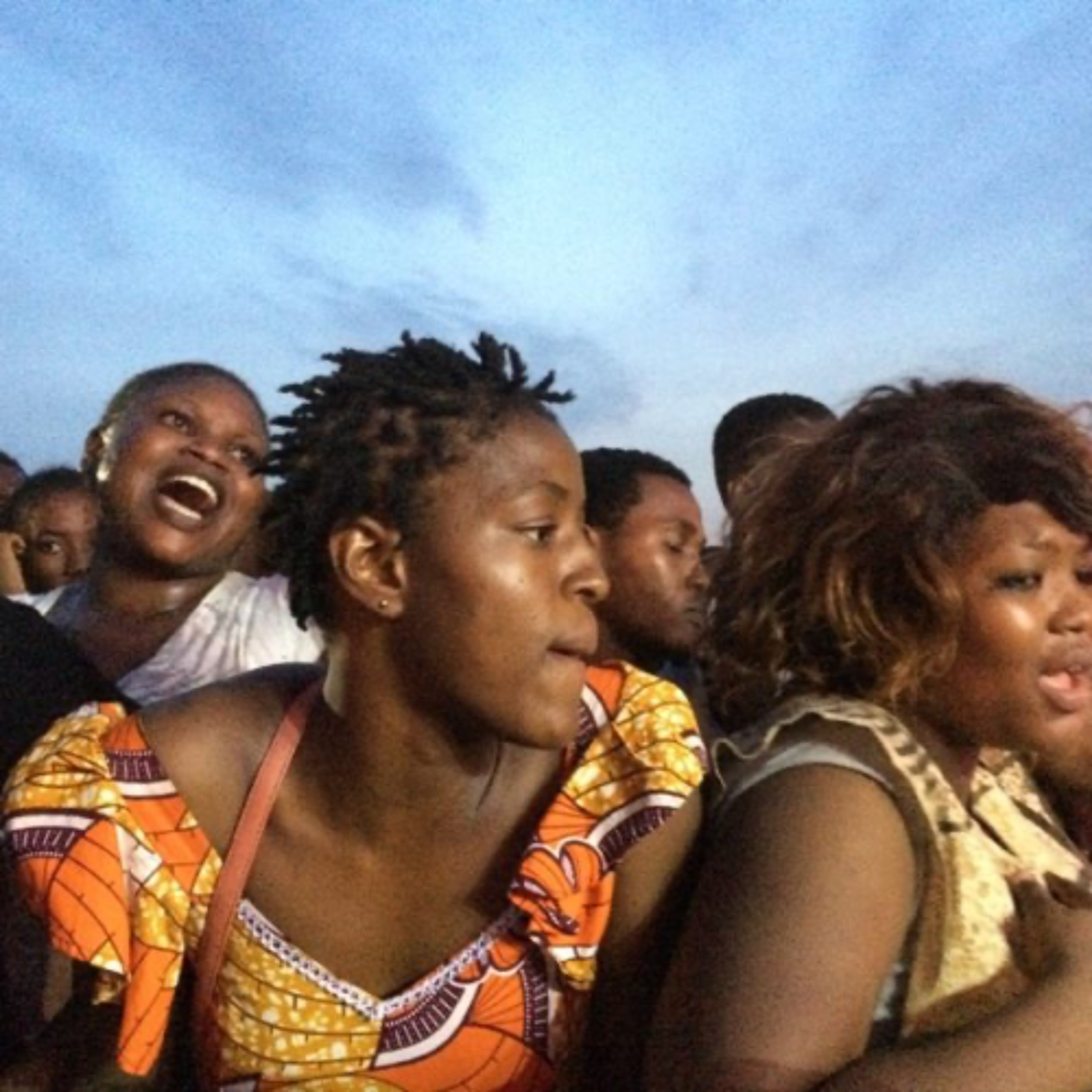
In the 70s and 80s Ivory Coast’s capital Abidjan was a major musical hub in West Africa. After a series of political crises, Abidjan is back. The Zouglou sound of the 1990s and the coupé decalé rage that followed are being reinvented in the era of Afrobeats and African hip-hop. The group Magic System is now invited to play major events in France—including President Macron’s election victory party! The group’s front man Asalfo has launched an annual music festival in Abidjan, FEMUA. On this program, we attend the festival and hear the sounds and stories of Abidjan’s cultural and commercial renaissance.Produced by Elodie Maillot and Alejandro Van Zandt-Escobar. APWW #802

Proving the Bubu Myth
Every year on Sierra Leone’s Independence Day in late April, musicians and revelers descend upon Freetown from throughout the country. Parades and celebrations traverse the city, joining diverse neighborhoods with processional music, including one particular local style called bubu, a trance-inducing sound played by groups of young men blowing interlocking hocketed breath patterns into bamboo tubes. Bubu resonates with other African diasporic horn traditions, rara and gaga especially. It has long been a part of the cultural fabric of Sierra Leone, yet its deeper story has so far eluded scholarly examination. This program, supported by original fieldwork and by interviews with scholars Connie Nuxoll, David Skinner, Michael Gallope and John Nunley, begins a serious exposition and investigation of the intriguing mythology and history that surrounds this unique, hypnotic music, through a focus on musician Ahmed Janka Nabay, widely recognized in Sierra Leone and beyond as “the Bubu King.” Written and produced by Wills Glasspiegel and Drew Alt. Georges Collinet is away on assignment: Our guest host is Sahr Ngajuah, the musician and actor who starred in the Broadway show, Fela!. APWW #690

Global Griots in France
Traditional Manding (Mande) griots living in France sit at the crossroads between Africa and Europe. Historically, their role has been to weave traditional, oral histories, often within music, to promote a united, peaceful society. As they have become part of the modern global community, each griot has their own way of staying true to these historical roles, while also broadening their appeal to multicultural audiences. In this program, we hear how these international troubadours spread their messages to the world by blending European music with the kora, the balafon, the guitar, and their own voices. Produced by Lisa Feder. APWW #864

Ebo Taylor and the Pioneers of Afro-Funk
This Hip Deep edition, based on field work in Ghana, tells the story of how highlife turned into Afro-funk. Guitarist/composer/bandleader Ebo Taylor, is our principle guide, taking us to his hometown Saltpond to explore the roots of his complex sound, and recounting his highlife years, and his deep study of American jazz in London in the early 60s—all part of a remarkable mix. We also hear from Ghanaian Afro-funk pioneer Gyedu Blay Ambolley and other observers and veterans of this history. Among the figures that interweave this story are James Brown, his most successful African successor Geraldo Pino, and, of course, the creator of Nigerian Afrobeat (a variety of Afro-funk), Fela Anikulapo Kuti. Produced by Banning Eyre. APWW #667
Planet Afropop: Breaking into Afrobeats: First Klaz and Kemuel
In this episode, our reporter in Lagos, Fay Fay, turns us on to two rising stars in African music’s dominant genre, Afrobeats. First Klaz, also known as Helicopter Boy, has made his from humble beginnings to become a top contender, and Kemuel has evolved from a rapper, modeled on gangsta stars, to become a tuneful and insightful Afrobeats singer/songwriter. Fay Fay takes us inside their journeys. We end with Harrison Malkin’s report on Colombian band Monsieur Periné, with a powerful new song about climate change and its ramifications for Colombian agriculture.

The Mighty Orchestra Baobab
Fifty years ago, the president of Senegal’s nephew was putting together a band for his new, upscale Dakar nightclub, and he recruited a handful of musicians who are still together today. Bringing together elements from their homes across West Africa to the Afro-Cuban style of the time, the Orchestra Baobab became one of Dakar’s top bands. From the rough recordings made in Club Baobab, to their 21st century revival, their music ranges from slow folk ballads to wah-pedal heavy psychedelia. We’ll talk to members Rudy Gomis, Barthelemy Attisso, Theirno Kouyate, Balla Sidibe and more, and hear selections from a truly one-of-a-kind group, the specialists in all styles, half-a-century old and still evolving: the mighty Orchestra Baobab. APWW #822

Reggaeton and Race
The dembow, the beat behind reggaetón, is much more than just a backdrop for a night of partying and dancing. The style of music, widely associated with Puerto Rico and forged from a mixture of Jamaican dancehall, Panamanian reggae en español, and American hip hop, has always existed as a form of social and political resistance, and continues to do so in 2020. And as such, it has endured constant attempts to criminalize, censor, and police both the music and those who consume it, from the early tape-confiscations by Puerto Rican law enforcement in the 1990s underground scene to the present day, arguing its hypersexual content. In this episode we speak with Latin and Caribbean music scholars and social workers to break down the racist and sexist undertones of the genre's constant policing, as well as examples of songs by artists such as Tego Calderón and Ivy Queen, that counter these assumptions. We also take a couple of detours to explore how this music, and these criticisms, manifest in the Dominican Republic and Cuba. Produced by Luis López. APWW #824
The Hidden Blackness of Flamenco
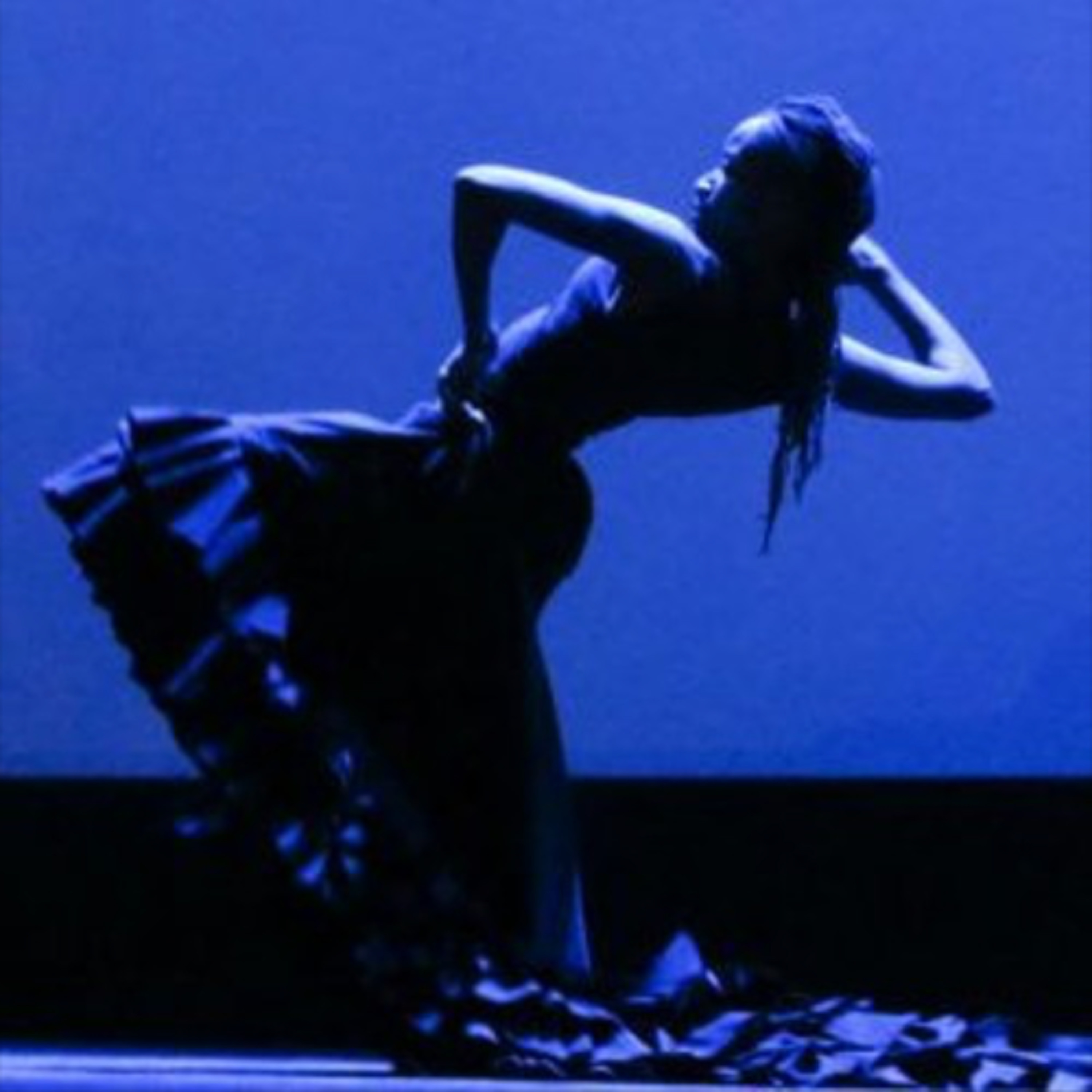
Flamenco as we know it was “born” in Spain in the mid-19th century. But for centuries before that, Roma (Gitanos, Gypsies) had been living in Spanish cities, often rubbing shoulders with the descendants of Africans (Moors), who had been there as both citizens and slaves going back to Medieval times and earlier. This overlooked pre-history of flamenco is explored in Miguel Angel Rosales’s groundbreaking film Gurumbé. In this program, we meet Rosales and learn to hear flamenco in a new way. We also meet maverick flamenco artist Raul Rodriguez, inventor and master of the tres flamenco. Rodriquez’s solo concert, sampled in this program, is a tour de force and an anthropology master class, all in one. Poduced by Banning Eyre. APWW #792

Nairobi Roars
The Kenyan capital is roaring into the 2020s. On this program singer/songwriter/producer Eric Wainaina introduces us to a rising cadre of artists rocking the Nairobi scene. From hip-hop and dancehall to r&b and Gengetone, the city’s cultural melting pot is coming to a boil at a time of political change when artists are finding their voices to speak out against government corruption and champion social justice movements. We meet artists on the front line--Juliani, Karun and Blinky Bill—and take a side trip to Kakuma, one of Africa’s largest refugee camps where music, including hop-hop, is literaliy a matter of survival. APWW #831

Planet Afropop: Sia Tolno And Afro Dead
Sia Tolno escaped war-torn Sierra Leone to become a popular singer in Guinea. As her career blossomed, she shifted to Afrobeat, with deep grooves and strong political messages. But festivals and her record company discouraged her new, big band direction, and she set out on her own. That’s when Sia met American guitarist/bandleader Aaron Feder, leader of Alma Afrobeat Ensemble out of Barcelona. When Aaron set upon the idea of creating a collective of musicians to interpret Grateful Dead songs in African styles, Sia was intrigued, and the rest is history... This podcast tells the long, strange story of Sia Tolno and the Afro-Dead Collective. Produced by Banning Eyre.
Africa in Melbourne
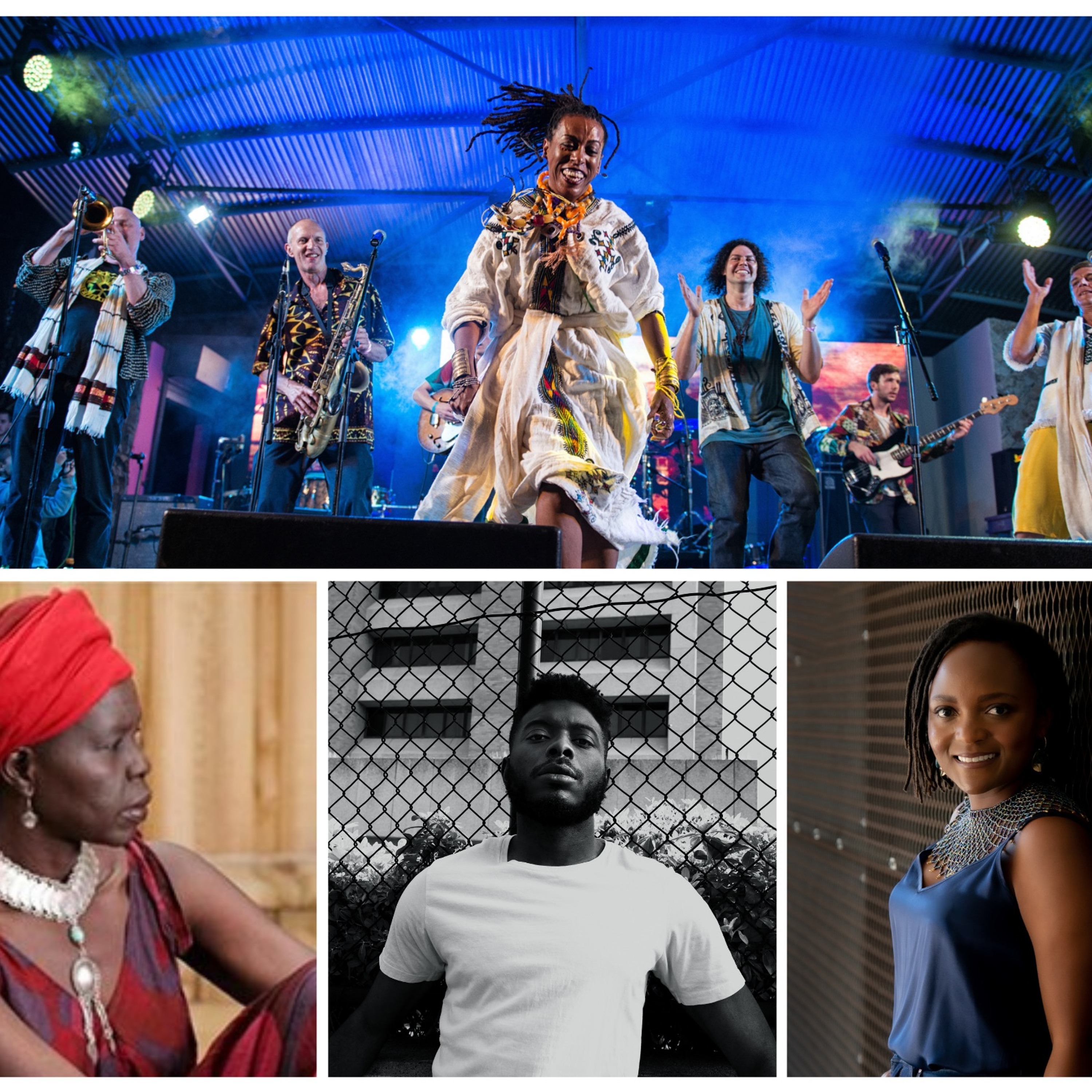
Known as Australia’s music and cultural capital, Melbourne is a hub of creativity boasting a diverse arts scene. The African community in Melbourne has been growing with Africans from all parts of the continent bringing their fashion, food and music to the city. In this episode we’ll explore African musicians and music curators who are making their mark in Melbourne. Expect to hear a blend of traditional African instruments by the Melbourne African Traditional Ensemble (MATE); funky jazz fusion by Black Jesus Experience; South-Sudanese modern rock by Ajak Kwai, and hip-hop from IJALE and Sampa the Great. We’ll also meet the presenter of the longest running African radio program in Australia, Stani Goma. Guiding us through our journey of Melbourne’s African music scene will be DJ Kix, bringing to light some of the nuances of migration, identity and life in Melbourne. Produced by DJ Kix. APWW #836
Soul to Soul: Ghana's Legendary Music Festival
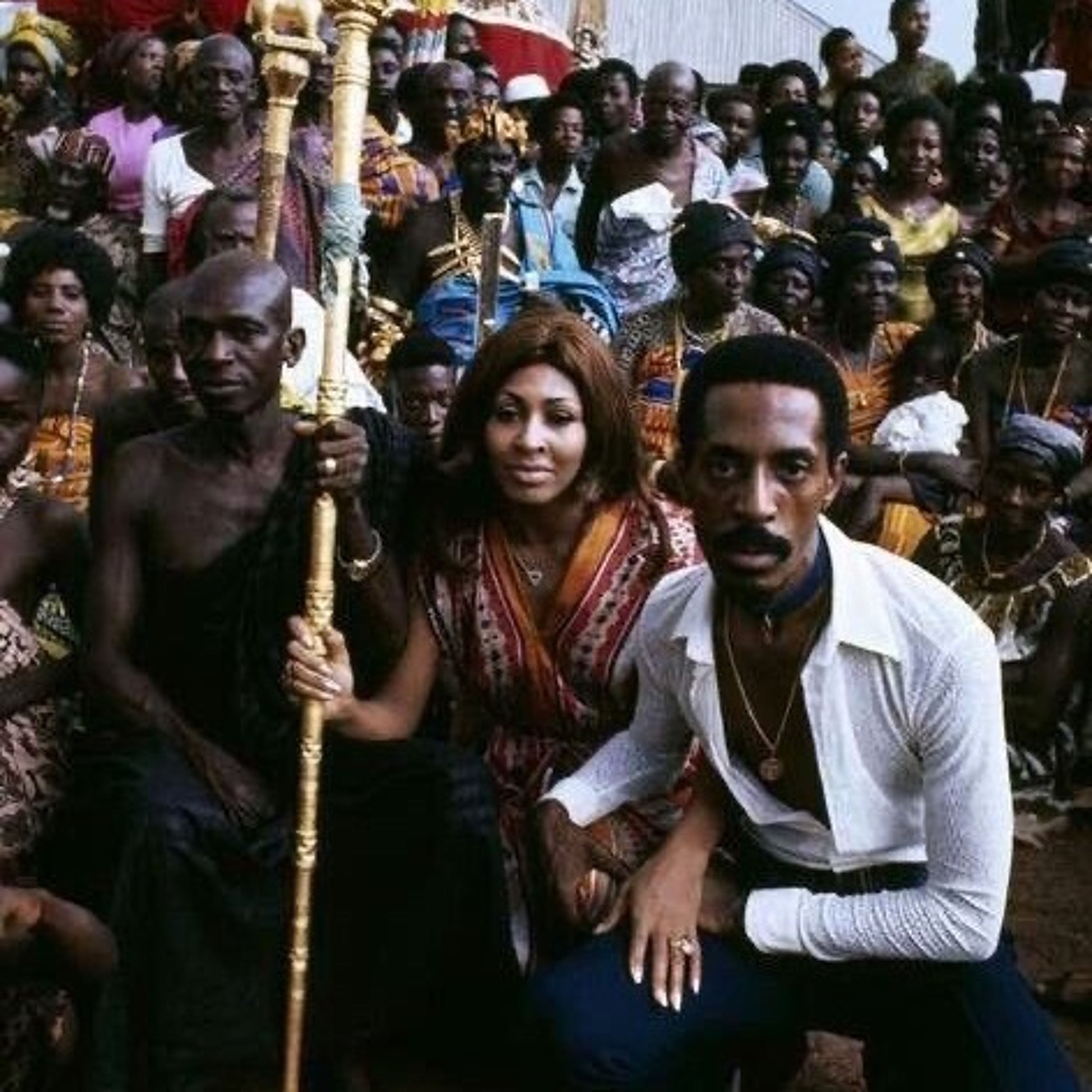
On March 6, 1971, a group of some of the top musicians from the United States – Ike & Tina Turner, Wilson Pickett, The Staples Singers, Santana, and more – boarded a plane bound for Ghana to perform in a musical celebration that was dubbed the “Soul to Soul Festival”. Thousands of audience members filled Accra’s Black Star Square for a continuous 15 hours of music. The festival was planned in part for the annual celebration of Ghana’s independence, but also an invitation for a “homecoming” for these noted African-American artists to return to Africa. This episode revisits the famed music festival and explores the longstanding legacy of cultural exchange with African diasporans originally set forth in the 1950s by Kwame Nkrumah, the first President of Ghana. Tune in for interviews with noted musicologist John Collins, poet and scholar Tsitsi Ella Jaji, concert goers and more. Produced by Brandi Howell. APWW #829
Planet Afropop: Yamé: From the Paris Underground to the World Stage
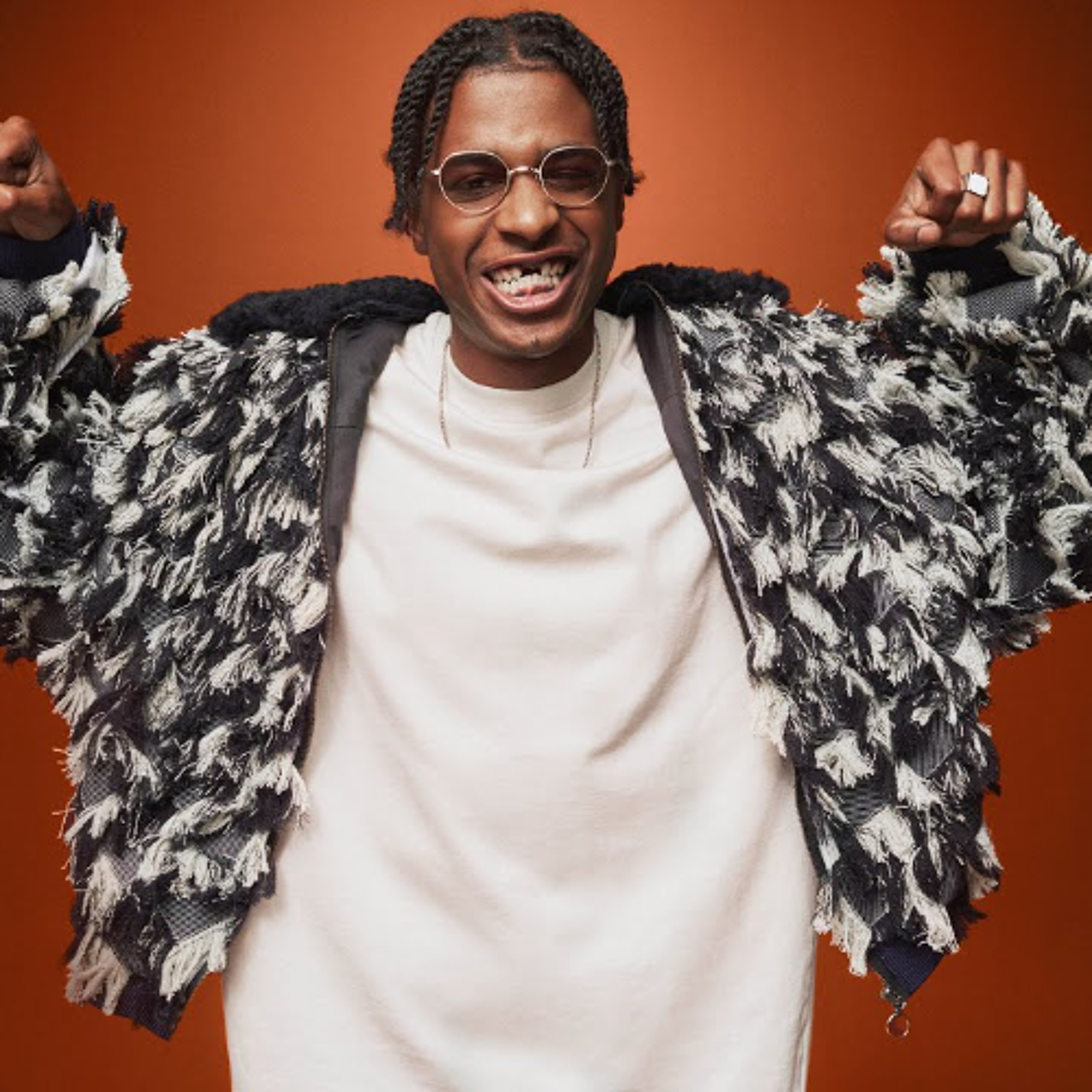
Yamé is a French artist of Cameroonian descent who artfully merges R&B, hip-hop, and jazz in his music. On the strength of his breakout single “Bécane,” with a video shot in Cameroon, this young artist held firm at #1 on the Global Spotify Viral charts, accumulating over 68-million streams to date, and winning the attention of the producer Timbaland. Like Stromei before him, Yamé has made the unlikely journey from Paris’s underground jam-band scene to global fame in record time. In this episode, producer Elodie Maillot recounts the journey in conversation with the man himself, and we hear from another boundary-crossing Paris cosmopolitan, Lebanese trumpet maestro Ibrahim Maalouf.
Sam Mangwana - Le Pigeon Voyager
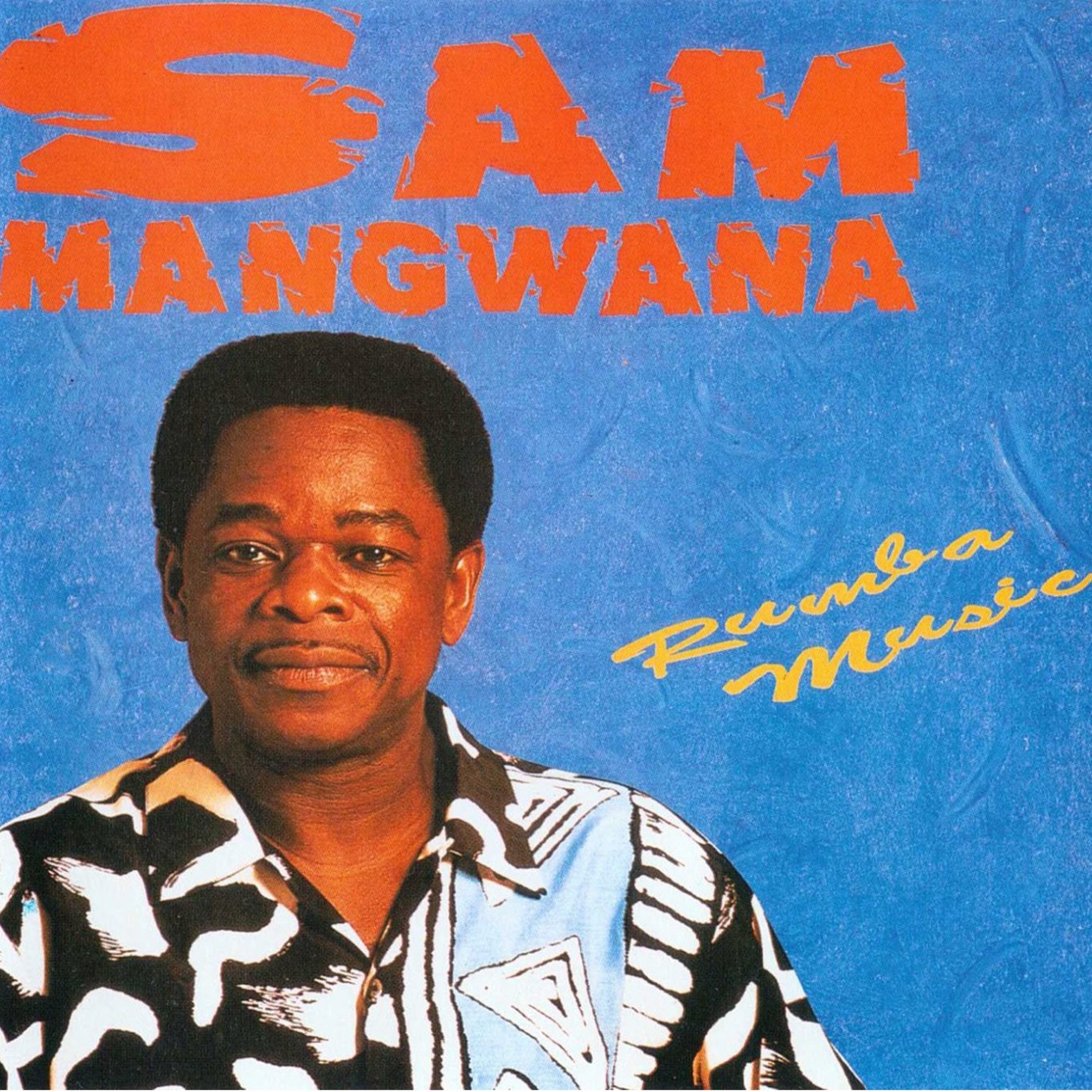
They call Sam Mangwana "Le Pigeon Voyageur" - a roaming pigeon. He could also be called a rolling stone because wherever he lays his microphone is his home. In this episode, we behold the amazing return of rumba's living legend - Sam Mangwana. Produced by Georges Collinet. APWW #863
The Cumbia Diaspora: From Colombia to the World
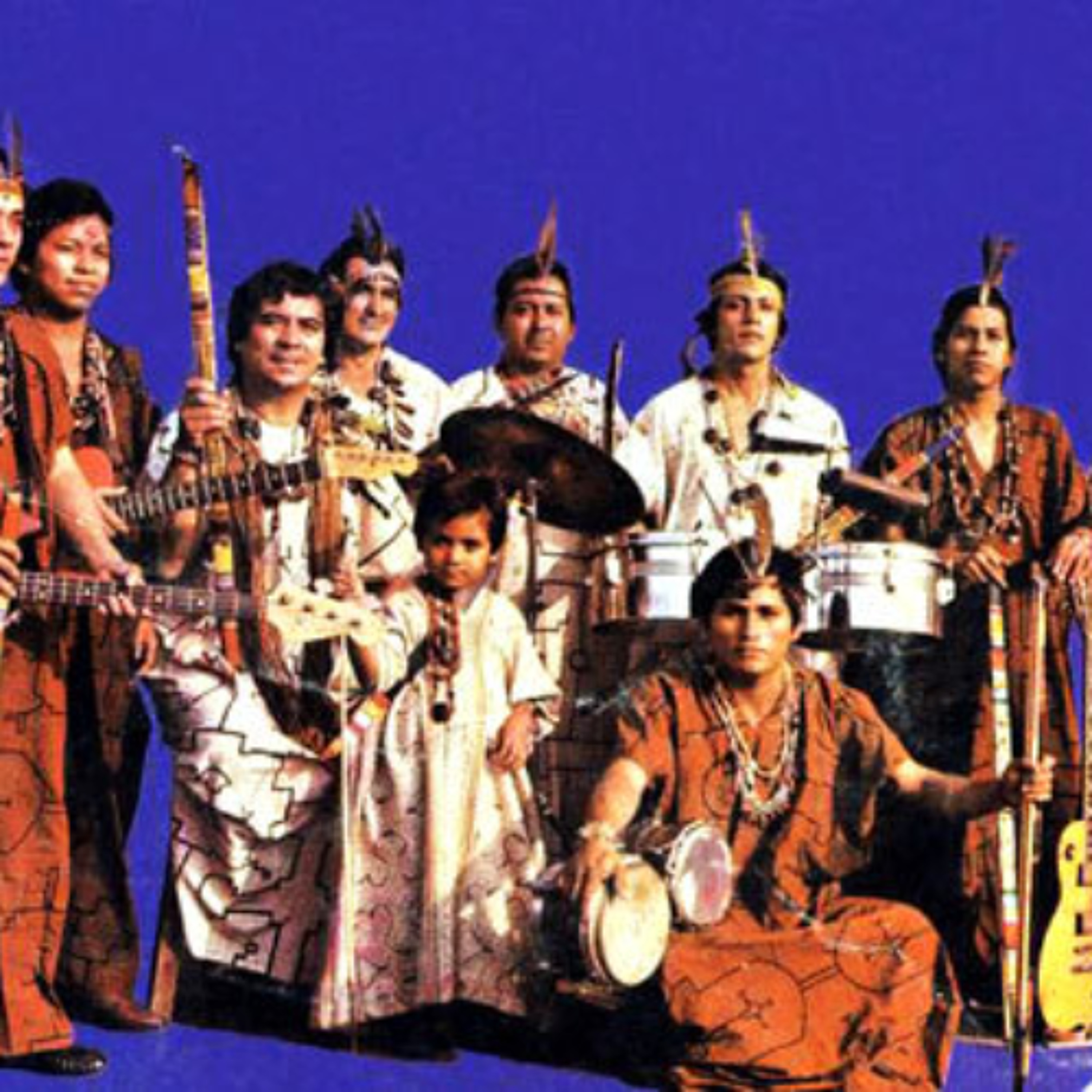
The Cumbia Diaspora: From Colombia to the World by Afropop Worldwide
Planet Afropop: Mokoomba in the House
When Zimbabwe’s dynamic roots band Mokoomba had a chance meeting with a house music producer and an American kamelengoni (Malian pentatonic harp) player, the sparks flew. A few weeks later, they all gathered for two days to write and record a song aimed at the lucrative Afro-House, DJ remix market. In this Zimbabwe-focused episode, we hear new mbira music from Mary Anibal and Othnell Mangoma Moyo, and go inside the creation of a future Mokoomba dancefloor sensation. Produced by Banning Eyre.
Hispanic Heritage Month: Hidden Sounds from Ecuador, Bolivia and Uruguay
Afro-Cuban and Afro-Brazilian musical giants have long enjoyed the spotlight, yet throughout Latin America there are other black enclaves producing some of the New World's most vibrant music. Their stories have gone untold for far too long. In this episode, Afropop explores these lost sounds, starting in an Ecuadorian desert valley where African and Andean traditions have mixed seamlessly into fiery dance music. Then we're off to mangrove-studded Esmeraldas to search out the last marimba legends living on the jungle waterways. We continue to Bolivia, where a tiny black minority uses their music to fight for recognition by the indigenous government and last, we'll listen to the driving carnival music of Uruguay, candombe. Tune in for exclusive interviews and recordings by everyone from marimba master Papa Roncon to Candombe-jazz legend Hugo Fattoruso. Produced by Marlon Bishop. Originally aired 2009.
Hispanic Heritage Month 2024: Rumba Boogie and Latin Doo-wop
High quality wav for soundcloud
Planet Afropop - The Women Of Tsapiky
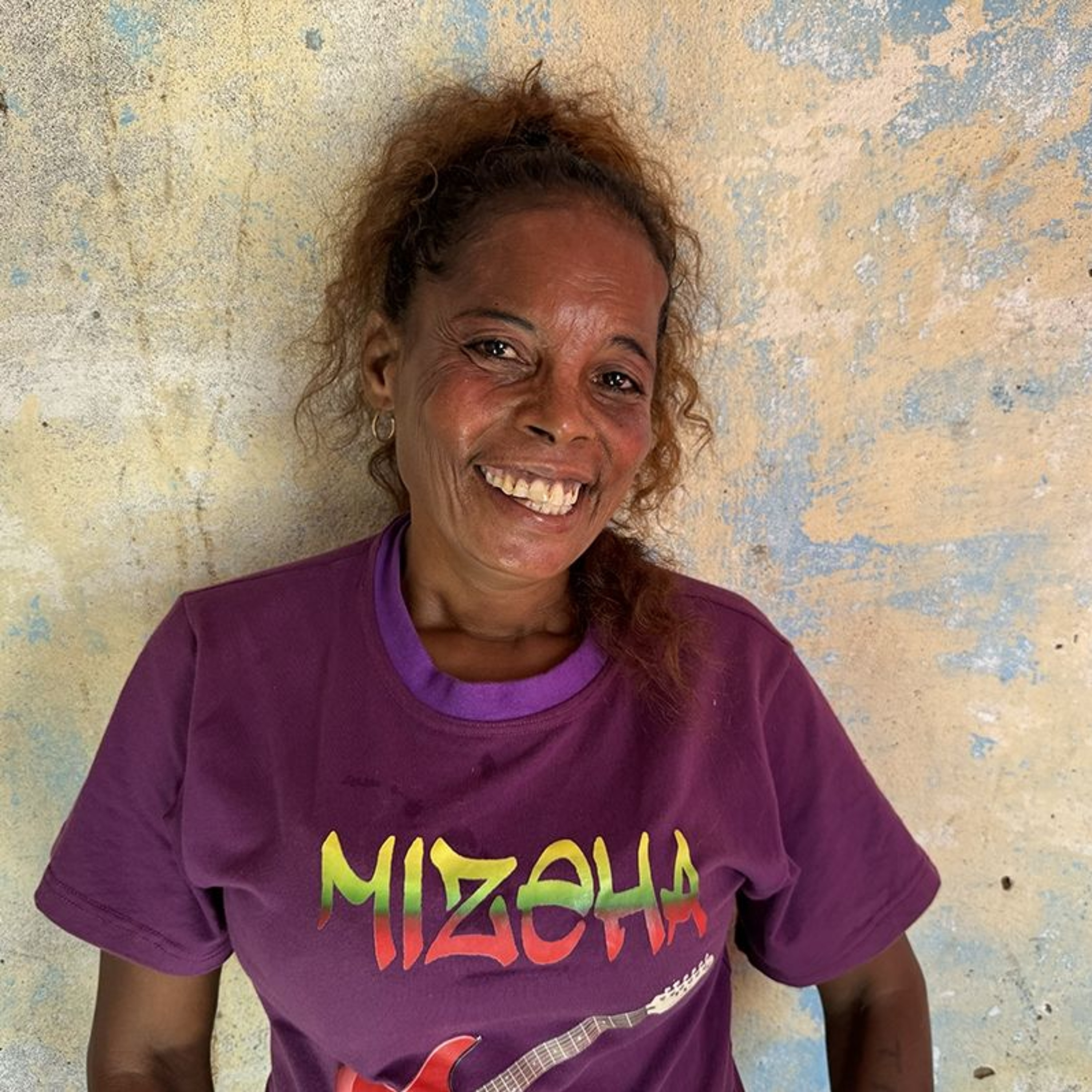
Tsapiky is fierce, joyful, high-energy, electric-guitar driven dance music from southwest Madagascar. Producers Morgan Greenstreet and Boris Paillard went to Tuléar to record and interview today’s main female players in the tsapiky scene. The music is typically performed in “bal poussières” (dust balls, mandriampototse in malagasy) ) that can last from three days to a week—non stop! In this episode we hear both the raw rural blast of tsapiky as well as its cleaner studio version, both of which rock like nothing else on the planet. We meet Maxime Bobo, on a mission to document 21st century tsapiky, and we speak with women who play a key role in the story of this vibrant local tradition. Produced by Morgan Greenstreet and Boris Paillard.

The Panama Beat
High quality wav for soundcloud
Hispanic Heritage Month 2024 - The New York Sound of Latin Music
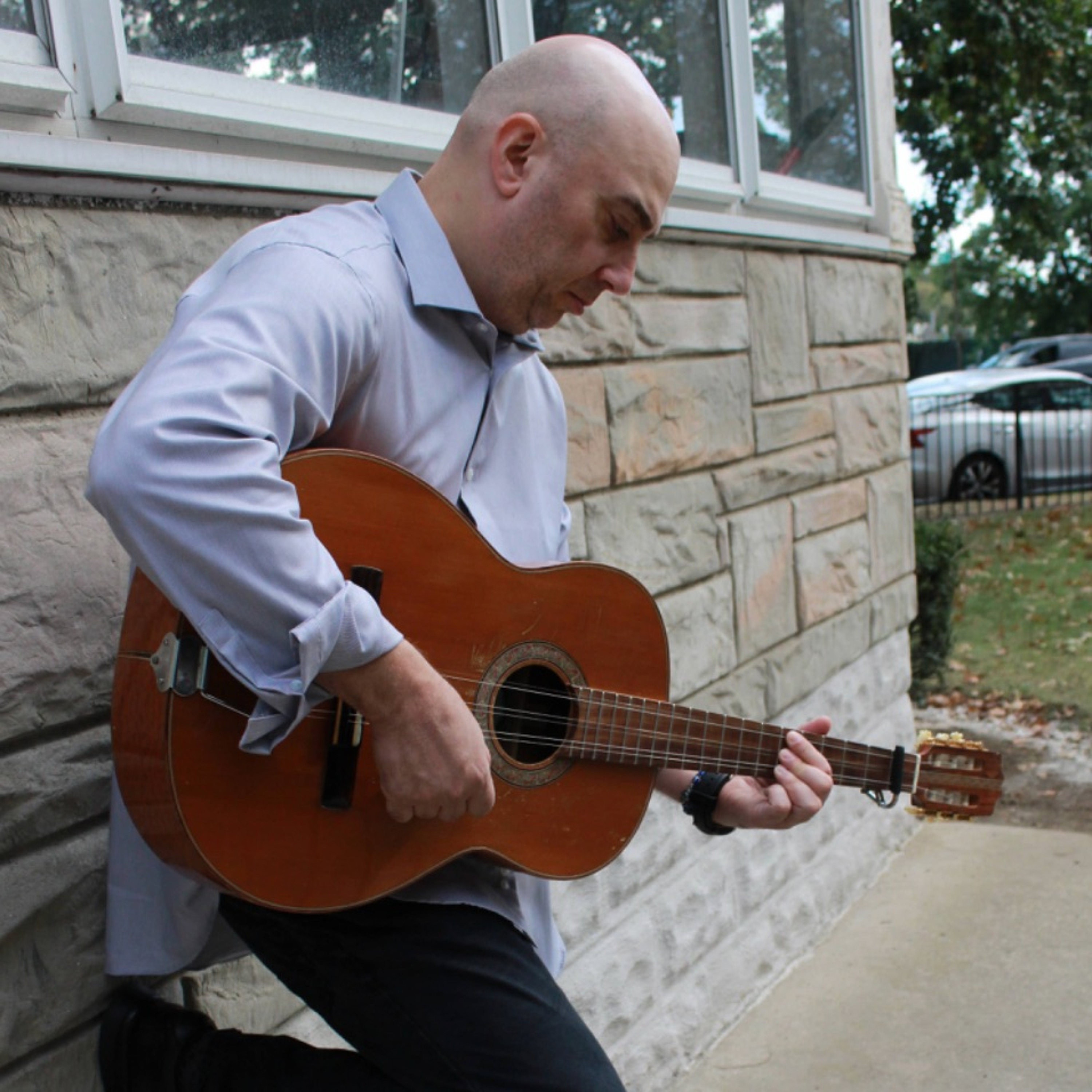
New York City has long been a major incubator for Latin music with its large populations of Puerto Rican, Dominican, Panamanian, Cuban, and Colombian musicians and music fans. We celebrate some of the giants of New York’s Latin music scene—Ray Barretto, Larry Harlow, Jerry Gonzalez—as well as less well known artists. Topics include the cross-pollination between Latin music and jazz, the Panama connection featuring Rubén Blades among others, the Latin-Jewish connection and much more. Produced and co-hosted by author and Afropop producer veteran Ned Sublette with special guest Dr. Ben Lapidus, musician and author of New York and the International Sound of Latin Music, 1940 to 1990. Produced by Ned Sublette APWW #845
Planet Afropop - Afro Nation
Planet Afropop - Afro Nation by Afropop Worldwide
African Sounds of the Indian Subcontinent
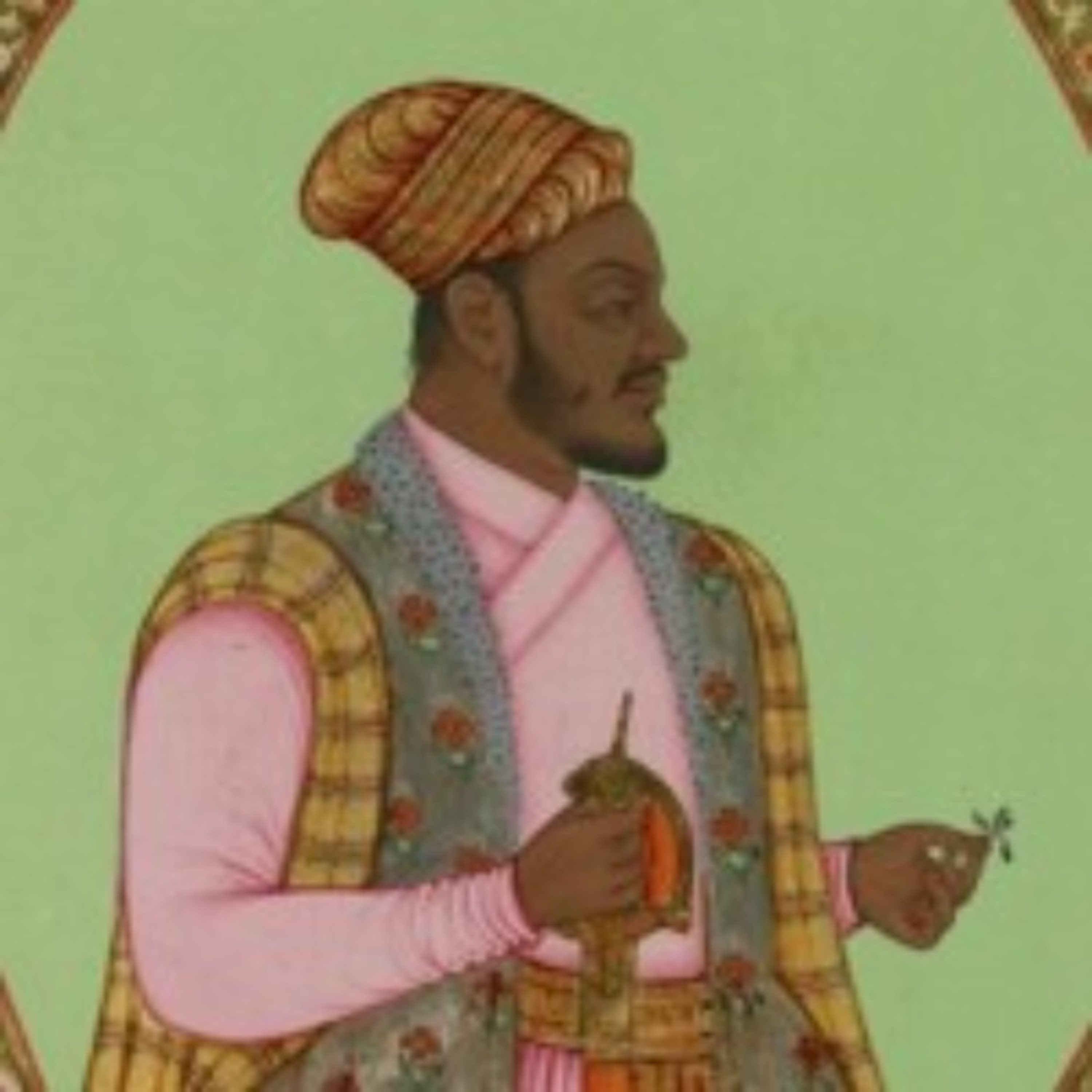
In this Hip Deep program, we explore musical connections between Africa and India. First up is the story of the Afro-Indian Sidi community. In the 13th century, Africans arrived in India as soldiers in the armies of Muslim conquerors. Some were able to rise through the ranks to become military leaders and even rulers. Their descendants continue to live in India today, performing African-influenced Sufi trance music at shrines to the black Muslim saint named Baba Gor. Next, we dive into the swinging jazz era of 1930s Bombay, when African-American jazz musicians arrived by the dozen to perform at the glitzy Taj Mahal Hotel. They trained a generation of Indian jazz musicians who would become instrumental in the rise of India's Hindi film music industry. Then we head south to the island of Sri Lanka, where Africans have had a presence for almost 500 years. We explore their history through the groovy Afro-Indo-Portuguese pop music style known as baila, popularized by 1960s star Wally Bastiansz and still performed at parties in Sri Lanka today. Finally, we speak with Deepak Ram, an Indian jazz flutist who recounts his experiences growing up Indian in apartheid South Africa. Throughout, we hear from leading experts, and of course, introduce fantastic and often-unexpected music. Produced by Marlon Bishop. APWW #663
South African Roots in the 21st Century
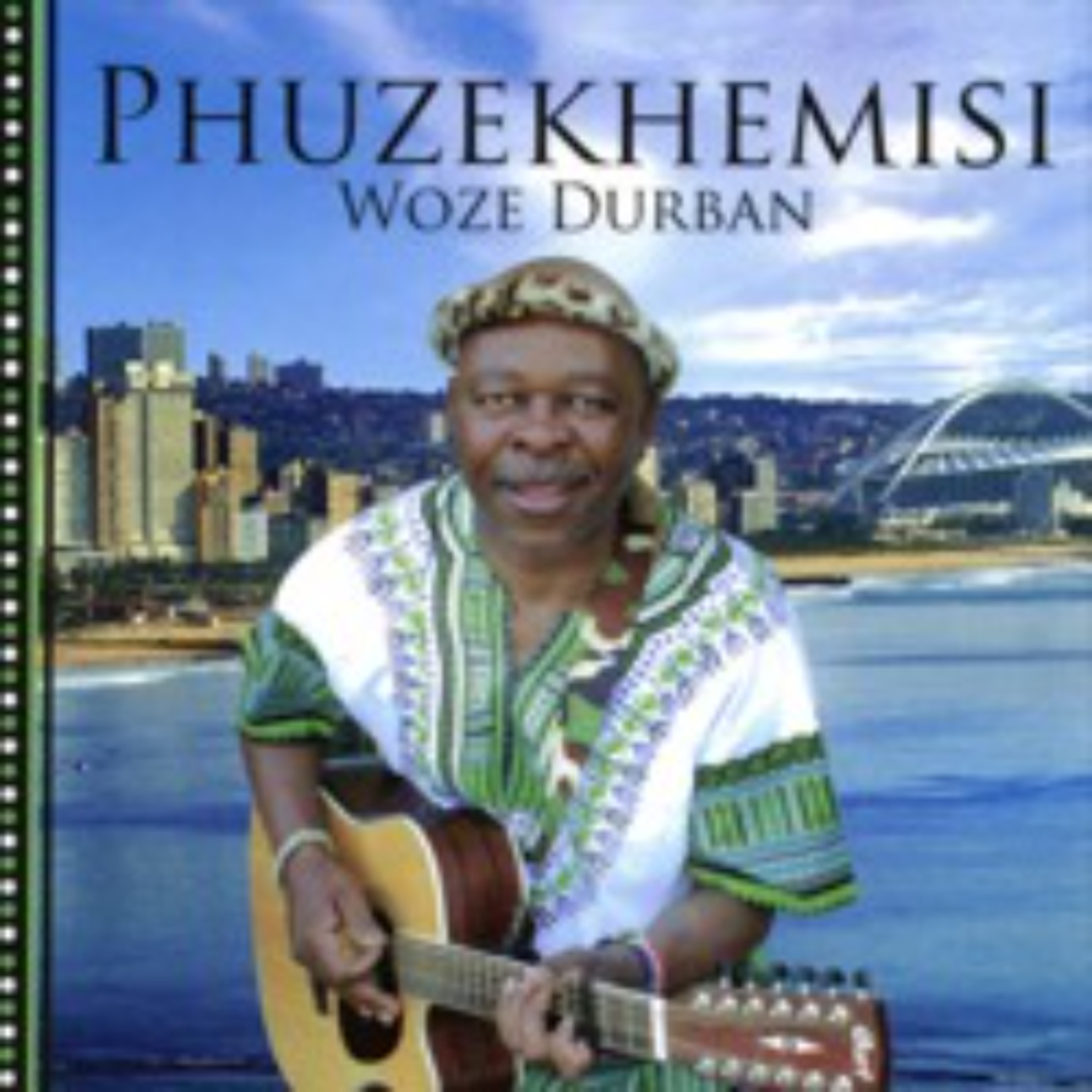
Yes, it’s the age of South African House, Afrobeats, Afro R&B and the likes, but roots music lives on in South Africa. This show updates the Zulu pop music known as maskanda, with a look back at its history and a survey of the current scene--rich musically, but troubled by fan rivalry that can lead to violence and even deaths. We’ll hear nimble ukapika guitar playing, heavy Zulu beats and bracing vocal harmonies. We’ll meet maskanda legend Phuzukhemisi and veteran South African radio broadcaster Bhodloza “Welcome” Nzimande, long a champion of maskanda music and a would-be peacekeeper in the fractious current scene. We’ll also hear from Zulu guitar legend Madala Kunene, and check out some of the recent gqom music that has largely replaced maskanda and other roots styles in the lives of young South Africans. Produced by Banning Eyre.

Borderless Sounds: The New North Africa
North African music receives very little coverage in the United States. There are no high-profile mixes of recent Tunisian underground dance music from hip DJs, and no young Algerian musicians with major distribution deals in the U.S. So we decided to explore what exactly is going on in this part of the world. We trace the origins of some of the region’s most interesting current music to the banlieues of Paris, like raï ’n’b--a new autotuned and synth-heavy offshoot of raï. We also explore the Gnawa reggae movement, which finds common ground between Sufi trance and the message of Marley. Returning to familiar traditions, we present a live recording of Kabyle mandoleplayer Hamid Ouchène from Montreal’s Nuits d’Afrique festival, backed by a group of Montreal-based musicians with origins throughout the African continent. We next turn to the North African metal scene that developed during Algeria’s civil conflict to meld Berber folk music with black metal. Finally, we check out the new chaabi revival. Produced by Jesse Brent.
Bongo Nation: Tanzania's Music Economy
Bongo Nation: Tanzania's Music Economy by Afropop Worldwide
Benin: Transforming Traditions
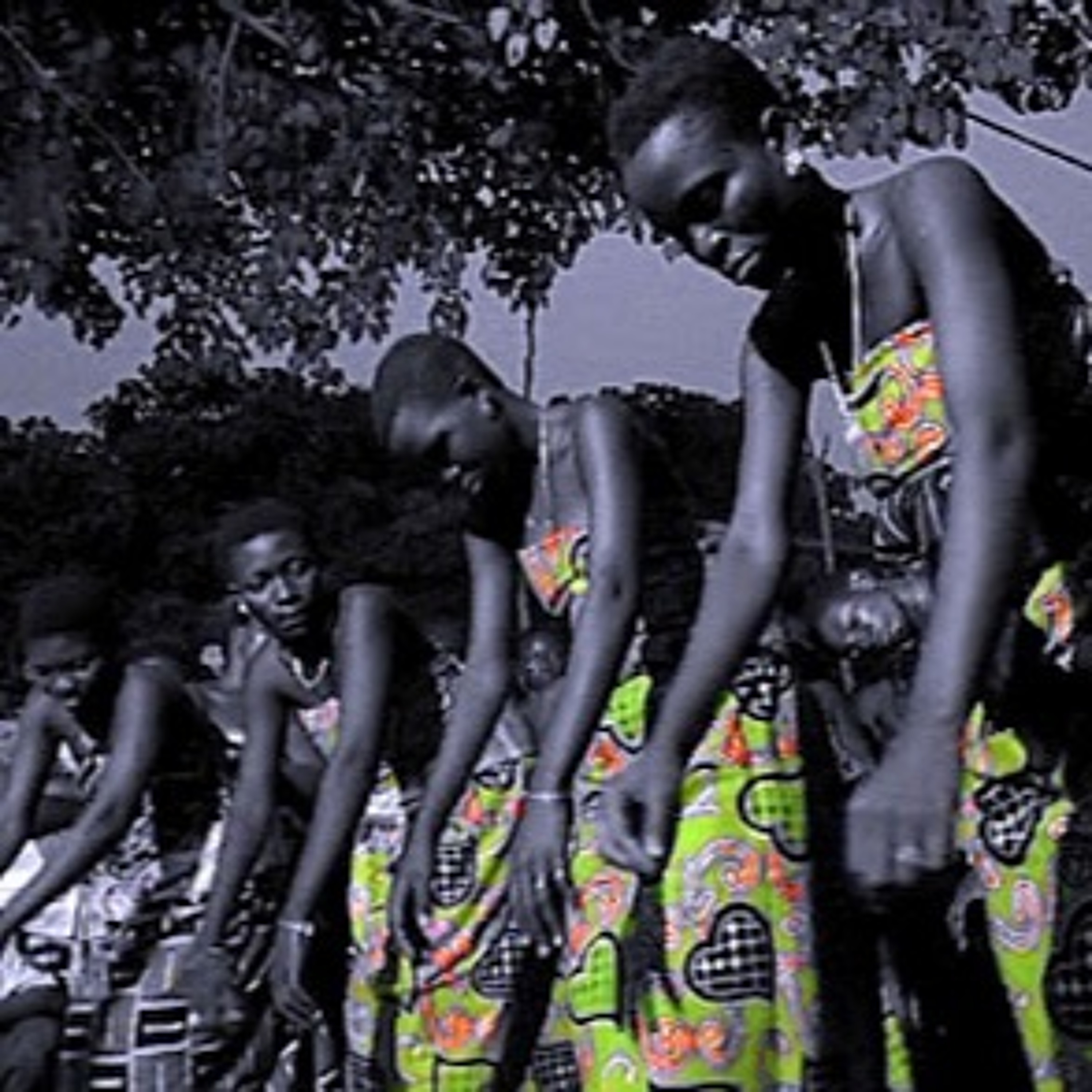
This program tells the story of generations of creative musicians from Benin who translate traditional, largely Vodun occult music into popular and experimental music. We hear traditional music styles including tchinkoumé, agbadja, and kakagbo, and explore how, starting in the 1970s, Sagbohan Danialou (a singer, drummer, guitarist and composer known as "l'homme orchestre," the one-man-band) and Tohon Stanislas transformed these styles into popular music. We hear from Samuel "Jomion" Gnonlonfoun, one of the founders of the experimental super-group Gangbé Brass Band, who took the traditional approach further into jazz in the 1990s and 2000s, including new music from Jomion & The Uklos, Gnonlonfoun's current band. Plus an interview from superstar Angelique Kidjo, and music from her latest album "Eve." Produced by Morgan Greenstreet in 2014 APWW #680
Shake It Fo Ya Hood - The History of New Orleans Bounce
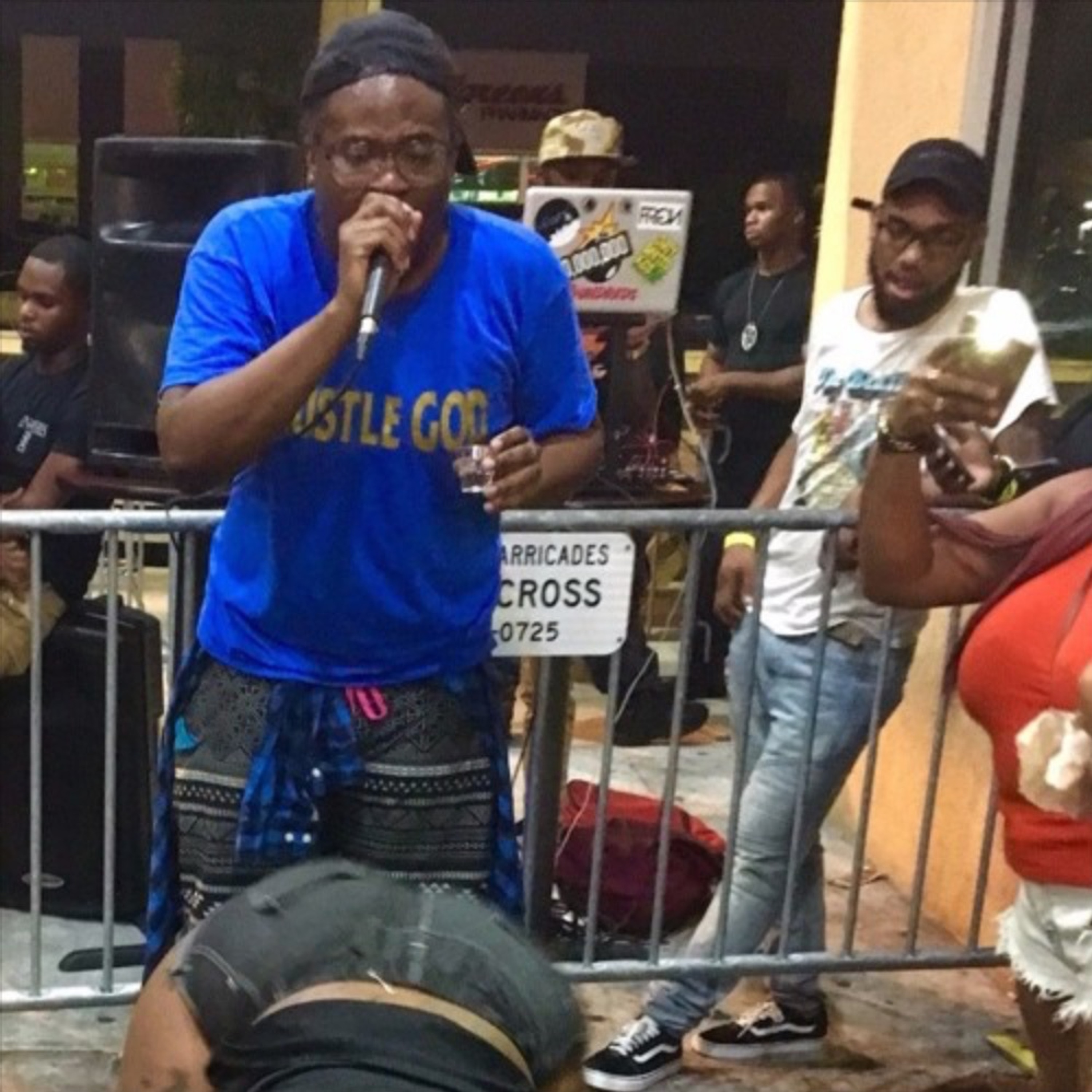
New Orleans, Louisiana is home to some of America's greatest musical traditions, and plays an outsized influence on the evolution of everything from jazz through to r&b, rock and funk. Today, the city is still legendary for its second line brass bands and brightly costumed Mardi Gras Indians. But if you've rolled through New Orleans on pretty much any night in the last 30 years, you've probably heard another sound—the clattering, booming, hip-shaking, chant-heavy roll of bounce, a form of hip-hop music, dance and culture unique to the Crescent City. Pulling from the national mainstream but remaking it the way that only New Orleans can, bounce has become a sonic touchstone for an entire generation of residents. For this Hip Deep edition, Afropop digs into the close-knit scene, talking to dancers, producers, MCs, and managers from over 30 years of bounce, all to explore the beat that drives New Orleans—and to find out what it means to the people who bring it to life. Produced by Sam Backer and Jessi Olsen. APWW #761
The Enigma Of Baba Sora
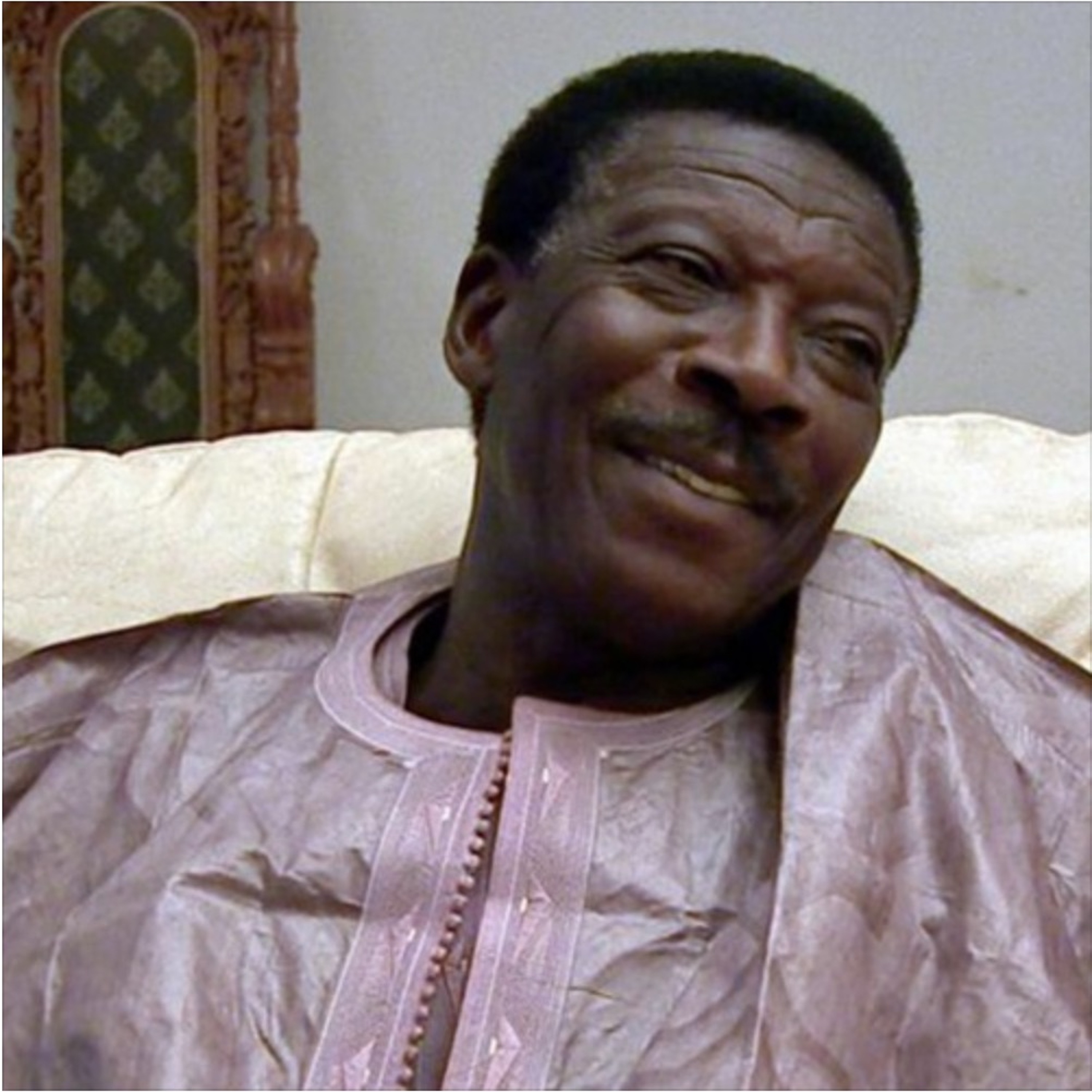
Foutanga Babani Sissoko, known also as Baba Sora, was one of the most generous patrons of Malian musicians, particularly griots, in modern times. His gifts of cash, gold, cars and houses are legendary, and the amount of music he inspired was voluminous. But the source of all those riches turned out to be dubious, to say the least. And when he died in March 2021, he had spent his latter years a poor man. In this episode we hear the man, the music and the remembrances of those whose lives were changed by his extraordinary generosity. Produced by Banning Eyre.
The Cameroon - Cuba Connection
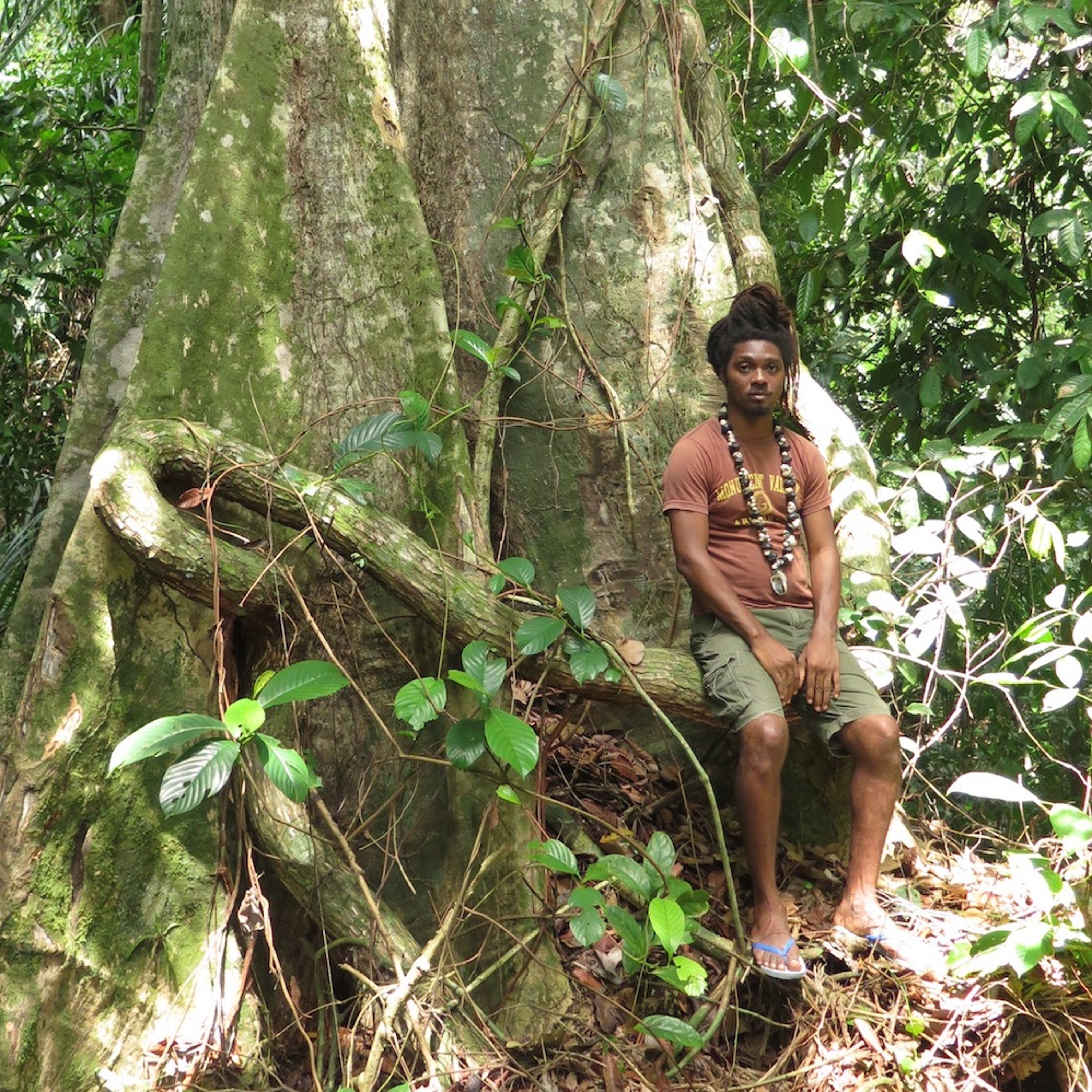
The Abakuá society of Cuba conserves with remarkable orthodoxy language and rituals from the Ekpe society of West Africa. For The Cameroon-Cuba Connection, Dr. Ivor Miller shares with Georges Collinet and Ned Sublette his decades of research into the roots of Cuban Abakuá in Cameroon. Featuring ceremonial and pop music of southern and southwestern Cameroon, as well as Abakuá-themed music from Cuba.
Rap, Reggae and Cultural Resistance in Belo Horizonte, Brazil
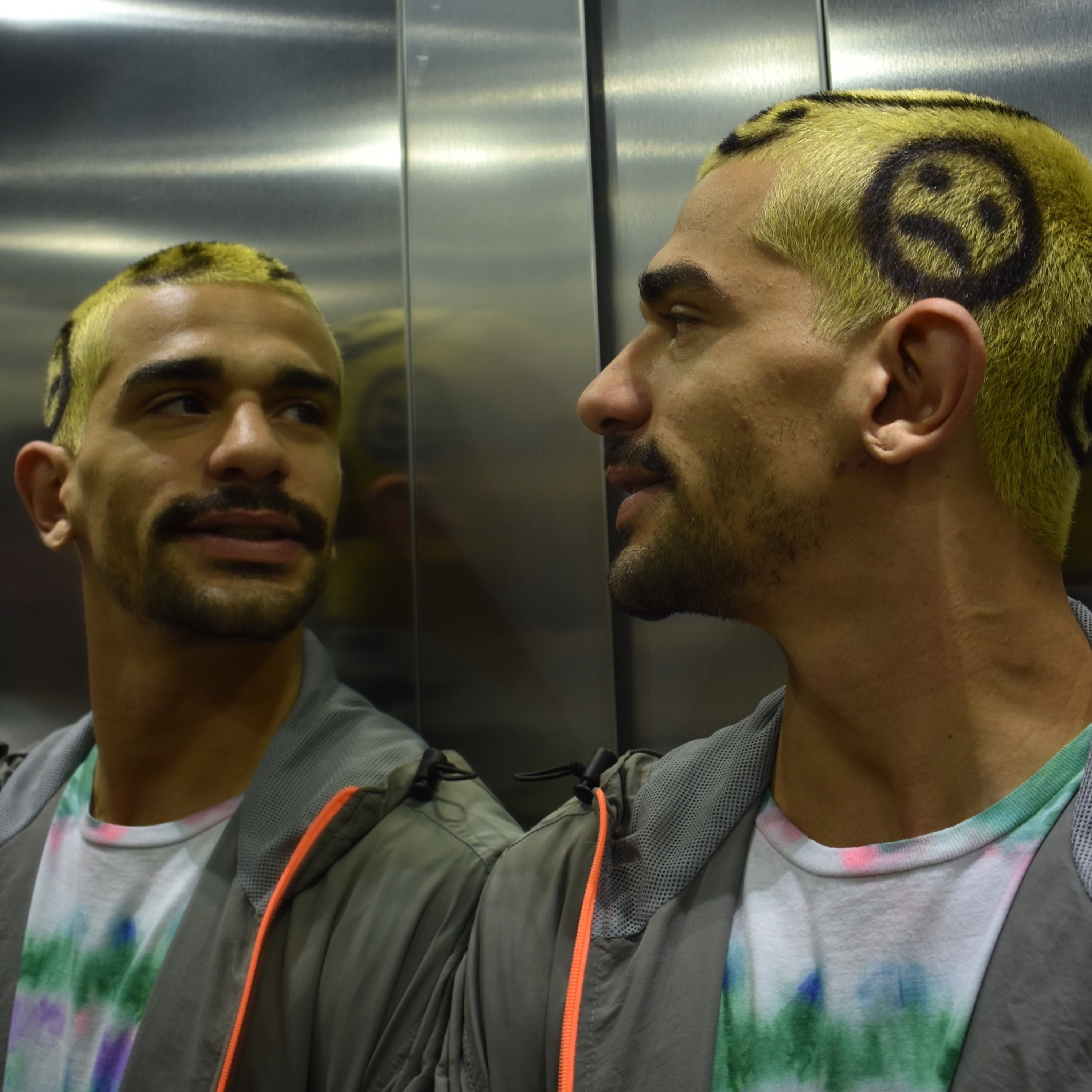
Belo Horizonte is Brazil’s sixth largest city and including its surrounding districts, the country’s third largest metropolitan area. The capital of Minas Gerais, a state built on mining, dairy products and coffee production, Belo Horizonte is often seen as a parochial, conservative backwater, yet its thriving alternative arts scene provides robust forms of musical and cultural resistance to the exclusionary policies of reactionary president, Jair Bolsonaro, especially through local variants of hip-hop and reggae. Produced in Belo Horizonte by David Katz, this program explores the intricacies of the city’s homegrown resistance movements, based in squatted buildings and public spaces in the city center and peripheral favelas on the outskirts. It reveals the surprising complexities of the renowned Belo Horizonte rap scene, which is intricately linked to improv theatre and urban poetry movements, with a revived Carnival culture, African-Brazilian Candomblé and baile funk all part of the local form’s very distinctive musical backdrop; the smaller reggae scene also addresses issues such as social exclusion, income disparity, racial bias, gender discrimination, transphobia and environmental crises. In the show, we’ll hear from rappers such as Roger Deff, Samora Nzinga and the leftfield duo of Hot e Oreia, as well as Leo Vidigal of the Deska Reggae sound system and Zaika dos Santos of Salto, the city’s first female-run sound; Tiago Lopes of the Rastafari collective Roots Ativa and former rapper Kdu dos Anjos and guide us through the permaculture and upcycled fashion projects they have established in the massive favela complex of Aglomerada da Serra, providing employment and social integration to some of the city’s most disenfranchised residents. APWW #812 Originally produced in 2020
La Bamba – The Afro-Mexican Story
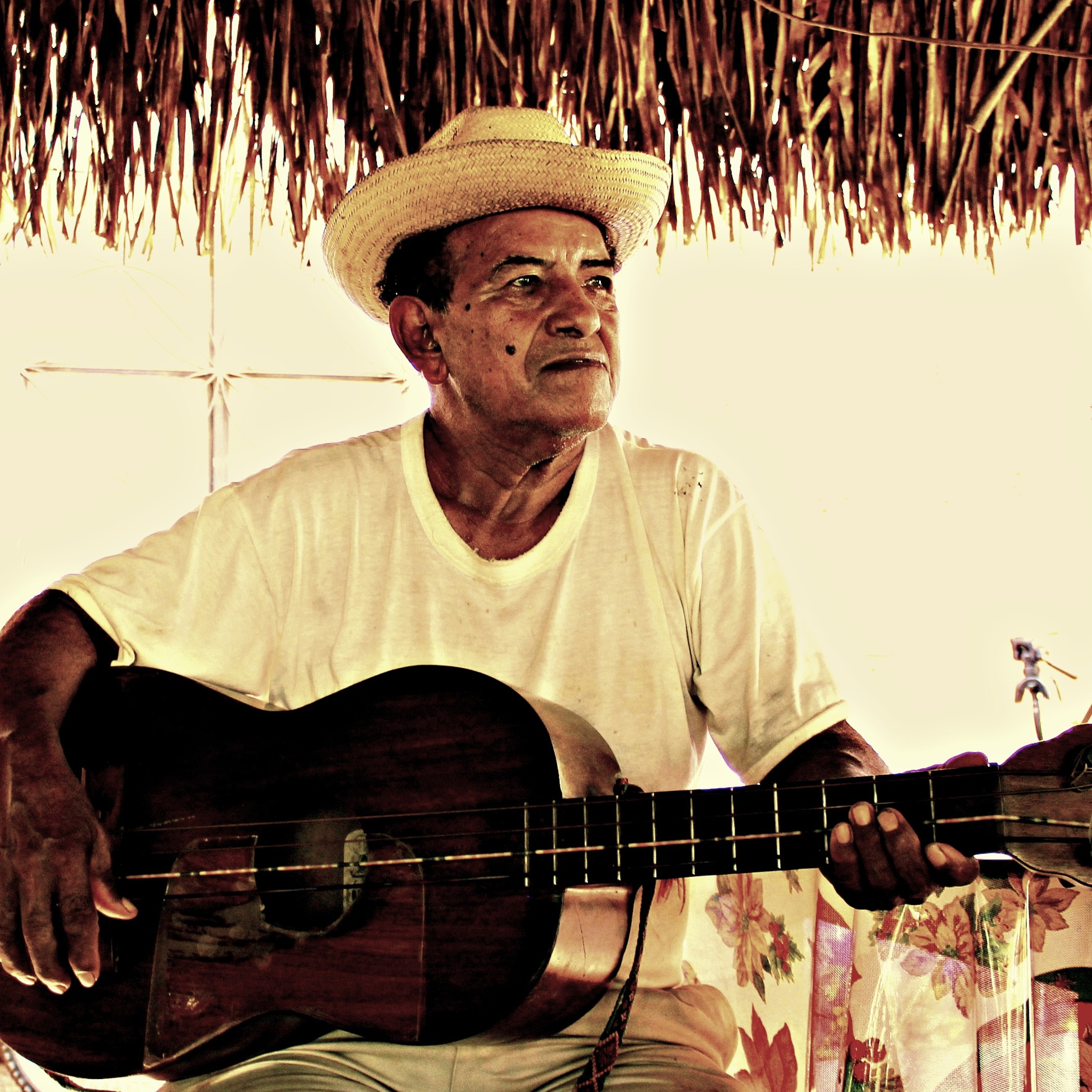
Much has been made of Mexico's rich Spanish and indigenous heritage, but until recently there's been little talk of Mexico's so-called "Third Root": Africa. Africans came to Mexico with the Spanish as soldiers and slaves -- so many that by 1810, the black population of Mexico was equal to that of the United States. Today, African heritage persists throughout Mexico, yet for a variety of reasons, black history has long been silenced. In this Hip Deep episode, we use music to explore that history as we take a road trip across the country in search of sonic traces of Afro-Mexico. We visit the state of Veracruz to learn the history of the Afro-Mexican son jarocho sound, made famous by Ritchie Valens' 1958 hit cover of "La Bamba," a traditional jarocho tune. Then, we visit the Costa Chica of Guerrero, where Afro-Mexican communities are fighting for government recognition to help preserve faltering musical traditions. And we'll stop by the golden-age halls of Mexico City, where the Afro-Cuban danzón thrives far from its ancestral home in Havana. Along the way, we hear from top scholars in the field such as Ben Vinson III and Alejandro Madrid, as well as Afro-Mexican music stars past and present, from Los Cojolites to Las Cafeteras. ¡Que padre! APWW #658
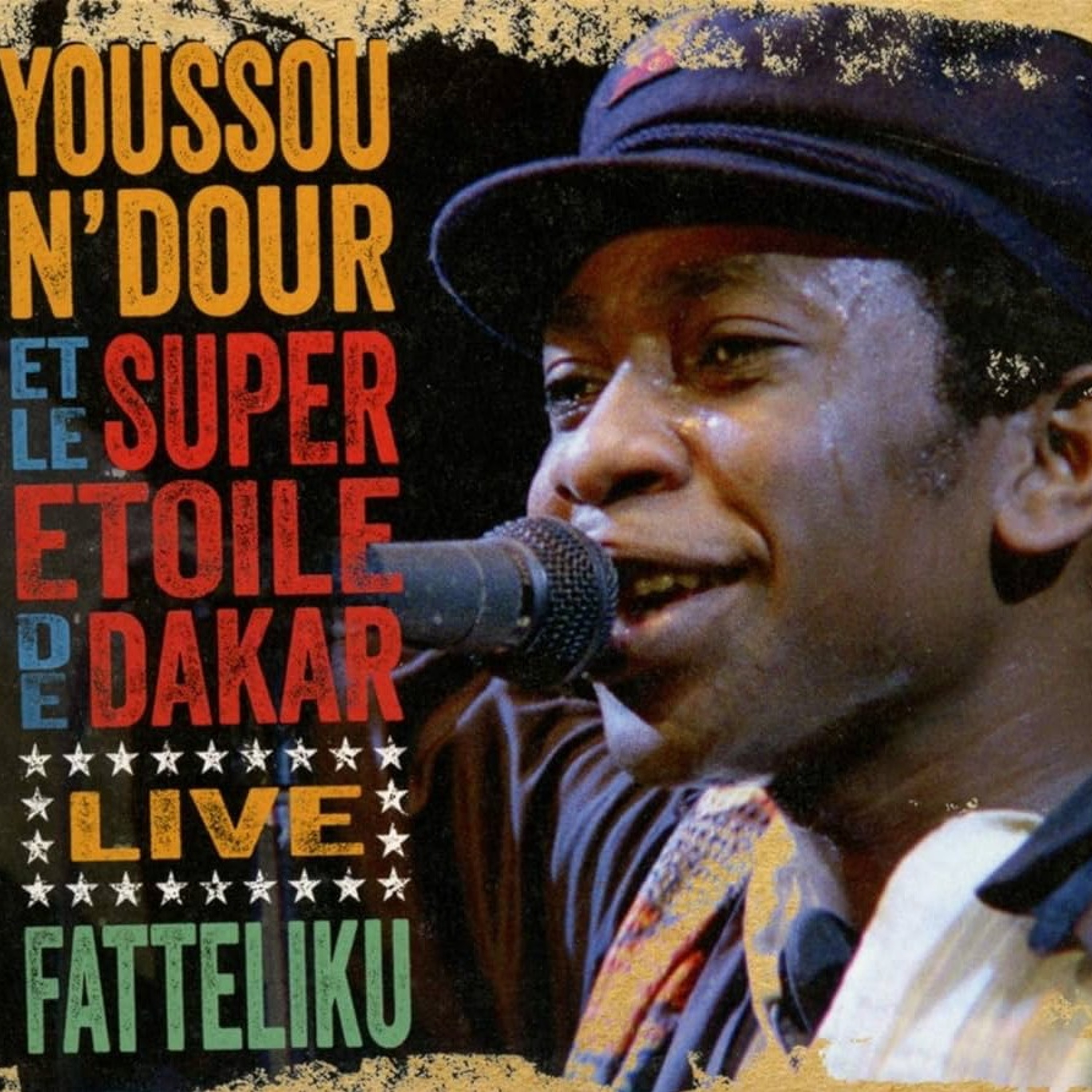
Youssou N'Dour Live at the Ritz
In 1989, very few Americans had heard the extraordinary voice of the man destined to be named “Best African Artists of the 20th Century.” Senegal’s Youssou N’Dour and his juggernaut mbalax band Le Super Etoile had played at The Ritz in New York three years earlier, and had recently been signed to Virgin Records. N’Dour’s own star was undoubtedly on the rise. But for many, this was an introduction to a whole new wave of West African popular music. Afropop Worldwide was on hand to record the show, and this program takes us back to the time when N’Dour was still firmly rooted in the mbalax tradition, his famed experiments with international styles just beginning. Produced by Sean Barlow. APWW #12

Amazigh Rising
The Amizigh, or Berber, are the original inhabitants of North Africa, which means their roots run deeper than the region’s better known Arab or European inhabitants. Berber history and music span from ancient sounds from the Atlas and Kabyle mountains to the latest pop fusions. In this, the first of Afropop’s Berber music series, we get the history and hear some of the extraordinary music that history has given us. Produced by Banning Eyre.
Amazigh Rising, Part 2
The long awaited follow-up to Afropop's popular 2002 program "Berber Rising" brings listeners up to date on music being made by the original inhabitants of North Africa, the Imazighen, or Berber. The program will include interviews and music from Takfarinas, Malika Zarra, Idir, Amazight, Fatima Tabaamrant, Iness Mezel, Najat Aâtabou and more. We'll take the pulse of the Berber village, the push for rights and recognition in Morocco and Algeria, and the global Amazigh community at a moment of tectonic social and political change in North Africa. Produced by Banning Eyre. Originally aired: April 21st, 2011 APWW #615
Planet Afropop - Season Finale with Noise Cans and the Swanky Kitchen Band
The 20th edition of Planet Afropop marks the end of our first season. In this episode, we sample top new music picks from Mukwae and Banning, Georges remembers a childhood sweetheart, Mukwae interviews Bermudian DJ Noise Cans, and Banning interviews Samuel Rose of the Swanky Kitchen Band from the Cayman Islands.
Mbalax Fever
From the 1970s to the present—hip-hop and Afrobeats notwithstanding—the most beloved and popular music in Senegal has been and remains mbalax. Mbalax grew out of a scene where urban bands Dakar bands like the Star Band and Orchestra Baobab were experimenting with Afro-Cuban music, funk and other foreign styles, blending and mixing them with local traditions. Perhaps inevitably, Wolof sabar drumming entered the mix in a big way, and mbalax was born. Sabar drums, played with one stick and one hand, deliver complex, cracking rhythms that are the backbone of this dynamic genre. This Hip Deep program traces the emergence and development of mbalax with insights from ethnomusicologist Patricia Tang, author of Masters of the Sabar. Produced by Simon Rentner.
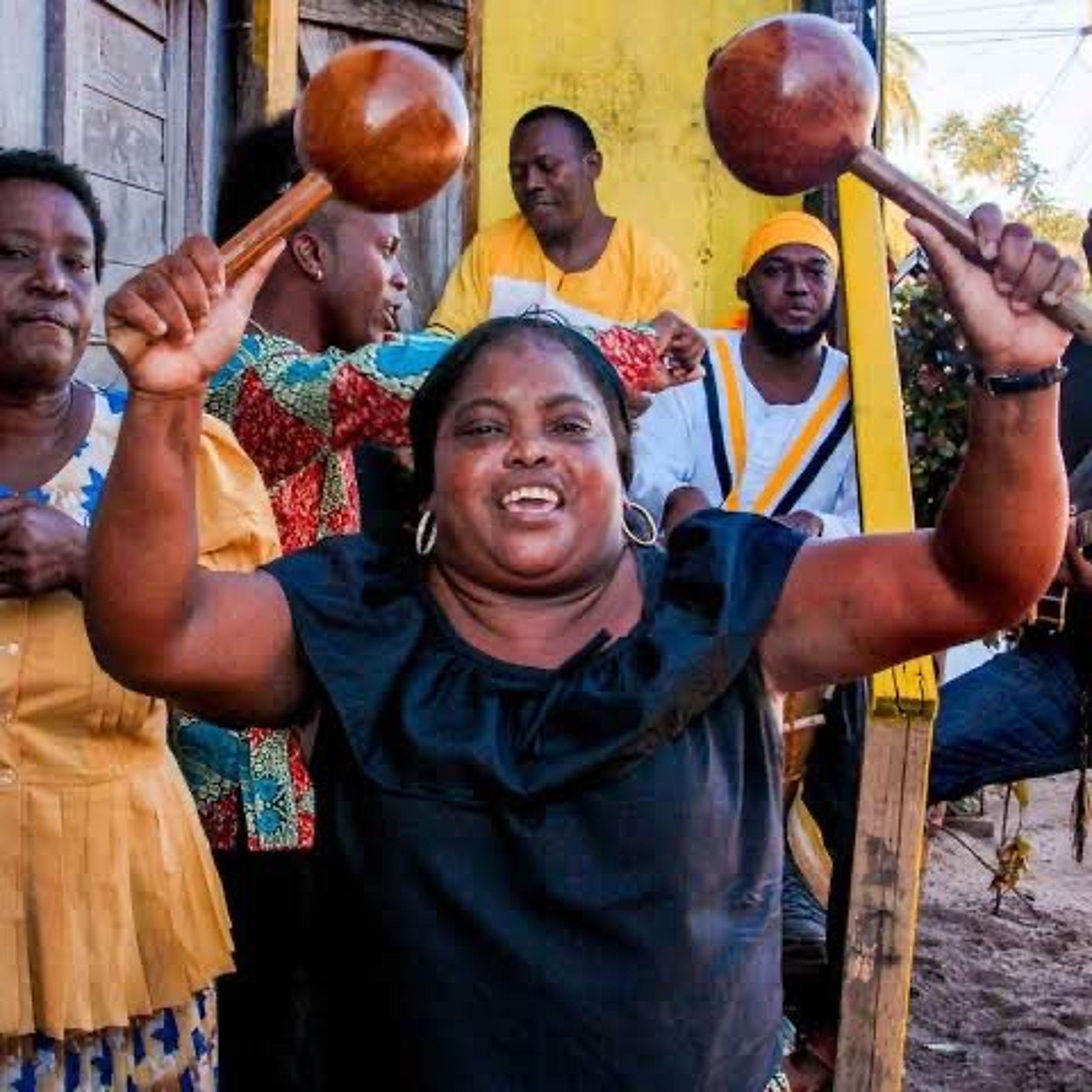
Planet Afropop - The Garifuna Collective: They Came Before Columbus
In this episode of Planet Afropop, we explore the music and language of the Caribbean coasts’ Afro-indigenous Garinagu People of Guatemala, Belize, Honduras, St. Vincent, and Nicaragua commonly known as the Garifuna. The official story is that these are descendants of enslaved Africans who were shipwrecked on the Island of St. Vincent in 1635. The distinct Garifuna language and music challenge this narrative with mounting evidence emerging of an alternative origin story of the Afro-Caribes before trans- Atlantic slavery and Columbus. The Garifuna Collective takes us on a journey to explore these gaps in history through their new music, with their distinctive homegrown punta rock rhythms and paranda from their latest album, Aban whose meaning is One. Producer Muwkae Wabei Siyolwe caught up with the Garifuna Collective and Dr. Gwen Nunez Gonzales, a Garifuna language matriarch in Belize who shares the stories behind the resilience and cultural citizenship of the Garifuna people. PA #019
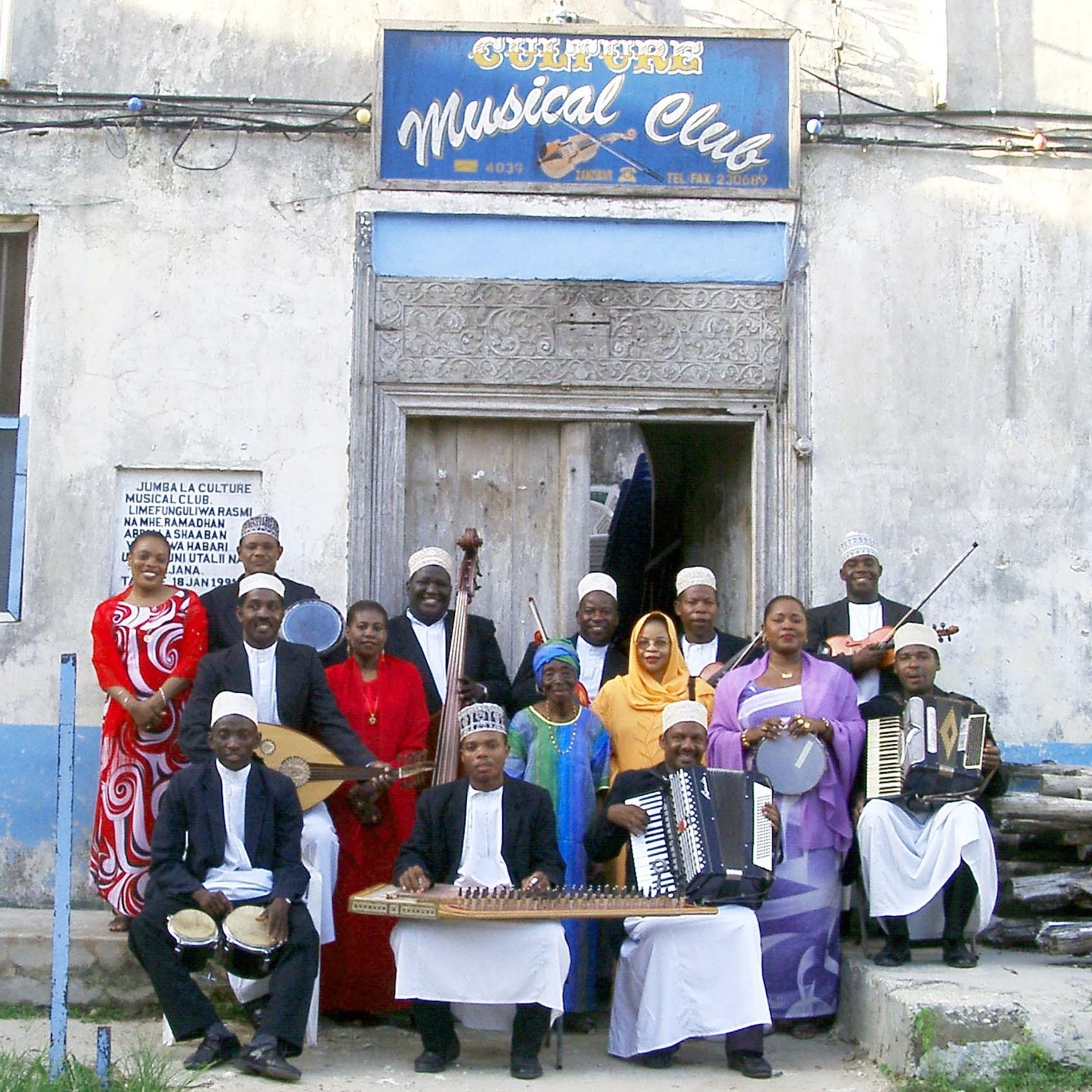
East African Taarab
The "taarab" music of East Africa's Swahili coast offers an amazing history lesson. Bantu and coastal Africans, Arabs, Portuguese, Germans, Brits, and Indians all figure in. With guest, anthropologist and author, Kelly Askew, this Hip Deep program explores the taarab music of Zanzibar, Dar es Salaam, Tanga, and Mombasa, Kenya. The show features rare recordings by the likes of taarab pioneer Siti Bint Saad, groups Babloom Modern Taarab and Tanzania One Theatre, and Afropop's own recordings of Culture Musical Club of Zanzibar and Maulidi Musical Party of Mombasa. Produced by Banning Eyre. APWW #471
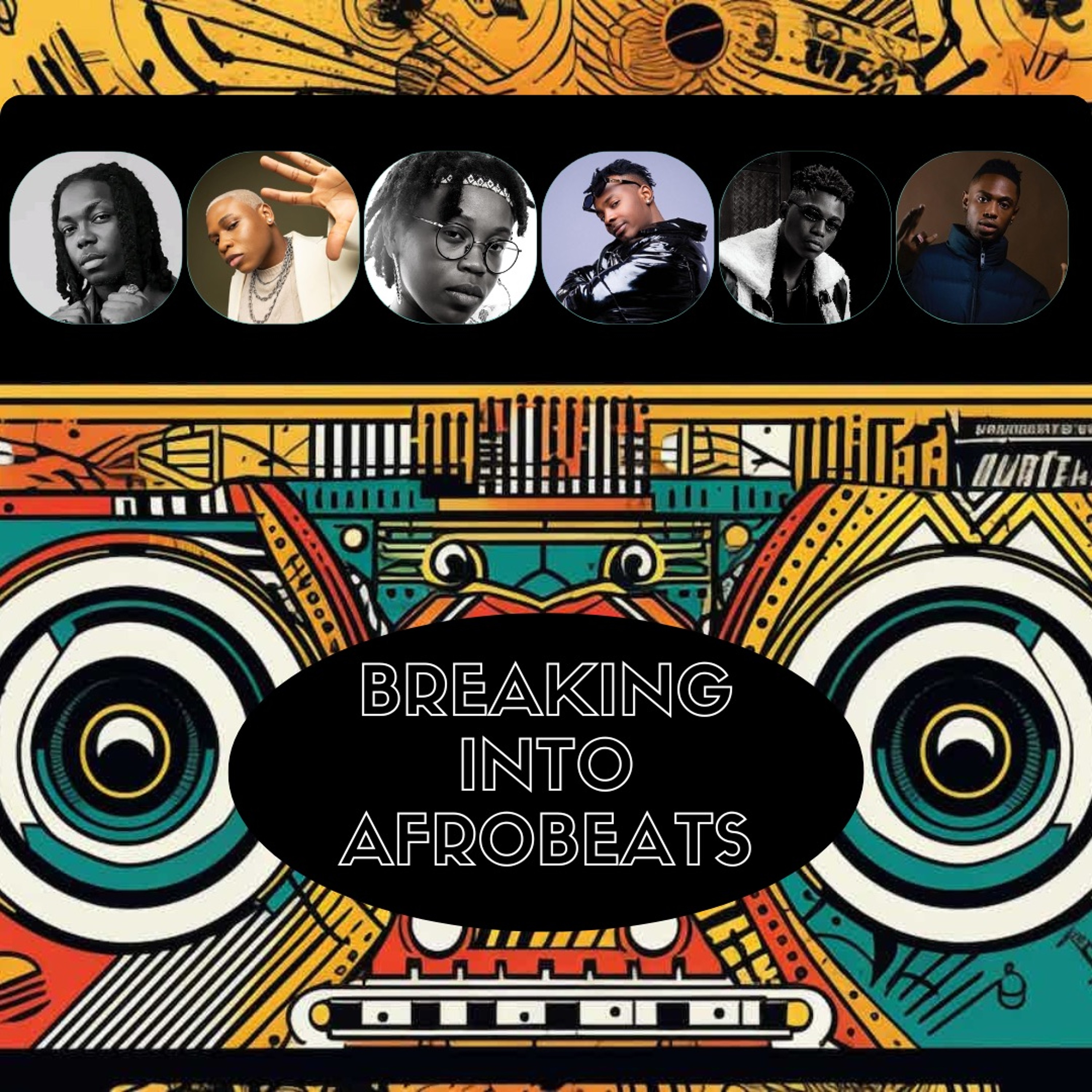
Breaking Into Afrobeats
On "Breaking Into Afrobeats" Georges Collinet and Lagos-based producer producer FayFay, shed light on the challenges faced by aspiring artists in the Afrobeats music industry in Nigeria. This episode introduces listeners to emerging talents like Romi, Bayanni, Boy Spyce, Lady Donli, Young John and Kidd Carder - highlighting their journeys, obstacles, and aspirations. Through interviews and music, "Breaking Into Afrobeats" offers a glimpse into the diverse experiences and challenges faced by emerging artists in the Afrobeats industry. It highlights the financial hurdles, unscrupulous practices, and gender disparities that exist in the industry. The episode also emphasizes the importance of being a timeless creative, making music that can resonate for years to come. With a focus on talent, perseverance, and the power of social media - this episode showcases the dreams and aspirations of these artists, aiming to inspire listeners and promote a deeper understanding of the global phenomenon that is Afrobeats. APWW #875