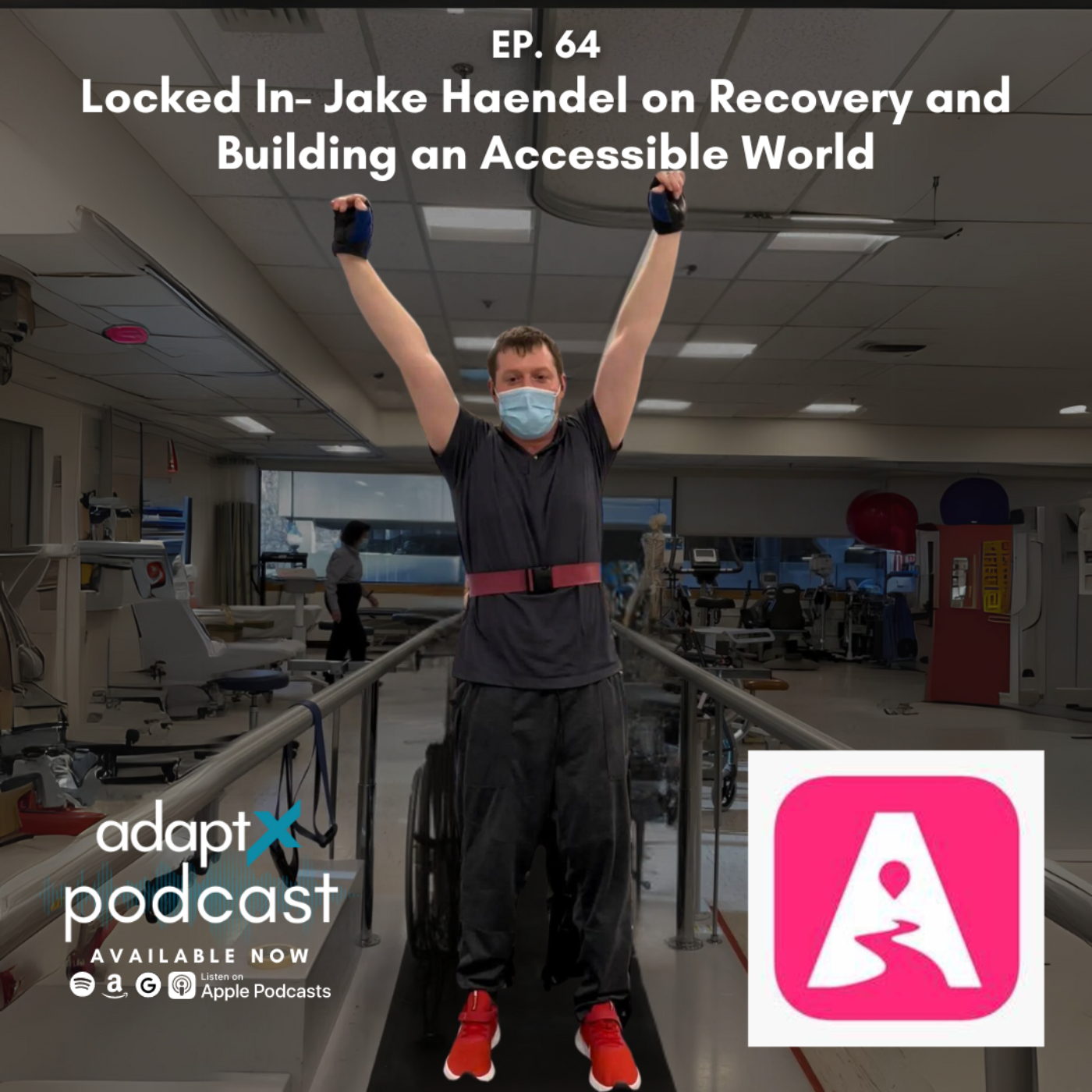
#064- Locked In: Jake Haendel on Recovery and Building an Accessible World
AdaptX Podcast · AdaptX
Audio is streamed directly from the publisher (content.rss.com) as published in their RSS feed. Play Podcasts does not host this file. Rights-holders can request removal through the copyright & takedown page.
Show Notes
Ahoi is an accessibility app that identifies barriers in the environment and prioritizes businesses that are accessible. It also offers personalized accessibility ratings based on individual needs. The app aims to take the mystery out of accessibility and provide a customizable solution. The founder, Jake Haendel, was diagnosed with acute toxic progressive leukoencephalopathy and went through a four-year recovery process. The idea for the app came from his personal experiences of encountering accessibility challenges. The team focused on building a functional MVP and prioritized user research to address the biggest pain points. In terms of sustainability, Ahoi is working on partnerships with government organizations and exploring revenue generation opportunities. They discuss partnerships, monetization strategies, and future plans for expansion, touch on the importance of prioritizing safety, and the need for government support in the disability tech sector. The conversation concludes with a discussion about the personal experience of being trapped in a locked-in state and the coping mechanisms used during that time.
To follow along with Jake and Ahoi, check out the following links,
Instagram: @miraclman31
LinkedIn: https://www.linkedin.com/in/jake-haendel-a8629a1b4/
Ahoi's Website: https://ahoimate.com/
Takeaways
- The disability tech sector is often undervalued, but it has a significant market size with over a billion people worldwide with disabilities.
- The personal experience of being trapped in a locked-in state was challenging, and coping mechanisms included focusing on positive memories and engaging in mental activities.
- The conversation also touches on the need for government support and legislation to address accessibility issues. Detecting consciousness in comatose patients is a new area of research, and methods like fMRI are being used to determine if patients are locked in.
- The bedside exam to detect consciousness in comatose patients is outdated and can lead to misdiagnosis.
- Recovery from locked-in syndrome involves regaining movement and communication abilities through intensive rehabilitation.
- Healthcare professionals should assume competence in patients with disabilities and provide personalized care.
- The fitness industry can improve accessibility by addressing physical barriers, providing adaptive equipment, and training trainers to work with people with disabilities.
Chapters
00:00 Introduction and Background
05:17 The Challenge of Universal Accessibility
09:02 Affordable Accessibility and ROI
14:23 The Frustration of Uncertain Accessibility
19:21 Building a Functional MVP for Ahoi
24:04 Monetization Strategies and Future Plans
30:33 User Ratings, Reviews, and Vetting Process
38:19 Coping Mechanisms in a Locked-In State
42:05 The Importance of Government Support
49:04 The Timeline of Recovery from Locked-In Syndrome
57:29 Creating an Inclusive Fitness Industry
01:05:19 Personal Relationships and Problem-Solving in Rehabilitation